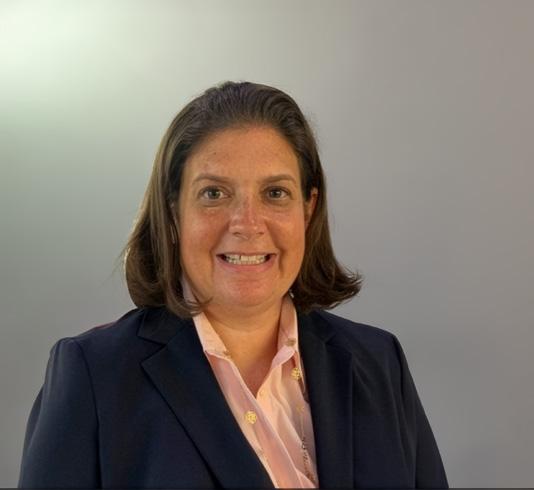
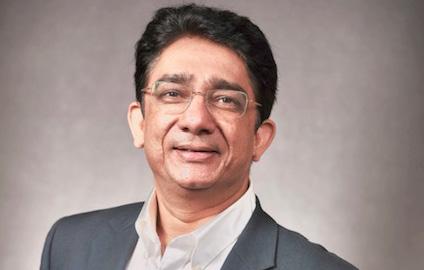
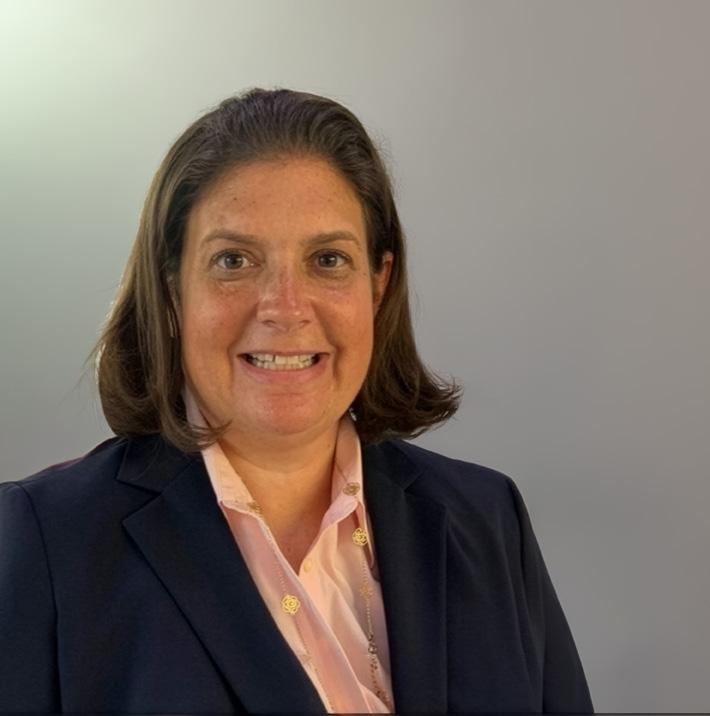
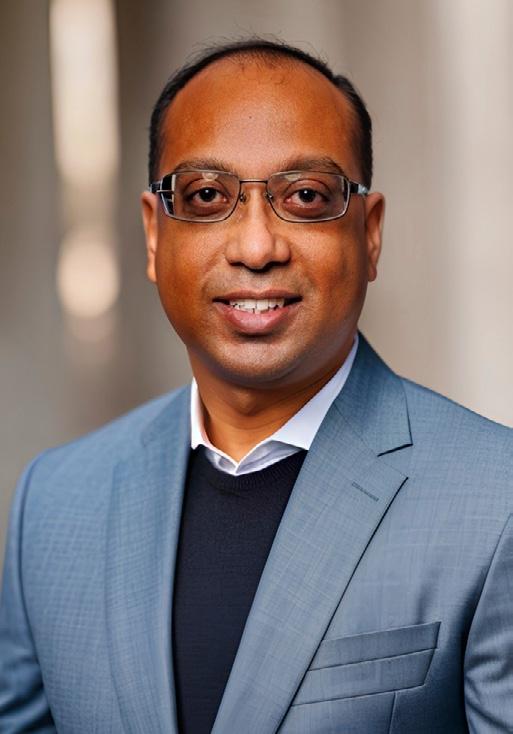
Principal, Global Commercial Cloud & AI Data Center Integration, Microsoft
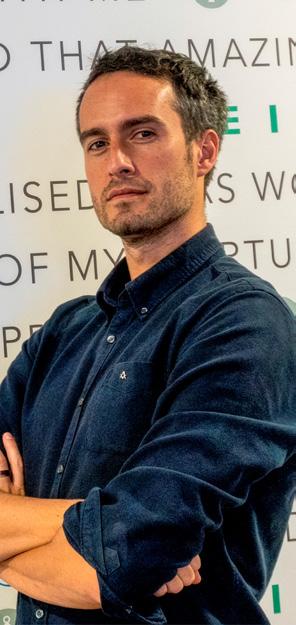
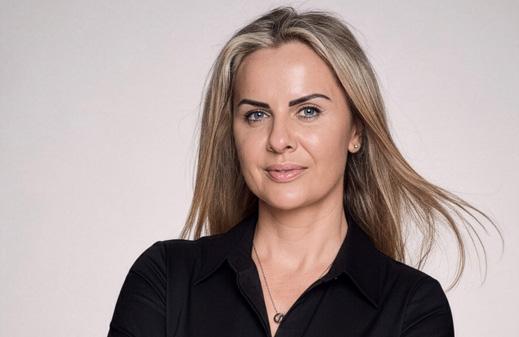
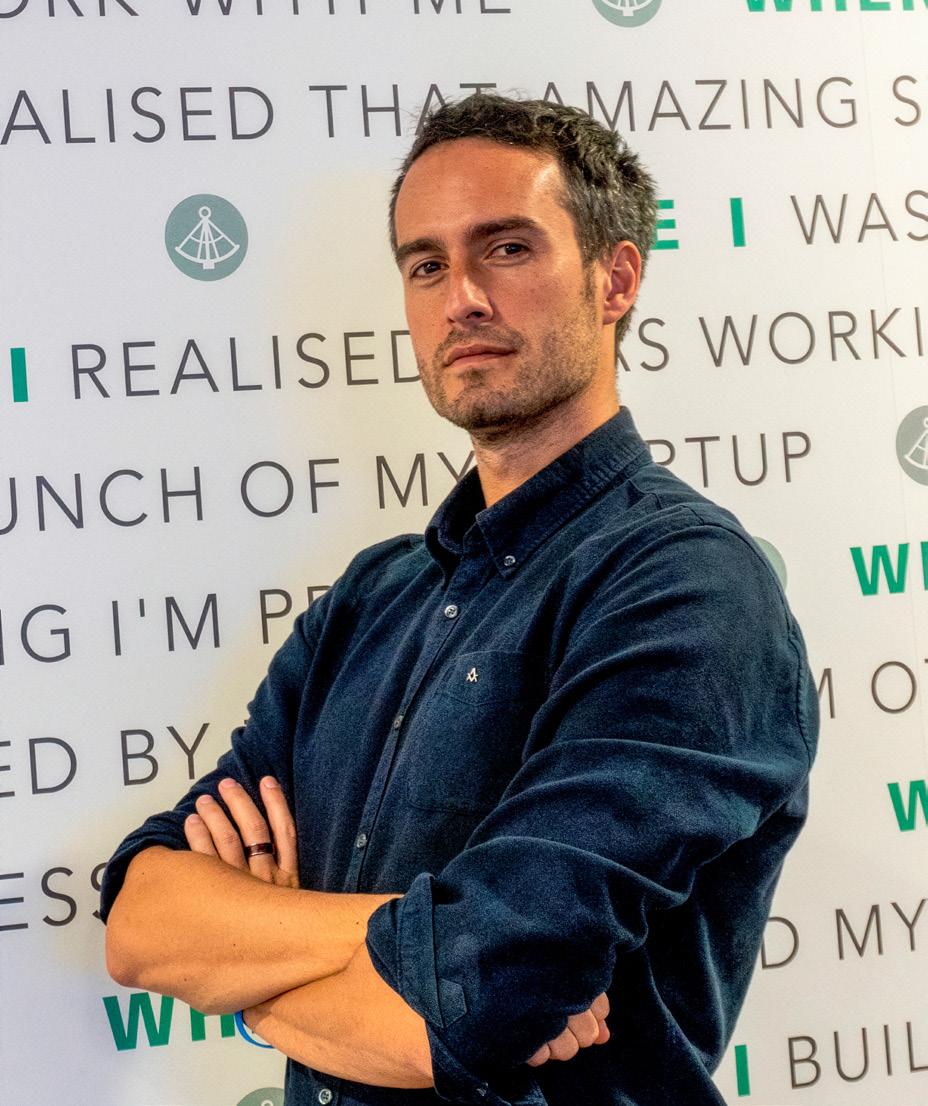
Ramiro Roman
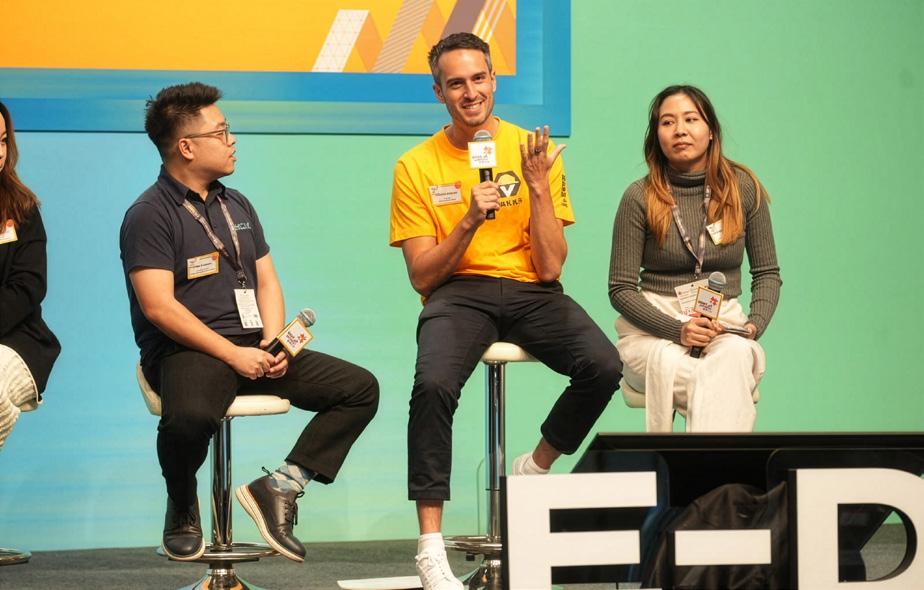
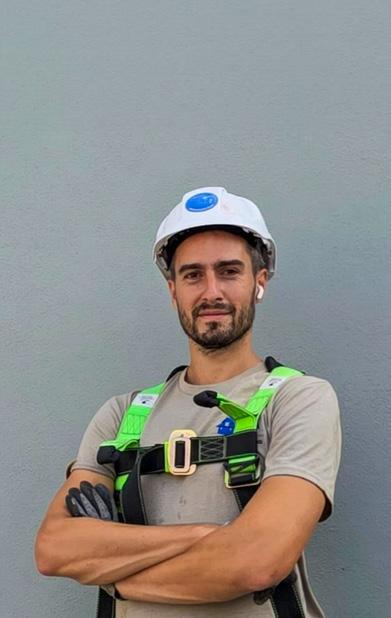
Chief People Officer, Yakka Labour Group
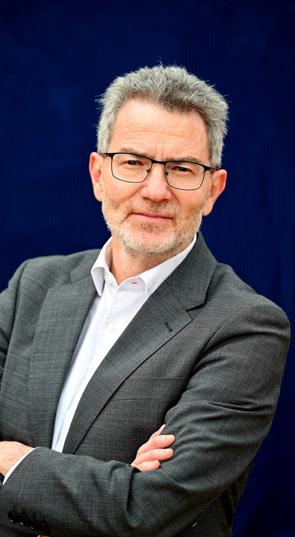
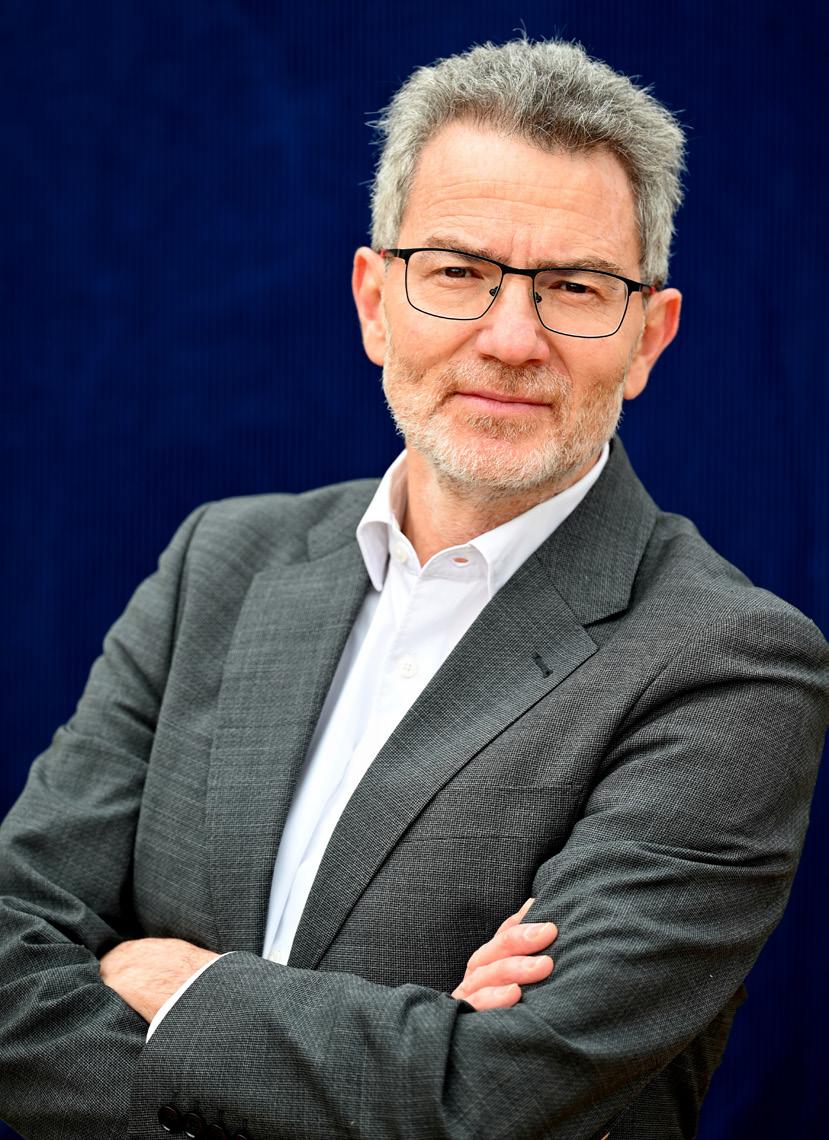
Raj Badhwar CIO, SPA
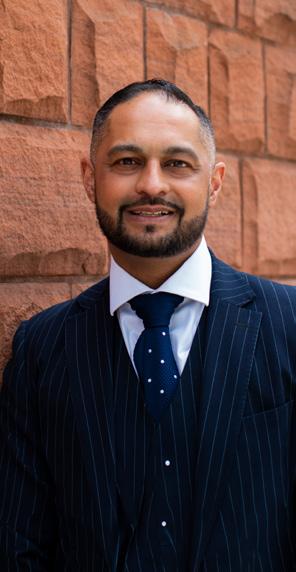
Amit Shivpuja Director of Data and AI Enablement, Walmart
Jaime Gómez García
Global Head of Cryptography and the Santander Quantum Threat Program, Santander Digital Services
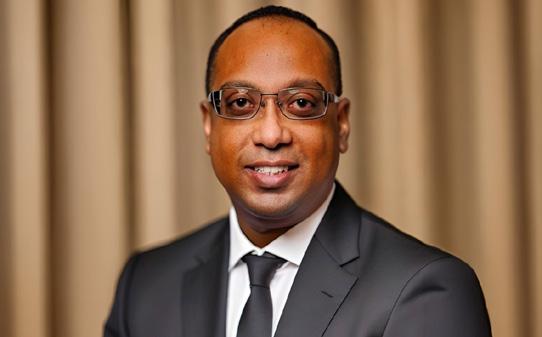
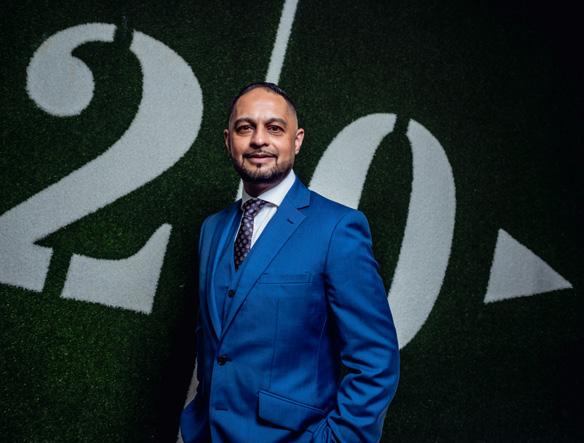
Kam Karaji Director of Cybersecurity & Risk Management, National Football League
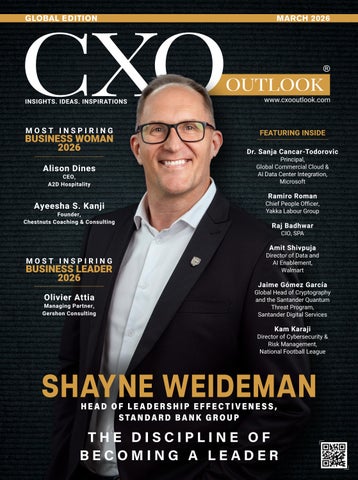
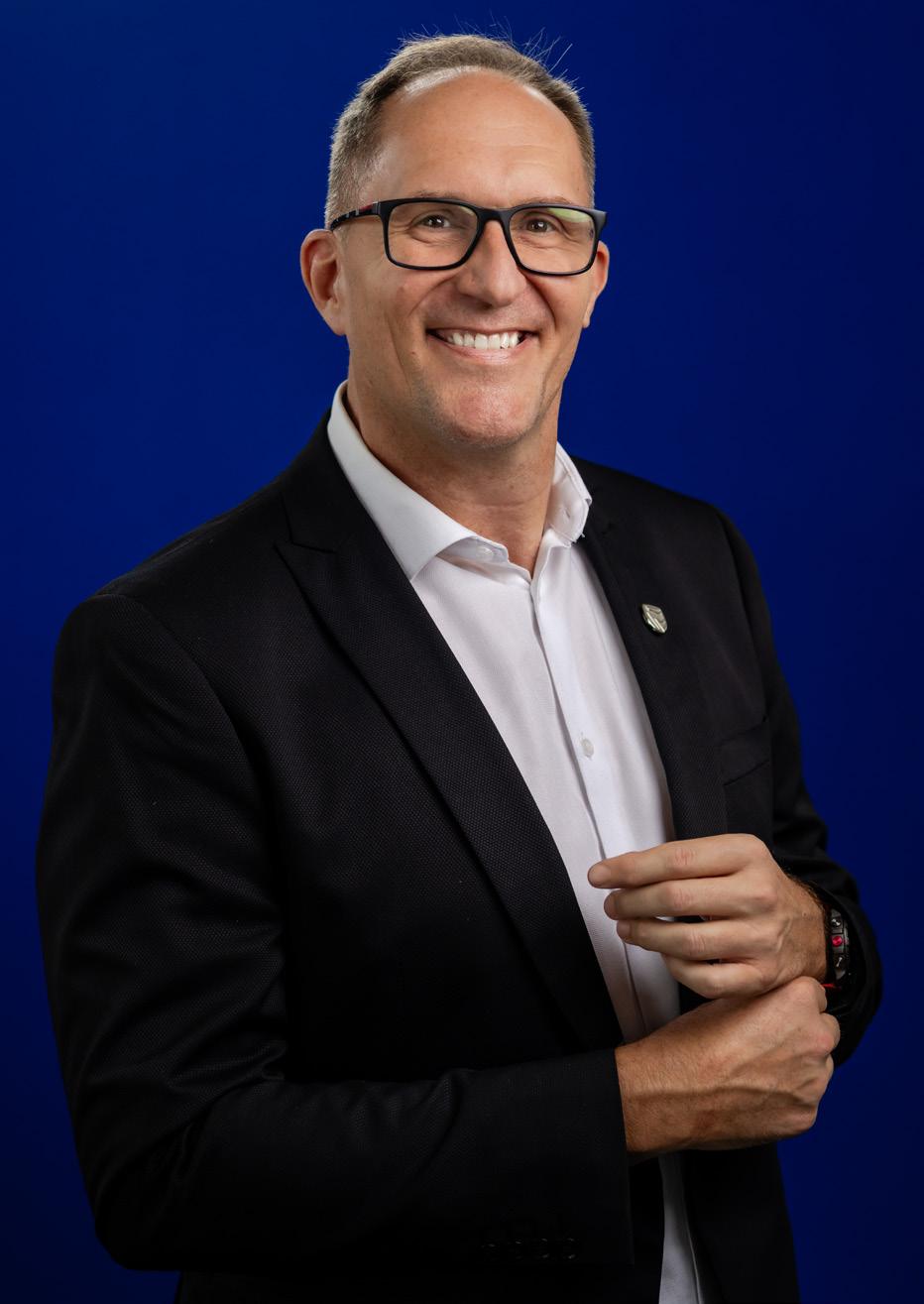
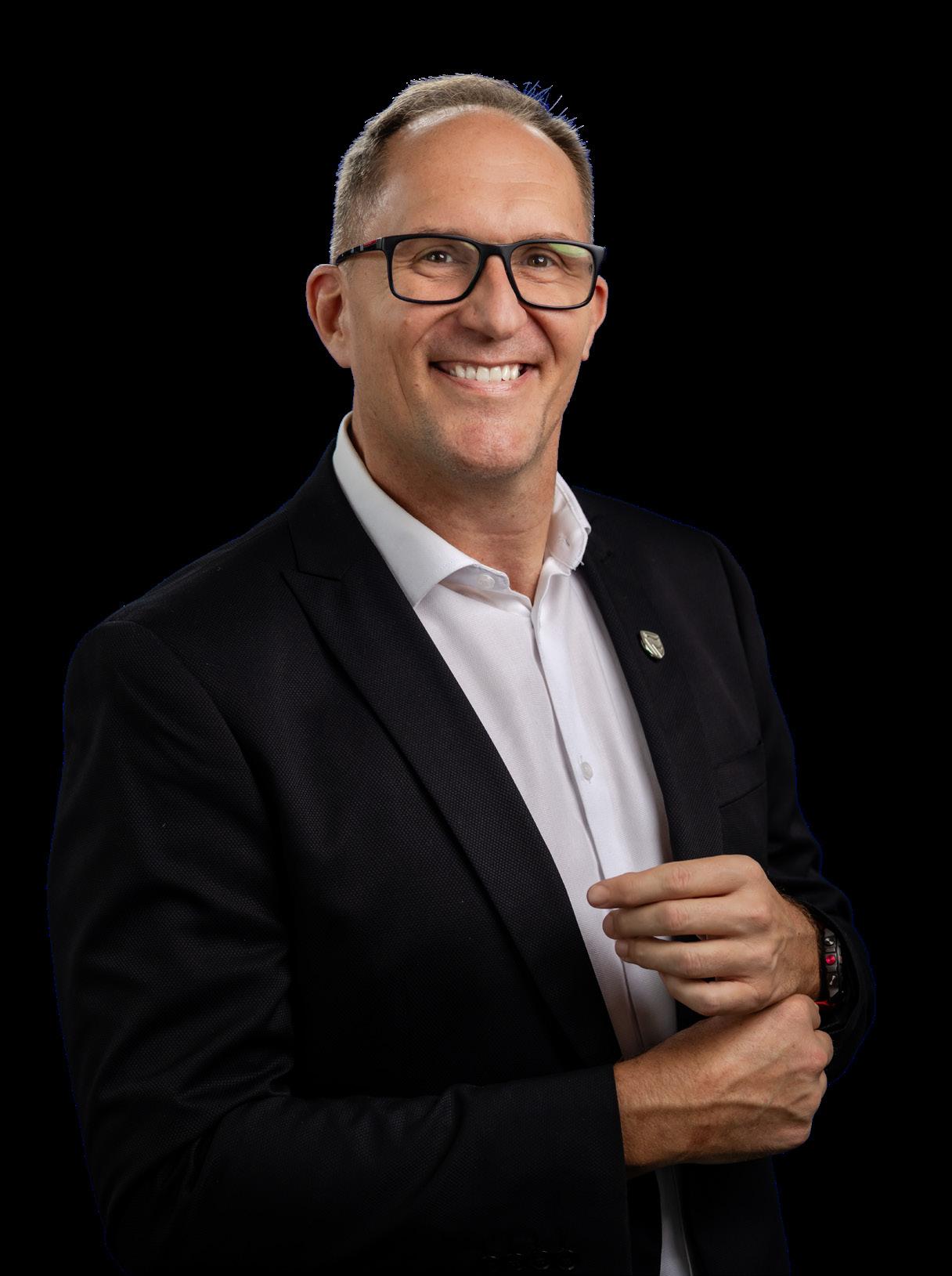
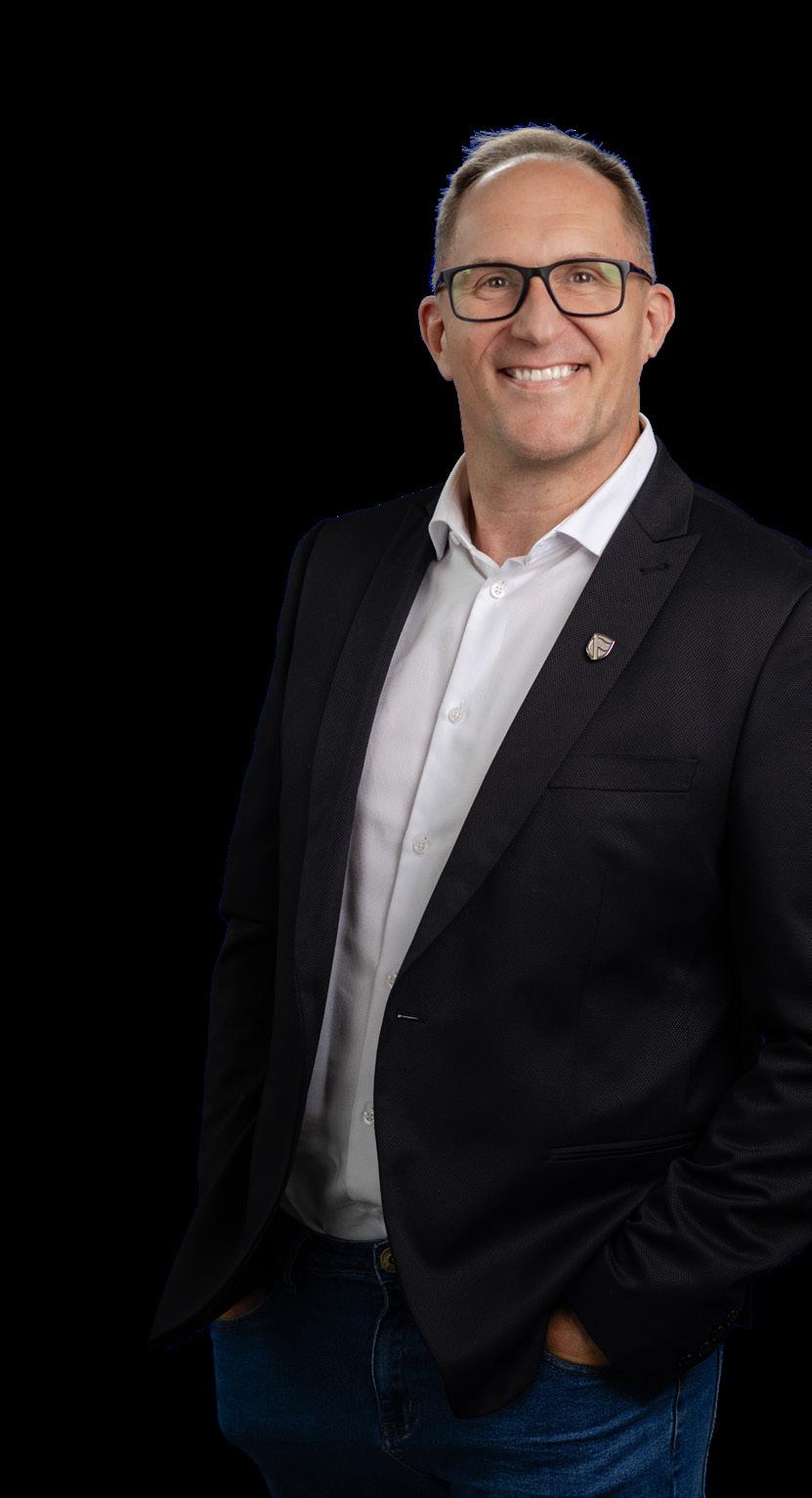
SHAYNE WEIDEMAN
HEAD OF LEADERSHIP EFFECTIVENESS, STANDARD BANK GROUP
THE DISCIPLINE OF BECOMING A LEADER
March 2026
Creative Consultants
Charlie Jameson
Louis Bernard
Managing Editor
Sarath Shyam
Branding & Marketing Partnerships
Jennifer Anderson
Monica Davis
Jessica Edword
Consultant Editors
Dr. John Andrews
Emma James
Andrew Scott
Sabrina Samson
Editorial Enquiry admin@cxooutlook.com
Naomi Wilson
Stanly Lui
Steve Hope
Keith Alexander
Anna Elza
Stephen Donnell
Susan Miller
Partnerships Enquiry admin@cxooutlook.com
Asia-Pacific International Partnerships admin@cxooutlook.com
CXO Outlook www.cxooutlook.com is a global knowledge sharing digital platform published by Connecta Innovation Private Limited. All rights reserved. The opinions expressed in the content and pictures provided are those of the authors. They do not purport to reflect the opinions or views of Connecta Innovation Private Limited or any of its members and we do not assume any responsibility. The publisher does not assume any responsibility for the advertisements, its content, pictures, and all representation of warranties made in such advertisements are those of the advertisers and not of the publisher. CXO Outlook www.cxooutlook.com is a Free Subscription and Free-to-read digital platform strictly not for sale and has to be strictly for internal private use only. Publisher does not assume any responsibility arising out of anyone modifying content and pictures, printing a copy of this digital platform in any format and in any country and all matters related to that.
The Quiet Power That Machines Can’t Learn
There’s a strange shift happening in boardrooms and classrooms alike. We are surrounded by systems that can predict, recommend, and even decide faster than we ever could. Yet, in the middle of all this efficiency, something feels unsettled. The more we rely on machines for answers, the more we are forced to confront a harder question; what is left for us to bring to the table?
I was thinking about this recently while observing how leaders respond under pressure. The data is often clear. The dashboards are precise. But the decisions? They are rarely just technical. A recent global study suggested that while organizations are investing heavily in AI, a majority still struggle with decision-making in uncertain, human-centered situations. That gap is telling. It reminds us that judgment, empathy, and context are not outdated skills. They are becoming the differentiators.
This is where our cover story feels particularly timely.
In our conversation with Shayne Weideman, Head of Leadership Effectiveness at Standard Bank Group, what stands out is not just his impressive cross-industry journey, but his unwavering focus on the human side of leadership. From his early days as a field guide in the Greater Kruger National Park
to shaping leadership at one of Africa’s largest banks, Shayne’s perspective is grounded in clarity of intent and a deep understanding of people. He speaks candidly about building leaders before they are needed, balancing performance with humanity, and preparing for a future where adaptability is non-negotiable.
This issue of CXO Outlook brings together voices that explore this evolving balance from multiple angles. From leadership and education to technology and organizational culture, each piece reveals a shared realization; the future may be driven by machines, but it will be led by humans.
As you turn these pages, I invite you to reflect on your own edge. Not the one sharpened by tools or technology, but the one shaped by experience, instinct, and conviction. Because in the end, that quiet human edge may be the only advantage that truly lasts.
Enjoy Reading.
Sarath Shyam
SHAYNE WEIDEMAN
HEAD OF LEADERSHIP EFFECTIVENESS, STANDARD BANK
GROUP
THE DISCIPLINE OF BECOMING A LEADER
Ayeesha S. Kanji
Helping Leaders Find Clarity, Confidence and Growth in Moments of Change Founder, Chestnuts Coaching & Consulting
Alison Dines
Designing Travel Experiences That Feel Effortless CEO, A2D Hospitality
Olivier Attia 56
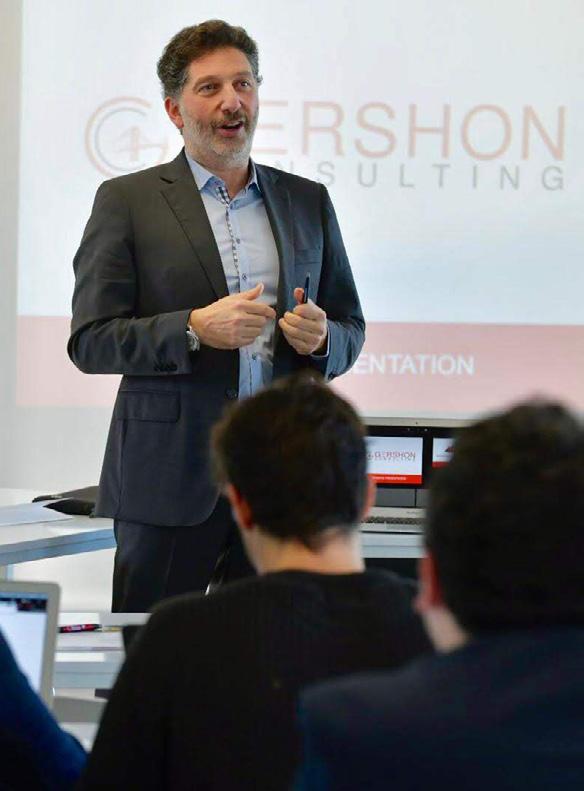
Managing Partner, Gershon Consulting
Pioneering Strategies that Turn Challenges into Opportunities and Businesses into Global Successes
IN MY VIEW
16
Designing Trust-Driven Workplaces as AI Reshapes Work
Ramiro Roman, Chief People Officer, Yakka Labour Group
LEADER'S INSIGHTS
Transforming Cryptography for a Secure Tomorrow
Jaime Gómez García, Global Head of Cryptography and the Santander Quantum Threat Program, Santander Digital Services
30
72
Building Resilience in a Digital Age
Kam Karaji, Director of Cybersecurity & Risk Management, National Football League
EXPERT OPINION
The Enterprise AI Ecosystem: Five Non-Negotiables Every Organization Must Focus on in 2026
Amit Shivpuja, Director of Data and AI Enablement, Walmart
Human-Centered AI Strategy: Why the Success of AI Depends on Us
36 Dr. Sanja Cancar-Todorovic, Principal, Global Commercial Cloud & AI Data Center Integration, Microsoft
50
66
The Agentic Enterprise: A CIO’s Blueprint for Secure AI Velocity
Raj Badhwar, CIO, SPA
SHAYNE WEIDEMAN
HEAD OF LEADERSHIP EFFECTIVENESS, STANDARD BANK GROUP
THE DISCIPLINE OF BECOMING A LEADER
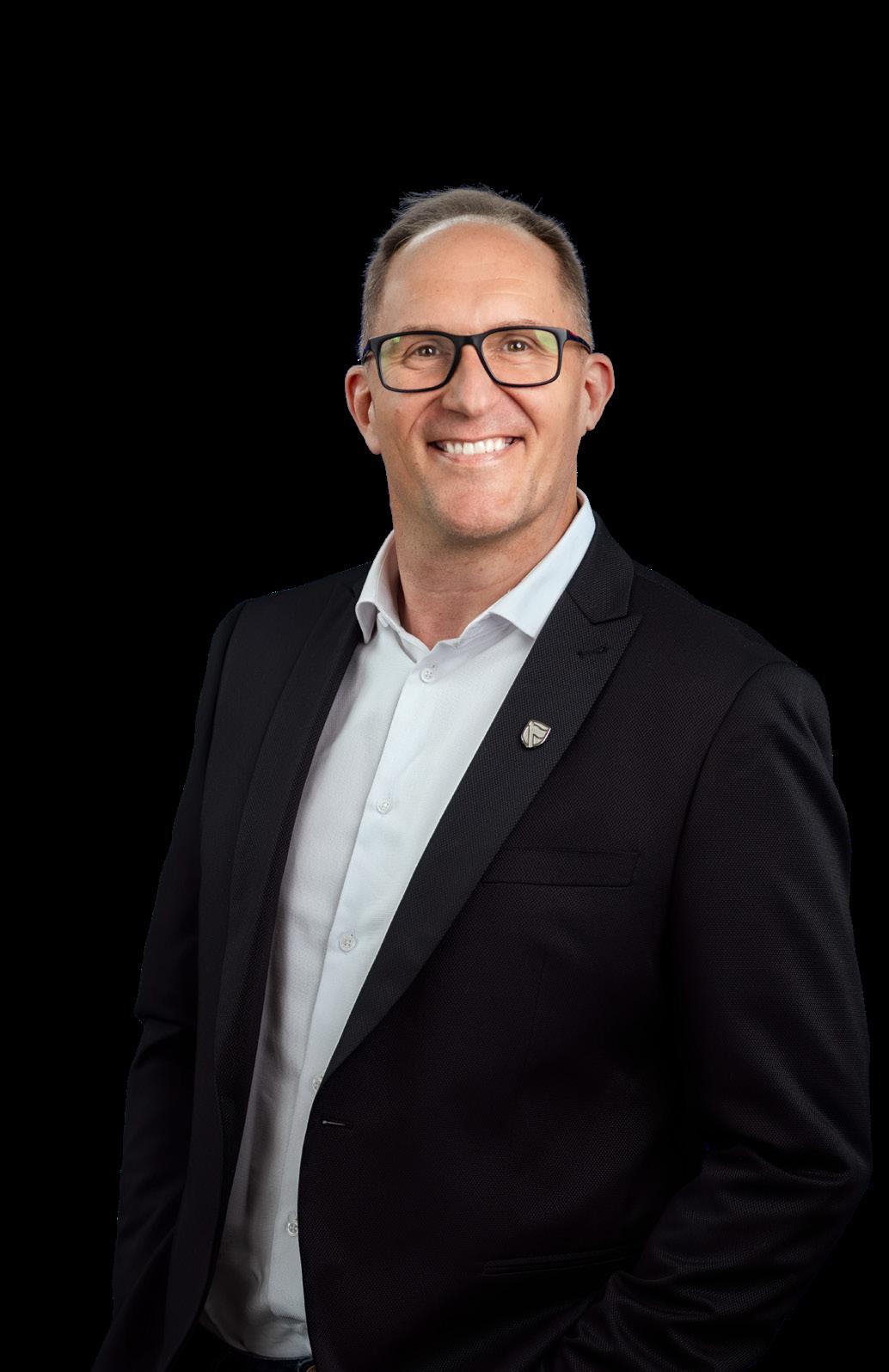
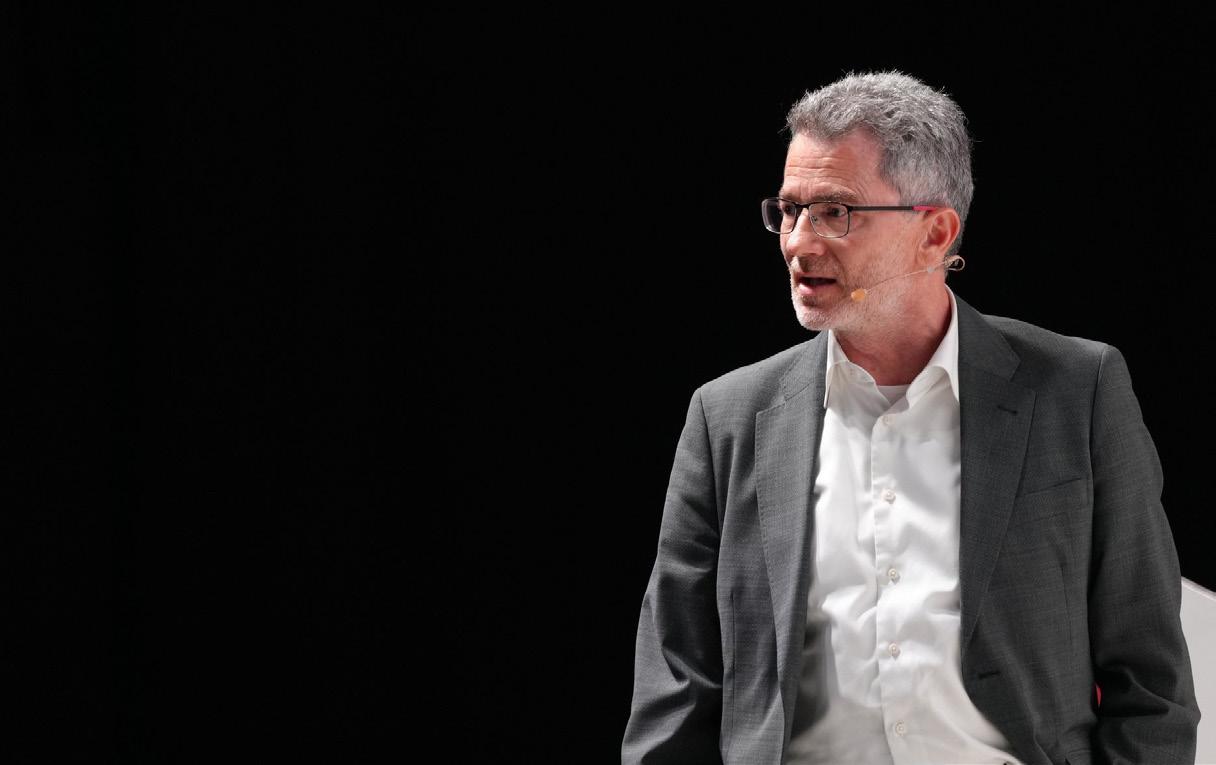
Shayne Weideman is the Head of Leadership Effectiveness for the Standard Bank Group, the largest bank by assets, on the African continent. Shayne began his career in the hospitality industry, working as a field guide in the Greater Kruger National Park before moving into academia and then corporate. He has worked in healthcare, technology, consulting, and now in financial services. Shayne’s deep interest in the human condition, particularly the discipline of leadership, has shaped his career choices and continues to drive his own development. He is particularly proud of Standard Bank being awarded the EFMD Excellence in Practice Gold Award for Executive Development in 2020, and the Gold Award for Best Advancement in Leadership Development by the Brandon Hall Group in 2022. Outside of the work environment, Shayne enjoys spending time with his English Bulldog, reading science fiction novels, and spending time in nature with family and friends.
In an exclusive conversation with CXO Outlook, Shayne Weideman talks about the defining moments that shaped his journey into leadership development and why effective leadership begins with clarity of intent. He highlights the importance of defining what future-ready truly means, the longterm commitment required to build strong leadership pipelines, and the balance between performance and people. He also shares his perspective on how AI and rapid technological change are reshaping leadership expectations, making adaptability and continuous learning essential.
You’ve built your career around strengthening leadership capability. Looking back, what were the defining moments that shaped your philosophy on leadership and effectiveness?
In 2001, I was lecturing in a completely different field for a private tertiary education institution. At the end of that year, as my students were graduating, a young woman asked if she could chat with me after the graduation. Naturally, I said yes. In that conversation, she implored me to “get into leadership because we need good leaders, and I think that you can help them’. It took another three years for me to do that, but that conversation sparked a curiosity in me that still burns today. If I were to pick one other moment, it would be my experience with a previous manager. They had exceptionally high standards and expected excellence, but balanced those demands with a relentless passion for the people who worked for them. This leader saw people as people, not as tools through which goals are achieved. At the same time, they were working on themselves from a self-development perspective. That leader showed me that being human and results-driven are not mutually exclusive but reinforcing, and we should never stop growing or stop improving ourselves.
In your experience, what are the biggest challenges organisations face today when trying to build strong, future-ready leaders?
Organisations often fail to define what futureready means. You have to know where you are going, or else any road will get you nowhere. Whilst this is often attributed to the Chesire Cat in Alice in Wonderland, it could not be more relevant when trying to build a strong leadership
pipeline. Clarity on what future-ready looks like is the first step. Once you have that clarity, you can decide how you are going to build these leaders. Often, organisations fall into the trap of “old school” leadership development where a leader attends a course for a week and miraculously they are prepared for the future. Development initiatives have to be well thought through, contextually appropriate and develop the skills that the organization need in order to be future-ready.
Time is the second step – this is not a quick fix; it is a deliberate long-term strategy that an organization needs to adopt in order to succeed. It is a multi-year and cross-disciplinary journey where leaders are provided with opportunities and experiences that increase not only their knowledge of the organization, but the foundational intra and inter-personal skills needed in the future.
Thirdly, investment and return on investment. Organisations, again, need to be clear on what success looks like, pivot where needed, but stay the course in investing in their leaders. The closer the development initiatives are to the organizational strategy (over short, medium, and long-term objectives), the better the leaders will be equipped to lead in the future.
With AI and emerging technologies rapidly transforming business models, how do you believe leadership expectations are evolving? What must leaders do differently now?
The role of leaders has changed over the past few years. There has been a shift from leaders managing people and the work to a more human-centered approach, whilst still being digitally savvy, able to lead themselves and
The ability of a leader to be curious, take calculated risks, fail, learn, and try again is becoming more important than their pure technical ability
others, through an increasingly complex world of work. The ability of a leader to be curious, take calculated risks, fail, learn, and try again is becoming more important than their pure technical ability. One thing I know for sure is that a leader who doesn’t learn is going to become redundant in the future; Satya Nadella famously said that he wants his leaders to go from a knowit-all approach to a learn-it-all approach. With the uncertainty that leaders are faced with from a geopolitical and market force perspective, it is difficult to prepare them for specific scenarios. Organisations need to build the “soft” skills that enable our leaders to grasp what is happening in their context, discern what is worth paying attention to, respond appropriately, and finally adapt to the outcome. Leaders who are futureready are those with high levels of adaptive capacity, whilst still focusing on the human beings that they lead.
This might mean that leaders don’t know everything, imagine that!! A leader must
leverage the strength of the individuals in their teams to help them navigate the evolving landscape in which they work.
From your perspective, what distinguishes a high-performing leader from a truly effective one who creates lasting impact?
When it comes to high-performance, one must ask the question, “At what cost?” I’m not talking about resources, I’m talking about the people cost. We all know those leaders who deliver exceptional results year after year; yet at the same time, they might be consistently working 18-hour days, pushing their teams to “do more with less”. I don’t believe that this is sustainable. I believe that effective leaders are high-performing, but they achieve those high levels of performance by balancing people and results. An effective leader must do three things well: lead themselves, lead culture, and lead strategy. A leader who can find the nexus of
these three elements is one who is going to leave a positive impact on the business and their team, while creating a personal legacy that people will admire.
Leadership development often focuses on frameworks and strategy. How important is self-awareness and personal mastery in that journey?
I would argue that these two elements are as, if not more, important than frameworks and strategy. They are foundational to being able to respond to the demands that the organization places on leaders, and part of a leader’s ability to lead themselves. They are the hard skills of the inner world. I would also suggest that they are, in fact, foundational to every leadership competency that might exist. A leader cannot lead a team if they cannot lead themselves; they cannot develop others if they have stopped developing themselves. They cannot delegate effectively without understanding and managing their own need for control. True leadership development must start with the leader seeing themselves clearly in the mirror, knowing who that person in the mirror is, and committing to being the best version of that person, not only for themselves, but for others too.
Outside of your professional responsibilities, what helps you stay grounded, energised, and continuously learning?
I am very fortunate to have a wonderful group of family and friends who help me keep my feet firmly on the ground. Apart from spending time with them, I try to spend as much time as possible in nature. I find this truly restorative and allows
True leadership development must start with the leader seeing themselves clearly in the mirror, knowing who that person in the mirror is, and committing to being the best version of that person, not only for themselves, but for others too
my mind to completely relax. I visit the gym at least three times a week – obviously, my physical health benefits, but it is more for my mental wellbeing. The gym is an hour of moving meditation for me.
I am fascinated by human beings, the choices we make, what drives us to make these choices, and how we interact with the world around us. The more I try to understand us, the more I need to learn. My late father used to call me the “eternal student,” and that is true to this day. To stop learning is to stagnate. Acquiring knowledge, whether through formal courses, podcasts, social media, or reading, is something I don’t believe I will ever stop doing.
For young professionals aspiring to leadership roles, what advice would you offer about building credibility and influence early in their careers?
I believe in the school of thought that attitude is everything; you can teach skills, but attitude determines success. There are three objectives that young professionals should have front of mind:
Establish a network – build connections with colleagues across business lines and silos by making an effort to know who they are and what they do. Remember, people value connection.
Build your competence by learning about new tasks, developing new skills, being willing to take instruction, and listening to those who have more experience than you. Demonstrate your value to the business and the people in it through work ethic and willingness to be involved. As Roald Dahl once said, “I began to realise how important it was to be an enthusiast in life.”
Designing Trust-Driven Workplaces as AI Reshapes Work
Ramiro Roman, Chief People Officer, Yakka Labour Group
Looking back at your career, what were the key moments or decisions that shaped your path into executive HR leadership, and what lessons did you take from them?
I see myself more as a tech leader who works in HR than an HR leader who works with tech. From early in my career, I stepped into roles
that required assembling and leading teams to deliver ambitious, high-complexity projects - ranging from cross-border collaborations to the implementation of advanced AI solutions in partnership with NASA.
My professional experience shaped what I wanted to grow into, which ultimately influenced what I chose to study and how I later
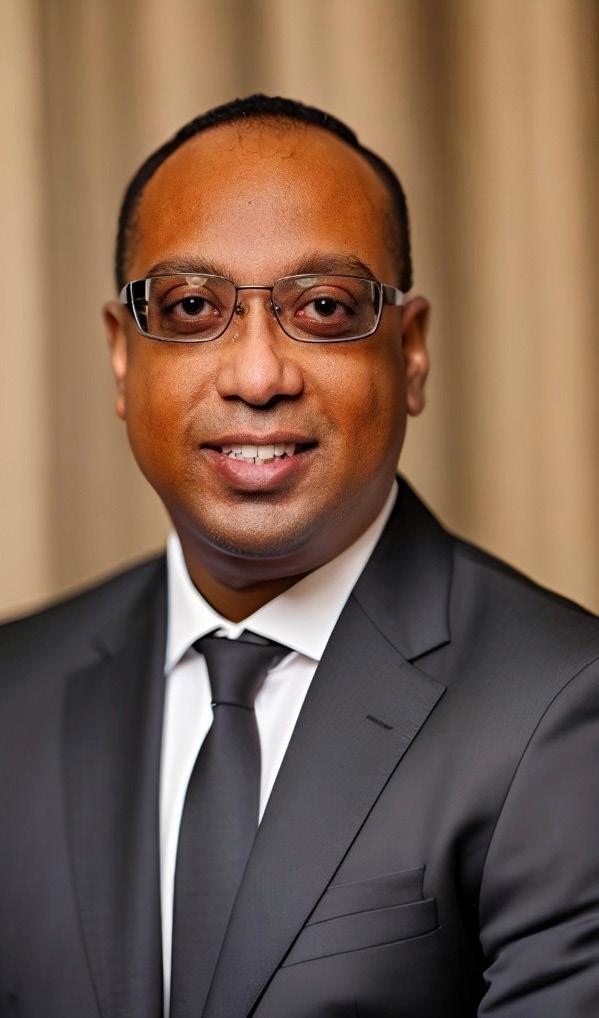
Ramiro Román is an executive HR leader and technology strategist specialising in workforce transformation across the construction and labour sectors. Recently named Australia’s leading CHRO, he serves as Chief People Officer at Yakka Labour Group, where he drives the integration of people strategy, compliance governance, and AI-enabled workforce systems to modernise labour hire operations nationwide.
He is internationally recognised for innovation, having won a NASA Space Challenge award for Best Mission Concept in AI-driven analysis, and First Place in the Asia-Pacific region at the global Hack for Better Days competition. Ramiro is also a recipient of Australia’s Distinguished Global Talent Visa, granted to only around 300 high-impact individuals, recognising his contribution to technology and workforce innovation.
At Yakka, he focuses on building transparent, data-enabled ecosystems that strengthen compliance, reduce labour exploitation risks, and improve workforce stability. Ramiro is a strong advocate for ethical AI adoption, believing the future of HR leadership lies at the intersection of intelligent systems, commercial impact, and human responsibility.
In an exclusive conversation with CXO Outlook, Ramiro talks about the evolving role of HR in a world shaped by intelligent systems, regulatory complexity, and shifting workforce expectations. He reflects on his journey from technology strategist to Chief People Officer, explaining why people performance must sit at the center of any transformation effort. The discussion explores structural challenges in the construction sector, the limits of AI without trusted data, and the growing need for transparency and accountability across supply chains. IN MY VIEW
My focus today is designing intelligent systems that elevate people, not replace them, and building workplaces where both capability and confidence can scale together
applied it. I was fortunate to begin studying Python (A programming language) before I fully understood it would become one of the foundational languages behind modern AI. That technical grounding gave me a systems-first mindset.
In my career, I asked questions about systems before I asked questions about people. How does this scale? Where are the bottlenecks? What data is missing? But over time, particularly stepping into the role of Chief People Officer, the direction of the question changed.
Now I start with: what needs to happen for people to perform at their best? How do we design environments where they feel safe, supported, proactive, and commercially aligned? How do we create cultures that are both productive and energising?
Technology is an enabler, but performance is ultimately driven by people. My focus today is designing intelligent systems that elevate people, not replace them, and building workplaces where both capability and confidence can scale together.
I learned that transformation is not about introducing tools; it’s about diagnosing data blockers, aligning stakeholders, and designing change that sticks.
The biggest lesson? HR leadership isn’t about defending processes; it’s about designing environments where people's capabilities and business performance grow in sync.
In your view, what sets the current workplace environment apart from those you experienced earlier in your career, especially in industries like construction and labour technology? First, I would like to put this into context. Construction in Australia is one of the most heavily regulated industries in the country: arguably more regulated than most sectors combined. With that level of regulation, no company can realistically comply with every requirement perfectly at all times. Even minor operational changes can require discussions across multiple layers (internal management, contractors, regulators, and government bodies). As a result, large companies that publicly claim full compliance often subcontract smaller operators who do not meet the same standards. That’s where some of the industry’s longstanding structural problems originate. To give you a perspective: imagine the building where you’re reading this, and all the surrounding buildings — historically, up to 30% of
Technology can improve efficiency and visibility, but leadership must address integrity, accountability, and human trust. Without that foundation, no AI system will fix the underlying issues
construction budgets were recorded on paper. That level of opacity creates systemic risk.
On top of that, there are entrenched interests that resist transparency and prefer the system to remain opaque.
That’s precisely why my work motivates me. Today, we are engaging with approximately 500 organisations, representing over 10,000 construction workers, and we are growing faster than many traditional construction firms. Our goal is to create traceability between large contractors and smaller subcontractors, improving compliance, accountability, and ultimately the lives of workers.
Australia is complex, but I am originally from Argentina, where corruption in both government and private sectors can be even more severe. That experience gives me perspective and also conviction. I genuinely believe that with the right partners who share our values, this model can scale further.
At the same time, technology is moving faster than regulation, and that creates friction. Some of the systems we are building cannot yet be fully public because legislation hasn’t caught up. I do not doubt that if Australia moves decisively toward a cashless economy, it will trigger a structural shift. When that happens, companies will have to adapt, whether they want to or not.
If I compare this to other industries, we are currently running experiments in sport as well, and some issues cut across sectors where technology alone won’t provide the solution.
There are two areas I’d highlight.
First, talent acquisition. Today, almost everyone uses ChatGPT to draft their CV. Major job platforms then use AI to filter applications that were themselves generated or enhanced by AI. We’re heading toward machines filtering
machine-generated content. The system is straining under its own logic.
This is no longer just about candidates exaggerating on a CV — it’s about AI producing narratives that appear entirely credible. That’s a challenge created by technology leaders who haven’t fully accounted for downstream consequences. At the same time, many HR leaders remain too distant from the technology conversation to address it effectively. I don’t believe this issue will be resolved in 2026 or 2027 — and frankly, predicting three years in this environment is almost impossible.
Second, reporting systems and the concept of the Member Protection Information Officer (MPIO). In many industries, when there’s conflict between a manager and an employee, issues go unreported. Studies suggest that between 40% and 90% of workplace issues are never formally reported. What does that data gap tell us? It tells us that trust in internal systems is fragile.
We already know that around 75% of employees leave their jobs because of poor management, not because of the job itself. In Australian sport, the MPIO role exists as an impartial, trained point of contact for complaints relating to harassment, abuse, or safety concerns. They provide confidential guidance and ensure fair processes.
That role should not be limited to sport. Every industry should have a structurally independent, trusted reporting mechanism. Without it, we are operating with incomplete data and pretending we understand workplace culture.
Technology can improve efficiency and visibility, but leadership must address integrity, accountability, and human trust. Without that foundation, no AI system will fix the underlying issues.
Many organisations are still figuring out how to meaningfully integrate AI into the employee lifecycle. How do you see AI reshaping HR functions, and what approaches do you find most effective in practice?
AI in today’s HR landscape is, frankly, a bit of a buzzword, and I say that knowing full well that billions, perhaps trillions, are being invested in it. There’s enormous marketing momentum pushing further investment, but we need to separate hype from structural reality.
There are three areas where AI is genuinely driving impact: operational efficiency, employee experience, and predictive capability.
The core problem is that organisations are still reluctant to share information. Everyone is operating with fragmented datasets generated from different sources, and in many cases, we’re allowing AI to make decisions based on data that has itself been AI-generated. Today, someone can alter the expiry date on documentation or generate entirely new credentials in seconds. Very few organisations have the time or resources to manually verify every applicant at
scale. As a result, when it comes to employee experience, the data foundation is often too weak to generate meaningful, trustworthy insights. Everything is moving incredibly fast. Culture and regulation will eventually adapt, but we’re not there yet.
AI cannot function properly without big, reliable data ecosystems. We need broader, verified data sources. We face a serious structural challenge when the very datasets HR leaders rely on are partially or heavily AI-generated.
That said, what I find genuinely compelling is the third pillar: predictive workforce capability. That is where the most transformative potential sits — modelling labour shortages, forecasting skills gaps, and identifying supply-demand mismatches before they escalate. But to unlock that, organisations must be willing to collaborate and potentially move toward shared workforce models to address skilled labour shortages collectively.
Without a trusted data infrastructure and cross-organisational cooperation, AI remains incremental. With it, we could see a real structural transformation.
At Yakka Labour Group, emerging technologies seem to be central to your strategy. How do you balance the adoption of new tools with preserving the human aspects of HR and employee experience?
While Yakka has received awards for technological innovation, I can honestly say that what our users — the tradies — value most are the simple things. And often, those have nothing to do with our data architecture or how advanced our algorithms are.
It’s almost ironic. After years of being treated transactionally, what workers really want is clarity. They want to know exactly when they’re getting paid. They want a clear place to report an issue. They want transparency. Is that AI? No. And we’re not going to win awards for that. But it’s something the industry has consistently failed to get right.
That said, there are areas where AI is genuinely transformative. On a construction site, you’ll have workers from multiple countries speaking different languages. We implemented real-time translation from Chinese, Portuguese, and over 60 other languages into English. That’s where AI is brilliant, it removes communication barriers that previously created safety risks and operational friction.
The best ideas come from our users. What excites us at Yakka is being able to take a suggestion and implement it within days. That responsiveness builds trust.
There are also areas we intentionally keep away from AI, like final hiring decisions. There is no better person to choose than a human being. Technology expands visibility and improves information quality, but the final judgment remains human.
As a leader, how do you define success when it comes to people strategy, and what achievement are you most proud of in your role so far?
We work with many organisations, and each one has its own KPIs. But if I had to define one success metric we must continuously improve, it’s reducing staff turnover. That single number tells you far more than most dashboards ever will.
If a company is growing but turnover is increasing, something is fundamentally wrong. Many businesses underestimate how difficult it is to find someone reliable, skilled, and consistent. In construction and across other industries. We need to collaborate more closely on what real benefits we can offer, not just to permanent staff but to casual workers as well. Workforce stability should be a shared responsibility, not a siloed objective.
As a leader, I define success in people strategy when business performance and employee wellbeing stop competing with each other and start reinforcing one another.
One achievement I’m particularly proud of, and not many people know this, is that we’ve helped workers maintain financial clarity within our app. Is that traditionally an HR strategy? Not at all. But no other HR organisation can genuinely claim it.
Put yourself in the shoes of a construction worker in Australia. In a single month, they might work across five different sites, reporting to five different supervisors. Managing multiple timesheet formats and invoicing systems becomes an administrative nightmare. By unifying that process, we’ve reduced stress, improved transparency, and given workers greater control over their financial visibility.
Sometimes, the most meaningful people strategies aren’t labelled as HR initiatives; they’re simply practical solutions that improve daily life.
Outside of your work in HR and organisational leadership, what interests or values energise you personally, and how do they influence your professional approach?
Few people know that I’ve been involved in charitable work since I was 18. Over the past five years, I’ve collaborated with Freedom for Humanity, an organisation focused on raising awareness about modern slavery and human trafficking. That cause is deeply personal to me.
In many ways, Yakka is more than a business; it’s a working hypothesis toward a scalable solution to a global problem that continues to grow year after year. Modern slavery is embedded across global supply chains and touches almost everything we consume. And to be candid, part of the responsibility sits with HR leaders. We rarely question our production chains deeply enough.
I’ve mentioned before how large construction companies often claim full compliance while subcontracting smaller operators to handle the “dirty work.” That’s where systemic risk lives. But this issue goes far beyond construction.
Take cobalt, for example — essential for smartphones and electric vehicles. Does anyone explicitly tell major manufacturers, “Don’t use slave labour in your supply chain”? Not really. Yet we all want electric cars and the latest devices. So, as HR leaders, where does our responsibility end? Billions are invested in AI innovation, yet comparatively little goes into eliminating inhumane labour conditions.
Globally, over 50 million people are estimated to be living in situations of modern slavery. Around 60,000 are in Australia alone. However, many people read this article, the reality is we should be doing far more to certify and audit our supply chains.
That’s part of what motivates me about Yakka. If we scale — if we reach millions — we can bring transparency and accountability to organisations that either don’t use technology to prevent exploitation or choose to look the other way. Growth, for me, is not just commercial ambition. It’s about shining light where there has been darkness for too long.
What advice would you offer to young HR professionals who aspire to leadership roles and want to stay ahead in a world increasingly shaped by AI and digital transformation?
We're heading into a genuinely wild period. Because we’re moving toward what I would describe as a techno-anarchic era, amplified by a form of hyper-capitalism that’s emerging globally. It may sound apocalyptic, but in many ways, it could be.
And here's the awkward truth HR has to sit with: the profession that's supposed to protect people inside organisations has spent decades being seen as the opposite: the cold process, the corporate script dressed up as care, the team that walks you out the door with a box of your stuff and a rehearsed smile. That reputation isn't entirely unfair, and until HR owns that, it won't have the credibility to do what's actually needed.
Therefore, double down on the things AI genuinely can't replicate. Judgment in
Modern slavery is embedded across global supply chains and touches almost everything we consume
ambiguous situations. The ability to earn trust in a difficult conversation. Reading organizational culture and knowing what's actually broken versus what just looks broken on a dashboard. AI will absorb the transactional and the analytical; your competitive advantage is the relational and the contextual.
Build a learning habit, not just a learning event. This environment changes too fast for periodic upskilling. The professionals who stay ahead treat continuous learning as a daily discipline: following AI policy developments,
experimenting with new tools, and engaging with adjacent fields like organizational psychology, behavioral economics, and ethics. And the last one: Be willing to challenge how things have always been done. Legacy HR processes (annual performance cycles, rigid job architectures, traditional recruiting funnels) are increasingly mismatched with how work actually happens. Young professionals have a real advantage here: they can push for reinvention without the defensiveness of having built the old systems.
MOST INSPIRING BUSINESS WOMAN 2026
Alison Dines
CEO, A2D HOSPITALITY
DESIGNING
TRAVEL
EXPERIENCES THAT FEEL EFFORTLESS
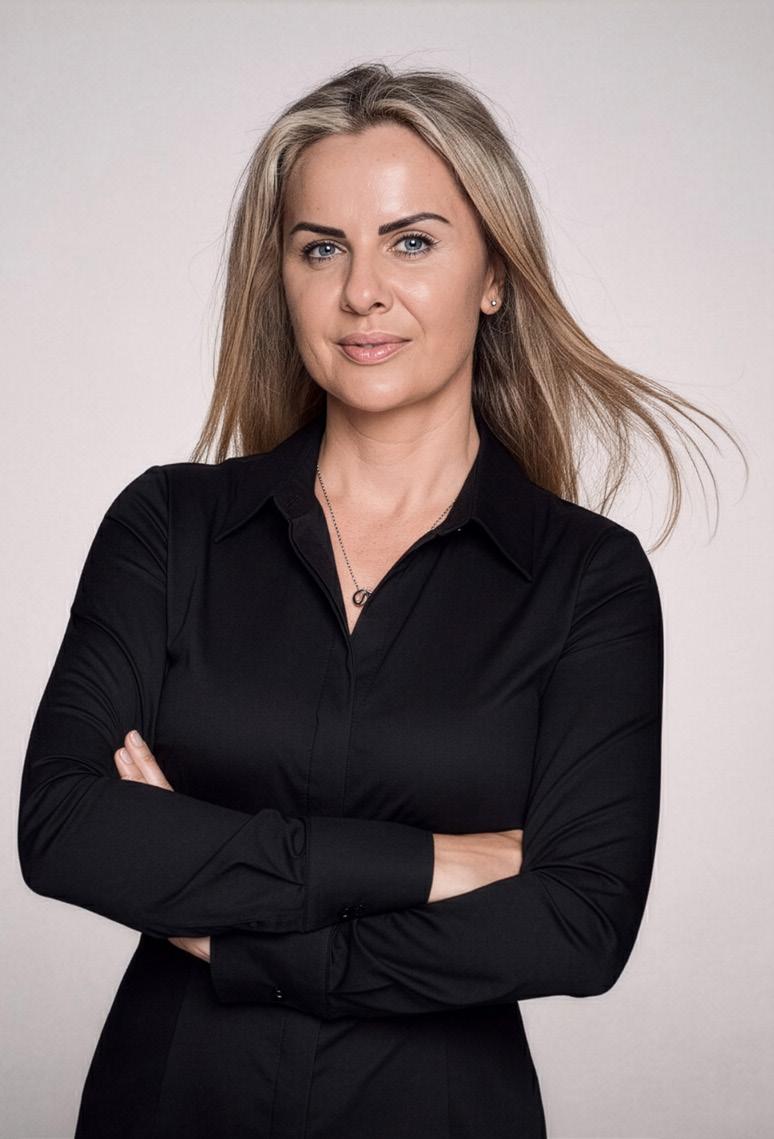
Alison Dines’ journey in hospitality began the way many enduring careers do, with curiosity, discipline, and a willingness to learn from those who had walked the path before her. Fresh out of college in 2000, she joined Hyatt Hotels and Resorts through its Corporate Management Training program. It was an environment that valued precision, guest care, and the small details that define exceptional service. More importantly, it was where she encountered mentors who quietly shaped her professional philosophy.
One early lesson came from a leader who handed her a small notebook and a simple piece of advice that would stay with her for years.
“Matthew Humphreys gave me a tiny notepad and told me to keep it in my pocket and, anytime
I had a guest opportunity, write it down. Follow through is everything,” Alison recalls. The idea was straightforward but powerful. In hospitality, trust is built through attention and consistency, not grand gestures.
Another mentor, Philip Kaufman, taught her that even something as simple as answering a phone call carries meaning. “When you answer the phone, always have a smile on your face. Guests can sense you genuinely want to help them,” Alison says. Joeann Lomax also played a defining role in Alison’s early career, reinforcing that hospitality was not simply a job but a profession built on commitment, discipline, and service. Her encouragement pushed Alison to consistently go beyond expectations and treat every responsibility as part of a long-term career in the industry.
ALISON DINES, CEO, A2D HOSPITALITY
These early experiences shaped her perspective on hospitality as a deeply personal craft. While working as a concierge, Alison regularly interacted with returning guests who valued familiarity and trust. One particular guest left a lasting impression. During one of their conversations, he offered a remark that stayed with her. “Always continue to take care of guests; you have a real gift.”
Years later, that belief would evolve into something much larger. In 2017, during a trip with a close friend, Bre Smith, Alison was encouraged to consider starting her own venture. The idea did not appear out of thin air. By then, she had spent years observing patterns in the industry, listening to clients, and noticing where the experience often fell short.
The deeper she reflected, the clearer the opportunity became. Hospitality services were becoming more transactional, and truly personalized support was becoming harder to find. Alison saw guests navigating complex
travel and lifestyle needs with little guidance once situations became complicated. “I kept noticing that guests and clients were often left on their own once things got complicated,” she explains.
That realization became the foundation for A2D Hospitality. Alison set out to build a service model grounded in trust, continuity, and human attention, a concierge-style partnership that supports clients from beginning to end. Thoughtful, hands-on, and proactive, the company was designed to ensure that people feel genuinely cared for throughout their experience.
Where Service Becomes Strategy
Headquartered in Boca Raton, Florida, A2D Hospitality operates in a niche that demands precision, discretion, and unwavering attention to detail. The company specializes in high-touch concierge services for corporate travelers and affluent leisure clients who expect more than standard travel coordination. At its core, A2D
Today, A2D Hospitality functions as a comprehensive travel partner, supporting clients across the full spectrum of travel needs
is built on the classic hospitality ethos: attentive service, reliable execution, and relationships that feel personal rather than procedural.
Over time, the firm has grown well beyond its early role of managing individual concierge requests. Today, A2D Hospitality functions as a comprehensive travel partner, supporting clients across the full spectrum of travel needs. From global entry and passport facilitation to complex international itineraries and on-theground coordination, the company handles the moving parts that often make travel stressful. Its boutique structure remains a defining advantage. Instead of operating like a traditional travel management company, the team works closely with clients, building trust and familiarity that allows them to anticipate needs before problems arise.
For Alison, that anticipatory approach sits at the center of how the company operates. Years in hospitality have taught her that great service rarely begins with a request. It begins with awareness. “My philosophy centers on anticipatory service, understanding client needs before they’re articulated and elevating every experience into something memorable,” she explains. Some clients want hands-on guidance at every step, while others prefer quiet efficiency in the background. The role of a concierge, she believes, is to recognize the difference and respond accordingly.
That mindset also comes with a certain discipline. “You’re only as good as your last client, so you should always be willing to go the extra mile,” Alison says. Travel, even when carefully planned, rarely unfolds without surprises. Flights are delayed, transportation details shift, family plans change, and sometimes
At A2D Hospitality, information is carefully managed to ensure nothing is left to chance. The company relies on a platform called AXUS, a digital system that keeps every element of a client’s travel plan updated and accessible in one place
a forgotten passport threatens to derail an entire trip. In many cases, the calls A2D receives come at the most stressful moment for the traveler. As Alison notes with a smile, some conversations begin with a panicked message that simply says, “OMG, my passport is expiring!”
Preparation and responsiveness are what keep those moments from becoming crises. The A2D team monitors itineraries closely, verifies logistics, and stays ready to act quickly when plans change. Behind the scenes, they doublecheck transportation arrangements, track travel updates, and maintain direct relationships with service partners across the globe. The goal is simple. When something unexpected happens, clients should feel supported rather than stranded.
One incident during a tour in New Zealand illustrates the point. Early one morning, Alison received a call from a touring band whose member had misplaced her passport. The situation could easily have turned into a logistical nightmare, threatening schedules and travel plans. Alison’s response was immediate and steady. “First and
foremost, I told her not to panic,” she recalls. Within hours, Alison coordinated with the tour manager to move the traveler’s flight by two days, secured an appointment at the United States embassy, and arranged the necessary steps for a replacement document. By the next day, the musician had a new passport and was ready to continue the journey.
Moments like these reveal how A2D Hospitality operates when pressure rises. Calm decision-making, quick coordination, and a focus on solutions define the company’s culture. While travel is meant to create memorable experiences rather than emergencies, Alison knows those unexpected situations are part of the landscape. When they arise, her team is prepared to step in quietly, resolve the issue, and keep the journey moving forward.
The Power of Personalized Service
In popular imagination, the role of a concierge often appears simple. Many assume it revolves around booking reservations, arranging
transportation, or securing tickets to soughtafter events. In reality, the profession demands far more. For Alison, concierge work is about orchestrating an entire experience, where every detail is thoughtfully aligned long before the client even notices it.
Delivering that level of personalization requires discipline and organization behind the scenes. At A2D Hospitality, information is carefully managed to ensure nothing is left to chance. The company relies on a platform called AXUS, a digital system that keeps every element of a client’s travel plan updated and accessible in one place. Through the app, travelers can view itineraries, confirmations, and essential travel details in real time. The result is a smoother journey that removes unnecessary stress, including the need to carry stacks of printed documents.
Yet for Alison, technology is simply a tool. The real differentiator lies in the human approach behind it. She believes the future of concierge services, particularly in corporate travel, will move deeper into personalization rather than away from it. “I believe the future of concierge services, especially in corporate travel, is more personalized, not less,” she says. Many travelers and corporate clients, she notes, have grown frustrated with large agencies that treat service as a series of transactions. What they increasingly seek is a partner who understands their preferences, anticipates their needs, and treats every request with care.
Staying relevant in such a dynamic industry requires constant awareness. Travel trends shift quickly, and access to new destinations, experiences, and exclusive reservations often depends on relationships built over time. Alison
makes it a priority to remain closely connected to the hospitality community, attending conferences and industry gatherings where insights and opportunities are shared. For her, these moments are not simply networking exercises. They are a way to remain informed, connected, and prepared for the next request a client may bring.
Even as A2D Hospitality grows, Alison remains deliberate about how the company evolves. Expansion, she believes, should never come at the expense of service quality. “I’ve never taken on more than I can handle, and I plan to continue that approach as we grow,” she explains. Protecting the boutique nature of the business allows her team to maintain the careful follow-through that clients expect. In Alison’s view, consistency and attention to detail are what transform a service provider into a trusted partner.
Her journey from hospitality professional to CEO has broadened her responsibilities, but it has not changed the philosophy that guides her work. “I always take care of my clients the way I would like to be treated,” Alison says. Leading her own company now gives her the freedom to build a culture around that belief, one where service is not dictated by rigid systems but shaped by genuine care and accountability.
For those entering the hospitality field today, Alison’s advice is refreshingly direct. “Go for it. Don’t be afraid to fail,” she says. The path to leadership, she believes, requires resilience and authenticity. Not everyone will understand the dedication or the work ethic that hospitality demands. What matters most is staying true to the values that define how one serves others.
Transforming Cryptography for a Secure Tomorrow
Jaime Gómez García, Global Head of Cryptography and the Santander Quantum Threat Program, Santander Digital Services
As a pioneer in quantum security, you've been recognized among the Top 25 Most Influential People in Quantum Security - what drove your passion for advancing quantum-safe cryptography, and how did you establish yourself as a leader in this field?
Being part of a global institution with a strong culture of proactive approach to risk management gave me a unique perspective. In 2019, at Santander we began exploring
both quantum advantage, applying quantum computing to create business value, and quantum security, preparing the organization for the transition to quantum-safe cryptography. I quickly realized that quantum security is not a single-player effort. It requires collective action across the ecosystem.
I am driven by a strong commitment to continuous learning and to sharing knowledge. We launched several initiatives to engage industry leaders, articulate the specific needs of
I have the opportunity to learn directly from those who design the underlying mechanisms of global security, lead the execution of quantum-safe initiatives at Santander, and influence the broader ecosystem to promote a globally coordinated response
Jaime Gómez García is a recognized expert in quantum security with extensive experience in the financial sector. He drives strategic awareness, industry coordination, and practical adoption of quantum-safe cryptography, supporting organizations in their transition to the quantum era. He has been named among the Top 25 Most Influential People in Quantum Security in 2026, received the 2025 Quantum Leap Award from Keyfactor, and is recognized as a LinkedIn Top Voice. Jaime serves as Global Head of Cryptography and Quantum Threat Program at Santander and chairs the Europol Quantum Safe Financial Forum. Recently, in an exclusive interview with CXO Outlook Magazine, Jaime shared insights into his passion for advancing quantum-safe cryptography, driven by his experience in the financial sector and commitment to continuous learning and knowledge sharing. He emphasized the importance of cryptographic governance, accountability, and maturity in cryptographic management frameworks to prepare for future disruptions. He also shared his personal hobbies and interests, future plans, words of wisdom, and much more. The following excerpts are taken from the interview.
the financial sector, raise awareness, and foster collaboration. A key milestone was founding the Europol Quantum Safe Financial Forum, which now brings together more than 60 financial institutions to exchange knowledge and address this challenge collectively.
What do you love the most about your current role?
It allows me to be at the forefront of a fundamental transformation in how the digital world is secured. I have the opportunity to learn directly from those who design the underlying mechanisms of global security, lead the execution of quantum-safe initiatives at Santander, and influence the broader ecosystem to promote a globally coordinated response.
What's the most pressing question that leaders should be asking about quantum security, and how can they get the answers they need?
The critical question is: Are you in control of your cryptography? Most organizations will find they are not.
The first step is to establish clear cryptographic governance and accountability. From there, leadership should launch parallel actions. Two priorities are gaining a top-down understanding of the organization’s cryptographic landscape and addressing the root causes of poor cryptographic management and legacy configurations.
By executing these actions, organizations can identify the use cases where cryptography has the greatest business impact and understand the dependencies required to evolve them, while containing the spread of cryptographic technical debt. This should not be treated as a one-time
exercise, but as the foundation for sustained agility in cryptographic management to prepare for future disruptions.
As quantum computing accelerates, what emerging trends will shape the future of quantum security, and how can organizations prepare?
Organizations will be ready to adapt if they have a mature cryptographic management framework in place. However, the challenge is collective. Cryptography enables secure interoperability in a highly interconnected environment, which requires coordination within and across sectors. Standard setters and policymakers are defining high-level timelines. There is growing consensus around 2030 as the target to eliminate quantum-vulnerable cryptography in critical use cases, and 2035 as a milestone for the broader transition away from classical cryptography. These timelines will likely evolve with greater granularity and sector-specific intermediate targets.
Organizations must closely monitor these developments and align their transition plans with their ecosystem. Those unable to move at the required pace risk being perceived as cybersecurity laggards and, in extreme cases, facing operational or commercial isolation.
How can industry leaders balance the need for innovation with the imperative to prioritize quantum security?
Organizations operate under constrained budgets and competing priorities, so the balance is real. The key decision is not to dismiss quantum security under the assumption that it can wait. Deferral will only increase complexity and cost.
Cryptography enables secure interoperability in a highly interconnected environment, which requires coordination within and across sectors
The focus should be on making the transition efficient. This requires a clear understanding of the challenge, strategic planning, and modernization of cryptographic management within existing IT governance frameworks.
Rather than building parallel structures or acquiring tools without a defined value case, organizations should leverage existing data and capabilities. Integrating cryptographic configuration management into ongoing IT automation initiatives is a practical way to rationalize costs while advancing quantum readiness.
What skills will be most essential for professionals in the quantum security field, and how can organizations develop these skills?
I think that three profiles are essential:
First, leaders who understand both cryptography and their organization’s IT landscape. In my opinion they are critical to governing the roadmap toward quantum security.
Second, deep cryptography specialists who manage and evolve cryptographic operations and infrastructure.
Organizations must invest in targeted upskilling to ensure these teams understand their responsibilities and their impact on security outcomes
And third, the broader IT workforce. In general, a common weakness is the lack of foundational cryptography knowledge within IT teams, even though many are involved in the cryptographic lifecycle. I believe organizations must invest in targeted upskilling to ensure these teams understand their responsibilities and their impact on security outcomes.
What are some of your passions outside of work? What do you like to do in your time off?
When I am not working, I am usually learning something new, hiking with my partner, traveling with my family, playing Carcassonne with friends, or enjoying a concert or exhibition. I also enjoy photography and like to capture moments from those experiences.
What is your favorite quote?
My favorite quote is “It's all upside”.
Where do you see yourself in the next 5 years?
I see myself fully engaged in making the financial sector quantum-safe. Once we overcome the barriers to large-scale adoption of post-quantum cryptography, the focus will shift to eliminating quantum-vulnerable legacy systems and resolving backward compatibility challenges. That will mark the transition into the next phase of cryptographic modernization.
What advice would you give to emerging leaders in quantum security who want to drive change?
Be passionate, reflective, and collaborative. Do not take prevailing narratives for granted. Develop your own analysis, challenge assumptions, and share your insights generously to strengthen the community and deepen collective understanding of the challenges ahead.
IHuman-Centered AI Strategy: Why the Success of AI Depends on Us
Dr. Sanja Cancar-Todorovic, Principal, Global Commercial Cloud & AI Data Center Integration, Microsoft
n the midst of the global AI revolution, organizations across every sector are investing heavily in artificial intelligence for a wide range of reasons: to streamline internal processes, strengthen cybersecurity, improve efficiency, gain competitive advantage, or simply because the momentum of adoption makes it feel impossible to stand still. Yet many are pursuing AI without fully understanding the technology itself, or how to ensure they realize its full value. Amid this surge of enthusiasm, a critical question often goes unasked: What truly determines whether AI succeeds or fails inside an organization?
My 2025 doctoral research set out to explore this very issue. While much of the conversation around AI adoption centers on algorithms, infrastructure, and data, my study examined a less obvious, but far more decisive factor: human collaboration. Without the expertise to
implement, operate, sustain, and continuously refine these advanced technologies, their potential cannot be fully realized. The discourse on AI must not overlook the central role of human capital; the skilled professionals who translate technological capability into organizational value. The findings reveal a simple but powerful truth: AI is not an autonomous solution. Its effectiveness is contingent on the people who design, govern, integrate, and trust it.
AI has sparked both enthusiasm and anxiety. To some, it represents unprecedented opportunity in enhanced decision-making, predictive insights, and the automation of routine work. To others, it raises fears of job displacement and loss of control. This duality is not unique to AI; similar concerns accompanied earlier waves of innovation, from Business Process Outsourcing (BPO) to Robotic Process Automation (RPA), to name just a few. History, however, consistently
Dr. Sanja Cancar-Todorovic is a business executive, author, and keynote speaker with over 25 years of leadership across telecom, finance, and technology. She leads global initiatives on Microsoft’s Cloud Operations + Innovation Supply Chain team, focusing on sourcing, capacity planning, and AI data center integration for Hyperscale and Colocation projects. Holding a DBA, eMBA, Master of Management, and an Honours BA in Law and Political Science, her expertise spans supply chain, third-party risk, AI in business, and transformational leadership. In 2025, she was recognized as Changemaker of the Year and Woman of the Year runner-up.
While much of the conversation around AI adoption centers on algorithms, infrastructure, and data, my study examined a less obvious, but far more decisive factor: human collaboration
demonstrates that transformative technologies do not eliminate human roles. They reshape them. Consider the shift from interoffice mail to email. The purpose of communication and the role of the sender remained unchanged, but technology revolutionized how information was exchanged. By removing time-consuming manual steps, it enabled people to focus on more meaningful, value-driven work. AI follows the same trajectory. It excels at identifying patterns, processing vast datasets, and executing repetitive tasks with remarkable speed and precision. Yet it cannot provide organizational context, ethical reasoning, or cross-functional judgment. Those capabilities remain uniquely human.
My doctoral study employed a qualitative methodology to explore how leaders in financial institutions (FIs) perceive cross-departmental collaboration in optimizing AI-enabled cybersecurity systems and strengthening technological resilience. FIs offered a compelling research environment, being among the most targeted sectors for cyberattacks and operating within highly regulated, risk-averse frameworks. These pressures often result in siloed organizational structures, where AIenabled cybersecurity systems, and the rollout of advanced technologies more broadly, is treated primarily as a technical function rather than an enterprise-wide responsibility. However, based on my own professional experience, FIs are far from unique in this regard. Many industries confine advanced technologies to IT departments, only to later question why the anticipated benefits fail to materialize. My reasoning for choosing FIs was straightforward: if I could identify strategies for effectively implementing AI driven systems within the
complex and highly regulated FI environment, those strategies would likely be transferable across industries.
Through my research, I discovered that many leaders struggle to keep pace with technological change, not because the technology itself is inadequate, but because organizations find it difficult to align people, processes, and governance around it. Inspired by these insights, I expanded my work into my 2025 book, “Strategic Implementation of AI-Driven Cybersecurity Systems: Practitioner’s Guide to Leveraging Cross-Departmental Collaboration to Tackle Emerging Threats”, which translates the research into practical, actionable strategies for strengthening technological resilience through collaboration.
A central theme of my doctoral research, and the book it inspired, is that organizations frequently approach AI adoption as a technical deployment rather than an organizational transformation. This is a fundamental misstep. While AI can detect anomalies, automate responses, and analyze behaviors in real time, it cannot define acceptable risk thresholds, interpret regulatory implications, resolve interdepartmental tensions, build stakeholder trust, or convert insights into strategic decisions. These responsibilities require coordinated engagement across the enterprise. When AI is implemented without such alignment, organizations end up with what might be described as intelligent tools operating within fragmented systems. In other words: advanced technology constrained by disconnected human structures.
For AI to succeed, certain human conditions must be intentionally cultivated. First, AI
Organizations that succeed treat AI not as a standalone system, but as part of an interconnected socio-technical ecosystem, where leadership, culture, governance, and collaboration shape outcomes as much as code does
must shift from being perceived as “IT issues” to shared enterprise priority; organizations that distribute ownership across departments achieve stronger outcomes. Second, leadership must actively dismantle silos and foster a culture where information flows openly. Without executive sponsorship and cultural alignment, AI initiatives rarely advance beyond initial implementation. Third, effective adoption requires integrated governance that brings together diverse functions across the organization, as fragmented oversight can introduce vulnerabilities rather than mitigate them. Finally, employees must understand, not fear AI tools. Adoption accelerates when individuals see how AI augments their expertise instead of threatening their roles. When organizations get these elements right, the benefits extend well beyond the immediate promise of AI. They also develop the internal capabilities needed to sustain and evolve those advantages over time. In this way, AI becomes more than a technological investment; it becomes a catalyst for organizational learning,
collaboration, and long-term capability building. Technological resilience is often framed in terms of infrastructure redundancy or advanced analytics. My research suggests a broader definition: resilience is the organization’s collective ability to align human intelligence with machine intelligence. Organizations that succeed treat AI not as a standalone system, but as part of an interconnected socio-technical ecosystem, where leadership, culture, governance, and collaboration shape outcomes as much as code does. In conclusion, intelligence is inherently collective. AI does not operate in isolation; it reflects the structures, values, and collaborative dynamics of the humans who deploy it. My doctoral research, and the book it inspired, reinforces a principle that transcends industries and technologies: AI becomes powerful only when paired with collective human intelligence. Organizations that recognize this will not only implement AI more effectively, but will also build the adaptive, resilient cultures required to thrive in an era where technology evolves faster than ever before.
MOST INSPIRING BUSINESS WOMAN 2026
Ayeesha S. Kanji
FOUNDER, CHESTNUTS COACHING & CONSULTING
HELPING LEADERS FIND
CLARITY, CONFIDENCE AND GROWTH IN MOMENTS OF CHANGE
Leadership rarely begins with strategy documents or boardroom presentations. More often, it begins in quieter moments of reflection, when leaders pause to examine how they think, decide, and show up for others. For Ayeesha S. Kanji, those moments of reflection eventually led to the creation of Chestnuts Coaching & Consulting, a leadership advisory firm dedicated to helping executives and senior professionals develop clarity, resilience, and authenticity in the way they lead.
Ayeesha founded Chestnuts Coaching & Consulting after years of working closely with leaders facing demanding transitions in both their professional and personal lives. During
that time, she noticed a recurring gap. Many accomplished professionals had access to strategy, data, and technical expertise. What they often lacked was a space to think more deeply about their own leadership.
Through years of conversations with executives confronting complex decisions and organizational change, Ayeesha began to recognize an important truth about leadership development. Real progress rarely started with frameworks or planning documents. Instead, it emerged from a deeper understanding of oneself and one’s values. As she explains, “The most meaningful change in leadership rarely begins with a spreadsheet or a strategy deck. It begins with self-awareness.”
FOUNDER, CHESTNUTS COACHING & CONSULTING
AYEESHA S. KANJI,
Today, Ayeesha partners with executives around the world, helping them face complex leadership decisions with greater clarity and purpose while encouraging a more grounded and authentic approach to leadership within their organizations
That realization became the starting point for a different kind of leadership practice. Ayeesha set out to create a platform where senior professionals could explore the internal side of leadership in a structured but deeply human way. Chestnuts Coaching & Consulting was built on a simple belief: lasting leadership growth happens when people reconnect with clarity, purpose, and courage. “My work centers on supporting leaders as they navigate complex decisions, organizational change, and the personal demands that come with positions of influence and responsibility,” Ayeesha says.
Even the firm’s name captures this philosophy. “Chestnuts evoke warmth, resilience, and nourishment, qualities that mirror the kind of growth I hope to cultivate in leaders,” she shares. The image also carries a deeper meaning. Just as a chestnut develops quietly before emerging strong and sustaining, leadership growth often unfolds beneath the surface before it becomes visible in action.
That perspective now informs the work she does with leaders across industries. Today, Ayeesha partners with executives around the world, helping them face complex leadership
decisions with greater clarity and purpose while encouraging a more grounded and authentic approach to leadership within their organizations.
Building Leadership from the Inside Out
When Ayeesha launched Chestnuts Coaching & Consulting, her goal was clear. She wanted to address a gap she had observed repeatedly in leadership development. Many leadership programs focused on performance metrics and standardized frameworks. Ayeesha believed leadership development needed to go deeper.
“Many coaching and advisory services focus on performance metrics or surface-level leadership frameworks. While those tools have value, they often overlook the internal dynamics that shape how leaders make decisions, communicate, and build culture,” she explains.
Ayeesha’s work was designed to help leaders move beyond managing results and toward developing the emotional intelligence, resilience, and self-awareness required to lead with authenticity. For her, the objective was never simply to produce more efficient managers. “The goal was not to produce better managers,
but more conscious leaders,” she says. That belief continues to underpin the philosophy behind Chestnuts Coaching & Consulting.
Her approach has also been honed by experience across international environments and diverse professional contexts. Working with leaders from different industries and cultures has given Ayeesha a broad view of the pressures executives face in rapidly evolving organizations. She partners closely with executives, entrepreneurs, and leadership teams to strengthen self-awareness, refine leadership presence, and develop the emotional intelligence required to lead effectively through uncertainty.
Establishing credibility in a competitive coaching and consulting market was not easy. Large firms already occupied much of the space, supported by brand recognition and expansive service offerings. Ayeesha chose not to compete on scale. Instead, she focused on depth.
In the early stages of the firm, she invested significant time in building genuine relationships
with clients and demonstrating results through the work itself. Trust, thoughtful engagement, and real transformation became the foundation of her reputation. Over time, word of mouth carried the story forward, helping Chestnuts Coaching & Consulting develop a distinct identity within the leadership advisory landscape.
Ayeesha also made a deliberate choice about how the firm would position itself. Rather than operating as a traditional consulting practice built on standardized models, she designed Chestnuts Coaching & Consulting as a partner in leadership evolution. The work is intentionally personal and adaptive. Much of it takes place in focused one-on-one engagements with leaders and small executive teams, where conversations often extend beyond strategy into the deeper shifts required to lead effectively.
That human-centered approach allowed the firm to occupy a space that blends executive coaching, leadership advisory, and personal transformation. This is a model of self-
Ayeesha works closely with leaders to help them examine their leadership patterns, navigate pressure with greater clarity, and cultivate healthier organizational cultures
awareness, dialogue, and practical insight. It resonates with leaders who are looking for a different way to lead, rather than just another framework.
Coaching Leaders Through Clarity and Change
Chestnuts Coaching & Consulting operates on a coaching philosophy rooted in introspection, thoughtful strategy, and practical leadership application. Ayeesha works closely with leaders to help them examine their leadership patterns, navigate pressure with greater clarity, and cultivate healthier organizational cultures. Her approach does not rely on rigid formulas or prescribed leadership models. “Rather than offering prescriptive formulas, I work alongside leaders to uncover insights that lead to sustainable and meaningful growth,” Ayeesha explains.
For many of the executives she coaches, the results appear first in subtle shifts. Leaders begin
to communicate more clearly, make decisions with greater confidence, and create stronger alignment within their teams. Over time, those changes translate into stronger collaboration, improved decision-making, and more cohesive leadership structures.
Yet Ayeesha believes the most significant transformations often occur beneath the surface. Leaders become more aware of how their behavior influences others. They gain a clearer understanding of their values and how those values shape their decisions. She notes, “I am deeply committed to helping leaders lead with purpose, integrity, and confidence. My coaching supports individuals who want not only to succeed professionally but also to lead in ways that positively shape the people, teams, and organizations around them.”
One engagement in particular stands out in her experience. A senior executive approached Ayeesha during a period of intense organizational growth. On paper, the company was thriving.
Revenue was strong, and expansion was moving quickly. Internally, however, the leadership team was struggling with pressure, fatigue, and communication breakdowns.
Through their work together, the focus expanded beyond operational strategy. Ayeesha encouraged the executive to examine their personal relationship with responsibility, delegation, and trust. Those conversations gradually helped the leader clarify their own leadership philosophy.
Over time, the shift became visible across the organization. The executive began rebuilding stronger connections with the leadership team, improving communication and redistributing responsibility more effectively. What began as a leadership challenge evolved into a deeper transformation.
The results were not limited to operational improvements. The change was personal, and that shift ultimately reshaped the organization’s culture. It also reinforced a lesson that continues to guide Ayeesha’s work today. When leaders grow in self-awareness and clarity, the impact rarely stays confined to the individual. It spreads through teams, decisions, and the culture of the entire organization.
Understanding the Human Side of Leadership
When Ayeesha begins working with senior leaders, she does not start with frameworks or performance dashboards. Her first focus is observation. Over the course of early conversations, she watches closely how leaders respond to pressure, uncertainty, and conflict. “Leadership often magnifies personal habits. How someone handles conflict, feedback, or ambiguity can reveal underlying patterns that
influence their effectiveness,” Ayeesha explains. For her, these observations are not meant to critique. They are starting points for reflection.
Ayeesha also pays close attention to how leaders engage with the people around them. She listens for cues in how they describe their teams and observes whether they create space for open dialogue. Do they truly listen, or do they simply wait to respond? Do their decisions uphold the values they speak about publicly? These small signals often reveal where meaningful change can begin.
Resistance is another dynamic she frequently encounters. It rarely appears as open disagreement. More often, it surfaces quietly. Many accomplished leaders understand the importance of reflection and personal growth, yet they struggle to slow down long enough to engage in it. High achievers are accustomed to solving problems externally. Turning inward can feel unfamiliar.
Ayeesha approaches that hesitation with patience. Rather than pushing leaders toward immediate answers, she creates space for thoughtful exploration. “My role is to create a space where leaders feel safe examining their assumptions and habits without judgment,” she says. Through careful questioning and honest dialogue, resistance often begins to soften. Curiosity takes its place, and that is where meaningful change begins.
Ayeesha’s outlook on leadership has also been informed by her experiences across different cultures, industries, and professional environments. Working with leaders from varied backgrounds has reinforced a clear insight for her. Leadership cannot be reduced to a single model or universal framework. “Leadership is rarely one-dimensional. It is
shaped by context, identity, values, and personal history,” Ayeesha says. This perspective guides how she approaches her work. Instead of relying on rigid frameworks, she engages leaders with empathy and curiosity, recognizing that each leader’s journey is distinct and that meaningful development must account for those differences.
In many ways, this philosophy defines the work she does today. Leadership development, in her view, is not about correcting weaknesses. It is about helping leaders understand themselves more clearly so they can lead others with greater intention.
Expanding the Impact of Leadership
Since its founding, Chestnuts Coaching & Consulting has steadily evolved. What began as a practice focused primarily on individual executive coaching has grown into a broader leadership advisory platform. Today, the firm supports leaders and organizations as they meet the challenges of transition, expansion, and cultural change.
With that growth has come a shift in perspective. In its early stages, the firm concentrated on helping individual leaders find clarity in their roles. Over time, Ayeesha began to see how those personal shifts often extended far beyond the individual. When leaders develop deeper awareness and intention, their decisions begin to influence the culture of entire organizations.
This realization gradually influenced the direction of the firm. Leadership development is no longer viewed only as a matter of personal growth. It is now approached as a catalyst for cultural transformation across organizations. One decision played a defining role in determining that trajectory. From the
Looking ahead, the next phase of Chestnuts
Coaching & Consulting is centered on expanding how the firm supports leaders facing increasingly complex environments
beginning, Ayeesha made a deliberate choice to prioritize depth rather than scale. Instead of expanding services rapidly and building a large consulting infrastructure, she focused on creating meaningful engagements where leaders could experience genuine transformation.
“One of the most pivotal decisions was maintaining a deliberate focus on depth rather than scale,” she explains. Instead of rapidly expanding, she concentrated on creating meaningful engagements where leaders could engage in honest reflection and sustained development. The pace was intentional. Transformation, she believed, could not be rushed.
Another important shift came from broadening the conversation around leadership itself. Ayeesha began integrating discussions of purpose, well-being, and long-term sustainability into her advisory work. Leadership, in her view, cannot be separated from the human experience of those who practice it.
Looking ahead, the next phase of Chestnuts Coaching & Consulting is centered on expanding how the firm supports leaders facing increasingly complex environments. Ayeesha is exploring new initiatives that combine executive coaching with immersive leadership retreats
and reflective learning experiences. These settings are designed to give leaders the rare opportunity to step back from daily pressures and reconnect with the deeper questions that shape how they lead.
At the same time, she hopes to extend these conversations into broader communities of leaders who are seeking thoughtful, valuesdriven approaches to leadership in a rapidly changing world. Ultimately, the legacy Ayeesha hopes to build is rooted in a simple but powerful idea. Leadership should be both effective and deeply human. Organizations often reward speed, efficiency, and measurable outcomes. Yet lasting impact tends to come from leaders who cultivate awareness, empathy, and courage alongside competence.
“If Chestnuts Coaching & Consulting can help leaders build organizations where people feel respected, inspired, and aligned with a meaningful purpose, then the firm will have achieved something worthwhile,” Ayeesha says thoughtfully. This vision embodies the philosophy behind her work from the very beginning. Leadership, when grounded in clarity and humanity, possesses the power to transform not only organizations but the individuals within them.
The Enterprise AI Ecosystem: Five Non-Negotiables Every Organization Must Focus on in 2026
Amit Shivpuja, Director of Data and AI Enablement, Walmart
The enterprise AI landscape has reached a defining moment. The hype cycle and organizations’ faulty need for speed are now colliding with reality and longterm sustainability. Leaders are beginning to see the consequences of accelerating without architecture. Maintenance, budgets, and the availability of capable resources are becoming real constraints, and the gap between ambition and readiness is widening. AI’s promise cannot be realized through urgency alone. It requires foundation, governance, literacy, and discipline. Across industries, the same patterns appear. Enterprises rush toward AI because competitors are doing it, because vendors promise transformation, or because internal teams want to demonstrate innovation. Yet the organizations that succeed are the ones that treat AI not as a tool but as an ecosystem. They understand that AI requires clarity of purpose, strong data
foundations, responsible application, and a culture that can absorb change. Based on global enterprise work, cross-industry transformations, and ongoing governance efforts at the global level, five non negotiables have emerged. These are the realities every organization must understand in 2026 if they want AI to be sustainable, responsible, and genuinely valuable.
1. Not Every Problem Needs an AI or Agentic Solution
One of the most consistent failure patterns in enterprises today is the hammer and nail mindset. Due to leadership pressure, fear of missing out, or the desire to look innovative, teams begin treating AI as the default answer to every problem. The assumption becomes that if the organization has AI, it must use it. This mindset is costly. Not every workflow
Amit Shivpuja is a Global Data, AI and Governance Transformation Executive, UN ECOSOC Representative, and bestselling author of The AI Edge and The Data and AI Compass. He architects enterprise scale governance ecosystems, advises global organizations on responsible AI, and leads thought leadership on the future of intelligent systems and organizational transformation.
AI is a strategic capability, not a universal tool. Leaders who understand this build stronger and more coherent ecosystems
requires autonomy. Not every decision requires prediction. Not every process benefit from generative capabilities. In many cases, simpler solutions such as automation, analytics, process redesign, or even policy changes deliver faster, cheaper, and more sustainable outcomes.
The real leadership skill is discernment. The question is not whether AI can solve a problem but whether AI should solve it. Enterprises that fail to make this distinction end up with fragmented pilots, inflated costs, and systems that are difficult to maintain. AI is a strategic capability, not a universal tool. Leaders who understand this build stronger and more coherent ecosystems.
2. Success Is Determined by Data, Responsible Application, and Culture
A persistent misconception in the enterprise is that the models determine success. The algorithm is often the least of the challenges. The biggest failure modes are remarkably consistent. Leaders assume the model or AI is capable enough and will compensate for poor data quality. Organizations underestimate the cultural and behavioral change required to adopt AI. Teams focus on building the model but ignore the operating model around it. Enterprises treat AI as a technical project instead of a socio technical transformation. And most importantly, leaders assume their data foundations are already solid.
This last assumption is the most damaging. AI cannot outperform the quality, clarity, and governance of the data it relies on. Without lineage, definitions, controls, and accountability, even the most advanced model will produce inconsistent or misleading outputs. Sustainable
AI value emerges only when organizations combine governed data, responsible application, and mature change management. Technology alone does not create transformation. Culture, clarity, and accountability do.
3. AI Must Be Tested for What It Should Not Do
Traditional testing focuses on expected behavior. The question is usually whether the system does what the organization wants. With AI and agentic systems, this is no longer enough. AI can produce harmful or irreversible outcomes even when technically correct. Agentic systems can optimize for the wrong objective if constraints are unclear. Small errors can compound rapidly in autonomous workflows.
Large language models introduce an additional structural risk. They are trained on broad internet data, and when domain specific grounding is weak or missing, they default to general knowledge. This often results in hallucinations delivered with misplaced confidence. This is not a bug. It is a predictable consequence of how these systems learn.
Testing must therefore expand beyond functionality to include boundary conditions, failure modes, misalignment scenarios, unintended actions, and domain specific grounding gaps. Enterprises that test only what AI should do will eventually face consequences from what AI should not do.
4. Data and AI Literacy Is Now a Organizational Competency
AI systems produce outputs that directly impact people, processes, and decisions. Yet humans remain accountable for those outcomes. This
Enterprises that test only what AI should do will eventually face consequences from what AI should not do
creates a new leadership requirement. Executives must be able to assess, challenge, and validate AI output. They cannot do this without literacy.
Employees in an organization must understand where the data comes from, how the model was trained, what assumptions and limitations exist, what the system/ model can and cannot do, and how to interpret outputs responsibly. This is not technical depth. This is an organizational competence. Without literacy, employees cannot make informed decisions, cannot govern responsibly, and cannot protect their organizations from risk. Literacy is no longer optional. It is also a baseline for modern leadership.
5. AI Governance Must Evolve, but Organizations Should Not Wait
AI governance is becoming one of the most misunderstood areas of enterprise transformation. The biggest risk is that organizations will either do the bare minimum version of AI governance, just as many did with data, or delay action entirely by claiming governance is not yet defined. Both paths create long term fragility.
Organizations should not wait for AI governance to be fully defined by regulators, vendors, or industry bodies. Instead, they should begin with what they already know. Data governance provides proven best practices in definitions, lineage, controls, accountability, stewardship, quality, and access. These foundations are essential, but they are not sufficient.
AI governance must evolve beyond data governance because AI introduces intelligence, autonomy, emergent behavior, non-deterministic outputs, and human impacting decisions. The
AI governance must evolve beyond data governance because AI introduces intelligence, autonomy, emergent behavior, non-deterministic outputs, and human impacting decisions
path forward is clear. Start with data governance. Leverage its strengths. Then evolve for AI’s unique capabilities and risks. Governance is not a document. It is an operating system for responsible intelligence.
Conclusion: Building the Enterprise AI
Ecosystem
The organizations that will succeed in the next decade are the ones that treat AI as an ecosystem
rather than a tool, a project, or a race. They will choose AI intentionally, build on governed data, test for failure rather than only success, develop leadership literacy, and evolve governance proactively. This is the work that creates sustainable value. This is the work that protects organizations from risk. And this is the work that positions enterprises to harness AI responsibly, at scale, and with long term impact.
Wa n t t o S e l l o r fi n d
I nve s t o rs f o r yo u r
B u s i n e s s ?
MOST INSPIRING BUSINESS LEADER 2026
Olivier Attia PIONEERING STRATEGIES THAT TURN CHALLENGES INTO OPPORTUNITIES AND BUSINESSES INTO GLOBAL SUCCESSES
MANAGING PARTNER, GERSHON CONSULTING
Olivier Attia’s career is a masterclass in entrepreneurship, leadership, and strategic consultancy, spanning over three decades. Born and educated in France, he began his professional journey with roles at Atos and PricewaterhouseCoopers, where he honed his expertise in corporate strategy, financial modeling, and business management. But it wasn’t just numbers and models that shaped his career—traveling across the United States taught him an invaluable lesson. “I spoke English,” he says, “but I didn’t speak American culture.”
With a background in mathematics and engineering, Olivier’s early professional years
were spent building products and services rooted in technology. Yet, as he transitioned from being a strategic consultant to an entrepreneur, a pivotal realization struck him: marketing and communication often matter more than the brilliance of the product itself. This understanding became a cornerstone of his approach to business.
In the early 2000s, Olivier ventured into the tech world, founding Scanbuy, a company that revolutionized mobile commerce by enabling barcodes to be scanned with mobile cameras—a precursor to today’s QR code technology. Scanbuy’s groundbreaking work earned it the title of Fortune’s “Breakout
ATTIA, MANAGING PARTNER, GERSHON CONSULTING
OLIVIER
Company of the Year.” Now, 24 years later, Scanbuy continues to thrive, serving major brands like Hershey’s, Staples, Coca-Cola, Dove, Taco Bell, and Starbucks.
Building on this momentum, Olivier founded ClickOVA, an innovative platform for sharing mobile pictures and videos—essentially "Instagram before Instagram." While the experience taught him the exhilaration of rapid growth, it also underscored the importance of scalable business models and operational readiness.
Olivier’s next venture, Audionamix, took him to Los Angeles, where he collaborated with PhDs in sound processing to revolutionize the entertainment industry’s sound capabilities. “Pretty much all major studios became
clients,” he recalls, crediting the success to unwavering discipline and determination. His ability to build a brand that resonated in the competitive world of global entertainment giants was nothing short of remarkable.
These entrepreneurial ventures not only sharpened Olivier’s skills in creating and scaling businesses but also illuminated the unique challenges faced by foreign companies attempting to break into the U.S. market. Inspired by these experiences, he founded Gershon Consulting in 2013. The firm specializes in guiding international businesses through the intricacies of U.S. market entry.
Today, Gershon Consulting has served over 250 clients from around the world, leveraging Olivier’s wealth of experience to
Today, Gershon Consulting has served over 250 clients from around the world, leveraging Olivier’s wealth of experience to help companies navigate complexities and thrive in one of the most competitive markets on the planet
help companies navigate complexities and thrive in one of the most competitive markets on the planet.
In addition to leading high-growth ventures, Olivier is a respected voice in global business. He frequently speaks at international conferences, advises early-stage tech startups, and serves
on multiple advisory boards. He was recently recognized as one of the “Top 100 Innovators of 2025” by The Silicon Review. Colleagues often describe him as “the bridge between French rigor and American hustle”—a distinction that reflects both his heritage and his leadership style.
Bridging Cultures, Building Dreams
Olivier’s journey from growing up in France to living in the United States since 1997 has given him a rare vantage point—a nuanced understanding of global markets. Having experienced how different cultures approach leadership, decision-making, and collaboration, he has shaped a leadership style that prioritizes empathy, clear communication, and inclusivity.
This cross-cultural perspective has become a cornerstone of his work. Whether navigating regulatory hurdles, crafting region-specific marketing strategies, or aligning teams across continents, Olivier’s ability to anticipate challenges and tailor solutions to diverse cultural contexts has proven invaluable.
“Living in the U.S. for nearly three decades has shown me the incredible opportunities this country offers,” Olivier reflects. “At the same time, I’ve seen how daunting it can be for foreign companies to establish a foothold here.” His own experience as an immigrant and entrepreneur has given him unique insight into these challenges—insights he now uses to help businesses achieve their "American Dream."
For Olivier, every client’s journey is more than a business transaction; it’s a story of ambition and resilience. “I cannot list all the possible mistakes I was lucky to make to master the art of U.S. growth,” he jokes. This humility fuels his passion for helping others succeed in one of the world’s most dynamic markets.
One of his proudest moments came not from a business deal but from his daughter. “She once said, ‘My dad helps people achieve their dreams for a living.’ That’s something
I carry with me every day,” Olivier says, with a smile.
Values That Drive Impact
At the heart of Gershon Consulting’s success lie three core values: integrity, innovation, and client-centricity. For Olivier, these principles are more than buzzwords—they are the foundation of every decision and strategy.
“Integrity ensures we operate transparently and ethically, building trust with our clients,” Olivier explains. Innovation, meanwhile, allows his team to craft creative solutions that meet the unique needs of each client. And client-centricity? It’s the compass that guides everything. “We measure our success by our clients’ achievements. Their goals are our top priority.”
Gershon Consulting’s values aren’t just abstract principles—they are the driving force behind its revolutionary 360° service platform. While many consulting firms specialize in isolated areas like marketing or legal compliance, Gershon Consulting takes a comprehensive approach, offering a seamless, one-stop solution for foreign businesses entering the U.S. market.
From market research and branding to lead generation, sales enablement, and operational guidance, the firm delivers end-to-end support tailored to its clients’ success.
What sets Gershon Consulting apart is its ability to bridge strategy and execution. Traditional consulting firms often separate vision from implementation, but Gershon Consulting operates at the crossroads of strategic foresight, sales enablement, and cultural intelligence. This integrated model ensures that clients don’t just receive a blueprint—they gain a dedicated partner committed to executing that strategy with precision and adaptability.
“We don’t just provide the answers to the questions our clients come with,” Olivier says. “We challenge them with the questions they don’t even know they need to ask.” This proactive approach has become a hallmark of Gershon Consulting, ensuring that every aspect of a client’s expansion is strategically aligned and executed seamlessly.
The results speak for themselves. Take, for instance, a European tech firm struggling to penetrate the competitive U.S. market.
Unlike consulting firms that focus on isolated areas like marketing or legal compliance, Gershon Consulting offers a one-stop solution for foreign businesses entering the U.S. market
Through Gershon Consulting’s tailored goto-market strategy, the company secured major partnerships and increased sales by over 200% in their first year. Or a Latin American consumer goods company facing regulatory hurdles—Olivier’s team leveraged their network of legal and operational experts to expedite compliance and facilitate a successful product launch.
Perhaps the most remarkable success story involves a small tech venture that, with Gershon Consulting’s guidance, grew to become a unicorn in the U.S. market. These examples underscore the firm’s ability to blend strategy with execution, ensuring clients don’t just enter the U.S. market, but scale rapidly—with traction, partnerships, and revenue growth materializing faster than traditional market-entry timelines.
Tailored Strategies for Every Journey
At Gershon Consulting, success starts with understanding. Every client engagement begins with an in-depth discovery process, where the team delves into the client’s business model, goals, and industry landscape. This is followed by meticulous market research to uncover sector-specific opportunities and challenges. Combining these insights with their proven methodologies, Gershon crafts strategies as unique as the clients they serve.
To simplify and differentiate its service offerings, Gershon Consulting uses a proprietary framework: Promote, Network, and Engage. These three pillars serve as the foundation of every client engagement. ‘Promote’ focuses on visibility through content marketing, public relations, and personal branding. ‘Network’ involves social selling, strategic partnership development, and influencer matchmaking to
build strong industry connections. ‘Engage’ enhances conversion through email sequences, CRM optimization, and sales enablement strategies. This branded approach makes Gershon’s methodology both memorable and actionable.
A key strength of the firm lies in its ability to connect the dots across industries.
By integrating strategy, execution, and innovation, Gershon Consulting ensures its clients don’t just enter the U.S. market they thrive in it
Olivier notes, “Our cross-industry experience allows us to innovate by applying lessons learned from one sector to another.” This approach has enabled creative breakthroughs, such as leveraging tech startup strategies to reinvigorate marketing approaches for traditional industries like retail and manufacturing.
The company’s turnkey solutions simplify the often daunting task of entering the U.S. market. Offering everything under one roof—from market entry strategies to branding and sales execution—Gershon Consulting ensures that clients can focus on their core objectives while the team handles the complexities of expansion.
Strategic partnerships play a pivotal role in this seamless process. Gershon Consulting has cultivated alliances with top-tier law firms, financial advisors, PR agencies, and government organizations. These partnerships provide clients with access to specialized expertise tailored to their needs. “Through these collaborations, we’ve helped clients navigate immigration hurdles, secure funding, and achieve regulatory compliance,” Olivier shares, underscoring the firm’s comprehensive approach to supporting growth.
Building Pillars of Success
At the heart of every successful expansion strategy lie four interconnected pillars: branding, communications, marketing, and sales. Gershon Consulting understands this synergy and leverages it to build cohesive, results-driven strategies for its clients.
A robust brand identity is the foundation of trust and recognition among target audiences. Thoughtful communication ensures the brand’s value proposition resonates with stakeholders. Olivier emphasizes, “Marketing drives engagement, while strategic sales efforts convert that engagement into measurable results.” Together, these elements form a unified framework that empowers clients to establish themselves in the competitive U.S. market.
Measuring impact is both a science and an art at Gershon Consulting. On average,
Looking ahead, Gershon Consulting has ambitious plans for growth. Over the next five years, the firm aims to expand its footprint into new markets, including Germany, Spain, and the UK
Gershon Consulting clients reduce their time to enter the U.S. market by 60% and generate three times more qualified leads within the first six months. On the qualitative side, client testimonials and case studies highlight how the firm’s strategies have improved operational efficiency and market positioning. Gershon Consulting’s commitment to delivering measurable growth shines through in
stories of transformative success. For instance, helping a client boost their revenue by 300% within two years underscores the value they bring to the table. Equally compelling are the long-term partnerships they’ve cultivated, which Olivier sees as “a testament to the sustained impact we strive to deliver.”
By integrating strategy, execution, and innovation, Gershon Consulting ensures its
clients don’t just enter the U.S. market—they thrive in it.
A Culture of Innovation and Empowerment
Innovation and adaptability aren’t just buzzwords at Gershon Consulting—they’re core principles driving the firm’s leadership and services. In a constantly evolving market, the company remains committed to exploring cutting-edge tools, technologies, and methodologies to keep its clients ahead of the curve. From leveraging AI to optimize lead generation to staying compliant with shifting regulatory frameworks, Gershon ensures its clients are always competitive and prepared for the future.
Olivierfirmly believes that challenges are opportunities in disguise. “I encourage my team to embrace change and use it as a catalyst for growth,” he explains. This philosophy has not only enhanced the firm’s service offerings but also fostered a culture of resilience and creativity within the organization.
Leading by example is a cornerstone of Olivier’s approach. By setting clear objectives and providing his team with the resources they need, he empowers them to take ownership of their projects. Professional development is another priority—training programs and mentorship initiatives are in place to help team members grow both personally and professionally.
Recognition and collaboration are equally vital to the firm’s success. Celebrating achievements and maintaining open lines of communication create an environment where employees feel valued and motivated. As Olivier shares, “When people feel heard and appreciated, they’re inspired to excel—and
that energy translates directly into the success we deliver for our clients.”
Charting the Future
Looking ahead, Gershon Consulting has ambitious plans for growth. Over the next five years, the firm aims to expand its footprint into new markets, including Germany, Spain, and the UK. At the same time, it plans to deepen its expertise in emerging sectors such as green energy and advanced technologies, staying ahead of global trends to deliver forwardthinking solutions to its clients.
Gershon Consulting’s core clientele includes founder-led companies with annual revenues between €1 million and €10 million, typically seeking to enter the U.S. market within a 12–24 month window. The firm works extensively with businesses based in Europe, Latin America, and the Middle East, with a strong focus on sectors like technology, consumer goods, and renewable energy.
Olivier emphasizes the importance of continuous learning to remain competitive. “Attending global conferences and investing in cutting-edge tools is essential for staying at the forefront of market changes,” he notes. This proactive approach ensures that the firm remains agile, enabling its clients to adapt to evolving landscapes and seize new opportunities with confidence.
By balancing innovation, expertise, and a commitment to excellence, Gershon Consulting is poised to not only navigate the challenges of tomorrow but to help its clients thrive in them. “Our mission isn’t just to help companies adapt to the U.S. market. It’s to help them redefine what success looks like once they get there,” concludes Olivier.
The Agentic Enterprise: A CIO’s Blueprint for Secure AI Velocity
Raj Badhwar, CIO, SPA
As a CIO with a CISO background, I view the current AI landscape not as a race to find the best chatbot but as a fundamental shift in enterprise architecture. In 2026, the pressure to fast track is high, but speed without governance is just a faster way to a breach.
The real breakthrough is not just Large Language Models (LLMs) answering questions. It is the move toward Agentic Orchestration. This is a tiered ecosystem where high reasoning LLMs, specialized Small Language Models (SLMs), and autonomous agents collaborate via Agent-to-Agent (A2A) protocols. This architecture allows modern CIOs to move at the speed of the business while keeping the data perimeter as tight as a CISO requires.
The journey from experimentation to production starts with a core realization: one model cannot rule the enterprise. Monolithic LLMs are too slow for the edge and too risky for PII heavy data like resumes or security logs. Instead, forward thinking technology leaders build a nervous system using the Model Context Protocol (MCP). MCP acts as the secure interface, allowing agents to reach into local databases like HR systems or Jira instances without moving sensitive data into the public cloud.
The Unified Front Line: Autonomous SOC and Service Desk
In the past, the Security Operations Center (SOC) and the Service Desk (SD) were silos.
Raj Badhwar has 30+ years of hands-on leadership experience in Cybersecurity and IT, currently serving as CIO at SPA. He is the former SVP and Global CISO at Jacobs Engineering and Voya Financial, and former SVP and Global Head of Cybersecurity at AIG, with additional executive leadership roles at Oracle, Bank of America, and BAE Systems. Raj holds multiple certifications, including CISSP, CEH, and OCP, and is FINRA licensed.
As a thought leader, Raj has authored six cybersecurity books, including Generative AI: Strategies for Risk Management and Secure Implementations, IT Collaboration by Design, The CISO Guide to Incident Response, and The CISO Guide to Zero Trust Security. He has also coauthored 14 security patents and is a frequent speaker at major security conferences, presenting on cuttingedge IT and Cybersecurity topics.
When an agent detects a behavioral anomaly, such as an unauthorized process attempting to encrypt a local directory, it does not just alert. It initiates an A2A workflow
In an agentic enterprise, they are a unified, self-healing front line.
SOC and Malware Detection The industry is moving past reactive alerts. When an agent detects a behavioral anomaly, such as an unauthorized process attempting to encrypt a local directory, it does not just alert. It initiates an A2A workflow. The Security Agent tells the Identity Agent to revoke the user’s tokens and instructs the Network Agent to isolate the VLAN.
Service Desk Automation
Simultaneously, the Service Desk Agent takes over the human side. It automatically opens a ticket, pulls the user's hardware profile via MCP, and sends an instant message to the
user’s manager explaining the quarantine. It can even initiate an automated re-image workflow if the malware is confirmed, turning a 4-hour recovery into a 10-minute automated loop. By merging SOC and SD automation, organizations eliminate the handoff friction that attackers exploit.
Proposal Writing and Resume Database Integration
For many corporations, the bid process is a manual scramble. This is solved by integrating models directly with human capital data.
The Workflow When a new RFP is ingested, a Lead Proposal Agent uses MCP
Technology teams enable a Double Agent system to maximize velocity without creating technical debt or security holes
to query the internal Resume Database. An SLM running locally to protect employee privacy evaluates thousands of profiles to find the exact certifications and project experience required for the bid.
The Result The agent drafts the Technical Approach and Key Personnel sections, mapping specific employee wins to the client's needs. This allows the business to increase its bid volume by 300% without adding a single proposal writer.
Software Development and Code Generation
Technology teams enable a Double Agent system to maximize velocity without creating technical debt or security holes.
The Builder Agent An LLM generates the code, unit tests, and documentation based on business requirements. It has the reasoning to understand complex business logic and architectural patterns.
The Auditor Agent Running on premise, this agent reviews every line of code for secrets like API keys and OWASP vulnerabilities. It enforces the CISO’s Definition of Done before the code ever reaches a human reviewer.
Innovation and Product Delivery
Innovation is no longer a guessing game. Generative Design Agents shrink the R&D cycle significantly.
The Synthetic Customer Organizations deploy LLMs as Persona Agents trained on years of customer support data and market trends. These agents review new product designs, providing immediate feedback on
feature market fit before engineering begins. Automated Delivery Agents monitor delivery pipelines in real time. If they identify a bottleneck in a specific deployment zone, they suggest a resource re-allocation or a code fix, acting as an always on Product Manager.
Continuous GRC and Regulatory Audit Automation
Modern CIOs apply agentic workflows to transform Governance, Risk, and Compliance (GRC) from a periodic burden into a continuous competitive advantage.
Multi-Framework Regulatory Audit Agents monitor real time updates from diverse regulatory bodies including CMMC, NIST, NYDFS, GDPR, CCPA, SOX, and SOC2. By utilizing MCP to scan internal configurations, logs, and policy repositories, these agents perform continuous gap analysis. For example, an agent can verify that CMMC access controls are active while simultaneously ensuring GDPR data residency requirements are met. When a discrepancy is found, the agent drafts the remediation plan and updates the compliance dashboard instantly.
Enterprise
Risk Management
Risk agents move beyond static heat maps by integrating live telemetry with business impact data. By analyzing the intersection of threat intelligence and internal system vulnerabilities, the agent calculates dynamic risk scores for the entire enterprise. This allows leadership to prioritize investments based on actualized risk rather than theoretical models.
Modern CIOs apply agentic workflows to transform Governance, Risk, and Compliance (GRC) from a periodic burden into a continuous competitive advantage
Common Sense Operational Use Cases
Autonomous
Vendor Risk and Response
Vendor Risk Agents use MCP to ingest vendor SOC2 reports and flag risks automatically, turning a 60 day manual review into a 5 minute summary. Crucially, this capability works in reverse. When the firm receives a complex security and compliance questionnaire from a prospective client, the agent queries internal control documentation and past audit responses to auto populate the questionnaire with high accuracy.
Intelligent M&A Due Diligence
During an acquisition, ingest of a target company's full codebase is often unpalatable for legal or security reasons. Instead, an isolated SLM can ingest code metadata, commit histories, architectural schemas, and financial ledgers to identify technical debt and cultural misalignments within 48 hours. By analyzing structural metadata rather than raw code, the agent identifies legacy vulnerability hotspots and open source licensing risks while respecting intellectual property boundaries. This provides a forensic level of insight that allows the CIO to value the acquisition accurately from day one.
The CIO’s Execution Mandate
To fast track this, modern CIOs must act as the Orchestrator in Chief. The strategy standardizes on MCP for data access, uses A2A for cross departmental automation, and tiers models: SLMs for privacy and speed; LLMs for strategy and reasoning. This architecture does not just support the business. It becomes the enterprise operating system, secure by design and intelligent by default.
Building Resilience in a Digital Age
Kam Karaji, Director of Cybersecurity & Risk Management, National Football League
Hi Kam. What inspired you to transition from law enforcement to cybersecurity leadership?
The move was a natural evolution of my commitment to protection. After more than a decade in policing, I saw the "front line" moving into digital ecosystems, but the human stakes remained just as high. I brought from my previous life the understanding that true security isn't about the absence of threats; it’s about the strength of your response to them.
What do you love the most about your current role?
I value the weight of responsibility in safeguarding environments where millions of people place their trust. But beyond the technical scale, I find the most meaning in the human element. Leadership is about building a team that doesn’t just work together, but stands together. My own experiences have taught me that resilience is a collective muscle.
The most successful CISOs won’t be the ones with the best tools, but the ones with the most endurance
Kam Karaji is the Director of Cybersecurity & Risk Management at the National Football League (NFL), where he leads enterprise-wide cybersecurity strategy across all business entities and international events. A former UK Police Commander with over 15 years in critical leadership roles, Kam has built and embedded cybersecurity programmes across financial services, sport, and global operations. Recognised by The Wall Street Journal as one of the Top 100 People to Watch in Cyber, his leadership is known for its clarity, integrity, and people-first ethos. Kam is a respected voice in the industry, creating cultures of trust, resilience, and operational excellence at every level. Recently, in an exclusive interview with CXO Outlook Magazine, Kam shared insights into his transition from law enforcement to cybersecurity leadership, driven by his commitment to protection and the evolving nature of threats. He emphasized the importance of building resilience and trust within teams, highlighting that true security lies in the strength of response to threats. He also advised aspiring cybersecurity leaders to build character alongside their careers, focusing on integrity and resilience. The following excerpts are taken from the interview.
How do you see the role of cybersecurity evolving in the next 5–10 years?
We are moving from a "technical" era into a "resilience" era. The most successful CISOs won’t be the ones with the best tools, but the ones with the most endurance. We are shifting from trying to be "unbreakable" to being "unstoppable"—learning how to absorb a blow, adapt, and keep moving forward without losing stride.
What role do you think empathy plays in cybersecurity leadership?
Empathy is the foundation of trust. Everyone is fighting a battle you know nothing about. When you lead with empathy, you create a safe environment where people aren't afraid to admit they are overwhelmed. A leader’s ability to recognize the human limit—and support it—is what prevents burnout and builds a truly resilient defense.
What personal or professional philosophies have contributed to your success?
My philosophy is centered on the quiet power of perspective. In leadership, you will face moments that feel like they might break the system. I have learned that disruption is a temporary state, not a permanent identity. I approach every crisis with "leading from the center"—the ability to stay grounded when the environment is chaotic.
What
are some of your passions outside of work?
Family is my North Star; they are the reason I remain anchored. I also have a profound respect for the craftsmanship of luxury timepieces. To me, a mechanical watch is a masterclass in resilience—an intricate system designed to keep moving forward, second by second, regardless of the environment.
What is your favorite quote?
“In the midst of chaos, there is also opportunity.” — Sun Tzu. This isn’t just a quote for me; it’s a lived reality. The most challenging chapters of our lives are often where the most significant growth happens.
What advice would you give to aspiring cybersecurity leaders?
Don't just build a career; build a character. The technical landscape changes every six months, but your integrity and your resilience stay with you. Don't be afraid of the "cracks" in your journey—that’s often where your most authentic leadership is born.