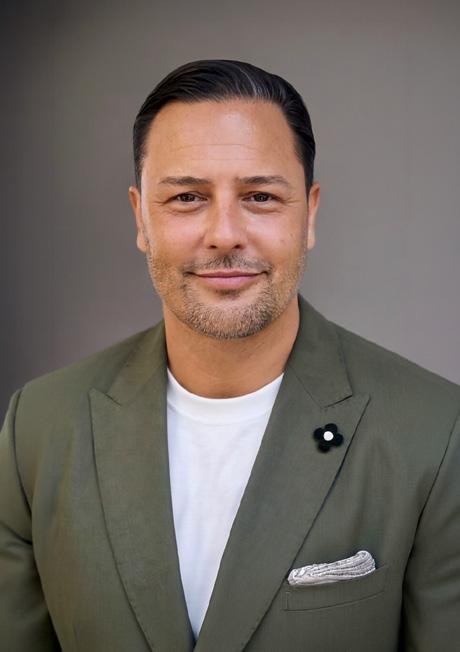
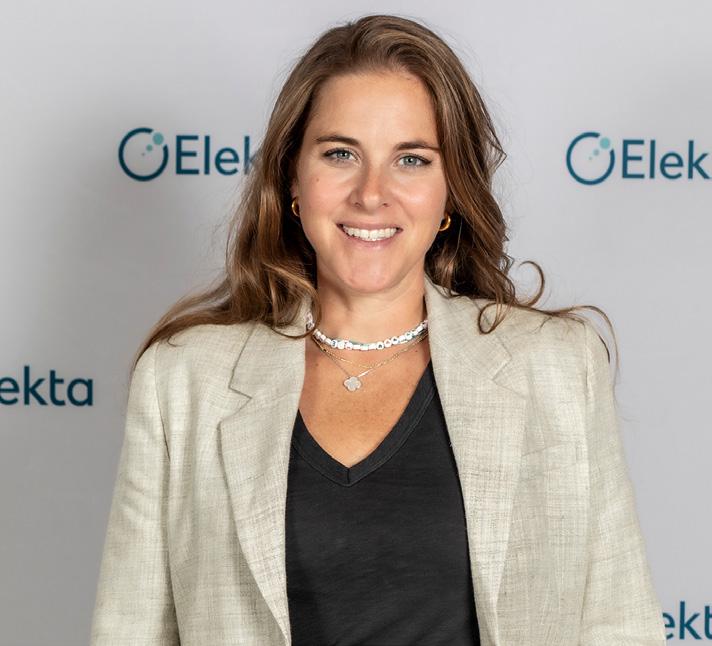
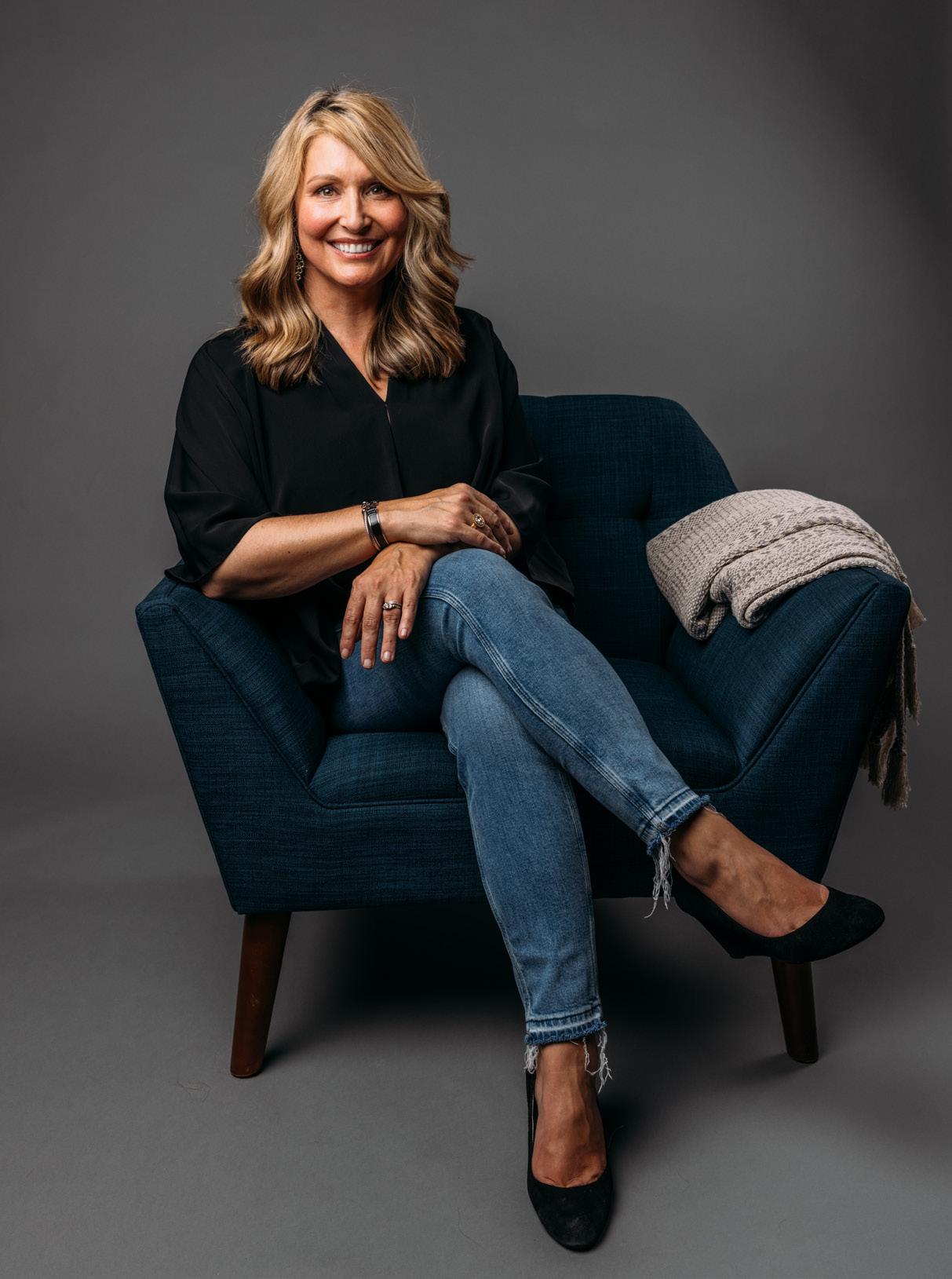
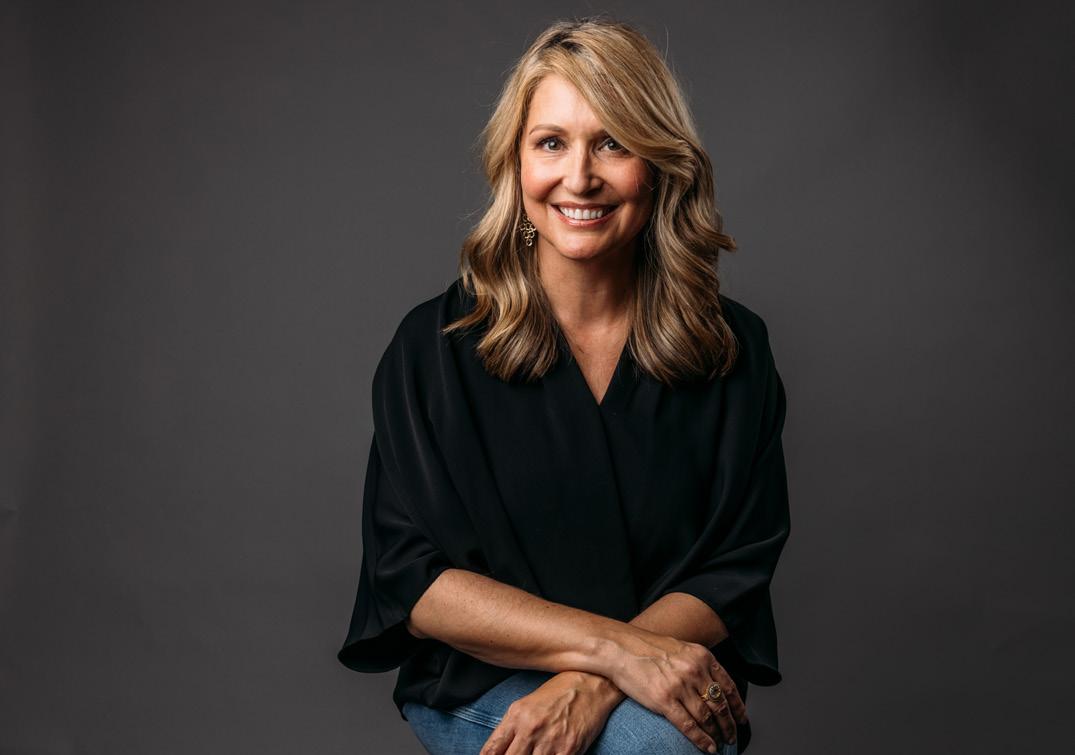
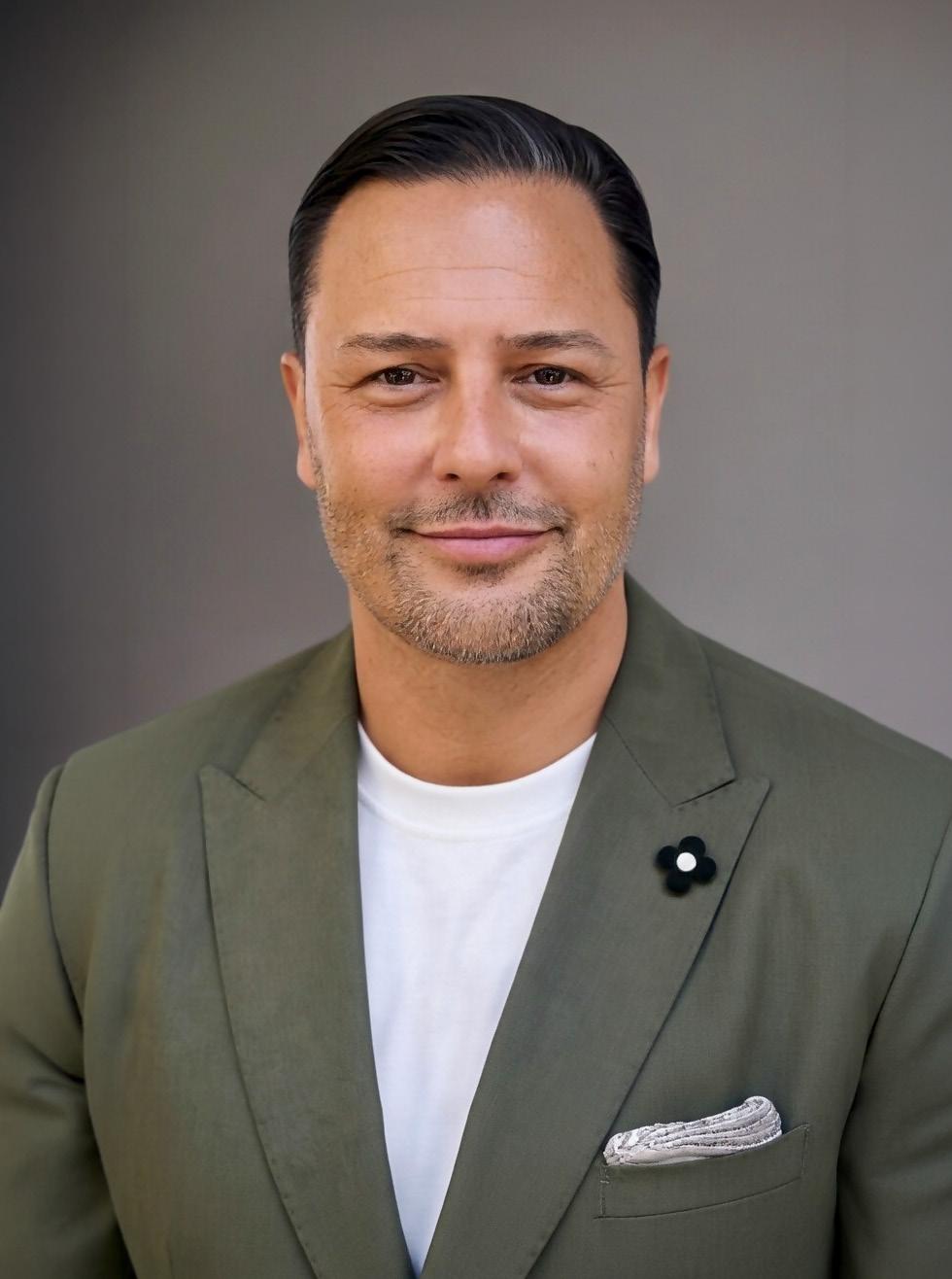
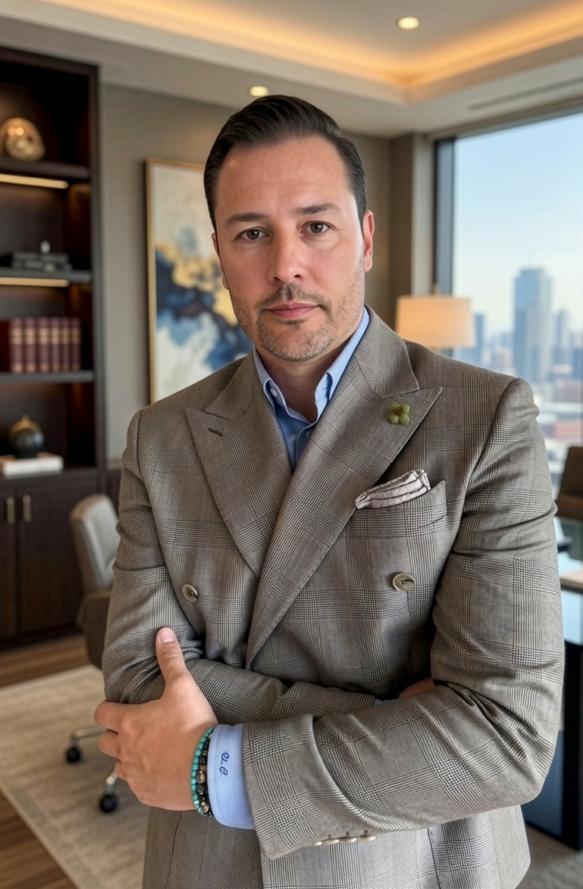
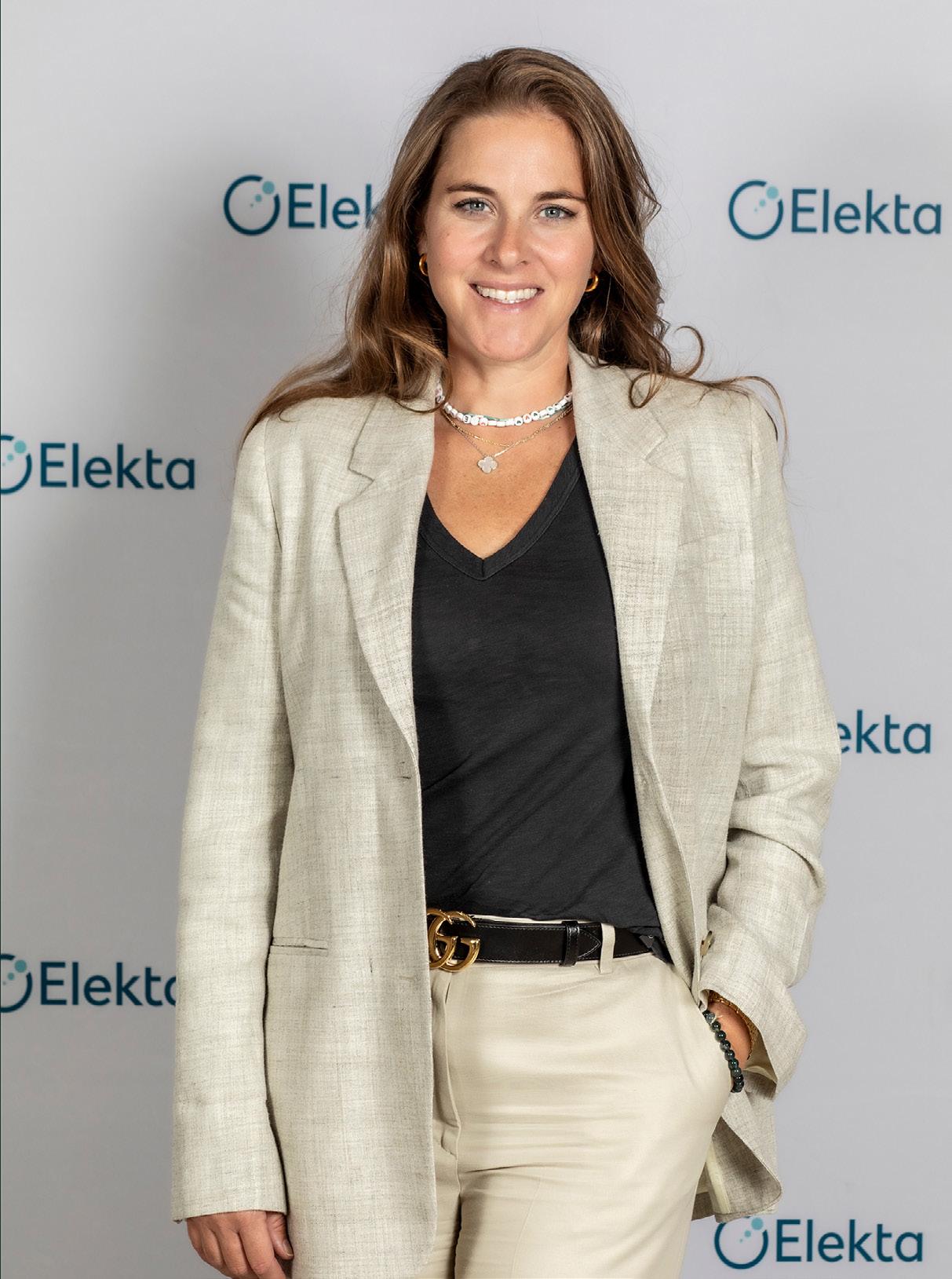
Caroline Leksell Cooke SVP & Head of Neuro Solutions, Elekta
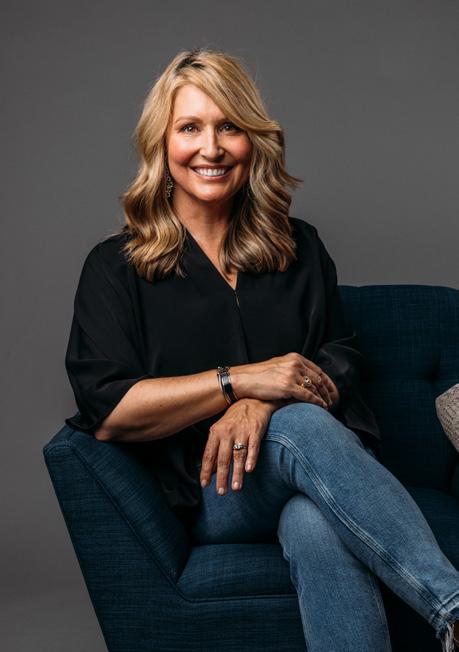
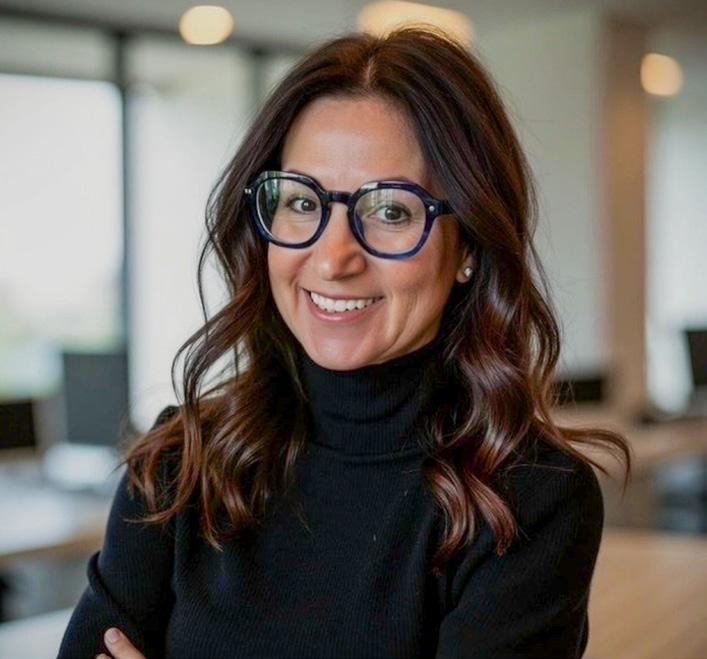
Jennifer S. Ives CEO & Founder, The JSI Group
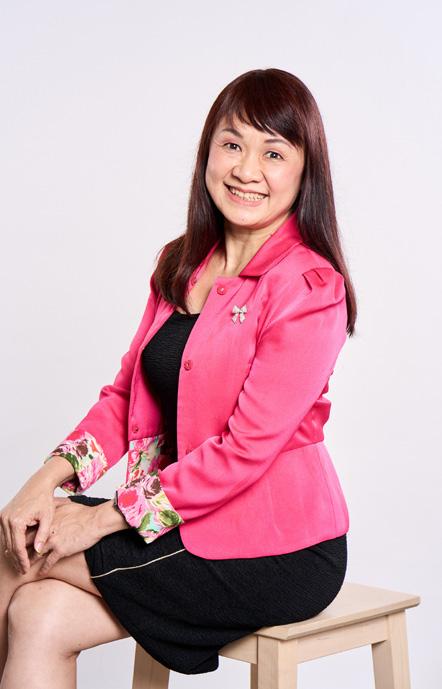
Jiak See Ng Strategy, Risk, and Transactions Leader, Deloitte Asia Pacific
FEATURING INSIDE
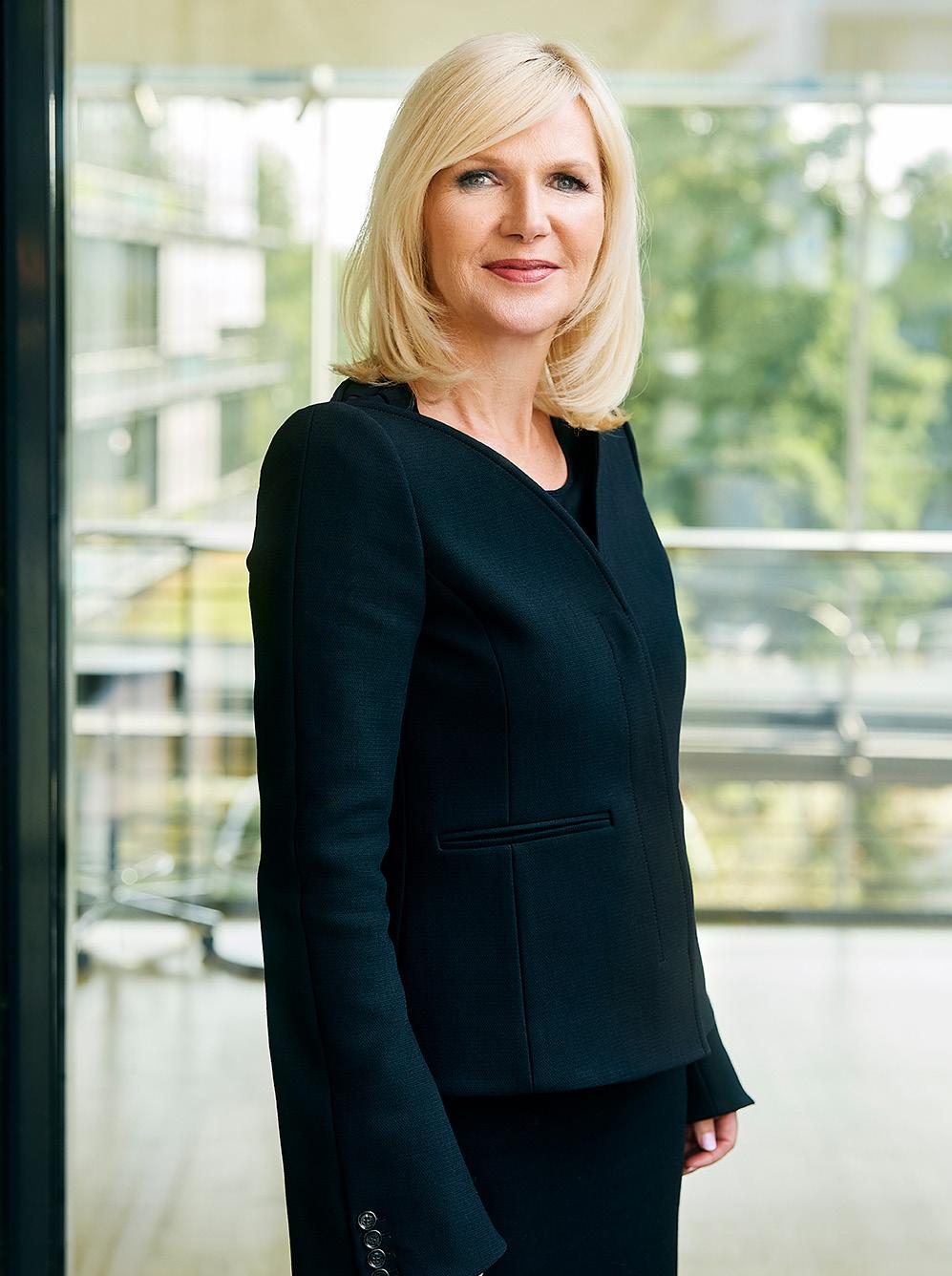
Lori Driscoll Partner, PwC
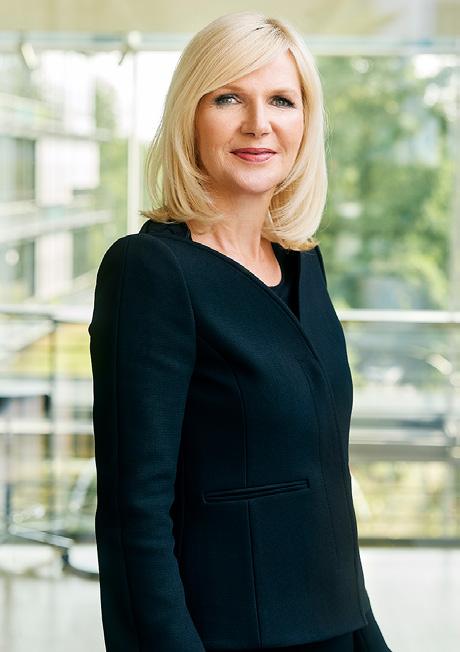
Nicola Lohrey Managing Partner, RÖDL
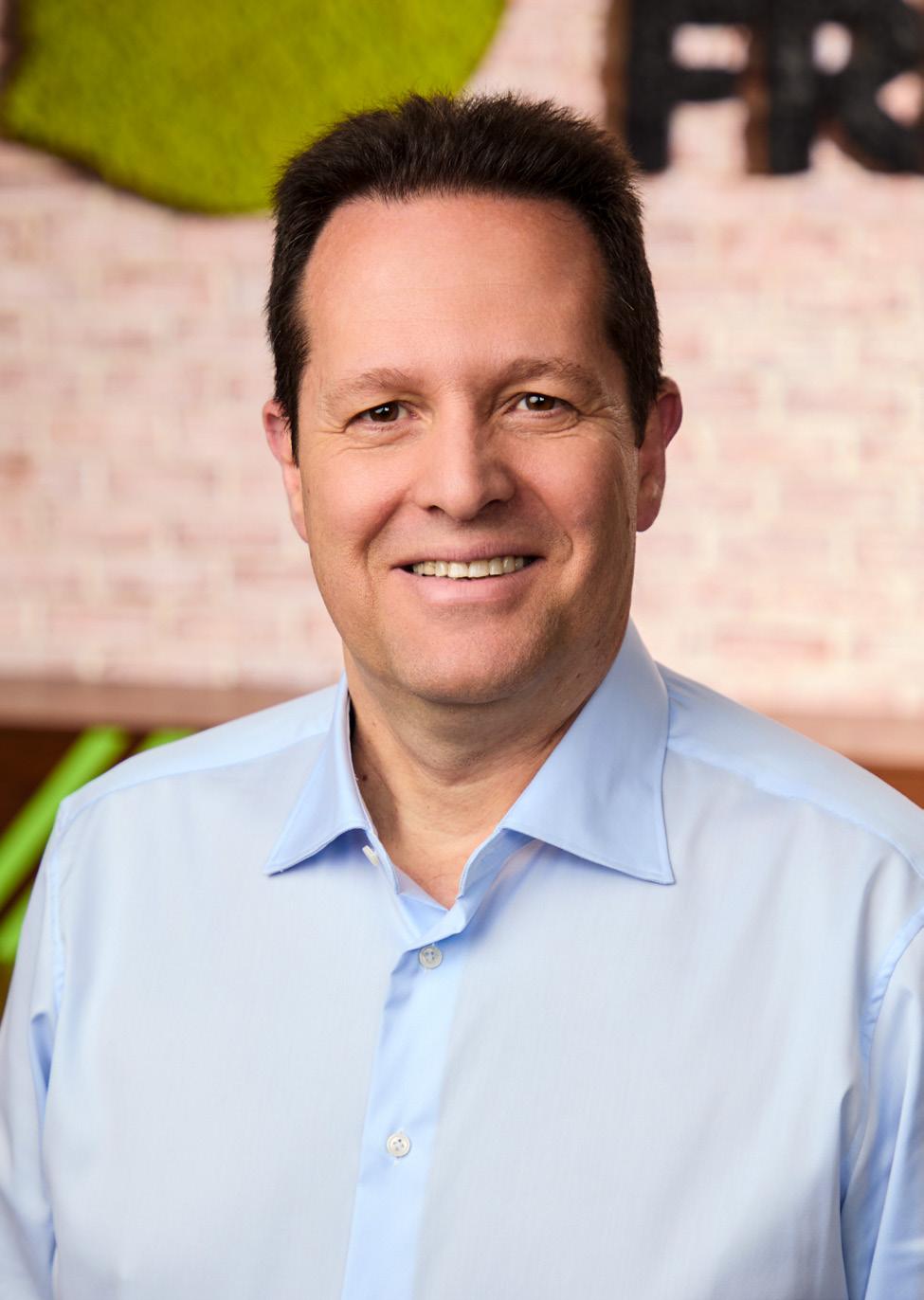
Ugur Cakim Head of Customer Experience, (Member of the Management), Migros Bank
SUBSCRIBE FREE
Managing Editor Consultant Editors
Sarath
Charlie
Branding & Marketing Partnership
Jennifer
Monica
Rachel
THE COMPETITIVE EDGE
NO ONE NOTICES UNTIL IT’S GONE
There was a time when businesses competed primarily on product quality, pricing, and market reach. Today, those factors still matter, but they are no longer enough. In an increasingly connected world, customers remember something far more fundamental: how easy or difficult it was to get what they needed.
I was recently reflecting on how quickly our expectations have evolved. Whether ordering a meal, booking a service, or resolving a support issue, even a few extra clicks, a delayed response, or a confusing process can feel like a significant inconvenience. What once seemed acceptable is now viewed as friction. According to research by PwC, customers are willing to walk away from brands after just a few poor experiences, underscoring the growing importance of simplicity and convenience in every interaction.
This shift has given rise to a new leadership priority: removing obstacles before customers encounter them. The most effective leaders today are not simply creating new products or services; they are relentlessly identifying hidden pain points across customer journeys, internal operations, and employee experiences. They understand that every unnecessary step, delay, or complication carries a cost, while simplicity creates loyalty, trust, and long-term value.
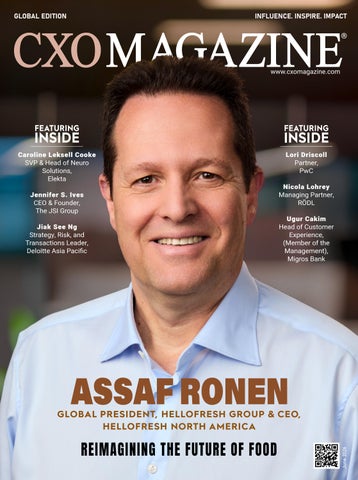
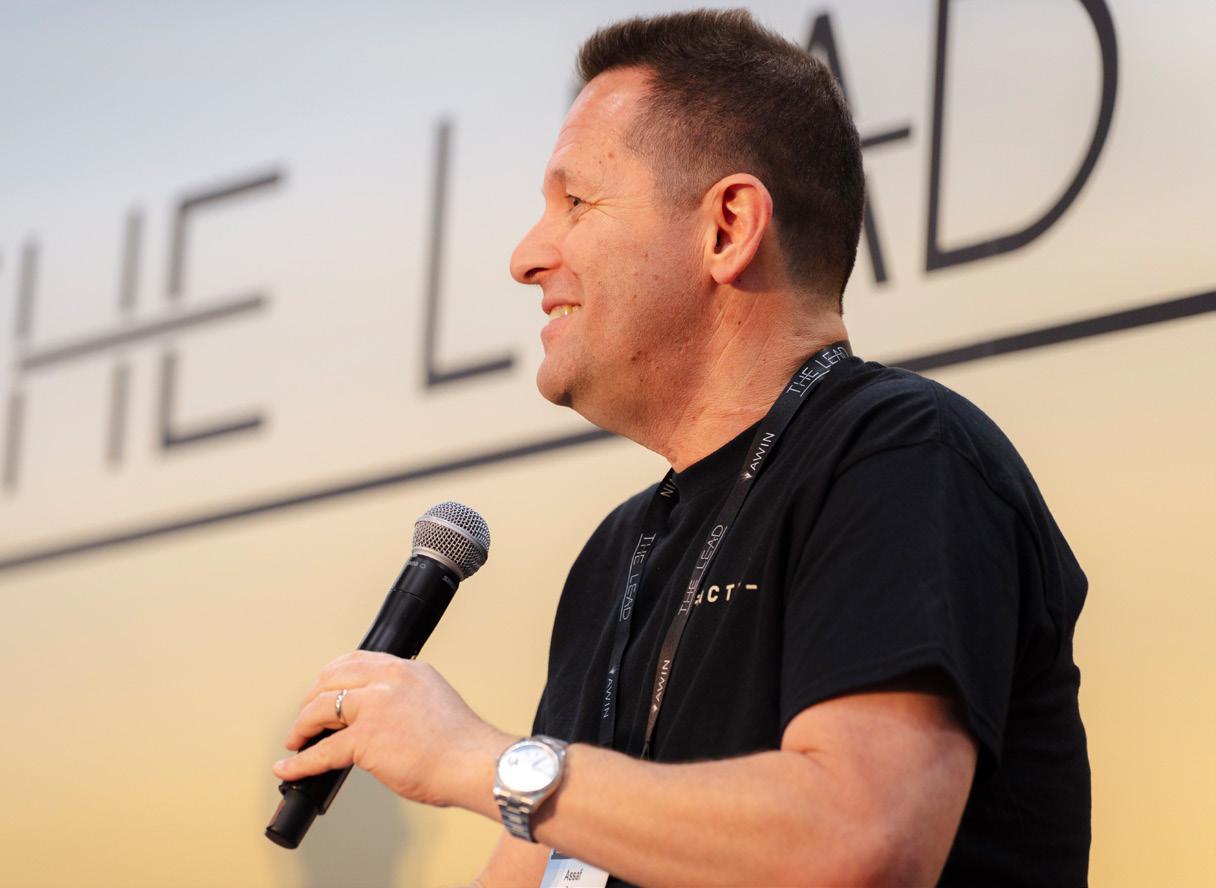
This theme resonates strongly with our cover story featuring Assaf Ronen, Global President of HelloFresh Group and CEO of HelloFresh North America. Throughout his distinguished career spanning technology, e-commerce, and fintech, Assaf has built a reputation for identifying customer frustrations at scale and leveraging technology to solve them. His perspective is particularly relevant in an era where innovation is increasingly measured not by disruption alone, but by an organization’s ability to make life easier for customers and employees alike. In our exclusive conversation, he shares valuable insights on leadership, innovation, growth, and the pursuit of operational excellence.
Beyond our cover story, this edition of CXO Magazine brings together a diverse collection of interviews, expert perspectives, and thought-provoking articles that explore the challenges and opportunities shaping today’s business landscape. Together, they offer fresh ideas for leaders seeking to build stronger, more resilient organizations.
As you turn these pages, I encourage you to consider a simple question: What friction exists within your organization that no one has addressed yet? The answer may hold your next breakthrough. I hope this issue inspires meaningful conversations, new perspectives, and bold actions that create lasting impact.
Happy Reading!
Sarath Shyam
14
Jennifer S. Ives, CEO & Founder, The JSI Group
Empowering Leaders to Turn AI Insight into Action
INTERVIEW
22 Ugur Cakim, Head of Customer Experience (Member of the Management), Migros Bank Crafting Customer-Centric Solutions with Design Thinking
30
Jiak See Ng, Strategy, Risk, and Transactions Leader, Deloitte Asia Pacific
Leading the Way in Strategy and Risk
38 Nicola Lohrey, Managing Partner, RÖDL Nurturing the Next Generation of Global Leaders
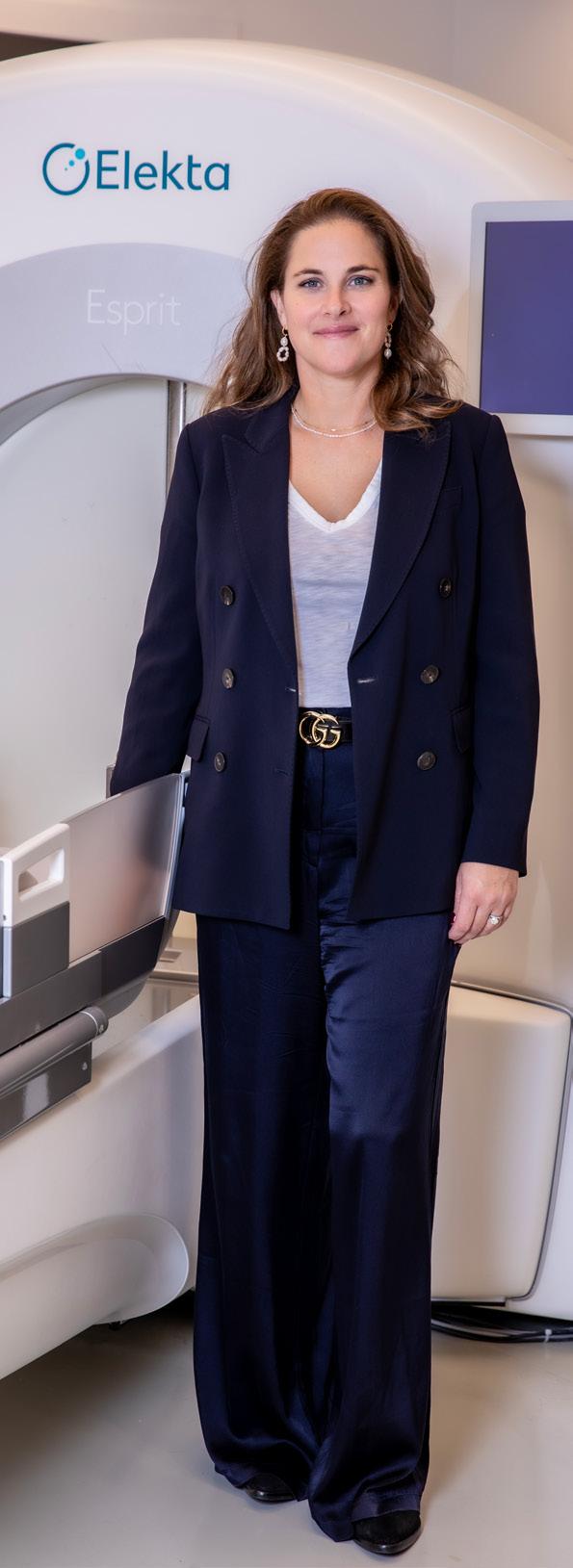
Caroline Leksell Cooke, SVP & Head of Neuro Solutions, Elekta
Pioneering Precision in Healthcare
50 Lori Driscoll, Partner, PwC
Driving Success in TMT’s Front-office 44
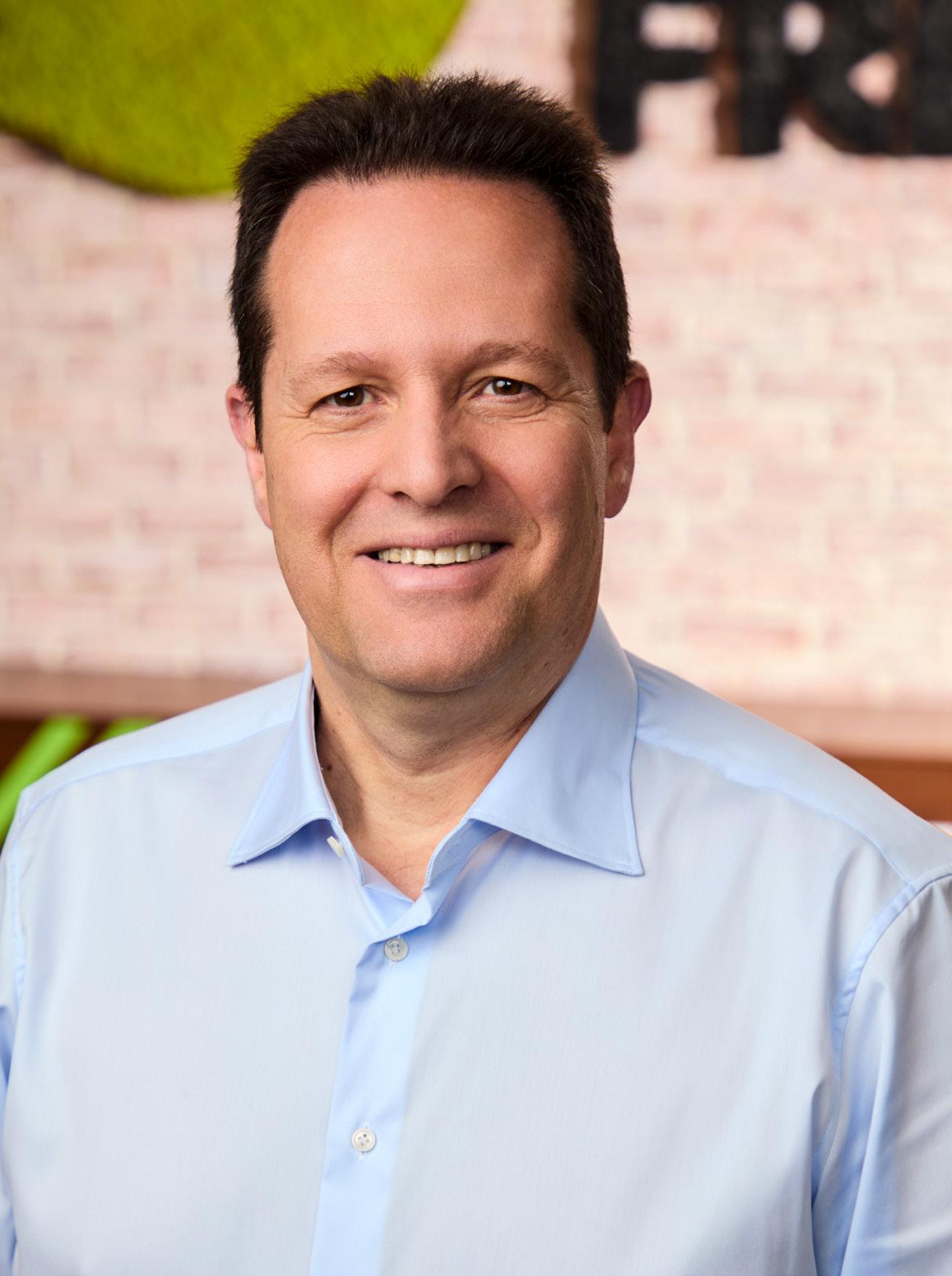
GLOBAL PRESIDENT, HELLOFRESH GROUP & CEO, HELLOFRESH NORTH AMERICA
REIMAGINING THE FUTURE OF FOOD
Assaf Ronen is Global President of HelloFresh Group and CEO of HelloFresh North America, leading operations in the US and Canada, as well as global product strategy. With a career spanning technology, e-commerce, and fintech, he has held senior leadership roles at Payoneer, SoFi, Amazon, and Microsoft, driving innovation and scaling products that reach millions worldwide. Recently, in an exclusive interview with CXO Magazine, Assaf shared insights into his passion for turning businesses around and pushing boundaries. He revealed that he’s driven by identifying and fixing customer frustrations at scale, and finds fulfillment in building technology to remove these friction points. Assaf emphasized the importance of innovation, stating that pushing boundaries is about efficiency, not disruption. He also shared his personal hobbies and interests, future plans, words of wisdom, and much more. The following excerpts are taken from the interview.
Hi Assaf. With a career spanning startups and large corporations, you’ve driven growth and innovation - what fuels your passion for turning businesses around and pushing boundaries?
I’ve always been driven by trying to figure out what’s actually frustrating a customer and then building the engine to fix it at a massive scale. Whether I am at a startup or a large corporation, I find the most fulfillment in identifying these “unsolvable” friction points in a customer’s life and building the technology required to remove them. For me, pushing boundaries is less about disruption and more about efficiency. I am energized by the process of taking a legacy model and reimagining it through the lens of modern
innovation, essentially turning constraints into competitive advantages.
What do you love the most about your current role?
One of the most rewarding aspects of HelloFresh is the impact we have on our customer’s lives. We aren’t just shipping boxes, we’re creating moments for families to be together at the dinner table, and helping individuals reclaim their time and health. I love the fact that we operate a highly technological and digital platform that provides such a personalized experience for our customers. Seeing how this company uses the largest and richest consumer database of taste preferences and translates that into a fresh, healthy meal on
The ability to provide hyper-tailored food solutions means we can meet the individual health and lifestyle needs of all types of households
a customer’s table is a really satisfying loop of innovation and execution.
As industries evolve, what emerging trend excites you most, and why?
I am particularly excited by the shift toward personalization at scale, especially in the context of nutrition. For a long time, the food industry relied on a one-size-fits-all approach that led to the rise of ultra-processed options or extremely repetitive meals. Now, thanks to AI and automation, we are entering an era where we can offer a suite of personalized options. The ability to provide hypertailored food solutions means we can meet the individual health and lifestyle needs of all types of households.
What
skills will be most critical for business leaders in the next decade?
I think leaders who will be successful in the next decade are the ones who aren’t afraid to move fast. You have to be willing to try things, fail quickly, and pivot when necessary. On top of that, you have to be comfortable with ‘breaking things’ in the pursuit of progress. The most successful tech companies are the ones leveraging AI to radically accelerate their shipping cycles. Shipping features daily rather than weekly means accepting that there may be more bugs to fix, but the skill lies in establishing robust checks and processes to resolve those issues instantly. Generally, the pace and expectations around technology are
changing, and our focus is on adapting these tools to ensure we are leading that transition rather than just reacting to it.
Technology and product are key to business success - how do you stay ahead of the curve?
Staying ahead of the curve requires a culture of continuous experimentation. I spend several hours every week personally testing the latest AI models and tool updates to understand their firsthand impact. I think leadership has to set the tone; if I don’t prioritize this, it’s difficult for teams with demanding jobs to find the mental space to explore them. By leading with that curiosity, I aim to provide the top-down reinforcement needed to make continuous experimentation a core part of our culture. Ultimately, I stay focused on the “why” behind the “what,” ensuring we use these tools to solve real human problems and make our customers’ lives easier.
Your favorite book or podcast that inspires your leadership is...?
I’m a big fan of the Masters of Scale podcast. What I love about it is that it doesn’t just focus on the ‘overnight success’ stories, but really gets into how you build something massive from nothing. It’s a reminder that businesses aren’t built in a straight line.
How do you approach mentorship, and what qualities do you look for in a mentor or mentee?
Mentorship is a two-way street. When I’m looking for a mentee, I’m drawn to people who take real ownership of their growth and challenge my own assumptions - I think that’s where the
best conversations happen. I look for the same qualities in the leaders I hire: transparency and directness. I value people who say what they do and do what they say.
On the flip side, when I’m looking for a mentor, I look for someone who’s been in the arena, lived through the big failures, and come out the other side with a perspective you just can’t get from a textbook.
What are some of your passions outside of work? What do you like to do in your time off?
I enjoy spending quality time with my family. I spend a lot of time on the basketball court together with my kids, or finding other ways to stay active. I’m also the cook in my kitchen, so I love creating meals that we can all enjoy together.
What is your biggest goal? Where do you see yourself in 5 years from now?
My biggest goal is to help redefine the relationship people have with their food. In five years, I want HelloFresh to be seen as the indispensable food companion or the platform that makes fresh, sustainable, and personalized eating possible. I also want to keep leading our technological revolution, helping to blend culinary creativity with the power of AI, robotics, and automation.
What advice would you give to emerging leaders who want to drive change?
I would encourage emerging leaders to focus on resilience. Change isn’t easy and will always meet resistance, so your ability to stay the course and maintain your conviction while remaining flexible on the “how” will be your greatest asset.
Empowering Leaders to Turn AI Insight into Action
Jennifer Ives is a global AI strategist, growth executive, and trusted advisor to CEOs, boards, and investors, focused on executive decision-making and AI strategy. She has owned $50M+ P&Ls and driven double-digit growth, scaling revenue, reducing costs, and accelerating adoption across dataintensive, global organizations, including Fortune 500 and FTSE 100 clients. With roots as a geospatial engineer, she has led AI, product, and global growth initiatives across VC- and PE-backed companies and public sector institutions. As former VP of AI at the Partnership for Public Service, she launched the AI Center for Government. Known for bringing clarity to highstakes decisions, Jennifer is a sought-after advisor in moments that define how organizations move forward with AI.
Recently, in an exclusive interview with CXO Magazine, Jennifer shared insights into how her early career as a geospatial engineer in data-heavy, mission-driven environments shaped her belief that technology being right doesn’t mean it’s being used, a principle that now anchors her work as a global AI strategist advising CEOs, boards, and investors. She noted that boards are moving from AI curiosity to accountability, demanding proof that AI improves operations, customer service, and growth, not just pilot activity, and warned that the most misunderstood trend is equating access with adoption when insight often outpaces action. She also shared her future plans, words of wisdom, and much more. The following excerpts are taken from the interview.
Jennifer S. Ives CEO & Founder, The JSI Group
Hi Jennifer. You started your career as a geospatial engineer working with data, systems, and emerging technologies. How did those early experiences shape the way you approach AI today?
I started my career as a geospatial engineer working in data-heavy environments where the goal was to build systems in support of real-world decisions, often in high-stakes, mission-driven settings. We were working with complex data sets, pulling together layers of information that were often incomplete, inconsistent, and coming from systems that didn’t fully connect.
What stood out to me early on was that even when the technology was sophisticated and the outputs were technically correct, they weren’t always used.
Technology being right doesn’t mean it’s being used.
That’s where I learned that the challenge wasn’t building the system, it was ensuring that the data and insights translated into decisions people could act on. And that meant understanding not only the data, but the people using it - how they made decisions, what they
trusted, and what they needed to solve real problems with real consequences.
Those experiences shaped how I approach AI today, and why I still start in the same place by asking: What problem are we trying to solve?
The technology has evolved significantly, especially over the past few years, but the underlying challenge hasn’t. That’s the lens I bring to my work - AI creates value when it’s connected to clear decisions, used across teams, and applied in ways that hold up in the real world.
Your work centers on leadership alignment, system design, and market strategy. When did you realize this was the gap you wanted to focus on closing?
I realized it wasn’t a single moment. It was a pattern I kept seeing early in my career, and then repeatedly over time.
In my first role as a geospatial engineer, we would build and deliver platforms exactly as requested.Then, after the work was delivered, I’d attend meetings with our clients’ leadership teams and listen as they worked through the
AI doesn’t stall because of the model. It stalls when leaders aren’t aligned on why it matters
platform’s purpose, the decisions it was meant to support, and how it tied back to the problem they were trying to solve - conversations that are most effective when they happen upfront.
That experience stayed with me. It made clear that even strong, well-designed technology depends on leaders being aligned on its purpose from the start.
Years later, I saw the same pattern at a different level. As AI and data became more central to business strategy, I found myself in conversations with founders, CEOs, and investors navigating these decisions in real time. After meetings, many would reach out and ask if we could talk, looking for help thinking through what they were hearing, what questions to ask, and how to approach it. They weren’t lacking capability, they were being asked to make decisions without enough clarity or alignment.
And I found myself starting in the same place every time: ‘What problem are we trying to solve?’
It’s a simple question, and yet in AI conversations, it’s often skipped in favor of jumping straight to the technology.
That’s the gap I chose to focus on. Not because the technology doesn’t matter, it does - but because without clarity and alignment at the leadership level, even the most promising technology struggles to deliver value.
AI doesn’t stall because of the model. It stalls when leaders aren’t aligned on why it matters.
So my work has evolved to focus therehelping leadership teams clarify the problem they’re solving, align on what matters most, and make a small number of decisions they can execute with confidence.
Because once that’s in place, everything else moves faster and leads to real outcomes.
Many leaders talk about outcomes, but you stress measurable results. How do you define success for an AI initiative? Most leaders discuss success in terms of outcomes, and yet the real signal is whether AI is actually changing how the business operates. Success isn’t the number of pilots you’ve launched or tools you’ve deployed. It’s whether AI is being used in ways that change how decisions get made and how work gets done.
There are a few signals I look for early on.
First, decision-making. Are leaders able to move faster and with more confidence because they have better insight?
Second, focus. Have they narrowed in on a small number of use cases that clearly tie to business or mission outcomes, rather than trying to do everything at once?
Third, adoption. Not just access, but real integration into the work. Is AI changing how work flows, or is it being layered on top of existing processes?
When those signals are in place, you start to see real impact such as time saved, less rework, clearer prioritization, and focused investment. And over time, that translates into stronger productivity, more effective teams, sustained growth, and better outcomes for customers and stakeholders.
In most organizations, you should start to see movement within weeks, not years. If you’re not, it’s rarely a technology issue, it’s a signal that something in the operating model or leadership alignment needs to change. At the end of the day, AI should make the organization faster, more focused, and better at delivering results that matter. If it’s not, it isn’t working yet.
Boards and CEOs are under pressure to show AI ROI. How do you see expectations around AI value evolving in the next 3 years?
Boards and CEOs are moving from curiosity to accountability. Over the past two years, most organizations have been in exploration modepilots, experimentation, and early use cases. That phase has been necessary, and expectations are changing quickly.
To be clear, in AI, three years can feel like a lifetime, so none of us have a perfect line of sight. But there are a few shifts already underway.
First, the conversation is becoming much more specific. The question is moving from, “What are we doing with AI?” to, “How is AI actually changing how we operate, how we serve customers, and how we grow?”
Second, there’s a growing expectation that AI changes how work gets done, not just the
tools people use. It’s not enough for individuals to be more productive. The real shift is whether organizations are evolving their operating and decision models - rethinking how work flows, how decisions are made, and how teams use AI to drive meaningful impact.
And third, the pressure is shifting from isolated wins to results that hold. It’s less about whether a pilot worked once, and more about whether AI is consistently improving decisions and execution across the organization as part of how the business actually runs.
So if I had to sum it up, I’d say that AI value is moving from experimentation to proof, and that the bar is rising quickly. The expectation now is clear - show where AI is improving decisions, changing how work gets done, and delivering results that truly matter. And over time, that translates into stronger productivity, more effective teams, sustained
The expectation now is clear - show where AI is improving decisions, changing how work gets done, and delivering results that truly matter
growth, and better outcomes for customers and stakeholders.
AI investment is rising but adoption often stalls. What trend do you think is most misunderstood about AI in the enterprise right now?
The most misunderstood trend right now is what leaders think ‘AI adoption’ actually means.
From the outside, many organizations appear to be making real progress. Pilots are running, tools are in use, and teams are actively experimenting. But when you step back, the way work actually gets done often hasn’t changed in a meaningful way.
That’s where the gap emerges.
AI is generating insight faster than organizations are able to act on it. The insight is reviewed, discussed, analyzed - and yet
decisions don’t shift, ownership remains unclear, and execution often defaults back to established ways of working. So what looks like adoption is often activity, which is why many AI efforts stall.
The organizations seeing real traction are approaching this differently. They’re not starting with the model, they’re starting with execution. They’re asking deeply fundamental questions such as: What decision changes if this works? and What workflow actually shifts? Because if the answer is ‘none,’ the pilot won’t scale.
If I had to simplify it, the biggest misunderstanding is thinking AI adoption is about access and usage. It isn’t. It’s about whether leaders are willing to redesign how decisions are made and how work actually gets done. If that doesn’t change, the results won’t either.
Leaders often draw inspiration from unexpected places. What’s your favorite book, podcast, or thinker that’s shaped how you lead?
One book I often come back to is Thinking, Fast and Slow by Daniel Kahneman.
It gave me a clear language for something I had already been seeing in practice - that even experienced, capable leaders don’t always make decisions in consistent or predictable ways. We rely on instinct, we move quickly, and we’re often operating with incomplete information.
What it reinforced for me is how important it is to design decision environments more intentionally, especially now with AI in the mix. Because AI doesn’t replace human judgment, it amplifies it - both the strengths and the gaps.
So in my work, I think a lot about how decisions are made, where bias or inconsistency can show up, and how to create more clarity around what good decision-making actually looks like. And that shows up even more now with AI, where the technology is moving quickly, and the quality of human decisions and judgement still determine the outcome.
Many innovators have a creative outlet. Do you have a favorite hobby or hidden talent outside of work?
I tend to be very intentional about stepping away from technology and creating space to think. For me, that’s time outside - hiking, skiing, long walks in nature, being out on the water. It’s where I reset, and it’s also where I do some of my clearest thinking. There’s something about being in a constantly changing environment that forces you to slow down just enough to see things differently. I’m also drawn to challenges that push me outside my usual domain. A few years ago, I
decided to teach myself the ukulele. It was harder than I expected, which I appreciated. There’s something grounding about being a beginner again - learning, adjusting, and staying with something simply because it’s interesting and different.
Both of those habits carry into how I lead. I’m comfortable stepping back when needed, and I’m equally comfortable moving into new territory without having everything figured out upfront. I’ve found that the best thinking, and often the best decisions, come from that balance.
If you could change one mindset across the C-suite about AI, what would it be?
If I could change one mindset across the C-suite, it would be AI isn’t something you delegate. It’s something you lead.
I routinely see AI decisions handed off too quickly, resulting in a technology conversation long before the leadership team has aligned on why it matters, where it should create value, or what actually needs to change inside the business. And once that happens, things start to drift. There’s lots of activity - pilots, tools, experimentation, while very little shifts in how decisions are made or how work actually gets done. The organization looks busy, and not really moving forward in a meaningful way.
The shift I would push for is simple and requires real leadership - start with decisions, not technology.
What problem are we solving? Which decisions need to change? What are we going to do differently if this works?
If those answers aren’t clear, AI won’t scale. At the end of the day, AI doesn’t create value. It reveals it, through the decisions leaders make and the changes they’re willing to follow through on.
Five years from now, where do you see yourself and what impact do you want to have made?
Five years from now, I’ll continue to be in close partnership with leadership teams and investors as they navigate decisions that don’t have clear answers. The moments where the stakes are high, the pressure is real, and the path forward isn’t obvious. That’s the work I’m most drawn to - being part of those conversations, helping create space for clearer thinking, better questions, and decisions that hold up in the real world for teams, customers, and the people they serve.
I see that work continuing to expand globally, building on the boardrooms and stages I’m already part of, and contributing to how leaders think about AI - not only as a technology shift, but as a responsibility in how decisions are made.
And equally important to me is who is part of those conversations. The choices being made
around AI will shape how organizations operate and how people experience work, services, and opportunity. Those decisions are stronger when they reflect a broad range of perspectives, lived experiences, and expertise.
The impact I’m working toward is being a trusted partner in moments that matter, and ensuring decisions are made with clarity, care, and with a wider range of perspectives at the table. At the heart of AI is a leadership challenge and a human opportunity, and I want to continue to play a role in how leaders rise to both.
For leaders reading this who feel stuck between AI ambition and real results, what’s the first step you’d tell them to take tomorrow?
For leaders who feel stuck between AI ambition and real results, I often see progress start by focusing on one question: What decision are we trying to improve?
It’s a variation of a question I come back to often: What problem are we trying to solve?
Not the tool or the pilot, but which decision - if it were faster, clearer, or better informedwould meaningfully change how the business operates.
At the heart of AI is a leadership challenge and a human opportunity, and I want to continue to play a role in how leaders rise to both
Starting there tends to bring focus to the conversation. It makes it easier to align on where to invest, what to build, and what may need to shift in how the work gets done. In many cases, it’s not a lack of technology that’s slowing things down. It’s a lack of clarity on where it actually matters.
And from there, the real work beginsfollowing that decision all the way through. Because insight on its own doesn’t create value. It’s the decision, and what happens next, that changes outcomes.
Crafting CustomerCentric Solutions with Design Thinking
Ugur Cakim is considered one of the leading thought leaders in the field of Customer Experience.
He is a prominent Customer Experience and Innovation Strategist from Switzerland and multiple winner of international innovation and customer experience awards. With his ability to combine economics, psychology, behavioral economics and technology, he successfully implements sustainable CX strategies in companies, transforms organizations, and delights customers. Companies worldwide repeatedly seek his expertise and support on Customer Experience topics. As an expert in Design Thinking and Behavioral Design, he creates frameworks where innovation happens systematically, but never by chance. At the International CX Award, Ugur contributes his interdisciplinary expertise as a juror to redefine excellence and innovation in customer experience by setting new standards in CX evaluation and promoting it internationally.
Recently, in an exclusive interview with CXO Magazine, Ugur shared insights into his passion for Design Thinking and creating visionary solution approaches, driven by his innate curiosity and desire to approach things differently. He emphasized the importance of empathy and emotional connections in customer experience, stating that “customers turn their experiences into stories” and that companies should craft narratives that live on in the minds and hearts of their customers. He also shared his personal hobbies and interests, future plans, words of wisdom, and much more. The following excerpts are taken from the interview.
Ugur Cakim
Head of Customer Experience (Member of the Management), Migros Bank
Hi Ugur. With your unique ability to think beyond boundaries, what sparked your passion for Design Thinking and creating visionary solution approaches?
From an early age, I was often confronted with the challenge of adapting to new environments, as my innate curiosity and desire to approach things differently didn’t always align with conventional norms. This adaptability became an intrinsic part of who I am today and my DNA. It’s no coincidence that I found my calling in the field of Customer Experience. My journey has shaped and refined me, transforming this path into more than just a profession it has become a profound expression of how I perceive the world, how I think, how I feel and ultimately who I am at my core.
At the same time, it was this insatiable curiosity that propelled me to explore uncharted paths, discover the world and embrace diverse perspectives. This openness has consistently brought me into contact with innovative ideas, inspiring individuals and groundbreaking concepts. These formative experiences taught me the immense value of adopting alternative viewpoints and transforming them into creative solutions. By adopting new perspectives also my empathy grew stronger. Enthusiasm has always been my driving force, in seeking inspiration and in inspiring others I would say.
What do you love the most about your current role?
One of the key reasons I chose this position was the close collaboration with the executive team and the CEO. Through regular meetings and strategic decisions on topics such as customer relationships and satisfaction, I can directly influence matters at the C-level as the Head of
Customer Experience at Migros Bank. At the same time, I actively participate in projects to maintain close proximity to our customers and their needs. An aspect that is essential to me. The opportunity to truly immerse myself in our customers perspectives to deeply understand their concerns, needs, and actions is something I not only love but also need in order to effectively represent these needs in C-level meetings.
The rapid pace of technological advancement, coupled with the growing diversity of user groups with varying levels of access to and knowledge of technology, presents immense challenges for designers and innovators
It’s incredibly fulfilling to design experiences that not only solve problems but also create genuine emotional connections. I see a tremendous opportunity to fundamentally transform the way people experience companies, brands and banks. I remain deeply passionate about developing innovative solutions that are not only efficient but also place empathy and humanity at the very core. At the end of the day, customers turn their experiences into stories. Stories they share at the
dinner table, with friends or social media. This reminds us that we’re not just offering products or services. We’re crafting narratives that live on in the minds and hearts of our customers. That’s what makes Customer Experience so special to me. The ability not just to design, but to inspire and create lasting connections with people.
What are some of the most significant challenges facing designers and innovators today, and how can they be addressed?
The rapid pace of technological advancement, coupled with the growing diversity of user groups with varying levels of access to and knowledge of technology, presents immense challenges for designers and innovators. It is becoming increasingly complex to create solutions that are not only technologically relevant but also accessible and inclusive for all target audiences. What I also observe and would caution against underestimating is the rising fear and growing scepticism many people harbour toward technology, as well as the subtle yet pervasive rejection of it. These uncertainties and the accompanying hesitations could play an even greater role in shaping user behaviour in the future, influencing decision-making processes and customer journeys more profoundly. This makes it all the more critical to place trust and security at the heart of design, addressing these fears and making new technologies more approachable for everyone.
To tackle these challenges, designers and innovators must commit to continuous learning and familiarize themselves with emerging technologies. At the same time, it is essential to consider the diverse needs of user groups and ensure that ethical principles such as transparency,
fairness and inclusion are deeply embedded in the design process.
Adaptive designs that flexibly cater to the varying requirements and abilities of different audiences are central to this effort. Equally important are empathy and iterative approaches, which are key to crafting meaningful, equitable, and sustainable solutions in an increasingly complex and rapidly evolving world. Only by embracing these principles can designers and innovators ensure that their work remains not only technologically advanced but also profoundly human centric.
As Design Thinking continues to
evolve, what do you believe are the most significant trends shaping the industry?
I will focus on the two key points that I believe are most important. The integration of AI into the design process is set to grow significantly, enabling the seamless combination of data driven and personalized solutions with greater efficiency.
AI has the potential to create tailored customer experiences by analyzing vast amounts of data and deriving insights into customer needs and behaviors, for instance, through real time customer journey mapping. However, human validation must never be overlooked, as the use of AI also entails risks. While AI can support campaign management and personalization, the rise of autonomous AI driven agents could paradoxically lead to a scenario where advertisements, preferences and customer access are blocked by other AI systems essentially. Then we have machine versus machine. It is therefore crucial that AI is designed from the outset to enhance human capabilities rather than exploit human weaknesses. Although trends and hypes
in technology are transient, only a few approaches have proven to deliver sustainable value. AI, when used responsibly, can indeed help create meaningful customer experiences by leveraging data to understand and address customer needs. I think the human factor will not lose its significance, but its role will transform fundamentally. There will be sufficient time to effectively address AI hallucinations and significantly enhance the reliability of AI systems. The insights gained in this process will also drive forward advanced approaches like “Active Inference” enabling more evidence based and context sensitive support in the future. An important step toward a closer and more trustworthy collaboration between humans and AI, I think.
My Second point. The human interaction remains a cornerstone for fostering trust and emotional connection. As digitalization continues to advance, the integration of physical and digital experiences becomes increasingly vital. A key skill for the future will be the ability to develop interconnected thinking and understand complex relationships by strengthening neural connections and fostering brain plasticity. Despite the growing prevalence of automation through AI, the importance of human skills such as empathy, creativity and critical thinking will only increase. These competencies are essential for understanding customer needs and developing innovative solutions that resonate on a deeper level.
My Conclusion. The future of customer experience and design will be shaped by a delicate balance between technological innovation and human expertise. Companies that succeed in integrating these two dimensions effectively are, in my view, more likely to achieve long term success.
Can you share a book, podcast, or resource that has inspired you recently?
A book I would recommend is “Die Macht der inneren Bilder” by Gerald Hüther.
It’s a fascinating exploration of the power of mental imagery and how it shapes our thoughts and actions. I’m not sure if it’s been translated into English, but if you can get your hands on it, it’s absolutely worth diving into!
As for a podcast, I really enjoyed the episode “Why Are All Bosses Idiots?” with Trevor Noah and Simon Sinek. It’s highly entertaining, offering a humorous yet insightful take on leadership, workplace dynamics and why bosses sometimes seem to make the strangest
decisions. It’s the perfect mix of laughs and learning definitely worth a listen!
The CMO Podcast was also very interesting. The conversation between Conny Kalcher (Chief Customer Officer at Zurich Insurance) and the host Jim Stengel was inspiring.
It’s fascinating to hear how unexpected opportunities can steer life in new and exciting directions. Personally, such stories remind me of how important it is to stay open to change and new possibilities.
How do you stay up to date with industry trends and developments, and what resources do you recommend to others?
I see curiosity as an important key competency for this. Curiosity is essential for continuous development and for responding to changes in the business world. It enables me to identify new trends, develop innovative solutions and adapt to dynamic market conditions. Especially in times of digitalization, the willingness to learn new things is often more crucial than mere expertise.
The integration of AI into the design process is set to grow significantly, enabling the seamless combination of data driven and personalized solutions with greater efficiency
In the dynamic landscape of the banking industry, it is crucial to develop a deep understanding of how our customers perceive us as a bank and as a brand. To gain these valuable insights I have established a comprehensive “Voice of the Customer” ecosystem, comprising a variety of active components. This system enables me to directly capture the perspectives of our customers and derive well founded insights. Key elements of this approach include touchpoint visits, customer interviews, customer testing and Gemba walks. These methods allow me to immerse myself in the world of our customers, understand their desires and expectations and identify the benchmarks against which we are compared.
At the same time, they help uncover opportunities to further optimize our services and processes. A significant aspect of my work involves observing and evaluating trends. I am fully aware that not every trend that succeeds in another country will automatically resonate in Switzerland and vice versa. This understanding requires a high degree of caution and discernment to ensure that we implement the right initiatives to consistently delight our customers. My personal recommendation drawn from my own experience, is simple yet impactful: Even outside of work, I am a customer myself and I approach every interaction with mindfulness. I analyse what I like, what excites me and what I perceive as areas for improvement. It quickly becomes evident which processes are thoughtfully designed and seamlessly executed and which are left to chance. I find it particularly
The future of customer experience and design will be shaped by a delicate balance between technological innovation and human expertise
inspiring when creative “Easter eggs” are embedded along the customer journey, bringing a smile to the faces of customers. Such moments deserve the highest recognition and demonstrate the immense potential of well thought out and creative customer centric approaches.
What are some of your passions outside of work? What do you like to do in your time off?
I wish I had more time and the discipline to get back into a sport I used to love, like Jiu Jitsu or fitness. But above all, I cherish spending my time with the important people in my life, turning those moments into meaningful experiences that shape, fulfill and inspire me. Whether it’s with my wife and two daughters, our dog or my friends. I find joy in creating memories that last a lifetime. With my friends I love embarking on trips around the world, always filled with activities. Sometimes thrilling and sometimes reckless but always unforgettable. There’s something profoundly motivating about realizing that as long as we hold the pen, we have the power to write how our story ends. It’s a reminder that every second is precious and worth living to the fullest.
What is your biggest goal? Where do you see yourself in 5 years from now?
A personal life goal of mine is to consciously and actively support my children during one of the most formative phases of their lives, their teenage years. It brings me great joy to nurture their strengths, open up new perspectives for them, and help them discover their own paths. My aspiration is not only to provide them with guidance but also to inspire and empower them to step into the future with confidence and independence well equipped to face life’s challenges with resilience and determination. Or to put it differently, I am training myself to be able to let them go in a few years. That’s not a goal but rather the bitter pill one has to swallow as a father.
5 Years from now. Hmm of course, I have plans but as mentioned in the PMO podcast, they only have limited impact. The Native American wisdom teaches us to recognize the interconnectedness of all things and the cycle of life to accept challenges as necessary steps for personal growth and to trust in the deeper meaning behind all events while living in harmony with nature. Connected with the word “Inshallah” it reminds us to trust the universe
that every moment whether now or in five years is exactly the right place for me to be and every place we find ourselves in is part of a greater plan and that we always have the opportunity to make the best of it. So that’s why I enjoy my path in harmony with the universe. I’ll see if everything goes as planned, but either way, I’m confident it will turn out well, and I’m looking forward to it. We will see what is meant for me and where I will be in 5 years. I’m curious myself. But it will be good and I’m looking forward to.
As a leader in the industry, what advice would you give to organizations looking to stay ahead of the curve and drive innovation?
In Switzerland’s financial sector leading companies have recognized that CX is far more than an operational topic. So a promising and gradually increasing trend is emerging among banks and insurance companies by embedding Customer Experience at the C-level. This shift is driven by visionary CEOs who lead by example, paving the way for others with their bold decisions and successes. Whether it was PostFinance or how Mario Greco at Zurich Insurance did it, paving the way for other companies. However, these remain CEO driven decisions and have not yet become a standard practice. Nevertheless, I am confident that others will follow.
This positive development demonstrates that customer centricity is no longer seen merely as an operational task but as a strategic tool for sustainable growth. Moreover, it is increasingly recognized as valuable to equate customers with entrepreneurial attributes at the executive level. This means that the customer’s voice is
considered in strategic discussions and decisions. The role of Chief Experience Officer (CXO) is pivotal in this context, acting as the customer’s advocate and ensuring that all departments are aligned towards creating consistent and positive customer experiences. Strategic decisions should always be viewed through the lens of customer relationships, ideally by someone who truly understands CX to ensuring that every goal also delivers clear value to the customer. Without this alignment a disconnect between internal and external communication arises which will inevitably manifest in customer interactions. Companies that firmly integrate CX into their executive leadership and leadership programs combine strategic influence with a clear focus on customer relationships.
In my opinion, this development is an important step towards strengthening long term customer loyalty, placing customer needs at the core of the corporate strategy, addressing the challenges of digitalization and rising customer expectations. The integration of CX at the C-level is therefore a clear indicator of customer centricity as a competitive advantage, as well as a sign of foresight and innovation. A truly customer centric company understands that CX cannot be confined to a single department. From the CEO to the apprentices, the reception staff, the kitchen chef in the cafeteria and even the externally hired cleaning staff working in the building, if everyone in a company feels and embodies customer centricity then you know you’ve done everything right. If companies stand up for Customer Experience today and integrate customer experience as a strategic behavioural approach into the DNA of the company, I am very confident that they will still have a seat at the table tomorrow on the market.
Leading the Way in Strategy and Risk
Jiak See Ng leads Deloitte Asia Pacific’s Strategy, Risk, and Transactions business, overseeing consulting services across Strategy & Transactions and Risk, Regulatory & Forensics. She previously led Deloitte Asia Pacific’s Financial Advisory practice. With over 30 years of extensive experience, Jiak See excels in advising clients on mergers and acquisitions (M&A), fundraising, IPOs, and growth strategies across diverse industries. Her leadership drives business innovation in strategy & business design, M&A, restructuring, cost transformation, infrastructure, sustainability, and risk services. She is dedicated to helping clients create value through innovation, growth, and productivity while safeguarding their brand and reputation.
Recently, in an exclusive interview with CXO Magazine, Jiak See shared insights into her passion for driving innovation in strategy and business design, emphasizing the importance of translating vision into tangible value for clients and society. She highlighted the need for leaders to prioritize technology and AI adoption, build resilience and trust, and foster a culture of diversity and inclusion. Jiak See also discussed the importance of mentorship, sharing her own experiences and emphasizing the value of generosity and honest feedback. The following excerpts are taken from the interview.
Jiak See Ng
Strategy, Risk, and Transactions Leader, Deloitte Asia Pacific
What sparked your passion for driving innovation in strategy and business design?
Innovation matters when it turns bold vision into real value for people. Over three decades of experience in M&A, fundraising and growth advisory work across many industries have shown me something important. Deals and strategy are only the beginning. The real impact comes when vision is translated into tangible value for our clients, our people and society.
As trusted advisors, our Deloitte professionals’ role is to work side by side with our clients and their organisations. We are not only here to design strategy. We are here to help leaders navigate complexity, make tough choices and bring that vision to life in a disciplined, way. At Deloitte, we advocate for what we call a “transformational M&A” approach that catalyses reinvention and is driven by long-term value creation.
In Asia Pacific, the pace of change is unforgiving. At the same time, it creates extraordinary opportunities to rethink how organisations grow, transform and protect what matters most. And we cannot do this alone. Our relationships and our network are our true net worth, because bringing people with diverse viewpoints together with innovative solutions is how bold ideas become reality.
What do you love the most about your current role?
My role sits where ideas, people and impact meet.
I have the privilege of working with talented teams across Asia Pacific. Together, we solve problems that matter to our clients, their stakeholders and their communities.
What excites me most is unlocking potential. I enjoy connecting people and capabilities across borders. I love creating space for our teams to step up, lead and grow in confidence. Over time, many clients and colleagues have become long-term partners and friends. That continuity of relationship is very precious to me. It reminds me that leadership is ultimately about people, not projects.
As the Asia Pacific region continues to evolve, what emerging trends should leaders prioritize in strategy and business design?
Asia Pacific is no longer just catching up – it is defining what comes next.
Leaders here must stop thinking in terms of “adapting” global playbooks and start designing their own. The first big shift is that technology and AI are now the backbone of strategy. Deloitte’s 2026 State of AI in the Enterprise report found that 93% of business leaders in
Asia Pacific reported faster decision-making and execution because of AI, and that the use of physical and agentic AI is set to grow quickly in the next two years.
The key to technology and AI adoption is that they should shape how you serve clients, how you run operations and how you unlock new value pools, not sit on the side as pilots and experiments. The question is no longer, “What AI use cases do we have?” but “How does AI change our business model, our talent needs and our risk appetite?”
The second shift is that resilience and trust have become sources of competitive advantage. Geopolitics, supply chain shocks, regulation and climate risk are now constants, not exceptions. Organisations that can absorb shocks, pivot quickly and still protect their people, customers
and brand will win. That requires building resilience into the design of the business – into strategy, capital allocation, data, and risk and control frameworks – not treating it as an addon.
The third shift is about people and culture. Asia Pacific’s diversity is its superpower, but only if leaders create environments where different perspectives are genuinely heard. That means building teams that cut across markets, disciplines and generations, and being very intentional about women and diverse leaders having a real seat at the table. In a world where technology can be replicated quickly, your edge will come from the quality of your leadership, the strength of your culture and the courage of your people to challenge, experiment and lead change.
How can leaders ensure their organizations are prepared for emerging risks like climate change and cyber threats?
Emerging risks must move from the margins into the centre of strategy.
I have the privilege of working with talented teams across Asia Pacific. Together, we solve problems that matter to our clients, their stakeholders and their communities
Climate, cyber and geopolitics are not just technical issues. They reshape markets, business models and trust. They belong in boardroom conversations on growth and investment, not only in risk reports.
Practically, this means embedding risk thinking into strategy, governance and operations. It means investing in data, technology and capabilities before a crisis hits.
Equally, it is about culture. Leaders need to create an environment of transparency, accountability and learning. People at every level should feel responsible for managing risk and doing the right thing.
Can you share a book, podcast, or resource that has inspired you recently?
Two books that have stayed with me are Simon Sinek’s Leaders Eat Last and David Epstein’s Range.
Leaders Eat Last resonates because it captures something I see every day: culture and trust are what allow teams to do their best work. You can have the best plans and the smartest slide deck, but if people do not feel safe, valued and supported, nothing truly sticks. I like how the book explains this in simple, human terms –how leaders show up, how people behave when no one is watching, how much they feel they can rely on one another. It reminds me that my job is not only to set direction, but to create an environment where people feel safe to contribute, challenge and grow. Range speaks to a different but equally important truth, especially in today’s AI-driven world. Many of us grew up believing we had to specialise very early to succeed. This book turns that idea on its head. It shows how having a broad base of experiences, trying different things and staying curious across disciplines can actually make you better at solving complex problems. In a world where AI can process data faster than any of us, the human advantage increasingly comes from connecting dots across domains, asking better questions and bringing judgment shaped by varied experiences. That message is very personal for me. My own path has not been a straight line, and in strategy and risk, issues rarely sit neatly in one box. Range encourages me, and I hope others, to see breadth
In a world where technology can be replicated quickly, your edge will come from the quality of your leadership, the strength of your culture and the courage of your people to challenge, experiment and lead change
as a strength and to draw confidence from the fact that diverse experiences can lead to deeper insight and more creative solutions.
What role has mentorship played in your professional journey, and how do you mentor others?
I am here today because others chose to see potential in me.
Mentorship has been a defining force in my journey. Leaders took a chance on me. They stretched me beyond my comfort zone, yet stood beside me when things were hard. They showed me what courage, empathy and resilience look like in real life. Those experiences shaped how I see leadership and responsibility.
Mentorship is especially close to my heart when it comes to women in leadership. I know how powerful it is to have someone who believes in you, calls you forward and says,
“You are ready for this,” even when you are not sure yourself.
Today, I honour that by being generous with my time and honest with my feedback. I focus on both mentorship and sponsorship – not just sharing advice, but opening doors, creating visibility and giving real responsibility to emerging and diverse leaders. It is one of the most meaningful parts of my role.
What’s the most important quality you look for in a colleague or team member?
First and foremost, I look for passion and an inner drive to grow.
I pay attention to people who have a strong engine within themselves – who are always seeking to improve, to learn and to do better, not just to tick the next box on a career ladder. I am less interested in the “busiest” person and more interested in the one who wants to make a real impact for clients, for colleagues and for the firm.
I value those who combine that drive with integrity and strong relationships. They get things done, but they also bring a thoughtful point of view, treat others with respect and build trust along the way. Over time, it is that blend of passion, inner discipline and character that marks someone out as a future leader.
What are some of your passions outside of work? What do you like to do in your time off?
My anchors outside work are family, well-being and community.
Time with my family is what grounds me. It reminds me why the work we do matters and gives me perspective when things get busy.
I also care a lot about my own well-being and clarity of mind. My daily morning walk is very important to me. It is my way of keeping fresh, clearing my head and resetting before or after a full day. Exercise is not just about fitness. It is about having the energy and mindset to show up well for others.
I am especially proud to serve on the boards of raiSE and the Yellow Ribbon Fund. raiSE supports social enterprises in Singapore, helping businesses that are driven by both social impact and financial sustainability. The Yellow Ribbon Fund supports the reintegration of ex-offenders into society, giving people a second chance to rebuild their lives with dignity. Being part of these boards allows me to use my skills and networks to support work that changes real lives. It connects deeply with what I believe about leadership: that our influence should extend beyond our own organisations and help create a more inclusive, compassionate society.
What is your biggest goal? Where do you see yourself in 5 years from now?
My biggest goal is to continue to grow an Asia Pacific business that is high-performing and deeply trusted, in a way that truly reflects our values. That means a region where we deliver strong, sustainable results with uncompromising quality and integrity, where we are known for innovation and resilience, and where our culture enables people from different backgrounds, skills and generations to contribute at their best. I want us to be trusted not only for what we do, but for how we do it – the way we show up for clients, regulators, our people and the communities we serve, especially as technology, AI and generative AI reshape how work gets done.
In five years, I hope to see that foundation even stronger, with a robust pipeline of nextgeneration leaders who are comfortable leading in a human-plus-AI world – combining judgment, empathy and ethics with data, technology and new ways of working. Personally, I hope to still be learning and stretching, working side by side with colleagues and clients on issues that truly matter to society, not just to our bottom line. If I can use my experience, relationships and network to open doors for others and to turn vision into lasting, values-driven impact, that will be success for me.
What
advice would you give to emerging leaders in strategy and
risk services?
Nurture your curiosity, sharpen your judgment and stay close to clients. Spend time understanding how businesses really work – not just from slides, but from real conversations, site visits and being with clients in their toughest moments.
Treat complexity as a challenge to lean into, not something to avoid. Stay passionate about the work and the impact you can have, especially when things are difficult. Ask good questions, read widely across industries and technologies, and build a habit of connecting dots between strategy, operations, finance, regulation and people.
At the same time, guard your integrity and invest in relationships, because they are what will keep you “fit for the future” as humans in an AI-enabled world. In strategy and risk, people trust you with their most important decisions; your values, your willingness to tell the truth –even when it is uncomfortable – and the trust you build over time are your greatest assets.
Wa n t t o S e l l o r fi n d
I nve s t o rs f o r yo u r
B u s i n e s s ?
Nurturing the Next Generation of Global Leaders
Nicola Lohrey is Managing Partner and Member of the Board at RÖDL. She holds bar admissions in both Germany and France and is an internationally experienced legal executive specializing in cross-border corporate law, M&A, and Franco-German business strategy. With over two decades of experience, Nicola has led multinational teams and strengthened organizations across global markets. After senior roles at EY, she joined RÖDL France, where she restructured the offices in Paris and Strasbourg and drove international expansion. Since 2020, she is a member of the RÖDL global executive board, overseeing 6,000 employees worldwide and leading operations in Europe, Africa, and the GCC region. She advises on complex transactions, advocates for women’s leadership, mentors emerging talent, and contributes to industry publications and expert panels as a sought-after expert.
In 2026 Nicola has been distinguished as a Top 25 women leader in consulting by The Consulting Report.
Recently, in an exclusive interview with CXO Magazine, Nicola shared insights into her passion for German-French corporate law, highlighting her experience bridging two cultures and leading multinational teams. She emphasized the importance of cultural adaptability, strategic communication, and technology in international business, and discussed her approach to mentoring and developing talent. Nicola also shared her admiration for Indra Nooyi’s leadership and her own approach to staying focused and energized through wakeboarding. The following excerpts are taken from the interview.
Nicola Lohrey Managing Partner, RÖDL
Hi Nicola. What sparked your interest in German-French corporate law, and how did you take your first steps in this field?
My passion for German-French corporate law grew naturally from living and working between both cultures. Holding bar admissions both in France and Germany, I was drawn to the strategic complexity and the unique opportunity to bridge two legal and two business worlds.
I began my career as a corporate lawyer in Paris, and very quickly moved into leadership roles. In 1999, I joined EY to lead the German legal department, later expanding my responsibilities across the entire German-speaking region. This period was instrumental in shaping the crossborder perspective that continues to drive and inspire my work today.
What do you love the most about your current role?
What I cherish most is the broader strategic lens this role provides: being able to bridge strategy and execution at board level while still engaging directly with clients and teams. I value shaping long-term cross-border business
architectures, structures that help companies grow sustainably in two highly dynamic European but also international markets. With more than 6,000 employees in 50 countries and 117 offices worldwide, the chance to help create these bridges across such a global landscape is especially meaningful. Also, I love seeing talented people rise, knowing I had the privilege to play a small part in their trajectory.
What role do you think AI and technology will play in shaping the future of corporate law and international business?
AI is becoming an extraordinary accelerator for our profession. It will not replace legal judgment, but it will redefine the efficiency and accuracy with which we deliver it. For international businesses, technology will collapse geographical barriers even further, enabling firms to scale operations, optimize cross-border governance, and maintain realtime oversight. Therefore, I am convinced that the future belongs to those who embrace digital transformation not as a trend, but as a cornerstone of their competitive advantage.
The future belongs to those who embrace digital transformation not as a trend, but as a cornerstone of their competitive advantage
What’s the most important skill or trait for success in international business, and how can companies develop this in their teams?
Cultural adaptability, paired with strategic communication, remains essential in international business. It is the foundation on which trust and long-term partnerships are built. At the same time, a precise command of the relevant legal frameworks is indispensable, especially in cross-border environments where nuance matters.
I am proud that RÖDL actively cultivates these capabilities: through international mobility programs, multicultural, plurilingual project teams, and leadership development designed to strengthen both legal excellence and cultural fluency. This combination consistently enables our teams to operate confidently and effectively across jurisdictions. It also reflects our conviction that we are successful when we unite diverse strengths toward a shared goal.
As a trailblazer in German-French corporate law, what’s the one book that has had a lasting impact on your approach to business and life?
A book that has truly stayed with me is Indra Nooyi’s “My life in full.” Indra Nooyi is a business executive, best known as the former Chairman and CEO of PepsiCo where she led major strategic transformations. Her book resonates because it blends high-level strategic leadership with the very genuine experience of a woman advancing to the top of a male-dominated industry. Her clarity, resilience, and ability to navigate complex power structures mirror many of the challenges we face in international corporate practice. Her story is a powerful
reminder that strategic excellence and personal tenacity go hand in hand, especially when forging a path where few women have stood before.
How do you stay up-to-date with the latest developments in your field and what resources do you recommend?
I rely on a curated mix of international legislative updates, legal-tech insights, and regular participation in cross-border governance forums and conferences. Peer exchange remains one of the most valuable resources.
What’s your approach to mentoring and developing talent, and what advice would you give to emerging leaders?
My philosophy is to create space for people to grow with confidence. I focus on empowerment, clarity, and continuous feedback.
My advice to emerging leaders: be curious, be bold, and keep learning and believe in yourself.
What are some of your passions outside of work? What do you like to do in your time off?
Outside the boardroom, my most important anchor is my family. In addition, sports and in particular wakeboarding offer a powerful counterweight to the intensity of corporate life.
On the water, the world simplifies. Wakeboarding often requires a similar mindset: stepping back, reading the environment, and leveraging momentum rather than resisting it. It is a discipline that enables me to return to the boardroom with clarity, focus, and renewed energy.
What is your biggest goal? Where do you see yourself in 5 years from now?
Over the next five years, my ambition is to help steer RÖDLs 6,000-employee organization through its next phase of global growth. As a member of the Managing Board, my focus will be on strengthening the firm’s international alignment, ensuring that our cross-border structures, governance models, and leadership frameworks are fully equipped for a rapidly evolving global marketplace.
Strategically, I see my role in shaping a more integrated global platform, one that leverages our collective expertise across regions, accelerates knowledge sharing, and enhances our ability to serve multinational clients with seamless precision. A particular priority will be developing the next generation of leaders across all our offices, ensuring that our talent pipeline reflects the scale and ambition of a firm operating at true global standard.
Ultimately, my goal is to contribute to a firm culture where 6,000 colleagues feel connected to a unified global mission, and empowered to drive innovation, excellence, and sustainable growth across every market we serve.
What advice would you give to someone looking to follow a similar path?
My goal is to contribute to a firm culture where 6,000 colleagues feel connected to a unified global mission, and empowered to drive innovation, excellence, and sustainable growth across every market we serve
My advice to anyone pursuing a similar career path is to approach their development with intention and confidence. Excellence in international corporate law stems from deep expertise, strategic curiosity, and the willingness to engage with complex cross-border matters early in one’s journey.
And above all, trust the path you are on. Leadership today is shaped less by uniform backgrounds and far more by those who bring distinct perspectives, and turn them into meaningful impact.
Pioneering Precision in Healthcare
Caroline Leksell Cooke is Head of Neuro Solutions at Elekta, where she leads the company’s global neuro portfolio across the Leksell Gamma Knife, neurosurgery, and software solutions. Since joining Elekta, she has played a central role in refining the Neuro Solutions strategy, aligning product, commercial, and data capabilities to position the company as a full-spectrum neuro solutions partner to leading hospitals worldwide. Her work has focused on accelerating growth, advancing the digital and data agenda in neuro oncology, and strengthening the link between clinical innovation, customer success, patient outcome and long-term platform strategy.
Swedish-born and currently based in Stockholm, Caroline brings more than 15 years of senior leadership experience from Google, where she worked across digital transformation, commercial scale-up, and operational excellence. Alongside her executive role at Google, she served as a Non-Executive Director at Elekta and co-founded Bonit Capital, a Swedish family investment office focused on innovation and social impact investing. In 2022, she founded Impala Collective, advising founders and CEOs on sustainable, profitable growth in software-led businesses. Caroline has three young children and spends much of her time outside work in nature, with a particular love for horseback riding and skiing.
Recently, in an exclusive interview with CXO Magazine, Caroline shared insights into her passion for advancing cancer care and radiation therapy, driven by personal experiences and a desire to improve people’s lives. She highlighted Elekta’s unique approach to precision therapy, focusing on patient outcomes and quality of life. She advises young professionals to create their own opportunities, be uncomfortable, and focus on progress. Caroline also emphasized that advancing cancer care is about improving people’s lives, requiring better technology, thinking, and collaboration. The following excerpts are taken from the interview.
Caroline Leksell Cooke
SVP & Head of Neuro Solutions, Elekta
As you reflect on your career, what pivotal moment sparked your passion for advancing cancer care and radiation therapy?
I don’t think there was a single moment. It was a build-up. Moving countries, figuring things out on my own, learning to operate without a safety net, that shapes how you see the world. But what really shifted things was seeing people close to me go through health challenges. It stops being theoretical. You start thinking in very real terms about time, about quality of life, about what matters. That is when it became personal. I was not interested in just being part of healthcare anymore, I wanted to push it forward.
What do you believe sets Elekta apart in the pursuit of making cancer a disease people not only live with but live beyond?
Elekta is built differently. There’s a deep respect for the patient behind every decision. It’s not just about extending life, it’s about how people live it. That shows up in precision, in radiosurgery, in how we think about preserving function, not just treating disease. A lot of companies talk about innovation. Here, it’s tied directly to outcomes that patients feel every single day after treatment. What truly sets Elekta apart, though, is the scale and depth of our installed base. We are present in clinics and hospitals all over the world, which creates a unique combination of opportunity and responsibility. Opportunity to continuously learn, improve, and innovate based on real-world use. Responsibility because what we build directly impacts patients at scale. That proximity to clinicians and patients and the obligation that comes with it is Elekta’s real superpower.
With one decade experience in the medical technology industry, how have you seen the landscape of cancer treatment evolve, and what drives your commitment to stay at the forefront of this field?
The biggest shift is from general to precise. From reactive to predictive. Treatment used to be broad and invasive. Now it’s targeted, datadriven, increasingly personalised. But what matters more than the shift itself is the pace of it. You can’t sit still in this space. The people who stay relevant are the ones who keep adapting. I’ve always believed the skill that matters most now isn’t predicting what happens next, it’s being able to adjust when it does.
As someone who’s worked on advancing radiosurgery platforms like the Leksell Gamma Knife, what excites you most about the future of precision therapy?
What excites me is how fast we’re closing the gap between what’s possible and what’s actually delivered to patients. Radiosurgery used to feel almost unbelievable, treating complex brain conditions without opening the skull. Now we’re layering data, imaging, and models on top of that. It’s becoming smarter, more precise, more individualised. Less trauma, better outcomes and better quality of life. That’s the direction.
What kind of music or podcasts do you enjoy listening to, and how does it influence your mood or focus?
I’m quite intentional about what I consume. Music is usually high energy, something that keeps momentum. Podcasts tend to be around performance, decision-making, learning from
other people. It’s less about switching off and more about sharpening how I think. It sets the tone for how I show up.
Horse riding and skiing are on your list of interests; what’s the common thread that draws you to these activities? They both force you to be present. There’s no room for distraction when you’re on a horse or going down a mountain at speed. You’re making decisions in real time. You either commit or you don’t. That’s probably the common thread. It builds a certain kind of focus and trust in your instincts. It has thought me to trust myself and I’m working on going with the flow more!
As a parent of three young children, what’s one thing you love doing with them that helps you unwind?
It’s the simple things. Bedtime routines, conversations, just being there without distraction. Those moments are easy to overlook, but they’re the ones that actually matter. They reset everything.
How do you envision the future of cancer care evolving in the next 5-10 years, and what role will Elekta play in shaping it?
We’re moving toward a much more connected system. Diagnosis, planning, treatment, they
What excites me is how fast we’re closing the gap between what’s possible and what’s actually delivered to patients
won’t sit in silos anymore. Data will flow through everything, and decisions will become more predictive. Treatments will be less invasive and more tailored to the individual. Elekta’s role is to build on that ecosystem and insight, bringing together data, and clinical insight in a way that actually generates better, more informed and effective treatments.
What advice would you give to young professionals looking to make a meaningful impact in the intersection of technology and healthcare?
No one is coming to give you opportunities. You have to create them. I didn’t have a network handed to me, I built it. I asked for someone’s time. I pushed with questions. I figured things out and I say yes to everything. Discomfort is part of the process where I strive for being uncomfortably excited. If you’re not uncomfortable some of the time, you’re probably not growing. And don’t compare yourself to others, measure yourself against your own progress.
As you look to the future, what’s the most important message you want to convey to our readers about the importance of advancing cancer care?
This is about more than medicine. It’s about how people experience their lives. Surviving isn’t enough. We have to focus on how people live during and after treatment and a higher quality of life. That requires better technology, yes but also better thinking, better collaboration, and people who are willing to go all in on solving problems that matter.
Driving Success in TMT’s Front-office
In an exclusive interview with CXO Magazine, Lori Driscoll explains how companies are moving to AI-first growth—connecting data, intelligence, and action across the enterprise. As leader of PwC’s TMT (Telecom, Media, and Technology) Advisory practice, she helps executives modernize the front office and lead-to-cash engine through AI-enabled CRM, integrated revenue operations, and hyper-personalized customer experiences. By breaking silos, enabling real-time AI sales and service nudges, and blending digital with human interaction, Lori helps leaders simplify complexity, unlock trapped revenue, and drive scalable, profitable growth.
Lori Driscoll Partner, PwC
Hi Lori. What sparked your interest in the TMT sector, and how did you build your expertise?
Customers reset expectations constantly— speed, simplicity, and personalization—and companies must respond in motion. Take Software, this means orchestrating the shift from licenses to subscription and usage-based pricing, consolidating fragmented profit centers, and redesigning offerings to create recurring value. This is where the careful construct of the GTM matters to integrate RevOps, AI-driven sales nudges, and hyper-personalized customer journeys. The result: faster, larger deals, predictable revenue streams, higher win rates, and stronger customer loyalty.
What do you love the most about your current role?
I love operating in motion. TMT is global, fast, and rarely linear. Customers reset expectations constantly—speed, simplicity, personalization—and companies have to respond in real time. Not just launch something new, but make it work—operationally, commercially, at scale. Change isn’t chaos. It’s pressure. And when you manage it well, it’s where customer loyalty and growth are built.
Looking ahead, what trends will drive growth in TMT over the next 5 years?
We are in a race. Growth will be defined by capital, control, and trust. Control of infrastructure — power, advanced chips like GPUs, data centers, spectrum — because AI is pushing demand all the way down to the hardware layer. Access to compute is becoming a competitive advantage. We’re moving beyond
Consumers will pay for connectivity and content that feels seamless and reliable. Telecom, cloud, media, and satellite are converging technically, and the lines between them will continue to blur
simple AI features to systems that automate workflows and make real decisions, which means tighter integration across cloud, edge, and on-prem environments.
Trust becomes critical. As AI touches customer data, networks, and core operations, security, resilience, and transparency aren’t optional. Enterprises will invest where automation clearly improves productivity or margin. Consumers will pay for connectivity and content that feels seamless and reliable. Telecom, cloud, media, and satellite are converging technically, and the lines between them will continue to blur.
What’s the importance of sustainability in TMT infrastructure development?
Sustainability in digital infrastructure is just reality. AI uses a lot of power. Data centers need stable grids, efficient cooling, and access to water. If you don’t account for that upfront, you’re going to hit limits fast. You can already see it in parts of Europe. Energy availability and regulation are influencing where data centers can even be built. In some markets, if you can’t show renewable power sources or heat reuse plans, you’re not getting approved.
Can you share a book, podcast, or resource that has inspired you recently?
Lately, AI + a16z. A good example is how Stripe constantly tweaks pricing, packaging, and subscriptions—and it’s not just theory. Watching a company iterate this way shows how aligning GTM motions with customer behavior can actually drive real-time progress, growth, and smarter cross-sell.
How do you stay updated on the latest trends and technologies in TMT?
I start with clients—their capital allocation decisions are the most honest signals of where the market is moving. My colleague Dallas Dolen has also become many of our daily news sources with a curated list of top news for those that serve TMT clients from Silicon Valley to Singapore. Think we all draw from multiple sources like The Information, Stratechery, Invest Like the Best, MoffetNathanson and SaaStr to track where capital, platforms, and regulation are converging. And while walking through an airport or during workouts, I rotate between music (mainly) and podcasts—a16z, Pivot, BG2Pod, Lightspeed and yes, occasionally New Heights, Adam Grant, or Mel Robbins. It’s my blend of hype, builders, investors, athletes, and mindset.
What’s a favorite quote or mantra that guides you?
Two guide me. The first is Maya Angelou’s: people may forget what you said or did, but they’ll never forget how you made them feel. It’s a reminder that leadership is personal. The second is simpler: we aren’t curing cancer— though I wish we were. Yes, the work matters but so do health, family, friends and new experiences.
What are some of your passions outside of work? What do you like to do in your time off?
I do love a little chaos. Nothing too planned out. Overall, I tend to stay close to what’s real. I love a good sunset, a real sleep, workouts, a great book. I protect time with my favorite
human beings—my husband, my very funny twenty-something sons, and friends who feel like family. Give me live music, sports and a stretch at the beach with the people I love and who make me laugh, a daily bike ride, a sunset and I’m happy. Travel keeps me curious and energized—the bucket list is actively being worked. And… those that know me, I love to whip up an unexpected semi-gourmet meal and to try just about any cuisine (sans raw onions) around the world – everything from a cheap eats to a Michelin star.
What is your biggest goal? Where do you see yourself in 5 years from now?
I don’t map my life in 5-year plans. Too much changes—in tech and in life. Let’s start with the here and now by helping companies reinvent themselves during the AI boom. Using AI to amplify customer success and leveraging
reasoning to shape the funnel and speed routine interactions. Succession planning also is on my mind as well as the “what’s next?” Some days investments in physical businesses sound attractive as a hedge. Maybe I’ll start to invest in parking garages or HVAC companies?
What advice would you give to leaders looking to drive growth in TMT?
Start with brutal honesty about what the customer actually wants—speed, simplicity, reliability, value—and whether your organization makes that easy or hard. Over time, “business as usual” becomes tool sprawl and layered complexity. And now AI is at risk of becoming the next layer. If you’re simply adding it on top of a broken process, you’re accelerating complexity. The real opportunity is to redesign the workflow entirely—simpler, smarter, and built for how customers actually want to engage.