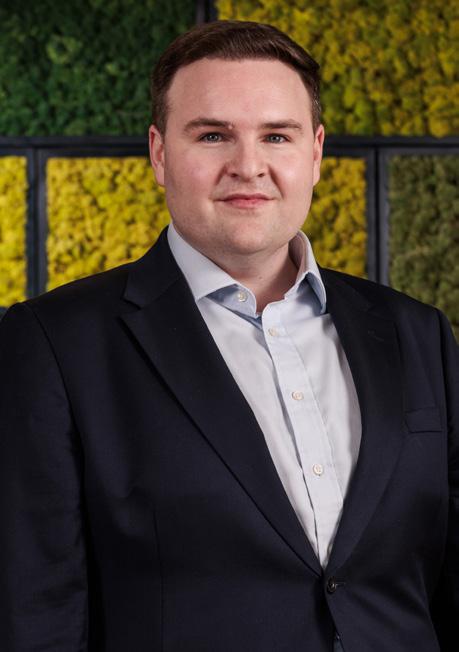
Mark Mahovlich Vice President of Strategy & Execution at ICM Cyber
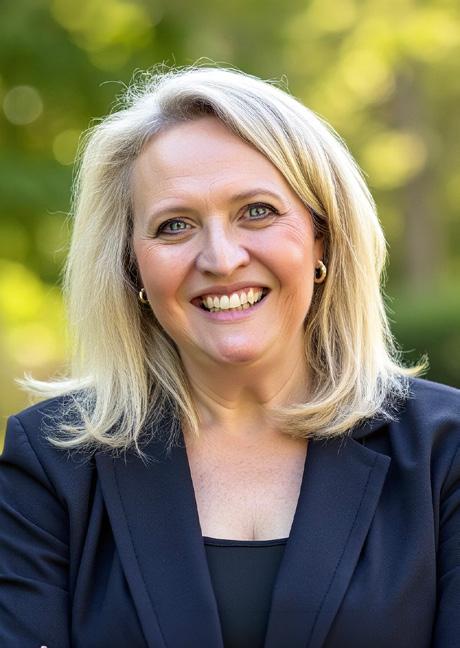
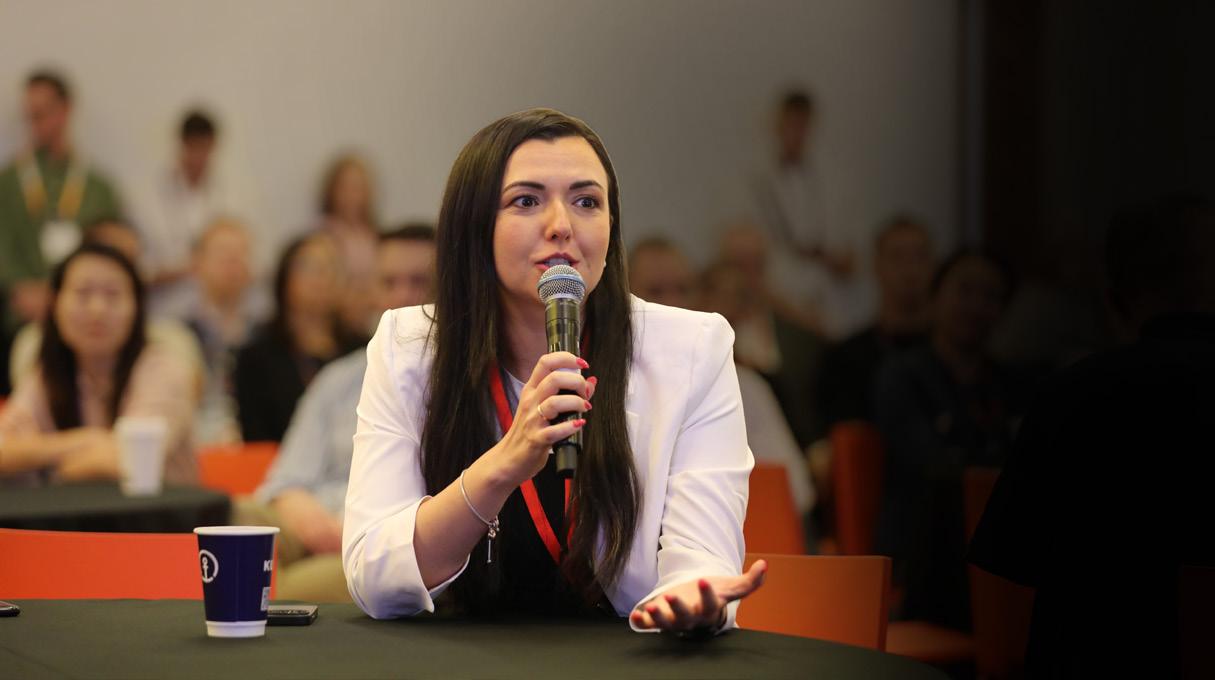
Kayce Degenhardt Vice President, Clinical Applications, Inova Health
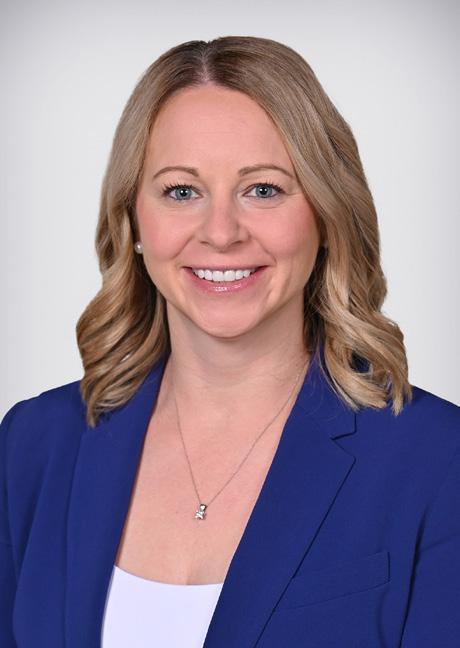
Lori Mullane Chief People Officer Virtusa
MaryAnn Monroe Vice President, CX Accelerator, Maximus
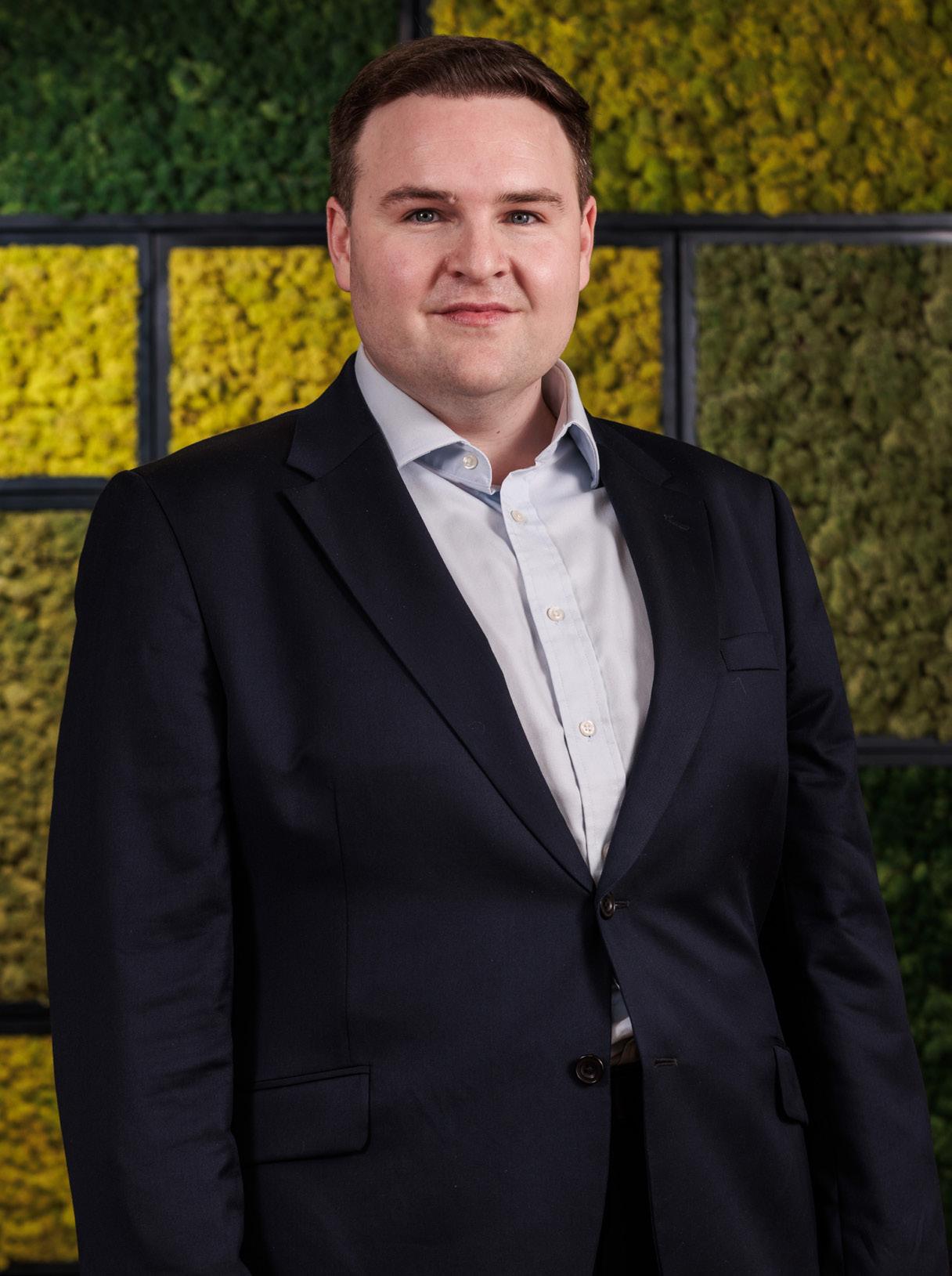
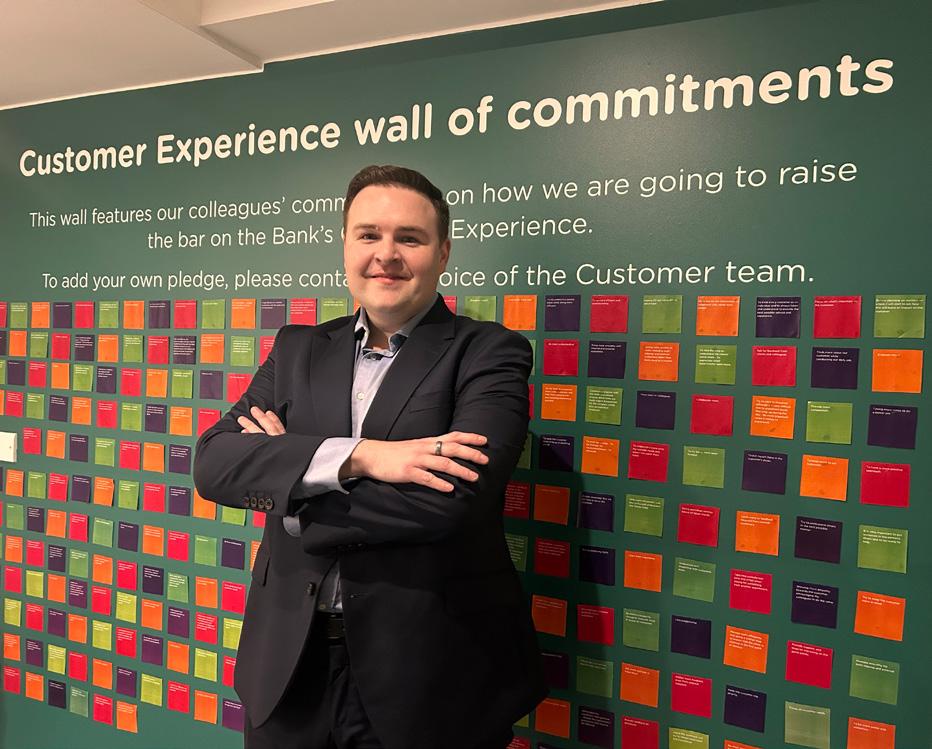
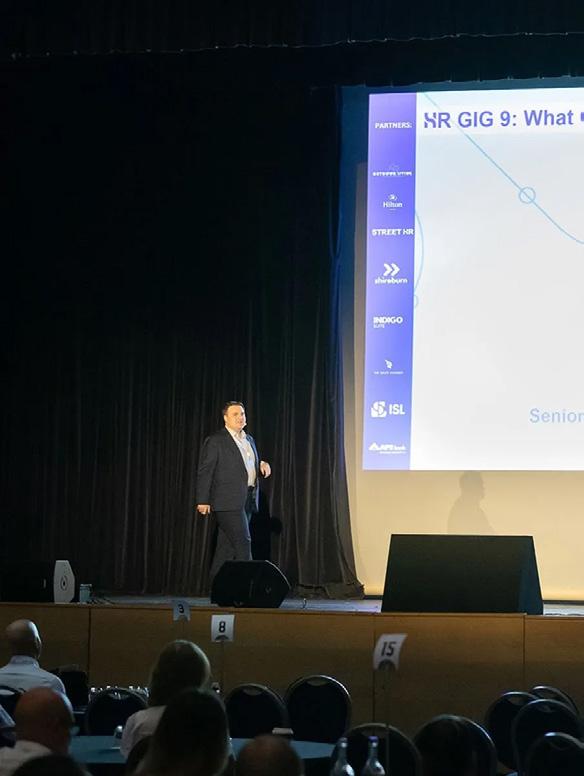
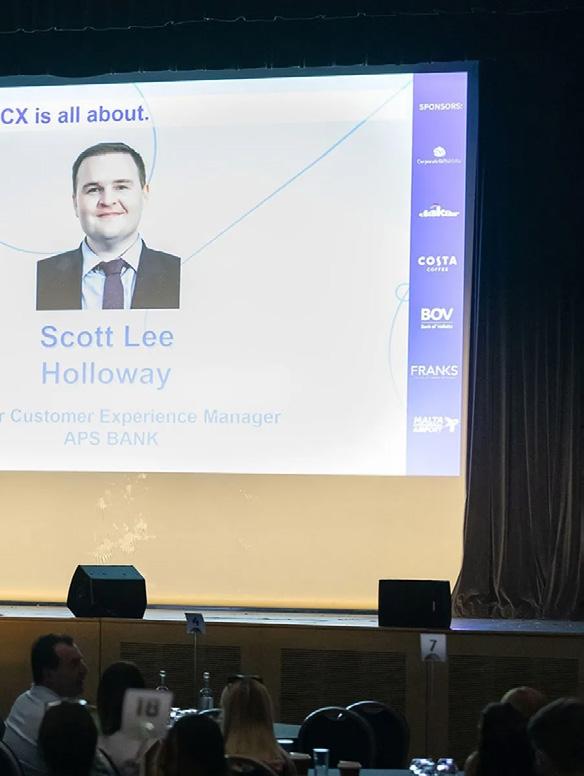
Scott Lee Holloway Head of Customer Experience, APS Bank
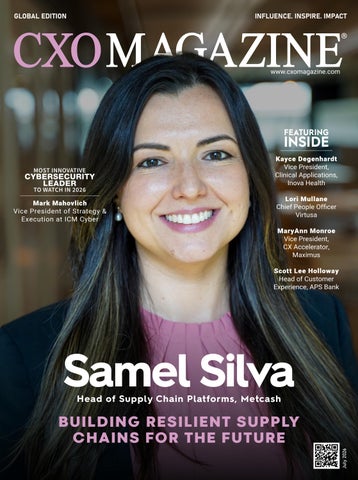
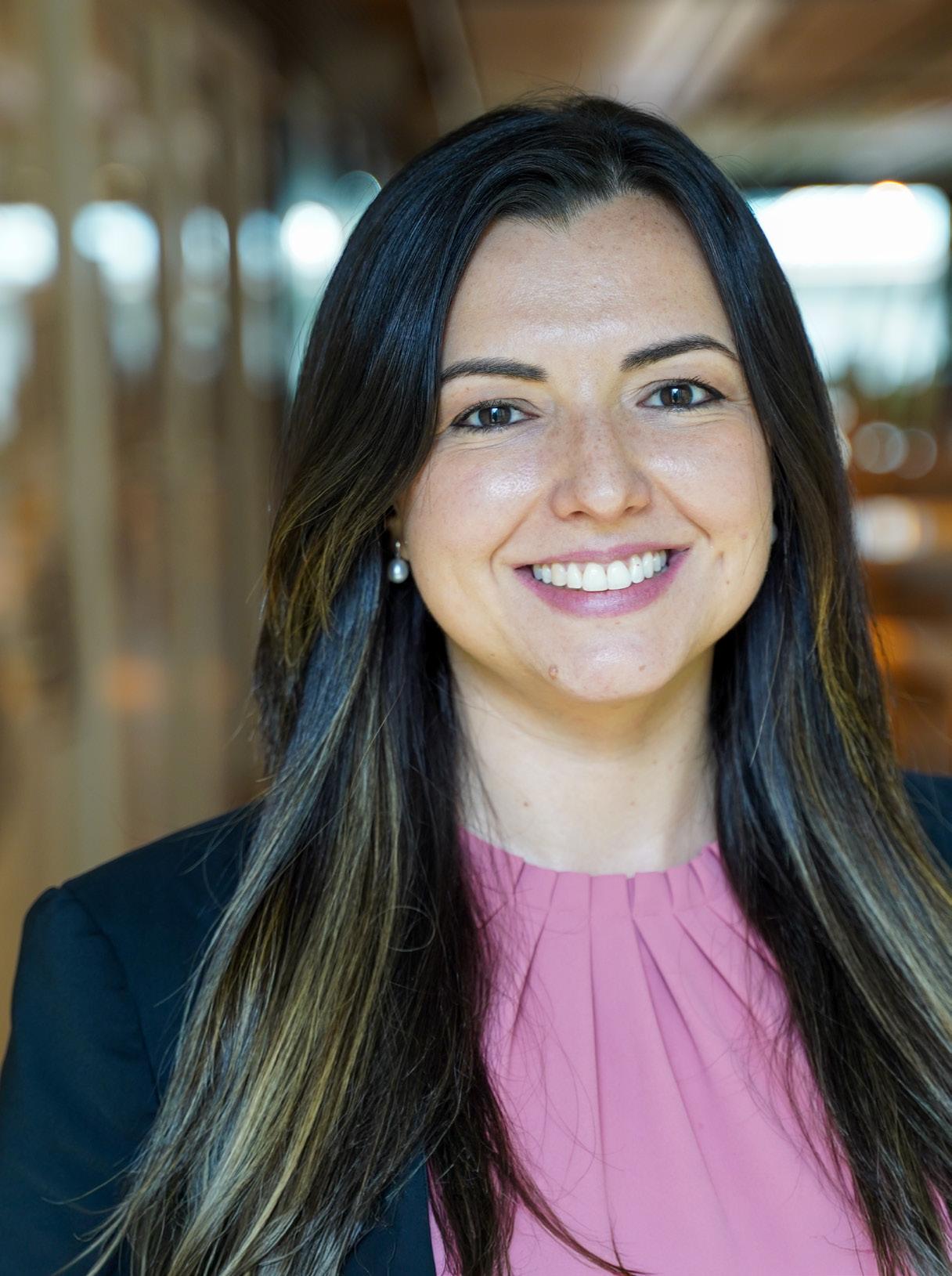
Samel Silva
Head of Supply Chain Platforms, Metcash
BUILDING RESILIENT SUPPLY CHAINS FOR THE FUTURE
SUBSCRIBE FREE
Sarath
Charlie
Jennifer
Monica
Rachel
BUILT TO BEND: THE NEW BLUEPRINT FOR ENDURING ORGANIZATIONS
For years, business success was measured by one simple idea: become more efficient. Organizations streamlined processes, standardized operations, and built systems designed for predictability. Efficiency was the benchmark of excellence. Yet, as I reflect on conversations with business leaders over the past few years, one theme continues to emerge. The organizations earning admiration today are not necessarily the most efficient. They are the ones that can adapt without losing momentum.
The pace of change has fundamentally altered the rules of competition. According to PwC’s 28th Annual Global CEO Survey, nearly 40 percent of CEOs believe their organizations will not remain economically viable over the next decade without significant reinvention. Whether driven by artificial intelligence, shifting customer expectations, geopolitical uncertainty, or evolving workforce dynamics, disruption has become a permanent feature of business rather than an occasional interruption. Adaptability is no longer a reaction to crisis. It is a capability that must be intentionally designed into an organization’s culture, leadership, technology, and decision-making.
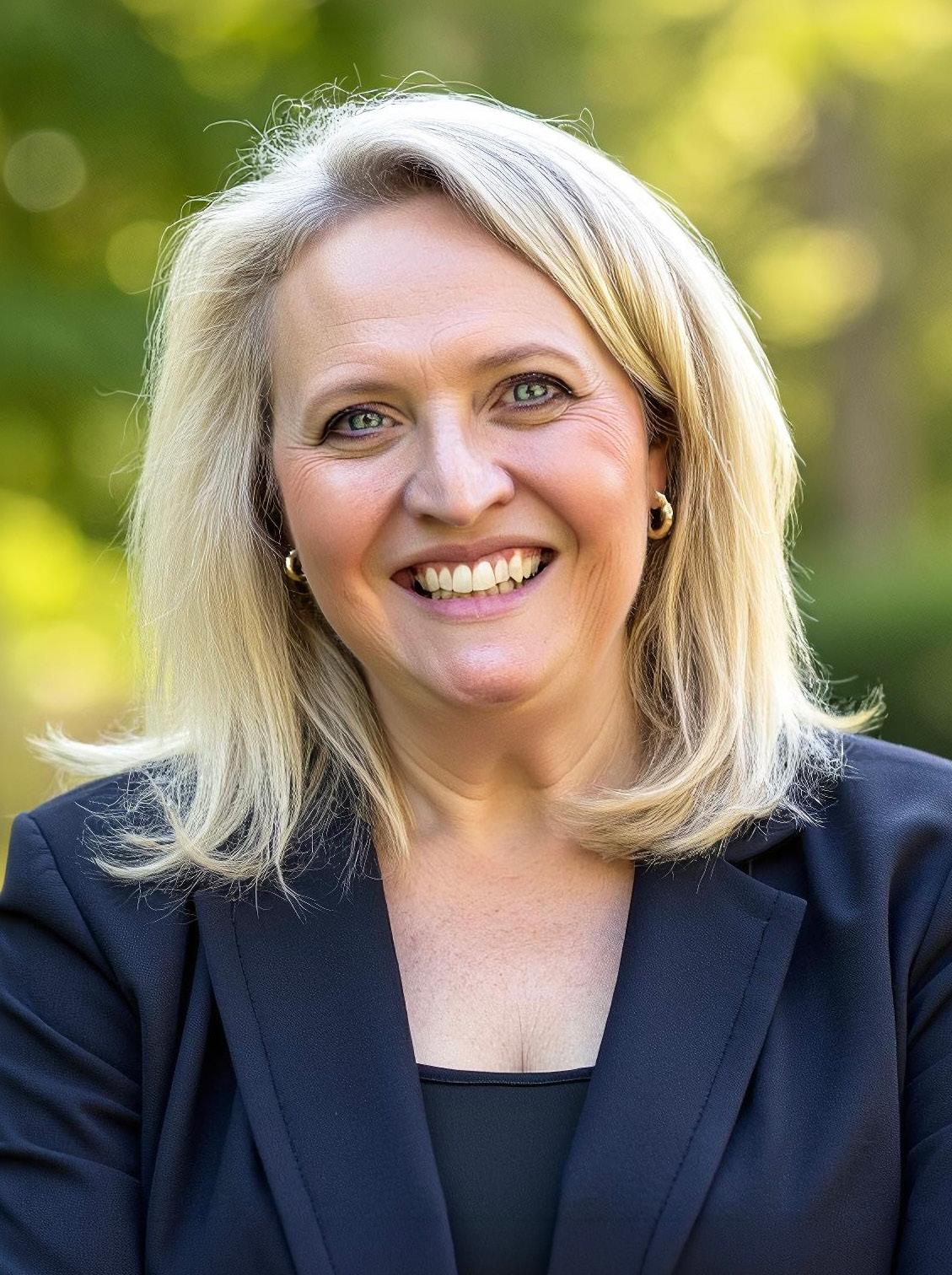
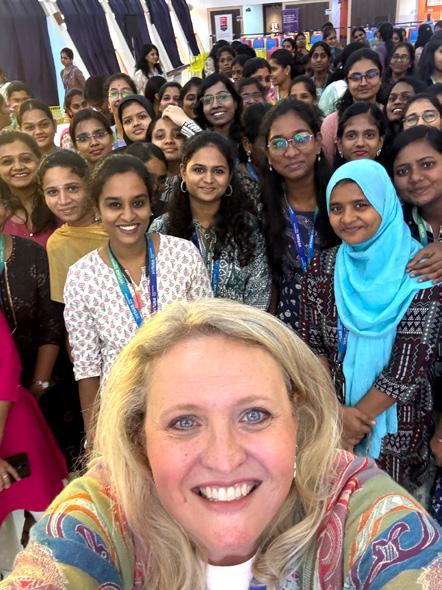
This month’s cover story reflects that reality through the remarkable journey of Samel Silva, Head of Supply Chain Platforms at Metcash. With more than two decades of experience leading transformation across diverse industries, Samel demonstrates that operational excellence is not about preserving the status quo. It is about creating systems, empowering people, and embracing innovation so organizations can evolve with confidence. Her insights into balancing AI-driven intelligence with human-centered leadership offer valuable lessons for every executive navigating today’s increasingly complex business environment.
Beyond our cover feature, this edition of CXO Magazine brings together an engaging collection of interviews, expert perspectives, and thought-provoking articles that examine leadership, innovation, digital transformation, organizational strategy, and the future of business. Each contribution offers a unique lens on the opportunities and challenges shaping tomorrow’s enterprises.
As you explore this issue, I invite you to consider an important question: Is your organization optimized only for efficiency, or is it truly built to change? The answer may well determine not only how successfully you navigate disruption but how confidently you shape the future.
Happy Reading!
Sarath Shyam
Samel Silva
Mark Mahovlich, Vice President of Strategy & Execution at ICM Cyber
Defending the Era Ahead
16
24
MaryAnn Monroe, Vice President, CX Accelerator, Maximus
Empowering CX Leaders to Transform Service Delivery at Scale
INTERVIEW
32
Kayce Degenhardt, Vice President, Clinical Applications, Inova Health
Empowering Human Centered Care Through Clinical Technology
38 Lori Mullane, Chief People Officer, Virtusa
Empowering Human Capital Innovation
44
Scott Lee Holloway, Head of Customer Experience, APS Bank Redefining CX Strategy Beyond Automation
COVER STORY
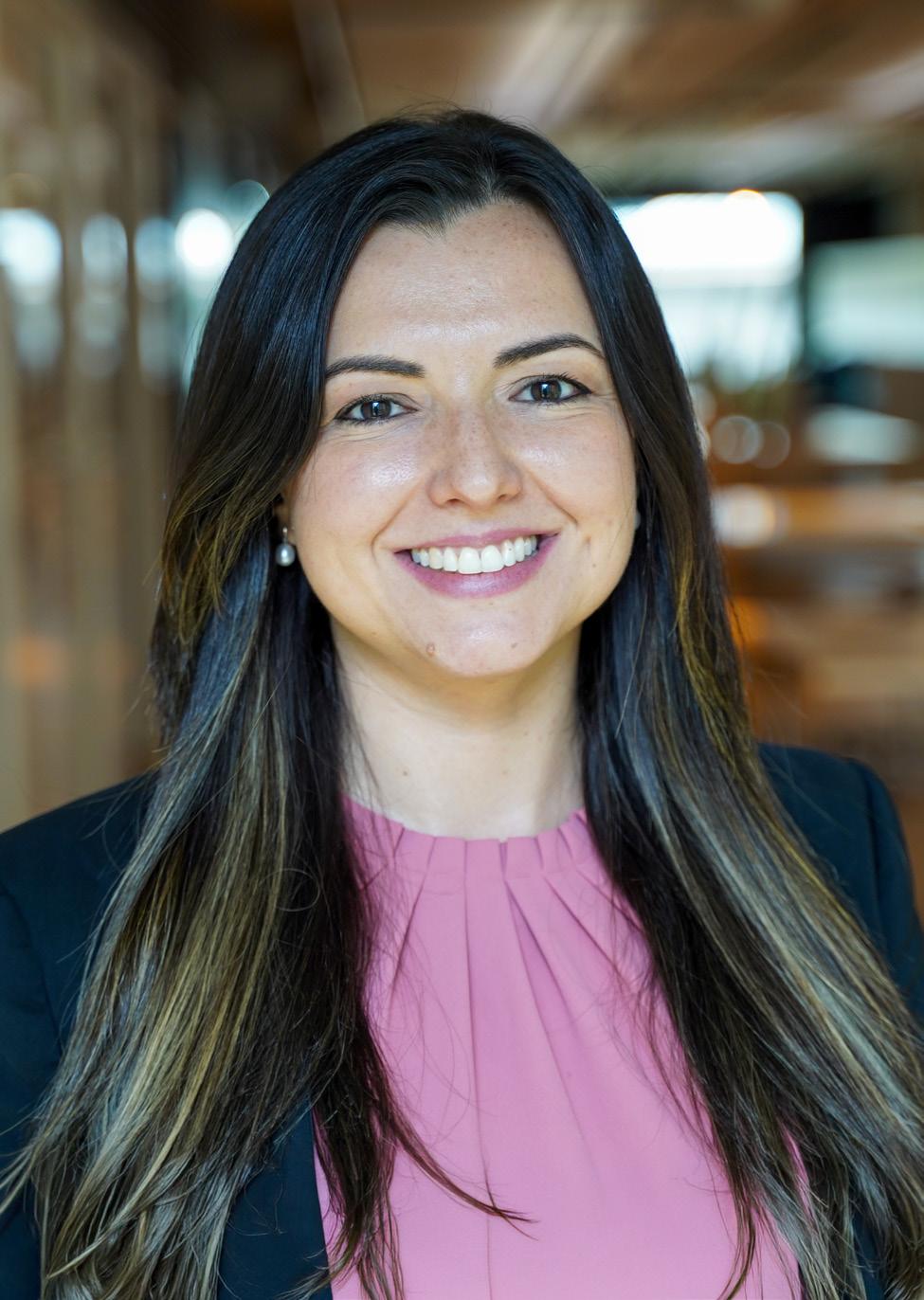
Samel Silva
Head of Supply Chain Platforms, Metcash
BUILDING RESILIENT SUPPLY CHAINS FOR THE
FUTURE
Samel Silva is a senior Strategy and Operations leader with over 20 years of experience delivering business transformation, operational excellence, and sustainable growth. Known for her people‑centric leadership and strategic clarity, she excels at building strong customer partnerships, developing high‑performing teams, and leading complex, cross‑sector programs across Retail, Construction, Natural Resources, Energy, Manufacturing, Telecommunications, and major global industries. Her career is defined by unlocking improvement opportunities, shaping technology‑enabled supply chain solutions, and driving data‑led innovation. Samel is passionate about creating positive community impact and enabling organisations and future leaders to scale with confidence, resilience, and purpose.
Recently, in an exclusive interview with CXO Magazine, Samel shared insights into her passion for driving strategic initiatives and transforming supply chain operations, sparked by her hands on experience in manufacturing and consulting. She emphasized the importance of balancing innovation with operational efficiency, leveraging AI, data-driven intelligence, and human-centered skills. She also shared her personal hobbies and interests, future plans, words of wisdom, and much more. The following excerpts are taken from the interview.
Hi Samel. As the Head of Supply Chain Platforms, what sparked your interest in driving strategic initiatives and transforming supply chain operations?
My career began in hands-on supply chain roles in manufacturing where I learned early how continuous improvement and small operational changes can drive meaningful results at scale. Moving into management consulting expanded that perspective. Each project introduced new industries, new challenges, and the opportunity to design solutions with real impact. I discovered that navigating complexity, identifying opportunities, and leading organisations through change is what energises me most.
Over more than 20 years in supply chain and operations, I’ve seen firsthand how technology, customer expectations, sustainability demands, and global disruption continually reshape the landscape. That journey has given me a holistic view of how strategy, people, and technology must come together to create lasting transformation.
Today, as the CIO of Wholesale and Chain Platforms, I’m able to bring those experiences together by modernising technology, elevating operations, and delivering meaningful outcomes for our teams, partners, and the independent businesses we support. What motivates me is the opportunity to build solutions that create value across the entire ecosystem.
What do you love the most about your current role?
What I value most is the opportunity to shape how our supply chain operates and create meaningful, day-to-day improvements. When we modernise our platforms, it’s not just a system upgrade, it simplifies work for our
teams, strengthens collaboration with suppliers, and ultimately improves the experience for the independent stores and customers we serve.
I also get a lot of energy from seeing how innovation unlocks potential in people. When teams have the right tools, they feel more empowered and can focus on what really matters. And I take energy from my team, their passion for what we do and what we stand for makes the work incredibly rewarding.
Every improvement opens new possibilities, and I’m excited about continuing to make our supply chain smarter, faster, and more sustainable.
As digital transformation continues to shape supply chains, what emerging trends should leaders prioritize?
AI, automation, and data-driven intelligence are quickly moving to the centre of supply chain operations. These technologies are shifting supply chains from reactive firefighting to connected, orchestrated decision-making. Leaders who embrace this will move faster and make sharper, more informed choices
We’re also seeing a shift in focus from efficiency to total value creation. It’s no longer just about cost or speed, it’s about enhancing customer experience, giving teams better tools, and integrating digital and physical touchpoints across the chain.
Another important trend is visibility. Increasing customer expectations and regulatory pressures mean organisations need multi-tier traceability and deeper transparency to manage risk effectively.
Sustainability and climate resilience are also rising topics. Leaders have to think about building networks that can withstand
Every improvement opens new possibilities, and I’m excited about continuing to make our supply chain smarter, faster, and more sustainable
environmental disruptions while still reducing their footprint.
And as everything becomes more digital and interconnected, cybersecurity is now non - negotiable. Resilient digital foundations must be built in from the start.
So overall, leaders must lean into AI, elevate visibility, focus on value, invest in sustainability, and strengthen digital risk management.
How can organizations balance innovation with operational efficiency in supply chain management?
Balancing innovation with operational efficiency starts with clarity and prioritization. Innovation must be tied to real problems and supported by a compelling business case that
links transformation to measurable operational outcomes. By deeply understanding the pain points and inefficiencies, leaders can focus innovation where it delivers the most value.
Creating a culture that embraces experimentation is also critical. When teams feel safe to test, learn, and iterate quickly, innovation accelerates without overwhelming day - to - day operations.
Strong data foundations underpin all successful innovation. Clean, integrated, reliable data ensures new solutions drive efficiency rather than complexity.
Finally, balancing long - term transformation with quick wins keeps momentum high. Pilots, proofs of concept, and phased rollouts
demonstrate early value while maintaining operational stability.
For me, the balance comes from clear prioritisation, a learning-oriented culture, strong data foundations, and a staged approach to change.
What are the key skills required for future-ready supply chain leaders, and how can organizations develop them?
For future-ready supply chain leaders, human-centred skills are becoming more important than ever. As AI transforms how knowledge is accessed, the differentiators will come from capabilities like building trust, fostering strong relationships, and inspiring teams.
Leaders also need the ability to navigate complexity. Global supply chains are fast-moving and often ambiguous, requiring resilience, and the ability to solve difficult problems across diverse markets and cultures.
Organizations can build these capabilities by creating environments that encourage continuous learning and collaboration. Giving people exposure to cross-functional teams, partners, and suppliers helps them develop influence, communication skills, and a broader perspective.
While soft skills are critical, leaders also need to understand and leverage digital tools, data analytics and AI, not to replace people, but to make better decisions and guide their teams effectively.
Ultimately, future-ready leaders need a blend of people leadership, digital capability, and strategic thinking, connecting day-today decisions with long-term organisational outcomes.
How do you stay connected to the broader business landscape and industry trends?
I stay connected through leadership forums, roundtables, and supply-chain summits where I can exchange insights and hear diverse perspectives from senior leaders. These discussions often spark new ideas and challenge my thinking.
I also maintain strong relationships with colleagues from consulting and previous organisations. These networks provide practical, real-world perspectives you don’t always find in research publications.
On top of that, I follow key industry intelligence sources such as Gartner and other global research firms to stay across emerging technologies, customer expectations, and shifts in the global supply chain landscape.
As AI transforms how knowledge is accessed, the differentiators will come from capabilities like building trust, fostering strong relationships, and inspiring teams
Can you share a book, podcast, or resource that has inspired you recently?
A book that has recently inspired me is Start with Why by Simon Sinek, gifted by a mentor. It reinforced the importance of leading with purpose and creating clarity around the ‘why’, something I find essential when guiding diverse teams through complexity and change.
I’ve also been reading Esther Perel, whose insights on human behaviour and relationships have further highlighted how critical empathy, understanding, and connection are, both in leadership and in life.
And to switch off completely, I always have a fantasy book on the go. Escaping into another world helps me stay balanced, grounded, and re - energised.
What are some of your passions outside of work? What do you like to do in your time off?
Family has always been at the heart of who I am. I come from a big Italian family, so naturally my number- one passion is spending time with the people I love, loud conversations, lots of food and stories. Since becoming a mum, spending time with my daughter has become even more meaningful. My husband and I are enjoying watching her master bikes, scooters, and roller skates, and we love being outdoors as a family.
I value time to recharge. Exercise is my way of decompressing, especially dancebased classes. And sometimes, the perfect reset is simply a great coffee and a book. It keeps me present and balanced.
What is your biggest goal? Where do you see yourself in 5 years from now?
My biggest goal is to create impact beyond operational performance. I want to actively support the next generation of leaders, particularly women. Having lived and worked across different countries, I understand how challenging it can be to navigate new cultures and expectations while building your career.
In recent years, I’ve discovered a strong passion for mentoring. Helping people gain clarity, build confidence, and take meaningful steps in their careers has become one of the most rewarding parts of my work. I want to
expand that contribution and open doors for talent that might otherwise be overlooked.
In five years, I see myself continuing in a senior executive role leading large - scale transformation and influencing strategy at an enterprise or industry level.
I’ve always believed that the greatest achievements in any career are the people you impact and the connections you build along the way. Roles will change, but the connections you make last.
What advice would you give to emerging leaders in supply chain management?
Stay curious. Supply chains evolve quickly, and the leaders who thrive are those who continuously learn, whether it’s new technologies, markets, or ways of working. Understanding how AI, data, and digital tools are reshaping operations is essential. You don’t need to be a technical expert, but you must be comfortable interpreting insights and knowing where digital value can be unlocked.
I also believe great leadership starts with people. Invest in your teams, empower them, and create an environment where they can do their best work. Human connection and diversity of thought make teams stronger and decisions better.
Think end - to - end across the supply chain, stay close to customers, and get comfortable with ambiguity. Our industry is unpredictable, and the ability to stay adaptable is critical. Finally, stay close to the frontline. The best insights often come from those doing the work every day, it keeps you grounded and connected to operational reality.
Wa n t t o S e l l o r fi n d
I nve s t o rs f o r yo u r
B u s i n e s s ?
Mark Mahovlich Vice President of Strategy & Execution at ICM Cyber
Defending the Era Ahead
Cybersecurity has become one of the defining business priorities of the modern enterprise. As digital ecosystems expand and threats continue to evolve, organizations are looking beyond technology alone. They need trusted advisors who can translate complexity into practical strategies that strengthen resilience. That is where Mark Mahovlich has built his reputation.
As Vice President of Strategy & Execution at ICM Cyber, Mark plays a central role in guiding the firm’s cyber defense strategy while ensuring every engagement delivers meaningful business outcomes. Operating across North America, ICM Cyber supports more than 700 clients in 46 U.S. states, serving industries including financial services, healthcare, insurance, retail, manufacturing, and government. The firm combines strategic consulting, engineering expertise, advisory services, education,
optimization, and technology integration to help organizations build stronger security programs.
Mark’s role extends well beyond strategy. He oversees alliances, professional services, solution development, and client experience, connecting the firm’s long-term direction with the practical realities of execution. His work places him at the intersection of innovation, partnerships, and customer success, allowing him to influence nearly every aspect of the business.
What continues to energize him is the opportunity to solve new challenges every week. “I touch almost all aspects of our business, both internally and externally. Every week brings new and unique challenges and opportunities, and it feeds my desire to help the ICM team, our business partners, and our clients overcome obstacles and achieve lasting success. I love building things and solving puzzles,” he says.
That mindset has been developed over more than three decades in technology leadership. Throughout a 33-year career, Mark has helped organizations assess business needs, design technology strategies, and implement complex enterprise solutions. His experience spans infrastructure planning, cybersecurity, governance, compliance, networking, cloud, storage, mobility, and enterprise systems, giving him a broad perspective on how technology decisions influence business performance.
Before joining ICM Cyber, Mark held senior leadership positions that strengthened both his technical depth and strategic outlook. He served as Vice President of Dealer Development at Edgerton Corporation, where he led advanced technology research initiatives while supporting clients across global markets. Earlier, as Director of Data Risk & Resolution for an international consulting firm, he advised organizations across healthcare, financial services, legal, retail, manufacturing, and public sector institutions on technology acquisition, architecture, and implementation.
Beyond his executive responsibilities, Mark is a respected voice within the cybersecurity community. He regularly shares his perspectives at industry forums including RSA, Gartner, SecureWorld, Data Connectors, and ISSA. He has also authored several cybersecurity white papers and developed the “Defending the Next Decade” strategy, introducing converged edge and risk-adaptive security models that continue to influence conversations around modern cyber defense.
Building Trust That Lasts
For Mark, cybersecurity is measured by more than successful deployments or completed
projects. The real measure of success is whether clients are better prepared for tomorrow than they were yesterday. That belief has defined the culture of ICM Cyber and continues to influence every engagement the company undertakes.
ICM Cyber is built around one principle: helping clients achieve outcomes that are not only successful today but sustainable for years to come. Rather than viewing cybersecurity as a collection of products or one-time implementations, the firm approaches it as an ongoing partnership. Every recommendation, every deployment, and every service is designed to strengthen a client’s long-term security posture while delivering an experience that earns trust.
Mark believes many organizations make cybersecurity more complicated than it needs to be. The real challenge is not simply identifying risks but staying alongside clients until those risks are resolved. “We like to use the analogy of a person who has fallen into a deep hole. Many people will point out that you’re in a hole. Some may even sell you a ladder or a rope. We jump into the hole with you and help you climb out. Then we ask why you ended up there in the first place, and how we make sure you never fall back in,” he explains.
That philosophy has become one of the defining characteristics of ICM Cyber. The company prioritizes customer experience in every engagement, ensuring that the reality of delivering cybersecurity solutions matches, and often exceeds, client expectations. It is an approach that requires technical expertise, but even more importantly, it demands accountability and genuine commitment.
Mark believes business growth is a natural outcome of putting clients first, not the starting objective. “When you place your client’s success
Mark has authored several cybersecurity white papers and developed the “Defending the Next Decade” strategy, introducing converged edge and risk-adaptive security models that continue to influence conversations around modern cyber defense
and satisfaction at the forefront of your thinking, your own firm’s success will follow,” he says. The results demonstrate that mindset. Over the past 12 years, ICM Cyber has delivered consistent double-digit revenue growth, evolving from a respected regional organization into one of North America’s leading cybersecurity firms. For Mark, however, the milestones that matter most are not measured on financial statements.
“It has been an exciting journey. I’ve enjoyed meeting new clients, earning their trust, and helping solve their toughest challenges. Just as rewarding has been bringing talented people into the organization and helping them build meaningful careers,” he notes. That balance between growth, client success, and employee development defines Mark’s leadership.
Preparing for the Next Era of Cybersecurity
Having spent more than three decades working through successive waves of technological change, Mark has developed a long view
of innovation. He has witnessed the rise of the digital economy, the internet, mobile computing, and the cloud. Each transformed the way businesses operate. Yet he believes the changes now unfolding will eclipse them all. “The technologies that will have the greatest impact on how we compute and create business value are artificial intelligence and quantum computing. Their influence will be far greater than what we experienced during the digital and cloud revolutions,” he shares.
For Mark, the opportunities are extraordinary, but so are the risks. Every major technological breakthrough expands the possibilities for innovation while creating new opportunities for cybercriminals to exploit vulnerabilities. Organizations cannot afford to separate innovation from security. The two must advance together.
As enterprises build AI-powered environments and prepare for a future shaped by quantum computing, cybersecurity priorities
will inevitably shift. Mark expects organizations to focus on protecting AI infrastructure from misuse and tampering, gaining greater visibility into how critical information moves across the business, safeguarding sensitive and regulated data, and preparing for the transition to postquantum cryptography.
“I don’t think we fully understand everything these technologies will make possible. They have the potential to reshape healthcare, energy, environmental science, and even space exploration. The possibilities are staggering. But throughout that journey, we will still have to protect,” he explains. That future-focused perspective is already influencing ICM Cyber’s work. The firm helps clients prepare for emerging challenges through initiatives such as post-quantum cryptography assessments, AI readiness assessments, and asset justification studies. Rather than waiting for disruption to arrive, the company encourages organizations to build resilience before change becomes unavoidable.
This approach is consistent with a strategy Mark has championed for well over a decade. In 2010, he began developing the firm’s “Defending the Next Decade” framework, anticipating the security implications of big data, mobility, and cloud computing years before those technologies became mainstream. Introduced in 2014, the strategy helped clients prepare for capabilities such as Secure Access Service Edge and Zero Trust Network Access, enabling them to modernize with confidence.
Today, Mark is looking beyond the next wave of change. He is leading the development of what he informally calls “Defending the Next Decade 2.0,” a roadmap designed to help organizations navigate the next 10 to 15 years of technological
Today, Mark is looking beyond the next wave of change. He is leading the development of what he informally calls “Defending the Next Decade 2.0,” a roadmap designed to help organizations navigate the next 10 to 15 years of technological transformation
transformation. “We haven’t found a better name for it yet. What excites me is helping our clients build another decade of success and sustainability,” he says with a smile.
A Legacy Built on People, Purpose, and Progress
After more than three decades in technology and cybersecurity, Mark has accumulated countless technical insights. Yet the lessons he values most have little to do with technology itself. They are grounded in self-awareness, patience, kindness, and the choices people make every day.
One principle has remained constant throughout his career: understand your strengths and be equally honest about your limitations. Rather than trying to excel at everything, he believes leaders create the greatest impact when they focus on the work that aligns with their abilities and purpose. “You need to understand what you’re good at, and just as importantly, what you’re not good at. Accept both. Then build your career around the things you do best instead of chasing every opportunity that comes along,” he says.
That clarity also shapes how he thinks about time. While businesses can generate new revenue, develop new products, or acquire new customers, time is the one resource that cannot be replaced. For Mark, making deliberate choices about where to invest time is one of the most important disciplines a leader can develop. “You can create more products, more clients, and more money, but you can’t create more time. Be precious with your time,” he notes.
Experience has also taught him that lasting success rarely arrives overnight. Markets change, businesses evolve, and setbacks that appear overwhelming often become valuable
lessons in hindsight. His advice to emerging leaders is remarkably simple: stay consistent, remain patient, and avoid allowing temporary challenges to define long-term outcomes. He adds, “Be patient with yourself, your business, your team, your clients, and your partners. If you’re consistent and persistent, success comes over time. What feels like a tragedy today often fades into something much smaller than you imagined.”
Perhaps the most personal of Mark’s leadership principles is also the simplest. Technology may define his profession, but people have always been at the center of his work. Whether working with colleagues, customers, or industry partners, he believes empathy creates stronger relationships and better outcomes. “Be kind to other humans. Most people simply want to be successful and happy. When you understand what matters to them and help them succeed, you’ll often find your own success and happiness along the way,” he says.
One framework he frequently returns to is what he calls the “90-9-1” principle. In any group, whether it’s a company, a team, or even a broader industry, about 90 percent of people are solid contributors who show up, do good work, and keep things moving forward. Then there are roughly 9 percent who consistently perform at a higher level, pushing boundaries and elevating those around them. And finally, there’s the top 1 percent; the true standouts who operate at an exceptional level and often redefine what success looks like.
Rather than using those distinctions to judge people, Mark sees them as a practical way to understand how individuals learn, contribute, and communicate. He often points out that this
Behind every leadership lesson lies the same source of motivation that has driven Mark since the beginning of his career. He enjoys solving difficult problems, building practical solutions, and finding a path forward when the odds appear stacked against success
dynamic shows up everywhere, from business to sports to everyday life, and recognizing it helps leaders set realistic expectations and build stronger teams.
“I’ve always believed it’s important to understand where you fit and where others fit. When you understand that, you communicate better, set better expectations, and create stronger relationships. And for the record,” he adds with a laugh, “if you’ve ever seen me play basketball, I’m definitely not in that 1 percent; I’m probably somewhere near the bottom of the 90 percent.”
Behind every leadership lesson lies the same source of motivation that has driven him since the beginning of his career. He enjoys solving difficult problems, building practical solutions, and finding a path forward when the odds appear stacked against success. As he jokes, “And money... who doesn’t like money?” The
humor is genuine, but it quickly gives way to what matters most to him.
The legacy Mark considers he hopes to leave is not measured by titles, revenue, or industry recognition. Instead, he aspires to be remembered for something far more enduring. “I hope people will say I was a good human who brought comfort, joy, and success to the people around me. And maybe, if I’m lucky, I’ll leave the world a little better and a little more secure,” he says.
It is a fitting sentiment from a leader whose career has never been solely about defending systems. It has been about helping people move forward with greater confidence, stronger relationships, and a clearer path toward the future. That perspective is what continues to make Mark Mahovlich one of the most innovative cybersecurity leaders to watch in 2026.
Empowering CX Leaders to Transform Service Delivery at Scale
MaryAnn Monroe is a senior executive with over 25 years of experience transforming government service delivery for millions of citizens. She has held leadership roles at the General Services Administration and the National Institutes of Health, advancing modernization initiatives, cross government collaboration, and customer experience improvements. As CX Accelerator lead at Maximus, she drives innovation through integrated systems and emerging technologies to deliver more effective, citizen-centered services. A recognized thought leader, she has earned the IGNITE Digital Transformation Award and Service to the Citizen CX Trailblazer honors. MaryAnn is a CCXP-certified professional, a certified Product Manager, and serves on national CX advisory boards.
Recently in an exclusive interview with CXO Magazine, MaryAnn shared how advocating for her mother during cancer treatment shifted her view of public service from compliance to human centered mission, now leading the CX Accelerator to design accessible, AI-powered journeys. She noted AI trends will make 2030 contact centers unrecognizable as always-on conversational front doors, and advised public servants to redesign work end-to-end, embed continuous innovation, and orchestrate enterprise outcomes so systems serve people when it matters most. The following excerpts are taken from the interview.
MaryAnn Monroe
Vice President, CX Accelerator, Maximus
Hi MaryAnn. With 20+ years spanning two government agencies and the private sector, you’ve seen service delivery from both sides of the table. Thinking back to your earliest role in program administration, what was the moment you realized customer experience — not just compliance — was the real mission?
Early in my career, just out of college and beginning my path in federal public service, I experienced a life event that fundamentally changed how I understood what “mission” means. It wasn’t in a meeting or a program review—it was at home, sitting beside my mother as she faced a cancer diagnosis. Overnight, I became her advocate, researcher, and translator, responsible for helping her make sense of a complex and overwhelming diagnosis and health care system.
We turned to government resources for answers—searching for treatment options, exploring clinical trials, and trying to understand what this diagnosis really meant. What stayed with me wasn’t just the information itself. It was how it was delivered. When the information was clear, grounded in science, and explained in easy-to-understand answers, it brought us a sense of control in an otherwise uncertain situation. When we connected with compassionate health care providers and government-funded cancer information specialists who took the time to listen and guide us, it changed everything. We felt seen, supported, and empowered to make decisions.
Throughout this experience, I realized something that has stayed with me ever since: the mission wasn’t just about administering programs or meeting policy requirements, it
was about people. It was about helping someone navigate one of the hardest moments of their life with clarity, confidence, and dignity. That experience made it clear to me that customer experience isn’t a “nice to have”—it is the mission. Because when you deliver information in a way that is understandable, actionable, and human-centered, you’re not just complying with a mandate—you’re truly serving.
This realization has shaped how I approach every role since and my deep passion for public service—ensuring that behind every system, policy, or process, we never lose sight of the person on the other end who is counting on it to work when it matters most.
Seeing teams shift from a compliancedriven mindset to a truly customer-centric one—and knowing we played a role in that transformation—is incredibly rewarding
What do you love the most about your current role?
What I love most about my current role leading the CX Accelerator at Maximus is the opportunity to bring together what have historically been separate worlds—service delivery, program management, customer experience, and technology—and shape them into something that truly works for the people we serve.
At its core, my role allows me to design and deliver experiences that meet people where they are, not where the system expects them to be. That means thinking beyond individual touchpoints and instead focusing on the full journey—how someone discovers, navigates, and ultimately receives the services they need, often during some of the most important or vulnerable moments in their lives. Being able to use modern technologies—AI, automation, omnichannel platforms—not just as tools, but as enablers of more human, personalized, and accessible experiences, is energizing to me.
I also deeply value the problem-solving aspect of the work. Every day presents a new challenge—whether it’s helping a client rethink how they deliver services, working with teams to enable them to understand systems and customerfocused practices, or identifying ways to simplify complexity for the end user. I love collaborating with cross-functional teams and customers to look at problems from multiple perspectives and co-create solutions that are not only innovative, but practical and scalable.
What makes the role especially meaningful is the direct connection between the work we do and the real-world impact it has. We’re not just optimizing systems, we’re improving how people access critical services, how they understand
their options, and the experience we deliver throughout that process. Seeing teams shift from a compliance-driven mindset to a truly customercentric one—and knowing we played a role in that transformation—is incredibly rewarding.
Government CX is shifting from call centers to AI, chat, and proactive service. By 2030, what part of the traditional federal contact center will be unrecognizable?
By 2030, what will be almost unrecognizable about the traditional contact center is not just the technology—but the very role it plays in service delivery. We’re already seeing the beginning of a shift away from contact centers as reactive hubs—places people go when something is broken or confusing—toward something far more integrated into the fabric of how services are delivered. Over the next several years, this evolution will accelerate dramatically.
The concept of a “call center” itself will change significantly. Voice will still exist, but it will no longer be the dominant entry point. Instead, AI-powered agents and conversational interfaces will become the primary front door to government services. These interfaces will be always-on, deeply personalized, and increasingly indistinguishable from human interaction— able to understand context, intent, and emotion, and respond with both accuracy and empathy. In many cases, they will act as personal assistants, guiding individuals through complex life events—benefits enrollment, healthcare decisions, employment transitions—without requiring them to navigate fragmented systems on their own.
Websites as we know them today will become far less central. Instead of expecting people to
Today, people are forced to understand how government is organized to receive services. By 2030, the expectation will be the opposite: services will be orchestrated across agencies behind the scenes, creating a seamless, end-to-end experience
search, click, and interpret, services will come to them through conversational channels— chat, voice, messaging, and embedded digital experiences. The burden of navigating complexity will shift away from the customer and onto the system. That’s a fundamental change in mindset: from “find the information you need” to “we will bring you what you need, when you need it, in a way you understand.”
Third—and perhaps most transformative— the boundaries between agencies will begin to dissolve from the customer’s perspective. Today, people are forced to understand how government is organized to receive services. By 2030, the expectation will be the opposite: services will be orchestrated across agencies behind the scenes, creating a seamless, endto-end experience. A single interaction could trigger coordination across healthcare, benefits, workforce, and other programs—all without the customer needing to know where one agency ends and another begins. That level of interoperability will redefine what “service delivery” looks like.
Finally, the contact center will evolve into something far more strategic: a real-time engine of mission intelligence. Every interaction, whether handled by AI or a human—will generate insight into customer needs, friction points, and emerging trends. Instead of simply resolving issues, contact centers will inform policy decisions, budget priorities, and service design. They will become one of the most valuable sources of truth for understanding how well government is working for the people it serves.
In this world, the traditional image of a contact center—rows of agents handling high volumes of calls—will feel outdated. What replaces it is an ecosystem where human expertise, AI capability, and integrated systems work together to anticipate needs, resolve issues before they arise, and continuously improve how services are delivered. Ultimately, that’s the real shift: from transactions to relationships, from reactive service to proactive support, and from isolated operations to an integrated, intelligence-driven system focused entirely on outcomes for the customer.
You’re an expert in customer experience strategy. Which emerging technology beyond AI will most reshape how government delivers services before 2030?
I believe that the biggest shift won’t come from a single technology, rather, it will come from combining identity, trust frameworks, and interoperable infrastructure to eliminate friction and deliver services that feel simple, connected, and people centered.
For example, digital Identity and verifiable credentials will be foundational. Governments are moving toward secure, mobile-based identity systems that allow people to prove who they are instantly and access services without repeated verification. This will fundamentally change CX by eliminating one of the biggest pain points navigating government services today—navigating identity, eligibility, and paperwork across agencies—and enabling truly integrated, “one-stop” services. A digital public infrastructure and interoperable platforms will enable whole-of-government experiences. Infrastructure built on shared components like digital identity, payments, and data exchange will allow governments to connect services across agencies and deliver seamless service.
Many agencies are stuck in AI pilot mode. What separates CX leaders who scale AI for citizen impact from those who stay in experimentation?
The difference comes down to one shift: from isolated experimentation to an operating model of continuous innovation tied to outcomes.
CX leaders who scale AI don’t treat pilots as side projects, they embed AI into how the organization works. They align use cases
to mission outcomes, redesign processes around the technology, and put in place the governance, data, and workforce readiness needed to scale what works. Those who stay in experimentation keep testing tools. Those who lead impact institutionalize learning, standardize what delivers value, and continuously evolve services—moving from pilots to real, measurable improvements in the citizen experience.
CX leaders live in data, but they’re also guided by human stories. Is there a book, talk, or customer letter that sits on your desk and reminds you why this work matters?
My “reminder” isn’t a single book or quote— it’s lived experience. It’s deeply personal. I’ve spent years helping my father, a U.S. Army Veteran, navigate government services— applying for disability benefits, accessing VA healthcare, making Medicare decisions, and managing Social Security. What stands out isn’t just the complexity of those systems, it’s the emotional weight that comes with them. These aren’t transactions; they’re moments that matter in someone’s life. Those experiences fundamentally shaped how I think about customer experience. I’ve seen firsthand that many people, especially older adults, don’t navigate these systems alone, they rely on family members or caregivers. And yet, so much of what we design today assumes a level of independence, digital fluency, and patience that simply doesn’t exist for many of the people we serve. When my father struggles with an IVR system or finds a virtual assistant confusing or overwhelming, it reinforces something I believe deeply: if the experience doesn’t work
for the people who need it most, then it doesn’t work at all. This is what sits with me every day. It’s what grounds me when we talk about data, automation, and innovation. Yes, technology is evolving rapidly—AI, omnichannel engagement, and proactive service. But my lens is always the same: Are we making this easier? Are we reducing burden? Are we meeting people where they are—not where we expect them to be?
Great CX isn’t just about efficiency or adoption – it is about being able to trust the information and making it accessible in ways that work for the end user. It’s about designing systems that recognize the full human context behind every interaction. These personal moments with my father and mother are my constant reminder: this work matters because it directly impacts people’s lives. And it challenges me to ensure that every solution we design is not just advanced—but truly human-centered.
When you need to reset your own thinking, what is the personal ritual or activity that brings you clarity?
I take a mental and physical health breaks. The rituals that bring me clarity and renewed energy include being in nature, taking long walks in beautiful places in the mountains and along the beach, and spending quality time with my family.
What is your biggest goal? Where do you see yourself in 5 years from now?
My biggest goal is to lead at the intersection of purpose, innovation, and impact—where the work we do measurably improves lives at scale. I’m driven by the belief that leadership is not just about delivering results, it’s about shaping
systems, experiences, and outcomes that matter, especially for the people who rely on them most. In my world, that means transforming how government serves the public—making services more human-centered, more accessible, and more intuitive, regardless of where someone starts or what they need.
I don’t aspire to incremental change. I aspire to lead transformation—bringing together technology, data, and human insight to fundamentally redefine what “good” looks like in service delivery. That includes advancing how we apply AI responsibly, how we design for inclusion and trust, and how we move from reactive service models to proactive, personcentered experiences.
Just as important is how I lead. I am deeply committed to building and inspiring highperforming teams—leaders who care as much about outcomes as they do about people. I believe in creating environments where innovation is expected, diverse perspectives are valued, and individuals feel connected to a mission bigger than themselves. At the same time, I lead with a strong sense of balance and groundedness. My faith, family, experiences outside of work, and my commitment to community and service are what sustain me. They keep my leadership authentic and my perspective clear.
Five years from now, I see myself continuing to operate at the highest levels of impact—personally and professionally. I aim to lead enterprise transformation, influencing how organizations and government think about customer experience, and helping to shape the future of service delivery across industries. Ultimately, my personal satisfaction and professional success will be defined by something simple: Did I make a meaningful
Leaders must move from experimenting at the margins to embedding continuous innovation. Make it a way of working. Many programs test new ideas in pockets
difference? Did I elevate others? Did I help build systems that truly serve people?
If I can answer yes to those questions, then I will be exactly where I’m meant to be.
Many public servants want to move into CX leadership. What three capacities should they be building in program roles today if they want to lead at the executive level?
To reach executive leadership, program leaders need to evolve in three critical ways, shifting
from managing work to owning the full experience and its outcomes. This is not just the role of one “CX leader” or “CX team.” Rather, it’s the philosophy and everyday practice that all leaders own a role in improving customer experiences.
Organizations must shift from enabling tools to redesigning how work gets done. Today’s leaders adopt new tools to improve efficiency. Future leaders must go further— they must fundamentally rethink and rewire how services are designed and delivered, ensuring every system, channel, and interaction works seamlessly for the customer.
Leaders must move from experimenting at the margins to embedding continuous innovation. Make it a way of working. Many programs test new ideas in pockets. This is a start; however, future leaders make experimentation a core operating model— scaling what works, learning quickly from what doesn’t, and institutionalizing innovation as part of how the organization evolves.
Future leaders must continue to collaborate across organizational teams but must orchestrate enterprise outcomes. Future leaders must own the end-to-end experience. This requires integrating operational and technical teams, aligning stakeholders, and empowering others to lead while holding accountability for delivering cohesive, human-centered outcomes.
Future leaders don’t just improve programs, they take responsibility for building and delivering better experiences across the entire ecosystem, ensuring that every interaction reflects a commitment to impact.
Empowering Human Centered Care Through Clinical Technology
Kayce Degenhardt is the Vice President of Clinical Applications at Inova Health System, where she leads enterprise clinical technology strategy and optimization efforts focused on improving both the patient and clinician experience. With a background that began at the bedside in interventional radiology, she brings a frontline perspective to healthcare IT leadership. Kayce is recognized for driving large scale operational and digital transformation initiatives and was named a 2025 Frontline Trailblazer and a Modern Healthcare 40 Under 40 honoree. She is passionate about reducing complexity in healthcare and creating more connected, human centered care experiences.
Recently, in an exclusive interview with CXO Magazine, Kayce shared insights into how frontline clinical experience shapes enterprise healthcare technology, drawing on her journey from the bedside in interventional radiology to her current role as Vice President of Clinical Applications. For health equity, she highlighted telehealth’s expansion into rural communities as a critical gap closer, though inconsistent billing and reimbursement policies limit scale despite clear data on social drivers of health. She also shared her future plans, words of wisdom, and much more. The following excerpts are taken from the interview.
Kayce Degenhardt Vice President, Clinical Applications, Inova Health
Hi Kayce. Your career began at the bedside in interventional radiology. Looking back at those early days with patients, what moment first showed you that technology would be essential to better care?
I actually saw the shift in real time while I was in radiography school. My first year was entirely film based. We were manually processing images and even developing certain exams in the darkroom. By my second year, we had transitioned to digital imaging and PACS, where all of the cassettes were electronically scanned to view the image. That contrast was my first real indication of how much technology could change not just how we work, but how quickly and accurately we can care for patients. That realization became much more concrete when I was in interventional radiology. I remember preparing patients for procedures and having to move between multiple systems just to make sure everything was ready to go. There were times when you could feel the delay, not because the care team was not ready, but because the information was not easily accessible or aligned across systems.
It was in those moments that it really clicked for me. The difference between a streamlined system and a fragmented one directly impacted how quickly we could treat a patient. It was not just about efficiency, it was about access and timeliness of care. The more friction we had in the system, the more it limited how many patients we could safely see.
That was the moment I realized technology would never be secondary in healthcare. When it is designed well, it accelerates care. When it is not, it becomes a barrier. That perspective has stayed with me and continues to shape how I approach clinical applications today.
What do you love the most about your current role?
What I love most about my current role is the ability to remove friction at scale. Early in my career, I felt the impact of technology one patient at a time. Now, I have the opportunity to improve the experience for thousands of clinicians and millions of patient interactions.
I sit at a unique intersection between operations, clinical teams, and technology. When it works well, we are not just implementing
Every decision we make should reduce complexity, improve access, and create a better experience for both the care team and the patient
systems, we are making it easier for clinicians to do their jobs and stay focused on patient care. That directly ties back to what I experienced earlier in my career, where fragmented systems created delays and unnecessary complexity.
It also connects to my personal experience navigating the healthcare system with my mom during her cancer treatment. Even with a clinical background, there were moments where the experience felt harder than it needed to be. That stayed with me. It reinforced that how we design and implement technology is not just an operational decision, it shapes how patients and families experience care.
Now I have the ability to influence that in a meaningful way. Every decision we make should reduce complexity, improve access, and create a better experience for both the care team and the patient. That level of impact, and the responsibility that comes with it, is what I find most meaningful in my role.
Patients can book flights and hotels in seconds from a phone. What trend do you believe will finally make healthcare access feel that simple, and what’s still in the way?
The trend that will get us closest is true interoperability paired with a unified patient experience. Patients do not want to manage their care across multiple portals, apps, and systems. They want a consistent and connected experience, regardless of where they are receiving care.
We have made progress, but the experience is still fragmented. A patient may be able to schedule online, but they are often re entering information, navigating separate billing processes, or switching between platforms
depending on the service. That is where it breaks down. It is not a technology gap as much as it is an experience gap.
What is still in the way is alignment. Healthcare is complex, with different systems, regulatory requirements, and organizational priorities. Technology alone will not solve that. It requires operational alignment and a willingness to design around the full patient journey, not individual departments or service lines.
There are also structural challenges we have not fully addressed, including the continued resistance to a national patient identifier. Without a consistent way to accurately match patients across systems, it is difficult to create the kind of seamless experience people expect in other industries. That fragmentation shows up directly in the patient experience.
We also tend to overcomplicate the solution. Patients are not asking for more tools. They are asking for simplicity and consistency. When we get it right, it will not feel like healthcare trying to catch up to other industries. It will feel intuitive, connected, and easy to navigate, even with the complexity behind the scenes.
Health equity is often discussed but unevenly delivered. What technology or process trend do you see actually closing gaps for underserved patients right now?
One of the most meaningful trends right now is the expansion of telehealth and virtual care to extend access into rural communities. For patients where geography is a barrier, the ability to receive care without traveling long distances can significantly improve access and continuity.
What we are seeing, though, is that the limitation is not the technology. It is the regulatory environment around billing and reimbursement. Inconsistent policies and restrictions on how virtual care can be reimbursed make it difficult to scale what we know works.
We are also getting better at using data, including social drivers of health, to identify where access gaps exist and where virtual care can have the most impact. But without alignment on reimbursement, those models are harder to sustain.
Closing gaps in rural healthcare will require continued investment in virtual care, but also a more consistent and supportive policy environment so organizations can deliver that care reliably.
Books often become companions during hard seasons. What book has stayed on your nightstand since 2021, and what line from it still guides you?
One book that has stayed on my nightstand since 2021 is No Rules Rules by Reed Hastings and Erin Meyer.
One concept from the book that has stayed with me is the importance of increasing candor and saying what you really think with positive intent.
That idea has influenced how I approach leadership and team culture. In healthcare and technology, the work moves quickly and the stakes are high. Teams function better when people are comfortable being transparent, addressing issues directly, and having honest conversations rooted in trust and respect.
I have found that candor reduces blind spots, strengthens alignment, and allows teams to solve problems more effectively. It also
creates an environment where people feel more connected to the work, the mission, and each other.
We all need a reset button. When the work feels heavy, what activity helps you refill your own glass so you can keep pouring for others?
When work feels heavy, I come back to my family. With teenagers, that time changes quickly. Between friends, school, and sports, it becomes more limited, and you have to be intentional about it. With my daughter heading to college soon and my son not far behind, I am very aware of how quickly this phase is moving.
What grounds me each day is Pilates in the morning before everything starts. It is one of the only times where I am not thinking about decisions or what is next. It forces me to be fully present, and that reset carries into how I show up the rest of the day.
Both give me perspective. They remind me what matters and help me lead with more clarity and intention.
If you could put one sentence on the wall of every IT and clinical workspace, what would it say and why?
“Lead the change you want to see in healthcare.”
Healthcare is constantly evolving, and meaningful improvement does not happen by standing still or waiting for someone else to drive it. Whether you work in IT or on the clinical side, every role has the ability to influence the patient and clinician experience. To me, that phrase is a reminder that we all have a responsibility to challenge outdated processes, collaborate across teams, and contribute to building a healthcare system that works better for everyone.
What is your biggest goal? Where do you see yourself in 5 years from now?
My biggest goal is to have a measurable impact on the patient and clinician experience, making care easier to access, easier to deliver, and less complex to navigate across healthcare.
Over the next five years, I see myself operating at a broader level of influence, where I can help shape how organizations design care delivery with both the patient and clinician in mind. I want to contribute to advancing a more connected experience, one that reduces friction, improves access, and allows clinicians to focus more on care and less on the systems around them.
What matters most to me is the scope of that impact. I want to be in a position where I can remove barriers at scale, improve how patients experience the system, and meaningfully reduce the burden on clinicians.
For an early-career woman in health IT watching your journey, what advice would you give her about staying human in a technical field?
Closing gaps in rural healthcare will require continued investment in virtual care, but also a more consistent and supportive policy environment so organizations can deliver that care reliably
I would tell her to never lose sight of why the work matters. In healthcare IT, it is easy to become consumed by systems, projects, and deadlines, but at the center of every decision are real people relying on those systems to support care.
Healthcare is a people business. We spend a lot of time talking about patient care, but we also have a responsibility to take care of the people delivering and supporting that care every day. Technology should support people, not distance us from them.
I would also remind her that empathy and authenticity are not weaknesses in a technical field. They are what make people trust you, follow you, and ultimately make you a stronger leader.
Empowering Human Capital Innovation
As Virtusa’s Chief People Officer, Lori Mullane leads global HR and talent strategy to enable cutting-edge client services. A 20-year industry veteran, she specializes in building high-impact human capital solutions at scale. Prior to Virtusa, Lori served as a Principal in KPMG’s Human Capital Advisory practice and led HR for its Advisory business. Her extensive tech-services pedigree includes directing HR for Cognizant’s 40,000-employee Americas region and architecting Unisys Corporation’s people strategy across key emerging markets in India, Eastern Europe, and China. Lori is a Penn State University graduate based in Philadelphia.
Recently, in an exclusive interview with CXO Magazine, Lori shared insights into how 20 years leading HR across global consulting and tech services firms taught her that talent strategy is the anchor for every corporate ambition. She sees AI not as a threat but as the catalyst forcing companies to shift from hiring for past skills to hiring for continuous learnability, powered by hyper-personalized, predictive employee experiences. For leaders, her advice is clear: bet on career sovereignty and psychological safety. The following excerpts are taken from the interview.
Lori Mullane Chief People Officer, Virtusa
Hi Lori. Looking back at your early days in HR, what was the first challenge that made you realize talent strategy could change a company’s destiny?
The defining moment for me occurred early in my career, during the high-stakes transition of KPMG Consulting into BearingPoint ahead of its public IPO. Moving an organization from a traditional, insular partnership structure into a transparent, publicly traded entity is an incredibly jarring cultural shift. Suddenly, thousands of consultants who were used to localized leadership had to align with global performance metrics, public shareholder expectations, and an entirely new rewards framework. I realized then that an IPO isn’t just a financial event; it is fundamentally a massive human capital challenge. If the talent strategy fails to manage that cultural friction and build trust during the pivot, the financial strategy collapses under the weight of attrition and disengagement. That specific trial by fire taught me that HR is never just a support function, but rather the strategic anchor that dictates whether an enterprise can successfully execute its grandest corporate ambitions.
What do you love the most about your current role?
What truly drives me as Chief People Officer at Virtusa is the unique opportunity to build an agile, hyper-personalized talent ecosystem at a massive global scale during a time when AI is reshaping what work looks like. Having spent years optimizing human capital strategy at major consulting and IT firms, I find Virtusa’s sweet spot incredibly refreshing. We are a powerhouse of over thirty thousand engineers, meaning we handle massive global transformations for the
world’s most elite brands, yet we lack the rigid, bureaucratic inertia that bogs down larger peers. I love the creative freedom to architect an HR framework that lets our talent practices move at the same lightning speed as our technology stack. Every single morning, I am energized by the challenge of designing modern employee experiences that respect the individual aspirations of our people and prioritizes their wellness, while continuously earning recognition for Virtusa as a certified Great Place to Work across multiple global geographies.
The war for talent isn’t ending. As IT services compete for the same engineers and consultants, what will separate companies employees choose in 2030?
By 2030, the traditional talent acquisition playbook will be entirely obsolete, and
By 2030, the traditional talent acquisition playbook will be entirely obsolete, and engineers will no longer choose employers based purely on standard compensation or brand vanity
engineers will no longer choose employers based purely on standard compensation or brand vanity. The organizations that win the talent war will be those that offer true career sovereignty, driven by a human-first mindset. As Virtusa aggressively scales toward our target of becoming a five-billion-dollar enterprise by 2030, our biggest differentiator will be our ability to eliminate the historical friction between an employee’s personal growth and the company’s business pipeline. High-caliber engineers want to work on complex, domainspecific challenges—like building autonomous agentic architectures—without feeling like a disposable cog in a massive machine. The talent in 2030 will passionately choose the company that provides transparent internal mobility, rapid upskilling, and a flat, collaborative culture that
treats them as valued employees rather than transactional resources.
Employee experience is the new brand. How will the definition of “great employee experience” evolve as Gen Z and Gen Alpha enter the workforce?
The incoming generations are natural digital natives who possess a zero-tolerance threshold for fragmented, slow corporate processes. For Gen Z and Gen Alpha, a great employee experience cannot be manufactured with office perks or superficial engagement campaigns; it must be delivered through hyper-personalized, co-created solutions at work. At Virtusa, we are already executing on this reality by driving a comprehensive HR transformation program that completely reimagines how associates interact with the company and each other. We utilize advanced data analytics and AI-driven insights to tailor career paths, suggest mentors, and anticipate employee burnout before it happens. To attract and retain this generational wave of talent, the modern workplace experience must feel personal, seamless, intuitive, and predictive.
With tech changing every 18 months, how should companies rethink hiring, upskilling, and internal mobility in the next 5 years?
The rapid acceleration of generative AI has proven that hiring for static, historical skill sets is a losing strategy, forcing us to shift from hiring for past knowledge to hiring for continuous learnability. Over the next five years, enterprises must dismantle traditional, siloed talent practices and replace them with a dynamic internal talent marketplace fueled by continuous learning. At Virtusa, we address
this critical imperative through our Virtusa Thrive Academy, which serves as our engine for scaling AI fluency and domain expertise across our global workforce. We are systematically building an ecosystem where engineers can instantly access micro-credentials and move fluidly across industry and practice segments, whether they are transitioning from financial services to life sciences or deep-diving into green computing. Internal mobility must become so fluid that when a client’s technical requirements shift overnight, our global talent supply chain can automatically pivot and reskill our engineering teams in real time.
Culture and inclusion programs are everywhere, but impact varies. What will the next generation of D&I leadership look like?
The next generation of diversity and inclusion leadership must move decisively away from performative, metric-driven tracking and evolve into an organic, structural component of global delivery operations. True inclusion cannot be achieved through a top-down corporate mandate; it happens when you intentionally cultivate and empower diverse technology hubs across different global topographies. When we look at our massive delivery centers and our vibrant talent ecosystem across 34 countries, we see firsthand that diversity of thought directly accelerates engineering innovation. Future D&I leadership will be defined by the creation of borderless, high-performing teams in which every engineer, regardless of their geographic location or background, has equal access to high-profile client engagements, elite leadership pipelines, and global career visibility. Ultimately, we know we’re winning when people feel the culture and
environment we’ve created allows them to bring their best selves to work every day.
Outside of work, what activity or ritual helps you reset when the pace of change gets intense?
Wellness has become front and center as more executives have understood the linkage between well-being and productivity during a very intense couple of years. We are all incredibly busy professionally, whether creating a talent strategy for a fast-paced, global technology firm, managing a P&L to drive company growth, or building cutting-edge AI solutions for Fortune 100 clients. The intake of information is constant, making it absolutely vital to find an outlet that forces you to mentally disconnect. For me, that reset comes from finding quiet, focused spaces to disconnect with my family and friends, along with regular exercise, cooking, and reading.
Is there a book on leadership, psychology, or human behavior that you recommend to every HR leader you coach?
There isn’t just one book I recommend. I like to take a personalized approach to understand the unique dynamics of a situation. HR leaders need to be multifaceted and cover many topics. So whether it’s something they are working on for their own personal development or something they need for an out-of-the-box approach with a leader they’re coaching, my recommendations will be different.
What is your biggest goal? Where do you see yourself in 5 years from now?
My overarching goal is to firmly position Virtusa’s global people organization as the
gold standard for human capital innovation within the technology services industry, thereby creating a leading-edge employee value proposition where people are hungry to work and grow their careers. Five years from now, I see myself continuing to lead this incredible global team, celebrating the definitive milestone of having scaled our workforce and culture to support a thriving five-billion-dollar enterprise. Success to me means looking back at a mature, AI-powered internal talent marketplace that has successfully future-proofed our team against technological disruption. Ultimately, I want to ensure that Virtusa is universally recognized not just for our world-class engineering execution, but as an organization that cracked the code
on delivering a deeply empathetic, hyperpersonalized employee experience at a massive global scale.
If you had to bet on one shift in talent strategy that most leaders are underestimating, what would it be?
While there has been a lot written on upskilling for the AI era from the bottom up, there hasn’t been as much research about how to navigate this transformation from the top down
The biggest shift will be as we navigate the new technology S curve, which AI is bringing fast and furious. Unlike the digital S curve, AI requires a rethink of how people work, requiring them to significantly change how they get their jobs done. This also requires a rethink of the way leaders lead. While there has been a lot written on upskilling for the AI era from the bottom up, there hasn’t been as much research about how to navigate this transformation from the top down. This shift will require leaders to create environments where people thrive, fostering fail-fast cultures that cultivate psychological safety so people can learn, grow, and succeed.
Redefining CX Strategy Beyond Automation
Scott Lee Holloway is Head of Customer Experience at APS Bank and a board member of the Customer Experience Professionals Association (CXPA). A TEDx speaker, published author, international speaker and awards judge, he is a contributor to the best-selling book CX5 and is recognised among the world’s leading customer experience professionals. Scott specialises in customer experience strategy, customer vulnerability and complaints management, driving higher business standards through customer insight and accountability.
Recently, in an exclusive interview with CXO Magazine, Scott shared insights into how his 15-year journey in financial services taught him that empathy is a business strategy, not just a soft skill. He believes customers judge organizations on outcomes and ease, not intent, and that staying close to customer feedback keeps CX grounded. On AI and future trends, Scott sees agentic assistants and automation reshaping banking but argues trust will remain the defining factor. For aspirants, his advice is simple: start by listening directly to customers, read feedback, and sit in on conversations. The following excerpts are taken from the interview.
Scott Lee Holloway Head of Customer Experience, APS Bank
Hi Scott. Looking back to the very start of your 15-year career in financial services, what first made you believe empathy could be a business strategy, not just a soft skill?
Understanding what makes customers tick, their needs, expectations and frustrations, is key to building trust, loyalty and advocacy. Early in my career, I realised that customers rarely judge organisations on intent. They judge them on outcomes and how easy or difficult an experience feels. To truly understand that, you need to be able to see things from their perspective. Organisations
that do this well create stronger relationships and better business results. I’ve seen that first hand throughout my career, which is why I believe customer experience is one of the most sustainable growth strategies available.
Your role spans strategy, customer insight, and complaints management. What part of leading CX at a bank lights you up most each day and why? I love seeing customer insight translated into action. Whether it’s improving a process, influencing a strategic decision or helping a customer who has found themselves in a
difficult situation, I enjoy knowing that the work we do has a tangible impact. Customer experience sits at the intersection of customers, colleagues and business performance, and that variety is something I genuinely enjoy.
Banking is being redefined by customer expectations. Looking ahead, what trend do you believe will fundamentally change how banks build trust with customers?
The landscape is changing more rapidly than ever before and, like many sectors, traditional banks are facing increasing disruption. How customers interact with banks will continue to evolve, including through agentic assistants and AI-driven decision-making. However,
trust will remain the defining factor. Even these technologies will increasingly rely on real customer experiences, reviews and reputation when making recommendations. In my view, the banks that succeed will be those that strike the right balance between digital convenience and human connection.
Skills are shifting as AI and automation grow. What capability will be most in-demand for CX and banking professionals over the next five years? I believe that as the world becomes more automated, and digital technologies continue to advance, that the ‘human’ dimension becomes ever more crucial in ensuring that organisations are delivering value for all stakeholders,
Customer experience sits at the intersection of customers, colleagues and business performance, and that variety is something I genuinely enjoy
including their customers. I therefore believe that critical thinking and effective decision making will be key skills that will be in demand, as after all, if all organisations follow the same auto-generated roadmap, they’ll all be the same, so it’s all about thinking outside the box, and spotting opportunities and value levers to help an organisation reach its objectives.
You have been recognised as a Top Customer Experience Voice and most recently, as one of the Top 50 CX Leaders to Follow in 2026. Our readers would love to know the secret mantra behind your success. This is a difficult one because you’d probably be better asking those who bestowed those
Having a clear sense of purpose and using customer insight as a compass has served me well throughout my career
honours upon me. What I would say is that I have always tried to remain authentic. I believe authenticity shines through, whether you’re an individual or an organisation. I’ve also stayed close to customers, remained curious, and never stopped learning. Having a clear sense of purpose and using customer insight as a compass has served me well throughout my career.
What one daily or weekly habit helps you stay grounded and bring empathy to every conversation?
I follow customer feedback personally, and closely, as I like to stay ‘close’ to our customers and their perspectives. For instance, whenever we organise focus groups, I always sit in on them, there’s no substitute for hearing it straight from the source. Then, when it comes
to amplifying our customers’ voice throughout the organisation, we do this in many ways. One example, is that in addition to a statistical overview, we always spotlight a small number of customer cases from our feedback/ complaints and use story telling to provide our management team with a clear picture of their experience and the learnings that were gleaned from it.
Stories shape how we understand customers. Which book, film, or TEDx talk has stayed with you and still influences how you think about behavior and trust?
One talk that has always stayed with me is Steve Jobs explaining how Apple starts with the customer experience and works backwards
Many people want to jump straight into strategy, but the strongest customer experience professionals build their understanding from real customer needs and behaviours
to the technology. That was a powerful lesson because many organisations do the opposite. It reinforced the importance of understanding the customer need first and then designing solutions around it. It’s a principle that still influences how I approach projects today, particularly when it comes to digital transformation and service design.
What is your biggest goal? Where do you see yourself in 5 years from now?
Wow, that’s a big question! I’m deeply proud of everything I’ve achieved so far. Alongside my role as Head of Customer Experience at APS Bank, next year I will step into the position of Vice Chair of the Customer Experience Professionals Association (CXPA), followed by Chair the year after. That presents an opportunity to help shape the future of the profession globally, which I’m very much looking forward to. Beyond that, I can see myself in a Chief Experience Officer role, helping shape business strategy and direction through the lens of customer experience.
If a young professional said “I want to build a career in CX like yours,” what’s the first concrete step you’d tell them to take this year?
Spend time listening directly to customers. Read feedback, understand complaints, sit in on customer conversations and observe how people actually interact with organisations. Many people want to jump straight into strategy, but the strongest customer experience professionals build their understanding from real customer needs and behaviours. Everything else becomes much easier once you have that foundation.