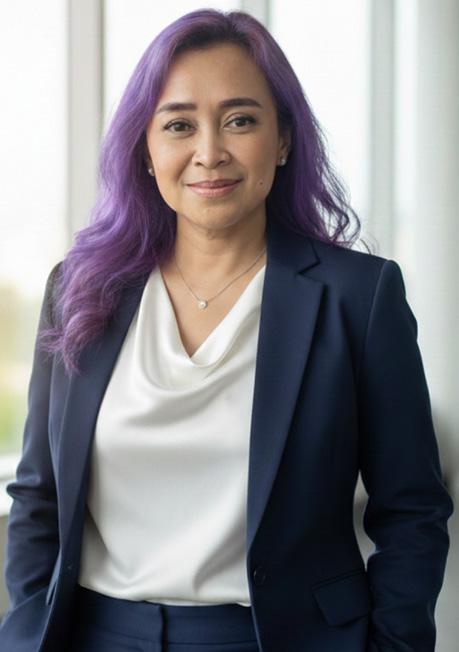
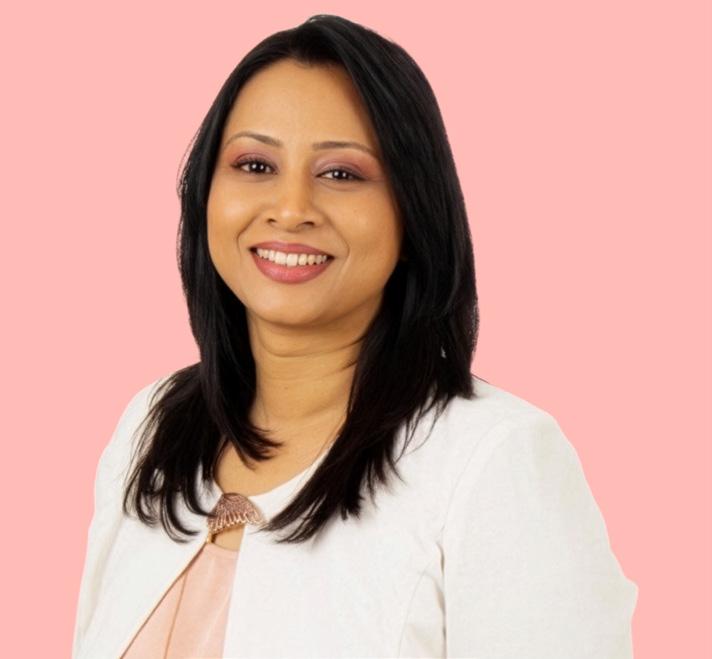
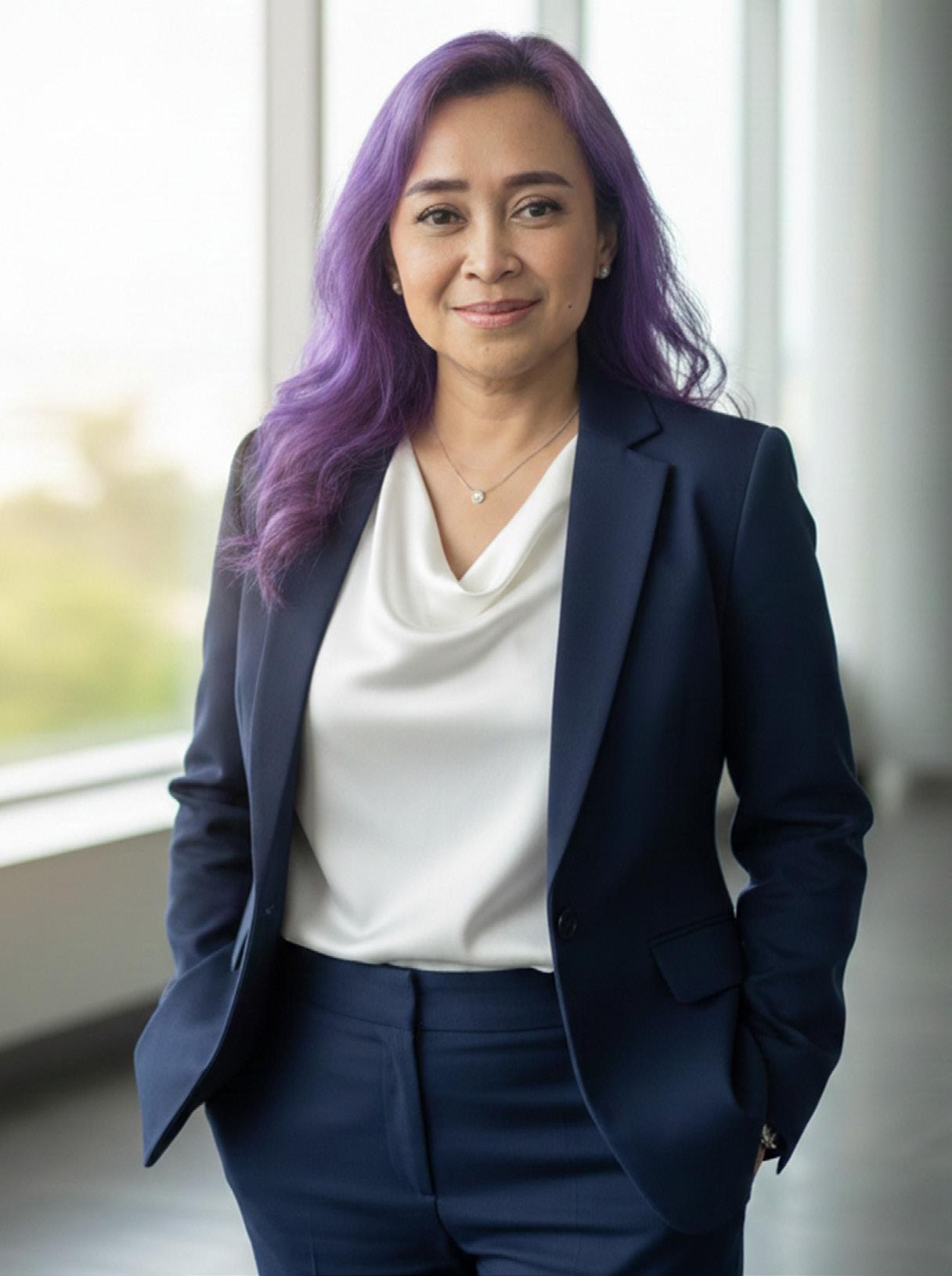
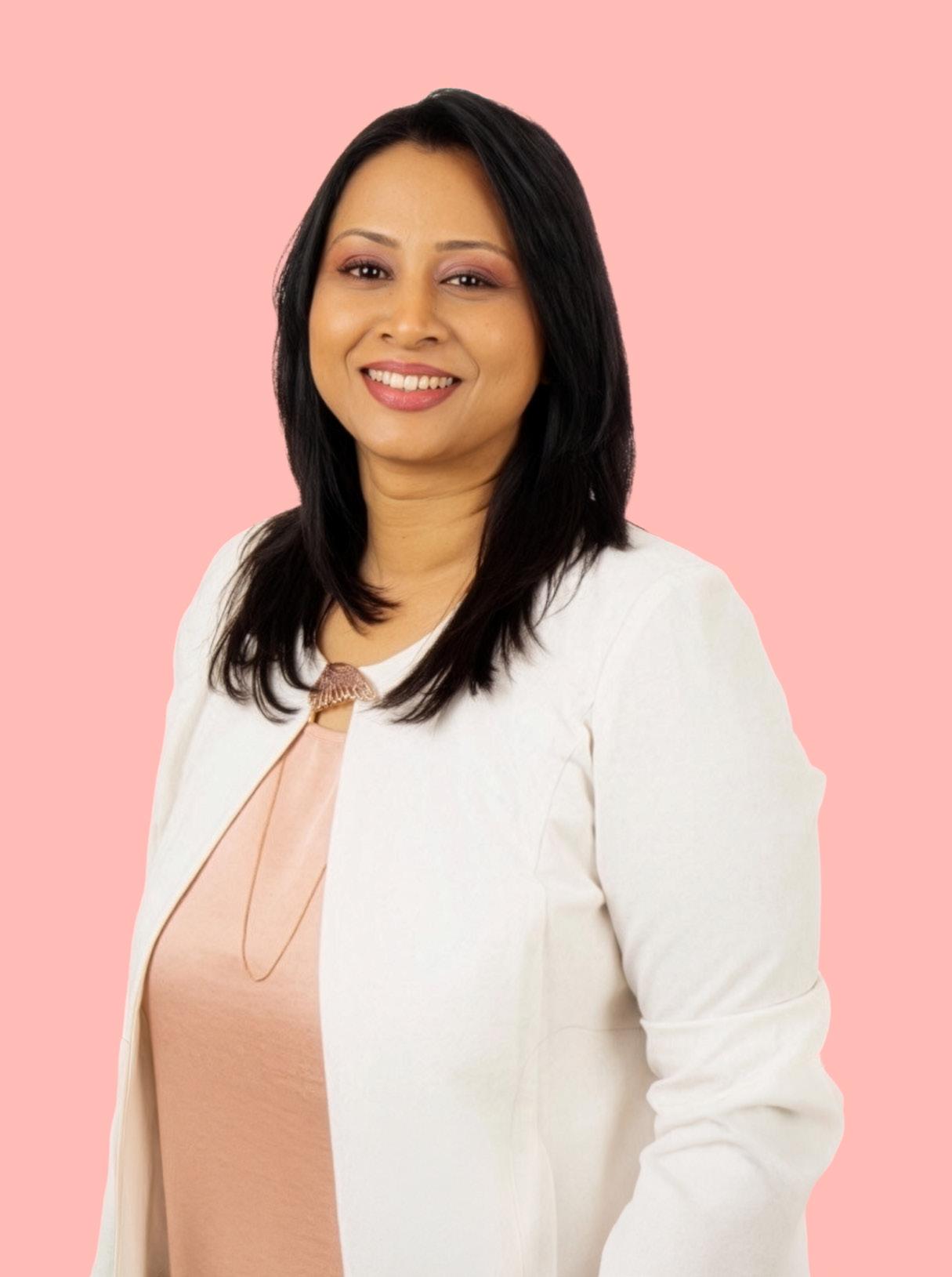
(Wulan) Ranny Head of People Culture and Engagement, TechConnect
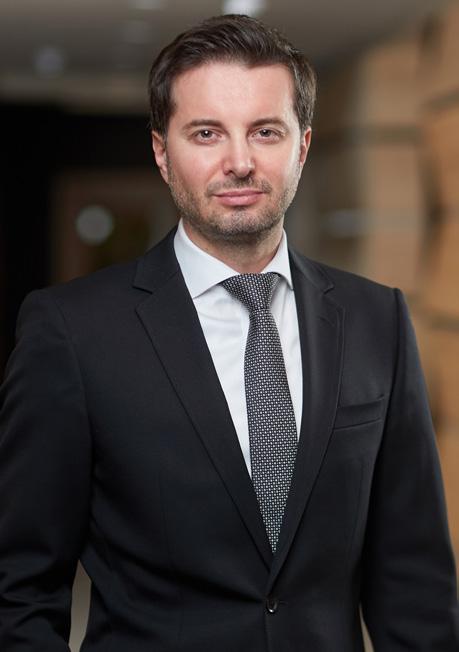
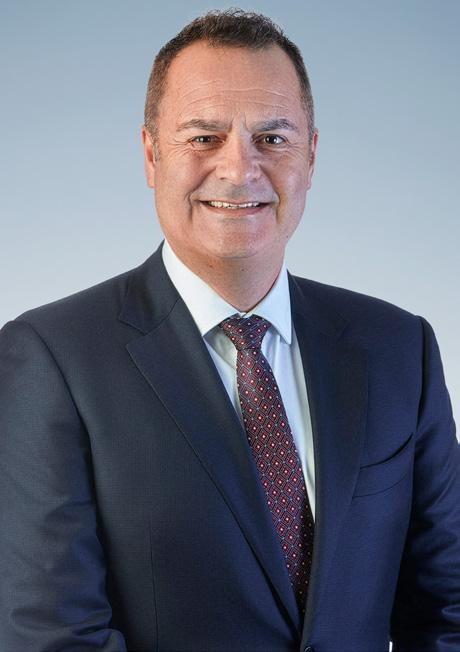
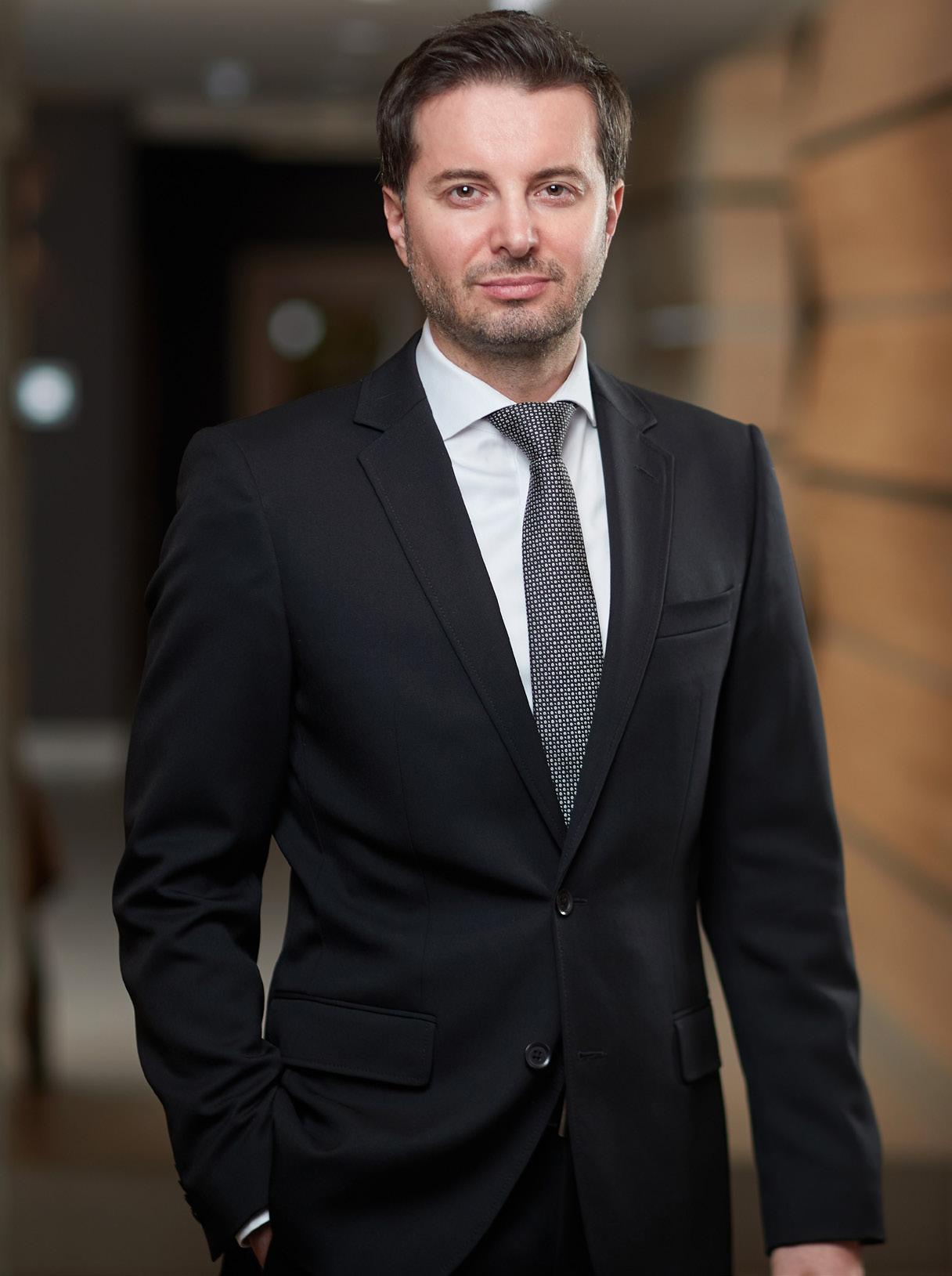
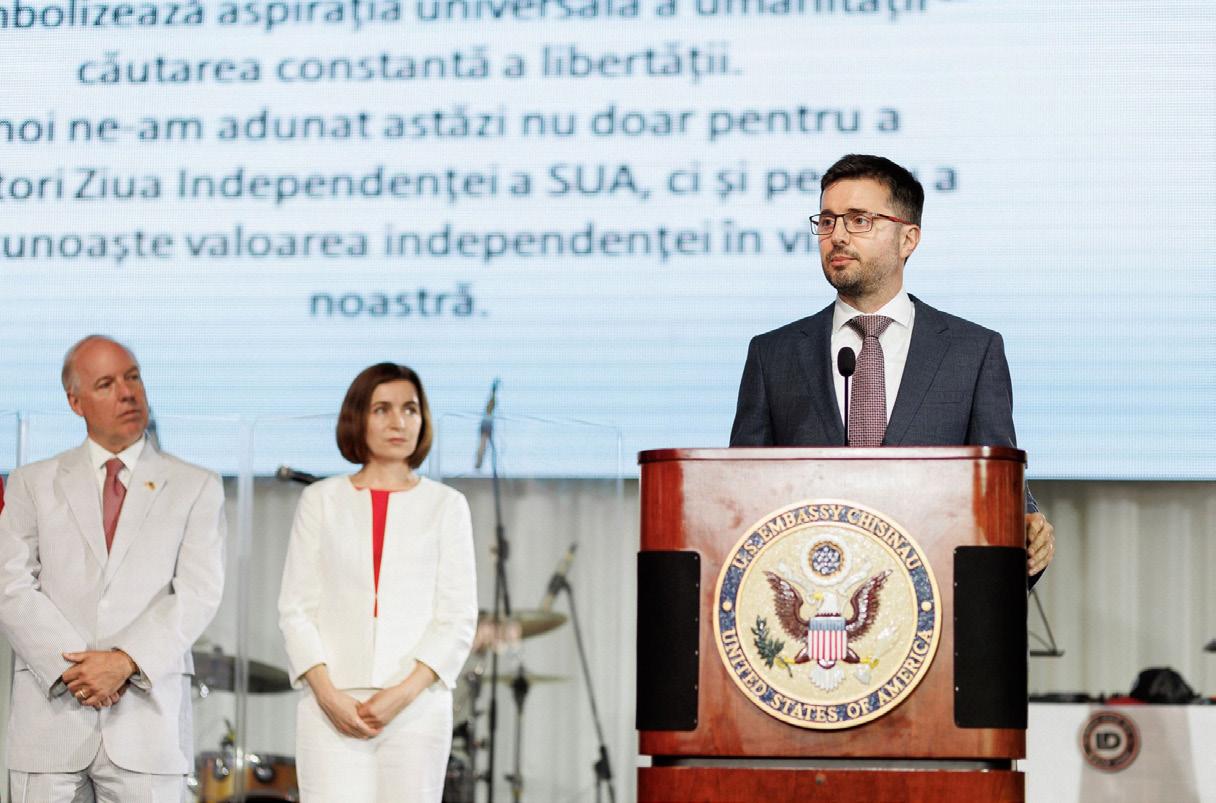
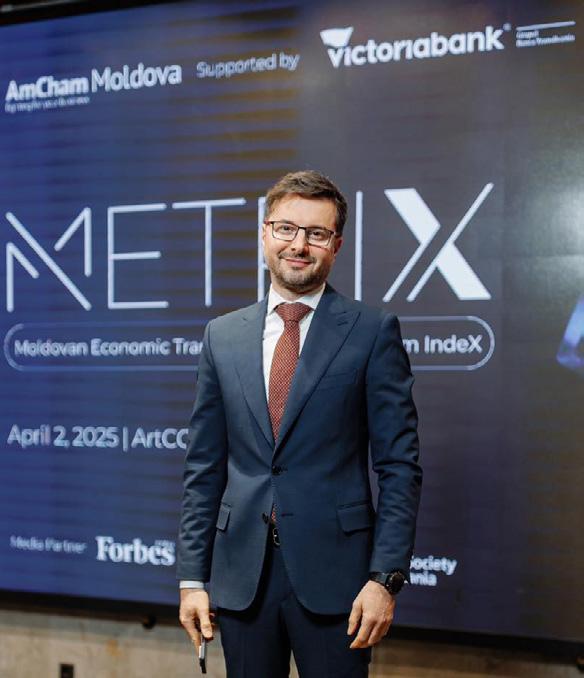
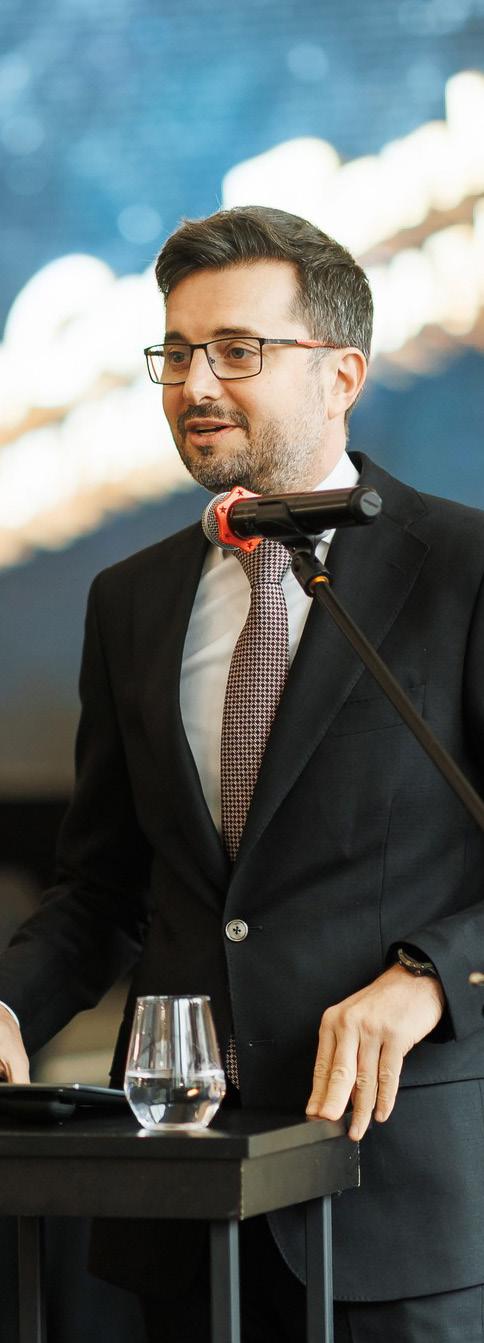
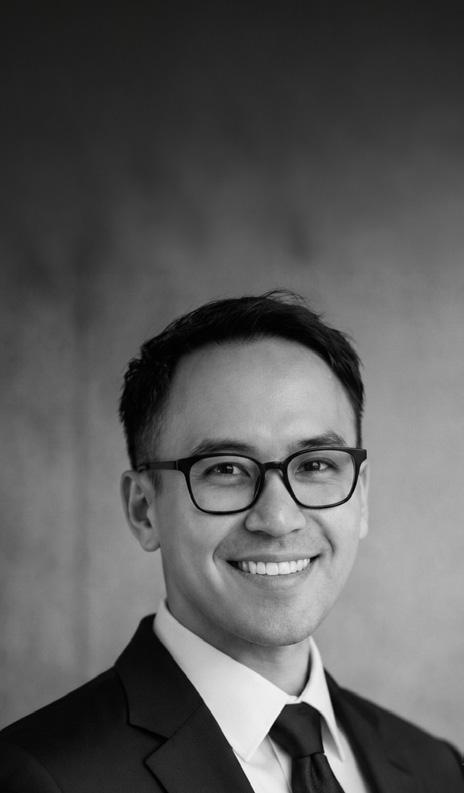
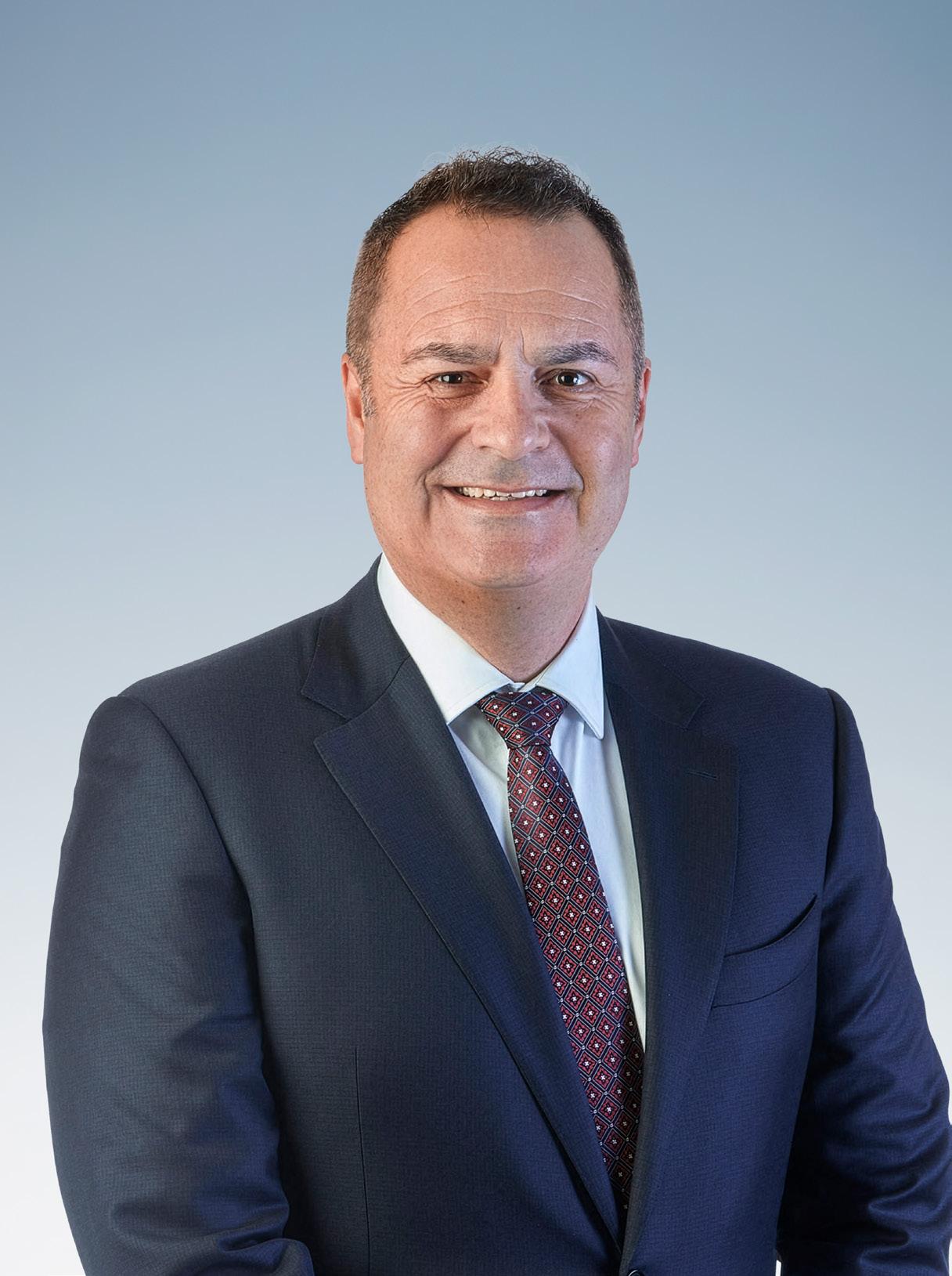
Alexandru Gozun Head of PwC Moldova Office, PwC
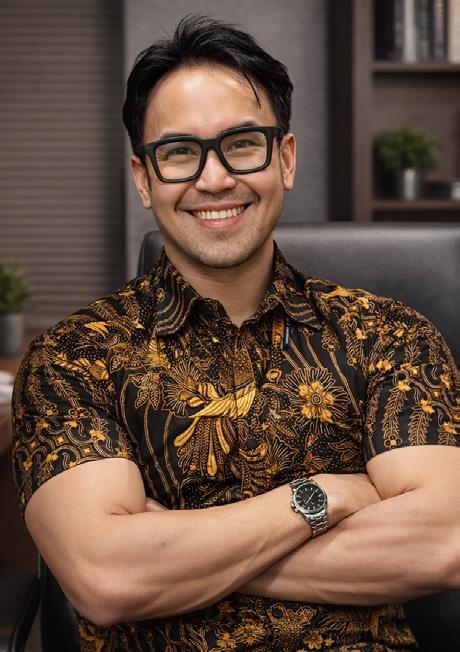
Cornelius Pantow Chief Human Resources Officer & Board of Directors, PT Esensi Solusi Buana (ESB)
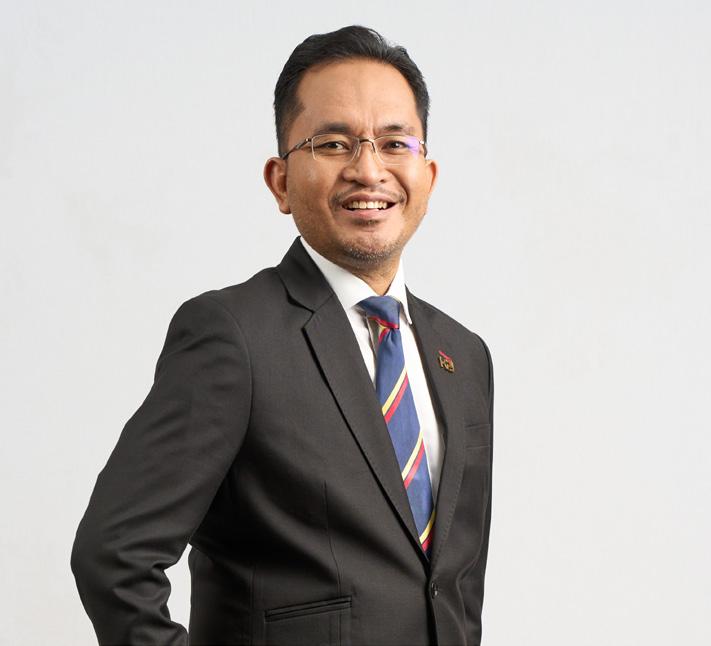
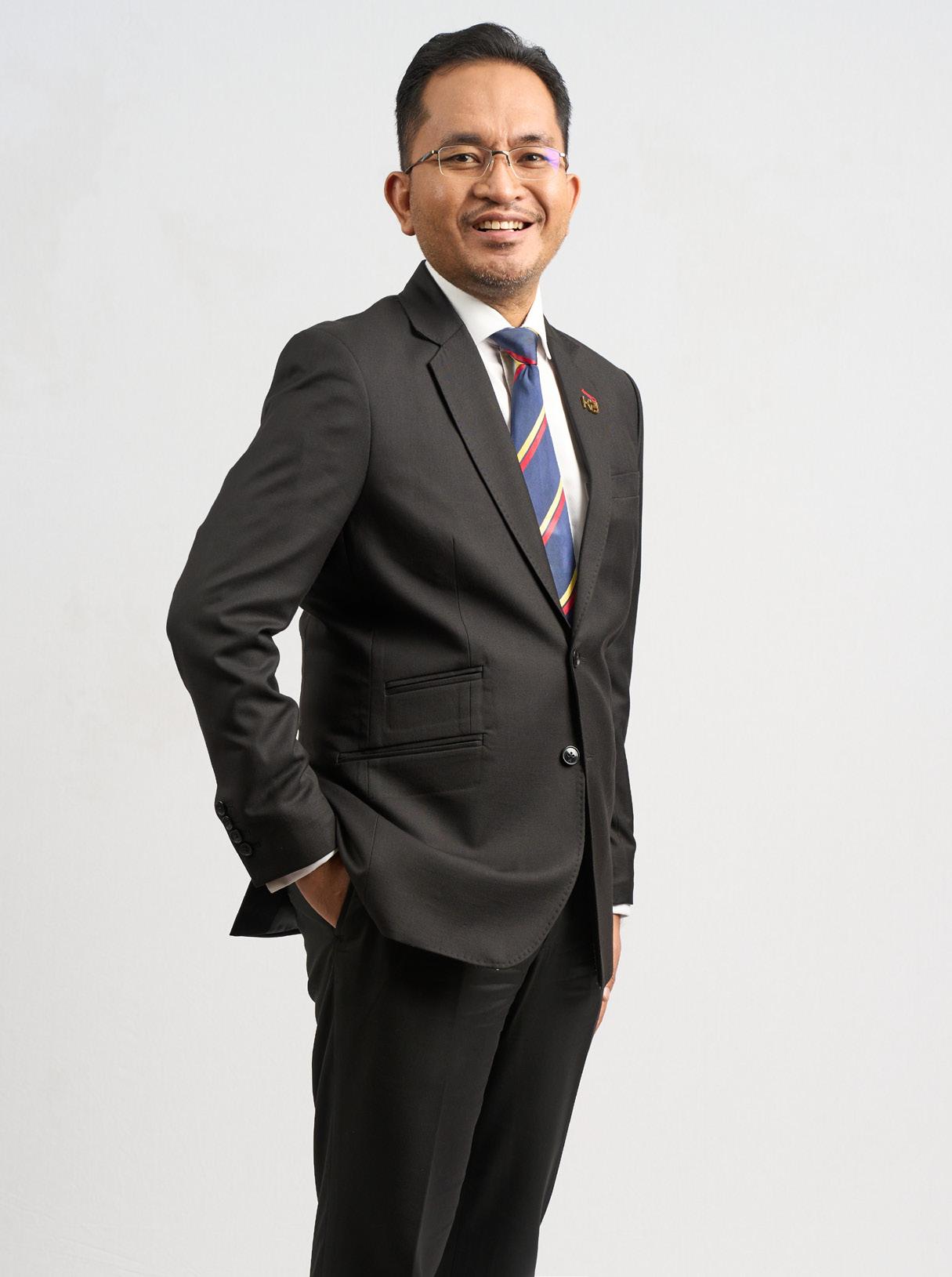
Izzad Shamsudin Chief Financial Officer, KPJ Healthcare Bhd
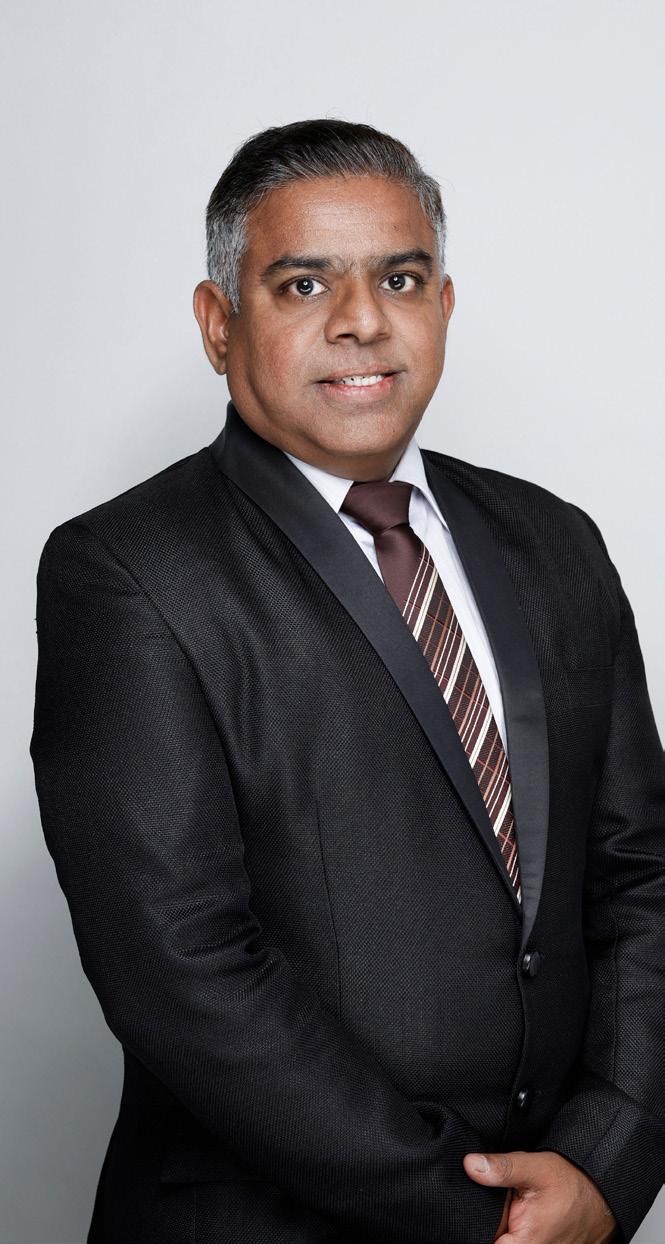
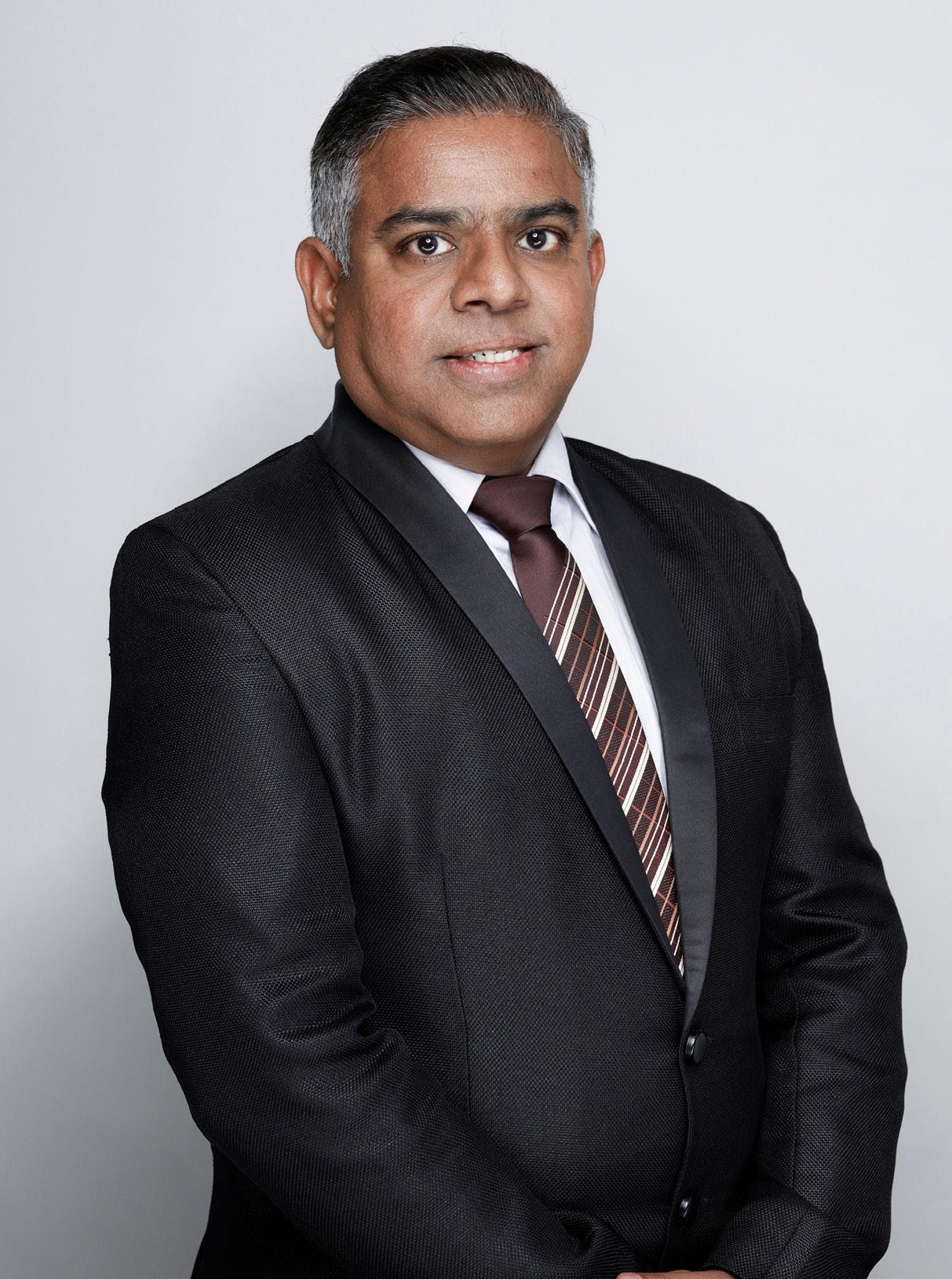
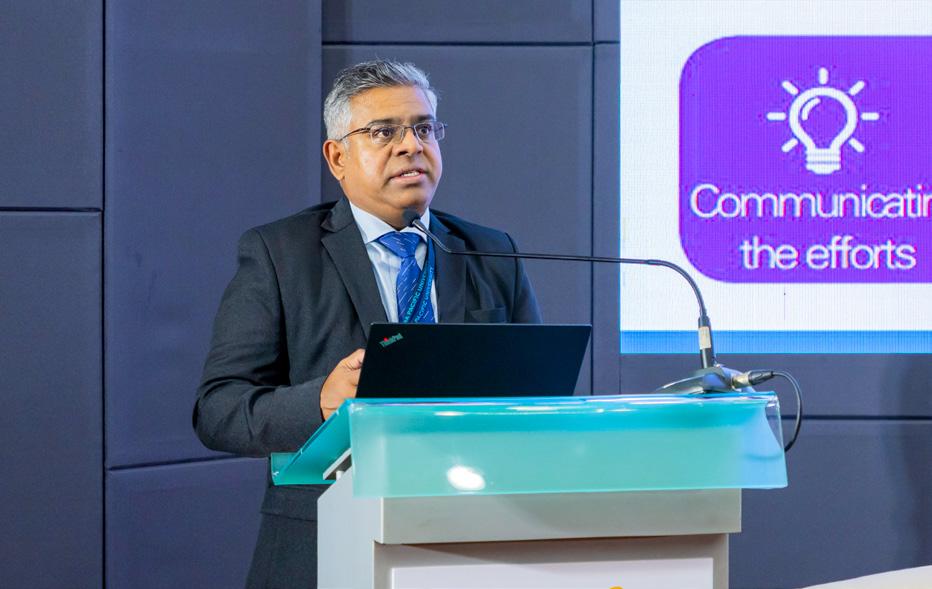
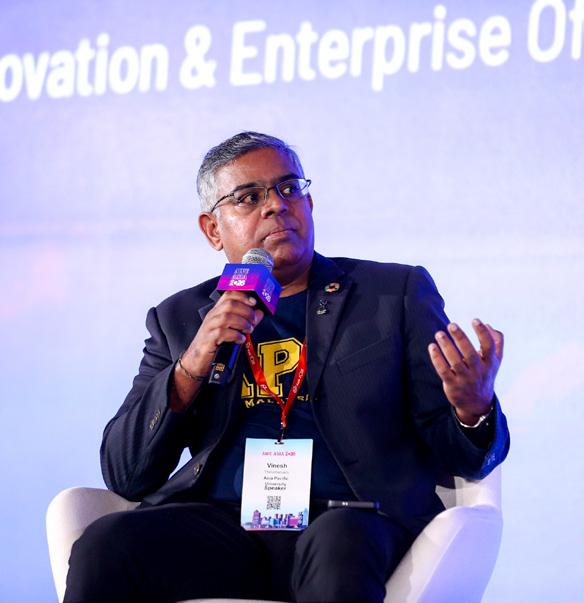
Prof. Dr. Ir. EUR ING Vinesh Thiruchelvam Chief Innovation & Enterprise Officer and Chief Sustainability Officer, Asia Pacific University of Technology and Innovation (APU / APIIT)
FEATURING INSIDE
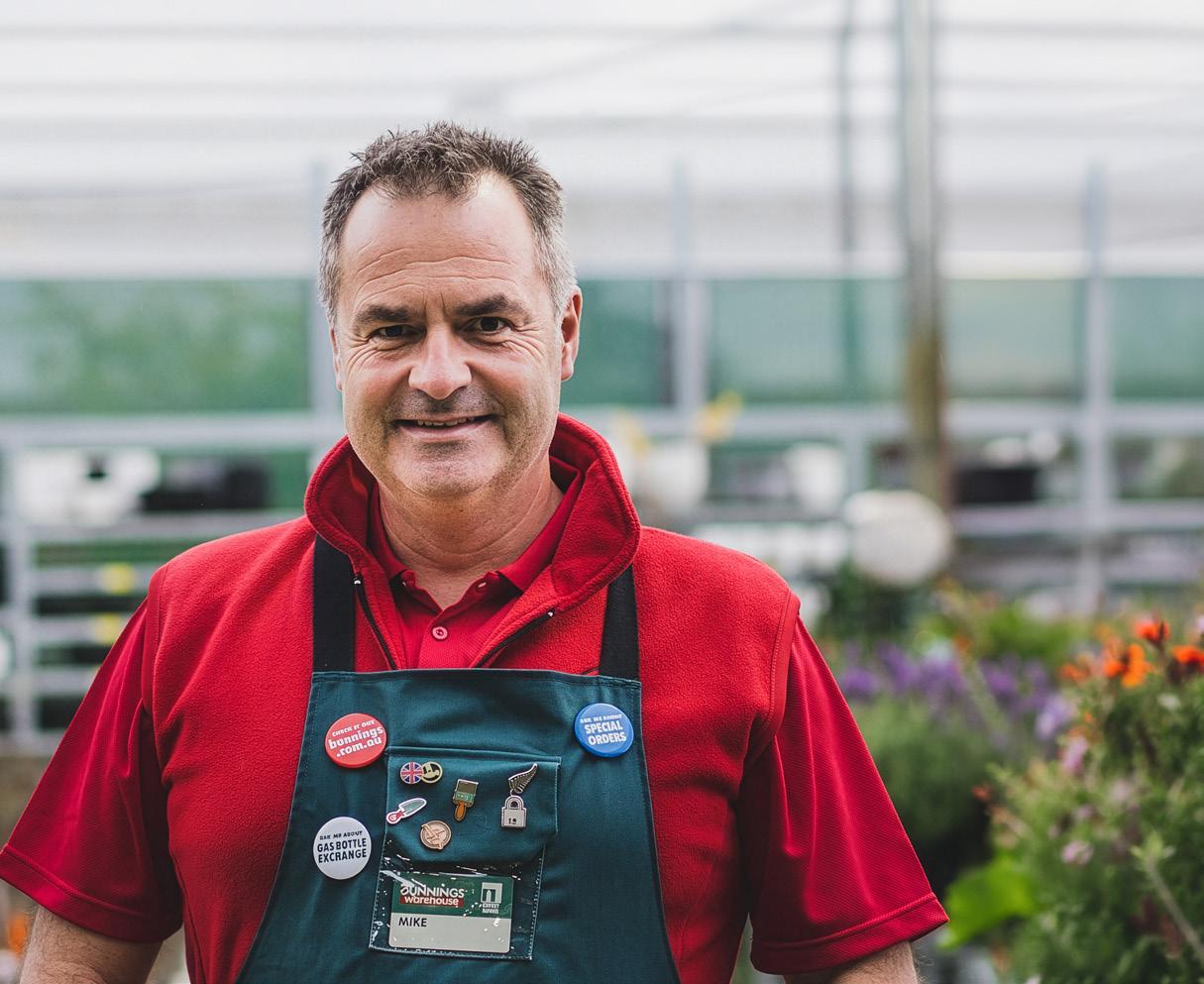
Michael Schneider Managing Director, Bunnings Group
Rekha Weerasooriya Group Chief People Officer, Dialog Axiata PLC
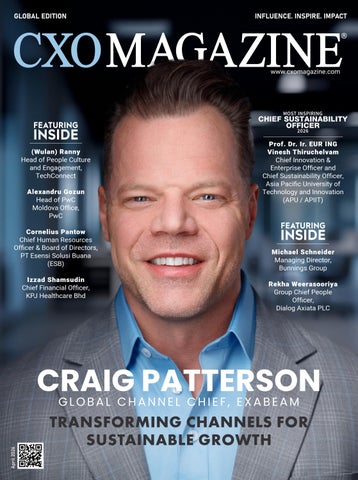
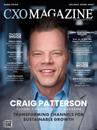
CRAIG PATTERSON
GLOBAL CHANNEL CHIEF, EXABEAM TRANSFORMING CHANNELS FOR SUSTAINABLE GROWTH
SUBSCRIBE FREE
Managing Editor Consultant Editors
Sarath
Free Subscription www.cxomagazine.com
Art & Design
Charlie
Louis
Branding & Marketing Partnership
Jennifer
Monica
Rachel
THE POWER SHIFT YOU CAN’T BUILD ALONE
There was a time when scale meant control. The bigger the organization, the stronger the grip it held on its market. Today, that idea feels quietly outdated. The most resilient companies are not the ones building empires, but the ones cultivating ecosystems.
I was reminded of this during a recent conversation with a founder who admitted, almost reluctantly, that his biggest breakthrough came not from expanding his team, but from opening his doors to partners he once considered competitors. It is a shift many leaders are still learning to embrace. According to recent industry insights, over 70% of enterprise revenue now involves some form of partner contribution. The message is clear. Growth is no longer a solo pursuit.
This is what makes our cover story especially timely. In this issue, Craig Patterson, Global Channel Chief at Exabeam, offers a compelling look into how modern leadership is redefining success through partnerships. With decades of experience building high-performing revenue engines, Craig has consistently demonstrated that sustainable growth comes from structured collaboration, not isolated execution. His work on the Exabeam APEX Partner Program stands as a strong example of how disciplined strategy and partner-first thinking can transform not just outcomes, but entire business models. What stands out is not just the scale of his achievements, but the clarity of his approach. He understands that velocity without alignment is noise, while ecosystems create momentum that lasts.
Beyond the cover story, this issue brings together a diverse set of voices and ideas. From leadership perspectives to emerging trends, each piece adds another layer to the evolving conversation around how organizations grow, adapt, and lead in uncertain times.
As you turn these pages, I invite you to reflect on a simple question. Are you building walls or bridges? Because in today’s world, the strongest leaders are not those who stand alone at the top, but those who know how to grow together.
Enjoy Reading.
Sarath Shyam
GLOBAL CHANNEL CHIEF, EXABEAM
TRANSFORMING CHANNELS FOR SUSTAINABLE GROWTH
CRAIG PATTERSON
CHIEF SUSTAINABILITY OFFICER
, Chief Innovation & Enterprise Officer and Chief Sustainability Officer, Asia Pacific University of Technology and Innovation (APU / APIIT)
Navigating Compliance Risk and Innovation with Purpose and Precision
Prof. Dr. Ir. EUR ING Vinesh Thiruchelvam
24
Alexandru Gozun, Head of PwC Moldova Office, PwC
Connecting Business and Policy for Impact
INTERVIEW
32
Cornelius Pantow, Chief Human Resources Officer & Board of Directors, PT Esensi Solusi Buana (ESB)
Transforming Organizations through Talent
38 (Wulan) Ranny, Head of People Culture and Engagement, TechConnect
Empowering Workplaces through People-First Culture
44
Michael Schneider, Managing Director, Bunnings Group
Building a Brighter Future for Retail
50
Izzad Shamsudin, Chief Financial Officer, KPJ Healthcare Bhd
Advancing Finance for a Better Tomorrow
INTERVIEW
56
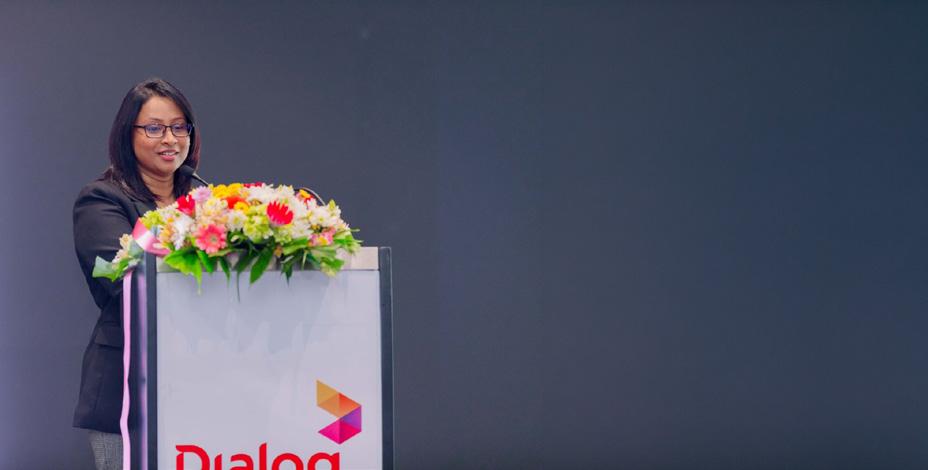
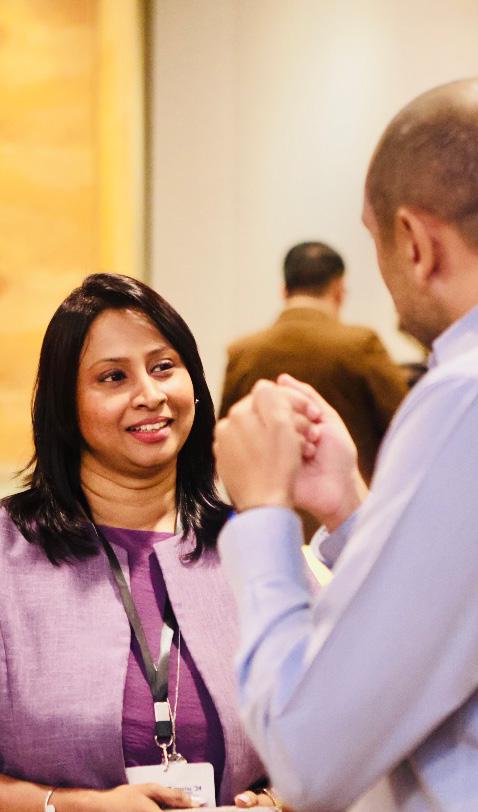
Rekha Weerasooriya, Group Chief People Officer, Dialog Axiata PLC
Driving Transformation through People Focus
CRAIG PATTERSON
GLOBAL CHANNEL CHIEF, EXABEAM
TRANSFORMING CHANNELS FOR SUSTAINABLE GROWTH
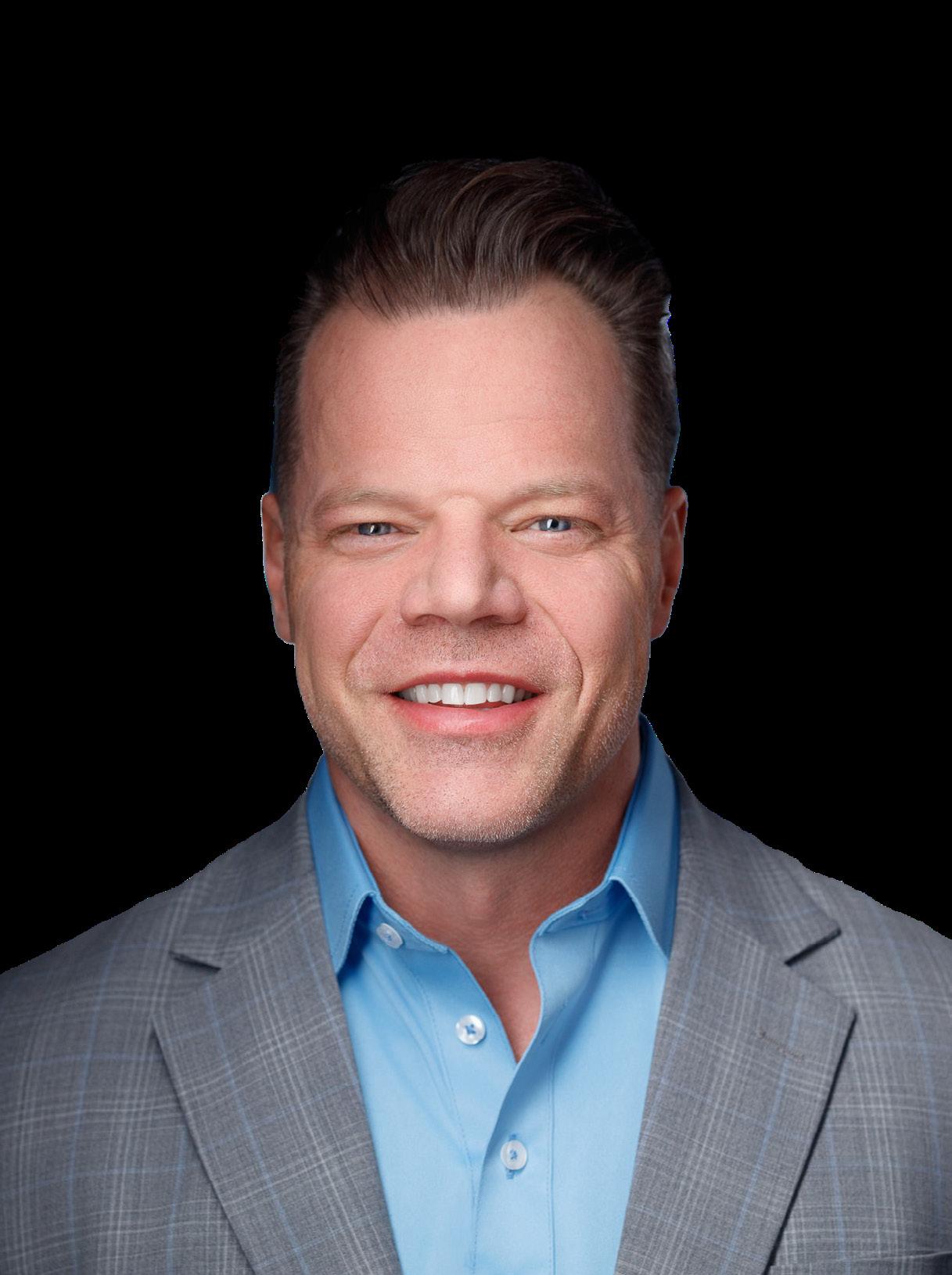
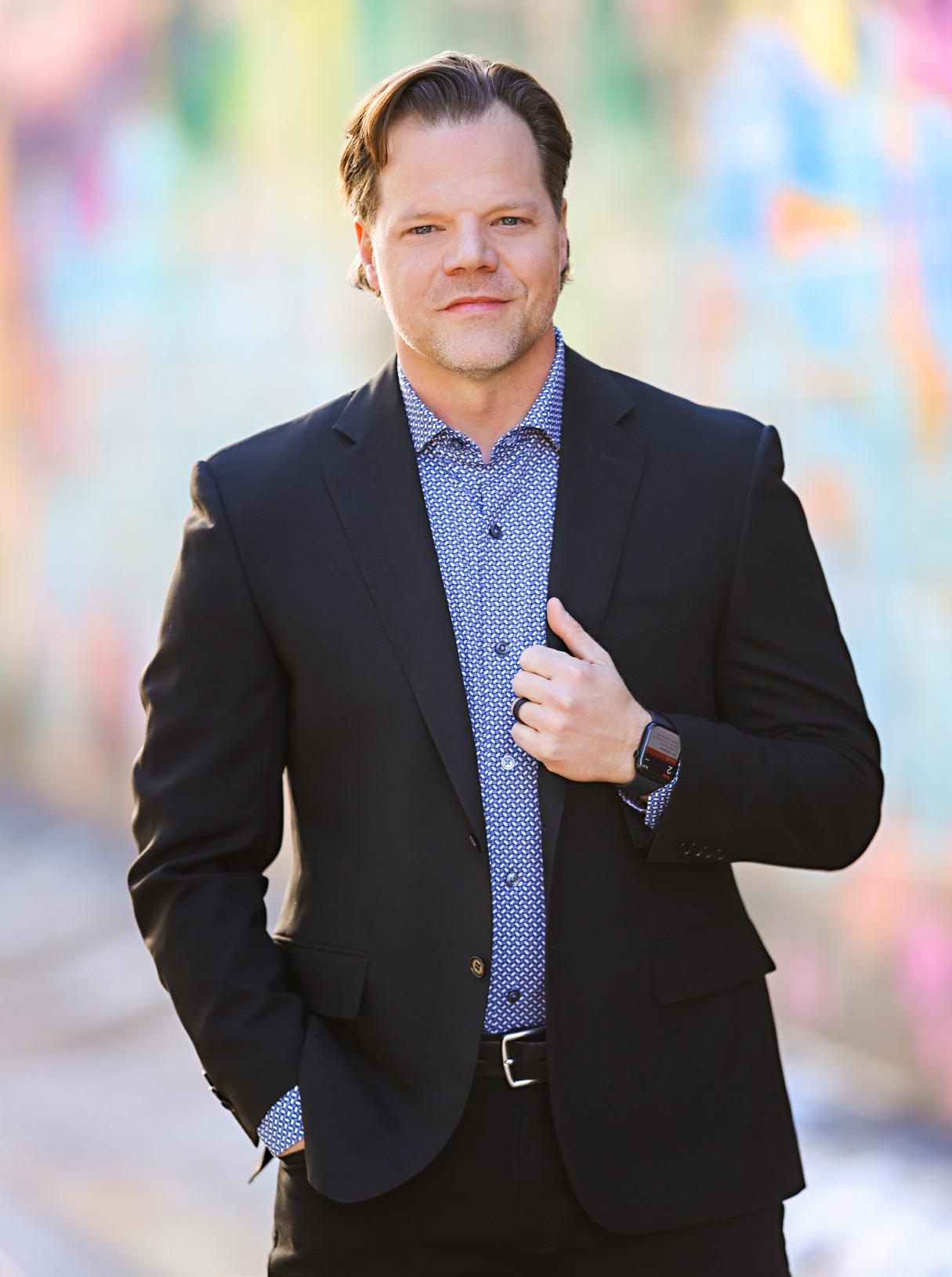
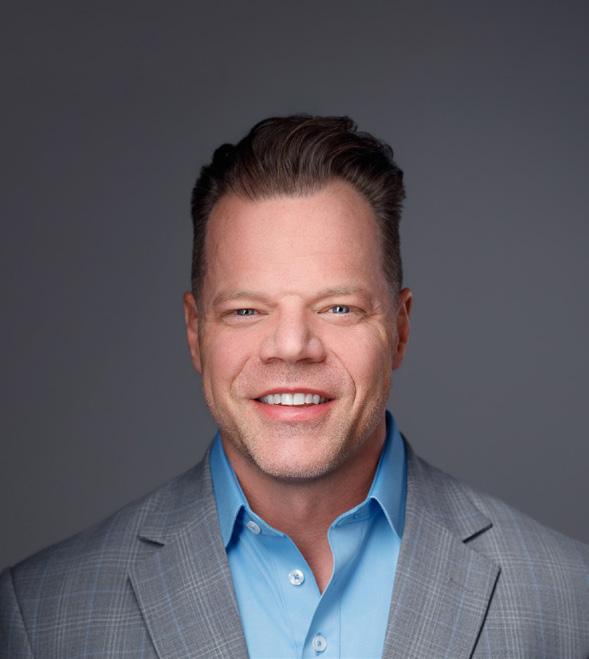
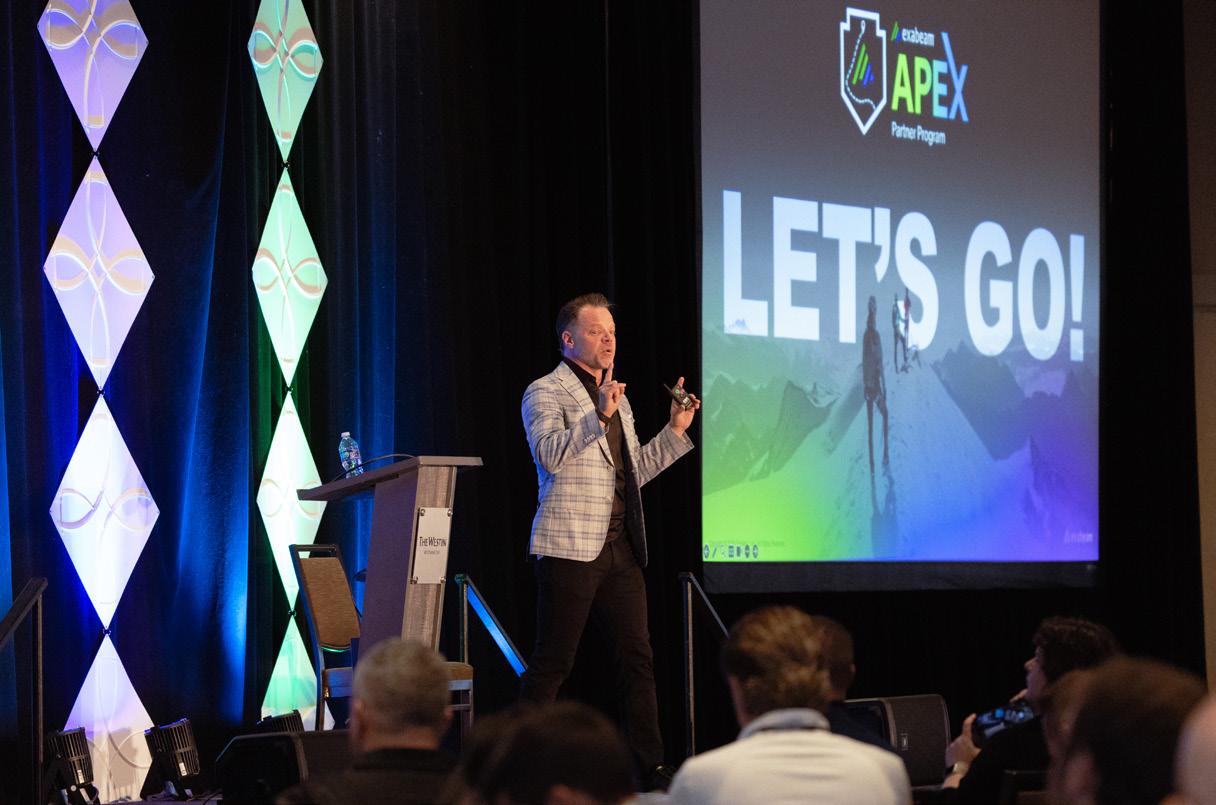
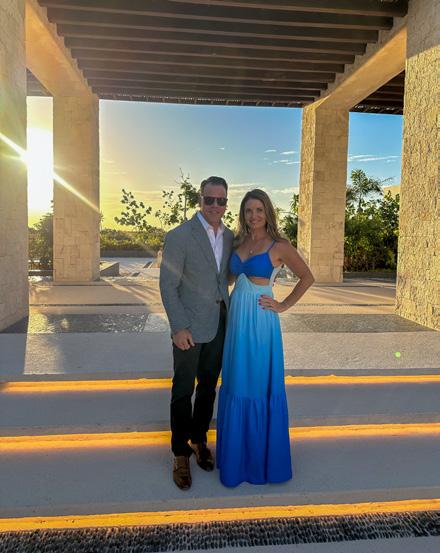
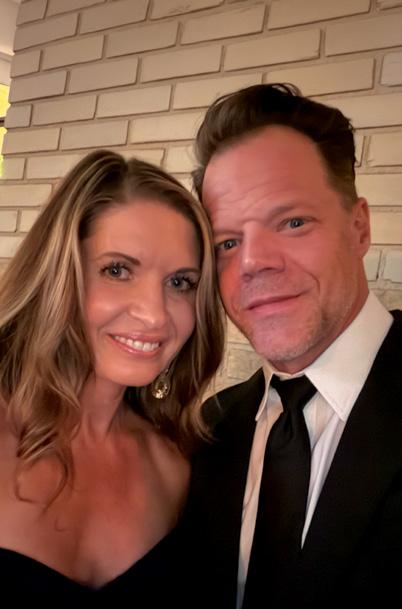
Craig Patterson is a globally recognized channel and go-to-market executive with over two decades of experience building billion-dollar revenue engines across cybersecurity and enterprise technology. As Global Channel Chief at Exabeam, Craig leads the company's worldwide partner strategy, driving growth through operational discipline and a relentless focus on partner success. In 2025, Craig launched the Exabeam APEX Partner Program, one of cybersecurity's most significant channel transformations. A 5x CRN Channel Chief, Craig has built high-performing teams across North America, EMEA, and APJ. He is known for turning vision into velocity.
Recently, in an exclusive interview with CXO Magazine, Craig shared insights into his journey and leadership approach. Looking forward, Craig believes the future of work for revenue teams will be data-driven, AIassisted, and outcome-focused, with a greater emphasis on strategic thinking and leadership. He also shared his personal hobbies and interests, future plans, words of wisdom, and much more. The following excerpts are taken from the interview.
What sparked your interest in revenue and go-to-market leadership, and how did you get started?
My interest in revenue and go-to-market leadership really started with my very first job at AT&T. Early on, I got a front-row seat to what great selling, clear goals, and strong execution could actually do. The first time I hit the President’s Club, it flipped a switch for me. It wasn’t just about the recognition; it was about realizing there’s a real craft to building a pipeline, closing business, and driving outcomes, and being able to measure the impact you’re making. I got hooked on the idea of building growth engines, not just carrying a number. From there, I kept leaning into roles with more responsibility and bigger scope, wanting to understand how product, sales, marketing, and partners all come together to scale a business. That curiosity and that early taste of winning are what really set me on the path to revenue and go-to-market leadership.
What do you love the most about your current role?
What I love most about my current role at Exabeam is the global scope and the chance to build at a real scale. I have the privilege of leading a worldwide partner organization and working with an incredible team, including many leaders who have chosen to join me again for a second or even third time, which is something I don’t take lightly. Together, we’re focused on scaling and strengthening a partner ecosystem of more than 3,000 Exabeam partners around the world. Building the systems, programs, and operating rhythm that help that ecosystem perform is incredibly rewarding, but what motivates me
The future of work for revenue and go-tomarket teams is going to be far more datadriven, AI-assisted, and outcomefocused than it’s ever been, but also more human in the places that matter most
most is doing it alongside a team that believes in the mission and shows up every day to create real value for our partners and customers.
How do you see the future of work evolving for revenue and go-to-market teams?
The future of work for revenue and go-tomarket teams is going to be far more datadriven, AI-assisted, and outcome-focused than it’s ever been, but also more human in the places that matter most. Technology will continue to automate the repetitive parts of selling, marketing, and partner management, which will raise the bar for strategic thinking, creativity, and leadership. Teams will be more distributed, more specialized, and more crossfunctional, and the best organizations will be
the ones that align product, sales, marketing, and partners around the customer journey instead of operating in silos. The real shift is from activity-based work to impact-based work, where clarity, speed, and focus matter more than headcount or noise.
Congratulations on being named as one of CRN's 2026 50 Most Influential Channel Chiefs. Your focus on simplifying partner programs and driving specialization and customer outcomes is pushing the boundaries of partnerfirst leadership in cybersecurity. What drives your focus on simplifying partner programs in cybersecurity?
My focus on simplifying partner programs comes from years of seeing how complexity
Over the next two to three years, I see myself stepping into a Chief Revenue Officer role, owning the full go-tomarket strategy across sales, partners, marketing, and customer growth
kills momentum. In cybersecurity, especially, partners are already navigating technical complexity, crowded markets, and intense customer demands. The last thing they need is a confusing program that’s hard to understand and harder to operate. Simplification isn’t about dumbing things down; it’s about making priorities clear, aligning incentives to real outcomes, and creating a system that helps partners specialize, invest, and win. When programs are simple, partners move faster, customers get better outcomes, and the ecosystem scales more efficiently, which is better for everyone involved.
How do you mentor and develop future revenue leaders?
I mentor and develop future revenue leaders by focusing on how they think, how they decide, and how they lead people. Skills and tactics can be taught, but judgment, ownership, and leadership presence are developed through
real responsibility, honest feedback, and stretch opportunities. I spend a lot of time giving people context, not just direction, and pushing them to see beyond their function to the full business. I also believe strongly in creating environments where high performers are challenged, trusted, and supported, because that’s how you build leaders who can scale organizations, not just run teams.
In your opinion, what's the most important quality for a revenue leader to have?
In my opinion, the most important quality for a revenue leader is the ability to build and sustain a high-performance culture. Results matter, but culture is what makes results repeatable. I’ve always believed in building engines that scale, teams that stay, and cultures people fight to be part of, because when you get that right, performance follows. A strong culture creates accountability without fear, sets a clear standard for how we win, and gives people a sense of purpose beyond just hitting a number. Great revenue leaders don’t just drive outcomes; they shape the environment where people want to do their best work, push each other to a higher bar, and stay committed through hard moments. Culture is the real operating system of any growth organization, and if you get that right, everything else compounds.
Can you share a book, podcast, or resource that has inspired you recently?
One resource that’s really stuck with me is Steal the Show by Michael Port. Michael is someone I know and have worked with previously, and I’ve seen firsthand how much craft and discipline go into great public speaking. Nailing
a message, commanding a room, and actually moving an audience isn’t accidental; it’s an art, and it’s something I’ve intentionally spent time working on over the years. Whether it’s a boardroom, a keynote stage, or a partner summit, the ability to communicate clearly and with impact is a force multiplier for any leader, and Michael’s work does a great job of breaking that down in a practical, repeatable way.
What are some of your passions outside of work? What do you like to do in your time off?
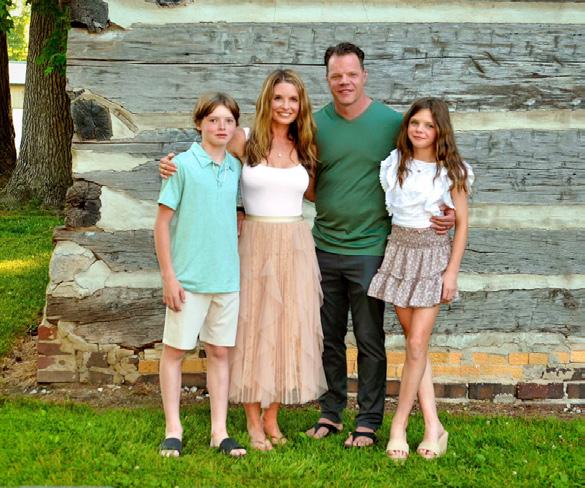
Outside of work, my family is everything to me. My wife, Shaye, and our 14-year-old twins, Gavin and Stella, are the center of my world, and a lot of my time and energy goes into being present for them and supporting what they’re passionate about. I get a huge amount of joy from watching my kids succeed in school and in athletics, and from being there for the practices, the games, and all the little moments in between. I’m also deeply into fitness and Muay Thai, which has become both a mental reset and a personal challenge for me. Training keeps me grounded, competitive, and focused,
and it reminds me that progress is built through consistency and discipline, not shortcuts. Between family, training, and building things, whether that’s teams, businesses, or personal projects, that’s where I recharge and stay sharp.
What is your biggest goal? Where do you see yourself in 5 years from now?
My biggest goal is to keep expanding my impact by taking on broader responsibility for building and leading revenue engines at scale. Over the next two to three years, I see myself stepping into a Chief Revenue Officer role, owning the full go-to-market strategy across sales, partners, marketing, and customer growth. Looking out about five years, my ambition is to move into a CEO role and lead an entire company with the same focus on culture, execution, and durable value creation. Along the way, I also want to continue building a platform as a keynote speaker and trusted advisor on go-to-market strategy, helping other leadership teams scale the right way. For me, it’s about impact, building things that
last, and leaving organizations stronger than I found them.
What advice would you give to young professionals looking to make a mark in the tech industry, specifically in revenue and go-to-market leadership?
My advice to young professionals in tech and go-to-market leadership is to be intentional about building your brand, both inside your company and outside of it. Internally, take the time to understand who the key stakeholders really are, what they care about, and how decisions actually get made, then invest in building real relationships, not just transactional ones. Externally, find the key influencers in your space, study what they do well, and mirror the parts that work while developing your own voice and point of view. Careers are built on trust, reputation, and relationships as much as they are on performance, and the people who combine strong results with thoughtful brandbuilding and genuine connections are the ones who create the most opportunity over time.
Wa n t t o S e l l o r fi n d
I nve s t o rs f o r yo u r
B u s i n e s s ?
Dr. Ir. EUR ING Vinesh
Thiruchelvam
Chief Innovation & Enterprise Officer and Chief Sustainability Officer, Asia Pacific University of Technology and Innovation (APU / APIIT)
Prof.
CHIEF SUSTAINABILITY OFFICER
Designing Systems That Sustain the Future
Prof. Dr. Ir. EUR ING Vinesh
Thiruchelvam does not treat sustainability as a function attached to a role. At the Asia Pacific University of Technology and Innovation, where he serves as Chief Innovation and Enterprise Officer and Chief Sustainability Officer, his work sits at the intersection of engineering discipline, technological progress, and longterm responsibility. His portfolio spans AI applications, integrated circuit design, and sustainability initiatives, shaped by years of leadership in research and innovation. Yet, the foundation of his thinking was laid long before titles entered the picture.
He traces that foundation back to a simple, lived philosophy. “I viewed sustainability simply as the ethical application of innovative
design thinking or conscious engineering applications and best humanistic practices in everyday life,” he shares. It was not an abstract concept. It showed up in daily choices, from reducing energy use at home to managing water consumption and practicing waste segregation. Even family routines became extensions of this mindset. Annual visits to coastal ecosystems, small-scale organic farming, and a conscious effort to align with the United Nations’ Sustainable Development Goals were not symbolic gestures, but practical lessons in accountability.
That same sense of responsibility carried into his professional life. Whether in engineering, operations, or consultancy, his approach remained consistent. Build systems that endure. Design with foresight. Avoid creating solutions
that later become problems. One early project in the oil and gas sector, the Ammonia Redline refurbishment in 2004, reinforced this thinking. Sustainability was not treated as an afterthought. It was embedded into safety studies, operational standards, and execution on the ground.
“Every deliberate action, whether in managing resources, energy, or waste, compounds into a significant global impact over time,” he says.
His early engineering years added another layer of clarity. As a Port Engineer at Westports Malaysia, he oversaw a large-scale dry bulk terminal infrastructure project. It was here that efficiency stopped being a technical metric and became a leadership responsibility. As part of an internal energy task force, his team reduced energy consumption by 28 percent within a year. The lesson was clear. Sustainability is not a separate initiative. It is a way of running systems better.
Over time, this perspective expanded across industries, from construction to oil and gas to infrastructure design. Each project reinforced the same principle. Long-term success
depends on balancing technical performance with environmental and social impact. His years in the Middle East, particularly with Atkins, deepened this conviction. There, he formalized his expertise with certifications in energy management and green building design, strengthening his ability to translate intent into measurable outcomes.
Looking back, Prof. Vinesh does not describe sustainability as a trend or a compliance requirement. He sees it as a leadership discipline. “True leaders cannot simply react to environmental challenges. They must proactively design systems that sustain both communities and ecosystems,” he says. That belief now shapes how he leads, how he builds teams, and how he defines progress. It also sets the stage for how he is driving sustainability forward at APU, not as a program, but as a principle that informs every decision.
When Sustainability Became Strategy
For Prof. Vinesh, the turning point was not theoretical. It was visible, measurable, and
Since moving into academia in 2012, Prof. Vinesh has worked to align academic programmes with real-world demands. This meant updating curricula, integrating research into teaching, and building systems that respond to how industries are evolving
impossible to ignore. Disruptions linked to climate patterns were no longer distant concerns. They were affecting supply chains, infrastructure, and day-to-day operations across industries. What was once framed as an environmental issue had become an economic one.
He recalls that moment with clarity. “It became undeniably clear that institutions could no longer treat sustainability as a peripheral, feel-good initiative or a mere compliance checklist to be managed on the side,” he says. That shift in thinking marked the beginning of a more deliberate approach, one where sustainability moved from the margins into the core of institutional decision-making.
His involvement with Malaysia’s Ministry of Science and Technology in 2018 added further depth to this perspective. As part of a national climate change task force, he contributed to the proposal of a Climate Change Hub, an initiative that opened up wider conversations across government agencies. Those engagements expanded his view beyond energy and climate resilience. They reinforced the role of education as a critical lever for long-term change.
Since moving into academia in 2012, he has worked to align academic programmes with real-
world demands. This meant updating curricula, integrating research into teaching, and building systems that respond to how industries are evolving. One such effort was the development of an online exam proctoring system in 2020, created in collaboration with Intel and the Malaysian Investment Development Authority. It was a practical response to a changing learning environment, grounded in both technology and accessibility.
Earlier, between 2014 and 2018, he led a national STEM initiative that reached 87 schools. The programme was not designed as a one-off intervention. It was structured to build long-term interest in science and technology among younger students, with sustainability woven into the learning experience. These efforts reflected a broader belief that institutions remain resilient only when sustainability is embedded into how they operate, not treated as an add-on.
At Asia Pacific University of Technology and Innovation, this philosophy began taking shape as early as 2013, when he initiated the SDG movement on campus through the Centre for Sustainability Awareness. Over three years, the university hosted 44 events, ranging from exhibitions to Earth Day engagements. At
the same time, the design of the new campus incorporated green construction principles and natural ventilation strategies, ensuring that sustainability was reflected not just in intent, but in infrastructure.
Today, as Chief Sustainability Officer, he sees his role less as an overseer and more as an enabler. “Meaningful progress is not just about achieving theoretical metrics or ticking ESG or SDG boxes. It is defined by a tangible cultural shift across the campus,” he explains. That shift is visible when sustainable practices become instinctive, when energy use is consciously managed, and when graduates leave with both the skills and the mindset to influence industries.
Recognition has followed, but it is not the end goal. Partnerships such as the Malaysia Digital Climate Action Pledge and collaborations with global sustainability networks signal progress, yet for Prof. Vinesh, they serve as checkpoints rather than destinations. The real measure lies in whether sustainability becomes part of everyday decision-making across the institution.
Building a System That Sustains Itself
At APU, the journey toward sustainability began with a simple but often overlooked step. Understand the baseline. Before setting targets or launching initiatives, Prof. Vinesh and his team focused on gathering data across the campus, from energy consumption and waste patterns to resource utilization. A climate risk assessment conducted in 2021 became an early reference point, followed by a multi-year study of supply chains covering vendors and contractors. This approach ensured that decisions were grounded in evidence rather than assumptions. Annual carbon reporting and employee diversity assessments added further layers of
accountability. Once the data was clear, the next step was to bring people into the process. Cross-functional working groups were formed, drawing participation from faculties and departments across the university. The goal was not just alignment, but ownership.
With that foundation in place, the team focused on practical interventions. Energy efficiency measures and the digitization of administrative workflows delivered immediate results, building confidence in the broader strategy. These early wins were important. They demonstrated that sustainability could deliver measurable impact without disrupting core operations.
Since 2024, the work has evolved into a structured framework. Together with the campus ESG and SDG task force, Prof. Vinesh has led the development of 73 institutional policies, alongside a 2040 decarbonization and Net Zero strategy and a comprehensive environment management plan. These are not static documents. They function as active guides that shape decision-making across the university.
What sets APU’s approach apart is how deeply sustainability is integrated into its academic fabric. The campus itself operates as a working model for students. Engineering, business, and technology learners engage directly with real-world sustainability challenges within the university environment. This creates a feedback loop where learning informs practice, and practice strengthens learning.
The scale of this integration is significant. In 2025 alone, hundreds of lecturers delivered thousands of hours of sustainability-focused content across more than a hundred courses. Student engagement followed suit, with nearly a
Together with the campus ESG and SDG task force, Prof. Vinesh has led the development of 73 institutional policies, alongside a 2040 decarbonization and Net Zero strategy and a comprehensive environment management plan
thousand projects aligned to the United Nations Sustainable Development Goals. These are not theoretical exercises. Many of these projects address operational challenges within the campus or extend into community-focused solutions.
Technology plays a central role in this ecosystem. The introduction of IoT-driven energy management systems has enabled real-time monitoring and optimization of campus energy use. A large-scale solar installation, completed in 2026, further reduced the university’s carbon footprint while serving as a live learning platform for students.
These initiatives have also sparked a wave of student-led innovation. Projects in areas such as smart waste management and marine conservation have moved beyond prototypes, earning industry recognition and international awards. In 2025 alone, APU secured hundreds of innovation awards linked to sustainability outcomes.
For Prof. Vinesh, the significance of these efforts lies in what they produce over time. Not just a greener campus, but graduates who understand how to apply sustainability in real business and technology contexts. Students who have already worked on real problems, collaborated across disciplines, and seen the impact of their solutions.
That, in many ways, is the endgame. Build a system where sustainability is not enforced, but practiced naturally. And more importantly, where it continues to evolve long after the framework itself is in place.
Where Innovation Learns Responsibility
For Prof. Vinesh, innovation without direction is noise. Sustainability without innovation is limitation. The real progress happens when
both move together with intent. He sees this relationship clearly. “Innovation provides the technological tools, creative methodologies, and disruptive thinking required to solve complex environmental challenges, while sustainability provides the ethical framework and purposedriven direction,” he explains. It is a balance he has worked to embed across Asia Pacific University of Technology and Innovation, not just in strategy documents, but in how students are taught to think.
This philosophy shows up most visibly in how APU approaches entrepreneurship.
Through Enterprise@APU, the university is shaping startups that are not only commercially viable but also grounded in purpose. The focus is not on scale alone. It is on building ventures that are resilient, meaningful, and sustainable
from the outset. Students are encouraged to look beyond quick wins and consider how their ideas hold up over time, across markets, and against environmental realities.
At the same time, Prof. Vinesh is cautious about the pace of technological adoption. The pressure to move fast is real, especially in areas such as AI and advanced computing. But speed, in his view, must be matched with responsibility. “It means deliberately taking the time to assess the lifecycle impact of new technologies, from raw material extraction and energy-intensive computing to end-of-life disposal,” he says. That discipline ensures that innovation does not create new problems while attempting to solve existing ones.
To support this, APU has been building a culture of critical thinking that challenges
Through Enterprise@APU, the university is shaping startups that are not only commercially viable but also grounded in purpose
assumptions rather than accepting them. Students are trained to question not just how technology works, but what it costs, who it affects, and how it scales. By 2026, the university took a further step by ensuring that all 17 Sustainable Development Goals are embedded across faculties. This move reinforces a simple idea. Every discipline, whether engineering, business, or computing, has a role to play in shaping sustainable outcomes.
The result is a generation of learners who do not separate innovation from responsibility. They see both as part of the same equation. And that mindset is beginning to define the kind of impact they carry into the world beyond campus.
Leading for the Long Run
Sustainability, as Prof. Vinesh often points out, is not built in moments of urgency. It is built over time, through consistent effort and quiet persistence. “Driving systemic change is inherently a marathon,” he says. What keeps him grounded is not the scale of the challenge, but the accumulation of small, measurable wins. Over the past few years, the data coming out of APU has reflected steady progress. More importantly, it has confirmed that the institution is moving in the right direction.
When progress slows, he turns to the people around him. Students experimenting with new ideas, colleagues pushing initiatives forward, and even his own family, who have embraced sustainable living in their daily routines. Their energy, he admits, is difficult to ignore. It serves as a reminder that change is not driven by policy alone, but by people who believe in it.
This long-term view also shapes how he sees the role of the Chief Sustainability Officer evolving. What was once considered a
specialist position is now moving toward the center of institutional strategy. Organizations are beginning to recognize that sustainability is tied directly to risk, resilience, and long-term viability.
He puts it plainly. CSOs will not just monitor compliance. They will help define how institutions grow without compromising the systems they depend on. In many ways, they are becoming the link between innovation and governance, ensuring that progress does not come at an unsustainable cost.
At APU, this thinking is already influencing the next phase of growth. The university’s roadmap, developed in 2024, places a strong emphasis on integrating digital technologies with sustainability goals. Advanced analytics, artificial intelligence, and IoT systems are being used to improve resource efficiency and reduce carbon impact in measurable ways.
There is also a deliberate push to expand awareness across the institution. Every student, regardless of discipline, is expected to graduate with a working understanding of ESG principles and green technologies. The goal is not to create specialists alone, but informed professionals who can apply these principles in any field.
At its core, APU’s direction remains consistent. Build capable, future-ready graduates. What is changing is how that future is being defined. It is no longer just about employability or technical competence. It is about preparing individuals who can navigate complexity, make responsible decisions, and contribute to systems that last. That is the kind of leadership Prof. Vinesh is shaping. Quietly consistent, deeply intentional, and built for the long run.
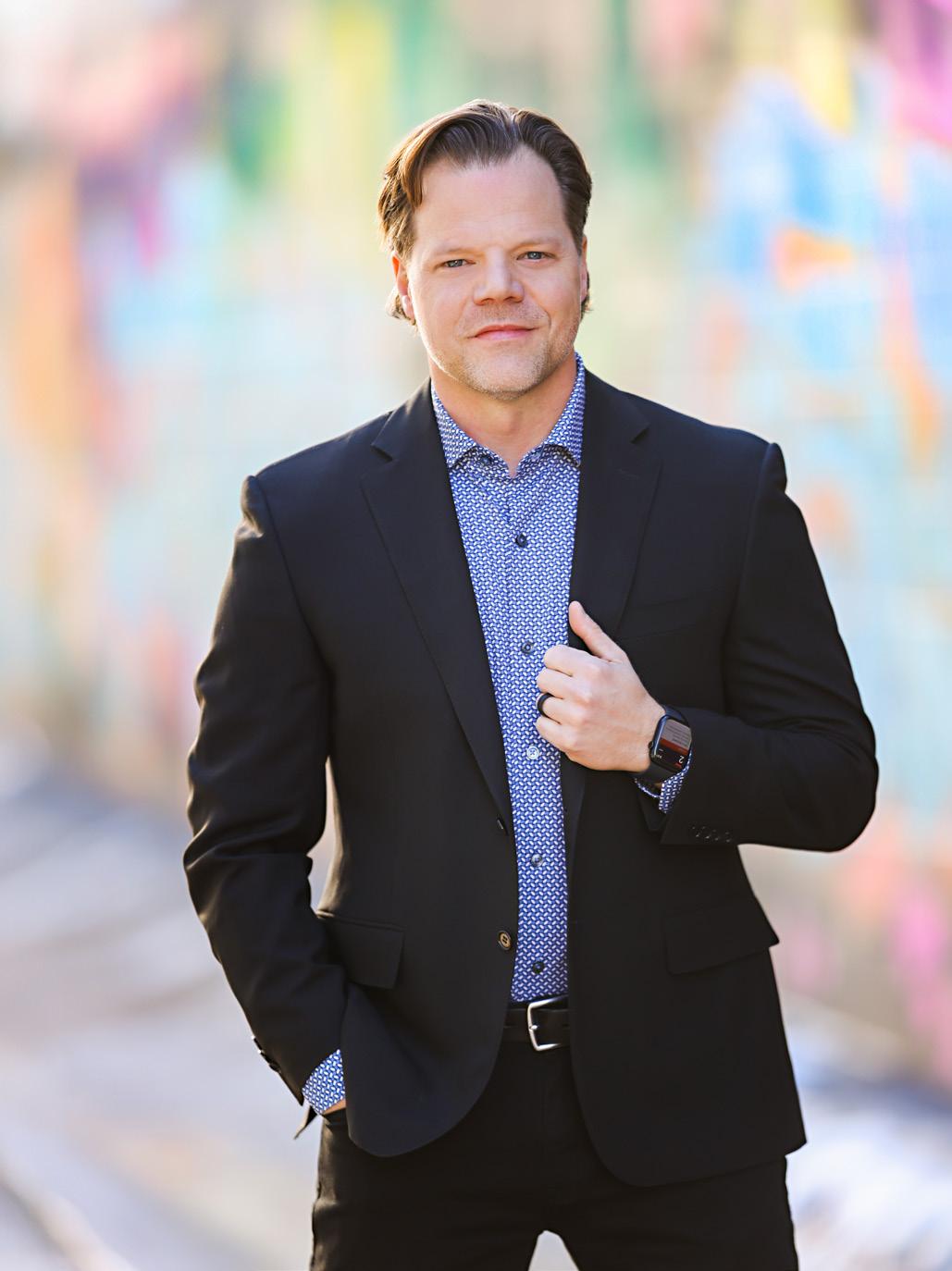
Connecting Business and Policy for Impact
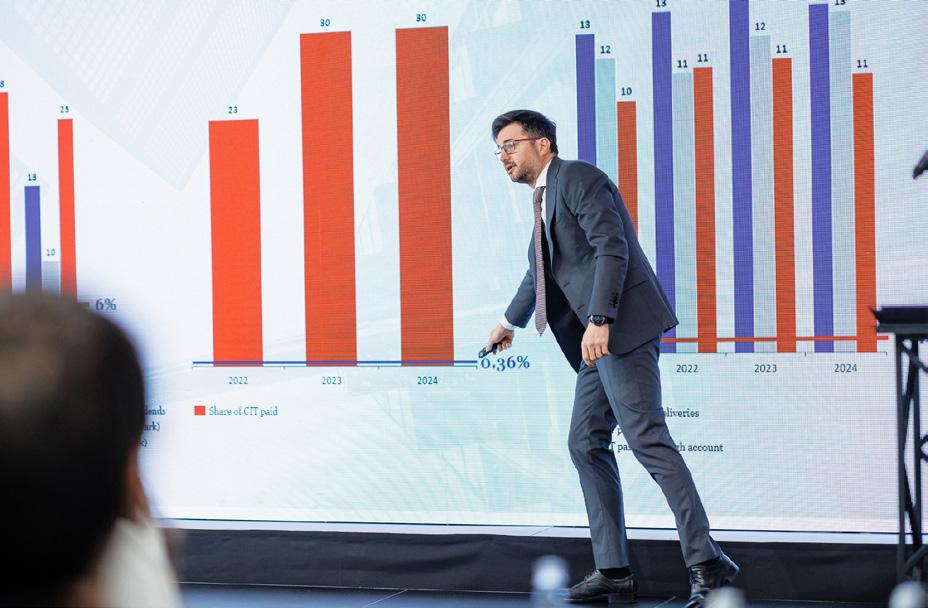
Alexandru Gozun is a Director at PwC Moldova with over 20 years of experience at the intersection of public policy, economic development, and governance reform. He leads complex advisory and transformation projects, working with governments, donors, and private sector stakeholders on investment climate reform, financial sector policies, and public administration modernization. At PwC, he has managed major donor-funded programs, including the UK Good Governance Fund, and contributes to PwC’s Global Government and Public Sector network. Earlier, he advised the Minister of Economy and the First Deputy Prime Minister and headed policy implementation roles. Alexandru is President of AmCham Moldova and a former Board Member of the European Business Association.
Recently, in an exclusive interview with CXO Magazine, Alexandru shared insights into his background and areas of expertise, focusing on public policy, economic development, and governance reform. He also shared his personal hobbies and interests, future plans, words of wisdom, and much more. The following excerpts are taken from the interview.
Head of PwC Moldova Office, PwC
Alexandru Gozun
Please share your background and areas of expertise.
My career has essentially been a long-term study of the intersection - that space where business reality, public policy, and institutional reform meet.
Today, I lead PwC Moldova and serve as President of AmCham Moldova. In practice, this means I spend much of my time translating what the private sector needs into frameworks the public sector can realistically implement.
Formally, my focus areas are economic development, governance frameworks, and, more recently, digital and AI-driven transformation. Much of my work revolves around questions like: How do you design a business climate where companies can grow without constantly running into administrative
“Minotaurs”? How do you align digital infrastructure investments with real economic use cases, not just innovation showcases? And how do you build AI governance in a small economy so innovation actually moves, instead of remaining a policy slogan?
But honestly, I see myself less as a technical expert and more as a connector. My work is about aligning people and institutions so that change is not a lucky break, but a systemic habit.
Looking back, every major career shift was a mental battle. When I moved from the public sector to the private one, my question wasn’t about the title - it was whether I could truly deliver at the level I expected of myself. I’ve always set the bar high. Sometimes uncomfortably high. But those uncomfortable decisions are exactly what built resilience, judgment, and perspective
Developing a Big4 advisory practice in a small and sometimes unpredictable market is very different from doing it in a mature economy
in me. After all, at any moment, we are the sum of the decisions we had the courage to take.
What do you love most about your current roles?
The leverage. Definitely.
I’m not just solving a single corporate puzzle - I’m involved in shaping the environment where hundreds of businesses operate.
When a better tax mechanism is introduced, it doesn’t help just one company - it changes operating conditions for an entire sector. When a public service goes from paper-based to integrated and digital, it can save thousands of hours across the economy, if it’s designed well enough not to sit on a shelf. When a policy supports SME digitalisation or AI adoption, the question is whether it’s just funding, or whether it actually shifts the productivity curve.
There’s something goosebump-inducing about seeing a complex, multi-industry initiative being shaped, or a better regulation pass, or a
Competition between countries is increasingly about talent attractiveness.
Education, digital ecosystems, quality of life, and institutional trust are becoming core economic variables
digital framework take root. And then watching the impact multiply over time.
But the human side is what keeps it meaningful. I work with both relentless young professionals and with wise experts who have seen decades of change and have already stepped on the rake you’re confidently walking toward. That perspective matters.
And honestly, nothing beats the moments when someone says a conversation helped them through a tough spot, or you see that “lightbulb” moment in their eyes, or you receive several emails in one day - from people of different ages and backgrounds - saying your thoughts resonated with them and they’d like to continue the conversation. That’s deeply rewarding.
At the end of the day, I try to be a bridge between sectors, generations, and sometimes completely different mindsets. It’s exhausting, but deeply meaningful.
One part of my story that shaped me deeply is building the consulting practice itself. Developing a Big4 advisory practice in a small and sometimes unpredictable market is very different from doing it in a mature economy. Here, consulting hasn’t always been bought for long-term value or quality - often it’s about fees - so creating an ethics-driven, serious advisory practice takes patience. When I assumed local leadership over a decade ago, the pipeline was quite sparse. What followed wasn’t a growth sprint, but a long trust-building marathon with clients, the market, and inside the team. Today, as the firm marks 30 years in Moldova, we are about 120 people, which I see as a significant achievement for a country with a population of 2.5 million, and it has been made possible through the active involvement and guidance of PwC Romania’s leadership.
But the work behind that growth is a constant balancing. Ambition vs. global risk rules, opportunities vs. compliance, speed vs. reputational discipline, all in a context of political and regulatory volatility. And maybe the hardest part is people. Asking a team to operate at global standards in an environment that doesn’t always reward that immediately requires purpose, not just targets. At the same time, delivery in a market like this cannot be run “by remote.” You have to be present, to sense the institutional logic, informal dynamics, and how decisions truly move. You can’t always just plug in an expert and expect the system to absorb them smoothly. You have to navigate across sectors, translate between local context and global standards, hold relationships, and then integrate the right technical depth at the right moment. It’s part advisory, part interpretation, part orchestration.
And now, with Moldova’s European path becoming more concrete, the need for governance, compliance, and real transformation is rising, and that makes our next phase of growth feel more aligned than ever.
With the evolving business landscape, what trends are you watching closely?
AI is the obvious one, but I try to look beyond the hype. I’m interested in how it reshapes the human parts of business - governance, decisionmaking, and what skills really matter when machines do more of the heavy lifting. Of course, the technical frontier matters too. Where the boundaries are moving, and whether there are still boundaries at all.
Geopolitical fragmentation is another key trend. Supply chains, energy systems, digital infrastructure. All are becoming more regionalised and security-driven. For a country like Moldova, positioning and agility are existential. We don’t have the luxury of strategic slowness.
Then come demographic shifts and talent mobility. Aging populations, migration, remote work, and skills gaps are reshaping labour markets. Competition between countries is increasingly about talent attractiveness. Education, digital ecosystems, quality of life, and institutional trust are becoming core economic variables.
And finally, rising social expectations toward business. The “license to operate” is increasingly social, not just legal. With the global trust in institusions declining, as per different barometers, including Edelmann Instituttes’, companies are expected to contribute to societal resilience, ethical technology use, and institutional trust.
How can business leaders contribute to societal development?
By genuinely stepping outside their bubble. Really. Our (modest) role isn’t just to critique - it’s to co-create. We should be co-architects of the society we want, not just commentators on the one we have. That’s what I try to promote in Moldova. I strongly believe in the quadruple helix modelnot as a buzzword, but as a practical approachwhere government, business, academia, and civil society work together. No single actor can drive systemic change alone.
In digital government, private-sector experience with user experience and process optimisation can dramatically improve citizen-facing services.
In education, businesses can help define future skills, internships, and practical pathways, not just complain about talent shortages. In AI governance, companies that use the technology daily can help shape realistic regulation.
Business leaders also have a built-in “BS detector”. A practical sense for efficiency and risk. That’s badly needed in areas like education reform and public sector modernization.
A recent discussion about career paths with my son Luka’s classmates reminded me of something simple: kids see a problem and immediately look for a direct solution. They don’t overcomplicate. That clarity is something leaders sometimes lose. Leadership is also about aspiration and
If in five years Moldova is seen as more credible, resilient, and forward-looking - a place where talent chooses to stay and capital feels safe - and I know I played a part in that, then I’ve succeeded
today’s leaders should shape the confidence of tomorrow’s, not diminish it.
Can you share a resource that inspired you recently?
I consume a lot of material, but some resources are less about novelty and more about perspective. One book I keep returning to is Factfulness by Hans Rosling.
Rosling showed how often our instincts about the world are wrong. Even among educated people. His data-driven perspective doesn’t deny problems but puts them into proportion. In leadership, that balance between realism and grounded optimism is powerful. In an environment full of dramatic headlines, that statistical calm helps you make decisions based on trajectory, not noise.
What’s the best career advice you’ve received?
The most valuable advice was actually advice I chose not to follow.
When I was first approached about joining PwC, some people whose opinions I respected advised against it. That fed the doubts I mentioned earlier. But looking back at the past 13 years - the projects, the failures, the resilience built - I’m grateful I didn’t follow that advice.
Growth often sits behind decisions that feel uncomfortable but aligned with your own sense of contribution.
What are your passions outside of work?
“Work-life balance” is still a moving target for me. Let’s call it a work in progress. What truly resets me is watching my two boys grow - in character, perspective, and
confidence. That gives meaning beyond any professional milestone.
Cooking is another reset. The precision of a good steak, pasta, or a properly executed Greek-style omelette is therapeutic. It’s one of the few things in life where you get immediate - and often delicious - feedback.
And I love to drive. Not to arrive - just to drive. It clears the mind, like a jog around a lake on a crisp autumn evening.
What is your biggest goal? Where do you see yourself in five years?
My goal has always been about contribution, not position.
If in five years Moldova is seen as more credible, resilient, and forward-looking - a place where talent chooses to stay and capital feels safe - and I know I played a part in that, then I’ve succeeded.
I see myself continuing to work at that messy, exciting intersection of business and policy, likely on a more regional or crossborder scale.
Helping build the “Moldova 2.0” our kids deserve.
What advice would you give to professionals moving into leadership?
Cultivate breadth, not just depth. Expertise opens doors, but understanding people and systems makes you a leader.
Stay authentic. People sense a corporate mask instantly. Leadership means ownershipespecially of failures.
And remember that your job isn’t to outsmart the room. It’s to make sure the room becomes smarter because you’re there.
Transforming Organizations through Talent
Cornelius Pantow is a Chief Human Resources Officer and Board-level leader with over a decade of experience in strategic human resource planning, talent management, and organizational development across Indonesia and Southeast Asia. He has led people transformation initiatives in large enterprises and high-growth organizations, including technology, financial services, and consumer industries. A certified HR professional and licensed assessor, Cornelius is recognized as a 40 Under 40 Asia HR Leader and Top 10 Voices in HR. He is passionate about unlocking human potential through balanced governance, inclusive culture, and human-centered leadership.
Recently, in an exclusive interview with CXO Magazine, Cornelius shared insights into his passion for HR and talent management, sparked by bridging the gap between people and business. In the next 5 years, Cornelius sees HR evolving with technology, emphasizing the importance of human judgment and strategic insight. He also shared his personal hobbies and interests, future plans, words of wisdom, and much more. The following excerpts are taken from the interview.
Cornelius Pantow Chief Human Resources Officer & Board of Directors, PT Esensi Solusi Buana (ESB)
Hi Cornelius. What sparked your passion for HR and talent management?
My passion for HR and talent management comes from working at the intersection of people and business. Human expectations— aspirations, values, and emotions—often differ from organizational needs such as performance, sustainability, and growth. HR exists to bridge that gap. Through talent management, we align individual purpose with business direction so both can move forward with clarity and mutual trust.
What do you love the most about your current role?
What I value most is meeting people and listening deeply to their perspectives, while also helping organizations understand their people better. This role requires constant balance, empathy, and judgment, which makes it both challenging and rewarding. It allows me to contribute meaningfully—not just as a professional, but as someone who helps individuals and organizations navigate complex realities together.
How do you see HR evolving in the next 5 years?
HR will continue evolving alongside technology. While there is concern that technology may replace HR, history suggests the opposite. HR has always evolved through new tools—from administrative systems to strategic frameworks. Technology is simply the next enabler. The future of HR depends on how effectively we use technology to support business outcomes while preserving human judgment and strategic insight.
The future of HR depends on how effectively we use technology to support business outcomes while preserving human judgment and strategic insight
In your opinion, what’s the future of employee engagement and experience?
Employee engagement and experience will increasingly be supported by digital platforms. Many processes that were once fully in-person— such as onboarding and induction—are now automated or virtual. However, engagement is ultimately about human connection. Technology can enhance efficiency, but empathy, trust, and meaningful interaction still require human presence. The future lies in balancing digital experience with authentic human touch.
How do you see diversity, equity, and inclusion shaping HR strategies?
Diversity, equity, and inclusion play a significant role in shaping HR strategy, particularly in creating fair access to opportunities without unnecessary labels or categorization. However, DEI should never become a performative exercise or a branding statement. It is an organizational responsibility, not a showcase. True inclusion is practiced through everyday decisions, respect, and accountability—not through public exposure.
Congratulations on being recognized among the Top 10 Voices in HR! Our readers would love to know the secret mantra behind your success.
My personal mantra is persistence and compliance. In HR, we operate between empathy and structure. While understanding people is essential, governance and compliance provide the boundaries that protect both employees and organizations. Persistence means viewing challenges as learning opportunities rather than failures. Every difficulty I encountered
throughout my career became a foundation for growth and long-term impact.
Can you share a book, podcast, or resource that has inspired you recently?
One book that deeply inspired me is Effortless by Greg McKeown. It emphasizes the importance of making what truly matters easier to execute, rather than glorifying constant struggle. It offers valuable insights on prioritization, especially for professionals navigating complexity and overload. Another impactful book is Life Is Short, Make It Great by Dale Carnegie, which explores balance, stress management, healthier living, and meaningful human interaction. Both reinforce the importance of human-centered leadership.
What are some of your passions outside of work? What do you like to do in your time off?
Outside of work, I am passionate about physical exercise. Regular activity—whether cardio or strength training—helps me manage stress and maintain mental clarity. Research consistently shows that exercise improves mood, focus, and resilience. It plays a crucial role in how I stay energized, innovative, and emotionally balanced in my professional life.
What is your biggest goal? Where do you see yourself in 5 years from now?
My biggest goal is to continue contributing professionally while serving as a positive example for HR practitioners. When people tell me they gained professional insight or life lessons from working together, that is deeply fulfilling. In the next five years, I aspire to contribute more broadly to the HR ecosystem—both in Indonesia
My biggest goal is to continue contributing professionally while serving as a positive example for HR practitioners
and internationally—by creating sustainable impact at a larger scale.
What advice would you give HR professionals looking to make an impact? HR professionals must understand context— business context, human context, and cultural
context. Decisions should be grounded in values, both personal and organizational. HR is not solely about enforcing compliance; it is about governance with empathy. When HR balances structure with humanity, it becomes a strategic force that enables organizations to grow and positively influence the industry.
Empowering Workplaces through People-First Culture
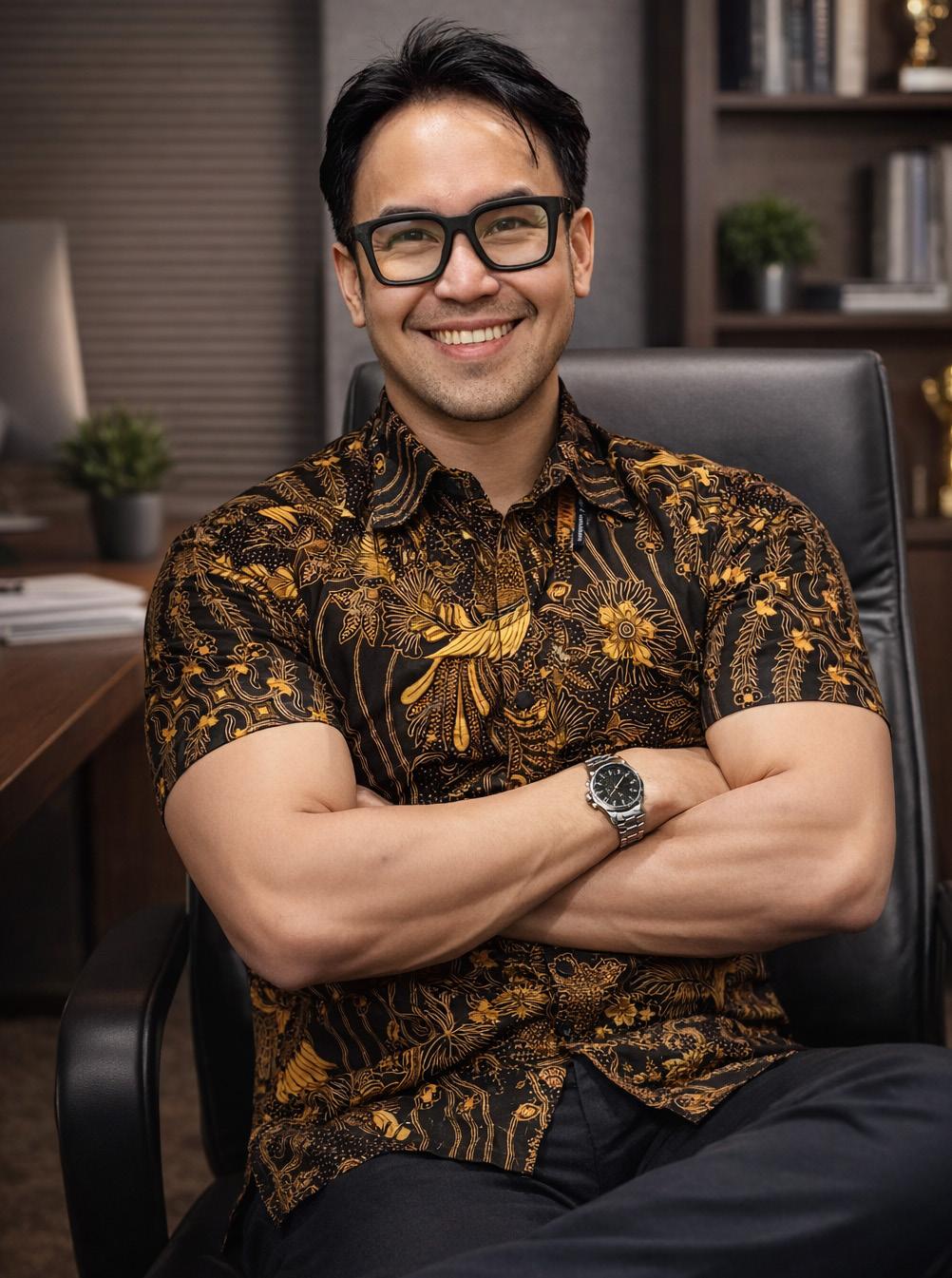
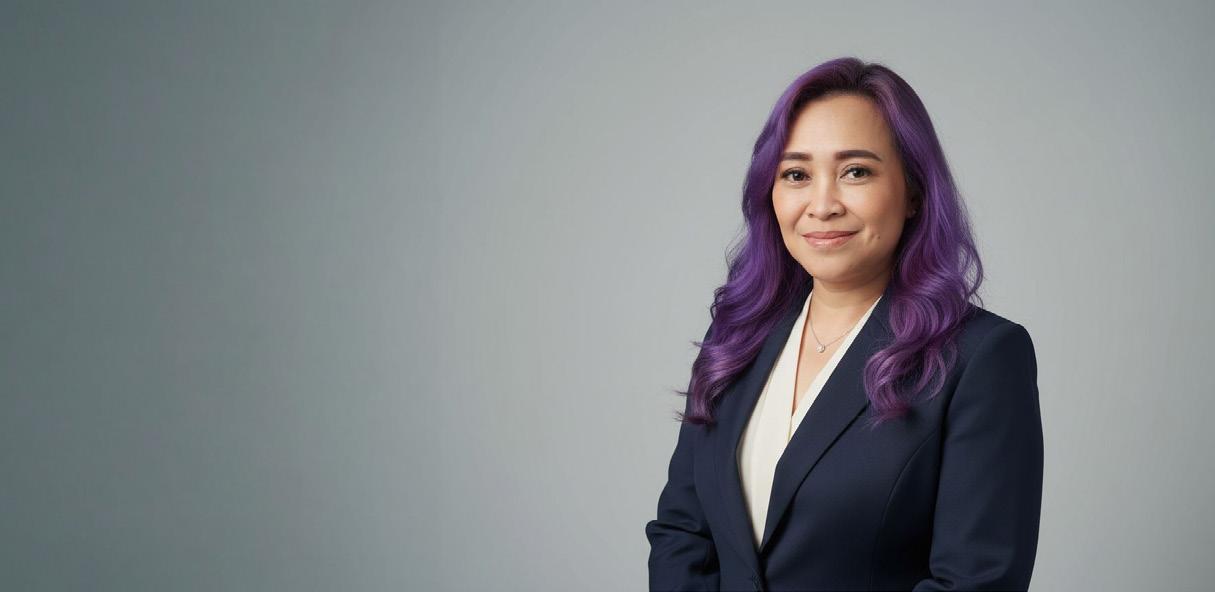
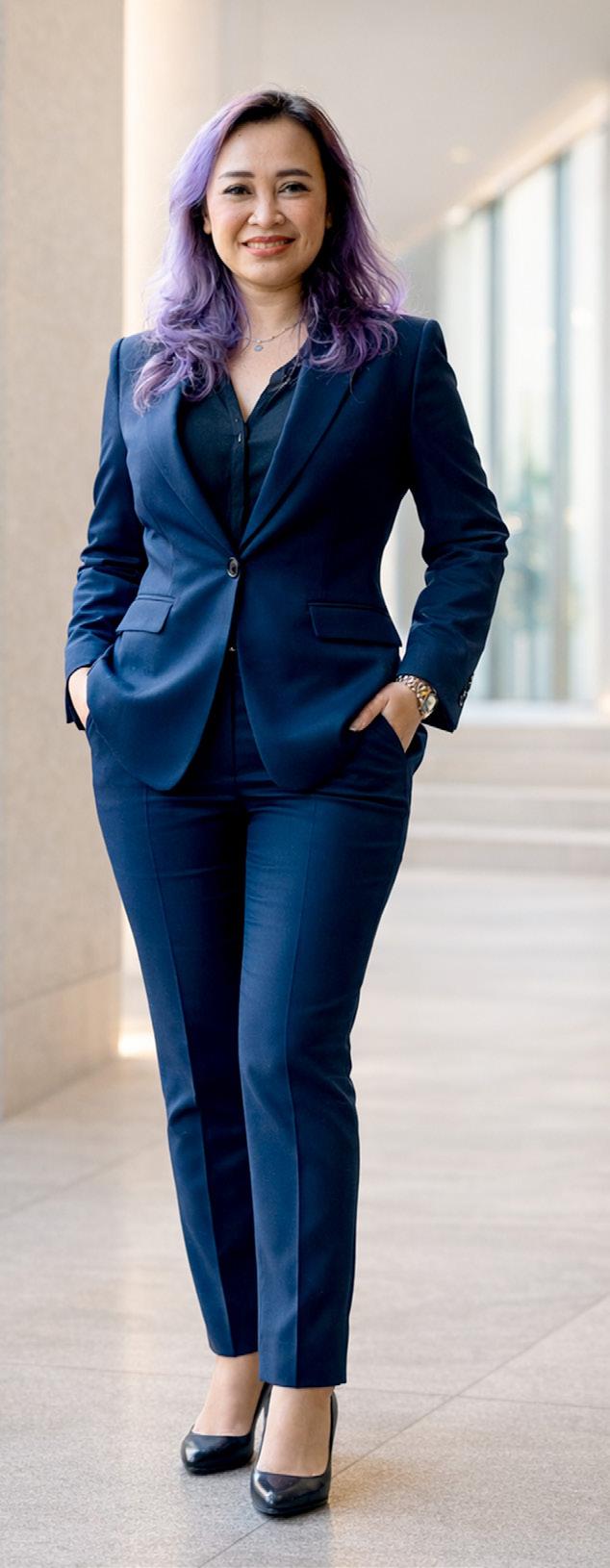
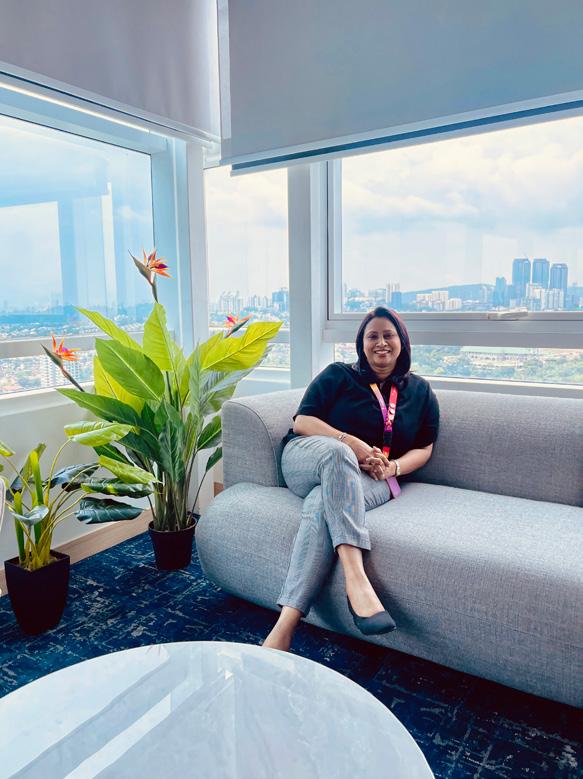
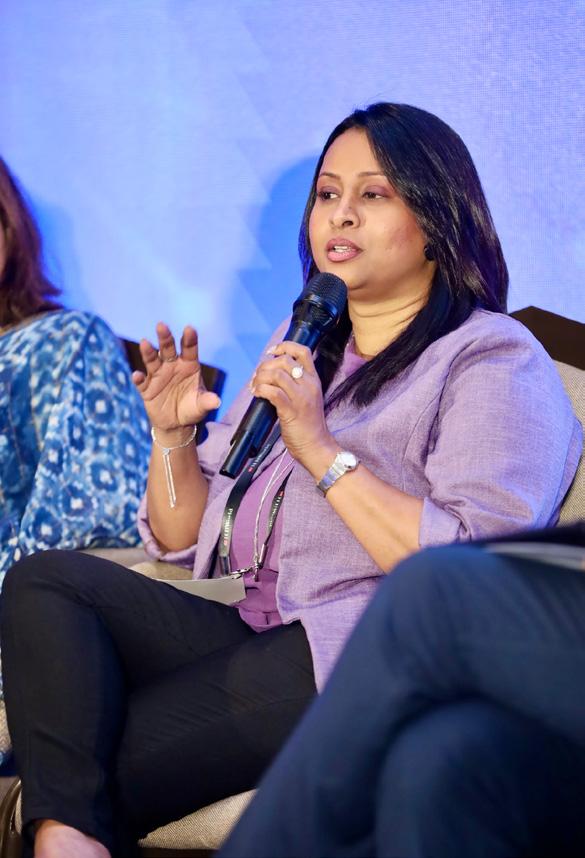
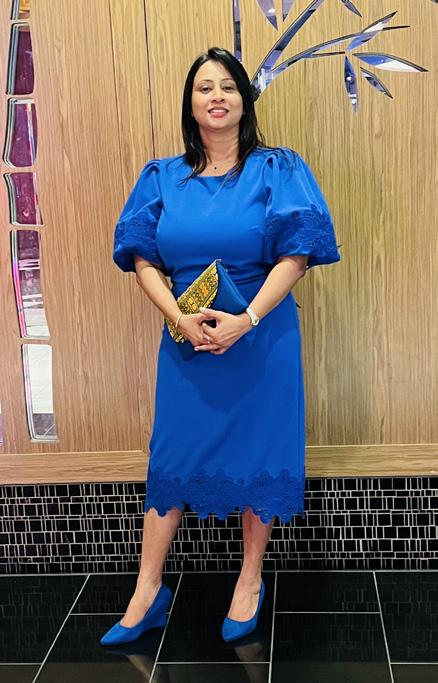
Wulan Ranny is a People Whisperer, Culture Crafter, and HR Rebel with 24+ years of experience, building legacies and unlocking human potential. As Head of People Engagement & Culture, consultant, podcaster, and speaker, she spreads contagious happiness and radical collaboration. She is a CoFounder of AhensiexAhensi and Secretary General of PMSM Indonesia. Her life mantra: “There’s no finish line when you’re running on purpose”.
Recently, in an exclusive interview with CXO Magazine, Wulan shared insights into her 24+ year journey in HR, revealing what sparked her passion for people and culture. She emphasized that HR is about unlocking potential and building workplaces where people feel seen, valued, and empowered to thrive. In the next 5 years, she predicts HR will evolve into a strategic powerhouse driven by data, empathy, and agility, with a focus on people analytics, employee experience, and skills-based organizations. She also shared her personal hobbies and interests, future plans, words of wisdom, and much more. The following excerpts are taken from the interview.
Head of People Culture and Engagement, TechConnect
(Wulan) Ranny
Hi Wulan. With 24+ years in HR, what sparked your passion for people and culture?
My passion for people and culture started long before I realized it was “HR.” I’ve always been fascinated by what makes people come alive at work — what motivates them, what frustrates them, and what helps them grow. Over the years, I’ve seen how the right culture can transform not just performance, but confidence, collaboration, and even someone’s sense of purpose.
What keeps me committed after 24+ years is simple: people are endlessly inspiring. Every transformation, every breakthrough, every “aha” moment reminds me why I do this. HR, for me, has never been about policies — it’s about unlocking potential and building workplaces where people feel seen, valued, and empowered to thrive.
What do you love the most about your current role?
What I love most is the privilege of shaping both people’s experience and business strategy at the same time. In my current role, I get to sit at the intersection of HR, shared services, and marketing — turning culture into a strategic enabler, not just a “support function.”
I enjoy translating big visions into clear systems, impactful campaigns, and everyday behaviors that people can feel. Whether it’s designing performance frameworks, strengthening employer branding, or building communities through events and storytelling — I love creating things that move people.
And honestly, the best part is the people I work with. Collaboration energizes me. Celebrating wins together fuels me. Helping teams grow — that’s the heartbeat of my work.
HR is entering its most exciting era. In the next five years, I see HR evolving into a strategic powerhouse driven by data, empathy, and agility
How do you see HR evolving in the next 5 years?
HR is entering its most exciting era. In the next five years, I see HR evolving into a strategic powerhouse driven by data, empathy, and agility.
A few shifts are already clear:
a. People analytics will become non‑negotiable. Decisions will rely less on intuition and more on insights that predict performance, engagement, and capability needs.
b. Employee experience will be treated like customer experience. Personalization, journey mapping, and brand consistency will matter more than ever.
c. Skills, not roles, will define organizations. Mobility, upskilling, and internal marketplaces will reshape how talent grows.
d. HR will lead culture transformation, not just support it. From wellbeing to leadership behavior, HR will be the architect of how organizations adapt and stay human.
e. Marketing and HR will merge more deeply. Storytelling, branding, and communitybuilding will become core HR capabilities.
In short, HR will be less about administration and more about shaping the future of work — with heart, data, and purpose.
How does diversity, equity, and inclusion fit into HR’s role?
For me, DEI is not a program — it’s a mindset that shapes how an organization treats its people. HR’s role is to make sure every individual feels they belong, have equal access to opportunities, and are able to contribute without barriers.
It begins with listening, continues with fair systems, and becomes a reality when leaders
model inclusive behavior. DEI is woven into hiring, development, performance, and even how we celebrate wins. When people feel safe and valued, they bring their best selves — and that’s when culture becomes a competitive advantage.
What skills do HR professionals need to thrive in today’s workplace?
Today’s HR needs a blend of heart, data, and business acumen. A few essentials:
a. People analytics to make decisions based on insights, not assumptions.
b. Strategic thinking to connect talent, culture, and business outcomes.
c. Communication and storytelling to influence leaders and inspire employees.
d. Change agility because transformation is constant.
e. Coaching and empathy to support people through complexity.
f. Branding and experience design as HR becomes more like CX.
The HR professional of today is not just an administrator — they are a strategist, a communicator, and a culture architect.
How do you stay connected to the pulse of people and culture in organizations?
I stay close to the ground. I listen — not just to what people say, but to what they don’t say. I observe energy in meetings, hallway conversations, and team dynamics. I ask questions, I check in, and I stay curious.
I also rely on data: engagement insights, performance patterns, and feedback loops. But the real pulse comes from being present — joining discussions, facilitating workshops,
and creating spaces where people feel comfortable sharing their truth. Culture lives in everyday moments, and I make it a point to be there.
Can you share a book, podcast, or resource that has inspired you recently?
Recently, I’ve been inspired by resources that blend leadership, psychology, and human behavior. One that stands out is “The Culture Code” by Daniel Coyle — a great reminder that strong cultures are built through safety, connection, and purpose.
I also enjoy short-form leadership insights and conversations that spark reflection — the kind that remind us to stay human while driving performance. Anything that helps me understand people better always fuels my work.
What are some of your passions outside of work? What do you like to do in your time off?
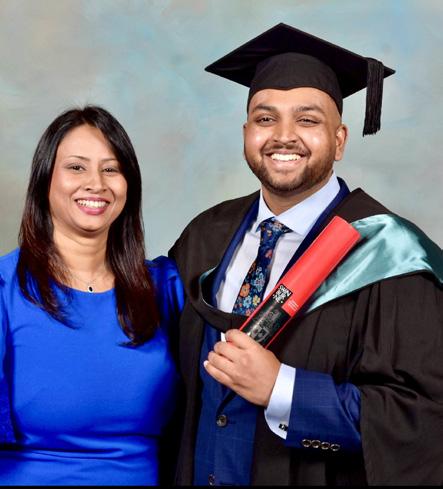
Outside of work, I find energy and peace in nature. I love being near the beach, watching the sky shift colors, and feeling that quiet reminder that life doesn’t always need to rush. I’m happiest when I’m surrounded by my kids and my seven dogs! — they’re my daily source of joy, grounding, and unconditional love.
Music is another constant companion. It helps me reset, reflect, and sometimes simply breathe. And I treasure my quiet moments: journaling, slowing down, and reconnecting with myself. Those
My biggest goal is to create meaningful impact — to build workplaces where people feel empowered, valued, and inspired to grow
small rituals keep me centered, creative, and ready to show up fully for the people I serve.
What is your biggest goal? Where do you see yourself in 5 years from now?
My biggest goal is to create meaningful impact — to build workplaces where people feel empowered, valued, and inspired to grow. In the next five years, I see myself expanding my influence as a strategic HR and culture leader, shaping transformation at scale.
I want to continue bridging HR, business, and branding — turning culture into a strategic engine for performance. And I hope to contribute more to communities, events, and learning platforms that elevate leaders and HR professionals across Indonesia and beyond.
What advice would you give HR leaders navigating change?
Lead with clarity, empathy, and courage. Change is never just about systems — it’s about people. Communicate often, listen deeply, and help teams understand the “why” behind every shift.
Stay grounded in data, but don’t lose the human touch. Be adaptable, be transparent, and be willing to make tough decisions with kindness. And remember: HR doesn’t just manage change — HR guides it. When leaders see HR as a strategic partner, transformation becomes not just possible, but sustainable.
Building a Brighter Future for Retail
Michael Schneider was appointed Bunnings’ Managing Director in 2016. Michael joined Bunnings in 2005, and prior to this held a range of senior operational, commercial and human resource roles across regional and national markets, in retail and financial services. Outside Bunnings, Michael supports a range of not-for-profit and community organisations. He holds board roles with the Corporate Mental Health Alliance of Australia, Melbourne United Basketball Club and is also a Board Member of the Global Home Improvement Network, representing some of the world’s leading home improvement businesses. In addition, Michael chairs FightMND.
Recently, in an exclusive interview with CXO Magazine, Michael shared insights into his passion for retail and leadership. Looking ahead, Michael sees retail evolving with technology, data, and AI playing a bigger role, while emphasizing the importance of sustainability as an imperative for retailers. He also shared his personal hobbies and interests, future plans, words of wisdom, and much more. The following excerpts are taken from the interview.
Michael Schneider Managing Director, Bunnings Group
With a career spanning over 25 years, what sparked your passion for retail and leadership?
I started my career on the shop floor at Target, and retail has a way of getting you hooked early. It’s fast-paced, people-focused and very real - you see the impact of your decisions immediately, whether that’s on customers or team members. Leadership came a little later, encouraged by managers who saw potential in me and pushed me to step outside my comfort zone. What’s kept me in retail is the opportunity
to make environments better for people whether that be for team members, customers or the wider community.
What do you love the most about your current role?
The people, without question. I’m fortunate to work with passionate, capable teams across the business, and I really value the time I spend in stores and sites hearing directly from them. I also love the breadth. Balancing commercial outcomes with team development and
Strong commercial performance relies on engaged, capable teams, and that comes back to good leadership and people practices
community impact keeps the role interesting and meaningful. No two days are the same, and that energy really suits me.
You’ve led teams across operations, commercial, and HR — how do you balance these different aspects?
I don’t tend to think about them as separate pillars; they’re all interconnected. Strong commercial performance relies on engaged, capable teams, and that comes back to good leadership and people practices. My focus
is on being present, listening carefully and understanding the context before making decisions. Ultimately, the question I come back to is: how do we make this better for our team, customers, suppliers and other stakeholders?
Looking ahead, how do you see retail evolving in the next five years?
Retail will continue to move faster and become more connected digitally, operationally and culturally. Technology, data and AI will play a bigger role, but the human element will remain critical. Customers will expect convenience and value, but also authenticity and trust. For retailers, staying curious, adaptable and genuinely connected to customers and teams, including face-to-face, will be essential, and this is something we prioritise at Bunnings through our 55,000-strong team.
In your opinion, what’s the importance of sustainability in retail today?
Sustainability is no longer optional, it’s an imperative. Retailers have a real opportunity and responsibility to lead by example, whether that’s through sourcing, waste reduction or giving customers options to help them make more sustainable choices. Done well, sustainability delivers long-term value for communities, the environment and the business, and that balance really matters to us. We’ve made real progress on our sustainability journey, including reaching 100 per cent renewable electricity across our store network in 2025 as part of our commitment to net zero Scope 1 and 2 emissions by 2030. But we know this is just the start. We’re continuing to invest in practical actions that reduce our footprint
Seeking guidance and learning from others can be just as important as technical skills and you would certainly requires this from time to time
- including through packaging, expanding battery recycling and transitioning to a loweremissions vehicle fleet.
Can you share a book, podcast, or resource that has inspired you recently?
I enjoy podcasts like 15 Minutes with the Boss because they offer honest reflections from leaders about habits, challenges and learning. Often the simplest insights are the most powerful. I’m also a big believer in learning from the people around you; some of the best inspiration I get comes from conversations with team members on the ground.
How do you stay connected to customers and team members in a dynamic retail landscape?
I make a conscious effort to get out into stores and sites regularly. Nothing beats being on the ground and interacting with people directly. I also try to be responsive and accessiblegetting back to people quickly matters. Walking meetings, informal conversations and taking the time to listen all help keep me grounded in what’s really happening. I prioritise my time so I can stay engaged and active through our various internal communication channels as much as possible.
What are some of your passions outside of work? What do you like to do in your time off?
I enjoy staying active with early morning exercise when I can, especially when travelling, and find it’s a great way to reset. I also value time with family and friends and making space for a laugh. Being present outside of work is just as important as being present in it.
What is your biggest goal? Where do you see yourself in five years from now? My biggest goal is to have a positive impact on our teams, the business and the communities we serve. I’ve learned not to be too focused on titles or rigid plans. In five years, I hope I’m still learning, still challenged, and still helping create opportunities for others to thrive.
What advice would you give leaders looking to drive change in their organisations?
Start with people. Change sticks when teams feel heard, supported and trusted. Be curious, stay present and don’t underestimate the importance of emotional intelligence. Leadership isn’t about having all the answers, it’s about creating a space where others can do their best work and feel empowered to share outside of the box ideas which are usually the best ones.
Advancing Finance for a Better Tomorrow
Izzad Shamsudin possesses close to 20 years of extensive experience in finance leadership roles across diverse industries and roles. He served various multinationals corporations throughout his career. He was the Group Chief Financial Officer at QSR Brands (M) Holdings Berhad, where he led the strategic financial performance and treasury function. Izzad also was a partner with Deloitte and a member of Country Senior Leadership Team. During his tenure with Deloitte, he also led the Government & Public Services and Telecommunications & Multimedia sector practices sector. His other working experience includes working in professional practice firms, both audit & assurance and consulting as well as another listed corporation.
Izzad is a Fellow with the Institute of Chartered Accountants in England and Wales, a member of CPA Australia and Malaysia Institute of Accountants. He graduated from Cardiff University with BSc (Hons) Accounting.
Recently, in an exclusive interview with CXO Magazine, Izzad shared insights into his career journey, leadership philosophy, and views on the future of finance. He believes AI will reshape financial reporting by 2030 into a more continuous, insight-driven process, and stressed the need for finance teams to upskill in data literacy, commercial interpretation, and governance. He also shared the secret mantra behind his success, personal hobbies and interests, future plans, words of wisdom, and much more. The following excerpts are taken from the interview.
Izzad Shamsudin Chief Financial Officer, KPJ Healthcare Bhd
Hi Izzad. What sparked your transition from audit to leadership roles in finance? I was in both audit and advisory practices, I spent years advising businesses at critical moments— growth, transformation, risk, and decisionmaking. What sparked my transition was realizing I wanted to move from being a trusted advisor on the outside to owning those decisions on the inside.
In a finance leadership role in corporate, I can apply the same rigor, judgment, and stakeholder management I developed over the year, but with direct accountability for outcomes and the ability to influence strategy end-to-end. The shift was really about impact: moving from evaluating performance to driving it. I must say, I really enjoy this.
What do you love the most about your current role?
What I enjoy most is the ownership. I’m close to the commercial decisions, accountable for outcomes, and able to see the direct impact of my work on performance. I also value the pace and collaboration—working cross-functionally to solve real problems in real time. The ability to turn insight into action is exciting! I also get the opportunity to mentor many colleagues and learn from them as well.
In your opinion, how will AI reshape financial reporting by 2030?
Change is the only constant in the modern world. AI will fundamentally shift financial reporting from a backward-looking compliance exercise to a more continuous, insight-driven process. Routine tasks such as data extraction, reconciliations, journal testing, and variance analysis will be largely automated, improving both speed and accuracy.
AI will fundamentally shift financial reporting from a backwardlooking compliance exercise to a more continuous, insightdriven process
The real change, though, will be in judgment and interpretation. Finance professionals will spend less time preparing numbers and more time explaining them, linking financial results to operational drivers, risks, and strategy. Governance would not disappear as AI advances, it will evolve. Strong controls over data, models, and assumptions will be critical, and human oversight will remain essential. This is particularly crucial around estimates, disclosures, and ethical use.
Looking at the current tech landscape, how should finance teams be upskilled for emerging tech like AI and data analytics?
Finance professionals need to continuously unlearn and relearn as emerging techs continue to be introduced. Finance professionals do not all need to become data scientists, but they do need to become confident consumers and believers of AI and analytics. Upskilling should focus on three areas: data literacy, commercial interpretation, and governance.
Equally important skills is the ability to translate insights into decisions, linking analytics to commercial outcomes.
The most effective and scalable approach is a blend of targeted trainings, hands-on use cases, and cross-functional exposures rather than oneoff technical courses. One thing that is nonnegotiable is self-interest in learning!
Can you share a book, podcast, or resource that has inspired you recently? Recently, I was given a book written by Parag Khanna, More Praise for Move: Where People Are Going for a Better Future, and reading it gave me some fresh perspectives. The book
reframes migration and human mobility not as a challenge, but as a key driver of growth, opportunity, and adaptability. What struck me most is how it highlights the importance of being proactive and forward-looking, understanding where trends are heading and positioning yourself and your organization to benefit from them.
In business, as in life, this translates into being open to change, embracing new perspectives, and anticipating shifts before they happen. It reinforces the idea that leadership is not just about managing the present, but about preparing for the future and creating meaningful impact. I find myself drawing on these principles every day, whether in strategy discussions, mentoring teams, or making decisions that balance risk with longterm opportunity.
How do you stay updated on global finance trends impacting Malaysia?
There are so much things happening on the global stage and we cannot afford to miss them. I stay close to global finance trends, but I filter them deliberately through a Malaysia lens. I follow both macro and regulatory developments, these include the rates, capital flows, accounting standards, and geopolitics. I also scanned through a mix of global publications and regional sources, and then sense-check what actually matters for Malaysia’s market.
Just as importantly, I stay engaged with the market by talking and mingling with others in my daily life - bankers, auditors, regulators, investors, and peers. Those conversations help me stay current, challenge my thinking, and accumulate a richer set of perspectives beyond what’s written in reports.
Many congratulations on being recognized as one of the 10 CFOs across Asia whose work is reshaping industries. Our readers would love to know the secret mantra behind your success.
Thank you. I am genuinely grateful and truly honoured for the recognition.
I do not believe there is a single secret mantra, but if I had to distil it, it would be humility, curiosity, and courage.
Humility to recognize that no leader has all the answers, and that the best decisions come from listening closely and having constant desire to learn and enrich ourselves with knowledge, to and from the business, colleagues, and diverse perspectives across the organization. No detail is too small, I am all ears.
Curiosity to continuously learn, challenge assumptions, and adapt in a fast-changing and complex market.
Courage to make tough calls, balance shortterm pressures with long-term value creation, and stand by decisions when it truly matters.
I also believe the CFO role has significantly evolved well beyond finance stewardship and operatorship. Today, it’s about being a trusted strategic and catalyst partner, helping to shape and architect growth, resilience, and responsible outcomes for all stakeholders. Above all, this journey is never an individual one. Whatever success I have had is deeply rooted in the strength of the teams I have worked with and the culture of trust and collaboration we have built together.
What are some of your passions outside of work? What do you like to do in your time off?
Outside of work, I create time to stay active and spending time outdoors. Cycling is something I particularly enjoy and invest resources in it. It gives me space to think, reset, and maintain both physical and mental discipline. Long rides teach patience, endurance, and focus, qualities that translate surprisingly well into leadership. Climbing hills, in particular, teaches mental strength, as muscles ache and energy depletes,
My biggest goal is to continue creating meaningful, long-term value beyond financial performance and becoming the best I can be in whatever I do, while ensuring that my work and contributions benefit others.
yet you learn to stay focused, pace yourself, and keep moving forward in challenging times. Cycling also allows me to catch up with my friends and colleagues who share similar interests.
I also enjoy riding superbikes, which, while very different from cycling, brings a healthy adrenaline rush along with its own kind of clarity. It demands complete presence, respect for precision, and sound judgment. There is no room for distraction and error at high speed and corners! I enjoy the responses of highrevving engine and the distinctive sound of the exhaust.
Together, these pursuits help me disconnect from day-to-day pressures, recharge, and return to work with renewed energy and perspective.
What is your biggest goal? Where do you see yourself in 5 years from now?
My biggest goal is to continue creating meaningful, long-term value beyond financial performance and becoming the best I can be in whatever I do, while ensuring that my work and contributions benefit others. I am motivated by the idea of growing the business stronger than I found it, with the right systems, talent, and culture to succeed well beyond any individual role.
Looking ahead five years, I see myself deeply advancing at the intersection of strategy, innovation, finance, and leadership, potentially in a role that may not even be confined to finance. I aspire to be recognized as a thought leader, someone who not only drives results but also shapes perspectives, mentors the next generation of leaders, and helps organizations navigate complexity with focus, discipline, and purpose. Ultimately, success for me will be
measured by excellence, the positive impact I create, and helping others thrive along the way.
What advice would you give to someone looking to pursue a career in finance?
My advice to anyone looking to pursue a career in finance would be threefold:
First, build a strong foundation in financial knowledge, but do not stop there and learn the bigger picture that binds everything together. It is important to understand how finance connects to strategy, operations, and the broader business. A good finance professional is someone who understand the business and having a business acumen.
Second, cultivate curiosity and adaptability. The business environment is constantly evolving, and the most effective finance professionals are those who can anticipate change and provide insights, not just numbers. Also not to forget, the single biggest investor in a life of a finance professional, is himself/ herself, so he/ she would need be selfdriven in learning, thinking and adapting!
Finally, focus on impact, integrity, and guidance. Finance is a powerful tool, and how you use it can shape organizations, careers, and even industries. I was fortunate to have a few mentors along the way who guided and shaped my journey. Seeking guidance and learning from others can be just as important as technical skills and you would certainly requires this from time to time.
Most importantly, remember that a career in finance is a journey altogether, one that requires continuous learning, resilience, and collaboration, and it is this journey that ultimately shapes both your success and your legacy. Also, never forget those who supported and sacrificed for you throughout the journey, your parents, spouse and children.
Driving Transformation through People Focus
Rekha Weerasooriya is the Group Chief People Officer at Dialog Axiata PLC, Sri Lanka’s premier telecommunications provider. Interesting fact, she is a Certified Happiness Coach from the Berkeley Institute of Well-Being, California. With over 26 years of experience, a hybrid HR and CX professional Rekha has held multiple roles at Dialog and Axiata Corp Centre, specializing in CX (B2C & B2B), HR, and leading People Governance in multiple M&A projects, and organization-wide transformation. Recognized as “Axiata Champion,” the top 0.5% elite performers by Axiata Group Malaysia. Rekha is a Certified Trainer from City & Guilds, UK, and a Lean Six Sigma Black Belt professional. She holds an MBA from Buckinghamshire New University, UK. Her accolades include “Leadership in the Field of HR & Diversity Sector” by Women in Management, “Young HR Talent of the Year” at the Digital HR Transformation Summit Malaysia, and “HR Excellence Practitioner” by HRO Today Association USA. Rekha serves on several boards, including APAC Board of Advisors of HRO Today Association, Customer Institute Board, and CX Network Advisory Board.
Recently, in an exclusive interview with CXO Magazine, Rekha shared insights into her career journey in HR, CX, and Org Transformation. Starting as a frontline representative, she developed empathy for customers and teams, working across seven portfolios and reporting to seven C-suite leaders. She addresses HR and CX challenges like pace of change and alignment, leveraging AI and ML for efficiency. She also shared her personal hobbies and interests, future plans, words of wisdom, and much more. The following excerpts are taken from the interview.
Group Chief People Officer, Dialog Axiata PLC
Rekha Weerasooriya
Hi Rekha. Can you walk us through your career journey and how you developed your expertise in HR, CX, and Org Transformation?
I began my career immediately after school as a frontline representative, working in retail outlets and call centres. Starting in service was a solid foundation for me, as it helped me understand the fundamentals of customer satisfaction and its direct impact on business outcomes. More importantly, it allowed me to empathise deeply with both customers and frontline service teams, a perspective that has stayed with me throughout my career.
Over the years, I have worked across seven different portfolios and reported to seven C-suite leaders, including three dual-reporting roles within the business. My experience has spanned customer experience across B2C
and B2B, business roles, service culture transformation, organisational transformation, and HR. A secondment to the Axiata Corporate Centre in Malaysia further broadened my exposure. Working in multicultural, highgrowth environments sharpened my thinking and reinforced a belief that collaboration, trust, and transparency are essential to unlocking potential and sustained progress.
One of the key enablers of my growth was my willingness to move across the organisation and take on both operational and governance roles. This helped me build confidence, broaden my perspective, and deepen my understanding of the business. Knowing the business and understanding context is pivotal, particularly in people and transformation roles.
Continuous learning has been another important enabler. Staying open to new ways of working and choosing to lead change from the front allowed me to function as a change catalyst rather than a passive observer. I have always believed that if you aspire to succeed in a role, you must perform at the level of the role you aspire to. That mindset consistently accelerated my growth.
It is important not to become too comfortable in any one function or role. Careers, like people, need regular workouts. There is a saying that you are not a tree, you can move. Taking on challenges and stretching into unfamiliar spaces has been critical to my development.
As a single mother, continuing to work hard as a breadwinner was not optional. There were periods that were extremely demanding, requiring longer hours and greater effort, but the responsibility to deliver was clear. Being able to put my son through a college education remains one of the most meaningful rewards of
my career, even more than my own professional milestones.
Finally, I place strong emphasis on personal brand. As John D. Rockefeller once said, “The secret of success is to do the common thing uncommonly well.” I have always believed in being deeply committed to what I do, showing up with passion, consistency, and excellence every single day.
What’s the most rewarding part of your job, and why?
The most rewarding part of my role is seeing the growth of our people and contributing to the continuation of an organisational legacy that genuinely empowers talent. When individuals progress from the grassroots of the organisation into leadership and C-suite roles, as I did, it speaks volumes about the opportunities created and the culture that supports growth.
That said, success is a two-way street. While the organisation must create the right environment and enablers, employees also have a responsibility to step up, stretch themselves, and fully embrace the opportunities made available to them.
Over the years, I have had the privilege of witnessing many employees grow, succeed, and even thrive beyond our organisation. Knowing that their journeys were shaped, in some way, by the platforms and experiences we helped create remains deeply fulfilling.
In my current role, I can focus on building the enablers that support long-term growth and success. This is particularly meaningful because the impact extends well beyond individuals to teams and the organisation. One philosophy that strongly resonates with me is Simon Sinek’s Why Good Leaders Make You Feel Safe; a TED
To stay competitive, organisations must be agile and transformative in how they deliver value and support the business
Talk I often revisit and use in training sessions. It reinforces my belief that effective leadership is about creating a “circle of safety” where trust, collaboration, and confidence can flourish.
What are some of the biggest challenges facing HR and CX leaders today, and how can we address them?
One of the biggest challenges for both HR and CX leaders today is the pace of change. Technology across both domains is evolving at an exponential rate, even as the fundamentals remain unchanged. Service excellence, care, and trust continue to be central to retaining both employees and customers. What creates differentiation now is how effectively organisations translate these fundamentals into outcomes through the way they operate.
Excellence is no longer a differentiator; it is the baseline. To stay competitive, organisations must be agile and transformative in how they deliver value and support the business. This requires rethinking operating models, decisionmaking, and execution speed, not just adopting new tools.
Another critical challenge is alignment. Leaders and practitioners across HR and CX need to work together to drive meaningful change. Although speed and growth are important, they need to be grounded in welldefined organisational goals and strong, visible support from top leadership. When alignment is strong, the quality of work improves, strategic decisions are sharper, and execution becomes faster, leading to better outcomes for both internal and external customers.
The risk of slow adoption is significant. When organisations hesitate or move too cautiously, competitors advance quickly, and
the cost of catching up becomes much higher. From a CX perspective, technology adoption is often driven by business demand. For HR and other support functions, the responsibility is even greater. They must proactively invest in capability, secure sponsorship, and evolve at the same pace as the business. Keeping up is not optional; it is essential if these functions are to enable speed, effectiveness, and sustained performance across the organisation.
How do you think AI and ML will impact HR and CX in the next few years?
AI and machine learning are already reshaping HR and CX in a very real way. These technologies have moved into everyday practice across both areas, and they are increasingly embedded across the employee and customer lifecycle. What they bring is greater speed, efficiency, and the ability to scale how we operate.
When leveraged effectively, AI and ML create strong business value. They support
faster outcomes and enable more consistent experiences for both internal and external customers, helping organisations respond better to evolving expectations.
Over the next few years, this impact will continue to accelerate. Adopting these technologies will be essential to ensure organisations are able to keep pace with change and remain relevant in how they deliver value.
Knowing this now, it is important that we start walking towards this future with intent. As individuals and as organisations, we need to prepare ourselves for the changes that are already shaping how we work on a day-to-day basis.
How do you stay informed about changes in regulations and compliance in HR and CX?
Managing both professional and personal commitments can be demanding, but I am very intentional about making time to stay current. A big part of this comes through collaboration and
networking. I actively participate in both HR and CX advisory boards, which helps me stay close to emerging regulatory developments and cross-industry best practices.
I also follow a personal discipline that I have maintained consistently since 2013. Every day, I make it a point to engage with at least three sources of knowledge, whether that is reading an article or listening to a podcast, especially while driving. I rely heavily on curated content through hashtags and professional feeds, particularly on platforms like LinkedIn, which help surface what is trending and relevant.
Contributing is another important part of how I learn. I write, and I serve as a jury member on a pro bono basis, which gives me the space to research, reflect, and think more deeply about emerging issues. It is an opportunity to give back, while also strengthening my own understanding.
People often ask how I find the time. I use a simple principle inspired by a Harvard Business article on time boxing. If something is written into my calendar, it gets done. I practise this diligently because change is constant, and the pace at which new generations are entering the workforce is accelerating. If we are not agile and up to date, there is a real risk of becoming irrelevant. Having a Gen Z child has reinforced for me the importance of staying relevant, both professionally and personally.
We often say we do not have time, but in reality, we make time for what we value. I also invest time in networking with people across different industries. By listening more than speaking and by asking how others approach their work, there is a great deal to learn. Most people are willing to share and support. All it takes is curiosity and a genuine willingness to learn.
My biggest goal is to have a positive impact on our teams, the business and the communities we serve
Can you share a book, podcast, or resource that has inspired you recently?
One resource that has resonated strongly with me is the book Surrounded by Idiots by Thomas Erikson. It introduces the idea of different personality styles through a simple colourbased framework, which helps build awareness of how people think, communicate, and respond differently.
What stood out for me is the reminder that we do not need to react to everything or respond to everyone in the same way. The book reinforces the importance of self-awareness, emotional control, and choosing how we respond rather than reacting instinctively. Understanding different behavioural styles allows us to adapt our communication, reduce unnecessary conflict, and work more effectively together.
At its core, the philosophy encourages people to recognise their own strengths and understand the strengths of others. When we do that, we are more likely to complement one another rather
than compete. Healthy friction is important for better ideas and stronger performance, as long as it does not distract from the objective or slow delivery. We should be able to agree to disagree, move forward, and stay focused on outcomes.
This thinking aligns strongly with our belief in working as one team. In fact, this framework has been incorporated into our training programmes to strengthen collaboration and improve how teams work together. When people understand each other better, performance improves, trust builds, and results follow.
What’s a favorite quote or mantra that guides your approach to life and work?
One quote that has stayed with me over the years is from Eleanor Roosevelt: “No one can make you feel inferior without your consent.” What this taught me early on is that personal choice matters more than external opinion. The more power we give to what others think, the more we risk losing ourselves, often without realising it.
This idea is closely connected to how I think about happiness. Over time, I have come to believe that happiness is an inside job. Many things in life can disappoint us, but when you are clear about what truly makes you happy, you are able to return to that inner compass during difficult moments. That sense of happiness is not defined by others.
This mindset has shaped how I approach both life and leadership, and it has helped me come a long way. More importantly, it has brought a sense of peace, which I believe is something everyone deserves to experience.
What are some of your passions outside of work? What do you like to do in your time off?
My curiosity around happiness is what led me to become a certified happiness coach. It has always been a subject that deeply interested me, because each of us carries a personal history shaped by experiences, loss, pain, and challenges from both our personal and professional lives. How we cultivate and sustain our own sense of happiness is something I care about deeply, both personally and in how I support others.
I am a firm believer that happiness is an inside job. I came across this idea many years ago, and it profoundly changed the way I view life. Learning how to anchor yourself internally, especially during difficult moments, is something I continue to explore and practise.
A significant part of my time outside work is spent on pro bono mentoring and coaching. I work closely with university students, earlycareer professionals, and especially women who have taken career breaks and are looking
to re-enter the workforce. Much of this support is centred on helping them rebuild confidence and see possibility again. As a single mother, I have been fortunate to have a strong circle of friends, family, and loved ones around me. I have learnt that support systems matter greatly, yet many people hesitate to ask for help when they need it most.
I also spend time writing, often impulsive poetry, and lecturing. Reflection is an important practice for me, as it creates space to process experiences, gain perspective, and stay grounded.
What is your biggest goal? Where do you see yourself in 5 years from now?
At a personal level, my biggest goal is to see my son succeed and thrive in his own life. That remains my most important mission.
Professionally, my focus is on building a strong pipeline of leaders who are capable of stepping into larger and more complex roles and thriving in them. Creating environments where people can grow, take ownership, and eventually surpass the current generation of leaders is something I care deeply about. Beyond titles or positions, what matters to me is how I continue to grow, share the knowledge I have gained, and remain relevant in a world that is constantly changing.
One personal aspiration I continue to work towards is publishing a self-help book that I have been developing over the past few years. It brings together reflections from my own journey on navigating both personal and professional challenges, with the intention of offering practical insights that may help others avoid some of the pitfalls I encountered along the way.
What advice would you give to someone looking to build a career in HR, CX, and Org Transformation?
Work hard and stay deeply committed to what you do. I strongly believe in being one of the hardest-working people in the room, but with the right intent. Focus your energy on learning,
continuous growth, and keeping an open mindset. Avoid getting caught up in politics. Never get too comfortable in a role. Just as your body needs regular workouts, your career does too. Keep moving.
Be willing to take on new challenges across roles, functions, or disciplines. Growth does not always come with an immediate reward or a visible incentive. Often, the learning comes first. If you perform well and stay consistent, recognition, growth, and rewards will follow.
Another practical habit I recommend is keeping your CV updated at all times. It gives you visibility into how you are progressing and highlights the gaps you still need to address, whether through professional education, new experiences, or personal transformation.
Sponsorship and mentorship also matter greatly. Having the right sponsors and mentors gives you guidance during difficult moments and provides a sounding board when decisions feel unclear. Good mentors ask the right questions and help you stay focused on the direction you want to take.
I have seen many professionals build strong careers by moving across technical, business, and support functions, even if they started in very different roles. This breadth of exposure often shapes more effective leaders and stronger subject-matter experts.
In summary, keep moving, whether laterally or vertically. Spend time teaching others and learning from them. Stay open to feedback and take on new challenges, even when you do not yet have all the answers. As Richard Branson often says, if you do not know how to do something, learn it and take the challenge. And finally, always remember to pave the way for others as you move forward.