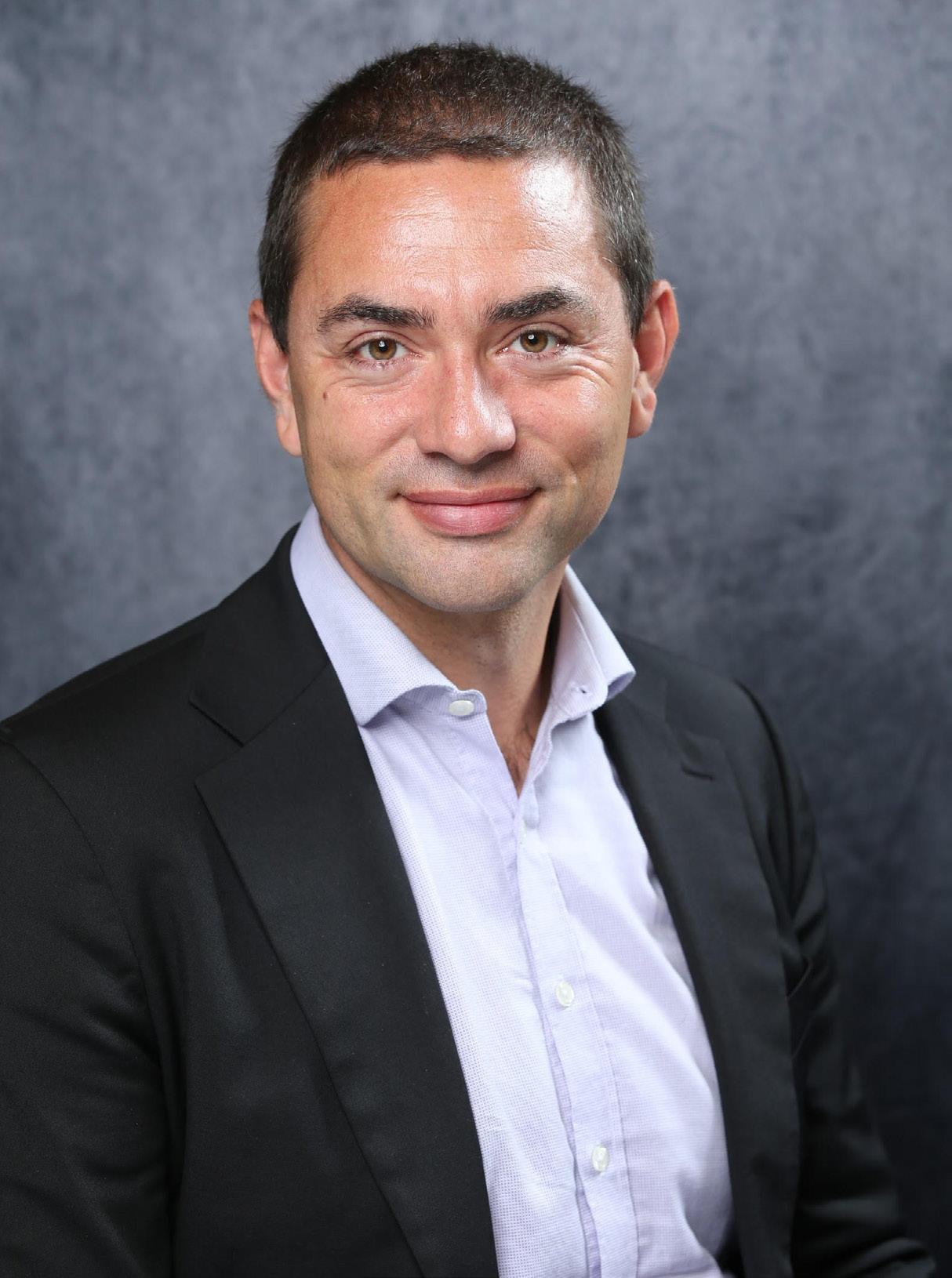
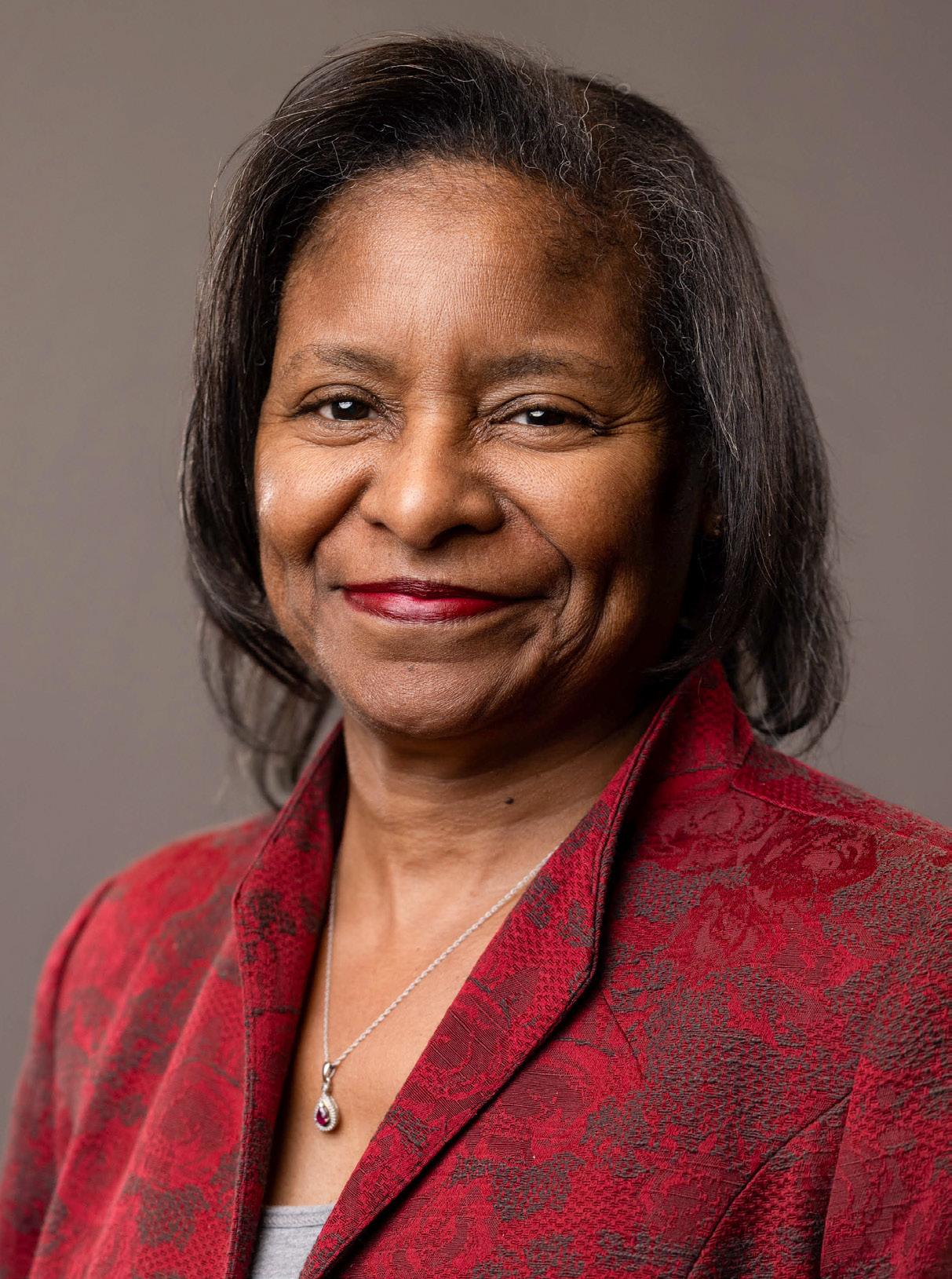
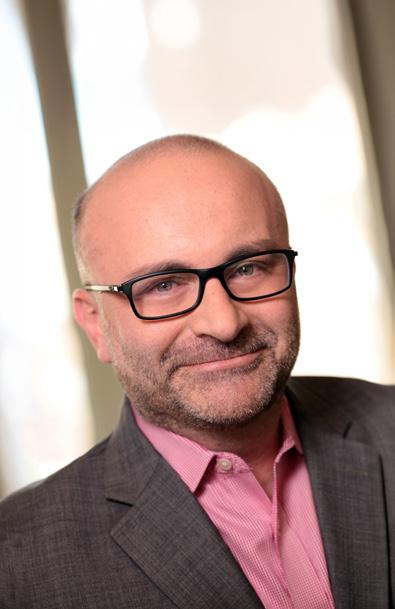
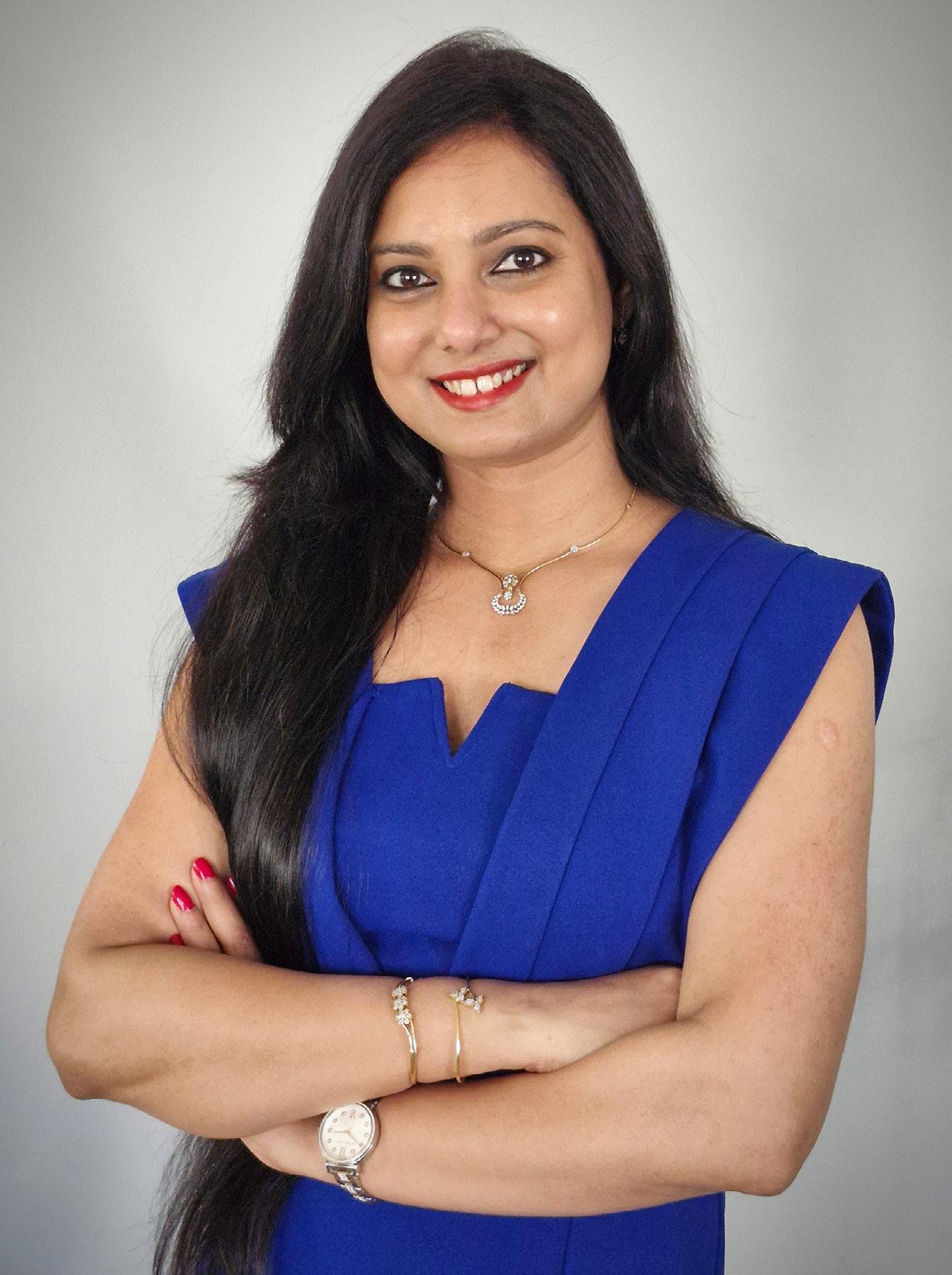
Ann Kostopanagiotou Managing Director, Client Leadership, North Highland
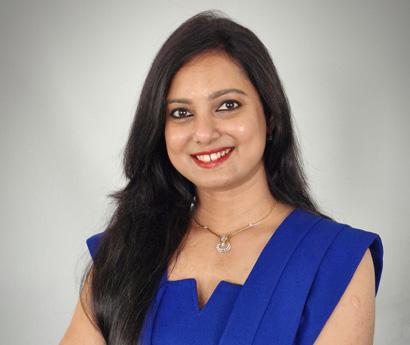
Garima Singh Global Chief Technology Officer, Pandora
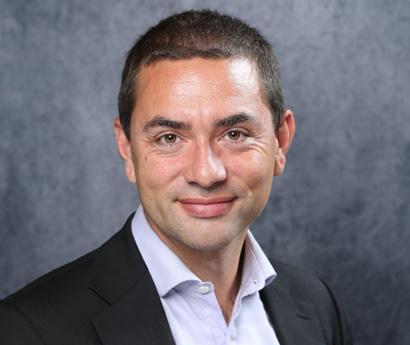
Gérôme Billois Partner - Cybersecurity and Digital Trust, Wavestone
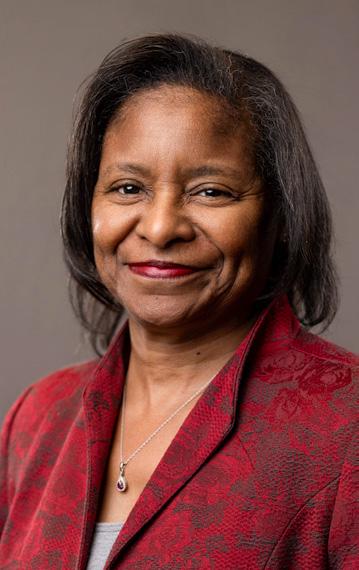
Mardecia Bell Chief Information Security Officer, NC State University FEATURING
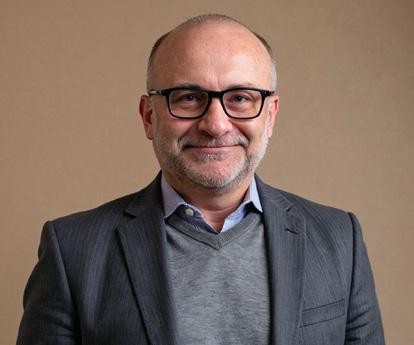
Iliya Rybchin Founder & CEO, Vorpal Hedge
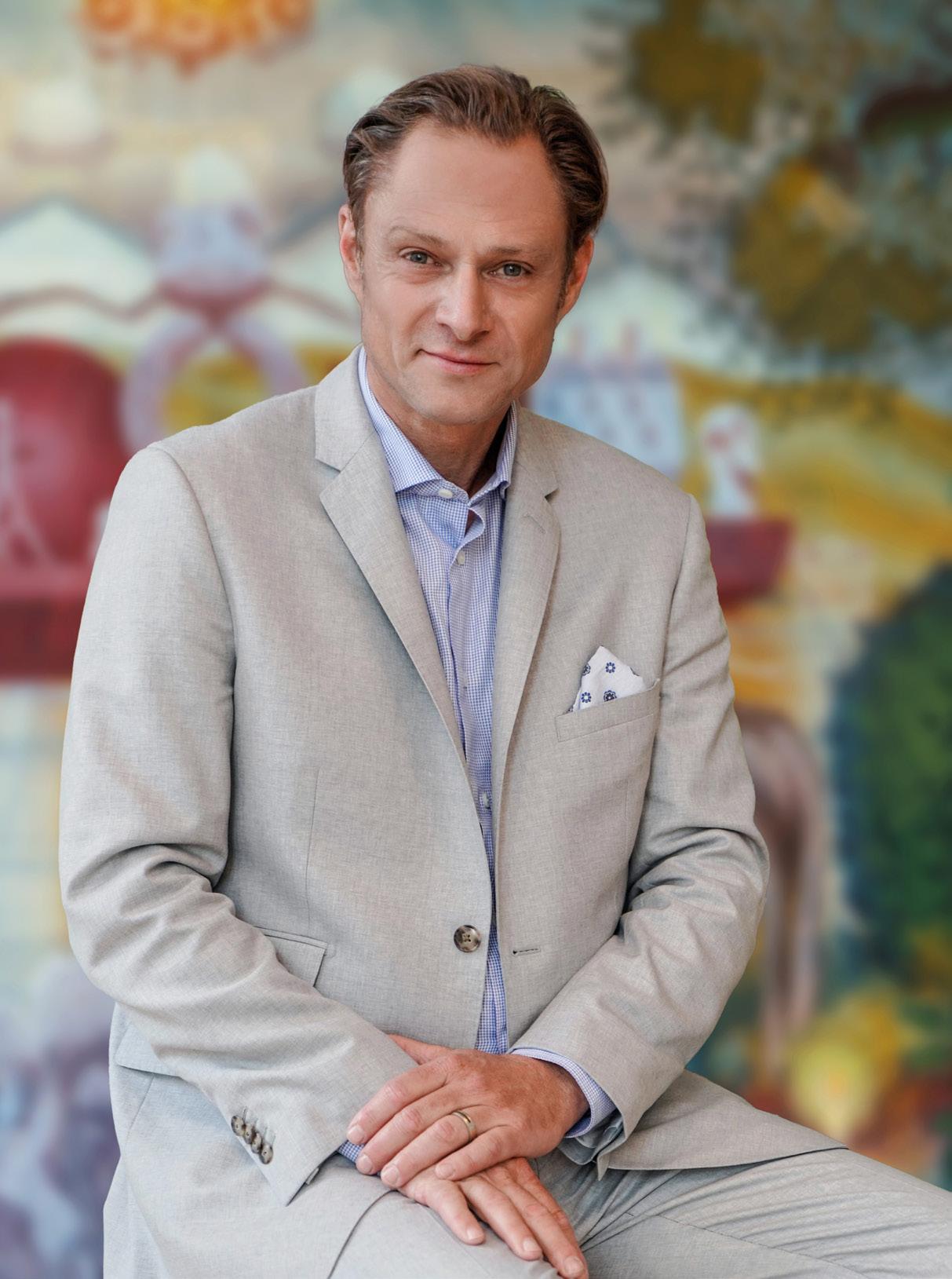
Kurt De Ruwe CIO, AkzoNobel
admin@thecioomagazine.com
www.thecioomagazine.com
admin@thecioomagazine.com
www.linkedin.com/company/ciomagazine
CIO Magazine www.theciomagazine.com is a global knowledge sharing digital platform published by Connecta Innovation Private Limited. All rights reserved. The opinions expressed in the content and pictures provided are those of the authors. They do not purport to reflect the opinions or views of Connecta Innovation Private Limited or any of its subsidiaries, its members or associates and we do not assume any responsibility. The publisher does not assume any responsibility for the advertisements. The content, pictures, and all warranties made in such advertisements are the sole responsibility of the advertisers. CIO Magazine www.theciomagazine.com is a Free Subscription and Free-to-read digital platform strictly not for sale and must be strictly for internal private use only. Publisher does not assume any responsibility arising out of anyone modifying content and pictures, printing a copy of this digital platform in any format and in any country and all matters related to that. “CIO Magazine www.theciomagazine.com“ and “The CIO Magazine www.theciomagazine.com“ trademarks are owned by Connecta Innovation Private Limited.
THE SYSTEMS YOU NEVER SEE, BUT ALWAYS TRUST
Mostof us don’t think about infrastructure until something breaks. A payment fails. A network slows. A transaction hangs for just a few seconds longer than it should. In those brief moments of disruption, we are reminded of something we usually take for granted, that the world runs on systems we rarely see.
I was thinking about this recently while making a simple online payment. It took less than a few seconds, and yet behind that one action sat layers of technology, security, data, and coordination. According to industry estimates, global digital payments now exceed trillions of dollars each year, moving at a pace and scale that would have been unimaginable just a decade ago. And still, for most of us, it feels effortless. That effortlessness is not accidental. It is designed.
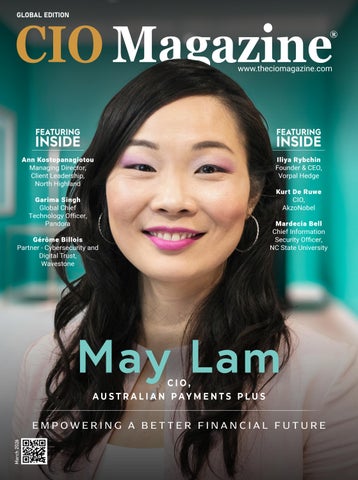
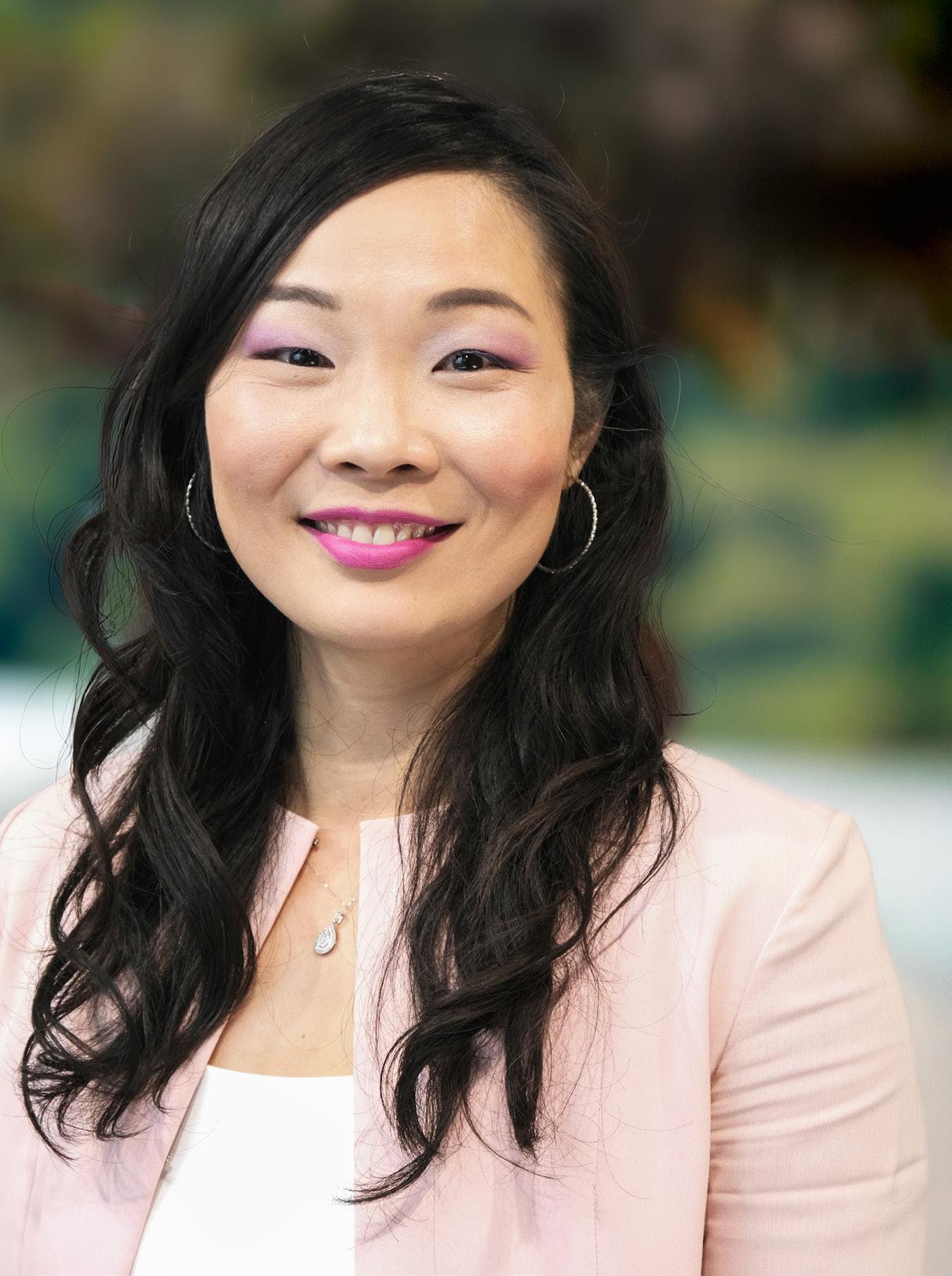
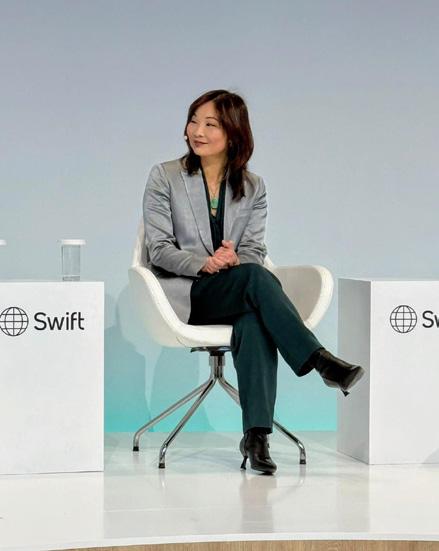
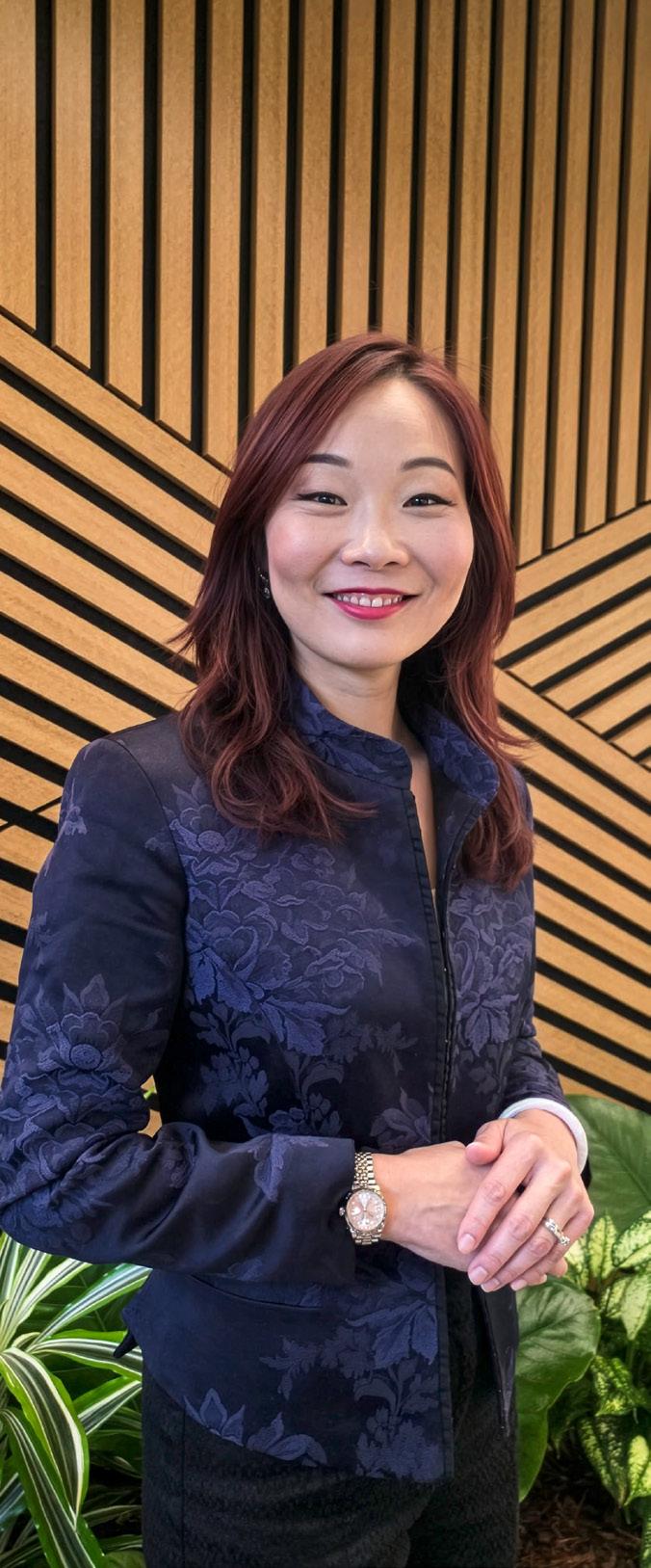
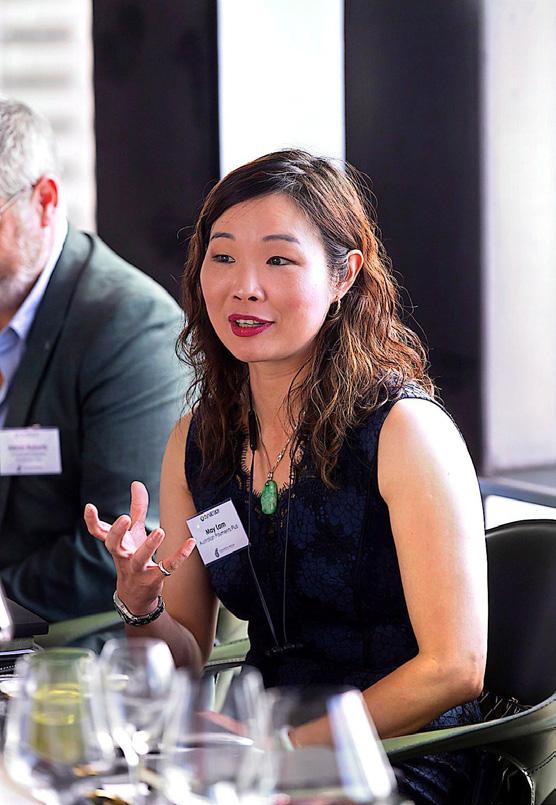
This brings me to our cover story. In this issue of CIO Magazine, we feature May Lam, Chief Information Officer at Australian Payments Plus, who operates at the heart of Australia’s critical payments infrastructure. What stands out in our conversation with her is not just her depth of expertise, but her clarity of purpose. She speaks about building systems that serve everyone, not just the majority. It is a simple idea, but one that carries real weight in a world where digital access often defines opportunity. Her journey, shaped by curiosity and a desire to solve real problems at scale, offers a powerful reminder that true leadership often works quietly, behind the scenes.
Beyond the cover story, this issue brings together a range of perspectives from leaders, thinkers, and practitioners who are shaping the future of technology and business. Each piece, in its own way, explores how thoughtful decisions today can create stronger, more resilient systems for tomorrow.
As you turn these pages, I invite you to look beyond what is visible. The real story often lies beneath the surface, in the systems that keep everything moving.
Enjoy Reading.
Sarath Shyam
18 CIO, AkzoNobel
Kurt De Ruwe
Leading Innovation with AI and Data
Mardecia Bell
Chief Information Security Officer, NC State University
Inspiring the Next Generation of Cybersecurity Leaders
TECH TALKS
Gérôme Billois 22 Partner - Cybersecurity and Digital Trust, Wavestone
Shaping a Safer Digital Future through Innovation
Iliya Rybchin 36 Founder & CEO, Vorpal Hedge
Empowering Leaders for a Changing World
Ann Kostopanagiotou 46 Managing Director, Client Leadership, North Highland
The CIO’s Moment: Insights from the Front Lines of Transformation
Garima Singh 52
Global Chief Technology Officer, Pandora
Driving Impact with AI led Innovation
May LamCIO,
AUSTRALIAN PAYMENTS PLUS EMPOWERING A BETTER FINANCIAL FUTURE
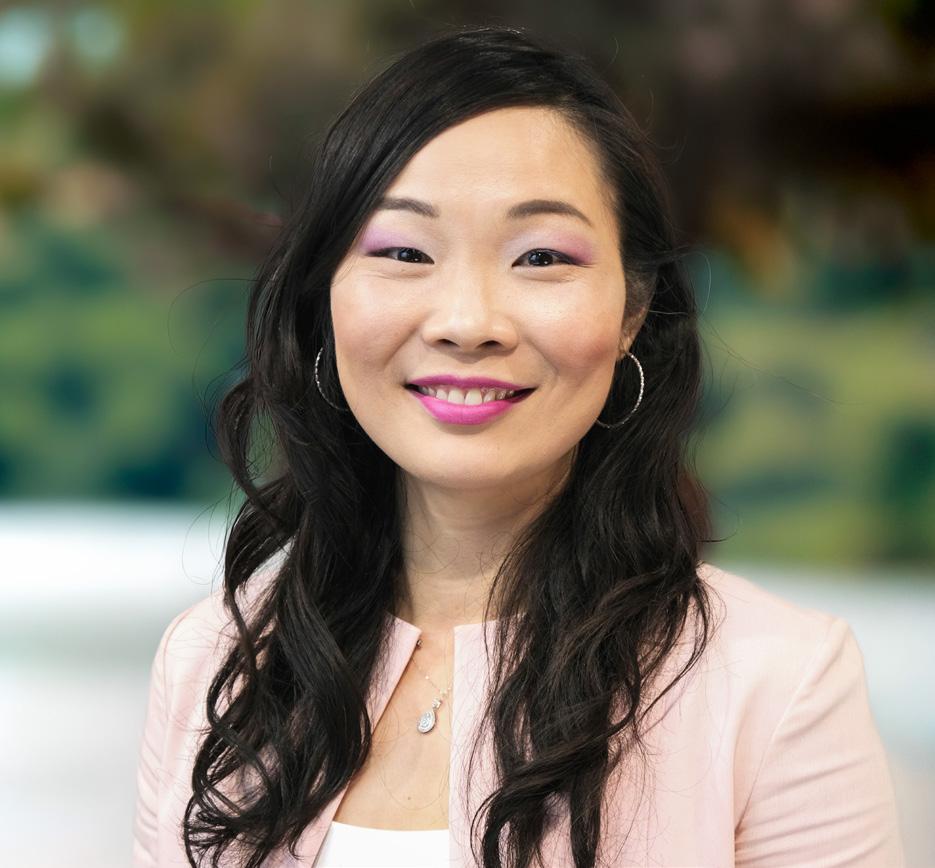
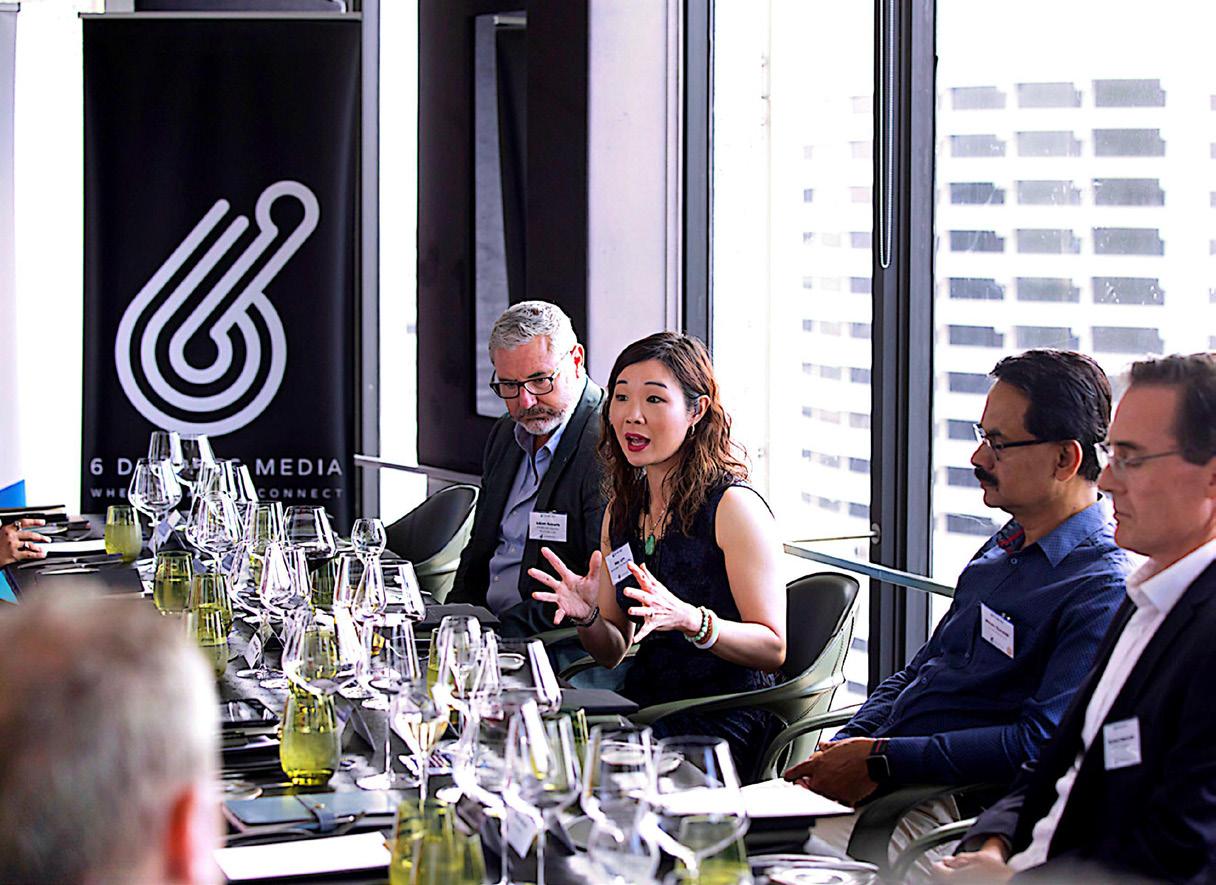
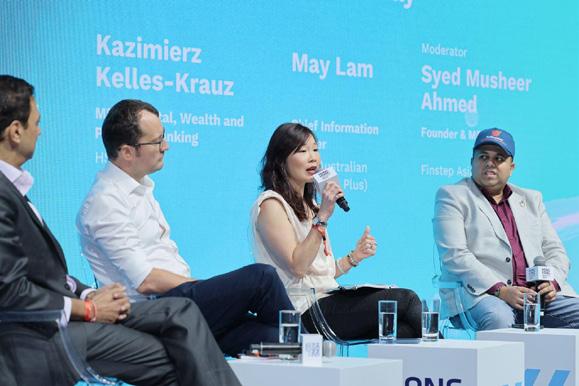
May Lam is the Chief Information Officer at Australian Payments Plus (AP+), based in Sydney, where she leads technology, data and cybersecurity for Australia’s critical payments infrastructure. She also serves as Chair of the Advisory Board at Emerging Payments Association Asia, a Governing Council Member of Hedera, and a member of the CPMI API Expert Panel advising G20 leaders on cross-border payments harmonisation. With more than 26 years of experience across banking, payments, fintech and the public sector in Australia and the Asia-Pacific region, May is recognised for her deep payments expertise, ecosystem leadership and passion for delivering measurable outcomes, developing future leaders and advancing social responsibility.
Recently, in an exclusive interview with CIO Magazine, May shared insights into her remarkable career journey driven by curiosity and a passion for solving real problems at scale. May emphasized the importance of diversity and inclusion in the payments industry, ensuring that systems are designed to serve everyone, not just the majority. She also shared her future plans, words of wisdom, and much more. The following excerpts are taken from the interview.
Hi May. Can you walk us through your career journey and what led you to become a leader in technology and transformation?
My career has been shaped by curiosity and a deep interest in how technology can solve real problems at scale. I began my journey as a software engineer in technology consulting and enterprise systems, working across Asia and Australia in banking, payments and public sector environments. Early on, I had exposure to large, complex transformations, including payment workflows, identity systems and financial platforms, which gave me a strong appreciation for the intersection between technology, regulation and customer outcomes. Over time, my roles evolved from technical delivery into broader leadership positions where I was accountable not just for systems, but business outcomes, culture and strategy via roles in finance, risks, products, operations and governance. I have worked across global
banks, fintechs, startups and large enterprises, including senior leadership roles at Westpac, AMP Bank, Assembly Payments, Partner at EY and now Australian Payments Plus. What ultimately led me into technology and transformation leadership was the opportunity to operate at that intersection of trust, innovation and scale, particularly in payments, where technology underpins economic activity and social inclusion. That responsibility continues to motivate me today.
What do you love the most about your current role?
What I enjoy most about my role at Australian Payments Plus is the sense of purpose. AP+ operates critical national payment infrastructure that Australians rely on every day, often without thinking about it. Knowing that the decisions my team and I make directly influence the resilience, safety and innovation of the country’s payments ecosystem is both humbling and energising.
Artificial intelligence and machine learning will fundamentally reshape payments by moving the industry from transaction processing to intelligent decision-making
I also value the opportunity to lead at ecosystem scale. My role is not just about internal technology delivery, but about working with members, banks, fintechs, merchants, regulators and global partners to shape the future of payments in Australia. Building trust, aligning diverse stakeholders and enabling innovation while maintaining stability is a complex challenge, and that balance is what makes the work so rewarding.
What role do you think artificial intelligence and machine learning will play in shaping the future of payments?
Artificial intelligence and machine learning will fundamentally reshape payments by moving
the industry from transaction processing to intelligent decision-making. In the near term, their impact is already evident in areas such as fraud prevention, scam detection, operational resilience and customer support, where realtime data and pattern recognition materially improve trust and efficiency.
Looking ahead, the emergence of agentic commerce will be a significant inflection point. As AI agents become capable of acting autonomously on behalf of consumers and businesses, payments will increasingly be embedded, contextual and proactive e rather than initiated explicitly by a human. AI agents will be able to compare options, negotiate prices, manage subscriptions, optimise cash
flow and execute payments dynamically within guardrails defined by the user, the merchant and the regulator.
This shift will require payments infrastructure to evolve beyond speed and availability to support programmability, identity, consent, explainability and accountability at scale. Trust will become even more critical, as autonomous agents transact in real time, often across borders and platforms. That means strong governance, transparent AI models, secure digital identity, and clear liability frameworks must be designed into the system from the outset.
In this future, AI is not just optimising payments; it is redefining how economic interactions occur. The organisations that succeed will be those that embrace agentic capabilities responsibly, balancing innovation with resilience, regulation and consumer protection, and ensuring that autonomy in commerce enhances human outcomes rather than undermines trust.
Can you share your thoughts on the importance of diversity and inclusion in the payments industry?
Diversity and inclusion are fundamental to building a payments system that genuinely serves society, not just because of who works in the industry, but because of who relies on the outcomes it produces. Payments are a basic economic utility. When systems are designed without diverse perspectives, we risk unintentionally excluding people who are already underserved, whether that is due to socioeconomic status, disability, cultural background, geography or access to digital infrastructure.
Inclusive teams are better equipped to recognise these gaps and design solutions that work for real-world complexity. This includes thinking about accessibility, affordability, language, digital literacy and trust, particularly for communities that may be underbanked or vulnerable to fraud and scams. Technology can be a powerful enabler of financial inclusion, but only if it is built with empathy and an understanding of lived experience.
In the payments industry, inclusion also means ensuring that innovation does not
Diversity and inclusion are fundamental to building a payments system that genuinely serves society, not just because of who works in the industry, but because of who relies on the outcomes it produces
widen the digital divide. As we introduce realtime payments, digital identity and AI-driven services, we must ensure that safeguards, choice and education are embedded so people are not left behind. That responsibility sits with leaders, regulators and ecosystem participants alike.
For me, diversity and inclusion are not separate from performance or resilience. They are central to building payment systems that are trusted, accessible and fit for purpose in a diverse society, and to ensuring that innovation delivers benefits not just for the majority, but for those who need it most.
How do you stay current with global events and trends outside of the payments industry?
I make a conscious effort to stay curious beyond my immediate domain. I follow global economic, geopolitical and technology trends through a mix of trusted news sources, research publications, podcasts and thought leadership from different industries. I also learn a great deal from conversations with peers and vendors across sectors, whether that is technology, public policy, energy or healthcare.
Payments and financial infrastructure sit at the foundation of economic participation, and when they are designed well, they can enable access, mobility and opportunity
Spending time outside the payments bubble helps me bring broader context into decisionmaking. Many of the challenges we face in payments, such as trust, resilience and digital inclusion, are mirrored in other industries, and there is enormous value in learning from those parallels.
What's a book or resource that has had a significant impact on your thinking recently?
I don’t usually read just one book at a time. I tend to move between philosophy, leadership biographies and systems thinking, depending on what I’m grappling with at work or in life. I find Eastern philosophy, particularly thinkers like Confucius and Laozi, very grounding in how they frame leadership as responsibility, balance and service. From the Western tradition, thinkers like Aristotle and Marcus Aurelius resonate with me for their emphasis on virtue, accountability, self-governance and disciplined decision-making under pressure.
Systems thinking also shapes how I interpret those ideas in practice. It reminds me that organisations and payment ecosystems are living systems, where small decisions can have wide and sometimes unintended consequences. Leadership biographies bring that to life, particularly in how leaders manage uncertainty and develop emotional agility, staying aware of their own reactions while responding thoughtfully rather than reactively.
Together, these perspectives help me stay anchored. They reinforce that good leadership in technology is not just about moving fast or being innovative, but about understanding complexity, leading with empathy and making decisions that hold up over time.
If you could travel anywhere in the world, where would you go and why?
I would love to spend more time in places where history, culture and innovation intersect. Cities that embrace deep heritage with modern thinking offer perspective and inspiration. Travel gives me the opportunity to slow down, reflect and see the world through a different lens, which ultimately makes me a better leader.
What is your biggest goal? Where do you see yourself in 5 years from now?
My biggest goal is to contribute meaningfully to levelling the inequality of wealth distribution. Payments and financial infrastructure sit at the foundation of economic participation, and when they are designed well, they can enable access, mobility and opportunity. I see it as a social responsibility to ensure that technology does not simply optimise for efficiency or scale, but actively reduces barriers and creates fairer outcomes for individuals, businesses and communities that have historically been underserved.
In five years’ time, I see myself operating at a broader level of accountability and influence, enabling ever-evolving technology advancements in shaping strategy, culture and long-term value creation across an organisation or ecosystem. I am deeply motivated by roles that require integrating technology, people and purpose, and where decisions have enduring economic and social consequences. Equally important to me is paying it forward. I am keen to spend more time cultivating the next generation of leaders and technologists, helping them build judgment, confidence and ethical awareness as they navigate an era of unprecedented technological acceleration.
Supporting people to grow, think critically and lead with humanity in the age of AI is something I see as both a privilege and a duty.
What advice would you give to someone just starting out in their career in technology and transformation?
I would encourage them to stay curious and invest in continuous learning, not only technical skills, but how organisations, people and systems really work together. Technology changes quickly, but the ability to think critically, communicate clearly and understand context will always matter. Seek out experiences that stretch you, even if they feel uncomfortable, because that is often where the most meaningful growth happens.
Equally important is developing selfregulation and discipline early in your career. In fast-moving environments, particularly in technology, it is easy to be reactive or overwhelmed. Learning how to manage your energy, emotions and focus allows you to make better decisions, build credibility and sustain performance over time. Discipline creates optionality; it gives you the space to respond thoughtfully rather than simply reacting to what is urgent.
Finally, build relationships and find mentors who will challenge and support you. Pay attention to how you show up, how you listen and how you learn from others. A successful career in technology is not just about what you know, but about how you grow, adapt and lead yourself through constant change.
Kurt De Ruwe
CIO, AkzoNobel
Leading Innovation with AI and Data
Kurt De Ruwe is CIO at AkzoNobel, leading the company's digital transformation and IT strategy. With 20+ years of experience, he drives innovation, process intelligence, data management, and cybersecurity. Prior to AkzoNobel, he held leadership roles at Signify, Philips Lighting and Bayer Material Science. Kurt is a digital leader focused on business value, sustainability, and customer experience. He is active in industry forums, sharing insights on digital transformation, AI, and the future of work. As a collaborative leader, Kurt fosters a culture of innovation and empowers teams to drive business growth through technology.
Recently, in an exclusive interview with CIO Magazine, Kurt shared his insights on digital transformation, AI, and leadership, emphasizing the importance of innovation, collaboration, and continuous learning. He also mentioned his favorite book, personal hobbies and interests, future plans, and much more. The following excerpts are taken from the interview.
Hi Kurt. What sparked your interest in IT and business process management?
IT is something that happened along the way. I studied quantitative economics. As a financial analyst at Mobil, I had to work the first 6 months in IT to understand how to get relevant data out of the ERP. I liked it, I learned a lot and never got out. The fact that I did a lot of activities myself still helps me today as CIO to ask the right questions. Today to get the maximum impact you need to combine data and AI with process intelligence. By understanding how the people work you can identify a lot of opportunities to either improve the process and the underlying system or to go for intelligent automation using AI Agents. To see what this enables drives a continuous drive to do more.
What do you love the most about your current role?
I like to improve and work with new technology. The rate of change with the introduction of AI has accelerated tremendous. In AkzoNobel we have opportunities, and we get the means to step up. Some of the things we do are quite innovative, but the support is there to introduce technologies and concepts that are leading edge.
What role do you think artificial intelligence and machine learning will play in shaping the future of business?
In AkzoNobel we have deployed several capabilities that have direct impact on how we work. AI will change what people do and it will change how we work with information. On the one hand you have the intelligent
automation. This year we will likely have 1.5m AI Agent executions that happened without a human in the loop. People do not see it but it is there.
We have automated credit block checks taking internal and externa data and then update the relevant back end systems with the result. The impact on speed of the e2E process is significant and as such our customers get a better service.
The biggest breakthrough I see for the moment is to have advance LLM models on top of our transactional data. You do need a different mindset. Giving this solution to people that want to do the same query as finding what normally site is cell 5C in Excell does not make sense. The initial LLMs were SQL generators but recently the analytical and recommendation capabilities have significantly improved, and the results are scarry.
How do you stay current with the latest industry trends and advancements, and what sources do you rely on for information?
I go to the office 2 to 3 times per week with a total travel time of 4 hours or more. Most of it I spend on the train, so I have a lot of time to read or even to try things out. For AI we focus on fail fast or scale fast. We tried a lot of things and we also stopped a lot of things
Currently I get a lot of what various people post on LinkedIN. Often this is about people do and not about what company clam that they can do and thereafter it is a question of common sense. I am not into Gartner or
other big research institutes because often they run behind the facts.
Is there a particular person you are grateful for who helped get you to where you are?
Sounds like a topic to mention when you go on retirement. There are 4 people that had a big impact on who I am and what I do. Carlos De Bakker, who was one of my professors at the university. Graham Knaggs, my manager when I still was young Kurt, Patrick Thomas, CEO in two companies that I worked for. Harley Lovegrove, who I worked with in several companies over a period of more than 20 years and still a personal friend.
How would you describe your leadership style, and how has it evolved over time?
That's a very difficult question. For me, the status quo is absolutely a no-go. I always want to move forward, I always want to innovate. People sometimes tell me that I want to move too fast, too far, and too radically. So, my biggest challenge is getting people on board. I always look at how things can be improved. I don't celebrate successes enough; that's one of my weaknesses.
Over time I have learned to be more patient. So take more time to explain and when going from 1 to 10, no longer do 1, 3,7,10 but 1,2,3,…, 10.
Can you share a book or resource that inspires you and why?
I do not read many books. It takes too long. One of the books I did read quite some time
ago, is from Kevin Mitnick, the Art of Deception. It fuelled my passion for security
What are you most proud of accomplishing in your career, and why?
It is not one thing. In the various companies I work in, I managed to make a big impact in term of digital innovation on being able to lift capabilities to a much higher level. I also focus on good thorough costs management and am involved in nearly all contract negotiation where each time there has been a significant impact. The focus here is not just on price but also on changing how the supplier works with us.
What are some of your passions outside of work? What do you like to do in your time off?
Outside of work I have my family and our 3 dogs. I like working in the garden. Once or twice a year with my wife we do offroad trips to the explore rough terrain far away from civilization. The desert is the only place where my mind comes to rest, so we try to fit this in once a year and when the occasion arises, a motor bike trip to places like Nepal. I believe that you need to have a life next to work and enjoy that as much as you can.
What is your biggest goal? Where do you see yourself in 5 years from now?
My biggest goal is to stay healthy, have fun at what we do and continuously seek for opportunities on how we can provide better capabilities to support the business.
Shaping a Safer Digital Future through Innovation Gérôme Billois
Partner - Cybersecurity and Digital Trust, Wavestone
Gérôme Billois is a Partner at Wavestone, where he has spent nearly 25 years helping global organizations strengthen their cybersecurity and digital trust strategies. A recognized expert in cyber crisis management and AI security, he founded CERT-Wavestone and advises executive committees worldwide on turning cyber risk into strategic resilience. Gérôme sits on the boards of Campus Cyber and CLUSIF, contributes to major international initiatives on cyber innovation and sustainability, and frequently speaks in global media and conferences. He is also the author of several reference books on cybersecurity and a driving force behind public awareness programs on digital safety.
Recently, in an exclusive interview with CIO Magazine, Gérôme shared insights into his journey in cybersecurity, the evolving landscape of cyber threats, and strategies for building resilient digital trust. He also shared his personal hobbies and interests, future plans, and much more. The following excerpts are taken from the interview.
What inspired you to pursue a career in cybersecurity, and how has your journey been so far?
I have always loved computing, networks, and understanding how things work. When you combine the two, cybersecurity becomes a very natural path. I started during my studies, when I had the chance to follow a computer security track in my final year, back in 2001; it was quite pioneering at the time!
My journey began with very technical topics: implementing firewalls and managing security alerts, first for an integrator and then on a critical trading floor in London for a large industrial company. That is when I realized the criticality of my work, understanding the impact that a cyberattack on our infrastructure could have on the balance of gas and electricity networks at the EU level.
After that, I decided I wanted to be at the heart of cyber innovation and joined a consultancy named Wavestone in the early 2000s. We were about 30 people at the time, helping large companies secure their information system. I gradually moved towards governance, risk, and compliance, while staying close to technological evolutions. I launched our incident response team at Wavestone in 2013; honestly, that is where I learned the most. During a crisis, one day of work is usually equal to one week in normal life!
Today, Wavestone has a team of 1,000 cyber experts in 17 different countries. I help the organization grow, becoming one of the three partners managing our teams globally. Additionally I have always wanted to stay close to the field, and I still work directly with many of our clients, mainly on strategic topics, helping large organizations build their cybersecurity governance and long-term vision. My current work is mainly oriented towards AI in all its dimensions, but especially on securing AI systems used by businesses to ensure we can benefit from this great new technology safely. A recent example I
CYBERSECURITY SPANS FROM HIGHLY TECHNICAL TOPICS SUCH AS CRYPTOGRAPHY ALL THE WAY TO GEOPOLITICAL DISCUSSIONS AT THE UN LEVEL. I DO NOT KNOW MANY OTHER FIELDS WITH SUCH BREADTH AND IMPACT
enjoyed was leading a project where we used AI to simulate thousands of potential attack vectors against AI systems. It was both fascinating and a bit ironic to see AI attacking AI. Exercises like that show how quickly our field evolves and how much creativity it now requires.
In parallel, I am deeply involved in cybersecurity innovation and thought leadership. I have published several studies such as our Startup Radars and Innovation Radars, which identify emerging technologies and new players shaping the future of cybersecurity. Through these initiatives, I work closely with startups, investors, and corporate CISOs to foster collaboration and help innovative solutions gain traction in the market.
What do you love the most about your current role?
The diversity of topics. I work hand in hand with business leaders, technical experts, legal teams, and financial stakeholders to achieve the best risk reduction. It requires a lot of intellectual agility. Cybersecurity spans from highly technical topics such as cryptography all the way to geopolitical discussions at the UN level. I do not know many other fields with such breadth and impact.
My role also allows me to meet very highlevel people, as cybersecurity has now become a topic at the executive committee level. Discussing cyber posture or organizing crisis exercises with CEOs of Fortune 500 companies is always a striking experience. You learn a lot by understanding their perspective and taking a step back on the real impact and challenges of embedding cybersecurity in large organizations.
In addition, I am deeply involved in our thought leadership activities. I currently lead
a major initiative we are developing with our clients to define priorities for the next cyber strategy cycle, which we call “TOP 30 for 2030.” We have worked extensively to identify key trends and associated projects to give CISOs a clear path for the coming years. This study combines the need to accelerate cybersecurity, alongside AI and better cyber data management, with the need to demonstrate value and show how cyber can truly be a business accelerator. This is the kind of work I like the most, looking forward and shaping the future with our ecosystem!
I also have the chance to regularly speak in major media outlets such as international and national TV, radio, and newspapers. I love doing this, as I think it is critical to raise awareness about cyber risks without creating unnecessary fear. I always try to offer practical, commonsense advice, because I don’t want cybersecurity to be seen as something scary or unmanageable. On the contrary, there’s a lot everyone can do at their own level.
What emerging trends or technologies in cybersecurity are
you excited about, and why?
Clearly AI. It is reshaping everything: how attackers develop tools and conduct operations, how we secure new business applications using AI guardrails or red-teaming, and how cybersecurity teams can use AI to accelerate processes that have been bottlenecks for years, such as third-party risk management, data classification, or SOC fatigue. I have seen many illustrations of this already this year and honestly it’s both frightening and fascinating!
At the same time, I am concerned by growing geopolitical tensions. The technological
decoupling we are seeing could enable new types of attacks on critical infrastructure, especially if attackers no longer fear retaliation. We need to rapidly raise our level of preparedness.
On a more positive note, I recently worked on integrating sustainability into cybersecurity practices. I led the team that created the world’s first methodology to evaluate the carbon impact of security measures, not only to measure it but also to reduce it while maintaining the same risk level. It was truly refreshing work! We then made it open source through the Cyber4Tomorrow initiative so anyone can join this journey to make the world better, both for sustainability and for cybersecurity. Do not hesitate to have a look!
What are some common myths about cybersecurity that you would like to debunk?
First, the idea that we can be “secure” just by purchasing a solution or making a single decision. Cyber is not magical; it is a multifaceted discipline. You can have the best technical solutions, but if nobody maintains them or reacts to alerts, you will not be secure. AI providers are again pushing this “magical solution” narrative, and we always need to take a step back. While everyone would like a simple fix, the reality is that true security requires continuous effort.
Additionally, when meeting executive committees or boards, I often hear the question, “Are we secure?” They want a simple yes or no, but this question cannot be answered like that. It requires defining what “secure” means for the business, how long we can withstand an attack, what financial loss is acceptable, and what risks
we are ready to take. Cybersecurity is a shared responsibility, not a state you can simply buy.
What skills or qualities do you think are essential for a successful cybersecurity professional?
Cybersecurity can be daunting for many people because of its breadth. If your strength is technology, you quickly encounter legal and regulatory constraints and feel a bit lost. If your strength is risk management, you realize you need a solid understanding of the technical side and feel equally challenged. No matter your starting point, there’s always more to learn. Even job postings often look for what we call in French “a five-legged sheep.”
You need to understand the basics of all these areas, but you cannot and should not try to be an expert in everything. To succeed in cyber, I believe you need curiosity and humility. Curiosity gives you the desire to understand what others are doing and ask questions. Humility reminds you that you will never know everything or stop every attack. Combining the two helps you explain risks clearly to different audiences. The way you discuss a vulnerability with a developer is not the same as how you talk about third-party risk with procurement or a data breach with the executive committee. Communicating effectively across all these levels is essential.
What role does mentorship play in shaping the next generation of cybersecurity professionals?
It is crucial. The field is evolving fast and covers many dimensions, so nobody can manage everything alone. Supporting newcomers,
sharing experience, and helping them find their place in the ecosystem makes the entire community stronger.
As a side note, I worked very closely with a young consultant who later became the deputy CISO of the 2024 Olympics, one of the world’s most complex cyber environments. That’s one of the many examples, and I think it’s incredibly rewarding to see how much people grow and how far they can go. Beyond Wavestone, I also mentor startup founders in the cybersecurity ecosystem, helping them structure their strategy, approach clients, and navigate regulatory challenges. These exchanges are mutually enriching; I learn as much from their agility and creativity as they do from my experience.
Can you recommend any books, podcasts, or resources for someone looking to learn more about cybersecurity?
It really depends on your starting point, beginners or already experts in a field. There are plenty of contents but I have written or cowritten several books myself, including by order of expertise : Cyberattacks: Inside a Global Threat (Hachette, 2022), The Cyber Risk Handbook (Wiley, 2017), IT Security for CIOs, CISOs and Administrators (Eyrolles, 2016), Data Breaches and Security Failures (Larcier, 2016), and Cybersecurity of Industrial Systems (Cépaduès, 2015).
Books are great to create your baseline of knowledge, but the most important
thing is to stay connected to our very fastmoving ecosystem. For that, I read a lot on specialist websites and blogs but what I find most valuable are discussions within trusted professional communities, live with real people or on social networks!
And for podcast fans, I would recommend for beginners “Le Monde de la Cyber” and for advanced listeners “NoLimitSecu”. Both are in French, but with today’s AI translation capabilities this is no longer a barrier, and they offer distinct perspectives, refreshing insights, and a relaxed tone.
What are your passions outside of work?
I make a clear distinction between work and personal life, which I think is essential to last in cybersecurity. Our field can be intense, with vulnerabilities discovered every day and pressure during incidents. Therefore, I disconnect, spend quality time with my family, and do sports to recharge!
At the same time, I am a bit of a tech enthusiast. I enjoy setting up and experimenting with technology at home. It helps me stay curious and understand how technology really behaves in the real world. In a way, it is both funny and useful, as it keeps me connected to the practical side of what we try to secure every day.
What is your biggest goal? Where do you see yourself in five years?
I have been in cybersecurity for almost 25 years, and the field has undergone many transformations. Predicting five years ahead is always difficult, but I am sure I will still be working in cyber, and I hope AI will help us
solve some of the major operational challenges we have faced for years! At Wavestone, I helped grow our cybersecurity team from a small group in Paris to a recognized player at European level. To my joy, we were recently recognized as a “Strong Performer” in Forrester’s Cybersecurity Consulting Services Wave for Europe Q4-25. So very concretely one of my goals is to attain the same level of recognition but at a global level! It’s not going to be done in 5 years, but why not in the future!
Outside of Wavestone, I also helped create and lead an exciting initiative in France called the Cyber Campus. It is a government-backed project designed to build a strong community connecting all major cyber disciplines: research centers, universities, technology providers, CISOs, and specialized communities. The goal is to shape a more resilient and collaborative cybersecurity ecosystem for the future. The initiative is embodied by the Cyber Campus tower in La Défense, Paris, but it also exists nationwide through regional branches. Looking ahead, I believe the next step is to expand this model at the European and global levels, to create a true network of cybersecurity communities that work together across borders. Strengthening cooperation between countries and closing the gaps between research, industry, and government are, in my view, essential to shaping a safer and more trusted digital future.
And to conclude, on a longer timeframe, I wish that cybersecurity becomes a natural part of school education, just like mathematics or languages. Everyone should know the basic principles to enjoy a safe and confident digital life. That will be the real sign that cybersecurity has become fully embedded in our societies!
Mardecia Bell
Chief Information Security Officer, NC State University
Inspiring the Next Generation of Cybersecurity Leaders
Mardecia Bell, CISO at NC State University, has 40+ years in IT. She believes appropriate security controls should follow the data wherever it lives. A frequent conference presenter, she serves on the Regulated Research Community of Practice advisory board. She's a founding member of NC State’s Women In Technology Interest Group and co-chairs the AI Advisory Group. Mentoring female students interested in the cybersecurity field is a key passion. Recently, in an exclusive interview with CIO Magazine, Mardecia shared insights into her remarkable 40-year career in IT, her passion for cybersecurity, and her vision for a more secure and inclusive digital future. She also shared her personal hobbies and interests, future plans, pearls of wisdom, and much more. The following excerpts are taken from the interview.
Hi Mardecia. Can you tell us about your career path and how you ended up in the cybersecurity field?
My journey into the cybersecurity field began somewhat unexpectedly. When I was applying to universities, I was unsure of a major until my high school advanced math teacher suggested Computer Science, given my strength in mathematics. I followed his advice and was accepted to NC State University.
After earning my B.S. in Computer Science from NC State in 1983, I began my career in
the textiles industry as a COBOL programmer at WestPoint Pepperell in Lumberton, NC. This early experience broadened my skills significantly, as I was also responsible for learning PC applications and training administrators on their use across different plant locations—a critical time when PCs were first being adopted in industrial settings.
In 1985, I returned to Raleigh to join NC State University's Administrative Computing Services department. My career progression at NC State was extensive, beginning as a COBOL
AI IS RAPIDLY BECOMING ESSENTIAL FOR AUTOMATED THREAT DETECTION, SIGNIFICANTLY ENHANCING OUR ABILITY TO DETECT AND BLOCK WIDESPREAD THREATS, SUCH AS THE PHISHING ATTACKS COMMON IN UNIVERSITY ENVIRONMENTS
applications programmer. I then transitioned into an applications analyst programmer role, initially providing desktop support, and later specializing in mainframe and then client/ server security support. This trajectory led to management roles, including manager of distributed systems and security, assistant director of systems/database/distributed systems & support, director of administrative computing services, and director of enterprise technology services and support. This journey reached its peak in 2007 with the establishment
of the Office of Information Technology (OIT), where I was appointed as the Chief Information Security Officer/Director of Security & Compliance.
What do you love the most about your current role?
What I love most is operating within a higher education environment, dedicated to providing a more secure setting that enables students to excel and reach their full potential.
What role do you think artificial intelligence and machine learning will play in cybersecurity in the next 5 years?
In the next 5 years, artificial intelligence and machine learning will have a dual impact on cybersecurity. While attackers will use these tools to create highly sophisticated threats, their most crucial role will be on the defensive front. AI is rapidly becoming essential for automated threat detection, significantly enhancing our ability to detect and block widespread threats, such as the phishing attacks common in university environments. Furthermore, AI and machine learning will be instrumental in proactive defense strategies, including analyzing user behavior and modeling potential attack paths. I’m hoping these technologies will ultimately better protect users from making their own mistakes.
What do you think is the biggest misconception about cybersecurity, and how do you address it?
The most prevalent misconception about cybersecurity is that it operates as a roadblock to business operations, leading to security
teams being unfairly labeled as the "team of NO." To counter this perception, cybersecurity professionals must proactively seek to be collaborative partners with their stakeholders. At NC State, the Security & Compliance (S&C) leadership has institutionalized this approach by scheduling collaboration meetings across all units in the Office of Information Technology, as well as with key campus partners such as Internal Audit, the Office of General Counsel, Emergency Management, and Mission Continuity. Furthermore, S&C ensures representation on both the IT and data governance committees and working groups. The primary objective of this effort is to focus on building trust and establishing the S&C team as a valuable partner, dedicated to helping the campus community execute its mission in the most secure means possible. Cybersecurity is a team effort.
How do you think we can encourage more women and underrepresented groups to pursue careers in cybersecurity?
We have to start introducing cybersecurity in K-12 education, especially in middle and high schools with cybersecurity curriculums and inclusion in career fairs.
If you could have dinner with anyone, dead or alive, who would it be and why?
I would choose to have dinner with my firstgrade teacher, Mrs. Elizabeth James. I'd want to thank her for the profound impact she had on me, specifically for stopping my classmates from laughing when I read my first book out loud with a speech impediment. Her single act
of kindness and support was a crucial motivator, showing me that I could achieve anything, regardless of any challenges I faced.
Can you share a book or resource that inspires you and why?
Devotional books by Sarah Young are a significant source of inspiration. Her distinctive interpretation of scripture clarifies biblical truth in a manner that yields encouragement for me. I am currently reading her book, Living Hope.
What are some of your passions outside of work? What do you like to do in your time off?
Machine quilting is my passion. I’m most proud of making quilts for our great nieces and nephews as well as godchildren. I have one more to make and then I’ll start making quilts for our nieces and nephews.
I also love to travel. Our daughter lives in London and our son lives in New Orleans, so these are two places we visit often. Other places we have traveled include Amsterdam, Paris, Australia and Germany. One of my favorite trips was driving cross country to California and stopping at the Grand Canyon at sunset - an absolute must to see.
What is your biggest goal? Where do you see yourself in 5 years from now?
My biggest goal right now is my retirement, which will become effective on January 1, 2026, concluding an incredible 40-year career journey at NC State. Looking ahead to the next five years, I see myself actively engaged in providing cybersecurity sessions to senior citizens to help them protect themselves from scams and phishing attacks. Additionally,
I plan to volunteer to mentor women and underrepresented groups to encourage and support their pursuit of careers in cybersecurity.
What advice would you give to other CISOs or cybersecurity professionals looking to advance in their careers?
Become a Collaborative Partner, Not a Roadblock: Proactively seek to partner with stakeholders across your organization. Dispel the "team of NO" misconception by engaging in collaboration meetings with key stakeholders and serving on organizational governance
committees. The core objective is to help the business execute its mission and protect information in the most secure way possible.
While technology is an enhancement, be sure to prioritize the people and processes that are needed. Cybersecurity awareness and basic cybersecurity processes are crucial foundations.
Focus on Data-Centric Security: Adopt the philosophy that appropriate security controls must follow the data wherever it resides. This belief in pervasive security controls is a core principle for advanced cybersecurity leaders.
Empowering Leaders for a Changing World
Iliya Rybchin
Founder
& CEO, Vorpal Hedge
Iliya Rybchin is a seasoned AI & innovation strategist who brings clients a unique blend of consulting, operating, entrepreneurial, and investing experience spanning 25+ years. He focuses on turning corporate inertia into offensive growth strategies. His expertise comes from leading innovation labs, R&D groups, corporate strategy teams, and business development at some of the world's most innovative companies. He has run complex P&Ls, built disruptive products, filed multiple patents, and invested in earlystage startups. A Carnegie Mellon graduate in Information Systems and Decision Science (AI), he regularly speaks at conferences and writes for leading publications on strategy, innovation, and disruption.
Recently, in an exclusive interview with CIO Magazine, Iliya shared insights into his passion for helping businesses navigate disruption and innovation, highlighting the importance of embracing change and leveraging emerging technologies to drive competitive advantage. He also shared his personal hobbies and interests, future plans, words of wisdom, and much more. The following excerpts are taken from the interview.
Hi Iliya. What drives your passion for helping businesses navigate disruption and innovation?
It’s less about a passion for technology itself and more about a fascination with the human drama of it all. I’ve always been drawn to the collision point - where new technologies smash into old, entrenched business models. That’s where you see the most brilliant successes and the most spectacular failures.
For 25 years, I had a front row seat to watch incumbents with every advantage (capital, brand, distribution, talent) get destroyed by startups working out of garages. The frustrating part is that it's rarely about the technology.
Every few years there’s a new buzzword (digital, mobile, SaaS, cloud, blockchain, Web3, and now AI). The instinct is either panic (“We must do something immediately”) or denial (“This will blow over”).
The tech is always the easy part. The difficulty companies face is separating signal from noise, too much organizational inertia, too many sacred cows, and an addiction to “innovation theater”.
My passion comes from a deep-seated impatience with that kind of waste. I get a huge amount of satisfaction from helping a team move past the buzzwords and PowerPoints to make a few, critical decisions that unlock real, tangible value.
I believe that companies have all the assets they need to win. They just need someone willing to tell them uncomfortable truths and help them exploit their advantages before it's too late. When companies make that mindset shift, they realize that disruption stops being something that happens to you and becomes something you can harness. That shift (from fear to agency / from defense to offense) is why I keep doing this.
COMPANIES OFTEN CONFUSE ACTIVITY WITH PROGRESS. INNOVATION LABS, HACKATHONS, AND AI TASK FORCES MAY LOOK IMPRESSIVE, BUT WITHOUT REAL BUSINESS IMPACT THEY BECOME LITTLE MORE THAN INNOVATION THEATER
What do you love the most about your current role?
First, I get to work at the intersection of messy reality and big ambition. I love being a strategic sparring partner for executives across a wide range of industries and asking difficult and sometimes uncomfortable questions. I get to connect dots that most people can't see. The most impactful solutions happen at the intersection of data, strategy, emerging technology, new business models and hands-on execution, and I get to bring that to my clients every day.
Second, I have the freedom to be intellectually honest (and sometimes a bit of a provocateur). My background spans consulting, operating roles, entrepreneurship, and investing across multiple industries. That diversity of experience lets me spot patterns and opportunities that specialists miss. My experience also guarantees that I’m not married to a single playbook. Sometimes the right answer is “build,” sometimes it’s “partner,” sometimes it’s “stop doing this entirely.” My role lets me say that out loud.
On a human level, I genuinely enjoy helping smart, successful leaders see around corners, and occasionally helping them sleep better at night because there is a path forward that isn’t just cutting costs. It’s a privileged position that is incredibly rewarding.
What are some common pitfalls or mistakes you see businesses making in their approach to disruption and innovation?
I think the first mistake is confusing activity with progress. Companies stand up innovation labs, run hackathons, launch AI task forces, appoint senior leaders to run the initiatives, and launch pilots across every business unit. Everyone is
busy and it looks great on a press release or in an annual report. However, very little is actually changing and the business impact is close to zero. Some call this "innovation theater," I usually refer to it as “innovation as cosplay” because looking the part is top priority, but under the costume, nothing has changed. Innovation cosplay is easy and fun but capitalizing on disruption is difficult, messy, unsexy, and doesn't get much attention.
Second, there’s a tendency to outsource thinking. Firms hire vendors or big consultancies and essentially say, “Tell us what to do.”
External perspectives are valuable, but if you don’t build your own muscle for making hard
trade-offs, you end up with beautiful slides and no ownership.
Third, many organizations treat disruption as an edge experiment rather than a core strategy question. You can’t “experiment” your way out of a broken business model while protecting every legacy metric. At some point, you have to be willing to cannibalize parts of your current business to create the next one.
Finally, and in many cases, most importantly, is a people pitfall: under-investing in talent that can bridge business, technology, and change. This isn't a matter of training - many of the slowest moving corporate dinosaurs have extensive training programs. It's more
TODAY, TECHNOLOGY IS AN OFFENSIVE WEAPON. THE RIGHT APPLICATION OF TECHNOLOGY CAN COMPLETELY CHANGE THE BASIS OF COMPETITION IN AN ESTABLISHED INDUSTRY
about finding, hiring, mentoring, and rewarding the right talent. These days companies need translators - leaders who can speak JSON and EBITDA in the same sentence. Too often those people are either missing or buried three levels down.
Can you share some insights on how businesses can leverage emerging tech to drive competitive advantage?
I'll begin with a critical mind shift senior executives need to make: Stop viewing technology as a back-office support function.
For years, IT was perceived as being there to keep the lights on. Store the data, run the email servers, host the website, connect the offices, etc. Today, technology is an offensive weapon. The right application of technology can completely change the basis of competition in an established industry.
When working with emerging tech, start with a wedge, not a wish list. Instead of asking, “What can we do with AI or data (or whatever the new thing is)?”, start with one or two very specific, ambitious, high-value problems: a stubborn cost bucket, a broken customer journey, a slow decision cycle. Then ask, “If we had an unfair technology advantage here, what could we do that our competitors can’t easily copy?”
Emerging tech creates advantage when it does at least one of three things for you:
Changes the economics – you can deliver something dramatically cheaper or faster. Changes the experience – customers feel something meaningfully better - not just marginally improved.
Changes the clock speed – you learn, adapt, or launch new offerings faster than the market.
To achieve these advantages, companies must stop trying to "digitize" their old process. They should use emerging technology as an excuse to dismantle that workflow, reimagine it, and rebuild it from the ground up. Emerging technology allows an established company to weaponize its advantages. Incumbents have assets startups would kill for (customer relationships, distribution, scale, data, etc.). Companies can use emerging tech to weaponize these dormant assets.
- Can your brand become a new platform?
- Can your customer data power entirely new businesses?
- Can your supply chain become a service you sell?
The other insight is organizational: you need parallel tracks. Let the core business apply tech for efficiency and risk reductionthat’s important. But create small, empowered teams that use the same tech to build net-new offerings, pricing models, and partnerships. Most competitive advantage comes from that second track, not from automating the status quo.
Finally, anyone who knows me has heard me rant about this for the last decade… the CFO needs to be the Chief Innovation Officer. CFOs have been seen as the enemy of innovation because they often cut those budgets. However, CFOs don't hate innovation, they hate wasted spend. CFOs are desperate for the growth that comes from effective innovation and are willing to invest. When you couple the agility of emerging tech with the financial discipline of a CFO, you stop playing games and start generating ROI. There is an abundance of data that shows that transformations which report into or have direct oversight by the CFO are
significantly more likely to succeed than those that do not.
Can you share a book or resource that inspires you and why?
How to Lie with Statistics by Darrell Huff.
I first read the book in my college statistics class. I can't recall anything else I read in college that had as much of an impact on me. For years, I had a framed copy hanging in my office.
It's a thin, almost playful book (barely bigger than a pamphlet). Although it was written many decades before I was born, it's more relevant today than ever. I re-read it regularly because it reminds me to stay focused on truth.
I live in a world where charts, models, and dashboards are constantly used to justify decisions. The book is a reminder that you can be mathematically correct and still tell the wrong story. You can choose the wrong baseline, hide the variance, cherry-pick the timeframe, or present a median instead of a mean when discussing average and suddenly you have a very different story.
In the age of AI and big data, we are drowning in numbers and the ability to manipulate statistics has only gotten easier. Companies, consultants, politicians, and media have taken the dark arts of data manipulation to unprecedented levels. Simply saying "the data is accurate" or citing a credible source is not enough.
Numbers without narrative are meaningless. Narrative without numbers is fiction. For me, the gold is always numbers + narrative. The data should be right and the story should be truthful. The most powerful insights come from combining numerical rigor with a deep understanding of context
The book is a reminder of the importance of being intellectually honest about what the data actually says, not what you wish it said.
What is your favorite quote?
"Not all the smart people work for us" by Bill Joy.
Aside from being someone I deeply admire, Bill Joy's quote captures a powerful truth about collaboration and humility. It sounds obvious, but it’s quietly radical - a reality check on corporate arrogance.
Companies try to stockpile people and IP as if they can hoard talent and monopolize genius. But it's mathematically impossible. There's a far greater probability that more brilliant people and genius ideas exist outside your company than inside. Rather than building moats and walls, companies should seek insight wherever it exists and collaborate. This mindset led Bill Joy to help create open source, which transformed technology.
In the age of AI, this principle matters even more. Today, no company can build a wall high enough to keep innovation out or information in. Instead of building walls, companies should be building bridges The companies that will thrive are the ones that recognize AI democratizes access to capabilities - and the winners will be those who collaborate openly, learn faster, and integrate external intelligence, rather than trying to own everything internally.
What are some of your passions outside of work? What do you like to do in your time off?
I'm a family guy first. My wife and two boys keep me grounded and they make sure to remind me of my nerdiness on a daily basis.
LEARN TO TIE EVERYTHING YOU DO TO FINANCIAL OUTCOMES FOR THE BUSINESS. LEADERS WHO CAN EFFECTIVELY CONNECT TECHNOLOGY DECISIONS TO BUSINESS ARE VERY RARE AND VERY VALUABLE
My wife and I just became empty nesters with both kids in college. That transition has been strange and wonderful.
This gives me more time to exercise my imagination by pretending I can play golf, imagining I can still compete in tennis, and pretending to be a downhill skier. When not imagining things, I enjoy cooking, and like a true geek, I obsess over the chemistry and science of the ingredients, experimenting with recipes, trying to reverse-engineer a dish I had at a restaurant.
What is your biggest goal? Where do you see yourself in 5 years from now?
Professionally, my goal is to build a distinctive, AI-native advisory firm and body of work that genuinely helps leaders navigate the next decade of disruption - not with hype, but with clarity and courage.
Five years from now, I’d like to look back and see three things:
A strong portfolio of outcomes – companies that not only survived disruption but used it to create new businesses, new revenue streams,
and better experiences for their customers.
A recognized point of view – articles, talks, and frameworks that help executives think differently about innovation - not just do it faster.
A talent engine – the next generation of contrarian leaders I’ve mentored who think from first principles and bring a healthier, more honest approach to technology and change.
On a personal level, I want to still be curious, still learning, and still having fun with this work. The moment it becomes purely mechanical, I’ll know I’ve drifted away from the thing that motivated me in the first place.
What advice would you give to someone looking to transition into a leadership role in business or technology?
I've been fortunate to have had amazing mentors over my career. My advice is a combination of what I was taught by these mentors and the personal experiences I had during my career.
- Become an expert generalist, not just a specialist. The highest-impact contributors aren't people with deep knowledge in one area.
They're people who can connect dots across domains. Read outside your field. Work in different industries. Move around between companies. The collision of ideas from different contexts is where innovation lives.
- Get uncomfortably close to the economics. Whether you’re in product, engineering, marketing, or operations, understand how money is actually made and lost in your business. Dissect the P&L. Digest every dashboard and financial statement you can get your hands on. Ask how your work shows up in gross margin, churn, or cash flow. Learn to tie everything you do to financial outcomes for the business. Leaders who can effectively connect technology decisions to business are very rare and very valuable.
- Develop the ability to tell uncomfortable truths with confidence and evidence. Practice communication as a craft. You don’t need to be a TED speaker, but you do need to be able to write and talk clearly about complex topics in a way people notice. Don't just repeat the corporate jargon.
Leaders who only tell people what they want to hear don't lead - they follow. Your value comes from seeing what others can't or won't see and having the courage to communicate it eloquently - with data, logic, and a compelling narrative.
- Start leading before you get the title. Leadership is a behavior, not a box on an org chart. Nothing magically happens the day you get promoted, you are the same person you were before the promotion, with just different words on the business card. Seek out projects, not just promotions. Volunteer to own ambiguous problems, connect people who don’t usually talk, and be the person who moves things from “we should” to “we did.”
- Stay humble and curious. The halflife of expertise is shrinking rapidly. The people who thrive in leadership roles are the ones who can say, “I don’t know yet, but I’m willing to learn faster than anyone else - and I’m willing to learn from anyone, anywhere, and anytime." Every moment of the day is an opportunity to learn.
The CIO’s Moment: Insights from the Front Lines of Transformation Ann Kostopanagiotou
Managing Director, Client Leadership, North Highland
During her 20+ year career, Ann Kostopanagiotou has been a recognized client advisor and expert in building brands, driving business transformation and digital experiences that generate business revenue and drive outcomes. She’s served in client leadership roles at top-tier consulting firms including North Highland, Launch by NTT DATA, Slalom, Prophet/Springbox as well as at leading CX/digital agencies like Dentsu (iProspect), Rise Interactive, R/GA, MARC USA and Publicis/ Leo Burnett advising Fortune 500 C-level clients and partnering with teams to drive digital transformation, AI-driven digital experiences, integrated marketing and change and adoption that delivers business revenue and outcomes.
Ann has also served on the Board of the American Marketing Association as President for 3 years, was named among the “Top 50 Women Leaders of Chicago” by Women We Admire both in 2024 and 2025, a contributor to Digital First Magazine and keeps active in the Chicago business community including giving back of her time through mentoring and engagement with various charitable organizations.
Over the last several years, I’ve sat with dozens of CIOs and VPs leading data initiatives—some with leading global financial services organizations, others transforming healthcare to manufacturing giants and consumer products brands. As step into 2026one thing is clear - the role of the CIO and Data leaders has never been more consequential or complex.
CIOs and Data leaders are no longer just technology stewards. They are strategic leaders, innovation catalysts, operational guardians and in the era of AI – they are shaping the future of their organizations. Working at a leading digital transformation consultancies who advise Data leaders through this evolution, I’ve seen some key themes that will continue to take hold as we head into 2026.
From Technologist to Business Driver
The most successful Data leaders we advise have one thing in common: they’ve made the leap from managing IT to co-owning and leading the business strategy and AI agenda.
They’re responsible for making the case for digital investments and showing the board how these projects will drive ROI.
Recent surveys show that nearly half of CIOs were expected to play a more strategic role in 2025, with a growing number reporting directly to the CEO or board. This shift is not just about reporting lines. It’s about mindset. The modern CIO must not only own data – but speak the language of growth, customer experience, competitive advantage and how it will drive business value. Technology is the enabler, but business outcomes are the goal. The modern CIO isn’t just enabling the business—they’re helping to define it.
Innovation with Impact
The pressure to innovate is real. Generative AI, automation, and cloud-native platforms are reshaping what’s possible. But the era of “innovation theater” and pilots without production and enterprise-wide scalability is over. Boards and CEOs want to know their investments will drive results, and we’re starting to see that across industries.
THE MODERN CIO MUST NOT ONLY OWN DATA – BUT SPEAK THE LANGUAGE OF GROWTH, CUSTOMER EXPERIENCE, COMPETITIVE ADVANTAGE AND HOW IT WILL DRIVE BUSINESS VALUE
In financial services, using AI to enhance client service, combat fraud, personalize customer experience, automate investment and portfolio management and analyze data for predictive credit risk assessment has been game-changing—saving millions in operational efficiency and improving customer trust.
In healthcare, there’s a dramatic increase in AI adoption impacting everything from diagnostic accuracy, personalization of treatments and improving operational efficiency. AI-powered clinical documentation tools in particular are driving massive results – At Kaiser Permanente for example, AI-powered ambient “scribes” are saving thousands of hours in documentation time, allowing doctors and clinicians to focus on patient care. The result? Better outcomes and higher patient satisfaction.
In manufacturing – companies are seeing real results with automation, supply chain modernization for end-to-end visibility and leveraging ioT for things like predictive maintenance, real-time inventory and shipment tracking. One global client saw an over 20% decrease in operational expenses - saving millions annually.
In retail, personalization is the new battleground. Consumer goods companies are using AI to drive hyper-personalized, omnichannel experiences and tailoring promotions in real time, boosting conversion rates by 20-30%. That’s innovation with measurable impact.
The lesson as we head into 2026? Don’t chase shiny objects. Focus on strategies for driving long-term value beyond the pilots through use cases that align with business priorities.
Tie every project to financial outcomes like
sales growth, revenue lift, customer acquisition or retention, cost reduction, productivity or risk mitigation. Pilot fast, measure impact, and scale what works.
Balancing Transformation and Operations
While innovation grabs headlines, operational excellence remains non-negotiable. CIOs must ensure uptime, security, and compliance— especially in regulated industries like finance and healthcare.
This dual mandate—transform and run— requires a deliberate strategy. Leading CIOs are adopting dual operating models, splitting teams and budgets between “run” and “change” initiatives. They’re using automation and AIOps to reduce manual workloads, freeing up capacity for innovation.
They’re also strengthening IT-business collaboration. By embedding IT into business units and co-owning priorities, they ensure that transformation efforts are aligned and that operational needs aren’t sidelined.
Flexibility is key. CIOs must be ready to reallocate resources as priorities shift. That means agile budgeting, cross-functional teams, and a culture that embraces change.
The Multiplier Effect: People and Culture
Technology doesn’t transform companies— people do. As emerging technologies evolve – the companies that will gain competitive advantage are the ones that focus on future proofing. The best CIOs lead with purpose, support their teams, and model the behaviors they want to see. They understand that transformation is a human journey—and they lead accordingly.
CYBERSECURITY TOUCHES EVERY PART OF THE BUSINESS, SO DRIVING THAT SHARED ACCOUNTABILITY AND ENABLING THE ORGANISATION TO OPERATE WITH CONFIDENCE IS INCREDIBLY REWARDING
Upskilling and continuous learning is critical to success, AND culture and clear vision matters just as much. As AI, cloud, and data become ubiquitous, IT teams need new capabilities. CIOs need to foster environments where experimentation is encouraged, failure is safe and innovation comes from every level. Leading CIOs are running hackathons, creating digital ambassador programs, and celebrating quick wins to build momentum. Empowering your workforce to collaborate seamlessly with AI, building governance frameworks that will ensure trust, transparency and compliance all will help solidify your organization’s readiness for the future.
The CIO’s Leadership Imperatives
We work with many clients on their workforce readiness, data modernization, and scalable AI strategies to position CIOs and their organizations as a leader in the next era of human-centered intelligent automation. In summary, to thrive in 2026, I believe CIOs must:
• Lead with a bold, business-aligned vision for digital transformation.
• Collaborate with Marketing and Product teams to foster and focus relentlessly on the CX for growth.
• Prioritize innovation that delivers measurable outcomes.
• Maintain operational excellence and cybersecurity as foundational.
• Invest in talent, culture, and crossfunctional collaboration.
• Embrace agility and continuous learning— because the only constant is change.
This is your moment. Lead it with clarity, courage, and conviction.
Wa n t t o S e l l o r fi n d
I nve s t o rs f o r yo u r
B u s i n e s s ?
Driving Impact with AI led Innovation Garima Singh
Global Chief Technology Officer, Pandora
Garima Singh is a tech passionate leader, with a strong focus on driving clear business outcomes via power of digitalization. In her 21 years of professional journey, she has worked across diverse industries (Retail, Automotive, Finance, Telecommunications etc), and different geographical locations (India, US, UK, Sweden), leading enterprise wide digital transformations, AI/Automation adoption, infra & legacy modernization, data management, building foundational platforms and creating digital products which eventually led to new revenue streams. Her favourite technologies are IoT, AI and data management. She started her career as software developer and later took leadership roles, leading large global teams, in renowned companies like Pandora, IKEA, Volvo group, Volvo Cars, Sandvik Group etc, to shape tech organizations. She is a well-known international tech speaker, co-author of several ISO standards and recipient of five global awards in areas of data, AI , IoT and leadership.
Recently, in an exclusive interview with CIO Magazine, Garima shared insights into her journey in tech leadership. With 21 years of experience across industries like Retail, Automotive, and Telecommunications, she drives business outcomes via digitalization. Garima emphasizes tech ethics, transparency, and literacy. She also shared her personal hobbies and interests, future plans, words of wisdom, and much more. The following excerpts are taken from the interview.
Hi Garima. What sparked your interest in technology and leadership, and how did you get started in your career?
As a 12-year-old kid, I was already quite passionate about mathematics and physics. When I was introduced to computer programming first time in school, I was amazed by how barely few lines of code could solve very complex mathematical equations in seconds, and that’s where it sparked my interest in learning more about programming languages, compilers and interpreters. Since then, I was clear to turn my passion and curiosity into full-fledged career
I am a firm believer of power of digitalization, and its significant impact on business, people and planet. My motivation of moving from engineer to technology leader today, is to enable business value via digital transformation, in addition to build highly effective and value driven engineering organizations and operating model.
What do you love the most about your current role?
My most favourite part of my current role, is that it’s a T shaped role, it has the enterprise width to lead overall technology north star direction as well as depth to execute the strategy on ground. As a CTO, you need to be visionary as well as operative at same time, and balance both aspects
What's your take on the current state of AI adoption in enterprises, and where do you see it headed?
AI is very impactful technology, and it has challenged majority of industries to reimagine their business models, operating models, process etc.
My honest take across industries on AI adoption is two folded. On positive side, i get energy when I see there is lot of attention on AI from board and c-suite, and there is genuine efforts in speeding the adoption. What
STRONG TECHNOLOGY ALSO COMES WITH HIGH RISKS, SO WE ALSO NEED TO PUT STRONG FOCUS ON GROWING LITERACY ABOUT TECH RELATED RISKS AND HOW TO USE IT IN BEST WAY, BOTH FOR TECH AUDIENCE AS WELL AS FOR NON-TECH AUDIENCES WITHIN ENTERPRISE
disappoints me is that there is very little focus and investments on fixing the foundations (like data foundation, AI literacy, org upskilling and operating model.) which are essential prerequisites for scaling AI and delivering the impactful results.
There is well known research from many reputed firms that 80% of AI initiatives across industries are failing and board and CFOs are unable to see real ROI from their investments in AI, and this is reaffirming my own experience as well, that its often not the technology, its change management and foundations which hinders the impact.
How do you see the intersection of technology and social responsibility evolving?
With growing adoption of digitalization and now with AI acceleration across many industries, its getting more important and unavoidable to use technology responsibly. In my humble opinion , its high time for tech executives like us to enforce tech ethics and transparency as part of engineering day to day way of working. Strong technology also comes with high risks, so we also need to put strong focus on growing literacy about tech related risks and how to use
it in best way, both for tech audience as well as for non-tech audiences within enterprise.
You've achieved remarkable success, winning five tech awards in IoT, Data, AI, and Technology leadership globally. What's the secret to your success?
My secret sauce is “learn it all” instead of “Know it all” mindset. I have proactively focussed a lot on learning new skills and 360 developments with hard core competences like different technologies, but also soft skills like effective communication, stakeholder management, leading organizations etc. In addition to that, I have also been very proactive in not just contributing on organizations I worked for but also have been active contributor in shaping cross industry future tech direction in data, AI and IoT domains with ISO standards and mentorship.
Can you share a book or resource that inspires you and why?
My favourite book so far is “Leadership Agility”, by Stephen A josephs & William B. Joiner. This book has played a pivotal role in shaping me as a leader and understand different aspects of leadership. The best part of the book is, that stories in the book are based on original research
and decades of work with authors’ clients, and hence it was quite relatable for me.
How do you stay up-to-date with industry trends and emerging technologies?
I have various sources, some of them are tech newsletters, global conferences, Gartner research papers etc
What are some of your passions outside of work? What do you like to do in your time off?
I love travelling and playing badminton. I am also quite passionate about interior decoration and love designing homes and spaces for my family and friends.
What is your biggest goal? Where do you see yourself in 5 years from now?
FOCUS ON 360 DEVELOPMENTS OF YOUR SKILLS, ITS ALWAYS YOUR SKILLS AND ATTITUDE WHICH WILL TAKE YOU FORWARD
The reason I entered in tech industry was to deliver positive impact on business, people and planet via power of digitalization. This is what I have been doing since last two decades, started on smaller horizon and then grown into bigger horizon, and worked across industries (telecommunication, finance, automotive and now Retail). So, in next 5 years, I want to see myself creating/expanding PNL revenue streams for enterprises as chief digital officer. Or chief transformation officer.
What's your advice for aspiring tech leaders looking to make a positive impact?
Focus on 360 developments of your skills, its always your skills and attitude which will take you forward. As engineer, our focus often is lot on technology, but not the humans aspects, but if you want to be successful as tech leader, you need to upskill yourself with manging both human and technology.