A Crisis for the Minister
Guidance for those situations where a critical situation affects either the minister or the family of the minister of a Congregational Church ‘If one part suffers, every part suffers with it; if one part is honoured, every part rejoices with it’.
(1 Corinthians 12: 26)
This Pamphlet has been prepared by the Accreditation Board and the Learning & Development Manager of the Congregational Federation (CF).
It is offered as a helpful tool for ministers, churches and Areas. We understand that this is a complex topic, and that the contents of this pamphlet are insufficient to address the issue completely. However, it is important that no minister, church or Area affected by such a crisis should try to address it in isolation. Help and support are available from within the CF.
We pray that the deep expression of mutual commitment and support that Paul writes about in 1 Corinthians 12:26 will characterise all of us within the CF, and the CF as a whole.
Introduction
Devastating things can happen to anyone. Often they result from causes beyond our control, like sudden bereavement, a serious illness, or a family crisis. When they happen, it helps to have the support of friends and family. For church members at such times, a minister and caring Christian friends are a great help.
But what happens when the minister is the victim of such a crisis?
The crisis might be the onset of a serious or chronic illness in the minister’s life. But a serious or chronic condition affecting the minister’s family may equally precipitate a crisis, and perhaps one which might be more difficult to cope with.
In this pamphlet we seek to address the implications for both the minister and the church. We shall also consider some good practice for the Area.

Photo by Samuel Martins on Unsplash
Implications for the Minister
Some ministers seem to assume that they must single-handedly rise above every problem; that they must always be self-denying, as if a crisis did not matter. Though a positive attitude is to be encouraged, and though we pray for one another that we have the faith and strength to carry on through difficult times, the fact is that neither minister nor church are helped if the minister denies his/her own vulnerability over a period of time.
When coping with a crisis, it is vital that a culture of frankness about all possible implications is developed. This also helps to address our various expectations.
We encourage ministers to seek advice about the possible and likely consequences of the crisis, especially over a prolonged period of time. When hearing bad news about her/his health, or some other critical situation, it will come as a shock, and it may herald the need for significant change. Its impact will affect the minister at the level of personal relationships, in the use of time and energy, and in his/her ability to serve the church. Depending on the nature of the crisis, this may vary over time.
Be Realistic
If, as a result of a family crisis, the minister is now a primary carer, it is vital to be realistic about her/his own needs. Various organisations exist to support carers, and consulting with those in the local vicinity is a priority. The Carers Christian Fellowship might also be helpful, particularly if it can put the minister in touch with someone in a similar situation.
Ministers in such situations must be realistic about expectations at this time. We encourage you to be honest about these expectations as you place them on yourself, and as they are placed on you by family members and the church. Give yourself and others sufficient time to digest the situation and its consequences before allowing anyone to make decisions.
Ensure that at least one from the Area Pastoral Care Coordinator, the Area Chair, or anyone in a position to support ministers in the Area, is informed.

Photo by Rod Long on Unsplash
Implications for Church – what should you do?
Once the church officers have been informed, they will need time to digest the situation before making an appropriate response. Rushing in with promises of support which might later prove unrealistic is not helpful. We recommend that you take a week or two to think and pray about the situation, before discussing it with fellow church members.
The local church, as employer, has legal, moral and spiritual responsibilities towards its minister. Each of these elements needs to be explored. But your minister is human, and experiencing your love and support, in actions and words, will mean a lot.
In addressing the legal responsibilities, we strongly advise consulting the CF’s General Secretary for guidance at a very early stage.

by Jametlene
Exploring the moral and spiritual dimensions is something a church should be able to manage. However, as an additional resource, inviting an experienced CF minister to act as a facilitator might help. Consider what support from family and friends exists for the minister. He/she may have moved many miles from relatives in order to serve you.
Not only will you need to consider your pastoral response to your minister and her/ his family, you must also reflect on your expectations as a church. Various legitimate needs of the church, usually provided by the minister, may now need to be met in other ways.
Finding oneself suddenly faced with a crisis will be a shock for the minister. Allow her/him plenty of time to think through the implications, before presenting your own needs.
Photo
Reskp on Unsplash
Responding well as a church to a crisis in the minister’s family is also an opportunity for spiritual growth and development within the church. How could God develop the church in this situation?
Again, try to be realistic. Always be loving and honest. Consider your minister’s list of expectations and your own. Do mutual solutions come to mind? Is there any cause for significant concern, beyond the obvious?
The emotional and physical demands of being a family carer can be high, even if professional carers are also involved in supporting the family. Can church members share the load? Offers of practical help with meals, washing, gardening, etc, might be appreciated, but you must respect the minister’s independence.

Where there is serious illness some people find it hard to visit. This is not unusual. But do not let the minister feel isolated as a result of this challenge. Sometimes brief visits are the best and are not too onerous. If it is a family member who is seriously ill, or whatever the crisis is, do not be afraid to ask the minister for some guidelines for a visit. What time is best, what topics of conversation are helpful, whether to expect a response?
Individually, and as a church, you are on an ongoing journey of discovery. Consider your minister’s needs with regard to respite opportunity, if this is relevant. Have they sufficient opportunities to visit hairdressers, dentists, do shopping, pursue personal interests beyond church life, etc? Who would be an appropriate person to hold the fort, when appropriate?
Remember that anyone willing to care for a vulnerable adult or child in this way must have an appropriate DBS certificate.
Photo by Rémi Walle on Unsplash
The Extreme Situation
The church will also have practical and financial implications to address. If addressing the crisis eventually means that the minister is unable to carry out her/ his responsibilities, it might become necessary to consider terminating employment. We strongly advise that this should not be considered without first consulting the CF’s General Secretary for guidance. Bear in mind that this may also mean the loss of the family home for the minister.
It is possible that the minister may raise this matter first, in which case work through the process in a supportive way to ensure that the welfare of the minister and his/ her family is the priority.
Implications for the Area
The Area Pastoral Care Coordinator may be the first contact to make where there is such a crisis. Please inform him/her at an early stage. Does the Area have an experienced ‘senior’ minister who can provide appropriate pastoral support to colleagues at times of crisis? If not, who would the Area see as the appropriate person or persons to provide such pastoral support?
The collegiate support in the form of fraternal gatherings, or similar, might no longer be possible for the minister, so finding ways to keep the minister in touch with the wider church scene will be appreciated. Avoid the minister becoming shut in with the crisis, as well as trying to manage their church role. The presence of a good friend or friends from the Area might also help the minister to retain a balanced perspective of their relationship with their own church.
It would be good to have a clear Area policy regarding these matters, rather than having to put something in place if a crisis has developed.
Where an Area learns how to give appropriate and loving support, both to a minister coping with a crisis and also to their church, it demonstrates the Kingdom of God values that inform our understanding of what it means to be church in the Congregational Way. It provides a growing point for everyone.
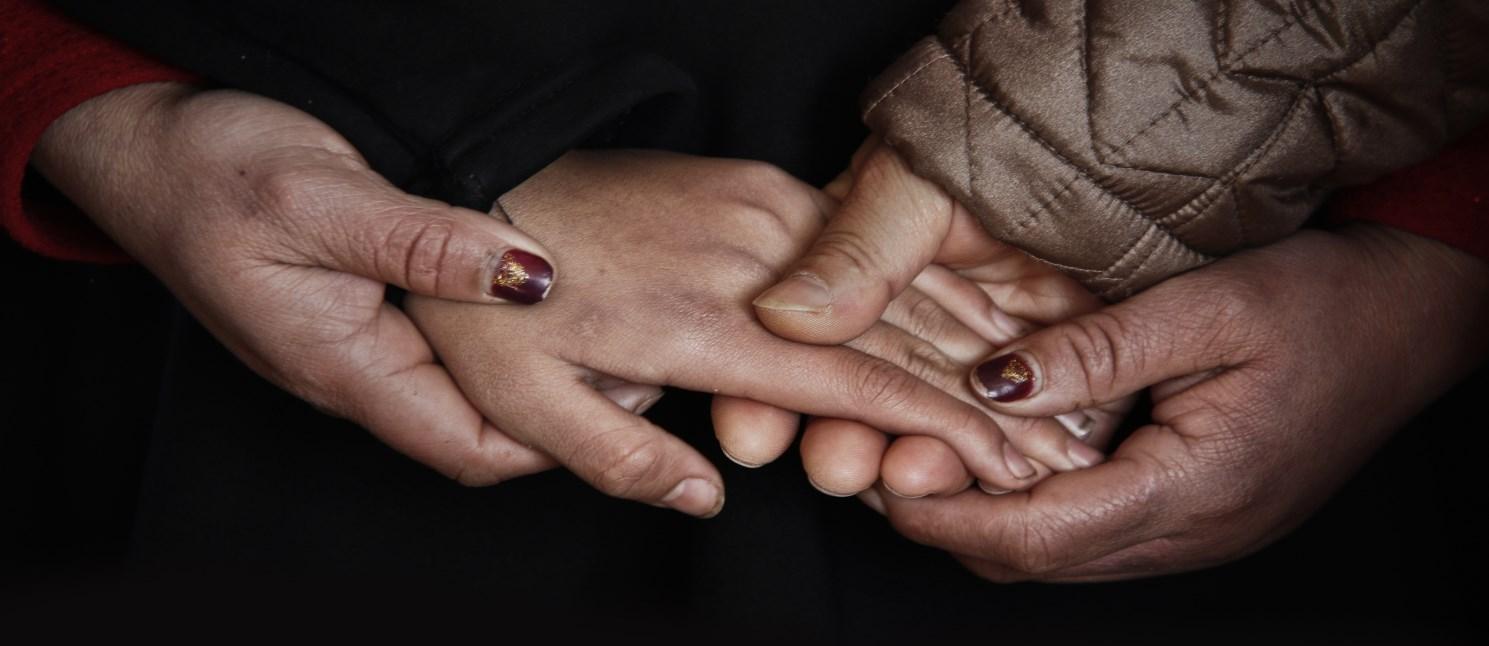
Photo by Joey Yu on Unsplash

Congregational Federation
8 Castle Gate, Nottingham, NG1 7AS