Understanding Hormonal Balance and Ovulation
The Hormonal Cycle in Women
A woman’s menstrual cycle is controlled by a network of hormones that communicate between the brain, ovaries, and uterus. Each month, the body goes through phases that prepare it for possible conception:
1. Follicular Phase (Days 1–14):
FSH stimulates the ovaries to develop follicles (each containing an egg). Estrogen levels rise, thickening the uterine lining.
2. Ovulation (Around Day 14):
A surge in LH triggers the release of a mature egg from the ovary. This is the most fertile time of the cycle.
3. Luteal Phase (Days 15–28):
After ovulation, progesterone increases to support the uterine lining. If pregnancy doesn’t occur, hormone levels drop, and menstruation begins.
When this rhythm is disrupted due to nutrient deficiencies, stress, or hormonal imbalance ovulation may become irregular or stop altogether.
How Fertility Supplements Help Restore Hormonal Balance
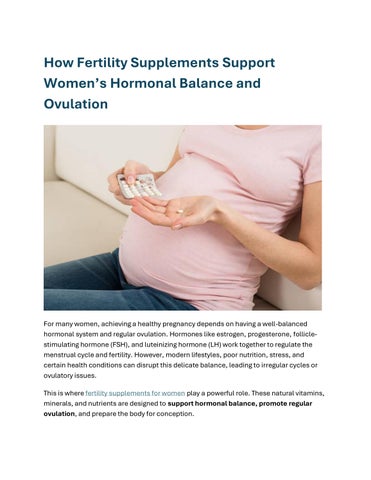
Fertility supplements work by providing essential nutrients that the body needs to regulate hormone production, improve ovarian health, and support reproductive function. Here’s how they help at a deeper level:
1. Regulating Hormone Production
Many vitamins and minerals are involved in hormone synthesis. For instance, vitamin B6 and zinc help the body produce progesterone and regulate estrogen levels. Balanced hormones lead to predictable menstrual cycles and optimal ovulation timing.
2. Supporting Ovarian Function and Egg Maturation
Nutrients like CoQ10 and omega-3 fatty acids improve ovarian health and enhance egg quality by reducing oxidative stress. Healthier eggs increase the likelihood of successful fertilization.
3. Improving Insulin Sensitivity
For women with conditions like PCOS (polycystic ovary syndrome), insulin resistance can interfere with ovulation. Supplements such as myo-inositol and D-chiro inositol help regulate insulin levels, restoring natural ovulatory cycles.
4. Reducing Inflammation and Oxidative Stress
Chronic inflammation and free radicals can damage reproductive tissues and eggs. Antioxidants like vitamin C, vitamin E, selenium, and NAC protect the ovaries and support overall reproductive health.
5. Balancing Stress Hormones (Cortisol)
High cortisol levels caused by chronic stress can suppress ovulation and disrupt menstrual cycles. Magnesium and B vitamins support the adrenal glands, helping the body manage stress more effectively and promoting hormonal stability.
Key Fertility Supplements That Support Hormonal Balance and Ovulation
Let’s explore the most effective fertility supplements and how each one contributes to restoring balance and encouraging ovulation.
1. Myo-Inositol and D-Chiro Inositol
These are among the most researched supplements for women with irregular ovulation, especially those with PCOS. They act as insulin sensitizers, helping to regulate blood sugar levels and restore ovarian function.
How They Help:
• Balance insulin and androgens (male hormones)
• Promote regular ovulation
• Improve egg quality and menstrual regularity
Recommended Dose: 2,000 mg myo-inositol and 50 mg D-chiro inositol twice daily (40:1 ratio).
2. Coenzyme Q10 (CoQ10)
CoQ10 is a natural antioxidant that supports energy production in ovarian cells. As women age, CoQ10 levels decline, which can affect egg quality and ovulation frequency.
How It Helps:
• Enhances egg maturation and ovarian response
• Reduces oxidative damage to reproductive tissues
• Supports hormonal signaling involved in ovulation
Recommended Dose: 100–300 mg daily (preferably in the ubiquinol form).
3. Vitamin D
Vitamin D functions like a hormone and is directly linked to fertility. Deficiency in vitamin D can lead to irregular cycles, poor follicle development, and imbalanced reproductive hormones.
How It Helps:
• Regulates menstrual cycles and ovulation
• Enhances ovarian receptor sensitivity to hormones
• Supports progesterone production and uterine health
Recommended Dose: 1,000–2,000 IU daily, depending on blood test results.
4. Vitamin B6 (Pyridoxine)
Vitamin B6 is crucial for maintaining balanced levels of estrogen and progesterone. It also supports the production of serotonin, which helps reduce stress a factor that can interfere with ovulation.
How It Helps:
• Regulates progesterone levels and supports the luteal phase
• Reduces PMS symptoms and mood swings
• Promotes regular menstrual cycles
Recommended Dose: 50–100 mg daily as part of a B-complex supplement.
5. Zinc
Zinc supports hormone production and egg development. It helps regulate the menstrual cycle by promoting proper FSH and LH function, both essential for ovulation.
How It Helps:
• Aids in follicle development and egg release
• Supports estrogen and progesterone balance
• Promotes cellular repair and fertility hormone production
Recommended Dose: 10–15 mg daily.
6. Magnesium
Magnesium is often called the “relaxation mineral.” It supports adrenal health, reduces stress hormones, and plays a role in regulating reproductive hormones.
How It Helps:
• Balances cortisol and insulin levels
• Improves luteal phase function
• Supports progesterone production and reduces PMS symptoms
Recommended Dose: 200–400 mg daily, preferably as magnesium glycinate or citrate.
7. Omega-3 Fatty Acids
Omega-3s help balance reproductive hormones by reducing inflammation and supporting healthy cell membranes. They also enhance uterine blood flow and egg quality.
How They Help:
• Regulate estrogen and progesterone levels
• Improve egg health and ovarian function
• Support implantation and early pregnancy health
Recommended Dose: 1,000–2,000 mg EPA/DHA daily from a purified fish oil or algaebased supplement.
Vitex is a powerful herbal supplement known for its ability to balance hormones naturally. It influences the pituitary gland, which regulates LH and FSH levels.
How It Helps:
• Supports progesterone production in the luteal phase
• Regulates menstrual cycles
• Restores ovulation in women with irregular periods
8. Vitex (Chasteberry)
Recommended Dose: 400–800 mg daily; use consistently for several months for best results.
9. N-Acetylcysteine (NAC)
NAC helps increase glutathione, the body’s master antioxidant, and supports ovarian health. It is particularly effective for women with PCOS or oxidative stress-related fertility issues.
How It Helps:
• Enhances ovulation by reducing inflammation and oxidative damage
• Improves egg quality and endometrial health
• Supports liver detoxification and hormone metabolism
Recommended Dose: 600–1,800 mg daily, divided into 2–3 doses.
Supporting Hormonal Balance Naturally
Combine Supplements with Healthy Lifestyle Choices
To maximize the benefits of fertility supplements, it’s essential to maintain a healthy lifestyle. Simple habits can significantly improve hormonal function and ovulation regularity:
• Eat a balanced diet: Include whole foods, healthy fats, lean proteins, and fiber-rich vegetables.
• Exercise regularly: Moderate activity like yoga or walking supports hormone regulation.
• Manage stress: Chronic stress can disrupt hormonal cycles try meditation or breathing exercises.
• Get enough sleep: Hormone regulation depends on quality rest. Aim for 7–8 hours nightly.
• Avoid endocrine disruptors: Limit exposure to BPA, pesticides, and harmful chemicals.
Consult a Healthcare Professional
Before starting any supplement regimen, speak with a healthcare provider or fertility specialist. They can assess your hormone levels, recommend appropriate dosages, and monitor progress to ensure optimal results.
Conclusion
Hormonal balance and ovulation are at the heart of female fertility. When these processes are disrupted, conception becomes more difficult but with the right nutritional support, the body can often rebalance itself naturally.
Fertility supplements like myo-inositol, CoQ10, vitamin D, zinc, and Vitex provide the essential nutrients and antioxidants that restore hormonal harmony, promote regular ovulation, and improve overall reproductive health.
Combined with a balanced lifestyle, these natural supplements can help women take control of their fertility journey nourishing the body, balancing hormones, and increasing the chances of achieving a healthy, successful pregnancy.