
AECOM is Rooted in Legacy, Driving the Future of Transportation
By Veronica Vanterpool, Americas Transit Lead, SVP
In the transportation sector, one question we are often asking and solving for is “What Makes Things Move?”. In a literal context, transportation is primarily about the movement of people, goods and services. Whether you work in the public or private sector, transportation is about facilitating mobility within our networks made of tracks, pavement and steel. We build to connect, we build to sustain, we build to progress.
There are many ways to make things move. Efficient systems and streamlined processes make things move by reducing bottlenecks. Early coordination and collaboration move things along by minimizing risk that adds time and complexity. Project champions serve as accountable spokespeople who can help educate about the benefits of a project and the dividends of investment that squash persistent myths. Effective stakeholder engagement and communication can ease friction by incorporating local knowledge and input into project development nurturing public acceptance.
People are the ones who translate mobility into actionable outcomes. Each project moves forward because of one person’s idea, belief, dedication, inspiration, tenacity and optimism manifested into designs, models and spreadsheets. People are the ones who translate mobility into actionable outcomes. It is the planner working with a local transit agency to design a community’s first bus rapid transit project. It is the engineer developing the specifications for tracks that will support faster, expanded rail service. It is the executive who embeds principles and values into sterile structures.
People forge partnerships that deliver infrastructure progress. As a global infrastructure firm, the local impacts of AECOM’s worldwide reach require partnerships forged on-the-ground. These partnerships, such as the one between AECOM and COMTO to provide technical assistance in 16 communities across the U.S., are a necessary connection to the benefits of our work.
At AECOM, we are always preparing for the future of transportation – today. The way we move things is rooted in legacy systems whether from bygone eras of freight railroads converted to light rail systems or hub and spoke transit networks that no longer reflect commuting patterns. This legacy is a blueprint that can and, sometimes, should be changed. AECOM is using yesterday’s legacy to make this change while addressing future decades of need.

People are the ones who translate mobility into actionable outcomes.









Rooted in People, Driven By Possibility: What a PeopleCentric, Tech-Enabled Future Looks Like
By Masai Lawson, Senior Talent Acquisition & DE&I Strategist
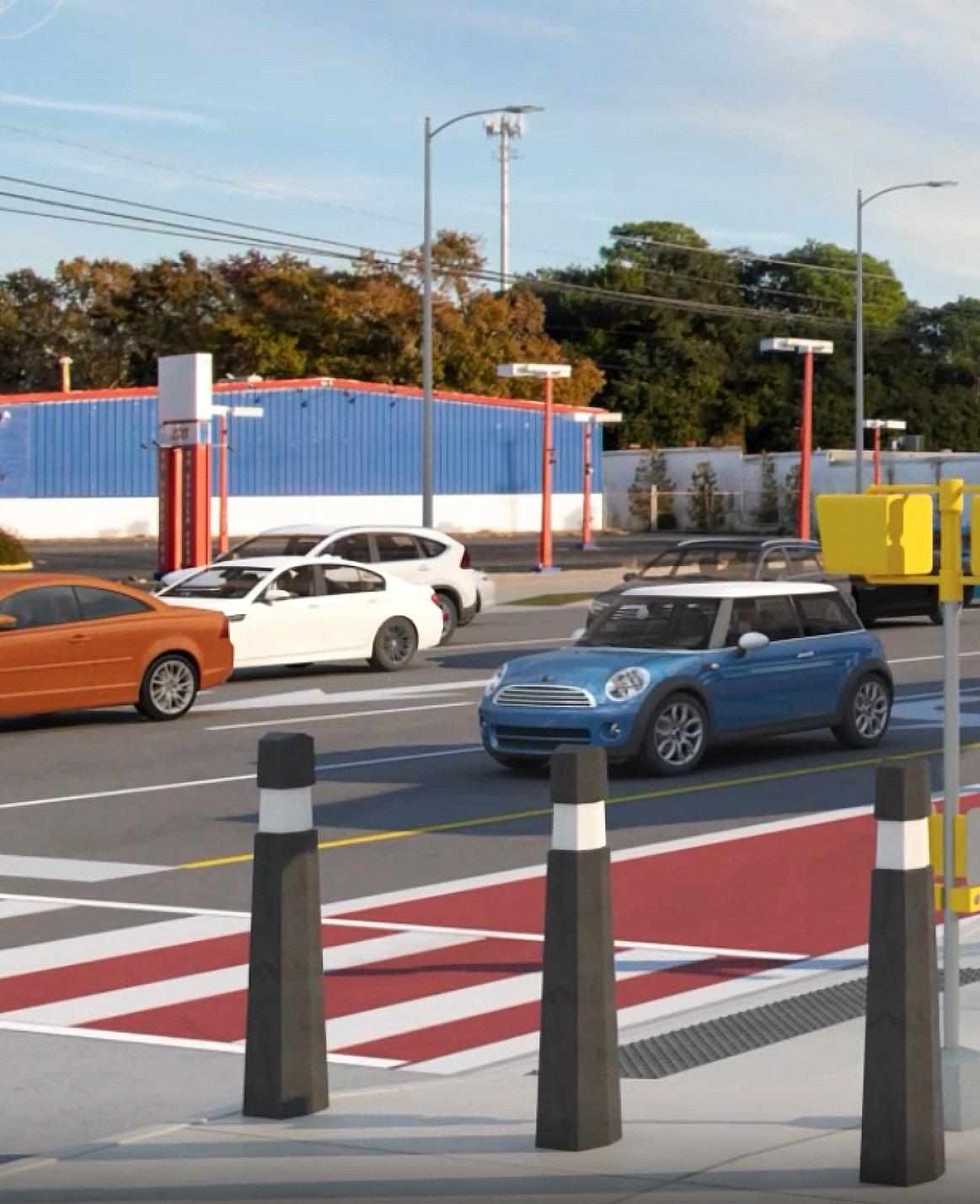
New technologies, shifting travel patterns, and growing demands are changing how systems are planned and delivered. One thing has not changed: transportation is about people.
At GFT, our aspiration to be the most people-centric firm in the AEC industry, powered by technology, starts there. It shapes how we approach every project, partnership, and community we serve.
Designing with People in Mind
Being people-centric today means going beyond engagement. It means integrating human insight into every stage of decision-making. When those insights are brought into planning and design, projects better reflect how people live, move, and connect. That approach is essential in complex efforts like the Lowcountry Rapid Transit project in Charleston, South Carolina, where improving travel reliability and accessibility requires balancing mobility, connectivity, and community priorities.
Technology with Purpose
Through advanced modeling, GIS, and digital delivery tools, teams can visualize outcomes and make more informed decisions earlier in the process. These tools help agencies evaluate trade-offs, improve coordination, and respond to real-world conditions.
On projects like the Crenshaw/LAX Transit Corridor, the combination of technical precision and community insight supports solutions that are operationally effective and reflective of the communities they serve.
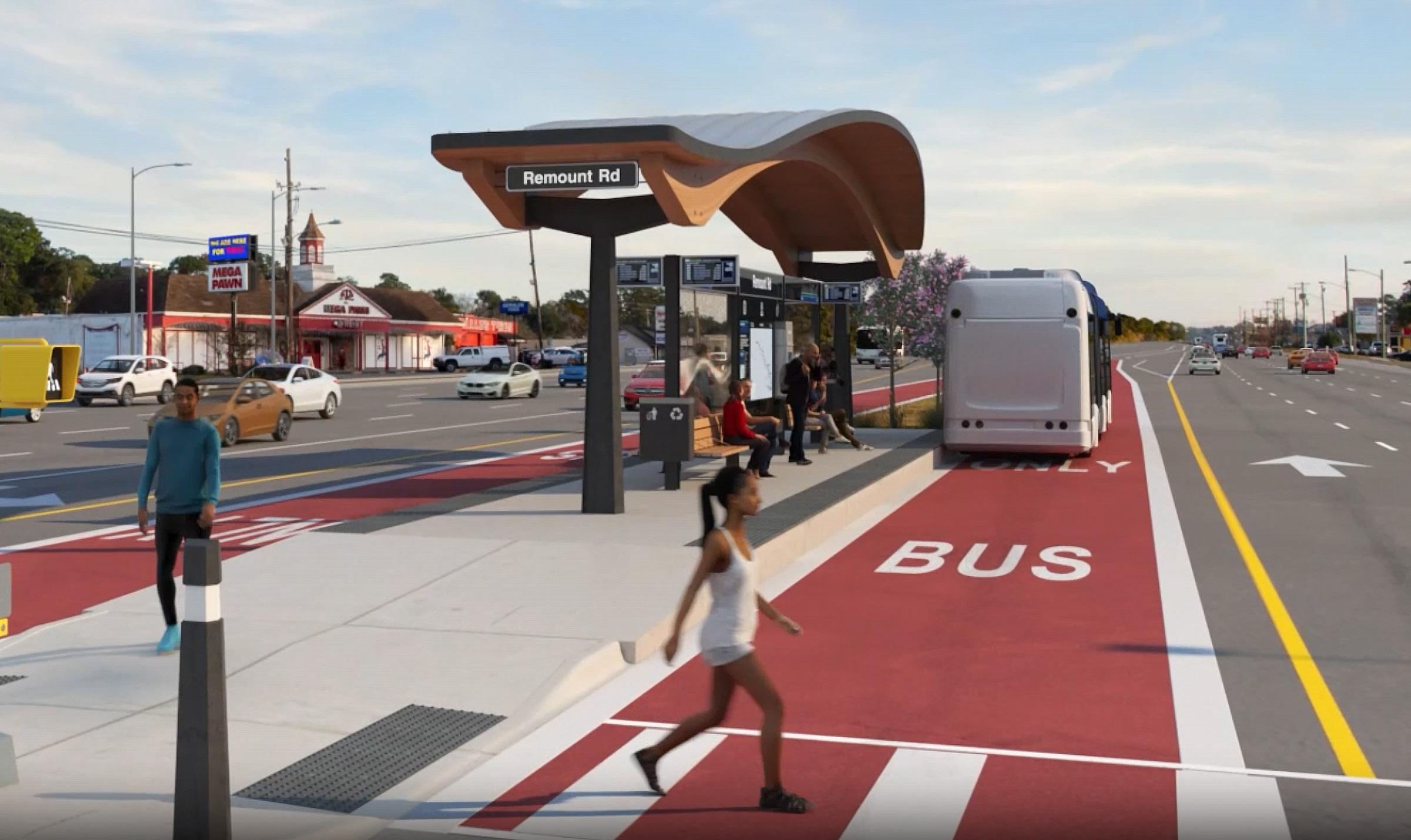
Across multimodal systems, digital tools help teams anticipate how people will interact with infrastructure before it is built, leading to more adaptable designs. Technology is only as effective as the purpose behind it.
What sets a people-centric approach apart is how those tools are applied. It is not just about optimizing systems but improving outcomes for the people who rely on them.
Delivering Impact Through Partnership
From procurement strategies to team structures, the way work is executed influences who participates and who benefits. On projects like the Penn-North Metro SubwayLink Station in Baltimore, community collaboration helped shape a design that reflects local identity while improving access and experience.
Inclusive partnerships help strengthen local economies while building trust that extends beyond a single project.
With more than a century of experience, GFT’s legacy guides how we move forward, combining proven practices with new technologies and delivery models to meet today’s challenges.
The future of transportation will be defined not just by innovation, but by impact. When people remain at the center, and technology is applied with purpose, infrastructure connects communities, expands opportunity, and supports a more resilient future.


Navigating Change by Building Trust: Leading Through New Transportation Leadership
By Keith Benjamin, Vice President, National Cities Initiative Leader at STV
As the nation approaches midterm elections, with the potential for new leadership and shifting policy priorities, transportation agencies find themselves at a critical inflection point: one that calls for clearer alignment between vision, investment, delivery models and outcomes for the communities we serve.
Leadership change brings fresh energy and new ideas but can also bring uncertainty. For state and local Departments of Transportation, as well as transit authorities and their partners, success requires preparing for change: by building trust early, listening intently and aligning infrastructure investment and delivery strategies with evolving community priorities.
Over the next year alone, dozens of gubernatorial and mayoral races will reset the leadership landscape in major metropolitan areas. Politicians aside, elections are how our communities tell us their priorities. For transportation professionals, this is a strategic opportunity. Engaging early with incoming decision makers helps agencies and their partners shape projects so access, safety, and long term resilience is embedded from the start. This sets the project up for long-term success.


Engaging early with incoming decision makers helps agencies and their partners shape projects so access, safety, and long term resilience is embedded from the start.
What distinguishes effective partners in these moments is presence. The most impactful teams are already part of the local conversations: working within coalitions, participating in community dialogue and understanding the pressures leaders face long before a procurement is released. This local fluency, paired with national perspective, helps bridge the gap between policy aspirations and practical delivery.
At STV we’ve seen how advisory-led engagement, before projects are fully defined, creates continuity where disruption might otherwise occur. By engaging early, we help clients move from uncertainty into alignment, connecting aviation investments to broader community outcomes while supporting more informed decisions about scope, risk and long-term value.
For agencies and community partners alike, the lesson is clear: engage early, listen first and lead with an understanding of people (not just projects). When delivery models, technical expertise and community priorities are aligned from the outset, projects are better positioned to succeed, regardless of political or economic shifts. When we invest in relationships that endure beyond election cycles, we create a foundation that supports safer roads, stronger transit systems and more connected communities.
As COMTO marks its 55th anniversary conference, we’re reminded of what has always moved our industry forward: leadership rooted in service, collaboration and a shared commitment to transportation that serves all.
DIV_WHQ_KCM_COMTOAd_11816804875-Print.pdf 1 4/29/2026 11:05:46 AM

CTDOT/COMTO CT
Rooted in Legacy, Driving the Future of Transportation
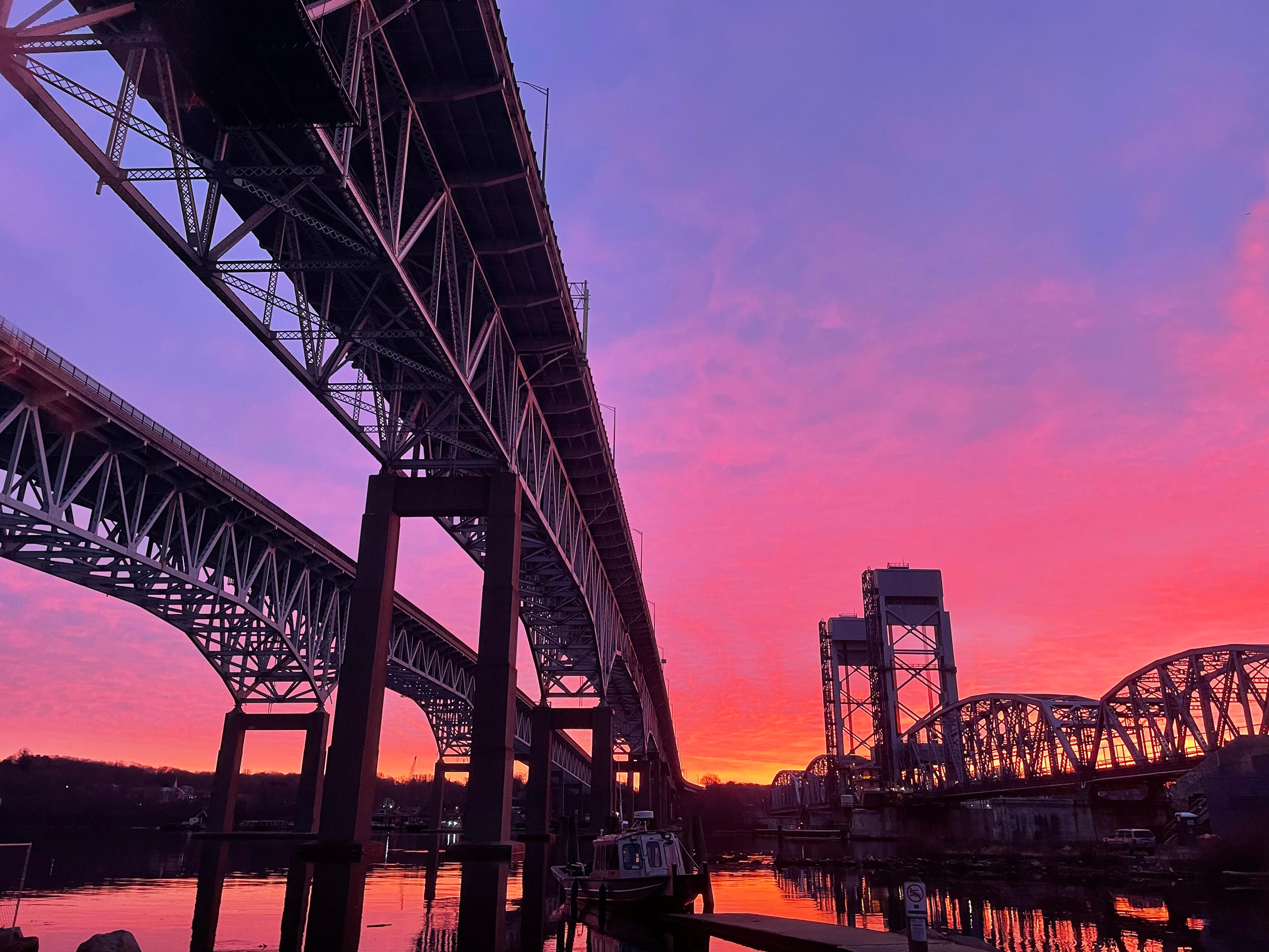
Congratulations to COMTO for its 55 Annual Meeting and Training Conference! The Connecticut Department of Transportation is proud of its continued partnership with COMTO. Together, we’re improving lives through transportation. th
C ON GR AT U L ATI ON S

The Missouri Depar tment of Transpor tation is proud of its par tnership with COMTO. Together, we build connections with Missouri’s minority and disadvantaged communities.
■ MoDOT is now hiring in all areas of transpor tation at www.modot.org/careers.
■ Upcoming Design-Build projects and oppor tunities to DBEs across the state.
improvements to Interstate 70—offer contract
Want to learn more? Contact MoDOT’s Businesses Development and Compliance division at: DBE@modot.mo.gov.

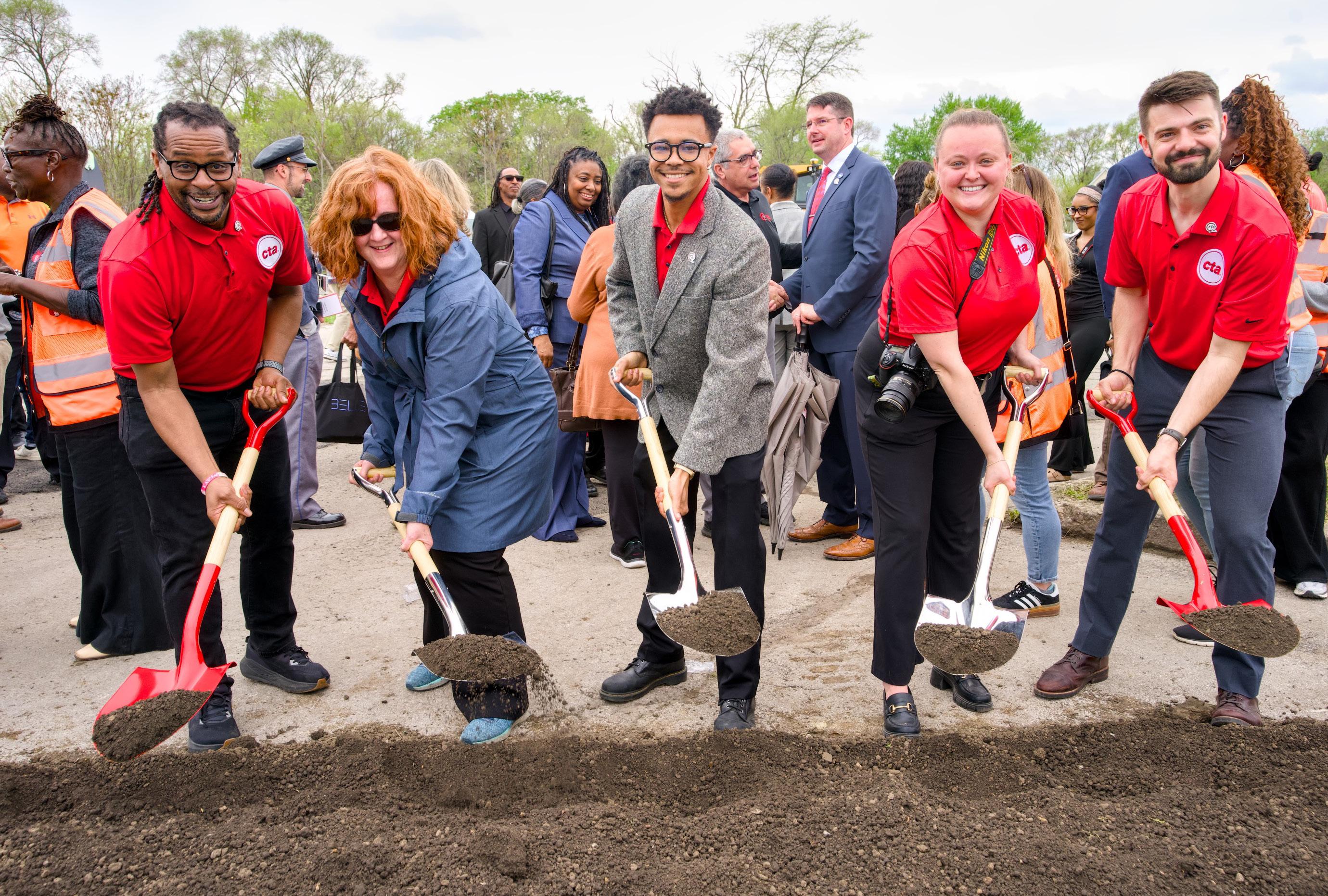
Supporting expanded transit access on Chicago’s South Side, CHIN partners with agencies to deliver infrastructure that connects communities to opportunity.
R.M. Chin & Associates, Inc.
Strong transportation systems aren’t just built – they’re earned through trust, clarity, and genuine community investment. Rooted in Chicago, R.M. Chin & Associates (CHIN) delivers high-quality infrastructure that communities rely on and benefit from. While known for public involvement, our work spans the complete project lifecycle, ensuring projects are not only built right, but built with purpose and people in mind. From transit improvements to major infrastructure programs, we translate complexity into outcomes that expand mobility and opportunity. As the industry looks ahead, one lesson is clear: lasting impact comes from partners who are genuinely invested.
Celebrating access and opportunity
rtd-denver.com RTD

Building Transportation’s Workforce for the Future
By Jim Tymon, Executive Director

It is no secret that the transportation industry has an all-encompassing need for an increasingly skilled workforce – one not just capable of building and maintaining physical infrastructure but developing and operating an increasingly complex suite of technologies that keeps the nation’s transportation system up and running with a high degree of safety, security, and efficiency.
Developing a pipeline of new transportation workers to replace an ever-increasing stream of retirees, while helping them develop new skillsets and satisfaction with the job, is absolutely crucial.
Yet it is a very different workforce market in which we are working today. People are not joining transportation agencies for a 20- or 30-year career these days like they used to – they are no longer the “lifetime” workers we had in the past.
In turn, that means transportation agencies need to adopt new recruiting and retention strategies. That includes communicating the rewards of a career in public service to younger workers. This means we must engage and connect with younger workers better; we need to show them how transportation matters in everyday life in communities large and small across America.
A fair and competitive wage needs to be the baseline through which we create the workforce we need, but we cannot build a great workforce through pay alone. We have to build it through culture, where people feel their worth; they feel safe; they know they’re contributing toward the greater good; and it is OK to have fun along the way as well. It is not just important to attract talent – we have to create a place where people want to stay and grow with the organization for the long term.
That also means searching for and recruiting that talent at ever younger ages. For example, we’ve designed AASHTO’s STEM Outreach Solutions technical service program for use in Science, Technology, Engineering, and Math or “STEM” classes. We introduce middle and high school students to the “work world” of transportation and civil engineering – specifically by using a range of hands-on activities to ignite deeper engagement with our industry. This, at the very least, exposes younger people to the possibilities that lie in the transportation field.
It’s also about recruiting workers from the very communities in which we build transportation infrastructure – giving local residents access to the construction jobs that become available due to
People are not joining transportation agencies for a 20- or 30-year career these days like they used to – they are no longer the “lifetime” workers we had in the past.

transportation projects in their areas, as well as access to training opportunities, particularly if they have limited experience in the construction industry.
We also have to stress what’s best about working for the transportation industry: that the work we do impacts everyone, especially in terms of their quality of life.
Making a difference and seeing direct impact of what we do will help us recruit and retain new workers across the transportation spectrum – especially among women and people of color. These jobs matter –not just to the workers and their families but to society as a whole.
Communicating the important role transportation plays and how a new generation of workers can find a great deal of meaning through that is one way we can build a robust workforce for the future.

Leadership at the Intersection of People, Technology and Partnerships
By Mark Chung, Executive Director and CEO, IBTTA
Transportation is undergoing significant change. Emerging technologies, workforce shifts and growing infrastructure demands are reshaping how we plan, operate and invest in mobility systems. These changes create opportunity, but they also require leadership prepared to deliver results.
At IBTTA, we see this change through a distinctive lens. Our members plan, finance, build, operate and maintain critical transportation infrastructure, often supported by user-funded models that sustain longterm investment and innovation. As we often say, there are no free roads — only different models for funding the infrastructure people rely on every day. Working across infrastructure, finance and operations, we see firsthand that the future of transportation depends on three connected forces: people, technology and partnerships.
First, people remain at the center of progress. Innovation does not succeed on technology alone. It depends on leaders prepared to manage change, organizations committed to developing talent and teams equipped to adapt. Investing in people is essential to building resilient organizations prepared for the future.
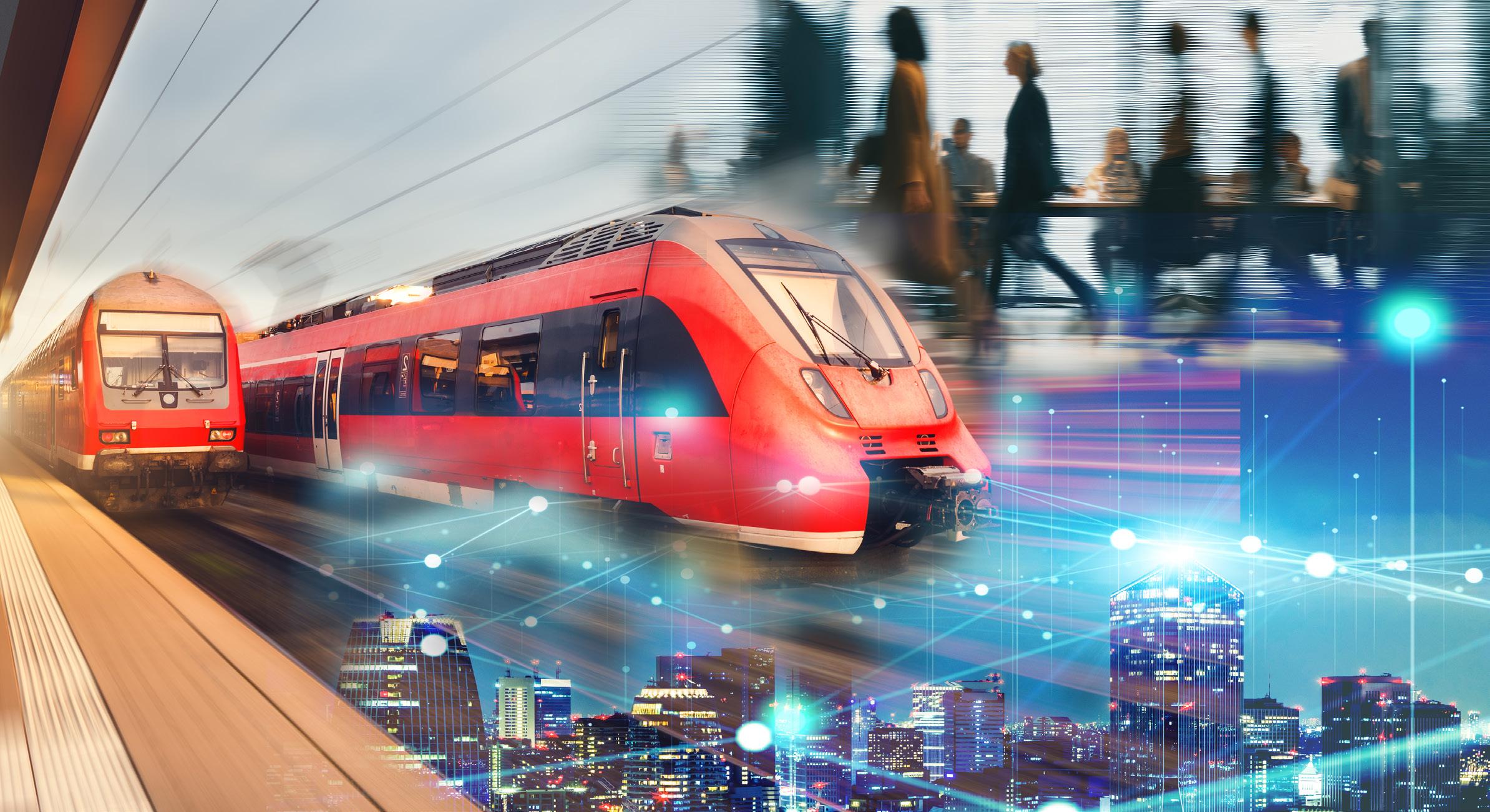
Second, technology is creating new opportunities across transportation. Artificial intelligence, digital infrastructure, automation and data-driven tools are improving safety, efficiency and system performance. Across user-funded transportation networks, these tools are helping agencies strengthen operations and deliver better outcomes. But technology is most effective when aligned with operational needs, public trust and measurable results.
Third, partnerships will determine how far progress can advance. No single agency, company or sector can meet today’s transportation challenges alone. Progress depends on collaboration among public agencies, private industry, technology innovators and mission-driven organizations. As COMTO marks its 55th anniversary, its legacy is a reminder that collaboration, opportunity and leadership development have long been essential to advancing transportation.
These priorities are connected. Technology depends on people prepared to lead it. Partnerships help innovation scale. Strong leadership brings all three together.
The future of mobility will be shaped not only by the tools we deploy, but by how we finance infrastructure, how we lead and how effectively we work together to deliver impact.
The path forward requires purpose, and leaders who connect people, technology and partnerships will help shape what comes next.
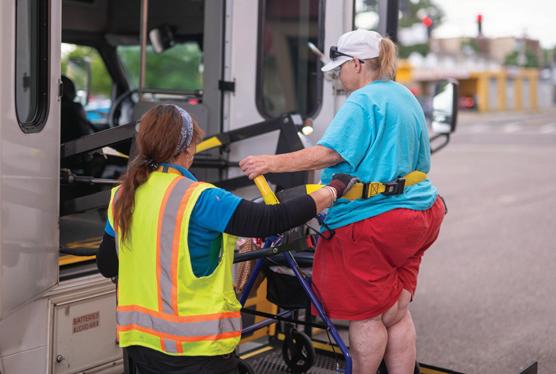
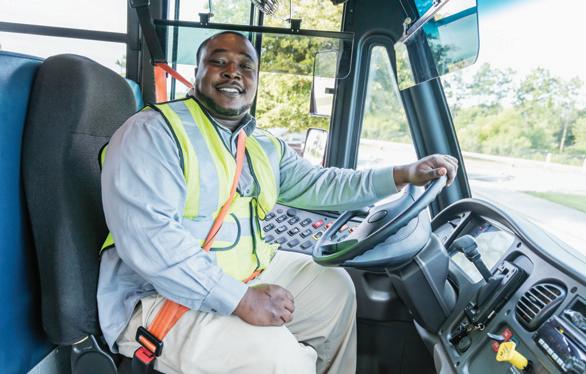
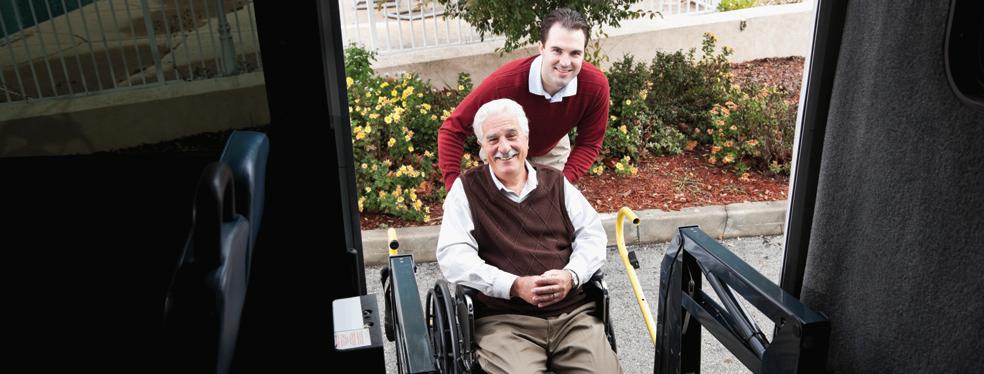
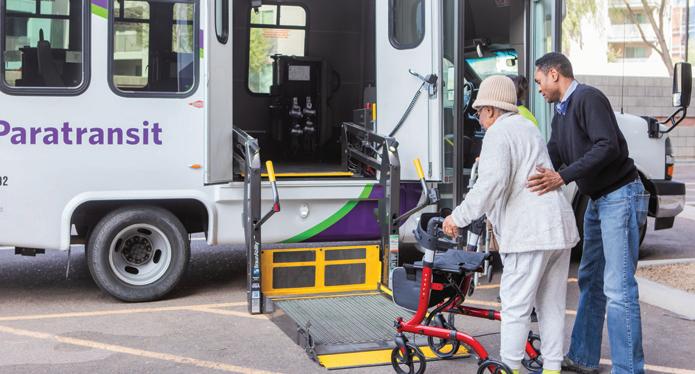
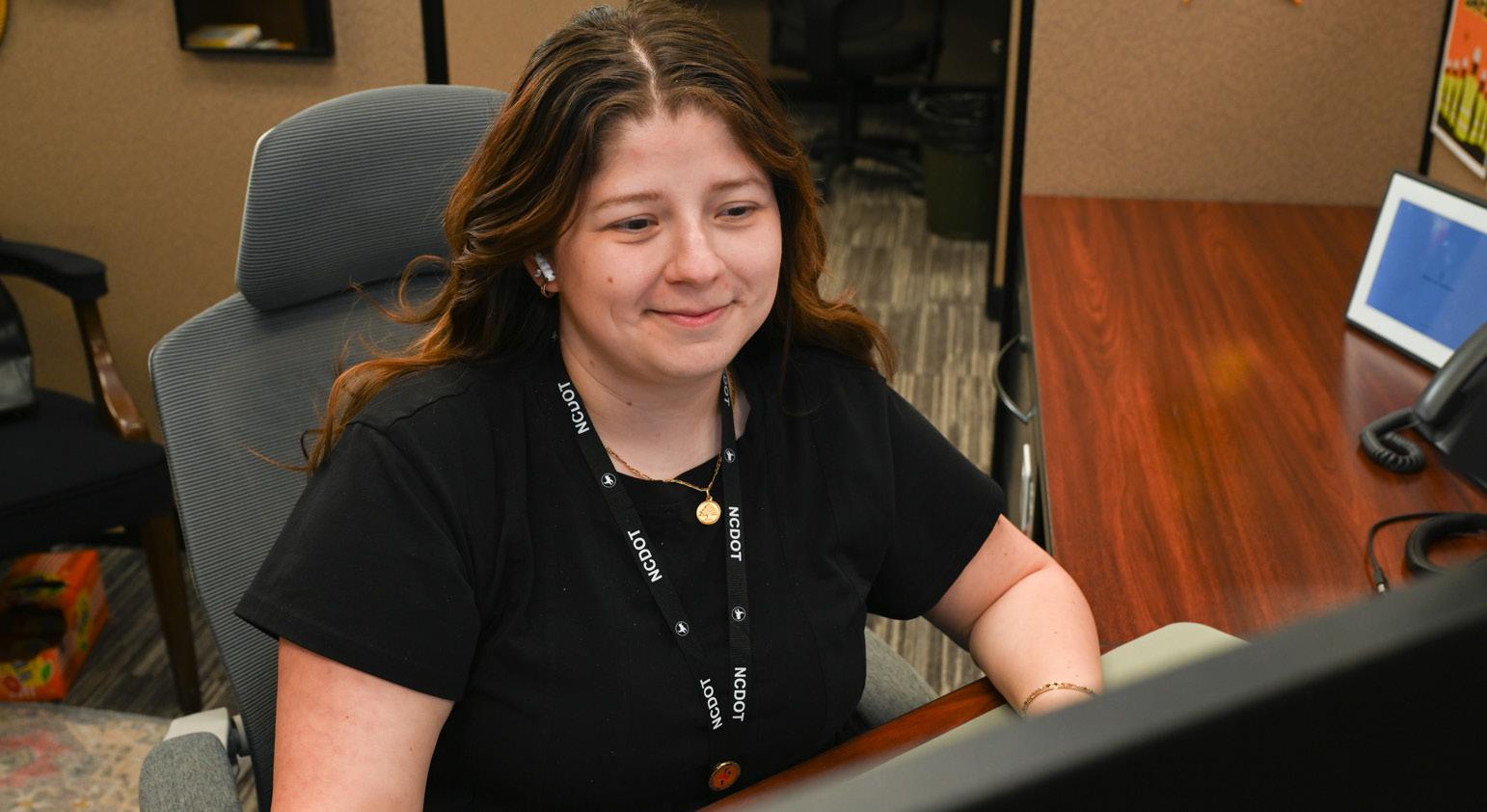
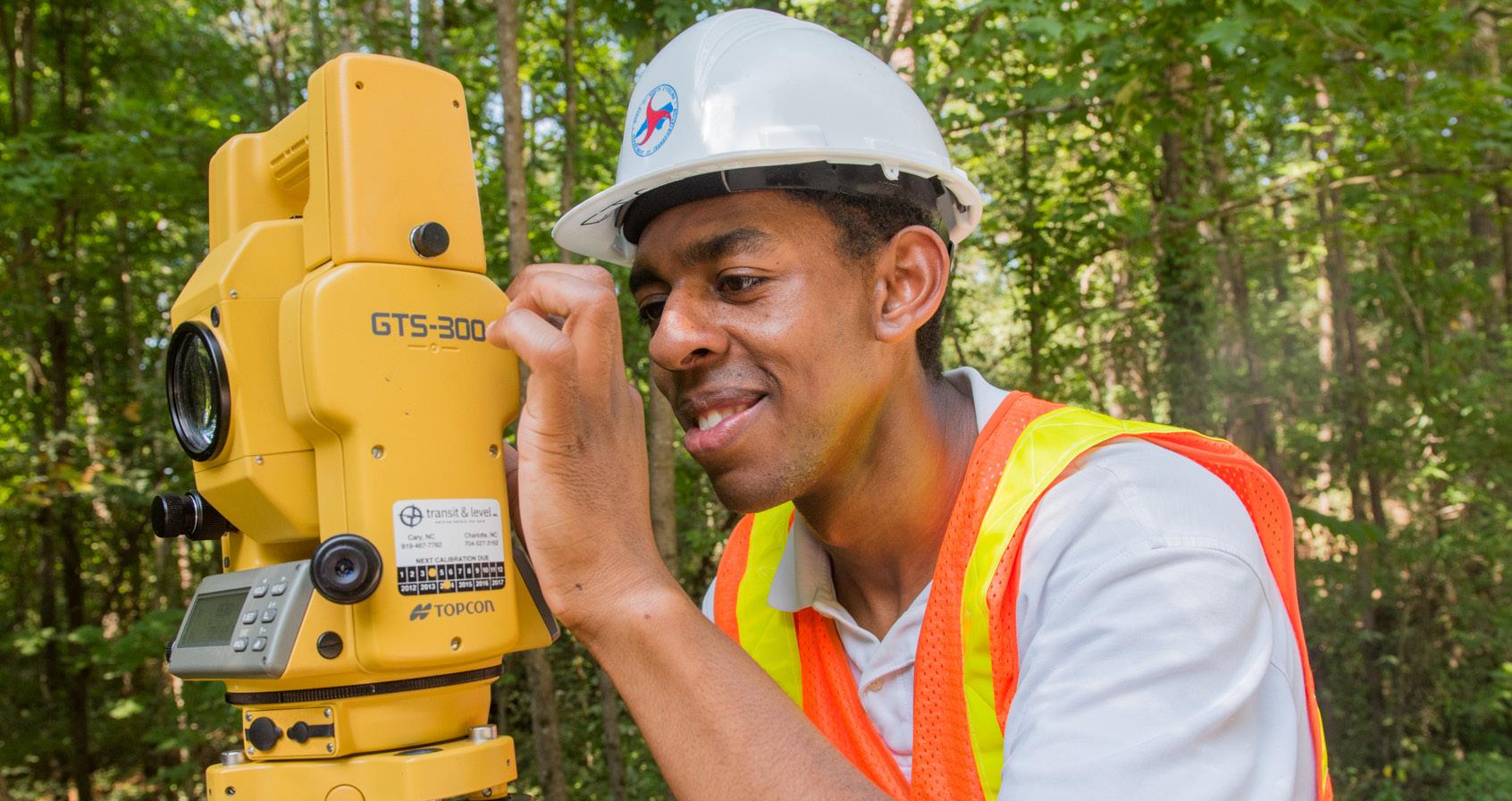
The N.C. Department of Transportation is proud to be a member of COMTO and the driving force behind the COMTO North Carolina Chapter. For 55 years, COMTO has worked to strengthen and advance opportunities within the transportation industry. We are committed to supporting that mission by creating pathways that help ensure transportation is accessible to all North Carolinians.

Rooted in Legacy: LIT Celebrates COMTO’s 55 Years and Calls for Continued Investment in Proven Leadership
By Christina Villarreal, LIT Executive Director

What began as a focused effort to support Latino professionals has grown into a national organization serving a workforce across all backgrounds.

While we gather to celebrate COMTO’s 55 years of leadership excellence and community building, Latinos In Transit (LIT) is also approaching a defining milestone: 10 years of measurable impact in the public transportation industry. What began as a focused effort to support Latino professionals has grown into a national organization serving a workforce across all backgrounds. Today, LIT delivers leadership development, workforce training, and career advancement opportunities at scale.
The organization’s 2025 Annual Impact Report underscores that growth, with more than 20,560 individuals served through programs, mentorship, trainings, and national events. These numbers represent more than participation. They reflect real career movement, leadership development, and a growing pipeline of professionals prepared to lead the future of transit.
LIT’s impact has been strengthened through long-standing partnerships with organizations such as COMTO and WTS. Together, these organizations have built a foundation for workforce development, mentorship, and leadership pathways that continue to shape the industry. These are not new ideas. They are proven models supported by years of experience, real case studies, and measurable outcomes.
As LIT prepares to mark this milestone, the 2026 Leadership Summit in Columbus, Ohio, hosted by the Central Ohio Transit Authority (COTA), represents a powerful full-circle moment.
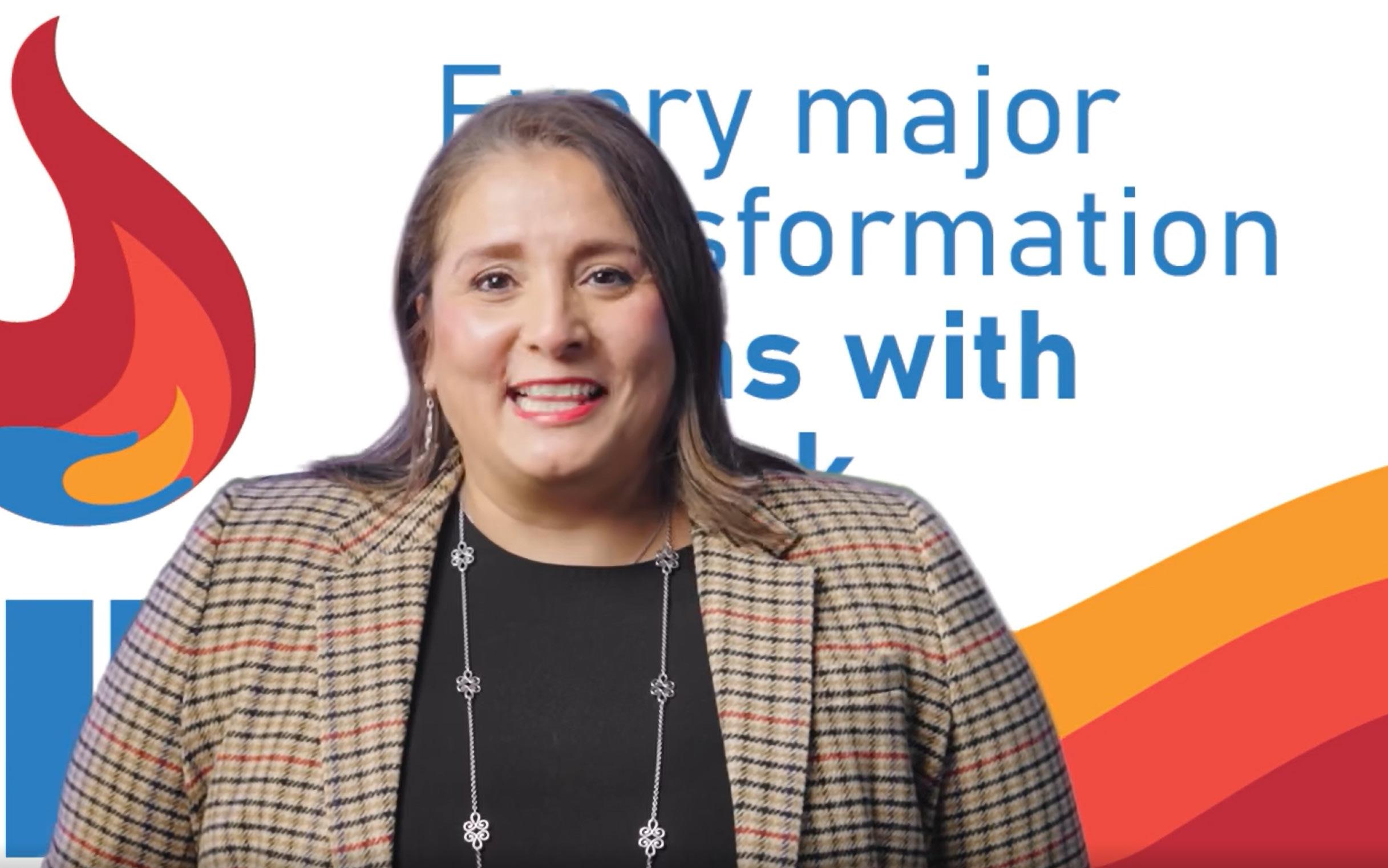
COTA CEO Monica Tellez-Fowler is a direct reflection of LIT’s long-term impact. As a member of the inaugural Leadership Academy class, she remained engaged through the Finance Committee and now serves on the Board of Directors. Her journey from participant to CEO demonstrates the kind of sustained career growth that organizations like LIT are designed to support.
As the industry continues to expand, new organizations will emerge and that growth should be welcomed. At the same time, it is important to recognize and sustain the organizations that have already done the work. Those with a decade or more of experience bring institutional knowledge, tested programs, and a track record of delivering results that cannot be replicated overnight.
The 2026 Leadership Summit will serve as both a celebration of LIT’s first 10 years and a call to action. It is an opportunity for members, partners, sponsors, and industry leaders to recommit to investing in organizations that have demonstrated lasting impact. The future of the transit workforce depends not only on new ideas, but also on continuing to support what has already been proven to work
Monica Tellez Fowler President/CEO
Central Ohio Transit Authority (COTA)
Building a Thriving Community
By Hilary Reeves, Marketing & Communications Director
When a big project appears on the horizon, how should local leaders respond?
In the early 2020s, news came that Amtrak trains might once again run between Reading, PA, and Philadelphia. Local leaders in the borough of Pottstown, where the train would stop, saw that renewed service likely would bring new investment. Led by the Pottstown Regional Community Foundation, they wanted to ensure that current residents and businesses could shape the project, addressing both longstanding needs and future economic vitality.
“It’s difficult to communicate to other funders that this is about far more than the train. There are so many touchpoints with the Foundation’s priorities. It’s about jobs, infrastructure, healthcare, and access to opportunity.”
— Howard Brown, Senior Program Officer, Pottstown Regional Community Foundation
The Foundation leveraged its convening power and knowledge of the challenges already facing Pottstown to bring together stakeholders from across the region. From the beginning, there was intentionality about building a cross-sector group that could tap into the different experiences of living in Pottstown and the region. There also was a commitment to learning together.
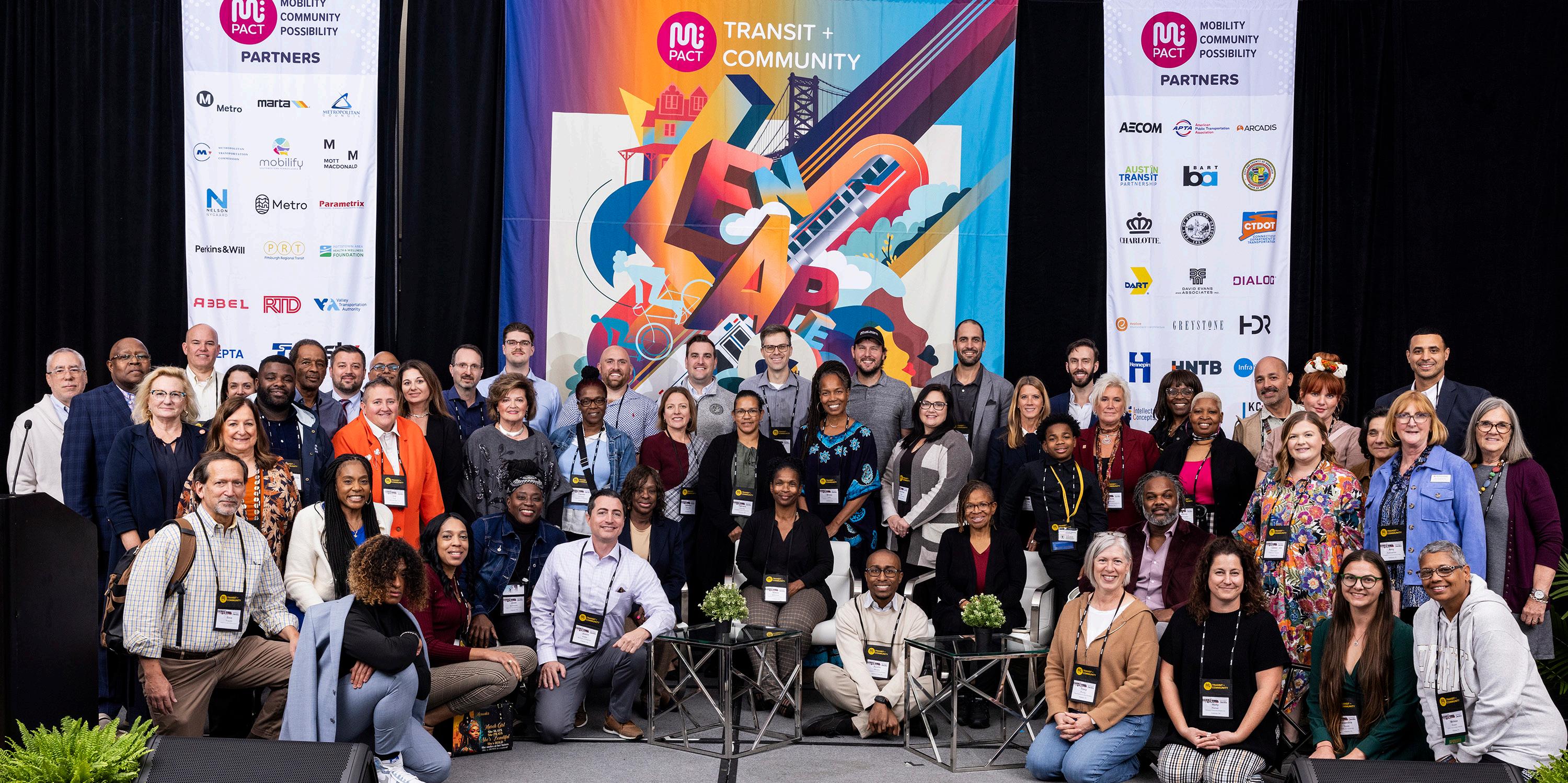
Through what became annual delegations to the Mpact Transit + Community conference, Pottstown community members and leaders learned about transportation and transit-oriented development. They got to know how planning works: who makes decisions about funding and how development happens. They met a range of people involved in this work, from city departments to transportation agencies, community-based organizations to funders. They heard stories about hard-won victories and persistent challenges.
While the Pottstown conference delegation deepened their understanding of ways to leverage their interests, the Pottstown Regional Community Foundation looked for ways to broaden support. In 2022, the Foundation partnered with the Montgomery County Planning Commission to apply for and win a Thriving Communities grant from the US Department of Transportation.
During a multi-day charette in 2025 funded through the Thriving Communities grant, Pottstown stakeholders embraced the Live Work Play framework, a model for revitalization that is seen as resilient and recession-proof because it draws housing, employment, retail and entertainment into a selfreinforcing ecosystem. Later in 2025, the Pottstown group started leveraging their knowledge and contacts to take action aligned with their vision for Live Work Play. They started new business initiatives, adjusted existing housing programs and won new funding for recreation. Planning for Amtrak service continues. In Pottstown, the wheels already are turning!
Read more:

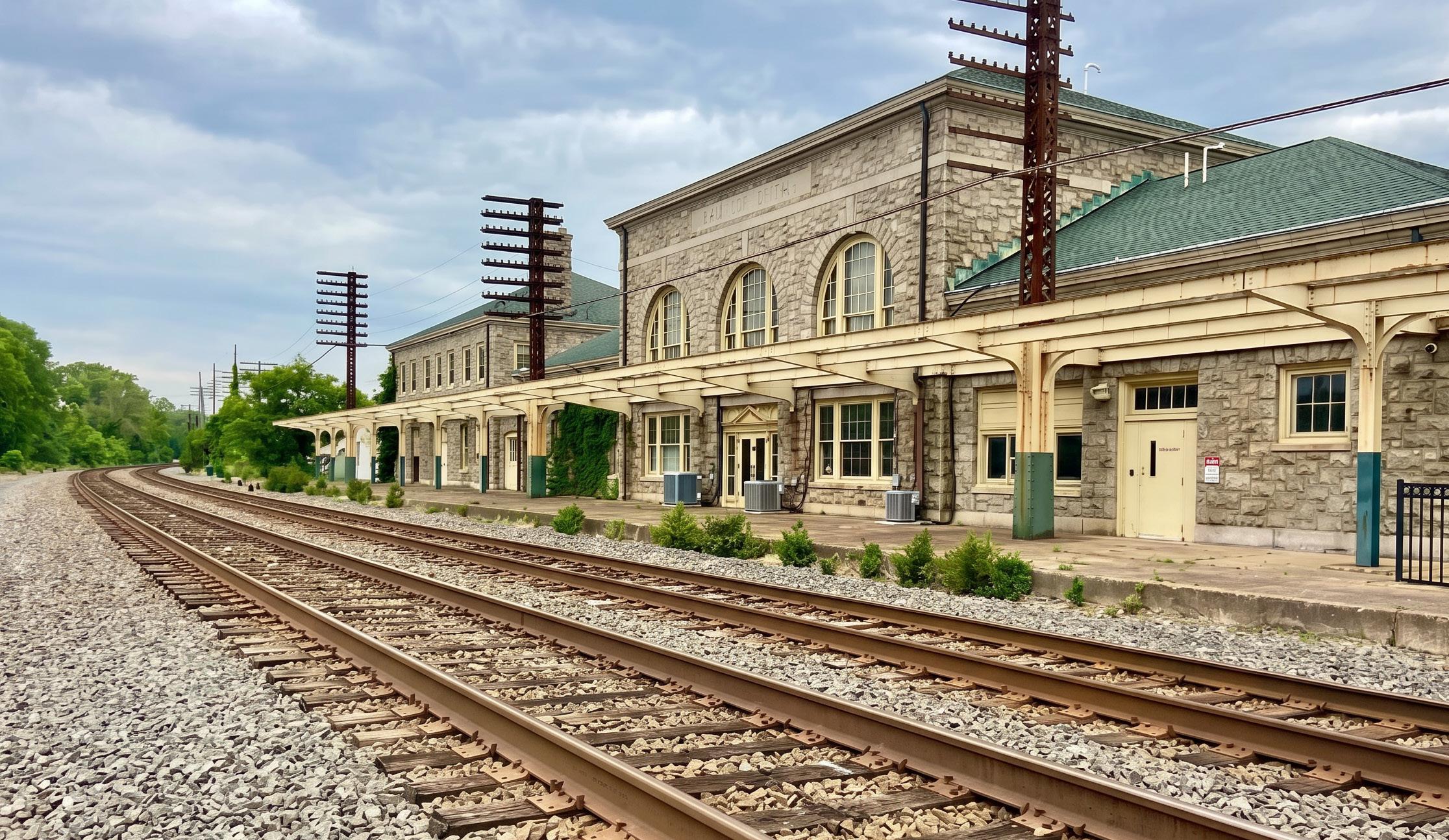
Photo of Pottstown train station, built in 1928. Today, Pottstown Area Rapid Transit buses stop at the station. Credit: Pottstown Regional Community Foundation
CONGRATULATIONS COMTO

CORE CAPABILITIES
Program/Project Management | Strategic Planning | Organizational Development Technology-Driven Solutions:
We specialize in the implementation of cloud-based enterprise systems that enhance governance, compliance, and operational efficiency. Our expertise includes HRIS, ERP, fare collection, timekeeping, and risk management solutions, modernizing outdated systems to improve security, scalability, and business performance.
DIFFERENTIATORS
• Extensive Transportation Industry Experience (Public & Private Sectors)
• Proven Success in strategic Planning and Risk Mitigation
• Comprehensive Portfolio Management Expertise
• Strategic, Data-Driven Decision-Making
NAICS: 541611, 561110, 541519, 541512
Contact: Yvette Janniere, CEO email: yjanniere@rigormanagement.com
Website: www.rigormanagement.com
• Exceptional Customer Service & Stakeholder Management
• Expertise in Large-Scale, Complex Software Implementations
• Advanced Technology Integration and Cloud-Based Solutions
• Commitment to Empowering Clients to Achieve Industry-Leading Success
CONNECTING COMMUNITIES
ACCELERATE
ACCELERATE is a publication of the Conference of Minority Transportation Officials (COMTO). Articles may not be reproduced without the publisher’s written permission.
PUBLISHER & EDITOR IN CHIEF
April Rai, President & CEO, COMTO
STAFF WRITERS & CONTRIBUTORS
Delia Gonçalves
Vice President, External Affairs
Isabella Diecidue|
Sr. Manager, Digital Strategy
Cortney Whitlow
Sr. Manager, Event Planning
DESIGN
Doug Hunley | Design DCH
COMTO Headquarters
4121 Wilson Blvd
Suite 901
Arlington, VA 22203
Phone: 202-506-2917
Email: info@comto.org Website: comto.org

comto.org info@comto.org 202-506-2917 4121 Wilson Blvd., Suite 901 Arlington, VA 22203