

$1.33 M distributed in grants, scholarships & funds
45 local organizations supported
60 students empowered through education
25 neighbourhood projects in action
$1.11 M in new revenue for today and tomorrow
112 legacy funds under management
$20.3 M held in net assets
$8.63 M granted to the community since 1996
For good. For community. Now and always.
Across the Comox Valley, people are showing up for one another in powerful ways. Local non-profits are advancing solutions in food security, mental health, housing, inclusion, and environmental stewardship— responding every day with care, innovation, and deep commitment. This report offers a window into that work—and the difference it makes close to home.
At the Comox Valley Community Foundation, we connect generosity with community need—today and over time. Gifts are pooled and invested to create a flexible, lasting source of funding that can adapt as needs change. As this generosity grows, so does our ability to put dollars to work where they are needed most—supporting emerging priorities, responding to urgent challenges, and strengthening the organizations at the heart of our community.
The stories in this report reflect what’s possible through collective giving. Behind each one is a network of donors, volunteers, and community partners working together to create meaningful change. We invite you to join us in supporting this work. Because when we give together, we build a community that is more resilient, more connected, and ready for whatever comes next.
Rooted in place and community, we respectfully acknowledge that the Comox Valley is on the unceded Traditional Territory of the K’ómoks First Nation, the traditional keepers of this land.
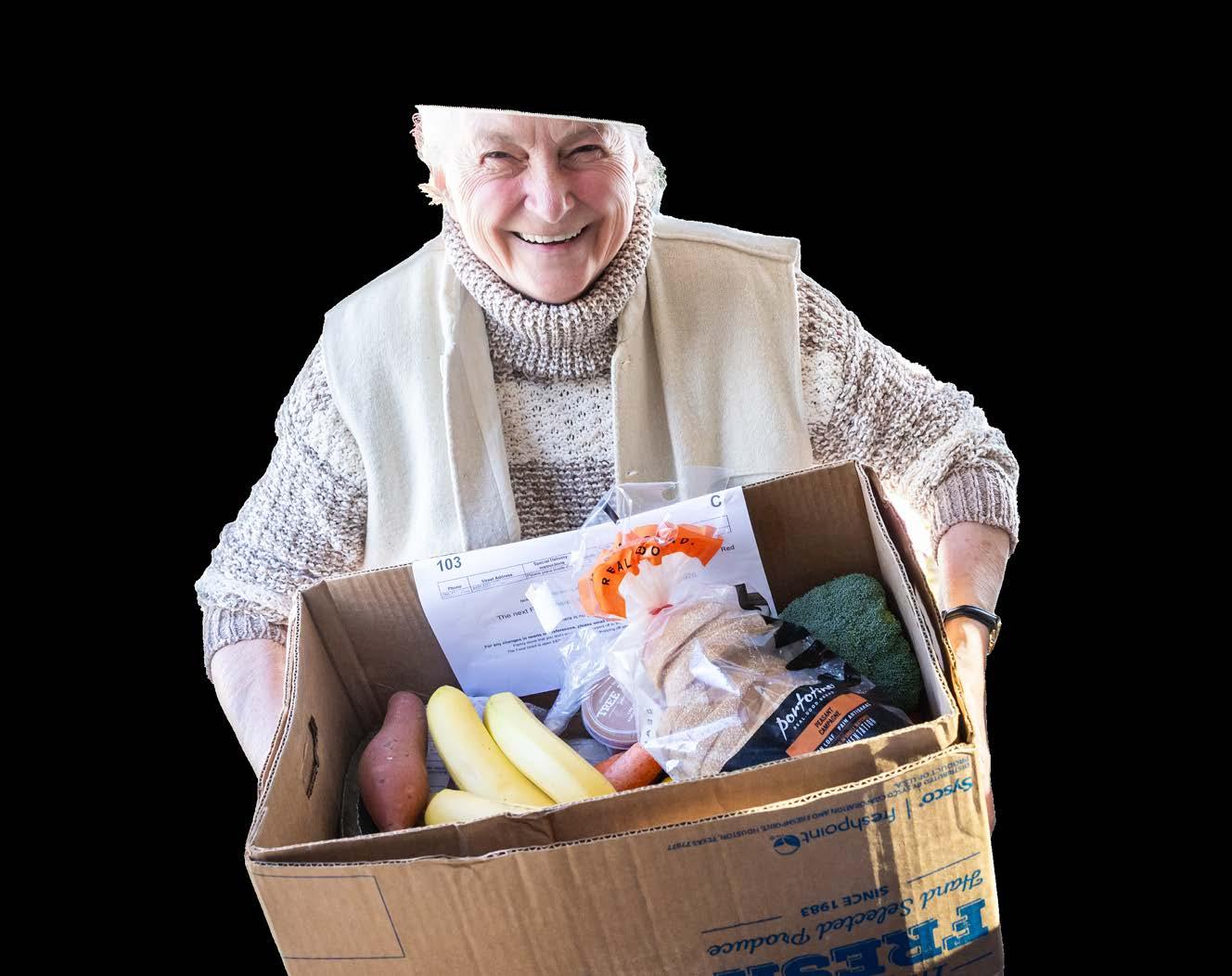
When life starts to feel unsteady, sometimes the most stabilizing thing is a box of nutritious food delivered to your door.
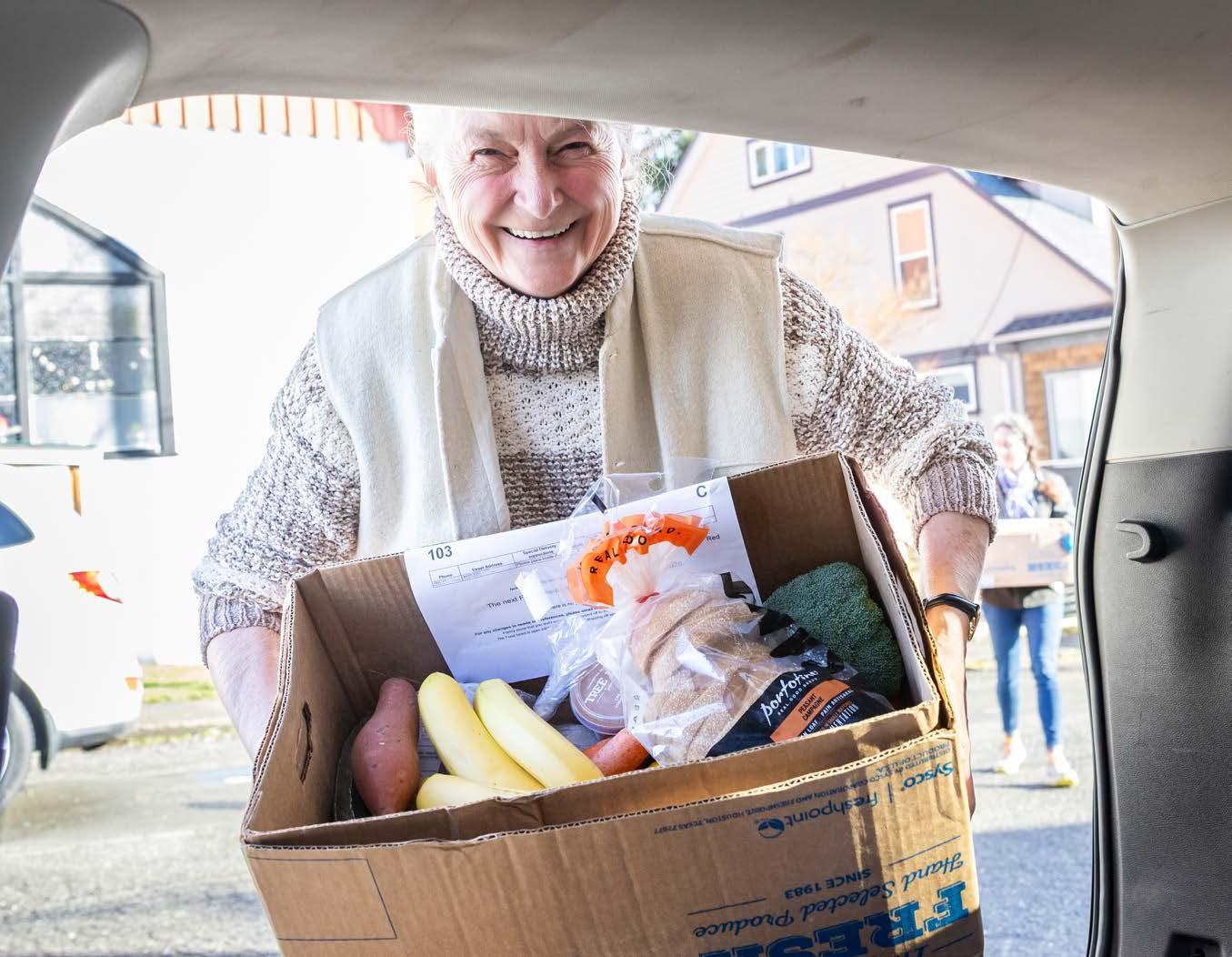
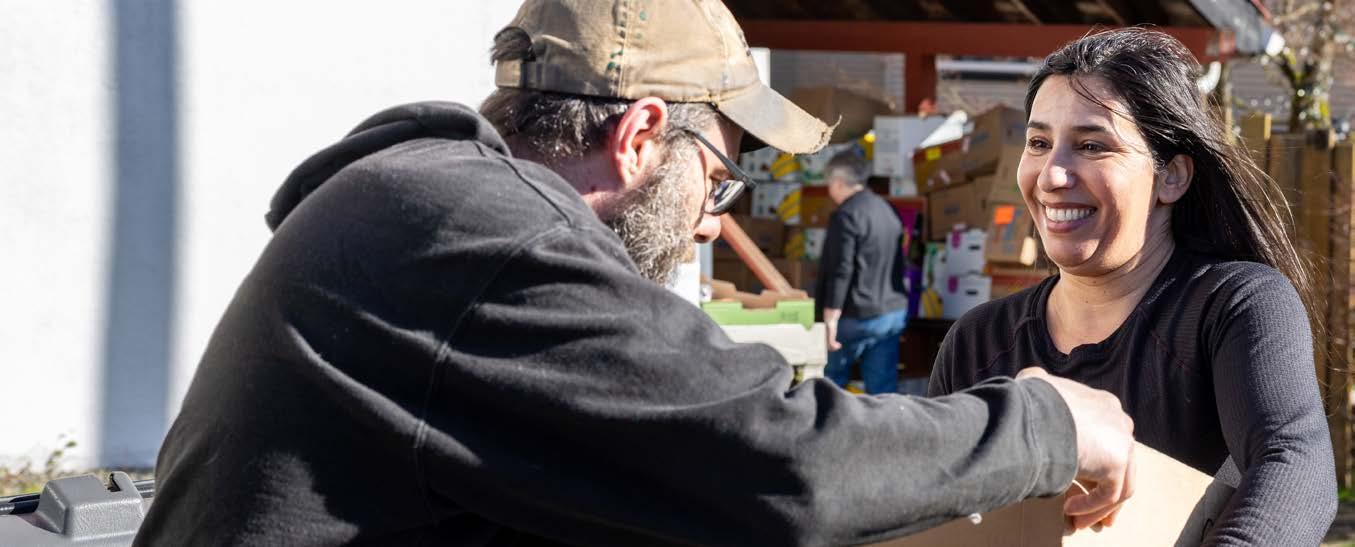
That’s the quiet power behind the Cumberland Food Share. Since 2020, the program has organized and delivered food hampers every two weeks to residents in Cumberland, operating out of the basement of the Weird Church.
“What began as an emergency pandemic response never wound down because the need never did,” said Sue Loveless, the executive director of the Cumberland Community Schools Society, which runs the program.
When it started, the program served 17 households. Today it delivers to 75 to 80 households every two weeks, reaching 221 people, including 84 children, 112 adults, and 25 seniors.
For many, the Food Share is the only realistic option. Transportation barriers, disabilities, and anxiety can make it nearly impossible to access services in nearby communities.
“The Food Share is a critical lifeline for community members experiencing food insecurity,” said Loveless.
Volunteers don’t just deliver food they build relationships and connect clients to other supports along the way.
Wherever possible, the program delivers locally grown food. It works with local farmers, wholesalers, Tree Island Yogurt, and the Comox Valley Food Bank to support their neighbours.
Access to healthy food can reduce stress, create stability, and improve overall health.
Clients say the program is a “transformative first step”— helping them get to the next meal and feel safe again.
“I can say wholeheartedly that it has changed my life. What a huge help this has been to my household.”
– Food Share client
“I can say wholeheartedly that it has changed my life,” one client shared. “What a huge help this has been to my household.”
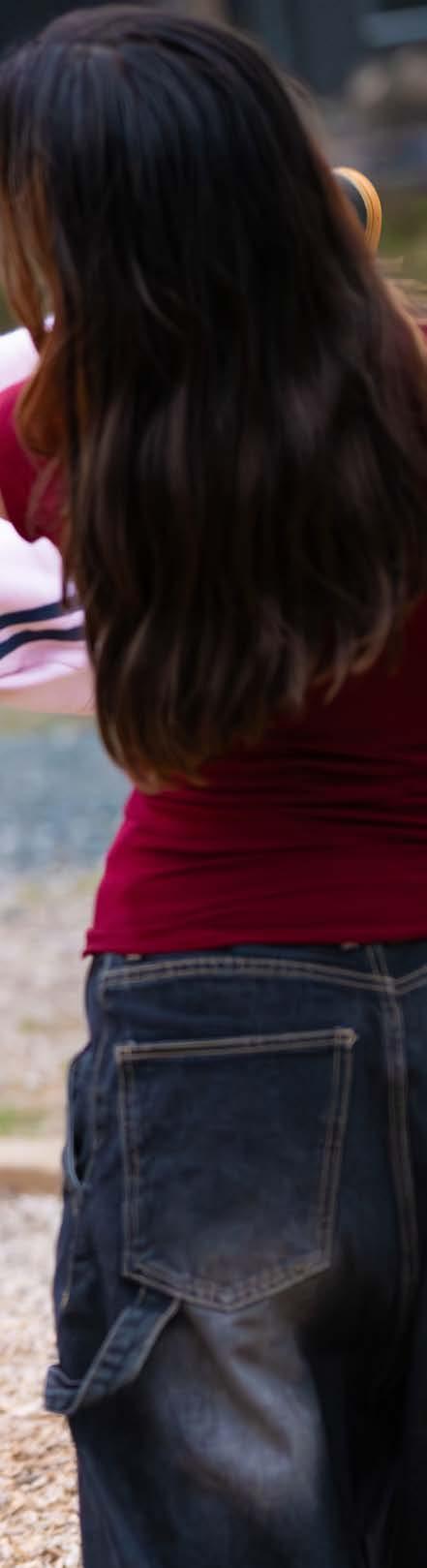
“I see a lot of kindness and acceptance in the room. They are happy to come together as a group and have a space of their own.”
– Gracie MacDonald
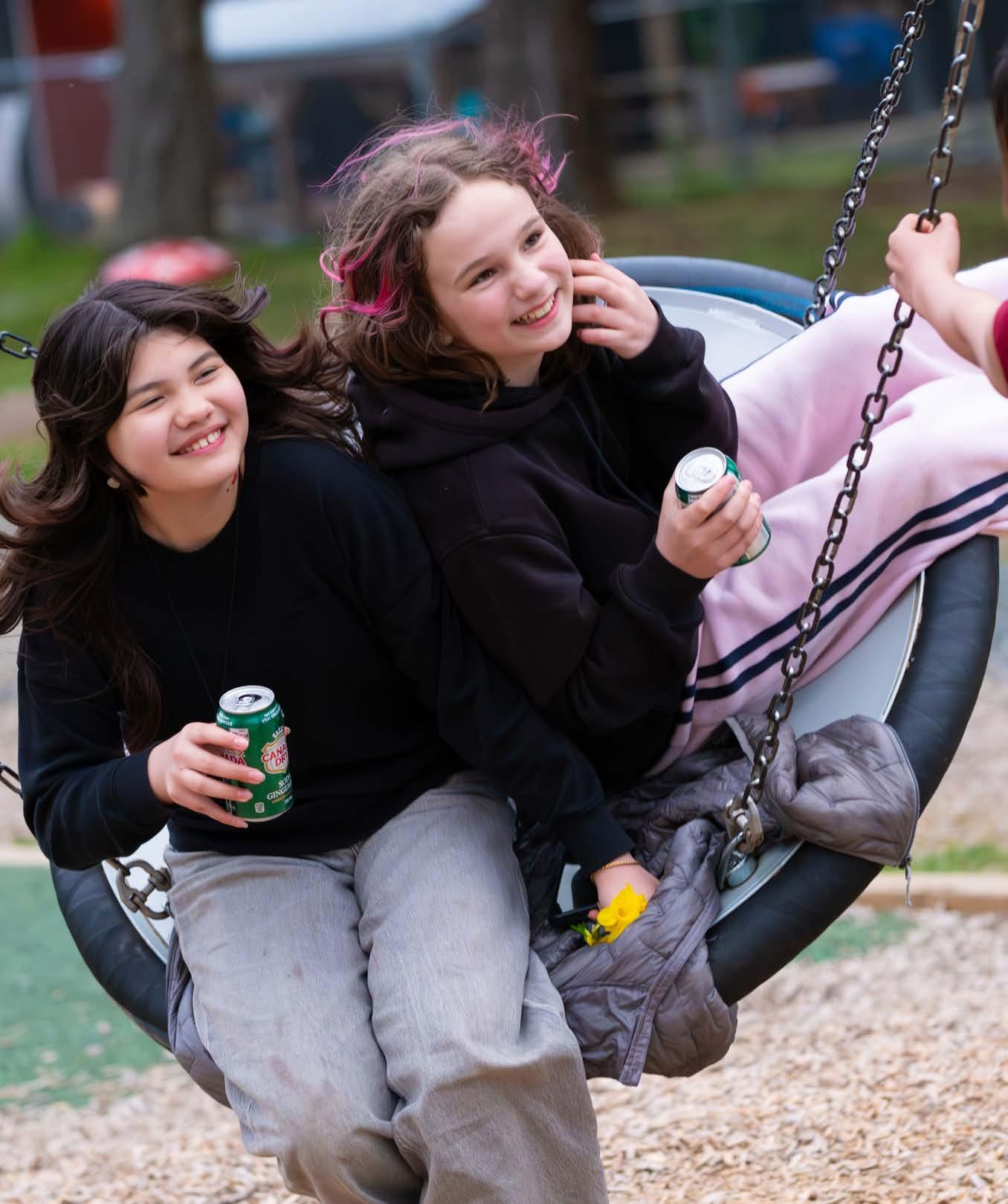
Every Friday evening, teenagers begin to arrive at the Denman Island Activity Centre. Some come for the snacks, some for the company, some just looking for somewhere to go. For youth ages 12 to 19 on the Island, Teen Night isn’t a nice-to-have. It’s often the only option.
Run by the Denman Island Community Education Society (DICES), the program has been a steady, year-round presence on the Island for a decade. Each week, about 35 teens gather to cook, play games, make crafts, or simply hang out. Two trained facilitators are always on site, and youth counsellors from Hornby Denman Health check in when they can.
“It’s a super valuable space there is really nowhere else for them to go,” said DICES executive director Gracie MacDonald. “It’s a friendly place to hang out with friends and a few trusted adults who are not your parents.”
Inside the shared space, teens move between activities or sit and talk.
“Youth are social,” said MacDonald. “They need a place where they can just be and not be judged for hanging out together in one place.”
Some are navigating food insecurity, housing challenges, or mental health pressures. At Teen Night, those differences fade.
“I see a lot of kindness and acceptance in the room,” said MacDonald. “They are happy to come together as a group and have a space of their own.”
MacDonald sees the program as essential infrastructure on the Island. But as demand grows, so does the pressure to keep the doors open. Recent funding cuts have made the program harder to sustain, increasing reliance on fundraising and community support.
“I’m grateful for all the community support we receive. Participants come from a wide range of backgrounds across Denman Island,” said MacDonald, “Without it, we’d have to cut the number of nights or activities we run. It would be felt deeply.”
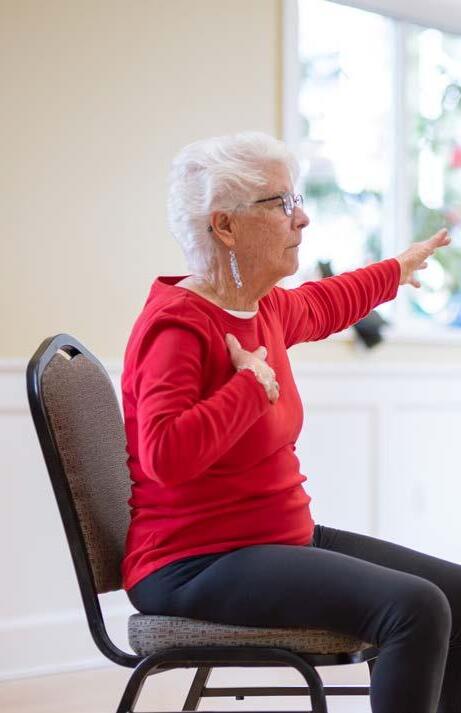
“It’s about bringing people together to be physically active, socially active, learning new things, and meeting people.”
– Myrna Holman
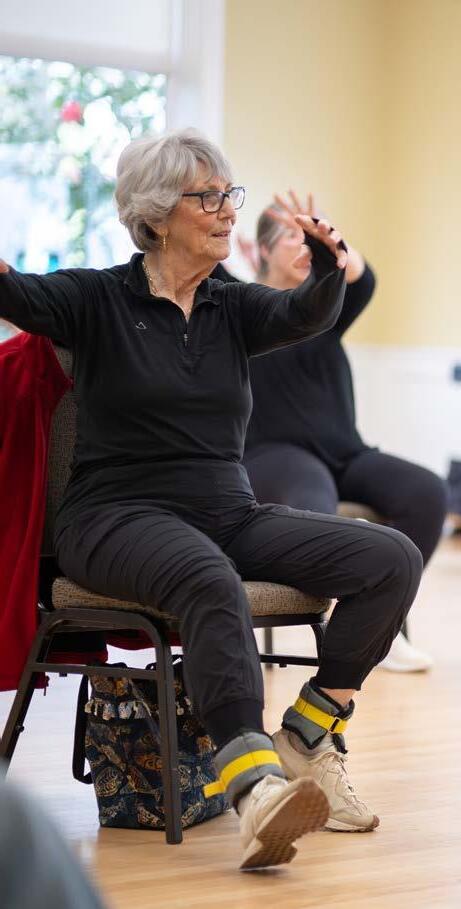
This summer, d’Esterre Seniors’ Centre Association celebrates 50 years of keeping Comox Valley residents active, connected, and well fed.
With 1,500 members aged 55 and up, the centre often surprises people who think they know what a seniors’ centre looks like.
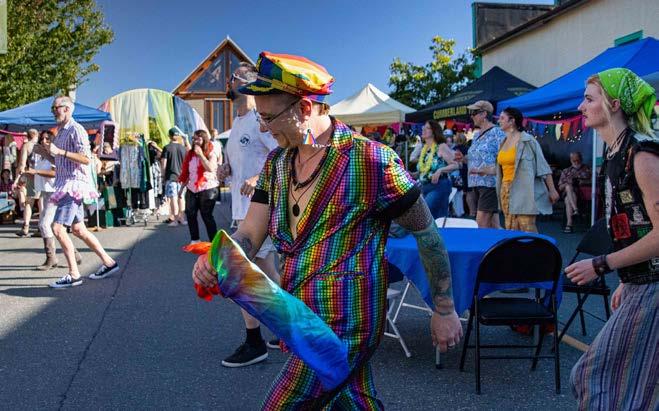
Glass kilns, a pottery studio, a woodworking shop, silversmith club, yoga, tai chi, strength training, bridge, quilting, language classes, a rock and gem club, a gift shop, and sold-out fashion shows are all part of the picture. Evening programming includes pub nights with live music, where members from across the Comox Valley connect and dance.
“It’s about bringing people together who want to be physically active, socially active, learning new things, and meeting people,” said Myrna Holman, board president. “People can face isolation and the data shows that without connection, health risks increase.”
At the heart of d’Esterre is the café —what members call the hub. Each day, volunteers and a dedicated cook serve fresh soups, baked goods, and affordable hot meals in a welcoming space filled with conversation.
For seniors managing fixed incomes, mobility challenges, or limited transportation, the café is more than a lunch stop.
“Some seniors don’t want to cook all of their meals,” she said. ”Coming to the dining room, sitting with others, and sharing a bowl of soup or a prepared meal nourishes both body and soul.”
In 2026, a Community Foundation grant helped d’Esterre expand its reach with new kitchen equipment, including commercial freezers and an industrial mixer. This increased the centre’s capacity to produce, store, and distribute homemade ready-to-heat options for members.
Prices are kept deliberately low to ensure everyone can eat well and truly call d’Esterre their second home.
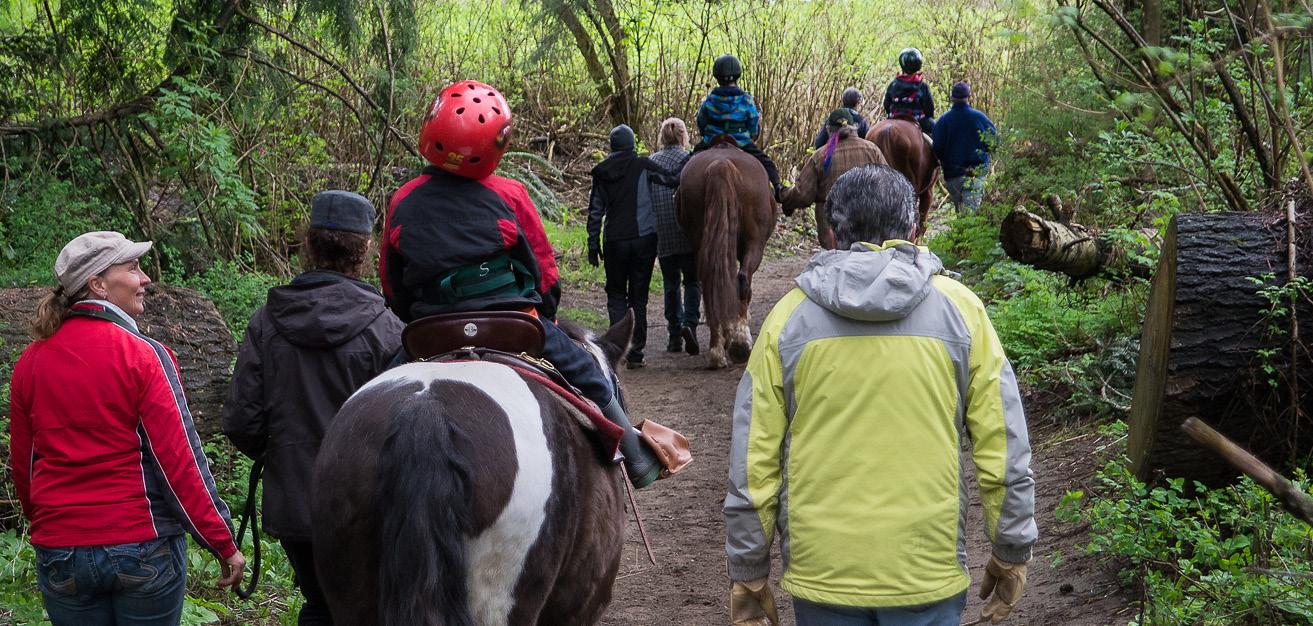
Horses can sense a human heartbeat from four feet away. Being near a horse can slow your heart rate. For people with disabilities in the Comox Valley, that calm is just the start.
For 40 years, the Comox Valley Therapeutic Riding Society (CVTRS) has delivered horseback riding as therapy for children and adults with physical, cognitive, and emotional disabilities.
The Society is one of three therapeutic riding programs on Vancouver Island. Riders also come from Hornby and Denman Islands, because the program makes such a difference.
“I can go into the riding ring even after having a really bad day and come out being happy,” said a graduating rider. “I have learned how to regulate my emotions, which makes my life so much better. I have friends now and even my classmates notice how much better I am doing.”
Executive director Hilary Doucette explains why it works: a horse’s walking stride closely matches human walking. That motion helps build core strength, balance, and new brain pathways that make a difference. One rider who had needed help holding the reins gained enough coordination through therapy to use a spoon to eat independently.
Riding also connects participants to nature. For people with mobility challenges, accessing parks or forests can be difficult and expensive. At CVTRS, riders can see wildlife, experience the outdoors, and reach out and touch the trees.
About 70 per cent of the riders are youth, referred through programs across the Comox Valley. The rest are adults, including people with a range of abilities. Thanks to Community Foundation support and contributions from donors across the Valley, participants pay only about a quarter of the true cost of each lesson. This helps keep therapeutic riding affordable and accessible.
“When we improve life for all of our community members,” said Doucette, “we build a healthier, more thriving community for everyone.”
62 riders per week
40 volunteers 9 horses
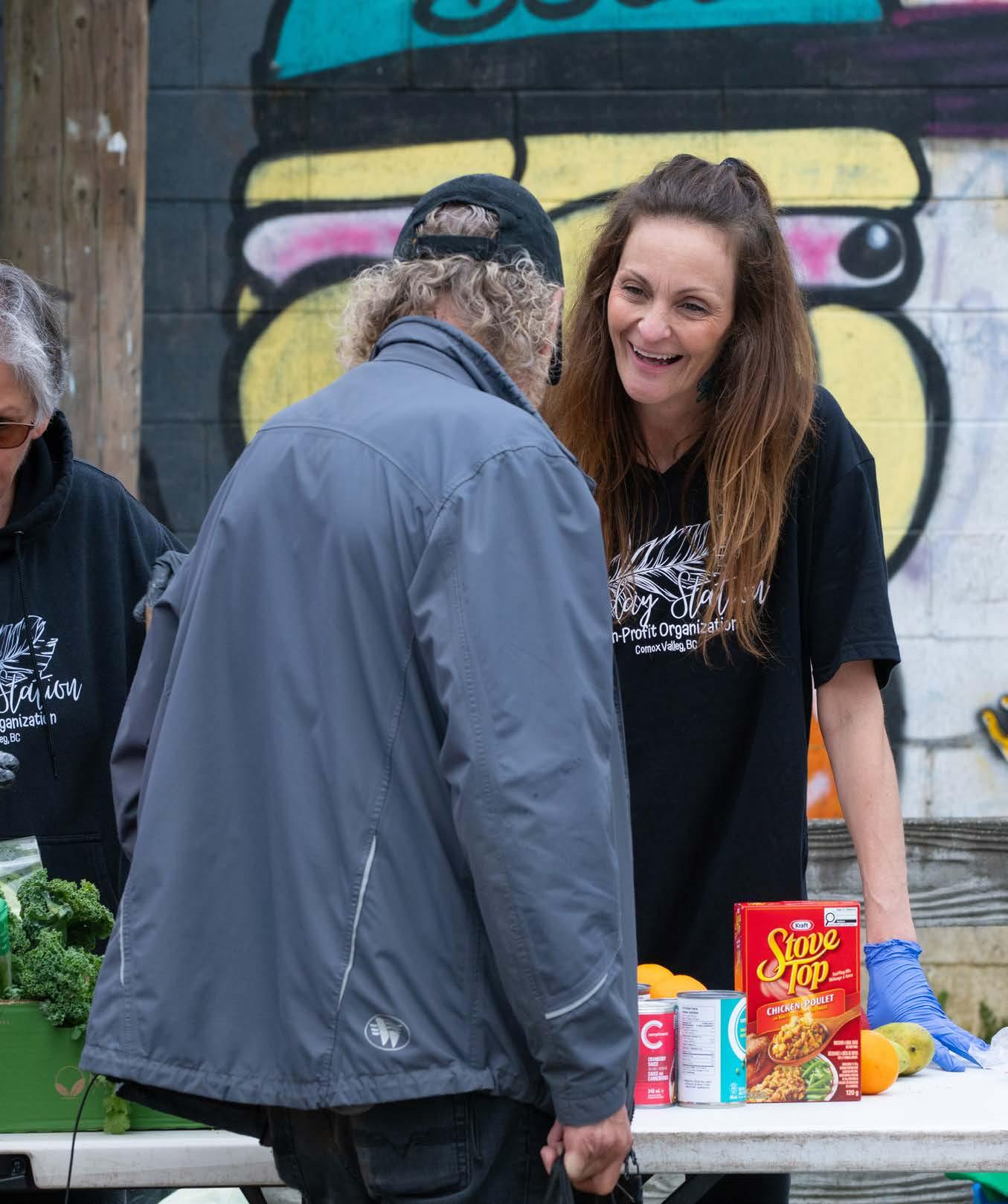
“Sunday Station is a community that runs on empathy and understanding.”
– Alannah Weiss, volunteer
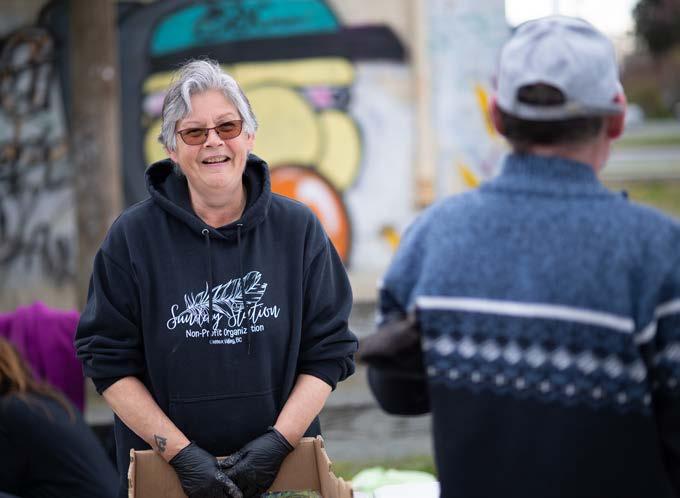
Armed with a carload of food, blankets, and a desire to help, Robin MacDonald started Sunday Station by delivering leftover Christmas dinner with a friend to 11 people.
Five years later, Sunday Station is still showing up to provide warm meals, balanced bagged lunches, clothing, toiletries and supplies to 80 to 100 people every Sunday.
Of the 2,000 people who received a Sunday Station meal in 2025 — many face hardships beyond their control. They are housed and unhoused, low-income seniors, people with physical or mental disabilities, young families, war veterans, Indigenous community members, and people from all walks of life who are just down on their luck.
“It doesn’t matter who you are—everyone deserves food,” said MacDonald, the Society’s executive director. “Everyone deserves a fair chance. There’s no ID required, and no criteria. Anyone who’s hungry is welcome.”
In 2026, Sunday Station expanded its reach with a Community Cares Outreach team, delivering about 20 meals each week to people who can’t attend in person.
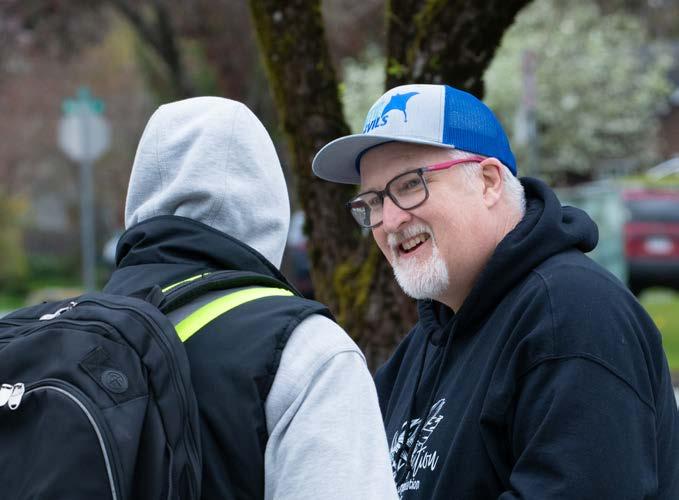
“Sunday Station is a community that runs on empathy and understanding,” said volunteer Alannah Weiss. “We provide warmth in the tummy and in the heart—and the consistency of knowing we’ll be there every Sunday, rain or shine.”
For Weiss, volunteering offers a window into how quickly circumstances can change. People can become unhoused, face income loss, or struggle to access food “in the snap of a finger.”
Sunday Station shows that just as quickly, people can feel seen and supported—with a warm meal, conversation, and a smile.
MacDonald recalls a former participant who now drops off pastries from his job at a local bakery.
“In my hardest times, you fed me,” he told her. “It helped me get stronger—and now I’m working.”
She thanks everyone who has made Sunday Station’s work possible over the past five years.
“So many volunteers, businesses, and organizations have come together with a passion to help. Thank you, for making this possible.”
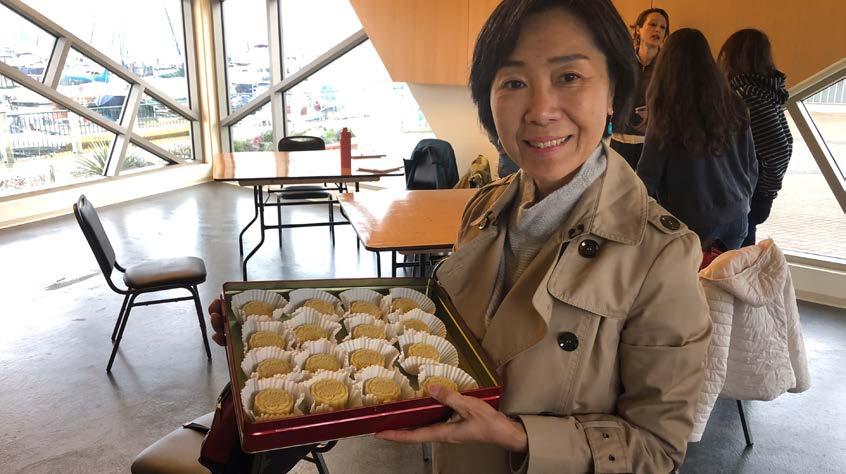
Learning a new language is about more than words. For the Open Door Language and Culture Society, it’s about providing safety, community, and a place to call home for some of the Valley’s newest residents.
Launched in fall 2025, the Open Door offers in-person classes, heritage language clubs, and cultural activities from a rented building on the Comox waterfront, along with one-on-one tutoring for those unable to attend in person.
The program was created in response to community need, when eligibility changes to English language programs left Ukrainians and other newcomers without support.
“I felt a real heaviness around these cuts,” said founder and executive director Esther Karasova. “We needed to do something.”
Starting with little more than determination and a struggling photocopier, she launched the Open Door to provide affordable language learning and build community.
Since then, the Society has supported more than 60 newcomers from 15 countries. Fifty-four students—seniors, youth, and working adults—attended classes this winter in English and French.
Heritage language clubs and cultural events, like a Lunar New Year celebration that drew more than 100 people, are also offered. Programs are delivered by certified instructors and supported by more than 20 volunteers.
The impact is significant and deeply personal. Students gain confidence, navigate daily life more easily, and begin to feel at home.
“Open Door has become a vital source of support,” said Svitlana, a Ukrainian student. “It gives learners not only essential skills but also a sense of stability, community, and hope.”
Karasova recalls an elderly couple who, after a few weeks, spoke their first words to a neighbour. “It was just two phrases, but they felt understood.” Others share feeling safe and “able to breathe again.”
“It’s all about community and bringing people together,” Karasova explained. “By sharing personal connections, language, stories, and food, we have become a multicultural family.“
“It’s all about community and bringing people together. By sharing personal connections, language, stories, and food, we have become a multicultural family.”
– Esther Karasova
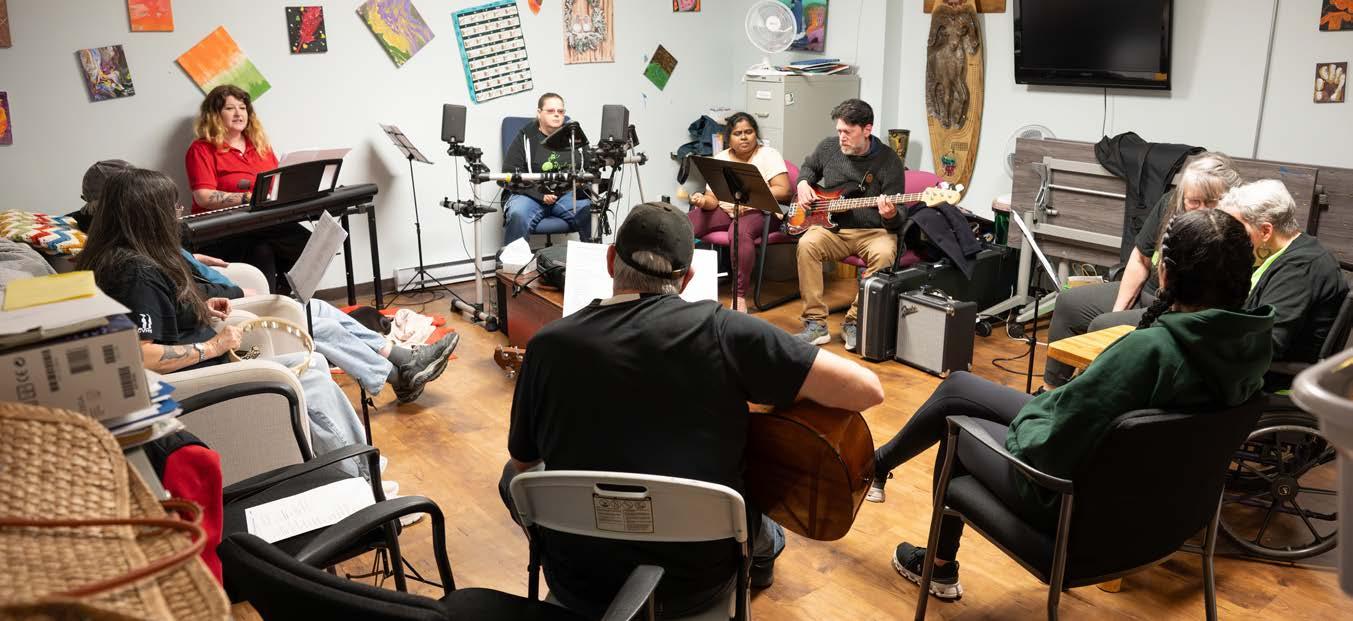
For many people in the Comox Valley, a brain injury can change everything. Work, relationships, and daily routines can suddenly feel out of reach.
What the Comox Valley Head Injury Society offers is something simple, but powerful: belonging.
For more than 30 years, the Society has supported people living with brain injuries, along with their families and caregivers. Today, it serves more than 350 members, each with their own story.
“We try to be a safe and connecting place for people with brain injuries,” said executive director Stephanie McGowan. “When somebody gets a head injury, it affects the whole family.”
On a typical Tuesday, 25 to 40 people gather for a weekly lunch. Someone new walks in, unsure what to expect. Within minutes, someone pulls up a chair, introduces themselves, and starts a conversation.
“People notice if there’s somebody new,” said McGowan. “Someone will come up, sit down, and say, ‘Hey, welcome. How’s it going?’”
That sense of welcome carries through everything the Society does. From art and music groups to workshops and outings, members find others who understand what they’re going through—without judgment.
Brain injury can be isolating. Symptoms aren’t always visible, and people can lose touch with friends or routines that once grounded them. Here, they find peers, build friendships, and often step into leadership roles—running programs, sharing skills, and supporting others.
Just as important is the stability the Society provides. Staff and volunteers help with housing, food, transportation, and everyday needs. Sometimes it’s a grocery gift card. Sometimes it’s help keeping the lights on. Sometimes it’s a bus pass, or simply someone checking in.
These practical supports ease the pressure so people can stay housed, get to work, and move forward with confidence.
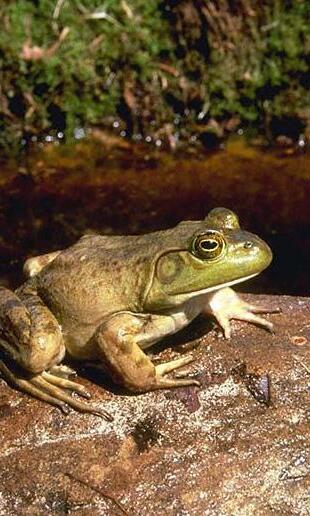
On a warm evening north of Courtenay, the soundscape is changing. Where the deep croak of invasive bullfrogs once dominated, something quieter is returning: Pacific Chorus Frogs, Western Toads, and other native amphibians reclaiming their habitat.
It’s a hopeful comeback—and one earned through years of steady work.
The Tsolum River Restoration Society, long known for restoring salmon habitat after decades of mining impacts, has expanded its focus to include wetlands and the species that depend on them.
For 25 years, Society volunteers have controlled American Bullfrogs in the Merville wetlands, home to a large Western Toad migration. The invasive bullfrogs were introduced to Vancouver Island in the 1930s and reached the Merville area in 2000. A single female can lay up to 20,000 eggs a year, allowing populations to spread quickly and outcompete native species.
“Bullfrogs are voracious—they’ll eat anything they can fit in their mouths. Once they establish in a pond, the native species struggle to survive,” said Laura Ann O’Brien, the Society’s secretary/treasurer.
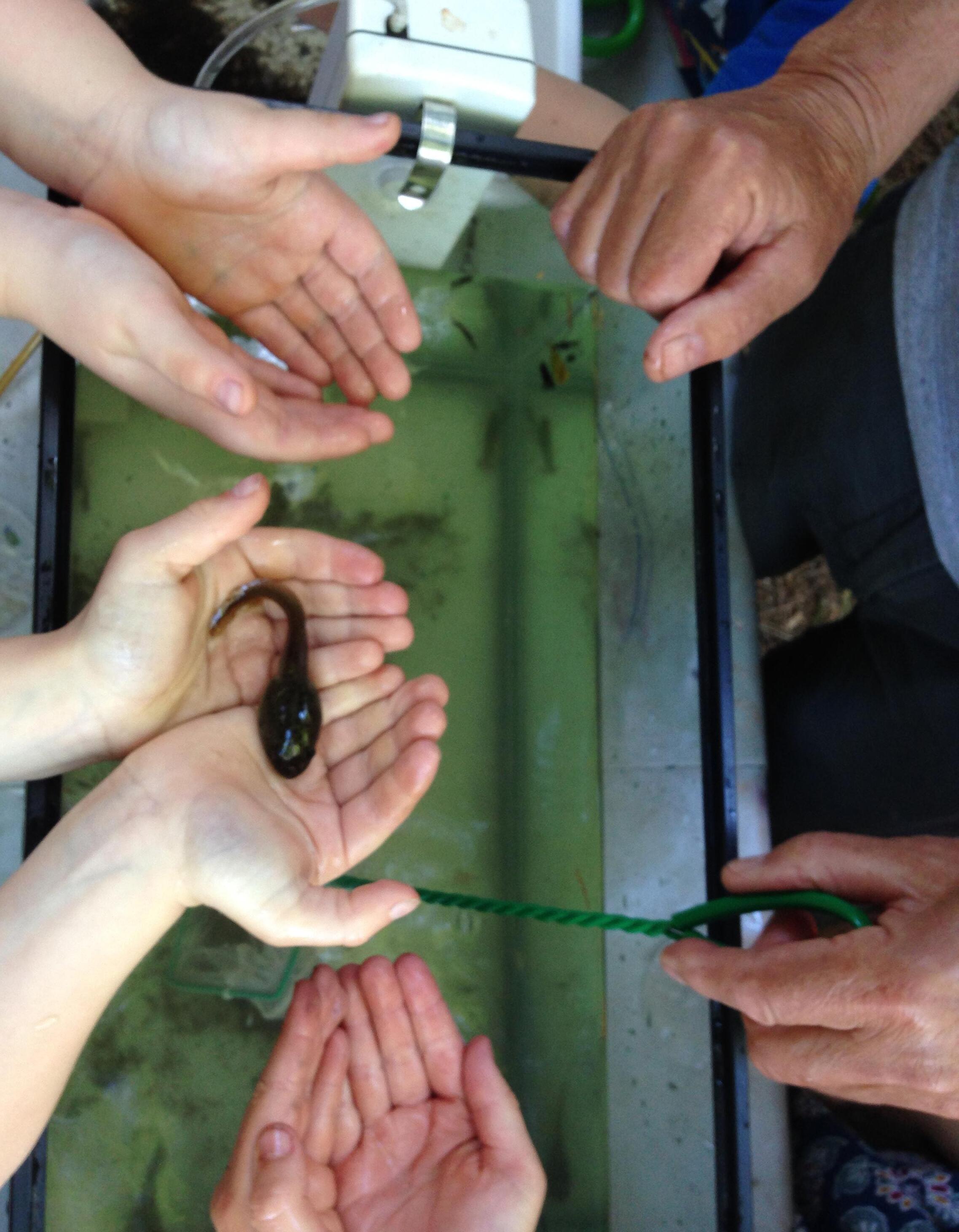
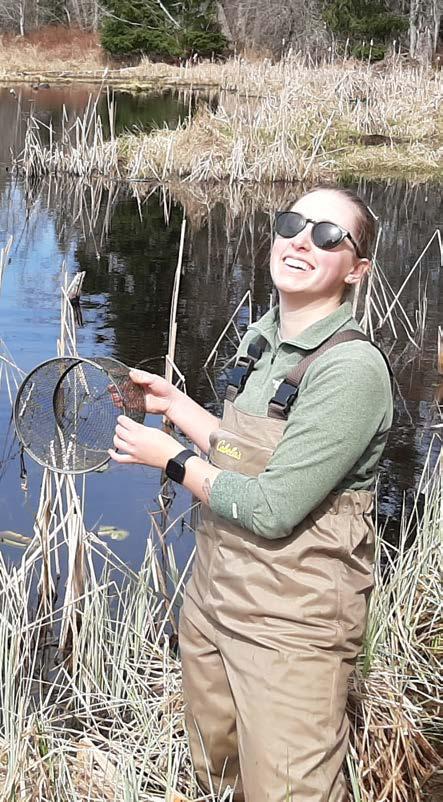
Using solar-powered traps, nets, and nighttime canoe surveys, the team has removed 10,000 bullfrogs from four ponds north of Courtenay in the past five years.
In ponds where efforts have been consistent, native species are beginning to return.
Now, through the Regional Invasive Bullfrog Initiative Taskforce (RIBIT), the Society will train and equip local groups to expand this work across the Comox Valley.
This summer, outreach will include hands-on training, public education, and a community event in late July to help others carefully identify and remove bullfrogs to allow native species to coexist.
“We want the whole Valley to know what to look for,” said O’Brien. “The earlier we act, the better chance native species have for survival.”
1
CARE FOR FAMILY AND COMMUNITY
Provide for loved ones first—then extend your impact to causes close to home.
GIVE WISELY, REDUCE TAXES
Maximize your estate and potentially reduce taxes, so more goes where you intend.
2 KEEP IT FLEXIBLE AND IN YOUR CONTROL
Father Charles Brandt lived simply. A priest who made his home in the Comox Valley, he spent his life in quiet service — caring for the land and the community around him.
For non-profits that rely on short-term grants, this kind of support is rare. The funds are now invested through the Community Foundation, with earnings distributed annually — creating a stable, sustainable source of funding.
“Having a fund that grows and gives back every year means we can think long term,” O’Brien said, “and invest in the next generation.”
Your plans can evolve with your life—your gift remains fully yours to change. Explore your options with your advisor or contact us to learn more.
LEARN MORE
3 cvcfoundation.org
When he died, he left behind something lasting: a bequest to the Tsolum River Restoration Society and other local organizations, reflecting a lifelong commitment to the Tsolum River watershed and the Valley’s wild places.
“Charles lived quietly and simply, but he cared deeply about this Valley,” said Laura Ann O’Brien, secretary/treasurer of the Society. “His gift is a reflection of that.”
Working with the Community Foundation, the Society established two funds in Brandt’s name: an agency fund to provide the Society with steady, long-term support, and a scholarship fund to help empower future environmental stewards.
The scholarship supports students studying biology, chemistry, or related environmental fields — helping them pursue work that protects the natural world Brandt cared about.
“We want students who are passionate about this work to be able to pursue it—and Charles’ gift makes that possible,” said O’Brien.
For donors and organizations alike, planned gifts offer a meaningful way to support the community. They create stability, reduce reliance on short-term funding, and help build a stronger Comox Valley for years to come.
To learn more about Father Charles Brandt’s lasting legacy, please visit the Brandt Oyster River Hermitage Society at charlesbrandt.ca.
Alano Club of Courtenay
Beaufort Association for Inclusion in Action
Beaufort Watershed Stewards
Big Brothers Big Sisters of Victoria Capital Region
Comox Bay Care Society
Comox Valley Arts
Comox Valley Child Development Association
Comox Valley Community Justice Centre
Comox Valley Family Services Association
Comox Valley Food Bank Society
Comox Valley Head Injury Society
Comox Valley Healthcare Foundation
Comox Valley Project Watershed Society
Comox Valley Recovery Centre Society
Comox Valley Special Olympics
Comox Valley Therapeutic Riding Society
Courtenay Elementary Community School Society
Courtenay Recreation Adaptive Programs
Cumberland and District Historical Society
Cumberland Community Forest Society
Cumberland Community Schools Society
Denman Conservancy Association
Denman Island Community Education Society
Kitchen upgrade for community meals
Enhance client experiences
Water monitoring equipment upgrades
In-school mentoring for Comox Valley students
Mobile outreach health services
Free outdoor arts festival
Camp Sunshine
New computer workstation to support services
Early years family supports
Food storage for Hornby Island food bank
Housing supports for brain injury survivors
Therapeutic garden for long-term care residents
Community water monitoring program
Additional mental health & addictions supports
Supporting athlete participation
Access to therapeutic riding
After-school programs and equipment
Supporting adaptive programs
Oral history project sharing Cumberland's diverse voices
Community learning about wetland ecology
Cumberland Food Share Program
Long-term hydrological monitoring
Friday Teen Night on Denman d'Esterre Seniors' Centre Association
Eureka Support Society
Everybody Deserves a Smile
Farm to Family Meals Service Society
Hornby Island Athletic Association
Hornby Island Daycare Society
Hornby Island Farmland Trust Society
Hornby Island Residents' and Ratepayers' Association
Indigenous Women's Sharing Society
L’Arche Comox Valley
Lake Trail Community Education Society
LUSH Valley Food Action Society
Morrison Creek Streamkeepers
Multicultural & Immigrant Services Assoc. of N.V.I.
Neighbourhood Small Grants Program
Open Door Language and Culture Society
Pride Society of the Comox Valley
Scholarship & Bursary Program
Sunday Station Society
The John Howard Society of North Island "Foundry"
The Weird Church (PMR- United Church of Canada)
Tsolum River Restoration Society
Vancouver Island Adaptive Snow Sports
Walk with Me
Kitchen upgrades for senior meals
Kitchen, garden & culinary training
Student-made care packages for unhoused community
Coordinating island meal delivery
Supporting Joe’s Café community hub
Digital tools for childcare services
Improving community garden access
Hornby Island community hall green roof repair
Collaborative substance use strategy
Inclusive arts & recreation programming
Community and youth programming
Supporting core food operations & facilities
Arden Creek riparian fencing and signage
Cooking programs that build belonging
25 projects bringing neighbours together
Language programs for newcomers
Inclusive training in senior care homes
60 awards for high school graduates
Weekly meal delivery expansion
Secure bike shed for client use
Community support and upgrades
Supporting amphibian biodiversity
Supporting adaptive snow sports participation
Comox Valley Hospital harm reduction systems change