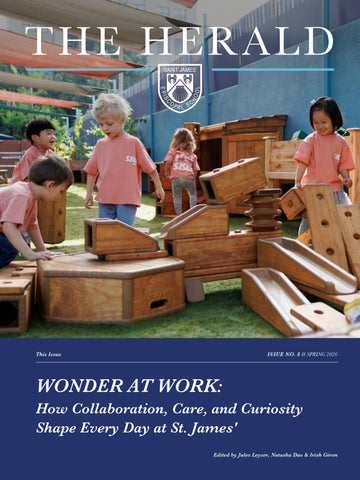
THE HERAL D
Edited by Jules Leyser, Natasha Dao & Irish Giron
Dear St. James’ Families and Friends,
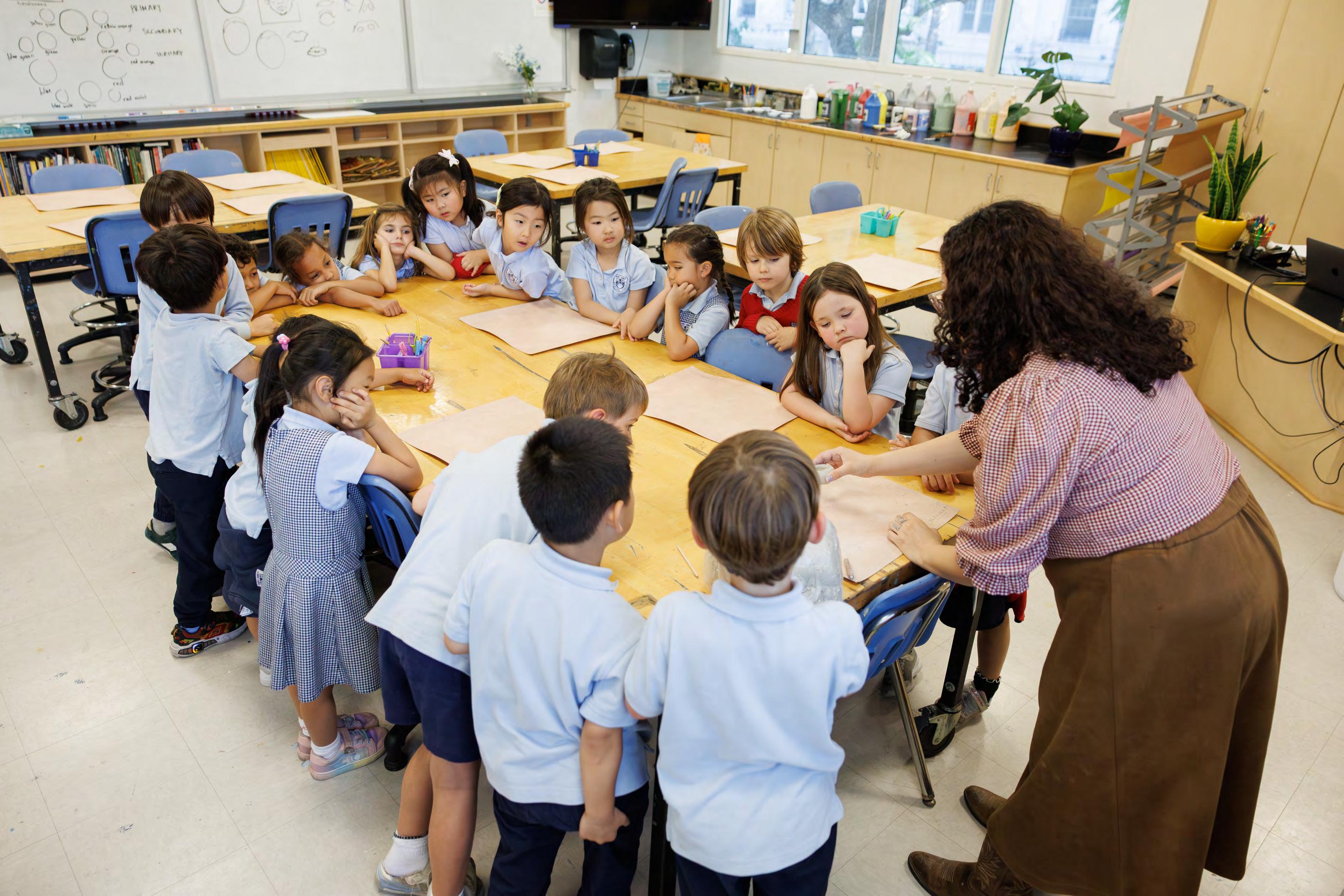
Every child who walks through our doors is unique, a singular combination of strengths, enthusiasms, and growing edges. This issue of The Herald celebrates the model we have built to honor that truth: our Collaborative Teaching and Learning Model.
At its heart, this model is about placing the student at the center of everything we do. It is a model based on a growth mindset and a belief that, when supported from multiple angles, students can best succeed academically. In our classrooms, we practice differentiated instruction. A differentiated classroom begins with creating an environment in which a heterogeneous mix of students is comfortable learning. Like the base of Maslow’s Hierarchy of Needs, once a child’s physiological needs are met, they must feel safe and secure. When students feel safe enough in a classroom, they take intellectual risks, which we know leads to deeper understanding and growth.
Making Strides
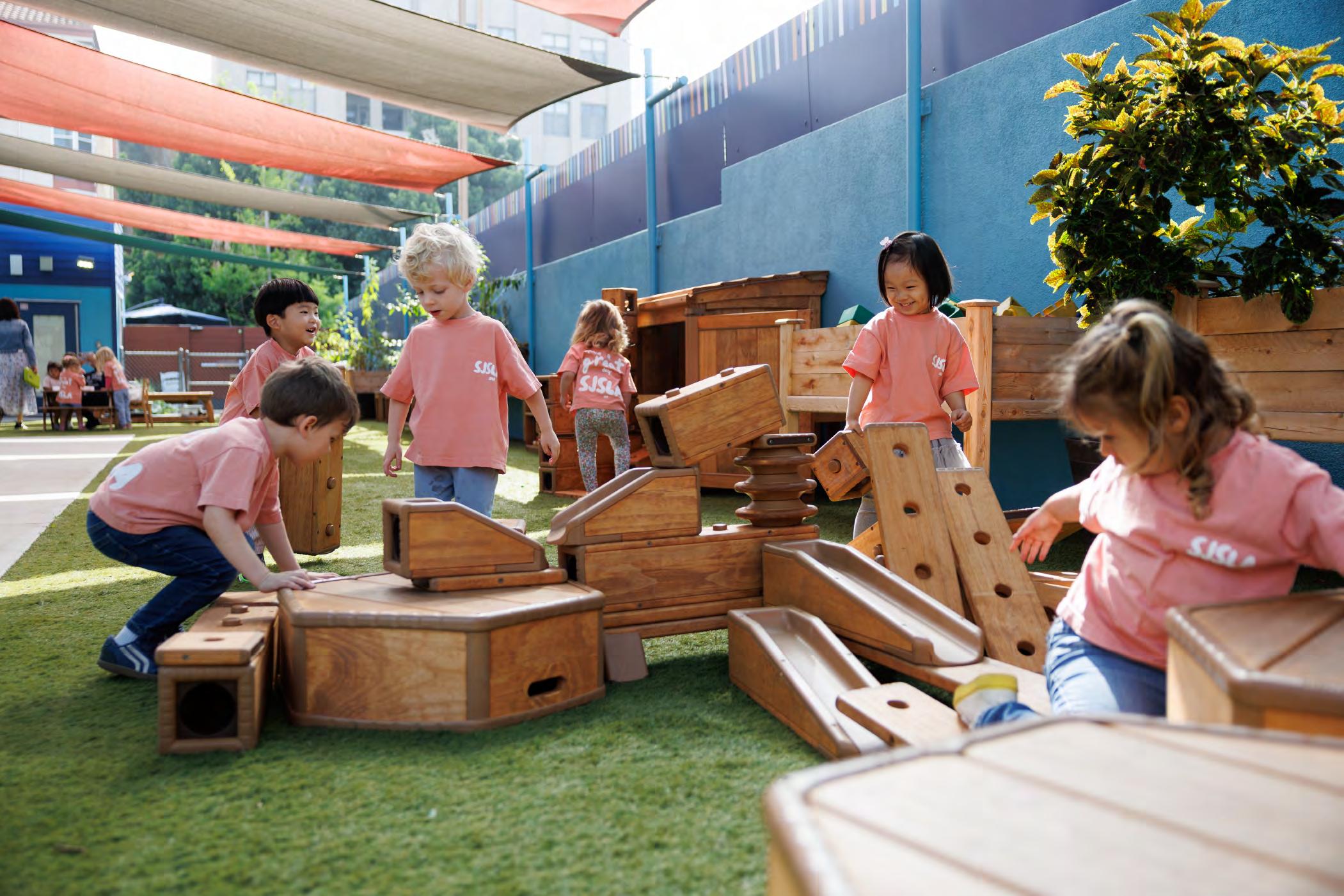
The principles of differentiation reflect the respect afforded all students. They are rooted in the belief that all students deserve high quality learning goals and respectful tasks. Teachers can differentiate through content, process, and product according to students’ readiness, interest, and learning preferences using a variety of strategies. Students may be grouped by ability for certain tasks, but the grouping is flexible. A student who grasps mathematical concepts with ease will work in small groups alongside peers who share that readiness — but that same child may find the craft of writing more challenging, and so in writing they will work within a different grouping, with the time and support they need. Also, as a child’s understanding grows, s/he can easily move to a more advanced level group in a particular subject. Teachers regularly monitor student progress with both formal and informal assessments to assist with this fluid approach.
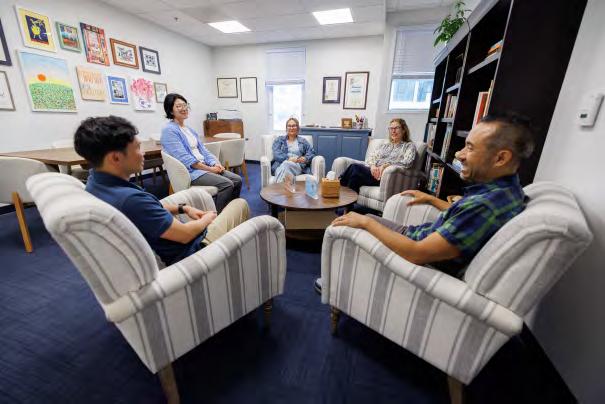
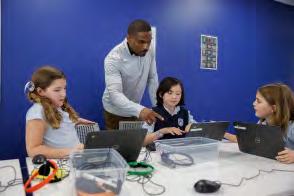
Making this possible is a remarkable team of specialists. Our reading, writing, and math specialists work side by side with classroom teachers, not only advising behind the scenes, but pushing into classrooms to work hands-on with students. Our full-time Learning Specialist and full-time School Counselor bring academic and socio-emotional expertise to every conversation, ensuring that the whole child is always in view. Together, this collaborative team partners with teachers on project planning, curriculum design, and the day-to-day art of differentiated instruction.
I am genuinely proud of what we have built here. It is a model that takes seriously both the science of learning and the humanity of each child. And it works because it is grounded in relationships, observation, and a deep belief that every student deserves to be challenged and supported in equal measure.
This issue also offers a window into the wonderful breadth of what St. James' has to offer. Our co-curricular program spanning Science, Spanish, Visual Arts, Performing Arts, Physical Education, Religion, and Design & Create is not supplementary to our mission. It is central to it. Research consistently affirms what our teachers know intuitively: that rich, varied learning experiences in the early years are among the most powerful drivers of cognitive development and lifelong curiosity. We want our students to love learning, and these classes help make that love possible.
Thank you for being part of a community that takes education so seriously and celebrates it so joyfully.
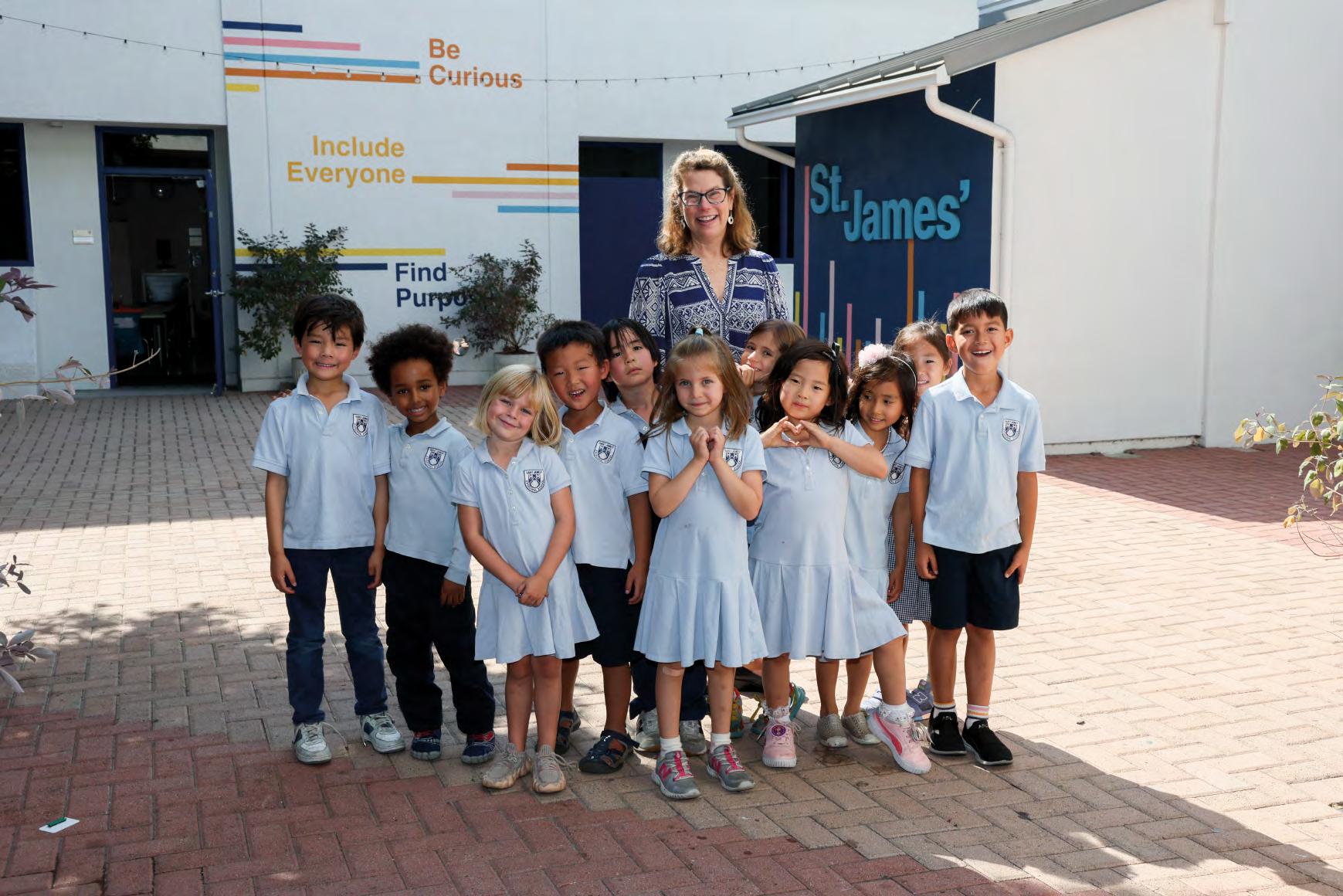
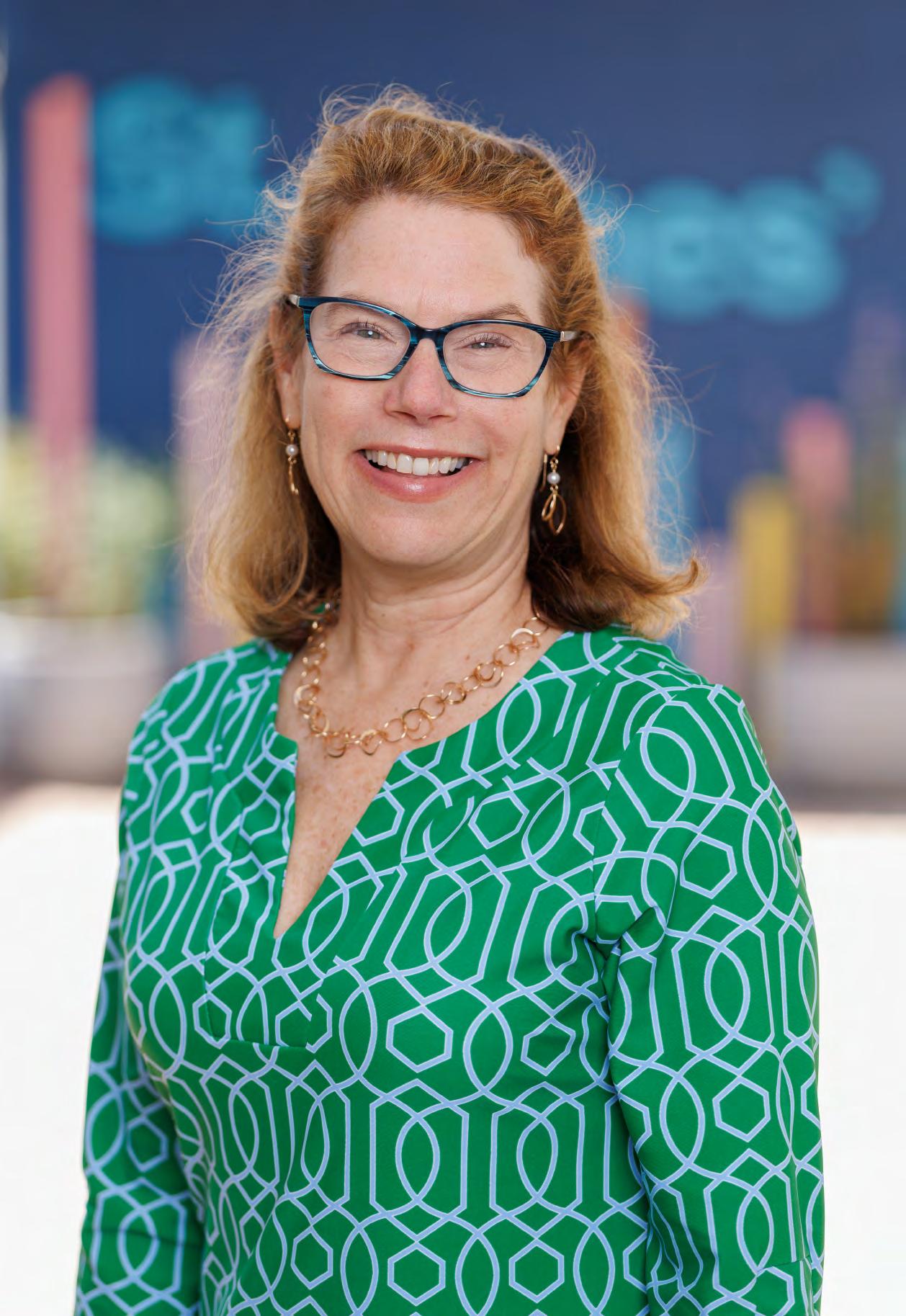
Diane Rich, Head of School
Our Head of School, Diane Rich.
Collaborative Teaching & Learning Model
Collaborative
Teaching & Learning Model
We believe that true differentiation is built on collaboration. Classroom teachers work alongside a dedicated team of specialists who support curriculum planning, professional development, and individual projects, as well as pushing into the classroom to work with small groups. It's a model that ensures every St. James’ student feels both supported and challenged throughout the school day.
School Counselor
SEL Instruction
Individual Intervention
Professional Development
Family Education
Learning Specialist
Assessments
Accommodations
Classroom Support
Family Communication
Math Specialist
Strategies
Project Ideas
Modeling
Teaching
Collaborative
Differentiation
Service Learning
Equity & Belonging
Literacy Specialist
Assessments
Strategies
Materials
Modeling
Classroom Support
Writing Specialist
Strategies
Project Ideas
Modeling
Teaching
Librarian
Media Literacy
Instruction
Research Instruction
Project Support
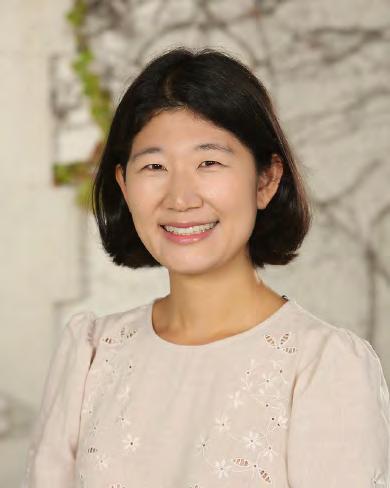
Literacy Specialist: Eura Lim
Building Readers and Writers from the Very Beginning
Learning to read is one of the most remarkable things a young child does. At St. James', our K–2 Literacy Specialist works alongside classroom teachers to make sure every student in our youngest grades builds a strong, joyful foundation in reading and writing - one that will carry them through their entire academic journey.
A Collaborative Role
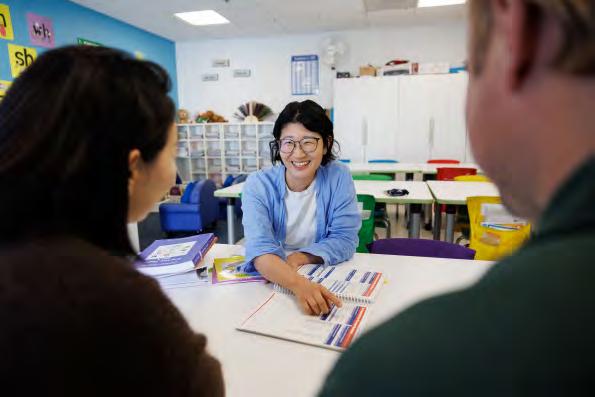
The Literacy Specialist is embedded in the life of K–2 classrooms. She meets weekly with teachers during dedicated grade-level planning time to design differentiated instruction and meaningful learning projects, and pushes into class during the literacy block to lead targeted small-group instruction. Classroom teachers and the Literacy Specialist work as a true team, planning together, teaching together, and tracking student progress together.
How We Teach Reading
Our K–2 reading program is grounded in the science of how the brain learns to read. We use the University of Florida Literacy Institute (UFLI) Foundations program alongside Express Readers decodable texts - both built on research-backed methods that develop the neural pathways essential for fluent reading.
Every day, students engage in phonemic awareness activities, auditory and visual drills, blending practice, and word chains. From the very first weeks of Kindergarten, comprehension is also central: students practice retelling stories orally, with pictures, and using key detailsbecause understanding what you read matters just as much as being able to decode the words.
How We Teach Writing
In the primary grades, handwriting and writing instruction are treated with the same seriousness as reading. We use an explicit handwriting program and follow the Releasing Writers philosophy — evidence-based writing strategies that build skills progressively, from constructing sentences all the way through to organized paragraphs and cohesive essays.
Writing, we believe, is the most cognitively demanding work a young student does. That's why we approach it with both rigor and joy.
Learning by Grade
Literacy instruction at each grade level is purposefully designed to build independence and voice:
• Kindergarten — Students fall in love with writing. They learn academic vocabularytopic sentences, evidence, detail, conclusionand discover that multiple sentences make a paragraph. They choose their own topics and create "How-To" books on subjects like how to bake cookies or plant seeds, combining creativity with real decision-making.
• First Grade — Students tackle spelling patterns, vocabulary, and fluency together in small groups. Reading centers include word sorts, phonics games, and book studies where students read with expression and discuss story elements collaboratively.
• Second Grade — Students select a fiction chapter book of their choice and write a book review from their chosen character's point of view. They then present their work aloud to an audience - building comprehension, character analysis, and public speaking skills all at once.
Tracking Every Child's Progress
Universal early literacy screeners and core phonics assessments are administered across K–2 to monitor growth and track progress over time. This data informs both classroom instruction and small-group support, ensuring no child's needs go unnoticed.
Building Independent Learners
From early on, we teach students to solve problems independently. When a student doesn't know a word, we don't just give them the answer - we teach them how to use a dictionary. Students learn guide words, alphabetical order, and how to locate information efficiently. These habits build executive functioning and early research skills that extend well beyond the literacy block.
At St. James', we believe that a child who loves reading and feels like a writer has been given one of the greatest gifts an education can offer.
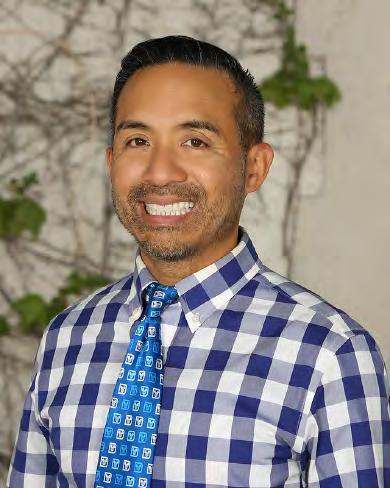
Math Specialist: Ed Hermeno
Where Numbers Meet the Real World
At St. James', math is never just about getting the right answer. Our Math Specialist works across every grade to ensure students don't just learn mathematical concepts, they understand why those concepts matter, and what they can do with them.
A Collaborative Role
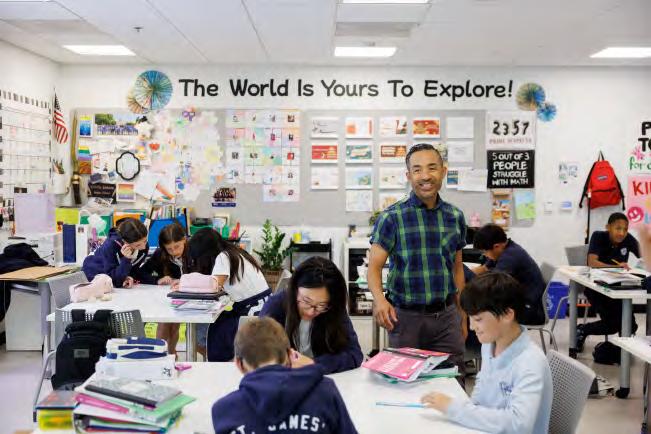
The Math Specialist works in partnership with classroom teachers at every level. This means pushing into classes to observe, support, and offer feedback directly to students; meeting regularly with teachers to help develop and refine projects; and leading professional development workshops for faculty, including sessions on incorporating meaningful, real-world math projects into the curriculum.
Learning by Doing: Project Highlights
Some of the most memorable learning happens when math leaves the textbook. Here are a few examples of the projects our students tackle:
• Munch & Measure: Healthy Snack Shop (2nd Grade) — Students survey classmates about snack preferences, create graphs, practice inequalities, and work with decimals - all through the lens of healthy eating. Some students extend their learning by graphing on a coordinate plane.
• Geometry Innovator Project (4th Grade) — Budding architects design and build a model structure that addresses a real social issue (e.g., renewable energy, food insecurity, or housing) while demonstrating mastery of geometry concepts including types of triangles, polygons, area, perimeter, and 3D shapes.
• Minimum Wage Project (6th Grade) — Students create a fictional character living on minimum wage and work out their budget in full: daily, weekly, monthly, and annual salary; taxes; net income; inflation; and determining whether or not they live in a food desert. They even check Zillow for Los Angeles apartment prices and quickly discover this is not a cheap city to live in!
How a Math Class Works
Math class is structured to balance direct instruction with active, student-led learning:
• Mini-Lesson (20–30 min) — A warm-up or review, followed by students wrestling with a new concept, then independent and peer practice.
• Math Project Time (20–35 min) — Hands-on application of concepts through collaborative project work.
The Power of Mixed-Ability Grouping
A deliberate feature of math at St. James' is mixed-ability grouping - pairing students who are confident with a concept alongside those still working toward it. Research supports what our teachers observe every day: students who explain their thinking deepen their own understanding, while students who might hesitate to ask a question in front of the whole class often feel far more comfortable getting help one-on-one from a peer. It's a model that benefits everyone in the room.
Enrichment and Advanced Opportunities
For students ready to go further, St. James' offers meaningful challenges:
• Math Olympiad (MOEMs) — Offered to students in grades 1–6 who demonstrate readiness, with early morning enrichment classes available. Problems are calibrated to each student's level.
• Pre-Algebra (6th Grade) — Available to students who are ready for advanced work, covering factoring, distributing, simplifying expressions, and solving equations.
At St. James', every student is met where they are and then challenged to go further than they thought possible.
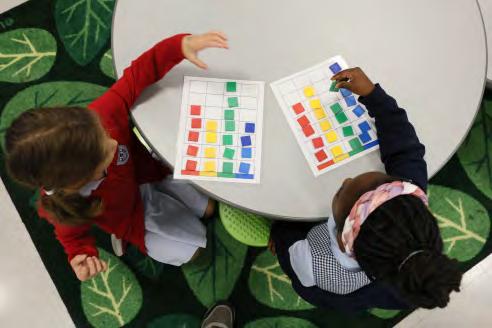
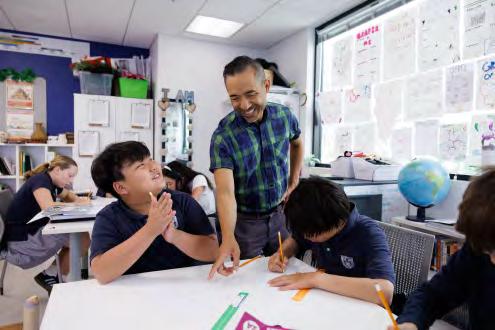
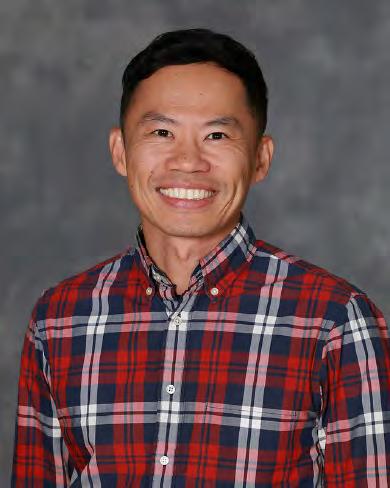
Writing Specialist: Theppong Sae-Low
Where
Critical Thinking Comes Alive Through the Art of Writing
At St. James’, writing is never just about putting words on a page. Our Writing Specialist works with students and teachers across grades 3–6 to ensure students don’t just learn how to writethey understand why writing matters, and how it
allows them to express ideas, shape perspectives, and make their voices heard.
A Collaborative Role
The Writing Specialist works in partnership with classroom teachers in grades 3–6. This includes pushing into classrooms to observe, support, and provide direct feedback to students; meeting regularly with teachers to develop and refine writing lessons and projects; and leading professional development workshops focused on strengthening writing instruction and meeting students where they are.
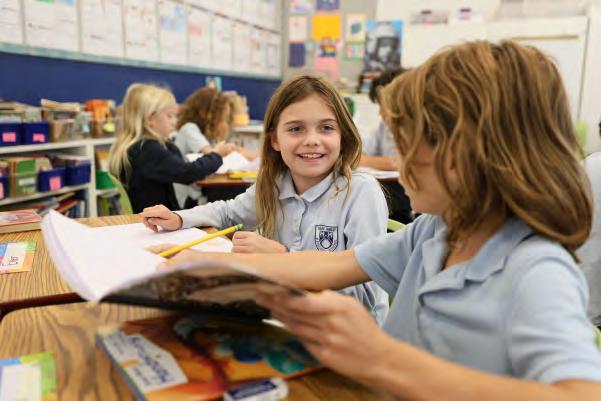
Writing in Action: Project Highlights
Some of the most meaningful learning happens when students discover their voice. Here are a few examples of the work our students engage in:
• Representation Matters Essay — Students explore the importance of representation and why it matters to be seen and heard. They choose a topic they care deeply about and write an essay identifying underrepresented groups and explaining why greater visibility is needed.
• Explorer Journals — In this cross-curricular Social Studies project, students write as explorers, scientists, or travelers discovering a new land or ecosystem. Blending informational and narrative writing, they record observations, describe environments, and reflect on challenges they encounter.
• Collaborative Mystery Project — Students work together to craft an original mystery story, developing skills in structure, pacing, and tension. They collaborate to build a compelling narrative and then reimagine their story as a streaming series, creating presentation slides modeled after. real platforms.
How
a
Writing Class Works
Writing classes are structured to balance direct instruction with independent practice and reflection:
• Warm-Up — A short, engaging activity to spark ideas and get students writing
• Mini-Lesson — Focused instruction on a specific skill or craft move
• Independent Writing Time — Students spend the majority of class engaged in the writing process, applying new skills
• Community Share — Students share their work and practice giving and receiving feedback
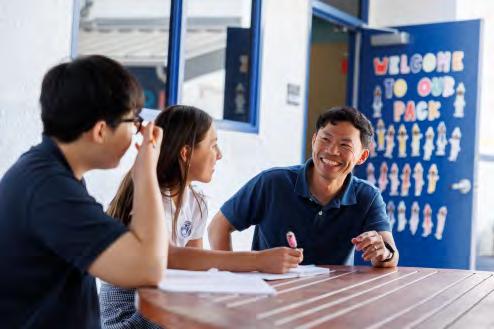
The Power of Differentiation
A core feature of writing instruction at St. James’ is meeting each student where they are. Students develop their writing by focusing on key traitsideas, organization, voice, word choice, sentence fluency, and conventions. With guidance from teachers, each student builds on their strengths while continuing to grow in targeted areas.
Building Critical Thinkers
Writing is a powerful tool for thinking. Students use writing to process information, organize their ideas, analyze what they learn, and communicate their understanding clearly at St. James'. By learning to think about their own thinking, St. James’ writers grow into thoughtful, creative, and confident communicators.
Reading Suggestions
• “Why writing by hand beats typing for thinking and learning” by Jonathan Lambert — An accessible article for parents on the benefits of handwriting for cognitive development
• Facts vs. Opinions vs. Robots by Michael Rex — Helps students understand the difference between facts and opinions
• The Fallacy Detective by Nathaniel Bluedorn — Introduces students to identifying flawed reasoning
• A Kids Book About AI Bias by Avriel Epps — Explores how artificial intelligence can reflect human bias
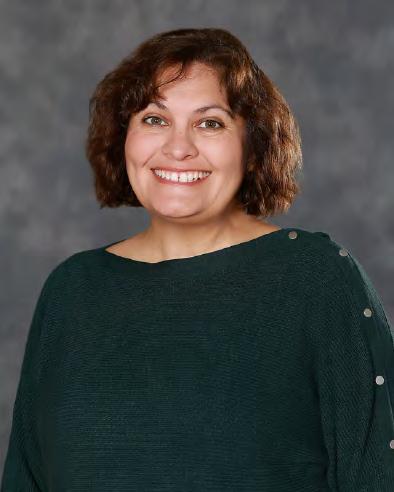
Librarian: Velear Schrupp
More Than a Room Full of Books
The St. James' Library is many things at once: a collection of approximately 15,000 books, a welcoming gathering space, a research hub, and a program that runs from Kindergarten through 6th grade. What unites all of these elements is a single objective — to create a learning environment where every member of our community feels seen, valued, and heard.
Our Librarian is not just a keeper of books. She is a teacher, a collaborator, and a resource in her own right.
The Library as a Space
During recess and lunch, the Library comes alive. Students drop in to read, work on puzzles, exchange ideas, get help choosing their next book, or simply find a quiet corner. It is one of the few places in a school day where a child can just be - and that matters.
The physical space supports students who want to:
• Dive into a great book
• Work on a project or research assignment
• Have a conversation or exchange ideas with friends
• Create something new
• Find their next favorite read with a little help
The Library Program: Building Information Literacy
Beyond the physical space, the Library runs a structured program focused on information literacy - one of the most important and transferable skill sets we can give a child in the modern world.
Information literacy goes beyond assessing the veracity of information, it also helps to develop empathy and perspective by exploring literature and resources that reflect viewpoints both similar and different from your own.
Each year's program builds on the last, growing in complexity as students develop in their capacity for critical thought.
What Information Literacy Looks Like in Practice
Across all grade levels, Library instruction helps students develop skills they use everywhere:
• Formulating questions — learning how to inquire, not just absorb
• Evaluating resources — discerning what information is reliable, relevant, and sufficient
• Finding evidence — locating details within text and images to support a point of view
• Making connections — linking what they read to their own experience and the wider world
• Communicating ideas — organizing and expressing what they've learned with clarity and confidence
• Managing time and research independently — skills that serve students far beyond the Library walls
By Grade Level
Kindergarten through 2nd Grade
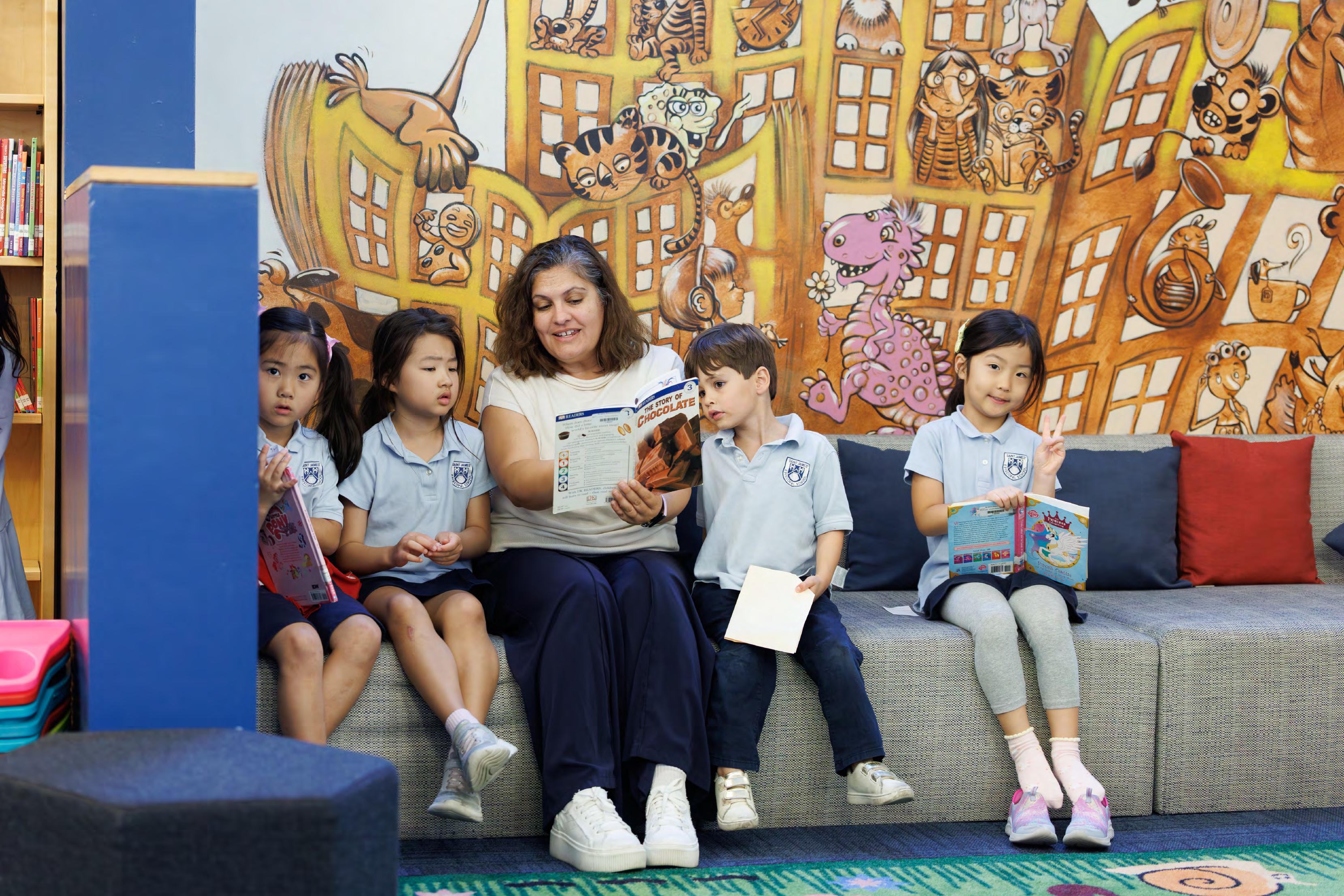
Younger students visit the Library for dedicated class time each week. Through storytime, discussion, activities, and book selection, they begin building the habits of mind that underpin all future learning. The Library also collaborates with classroom teachers on social studies and language arts units, including a 2nd grade nonfiction picture book exploration.
3rd through 6th Grade
Older students develop information literacy skills through deeper collaboration with classroom and co-curricular teachers. Library support is built into major projects including the 5th and 6th Grade Science Fair and independent projects - as well as units of study such as History Month celebrations and genre studies.
Digital Literacy and Citizenship
We live in a world saturated with information, and not all of it is trustworthy. At St. James', digital literacy is treated as an extension of information literacy, and both are woven into the Library program from the earliest grades.
Students learn to:
• Think critically about what they see and read online
• Protect their personal information
• Interact respectfully and responsibly in digital spaces
• Make wise choices and pause before reacting
Digital citizenship is the practice of using technology safely, ethically, and with intention. At St. James', we build these habits early, using both print and digital tools so that students have real practice - not just theory.
Partnership With Families
Digital safety doesn't end at the school gate. Families play a vital role in reinforcing the habits students build at school. Some ways to support your child at home:
• Keep devices in shared spaces and use monitoring tools where appropriate
• Set clear guidelines around screen time and internet use
• Talk openly about your child's online experiences - what they're seeing, who they're talking to, and how it makes them feel
• Discuss topics like online privacy, cyberbullying, and how to evaluate what they encounter
When school and home are aligned, children are empowered to use technology with both confidence and caution.
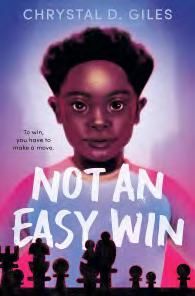
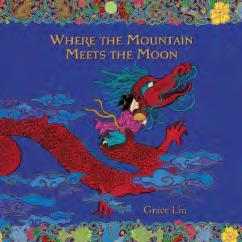
What to Read Next: Library Picks by Grade
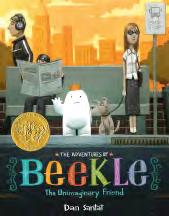
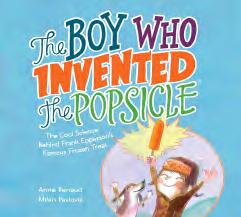
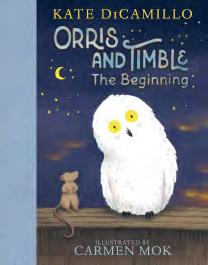
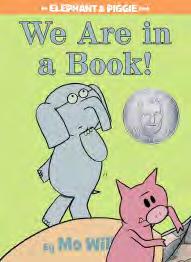
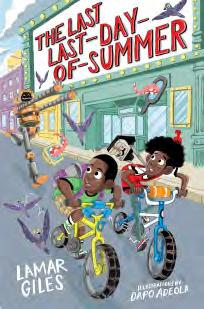
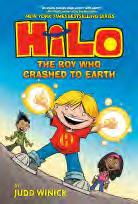
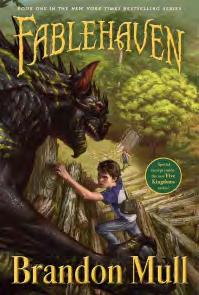
One of the great joys of the St. James' Library is helping every student find a book they love. We encourage reading across genres and formatspicture books, chapter books, graphic novels, nonfiction, magazines, and more. Here are a few current favorites:
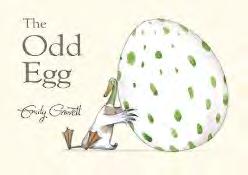
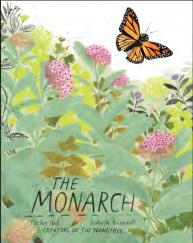
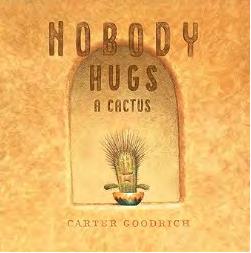
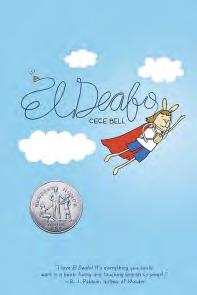
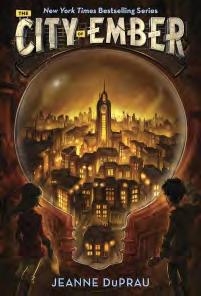
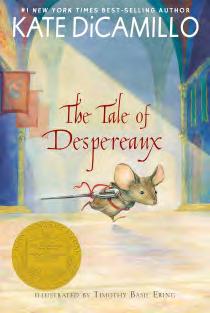
Preschool / KRP
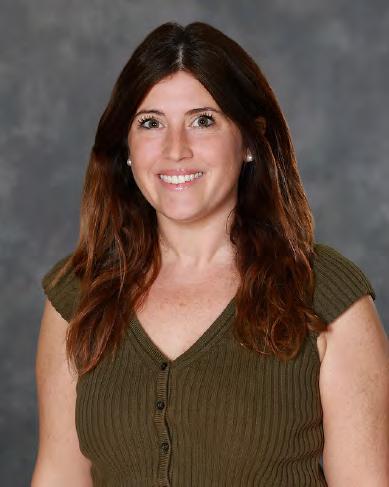
School Counselor: Jen Hunt
Supporting the Whole Child, Every Day
At St. James', we believe that a child's well-being and their academic success are inseparable. Our School Counselor is woven into the fabric of daily school life, not just available when something goes wrong, but actively present, building relationships and fostering resilience across every grade.
Where You'll Find Our Counselor
Support at St. James' isn't confined to an office. Our School Counselor can be found:
• Teaching Social Emotional Learning (SEL) co-curricular classes across grade levels
• Providing lunch and field support, building connection in the informal moments of the school day
• Pushing into classrooms to offer tailored, in-the-moment support
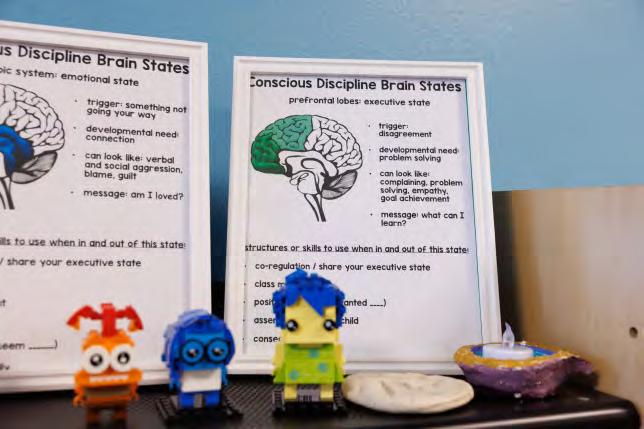
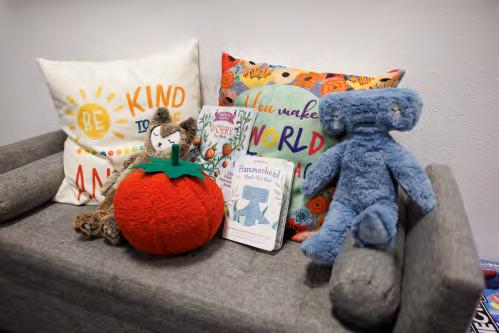
• Working with students in our Center for Belonging which is a dedicated space where every child can feel heard, seen, and supported
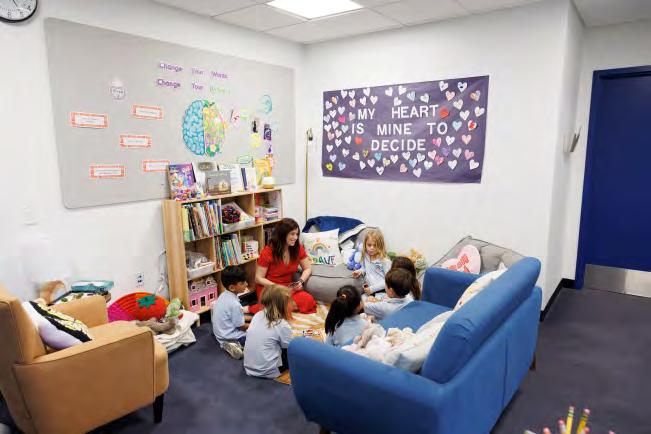
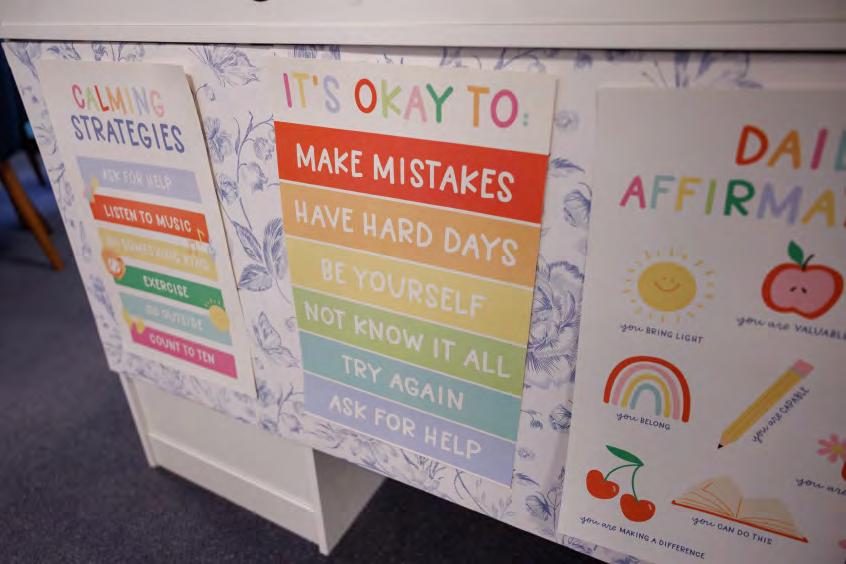
A School-Wide Approach: Responsive Classroom
St. James' has adopted the Responsive Classroom model, with all elementary staff trained in its practices. This school-wide framework integrates social-emotional learning into everyday academic life, creating a consistent, safe, and engaging community from classroom to classroom.
At the heart of Responsive Classroom is our SJS CARES framework - a shared language for the values we cultivate in every student:
•Cooperation
•Advocacy
•Responsibility
•Empathy
•Self-Control
Because every teacher uses the same approach, students experience clear, consistent expectations throughout their day, and a genuine sense of belonging that extends beyond any single classroom.
A Collaborative Support Team
Social and emotional challenges rarely exist in isolation. When a student is navigating difficulty, our School Counselor works closely with the Learning Specialist, classroom teachers, and other members of the support team to develop a coordinated response. The goal is always the same: help every child feel and be successful.
Partnership With Families
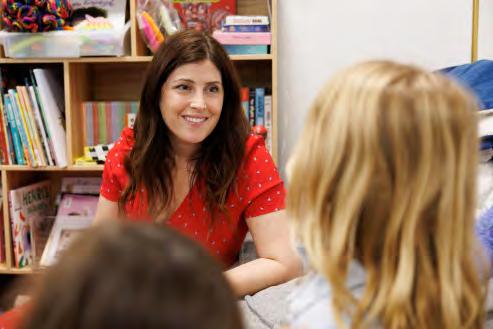
Families are central to the social-emotional health of our community. Our School Counselor offers parent education, is available for consultation, and works alongside families who share our commitment to preserving the wonder of childhood. As a mother herself, our School Counselor brings both professional expertise and personal understanding to every family
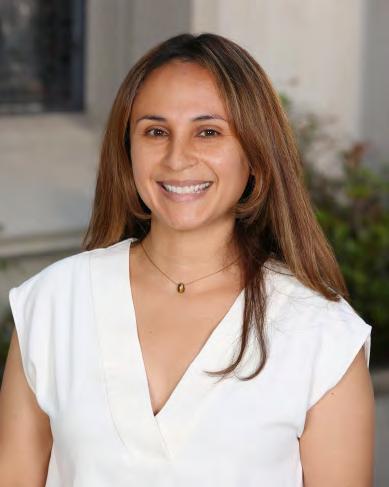
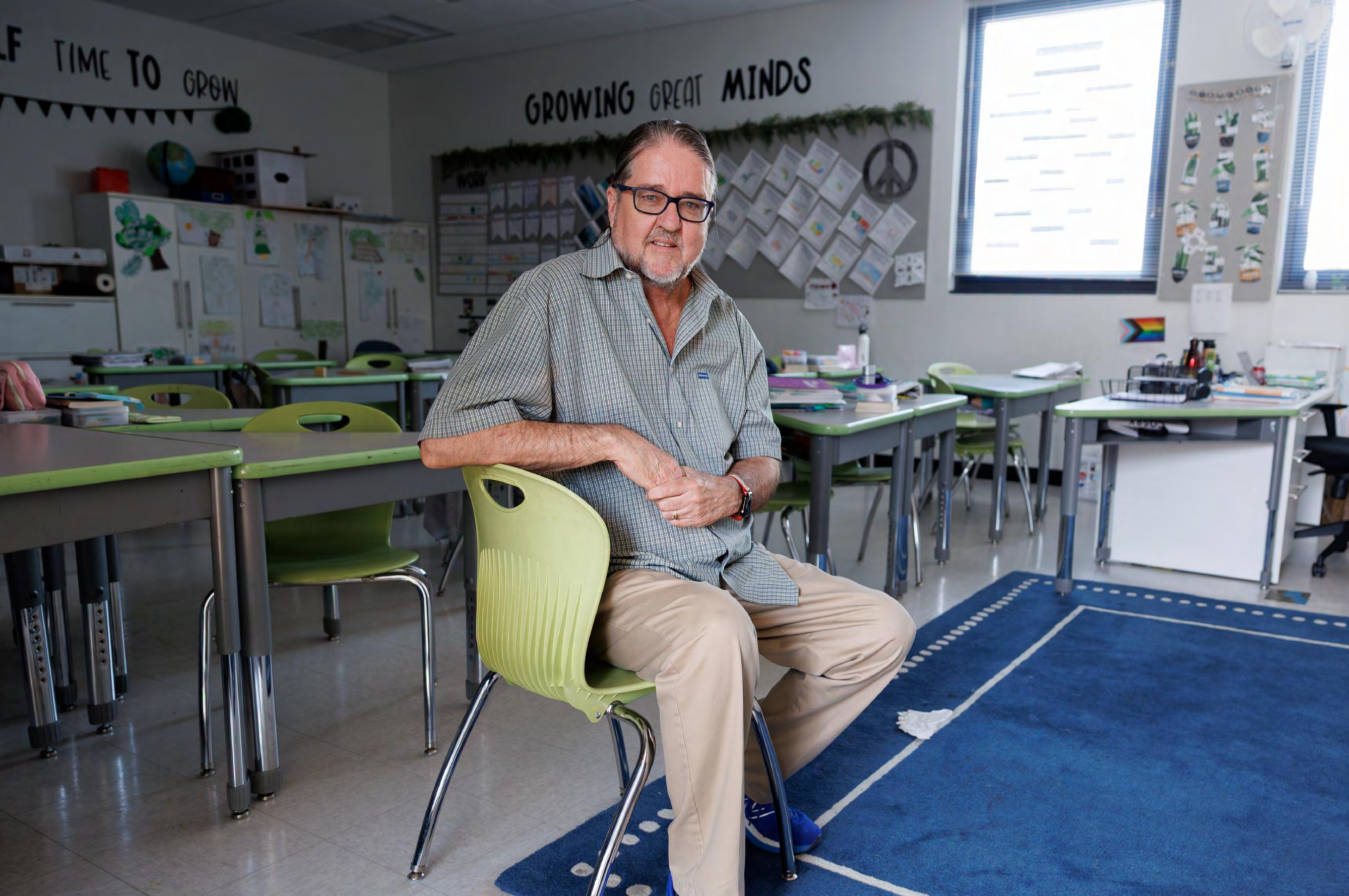
Learning Specialist: Karen Oquendo
Supporting Every Kind of Learner
Every child learns differently. At St. James', our Learning Specialist ensures that students who experience learning challenges receive the right support, at the right time, without ever losing sight of their confidence and potential.
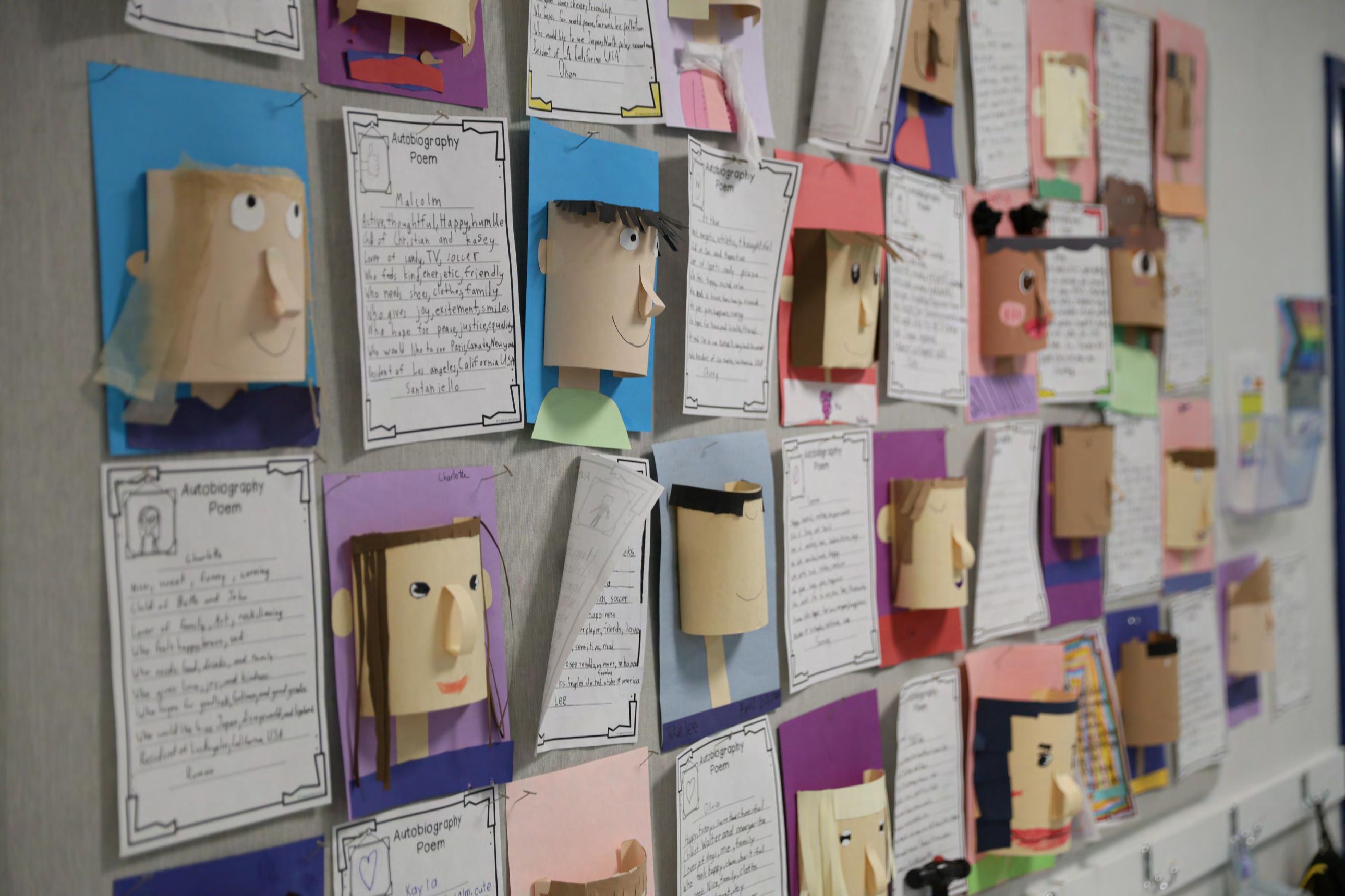
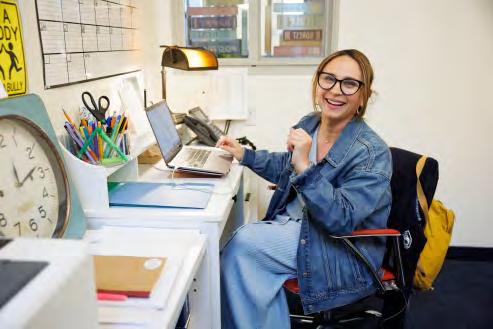
A Plan Built Around Each Child
If a learning need is identified, the Learning Specialist develops a personalized internal accommodation plan, reviewed with both teachers and parents, to support the child's success in the classroom. Regular meetings throughout the year keep everyone aligned and ensure the plan continues to serve each child as they grow.
What a Learning Specialist Does
The Learning Specialist identifies, supports, and monitors students with learning challenges, working closely alongside classroom teachers to implement accommodations and differentiated instruction. She is also a key member of our broader support team, which includes our Writing Specialist, Math Specialist, Literacy Specialist, School Counselor, and Librarian - a collaborative network designed to see and serve the whole child.
How We Identify a Learning Need
Identifying a learning challenge is a careful, multi-step process, one that distinguishes between learning disabilities, temporary academic gaps, and factors like emotional stress.
It begins with teacher observation. If a student shows consistent, observable struggles, the teacher refers them to the Learning Specialist. Together, they monitor progress, review work samples, and implement tiered interventions. Parents are notified promptly if a learning challenge appears likely.
From there, the Learning Specialist consults with families to discuss next steps, which may include an evaluation through the local public school district or a private specialist. Evaluations can encompass cognitive, academic, speech, and emotional assessments, as well as classroom observations and interviews.
Partnership With Families
We know that conversations about learning challenges can feel sensitive. At St. James', we approach every family with care, transparency, and respect. Research consistently shows that family involvement is one of the most powerful factors in a child's learning, and we are committed to walking alongside families every step of the way.
How We Support Students: A Closer Look
Our Learning Specialist tailors her approach to each student's needs. Here are some of the key areas of support she provides:
• Executive Functioning — Building organizational skills, establishing routines, and developing strategies that help students manage their time and workload
• Academic Skills — Individualized instruction in reading, writing, or math to address gaps and to build lasting competency
• Behavioral & Emotional Support — Strengthening self-confidence, motivation, and resilience through positive reinforcement and personalized strategies
• Classroom Accommodations — Collaborating with teachers to implement supports such as preferential seating, extended time, and modified materials
• School-Home Collaboration — Keeping parents informed and engaged so that support is consistent both at school and at home
CoCurriculars
•Music
•Visual Arts
•Performing Arts
•Spanish
•Physical Education
•Science
•Religion
•Design & Create
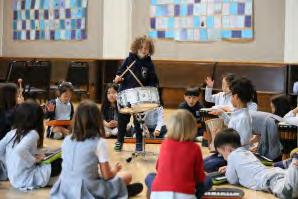
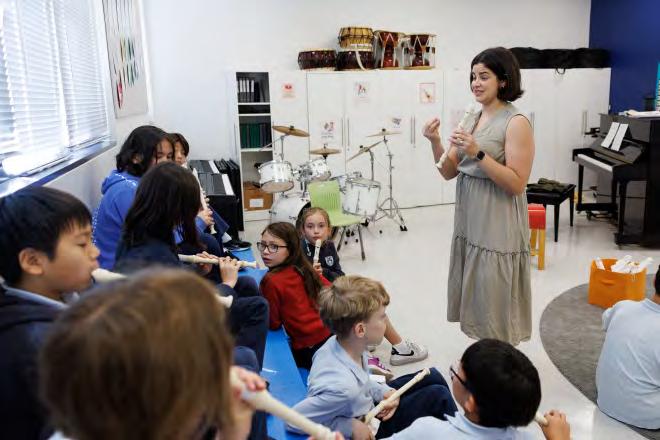
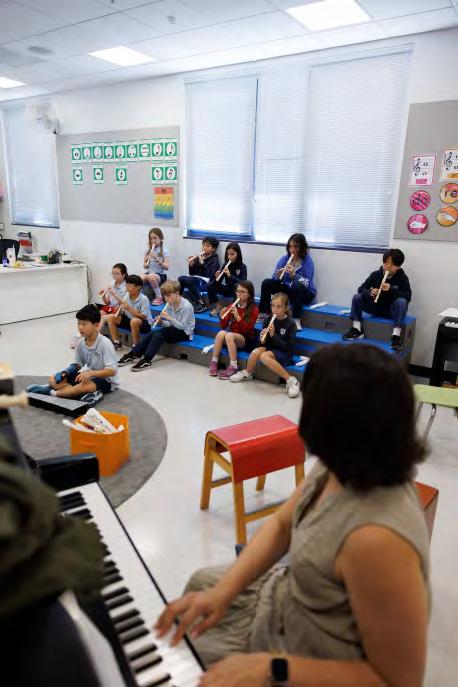
Develops rhythmic and melodic foundations through singing, movement, and percussion.
Expands musical literacy with increasing rhythmic complexity, pitch accuracy, and instrumental performance.
Culminates in independent musicianship through multi-part singing, composition, and performance using a full range of musical concepts and instruments.
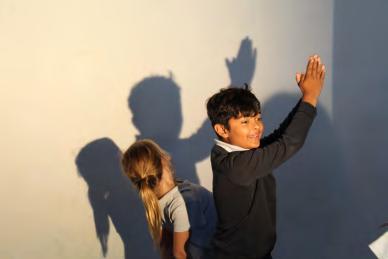
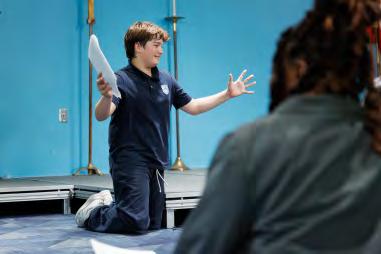
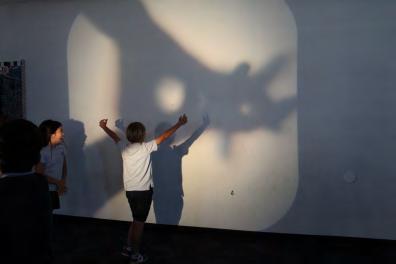
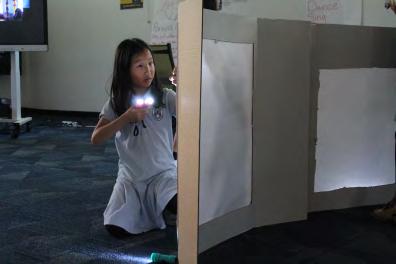
Progresses from imaginative play and ensemble participation to structured rehearsal and formal performance.
Develops use of actor’s tools—voice, body, face, and imagination—while introducing technical theatre elements such as props, costumes, and staging.
Advances toward script analysis, character development, and original performance work, including formal acting techniques and monologue creation.
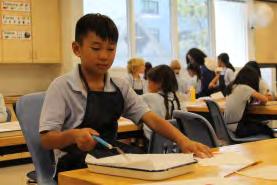
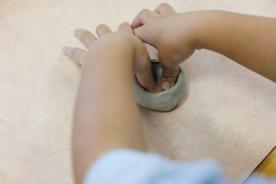
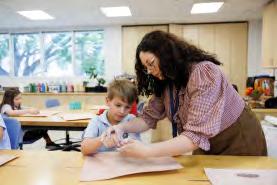
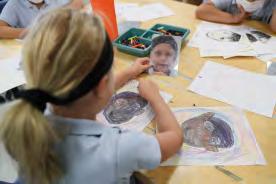
Introduces elements of art and design through hands-on, multi-session projects that build fine motor skills and creative confidence.
Expands technical ability through drawing, shading, perspective, and functional clay work with increasing precision and detail.
Advances into sophisticated media and techniques, including painting, sculpture, and printmaking, culminating in cohesive bodies of work and artist statements.
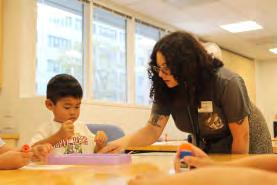
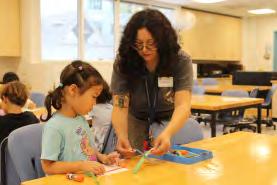
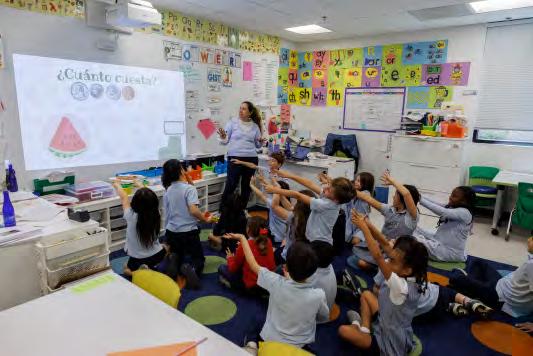
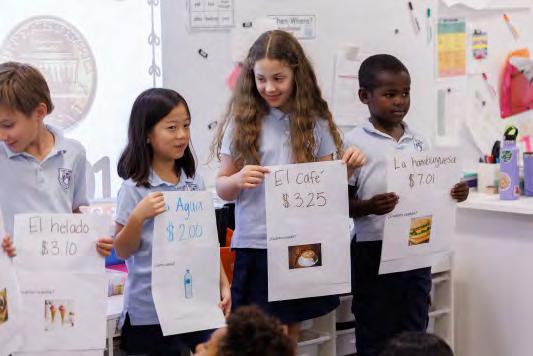
Builds from foundational vocabulary and sound recognition to conversational fluency through consistent exposure, repetition, and real-life application.
Develops practical language skills through themes, daily routines, and project-based learning that reinforce speaking, listening, reading, and writing.
Emphasizes confidence in communication, culminating in sustained conversations and cultural understanding of the Spanish language in real-world contexts.
Performing Arts
Spanish
Visual Arts
Music
Physical Education
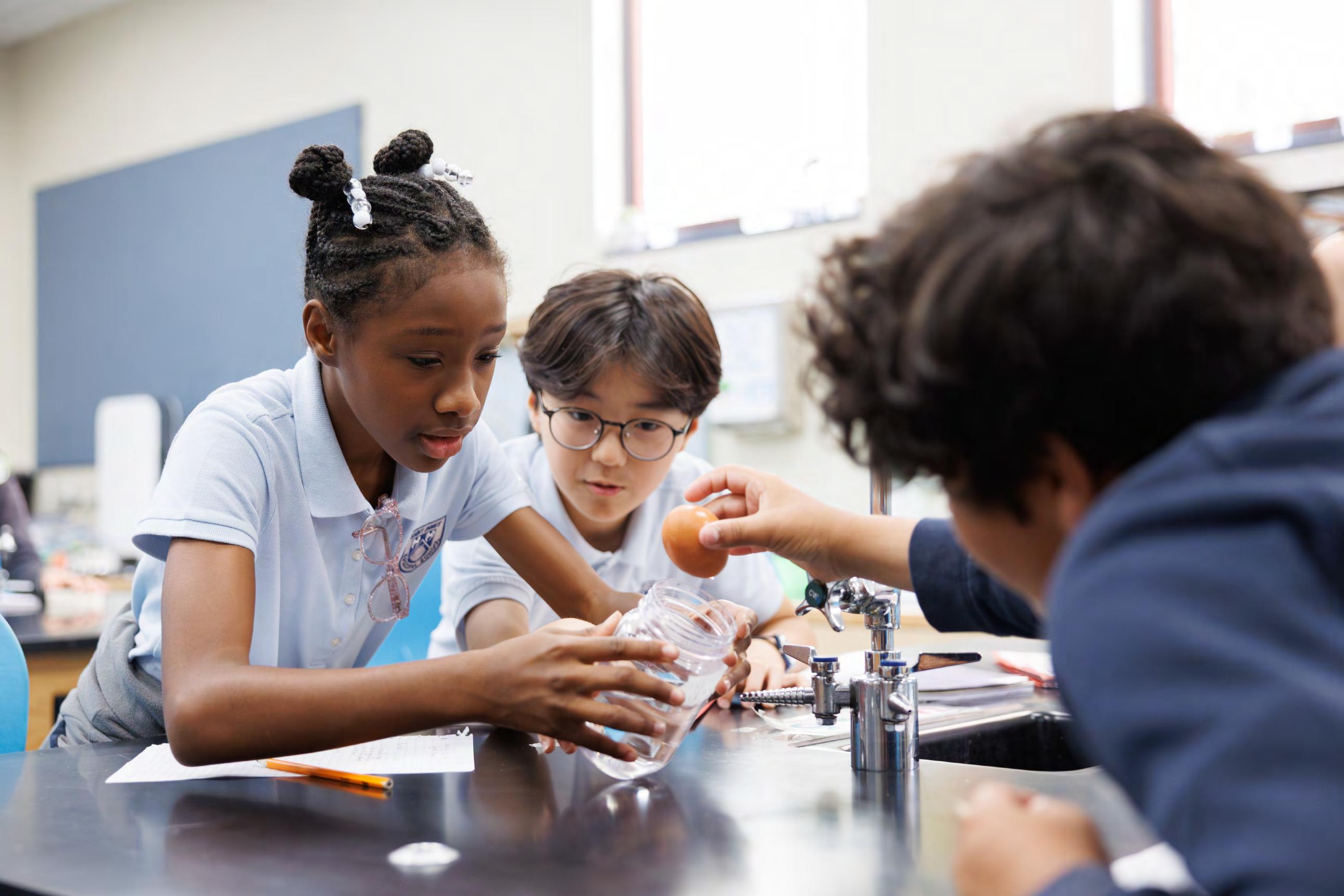
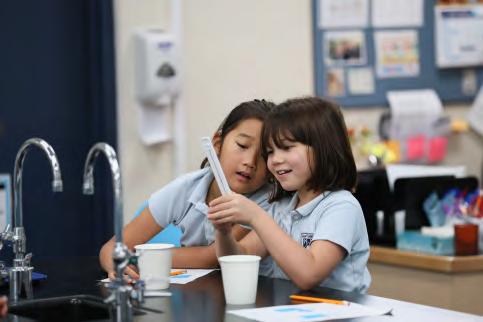
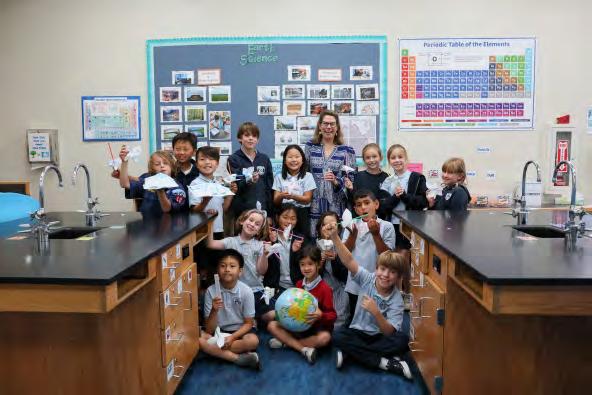
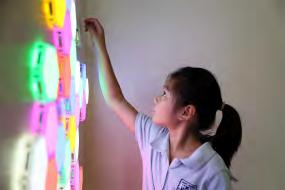
Builds foundational scientific knowledge and curiosity through hands-on, inquiry-based exploration of Earth, Life, and Physical Science.
Develops critical thinking, collaboration, and problem-solving skills through experiments, interactive activities, and real-world investigations.
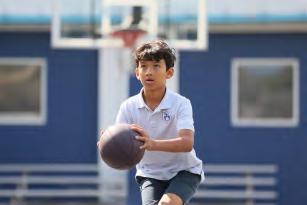
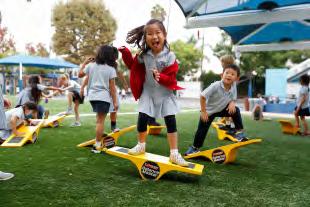
Establishes foundational movement skills, coordination, and confidence through play-based activities.
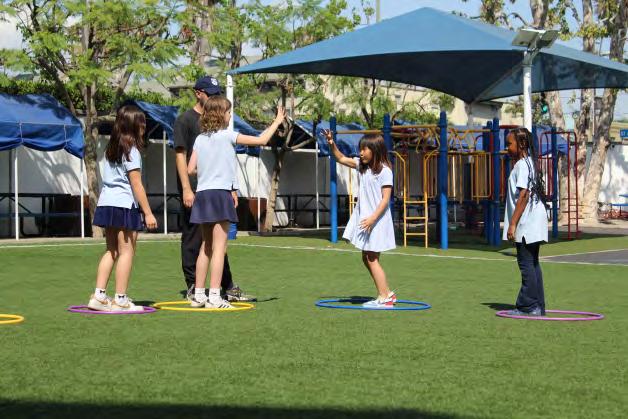
Builds agility, teamwork, and sportsmanship through cooperative games and introduction to organized sports.
Advances toward skill mastery, strategic thinking, and leadership, reinforcing lifelong fitness and understanding of physical development.
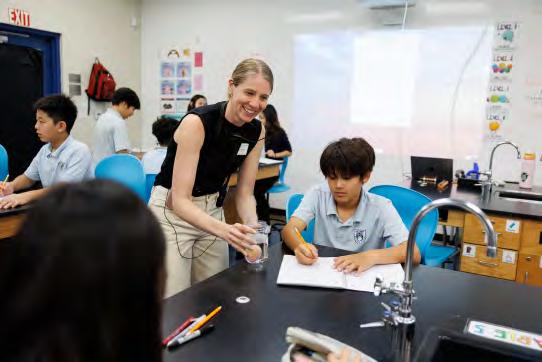
Advances toward deeper understanding, application of the scientific process, and independent research, fostering analysis, communication, and a lifelong appreciation of science.
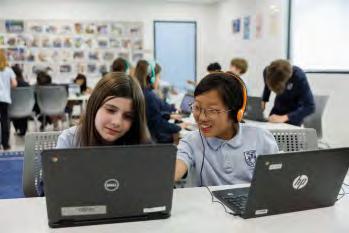
Builds foundational digital literacy through responsible device use and introductory coding concepts.
Develops problem-solving and creativity through coding platforms, digital design tools, and project-based learning.
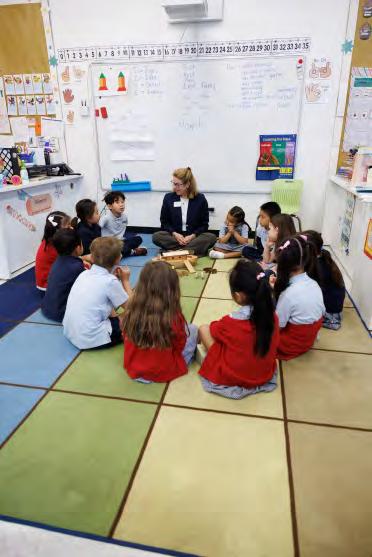
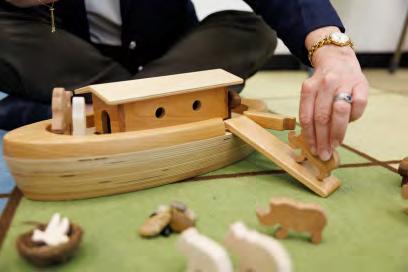
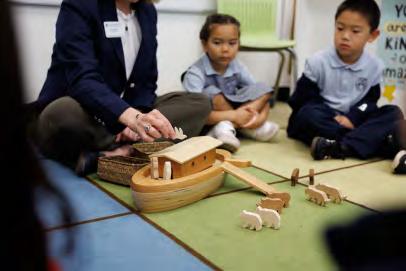
Engages students in exploration of biblical stories and traditions through reflection-based learning rooted in wonder and inquiry.
Develops cultural literacy and ethical understanding through discussion of values, spirituality, and shared narratives across many faiths.
Culminates in personal synthesis, encouraging students to explore their own questions about faith, ethics, and the broader human experience.
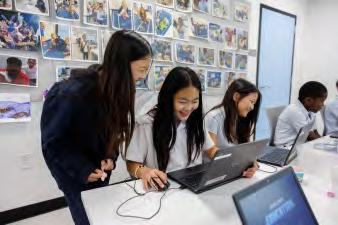
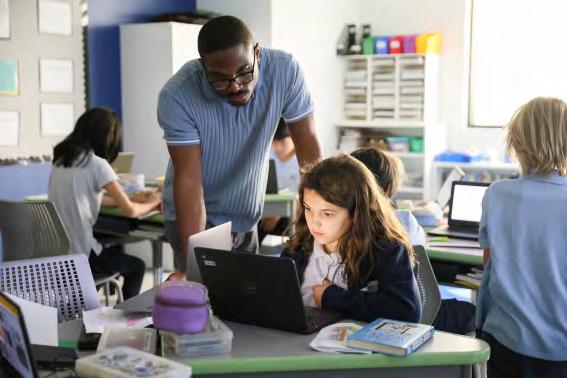
Advances toward independent, collaborative digital creation, emphasizing design thinking, technical skill, and responsible digital citizenship.
Science
Design & Create
Religion
Preschool
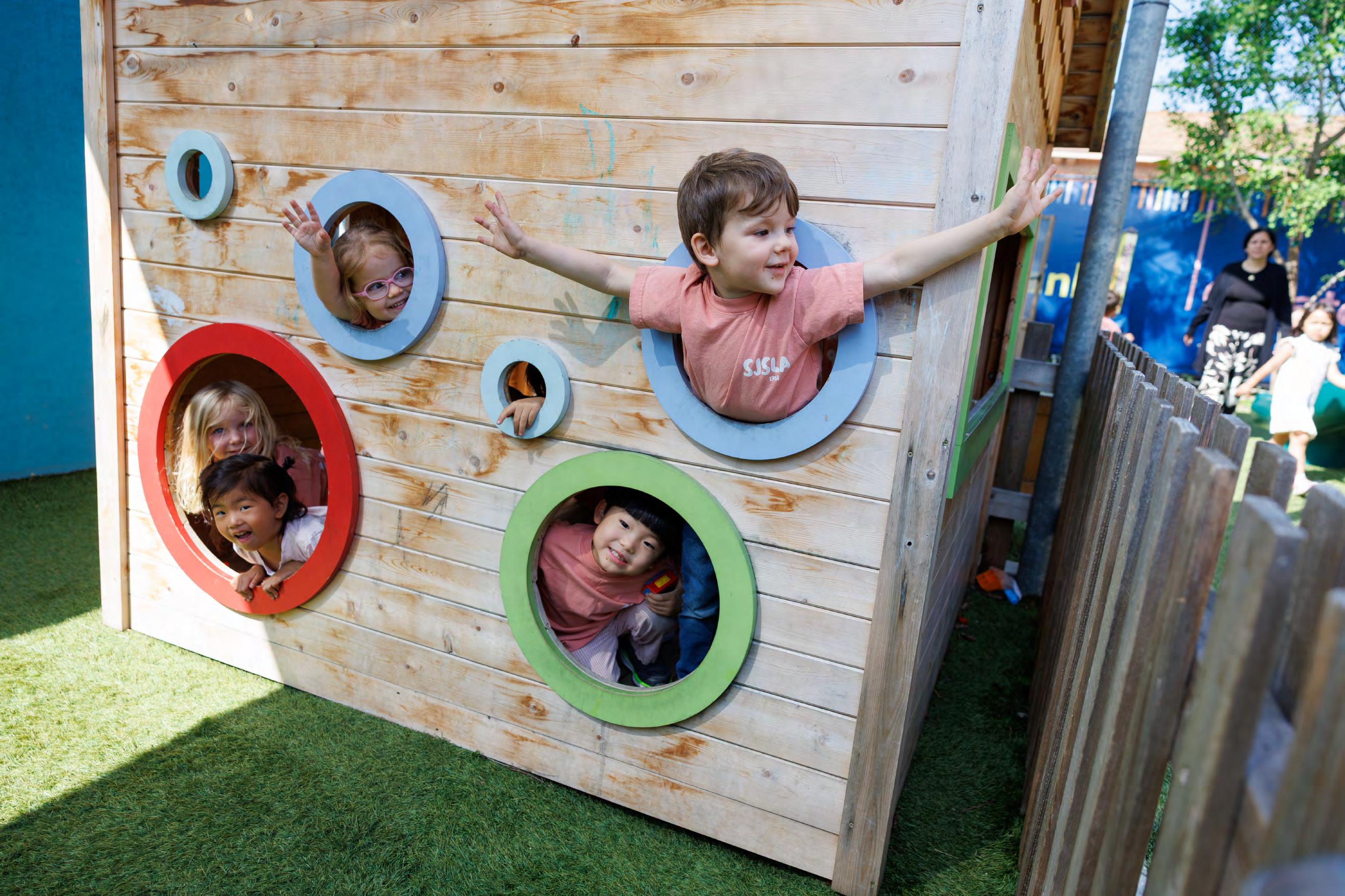
In our preschool, children learn to ask questions before they know how to write them down. They are encouraged to notice, to wonder, to try again. Whether it's the quiet study of a snail's trail, the negotiation over a paintbrush, or the discovery that a friend's hand fits perfectly inside your own, wonder is at the heart of our curriculum at St. James'.
Where Curiosity Leads the Way
At St. James', preschool is not simply preparation for what comes next. It is a rich, purposeful experience in its own right — one designed around a simple but profound conviction: that young children learn best when they are free to wonder, explore, and discover.
Our preschool blends play-based learning with an emergent curriculum, creating a dynamic environment where every child's curiosity is taken seriously, and where play is understood not as a break from learning, but as its primary vehicle.
Learning Through Play
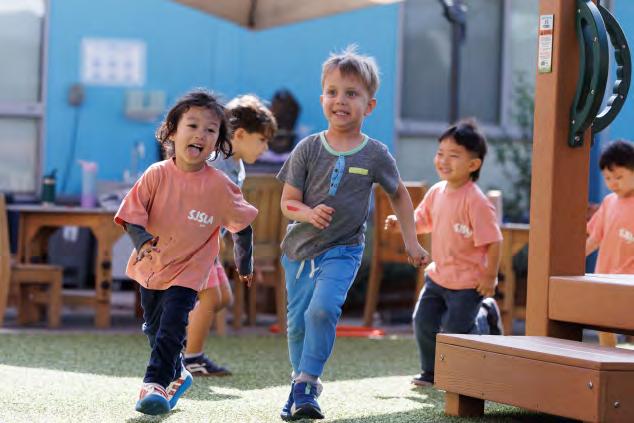
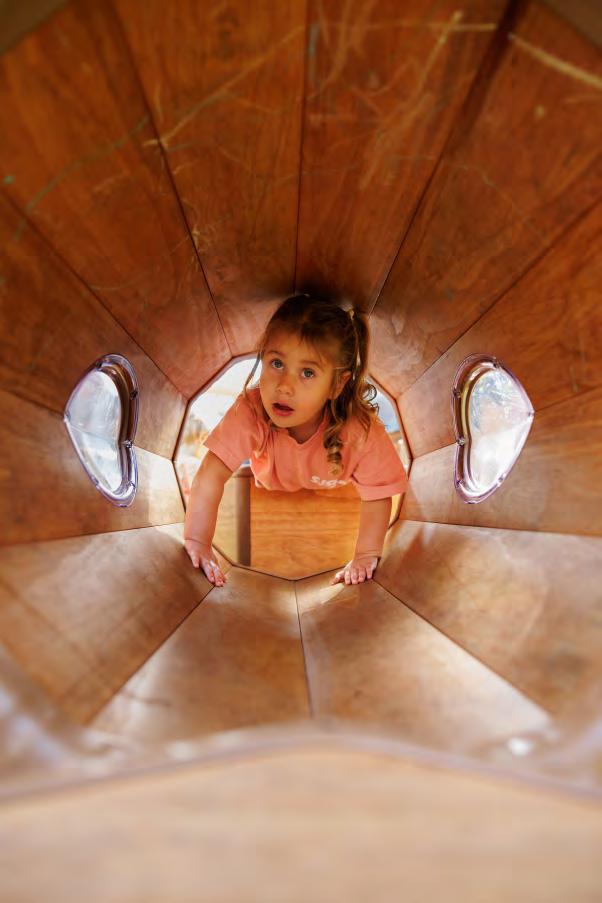
In our preschool classrooms, play is purposeful. Children are given generous time and space to explore, imagine, build, question, and collaborate — and our environments are intentionally designed to invite exactly that. Open-ended materials, flexible spaces, and a sense of possibility at every turn encourage children to take initiative, solve problems, and express themselves.
Through play, children develop across every domain:
• Cognitively — building reasoning, problem-solving, and early academic skills
• Socially and emotionally — learning to collaborate, communicate, navigate conflict, and develop empathy
• Physically — strengthening fine and gross motor skills through hands-on, active engagement
A Curriculum That Emerges From Children
Rather than following a fixed, pre-planned sequence, our curriculum grows organically from the interests, questions, and ideas of the children themselves. Teachers observe and listen closely, using what they discover as the foundation for deeper investigation.
A child's fascination with bugs might spark a multi-week exploration weaving together science, literacy, art, and outdoor learning. A question asked at circle time might open into something none of us anticipated. This is learning that feels alive — because it begins with what children actually care about.
The Role of Our Teachers
Our preschool teachers are facilitators, guides, and co-learners. They ask open-ended questions, create space for children to think and try, and use careful observation and documentation to inform what comes next. They hold the balance between following a child's lead and keeping developmental goals thoughtfully in view.
An Environment Built for Discovery
Our classrooms are flexible and responsive — shifting to reflect children's current interests and evolving as the community grows together. They are designed to foster independence, creativity, and a genuine sense of belonging.
Every child in our preschool is seen as capable, competent, and full of potential. We honor each child's voice, identity, and developmental pace — because we know that when children feel safe and valued, they flourish.
Nurturing the Whole Child
Social-emotional learning is not a separate subject in our preschool — it runs through everything we do. From morning circle to outdoor play to collaborative projects, children are building confidence, resilience, and the communication skills that will serve them throughout their lives.
Our vision for preschool is ultimately simple: to nurture a love of learning that lasts. To send children into the world — and into the grades ahead — with curiosity intact, creativity alive, and the deep sense that their ideas matter.
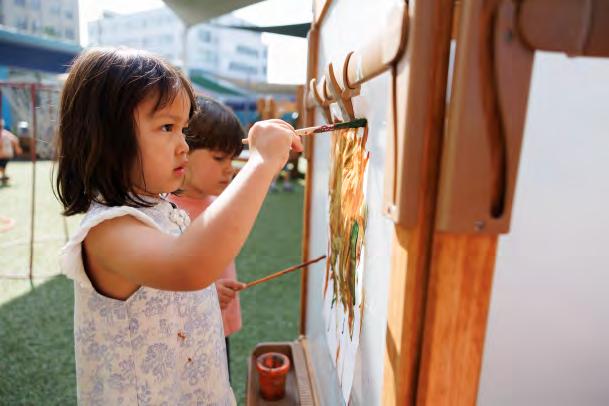
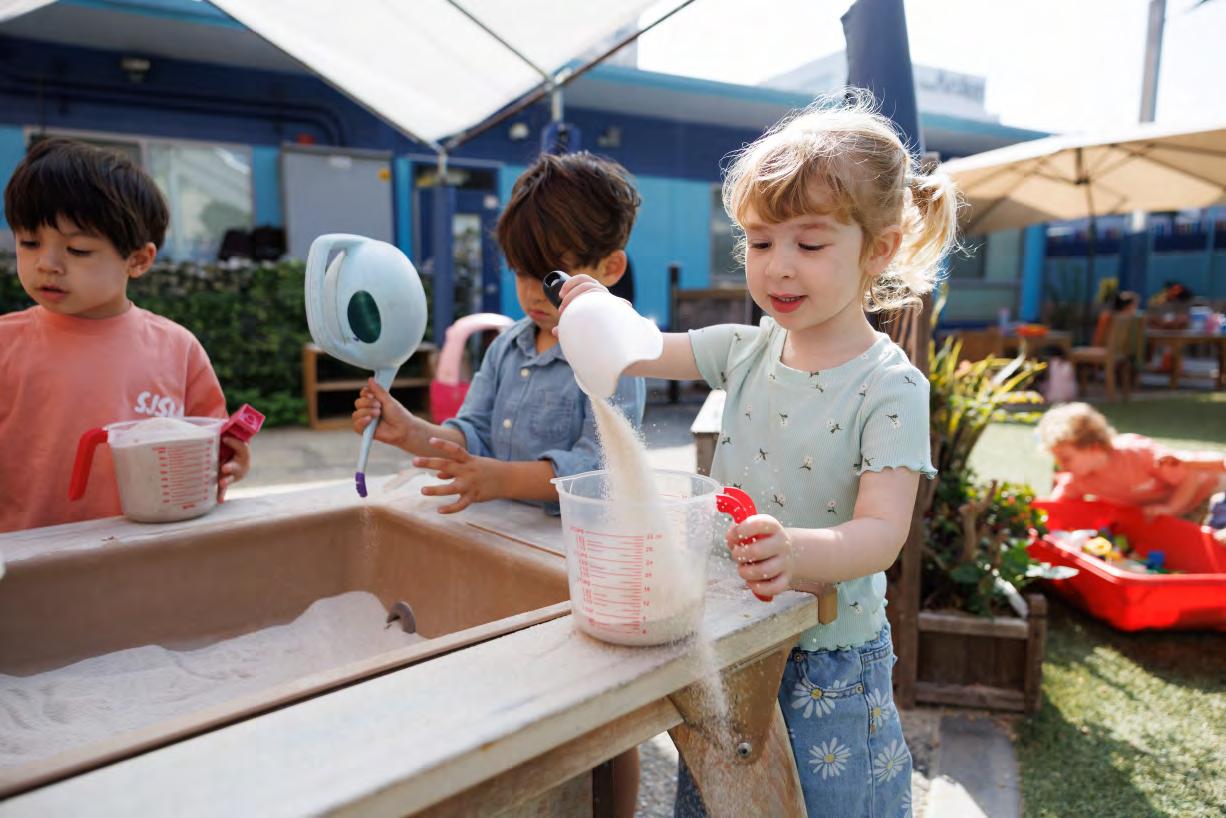
Preschool in Action
Curiosity, Community, and the Joy of Learning by Doing
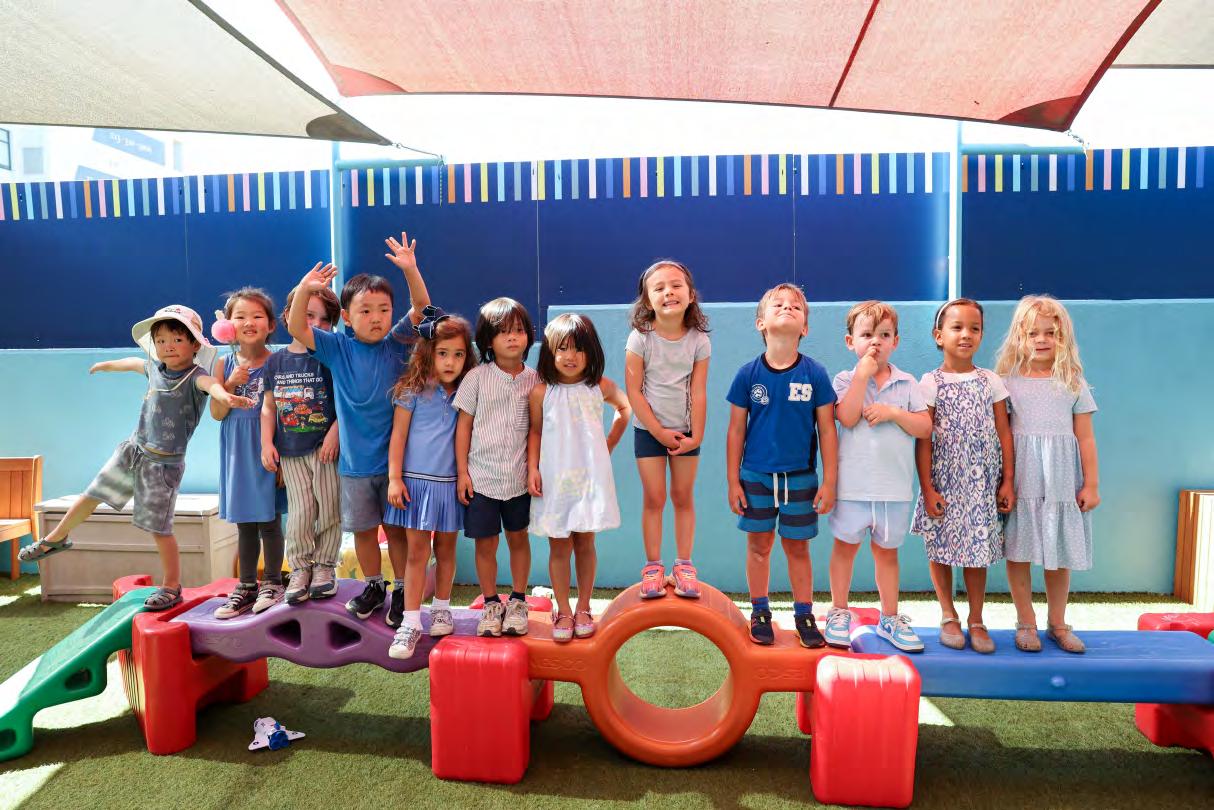
A Curriculum That Grew From a Stuffed Bear
In the Preschool classrooms, a curriculum can begin anywhere - even in a child's backpack.
Last fall, the Dolphins teachers noticed that students were arriving each day with beloved stuffed animals: bears, bunnies, capybaras, lions, tigers. Rather than redirect that enthusiasm, they followed it. What began as a shared love of animals became a months-long journey across continents, cultures, and subjects.
Children explored animals native to California, then the wider United States, then countries across the globe, from China and Japan to Mexico, Africa, and South America. Along the way, they encountered different cultures, heard indigenous instruments from Africa, and noticed
- with delight - how the sounds of those instruments echoed the animals that lived there.
Geography, science, social studies, and cultural appreciation all grew from a single thread of curiosity.
The project culminated in something the children made entirely their own. Inspired by Eric Carle's Brown Bear, Brown Bear, What Do You See?, each child painted sheets of butcher paper in colors of their choosing, then selected shapes to construct their very own original animal named by the child who created it. The finished animals were assembled into a class book, which the children then read aloud together at morning circle time.
This project became an organic introduction to literacy, art, geography, and community - all at once.
Co-Curricular Classes
Preschool students at St. James' benefit from specialist-taught classes every week, bringing dedicated expertise in music, performing arts, and physical education into their days.
Music
Dolphins and Butterflies enjoy music class multiple times a week. Through sound stories, call-and-response games, echo songs, drumming circles, and partner songs, students begin to understand rhythm, recognize instruments by ear, and develop their singing voices. Composition projects, where students create short rhythmic or melodic sequences that come together as class performances, nurture creative decision-making and collaborative thinking from the very earliest age.
Performing Arts
Once a week, Dolphins, Butterflies, and KRP students enter the world of dramatic play. Using scarves, pictures, music, literature, and movement, their teacher creates imaginative scenes for students to inhabit, which build language skills, social-emotional growth, and cognitive development through storytelling and role play. Every class is an invitation to explore the world through sound, movement, and imagination.
Physical Education
KRP students have PE three times a week, with a curriculum built around the fundamental movements that underpin all physical development: hand-eye coordination, throwing and catching, hopping, skipping, jumping, and balance. These are the building blocks for movement which may lead to organized sports one day.
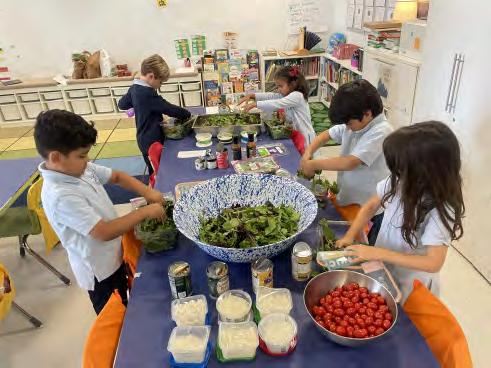
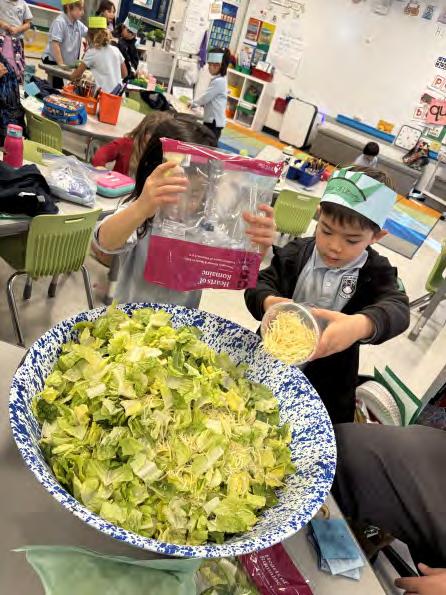
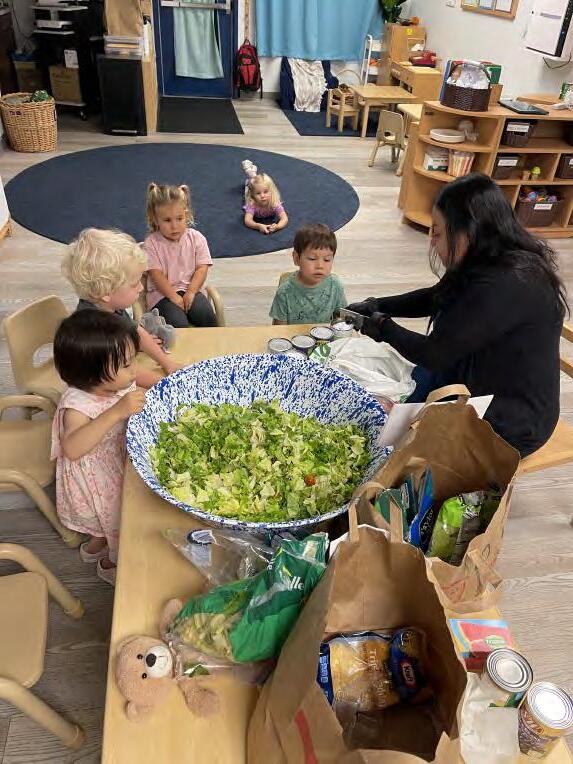
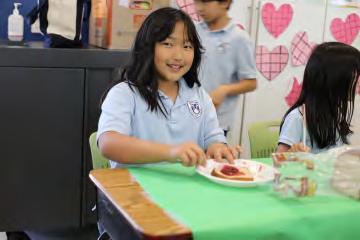
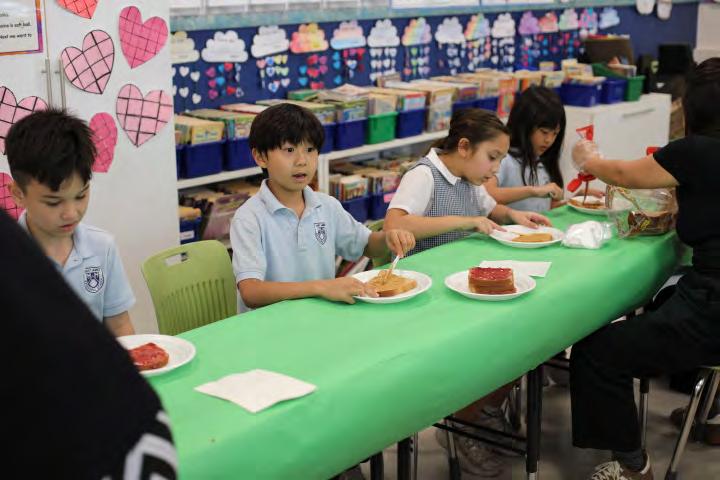
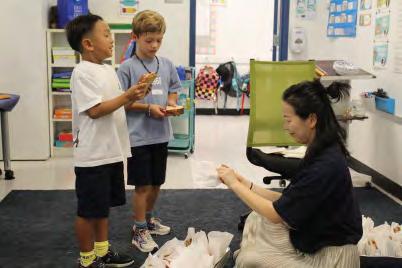
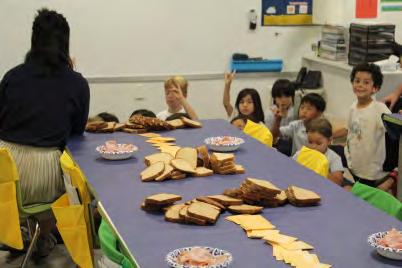
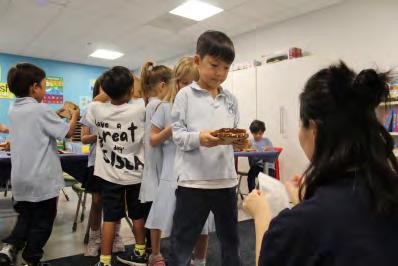
Serving the Community: Salads for the Soup Kitchen
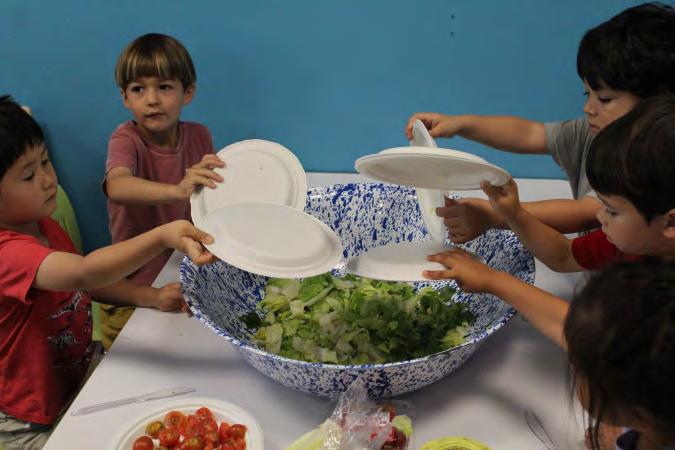
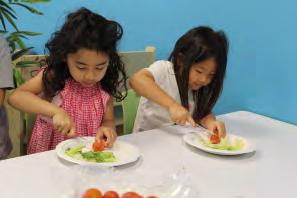
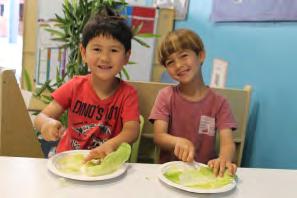
Once each trimester, our preschool students do something quietly remarkable: they make salads for the St. James' Church Soup Kitchen.
It begins as a lesson in healthy food - identifying vegetables, understanding where meals come from, practicing simple food preparation. It then becomes something more. As students work together, teachers talk with them about kindness, about community, about people who may not have a warm meal waiting at home.
Children leave with more than new vocabulary about vegetables. They leave with a sense of purpose and the understanding that even the

Carnival
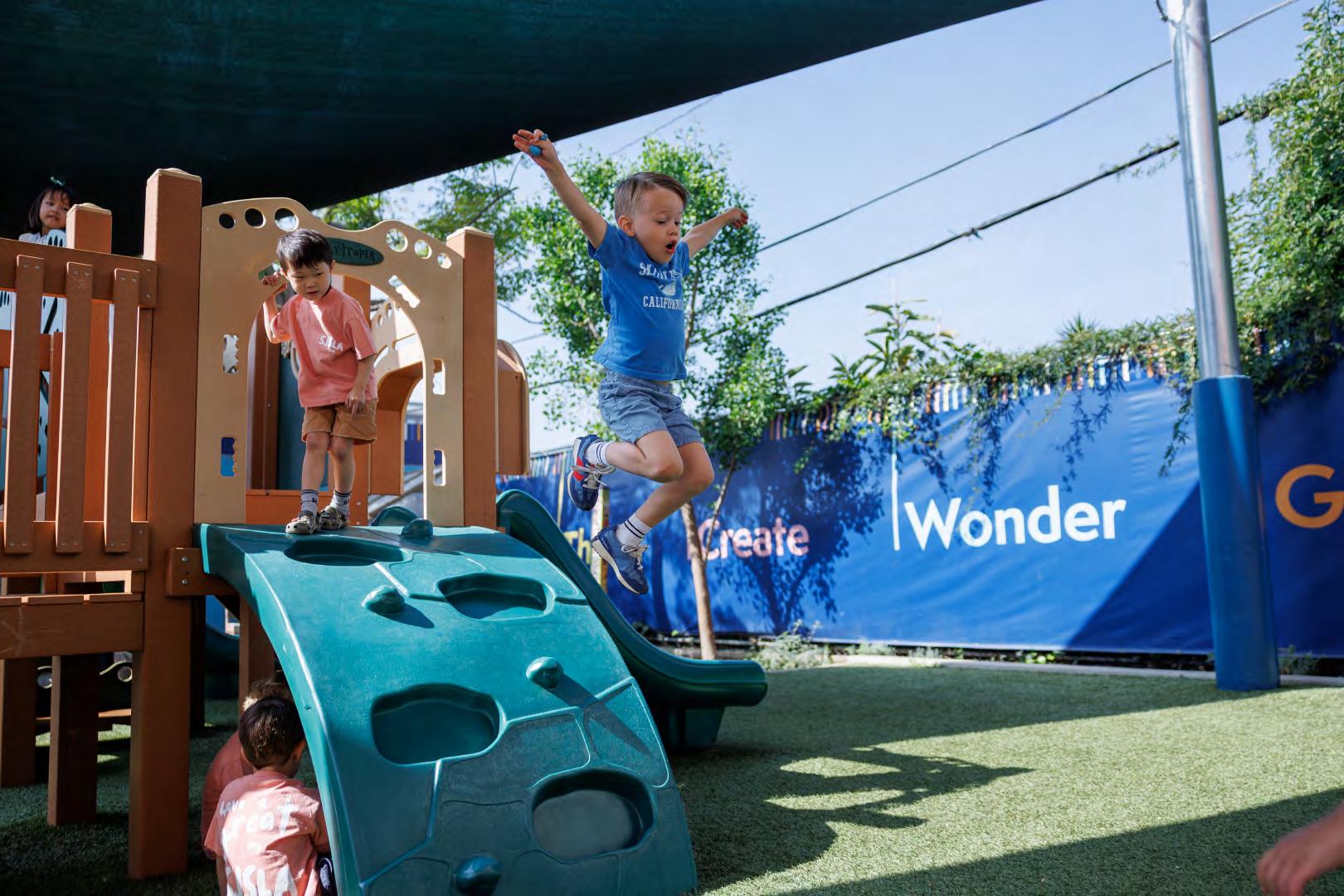
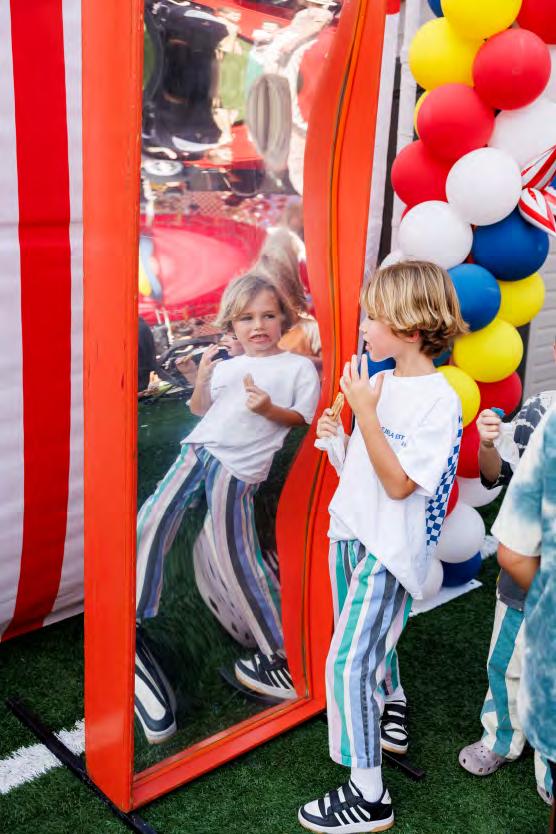
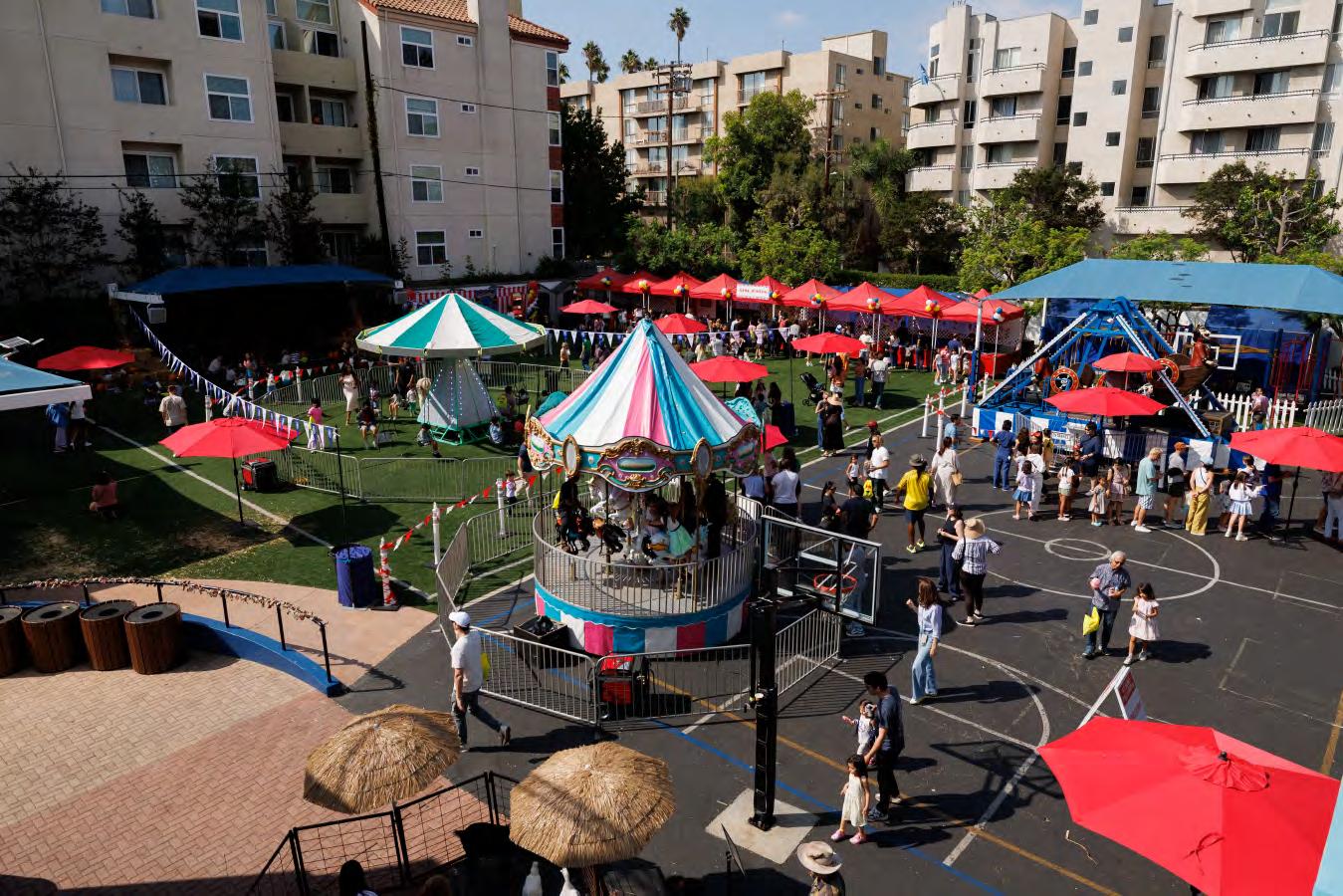
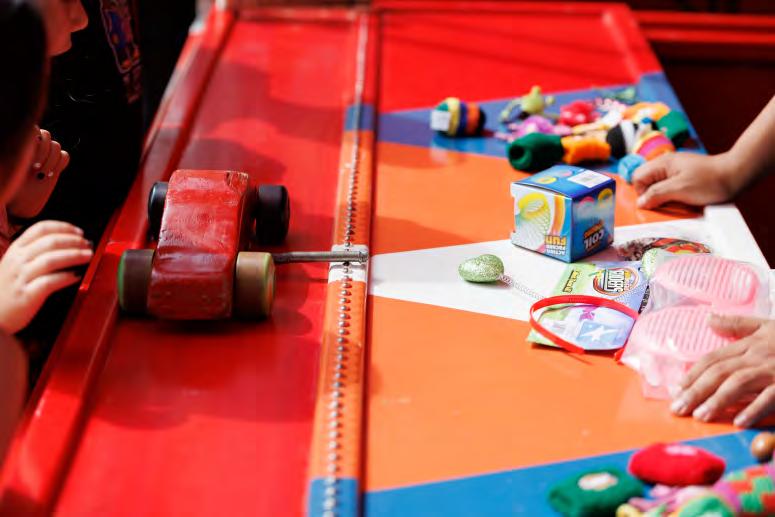
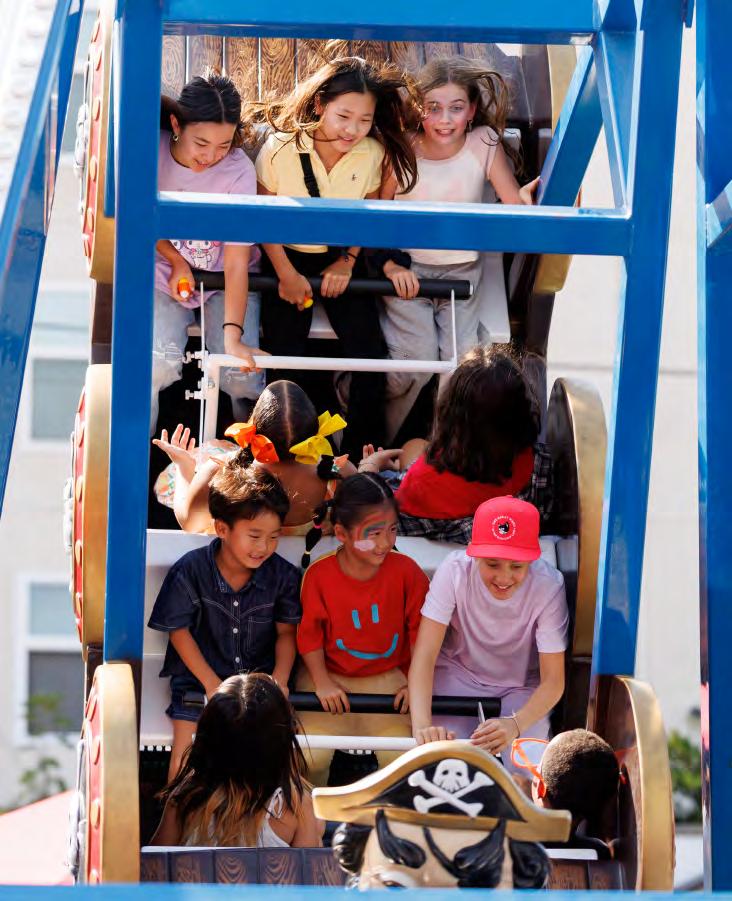
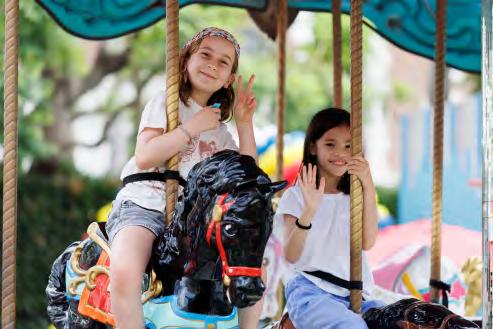
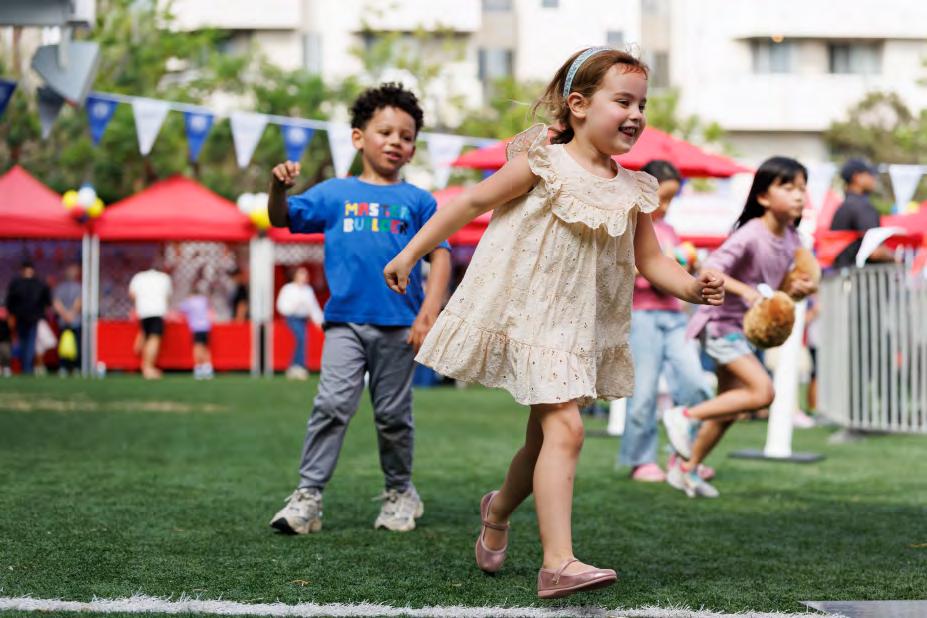
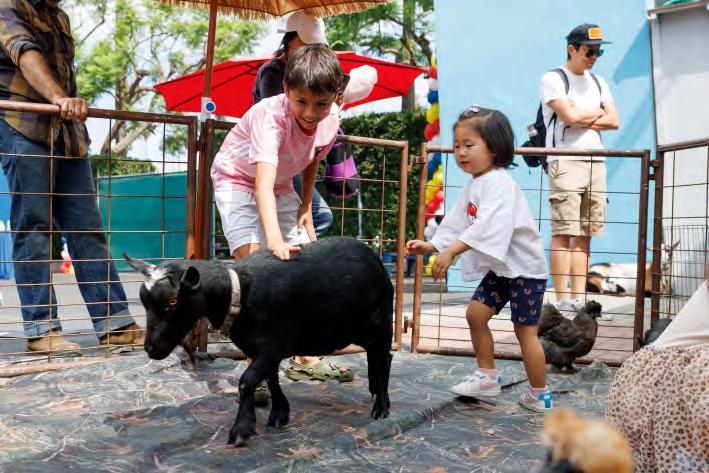
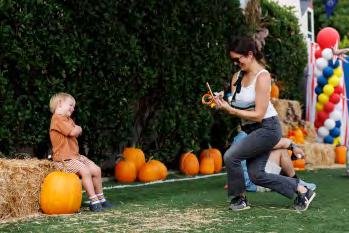
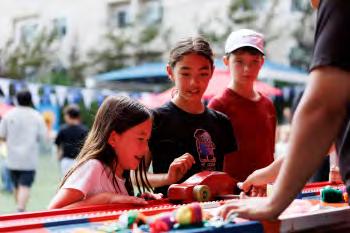
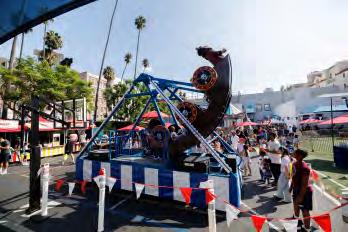
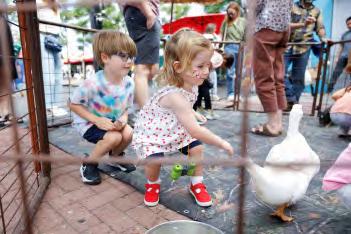
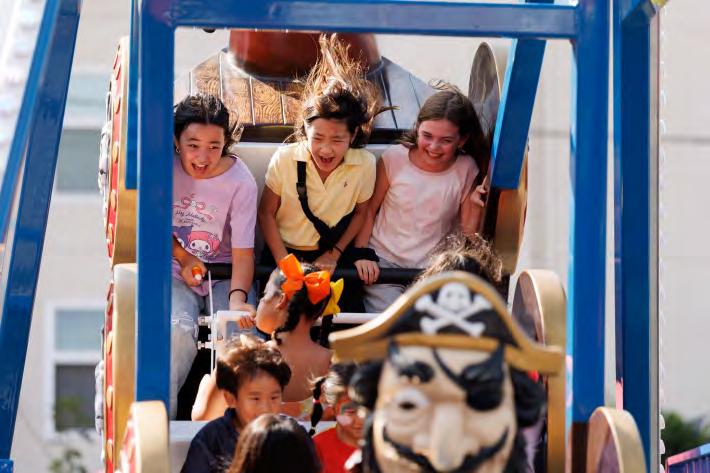
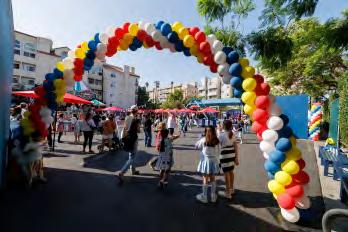
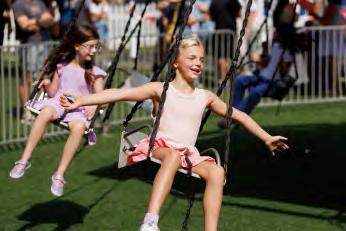
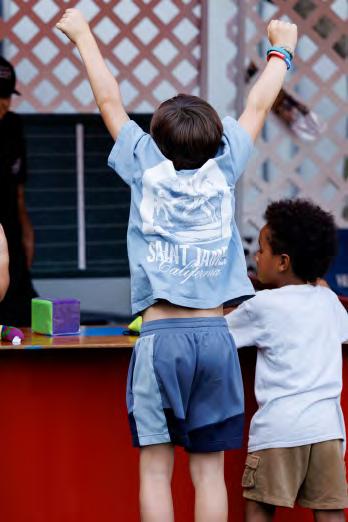
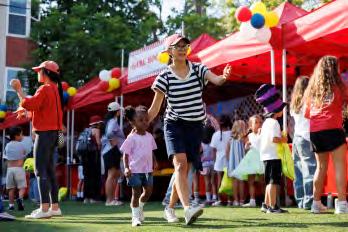
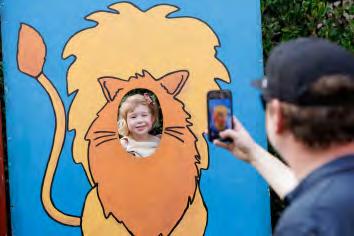
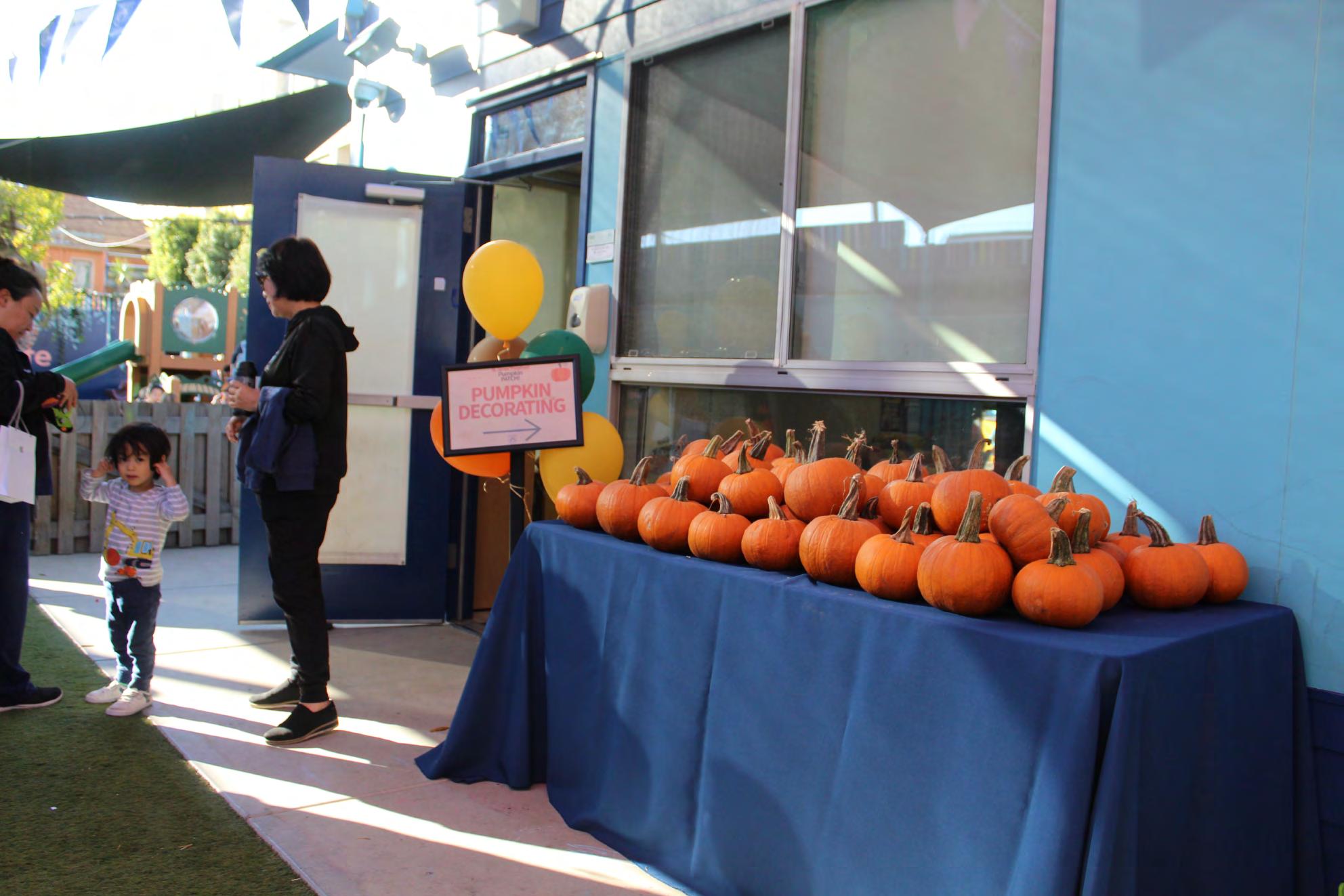
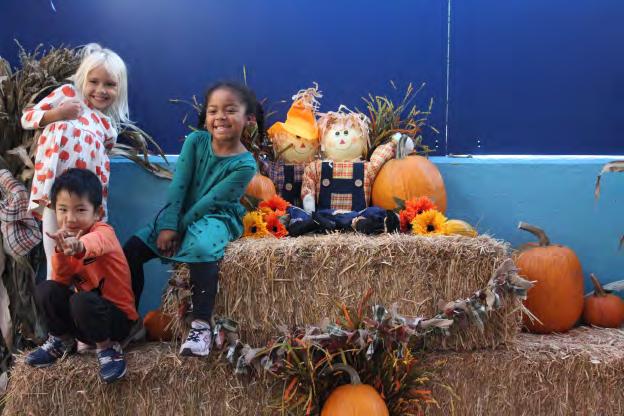
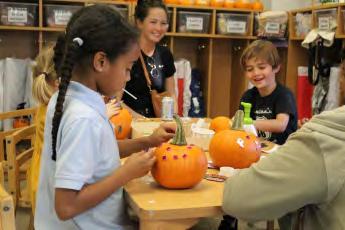
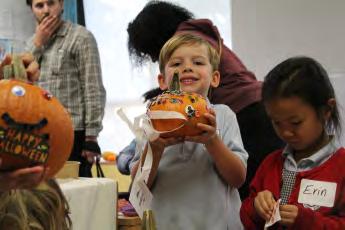
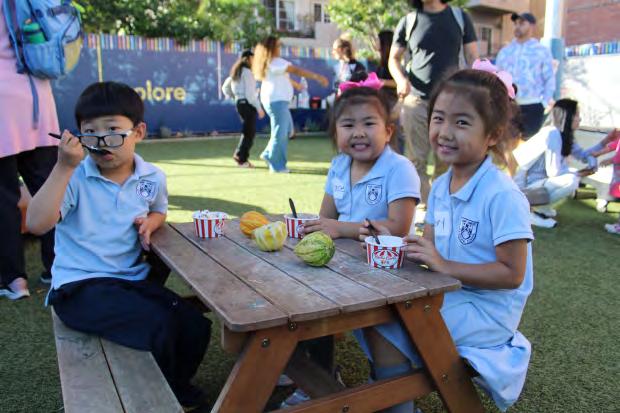
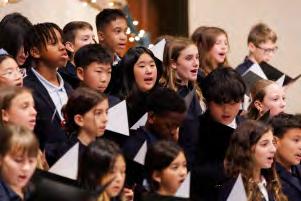
The St. James' Fall Family Carnival may have been a new event on our school calendar, but with the rides, petting zoo, fairground games with prizes, and more sugar than anyone will ever admit to, it will certainly be a tradition for years to come.
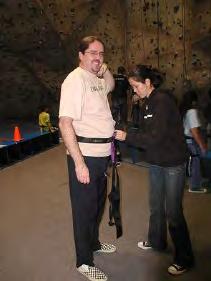
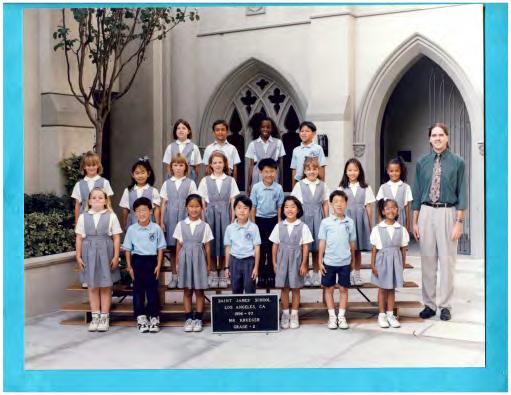
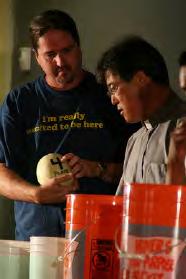
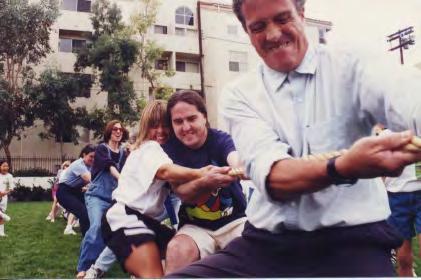
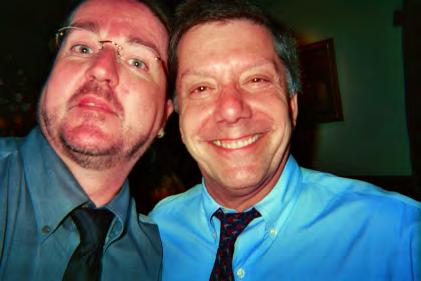
Rob Krueger Retirement
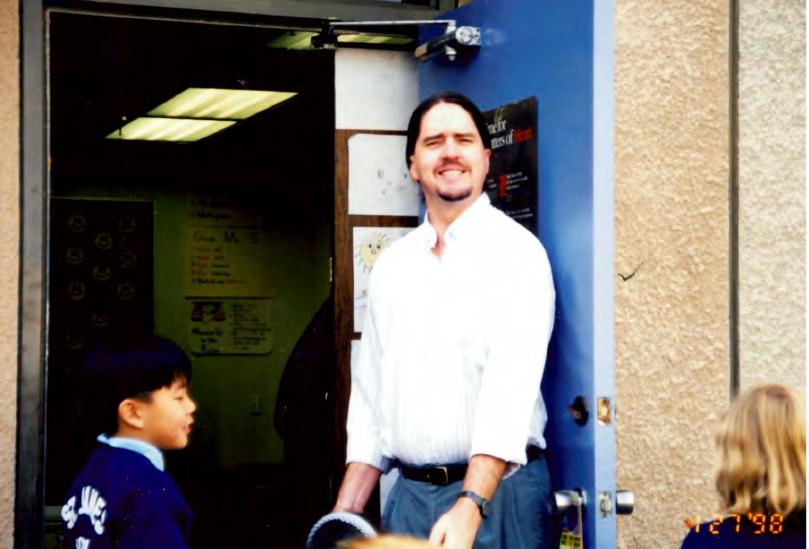
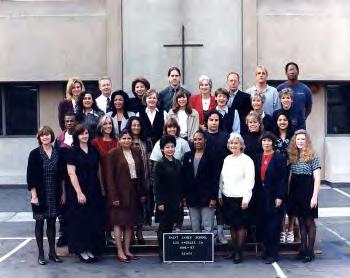
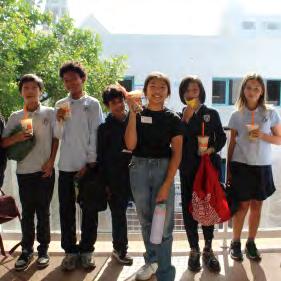
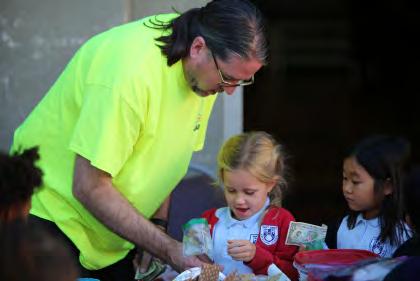
On behalf of our entire school community, we extend our deepest gratitude to Mr. Krueger for his decades of unwavering dedication, compassion, and inspiration. He has touched the lives of countless students - who truly adore himand his presence will be profoundly missed.
We wish him a joyful and fulfilling retirement, filled with all the happiness he has given to others
What's the most important lesson you hope students learned from you?
Never let anyone discourage you from chasing your dreams. There might be a lot of people that will tell you that you can't, but I want you to hear my voice reminding you that you can. Also, stay kind and don’t let a tough world take your heart away from you.
What are you most looking forward to in retirement?
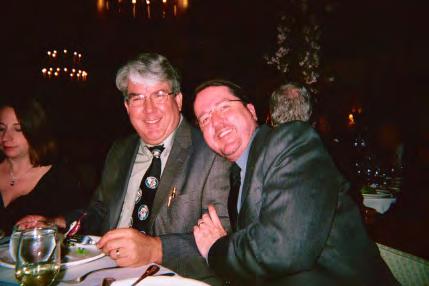
Even though the idea seems daunting in our world right now, I hope to travel even more. I imagine the first major trip will be to Thailand, as it is at the top of my husband Tom's bucket list. For me, I want to go back to Oaxaca. We were there in December a few years ago, so this time I want to go to Día de Los Muertos. Otherwise, my reading list is growing, and I’d like to spend some time walking around The Huntington.
If you weren't a teacher, what would you have been?
My dream would have been to be a drummer, but I don't play the drums. When I started out in college in the fall of 1979, I started out in broadcasting, focusing on radio. I blame that on my love of my music and a TV show from the late 70's called "WKRP in Cincinnati."
What's the best compliment you've ever received from a student?
Wow, that is a tough one as I have been honored to have heard several over the years. Right now, the first thing that comes to mind came from Mia B.
from a few years back. When her class was in 6th Grade, they did a video tribute to the teachers. Her comment about her year in my class was, "We felt like a family." For me, that kind of says it all.
What was your most-used classroom phrase?
There are too many, enough to host my own cliché festival. It was pointed out to me this year that I begin with "Alright, alright," quite a bit - I guess maybe channeling Matthew McConaughey. Another is, "Time's fun when you're having flies." Yes, you read that correctly.
What life lesson did teaching teach you?
Times change, people change, but deep down we are all looking for the same things in life, and that it feels good to know that there are others that will guide you in ways you never dreamed along your journey. "My kids" have been an integral part of mine. My younger colleagues treat me like I’m their age (except when I reveal myself with an outdated cultural reference), which suggests that age is, at least sometimes, just a number.
What lyric or movie line would best sum up your 30+ years here?
I'm going to choose to go with two lyrics:
-"What a long, strange trip it's been." - The Grateful Dead
-"It's time like these you learn to love again."The Foo Fighters
And one from a movie:
"Yeah, well, that's just, like, your opinion, man." El Duderino (if you’re not into the whole brevity thing).
Patricia T. You will be
Love you. Miss you. Always will.
Casee K.
retirement!!!
I love you, Mr. K! Congratulations!!! Job well done!!
Mr. Kruger came to St. James' as a 2nd grade teacher. He was right across the hall from my Kindergarten class. He was always fun-loving and easy-going and the children adored him. We teased him when he did not change his bulletin boards. He was always a good sport and took it all in stride. Mr. Krueger, get some well-earned rest and enjoy your retirement.
Leslie C.
The best!!!!
If you ask someone who their favorite teachers were, even as adults, they probably still have a mental list they could run through. And I would bet money that Mr. Krueger tops the list of every single student who went through his class. We all remember his kindness, his sense of humor, and the way he widened all of our horizons with the books we read and social studies lessons he taught. (The Giver is still one of my favorite books, thanks to him.) Mr. Krueger was the first teacher I had who was also a person and not just an authority figure. He was someone you could joke with, talk about rock music with, or, in my case, show original badly-drawn comic books. As a teacher myself now, I hope I can have half the impact on my students that he had on me. Cheers to you, Mr. K! Enjoy your well-earned retirement!
M.
The best. We love you Mr. K!
Aprielle C.
Congrats, Rob!
Thank you for being such an incredible teacher and for the care and dedication you show your students, Mr. Krueger. Your impact truly lasts far beyond the classroom! Happy retirement!!
Mr. Krueger changed my son’s life and I’m forever grateful.
There will never be another Mr. K! Steve Biko, and The AIDS Walk! Life-changing moments that our children will never forget. Thank you Mr. K! We will always love and appreciate you!!
Happy retirement, Mr. Krueger! Thank you for being such a special part of Lily’s life!
Mr. K is one of the main reasons my husband and I wanted Enzo to attend SJS. We remember seeing him at an Open House and thinking it would be wonderful for him to teach our son. He made a great impression on us. We were so happy that Mr. K taught him and has remained a friend of ours all these years. Wishing you a wonderful and well-deserved retirement, and thank you for everything.
I will never forget his love for Calvin and Hobbes and heavy metal, which he would refer to as “evil devil music." Ha! He was one of the kindest, funniest, coolest teachers I had at St. James'. Congratulations Mr. Krueger!!!
Thank you for being such an amazing 5th Grade teacher. You are still one of the funniest teachers I’ve ever had, and my experience in your class was something I’ll never forget. I really appreciated how you helped me expand my music knowledge, and I’ll always remember watching SNL and Looney Tunes during lunch on rainy days! Best wishes to your future!
Congratulations on your retirement! Even though I've never been in your class, you've always been so kind and very fun to talk to. Thank you so much for being the best, and wishing you many fun adventures ahead!
Fond memories and well wishes doesn’t even start to speak to how much we love you, and respect every single thing you’ve done for our family, our community, and St. James'. Mr. K, you know how we feel about you, but take that and multiply it by 100. Happy retirement. Love you bro!!
Congratulations! You’ve had a tremendous impact on countless students and we’re grateful for all you’ve done for us and our family. Wishing you the very best in your retirement.
The best! So grateful to know you, dear Mr. K!
Hi Mr. Krueger, I absolutely loved my experience in 5th Grade with you as my teacher and throughout my time at SJS. Your humor while teaching will always be a core memory.
P.
Happy retirement Mr. Krueger! You’ve made a lasting impact on each of our children & we are forever grateful. You are a kind, wonderful soul, and wishing you the best in this next chapter.
Laura C. So proud! So excited! So happy for you! Your passion for kids will live on beyond your understanding! You rock!
Mr. Krueger is such a good and kind man. He taught three of our children, and imbued each of them with a sense of love and compassion for the world.
Margaret O.
Happy retirement to you!
The empowerment you provided to Connor and Harold for the lemonade stand to raise money!!! Priceless. He still talks about it to this day!!!
Mathew
Nari K. Happy
Alden H. Best 5th Grade teacher ever!!!
Christine D.
Nicole L.
Paru K.
Enzo D.
Asha H.
Michelle S.
Darlene C.
Jaden P.
Alexandra P.
Tim Y.
Deta M.
Maddie H.
Jina
Brendan P.
David P.
Gretchen F. The best teacher ever!
Yolanda F.
Lamar S. I’m gonna miss you, Mr. Krueger!
Deborah D.
missed!
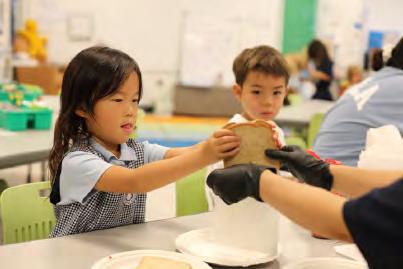
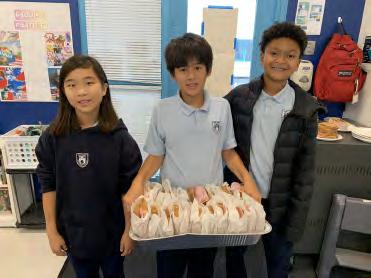
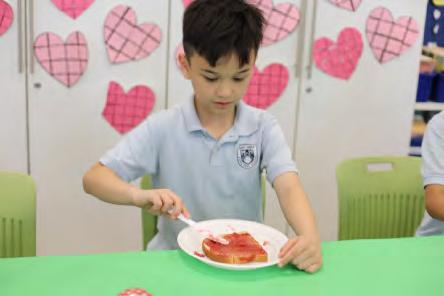
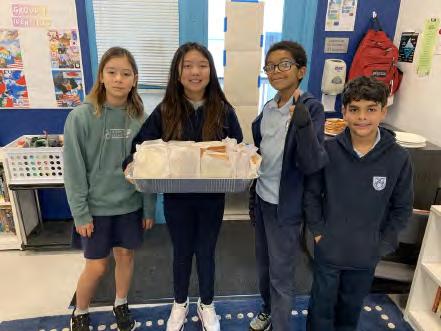
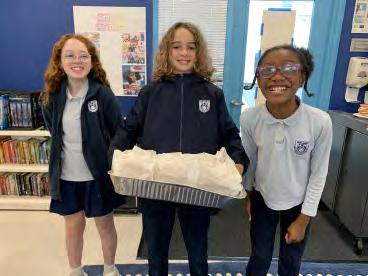
Soup Kitchen Service
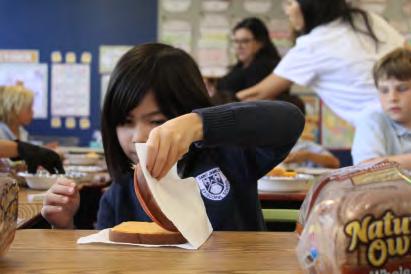
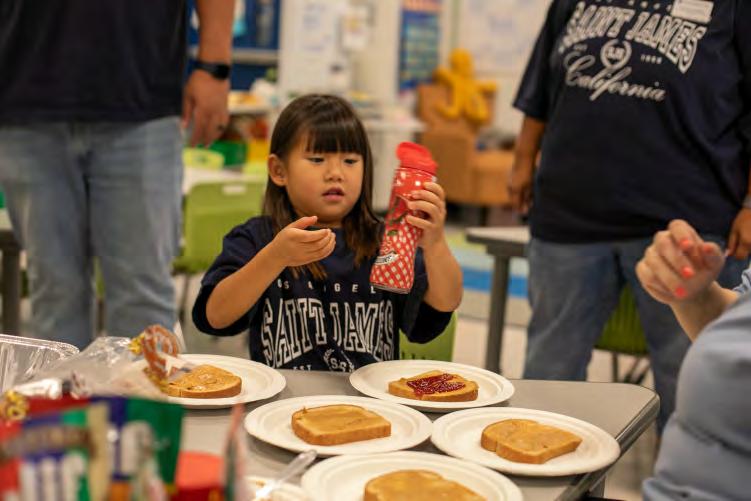
Showing up matters. All our students, from two to twelve years old, learn this in their classroom, standing shoulder to shoulder, preparing meals for neighbors in need. It is straightforward, useful work, and in its simplicity lies something profound: the understanding that service is not charity. It is connection.