Annual Report 2025
What’s inside
3 Preface
6 Facts and figures
12 Future perspectives
“We were approaching the endgame for many diseases” –Interview with Ntuli
Angyelile Kapologwe
14 2025 in retrospect
28 Partnership
31 Organisation
32 Finances
20 From the lab to the first child treated
In March 2025, a new paediatric drug reached the first children in Uganda, following a decade-long journey from an unmet medical need to treating schistosomiasis in preschool-aged children.

22 Swiss farmers suffer more from mental health conditions than the general population
A national cohort study shows that the workloads and shifting demands faced by Swiss farmers take a toll on mental health, life satisfaction and financial security. Impact stories
24 Swiss-Ukrainian partnership for resilience in health
For three decades, we have worked with Ukrainian partners to strengthen health services, a foundation of trust and local knowledge that proves critical in times of conflict.
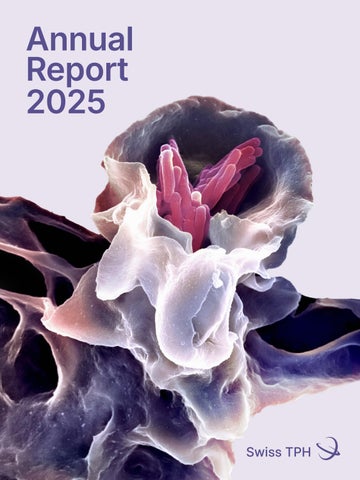
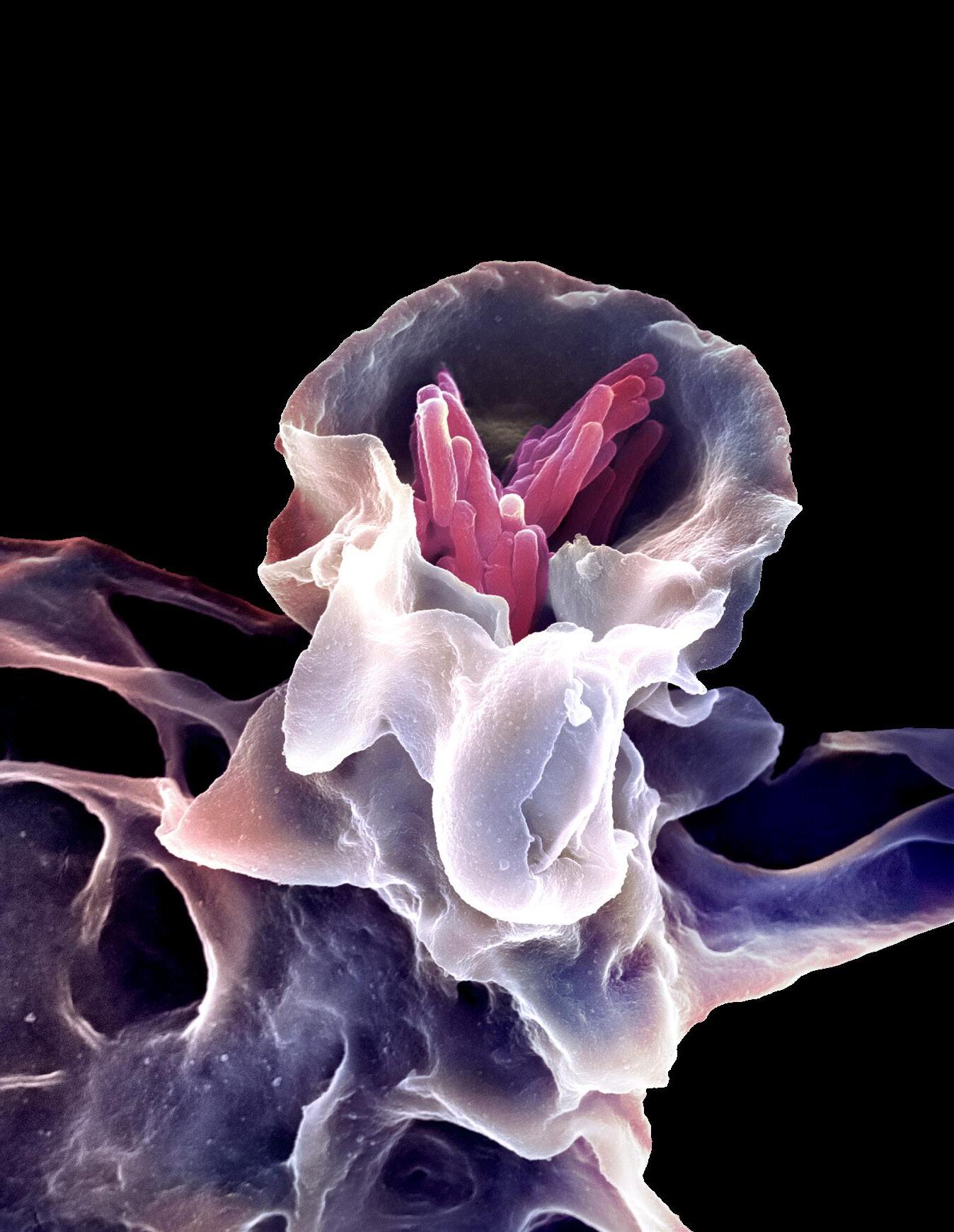
Cover photo: An immune cell (macrophage) attacking tuberculosis bacteria. At Swiss TPH, we infect human macrophages with Mycobacterium tuberculosis to better understand how the bacteria interact with our immune system. Photo credit: Science Photo Library
A smart investment for Switzerland
As I reflect on the past year, I would like to wholeheartedly thank the staff and partners of Swiss TPH for their deep commitment. Their work at the intersection of research, education and implementation has rarely been more relevant than it is today.
International cooperation in health and research is undergoing significant changes, with shifting funding priorities making the conditions for collaboration challenging and at times unpredictable. These developments also affect Switzerland, including the framework conditions under which institutions such as Swiss TPH operate.
At the same time, they underscore the strategic importance of Swiss TPH for our country.
Its work addresses public health challenges in Switzerland and abroad while generating knowledge and building partnerships that strengthen Switzerland’s ability to anticipate risks, drive innovation and remain internationally connected.
Rooted in Switzerland’s life sciences hub in the Basel region, Swiss TPH connects research, policy and practice across borders, reinforcing Switzerland’s role as an innovator and trusted partner.
Maintaining this position requires continuity and strategic commitment. Parliamentary decisions on development cooperation, education and research funding will shape whether Switzerland continues to play a leading role – or risks losing ground in an increasingly competitive environment.
As President of the Board of Governors, I remain committed to ensuring that Swiss TPH can continue to advance its mission of improving the health and well-being of people globally.

Dr Eva Herzog President of the Swiss TPH Board of Governors

“Swiss TPH connects research, policy and practice across borders, reinforcing Switzerland’s role as an innovator and trusted partner.”
A trusted partner in challenging times
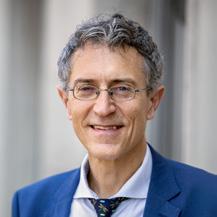
“At a time when efforts are being cut back and priorities are shifting, our mission is more critical than ever.”
The past year has marked a turning point for global health. The withdrawal of major funders, most notably the dismantling of USAID, has had immediate consequences for prevention, management and control of diseases and access to quality care. Major health programmes have been interrupted, supply chains disrupted and essential services scaled back.
Early analyses suggest that these developments have led to tens of thousands of additional deaths, increased morbidity and a resurgence of diseases such as malaria, tuberculosis, as well as non-communicable diseases in 2025 alone.
This shows how quickly progress can be reversed – and how easily hard-won gains are lost when funding, research and partnerships fall apart.
Against this backdrop, Swiss TPH and its unique network of partners around the world continued to deliver. Across more than 400 projects in over 130 countries, our teams advanced research, trained the next generation of health professionals and supported health systems to ensure that interventions reach the people who need them most.
At a time when efforts are being cut back and priorities are shifting, our mission is more critical than ever. We advance global health through research,
education and partnership, creating impact in Switzerland and worldwide. Sustained investment in this work is essential – not only to improve health globally, but also to strengthen Switzerland’s role as a trusted partner and a leading hub for research, innovation and international collaboration.
Our persistence is only possible thanks to the dedication of our staff, students and partners worldwide. Their deep commitment, expertise and willingness to go the extra mile make a difference every day. It reflects a shared understanding: we are one, we are Swiss TPH.
Global health is at a crossroads. Yet, Swiss TPH will continue to work with its partners in Switzerland and worldwide to deliver solutions that make the world a healthier place.

Director of Swiss TPH
“This is where I see the real impact –communities becoming more active, more informed, and better equipped to take care of their own health.”
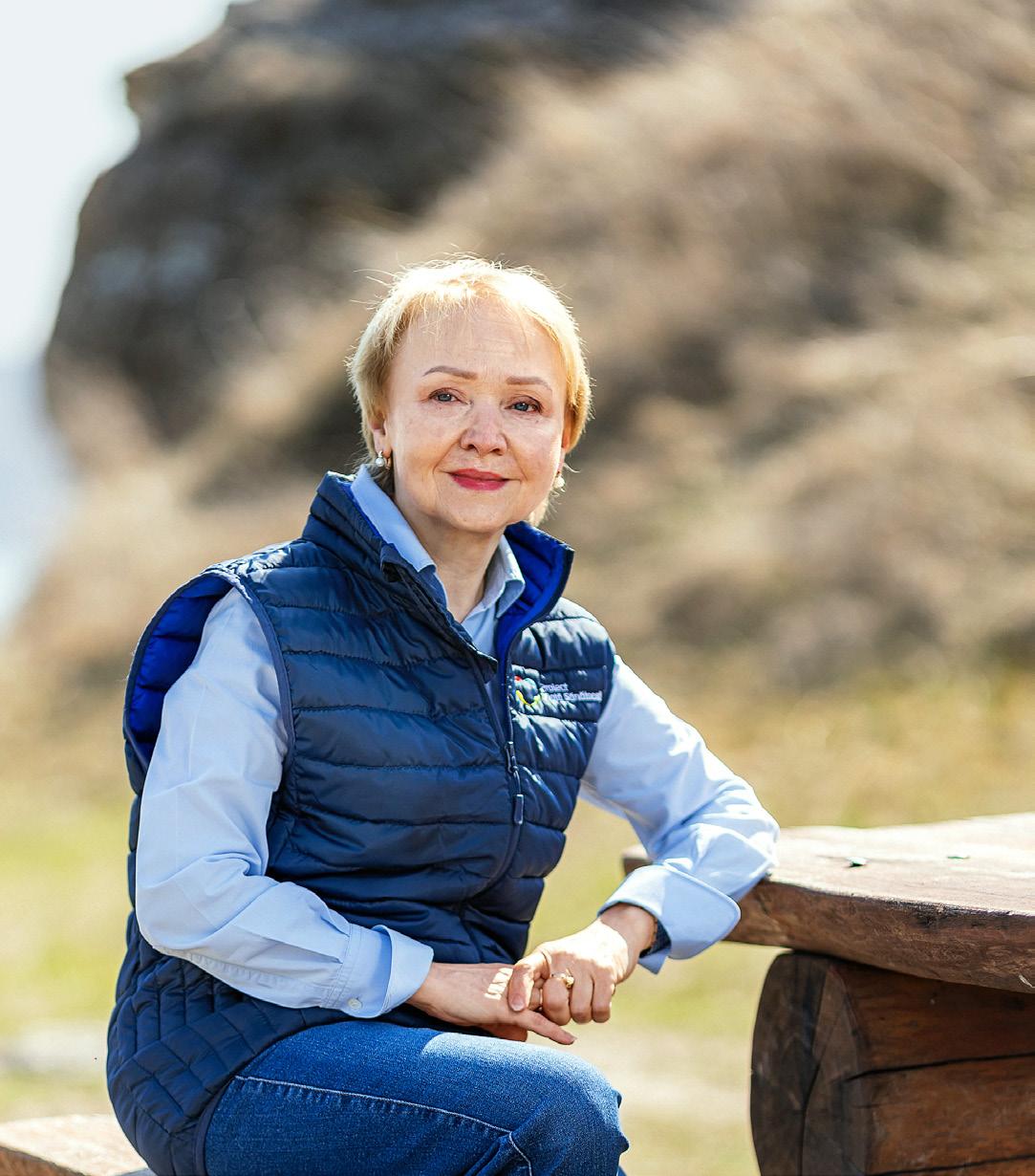
leads the Healthy Life project in Moldova, which focuses on reducing the burden of non-communicable diseases in Moldova by strengthening prevention, primary healthcare, and community-based interventions.
At community level, the project applies models of healthy communities and integrated services, bringing to-
gether local authorities, health and social workers and community members.
As a result, 105 healthy communities have been established, including the creation of recreational and physical activity spaces and over 10,000 people have adopted healthier daily behaviours through active involvement in physical activity and healthy nutrition initiatives.
Ala Curteanu
Ala Curteanu, Project Leader in Moldova
Advancing global health
Together with our partners, we work on 416 projects in 135 countries.
Swiss TPH offices
Long-term partnerships
Swiss TPH has long-term partnerships with Ifakara Health Institute (IHI), Tanzania, Centre Suisse de Recherches Scientifiques en Côte d’Ivoire (CSRS), Centre de Support en Santé Internationale (CSSI), Chad, Lao Tropical and Public Health Institute (Lao TPHI), Lao PDR, Universidad Peruana Cayetano Heredia, Peru, Papua New Guinea Institute of Medical Research (PNGIMR).
≥ 10 projects
≥ 5 projects
≥ 1 project
90 nations represented at Swiss TPH
135 countries in which we work
933 staff and students at Swiss TPH
162 staff based abroad
Swiss TPH offices
worldwide
Europe
Switzerland (headquarters)
Albania
Kosovo
Moldova
Ukraine
Africa
Benin
Burkina Faso
Burundi
Cameroon
Chad
Democratic
Republic of the Congo
Côte d’Ivoire
Guinea
Liberia
Mali
Niger
Rwanda
Senegal
Tanzania
The Gambia
416
projects to improve people’s health and well-being
“Eliminating tuberculosis requires ending inequality, and I don’t think this will happen anytime soon. Therefore, research is very important. Novel diagnostics, novel treatments, novel clinical tools: these bring us closer to eliminating tuberculosis in an unequal world.”
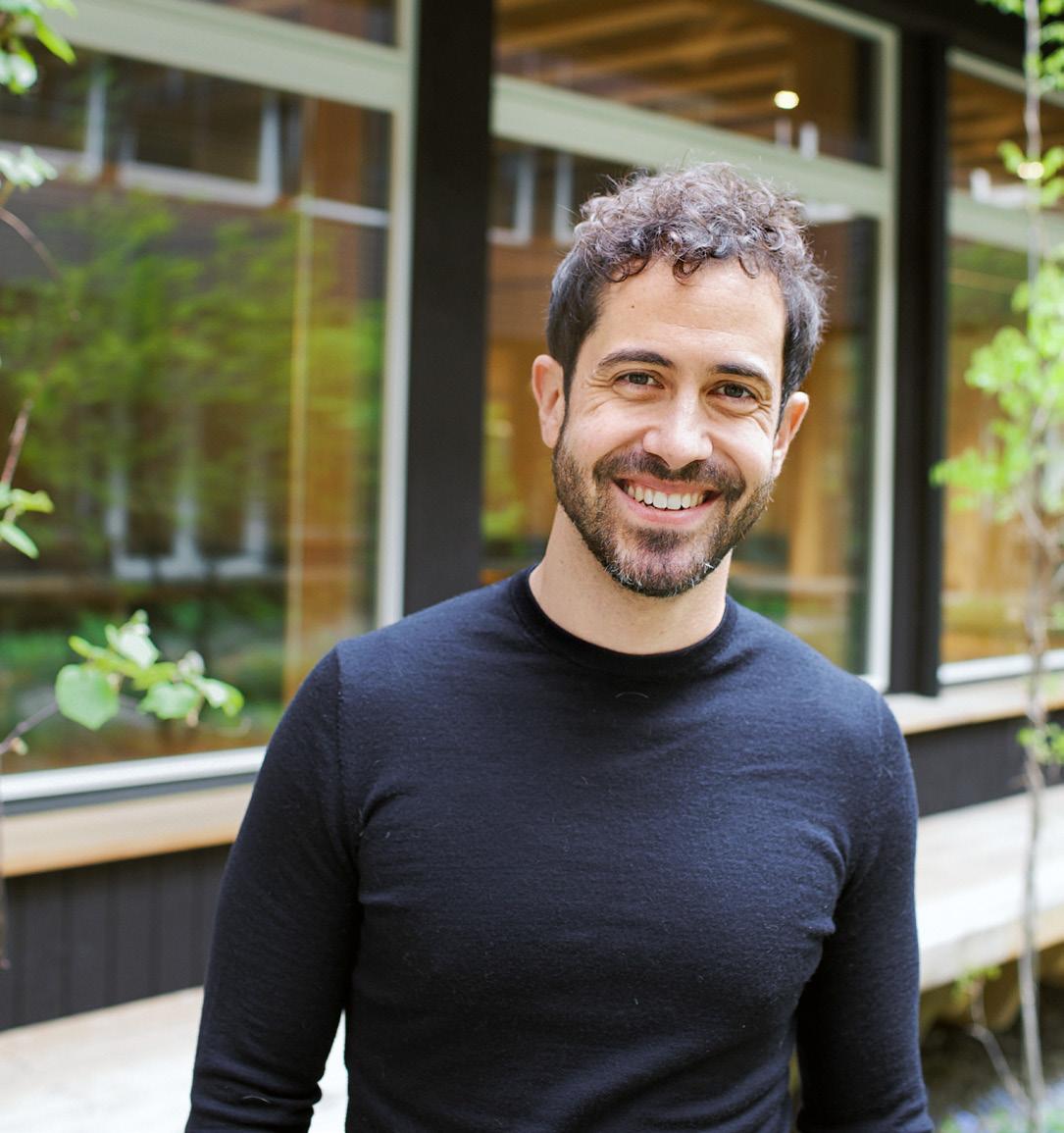
Galo A. Goig, Postdoctoral Scientist
Galo A. Goig uses large-scale comparative genomics to understand the drivers of tuberculosis transmission and the emergence of drug resistance.
One of his studies, conducted in collaboration with the National Centre for Tuberculosis and Lung Diseases in Georgia, found that resistance to the WHO's newly recommended six-month treatment regimen for multidrugresistant tuberculosis had already emerged and was spreading between
patients, with more than a quarter of highly drug-resistant cases resulting from direct transmission. The findings were based on an analysis of nearly 90,000 Mycobacterium tuberculosis strains from around the world. The study was published in the New England Journal of Medicine. In recognition of this work, Goig received the 2025 Swiss TB Award from the Swiss Foundation for Tuberculosis Research.
How we work
We advance global health through research, education and partnership, creating impact in Switzerland and worldwide.
Our five strategic focus areas
For over 80 years, we have advanced global health – generating scientific evidence, strengthening capacity, and creating solutions that reach millions. From malaria and tuberculosis to cancer and climate-driven health risks, we tackle the challenges that define our time.
Climate and environment
We excel in transdisciplinary and actionoriented research at the nexus of climate change, environment and health to address increasing global health challenges.
We develop new diagnostics, drugs and vaccines, advancing our understanding of how diseases emerge, spread, and can be stopped.
We generate scientific evidence through controlled studies in real-world settings, proving what works and why.
We work alongside policymakers, practitioners and communities to ensure our findings shape decisions and innovations reach the people who need them.
Infectious diseases
We tackle infectious diseases through innovative research, sustainable solutions and global collaboration, addressing challenges such as antimicrobial resistance, emerging pathogens and diseases.
Non-communicable
diseases (NCDs)
We improve the prevention and control of NCDs through innovative, affordable, sustainable and efficient approaches that are adapted to local contexts and promote social equity.
Societal and cultural context
We foster health equity by engaging communities, civil society and citizens in research and implementation, addressing social determinants and developing inclusive, context specific health solutions.
Systems and policies
We strengthen health systems and promote health by engaging communities, health workers and policymakers to ensure inclusive, evidence-based and sustainable health interventions for all.
Research, education and impact are deeply intertwined. Together, they drive how we improve people’s health in Switzerland and worldwide.
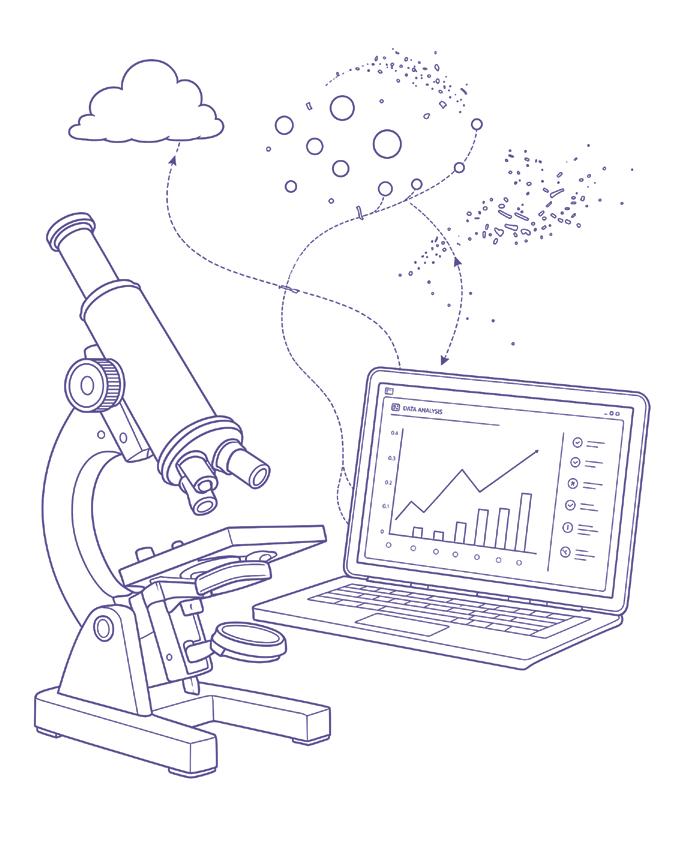
539 peer-reviewed publications in 2025
Research
From unravelling disease mechanisms to strengthening health systems, we investigate infectious and non-communicable diseases across every scale – from pathogens to populations – bringing together expertise in basic science, epidemiology and implementation science to translate discoveries into action.
Scientific output
In 2025, we published 539 peerreviewed publications, spanning infectious diseases and public health, environmental and occupational health, immunology and microbiology.
High-risk pathogen research
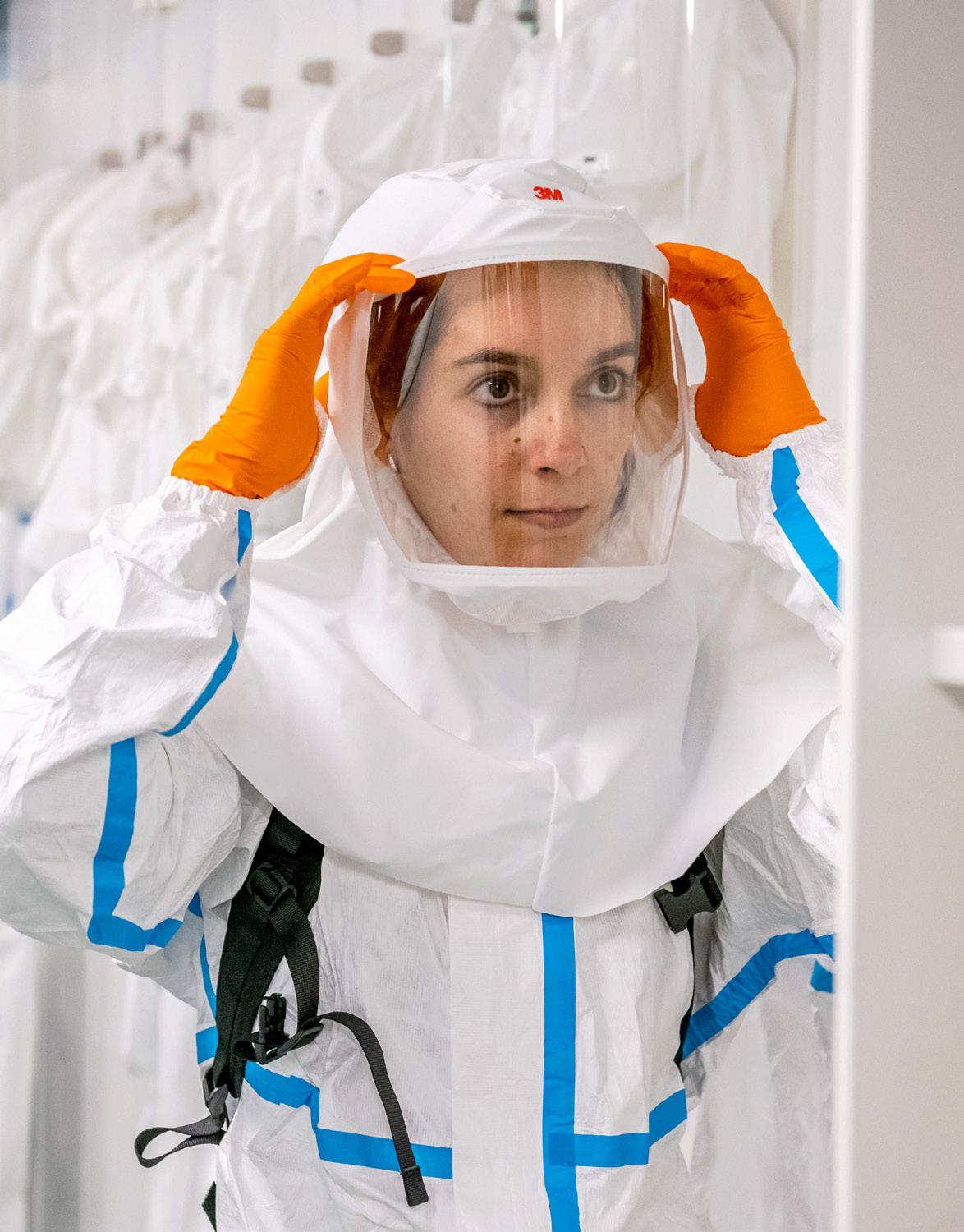
We operate a BSL-3 laboratory studying tuberculosis, Chagas disease, and Buruli ulcer – advancing drug resistance research and accelerating diagnostics and treatment discovery.
16,000 annual consultations in our Centre for Tropical and Travel Medicine

new Master and PhD students joined Swiss TPH
Education
We train the next generation of global health leaders through degree programmes, professional training and capacity strengthening. Students and professionals tackle real challenges alongside experts redefining the field. They leave equipped to lead – and many already do.
A destination for global health education
In 2025, 66 students started their Master of Science, the highest number to date, alongside 25 new PhD students from 30 nations.
From training to practice
39 PhD students, 10 MAS and MBA and 27 DAS and CAS professionals completed their degrees in science, medicine, global health, management and intercultural cooperation.
Leadership impact
Graduates go on to lead national health ministries, WHO programmes and international organisations –influencing the decisions that shape health systems worldwide.
Impact
Impact is our measure. Malaria treatments reach newborns. Evidence shapes national guidelines. Emerging health risks are detected earlier. Our discoveries, innovations and insights translate into action, improving health where it counts.
Switzerland’s hub for tropical and travel health
Our Centre for Tropical and Travel Medicine provides 16,000 consultations annually and acts as Switzerland’s National Reference Centre for Malaria, together with our Diagnostic Centre.
Contributing to the Sustainable Development Goals (SDGs)
Our research and implementation projects address 15 of the 17 SDGs, with more than 50% of projects contributing to SDG 3: Good Health and Well-Being.
15
SDGs addressed by our research and implementation projects
nations represented by our new Master and PhD students
“We
were approaching the endgame for many diseases”
In a changing global health landscape, Ntuli Angyelile Kapologwe, Swiss TPH alumnus and Director General of the East, Central and Southern Africa Health Community, reflects on progress, the risk of reversing gains and what countries like Tanzania and Switzerland can learn from each other.
What was the decisive moment for you to pursue a career in global health?
Ntuli Angyelile Kapologwe: When I was working as a clinician in rural Tanzania, I quickly realised that many of the health challenges were not simply clinical problems, but rather systemic issues. I saw firsthand how leadership, planning and resource allocation could either transform or limit health outcomes for entire communities. This shifted my mindset from treating individual patients to strengthening the healthcare system.
What has changed most in public health in Tanzania over the past 15 years? Tanzania has made remarkable progress across several key indicators. Maternal and child mortality have declined by approximately 80%. Immunisation coverage has increased from about 60% to over 90% in most districts. Surveillance systems for diseases such as polio, measles, cholera, Ebola and COVID-19 have been strengthened, as reflected in improved outbreak preparedness and responses. The primary healthcare infrastructure has expanded, hand-in-hand with the development of digital health infrastructure, which has helped transform the healthcare system in Tanzania.
“Currently, only 10 out of 100 people have access to mental health services, and noncommunicable diseases account for nearly 37% of all deaths.”
You persued an MBA in International Health Management at Swiss TPH. How did this programme influence you?
My capacity as a leader improved tremendously. The programme strengthened my ability to analyse health systems critically and manage complex, multi-country initiatives. It exposed me to a diverse network of professionals from around the world, reinforcing the importance of partnerships and cross-border collaboration.
You are the Director General of the East, Central and Southern Africa Health Community. What are your priorities in this role?
My priorities are centred around regional health security: enhancing preparedness, strengthening cross-border surveillance and improving coordinated responses to public health emergencies. We are also advancing universal health coverage, while addressing non-communicable diseases and mental health. Currently, only 10 out of 100 people have access to mental health services, and non-communicable diseases account for nearly 37% of all deaths. At the same time, we face a critical shortage of health workers. We are improving training, developing retention strategies and strengthening crossborder collaboration among health professionals. Research is another key area, as we believe in evidence-based policy and implementation.
What do you see as the most pressing issue for global health today?
The funding landscape started to shift, following the withdrawal of USAID and other big players. We were approaching the endgame for diseases such as TB, HIV and malaria, but now sustaining these
gains is becoming a challenge. Many countries were caught by surprise, assuming that external funding would continue. Health security is another pressing issue, especially in the context of climate change and emerging and re-emerging epidemics. We need to build resilient systems that can prevent, detect and respond to these threats.
What does this mean going forward?
We are now moving towards what we call a sovereignty agenda, encouraging countries to increase domestic resource mobilisation and improve the efficiency of health spending. At the same time, this shift is pushing countries to explore innovative financing approaches, including blended financing and stronger publicprivate collaboration. We are also seeing growing engagement from non-traditional partners, including countries from the Middle East, although this may be influenced by current geopolitical developments.
What can Switzerland and Tanzania learn from each other?
Switzerland can learn from Tanzania’s experience in delivering cost-effective, community-based primary healthcare with limited resources. Conversely, Tanzania can learn from Switzerland’s robust health financing models and the integration of research into policy. Because one of the challenges for African countries is the gap between industry, academia and research. In the end, our partnership must be grounded in mutual respect and shared learning.

About Ntuli Angyelile Kapologwe
Ntuli Kapologwe is a health diplomat and a medical doctor with a PhD in Public Health from the University of Dodoma, Tanzania and an MBA in International Health Management from Swiss TPH. From 2010 to 2024, he held successive public health leadership roles across regional and national administration in Tanzania.
In 2025, he took up the position as Director General of the East, Central and Southern Africa Health Community (ECSA-HC), an intergovernmental organisation that fosters regional cooperation in health among its member states. In his role, he signed a Memorandum of Understanding with Swiss TPH in early 2026 that aims to strengthen partnerships and collaboration in research and innovation, health systems strengthening and knowledge exchange.
2025 in retrospect
January
Drug-resistant tuberculosis spreading
A study published in the New England Journal of Medicine, showed that resistance to the new multidrug-resistant tuberculosis treatment regimen recommended by the World Health Organization had already been spreading between patients. The findings highlighted the urgent need for better surveillance and infection control to counteract the rise in antimicrobial resistance.
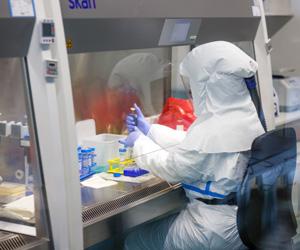
Swiss TPH and partners analysed around 90,000 tuberculosis strains from around the world.
February Transportation noise poses health risks for children

Swiss TPH scientists found that exposure to traffic noise at school and home negatively impacts thousands of children in Europe in terms of cognitive development, behavioural health, and physical well-being. The report was published by the European Environment Agency.
564,000 children suffer from reading difficulties due to transportation noise.
April
Global research priorities set to end noma
A global research agenda to tackle noma has been published in PLOS Neglected Tropical Diseases. The devastating and life-threatening disease mainly affects children living in extreme poverty. The publication defined eight urgent research priorities and built on a Swiss TPH symposium that brought together experts, clinicians and noma survivors from around the world.
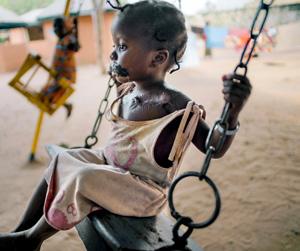
Noma is a severe and rapidly progressing condition primarily affecting children.
May
Main causes of death among the elderly in Switzerland vary by region
Researchers from Swiss TPH and partners published the first mortality atlas for the elderly population in Switzerland. The study analysed nearly 520,000 deaths in people aged 75 years and older between 2010 and 2020, revealing significant regional differences in causes of death.
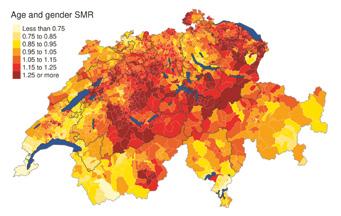
Spatial distribution of cardiovascular disease mortality for people aged 75 years and above in Switzerland.
June
Children’s exposure to pesticides
A study on behalf of the Canton of Valais measured pesticide exposure in children living near vineyards or orchards. Results showed that all 206 participating children were exposed to pesticides. However, no short-term association between pesticide exposure and respiratory symptoms was found. Based on the findings, Swiss TPH issued recommendations to reduce exposure.

A total of 206 children from schools in Chamoson, Salgesch and Saxon took part in the study.
New parasitic worm species discovered
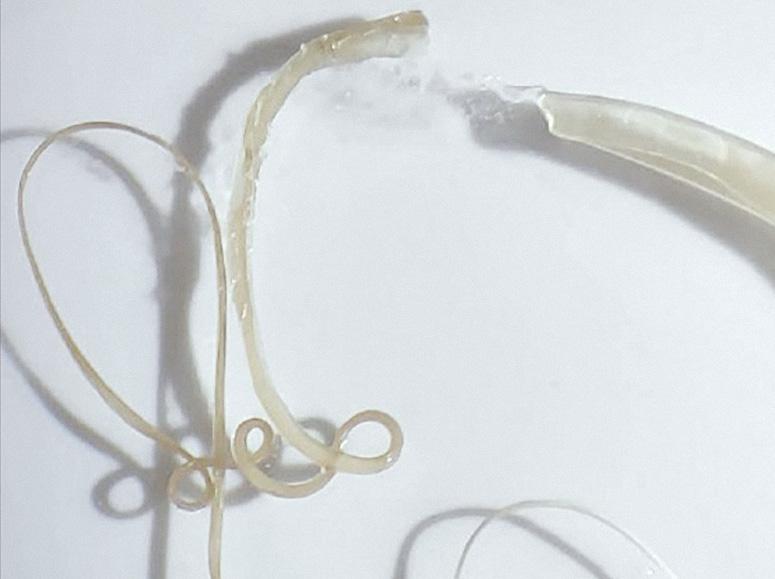
A new parasitic worm species named Trichuris incognita has been discovered during a clinical trial in Côte d’Ivoire. The species is visually indistinguishable from known whipworms yet much less responsive to standard treatment. The discovery has therefore significant implications for the epidemiology and control of parasitic worm infections. The new species was formally recognised through the official handover of preserved specimens to the Natural History Museum in Basel.
The new species Trichuris incognita was discovered during a clinical trial in Côte d’Ivoire.
July Swissmedic approves first malaria treatment for newborns
Swissmedic approved the first malaria medicine for newborn babies and young infants under 5 kg. The decision is expected to accelerate regulatory approvals in eight African countries. The approval is based on data from the multicountry CALINA clinical trial, led by Novartis and Medicines for Malaria Venture. Swiss TPH played a key operational and scientific role in the trial, including site management, monitoring and molecular analysis.
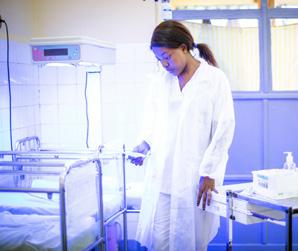
Young infants have long been excluded from malaria treatment innovation due to a lack of age-appropriate formulations.
Digital tools help identify severe illness, but hospital access remains a barrier
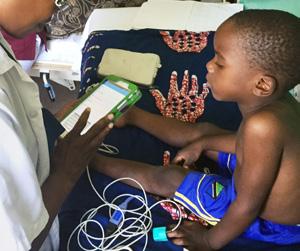
A study in India, Kenya, Senegal and Tanzania found that introducing pulse oximeters and digital clinical decision support tools into primary healthcare can support the identification of severe illness in children and reduce antibiotic use. However, without stronger referral systems and better hospital access, the potential of these tools to improve health outcomes remains limited.
Early testing for Legionella improves pneumonia care
A study in Switzerland found that routine Legionella testing in hospitalised pneumonia patients leads to faster diagnosis and better-targeted treatment. The findings also underscored the need for shorter treatment courses to improve patient safety and combat antimicrobial resistance.

September
Improving healthcare for people with chronic diseases
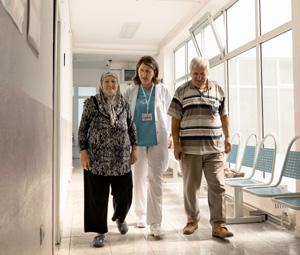
Swiss TPH brought together over 80 experts from health and social care, public administration, research and the private sector for a symposium on integrated people-centred care. Participants presented innovative models for chronic disease management, discussed the potential of digital tools to improve care coordination and shared experiences from patients and providers.
The study found that more than one-third of patients were treated with antibiotics for longer than recommended.
People with chronic conditions often have complex needs, requiring collaboration between different caregivers.
Children under five years of age face a high burden of preventable illness and death.
Promising malaria vaccine candidate boosts immunity in adults living in endemic regions
TRUE, a four-year project to strengthen Ukraine's rehabilitation system, was launched by the Swiss Agency for Development and Cooperation and is being implemented by Swiss TPH and the charitable foundation Patients of Ukraine. The project aims to build a people-centred rehabilitation system at a time when around 250,000 Ukrainian patients require high-quality rehabilitation care every year due to the war. October
SUM-101, a new malaria vaccine candidate, was found to be safe and to trigger strong immune responses in adults living in a malaria-endemic region of Tanzania. The study, conducted by researchers from the Ifakara Health Institute, Swiss TPH and Sumaya Biotech, represented an important step towards developing next-generation vaccines to complement existing malaria prevention tools.
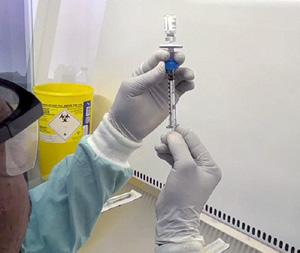
During the first trial among malaria-pre-exposed adults in Tanzania, the vaccine candidate was found to induce strong immune responses.
New project to strengthen Ukraine’s rehabilitation system
Longitudinal study analyses mental health in Gaza from 2020 to 2025
A long-term cohort study by Swiss TPH and Al Quds University found that severe psychological distress among adults in Gaza more than tripled since the outbreak of war in October 2023. The study provides rare longitudinal data on mental health from a conflict setting, which can be useful to inform recovery planning.
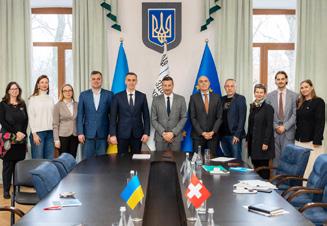
The project was officially launched in Kyiv by Jacques Gerber, Federal Council Delegate for Ukraine, and Viktor Liashko, Minister of Health of Ukraine.
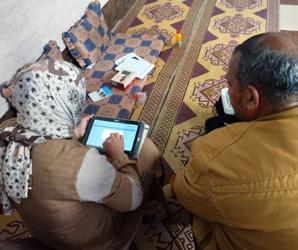
While the immediate priority in Gaza is saving lives and restoring basic services, the study also highlights the need to plan for longer-term mental health recovery.
December International travel fuels the spread of antibiotic-resistant bacteria
International travel has become an increasingly important factor in the global rise of antibiotic-resistant bacteria according to Swiss TPH studies. Depending on the region visited, up to three quarters of travellers carry multidrugresistant bacteria asymptomatically upon return.

Internationally, the spread of antibiotic-resistant bacteria is happening through patient transfers, medical tourism and travelling.
Scientists achieved a milestone in the fight against malaria
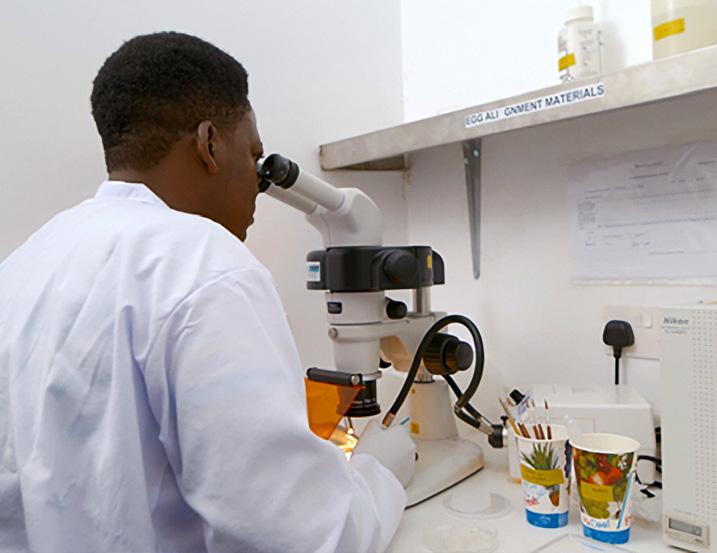
Scientists from the Ifakara Health Institute and the National Institute for Medical Research in Tanzania, in partnership with Swiss TPH and Imperial College London, successfully developed genetically modified mosquitoes that block malaria transmission. Published in Nature, the study marked the first time a gene drive-compatible mosquito strain had been developed in Africa, by African scientists.
Swiss TPH supported the establishment of the portable laboratory and doctoral training of local staff.
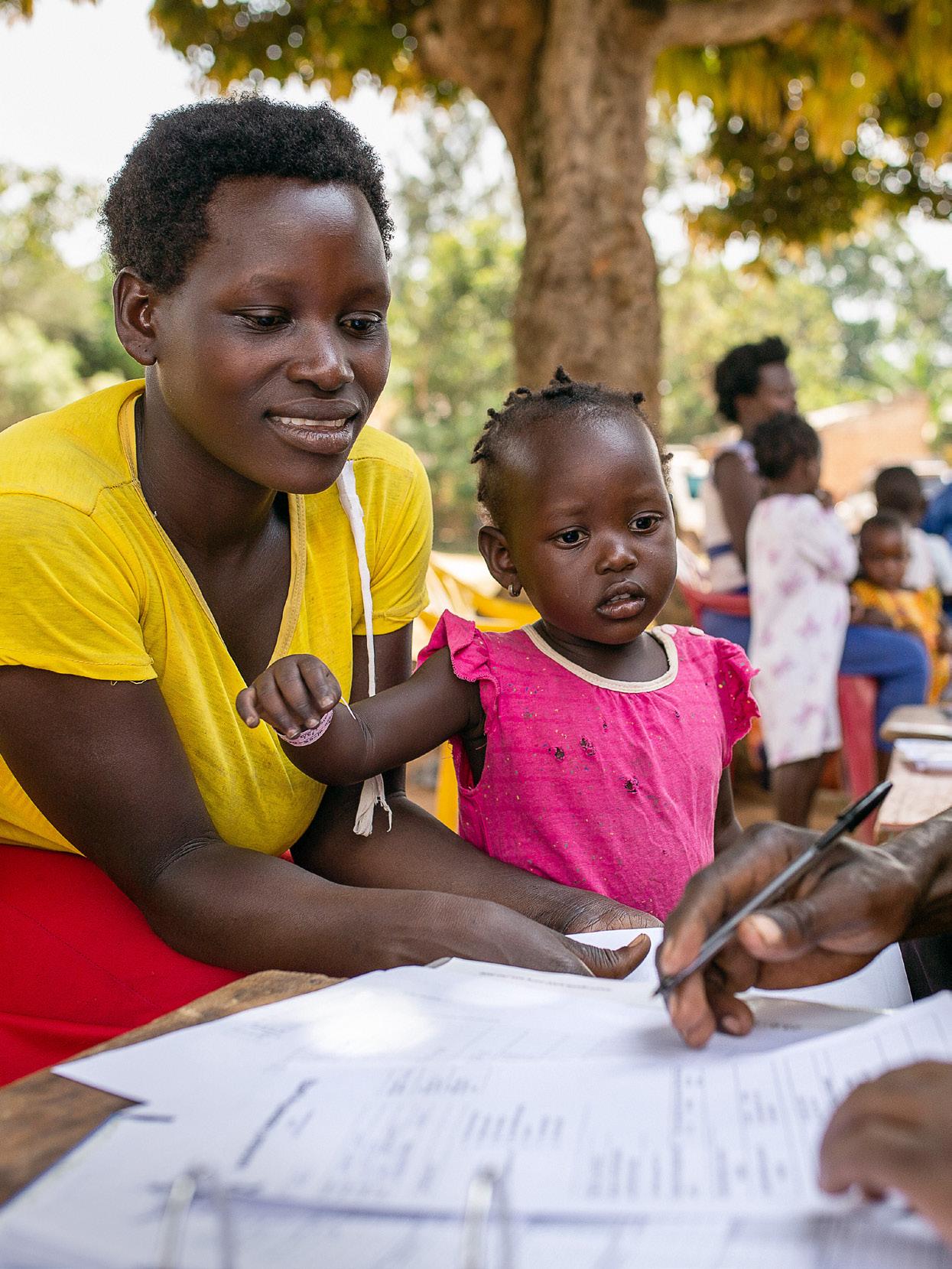
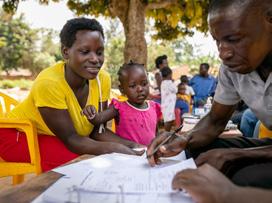
A young girl receives treatment as part of the first treatment delivery of the new pediatric medication in Bugiri District in Uganda.
From the lab to the first child treated
In March 2025, the first child was treated in Uganda with arpraziquantel, a new drug against schistosomiasis for preschool-aged children. Read the story about the journey from an unmet medical need to improving children’s health.
Schistosomiasis, also known as bilharzia, is caused by parasitic worms, transmitted through freshwater snails. It affects over 250 million people globally, including an estimated 50 million preschool-aged children and can impair growth, learning and long-term health. In Africa, schistosomiasis is one of the most important parasitic diseases of public health concern.
The critical treatment gap
Although at risk, there has long been no suitable treatment for children under six years. To address this gap, the publicprivate Pediatric Praziquantel Consortium was established in 2012, bringing together partners from research, the pharmaceutical industry and the non-profit sector. Swiss TPH was part of the founding institutions and contributed across the entire pathway: from early laboratory research to clinical trials to the introduction of the new drug in the first countries.
“Praziquantel has been the main drug against schistosomiasis for decades, but it was not fully clear which pair of the molecule is mainly responsible for killing the parasites,” recalls Jennifer Keiser, head of helminth research and medicines at Swiss TPH. In laboratory studies, Swiss TPH researchers compared how the two molecules (enantiomer) of the drug act on different schistosome species and stages, generating the evidence
needed to guide the development of a more targeted, child-friendly treatment. The Consortium worked on defining the right dose, improving taste and developing a formulation that is easy to administer. The result is arpraziquantel: a dispersible, child-friendly tablet, stable in tropical climates.
From evidence to action
The clinical trials showed that arpraziquantel is safe and efficacious for children aged 3 months to 6 years. The results supported regulatory approval: the medicine received a positive scientific opinion from the European Medicines Agency in 2023 and was added to the WHO List of Essential Medicines in 2025. Swiss TPH led the implementation of the clinical trials in Tanzania, Côte d’Ivoire and Kenya, working closely with local partners. This required not only conducting the studies in accordance with international standards, but also establishing
the necessary infrastructure, building clinical trial expertise, and strengthening local capacities. “In the past, when a preschool-aged child had schistosomiasis, there was no suitable medicine. Now, we have a tested, efficacious and safe medicine for this age group,” said Eric Huber, project leader of the clinical trials at Swiss TPH.
Reaching children
The last mile was to make the treatment accessible. In March 2025, this effort came full circle when the first preschool-aged child in Uganda received the new treatment outside a clinical trial context, marking the moment when years of research translated into care. Working with ministries of health, the Consortium introduced arpraziquantel in pilot studies in Uganda, Côte d’Ivoire and Kenya, focusing on realworld delivery, acceptability, and health system integration.
“This milestone marked a critical step in closing the treatment gap for young children and advancing efforts to eliminate schistosomiasis as a public health problem,” stated Peter Steinmann, public health specialist at Swiss TPH.
At the same time, preparations are underway to enable large-scale production of the drug in Africa, supporting longterm, sustainable access and strengthening local manufacturing capacity.
The introduction is now expanding to other countries, including Tanzania and Senegal, with the aim of reaching more children in need. This is supported by local registration of the drug with relevant authorities.
The development of arpraziquantel –from early research to clinical trials and access – illustrates how long-term partnerships can translate scientific evidence into practical solutions that improve children’s health.
About the Pediatric Praziquantel Consortium
The Pediatric Praziquantel Consortium is an international partnership developing a treatment for schistosomiasis in preschool-aged children. For more information and an overview of all Consortium partners, visit the Consortium website: www.pediatricpraziquantelconsortium.org
Swiss farmers suffer more from mental health conditions than the general population
Swiss farmers produce food, manage land and bear significant responsibility for sustainable nutrition and a healthy environment – often under intense workloads and constantly shifting demands. A national cohort study shows that these pressures take a toll on mental health, life satisfaction and financial security.
“More and more is demanded in the direct payment ordinance and the remuneration for this is becoming less and less. The authorities are also making it increasingly difficult to move the farm forward.”
Martin, 32, farmer
Around 150,000 people work in agriculture in Switzerland and are facing growing challenges due to climate change, societal and political changes. Burnout rates among Swiss farmers are higher than in the general population, and male farmers show an elevated suicide rate compared to men in other professions. To better understand these pressures, Swiss TPH launched the FarmCoSwiss cohort, Switzerland’s first national agricultural health cohort, including more than 870 farmers from across the country.
Psychosocial stress is a key concern The results show: farmers report lower levels of well-being than the general population, in particular in the areas of mental and physical health, life satisfaction and financial security. Psychosocial risks, including sleep problems, stress, loneliness and interpersonal conflicts, were rated as the most harmful to health. Conversely, physical hazards such as heavy labour or operating machinery – while common – were perceived as less harmful. The data also show lower mental
health scores among women than men, possibly because women often carry both household and farm responsibilities.
Farm size and farming system also matter. Farmers working on the smallest types of holdings (under five hectares) reported significantly lower financial stability, pointing to structural challenges within the sector. While organic farmers reported better well-being in areas such as mental and physical health, life satisfaction and sense of purpose, they scored slightly lower in social relationships.
When asked what reasons would make them quit farming, the study participants mostly cited health problems (54%) followed by financial pressure as well as political and social pressure (49% each).
On the other hand, farmers reported a stronger sense of meaning and purpose compared to the general population. When asked what would make them choose farming again, they most often cited freedom to organise their work (77%), physical work outdoors in nature (70%) and meaningfulness of the job (65%).
Pesticides: a more nuanced picture
The use of pesticides is one of the most contested topics in Swiss agriculture. Public debate sometimes frames farmers as polluters, yet qualitative research conducted as part of the study paints a more differentiated picture. Farmers actively evaluate and manage plant protection risks, often expressing greater concern for environmental rather than personal health. Both organic and non-organic farmers welcome the development of less hazardous products and new technologies, a finding that calls for more constructive dialogue between farmers, consumers, and policymakers.
A call to research and policy for a multi-layered social resilience
Based on the first results of the FarmCoSwiss study, the researchers argue for a multi-layered approach, strengthening individuals, the social fabric around them, and adapting structural and policy conditions. In practice, this could mean platforms for dialogue between urban and rural citizens as well as policymakers, mental health campaigns for farming families, and educational campaigns to help urban consumers better understand farming realities. At the policy level, evidence-based policies supporting sustainable, climate-adapted farming systems are needed and a One Health approach that considers farmer health, animal welfare, and environmental health holistically.
A strength of the study is that farmers’ own concerns and priorities shaped the research from the outset, a participatory model that has since been adapted for comparable studies in Uganda and South Africa.

As urbanisation accelerates and the agricultural workforce declines, the health and well-being of those responsible for global food security becomes increasingly important.
The impact of digitalisation on farming
The next research phase will examine how farmers’ mental health is shaped by climate change, growing bureaucratisation and advancing digitalisation. As commercial actors increasingly target the sector with digital tools, such as robots, drones or AI-based chatbots, a key focus will be around how these developments affect the rural workforce with different levels of digital literacy. A study in Uganda will test a simple WhatsApp chatbot to explore how such tools can help coffee farmers access and use practical advice to improve their farming. A similar study is planned with farmers in Switzerland.
“Nevertheless, I am satisfied because I am doing something important and receive appreciation from my customers.”
Kristin, 58, organic farmer
FarmCoSwiss is part of the interdisciplinary TRAPEGO project, which investigates the transformation of pesticide governance in Switzerland. The study was funded by the Swiss National Science Foundation. The cohort was initiated by Nicole ProbstHensch and is led by Samuel Fuhrimann.
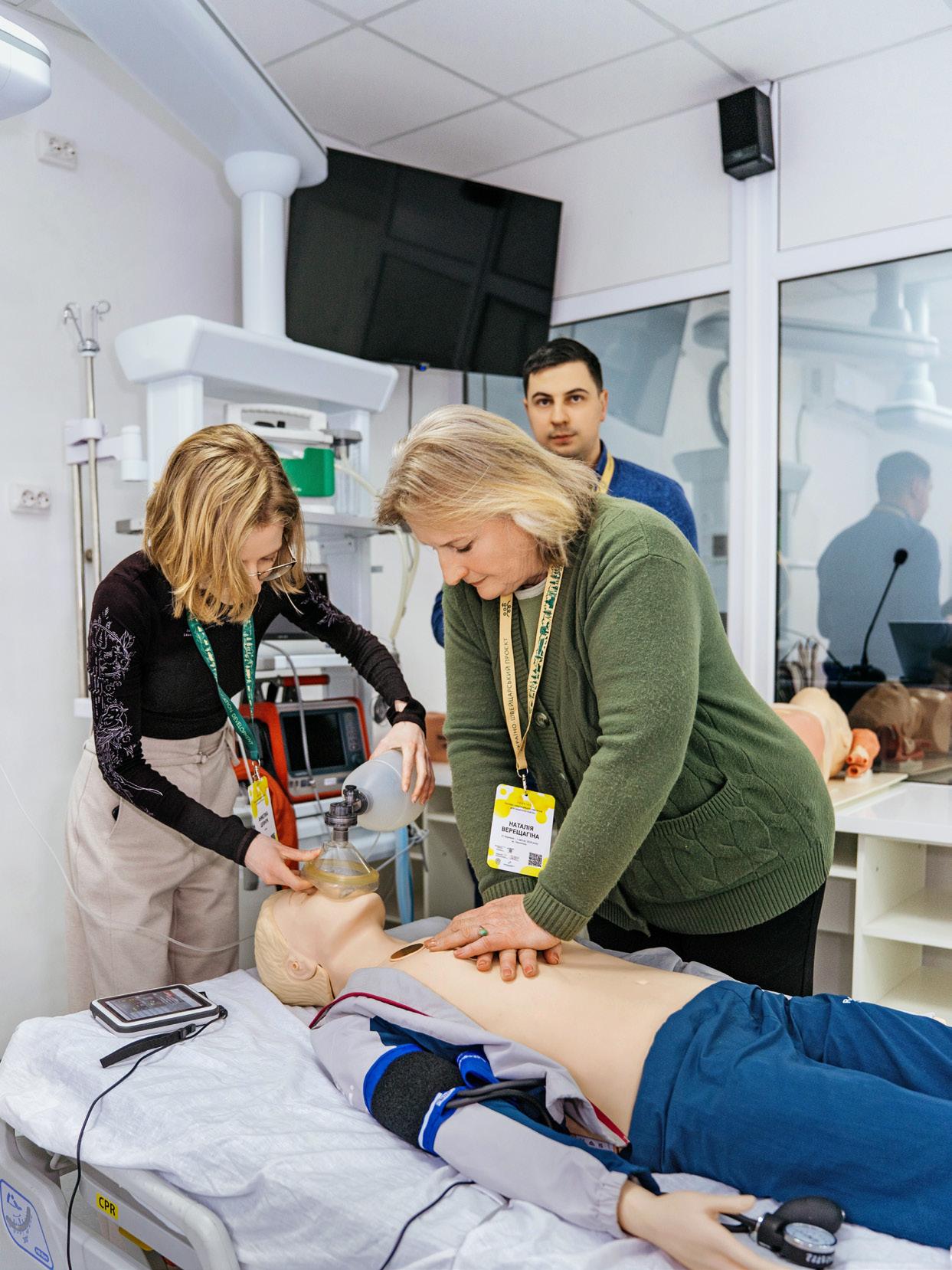
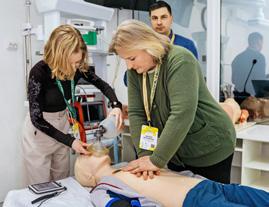
Simulation-based learning gives medical students and healthcare professionals the opportunity to practice hands-on skills using lifelike mannequins and modern medical equipment, helping them build real clinical competencies before working with actual patients.
Swiss-Ukrainian partnership for resilience in health
For close to three decades, Swiss TPH has worked with Ukrainian partners to improve health services and strengthen the health system. This long-standing collaboration has created a foundation of trust and local knowledge that is particularly critical in times of conflict.
In the early 2000s, maternal and infant mortality in Ukraine were higher than in Western Europe. Through sustained collaboration, Swiss TPH supported reforms in perinatal care, including updated clinical guidelines, improved education, and investments in infrastructure. By 2009, these measures had reduced the perinatal mortality rate to 3 per 1,000 births. Unfortunately, these gains have been wiped out today, with much of the infrastructure damaged or destroyed. The country’s total fertility rate has hit record lows of approximately 0.9 children per woman due to the ongoing war, displacement of people and economic stress.
War-related disruptions and rising health needs
Russia’s war against Ukraine has disrupted access to care, exacerbated the burden of non-communicable diseases (NCDs) and triggered a surge in mental health needs. Sixty-five percent of the population is facing difficulties accessing health services due to the cost of medicines, lack of transport, concerns around security and disruptions to routine care such as immunisation. Twenty-seven percent of Ukrainians report having delayed
treatment for NCDs, resulting in more advanced disease stages and poorer outcomes, while 88% of people have reported symptoms such as anxiety, depression or post-traumatic stress.
Swiss TPH works with national and international partners to address these immediate challenges while supporting longer-term system development. Until recently, Swiss TPH implemented a largescale programme funded by USAID to strengthen global health security and assure essential public health services. This work included equipping regional rapid response teams across the country, and the implementation of campaigns to revive uptake of routine vaccinations reaching over 58.6 million people. The programme’s termination in 2025, following the dissolution of USAID, illustrates how quickly progress can be disrupted when funding is withdrawn. It also underscores the importance of sustained, predictable investment in health systems –particularly in fragile and conflict-affected settings.
Rebuilding systems: workforce, rehabilitation and inclusion
Our current work in Ukraine focuses on the health workforce, strengthening the rehabilitation system and promoting the rights of people with disabilities. In collaboration with the Swiss Agency for Development and Cooperation (SDC) and local partners, Swiss TPH works on medical and nursing education for a more patient-centred approach. Ukraine's primary healthcare system faces a critical shortage of qualified and motivated health workers, which directly affects the quality of care available to the population. The Medical Education Development
Russia’s war against Ukraine has disrupted access to care, exacerbated the burden of NCDs and triggered a surge in mental health needs.
project addresses this challenge by strengthening undergraduate education and postgraduate specialty training. One focus is the continuous professional development of primary healthcare doctors and nurses, with a pilot initiative in 15 institutions expanding the role and responsibilities of nurses in primary care. Another focus is supporting medical students in building clinical skills through simulation-based learning. In cooperation with 11 higher medical education institutions, simulation centres are being used, educators trained, and this approach integrated into educational programmes. This allows students to practise in a safe environment before treating real patients.
During the war, these simulation centres have become even more important. They are used not only for medical students, whose access to clinical settings is now limited, but also for training emergency care specialists, military doctors, combat medics and civilians.
Working with local and global partners
At the same time, health system capacity is being strengthened in rehabilitation, where the demand has increased sharply due to war-related injuries. This includes fostering partnerships between Ukrainian and Swiss physiotherapists and occupational therapists to exchange best practices and enable patients to regain function and reintegrate into daily life.
Swiss TPH’s approach combines evidence generation, implementation and capacity strengthening, working closely with Ukrainian institutions to ensure that interventions respond to local priorities and can be sustained over time. Our partners include universities, health authorities, professional associations, health and social care providers. In the case of rehabilitation, the work is implemented jointly with Patients of Ukraine and Protez Hub within the TRUE project. Swiss TPH also partners with the World Health Organization (WHO), the International Committee of the Red Cross (ICRC), UNICEF Ukraine, and the Norwegian Church Aid. Beyond immediate health outcomes, the activities contribute to bolstering Ukraine’s resilience. Strengthening the health and rehabilitation workforce sup-
ports employment and economic stability. Investments in disease surveillance and public health functions reinforce health security, enabling earlier detection and response to emerging threats. At the same time, targeted approaches help ensure that vulnerable groups, including internally displaced people and people with disabilities, keep access to essential services as much as possible.
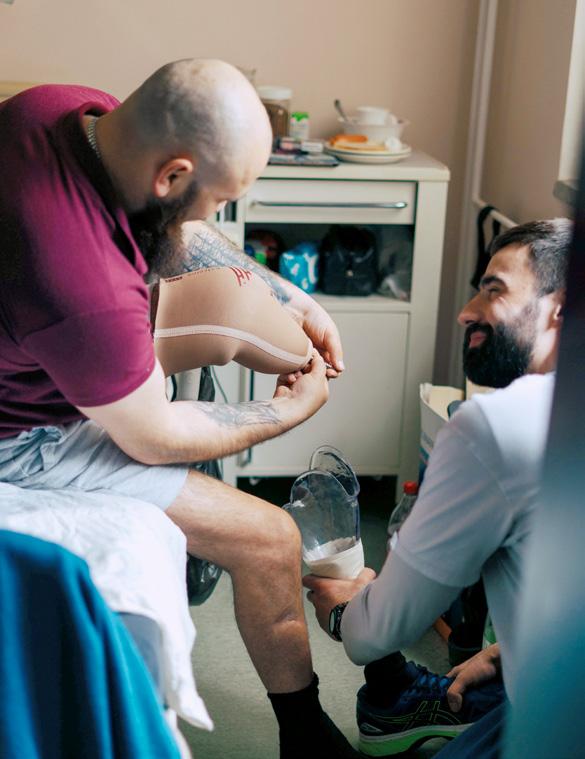
Vasyl is a patient undergoing rehabilitation at the Ivano-Frankivsk Regional Clinical Hospital in Ukraine. After a severe injury caused by an anti-tank mine, in which he lost one leg and the other was seriously injured, Vasyl has been in treatment and rehabilitation for over a year. With support from a wide variety of professionals including physical therapists, he has begun taking his first steps with a prosthesis.
“The main thing is for the bones to heal so I can put weight on the leg confidently. And after that – everything will come.”
“Health risks are inherently shared across environments, animals and human populations. I believe the One Health approach has the potential to make this interdependence visible and actionable, creating common ground even in the most politically constrained environments.”

Chiara Carrara, PhD Candidate in Epidemiology and Public Health
Chiara Carrara investigates antimicrobial resistance (AMR) as a challenge that extends beyond clinical settings. Applying a One Health approach, she draws on epidemiology, anthropology and political science to understand how AMR emerges and circulates across interconnected human, environmental and political systems.
Her current project, developed in collaboration with Birzeit University in the West Bank, focuses on the determinants of AMR in refugee camps in the
occupied Palestinian territory. During research visits to the camps, she found that political and structural constraints directly shape how people access healthcare and antibiotics. Restricted movement and checkpoints, for instance, can prevent patients from reaching medical care, leading some to obtain antibiotics through informal networks. The project’s findings aim to inform health programming and antimicrobial stewardship in humanitarian contexts.
Building a healthier world, together
Partnership is at the heart of everything we do. For over 80 years, Swiss TPH has worked alongside communities, governments, research institutions and public and private organisations to advance global health.
In 2025, we worked with partners around the globe to promote research and interventions on malaria, tuberculosis and neglected tropical diseases. We designed and implemented programmes to mitigate the burden of non-communicable diseases, made progress in tackling antimicrobial resistance, and reinforced One Health approaches that link human, animal and environmental health in the context of climate change. These interconnected challenges demand long-term, cross-sectoral, locally rooted partnerships.
The Swiss Leading House for Africa, a mandate renewed by the State Secretariat for Education, Research and Innovation (SERI) for 2025–2028 and implemented jointly with the Universities of Basel and Bern, is one example of this long-term commitment.
Associated with the University of Basel and anchored in Switzerland’s education, research and innovation landscape, we take science to impact in Switzerland and worldwide.
416 active projects
135 countries
80+ years of partnership
500+ partnerships globally
From Eastern Europe to Africa,
Asia and the Pacific region, Swiss TPH worked across continents and contexts in 2025 –strengthening partnerships and initiating new collaborations.
Moldova
Since 2006, Swiss TPH has been working in Moldova to improve population health – from modernising perinatal care to the Healthy Life project, now in its third phase. In rural communities where access to quality services remains limited, the project tackles non-communicable diseases through health literacy, better nutrition, physical activity and integrated care. At a time of serious cuts in global health funding, it stands as a strong example of what sustained, locally rooted partnership can deliver.
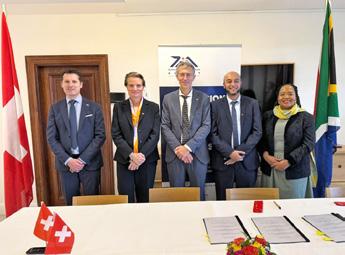
South Africa From left to right: Mirko Manzoni, Ambassador of Switzerland to South Africa, Martina Hirayama, State Secretary of Education, Research and Innovation, Jürg Utzinger, Director Swiss TPH, Ismail Abdoola, Acting Chief Executive Officer of Technology Innovation Agency (TIA), Thandi Mgwebi, Deputy Group Executive, Business Advancement at National Research Foundation (NRF).
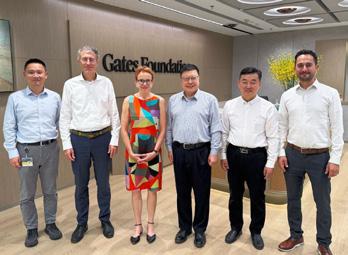
China From left to right: Wen-Feng Gong, Deputy Director, Health Innovation Partnerships, Gates Foundation China Country Office, Jürg Utzinger, Eva Herzog, President Swiss TPH Board of Governors, Zhi-Jie Zheng, Director, Gates Foundation China Country Office, Xiao-Nong Zhou, Chief Scientist, Chinese Centre for Disease Control and Prevention (China CDC), Mathias Kronig, Head of Operations, Swiss TPH.
South Africa
As part of a Swiss scientific mission led by State Secretary Martina Hirayama, Swiss TPH engaged with South Africa’s Department of Science, Technology and Innovation, the National Research Foundation, the Technology Innovation Agency, and leading universities in Pretoria, Cape Town and Stellenbosch. The exchanges highlighted the value of linking Swiss and South African research ecosystems and reinforced Switzerland’s role in science diplomacy.
Chad
Chad has one of the world's highest maternal mortality rates, and closing this gap requires sustained, systemic investment. Swiss TPH and the Centre de Support en Santé Internationale (CSSI) have been working since 2014 with the Chadian Ministry of Health to support Universal Health Coverage and community-based health financing. The signing of a Memorandum of Understanding with the new Institut National de Santé Publique du Tchad opened a new chapter in this long-term collaboration.
Côte d’Ivoire
In Yopougon, a health centre developed in partnership with Novartis Global Health and the Centre Suisse de Recherches Scientifiques en Côte d’Ivoire (CSRS) provides community healthcare and specialist care for sickle cell disease, one of the most common inherited conditions in the region. The new health centre was supported by the canton of Basel-Stadt as part of its social partnership with Yopougon. With global health funding under increasing pressure, innovative public-private partnerships are more essential than ever.
China
From Shanghai to Beijing and Hainan to strengthen a 30-year partnership. Together with leading Chinese institutions, WHO, FAO and Swissnex, Swiss TPH aligned on shared priorities in parasitic disease control, One Health governance and antimicrobial resistance. As climate change reshapes disease patterns and drug resistance outpaces treatment options, crosssectoral collaboration and sustained engagement can make a measurable difference.
Papua New Guinea
Swiss TPH and the PNG Institute of Medical Research have been working together since the late 1970s – and the relationship has produced something tangible: a new generation of locally trained researchers who are now leading innovative health science in PNG. A joint director-level visit to teams in Goroka and Madang in 2025 reaffirmed this commitment, with both institutions looking to deepen existing projects and explore new research areas together.
“The most rewarding moments for me are when someone turns to me as a trusted point of contact or when participants share after a session that they’ve gained new knowledge, insight, or ways to navigate challenging situations. Those are the moments that remind me that our work is truly making a difference.”

Semira Mathlouthi, HR Assistant
Semira Mathlouthi joined Swiss TPH as an apprentice in 2022 and has since become a central figure in staff development. She co-introduced a programme designed to equip staff with the skills to navigate a complex and internationally diverse workplace, covering topics such as intercultural communication, conflict management, mental health and personal well-being.
She also coordinates the Swiss TPH mentoring programme, which has grown to more than 100 participants since its launch in 2021. Designed as a cross-departmental safe space, it pairs mentors and mentees across different teams to encourage knowledge exchange and career growth – including through reverse mentoring, where younger colleagues share their perspectives with more senior staff.
Organisation
Executive Team
Prof Dr Jürg Utzinger Director
Mathias Kronig Head of Operations
Prof Dr Julia Bohlius Head of Education
Dr Alexander Schulze Head of Implementation
Prof Dr Sébastien Gagneux a.i. Head of Platforms (until 31 March 2026)
Dr Christoph Rösli Head of Platforms (as of 1 April 2026)
Prof Dr Jürg Utzinger a.i. Head of Research (until 31 July 2026)
Prof Dr Nicole Ritz Head of Research (as of 1 August 2026)
Board of Governors
Dr Eva Herzog
President of the Board of Governors, Member of the Swiss Council of States
Dr Rolf Borner
Director, Infrastructure and Operations, University of Basel
Dr Ariane Bürgin
Head of Higher Education, Cantonal Department of Education, Basel
Prof Dr François Chappuis Head of Tropical and Humanitarian Medicine Division, Geneva University Hospitals
Prof Dr Sabina De Geest
Institute of Nursing Science, University of Basel (until 31 December 2025)
Prof Dr Christiane Pauli-Magnus Co-Director Department of Clinical Research, University of Basel (as of 1 April 2026)
Prof Dr Jacques Fellay Head of Research Laboratory Human Genomics of Infection and Immunity, EPFL, Lausanne
Dr Alban Frei
Head of Higher Education, Directorate of Education, Culture and Sport, Canton of Basel-Landschaft
Dr Lutz Hegemann
President of Global Health and Swiss Country Affairs, Novartis, Basel
Dr Barbara Wieland
Director of the Federal Institute of Virology and Immunology, University of Bern
Dr Deborah Studer
Observer, Scientific Advisor, National Research, State Secretariat for Education, Research and Innovation, Bern
Prof Dr Jürg Utzinger Director of Swiss TPH (ex officio)
Mathias Kronig Head of Operations, Swiss TPH (ex officio)
Organisation valid as of May 2026
All Swiss TPH staff:
Finances 2025
Total funding
98.1 m
2024: CHF 104.9 million
Funding
Swiss Government:
CHF 7.5 m
University of Basel: CHF 7.1 m
Canton Basel-Stadt: CHF 4.2 m
Canton Basel-Landschaft: CHF 4 m
Research funds (e.g. SNSF, EU) CHF 35.2 m
Core funding
22.8 m
2024: CHF 23.1 million
Education funds (e.g. postgrad. courses) CHF 1.8 m
Restricted funds (SERI) CHF 2 m
Services for global health (e.g. SDC, Global Fund, Gates Foundation) CHF 24.9 m
Medical services (e.g. travel medicine, diagnostics): CHF 10.2 m
Other income: CHF 1.2 m
Competitively acquired
75.3 m 2024: CHF 81.8 million
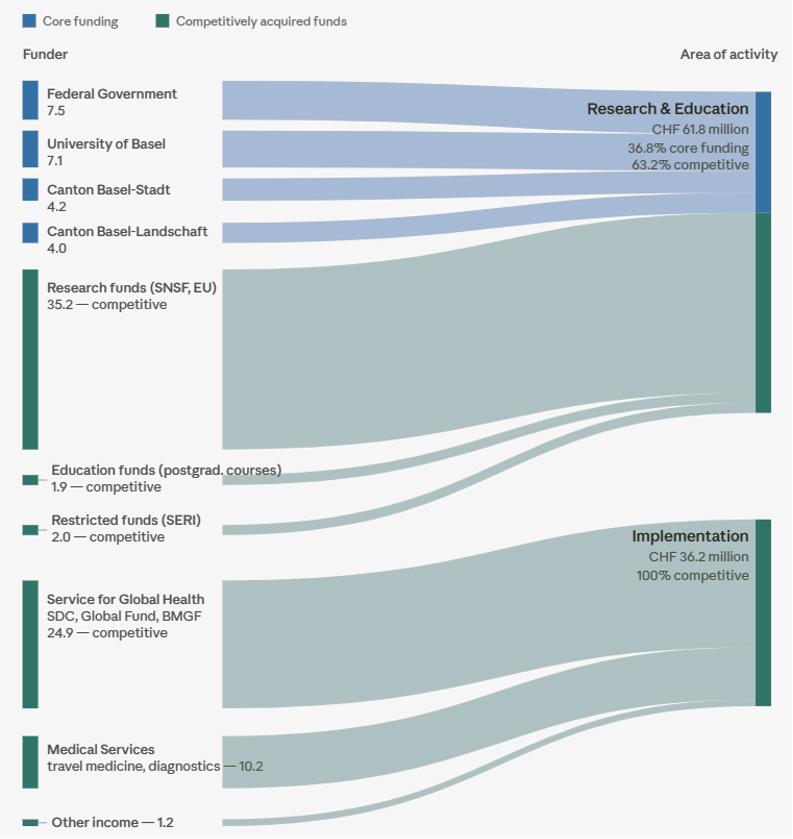
In CHF million, bandwidth corresponds to share of funding Core funding Competitively acquired funds
77% of Swiss TPH's annual income is acquired competitively from private and public funders and clients. 23% is core funding from the Swiss Government, the Cantons of Basel-Landschaft and Basel-Stadt and the University of Basel, which supports research and education activities.
Access the full Financial Report 2025
Selected partners and funders
• European Commission
• European and Developing Countries Clinical Trials Partnership
• Foundations (e.g. Gates Foundation, Wellcome Trust)
• Gavi, the Vaccine Alliance
• Global Fund
• Pharmaceutical industry (e.g. Bayer, Merck, Novartis, Roche)
• Swiss Agency for Development and Cooperation
• Swiss National Science Foundation
• UN Agencies (e.g. UNICEF, Unitaid, WHO)
A full overview of our funders, partners and clients:
“It is a privilege to help people on an individual basis while also contributing to research that has an impact on the health of many.”

Roberto Pineda Reyes, Assistant Physician and PhD Student
Roberto Pineda Reyes works in both patient care and research. As an assistant physician at Swiss TPH’s Centre for Tropical and Travel Medicine, he sees patients for pre-travel consultations, advising on destination-specific health risks and recommended vaccinations, and attends other consultations in tropical medicine, vaccines, or travel health. Alongside his clinical work, he has started a PhD in Epidemiology and Public Health, studying cystic echino-
coccosis, a zoonotic disease caused by a parasitic worm. His most recent research project focuses on the urban transmission of this neglected tropical disease in the highlands of Cusco, Peru, tracing how the parasitic worm passes from sheep to dogs to humans and identifying the risk factors that drive its spread. The findings of this project aim to support evidence-based solutions to a public health problem that affects communities across the region.
Concept and edits: Layla Hasler
Additional contributions:
Sabina Beatrice-Matter, Valérie Busson, Danielle Powell, Anna Siegrist, Eva Herzog, Jürg Utzinger, Swiss TPH staff members
Layout and design: Studio Neo, Basel
Pictures: Adobe stock photos, Max Bär, Nicu Binzari, Olivier Brandenberg, Ifakara Health Institute, Claire Jeantet – Fabrice Catérini / Inediz, Maksym Kozmenko, Justin Makangara/Swiss TPH/ Fairpicture, Kibuuka Makisa/ Candid Local, Ministry of Health of Ukraine, Patients of Ukraine, Joachim Pelikan, Danielle Powell, Meera Saxena and Swiss TPH staff.
Cover photo: Science Photo Library
Printing: Gremper AG
Copyright: Swiss TPH, 2026
Swiss TPH Kreuzstrasse 2 4123 Allschwil
Switzerland
+41 61 284 81 11
info@swisstph.ch swisstph.ch
Associated Institute of the University of Basel