


Project of the Swiss Agency for Development and Cooperation (SDC)
Project of the Swiss Agency for Development and Cooperation (SDC)
Swiss Support for Primary Health Care in Albania
March 2026
Health for All Project (HAP)
Themistokli Gërmenji Str., Helios Building, 2nd Floor, Tirana, Albania
info@hap.org.al www.hap.org.al
Health for All Project - HAP
health.for.all.project
Health for All Project (HAP)
The Health for All Project (HAP) is a transformative initiative that has had a profound impact on Primary Healthcare in Albania. Since 2015, this project—supported by the Swiss Agency for Development and Cooperation and implemented by the Swiss Tropical and Public Health Institute and the HAP Centre—has aimed to enhance access to and quality of primary healthcare services for all citizens, particularly for vulnerable groups.
The Project has progressed through three significant implementation phases, initially focused on the regions of Dibër and Fier, and later expanding to 20 out of the country’s 36 Local Units of Health Care (LUHCs). Over
the years, HAP has accomplished remarkable improvements, not only in healthcare infrastructure and technical capacity but also in the continuous training of medical personnel, providing citizens with higher-quality and more accessible services.
Key achievements include training family doctors and nurses in the better management of NCDs, mental health and home care services, supplying health centres with essential medical equipment, and reconstructing and rehabilitating healthcare facilities. Despite this progress, challenges persist. Albania faces shifting demographics and a rising incidence of non-communicable chronic diseases, while access to healthcare
for vulnerable populations, especially in rural areas, remains a critical issue. Nonetheless, HAP remains dedicated to building a more resilient, inclusive, and sustainable primary care system.
The Project’s success is rooted in collaboration with key partners, including the Ministry of Health and Social Welfare, the Health Insurance Fund, the Health Care Services Operator, and academic institutions such as the Faculty of Medicine, the Faculty of Economics, and the Faculty of Technical Medical Sciences. The project also draws support from health professional orders, local governments, civil society organisations, and thousands of healthcare professionals who contributed enormously to the Project achieving its mission.
The HAP Project stands as a worthy example of how vision, innovation, and strong partnerships can transform a healthcare system and enhance quality of life. We believe that the project’s experience and the insights gained over the years provide valuable lessons for Albania’s healthcare sector, underscoring the need for such reform to continue so that all Albanians may enjoy dignified, highquality health care.
06
Rehabilitation of infrastructure in 17 Health Centres
03
Launch of the Professional Master’s Program in Health Management (2017)
PHASE I (2015-2019)
01
Contribution to the Demographic and Health Survey in Albania (2018)
06
Provision of 1,408 medical bags and 303 IT equipment items
04
Establishment of the Professional Master’s Program in Family Nursing
PHASE II (2019-2023)
01
Strengthening research capacities on the healthcare system and services
05
Development of the National Strategy on the Development of Primary Health Care (PHC) 2020–2025
08
04
Support for the establishment and operation of Peer Groups
07
Organisation of 184 Health Promotion activities (the “Përshëndetje” Campaign)
Community involvement in informational sessions on patient rights
PHASE III (2023-2027)
*up to March 2026
01 03 02 04
Support for National and Regional Policies and Strategies
04
Development of clinical protocols on NCDs, mental health, and elderly care
05
Pilot implementation and expansion of home care in 33 health centres
06
Provision of 1,022 medical bags and 217 IT equipment items
06
Rehabilitation and reconstruction of 15 healthcare buildings (Health Centres and Health Posts)
04
Support for the implementation of protocols for mental health and elderly care
04
Development of the Health Education Manual for the Prevention of NCDs and for Elderly Care
06
Provision of 2,055 medical bags and 157 IT equipment items
05
Expansion of home care services to 150 new health centres
05
Periodical surveys on patient quality of life and home care needs
02
Support for monitoring the implementation of home care and NCD protocols
05
Support for the integration of health and social services
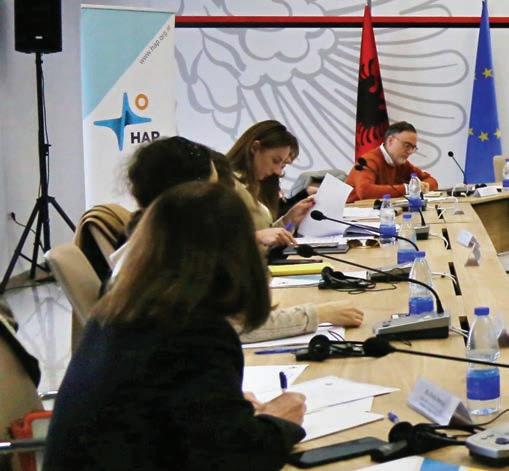
It was the year 2015 when the Health for All Project (HAP) began its collaboration with the Albanian government to reform primary healthcare, and one thing was clear: the need for a long-term vision and robust policies. For this reason, HAP supported the development, approval, and implementation of the 2020–2025 Primary Healthcare Strategy. This strategic document marked a significant shift toward a resilient and sustainable primary healthcare system. The strategy includes new service models, redefined job profiles, and established updated protocols and guidelines for treating non-
communicable diseases (NCDs), mental health disorders, and elderly care, alongside essential infrastructure investments to improve primary care.
As Prof. Mira Rakacolli, Deputy Minister of Health, noted, this strategy was long overdue: “Albania has not previously had a strategic document for Primary Care. HAP’s support in drafting this document has been extraordinary, not only for providing new ideas related to infrastructure but also for introducing new models of primary care services, changes in provider mindset, in the management of primary care services, and public health education.”
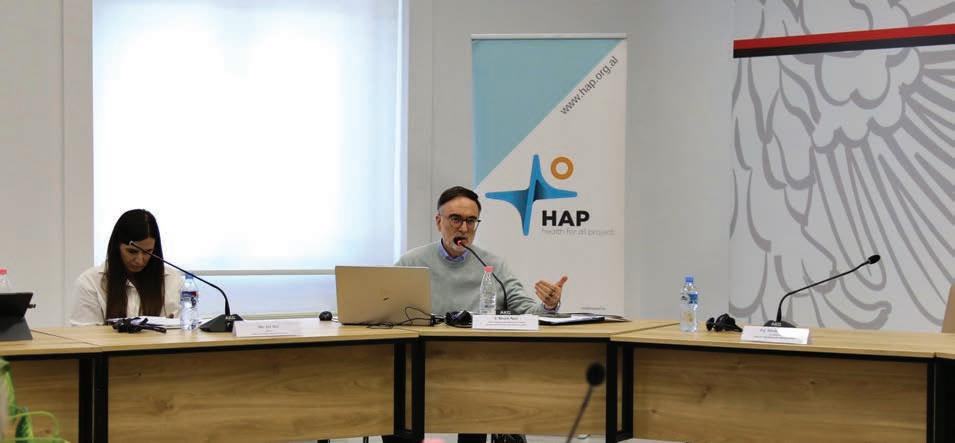
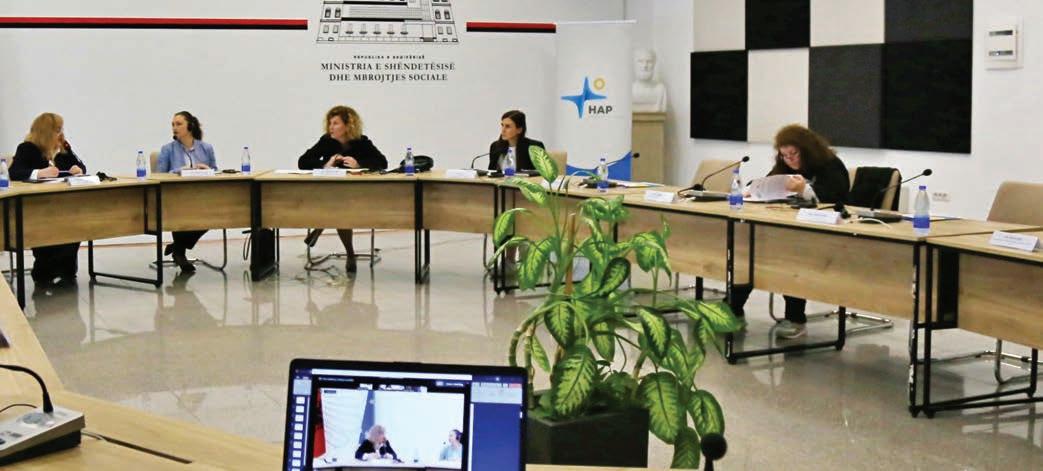
HAP has also made substantial contributions to improving governance in primary healthcare. In addition to ongoing training for Local Unit and Health Care Operator personnel, HAP has trained approximately 80 directors and 97 head nurses in critical areas such as Albanian legislation, human resource management, and communication. In addition, 137 professionals from the Local Units of Health Care and the Regional Directorates of the Operator and the Health Insurance Fund have been trained for monitoring the implementation of home care, treatment protocols for non-communicable diseases (NCDs), and the establishment and operation of Peer Groups. This training, paired with the development of several administrative and financial management documents, has greatly improved operational efficiency in health centres. A major milestone has been the elaboration of 10 job profiles, allowing for more specialised patient services and enhanced organisation within healthcare facilities. HAP has further advanced transparency by hosting community forums and public
information sessions, strengthening dialogue between providers and patients, and fostering trust within the healthcare system.
The true value of these interventions lies in their sustainability. HAP supported the establishment of a Master’s program in Health Management (151 graduates since 2017), significantly boosting Albania’s healthcare management capacity and ensuring the long-term continuity of reforms. This contemporary-standard program has simultaneously served as a motivating career step for healthcare staff, making them better prepared and more motivated to face future challenges.
HAP is currently supporting the evaluation of the implementation of the Strategy for the Development of Primary Health Care Services in Albania (2020–2025), an important process aimed at measuring the strategy’s impact on the Albanian health system and generating evidence-based recommendations for consideration.
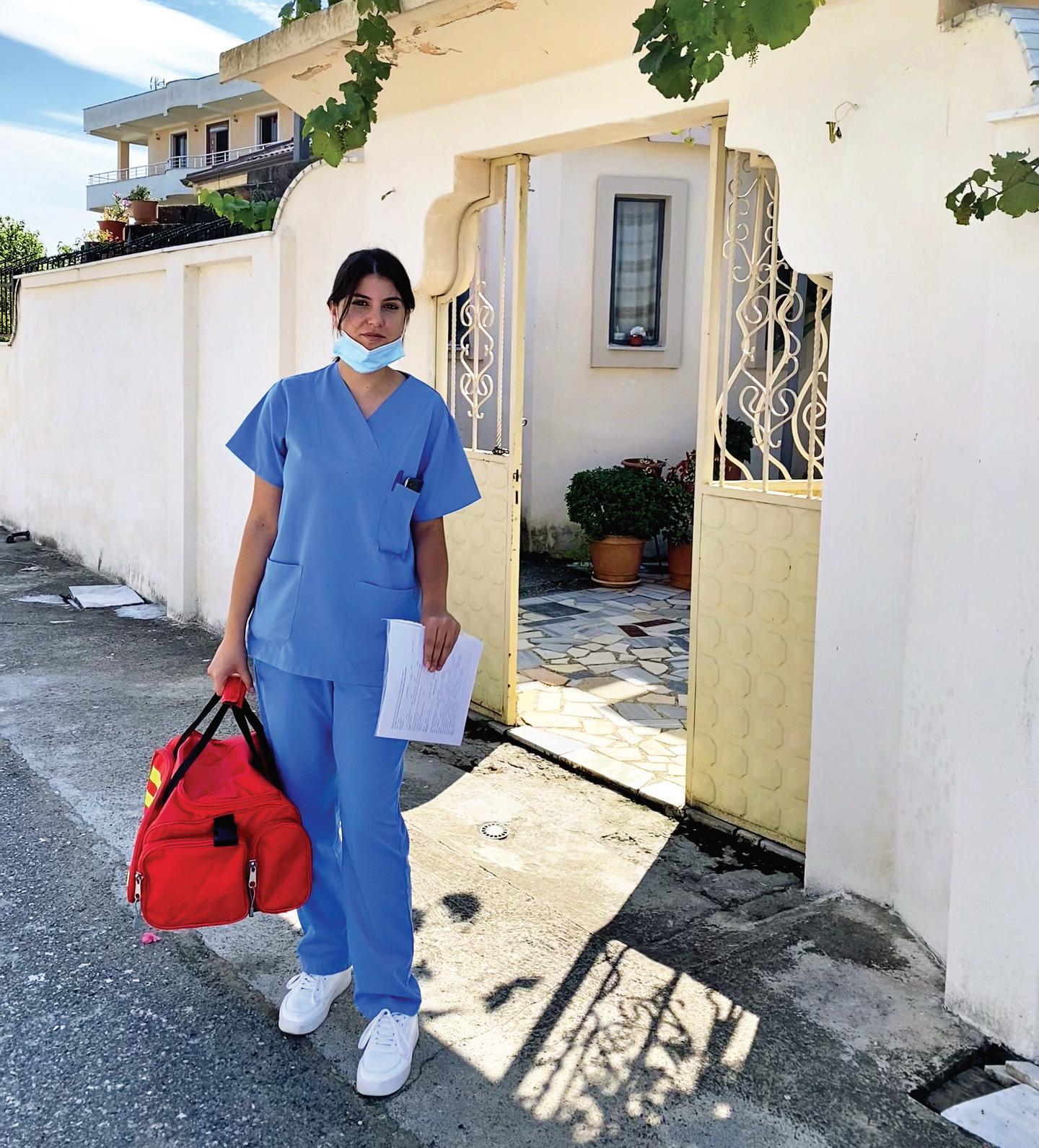
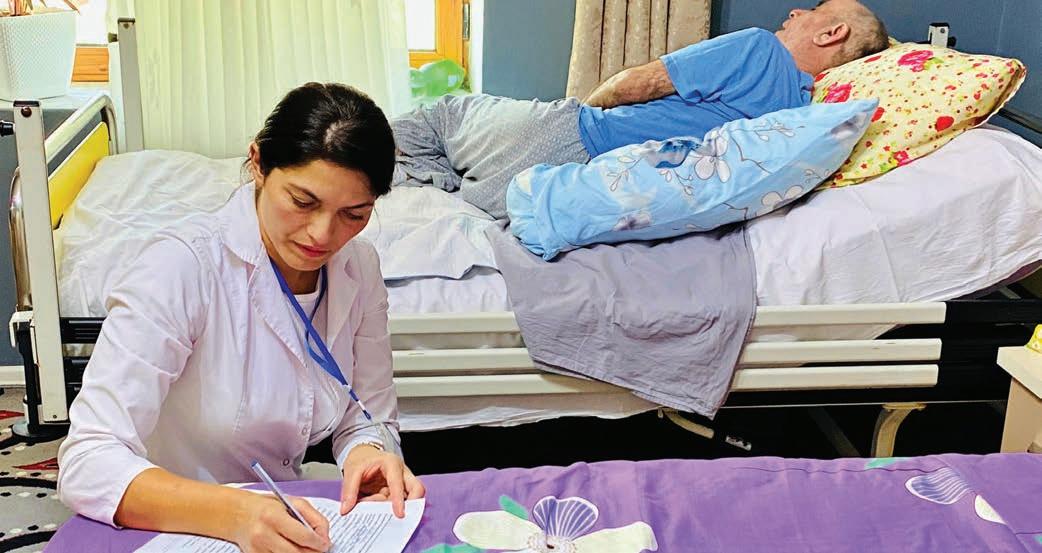
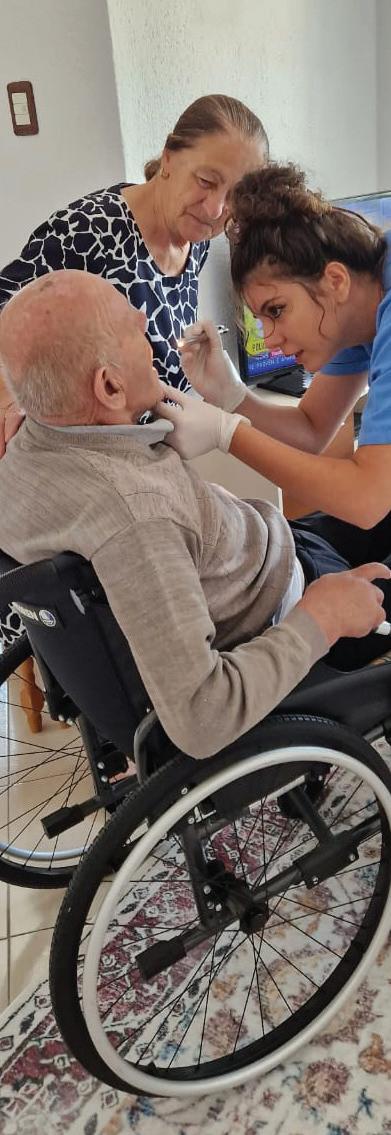
Making healthcare accessible means bringing essential services closer to those in need. To this end, HAP introduced a new dimension of homebased care, focused on chronically ill, disabled, and elderly patients unable to visit health centres. This initiative not only alleviated the burden on caregivers and families but also empowered nurses with specialised training in advanced procedures that previously required hospital visits. The result has been an improvement in beneficiaries’ health and overall quality of life.
“I am very pleased when nurses come to our home; it’s a huge relief for us. Now I don’t need to move my husband for check-ups as the nurses come regularly. I am very grateful as it’s a great help for us,” shares M.B., the wife of a patient receiving home care. According to the Health Insurance
fund, 5,134 chronically disabled and elderly patients received 88, 586 home visits in 150 health centres supported by HAP in 2025 alone.
Improving quality of life is a core priority of a modern healthcare system. For patients, this approach means that healthcare extends beyond symptom management to embrace a holistic perspective, addressing emotional, psychological, and social well-being. To this end, HAP has made significant contributions to the integration of health and social services. In addition to developing job profiles for social workers and psychologists in primary health care (PHC), HAP has supported the elaboration of dedicated manuals for each profile and is conducting training on their use. Furthermore, HAP has supported the mapping of sociohealth services in six municipalities.
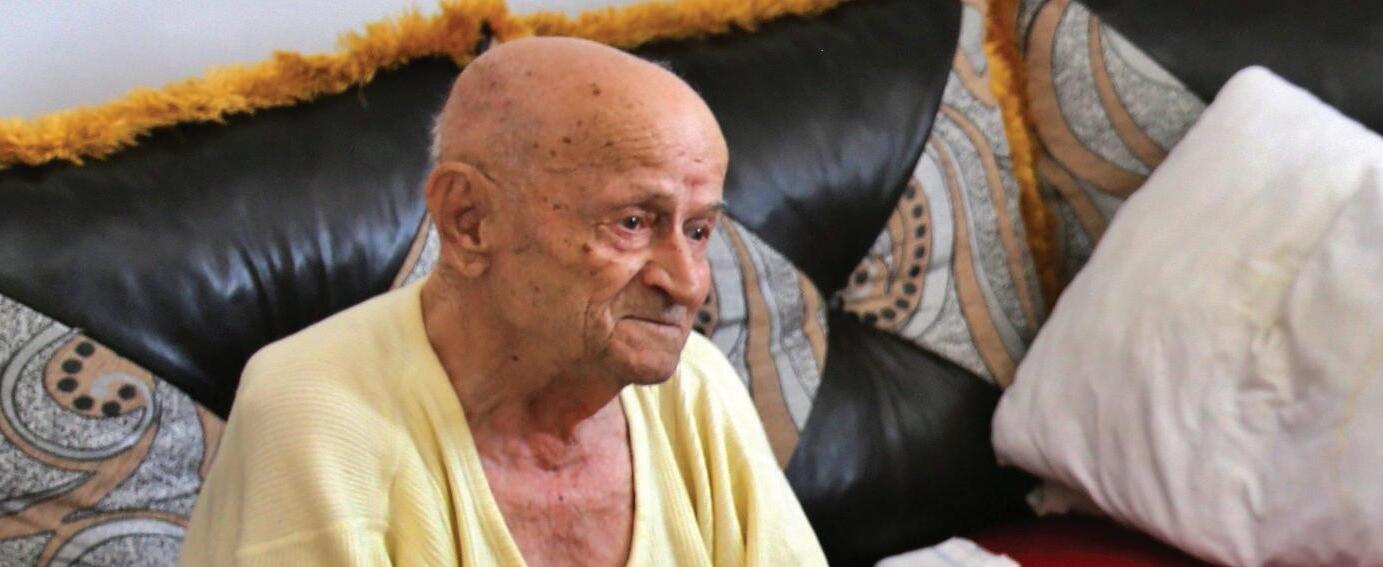
These efforts represent a significant step toward this holistic model. The most vulnerable groups—those requiring home care due to immobility, individuals with chronic illnesses, mental health patients, and vulnerable elderly individuals living alone—are the primary beneficiaries of these support systems.
The Quality of Life Study (2024) showed an increase in the qualityof-life indicator, reflecting a gradual but stable improvement, primarily in health aspects. According to the study’s indicators, patients in primary care now experience more effective healthcare, relief from pain, and easier access to in-home services without the financial burden of transportation. This approach reduces family caregiver strain and equips patients with the essential knowledge to better manage their conditions, fostering a more dignified and fulfilling life.
Data collection for the 2026 Quality of Life Study is currently underway.
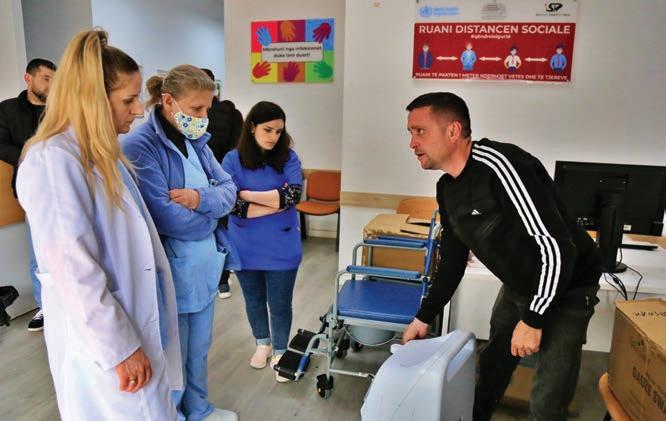
HAP’s investment in rebuilding healthcare infrastructure, in collaboration with municipalities and local authorities, has been a crucial step toward expanding access to essential services and enhancing the quality of care in the community. To date, 31 healthcare facilities have been reconstructed or rehabilitated, benefiting over 240,000 citizens and providing improved working conditions for 432 healthcare providers.
“The patient feels comfortable during visits, as evidenced by the high volume of consultations since the reconstruction. There is immense gratitude toward HAP, not only from

the healthcare staff but especially from the patients,” shares Dr. Bajram Lami, a family doctor at the newly rebuilt health centre in Zall Mner.
Beyond physical infrastructure, HAP has made substantial contributions to the prevention and treatment of non-communicable diseases (NCDs) by supporting the development and implementation of protocols and clinical guidelines for five NCDs, along with specialised manuals for mental health disorders and elderly care. These resources have helped healthcare providers deliver standardised and effective healthcare delivery, improving patient health outcomes.
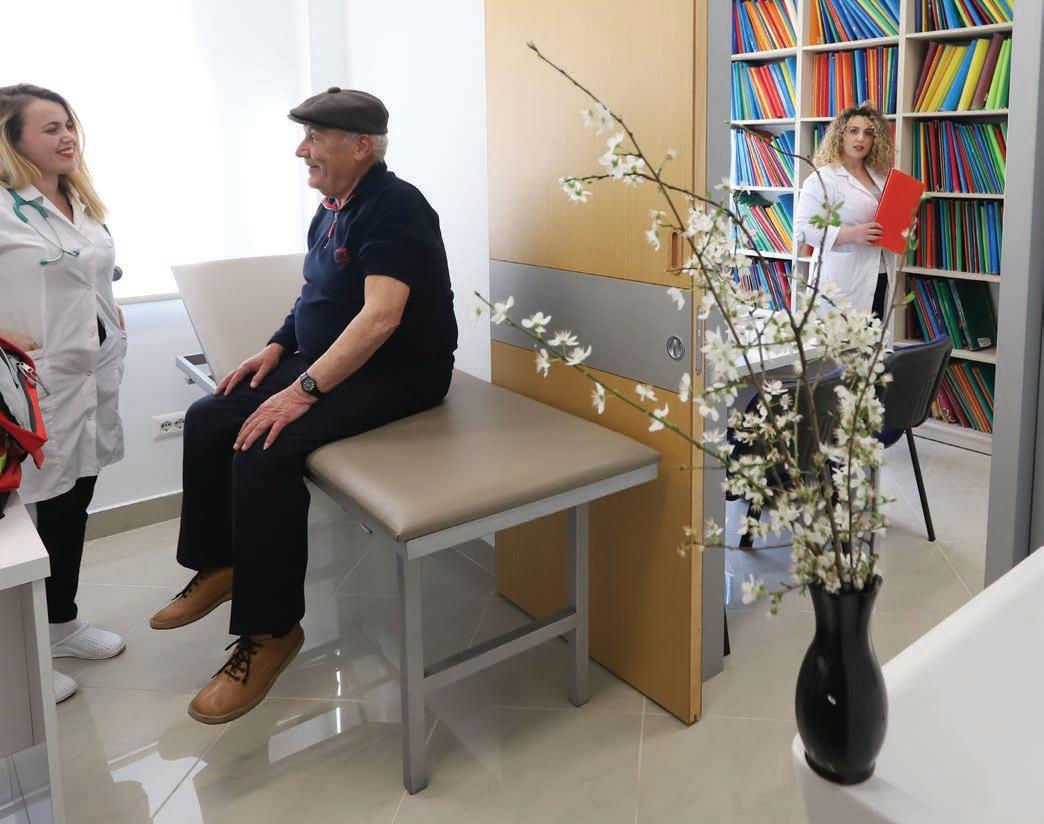
“The training provided by HAP has strengthened my skills and competencies as a family nurse. I now have greater professional confidence and feel better equipped to manage heart disease and diabetes, the two most common diagnoses, and to provide advice to patients as needed,” states Ms. Mbaresa Dimo, a family nurse.
To further support the implementation of updated protocols and guidelines, HAP distributed medical bags with essential physical examination tools to the staff of 208 health centres, significantly improving the quality of healthcare services provided.
According to Quality of Care Assessments conducted in 2015, 2018, 2022, and 2025, which reviewed doctor-patient consultation indicators, healthcare facility infrastructure, and patient satisfaction at the end of the visit, the quality of healthcare improved significantly from 2015 to 2025 across all three assessment categories. Notably, patient satisfaction levels measured between 2015 and 2025 through patient exit interviews remained consistently high throughout the ten-year period, with mean scores staying around or above 85%, reflecting a steady increase in service satisfaction.
Continuous Medical Education (CME) is essential for maintaining high standards in healthcare and helping professionals stay up-to-date with best practices, new protocols, and advancements in the field. HAP has been instrumental in establishing and strengthening Peer Groups as a powerful tool for standardising healthcare practices and fostering professional development.
This innovative educational approach empowers family doctors and nurses by enabling them to exchange experiences, follow best practices, and share clinical expertise. The standardisation achieved through Peer Groups has been crucial in extending health reform elements, such as the implementation of NCD protocols and guidelines, and the introduction of new home care services, among others.
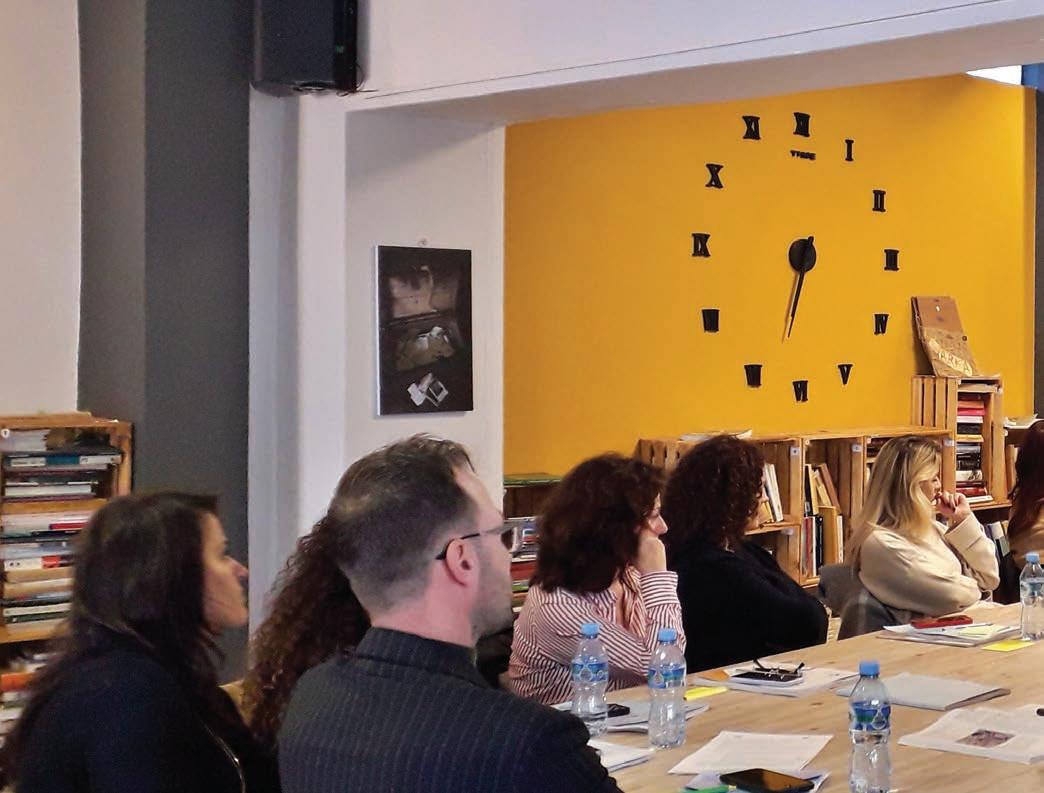
Ms. Blerina Duka, President of the Order of Nurses, praised Peer Groups as an “effective tool with a direct impact on care quality.” Dr. Malvina Manga, a family physician and health centre director, noted that participating in a Peer Group “has improved my leadership skills, strengthened my relationships with colleagues, and boosted my professional confidence.” Similarly, nurse Dorina Karaj expressed appreciation for HAP’s support, saying, “Peer Groups have been the foundation of our training, enabling us to deliver the most efficient service possible.”
Peer Groups not only empower doctors and nurses to provide better care but also foster a culture of collaboration and continuous learning within the Albanian healthcare system. To date, 839 family doctors and
2985 nurses and 15 psychosocial staff where the project operates have participated in Peer Groups, with participation increasing significantly with every passing year.
A 2025 internal evaluation (J. Hyska) further confirms their value, identifying a positive impact in three key areas:
1. improved clinical practice and service quality—reflected in greater use of clinical protocols and expanded roles for nurses and psychologists;
2. strengthened interprofessional cooperation, with clearer roles, enhanced collaboration, and increased peer support; and
3. a meaningful contribution to the implementation of national health policies, par ticularly in primary health care and non-communicable disease strategies.
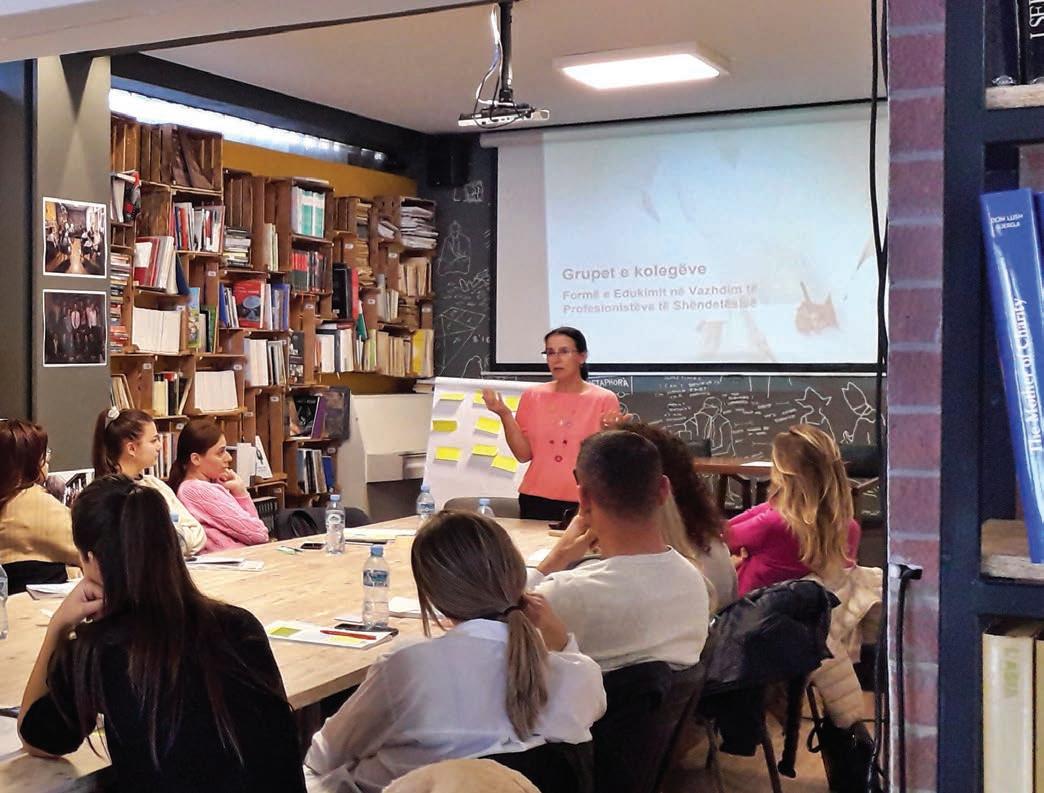
As healthcare needs evolve in response to demographic shifts, disease burdens, and technological advancements, it becomes essential for the role of nurses to expand beyond traditional boundaries. HAP has significantly contributed to redefining a new professional profile for nurses, not merely as assistants to doctors, but as autonomous healthcare professionals capable of exercising independent judgment and leading innovative healthcare initiatives while collaborating alongside doctors and other team members.
The development and implementation of new nursing roles (such as health education nurses, family nurses, community nurses, etc.) was a crucial step HAP took toward empowering nurses and improving healthcare services. This allowed the community to benefit from a broader range of specialised services.
Nurse Klara Feçanji emphasises that HAP’s support “provided another boost, not only to our professional growth but also to better care for individuals with specific medical needs.”

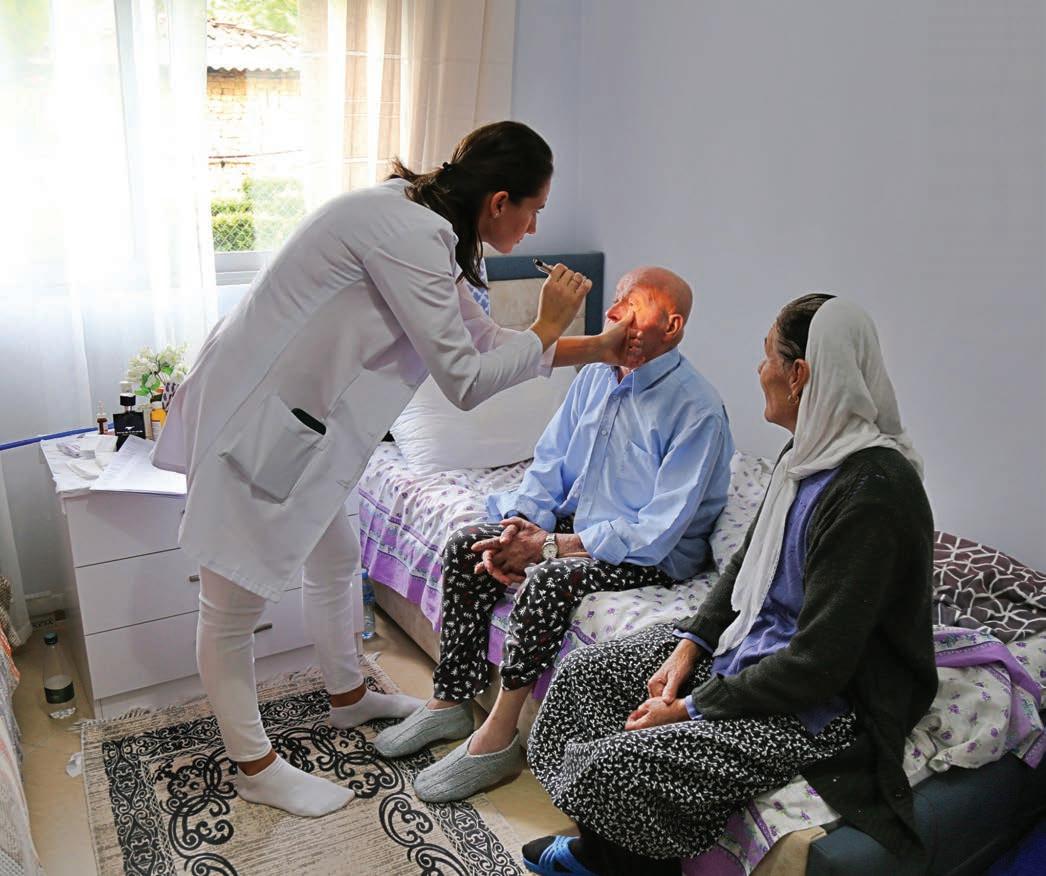
Alongside professional profiling, the introduction of the new model of Home Care not only improved service accessibility for individuals unable to visit health centres but also empowered nurses with specialised training. This included training in advanced nursing procedures, better management of non-communicable diseases and mental health disorders, and specialised care for the elderly.
Nurse Eleni Tafa states that “training on standard nursing procedures has undoubtedly improved my skills as a nurse, and I believe it is highly beneficial for patients as well. I now have higher professional confidence and feel more capable of explaining and performing nursing procedures, both theoretically and practically.”
Thanks to HAP, a total of 1,088 nurses in 20 Local Units of Health Care have been trained in providing home care to date. All of this has contributed to improved patient outcomes across all intervention regions.
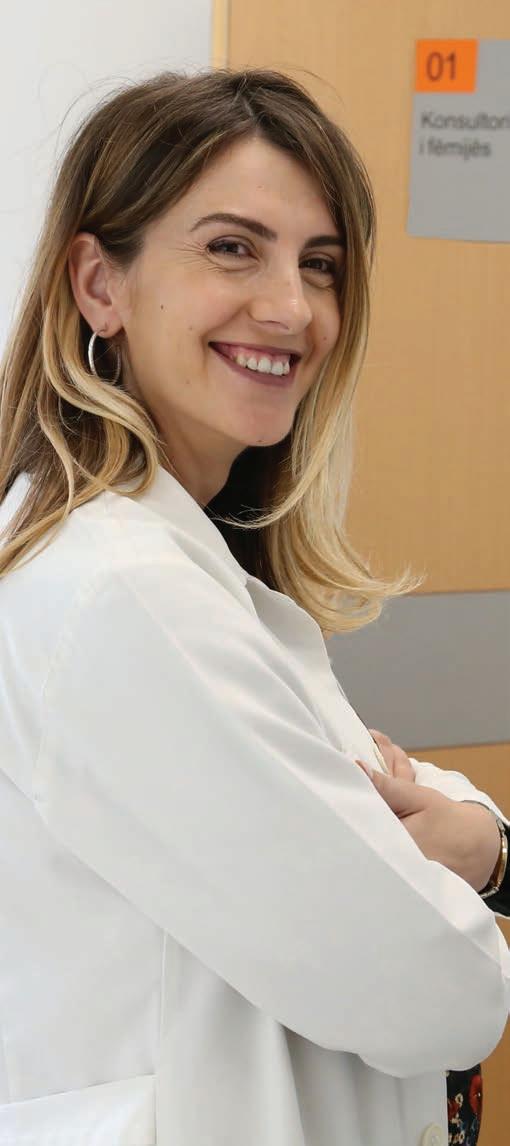
Gender equality and the empowerment of women’s roles are integral components of HAP’s activities. The project has played a crucial role in encouraging gendersensitive policies, increasing women’s representation in decisionmaking processes, and promoting their participation in continuous professional education. To this end, HAP has organised training, seminars, and exchanges of experiences initially in Dibra and Fier, and later expanded to a wider range, supporting female professionals in healthcare to develop their skills, boost their confidence and self-esteem, and fulfil their potential both at work and at home.
It is important to remember that gender equality is not only a human right but also a prerequisite for development and poverty reduction. Empowered women contribute to the health and productivity of families and communities, improving the future for generations to come.
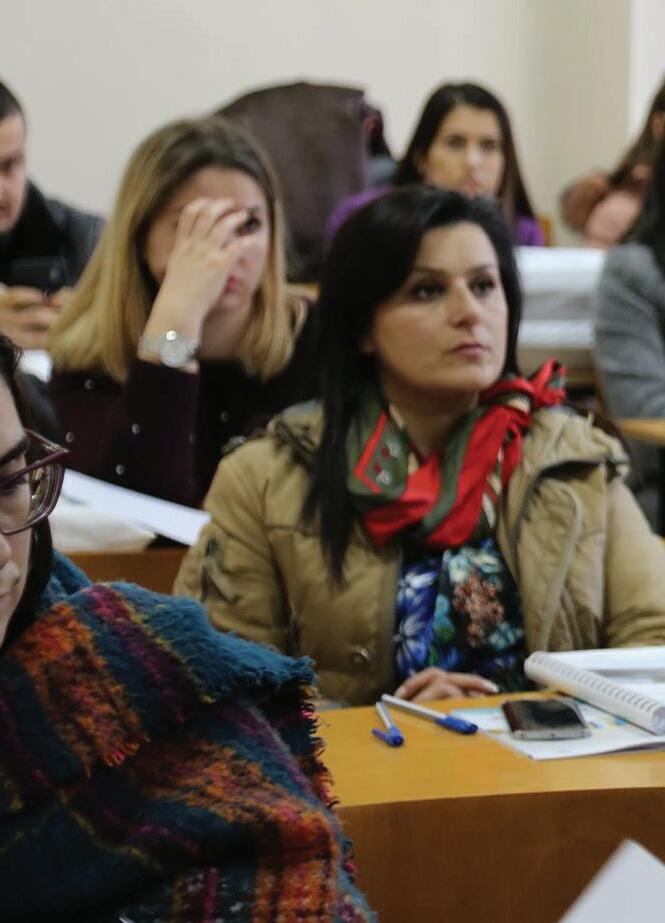
Dr. Albiona Lamaj, the director of the health centre in Patos, states, “HAP helped me develop my communication skills and my ability to present issues based on facts, allowing me to overcome my challenge of taking the floor, engaging in discussions, and influencing the Municipal Council, where 70% of the members are men. I can now confidently say that this has helped me create an exceptionally strong collaboration between the health centre and the Municipality of Patos.”
At the same time, HAP’s interventions have positively impacted the utilisation of healthcare services by male patients, who often find it difficult to seek medical help due to social stigma and cultural prejudices. By creating a more welcoming environment
with improved infrastructure and higher-quality services, HAP has succeeded in encouraging more men to seek medical care, as evidenced by the noticeable increase in male patient visits in areas where the project operates. Thus, HAP’s interventions have not only improved individual health outcomes but also strengthened social cohesion, supporting the sustainable development of communities.
Bridging the gender gap continues to be one of HAP’s goals in Albanian healthcare, not only in terms of human resources but also regarding the services provided. In this way, health centres will be able to offer better services tailored to the gender needs of the Albanian population.
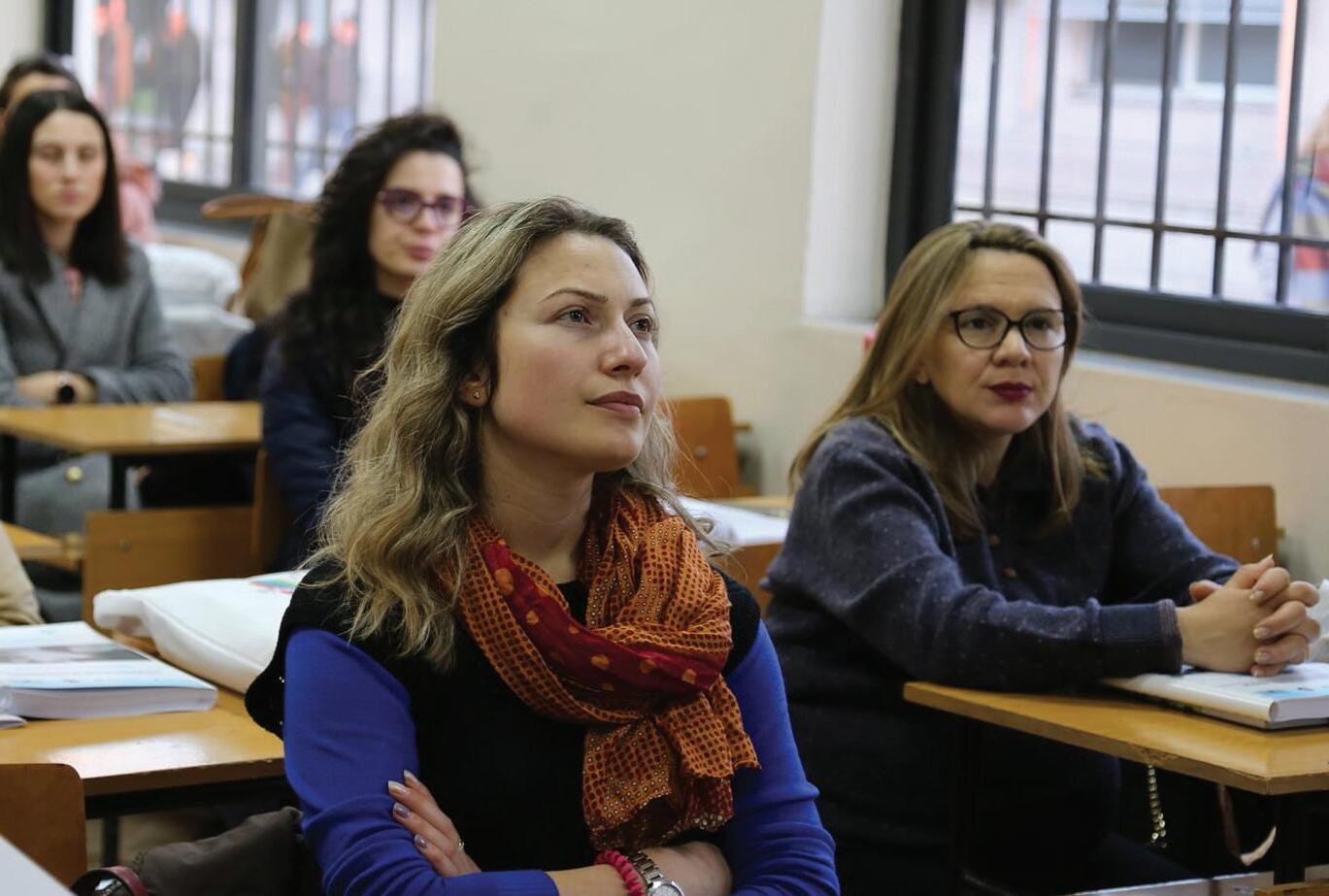
As the Health for All Project (HAP) advances toward the final phase of its implementation, increasing attention is being placed on capitalisation—a structured process aimed at transforming the knowledge, experience, and results generated over the years into long-term value for the Albanian healthcare system.
Capitalisation goes beyond documenting achievements; it provides a systematic and critical reflection on the project’s interventions, partnerships, and outcomes. Through this process, HAP seeks to analyse both successes and challenges, draw practical lessons, and strengthen approaches that can inform future policies and practices. In doing so, it ensures that the knowledge created throughout the project does not remain fragmented but is consolidated, shared, and embedded within national systems.
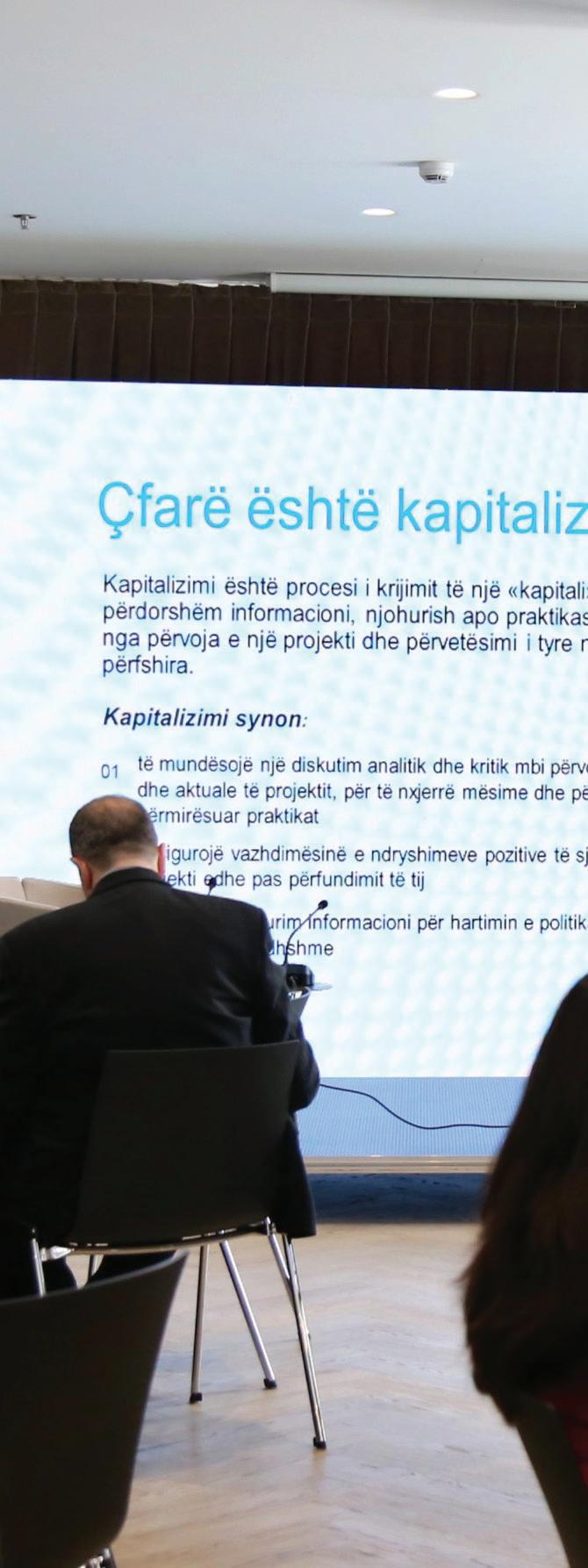
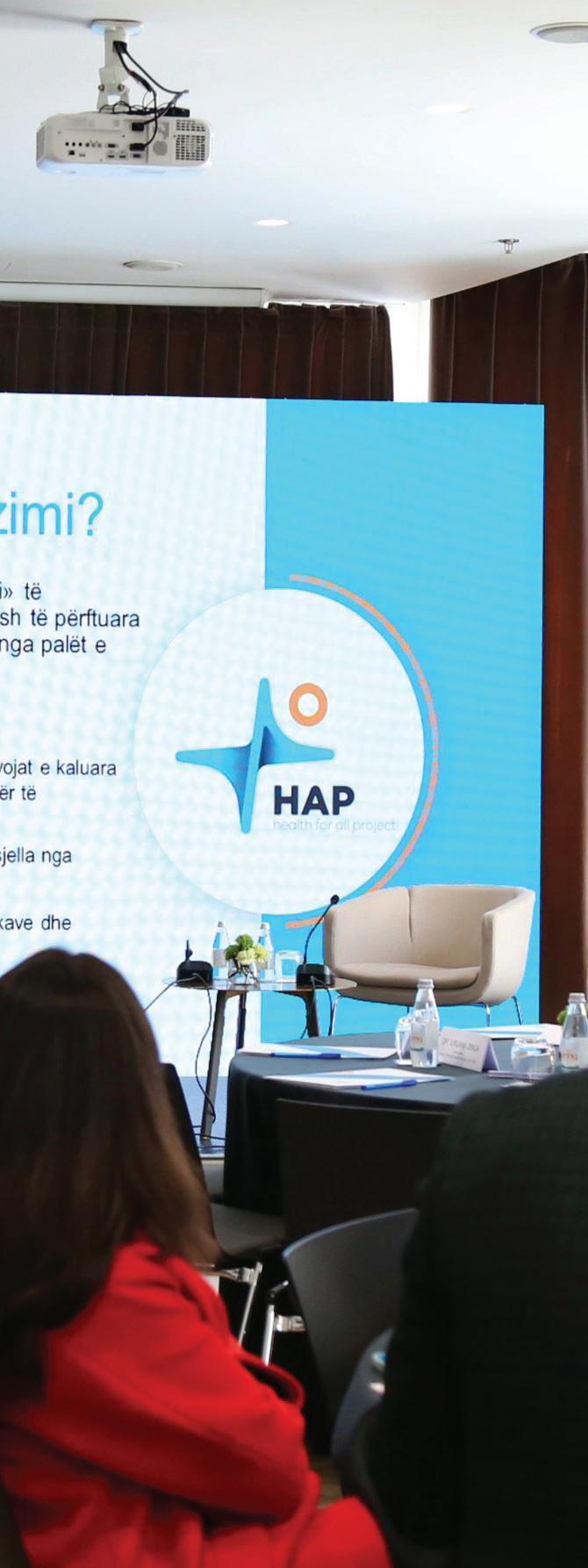
This process is inherently participatory, bringing together healthcare professionals, institutions, policymakers, and other stakeholders to exchange experiences and jointly reflect on what has worked, what can be improved, and how successful models can be sustained and scaled.
A range of activities have been planned around several key thematic areas that reflect the project’s core contributions to primary healthcare reform. These include:
• strengthening education, training, and capacity building through initiatives such as Master’s programmes in Family Nursing and Health Management;
• advancing the standardisation of treatment protocols for noncommunicable diseases, supported by the role of Peer Groups in scaling up their use;
• expanding and consolidating home care services;
• and promoting the integration of health and social services, with a stronger focus on mental health and elderly care within primary healthcare practice.
Ultimately, capitalisation serves as a bridge between past experience and future action. By institutionalising effective practices and ensuring their adoption within national frameworks, HAP contributes to building a more resilient, inclusive, and sustainable primary healthcare system in Albania.
from improved healthcare services due to the rehabilitation and reconstruction of 31 healthcare buildings.
150
health centres
provide home care services.
5,134
participated in Peer Groups activities organised in 20 Local Units of Health Care as part of HAP objectives. and elderly patients in HAP-supported health centres received home care in 2025 alone. chronically disabled
703
3,839
family doctors and nurses & doctors
1,716 nurses
took part in HAP-supported training-oftrainer sessions on better management of non-communicable diseases, mental health disorders, elderly care, and home care.
from the Local Units of Health Care and the Regional Directorates of the Operator and the Health Insurance Fund have been trained on monitoring the implementation of home care, treatment protocols for non-communicable diseases (NCDs), and the establishment and operation of Peer Groups.
4,485
have been provided with medical bags containing physical examination tools and related manuals.
677
208
have been equipped with necessary medical and pre-medical equipment for better implementation of home care services.
laptops and desktops
were provided to staff members from health centres, LUHCs, Central and Regional Directorates of the Operator, the Regional Directorates of the Health Insurance Fund, the Faculty of Economy, the Faculty of Medicine, the Faculty of Technical Medical Science.
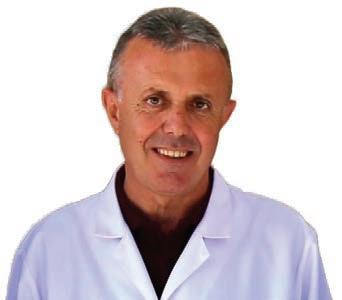
Dr. Bajram Lami
Family Doctor
Zall Mner Health Centre Tirana Region
“The training on standard nursing procedures has significantly enhanced my skills as a nurse, and I believe it is equally valuable for the patients we serve. I now have greater professional confidence and feel better equipped to explain and perform nursing procedures, both theoretically and practically. Moreover, being provided with the necessary tools for delivering care has enabled us to offer a higherquality, more dignified service to our patients.”
“Thanks to the reconstruction of our health centre, not only has the number of visits increased, but also the range of services offered to patients. Endless thanks not only from the healthcare staff but above all from the patients to the Swiss Embassy and the Swiss government for making this important investment possible in improving healthcare infrastructure in our community.”
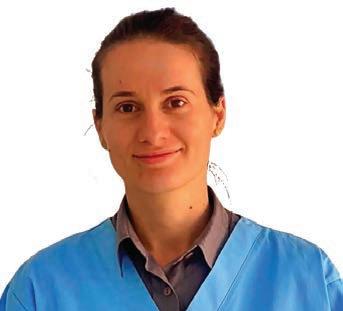
Home Care Nurse
Gostima Health Centre
Elbasan Region

Eriona Petro
Head of Primary Health Care Services
Durrës Local Unit of Health Care
Durrës Region
“Previously, I had to call an ambulance, which would come all the way from Tirana, and I had to pay 300,000 lek. Now, the nurse comes once a week, or sometimes every ten days. When I needed treatment with injections, she would visit twice a day at a set time, and they are always ready to come whenever I need them. This has made things much easier for us and truly warms our hearts.”
“The implementation of updated protocols for managing noncommunicable diseases, coupled with the introduction of home care services—set to be extended to all 18 health centres in Durrës with the technical and logistical support of HAP—has significantly enhanced the quality of services provided to patients. This initiative has also facilitated a more accurate and comprehensive approach to documenting patient information. By offering home care services that are both planned and standardised with all necessary nursing procedures, HAP is taking a crucial step in improving access to healthcare for vulnerable patients.”
Home Care Beneficiary, Bulgarec Health Centre, Korçë
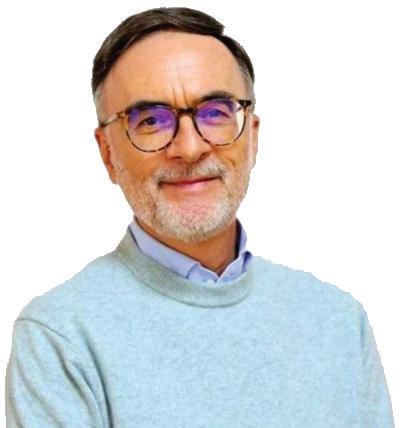
Dr. Besim Nuri is a public health expert and the Project Manager of the Health for All Project (HAP) since 2017. Dr. Nuri has had an outstanding career spanning more than three decades, during which he has held significant positions such as researcher at the Institute of Public Health in Tirana, Deputy Minister of Health in Albania, and health expert at the World Bank. With extensive international experience in countries such as Haiti, Gabon, Benin, Kazakhstan, Morocco, and others, Dr. Nuri has made valuable contributions to major organisations like the WHO, UNFPA, the World Bank, the European Observatory on Health Systems, and Swiss Cooperation.
Can you tell us a little more about the project you are implementing?
The Health for All Project is a project funded by the Swiss Government that began in 2015. Two phases have already been implemented, and the project is almost closing its Consolidation Phase.
One of the strengths of the project has been the home care service. In how many districts and health centres has this service been extended?
Indeed, home care service is one of our most impactful interventions. Certainly, this service had already been provided to citizens at home,
but in more specific cases, such as emergencies or for specific programs, such as for pregnant women or child vaccinations. We wanted to go a bit further, taking into account the demographic situation, where part of the population is elderly, and some of them, due to emigration, live alone and need medical support. There is also a special category of patients that we have considered particularly vulnerable, who are unable to visit health centres due to one or multiple illnesses they suffer from. This category is offered home care not only when they need it but in a more systematic, planned manner. This was the innovation of this service.
Initially, in 2021 and 2022, home care services were offered in 9 pilot health centres in the Dibër and Fier regions. Then it was extended to 5 territories of Local Units of Health Care in Shkodra, Durrës, Tirana, Elbasan, Korça, and Berat. In recent years, the project has supported the capacity building of 150 health centres to implement home care services across the territories of 20 Local Units of Health Care.
The uniqueness of this service is that the personnel had to be specially trained for this purpose because primary care nurses had a service model that involved waiting for patients at the health centre. Our goal was to make the nurses more proactive, not just to wait for patients at the health centres but to approach patients by offering them home services.
A very important element is that the service is predominantly provided by nurses. This is not to say that family doctors are not involved in this service, they are always in cooperation with nurses, but it is the nurses who provide the service directly. Our idea has been to make nurses more autonomous, even professionally. Among other things, this means that nurses should be more autonomous in performing clinical procedures they haven’t done before. To achieve this, they need additional tools and equipment. We have worked to address both of these issues. We have supported intensive training for nurses on advanced nursing procedures, about 18 of
them. The training was conducted in a clinical simulation lab with special mannequins and all the necessary tools for practising these procedures. We have even prepared a special manual where all these procedures are explained. As for the tools, we have equipped the health centres where we operate with bags for doctors and nurses that contain the most essential tools for physical examinations. This was also in support of another important intervention we are carrying out, which is the training of the family medicine team on the prevention and management of chronic noncommunicable diseases such as diabetes, hypertension, dyslipidemia, etc. A second group of materials necessary for providing home care includes preclinical and clinical equipment such as wheelchairs, mattresses for patients with pressure sores, electrocardiograms, and so on. This set of equipment has never existed before in our health centres, and it constitutes an innovation in primary healthcare.
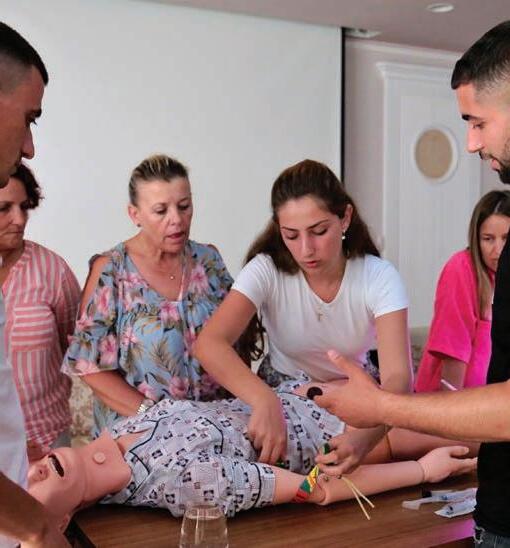
Initially, in 2021 and 2022, home care services were offered in 9 pilot health centres in the Dibër and Fier regions. Then it was extended to 5 territories of Local Units of Health Care in Shkodra, Durrës, Tirana, Elbasan, Korça, and Berat. In recent years, the project has supported the capacity building of 150 health centres to implement home care services across the territories of 20 Local Units of Health Care.
How do you see the future of this service?
We hope that this model will continue to work and extend to all health centres. Just last year, based on the data we have, around 88,586 home visits were made to 5,134 patients in 2025 alone who received the necessary treatments related to multimorbidity or inability to move. Therefore, the figures are encouraging. We also conduct surveys to understand how the situation was before and how it is now. These days, some surveys are being conducted, and the data is currently being processed.
In how many centres has this service been extended so far?
Our entire package supports about 150 centres, while the remaining centres will be supported by the Ministry of Health with its own tools and resources.
There is encouraging data that shows the process is progressing, but it must be said that there are also challenges. It is not easy. There is some resistance from the staff. It is a new model, and they are not used to it. There is a lack of self-confidence among nurses who think it is risky to perform such procedures, even though our training has aimed to offer practical skills, not just theoretical ones.
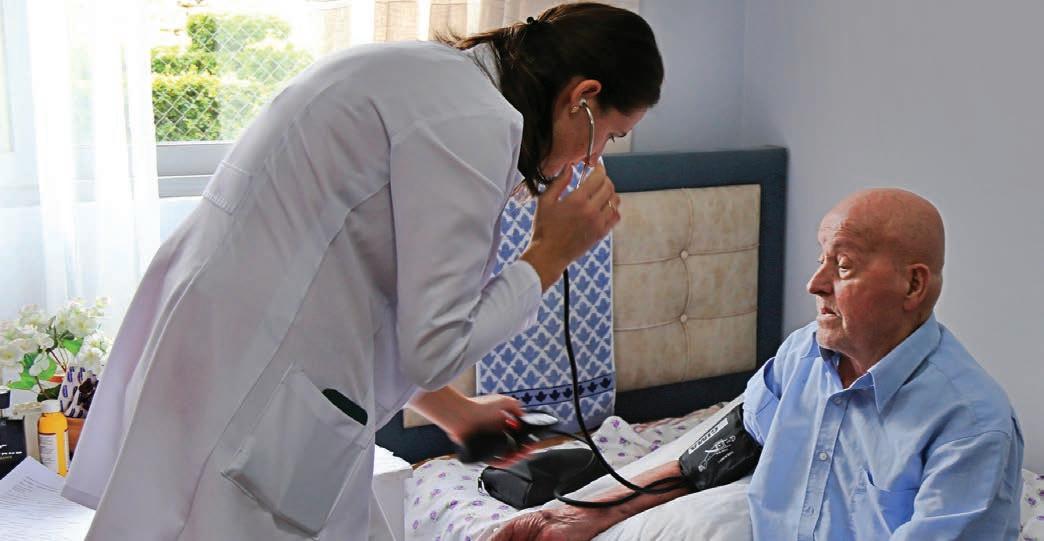
I am optimistic, but it requires a lot of work, and certainly, the staff needs to be motivated.
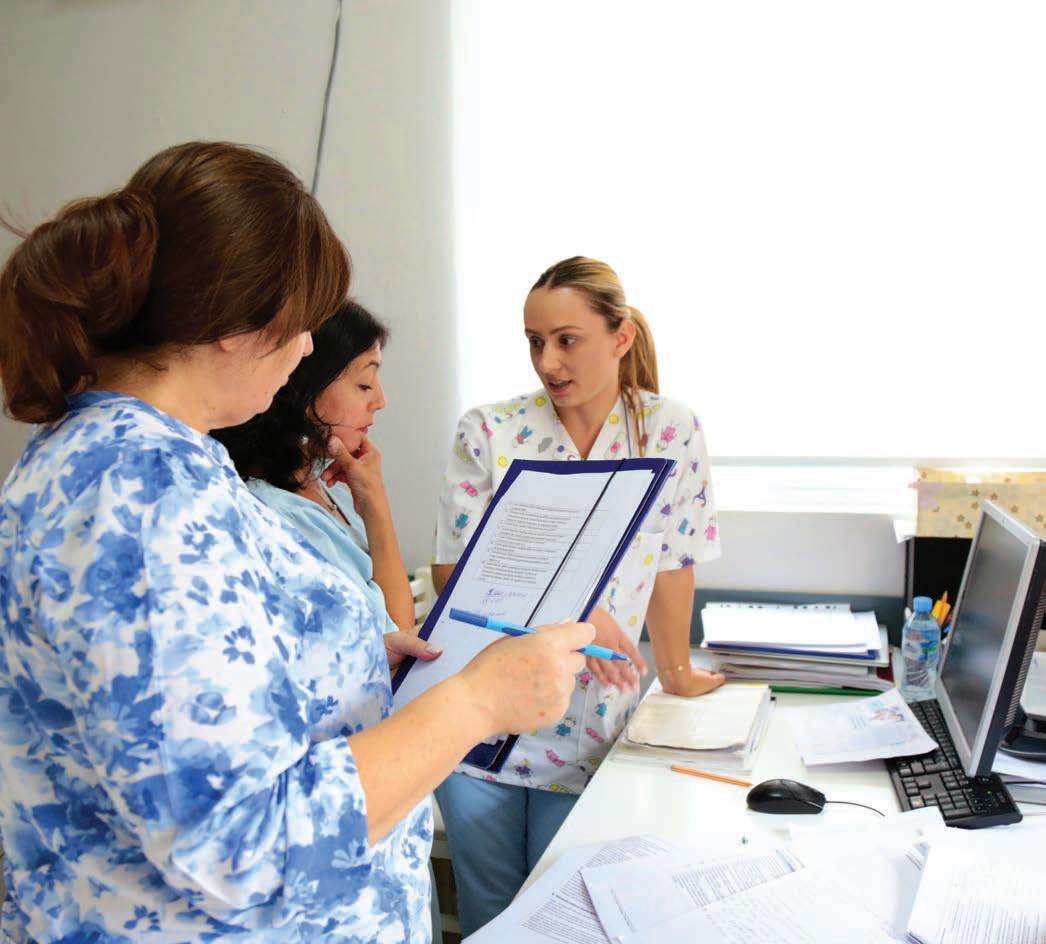
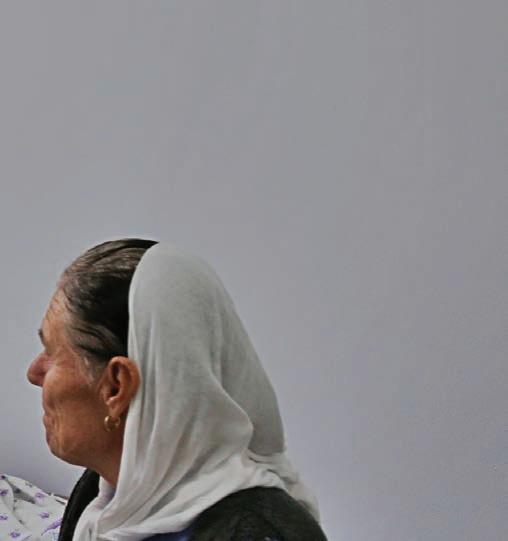
Our goal was to make the nurses more proactive, not just to wait for patients at the health centres but to approach patients by offering them home services.
Other significant challenges also include additional financial resources because you cannot offer a new service without providing financial resources. The Ministry of Health and Social Protection is seriously considering how to increase the budgets for primary healthcare services, always including the Health Care Insurance Fund.
I am optimistic, but it requires a lot of work, and certainly, the staff needs to be motivated.


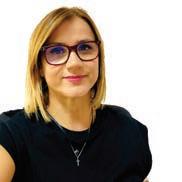

Dr. Besim NURI
Project Manager & HAP Centre Executive Director

Dr. Ehadu MERSINI
Quality of Care Specialist & HAP Centre Deputy Director
Donika QESJA Finance Manager
Rukida VEIZI Procurement & Contracts Officer

Altina PESHKATARI
Monitoring & Evaluation & Social Inclusion Officer
Edlira KETA Communication Officer

Sajmira ADËRAJ
Family & Community Nursing Specialist
Lorena VLASHI Administration & Logistics Officer

Has
Pukë
Mat
Durrës
Krujë
Tiranë
Kavajë
Peqin
Lushnjë
Fier
Elbasan
Berat
Mallakastër
Korçë
Tepelenë
Kolonjë
Përmet
Gjirokastër
Delvinë
Sarandë
Contribution to the implementation of the Demographic and Health Study in Albania (2018)
Rehabilitation of the infrastructure of 17 Health Centres
Development of the budget guide for Health Centres
Introduction of Manager Forums as a tool for continuing education
Inclusion of the community in informational sessions on patient rights
Development of the Health Promotion Action Plan 2017-2021
Distribution of 1,404 medical bags with physical examination tools
Support for the establishment and functioning of Peer Groups
Offering study visits for 80 managers and doctors
Organisation of 184 Health Promotion activities (“Përshëndetje” Campaign)
Provision of 116 computers for the implementation of electronic prescriptions in Dibër and Lushnja
Launch of the Master’s Program in Health Management (2017)
Study on Health Vulnerability in Albania
Introduction of Peer Groups as Continuing Medical Education
Establishment of anti-corruption units
Strengthening of information technology for public health directorates
Development of the National Strategy on the Development of Primary Health Care 2020-2025
Consolidation of the Master’s program in Health Management
Development of clinical protocols on NonCommunicable Diseases (NCDs), mental health, and elderly care
Piloting and expansion of Home Care services in 33 health centres
Provision of medical, paramedical, and IT equipment to 31 health centres
Development of new job profiles within the Primary Health Care system
Strengthening the capacities of the Operator’s personnel
Training on the implementation of guidelines and clinical protocols
Development of the Internal Regulation for Home Care
Expansion of Continuing Medical Education for PHC personnel
Support for health services during the Covid-19 pandemic
Establishment of a Master’s program in Family Nursing
Enhancement of research capacities related to the health system and health services
Support for the accreditation of health centres through the improvement of service quality
Training of nurses in advanced nursing procedures
Rehabilitation and reconstruction of 15 health facilities (Health Centres and Health Posts)
Periodical surveys to measure the quality of services and the impact of the HAP project
Development of a new model for the Family Medicine Health Centre
up to March 2026
Development of the Health Education Manual for the prevention of NonCommunicable Diseases (NCDs)
Development of the Health Education Manual for the Eelderly in Primary Health Care
Support for the implementation of guidelines and clinical protocols for NonCommunicable Diseases (NCDs) in 49 new health centres
Support for the implementation of protocols for mental health and elderly care
Expansion of Home Care services in 87 new health centres
Continuation of training on advanced nursing procedures
Provision of 649 medical bags for family doctors and nurses
Development of Monitoring Manuals for the implementation of home care and NCD protocols
Support for monitoring the implementation of home care and NCD protocols
Periodical surveys on patients’ quality of life and home care needs
Provision of IT equipment to support the expansion of services
Collaboration with NGOs and support for advocacy plans in health
Support for Peer Groups in six districts
Mapping of socio-health services in six municipalities
Development of the Manual of the Psychologist in PHC
Development of the Manual of the Social Worker in PHC
Development of the Technical Manual of Home Care
Elaboration of a Policy Brief on Peer Groups
Elaboration of a report on the Integration of Health and Social Services
Health for All Project (HAP)
Themistokli Gërmenji Str., Helios Building, 2nd Floor, Tirana, Albania
Health for All Project - HAP info@hap.org.al www.hap.org.al
Health for All Project (HAP) health.for.all.project