Why Intelligent Under Vehicle Monitoring Is Reshaping Security Standards in the UAE
The United Arab Emirates has positioned itself as a global hub for business, tourism, and innovation. With world-class infrastructure, smart cities, and large-scale developments, the country continues to attract international investments and high-profile events
However, this rapid growth also brings increased security demands. From airports and seaports to government facilities and luxury developments, protecting assets and ensuring public safety is a top priority As threats become more sophisticated, traditional security measures are no longer enough.
This has led to the adoption of intelligent monitoring solutions that enhance visibility and control especially when it comes to vehicle screening, which remains one of the most critical aspects of facility security.
The Importance of Under Vehicle Monitoring in Modern Security
Vehicles are a key component of daily operations in the UAE. They are used for transportation, logistics, service delivery, and personnel movement However, they can also pose security risks if not properly inspected.
The underside of a vehicle is one of the most overlooked areas during manual checks, yet it is often used to conceal suspicious objects. Traditional inspection methods, such as mirrors and manual checks, are time-consuming and may not always provide clear visibility.
Intelligent under vehicle monitoring addresses this gap by offering automated, high-resolution scanning capabilities that ensure no detail goes unnoticed.
The Shift Toward Intelligent Security Infrastructure
The UAE has been at the forefront of adopting smart technologies across various sectors Security infrastructure is no exception. Facilities are now integrating intelligent systems that combine automation, data analytics, and real-time monitoring
This shift is driven by the need for faster, more accurate, and more reliable security processes Intelligent systems not only improve detection capabilities but also enhance operational efficiency
By replacing manual processes with automated solutions, organizations can maintain high security standards while managing large volumes of vehicle traffic
Enhancing Detection Accuracy with Advanced Imaging
One of the most significant advantages of intelligent under vehicle monitoring is its ability to provide highly detailed images These systems use advanced imaging technologies to capture the underside of vehicles in real time
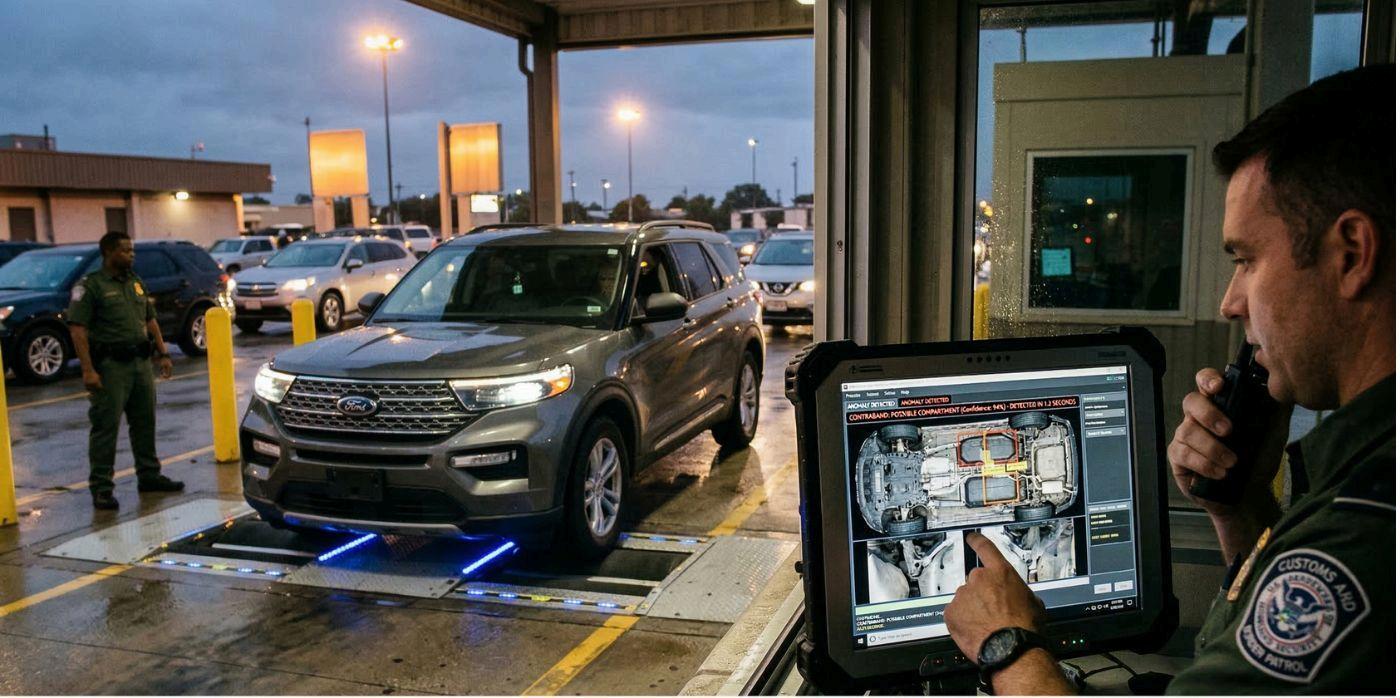
A uvis system plays a crucial role in this process by generating high-resolution scans that highlight even the smallest irregularities Security personnel can easily identify foreign objects, structural modifications, or suspicious attachments.
This level of precision significantly improves threat detection and reduces the likelihood of security breaches.
Real-Time Insights for Faster Decision-Making
In high-security environments, response time is critical Delayed action can increase the risk of incidents and compromise safety.
Intelligent monitoring systems provide real-time insights, allowing operators to make immediate decisions As soon as a vehicle is scanned, the system analyzes the data and flags any anomalies.
This enables security teams to respond quickly whether by stopping the vehicle, conducting a secondary inspection, or initiating emergency protocols.
Real-time capabilities ensure that potential threats are addressed before they escalate
Improving Efficiency at High-Traffic Checkpoints
The UAE’s major facilities often handle a high volume of vehicles daily. Airports, commercial complexes, and industrial zones require efficient entry-point management to avoid delays
Manual inspection processes can create bottlenecks, especially during peak hours. Long queues not only disrupt operations but also increase the risk of oversight due to rushed inspections
Intelligent under vehicle monitoring systems streamline this process by allowing vehicles to be scanned without stopping for extended periods. This improves traffic flow while maintaining thorough security checks
Balancing speed and accuracy is essential, and these systems achieve both effectively.
Reducing Human Error in Security Operations
Human error is a common challenge in traditional security systems Factors such as fatigue, distraction, and time pressure can impact the quality of inspections
Intelligent systems reduce reliance on manual processes by automating inspections Each vehicle is scanned using the same parameters, ensuring consistency and reliability
This minimizes the chances of missed threats and enhances the overall effectiveness of security operations
Automation also allows security personnel to focus on decision-making rather than routine inspection tasks
Integration with Comprehensive Security Systems
Modern security infrastructure in the UAE is built on integration. Under vehicle monitoring systems are often connected with other technologies such as surveillance cameras, access control systems, and license plate recognition tools
This integration creates a unified security ecosystem where data from multiple sources is combined to provide a complete picture of facility activity.
For example, when a vehicle enters a checkpoint, its identity can be verified, its undercarriage scanned, and its movement tracked simultaneously.
This layered approach strengthens overall security and ensures that no aspect of monitoring is overlooked.
Leveraging Data for Strategic Security Planning
Intelligent monitoring systems generate valuable data that can be used for long-term security planning. Inspection records, images, and access logs are stored digitally, providing a comprehensive database for analysis
Organizations can use this data to identify patterns, detect recurring issues, and improve their security strategies. For instance, repeated anomalies in certain vehicles may indicate the need for stricter screening protocols
Data-driven insights enable continuous improvement and help organizations stay ahead of potential risks