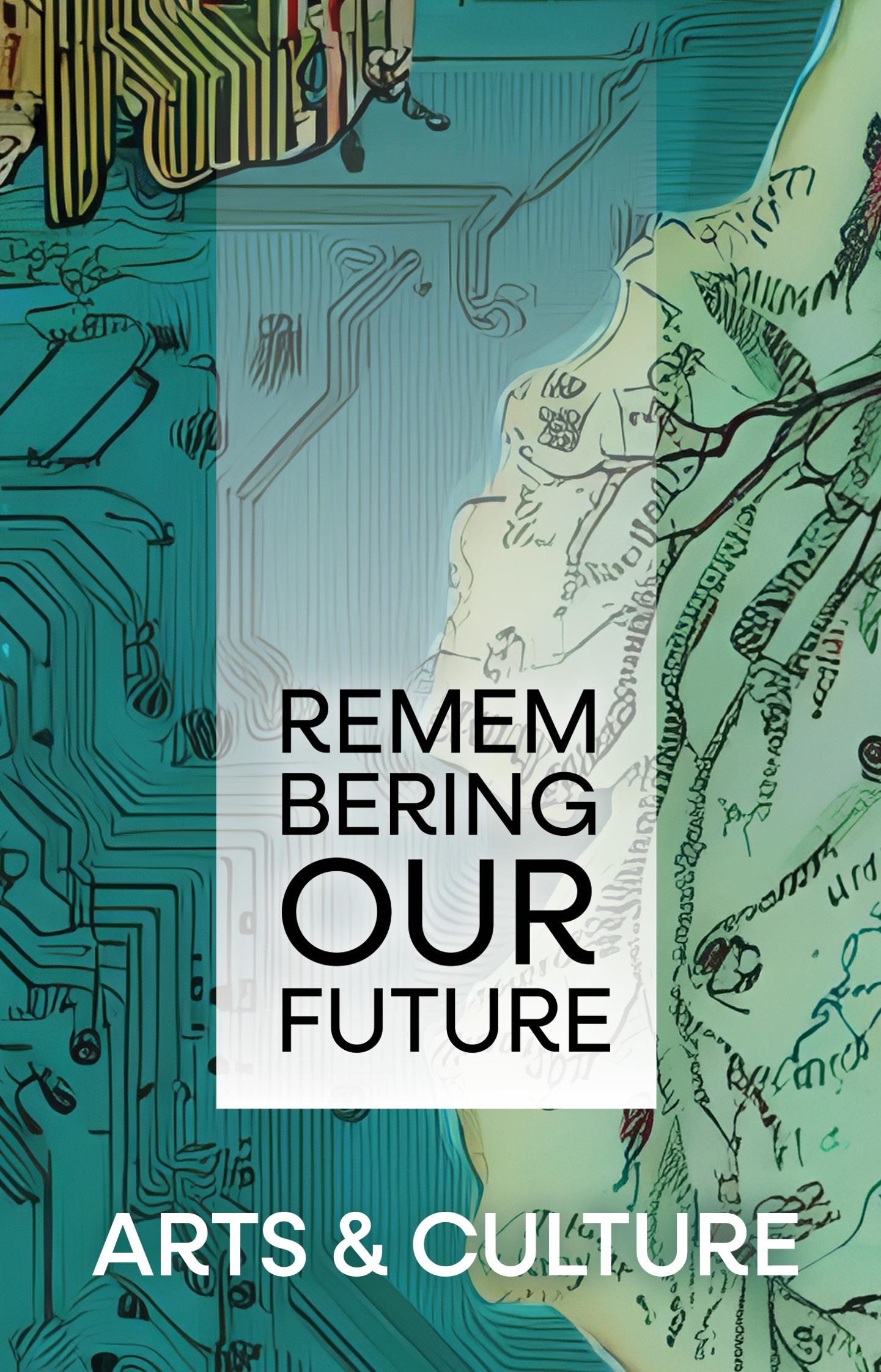
Research insights from the ORA global community
A publication of Omega Resilience Awards (ORA) A program of Commonweal | 2026

“When a complex system is far from equilibrium, small islands of coherence in a sea of chaos have the capacity to shift the entire system to a higher order.”
—Ilya Prigogine
Four years ago, Commonweal founder Michael Lerner had a sense that the world was entering unprecedented times. Shocks already being felt across much of the Global South were now going to impact everyone with similar intensity. Out of this recognition came a question: How do we practically navigate the polycrisis—the cascade of interconnected crises reshaping our world?
ORA (Omega Resilience Awards) was born as an attempt to learn from those already doing this work. Rather than inventing solutions from the outside, we gathered a global community of changemakers—63 fellows and 30 research teams across India, Africa, Latin America, North America, and Europe—to form a learning community. The goal: support each other, accelerate understanding, and share what emerges.
Thanks to the Oak Foundation, we were able to fund a four-year prototype to discover what was possible. And we are finding out that a lot is possible. Small islands of coherence exist around the world. When connected, they strengthen the larger field of work interested in creating generative, life-giving human culture.
This is one of a series of three zines created by ORA research teams. These zines look inward at our community to understand what works, what’s emerging, and what insights might inspire others navigating similar terrain.
We offer these reflections as contributions to the urgent work of collectively imagining what comes next.

We come to this work as co-strugglers. Across myriad histories, our relationships have been forged in struggle and collective care as we strive to resist daily manifestations of colonialism, imperialism, and racial capitalism in our institutions and in our communities.
Our research process was grounded in Pláticas, a conversational methodology rooted in Chicana feminist thought. Pláticas honor people’s everyday theorizing—the insights, analyses, and wisdom that emerge from lived experiences of struggle and survival. We entered into deep conversations with ORA Fellows. We listened to their analyses, their refusals, their visions, and we made sense together. Then we continued those conversations among ourselves, carrying forward what moved us, troubled us, and expanded the horizons of movement and meaning. What appears in these pages is shaped by those dialogic encounters.
The stories and accompanying artwork were forged relationally through collective listening and interpretation, carried forward through an ongoing practice of narration rooted in care, responsibility, and accountability.
This zine is one offering from that collective journey. We share it in the hope that these stories, and the ways they have been heard and re-narrated here, might nourish further conversation, connection, and struggle.
Urmi
Dutta, Ireri Bernal, and Alisha Solomon
As Toni Cade Bambara said, “The role of the artist is to make the revolution irresistible.” Worthwhile art is art that moves us. To move us, it must speak to the moment we are in, to the realities we contend with. The ubiquitous, immeasurable violence of the polycrisis threatens to numb us. In that context, artists and cultural workers offer one of our most reliable anchors to our humanity: spaces to pause, bear witness, and feel.
Being in conversation with ORA Fellows engaged in various forms of art and cultural work inspired me to lean into my own art practice. For me, making visual art is instinctual. It is a core part of how I relate to and process the world. As I listened to the stories shared by ORA
Fellows, images appeared in my mind—people dancing, protesting, and bringing water to their communities; trees, butterflies, and broken chains.
Art is never simply a depiction of what is. It is an invitation into what can be. Art is an embodied, tangible practice of freedom dreaming. What does the world we are fighting for look like, sound like, feel like? In creating spaces for freedom dreaming, artists and cultural workers create a practice of freedom itself.
The illustrations in this zine, then, are part of that practice: they do not merely document ORA Fellows’ stories, but help imagine the worlds they are reaching toward.
—Alisha Solomon, Artist
This zine is for all of us organizers, activists, cultural workers, teachers, and everyday people fighting for a better future. Think of this zine as a place to rest and dream of new possibilities.
You can move through this zine in any order. Start at the beginning or jump to what speaks to you right now. Read it alone as a quiet companion, or bring it into your organizing spaces, classrooms, study groups, and circles of care. Use the stories as prompts for reflection and conversation; adapt the tools and practices to your own context. Return to it when you need grounding, inspiration, or a reminder that you are not alone in surviving—and transforming—the polycrisis.
This zine grows out of the work of ORA Fellows in the Global South who use arts and cultural work to transform conditions on the ground. Facing climate collapse, authoritarianism, gendered and racialized violence, displacement, and everyday precarity, they create radio shows, community theaters, songs, zines, storytelling circles, rituals, kitchens, and classrooms. The stories you will encounter here highlight three intertwined practices that run through their work: epistemic justice, political education, and radical joy. Together, these practices not only offer tools for surviving the polycrisis, but also the blueprints for transforming it.


Epistemic justice is about those whose voices and experiences are taken seriously when we talk about social problems and solutions. Epistemic justice treats grassroots frontliners (organizers, elders, youth, artists, healers) as holders and producers of critical knowledges. Centering these knowledges creates new narratives and, with them, new realities—reshaping what counts as truth and what becomes policy and practice.
We understand political education/pedagogy as learning that collectively moves people. Political education is a co-learning process that starts from lived experience, sharpens power analysis, and fosters collective action. It blends story circles, popular education tools, and action reflection cycles, empowering people to produce shared language, skills, and strategies. Where crises can feel inevitable, political education helps reveal root cause and levers for change.
Radical joy treats pleasure, play, and celebration as political technologies that sustain people in long fights against injustice. Joy, as we understand it from ORA Fellows, is not a break from struggle; it is how we keep going. It makes room for grief, laughter, art, ritual, food, movement, and other practices that build belonging. Radical joy serves as an antidote to burnout and isolation by replenishing courage, repairing relationships, and healing us. It is the infrastructure for endurance and imagination.



“Whatever little wisdom I have gathered… a lot of it I always say is borrowed wisdom. I’ve learned this wisdom from forest guards, daily wage trackers, villagers, and various forest villages, the Adivasi communities, or even non-Adivasi forest dwellers.”
“...at the core of it, the act of storytelling, for me, is an act of remembrance. This is a way of ensuring that those people and those lives and their stories are not forgotten.”
Raza Kazmi grew up surrounded by the many people living and working in India’s forest. For Raza, the role of a storyteller is to uplift multifaceted narratives that honor complexities of individual people and communities. Someone might read a factual account of forest staff oppressing Adivasi villagers and form an opinion of what forest department staff are like. The same reader might encounter a story written by a Forest Guard about their relationship to the forest community. That, too, holds true. Somewhere between easy headlines and tropes, lives a forest department that cannot be captured in a single story. For Raza Kazmi, that counterbalancing of narratives is only established when people are able to tell their own stories.
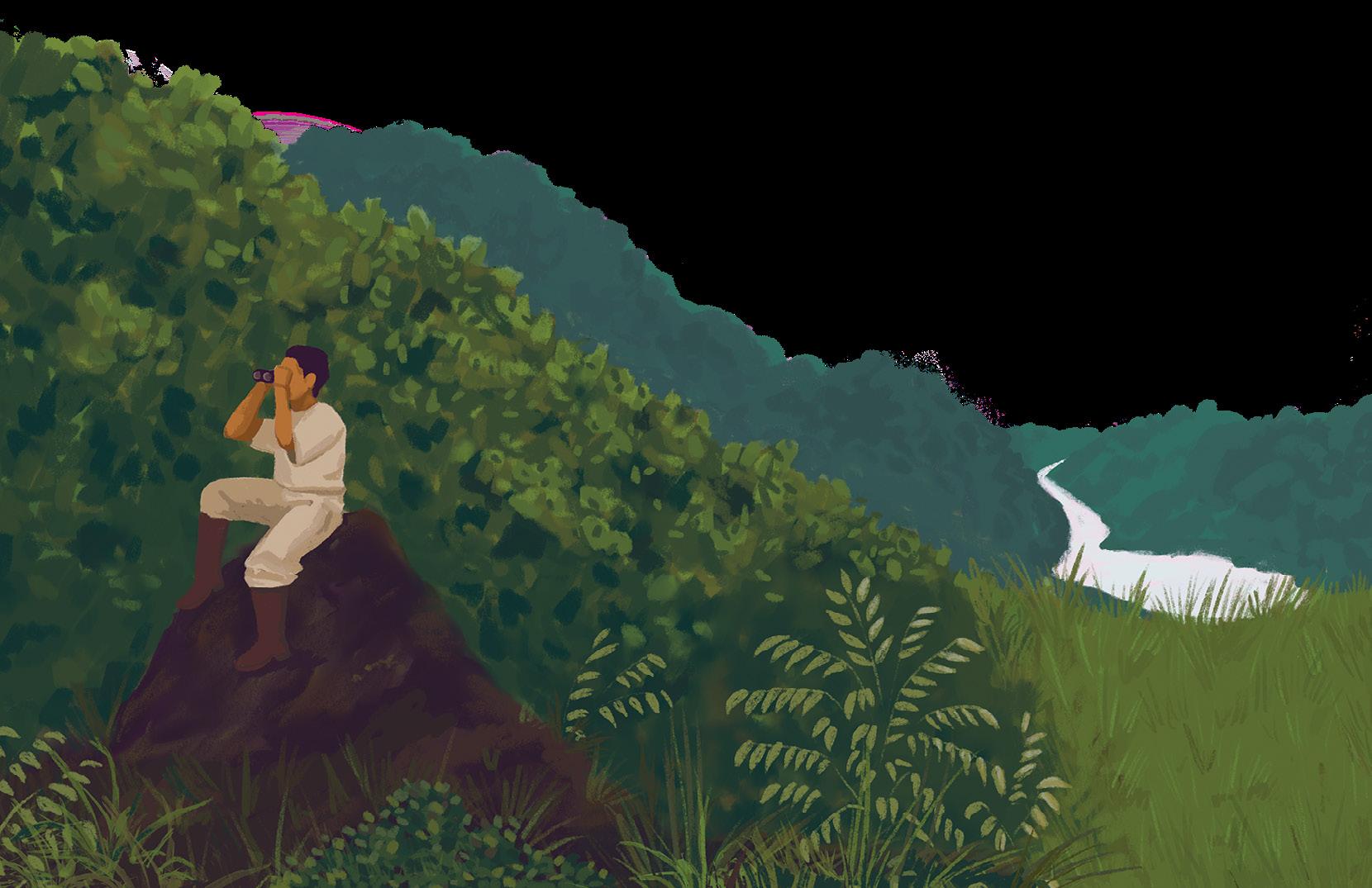
A conservation worker, an Adivasi woman, and a wolf all dwell in the same forest, connected by the trees and the winding rivers. Their stories, in all their complexities, are held by the forest.
He holds another pair of narratives together. A conservationist might write about poaching and how wildlife is disappearing from the Adivasi heartland of India. Alongside it, Raza places stories of Adivasis in Mahuadanr Wolf Sanctuary, in Jharkhand’s Latehar District, where wolves—who are perhaps as endangered as the tiger in India—almost entirely survive because of the care of these local communities. They let the wolves run off with a few goats or a chicken here and there. In fact, he recalls his friend Shahzada Laqbal’s dissertation in Mahuadanr that carefully graphs the relationship between wolf breeding and community resource-use patterns under the Sarna faith system in Adivasi communities, showing how in certain months of the year Adivasi people do not go into particular patches of forest. This resting period coincides with the times that wolves tend to their cubs. This, Raza knows, is also conservation science—just not the kind usually footnoted in policy documents.
Raza knows about the sacrifices Adivasis have made to protect their land, resources, and forests. But when he sits with Adivasi women and listens to their stories, they share encounters of domestic violence. He notes: “The same men who might be ready to face police bullets to protect their land and forests are also the men who have done these things to women.” For Raza, the truth that they are brave, upright souls who confront an oppressive state, and the truth of their misogyny coexist.
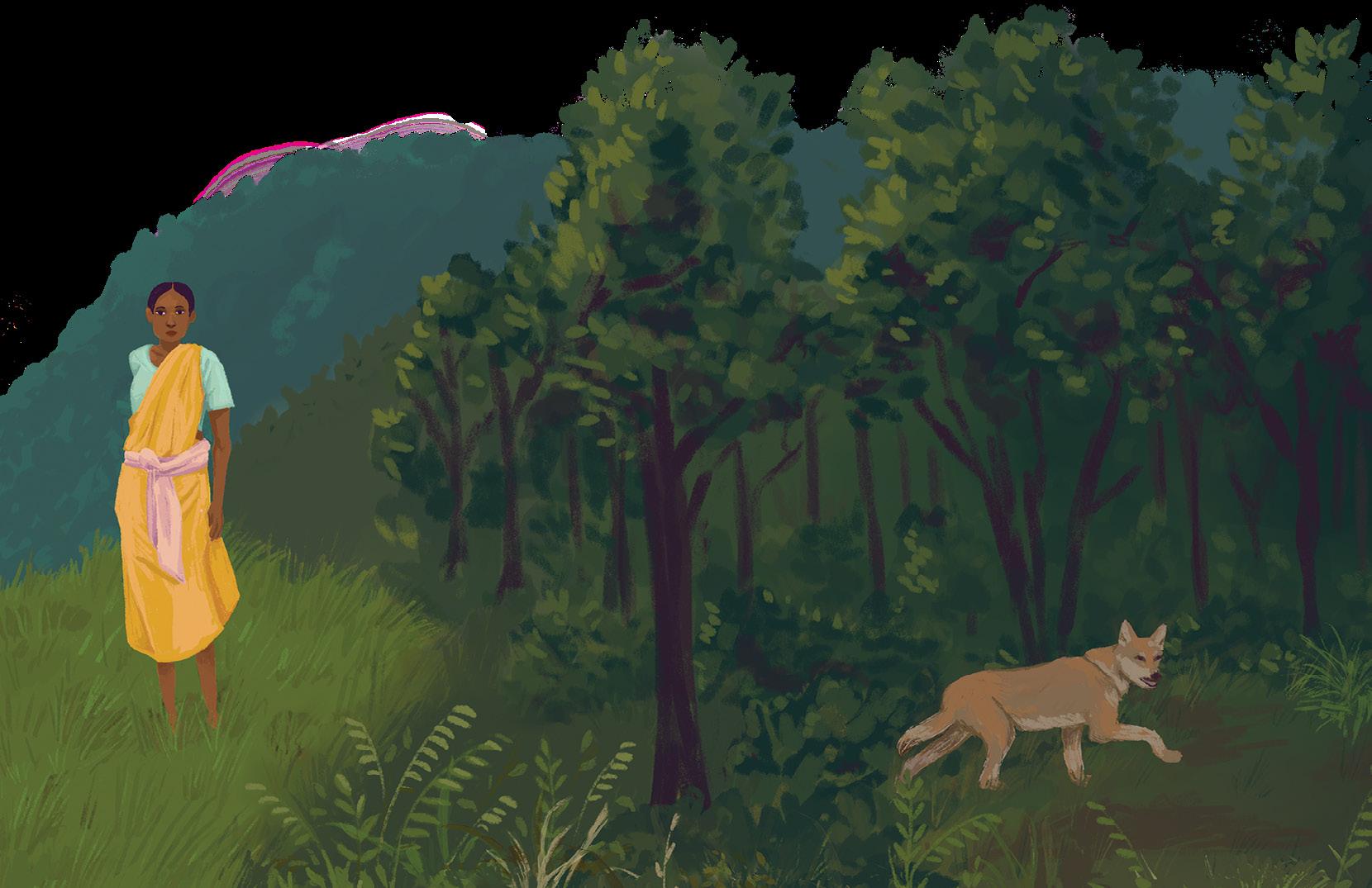
Any one of these stories, when told alone, could be weaponized against Adivasis or used to romanticize their role as eco-warriors. But told together, they resist being folded into a simple script.
There are no single clean truths. In a world of polycrisis— extinctions, state violence, gendered abuse, collapsing climates—what he is searching for is an expansiveness: room for each person to tell their own story, for each account to complicate the next, for no voice to be erased in the name of a more convenient narrative. Epistemic justice is not an add-on to the fight against the polycrisis. It is the fight itself: making sure no truth is cherry-picked at the expense of another, so that any future imagined for these forests—and for the planet—has space for all the lives that keep it alive.
In forest ranges of Jharkhand, ORA Fellow Raza Kazmi accompanies guards and Adivasi elders who patrol landscapes shaped by armed conflict, mining, and ecological stress. He trains them as storytellers and historians so the people living through overlapping violence, dispossession, and climate shocks can narrate—and reshape—the future of their forests.
Questions to trouble the familiar:
Where in your work do you encounter “single stories” that flatten contradictions or complexity?
What is one concrete step you can take to bring in additional voices, histories, or perspectives that complicate and deepen the narrative you are currently telling?

by Jacinta Kerketta
Mother Earth needs but a little time, And she shall set herself free From your rules and regulations. Her wounds she shall herself heal, Cover naked lands once more with green. She shall recall once again The ancient civilisations, Sunk into oblivion, And their languages, too, Lost to extinction.

Mwongela “Monaja” Kamencu keeps circling the same question: a protest song can show us what is broken, but what do we do after the last note fades? For him, it is never just about the protest. It is about how to connect different struggles in a song. He thinks of Alafu—“What’s next?”—written for that moment after recent protests in Kenya when disillusionment thickened with abductions, disappearances, and murders. People kept asking, “What are we going to do? Was our fight all in vain?”
In Alafu, he tries to place these questions inside actual lives. He writes about the anxiety of someone who has just left university without a job. He writes about the anxiety of someone who has just started a family, forced to navigate an economy riddled with inflation and corruption and still somehow survive. He writes about a woman going through a tough relationship, possibly with a partner who is abusing her. By bringing these realities into one song, he works to cultivate a sense of shared burden. Art becomes a confluence of all these interconnected struggles that people are going through.
For Monaja, this is what it means for art to grow from a movement. As an artist inside the struggle— where people are organizing, arguing, dreaming together—he can feel both the tensions within the movement and the pressures coming at it from outside. When he links these struggles in a song, he’s not just making music; he’s helping people see that their scattered crises are chapters of the same story. That work of weaving people and problems together, instead of creating alone, is his political education in the midst of the polycrisis.

“By bringing these realities into one song, he works to cultivate a sense of shared burden.”
Monaja and his friends dance as they think of Alafu—“What’s next?” | Watch Monaja’s music video for Alafu on YouTube.

About Mwongela “Monaja” Kamencu:
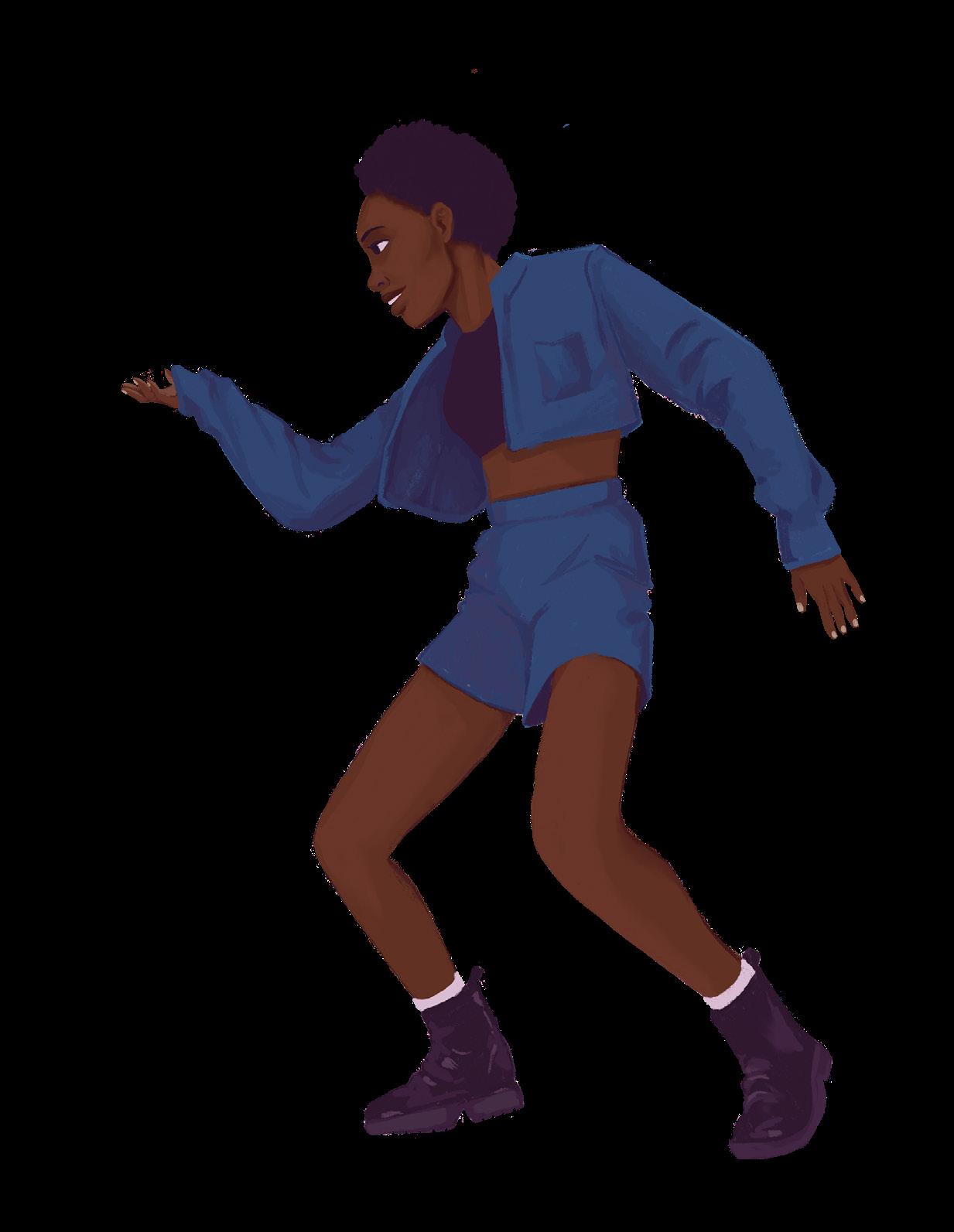
Mwongela “Monaja” Kamencu turns the noise of austerity, corruption, and youth revolt into Tema-Imba tracks that name the economic and political strands of the polycrisis—music that spilled into Kenya’s Gen Z protests.
Think of a struggle or movement you are part of: What questions linger “after” the moment of visible protest or crisis?
What is one small practice you can adopt (in your art, organizing, or teaching) that helps people to grapple with difficult questions together rather than facing them alone?

For Sandra Nyika, surviving the polycrisis begins with the question of who is recognized as a knower. Working with rural communities in Zimbabwe, she refuses the idea that expertise only comes from outside. She moves from village to village, listening to how people are adapting to climate change and then sharing those strategies with others facing similar challenges. Storytelling becomes her way of carrying adaptation strategies from one community to another.
Sandra insists that she is an educator before she is a storyteller. Many of the people she turns to for ancestral knowledge are elderly, some who are not lettered—grandmothers, grandfathers, traditional leaders. Instead of starting with abstract terms like “climate change,” she asks concrete questions: When did you last receive rain? Has the timing of rain shifted? How does this affect planting?
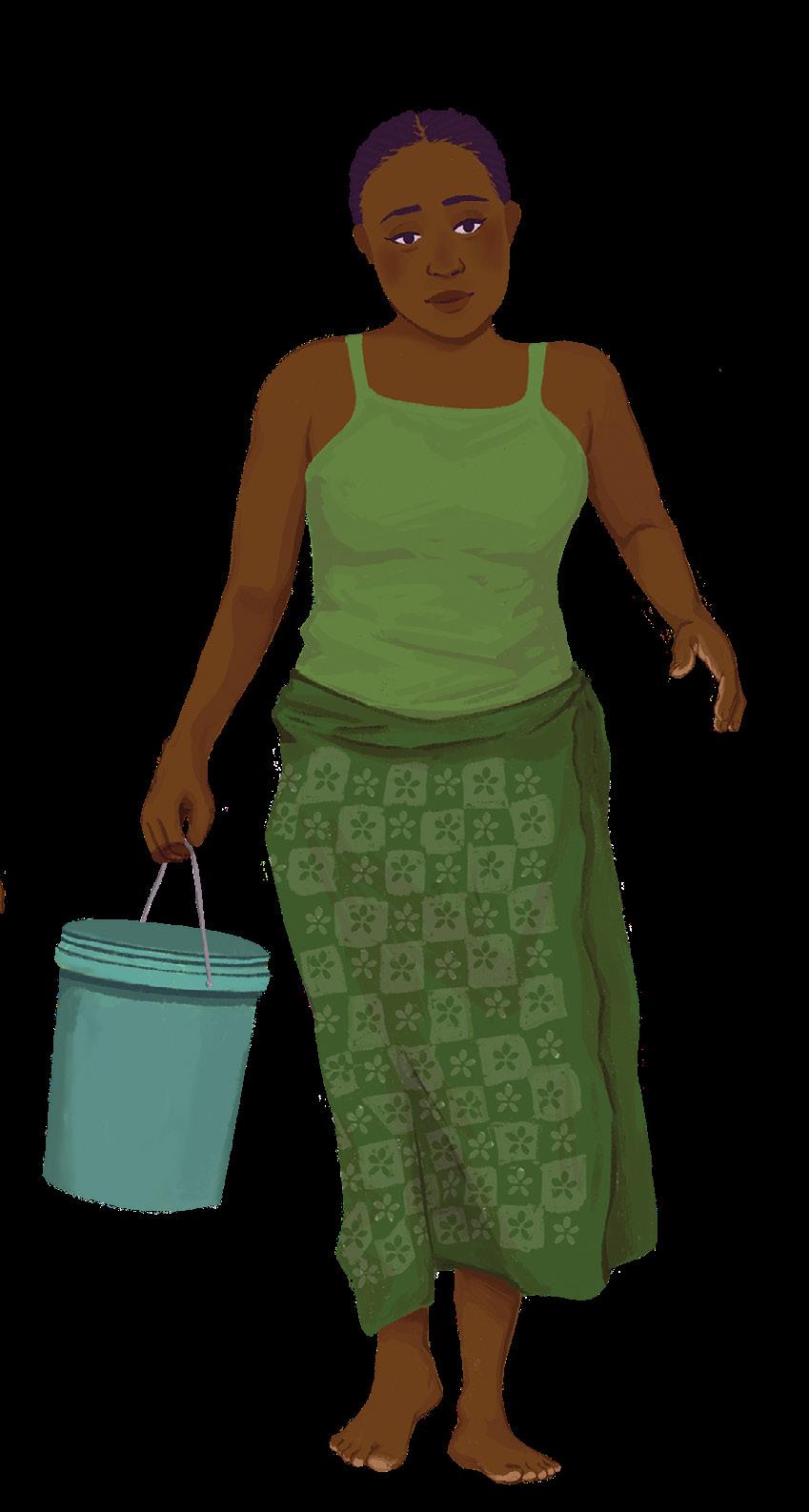
Amid water crises, women from rural regions in Zimbabwe share strategies and practices of survival as they bring water to their communities.
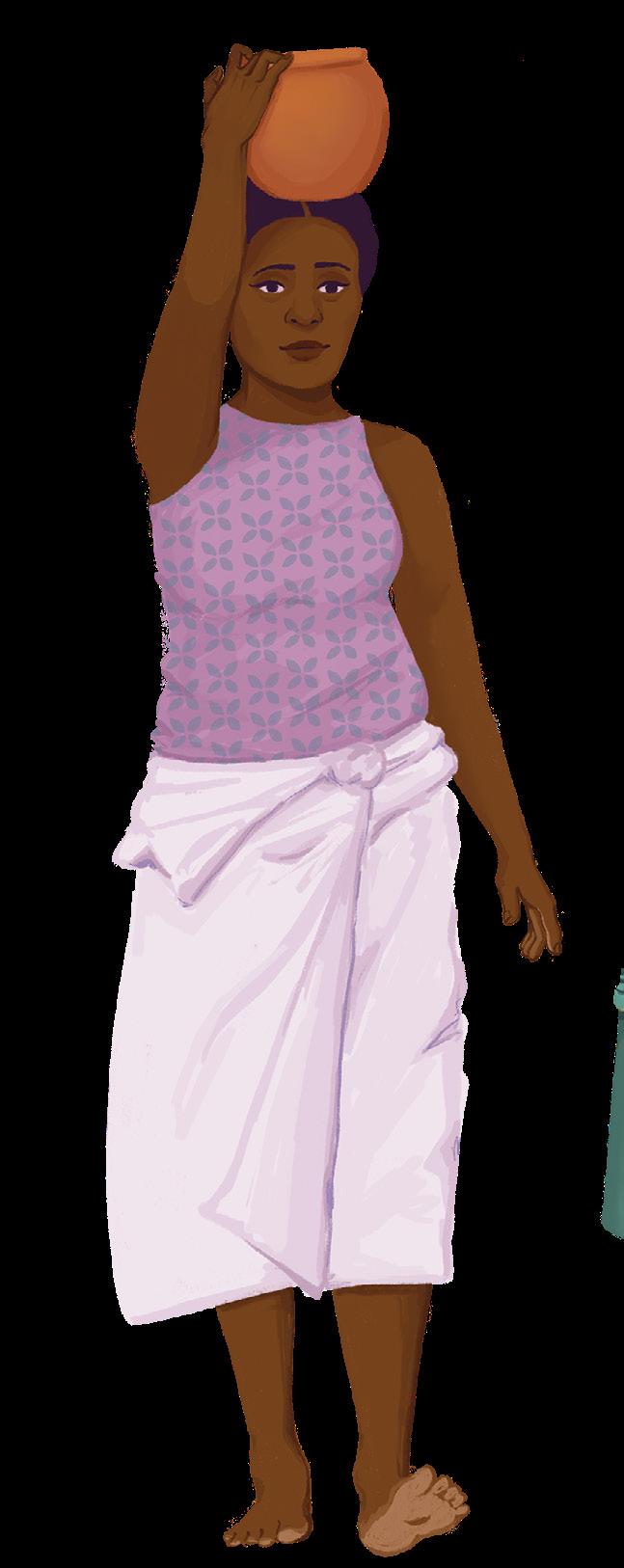


In drought-prone rural Zimbabwe, ORA Fellow Sandra Nyika walks the fields with women farmers testing climate-smart crops, documenting how they keep families fed and children in school as rains grow more unpredictable.
Do you face droughts? Are you able to replant and get yields following a drought? In an agro-based economy where communities rely on subsistence farming, these are not theoretical questions. They are strategies of survival.
Only after people have named the changes they see and remember— the failed rains, the hard years— does Sandra name it as climate change, and offer adaptation strategies drawn from other communities that might work in their environment. Her pedagogy starts from “the smallest things in their environment” and builds up, honoring lived experience and ancestral knowledge while connecting local struggles to a shared polycrisis. In doing so, she practices epistemic justice and political education at once: creating space for marginalized communities to define what is happening to them, and to share, learn, and adapt together.

Whose knowledge about land, water, or weather quietly shapes daily survival in your context, but rarely appears in “official” plans or policies?
What is one specific way you could honor and mobilize that knowledge in your work?
Chandini Gagana speaks of Truth Dream as a way radical joy becomes a practice of survival amid the polycrisis. The project began as a promise to remember: After the death of her close comrade and “backbone” Reginald Watt during COVID, she wanted to hold his memory and their shared journey at the center of a new work. Truth Dream emerged as a photo exhibition about gender expressions, co-created with a trans community director. Honoring ancestral memory and wisdom, Truth Dream bridges past and present through expressions of self and desire.
She invited twenty-five longtime trans friends—people with whom she has shared nearly thirty years of life—to a workshop where they surfaced “characters” they had carried inside for decades: the club dancer someone had dreamed of becoming as a child; the Mysore queen; a woman from a distant coastal region; Ardhanarishvara (trans. “the Lord who is half-woman”); a Koti friend who wanted to appear as Shakuntala, a classical dancer. Many hesitated, but twelve ultimately stepped forward for the final exhibit. Chandini and her team planned every detail of styling, make-up, rehearsal, and even wigs, so that no one would feel awkward, only fully themselves. Saravana, now over fifty-five and bald, appears in the portrait with flowing hair—not to mask their baldness, but so the long-held dream could finally feel complete.
“These moments of recognition, of seeing oneself fully, are not a luxury but a way to live through the polycrisis without letting it define everything.”
The work travels restlessly: across campuses and universities, into spaces like the District Central Jail in Gadag, onto major stages such as the Bahuroopi Theatre Festival in Mysore, and to museums around the country from Ahmedabad to Delhi. Each new venue becomes a site where remembrance turns outward —away from private grief and toward collective transformation. As Chandini tells it, these moments of recognition— of seeing oneself fully—are not a luxury but a way to live through the polycrisis without letting it define everything. This radical joy is not an escape from the polycrisis but a powerful force that helps people resist, reimagine, and keep moving together.


“We hold impact and conviction together. We refuse ‘nothing happened.’By creating enabling environments, we catalyze next steps. The results may surface elsewhere, but they do surface. Change is happening.”
—Chandini
Chandini, alongside other trans theatre performers, enacts freedom dreams on stage and beyond.

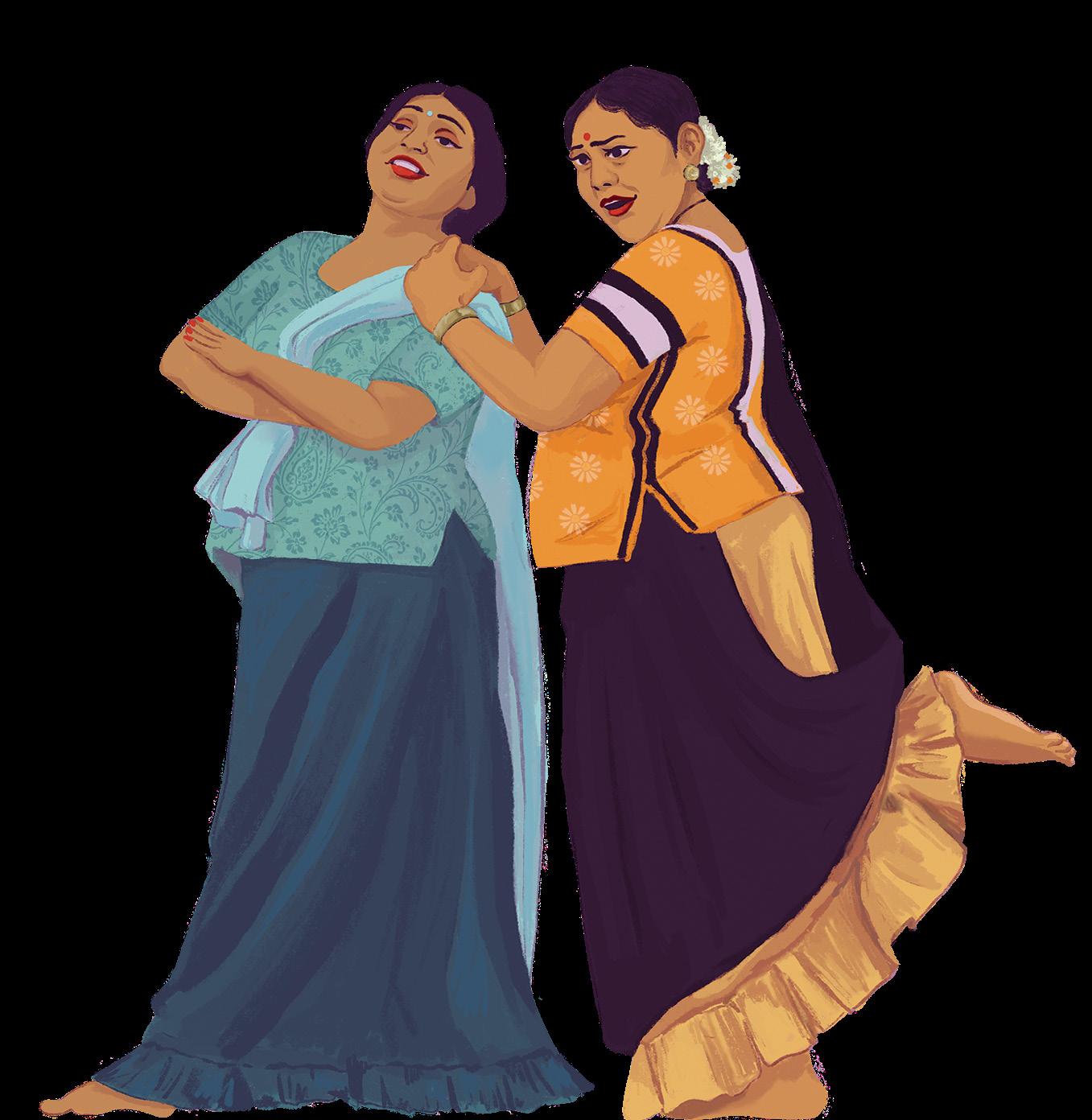

From Bangalore, Dalit trans leader and ORA Fellow Chandini Gagana helps trans communities fight for housing, ID documents, and public recognition in a time of shrinking welfare and rising hate.
Where do you glimpse “truth dreams” in your own context— moments, relationships, or expressions that reveal genders, bodies, and futures that have always been possible but seldom recognized?
What is one action you can take to make these possibilities more visible, protected, or celebrated in your institution, classroom, or community space?

“Our coverage and reach is localized—we can meet listeners in villages and discuss issues. That is the beauty: our language, our issues, our voices. And people do not come from outside to do the work. At Henvalvani, our first and biggest requirement is: you must know Garhwali to work here. Everyone is local, connected to the villages. Whatever problems come in our lives show up as reflections in our programming.”
For Rajendra Negi, Henvalvani, a community radio station, lives in moments like the first broadcast; a moment when the transmitter finally came on after twelve years of waiting and the entire team cried as their voices went on-air. He reminds us that our lives are multifaceted. Just as our lives hold sadness and joy, many colors, seasons, festivals, so must their programming. People call with problems, but also just to dedicate two lines of a song, or their everyday experiences, such as a recently-staged Ramlila gathering or how a bear came into their fields the previous night. They record disappearing recipes in people’s kitchens, letting the clatter of utensils and the ambient sounds carry food as both sustenance and reclamation.
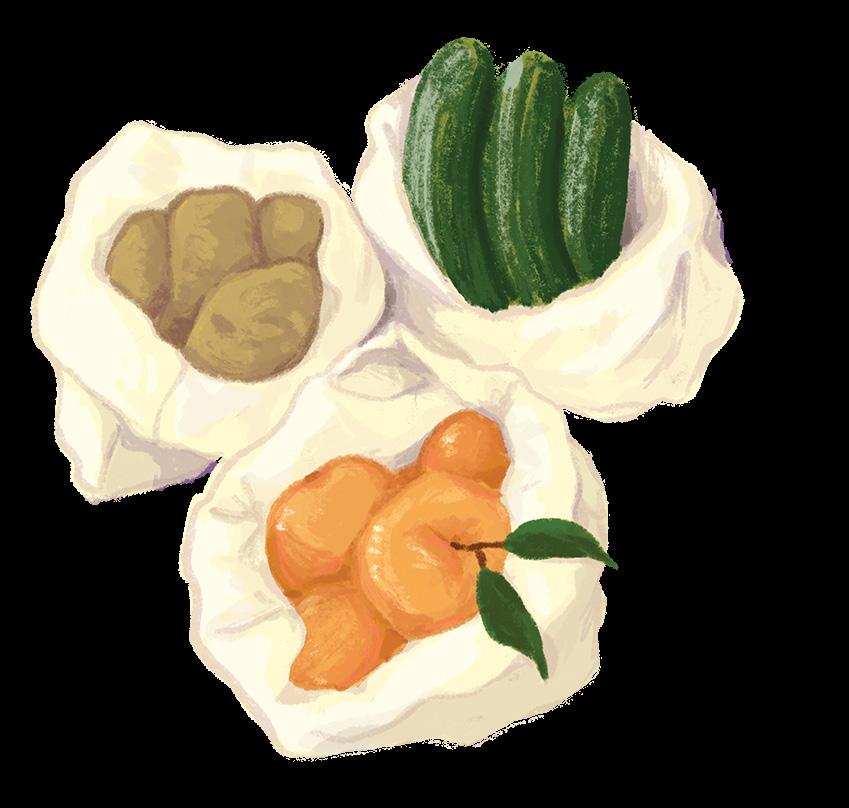

Apricots, potatoes, and cucumbers were shared with the broadcasters of Radio Henvalvani as a practice of what community looks like in the mountains of Tehri Garhwal, Uttarakhand.
Listeners call daily. When word comes that one of them— someone close—has passed away, the radio jockeys break down in tears. Grief travels across the same airwaves as laughter. When an RJ jokes on-air, “You keep talking about apricots—when will you bring us some?” people arrive the next day with bags of apricots; if they talk about potatoes or cucumbers, those show up too. For Rajendra, that is what “community” means: a medium to laugh, cry, and share, not a forum where broadcasters “teach” as if they know everything, but a tool for knowledge to move both ways.
“That is the beauty: our language, our issues, our voices.”
In the villages, people tell him, “Henvalvani is part of our life— morning, noon, and night.” Someone heads to the fields with grass, a small phone in their pocket, listening; someone grazes goats, listening. Henvalvani is woven into daily life. In Rajendra’s telling, this is radical joy in action: a community radio station born of long struggle, holding sorrow and celebration together, turning recipes, stories, and shared harvests into the kind of everyday connection that helps people face the polycrisis without losing their sense of each other.


In the mountain villages of Tehri Garhwal, ORA Fellow Rajendra Singh Negi moves between forest meetings, beehives, farms, and a tiny radio studio, weaving together his roles as Van Sarpanch, electrician, journalist, and storyteller. He co-founded Radio Henvalvani in 2001 with other youth from the community. Henvalvani is a grassroots community endeavor that connects over 700 remote villages in endangered languages like Garhwali, Kumaoni, and Jaunsari, turning broadcasts on disaster response, education, food, music, and poetry into tools for ecological action and cultural revival.
When you think about “being in community,” whose voices, struggles, or celebrations are you most attuned to?
Whose voices are harder for you to hear? What is one step you can take to listen more deeply and build with those who are currently at the margins of your work?
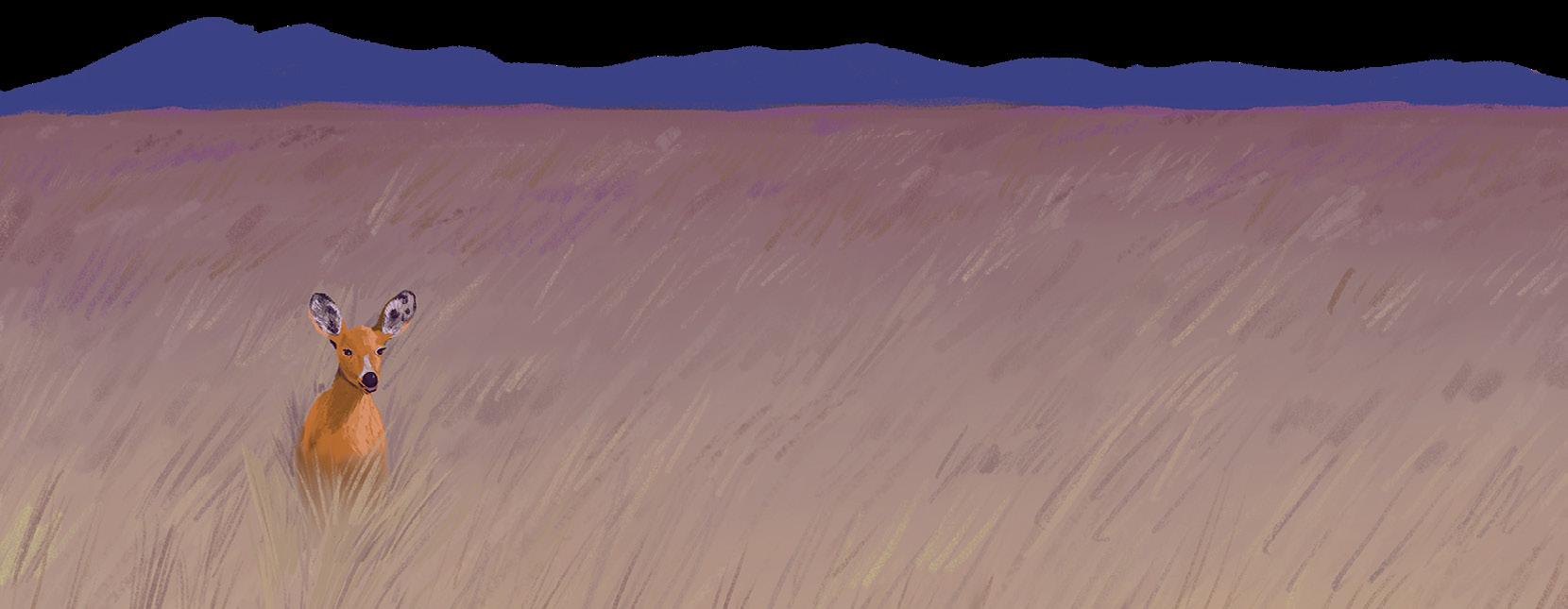
“They want us to believe there’s nothing there—that it’s just a wasteland that needs to be exploited,” Dulcinea Lezcano says. At first, she understood grasslands only in textbook terms: “an ecosystem dominated by grasses of various heights, sometimes with shrubs and so on.” Over time, walking the territory, listening to people, that definition cracked open. She came to see how the grasslands hold deep cultural and social meaning, how they are “deeply tied to the gaucho culture found here… that resonates deeply in Corrientes.”
A biology professor and teacher, Dulcinea works to uplift the stories of those living in the grasslands of Corrientes and bring them into conversation with her and her colleagues’ scientific knowledge of ecology. Through interviews and community circles with teenagers, women, elders, and men in the grasslands, she gathers testimonies about how forestry and single-crop plantations are reshaping both land and life. People describe how the number of families in one region has dropped “from 120 to now 20 to 30 families,” and how homes that once opened onto fields are now hemmed in by “walls of pine trees.” They talk about losing cell service in these manufactured forests (part of the forestry industry), even when elders and children live far from one another and need to stay in touch. They talk about water: how industrial crops consume so much that access to drinking water has become a community-wide issue. “They said that before the forestry industry arrived, about 20 to 25 years ago, a 3 to 4 meter well provided potable water for consumption. Today, they must dig down 30 meters just to get water of reasonably good quality for drinking.”

“We believe that solutions have to come from the local territories. I can’t go and speak or act on behalf of others, because it’s those people who need to take ownership and lead the struggle.”
Dulcinea believes that any response to the ongoing crisis must be rooted in community. “We believe that solutions have to come from the local territories. I can’t go and speak or act on behalf of others, because it’s those people who need to take ownership and lead the struggle,” she explains. “Obviously, we can support and stand with them in any way, but it seems to me that the people who are most impacted take lead of the fight.” Together with colleagues and community members, she has helped create the documentary: They Are Not Forests, to bring these stories to a wider public. Their dream, she says, is “to distribute this material in the province’s interior and create an organized network of people resisting this model of extractivism, since it exists throughout the entire province… Our hope is to build a network of organized individuals who can stand up to the forestry industry. Our intention is for this audiovisual to reach those communities, primarily.”
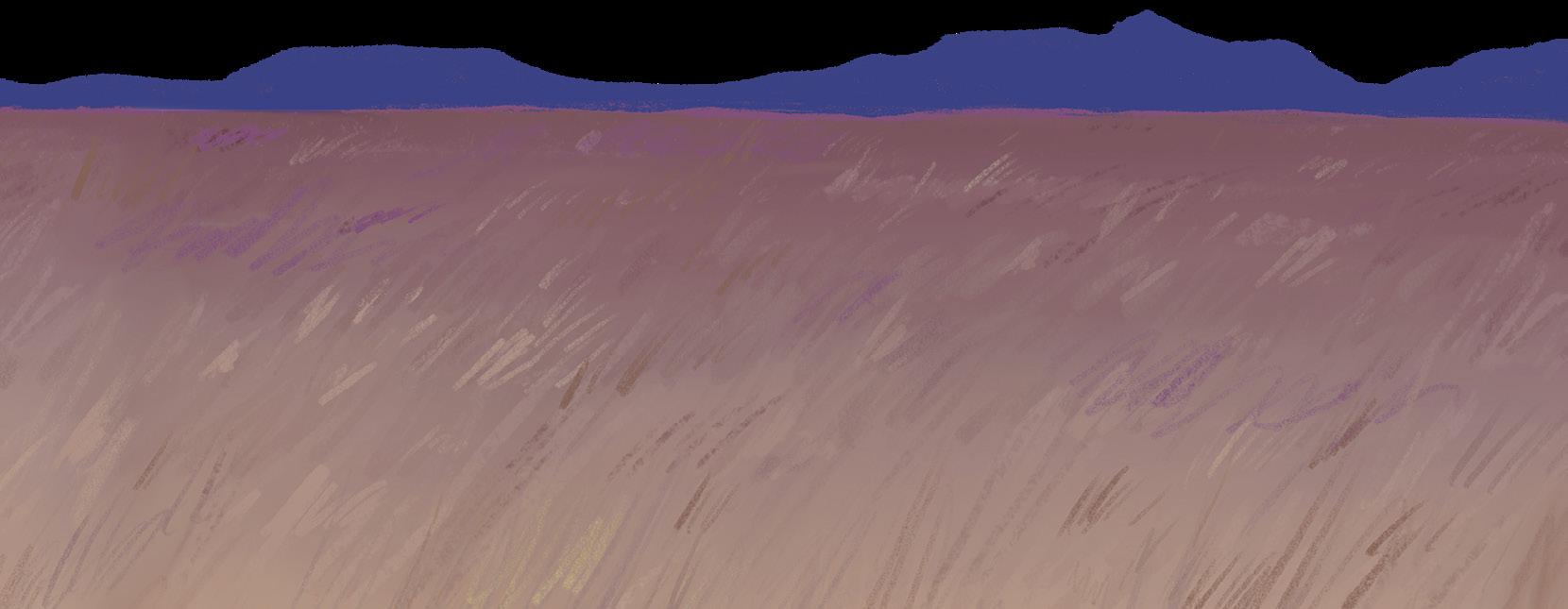
The grasslands in the province of Corrientes, Argentina, are the site of struggle and community resistance against expanding forest industries.
For Dulcinea, media like video and music are tools for both storytelling and action. Remembering the lyrics of “Chamamé,” a folkloric song from her home province of Corrientes, she hears how these songs continue to name what is being lost in the grasslands and, at the same time, strengthen her sense of belonging as someone from Corrientes.
Dulcinea’s work shows how epistemic justice and grassroots political education become tools to fight the polycrisis: by centering local knowledge, making power name what it is doing to land and life, and helping communities learn together how to reimagine their futures.
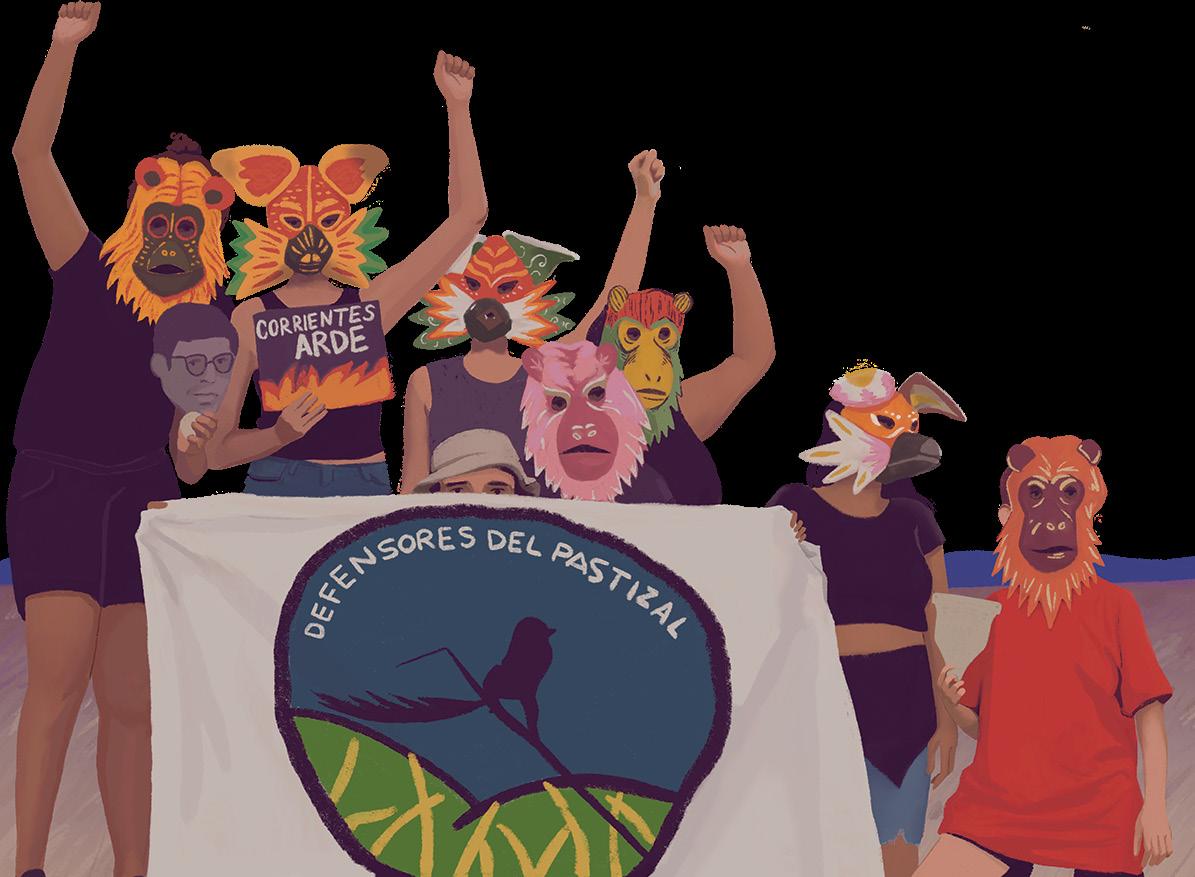
“We stand with our hand-painted banner and masks of animals native to the region, affirming art as an expression of struggle and resistance.”
—Duclinea

In the grasslands of Corrientes in Argentina, university biologist and educator Dulcinea Lezcano works with the socio-environmental collective Defensores del Pastizal to defend native landscapes from the advance of industrial forestry. Moving between classrooms, cultural centers, and socio-environmental gatherings, she weaves scientific research with stories and audiovisual portraits of local residents so that those living closest to the territory can name and transform the futures of their land.
In your context, what places are dismissed as “empty” or “unimportant”?
Whose relationships to those places are ignored or erased?
What is one action you can take to surface and defend the knowledge, culture, and rights tied to those landscapes?
Dulcinea and fellow grassland defenders (Defensores del Pastizal) appear at a demonstration in 2022, when, heartbreakingly, one million hectares burned in the province of Corrientes.



The neighbors were the first to say it out loud: “Hey, we’re getting sick from things that never used to make us sick.”
Across Argentina’s soy fields and factory belts, people noticed strange fevers, new cancers, children struggling to breathe. These stories circulated in kitchens and on sidewalks long before anyone in a white coat named them.
Physician and educator Damián Verzeñassi recalls: “Academia completely ignored these issues... GMO impacts, factory pollution, extractivism, hydrocarbons… none of this was discussed. But people were telling us they were getting sick from illnesses that hadn’t affected them before. This all began when the mode of production changed. We wanted tools to understand it. That’s when,

Behind a locked university door lie the stories of over 260,000 community members: data collected showed changes in disease and death patterns of communities impacted by agro-industries. The day after the lock was placed, the Health Ministry of the province claimed the team had no evidence for the effects of agro-toxins on health.
As a medical student in a public university, Damián worked with a collective of classmates, teachers, and community members to demand a program that would take seriously the impacts of economic policy and environmental degradation on health in specific territories. Taking advantage of an open university model, they began mobilizing a program rooted in the lives of those most affected, not just in the comfort of lecture halls. From the beginning, their classrooms overflowed. Teachers included social movement leaders, rural workers, and “workers of the land who had not even finished primary school but had extensive knowledge of food sovereignty.”
One of their key practices was the healthcare camps. Students close to graduating were taken to a rural or peri-urban town of five to ten thousand people. For five days, they lived there, going from house to house, interviewing families, examining children in schools, and organizing health promotion activities. Together with residents, they built an epidemiological profile of each town: who was getting sick, from what, and how this had changed since the arrival of agro-industrial production in the 1990s.
“We went where we were invited,” Damián explains. “We formed connections and alliances—so we weren’t the university on one side and the community on the other, but all together as one, thinking collectively and building strategies.” Inspired by Paulo Freire, interviews were circles of reflection—a space to share feelings, histories, and lessons; not to teach others how to live, but to build new perspectives together. Over a decade, they visited 40 towns in four provinces and interviewed more than 260,000 people. Using this collective testimony, they reconstructed an epidemiological history spanning a decade, from 2009 to 2019: spikes in cancer, respiratory disease, reproductive problems, miscarriages, developmental delays.
“We formed connections and alliances so we weren’t the university on one side and the community on the other, but all together as one, thinking collectively and
building strategies.”
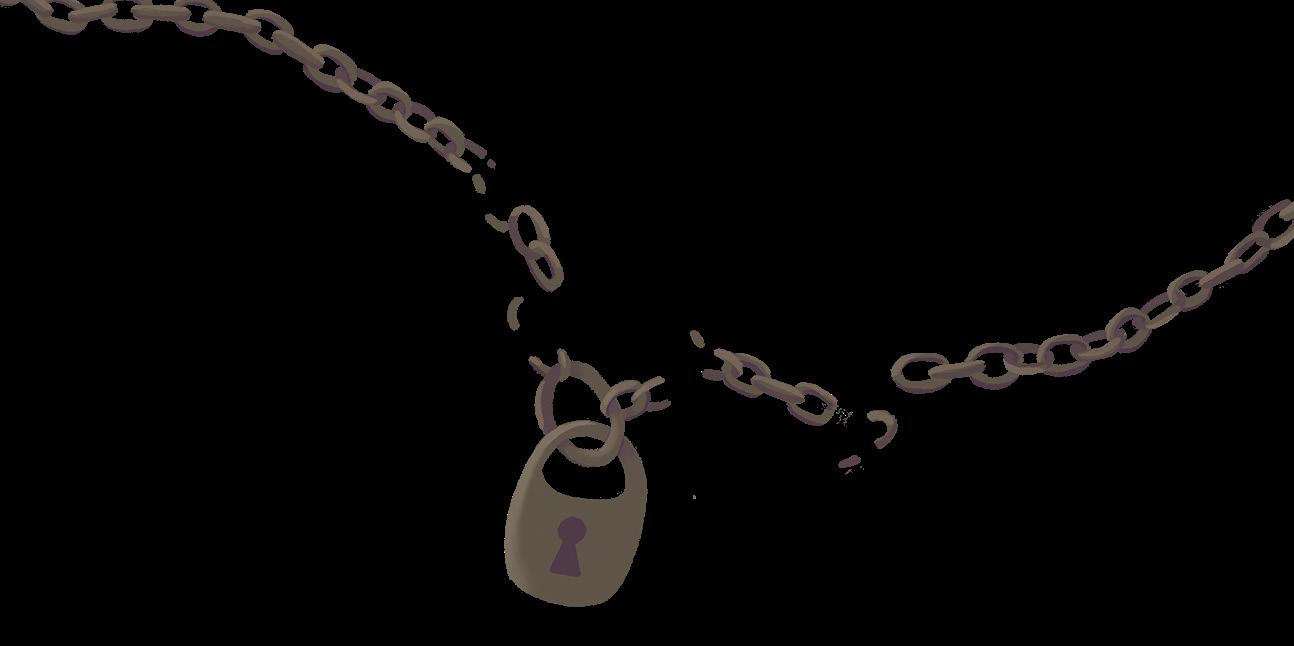
A broken chain symbolizes the power of bottom-up knowledge. The body-territory maps created through years of interviews and survey data evidenced the harmful impacts of Argentina’s main sources of income: agro-industries.
But numbers and graphs, they knew, were not enough. To reach people across distances and disciplines, they turned toward art as a universal language.
Their

They began to make maps—not just technical documents, but visual narratives. Each map showed how invisible toxins traveled through air, soil, and water into lungs and bloodstreams; how decisions made in corporate boardrooms manifested as sickness in children’s bedrooms. These were called body-territory maps, created through a collective process that linked testimony, epidemiology, and local community knowledges.
dream was simple and radical: to see these maps hanging in every doctor’s office, so the environment could never again be treated as separate from diagnosis.
Their dream was simple and radical: to see these maps hanging in every doctor’s office, so the environment could never again be treated as separate from diagnosis.
That dream has not yet been realized. Many clinics still remain bare of such evidence; agro-industrial power is not easily displaced. But the body-territory maps have traveled differently than planned. Community groups, grassroots

organizations, and people living under similar conditions have taken them up as tools—adapting the methodology, using the manual Damián and his colleagues created to document their own realities, and folding the findings into local struggles for land, health, and justice.
In that sense, socio-environmental health keeps returning to where it began: with neighbors insisting that what is happening to their bodies is real, even if institutions refuse to see it. Damián’s work shows how defending this right to name and analyze one’s own experience is a practice of epistemic justice and political education; and how, in a time of polycrisis, such collective knowledge-making becomes a vital tool for survival.

Use this QR code to check out the various Body-territory maps created by Damian and his team. The goal of the group is to have body-territory maps in every doctor’s office, so the impacts of extractivist industries on health cannot be ignored. Their website contains a repository of tools for others to create their own maps. saludsocioambiental.org

In agro-industrial regions of Argentina, physician and educator Damián Verzeñassi walks the streets with medical students, neighbors, and social movement leaders, building a field of socio-environmental health that links epidemiology with community struggle. Through healthcare camps, participatory research, and testimony-based mapping, he works collectively with frontline communities to turn lived experience into evidence, advocacy, and tools for grassroots resistance.
Who first notices harm in your context? Such as changes in health, environment, or everyday life?
How is (or isn’t) their noticing taken seriously?
What is one step you can take to “map from below” in your own work?
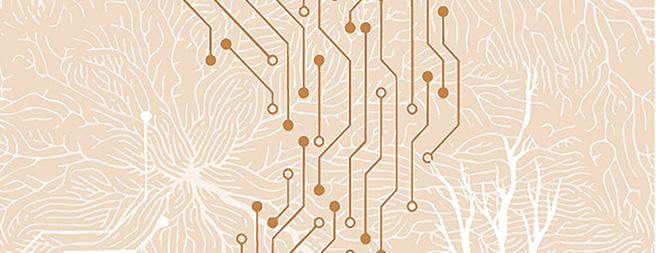
Drawing on the powerful examples of the fellows, we see an ecosystem of resistance strengthened by epistemic justice, political education, and radical joy.
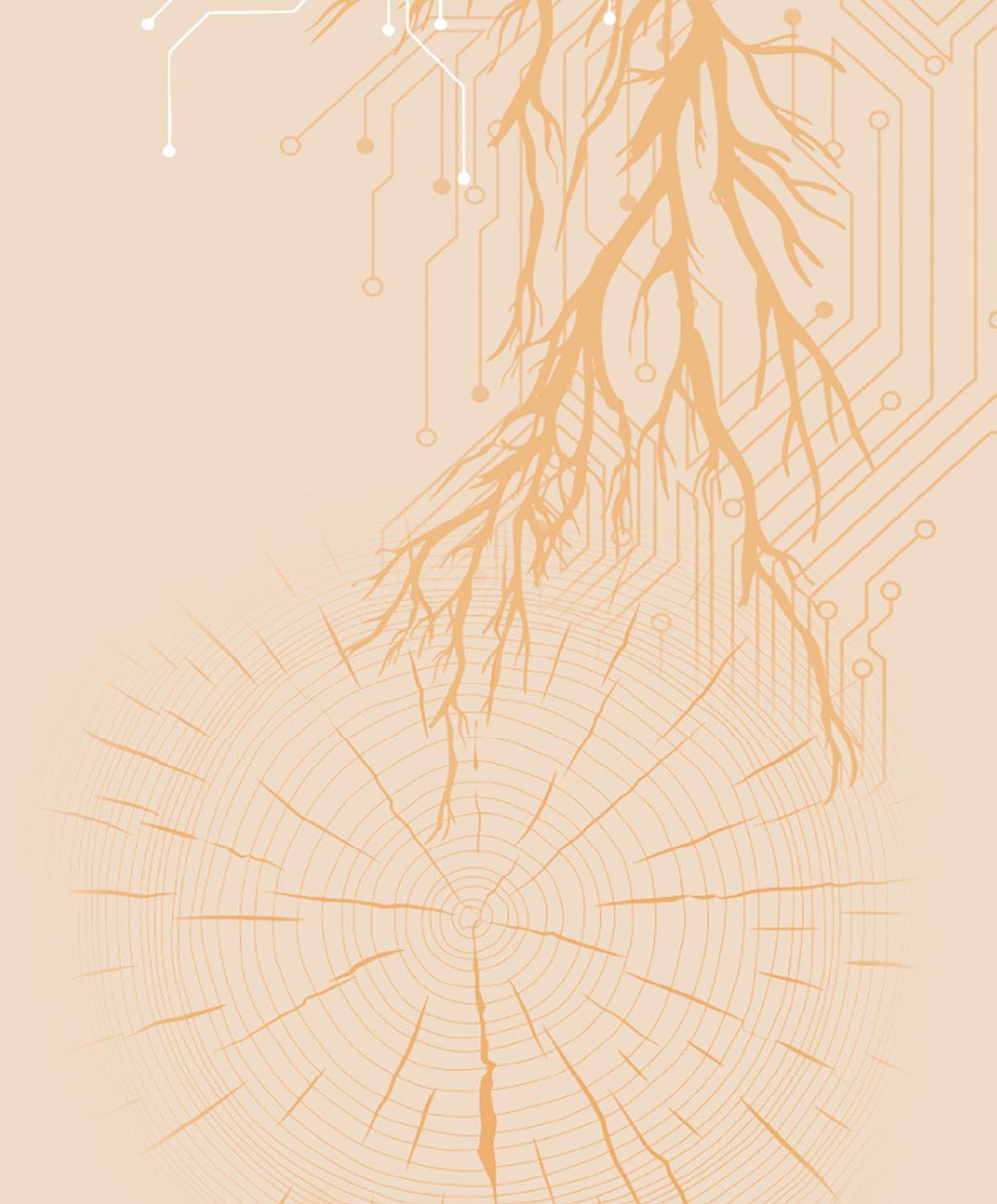
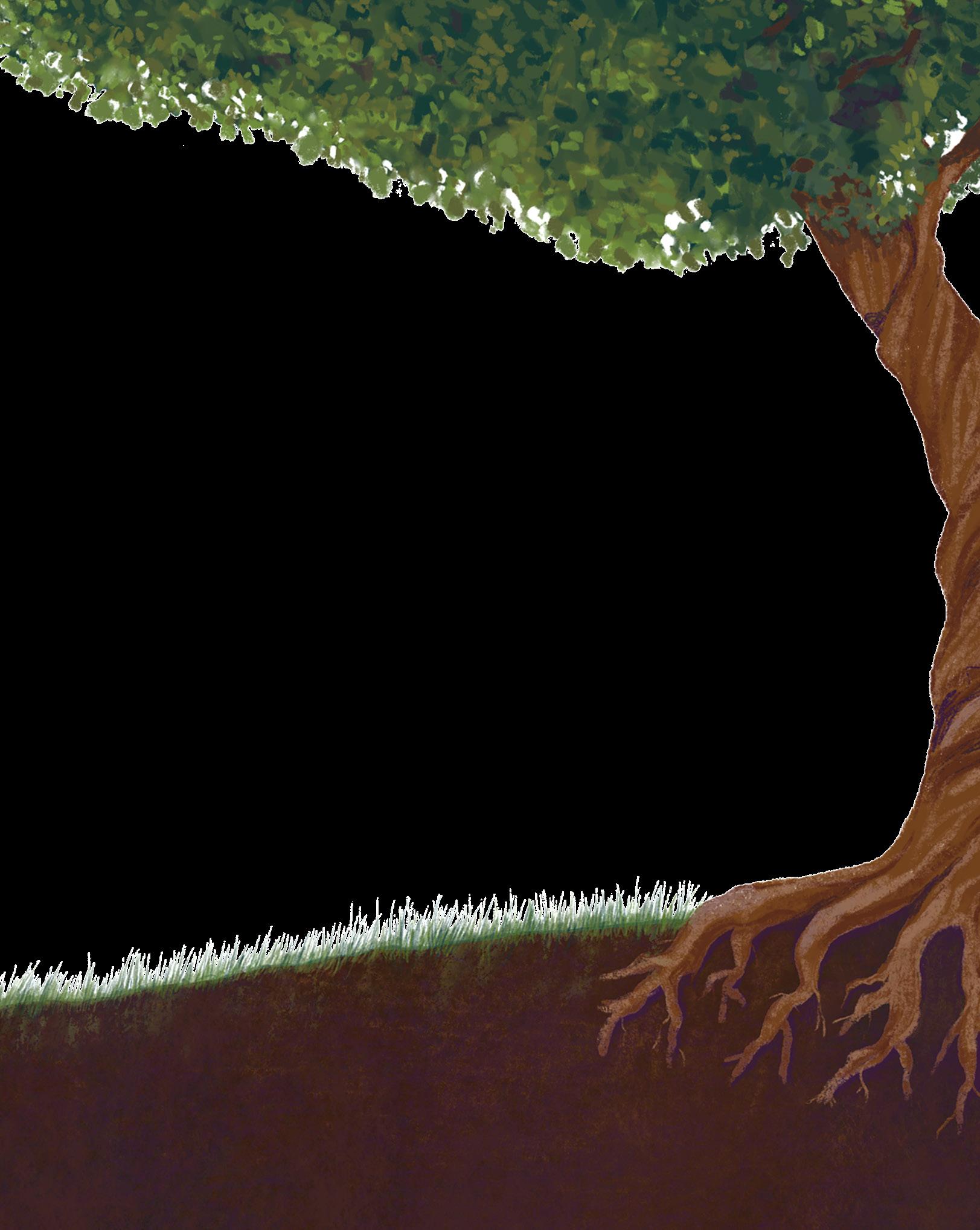
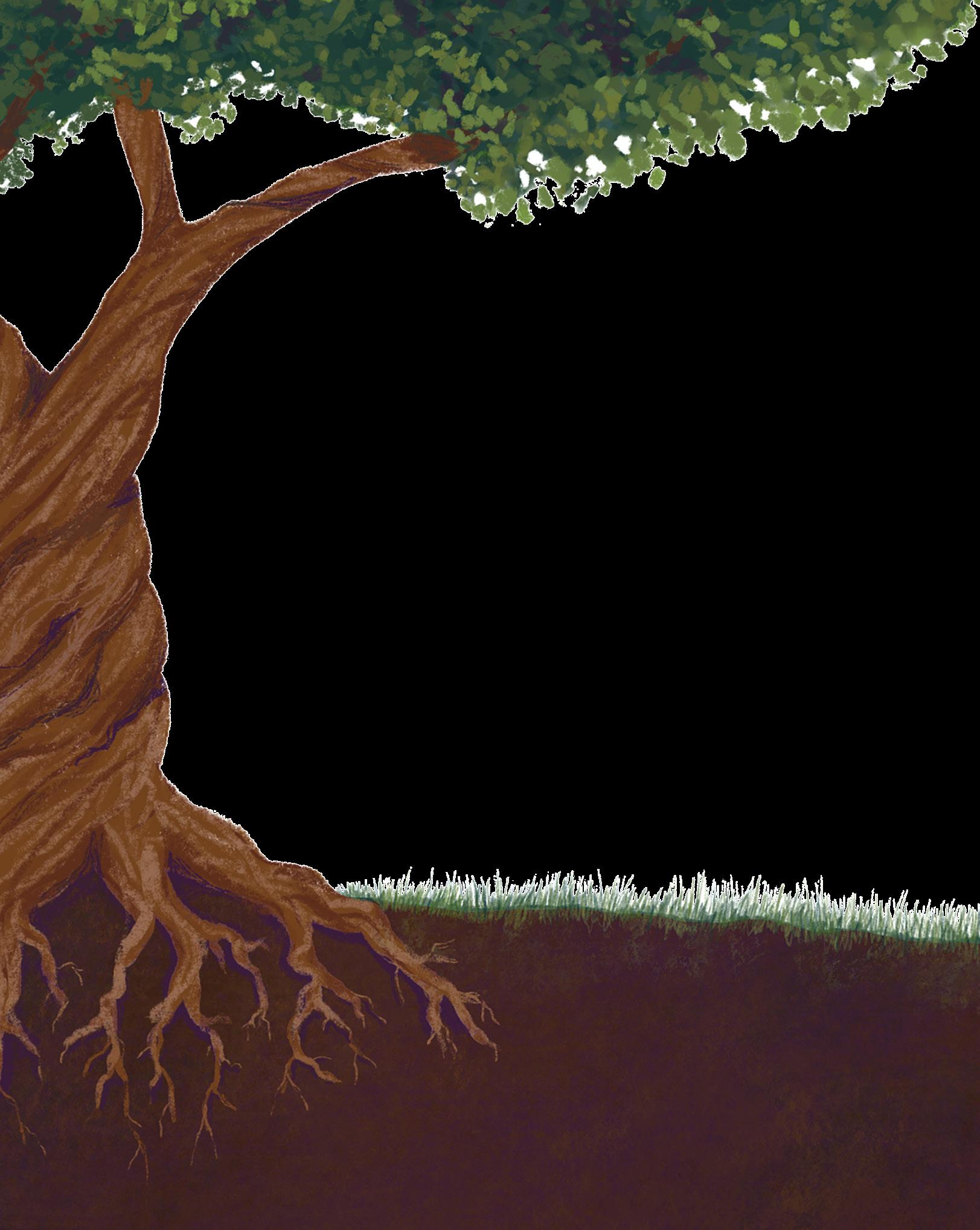
We invite you to take part in mapping the way you see these concepts showing up in your own work and contexts. Treat this as a living diagram, connecting the work happening where you are to a larger ecosystem of resistance.
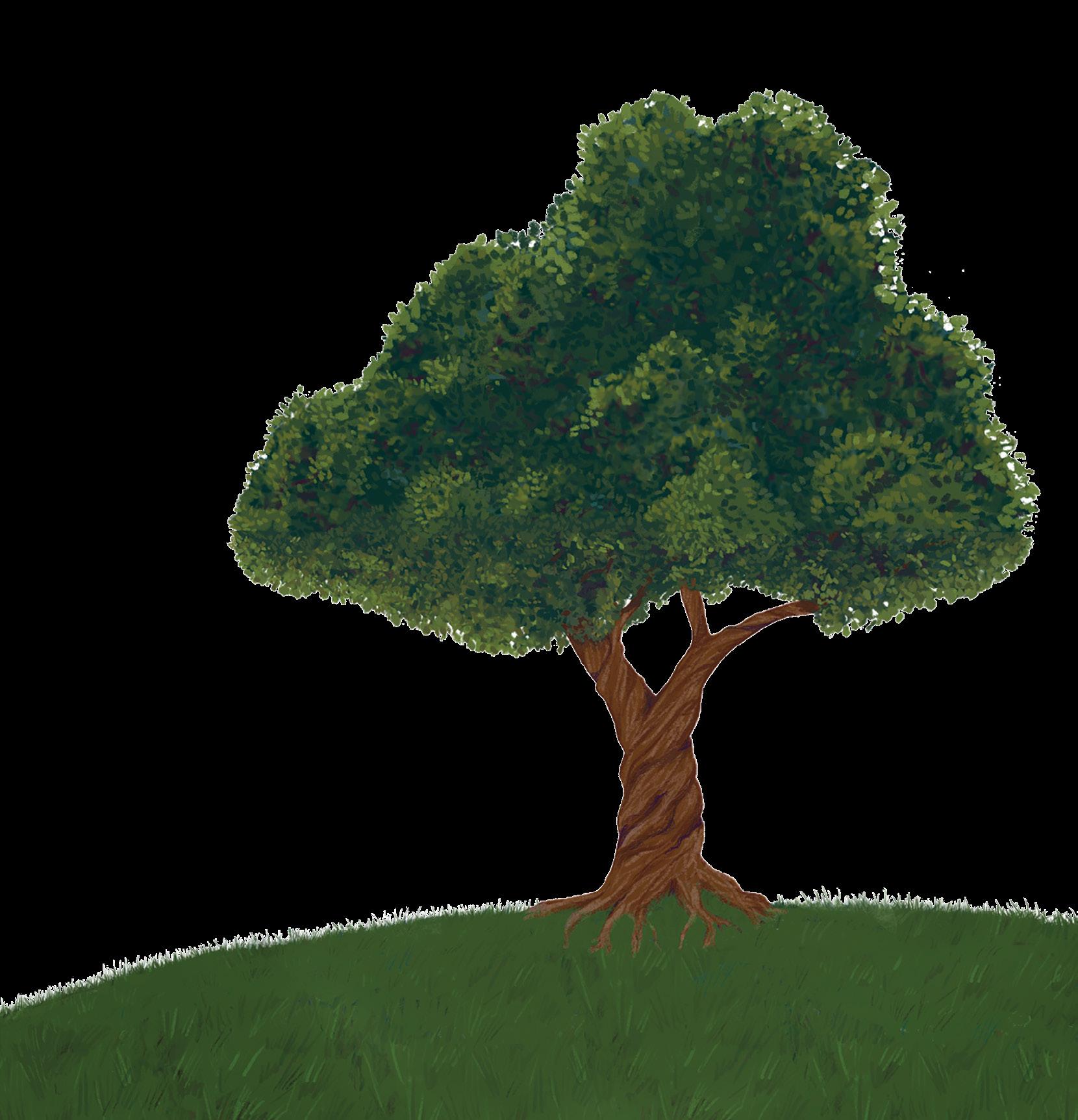
Where do you see epistemic justice, political education, and radical joy in what you do? If you had to locate each on the tree (e.g., roots, trunk, branches, leaves, fruit), what would go where, and why?


As you map, notice the connections: How does centering frontline knowledges (epistemic justice) feed the ways people learn and organize together (political education)? How does radical joy nourish and sustain both?

How might the act of drawing and discussing your tree together become a generative practice in itself? How does it open new language, shared understanding, or concrete next steps for transforming the polycrisis in your setting?
Urmi is a community psychologist, scholaractivist, and educator at the University of Massachusetts Lowell, working at the intersections of transnational feminism, social movements, and decolonial practice. Rooted in relationships with persecuted communities in Northeast India and beyond, she draws on storytelling and participatory research to resist structural violence and nurture collective imaginaries for more just futures. urmitapadutta.com

Alisha is a scholar-activist, organizer, and artist engaged in transnational feminist and decolonial praxis. In collaboration with youth in California and community partners in India, they use photography, design, and illustration to craft counternarratives of resistance and resilience. Across academic and community-based work, they practice art as collective healing, radical listening, and political imagination.
Ireri is a Queer Chicana scholar-activist and community organizer who recently earned her Ph.D. in Psychology at the University of Massachusetts Lowell. She is the first in her family to attend college. Grounded in plática—everyday conversation as feminist methodology—she works alongside organizers in Lawrence, Massachusetts, to elevate lived experience as critical theory, political education, and solidarity praxis against state and everyday violence.
We extend our gratitude to the ORA Fellows, the co-theorists who made this zine possible, including fellows whose stories were not directly included here but whose work and theorizing contributed to the overall vision of this project. On behalf of our team, thank you for taking the time to speak with us, for trusting us with your stories, and for thinking through possibilities for radical worldmaking. The stories, knowledge, and wisdom shared here offer a glimpse into the deeply intentional and liberatory work everyday resistance communities are taking part in. We invite readers to continue to learn from the ORA Fellows, to uplift their work, and to support their visions and dreams manifesting and forged in struggle.
Chandini Gagana
Damian Verzenassi
Dulcinea Lezcano
Emery Ndayizeye
Evaluna Valdivieso Segura
Mwongela Kamencu

Nakul Singh Sawhney
Rajendra Negi
Raza Kazmi
Sandra Nyika
Sungu Oyoo
You can use this QR Code to view additional resources for projects featured in the vignettes. orawards.org/research/arts-culture
“One day I’lI become what I want One day I will become a thought that no sword or book can dispatch to the wasteland
A thought equal to rain on the mountain split open by a blade of grass where power will not triumph and justice is not fugitive”
Mahmoud Darwish
ORA (Omega Resilience Awards) is a global learning community exploring community-based responses to the polycrisis and the narratives that promote resilience. Operating across India, Africa, and Latin America in partnership with regional anchor organizations, ORA has supported 63 fellows and 30 research teams over four years.
Unlike traditional fellowship programs focused on individual leadership, ORA takes a collective, collaborative approach centered on community-driven change. We believe that shifting cultural narratives requires the collective insights and shared wisdom that emerge when community-based innovators connect across regions and learn from each other’s work.
Our logo—an archipelago—reflects our commitment to identifying “small islands of coherence” in an otherwise chaotic world and connecting them into a resilient network. This zine is one product of that work.
ORA is a program of Commonweal Learn more at ORAwards.org
Follow our work on LinkedIn and Instagram omegaresilienceawards

Omega Resilience Awards

Commonweal was founded over 50 years ago in dedication to healing ourselves and healing the Earth. We are a source for learning, drawing on decades of work in personal and social transformation. We are a refuge for building the resilience necessary to adapt to a new era. And we are an incubator for visionaries imagining and planting seeds for a more just future. We are home to over 30 programs working around the world— together, a determined and creative response to a complex time. Rooted in Bolinas, California, we operate a retreat center and host ongoing field-building gatherings.
Learn more at commonweal.org
Research Team: Urmi Dutta, Ireri Bernal, Alisha Solomon
ORA Co-Directors: Mark Valentine, Andrea Frey
Creative Direction: Susan Grelock Yusem
Art Direction: Erin O’Reilly
Cover Illustration: Jon Marro
Book Illustration: Alisha Solomon
Graphic Design: Sienna Dawn
Editorial Assistance and Proofreading: Erin McAuley
With contributions from ORA Fellows: Chandini Gagana, Damián Verzenassi, Dulcinea Lezcano, Emery Ndayizeye, Evaluna Valdivieso Segura, Mwongela Kamencu, Nakul Singh Sawhney, Rajendra Negi, Raza Kazmi, Sandra Nyika, Sungu Oyoo
Copyright © 2026 by Commonweal
Artwork © Jon Marro
Published by: Commonweal | Bolinas, California | 2026 ORAwards.org
This zine was made to roam. Please share it. Print it for your community. Pass the PDF to your networks. Translate it into your language. Use it in workshops and gatherings.
All we ask:
• Credit ORA and Commonweal
• Share the link to ORAwards.org
• Don’t sell it or modify the content
• Contact us if you want to translate: ora-outreach@omegaprograms.org
This work is licensed under Creative Commons AttributionNonCommercial-NoDerivatives 4.0 International (CC BY-NC-ND 4.0). This work was made possible with funding from the Oak Foundation.