Acronym or term Meaning
GIS
Geographic Information System
LNRS Local Nature Recovery Strategy
NGOs Non-Governmental Organisations
PAWS Plantation on Ancient Woodland Sites
SuDS Sustainable Drainage Systems
Create habitat
Restore habitat
Enhance habitat
Establish
Naturalise
Nature-based solutions (NBS)
Create new habitat where it did not previously exist or it has not existed for a long time e.g. a new woodland on an arable field
Re-establish a habitat where there is evidence it previously existed or where it exists but in a severely degraded state e.g. restoring floodplain meadow on species-poor riparian grassland or carrying out restorative pruning of trees in an old orchard
Improve the condition of a habitat that is in a poor state through introduction of appropriate management thus making it more resilient and more attractive to a wider range of species or to species which require particular high-quality habitats e.g. thinning and coppicing an unmanaged woodland or spreading green hay to increase the species diversity of a meadow
Create a habitat or increase a species’ population through indirect means e.g. creating a woodland by removing grazing livestock, or creating veteran trees by allowing trees to naturally decay and succumb to fungi and disease, or encouraging Lapwings by cutting hay later in the summer
Create a more natural habitat where there is currently an artificially created habitat in poor condition, thus making it more attractive to a wider range of species e.g. re-profiling banks of a flooded former quarry to make a more natural wetland habitat, or meandering a straight drainage channel
Activities that work with natural processes tackle environmental problems such as climate change and biodiversity loss whilst addressing social issues e.g. restoring floodplain meadows increases carbon storage, reduces pollution of rivers and helps store flood water
Natural flood management (NFM)
An example of a nature-based solution where habitat improvements and re-naturalisation of watercourses can help reduce flood risk e.g. leaky barriers and meanders on streams to slow peak flow and creating ponds to store flood waters.
This document provides the priorities, measures and supporting actions for the recovery of habitats and species across Herefordshire. These have been developed following stakeholder and public engagement, and in collaboration with a steering group of expert individuals and organisations across the county.
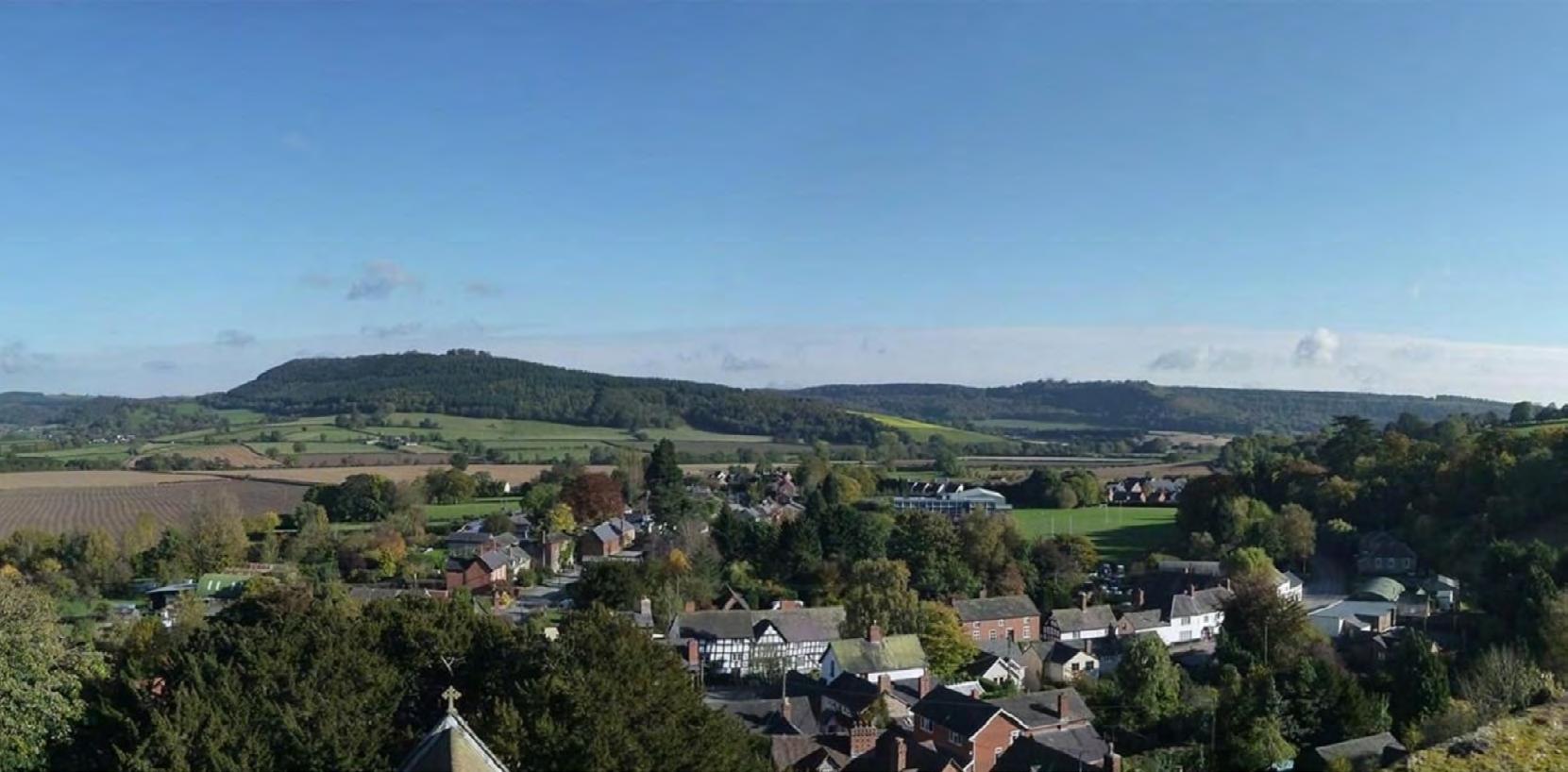
As the Strategy Area Description document outlines, Herefordshire is essentially a rural county and a farmed landscape, dominated in the centre by the fertile Wye and Lugg floodplains and bordered to east and west by the Malvern Hills and the Black Mountains. Of cultural significance are the orchards, although many of the traditional orchards have become neglected and replaced by commercial operations. Many ancient woodlands and hedgerows still exist, as well as remnants of species-rich hay meadows, all set among the more intensively farmed land. In the north and west of the county are the truly ancient ice age ponds; a vital habitat that is only just beginning to be understand. The Strategy Area Description also identifies pressures that nature faces within Herefordshire. This includes threats such as the construction of new houses and business areas that can result in the loss of a range of habitats, fragment wildlife corridors and / or put additional pressure on species resilience. Changes in agricultural intensification can also result in loss of habitat (eg traditional orchards) or air and water pollution through release of nutrients.
Throughout the engagement programme (as set out in the Engagement Summary), the public survey outcomes consistently raised the issue of pesticides, habitat loss and pollution as key pressures impacting Herefordshire’s wildlife. Rivers in particular were identified as a key habitat that should be prioritised for enhancement, with, for example, additional areas being identified as having potential for wetland creation. Woodland and hedgerows were also recognised as key habitats that are distinctive and important in the county. Local wildlife groups and species experts joined working groups to provide their specialist knowledge about the county, which has helped to ensure that all the data is locally specific.
All the features of Herefordshire identified through engagement and baseline description, are reflected in the selection of priorities and measures that have been created for the Local Nature Recovery Strategy. The Priorities and Measures Methodology sets out how a long list and short list of ideas were created and then finalised to ensure that only very targeted and important priorities and measures specific to nature recovery are taken forward. Each measure has also been considered against the wider environmental benefits that it provides. Overarching priorities for habitats and species assemblages are identified, describing the end results that the strategy is seeking to achieve. The targeted measures are the practical actions that can be taken, primarily concentrating on creation and restoration to improve habitat connectivity.
PRIORITIES These are the end results that the strategy is seeking to achieve.
These are the practical actions that can be taken to achieve the priorities through habitat enhancement and creation.
These are activities that will support and enable the more direct habitat enhancement and creation measures. When creating any new habitats for the LNRS, it is important that continued management is incorporated to ensure that the newly created habitat is maintained into the future.
A total of 15 priorities and 54 measures related to habitats have been identified, of which 42 are direct measures and 12 are supporting actions. These form the key aspects of the Herefordshire Local Nature Recovery Strategy (LNRS). In addition, 22 species priorities and 43 species measures have been agreed.
The habitat and species measures are mapped to the specific locations where they apply. Not all measures can be mapped, however those that can have been identified through the steering group. These measures are mapped to opportunity areas where they are best suited and will achieve the most outcomes for nature. This uses an evidence driven approach to assigning on the ground actions to a particular place. For further details refer to the mapping methodology documents.
Mapped measures are clearly labelled as such and have a hyperlink to the map.
scrub and peatlands. Between the upland moorland and more intensively managed lowland these habitats tend to occur as a mosaic known as Ffridd. Due to the variety of habitats present in Ffridd, including scattered trees, woodland, scrub, bracken, gorse, heathland, grassland, bog, scree and rock, its high structural diversity supports numerous and rare species.
Peatland habitats, such as blanket bog and raised bog, provide valuable waterlogged habitat for a variety of species, including rare and specialist species such as sphagnum mosses. They also provide a number of important benefits, notably acting as vast stores of carbon and can mitigate the effects of flooding through water absorption.

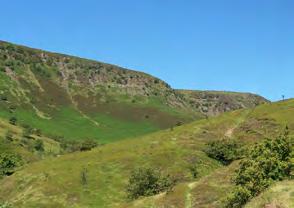
PM 31: Create and restore buffers to peatland habitats Mapped measure


Habitats surrounding peatlands offer an opportunity to support, buffer and protect the peatlands from several pressures, such as footpath erosion or trampling. These can include a mosaic of different habitat types, such as heathland, scrub and acid grassland. It is important to ensure that these habitats and their long-term management continue to support the hydrological conditions of the peatlands.
Un-mapped measures are those which are not location-specific and could apply in the relevant habitat across the whole county or in all habitats. There are also cases where data is not sufficient to map the measure accurately or fully, for example the locations of all Ice Age ponds.
In places where no mapped measures have been identified, carrying out one or more of the mapped or unmapped measures could still result in a benefit to nature and biodiversity.
To view the full interactive map visit our website.
The LNRS directly links to Biodiversity Net Gain (BNG) through supporting a strategic approach to off-site BNG delivery. Sites that are within any of the mapped measures layers of the Local Habitat Map will carry a 15% strategic significance uplift in post-development BNG calculations. The habitat intervention being proposed under BNG must be consistent with the measure that is proposed for that location in the Local Habitat Map. Any site must be checked before work begins to ensure it is suitable for the proposed action and to meet regulations, including those related to heritage
By taking action for nature recovery in Herefordshire through the measures below, wider environmental benefits can be experienced by everyone across the county. These include:



Increasing woodland cover would support wildlife, absorb carbon, improve air quality, reduce flooding, cool towns, boost wellbeing and raise property values;
Improving air quality would benefit public health and allow a more diverse range of habitats and species to survive;
Improving water quality would allow a more diverse range of aquatic and semi-aquatic habitats and species to survive and restore natural water ecosystems which could be used for leisure;
Increasing flood risk management would restore watercourse and floodplain functions using natural habitats and processes;
Reducing climate change impacts would increase resilience of nature to the impacts and ensure its longevity;


Supporting health and cultural services would allow nature to provide people with opportunities for education and recreation to benefit their mental and physical wellbeing;
Improving soil health would support nutrient cycling, reduce levels of erosion, make food production more sustainable and enhance carbon storage;
Promoting nature friendly farming would reduce the reliance on chemicals and support a range of biodiversity alongside business productivity;
Controlling invasive species would protect our native species populations and our infrastructure; and
Supporting food provision would benefit public health, reduce diet-related illnesses and reduce carbon emissions associated with food miles by sourcing more local produce.
These icons are used throughout this document to show which wider environmental benefits the measures are most likely to support.
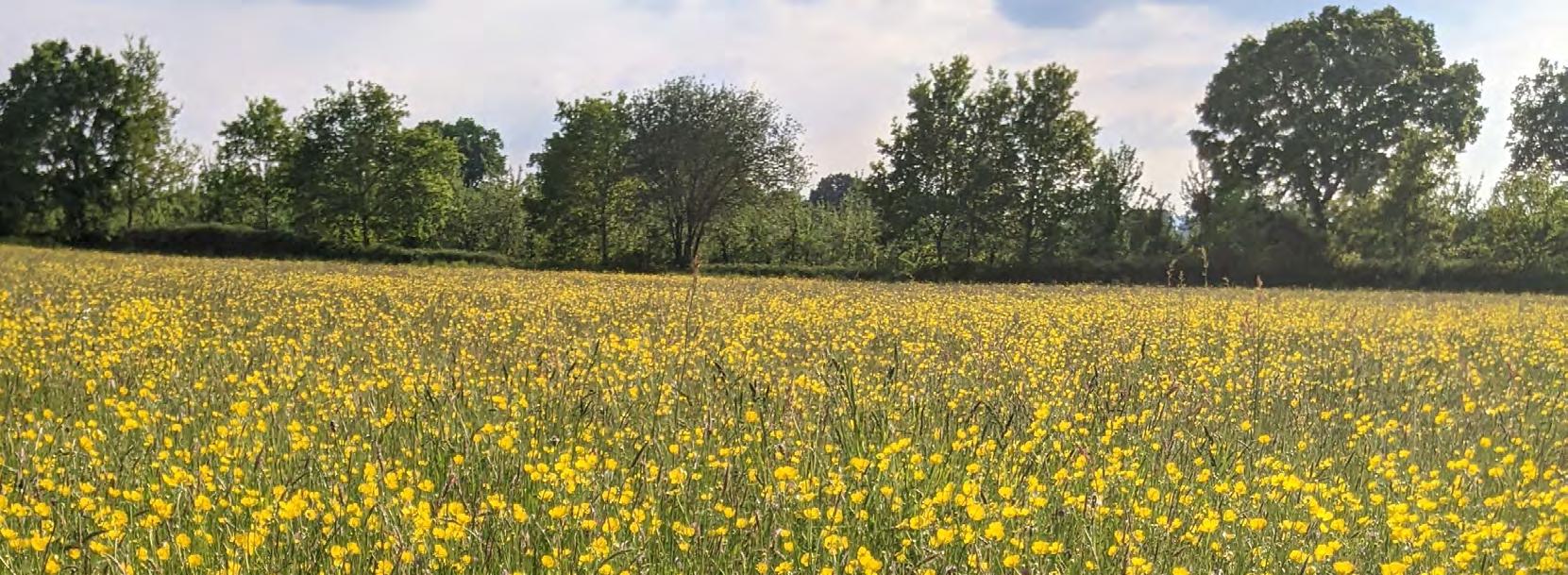
PRIORITY: Herefordshire’s species-rich grasslands are enhanced, expanded and reconnected
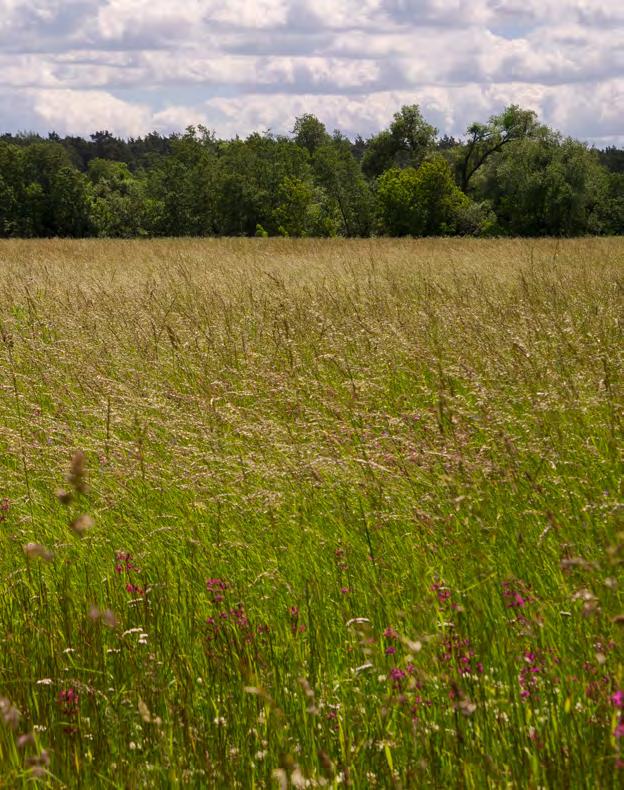
Species-rich grassland forms a key part of Herefordshire’s largely rural landscape. It is often defined by grassland which has more than 10 species per square metre. These grasslands are a valuable habitat with a unique biodiversity and supports a variety of important species such as the curlew and great burnet.
There are a number of different types of speciesrich grassland, and the type depends on location, underlying geology, soil pH, its management and history. Acid grasslands occur in places such as the Malvern Hills and neutral grassland can be found across the county, with a particularly good example at Lugg Meadows Nature Reserve near Hereford. The rarest grassland in Herefordshire is calcareous grassland, which can be found in the Wye Valley on limestone rocks. Species-rich grasslands continue to be depleted and suffer from a myriad of pressures such as urbanisation, pollution, over and under-grazing and agricultural intensification. A significant additional risk is their anonymity: species-rich grasslands are frequently in suboptimal management, often appearing unexceptional to all but the specialist. This makes them vulnerable to unintended damage. They are also at risk from climate change and invasive plant species. Increasing the extent of speciesrich grasslands and their interconnectivity improves their resilience to pressures, such as climate change, and helps to provide additional high-quality habitat for a variety of species.
PM 1: Create new and reconnect species-rich grassland
Mapped measure





New species-rich grassland should be created to increase their overall extent as they are often lost or transition into scrub or woodland habitats. Species-rich grassland creation should be prioritised in areas where this will reconnect existing grassland and allow species to move freely. This could include natural recolonisation, sowing seeds or adding plants. Further information on grassland creation is available online


This will be achieved mostly through improved management and the enhancement of poorer quality grassland such as modified grassland. Different types of grassland should be supported and encouraged as appropriate, including: acid, neutral, and calcareous grassland; floodplain meadows; and other grazing pastures. The variety of grassland types in Herefordshire each require different management techniques, and landowners should be advised appropriately. Understanding their specific needs will enable work to restore and showcase these valuable habitats into the future. A variety of methods will be implemented to minimise impacts of pollution, such as buffering with or creating diverse nitrogen-tolerant habitats to safeguard more sensitive grasslands. However, reducing pollutants at the source should be the first step. Further guidance is available online.
SA 1: Identify and highlight the presence of existing species-rich grasslands
Species-rich grasslands, including acid, calcareous and neutral grasslands, are are important reservoirs of biodiversity and focal points for restoration across the landscape such as in the Wye Valley. Understanding their locations will facilitate work to help restore and showcase these valuable habitats into the future. These grasslands can be identified through aerial mapping, GIS analysis, examining local records and targeted site surveys.
SA 2: Promote the sustainable harvesting of local seed banks for grassland enhancement
Ensuring local provenance by harvesting seeds from local sites is particularly important to maintain genetic diversity and to build in resilience, adaptability and diversity in new or enhanced grasslands so that they can thrive in a changing climate. This must be done sustainably, to ensure the longevity of existing grasslands, and it will be vital to work with landowners and Non-Governmental Organisations (NGOs). Further information on how to harvest seeds is available online
PRIORITY: Herefordshire’s woodlands are well-managed and restored with woodland corridors created across the landscape
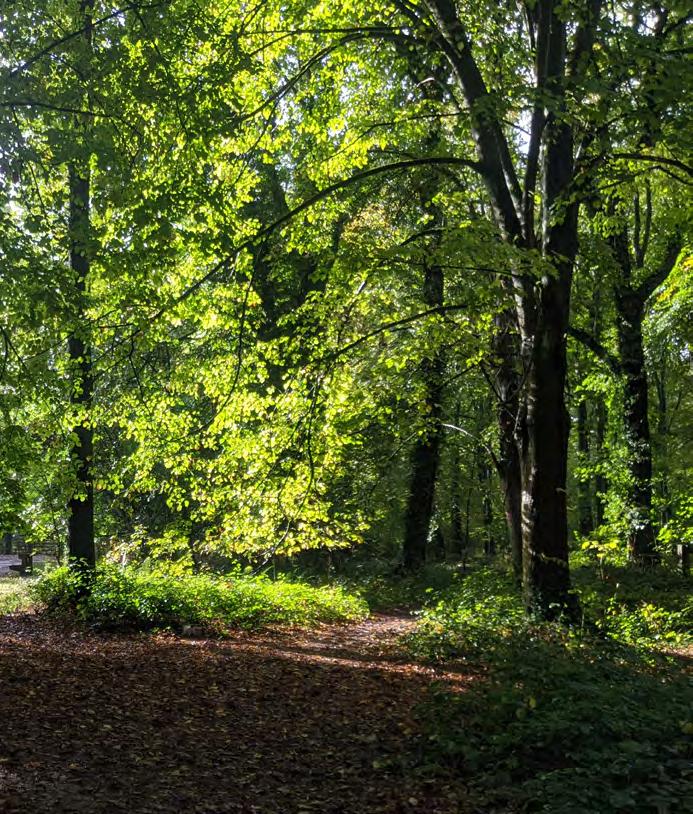
Trees and woodlands hold significant biodiversity value and support wider benefits such as reduced flood risk, carbon sequestration and improved air quality. Herefordshire has approximately 19% woodland and tree cover, which is concentrated in areas such as the Malvern Hills or Wye Valley National Landscapes. It also has a significant number of isolated ancient woodlands, Wood-pasture and parkland, and traditional orchards, a form of wooded habitat; all are of high importance in Herefordshire and are subject to separate priorities and measures. Approximately two thirds of the county’s woodlands are managed, with the remaining woodland un-managed. Sustainable woodland management is therefore critical for the longevity of wooded habitats in good ecological condition across Herefordshire as they face threats from pests, diseases, damage by grey squirrels and overgrazing by deer. The creation of new woodlands and corridors will also further support the climate resilience of these habitats and enable species with poor powers of dispersal to commute, forage and migrate.
PM 3: Create new woodlands to reconnect and buffer existing woodlands Mapped measure


New woodland habitats should be created in areas to reconnect isolated woodlands or trees to improve connectivity across the landscape and several different woodland types. Natural colonisation or targeted tree planting can help to establish diverse woodland corridors. Suitable buffer habitats can include mosaics of scrub and grassland habitats or tree planting, for example planting shelter belts to protect existing woodlands from the wind. Trees should be locally sourced, by harvesting seed from locally significant trees to retain the local seed bank and support climate resilience. Further guidance is available online.
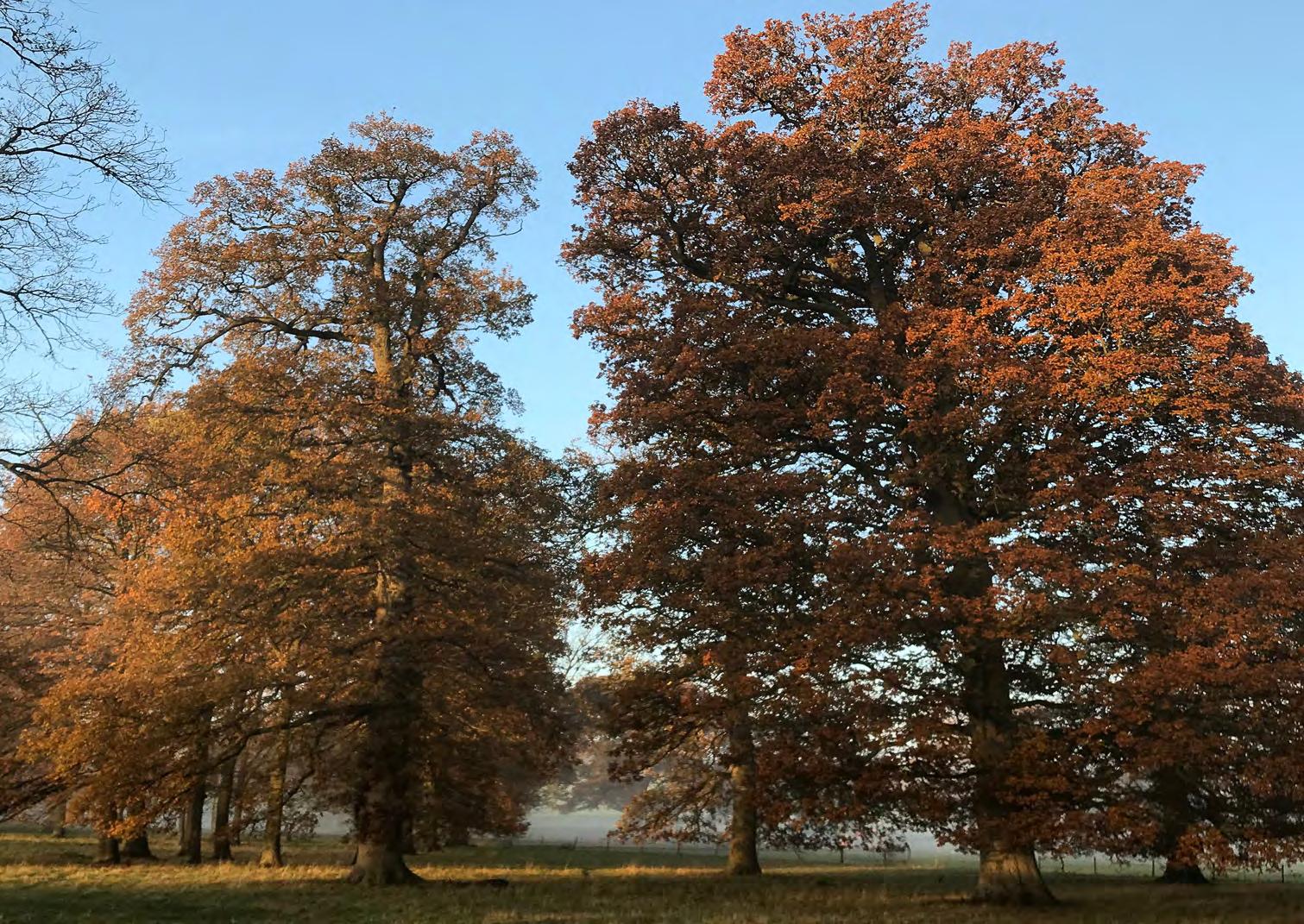
Wood pasture and parkland are key historic habitats within Herefordshire, often supporting ancient and veteran trees surrounded by open grassland which is grazed and fundamental to its existence. They support many rare species of fungi, saproxylic invertebrates, lichen, bryophytes, birds and bats. Their extent must be restored involving sustainable management of grazing and traditional tree management practices such as pollarding and replacement planting. New parklands and wood pastures should also be planted. The wood meadows habitat between the trees should be managed as this can be an area of high biodiversity. Further guidance is available online
PM 5: Create and restore wet woodlands
Wet woodland is an important yet rare habitat in Herefordshire and the UK. It is home to a number of specialist species and can also reduce pollution and flood risk. Further information on restoring and creating wet woodlands can be found online
PM 6: Create, enhance and restore the habitat provided by bankside trees and shrubs
Mapped measure
Bankside trees and shrubs grow along watercourses ranging from rivers and canals to small streams and brooks. They are important in reducing flood risk and absorbing pollutants from watercourses and also provide a key role as riparian corridors for a variety of species by providing cooling and shade. The habitats they provide will be enhanced through appropriate pollarding or coppicing and through new plantings. Felled or fallen trees and branches can be secured to the banks to reduce erosion risk and create additional riparian habitat. Further guidance is available online
PM 7: Enhance habitat diversity through retention of deadwood
Mapped measure
Deadwood is often cleared away in pursuit of ‘tidiness’ however, leaving both standing and fallen deadwood in place (where safe) creates an important resource for a great number of plants, fungi, birds, bats, and many invertebrates, not just in woodlands but in all habitats for example traditional orchards, hedgerows and parklands. It is also vital for specialist saproxylic species, which depend on dead or dying wood to survive and retaining it in all habitats provides landscape connectivity for these species. Further guidance on retaining deadwood is available online.
PM 8: Enhance species and structural diversity of woodlands.
Mapped measure
A diverse mix of species and structural variety within a woodland increases resilience to climate change and supports a more biodiverse, higher quality habitat. This is important for wildlife but also provides wider benefits for flood reduction and recreational benefit. Measures will include coppicing, ride and glade creation and management, appropriate planting and thinning. Further guidance and links to the UK Forestry Standard (the reference standard for sustainable forest management across the UK) is available online
PRIORITY: Ancient woodlands are more extensive, and existing ones are well-managed and restored
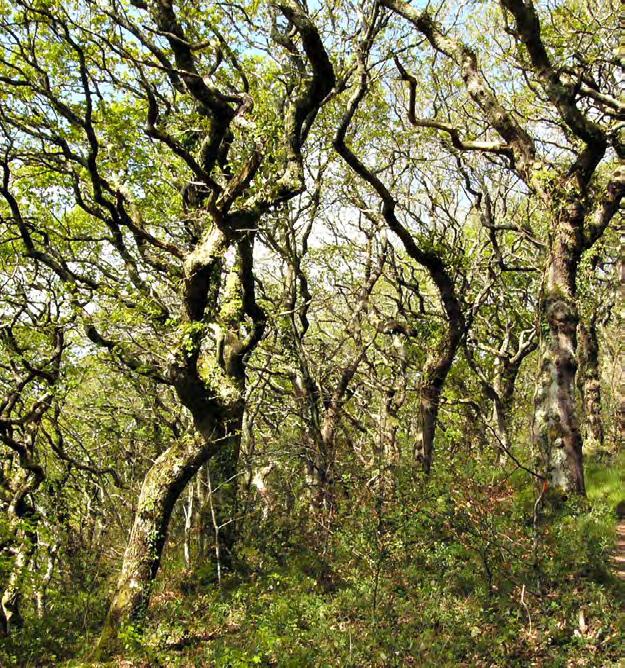
Ancient woodlands are sites which have been continuously wooded since before 1600. Two types of ancient woodland exist: Ancient Semi-Natural Woods and Plantation on Ancient Woodland Sites (PAWS). The former are sites that have largely developed naturally and been continuously wooded, and the latter were previously ancient woodland sites that were cleared and have since been replanted or interplanted, often with commercial species, but which retain some of their former complexity. Approximately half of Herefordshire’s woodlands are recorded as ancient woodlands; however, most of these are located in isolated areas and should therefore be reconnected to create a strong network of ancient woodlands.
PM 9: Restore and enhance Plantations on Ancient Woodland Sites (PAWS)
Mapped measure
PAWS are relics of ancient woodland and often have high potential for restoration back to valuable ancient woodlands through existing seedbanks. Woodland creation should target these to support restoration as well as improving connectivity between the existing isolated areas of PAWS. Further information on PAWS and restoration can be found online.
PM 10: Restore and enhance ancient woodlands and ancient woodland species
Mapped measure
Ancient woodlands are home to a variety of species, many of which are specialists to this particular habitat type. Conserving these species, and reintroducing where necessary, can assist in restoring ancient woodlands to ensure they are in good condition. Restoration and enhancement will be through thinning, restorative planting, coppicing, ride and glade management. Further information is available online
PM 11: Enhance veteran and ancient tree features
Mapped measure
Ancient and veteran trees are of immense historical, cultural, ecological and landscape value. They are living relics of our landscape and provide habitats for a unique group of species requiring the distinct features and characteristics. It is important to identify those present across the landscape as well identifying the veteran trees of the future. Therefore, ensuring that the land surrounding these trees can be enhanced to avoid disturbance and provide adequate light and space for the longevity of these important trees. Enhancement measures, for example veteranisation measures (accelerating the development of veteran features on young trees) could be implemented to bridge the generation gap between old and younger tree populations. Further guidance is available online.
are more extensive, and existing ones are well-managed and restored
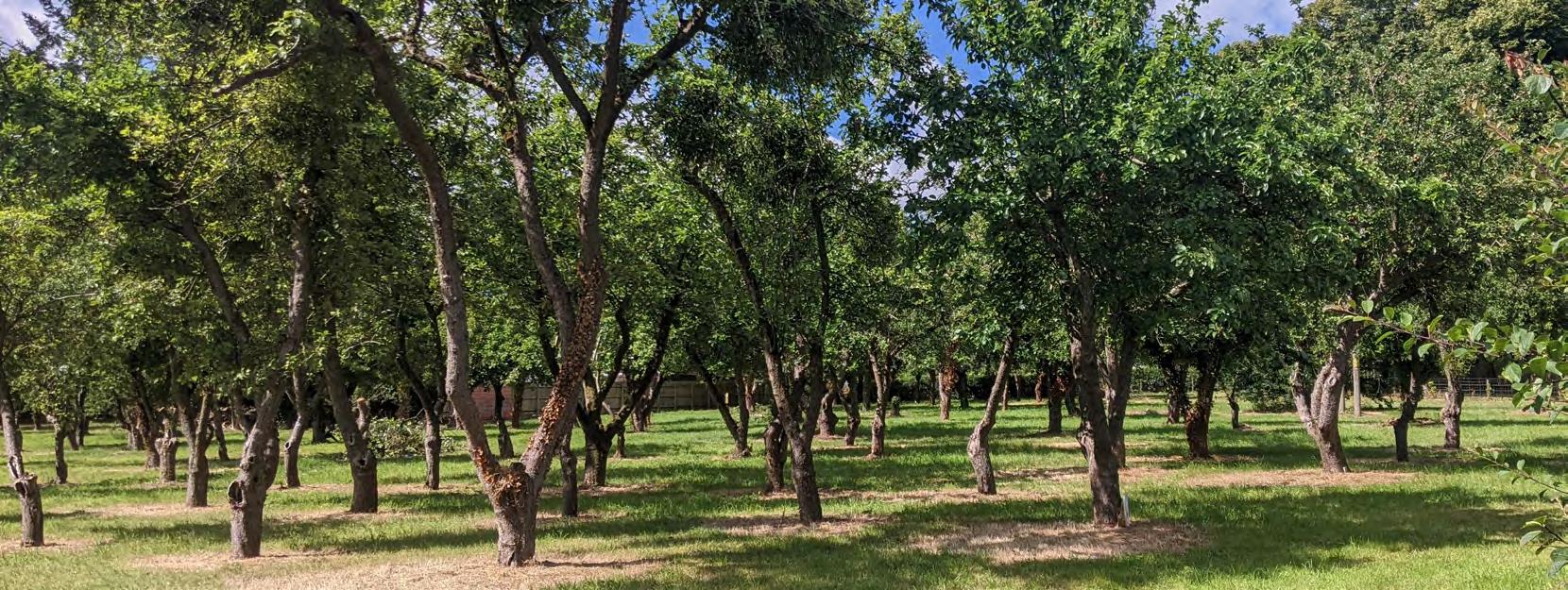
Traditional orchards are a pivotal feature in Herefordshire, consisting of groups of fruit trees planted at low-density, and typically traditionally managed with lowintensity methods, such as grazing. Fruit trees include traditional varieties of perry pear, apple, plum and cherry which are grazed to maintain diverse grasslands beneath the trees, such as wood meadows, and allowing light to reach trunks for lichen and invertebrates to thrive. They exist in small and isolated pockets across Herefordshire and can be threatened by lack of sustainable management leading to the collapse of trees from age, excessive mistletoe burden, grazing damage and storms as well as conversion to more profitable land uses, including development. Thus, their management and restoration are key to the ongoing existence of this unique habitat.
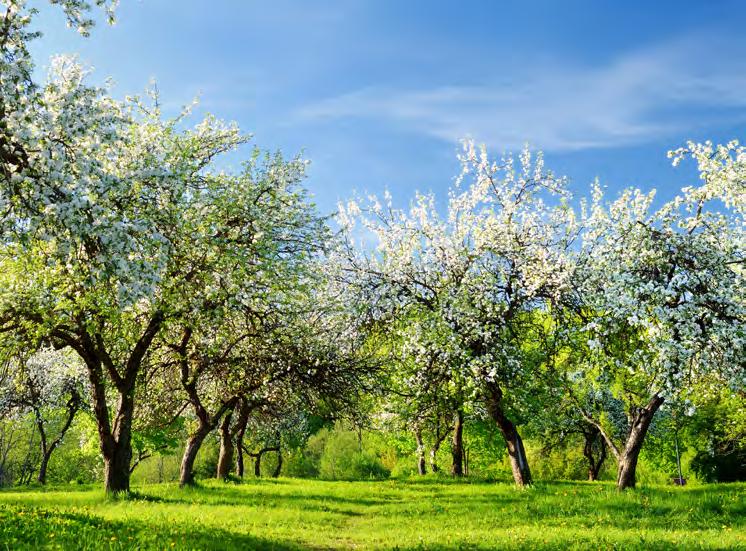
PM 12: Create more high quality traditional orchards
Many of Herefordshire’s traditional orchards have been lost in recent decades and so planting new orchards using traditional methods is key to the longevity and resilience of this habitat. Traditional fruit varieties should be selected for heritage value as available through the Marcher Apple Network. Tree planting should be at low intensity and ideally species-rich grassland and hedgerows should be incorporated into the orchard design. Orchards developed and supported by local communities are often very successful. Further guidance is available online.
PM 13: Restore and enhance traditional orchards
Mapped measure
This often involves low-intensity techniques with sustainable grazing to ensure that they are not overgrazed preventing tree regrowth or damaged by grazing animals. It is important to maintain the open and species-rich grasslands which have been rarely ploughed, sprayed with pesticides or fertilisers. Other aspects can be considered such as leaving deadwood standing, increasing the quality of the wood meadows around the trees, increasing the amount of native wild flowers for pollinators and use of heritage fruit varieties. Scrub habitat could also be created but must maintain the open canopy characteristics of a traditional orchard. Use of more traditional fruit varieties for heritage value as available through the Marcher Apple Network. Engagement with landowners will be key to develop management plans for their traditional orchards. Further guidance is available online.
14:
Mapped
Mistletoe is an evergreen species that is semi-parasitic on broadleaf trees, including apple trees, and provides important habitat for woodland wildlife especially in winter. Mistletoe has experienced declines that mirror the decline in traditional orchard habitats. This species should be encouraged to grow in traditional orchards yet should also be managed appropriately in places where it threatens to overwhelm individual trees. Further guidance is available online.
SA 3: Implement a traditional orchard mapping and monitoring programme for Herefordshire
Traditional orchards are a priority habitat, with a national spatial dataset which is updated twice a year. This will be a key dataset to build on and inform with up-to-date identification of traditional orchards and to integrate monitoring for the county. Further information is available online.
PRIORITY: Freshwater habitats are safeguarded
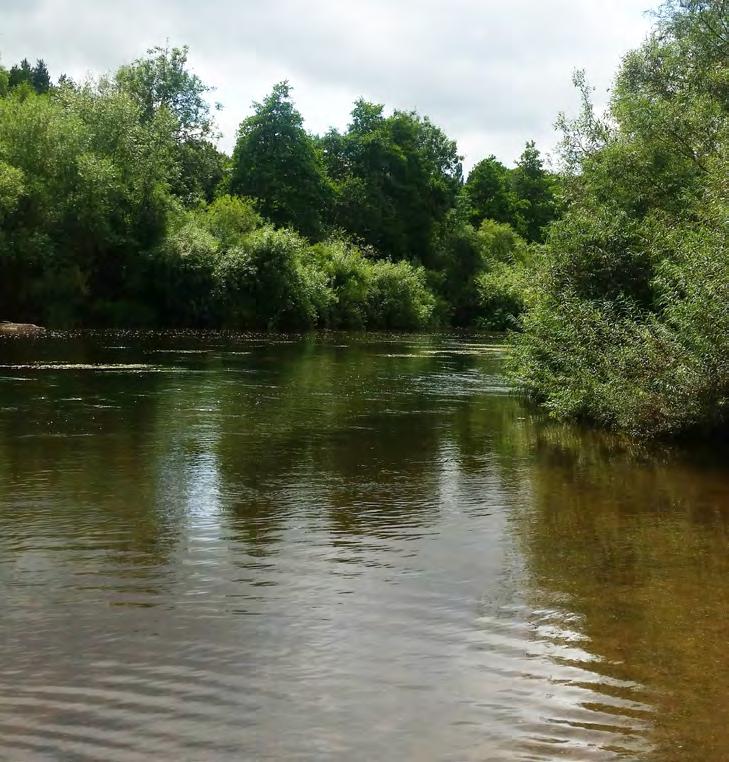
Herefordshire has many important freshwater habitats such as Pearl Lake, Bodenham Lake, Titley Pool, and the Rivers Wye and Clun, which are both Special Areas of Conservation. Ice Age ponds are also a significant feature of the county’s landscape, formed by glacial activity; the largest of these is Pearl Lake in Shobdon. They offer a range of freshwater habitats and support many of Herefordshire’s rarest species. Herefordshire is at risk of flooding with 8% of the county classed within an active floodplain. All rivers, water and wetland habitats are under threat, in particular from pollution from agricultural runoff and sewage discharges, resulting in several catchments failing key targets on ecological condition and chemical thresholds. Climate change has also resulted in low flows and high temperatures threatening river health, particularly the River Wye, due to its size. Herefordshire’s freshwater habitats provide vital homes for a variety of wildlife and also provide important benefits to society, for example through flood alleviation and recreational benefits.
PM 15: Implement nature-based solutions to reduce soil erosion and nutrient loss
Mapped measure
Nature-based solutions offer the dual benefit of providing habitat for wildlife as well as working with natural processes to also offer wider benefits such as reducing soil erosion and nutrient loss. This in turn will support improvements to water quality of the freshwater habitats and enhance natural flood management in Herefordshire. These could include planting riparian buffer zones, with scrub or trees, increasing field margins with seminatural habitats, avoiding sowing of crops which can exacerbate run off in areas adjacent to watercourses, as well as the integration of nature-based solutions into wastewater treatment systems to provide freshwater habitats as well as utilising natural systems to reduce pollution events. These could include wetlands, reedbeds, swales, green roofs and bio-aided water filtration. Further guidance is available online.
Key pollutants of watercourses in Herefordshire include phosphates as well as nitrates on the River Clun. These can be from point sources, such as a discharge location or diffuse sources, such as run off from land adjacent to freshwater habitats. Practices which minimise nutrient run off and leaching should be promoted across the county and engagement will be key to a significant reduction in pollutant levels. Engagement should span across a variety of stakeholder types, from farmers and sewage treatment companies to landowners and developers, all of whom can contribute to improving water quality. Further information is available online
Mapped measure
Ponds are small waterbodies that can be permanent or seasonal, ranging in size from one square metre to two hectares. They are valuable freshwater habitats, in particular Ice Age ponds in Herefordshire. Identifying and mapping these ponds to build on existing datasets such as the Ordnance Survey Priority Ponds layer will be key in understanding their current extent and ensuring they can be restored and safeguarded in the future. Restoration of ponds will include actions such as reducing shading through traditional tree management, and desilting. Further information is available online.
SA 4: Promote the appropriate storage and use of manures
Manure is a valuable on-farm resource which can help to fertilise soils for farmland and enhance soil health when stored and used appropriately. Appropriate storage and use of manure is particularly relevant in headwaters of rivers and streams, as incorrect storage and use can lead to far-reaching downstream impacts, such as water pollution. Further guidance is available online.
Household waste can have impacts on water quality alongside other pollution sources. Examples of household waste includes oil and fat and grease being washed down sink drains or flushing anything other than toilet paper down toilets. These contribute to blocking up sewage systems which can buildup and leak into rivers and contaminate water. Road runoff can also have large impacts on water quality due to oil, chemicals and tyre particle residue left on roads from vehicles, that can mix with the water and affect its quality. Increased education on how the public can support improvements in their households and roads and reduce negative impacts on water quality will support wide-ranging benefits for Herefordshire’s freshwater habitats. Further information is available online
Herefordshire has greater than the national average density of ponds, as well as a diverse range of other freshwater habitats. These are vital places for wildlife and provide freshwater resilience to the landscape, which will be increasingly important as climate change impacts are experienced. it will also be important to ensure the ponds are kept in as natural a state as possible. With many ponds starting to be more actively gardened this can lead to an increase in introduced species and unnatural nutrient loads impacting the potential biodiversity and species that could depend on them. Expanding, restoring and reconnecting these habitats will be crucial to maintaining resilience and benefitting both species and people.
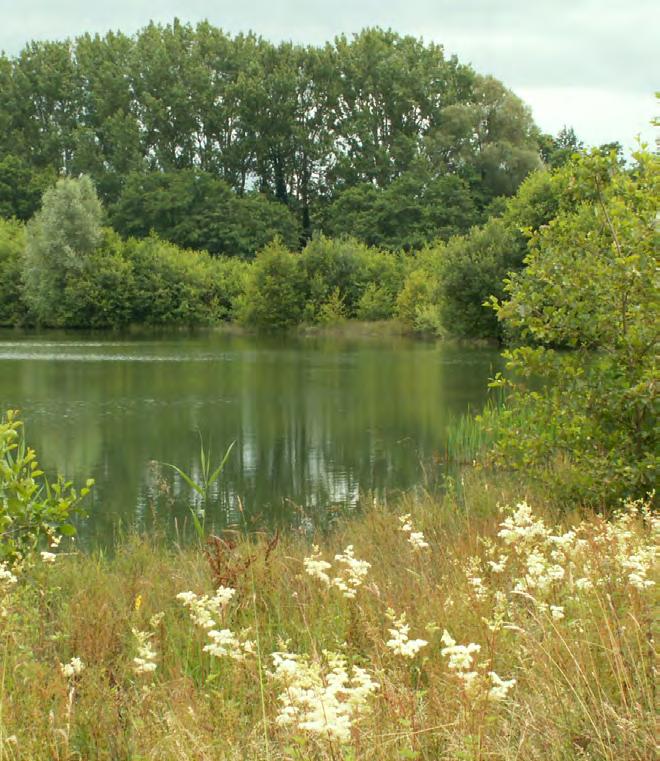
PM 18: Create and restore a mosaic of wetland habitats
Mapped measure
A mosaic of wetland habitats may include ponds of varying depths and sizes, interspersed with reedbeds, wet flushes, wet grassland, wet woodland or linear features such as ditches. Mosaics create many niches, that provide homes for a larger variety of aquatic and semi-aquatic species. Suitable areas for creation of these habitats should also consider that that a clean source of water will be required for biodiversity to reach its potential. Further information is available online.
PM 19: Create and restore floodplain meadow habitat
Mapped measure
Floodplain meadows are valuable habitats located alongside watercourses, supporting a diverse range of wildflowers, invertebrates and birds. Many of these habitats have been lost to agricultural intensification and urban development. By increasing their extent, they can continue to support biodiversity and provide benefits, such as natural flood management and carbon storage. Further guidance is available online
PM 20: Enhance existing and restore lost Ice Age ponds
Ice Age ponds are a unique feature of Herefordshire and Norfolk, and they can be lost in the landscape to agricultural intensification, land use change or hydrological changes resulting in them drying out. Understanding where ponds are currently situated or used to exist is important in restoring and increasing the number of Ice Age ponds in the county. Lost ponds or Ghost ponds can be restored and through re-exposure of the seed bank that is buried species restoration can take place to increase biodiversity. Further guidance is available online.
PM 21: Restore water levels on peatland to enable creation and enhancement of lowland fen habitats
Drainage is one of the most significant threats to peatland habitats, especially in lowland areas where lowland fens can be found. This irreplaceable habitat represents just 0.03% of Herefordshire. Restoring water levels, through blocking or removing old drains and creating leaky dams to slow the flow of water will help to create these habitats and support their longterm management. Further information is available online.
PM 22: Naturalise artificial wetlands
Many wetlands have been created artificially and therefore no longer function as a natural wetland. Examples include ex-quarry lakes or wastewater treatment wetlands. Naturalising these through the creation of natural edges, variation in depth profiles and increased species diversity will help in providing greater habitat for wildlife across the county and improve the quality of existing wetlands. Further guidance on pond design in aggregate sites is available online.
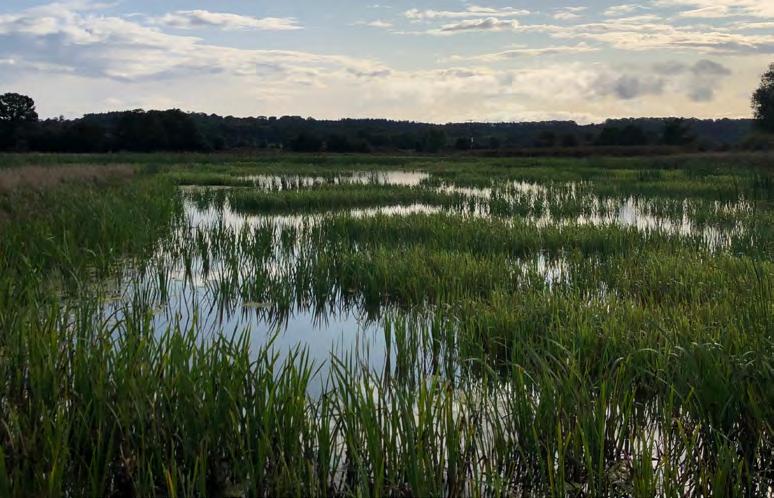
Mapped measure
Restoration at a catchment scale is particularly important for rivers, water and wetland habitats as these should function together in a connected hydrological network. This would bring about the most significant impacts for biodiversity, water quality, and hydrological regime. Herefordshire’s rivers and wetlands cover a significant proportion of the county and require restoring at this catchment scale to create a resilient and thriving freshwater system.
Riparian buffer zones protect riverbanks and help absorb runoff from adjacent land, thus reducing the amount which enters the watercourse itself. Riparian buffers can consist of a variety of habitat types, including woodland, scrub or grassland, which can support numerous species, as well as support flood management and improve water quality. To maximise these benefits, a 30-metre riparian buffer zone should be prioritised wherever suitable. Areas where riparian buffers can be established should be mapped and zones designed to ensure the most appropriate habitats are created. Further information is available online
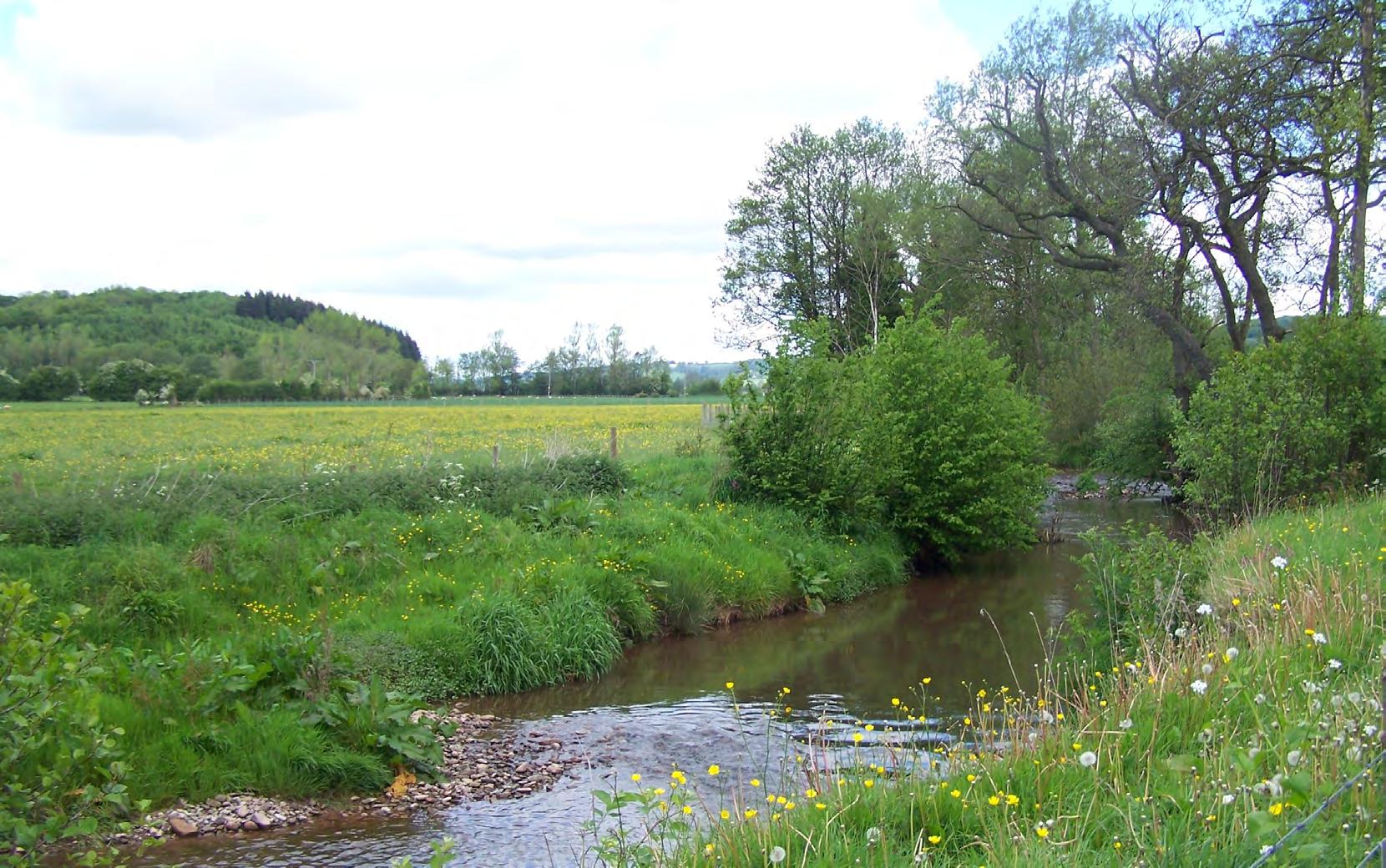
PM 24: Restore natural banks, bed and flows within watercourse channels
Mapped measure
Watercourses across Herefordshire are often subject to modifications which alter the bank profiles, bed features and subsequently flows within watercourses. The natural features of these channels should be restored, including the re-meandering of straightened channels, to allow the watercourse to function naturally. This should create a variety of conditions and habitats, from its headwaters to downstream, to support numerous aquatic species, such as fish and invertebrates. Wherever possible nature-based solutions should be incorporated to best restore natural hydrology. Further guidance is available online.
PM 25: Reconnect rivers to their floodplains
Many watercourses are disconnected from their floodplains, preventing natural flood management processes from occurring. By lowering banks and berms, where appropriate, floodplain connectivity and water supplies can be restored to recreate and enhance floodplain habitats and natural flood management. Further guidance is available online.
PM 26: Remove barriers for fish migration
Mapped measure
Artificial obstacles in watercourses such as weirs, dams or culverts, restrict the movement of fish up and downstream, and can prevent access to important spawning and feeding areas, thus having a significant negative effect on fish populations. Removal of these barriers to fish migration will support these species and ecological functioning of watercourses. Further guidance is available online.
SA 6: Encourage more sustainable grazing within the riparian zone
Inappropriate grazing within the riparian zone can lead to excessive poaching by livestock, thus making riverbanks more prone to erosion and mobilising sediments which could negatively impact water quality. Managing grazing appropriately will reduce this risk of run off and help restore land towards floodplain meadow habitats. Further guidance is available online.
PRIORITY: Scrub and mosaic habitats are safeguarded, restored and created
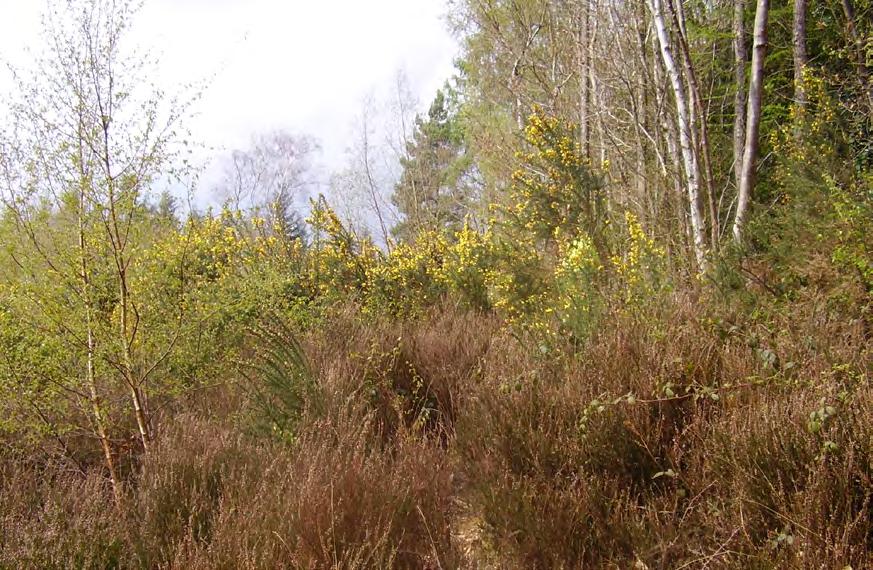
Scrub and mosaic habitats may often be overlooked habitats, but they provide vital homes for a diversity of wildlife, and act as important edge and buffer habitat between other habitats, such as woodlands, orchards, or grasslands. Scrub often has dense vegetation cover, which provides ideal nesting habitat for a variety of bird species, as well as providing a nectar source for several invertebrates.
PM 27 Create scrub and mosaic habitats to improve habitat connectivity
These habitats provide valuable transitional areas between other habitats and can often maintain habitat connectivity despite the change in habitat type. For example, scrub between woodland allows transition to more open habitats or alongside hedgerows to extend these linear features. These habitats can be created through natural regeneration or planting and should be established in areas to provide suitable linkages between habitat parcels. Further guidance is available online.
PM 28: Restore and enhance existing scrub Mapped measure
Scrub often develops naturally when areas have been left unmanaged and therefore suffers from practices to improve and manage other habitats. Management practices to increase species diversity, create a diverse age structure and clearing glades or rides will improve the quality of this habitat. Further guidance is available online
SA 7: Increase education of the importance of scrub and mosaic habitats
Scrub and mosaic habitats are often underappreciated and may give the appearance of a “messy” or unmanaged area. Education programmes within schools, public engagement including with landowners and land managers, should be implemented to ensure the value of scrub and mosaic habitats is shared more widely.
Measures to support this scrub and mosaic habitat priority have been discussed within other habitat types, which includes:
• PM 3: Create new woodlands to reconnect and buffer existing woodlands;
• PM 6: Create, enhance and restore the habitat provided by bankside trees and shrubs;
• PM 8: Enhance species and structural diversity of woodlands;
• PM 15: Implement nature-based solutions to reduce soil erosion and nutrient loss;
• PM 23: Create riparian buffers;
• PM 31: Create and restore buffers to peatland habitats;
• PM 36: Increase areas of high-quality accessible green spaces in the built environment; and
• PM 41: Integrate biodiversity improvements within geological and historical sites.
Hedgerow networks provide core habitats for biodiversity and landscape character
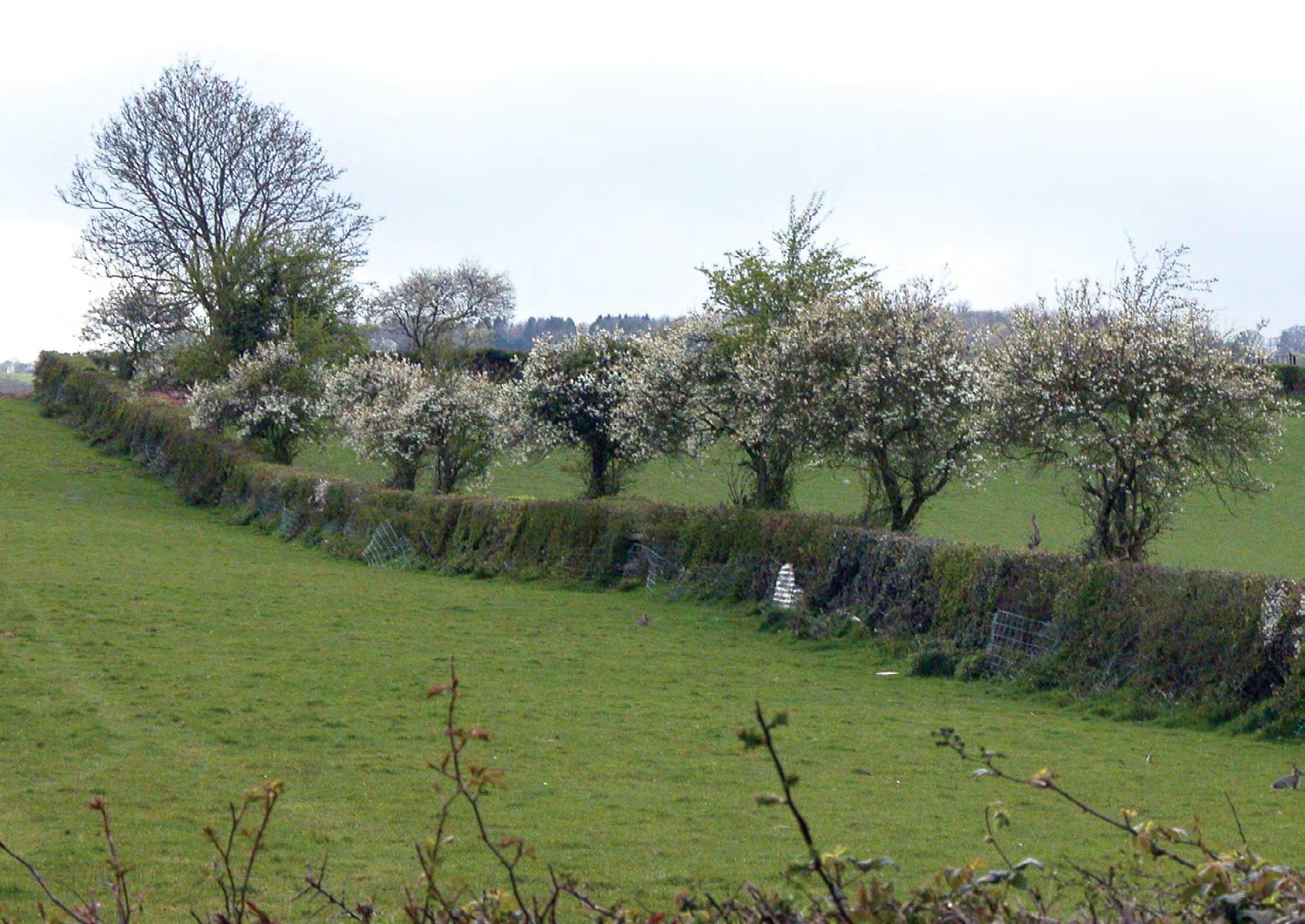
Hedgerows are a key characteristic of the British countryside. They were used historically to outline topography, fields and boundaries between varying land use. Ecologically, hedgerows are key features that act as reservoirs for biodiversity and aid in habitat connectivity, as they provide linear strips of natural habitat connecting areas that may otherwise not be accessible to wildlife, such as large arable fields. Hedgerows are also important carbon stores and can help improve air quality whilst providing amenity value in many rural and urban landscapes.
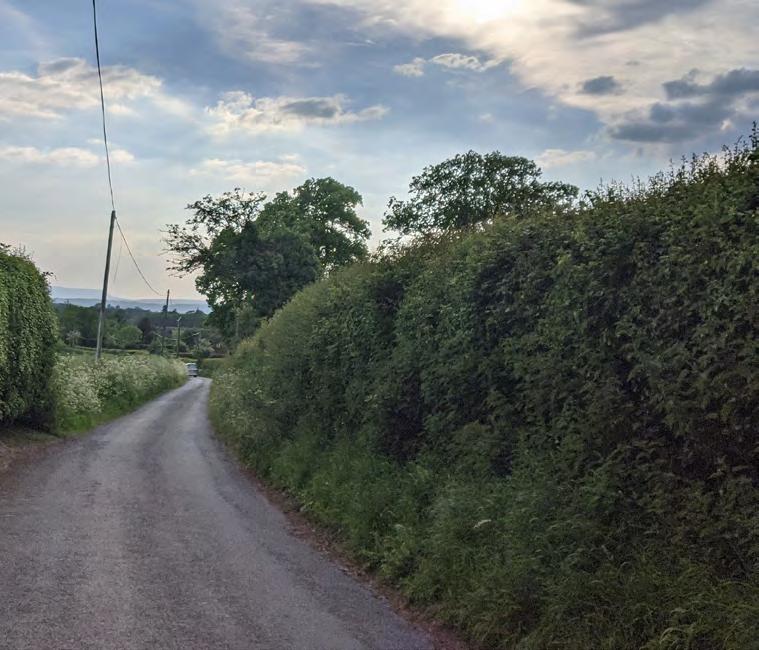
PM 29: Plant native hedgerows and hedgerow trees to improve connectivity
Hedgerows can provide vital linkages of natural habitat between otherwise disconnected areas and integrating trees within hedgerows can often increase species diversity and diversity in age and structure for wildlife. They can also provide long-term carbon sequestration which may be variable over the lifetime of a managed hedgerow. Natural regeneration could also be encouraged as well as improvements to hedgerow and hedgerow trees management. Planting of new hedgerows should aim to create a network of linkages for species movements and should be prioritised where existing hedge networks are lacking. The species, style of planting and management should reflect the relevant National Character Areas. Further guidance is available online.
PM 30: Restore and enhance hedgerows and hedgerow trees for biodiversity
Hedgerows require sensitive management in order to provide the best outcomes for biodiversity. This includes practices such as not cutting hedges every year, to allow for flowering and fruiting, allowing key hedgerow species to grow to full trees, and to not cut during the bird nesting season. Although not mapped, this action should be prioritised in areas where hedgerows have been left neglected and no longer function as hedges. Hedgerow condition can be ascertained using the People’s Trust for Endangered Species Healthy Hedgerow assessment. Further guidance is available online
PRIORITY: Upland habitats are restored, and their condition is improved
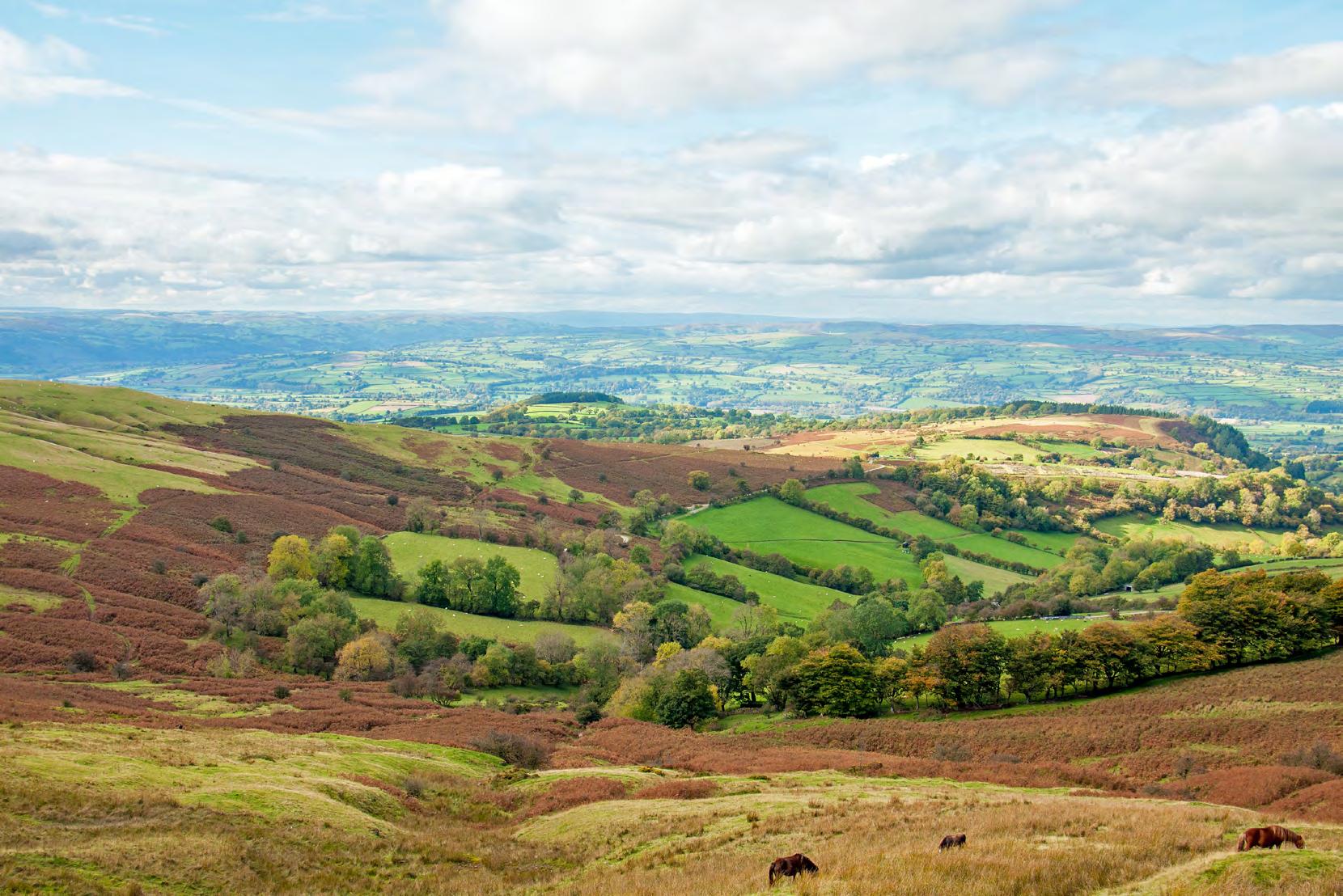
Upland habitats in Herefordshire include moorland, upland heath, acid grassland, rush pasture, bracken, scrub and peatlands. Between the upland moorland and more intensively managed lowland these habitats tend to occur as a mosaic known as Ffridd. Due to the variety of habitats present in Ffridd, including scattered trees, woodland, scrub, bracken, gorse, heathland, grassland, bog, scree and rock, its high structural diversity supports numerous and rare species.
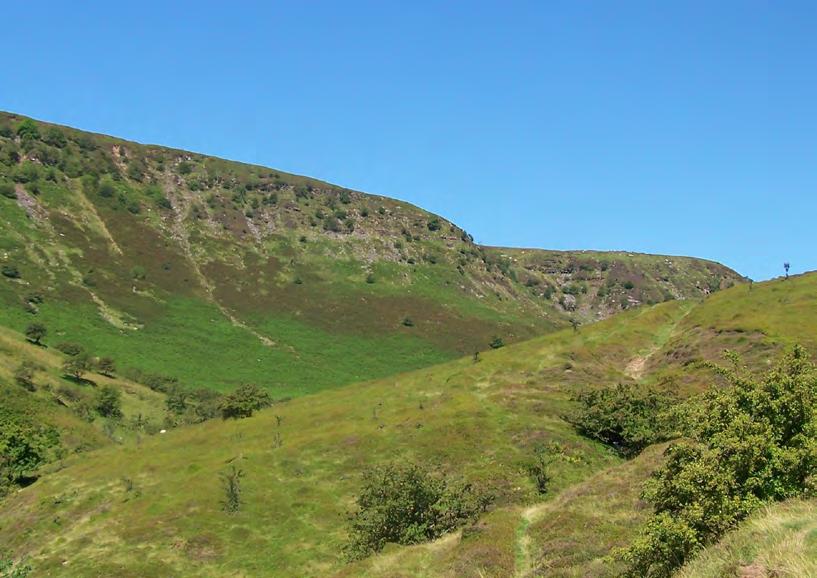
Peatland habitats, such as blanket bog and raised bog, provide valuable waterlogged habitat for a variety of species, including rare and specialist species such as sphagnum mosses. They also provide a number of important benefits, notably acting as vast stores of carbon and can mitigate the effects of flooding through water absorption.
PM 31: Create and restore buffers to peatland habitats Mapped measure
Habitats surrounding peatlands offer an opportunity to support, buffer and protect the peatlands from several pressures, such as footpath erosion or trampling. These can include a mosaic of different habitat types, such as heathland, scrub and acid grassland. It is important to ensure that these habitats and their long-term management continue to support the hydrological conditions of the peatlands.
PM 32: Create and restore upland fringe and mosaic habitats (Ffridd)
Mapped measure
Ffridd mosaic must be restored naturally and managed to increase the extent in Herefordshire. This should be done mainly through decreasing grazing pressure, but bracken and scrub control is also important to maintain the open habitats. Actions should be regular and sensitive to the rare species and conditions required to support a diverse mosaic of different habitat types. Further guidance is available online
PM 33: Raise water tables and prevent soil loss of peatland habitats
Mapped measure
Drainage is a key pressure on peatland habitats, which must remain waterlogged to support their specialist species otherwise bare peat can become exposed. Bare peat quickly becomes oxidised and unstable and is prone to erosion and trampling by walkers and grazing animals. Actions to raise water tables, such as through blocking drainage features, reprofiling and revegetation bare areas of peat will help to these habitats resume their peat-forming function. Further guidance is available online
SA 8: Reduce the impacts of recreational pressure on peatland habitats
Inappropriate recreational actions, such as footpath erosion, littering and lighting barbecues, can degrade and damage peatland habitats. Visitors to these areas should be made aware of the potential negative impacts and be educated on responsible enjoyment of the areas to increase engagement with their protection. Further information is available online.
PRIORITY: Nature-friendly farming practices are widely adopted across Herefordshire
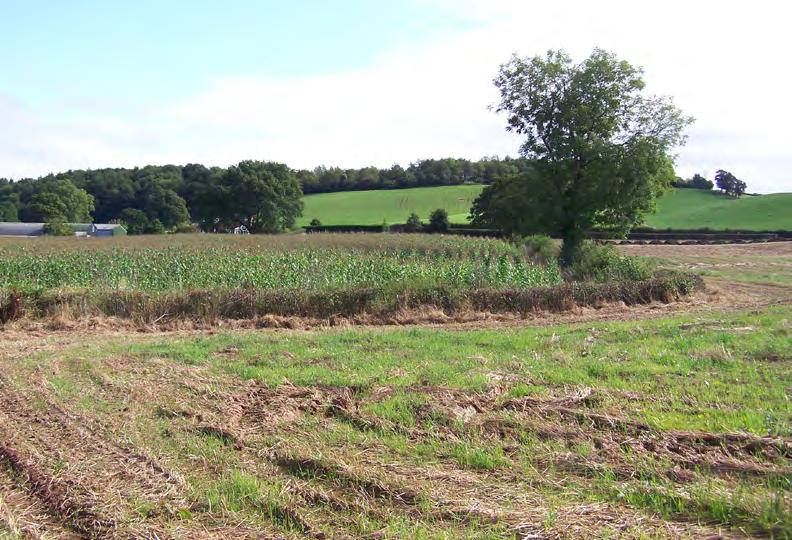
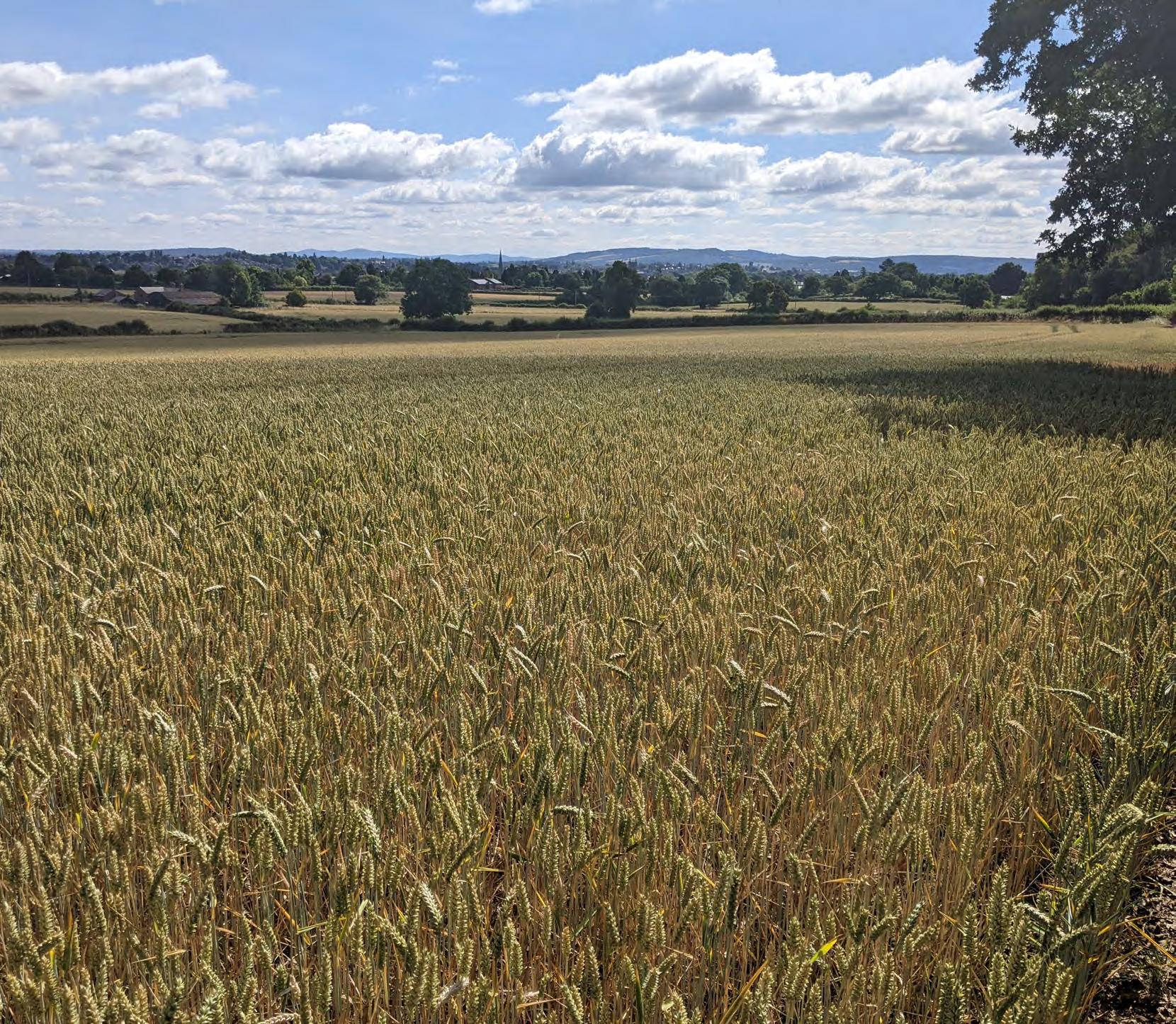
Herefordshire is a predominantly agricultural county and when managed sensitively, farmland habitats can support biodiversity whilst maintaining productivity and food supply. Naturefriendly and sustainable farming techniques are increasingly adopted. As farmland is the dominant habitat type across the county, widespread implementation of these approaches offers Herefordshire a leading opportunity to benefit nature and farming in equal measures.
PM 34: Enhance nature in farmland through Nature, Soil and Water Friendly Farming Practices
Below are just some examples of nature-friendly farming practices that can work on most farms. Many measures described for the other habitats can also be adopted on farms, such as traditional orchard management, caring for ancient and veteran trees, pond restoration and nature-based solutions for natural flood management
• Arable field edge buffers and 3D buffers
• Arable in-field grass strips/skylark patches
• Integrated Pest Management
• Reduce reliance on artificial fertilizers
• Over-winter stubble / cover crops
• Low-risk crops in erosion-prone areas
• Longer arable/livestock rotations
• Mob grazing
• Rotational grazing
• Reduced grazing intensity
• Managed riparian grazing
• Meadow restoration, especially floodplain meadows
• Rotational/staggered hay and silage cutting
• Herbal leys
• Hedge planting
• Scrubby corners
• Agroforestry
• Silvopasture and/or silvoarable
• Less-intensive hedge management
• Hedge laying & restorative coppicing
• Rotational ditch management
• Ditch profile changes (depth and meanders)
• Regenerative farming practices
Further information on nature-friendly farming and regenerative farming can be found online.
A key threat to biodiversity stems from pollution and runoff from farmland. Engagement and support for farmers will be vital to successful reductions in sediments and nutrients from farmland reaching watercourses across Herefordshire. Further guidance is available online.
PRIORITY: Nature-rich areas within the built environment are accessible, climate resilient and biodiverse
Whilst Herefordshire is a rural county the city, towns and villages are still important places that can be shared by people and wildlife. Many species have come to successfully coexist with people in urban settings, and many others must travel across these areas when moving between their natural habitats. Therefore, it is important to ensure that Herefordshire’s built environment can enable species to move freely and even inhabit these areas in the long-term.
PM 35: Implement Sustainable Drainage Systems (SuDS)
SuDS are drainage systems that are designed to be environmentally beneficial, and typically mimic nature to manage rainfall close to where it falls to reduce runoff or surface flow, mitigate pollution and contribute to improved water quality. SuDS can be installed in new developments and also retrofitted in the built environment. Further guidance is available online
PM 36: Increase areas of high-quality accessible green spaces in the built environment
Mapped measure
Existing green spaces in the built environment should be improved to ensure they provide benefits for people and wildlife, with an array of habitats provided as well as publicly accessible routes for all users. Green spaces may occur on the urban fringe or towns and villages or within city centres, and new developments should provide suitable areas of high-quality greenspace in their plans. Urban planters, vegetated areas around buildings, road verges and greenspaces all provide locations for planting of native and/or climate-adapted tree and plant species. Both groups of species should be integrated to attract wildlife to these areas as well as considering the future long-term survival in a changing climate by increasing habitat connectivity. Establishment success for newly planted urban trees should be secured through suitable management plans, including measures such as irrigation tree pit systems. Further guidance is available from Natural England and an urban tree planting guide can be found online.
PM 37: Implement bird and bat box installation
Bird and bat boxes provide suitable nesting and roosting locations for these species the built environment, where natural locations may be sparse or absent. New development schemes should incorporate installation, and boxes can also be retrofitted to existing housing or other buildings. Bird boxes should target species such as swifts and house martins and promote hygiene measure for bird feeders in gardens to mitigate against the effects of avian disease.
PM 38: Prioritise tree planting in areas with low tree equity scores Mapped measure
Tree equity measures the level of access communities may have to the benefits of trees within their area. Some the built environment areas lack tree cover and should form the focus of tree planting activities to improve their equity. It is important to consider the “right tree, right place” to ensure that the benefits of tree planting can be maximised. Further information is available online
PM 39: Enhance species-rich road verges and restore species-poor verges Mapped measure
Road verges sown with species-rich mixes and managed with a reduced mowing regime carry a significantly higher value to biodiversity, particularly pollinators and birds. Road verges with poor species diversity and an intensive mowing regime should be enhanced to provide more high-quality wildlife habitat along roads. Further guidance is available online
SA 10: Support community-led initiatives and educational programs around the built environment and nature conservation
Involving communities in nature recovery within built environments is important in fostering engagement and empowering action. This may be through championing volunteer groups, “friends-of” groups for greenspaces, and holding educational programs in towns and villages.
PRIORITY: Ecosystem resilience to invasive species, pests, and pathogens is strengthened
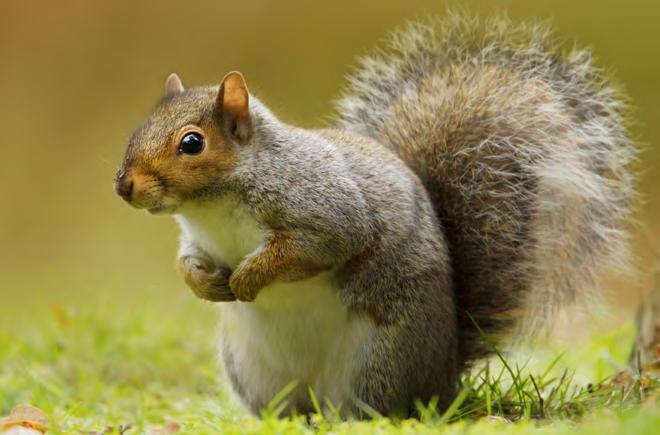
Invasive species, pests and pathogens can cause declines in native species populations, which can have subsequent impacts of degrading habitat functions and resilience as their natural balance has been disrupted. Strengthening ecosystems resilience to these threats will ensure they are better protected and can continue to function despite these threats, as well as the overarching pressure of climate change.
PM 40: Restore and enhance habitats through landscape control of invasive species, pests and pathogens
A coordinated program engaging with all stakeholders will be the most effective in tackling the highest risk invasive species, pests, pathogens and diseases, especially those that threaten vulnerable native species and/or impact habitat creation and restoration. This should include an understanding of these threats and how they spread to ensure successful monitoring and control measures can be implemented to improve biosecurity. Climate change is also enabling colonisation of new species in areas where they have not previously been recorded, these should form part of monitoring work. It is important to consider the delivery of habitat measures also poses a risk of introducing or spreading invasive species, pests or pathogens. Further guidance is available online along with specific advice on squirrels and deer
SA 11: Develop a robust evidence base to assess county-wide biosecurity vulnerabilities
Biosecurity relates to actions aimed at preventing the introduction or spread of harmful organisms outside of their typical native range. Data input from a wide variety of stakeholders will be important to develop a robust evidence base of the key species, pests or pathogens presenting the highest threat to the county’s biosecurity. Further information is available online.
PRIORITY: Cultural sites are rich in nature while being well maintained for their heritage value
The archaeology, history and heritage of Herefordshire is rich, varied, and diverse. It is highly valued and core to the identity of the county and its people. It is as much at risk from land use decisions and climate change as the natural world and has been degraded in the same way as our natural world through an ever-accelerating agricultural intensification, land-use change and development. Knowing how the land has been used in the past can inform, enrich, enhance, and support every aspect of nature recovery. By recognising this shared heritage and the shared threats both environmental benefits and historic
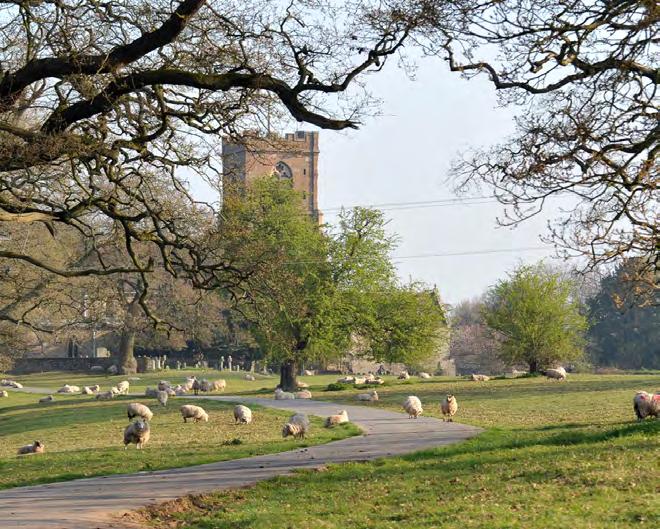
There are 146 Local Geological Sites and 20 Sites of Special Scientific Interest designated for their geology in Herefordshire, including one of global significance. ones can be achieved.
PM 41: Integrate biodiversity improvements within geological and historical sites
Improving biodiversity on non-nature focussed sites is key to delivering nature improvements across the county. Many of the geological and historical sites provide unique habitat opportunities for species to thrive in protected environments. Further information is available online.
PRIORITY: The impact of pollution on habitats and species is reduced
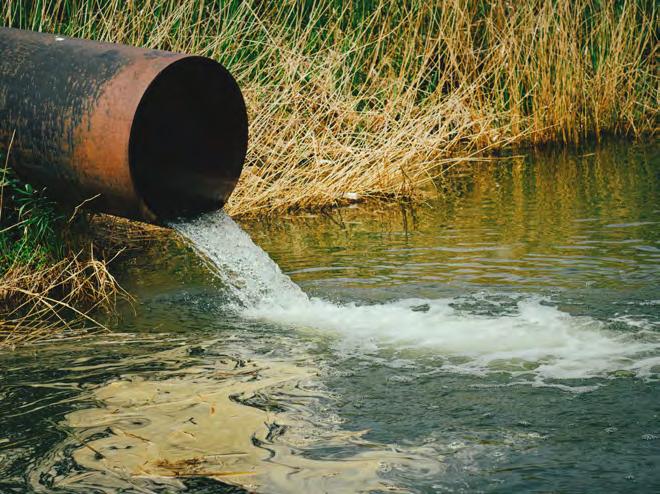
Phosphate, ammonia and nitrogen pollution of soils and watercourses, is a major threat for Herefordshire’s natural environment. Sources include sewage discharge, septic tanks and industrial and agricultural runoff. Excessive phosphate leads to the poor ecological condition of Herefordshire’s rivers and failing water quality in many areas of the catchment. Excess nitrogen from the ammonia deposition results in more fast-growing species at the expense of less nutrient-tolerant flora. This can lead to ecosystem imbalances and habitat degradation.
PM 42: Create pollution tolerant buffers to reduce pollution impacts on sensitive habitats llution can cause biodiversity loss and the degradation
Pollution can cause biodiversity loss and the degradation of sensitive habitats, especially freshwater habitats, grasslands, woodlands and peatlands. Pollution sources can be located through surveys and by collecting air, water and land quality data and field surveys, allowing for targeted interventions to be implemented to reduce pollution. Habitats can also be protected through creation of pollution-tolerant buffers.
Further guidance on grasslands and pollution is available online
Further information on woodlands and pollution is available online.
Further information on hedgerows and pollution is available online.
Further information on peatlands and pollution is available online
SA 12: Encourage more field surveys to identify pollution hot spots
Herefordshire is home to a varied assemblage of animal and plant species. Many of these species will benefit from the habitat measures listed above and are therefore not considered further within this section. Targeted measures are however required in order to sustain and enhance populations of key species to the area, whereby the habitat measures are not able to provide the specific species requirements. These are vital to ensure these key species are not threatened by extinction and can continue to have a stronghold in the county. In addition, some species known to previously inhabit Herefordshire may be the subject of targeted reintroductions to enable them to establish populations in the county once more.
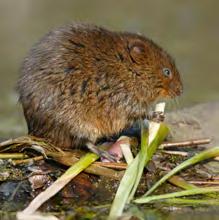
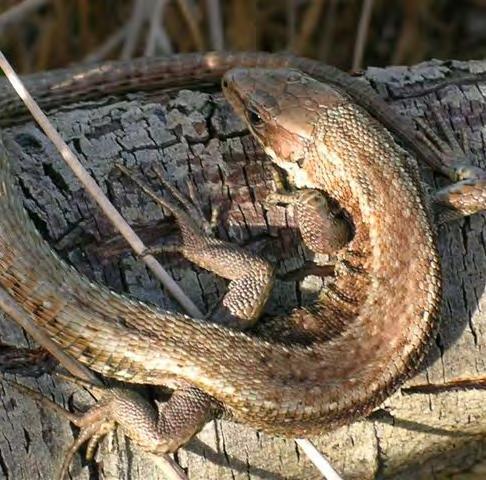
Herefordshire’s species were subject to a shortlisting exercise in which iconic, rare and / or notable species were identified through consultation with various stakeholders. Those species deemed most in need of conservation actions were brought forward with measures designed to improve their populations, such as through habitat restoration, predator control or reintroductions.
Species or species assemblages (a group of different species which co-occur in the same habitat and are characterised by their interactions) are listed as priorities, with their associated measures detailed for each of them below.
These assemblages have been chosen based on habitats where individual species are primarily located. They also have measures that are compatible and beneficial for the recovery for each of the other species.
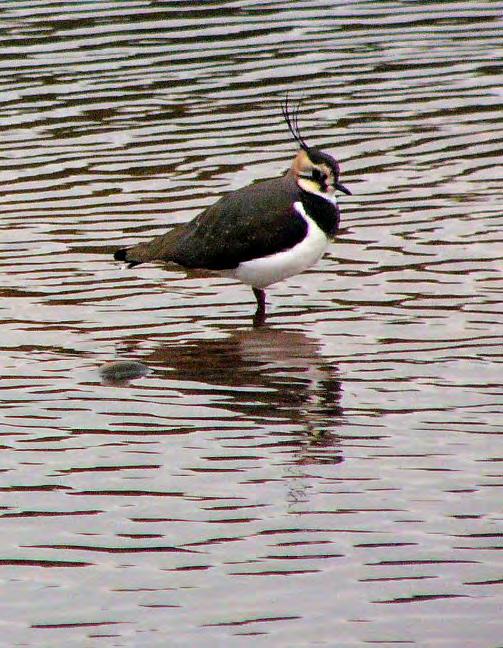
This includes the following bird species: Grey Partridge, Oystercatcher, Snipe, Curlew, Lapwing, Redshank, Barn Swallow, Kestrel and Barn owl. All of which rely on both grassland and farmland habitats to restore their populations.
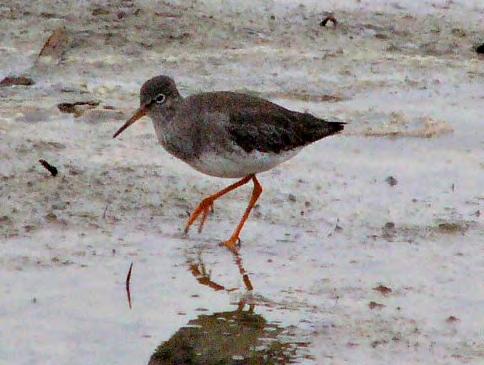
Wild bird seed mixes are designed to increase the cover of plants that provide food for farmland birds in the autumn and winter. These include plants such as Spring Barley, White Millet and Linseed. Wild bird seed mixes that target Grey Partridge should be used. Further information is available online
Implement predator exclusion measures
The nests and young of ground-nesting birds are particularly vulnerable to predation. Predators commonly include Foxes, Crows, and domestic cats. Predator exclusion actions should be focused on reducing predators of the following species: Grey Partridge, Oystercatcher, Snipe, Curlew, Lapwing and Redshank.
Snipe are wading birds, that use lowland wet grassland habitat for breeding and foraging. Low-intensity grazing is a management action that can provide high quality Snipe habitat in wet grassland habitat: stock create hoof prints which encourages small puddles and the growth of tussocky grass. However, stock should be removed during Snipe breeding season to avoid stock trampling on snipe nests or young. Further information is available online
Temporary fencing around nesting sites is a measure used to address predation pressure on ground nesting birds. Electric fencing deters predators such as foxes and can result in increased egg hatching and chick survival. This measure should be implemented with a focus on Curlew and Lapwing.
Many wading bird species are attracted to nest in damp meadows or unimproved grassland. Lapwing often nest on arable land or grassland with low stocking rates and walk their chicks onto pastures to feed. Avoiding mowing during until late July allows Lapwing to finish raising their young without disturbance, as mowing can destroy nests and disturb chicks. Further information is available online
Nest boxes provide locations for bird species to nest and raise young and thus help to boost populations in areas where nesting habitat may no longer be widely available. Nest box designs can vary based on species and should therefore focus on these species: Barn Swallow, Kestrel and Barn Owl. Further guidance is available online.
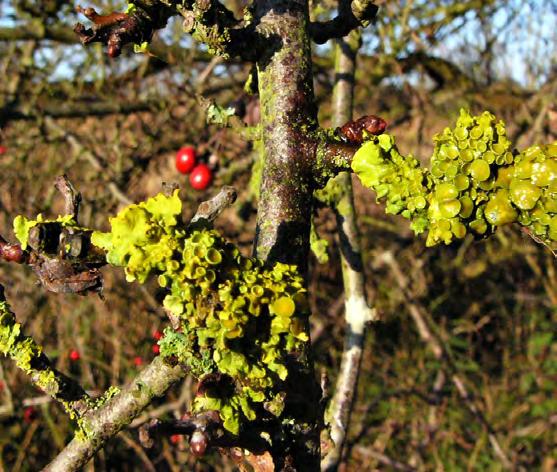
This includes seven moth species: Little Thorn, Fletcher’s Pug, Beautiful Snout, Drab Looper, Scarce Prominent, Gold-base Tubic and Bilberry Pug, one true fly: Chrysosomopsis aurata, one lichen: Witches’ Whiskers and one beetle: Jumping Weevil. These species require specialist woodland measures to restore their populations.
measure
Increase the availability of foodplants
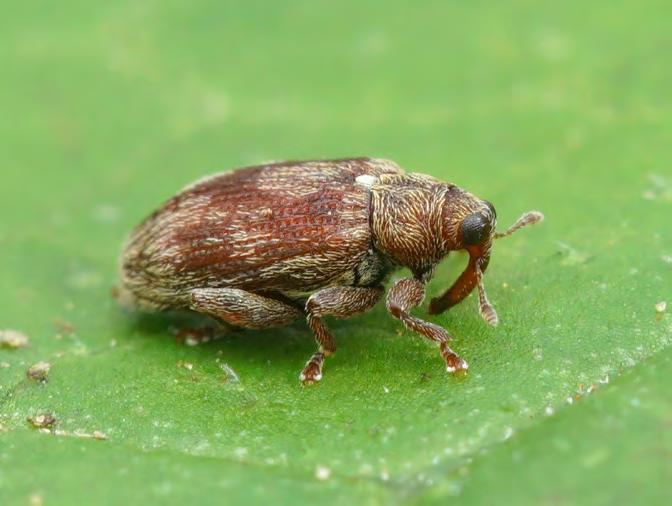
The following foodplants should be integrated into woodland habitats through planting or natural regeneration to support these species:
• Bilberry for Little Thorn and Beautiful Snout moths;
• Small Leaved Lime for Fletcher’s Pug moth;
• Wood Spurge along woodland rides for Drab Looper moth; and
• Birch for Scarce Prominent moth.
Increase the number of dead wood piles in Dymock Forest
The Gold-base Tubic moth feeds on dead bark and requires an increase in the number of dead wood piles within Dymock Forest. The habitat measure PM 3: Enhance woodland diversity through retention of deadwood will also support this species.
Identify and reduce nitrogen pollution affecting woodlands
The Witches’ Whiskers lichen is negatively affected by nitrogen pollution in woodland habitats. The sources of this pollution should be identified, and measures implemented to reduce the pollutant levels and ensure the recovery of this species.
Retain and increase Alders within woodlands
Alder is a tree species commonly found in water-logged locations such as wet and riparian woodlands. Where this species is present, trees should be retained, and natural regeneration allowed to occur and establish. This may lead to colonisation of new woodland by the Jumping Weevil supporting the recovery of its population.
Sustainably manage Traveller’s Joy to support Chrysosomopsis aurata
Chrysosomopsis aurata is a true fly species which requires a moth called The Fern, which feeds on Traveller’s Joy, a climbing plant species with fluffy, white seed heads. Traveller’s Joy can form dense thickets, therefore sustainable management to increase it number is key to ensuring it supports The Fern moth and in turn the true fly, Chrysosomopsis aurata.
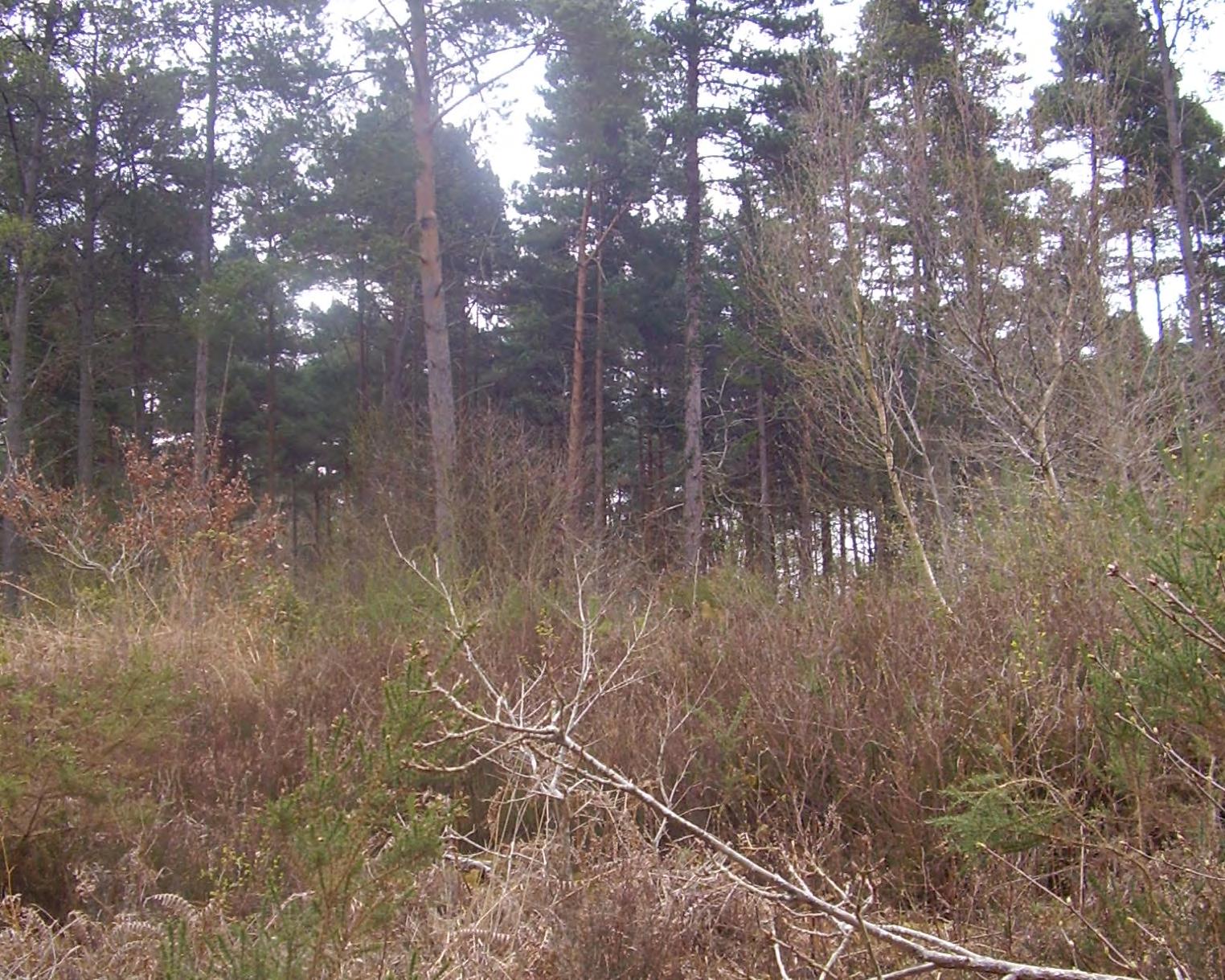
This includes three bird species: Nightjar, Woodlark and Willow Warbler, and two moth species: Broom-tip and Lead-coloured Pug. These species thrive in conifer clearfell, areas of conifer plantation which have been cleared, and heathland to provide their specific habitat requirements.
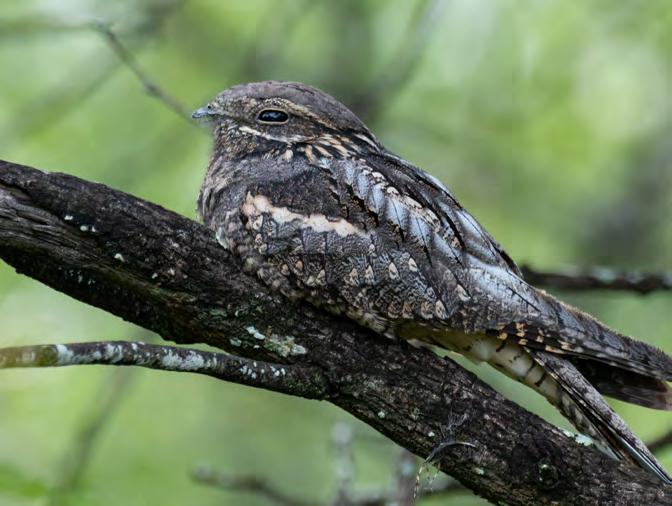
Restoration and management of these woodland habitats for these species will support population recovery. Habitat measures for heathland will also support Nightjar populations and wood pasture and parkland measures will also support Woodlark populations.
The availability of foodplants, Broom for the Broom-tip moth and Common Cow-wheat for Lead-coloured Pug moth, will be vital for their populations. These foodplants should be targeted for creation and management in heathland habitats, with Common Cow-wheat to be targeted in Dymock, Haugh Wood and older woodlands in particular.
This includes the following fish species: River Lamprey, Brook Lamprey, Sea Lamprey and Atlantic Salmon, one mollusc: Depressed River Mussel, one crustacean: White-clawed Crayfish and three bird species: Little Ringed Plover, Dipper and Sand Martin. These species inhabit freshwater and riparian habitats within Herefordshire and measures will support the restoration of their populations.
Minimise recreational disturbance
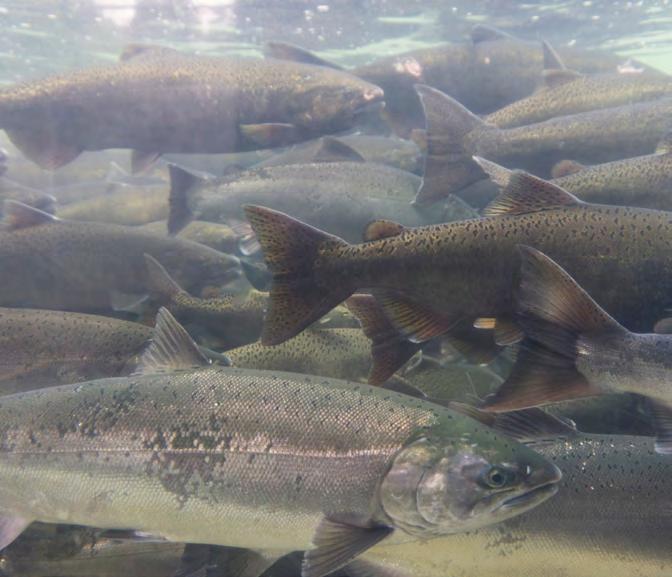
Recreational activities have potential to disturb species, damage suitable habitats and spread invasive non-native species and pathogens such as crayfish plague. along watercourses. Increased engagement with the public and key riparian stakeholders will help to reduce disturbance levels and mitigate the effects. This measure should focus on White-clawed Crayfish, Little Ringed Plover, Dipper and Sand Martin.
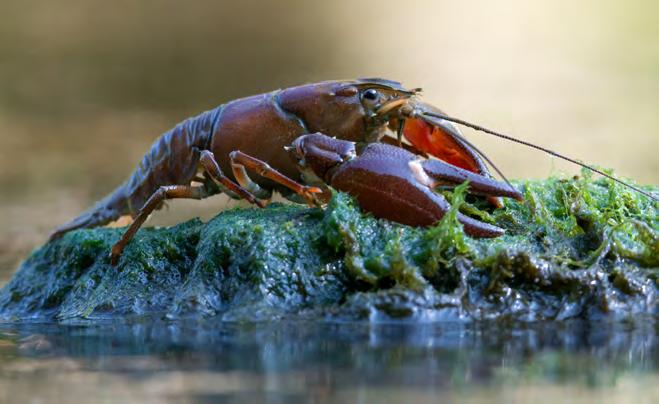
Control Signal Crayfish populations for White-clawed Crayfish population recovery
Signal Crayfish pose a threat to the native, White-clawed Crayfish through direct predation, outcompeting for habitat as well as disease, crayfish plague. Signal Crayfish populations must be controlled to enable White-clawed Crayfish populations to recover.
Zebra Mussels and Asian Clams are molluscs which when established on slow flowing watercourses or open water can dominate. These species alter oxygen levels within the water, preventing native species from surviving or outcompeting the Depressed River Mussel for habitat and food sources. These invasive species must be identified swiftly if recorded within Herefordshire, to prevent negative impacts on the Depressed River Mussel. Biosecurity measures will also support this measure.
Consider translocation above river obstacles
Many of the watercourses across Herefordshire include river obstacles, such as weirs, waterfalls, sluices, dams, culverts, fords and flap gates which prevent fish passage throughout their life cycle. Translocation of the three lamprey species into locations upstream of river obstacles should be considered to support their migration out to sea as they become adults. Further guidance is available online
Fish passage technologies could be employed at several of the river obstacles to enable free movement of fish upstream and downstream. There are several types of fish pass that can be fitted to obstructions as they cannot be removed. Careful consideration of suitable fish passes, and appropriate designs and approvals will be required. Further information is available online
The three Lamprey species rely heavily on channel margin habitat for their juvenile life stage, existing as larvae in accumulation of fine sediments present on the edges of watercourses. Thees channel margins habitats are threatened by dredging and channel maintenance activities and therefore, mitigation to conserve these habitats is vital for these species.
Atlantic Salmon require shallow gravel areas in clean watercourses to spawn, release or deposit their eggs. The creation of these gravel beds will allow Salmon to excavate nests or ‘redds’ for spawning to take place. Gravels could also be restored by removing fine sediments that have accumulated on top of gravels or breaking up of compacted gravels. These spawning grounds can also benefit the three lamprey species which require similar spawning habitats.
This includes the following invertebrate species: White-letter Hairstreak butterfly, Eupithecia denotata moth, Barred Tooth-striped moth and Noble Chafer beetle.
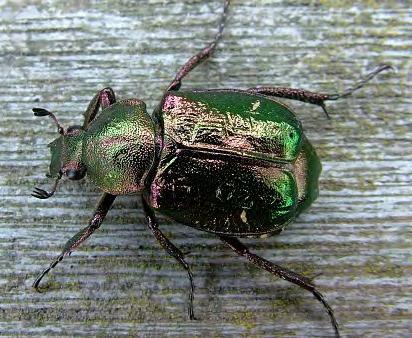
Increase the availability of foodplants within hedgerows
The following foodplants should be integrated into hedgerows through planting or natural regeneration to support these species:
• Elm for White-letter Hairstreak butterfly;
• Nettle-leaved Bellflower and other campanula for Eupithecia denotata;
• Wild Privet for Barred Tooth-striped moth; and
• Fruit trees for Noble Chafer beetle.
This includes two moth species: Yellow-ringed Carpet and Silurian, two bird species: Lesser Redpoll and Tree Pipit, and one butterfly species: Dark Green Fritillary. Upland habitats are key to restoring these species’ populations.
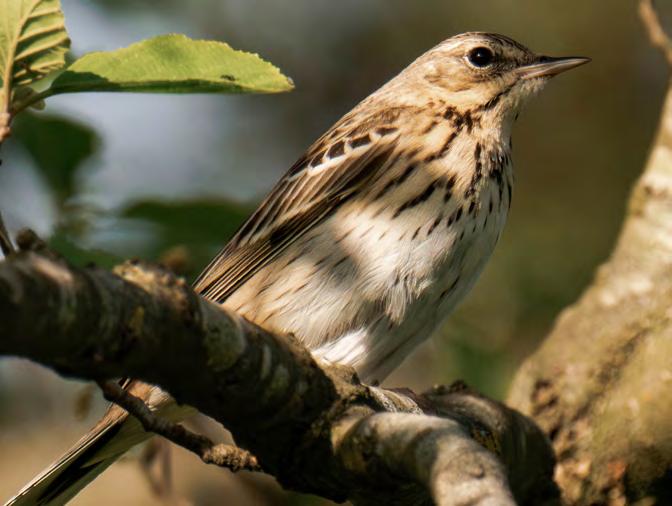
Create, restore and safeguard Ffridd habitat for upland birds
Ffridd is upland fringe habitat comprising diverse mosaic of scattered trees, small woodland areas, bracken, heather, grasslands and bog which are utilised by upland birds such as Lesser Redpoll and Tree Pipit. This mosaic of habitats in the upland area must be restored, created and preserved to support strong populations of these birds in Herefordshire. Further guidance is available online
Increase the availability of foodplants
The following foodplants should be integrated into upland habitats through planting or natural regeneration to support these species:
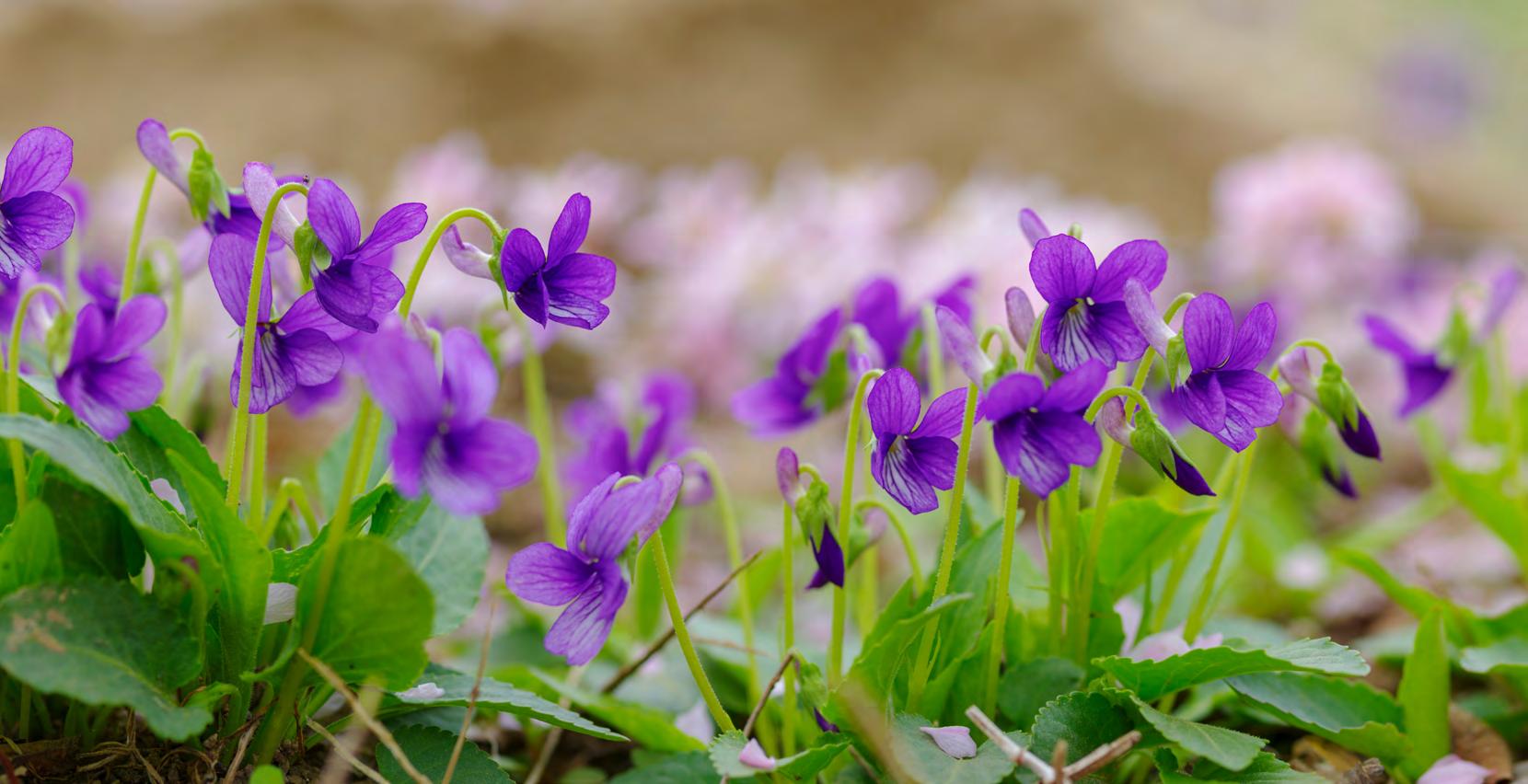
• Violet for Dark Green Fritillary butterfly;
• Saxifraga spp. and Sedum album for Yellow-ringed Carpet moth at Black Darren, Black Mountains; and
• Bilberry and Heath Bedstraw in the Black Mountains.
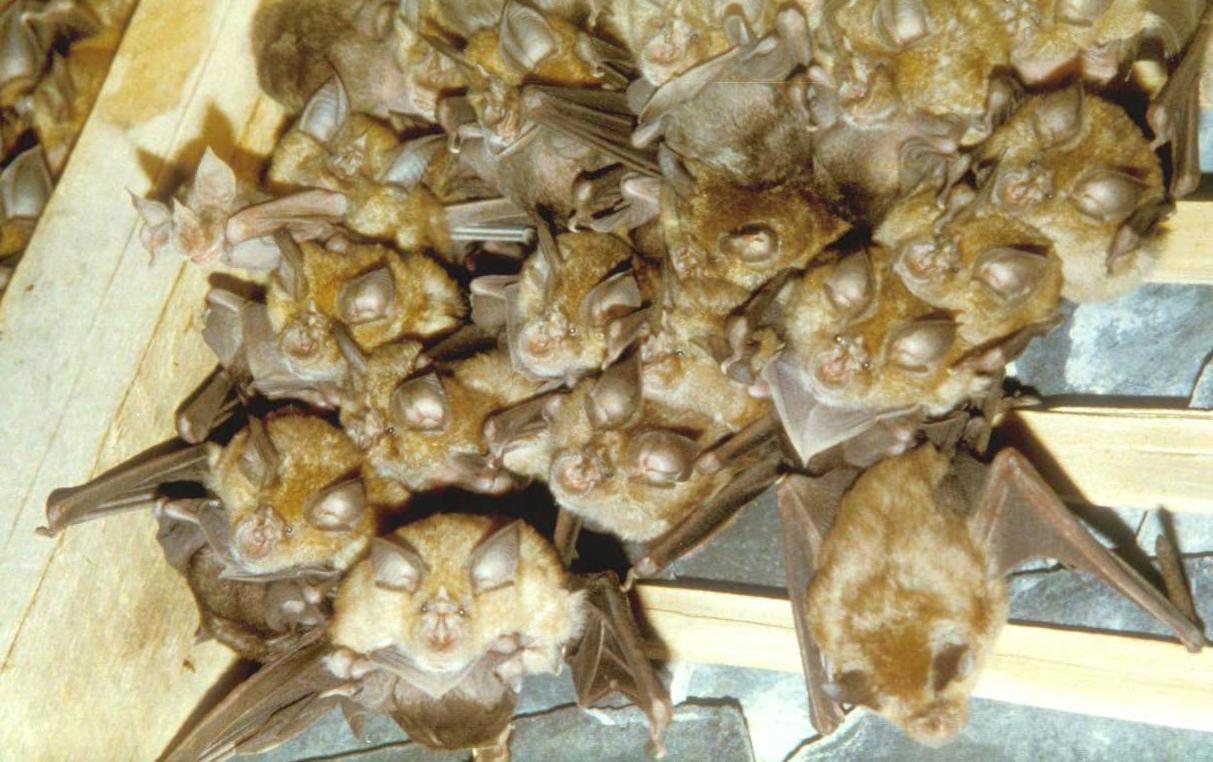
This includes the following species: Western Barbastelle, Serotine, Bechstein’s Bat, Brandt’s Bat, Daubenton’s Bat, Whiskered Bat, Natterer’s Bat, Lesser Noctule, Noctule Bat, Nathusius’s Pipistrelle, Common Pipistrelle, Soprano Pipistrelle, Grey Long-eared Bat, Brown Long-eared Bat, Greater Horseshoe Bat and Lesser Horseshoe Bat.
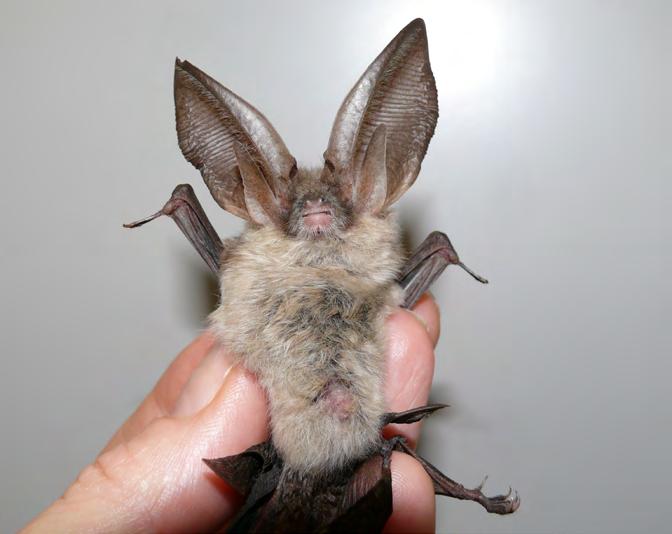
Safeguard habitats surrounding known roosts (including roosts in buildings) Bats primarily reside within roosts throughout the summer months when they are most active. These roosts can be in a variety of different places such as within hollow trees, eaves of building, caves or any small space. Disturbing bat roosts can be a legal offence. Due to this it is important to safeguard surrounding areas as this could impact the roost directly along with reducing the potential area for transit and foraging.
Bat commonly use woodland edges, hedgerows, rivers and other linear features for navigation along with protection from predators. Interruptions to these routes can result in bats no longer being able to reach hunting grounds reducing their chances of survival.
During the winter months bats depend on hibernacula for their hibernation periods. These spaces provide an excellent area for warmth, protection and minimal human disturbance. The safeguarding of these areas provides bat species with the opportunity to carry out natural processes that they would otherwise struggle with.
This includes the following species: Swift, House Martin and Greenfinch
Mapped measure
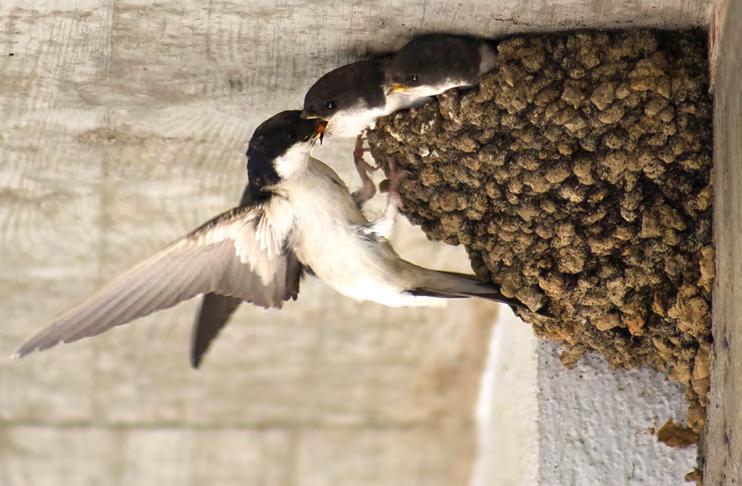
Urban species depend on areas for them to be able to build their nests. With the decrease in trees in the urban environment compared with the rural one the opportunity to find a space is limited. The construction of nest bricks provides species such as Swift a preferred habitat for them to be able to create their nest away from predators.
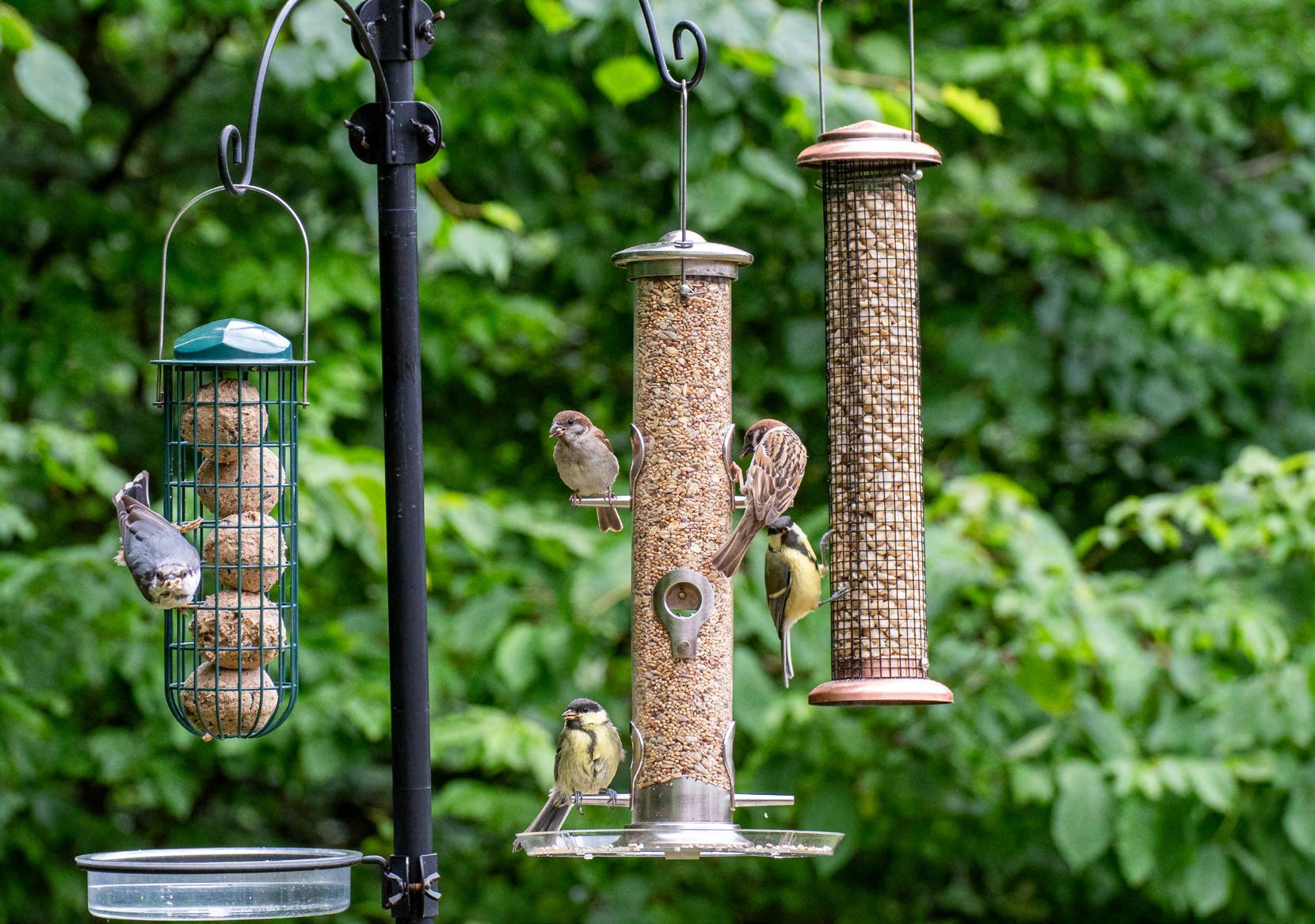
Promote improved garden bird feeding hygiene measures to mitigate the effects of avian disease.
Within the garden and urban environment diseases can be spread quickly through a population. A common way for this to happen is from pathogens being left on bird feeders and bird baths within gardens. Increasing the cleaning of them can decrease the rate of infection within bird populations.
Mapped measure
Create islands in gravel pit lakes, provide nest shelters and undertake predator control
The Common Tern is a migratory seabird that breeds in wetland habitat (both coastal and inland), and nests on sandy and gravelly shorelines and islands. Constructing islands within gravel pit lakes will provide a greater area of nesting habitat for this species, and efforts to reduce predator impacts will also improve their breeding success. Guidance is available here.
Mapped measure
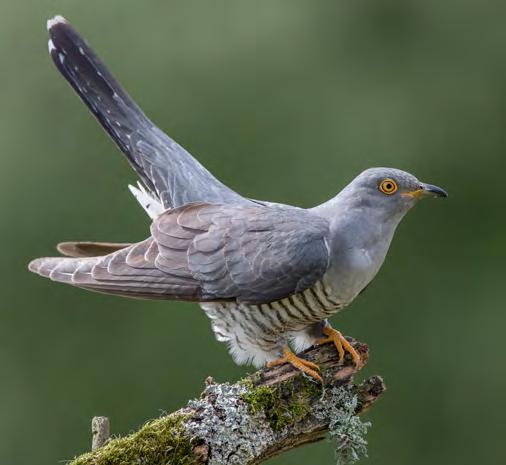
Create suitable habitat involving scrub creation in upland areas and reedbed creation
Cuckoos migrate to Britain to breed in the summer months, famously laying their eggs in the nests of other birds for them to raise. Cuckoos occur in a wide variety of habitats, but scrub and reedbed creation have been highlighted as target habitats to help cuckoo populations in Herefordshire.
Mapped measure
Identify, safeguard and manage tufa
Ellipteroides alboscutellatus, a species of cranefly, is known from only a few locations scattered across the UK. Tufa is the name given to limestone deposits that arise from fluvial deposition, i.e. when minerals precipitate out of water flowing in rivers, streams or in lakes. Tufa deposits attract rare plants that are specialised to growing on limestone rich soils.
Mapped measure
Leave stumps at least 3ft high in cleared boggy areas
The White-barred Clearwing is a moth species that is found in heathland, raised mossy areas and along the edges of streams and woodland glades. Habitats in Herefordshire can be improved to target this species and include leaving stumps in boggy areas as the caterpillars feed near the base of tree trunks before overwintering as larvae.
Mapped measure
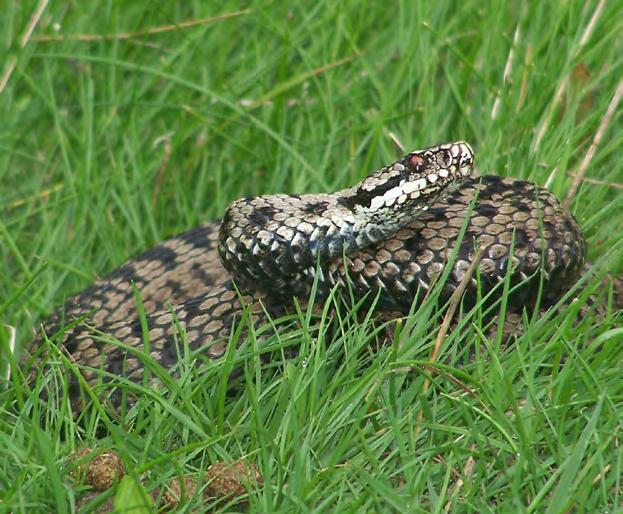
Improve public perception of snakes, in particular towards Adders
Negative attitudes towards snake species are highly likely to correlate with detrimental or reduced conservation actions or outcomes. Education and outreach programs should aim to improve awareness and understanding of snakes, in particular Adders: whilst venomous, this species is highly unlikely to cause harm for most people without allergies to snake bites.
Improve the genetic diversity of populations through creation of new habitats
Adders have experienced steep population declines across the UK, including in Herefordshire where declines are estimated to be up to 98%. Population declines can contribute to isolated populations with small gene pools. Creating new habitats, especially linkages between existing habitat, can aid in adder distribution, reconnect isolated populations, and improve genetic diversity.
Mapped measure
Retain old apple trees
Orchard Toothcrust is a rare fungus that only grows on old apple trees, which can often be removed as they are no longer productive. However, retaining these provides the required habitat for the fungus to thrive on deadwood of the old apple tree.
Mapped measure
Restore pond habitat
Pillwort is the UK’s only native aquatic fern, which thrives at one location in Herefordshire on pond edge habitats. At a second site where it has recently been lost, the removal of a bund and reinstatement of the pond profile alongside translocation will help to restore this population in the county. Further guidance is available online.
Mapped measure
Retain fallen deadwood
This fungus requires fallen deadwood, in particular dead oak branches or trunks, to remain where fallen rather than management to cut and pile the deadwood. This will ensure that the moisture from the ground is retained to support this species. Land near to the trees should not be disturbed and if piles of deadwood are required these should be stored away from trunks.
Mapped measure Promote sensitive tree works within Moccas Park
The Moccas Beetle is one of the most endangered species of insect in Britain and is only known at the Moccas Park National Nature Reserve. Trees which have major splits and require work to maintain this habitat must be done sensitively to ensure it can still support this specialised species. Further guidance is available online
Mapped measure
Control American Mink populations for population recovery
American Mink are key predators for water voles, having been introduced in the early 20th century for fur farming and then escaped captivity or been deliberately released. Mink have few natural predators, and thus their presence along watercourses can have detrimental effect on water vole populations. Mink populations must be controlled to enable Water Vole populations to recover.
Mapped measure
Existing sites require sympathetic clearance of encroaching vegetation
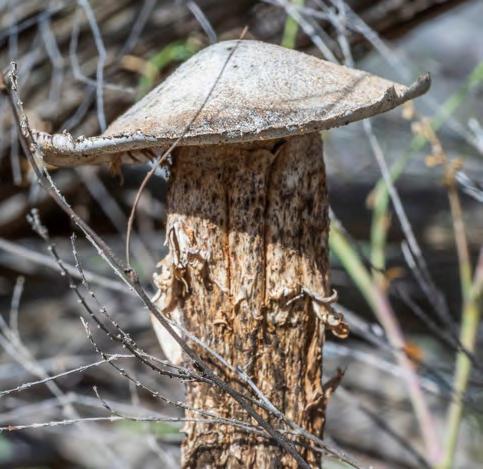
This fungus is only found in at a very limited number of sites within Herefordshire. It is a saprotrophic species that prefers to reside in sandy soils that are south facing. To allow this species to flourish this site needs to be kept clear of encroaching vegetation to provide optimal conditions for growth.
Mapped measure Increase the availability of foodplants: Wild Strawberry
Mapped measure Increase the availability of foodplants: Wild Liquorice
Mapped measure
Increase the availability of foodplants: Pignut
Several species may require reintroductions to support the recovery of their populations in Herefordshire. This involves the deliberate release of the species, either from captivity or areas where populations still remain, to reestablish in areas which it used to inhabit.
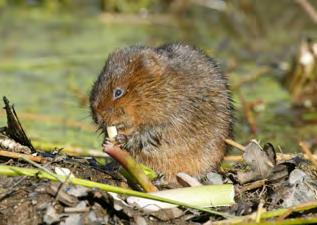
Promote the reintroduction of Water Vole where suitable
As a declining species, water vole reintroductions may be required in specific locations to enable populations to reestablish. Careful consideration of suitable locations, with an absence of American Mink and suitable riparian habitats will be important.
Promote the reintroduction of the Forester moth where suitable
This day-flying moth species is widespread; however, is often absent over wide areas. The reintroduction of this species to hay meadows in Herefordshire should support recovery of the forester’s population.
Promote the reintroduction of the Pearl-bordered Fritillary butterfly where suitable
The Pearl-bordered Fritillary is a striking orange and black butterfly which inhabits sunny woodland clearings. Reintroduction of this species to Ewyas Harold Common and other scrub or woodland clearing areas should support its recovery.
Promote the reintroduction of the plant, Petty Whin where suitable
Petty Whin is a small spiny shrub with yellow flowers found on acid grasslands and heathlands. The reintroduction of this species should be considered following the creation of these habitats to restore the distribution of this plant across Herefordshire.
Promote the reintroduction of the plant, Sheep’s-bit where suitable
Sheep’s-bit is a low growing plant with light blue flower heads often found on dry acid grasslands. Once established it can grow in large numbers on a site and therefore, reintroduction should enable this species to recover its population in Herefordshire.
Promote the reintroduction of the plant, Narrow-leaved Water-dropwort where suitable
Narrow-leaved Water-dropwort is a tall plant with white flowers in umbels, a flower cluster. The reintroduction of this species in wet grasslands across Herefordshire should support the recovery of this species’ population
Promote the reintroduction of the plant, Saw-wort where suitable
Saw-wort is a plant with serrated leaf edges and purple flowers. It is often located on roadside verges as well as woodland edges and hay meadows. Reintroduction into roadside verge sites where action has been taken to reverse the expansion of bracken should be prioritised.
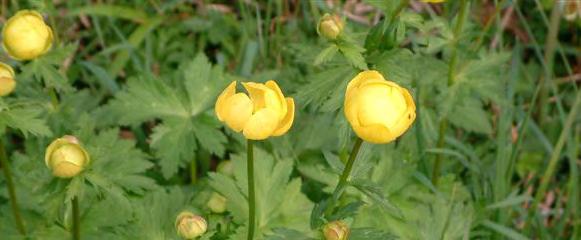
Promote the reintroduction of the plant, Globeflower where suitable
The Globeflower is a tall plant with bright yellow flowers and is only known of at three, possibly four sites across Herefordshire. It was formerly known from other places within a well-circumscribed range in the west of the county and there may be opportunities to reinstate these
Promote the reintroduction of the plant, Wood Bitter-vetch where suitable Wood Bitter Vetch is a legume with drooping pink/cream flowers and is known to be surviving in two sites in Herefordshire. Both of which require alterations to grazing regimes as one is overgrazed, whilst the other is under grazed, to ensure these populations can be sustained. Reintroduction to nearby sites could also support the recovery of Wood Bitter-vetch.
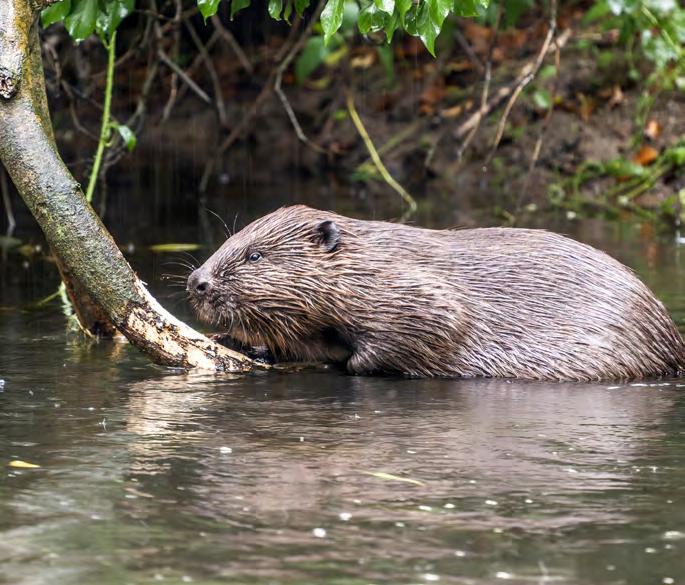
Promote the reintroduction of Beavers where suitable
Beavers are considered a keystone species in the UK, able to help restore natural processes and cascade benefits for people and wildlife through wetland creation and slowing the flow, reducing flooding downstream. In February 2025, a landmark policy was published by Defra on the wild release and management of beavers in England. Due to the impact of a Beaver on the local area the reintroduction of any beaver will need to have go through a rigorous consultation to ensure that they will only be released where most appropriate. Further information is available online.