India Housing System Profile
Author: Ben Atkinson
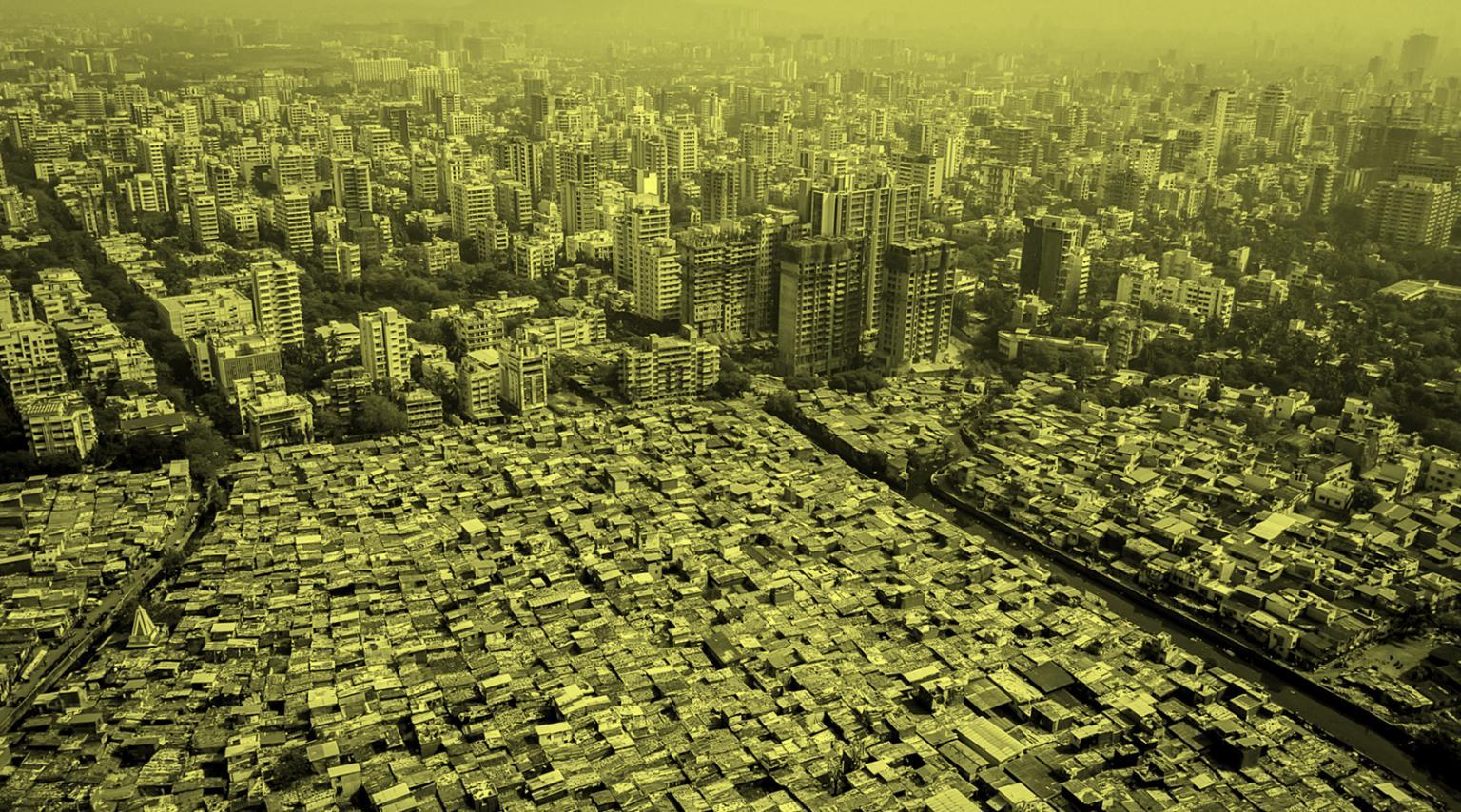


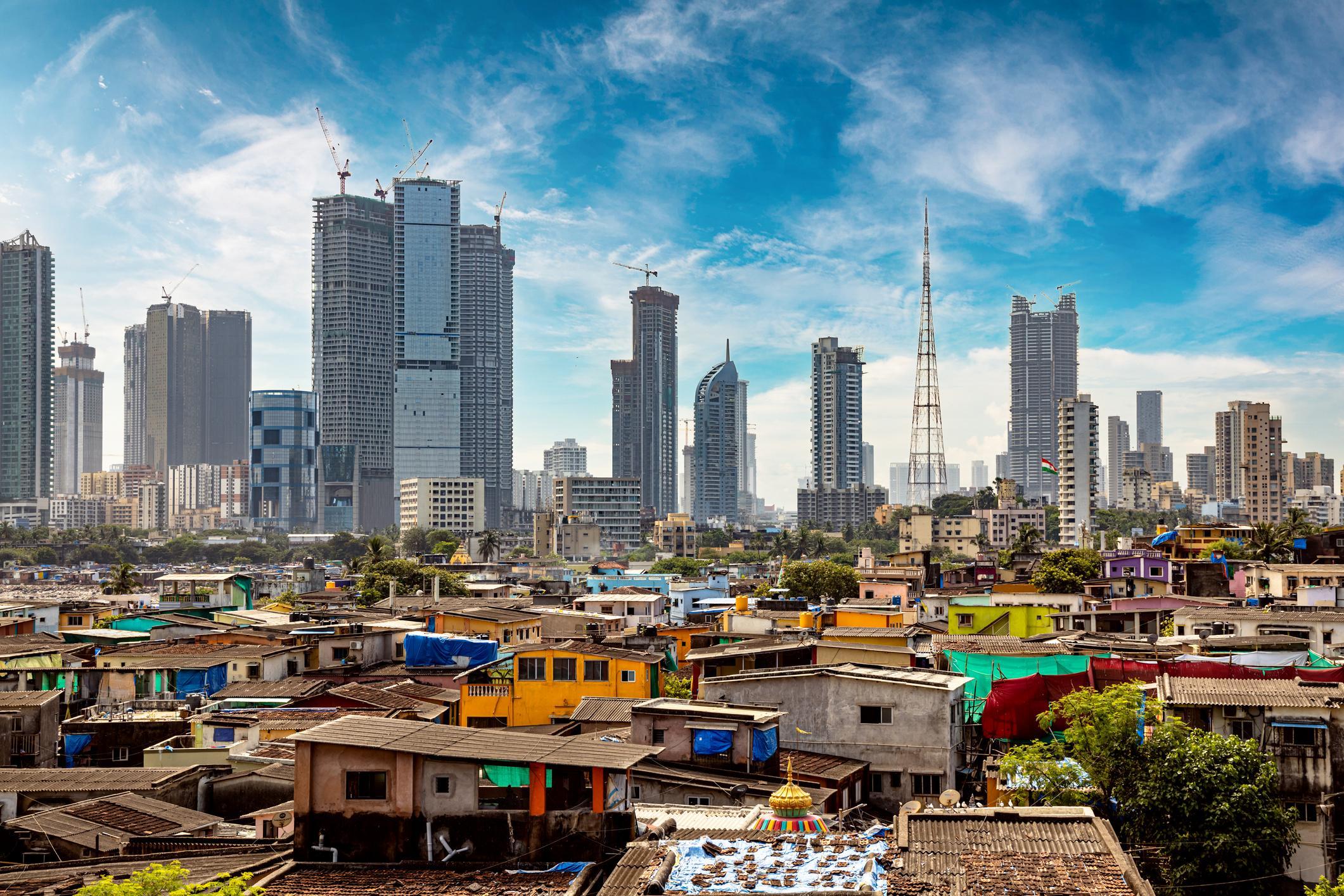
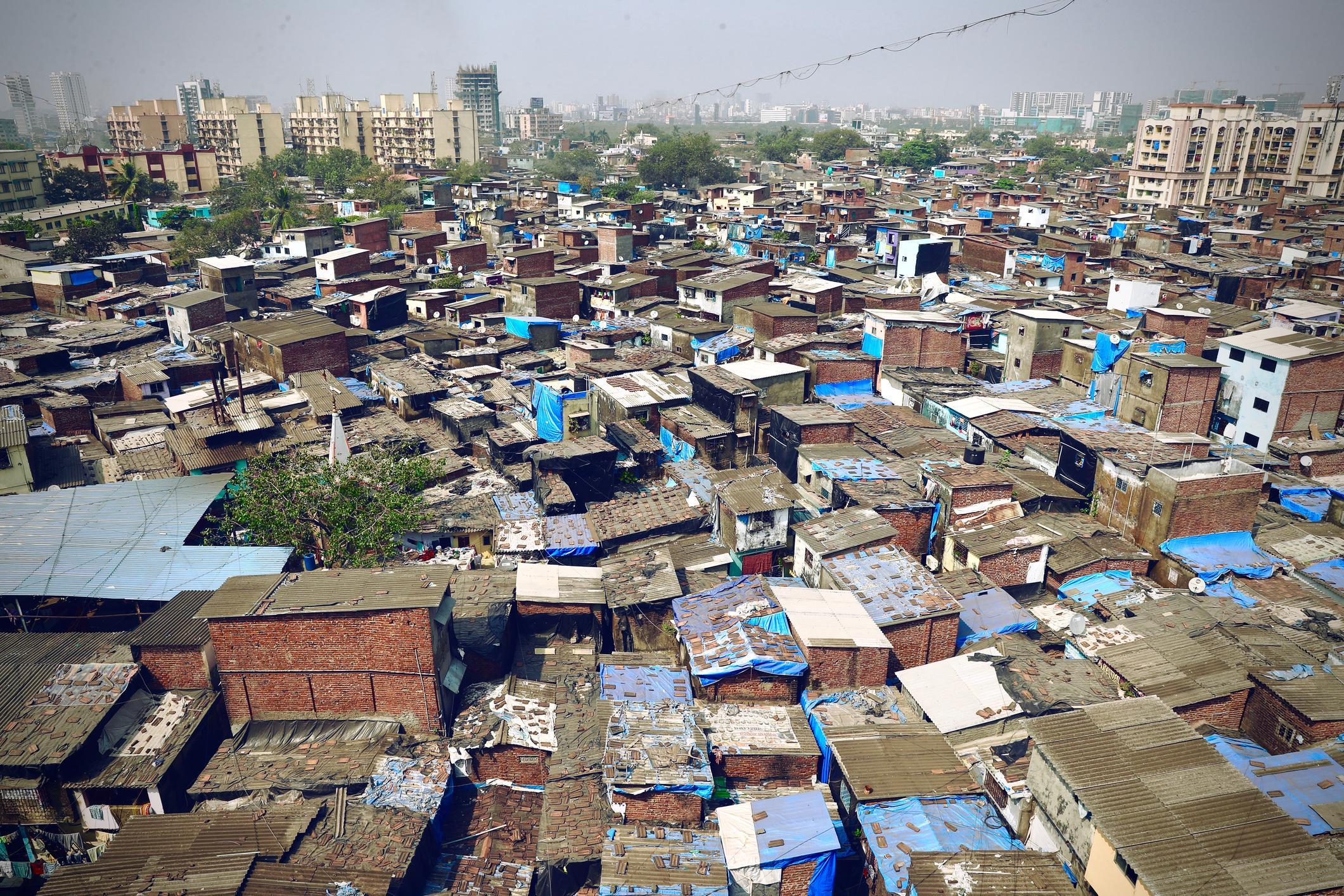
Slums on the shores of the city of Mumbai, India cookelma/iStock
Author: Ben Atkinson
India’s housing system operates at extraordinary scale, shaped by rapid urbanisation and a large structural affordability gap. Housing delivery is dominated by self-built and incremental construction, while formal markets serve higher-income groups. Despite strong finance institutions and major programmes such as PMAY, land constraints, informality, and climate risks continue to shape housing outcomes.
India’s housing system operates at extraordinary scale, shaped by rapid urbanisation, rising incomes, and a large structural affordability gap. With over 500 million urban residents and a projected housing shortage exceeding 30 million units by 2030, delivery must address both quantitative deficits and qualitative deficiencies. Housing production is dominated by self-build and incremental construction nationally, particularly in rural areas, informal settlements, and smaller urban centres, while in Tier 1 and many Tier 2 cities these pathways are increasingly constrained by land and regulatory conditions.
Incremental construction functions as a de facto affordability mechanism, allowing households to build progressively in line with irregular incomes. However, it often occurs on informally accessed or peri-urban land with limited infrastructure and climate resilience. Formal supply has increasingly skewed toward higher-value segments due to rising land costs and regulatory bottlenecks, reinforcing the continued importance of informal settlements and peripheral expansion in absorbing urban growth. Rental housing plays a substantial but underrecognised role, particularly for migrants, yet remains largely informal and weakly regulated.

India’s housing finance system is large and institutionally mature, with outstanding housing loans equivalent to roughly 11% of Gross Domestic Product (GDP). Public and private banks, alongside Housing Finance Companies, provide long-term mortgage credit supported by refinance mechanisms through the National Housing Bank. Mortgage penetration has grown steadily but remains concentrated among formally employed middle- and higher-income households, with fewer than 5% of households holding a mortgage.
Access to finance remains misaligned with the realities of informal employment and incremental construction. Deposit requirements, income documentation standards, and affordability constraints limit participation by economically weaker sections of society (EWS) and low-income group (LIG) households. Construction finance is similarly constrained by land financing restrictions and short loan tenors, reinforcing supply biases toward higher-income segments. As a result, most low-income housing continues to be financed through savings, informal borrowing, cooperative lending, and staged investment rather than formal mortgages.
India faces intensifying climate risks, including extreme heat, flooding, cyclones, and water stress. Rapid urbanisation is increasing exposure, particularly in informal settlements and peri-urban areas where infrastructure and drainage systems are weak. At the same time, expansion of the built environment is contributing to rising emissions through energy-intensive materials and growing residential electricity demand.
Policy frameworks such as national climate commitments, building energy codes, and the Global Housing Technology Challenge1 seek to promote mitigation and resilient construction. However, adoption and enforcement remain uneven, particularly in the incremental and informal segments that dominate housing delivery. Integrating climate resilience into land management, serviced land provision, and building standards is central to reducing long-term vulnerability and avoiding carbon-intensive lock-in.
India’s housing system is supported by a comprehensive but multi-layered policy architecture. While housing is not explicitly a constitutional right, judicial interpretation has embedded adequate shelter within the right to life. National frameworks including the National Housing Policy, Real Estate (Regulation and Development) Act (RERA)2, planning guidelines, and rental reform legislation shape land use, market regulation, and consumer protection, though implementation varies significantly across states.
The flagship programme, Pradhan Mantri Awas Yojana3 (PMAY), has been one of the world’s largest affordable housing programmes. Across its urban and rural components, tens of millions of homes have been sanctioned and completed, with a further 30 million targeted under PMAY 2.0 through 2029. Delivery has been dominated by beneficiary-led and self-built construction, highlighting both the scale of public commitment and the continuing reliance on incremental pathways
1 https://ghtc-india.gov.in/
2 https://vajiramandravi.com/current-affairs/real-estate-regulation-and-development-act-rera/
3 https://pmaymis.gov.in/
Key structural barriers include high and rising land costs, fragmented land governance, infrastructure constraints, limited access to inclusive finance, and uneven municipal capacity. Formal housing markets remain poorly aligned with the income distribution of urban households, while climate risks are increasingly intersecting with informality and peripheral growth.
At the same time, powerful enabling mechanisms sustain the system at scale. Incremental self-build expands access to ownership, informal rental markets support labour mobility, and a mature banking and refinance architecture underpins financial stability. Public subsidy programmes provide targeted capital support, but longterm progress will depend on better alignment between land, finance, climate resilience, and the dominant modes of housing delivery
Housing delivery in India is dominated by incremental self-build. Formal developer-led housing increasingly targets higher-income segments due to rising land costs and regulatory barriers, leaving informal settlements, peri-urban expansion, and rental housing to absorb much of the country’s urban growth.
With a population exceeding 1.4 billion and one of the fastest-growing major economies globally, India’s scale defines the context within which its urban housing and infrastructure systems must operate. Urbanisation accelerated rapidly during the post-independence period, peaking in the 1970s at close to 4% per annum, before gradually slowing to 2.26% in 2024.4 Despite this deceleration, the scale of urban growth remains immense. In 2024, 36.87% of India’s population lived in urban areas5, equivalent to over 500 million people and approximately 120 million urban households, making India home to the world’s second-largest urban population.
4 Urban population growth (annual %) – India, World Bank. Available at: https://data.worldbank.org/indicator/SP.URB.GROW?locations=IN
5 Urban population (% of total population) – India, World Bank. Available at: https://data.worldbank.org/indicator/SP.URB.TOTL.IN.ZS?locations=IN
For housing policy purposes, the Government of India classifies urban households into income groups that are standardised nationally and used across programmes such as Pradhan Mantri Awas Yojana (see Section 5). These thresholds, shown in Table 1 below, form the basis for eligibility for subsidies and public support.6
Weaker Section (EWS)
Middle Income Group (MIG)
MIG 1: ₹600,001 to ₹1,200,000
MIG 2: ₹1,200,001 to ₹1,800,000
₹600,001 to ₹900,000
MIG 1: $6,690 to $13,380
MIG 2: $13,380 to $20,072
Table 1: Government of India Income Group Classifications (Source: GoI)
While government does not publish an official household income distribution, independent estimates by People Research on India’s Consumer Economy (PRICE) suggest average annual household income in 2022-23 was around ₹360,000 (USD 4,000), with the bottom and top quintiles at approximately ₹110,000 (USD 1,200) and ₹800,000 (USD 8,800), respectively.7 This places the national average close to PMAY’s EWS/LIG thresholds, indicating that a large share of urban households have limited purchasing power relative to formal housing costs. PRICE’s city-level modelling also suggests metropolitan incomes are substantially higher than smaller urban centres,8 but that most households still fall within EWS and LIG ranges nationally. See Figure 1 for a deep dive on India’s wealthiest cities.9
6 Affordable Housing in India, December 2024, Knight Frank India. Available at: https://content.knightfrank.com/research/2940/documents/en/affordable-housing-in-india-2024-11745.pdf
7 Incomes up since COVID, but poorest 20% still below FY16 level: study, Times of India. Available at: https://timesofindia.indiatimes.com/india/incomes-up-since-covid-but-poorest-20-still-below-fy16-level-study/articleshow/107124541.cms
8 India’s Richest 20% account for 45% of income, PRICE. Available at: https://www.ice360.in/app/uploads/woocommerce_uploads/2021/03/Indias-richest-20-percent-account-for-45-percent-of-income-oo7dbg.pdf
9 The Rise of India’s Middle Class: Results from the PRICE’s ICE 360° Surveys. Executive Summary available at: https://price360.in/Executive_Summary_Middle_Class.pdf
Figure 1: Proportion of Total Households by Income Group in India's 10 Richest Cities (INR '000) (Source: PRICE)
In 2012, the Government of India’s Technical Group on Urban Housing Shortage estimated a total urban shortage of 18.7 million homes, equivalent to around 23% of urban households at the time. This included 0.53 million homeless households and approximately 15 million households living in congested conditions requiring new homes. The shortage was overwhelmingly concentrated among lower-income groups, with 56% attributed to EWS households and 40% to LIG households.10
10 Demand for Grants 2024-25 Analysis: Housing and Urban Affairs, PRS Legislative Research. Available at: https://prsindia.org/budgets/parliament/demand-for-grants-2024-25-analysis-housing-and-urban-affairs
Looking ahead, Knight Frank estimates that India’s housing shortage could rise to 32.3 million units by 2030, driven by continued urban population growth, household formation, and affordability constraints. As shown in Table 2, the projected demand remains heavily skewed toward lower-income segments, with EWS and LIG households accounting for the majority of units required, even though the aggregate market value is increasingly concentrated in middle-income housing.11
11 Affordable Housing in India, December 2024, Knight Frank India. Available at: https://content.knightfrank.com/research/2940/documents/en/affordable-housing-in-india-2024-11745.pdf
Housing quality in India is often described along a kaccha–pucca spectrum. Kaccha dwellings, constructed from temporary materials such as mud, bamboo, or sheeted roofing, remain concentrated among low-income households in informal settlements and peri-urban areas and are particularly exposed to flooding, heat stress, and extreme weather. Pucca housing, built from permanent materials such as brick and reinforced concrete, offers greater structural safety and likely access to formal services and finance. Between these extremes lies a large stock of semi-pucca housing, combining permanent and temporary materials, reflecting many households’ incremental upgrading approach. Although the share of kaccha housing has declined over time, supported in part by public programmes such as PMAY (see Section 5), a substantial proportion of low-income urban households continue to live in kaccha or semi-pucca dwellings.12
Compared to many emerging economies, India has relatively strong public programmes and an active private development sector. However, these formal channels coexist with, and are numerically outweighed by, incremental, household-led construction. Estimates suggest that roughly 70% of homes are self-built, with private developers accounting for around 20% and direct public provision less than 10%.13 Between 26 and 37 million urban households are estimated to live in informal housing, underscoring the scale of non-formal delivery systems.14 For low-income and migrant households in particular, access to shelter typically occurs through incremental construction on informally accessed land. While this pathway lowers upfront costs and enables access to shelter, such housing is often delivered without formal approvals, professional design input, or adequate trunk infrastructure, creating long-term challenges related to structural safety, disaster resilience, service provision, and later regularisation.
Land is a central structural constraint within India’s housing system. Urban land governance is fragmented across state governments, development authorities, and Urban Local Bodies, with complex land records, lengthy approval processes, and restrictive zoning limiting the timely release of serviced land. High land values, particularly in metropolitan markets where land can account for 40–60% of total project costs, push formal housing toward higher-income segments and constrain affordable supply. Much urban expansion therefore occurs through peri-urban growth, informal subdivision, and unauthorised colonies, where land is cheaper but tenure security, trunk infrastructure, and regulatory oversight are weaker. Strengthening land assembly, planning coordination, and serviced land provision remains critical to improving affordability and aligning housing delivery with urban growth.
12 Report on the NSS Socio Economic Survey 76th Round: July 2018 – December 2018, Ministry of Statistics and Programme Implementation, Government of India. Available at: https://microdata.gov.in/NADA/index.php/catalog/153/download/1965
13 “Self-built, incremental housing by people themselves should be encouraged”, Mahila Housing Trust. Available at: https://www.mahilahousingtrust.org/self-built-incremental-housing-by-people-themselves-should-be-encouraged/
14 Informal Housing, Inadequate Property Rights: Understanding the Needs of India’s Informal Housing Dwellers. Available at: https://www.citiesalliance.org/sites/default/files/Informal%20Housing,%20Inadequate%20Property%20Rights.pdf
Ownership models dominate urban housing across India as a whole; at the 2011 Census, 69% of urban households owned the homes they occupied, though this varies significantly by state ranging from 88.3% ownership in urban Kerala to 51.1% in urban Karnataka.15
Formal ownership housing is delivered through a combination of private market activity and public programmes. Public provision is anchored in national schemes such as Pradhan Mantri Awas Yojana (PMAY), which supports slum redevelopment, developer-led affordable housing, and beneficiary-led construction through capital subsidies and interest support. Private developers, meanwhile, supply the bulk of completed owner-occupied housing, primarily targeting middle- and higher-income households, though they also participate in affordable segments through PMAY-linked projects. This market is regulated through planning controls and institutional frameworks such as the Real Estate Regulatory Authority (RERA).
Access to formal owner-occupancy housing is closely shaped by land availability, planning approvals, and access to housing finance, all of which continue to constrain lower-priced supply in many cities. Almost 500,000 new homes were sold nationally in FY25, with the Mumbai Metropolitan Region (MMR) by far the largest market by volume (143,490 sales), followed by Pune (85,707 sales).16
15 Overview of Urban House Ownership in India, India Housing Report. Available at: https://indiahousingreport.in/outputs/datatales/overview-of-urban-house-ownership-in-india/
16 India Housing Report, May 2025, Confederation of Real Estate Developers’ Associations of India (CREDAI). Available at: https://www.credaincr.org/iismgmt/all-images/policypdf/pdf_1753099631.pdf
In recent years, formal market output has increasingly skewed toward higher-value segments, while the share of lower-cost units has declined.17 Residential prices across 50 cities rose by 45% between March 2018 and September 2025, almost double that of the preceding five-year period, with particularly sharp increases in Bengaluru (68%), Hyderabad (97%), Ahmedabad (122.5%), and Bhubaneswar (133%).18 Across the eight Tier1 cities, the average sale price in FY25 was ₹13.5 million (USD 149k), while lower-priced homes (below ₹7.5 million / USD 83k) now account for a small share of transactions, ranging from 20% in MMR to just 2% in the National Capital Region (NCR). The dominance of premium housing in Delhi is particularly stark: despite recording only 36% of MMR’s sales volume, NCR generated a larger total market value, with an average sale price of ₹33.1 million (USD 367k).19 See Figure 2 below.
Average Home Price (INR million) Number of Sales
< INR 7m INR 7m to INR 15m INR 15m to INR 30m > INR 30m Average Price
* Sales data for Mumbai Metropolitan Region (MMR) and Pune are grouped slightly differently, as follows: MMR (< INR 7.5m, INR 7.5m to INR 17.5m, INR 17.5m to INR 35m, >INR 35m), Pune (< INR 5m, INR 5m to INR 10m, INR 10m to INR 20m, > INR 20m).
17 A Comprehensive Framework to Promote Affordable Housing, NITI Aayog. Available at: https://niti.gov.in/sites/default/files/202601/A_Comprehensive_Framework_to_Promote_Affordable_Housing.pdf
18 RESIDEX, National Housing Bank. Available at: https://residex.nhbonline.org.in/
19 India Housing Report, May 2025, Confederation of Real Estate Developers’ Associations of India (CREDAI). Available at: https://www.credaincr.org/iismgmt/all-images/policypdf/pdf_1753099631.pdf
Price escalation has been strongest in the lower-cost segments. In the Mumbai Metropolitan Region, the average launch price of a sub-30m² unit rose from ₹1.7 million (USD 18.9k) in 2019 to ₹2.6 million (USD 28.8k) by end-2024, an increase of 55%. By contrast, larger units (60–160 m²) increased by 29% over the same period. This has created a growing mismatch between policy eligibility criteria and market affordability. While households earning below ₹300,000 per year are classified as EWS, such incomes typically support housing loans of no more than ₹1.4 million (USD 15.5k), resulting in a situation where in Metro cities, 85% of households are unable to afford to buy a 30m2 home, even after taking subsidies into account.20
As a result, self-build and incremental owner-construction remain the dominant housing delivery method for lowand lower-middle-income households in Indian cities. For many households, PMAY’s beneficiary-led construction support (see Section 5) functions as a partial capital injection rather than a complete solution, with households relying on savings, informal borrowing, or small incremental loans to complete a dwelling. In practice, incremental construction operates as a de facto affordability mechanism, allowing households to align housing investment with irregular and informal income streams.
Rather than purchasing a completed dwelling at market prices, households typically begin with a single-room or core structure and expand over time as resources permit. While no national database captures incremental construction costs systematically, practitioner evidence suggests that basic self-built structures using local labour and materials cost substantially less per square metre than developer-built units. Not including land, a 25–30 m² core unit can often be delivered for ₹0.3–0.6 million (USD 3.3k–6.6k)21, with total costs rising gradually as households add rooms and upgrade fittings.
20 A Comprehensive Framework to Promote Affordable Housing, NITI Aayog. Available at: https://niti.gov.in/sites/default/files/202601/A_Comprehensive_Framework_to_Promote_Affordable_Housing.pdf
21 In December 2023, the Ministry of Rural Development stated that the average cost to construct a home supported by the Beneficiary Led Construction sub-scheme within PMAY Urban was INR 372k (USD 4k), ranging from INR 300-600k. See Unstarred Question No. 2721, available at: https://sansad.in/getFile/loksabhaquestions/annex/1714/AU2721.pdf?source=pqals
Rental housing plays a critical but historically under-recognised role in India’s housing system, particularly in supporting labour mobility, internal migrants, and low-income urban households. At the time of the 2011 Census, 27.5% of urban households lived in rented accommodation,22 with significantly higher rental shares in larger and faster-growing cities. (see Table 3).23 Despite this, a long period of policy neglect and market distortions has led to rental steadily declining over time, falling from 54% of urban households in 1961.24
Table 3: Proportion of Households that Rent their Dwelling (Source: Reall)
Rental yields in Indian cities are typically low by international standards, averaging 2–3% of property value, which has constrained investment in rental housing.25 A central driver of this has been the legacy of Rent Control Acts, which capped rents, limited rent escalation, and made eviction difficult. While designed to protect tenants, these regulations significantly reduced incentives for landlords to invest in, maintain, or expand rental housing. In extreme cases, this has contributed to severe deterioration of existing stock, most notably in Mumbai where almost half of rental units are either condemned or beyond repair. It has also contributed to a paradoxical situation in which despite huge demand, around 12% of India’s urban housing stock (approximately 11 million homes) remains vacant.26
22 Average of 28% in small towns, 36% in medium-sized towns and 40% in large cities. See Overview of Urban House Ownership in India, India Housing Report. Available at: https://indiahousingreport.in/outputs/data-tales/overview-of-urban-house-ownership-in-india/
23 See India Market Shaping Indicators, Reall. Available at: www.reall.net/msi/india
24 India Infrastructure Report 2018: Making Housing Affordable, IDFC Institute. Available at: https://artha.global/wpcontent/uploads/2023/07/idfc_institute_housing_report.pdf
25 A Comprehensive Framework to Promote Affordable Housing, NITI Aayog. Available at: https://niti.gov.in/sites/default/files/202601/A_Comprehensive_Framework_to_Promote_Affordable_Housing.pdf
26 India Infrastructure Report 2018: Making Housing Affordable, IDFC Institute. Available at: https://artha.global/wpcontent/uploads/2023/07/idfc_institute_housing_report.pdf
Policy reform has been uneven.27 Housing is a state subject, limiting central government influence over rent regulation. The draft National Urban Rental Housing Policy (2015), which was never approved by Cabinet, explicitly identified the core constraints facing the sector, stating that the “main factors preventing investment in rental housing are rent control laws; unrealistically low rental yields; poor maintenance of rental stocks; low quantity of housing constructed for rental purposes; holding back unoccupied houses for fear of losing control etc”.28
For low-income households (mainly renting outside of the formal market), rent absorbs an average of around 17% of monthly household expenditure,29 rising significantly for recent migrants and those accessing housing in informal rental markets. The majority of low-income urban renters are accommodated through informal rental arrangements, including rooms in slums, unauthorised colonies, and shared accommodation.30 These markets offer flexibility and proximity to employment but are characterised by weak tenant protections, overcrowding, poor housing quality, and limited public oversight.
Rental prices in India vary significantly by city size, location, and dwelling type. National-level estimates suggest that in 2025 the average monthly rent for a formal two-bedroom unit was approximately ₹18,500 (USD 205).31 In large metropolitan markets, formal monthly rents range from approximately ₹6,000–15,000 for small studio or one-room units outside city centres to ₹25,000–35,000 or more for larger two- and three-bedroom units in central locations. Shared and dormitory-style accommodation commonly used by students and migrant workers provides lower-cost entry options, typically below formal market rents.32
Detailed state-level rental data are provided in the Appendix 1.
27 India Infrastructure Report 2018: Making Housing Affordable, IDFC Institute. Available at: https://artha.global/wpcontent/uploads/2023/07/idfc_institute_housing_report.pdf
28 National Urban Rental Housing Policy (Draft) October 2015, Ministry of Housing and Urban Poverty Alleviation, Government of India. Available at: https://mohua.gov.in/upload/uploadfiles/files/National_Urban_Rental_Housing_Policy_Draft_2015.pdf
29 See ‘Housing Rent as a share of household expenditure’, India Market Shaping Indicators, Reall. Available at: www.reall.net/msi/india
30 In 2012, 71% of households in rental accommodation had no written contract. See India Infrastructure Report 2018: Making Housing Affordable, IDFC Institute. Available at: https://artha.global/wp-content/uploads/2023/07/idfc_institute_housing_report.pdf
31 India’s Rental Market Growth: 2025 Insights, India Data Map. Available at: https://indiadatamap.com/2025/11/11/indias-rental-marketgrowth/
32 Average Cost and Increase of Rent in India in 2025, Crib. Available at: https://www.cribapp.com/resources/average-rent-india
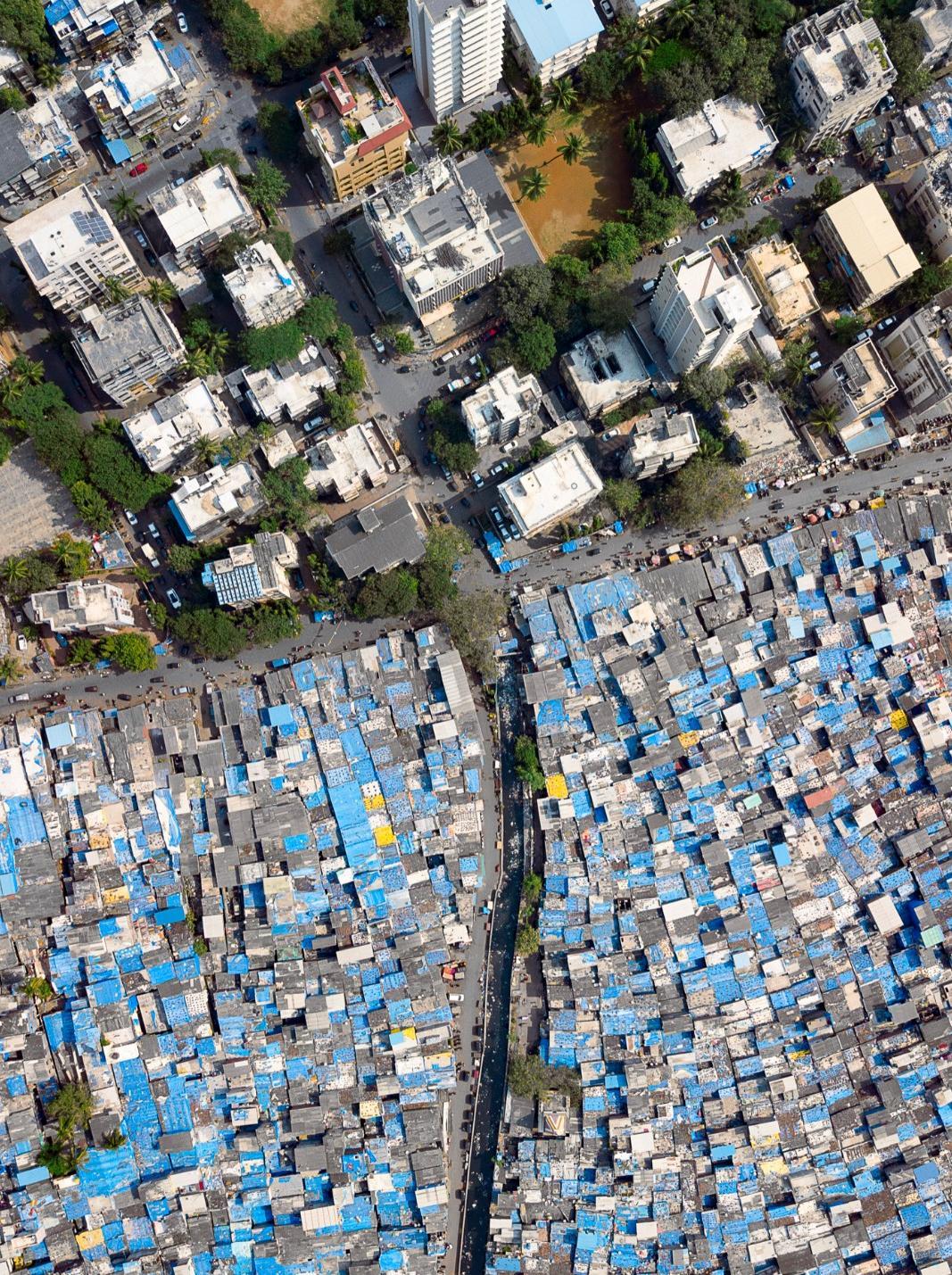
India has a large and mature housing finance system supported by banks, Housing Finance Companies, and refinance through the National Housing Bank. However, mortgage access remains concentrated among formally employed households, leaving most low-income housing financed through savings, informal borrowing, cooperative lending, and incremental investment.
Overall, India’s housing finance system is large, diversified, and institutionally mature, with strong refinance and subsidy mechanisms that have supported sustained growth while limiting systemic risk. At the same time, persistent challenges around affordability, informality, and access for lower-income households continue to constrain the inclusiveness of mortgage-led home ownership, underscoring the need for complementary instruments beyond conventional housing loans.
In FY 2023-24, 89% of housing loans disbursed were to individuals, 10% were to builders, and 1% to corporate bodies or other entities. Of the housing loans disbursed to individuals, 61% were for acquisition/construction of new homes, 32% were for purchase of existing homes and 7% were for upgrading existing homes.33
33 Report on Trend and Progress of Housing in India 2024, National Housing Bank. Available at: https://www.nhb.org.in/publications/reporton-trend-and-progress-of-housing-in-india/
Construction finance is a critical but structurally constrained component of India’s housing system, shaping both the scale and composition of housing supply. As of 2014, direct institutional support to the real estate sector from banks, housing finance companies, private equity, and other formal sources accounted for only around 22% of total investment flows into the sector. The remainder was financed through a combination of developer equity, informal borrowing, and most critically, advance payments from homebuyers.
This financing gap reflects a fundamental mismatch between development timelines and available capital. A mismatch between long development cycles (often 7–8 years) and shorter-tenor finance requires projects to be refinanced in stages, with developers refinancing projects multiple times as they progress, and heavily relying on buyer deposits and pre-sales to bridge funding gaps. This shifts a significant share of construction risk onto households and contributes to delays and delivery risk, particularly in weaker market conditions.
Land finance presents an additional constraint. Banks are prohibited from lending for land purchase, leaving developers dependent on higher-cost alternative capital for land acquisition. Given that land can represent 40–60% of project costs in major cities, this materially affects project feasibility and housing prices. Access to construction finance is therefore concentrated among well-capitalised developers. Smaller developers, community-based organisations, and those targeting lower-income or rental housing markets face significantly greater barriers, reinforcing a bias in formal housing supply toward higher-value, lower-risk segments.34
Non-Banking Financial Companies (NBFCs), particularly NBFC-Investment and Credit Companies (NBFCICCs), play an important intermediary role within this constrained financing environment. These institutions are more active in providing higher-risk and shorter-tenor capital, including for land acquisition and early-stage project finance, where traditional banks face regulatory or risk constraints. As a result, NBFCs are a significant source of developer finance, particularly for smaller developers and projects that fall outside conventional lending criteria. However, their higher cost of capital can further increase project costs and reinforce pricing pressures within formal housing markets.
While developer-led construction finance remains constrained, a large share of housing construction in India occurs outside developer-led projects, through self-build and incremental construction by households. Self-build construction is typically financed through a combination of household savings, remittances, informal borrowing, cooperative loans, microfinance, and small-ticket housing loans, often disbursed in stages to align with construction progress. Self-build functions as a de facto construction finance mechanism for the majority of low-income housing delivery. However, it operates largely outside formal policy and financial frameworks, resulting in fragmented delivery, uneven housing quality, and challenges for infrastructure provision and later regularisation.
34 Infrastructure Report 2018: Making Housing Affordable, IDFC Institute. Available at: https://artha.global/wpcontent/uploads/2023/07/idfc_institute_housing_report.pdf
India’s housing finance system has expanded rapidly over the past two decades, benefitting from urbanisation, rising incomes and government efforts to promote home ownership. Housing loans as a percentage of GDP have risen from 3.2% in 2001-02, to 6.60% in 2011-12, to 11.3% in 2023-24. The share of outstanding housing loans as a proportion of total loans outstanding increased from 9.41% in 2010 to 16.57% in 2024, to stand at a total of INR 33.54 trillion (USD 372.3 billion).35
The formal housing finance system comprises:
• Public sector banks, which account for a large share of total outstanding housing credit and benefit from extensive branch networks and relatively low-cost funds.
• Private sector banks, which have grown rapidly in urban and peri-urban markets and focus strongly on salaried, middle- and higher-income borrowers.
• Housing Finance Companies (HFCs), specialised Non-Banking Financial Companies (NBFCs) that focus primarily on housing loans and are often better positioned to serve self-employed, informal-income, and smaller-city households, including through incremental and self-construction lending.
• Other Non-Banking Financial Companies (NBFCs), including NBFC-Investment and Credit Companies (NBFC-ICCs) and microfinance institutions, which play a significant role in developer finance and in extending credit to informal-income households. These institutions often operate in segments underserved by traditional banks, providing more flexible, higher-risk capital that supports real estate development and incremental housing construction.
35 Report on Trend and Progress of Housing in India 2024, National Housing Bank. Available at: https://www.nhb.org.in/publications/reporton-trend-and-progress-of-housing-in-india/
Together, these institutions channel long-term credit into the housing sector, with banks dominating by value and HFCs broadening access and inclusion, including lending to lower income groups poorly served by banks (see Table 4).36
Table 4: Total Housing Loan Value Outstanding at Formal Financial Institutions (Source: NHB)
36 Report on Trend and Progress of Housing in India 2024, National Housing Bank. Available at: https://www.nhb.org.in/publications/reporton-trend-and-progress-of-housing-in-india/
Mortgages are the dominant form of formal housing finance in India, enabling households to purchase, construct, or incrementally improve owner-occupied housing through long-term secured loans. A mortgage is typically backed by the residential property itself, with loan tenors ranging from 15 to 30 years. Analysis of lending patterns across eight major cities indicates a mean home loan size of INR 7.4 million (USD 83,000) in FY 2024–25. However, loan sizes vary widely: 47% of loans were below INR 4.5 million (USD 50,000), while 21% exceeded INR 10 million (USD 111,000), reflecting both geographic price variation and income segmentation within the mortgage market.37
While India’s mortgage market is significantly more developed and broadly targeted than in many Commonwealth countries, access remains uneven, particularly for Economically Weaker Section (EWS) and Low-Income Group (LIG) households, which are predominantly employed in the informal sector and face constraints linked to limited income documentation and credit histories. Knight Frank state that in 2024 only 16% of outstanding home loans were held by EWS households,38 while the National Housing Bank states that 10.7% of HFC loans outstanding were to EWS households.39 These patterns highlight a continued skew in formal housing finance toward middle- and higher-income households, despite policy efforts to expand access.
37 2025 Housing Finance: The Quiet Catalyst Driving India’s Property Market. Available at: https://static.squareyards.com/HousingFinanceTheQuiteCatalystDrivingIndia'sPropertyMarket-2025-UrbanMoney.pdf
38 Affordable Housing in India, December 2024, Knight Frank India. Available at: https://content.knightfrank.com/research/2940/documents/en/affordable-housing-in-india-2024-11745.pdf
39 Report on Trend and Progress of Housing in India 2024, National Housing Bank. Available at: https://www.nhb.org.in/publications/reporton-trend-and-progress-of-housing-in-india/
India’s housing finance system is supported by strong public refinance and subsidy mechanisms that enhance institutional depth and stability. The National Housing Bank (NHB) provides refinance to primary lending institutions for both individual housing loans and affordable construction finance; as of September 2024, outstanding refinance totalled INR 3.91 trillion (USD 43.4 billion), with INR 1.54 trillion (USD 17.1 billion) disbursed over the previous five years.40
Under PMAY-Urban 1.0, the Credit Linked Subsidy Scheme offered interest subsidies of 3–6.5%, replaced under PMAY-Urban 2.0 by a uniform 4% Interest Subsidy Scheme. To date, the National Housing Bank has released INR 494.9 billion (USD 5.5 billion) in subsidies (INR 397.7 billion for EWS/LIG and INR 97.2 billion for MIG) benefiting 2.1 million households, channelled through nearly 300 lending institutions, reflecting the scale and breadth of India’s housing finance architecture.41
0 200,000 400,000 600,000 800,000 1,000,000 1,200,000 1,400,000 1,600,000 1,800,000
40 Report on Trend and Progress of Housing in India 2024, National Housing Bank. Available at: https://www.nhb.org.in/publications/reporton-trend-and-progress-of-housing-in-india/
41 Report on Trend and Progress of Housing in India 2024, National Housing Bank. Available at: https://www.nhb.org.in/publications/reporton-trend-and-progress-of-housing-in-india/
Cooperative housing finance plays a small but important role in serving low- and middle-income households excluded from conventional mortgages. Cooperative lenders rely on savings histories, member guarantees, and social collateral rather than formal income documentation, enabling access for informal workers and supporting incremental investments such as land purchase, room additions, and housing upgrades.
At the national level, Apex Cooperative Housing Federations channel wholesale finance to primary cooperatives, with cumulative disbursements of INR 137.7 billion (USD 1.52 billion) by end-2023/24, with INR 1.16 billion (USD 12.9 million) disbursed in 2023/24, financing 2,518 homes.42 Although modest relative to bank and Housing Finance Company lending, this “missing middle” channel remains significant for excluded households. However, limited long-term capital, uneven governance, and weak integration with national subsidy and refinance systems constrain its scale and impact.
42 Report on Trend and Progress of Housing in India 2024, National Housing Bank. Available at: https://www.nhb.org.in/publications/reporton-trend-and-progress-of-housing-in-india/
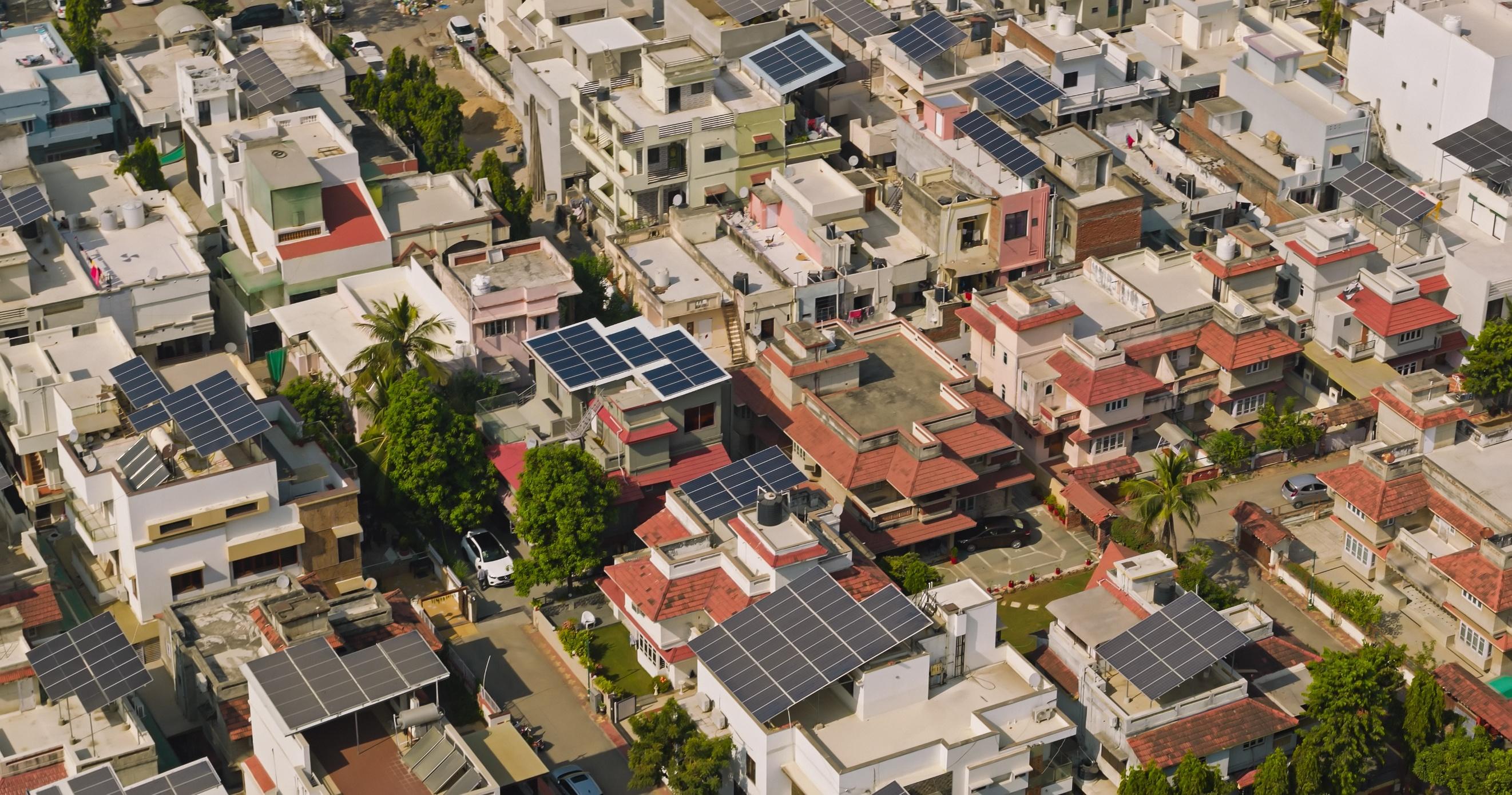
India’s housing sector faces growing climate risks from heatwaves, flooding, cyclones, and water stress, particularly in informal settlements. At the same time, rapid urban growth is increasing emissions from construction materials and energy use. Energy codes and technology initiatives exist, but enforcement remains uneven across the housing system.
Climate change increasingly intersects with housing systems in India, shaping both the environmental impacts of rapid urban expansion and the vulnerability of households to climate hazards. As cities grow and construction activity accelerates, housing systems face a dual challenge: reducing emissions associated with building materials and energy use, while strengthening the resilience of settlements exposed to flooding, heat stress and other climate-related risks.
Across many Indian cities, climate vulnerability overlaps with housing affordability pressures. Informal settlements and peri-urban neighbourhoods often emerge in locations exposed to flooding, extreme heat and other environmental hazards, reflecting wider land and affordability constraints within urban housing systems. At the same time, the expansion of the built environment increases emissions associated with construction materials, particularly cement and fired brick, which dominate much of the housing market. Climate considerations therefore intersect closely with the structural barriers shaping housing delivery, including land constraints, limited housing finance, and regulatory systems that remain poorly aligned with incremental housing development. With a large share of India’s future housing stock yet to be constructed, decisions made in the housing sector today will have long-term implications for both emissions trajectories and climate resilience.
Housing construction represents an increasingly important component of India’s emissions profile as urban development accelerates. Urban housing construction in India relies heavily on high-carbon materials such as cement, steel and fired brick, which contribute significantly to the emissions intensity of urban expansion.43 Improving the environmental performance of the housing sector is therefore increasingly relevant to India’s wider climate commitments under its Nationally Determined Contribution and national energy efficiency strategies.
At the same time, energy performance and sustainability standards remain unevenly integrated across housing systems. Green building frameworks and energy-efficiency regulations typically apply to formal developments,
43 Building Market Brief – India, Global Alliance for Buildings and Construction. Available at: https://globalabc.org/sites/default/files/202503/India%20Building%20Report%2003032025_FINAL.pdf
while much affordable housing continues to be delivered through incremental self-build processes that operate largely outside formal regulatory and technical systems.
In addition to embodied emissions from construction materials, operational energy use in residential buildings is also increasing rapidly as urban households adopt mechanical cooling and other energy-intensive appliances. Improving building design, ventilation and thermal performance therefore represents an important component of climate mitigation in India’s housing sector.
Professional and industry institutions are playing an increasingly important role in advancing lower-carbon construction practices within the formal housing sector. In India, the Indian Green Building Council (IGBC) has developed certification systems and technical guidance that promote resource-efficient design, improved energy performance and reduced environmental impact across the construction sector.44 These frameworks have supported the growing adoption of green building standards in commercial and higher-income residential developments, while also helping to build technical awareness and capacity within the wider industry.
At the national level, the Government of India has also promoted innovation in sustainable housing construction through the Global Housing Technology Challenge45 and associated Lighthouse Projects. Implemented across six cities, these demonstration projects showcase alternative construction technologies designed to reduce construction time and improve resource efficiency.46 However, their wider replication has been limited. In several cases, the technologies deployed relied heavily on concrete-based systems with limited thermal efficiency, raising questions about their suitability for broader adoption in India’s climatic conditions and in affordable housing contexts.
More fundamentally, extending these approaches to affordable housing markets remains a major challenge. Much housing construction in India takes place through household-led incremental development, in which households, builders and small contractors typically operate without direct engagement with formal certification systems or technical standards. This creates a significant gap between sustainability frameworks developed for formal construction and the realities of housing delivery in lower-income markets.
Initiatives that adapt green standards to incremental housing systems illustrate how this gap can begin to close. The EDGE Home Prescriptive Certification (EDGE HPC) programme demonstrates how simplified sustainability standards can be embedded within affordable housing finance systems serving self-built housing47. Through a partnership between the International Finance Corporation and housing finance institution Aavas Financiers, the programme links certification to housing loans, enabling borrowers to construct EDGE-certified homes while allowing lenders to classify these loans as green finance48
Similarly, the Indian Green Building Council’s NEST (New, Efficient and Sustainable Technology) initiative promotes resource-efficient and climate-responsive construction solutions tailored to the Indian housing context, helping translate sustainability principles into practical technologies and construction approaches accessible to a wider range of housing actors.49 By translating green building principles into practical measures related to
44 India Green Building Council. Available at: https://igbc.in/
45 India Global Housing Technology Challenge: https://ghtc-india.gov.in/
46 Report on Trend and Progress of Housing in India 2024, National Housing Bank. Available at: https://www.nhb.org.in/publications/reporton-trend-and-progress-of-housing-in-india/
47 See Case Study on IFC EDGE HPC: https://issuu.com/comarchitect.org/docs/cscc_hag_case_study_ifc_edge_hpc_?fr=xKAE9_zMzMw
48 See Case Study on Aavas Financiers: https://issuu.com/comarchitect.org/docs/cscc_hag_case_study_eco-home_loan?fr=xKAE9_zMzMw
49 IGBC NEST & NEST PLUS, India Green Building Council. Available at: https://igbc.in/igbcnest/
energy use, water efficiency and construction materials, the approach enables households building incrementally to incorporate resource-efficient features into everyday construction decisions.
Climate risks are also increasingly shaping housing outcomes and settlement patterns across Indian cities. Heat stress is emerging as a particularly significant risk in many Indian cities, where dense urban development and low-quality housing materials can exacerbate indoor temperatures. Informal and incrementally developed settlements are often located in areas exposed to flooding, extreme heat and other environmental hazards, while construction undertaken without technical guidance may lack the structural resilience needed to withstand climate-related stresses.
Adaptation challenges are therefore closely linked to the wider functioning of housing systems. Land constraints, inadequate infrastructure provision and regulatory systems that struggle to accommodate incremental development frequently push settlement expansion into environmentally vulnerable locations. At the same time, municipal planning systems often have limited capacity to integrate hazard mapping, resilience planning and settlement upgrading into wider urban development processes.
Community-led upgrading initiatives demonstrate how adaptation measures can nevertheless emerge within these constraints. The Roof Over Our Heads (ROOH) Learning Labs initiative illustrates how climate resilience can be advanced through participatory processes that bring together community organisations, builtenvironment professionals and local construction actors to identify climate risks and test practical retrofit solutions.
Piloted across multiple settlements in Indian cities, the Learning Labs focus on incremental upgrading approaches that align with how households already invest in housing. Activities include identifying vulnerabilities such as heat exposure and flooding, testing small-scale improvements such as roof strengthening and drainage upgrades, and developing locally grounded evidence on climate risks within informal settlements. By combining community-generated data with technical expertise, the initiative demonstrates how adaptation strategies can emerge through collaborative processes that connect grassroots experience with professional knowledge and policy dialogue.
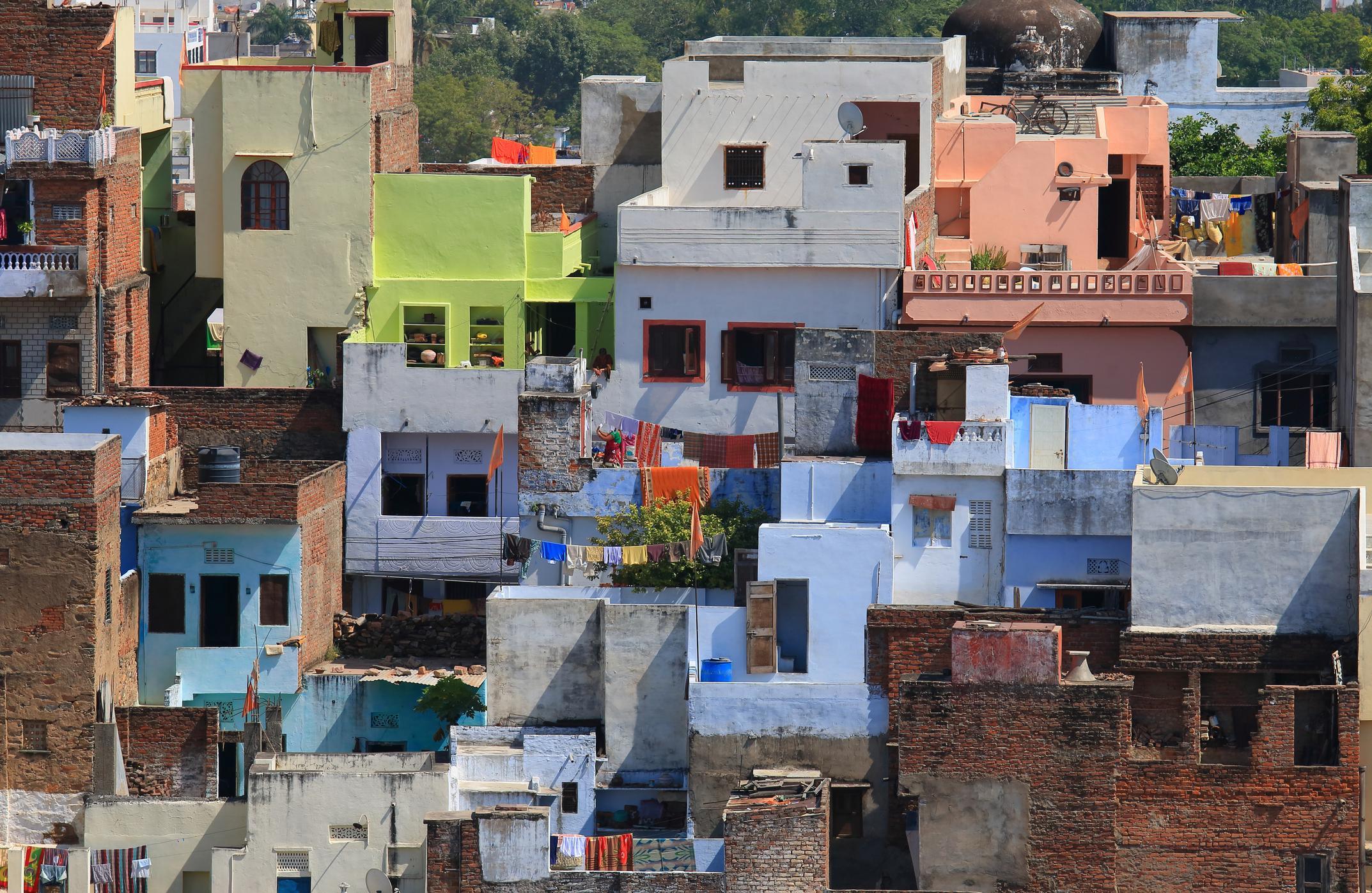
India’s housing system operates within a complex federal governance structure involving national ministries, state governments, and Urban Local Bodies. While national policies provide strategic direction, land management, planning systems, and regulatory enforcement vary widely across states and cities, shaping housing affordability, supply, and implementation outcomes.
The Constitution of India does not explicitly recognise housing as a fundamental right, but judicial interpretation has read adequate housing into the right to life under Article 21, linking it to dignity and basic living conditions. In parallel, the Directive Principles of State Policy, particularly Articles 38, 39, and 47, require the State to promote social welfare, reduce inequalities, and improve living conditions. Together, these constitutional provisions and interpretations form the foundation upon which India’s housing policies, planning frameworks, and urban development programmes have been developed, as outlined below.
Housing delivery in India operates within a multi-layered federal system spanning national, state, and city levels. The national government sets overarching housing and urban policy, mobilises public finance, establishes regulatory frameworks, and leads flagship programmes such as Pradhan Mantri Awas Yojana (PMAY). However, states and Urban Local Bodies (ULBs) play a decisive role in translating these policies into delivery on the ground through land use planning, development approvals, infrastructure provision, and enforcement. As a result, coordination and local capacity are critical determinants of affordability and supply.
• Ministry of Housing and Urban Affairs (MoHUA): Leads urban housing policy and PMAY-Urban; sets regulatory and planning guidance.
• Ministry of Rural Development (MoRD): Oversees PMAY-Gramin, relevant to peri-urban and rural housing transitions.
• Ministry of Finance: Shapes housing finance conditions through fiscal policy, tax incentives, and financial sector oversight.
• State Governments (Urban Development, Housing, and Town Planning Departments): Enact planning laws, development control regulations, and oversee housing boards and development authorities.
• Urban Local Bodies (ULBs) / Municipal Corporations: Prepare plans, issue building permits, provide infrastructure, and implement housing and slum upgrading projects.
• Real Estate Regulatory Authorities (RERAs): Regulate private real estate development and protect homebuyers under the 2016 Act.
• Ministry of Environment, Forest and Climate Change / State Environment Impact Assessment Authorities: Oversee environmental clearance processes for larger developments, influencing project timelines, compliance, and increasingly climate resilience standards.
• National Housing Bank (NHB): Provides refinance and regulatory oversight for housing finance companies and channels subsidy mechanisms.
• State Housing Boards and Development Authorities: Deliver public housing and sites-and-services schemes, particularly for lower-income groups.
• Development Partners: Including multilateral and bilateral agencies, provide technical and financial support, particularly in areas such as urban reform, planning capacity, housing finance innovation, and climate resilience.
India’s long-term development vision is articulated through a series of strategic policy frameworks rather than a single consolidated plan. The National Housing Policy (2018) provides overarching direction for the sector, positioning adequate, affordable, and sustainable housing as central to inclusive growth and social welfare. It emphasises the roles of states, cities, and the private sector, alongside reforms in land use planning, rental housing, housing finance, and construction systems.
Broader urban priorities are set out through national frameworks such as the National Urban Policy Framework (2018) and successive reform-oriented urban missions, which link housing to land governance, transport, livelihoods, and environmental sustainability. Implementation is operationalised primarily through centrally sponsored schemes such as PMAY, with states and Urban Local Bodies adapting national guidance to local institutional and fiscal contexts.
The wider policy architecture combines legislation, model laws, and national guidelines. Key instruments include the Real Estate (Regulation and Development) Act (2016), which strengthened transparency and consumer protection in private real estate markets; the Model Tenancy Act (2021) and National Urban Rental Housing Policy, which seek to formalise and expand rental housing; and the Eco-Niwas Samhita (2018), which introduced residential energy efficiency standards. Planning and land governance are shaped by the URDPFI Guidelines and State Town and Country Planning Acts, while the 74th Constitutional Amendment provides the legal basis for decentralised urban governance. Climate considerations are embedded through the National Action Plan on Climate Change, although housing-specific operational guidance remains limited.
While comprehensive in scope, uneven state adoption and variable implementation capacity continue to shape outcomes, particularly around affordability, land management, rental reform, and climate resilience.
Specific housing-related policies, acts, and regulatory frameworks are detailed in Appendix 2.
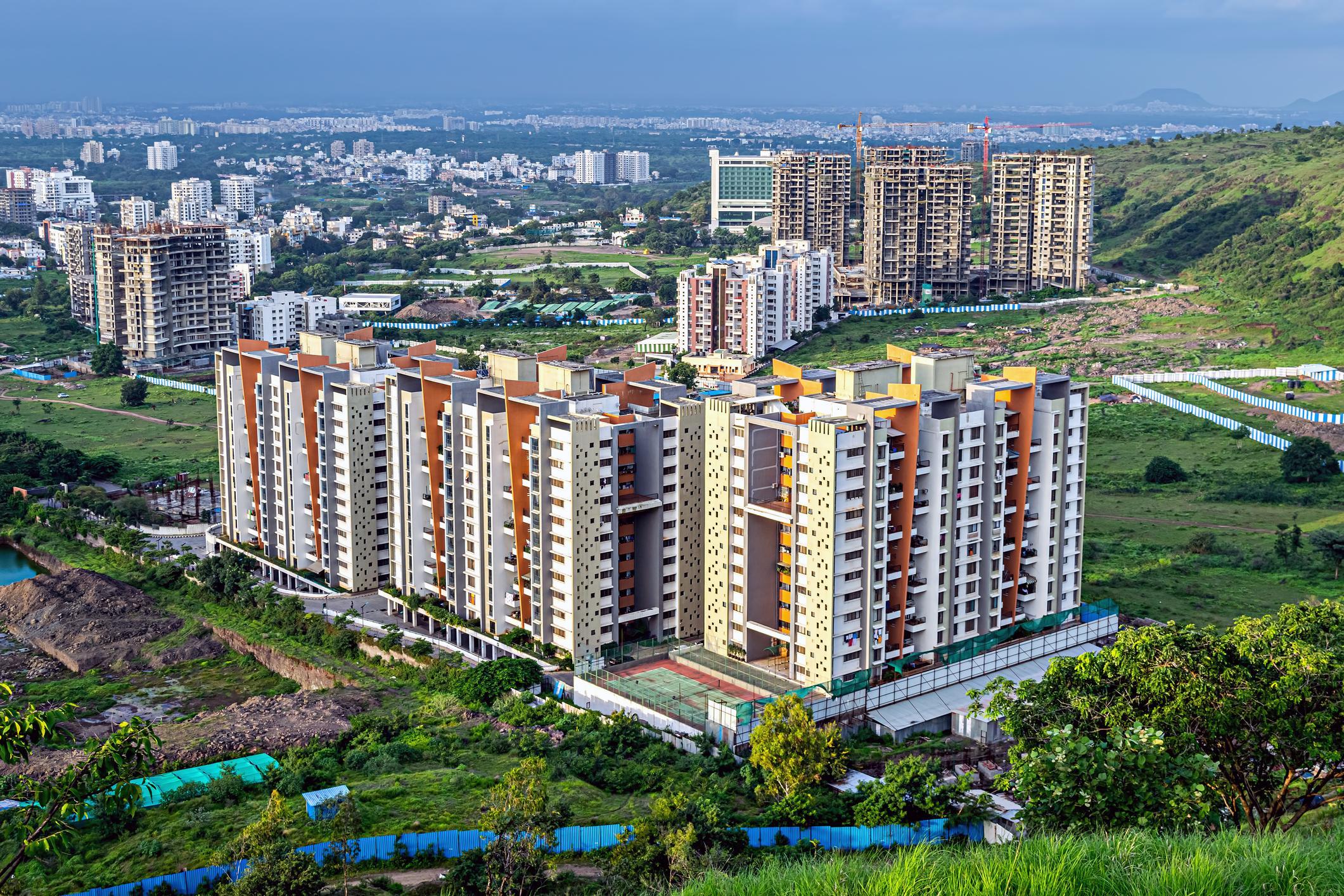
Government programmes play a central role in expanding access to housing. The flagship Pradhan Mantri Awas Yojana (PMAY) programme combines subsidies, finance, and multiple delivery models to support low- and middle-income households. However, delivery remains heavily reliant on beneficiary-led construction and broader institutional coordination.
India’s housing and urban development landscape is shaped by a suite of large-scale government programmes designed to address persistent housing shortages, rapid urbanisation, and significant affordability gaps. These programmes aim to expand access to adequate housing for low- and middle-income households, improve living conditions in informal settlements, and strengthen the integration of housing with urban infrastructure, services, and economic opportunities. Implemented across both urban and rural contexts, they combine public investment, targeted subsidies, regulatory reform, and private sector participation to support inclusive, sustainable, and resilient human settlements.
Pradhan Mantri Awas Yojana (PMAY), launched in 2015, is India’s flagship housing mission and one of the world’s largest affordable housing programmes. It aims to achieve “Housing for All” by expanding access to adequate housing for Economically Weaker Sections (EWS), Low-Income Groups (LIG), and selected middleincome households through a blended financing model combining central and state subsidies, beneficiary contributions, and formal housing finance.
PMAY operates through two components: Urban and Gramin (Rural). Under PMAY 1.0 (2015–2024), the programme targeted nearly 50 million homes across urban and rural India. In 2024, PMAY 2.0 was approved, setting a further target of 30 million homes by 2029. The revised phase narrows eligibility (maximum annual income of INR 0.9m / USD 10k), reduces interest subsidies, and places greater emphasis on affordability and rental housing. See Appendix 3 for further details on the differences between the two programmes
Led by the Ministry of Rural Development, PMAY-G addresses rural housing deprivation by providing direct financial assistance to construct durable, safe homes for those currently homeless rural households or living in kutcha/dilapidated homes.50 Key features include a focus on Below Poverty Line (BPL) and vulnerable rural
50 Report on Trend and Progress of Housing in India 2024, National Housing Bank. Available at: https://www.nhb.org.in/publications/reporton-trend-and-progress-of-housing-in-india/
households, emphasis on pucca (permanent) housing, and convergence with schemes for sanitation, electricity and other infrastructure services. Funds (INR 120k-130k, USD 1.3k-1.4k) are directly credited to the beneficiary’s bank account to enable self-build construction, with financial assistance released in instalments linked to construction milestones. PMAY-G housing support is typically bundled with other complementary schemes (e.g. water, sanitation, electricity provision and the Mahatma Gandhi National Rural Employment Guarantee Scheme) to increase total value of support, and is generally combined with additional housing loans to meet the total cost of construction.51
Central Government has released INR 2.37tn (USD 26.1bn) for PMAY-G by January 2025.52 As of October 2024, 32.1 million homes had been sanctioned under PMAY-G, and 26.7 million had been completed, making up 72% and 75% respectively of total delivery under PMAY.53
51 Sapno Ka Ghar: Realizing the Dream of Housing for All in Rural India, Press Information Bureau, Government of India. Available at: https://www.pib.gov.in/PressReleasePage.aspx?PRID=2170447®=3&lang=2
52 Allocation of targets of 8.21 lakh houses under PMAY-G by Shri Shivraj Singh Chauhan, Union Minister for Rural Development, Press Information Bureau, Government of India. Available at: https://www.pib.gov.in/PressReleasePage.aspx?PRID=2092893®=3&lang=2
53 Report on Trend and Progress of Housing in India 2024, National Housing Bank. Available at: https://www.nhb.org.in/publications/reporton-trend-and-progress-of-housing-in-india/
Led by the Ministry of Housing and Urban Affairs, PMAY-U focuses on addressing the housing needs of urban households within the Economically Weaker Sections (EWS), Low-Income Groups (LIG) and Middle-Income Groups (MIG), including slum dwellers and informal workers.
Key verticals:
1. In-Situ Slum Redevelopment (ISSR): Upgrading and redeveloping existing slums to provide pucca housing and basic services, with central assistance of up to ₹100,000 per unit.
2. Credit Linked Subsidy Scheme (CLSS): Interest rate subsidies on home loans for EWS, LIG, and selected MIG households to improve affordability and access to formal finance.
3. Affordable Housing in Partnership (AHP): Support for public or private developers delivering affordable housing projects.
4. Beneficiary-Led Construction (BLC): Direct financial support (up to ₹150,000) to households constructing or upgrading homes on land they own or have been allocated.
5. Technology & Innovation Sub-Mission (TSM): Promotion of innovative, green, and disaster-resilient construction technologies and planning approaches suited to different geo-climatic contexts.54
In addition to subsidy-linked and beneficiary-led approaches, a significant share of housing has been delivered through government-led construction models, including under PMAY and state-led programmes. These typically involve public authorities providing land, contracting private developers, and allocating completed units to preidentified beneficiaries.
Central Government has committed INR 2.05tn (USD 24.6bn) to PMAY-U and released INR 1.76tn (USD 19.4bn) as of January 2026.55 Though completion figures by vertical are not available, Figure 4 shows that approved homes have been dominated by Beneficiary-Led Construction (65.2%) followed by Credit-Linked Subsidy Scheme (20.6%) and then Affordable Housing in Partnership (11.9%), with just 2.3% being In-Situ Slum Redevelopment. As of February 2026, 12.2m homes have been sanctioned under PMAY-U, and 9.7m completed.56
Beneficiaries
In-Situ Slum Redevelopment (ISSR) Credit Linked Subsidy Scheme (CLSS) Affordable Housing in Partnership (AHP) Beneficiary-Led Construction (BLC)
Figure 4: Approvals Across PMAY-U Verticals (per million sanctioned homes) (Source: PMAY-U)
54 Report on Trend and Progress of Housing in India 2024, National Housing Bank. Available at: https://www.nhb.org.in/publications/reporton-trend-and-progress-of-housing-in-india/
55 PMAY(Urban) – Progress, Ministry of Housing and Urban Affairs. Available at: https://pmaymis.gov.in/
56 Report on Trend and Progress of Housing in India 2024, National Housing Bank. Available at: https://www.nhb.org.in/publications/reporton-trend-and-progress-of-housing-in-india/ 0 2 4 6 8 10 12 14
Introduced in 2020 as a sub-scheme of PMAY-U, Affordable Rental Housing Complexes (ARHCs) represent the Government of India’s most explicit attempt to address the long-standing neglect of rental housing within national urban policy. ARHCs aim to expand the supply of formal, affordable rental housing for EWS and LIG households, with a particular focus on migrant workers employed in construction, manufacturing, and urban services.
The scheme operates through two delivery models:
1. Conversion of vacant or under-utilised public housing into rental stock
2. Incentivisation of new purpose-built rental housing developed by private, public, or not-for-profit entities.57
Delivery to date has been modest relative to demand. The greenfield model for new rental construction has seen limited uptake, reflecting viability and incentive challenges. The brownfield model has attracted some interest but remains small in scale. By end-2024, approximately 5,648 units had been delivered under the public-housing conversion model, and 35,435 units under the new construction model.58 While ARHCs mark an important policy shift, their limited scale underscores the continued gap between urban rental demand and formal supply. In practice, much of the functional rental provision for migrant and industrial workers continues to be delivered through informal or semi-formal arrangements, including employer-linked hostels and shared accommodation
Implemented between 2013 and 2022, Rajiv Awas Yojana (RAY) aimed to make India slum-free by upgrading existing slums and preventing the formation of new informal settlements. The programme focused on improving housing quality, basic civic infrastructure, and access to social amenities through in-situ redevelopment wherever feasible. It also sought to address underlying structural drivers of slum growth by promoting affordable housing supply, expanding access to institutional credit for the urban poor, strengthening municipal and state-level capacity, and embedding community participation in planning and implementation processes.59
Though the scheme was open to all cities, it prioritised those with certain criteria including large proportions of slum dwellers, Scheduled Castes/Scheduled Tribes, minority populations and other vulnerable groups, municipal capacity, and cities of political, cultural or tourist importance.
RAY was implemented in two stages: preparation of Slum-Free City Plans of Action (SFCPoAs), which assessed all slums and set long-term upgrading and prevention strategies, followed by Detailed Project Reports (DPRs) for prioritised settlements integrating housing with infrastructure and services.
The programme prioritised in-situ development to minimise displacement, with interventions including redevelopment, upgradation, and where sites were untenable relocation with appropriate connectivity and services.
57 Affordable Housing for Migrant Workers, Press Information Bureau, Government of India. Available at: https://www.pib.gov.in/PressReleasePage.aspx?PRID=2086105®=3&lang=2
58 Affordable Housing for Migrant Workers, Press Information Bureau, Government of India. Available at: https://www.pib.gov.in/PressReleasePage.aspx?PRID=2086105®=3&lang=2
59 Rajiv Awas Yojana (RAY) Scheme Guidelines 2013-2022, Ministry of Housing and Urban Poverty Alleviation. Available at: https://mohua.gov.in/upload/uploadfiles/files/RAYGuidelines.pdf
Established in 2012 to encourage lending to low-income households, CGFHL provided credit guarantees of up to 90% to lending institutions to encourage them to extend home loans to EWS and LIG beneficiaries. The scheme provides a guarantee of up to 90% of the loan amount to the lending institution.60 CGFHL was operational but achieved limited scale and impact. Uptake by lenders remained modest due to partial guarantee coverage, fee structures, and operational complexity, and the scheme was ultimately overshadowed by PMAY-linked interest subsidies rather than functioning as a core risk-sharing instrument.
60 Evaluation of Implementation of Pradhan Mantri Awas Yojana (Urban), 2020, Shashikant Nishant Sharma. Available at: https://papers.ssrn.com/sol3/papers.cfm?abstract_id=5437275

India’s housing system reflects structural barriers including land constraints, limited inclusive finance, and rapid informal urban growth—alongside adaptive delivery mechanisms. Incremental self-build, informal rental markets, and targeted subsidy programmes enable millions to access housing, highlighting the importance of aligning land, finance, and climate resilience with existing delivery systems.
Housing systems are shaped by the interaction of land governance, housing finance, regulatory frameworks and household construction practices. In rapidly urbanising countries such as India, misalignment across these elements can constrain the expansion of affordable housing supply and influence how housing is delivered across formal and informal markets.
National policy frameworks influence the cost and availability of land and finance, while institutional capacity affects how effectively housing policy and programmes are implemented. Developers and lenders shape formal housing supply, while many households rely on incremental construction and informal finance to meet housing needs.
Housing delivery is dominated by self-build and incremental construction, which accounts for an estimated 70% of housing delivery. Private developers deliver roughly 20% of housing supply, largely serving middle- and higher-income segments, while less than 10% is delivered through direct public provision. These patterns reflect structural constraints within formal housing systems, including land costs and limited access to finance, but they also demonstrate how households and markets adapt to these conditions through incremental construction, informal rental and other flexible delivery pathways.
This chapter examines both the barriers limiting housing system performance and the enabling conditions that allow housing systems to function more effectively. The analysis considers how these dynamics operate across policy frameworks, institutional delivery systems, private sector actors and household housing practices.
Despite the adaptive mechanisms through which households and markets continue to produce housing, structural constraints across the housing system limit the scale, affordability and resilience of formal housing supply. These barriers operate across multiple levels of the housing system, including land governance, housing finance, regulatory frameworks and institutional capacity.
Together, these factors influence how land is brought into development, how housing projects are financed, how regulations shape housing supply and how effectively urban institutions coordinate housing delivery. The following sections examine the main structural barriers affecting housing system performance in India.
Land governance plays a central role in shaping housing supply. Limited land availability, complex acquisition processes and weaknesses in property rights systems constrain the expansion of housing supply. Rapid urbanisation and rising land prices have increased housing costs in many cities, reducing affordability particularly for lower-income households.
In major metropolitan markets, land can account for 40–60% of total development costs, creating a structural barrier to affordable housing production. Fragmented governance across state governments, development authorities and urban local bodies further complicates land assembly and the release of serviced land.
Limited planning capacity within many urban local governments affects coordination between land development, infrastructure provision and housing growth. Property registration procedures can also be lengthy and costly, increasing transaction costs associated with housing development and land transactions, while many residents of informal settlements lack legally recognised property rights or formal documentation, creating tenure insecurity and exposure to eviction.
Urban growth has increasingly been absorbed through peri-urban expansion and informal settlement development, reflecting the limited availability of serviced urban land and the persistence of informal housing pathways.
Access to housing finance remains uneven across India’s housing system. Mortgage depth stands at approximately 11.2% of GDP, and fewer than 5% of households hold a mortgage, indicating the relatively limited role of formal mortgage finance in shaping housing outcomes.
Formal mortgage markets largely serve households with stable incomes, leaving many urban residents without access to formal credit. Many households therefore rely on incremental housing construction financed through savings, informal borrowing or remittances.
Constraints also affect housing developers. Institutional finance accounts for only a minority of real estate investment flows, with developers often relying on buyer deposits and staged refinancing. Long development cycles combined with shorter-tenor finance limit access to long-term development capital, particularly for projects targeting lower-income housing.
Although mortgage lending has expanded in recent decades, financial products often remain poorly aligned with the income patterns and construction practices of lower-income households.
Housing outcomes also depend on regulatory frameworks and institutional capacity. Housing markets in India are influenced by multiple regulations affecting land use, planning and housing development (OECD, 2020), which can increase the time and cost required to bring projects to market.
Housing governance operates within a multi-level federal system in which national policies are implemented through state governments and urban local bodies. While national programmes such as Pradhan Mantri Awas Yojana – Urban (PMAY-U) provide policy direction and financing, states control land and planning systems and municipalities manage development approvals and infrastructure provision.
Municipal capacity varies widely across cities. Complex regulatory procedures influence the efficiency of housing markets and the speed of housing development. At the same time, limited availability of up-to-date housing and income data, combined with continued reliance on 2011–2012 census and survey data, complicates policy design and monitoring.
Climate risks increasingly intersect with housing challenges in India’s cities, particularly where informal settlements and peri-urban expansion occur in locations with limited infrastructure and environmental protection. Informal settlements and peri-urban housing areas often experience weak drainage systems, limited infrastructure provision and housing constructed without technical guidance on disaster-resilient building methods.
These conditions increase exposure to flooding, heat stress and other environmental hazards, while construction undertaken without technical guidance may lack the structural resilience required to withstand climate-related stresses. Limited access to technical guidance and climate-resilient construction practices within small-scale and household-led housing development further constrains the ability of many households to incorporate resilience measures into housing construction.
Urban expansion and construction activity also contribute to rising emissions associated with building materials and energy use, reflecting continued reliance on carbon-intensive construction materials and growing operational energy demand. At the same time, sustainability standards and green building frameworks remain unevenly integrated across the housing system. Many incremental and informal housing developments operate outside formal regulatory, technical and certification systems, limiting the uptake of existing sustainability schemes. Institutional coordination challenges and limited municipal capacity to integrate climate risk considerations into planning and housing development processes further constrain the mainstreaming of climate-responsive housing approaches.
Despite these constraints, India’s housing system also demonstrates institutional mechanisms that can support more inclusive and climate-responsive housing delivery. These enabling conditions emerge when policy frameworks, financial systems and institutional capacity align.
A defining feature of India’s housing system is the scale of incremental and household-led construction. Across many cities, housing is delivered progressively through staged household investment rather than through the purchase of completed homes. When supported through appropriate finance, tenure recognition and technical guidance, incremental housing can become a central component of inclusive housing systems, as demonstrated through PMAY’s Beneficiary Led Construction approach.
India also benefits from several institutional platforms supporting housing delivery, including national subsidy programmes, a mature housing finance sector and a large ecosystem of public, private and community actors.
Housing delivery improves where land governance systems reduce tenure uncertainty, streamline administration and strengthen coordination between land management, planning and infrastructure provision. Clearer land records and improved titling procedures can reduce transaction costs and enable land to be brought into use more predictably.
Recognition of diverse tenure arrangements also creates opportunities for upgrading informal settlements. Odisha’s JAGA Mission demonstrates how granting land rights to informal settlement residents and integrating settlements into municipal planning processes can strengthen tenure security while enabling large-scale upgrading (See CSCC Case Studies)
Housing finance institutions play a key role in enabling both household-led construction and developer-led supply. Programmes such as the Credit Linked Subsidy Scheme (CLSS) have expanded mortgage access for lower-income households, while the growth of specialised Housing Finance Companies has broadened housing credit beyond traditional commercial banks.
Refinance facilities provided by the National Housing Bank channel long-term capital to housing lenders and support financial stability within the housing sector.
At the household level, widespread incremental housing investment reflects strong demand for housing and households’ ability to align construction with irregular income streams. Financial products that support incremental building and informal income streams can therefore reinforce dominant housing delivery pathways.
Public housing programmes also reinforce incremental delivery models. Under PMAY-U, approximately 9.7 million homes have been completed, roughly 65% delivered through Beneficiary Led Construction, demonstrating how public finance can complement incremental building practices rather than replacing them
Housing systems function more effectively where regulatory frameworks recognise upgrading, rental markets and resilience as legitimate components of urban development. Administrative simplification, digitised approvals and strengthened municipal planning capacity can reduce development uncertainty and transaction costs.
Strengthening institutional capability within local governments is particularly important, as municipalities play a central role in planning and managing urban development. Multidisciplinary expertise in planning, architecture and engineering can help improve housing design, infrastructure integration and long-term urban development outcomes.
India’s housing system also benefits from a broad institutional architecture spanning national ministries, state governments, urban local bodies, housing finance institutions and regulatory authorities such as the Real Estate Regulatory Authority (RERA).
Collaborative approaches demonstrate how partnerships between government institutions, civil society organisations and communities can strengthen housing delivery. In Odisha’s JAGA Mission, Janaagraha’s technical support illustrates how combining municipal capacity with participatory governance approaches can enable effective collaboration between local governments and informal settlement communities (See CSCC Case Study).
Climate commitments create opportunities to integrate mitigation and resilience within housing systems. Evolving building standards, hazard mapping initiatives and resilience planning frameworks provide tools for integrating climate considerations into housing development.
Community-led upgrading initiatives and participatory planning processes also contribute to strengthening climate resilience within informal settlements, where climate risks are often most acute. These approaches allow local knowledge and community participation to shape adaptation strategies while supporting more locally appropriate upgrading solutions.
Emerging approaches to lower-carbon construction also offer opportunities to reduce the environmental impact of housing production. In India, the IFC EDGE Home Prescriptive Certification demonstrates how simplified green certification tools can support energy and resource efficiency within lower-income housing markets, while initiatives such as the Roof Over Our Heads learning labs illustrate how community-led upgrading and coproduction approaches can strengthen climate resilience while building local technical capacity. (See CSCC Case Studies)
National climate policy frameworks and building standards, including the Eco-Niwas Samhita residential energy code and India’s broader climate commitments, provide an emerging policy foundation for integrating mitigation and resilience into housing development. Demonstration programmes such as the Global Housing Technology Challenge and Lighthouse Projects further illustrate how innovative construction technologies and disasterresilient building systems can be introduced and tested within affordable housing programmes.
Together these examples demonstrate that climate mitigation and resilience can be integrated into housing systems not only through regulation, but also through finance, innovation and institutional collaboration.
Rents vary widely by location and housing typology. The dormitory-style accommodation commonly used by youth and internal migrants offers lower costs, with monthly rents typically ranging from ₹4,800–15,200 ($58–183) depending on occupancy and location. In large metropolitan markets, monthly rents for formal housing typically range as follows61:
In smaller cities, rents can be significantly lower, as shown below: 62
3-Bed (3BHK) ₹15,000 –
61 Average Cost and Increase of Rent in India in 2025, Crib. Available at: https://www.cribapp.com/resources/average-rent-india
62 See https://www.magicbricks.com/ and https://housing.com/
Data suggests that in 2025, the average monthly cost for a 2-bed (2BHK) home in the formal rental market was INR 18,500 (USD 205) at a national level, with state averages shown below.63
63 India’s Rental Market Growth: 2025 Insights, India Data Map. Available at: https://indiadatamap.com/2025/11/11/indias-rental-marketgrowth/
Model Tenancy Act
National Urban Rental Housing Policy (NURHP)
Eco-Niwas Samhita (Residential Energy Conservation Code)
Real Estate (Regulation and Development) Act (RERA)
Pradhan Mantri Awas Yojana (Urban) Scheme Guidelines
2021 Model legislation to balance landlord–tenant rights and promote formal rental housing markets.
2021 Policy framework to promote rental housing as a viable housing option, especially for migrants and low-income households.
2018 Sets minimum energy efficiency standards for residential buildings.
2016 Regulates real estate development to improve transparency and protect homebuyers.
2015 Flagship national housing programme aiming to deliver affordable housing for all through a mix of subsidies, credit-linked support, in-situ slum upgrading, and beneficiary-led incremental construction.
Ministry of Housing and Urban Affairs
Ministry of Housing and Urban Affairs
Bureau of Energy Efficiency
The Institute of Company Secretaries of India
Ministry of Housing and Urban Affairs
URDPFI Guidelines
National Action Plan on Climate Change (NAPCC)
74th Constitutional Amendment Act
State Town & Country Planning Acts
2015 National guidance for urban and regional planning, integrating housing, land use, and infrastructure.
2008 National framework for climate mitigation and adaptation across sectors, including urban development.
1992 Constitutional reform devolving urban planning and housing functions to Urban Local Bodies.
Various State-level statutory frameworks governing land use zoning and development control.
Ministry of
and Urban Affairs
Press Information Bureau
Ministry of Housing and Urban Affairs
State government portals
While most components of PMAY 2.0 remain similar to PMAY 1.0, there has been a notable change in both the beneficiary category and the interest incentives. The beneficiary category has now been restricted to households with a maximum annual income of INR 0.9m (USD 10k), focusing the scheme more sharply on the target segments of Economically Weaker Section (EWS), Low-Income Group (LIG), and Middle-Income Group (MIG). The maximum interest subsidy under the Interest Subsidy Scheme (ISS) has been reduced to INR 0.18m (USD 2k), compared to INR 0.267m (USD 3k) in PMAY 1.0, alongside a reduction in the percent subsidised for most groups, from 3.0-6.5% down to 3.0%. The two versions are compared below.64
Aspect
Components
Beneficiary Eligibility (Annual Household Income)
- In-situ Slum Redevelopment (ISSR)
- Credit Linked Subsidy Scheme (CLSS)*
- Affordable Housing in Partnership (AHP)
- Beneficiary-Led Construction (BLC)
- Affordable Rental Housing Complexes (ARHC)*
- EWS: up to INR 300k
- LIG: INR 300-600k
- MIG I: INR 600-1,200k
- MIG II: INR 1,200–1,800k
Financial assistance for housing
- Affordable Housing in Partnership (AHP)
- Beneficiary-Led Construction (BLC)
- Affordable Rental Housing (ARH)*
- Interest Subsidy Scheme (ISS)
Rural BPL households
- EWS: up to INR 300k
- LIG: INR 300-600k
- MIG: INR 600-900k
Financial assistance for housing
Rural BPL households
64 Affordable Housing in India, December 2024, Knight Frank India. Available at: https://content.knightfrank.com/research/2940/documents/en/affordable-housing-in-india-2024-11745.pdf
Financial Assistance
- AHP: INR 150k per EWS unit (central assistance)
- BLC: Up to INR 150k for EWS
- ISSR: INR 100k per house (slum redevelopment grant)
- INR 120k (plains)
- INR 130k (hilly regions)
- AHP: INR 250k (combined central & state assistance)
- BLC: 250k (combined central & state assistance)
- INR 120k (plains)
- INR 130k (hilly regions)
Interest Rate Subsidy