COLUMBUS PARTNERSHIP ISSUE



Earn your degree at Ohio’s #1 adult-focused university and join the ranks of Franklin University alumni who put their expertise to work at leading organizations like Nationwide, the City of Columbus and OhioHealth. Franklin’s faculty of in-field experts help you gain knowledge you can put to use right away, and our flexible online programs enable you to balance your education with your life. For a list of partnerships and programs designed to help you maximize your education benefits, go to franklin.edu/partners.















Makes


• Accredited + 100% online
• In-demand specializations




Earn a FlexFIT MBA in as Few as 12 Months




Build Specialized Skills or Build On What You Know with Continuing Education Options
• Industry-recognized microcredentials + certificates

• Credit toward degrees for professional training and licenses















Relationships built on trust. Results based on experience. Value delivered every day.
With 160 attorneys, Calfee has been providing meaningful legal counsel in matters critical to our clients’ success for more than 120 years.
• Corporate/M&A and Private Equity
• Capital Markets and Securities
• Commercial and Public Finance
• Economic Development/Incentives

• Employee Benefits and Executive Compensation
• Energy and Utilities
• Estate and Succession Planning and Administration
• Government Relations and Legislation
• Intellectual Property/Patents
• Labor and Employment

• Litigation and Insurance Recovery/Coverage
• Privacy and Data Security
• Real Estate, Environmental and Construction Law
Contact Leah Pappas Porner, Columbus Partner-in-Charge, to discuss competitive legal and government relations solutions for your business.



W. Kimryn Rathmell, MD, PhD, MMHC, CEO of the Arthur G. James Cancer Hospital and Richard J. Solove Research Institute and director of The Ohio State University Comprehensive Cancer Center, shares her perspective on the past, present and future of cancer care and research at Ohio State.
Last month marked the 50-year anniversary of The Ohio State University Comprehensive Cancer Center (OSUCCC), an inflection point born of a decision that fundamentally reshaped cancer research, care, and impact at Ohio State and far beyond.
While this milestone will be formally celebrated in October, this moment offers an opportunity to pause and reflect on its enduring significance and the communities it continues to serve.
In the early days following passage of the National Cancer Act, only a small number of institutions stepped forward to pursue designation in the newly established network of National Cancer Institute (NCI)designated comprehensive cancer centers.
Those institutions shared a common conviction: that meaningful progress would require bold investment in foundational research, intentional translation from lab to clinic, and a commitment to ensuring patients themselves could be part of a new era in cancer care. Ohio State was ready to lead.
Fifty years later, the impact of that commitment is clear. Entire fields of study have emerged, along with new approaches to prevention, detection, and treatment.
Cancer mortality in the United States has declined by more than 30%, and many cancers once associated with poor outcomes are now highly treatable. This progress reflects decades of coordinated effort, scientific curiosity, and a shared commitment to improving lives.
From the beginning, Ohio State recognized that the work happening in laboratories and clinics was intended to have broad, lasting impact—reaching patients, families, and communities across Ohio and beyond.
As a land-grant institution, service to all 88 counties of Ohio has always been core to its mission. NCI designation helped amplify that impact, ensuring that research discoveries could translate into meaningful advances in care for people throughout the state.
Today, that commitment continues with a focus on accelerating discovery, expanding access, and delivering better outcomes for patients everywhere. With unprecedented opportunity to advance research and translate it into real-world impact, Ohio State is building on five decades of progress to help shape the future of cancer care.
As The Ohio State University Comprehensive Cancer Center marks its 50th anniversary, the impact and reach forged over the past five decades remain extraordinary—and they position the institution to be even more transformative in the years ahead.
Scan the QR code to learn more about cancer care and research innovation at the OSUCCC – James.








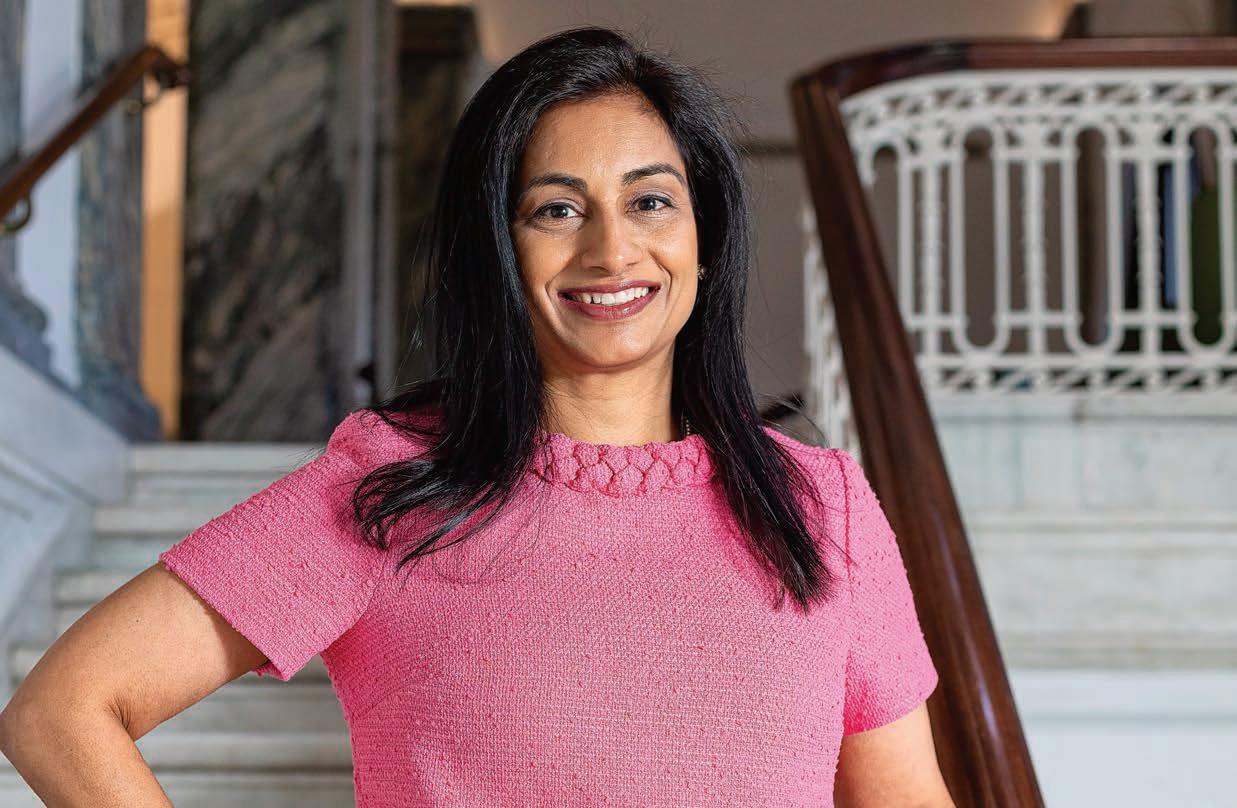

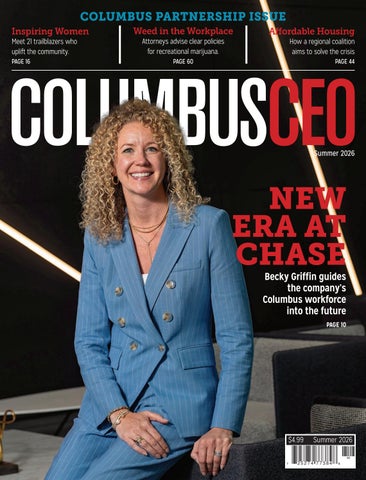
Becky Griffin is guiding the Columbus workforce of JPMorgan Chase & Co. into the future.
Accelerating Angels closes its first fund.
Celebrating our Top Workplaces 2026 winners.
Business leaders aim to boost growth by focusing on entrepreneurship, AI and strengthening Downtown’s core.
44
Civic and business leaders hope a new coalition and other efforts can boost supply and affordability.
50 Member Who’s Who
The Columbus Partnership includes 84 representatives from various sectors. 52 Honoring Everyday Kindness
Josh Doran and Veterans Companion Animal Services are rescuing dogs and improving lives.
60
Attorneys say clear-cut policies are key to regulating recreational marijuana use.
* jhohbach@ColumbusCEO.com
One of the things that brings me joy as an editor are the projects and stories that go beyond the ordinary to uplift, inspire and perhaps even motivate change.
If you’re lucky enough to have parallel experiences in your career, you know what I mean.
Our Summer issue is one of those labors of love, not just for me but for my colleagues at Columbus Monthly We’re thrilled to present the third annual installment of Inspiring Women, which celebrates 21 individuals making a difference on the job and in the community.
The process to select our 2026 class was a thoughtful one. As Monthly’s editor, Katy Smith, explains, “The editorial team took great care to ensure a diverse mix of people, and not just ethnically—from scientists, doctors, artists and educators to political, business and community leaders, young women to righteous septuagenarians.” I couldn’t have said it better.
We sought nominations from our Inspiring Women of 2024 and 2025, and we gave those recommendations special consideration. The public also was invited to submit ideas, and we added the 94 we received to our internal list and past honorees’ suggestions.
The resulting group, we think, truly lives up to the Inspiring Women name. We’ll be celebrating all of them at a joint event June 23 at The Ellis
in Columbus. Turn to Page 16 to find profiles of 10 honorees and the full list of this year’s class.
This issue’s cover story features Becky Griffin, the new Columbus location leader and the head of servicing and support operations for home lending at JPMorgan Chase & Co. Griffin is inspiring in her own right. Not only has she carved out an impressive career that she balances with her family, but she also makes it a point to give back. In addition to serving on the national board of Pink Ribbon Good, she dedicates time to mentoring. “When I talk about how supported I was in taking on new challenging roles, I think it’s really important that that’s true for the next generation of leaders, as well,” she explains.
I’ll hope you’ll spend some time learning about these women and how they are making an impact on their workplaces and communities. Perhaps you’ll even be inspired to give back yourself.
Thanks for reading.

Julanne Hohbach Editor
605 S. Front St., Suite 300
Columbus, Ohio 43215
Phone: 614-540-8900
ColumbusCEO.com
VOLUME 35 / NUMBER 3
GENERAL MANAGER
DISPATCH MAGAZINES
Katy Smith
EDITORIAL
EDITOR
Julanne Hohbach
CONTRIBUTING EDITORS
Linda Lee Baird, Lucy Clark
CONTRIBUTORS
Amy Bodiker Baskes, Tim Feran, Cynthia Bent Findlay, Laura Newpoff, Shannon Shelton Miller
DESIGN & PRODUCTION
PAGE DESIGNERS
Kaity Athialy, Kathryn Biek, Kelly Hignite, Hannah Patton
PHOTOGRAPHY
PHOTO EDITOR
Tim Johnson
ADVERTISING
MULTIMEDIA SALES MANAGERS
Heather Kritter, Adam Trabitz
PRODUCTION DESIGNER
Rebecca Zimmer
MARKETING
MARKETING MANAGER
Lauren Reinhard
PRESS RELEASES
pressreleases@columbusceo.com
ADVERTISING advertise@columbusceo.com
Columbus CEO (ISSN 1085-911X) is published four times a year by USA TODAY Co. Inc. All contents of this magazine are copyrighted © USA TODAY Co. Inc. 2026, all rights reserved. Reproduction or use, without written permission, of editorial or graphic content in any manner is prohibited. Publisher assumes no responsibility for return of unsolicited materials. Known address of publication is 605 S. Front
SUBSCRIPTIONS 614-923-9566 columbusceo@subscription-team.com








Opening Ceremony July 31 Ride Weekend August 1-2
THANKS TO OUR GENEROUS FUNDING PARTNERS, PELOTONIA IS ABLE TO DIRECT 100% OF EVERY PARTICIPANT-RAISED DOLLAR TO INNOVATIVE CANCER RESEARCH AT THE OSUCCC – JAMES.
MAJOR FUNDING PARTNERS
SUPPORTING FUNDING PARTNERS
BENEFITING
Gravel Day October 3
NOTABLE FUNDING PARTNERS MEDIA PARTNER



Presented by:
Join more than 1,200 attendees for a high-energy, immersive evening at Historic Crew Stadium. Instead of a traditional seated dinner, guests will explore food stations throughout the venue, featuring a wide variety of menu offerings—including expanded vegetarian and vegan options—while still
Join more than 1,200 attendees for a high-energy, immersive evening. Instead of a traditional seated dinner, guests will explore food stations throughout the venue, featuring a wide variety of menu offerings - including expanded vegetarian and vegan options - while still delivering the seafood favorites that define Clambake & Lobster Feast!
PArtner:
By JULANNE HOHBACH
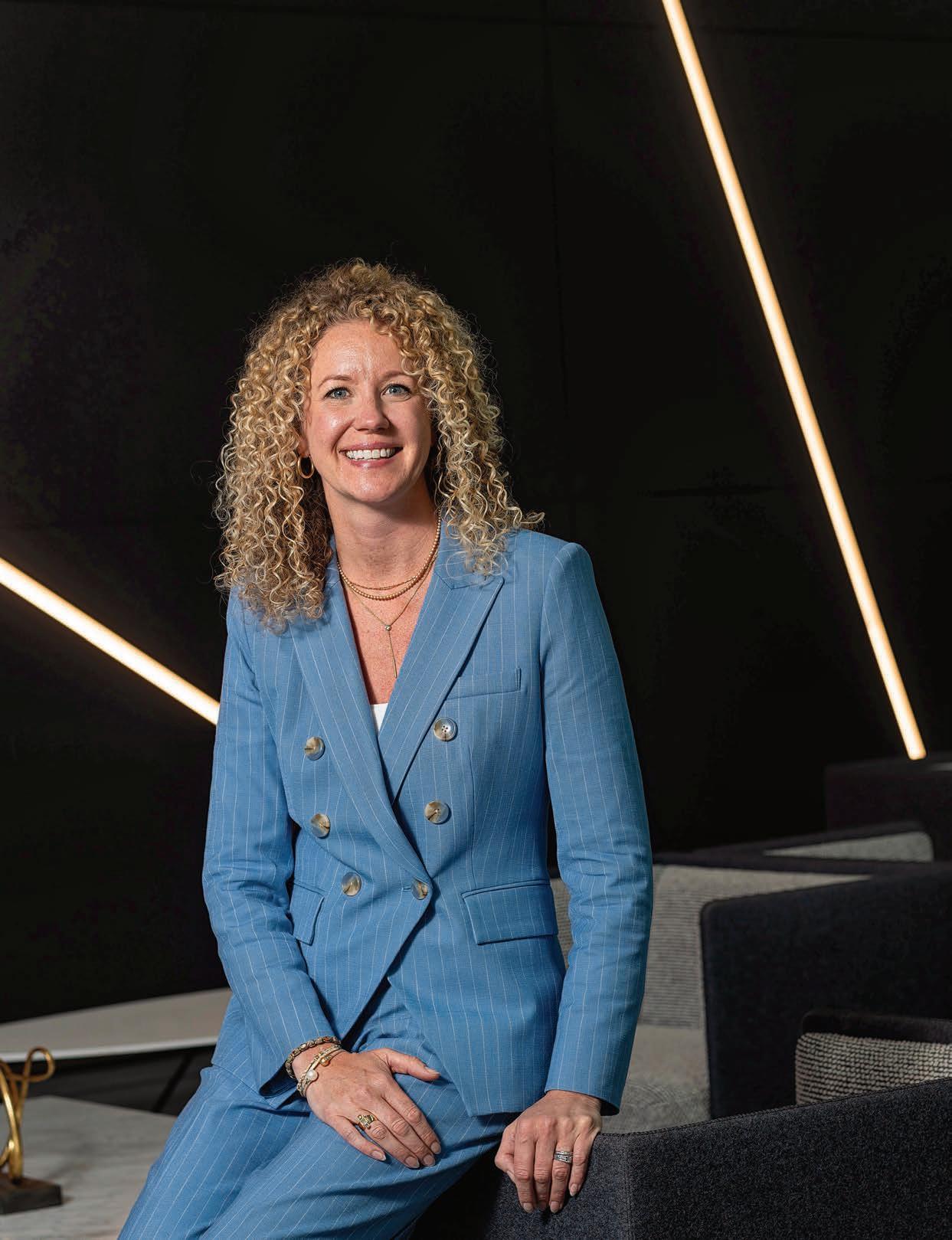
A year into her role as location leader, Becky Griffin talks about the successes, challenges and leading the Columbus workforce into the future.
It’s been a whirlwind two years for Becky Griffin. The veteran JPMorgan Chase & Co. executive was named head of servicing and support operations for home lending in mid-2024, then quickly followed that career bump by adding Columbus location leader to her resume less than a year later.
Griffin was named location leader in the midst of the company’s return-to-work mandate, so she had to hit the ground running. Sitting in her office 13 months later, fresh off a business trip to the Philippines, the career banker seems to be settling in and taking things in stride. “The advice I always give folks when you take a new job is it shouldn’t be all things that you know how to do already. There should be something new that you’re learning,” Griffin says.
That’s an approach she’s taken throughout her career. This time, she’s holding two complex roles simultaneously.
In her home lending job, she manages more than 3,400 global employees, over 3.5 million mortgage customers and almost $1 trillion in loan balances.
As location leader, Griffin oversees workplace and workforce issues for more than 18,300
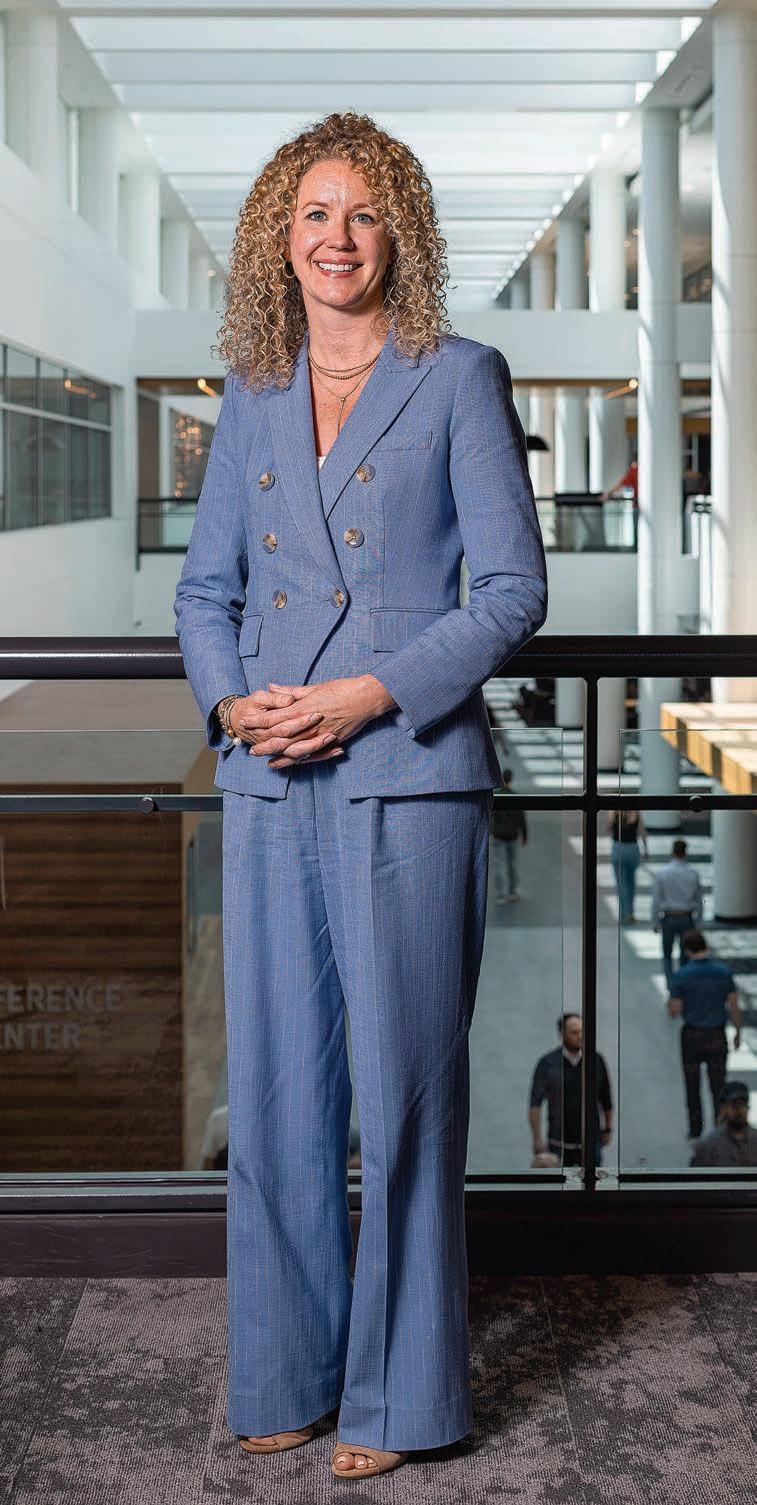
Photo by Tim Johnson
Columbus location leader and head of servicing and support operations for home lending
& Co.
Age: 44
Previous: Chief administrative officer for consumer banking, chief risk officer and other leadership roles in risk operations
Education: Bachelor’s degree in business, Indiana University; MBA, Ohio State University
Involvement: Member of the Columbus Partnership, One Columbus executive committee and the national board of Pink Ribbon Good
Family: Husband, Ryan Griffin, and three children
Columbus region employees—12,000 of whom work at the McCoy Center on Polaris Parkway. The 2-million-squarefoot regional headquarters was the world’s largest Chase facility until its New York City tower opened last fall.
For years, JPMorgan Chase has been the region’s largest private employer and one of its largest financial institutions. According to FDIC deposit market share reports, Chase had $24.63 billion in deposits in the metropolitan statistical area as of June 30, 2025, representing a 20.77 percent market share. Nationwide, the bank had $2.11 trillion in deposits, according to the FDIC.
Griffin became location leader in April 2025 after the retirement of Corrine Burger, who served as managing director and a highly regarded Columbus market leader since 2015.
Burger says Griffin excels at working across the organization to solve problems and serve customers. “That, I think, is a super important quality to be the location leader because you need to understand how the whole firm works, not just the piece that you’re running right now. … She’s really good at bringing in people.”
Business School to Bank One
Griffin, an Indiana native, got an early first look at her future career. “My dad actually worked for PNC Bank, so I am a generational banker,” she says. “They moved us a bunch. So we were in Pittsburgh. We lived outside of New York, Chicago, and then back to Pittsburgh is where I graduated from high school.”
She enrolled in Indiana University to study business but was unsure of her career plan. “I was really drawn to process management, operations types of things, and so I ended up majoring in business process management.”
A third-generation IU graduate, Griffin earned a bachelor’s degree in business in 2003 and joined a Bank One training program. “I was in Indianapolis when I started with the firm and sat in an operations facility, literally big machines, check sorters, reading checks, processing lockbox payments. The true guts of the place, I love to say.”
Griffin moved to Columbus in January 2004 to work as an analyst. Not long after, Bank One Corp. was acquired by J.P. Morgan Chase & Co. Concerned, she went to her boss for
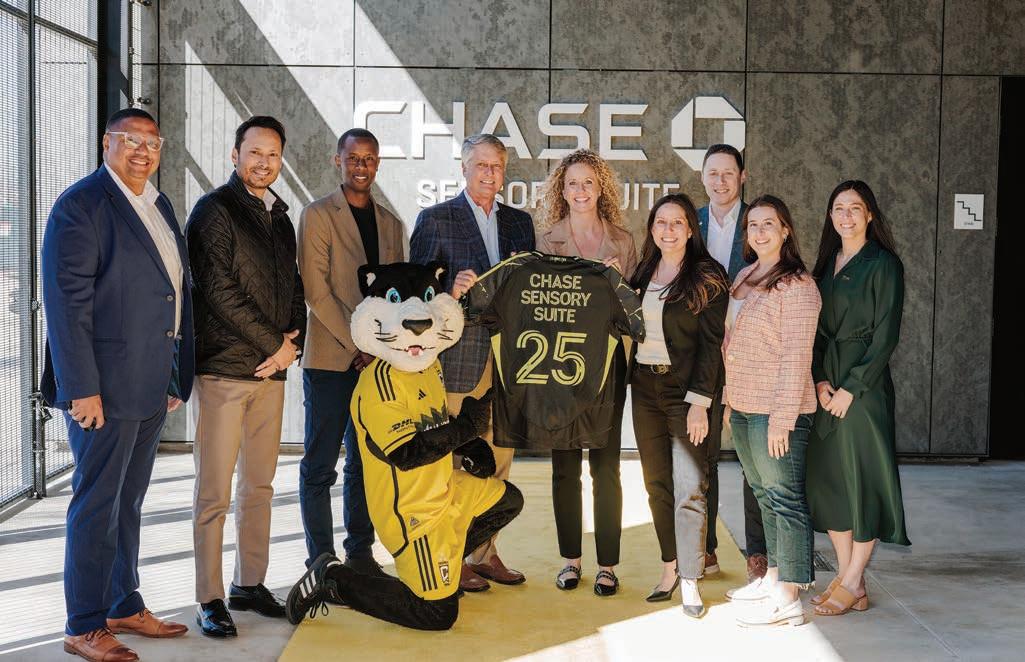
Griffin (center) helps open a sensory room at Lower.com Field in April 2025.
advice. “He literally looked at me and said, ‘You’ll be fine.’ And here we are.”
Throughout her career, Griffin has seen the business from multiple perspectives. An early role in college recruiting wasn’t a good fit, so after earning her MBA from Ohio State University in 2007, she moved to the corporate internet group and learned about online fraud. “That became the thing that I became really expert at, because there weren’t a lot of tools built to combat this. And so we were on the ground trying to figure out how to stop this problem from happening.”
She developed a relationship with the risk staff, who asked her to join their team. “I was not managing teams at that point and spent a decade there really doing almost all the different fraud strategy roles from a risk perspective, and then ultimately became the chief risk officer,” she says.
In 2021, she made a career shift to chief administrative officer for consumer banking, overseeing a network of more than 4,800 branches and playing a key role in Chase’s ongoing branch expansion plan. “It was a great pivotal moment in my career,” Griffin says. “When the opportunity came to pivot into the business, it was both exciting for me to just think about things from a different lens, but also, I think, a good testament to this firm and their willingness to take a risk on somebody from a career standpoint.”
Cathy Norton, a longtime Griffin colleague who works in control management for consumer banking, says Griffin is a strategic thinker who can create a vision and bring people along. “That’s a really strong quality. And because she’s able to do that, I think that’s part of the reason she brings that followership, that people listen. People trust her and are willing to help support,” Norton says.
Taking a Leap
Griffin was presented with a significant advancement opportunity in 2024 when the executive who led mortgage servicing moved abroad. While she loved her CAO role, such leadership opportunities don’t arise often, so Griffin pursued it.
“When we give people opportunities here, what I feel really comfortable saying and actually really proud of is that we don’t do it in a way that’s
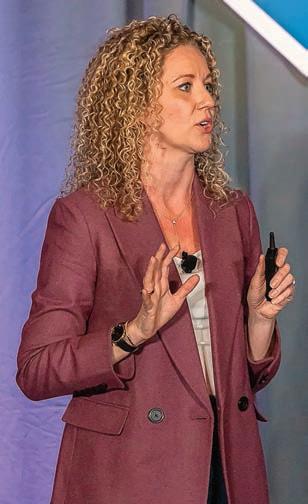
I find it really rewarding to be a part of these really interesting conversations around how we can make Columbus a great place for people to work and to live.”
Becky Griffin
‘throw you into the deep end and see if you can survive.’ We do it, I say, with scaffolding built around you,” Griffin says. “Every single job that I’ve taken that was more than the last one, I feel so incredibly supported by all of the leaders in this firm. I’ve felt that every single time I’ve said yes to something like that.”
Griffin started as head of servicing and support operations for home lending in July 2024, managing a team of 3,400-plus employees in Columbus, Florida, Louisiana, New Jersey and Texas, as well as the Philippines and Mexico City. She travels frequently— every other week, on average.
Spending time with family and her three children is important, so she tries
to map out major events. “It’s a week by week, day by day. ‘What’s on the schedule? What’s a priority?’” she says. “I’m fortunate that I don’t bear a ton of mom guilt, and part of that is my kids are actually very forgiving and understanding and very supportive. And so I do try to say no to more things, particularly in the middle of basketball season, because my preference is to be in the stands cheering them on.”
Griffin took over as location leader at a pivotal time, not long after Chairman and CEO Jamie Dimon announced in January 2025 the company would join a growing wave of organizations implementing a return-to-office policy.
Dimon made national news the following month while in Columbus for a series of events, including a Linden branch grand opening and a company town hall. The latter went viral after Dimon gave an expletive-laden response to a question about the policy. He later apologized for the coarse language during a CNBC appearance.
While leading 18,000 employees back to the office “was probably not on my bingo card,” Griffin says the corporate office was invaluable in the transition. “The level of support that we got out of New York was incredible,” she says.
Now, she’s enjoying a chance to think about the long game. “I find it really rewarding to be a part of these really interesting conversations around how we can make Columbus a great place for people to work and to live. … Thinking about our real estate strategy in this market, thinking about making sure that all of our employees in this market feel like they have what they need when they come to work every day. And so that piece of it has, I think, settled in pretty nicely.”
Chase in the Community
JPMorgan Chase has made significant investments in the Columbus region, including community development and workforce initiatives, free financial health and fraud workshops, and more than $34 million in philanthropic contributions from 2019 to 2024.
In April, the company announced a $4 million commitment in Cincinnati, Cleveland and Columbus to build workforce skills in industries such as IT, health care and manufacturing.
“What I love about this place is we don’t just view our role as showing up and running a bank. We think about how we can be leaders in impacting positively the community that we’re operating in. And this is a perfect example of that,” Griffin says.
Griffin has been a member of the One Columbus executive committee since August 2024 and joined the Columbus Partnership in 2025. A more personal cause is serving on the national board of Pink Ribbon Good, inspired in part by her mother and grandmother, who are breast cancer survivors. The Troy-based nonprofit provides meals, rides and other support for breast and gynecological cancer patients and families.
PRG CEO and President Heather Salazar says Griffin is a major asset to the organization. “She brings to the table ideas for growth and what we need to do to scale properly and all of that. She brings that leadership to the table,” Salazar says. “She’s special because she’s such a strong leader in all of those ways, but she’s so personable and makes everyone feel valued.”
As the banking landscape continues to evolve, so does the role of artificial intelligence. Griffin says Chase came out early with its own internal large language model, teaching it policies and procedures and asking employees to leverage it in their jobs.
An AI agent is now the first point of contact for customers who transfer a mortgage, she says, and email servicing agents use the LLM to make sure their response answers a customer’s questions. In the call center, AI does the math so agents can spend time giving advice instead of running calculations. “It’s a very exciting time, but also there’s a lot to learn. And so we’re really encouraging our employees to just be curious about it and see what they can unlock,” Griffin says.
What does the future hold for Griffin? “I’m not somebody that says I have to have this person’s job. That’s not me. That’s not the goal. The goal is to make a meaningful impact in the job that I have. And so I feel excited that I’m able to do that here in Columbus with my location leader hat, and I realize I don’t have to do it all. I
can empower all these 18,000 people to be more involved in their community and do that with the backing of this really great firm. And so there’s just a lot more that can be done there.
“And then in my day job, we have over 3.5 million mortgage customers and nearly $1 trillion of balances under our care. … We talk about sustainable home ownership, and we do a lot to support customers going through hardships and things. And so just continuing to double down on how we can do better and more with this customer base that we have is really important.”
Burger, for one, looks forward to seeing what comes next.
“She’s got what I say is still a long runway with the firm. I think she’s one to watch. She will continue to grow and learn, as I’ve seen her do in her current job. So it’s kind of exciting because she’s going to be around for a while, and she’ll continue to grow and take on additional responsibilities within the firm.”
Julanne Hohbach is the editor of Columbus CEO.



BY CYNTHIA BENT FINDLAY
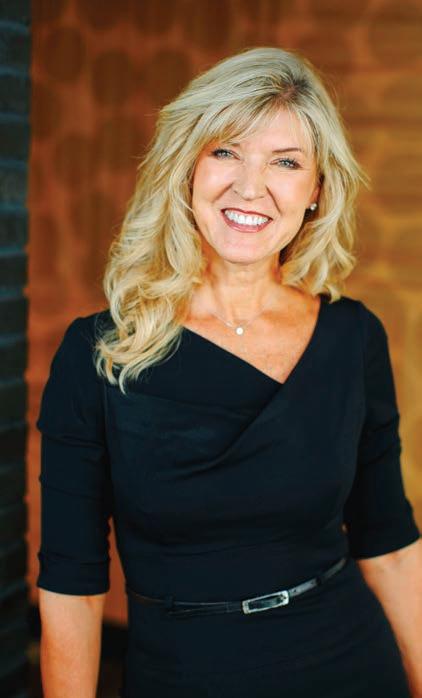
fund manager and woman fund manager, I’m proud to be able to overcome the challenge of that and get 46 investors to see the value of what we are doing.
invested $100,000 in 2023. Teri Sirset formed the company with Ohio State University researcher Lakshmi Dasi in 2020 and has received FDA clearances and is Medicare approved.
Accelerating Angels has backed nine women-led tech firms and counting.
Accelerating Angels took on a challenge in 2022 to raise a fund committing capital to women-led startups.
Its co-founders knew they’d have an uphill battle to close the funding gap women entrepreneurs face. According to a study by the Founders Forum Group, only 2 percent of global venture capital went to female founding teams in 2025. Recent culture wars have made luring investors even more difficult. But Accelerating Angels has always focused on a key message: not investing in female founders is a missed opportunity.
In April, the women-founded investment startup closed its first fund, totaling $2 million. “In a challenging fundraising climate, I’m just really proud to have been able to raise the fund and do it with a grassroots effort,” says CEO and fund manager Cindi Englefield. “For a first-time
acceleratingangels.com
LOCATION: 25 North St., Dublin
CO-FOUNDERS: Cindi Englefield and Mary McCarthy
BUSINESS: Women-founded investment startup
FOUNDED: 2022
EMPLOYEES: 1
FUNDING: Closed its first, $2 million fund in April, raised from 46 investors
“Women-led startups generate two and a half times more revenue per dollar invested, and women-led tech firms bring 35 percent higher returns. And companies with at least one female founder outperform by 63 percent. Those stats are what we are founded on,” Englefield says.
Englefield and co-founder Mary McCarthy were part of the Women’s Small Business Accelerator in Dublin, which McCarthy co-founded, and X Squared Angels, a woman-focused investor group started in 2013.
To date, Accelerating Angels’ first fund has invested $850,000 in nine women-led tech firms, in areas from nonprofit administration to biotech.
“We won’t look at a company that doesn’t have a woman leading it with 30 percent or more equity, because of those performance stats. And our thesis is that they have to have revenue and traction. They manage their time and money well, they’re capital efficient,” Englefield says.
Dasi Simulations is one of Accelerating Angels’ portfolio companies. It creates patient-specific, AI-assisted simulations for heartvalve surgeons. Accelerating Angels
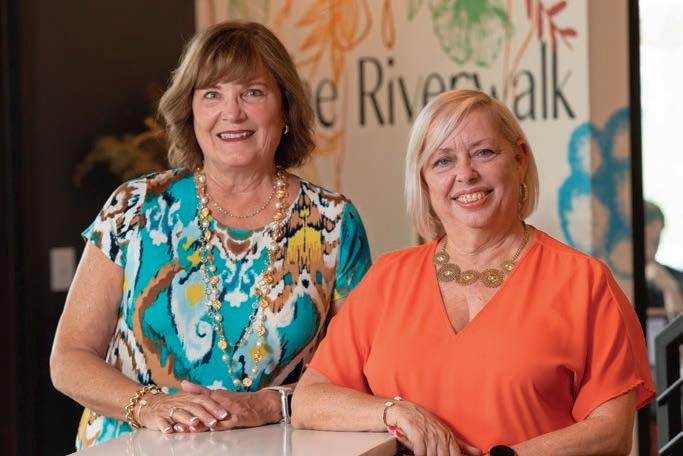
Accelerating Angels co-founders Cindi Englefield (left) and Mary McCarthy
Sirset says the company closed a funding round in late April and has raised $17 million. Accelerating Angels was the first investor. “One hundred percent, it’s been difficult as a woman. When I would pitch to venture capital firms led by men, we didn’t get very far and once the initial pitch was done, there was never any follow-up, feedback, really nothing,”
Sirset says. “They were the only angel group that took a chance on us as a woman-backed company in ’23, and that gave us something to stand on.”
Englefield says it’s also important to focus on opportunity for women on the other side of the table by educating and involving new investors. Plans are in motion for a second fund, but Englefield and McCarthy are now driving membership and scouting prospects to build their portfolio to 12 to 15 companies.
“I do this for impact and investment. Because women are creating companies that are solving some of the big problems I see that need to be solved in the world,” Englefield says.
by Tim
PHOTOS BY DAN TRITTSCHUH
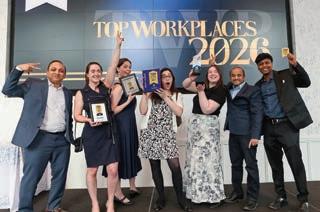
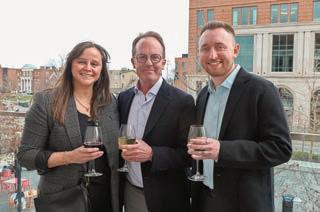
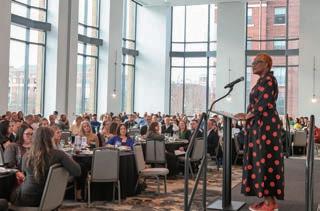
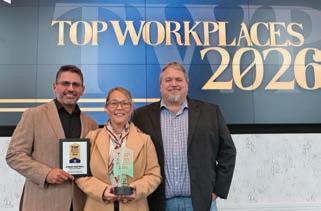
Columbus CEO recognized the honorees of our 2026 Top Workplaces awards with a special celebration held March 25 at Vitria on the Square. About 275 guests attended the 14th annual awards, which honored 89 winners.
Thank you to our longtime research partner, Energage, as well as our Recruitment Sponsor, Jobcase, and all our event supporters.
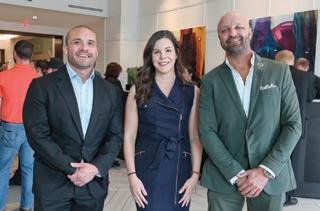
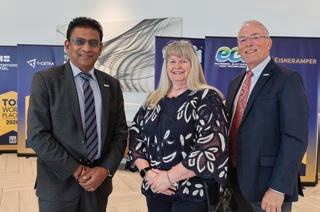
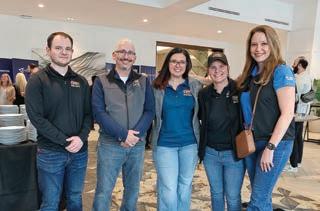
1 Matt Carver, Chad Pond, Tom Kunkler 2 Sutha Vallipuram, Julia Turk, Tom Merritt 3 Jake Krum, Ron McGough, Cash Matetich 4 Brad Fitzpatrick, Darryl Dodman, Danielle Dever, Chelsie DeMatteo, Carrie Reakoff 5 Rodney Tolzman, Danielle Archer, Mike Waldron 6 Lachandra Baker, Alex Rafter 7 Anna King, Molly Hughes, Joley Kaylor, Jasmine Adley, Jill Finkel 8 Brittany Anderson, Ted Manley, Andrew Woodson 9 Erin Nealy, Breanna Brooks 10 Lachandra Baker delivers the keynote address. 11 Ranjith Yengoti, Cecelia Glackin, Rachel Scherrer, Laura Artuso, Emily Miele, Prasad Malandkar, Chiru Gorantla 12 Bruce Thornsberry, LeaAnn Thornsberry, Rob Morrison



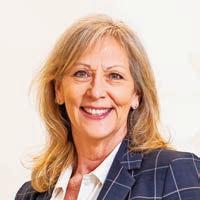
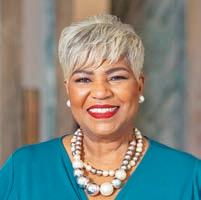
Meet 21 trailblazers making Columbus a better community for everyone.
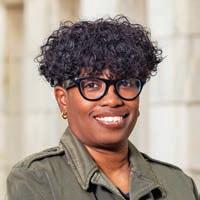
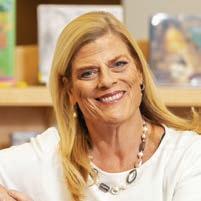
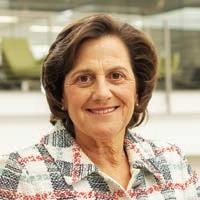
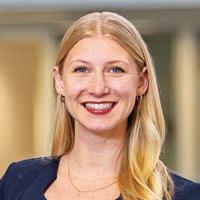
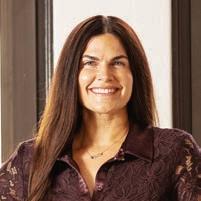
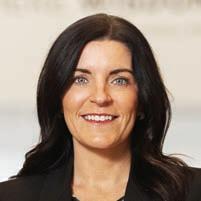
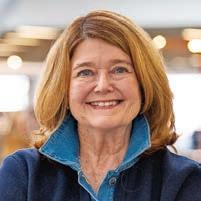

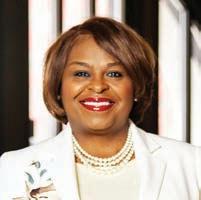
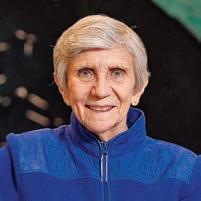

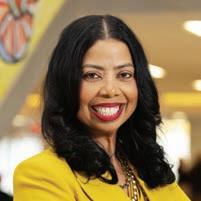
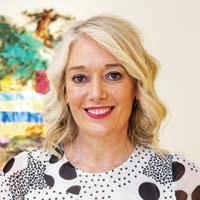
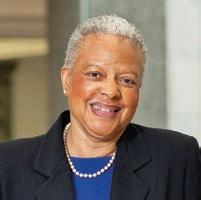
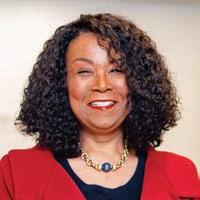
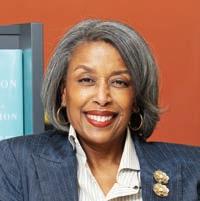
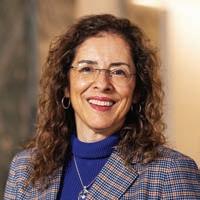
A joint effort with Columbus Monthly. Find profiles of the women listed in white at left in its May issue.



MELANIE BARRETT, founder, Bailey Bug





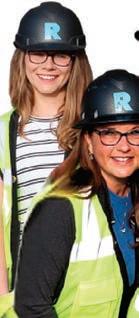
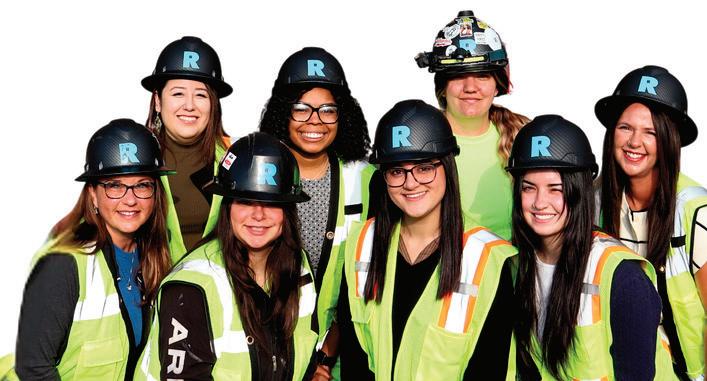
At Romanoff Group, women aren’t just building houses; they’re building careers, confidence, and a future they own
Join an employee-owned company that invests in your growth and recognizes that your contributions drive our success because here, we act like we own the place, because we do


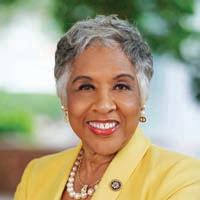
JOYCE BEATTY, Congresswoman
LILLEANA CAVANAUGH, chief, Minority Business Development Division of the Ohio Department of Development
TANNY CRANE, board chair, Crane Group




DOREEN DELANEY CRAWLEY, chief operations officer, Grange Insurance Co.
KATE FINLEY, founder, Belle Communication
MARGARET FINLEY, head of culture and engagement and corporate affairs, Advanced Drainage Systems Inc.
BETSY GOLDSTEIN, founder and CEO, Betsy Goldstein Consulting
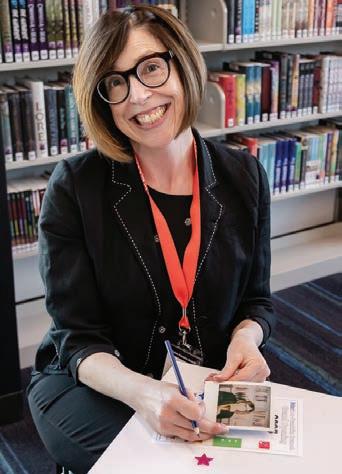
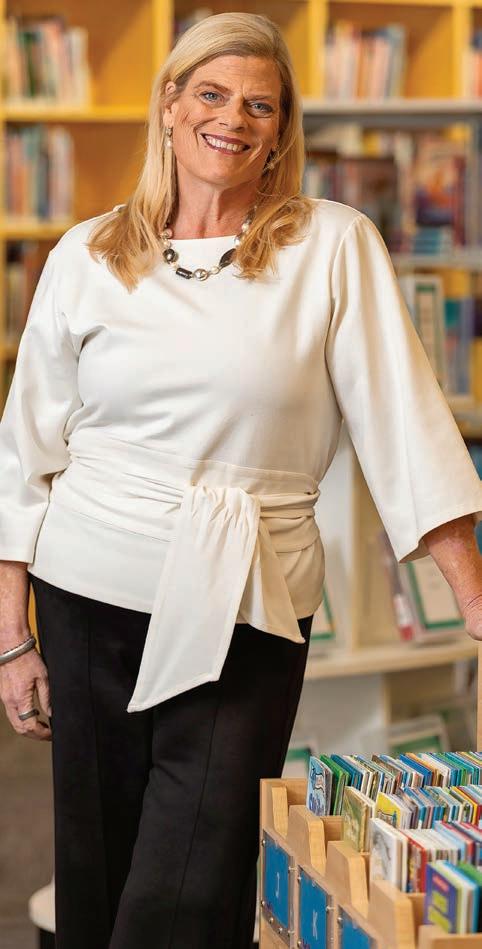
LAUREN HAGAN, CEO, Columbus Metropolitan Library
CATHERINE HARPER LEE, founder and executive director, Ohio Crime Victim Justice Center
FRANCIE HENRY, regional president, Fifth Third Bank
DONNA JAMES, chair of the board, Victoria’s Secret & Co.; managing director, Lardon & Associates
STEPHANIE MATTHEWS, executive director, A Tribe for Jazz
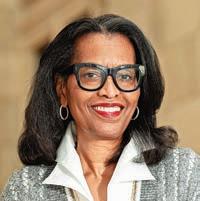
YVETTE MCGEE BROWN, partner, Jones Day; past Ohio Supreme Court justice
DR. LAXMI MEHTA, director of preventative cardiology and women’s cardiovascular health, Ohio State University Wexner Medical Center
KIMBERLY LEE MINOR, CEO, Women of Color Retail Alliance
ELLEN MOSLEY-THOMPSON, senior research scientist, Byrd Polar and Climate Research Center at Ohio State University
CONNIE SCHULTZ, journalist and professor, Denison University
KATHY STARKS, school counselor, Thomas Worthington High School


DONNA TEACH, chief marketing and communication officer, Nationwide Children’s Hospital
LAKESHA WYSE, president, Columbus Ice Hockey Club
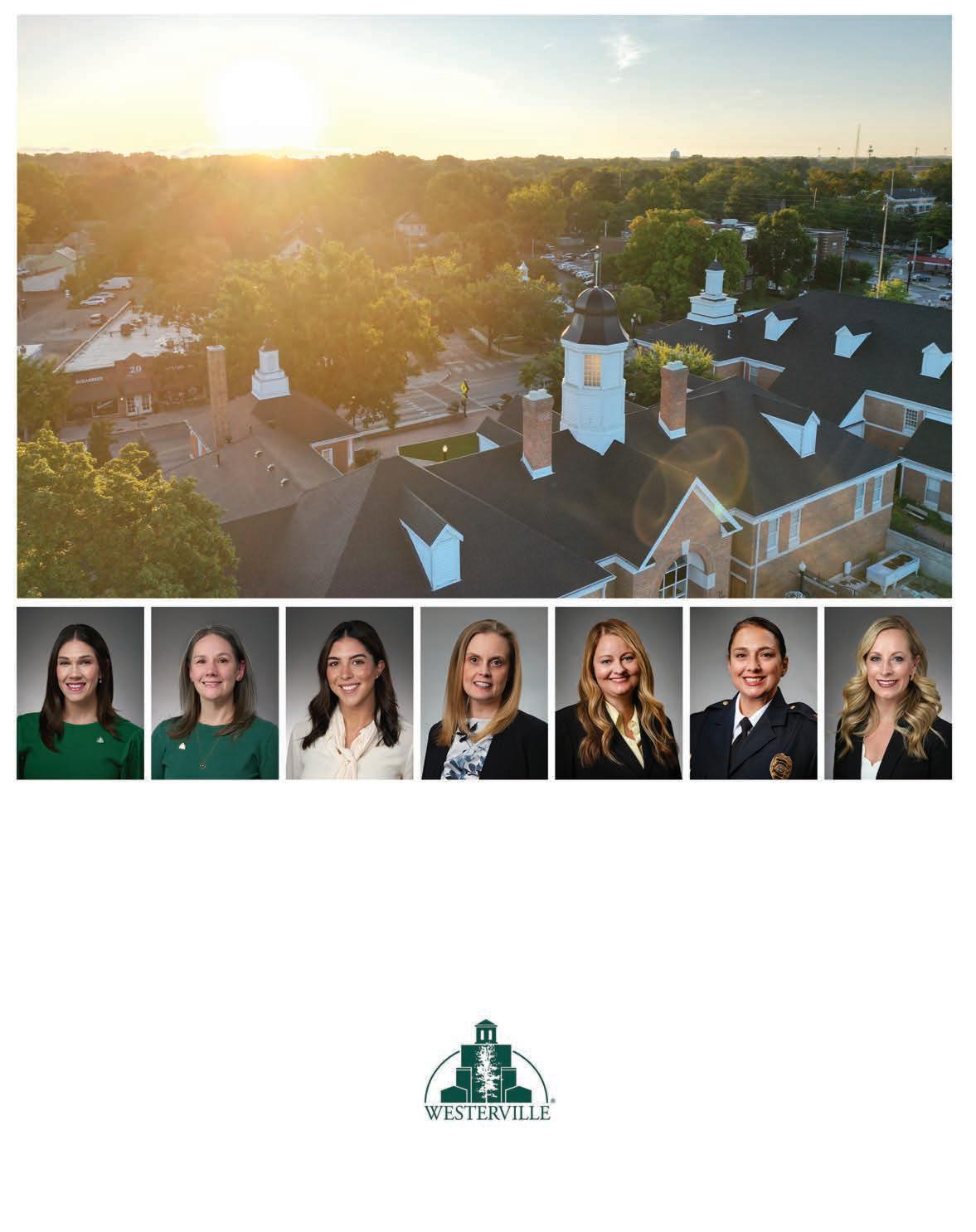





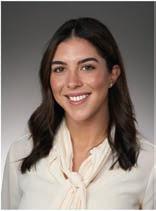



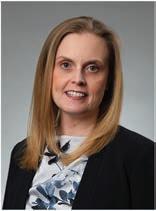


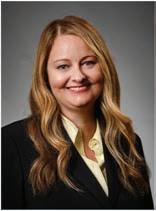



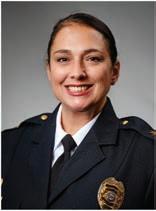

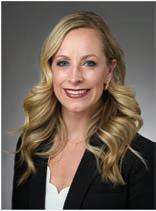



Westerville is proud of this historic moment, with female leaders as
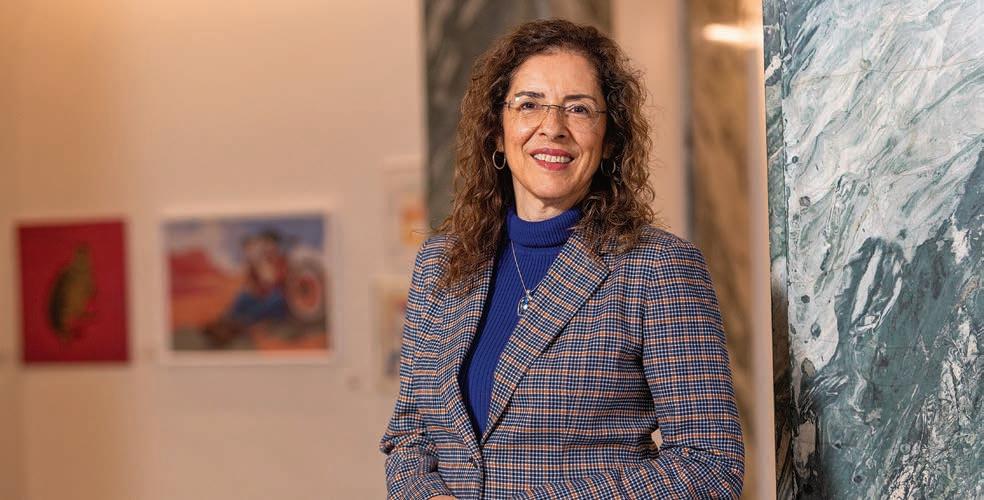
The state’s Minority Business Development chief helps women, minorities and under-resourced companies thrive.
BY LUCY CLARK
Lilleana Cavanaugh serves as chief of the Ohio Department of Development’s Minority Business Development Division, but her career advocating for and uplifting women and minorities goes beyond her new role. She previously served as the Department of Development’s deputy chief and has worked for the state for over 18 years, 14 of which were spent at the helm of the Ohio Latino Affairs Commission.
Cavanaugh’s current job, which she has held since October, focuses on supporting, growing and sustaining minority, women and under-resourced businesses throughout the state. She’s a member of the Columbus Women’s Commission and is on the boards of Leadership Ohio and the Mount Carmel Foundation. She has been recognized with the 2024 Distinguished Hispanic Ohioan Award, 2014 Professional Woman of the Year by the Women of Color Foundation and other honors.
“Lilly has fostered collaborations across sectors, bridging service gaps and increasing access to essential resources such as justice, health care and education. Her efforts have not only improved the quality of life for Latino Ohioans, but have also empowered them to engage actively in civic life,” says her nominator and senior vice president of human resources at United Midwest Savings Bank, Lillian Morales.
Who or what have been career or personal influences? I have been influenced by mentors and leaders who modeled integrity, perseverance and inclusive leadership. Their guidance shaped how I approach challenges and support others. My family has been a major influence, teaching me the value of hard work, resilience and staying grounded. Those early lessons have guided me as I’ve grown professionally. My cultural and community experiences shaped my commitment to service, equity and creating opportunities for others. They influence the work I choose and how I lead.
What is your greatest wish for 2026? I want women to lead boldly and confidently, where every woman’s voice is expected, not exceptional—and where confidence, mentorship and opportunity open doors. Since 2019, the state of Ohio has invested $34 million in minority- and women-owned enterprises to spark innovation and open doors for countless entrepreneurs. I want more women stepping forward to build, create and thrive, because when women rise with purpose and vision, our entire state rises with them.



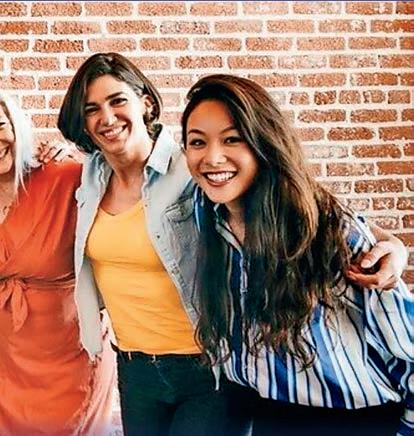

Founded in 2012, CPP is a people-first, women-owned staffing and
CPP was built on a mission to put people first. With over 20 years of experience, CPP delivers staffing, IT consulting, and talent management solutions to organizations of all sizes. By prioritizing relationships and empowering both clients and candidates, CPP continues to make a meaningful impact across industries.
We are a women-owned certified supplier, and are WBENC accredited.
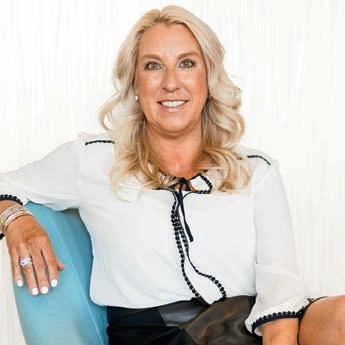
Pam Stanczewski Founder and CEO


The COO of Grange Insurance strives to support the company’s employees and enhance engagement and philanthropy.
BY JULANNE HOHBACH
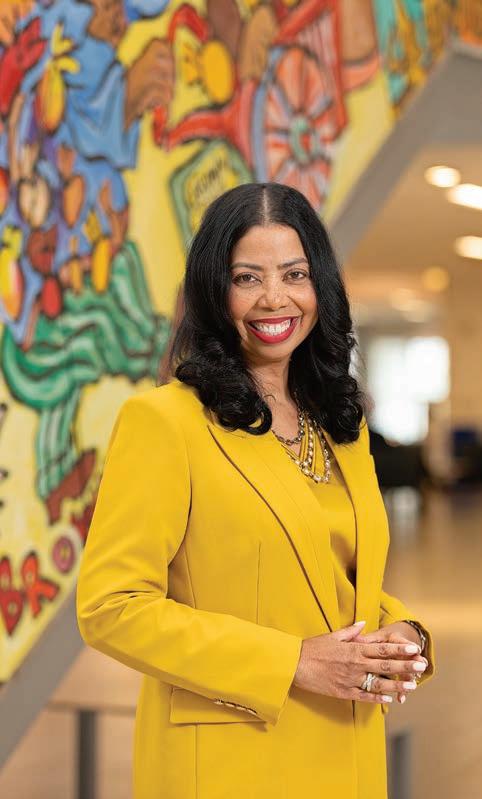
As chief operations officer of Grange Insurance Co., Doreen DeLaney Crawley focuses on elevating not only her company but also her community.
DeLaney Crawley, who joined Grange in 2010 and has served as COO since 2015, directs enterprise operations, human resources and operational excellence efforts for the company and its more than 1,100 employees. Previously the chief human resources and administrative officer, she remains passionate about employee and workforce issues. DeLaney Crawley aims to promote a purpose-driven inclusive culture, creating both strong associate engagement and high-performing teams. She founded the Grange Women’s Associate Resource Group, serves as executive sponsor of the company’s four ARGs and is executive co-sponsor for its Inclusive Culture Advisory Council.
DeLaney Crawley also oversees Grange’s work in the community through partnerships and corporate philanthropy, including the Grange Enterprise Gives foundation. She is a board member of United Way of Central Ohio, Goodwill Columbus and Ohio Wesleyan University and a member of the United Way Women’s Leadership Council, National Black MBA Association, African American Leadership Academy Board of Directors and other organizations.
DeLaney Crawley was named Ohio Wesleyan University’s Executive of the Year in 2014 and the Executive of the Year for Midsize Organizations in Columbus CEO’s 2014 HR Excellence Awards. Grange has won numerous awards for its impact and excellence, including being a two-time CEO Top Workplaces winner.
Who or what have been career or personal influences? My mother has been my greatest personal and career influence. She returned to college when I was young and later earned two additional degrees while I was an adult. Through her, I learned how education can transform the trajectory of a person’s life and how to balance career, family and meaningful community service. Her faith, resilience and tenacity are remarkable and growing up with my hero as a role model was truly inspiring.
What is your greatest wish for 2026? I believe that education builds stronger, more vibrant communities. My wish is for every child in Central Ohio to have access to quality education that shapes their future and our community’s strength. Serving on the United Way of Central Ohio Board and supporting its mission-based program Success by Third Grade allows me to inspire others to invest their time, talents and resources so more students can succeed.




We are uniquely positioned at the Intersection of Wellness & Appearance, focused on your well-being & aesthetic goals. We promote healthfulness, enhance self-confidence & a rm natural beauty — all through the expertise of our qualified providers.
Start the Conversation 614-641-0808 | donaldsonhealth.com
Christina King: Driving Innovation in Employer Healthcare
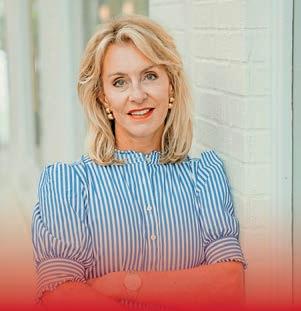
Christina King, Founder and President of C&A Benefits Group, is redefining how employers approach healthcare benefits. Based in Dublin, Ohio, her firm delivers streamlined, self-funded solutions that integrate benefits, payroll, and HR—improving efficiency and outcomes.
Since launching C&A in 2009, King has built a nationally recognized organization grounded in transparency, value-based care, and client advocacy. A recognized thought leader, she is a certified Health Rosetta Advisor and the architect behind several Community Health Plans throughout Ohio. She is also a contributing author to the Amazon bestselling book Fixing American Healthcare, further strengthening her voice in healthcare reform.
In both 2024 and 2025, King and her team have received national recognition for developing some of the highest-performing health plans in America. Through it all, King remains focused on empowering employers to control costs while ensuring access to high-quality care for their employees.
Through innovation, leadership, and an unwavering client-first philosophy, Christina King is helping to chart a new course for the future of healthcare benefits.

The founder of Belle Communication supports work-life balance for her team without sacrificing results for clients.
BY LINDA LEE BAIRD
Years before remote work options were common, Kate Finley was implementing a remote model at Belle Communication, the public relations firm she founded in 2013. The setup was designed to benefit the ambitious women she wanted to employ, supporting a healthy work-life balance for them while driving results for clients.
Finley’s vision paid off. Today, she leads a team of 12 while living in Puerto Rico, and Belle has received recognition including as a three-time Inc. Best Workplaces winner, a PRWeek Best Places to Work honoree and a repeat honoree in Columbus CEO’s Best of Business awards. She has shared her expertise as the founder of Boss Society, an organization that connects millennial women CEOs.
Finley also has contributed to local nonprofit organizations, serving as a past board president for Freedom a la Cart and leading the capital campaign that financed the opening of the Freedom a la Cart Café + Bakery, which creates employment opportunities for survivors of human trafficking.
In the words of her Inspiring Women nominator, Finley “is reshaping workplaces in Columbus and beyond while consistently lifting other women as she rises.”
Who or what have been career or personal influences? I’m blessed to have a number of extraordinary women in my life who have overcome hard things and shown me, time and again, that you’re only as strong as your community. I don’t have one single influence—I have a village. The founders and marketers I work with push me to think bigger. The women closest to me remind me to stay grounded. Both matter equally.
What is your greatest wish for 2026? I want to keep building something that matters without losing what makes it meaningful. This year has taught me that life doesn’t wait for your five-year plan. I want Belle to keep growing—but I also want to be present for the people I love. My wish is that more women give themselves permission to build ambitiously and live fully at the same time.





Congratulations to Francie Henry on being selected as a 2026 Inspiring Women Honoree. For 40 years and counting, your leadership inspires all of us.
The Advanced Drainage Systems executive advocates for a culture of belonging at her own company and other area organizations.
BY JULANNE HOHBACH
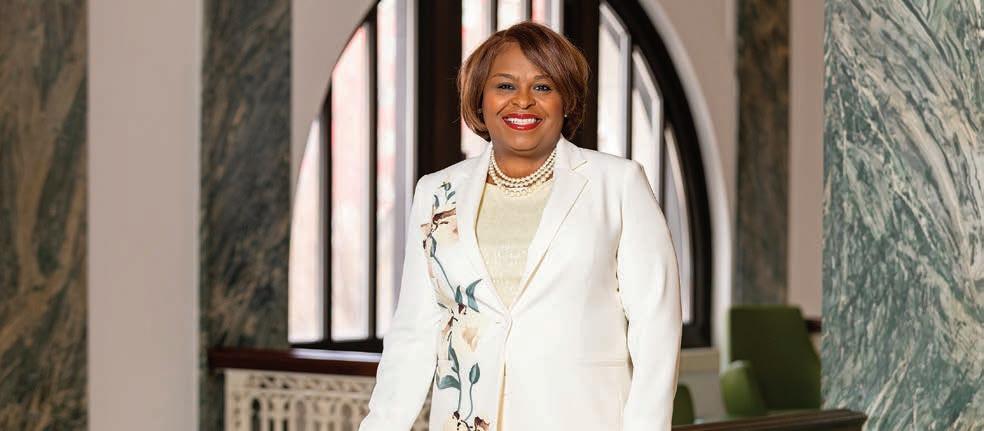
Margaret Finley brings her passion for workforce issues not only to her day job at Advanced Drainage Systems Inc. but also to her role leading the Central Ohio Belonging Consortium.
Finley, ADS’ head of culture and engagement and corporate affairs, joined the company in 2021. She works to cultivate a diverse workforce and a sense of inclusion and belonging at the publicly traded company, where she also oversees efforts related to volunteerism, employee recognition and community engagement and philanthropy.
A member of the ADS Foundation board, Finley also is a member of The Links Incorporated Twin Rivers (Ohio) chapter and president of the Central Ohio Belonging Consortium, which works to advance inclusion and connection at organizations throughout the region.
She created Chief—The Ambitious Woman, a platform focused on senior and executive women, and has been recognized with multiple honors, including a DEI Champion Award from the National Diversity Council and a Power of Gold Award in DEI from the American Society of Association Executives.
Her nominator notes that “Margaret inspires not only through her accomplishments but through her presence, her ability to listen deeply, mentor generously, and lead with both head and heart. She is a catalyst for change, a builder of community and a champion for those whose voices deserve to be heard.”
Who or what have been career or personal influences? I’ve had countless personal and professional experiences that have strengthened my self awareness and sense of purpose. Executive coaching with John Popelka, especially an assessment that illuminated my core identity, emotional triggers, and leadership style has been pivotal in how I show up and navigate life. My drive to inspire and support others through COBC [and] Chief—The Ambitious Woman comes from a deep responsibility to give back what has been poured into me. I never forget the giants whose shoulders I stand on as I pay it forward.
What is your greatest wish for 2026? My greatest wish for 2026 is to see COBC continue expanding its reach and membership as we advance our mission to be the leading resource for strategy and consultation on building cultures of belonging. I hope our collective efforts deepen understanding, strengthen relationships, and inspire authentic participation—ultimately helping create a Central Ohio where every person feels welcomed, valued, connected and empowered to thrive. As it relates to my ambitious woman platform, I’m looking forward to the growth and expansion of the platform to support senior and executive level women—to help them gain clarity on their purpose and why.
This honor celebrates your resilience, independence, and determination to overcome obstacles and lead with confidence.
Your vision, tenacity, leadership, and inspiration don’t just set a standard—they create a new path for all women.
Sponsored By



The former business development executive now helps other companies grow and build their brands.
BY JULANNE HOHBACH
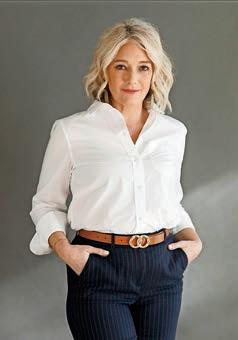
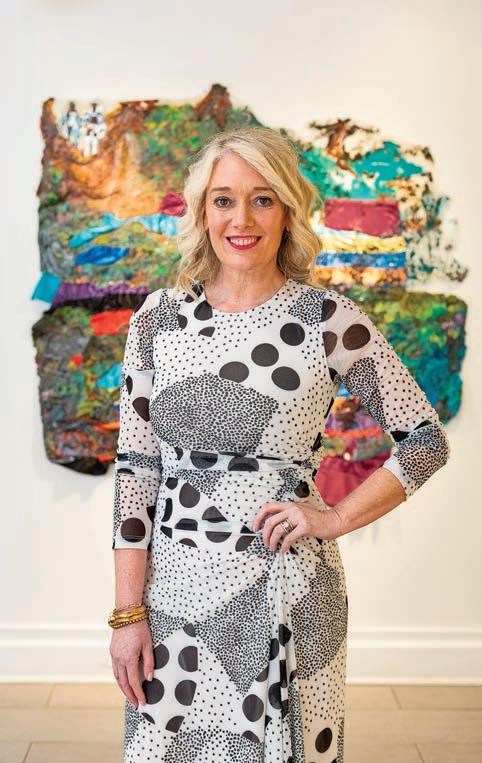
After nearly 20 years in the building industry, Betsy Goldstein was inspired to make a career pivot and open her own business.
Goldstein left her job as director of business development at MA Design and founded Betsy Goldstein Consulting, of which she is also CEO, in March 2023. Today, she leverages her career experience and knowledge of Columbus to provide business development, marketing, community engagement and event planning services to a variety of clients.
Goldstein, who previously worked at Adena Corp. and Associated Builders and Contractors, became a sought-after speaker across the region for her “Intel on Intel” talk that started as an in-house presentation for MA employees.
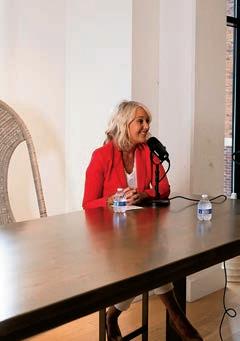
Her podcast, Six One Forward, features discussions with business, government and nonprofit leaders about current and upcoming issues impacting Central Ohio.
Goldstein is a former board member and event chair for A Kid Again and the American Cancer Society and served on the Success by Third Grade committee for the United Way of Central Ohio and the inaugural committee of Hard Hats with Hearts for the American Heart Association.
“Her passion for telling the story of Columbus is inspiring. I’ve learned so much about Columbus from following and listening to Betsy. She saw a need in the marketplace and jumped in,” says nominator Lisa Berger, one of our 2025 Inspiring Women honorees.
Who or what have been career or personal influences? My greatest personal influence was my grandmother. Growing up she was part of my everyday life and helped shape who I am today. She showed me what it meant to lead, the importance of community and power of using your voice. In addition, my husband’s constant support has encouraged me to take bold leaps helping me get to where I am today. Throughout my professional career I’ve been fortunate to be surrounded by incredible people who have all been influential in shaping who I am and what I’ve been able to accomplish.
What is your greatest wish for 2026? With so much fear in the world today, my wish is for people to use their voice to help protect and support those who are most vulnerable. That together we stand up and speak out against the injustices impacting our neighbors and communities. The fabric of Central Ohio and our success depends on all of us standing together and continuing our long tradition of being a welcoming and inclusive place to call home.












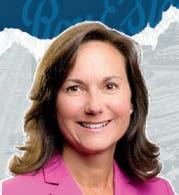


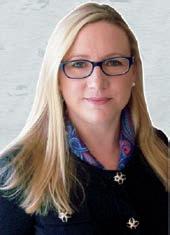




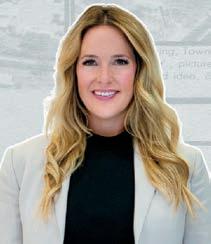

The CEO of the Columbus Metropolitan Library is growing the organization’s presence in the community.
BY LINDA LEE BAIRD
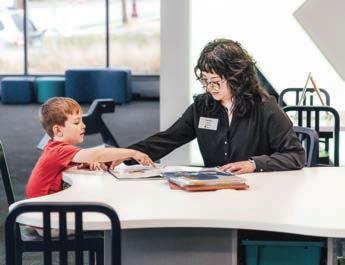
Though her career unfolded unexpectedly from her original plan to become a nurse, Columbus Metropolitan Library CEO Lauren Hagan ended up in a role where she still helps others, overseeing a public library system that serves nearly 1.5 million people each year. In addition to books, CML supports the community with resources including career development workshops, reading and homework help for schoolchildren, free meeting spaces, and passes to local cultural and sporting events.
Hagan joined CML in 2018 as CFO, stewarding a $120 million budget, a sizable branch rebuilding program and a 2023 ballot issue that secured funding for library operations. She stepped into the CEO role in 2024 and has since grown CML’s relationship with other organizations, including a pilot project with the National Veterans Memorial and Museum focused on storytelling and community service. She also has expanded the annual Columbus Book Festival, which is anticipated to draw over 40,000 attendees in July.
Hagan has a longtime interest in the issue of affordable housing and serves as a board of directors member and past chair of the nonprofit Affordable Housing Trust for Columbus and Franklin County.
Who or what have been career or personal influences? My parents are my greatest influences. My mom modeled independence and holding herself to a high standard. She built her career when there were fewer women in leadership and showed me you can be successful while raising a family. My dad has a gift for building relationships and bringing humor to most situations. Together, they taught me the value of hard work and caring for others.
What is your greatest wish for 2026? I hope 2026 is a year when more people feel a sense of connection and possibility in their lives. At Columbus Metropolitan Library, we see how even small moments, a conversation, a resource, a welcoming space, can change someone’s path. As both a parent and a community member, I hope every family feels valued, supported and hopeful.
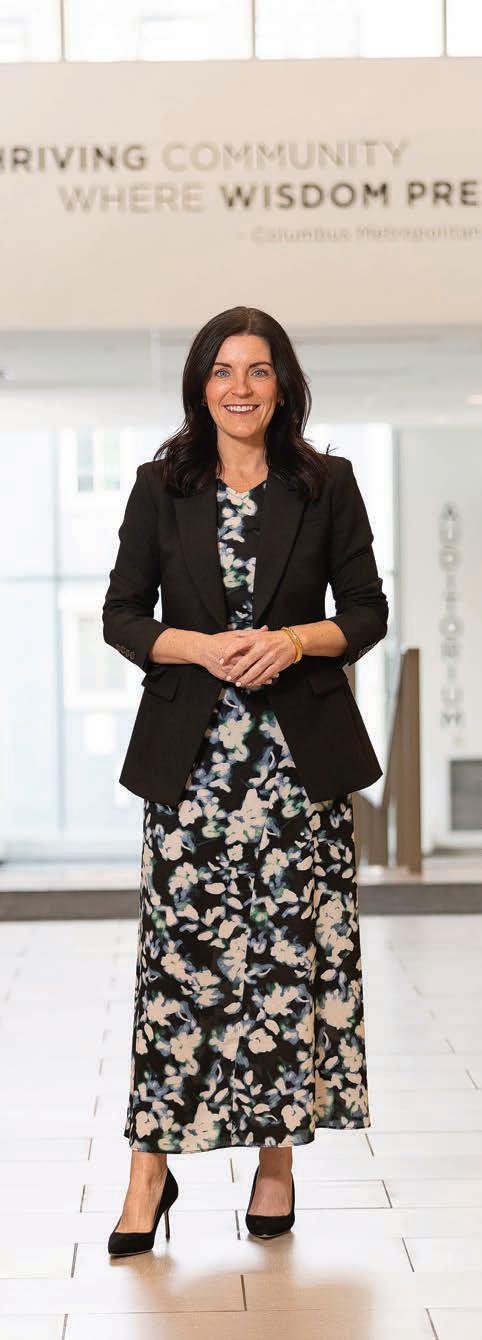








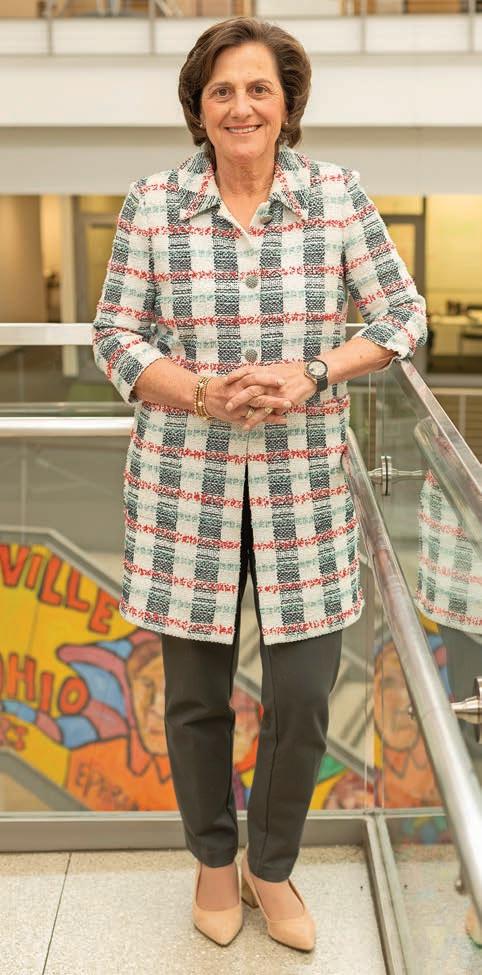
Fifth Third Bank’s regional president aims to advance inclusive leadership while driving growth for customers and the community.
BY JULANNE HOHBACH
Francie Henry understands the power of dreams. As the daughter of Greek immigrants who settled in Mount Vernon and found success in the restaurant business, the career banker has firsthand insight into clients’ drive to meet financial goals, and she has spent her career working to help them succeed.
Henry, Fifth Third Bank’s regional president since 2018, got to know multiple sides of the business on her rise through the ranks—during which corporate assets grew from $3 billion to $294 billion. She joined Cincinnati-based Fifth Third in 1986 and held roles in marketing and as retail regional manager before moving to Columbus in 2003. Here, she served as head of retail banking, wealth and asset management director, and market president before taking over the top job.
A leader who is as personable as she is astute, Henry is widely respected not only in local banking circles, but in the broader business and nonprofit communities. She is a member of the Columbus Partnership and serves on multiple boards, including SciTech, the Ohio State University STAR Advisory Committee, Clean Energy Ventures, YWCA Columbus and the Affordable Housing Alliance of Central Ohio’s Strategic Advisory Council. Her leadership was recognized with the 2022 CEO of the Year award in the Large For-Profit category by her peers and Columbus CEO
Who or what have been career or personal influences? I have had great leaders and mentors in my life. My parents who immigrated here from Greece taught me a strong work ethic and a compassion for treating others fairly. They often reached out and helped others. While trying to learn a new culture, my family built a successful Greek family restaurant and grew our family focusing on family values, faith and the community. Another is former Fifth Third Regional President, Jordan Miller, who had a vision and plan for his retirement and worked tirelessly to ensure I was prepared when the time was right. Jordan was always there to help. He did a great job positioning me to be a leader by always encouraging me to stay true to who I am and to always be my authentic self.
What is your greatest wish for 2026? I’m honored to be a part of the Columbus Partnership and love how this city stacks hands to get things done. This region has so many exciting projects driving economic growth and I want to see this momentum continue for future generations. I want to keep advancing and championing inclusive leadership. I encourage others to mentor and sponsor emerging leaders—both formally and informally. This will keep resulting in stronger representation and a more diverse leadership pipeline with rising talent across Central Ohio and beyond.
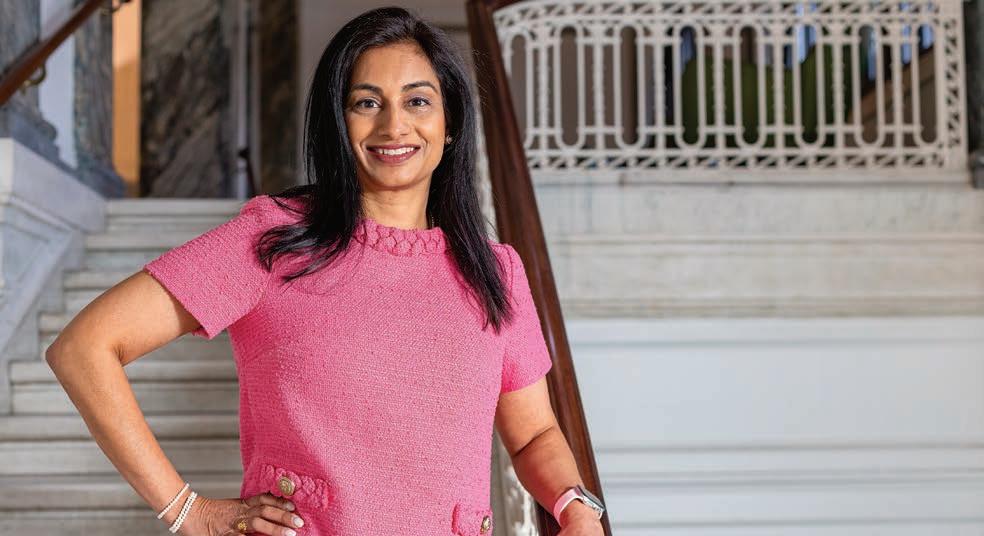
The Ohio State University cardiologist uses her position to champion women’s heart health and educate patients and physicians.
BY LUCY CLARK
Dr. Laxmi Mehta is an esteemed cardiologist, the director of preventative cardiology and women’s cardiovascular health at the Ohio State University Wexner Medical Center and a professor in the division of cardiovascular medicine, though those titles hardly do her efforts justice.
Mehta has been widely recognized for her work with various institutions, including the American Heart Association, where she chairs the cardiovascular disease in women and special populations committee. In February, she was named a 2026 Distinguished Fellow by the American College of Cardiology for her “outstanding contributions in advancing science, knowledge and innovation to improve cardiovascular care and patient outcomes worldwide.” She also is the recipient of the Excellence in Advocacy Award from the American College of Cardiology and the Distinguished Achievement Award from the American Heart Association’s Great Rivers Affiliate.
While her research and medical advocacy benefit everyone, her work specifically champions women with underlying heart disease—both treating them and educating other physicians about the unique aspects of heart disease in women.
Mehta is vice chair of wellness for the Wexner
Who or what have been career or personal influences? My late father was my greatest career and personal influence. As a surgeon and anesthesiologist, he modeled compassion in patient care and exemplified selflessness, gratitude and kindness. He inspired my commitment to community service, encouraging involvement in committees and outreach. Through him, I discovered the fulfillment and joy that come from making a meaningful difference in the lives of others and in my community.
What is your greatest wish for 2026? To see a stronger emphasis on prevention in health care, with increased support and funding for healthy behaviors, as well as expanded access to tests and treatments that prevent disease before it starts. I hope we begin to shift from a system focused on “ill care” to one truly centered on promoting health, improving outcomes and enhancing quality of life for our communities.
Medical Center’s department of internal medicine and the chief well-being liaison and faculty director for the Gabbe Health and Well-Being Program. She is a fellow of the American College of Cardiology, American Heart Association and National Lipid Association.
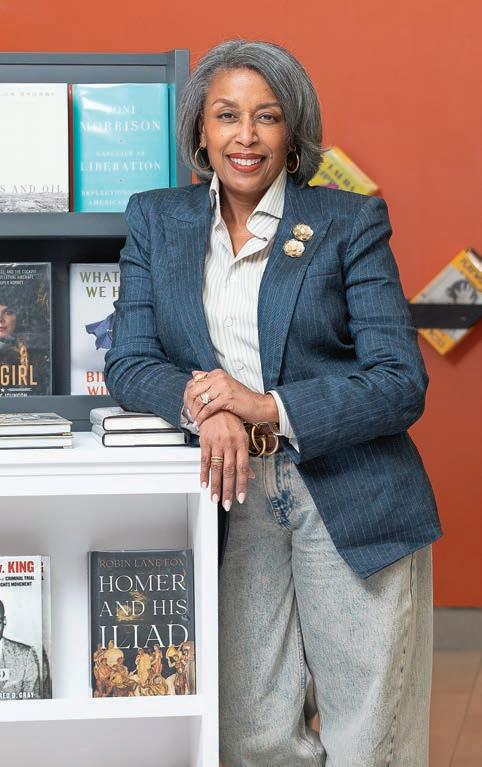
Through the WOC Retail Alliance, the veteran executive is helping to boost diversity in fashion, beauty and other industries.
BY JULANNE HOHBACH
Kimberly Lee Minor had carved out a successful career as a retail executive. But she was frustrated by the industry’s overall dearth of diversity in high-profile roles and lack of a place where women could connect, network and advance their careers. So, she reached out to a few like-minded colleagues, and they built one themselves.
Minor co-founded the Women of Color Retail Alliance in 2020 and has served as its CEO since 2023. The organization focuses on advancing workforce and career development and has assembled a network of partners including Lululemon, Sephora, Victoria’s Secret & Co. and the National Retail Federation. Minor also is the interim executive director of the Office of Career Management at the Ohio State University Fisher College of Business.
Her retail expertise was honed at a variety of wellknown fashion and beauty brands, including Bandier, London Fog, Joe Boxer, Rampage, Bongo, Foot Locker Global, Iconix Brand Group, David’s Bridal, Express and Bath & Body Works. Minor’s work has been recognized by Women’s Wear Daily Women in Power and honored among ReThink Retail’s Top Retail Experts (2024-26) and the National Retail Federation/ReThink Retail’s Retail Voices (2025-26). She also received an Unstoppable 100 Trailblazer award from the Ford Foundation and Role Model Magazine.
Minor’s community work includes the grant committee of the New Albany Community Foundation, the programming and relocation committees of Dress for Success Columbus, and the education committee of the Columbus Association for the Performing Arts. She is a former independent director of BlueConic.
Who or what have been career or personal influences? My parents instilled in me the belief that leadership carries responsibility for opening doors for others. Over three decades in business, I saw how access, sponsorship and relationships shape careers. That experience now drives my work connecting people, ideas and institutions to prepare the next generation for the future of work. At the heart of everything I do is a simple philosophy: We should know each other.
What is your greatest wish for 2026? My greatest wish for 2026 is that we invest more intentionally in the next generation of leaders and expand access to opportunity. Too many capable people remain unseen or unsupported, even when ready to lead. Preparing talent for the future of work requires stronger mentorship, sponsorship and connection. When we strengthen relationships, we create clearer paths to leadership. When leaders open doors, people truly know each other, and opportunity multiplies.


Stay up-to-date with Columbus CEO’s Insider newsletter.
Stay up-to-date with Columbus CEO’s Insider newsletter.
up-to-date with Columbus CEO’s Insider newsletter.
Delivered straight to your inbox every other week, Columbus CEO Insider has the latest Central Ohio business news, executive profiles and happenings.
Delivered straight to your inbox every other week, Columbus CEO Insider has the latest Central Ohio business news, executive profiles and happenings.
Delivered straight to your inbox other week, Columbus CEO has the latest Central Ohio business news, executive profiles and happenings.
columbusceo.com/newsletters
columbusceo.com/newsletters
Stay up-to-date with Columbus CEO’s Insider newsletter.
Delivered straight to your inbox every other week, Columbus CEO Insider has the latest Central Ohio business news, executive profiles and happenings.
columbusceo.com/newsletters

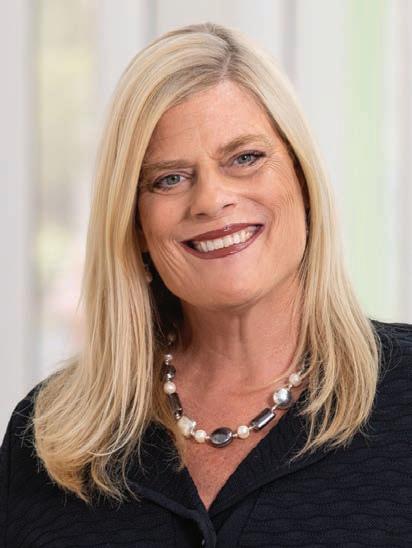
Nationwide Children’s Hospital celebrates Donna Teach, chief marketing and communications officer, for being recognized as one of the 2026 Inspiring Women.
Donna is a catalyst for positive change at Nationwide Children’s. Her strategic vision, decisive action and unwavering focus on patients and families are an
Donna, your leadership means everything to us.
The communications professional has amplified the profile of Nationwide Children’s Hospital during a period of unprecedented growth.
BY JULANNE HOHBACH
Nationwide Children’s Hospital is among the Columbus region’s most esteemed organizations, and it continues to grow in both size and reputation. One of the key contributors to that growth for the past 30 years has been Donna Teach.
Teach, the nonprofit’s chief marketing and communication officer, has devoted both time and talent to help build multiple aspects of the organization. From new patient towers, research buildings and the Big Lots Behavioral Health Pavilion, to transformative programs such as the Kids Mental Health Foundation, she has shepherded initiatives that raise the bar of pediatric care for children in Columbus and beyond. Teach joined the hospital in 1996 after a decade at OhioHealth and has held her current post since 2011.
“For an astounding 29 years, Donna Teach has been the marketing and communications force behind the largest pediatric hospital and research institute in the country,” says nominator and friend Lisa Hinson, a 2025 Inspiring Women honoree. “Donna is widely recognized for not only her professional talent, but for her compassion for patients and their families, as well as her love of Columbus.”
Teach received the 2025 Leadership Excellence Award from the American Hospital Association’s Society for Health Care Strategy & Market Development. She is a former member of the SHSMD Advisory Board and former board chair of Goodwill Columbus.
Who or what have been career or personal influences? I was blessed to have a “girl dad” who taught me I could be anything I set my mind to. My CEO, Tim Robinson, has been an incredible role model—it’s been an honor to work alongside him for 30 years. John Wolfe shaped my understanding of our community in lasting ways. And my heart is with all the wise women in my life—too many to list here but I owe my career to Margie Pizzuti, and I am inspired by so many amazing women in communication like Lisa Hinson. Grateful to them all.
What is your greatest wish for 2026? My greatest wish for 2026 is that more women feel confident using their voice and owning their story. I hope we keep showing up for each other, choosing courage over comfort, and lifting one another up with love and laughter along the way. And for the young girls watching us, I hope they see what’s possible—growing up in a world where they feel safe, supported, and believe they can be anything—because they can!


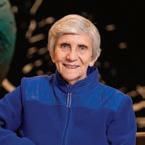
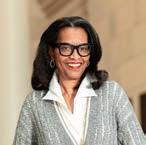
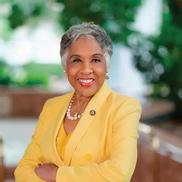



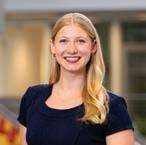

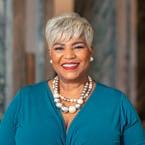
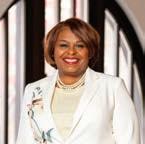


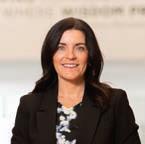
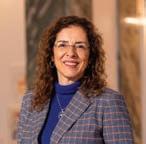
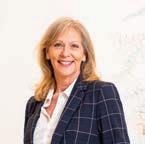
On June 23, our third annual Women event celebrated the women in the May issue of Columbus and summer issue of Columbus CEO.
On June 23, our third annual Inspiring Women event celebrated the women profiled in the May issue of Columbus Monthly and summer issue of Columbus CEO.















The Columbus Partnership aims to bring business to the region by focusing on entrepreneurship, AI and strengthening Downtown’s core.
BY SHANNON SHELTON MILLER
During the Columbus Partnership’s annual retreat last fall, a clear theme emerged from the membership of more than 80 leaders from the city’s business community.
This is a city built on entrepreneurship. In 2026 and beyond, it should embrace that spirit even more.
“Entrepreneurship has always been absolutely critical to Columbus,” Columbus Partnership CEO Jason Hall says. “There are only three levers you can pull to create jobs: Expand
the businesses you have, recruit new businesses to the region and encourage entrepreneurship with new company creation. You want to be a place where risk-taking is supported.”
Earlier this year, the Partnership added three tech entrepreneurs—billionaire Ratmir Timashev, Orange Barrel Media CEO Pete Scantland and Root co-founder and CEO Alex Timm—to help the region establish itself as an innovation hub. Timashev might have the highest profile among the new members, having founded
and sold Aelita Software and Veeam Software and making significant gifts to Ohio State University. More recently, he launched OH.io with a goal of investing $100 million in 100 local startups in the next five years.
“That’s part of a broader vision that we should be the go-to entrepreneurial tech hub of the Midwest,” Hall says of the civic organization’s expansion. “AI is one of the big technology revolutions we’re living through, so it’s a ripe field for disruptive new business models and

startups. There’s a lot of wealth and new businesses being developed because of AI, so this is a great time to embrace our entrepreneurial heritage and the talents of our members and community stakeholders.”
Hall says while the Partnership is leaning into tech, it’s looking to work with any new businesses— from multinational corporations to small “Main Street” shops that see Columbus as a place to grow and expand. Entrepreneurship also continues the vision of “the Columbus Way.” Hall says partners are leading conversations about how businesses can advance the broader goal of prosperity for all citizens by increasing homeownership and closing wealth gaps.
“I think we entered this transformative phase about 20 years ago of moving from where Columbus was the third city in Ohio and there wasn’t a clear growth trajectory to what we are today,” Hall says. “We’re not just an Ohio success story. We’re one of the fastest-growing populations and economies in the country. We’re entering this new phase where we’re taking on the brand of who we are. We have a story to tell. We’re stitching it all together and taking that to the market.”
Timashev, who earned a master’s in chemical physics at Ohio State in 1996, has given more than $132 million to his alma mater to support teaching, research and building construction, including the Timashev Family Music Building. His largest single gift of $110 million was for a new Center for Software Innovation, which will include an eight-story building to house educational programming and space for startups.
A groundbreaking ceremony for the center, located in the Innovation District at Lane Avenue and Kenny Road, is scheduled for September. Timashev sees the facility as the anchor for the district.
A Russian native who immigrated to the United States, Timashev made billions as a tech
entrepreneur, notably through Veeam, a cloud-based data management corporation. “I’ve always been grateful for the opportunity Columbus and Ohio State gave me,” Timashev says. “I made that promise to myself when I started having extra profit from my business, I could pay it back or pay it forward.”
Investing in tech seemed to be a clear choice. Having spent significant time in Silicon Valley, Timashev often saw young people talking to each other at bars and social outings about their startups, and he witnessed how the region created an ecosystem where risk-taking was expected and businesses could thrive.
It made him think: Why couldn’t Columbus become the next great U.S. innovation hub?
“You need to start with digital capitalists or with founders,” Timashev says. “If you don’t have founders, digital capitalists will not come. If you don’t have venture capital, founders might not come yet. To build the next innovation hub, we need to bring more founders, plus we need to change our mentality in Ohio and in Columbus. To do that, we need a few big successes.”
Timashev formally launched his AI venture platform OH.io in February to support post-early-stage startups that have revenue and customers and are ready to scale. The startups can be based anywhere around the world but will have their sales and marketing operations in Columbus. Sales and marketing team members, eight to 10 per startup, will be on OH.io’s payroll for 18 months. At that point, the company takes on those functions and OH.io can acquire an equity stake.
While OH.io has drawn scrutiny in recent months due to a legal battle with three fired executives who say they were improperly terminated, it continues to add companies to its portfolio. It announced its sixth partnership in late May with Saporo, a Swiss AI cybersecurity startup. Other startups in the OH.io portfolio include digital employment platforms EverWorker and Newo.ai, as well as Testkube, a cloud-based service for engineering teams.
Another priority from the Partnership retreat was a continued focus on enhancing Downtown, both in terms of infrastructure and as a calling card.
“Your downtown cores tend to have an outsized impact on your reputation,” Hall says. “For tech talent, startup talent, it’s a place where people are in close proximity and ideas get exchanged faster. Taking Downtown to the next level of vitality and performance is an important supporting strategy to entrepreneurship and talent attraction. Downtown provides visual cues of whether you have a region on the rise or in decline, and you tend to get judged by the vitality of your urban core.”
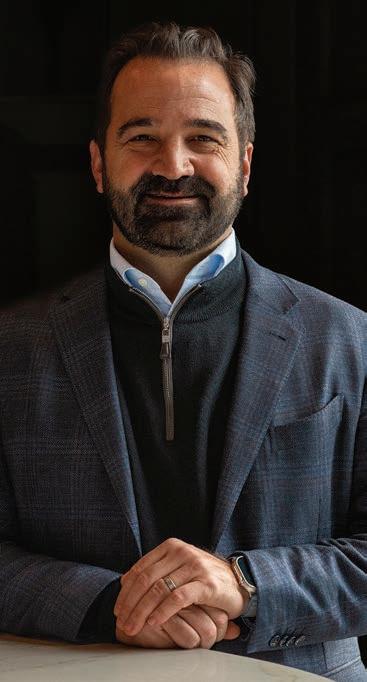
Jimmy Merkel, co-founder and CEO of hospitality management investment firm Rockbridge, understands that well. The company is partnering with the Edwards Cos. to develop the Merchant Building, a $430 million, 32-story, mixed-use project adjacent to the North Market that will include a luxury hotel, residences and a private members club. Merkel says the building’s name honors the merchants who were the city’s first entrepreneurs more than 150 years ago and helped establish that heritage.
“The national brand awareness of Columbus—as a nice way to put it—is unknown, but people who move here come to love it and it becomes home,” Merkel says. “It’s a great place to live and do business, and one of the things we have to do as a city is build Columbus’ brand as a destination. A lot of the work getting done at the Partnership is to tell our story to the world and be a bit more bold about that.”
Merkel cites the phenomenon of people who visit a destination before eventually moving there for a job: If they have a great experience, they start thinking of the place as somewhere they would want to live. That’s why it’s important, he says, to approach hospitality as an export—something that brings in dollars to support the community, attracts and retains talent, and
fuels overall quality of life. Doing so means being strategic about building a downtown with walkable streets, a state-of-the-art convention center, iconic destinations to hold events and meetings, restaurants, entertainment and more.
“We are optimists,” Merkel says. “We believe there’s an incredible future for Columbus, and there have to be businesses at the core that drive that. We’re excited to do our part, and we hope it attracts others to come here and help drive prosperity in the region.”
Jim Grote opened the first Donatos Pizza on Thurman Avenue on Columbus’ South Side. It’s still there 63 years later, surrounded by residential homes. His daughter Jane Grote, Donatos’ executive chairwoman, jokes they couldn’t get it zoned that way today but says its placement in the sideyards and backyards of its neighbors is symbolic.
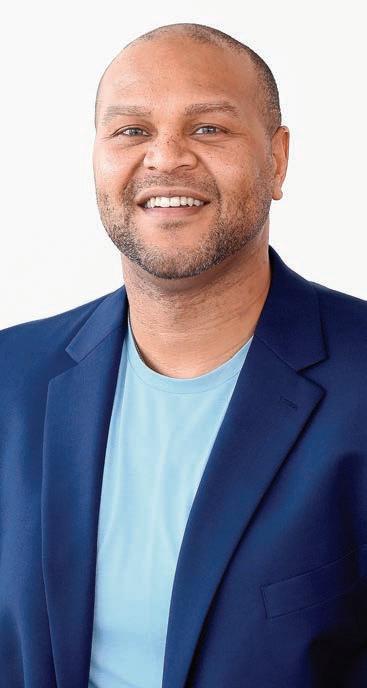
“I think it’s probably the truest expression of what the Columbus community does, which is wrap themselves around all entrepreneurs, founders and people that have an idea,” she says. “It’s nationally known that if you can make it in Columbus, you can make it anywhere. A lot of restaurants started in Columbus and have grown to be regional and national. Columbus makes it easy to do business.
Whether it’s the city council or the mayor’s office, people pick up the phone and are willing to collaborate and help.”
The example close to her heart is the Reeb Center, the nonprofit resource center she co-founded 11 years ago with the Kelley family and business leader Tanny Crane to serve South Side residents. Grote says the collaboration exemplified public/private cooperation, and the Partnership played an essential role in its development.
“Our three tenets are to lead with love, treat others the way you want to be treated and do the right thing,” Grote says, citing Donatos’ corporate philosophy. “I think the Columbus Partnership fulfills that. I think the Columbus community
fulfills that every time there’s a big problem or small problem. I believe there’s alignment in making sure we’re leading with love and we’re treating others the way they want to be treated, and we end up doing the right thing.”
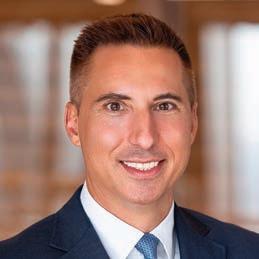
Jonathan Moody, CEO of architecture firm Moody Nolan, grew up in Columbus but spent time in other cities before moving back permanently 15 years ago. The experience gave him greater insight about Columbus’ appeal to entrepreneurs, its approach to smart growth and the importance of creating civic infrastructure to support a growing population.
“Columbus is big enough for things to make a meaningful impact but also small enough as a growing city to find new opportunities,” Moody says. “There are so many avenues within the city still to be defined. Here, there’s much more opportunity to develop, grow or build, and that can happen very quickly. There aren’t as many barriers that come up in other places. Here it’s, ‘We’re ready, we’re
We’re not just an Ohio success story. We’re one of the fastest-growing populations and economies in the country.”
Jason Hall, CEO of the Columbus Partnership

CELEBRATING COLUMBUS WITH STORIES THAT
willing, and there’s a great environment to make it happen.’ ”
In 2020, he took over the firm his father, Curt Moody, started in 1982 and grew into the country’s largest Blackowned architecture firm. The younger Moody has expanded the business’ footprint to lead the development of schools, libraries, performing arts centers and other civic infrastructure hubs across the country.
“The way we measure success is through our impact on people,” Moody says. “Where we get passionate and excited is not necessarily about building the most expensive facility, but how do we impact the most people through our work? We know that good design makes a difference so more people have access to the services they need. Through the Partnership, that’s one of our themes this year. We’re starting to see the beginnings of an exciting time in the city as things continue to develop.”
Shannon Shelton Miller is a freelance writer.






A business is more than a daily operation; it’s an investment in the future. You deserve an insurance partner who champions your success. With Encova Insurance, local independent agents are ready to guide you, understanding your unique challenges and tailoring insurance solutions to match your goals. Along with your agent, we’re in your corner to provide coverage that fits your business and help safeguard what matters most.
Find an Encova agent in your neighborhood at encova.com.


Civic and business leaders hope a Regional Housing Coalition and other efforts can boost single- and multifamily construction and affordability.
BY LAURA NEWPOFF
Fairfield County is home to a large and diverse manufacturing base that employs 5,000 people and continues to grow. In 2023, county commissioner Jeff Fix increasingly heard from many of those employers that there wasn’t enough housing stock to accommodate employees who wanted to move closer to their jobs. Some drove from as far as three counties away.
Knowing population growth isn’t slowing, with 3.1 million residents expected to call the Columbus region home by 2050 according to the MidOhio Regional Planning Commission, Fix set to work. He and his team met with economic development experts, village mayors, township trustees, MORPC and builders. That research allowed the county to update its
economic development and land use plans and zoning codes to remove barriers to new development.
“When we first did the master land use plan and started presenting it, we had a lot of angry residents who thought we were going to take all the farmland and build apartments on it,” Fix says. “After seeing so many people show up to vent their anger, we pulled back. … We then redid the plan in a way that was much more palatable to residents.”
Higher-density housing provisions help preserve farmland, and a New Community Authority provides funding for infrastructure and community needs when projects are constructed.
Today, Fairfield County is a hub of activity. From Jan. 1, 2025, to March 31, 2026, 1,666 new residences were
created. Affordable, workforce and market rate apartments, patio homes and senior living facilities are the most common products.
Fix brings his experience to the Regional Housing Coalition, a new entity focusing on a coordinated approach to build more housing. It stems from a 2021 effort by Columbus Mayor Andrew Ginther, Lark Mallory (then president and CEO of the Affordable Housing Trust for Columbus and Franklin County) and Kenny McDonald (then president and CEO of the Columbus Partnership) to determine how best to maintain the region’s affordability as economic growth continues.
“The Columbus Partnership and One Columbus have been so successful in building an economic

development engine, which has caused the need for more housing,” says Fix, a member of the coalition’s executive advisory board, which includes business, government and nonprofit officials in multiple jurisdictions. “They are taking that same knowledge base of how to get everyone to work together regionally to solve a problem and applying that same concept to housing. That’s what’s going to make this work.”
The coalition is a unique model that brings diverse interests to the table and gives them a voice while showcasing how well the region works together and embraces its interconnectedness, says Ann Aquillo, the Columbus Partnership’s chief policy officer. “The idea of trying to address the housing issue through a multijurisdictional landscape is unlike anything else being done in the country,” she says. “Counties, cities and townships are at the forefront of trying to solve for a national issue but doing it with a Midwestern pragmatism. The business community is lending its voice and its credibility to help people understand that housing is essential to economic growth and important to the health of our community.”
The population of the metro area grew by more than 100,000 from 2020 to 2025, reaching 2.42 million people, according to U.S. Census data. The 2024-25 rate of growth (0.96 percent) is nearly double the national rate and positions the city as one of the fastest growing in the country.
Ginther has said in his last three State of the City addresses the Columbus region needs to build 200,000 new homes over 10 years to accommodate population growth and bring down housing costs. According to MORPC, roughly 80,000 families are spending more than half their income on housing, and nearly half of the housing stock predates 1980. The city has committed to provide half of the new homes needed. Construction of approximately 9,100 new homes was authorized in 2025, according to the city. That’s a 50 percent increase over 2024 and the largest number of housing permits the city has issued in 25 years. The city estimates the metro area started construction on more than 15,800 new
homes for families last year, which is a 17 percent increase over the previous year.
“We’re off to a good start,” Ginther says in reference to the rise in housing permits. “Success is housing [is] now being treated as a regional issue rather than a city-by-city problem. It’s an important shift because Columbus cannot solve the region’s supply crisis without the rest of the region being part of the solution. … We have the ability to do this. The challenge is to do things differently than we have in the past. It’s within reach if we continue to stay focused on the supply crisis and making housing more affordable for people regardless of what they do for a living.”
Net annual change in the 15-county MORPC region
2004 18,091*
2010 3,637*
2014 9,215
2019 10,171
2024 10,806
*Highest and lowest years 2004 to 2024
Source: Mid-Ohio Regional Planning Commission
According to MORPC, the 15-county region added 10,806 units in 2024, up from 9,215 units 10 years earlier, but well below the 18,091 units that were added two decades ago. Home sale prices, meanwhile, have consistently risen year over year, reaching a median price of $340,000 in 2025, up from $235,000 just five years prior. The prices are rising faster than income in relative terms. MORPC reports the median household income had roughly half the homebuying power in 2024 it had in 2012.
According to the Ohio Housing Finance Agency, rents in the state have been increasing rapidly since the COVID-19 pandemic. Adjusted for inflation, the median rental price for a two-bedroom apartment in Ohio increased by 22 percent from December 2019 to December 2024, to $1,174 per month.
“You cannot grow a thriving regional economy if teachers, nurses
and firefighters cannot afford to live here,” says Joe Garrity, MORPC’s chief strategy officer and senior director of external relations. “The coalition’s goal is 200,000 new homes, including 80,000 affordable ones, over the next decade.
“What makes this effort distinctive is the public-private partnership at its core,” he says. “When civic and business leaders sit alongside elected officials at the same table, it changes the conversation. Housing stops being a government problem and becomes a shared regional priority. The Columbus Partnership’s involvement signals to developers, lenders and suburban communities alike that the private sector has skin in the game.”
Garrity says Columbus already is backing that commitment with real dollars. Voters approved a historic $500 million affordable-housing bond in November 2025, the largest local housing investment in the city’s history, building on previous investments that created or preserved more than 7,000 affordable homes. “That kind of public investment, paired with private-sector energy, is exactly the combination that moves the needle,” he says. “Central Ohioans are at their best when we work together, and this coalition is built on exactly that.”
For decades, there have been efforts to bring more affordable housing online. Housing is considered affordable when a family pays no more than 30 percent of its monthly income for total housing costs.
In Fairfield and other counties, workforce housing is a priority. The term surfaced in the 1990s for those who earn too much to qualify for affordable-housing subsidies but not enough to buy a home. Incomes within the range of 60 percent to 120 percent of area median income allow a person to afford rents, usually starting around $1,000 a month for a one-bedroom unit.
An active builder in this space is Metro Development. Since 2008, the company has constructed and sold more than 20,000 multifamily units in Central Ohio, representing more than $3.5 billion in construction. It has 15 different projects in the works with a focus on workforce housing, including two in Lancaster: 240-unit Fairfield


We are proud to work alongside the Columbus Partnership and our civic and community leaders to help strengthen and advance the Columbus Region. We are deeply invested in supporting bold economic growth, expanding opportunity, and fostering a vibrant, welcoming community where businesses and people can thrive.
If it’s happening in Scarlet & Gray, it’s happening here.
Parks and 288-unit Victory Commons. Both will open to residents this year. Rents range from $1,150 to $1,600 with complexes containing one-, twoand three-bedroom units.
Developers can lock in workforce housing rental rates by tapping into Municipal Community Reinvestment Area programs that offer property tax abatements for up to 15 years.
Metro CEO Tre’ Giller attributes the company’s success in bringing these projects to market to an ability to identify sites, navigate the zoning process and manage construction costs while working with city, county and state governments. The company has developed long-term relationships with government officials and subcontractors and has the financial ability to reduce costs by buying in bulk. The result is a consistent process that leads to a product that’s cost effective, well received in the marketplace and hits in-demand rental ranges, Giller says.
Giller says other counties can look at Fairfield County’s success and apply that to their communities. “Fairfield County and the city of Lancaster were willing to identify the problem and work with their constituents to help them understand the problem,” Giller says. “They then created a plan where developers have certainty of execution.
“Columbus can’t build all the housing, so the whole region needs to pitch in to get the units we need across all the housing spectrums,” he says. “If we don’t, 10 years from now we’ll say we knew we had a problem and we’ll be in the same boat we’re in now. That will result in not getting the big job creators because we don’t have anywhere for their employees to live.”
Brent Crawford, principal and founder of developer Crawford Hoying and a Columbus Partnership member, agrees the region needs more housing of all types and price points to bring costs down. He points to housing policy reforms in Austin, Texas, that led to a construction boom and drove down the median rent by more than 16 percent from 2021 to 2026. Reforms that help developers move through the permitting process quickly so they can break ground are key to reducing project carrying costs that can cause
Average sale price in the 15-county MORPC region
Median Mean
2012 $145,000 $174,004
2016 $170,000 $203,141
2020 $235,000 $268,655
2024 $330,000 $377,223
2025 $340,000 $390,282
Source: Mid-Ohio Regional Planning Commission
rents to spike when the demand exceeds supply. He applauds the city of Columbus’ update of its 70-year-old zoning code—known as Zone In—to expand housing options along key corridors and near job centers.
That’s significant because, according to MORPC, there’s a correlation between multifamily inventory under construction and rent growth. At roughly 4 percent of inventory under construction, Columbus is behind leaders such as Austin and Charlotte, which have rental construction rates exceeding 14 percent.
Outside of Columbus, places like Dublin that once resisted multifamily developments now embrace them. For example, Crawford says the city created the Bridge Street District to specifically allow dense housing, which Crawford Hoying delivered in its development of Bridge Park.
“We work with corporate headquarters tenants who don’t just ask about office space. They also want to see a list of apartments to see if their employees can comfortably live nearby,” Crawford says. “It’s critical to provide housing options to meet the demands of different income levels of each employee. It may be a 600-square-foot unit for an entry-level employee living next door to an executive of the same business in a 3,000-square-foot unit. For the approximately 30,000 people coming into the region each year, most are coming to take advantage of the tremendous job growth the greater Columbus area is experiencing. We need to deliver the right number and types of housing so everyone is impacted. The way to bring prices down is to increase the overall supply, just like Austin did.”
Laura Newpoff is a freelance writer.

August 28-30, 2026

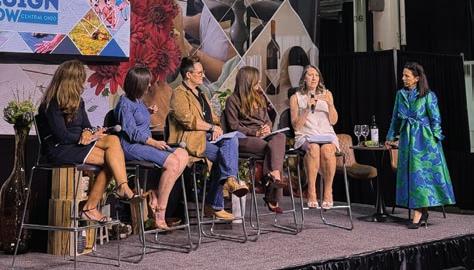
Step into style at the Central Ohio Home & Design Show presented by Ballard Designs and Frontgate, in partnership with the American Society of Interior Designers.
cutting-edge design, and explore more than 150 home, design, and lifestyle exhibitors.

The Columbus Partnership had 84 members in its ranks as of early June, representing many of the region’s most notable businesses and organizations. The organization was founded in 2002. A Dispatch Printing Co. seat is currently vacant.





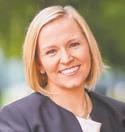
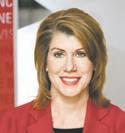

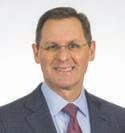
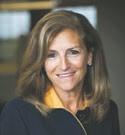










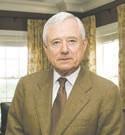
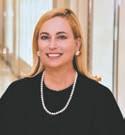

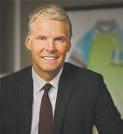
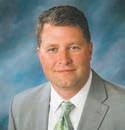


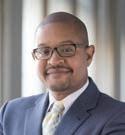

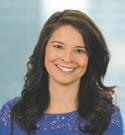
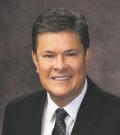

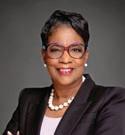








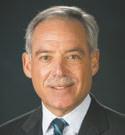

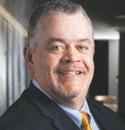


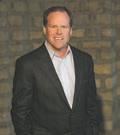


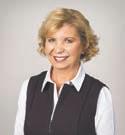




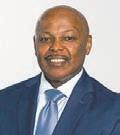
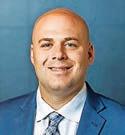
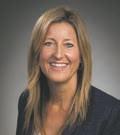
Josh Doran and a Delaware nonprofit are rescuing dogs and improving veterans’ lives.
By AMY BODIKER BASKES
+ Photo by TIM JOHNSON
Josh Doran knows firsthand the gifts of dog ownership. His 13-year-old pup, Scrappy, soothed his spirits and gave him some direction after he returned from serving with the U.S. Army in Afghanistan. “He was a grounding force that brought me back to myself,” Doran says.
Since 2022, Doran has brought this perspective to his role as president and CEO of Veterans Companion Animal Services, an 8-year-old Delaware nonprofit that places rescue dogs with veterans and their families. Armed with advanced degrees in law and nonprofit administration from Indiana University, Doran leads the organization in its mission to enrich the lives of military families through the companionship and love of a pet.
The heart of VCAS is its companion dog program, which differs significantly from traditional service animal programs. Service dogs are trained to perform specific tasks for individuals with diagnosed medical conditions, often requiring extensive and costly training. But VCAS does not charge fees for animal placement or require a medical diagnosis. The organization also covers first-year expenses including food, supplies and veterinary care. VCAS collaborates with local shelters including the Humane Society of Delaware County and Gigi’s in Canal Winchester to identify dogs likely to thrive in a supportive home. To ensure
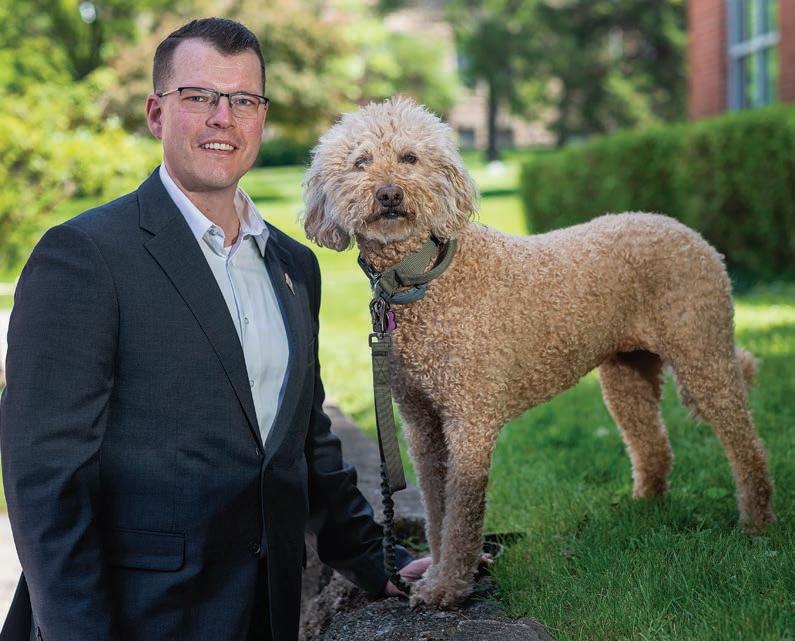
successful matches, veterans undergo assessments that consider family size, other pets and home environment. Once paired, veterans and dogs participate in a seven-week training program to establish essential obedience and leash skills.
Dennis Petruska, a U.S. Navy veteran from Northwest Columbus, was matched with Milo while recovering from surgery. Milo, released from a puppy mill in Southeast Ohio, was initially frightened of loud noises and especially scared of Dennis’ cane. These days, Milo is “basically a lapdog,” Petruska says. “Well, he takes me for walks now. That was one of the reasons my wife wanted to get him, to get me out of the house, and it worked.”
Veterans also can enroll in VCAS’ ambassador program, certifying their dog as a therapy animal that visits schools, nursing homes and corporate offices. “The therapy dog program really helps empower the veteran to help others,” Doran explains.
Fueled by individual donations and corporate sponsors, VCAS also hosts gatherings for alumni who have received a dog or completed VCAS training. Events include summer cookouts, golf outings and trips to Columbus Crew games or the Columbus Zoo and Aquarium. These serve both as fundraisers for the organization and opportunities for alumni to combat social isolation.
In May, VCAS hosted its sixth annual gala, which honored Warren Motts, founder of the Motts Military Museum in Groveport, with the Champion of Veterans award. The event, held at the National Veterans Memorial and Museum, celebrated VCAS’ 81 dog placements and the service of nearly 200 veterans since its founding.
Doran says his leadership of VCAS has been fundamentally shaped by his own experience as a pet owner. “When I got back from Afghanistan, I was stuck in my own head.” But Scrappy changed that. By rescuing dogs and providing healing companionship to veterans, VCAS provides lasting benefits to veterans, animals and the broader community, he says. “We rescue dogs to rescue veterans.”
This article was made possible by support from the Center for HumanKindness at The Columbus Foundation, which has partnered with Columbus CEO to profile those making our community a better place. Help us lift up inspiring stories of kindness by suggesting people, initiatives, or organizations to feature by emailing kindness@dispatch.com. Columbus CEO retains full editorial independence for all content. Learn more at ColumbusCEO.com/Kindness.
Amy Bodiker Baskes is a freelance writer.








Kindness is all around us.
We look to honor those who improve, heal, and unite our community, one selfless and extraordinary act of kindness at a time.



Look for monthly stories in Columbus Monthly celebrating kindness in Central Ohio.
The Center for HumanKindness at The Columbus Foundation has partnered with The Columbus Dispatch to highlight those making our community a better place. Help us inspire kindness by suggesting people, initiatives, or organizations to feature by emailing kindness@dispatch.com The Dispatch retains full editorial independence for all content.
Nominate your heroes: Learn more at ColumbusMonthly.com/Kindness.



You care about the community, and so do we.

Annually, the firm and our associates contribute an average of and $136,457 to area nonprofit organizations.
1,200 HOURS
Business success is only part of the story. Doing good is the


Learn about 10 Central Ohio charitable and nonprofit organizations that serve a variety of needs and populations.




























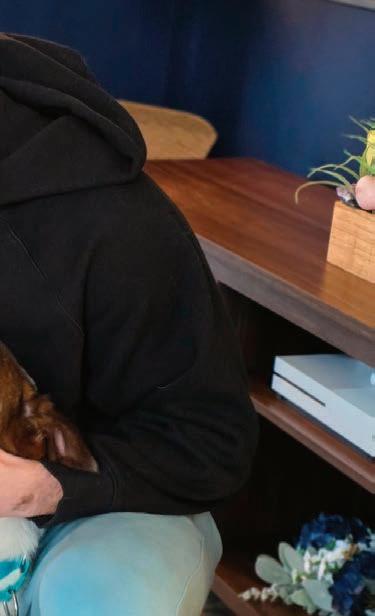
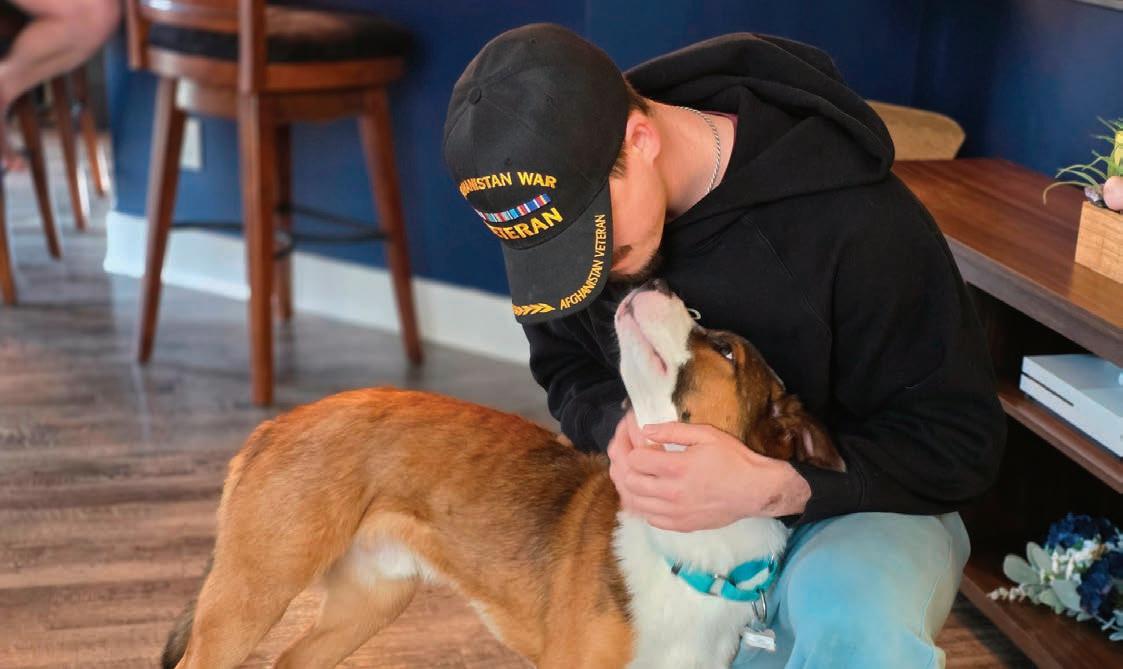




Rescue Dog Placement
VCAS covers the costs of all food, veterinary care, training, and supplies for the first year.
VCAS covers the costs of all food, care, and for the first
Frontline Dog Training
A 7-week training class taught by a professional dog trainer and is open to all veterans and military families who currently own a dog.
A 7-week class a professional trainer and is open to all veterans and military families who own a dog.
Alumni Program
Our events offer connection, and fun while also giving us a to check in their service.
Our community events offer connection, friendship, and fun while also giving us a chance to check in and celebrate their service.
Ambassador Program
Ambassador Program
VCAS veterans and their have the to be candidates for our dog certification through the VCAS Ambassad p or Program
VCAS veterans and their dogs have the opportunity to be candidates for our therapy dog certification through the VCAS Ambassador Program.






Action for Children has been strengthening children, families and communities across central Ohio since 1972. As the region’s childcare resource and referral agency, we support parents, caregivers and early childhood professionals through childcare referrals, parenting education, home visits, professional development and childcare business supports. We are committed to building a future where all children can access quality early learning experiences.
ACTION FOR CHILDREN
1105 Schrock Rd. Ste 125 Columbus, OH 43229 614-224-0222 actionforchildren.org

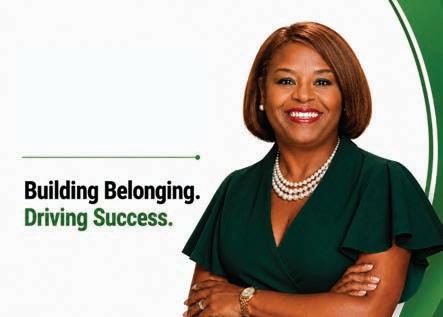
COBC is proud to be an essential partner to companies and organizations creating a culture of inclusion and belonging. STRONGER TEAMS. BETTER OUTCOMES. SUSTAINABLE IMPACT. Congratulations to our President, Margaret D. Finley, for being selected as a 2026 Columbus CEO Inspiring Woman. When people belong, business excel and communities thrive. Learn more about how we can support your journey at centralohiobelonging.org.
CENTRAL OHIO
BELONGING CONSORTIUM
P.O. Box 1176 Columbus, Ohio 43216
614-323-6348
centralohiobelonging.org

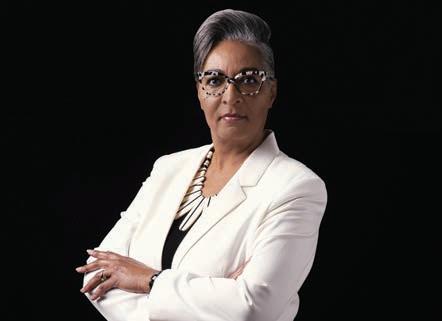
The African American Alzheimer’s and Wellness Association is here to help caregivers and those affected by the many different forms of dementia. We provide linkage to resources, education and support. Early detection and family planning is important to positive outcomes. We also focus on the health of the caregiver by providing a robust support system for emotional and physical soundness.
AFRICAN AMERICAN ALZHEIMER’S AND WELLNESS ASSOCIATION
752 N. State St. Ste. #345, Westerville, Ohio 43082 800-489-6040
africanamericanalz.org


The Dublin Arts Council, based in Dublin, Ohio, is a nonprofit organization dedicated to enriching community life through the arts. It supports local and regional artists featuring exhibitions and public art installations, while also offering educational programs and workshops for all ages. Through partnerships and community engagement, Dublin Arts Council fosters creativity, cultural awareness, and accessible arts experiences that enhance the city’s vibrancy and quality of life.
DUBLIN ARTS COUNCIL
7125 Riverside Dr. Dublin, OH 43017
614-889-7444
dublinarts.org

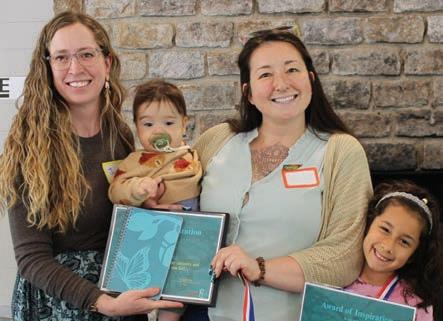
Families Flourish creates a future where families are empowered to unleash their talents and pursue their goals & aspirations. By addressing barriers and fostering self-confidence, families will be equipped to navigate their lives. Families Flourish offers a 3-year program that transforms the lives of low-wage working families and their children through life coaching, rent support and monthly required programs that promote housing and economic stability.
FAMILIES FLOURISH
633 Parsons Ave., Columbus, OH 43206
614-500-5414
familiesflourish.org

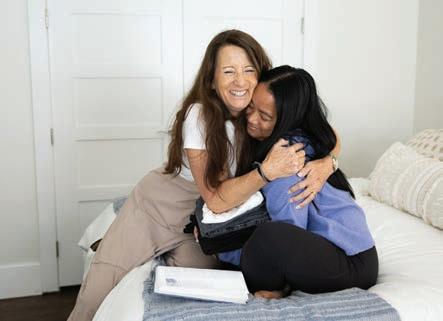
Founded in 2013, Her Song exists to interrupt the cycle of human trafficking by empowering survivors with holistic support to champion their journey toward freedom. Through outreach, care coordination, and residential survivor care, survivors find safety, healing, and renewed hope. Following Her Song’s partnership with the Tim Tebow Foundation in 2020, Her Song Columbus launched in 2021 as the organization’s third location, serving survivors throughout Central Ohio and beyond.
HER SONG COLUMBUS
614-673-7058
Bekahd@hersong.org hersong.org
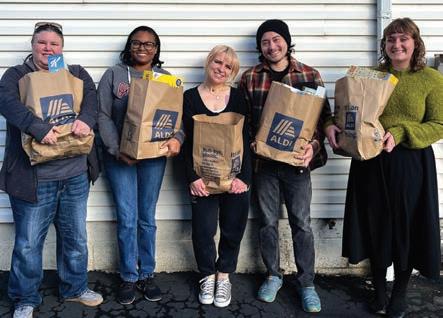
Named a Top Nonprofit to Watch in 2026 by The Columbus Foundation, Home for Families is one of the largest providers of non-shelter housing for low-income, Columbus-area families and youth experiencing housing crises. We partner with families and youth to strengthen housing and financial stability and bridge education gaps to prevent future homelessness and disrupt poverty cycles.
HOME FOR FAMILIES
727 E. Main St. Columbus, OH 43205
614 461-9247
homeforfamilies.org

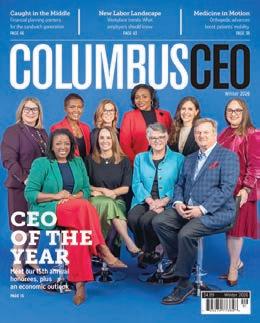









Employers hold the cards in setting rules on recreational marijuana use. Local attorneys say clear-cut policies are key.
By TIM FERAN
After a majority of Ohioans voted to legalize recreational marijuana in 2023, it may have seemed as if employers were going to see their previous policies regarding cannabis in the workplace go, well, up in smoke.
But three years and some controversial legislation later, employers are being told that they “can pretty much do what they want,” says Bill Nolan, a partner at Barnes & Thornburg who advises clients on a range of workplace issues.
Nolan is one of many local attorneys keeping track of the fast-changing legal landscape pertaining to marijuana, which gained some extra guardrails following the passage of Senate Bill 56. Provisions of the legislation, which took effect in March, include dispensary limits, tax reallocation and a ban on the sale of most hemp-based products and THC drinks.
Jennifer Edwards of Porter Wright Morris & Arthur is co-chair of the firm’s Labor and Employment Department. She agrees that even though there have been rapid changes, employers still have a free hand in how they want to deal with marijuana use by employees.
After Ohio legalized marijuana for medical purposes in 2016, “many employers implemented policies relating to medical marijuana,” Edwards says.
While some employers are changing how they enforce those policies now that recreational marijuana

Once marijuana became legal in Ohio, a number of employers made the difficult decision to remove it from testing screens.”
Jan Hensel, partner at Dinsmore & Shohl
usage is legal, “others are revising their policies to address any marijuana usage,” she says. “Still other employers are maintaining strict drug-free workplace policies.
“Any of these approaches is legal in Ohio,” Edwards says.
“The advice we’re giving clients is to ‘follow your policy,’ ” says Todd Palmer, a partner and co-chair of the labor and employment practice group at Calfee.
Nolan advises employers to tread carefully if they plan to make policy changes. “I always encourage employers to talk to us before they take action,” he says.
Jan Hensel, a partner at Dinsmore & Shohl who works in all aspects of employment law, agrees. “Every time I have a conversation about medical marijuana, we talk about Ohio law,” she says. Ohio law “gives employers all the rights and employees none of the rights.”
“One telling sign of that is that the relevant chapter of the Ohio Revised Code has a section entitled ‘Rights of Employer,’ ” Palmer says. “There is no corresponding section on ‘Rights of Employee.’ ”
Even so, a tricky part of workplace policy is the fact that laws differ from state to state, as well as at the federal level, says Dan Zinsmaster, a partner at Dinsmore & Shohl who counsels clients in the areas of cannabis and medical marijuana. “It’s all over the map,” he says. “It changes over time, so hold on to your hat. It’s a wild ride.”
As a result, businesses with operations in multiple locations may have a patchwork of policies to stitch together. “Yes, I’m tearing my hair out,” Nolan says. “Since COVID, even small companies might have employees working in different states, so they can be looking at multiple state laws. So do you take the strictest state and apply that law to everyone? And do you apply that to drug testing, too? It’s not so simple.”
Drug testing is another area in which employers pick and choose how strict—or lax—they want to be.
“As a practical matter, once marijuana became legal in Ohio, a number of employers made the difficult decision to remove it from testing screens,” Hensel says. “We’ve heard that from the construction industry.”
“More and more [in building trades] are not including testing,” Nolan says, “because they can’t find enough employees” if they prohibit use of recreational marijuana.
Even trickier are situations where an organization has numerous job classifications. “You can have a completely different standard at a hospital, for instance, for physicians than you have for the janitorial staff,” Hensel says.
Companies that have federal grants or contracts, on the other hand, are nonnegotiable and “must maintain a drug-free workplace policy as a prerequisite for earning the grant or contract,” Edwards says.
An important consideration—for employers and employees—is the difference between medical marijuana use and recreational use. “If it’s medical, it’s a controlled drug,” Zinsmaster says. “In that realm, it’s no different for employees than having Adderall for ADHD. While an employer can’t be forced to accept staff using medical marijuana, the more clear your expectations are, the better to get in front of those issues. It’s evolving constantly. What will it be in five years? You never know.”
“I tell employers to be careful if someone has a medical marijuana card,” Nolan says. “You could get into disability discrimination issues. It’s a close call.”
Employees who use marijuana, whether medical or recreational, and show up to work impaired present other problems. “You can certainly prohibit its use in the workplace,” Nolan says. “But the trickier part is you can’t be under the influence. My understanding is that marijuana stays in your system for a while,” so an employee could test positive and not be impaired.
“A large number of people I advise work in HR, and they want formulas,” Nolan says, for what amount of marijuana indicates impairment. “But you don’t have one.”
As a remedy, Nolan advises those companies that, “You can regulate behavior. So if something’s not right, if the employee smells of it, if they’re not performing, you can test them and you can get rid of them.”
It’s similar to long-standing policies about alcohol usage, attorneys say.
“I still advise most employers to have some sort of policy about how they will handle employee intoxication during working hours,” Edwards says.
Tim Feran is a freelance writer.

PRESENTED BY
August 28-30, 2026
Over five decades of experience in AmLaw Top 100 global corporate and M&A practices
Focus on personal attention, responsiveness and cost-e ective rates


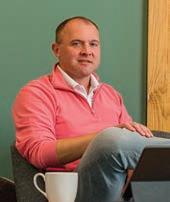
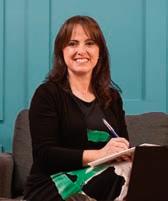
JRW ESQ is a boutique commercial and corporate law practice providing counsel and legal services to clients across a variety of industries within and outside the US.
Recognized in The Best Lawyers in America® 2026 for work in: Corporate Law Mergers and Acquisitions Law
*Admitted in New York Authorized to practice in Ohio under Gov. Bar R. I, Sec. 19 (Practice Pending Admission) Ohio Application for Admission Without Examination Pending



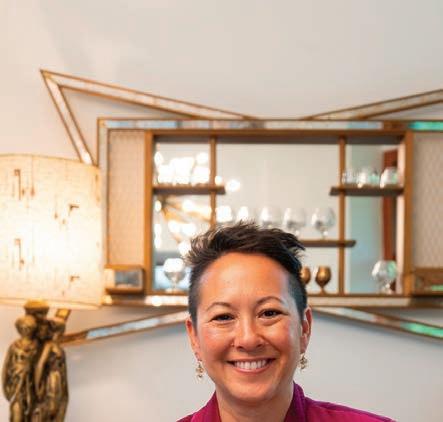




By PDS Planning
Why many people delay making a change, and what it can cost.
our advisor’s attention has slipped. Engagement is reactive. Communication has fallen off. Or life has gotten more complex than your current advisor was built for. Any of these can make you wonder if you’re still working with the right financial team.
Knowing you need a change is easy, so why is breaking up so hard to do?
“It’s too complicated.”
Moving accounts can feel daunting, but it’s actually closer to moving the same cars into a different garage. Your accounts stay intact, they just shift to a new platform. The harder and more valuable work happens in the conversation around it. A new relationship is a chance for a fresh perspective on what matters: your goals, your priorities, and what’s changed since the last time someone really asked. That’s not a complication. It’s the objective.
“It’s awkward.”
Telling someone you’ve worked with for many years that you’re leaving can be unpleasant. There’s history, familiarity, and even friendship. But it’s worth asking “At what cost?” If you’re leaving for the right reasons, you’ll be better off for it. A new advisor can also provide the proper talking points to make it a less difficult conversation. The cost of avoiding it, as we’ll see, is permanent.
“I’ll trigger a large tax bill.” For most portfolios, assets transfer with no taxable event, and retirement accounts roll directly between custodians without triggering taxes or penalties. For holdings that need to be sold, a good advisor spreads sales across tax years, harvests offsetting losses, and works around wash-sale rules. Finally, sometimes realizing
capital gains isn’t inherently bad if it’s part of a prudent strategy.
The exception worth your attention. Where switching actually gets hard is in the products your current advisor put you in: proprietary mutual funds that won’t transfer, annuities with surrender charges, cash-value life insurance, illiquid private placements. Notice the pattern. These products are profitable to the advisor but cost you flexibility. If that applies to you, it isn’t a reason to stay. It’s the clearest signal for change.
The real cost of staying.
A 1 percent asset-based advisor fee compounds against you every year for the rest of your life. Layered product expenses compound, too. Taxinefficient investing erodes returns year after year. Conflicts of interest quietly shape advice in ways that aren’t always visible, but still carry
consequences. Above all, there is the cost of wondering whether you are getting the advice you need. The longterm cost of staying with the wrong advisor doesn’t compare to any shortterm inconvenience of switching. At PDS, we’ve helped families navigate these transitions for over 40 years. We charge a flat fee stated in dollars, not a percentage of your assets, so our compensation reflects the work we do, not the size of your portfolio. And because we don’t sell products, there’s nothing in your account designed to keep you trapped. If the day ever comes that we’re no longer the right fit, you can leave as easily as you arrived.

BY JULANNE HOHBACH

Passenger traffic is climbing this year as construction continues on the new $2 billion terminal at John Glenn International Airport.
The airport saw 2,725,648 total passengers in the first four months of 2026, up 18,771 from the same period last year, according to the most recently available data from the Columbus Regional Airport Authority.
John Glenn and Rickenbacker International Airport set a new record in 2025 with 9,355,742 total combined passengers, eclipsing the prior-year record of 9,250,391.
CMH is adding a wave of expanded routes and nonstop flights, including Southwest Airlines’ new nonstop service to Puerto Rico in February. Other new or expanded nonstop destinations include Austin, Greenville-Spartanburg, Key West, Los Angeles and San Francisco.
On the flip side, the market lost a budget carrier when Spirit Airlines abruptly shut down May 2. Spirit
flew nearly 86,000 passengers from January to April this year and transported 555,948 in 2025.
*Air Canada had no departures for the first four months of the year. Twenty-eight passengers deplaned in Columbus in April.
Source: Columbus Regional Airport Authority
by sponsoring Nationwide Children’s Hospital Columbus Marathon & 1/2 Marathon!










Partnering with us is an incredible opportunity to support lifesaving work, while showcasing your brand. Sponsorships begin at just $1000, with each level offering impactful marketing benefits reaching millions of people in the community, and more than 100,000 runners, spectators, volunteers, and fundraisers on race weekend.
Scan the QR code or go to NationwideChildrens.org/Marathon to learn more