Nursing
Spring 2026
The Magazine of Columbia University School of Nursing
STUDENTS ENJOY TRANSFORMATIVE EXPERIENCES IN JUNEAU, ALASKA
SIXTY YEARS AGO, AN ARTIST’S STUDIO WAS A HANGOUT FOR STUDENTS
Spring 2026
The Magazine of Columbia University School of Nursing
STUDENTS ENJOY TRANSFORMATIVE EXPERIENCES IN JUNEAU, ALASKA
SIXTY YEARS AGO, AN ARTIST’S STUDIO WAS A HANGOUT FOR STUDENTS


Make your tax-deductible gift online: nursing.columbia.edu/ annual-fund
FOR MORE INFORMATION: Janine Handfus Associate Director, Annual Fund 212-305-0079 jh2526@cumc.columbia.edu

This year, DNP students Renee Onorato
and Tiffany Tereshkina, MS’24 (right), have the honor of being named Robison Family Foundation Scholarship recipients.
At 102 years old, Barbara Robison Sporck-Stegmaier ’46 is still giving back because, she says, her Columbia Nursing education took her through her entire career, from her days as a student nurse at NewYork-Presbyterian Hospital to her years as head nurse of the Pediatric Intensive Care Unit at Cincinnati Children’s Hospital and beyond. Inspired by her lifelong commitment, Barbara supports the Columbia Nursing Annual Fund, helping sustain programs that prepare future nurses.
Just as relationships are at the heart of nursing, so, too, are relationships at the heart of the contents of this issue of Columbia Nursing magazine.
Indeed, relationships are the glue that has bound humans together forever—across temporal, geographic, cultural, and generational differences. Within our beloved profession of nursing, relationships run the gamut from bedside nurses’ attentiveness to their patients, to researchers’ insight into the real-world needs that drive their investigations, from nursing administrators’ appreciation for the everyday challenges faced by floor nurses, to our collective influence on helping policymakers better understand the health care landscape.
Of course relationships play some role in every line of work, but I believe there’s no profession in which they’re more integral than nursing. So it’s fitting that all three features in this issue focus on human relationships: the empathy, the sense of connection, the healing power in one person’s understanding of another’s needs.
For example, the feature on page 16 describes a popular clinical integration placement in Juneau, Alaska. Talk about relationships: The people of the region around Juneau are unusually dependent on each other. Many communities in the area are inaccessible by road, and sometimes weather shuts down travel by plane or boat. That makes the relationships between the employees of Juneau’s 57-bed hospital and the patients they serve crucial to the health of the populace.
“You could really tell they care about the people,” one student is quoted as saying. “The way the team operated with such seamless precision was remarkable,” said another. Those are the kinds of lessons we hope all students absorb during their integration placements, and it’s clear they gain them in Juneau.
Another of this issue’s features, on page 20, is set 3,000 miles from Juneau and 60 years earlier—but is also rooted in the power of relationships. It explores connections forged in the late 1950s and early 1960s between Columbia Nursing students and a Greenwich Village artist whose daughter was one of those students.
Artist Gene Ritchie Monahan painted portraits of many of her daughter’s friends, while also modeling for them the crossover skills
of careful observation, empathy, and the transcendent power of the arts. Many of the graduates whose visages Monahan captured all those decades ago reflect in the article on what a haven her studio was for them. In fact, the bonds forged there are so strong they persist to this day. Talk about relationships!
The third feature, on page 10, is about a pair of innovative pilot programs for sleep-deprived children and adolescents. Conceived of by Columbia Nursing researchers, they’ve been a huge success at least in part because of the (here’s that concept again) relationships that the researchers developed with the teens and tweens the program serves and with their teachers and school-based health providers.
A student involved in one of the pilots is quoted as saying, “When you reach out to a child, you’re connecting to a whole web of people. . . . You’re investing in their families and communities, too.”
For all that we prize the technological advances that are helping us bring healing to the next level, human relationships remain at the core of what we do in nursing. That’s why it’s significant that this issue of the magazine will be distributed at our 2026 reunion, for reunions epitomize the human hunger for relationships—offering generations of graduates a chance to renew their ties with their classmates and teachers.
Humanity is at a pivotal point right now. We’re juggling the impact of matters like climate change, political instability, AI, and more. But when I look at our amazing students, at our committed faculty, at our devoted graduates, I am reminded that nursing’s foundational mission—like the incomparable power of relationships—endures.
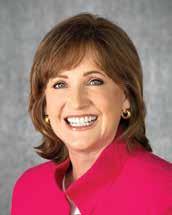
LORRAINE FRAZIER, PhD, RN, FAAN Dean, Columbia University School of Nursing
Mary O’Neil Mundinger Professor of Nursing Senior Vice President, Columbia University Irving Medical Center
Lorraine Frazier, PhD, RN, FAAN
Dean, Columbia University School of Nursing
Mary O’Neil Mundinger Professor of Nursing
Senior Vice President, Columbia University Irving Medical Center
ALUMNI NEWS EDITORS:
Ashaki O. Charles
Associate Dean, Development and Alumni Relations
Janine Handfus
Associate Director, Annual Fund
Sharon Sobel
Assistant Director, Alumni Relations
BOARD OF ADVISORS:
Laura Ardizzone, DNP ’10
Director of Nurse Anesthesia Services, Memorial Sloan Kettering Cancer Center New York, NY
Felesia Bowen, PhD ’10
Professor and Associate Dean for Access and Engagement, University of Alabama at Birmingham Birmingham, AL
Brenda Barrowclough Brodie, BS ’65 Durham, NC
Kevin Browne, MS ’92
Associate Executive Director, Chief Nurse, Northwell Health Lenox Hill Hospital; Manhattan Eye, Ear, and Throat Hospital; and Lenox Health Greenwich Village New York, NY
Paul Coyne, DNP ’16 President and Co-Founder, Inspiren; Senior Vice President and Chief Nurse Executive, Hospital for Special Surgery New York, NY
Delphine Mendez de Leon, BS ’78 Chief Strategy Officer, University Hospital of Brooklyn New York, NY
Angela Clarke Duff, BS ’70 Forest Hills, NY
Marjorie Harrison Fleming, BS ’69 Chair Emerita, Board of Advisors Seabrook Island, SC
Susan Fox, BS ’84 President and CEO, White Plains Hospital White Plains, NY
Karen Hein, MD
Adjunct Professor, Department of Family and Community Medicine, Dartmouth Medical School Jacksonville, VT
Columbia Nursing is the magazine of the Columbia University School of Nursing and is published twice a year
Produced by the Office of Strategic Communications and Marketing
Linda Muskat Rim, Editor-in-Chief
Senior Associate Dean, Strategic Communications and Marketing
DESIGN AND ART DIRECTION:
Eson Chan
CONTRIBUTING WRITERS:
Anne Harding
Andrea Kott, MPH Kenneth Miller
Mary Turner Henderson, BS ’64 San Francisco, CA
Bernadette Khan, DNP Group Vice President and Chief Nursing Officer, Columbia University Irving Medical Center Plainview, NY
Richard I. Levin, MD
Professor Emeritus, McGill and New York Universities; President, Optimal Health Advising, LLC New York, NY
Janet Ready, BS ’81, Chair Chief Operating Officer, Premier Medical Group Poughkeepsie, NY
Patricia Riley, BS ’76 Captain (Retired), U.S. Public Health Service Atlanta, GA
Susan Salka, MBA Retired Chief Executive Officer and President, AMN Healthcare Services, Inc. San Diego, CA
Sara Shipley Stone, BS ’69 Brooksville, ME
Edwidge J. Thomas, DNP ’05
Vice President of Clinical Solutions, Northwell Holdings and Ventures New York, NY
Jasmine Travers Altizer, PhD ’16
Assistant Professor, New York University
Rory Meyers College of Nursing New York, NY
25
26
· Social Media and Gun Violence
· CRNAs at the Today Show
· Cautions Regarding AI Scribes
· NEF Scholarship Recipients
· NP Practice Ownership Policies
· $17.5 Million in NIH Funding
· AI-Related Student Research
· Professional Leadership Posts
· Impact of Albany Advocacy
· From the Alumni Association Board
· Class Notes
· In Memoriam
Please address all correspondence to: press_nursing@cumc.columbia.edu
Alumni are invited to update their contact information by emailing sonalumni@columbia.edu or calling 212-305-0079
Subscribe to our monthly e-newsletter: nursing.columbia.edu
Like us on Facebook: @ColumbiaNursing

Follow us on Instagram: @columbianursing
Follow us on Twitter: @ColumbiaNursing
Follow us on LinkedIn: Columbia University School of Nursing
Subscribe to us on YouTube: Columbia University School of Nursing
By Kenneth Miller
How Columbia Nursing researchers developed an innovative, school-based program to improve sleep health in kids.

By Anne Harding
In midcentury Greenwich Village, the studio of a noted artist whose daughter was at Columbia Nursing was a magnet for students. Many of her touching portraits of them have now resurfaced.
By Anne Harding
A hospital in Juneau, Alaska, offers tailored clinical integrations—and a warm welcome— to Columbia Nursing MDE students.
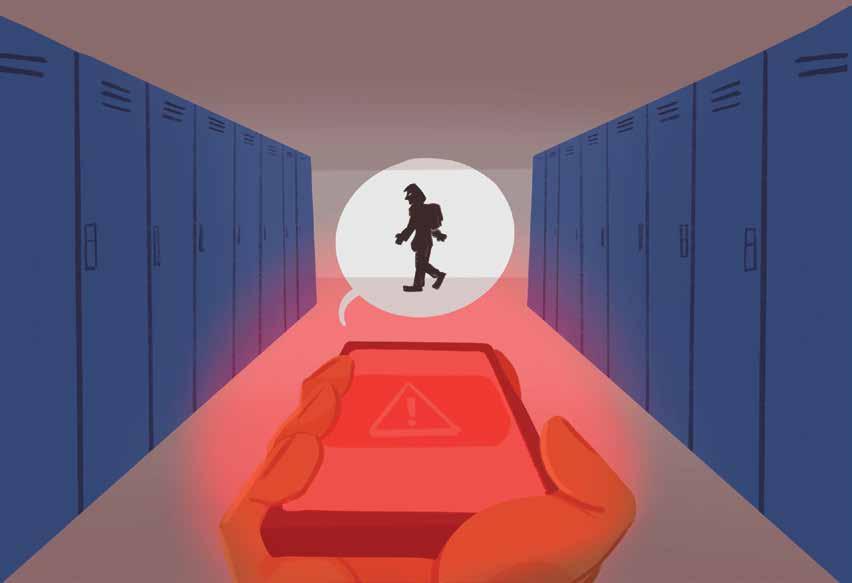
growing body of research suggests that social media analytics may help provide early warning signals about gun violence. Yet for progress to continue in this area, consistent data collection and measurement practices are needed, observed a recent scoping review from Columbia Nursing. The paper, titled “Mapping social media analytics in firearm injury exposure research,” was published in the Journal of the American Medical Informatics Association on November 24, 2025.
According to KFF—a nonprofit health policy and polling organization previously known as the Kaiser Family Foundation— guns are now the leading cause of death for children and teens in the United States. The organization reports that school shoot-
ings have more than doubled over the past two decades; they affected 51 out of every 100,000 children between 2020 to 2024, up from 19 per 100,000 in the early 2000s.
This alarming trend highlights the urgent need for innovative tools to understand and prevent gun violence. With the advent of artificial intelligence (AI), researchers have begun using social media data in new ways, mining public posts for community-level predictors of gun violence.
“Through AI techniques, we can use computer models to extract, analyze, and aggregate large amounts of textual data from social media,” says Michele Flynch, PhD, a postdoctoral research fellow at Columbia Nursing and the study’s lead author. “The models can generate summaries of topics
and identify the overall tone of conversations in real-time,” she explains.
Studies included in the review suggest that social media analytics may be able to help identify the community concerns most closely associated with a risk of gun violence, such as increases in gang-related activity or neighborhood displacement or limited access to mental health services. These insights may support the development of community interventions to address the underlying issues that contribute to gun violence.
SCOPING THE LANDSCAPE
To examine the extent of research on this topic, Flynch’s team reviewed 16 prior studies. Their analysis uncovered substantial variation in how “firearm exposure” and “risk” have been
defined, measured, and interpreted when using social media data. For example, only two of the 16 studies attempted to connect social media signals to public health or law-enforcement data—a critical step for integrated surveillance.
“This variation in definitions represents a missed opportunity for developing coordinated, real-time monitoring systems that
integrate social media insights with hospital records, crime data, and other public safety indicators,” the researchers noted.
Additionally, many studies relied on X (formerly Twitter), most likely because posts on that platform were heavily text-based until very recently, making them easier to analyze. However, Flynch and her colleagues
found that limiting studies to a single platform risks overlooking the diversity of online communication.
Finally, Flynch’s team also emphasized the need for consistent metrics and sustained data collection—additional elements essential for ensuring that social media analytics can meaningfully inform public health responses.
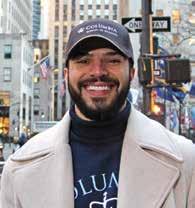
The annual celebration by Columbia Nursing of Certified Registered Nurse Anesthetist (CRNA) Week was highlighted this year by the appearance of Columbia CRNA students and faculty on the Today plaza, where they engaged with the show’s anchors and hosts. CRNA Week—marked in 2026 from January 18-24—recognizes the vital role that nurse anesthetists play in delivering safe, high-quality anesthesia care across the country.
This year’s celebration was especially significant, as Columbia graduated the first cohort of students from its Doctor of Nursing Practice (DNP) in Nurse Anesthesia Program in May of 2025; previously, its nurse anesthesia program granted an MS rather than a DNP.
The American Association of Nurse Anesthesiology (AANA) points out that CRNAs are essential to patient care, particularly in rural counties, where they represent more than 80% of anesthesia providers and are central to the sustainability of many rural hospitals. Additionally, CRNAs can safely deliver pain management care in areas where there are no pain specialist physicians available, saving patients long drives of 75 miles or more. CRNA Week is an opportunity to raise awareness about this impact and to celebrate the leadership and clinical excellence of nurse anesthetists.
As part of its CRNA Week activities this year, the AANA invited nurse anesthesia residents from Columbia to appear on the Today Show plaza on January 20, alongside representatives from other New York City nursing schools. Columbia students and faculty, all clad in light and dark blue Columbia Nursing gear, cheered in the crowd, braving the cold to increase the visibility of the profession.
For students, the week brims with both advocacy and pride. Margaret Xing, a current Columbia nurse anesthesia resident, shared why it resonated so deeply with her: “CRNA Week is a great opportunity to spread awareness about this amazing profession and the
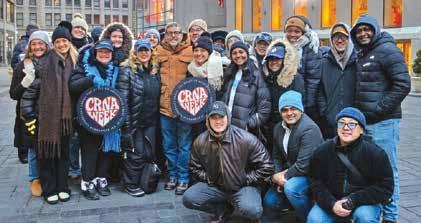
impact nurse anesthetists have on patient care every day. I am proud to be in the Nurse Anesthesia Program at Columbia Nursing and even prouder of the community that supports and inspires me.”
CELEBRATING COMMUNITY AT THE TODAY SHOW
Class of 2028 president Antonio Leonardo Lacerda Rosa Silvia attended the event on the Today Show plaza and loves what the celebration represented. “I’m from Brazil,” he said, “where community is important. To me, CRNA Week helps bring the community together to celebrate. We are very highly trained anesthesia providers, and I think having this week and bringing everybody together shows the strength and expansiveness of the community.”
Sarah Hampel, another current nurse anesthesia resident, also shared her thoughts: “CRNA Week is important for the profession. It recognizes how valuable we are in providing anesthesia for the country and many rural communities. Columbia Nursing has had such a big impact; we’ve been trained well for this profession, and I feel very confident entering the world of anesthesia after three years in this program.
“I’m proud to be a soon-to-be Columbia graduate,” Hampel added, “and am looking forward to contributing to the world of anesthesia once I graduate.”
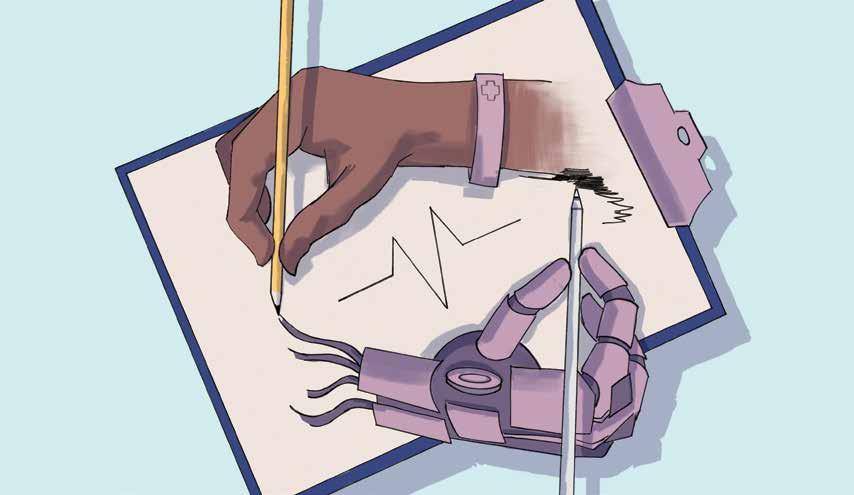
The rapid adoption of artificial intelligence (AI) scribes in health care is outpacing validation and oversight of the new technology, potentially compromising patient safety, Columbia Nursing researchers warned in the journal npj Digital Medicine
Now used by approximately 30% of physician practices, AI scribes capture and summarize clinician-patient conversations and admittedly show promise in reducing the burden of documenting patient encounters, noted the researchers—Maxim Topaz, PhD, Columbia Nursing’s Elizabeth Standish Gill Associate Professor of Nursing; postdoctoral researcher Zhihong Zhang, PhD; and LauraMaria Peltonen, PhD, an associate professor of health and social management at the University of Eastern Finland. Their paper, titled “Beyond human ears: navigating the uncharted risks of AI scribes in clinical practice,” was published online on September 24, 2025.
“Yet,” the authors noted, “the speed of adoption has outpaced validation, transparency, and regulatory oversight.” Multiple concerns remain about the accuracy and reliability of the clinical information generated by AI, they wrote, explaining that the speech recognition systems that AI scribes use are less accurate in transcribing the statements of African American patients than those of Whites.
“Such disparities suggest that patients with non-standard accents, limited English proficiency, or those from marginalized communities may receive inadequate documentation of their concerns,” according
to the paper, “potentially missing critical clinical information that could affect their care.”
Furthermore, the researchers pointed out, AI scribes “are often classified as administrative tools rather than medical devices,” allowing them to bypass Food and Drug Administration regulation.
Topaz and his colleagues propose the implementation of several safeguards to responsibly implement AI scribes, including validation standards, vendor transparency, and regulatory frameworks to protect both patients and clinicians. “The key question,” they concluded, “is not whether to adopt these tools but how to do so responsibly, ensuring that they enhance care without eroding trust.”
Columbia Nursing students Lizzet Carmona, Sergine Delma, and Marie Toupou received scholarships from the nonprofit Nurses Educational Funds Inc. (NEF) for 2025-26.
Founded in 1912, NEF supports the profession of nursing by providing annual scholarships to nurses seeking master’s and doctoral degrees in nursing education, advanced clinical practice, research, health policy, and administration. Since then, NEF has awarded more than 1,440 scholarships for advanced nursing degrees.
Carmona, a second-year doctoral student in the Adult-Gerontology Acute Care Nurse Practitioner program at Columbia Nursing, received the Charles Hamlin Scholarship. She works in a cardiothoracic intensive care unit providing clinical care, patient education, and emotional support to critically ill patients and their families.
Delma is in her final year of the Family Nurse Practitioner (FNP) Program. She received the Columbia University–Presbyterian Hospital School of Nursing Alumni Association Inc./J. Margaret Ada Mutch Scholarship. She is currently conducting research on reducing stigmatizing language in nursing documentation through the use of artificial intelligence tools.
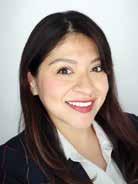
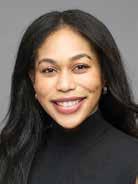
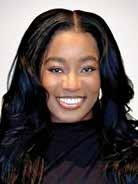
Toupou, who is also in the FNP Program, received the Liesel M. Hiemenz Scholarship. After graduation, she plans to work in a Federally Qualified Health Center, providing primary care to underserved and diverse populations. She also hopes to contribute to nursing education, whether in the classroom or through clinical preceptorship and mentorship.
Nurse practitioners (NPs) who own practices are filling critical primary care gaps in underserved and rural areas, but financial and policy barriers to their ownership of practices must be addressed, contended a recent “Viewpoint” article in JAMA Health Forum
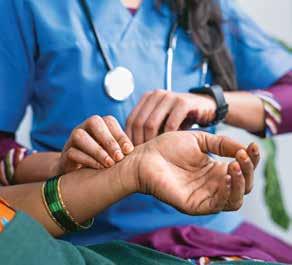
The article—whose lead author is Columbia Nursing’s Monica O’Reilly-Jacob, PhD, an assistant professor of nursing—is titled “Nurse Practitioner Entrepreneurs—An Untapped Primary Care Lifeline” and was published on January 16, 2026.
The article included some striking statistics: The NP workforce is projected to grow 46% in the coming decade, compared to a 4% average for all occupations. Yet only 3% of NPs currently own practices.
As the NP workforce expands, the authors pointed out, more NPs will seek to open their own practices after working in health systems that face structural pressures and rising health care costs, which hinder the delivery of effective primary care. NPs who have opened or acquired practices are improving access to care by offering not only office visits but also routine telehealth visits, home-based care, and remote monitoring.
However, there are regulatory and reimbursement barriers—some nationwide and some state-specific—that are unique to NPs
who own practices. Such barriers include a requirement in many states for formal agreements with collaborating physicians, lengthy credentialing processes driven by outdated payer policies, and a 15% reimbursement gap between physicians and NPs. These obstacles often mean that NPs must assume personal financial risk in order to open their own practices, such as refinancing their homes. Private sector solutions have emerged to address these policy gaps, but more work is needed to truly transform the provision of care by NPs, O’Reilly-Jacob and her colleagues wrote.
“Sustaining and scaling NP-owned primary care practices enhances clinician competition and expands patient choice, both of which are key priorities of the federal government’s broader free-market vision for health care,” the researchers concluded. “Promoting a regulatory environment that eliminates barriers to NP practice ownership is a promising approach to strengthening the nation’s primary care infrastructure, particularly in underserved communities.”
Columbia Nursing ranked #2 last year among all U.S. nursing schools in National Institutes of Health (NIH) research funding. In federal fiscal year (FFY) 2025, the school’s investigators received 28 grants totaling $17,594,869.
Columbia Nursing research funded by the NIH in FFY 2025 addressed mitigating racial and ethnic disparities in postpartum outcomes, improving asthma control in adolescents and adults, promoting viral suppression among people living with HIV, supporting better care for home health and nursing home patients, and much more.
Members of the Columbia Nursing faculty also continue to secure funding for their research from a wide variety of other governmental and private sources, including the Agency for Healthcare Research and Quality, the Centers for Disease Control and Prevention, the Patient-Centered Outcomes Research Institute, the Robert Wood Johnson Foundation, the American Nurses Foundation, the National Council of State Boards of Nursing, and the Oncology Nursing Foundation.
Columbia Nursing ranked #1 in NIH research funding in FFYs 2024, 2023, and 2022 and #4 in FFYs 2021, 2020, and 2019.
Astudent in the Psychiatric Mental Health Nurse Practitioner Program—Claire Pettengill, MS ’25—presented a paper on the intersection of AI and mental health at Sigma Nursing’s 2026 Region 14 Conference. Titled “Algorithmic Justice in Mental Health: A Call for Ethical AI and Nursing Advocacy,” her paper was selected for both a podium presentation and a Regional Recognition certificate.
Pettengill examined the rise of AI-driven mental health tools like therapy chatbots, wellness apps, and algorithm-driven social media content. Her focus was “algorithmic justice, which emphasizes protecting patient autonomy, privacy, and equity.”
Risks associated with such tools include privacy concerns and algorithmic bias, “while ethical and legal safeguards lag behind,” she notes in her paper.
“This gap increases risks related to privacy, bias, and inequity, particularly for marginalized communities,” she adds. “Psychiatric-mental health nurses (PMHNs) must be prepared to recognize these risks and advocate for patient safety, equity, and autonomy as AI becomes routine in care.”
Pettengill proposes a four-level nursing framework to ethically integrate AI in mental health: in clinical practice, with routine screening for AI use and patient education; ethical evaluation of such tools by practitioners; community education promoting digital literacy and safety; and policy advocacy supporting regulation and oversight of the technologies.
“Nurses should be actively involved in shaping how AI is implemented in health care,” Pettengill said. “Nurses collect much of the clinical data that digital systems rely on, yet many remain unaware of how these technologies are being developed and governed.”
She advised early engagement of nurses to ensure that AI is integrated into clinical workflows—and isn’t just another documentation burden.
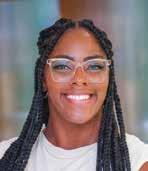
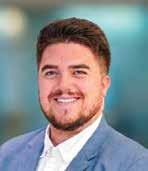
Mahlon Mathieson, a current Columbia Nursing graduate student, and Tyler Gaedecke, PhD ’25, have been chosen to participate in two different leadership initiatives offered through the Graduate Nursing Student Academy (GNSA) of the American Association of Colleges of Nursing (AACN).
“These individuals will play a pivotal role in shaping the future of graduate nursing education and student engagement,” the AACN said in a September 4, 2025, press release announcing 11 appointments nationwide. Columbia Nursing was the only school with more than one appointment.
Gaedecke, who uses they/their pronouns, is now a postdoctoral fellow at Columbia Nursing. They were previously a peer mentor and PhD president of the Doctoral Student Organization at Columbia and are now are a continuing GNSA member, a role in which they’ll serve as an advisor along with three other continuing Leadership Council members. Their research interests include LGBTQ health disparities, health policy, nursing empowerment, and the optimization of health services and systems to best serve the needs of transgender and nonbinary populations.
Mathieson, a student in the Doctor of Nursing Practice in Midwifery Program, was one of seven graduate nursing students appointed to serve two-year terms on the national GNSA Leadership Council. Currently, Mathieson is a teaching assistant, peer mentor, and academic coach, roles that allow her to support fellow graduate students academically and emotionally. Her research focuses on developing a screening tool for identifying interpersonal violence during antepartum care, with the goal of integrating trauma-informed practices into midwifery settings.
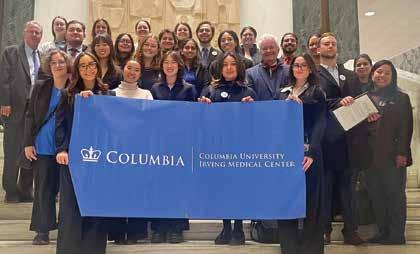
For the fourth consecutive year, students from all four Columbia University Irving Medical Center (CUIMC) schools— nursing, medicine, dentistry, and public health—traveled to Albany to deepen their understanding of the New York state legislative process and to advocate for health policies they personally value.
On Feb. 10, the contingent of 23 Columbia students—including nine from Columbia Nursing—met with more than half a dozen State Assembly members and Senators from across the state, as well as with other officials, including Chloe Coffman, MPA, assistant secretary for health, and James McDonald, MD, acting commissioner of health.
Before the trip, all the students attended mandatory training on advocacy and developed a series of policy advocacy documents. In Albany, the students presented their positions to the elected officials—representing themselves rather than the institution—on topics ranging from scope of practice for nurses and dentists, mental health response, reproductive health, and the New York Health Act.
Some students arranged their own meetings with elected officials, and many attended the legislature’s annual budget hearing on health spending and policy.
As he has done each year, State Senator Robert Jackson hosted the Columbia group, allowing the students to use his office as their home base and spending time discussing health policy with them.
“When students step into the halls of the capitol not as spectators but as advocates, democracy grows stronger,” Jackson said. “I was proud to welcome these future physicians, nurses, public health leaders, and dental professionals as they engaged directly in the legislative process. Their preparation, their clarity, and their courage to speak remind us that policy is not abstract—it shapes lives.
“New York’s future depends on leaders who understand that healing communities requires both clinical skill and civic responsibility. These students embody that calling, and our state is better for their voices.”
Students from all four schools left the day energized by their conversations with legislators and policymakers.
“I learned so much and developed a new appreciation for all the work that goes into each and every piece of legislature which is passed. As a nurse and a future provider, this experience was invaluable,” said Dasha Efremov, a student in the Doctor of Nursing Practice Program.
“I am grateful for the opportunity to learn from fellow students in other specialties about common interests and to foster interdisciplinary collaboration,” said Amy Balbierz, a student in the Family Nurse Practitioner Program. Reflecting on her own previous research on HPV vaccine awareness and prematurity, she noted that Columbia dental students advocated for offering the HPV vaccine and cervical cancer screenings, while students in the Pediatric Doctor of Nursing Practice Program focused on the importance of early intervention to improve the health of children aged 0 to 3.
“I very much enjoyed the bus ride with Frances, a very thoughtful medical student, speaking about our similarities and differences in train-
ing and preparation as we enter the field with the shared goal of serving underserved populations in primary care/internal medicine,” she added.
Ross Frommer, JD, CUIMC’s vice president of government and community affairs, points out that Albany Day is about more than specific policy debates. “It is important that students know they have a voice,” he says. “Through experiences like Albany Day, they can learn how to use that voice to advocate for themselves, their communities, their professions, and their patients. At the same time, policymakers enjoy and benefit from hearing from our students.”
Gregory Alexander, PhD, the newly named director of Columbia Nursing’s Center for Health Policy and the Centennial Professor for Health Policy, accompanied the group to the capital. “This was my first Albany Advocacy Day,” he says, “and I left deeply inspired. Watching our students come together with a shared purpose reaffirmed the power of interprofessional advocacy. They were not simply attending meetings, they were prepared, strategic, and confident. They knew the legislation, articulated clear talking points, and made thoughtful, specific policy asks of senators, assembly members, Department of Health leaders, and the commissioner. Their preparation transformed conversations into influence. In those rooms, our students were not just learners, they were emerging health policy leaders shaping the future of care in New York State.”
And Lisa Iannacci-Manasia, MS ’89, a pediatric nurse practitioner and faculty for Columbia Nursing’s Health and Social Policy in the Context of Practice course, emphasizes that the students exhibited not only passion but also discipline. “Advocacy is most effective when it begins with education,” she says. “Our students understood that they could not assume policymakers knew the nuances of each bill. They took responsibility for clearly defining the issue, outlining the legislation, and explaining why it matters—not only to them as emerging clinicians, but to the health of New Yorkers.”
BY KENNETH MILLER
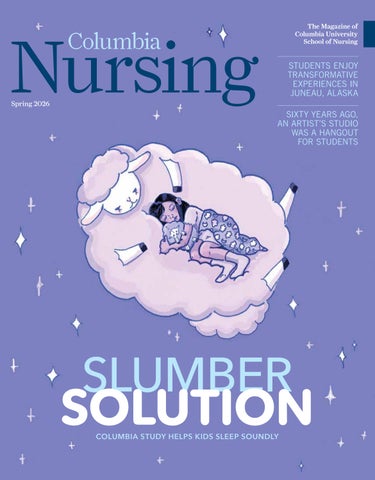
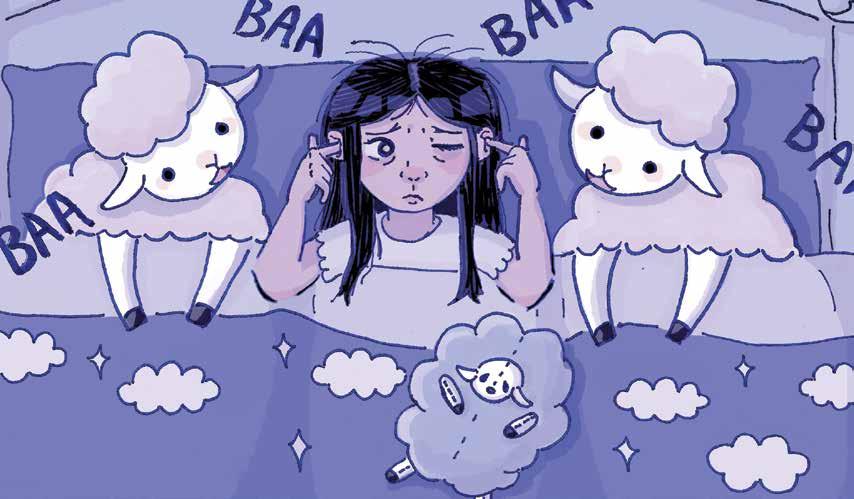
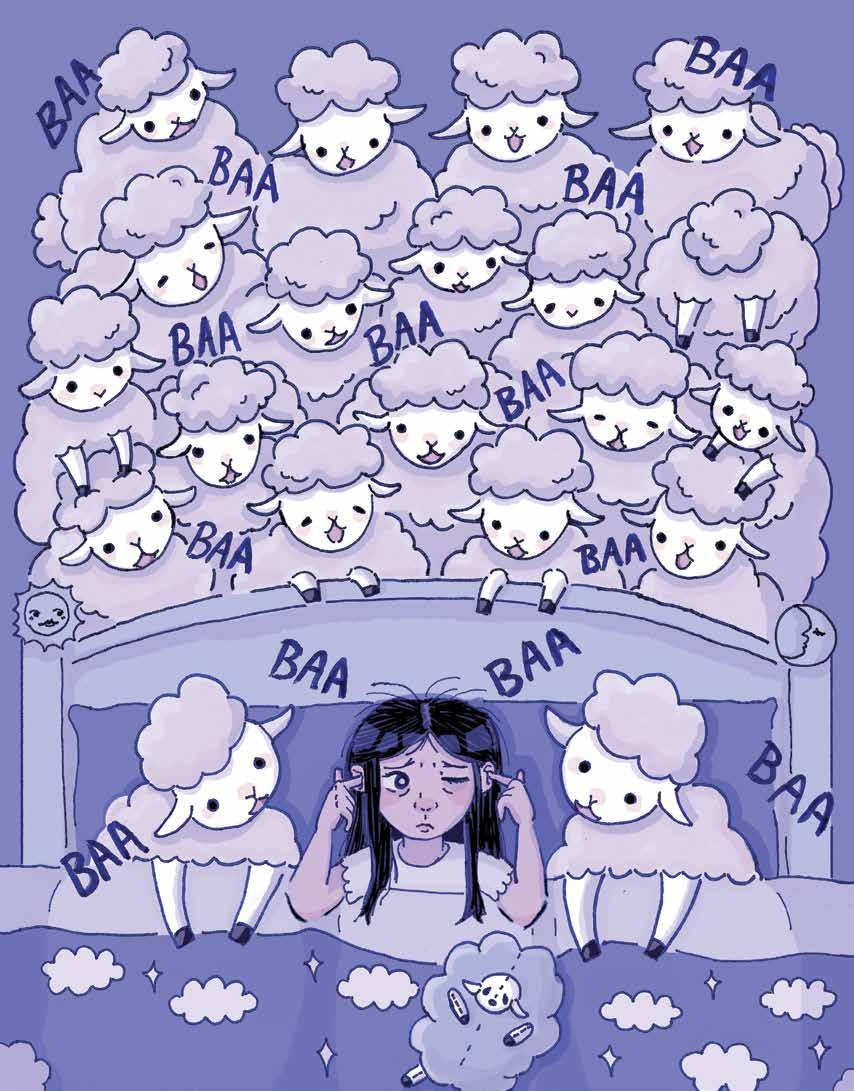
HOW COLUMBIA NURSING RESEARCHERS DEVELOPED AN INNOVATIVE, SCHOOL-BASED PROGRAM TO IMPROVE SLEEP HEALTH IN KIDS.

ILLUSTRATION BY MOOGY LOGAN
The statistics on sleep among America’s children are scary enough to keep a grownup awake at night. According to the U.S. Centers for Disease Control and Prevention (CDC), 37% of six- to 12-year-olds get less than the nine to 12 hours of shut-eye recommended for that age group, and over 70% of teenagers get less than the eight to 10 hours they need. In low-income communities of color, the numbers are even worse, for reasons including uncomfortable sleeping conditions and anxieties over housing insecurity or an unsafe neighborhood.
Although our national sleep-deprivation epidemic afflicts adults as well, with 35% averaging less than seven hours nightly, the impacts are especially worrisome for kids. Insufficient slumber can impair their
brain development, immune function, metabolic health, and academic performance; it also increases their risk of depression, obesity, impulsive behaviors, attention issues, car accidents, and substance use. “Getting too little sleep can alter the course of a child’s life,” says Jean-Marie Bruzzese, PhD, a professor of applied developmental psychology at Columbia Nursing, “and not for the better.”
The tide of sleeplessness has risen steadily in recent years, driven by factors ranging from the distractions of mobile devices to the disruptions of the COVID pandemic and its turbulent aftermath. Bruzzese, however, is leading a groundbreaking effort to reverse that trend. With colleagues from across the Columbia campus, she developed an initiative called Sleeping Healthy, Living Healthy—an evidence-based program that has shown promising results in controlled trials at the three New York City schools where it has been piloted.
Sleeping Healthy, Living Healthy is the first behavioral intervention for children and adolescents to blend training in healthy sleep practices with mindbody integrative health (MBIH) stress reduction techniques. Designed in consultation with teens, teachers, and school-based health providers, the program is also among the first to address the sleep disparities that plague many urban communities.
If further research confirms the team’s preliminary findings, Bruzzese and her collaborators hope their project will become a model for others nationwide. “Students’ sleep is a big issue for every school administrator I’ve spoken with,” she says. “When I tell them about this program, they all want to try it.”
Bruzzese is known for her decades of influential research aimed at reducing health care disparities in children and adolescents. Her passion grew out of her own childhood in the inner-city neighborhood of Sunset Park, Brooklyn. Raised in poverty by a single mother, she and her brother have both gone on to fulfilling lives and careers, while some of their friends ended up in prison or dead of drug overdoses. “That got me interested in resilience,” she explains. “I wanted to know, how can you help more kids do as well as we did?”
Bruzzese majored in psychology at Brooklyn College and earned a PhD in applied developmental psychology at Fordham. After completing her doctorate in 1997, she did stints as a researcher at Columbia’s College of Physicians and Surgeons and as a faculty member at New York University (NYU)’s Grossman School of Medicine. At first, she
focused mainly on asthma, designing and evaluating school-based behavioral interventions and examining the environmental, familial, and psychological factors that affected management of the disease in low-income communities. Later, she contributed to similar research on conditions such as irritable bowel syndrome, obesity, and sickle cell disease.
Meanwhile, Bruzzese grew fascinated by the links between sleep and other health issues. In 2015, she published a study showing that stress, asthma symptoms, and sleep disruptions could create a vicious circle, resulting in daytime drowsiness that often sabotaged teens’ schoolwork.
At an asthma conference that same year, she ran into a friend—Maureen George, PhD, a professor of nursing at Columbia University Irving Medical Center (CUIMC). When Bruzzese confessed that she was growing restless at NYU, George urged her to consider relocating to Columbia Nursing. “I wondered, ‘What does a psychologist have to do with nursing?’” Bruzzese says. “We started talking, and that’s when I learned how interdisciplinary nursing is.” She joined the Columbia faculty—and the field of nursing—soon afterward.
The seed for Sleeping Healthy, Living Healthy was planted in 2017, when Melanie Gold, DO, a professor of pediatrics and of population and family health at CUIMC, approached Bruzzese about developing a school-based sleep health intervention. Gold envisioned a course combining basic sleep hygiene techniques (regular bedtimes, avoiding nighttime screen use, and so forth) with MBIH practices. Such practices—including modalities like acupuncture, acupressure, yoga, and mindfulness meditation—had been shown to improve sleep in adults, but they hadn’t been studied extensively in adolescents. “She knew I’d studied sleep,” Bruzzese recalls, “so she said, ‘Why don’t we think about doing something together?’”
At the time, Gold was also medical director of NewYork-Presbyterian Hospital’s six school-based health centers (SBHCs), part of a national network of clinics affiliated with local health care systems and offering primary and preventive care and health education at schools in underserved communities. Both women agreed that NYP’s SBHCs would make an ideal setting to pilot an innovative sleep course and to study its feasibility.
Bruzzese and Gold joined forces with Samantha Garbers, PhD, then an assistant professor of population and family health at Columbia’s Mailman School of Public Health. They also recruited
a research assistant from Columbia Nursing, April Ancheta, PhD ’22, who at that time was still a doctoral student.
“It was an incredible learning experience,” recalls Ancheta, who’s now a postdoctoral fellow at the Children’s Hospital of Philadelphia, focusing on school-based delivery of health care for LGBTQ+ kids. “Helping to develop a randomized, controlled study from conception through delivery gave me skills I’ll be able to use throughout my career.”
The first stage of the project was a needs assessment. The team surveyed 167 high school students recruited in SBHC waiting rooms, asking them to fill out questionnaires on sleep quality, sleep-related stressors (for example, how often they went to bed feeling worried or upset), their likelihood of participating in a program including MBIH techniques, and their preferences regarding the format of the course. A robust 77% said they’d be likely to participate; most said that they would attend four or more sessions and that they preferred a mix of group and one-on-one instruction.
has risen steadily in recent years, driven by factors ranging from the distractions of mobile devices to the disruptions of the COVID pandemic and its turbulent aftermath.
Next, the researchers conducted a literature review, sifting through hundreds of studies until they found 12 on interventions using MBIH approaches to improve sleep in participants aged 10 to 24. Half, they found, reported significant improvements in subjective sleep quality, but only one reported the participants’ race or ethnicity (81% were non-Hispanic white). Ancheta also interviewed some of the studies’ authors on their findings. The review identified several features associated with positive results, such as using mindfulness techniques and targeting kids identified as having poor sleep habits rather than a broader population.
After bringing on a project manager, a graphic designer, and a pair of advisors with lived experience (two high school girls), the team began designing the course, including a manual for instructors and handouts for students. To guide the process, they held focus groups with 25 teens in grades nine to 11 and conducted interviews with SBHC nurse practitioners, mental health providers, and health educators. Over six months, the team members met weekly to write and refine the intervention, with continuing feedback from the teens and staffers.
The completed manual for Sleeping Healthy, Living Healthy called for seven sessions, delivered
weekly—five 40-minute group meetings and two 20-minute individual conferences for addressing participants’ personal issues and fine-tuning their skills. Only students who reported sleeping less than eight hours a night were eligible. Each group session would combine lessons on behaviors that foster or undermine healthy sleep with instruction on one MBIH technique, plus discussions of students’ experiences with the past week’s method. After class, participants would get handouts summarizing the session and providing instructions for home exercises. They would be asked to complete daily online check-ins reporting how well they’d slept and which methods they’d used.
THE FEEDBACK, reported last year in Sleep Health, the journal of the National Sleep Foundation, was enthusiastic.
Over 90% of the participating students said they’d learned something of value.
The curriculum included five MBIH techniques: mindful breathing, borrowed from Buddhist meditation practice; acupressure, a traditional Chinese method that involves pressing on points in the body thought to balance energy flow, or qi (studies have shown that it can also lower cortisol levels and release endorphins); emotional freedom techniques tapping, a therapy that pairs gentle tapping of acupoints with calming statements; body scanning, in which knots of tension are identified and released; and mindful awareness, a relaxation technique adapted from a popular meditation app. The final session would consist of a content review, a discussion of how to maintain good sleep habits going forward, and a send-off celebration.
“I wish I’d had something like that when I was in high school,” says Ancheta, a diligent student who was often sleep-deprived herself. “I definitely would have benefited from it.”
Sleeping Healthy, Living Healthy debuted in the fall semester of the 2021-22 academic year at two New York City SBHCs. Scheduled during the regular school day, the course was taught by a health educator at one clinic and a psychologist at the other. All classes were recorded so that the researchers could gauge the instructors’ fidelity to the manual. The 28 students who completed the intervention were given detailed surveys on their experiences. Based on their responses, the curriculum was tweaked slightly for the spring semester, when the course enrolled another two dozen students. This time, there were six group sessions and a single
individual session, and a technique for letting go of sleep-discouraging thoughts and anxieties was added to the MBIH mix. The online check-ins were nixed (students found them bothersome) and supportive daily text messages were added.
The feedback from participants, reported last year by Bruzzese and her team in Sleep Health, the journal of the National Sleep Foundation, was enthusiastic. Over 90% of the participating students said they’d learned something of value. Most found the MBIH practices helpful—ranging from 92% for mindful breathing to 55% for tapping— and were still using them at the time of the 10-week follow-up. Compared to a control group, students who were randomized to take the course reported significant improvements in sleep quality, daytime alertness, and perceived stress.
One key to those positive results, Bruzzese believes, is how carefully the intervention was tailored to the population it served. “An important reason that urban Black and Hispanic kids have poorer sleep health than their white counterparts is the disparities in their living environments,” she explains. “We gave the teens ear plugs and eye masks, which is important if they don’t have a door to their bedroom or have a lot of noise or light coming in from the street. We also taught them how to talk to family members to help them support the changes they’re making to sleep better.”
Soon after testing Sleeping Healthy, Living Healthy with high school students, Bruzzese collaborated with Ellen Fahey, DNP ’11, an assistant professor and director of Columbia Nursing’s Family Nurse Practitioner Program, to adapt it for younger kids.
Fahey had recently launched an initiative called the Brain Health Program at PS-128 Audubon, an elementary school across the street from Columbia Nursing. The program was designed to provide DNP students with pediatric experience by teaching an after-school course for second and fourth graders on how sleep, nutrition, screen time, mood, and exercise affect children’s brains. They were given broad topics on which to base lesson plans, but the course had no formal curriculum.
“I’d done a presentation on Brain Health for a faculty meeting,” Fahey recalls. “Jean-Marie came up and said, ‘How would you like to do a pilot study to see if merging elements of our two programs can improve sleep in elementary school students?’” The idea thrilled Fahey, a veteran family nurse practitioner and specialty clinic director,
who’d learned the importance of healthy slumber as a way to treat conditions ranging from concussions to ADHD. “When you fix a young person’s sleep, it changes the outcome of their life 100%. I said yes immediately.”
So Fahey teamed up with Bruzzese and Gold to develop a manual integrating the Sleeping Healthy, Living Healthy approach into the Brain Health framework. Once again, the document underwent multiple iterations, based on feedback from kids and teachers, before achieving its final form.
The new program, dubbed Sleeping Healthy, Living Healthy for Children (SHLH-C), would be delivered in six 45-minute sessions. Its curriculum used simpler language than the high school version, and two MBIH techniques were swapped out for child-friendlier approaches; box breathing (based on a counting formula) replaced mindful breathing, and progressive muscle relaxation (a more straightforward method) replaced body awareness. The team designed a set of cartoony handouts, along with thumbs-up or thumbs-down paddles to signify responses when an instructor asked whether a behavior—say, phone use in bed—was a “sleep helper” or “sleep buster.”
Julia Klein, DNP ’25, and Natalia Valles, DNP ’25, delivered the SHLH-C intervention last spring to a class of 14 fourth graders. Each week, the pair would sit in a circle with their charges, following the script while also allowing for spontaneity and laughter. “We threw a lot of information at them, but we wanted it to be digestible and fun,” says Klein, who’s now working as a pediatric nurse practitioner at a Federally Qualified Health Center in the Bay Area. “It helped that Natalia and I had both taught these same kids earlier in the Brain Health program. They trusted us, which made them more willing to pay attention.”
Klein was particularly taken by an exercise that required the pupils to teach a sleep-health technique to a family member. “They’d come back and say proudly, ‘My mom told me it really helped!’ To me, that drove home an important point: When you reach out to a child, you’re connecting to a whole web of people. By investing in kids, you’re investing in their families and communities, too.”
As with the teen program, SHLH-C produced very encouraging results. In a paper published in the Journal of School Nursing, the team reported that 94% of participants liked the program and would recommend it to other children. More than 63% said they’d made positive changes to their sleep routines. “Before the program, I used to convince my
parents [to let me] stay up,” one wrote. “Now I try to go to bed earlier.” Almost all said they’d found at least one of the MBIH techniques helpful. Over 64% reported improvements in overall sleep quality, and 78% cited a reduction in sleep disturbances.
Buoyed by the successes of both pilots, Bruzzese is now working to bring Sleeping Healthy, Living Healthy to more kids. She recently submitted a grant proposal to the National Institutes of Health for a larger study in New York City high schools, bolstered by letters of support from 10 administrators. This time, she hopes to hire and train staff herself to deliver the intervention, with the goal of assessing its efficacy under strictly controlled conditions. And in the last year of the grant, she aims to present an adaptable model of the program to potential partners across the country.
“I was talking to a friend in rural Vermont who said, ‘You’ve got to bring it here. You wouldn’t believe the sleep problems our kids have,’” Bruzzese says. “This isn’t just an urban concern. It’s happening everywhere you go.”

By Anne Harding
A hospital in Juneau, Alaska, offers tailored clinical integrations—and a warm welcome—to Columbia Nursing MDE students.
artlett Regional Hospital in Juneau, Alaska, serves the entire southeastern portion of the 49th state, known as the Alaska Panhandle. Stretching 500 miles along the Pacific Coast, with islands making up 40% of its landmass, the region is about the same size as Indiana and home to some 55,000 people. About 32,000 live in Juneau, the state capital, while the rest live in 35 communities—most inaccessible by road—spread throughout the mountainous, rainforested landscape. Alaska Natives make up about 30% of the region’s population.
“We’re on that southeast leg with all the little islands that seem like they’re really close together, but there are no roads. So you fly into Juneau or you boat into Juneau,” explains Jennifer Twito, BS, Bartlett’s director of staff development since 2020. “We are the regional hospital for southeast Alaska. If something bad goes down in the region, those people are flying to us.”
Since 2019—aside from a break during the pandemic—students in Columbia Nursing’s Master’s Direct Entry (MDE) Program have had the option of completing their clinical integration at Bartlett. The clinical integration experience—a six-week, required clinical immersion—has served as the capstone of Columbia Nursing’s MDE curriculum since the 1980s. Since then, an ever-broadening array of options and settings throughout New York City and around the world have been available to students in the program.

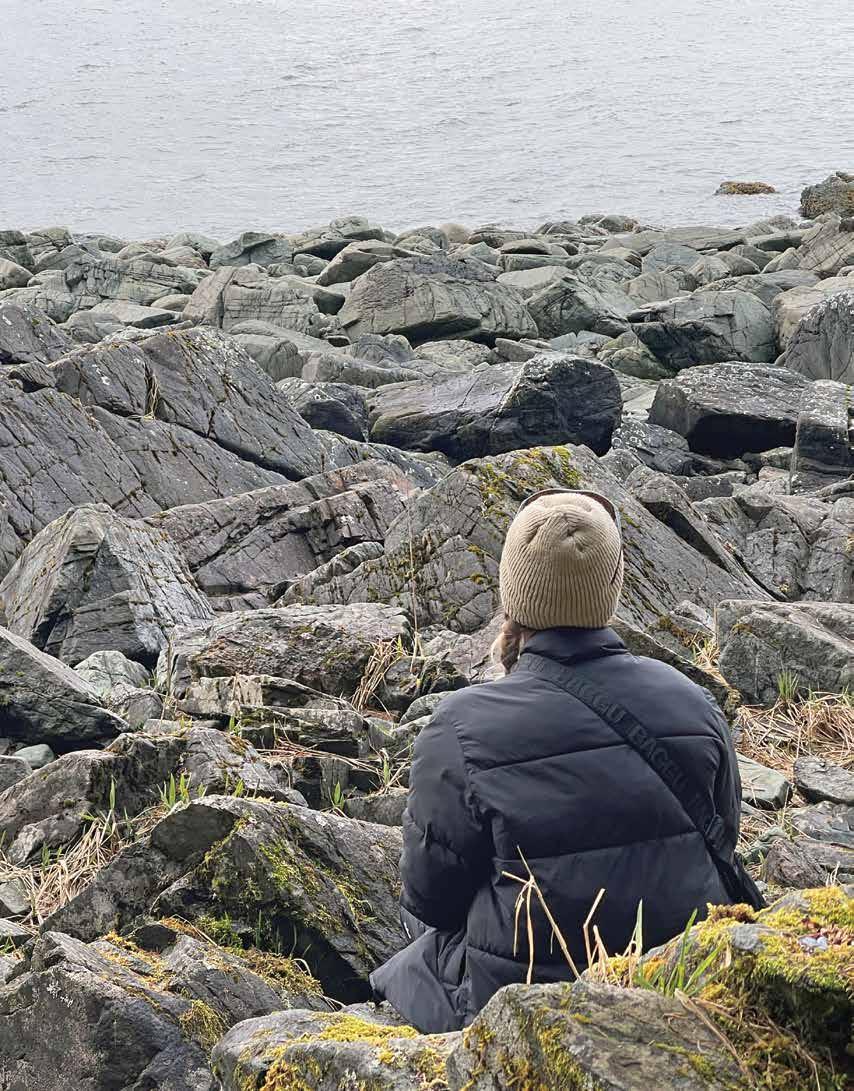


‘Small but mighty’ rural hospital offers many options Bartlett works closely with its community partners to offer Columbia Nursing students clinical integrations that suit their interests. Someone interested in women’s health, for example, can work with midwives and in the hospital’s C-section suite.
The 57-bed hospital, with about 900 employees, is also the only facility in southeast Alaska that provides inpatient psychiatric care. In addition, Bartlett fields multidisciplinary mobile crisis teams of psychiatric emergency clinicians and paramedics who respond to mental health crises once a medical emergency has been ruled out in a given case.
Often, the mobile teams can work with a patient and their family to develop a safety strategy. “They make a plan, and then that person doesn’t need to be transported to the hospital,” Twito explains. “Or if they do, they’ve already created that relationship with the clinician.”
This multidisciplinary model has been proven to decrease the amount of time patients spend being transported or in the ED, Twito explains. “They’re able to actually address these things in the field.”
Students who are interested in this specialty can work on the inpatient psychiatric ward, ride with mobile crisis teams, help staff public health clinics for teens, and learn from school nurses. “They’ve been able to be up close and personal, really get to see and learn,” Twito says. “We are small but mighty. We can curate a pretty impressive opportunity for students in most areas of interest.”
Bartlett offers a robust clinical experience clinically tailored to strengthen skills in each student’s area of interest, notes Candice Smith, DNP, the director of clinical placement at Columbia Nursing. “Bartlett is an engaged clinical partner that meets individually with students, and even came to our career fair to discuss opportunities for future learning and employment.”
Another unusual aspect of the Juneau clinical placement is the huge variation in patient volume based on fluctuations in the number of tourists, Smith adds. “When the students are there in the beginning, most patients they see are local or have been flown in because care is not available in the rural areas where they live,” she explains. But toward the end of students’ time in Juneau, cruise ships begin docking and disembarking hordes of passengers in the harbor, “so that’s a very different experience.”
There are some services that Bartlett does not provide, and patients needing those must be flown either north, to Anchorage, or south, to the nearest Level 1 Trauma Center, in Seattle.
But flights can’t always take off right away—for example, earlier this year huge snowstorms shut down the runway in Juneau. “We have to be prepared to take care of these sick, sick patients,” adds Twito. “We have to have people that are trained and people that are confident in caring for those patients.”
Providing holistic, preventive mental health care
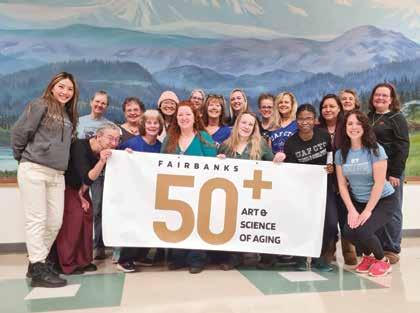
Anna Jones, MS ’24, completed her clinical integration at Bartlett in 2024. “A lot of people were flown in from all over the islands and the state to get psychiatric treatment there,” explains Jones, who expects to graduate from Columbia Nursing’s Psychiatric Nurse Practitioner (NP) Program this year.
Though she was born in Fairbanks and had lived in Anchorage since the age of seven, Jones had never been to Juneau before her integration. “I really didn’t know what to expect. But it was so much fun, and it exceeded all of my expectations.”
Jones became interested in becoming a psychiatric NP in college, where she studied neuroscience. “I was diagnosed with anxiety and

depression, and they put me on a slew of antidepressants that frankly just made everything worse,” she recalls. “I spoke to my first nurse practitioner, and she listened to all of my symptoms, and she took one blood test and said, ‘You have hyperthyroidism, which can present as anxiety.’ We decided together to get off the psychotropic meds and start thyroid medication, and all my symptoms went away.”
Jones has also seen her mother struggle with panic disorder, as well as episodes of chronic pain. “I wanted to go into an area of psychiatry where I’d have the ability to have a more holistic approach. And I think that being an NP really offers that in a special way.”
She chose Columbia Nursing because she knew going in that she wanted to be a provider. “This was the fastest way that I could find to do it. They also have such a stress here on the importance of diversity and interdisciplinary collaboration, and I have found that is a really critical piece of patient care.”
During her time at Bartlett, Jones went out with the mobile crisis unit. “We would go to patients’ homes and make sure that they were taking their meds. We did a couple of finger sticks for some diabetic patients, made sure that they understood when to take their insulin. And we drove a couple of patients to the VA for appointments. We went grocery shopping with a couple of people, just making sure they had what they needed,” she recalls.
“You could really tell that they care about the people. It’s special what they’re doing with such a small community and so few resources—really making the most of it,” Jones adds.
While psychiatry is often seen as a luxury, supporting patients before they are in acute need through Bartlett’s integrated model allows care “to be much more casual and much more preventative instead of reactive,” she explains.
At the same time, working with inpatients gave her a chance to see people suffering from severe mental illness. This experience underscored for her the powerful effects of identifying the right treatment for those with mental illness. “You’re seeing people in the most acute stages. But seeing how drastically people change over the course of a couple of weeks with the right meds, and if it’s not meds, just how much having a supportive environment and someone to check in on you daily really helps.”
Jones plans to return to Alaska after completing her DNP and would like to implement a similar integrated, preventative approach in other cities to caring for homeless people with mental health issues.
She has a few pieces of advice for MDE students interested in the Bartlett program: Bring a rain jacket and rain boots, and enjoy Alaska’s natural beauty and myriad outdoor activities. “And lean in to how friendly people are,” Jones adds. ”I made a lot of really good connections there and a lot of friends that I still keep in contact with two years later.”
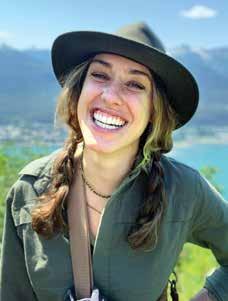
Hailing from a small mountain town in Idaho, Ali Maricich, MS ’19, initially expected her clinical integration to unfold in the concrete jungle of New York City. But hearing about a unique opportunity in Juneau, Alaska, changed her trajectory forever.
Maricich applied to join Columbia Nursing’s inaugural cohort at Bartlett Regional Hospital, trading the subway for the rugged scenery of the Last Frontier.
During her rotation, Maricich explored mental health and obstetrics, but it was her six shifts in the emergency department (ED) that truly resonated. She was immediately struck by the high-caliber medicine practiced within such a tight-knit atmosphere.
“I found the entire team and the situation to be deeply community-based, offering truly amazing medicine. The way the team operated with such seamless precision was remarkable!”
Following graduation, Maricich interviewed for a staff position with the Bartlett ED director and director of education. The connection was instant; two hours later, she received the call: “Come on up!” She spent the next four years at Bartlett before transitioning to travel nursing, carrying with her the versatile skill set required of an Alaskan nurse. “In a small-town hospital, nurses aren’t just staff members—they are the backbone and the frontline leaders of the community,” Maricich notes.
At the Bartlett ED, nurses handle everything from EKGs and IVs to patient transport. They use grit and critical thinking to solve complex cases when resources are lean. Maricich explains further, “When a trauma arrives, the team expands and pivots instantly to support one another. Working in a small town means your teammates are also your neighbors, which creates a deep sense of accountability.”
For students starting a placement in Alaska’s capital, Maricich says, the best advice is to be gracious and vulnerable in that professional space. Most importantly? “Don’t forget to bring a rain jacket.”
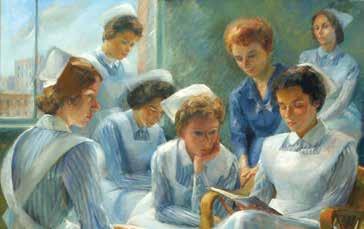
Midcentury Greenwich Village was a happening place, making the studio of a noted artist whose daughter was at Columbia Nursing a magnet for students of the time. Now, over 60 years later, a number of her touching portraits of her daughter’s friends have resurfaced.
By Anne Harding
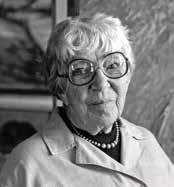
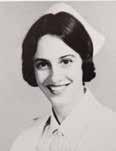
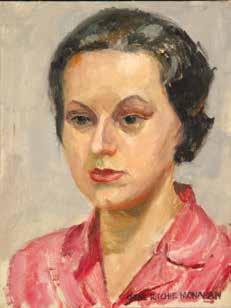
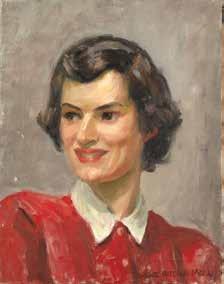
During the late 1950s and early 1960s, Columbia Nursing students had an open invitation to the Greenwich Village studio and gallery of portrait and landscape artist Gene Ritchie Monahan, the mother of Jean Monahan (now Jean Kelly), BS ’60.
Her studio became a gathering place, refuge, and jumping-off point for nursing students to explore New York City and its vast cultural offerings. A successful artist, Gene Monahan was a revelation to many of the students, at a time when young women’s career choices were often seen as being limited to teacher, nurse, or secretary.
Jean Kelly—known as Jeanie—described the scene in a recent biography of her mother:
“The studio gallery was a feast for all the senses. There were exhibits on the walls and paintings in progress; music from WQXR wafted through the studio,” along with “the perfume of my youth . . . coffee, cigarette smoke, and turpentine.”
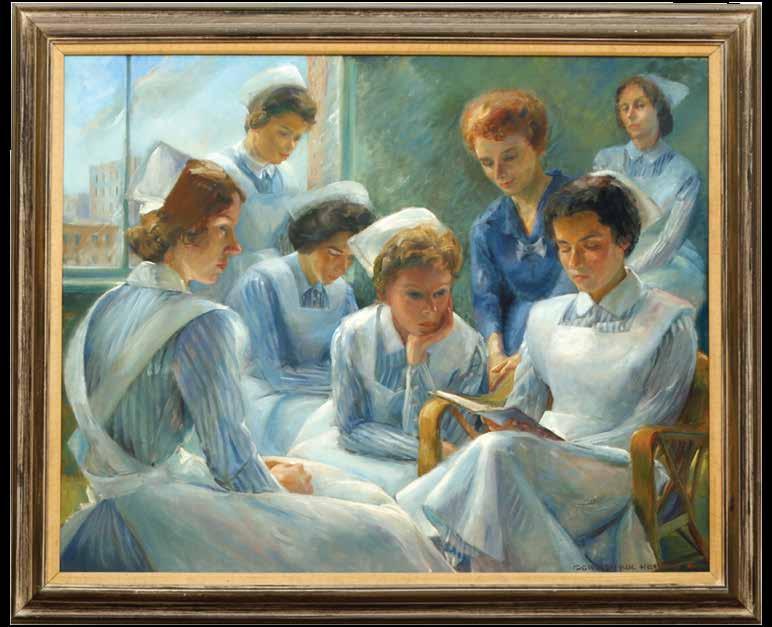
During those years, Gene painted dozens of portraits of nursing students that offer a glimpse of the times and a glint of each sitter’s personality: peaceful, shimmering “Meditation in Yellow,” for example; focused, intense “Carolyn” in red; and “Yvonne,” with a sideways glance, in crisp blue.
Jeanie and several of her classmates also posed in their uniforms for a group portrait titled “Senior Seminar” that her mother painted in 1960.
Last spring, Jeanie brought several of the portraits to Columbia Nursing’s annual reunion to give away to her classmates, as part of her goal to find homes for her mother’s paintings and other works.
“Our family goal is to have our unassuming mother recognized as a significant pioneer woman portrait artist of the 20th century,” she says.
Genevieve “Gene” Ritchie was born in 1908 in Duluth, Minnesota, and discovered her passion for making art in high school. Just after she graduated from the University of Minnesota with a BFA, Art Digest magazine

featured a self-portrait of her on its cover, calling her its “find of the year.”
She married George Monahan in 1934. Commissioned an officer in the U.S. Army Ordnance Department, he was stationed stateside for the duration of World War II.
During this time, Gene Monahan—with two children and a third on the way—went back to school to earn a master’s in art education. She then became supervisor of art in the Faribault, Minnesota, school system, a position she held for the duration of the war.
“After the war, as the family traversed from place to place, there was little time for painting,” her daughter later recounted. “However, art, or the creative process, was involved in most of her activities of daily living. If it was a recipe book she needed, she bound a book. An ashtray? She hammered one out of brass. A bowl? She threw one on her wheel. A dress for an opening? She made one (without a pattern).”
In the early 1950s, George Monahan was stationed in Colorado Springs, the family settled down, and Gene at last had more time to paint. “Usually these were por-
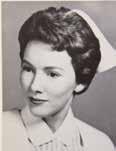
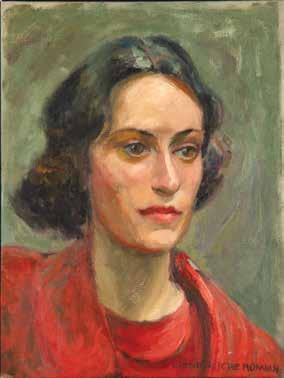
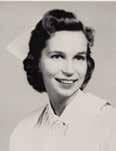

GENE SOON FOUND SUCCESS IN THE ART WORLD. SHE ENTERED A PORTRAIT IN THE WASHINGTON SQUARE OUTDOOR ART SHOW AND WON FIRST PRIZE.
traits, always from life, of those around her, whether family, friends, or a store clerk with an interesting face,” her daughter recalls.
When George retired from the Army in 1953, the family decided to move to New York City—he to explore the fledging field of electronics, while Gene pursued her artistic career.
George was hired to write the operations manual for the first U.S. nuclear submarine, the Nautilus, while Gene soon found success in the art world. She entered a portrait in the Washington Square Outdoor Art Show and won first prize, which included a scholarship to the New York Academy of Art and Design, where she became a teaching fellow.
Her studio, on the first floor of the brownstone where the family lived, at 22 East 13th Street, was a haven for young artists and—once Jeanie began studying at Columbia—nursing students and medical students as well. “If my mom was there, her door was open,” Jeanie recalls. She was always ready “to hear the latest tale of triumph or heartbreak or to have an intellectual discussion.”
Gene’s openness and warmth came from her being “a pioneer woman from Minnesota,” Jeanie says. “She was always excited to meet somebody new.”
Portraiture was her specialty, and visitors could count on Gene inviting them to sit for her. Meeting at her studio became a weekly routine for nursing students, who “would gather on Tuesday nights and paint each other or just hang out,” Jeanie recalls, to talk about the news and issues of the day.
“It was one of those pivotal times,” she adds. “I felt like we were transforming from the old men to a new, enlightened political scene.”
Her mother was on the cusp of the feminist movement, Jeanie notes, and struggled throughout her career with being a woman artist in a man’s world. “She was very interested in the fact that when she was reading the reviews, the critics would say, ‘Oh, he has masterful brush strokes and strong this and that,’ because they would see her name as Gene and think that it was Eugene. So they thought she was a guy.”
Lois Muellar Glazier, BS ’60, is one of the nursing students who found a home at Gene’s studio. Gene was “a very warm and outgoing individual, so it was fun to go down there and hang out every once in a while,” Glazier says.
Spending time with Gene was eye-opening for Glazier, because it was the first time she’d met someone’s mother
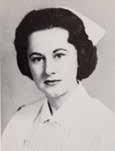
“who did anything but cleaned and cooked. And that was a totally new thing for me.”
After growing up in suburban New Jersey, “just living in New York was a very expanding experience, because you had all the museums and theaters and the opera,” Glazier says. Nursing students even received free opera tickets back then, thanks to a generous alumna.
“I had never been to an opera. And so there were a group of us that started going to the opera . . . and I developed a lifelong love of opera because I started going as a student at Columbia.” And when My Fair Lady was a hit on Broadway, Glazier joined a group of nursing students and medical students to camp out overnight on the sidewalk for tickets.
“I really missed the liberal arts part of my college education when I went to nursing school, because it was so heavily into the sciences and everything. And so I was using the city as my liberal arts education. Part of that was hanging out at Gene Monahan’s art studio.”
After graduation, Glazier taught nursing for several years, earning a master’s degree in 1965. She then completed a PhD in cultural anthropology at the University of Kansas and in 1974 joined the faculty of a new baccalaureate nursing program at Washburn University in Topeka, Kansas, later becoming its assistant dean and ultimately serving the school for 26 years.

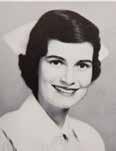
Patricia Gleason Daugharty, BS ’60, first came to the studio to pose for Gene’s students. In return, Gene taught her how to paint.
“I met some really interesting people,” Daugharty says. “I actually learned how to paint a portrait, but I also realized at the time [that] being a painter is a very, very meticulous process, and it just didn’t really suit my personality. It just was not my thing, but what it did do was show me how to look at a painting.”
The experience also helped spark a lasting love for art, art history, and museums. Daugharty took the Fine Arts Museums two-year course in art history and has subsequently served for over 30 years at that museum as a docent in San Francisco, where she has lived with her husband since 1967.
Peggy McEvoy, BS ’60, began visiting Gene’s studio soon after befriending Jeanie. “She was one of the first people I met there at [Columbia] Nursing, and I was very impressed with her because she’d already worked in a hospital. She knew a lot more than any of us did.”
McEvoy had studied art but was in nursing school because “my father said, ‘You’re going to die of hunger as an artist, so you have to go to nursing school.’”
But McEvoy neither went into nursing nor returned to art. Instead, she went on earn a doctorate in public health from Columbia in 1979 and had a distinguished
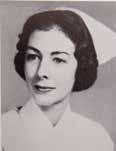

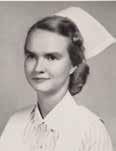
career in public health. When the United Nations launched UNAIDS in 1996, she was tapped to lead the program in the Caribbean, serving 21 countries, a position she held until her retirement.
In 1960, Gene and George decided to return to Minnesota, where she founded an artist colony at Rainy Lake, on the Canadian border. Every week for a decade, Gene made pen and ink sketches for the Rainy Lake Chronicle, a folksy newspaper with a worldwide distribution.
Back in New York, after her graduation from Columbia Nursing, Jeanie Kelly took a job in med-surg at Bellevue Hospital. During college, she had volunteered in the hospital’s emergency department and knew that’s where she wanted to be, so when a job opened up she applied and was hired to work on the night shift. Soon, she was promoted to her “best job ever”: night supervisor of Bellevue’s three emergency services.
Jeanie left the workforce in 1962 to marry and raise her family. When the time came to return to work, she decided to find a different, less demanding profession. She enjoyed 30 years as a successful floral designer and decorator, a job that also required hard work and long hours. As she wrapped up that phase of her life, Jeanie, too, decided to return to Minnesota to help her mother.
“One of the highlights of that particular period of time was the day I looked out the window and it was minus 40 degrees,” Jeanie recalls. She told her mom to pack her bags and get ready to go south. They took a three-month road trip across the United States, visiting Gene’s old college friends and Jeanie’s nursing school classmates. When they returned to Minnesota, they woke up to four inches of snow on top of the car. “But you know, it was a wonderful time for my mother and myself.”
Kelly, Daugharty, Glazier, McEvoy, and several other members of the Class of 1960 continue to stay in touch. Jeanie believes that an experience they shared may have helped forge their strong bonds. That class was the first whose members were allowed to marry while they were students, and several did. By the time graduation neared, two members of the class were visibly pregnant—and were told they could not walk with their classmates in the ceremony.
Banding together, the Class of 1960 said they would boycott graduation en masse unless their pregnant classmates were allowed to participate. The administration backed down and allowed everyone to take part in the ceremony. For Jeanie, joining her classmates to support one another was a new and empowering experience, she recalls. After growing up with two brothers, “all of a sudden, I had a lot of sisters.” She still feels the same way today.


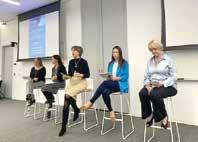
1: Dean Lorraine Frazier moderated a cardiac health panel featuring Jacquelyn Taylor, Ruth Masterson Creber, and Billy Caceres at Leading with Heart: Nurses Shaping the Future of Cardiac Health, held March 4 at the Penn Club.
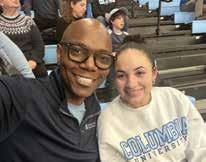
2: Daniel Billings, DNP’18, and Maria Peralta, MS’25, at the Columbia vs. Yale women’s basketball game in January 2026.
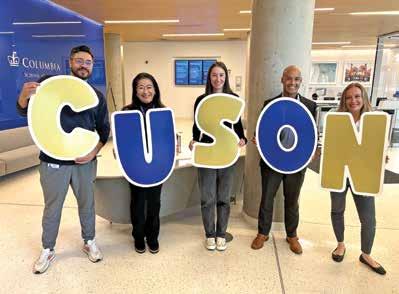
3: Alumni, faculty, staff, and students celebrate Columbia Giving Day in October 2025.
4: Marykate O’Malley, Natalie Morrison, and Francesca Rallo enjoy a hot chocolate study break with other students, faculty, and staff before winter break in December 2025.
5: Ian West, DNP’24, and Mallory Woods, DNP’19, join students at dinner as part of the CAA initiative Dine Across NYC in February 2026.
6: Dean Lorraine Frazier celebrates Columbia Giving Day on October 21, 2025.
7: Julie Yoshimachi, DNP’10; Daniel Billings, DNP’18; and Maria Peralta, MS’25, join students at dinner as part of the CAA initiative Dine Across NYC in February 2026.
8: Natalya Pasklinsky; Mary Hickey; Dean Lorraine Frazier; Janejira Chaiyasit, DNP’17; and Suzanne Bakken present at Charting the Course: Nursing Leadership State of the School in November 2025.
9: Panelist Ruth Masterson Creber, PhD, joins Ian West, DNP’24, and students Zoe Brown and Emily Isaga at the cardiac health event on March 4 at the Penn Club.

Our faculty’s research continues to create new knowledge that advances health care. Listed are selected articles published by leading peer-reviewed journals.
Gregory Alexander was among the authors of “Market and Organizational Characteristics Associated with Nursing Home Health Information Technology Maturity,” published in Journal of Gerontological Nursing.
Suzanne Bakken was among the authors of “Contextualizing Key Principles to Promote a Justice-Oriented Informatics Research Agenda: Proceedings and Reflections from an American Medical Informatics Association Workshop,” published in Journal of the American Medical Informatics Association (JAMIA).
So Hyeon Bang; Jung Kang; Kyle Reyes; Alicia Bacchus; Janejira Chaiyasit, DNP ’17; Kimia Mirabbaszadeh; Yelitza Castanos; and Ruth Masterson Creber were among the authors of “Timely Implementation of Patient-Reported Outcomes in Clinical Care: Insights from Clinicians and Health Informatics Experts,” published in Journal of Advanced Nursing
Melissa Beauchemin, PhD ’19, was among the authors of “Disparities in Delays and Outcomes in Patients with HER2-Positive Breast Cancer,” published in Breast Cancer Research and Treatment, and “Healthcare Utilization and Communication Patterns Among Survivors of Adolescent and Young Adult Cancer: Results from the Health Information National Trends Survey,” published in Pediatric Blood and Cancer.
Joseph Belloir and Rebecca Schnall, PhD ’09, were among the authors of “Associations Between Alcohol Consumption and Angio-
poietin Serum Levels in Persons with HIV,” published in Biological Research for Nursing.
Natalie Benda was among the authors of “Prevalence and Trajectories of Perinatal Anxiety and Depression in a Large Urban Medical Center,” published in JAMA Network Open.
Lauren Bochicchio and Ryan Herman were among the authors of “‘A Standard of How We Want to See People Be Treated’: Developing LGBTQ+ Community Guidelines,” published in International Journal of LGBTQ+ Youth Studies.
Lauren Bochicchio and Tonda Hughes were among the authors of “Prospective Risk of Sexual Assault for Sexual Minority Women: Findings from the Longitudinal Chicago Health and Life Experiences of Women Study,” published in Psychology of Violence, and “Social Support and Mutual Aid During a Pandemic: Experiences of African American, Latina, and White Sexual Minority Women,” published in Sexual and Gender Diversity in Social Services.
Maeve Brin and Rebecca Schnall, PhD ’09, were among the authors of “Acceptability and Perceived Usefulness of the MyPEEPS Mobile App for Young Transgender Men,” published in Nursing Outlook.
Maeve Brin; Patrick Veihman; and Rebecca Schnall, PhD ’09, were among the authors of “Understanding Patient Barriers and Facilitators Throughout the PrEP Care Contin-
uum: An Analysis of Qualitative Interviews with PrEP Navigators in the United States,” published in AIDS and Behavior.
Ulf Bronas and Diego Redondo Sáenz were among the authors of “Everyday Environmental Exposures and Mid-Life Dietary and Physical Activity Variations: E3 Study Protocol,” published in Frontiers in Public Health.
Jean-Marie Bruzzese was among the authors of “Developing the Adolescent Asthma Self-Management Behavioral Framework: Centering Adolescent Autonomy in Theory and Practice,” published in Advances in Nursing Science, and “Development and Tailoring of a Peer-Administered Asthma Management Intervention for Urban Latino Middle School Children,” published in Journal of Asthma.
Jean-Marie Bruzzese and Ellen Fahey, DNP ’10, were among the authors of “The Development, Feasibility, and Acceptability of Sleeping Healthy, Living Healthy for Children (SHLH-C): A Behavioral Sleep and Mind Body Integrative Health Intervention for School-Aged Children,” published in Journal of School Nursing.
Jean-Marie Bruzzese, Jianfang Liu, and Yihong Zhao were among the authors of “Preliminary Outcomes of Healthy Sleep Practices and Mind-Body Integrative Health Intervention Among Urban Youth: Feasibility, Acceptability, and Initial Impact,” published in Sleep Health.
Billy Caceres was among the authors of “Physical Activity Phenotypes in Endometriosis Using Unsupervised Learning Via Functional Mixture Models,” published in BMC Women’s Health, and “Sexual Minority Populations and Disparities in Cardiovascular Healthcare,” published in European Heart Journal.
Suzanne Courtwright was among the authors of “HIV Care for Adolescents and Young Adults: Comparing Nurse Practitioner and Physician Care in Engagement, Trust, and Clinical Outcomes,” published in Research Square.
Ruth Masterson Creber; Meghan Reading Turchioe, PhD ’18; and Yihong Zhao were among the authors of “Mobile Integrated Health vs a Transitions of Care Coordinator for Patients Discharged After Heart Failure: The Mighty-Heart Randomized Clinical Trial,” published in JAMA Internal Medicine.
Christine DeForge, Andrew Dick, and Patricia Stone were among the authors of “Sociodemographic Disparities in the Use of Hospice by U.S. Nursing Home Residents: A Systematic Review,” published in American Journal of Hospice and Palliative Care.
Susan Doyle-Lindrud was the author of “Management of Neutropenic Fever in Persons with Cancer,” published in Nursing Clinics of North America.
Celine Esguerra, Aisha Naseem, Maya Castiblanco, Yihong Zhao, Maureen George, and Jean-Marie Bruzzese were the authors of “Beliefs About Complementary and Alternative Medicine and Asthma Medication Among Hispanic/Latinx and Black Adolescents in New York City,” published in Journal of Pediatric Nursing.
Kyle Featherston and Lusine Poghosyan were among the authors of “Adapting the Nurse Practitioner Primary Care Organizational Climate Questionnaire for Acute Care Nurse Practitioners,” published in Journal of Nursing Measurement
Michele Flynch and Suzanne Bakken were among the authors of “Mapping Social Media Analytics in Firearm Injury Exposure Research: A Scoping Review,” published in Journal of the American Medical Informatics Association (JAMIA).
Tyler Gaedecke, PhD ’25; Kasey Jackman, PhD ’17; Maureen George; and Walter Bockting were among the authors of “‘It Has Transformed
Living for Me’: The Trajectory of Alignment, Comfort, and Social Connectedness After Gender-Affirming Surgery,” published in American Journal of Public Health
Maureen George, Safa Elkefi, Jean-Marie Bruzzese, and Phoenix Matthews were among the authors of “Community Partners Identified Implementation Considerations Prior to a Randomized Clinical Trial for Uncontrolled Asthma in Federally Qualified Health Centers,” published in Journal of Clinical and Translational Science.
Lauren Gerchow was among the authors of “An Onto-Epistemological Review of Human-Centered Design Family Planning Research: Implications for RelationshipBased and Theory-Guided Nursing Inquiry,” published in ANS: Advanced Nursing Science, and a co-author of “Primary Care Provider Confidence Delivering Sexual Health Services and Education to Adolescents,” published in Journal of Pediatric and Adolescent Gynecology.
Pallavi Gupta, Zhihong Zhang, and Maxim Topaz were among the authors of “Rapid Review: Growing Usage of Multimodal Large Language Models in Healthcare,” published in Journal of Biomedical Informatics
Sarah Harkins, PhD ’25; Arielle Hazi; Maxim Topaz; and Veronica Barcelona were among the authors of “The Association Between Higher Body Weight and Stigmatizing Language Documented in Hospital Birth Admission Notes,” published in International Journal of Obesity.
Tonda Hughes was among the authors of “Women and Alcohol: A Call to Action,” published in Alcohol, Clinical and Experimental Research.
Ismael Ibrahim Hulchafo; Sarah Harkins, PhD ’25; Maxim Topax; and Veronica Barcelona were among the authors of “In Response to ‘Exploring Natural Language Processing as a Tool to Improve in Obstetric Documentation and Care,’” published in International Journal of Obstetric Anesthesia.
Kasey Jackman, PhD ’17, was among the authors of “Exploring Nurses’ Understanding of Sternal Wound Infections,” published in Clinical Care Nursing Quarterly, and “Letter: Low CK, High Suspicion: A Case of Atypical Neuroleptic Malignant Syndrome in a Pediatric Post-Transplant Patient,” published in Journal of Child and Adolescent Psychopharmacology.
Kasey Jackman, PhD ’17, and Walter Bockting were among the authors of “Gender Identity Invalidation and Suicide Risk Among Trans and Nonbinary Individuals,” published in Journal of Affective Disorders.
Xuefan Ji, Lusine Poghosyan, and Corina Lelutiu-Weinberger were among the authors of “Organizational Interventions to Address Primary Care Provider Burnout: A Systematic Review,” published in Medical Care Research and Review.
Haomiao Jia and Sarah Rossetti, PhD ’09, were among the authors of “Evaluating Clinical Staff Perceptions of EHR Usability, Satisfaction, and Adaptation to a New EHR: A Multisite, Pre-Post Implementation Study,” published in Applied Clinical Informatics.
Haomiao Jia and Arlene Smaldone, PhD ’03, were among the authors of “Psycho-Social and Behavioral Trends in Type 2 Diabetes Self-Management Amongst Medically Underserved Patients During the COVID19 Pandemic in an mHealth Intervention,” published in medRxiv.
Rita Marie John was the author of “Painting the Real Picture: A Primer of Legal Issues,” published in Journal of Pediatric Health Care
Ji Won Lee was among the authors of “Older Korean Americans’ Experiences in an Adult Medical Daycare Center,” published in Journal of Transcultural Nursing.
Ji Won Lee, Bridget Morse-Karzen, Ashley Chastain, Andrew Dick, Patricia Stone, and Jingjing Shang were among the authors of “Trends and Disparities in Post-Acute Care Utilization After Hospitalization for Sepsis
in the United States: A Systematic Review,” published in Medical Care
Brianna Lin was among the authors of “The Nurse Work Environment and Staffing in Critical Care,” published in Critical Care Nursing Clinics of North America.
Brianna Lin; student Simon Paul Navarro; and Allison Norful, PhD ’17, were among the authors of “Variations in Job Turnover Factors Among Internationally Educated and U.S.Trained Nurses: Insights from the 2018 and 2022 National Sample Survey of Registered Nurses,” published in Nursing Outlook.
Jianfang Liu, Monica O’Reilly Jacob, Miles DeGrazia, and Lusine Poghosyan were among the authors of “Predicting AllCause Mortality Using Two Claims-Based Measures in Medicare Beneficiaries with Dementia,” published in Medical Care Research and Review.
Jianfang Liu, Madeline Pollifrone, Rachel Siegel, and Lusine Poghosyan were among the authors of “Incorporating the Present-on-Admission Indicator to Predict In-Hospital Mortality Through Elixhauser Measures: A Medicare Data Analysis,” published in Medical Care.
Susan Maloney; Tyler Gaedecke; Celine Esguerra; Jean-Marie Bruzzese; and Kasey Jackman, PhD ’17, were the authors of “A Scoping Review of Policy and Health Outcomes for Transgender and Gender-Diverse Adolescents in the United States,” published in Nursing Outlook
Sophia McInerney; Patrick Veihman; Maeve Brin; Jean Jimendez; and Rebecca Schnall, PhD ’09, were among the authors of “Awareness and Use of Pre-Exposure Prophylaxis in a United States National Sample of Young Sexual and Gender Minority Men,” published in AIDS Care.
Clare Cardo McKegney was among the authors of “Respiratory Syncytial Virus in Focus: Emerging Research, Trends, and Clinical Implications,” published in Nursing Clinics of North America.
Student Simon Paul Navarro was the author of “Becoming a Catalyst for Transformation in Health Care,” published in Academic Medicine: Journal of the Association of American Medical Colleges, and among the authors of “Exploring the Impact of Organizational Belonging on Nurse Practitioners Workforce Well-Being and Team Outcomes,” published in Journal of the American Association of Nurse Practitioners.
Stephanie Niño de Rivera and Ruth Masterson Creber were among the authors of “Cognitive Outcomes in Randomized Controlled Trials of Coronary Artery Bypass Graft Surgery from 2005 to 2025: A Systematic Review,” published in Journal of the American Heart Association.
Allison Norful, PhD ’17, was among the authors of “The Impact of Nurse Practitioner Full Practice Authority on Chronic ConditionRelated Readmissions and Emergency Department Visits in the United States,” published in Medical Care; “The Impact of Nurse Practitioner Full Practice Authority on Pediatric Care Experiences: A National Secondary Data Analysis,” published in Journal of Pediatric Health Care; and “Using Theater Gaming to Foster Perspective-Taking and Mitigate Bias Among Trauma Providers,” published in Journal of Trauma Nursing.
Monica O’Reilly-Jacob was among the authors of “Medicare Part B Reimbursement and Service Volume Differences Between Ambulatory Nurse Practitioners and Physicians,” published in Nursing Outlook.
Ashley Graham Perel was the author of “After the Applause Ends,” published in American Journal of Nursing.
Gayani Perera, Ashley Chastain, Andrew Dick, Patricia Stone, and Jingjing Shang were among the authors of “Transforming Care: The Impact of COVID-19 on Telehealth Adoption in U.S. Home Health Care Agencies,” published in Telemedicine Journal and e-Health.
Alexandra Perrin was among the authors of “Improving Delirium Screening and Detec-
tion in the Emergency Department (ED): The Implementation and Evaluation of the ED Delirium Detection Program,” published in Academic Emergency Medicine.
Lusine Poghosyan was among the authors of “Examining Team Creativity in Primary Care,” published in Health Care Management Review.
Jade Robinson was among the authors of “Experiences Around Testing and Linkage to HIV Care Among Gay, Bisexual, and Other Men Who Have Sex with Men: Qualitative Findings from the Patient-Centered Care Project in the Lake Victoria Region of Kenya,” published in AIDS Care.
Rebecca Schnall, PhD ’09, was among the authors of “Detailed HIV Self-Testing Patterns Derived from Paradata in the mLab App Clinical Trial,” published in AIDS and Behavior; “Forming Genuine Bonds: HIV Research Retention Strategies for Cisgender Women Vulnerable to HIV Acquisition,” published in AIDS Patient Care and STDs; “Global Measures of HIV Care Accessibility Across Urban, Suburban, and Rural Areas,” published in Journal of Urban Health; “Identifying Hidden Barriers to PrEP Adherence Among Young Men Who Have Sex with Men: Application of Natural Language Processing,” published in AIDS and Behavior; and “Impact of COVID-19 Pandemic on Quality of Life, Anxiety, Connections to Friends, and Access to Resources Among People with HIV: Using the Social Ecological Model,” published in AIDS and Behavior.
Rebecca Schnall, PhD ’09, and Joseph Belloir were among the authors of “Pro-Inflammatory Biomarkers Associated with Depression Severity Among Adults with HIV in New York City,” published in Journal of Psychiatric Research.
Jingjing Shang was among the authors of “Healing at Home: Receipt of Home Health Care and Patient-Centered Outcomes Among Older Adults After Acute Myocardial Infarction,” published in Journal of the American Medical Directors Association.
Jingjing Shang, Ashley Chastain, Ji Won Li, Xuefan Ji, and Bridget Morse-Karzen were among the authors of “Infection Prevention and Control Knowledge, Attitudes, and Practices Among Patients and Informal Caregivers in HomeBased Care: A Systematic Review,” published in American Journal of Infection Control.
Jingjing Shang, Patricia Stone, and Maxim Topaz were among the authors of “Leveraging Patient and Their Surrogate Caregiver Communication with Clinicians to Predict Palliative Care Decisions: A Speech Processing Study,” published in Geriatric Nursing.
Arlene Smaldone, PhD ’03, was among the authors of “HABIT Efficacy Trial Intervention Improves Elements of General and Disease-Specific Quality of Life in Youth with Sickle Cell Disease,” published in Pediatric Blood and Cancer.
Arlene Smaldone, PhD ’03, and Haomiao Jia were among the authors of “Impact of Clinical Trial Visualization on Recruitment in Underserved Communities for a Type 2 Diabetes mHealth Intervention,” published in medRxiv.
Patricia Stone was among the authors of “Multisociety Guidance for Infection Prevention and Control in Nursing Homes,” published in Infection Control and Hospital Epidemiology.
Niurka Suero-Tejada, Walter Bockting, and Billy Caceres were among the authors of “My Heart, My Self: An Intensive Longitudinal Study Examining the Influence of Intersectional Discrimination on Blood Pressure,” published in BMC Public Health
Jacquelyn Taylor was among the authors of “Association of 24-Hour Ambulatory Blood Pressure During Pregnancy in Adolescents and Young Adults with Measures of Fetal Autonomic Nervous System Development,” published in Developmental Psychobiology.
Maxim Topaz was among the authors of “Adverse Social Determinants of Health and Urinary Incontinence Among Older
Adult Women in Home Health Care,” published in Journal of the American Medical Directors Association, and the author of “Invisible Scribes: Can Nurses Trust Ambient AI for Clinical Documentation?” published in Journal of Continuing Education in Nursing
Maxim Topaz and Veronica Barcelona were among the authors of “Patient-Reported Postoperative Pain and Stigmatizing Language in Anesthesia Notes: A Cross-Sectional Study (2017–2019),” published in International Journal of Obstetric Anesthesia.
Maxim Topaz and Zhihong Zhang were among the authors of “Beyond Human Ears: Navigating the Uncharted Risks of AI Scribes in Clinical Practice,” published in npj Digital Medicine.
Meghan Reading Turchioe, PhD ’18, was among the authors of “Outcomes in Patients with Atrial Fibrillation Stratified by Body Mass Index and Heart Failure Status,” published in JACC Advances.
Meghan Reading Turchioe, PhD ’18; So Hyeon Bang; Afra Shamnath; and Stephanie Lai were among the authors of “Testing a Novel Design Framework for Patient-Facing Machine Learning-Based Predictions of Heart Failure Decompensation,” published in JACC: Advances.
Meghan Reading Turchioe, PhD ’18; Afra Shamnath; and Natalie Benda were among the authors of “Are Older Adults Using ChatGPT for Medical Advice? Results from a Cross-Sectional Survey Study,” published in medRxiv.
Victoria Winogora, Patricia Stone, Kimberlee Grier, and Christine DeForge were among the authors of “What Do We Know About Hospice Enrollment for Nursing Home Residents with Cognitive Disabilities? A Systematic Review,” published in Journal of Palliative Medicine.
Zidu Xu, Veronica Barcelona, and Maxim Topaz were among the authors of “Characterizing
Symptom Clusters for Older Adults with Urinary Incontinence in Home Healthcare,” published in Geriatric Nursing
Zhihong Zhang, Pallavi Gupta, Stephanie PottsThompson, Laura Prescott, Morgan Morrison, Jacquelyn Taylor, and Maxim Topaz were among the authors of “Identifying and Reducing Stigmatizing Language in Home Health Care with a Natural Language Processing-Based System (ENGAGE): Protocol for a Mixed Methods Study,” published in JMIR Research Protocols.
Zhihong Zhang, Pallavi Gupta, Maxim Topaz, and Maryam Zolnoori were among the authors of “Enhancing AI for Citation Screening in Literature Reviews: Improving Accuracy with Ensemble Models,” published in International Journal of Medical Informatics.
Zhihong Zhang, Stephanie Potts-Thompson, and Maxim Topaz were among the authors of “Beyond Keywords: A Qualitative Study of Context-Dependent Stigmatizing Language in Clinical Documentation from a Large, Multi-Payer Home Healthcare Agency,” published in Home Health Care Management and Practice
Yihong Zhao was among the authors of “Biceps Femoris Long Head Fascicle Length Not Associated with Hamstring Injury Risk in NCAA Football Athletes,” published in Clinical Journal of Sport; “Brain Plasticity Underlying Acquisition of New Organizational Skills in Children: A Rashomon Analysis,” published in Frontiers in Neuroimaging; and “Gaming Disorder and Problematic Caffeine Consumption in Adolescents: A Narrative Review and Public Health Framework,” published in Frontiers in Psychology.
Maryam Zolnoori was among the authors of “Detecting Mild Cognitive Impairment Using Follow-Up Call Speech and Electronic Health Record Data in Home Health Care Settings,” published in Journal of Gerontological Nursing, and “SpeechCARE: Dynamic Multimodal Modeling for Cognitive Screening in Diverse Linguistic and Speech Task Contexts,” published in npj Digital Medicine.
s we welcome the arrival of spring and the promise of renewal it brings, we write with deep gratitude and pride in this extraordinary community. You, our alumni and friends, embody the very best of Columbia Nursing. Your skill, leadership, and humanity continue to shape the future of health in communities across the country and around the world.
The past year has presented real challenges for Columbia, for academic institutions nationwide, and for the nursing profession. In a health care environment marked by workforce pressures, evolving clinical demands, and broader societal stressors, nurses have been called upon time and again to lead with courage, clarity, and heart.
And as always, the Columbia nurse has risen to the moment.
Across the school, faculty and students are advancing bold research, strengthening clinical partnerships, and innovating in how we educate and prepare the next generation of nurse leaders. Around the globe, our alumni continue to deliver exceptional care, influence policy, drive health equity, and lead transformational
Vanessa Battista, MS’08, Boston, MA
Maher Benham, DNP’22, New York, NY
Isabel Bogdan, DNP’11, Westport, CT
Donald Boyd, PhD’17, New York, NY
Tka Edwards, DNP’23, New York, NY
Mona Francois, MS’23, New York, NY
Maria Grotz, MS’01, Chatham, MA
Hilda Haynes Lewis, MS’99, New City, NY
Christa Heinsler, BS’76, Rochester, NY
Nia Josiah, DNP’23, New York, NY
Kimberly Lanfranca, MS’06, Nominating Chair, Bloomfield, NJ
Margaret Meenan, MS’94, Millwood, NY
Mobolaji Odewole, DNP’24, New York, NY
Martha Romney, MS’81, Elkins Park, PA
Marjorie Salas Weis, DNP’17, New York, NY
Olivia Velez, PhD’11, Putnam Valley, NY
Ian West, DNP’24, New York, NY
Mallory Woods, DNP’19, Secretary, New York, NY
Julie Yoshimachi, DNP’20, President, New York, NY
changes. Together, these efforts reflect the essence of Columbia Nursing: excellence grounded in empathy, rigorous scholarship, and an unwavering commitment to service.
As leaders of the Alumni Association and the Board of Advisors, we have been engaged in thoughtful conversations with Dean Lorraine Frazier and the school’s leadership about how best to support the school and our alumni during this dynamic time. We are committed to advancing initiatives that strengthen academic excellence, deepen alumni engagement, and expand meaningful opportunities for lifelong connection.
Among these efforts we are especially excited about:
• Expanding opportunities for lifelong engagement and networking, both virtually and in person, so Columbia nurses can continue to grow, connect, and lead throughout every stage of their careers.
• Supporting the school’s strategic vision by sharing insights from diverse practice settings and health care systems, helping ensure that Columbia Nursing prepares graduates for the complexities of 21st-century health care.
None of this progress happens without you. Your mentorship, volunteerism, advocacy, and philanthropy sustain and elevate this community. Whether you are guiding students, hosting gatherings, contributing your expertise, or championing the school’s mission, your engagement makes a lasting difference.
If you would like to become more involved, we warmly invite you to reach out at sonalumni@cumc.columbia.edu. There are many meaningful ways to stay connected to help shape the future of Columbia Nursing.
As we look to the year ahead, we are inspired by what is possible when a community comes together. May we continue to lead boldly, serve compassionately, and strengthen the lifelong bonds that unite us as Columbia nurses.
With gratitude and warm regards,

Julie Yoshimachi, DNP’20 Janet Ready, BS’81 President, Alumni Association Chair, Board of Advisors Board of Directors


Marsha Gottlieb Bronsther, BS’74, is happy that she is still working as a school nurse for the Montgomery County Health Department and staying busy with her three grandchildren.
Ruth Emily Parker, MS’79, earned a certificate in American Indian Studies at the University of Colorado in 2025. She volunteers at Denver Indian Health and Family Services, and reads to low-vision neighbors once a week. She enjoys staying connected with her nurse and midwife friends.
Esther Chipps, BS’83, was inducted into the American Academy of Nursing’s 2025 Class of Fellows.
Kevin Browne, MS’92, was appointed the Dr. Ning Zhao Chair of Nursing at Lenox Hill Hospital, endowed by the Ge Li and Ning Zhao Family Foundation. Recognized at the 2025 Northwell Health Ceremony of Excellence, this endowment will help enhance patient care, propel new research, and advance medical breakthroughs.
Jill Hammer Gallin, MS’97, has sailed over 30,000 nautical miles with her husband since
2020 and is currently in New Zealand. She earned her advanced certificate in obesity medicine from the Obesity Medicine Association in October 2025 and is thinking about how she can make a difference around the world. She is interested in getting in touch with other nurses who are sailors or who practice pediatric weight-loss telemedicine.
Kevin Hook, BS’98, was inducted into the American Academy of Nursing’s 2025 Class of Fellows.
Denise Linton Scott, MS’99, retired in 2020 and got married for the first time in 2024. She enjoys being a wife, stepmother, and step-grandmother. She is also a self-published author of encouraging and inspiring nonfiction books. Her first book, Walking in Trust, is about how her faith helped her overcome her trials. Her second book, Walking in Kindness, is about the people who contributed to her successful nursing career and the importance of paying it forward.
Linda Jean Wanner, MS’98, celebrated her 22nd year working at Daymark FBC-C and stays very busy with work and her three granddaughters.
Bethanie Burkholder, MS’04, has had a rich and fulfilling experience with her global
work. She spent 10 years working in rural Haiti and years working in Southeast Asia providing primary health care in the Rohingya refugee camps in Bangladesh. She is preparing to transition back to Canada this year.
Patricia Maani Fogelman, DNP’05, was a leadership panel member for the Society of Critical Care Medicine’s Clinical Practice Guidelines on Adult End-of-Life Care in the ICU, published in December 2025 in Critical Care Medicine. In this capacity, she brought a unique perspective to a multidisciplinary team of international experts, co-leading the development of evidence-based recommendations that will transform ICU culture and clinical practice worldwide. Her leadership helped ensure that these guidelines address important advances in caring for critically ill patients and their families during life’s most vulnerable moments.
Sarah Elizabeth Giron, MS’05, was inducted into the American Academy of Nursing’s 2025 Class of Fellows.
Maria Magliacano, MS’06, was appointed to the Health and Human Services Commission in New Canaan, Conn.
Theresa Nguyen, MS’07, wrote an op-ed, “In California, America’s most trusted profession 2025–2026
is in deep trouble,” highlighting her opinion on the often-overlooked driver of the nursing shortage—the shortage of nurse educators.
Rosagna Rubiano, MS’08, was promoted to director of clinical services and training at Columbia Health Medical Services.
Rebecca Schnall, PhD’09, received the Sigma Theta Tau International Honor Society of Nursing’s 2025 Virginia K. Saba Nursing Informatics Leadership Award.
Trisha Sheridan, MS’09, was inducted into the American Academy of Nursing’s 2025 Class of Fellows.
Melissa Beauchemin, PhD’19, received the 2025 Distinguished Alumni Award for Nursing Research. Beauchemin was also inducted into the New York Academy of Medicine’s 2025 Class of Fellows.
Janejira Chaiyasit, DNP’17, has a new role as the assistant dean of clinical affairs at Columbia Nursing.
Bevin Cohen, MS’17, was inducted into the American Academy of Nursing’s 2025 Class of Fellows.
Kasey Jackman, PhD’17, received the 2025 Early Career Alumni Award for an Emerging Nurse Leader.
Young Ji Lee, PhD’13, was inducted into the American Academy of Nursing’s 2025 Class of Fellows.
Melissa Morrison, MS’16, has been a clinical cardiac electrophysiology nurse practitioner since 2023 and is happy to be back at CUIMC after all these years.
Ann-Margaret Navarra, PhD’11, was elected the incoming president of the Eastern Nursing Research Society.
Zainab Osakwe, PhD’18, was inducted into the American Academy of Nursing’s 2025 Class of Fellows.
Laurie Ray, MS’11, received the 2025 Early Career Alumni Award for an Emerging Nurse Leader.
Jasmine Travers Altizer, PhD’16, received the Protégé Award from the Friends of the National Institute of Nursing Research at the annual NightinGala.
Meghan Reading Turchioe, PhD’18, was awarded the Marie Cowan Promising Early Career Investigator Award by the American Heart Association’s Council on Cardiovascular and Stroke Nursing.
Chloe Kang, PhD’24, received the American Heart Association Travel Award.
Shermin Koh, MS’23, received the 2025 Campbell Award, given by the Columbia Trustees and Columbia Alumni Association, to recognize exceptional leadership and Columbia spirit. Koh was also honored with the Presidential Award for Outstanding Teaching. Koh is the first graduate student instructor from Columbia Nursing to be selected.
Tara Sirotkin, DNP’23, hosted her fifth annual walk to benefit the National Eating Disorders Association in April on Long Island.
2025-2026
Nora M. McLaughlin, BS’44
Dorothy Engstrand Blom, BS’46
Patricia Stainton Neer, BS’47
1950s
Gratia Mce Prince Graves, BS’50
Deirdre O’Brien Williams, BS’54
Lois Jackman Howland, BS’57
Ruth Collins Zweck, MS’57
Beverly Fritz Phillips, BS’58
Louise Breuninger Holloway, BS’59
Gail Rothwell Woodall, MS’59
Elizabeth T. Russell, BS’64
Sally Hunter, BS’60
Susan Chadwell Thorner, BS’60
Sally-Ann McCarthy Whelan, BS’61
Susan Clark Amlicke, BS’62
Joy Carroll Miller, BS’64
Edith Livingston Escala, BS’65
1970s
Deborah Deering Ryder, BS’70
Nancy Heronimus VerMerris, BS’70
Judith Hunter Joyce, BS’71
Patricia M. Lybarger, BS’71
Margaret Akey Rosenberg, BS’74
Lynne Cassanto Sennett, BS’74
Susan R. Godfrey, BS’76, MS’91
Jean A. Cronje, MS’79
Jacqueline M. Torres, BS’80
Janna Lesser, BS’81
Claire Ellen Galli, MS’93
Lillian Teresa Jankowski, BS’95, MS’98
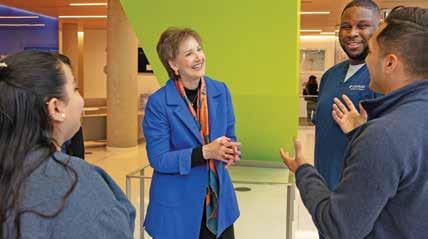
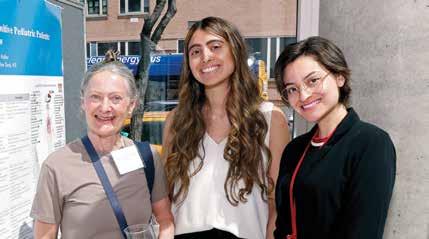
WE ARE PROUD TO INTRODUCE a new series of recognition societies celebrating the generosity and commitment of our Annual Fund supporters. These giving circles honor the collective impact of donors whose loyalty and partnership strengthen Columbia Nursing’s ability to prepare clinicians, scientists, and leaders to advance health for all.
Invest in a lasting legacy for nursing education, innovative research, and clinical excellence that benefits communities today and for generations to come.
DEAN’S LEGACY CIRCLE
$25,000+
DEAN’S LEADERSHIP CIRCLE
$10,000–$24,999
DEAN’S SCHOLARS CIRCLE
$5,000–$9,999
PIONEERS CIRCLE
$2,500–$4,999
TRAILBLAZERS CIRCLE
$1,000–$2,499
HEIGHTS CIRCLE
$500–$999
EMERGING LEADERS CIRCLE
$250–$499
YOUR SUPPORT HELPS BUILD A HEALTHIER FUTURE FOR INDIVIDUALS, FAMILIES, AND COMMUNITIES EVERYWHERE. THANK YOU FOR BEING AN ESSENTIAL PART OF THIS WORK.

LEARN MORE ABOUT THE RECOGNITION SOCIETIES
560 West 168th Street, MC 6
New York, NY 10032
“I develop AI-powered tools that help nurses deliver the best possible care for their patients. My research integrates artificial intelligence with clinical data to improve everyday decision-making in nursing practice. These tools matter because they help nurses enhance patient safety, reduce hospitalizations, and achieve better health outcomes for the people who depend on us.”
— Maxim Topaz, PhD, MA, RN, FAAN Elizabeth Standish Gill Associate Professor of Nursing
INNOVATIONS LIKE THESE ARE MADE POSSIBLE THROUGH THE SUPPORT OF THE COLUMBIA NURSING COMMUNITY.
To learn more about supporting Columbia Nursing, visit nursing.columbia.edu/giving or contact Ashaki O. Charles, associate dean, Development and Alumni Relations, at 646-866-9342 or ac2759@cumc.columbia.edu.
GIFTS TO THE NURSING RESEARCH FUND help turn promising ideas into real-world solutions that improve care every day. Your support equips nurses with the tools they need to deliver safer, more effective care across hospitals, communities, and the full continuum of health.
By investing in nursing research, alumni and friends help advance healthier futures and better outcomes for patients everywhere.