endangered places program
Underrep
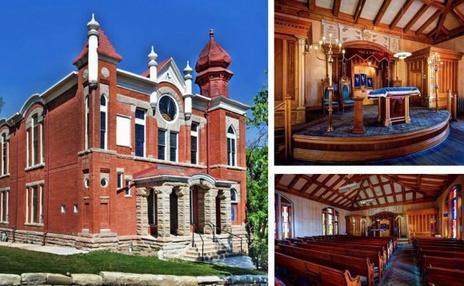
Adobe Potato Cellars of
San Luis Valley
Listed: 2019
Constructed: Late 1800s - early-to-mid 1900s
Threat: Demolition by neglect
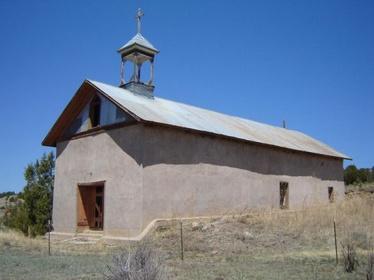
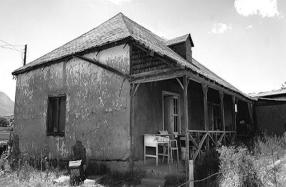
Significance: This regional, multi-site listing is unique Colorado, and the quality workmanship has helped the withstand the elements over decades. The structures range from rectangular-shaped dugouts with shallow gambrel roofs composed of timbers and latillas covered with earth to fully above-ground structures with adobe walls and timberframed roofs with wooden shingles. The above-ground cellars were usually constructed in areas where the high groundwater table made a partially below-ground structu impossible. As many as 100 adobe potato cellars may be present in the region. Education about the historical significance of potato cellars to the Valley’s agricultural history will help raise landowner and public awareness about their role in the potato economy. Programs to demonstrate how to repair and maintain historic adobe could result in better maintenance and preservation of these resources, which are part of the upper Rio Grande region’s rich natural and cultural history.
San Luis Valley
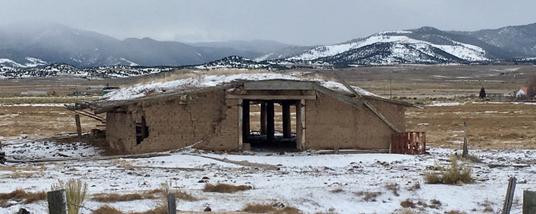
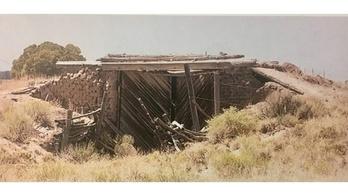
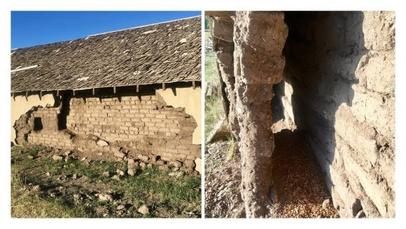
Site Needs: Documentation; identification of representative examples; proper repair and maintenance of historic adobe. This project is currently IN PROGRESS.

Amache
Listed: 2001
Constructed: 1942
Threat: Missing infrastructure
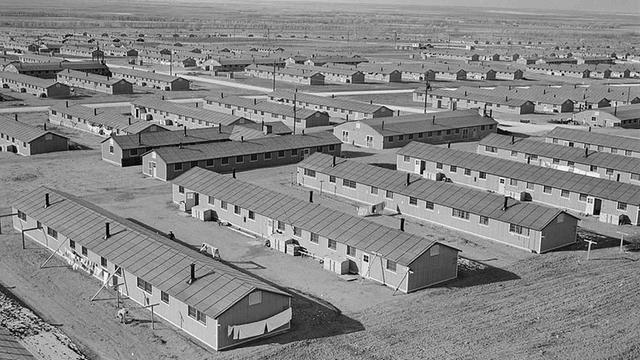
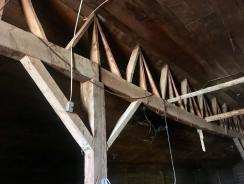
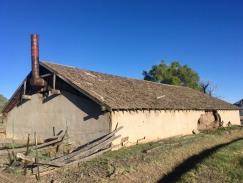
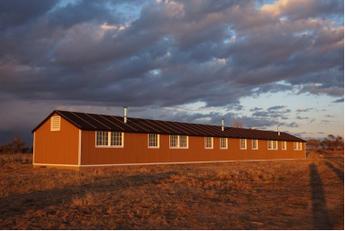
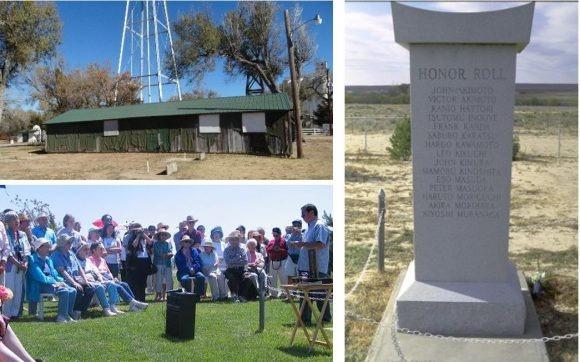
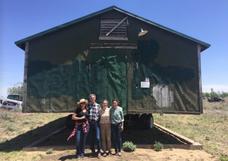
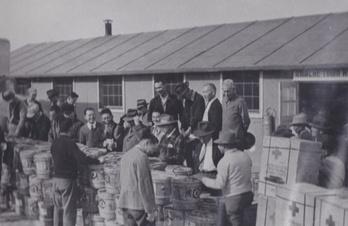
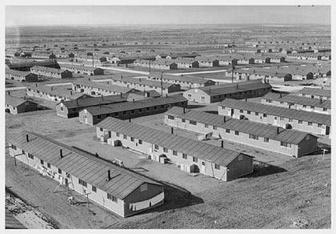
Significance: The Granada Relocation Center, also known as Amache, was constructed in 1942 as one of a few Japanese internment camps in the nation. Surrounded by barbed wire and wood-framed guard towers, the camp at Amache consisted of housing units, a school, a hospital, warehouses, utility buildings, and a military police compound. Over 7,000 Japanese Americans were relocated to Amache, where they lived and worked until the camp closed in 1945. Today the sit retains tangible reminders of those years, including foundations of camp facilities, trees planted by former internees, and intact original dirt and gravel roads. Few physical structures remain and camp buildings were dispersed through auction and sale to locations around southeastern Colorado after it closed. Several invested groups worked together to document and garner support for the preservation of Amache. In February 2006, Amache was designated a National Historic Landmark. CPI is actively engaged in the project and helped support the successful designation of the site as a National Park Site in 2022. Amache is now considered a SAVE.

Arkansas Valley Fairground Stables
Listed: 2007
Constructed: 1938
Threat: Deterioration
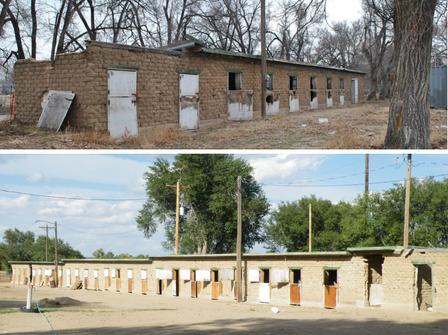
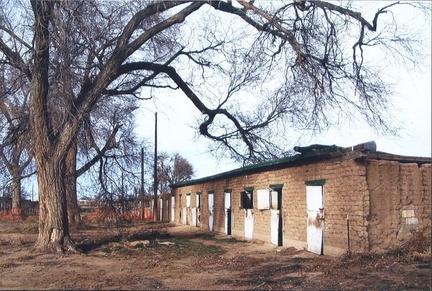
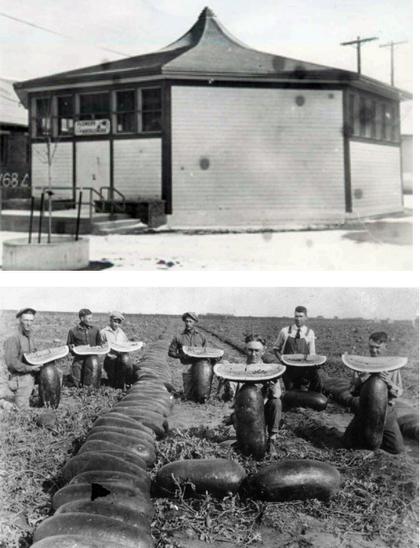
Significance: The Arkansas Valley Fairgrounds opened in 1878 by the founder of Rocky Ford, G.W. Swink. Several famous jockeys trained and rode at the fairgrounds using the stables. Today the grounds host Colorado’s oldest continuous fair. The fair’s adobe stables are a rare intact example of exposed adobe brick. Twenty-seven of the stables have been restored, and the goal is to have all stables operational for use during fairs and special events within the next few years. CPI held an adobemaking Weekend Workshop at the site to rebuild stable walls. The Stables were added to the National Register of Historic Places in December of 2007. The goal is to have all the stables fully operational once again able to house horses during the fair and special events.
Update: Rocky Ford is committed to restoring the adobe stables within the next few years. Many of the stalls have been repaired. A successful “Kentucky Derby” themed fundraiser was held in 2017.
Rocky Ford
Bent’s Old fort
Listed: 2026
Constructed: 1976
Threat: Deterioration, Exposure to Elements
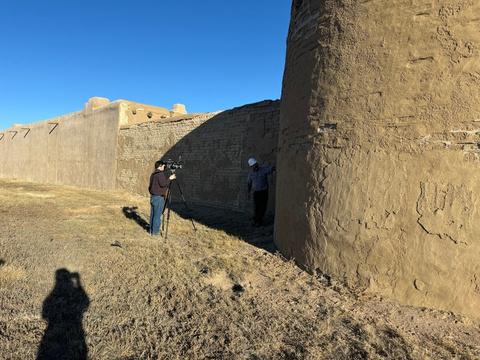
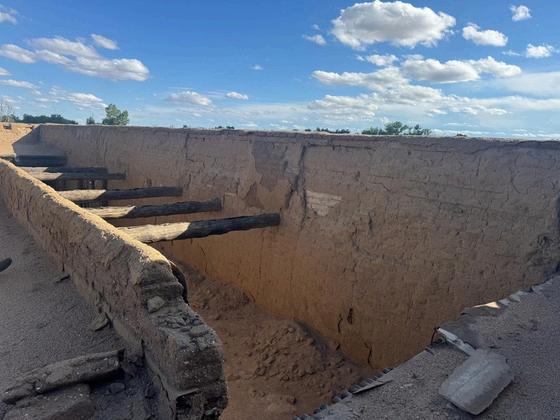
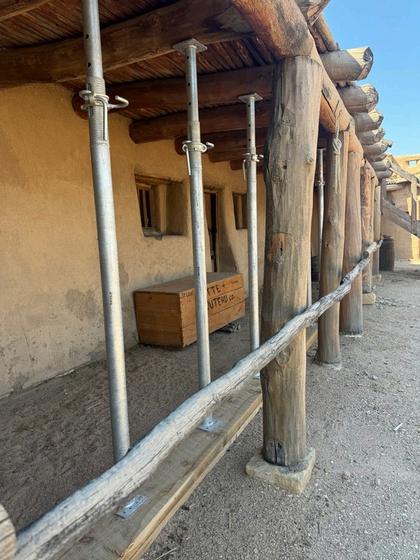
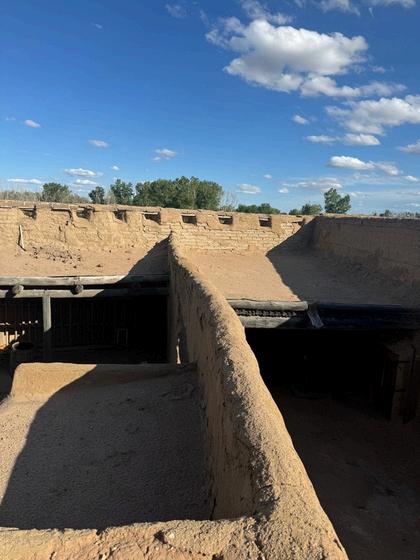
Significance: Bent’s Old Fort stands along the Santa Fe Trail, adjacent to the Arkansas River and just east of La Junta. The location remains a vital link to Colorado’s early story of trade, diplomacy, and cultural connection along the Santa Fe Trail. The structure that stands today was dedicated on July 25, 1976, during a moment of heightened national reflection as the United States marked its Bicentennial and Colorado celebrated its Centennial. The reconstruction of Bent’s Old Fort was an intentional effort to reconnect the public with the complex borderlands histories that shaped the American West.
While the present-day fort is a reconstruction, it honors the original Bent’s Old Fort, first constructed in 1833. As the current building enters its 50th year, decades of weathering, wear, and the complex mix of materials used in the 1970s reconstruction have raised significant structural concerns. The National Park Service has restricted access to guided tours through only a small, safe portion of the building to protect both visitors and the resource.
La Junta
Brown’s Sheep Camp
Listed: 2010
Constructed: 1882
Threat: Demolition by neglect
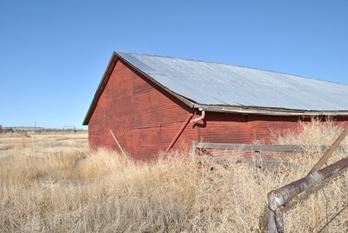
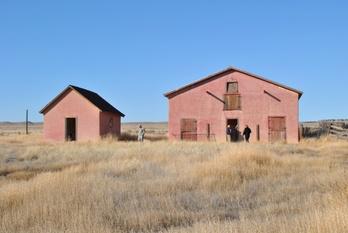
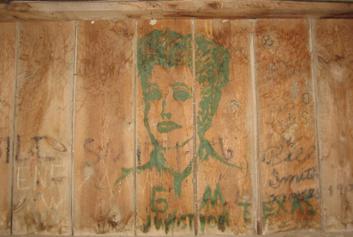
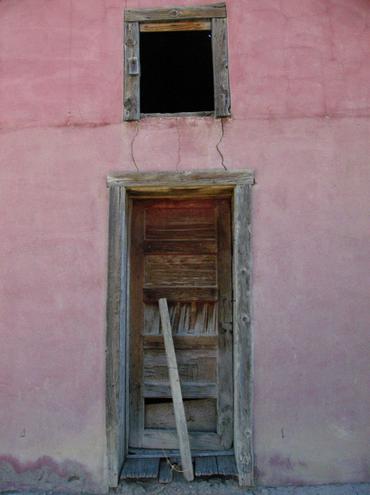
Significance: Located in the Piñon Canyon Maneuver Site, the land that comprised Brown’s Sheep Camp was first purchased by Samuel Taylor Brown in 1882. Brown’s business partner and eventual son-in-law was Julius Gunter, best known as Colorado’s 21st Governor. Governor Gunter inherited Brown’s Sheep Camp in 1917 and was active in the operation and management of the ranch until he died in 1940. By then, he and his wife Elizabeth had accumulated over 26,000 acres. Structures at the ranch headquarters include several homes, a bunkhouse, a garage, working corrals, a large two-story adobe barn that is widely considered to be one of the finest of its type in the region, and a wood-framed barn with an interior covered in drawings, brands and names added over decades. In the early 1980s, The Department of Defense (DOD) started acquiring land in Southeast Colorado to develop a live fire maneuver site for training. The owners of Brown’s Sheep Camp refused to sell, and the land was eventually condemned. Dense vegetation has been allowed to grow around the buildings, increasing the fire risk in an area that suffered from a devastating wildfire in 2008. The DOD has done minor stabilization of the site in recent years.
Piñon Canyon
Chimney ROck
Listed: 2008
Constructed: 1076 - 1125 A.D.
Threat: Natural elements; vandalism
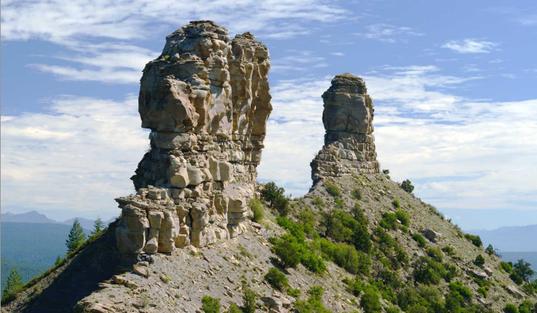
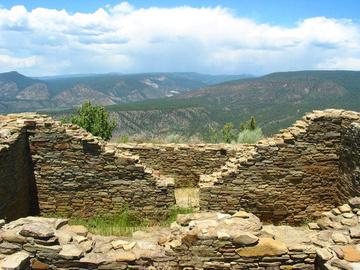
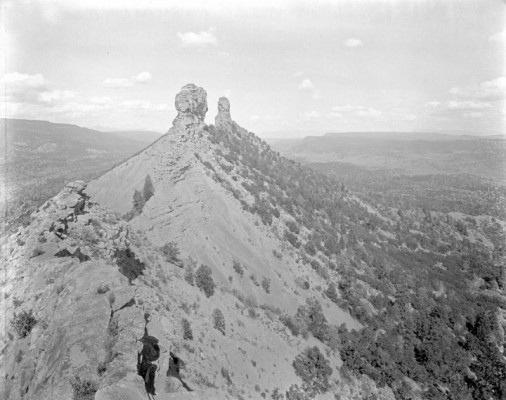
Significance: In southwestern Colorado stands the “Ul Outlier,” one of the most remarkable examples of the Chacoan culture’s organizational structure, Chimney R Chaco Canyon was the ceremonial center for more than independent communities linked by economic, political, and religious ideals. The furthest was the Chimney Rock site. At an elevation of 7,600ft, this extremely remote site – l,000 feet above arable land and water– is a testament to the Ancient Puebloans’ design, planning, and craftsmanship. When the site was listed on Colorado Preservation, Inc.’s Most Endangered Places, hundreds of years of exposure to the elements had taken their toll on the irreplaceable structures at Chimney Rock. The most serious structural problems at the Great House, Great Kiva, and the Ravine Site Habitation Complex were due to natural weathering and climate changes. Unusually heavy monsoon rains in 2006 saturated soils, causing several walls to collapse, and while emergency stabilization was completed, an overwhelming amount of work remained to be accomplished. Today the site is SAVED and considered a World Heritage Site.
Pagosa Springs
Colorado Fuel & Iron Plant
Listed: 1999
Constructed: Late 19th, early 20th century
Threat: Highway expansion
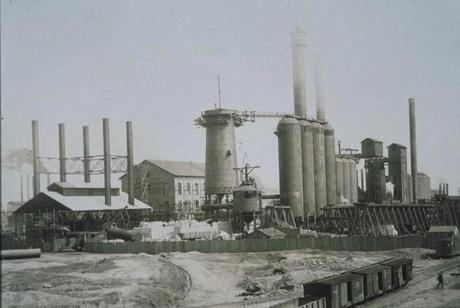
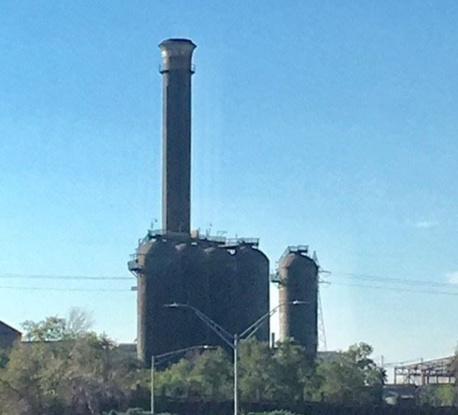
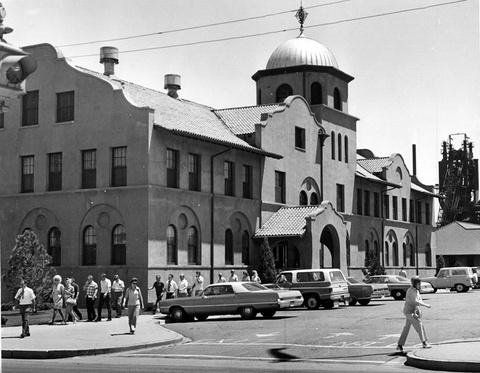
Significance: Colorado Fuel & Iron (CF&I) dominated regional coal and steel-making production in the late19th and early-20th centuries. This industrial complex is listed on the National Register of Historic Places and is a Local Landmark. Four buildings and six acres were acquired by the Bessemer Historical Society, which later was renovated into the museum, archives, and education center across the highway from the steel plant. While the four buildings have become part of the Steelworks Museum of Industry and Culture, the Colorado Fuel & Iron plant remains threatened with future CDOT expansions.
Update: The museum property is progressing towards a save. Steelworks is planning a $12 million renovation of the former administrative building into a multi-use space for the museum ’ s expansion. In 2018, a Brownfields Cleanup grant was awarded to help clean up Steelworks museum buildings. The museum is now a National Historic Landmark.
Pueblo
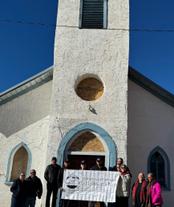
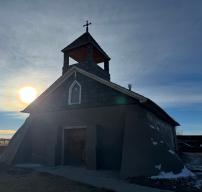
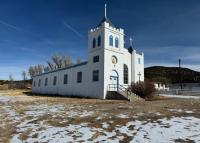
Costilla COunty Mission Churches
Listed: 2024
Constructed: Various
Threat: Weather exposure, abandonment, neglect
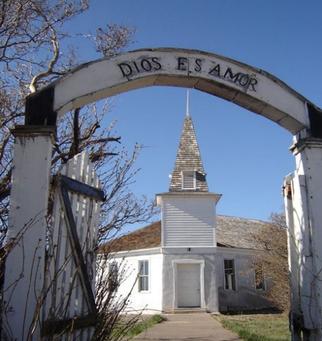
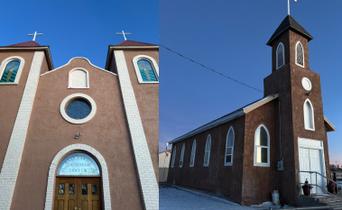
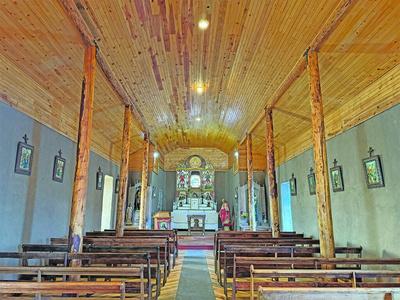
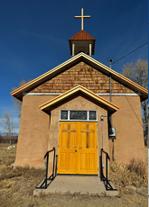
Significance: Churches, parishes, and irrigational ditches embody communal living in the San Luis Valley. For generations, the Valley’s residents have relied on these assets and their local community to survive. However, these resources have become increasingly difficult to maintain with the dwindling population. Early pobladores, or settlers, brought their religious and social customs north, many of which are still practiced in the San Luis Valley today. The churches constructed in the few years after settlement soon formed the backbone of the mission towns and still reflect the continuity of the community. The nine churches associated with this listing are all owned by the Diocese of Pueblo and are in varying conditions. Mayordomos, or caretakers of the town’s irrigation ditches and churches, do everything they can to protect these buildings and make repairs as needed. The immense community support and local volunteers’ love and devotion for preserving these buildings without outside funding sources are inspiring. CPI would like to recognize the incredible efforts these small communities and mayordomos have made in protecting these churches. Due to the range of conditions, these resources are in PROGRESS STATUS.
Costilla County
DEarfield Farming Colony
Listed: 1999
Constructed: 1910s - 1930s
Threat: Demolition by neglect; natural elements; tornado
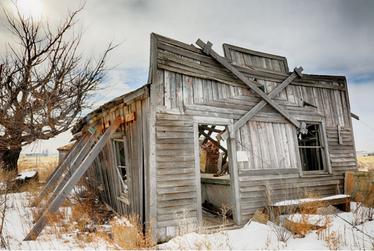
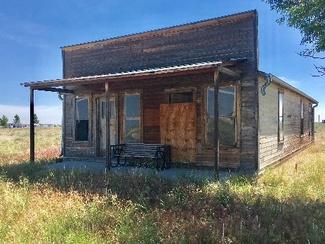
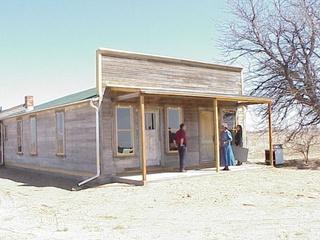
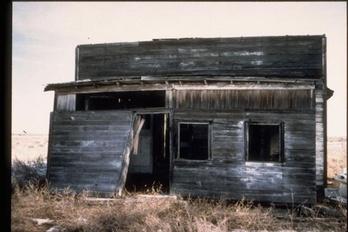
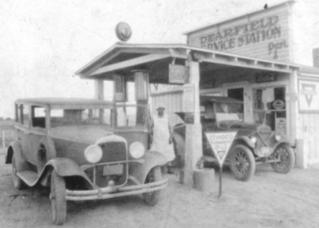
Significance: Dearfield is the only African-American agricultural colony in the Colorado High Plains. Inspired by the teachings of Booker T. Washington, Oliver Jackson sought to create a dryland farming colony large enough to accommodate 200 African-American families. In 1910 Jackson filed a desert claim for 320 acres in Weld County. Named Dearfield after the sentiment that the community would be “dear to us, ” the community included 44 wooden cabins hosting 27 families with 595 acres under cultivation by 1915. Dearfield also had a concrete block factory, lodge hall, church, restaurant, grocery store, and boarding house. Success was foiled by the Great Depression and Dust Bowl. The last resident left the community in 1973.
Update: In 2018, negotiations concluded between the Black American West Museum, Clayton Homes, and preservation advocates over the terms of a land swap that will support the preservation of the core area of the town. In 2022, the site received a major $498,000 grant from the African-American Civil Rights program to begin restoration of the three remaining buildings on site, and an NPS study is underway.
Dearfield
Denver Rio Grande Railroad Station
Listed: 2007
Constructed: 1880-1890
Threat: Natural elements; fire
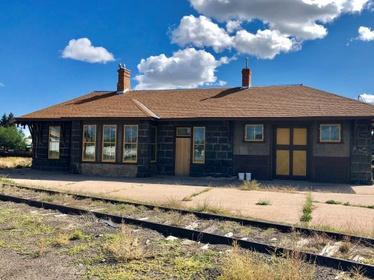
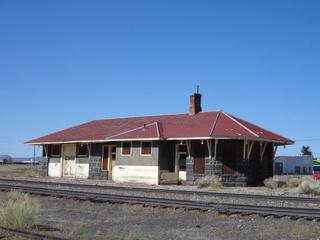
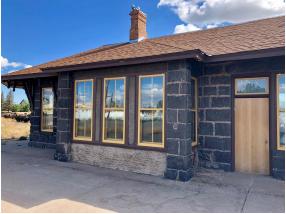
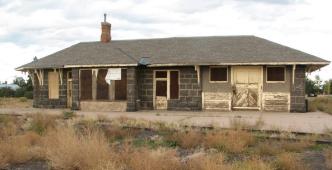
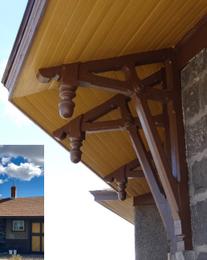
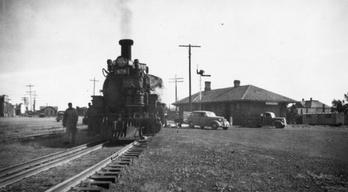
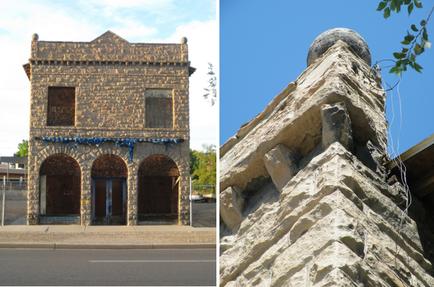
Significance: The Denver and Rio Grande Western Depot, constructed out of quarried ashlar volcanic stone, served the town of Antonito and the surrounding communities until 1951. All of Antonito’s original buildings face the station, indicating its significance. When listed on the Most Endangered Places, the depot had been vacant for over 50 years, with neglect and deferred maintenance taking a toll on the structure. Antonito has partnered with Conejos County Commissioners, the Friends of the Cumbres & Toltec, and the Permian Basin Railroad (known as the Antonito/Conejos Railroad Heritage Alliance) to help the town with preservation plans, grant writing, and fundraising.
Update: In 2016, CPI partnered with the Town of Antonito and the Sangre de Christo National H it A t $128,694 SHF grant to repair win replace the roof, and rebuild the complete on a second SHF grant masonry repointing custom stor lighting, including retrofitting t fixtures with LED lighting. The
Antonito
doyle settlement
Listed: 2018
Constructed: 1859
Threat: Demolition by neglect; vandalism
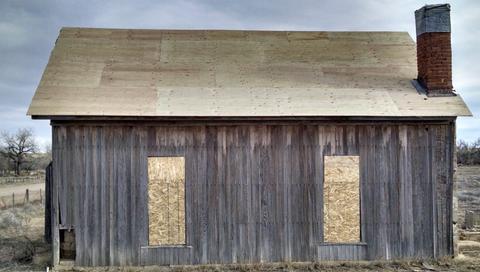
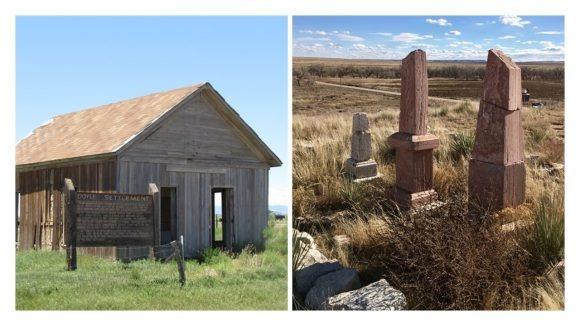
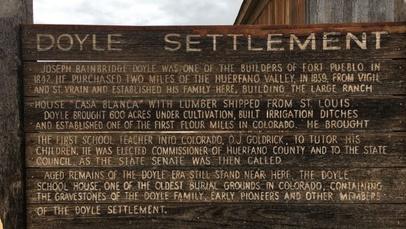
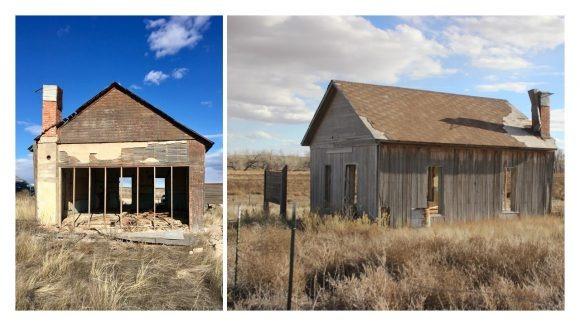
Significance: The Doyle Settlement was established by Joseph Bainbridge Lafayette Doyle when he purchased 1200 acres of land along two miles of the Huerfano River from the Vigil and St. Vrain Land Grant. Doyle was one of the builders of Fort Pueblo in 1842 and worked as a trapper and trader before becoming a pioneer agriculturalist, businessman, and territorial lawmaker. Doyle was elected the first county commissioner for the newly established Huerfano County and elected to State Council in 1864, representing Huerfano, Pueblo, Fremont, and El Paso counties. When he passed away, he left the property to his wife, Maria De La Cruz “Cruzita” Sauso. It remained in the family for decades and represents Colorado’s multicultural pioneer heritage. Site Needs: Preservation and rehabilitation of the school building, cemetery, and site interpretation. A mothballing of the structure was completed in late 2019, and a historic structure assessment is needed to guide preservation efforts by Pueblo County, which supports the project.
El Corazon De Trinidad
Listed: 2000
Constructed: Various
Threat: Various
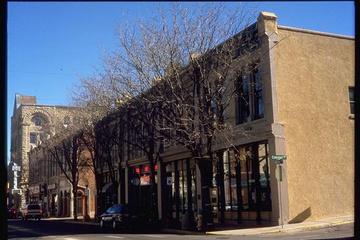
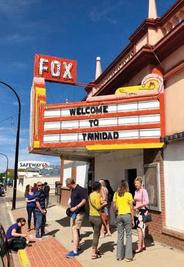
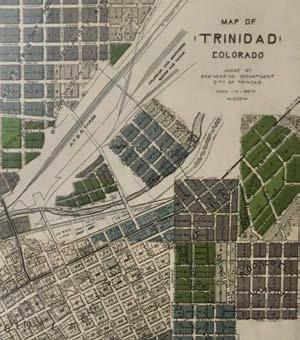
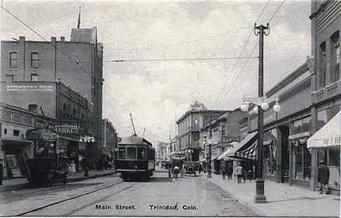
Significance: The El Corazon de Trinidad District in central Trinidad has served as the retail, financial, and cultural hub of southern Colorado since the 1870s. It is considered one of the most intact 19th-century towns in Colorado. Funding from the State Historical Fund was secured to help develop a preservation ordinance and complete a comprehensive building survey. The City of Trinidad has been encouraged by an upturn in business and renewed interest in utilizing existing structures, including the Trinidad Opera House, the McCormick Building, and the Toltec Hotel. In 2003, Colorado Preservation, Inc. applied for (and received) a State Historical Fund grant to begin critical stabilization work on Temple Aaron, located within the district. With the initial phase complete, Phase II stabilization was funded in 2005 by private donations and the State Historical Fund. Portions of the downtown area have received Colorado Creative District designation in recognition of the arts and cultural amenities and attractions available.
Update: This area has been identified as a potential zone for historic tax credits and is considered a SAVE.
Trinidad

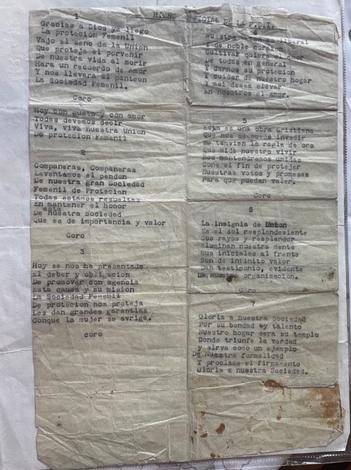
Feminilas Building
Listed: 2023
Constructed: 1920s
Threat: Demolition by neglect; weather exposure
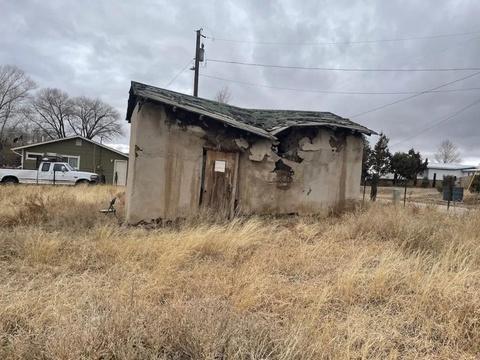
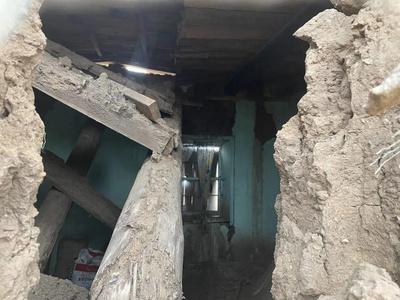
Significance: The Feminilas Building was built around 19 the only known building separately owned and operated b the women ’ s auxiliary of the SPMDTU Hispanic men ’ s lab organization (Society for the Mutual Protection of United Workers). The small adobe building is in badly deteriorati condition. Still, it can be saved and used as a small commu and interpretive center to highlight the role of women ’ s auxiliaries in supporting the SPMDTU. The Feminilas played an integral role in aiding the afflicted and bereaved in the area, similar to the Penitentes, a traditional men ’ s group associated with the Catholic Church. The Feminilas Building was constructed in the territorial adobe style popular in the region, with vigas and latillas with earthen overburden and a gabled wood framed roof. The building is undesignated, suffers from weather exposure and deterioration, and is in danger of collapse. Its condition reflects a lack of resources and underappreciation of the contributions and significance of underrepresented groups in the region. Preserving the Feminilas Building would help keep the unique lifeways, language, and culture of the Culebra Valley and the traditional contributions of Hispanic women alive.
San Francisco
Garcia Garcia School
Listed: 2023
Constructed: 1913
Threat: Demolition by neglect; lack of resources; weather exposure
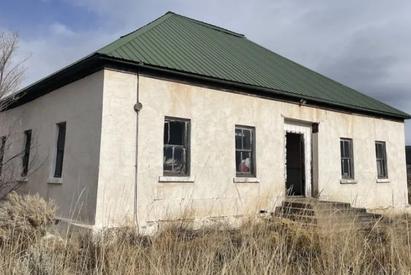
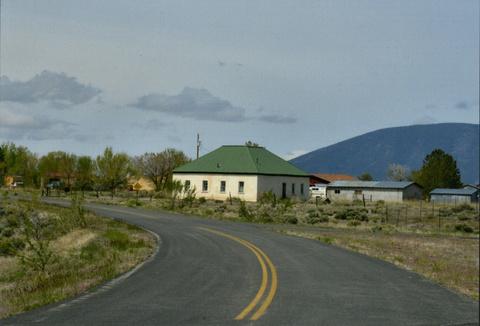
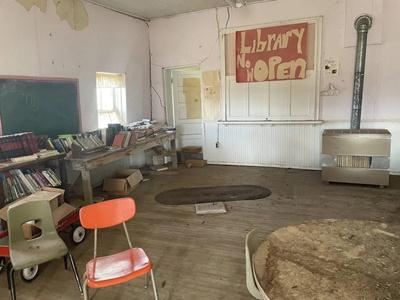
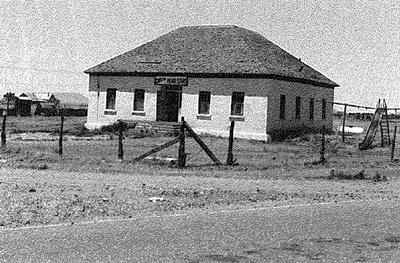
Significance: Garcia School was built in 1913 and is listed on the State Register of Historic Properties. The Garcia School was one of 11 initial adobe schools built in Costilla County before consolidation in 1963 and is one of the last structurally sound adobe buildings in the area known as the Plaza de los Manzanares, dating back to 1849. The perfectly square building sits on the site of the first Hispano settlement in Colorado. The building retains many historical elements and is relatively intact. The school has great potential as a remote learning center for the Centennial School District and as a community resource. At one time, the school served as a library and Head Start location. The Centennial School District, however, has received $3.2 million in grant funding from the Connecting Colorado Students Grant Program to build out its internet in nearby San Luis and establish a Remote Learning Center at Garcia School that will enable all students who have Centennial-provided equipment to access this Internet bandwidth.
Site Needs: Funding, master plan, adobe stabilization.
Handy
Listed: 2011
Constructed: 1892
Threat: Deterioration
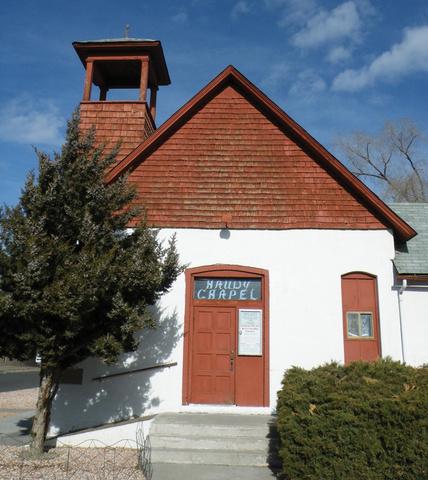
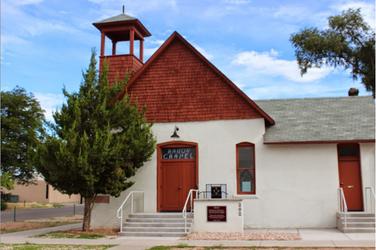
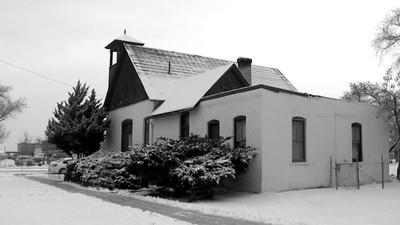
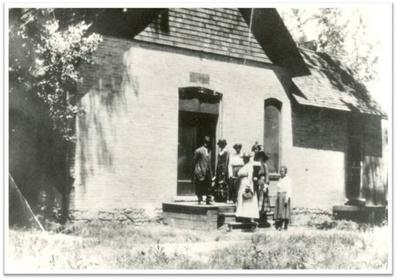
Significance: Located within the original square mile platted by Grand Junction’s founder, George A. Crawford, Handy Chapel was built in 1892 on land deeded in 1883 to the “black citizens of Grand Junction.” While simple in architectural style, Handy Chapel and the adjacent Chapel House served a grander purpose over the last 120 years. The property served as a welcome center for visitors and homeless families. The roof of the Chapel House had failed with only a temporary tarp in place. Windows and doors were boarded up, preventing the Chapel House from serving as a place of rest and recovery for the destitute. The historical integrity of the building was preserved while providing a more energy-efficient and structurally sound building. In cooperation with HistoriCorps, local preservationists, and a team of volunteers, the Endangered Places Program held the annual Weekend Workshop at Handy Chapel in 2011. Colorado Preservation, Inc. staff assisted with writing multiple grants to fund the nearly $300,000 rehabilitation of the chapel, it is now considered a SAVE.
Grand Junction
Chapel
hartman castle
Listed: 2026
Constructed: 1894
Threat: Demolition by neglect; vacancy
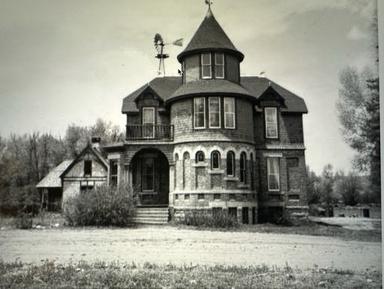
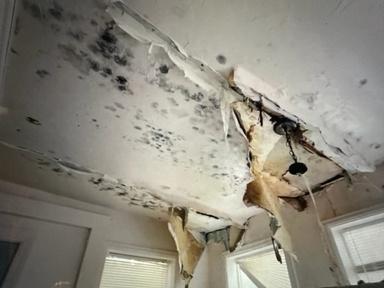
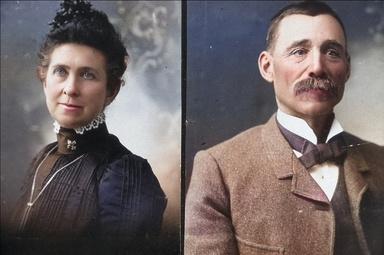
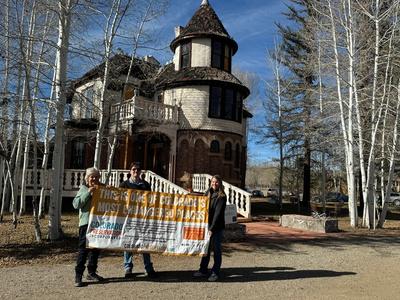
Significance: Completed in 1894, Hartman Castle is far more than a landmark. It reflects Gunnison’s ingenuity, progressivism, and enduring community spirit. Alonzo and Annie Hartman constructed the Castle during a time when Gunnison was still defining itself. Alonzo arrived in 1872 as a government employee with the Los Pinos Indian Agency, where he formed a lifelong friendship with Chief Ouray and his wife, Chipeta. The castle itself, however, was Annie’s masterpiece. As an artist, philanthropist, and civic leader, Annie designed much of the home herself. Her turreted studio became her space for painting, where she captured the surrounding landscape through oils and watercolors. Beyond her art, Annie played a leading role in Gunnison’s early women ’ s movement. Today, Hartman Castle remains privately owned but stands vacant and in need of preservation. The Hartman Castle Preservation Corp., a dedicated local nonprofit, is leading an ambitious campaign to purchase the property, restore it, and reopen it as a much-needed community gathering space that will support events, local economic development, and opportunities for artistic and cultural programming.
Gunnison
Historic eastside neighborhood
Listed: 2012
Constructed: 1872-1940
Threat: Various
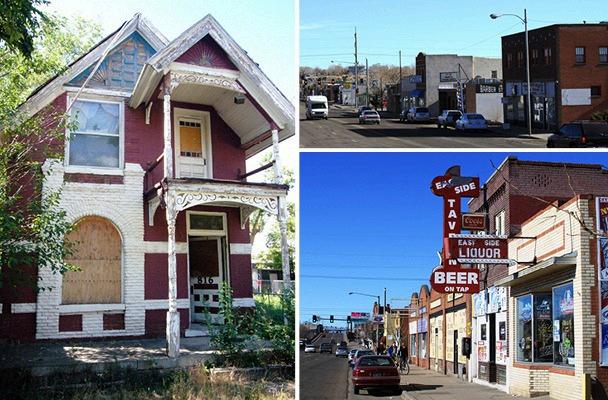
Significance: The Historic Eastside Neighborhood in Pueblo is part of the larger Eastside neighborhood, but focuses on the residential and commercial district that was largely developed between 1880 and 1940. The neighborhood is physically separated from the rest of Pueblo by Fountain Creek and has historically been home to a mix of classes and ethnicities.
The Eastside neighborhood suffers from a negative perception, and the subsequent disinvestment has been disastrous. Vacancy rates are high, and many of the houses and businesses that are occupied suffer from deferred maintenance.
City Officials have recognized the importance of the neighborhood and hired a planner to focus specifically on the Eastside, with particular attention on economic development issues. A historic context report of the neighborhood (A Place Set Apart: The History and Architecture of Pueblo’s East Side Neighborhood) was published in 2009 and has increased awareness of the historic significance of the neighborhood.
Pueblo
Hispanic Cultural Landscape of the Purgatoire River Valley
Listed: 1998
Constructed: 1860s
Threat: Development
Significance: The scenic valley near the Santa Fe Trail is dotted with historic adobe homes, plazas, and Penitente churches and is still home to descendants of the Hispanic settlers who arrived in the 1860s. The landscape contains some of Colorado's oldest settlements, representing multiple phases of Colorado’s history. This area was home to many historical events and embraces a unique representation of cultural heritage. It is listed on the National Register of Historic Places and on or near the Highway of Legends Scenic Byway. Many of these vernacular Hispanic structures still exist and can be seen along county roads and highways. This landscape is threatened by neglect, natural elements, vandalism, land development, and lack of education and awareness. After being listed on Colorado Preservation, Inc.’s Most Endangered Places, the site was designated as an official Save America’s Treasures project. Subsequently, supporters secured a State Historical Fund grant for a context study completed in 2003.
Update: Little assistance has been provided since 2017.
Las Animas County
Iglesia de San Antonio/ Tiffany Catholic Church
Listed: 2019
Constructed: 1928
Threat: Deterioration
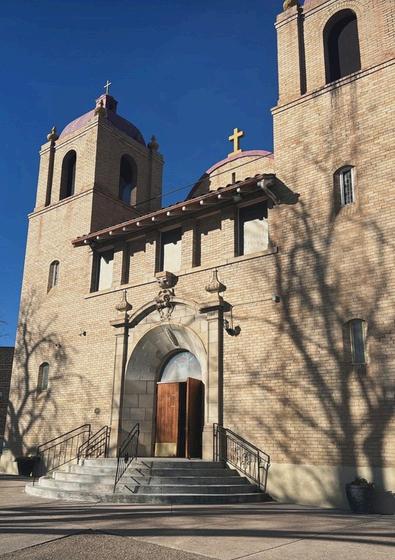
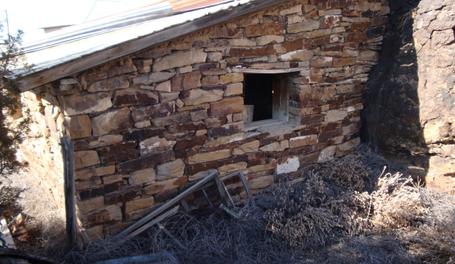
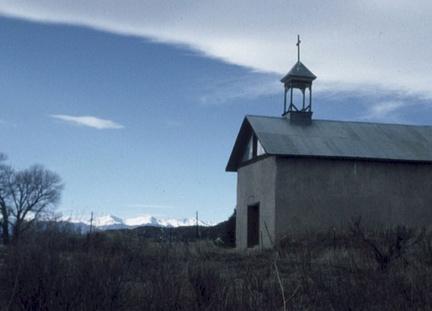
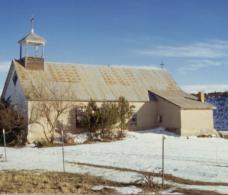
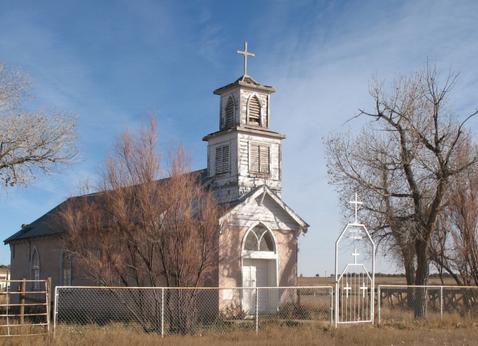
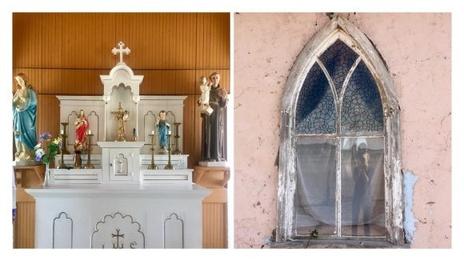
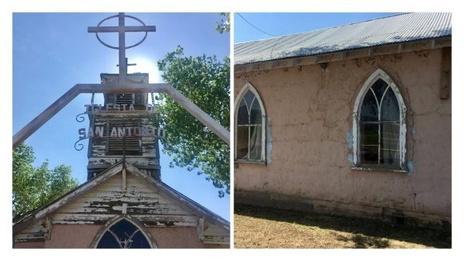
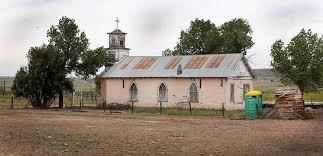
Significance: This small church is one of the few remaining historic churches that conveys the story of Hispano history in southeastern La Plata County near the border with New Mexico. It is the only remaining building in the former town of Tiffany that conveys the important Hispano history of the town site. The church's completion in 1928 reflected the importance of religious and other services to the local community. The church's interior is beautiful, with an altar that extends across the width of the church containing all the original altar items, including the collection box, the original cross that is carried into the church at the beginning of mass, and all original brass candle holders.
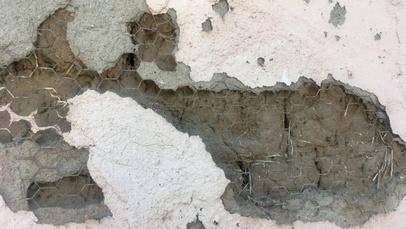
Site Needs: Exterior rehabilitation and interior wall stabilization.
Updates: An SHF grant for structural analysis and construction documents for full rehabilitation has been completed, with a plan to phase the project, beginning with the foundation and flooring. Another grant will be applied for in 2022.
Tiffany
Kit Carson Museum Complex
Listed: 2024
Constructed: 1876 and 1930s
Threat: Demolition by neglect
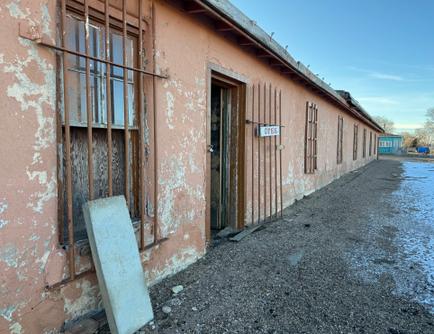
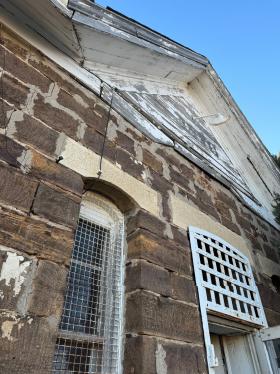
Significance: When the Bent County Seat moved from nearby Boggsville to Las Animas in 1876, the city constructed a small brick building to serve as the jail. The building was witness to what was considered one of the earliest hangings in Colorado statehood when James “Jimmy” Miller, a Buffalo Soldier stationed at nearby Fort Lyon, was convicted of murder and subsequently hanged. The larger adobe building, constructed in the 1930s, was home to a Prisoner of War (POW) camp for German officers during World War II. POWs were sent to neighboring farms to be agricultural workers. The barracks were also home to one of four Jamaican migrant farm working camps in Colorado. Mexican laborers and the Bracero program eventually replaced the Jamaican workers. The barracks are believed to be the last standing building directly linked to the underrepresented and under-researched Jamaican presence in Colorado. The buildings served as Las Animas’ museum from 1961 to 2009. The adobe barracks are crumbling and need serious repair.

Las Animas
la morada
Listed: 2026
Constructed: 1860s
Threat: Demolition by neglect; vacancy; weather exposure
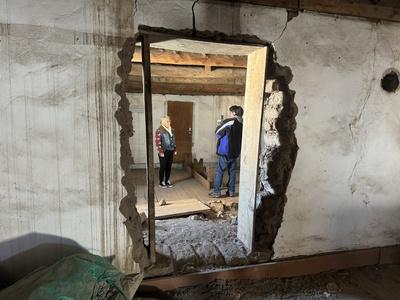
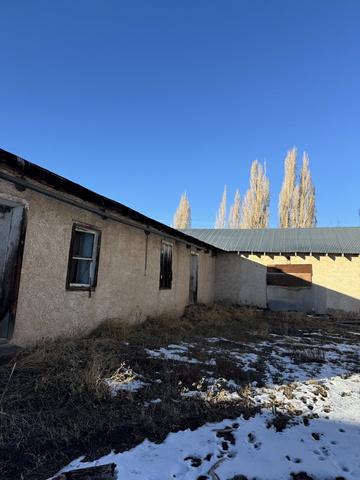
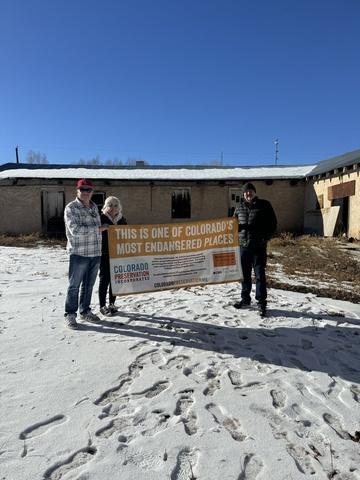
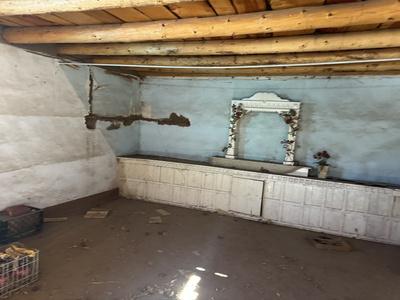
Significance: Constructed in the 1860s, La Morada served as the gathering place and spiritual center for La Fraternidad Piadosa de Nuestro Padre Jesús Nazareno (The Pious Fraternity of Our Father Jesus the Nazarene), a Hispano brotherhood that kept faith alive in rural communities when traveling priests were rare and resources were scarce. Today, only two active moradas remain in Colorado. La Morada in San Luis, one of the earliest and most significant, has been vacant for more than half a century. Time and weather have taken their toll on the building. Collapsed walls, eroded plaster, and fragile woodwork speak to the urgency of preservation.
Once restored, La Morada will become a community exhibit space interpreting the story of the Penitentes and their role in shaping Hispano settlement and spirituality across southern Colorado.
Luis
San
Lafayette Head Home & Ute Indian Agency
Listed: 2021
Constructed: 1885
Threat: Weather exposure, abandonment, neglect
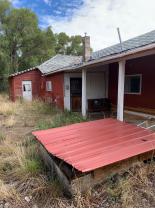
Significance: For a relatively brief but formative period in Colorado, the Lafayette Head Home & Ute Indian Agency was the center of the universe for a diverse convergence of cultures and forces that changed the state’s history. The Lafayette Head Home & Ute Indian Agency was built by Lafayette Head in 1855 and played an important role in Colorado's founding and early history. In 1859, Head was appointed as Special Agent to the Ute and Jicarilla Apache tribes and served in this position for nine years, working especially with the Tabeguache Ute. Head used his home in Conejos as the agency headquarters. Head was also instrumental in treaty negotiations with the Ute tribes in Washington, D.C., which eventually led to the relinquishment of San Luis Valley lands to the United States and the establishment of the Southern Ute and Ute Mountain Ute reservations in far southwestern Colorado. Rael is a descendant of the families w accompanied Head to the Valley and has strong ties to his fam ranch east of Conejos.
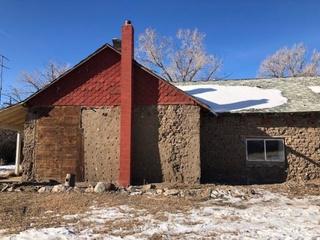
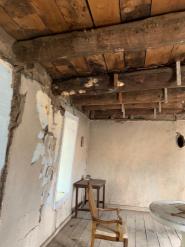
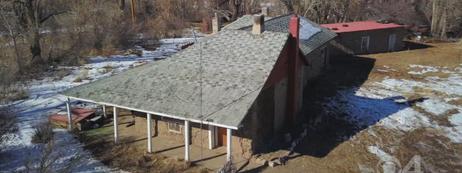
Site Update: In 2021, a CPI Weekend Workshop was held at the Head House. Partnering with Adobe in Action and Cornerstones, volunteers learned how to repair adobe walls and plaster stucco by repairing the slave quarters adjacent to the Head Home.
Conejos
Lizzy Knight Cabin
Listed: 2008
Constructed: 1881
Threat: Demolition by neglect; vacancy; vandalism; weatherization
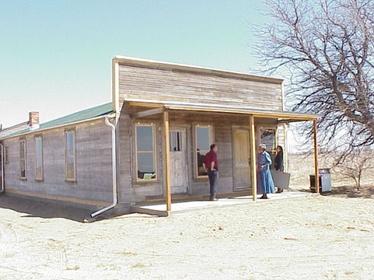
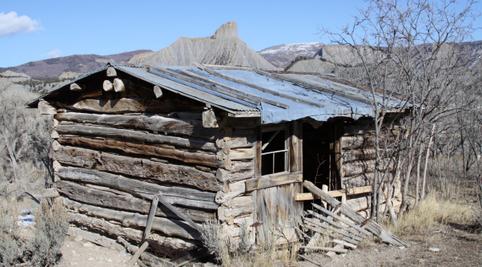
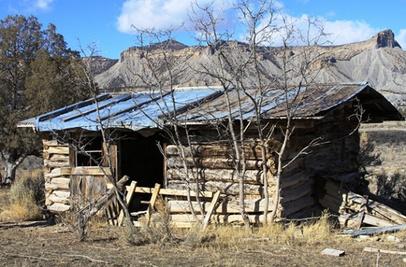
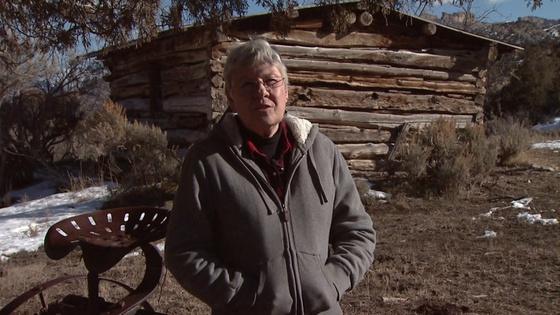
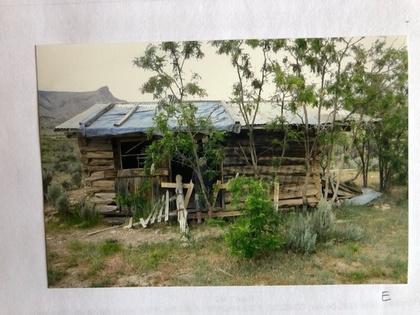
Significance: Located in the Disappointment Valley in Southwest Colorado, Lizzy Knight’s cabin and three small outbuildings are all that remain of the Lizzy Knight homestead. Born in England, Lizzy broke traditional gender barriers and trained to be an expert blacksmith. In 1881, Lizzy divorced her husband and married her son-inlaw Henry Knight (who had divorced Lizzy’s daughter), and the new couple moved to the Disappointment Valley into the modest log cabin now known as Lizzy Knight’s Cabin. The Knight homestead was soon the commercial and social center for the Disappointment Valley. Lizzy lived and worked in the cabin until she died in 1914. The site is now privately owned by Lizzy Knight’s great, great, great-granddaughter, and the remaining buildings stand as the only known buildings from the early settlement of Disappointment Valley. However, the cabin is in very poor condition and near a state of ruin. The owner is keenly interested in preserving the Knight homestead and making it available by permission to the public and schools in the region as an educational site.
Dolores
McIntire Ranch and Mansion
Listed: 2019
Constructed: Circa 1880s
Threat: Demolition by neglect; natural elements
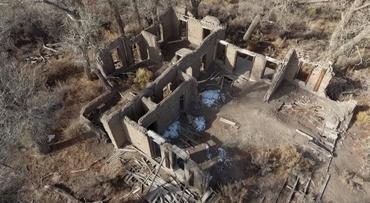
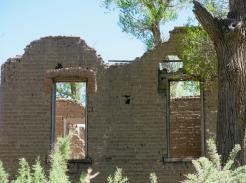
Significance: The McIntire Ranch is a historic archaeological site that includes the visible remains of the ranch headquarters established by Albert and Florence McIntire. Florence was well-educated and came from a wealthy eastern family. Albert was a lawyer who served as a 12th Judicial District Judge before he was elected as Colorado’s governor in 1895, which drew him away from the ranch. His absence from the ranch eventually led to McIntire’s divorce in 1898, after which Florence received all interests in the property and continued to manage the ranch until her death in 1912. The site includes the ruins of a large Territorial Adobe ranch house, an outbuilding foundation, and several artifact concentrations. A number of walls remain standing in various stages of deterioration. The ranch house exhibits an unusual method of adobe construction, and the artifact concentrations could give insight into an important aspect of gender relations and women ’ s history in Colorado.
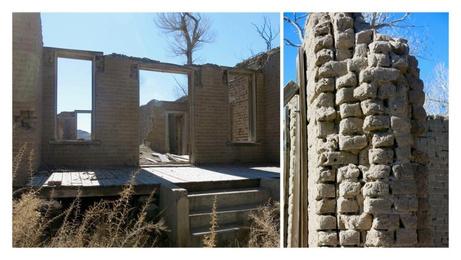
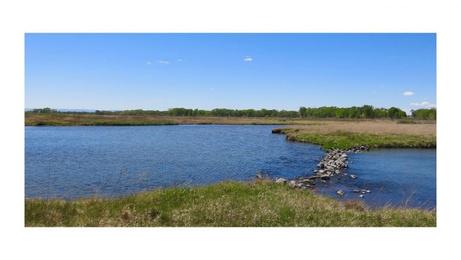
Site Needs: Stabilization efforts and an agreed-upon plan for the project's end goal, as well as an interpretation that includes improved access to the site.
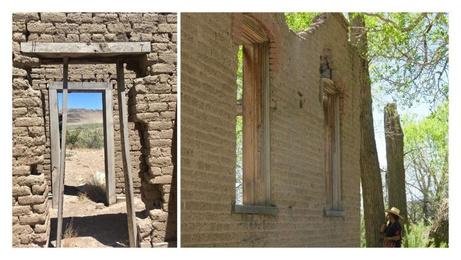
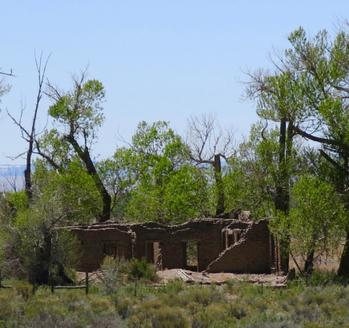
Los Sauces
Montoya Ranch
Listed: 2014
Constructed: 1860
Threat: Demolition by neglect
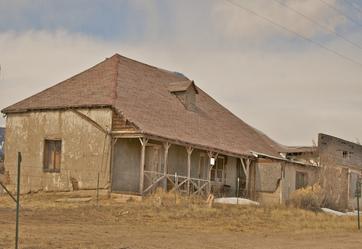
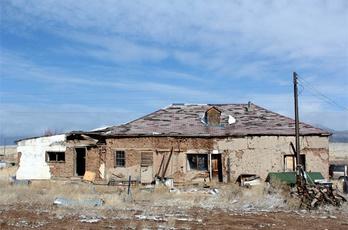
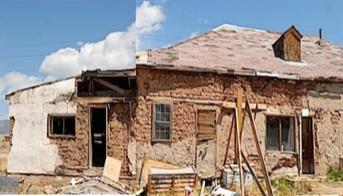
Significance: Montoya Ranch in Huerfano County is an excellent example of Spanish Colonial and Territorial Adobe architecture. Potentially the only adobe basement building in the United States, it housed different functions after its construction in 1860. The ranch was used for sheep ranching, a rare industry for this part of Colorado. Remarkably several of the sheep pens are still extant on the property. All of the buildings have suffered from neglect and are on the verge of collapse. The main farmhouse building is in danger of falling, as the adobe walls have many cracks, are separated from each other, and in one instance, have collapsed completely. The roof and floor in the general store addition are in a state of partial collapse. The site is privately owned, as a result, funding options are limited.
Site Needs: Funding, master plan, adobe stabilization.
Update: Unfortunately, the awarded SHF grant had to be returned due to concerns that the property owner could not make the match. CPI has visited the site and is working with the owner on a new plan. Due to the urgent need for stabilization, Montoya Ranch in is ALERT STATUS.
Farasita
Native American Wickiups
Listed: 2003
Constructed: Prehistory to 19th century
Threat: Natural elements; vandalism
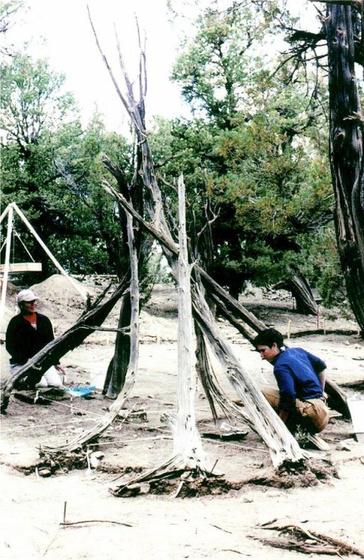
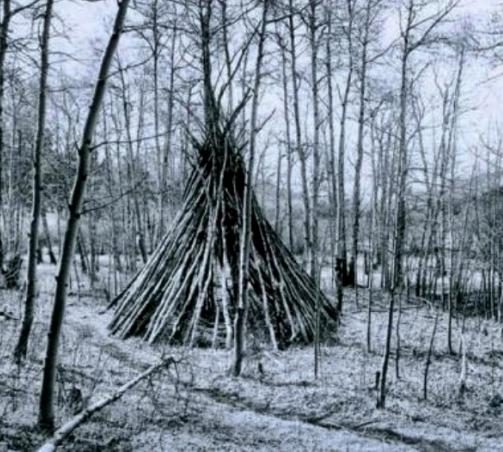
Significance: Defined as conical brush homes constructed from living trees, bark, and brush, Wickiups are primarily associated with Colorado’s Ute People, an indigenous group from prehistoric times to the latter 19th century. Believed to be the only surviving traditional architecture of Colorado’s indigenous people, they are disappearing at an alarming rate. Those that remain are critical to interpreting the archaeology of historic Ute Rancherias. Colorado Preservation, Inc. encouraged the creation of a partnership to consolidate the database information of the Colorado Historical Society, the National Park Service, the Bureau of Land Management, and others to begin the survey, documentation, and preservation process.
Dominguez Archaeological Research Group (DARG) stepped forward in 2003 to provide matching funds and a successful grant application to the State Historical Fund to conduct these studies, which are now complete. Approximately 500 sites are in the combined database, and DARG continues to record these sites throughout the state. It is now considered a SAVE.
Newman Block
Listed: 2025
Constructed: 1900s
Threat: Demolition by Neglect, Vacancy
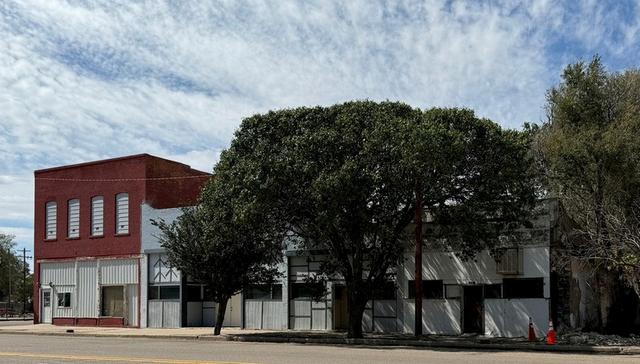
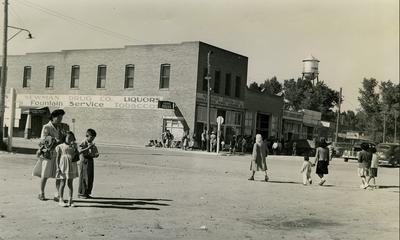
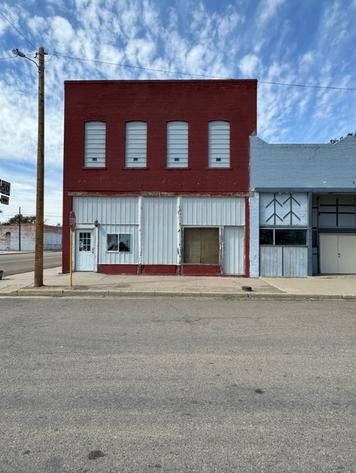
Significance: Newman’s Drug Store, the larger of the two buildings, was originally constructed before 1914. In 1942, pharmacist Ed Newman recognized the need for a larger business in town and purchased the building. He moved his pharmacy into the space, dug a well, added a soda fountain, and opened a newsstand. As Japanese Americans at Amache sought work outside the camp, Newman employed many at his store. He also sponsored sports teams inside Amache, providing uniforms and trophies.
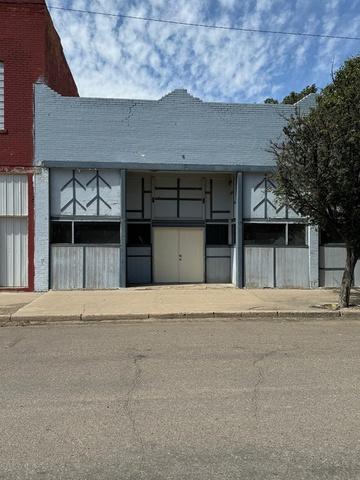
Next door to Newman’s Drug Store is a smaller blue building that housed the Granada Fish Market. Frank Masa Tsuchiya, who had been incarcerated at Amache, previously owned a wholesale fish market in Los Angeles before being sent to the camp. After his release on May 11, 1943, Tsuchiya moved just over a mile to Granada, where he quickly opened the Granada Fish Market. He worked alongside Frank Torizawa, who had also worked in a fish market before the war. Together, they delivered fish, poultry, and ice to those still incarcerated at Amache.
Site Needs: An established master plan between partners and owners.
Granada
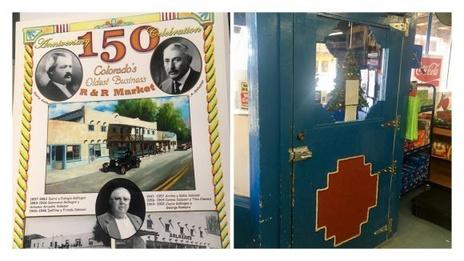
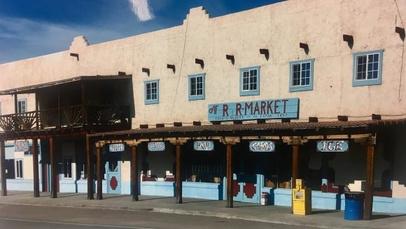
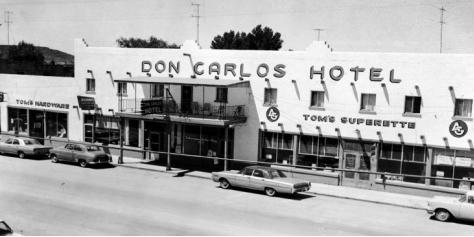
R&R Market
Listed: 2019
Constructed: Established 1857; partial reconstruction: 1895 & 1947
Threat: Demolition by neglect; vacancy
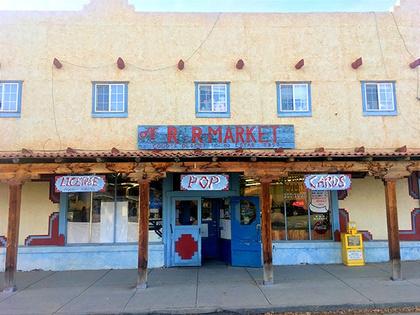
Significance: R&R Market is the oldest continuously operated business in Colorado. It contributes to the San Luis de la Culebra National Historic District. While there is no immediate danger of the building being demolished, its closure as a business would not only end an important part of history in the State but deprive this small, isolated community of its food source. The market was originally constructed of adobe bricks and was subsequently modified with a combination of concrete block, plaster, and stucco construction. The building retains its dignity and beauty despite cracks in the stucco, crumbling red roof tiles, and water damage to soffits.
Update: Now known as the San Luis People’s Market, the R&R promotes healthy eating in rural communities and assists the new owner ’ s goal in promoting water democracy, resilient agriculture, and environmental justice in the San Luis Valley.
San Luis
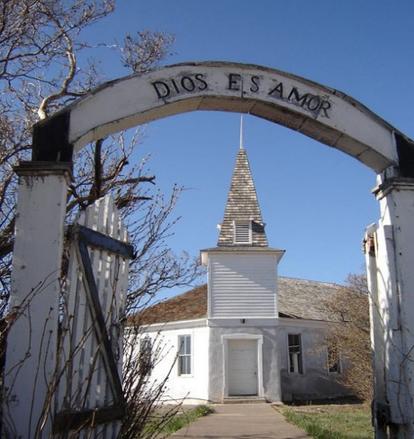
SAn Rafael Church
Listed: 2001
Constructed: 1895
Threat: Demolition by neglect; vacancy
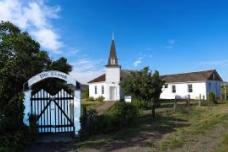
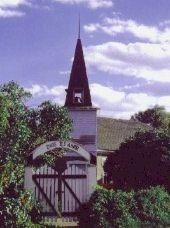
Significance: Traditional Hispanic Catholicism collided with conventional Anglo Protestantism in southern Colorado and resulted in the construction of the unusual San Rafael Church. Located in the San Luis National Historic District, the church represents the clash and subsequent merger between Protestant Anglo and Hispanic Catholic missionaries. A State Historical Fund grant funded asbestos abatement, a new wood shingle roof, bell tower restoration, indoor plumbing, and reinforcement of one adobe wall. The efforts from supporters have resulted in the complete restoration of the church. In addition to restoring the church building, the community is working to revitalize the surrounding land via irrigation water rights. These efforts have resulted in the classification of San Rafael Church as a SAVE.
Santa Fe Trail & Southeast Heritage Region
Listed: 2007
Constructed: 1821 - 1880
Threat: Development
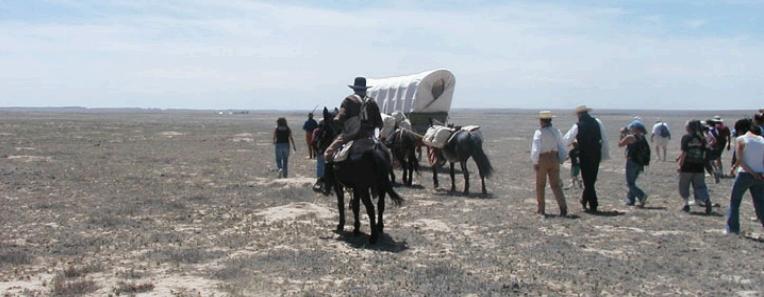
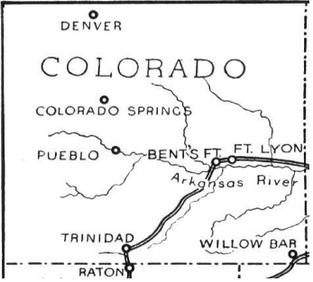
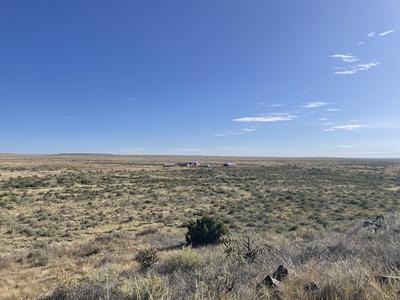
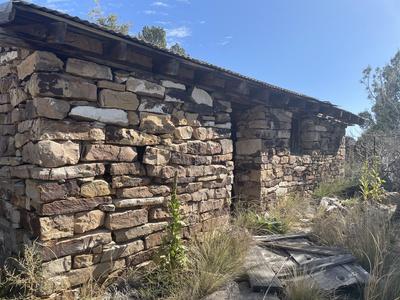
Significance: The Santa Fe Trail served as the region’s first commercial highway, fueling trade and military activity during the Mexican-American War. The Purgatoire River region and surrounding area are particularly rich in paleontological, pre-historic, and historic resources, including the longest dinosaur trackway in North America, extensive rock art, rock shelter, and tipi rings, and hundreds of early homesteads and support structures, including many which third and fourth generation ranch families, still use. The potential expansion of the U.S. Army’s Pinon Canyon Maneuver Site led to this EPP listing. Colorado Preservation, Inc. received a grant to undertake a historic resources survey of the area. The project's first phase began in 2008 when over four hundred sites were found that possessed significance for prehistoric archaeology, historical archaeology, and architecture. Several Santa Fe Trail segments were listed in the National Register in 2015. Designated trail segments along the Santa Fe Trail Mountain Route in Las Animas County include the Delhi Vicinity I, II, and III. Designated trail segments along the Santa Fe Trail Mountain Route in Otero County are within the Bloom and Timpas vicinity.
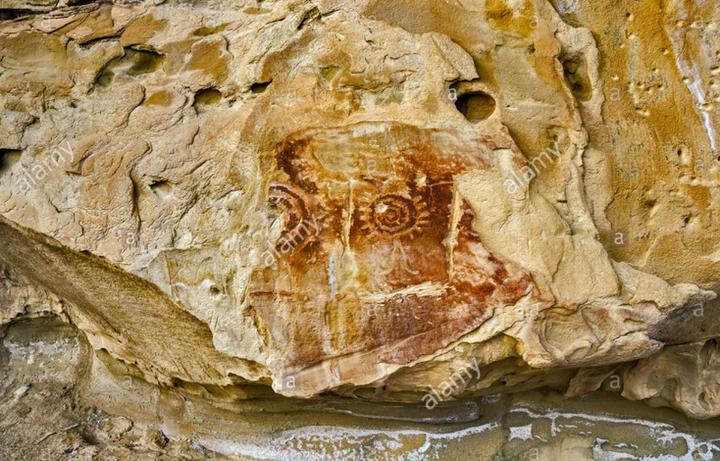
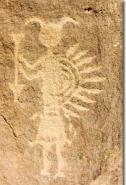
Shield rock art
Listed: 2001
Constructed: 1200 A.D.
Threat: Natural elements; vandalism
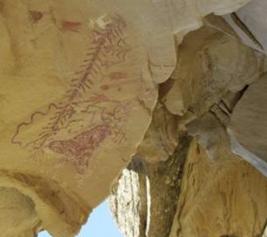
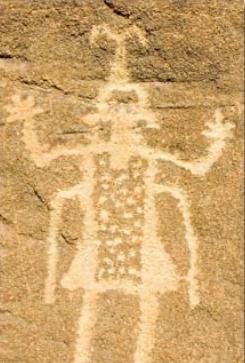
Significance: The Shield Rock Art site dates to 1200 A.D. and is in an area that has some of the oldest Native American pictographs and petroglyphs in the state. As part of the area ’ s Canyon Pintado Project, the site falls into phase II of trail and interpretive installation conducted by the Bureau of Land Management. New interpretive signage has been installed, and increased staff visits to the site have decreased the threat of vandalism.
Southern ute Boarding School Campus
Listed: 2000
Constructed: Established 1901; buildings 1928 -1950
Threat: Demolition; development
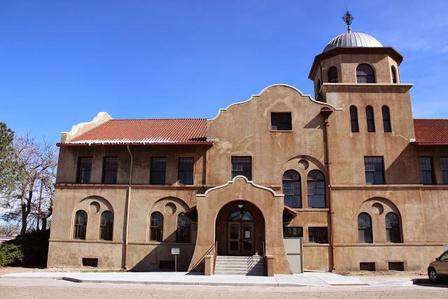
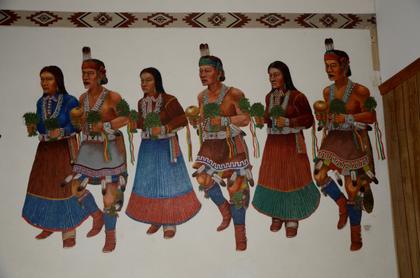
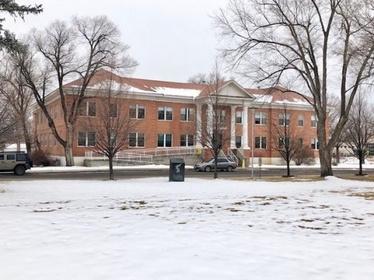
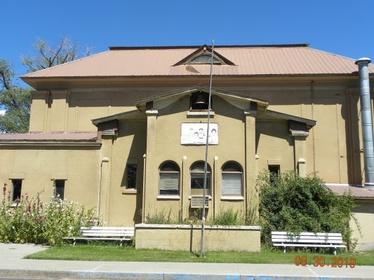
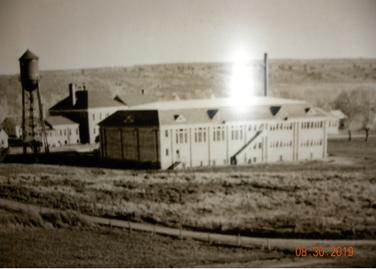
Significance: The Southern Ute Boarding School Campus is a rare survivor of a nearly intact campus-like environment remaining from the controversial boarding school initiative carried out by the federal government to strip Indigenous populations of their heritage and culture. The Main School House, Dining Hall, Girl’s Dormitory, and quad with a center flagpole are the only remnants of the campus. The school building, gymnasium, and dining hall contain several Works
Progress Administration-era murals by Southern Ute artist Sam Rey. The Southern Ute Tribe still utilizes the four historic buildings remaining on campus in various capacities. The campus is unique in that it was built within a reservation, unlike other boarding schools of this era throughout the country. Several native populations were taken here other than Southern Ute children, including students from the Navajo Nation and Ute Mountain Ute Tribes. Preservation of this site provides an educational opportunity to shed light on an underrepresented history in Colorado and the Nation’s past. This is in ALERT STATUS.
Stranges Grocery
Listed: 2001
Constructed: 1909
Threat: Road configuration; demolition by neglect
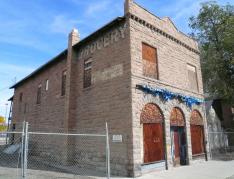
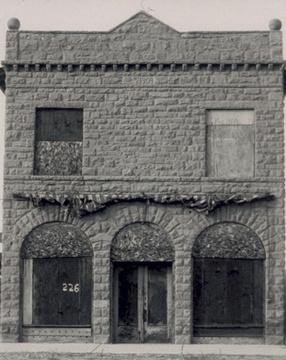
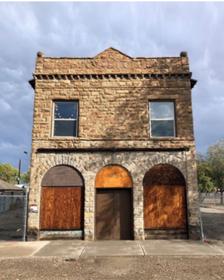
Significance: In 1909, Nunzio Grasso constructed the rusticated sandstone Stranges Grocery Store, now the last remaining building in what used to be Grand Junction’s “Little Italy.” The building has become part of the West-Side Redevelopment Area. The City of Grand Junction designed its road re-configuration to avoid affecting the store. Colorado Preservation, Inc. contacted the owner, who returned to Colorado after the listing. The owner has been in touch with the city but has not acted on restoring the building, and it has remained as a storage area for the family.
Site Needs: Preservation-minded buyer and plans and construction documents for rehabilitation to support adaptive reuse.
Update: A new owner purchased the site in 2021 and has carried out over $50,000 in improvements to the interior, including the basement. Discussion about a possible SHF grant is ongoing, focusing on exterior rehabilitation of the historic stonework built by Italian stonemasons in 1909.
Grand Junction
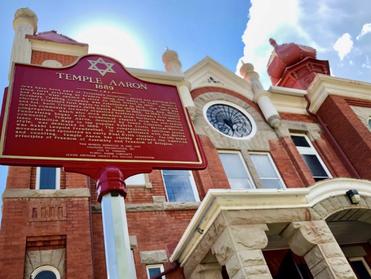
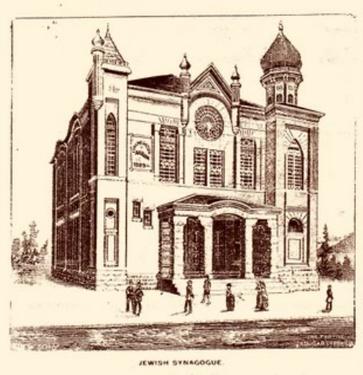
Trinidad Temple Aaron
Listed: 2017
Constructed: 18
Threat: Closed; Significance: L
Historic Distric landmark in Tri continuous ope Hamilton Rapp only architectu in the history of 17, 1889, and at it approximately 5 served as the fir Aaron temporar y
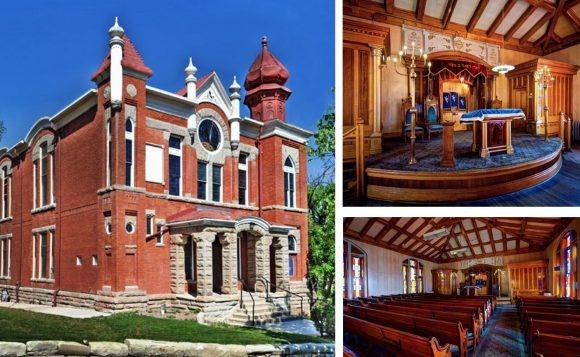
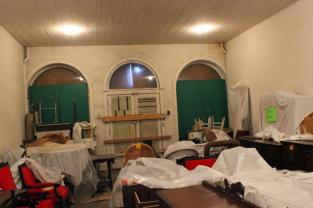
Today the building retains its original stained glass windows and hand-carved bimah and organ.
Update: The congregation has reformed with a new regional focus and non-profit incorporation and has once again been hosting events for special Jewish holidays. A National Historic (NHL) Landmark nomination has been completed for consideration by the National Parks Service in 2022. A full roof investigation and emergency repairs were also completed with the help of a $50,000 State Historical Fund grant in 2022.
Toltec Hotel
Listed: 1998
Constructed: 1910
Threat: Demolition
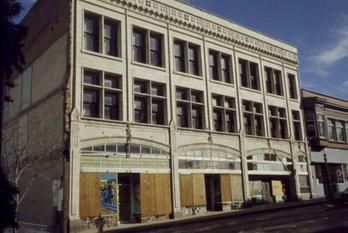
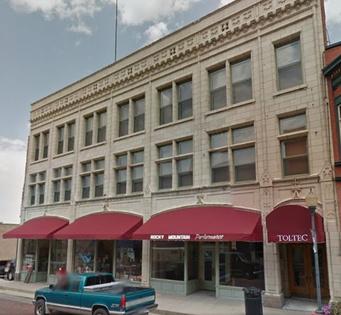
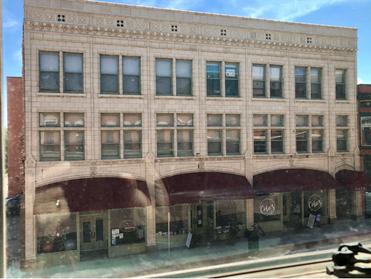
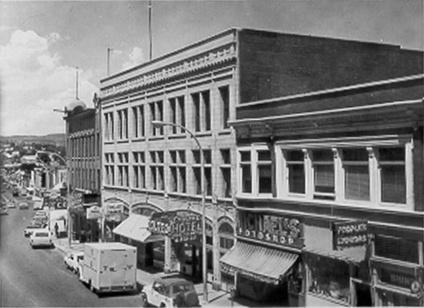
Significance: Constructed in 1910, the Toltec Hotel is one of Trinidad’s treasures. The Toltec is the only surviving terra cotta building in Trinidad. During the coal mine strike of 1913-14, during which the Ludlow Massacre occurred, union organizers held meetings at the hotel. Years of neglect and abandonment took their toll on the once-thriving hotel, which was listed as an Endangered Place in 1998. A leaky roof had caused extensive damage to the interior and the Toltec appeared destined for demolition. At the time of listing, a demolition order was in place for the hotel. Local activists led by Colorado Preservation, Inc. rallied around this local treasure. Listing on the Endangered Places helped spotlight this gem and heightened awareness of its potential loss, prompting the city of Trinidad to reconsider its fate. In 2000, the City acquired the hotel, saving it from demolition. In late 2004, the City of Trinidad sold the building to Shearman Real Estate LLC, a company noted for preservation projects. A several million-dollar rehabilitation for the Toltec is complete, with ten high-end lofts on the upper floors and three commercial units at street level.
Trinidad