This project was paid for in part by a History Colorado State Historical Fund grant.
CELEBRATING COLORADO’S MOST ENDANGERED PLACES
“Preservation engages the past in a conversation with the present over a mutual concern for the future.”
- William J. Murtagh
Preservation is all about the connection between people, places, and time. It is about understanding that the stories we inherit from our ancestors aren’t just to be remembered, but to live with and build upon. In 2026, we have so much to celebrate and reflect on: 150 years of Colorado statehood, 250 years of the United States, and 60 years of the introduction of the National Historic Preservation Act.
These milestones remind us that history is never behind us. It remains in places like the adobe walls that still hold up against the brutal San Luis Valley winds, in the rural schoolhouses that taught generations, and in the downtown businesses on Main Streets where communities still gather. The Endangered Places Program (EPP) has been part of this ongoing conversation for 29 years, helping communities rediscover and reimagine the historic places that give Colorado its character and heart.
The five resources selected for Colorado’s Most Endangered Places this year represent the many layers of our 150-year story and beyond. As you read about Bent’s Old Fort, Hartman Castle, La Morada, Ordway Pharmacy, and the Pearl Theater, please consider getting involved in your own community to protect and preserve its heritage and history.
Through collaboration, commitment, and a shared belief in the power of place, Coloradans continue to show that preservation is not about freezing time. It is about building a future that remembers where it came from.
Here’s to the next chapter! To 150 years of Colorado, 250 years of the United States, 60 years of preservation leadership, and to every person and place that keeps the conversation going.
Thank you for being an exceptional supporter of our program!
Katie Peterson
WELCOME FROM THE EXECUTIVE DIRECTOR
GENERATIONAL OPPORTUNITY TO REFLECT ON ON PRESERVATION.
In 2026, Colorado celebrates 150 years of statehood as our nation marks 250 years since the Declaration of Independence. These two important milestones, Colorado’s sesquicentennial and America’s semiquincentennial, offer more than a moment for ceremony. They provide a once-in-a-generation opportunity to reflect on the stories and places that define who we are. Across the state, Coloradans are planning exhibitions, community events, oral history projects, and other activities that bring our shared heritage to life.
As Colorado’s leading statewide preservation organization, Colorado Preservation, Inc. (CPI) is honored to be part of this moment. These milestone anniversaries remind us that preservation is the foundation that allows such celebrations to exist today. Colorado’s evolving story can still be seen and experienced because historic places remain; retained, reinvented and relevant for current and future generations. For more than forty years, CPI has helped make this lasting legacy possible by ensuring that the physical touchstones of place endures. Through its advocacy, education, and preservation services, CPI advocates for the places that tell our diverse story and keep our collective memory alive. The Colorado 150 and America 250 commemorations are not only opportunities to celebrate history, but also to recognize the ongoing work that preservation makes possible: preservation’s role in linking the past to the present and ensuring there is something authentic to honor.
SINCE 1997, the Endangered Places Program (EPP) has been one of CPI’s core initiatives for making preservation visible, urgent, and achievable. Over nearly three decades, EPP has called attention to 149 threatened places across Colorado, with 57 of those saved and
and individuals determined to protect their heritage and strengthen local identity.
EPP is part of CPI’s broader mission to support preservation in every corner of the state. For more than forty years, CPI has provided technical assistance, policy leadership, and capacity building to help communities translate preservation goals into action. This year, CPI is proud to recognize five new endangered places. Each represents a story of significance, challenge, and opportunity, and together they show how preservation connects the past to the present. These places remind us that preservation is not just about saving old buildings but about sustaining community life, continuity, and belonging across generations.
As we honor this year of anniversaries, CPI reaffirms its commitment to inclusive preservation. The America 250–Colorado 150 effort emphasizes the importance of representing all voices in our shared history, including those underrepresented and overlooked. CPI is dedicated to uplifting those narratives and all narratives in building partnerships that reflect the full richness and diversity of Colorado’s heritage.
I invite you to explore the newly listed endangered places and to deepen your connection with CPI through our programs, events, and stories. Whether by volunteering, attending a conference, or supporting a preservation effort in your own community, your involvement ensures that Colorado’s history remains visible, valued, and relevant to the lives we live today.
For our Past, Present and Future
Jennifer Orrigo Charles Executive Director CPI
CELEBRATING 150 YEARS OF COLORADO HISTORY THROUGH EPP
Long before Colorado became a state 150 years ago, this land was home to people whose stories, traditions, and stewardship continue to shape this place today. From Indigenous nations and early settlers to miners, ranchers, railroad workers, and visionaries who followed, Colorado’s history has always been one of resilience, creativity, and connection. Across mountain towns, prairie homesteads, agricultural valleys, and growing cities, our collective story is written in the buildings and the places that remain.
The Endangered Places Program (EPP) is a reflection of that story and is one that continues to evolve. Since 1997, the program has worked hand-in-hand with communities across the state to identify, protect, and preserve the places that define Colorado. The resources we list each year capture the extensive range of our shared heritage. Spanning from agricultural landscapes, sacred spaces, industrial and military sites, schools, bridges, homes, and spaces for gathering, these places chart the course of our 150-year journey and beyond.
The places that are on Colorado’s Endangered Places remind us that preservation is not just about saving old buildings. It is also about honoring the stories and the people behind them. From the San Luis Valley to the Eastern Plains, the Front Range to the Western Slope, EPP recognizes that every region and community contributes to the state’s identity. The program’s statewide reach ensures that Colorado’s history is told in all its abundance.
When reviewing nominations, EPP considers the historical and cultural significance of each application, its role within the community, the threats it faces, and the potential for positive impact through preservation. These factors ensure that each resource not only represents an important piece of Colorado’s past but also carries the potential to shape its future.
As Colorado marks 150 years of statehood, the Endangered Places Program stands as a reflection of that milestone. It is a celebration of our diverse stories, our sense of place, and our collective commitment to preserving the landmarks that continue to tell Colorado’s story.
THANK YOU FOR BEING AN EXCEPTIONAL SUPPORTER OF THIS MISSION!
BENT’S OLD FORT OTERO COUNTY
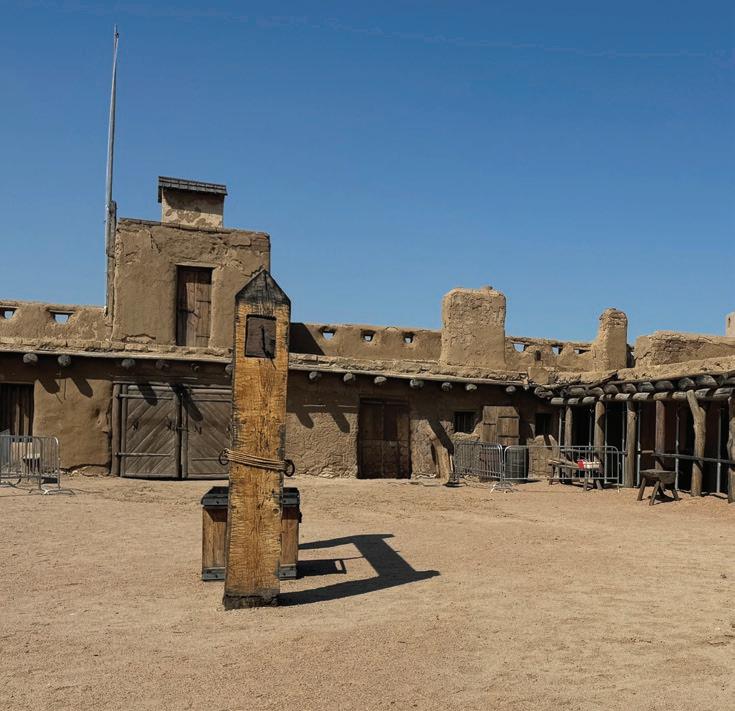
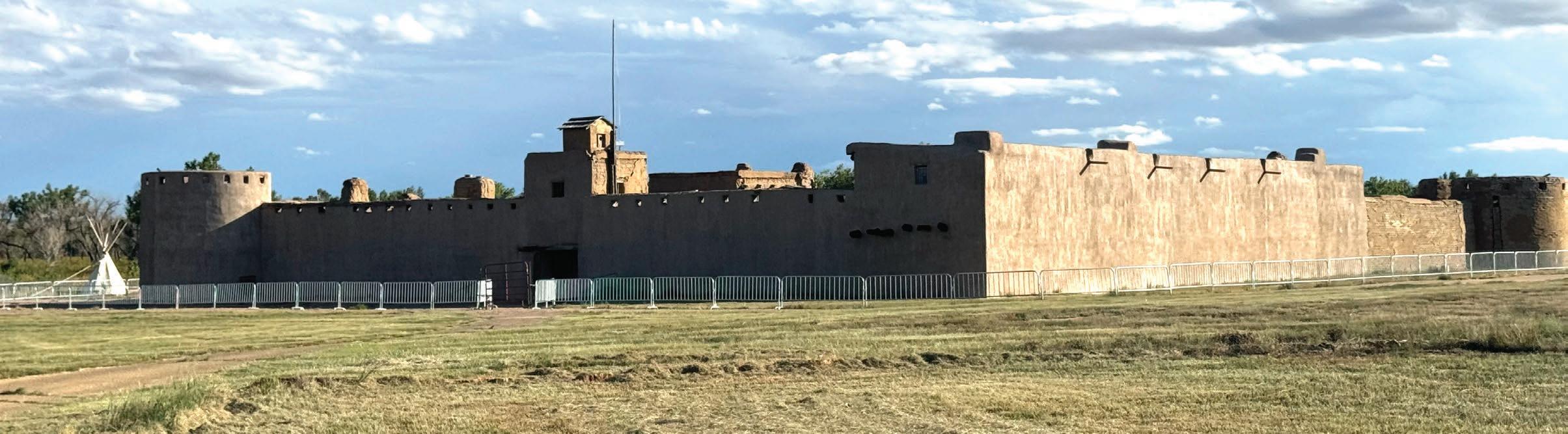
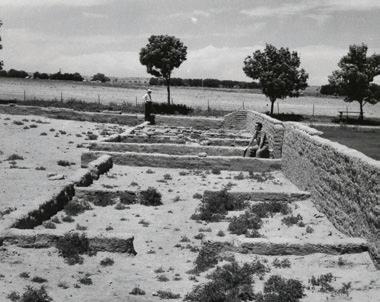
Bent’s Old Fort stands along the Santa Fe Trail, adjacent to the Arkansas River and just east of La Junta. Situated within a National Historic Site, the current structure reconstructs the historic fort lost to time and flood. For decades, Bent’s Old Fort has anchored the identity of southeastern Colorado. Hundreds of students and travelers visit each year, supporting local businesses and connecting with one of the state's most significant historic landmarks. The location remains a vital link to Colorado’s early story of trade, diplomacy, and cultural connection along the Santa Fe Trail.
The structure that stands today was dedicated on July 25, 1976, during a moment of heightened national reflection as the United States marked its Bicentennial and Colorado celebrated its Centennial. The reconstruction of Bent’s Old Fort was an intentional effort to reconnect the public with the complex borderlands histories that shaped the American West. Rather than preserving a ruin, the project sought to create an immersive, educational experience that would make the region’s past tangible and accessible to future generations. While the present-day fort is a reconstruction, it honors the original Bent’s Old Fort, first constructed in 1833. As one of the most significant trading posts in the American West, it served as a multicultural borderland where Native Americans, Mexicans, and Anglo traders shaped the story of Colorado long before statehood. Its influence extended far beyond its walls and resonated across the wide economic,
“BENT'S
FORT IS TRULY PART OF THE FABRIC OF OUR STATE AND COUNTRY, AND IT IS ESSENTIAL TO PRESERVE BECAUSE IT PROVIDES A PLACE-BASED CONNECTION TO OUR HISTORY FOR ALL GENERATIONS.”
Michelle Pearson, Educator
cultural, and political networks of the Santa Fe Trail. These connections continue to define the story of southeastern Colorado as a landscape of diverse cultures and intertwined histories.
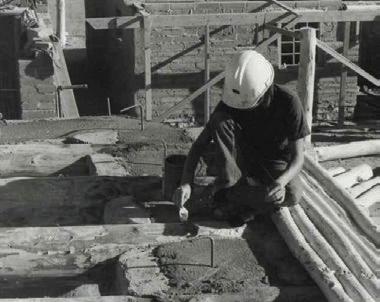
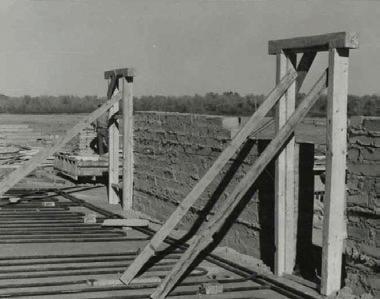
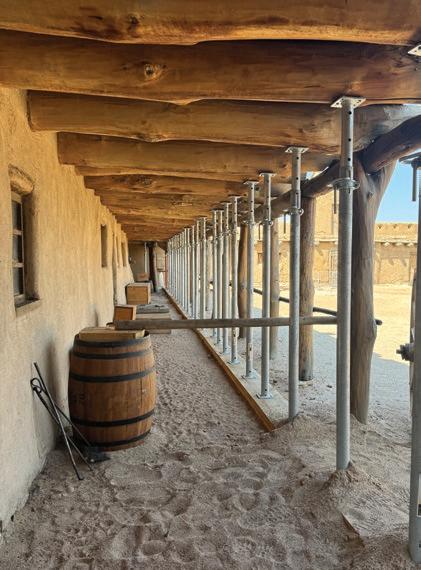
As the current building enters its 50th year, decades of weathering, wear, and the complex mix of materials used in the 1970s reconstruction have raised significant structural concerns. The fort incorporates compressed dirt, wood, plaster, concrete, and composites, all aging differently and making repairs increasingly complex. Multiple repairs over the years have raised concerns that jeopardize the building's use. The upper story has become unsafe, several structural vigas are failing, and large sections of exterior stucco are actively separating from the walls. The National Park Service has restricted access to guided tours through only a small, safe portion of the building to protect both visitors and the resource.
CPI is working with the National Park Service, History Colorado, the City of La Junta, Otero County, and other local stakeholders to explore the possibilities of preservation. Together, we are helping ensure Bent’s Old Fort continues to educate, inspire, and welcome travelers exploring southeastern Colorado, a region rich in open landscapes, small-town hospitality, and stories that continue to shape the state’s identity today.
Above: 1976 Reconstruction of Bent's Old Fort
HARTMAN CASTLE GUNNISON COUNTY
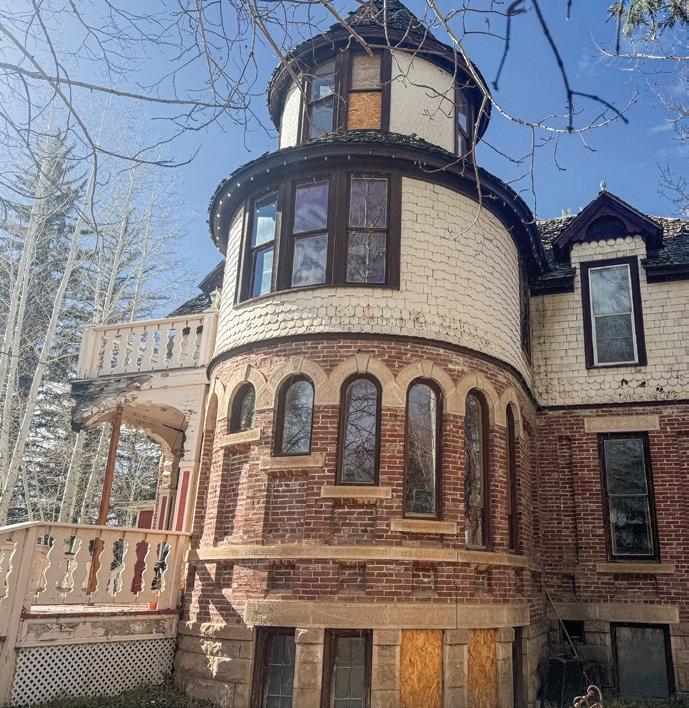
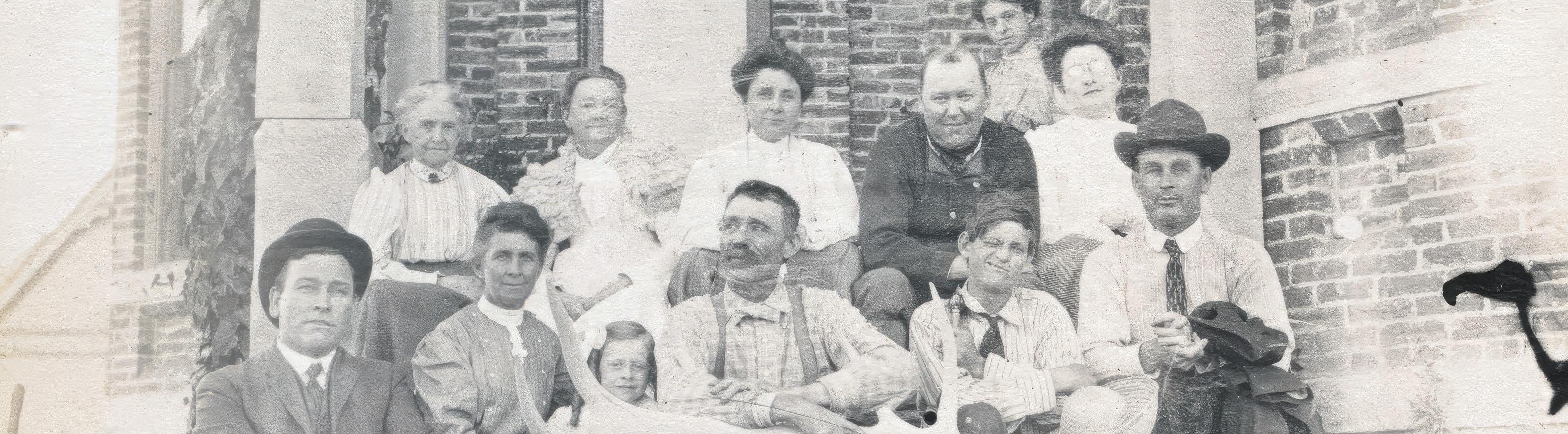
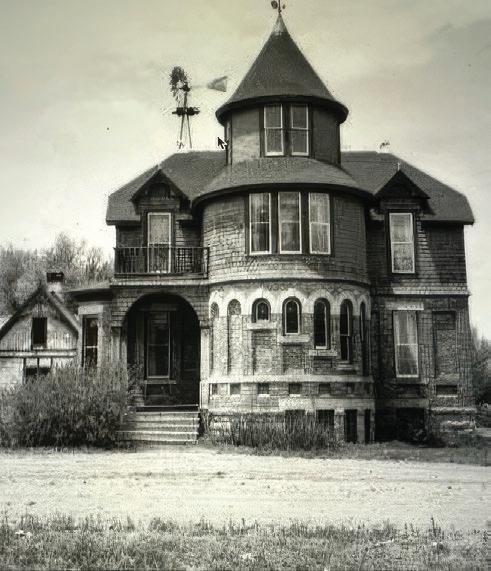
In Colorado, only a handful of communities can boast the presence of a true castle, one built not from myth, but from the vision, artistry, and determination of some of the state’s most influential citizens. Completed in 1894, Hartman Castle is far more than a landmark. It reflects Gunnison’s ingenuity, progressivism, and enduring community spirit.
Alonzo and Annie Hartman constructed the Castle during a time when Gunnison was still defining itself. Alonzo arrived in 1872 as a government employee with the Los Pinos Indian Agency, where he formed a lifelong friendship with Chief Ouray and his wife, Chipeta. Over the decades, Alonzo would serve as Gunnison postmaster, banker, rancher, and one of the founding members of the Gunnison Cattlemen’s Association. His leadership and investment helped guide the town through periods of growth and transition.
"THIS BUILDING HAS CAPTURED THE HEARTS OF THE RESIDENTS IN GUNNISON COUNTY FOR MANY YEARS. A NOMINATION... WOULD HELP TO SHED LIGHT ON THIS BUILDING, PROPERTY, FAMILY AND INCREDIBLE HISTORY."
a leading role in Gunnison’s early women’s movement. She helped establish and host the Monday Afternoon Club, one of the region’s first women-led organizations that promoted education, culture, and social reform. Gunnison’s women gathered to discuss literature, civic progress, and the rights and responsibilities of women in public life, making the building a cornerstone of local change.
When completed, the Castle embodied the Hartmans’ forwardthinking vision. It featured modern amenities, including an elevator designed specifically for Annie, that reflected their emphasis on comfort, accessibility, and innovation. A windmill-powered pump supplied running water, and the home’s thoughtful design set it apart in the borderlands of Colorado for both its beauty and its innovation.
Leora Wallace Executive Director, Gunnison County Chamber
of Commerce
The castle itself, however, was Annie’s masterpiece. As an artist, philanthropist, and civic leader, Annie designed much of the home herself. Her turreted studio became her space for painting, where she captured the surrounding landscape through oils and watercolors. Beyond her art, Annie played
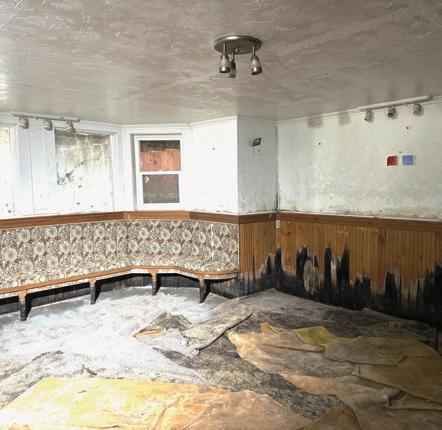
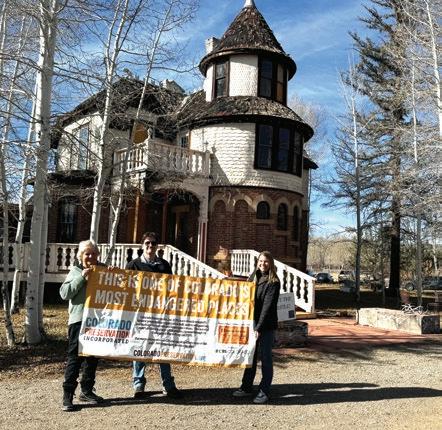
Today, Hartman Castle remains privately owned but stands vacant and in need of preservation. The Hartman Castle Preservation Corp., a dedicated local nonprofit, is leading an ambitious campaign to purchase the property, restore it, and reopen it as a much-needed community gathering space that will support events, local economic development, and opportunities for artistic and cultural programming.
CPI is excited to collaborate with local partners to raise statewide awareness of Hartman Castle and support ongoing efforts to ensure its next chapter is as inspiring as its past.
LA MORADA COSTILLA COUNTY
“THE RESTORATION OF THE PENITENTE MORADA WILL NOT ONLY HELP REVIVE SAN LUIS' STRUGGLING ECONOMY BUT ALSO CONTINUE TO SUPPORT THE TOWN'S REVITALIZATION EFFORTS. THE TOWN OF SAN LUIS IS WORKING DILIGENTLY TO BRING BACK ECONOMIC VITALITY TO OUR COMMUNITY. ”
Tiffany Gallegos San Luis Mayor
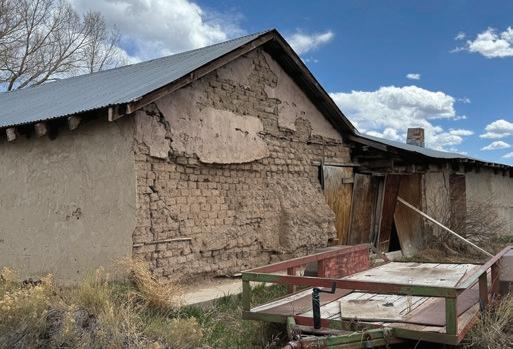
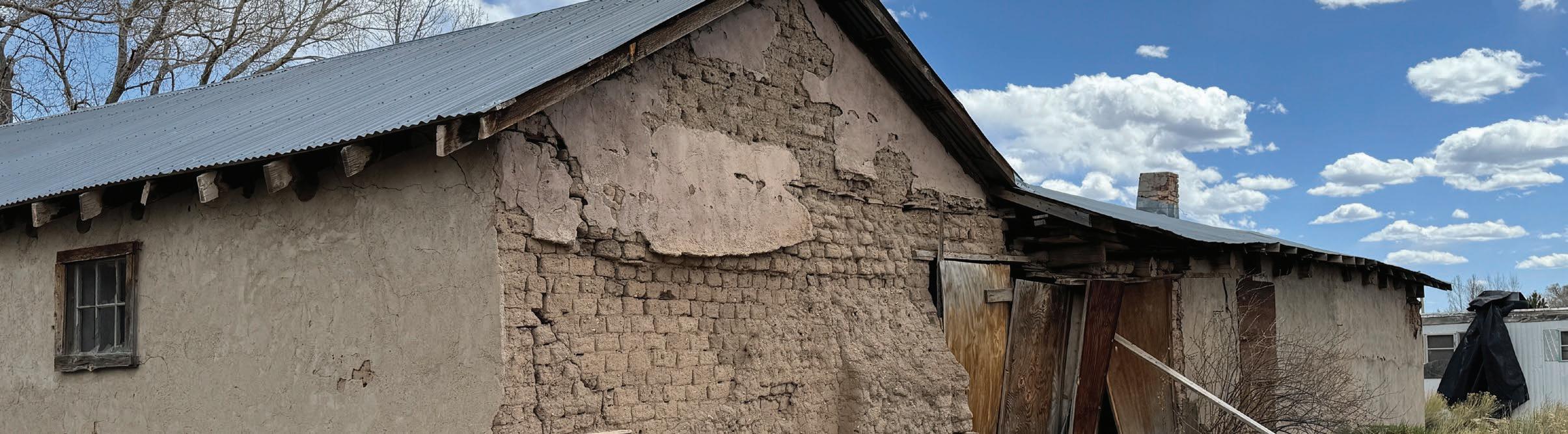
Not every sacred place has stained glass or steeples. Some are constructed of adobe, built by hand, and held together by generations of faith and community. In the oldest town in Colorado, the quiet walls of La Morada tell the story of the Penitentes, men (and later, women) whose devotion shaped daily life in Southern Colorado.
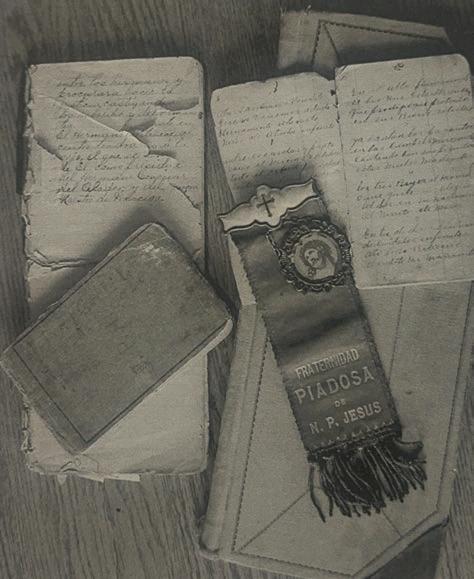
Constructed in the 1860s, La Morada served as the gathering place and spiritual center for La Fraternidad Piadosa de Nuestro Padre Jesús Nazareno (The Pious Fraternity of Our Father Jesus the Nazarene), a Hispano brotherhood that kept faith alive in rural communities when traveling priests were rare and resources were scarce. Within the walls of La Morada, the community prayed, sang, mourned, and celebrated. The Penitente Hermanos cared for the sick, buried the dead, baptized children, and provided sustenance to those in need. They also led prayers and guided the rituals that anchored small, rural community life.
At its height between 1870 and 1920, nearly every Hispanic community in the San Luis Valley had a morada. They were the backbone of cultural identity, but as modern churches spread and younger generations moved away, many became unused and abandoned. Today, only two active moradas
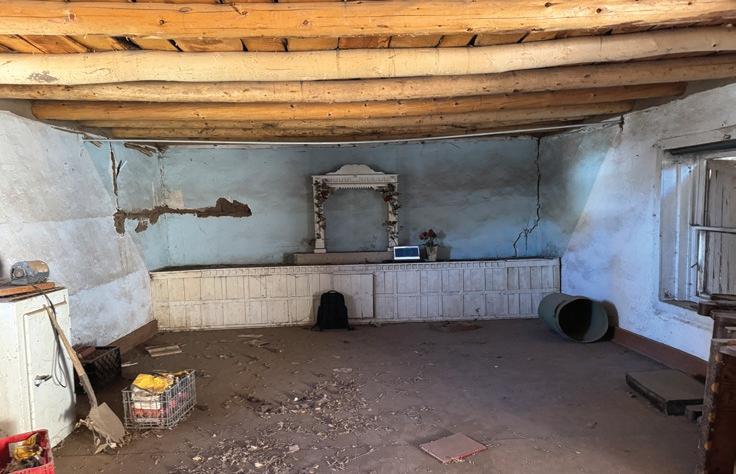
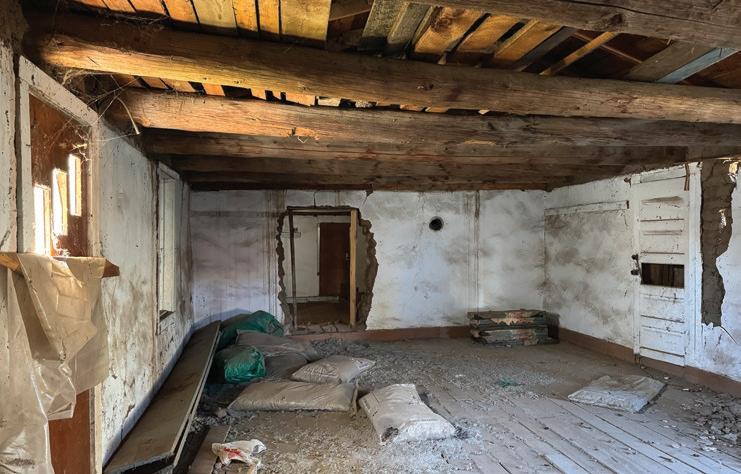
remain in Colorado. La Morada in San Luis, one of the earliest and most significant, has been vacant for more than half a century. Time and weather have taken their toll on the building. Collapsed walls, eroded plaster, and fragile woodwork speak to the urgency of preservation.
Despite this, hope runs deep in San Luis. The building’s owner, Sandra Ortega, alongside the Costilla County Economic Development Council and the Sangre de Cristo Heritage Area, has already secured funding for emergency stabilization and restoration plans. Once restored, La Morada will become a community exhibit space interpreting the story of the Penitentes and their role in shaping Hispano settlement and spirituality across southern Colorado. The plan includes reuniting the local Heritage Center’s santos and retablos (Hispanic devotional art pieces) to their original home.
CPI is proud to partner with local stakeholders to raise awareness of La Morada’s significance within the state and support efforts to preserve this cornerstone of faith, identity, and tradition in the oldest town in Colorado.
Photo: Ruben Archuleta
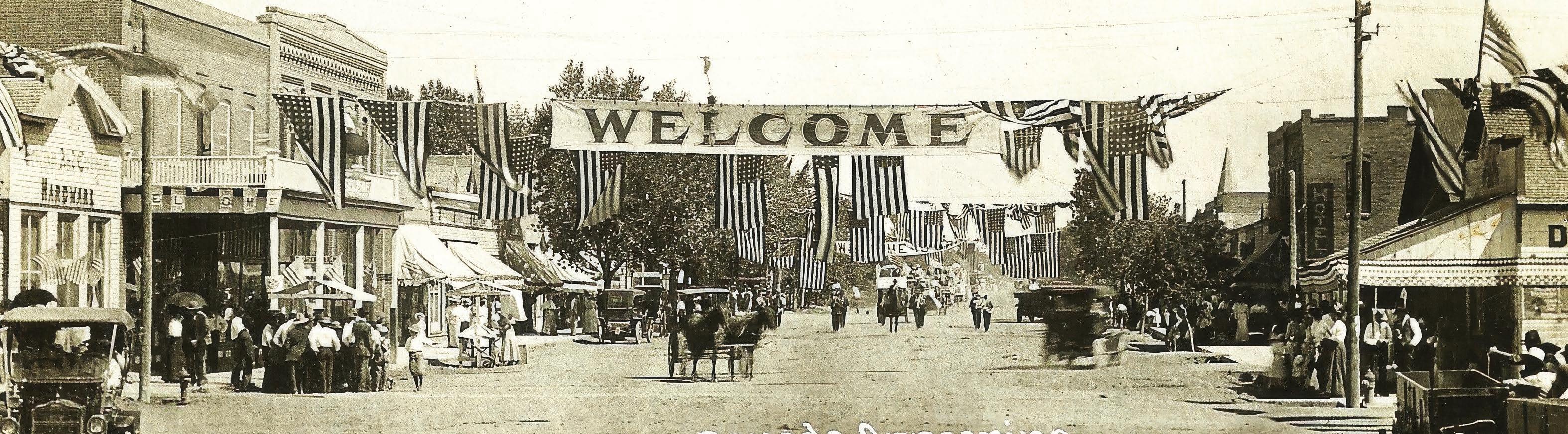
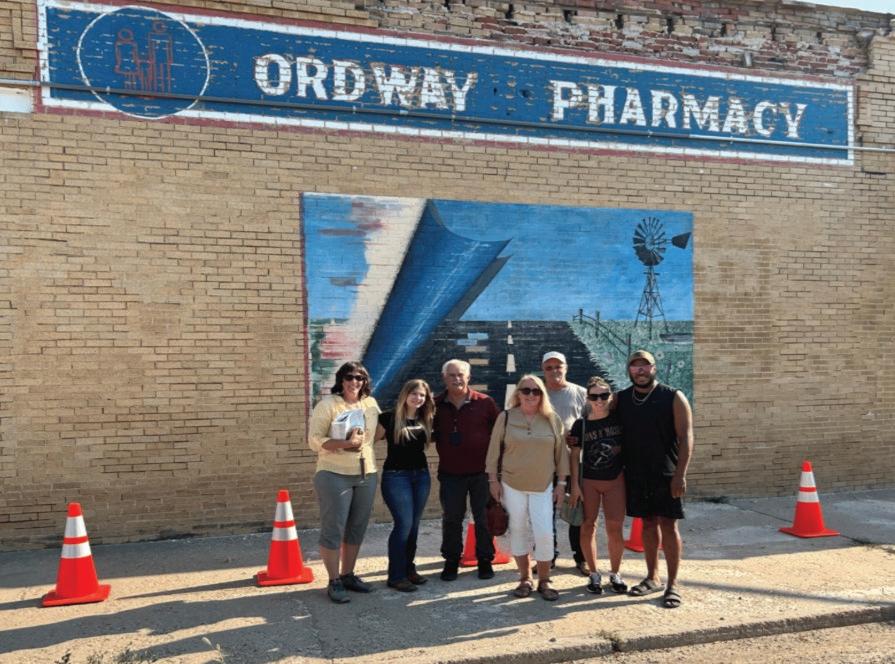
ORDWAY PHARMACY CROWLEY COUNTY
“AS ONE LOOKS DOWN MAIN STREET, MUCH OF WHAT ORDWAY ONCE WAS, STILL STANDS. THERE ARE BUSINESSES THAT ARE HOLDING ON AND SERVICING A COMMUNITY OF 1200 PEOPLE...THIS WOULD BE A GOOD BEGINNING TO HELP START THE REVITALIZATION OF DOWNTOWN ORDWAY.”
Pam
Arbuthnot
President, Crowley County Chamber of Commerce
In a town where grit meets good ideas, even an empty building can spark conversation and a story.
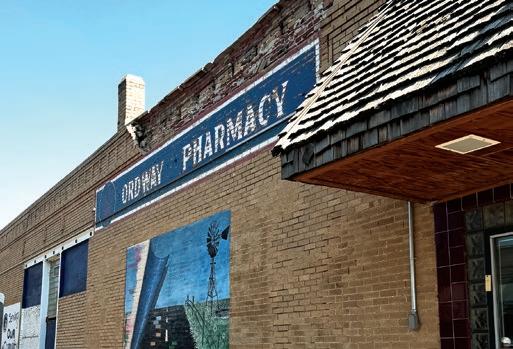
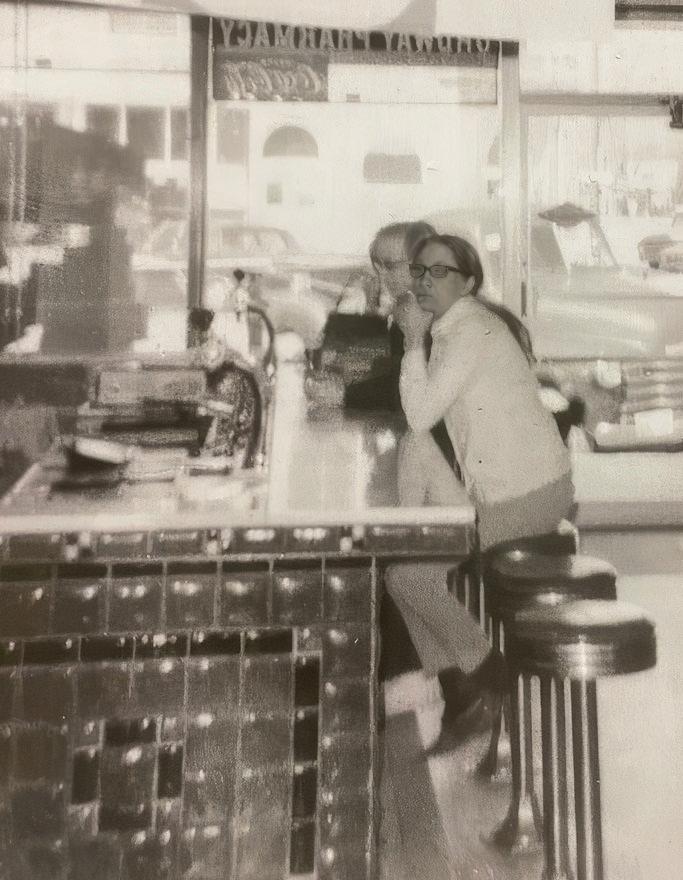
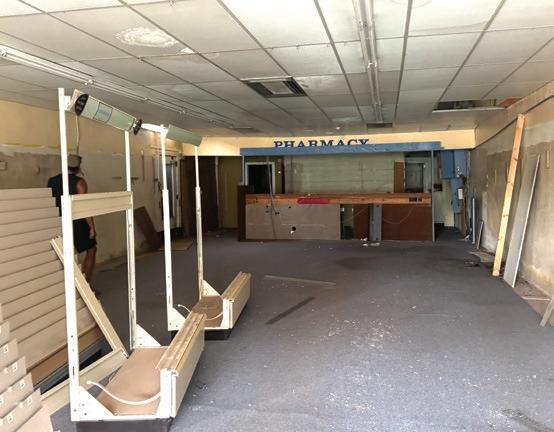
For more than a century, the Ordway Pharmacy stood at the heart of Main Street, serving prescriptions, ice cream sodas, and small-town conversation. Generations of families passed through its doors, making it a cornerstone of daily life for the residents of Crowley County. The building has stood empty since 2020, when the pharmacy moved across the street, but this building’s history and community spirit remain very much alive.
Ordway is not waiting for help to arrive. It is making things happen. In a remarkable model for rural revitalization, the Town of Ordway leases its owned Main Street buildings at low rates to new businesses. Entrepreneurs get three years to create and operate a business out of the building. If they succeed, the town signs the property over. It is an innovative, home-grown solution that keeps Ordway’s Main Street vibrant, historic, and community-owned.
The old pharmacy at 231 Main Street is next in line for a new life. Once stabilized, the plan is to turn it into Ordway’s first laundromat since 2004, complete with a snack counter and arcade, a creative nod to its soda fountain past. The transformation will preserve one of the county’s most recognizable landmarks while filling a critical local need.
This project also marks a milestone. Ordway Pharmacy is Crowley County’s first-ever nomination to Colorado’s Most Endangered Places. Decades of use have taken their toll on the building. Its roof is failing and its brick walls are crumbling, but the town’s determination to save it reflects the same tenacity that built Ordway.
Listing the former Ordway Pharmacy will bring attention, resources, and technical expertise to stabilize and restore the building. Better yet, it will spotlight the ingenuity of small-town preservation. CPI is proud to partner with the Town of Ordway, Crowley County, the Jackson Family, and the Crowley County Preservation Board to raise awareness of this extraordinary local effort and support their vision to preserve Main Street’s past while creating a stronger, more connected community.
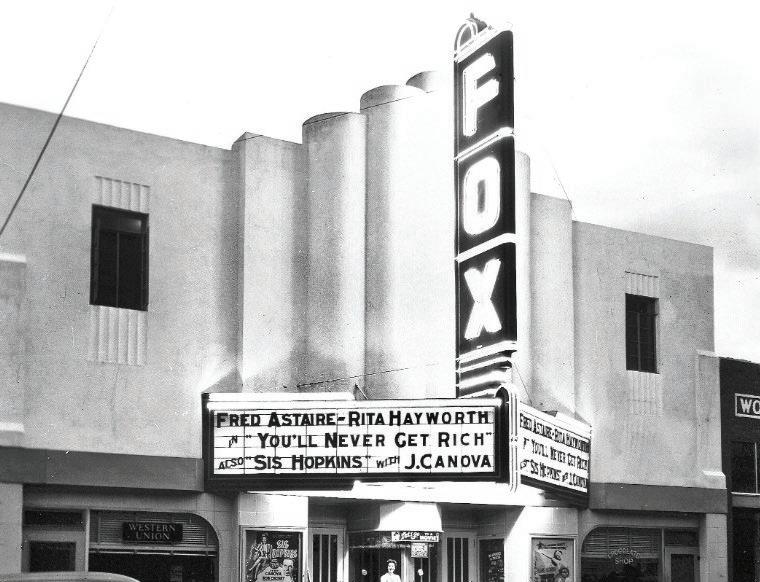
PEARL THEATER CHAFFEE COUNTY
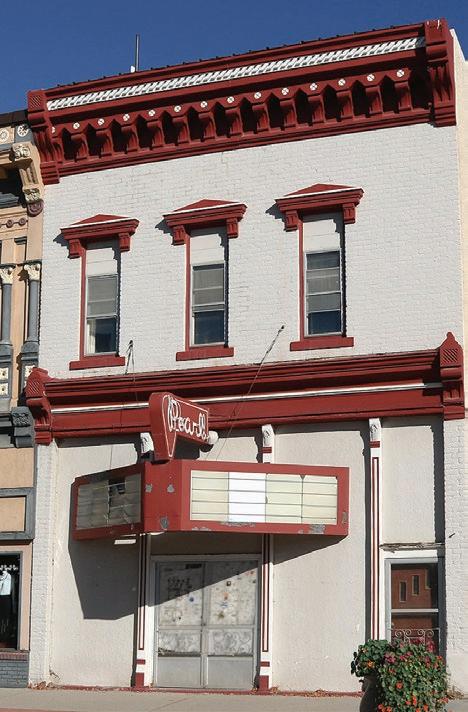
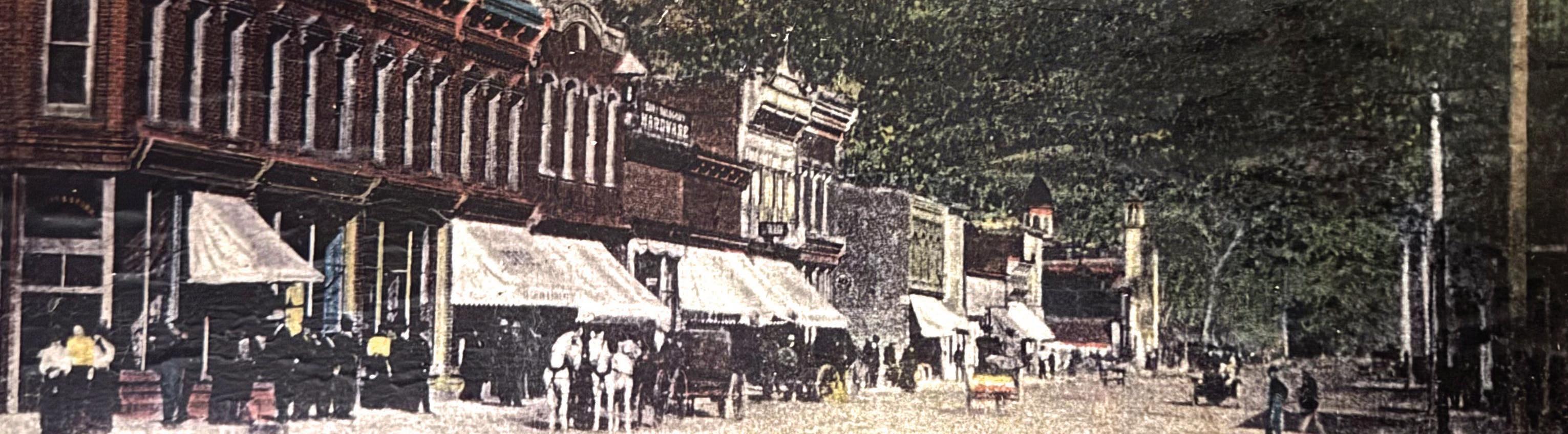
Every small town has its gathering place where memories live on long after the lights go out. For Buena Vista, that place is the Pearl Theater.
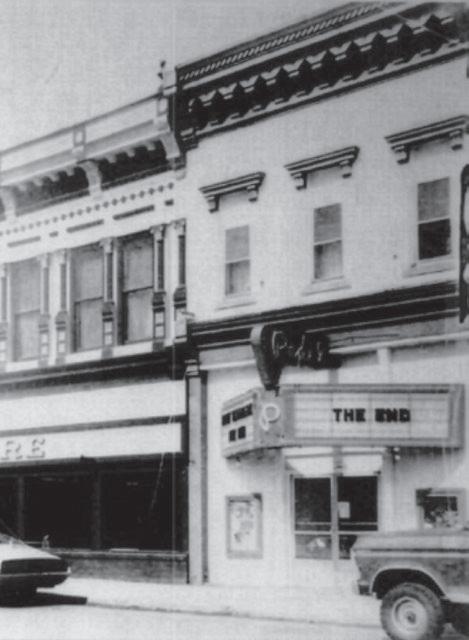
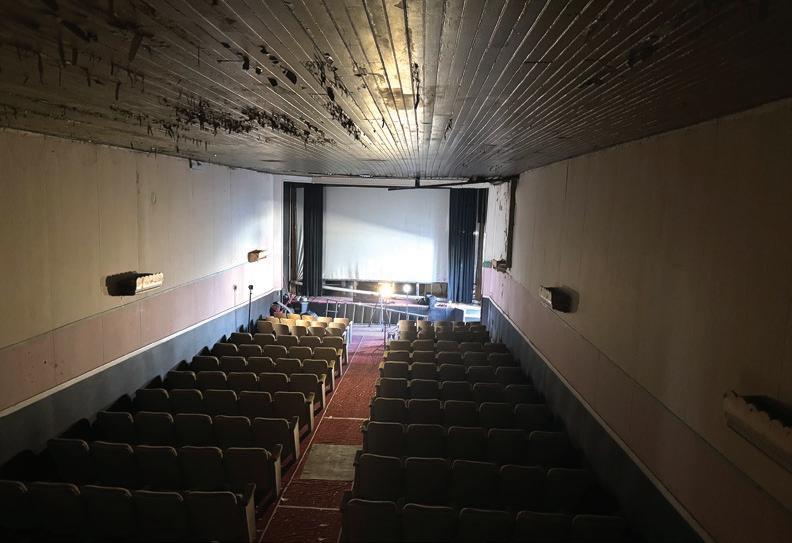
Before the popcorn and the projector lights, this building served as a mercantile. Built in the 1880s, it sold everything from groceries to whiskey. It even had a basketball court upstairs! In 1951, John and Pearl Groy purchased the building and transformed it into the Pearl Theater, a small-town movie house that brought Hollywood to Main Street Buena Vista.
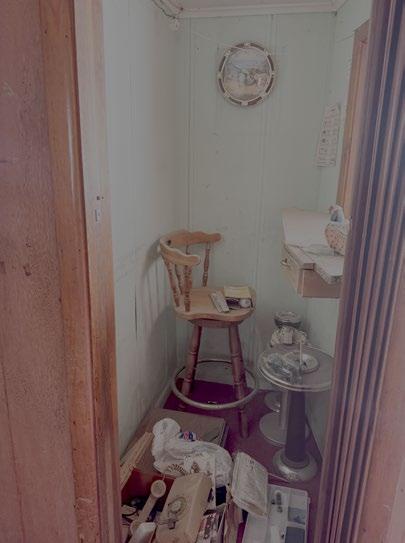
For over seventy years, the Groys have been the heart behind the town’s movie culture. Pearl and John dug the sloped floor by hand, added a “cry room” for families, and ran the projection booth themselves. The original 1950s projectors are still owned by the family today. Locals still remember lining up around the block for the premiere of Star Wars, catching matinees with friends, and hearing the hum of the projector. The Groy family’s passion for film still runs deep as they continue to operate the historic Comanche Drive-In, one of the last of its kind in Colorado.
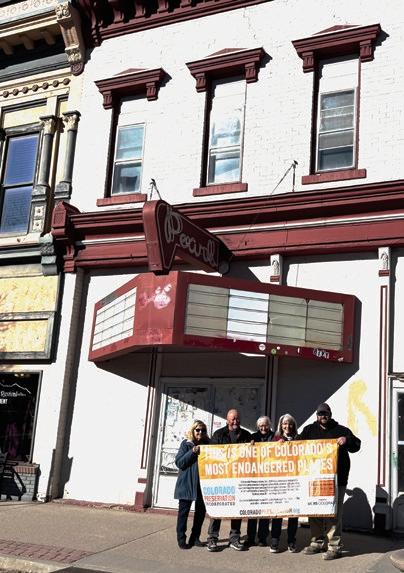
Today, the Pearl stands at a crossroads. Decades of neglect and water damage have left
the building’s back wall failing and the roof dangerously compromised. The town has declared it unsafe. Without immediate intervention, the owners face a difficult reality. If the structure cannot be stabilized soon, the family may be required to demolish it.
"LISTING THE PEARL THEATER WILL OFFER CRITICAL RECOGNITION, TECHNICAL ASSISTANCE, AND VISIBILITY TO HELP ENSURE ITS FUTURE. MORE THAN SAVING A BUILDING, THIS EFFORT WILL HELP PRESERVE A SENSE OF PLACE AND IDENTITY THAT IS CENTRAL TO BUENA VISTA’S STORY.”
The Groys are exploring every avenue to bring the theater back to life. This includes fundraisers, outdoor movie screenings, and plans for forming a nonprofit. Their vision is to restore the Pearl as both a movie house and a flexible community venue, keeping film and art alive on Buena Vista’s Main Street. CPI is excited to work with the Groy Family, the Town of Buena Vista, and the local Historic Preservation Commission to support the effort to preserve this irreplaceable piece of small-town Americana.
Melanie Roth Buena Vista Historic Preservation Commission
ENDANGERED PLACES WEEKEND WORKSHOPS
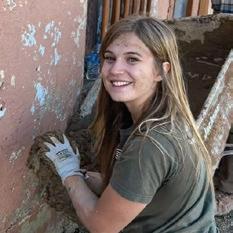
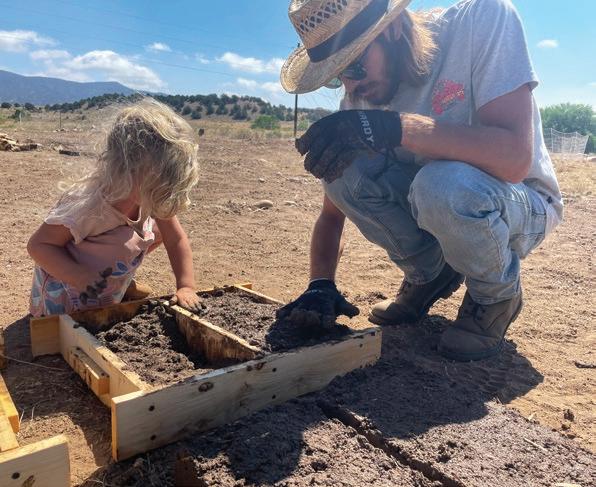
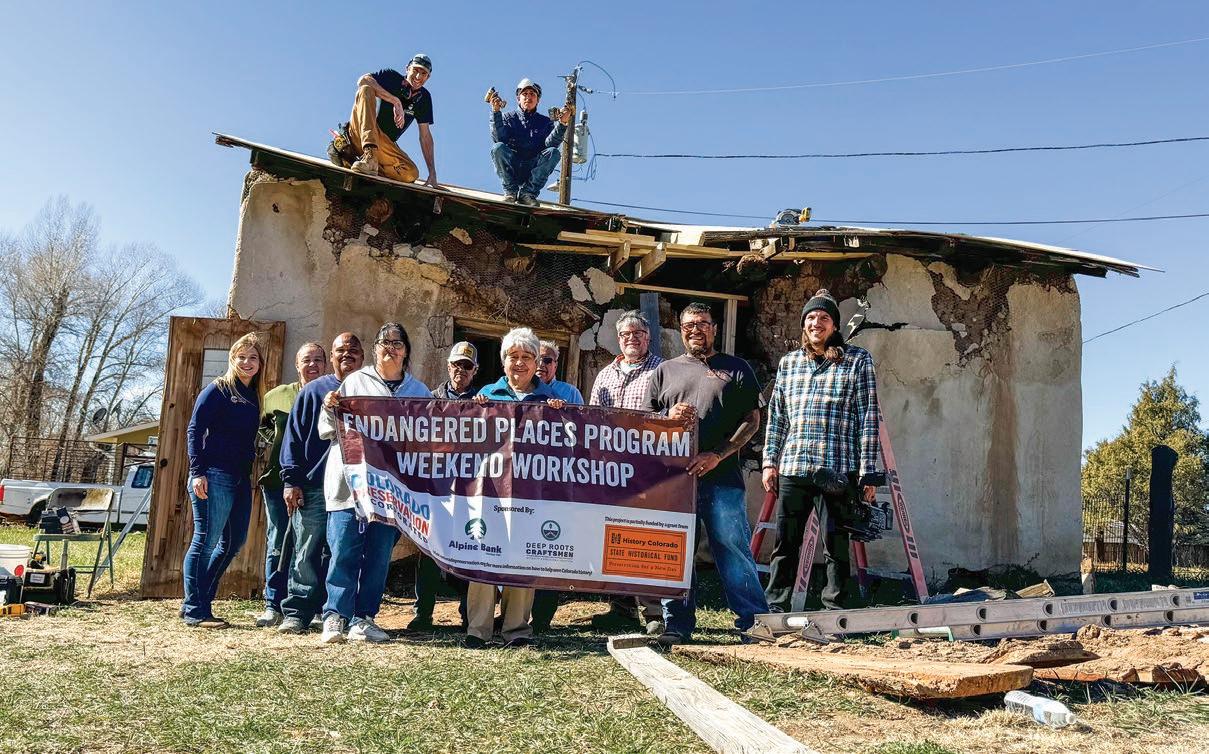
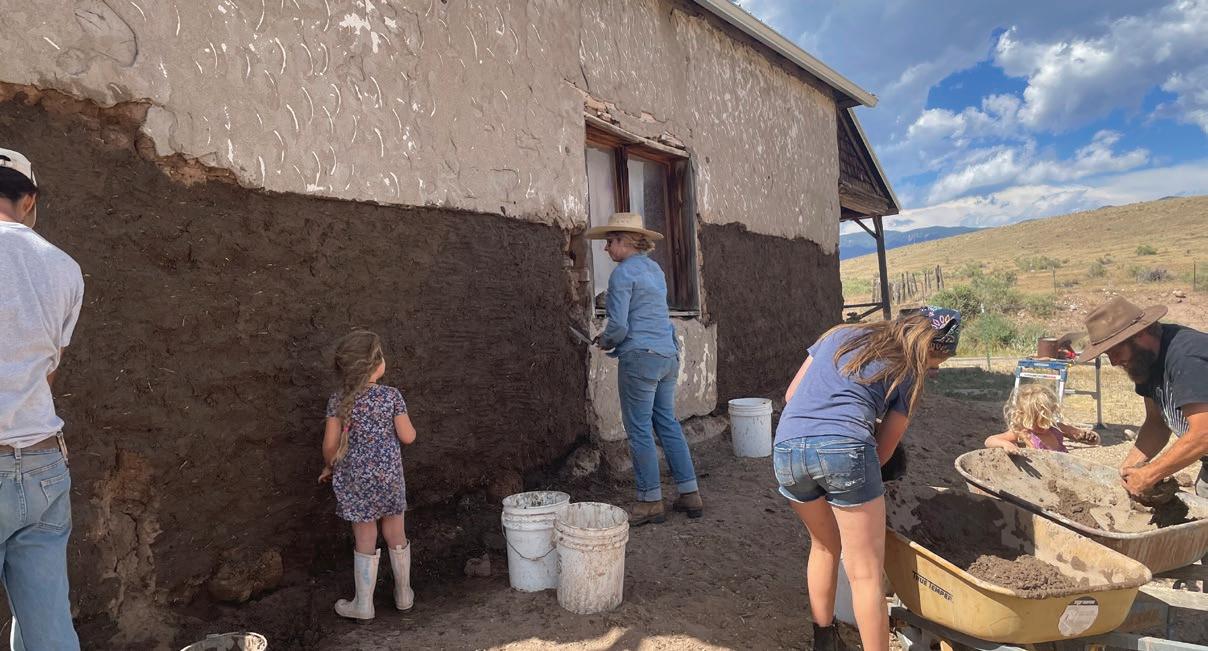
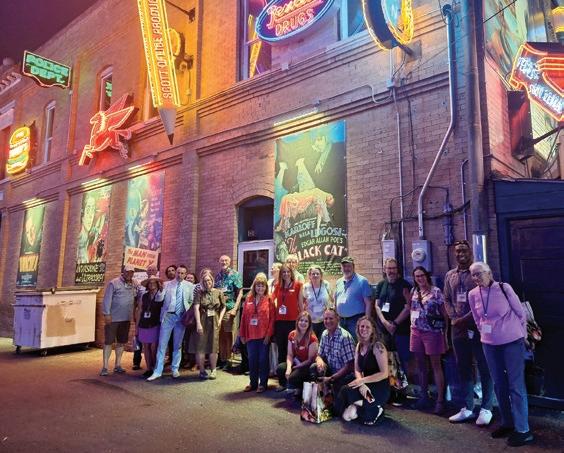
CPI’s Endangered Places Program is filled with stories of places in need of funding, vision, and assistance. Each year, CPI gives the public opportunities to get involved firsthand in helping SAVE our listed threatened historic resources through our Weekend Workshops. If you have ever wanted to get out and explore the state and see some of the places CPI has featured and is working with over the years, we would encourage you to join us for a Weekend Workshop! Each year, volunteers from across Colorado roll up their sleeves to help preserve endangered historic places while gaining real skills from preservation professionals. No experience is necessary, just some curiosity, teamwork, and a willingness to get a little dirty.
Volunteers, donors, sponsors, and partner organizations are essential to the Endangered Places Program and CPI’s work with historic resources statewide. These workshops are critical to helping save listed resources and give individuals across the state an opportunity to volunteer their time while working directly with a threatened resource. Volunteers need no preservation experience but can learn from professionals who help guide the project over one to two days. Each summer, these workshops give volunteers an opportunity to learn aspects of a preservation trade while helping to save an important piece of Colorado’s history. Workshops are free to the public and include lunch provided by CPI.
Since 2006, CPI has conducted over 20 Weekend Workshops in communities across the state. Volunteers have learned how to make adobe bricks in order to rebuild the stables in Rocky Ford, laid roofing on the historic railroad depot in Como, and placed historic bricks to rebuild the floor of a reconstructed barracks at the WWII Japanese-American Internment Center known as Amache in Granada. Volunteers helped stabilize historic timber walls at the Ute Ulay Mill &
Mine in Lake City, restored historic windows at the Dunn Block in Saguache, and cleaned the Tarryall-Cline Ranch near Fairplay. Volunteers were crucial in buying time for the vacant Walker Cabin near Delta in Escalante Canyon, stabilizing the historically significant Elk Creek Octagon and Barn in Jefferson County and Montezuma Orchard in Montezuma County, applying stucco finishes to preserve the Lafayette Head Home and Ute Indian Agency in Conejos, and explored adobe construction techniques at the Kit Carson Museum Complex in Las Animas, the Iglesia de San Pedro y San Pablo and Feminilas Building in Costilla County, and the Indiana Jones Bed & Breakfast in Antonito.
Looking ahead, CPI will host three Weekend Workshops in 2026, including the introduction of a new adobe-specific training workshop designed to deepen volunteer skills in traditional construction and maintenance.
Interested in participating in a future Weekend Workshop? Become a member of CPI and sign up for our newsletter for upcoming workshop opportunities!
CPI would like to thank and recognize the critical community donors and organizations that support the Endangered Places Program through its Weekend Workshops, including the State Historical Fund, Alpine Bank, Deep Roots Craftsmen, and the John K. and Barbara A. Rankin Revocable Trust.
CBS COLORADO AND COLORADO’S MOST ENDANGERED PLACES
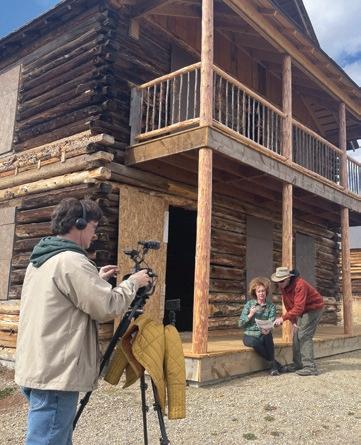
For over 20 years, CPI has worked with CBS Colorado and producer Kevin Strong, along with his talented crew of photographers, to bring Colorado’s Most Endangered Places to life. Filmed interviews with local supporters on-site at the listed resource are conducted in all kinds of weather, edited, and produced to premiere at CPI’s annual Saving Places Conference in January/ February. These masterful videos later become part of a 30-minute special on the Endangered Places Program that airs each spring on CBS Colorado.
Local supporters note the impact these videos have in bringing attention and publicity to their preservation efforts in saving their listed resources. Each mini-documentary demonstrates to the larger public the importance of historic preservation, highlighting why these places matter and the stories of those committed to saving them for the future.
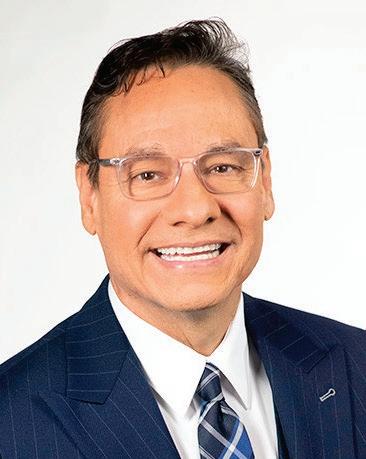
Since 2019, CBS Colorado’s meteorologist, Dave Aguilera, has served as the voice and host of the Most Endangered Places Announcement at the annual Saving Places Conference and on the 30-minute special. Aguilera is a Colorado native, born and raised in Pueblo, and has covered weather and news across the state.
CPI is grateful to CBS Colorado and the team dedicated to promoting these important resources statewide.
BECOME AN EPP SPONSOR
Every historic place we save begins with public support. This includes individuals, businesses, and organizations who believe Colorado’s past is worth protecting. When you sponsor CPI and EPP, you become part of a statewide community dedicated to preserving the places that make Colorado unique.
Sponsorship is more than financial support. It’s a partnership. Your investment helps protect Colorado’s most significant historic resources, including buildings and landscapes that tell Colorado’s history and have the power to strengthen communities today.
CPI depends on the generosity of sponsors to continue this important work. In return, we work alongside our partners to meet marketing and philanthropic goals, providing visibility, recognition, and opportunities to connect with preservation professionals and community leaders across Colorado.
Sponsor Benefits Include:
• Branding and recognition in CPI publications, EPP Weekend Workshops, and the annual Saving Places Conference
• Exclusive invitations to CPI networking and educational events
• Speaking opportunities at select Weekend Workshops
• Association with statewide heritage tourism and community revitalization initiatives
When you invest in preservation, you invest in Colorado’s future, ensuring the places that define our communities continue to inspire, educate, and thrive.
INTERESTED IN BECOMING A SPONSOR? CONTACT:
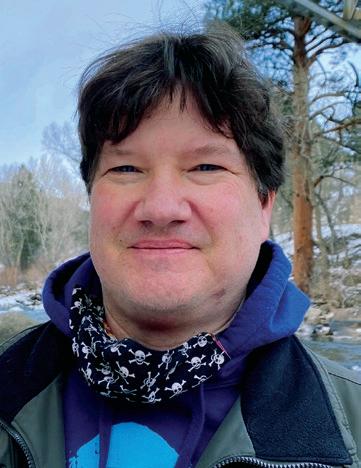
Katie Peterson
Endangered Places Program Director kpeterson@coloradopreservation.org www.coloradopreservation.org
Dave Aguilera
Kevin Strong, Producer
ABOUT CPI
Colorado Preservation, Inc. promotes and advances historic preservation statewide by providing advocacy, education, outreach, and technical assistance. We work with all individuals and communities to ensure Colorado’s historic places remain vibrant, relevant, and valued for both present and future generations. We welcome you to learn more about our mission and invite you to join us in ensuring the places that matter most to our past remain relevant, valued, and alive today and for generations to come.
CPI is a nonprofit organization dedicated to the foundation that, at its core, historic preservation connects people to place, fosters community pride, and authenticity of place. Preservation fosters a sense of community identity and supports local economies through tourism, investment, and revitalization.
CPI is more than a preservation organization. We partner and advocate for communities across the state. Whether through helping to restore a local landmark, bringing attention to an underutilized resource, or showcasing the benefits of preservation, we empower people to see the value of their history and the potential to adapt it to meet current needs. CPI’s impact spans statewide from
small towns to urban centers and includes protecting archeological sites, heritage landscapes, places of agriculture and industry, and places of entertainment and religion.
Since 1984, CPI has been a trusted resource for individuals, communities, and organizations. CPI advocates for preservation in addition to offering technical assistance and educational opportunities to the public. CPI works with private property owners, nonprofit organizations, local governments, consultants, and professionals working with historic resources. Through our Endangered Places Program, we support the state’s most at-risk historic resources by raising awareness, identifying funding opportunities, and providing technical assistance to help save these threatened places.
Whether you are passionate about saving a specific place, want to learn more about Colorado’s history, or seek resources to start your preservation journey, CPI is here for YOU.
Learn more about CPI’s services and the places we are impacting statewide at coloradopreservation.org
GET INVOLVED WITH CPI PRESERVATION SERVICES
Each year, CPI needs supporters like YOU to strengthen our impact. Interested in learning more about our organization? Consider the many ways for you to get involved. Place is often best experienced in person, and CPI invites you to join us on adventures throughout the year that encourage you to interact with Colorado’s unique heritage.
VOLUNTEER!
Each year, CPI looks for volunteers to support mission-critical activities, including our Saving Places Conference, Endangered Places Program, and Preservation Services department. Interested in learning more? Contact CPI and let us know your skills and what would be of interest to you. Endangered Places Program volunteers include professionals willing to donate time towards a specific place or those looking to offer assistance with the program overall. Become a Member of CPI and make sure you are up-to-date on upcoming offerings by signing up for our newsletter through the CPI website.
BECOME A MEMBER
CPI members are the heart of our organization and ensure our mission-critical work continues. Members receive special benefits, including reduced conference and event pricing and early notification of rare behind-the-scenes tours. Every membership dollar supports mission activities and leads to the protection of Colorado’s unique heritage.
ATTEND CPI’S ANNUAL SAVING PLACES® CONFERENCE AND SUMMER ON THE ROAD PROGRAM!
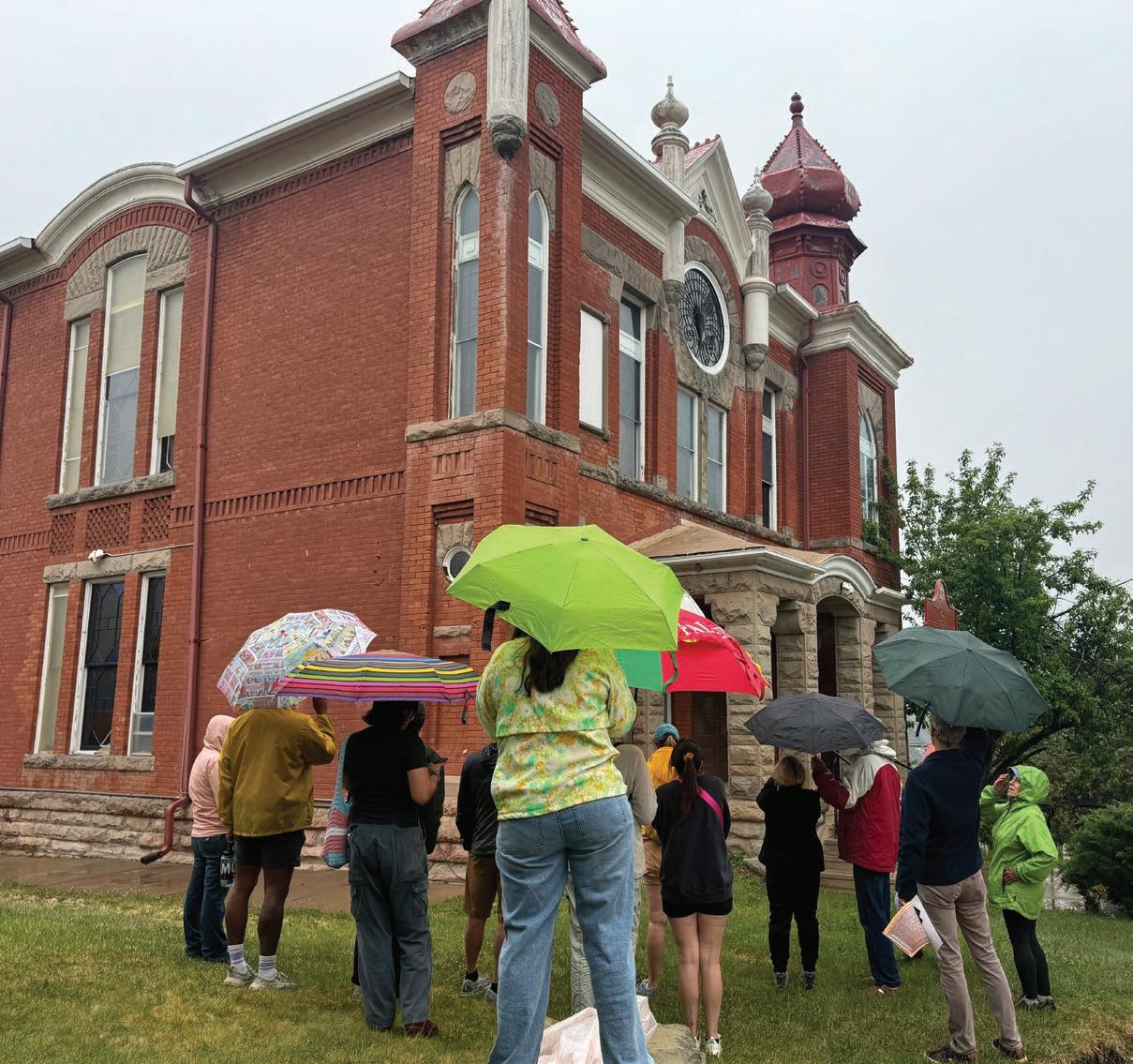
Learn the latest techniques, best practices, and historic preservation solutions to take back to your own community by attending one of CPI’s Saving Places Conferences. Attendees can expect over 50 sessions and tours while networking with over 700 individuals with diverse professional backgrounds. The conference is typically held in January/February in the Denver Metro region. It has grown to become the largest statewide preservation conference (second nationwide only to the National Trust Conference). On the Road is a two-day event that travels around the state and features behind-thescenes tours of heritage sites. Check out CPI’s website and the conference page (savingplacesconference.org) for the latest conference information.
Check our website or savingplacesconference.org for the latest conference information.
WORK WITH CPI ON YOUR NEXT PRESERVATION PROJECT
Do you have a historic resource in need of assistance? Are you looking for more information on skilled preservation contractors? Would you like to explore funding opportunities and more information on phasing your project? CPI’s Preservation Services Director can help!
CPI’s Preservation Services Program provides technical assistance and preservation guidance, providing project planning, grant writing and grant administration, State and National Register nominations, property protection easements, and historic tax credits assistance to the public. By helping individuals across Colorado navigate the complex world of preservation funding and project management, CPI helps ensure our state’s historic places remain valued, functional, and protected for future generations. We are available to assist with grant writing or complete a full grant application, and we provide full grant administration to manage budgets, timelines, and compliance with funding requirements.
Contact Amy Aschliman to discuss your project today: aaschliman@coloradopreservation.org
SECURE HISTORIC PRESERVATION TAX CREDITS
Do you own a historic building that is at least 30 years or older that you plan to rehabilitate into an income-generating property? Colorado’s Historic Preservation Tax Credits may be an opportunity for you to explore. Federal and state tax laws provide tax incentives for qualifying historic preservation projects. These credits allow taxpayers to reduce, on a dollar-for-dollar basis, the amount of income tax they owe to the government (or they can choose to sell awarded credits). The amount of credit that can be obtained is calculated as a percentage of the overall rehabilitation costs associated with the project.
• 20% federal tax credit for the rehabilitation of certified historic buildings used for income-producing purposes
• 20%–35% state tax credit for the rehabilitation of historic, owner-occupied residences
• 20%–35% state tax credit for the rehabilitation of historic buildings used for income-producing purposes CPI is offering tax credit application services to assist property owners and organizations explore this redevelopment option.
Interested in learning more and if your project could qualify?
Contact CPI’s Tax Credit Consultant, Kate McCoy: kmccoy@coloradopreservation.org
NOMINATE AN ENDANGERED
PLACE FOR 2027
BE A PART OF COLORADO'S STORY
Each year, Colorado’s Most Endangered Places identifies a select number of resources that represent the diversity and innovation of our state. These nominations become a statewide effort to stabilize, restore, and reimagine historic resources.
Nominations to the program are ongoing throughout the year with a late summer deadline. All received nominations are assigned a reviewer who will dive deeper into the story of place and threat. After a lengthy review process, CPI will select the resources listed for the next program year. Official listing and announcement occur at the annual Saving Places Conference in January or February.
Listing on Colorado’s Most Endangered Places is the first step in a collaborative process. Selected resources receive hands-on technical assistance and support in developing plans for long-term preservation and reuse.
If you know a place that tells an important part of Colorado’s story, we encourage you to submit a nomination for it to be considered as one of Colorado’s Most Endangered Places!
Nominations are accepted year-round. To be considered for the 2027 program year, submit your application before 5pm July 10, 2026.
NOMINATE AN ENDANGERED RESOURCE
STATUS OF LISTED RESOURCES
SAVED!
4 Bar 4 Ranch (2014), Grand County
Amache Internment Site (2001), Prowers County
Beaumont Home (2004), Pueblo County
Bradford Perley House (2002), Jefferson County
Chimney Rock
National Monument (2008), Archuleta County
City Ditch (2003), Douglas, Arapahoe, & Denver Counties
Civic Center (2007), Denver County
Colona School & Grange (2006), Ouray County
Colorado Capitol Dome (2010), Denver County
Como Depot (2006), Park County
Cripple Creek (1998), Teller County
Crossan’s Market (2012), Routt County
Daniels Schoolhouse (2006), Weld County
Denver & Rio Grande Antonito Depot (2007), Conejos County
`Downtown Greeley (2000), Weld County
Durango Power House (2001), La Plata County
El Corazon de Trinidad Distinctive Commercial District (2000), Las Animas County
Emma Store (2000), Pitkin County
Evans School (2000), Denver County
Georgetown School (2006), Clear Creek County
Gold Medal Orchard (2015), Montezuma County
Goodnight Barn (2002), Pueblo County
Grandview Terrace Neighborhood (1999), Boulder County
Grant Avenue
Church & Community Center (2002), Denver County
Greeley, Salt Lake and Pacific RR
Grade-Stout Branch (2009), Larimer County
Hahn’s Peak Fire Lookout (2014), Routt County
Handy Chapel (2011), Mesa County
Hanger 61 (2005), Denver County
Hanging Flume (1999), Montrose County
Hugo Roundhouse (2002), Lincoln County
Hutchinson Homestead & Ranch (2003), Chaffee County
Kennedy/Mancos Grain Elevator (2013), Montezuma County
Lewis Mill (1998), San Miguel County
Lime Kilns (2001), Pitkin County
Manitou Springs Spa (2000), El Paso County
McElmo Creek Flume (2011), Montezuma County
Native American
Arboreal Wickiup Sites (2003), Statewide
Original Gold Hill Townsite (2000), Boulder County
Paris Mill (2004), Park County
Pillars of P.O.W. Camp 202 (2005), Weld County
Preston Farm (1998), Larimer County
R&R Market (2019), Costilla County
Ralston Cemetery (2011), Jefferson County
Red Mountain Mining District (1999), Ouray & San Miguel Counties
Redstone Castle (2004), Pitkin County
Reiling Gold Dredge (2015), Summit County
Rialto Theatre (2008), Alamosa County
Rock Creek Stage Stop (2000), Routt County
San Rafael Church (2001), Conejos County
Satank Bridge (2003), Garfield County
Shield Rock Art Site (2001), Rio Blanco County
Studzinski Block (2001), Pueblo County
Sullivan Gateway (2012), Denver County
Sundial Plaza/ Cranmer Park (2013), Denver County
Toltec Hotel (1998), Las Animas County
Windsor Mill (2002), Weld County (with nod to historic form)
PROGRESS
Adobe Potato Barns of San Luis Valley (2019), Alamosa, Conejos, Costilla & Rio Grande Counties
Alta Lakes (2000), San Miguel County
Antelope Springs
Methodist Episcopal Church (2020), Morgan County
Arkansas Valley Fairground Adobe Stables (2007), Otero County
Belvidere Theater (2016), Gilpin County
Centre Avenue (2017), Weld County
Central City (1998), Gilpin County
Central Platoon School (2012), Morgan County
Colorado Fuel & Iron Plant-Museum (1999), Pueblo County
Commodore Mining District (2006), Mineral County
Costilla County Mission Churches (2024), Costilla County
Dearfield Farming Colony (1999), Weld County
Deputy Warden’s House (2011), Fremont County
Downtown Underground (2018), Statewide
Doyle Settlement (2018), Pueblo County
East Portal Camp Cabins (2020), Gilpin County
Far View Center (2023), Montezuma County
Feminilas Building (2023), Costilla County
STATUS OF LISTED RESOURCES (CONT.)
Fort Lyon (2013), Bent County
Fourth Street
Commercial District, Saguache (2009), Saguache County
Foxton Post Office (2002), Jefferson County
Fruita Bridge (2002), Mesa County
Garcia School (2023), Costilla County
Gianella Building (2004), Las Animas County
Glen Huntington Bandshell (2016), Boulder County
Grand Junction Depot (2010), Mesa County
Historic Bridges of Colorado (2021), Statewide
Historic Eastside Neighborhood (2012), Pueblo County
Historic I-70
Mountain Corridor Communities (2005), Clear Creek County
Homesteading Resources of Escalante Canyon (2013), Delta County
Hose Co. No. 3 Fire Museum (2019), Pueblo County
Hotchkiss Barn (2013), Delta County
Iglesia de San Antonio/Tiffany Catholic Church (2019), La Plata County
Indiana Jones Bed & Breakfast (2025), Conejos County
InterLaken Resort (2001), Lake County
Kit Carson Museum Complex (2024), Bent County
Koch Homestead (2023), Pitkin County
Lafayette Head Home & Ute Indian Agency (2021), Conejos County
Leadville Mining District (1998), Lake County
McLaughlin Building (2007), Pueblo County
Mid-Century Resources of Littleton Boulevard (2014), Arapahoe County
Moffat Road/Hill Road (2012), Rural Boulder, Grand, and Gilpin Counties
Neon Signs of Colfax (2014), Denver County
Outbuildings of Lake City (2010), Hinsdale County
Red Cliff Town Hall (2025), Eagle County
Salida Opera House (2011), Chaffee County
Silver Dollar Saloon (2008), Teller County
Snowstorm Gold Dredge (2001), Park County
Soldiers & Sailors Home (2005), Rio Grande County
Stranges Grocery (2001), Mesa County
Tabor Opera House (2016), Lake County
Tarryall-Cline Ranch (2018), Park County
Temple Aaron (2017), Las Animas County
Ute Ulay Mill & Town site (2015), Hinsdale County
World’s Wonder View Tower (2017), Lincoln County
ALERT
Bent County High School (2004), Bent County
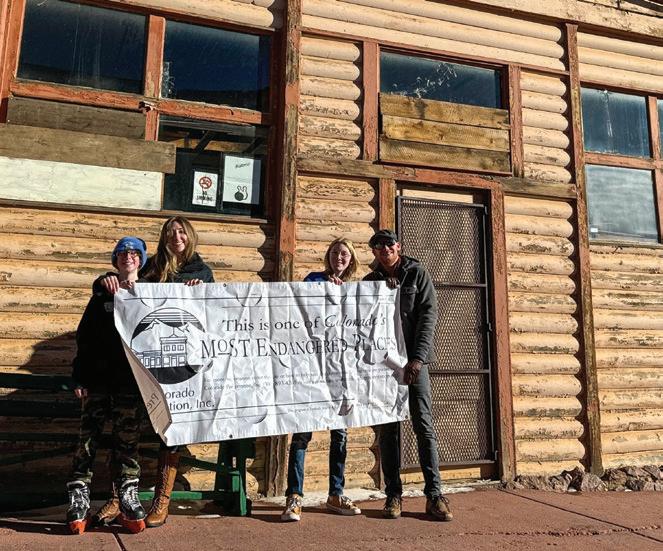
Bent’s Old Fort (2026), Otero County Black Hawk (1998), Gilpin County
Brown’s Sheep Camp (2010), Las Animas County
Colorado Fuel & Iron Plant-Industrial Plant (1999), Pueblo County
Knearl Block and Opera House, Morgan County (2025)
Elk Creek Barn & Octagon at Shaffer’s Crossing (2018), Jefferson County
Elkhorn Lodge (2010), Larimer County
Hartman Castle (2026), Gunnison County
Hispanic Cultural Landscapes of the Purgatoire River Valley (1998), Las Animas County
Indiana Jones Bed & Breakfast, Conejos County (2025)
Isis Theatre (2020), Teller County
La Morada (2026), Costilla County
Lizzy Knight’s Cabin (2012), Rural Dolores County
McIntire Ranch and Mansion (2019), Conejos County
Montoya Ranch (2014), Huerfano County
Newman Block, Prowers County (2025)
Ordway Pharmacy (2026), Crowley County
Pearl Theater (2026), Chaffee County Red Cliff Town Hall, Eagle County (2025)
Riverside Cemetery (2008), Denver and Adams Counties
Santa Fe Trail & Southeast Heritage Region (2007), Baca, Bent, Las Animas & Otero Counties
South Platte Hotel (2023), Jefferson County
Southern Ute Boarding School
Campus-Southern Ute Reservation (2020), La Plata County
Union Pacific Pumphouse (2005), Cheyenne County
Valmont School (2024), Boulder County
Victor Bowling Alley (2024), Teller County
Walsenburg Power Plant (2009), Huerfano County
Winter Park Balcony House (2021), Grand County
Zuni Steam Power Plant (2024), Denver County
LOST
Christian Science Church (1998), Teller County
Columbian Elementary School (2004), Bent County
Craig Depot (2008), Moffat County
Currigan Exhibition Hall (2000), Denver County
Given Institute (2011), Pitkin County
Great Western Sugar Factory (2016), Adams County
Kit Carson Hotel (2003), Otero County
Sixteenth Street Mall (2009), Denver County
Willowcroft Manor & Farm (2010), Arapahoe County
THE ENDANGERED PLACES PROGRAM PROUDLY PARTNERS WITH FACTOREARTH
Make the stories behind the places we love easy and fun to experience with the FactorEarth Explore virtual reality mobile app.
1420 Ogden Street #104
Denver, CO 80218
P 303.893.4260
Colorado Preservation, Inc.’s mission is to promote historic preservation throughout Colorado through advocacy, education, outreach, and preservation services.