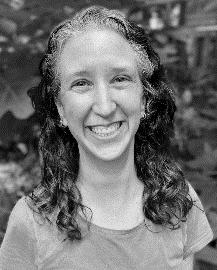
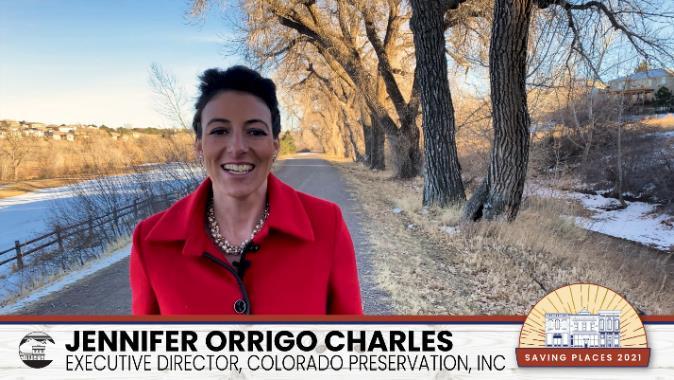
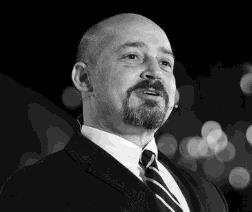
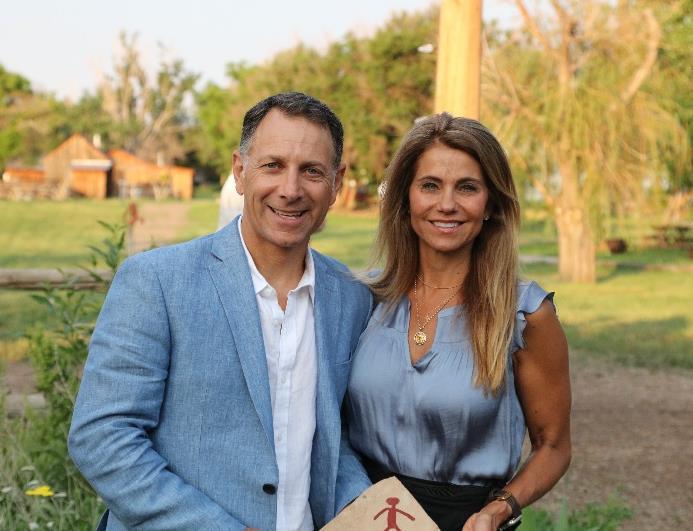
Jennifer became CPI’s Executive Director in 2016 after managing CPI’s Most Endangered Places Program since 2014. Jennifer received her Master’s in Urban Affairs and Public Policy with a Historic Preservation Concentration from the University of Delaware. .Prior to moving to Colorado she served as the Director of Preservation for the Historic Annapolis Foundation in Maryland. Jennifer believes strongly in the power of place and its ability to activate communities statewide
Amanda Barker
Events & Development Director
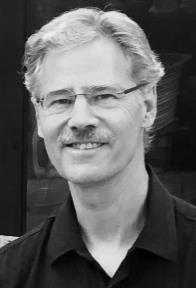
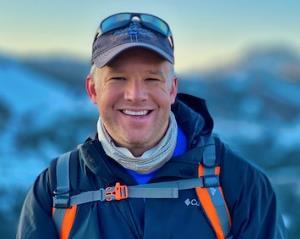
Amanda joined CPI as the Events & Development Director in April of 2018. Previously Amanda worked for the Colorado Coalition of Land Trusts (CCLT) serving as the Grant Manager, Programs Director and Executive Director Amanda ran CCLT’s annual Conservation Excellence Conference for land conservation professionals and directed the membership and public policy programs around Colorado’s conservation easement tax credit program.
Board & Staff
Jane Daniels Preservation Services Director
Jane Daniels is a former CPI employee who rejoined the team in 2020. Jane served as CPI’s Executive Director from 2008-2014. She is excited to be back again at CPI working collaboratively with site stewards on important historic preservation projects in Colorado! Ms. Daniels also served as Executive Director at the Main Street Program in Laramie, WY and held other nonprofit positions in the environmental management field
Kim Grant
Endangered Places Program Director
Kim joined CPI in May 2017 as the Endangered Places Program Director. Kim has 42 years’ experience in teaching, state and local government service, and non-profit development and management Past positions include the Kansas Main Street Program, Denver Public Library, Lower Downtown District, Inc , Historic Denver, Inc , City of Arvada & the Arvada Historical Society Colorado Preservation, Inc. Annual Report 2021
In addition to the Saving Places Conference, CPI impacts preservation statewide through Colorado’s Most Endangered Places Program, and its Preservation Services Department. CPI’s Preservation Services Director provides technical assistance, training, and project assistance to private property owners, municipalities and nonprofit organizations in Colorado.
FINDINGS
:
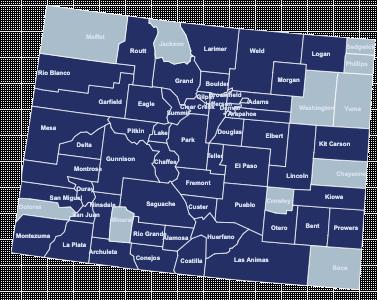
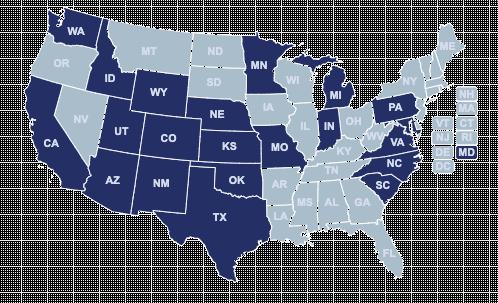
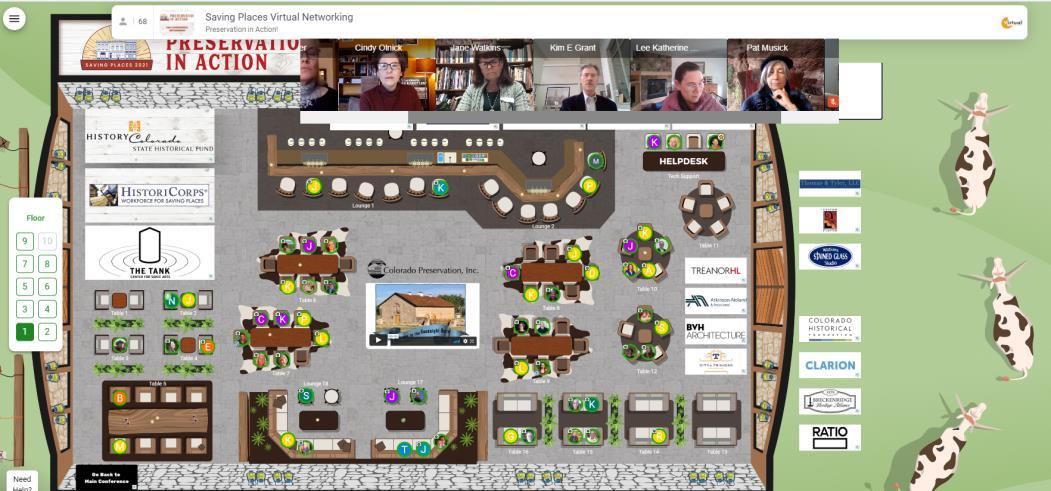
➢ 100 fewer attendees in 2021, but larger geographic representation with 84% of Colorado’s Counties represented as well as 22 states, plus DC, the UK, & Canada.
➢ 39% of attendees were associated with CLGs.
➢ 36% total attendees noted they had not attended conference in the past
➢ Out of the 64% who had attended the conference, 20% only attended one conference = 56% first or second conference
➢ On average 100 people used the networking space each day
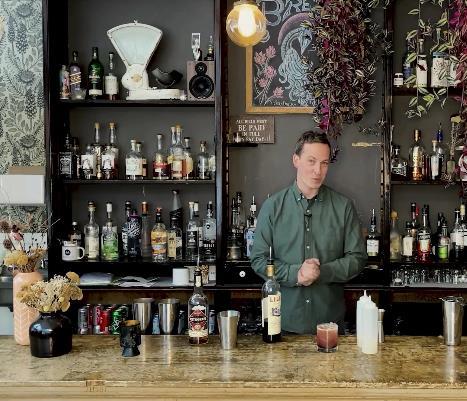
VIRTUAL NETWORKING
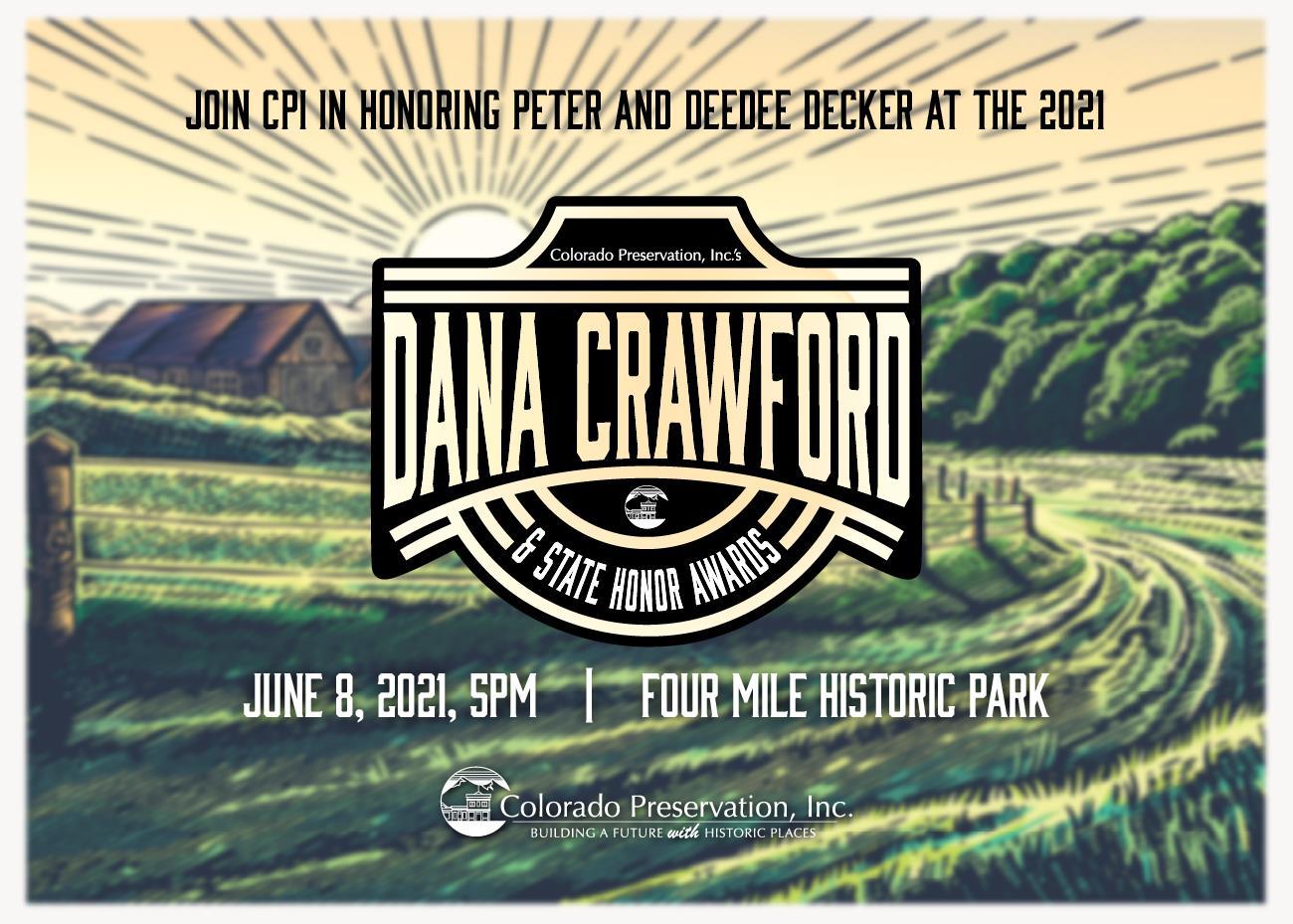
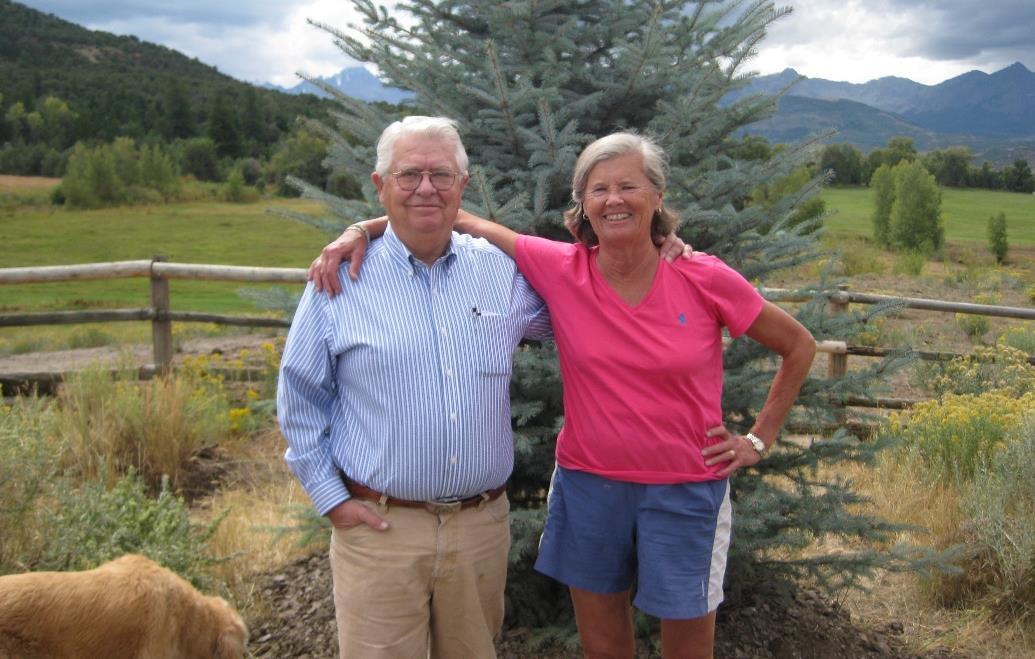
In 2021, CPI recognized Peter and Deedee Decker with the Dana Crawford Award of Excellence for their years of dedication to historic preservation The award posthumously recognized Peter Decker. Peter and Deedee purchased the Double D Ranch in Ridgway in 1974 and were among the first to secure a conservation easement on the property through Colorado Cattlemen’s Agricultural Land Trust to protect the property in perpetuity from development. In addition to their work with ranching and conservation, the Decker's were critical to the early founding of CPI with Deedee being one of CPI’s founding members
Preservation Trainings
CPI began offering separate advanced preservation trainings in 2019 in response to requests for higher level offerings held on-location in addition to what was being offered at the Saving Places Conference
Applying the SOI Standards for Rehabilitation
Date: Thursday,April 23, 1:00 to 4:30pm -Limit 35
Location: Virtual
Credits: Official CLG Training
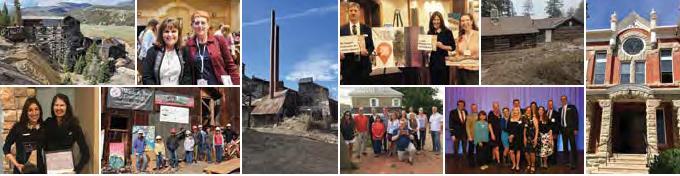
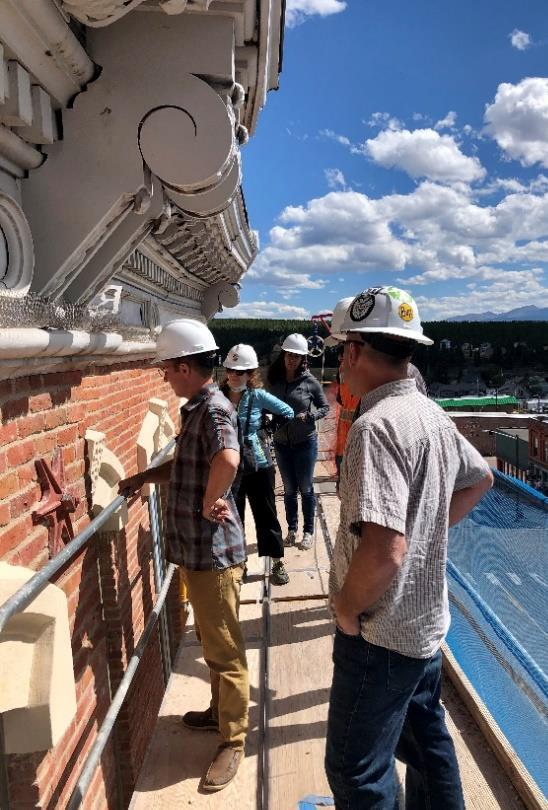
Participants of this workshop will be able to view plans for the building’s future rehabilitation in conjunction with touring the building in its current condition as well as view “preservation in action” as masonry and window restoration contractors work on the west and south building elevations.
Basic Preservation Engineering for the Non-Engineer
Date: Oct 14, 1 to 5pm - Limit 30
Location: Delany Farm Aurora
Cost $65 nonmembers, $50 members this workshop, structural engineers specializing in historic structures will walk participants through the diagnostic process used to evaluate existing buildings and make treatment recommendations. The presenters will cover the process from beginning to end and will use case studies to illustrate key concepts. The workshop will provide stewards tools to understand their buildings and determine when to engage design professionals
Colorado‘s Most Endangered Places Program
In 2021, EPP entered its third decade of service to the people of Colorado, helping to save the buildings, sites and places that give our communities their identities and distinctive sense of place. By providing awareness, advocacy, and assistance to threatened sites statewide, EPP has helped catalyze local and regional efforts to move sites forward and save them for future posterity. To date, 130 resources have been listed with only seven lost, 52 saved and 66 in various stages of progress Five sites were listed in 2021 with two saves and no losses
Colorado’s Most Endangered Places Program (EPP) began in 1998 to highlight significant historic resources in danger of being lost Each year, nominations are solicited from the public The program seeks to bring awareness and assistance to threatened sites, buildings, structures and cultural landscapes statewide.
2021 LISTED RESOURCES
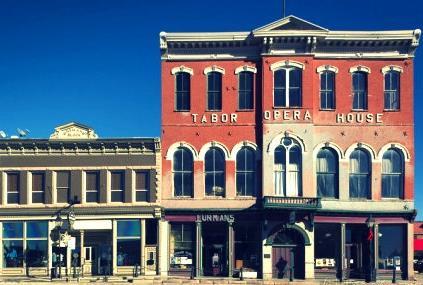
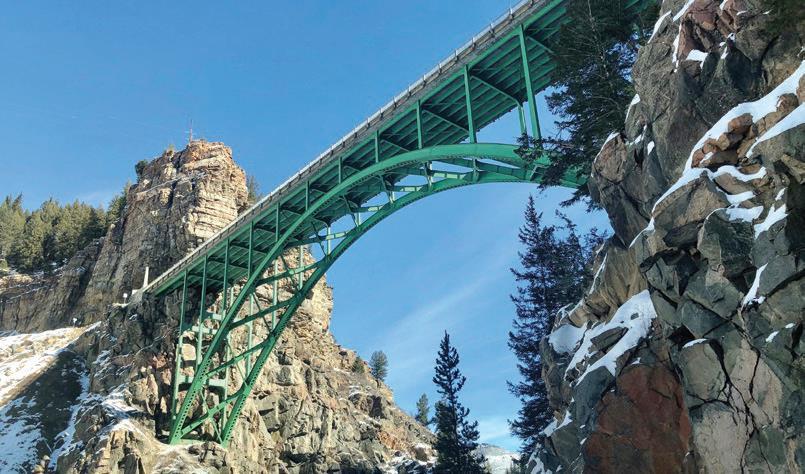
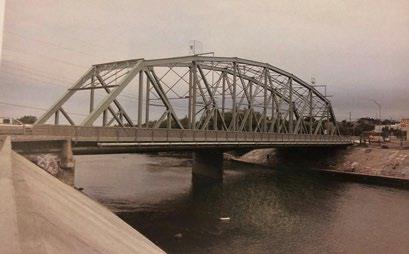
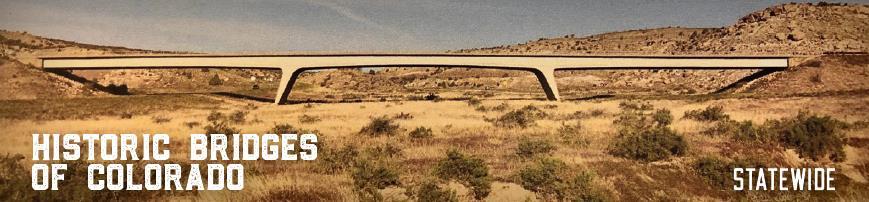
As a state with many distinguishing geophysical characteristics, Colorado by necessity has many historic bridges that reflect its diverse regions and cultural heritage. But until recently, there has never been a strong bridge preservation ethic in the state. CPI, in conjunction with the Colorado Department of Transportation (CDOT), has embarked on a partnership to rectify this area of historic preservation that has gone largely unnoticed by the general public The nomination for Colorado’s Most Endangered Places identified forty-six (46) on-system high priority bridges representing different bridge types and locations across the state. Of these, CDOT is willing to commit to preserving in place as many as 20 priority bridges. These bridges still carry vehicular traffic on state highways, and still function in that capacity. The bridges under consideration for preservation range in age from 1888 to 1973 and span the full breadth of Colorado’s bridge development, which evolved from early timber structures and steel bridges to the use of more functional and standardized designs in the post-World War II era
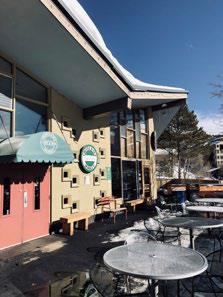
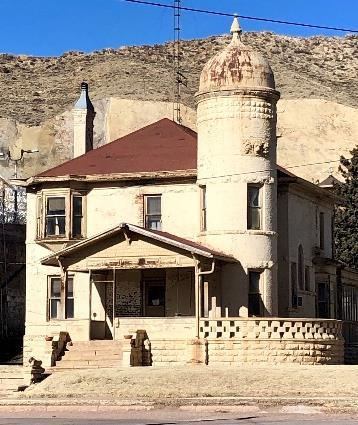
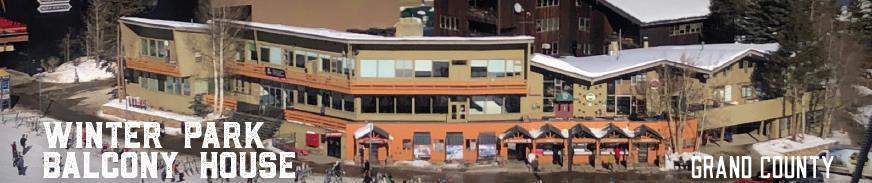
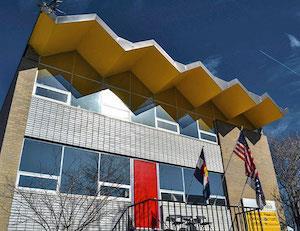
Winter Park’s original base area ski lodge, known as the Balcony House, vividly represents the early history and pioneering evolution of the City of Denver’s first Mountain Park, while also fostering groundbreaking developments in the Colorado ski industry The Balcony House was designed by Stephen Bradley in 1955, the first director of the Winter Park Recreational Association (WPRA), who also invented the first ski packing and grading device in the United States. The Balcony House was one of America’s very first passive solar ski lodges and its style captured America’s fascination with futuristic designs and the coming space age. The two-story Balcony House, with its panoramic views from cascading balconies, is a prime example of Mid-century Modern architecture To the best of our knowledge, it is the only remaining mid-century modern public ski lodge in Colorado Advocates for preservation believe future growth can be achieved in Winter Park without the demolition of the Balcony House. Listing on Colorado’s Most Endangered Places is intended to be a catalyst for further discussions with the WPRA and Alterra Mountain Company, developers of the ski resort, about how partnerships can be achieved to preserve Winter Park Ski Area’s most authentic building.
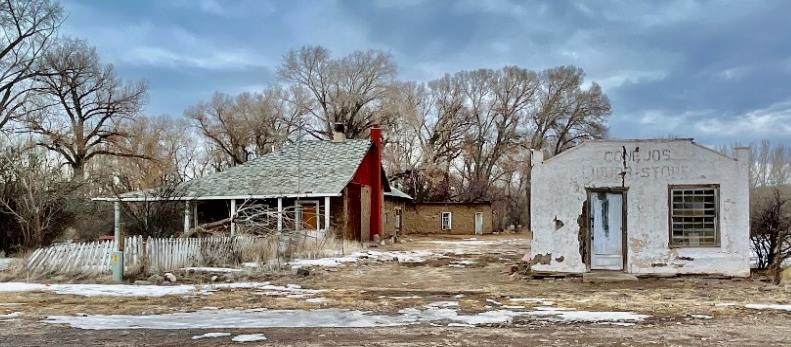
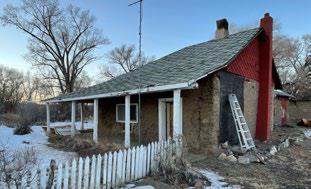
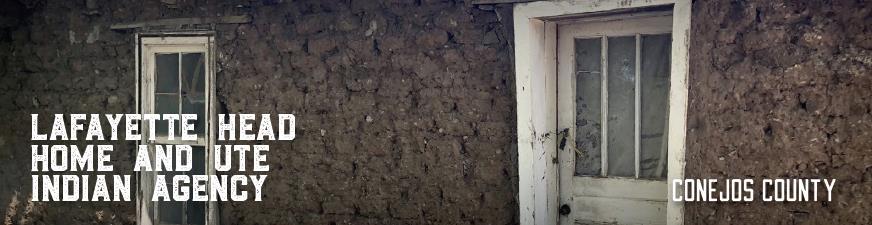
For a relatively brief, but formative period in Colorado, the Lafayette Head Home & Ute Indian Agency was the center of the universe for a diverse convergence of cultures and forces that changed the state’s history. The Lafayette Head Home & Ute Indian Agency was built by Lafayette Head in 1855 and played an important role in the settlement of Colorado.
Lafayette Head was an early settler in the San Luis Valley after serving in the Mexican-American War and establishing himself first as a prominent businessman in Santa Fe. He and his family then founded one of the first permanent settlements in the Valley, naming it Guadalupe, but relocated it to higher ground and renamed it Conejos, where he built his compound in what is now the county seat of Conejos County. In 1859, Head was appointed as Special Agent to the Ute and Jicarilla Apache tribes, and served in this position for nine years, working especially with the Tabeguache Ute and Chief Ouray Head used his home in Conejos as the agency headquarters Head was also instrumental in treaty negotiations with the Ute tribes in Washington, D C , that eventually led to the relinquishment of San Luis Valley lands to the United States and the establishment of the Southern Ute and Ute Mountain Ute reservations in far southwestern Colorado.
When the Colorado Territory was established in 1861, the Head Home and Conejos became part of it. The Head House itself is representative of Indo-Hispano, Native American, Territorial, and early Colorado architecture The house originally had a flat, earthen roof with large vigas, or log beams spanning the rooms, and was constructed of adobe. The home was richly appointed with fine furnishings and saw a steady stream of visitors to it and the adjacent compound, which still includes another adobe building and remains of one of the first grist mills in Colorado.
Architect Ron Rael, Professor of Architecture at the University of California-Berkeley, is leading the effort to preserve the building and disseminate the history of the site as a cultural resource to the local and regional community. Rael is a descendant of the families who accompanied Head to the Valley and has strong ties to his family’s ranch east of Conejos. The landscape and grounds around the Lafayette Head Home include a large abundance of archaeological evidence, from Picuris, San Felipe, and San Juan pottery to shell buttons and other artifacts reflective of various eras and cultures present at the site.
A save for the Lafayette Head Home and Ute Indian Agency would include restoration and preservation of the site The Salazar Rio Grande del Norte Center at Adams State University and Sangre de Cristo National Heritage Area will partner with CPI, in consultation with Ute tribal representatives, on efforts to preserve and interpret the site.
The historic Gold Medal Orchard, located in McElmo Canyon, represents one of hundreds of remnant historic orchards located in Montezuma County and Colorado. First planted in 1890 by James Giles, the orchard soon earned its name by winning a gold medal for the quality of its apples and peaches at the St Louis World’s Fair in 1904 Time passed, the trees grew into their grandeur, and then slowly faded into the landscape. Over 100 years later, only a few historic trees remained, hardy remnants of the orchard’s former glory.
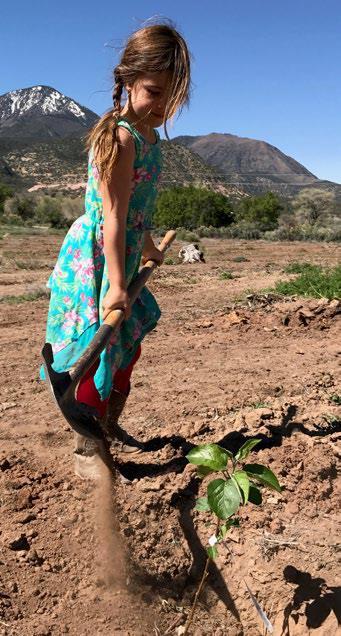
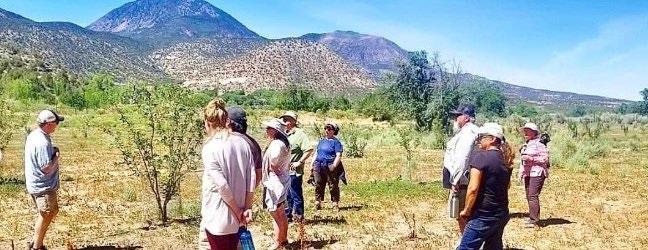
Today, the story of the Gold Medal Orchard is remembered by the Montezuma Orchard Restoration Project (MORP) through its work to preserve Colorado’s fruit-growing heritage. In 2015, the orchard was listed as one of Colorado’s Most Endangered Places by Colorado Preservation, Inc (CPI) In 2019, the project was awarded the EPP Progress Award by CPI at the Dana Crawford & State Honor Awards, and with the leadership of Jude and Addie Schuenemeyer and the Kenyon family, is now saved.
Specialty Crop Block Grants from the USDA and Colorado Department of Agriculture helped to fund the propagation work in the MORP nursery and the DNA testing of historic apple trees. This analysis confirmed the many rare cultivars growing in historic orchards and provided documentation to the historic context for the site.
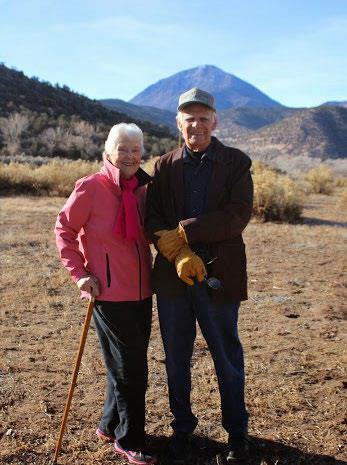
A History Colorado, State Historical Fund grant provided funds for interpretive signs at the Gold Medal Orchard, development of classes on Colorado’s orchard history, and a written historic context of orchards in Colorado. The restoration work to replant 400 trees to the site was completed by MORP volunteers and AmeriCorps NCCC service crews. MORP is especially grateful to the relationship with property owners, Philip and Vivienne Kenyon, who remain the great inspiration through their ability to value the past but look toward the future with this historic property
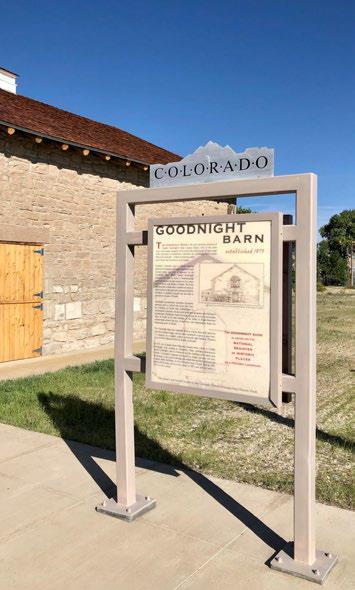
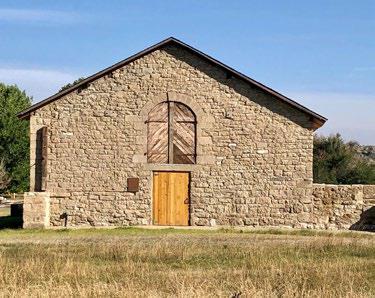
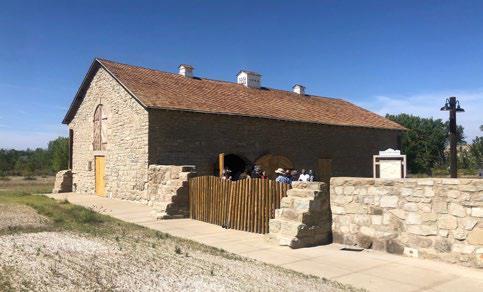
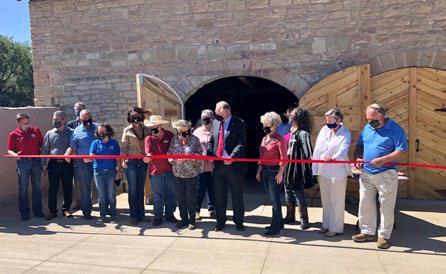
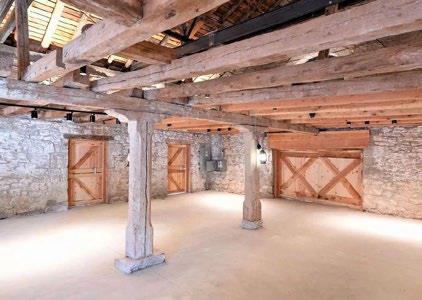
In 2002, the historic Goodnight Barn, located along the Arkansas River west of Pueblo, was placed on Colorado’s Most Endangered Places as it faced imminent threats to its survival. The City of Pueblo purchased the deteriorating building to avoid an acquisition offer from Texas Tech University who wanted to move it to where Charles Goodnight got his start in the cattle business. Since then, Goodnight Barn Preservation, Inc. and the City of Pueblo worked for over six years to restore the historic 1870 stone barn. Today the Goodnight Barn has been moved from endangered to saved thanks to the State Historical Fund, the Colorado Department of Local Affairs, the El Pomar, Gates, and Gersick Foundations, and local businesses and donors.
The Goodnight Barn was listed on the National Register of Historic Places in 1974 Charles Goodnight built his barn of locally mined Codell sandstone and with lumber hauled from Wetmore, 25 miles west. The majority of stone and timber is original, and the barn is one of the most architecturally significant agricultural buildings in Colorado. The barn was once part of Goodnight’s Rock Canyon Ranch, established in 1868 as one of the oldest and largest cattle ranches in Colorado The ranch was the northern headquarters for the Goodnight- Loving Cattle Trail, which helped pioneer the cattle ranching industry in Colorado.
Work began on the barn in August 2019 with HW Houston Construction, Inc as the general contractor and Block by Block LLC doing the restoration. Work included concrete injections to stabilize the foundation, steel beams to stabilize the walls, a concrete floor, a wood shingle roof, interior and exterior lighting and outlets.
EPP Projects: Mothballing
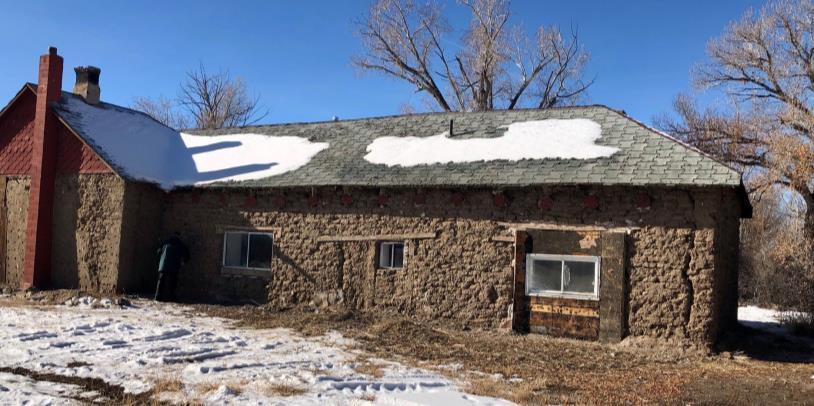
Each year CPI’s EPP selects one listed site that is currently unoccupied, exposed, and open to the elements.. The program provides seed money to “mothball” or close the building to the elements.
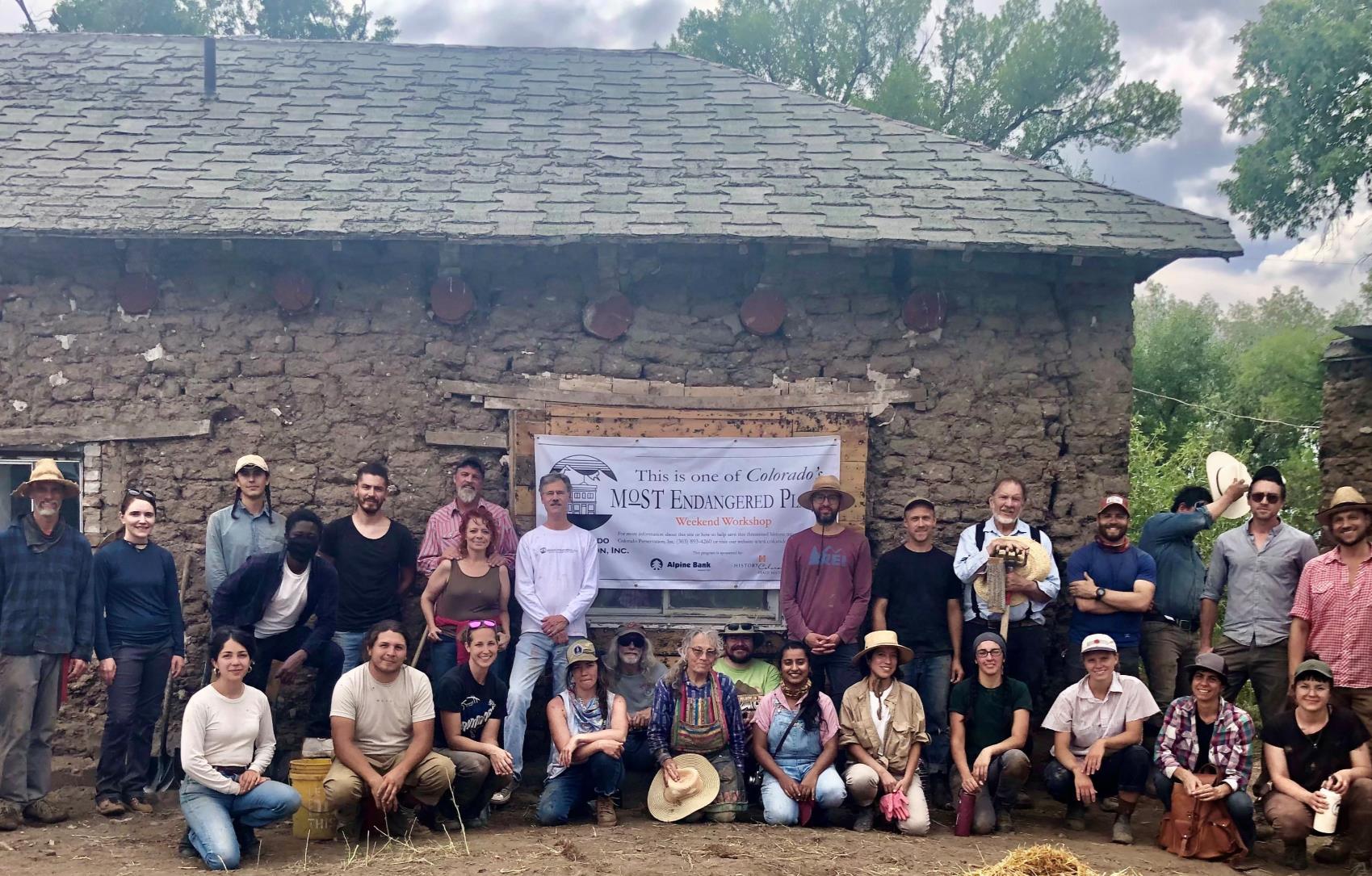
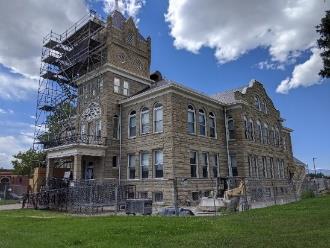
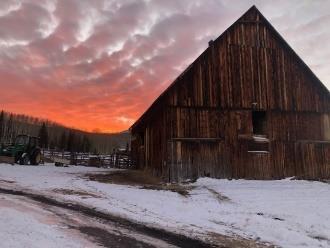
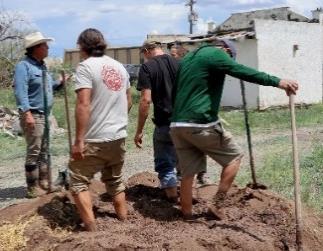
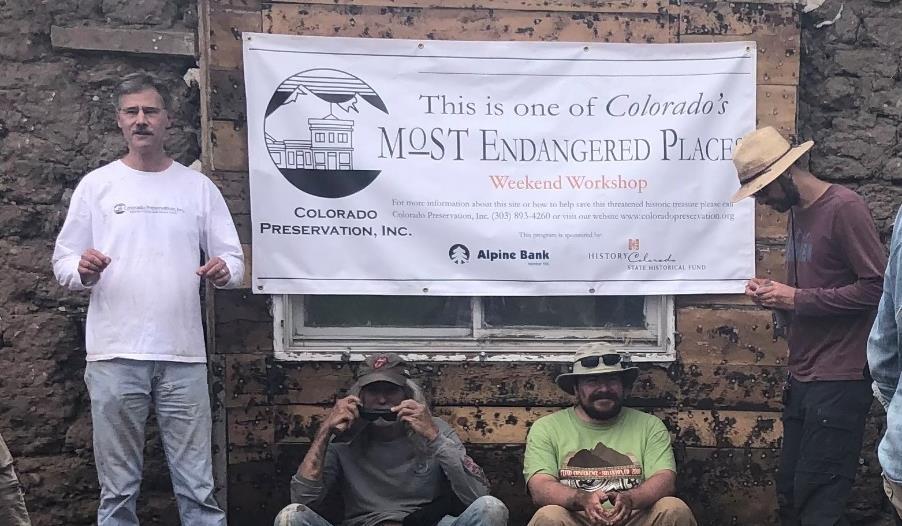
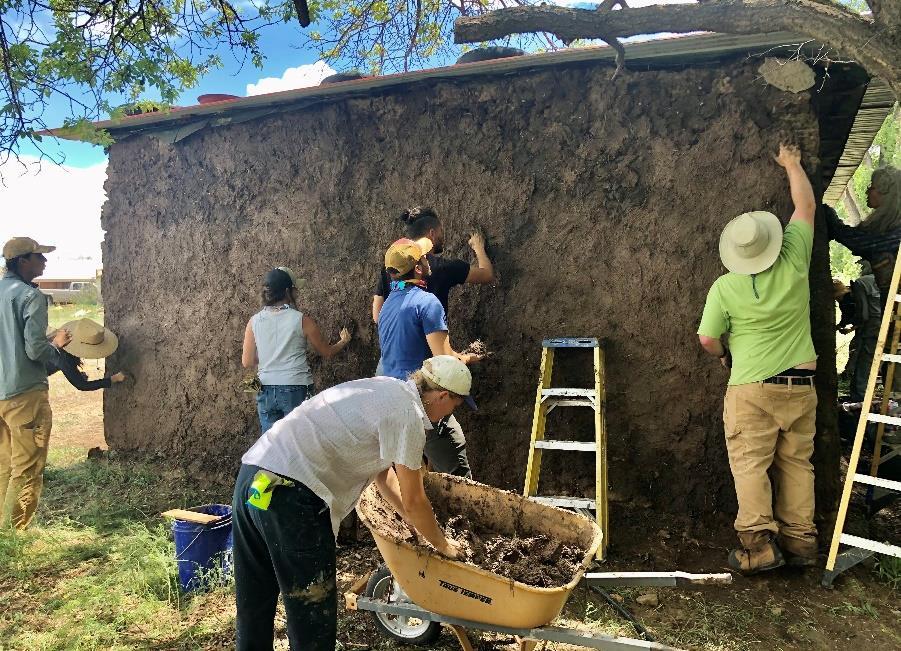
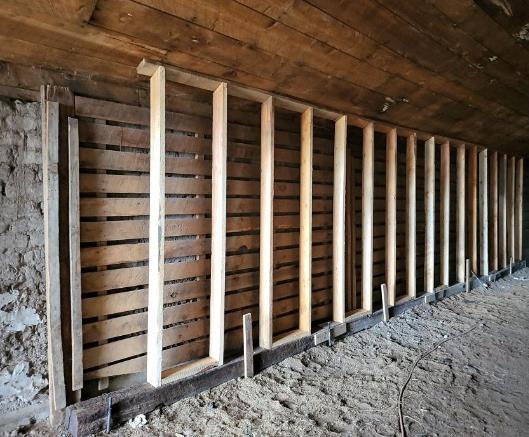
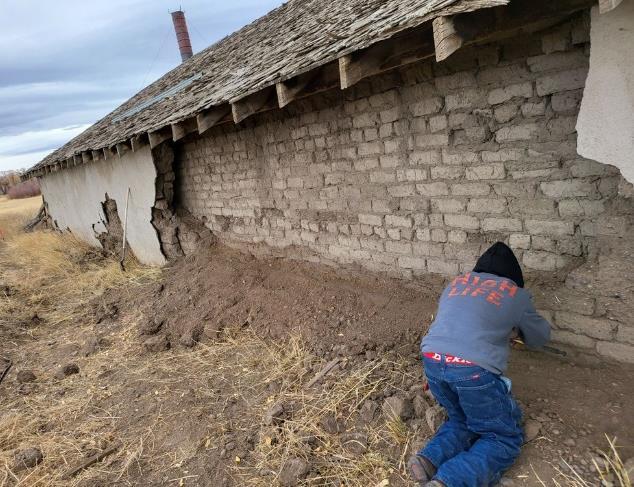
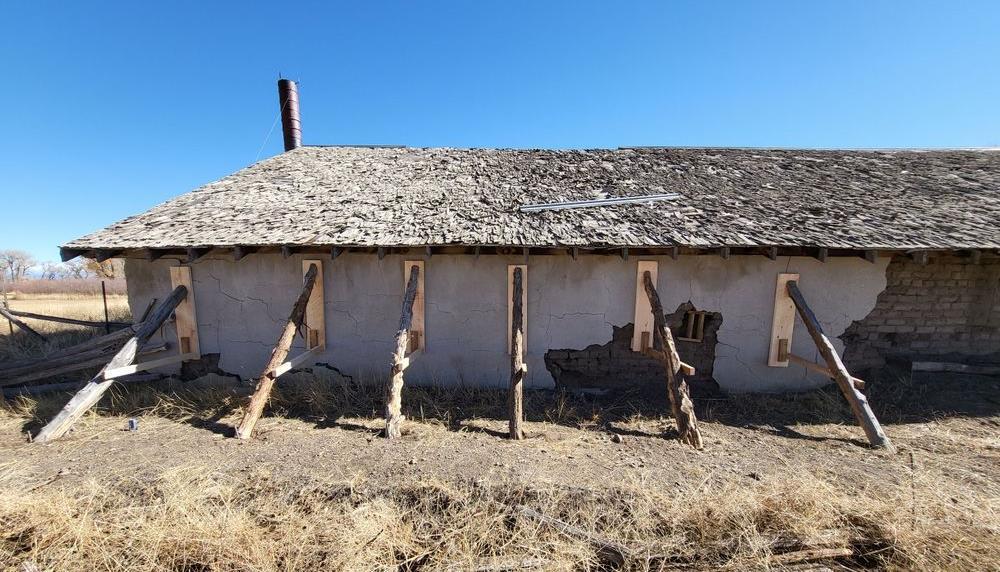
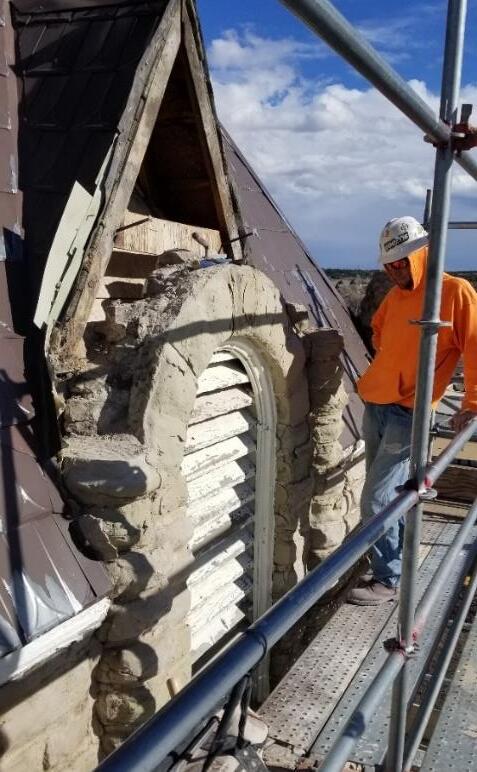
In 2021, CPI brought volunteers to the historic Garcia Ranch to stabilize and secure the adobe potato barn
Preservation Services
The Preservation Services Program supports CPI’s mission by working with non-profits, public and private owners to guide and inform historic preservation projects. We do this by providing technical direction, ideas, connections, coordination, and information for project planning, contracting, funding options and incentives, and exploring adaptive reuse possibilities. In addition to gratis project coaching, CPI’s Preservation Services Program specializes in three main areas of either grant-funded or fee for service assistance:
• Grant writing for historic preservation projects
• Grants administration to ensure that deliverables and financial obligations are met
• Project management where CPI remains involved for the duration of the project
*Projects are selected based on a number of criteria, including involvement with the Endangered Places Program.
Preservation Projects
Colorado Preservation, Inc. offers critical preservation services to non-profit and public entities and private property owners in Colorado. Services include project planning and development, grant writing and management, and National and/or State Register nomination assistance CPI works to match projects with funding sources such as: History Colorado’s State Historical Fund, the National Park Service, the Gates Family Foundation, the National Trust for Historic Preservation, and the Colorado Department of Transportation.
4 UR Mill Stabilization (Mineral County)
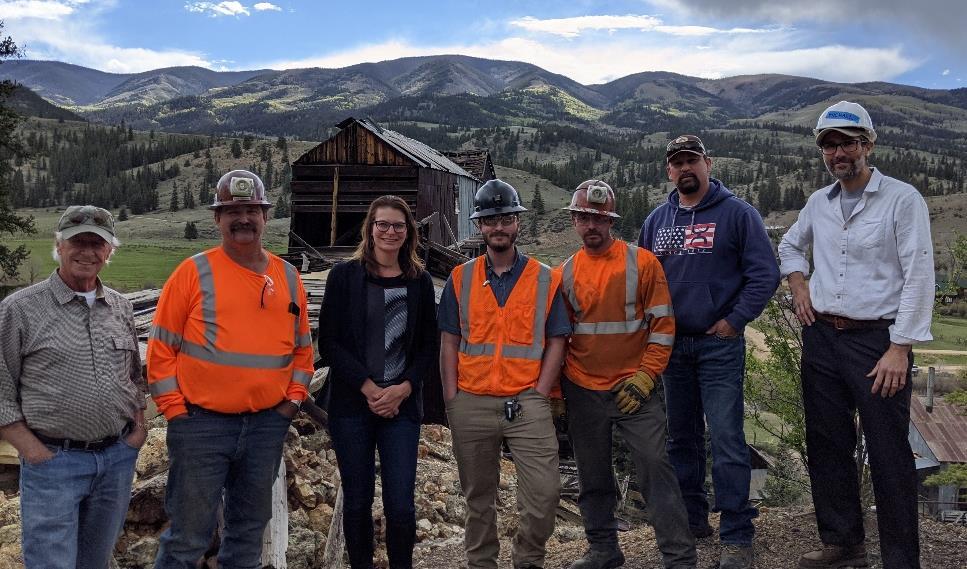
The Wagon Wheel Gap Fluorspar Mine and Mill is located outside of Creede in a historically important mining and ranching area. Formerly a Colorado Fuel & Iron (CF&I) complex, the Mine and Mill are inextricably linked to the 4UR Ranch and Resort, which is under the same private ownership of Pete Leavell and the 4UR Ranch, Inc.
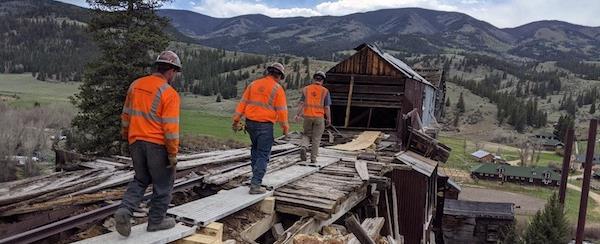
After successful nomination to the National Register, CPI assisted the owner to secure a State Historical Fund grant to stabilize the historic Mill structure, which was in critical condition due to its discontinued use, complex and large size, and long exposure to harsh weather. Stabilization began at the Mill in spring 2021. Along with strong community support, the owners hope to bring this historic building, one of Colorado’s unique mining and ranching landscapes, to the public.
Saguache Hotel (Saguache County)
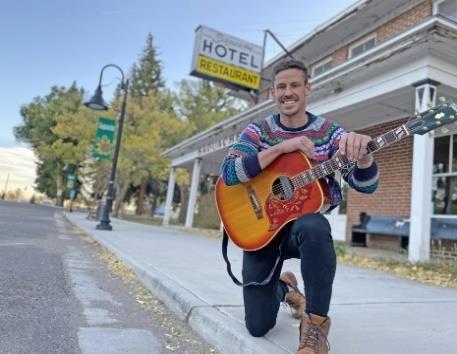
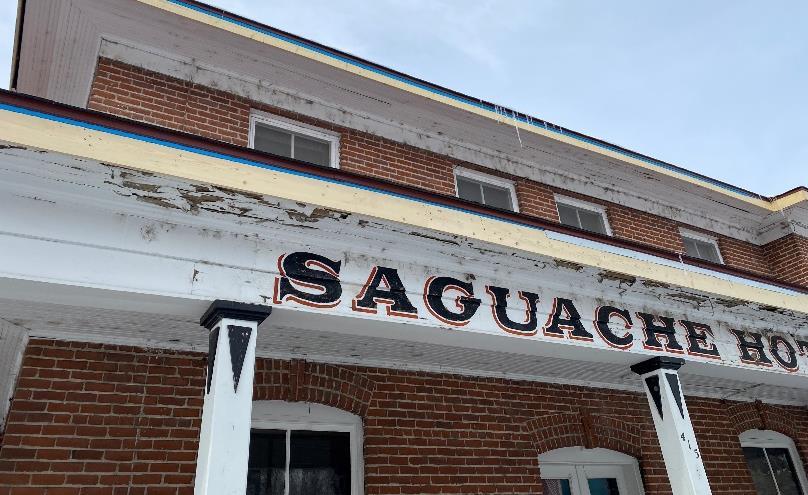
Beginning in 2019, CPI has supported the new private owner of the Saguache Hotel, an anchor building in downtown Saguache, by serving as grant manager and fiscal sponsor for State Historical Fund (SHF) grants to restore the building.
In 2021, the restoration of the roof was completed by Deep Roots Craftsmen and Conklin Roofing, with architect Scheuber+Darden. The success of this project has spurred a second successful SHF grant application that will restore the building’s windows, doors, and porch. The owner, Andy Hackbarth, envisions the building being a cultural and entertainment hub and hotel with housing in a region (San Luis valley) that is attracting visitors and new residents. The restoration of the Saguache Hotel will spur revitalization and preservation efforts along the 4th street commercial area and the Saguache Downtown National Historic District
Project Updates
Walker Cabin (Delta County)
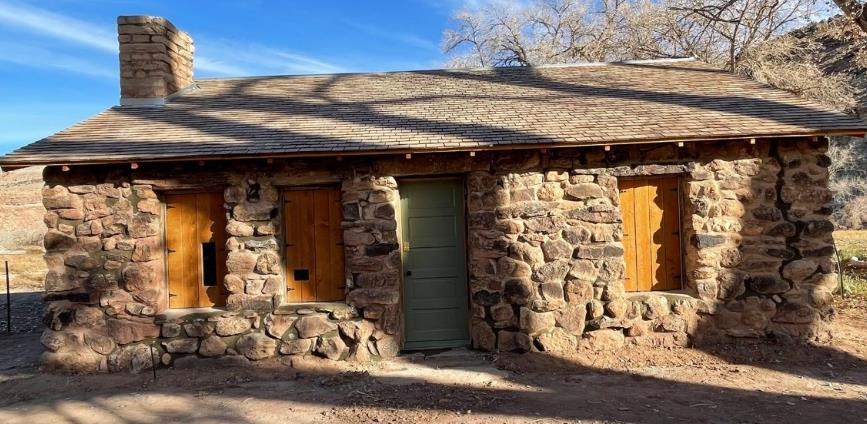
Work to restore the Walker Homestead in Escalante Canyon outside of Delta was completed in Dec. 2021 by Back Again Restoration. Funded by the State Historical Fund (SHF) and the Interpretive Association of Western Colorado (IAWC), the masonry and roof were restored on the exterior On the interior, the fireplace, windows, floors, and doors were also restored.
The historic cabin was built by Harry Walker in 1911 and is owned by Colorado Parks and Wildlife To enhance much needed historical interpretive goals in the region, IAWC plans to re-purpose the cabin for the Learning Center for Colorado Canyons Association which provides field trips into the Escalante Canyon for K-12 school kids
Ludlow Massacre Site – National Historic Landmark (Las Animas County)
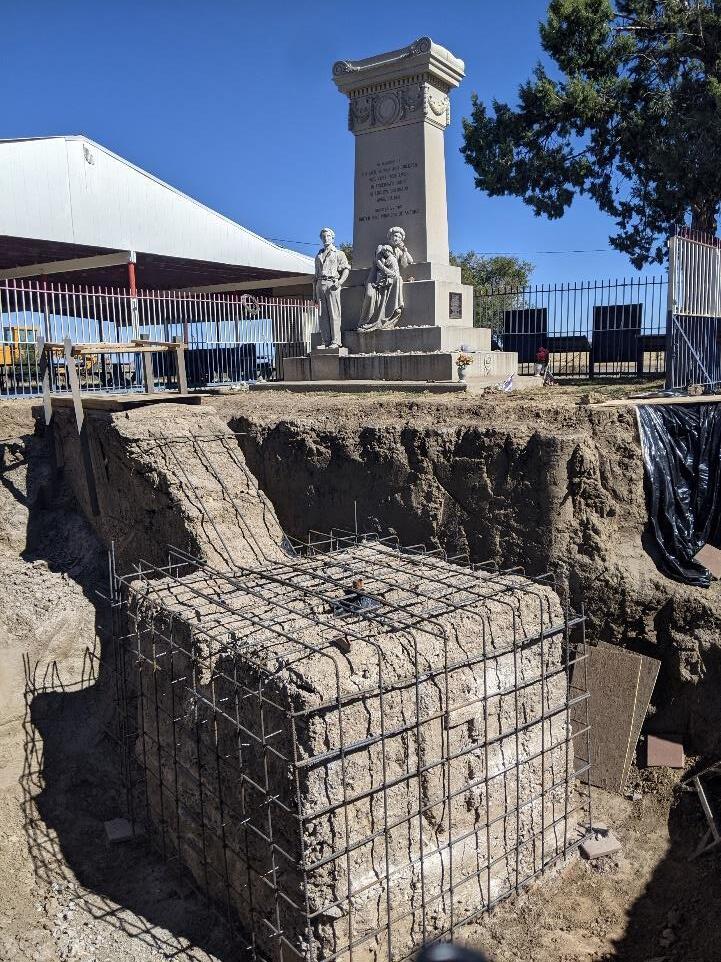
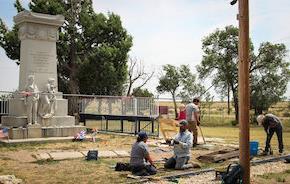
In 1918, a granite monument was erected by the United Mine Workers of America (UMWA) at Ludlow, the site where the Colorado National Guard on April 20, 1914, shot striking coal miners with machine guns and burned their tents to the ground. Conflict there erupted due to the horrible working conditions miners endured at the nearby Colorado Fuel & Iron (CF&I) mines; Ludlow was a nearby mining tent colony or company “town ” On that fateful day, known as the Ludlow Massacre, 21 were left dead. The event has become pivotal in U.S. mining history that resulted from workers’ efforts to improve conditions, representing the broader struggle between labor and control over workplace management
The “death pit” was encased in concrete as a memorial to the victims. In fall of 2021, with financial support from UMWA, the National Park Service National Landmark Program, and the National Trust for Historic Preservation, the over 100 years old concrete pit was uncovered, restored, and repaired, revealing important information about the event in the process. A&M Renovations was the general contractor and Scheuber+Darden the partnering architect CPI worked closely with project partners to restore this somber feature for safe public access, longterm preservation, and greater interpretation.
Project Updates
Briggsdale (Weld County)
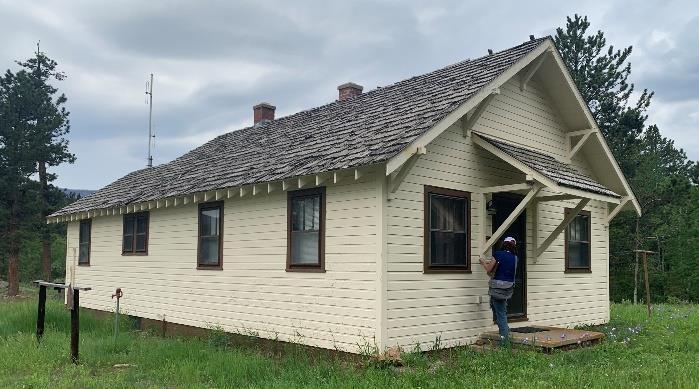
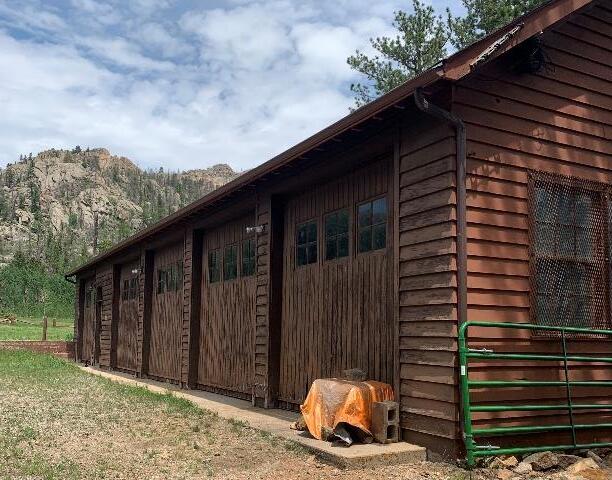
Buckhorn Ranger Station (Larimer County)
CPI partnered with the U S Forest Service – Arapahoe and Roosevelt National Forests and Pawnee National Grassland – to plan for the adaptive reuse of the Buckhorn Ranger Station located outside of Maconville, a historic district listed on the State Register The site was the first official ranger station in the Forest and served as its historic headquarters. The Buckhorn Ranger Station site was built by the Civilian Conservation Corps (CCC) between 1933 and 1941 and today consists of four domestic habitation buildings and a large garage, all of which contribute to the Buckhorn Ranger Station Historic District.
As the partnering nonprofit and fiscal sponsor, CPI helped the USFS apply for and receive a SHF planning grant to prioritize preservation on site Form+Works Design Group, the project architect, developed schematic design plans for each of the buildings’ reuse that will collectively increase public visitation as well as site interpretation and accessibility through the USFS historic cabin rental program.
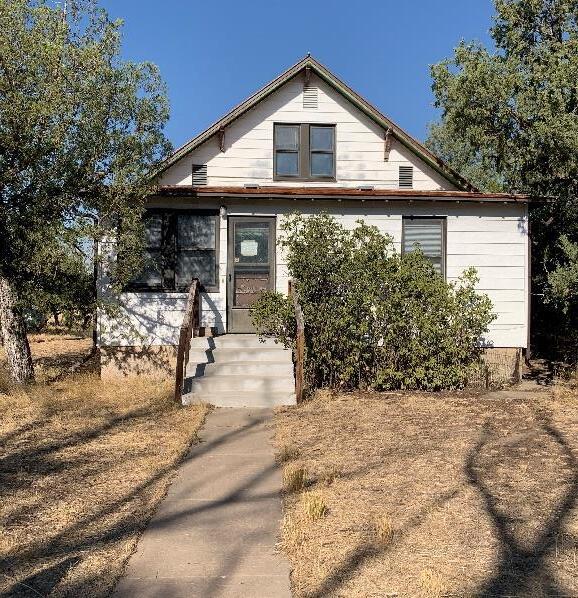
The New Deal Era Land Utilization Project Headquarters located near Briggsdale, is another USFS partnership project. Following the Dust Bowl, the Headquarters was a demonstration site for soil conservation techniques aimed at alleviating rural poverty and restoring the economic vitality of the agricultural industry. Set within a homestead parcel from the 1920s, the site is listed on the National Register (1936-1941 period of significance) and consists of four historic buildings (the House, Shop/Warehouse, Garage, and Root Cellar).
In 2021, CPI worked with the USFS to apply for a SHF grant to develop construction documents for the Main House (pictured here) by Form+Works Design Group With funds matched through the Great American Outdoors Act, the USFS aims to rehabilitate it as a recreational rental for increased tourism, economic development, enhanced birding and conservation, and historic interpretation in the area.
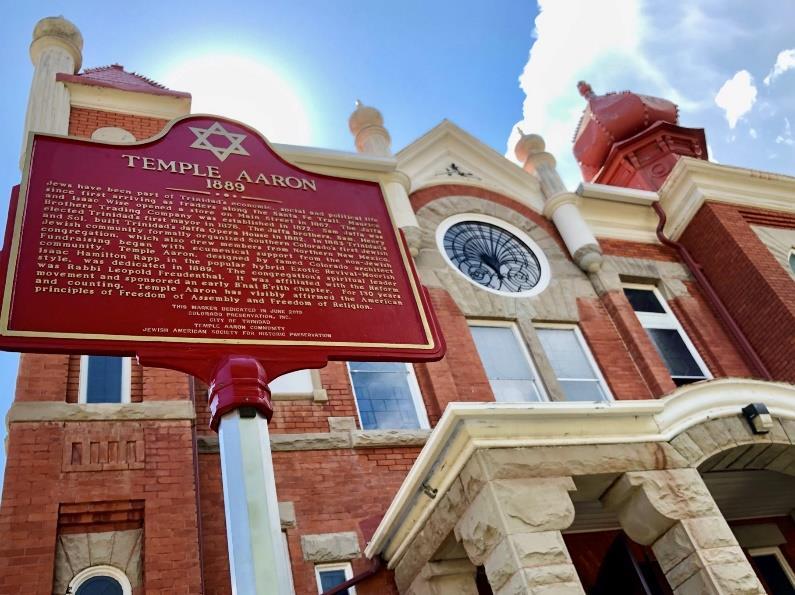
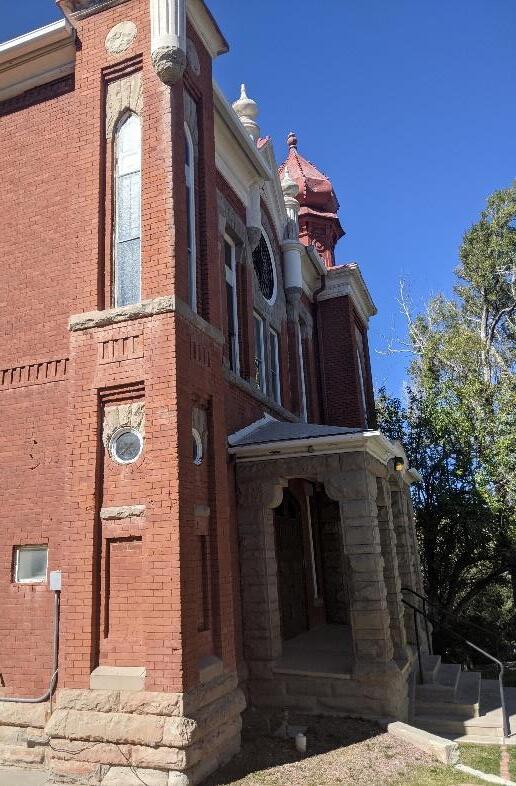
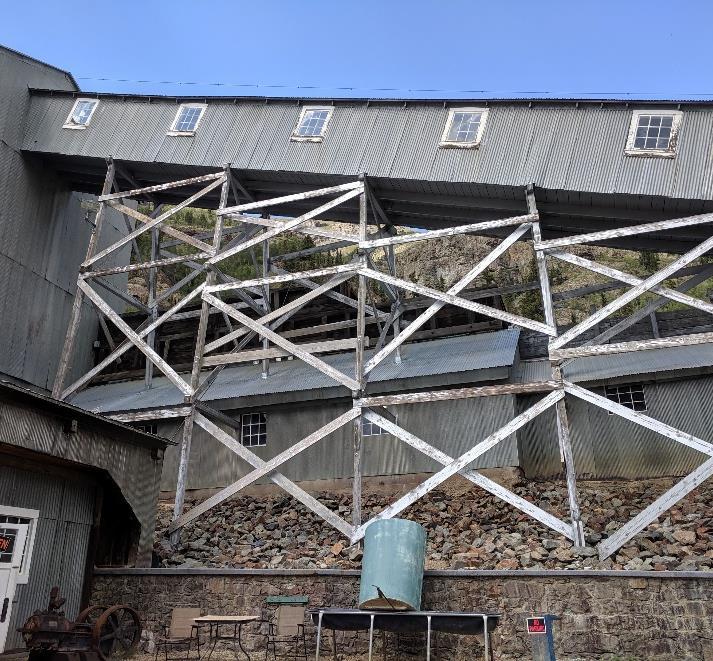
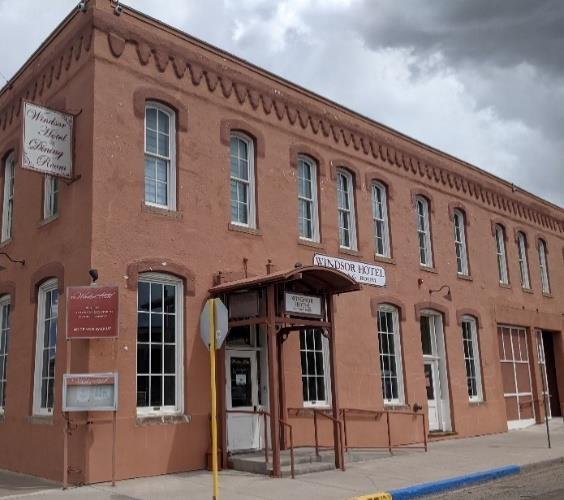
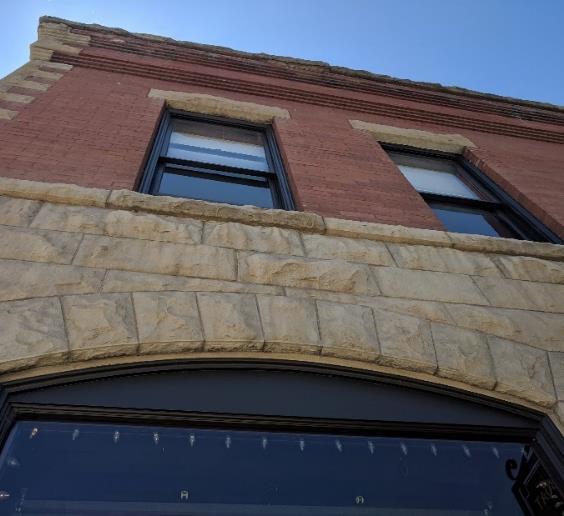
Shenandoah Dives Mill, San Juan County Temple Aaron, Trinidad
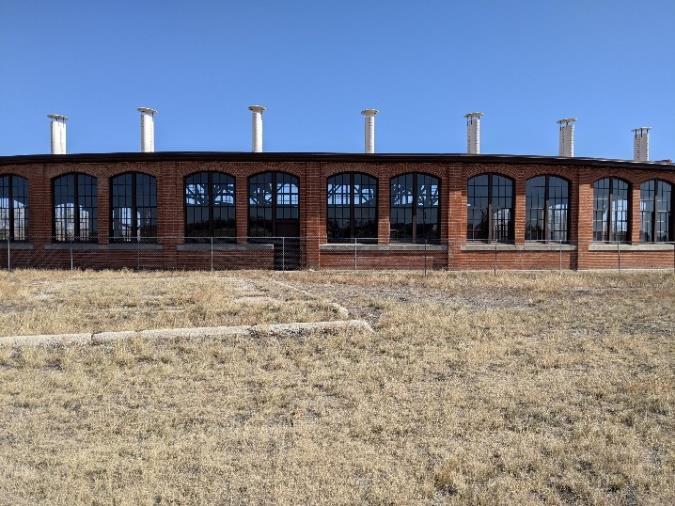
Hugo Roundhouse, Hugo
Springs
2021 Supporters
$10,000 and Above
Estate of Janet H. Boone
Historicorps
History Colorado’s State Historical Fund
Bob Musgraves & Joan Prusse
National Park Service
Garden Street Financial Group
James Hewat and Thuy Thi Doe
History Colorado
Graham and Paula Johnson
JVA, Inc.
Dan Love and Cameron Wolfe
Carla McConnell
Melanie M. Roth
Jon and Tammy Schler
Lucas Schneider and Marissa Ronk
Erik and Frances Taylor
Robin Theobald Family
Matt Thomson
Stephanie and David Tryba
$5,000 $9,999
Alpine Bank
Linda Boden
Deedee Decker
Empire Carpentry, LLC
Kathleen Palmer
Tim Schultz
Peter and Kelly Merrion
Metcalf Archaeological Consultants, Inc.
Karen Onderko
Barb and Rob Pahl
Sally Pearce
Doug and Hazel Price
Ratio Design
Sue Anschutz Rodgers
Scheuber + Darden Architects
Dominick Sekich and Scott Van Vleet
Arianthe Stettner
Steven Turner and Stevem Kick
Ken Urbanek
Jane and Phil Watkins
Wattle & Daub Contractors
Nore Winter
Adolfson & Peterson Construction
Marty Amble
$1,000 $4,999
Nan and Dave Anderson
Anderson Hallas Architects
Anonymous
Atkinson-Noland & Assoc., Inc.
Mary Lyn and Richard Ballantine
Geraldine Baron
BVH Architecture
Kayla Carey
City of Trinidad
Jim Cole
Colorado Cattlemen's Agricultural Land
Trust
Colorado Creative Industries
Colorado Department of Local Affairs
Main Street
Colorado Historical Foundation
Colorado Scenic & Historic Byways, CDOT
Georgianna and Robert Contiguglia
Dana Crawford
Deep Roots Timberworks
Ruth Falkenberg
Drew Fink and Daniela Uribe
Form+Works Design Group
Matt Goebel
Goucher College, Welch Center for Graduate and Professional Studies
Rhondda and Peter Grant
Summit Sealants & Restoration
Tax Credit Connection, Inc.
TreanorHL
Keith Willy
B. Travis Wright
$500 $999 $250 $499
E. Susan Bickert
John Boydstun
Doris Burd
Nathan and Jennifer Orrigo Charles Community First Foundation