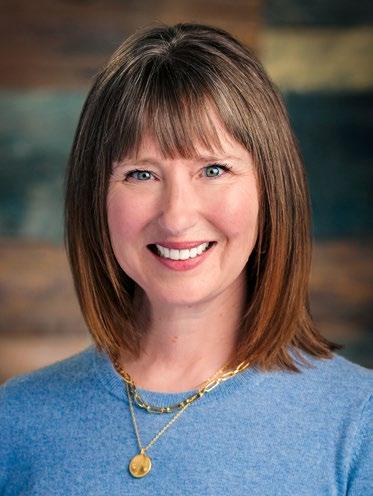
Editorial Assistant Melinda Taylor mtaylor@coloradocountrylife.org
EDITORIAL
CORPORATE OFFICE
455 S. Pierce St., Lakewood, CO 80226 info@coloradocountrylife.org, 303-455-4111
Editorial opinions published in Colorado Country Life magazine shall pertain to issues affecting rural electric cooperatives, rural communities, and citizens. The opinion of CREA is not necessarily that of any particular cooperative or individual.
POSTMASTER Send address changes to Colorado Country Life at 455 S. Pierce St., Lakewood, CO 80226.
SUBSCRIBERS Report change of address to your local cooperative. Do not send change of address to Colorado Country Life. Cost of subscription for members of participating electric cooperatives is 30 cents per month, paid from equity accruing to the member. For nonmembers, a subscription is $16 per year in state/$21 out of state.
ADVERTISING 720-407-0712
advertising@coloradocountrylife.org
National advertising representative: American MainStreet Publications 611 S. Congress St., Suite 504 Austin, TX 78704 | 800-626-1181
ADVERTISING STANDARDS Publication of an advertisement in Colorado Country Life does not imply endorsement by any Colorado rural electric cooperative or the Colorado Rural Electric Association. Call for reprint rights. View advertising and editorial policy terms and conditions online at coloradocountrylife.coop.
Cultivating Hope
By Kylee Coleman Editor
Like much of the Front Range, my house is on water restrictions. In addition to following the city’s defined lawn watering schedule, we are conserving water wherever we can, like taking shorter showers and not running the faucet when brushing teeth.
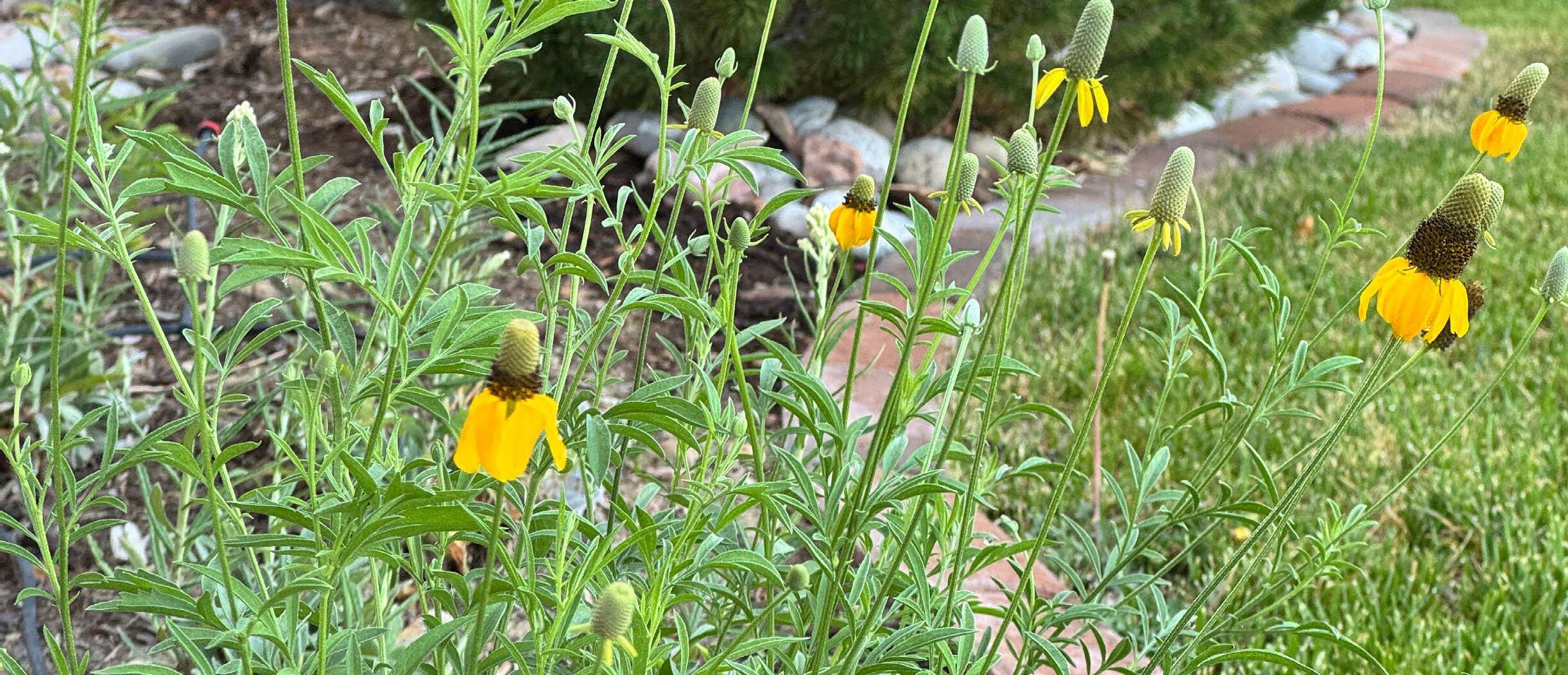
The June issue of Colorado Country Life featured a piece about Resource Central’s Garden in a Box program. I saw promotions for the program last year and ordered my Butterfly Haven garden kit in March. I picked it up at the Adams County Fairgrounds in May and planted it over a weekend.
All plants in the Garden in a Box kits are low-water, and many of them are native to Colorado. The information sheets Resource Central provides with each kit lay out pretty much everything you need to help your kit thrive. The materials set the expectation that “year one the plants sleep, year two they creep, and year three they leap.” Knowing that, we were certainly surprised to see yellow coneflower blooms in early July. And here’s the best part: We have been sporadically watering the flower garden only very lightly since May.
We are excited to see what the garden does over the next few years. In the meantime, I will take these blooms as a sign of good luck and good things to come. May your last weeks of summer bring the same.
Monthly Giveaway
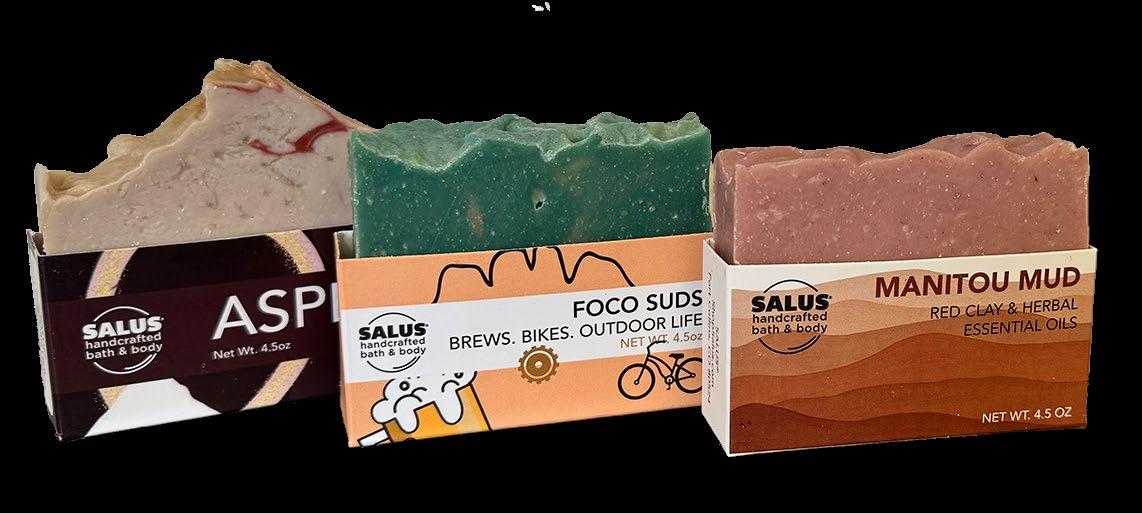
This month, CCL is giving away three bars of Salus soap. Handcrafted in small batches in Fort Collins, each soap has a delightful scent and will last a long time. Turn to page 10 to read all about soap.
To enter the giveaway, navigate to the Monthly Contest page on our website at coloradocountrylife.coop.
Need a different way to enter our contests? Send a postcard with your name, mailing address, phone number, and the name of your electric co-op to CCL Contest, 455 S. Pierce St., Lakewood, CO 80226. Contest ends August 20.
In Harm’s Way
By Tom Walch CREA Executive Director
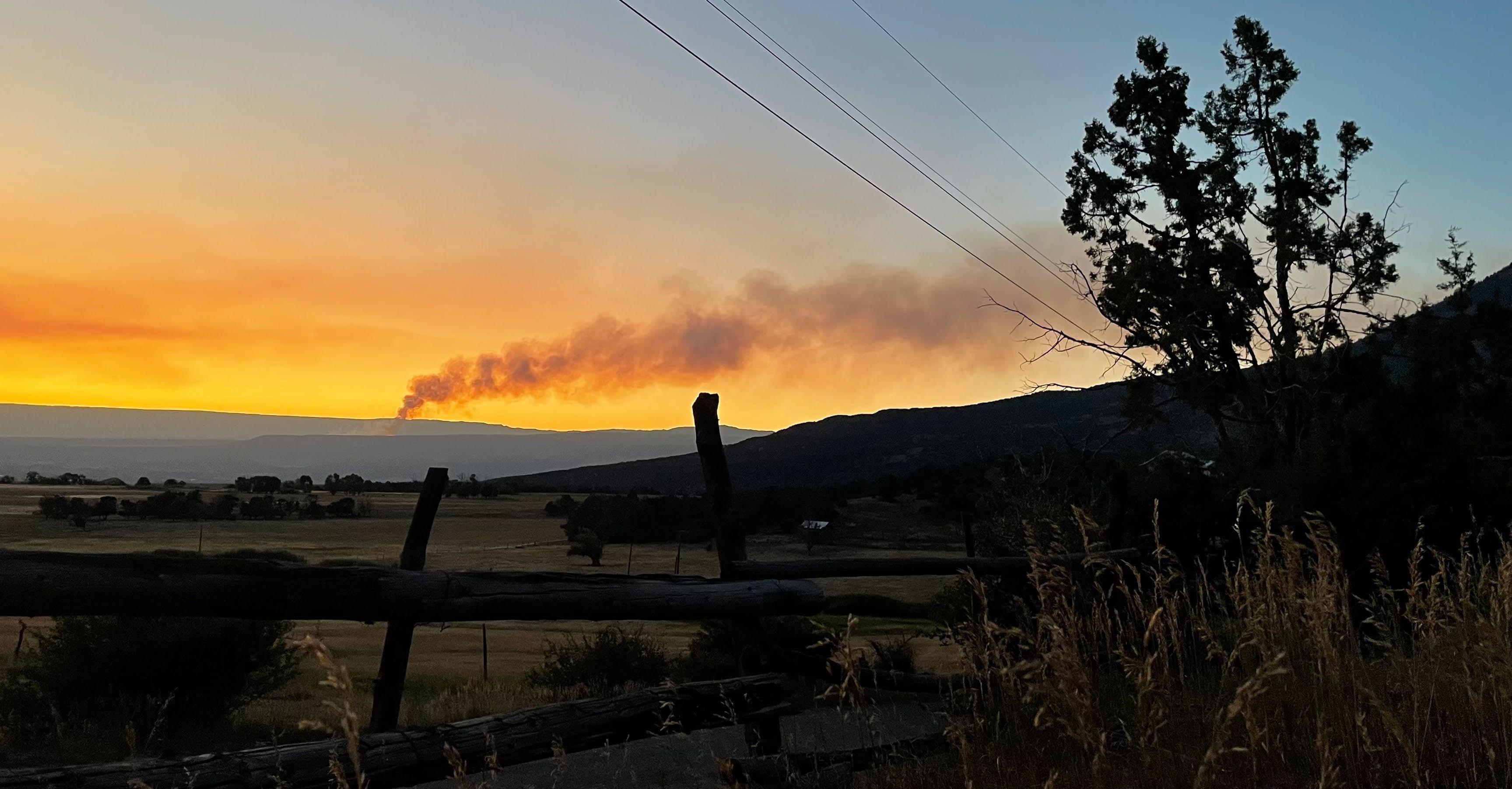
Colorado is experiencing another hot, windy summer with dry, dry weather stoking wildfires across the state. We have seen at least six major wildfires as of mid-July. As soon as the threat from one diminishes, it seems two more ignite.
Nobody feels the impact of wildfires the way rural electric co-ops and their members do. Co-op members with homes, ranches, and businesses in harm’s way are affected by wildfires in a deeply personal way. Dozens of rural communities have been subject to evacuation orders this summer. Personally, I have never been forced out of my home, so I can’t speak to the difficult, uncertain, and stressful effects these evacuations trigger. But even evacuations pale in comparison to the anguish that accompanies the loss of a home. Our hearts go out to all members of our Colorado cooperative family who have endured this loss.
With so much at stake, our electric cooperatives are focused intently on doing everything in their power to reduce the risk of wildfires for themselves and their members. It starts with developing plans that identify high-risk areas, and then putting in place policies, practices, and procedures to mitigate threats. Across the state, co-ops are stepping up tree trimming and line patrols in forested areas. They have installed special fuses on their lines and use advanced system settings that minimize potential ignition sources. Some co-ops use new and emerging technologies such as advanced cameras perched high above the landscape that detect small fires. Early detection means early action, and these fires can be extinguished before causing catastrophic damage. Co-ops closely track wind and weather conditions and, when necessary, take additional steps to reduce risk, including deenergizing power lines.
We are grateful for the sacrifices made by firefighters. As I write this, four firefighters have perished this summer battling rural Colorado wildfires. We honor them and thank them for their service.
Colorado’s electric co-ops are charged with providing safe, reliable, and affordable electric service across 70% of Colorado’s land mass — much of which includes fire-prone areas. Co-ops go to great lengths to build and maintain facilities and equipment across the state. They have more invested — and more at risk — than virtually any other entity. They collectively have invested millions of dollars to reduce and mitigate fire risks.
Unfortunately, even with their diligence to reduce wildfire risk, conditions and factors outside anyone’s control are such that the risk will never be eliminated. It is a grim reality. But the stakes are so high that our Colorado co-ops will continue to plan and innovate to protect their members from the potential devastation that wildfires would bring.
Tom Walch is the executive director of the Colorado Rural Electric Association, the statewide organization supporting 21 electric distribution cooperatives and one generation and transmission cooperative.
Photo by Lisa Padgett
Understanding Your Electric Bill
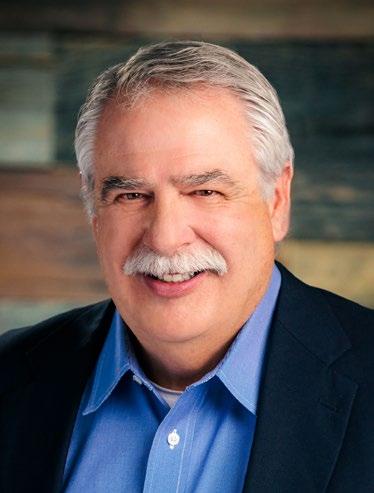
By Mark Hall CEO
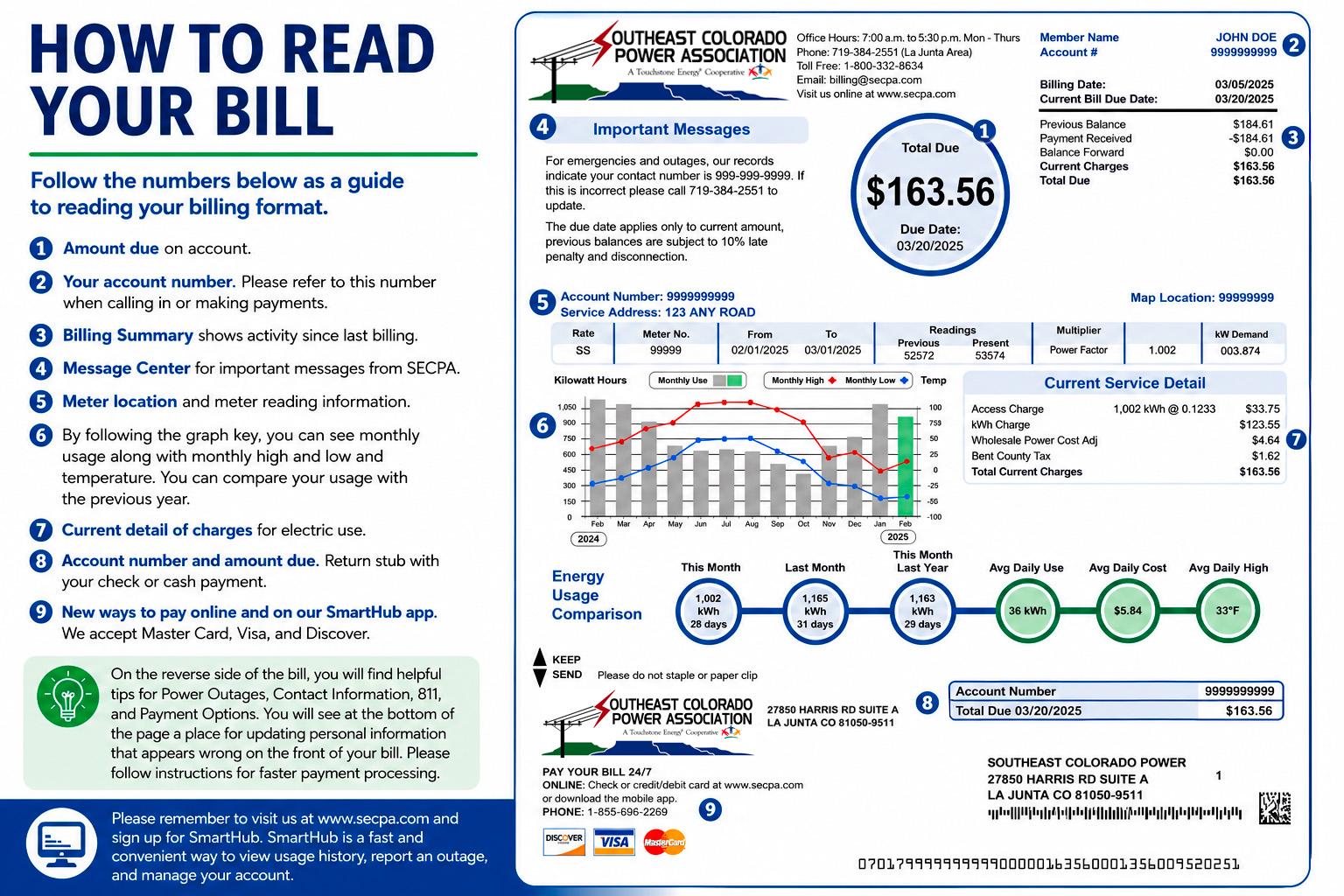
August is typically one of the warmest months of the year, and that means air conditioners across our community are working overtime to keep homes comfortable. During periods of extreme heat, many members may see an increase in their electric bill and wonder what factors contribute to the cost of electricity.
At Southeast Colorado Power Association (SECPA), we believe understanding your electric bill is an important part of being an informed member. While the total amount due may seem like a single number, it actually reflects several different costs associated with delivering reliable electricity to your home or business.
The largest factor is often the amount of energy you use. Electricity is measured in kilowatt-hours (kWh), and the more energy your household consumes, the higher your bill will be. During the summer, air conditioning is typically the largest driver of increased energy use. When temperatures climb into the 90s or higher, our cooling systems run longer and more frequently, consuming significantly more electricity than they do during milder weather.
Another major factor is the cost of generating or purchasing electricity. Like many cooperatives, SECPA purchases power from Tri-State Generation and Transmission. The cost of producing electricity fluctu-
ates based on fuel prices, including natural gas, coal, and other energy resources used to generate power. Changes in wholesale power costs influence the price of electricity delivered to members.
Transmission costs also play a role. Before electricity reaches your home, it must travel across a network of highvoltage transmission lines that connect power plants to local distribution systems. Transmission equipment requires ongoing maintenance and upgrades to ensure reliability, especially as electricity demand continues to grow.
Closer to home, SECPA maintains the local electric distribution system—utility poles, power lines, transformers, substations, and other essential equipment that safely delivers power to members. Maintaining this equipment is covered through the monthly access charge. This is a flat monthly fee all members pay, regardless of how much electricity they use. This fixed fee ensures all members pay a fair share of the basic, operational costs required to keep the power grid reliable and ready to serve your home or business. Whether a member uses a little electricity or a lot, we must maintain infrastructure and have crews, equipment and resources available to provide electricity around the clock.
Summer temperatures can also influence costs in less obvious ways. When the demand for electric-
CO 81050
Phone: 719-384-2551
Toll Free: 800-332-8634
Fax: 719-384-7320
www.secpa.com
facebook.com/secpaonline
ity is high across a region, wholesale power prices can increase. Utilities and grid operators must ensure enough generation is available to meet peak demand, and those costs can be reflected throughout the electric system. (*WIN Russell Adrian acct 26010xxxxx)
The good news is that simple steps to lower energy use can make a meaningful difference. Setting your thermostat a few degrees higher when you’re away, replacing dirty HVAC filters, using ceiling fans, sealing air leaks, and avoiding the use of major appliances during the hottest parts of the day can help reduce energy consumption, lower your bill, and reduce strain
on the local grid during peak demand times.
SECPA’s mission is to provide safe, reliable, and affordable electricity while being transparent about the factors that impact energy costs. We understand every dollar matters, and we are committed to making smart investments that keep the lights on and support the communities we serve.
If you ever have questions about your electric bill or co-op programs designed to help you save, please reach out. We’re here to help you make informed decisions that work for your household.
Thank you for allowing Southeast Colorado Power Association to serve you.
ENERGY EFFICIENCY TIP OF THE MONTH
August heat can put your air conditioner to the test, so it is a great time to check your system’s air filter. A dirty, clogged filter restricts airflow, forcing your cooling system to work harder than necessary to keep your home comfortable. That extra strain can reduce efficiency, increase energy use, and contribute to unnecessary wear and tear on equipment. Inspect your filter monthly during periods of heavy air conditioner use and replace it if it appears dirty. A clean filter supports efficient operation and can even enhance indoor air quality — helping you stay cool and comfortable during the hottest days of summer.
Creating Lasting Memories
SECPA Youth Tour delegates reflect on their week in Washington, D.C.
My SECPA Youth Tour to Washington, D.C., was an experience that I will remember for the rest of my life. Before the trip, I was excited to see our nation’s capital, but I never expected how much the people, places, and history would impact me.
One of the most personally meaningful stops for me was Arlington National Cemetery. Visiting it carried special significance because my mom has always told me it was the highlight of her own Washington, D.C., trip during her junior year of high school. She traveled for more than a day on a Greyhound bus to experience many of the same places I was fortunate enough to visit. Walking through Arlington and seeing what had meant so much to her made me feel connected to her experience. It also reminded me how fortunate I was to have this opportunity through SECPA. Being able to share her love of history with the friends I made on the trip made the experience even more meaningful.
Overall, the Youth Tour gave me a greater appreciation for our nation’s history, the sacrifices made by those who came before us, and the importance of being an engaged citizen. I am incredibly grateful to Southeastern Colorado Power for providing this opportunity. From exploring historic sites and museums to building friendships with students from across the area, I came home with memories and experiences that will stay with me for the rest of my life. This trip challenged me to see history from new perspectives, strengthened my appreciation for public service, and reminded me that the relationships we build can be just as meaningful as the places we visit.
- Cash Neugebauer
Attending the NRECA Youth Tour in Washington, D.C., was an unforgettable experience that allowed me to learn more about our nation’s government, leadership, and the electric cooperative industry. I had the opportunity to visit historic monuments, museums, and important government buildings while meeting students from across the country. The trip helped me build new friendships, strengthen my leadership skills, and gain a greater appreciation for the opportunities available through rural electric cooperatives. It was an experience that broadened my perspective and created memories that I will always cherish.
- Addison Elam
NRECA Youth Tour 2026 was nothing short of a life changing opportunity for me. I learned so much at CREA headquarters and while exploring our state and national capitols. To kick things off, we had a great day at CREA learning about energy/electrical infrastructure. We also learned about job opportunities in cooperatives and watched a comprehensive safety demonstration to close out there before heading to the Colorado State Capitol, where we got to hear about the inner workings of our state government and its history. The next day, we headed to Washington.
As impressive as it was to see so many historic buildings, monuments, and memorials, the best parts of the trip were the amazing people I was able to meet. The unique element of the “R”, meaning rural, in both CREA and NRECA, resulted in most of my peers throughout this experience coming from small communities, and having that in common bred a sense of camaraderie that isn’t present at other conferences I’ve attended. I usually think of myself as a fairly reserved person, but that week I was all the way out of my comfort zone while participating in various social activities, and I was having the time of my life. I made numerous lasting friendships with great kids who I would have never run into elsewhere, while also managing to find a group of us who had all met before due to participating in the same extracurriculars.
I will forever remember the week I spent in Washington, D.C., on behalf of Southeast Colorado Power as one of the most formulaic experiences of my young adult life, it truly was an amazing adventure.
- Grant Pickering
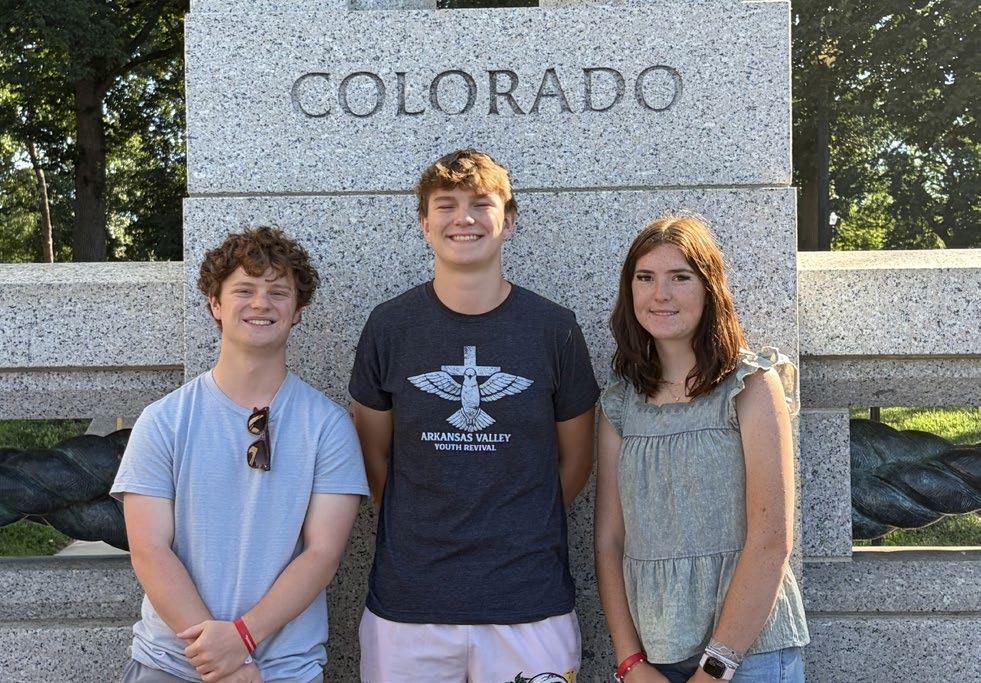
Left to right: SECPA Youth Tour delegates Grant Pickering, Cash Neugebauer, and Addison Elam
If you find your name in this issue as follows (WIN* Your Name, your account number), contact Southeast Colorado Power Association at 719-384-2551 or 800-332-8634 to receive a $50 credit on your next power bill. Last month’s winner was Robert Dowell Jr.
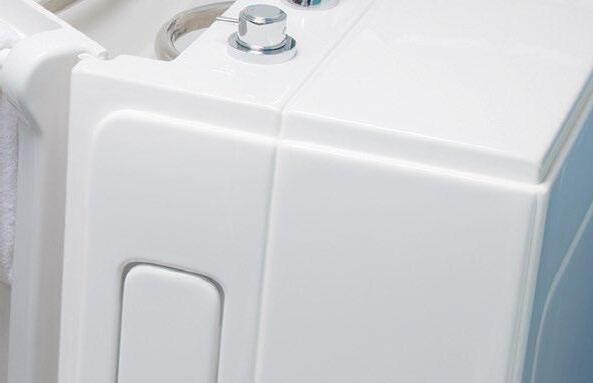
The best walk-in tub just got better with breakthrough technology! Presenting the all new Safe Step Walk-In Tub featuring MicroSoothe. ® An air system so revolutionary, it oxygenates, softens and exfoliates skin, turning your bath into a spa-like experience. Constructed and built right here in America for safety and durability from the ground up, and with more standard features than any other tub.
✓ Heated seat providing warmth from beginning to end
✓ Carefully engineered hydro-massage jets strategically placed to target sore muscles and joints
✓ High-quality tub complete with a comprehensive lifetime warranty on the entire tub
✓ Top-of-the-line installation and service, all included at one low, affordable price
You’ll agree – there just isn’t a better, more affordable walk-in tub on the market.
Raising the Bar
By Mary Peck
If you feel like you’re seeing more and more varieties and brands of bar soap in the marketplace these days, you’re not wrong. Bar soap’s comeback has been underway for a few years now, and for good reason. It’s about more than nostalgia; bar soap has some very practical advantages, from overall value to environmental benefits.
Because bar soap is more concentrated than waterbased liquid soap, it’s easy to use less and it lasts longer. Triple-milled soap is exceptionally dense, with an even longer lifespan. Bar soaps typically come in minimal (if any) paper or cardboard packaging, and since bars are lighter than liquid soap, fewer resources are needed to transport them.
All-natural bar soaps, specifically, are in higher demand by consumers seeking products with simple, clean ingredients. According to the Handcrafted Soap & Cosmetic Guild, handmade bar soaps are created with minimal ingredients and rarely have added preservatives or parabens.
And the old theory that bar soap transfers germs? It’s been discredited through multiple scientific experiments. The U.S. Centers for Disease Control and the Mayo Clinic both recommend handwashing with bar and liquid soap equally as the most effective way to prevent the spread of germs.
With so many benefits, bar soap’s renaissance may be here to stay. Its uses are growing too: There are special bar soaps for babies, face, hair, laundry, and more. Plenty of online product reviews — or better yet, a visit to a local Colorado soap boutique — can help you find the best option for you.
BAR SOAP USES AND TIPS
• Before hitting the dirt, rub dry bar soap under your fingernails to make cleaning after gardening a snap.
• Use a soap dish with drainage or place a silicone soap saver mat in the dish to help the bar stay dry and last longer.
• When a bar is down to a small sliver, stick it to your next full new bar when both are wet for zero waste.
• Slice a bar into smaller pieces for travel, sharing, or smaller needs.
• Pack it up. Bar soap travels well — no spilling or worry about meeting TSA volume limits.
• Place in the bottom of a shaving cup and add water to form a creamy lather.
• Try soap on a rope to free up space and secure the bar in the shower or bath.
Writer Mary Peck connects Coloradans with practical tips, ideas, and information to help them prosper.
Photo
Efficiency Matters for Comfort
By Miranda Boutelle
Did you know energy efficiency upgrades not only help you save energy but can make your home more comfortable, too? If you find yourself continually returning to the thermostat on cold winter days or unable to find relief from heat on summer days, these are signs your home needs an efficiency upgrade.
No matter the home, energy efficiency upgrades often start with the same basic principle: Keep outside air from coming inside and keep conditioned inside air from leaking out. Insulation, air sealing, duct sealing, and upgrades for heating, ventilation, and air conditioning can dramatically improve the comfort of your home.
A fully insulated home, including attic, walls, and floors, is more comfortable. Air sealing is a lesserknown efficiency upgrade that keeps air from entering and exiting the home through cracks and gaps. Some air sealing can be done from inside the home, such as using expanding foam around plumbing pipes and drains under sinks, adding gaskets to outlets on exterior walls, caulking around windows, or weatherstripping around doors.
Attics and crawl spaces offer additional opportunities to reduce air leakage and increase comfort. In the attic, sealing gaps around top plates, open soffit areas, cove ceilings, and balloon framing can help keep conditioned air where it belongs. In the basement or crawl space, seal around plumbing pipes and drains, vents, and electrical wires. If you need help, contact a local contractor.
As a self-proclaimed energy geek, you probably aren’t surprised that my first efficiency effort when my husband and I bought our first home years ago was to air seal and insulate. We sealed and insulated the attic, walls, and rim joists in the basement. The difference in comfort was instant. Our house felt cozier and much
more comfortable. The temperature swings from the furnace cycling on and off were dramatically reduced. The home felt warmer in the winter and cooler in the summer.
Duct sealing can also improve the comfort of your home. Your ductwork delivers heated or cooled air in a forced-air HVAC system. If there are disconnections or leaks in the ducts, the air you paid to heat or cool may not end up where you want it. Disconnects and leaks can cause hot or cold spots in the home. An HVAC professional can inspect or test your ducts to make sure they are connected and sealed properly.
Air sealing and duct sealing can also improve the air quality in your home. Air leakage between the conditioned area of the home and the attic or crawl space can introduce dust, pollen, mold, or other allergens you don’t want to breathe. Reducing air leakage can reduce the chance of these things circulating throughout your home.
Upgrading to a heat pump can also boost comfort and efficiency. Heat pump technology is often about three times as efficient as electric resistance heat because it uses refrigerant to move heat instead of creating it. If you’re upgrading from electric or gas heat, a heat pump can efficiently heat and cool your home, making it comfortable year-round.
If you already have a heat pump or any forced-air HVAC system, annual maintenance and regularly changing your filter maximizes system operation and comfort.
Consider improving your home’s comfort by completing these energy efficiency upgrades. Your family — and energy bills — will thank you.
Miranda Boutelle is the chief operating officer at Efficiency Services Group in Oregon, a cooperatively owned energy efficiency company. She has more than 20 years of experience helping people save energy at home.
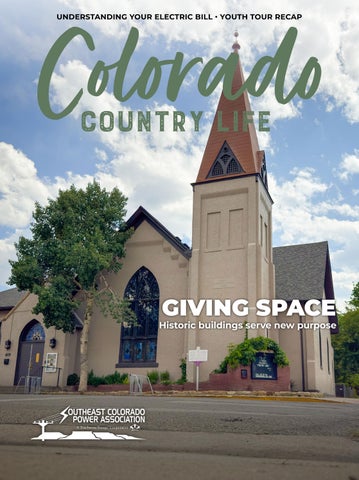
Giving Space
Saved historic churches still serve Colorado’s rural communities
By Suzie Romig
When Salida resident Sheree Beddingfield walked into the historic church building in her small town on a Wednesday winter evening and saw a large audience listening to a talented Celtic band, she thought, “My cup is so full.”
That’s because Beddingfield experienced her hard-won passion project in vibrant action bringing together all types of people in the friendly mountain community to enjoy an affordable and quality performance.
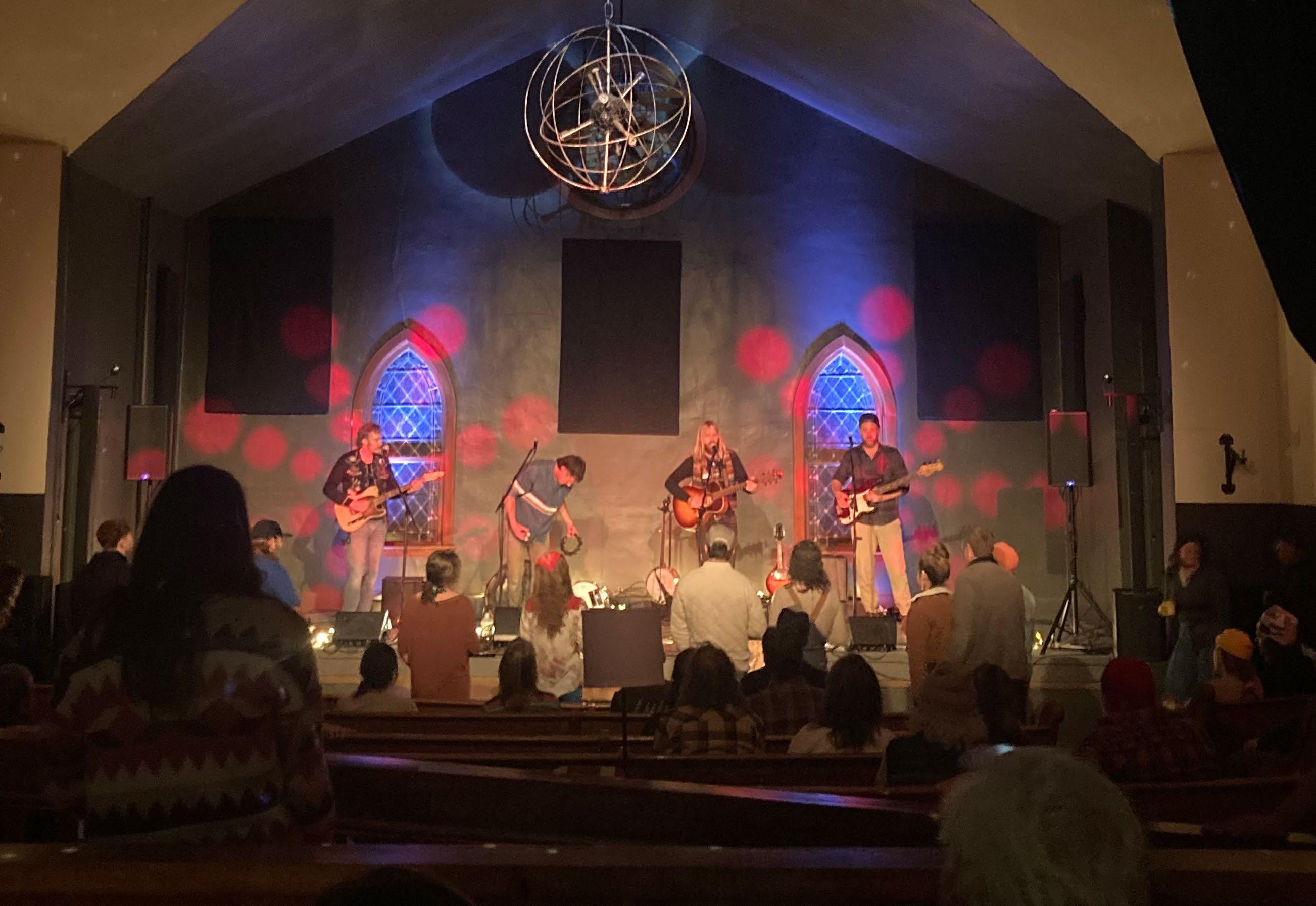
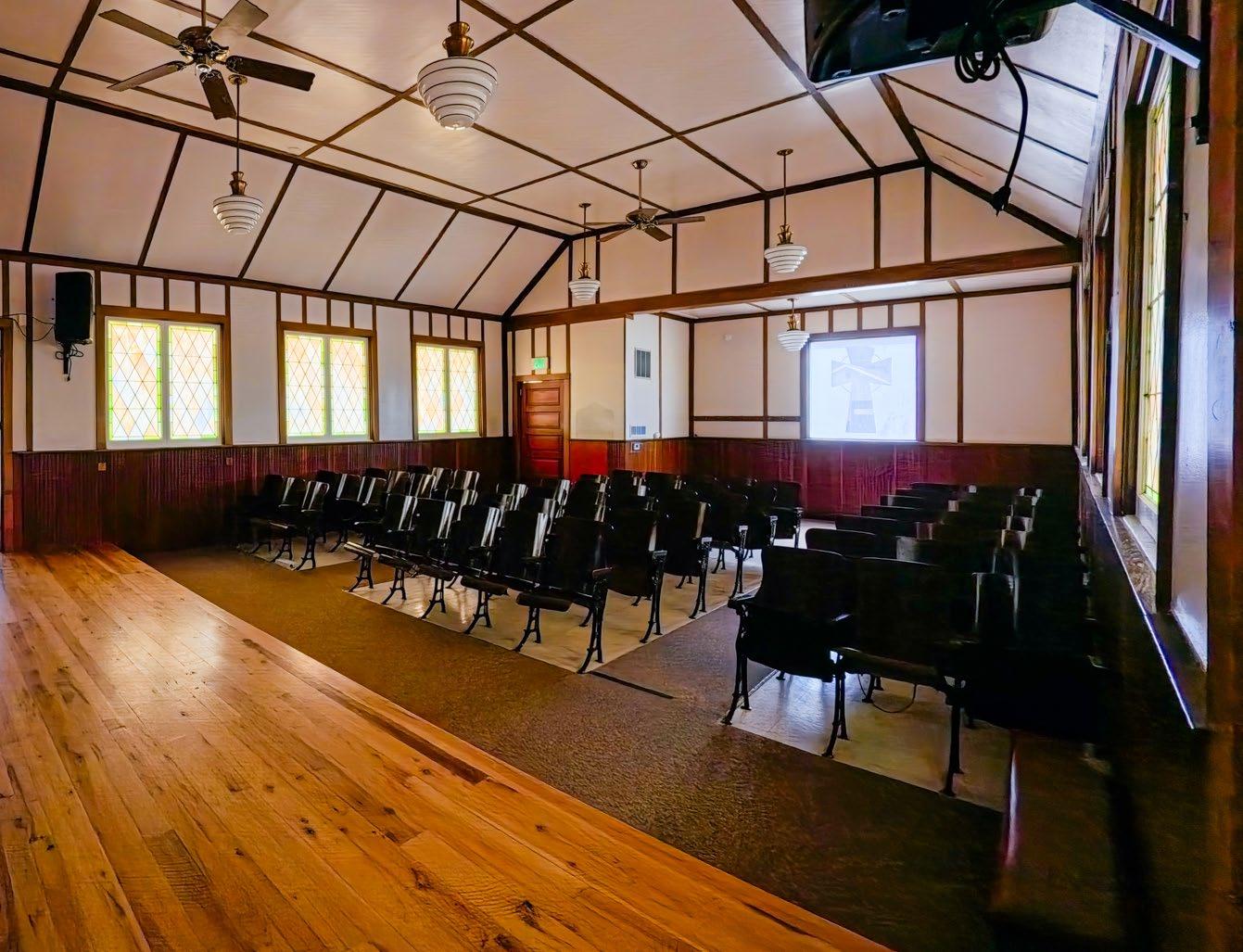
Joyful, upbeat Irish music filled the listening room at A Church — a former Baptist church built in 1885 — as three fiddlers led the ensemble. Some 130 audience members enjoyed the enveloping sounds, while a 5-year-old girl danced in the aisle.
“People will tell me, ‘This is the only place I go to do something social.’ I just think that’s so valuable,” Beddingfield said. “I truly believe people are needing connection and ways to find meaning right now.”
In a town with a population of approximately 6,100, “there’s nowhere else they were going to go” on a weekday evening, Beddingfield said. She enthusiastically pointed to a Sunday night Salida Poetry Spring Equinox gathering in March that drew 120 people.
“There’s not really this [other] community space where a lot of different types of people get together,” Beddingfield noted. “We are providing all of this connection for seniors and young people. They feel comfortable because it is accessible, safe, and friendly.”
A Church board member Rick White said the transformation from an empty church building to a lively community hub and performance space serves a trio of purposes — saving a beautiful historic building, providing a community benefit, and giving artists a place to play.
“It’s a lovely facility,” White said. “We are all very proud of it, and it takes a lot of individuals’ efforts to put this together.”
Work on the old church building started gradually after Beddingfield, a physician assistant specializing in dermatology, purchased the historic location in 2016. The church congregation had moved out and into a larger location in Salida. Beddingfield’s original thought was to section the building into group living spaces for older adults.
Campfire folk band A Brother’s Fountain plays for a full house at A Church in Salida.
Photo by Mike Rosso
Yet, after the first few successful events hosted in the space, a vision of a community-centered facility blossomed.
“I had always had this interest in aging well care, and I just see a lot of people become very isolated and lonely,” Beddingfield said. “But the space totally transformed because we had a communitywide New Year’s Eve gathering. We just had this super fun night, and everybody was like, ‘Oh, my gosh, we need a community space.’”
“About a week later, we lost a really good friend in an unfortunate ski accident, and we had his memorial service there,” Beddingfield remembered of January 2017. “And again, it was just this message of our community needs this space to get together.”
Beddingfield’s former husband who works in construction spent two years on repairs and remodeling the old church, including adding sufficient restrooms, redoing floors, and adding accessible ramps.
A Church has since bloomed and hosted hundreds of events such as eclectic concerts, theater rehearsals and shows, crafting circles, game nights for teenagers, sound meditations, healing circles, parties, weddings, meetings, speakers, comedians, author talks, poetry nights, and open mic nights. More information about the venue and offerings can be found online at AChurchSalida.org.
The mission of A Church is to work to promote connection and provide an open space for nonprofit organizations, civic groups, and individuals working for positive change. In November 2024, A Church became a 501(c)(3) nonprofit to pursue more grants to help even more community nonprofit groups use the space, said Andrea Mossman, manager at A Church.
Often the churches were symbols of communities, and so there’s an opportunity for that to continue to be the case. We want these buildings to continue to live and be vibrant spaces, that everyone in the community can gather and have these as symbols of communities.”
— Damion Pechota, History Colorado
“Especially in rural towns, you really need support for the arts,” said Mossman, a 20-year Salida resident, musician, dancer, actress, and self-described “theater rat.” Mossman said A Church, with its stained-glass windows and sense of history, “just feels very nurturing.”
“It’s a really nice place to perform. It has a great feel,” Mossman said. “We get a lot of people referred to us by other musicians who have come through.”
In fall 2025, the volunteer-led Salida Theater Project became the first resident theater company at A Church.
“It does feel like without A Church we would be without a home,” said Devon Kasper, the theater project’s artistic and executive director. “We are so lucky to have this space in our little town and the kind of music that comes through.”
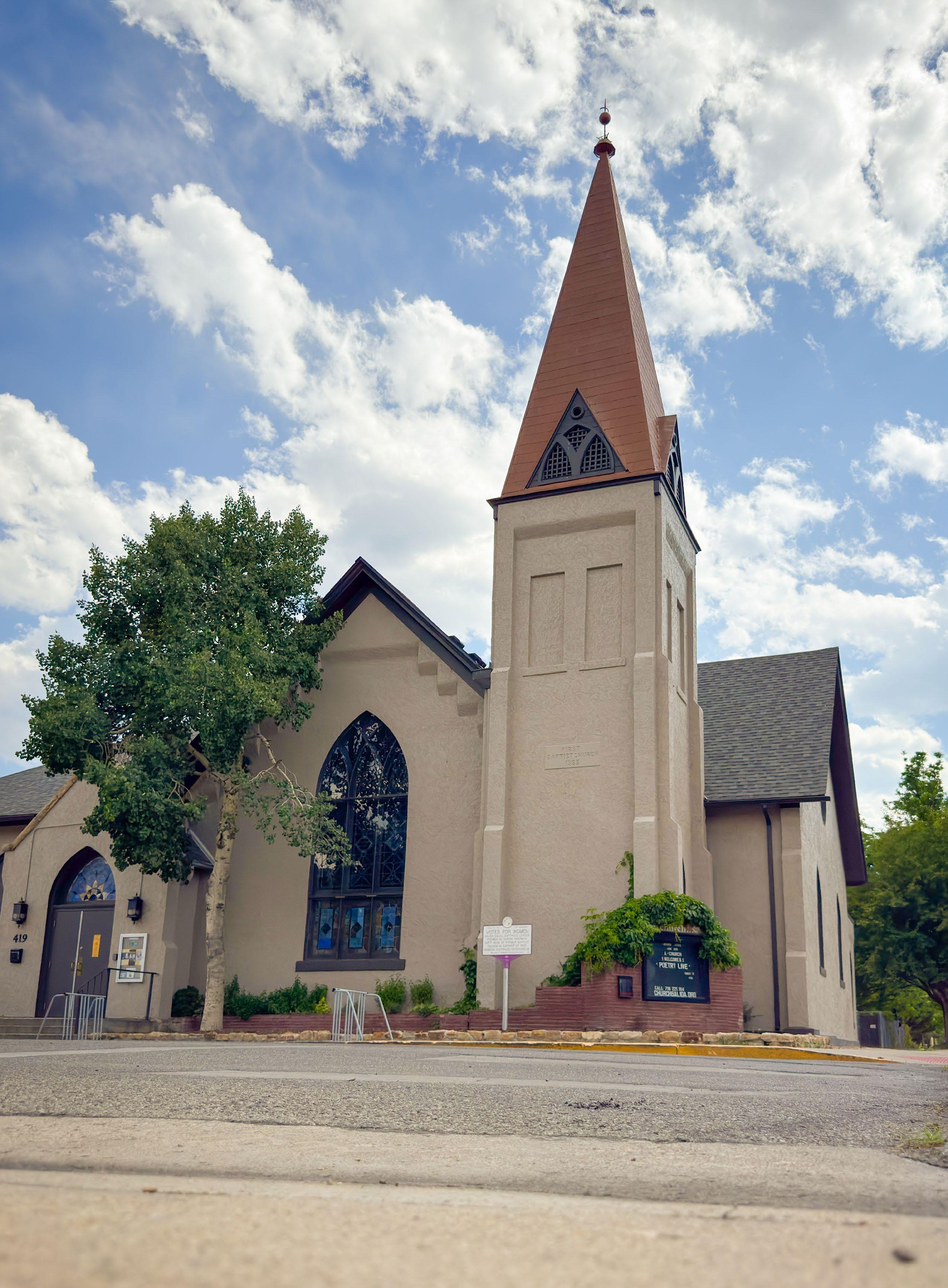
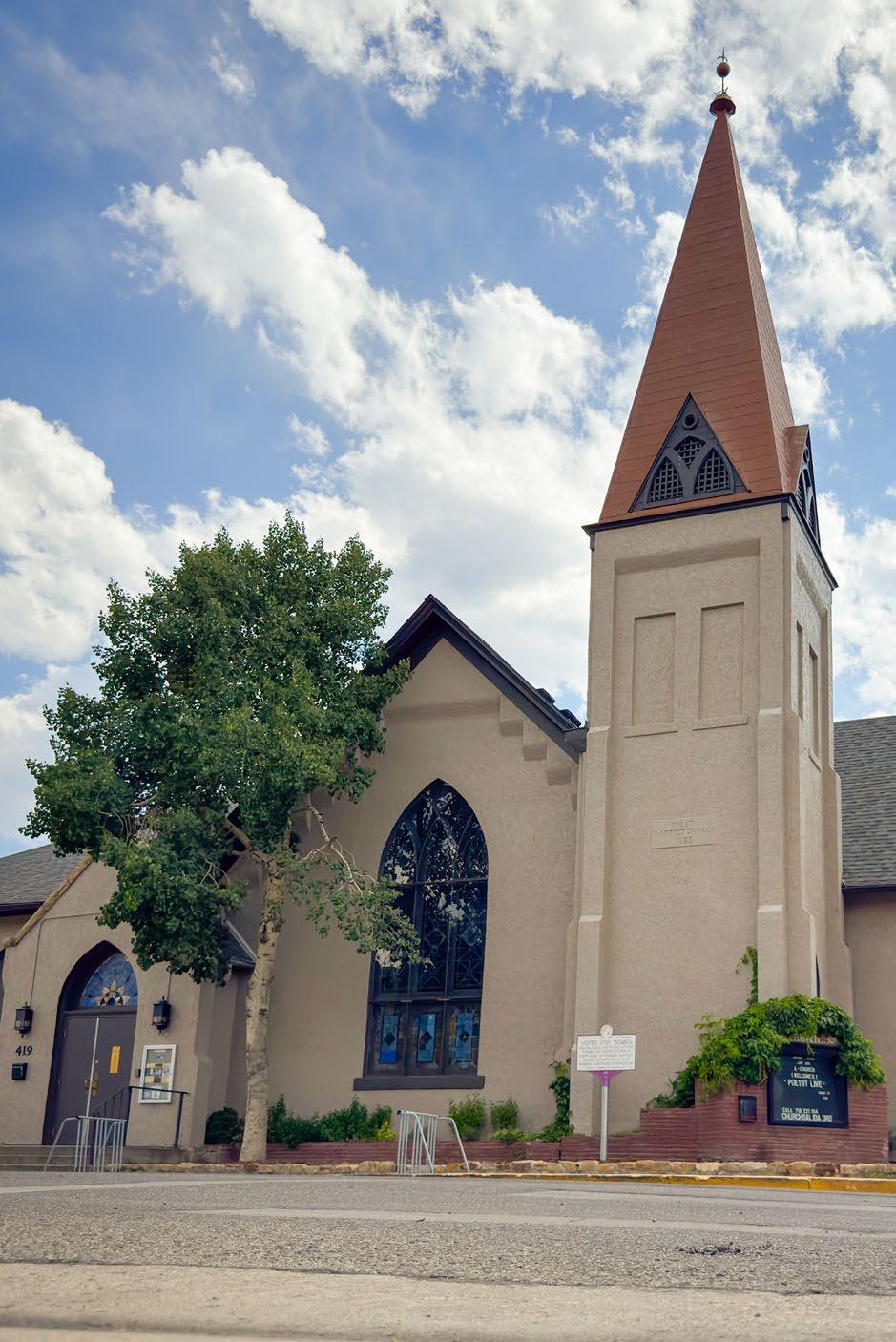
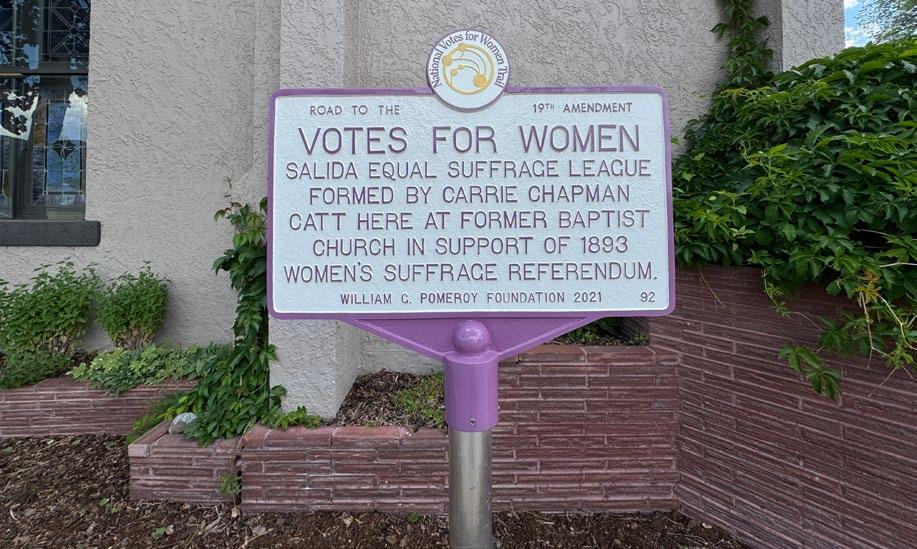
According to History Colorado, A Church at 419 D St. was originally the First Baptist Church of Salida, and construction of the Late Gothic Revival church began in 1885. The First Baptist Church is significant in the temperance and women’s suffrage movements, and the church was approved for the National Register of Historic Places in 2024.
“The church is where the local chapter of the Women’s Christian Temperance Union formed and held regular meetings in the 1880s and where local suffrage activities
A Church in Salida.
Photo by Kylee Coleman
A plaque outside of A Church commemorates the former Baptist church’s connection to the Women’s suffrage movement. Photo by Kylee Coleman
were held as part of an ambitious statewide campaign to enable women’s right to vote through a popular referendum in 1893,” according to History Colorado.
Damion Pechota, senior national and state register historian at History Colorado, said dozens of historic churches in small towns across Colorado have been transformed from empty or storage spaces into valued centers for community uses. The concept is a throwback to a time when churches in small communities often served multiple purposes as a town gathering place, Pechota said.
“Often the churches were symbols of communities, and so there’s an opportunity for that to continue to be the case,” Pechota said. “We want these buildings to continue to live and be vibrant spaces, that everyone in the community can gather and have these as symbols of communities.”
Colorado is home to many wonderful churches in rural areas, the historian noted, yet multiple old churches have been turned into family homes or are only sitting used as storage buildings.
Pechota said History Colorado helps to preserve historic buildings but also focuses on peoplecentered programs.
“Having them as community spaces is really the goal that we’re working toward, and what we really want to see is these buildings be used in new ways,” Pechota said. “I think the greatest benefit is that it keeps the historic building and the historic stories alive. It’s important because of the people who came before us, and so it keeps those stories alive.”
As a state government agency, History Colorado
offers multiple programs such as the State Historical Fund to help groups preserve historic churches and buildings. That fund awarded approximately $12 million in competitive grants during 2025. The funding aims to identify and complete essential statewide preservation projects that benefit Colorado’s communities, cultures, economies, and the environment.
Other helpful programs, with information available via HistoryColorado.org, include National and State Registers, preservation tax credits, and Colorado Heritage for All.
“The buildings come with challenges, and the state is here to help support those challenges, whether through funding opportunities or just through support or getting the word out,” Pechota noted.
Across Colorado, from Alamosa to Fraser to Manitou Springs, shuttered former churches have been converted to community centers to give the sacred spaces new life, preserve the beautiful old buildings, and provide needed spaces and services in small towns.
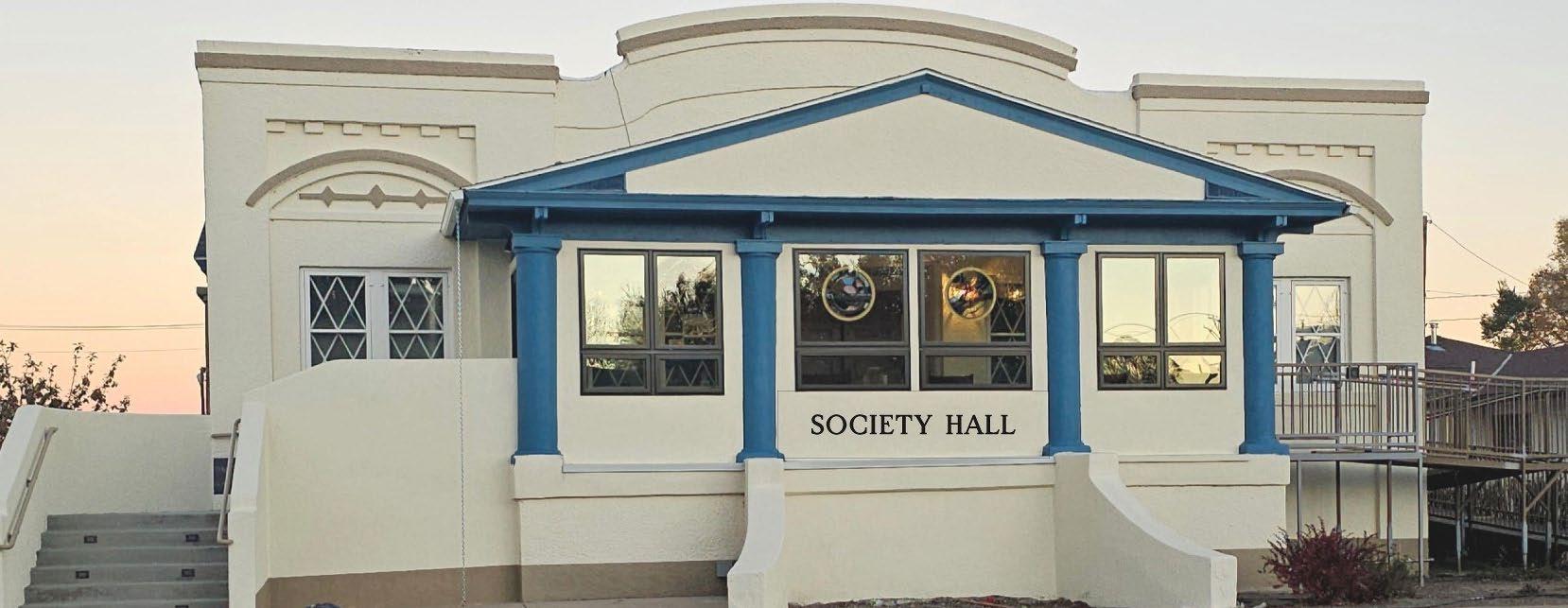
The former Christian Science Society building in Alamosa, built in 1922, was saved by passionate citizens. A group of like-minded individuals in the city of some 9,950 people banded together to acquire the building and create the nonprofit Society Hall Foundation in summer 2015. The auditorium has since hosted a wide variety of events including concerts, plays, workshops, weddings, memorial services, meetings, and film festivals.
“We have tremendous community support; it’s awesome,” said Ruthie Brown, a member of the all-volunteer Society Hall board.
The renovated space in Alamosa, with a schedule online at SocietyHall.org, frequently hosts musical performances featuring folk, roots, country, acoustic, Americana, and singer-songwriters.
“It never fails to amaze me the level of entertainment that comes through our beautiful little listening room here out on the wild frontier,” noted the Soci-
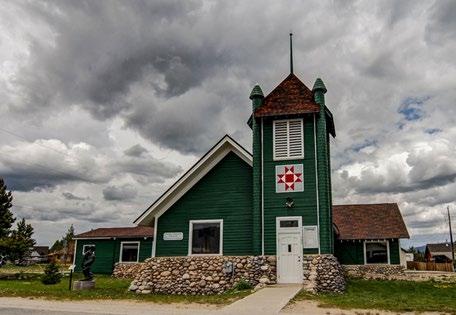
In the Grand County town of Fraser, population 1,400, the Fraser Presbyterian Church, built in 1911, has been renovated by the Fraser town government and is used for community programs, according to the Grand County Historical Society.
Photo courtesy Town of Fraser
ety Hall newsletter from March, “And the performers love it. Virtually everyone says how much they love the room, and the people who come out to be there.”
St. Andrew’s Episcopal Church that was founded in 1870 in Manitou Springs, a town of about 4,800 people, is now St. Andrew’s Community Center. The goal of the center is to become a “place of connection, compassion, and collaboration, where volunteers can engage deeply, hear new stories, take on meaningful challenges, and stay hopeful about our shared future,” according to the community center’s website at StaccManitou.com
Back in Salida, out-of-town visitors who happen upon one of the varied, entertaining concerts at A Church — including Appalachian, Balkan, and Venezuelan music — will find a comfortable, welcoming, and uncrowded environment. Guests may encounter a sociable local music promoter with his friendly dog on hand for the show, and listeners can give a donation for a bubbly cold drink in the refreshment cove in the back of the former chapel.
Although the board of A Church hopes to secure more grants, including for a much-needed new boiler, the nonprofit organization currently is supported through memberships, business sponsors, and rent from four affordable housing apartments in the basement. Admission to performances stays affordable, on average at $25.
As the chief benefactor for A Church, Beddingfield is proud of her contribution to creating a community space where people come together to find connection instead of staying at home and watching television.
“Without this being her passion project, I’m not sure it would work,” board member White noted.
“She has a very strong commitment for the events that happen there and how healthful they are for us as a community.”
Beddingfield laughed when she talked about her life living in the small town while supporting A Church.
“I drive a crappy car. I live in a small house, but I have a great life,” Beddingfield said with a chuckle. “I like to ride my bike. I get my clothes at a thrift store. I’m happy.”
“It feels good to have created something that I feel impacts people’s lives in a really positive way,” she said. “It’s inclusive for everybody. My vision was if you have something cool to share with the community, bring it here; we will give you space.”
Suzie Romig is a degreed, award-winning journalist who lives near Steamboat Springs and has lived, worked, and explored in Colorado since 1990.
The former Christian Science Society building in Alamosa, built in 1922, was saved by passionate citizens. In January 2026, Society Hall hosted the “50 Years of Tumbleweed” Reunion Concert. Photos courtesy of Society Hall.
Understanding NERC, the Watchdog For a Reliable Electric Grid
By Cathy Cash NRECA
The country’s electric grid with its hundreds of thousands of miles of high-voltage transmission power lines might seem impossible to maintain and watch over. Given its size, it is amazing that 99.9% of the time when you flip a switch, the lights come on.
Who has the task of overseeing this complex web?
Thankfully, we have the North American Electric Reliability Corporation, the official watchdog of the North American bulk power system. The international nonprofit known as NERC sets mandatory reliability standards for all users, owners, and operators of the electric transmission system.
To maintain reliability, NERC oversees and evaluates grid conditions with support from six regional reliability organizations that serve as its on-the-ground partners in identifying potential problem areas. Each summer and winter, NERC releases seasonal grid assessments that evaluate whether electricity supply is sufficient to meet expected demand and highlight regions at risk of shortfalls.
These periodic reports analyze conditions that can increase demand, such as heat waves and severe cold, as well as factors that can constrain generation, including fuel or equipment shortages. They also include recommendations to address current risks and help prevent future problems. When unforeseen threats emerge, NERC issues special assessments as needed.
Every year the organization also provides a long-term grid assessment looking ahead 10 years at what innovations or circumstances may impact the reliability of our interconnected electric energy transmission network.
Providing the electric power industry with timely insight into grid reliability, potential power shortfalls, and strategies to address them is essential to keeping the lights on.
NERC holds workshops and technical conferences and trains industry personnel on how to maintain a secure grid. It also audits owners and operators of the bulk power system to ensure they meet all reliability standards.
NERC operates the 24/7 Electricity Information Sharing and Analysis Center (E-ISAC) that provides the power industry with
the latest information on cyber threats, trends, and possible solutions with alerts and advisories. E-ISAC develops and executes GridEx, the largest cyber and physical grid security exercise in North America.
NERC has come a long way from its humble beginning as an industry-led grid watchdog in response to the big Northeast blackout of 1965 that impacted 30 million people. Originally set up as a voluntary entity to better coordinate grid dynamics, today, NERC is the nation’s Electric Reliability Organization that oversees the operation and planning of the grid throughout North America. Empowered by the Energy Policy Act of 2005, NERC develops mandatory, enforceable reliability standards backed by the Federal Energy Regulatory Commission.
Utilities like Colorado’s electric cooperatives, for the most part, are not regulated by NERC. State agencies oversee the distribution power lines that deliver electricity to your home and surrounding communities. But NERC’s authority over the bulk power system that delivers energy across state lines is critical to maintaining reliability in every part of the country, including the most rural areas.
Electric cooperatives that participate in NERC activities advocate for regulations that enable co-ops to plan, maintain, and operate a reliable grid.
So how does NERC impact you as a member of an electric cooperative?
NERC helps ensure the electric grid remains reliable, secure, and resilient for the millions of people who depend on it every day. By developing and enforcing reliability standards, monitoring the bulk power system, and identifying emerging risks, NERC plays a critical role in supporting the safe delivery of electricity across North America.
For electric co-op communities, the work that NERC conducts means greater confidence that homes, schools, farms, and businesses will have reliable power around the clock.
Cathy Cash writes on consumer and cooperative affairs for the National Rural Electric Cooperative Association, the national trade association representing more than 900 local electric cooperatives.
Hi Kids! I’m Cooper the Cooperative Bear!
I’m here to help kids like you learn about electricity and how to stay safe. During a bad storm, my power went out and my whole house went dark. Later I saw lineworkers from my electric cooperative hike into the forest to repair the power line. They were so brave. Then the lights came back on!
Did you know you’re part of an electric co-op, too?
An electric cooperative makes sure power gets to all of our houses safely and whenever we need it. It’s basically a group of people who work together to keep the lights on in our neighborhoods and our communities where we live and play.
My electric co-op taught me ways to stay safe in the kitchen when I’m cooking with my parents. Here is one of my favorite recipes. If you promise to listen, they might even let you use the electric mixer, too!
Visit www.tristate.coop/education to learn more about Cooper and find more resources.
It’s important to stay cool in the summer heat – try out this frozen Bluebeary pudding pop recipe!
Bluebeary Swirl Pudding Pops
MAKES 8
Ingredients
2 cups whole milk
1/2 cup heavy cream
1 box vanilla instant pudding mix (3.4 oz)
1 tbsp granulated sugar
1 tsp vanilla extract
1/3 cup blueberry preserves
1 cup fresh blueberries (optional)
supplies
large bowl whisk or electric mixer
ice pop molds and sticks
Instructions
1. In a large bowl, whisk together whole milk, heavy cream, pudding mix, granulated sugar, and vanilla extract. Mix with an electric mixer for about 2 minutes until it begins to thicken. Let sit for 5 minutes — it should be pourable but not fully set.
2. Place pop molds on a baking sheet. Pour a layer of vanilla pudding into each pop mold, filling about halfway. Add a generous spoonful of blueberry preserves on top. Fill with remaining pudding to just below the rim, then add one more small spoonful of blueberry preserves on top. Use a thin skewer or toothpick to drag through each mold once or twice to create a swirl. (Optional: add a few fresh blueberries into each mold.)
3. Tap molds gently on the counter to release any air bubbles. Insert sticks. Freeze until completely solid, at least 4-5 hours or overnight.
4. Before enjoying, let the ice pops sit at room temperature for a few minutes until they are easy to release from the mold. Serve immediately or wrap individually in parchment paper and store in a freezer bag for up to 2 weeks.
ENTER TO WIN
Win bear paw ice pop molds and a Cooper plush toy!
Send a postcard with your name, mailing address, phone number, and the name of your electric co-op to 455 S. Pierce St., Lakewood, CO 80226. Must be received or postmarked by August 31.
in Colorado
and
Call 720-407-0712 or email advertising@ coloradocountrylife.org.
• Colorado public, private, or homeschooled students in kindergarten through 12th grade during the 2026–2027 school year are eligible to participate.
A first and second place artist will be selected for four grade divisions: K-2nd, 3rd-5th, 6th-8th, and 9th-12th.
• A Best of Show will be selected from among the winners and will be awarded an additional $100.
A complete set of rules and required entry forms are available online at coloradocountrylife.coop
• Artwork must be received by October 23, 2026
KODO KIDS
Colorado Kids Making core memories
By Jacey Blue Renner
With another academic year just around the corner and the laziest days of summer coming to an end, new beginnings are on the horizon. These Colorado makers will help you transition from summer to fall with ease and excitement and help build your best memories.
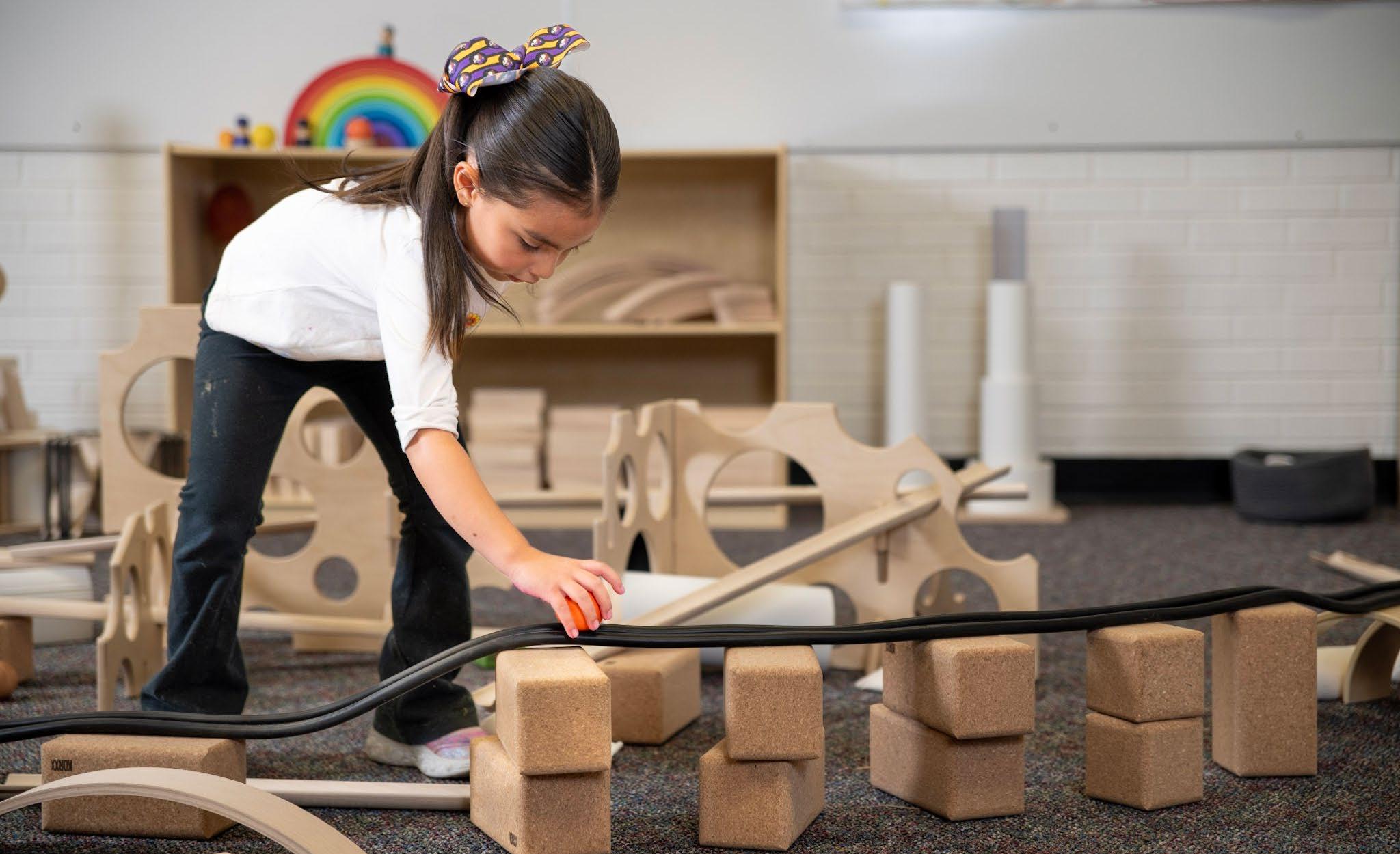
In our endlessly fast-paced world, Colorado’s Kodo Kids curates grounding moments for children and families, with their Family Engagement Kits, educational resources, and play innovation. Work through STEM projects as a family team and discover the science behind ramps while bonding. Kodo’s products, made locally, range from dramatic play to math and manipulatives, outdoor play, and more. Kodo’s story began with a chalk spinner and has expanded with products for everyone. Consider the magnet walls and light labs for infinite shared moments or discovery and authentic play. Find your child or student’s new favorite enrichment; visit kodokids.com
COLORADO GIRL
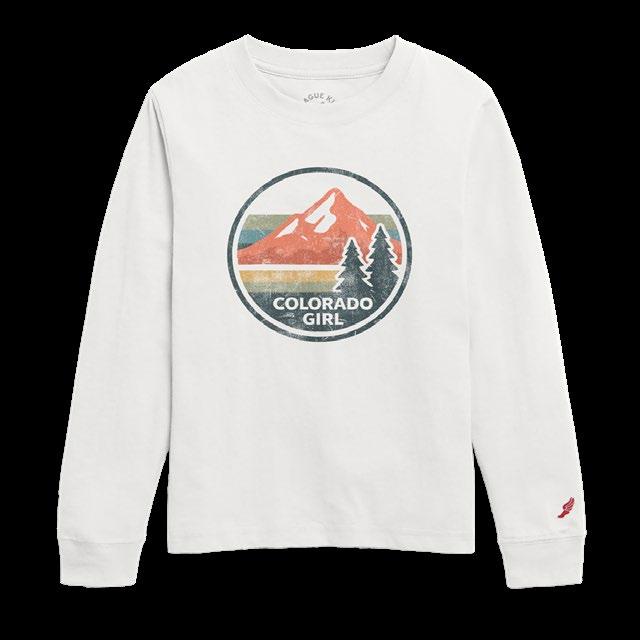
Based in Monument, Colorado Girl offers a warm and pretty clothing collection that can be found throughout the state at local shops like Flourish Boutique in Colorado Springs, Giggleblossom Boutique in Littleton, and at the annual preholiday Vintage Market Days in Colorado Springs. With evolving colors and styles, Colorado Girl has something for girls of all ages. Visit this Colorado company online at colorado-girl.myshopify.com to build your wish list.
CRESCENT MOON SNOWSHOES
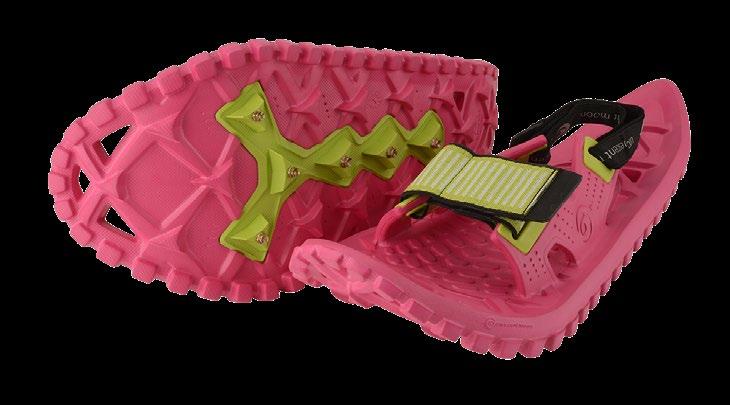
Whether you’re new to snowshoeing or already experienced, Englewoodbased Crescent Moon Snowshoes has the family in mind. Offering kids’ snowshoes in green, blue, and pink, these effortlessly adjustable and lightweight foam snowshoes are easy for little hands to put on and take off. One of the best features: They’re silent. These snowshoes are perfect for snow days or family expeditions to the mountains. Explore snowshoes for the whole family at crescentmoongear.com
MEET PIKES PEAK BY LAUREN THORPE
Inspired through conversations with her own children during the morning commute to school, Meet Pikes Peak, by first-time Colorado Springs author Lauren Thorpe, explores the history and imagination behind the region’s most iconic landmark. Giving Pikes Peak a voice connects children with Colorado’s verdant and inspiring landscape, while the rhymes bring nature inside. Find it locally at Woodland Park’s Hunt and Homestead Marketplace, Colorado Springs’ Hunt + Gather, or email the author at meetthepeaksbooks@gmail.com for your own personalized copy.
Photo courtesy of Kodo Kids
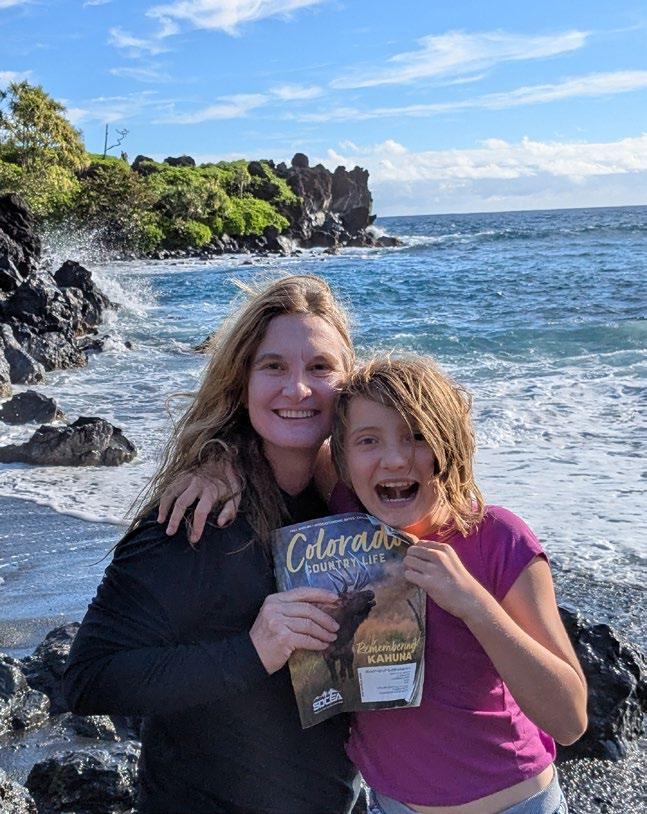
Ingrid and Velma Youngblood, members of Sangre de Cristo Electric Association, share a laugh with CCL between waves at Waiʻānapanapa State Park in Hāna, Maui, Hawaii.
Bernard
snaps a photo with his copy of CCL at The Moon Gate at the Royal Navy Dockyard while on a cruise.
View
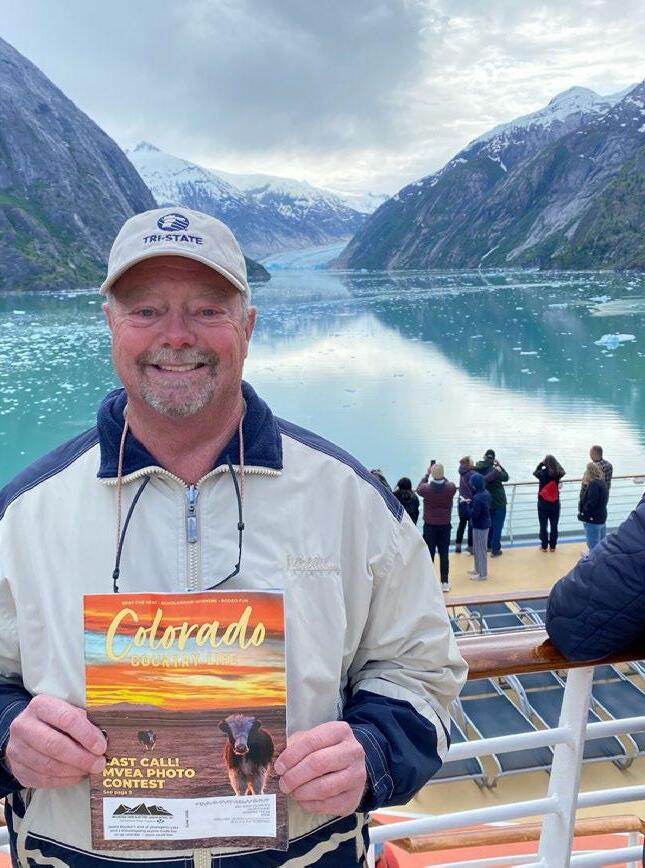
Board President Kevin Paddock at Dawes Glacier in Alaska with his copy of the June issue of Colorado Country Life
Show us your adventures with the magazine for a chance to win $25.
Upload your photo with CCL at coloradocountrylife.coop. Find more reader photos on Facebook @COCountryLife and Instagram @cocountrylife. PACK. SNAP. SHARE. WIN!
San Isabel Electric Association member
Schwender
Mountain
Electric Association
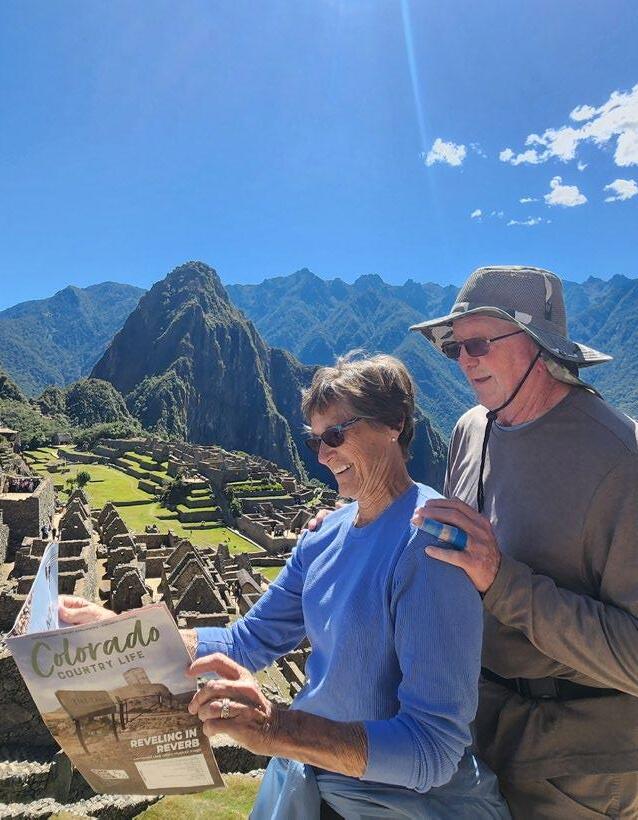
Doug and Shirla Race, Poudre Valley REA members, are catching up with the magazine at Machu Picchu in Peru.
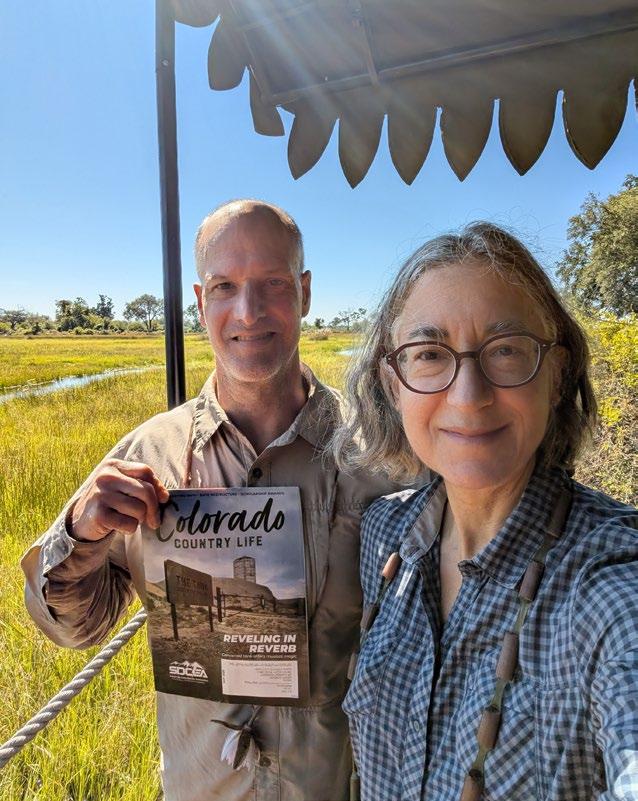
Wendy Gordon and her husband Steve Kostelnik take CCL on safari in Botswana. They are members of Sangre de Cristo Electric Association.
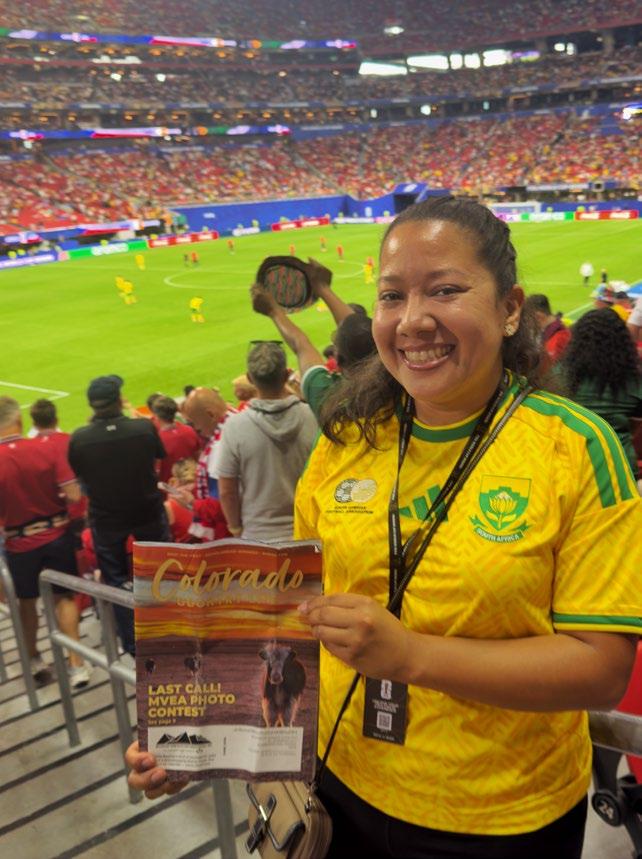
Mountain View Electric Association member Virginia Peña brings CCL to the FIFA World Cup match of Czech Republic vs. South Africa in the Atlanta Stadium.
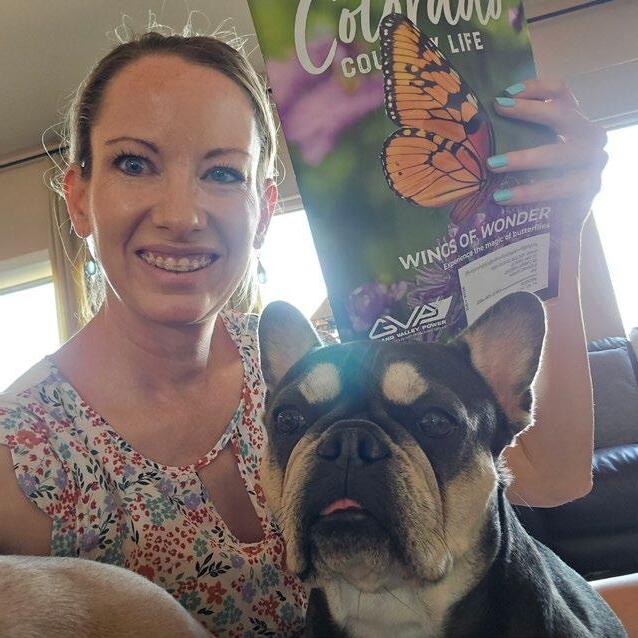
Grand Valley Power member Stephanie Samora enjoys CCL with her faithful companion Lily during a Colorado staycation.
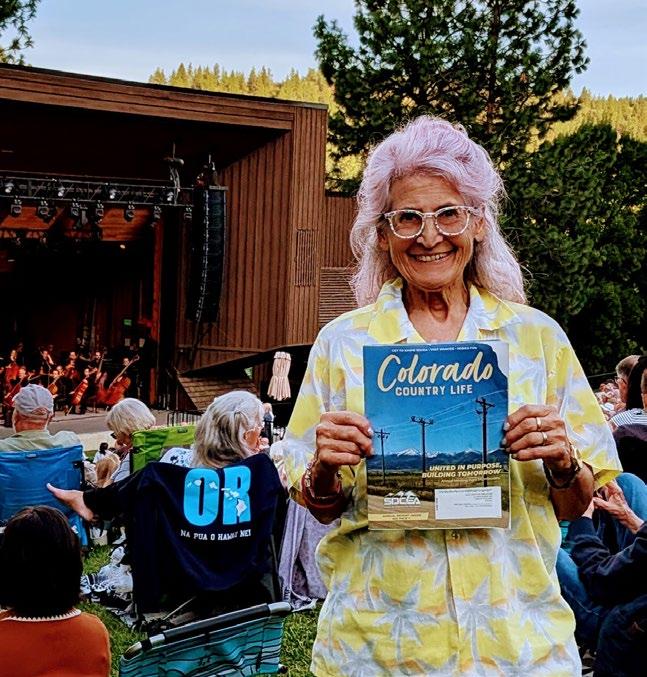
Sangre de Cristo Electric Association member Marty Jewell enjoys CCL at the Festival Orchestra concert at Britt Gardens, Jacksonville, Oregon.
Colorado Country Life
Sacred Stone of the Southwest is on the Brink of Extinction
Centuries ago, Persians, Tibetans and Mayans considered turquoise a gemstone of the heavens, believing the striking blue stones were sacred pieces of sky. Today, the rarest and most valuable turquoise is found in the American Southwest–– but the future of the blue beauty is unclear.
On a recent trip to Tucson, we spoke with fourth generation turquoise traders who explained that less than five percent of turquoise mined worldwide can be set into jewelry and only about twenty mines in the Southwest supply gem-quality turquoise. Once a thriving industry, many Southwest mines have run dry and are now closed.
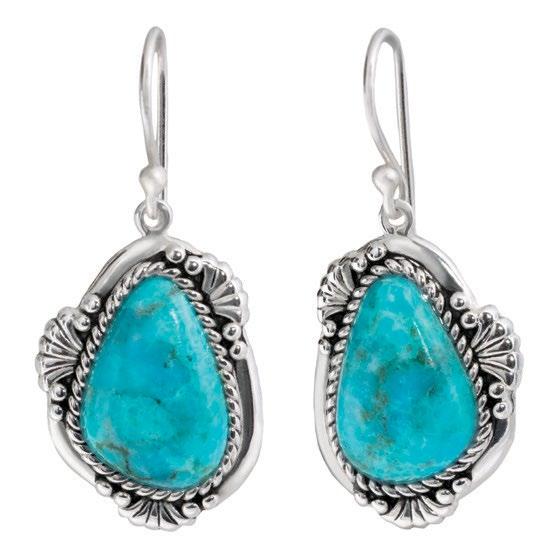
We found a limited supply of turquoise from Arizona and purchased it for our Sedona Turquoise Collection . Inspired by the work of those ancient craftsmen and designed to showcase the exceptional blue stone, each stabilized vibrant cabochon features a unique, one-of-a-kind matrix surrounded in Bali metalwork. You could drop over $1,200 on a turquoise pendant, or you could secure 26 carats of genuine Arizona turquoise for just $99
Your satisfaction is 100% guaranteed. If you aren’t completely happy with your purchase, send it back within 30 days for a complete refund of the item price.
The supply of Arizona turquoise is limited, don’t miss your chance to own the Southwest’s brilliant blue treasure. Call today!
Jewelry Specifications:
• Arizona turquoise • Silver-finished settings
Sedona Turquoise Collection
A. Pendant (26 cts)
$299 * $99 +s&p Save $200
B. 18" Bali Naga woven sterling silver chain $149 +s&p
C. 1 1/2" Earrings (10 ctw)
Complete Set**
$299 * $99 +s&p Save $200
$747 * $249 +s&p Save $498
**Complete set includes pendant, chain and earrings.
Call now and mention the
*Special price only for customers using the offer code versus the price on Stauer.com without your offer code.