
COLORADO MEDICINE
ADVOCATING EXCELLENCE IN THE PROFESSION OF MEDICINE
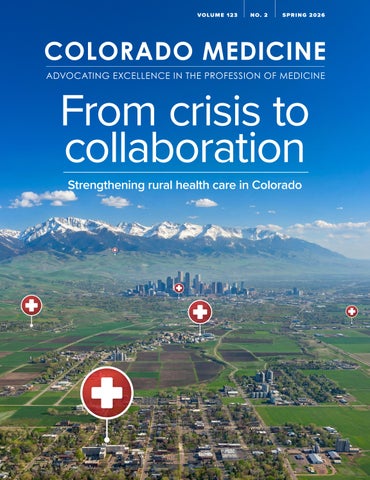
From crisis to collaboration
Strengthening rural health care in Colorado






From crisis to collaboration: strengthening rural health care in colorado
Rural health care in Colorado is at a critical inflection point, with many hospitals operating on unsustainable margins and struggling to meet patient needs amid declining reimbursement and limited resources. These challenges impact not only care access, but the health and vitality of entire communities. Learn how collaborative solutions can strengthen rural care — and what it means for physicians and patients across our state.


6 Steady advocacy, lasting impact: CMS and the 2026 legislative session
The Colorado Medical Society once again delivered steady, behind-the-scenes advocacy on your behalf in the 2026 legislative session, advancing practical solutions that support physician-led care and practice sustainability, while blocking proposals that would have undermined patient safety in Colorado.

10 When diseases of “the poor” stop innovation
Iyana Malik and Randall Reves, MD, examine how outdated TB risk frameworks and decades-old diagnostics and treatment persist, despite rising cases in Colorado and nationwide, arguing for renewed research investment and evidence-based policies that prevent tuberculosis from being overlooked in clinical practice.

12 Physician health programs: More different than you might think
CPHP Medical Director Scott Humphreys, MD, reflects on Colorado’s physician health program and what sets it apart. Chief among the differences: confidentiality when seeking help, support from physician peers, and the broad range of conditions CPHP addresses.

13 Colorado moves past stigma in medical licensing, but some work remains
AMA President Bobby Mukkamala, MD, highlights Colorado’s progress in removing stigmatizing mental health and substance use questions from its medical licensing application, and the work still needed to ensure compliance with the law and extend reforms to credentialing applications.

28 Final Word: 14 peaks and the climb back
Tracee Metcalfe, MD, the first American woman to summit all fourteen 8,000 meter peaks, reflects on the harder climb of addiction and recovery and on how physician health programs and peer support can save lives. This Final Word column is a teaser for her opening session at the CMS Annual Meeting; register to join us this September.


3 President’s letter: Addressing mental health in medicine
CMS President Brigitta Robinson, MD, FACS, reflects on why physician mental health can’t remain an afterthought – and why making support routine, reducing stigma, and removing barriers are essential to sustaining physicians and the patients who rely on them.
14 Voice of the candidates for CMS election
Candidates for the Colorado delegation to the American Medical Association share why they should be elected or re-elected to represent you on the national stage. The CMS election will take place in August.
18 Member mixer with Mile High Medical Society
Members of the Colorado Medical Society and Mile High Medical Society came together March 6 for connection, conversation and collaboration.
19 Reflections: Connected by a song
20 News Briefs
• Physician volunteers recognize next-gen scientists at Colorado Science and Engineering Fair
• EPCMS brings physicians together for an evening of connection and collaboration
• Physicians gather for learning and fellowship at NCMS Annual Meeting
22 Introspections: The illness I know in pieces
24 Copic Comment: 2026 Copic Medical Foundation grants
26 Partner in Medicine Spotlight: The financial blind spot most doctors don’t know they have
COLORADO MEDICAL SOCIETY
OFFICERS, BOARD MEMBERS, AMA DELEGATES, and STAFF
2025-2026 OFFICERS
Brigitta Robinson, MD, FACS
President
Sean Pauzauskie, MD
President-elect
Kim Warner, MD
Immediate Past President
Hap Young, MD
Treasurer
Dean Holzkamp
Chief Executive Officer
BOARD OF DIRECTORS
Matthew Belton, MD
Brittany Carver, DO
Elizabeth Cruse, MD, MBA
Kamran Dastoury, MD
Scott Dhupar, MD
Dakota Hitchcock, MD
Eleanor Jensen, DO
Rachelle M. Klammer, MD
Marc Labovich, MD
Kelly McAleese, MD
Justin McCoy, DO
Erik Odderson, MSC
Rhonda Parker, DO
Lynn Parry, MD
Darlene Tad-y, MD, MBA
Andrew Tannous, MD
COLORADO MEDICAL SOCIETY STAFF
Dean Holzkamp
Chief Executive Officer
Dean_Holzkamp@cms.org
Kate Alfano Director of Member Engagement
Kate_Alfano@cms.org
Jen Atchison, BHA, MSDA
Director of Continuing Medical Education and Recognized Accreditor Programs
Jen_Atchison@cms.org
Virginia "Ginny" Castleberry Executive Director Denver Medical Society Virginia_Castleberry@cms.org
CO 80230-6902. 720-859-1001.
Cecilia Comerford-Ames
Executive Director, Colorado Society of Eye Physicians and Surgeons
Communications and Marketing Manager
Cecilia_Comerford@cms.org
Dorcia Dunn
Membership Operations Manager
Dorcia_Dunn@cms.org
Crystal Goodman
Executive Director, Northern Colorado Medical Society
Crystal_Goodman@cms.org
Blake Johnson
Member Engagement Specialist
Blake_Johnson@cms.org
Dean Holzkamp, Executive Editor, and Kate Alfano, Managing Editor.
AMA DELEGATION
David Downs, MD, FACP
Amy Duckro, DO, MPH
Carolynn Francavilla, MD
Mark Johnson, MD, MPH
Jan Kief, MD
Rachelle Klammer, MD
A. “Lee” Morgan, MD
Tamaan Osbourne-Roberts, MD
Lynn Parry, MD
Brigitta J. Robinson, MD
Michael Volz, MD
Patricia Weber, MD
AMA PAST PRESIDENT
Jeremy A. Lazarus, MD
Mihal Sabar Director of Accounting
Mihal_Sabar@cms.org
Chet Seward Chief Strategy Officer
Chet_Seward@cms.org
Debra Will Director of Business Development
Debra_Will@cms.org
Tim Yanetta
Membership and IT Manager
Tim_Yanetta@cms.org
Addressing mental health in medicine
Brigitta Robinson, MD, FACS President, Colorado Medical Society
Caring for ourselves is not seen as a distraction from caring for patients – it is essential to it.

Mental health has been a theme throughout my medical career, whether it was named that or not. Like many physicians, I learned early that stress was part of the job. Long hours, high stakes, and constant responsibility have always been present – especially in surgery and academic medicine. At the time, we did not talk about mental health the way we do now.
Over the years, I have seen how those pressures follow us through every stage of medicine. Medical students today face extraordinary levels of stress, not only from the demands of their education, but from the financial burden that comes with it. Residents are learning how to become independent, competent physicians while navigating exhaustion and responsibility. Practicing physicians carry the weight of patient care, administrative demands, and the ongoing challenge of keeping practices open and viable. The stressors change with time, but they never disappear.
What has made mental health such a focus for me is watching colleagues and family struggle – sometimes invisibly. Over the years, I have known physicians who appeared successful, capable, and engaged, yet quietly suffered with depression and ultimately chose to end their lives. When that happens, it leaves an enormous hole – not just in a medical community, but in families, practices, and entire communities. It is a loss that cannot be replaced.
As a trauma surgeon, I have also seen the other side of the mental health crisis firsthand. Patients arrive at emergency departments in moments of desperation, sometimes after trying to take their lives. Too often, there are few safe places for them to go once the acute crisis has
passed. That reality reminds me that mental health is not separate from the rest of medicine – it is deeply intertwined with everything we do.
One thing that gives me hope is that mental health is no longer the taboo it once was. We talk about it openly. We hold conferences, create committees, and develop programs focused on physician wellness. Seeking help is no longer viewed as a personal failure, and that shift matters. But the stigma has not disappeared entirely. For many physicians, the hardest step is still reaching out – finding the time, recognizing the need, and believing there is a way forward.
Time remains one of the biggest barriers. Our days are unpredictable and full, whether we practice in rural or urban settings. Rural physicians may worry about confidentiality in close-knit communities, while urban physicians often struggle simply to fit care into already overloaded schedules. In both cases, the result can be the same: putting personal mental health last.
I believe one way forward is to reduce the burden of having to opt in. Programs that normalize routine mental health checkins – where participation is expected and opting out is the choice – can lower the threshold for getting help. When seeking support is built into training programs, conferences, or workplaces, it becomes part of professional life rather than something that sets a person apart.
At the Colorado Medical Society, we are committed to addressing physician mental health directly. Through strong partnerships with the Colorado Physician
Health Program, educational efforts, and ongoing conversations with lawmakers, we continue to advocate for policies that support wellness and remove unnecessary barriers. We are not pretending this problem will be solved easily or uniformly. Mental health is personal, complex, and different for everyone, but ignoring it is not an option.
Physicians are particularly skilled at hiding distress. We are trained to function under pressure, to show up no matter what, and to help others even when we ourselves are struggling. That strength can also become a risk. Depression, especially, can be difficult to recognize – both in colleagues and in ourselves – until it reaches a breaking point.
If you are struggling, the most important message I want you to hear from me is this: you are not alone, and there is a way back. You are important. We need you – not only as a physician, but as a person. You have come too far to face this by yourself.
Mental health challenges can create the illusion that there are no other options. That is never true, even when it feels that way. Taking a pause, reaching out to a trusted colleague, seeking professional support, or simply asking for help can change the trajectory. It may not feel easy, but it is worth it.
Medicine is demanding, and it always will be. But we must continue to create a culture where caring for ourselves is not seen as a distraction from caring for patients – it is essential to it. ■






From crisis to collaboration: Strengthening rural health care in Colorado
PRACTICAL STEPS FOR PHYSICIAN-LED PARTNERSHIPS – WORKFORCE, TECHNOLOGY AND ADVOCACY – THAT HELP RURAL FACILITIES REMAIN VIABLE WHILE IMPROVING ACCESS AND OUTCOMES.
Kevin Stansbury, MS, JD, FACHE, and Kenneth Blake, MD, FASCRS
Rural health care in the United States is at a critical inflection point, and Colorado offers a stark example of the challenges. An estimated 70-80 percent of rural health facilities in Colorado are operating on unsustainable financial margins. Approximately 50 percent of the state’s rural hospitals are operating in the red, with cash reserves quickly dwindling, leaving many struggling simply to keep their doors open.
The story is similar across many communities. Rural hospitals are being asked to meet rising patient needs with declining reimbursement, fewer resources, fewer clinicians, and aging infrastructure. The consequences extend far beyond hospital walls, affecting patients, families, and the economic viability of these communities. The “rural penalty” is real, with rural residents experiencing lower life expectancy and higher rates of chronic and preventable disease.
Even for those who do not reside in these areas, most of us value traveling across our scenic state – from the Eastern Plains to the Continental Divide, or destinations like Craig and Telluride. It is important to recognize that if we or a loved one need medical care during these travels, we will depend on a rural hospital.
One of the most visible signs of strain is
the reduction or elimination of essential services. Obstetrics, chemotherapy and specialty services are frequently curtailed because they are costly to staff and difficult to sustain with low patient volumes. For example, on Colorado’s Eastern Plains, only four hospitals remain that offer routine obstetric services.
When these services disappear, patients are forced to travel long distances –sometimes several hours – for care that was once available close to home. Ironically, these reductions further weaken rural hospitals financially by shrinking revenue streams, creating a vicious cycle that accelerates decline. While most rural hospitals strive to adopt an abundance mindset and responsibly expand services, doing so is often difficult without stronger support from urban physician colleagues. Geographic distance, time constraints, and administrative barriers all contribute to this challenge.
Payment structures further compound these issues. Reductions in Medicaid eligibility and the loss of subsidies for exchange plans leave many rural patients uninsured, increasing uncompensated care and reducing hospital revenue.
Federal Medicare sequestration has also had a meaningful impact. “Cost-based” reimbursement for Critical Access Hospitals – intended to be paid at cost plus 1 percent – is now effectively below cost, minus 1 percent.
For larger Prospective Payment System (PPS) designated rural hospitals, Medicare’s wage index presents another challenge, as it ties reimbursement to local income levels. Rural wages are typically lower, despite similar professional and clinical requirements. Commercial payers often reimburse rural hospitals significantly less – frequently up to 20 percent less – for the same services provided in urban settings.
In addition, rural hospitals are disproportionately impacted by the administrative burden imposed by commercial payers, including prior authorizations, peer-topeer reviews, and restrictive payment denials. Smaller, independent institutions often lack the administrative capacity to navigate the gauntlet of these processes. Collectively, these factors place rural hospitals at a systemic disadvantage that cannot be overcome through internal efficiency alone.
If we or a loved one need medical care during these travels, we will depend on a rural hospital.
The health of rural communities is inseparable from the health of the broader system.
The impact of hospital closures or service reductions reverberates throughout local communities. Hospitals are often among the largest employers in rural towns. When services are cut or facilities close, jobs are lost, local economies suffer, and communities become less attractive to new businesses and families. Access to health care is not only a medical issue – it is a cornerstone of community viability. A study by the Federal Reserve Bank of Kansas City examined the effects of rural hospital closures and found that while the initial job losses are significant, the economic impact continues for years. As populations decline, additional job losses occur in schools and local businesses that depend on the hospital as an economic anchor.
Against this backdrop, physicians have a critical role to play. While many of the challenges facing rural health care are structural and policy-driven, physician engagement can be a powerful force for stabilization and innovation.
The first step is understanding. Physicians – particularly those practicing in suburban and urban settings – benefit from learning about the unique financial, workforce and operational realities of rural hospitals. These facilities are not simply smaller versions of urban systems; they operate under fundamentally different constraints. Awareness fosters empathy and opens the door to meaningful collaboration. Physicians can also take the initiative to reach out directly to rural hospitals. Asking local leaders what they need – rather than assuming solutions – can reveal practical opportunities for partnership. Staffing shortages, especially in primary care, obstetrics, anesthesia and certain specialties, remain among the most pressing issues. Creative staffing models – such as rotating coverage, shared service lines, locum tenens support or hybrid arrange -

ments in which practitioners divide their time between rural and urban settings – can help maintain critical services without imposing the full cost of permanent staffing.
Technology gaps represent another important area for collaboration. Many rural hospitals lack access to modern clinical technology, data analytics and digital infrastructure. Physicians affiliated with larger systems can help rural partners adopt telehealth platforms, remote monitoring tools and, where appropriate, advanced procedural technologies, including robotic surgery. These tools can expand access to specialty care, reduce unnecessary transfers and improve quality while helping control costs. At the same time, it is important to ensure that such innovations support care delivery within the community whenever possible, rather than inadvertently shifting services away from local facilities.
Colorado’s rural hospitals are not standing still in the face of these challenges. In 2024, a group of rural hospital CEOs formed the Colorado Rural Futures initiative to better understand the root causes of financial and operational distress and to develop potential solutions. Organizations such as the Western Health Care Alliance and its sister organization, Community Care Alliance, the Eastern Plains Healthcare Consortium, Colorado Rural Futures and Colorado Rural Health Center work tirelessly to support health care delivery in rural communities. Their work, combined with resources available through the Rural Health Transformation Program, may help drive meaningful progress.
The Rural Health Transformation Program will distribute $50 billion nationwide over five years, with Colorado receiving more than $200 million in the first year. Colorado’s rural and frontier hospitals welcome this new funding, however due to restrictions on how these funds may be used, the program is limited in its ability to bring about sustainability for these at-risk hospitals. This funding is not intended to fully offset anticipated payment reductions; instead, it is focused on future delivery models and creative solutions. While these efforts are necessary, many
rural advocates believe it is important to first stabilize the financial status of our frontier and rural hospitals. Doing so will improve the likelihood of success of this important program. Failure to first stabilize operations may put the overall likelihood of success of the RHTP program at risk.
Physicians can support rural and frontier hospitals by advocating on their behalf to take advantage of the RHTP funds in a constructive way to first stabilize facilities which will free them up to then focus on future models of care in a sustainable way.
Moreover, physicians will play an important role by supporting efforts to focus the use of these funds on identified clinical priorities that support programs and care models that optimally address local needs. This may include developing tele-specialty networks, supporting workforce training and retention, investing in technology that enables care closer to home, or piloting new, more efficient care delivery models.
Perhaps most importantly, physicians can help bridge the divide between rural and urban health systems. By forming regional partnerships, sharing expertise, and co-developing service lines, physicians and hospitals can create integrated networks that improve access to care while allowing rural facilities to remain viable. These collaborations reflect a fundamental truth: the health of rural communities is inseparable from the health of the broader system.
Rural health care in Colorado is under extraordinary pressure. However, with informed and engaged physicians working alongside rural hospitals and with strategic use of resources such as the Rural Health Transformation Program, there remains a path toward more resilient and sustainable systems that continue to serve the communities that depend on them. If, during your travels, you or your family utilize a rural hospital, please take a moment to acknowledge the extraordinary efforts of the professionals who sustain these essential institutions. ■
Kenneth Blake, MD, FASCRS, is a colon and rectal surgeon and co-founder of Provider One Solutions.
Kevin Stansbury, MS, JD, FACHE is the CEO of Lincoln Health and a member of the RHTP Advisory Committee.
Steady advocacy, lasting impact: CMS and the 2026 legislative session
Cecilia Comerford-Ames CMS Communications and Marketing Manager

When the 2026 legislative session adjourned on May 13 sine die under the Gold Dome it closed a session where numerous issues were defined less by dramatic headlines and more by high stakes policy decisions that directly affect how medicine is practiced in Colorado.
Much of the work this year lived in the details: legislative sunsets, budget issues, administrative rules, and technical fixes. It is the kind of policymaking that can feel abstract from the outside, but in reality, these decisions shape the cost of care, determine who leads health care teams, and set the rules that govern physicians’ professional lives.
This session, the Colorado Medical Society (CMS) tracked 51 bills and took positions on 36 of them. Through testimony, negotiations, amendments, and – when necessary – blocking harmful proposals outright, CMS advocacy delivered real results for physicians and patients alike.
THE COST OF MEDICINE: PRESSURE ON PATIENTS AND PHYSICIANS
One of the defining themes of the 2026 session was the growing cost of health care – for patients trying to access care and for physicians struggling to deliver it sustainably.
The 2026 budget and beyond
Colorado lawmakers closed a $1.5 billion budget shortfall this year, following last year’s effort to address a $2 billion deficit. Medicaid dominated the debate, now accounting for 37 percent of the state’s operating budget – surpassing education – and projected to grow by 14.9 percent next year.
Lawmakers scrutinized Medicaid closely, citing 101 percent spending growth between 2015 and 2025 despite just 3.1 percent enrollment growth. Concerns over sustainability, mismanagement, and fraud ultimately led to new leadership at
CMS advocacy delivered real results for physicians and patients alike.
the Department of Health Care Policy and Financing. At the same time, federal policy changes threaten to compound the problem. Under H.R. 1, Colorado is projected to lose $10.4 billion in federal Medicaid funding by 2032, driven by reduced federally matched dollars tied to hospital provider fees and new eligibility requirements. Physicians should expect more uninsured patients and increased coverage churn as a result.
Lawmakers understood the effects these cuts will have on access. They rejected Gov. Polis’ proposals to cap Medicaid growth at 5.4 percent (effectively cutting almost $438 million) or impose a 3.9 percent provider rate cut. Instead, the legislature opted to help fill the budget hole by approving a 2 percent across-theboard provider rate cut ($107 million) and reduced Medicaid payments exceeding 85 percent of Medicare down to that level ($4.8 million). These changes land on an already eroded payment baseline, with anesthesiology and radiology among some of the hardest hit specialties, though neonatal intensive care and obstetric services were exempted from some reductions. Legislators also rejected a Polis proposal to eliminate Indirect Medical Education funding, which would have medical education in the state and resulted in a net loss of federal funds.
Finally, lawmakers created a Medicaid Commission to study program growth and long-term sustainability over the interim and report recommendations back to the legislature. The bottom line for physicians is clear: Medicaid cost containment remains a priority, and its effects – lower rates, fewer federal dollars, and growing coverage instability – will continue to be felt in practices across Colorado.
Financing health care: Drawing a line on medical debt
Throughout the 2026 session, legislators focused heavily on affordability, motivated by a shared concern for patients struggling to pay for care. Physicians see those challenges every day – and share lawmakers’ desire to reduce financial barriers that prevent patients from accessing needed treatment.
However, CMS made clear that how reforms are designed matters. One proposal (HB26-1267) sought to address medical debt by shifting financial risk onto physicians, limiting practices’ ability to collect payment for care already delivered in good faith. The approach would have destabilized physician practices –particularly small, independent, and rural practices – and ultimately reduced access to care for the very patients it aimed to help. Strong opposition by CMS helped to defeat this bill.
REGULATORY SUNSETS: QUIET DECISIONS WITH LASTING IMPACTS
This year’s sunset reviews of the Medical Board and the Division of Professions and Occupations (DPO) carried high stakes for physician regulation in Colorado. Rather than routine renewals, they tested whether long-standing standards for physician-led oversight, due process, and licensure would be preserved. Through sustained advocacy, physicians prevailed.
During the Medical Board Sunset (HB261307), CMS blocked proposals that would have altered the composition of the Colorado Medical Board by adding additional non-physician members, safeguarding meaningful physician oversight. Physicians also secured an important due process protection requiring mailed notice if receipt of an emailed complaint notification is not confirmed. CMS also defeated an effort that would have allowed the Board to take action against a physician’s
license based on a complaint alone, without investigation.
Equally significant were outcomes in the DPO sunset (HB26-1324). CMS stopped proposals that could have weakened peer assistance program confidentiality, allowed administrative staff to make disciplinary decisions that could affect a physician’s ability to practice, or permitted licensure without established credentialing standards vetted by national and international accrediting bodies.
Building on this work, CMS also secured key amendments to HB26-1431 to ensure licensure portability efforts did not bypass competency requirements critical to patient safety.
Though highly technical, these sunsets reinforced a fundamental principle: medical care in Colorado should remain grounded in strong physician-led oversight, fair process, and clear professional standards focused on patient safety.
PROTECTING PHYSICIAN-LED HEALTH CARE
Lawmakers addressed several bills this session that went to the heart of who leads
care and how patients are protected within Colorado’s evolving health system. These measures tested the state’s commitment to physician led oversight and clear accountability.
CMS successfully opposed HB26-1231, which would have allowed physical therapists to perform sports physicals – preserving appropriate physician oversight for evaluations that can uncover serious, underlying health conditions. Advocacy efforts took a different turn with HB26-1336, which expanded access to pharmacy services. Despite close collaboration with AAP-CO to address patient safety concerns, the bill ultimately passed, reinforcing the need for continued physician engagement as care delivery models expand. Key amendments helped to mitigate some of patient safety issues including ensuring that pharmacists still have an age floor for test and treat (age 5), requiring pharmacists to refer patients under 18 they test and treat back to their primary care physician, and limiting the conditions to flu, COVID, RSV and strep throat.
Medical spas were also an important focus this session. CMS worked with Copic and the Colorado Hospital Association

2026 session by the numbers
51 bills tracked by CMS
36 positions taken
$1.5 billion state budget shortfall closed
37% of the state’s operating budget tied to Medicaid
101% Medicaid spending growth between 2015–2025
$10.4 billion projected federal Medicaid funding loss by 2032
to defeat HB26-1249, which would have allowed non-physician ownership of medical aesthetics corporations, undermining long-standing corporate practice of medicine protections and creating significant downstream liability risks. Work on this issue will continue in the interim. A second proposal, SB26-130, addressing medical spas and deceptive trade practices, was


Physician voices mattered, organized medicine made a difference, and patients across Colorado are better off because of it.

pulled by sponsors after concerns were raised that it would replace existing regulatory enforcement with expanded civil litigation – without meaningfully improving patient safety.
Together, these outcomes reinforced a consistent theme throughout the 2026 session: physician-led care and strong regulatory structures remain essential to protecting patients – even as health care delivery continues to change.
A PUBLIC HEALTH WIN THAT PROTECTED THE SCIENCE OF MEDICINE
Against this challenging backdrop, CMS also helped secure an unambiguous public health victory. Promoting Immunization Access (SB26-032) passed and was signed into law, reinforcing evidencebased medicine and safeguarding patient access to vaccines. For physicians, the law also provides liability protection to those who choose to follow the vaccine schedule set by the state board of health rather than ACIP.
Among many others, CMS partnered with Colorado Chooses Vaccines on this effort, underscoring the importance of physician judgment, scientific integrity, and public confidence in immunization. At a time when misinformation continues to threaten public health, this law reaffirmed Colorado’s commitment to science-driven care.
ARTIFICIAL INTELLIGENCE: NARROWING THE RULES WITHOUT BLOCKING PROGRESS
Artificial intelligence remained one of the most complex and fast-moving policy areas of the 2026 session, as lawmakers worked to rein in emerging technology while avoiding unintended consequences for health care. Physician advocacy focused on fixing flaws in a prior law, protecting patient safety, and preserving room for responsible innovation guided by clinical judgment.
The most significant measure, SB26-189, grew out of a governor-appointed task force and addressed problems created by the state’s 2024 AI law. CMS worked closely with the Colorado Hospital Association to secure critical improvements, including a HIPAA exemption to ensure federal privacy standards continue to govern clinical uses of AI. While concerns remain about provisions such as a three-year limit on the right to cure, the bill was necessary to prevent overly broad consumer protection rules from unintentionally sweeping in legitimate medical applications.
Additional bills tackled more targeted uses of AI. HB26-1139 mandated human oversight for AI-based medical necessity denials, while HB26-1195 imposed restrictions on AI use in psychotherapy services but explicitly exempted physicians. CMS worked to ensure amendments preserved the ability to deliver high quality mental and behavioral health care with appropriate transparency. HB26-1263, regulating conversational AI tools, advanced with HIPAA exemptions and strengthened safety standards for consumer-facing platforms.
Taken together, these measures represent an important step toward thoughtful guardrails – narrowing the rules where needed without blocking innovation that can improve care, support physicians, and benefit patients.
REMOVING UNNECESSARY BARRIERS
Several bills this session focused on reducing friction in health care delivery, while preserving patient safety and physician accountability – work that directly affects daily practice.
CMS supported SB26-138, which takes meaningful steps to reduce unnecessary administrative burdens across the health care system. By streamlining regulatory requirements, improving oversight of agency rulemaking, and ensuring stake -
holder engagement, the bill decreases time navigating bureaucracy and enables more time focused on patient care. Importantly, the bill repeals the state's mandated two hours of opioid prescribing CME requirement as a condition of physician license renewal. Also, after three years of advocacy, lawmakers also passed SB26-017, establishing a long-sought framework for resolving out of network insurance payment disputes and bringing greater clarity and predictability to payment conflicts.
Lawmakers addressed medical records access through HB26-1414, where collaboration with Copic and hospitals secured key amendments shielding sensitive quality-assurance materials, ensuring these privileged documents remain confidential and immune to discovery.
Finally, the legislature considered several bills related to compounded medications. CMS supported HB26-1262, which aligned Colorado law with federal standards and protected access to essential compounded medical items. In contrast, SB26-066, which would have expanded physician exposure to civil litigation under the Consumer Protection Act for compounded weight loss medications, was defeated.
Together, these outcomes reflect a focus on removing unnecessary barriers while allowing physicians to spend less time navigating administrative hurdles and more time caring for patients.
ADVOCACY THAT DELIVERED
The 2026 legislative session was not defined by a single sweeping bill. It was defined by steady, persistent advocacy across dozens of complex issues, many of them technical, many of them unglamorous, and all of them consequential.
From costs and financing to innovation and physician-led care, CMS advocacy helped shape policy in ways that matter to physicians and patients alike. When the gavel fell at sine die, the result was clear: physician voices mattered, organized medicine made a difference, and patients across Colorado are better off because of it. ■
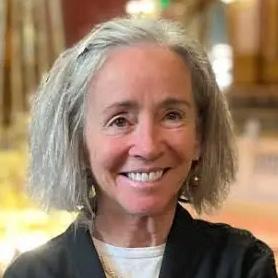
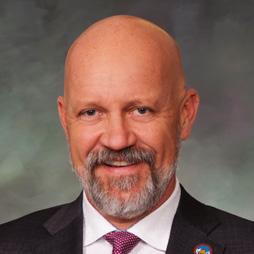
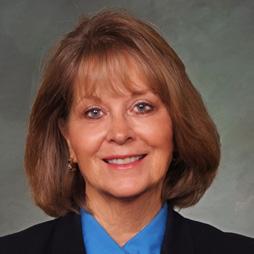
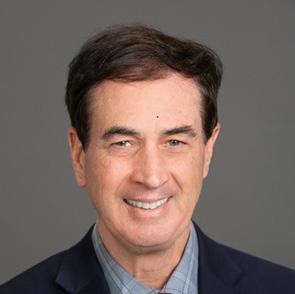
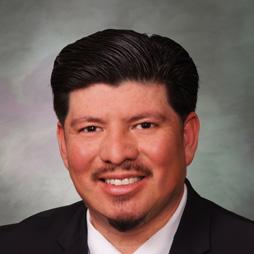
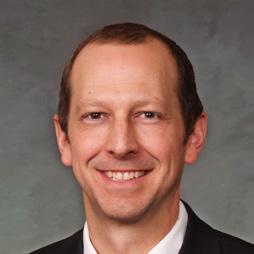
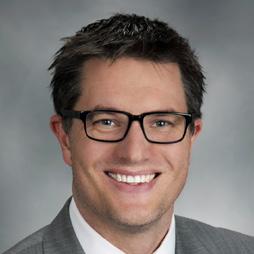
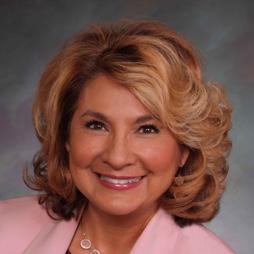
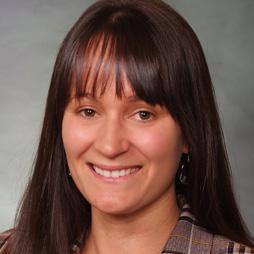
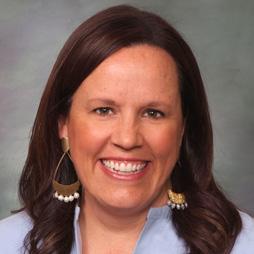
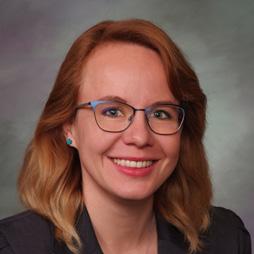
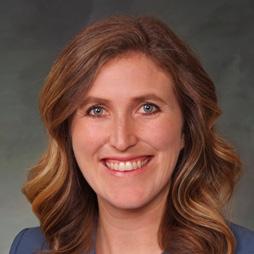
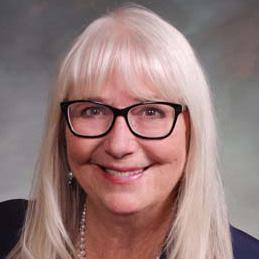
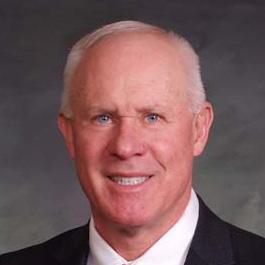
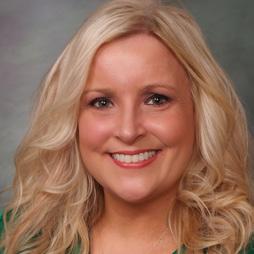
2026 CHAMPIONS OF MEDICINE
HONORING COLORADO LEGISLATORS WHO ADVANCED HEALTH CARE
The Colorado Medical Society honors outstanding legislators each year as Champions of Medicine – leaders who show a deep commitment to health care by supporting legislation that improves access, quality, and outcomes for all Coloradans.
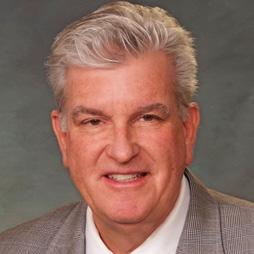
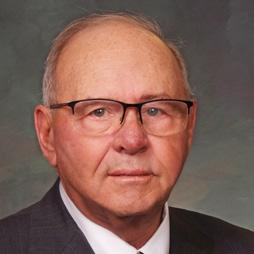
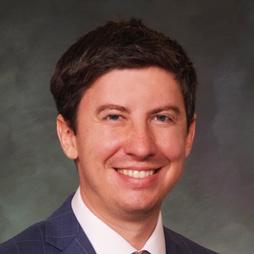
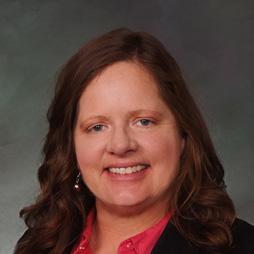
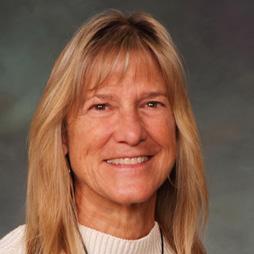
This session required difficult budget decisions, and I worked hard to ensure physicians and patient access were not overlooked. Even in tight fiscal times, protecting the health care workforce remains essential to caring for Colorado communities.
- SEN. BARBARA KIRKMEYER
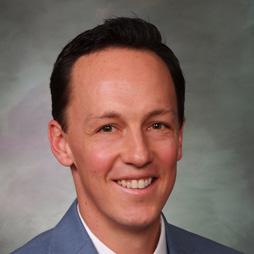
“ “ “ “
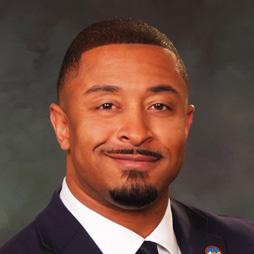
Serving as Chair of the House Health and Human Services Committee has reinforced how critical it is to protect patients while respecting physicians’ clinical judgment. Sponsoring the Medical Board and Division of Professions and Occupations sunsets was an important step in supporting the practice of medicine in Colorado.
- REP. LINDSAY GILCHRIST
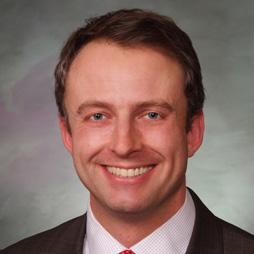
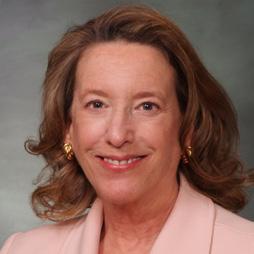
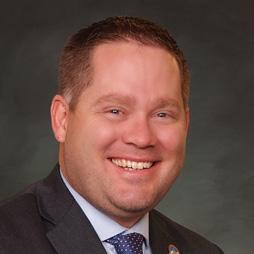
As a practicing nurse and Chair of Senate Health and Human Services, I take seriously the responsibility to protect Colorado patients and safeguard the practice of science in medicine. I was proud to sponsor SB32 Promoting Immunization Access that ensures Coloradans can continue to get vaccines.
- SEN. KYLE MULLICA
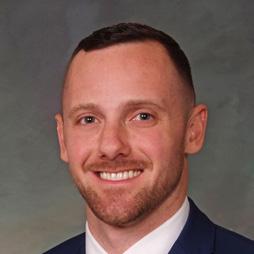
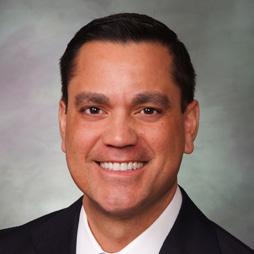
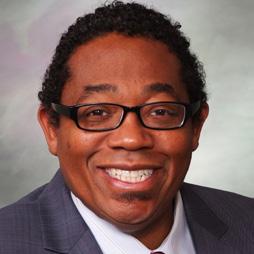
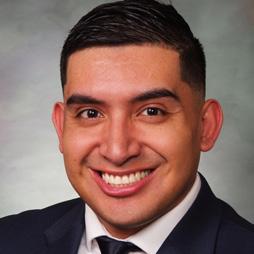
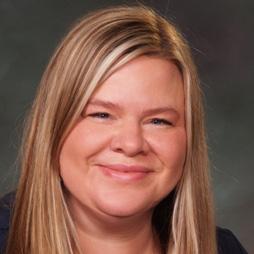
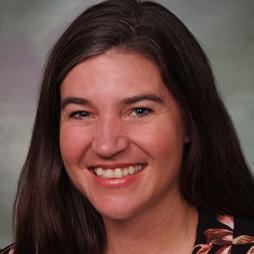
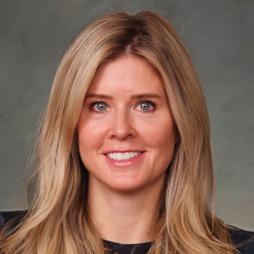
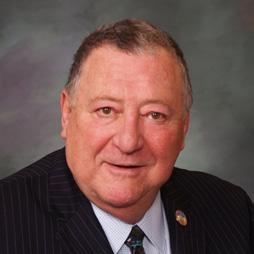
I value my partnership with the Colorado Medical Society and the opportunity to work on legislation that directly affects patients and physicians. I remain committed to being a thoughtful advocate for patient access and policies that enhance the practice of medicine.
- REP. KATIE STEWART
Carlos Barron
Judy Amablie
Monica Duran
Lindsey Daugherty
Dusty Johnson
Marc Snyder
Andrew Boesenecker
Matt Ball
Lisa Feret
Lisa Frizell
Meghan Lukens
Kyle Brown
Scott Bright
Lindsay Gilchrist
Barbara Kirkmeyer
Jacqueline Phillips
Jarvis Caldwell
John Carson
Ryan Gonzalez
William Lindstedt
Gretchen Ryding
Sean Camacho
Marc Catlin
Eliza Hamrick
Kyle Mullica
Katie Stewart
Michael Carter
James Coleman
Anthony Hartsook
Dylan Roberts
Janice Marchman
Rebekah Stewart
When diseases of “the poor” stop innovation
Iyana Malik, BSN, RN; Randall Reves, MD

During one of my medical school clinical rotations in Colorado, a patient presented with months of dyspnea, hemoptysis, fevers, night sweats, and weight loss. The patient’s chest CT showed findings suggestive of miliary tuberculosis (TB). When I discussed including TB on my differential diagnosis, my suggestion was dismissed with the counterargument that TB was unlikely in Colorado and unlikely in this patient, and no further assessment of risk factors was pursued. This experience motivated me to explore how TB epidemiology influences diagnosis and management, potentially minimizing TB in the differential.
TB is the deadliest infectious disease in the world, consistently ranking among the top 10 causes of death. Globally, more than 10 million people develop active TB each year and over 1 million die. Estimates show that one third of those with TB never get diagnosed or treated. Ninety percent of the global TB burden occurs in, Asia, Africa, and Latin America which has led it to often be described -- inappropriately -as a “third-world disease.“ This minimizes the people who live in these areas as well as the impact it has on the United States. After the U.S. TB resurgence of the 1980s, the annual number of cases in the U.S. was declining until 2024 when it surpassed 10,000 for the first time in a decade. Colorado reported over 100 cases in 2025, double the incidence in 2022. This shows that TB has not disappeared.
These concerns led me to question why a patient with TB-like symptoms was not evaluated for TB. Risk assessment and screening lack precision because they rely on broad epidemiologic categories and proxies such as country of birth, race, primary language, homelessness, and incarceration. While associated with increased exposure, these factors are applied in ways that use identity as a shortcut for risk. We need stronger evidence-based recommendations that move beyond general characteristics and go toward individualized risk stratification.
TB has not disappeared from Colorado.
Medical providers must advocate for research to improve TB risk assessment, diagnostics, and treatment as it is a vital domestic and public health responsibility. Despite TB’s enormous global and rising local burden, research in these areas has remained stagnant.
On March 24, 1882, Dr. Robert Koch presented his discovery of Mycobacterium tuberculosis and methods to culture it. That date is now recognized as World TB Day. Microscopic detection using acidfast staining (AFB) became the standard diagnostic test, remains widely used, and is still the only available test in many resource-limited countries.
The diagnostic testing we use for TB remains antiquated and often produces results that providers cannot fully rely on. Hospitals require airborne isolation until three consecutive sputum AFB smears are negative. For physicians, limited airborne isolation rooms may contribute to hesitation in including TB in the differential. Sputum microscopy has limited sensitivity and cultures are slow, taking up to six weeks. Molecular tests have marginally improved sensitivity and can detect drug resistance more rapidly, but access continues to be limited in many regions. However, even with a negative result, these tests do not rule out TB. The TB skin test and interferon-gamma release assays cannot distinguish latent from active disease, and false positives and negatives occur in around 20 percent of cases.
Therapeutic advancements for TB have been few and far between. The standard treatment for drug-susceptible TB has remained largely unchanged for decades. Rifampin, introduced in the 1960s, is still a cornerstone. Despite the toxicities, and adherence challenges of our current TB therapy, only three new TB drugs have been approved in the past 50 years, none replacing the current regimen. The next step forward is replacing the current regimen. For an organism identified in the 19th century and prevalent for millennia, this lack of innovation is abysmal.

people develop active TB each year globally
TB cases reported in Colorado in 2025
10M+ 100+ 3
new TB drugs approved in the past 50 years
This research stagnation is not due to scientific limitations but economic neglect. Only 24 percent of the pledged $5 billion has gone to TB research. TB disproportionately afflicts low-income countries and disadvantaged communities with limited market power and pharmaceutical investment. This differs from HIV testing and treatment, which have become highly reliable within weeks of exposure, illustrating the disparities that exist in research prioritization despite its smaller global burden.
The appeal for action is urgent. Providers serve an important role in prompting research and innovation. When diagnostic testing is uncertain, detection is delayed, patients suffer, and diseases spread. Medical professionals must champion policy change and increased research funding. Academic institutions should prioritize TB research, professional societies should reevaluate risk assessment guidelines, and providers should partner with public health departments to limit disease spread.
In health care, I have noticed that what we highlight in training and research sends a message about whose lives are valued. With the recent rise in TB cases in Colorado and the U.S., we must commit to eliminating TB rather than discounting it as a “third-world” issue. Medical professionals must use their influence to ensure that no disease is neglected simply because its burden falls on people with lower socioeconomic status. ■
A DISEASE STILL WAITING FOR INNOVATION

There are perks to being a Colorado Medical Society member, including savings on child care at KinderCare® Learning Centers and Champions® before- and after-school programs! Save 10% on tuition and get the support you need to thrive at work.


Four Ways We Give Your Whole Family a Boost
A Healthy, Safe Environment
Our centers are safe, secure environments for kids to grow and thrive. We’ve even earned the WELL Health-Safety Rating™ to prove it!
Convenience and Flexibility
Our centers are conveniently located right in your neighborhood, offering flexible full- and part-time* scheduling options so you can keep life moving. Peace of mind? Check!
Expert-Designed Curriculum
Here’s what we know about our curriculum: It works. In fact, the longer kids stay with us, the more prepared they are for elementary school.
Trustworthy Teachers
Our teachers are talented, trained, and top-notch—they’re the heart of our programs! They support your child every step of the way.

Physician health programs: More different than you might think
Scott Humphreys, MD Medical Director, Colorado Physician Health Program

Last month, Physician Health Programs (PHPs) from the United States and Canada met in Baltimore for our annual educational conference. Every year when I attend this meeting, I come away with the same thought: we are fortunate in Colorado to have such a robust PHP.
What continues to surprise me is just how different PHPs can be from one state to another. Sometimes the differences are so significant that programs almost struggle to relate to each other’s challenges. Each state has its own approach to funding, confidentiality, staffing, range of services, and relationship with its medical board. Those differences matter more than most physicians probably realize.
ONE OF THE BIGGEST DIFFERENCES IS CONFIDENTIALITY
In Colorado, physicians can voluntarily seek support for health-related concerns in a confidential manner. In many states, that is not the case. A physician seeking help may automatically become known to the medical board simply for entering the program. Not surprisingly, physicians are often much more reluctant to seek support when confidentiality is limited.
And like most things in medicine, earlier intervention usually leads to better outcomes.
Not every physician in this country has access to a confidential, physician-centered pathway for support.
Another major difference between PHPs is physician involvement. At CPHP, we have five physicians who are directly evaluating and monitoring. Other states may only have a fraction of a physician position serving as medical director. Every client at CPHP has a one-on-one relationship not only with a master’s-level clinician, but also with a physician medical director.
I HAVE ALWAYS BELIEVED DOCTORS DO BETTER BEING CARED FOR BY DOCTORS
There is something important about talking with someone who understands the realities of medical practice firsthand — the pressures, the culture, the responsibility, and sometimes the isolation. Physicians often spend years being the helper before ever considering asking for help themselves. Having physician peers involved can make those first conversations easier and more productive.
THE SCOPE OF WHAT PHPS ADDRESS ALSO VARIES CONSIDERABLY
Historically, many PHPs focused primarily on substance use disorders and standardized long-term monitoring agreements. While substance use disorders can be an important part of physician health work, they account for less than 20 percent of the conditions we serve.
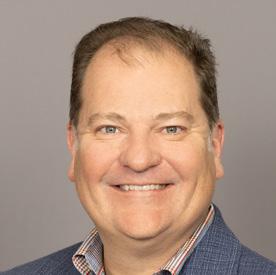
Our most common referral today is voluntary referrals related to burnout and stress. We also evaluate and monitor psychiatric conditions, behavioral concerns, cognitive issues, and medical conditions.
The national PHP meeting is also an important educational and research conference. CPHP has a long history of contributing to physician health research, and I am proud of the work our team continues to do in this area. Over the past year, we published research showing that presentations to PHPs are becoming significantly more complex than they were even five years ago. We have also published and presented research that disruptive behavior is frequently associated with treatable psychiatric conditions or situational stressors rather than simply personality or character flaws. (Read our research at cphp.org/research.)
I left Baltimore feeling grateful – grateful for the Colorado medical community, for the colleagues doing this work around the country, and for a system in Colorado that recognizes physician health and patient safety are closely connected.
Not every physician in this country has access to a confidential, physician-centered pathway for support. After this conference, I was reminded again not to take that for granted. ■
Confidential access removes barriers to early help-seeking and leads to better outcomes for physicians and patients.
Physicians caring for physicians understand the realities of practice and make difficult conversations possible.
Today's PHPs address burnout, mental health, behavioral concerns, cognitive issues, and medical conditions.
Colorado moves past stigma in medical licensing, but some work remains
Bobby Mukkamala, MD President, American Medical Association

Removing stigmatizing language on Colorado’s medical licensing application is essential to support physicians at every stage of their careers.
The Colorado Legislature agreed to that premise last year by enacting Colorado House Bill 25-1176. This law ensures that the Colorado medical licensing application is free from stigmatizing and inappropriate questions requiring physicians to disclose whether they have ever sought treatment for a mental illness or substance use disorder when there is no current impairment.
Colorado’s law is one of about a dozen nationwide to require licensing boards to take such action. For Colorado, the law marked the successful conclusion to advocacy championed by the Colorado Academy of Family Physicians (CAFP) and strongly supported by the Colorado Medical Society (CMS), the Colorado Chapter of the American College of Emergency Physicians, the Colorado Psychiatric Society, the American Medical Association (AMA) and others. The bill passed with overwhelming, bipartisan majorities.
Enactment was not the end of the journey, however. In fact, the AMA, CMS, CAFP and the Dr. Lorna Breen Heroes’ Foundation (LBF) continue to engage with the Department of Regulatory Authorities (DORA) to provide technical assistance on the types of changes needed to ensure that the updated licensing application follows the new law. The AMA regularly engages with licensing boards, hospitals and health systems to provide this type of close analytical support. You can check the LBF website (drlornabreen.org/ credentialing/#colorado) for the hospitals and health systems where AMA and LBF advocacy has been successful.
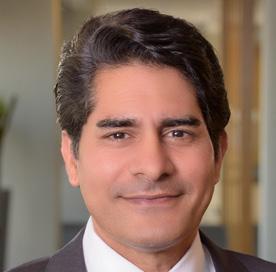
OLD APPROACH
• Past treatment history
• Broad health disclosures
• Focus on stigma and risk
NEW STANDARD
• Current impairment only
• Relevant, time-sensitive questions
• Focus on safe, competent care Removing
Colorado's new standard supports physicians while protecting patients-because how we ask questions shapes who seeks help, who stays in the profession, and who gets care.
DORA, which has told CMS and CAFP that it is still working on the necessary updates, had two main issues with its applications that needed correction. The first was the need to revise a question asking if an applicant (new or renewal) had any impairment within the past five years.
On one hand, the AMA supports the disclosure of an impairment that has a current, adverse impact on patient safety and the physician’s ability to provide safe, competent care. On the other hand, the AMA is part of a large coalition that does not support a lookback that would require disclosure of prior or current treatment when there is no current impairment. This is due to many factors, including that past history of treatment or impairment is not indicative of current lack of fitness to practice medicine.
This was codified in HB 25-1176, which reads in part: “The application must not require the disclosure of personal medical or health information that is not relevant to the applicant’s ability at the time of application to provide safe, competent, and ethical care.”
HB 25-1176 also requires that “The application must not include information about past health-related conditions…that do not impact an applicant’s ability to practice safe, competent, and ethical patient care at the time of application.”
Taken together, the AMA, LBF, CAFP, CMS and others held detailed calls with DORA to walk through our recommendations, and we also provided them in writing after the call – steps that are an essential part of the advocacy process.
The AMA and our partners also recommended slight changes to the format of the application so that there are distinctions in the placement of questions related to adverse actions (e.g., “Have you ever been arrested?”) compared to questions about health status (e.g., “Do you have a current impairment?”).
If these changes appear to be highly nuanced and technical, they are. The essence of the detailed and active legislative and regulatory advocacy undertaken by the AMA, CMS and CAFP involves focusing on every period, comma, word and phrase in a piece of legislation or the regulations to implement laws. This includes the medical licensing applications we complete every few years.
Details, words, and format all matter – and careful attention to each is an essential element of the AMA’s national campaign to support the health and wellbeing of medical students, residents, and physicians.
At the time of this article, DORA said it was still working on the necessary updates –and the AMA, CAFP and CMS are urging them to complete their work as swiftly as possible. ■
Voice of the candidates for election to the Colorado delegation to the American Medical Association
Each year the Colorado Medical Society holds a leadership election, asking members to elect a President-elect and six of the 12 members of the Colorado Delegation to the American Medical Association. These delegates work for you on the national level, and you are encouraged to read their candidate statements to inform your vote. Each CMS member will receive an email ballot on Aug. 1, with voting closing Aug. 31. Due to the President-elect race being uncontested, only the candidates for AMA Delegation are listed here. View all candidate statements on cms.org.
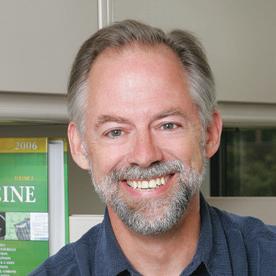

DAVE DOWNS, MD, FACP INCUMBENT
I have practiced primary care internal medicine in Colorado for 35 years. I understand the challenges we face from payers and the support needed for us to practice high-quality, evidence-based medicine. Perhaps most important, I understand the need to sustain the intimate relationships we have with our patients. I have seen the benefits and pain caused by well-meaning policymakers who make decisions without understanding the complex world we work in.

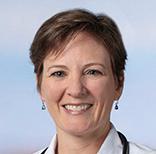
AMY DUCKRO, DO, MPH INCUMBENT
I have now served on the Colorado delegation to the American Medical Association for several years. I began as somewhat of a skeptic, having disagreed with AMA policy over the years. I found the organization to have arcane, sometimes byzantine, processes and politics. At the same time, it is one of the most democratic institutions I’ve worked in and offers a venue in which ideas, presented properly, are given a full vetting.
As the country continues to evaluate massive changes in how health care is structured and financed, the voice of the AMA is important and influential in the evolution of the health care environment. Our delegation is your avenue to express your concerns, aspirations and doubts into the process of policy development within the single largest physician organization in our country.

It would be my honor to represent the Colorado Medical Society (CMS) as an American Medical Association (AMA) delegate. I recently served on the CMS Board of Directors (BOD) for a three-year term and I have been on the CMS Council on Legislation (COL) since 2024, now serving as vice-chair. I have gained an appreciation for the importance of the CMS in policy setting, including active attention to the protection of physicians’ practices and consistent advocacy for high-quality, safe, and accessible patient care. I was fortunate to serve as a CMS AMA alternate delegate in 2025, which offered me valuable insight as to the complexities of the work done by the AMA House of Delegates. Being an alternate delegate allowed me to understand the broader context of the work we do at the state level and created a valuable platform from which to expand my future contributions.
My experience and training in population health provide me with a unique ability to contribute as an AMA delegate. One of my key learnings from completing my Master in Public Health degree was the essential role of policy and advocacy in influencing the delivery of health care and its outcomes. As a physician with the Colorado Permanente Medical Group for over 20 years, I have held multiple leadership positions, evaluating problems from many different angles. As an infectious diseases specialist, I was one of our organization’s primary leaders during the COVID-19 pandemic. During this time, I navigated extremely sensitive and divisive issues in a highly charged time with adaptability and calm. Success required effective listening and communication with many stakeholders – medical professionals in all fields, elected officials, as well as the general public. I am a lifelong learner with a growth mindset and consistently approach difficult situations with integrity and honesty. During my tenure on the CMS BOD, I brought a thoughtful and even-keeled approach to problem solving. I seek to gain the perspectives of others and, while keeping the health of our profession and the care of our patients as central, aim for solutions based on reason, equity, and dignity. I take the opportunity to learn and listen reflectively while formulating

While physicians see different paths to a better practice environment and alternative strategies to make safe, affordable, high-quality care available to everyone, I feel strongly that a consensus that respects differing points of view can be developed and that the AMA is a great place to begin the process of achieving that. Given our current political environment, consensus building in health care policy is sorely needed.
I ask that you support me in bringing the voice of Colorado physicians to the AMA to promote the best policy options and to move them forward in national health policy development. ■

opinions. Likewise, I am comfortable articulating my perspective and aligning with a consensus once a group decision has been made after thoughtful deliberation.
We are facing a turbulent time in medicine. Critical issues include physician wellbeing and burnout, appropriate reimbursement for care – especially for those serving rural and underserved communities, continued provision of safe and high-quality patient care with relevant contributors being scope of practice and the maintenance of safety nets for uninsured and underinsured patients, the erosion of public confidence and trust in science and the medical profession, and external influences on the access to affordable health care.
As a Colorado Medical Society delegate to the AMA, I recognize that my responsibility will be to faithfully represent the positions of our Society. I pledge to carefully consider the issues we face without preconceived determinations or positions and will approach this important role with the professionalism it deserves.
Please feel free to contact me for further discussion. I appreciate your support of my candidacy to join the CMS delegation to the AMA! ■


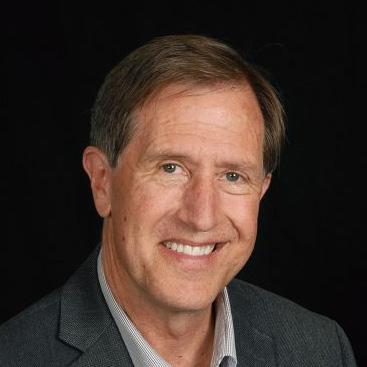
MARK JOHNSON, MD, MPH
INCUMBENT
“In 2018, a national science literacy survey revealed that 28 percent of Americans could not correctly answer a basic astronomy question: whether Earth goes around the Sun or the Sun goes around the Earth. Only 72 percent chose the correct answer, despite it being a foundational scientific fact taught for centuries.” 1
This finding is not trivial to medicine. We describe modern medicine as sciencebased, or evidence-based medicine. We use the scientific method to organize and apply current data to improve health care decisions. The results of this method are not always intuitive, but its application has
been the foundation of a doubling of the average expected length of life in those societies that utilize it.
But science, and medicine, are under attack today. Science is frequently misused or discounted, creating a skewed understanding of reality in debates and policy decisions. The public, as shown in the study above, often has no scientific education or discernment, leading to significant vulnerabilities to misinformation and disinformation. Scientific findings are polarized by various activists and ideologues who push for conclusions not fully supported by data. This can lead to disastrous decisions that impact not only the life and health of individuals, but of the public.
In my personal statement three years ago, I highlighted issues such as the hold insurance providers have on the practice of medicine, the stagnant or decreasing reimbursements from Medicare and Medicaid, scope of practice issues, and the speed with which infectious diseases

The Colorado Medical Society (CMS) and the American Medical Association (AMA) have been central to my medical career from its very beginning. I have been a member of the Colorado delegation consistently since medical school and have been honored to serve in a wide range of leadership roles within both CMS and the AMA.
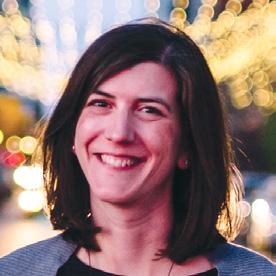
I currently serve as Vice Chair of the Colorado delegation and hold a leadership position on the Governing Council of our Western States caucus, representing Colorado, Idaho, Montana, Utah, and Wyoming. In this role, I work closely with physicians across the Mountain West,

circle the globe. The American Medical Association, including its delegation from the Colorado Medical Society, have made significant inroads in dealing with some of these issues, but we have much more to do. Complicating the medical scene since that time are the anti-science policies that are being propagated in most of the federal agencies that deal with healthcare and the activities that promote health and prevent disease.
Any progress to be made in this arena calls for a strong, informed, national medical presence with bold leadership. If re-elected to serve CMS on the AMA delegation, I pledge to do all in my power to push back against these anti-science forces and to represent the needs and wishes of our members at the national level. I once again ask for your support in this undertaking. Thank you very much! ■
1 National Science Foundation (2018), Public Familiarity with Science and Technology Facts
many of whom are grappling with the same workforce shortages, funding cuts, and access challenges that threaten rural medicine throughout our region. These conversations resonate deeply with my own experience practicing as a rural physician and continue to shape my perspective on national policy priorities.
I strongly believe that active, practicing physicians must have a seat at the table during this rapidly evolving healthcare climate. I am a full-time, board-certified emergency medicine physician practicing in the Denver metro area. The emergency department provides a unique vantage point on the healthcare system: I see firsthand where policies succeed, where they fail, and how gaps in access, coverage, and coordination affect patients and physicians alike. At the same time, my work requires daily collaboration with nearly every specialty in medicine – experience that translates directly to effective coalition-building and advocacy within the AMA House of Delegates.
Within CMS, I currently serve on the Board of Directors and Executive Committee, representing the Aurora-Adams County Medical Society, where I am also President. I am Chair of COMPAC and serve on the CMS Council on Legislation. Through these roles, I have developed a strong understanding of the policy, political, and advocacy issues affecting physicians and patients in Colorado and nationally. I also work closely with medical students and residents, providing regular updates on advocacy efforts and helping ensure that trainees understand the relevance and impact of organized medicine.
In closing, I would be honored to continue representing Colorado physicians as part of our small but mighty delegation to the AMA. At a time when national policy decisions are moving quickly, I offer Colorado physicians experienced, informed representation from someone who is actively practicing, deeply engaged in CMS leadership, and already doing the work at the AMA. ■

RACHELLE M. KLAMMER, MD INCUMBENT
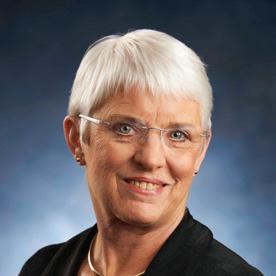

ALETHIA (LEE) MORGAN, MD INCUMBENT

I have had the honor and privilege to serve the physicians of Colorado in multiple capacities over the past 30 years. I have served as President of the Pueblo County Medical Society, the Colorado Gynecology and Obstetrics Society and the Colorado Medical Society (CMS). I currently Chair the Colorado Section of the American College of Obstetrics and Gynecology. I have participated on every major council of the CMS. I served as Chair of the Council on Legislation for 11 years. I am a Past Chair of the COMPAC Board of Directors as well. I have served on the Physicians Congress and the ad hoc Committee on Patient Safety and Physician Accountability, to mention a few.
I have been a member of the AMA since 1978 and an active member of our AMA delegation for 19 years. I served as Co-chair of the Colorado Delegation to the AMA for two years and now have, for eight years, served as Chair of the delegation. At the AMA I have been active within the prior Western Mountain States Conference, having served as Treasurer and Chair. I played an active role in the merger of the PacRim Conference with the WMSC into the PacWest Conference, currently serve on the Nomination Committee and as the Councilor Representing District 4 (Colorado, Wyoming, Idaho, and Montana) for six years on the PacWest Governing Council. I served on the OSMAP Steering Committee for three years and am currently Treasurer.
My practice experience includes a large multispecialty group as well as a smaller single specialty group. I have practiced in both a large urban environment and a more rural environment. As an Obstetrician/ Gynecologist I am at times considered a primary care and at times a specialist. This varied background gives me the ability to look at all sides of an issue.
Medical care involves many facets of life and a wide variety of medical expertise. Some of the needed skills to provide medical services are learned in school, others are not. The complexities of attaining a medical education need to be complemented with skills in human resources and business experience. Life experiences also add to our knowledge base.
Although I spent approximately 13 years in metropolitan areas obtaining my educa -
tion, I have spent most of my life in rural communities. I have also experienced the death of a family member as a child, experienced life as a patient with cancer before completing residency and struggled with the changes in medicine over the past 35 years as a physician in private practice. These experiences have given me insight into caring for patients and colleagues. Serving on various committees and boards during medical school and residency helped me see ways to improve the educational process. Being active in multiple medical and social organizations allows me the opportunity to continue to improve healthcare and continue to find creative solutions. I served on our local, Mesa County Physicians Independent Practice Association when we initiated a regional medical database in 2003, to prevent duplication of laboratory exams and combat controlled substance abuse. Currently, I serve on the Board of our
I have the leadership experience, the experience of listening to multiple points of view and helping forge consensus, as well as strong interest and concern about the issues that affect the practice of medicine today. These last decades have been a time of many changes and challenges for physicians. It is more important now than ever that we work together as a cohesive force in organized medicine on a local, state, and national level.
I have a long interest in legislation affecting the physicians of Colorado and the nation.
I believe that, with your support I can continue to contribute significantly to organized medicine on a local, state, and national level. It is for this reason that I ask for your vote to return me to the AMA delegation so that I can continue to represent you as we move forward in these interesting and difficult times. ■

local Public Health Department, the Mesa County Medical Society Board, and Colorado Medical Society’s Council on Legislation, enjoying the challenge of enhancing the health of my community and state.
As a recently appointed AMA delegate for the Colorado Medical Society, I would like to continue the process of making medicine better for physicians and our patients. The political process can be arduous but I am willing to put in the work necessary to participate in planning for the future of health care. There will be many exciting opportunities and difficulties in addressing the integration of artificial intelligence into the practice of medicine. Securing the physician workforce necessary to care for our patients, their medical education and practice opportunities, should also be priorities. I would be honored to receive your vote as an AMA delegate. ■

PATRICIA WEBER, MD INCUMBENT

Yet many issues were open to, and some required, the help of others working together to achieve the goal.
HAROLD “HAP”
DECHANT YOUNG, MD
My passion is and has been my involvement in patient health care, and as a radiologist nothing has given me more pleasure than helping determine the diagnosis and aiding in the care of patients. However, I have never lost sight of the importance of the interaction with others in accomplishing this. The input, the knowledge, and the experience of fellow care providers is an exceptional “tool” not to be ignored.
Over the past three decades in clinical practice, I have had both opportunities as well as the occasional roadblock in achieving my goals. Some, by choice or otherwise, I have dealt with on my own.
I have a unique perspective having spent the last 25 years in a rural Colorado practice. Physicians, and in my experience especially rural physicians, can feel a long way from and disconnected from state and national organizations. Many don’t realize, or lose sight of, the effort and time spent by CMS and the AMA to help provide a stable and positive environment to practice medicine. There is a sense that as long as things are going well, “why worry?” That’s where a strong AMA position comes into play. I want to emphasize and reintroduce the benefits, and the efforts behind them, which AMA provides to doctors nationwide, including in Colorado. I want to engage more physicians in the realization that AMA helps provide the backdrop for a safe, fair, and secure practice environment, allowing physicians to do what they do best – care for their patients!

At this time, I feel I have an exceptional opportunity, with the time afforded me with the changes in my own practice, to take advantage of my accumulated knowledge and experience in enhancing and helping other physicians in their quest for a satisfying and secure health care practice.
I stand ready to listen to fellow physicians about their concerns, hopes and plans related to their practices…to assimilate information and concerns, and help the Colorado Medical Society and the American Medical Association develop and implement plans of action for physicians, both at the state and national level. ■


Member Mixer with Mile High Medical Society, March 6, 2026
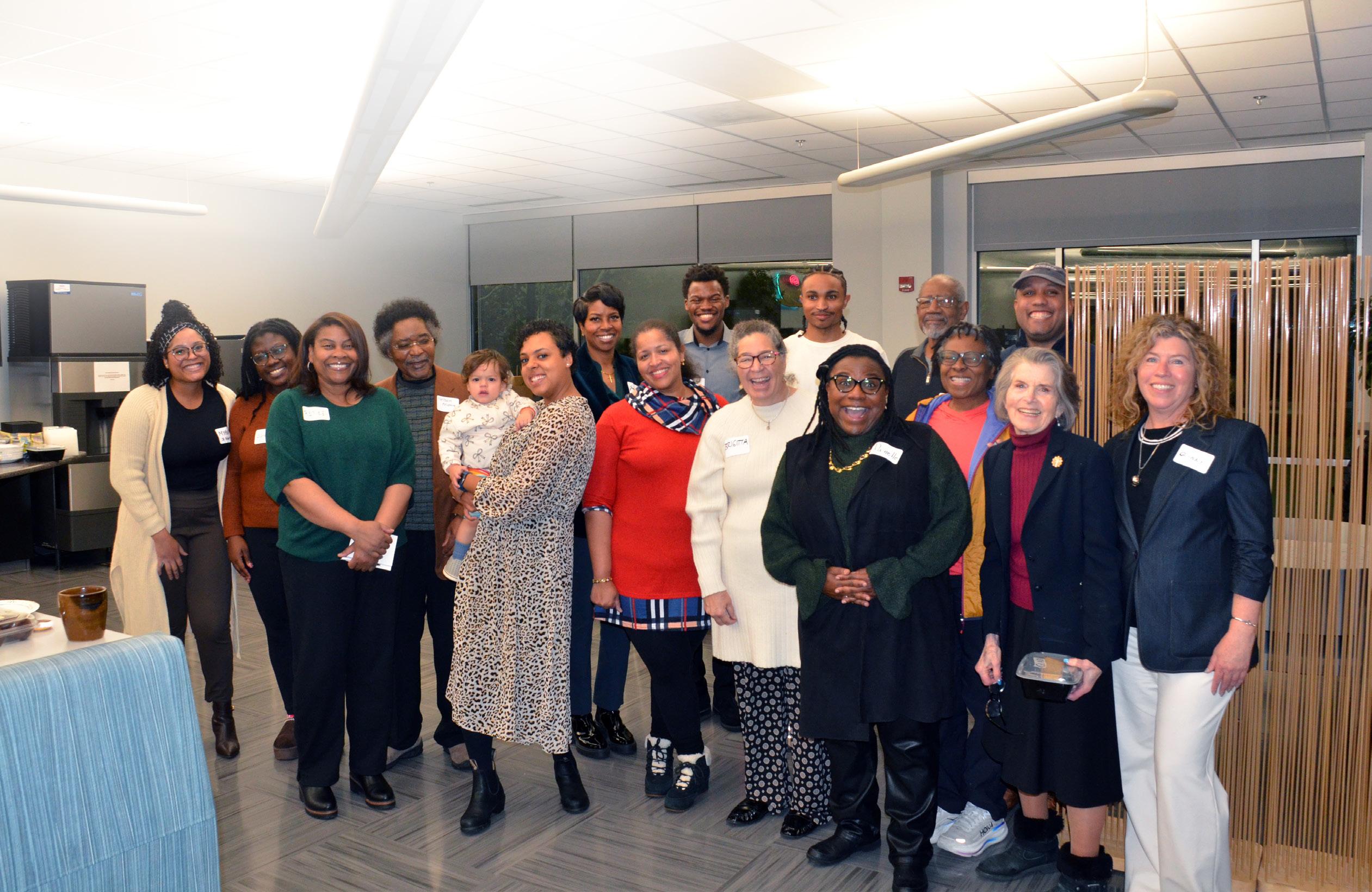
Members of the Colorado Medical Society and Mile High Medical Society came together on one of the only snowy evenings of March for connection, conversation and collaboration following the Colorado Medical Society Board meeting. Welcoming physicians, students and residents alike, the mixer offered a relaxed space to strengthen relationships and build community.
This group photo captures many of the MHMS members who made the evening a success – highlighting the shared commitment to leadership, advocacy and advancing care across our medical community. ■
CMS and Mile High Medical Society members gathered to strengthen relationships and build community.
Connected by a song
David Alexander
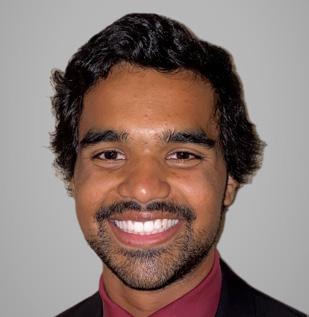

David Alexander is a rising fourth year at the Fort Collins Branch of the University of Colorado School of Medicine. He grew up in the south suburbs of Chicago with his parents, Philip and Deepa, and his sisters, Rachel and Sarah. He studied piano under Mary Maddox before earning dual degrees in biochemistry and piano performance at Illinois Wesleyan University, where he studied under Ilia Radoslavov. As a home kombucha brewer, he is perpetually chasing the perfect flavor. He is applying to psychiatry residency this coming cycle and looks forward to continuing his training.
By virtue of having a mind that can think and a body that can feel, existence is uncomfortable. We grieve, we laugh, we reach back for people and moments that have since passed. How, then, do we cope with being human? The answer lies in recognizing ourselves in one another. Music taught me that a single song could collapse the space between strangers. Medicine gave me a new instrument to do it with.
I grew up performing piano recitals at assisted living facilities. After playing Chopin’s Minute Waltz one afternoon, an elderly man approached me with tears in his eyes. His late wife, he told me, used to play that piece for him. I was a kid sitting at a piano; he was a widower carrying grief and love that I could not comprehend. And yet, something had crossed that distance. I didn't have words for it then; I only knew that the music had somehow connected us.
That lesson followed me into clinical training. During an emergency department shift, I went to repair a 15cm self-inflicted
arm laceration on a suicidal man. After he received intramuscular benzodiazepines and calmed down, I pulled up a stool. I knew we had time ahead of us, and I was acutely aware of everything that divided us: his pain, his history, the circumstances that had brought him to this moment. I asked, "What music are you into?" His face shifted. We began talking about his favorite heavy metal bands, discussed the therapeutic value of headbanging, and even traded music recommendations. By the time I threw the last stitch, something had changed in the room. He was no longer an agitated psych patient or an arm lac. He was a person who loved music, just like me.
During my inpatient psychiatry acting internship, I cared for a homeless woman with schizoaffective disorder. As we titrated her antipsychotics, I watched her move through the milieu each day with her headphones on. I asked her once what she was listening to. A single question revealed a lifelong love of clarinet and violin. On her discharge day, I slipped
her a sheet of paper with classical music recommendations. When she took it, she showed a rare smile and thanked me. I couldn’t fix what had brought her there, but I think she left knowing someone had seen her.
Medical school brought me to Moving Through Parkinson’s, a music and movement therapy program where I volunteer as a pianist, playing both prepared and improvised selections as participants exercise. One day I played The Carpenters’ 1972 hit “Top of the World,” and the class almost derailed as participants began singing along. The instructor asked, “Where were you when this song came out?” A patient living with Parkinson’s remembered it from her senior prom. Another from their wedding. I had stumbled across it pulling records outside a shop near my college apartment. I knew Parkinson’s on paper, but living with it was something I could not fully understand. In that moment it didn’t matter; three completely different lives, connected by one song. ■

Reflective writing is an important component of the University of Colorado School of Medicine curriculum. Beginning in the first year, medical students have the opportunity to write essays, stories or poetry, or create works of art, that reflect what they have seen, heard and felt. The Reflections column was co-founded by Steven Lowenstein, MD, MPH, and Tess Jones, PhD. It is edited by Dr. Lowenstein. It is dedicated to the memory of Henry Claman, MD, Distinguished Immunologist, Professor, and founder of the Arts and Humanities in Healthcare Program.
Physician volunteers recognize next-gen scientists at Colorado Science and Engineering Fair
NCMS board members Cory Carroll, MD, and Donna Sullivan, MD, along with University of Colorado School of Medicine at Colorado State University medical student Isabella Santavicca participated as judges for the 2026 Colorado Science and Engineering Fair at CSU.
The CMS Foundation funds special award program scholarships for those deter-
mined by these volunteer judges to be the top student in the junior and senior divisions for the Biomedical and Health Sciences category.
This year’s winning project in the junior division is “Plant compounds and their effects on consumption” and in the senior division is “Clean Vaccine: Assessing Antigen Recognition in a Minimal Excip -
EPCMS brings physicians together for an evening of connection and collaboration
The El Paso County Medical Society held their Semi-Annual Celebration on Tuesday, April 14. The event brought physicians together for connection, collaboration and celebration in a packed room at the Garden of the Gods Resort and Club.
Keynote speaker Jonathan Finnoff, DO, chief medical officer of the United States Olympic and Paralympic Committee, inspired attendees speaking of his work implementing standards of care to support elite athletes through training and performance on the world stage. EPCMS Board member and Council on Legislation repre -
sentative Brian Kilmartin, MD, joined CMS Chief Strategy Officer Chet Seward to give insights into the 2026 Colorado legislative session and how organized medicine’s presence under the Gold Dome is critical to the practice of medicine.
Photos
1. EPCMS Board member and COL representative for EPCMS, Brian Kilmartin, MD.
2. EPCMS Board members, from left to right: Marc Labovich, MD, FCAP, Jordana Land, L. James Land, MD, and Megan Bowers, MD. ■
Physicians gather for learning and fellowship at NCMS Annual Meeting
The Northern Colorado Medical Society held their Annual Meeting Friday, Feb. 6. This special celebration featured an engaging CME presentation by Justin Roesch MD, FACP, director of education, Northern Colorado Hospitalist Group, recognition of scholarship and award recipients, updates from the Colorado Medical Society, and swearing in of new NCMS leaders.
Photos
1. Incoming NCMS President Scott Dhupar, MD, a spinal surgeon with North Colorado Spine and Orthopaedics, right, presents a certificate of achievement to outgoing NCMS President Narina Grove, MD, a pathologist with Summit Pathology, left.
2. NCMS Past President Sean Pauzauskie, MD, a neurologist with UCHealth, right, was awarded the Physician of the Year award by NCMS Past President Cory Carroll, MD, a family physician and owner of Foothills Family Care, left. ■
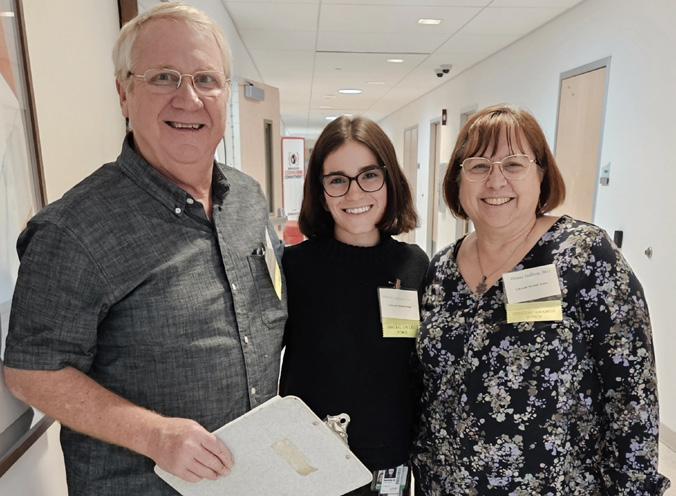
ient Vaccine Formulation.” In addition to monetary awards, the students are invited to attend the CMS Annual Meeting as special guests at Saturday evening’s President’s Event.
Photo
CSEF judges from left, Cory Carroll, MD, Isabella Santavicca, and Donna Sullivan, MD. ■
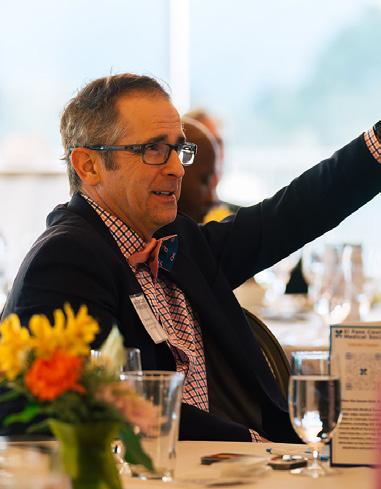
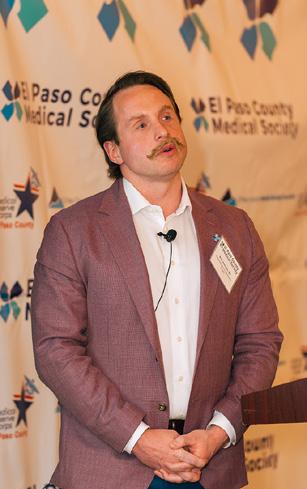
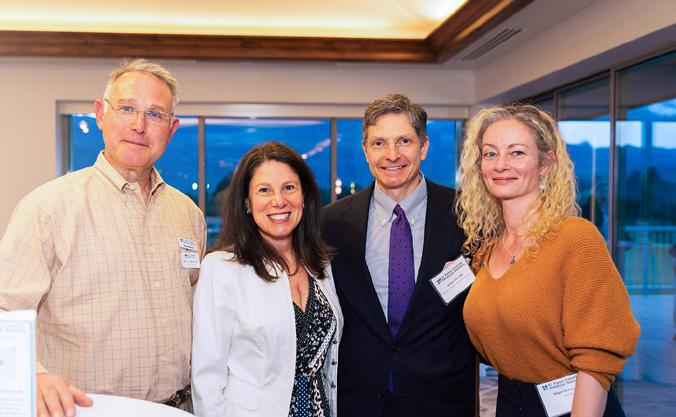
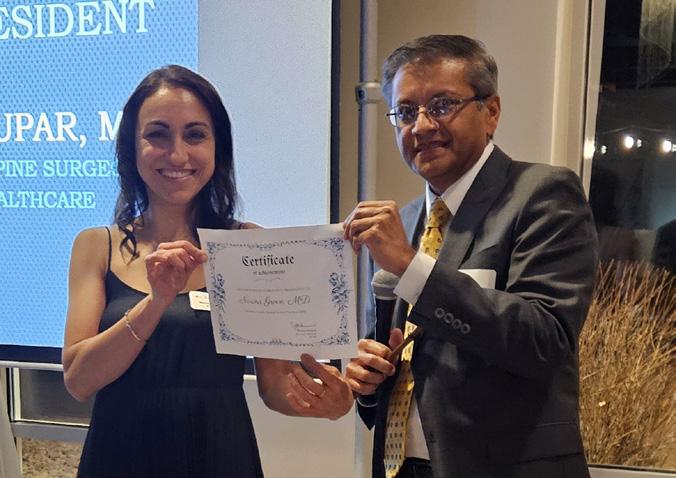
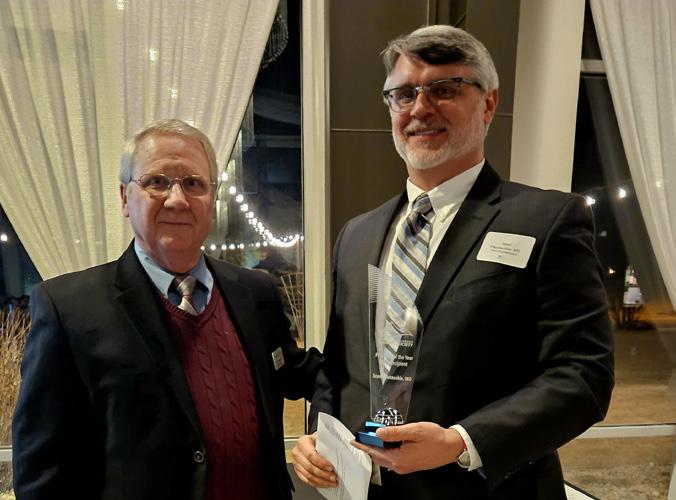


The illness I know in pieces
Christin Ngoc Tran
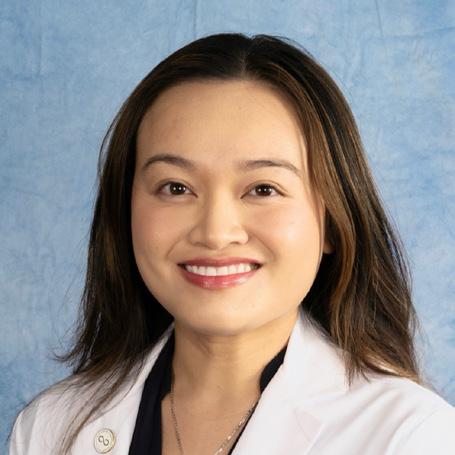

Christin Ngoc Tran is a first-year medical student at Rocky Vista University College of Osteopathic Medicine. Originally from Fayetteville, Ga., she earned her bachelor’s degree in chemistry from Georgia State University. She is interested in anesthesiology, digital health, and patient advocacy; her experiences as both a patient and future physician continue to shape her perspective on medicine. Outside of school, she enjoys traveling, spending time with friends and family, and reading.

My earliest memory of getting sick is not really a memory at all. It is a note in my phone.
Chills during work. Fever that night. Complete exhaustion. Slept the whole day. Then the restless, disturbing thoughts that woke me up and kept me up at night. The never-ending loop of sounds that only I could hear.
When I look back at those entries now, they feel eerie in a way they did not at the time. I was trying to document something I did not understand yet, something that still looked manageable and explainable. I thought I was just getting sick. Maybe stressed. Maybe burned out. I did not know I was at the beginning of anti-NMDA receptor encephalitis.
What is strange is that even now, I know my illness more through fragments than through memory. I have vague flashes from before my hospitalizations, but not a solid narrative. There is a blank where much of that time should be. I know what happened because of the notes I wrote, what my family remembers, and what is written in my medical chart. I know I was hospitalized. I know there was confusion about what was happening to me. I know there were thoughts that maybe I was having a psychotic break from the stress of applying to medical school or that I was developing schizophrenia. My initial treatment plan was to send me to an inpatient psychiatric facility.

I know my presentation was a bit strange as there was no family history of psychiatric illnesses, but I was a young woman in her 20s. It was very possible. I know it was one physician who listened to my mom and noticed my fever. I know it was her who saved my life when she finally drew my CSF and found those antibodies, leading me to the right diagnosis. I know I underwent 10 sessions of ECT, IVIG, and several infusions of Rituxan. I know I spent a month in the ICU before I was discharged. A year later, it was found that I had an ovarian teratoma that was most likely the culprit.
But knowing those facts is different from remembering it for myself.
That has been one of the strangest parts of living with this disease. Anti-NMDA receptor encephalitis changed my life, but I do not fully remember living through the worst of it. For the people around me, it was terrifying. For me, it is something I have had to piece together afterward. In some ways, I have had to inherit my own story from other people.
That is part of why advocacy feels so important to me. This disease was first recognized in 2007 and is easily missed, espe cially early in its course. Its early symptoms can look psychiat ric before they look neurologic. When that happens, people can be misunderstood before they are correctly diagnosed. I think about that often, because I was one of those patients. Before anti-NMDA receptor encephalitis had a name, what was


happening to me could be explained away as stress, burnout, or primary psychiatric illness. But this disease does not wait for clarity. If it is not recognized early, it can keep progressing while everyone is still trying to decide what they are looking at.
That matters to me now not just because I lived through it, but because I know how easily the story could have been different.
Sometimes I think the hardest part is that people hear “recovered” and imagine things going back to normal the way it was before. They imagine that once the hospitalization is over and the crisis has passed, the person simply comes back. And in many ways, I am deeply grateful that I did recover. I am here. I made it to medical school. I still get to pursue the life I wanted. There was a time when that future was not guaranteed, and I do not take that lightly.
But recovery does not mean becoming exactly who I was before.
There are parts of me that still feel changed in ways that are difficult to explain to other people. One of the biggest is how long it takes me to think now. I notice it in school. I notice it when I am trying to process information quickly. I notice it when I compare myself to the version of me I remember before all of this happened. Sometimes I know the answer, but it takes an extra beat to find it, and in a fast-moving environment, that extra beat can feel much longer than it sounds. It is not the kind of loss that is obvious from the outside, which almost makes it harder to name. I am functioning. I am moving forward. I am doing well in many ways. But there are still parts of me that feel slower, less effortless, harder won.

That is another reason I want to write about this disease. Advocacy is not only about helping people get diagnosed sooner, even though that matters deeply. It is also about helping people understand that surviving a disease is not always the same as leaving it behind. Some of the effects stay with you quietly. Some of them live in the way you think, the way you remember, or the way you no longer remember. Some of them only become clear once everyone else thinks the worst is over.
As a medical student, this has changed how I think about patients and recovery. It has made me more aware of how incomplete our language can be. Words like stable, improved, recovered are useful, but they do not always capture what a patient actually lives with. A person can be dramatically better and still not feel fully restored. A patient can survive and still be carrying losses that do not show up clearly in a chart. A disease can be rare or newly recognized and still deserve urgency, curiosity, and serious attention.
I do not remember all of what anti-NMDA receptor encephalitis took from me. In some ways, that absence is part of the loss itself. But I know what it left behind: a different relationship with my own mind, a different understanding of recovery, and a stronger sense of responsibility to speak about a disease that is still too easy to miss. I hope my story brings earlier recognition, better understanding of the long-term effects, and connects with patients whose lives continue to be shaped by this illness long after the acute crisis ends. The more we talk about anti-NMDA receptor encephalitis, the better chance someone else has of being seen sooner, treated sooner, and understood more fully, not just during the worst moments of the illness, but long after. ■
Medical Transcription Services
Busy vs. Kinda Sorta Maybe Busy
Few can contest physicians and healthcare providers when they say they’re busy. They truly are. They barely have seconds to scarf down vending machine chips for lunch, let alone transcribe their patients’ medical charts. By bringing Ditto Transcripts on board, time’s back on your side to juggle more administrative tasks and care for patients—the work that matters most to you. The way it should be.
For the medical field, Ditto Transcripts delivers:
• Experienced, U.S.-based medical transcriptionists skilled in EHR and EMR systems
• 99% accuracy for all transcription—guaranteed
• Access to speech recognition software editors

• Rapid turnaround and on time for fast access to medical records and reports 24/7
• Electronic file delivery in 24 hours or less
• Speech recognition software editing
• Secure, private, confidential and HIPAA compliant
• Adhere to AHDI/AAMT standards
• Unlimited customer support services
• No long-term contract required
• E-signature/digital signature available
When we say specific, we mean specific. We have deep medical transcription service expertise for cardiology, clinical, dermatology, emergency medicine, hematology/oncology, mental health, neurology, ophthalmology, orthopedic, pathology, podiatry, psychiatry, radiology, urology, among others.
Take us for a test drive. Enjoy 1,000 lines or 60 minutes free. No credit card needed—this trial’s on us.
For pricing models and to learn more about our Free Trial, visit us at dittotranscripts.com






Giving back to improve patient care: 2026 Copic Medical Foundation grants
Gerald Zarlengo, MD Chairman & CEO Copic Insurance Company
Investing in continuity of care.
At Copic, we believe our role extends beyond medical liability insurance to help strengthen the systems that patients and clinicians rely on. This belief led to the creation of the Copic Medical Foundation in 1991, which was established as a nonprofit to invest in ideas and partnerships that support medicine and the communities we serve.
Over time, the Foundation’s commitment has grown across multiple states with more than $14 million awarded to individuals and organizations working to improve patient care and outcomes. Our annual grant funding focuses on efforts to reduce fragmentation, an important issue that comes with tangible consequences – avoidable readmissions, missed diagnoses, medication errors, delayed treatment, duplicative testing, and a frustrating experience for patients and clinicians alike.
The Foundation’s 2026 grant recipients include organizations working across health care delivery, community care, research, and workforce development to improve continuity of care:
• Greater Regional Medical Center (IA): Expanding mobile integrated health care to deliver safer, more coordinated post-discharge care through in-home follow-up.
• North Dakota State College of Science Foundation (ND): Building a community health worker training program to strengthen care continuity across rural and Tribal communities.
• MedStar Health Research Institute (MD): Advancing an AI-enabled virtual pulmonary clinic to improve follow up and reduce missed cancer diagnoses.
• Promise Healthcare (IL): Improving perinatal care coordination and mental health support for low income and uninsured mothers.
• Northwest Center (WA): Expanding a hospital-to-home model to better support families transitioning home from the NICU.
• City Care (OK): Providing medical respite and coordinated services to support recovery and safe transitions for people experiencing homelessness.
These projects reflect the Foundation’s continued investment in practical, collaborative approaches to improving care transitions and reducing system fragmentation. They also represent ideas that are sustainable, feasible, and can be replicated and scaled to have a broader impact.
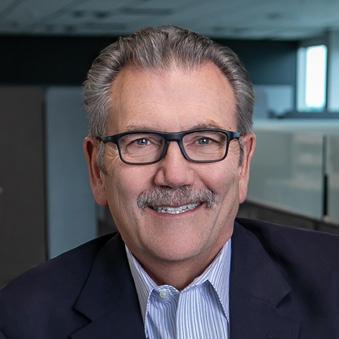
Connected to our grant funding is the annual Copic Medical Foundation Grantee Summit. This event was held April 30-May 1 and brought together both past and new grantees. The focus for this year was on how health care systems can become more future ready while remaining deeply human centered amid rapid systemic and technological change. As healthcare continues to evolve through digital tools, data innovation, and emerging AI driven solutions designed to reduce fragmentation, the Summit examined a critical question: how can these advances truly improve care if people – patients, families, clinicians, and communities – are not kept at the center of decision making?
The Summit provides an in-person opportunity to reinforce our commitment to building a collaborative community. By convening grantees across disciplines, regions, and care settings, the Foundation continues to support shared learning and cross pollination of ideas that help translate innovation into meaningful, realworld improvements.
Mark your calendars: In November 2026, we will open submissions for our 2027 grant funding cycle. Visit www.copic. com/foundation for more information. ■


The financial blind spot most doctors don't know they have
Michael Jerkins, MD, M.Ed., President and Co-founder of Panacea Financial
Medical training prepares you to take exceptional care of patients, but it often leaves little time to focus on the financial side of your life, leading to unnecessary stress. Here’s what you need to know about equipping yourself with the financial knowledge and tools you need.
HIGHLY TRAINED IN MEDICINE, NOT FINANCE
Medical education is extensive. Four years of medical school, three to seven years of residency, and sometimes an additional fellowship leave little room for anything outside clinical training. Financial literacy, like budgeting, investing, understanding loan repayment strategies, and tax planning, typically isn't part of the curriculum. The consequences of this can compound quickly.
Physicians emerge from medical school carrying an average of $250,000 in student loan debt, enter their peak earning years well into their 30s, and face a financial landscape that is uniquely complex, all with no formal preparation.
Without guidance, physicians may make financial decisions reactively rather than strategically: overspending during the "relief" of attending income, unknowingly falling victim to lifestyle creep, or choosing banking and lending products never designed for the realities of clinical life.
WHAT FINANCIAL LITERACY ACTUALLY LOOKS LIKE FOR DOCTORS
Financial literacy for physicians isn't about clipping coupons or following generic budgeting apps. It's about understanding the specific landscape you operate in: how loan forgiveness programs interact with your employment type, what a practice partnership buy-in means for your taxes, and how irregular call schedules make traditional banking actively work against you.
Research has found that after completing a structured financial literacy curriculum, physician trainees reported an improvement in their sense of overall well-being. Financial education can reduce anxiety, increase job satisfaction, and buffer against burnout while improving financial security.
The good news: the gap is closeable. A few foundational principles like spending below your means in early attending years, automating savings, and aligning your banking and lending with your actual income patterns can dramatically change your long-term financial trajectory. But those principles need to be supported by tools that actually fit a physician's life.
START WITH THE INFRASTRUCTURE THAT WORKS FOR YOU
Every strong financial plan starts at the foundation. Before optimizing investments or refinancing loans, physicians need a banking relationship built around the realities of their schedule: irregular pay cycles, overnight shifts, and no time to call a bank during business hours. Many traditional banking products weren't designed with any of that in mind.
Physicians can build financial stability by choosing tools that work for their lives and build from there. That starts with something as basic and as important as where your money lives.
HOW PANACEA FINANCIAL CAN HELP
Financial stress impacts well-being, and most physicians were never given the tools to manage it. Panacea's checking account is the foundation doctors deserve, one that fits your schedule, your income patterns, and the rest of your financial life.
• Bank around your schedule: Designed for long shifts and irregular pay cycles
• 24/7/365 support: Whenever you need it, not just during bankers’ hours
• All-in-one platform: Checking, personal lending, and practice financing
• No hidden fees, no minimum balances after account opening, and no stress
Build your financial foundation and access financial education resources today at panaceafinancial.com.
Panacea Financial is a division of Primis. Member FDIC.
About Michael Jerkins, MD, M.Ed.
Michael is the President and Co-founder of Panacea Financial and is also a practicing physician in Little Rock, AR. After earning his BBA in Economics he deferred his medical school acceptance to teach middle school science in the Phoenix, AZ area while also earning his Masters in Education from Arizona State University. He then completed medical school at the
University of Tennessee Health Science Center before finishing his residency at University of Cincinnati Medical Center and Cincinnati Children’s Hospital. With a faculty position and board certifications in both Internal Medicine and Pediatrics, Michael is able to treat patients of all ages and teach medical trainees in both inpatient and outpatient settings. ■
MEMBER BENEFITS
BANK AROUND YOUR SCHEDULE
24/7/365 SUPPORT ALL-IN-ONE PLATFORM





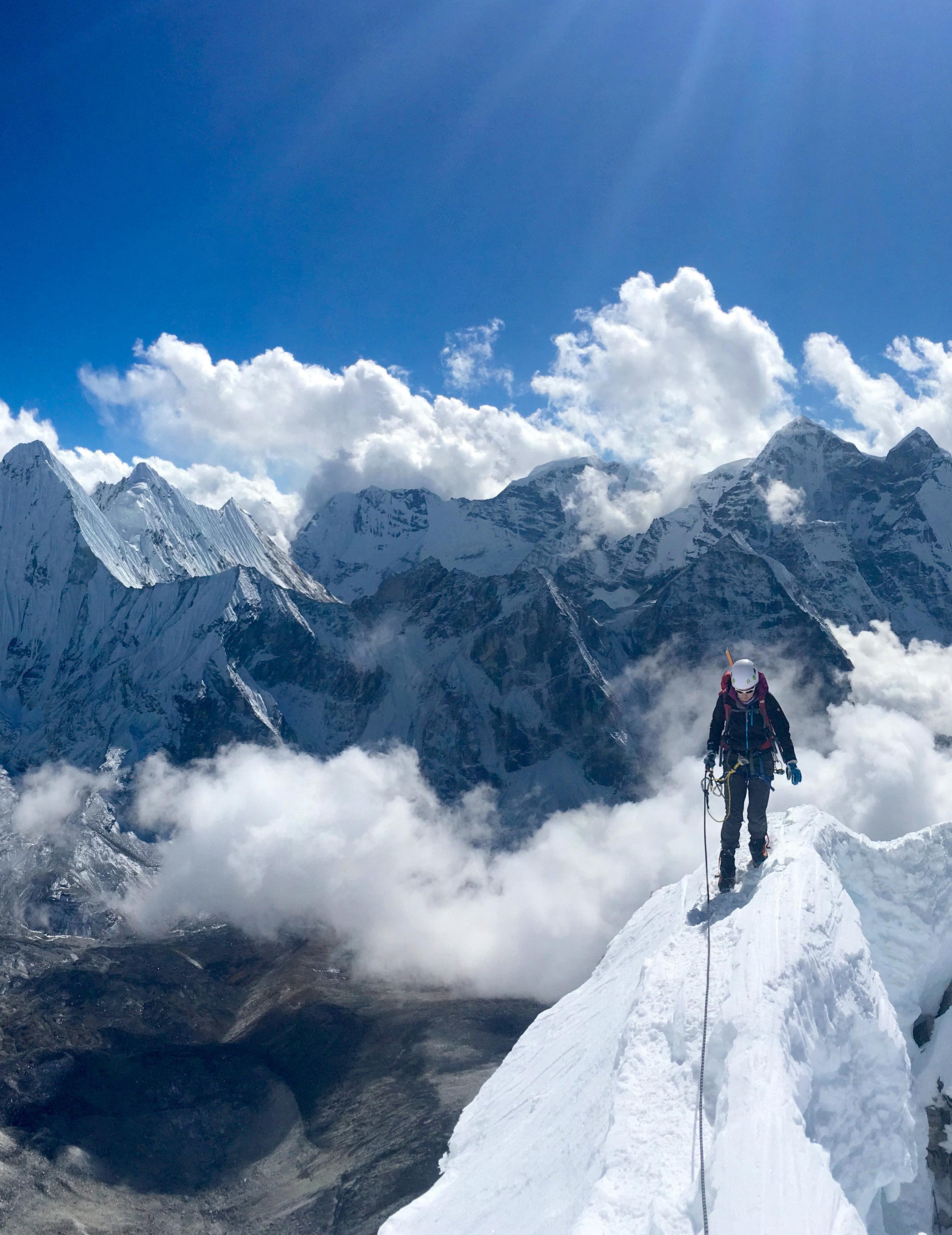
14 peaks and the climb back
Tracee Metcalfe, MD
On Oct. 5, 2024, I stood on the summit of Shishapangma in Tibet and became the first American woman, and third American ever, to summit all 14 of the world’s 8,000meter peaks. It had taken nearly 10 years and 21 expeditions to get there.
But the harder climb, the one no one saw, started long before that.
My love affair with mountains started when I moved to Breckenridge after high school to compete at mogul skiing. I stayed in Colorado for college and medical school, graduated Alpha Omega Alpha (AOA), and chose the University of Washington (UW) for residency because it had a reputation for being one of the hardest programs in the country. I took a job as a hospitalist in Vail, worked as an expedition doctor on my vacation time, and in 2016 summited Everest as the team doctor. My peers voted me Physician of the Year. I never did anything halfway. None of that protected me. The addiction did not start with Percocet. I had been struggling with alcohol for years. But a Percocet prescription for a legitimate injury crossed a line in my brain that I could not uncross. By the time I understood what was happening, I was afraid to ask for help because I was ashamed, and because I feared what my colleagues and my profession would think of me.
I wrote prescriptions for a patient who did not exist for my own use. When I was caught, I lost almost everything. My job, the privilege of practicing medicine, the identity I had built my entire adult life around. Without medicine, I was not sure who I was anymore.
I think about my best friend from residency. We helped each other through our grueling rotations at the UW, ran four marathons together and were in each other’s weddings. She was one of the best doctors I knew, but she was struggling with something I could not see. She was given the same chance I was given: get help or stop practicing medicine. By then, her disease had taken over and would not let her believe there was a way out. She died from an overdose in the summer of
2024. I was in Pakistan climbing when I found out.
We had the same training. The same knowledge. The same access to help. I accepted treatment. She could not. That was the only difference.
After I lost the ability to practice, I returned to the mountains since they had always been my refuge. A place where the math was simple: work hard, prepare, and you will likely succeed. No judgement. With no patients to see and no shifts to cover, I poured everything into climbing. In 2024, I had five peaks left and set out to climb them all in one year, traveling to Nepal, Pakistan, and Tibet, where I finished on Shishapangma.
People assume the mountains taught me humility, and that is true. Above 8,000 meters you learn quickly that you cannot do it alone. You depend on your team and the climbers around you. You learn to say I need help, and no one thinks less of you for it. What I could not see was that recovery required the exact same thing. I tried to get sober on my own, without the Colorado Physician Health Program (CPHP) and without truly embracing the 12-step program. Doing it my way did not work. I relapsed, and that scared me enough to finally start listening to others.
I wish I had listened sooner. If I had reached out to CPHP before things became irreversible, before the DEA came to my office, before I stood in a federal courtroom and pled guilty, I believe my path would have been easier. I might not have lost the ability to practice for two years, and I would not carry the permanent consequences that I do.
In late 2024, the Colorado Medical Board lifted the restrictions on my practice with the stipulation that I stay in monitoring with CPHP for five years. I am now three and a half years sober and my life is completely different. I found IDAA, the International Doctors in Alcoholics Anonymous, and have become deeply involved in helping other physicians in recovery. I learned I was not alone.
I share my story because I know what it feels like to believe there is no way out. Recovery is possible. Discovering IDAA and working alongside CPHP gave me the hope and tools I needed to do it.
If you are reading this and you are struggling, you are not alone. As many as one in five women physicians will face alcohol use disorder during their careers. You do not have to hit the bottom I hit to ask for help. CPHP is there. You just have to reach out.
I will be sharing more of this story at the CMS Annual Meeting this September. I hope to see you there.
Photos Spread. Metcalfe on Mushroom Ridge, a notoriously technical, highly exposed, and visually striking section on the Southwest Ridge route of Mount Ama Dablam in the Himalayas, more than 20,000 feet elevation.
1. Shishapangma, the 14th highest mountain in the world, at 26,335 feet.
2. K2 summit, the peak of the world's second-highest mountain, reaching an elevation of 28,251 feet in the Karakoram Range on the border of Pakistan and China.
3. Broad Peak in the Karakoram range of Pakistan with K2 behind, 26,000 feet elevation.
4. Mount Dhaulagiri in Nepal, the 7th highest mountain in the world at 26,795 feet. ■
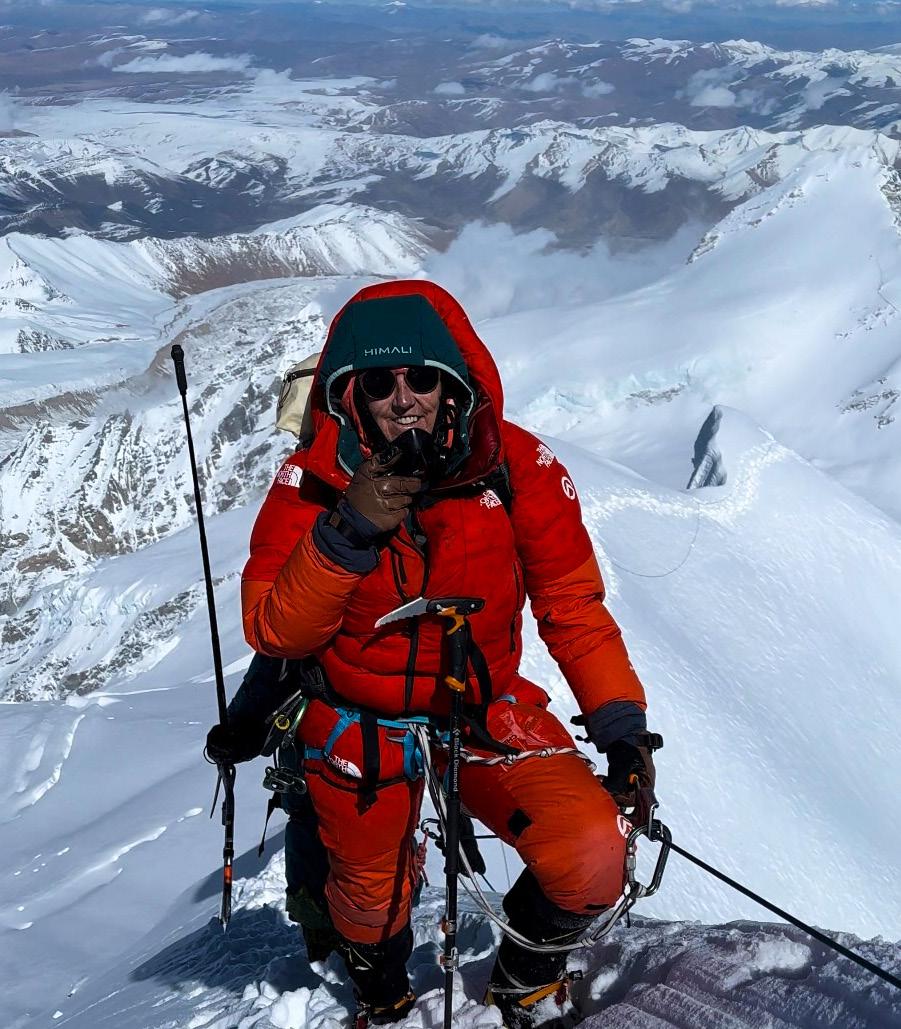
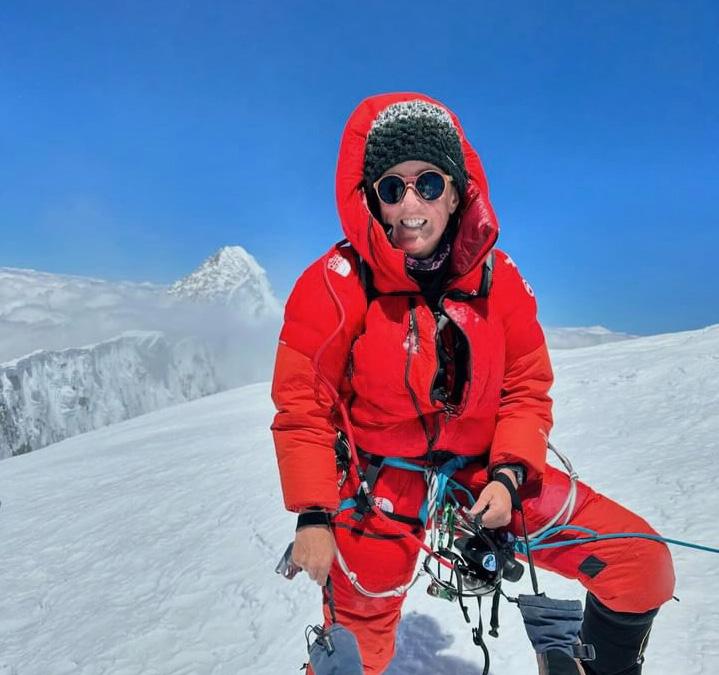
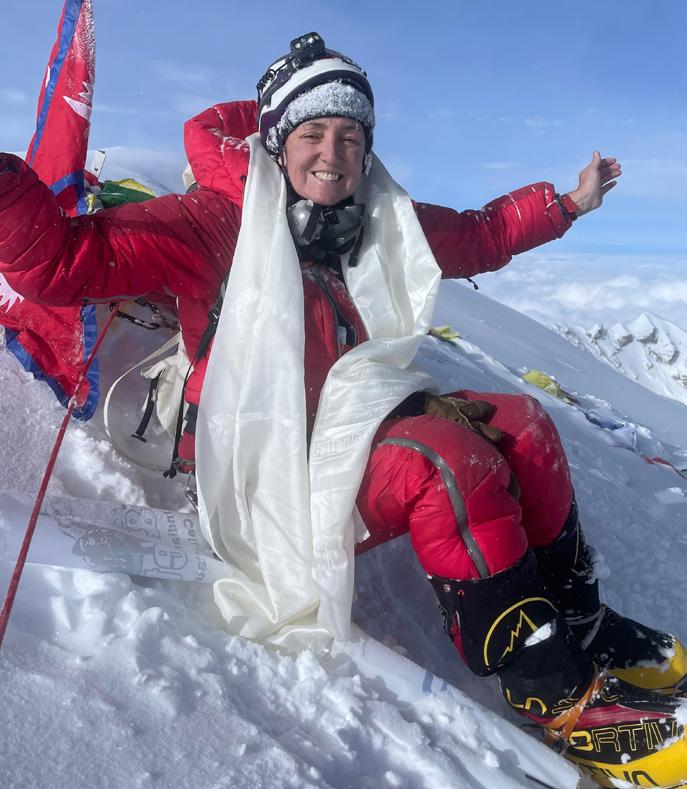
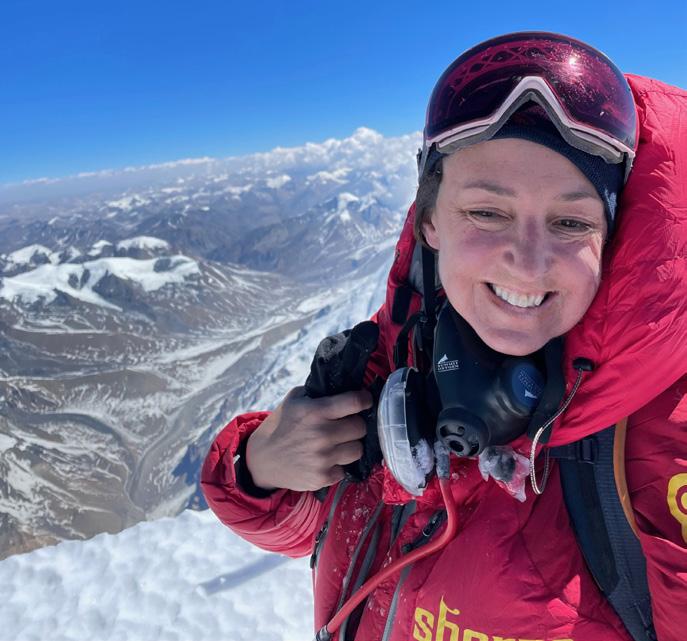
Expanded/Non-QM products including: DSCR for investors Doctor program with

Sept. 18-19, 2026
2026 Annual Meeting
Register for the 2026 Colorado Medical Society Annual Meeting at cms.org/cms-annual-meeting


COLORADO PHYSICIAN OR MEDICAL STUDENT CALLS 720-810-9131.
24/7 line answered by a Masters-Level Licensed Clinician (LCSW, LPC) to assess the clinical need of the caller, including life-threatening situations.
CONFIDENTIALITY IS REVIEWED AND PEER SUPPORT SERVICES ARE INITIATED.
Only in circumstances where an individual is a threat to self or others or as outlined in the Medical Practice Act would confidentiality be breached. Doc2Doc Wellbeing Consulting has the same reporting obligation as all licensed Colorado physicians.
PHYSICIAN CALLER RECEIVES WELLBEING SUPPORT FROM A PEER PHYSICIAN.
If Doc2Doc Wellbeing Consulting is the best fit based upon the caller’s presentation, a physician will return the physician’s call for the first of three free peer consultations.
If CPHP traditional comprehensive evaluation services are a best fit based upon caller’s presentation OR if more help is needed at the end of three free Doc2Doc Wellbeing Consulting sessions, CPHP’s process will commence to ensure client has appropriate treatment supports in place.