


If you’ve picked up this leaflet, it’s likely that your child is an emergent reader and just setting off on a new stage of their reading journey. Some schools call it the “free reader” stage, as it often happens when a child has just finished a reading scheme. This can be an exciting time as a whole new world of books opens up for them, but not everyone finds it easy, and you might have some worries about:
• shor t attention spans
• lack of confidence
• reading being seen as “homework” or a “chore”
Perhaps you’re not a keen reader yourself or it’s a real struggle to find time for reading.
Whatever the situation, Little Gems can help.
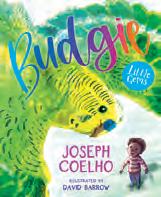
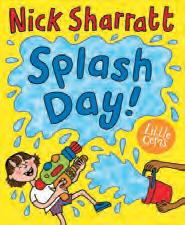


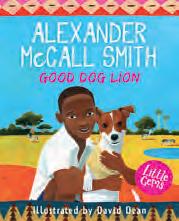
Little Gems are the perfect books for children to read independently or to enjoy with an adult. The range and scope of their stories means there is something for everyone. These are books that build lifelong readers




Being able to read is a hugely important life skill and we also know now that it’s even more beneficial if children choose to read for their own enjoyment. This results in better communication skills and higher levels of well-being and resilience. Reading can also be a way to learn about topics that interest them and to connect with their friends.
Children who enjoy reading in their free time are twice as likely to have above average reading skills than children who don’t enjoy it. (National Literacy Trust 2024) If they love it, they’ll choose to do it!

Tips and advice from Alison David (Consumer Insight Director at HarperCollins Children’s Books and Farshore)

Featuring artwork by: Rosie Butcher, Rebecca Cobb, Elissa Elwick, Vicki Gausden, Katy Halford, Abigail Hookham, Ocean Hughes, Ella Okstad, Jess Rose, Agnes Saccani, Ellie Snowdon and Antonia Woodward



If children learn the skill of reading at school, then at home it can be our job to teach them that reading is fun!
We can do this by reading aloud to them as often as possible and by bringing the stories and characters to life. Reading together builds bonds and motivates children to read independently. It has even been shown to help their brain development,* boosting memory, vocabulary and listening skills.
Making reading enjoyable helps it to become a daily part of family life.
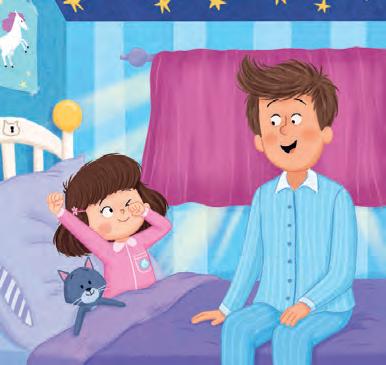
Everyone knows about bedtime reading, but how about trying it when they are in the bath, while you’re on the bus, during a visit to the park or sitting in a café? If you’re relaxing at home, why not find a few minutes to cuddle up on the sofa and read a chapter together?
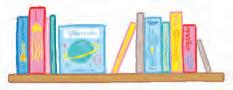
Be positive about how much you enjoy reading yourself, or how great the book you’re reading together is. Why not have a shared family bookshelf where you can all keep your favourite reads?
Build excitement and anticipation by talking about how excited you are to continue the story at bedtime or discussing what you think will happen next.
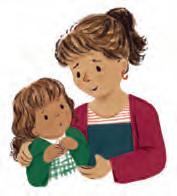
“How do you think they will escape this time?”
* The Times, ‘How bedtime stories synchronise your child’s brain with yours’
“This is one of my favourites!”
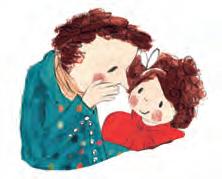

Lisa Thompson says … Read somewhere different! Use a blanket or sheet over some chairs or the back of the sofa to create your own special reading den



When you’re out and about with your child, why not try pointing out things around you and chatting about them, relating them back to what
“That goal reminded me of the game Stanley’s team played in the last chapter! Do you think this team should try any of their ideas?”
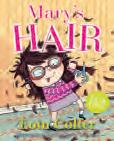
brushing their hair
“You don’t want your hair to turn out like Mary’s!”

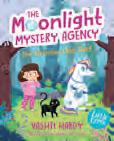
If you spot a cat or dog when you’re out and about
“That black cat looks just like Ace! Shall we re-read The Birthday Cake Thief when we get home?”
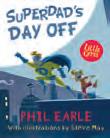
Following a trip to the cinema
“Wasn’t the new Superman film great! Did any of his powers remind you of Superdad?”
With a little imagination, you can bring up any of the books you have at home or have borrowed from the library. The idea is to make reading and stories a fun constant in their lives. Children will begin to follow your lead and talk about books and ask for them.
Try using funny voices or any accents you’re especially good at – make the dog sound like a Londoner, or have the boy talk with an American accent! You could even mimic a character your child will recognise from a favourite film or TV show.
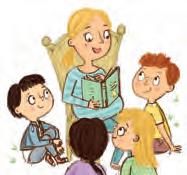
If you’re not especially good at accents, you could simply do a deep voice or a squeaky voice – have fun hamming it up and over-acting. Your child will love it!
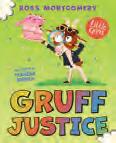
Ross Montgomery says … In my experience, you can’t really go overboard when you’re reading aloud. The more you put into it – silly voices, sound effects, dramatic pauses – the more kids enjoy it. It can be quite daunting if you haven’t done it before, and it’s harder than it looks, but you very quickly get used to it and – dare I say it – will start enjoying it as much as your kids will. What’s more, you’re modelling for them what a narrative voice should sound like – soon they’ll start doing it themselves!


Listen to Ross read aloud


Listen to these tips and readings from some of our Little Gems authors:



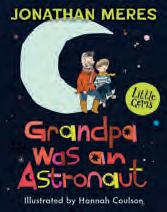
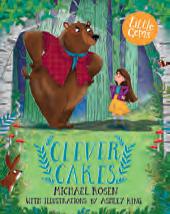
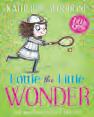
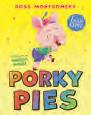
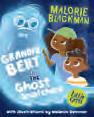
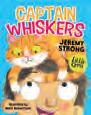
Show your child this leaflet and let them point out the books that they like the look of! Children often have no choice in what they do (especially at school), so they really value feeling “in charge” of what they read or have read to them.





Don’t be surprised if a child wants to read the same book over and over again. Just find ways of enjoying it. And if they want to read the pages in a different order or want to skip pages, that’s fine too. The important thing is to let them read FRANK COTTRELL BOYCE, CHILDREN’S LAUREATE 2024–2026, IN THE TIMES
If they’re struggling to decide, it can help to chat about the cover and what they think the book might be about – you could even sit down and read the first few pages together in the shop or library.
Try to use your child’s existing interests to help them find books about things that they already enjoy – they will be far more enthusiastic and engaged as a result!
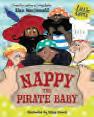
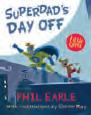
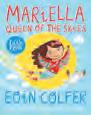
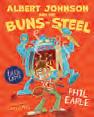
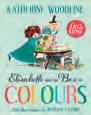
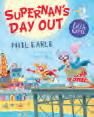
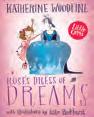
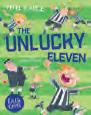

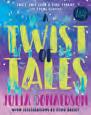
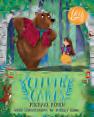
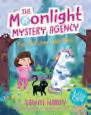
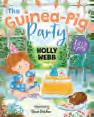
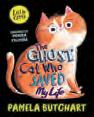
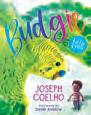
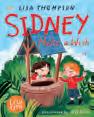



Ask your child if they would like to share the reading by taking turns. It’s very important that they genuinely want to and you don’t push them (if you do, reading becomes a task and just like schoolwork again).

over with your child. Are there any clues to the story? What do they think might be about to happen? Were you right? Maybe you like your idea better! You can add to the story …
Try sharing a page each, or they read the first page and you carry on. As their confidence grows, they could move on to reading whole chapters or even take over entirely! Children often love this role-reversal – they find it funny, and as a parent it’s a delight to shut your own eyes for once and listen.
If you feel your child deserves a treat, make it something connected to books and reading. Read to them for longer than usual, or let them choose a new book, or have a special snack and a story. Popcorn, biscuits and cuddles on the sofa while being read to is a feel-good experience for children, helping them understand that reading is to be enjoyed.
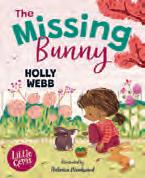

Plan a day out to attend a book event at your local library or bookshop –children love meeting authors and it’s a great way to get their friends involved too!
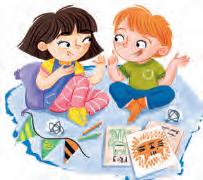
Link the books you have read together into fun creative time at home. Publishers often have lots of free activities available online.
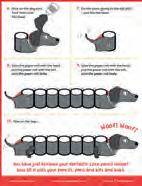
Create your own sausage dog pencil holder
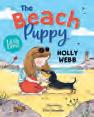
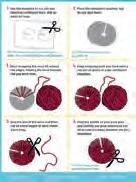
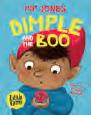
Create your own mischievous Boo
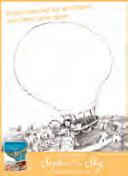
Design your own hot-air balloon


My daughter (age 6) chose being read to over watching TV
My son (age 5) is struggling with moods and reading calms him down. It is helping immensely and providing calm and quiet time
My son (age 5) is enjoying me reading to him so much he wanted to take books out with us today. He is questioning the meaning of words more and asked me questions today about other dinosaurs, inspired by his book
My daughter (age 7) is much more keen to try reading books from school now and has even said ‘I’m interested in books’
Establish a life-long love of reading with our top-quality illustrated first chapter books from bestselling authors and illustrators.
• Shor t 20-minute reads, perfect for busy parents and carers and packed schedules
• Ideal next step from picture books or reading schemes
• Child-friendly chunky format for small hands
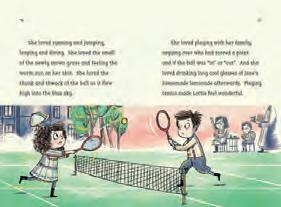
• Spacious layouts with lots of colour illustration
• Gently tinted, heavier paper that’s kinder to young eyes
• Wide range of topics and interests offering something for every reader
the Little Gems webpage to browse the range and download our free activities