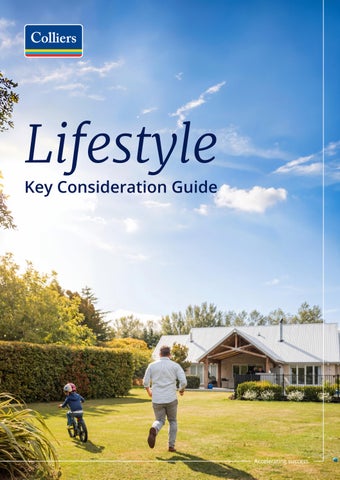
Lifestyle Key Consideration Guide






Simon Clark
Managing Director
Bay of Plenty / Waikato +64 21 959 710 simon.clark@colliers.com
Hadley Brown
Director | Rural & Agribusiness
Hawke’s Bay / Wairarapa +64 27 442 3539 hadley.brown@colliers.com
Mike Laven Director | Rural & Agribusiness and Special Projects
Wellington +64 21 681 272 mike.laven@colliers.com
Andy Poswillo
Director | Rural & Agribusiness
Marlborough +64 27 420 4202 andy.poswillo@colliers.com
Shane O’Brien
Director | Rural & Agribusiness
Canterbury +64 27 471 6121 shane.obrien@colliers.com
Ruth Hodges
Director | Rural & Agribusiness
Otago/Southland +64 27 309 0334 ruth.hodges@colliers.com

Selling your rural lifestyle property can feel like a complex and daunting process. There are a lot of steps to consider and things to get in order.
If you are thinking of selling or purchasing your rural property, or just looking for advice in the first instance, do get in touch with one of our team.
Whatever lifestyle’s next, we’ll help you maximise the value. If you have any questions or would like to contact us for a chat, please visit
www.collierslifestyle.co.nz

Key considerations when making the move to a lifestyle property
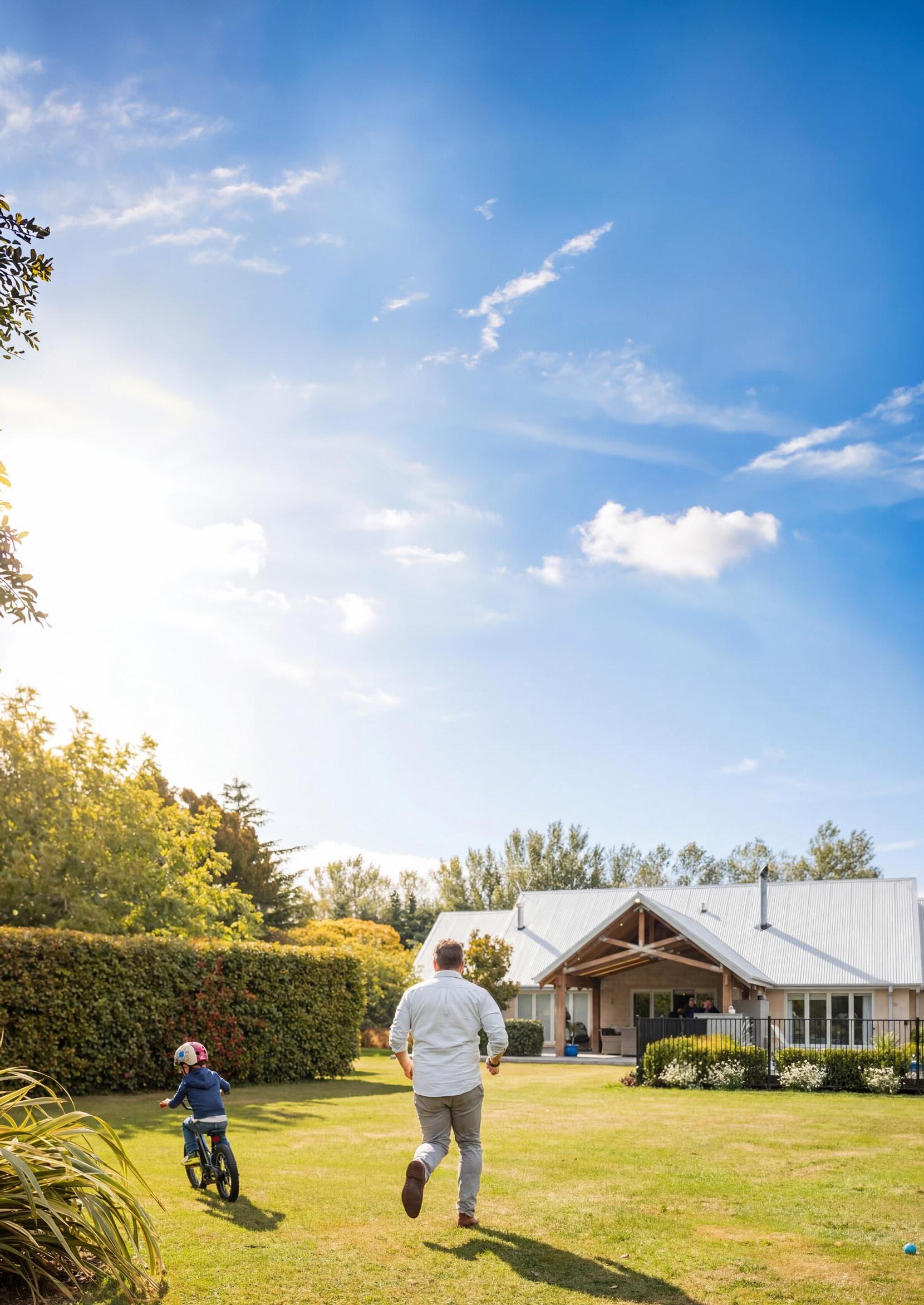
Owning a slice of the New Zealand countryside with a few acres to graze livestock or grow crops, not too far from the convenience of town has long been a part of the kiwi dream.
So, what is a ‘Lifestyle Block’? At Colliers we define this type of property as a small rural holding where the predominant use is for residential purposes on a larger section of land and where the main source of income is derived off the farm. It can be either close to an urban centre or in more rural surrounds where the property tends to be an uneconomic larger rural block with limited income.
The move to lifestyle is becoming more popular with REINZ data showing that in the last decade, median sale prices and the number of sales have increased by around two-thirds. This indicates a positive future for the sector.
If you’ve been thinking about transitioning to a lifestyle property – whether it be an upsize or downsize – now could be the perfect time to move, if you know what to look for.
There is a huge variety of lifestyle properties on the market, so before you start looking, it pays to know what the perfect block of land would be for you.
The first step is to consider what you want to do with your land, both now and in the future. Whether you are wanting to graze livestock, plant crops or just have the space for family enjoyment, there are several things to keep in mind.
We have put together a list of the key considerations when purchasing a lifestyle property to help ensure there are no extra costs or surprises down the track.
Neighbourhood
Unlike suburban areas where zoning laws control and limit what type of activity can take place in the area, the countryside can be home to a diverse range of rural and agribusiness activities.
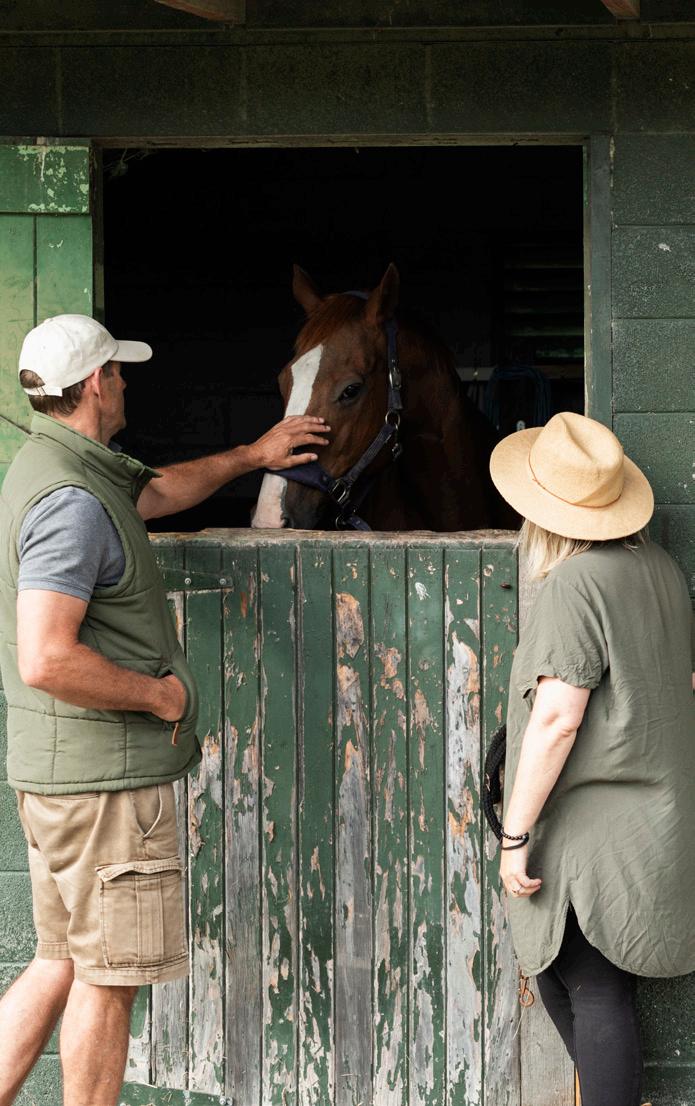
While most District Plans will require activity in the area to be rurally aligned, this could include a multitude of businesses such as contractor’s yards, pig and poultry farming, horse training and orchards.
It pays to have a good scout around your preferred property before buying, so that you know what is behind some of the hedges and fences and are satisfied it won’t have any impact on the enjoyment of your property.

Covenants and Easements
Often subdivisions or lifestyle blocks have covenants registered on the title that restrict activities or limit what can be done on the property. Mostly these are to protect your enjoyment and peace in the community, but you need to ensure they don’t limit your intended purpose for the property, which includes any potential future uses.
Also check any easements associated with the property, to be aware of any shared accessways or access through your property.

Improvements and Infrastructure
Before purchasing a property, it is important to understand how the water supply and plumbing system works. Having a bore or well on the property is an advantage, but rainwater or springwater can suffice, provided there is good storage capability.
Internet connection and phone coverage is another important consideration, and existing shedding, good fencing and gates on the property could be a hefty cost saver.
Tax Requirements
GST can often be a trap when buying or selling. When purchasing, it is important to understand if the price includes GST, and if registered for GST, whether you will be able to claim this back. Similarly, if you are looking to sell and you previously claimed the GST when you purchased the property it may be advisable to sell on a GST inclusive basis to satisfy your buyer’s expectations.
Another point to note is that GST is not always payable on the full sale price as the dwelling and curtilage area is exempt, so you only pay on the residual land and farm improvements.
For more information visit the Inland Revenue Department’s online GST guide.
Land Size, Soil Type and Contour
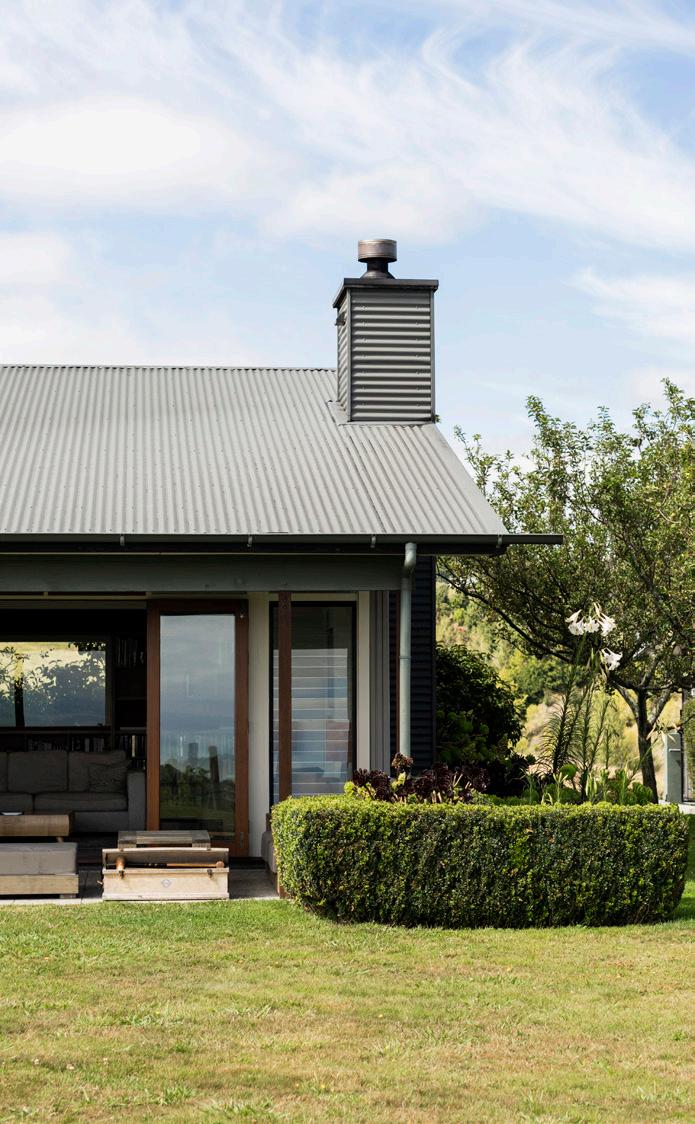
Land size is an important consideration to ensure that you strike the right balance between the space you are looking for and the amount of upkeep involved. When choosing the right land size, it’s vital that you first know what you want to do on the land and how much space is required for certain activities.
Understanding whether the land is able to be subdivided and the process involved could aid this decision as having the flexibility to sell excess land could be a great advantage in the future.
Soil type can vary around New Zealand and will have an impact on what you are able to grow. We suggest checking on past uses of the land as any commercial cropping or intensive farming could have left toxic residue in the soil. If you are wanting to grow crops, we suggest getting a soil test done before purchasing to ensure there are no issues, or to get an idea of the cost to resolve.
Land contour is another important consideration. While flat land is great for building and ease of moving around the land, rolling country will often offer cheaper land and beautiful views.

If you have any queries around lifestyle property, please get in touch with our lifestyle experts.
Accelerating success.
Legal Disclaimer
This guide has been prepared by Colliers for advertising and general information only. Colliers makes no guarantees, representations or warranties of any kind, expressed or implied, regarding the information including, but not limited to, warranties of content, accuracy and reliability. Any interested party should undertake their own inquiries as to the accuracy of the information. Colliers excludes unequivocally all inferred or implied terms, conditions and warranties arising out of this document and excludes all liability for loss and damages arising there from. This publication is the copyrighted property of Colliers and /or its licensor(s). © 2026. All rights reserved. This communication is not intended to cause or induce breach of an existing listing agreement. Colliers New Zealand Limited Licensed REAA 2008.