Mike Laven Director | Rural & Agribusiness and Special Projects
Wellington +64 21 681 272
mike.laven@colliers.com
Shane O’Brien
Director | Rural & Agribusiness
Canterbury +64 27 471 6121
shane.obrien@colliers.com
Introduction
Adapting to change in the rural landscape
Strategic steps for selling your rural property
Understanding your property’s potential
Legal foundations
Enhancing your land’s value
Cost-effective strategies for increasing land appeal
Effective marketing techniques
The sales process demystified
Understanding buyer psychology
Preparing your rural property for market
Introduction
Considering selling your rural property and eager to maximise its value?
This guide is designed for New Zealand landowners, offering insights and advice to simplify the selling process and empower you to make informed decisions.
Adapting to change in the rural landscape
The New Zealand rural landscape is ever-changing, influenced by factors like consumer trends, climate shifts, and technological advancements.
In response to these multiple influences, the way farmers utilise land continues to evolve. The most noticeable change over the past 30 years regarding livestock has been the decline in sheep numbers, with the size of the national flock having nearly halved.
It has also become apparent the country has passed its “peak dairy,” as the number of dairy cows across the country has trended downward since 2018. However, over the same period, the country has witnessed expansion within the horticultural and vineyard sectors. We have a comprehensive understanding of these dynamics, can offer practical data and insights to help you adapt your sales strategies and make informed decisions in a changing market.
Source: Stats NZ, NZ Winegrowers, Colliers Research
Strategic steps for selling your rural property
Informed decision-making and careful planning are essential when selling rural property so you don’t undersell the asset you have worked hard to create. A knowledgeable Rural Sales Advisor plays a crucial role in a successful sale. This guide provides practical advice on shortlisting advisors, fostering trusting relationships, and navigating market trends and conditions.
Choose your Rural Sales Advisor
Choose your Rural Sales Advisor
When it comes to finding the perfect Rural Sales Advisor for your rural property, it’s crucial to take your time and make the right choice. We understand that determining the market value of your farm is a top priority. That’s why selecting a rural real estate agency equipped with all the necessary resources is key to getting it right.
Start by creating a shortlist of potential Rural Sales Advisors. This allows you to compare their approaches and find the one that aligns perfectly with your needs. Building trust is essential throughout the process, from listing your property to the final negotiations.
Understanding your buyers
Do your due diligence
Put your best foot forward
Feel empowered to take your time and don’t succumb to any pressure to sign agreements until you’re confident in your chosen advisor’s abilities. Engage in open and honest discussions, especially about any challenging aspects that might be involved. Ask for track records that showcase successful sales of properties similar to yours. Reach out to people who have sold their property through them to gain insights into their experiences. Lastly, prioritise your peace of mind; aim to establish a strong and trustworthy relationship for a smooth sales journey.
Understand your buyers
Being aware of your property’s unique features and benefits is key to identifying the perfect ‘target market’ – the individuals most likely to be interested in purchasing it. This clarity puts you in a prime position to understand their specific needs and tailor the presentation of your property accordingly.
Consider not only showcasing the property, but highlighting its suitability for potential buyers. For instance, if your farm is an ideal fit for an up-and-coming farmer with a young family, emphasise how the farmhouse is wellequipped for family living. Illustrate safe play areas for children, sturdy fencing, and a home that’s not just cozy but move-in ready, allowing the new owners to focus on the farm rather than home renovations.
On the other hand, if your lifestyle block suits a semi-retired couple seeking a bit of land, emphasise the convenience you’ve built into the property. Showcase how you’ve already tackled the heavy lifting, ensuring all essentials are ready for them to seamlessly take over.
For those eyeing your land as a business opportunity, instill confidence by having all necessary documents, business plans, and financial records well-organised and ready to present. This proactive approach assures potential buyers that they won’t need additional investments before reaping returns.
By demonstrating how your property meets the specific needs of your target market, you increase the chances of finding a perfect match. It’s all about providing potential buyers with a clear vision of how your property can effortlessly align with their aspirations and requirements.
Do your due diligence
Ensuring all your paperwork is in order is a vital step in the selling process. From your accounts to the record of title, land use and purpose, water consents, and compliance records, having everything readily available is key. This proactive approach not only streamlines the process but also prevents any delays as potential buyers seek the necessary information to make informed decisions and progress to the offer stage.
The more documentation you can provide for consideration, the smoother the journey for both you and the potential buyers. It instills confidence in them and showcases your commitment to transparency. For a comprehensive guide on preparing all the necessary paperwork, check out our handy checklist below.
Put your best foot forward
Once you’ve made the decision to sell and selected your preferred Rural Sales Advisor, rest assured they will be working diligently to showcase your property to the right audience. This involves implementing a strategic marketing plan and leveraging their extensive networks to maximise exposure.
When potential buyers arrive at your property, the spotlight shifts to you to ensure your property is presented in the best possible light. Consider it a collaborative effort – your Rural Sales Advisor is getting people through the door, and now it’s your chance to make a lasting impression. Take the time to showcase the unique features of your property, highlight its strengths, and create an inviting atmosphere that resonates with potential buyers.
Remember, the first impression is often the most impactful, so investing time in the presentation can significantly influence a buyer’s perception. Working together with your Rural Sales Advisor, you can create a compelling and attractive presentation that enhances the overall appeal of your property. This teamwork will contribute to a positive experience for potential buyers and increase the likelihood of a successful sale. We’re here to guide you every step of the way!
Understanding your property’s potential
No one understands your land better than you do. Having lived on and worked the land means you possess invaluable insights about it, from the best views to the prevailing wind directions, and the paddocks that offer optimal access to shade and water. This intimate knowledge sets your property apart from others, and it’s crucial to highlight these distinctive features to potential buyers.
Your property has specific selling points that make it unique amongst other rural or lifestyle listings. Ensuring these points are clear and evident to anyone viewing your property means potential buyers don’t have to search for them. Details like the strategic positioning of frost fans, a history of effective fertilisation, or forwardthinking environmental planning can all enhance your property’s appeal.
Your awareness of potential income streams and opportunities, such as implementing solar panels or exploring subdivision options, is also key and it’s important to share this information with your Rural Sales Advisor and potential buyers. These selling points not only make your property more appealing but also align it with the specific needs and aspirations of your target market.
When these unique features are effectively communicated, you enhance the overall attractiveness of your property, which makes it more likely to capture the interest of potential buyers.
Legal foundations
There are various legal requirements for the smooth sale of a rural property. We have listed some of the key elements below, and you can visit the ‘Selling with an Agent’ page at settled.govt.nz to find out more about your legal obligations.
Real estate agents have a fiduciary duty to potential purchasers. This means they must not mislead, provide false information, nor withhold information that a purchaser should be made aware of. Your role is to help with this. You must disclose such things as:
• Easements, such as shared rightsof-way, shared water bore systems, access for power lines, etc.
• Covenants on the farm
• Any potential hurdles to a sale, such as family trusts or other financial impediments
• Protected areas or sites of cultural or natural significance. For example, you should identify known Wahi Tapu areas such as Urupa (burial sites), as these will likely have restrictions placed upon them
• Areas of natural bush, or public access tracks which may be seen as a positive aspect for a potential purchaser
• Any issues regarding boundaries. If there are issues, it will pay to use a professional surveyor to mark out the farm to avoid problems down the track
• Areas that may be contaminated, such as old sheep dips or effluent disposal
• It’s also helpful for potential buyers to know what local services and amenities are nearby, so think about the attributes beyond the farm too
Overseas Investment Act 2005 - rules for advertising a farm for sale
Anyone selling rural land over five hectares must ensure it is offered for sale to New Zealanders on the open market for a minimum period before entering into an agreement with an overseas buyer. There are also requirements around advertising and minimum timeframes. Your Rural Sales Advisor will be able to advise you on all details.
Enhancing your land’s value
Practical tips for land improvement
What will a potential buyer see when they come to your property? Is it tidy with organised areas for buildings and equipment, or is it haphazard? Are the farm buildings and yards intact and presentable, or is there damage that needs repair? Will a coat of paint spruce things up? Are there potholes to be filled? What condition are the fences in? Are there piles of rubbish, fallen trees, or abandoned equipment lying around? It is easy to overcapitalise with improvements, so think carefully about what changes or improvements you will make. Developing a to-do list and then attributing time and cost to each item will help you to prioritise improvements. Sometimes ensuring the farm tracks
are in good condition may be all that is required, but know that prospective buyers will want to look at the condition of yards, fences, and the pastures. They will check out the buildings and condition of the farm implements, and quickly form an impression on the viability of the property, be it positive or otherwise.*
These are the types of things that immediately affect the first impression a potential buyer will develop when they arrive to look at your farm. We have included a checklist for how to prepare various rural property types for market later in this guide.
*Source: Article updated April 12, 2023 by Trish Willis | Member of Property Institute of NZ (IPAC)
Cost-effective strategies for increasing land appeal
Along with our checklists with suggestions on how to best prepare your property for market, there can be other opportunities to consider, which may increase your land’s appeal to potential buyers.
Subdivision of land – look at the options before your sale to meet the market. Is there a surplus dwelling on your property, or do you have different land classes that would make the proposition even more attractive? It’s also worth considering how you might meet likely demand from competing buyers or neighbours, so make sure you keep the lines of communication open.
Empty dwellings – if a home or farm cottage is empty, consider investing in staging. There are staging companies in most parts of New Zealand, and it needn’t be expensive. Remember, you are selling a lifestyle and it’s easier for people to imagine themselves there if they can see how spaces can be used.
Future potential - make sure you fully understand your land’s potential for changing land uses and what is allowable under the District Plan. Demonstrating that your land has future potential could be particularly attractive to buyers.
Effective marketing techniques
Selling your rural property is likely to be one of the most significant transactions you and your family will undertake, and we want to ensure it’s done right.
Your Rural Sales Advisor is committed to crafting a strategic marketing approach and sales method tailored to attract the best audience and price for your property. This comprehensive plan will involve at minimum:
• an online listing on the agency website
• an Information Memorandum
• (IM) document
• photography and detailed insights into the features and benefits of your asset
• a prominent For Sale sign placed outside the property, which includes the contact details of your chosen Rural Sales Advisor
From here, there are various levels of marketing (mostly digital) which are likely to be recommended.
While traditional print advertising may be included in the plan, it’s also important to recognise that we’re now living in a digital age. A 2024 study by NZ On Air on “Where are the audiences” indicates that digital media use has become a core part of most New Zealanders daily media consumption.
The study also indicates that 40-59 year olds are consuming a broad range of media with a significant increase towards digital platforms. For you, this means we must be where potential buyers are – online.
Digital marketing is key
Digital marketing allows us to reach the right people at the right time and in the right places. It enables precise targeting of those genuinely interested in farms and rural living, ensuring your property captures the attention of the people who matter most.
There are various channels to be considered, including bespoke and targeted digital advertising, social media platforms, and online listings on thirdparty portals. Beyond being just effective, digital marketing is also cost-effective. It optimises your budget, reaching a broad audience without excessive spending or wastage. Additionally, it provides precise reporting – we can track how well our ads are performing across digital channels, and make adjustments to ensure we’re reaching the right audiences with the most effective versions of your property ads.
Marketing matters. It means your property is presented in the best possible light. Utilising great photography, video content (including drone footage where appropriate), and compelling messages across digital channels showcases your property’s unique features. Digital marketing tells a story that helps people see the value in what you’re offering.
A good advisor will check in regularly and share marketing reports with you, providing a clear understanding of how the process is working and which channels are driving the most interest.
Our aim is not just to find any buyer –we’re dedicated to finding the right buyer who appreciates the unique qualities your land has to offer.
The sales process demystified
A step-by-step guide to different sales approaches
Advertised price, deadline sale, and by negotiation are the most common methods of selling property in New Zealand. Offers for these sale methods will be written on the standard sale and purchase agreement.
Your Rural Sales Advisor may also talk to you about selling by auction or tender.
In all methods, apart from during an auction, buyers can make either conditional or unconditional offers on a sale and purchase agreement. You and the buyer can then negotiate through the Rural Sales Advisor. In an auction, the buyer who places the highest bid above your reserve price wins the auction and must complete the sale*.
You can find out more about each sale type at the ‘understanding the methods of sale’ page on the settled.govt.nz website.
*Source: settled.govt.nz
Understanding buyer psychology
Understanding what buyers are really looking for can be hard to pinpoint because, in reality, we tend to buy with our hearts more than our heads. Recognising your property’s strongest selling points requires a bit of a detached view, which can be challenging, especially if you’ve called your property home for a long time. It can be helpful to get a trusted “fresh pair of eyes” to point them out to you. It can also be useful to understand some of the basics around buyer psychology.
The power of a first impression
First off, the power of a first impression can be disproportionate. People tend to make buying decisions based on emotions and then use logic to justify their choices. That’s why creating a positive first impression is so important. While your property won’t ‘connect’ with everyone, addressing potential issues can boost your chances; so fix that fence, give the lawn a good mow, and make sure the yards and sheds are tidy.
Property as status symbol
Then, there’s also the idea that “home” is often seen as more than just a place to live. For many buyers, it’s a reflection of their status and social identity. It shapes how they see themselves and how they think others see them. Things like the postcode, rural land zoning, school zones and accessibility, and even the architectural style of buildings can all play a role in this. So, when you’re looking to attract the right buyer, consider highlighting features that will likely appeal to your target audience.
Property as strategic investment
Buyers often look ahead and think about the investment value and future potential of a property. They consider factors like purchase price, market conditions, and the town or region’s prospects regarding infrastructure investment and planning rules. Renovations, expansions, and potential rental income might also factor into their longer-term goals.
So, the sales process can be thoughtprovoking for seller and buyer alike. Understanding some of these aspects of buyer psychology can help you consider how to present your property in a way that resonates with both the hearts and minds of your potential buyers. It’s all about making that positive first impression and showcasing features that align with their aspirations and future plans.
Preparing your rural property for market
There are many things you need to consider when preparing your rural property for sale, and it can feel overwhelming. To help provide some structure, we have compiled checklists for the various property types so that you can start working on a plan of attack.
Preparing your home
Preparing your land
Preparing your paperwork
Setting the scene
Preparing your home
Always consider the first impression –make your entranceway as tidy and welcoming as possible. Think about filling in potholes, fixing any visible broken fences and spraying/cutting the side of the driveway so buyers immediately feel the property is inviting. Clean your windows, sweep the front porch, and get a new doormat. Ensure any plants are well maintained and the garden is weeded.
Freshen up with paint – a fresh coat of paint in a neutral colour can breathe new life into your interior and make it more appealing to as many buyers as possible.
Repair and upgrade fittings and fixtures – replace any broken light bulbs, sand and paint peeling windowsills, fix the split board in the deck. It’s always helpful if your property is presented as well maintained.
Declutter and de-personalise – less is more. Create a neutral canvas for potential buyers to imagine their own belongings in the space.
Maximise natural light – open curtains, clean windows, and cut down trees that could be blocking light.
Stage strategically – highlight the best features of each room and showcase the potential of each space to buyers.
Preparing your land
Mowing – it can be a good idea to mow some additional areas in preparation for market (for example, entranceways, driveway, around any infrastructure), and to maintain the lawns around dwellings.
Spraying – when you spray, make sure you allow enough time to show the results.
Fertilising – consider the timing and the products used to enhance presentation.
Grazing – consider your grazing plan to minimise overgrazing or pasture damage of paddocks around the property if this is an issue for you.
Cropping and regrassing programme – if this is part of your normal farming policy it is a good idea to consider the timing, location and crops used to highlight the capabilities of your property.
Fencing and gates – the quality of fencing and gates around a property is important to most purchasers. Whether you have time to do it yourself or require a contractor, make sure that repairs are made to fence lines and that all gates are in good working order.
Lanes – potential buyers need to be able to view the property in all weather conditions. Complete any required lane maintenance early.
Hazards – identify and address any possible hazards prior to inspections. Anything that cannot be isolated or eliminated needs to be listed.
Compliance – ensure your farm compliance is as close to complete as possible, including fenced waterways and effluent systems.
Rubbish – remove any excess waste and old equipment not being used.
Infrastructure – it is important deferred maintenance receives attention prior to listing a farm for sale. Several issues identified by buyers will have an impact on value. Consider the small things you can do to improve presentation, which can be as simple as a fresh coat of paint on the farm buildings or dwellings.
Implement shed and stock facilities –ensure these are tidy, free from waste, and functioning correctly.
Preparing your paperwork
This is likely to be one of the biggest transactions of your life, and the more details you are able to share, the better. Ensure you are able to provide:
• Accurate, up-to-date records, and business/farm accounts for the last three years
• A summary of your business operation, including farm working expenditure based on the system you run, including irrigation costs
• Record of Title and total number of hectares
• A description of the land, fencing, land management use, and purpose
• Water consents and supply agreements
• Nutrient management and fertiliser history/records
• List and description of the farm buildings
• Farm Environment Plan
• Health and safety plan
• Descriptions of farm dwellings, workshops, barns, shearing and milking sheds, water tanks, silage pits, etc.
• Resource consents and compliance records
• Make sure you can provide information about new pasture, supplementary feed, forestry blocks, effluent disposal, etc.
• Consider what the buyer will want to see and how you can make these available, for example, soil test results, nutrient budgets, pasture species, irrigation, and stock water maps
There are also legal and regulatory considerations to think about.
Ensure there are no outstanding issues with resource consents, for example, effluent discharge and storage consents as well as land use and irrigation consents. Check these consents haven’t lapsed and that any water sharing agreements are up to date. It is important to ensure all consents were transferred when the farm was purchased and are in the correct names of the legal owners of the land.
Making sure any short consents or those near expiry are reviewed as buyers will discount properties with compliance issues. This can often take a bit of time. It pays to be prepared. Anything not resolved needs to be bought to the agent and buyers’ attention upfront - trust is the most important factor in a business sale.
Selling your property with employees –consider in advance how and when you may deliver news to employees that your property is going on the market so they are aware of the process and have had time to process this information prior to inspections (and balance this with the legal requirements to advise of sale). This is particularly relevant with larger horticultural and dairy properties with staff residing on the property.
Visit www.employment.govt.nz for further information.
Healthy home regulations – this is crucial when providing staff accommodation or looking to rent out surplus farmhouses. Accommodation must be compliant with new regulations, including heat pumps, ventilation, and insulation requirements.
Visit www.legislation.govt.nz for further information.
EQC – be sure to have all the documentation to hand, particularly the Scope of Works. Make sure you understand what has been settled and paid out, or signed off and completed. Did claims get assigned when the property was purchased or was it an “as is” sale?
Visit www.eqc.govt.nz for further information.
Setting the scene
Once your home, land, and paperwork are in order, you’re almost ready to go. It can be helpful to prepare a detailed property and location overview to help with the sales and marketing process. Your Rural Sales Advisor will know about the community, schools, local farming amenities such as sale yards and freezing works, and industry groups relevant to your type of property.
However, they will rely on you to describe the operation scope such as:
• Current stock levels and number of paddocks, with a detailed paddock map
• Condition of infrastructure such as water races, fencing, run-off, protected areas, shelter belts, and access tracks or roads
• Number and description of farm implements and chattels
• Soil type, condition, and feeding systems
• Overview of elevation, views, and climate
• Seasonal patterns of weather and impact
• Improvements made on your land, including dwellings
• The unique features of your property
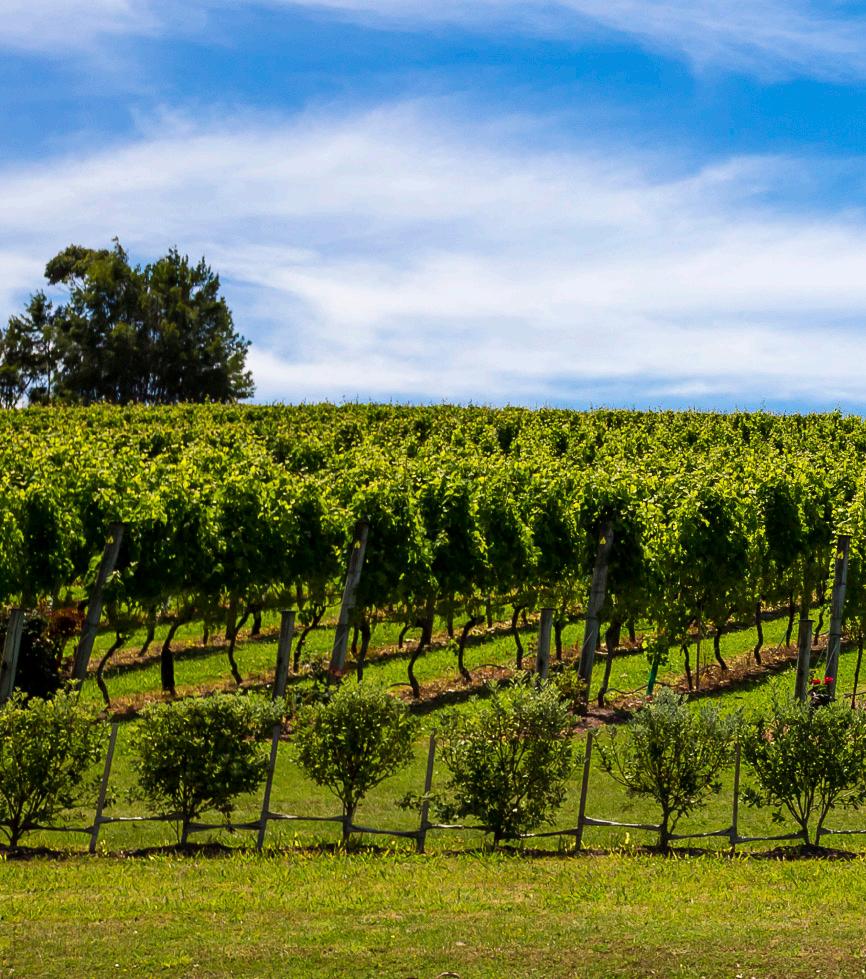
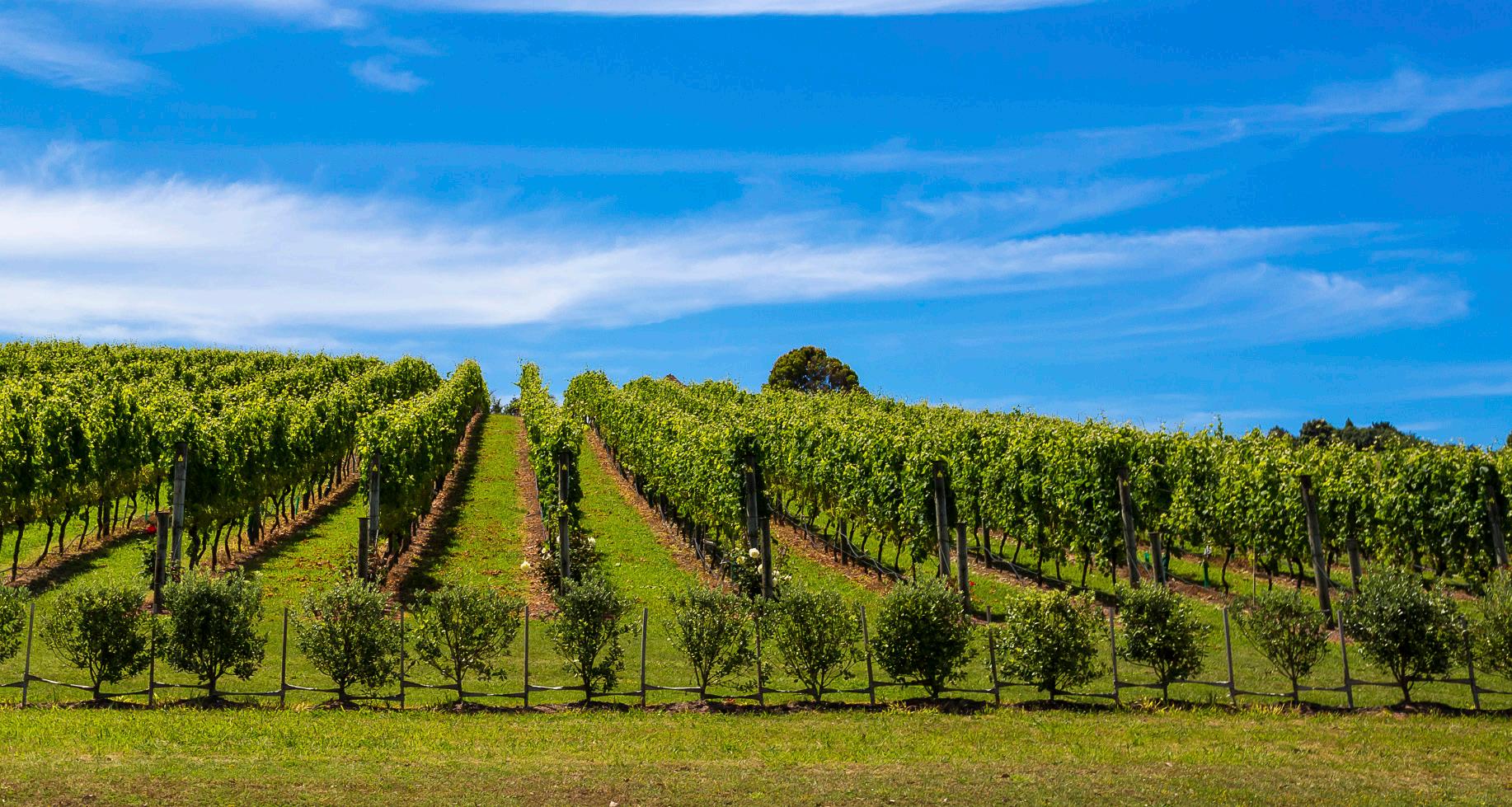
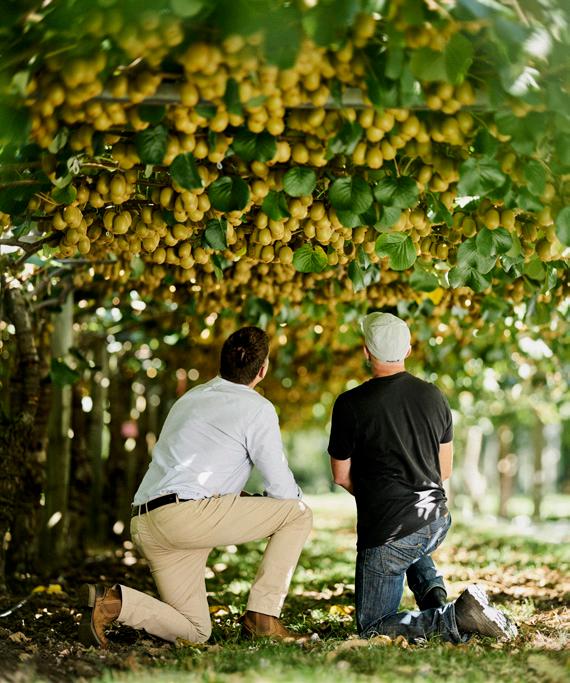
Viticulture
In addition to the general recommendations we have made about preparing your home and land for sale, here are some specific elements that can help maximise value when your viticulture property goes to market:
Mow – make sure the vineyard is as well presented as possible. Often the vines and rows are cared for, but ensure the headlands and any curtilage areas are also mowed and tidy, and the canopy is trimmed.
Sheds – if there are sheds on the property, make sure they are tidy - don’t forget about the pump shed. Tidy and clear any rubbish or unused equipment from the property.
OIO – be aware of current Overseas Investment Office rules regarding rural property. To sell a property of under 5ha to overseas buyers, it should not be categorised on the District Valuation Roll as ‘residential’ or ‘lifestyle’. It needs to have a category such as HV (Horticulture, Viticulture) or any of the agricultural categories.
District plan – be aware of any impending changes to your local district plan, particularly regarding subdivision.
Information generally required (but not limited to):
Yields – vineyard yields for a minimum of five years.
Planting schedule – including grape varieties, grape clone information, rootstock information, planting density and number of vines, trellising system and pruning style.
History – year vines were planted. Costs – vineyard management costs, if applicable. Are you using a contractor?
Lease – ensure you are able to provide lease documents, if applicable.
Supply – ensure you are able to provide supply contracts, if applicable.
Financials – vineyard returns and management budgets for three to five years, including revenue and costs.
Wine – if you are producing wine, what is the total production, and what are your sales?
Winery – on-site wine capacity, if applicable.
Contract wine-making – if applicable, include details of your contracted winemaking facility - who is this, and what are the costs?
Brands and distribution – if applicable, ensure you are able to provide details on any brands and distribution.
Soil types
Spray programmes and any soil tests
Water – ensure you are able to provide all consent details. Are you part of a scheme or do you have a private supply? If part of a scheme, what are the relevant costs of these and what volumes do they enable? How long is the supply for and what are the constraints? If there is a water storage system on the property, how big is it and how many days storage are available?
Irrigation zoning map
SWNZ certificates
Bio Gro certification (if organic)
Plant and Equipment – a complete list of plant and equipment available in the sale.
Chattels – ensure you provide a complete list of chattels.
Frost protection system – is it water or frost fans? If fans, include details on make, age, hours, and blades.
Infrastructure – is there any shared infrastructure with other vineyards or properties? If so, how are these managed?
Disease – any signs of disease, or vine issues like phylloxera, especially on own-rooted vines.
Dairy CHECKLIST
Detailed farm paddock map – including effective area (hectares).
Farm Environment Plan
Contracts – sharemilker and dairy company contracts, plus any winter or heifer grazing contracts that will be important for buyers to review.
Historical production – it is helpful to provide a three to five year milk production history, with graphs if possible.
Consents – including but not limited to: dairy shed consents and inspection reports, effluent consent, and water consent such as bores.
Water – including size of water lines and trough sizes, water supply source, water pumps, and water tank sizes.
Discharge and effluence management – including effuent irrigation area in hectares.
Fertiliser – history, management, and regressing agronomy plan.
Vehicle access – include a map of laneways and tracks.
Lease ground – include information on any lease ground used on the platform.
Soil tests – including any contamination history.
Irrigation systems and water consents
Protected areas – an overview of any protected areas on the farm.
Reports – including but not limited to: farm report (Fonterra Farm Insights Report), milking shed report, and environmental report.
Infrastructure – number of sheds (i.e., machinery and Calf Rearing Hay Barns), cattle yards, AB race, milking shed size.
Dwelling – number of houses and how many bedrooms.
Crop information – if applicable. This includes crop type, cut silage in hectare per tonne, and pasture regeneration plans.
Supplementary feed – purchased offfarm.
Dairy herd – ensure the herd is well presented at the time of sale. Provide the latest herd profile, including the number of cows milking, and young stock carried, times of year, and ages.
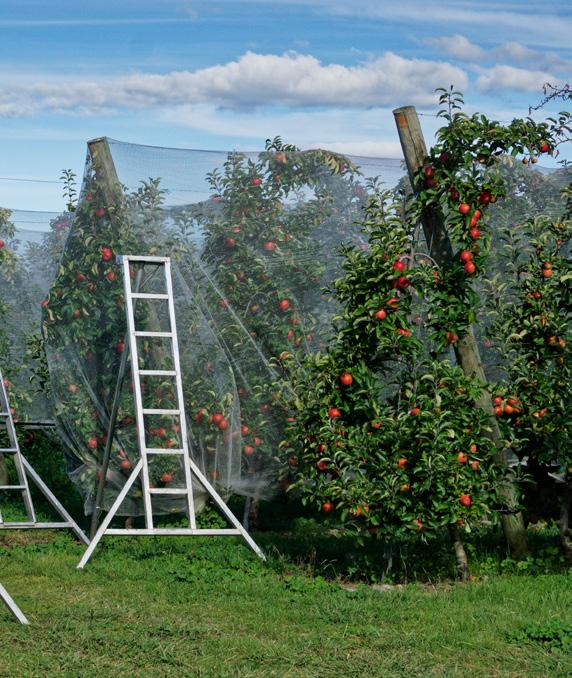
Horticulture CHECKLIST
Mow – make sure the orchard is as well presented as possible. Often the fruit tree rows are cared for, but ensure that headlands and any curtilage areas are also mowed and tidy.
Sheds – if there are sheds on the property, make sure they are tidy - don’t forget about the pump shed. Tidy and clear any rubbish or unused equipment from the property.
OIO – be aware of current Overseas Investment Office rules regarding rural property. To sell a property of under 5ha to overseas buyers, it should not be categorised on the District Valuation Roll as ‘residential’ or ‘lifestyle’. It needs to have a category such as HV (Horticulture, Viticulture) or any of the agricultural categories.
District plan – be aware of any impending changes to your local district plan, particularly regarding subdivision.
Information generally required (but not limited to):
Yields – orchard production for a minimum of five years. If processing, then include TCE’s and class varieties.
Planting schedule – including fruit varieties, cultivars, number of trees, hectares planted, planting density, trellising system if applicable, and pruning style, plus the maturity of trees, which is particularly important if there are young plantings.
PVRs – details on plant variety rights (if any).
History – year trees were planted, and story behind the grower. This can sometimes be really important, particularly if they were a pioneer.
Costs – orchard management costs, if applicable, including whether you are using a contractor.
Lease – ensure you are able to provide lease documents (if applicable).
Supply – ensure you are able to provide supply contracts (if applicable).
Financials – orchard throughput in packhouse, plus returns and management budgets for three to five years; including revenue and costs.
Packing and picking – details on who does this if outsourced, and if applicable, the costs, and details of packhouse throughput.
Soil types – provide information on your spray programmes and any soil tests.
Water – ensure you are able to provide all consent details. Are you part of a scheme or do you have a private supply? If part of a scheme, what are the relevant costs of these and what volumes do they enable? How long is the supply for and what are the constraints? If there is a water storage system on the property, how big is it and how many days storage are available? Include your irrigation zoning map.
Assure quality reports
Bio Gro certification (if organic).
Plant and Equipment – a complete list of plant and equipment available in the sale.
Chattels – ensure you provide a complete list of chattels.
Frost protection system – is it water or frost fans? If fans, what make, how old, hours, blades, etc.
Infrastructure – is there any shared infrastructure with other orchards or properties? If so, how are these managed?
Disease – any signs disease and how these are being treated.
Forestry CHECKLIST
Ensure your forest mapping is up to date – accurate mapping gives buyers confidence in what they are purchasing and ensures what we are representing is correct. Ideally, this would include the GIS shapefiles that generate the mapping.
Forest stand records – the more detail we can provide buyers, the better equipped we will be to sell your forest to its maximum extent. This includes age class, area of each age class, seedling genetics, any over-legalboundary planting, silviculture regime, and stems per hectare planted.
Emissions Trading Scheme – is the forest registered or not? If so, it is essential to have an up-to-date land status report, ETS register showing carbon units claimed to date, and Carbon Accounting Area mapping showing areas that qualify for carbon.
Second Rotation Forests – any details you have on the previous harvest can give purchasers some indication of harvest potential from the property.
Paperwork – including current title, LIM reports, third party access agreements, any forestry right agreements, apiary agreements, and the latest rates demands. Getting these correct from the outset can mitigate an potential hiccups down the track.
Access – ensuring the forest has good tracking, and access areas are sprayed so purchasers can view with ease sets the tone of a well managed forest from the start.
Inventory – if a mature or semi-mature forest, having up-to-date inventory sampling on the tree crop is essential for purchasers to assess the value.
These checklists are suggestions, and may not be exhaustive, but we do hope they will be of some help. There are many other resources, tools and professional services available to help you with your property journey. The resources page on the settled. govt.nz website is a good place to find suggestions from the Real Estate Authority. Every property and situation is different, so it pays to engage your Rural Sales Advisor early, as they will be able to customise a preparation plan for your timeframe, budget, and desired result.
Selling your rural lifestyle property, farm, orchard, vineyard, or forestry block can feel like a complex and daunting process. There are a lot of steps to consider, and things to get in order. If you are thinking of selling your rural property, even if you are just looking for advice in the first instance, get in touch with one of our team for a personalised land assessment.
We’re here to help. Let’s talk. If you have any questions or would like to contact us for a chat, please visit www.colliersrural.co.nz
About Colliers
Colliers (NASDAQ, TSX: CIGI) is a global diversified professional services and investment management company operating through three industry-leading businesses: Commercial Real Estate, Engineering, and Investment Management. With greater than a 30-year track record of consistent growth and strong recurring cash flows, we scale complementary, high-value businesses that provide essential services across the full asset lifecycle. Our unique partnership philosophy empowers exceptional leaders, preserves our entrepreneurial culture, and ensures meaningful inside ownership — driving strong alignment and sustained value creation for our shareholders. With $5.7 billion in annual revenues, 24,000 professionals, and $109 billion in assets under management, Colliers is committed to accelerating the success of our clients, investors, and people worldwide. Learn more at corporate.colliers.com.