















2026-27











Tips to help you support your student throughout their college career















































Dear Reader,
We are strong believers in the importance of a student's support system as they tackle the challenges and opportunities of college. Whether you are the parent, grandparent, stepparent, guardian, family friend, counselor, coach, or mentor of a college student, you can have a positive impact on the student you care about and their success. This guide touches on many important and helpful topics. There are additional resources on CollegiateParent.com .
Sincerely,
CollegiateParent

CollegiateParent provides print and digital resources for families of college students via our website and in partnership with colleges and universities across the US. Please visit COLLEGIATEPARENT.COM to get our latest tips, and connect with us on social media.
CONTENT (PART 2–PART 4) BY: Amy

Your student’s college experience is an exciting time for the whole family.
At the UO, we know that parents and family members of our students are invaluable partners in student success. Parent and Family Programs is committed to keeping you informed and engaged through communications, networking, and events. We believe that you, too, can have a Duck experience while supporting your student through their time at the UO.
This guide was created with you in mind and includes articles to help you better understand the first year of college, introduce you to campus resources, and provide tips and tools to holistically support your student’s success.
We encourage you to join the Parent and Family Association as an Evergreen member to receive expanded membership benefits, and participate in engagement opportunities such as Fall Family Weekend, and regional events near you.
We look forward to working with you to make this the best experience for you and your Duck.
Go Ducks!
Dee Dee Kanikkeberg Director of Parent and Family Programs
The University of Oregon and Parent and Family Programs are committed to helping our Duck families engage with the university and provide much needed support to their students. Programs and publications, such as this guide, are offered as a way of providing insight into the student experience and strategies for positive family engagement. Below you will find a collection of resources available to families.
The portal provides access to information, news, and resources curated just for family members of University of Oregon students.
Members who create a profile can select preferences about what type of information they receive. Information will be sent based on your selections. This allows you to get the information that is most relevant to you and your Duck.
Every parent and family supporter of an enrolled undergraduate student at the University of Oregon is automatically a general member of the Parent and Family Association (PFA).
Family members can elect to join the Evergreen level of membership for a one-time fee. The one-time membership fee is waived for
families of Pell Grant or Pathway Oregon eligible students.
For more information about the benefits of Evergreen membership or to upgrade to the Evergreen level, visit families.uoregon.edu/ parent-and-family-as sociation .
Parent and Family Programs
〉 541-346-3234
〉 myduckis@uoregon.edu
〉 families.uoregon.edu
Families are welcome to contact Parent and Family Programs directly should they have questions, concerns, or need advice to help their student.

Transportation Services
Amtrak
〉 amtrak.com
Eugene Airport (EUG)
〉 eugene-or.gov/airport
Portland International Airport (PDX)
〉 flypdx.com
FlixBus
〉 flixbus.com
Lane Transit District, EmX
〉 541-687-5555
〉 ltd.org Campus
〉 alerts.uoregon.edu
〉 around.uoregon.edu
Campus Map
〉 map.uoregon.edu
Office
Academic Advising (undeclared) 101 Oregon Hall 541-346-3211 advising.uoregon.edu
Accessible Education Center 360 Oregon Hall 541-346-1155 aec.uoregon.edu
Associated Students of the University of Oregon (ASUO) 004 Erb Memorial Union 541-346-3724 sges.uoregon.edu
Business Affairs Thompson’s University Center 541-346-3170 ba.uoregon.edu
Center for Multicultural Academic Excellence (CMAE) 401 Tykeson Hall 541-346-3479
inclusion.uoregon.edu/ center-multicultural- aca demic-excellence-cmae
Counseling Services University Health Services Building 541-346-3227 counseling.uoregon.edu
Dean of Students Office 185 Oregon Hall 541-346-3216 dos.uoregon.edu
Division of Global Engagement
300 W Oregon Hall 541-346-3206 international.uoregon.edu
Division of Student Life Johnson Hall 541-346-1137 studentlife.uoregon.edu
Duck Rides Transportation Services 541-346-RIDE duckrides.uoregon.edu
Enrollment Management 470 Oregon Hall 541-346-9386 ssem.uoregon.edu
Financial Aid and Scholarships 287 Oregon Hall 541-346-3221 financialaid.uoregon.edu
First-Year Programs 107 Oregon Hall 541-346-1131 fyp.uoregon.edu
Fraternity and Sorority Life 043 Erb Memorial Union 541-346- 3216 dos.uoregon.edu/fsl
Global Education Oregon (GEO) 300 W Oregon Hall 541-346-3207 geo.uoregon.edu
Holden Center for Leadership and Community Engagement
047 Erb Memorial Union 541-346-1146 holden.uoregon.edu
The sooner your student gets to know their new campus, the sooner they can take advantage of its abundance of valuable resources. Independence in college doesn’t mean doing everything on your own — it means knowing what you need and advocating for yourself.
Parents should also learn their way around, at least virtually. Encourage your student to create their own personal map. Before classes start, they can:
→ Get comfortable with the university website.
→ Study the online interactive campus map (print a copy, too).
→ Practice walking through their course schedule so they know how to get from building to building, and also figure out where to get meals.
→ Make a list of other places to locate and explore: libraries, writing center, health and counseling, fitness and recreation, registrar’s office, career services, tech support, public safety.
→ Do some more walking — maybe with a roommate or new friend. It’ll be a confidence booster to know their way around without having to constantly consult their phone.
These six resources should be on your student’s personal map. Talk to them about being the truly wise student who will make the most of each.
Professors teach, but they also set aside office hours to get to know students and to provide help. Unfortunately, many students don’t take advantage of this one-on-one time with the professor. Your student shouldn’t feel shy; professors really do want to talk to their students! Using office hours allows students to get individual attention and targeted help with course material.
Wise student hint: Arrive for any meeting with the professor with specific questions. Bring papers or tests you want to talk over, and be prepared to listen and take notes. Don’t forget to thank the professor when you leave. Read more about cultivating connections with professors on pg 24.
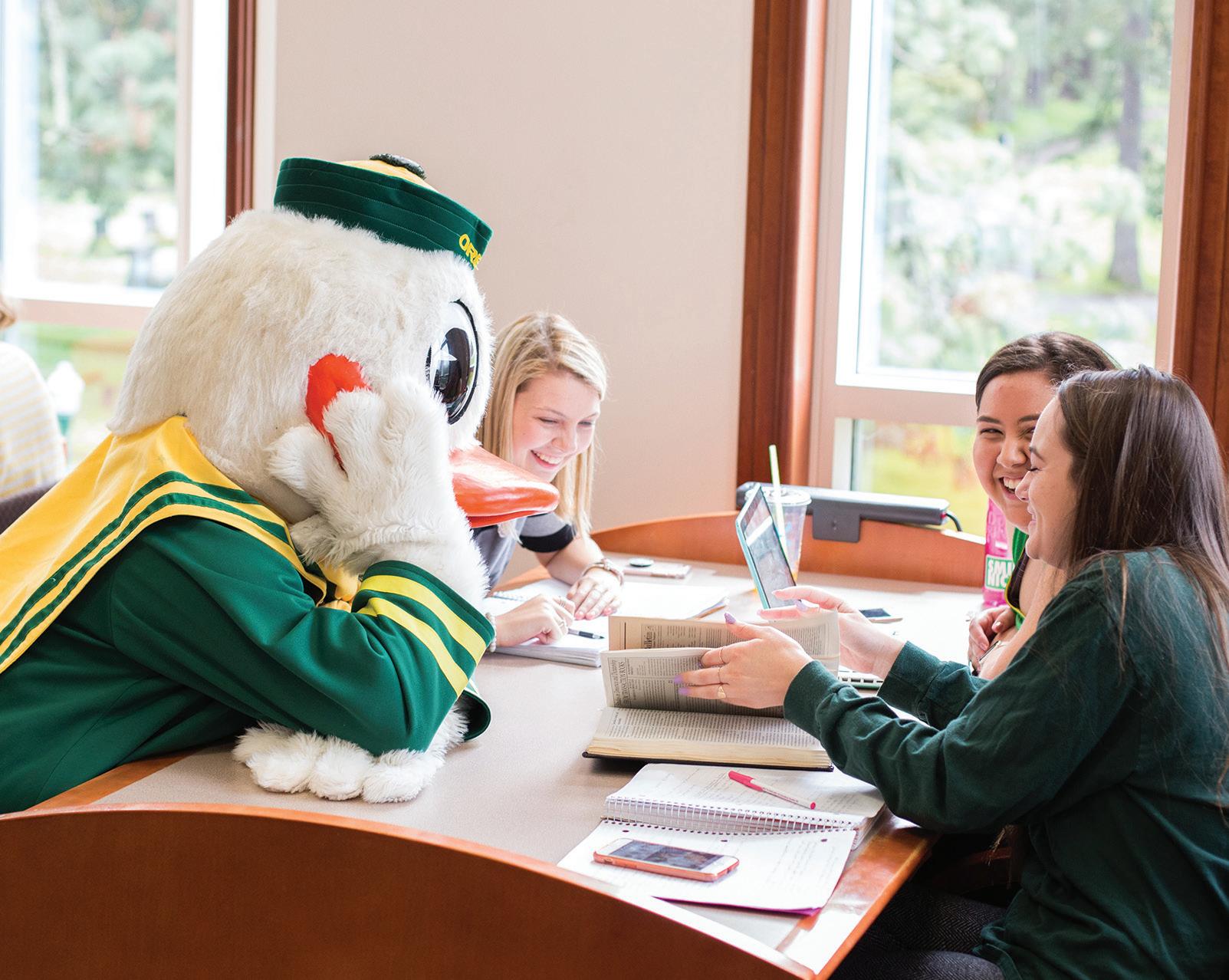
Your student’s academic advisor will help them make important decisions such as choosing a major, selecting appropriate classes, and staying on track for their degree. An academic advisor can be an excellent partner during your student’s college career, but only if they take advantage of the advisor’s guidance and know-how.
Wise student hint: Even if your advisor is wonderful, don’t rely solely on their information. Understand the curriculum and any Gen Ed/ major/degree requirements and keep your own records to stay on track. It’s also important to know how to calculate your GPA.
Most tutoring centers offer help in many subjects and provide both professional and peer tutoring services. Peer tutors are fellow students who’ve done well in the subject and understand the struggles that students encounter. Writing centers offer help with organizing and editing papers. Working with a tutor can help your student build confidence and improve their study skills, and can provide accountability to help them keep up with assignments.
Wise student hint: Start working with a tutor early in the semester before encountering real difficulty. This will help you establish a relationship with a tutor and be comfortable with the tutoring process well before midterm or final exam time.
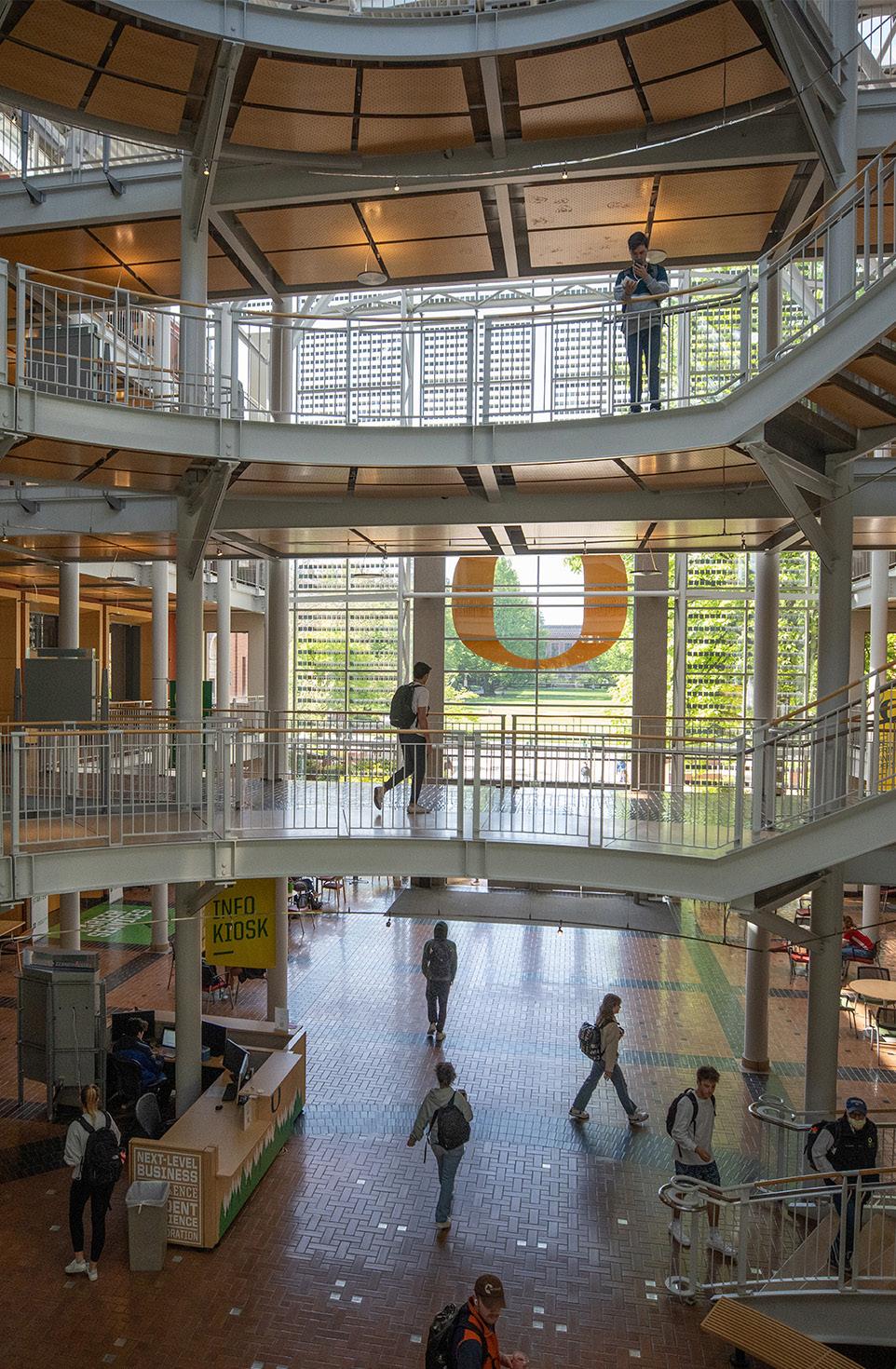
Beyond the many online services, internet resources, and databases offered by the campus library, a visit to the physical building can uncover additional resources. Libraries provide quiet study spaces apart from the noise and distractions in the residence hall. Most also offer group study areas where students can work with others on projects or exam preparation. Librarians are trained to guide students through essential research steps and help them discover and access materials.
Wise student hint: Librarians love questions. Bring your assignment with you and be specific about what you need to find. If you don’t know how to use a library resource, ask.
Most campus health centers offer onsite medical care for illness and minor injuries, mental health/counseling services (possibly in a separate location), and general wellness education. In addition, the health center may provide prescriptions and over-the-counter medications, reproductive health care, nutrition counseling, vaccinations (including covid and flu shots), and more.
Wise student hint: Locate the health and counseling centers early, before you need them. Ask about how to make appointments, what services are available, and what the hours are. This way if you are sick, or dealing with a mental health challenge, you’ll already be familiar with the process and staff.

Campus career services are an essential link between your student’s academic work and their future career. The career center can help your student discover strengths and talents, explore careers within a chosen major, find and apply for on- and off-campus jobs and internships, craft resumes and cover letters, network with alumni, and practice interviewing skills.
Wise student hint: Visit the career center early to learn what they offer. Return regularly to take advantage of services and events and build relationships with staff members so they’ll keep you in mind when they learn of new opportunities.
Hidden gems may not be on the map, but every campus and college town has them. Your student can ask other students and faculty members, “What’s your favorite place on (or off) campus?” Find their special place. It might be:
→ A quiet lounge or out-of-theway corner of the library
→ A walking or bike trail
→ An art gallery or museum
→ A music practice room or empty concert hall
→ A chapel or meditation room
→ A coffee shop
→ A local park
→ The town library
~ Vicki Nelson

Living with a roommate is sure to be a rewarding but also challenging part of your first-year student’s transition to college. Harmony is possible! Here are five tips to share, gathered from upper-level students.
1. Go in with an open mind.
Many students assume their roommate assignment will make or break their first year, imagining worst case scenarios, best case scenarios and everything in between. Encourage your student to enter their new living situation with optimism and openness. College is a new experience for everyone, and if nothing else, their first-year roommate is someone who can make them feel less lonely during their adjustment.
“If you shake off your expectations, you’ll have a more natural and positive relationship. I loved my freshman roommate, but even people I know who didn’t learned more about themselves and learned to live with others better in the process.” — Sophomore
2. Make rules before problems arise
Unspoken expectations are at the root of a lot of conflict. Your student should make their needs clear while also remaining open to their roommate’s preferences. If they didn’t already complete a roommate agreement, covering things like cleanliness, quiet hours, visitors, etc., now’s the time. Their RA can be a great resource for advice and conflict resolution if needed.
“My roommate stayed up later than me most nights and I had a hard time sleeping with her desk light on. Finally I asked if she could go to the common room on our floor to study if I was trying to sleep. She was really understanding, and it made living with her a lot easier.” — Sophomore



Campus housing staff know that the first semester of college can be a nerve-wracking time for parents not used to being apart from their kids. We’re there for you even as we encourage you to step back a bit to show confidence and trust in your student. Giving them space to develop into the person they desire to become is one of the goals of higher education.
A few things it can be helpful to understand about residential life:
→ If a student experiences a problem, housing staff will not contact parents; it’s the student’s responsibility to communicate with their family. Housing staff can call parents for drug- and alcoholrelated issues or when a student is a danger to themselves or others.
→ Residential life staff do not keep tabs on students, and can not give parents access to a student’s room. You will worry less if you take time during these early days of college to make a plan with your student about how often you’ll text or talk.
College is a time of growth, and campus housing is the perfect supportive space for this growth to happen. Your student will learn to do things on their own, whether it’s doing laundry or navigating a roommate conflict.
� LaTrina Rogers
3. Be respectful of your shared space.
For many people, college is the first time sharing a room. Behaviors which seem harmless to one person can be annoying for another. In the first few weeks as they establish a routine, roommates should be prepared to make some compromises. There are lots of little things you can do to show consideration to your roommate:
→ Use headphones when they are in the room
→ Ask before borrowing things
→ Take out trash before it smells
→ Don’t snooze your alarm
→ Ask if it’s okay before taking a call
→ Check in before bringing other people into the room
“The residence hall was a big part of my happiness in my first year. I met my closest friends because we lived across the hall from each other. Existing in close quarters with people navigating the exact same stage of life is such a rare bonding experience.”
4. Recognize that a good roommate and a good friend are different things.
Living with someone is very different from being friends. Some of the best roommate relationships are between students who don’t have a lot in common but respect each other and live well together regardless.
“At the start of freshman year, my roommate and I would go to events and grab food together, but as the year progressed we met more people, made different friends, and hung out less. Even then, it was so nice to come back to my room and have someone to talk to about my day.” — Junior
5. Spend time outside of the room.
One of the best things about starting college is having a full campus to explore. Your student can try the food in different cafeterias, and experiment with different places to study. On that subject, most students find that it’s easier to concentrate if they study outside of the dorm. Preserving their dorm room as a place where they can relax is also beneficial, and leaving the room during the day and spending time away from roommates can make getting along easier.
“Get to know your roommate, but get to know other people, too. Find clubs or other activities to do that aren’t with your roommate so you both have space and alone time in your room.” — Junior
~ With contributions from Kate Gallop, Bridget Lochhead, and CollegiateParent staff


For first-year students, one of the biggest challenges outside the classroom is learning to manage money. They’re now responsible for paying for all sorts of things on their own, from textbooks and groceries to laundry and an occasional haircut. They’re also responsible for their university Student Account and making sure tuition and fees are paid on time. If you’re paying these bills, your student can add you as an Authorized User, but keeping them in the loop about college costs is a great way to help them gain financial literacy and understand the investment you’re making as a family in their education.
Beyond this, parents can play a key role by helping students make a budget and keep an eye on the money going in and out of their bank account. Printable budget worksheets are easy to find online and there are many good smartphone budgeting apps.
If you didn’t do this before the start of the school year, take time now to make a list with your student of their flexible/ recreational expenses (everything besides tuition, room, board, and student fees — although if they’ll contribute to these, put them in the budget as well).
Flexible expenses include:
→ Textbooks and software
→ Seasonal clothing
→ Electronics and school supplies
→ Toiletries and other personal items
→ Dorm furnishings
→ Laundry money
→ Food/drink outside of the meal plan
→ Entertainment
→ Local travel (bus pass, Uber trips)
→ Recreational travel and trips home
→ Sorority/fraternity or club dues
Next, estimate how much each item will be and agree on who’s paying for what, taking your student’s income into consideration. Their income will come from their savings, earnings from a campus job (if they will work), and possibly an allowance from you. Make it a goal for your student to maintain a certain level of savings.
The ease of buying things online and with their phones means small purchases can get out of control. Peer pressure is another factor that can cause students to overspend, so talk about how they may need to say no sometimes to an activity or purchase that a roommate or friend doesn’t think twice about. On this subject, be clear about what will happen if they don’t stay within their budget — in case they assume you’ll automatically bail them out.
“Financial literacy can make the difference between building upon a good financial foundation from the start or learning from mistakes. It can help teens and young adults get through the ups and downs of life and provides a sense of security.”
Lisa Paniccia author of ABC’s for Financial Independence
Fall semester will involve some experimentation. Your student may easily stay within their budget or run short each month. Over winter break, you can look back together at the experience and help them revise their budget for spring semester based on what they learned.

From orientation to graduation and all of life's moments in between, the 5th Street Public Market is Eugene's premier destination for Ducks and their families. With two award winning boutique hotels, it’s the perfect place for parents to call home base when visiting. And for students, you’ll find plenty of great bites, shopping, and more just minutes away from campus. Come explore the Market and experience Eugene like a local.



If a student is having trouble keeping up in class, the first question a professor or advisor might ask is, “How much time do you spend studying?”
Although it’s not the only factor, time spent studying is one of the basics. If your new college student is struggling, help them explore how much time they’re actually spending on schoolwork.
Very often, a student’s answer to how much time they spend hitting the books doesn’t match the professor’s expectation. The general rule of thumb is that students should spend 2–3 hours on outside-of-class work for each hour spent in the classroom. Most college classes meet for three or four hours a week. Therefore, a student taking five 3-credit classes spends 15 hours each week in class and should be spending 30 hours on work outside of class. For most students this isn’t even close to their reality!
There’s significantly more “homework” in college than high school, but the total picture isn’t that different. In order to help students understand, we crunch some more numbers.
Most high school students spend about 30 hours per week in school. Add in the average amount homework (4–5 hours/week) and the total time spent in class and on homework comes to 1,260 hours per school year.
Now let’s look at college. Most semesters are approximately 15 weeks long. That student with 15 credits (five classes) spends 225 hours in class and should be spending 450 hours studying. That’s 675 hours/ semester or 1,350 for the year, a bit more than high school, but only 90 hours, or an average of three hours more per week.
The problem isn’t necessarily the number of hours — it’s that many students haven’t flipped the equation and recognized the time expected outside of class to complete all their reading, writing and studying. The hours are simply allocated differently, and require discipline to make sure they happen. What students sometimes see as “free time” is really just time that they are responsible for scheduling themselves.
Once we look at these numbers, the question that students often ask is, “How am I supposed to fit that into my week? There aren’t enough hours!”
Professors (and parents!) can remind students that there are 168 hours in a week. If a student spends 45 hours on class and studying, that leaves 123 hours. If the student sleeps eight hours per night (we wish!), that still leaves 9.5 hours/day for work or play. Many colleges recommend that full-time students should work no more than 20 hours/week at a job if they want to do well in their classes and this calculation shows why.
Your student may not spend 30 or more hours a week studying, but understanding what’s expected may motivate them to put in some additional study time. That takes planning, organizing and discipline. Here are a few things your student can try.
→ Keep a time journal for a few days or a week. Record what you’re doing each hour as you go through your day. At the end of the week, observe how you spent your time. How much time did you actually spend studying? Socializing? Sleeping? Texting? On social media? At a job? Find the “time stealers.”
→ Prioritize studying. Don’t hope that you’ll find the time. Schedule your study time each day — make it an appointment with yourself and stick to it.
→ Limit phone time. It may take practice but putting the phone away during designated study time can make a big difference in how efficient and focused you can be.
→ Spend time with friends who study. It’s easier to put in the time when the people around you are doing the same thing. Find an accountability partner who will help you stay on track.
→ Work on strengthening your time management skills. Block out study times and stick to the plan. Plan ahead for long-term assignments and schedule bite-sized pieces. Don’t underestimate how much time big assignments will take.
→ If you have a job, ask if there’s any flexibility. Can you schedule fewer shifts at prime study times like exam periods or when a big paper or project is due? Consider looking for a campus job that will allow some study time while you’re on the clock, such as at a computer lab, library, or information/check-in desk.
Being a full-time student is a full-time job. Start by looking at the numbers with your student and then encourage them to create strategies that will keep them on task. With understanding and practice, your student can plan for and spend the time needed to succeed in college.

College students spend a lot of time with their professors, seeing them in class and labs on a daily basis. Establishing a deeper connection takes work, but there are many good reasons for students to get to know their professors better.
Any one of them could turn into a mentor or trusted advisor. Professors invite students to work with them as Research and Teaching Assistants, provide career advice, and write letters of recommendation for internships, scholarships and graduate school applications. And they are interesting people to talk to!
Developing a bond is a two-way street. Professors should be approachable, available for office hours, and respond to a student’s communication in a timely way. You can encourage your student to do their part, but first it can help to understand why many students hesitate.
→ If they haven’t interacted with the professor outside of class, they may not know what to expect. What should they say? How will the professor react?
→ Talking face-to-face can be awkward. Many of us are more comfortable with texting and email.
→ In high school, the environment was more casual and teachers were often the ones to reach out. Now students need to make the first move but, in a more formal higher ed setting, may not be sure about the rules.
The first step is to make the most of classroom interactions. Students should think about how to set themselves apart, whether in a big lecture or smaller seminar. Here are 10 tips to share:
1. Know the professor’s name. Sounds obvious, but it’s surprising how many students don’t remember their professor’s name. Learning it is a sign of respect.
2. Introduce yourself early in the semester. Help the professor learn your name.
3. Have a reputation for excellence. Be the student who stands out because their work is always done well and submitted on time.
4. Be engaged in class. Professors can tell who’s paying attention and appreciate students who participate actively.
5. Go to office hours. Stop by early in the semester so you can start getting to know one another, and be proactive about any potential challenges in the course.
6. Make your interactions meaningful. Keep it professional, but share who you are, be kind, and recognize that your professor is a person, too.
7. Send professional emails. When emailing a professor, include a greeting (Dear Professor ____), lean toward more formality, be clear about what you need, and proofread. Respond to your professor’s emails promptly.
8. Let them know if something going on in your life will affect your work and attendance. Share your concerns and be honest. Most professors want to help if they can.
9. Communicate early if there’s an issue. Are you struggling with the material? Don’t let a minor problem grow into a major one.
10. Don’t ask the professor something you should already know. Before you ask a question, read the assignment, the textbook, and the syllabus. If you’re still unsure, then ask.
Good relationships take attention and effort. Most professors will do their part to keep the door open, but it’s up to your student to step through that door. In addition to having a richer college experience, they may just make a friend for life.
~ Vicki Nelson
Halfway through fall term is a good time to check in with your first-year student — and also a time when they may need extra emotional support.
Midterms matter for a few reasons. The midterm grade can be a reality check about how well (or not) they’re doing in a class. One of the biggest differences between high school and college academics is that students may not receive as much feedback on their work throughout the term. Some classes may even have only a midterm and final exam.
Studying for midterms is a chance for students to solidify their grasp on material covered so far in a course and check for any gaps in their understanding. They’ll find out whether their study habits are working or if they need to make changes for the second half of the term. There’s no getting around it, though; stress levels ratchet up as midterms approach and students focus on just how much they have to get done. Exams are around the corner and projects and big papers are due, and they might also discover that they have a few overlooked
~ Vicki Nelson
assignments or textbook chapters they didn’t get around to reading.
While some students thrive on pressure, for others it can feel debilitating. Students need to develop their own strategies for dealing with stress (learn more on pg 36), but parents can provide guidance and support.
→ If they want to talk, sympathize with their challenges. Listen a lot. They may just need to vent about how much they have on their plate.
→ Steer them to resources. Encourage them to attend study sessions and faculty office hours and get individual tutoring in subjects where they’re struggling. Recognize that they need to figure this out. If they fail an exam, it will be part of their learning process and they’ll be stronger and wiser later.
→ Provide perspective. Midterm stress is part of the rhythm of the academic year. It will pass and things will get better. And though midterms are important, there is other work in the course and the term is only half over. Most students won’t fail a course because of one exam.
→ Send a care package, or gift card for a coffee shop or restaurant they like in town.
Midterms are over! Your student survived. How can you help them make sense of the information that midterm grades and assessments can provide?
→ Remember FERPA. The Federal Educational Rights and Privacy Act gives students ownership of their academic information. Grades go directly to your student, not to you. Ask whether they are willing to share their grades and talk about them.
→ If your student has great midterm grades, congratulate them. Don’t take good grades for granted!
→ If they’re not sure about their midterm standing, or question a grade, encourage them to talk to their professor.
→ Remind them that midterms come at the calendar midpoint but not necessarily at the midpoint in the coursework. There may be more than half of the work left — an opportunity to raise their grade by doing well.
→ Do they need to make changes in order to get back on track? You can help your student interpret what their grades are telling them they need to do. When they think about all of their courses together, are most scores solid with one low mark? Focus on that course. Are there several poor grades? Think about the amount of time spent studying or approaches to studying.
→ Suggest they meet with their academic advisor. Is pass/fail an option? Should they consider withdrawing from a class? Should they consider different courses to take next term based on difficulties and successes this go-round?


Every parent wants their student to find their “calling” and click with a major that will help pave the way to a career. Students want that, too! But the process of declaring a major can be scary as well as exhilarating.
~Amy Baldwin, Ed.D.
“Am I making the right choice?” they wonder anxiously. “Will I be able to find a job after graduation?” And then there is the classic question from well-meaning family and friends: “What are you going to do with that?”
For students whose majors are clear pathways to careers (think nursing, or accounting), the last question can be answered easily. However, for undecided students worried not only about choosing the “right” major but also about how their degree will prepare them for employment someday, the question can increase their self-doubt. And with self-doubt comes even more anxiety.

Luckily, there are stress-reducing ways to support and guide students who are at this juncture. Here are six tips to suggest:
1. Relax.
No need to make this experience more traumatic than it already is. Remember that it’s normal for the journey from major to career to twist and turn. Make an effort to keep things in perspective and you’ll be able to share this attitude with your student.
2. Help them reflect on their past interests to shape their future.
One of the best strategies to use with college students is to encourage them to reflect on what they liked when they were younger, what they did in their spare time for fun, and what activities they participated in and why. Their past holds clues about the kinds of majors that might interest them. For example, someone who counseled their friends through difficult times may find themselves interested in psychology or social work. An athlete might gravitate to sports management or sports medicine.

3. Focus on passion, not perception.
The best way to erase self-doubt is to find a subject they like and that will help them build transferable skills. Ask what kinds of classes interest them the most and which classes challenge them to think and grow. Their answers should give them an idea of what they want to spend several years studying. A student who says they want to major in business “so my parents will leave me alone” is not a student who will be happy for long with their choice.
4. Compare degree plans and course descriptions.
Reading through the college’s course catalog is another way to narrow their choices. The course catalog and degree requirements can be found on the school’s website. If your student
is choosing between economics and education, for example, suggest they read through the degree requirements, such as internships or foreign languages, to see which plan appeals to them more. Have them browse the course descriptions as well. They will spend a lot of time in their major courses and should be intrigued by the topics that await them there.
5. Connect with advisors and counselors regularly.
The academic advisor will help them navigate the process of completing a degree, and the career counselor can help them develop a plan to translate
what they’re learning to workplace needs. Meeting with both throughout college can keep your student on track and help them make any needed adjustments along the way.
Some of the best advice about college majors comes from recent graduates. New graduates are likely to say that the skills they acquired in college (e.g., critical thinking, written communication, appreciation for diversity) are more important than the content knowledge they gained from their major. At the very least, their advice may ease the pressure to make a “right choice.”

It’s challenging for young adults living on their own for the first time to take proper care of themselves.
Healthy behaviors reinforce one another; parents can help their college students understand the interconnectedness of sufficient sleep, proper nutrition, and regular exercise.Let’s distill it into two basic priorities: getting enough sleep and managing stress.
College students are notorious for being sleep deprived. Communal living arrangements, academic pressure, and FOMO (fear of missing out) are the main contributors. But without sufficient sleep, your student will find it harder to learn, and to remember what they learned, and will lack the energy to make the most of their college experience.
Our bodies are busy while we slumber. During sleep we fix damaged tissue, toxins are eliminated, hormones essential for growth and appetite control are released and restocked, and energy is restored. When sleep is cut short, the body doesn’t have time to complete this work.
Health risks of sleep deprivation include:
→ Impaired cognitive function: Even one night of sleeping less than six hours can impact your ability to think clearly the next day.
→ Increased risk of accidents: Sleep deprivation slows reaction time; you’re three times more likely to be in a car crash if you’re tired.
→ Increased emotional intensity: The part of the brain responsible for emotional regulation can be up to 60% more reactive when you’ve slept poorly.
→ Sleep in a dark room (or use a sleep mask).
→ Save your bed for rest; find other places to study.
→ Turn off screens at least an hour before bedtime.
→ Stop eating at least two hours before bedtime, and avoid processed/ junk food that makes your body work extra hard during the night to remove the toxins, leaving less time for healing and repair.
→ Exercise helps people fall asleep faster and sleep longer, so try to exercise each day but not too close to bedtime.
Some amounts of stress are necessary to study productively, maintain motivation, and accomplish tasks, but the negative effects of stress (anxiety, exhaustion, hopelessness) can disrupt daily living and thriving. Students can learn to manage the pressures of college so the demands don’t seem as unbearable and the stress response is deactivated.
1. Use a planner and create a study schedule.
Calendars and planners are a foundation for success and counteract a lot of mental health symptoms. By planning, you avoid the panic that comes with last-minute cramming.
Every hour of the day can be scheduled. Write it out, draw it, color it, mind map it, keep it visible. Include:
→ Study breaks, sleep, recreation
→ 1.5–2 hours of study per class, then break
→ Switch classes for the next 2-hour study session
→ Use “backwards planning ” if this works for you
2. Determine your ideal study spot and times.
→ Pick the place you feel the most productive, calm, and focused. Keep going to this spot for a few weeks to train your body and brain for study mode.
→ Notice what time of day/ night you study best. Use this time slot to prepare for your most challenging classes.
→ Be aware of distractions: cell phone, friends, Netflix. These things belong in your life, but not when you’re studying.
→ When your thoughts get stuck, or drift away from the material at hand, “reset” by standing up to move and stretch.
Many college students eat a diet high in fat and sodium and lacking in essential vitamins, minerals, and fiber. They also lean heavily on sugarsweetened and energy drinks.
Encourage your student to be mindful when they head into the campus dining hall. The goal is to limit fast food to an occasional choice and integrate more healthy items into their diet: fruits and veggies, legumes, whole grains, lean meats and fish, nuts and seeds. In addition, it’s a good idea to always have their water bottle handy.
4. Attend to self-care.
→ Notice how often and how much you move your body. A short walk, jumping jacks or push-ups will suffice if you can’t fit in a work-out.
→ Engage in a fun activity: frisbee, basketball, a dance or fitness class.
→ Take advantage of campus social and counseling resources.
→ Practice calming breathing exercises.
→ Take an extra shower a day during exam weeks. Get a haircut or manicure. Pamper yourself!
5. Fill your brain with positive mantras:
“I’m thankful everyday for the opportunity to go to college. I’m right where I need to be! With this comes tough times. I am tough enough — I will be just fine.”

What are some of the other health and safety topics you want to touch on with your college student as the semester gets started and throughout the year? Here are just a few.
Go over their coverage, whether they’re on the school’s health plan or still covered by your family insurance, and how and where to access services. Will they use the campus health center for all their non-emergency needs, or go there just for the easy/free stuff (such as flu shots and treatment for minor illnesses) and see a provider or specialist in the local community? Do they know how to fill their own prescriptions?
Your student should have a first aid kit with a thermometer, bandaids, and basic over-the-counter remedies as well as a few rapid covid tests. Talk through possible scenarios, ranging from treating a cold to how to know if it’s something more serious like influenza. A few basic reminders:
→ Wash your hands frequently.
→ Stay up to date on vaccinations.
→ Don’t go to classes or the dining hall when you’re symptomatic (fever, sore throat, cough, vomiting/diarrhea, etc.).
→ Don’t hesitate to visit the health center, and definitely go if symptoms don’t improve after a few days.
Students enter college with a wide range of experience in relationships, and families vary widely in how comfortable and open they are when it comes to talking about sex. You may think you’re done having “the talk,” or that your student is smart and mature enough to make good decisions. But sexual health concerns change over time, and for many reasons it’s important to keep engaging with our kids on this topic rather than assuming they understand consent and how to practice safe sex, especially in this new environment.
Wondering how to break the ice? Find helpful information and conversation starters: collegiateparent.com/healthsafety/talk-about-sex-with-your-student
Most families have strict rules about alcohol in high school, but in college an abstinence-only policy may not be practical. Though some students choose a sober lifestyle, the most recent survey from the NIH found that about half of college students drink, with nearly a third (29%) having engaged in binge drinking in the month preceding the survey. By talking regularly with your student about the campus party scene, their experiences with alcohol, and what it means to drink responsibly, you can continue to have a positive influence. These conversations require that you know your facts, be honest and open-minded, and be ready to listen. For more, visit niaaa.nih.gov/publications/brochuresand-fact-sheets/college -drinking
With marijuana legal and readily available in many parts of the country, cannabisrelated health problems for teens and young adults are on the rise. Learn more about the trends and risks of drug use in college and find advice specifically for parents at nida.nih.gov/researchtopics/college-age-young-adults .
Whenever you see or talk to your student, help them reflect on their current health habits and make adjustments based on their experience of campus life.
~ Lori Bender, Marybeth Bock, Rob Danzman, and MJ O’Leary




Mental health issues are far more common than many people realize. Fifty percent of us will encounter a mental health challenge in our lifetime. And whether or not they have a mental health diagnosis, increasing numbers of college students report feeling scared, sad,unsafe, lonely, or helpless.
While starting college is exciting, some students find themselves overwhelmed by the transition to an unfamiliar environment full of new pressures and expectations. It takes most students a while — even a full semester — to feel at home and find their place on campus. Homesickness can linger into late fall, just as days grow shorter and academic pressure heats up.
The good news: Awareness and open lines of communication — with family members, professors/instructors, coaches, and friends — can go a long way toward making sure no student struggles alone. Check out these tips on how to empower and support your new college student.
It’s likely that your student, or one of their roommates or friends, will experience a mental health issue while at college. Prepare your student by talking about mental health on a regular basis. Review together what campus resources are available if they’re ever in a position to help a friend. By maintaining a dialogue, you’ll help them feel comfortable coming to you with questions and problems without fear of being judged.
Perfection is not a realistic goal and it’s important to let your student know that you support them no matter what. Mistakes and failure are an unavoidable part of life and we can learn from them. A perfect GPA isn’t worth it if it comes at the expense of your student’s emotional well-being.
All students, but particularly those who have already experienced mental health issues, should have a plan in place in case things get too difficult to handle. Call or make an appointment with the campus mental health or counseling center to learn what services are available. If your student is already in the care of a psychiatrist or psychologist, make plans to continue that care with a clinician close to college. (The campus mental health center may keep a list of convenient off-campus providers who work well with students.) Your student should have regular check-ins with a professional to monitor any changes. They can also register with disability support services to access helpful accommodations.
If your student is experiencing mental health issues, prioritize getting help over any concerns about tarnishing their transcript or reputation. Some students will need time off from school to recover and get back on track. Each college has its own policy about granting medical leave — you can contact the Dean of Students office to find out the procedure for taking a temporary leave of absence


Make time for regular calls or FaceTime conversations in addition to texting your student. It’s easier to hear in their voice when something is bothering them than it is to read into a text message.
Keep an eye out for symptoms of depression, anxiety, hopelessness, irritability, restlessness, sleep difficulties, loss of appetite, suicidal thoughts, unexplained aches and pains, and tearfulness. A sudden drop in academic performance or loss of interest in previously enjoyed activities are other signs that support is needed.
September is National Suicide Prevention Month for a reason. Don’t be afraid to ask, “How are you really doing?” Create a verbal bond that encourages them to seek you (or someone else) out. As the adult, shed the shame of staying connected with your student despite society convincing you that you are overprotective. There’s a difference between hovering over and solving your child’s problems for them and simply listening to their voice, laying eyes on their appearance, and noticing behavior changes.
~ Tips from Active Minds, Lori Bender, and Ianni Le

*must present this ad to redeem this promotion





The Standard Eugene is an o -campus housing community located just minutes from the University of Oregon, o ering fully furnished units and premium amenities in a convenient location surrounded by local shops and eateries. With a variety of floor plan options, residents enjoy features including dedicated study spaces, a 24/7 fitness center, rooftop pool, on-site management, and more. The community is designed to provide a comfortable, well rounded living experience with a focus on convenience, quality, and everyday ease. Schedule a tour today and see why the Standard is the perfect place to call home!















Choose from studio to four-bedroom layouts featuring modern finishes and in-home laundry, all less than a five minute walk to University of Oregon. With a fitness center, a courtyard with a hot tub, and dedicated spaces to focus, your routine stays balanced—make it yours. Use code SOTOWELCOME for waived application and admin fees.