A Legacy of Service (pg 2) P2 Student Following Parents’ Footsteps (pg 3)

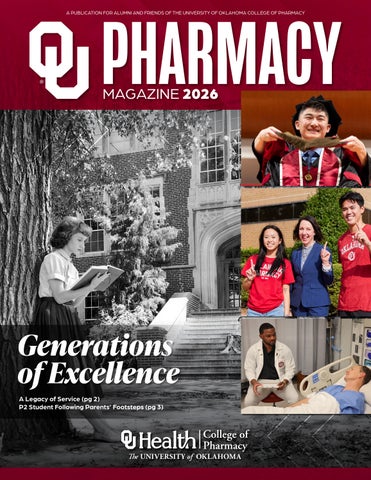
A Legacy of Service (pg 2) P2 Student Following Parents’ Footsteps (pg 3)
Dearest Pharmacy Family,
I have been reflecting on the past, present and future of the OU College of Pharmacy and our College family, which includes all of you, our faculty, staff, students, alumni and friends. I am proud to have celebrated my one-year anniversary as dean of the college (June 2025); it’s been an eventful year that has been more fulfilling and rewarding than I could have imagined. Every day I have the honor of working with the most talented faculty, staff, students and alumni who bring curiosity, energy, ideas and love to their daily work that is influenced by each of their pasts, their engagement in the present, and their excitement for the future.
This issue of our magazine celebrates the generations and legacies that shape our pharmacy community. In pharmacy, legacy is built both personally and professionally. It lives in the encouragement students receive from their families, in the mentors who model ethical and compassionate practice, and in the alumni who pave the way for future pharmacists through leadership and service. Across generations, our profession has evolved alongside science and technology, yet the heart of pharmacy remains unchanged: a dedication to improving lives and safeguarding health. This issue explores how generational influences impact identity, leadership and innovation within the pharmacy profession — and how the choices we make today will define the legacy of care we leave for those who follow.
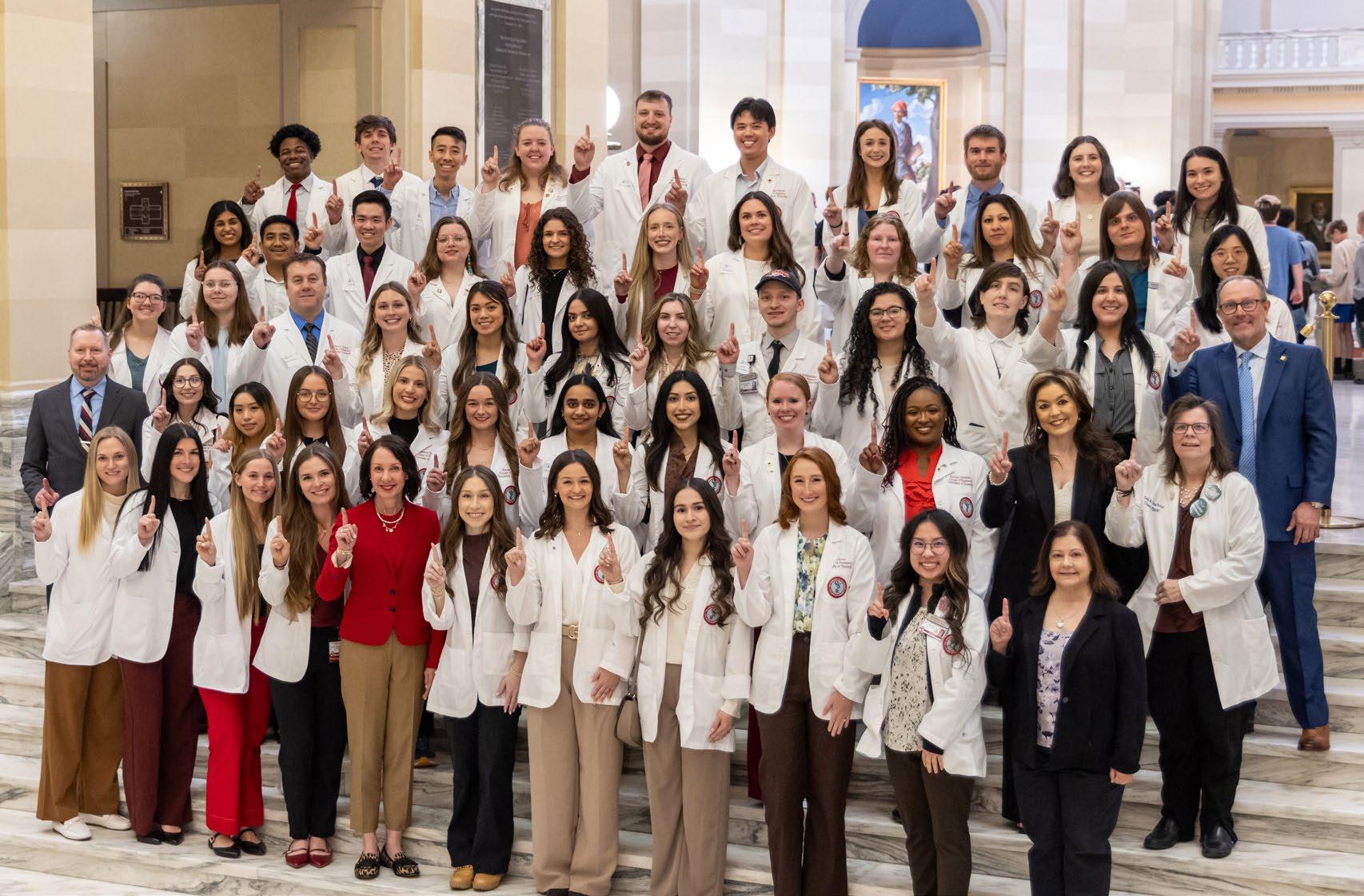
One of the best parts of my day is watching our students thrive. We had an increase in our P1 class size and the number of students receiving scholarships. We engaged 23 pharmacy students in a new IGNITE research day, placed in the top 15 for the NAPLEX pass rate out of 143 colleges in the U.S., graduated 40 students with four valedictorians, had nine P4 pharmacy students and six graduate students earn campus and national awards, achieved a 100% graduate job placement rate and 30% of the graduating class matched for a residency, and had 49 P1-P4 students attend Pharmacy Legislative Day at the Oklahoma State Capitol. I am so proud of what our students have accomplished this year. They continue to shine!
I also love witnessing the amazing work of our faculty and staff. The faculty continually strive to create new and innovative learning experiences for our students, such as a new advocacy elective and the evolution of our five curricular tracks in pediatrics, nuclear pharmacy, leadership, research, and ambulatory care. We have very active pharmaceutical sciences and pharmacy practice researchers who make discoveries and contribute to science every day. Sixteen of our faculty and two of our staff earned campus awards. The faculty and staff celebrated 15 years of providing immunizations to our campus and surrounding areas. Our Poison Control Center was recognized with a proclamation from the Oklahoma Gov. Stitt, our nuclear pharmacy expanded with a new location in Tulsa, and we will have our cyclotron groundbreaking this spring. Our pharmacy management consultants (PMC) provided services to the most complex patients in the state, and our 1893 (OKC) and Clinic Pharmacy (Tulsa) continue to fill prescriptions for several contracts in the state. All of these service units meet the needs of patients in our state while also training our pharmacy students in these cutting-edge areas.
It is so exciting to also hear from so many alumni on a daily basis who share updates on the meaningful impact they are making to patients and to the pharmacy profession. I am so proud of what our alumni are accomplishing. From being selected for national and local awards, to becoming a partner in an independent pharmacy representing a third generation of family ownership, to becoming a director of pharmacy in a health system, to becoming a faculty member at a college of pharmacy. These are just a few of the amazing roles and recognitions our alumni are receiving. We are all celebrating these stars!!
Overall, I am so grateful to be a part of such a wonderful legacy and family that extends back over 130 years, where we all work together to contribute our unique strengths to make a significant impact on the state and the profession that help us achieve great things every day and position us for the future. I have loved watching the college grow and am thrilled to be a part of what we will accomplish next. I know it is going to be amazing.
Thank you for being part of this enduring community. Together, we honor the past, support the present, and prepare the next generation of pharmacists to lead with knowledge, integrity and compassion.

Dr. Melissa S. Medina
Dean and Professor; Phil C. and Ferne Ashby Endowed Dean’s Chair
David Ross Boyd Professor and President’s Associates Presidential Professor
President, The University of Oklahoma Joseph Harroz, Jr.
Senior Vice President and Provost, OU Health Sciences
Gary E. Raskob, Ph.D.
Dean, College of Pharmacy
Dr. Melissa Medina
Contributing Writers
April Wilkerson
Bonnie Rucker
Jacob Munuz
Lisa Pilar Macias
This magazine is published by the University of Oklahoma Office of Marketing and Communications on behalf of the OU College of Pharmacy. For more information, contact marcomm@ou.edu. Copies of this magazine were printed at no cost to the taxpayers of the state of Oklahoma. The University of Oklahoma is an equal opportunity institution.
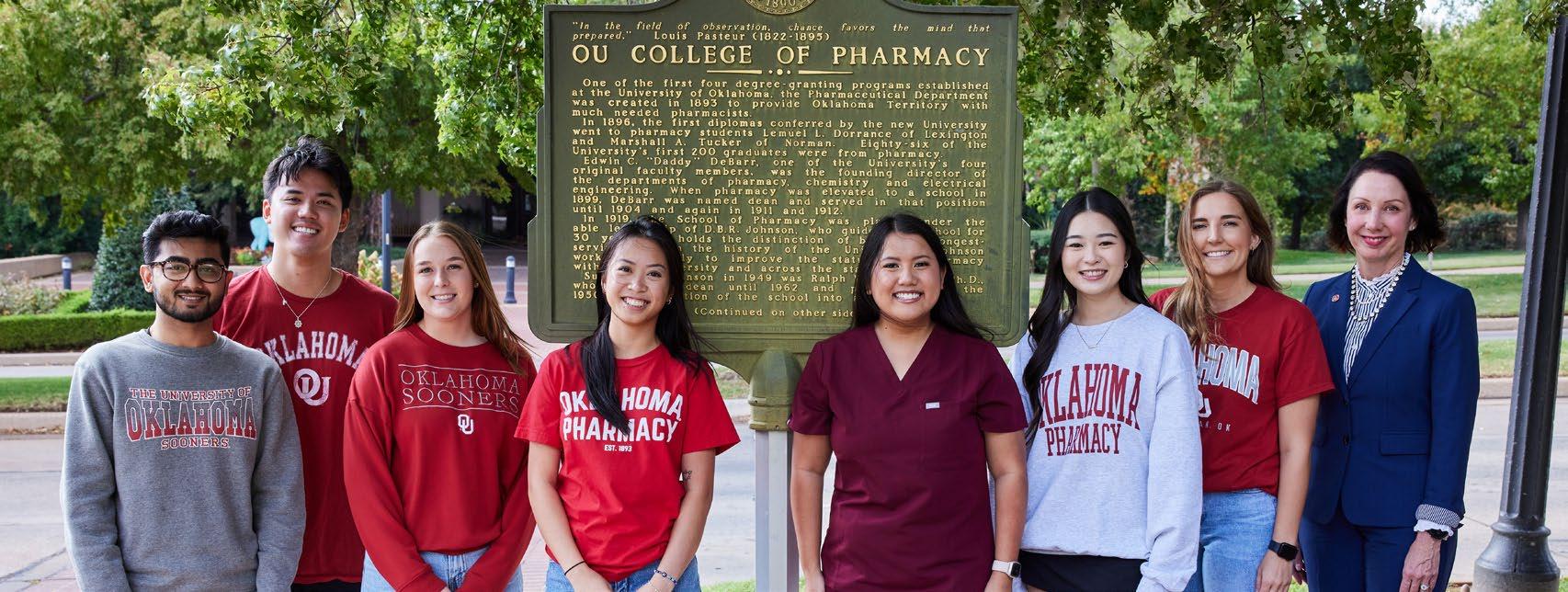
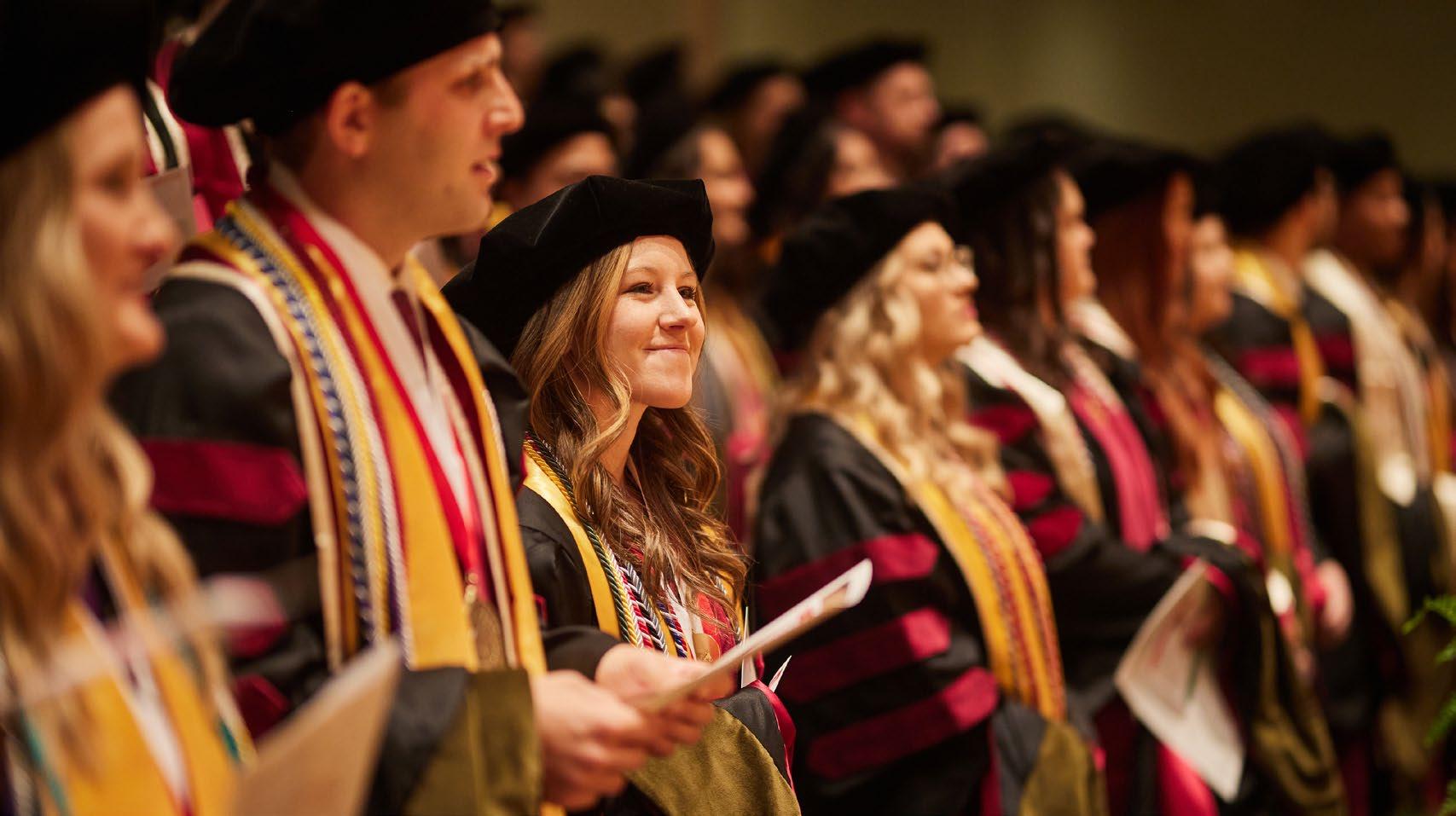
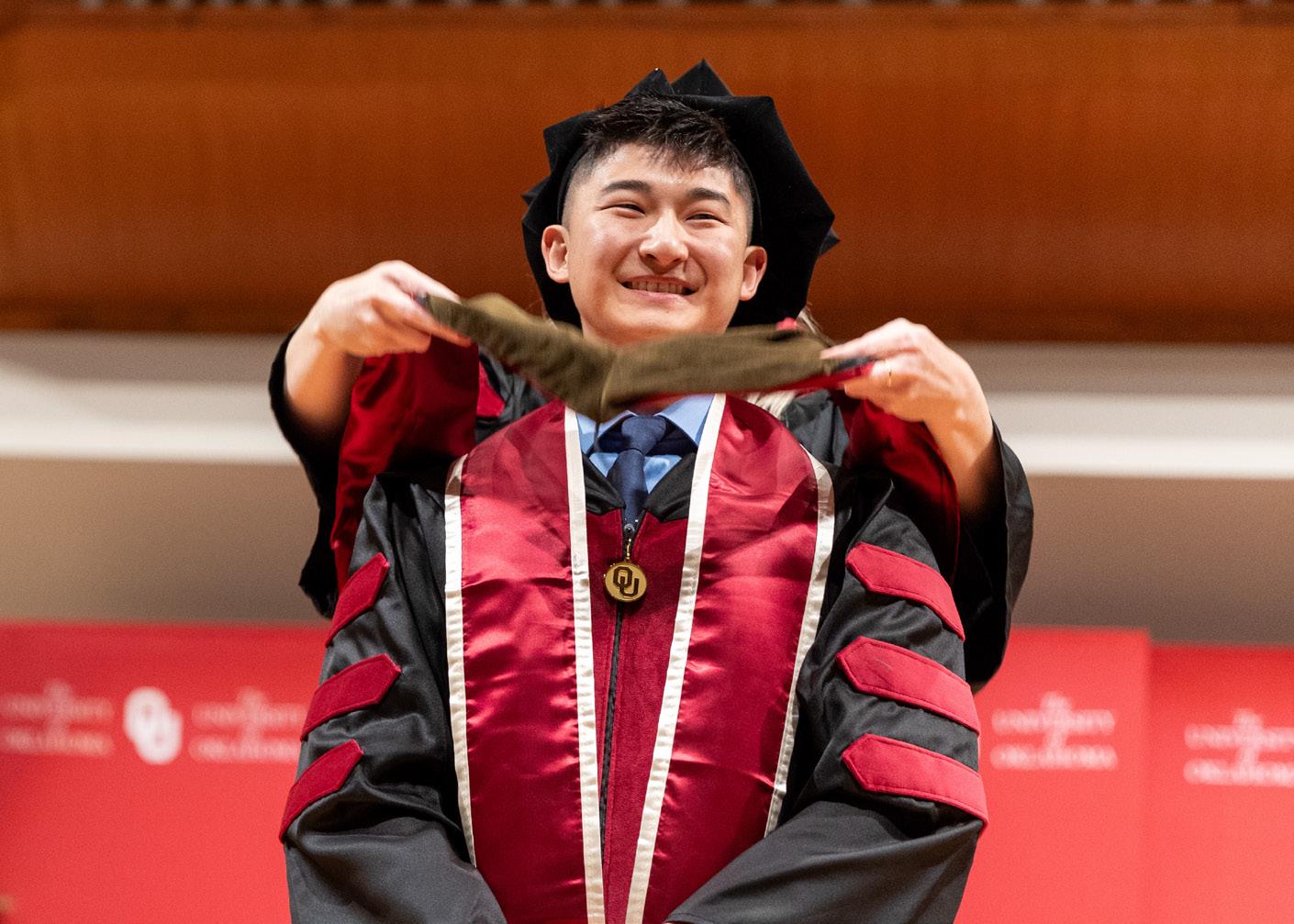
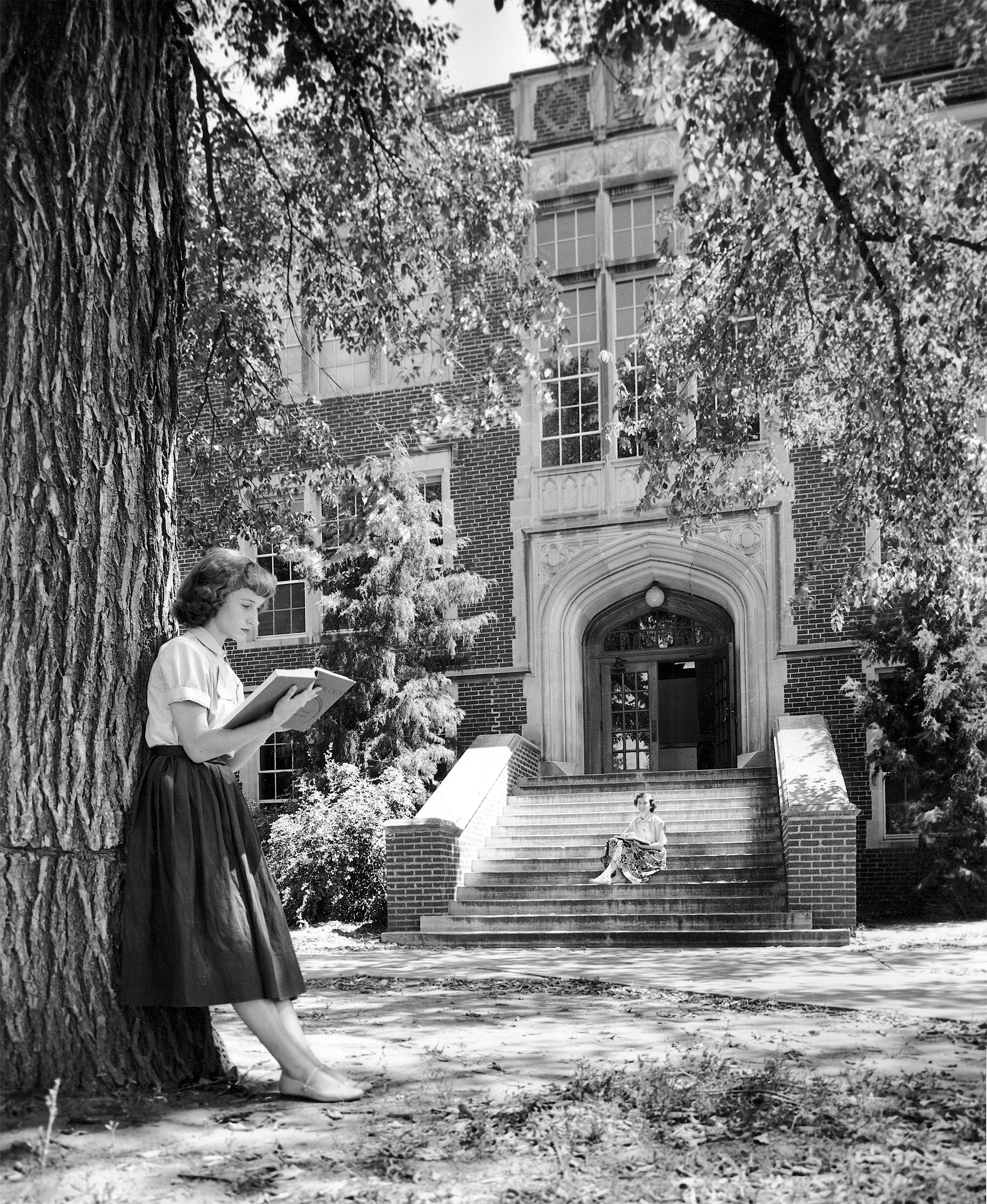
Founded in 1893, the University of Oklahoma College of Pharmacy holds a proud distinction as the first program at the University of Oklahoma. Since graduating its first class in 1896, the college has prepared more than 6,000 pharmacists and pharmaceutical scientists, each contributing to the health and vitality of communities across Oklahoma and beyond. In its earliest days, the college trained students in modest classrooms, compounding medicines by hand and laying the foundation for a profession that would grow with the state itself. Many early alumni opened family-run pharmacies that became trusted centers of care — places where compassion, community and service defined everyday practice.
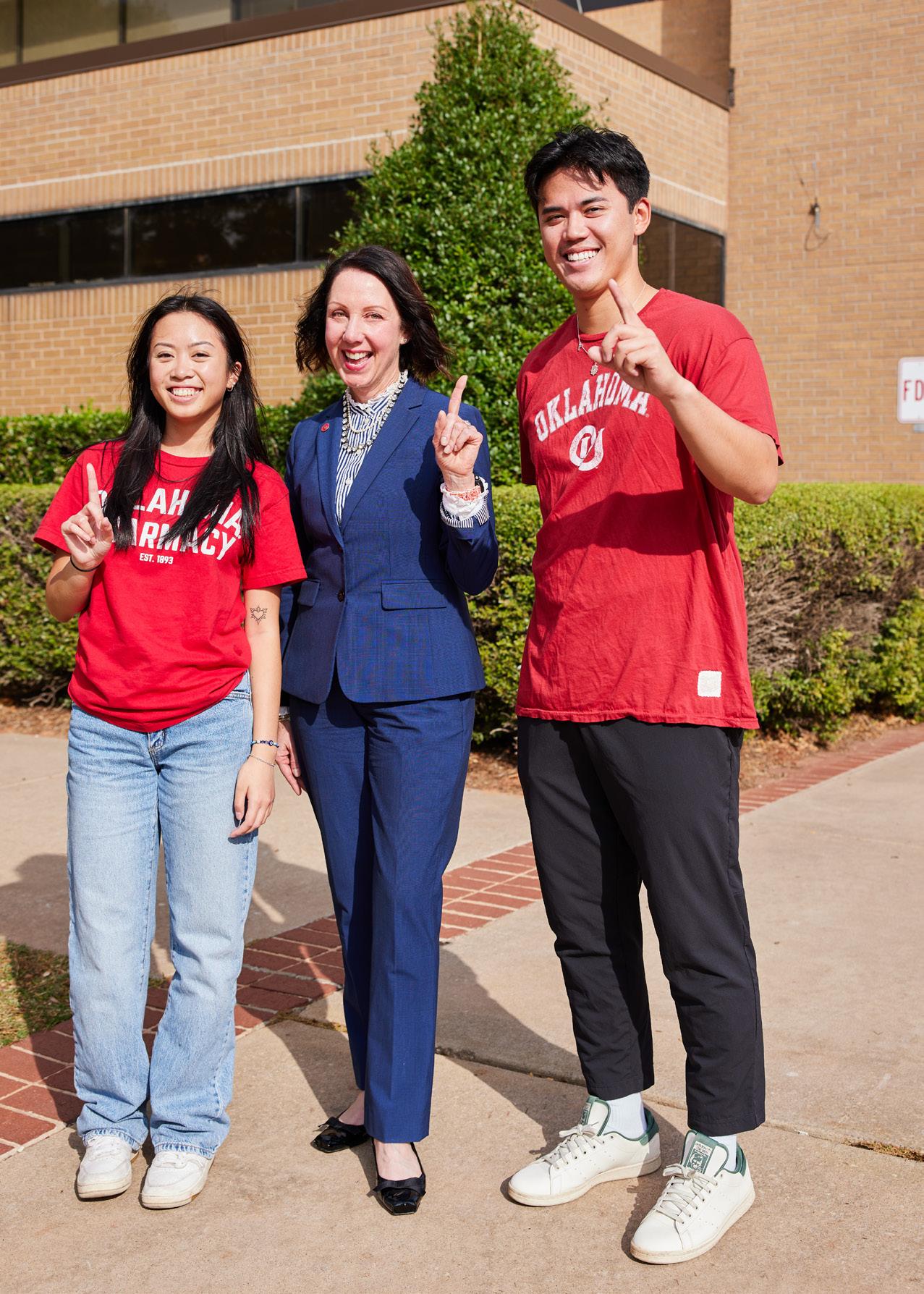
Today, that tradition is carried forward through the many multigenerational families who have chosen OU Pharmacy for their education. It is common to meet students whose parents, grandparents, great-grandparents, or aunt and uncles once walked the same hallways and answered the same calling to serve patients with knowledge, skill and empathy. Families such as Bill Osborne (1984, 2003) and Jack Osborne (2024); Calvin Anthony (1968) and Brandy Longan Hendrick (2007) and Marty Hendrick (2006); James Hazelwood (1979) and Katie Hazelwood Thompson (2015); Len McCall Jr (1975) and Kenneth III (Mac) (1996, 1997); James Neal (1975) and James Jr. (2003); Ralph (1967), Scott (2002) and Dalton (2022) Tucker; and Chris Schiller (2003) and Karli Ashing Schiller (current student); Angela (1992) and Zach (2026) Akin; as well as many siblings who attended the college over the years, just to name a few. These generational connections reflect more than shared academic paths — they represent a shared legacy.
“It is exciting and humbling that I am now teaching many of the children of the students that I taught when I first started over 26 years ago. I am so grateful that these families continue to trust us to train their family members in the impactful and rewarding profession of pharmacy,” Dean Melissa Medina said.
The college offers the Doctor of Pharmacy (Pharm.D.) and graduate programs leading to the Master of Science and Ph.D. in Pharmaceutical Sciences, preparing students to meet the public’s need for safe, effective and innovative pharmaceutical care. With faculty and students engaged in cutting-edge basic and applied research, OU Pharmacy remains a leader in generating knowledge that advances pharmacy practice, biomedical science and interprofessional education.
A major milestone in the college’s evolution was its relocation from Norman to Oklahoma City in 1976, integrating pharmacy education more deeply with the growing OU Health Sciences Center. The completion of the Henry D. and Ida Mosier Pharmacy Building in 1983 provided more than 77,000 square feet of modern classrooms, laboratories, research facilities and collaborative learning spaces — an environment that supports excellence in instruction, discovery and professional service.
“As the college looks toward the future, its commitment remains steadfast: to educate compassionate and highly skilled pharmacists and scientists who will lead in a rapidly changing health care landscape. Emerging therapies, personalized medicine, and expanding practice roles offer new opportunities for graduates to improve patient outcomes and shape the future of care,” Medina said.
Among those future leaders will be the next generation of OU Pharmacy families — daughters, sons, grandchildren and others who choose to carry forward a legacy more than 130 years in the making. From its storied past to its innovative present and onward to a future rich with promise, the University of Oklahoma College of Pharmacy remains a place where generations come to learn, to lead and to transform lives — one family, one pharmacist and one patient at a time.
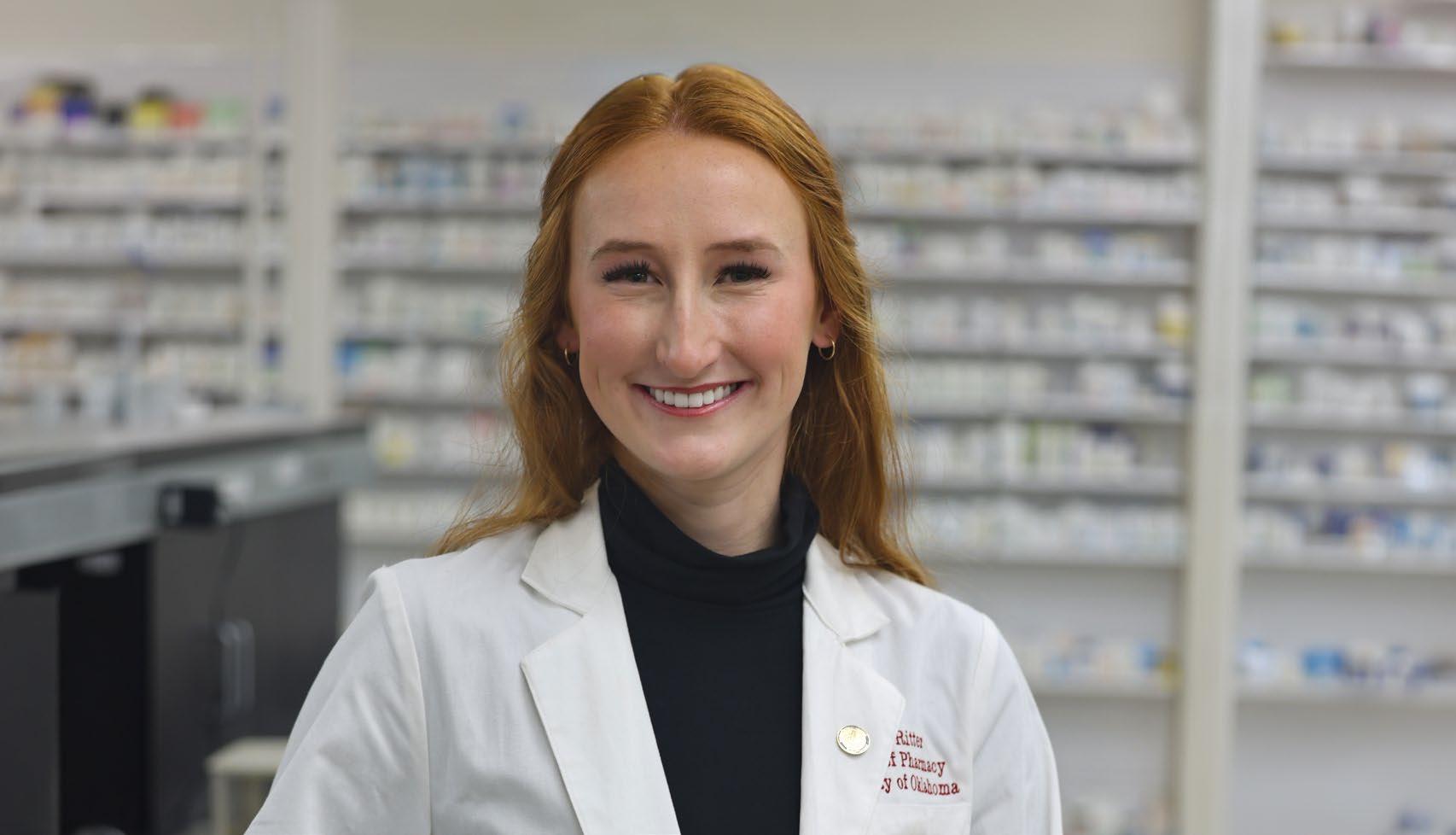
As a second-year student at the University of Oklahoma College of Pharmacy, Anna Ritter-Garcia is already making an impact.
The Atoka native is the incoming president of the college’s APhA-ASP chapter, current secretary of the NCPA chapter and a student ambassador, among other accomplishments. She’s also interested in pursuing the school’s Leadership Degree Option.
“I love the leadership aspect because they let you pave your own path,” Anna said. “I’m still trying to keep my options open, but that’s the one that would intrigue me the most.”
But Anna’s time at the school is also part of a tradition: her parents, Ryan and Susan Ritter, are Class of 2000 graduates. Ryan himself is preparing for leadership as the incoming president for the Oklahoma Pharmacists Association.
Through their shared education at the College of Pharmacy, the Ritter family is continuing a lineage of pharmacists that have served Oklahoma across multiple generations. Their work in rural health care has also led them to manage several independent pharmacies in southeast Oklahoma, including their flagship business, Ritter Express Pharmacy in Atoka.
Ryan and Susan first met as students attending the college. Susan had arrived from community college, while Ryan had spent
his undergraduate years at OU, falling in love with Norman. That warmth would follow into pharmacy school.
“We had a Greek life chapter that sponsored a big bonfire that we went to,” Ryan said. “And that is where I asked Susan to go on a date with me.”
The two were also among the last students to work toward Bachelor of Pharmacy degrees through the College of Pharmacy, as the school shifted to awarding doctoral degrees in 2001.
“They had just built the commons area when our graduating class started, so you could go next door and study or eat,” Susan said. “We didn’t have a Chick-fil-A, but that was still fun!”
More than two decades later, Anna is making her own unique memories on campus.
This past semester, she hosted a patient counseling competition as the APhA-ASP chapter president, with the winner qualifying to compete in Los Angeles in March. She recently led a Bible study with the college’s Christian Pharmacists Fellowship International chapter, ending the night with a Dancing with the Stars watch party.
Anna has also seen familiar faces at the College of Pharmacy: her father spoke about the value of independent pharmacies at one of her recent NCPA chapter meetings.
“He brought T-shirts for all of us, which was such a generous gesture, and it was nice seeing classmates getting to enjoy them,” Anna said.
“The relationships that we’ve built and the care that we get to provide through those relationships…it’s a blessing to be able to be a part of it.”
The family business has been around in Atoka since 1972, but according to Ryan, his father originally named it Gibson’s Pharmacy. Once Ryan and Susan graduated from the College of Pharmacy, his dad passed day-to-day operations over to them.
Since then, they’ve taken ownership of the company, along with more than a dozen other local, independent pharmacies in the region. Each has their own unique name reflecting the communities they’re based in.
The Ritters’ emphasis on community goes beyond those names, however. Working at an independent pharmacy can mean long hours, Ryan said, but that time is also filled with people who you care about.
“Your day is like one big social event. I don’t even feel like I’m doing work,” said Ryan, adding that he has a social personality. “I feel like I’m seeing friends and family all day long.”
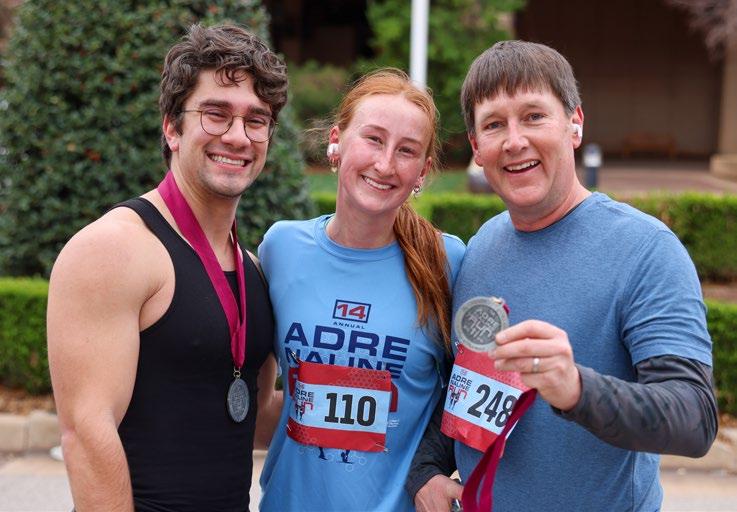
Ryan also sees his work in independent pharmacy going hand-inhand with his faith, finding fulfillment in serving others daily.
For Susan, who travels around southeast Oklahoma as a hospital pharmacist, her connections to different nurses, physicians and other health care workers are critical, she said.
“They’re very appreciative of the knowledge that you have,” Susan said. “The relationships that we’ve built and the care that we get to provide through those relationships…it’s a blessing to be able to be a part of it.”
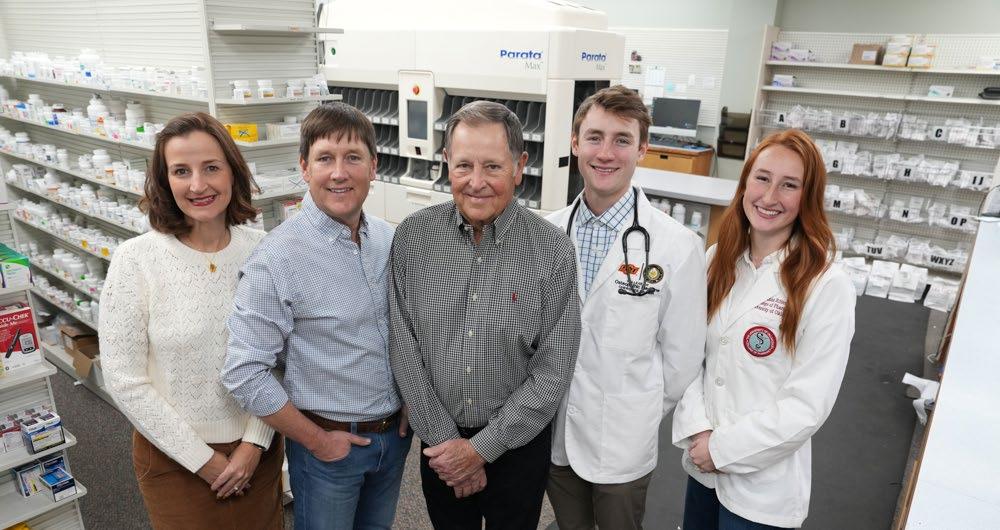
While the two continue their careers, Ryan is also preparing to start a new chapter as OPhA president. He considers the College of Pharmacy to be a key launching pad into the industry, having been invited as a student to events in D.C. and Vegas and becoming a member of the school’s NCPA chapter, like Anna. His term will begin in fall 2026.
“It’s an opportunity to serve the profession, but it makes it easy whenever you have partners like the OU College of Pharmacy,” Ryan said. “When we need to let our voice be heard at the Capitol, we can count on the students, faculty and leadership to help us.”
Back at school, Anna is preparing to forge her own career. But she’s also following in her parents’ footsteps: her husband, Reece, is also a College of Pharmacy student, and the former high school sweethearts are on their way to becoming another couple pursuing their passion for the field for decades.
“Anna and Reece are exceptional students and leaders and are wonderful examples of the impact of generational legacies on the pharmacy profession,” said Dr. Melissa Medina, dean of the College of Pharmacy. “Ryan and Susan are model pharmacists and leaders, and it shines though in Anna and Reece.”
And just like her parents, Anna has found a special purpose through independent pharmacies.
“You can’t help people like how we help people,” Anna said. “You’re their fastest access to talking to someone like a doctor, and they trust you… That’s just so invaluable.”
3.58 3.41
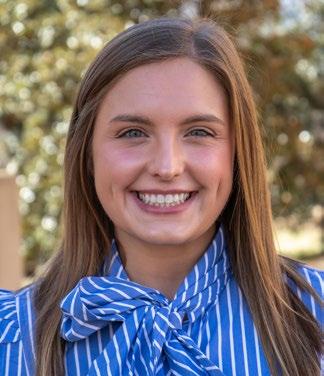
Madison Bose was in high school when she began experiencing severe headaches and jaw pain. While she visited several doctors in her area, she had no luck pinning down a clear reason for her symptoms.
Throughout that time, Bose tried different kinds of medications to alleviate her pain. She eventually found the right treatment for her condition – the autoimmune disorder rheumatoid arthritis – and could finally get much-needed relief.
“This experience opened my eyes to the profound impact that medications and the pharmacists have on patients’ lives,” Bose said. “It inspired me to pursue a career where I can play that same role in supporting patients through their most challenging health journeys.”
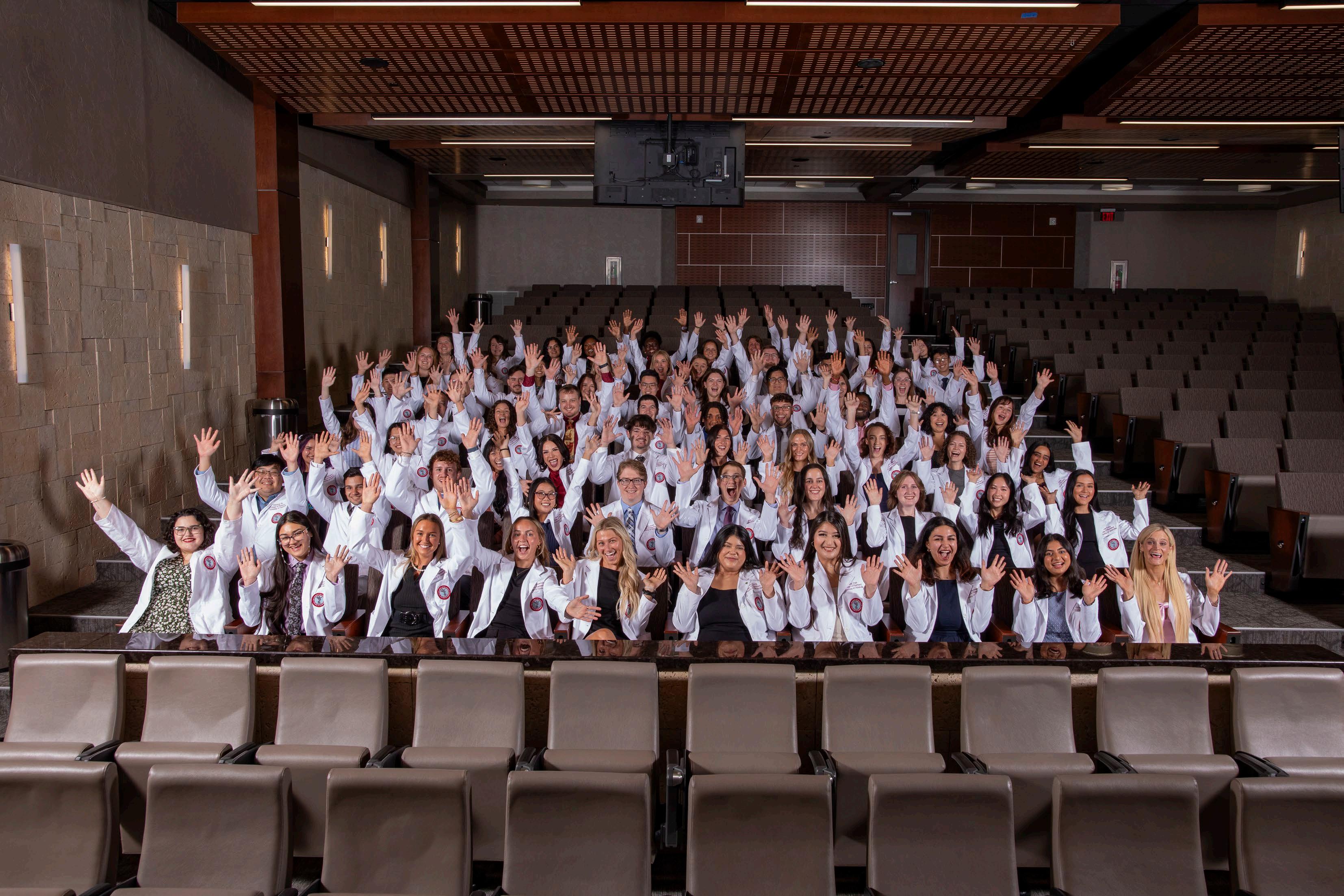
Bose is now a Pharm.D. candidate in the University of Oklahoma’s College of Pharmacy (COP), preparing to graduate in 2026. And thanks to the college’s Pharm.D. Early Assurance Program (PEAP) for high school seniors, she was able to get a head start on her mission to help others.
“The PEAP program was especially appealing to me because it offered an accelerated pathway to a career I was already deeply committed to pursuing,” Bose said.
PEAP is one of multiple early assurance pathways for students interested in a pharmacy education at OU, available to high school seniors. It offers them and their families cost and time savings by establishing a six-year track to earn a doctorate and eliminating the need for a bachelor’s.
Through the program, students complete two years of prepharmacy curriculum along with additional requirements such as pharmacy experience and community service. They’re then offered a personal interview for entry into the university’s Pharm.D. program. This past spring, members from OU’s third PEAP class graduated with their doctorates.
Students who separately apply and are accepted into both OU and PEAP can complete their pre-pharmacy coursework at the
school’s Norman campus. But they can also take those classes online or at other colleges across the country, giving them flexibility for the first two years.
As a lifelong Sooner from Midland, Texas, Bose said COP was an easy pick for her professional studies once she knew she wanted a pharmacy career. She then applied for and got accepted into PEAP, taking classes at OU in Norman with help from credits she earned through high school and community college courses.
Like Bose, about half of the COP Pharm.D. students took their pre-pharmacy classes at OU. Dean Melissa Medina said that this approach is helpful for gaining familiarity with university’s tools and software much sooner, as well as establishing bonds that can grow from the first day on campus to graduation.
“I’m a big believer in cohorts and having support systems and working with other people,” Medina said. “Pharmacy is a teambased practice. We work with interprofessional teams, but also with each other. And I think the more connected you can get to other students, the better.”
For high school students deciding if PEAP is a good fit for them, COP offers them invitations to the OU Health Campus so they can meet and learn from current Pharm.D. students.
“Our current students get to really highlight all the exciting things that they’re doing,” Medina said. “And I think that that’s really
“My Pharm.D. experience has really shaped me both academically and personally. It’s given me a strong foundation in clinical pharmacy, while also helping me grow in communication and leadership.”
important information when someone is deciding, ‘What major should I pursue when I graduate high school,’ because there’s a lot of options.”
Bose said the early assurance program gave her valuable experience working in real-world settings and serving community members, and ensured that she was ready to make the leap into pharmacy school. Now preparing to graduate, she’s gained confidence and skills for the road ahead through COP.
“My Pharm.D. experience has really shaped me both academically and personally,” Bose said. “It’s given me a strong foundation in clinical pharmacy, while also helping me grow in communication and leadership.”
Her goals within the next year are to match with a postgraduate year one residency program and pass both the North American Pharmacist Licensure Examination and Multistate Pharmacy Jurisprudence Examination. Bose did match a PGY1 with oncology focus and will pursue her postgraduate year two residency at the University of Texas MD Anderson Cancer Center.
“On a personal level, the program has taught me resiliency and adaptability, which I know will make me a stronger pharmacist.”
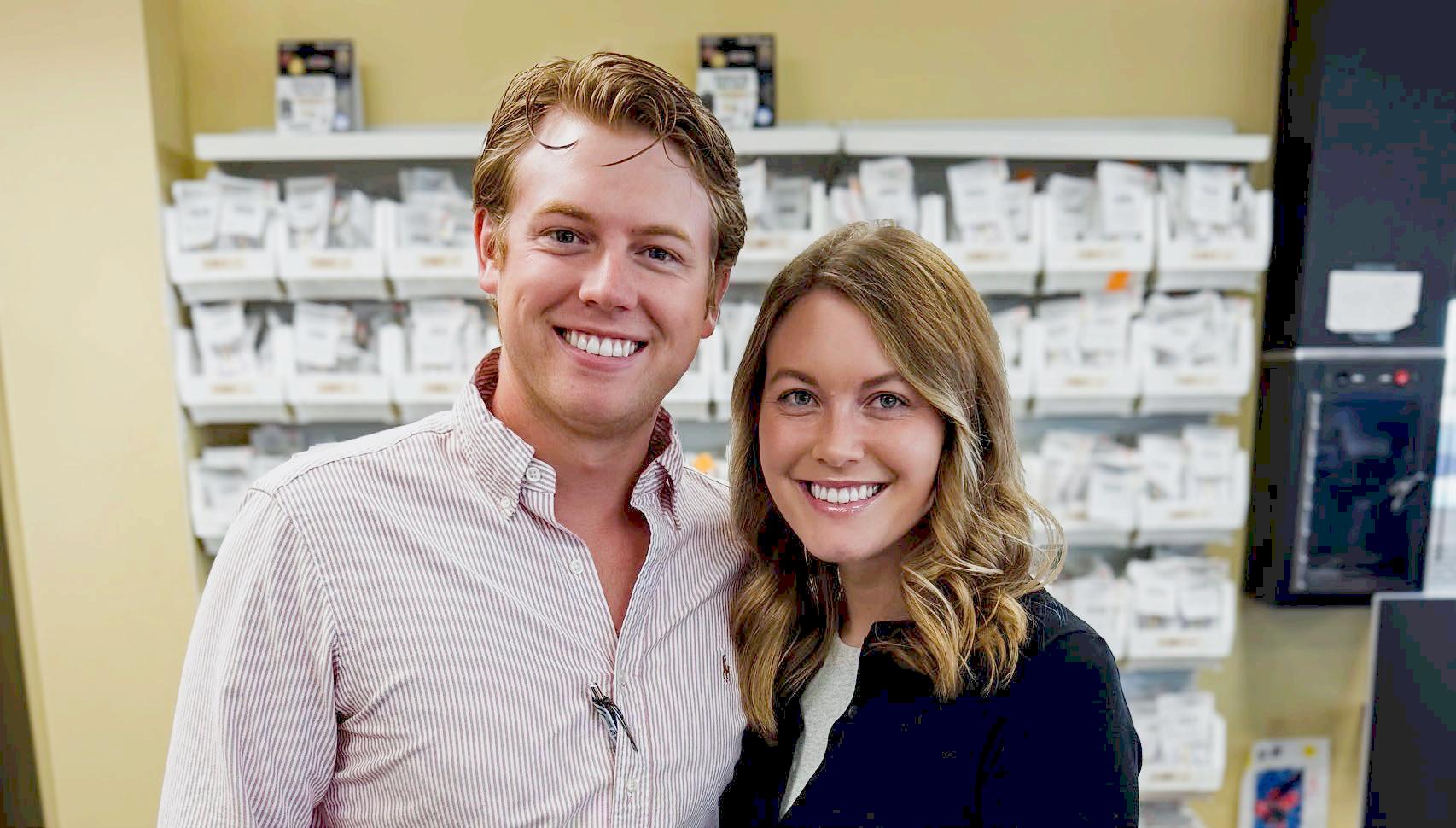
Growing up in Ardmore, Oklahoma, sister and brother Sunny and Ty Davenport shared dreams of becoming pharmacists. They had convenient inspiration: their mother works in health care, and their father runs a family business.
“I wanted a career that combined both,” said Sunny, the first of the two to enroll in the University of Oklahoma’s College of Pharmacy. After shadowing many professions during my undergraduate years, I decided pharmacy was the perfect blend.”
Sunny initially planned to separately pursue both a Pharm.D. and MBA at OU. But during her second year of pharmacy school, an opportunity took shape.
The program offers deeper understanding of a pharmacy career’s financial aspects and supports a pathway to future managerial positions.
The Michael F. Price College of Business, in partnership with COP, announced in 2020 a new dual-degree option for pharmacy students interested in earning their MBA. The program offers deeper understanding of a pharmacy career’s financial aspects and supports a pathway to future managerial positions. It requires just five total years to obtain both degrees – saving six months of time.
The program was a perfect fit for Sunny, who became its first member after successfully applying for Price and passing the Graduate Management Admission Test. And not long after, Ty followed in her footsteps.
“When my sister decided to join the dual-degree program, it definitely influenced my decision,” said Ty, who growing up had envisioned one day owning a pharmacy. “Once I learned more about it, it felt like the perfect fit for my goals.”
First-year pharmacy students considering an MBA are encouraged to express interest for the program before their second semester. If accepted, they will complete their first two years by taking COP courses, including two health care management classes.
Price courses are then introduced in year three, with students’ fourth year focusing heavily on finishing their MBA requirements. Their fifth year is dedicated to completing their Pharm.D..
The Price Gene Rainbolt Graduate School of Business offers classes required for the MBA and is located just minutes away from COP and the OU Health Campus in Oklahoma City. Some optional courses are also available at the Norman campus.
COP Dean Melissa Medina emphasized the importance of Price’s partnership in the dual-degree program.
“They have so much expertise that it really makes it easy for us to be able to keep making the program as appealing and useful as possible for our students,” Medina said.
Medina added that the program serves as a valuable complement to a pharmacy education, teaching valuable skills such as strategizing purchases, handling budgets and managing personnel.
She also said that pharmacy students in the program can benefit from finishing their degrees together at once.
“It just makes it a lot easier to complete before you get all the life events that happen to you that may create a barrier to you completing an additional degree,” Medina said.
“After graduation, I plan to use both degrees to their fullest. My goal is to merge clinical knowledge with business strategy to make a meaningful impact.”
Along with getting a Price education, dual-degree students can utilize the MBA program for additional learning and networking opportunities. Ty’s journey with the business school included receiving a Dunham Scholarship, which allowed him to travel internationally in summer 2024 for a GSK internship in Norway and a course at the London School of Economics.
“Those experiences broadened my perspective on how global business and health care intersect,” Ty said.
Now in his fifth year, Ty credits the dual-degree track for helping him build his leadership skills through the business courses and his pharmacy student organizations. Among those is OU’s Pharmacy Student Council, where he served as president.
Ty’s experiences learning how to create detailed business plans and communicate effectively are among those that will help him achieve his goals: serving patients through community pharmacy while following his entrepreneurial spirit.
“After graduation, I plan to use both degrees to their fullest,” said Ty, who received a Paulsen Scholarship from the Oklahoma Business Roundtable at the 2025 Entrepreneur’s Cup Awards Dinner. “My goal is to merge clinical knowledge with business strategy to make a meaningful impact.”
Sunny became the dual-degree program’s first graduate last year, kicking off a new legacy for OU students who are interested in an accessible pharmacy and business education to continue. She said she is proud of that distinction.
“I hope it shows young women in health care and business that it’s OK to pursue any goals they may have and that it’s never too late to set a precedent,” Sunny said.
She credits the Pharm.D. program for building critical thinking skills and communication techniques that apply to pharmaceutical settings. And her time working toward an MBA taught her, among other skills, about handling financial analyses that are beneficial when working with patients and at pharmacies.
That is especially valuable now that Sunny works as an independent pharmacist back in her rural hometown of Ardmore, directly serving people from multiple Oklahoma counties.
“I never go a day without seeing several familiar faces,” Sunny said, “and being able to give back in a professional capacity to those who helped shape the person I am today is incredibly rewarding.”

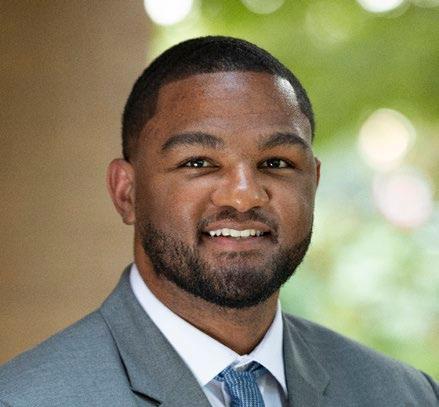
Hometown: St. Louis, Missouri
Pharm.D. Program: University of Health Sciences and Pharmacy in St. Louis
Hobbies: I enjoy deep sea fishing, comedy shows, hip-hop music festivals, streaming, and traveling Why OU? OU is a great place to be! I get to care for a diverse population, help shape the state formulary, present to the DUR board, and even learn from manufacturers presenting new drugs in the pipeline.
Future Job Interest: Account manager, Medicaid, or any health plan.
Advice: Do what they can’t.
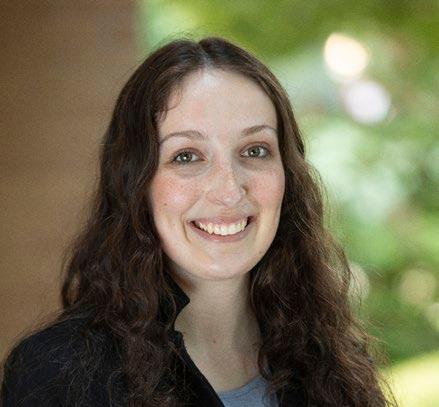
Hometown: The Woodlands, Texas
Pharm.D.: The University of Texas at Austin College of Pharmacy
Hobbies: Sleeping with my cat, watching scary movies, and working on my art projects! Why OU? In addition to the extensive opportunities in my areas of interest, I loved the emphasis on work-life balance and a positive work culture. Everyone is family here and that really stood out during the interview!
Future Job Interest: I plan to pursue a PGY2 in Infectious Diseases and become a clinical specialist!
Advice: Find great mentors and soak up as many ideas as you can - keep what resonates with you!
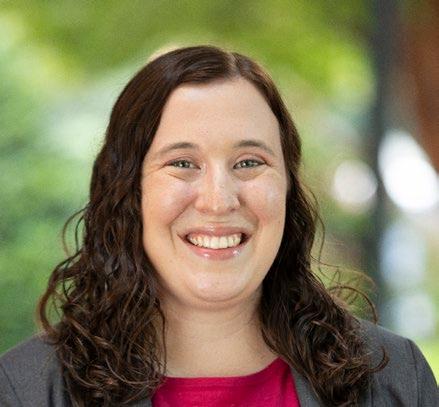
Hometown: Wichita, Kansas
Pharm.D.: University of Nebraska Medical Center
Hobbies: Reading, building Legos, walks with my puppy
Why OU? I love how OU combines both an adult and pediatric hospital experience within a PGY1 training year. This allows me to explore and have opportunities in pediatrics and critical care. I also love their teaching curriculum!
Future Job Interest: Pediatric Critical Care
Advice: Remember to spend time being friends and family you love to recharge!
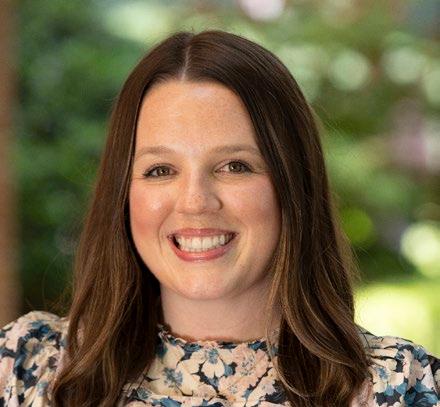
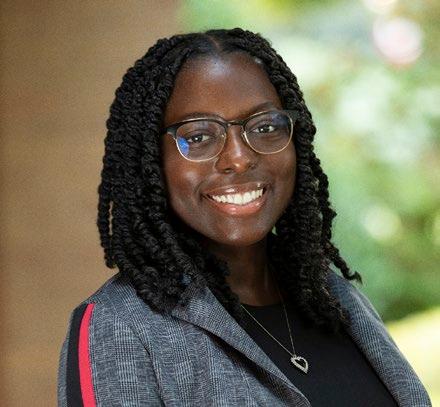
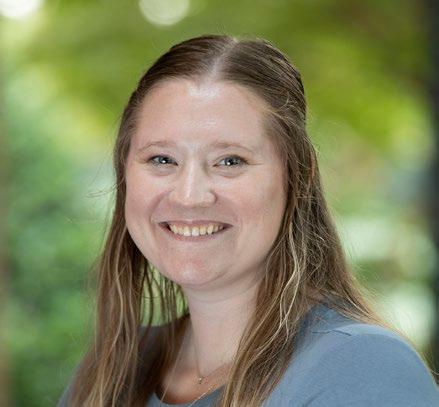
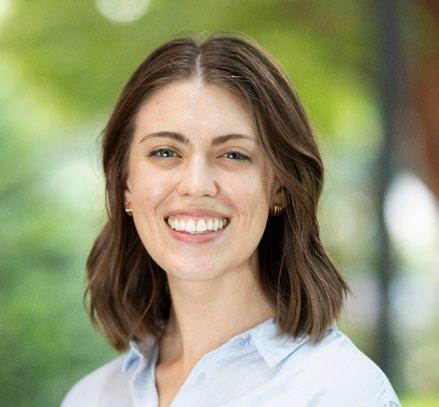
Hometown: Perry, Oklahoma
Pharm.D.: The University of Oklahoma College of Pharmacy
Hobbies: Reading, hanging out with friends and family, and my dog Ace Why OU? I chose OU because this is home to me. The people at this institution become like family and are always encouraging and pushing you to be the best you can be.
Future Job Interest: Pediatric Clinical Pharmacy
Advice: Find your support system and lean on them as often as you can
Hometown: Broward County, Florida
Pharm.D.: The University of Oklahoma College of Pharmacy
PGY1 Program: Oklahoma City VA Health Care System
Hobbies: Bowling, hiking, traveling, watching reality TV gaming shows, trying different cuisines. Why OU? I chose the PGY2 Ambulatory Care Residency Program at OUCOP because it aligns perfectly with my passion for patient-centered care, teaching, and serving diverse populations. I’m excited about the opportunity to further develop as a clinician-educator while contributing to a program known for producing well-rounded ambulatory care leaders.
Future Job Interest: Ambulatory Care Clinical Pharmacist Practitioner
Advice: “Don’t let the fear of striking out keep you from playing the game.” Babe Ruth
Hometown: Lonoke, Arkansas
Pharm.D.: University of Arkansas for Medical Sciences
PGY1 Program: Medical University of South Carolina Health
Hobbies: Read, spend time outdoors, watch baseball, spend time with my dogs, and travel! Why OU? I chose OU because of how I felt on my in-person interview. The preceptors and RPD were so nice and made me feel very relaxed. It was like I was talking to friends I had known forever. I also wanted to be a little closer to home, and OU just fit all the boxes.
Future Job Interest: I love both Trauma and the ED, but honestly I could see myself doing a little bit of everything critical care.
Advice: Find ways to take care of yourself and make those things habits and routines now, not later!
Hometown: Phoenix, Arizona
Pharm.D.: Midwestern University College of Pharmacy
PGY1 Program: Canyon Vista Medical Center
Hobbies: Running, reading, traveling, finding good matcha and coffee places
Why OU? From the moment I interviewed, I felt completely at ease and genuinely welcomed. That’s been the vibe with everyone I’ve met since — warm, supportive, and just easy to be around!
Future Job Interest: ID pharmacist
Advice: Keep good notes, and don’t let your PTO go to waste.
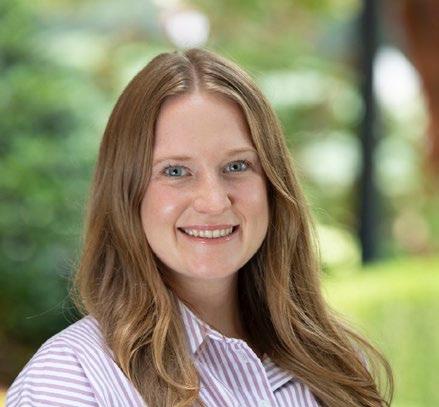
Hometown: Lawton, Oklahoma
Pharm.D.: The University of Oklahoma College of Pharmacy
PGY1 Program: OSU Medical Center
Hobbies: In my free time I like reading, hiking, cooking/baking, spending time with my friends and family, and watching OU football.
Why OU? I chose to pursue my PGY2 in Internal Medicine at OU because I wanted to advance my clinical skills and knowledge through the numerous rotations and clinical experiences they have to offer. I was also drawn to the opportunity to precept and work closely with current OU pharmacy students.
Future Job Interest: I am interested in working as an Internal Medicine clinical specialist, but I also enjoy Emergency Medicine and Transitions of Care.
Advice: Spend your free time doing the things that fill your cup and never be afraid to ask for help. Your co-residents and preceptors are there to support you!
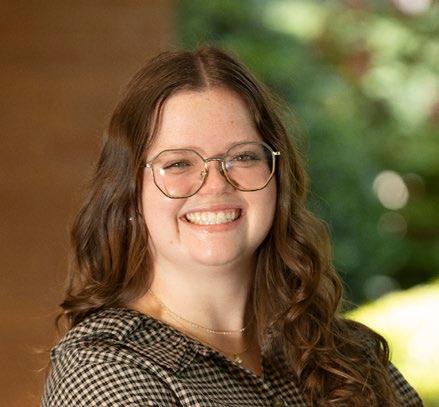
Hometown: Nederland, Texas
Pharm.D.: University of Houston College of Pharmacy
PGY1 Program: The University of Oklahoma College of Pharmacy
Hobbies: Going to the gym, trying new restaurants, watching Netflix, finding the best matcha in town, and reading
Why OU? After doing my PGY1 here, I knew this would be a great place to continue to learn and grow in the field of pharmacy! I also loved the subspecialty in critical care that this pediatric residency program had to offer!
Future Job Interest: Pediatric ICU Clinical Pharmacist
Advice: Don’t be afraid to step out of your comfort zone!
Taylor McLarty Misty Miller (Preceptor)
Anna Ingamells Jamie Miller (RPD)
Sarah Hilzendager Bryan White (RPD)
Darius Dorsey Jacki Travers and Peggy Snyder (Preceptors)
Moriah Willis Hayley Sewell (Preceptor)
Alexa Ramick Kara Kubbs (RPD), Shane Salimnejad (Preceptor)
Erin Hammond Bryan White (RPD)
Katie Farmer Corey Guidry (Preceptor)
Mackenzie Luke Pete Johnson (RPD)
Identification of Resistance Patterns in Perinatally-infected Patients with HIV to Determine Eligibility for Simplified Regimens
Association of Inhaled Budesonide and Growth in Neonates and Infants
Outpatient Safety Monitoring for Extended Courses of Linezolid Therapy
Evaluating Opioid Prescribing Patterns in Pediatric Medicaid Beneficiaries in Oklahoma
From Insight to Impact: Evaluating the Influence of Glucose Sensor Simulation on Primary Care Physician Prescribing Patterns and Clinical Perceptions
Titration versus Fixed Dosing of Cisatracuriumin Acute Respiratory Distress Syndrome: A National Survey and Single Center Retrospective Chart Review
Impact of Hypoalbuminemia on Cefazolin Treatment Outcomes in MSSA Bacteremia
Evaluating the 4Ts and Hit Expert Probability (HEP) Scores in Diagnosing Heparin-Induced Thrombocytopenia: A Single-Center Retrospective Analysis
Incidence of Massive Diphenhydramine Ingestions in Children 6-18 Years Old
This year marks the 20th anniversary of the Preparing Future Faculty Program. This long-standing initiative exposes graduate students and postdoctoral fellows to academic careers and prepares them for academic jobs, thereby increasing the academic workforce. PFF gives participants opportunities to understand the tripartite mission requirements, learn about instructional design and assessment, and complete supervised classroom and laboratory teaching activities at local and partnering universities in the state. Originally part of a national program launched in 1993 to strengthen faculty preparation and increase the academic workforce, the PFF Program on the OU Health Campus was founded in 2005 to give students across all seven colleges on campus, such as pharmacy and nursing, the chance to gain hands-on teaching experience and individualized mentoring. Dr. Melissa Medina, dean of the OU College of Pharmacy, has been the director of the OUH PFF program since it started.
“For two decades, the OUH Preparing Future Faculty program has given an opportunity to graduate students and post-doctoral Fellows to explore a career in academia,” said Dr. Medina. “Prior to 2005, there were limited formal mechanisms for graduate students and post-doctoral fellows at the OU Health Campus to gain experience teaching in a mentored setting and to learn about this wonderful career option. PFF has helped transform aspiring scholars into inspired educators, built a lasting network of scholarly teachers who now shape curricula, mentor other educators and students, and elevate learning communities across institutions, leaving a legacy that grows with every learner they teach.”
PFF is structured as a two-semester interprofessional course. In the fall semester, students participate in a weekly two-hour teaching methods course, taught by Dr. Medina, during which they cover topics such as creating syllabi, writing aligned objectives and test questions, designing and delivering active learning and lectures, utilizing assessment tools, maintaining academic integrity, and writing an evidence-based teaching philosophy.
In the spring semester, students deliver two lectures and one laboratory session in course at OU and at partnering universities in the state, where they work with a content mentor, at the university where they will teach to develop their lecture and lab. They also will work with Medina, the teaching mentor, who provides feedback to students during a lecture rehearsal, delivery and a debrief, where they set goals for the following lecture. Medina also delivers classroom lectures in the spring course focused on searching, interviewing, and negotiating an offer for a faculty position.
A total of 189 graduate students and postdoctoral Fellows have completed the PFF Program since 2005, including 18 from the College of Pharmacy and students from six of the seven health professions on campus. The program’s graduates have gone on to successful careers across several academic health disciplines, where they utilize their refined instructional skills to educate individuals, including students, colleagues, patients and the community. Many participants who have finished their degrees or training have secured faculty positions, demonstrating the program’s effectiveness in preparing students for life in academia.
After 20 years, PFF remains a sustainable, impactful program that supports the next generation of educators. Its continued growth, strong mentorship model, and record of graduate success demonstrate its value to the university community and the academic workforce it helps develop.
Quotes from PFF participants now serving as faculty at OU:
“Preparing Future Faculty was the most important class I have ever taken. In class one day, Dr. Medina asked us which students we wanted to teach. Most of us replied with some version of ‘the best and brightest,’ but she replied, ‘No. They are not the only ones who need you. The students who need you the most are the average or below-average students. They need you as a teacher to raise them up.’ I will never forget that lesson, which has shaped my entire teaching career and the way that I now mentor junior faculty in teaching. We are here to serve and to raise up health care providers in Oklahoma.” Leah Anderson, faculty in nutritional sciences.
“My PFF experience was wonderful! I continue to use the knowledge and skills I gained and share with others who didn’t have the benefit of the program.” Summer Frank-Pearce, faculty and researcher in biostatistics and epidemiology.
“Participating in Preparing Future Faculty (PFF) was foundational to my growth as an educator, as it was the first time I truly learned about the university’s tripartite mission and how academic systems function. Through coursework and mentored teaching experiences, Dr. Medina provided us with the tools and guidance needed to manage our first classroom. In PFF, I developed essential teaching and professional skills that were critical to successfully transition to a faculty position.” Sydney Martinez, faculty and researcher in biostatistics and epidemiology.
“Through Preparing Future Faculty, I became an expert educator in pharmacology and pathophysiology for nurses — learning not only how to teach complex information, but how to mentor others to teach it with confidence and clarity.” Amy Hutchens, faculty in nursing.
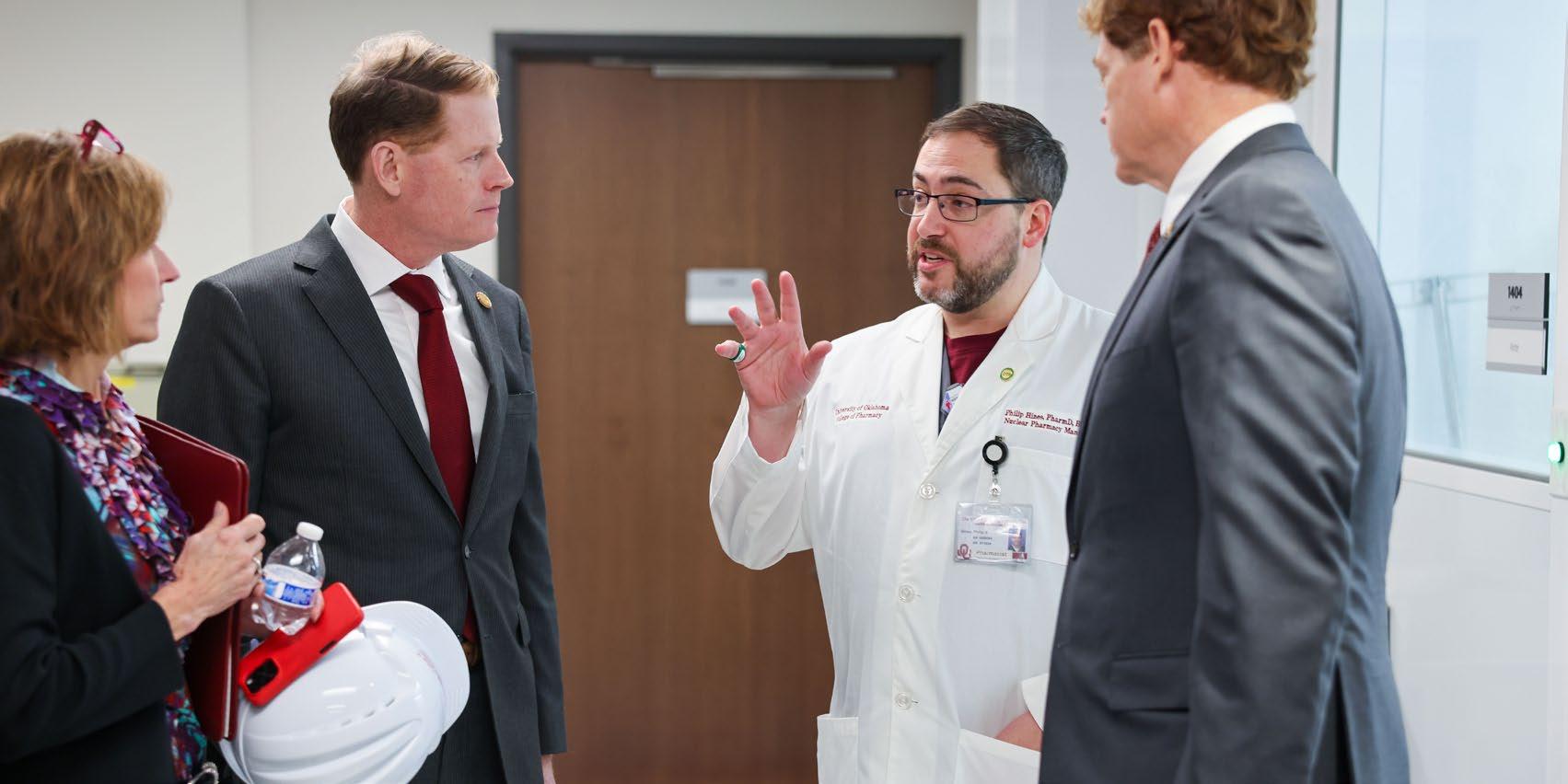
A powerful new machine is arriving at the University of Oklahoma College of Pharmacy – and with it, a major leap forward for medical imaging, research and patient care across the state.
The GE HealthCare PETtrace 890 Cyclotron, acquired through a collaboration with GE HealthCare and Cyclomedical International, will allow OU to produce advanced radiopharmaceuticals on site – specialized imaging compounds used in PET scans to detect and monitor disease, as well as novel drugs that deliver precision radiation. For Oklahoma patients and clinicians, this means access to technologies that previously required special orders from outside the state.
Several of these radiopharmaceuticals simply haven’t been available in Oklahoma before,” said Wendy Galbraith, Pharm.D., clinical associate professor in the OU College of Pharmacy. “Now we can produce them here, which opens the door to better imaging, faster decisions and more personalized care.”
A cyclotron is a machine that accelerates tiny charged particles in a circular path. When those particles hit specific targets, they create short-lived radioactive materials that are used to make PET imaging tracers. Once injected into a patient, these tracers travel through the body and highlight how tissues and organs are functioning.
“PET imaging lets us see biology, not just anatomy,” Galbraith said. “It shows how cells are behaving, how tumors are growing and how treatments are working.”
Unlike traditional imaging, PET scans can evaluate the entire body at once. “There is no other modality that can image the whole body with one injection,” Galbraith said. It’s essentially like a whole-body biopsy without surgery.”
One of the most significant advantages of PET imaging is speed. Instead of waiting months for structural changes to appear on a CT scan, clinicians can often determine within weeks whether a treatment is working.
“Monitoring can begin much more quickly,” Galbraith said. “If a therapy isn’t effective, doctors can adjust the plan sooner. That saves time, money and, most importantly, lives.”

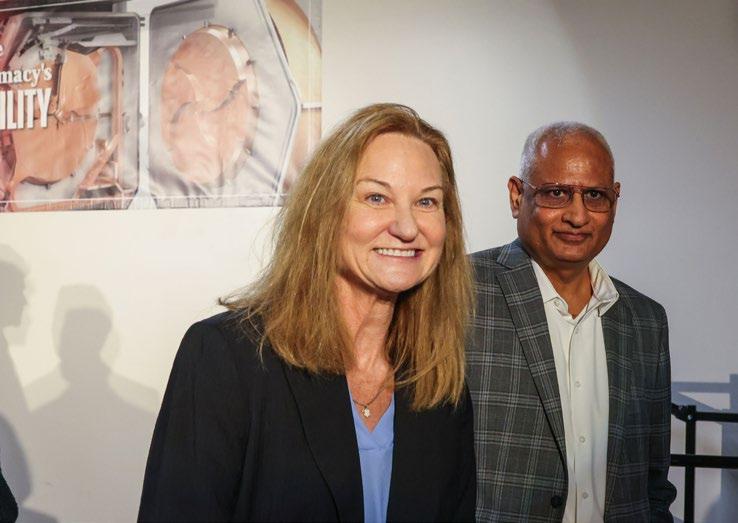
This capability is especially important for cancer patients, whose treatments are often physically and emotionally demanding. Knowing early whether a therapy is working helps avoid unnecessary side effects and allows for faster transitions to better options.
The cyclotron will also benefit patients with diseases such as acute myeloid leukemia. After a bone marrow transplant, PET imaging can help visualize whether the treatment has been successful.
“The new cyclotron will benefit all areas of our mission: education, research and patient care.”
Because many drugs made using cyclotrons lose their radioactivity quickly, oncologists at OU Health Stephenson Cancer Center have had to rely on agents with a longer half-life to be shipped in from out of state. Or, patients have left the state to access novel drugs. The new cyclotron means drugs with a short half-life can be created just blocks away from where the patient is receiving care.
“The presence of a cyclotron is transformational for our campus,” said Stephenson Cancer Center Director Robert Mannel, M.D. “There are a number of different treatment and diagnostic agents being developed that require a cyclotron’s close proximity to be effective. The new cyclotron opens up a whole range of options that we haven’t had in Oklahoma.”
It also strengthens OU’s growing focus on “theranostics,” a field that combines therapy and diagnostics using the same molecular targets. In theranostics, one compound is used to find disease, and a closely related compound is used to treat it.
The cyclotron will also transform OU’s role in clinical research. Many investigational drugs and imaging agents require on-site production, which has limited participation in certain trials.
“Now we can enhance clinical trials with new investigational products that we simply could not use before,” Galbraith said. “That gives our patients access to tomorrow’s treatments today.”
Beyond patient care, the cyclotron is expected to attract biotech companies, manufacturers and research partners to Oklahoma.
“When companies see that this infrastructure exists, they want to collaborate,” Galbraith said. “It creates opportunities for economic growth, job creation and scientific leadership.”
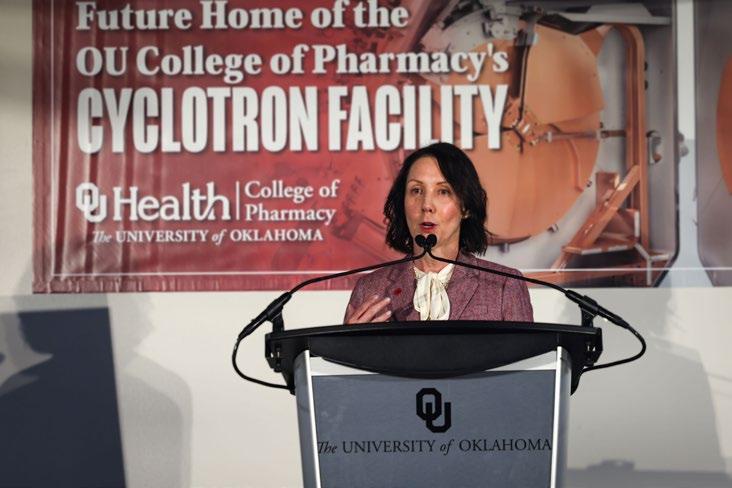
Dr. Melissa Medina, dean of the OU College of Pharmacy, emphasized that the cyclotron strengthens OU’s academic mission on every level.
“The new cyclotron will benefit all areas of our mission: education, research and patient care,” Medina said. “We will be able to offer new drugs and innovative research trials that we would otherwise not be able to provide to our patients.”
“Students and residents from multiple disciplines across campus will use this technology during their education and will apply the knowledge gained in their own careers,” she added. “That is the beauty of an academic health setting.”
The University of Oklahoma Health Sciences Center
January 1, 2025 - December 31, 2025
Funded
Ogunsanya, Motolani E (Principal/Project Leader), “Interactive Health: Empowering Black Men Using a Serious Game to Improve Prostate Cancer Outcomes,” Sponsored by National Institute of Health, National. (July 28, 2025 - July 2028).
Funded
Ogunsanya, Motolani E (Co-Investigator), “iCCaRE Consortium Pilot Project 1: Feasibility of a Point of Prostate Cancer Diagnosis Intervention for Newly Diagnosed Black Men,” Sponsored by Health Equity Research and Outcomes Improvement Consortium (HEROIC) Award, Department of Defense, National. (September 30, 2022 - September 29, 2027).
Funded
Ogunsanya, Motolani E (Principal/Project Leader), “Development and Preliminary Evaluation of a Tailored mHealth App Designed to Improve Quality-of-Life Outcomes in Ethnically-Diverse Black Prostate Cancer Survivors,” Sponsored by Department of Defense, National, $1,300,000. (June 2024 - June 2027).
Funded
Ogunsanya, Motolani E (Co-Investigator), “A pilot randomized clinical trial of a smartphone-based application for prostate cancer education and home-based PSA screening for African American men,” Sponsored by Presbyterian Health Foundation, State, $98,900. (July 1, 2022 - June 30, 2027).
Funded
Ogunsanya, Motolani E (Co-Investigator), “Recruiting Prostate Cancer Patients into the PROMISE (Prostate Cancer Registry of Outcomes and Germline Mutations for Improved Survival and Treatment Effectiveness) Trial,” Sponsored by Advancing Cancer Treatment (ACT) and Prostate Cancer Clinical Trials Consortium (PCCTC), State, $200,000. (April 1, 2024 - March 31, 2026).
Funded
Ogunsanya, Motolani E (Co-Investigator), “Interventions to Overcome Upstream Factors Causing High Cancer Mortality Rates for African Americans,” Sponsored by Cancer Health Equity Research Centers, American Cancer Society, National. (September 30, 2023 - September 29, 2025).
Funded
Ogunsanya, Motolani E (Principal/Project Leader), “Development of a theory-based framework and measures of acculturation for African immigrants,” Sponsored by National Institute on Minority Health and Health Disparities (NIMHD), National. (August 12, 2022 - July 31, 2025).
Funded
Ogunsanya, Motolani E (Co-Investigator), “Validation of the Cutaneous Lupus Erythematosus Quality of Life (CLEQoL), a CLE-Specific Patient- Reported Outcome Measure,” Sponsored by Department of Defense, National, $300,000. (June 30, 2022 - June 29, 2025).
Awasthi, Vibhu
Funded
Awasthi, Vibhudutta (Principal/Project Leader), Eeda, Venkateswararao (Co-Investigator), “Mechanism of F-18fluorodeoxyglucarate accrual in myocardial injury,” Sponsored by NIH, National, $1,812,500. (July 1, 2024 - June 30, 2029).
Funded
Wang, Weidong (Principal/Project Leader), Awasthi, Vibhudutta (Sub-Investigator), “Developing PPARγ acetylation inhibitor for the treatment of aging-related conditions,” Sponsored by NIH, National, $1,805,102. (July 1, 2021 - June 30, 2026).
Funded
Wang, Weidong (Principal/Project Leader), Awasthi, Vibhudutta (Sub-Investigator), “Preclinical Validation of PPARg Acetylation Inhibitors for Diabetes Prevention and Treatment,” Sponsored by NIH, National, $3,009,680. (April 1, 2021 - March 31, 2026).
Burgett, Anthony W.G.
Funded
Burgett, Anthony (Co-Principal), “Taking Ovarian Cancer Maintenance Therapy to the Next Level, Partnering-PI,” Sponsored by DOD, National, $320,234. (September 1, 2023August 30, 2027).
Funded
Standifer, Kelly (Principal/Project Leader), Zhang, Yong (Collaborator), Smith, Zachary (Collaborator), Sherry, David M (Collaborator), Csiszar, Anna (Collaborator), Garcia-Contreras, Lucila (Collaborator), Burgett, Anthony (Collaborator), Nimmo, Susan (Collaborator), Zaveri, Nurulain (Consultant), “Neuropeptide modulation of cerebral blood flow to improve neurological and psychological outcomes following TBI in the presence,” Sponsored by Department of Defense CDMRP, National, $2,273,306. (July 1, 2023 - June 30, 2027).
Funded
Burgett, Anthony (Principal/Project Leader), “Cellular Mechanism of Oxysterol-Binding Protein (OSBP) in Viral Proliferation: A Chemical Biology Approach,” Sponsored by NIH/NIAID, National, $2,002,666. (April 8, 2021 - March 30, 2026).
Funded
Burgett, Anthony, “Medicinal Chemistry and Drug Development of Broad Spectrum Antiviral Compounds Targeting OSBP,” Sponsored by OCAST, State, $135,000. (February 1, 2026 - January 31, 2026).
Garcia-Contreras, Lucila
Funded
Garcia-Contreras, Lucila (Co-Investigator), McNally, Lacey (Principal/Project Leader), “Development of Contrast Agents to Facilitate Image-Guided Surgery,” Sponsored by NIH-NCI, National, $489,587. (September 1, 2023 - August 31, 2028).
Funded
Standifer, Kelly (Principal/Project Leader), Zhang, Yong (Collaborator), Smith, Zachary (Collaborator), Sherry, David M (Collaborator), Csiszar, Anna (Collaborator), Garcia-Contreras, Lucila (Collaborator), Burgett, Anthony (Collaborator), Nimmo, Susan (Collaborator), Zaveri, Nurulain (Consultant), “Neuropeptide modulation of cerebral blood flow to improve neurological and psychological outcomes following TBI in the presence,” Sponsored by Department of Defense CDMRP, National, $2,273,306. (July 1, 2023 - June 30, 2027).
Funded
Miller, Jamie L (Co-Principal), Garcia-Contreras, Lucila (CoInvestigator), Bodkin, Darren (Co-Investigator), “Selenium Pharmacokinetics and Pharmacodynamics of Infants with Intestinal Failure a Prospective Cohort Study,” Sponsored by The Gerber Foundation, National, $30,000. (May 20, 2025May 19, 2026).
Funded
Garcia-Contreras, Lucila (Principal/Project Leader), ““Effect of aerosolization on the stability and integrity of nanoformulations”,” Sponsored by AptarGroup, Inc, Other, $59,081.25. (January 7, 2025 - August 6, 2025).
Gallucci Ph.D., Randy M.
Funded
Gallucci, Randle (Principal/Project Leader), Ihnat, Michael (Co-Investigator), “The role of CCR3 in keratinocyte function,” Sponsored by OUHSC College of Pharmacy, The University of Oklahoma, $43,251. (September 1, 2024 - August 30, 2025).
Funded
Burge, Kathryn (Principal/Project Leader), Gallucci, Randle (Co-Investigator), “The Macrophage/Tuft Cell Axis in SUCNR1 Sensing of Extracellular Succinate in Neonatal Intestinal Inflammation,” Sponsored by OCMP&I CoBRE, National, $50,000. (December 4, 2023 - January 31, 2025).
Ihnat, Mike
Funded
Gallucci, Randle (Principal/Project Leader), Ihnat, Michael (Co-Investigator), “The role of CCR3 in keratinocyte function,” Sponsored by OUHSC College of Pharmacy, The University of Oklahoma, $43,251. (September 1, 2024 - August 30, 2025).
Kasus-Jacobi Ph.D., Anne
Funded
Kasus-Jacobi, Anne (Principal/Project Leader), Pereira, Anne (Co-Investigator), “STTR Phase 1: Multi-target Peptide Drug for Alzheimer’s Disease,” Sponsored by NIH/NIA, National, $296,628. (October 1, 2024 - August 31, 2025).
Kim, Donoven
Funded
Kim, Donoven, “Extracellular Vesicle-Based Intraocular Therapy Combined with Active Targeting of Ocular Neovascularization,” Sponsored by NEI, National. (February 2024 - January 2029).
Funded
Kim, Donoven, “MiPEP133, a New Tumor Suppressor for Ovarian Cancer,” Sponsored by ACS, National. (January 1, 2024 - December 31, 2027).
Miller, Jamie L.
Funded
Miller, Jamie L (Co-Principal), Garcia-Contreras, Lucila (CoInvestigator), Bodkin, Darren (Co-Investigator), “Selenium Pharmacokinetics and Pharmacodynamics of Infants with Intestinal Failure a Prospective Cohort Study,” Sponsored by The Gerber Foundation, National, $30,000. (May 20, 2025May 19, 2026).
O’Neal, Katherine
Funded
O’Neal, Katherine, Sewell, Hayley E, Planas, Lourdes G, Conner, Katelyn, Nadig, Ajay (Co-Investigator), Brown, Mike (CoPrincipal), “Empowering physicians: Assessing the impact of continuous glucose monitor simulation on clinical confidence, knowledge, and prescribing practices,” Sponsored by Dexcom, $8,900. (March 2025 - June 30, 2025).
Oldham, Misty M.
Funded
Oldham, Misty M (Sub-Investigator), “Ryan White Title IV Women, Infants, Children, Youth (WICY) and Affected Family Members AIDS Healthcare,” Sponsored by Infectious Diseases Section, OUCOM, Local. (August 1, 2024 - July 31, 2025).
Pereira, Anne
Funded
James, Judith (Principal/Project Leader), Pereira, Anne (Collaborator), “Oklahoma Shared Clinical and Translational Resources,” Sponsored by NIH/NIGMS, National. (20232028).
Funded
Callegan, Michelle (Principal/Project Leader), Pereira, Anne (Collaborator), “Vision Science Training Program,” Sponsored by NIH, National, $0. (June 1, 2021 - March 31, 2026).
Funded
Pereira, Anne (Principal/Project Leader), “BP001 and BP002,” Sponsored by OKBiostart Launch Program, State. (August 12, 2024 - December 31, 2025).
Funded
Kasus-Jacobi, Anne (Principal/Project Leader), Pereira, Anne (Co-Investigator), “STTR Phase 1: Multi-target Peptide Drug for Alzheimer’s Disease,” Sponsored by NIH/NIA, National, $296,628. (October 1, 2024 - August 31, 2025).
Planas, Lourdes G.
Funded
O’Neal, Katherine, Sewell, Hayley E, Planas, Lourdes G, Conner, Katelyn, Nadig, Ajay (Co-Investigator), Brown, Mike (CoPrincipal), “Empowering physicians: Assessing the impact of continuous glucose monitor simulation on clinical confidence, knowledge, and prescribing practices,” Sponsored by Dexcom, $8,900. (March 2025 - June 30, 2025).
Sewell, Hayley E.
Funded
O’Neal, Katherine, Sewell, Hayley E, Planas, Lourdes G, Conner, Katelyn, Nadig, Ajay (Co-Investigator), Brown, Mike (CoPrincipal), “Empowering physicians: Assessing the impact of continuous glucose monitor simulation on clinical confidence, knowledge, and prescribing practices,” Sponsored by Dexcom, $8,900. (March 2025 - June 30, 2025).
Funded
Sharpe, Amanda (Collaborator), “Role of estrogen receptoralpha in aging and sex-specific responses to 17 alphaestradiol,” Sponsored by National Institutes of Health, National. (September 2021 - June 2026).
Funded
Sharpe, Amanda (Collaborator), “Plasticity of GABA input to VTA dopamine neurons in opioid use disorders,” Sponsored by Department of Veterans Affairs, National. (November 2021October 2025).
Skrepnek, Grant H.
Funded
Skrepnek, Grant H, “[Cooperative Agreement] Oklahoma State Department of Health, A Strategic Approach to Advancing Health Equity for Priority Populations with or at Risk for Diabetes – 2023 (DP-23-0020, FAIN #NU58DP007376, CFDA #93.988 (Cooperative Agreements for State-Based Diabetes Control Programs and Evaluation of Surveillance Systems).,” Sponsored by CDC/OSDH, National, $50,000. (July 1, 2023 - June 30, 2025).
Funded
Skrepnek, Grant H, “[Cooperative Agreement] Oklahoma State Department of Health, Chronic Disease Prevention Program: The National Cardiovascular Health Program (DP23-0004, FAIN #NU58DP007471, CFDA #93.426 - The National Cardiovascular Health Program, CDV/Heart,” Sponsored by CDC/OSDH, National, $100,000. (July 1, 2023 - June 30, 2025).
Standifer, Kelly M. (Professor)
Funded
Tsiokas, Leonidas (Principal/Project Leader), Standifer, Kelly (Collaborator), “Center of Excellence in Sensory Biology,” Sponsored by NIH, National. (January 2026 - December 2030).
Funded
Standifer, Kelly (Principal/Project Leader), Zhang, Yong (Collaborator), Smith, Zachary (Collaborator), Sherry, David M (Collaborator), Csiszar, Anna (Collaborator), Garcia-Contreras, Lucila (Collaborator), Burgett, Anthony (Collaborator), Nimmo, Susan (Collaborator), Zaveri, Nurulain (Consultant), “Neuropeptide modulation of cerebral blood flow to improve neurological and psychological outcomes following TBI in the presence,” Sponsored by Department of Defense CDMRP, National, $2,273,306. (July 1, 2023 - June 30, 2027).
Funded
Standifer, Kelly (Principal/Project Leader), Zhang, Yong (Co-Investigator), Smith, Zachary A (Co-Investigator), “NOP Receptor Modulator Treatment Optimizes Cognitive, Locomotor, and Sensory Outcomes of mild concussive TBI with and without PTSD,” Sponsored by Department of Defense CDMRP, National, $750,000. (April 15, 2023 - April 14, 2026).
Yue, Wei
Funded
Yue, Wei (Principal/Project Leader), “Equipment supplement award-Regulation of OATP1B1 and OATP1B3 by lysine acetylation and lysine deacetylase inhibitors,” Sponsored by NIH/NIGMS, National, $96,071. (September 17, 2024 - June 30, 2026).
Funded
Yue, Wei (Principal/Project Leader), “Regulation of OATP1B1 and OATP1B3 by lysine acetylation and lysine deacetylase inhibitors,” Sponsored by NIH/NIGMS, National, $290,000. (September 1, 2022 - June 30, 2026).
Zhang, Yong
Funded
Standifer, Kelly (Principal/Project Leader), Zhang, Yong (Collaborator), Smith, Zachary (Collaborator), Sherry, David M (Collaborator), Csiszar, Anna (Collaborator), Garcia-Contreras, Lucila (Collaborator), Burgett, Anthony (Collaborator), Nimmo, Susan (Collaborator), Zaveri, Nurulain (Consultant), “Neuropeptide modulation of cerebral blood flow to improve neurological and psychological outcomes following TBI in the presence,” Sponsored by Department of Defense CDMRP, National, $2,273,306. (July 1, 2023 - June 30, 2027).
$9.6M
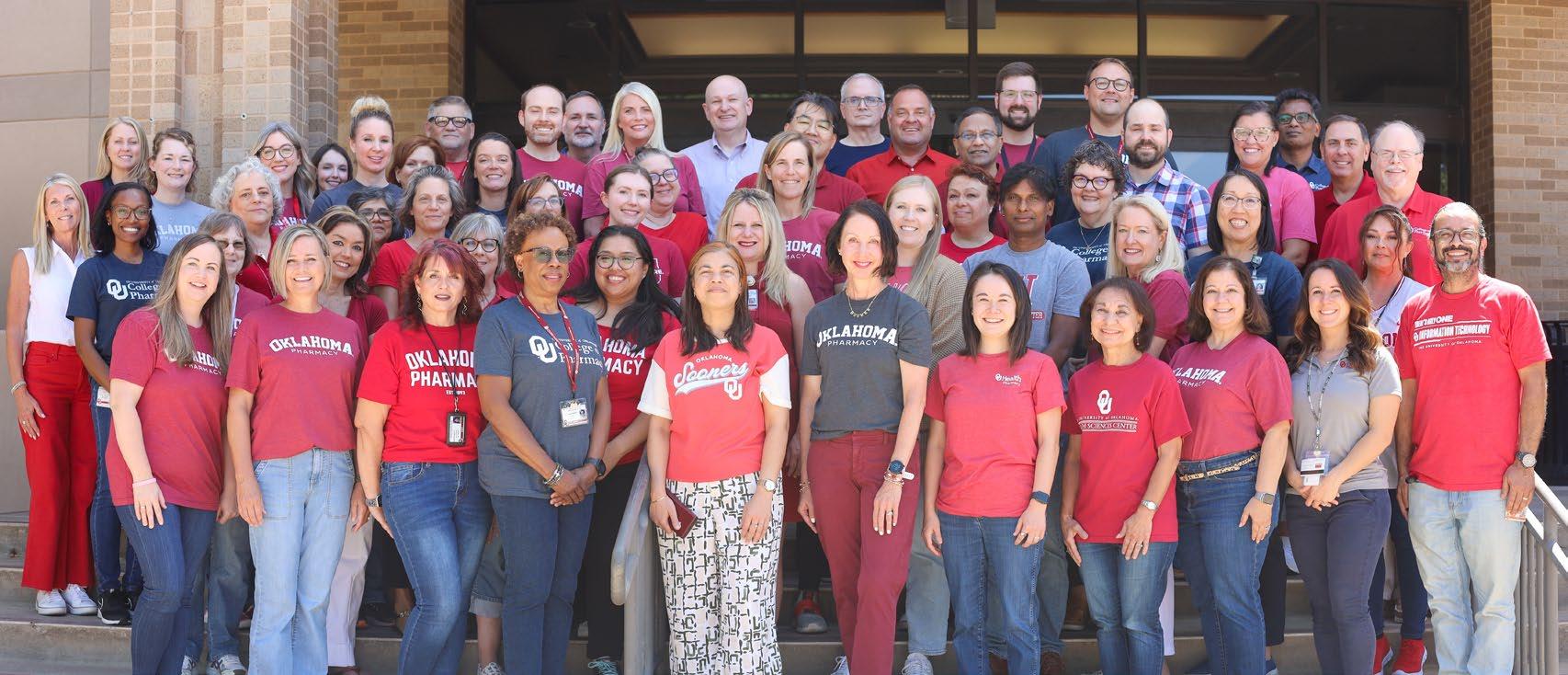
• Vince Dennis, Pharm.D., CDCES, Associate Dean for Professional & Interprofessional Programs and PCAS Department Chair
• Susan Conway, Pharm.D., Director of Experiential & Interprofessional Education
• Sandra Brown, M. Ed., Admissions and Recruitment/Student Affairs - Admissions & Recruitment Coordinator for the Inasmuch Grant for Workforce Development and Pharmacy Student Pipeline
• Carrie Breeden, Pharm.D., MBA, Pharmacy Business Development
• Jay Kinnard, D.Ph. Pharmacy Director & Pharmacy Manager of 1893
• Patricia Christensen - Contract/Grant Manager
• Mikail Abbasov, Ph.D. - Assistant Professor, Pharmaceutical Sciences
• Victoria Leniger, Pharm.D., BCACP, BCPS, BC-ADM -Clinical Assistant Professor, Internal Medicine
• Hari Gali, Ph.D., Associate Professor, Pharmaceutical Sciences
• Anne Pereira, Ph.D., Professor, Pharmaceutical Sciences
• Anne Kasus-Jacobi, Ph.D., Associate Professor, Pharmaceutical Sciences
• Venkat Eeda, Ph.D., Assistant Professor of Research, Pharmaceutical Sciences
• Anthony Burgett, Ph.D., Professor, Pharmaceutical Sciences, President’s Associates Presidential Professorship
• Kelly Standifer, Ph.D., Professor & Chair, Pharmaceutical Sciences, David L. Boren Professorship
• Katherine O’Neal, Pharm.D., MBA, BCACP, CDCES, BCADM, AE-C, CLS, FADCES, FAPhA - Named 2025 APHA Fellow and the 2025 President - Elect of the Association of Diabetes Care & Education Specialist and President in 2026
• Anne Kasus-Jacobi, Ph.D. – Received the first awarding of the Faculty Flash Talk Winner at the GREAT Symposium
• Dr. Melissa S. Medina, Dean, received the 2024/2025 Rufus A. Lyman AACP/AJPE Research Article of the Year Award
• Paul Boylan, Pharm.D., BCNP, was the 2024-2025 COP Teacher of the Year.
• Megan Westbrook, D.H.A. 2024 Superior Staff Regents’ Award Recipient
• Gerron Gibbson, Pharm.D., BCNP, 2025 December Health Campus Employee of the Month
• Rita Pierce, Assistant to the Dean – 44 years of service
• Dr. Beth H. Resmantargoff, clinical professor emeritus – 44 years of service
B. Douglas Hoey’s journey from University of Oklahoma College of Pharmacy student to CEO of the National Community Pharmacists Association exemplifies the impact one pharmacist can have on both their profession and community. This August, Hoey’s decades of service and leadership were recognized when he received Oklahoma’s Bowl of Hygeia Award at the Oklahoma Pharmacists Association Annual Meeting.
“We are thrilled that Doug has been recognized with the Oklahoma Bowl of Hygeia award. We know from his national work with NCPA as well as other organizations and his local work on our college’s National Advisory Board that he is an amazing and tireless advocate and champion for pharmacy,” said Dr. Melissa S. Medina, dean of the College of Pharmacy. “The whole profession benefits from his expertise and work. We are so proud that he is an alumnus of the University of Oklahoma College of Pharmacy. He serves as a role model for students, faculty, and pharmacists in our college, state, and across the U.S.”
We are so proud that he is an alumnus of the University of Oklahoma College of Pharmacy. He serves as a role model for students, faculty, and pharmacists in our college, state, and across the U.S.”
The Bowl of Hygeia Award, established in 1958, honors pharmacists who demonstrate exceptional civic leadership and community engagement. It’s a distinction that carries particular weight at OU’s College of Pharmacy — Hoey joins nine other alumni who have received the award in just the past 15 years, underscoring the college’s tradition of producing pharmacists committed to service beyond the prescription counter.
Hoey’s career began where many pharmacists find their calling: in community practice. He worked in various community pharmacy settings, including his own family’s pharmacy, experiences that shaped his understanding of the vital role independent pharmacies play in local communities before he joined NCPA.
As CEO of NCPA since 2011 — after serving as the organization’s first chief operating officer — Hoey leads the voice for America’s independent pharmacy owners. The association represents nearly 19,400 pharmacy small businesses.
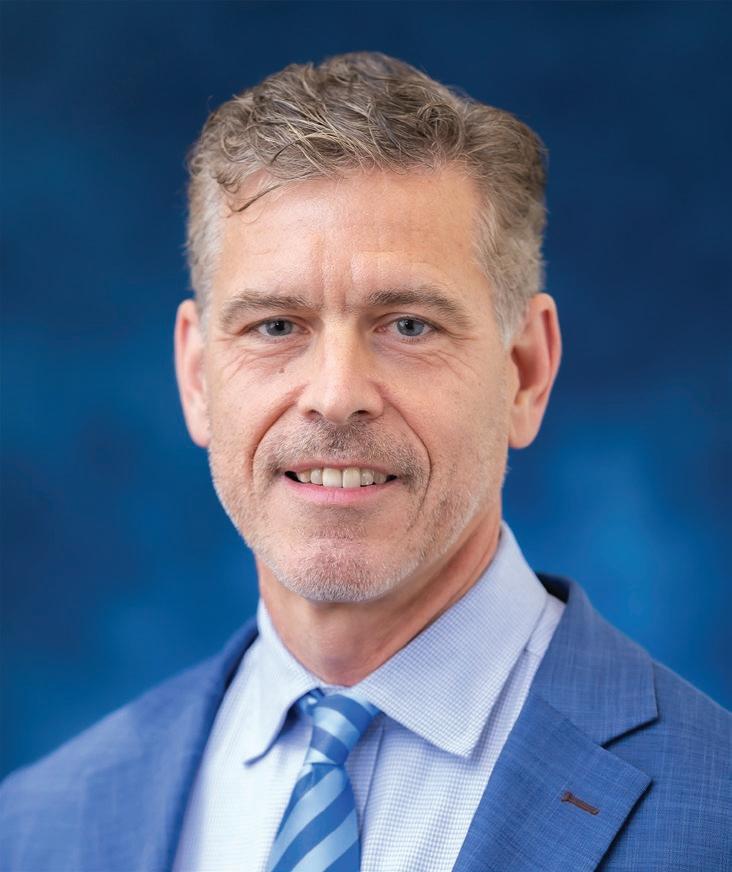
Hoey has become a trusted expert voice on some of pharmacy’s most pressing challenges. Media outlets regularly seek his perspective on drug supply issues and prescription drug pricing — topics that directly affect both pharmacists and the patients they serve.
Beyond his day-to-day work at NCPA, Hoey’s influence extends across the pharmacy landscape. He serves as president of the World Pharmacy Council, co-chairs the Surescripts Board of Directors, and holds leadership positions with the NCPA Innovation Center and CPESN® USA Board of Managers. His previous board service includes six years with the Pharmacy Quality Alliance and eight years as chairman of the Mirixa board. Hoey has also invested in pharmacy education, developing and teaching pharmacology courses at George Washington University and Marymount University, bringing real-world expertise back into the classroom.
Hoey holds licenses to practice pharmacy in Oklahoma, Virginia, and Texas, and he earned his MBA from Oklahoma City University’s graduate school of business. For current OU pharmacy students, Hoey’s recognition offers a reminder that the impact of their future careers can extend far beyond individual patient interactions — to shaping policy, strengthening communities, and advancing the entire profession.
The University of Oklahoma College of Pharmacy hosted its Annual Pharmacy Alumni Reception on June 12, honoring outstanding alumni and celebrating the college’s achievements.
Dr. Melissa Medina, the college’s dean, opened the event, recognizing award recipients, milestone alumni, scholarship recipients and board members. The Alumni Association also had its annual meeting.
“We are proud of our 2025 honorees who represent the very best of the college. Their achievements demonstrate what can be accomplished with an OU College of Pharmacy education,” Medina said.
The OU College of Pharmacy Alumni Affairs Board presented five awards. This year’s award recipients are:
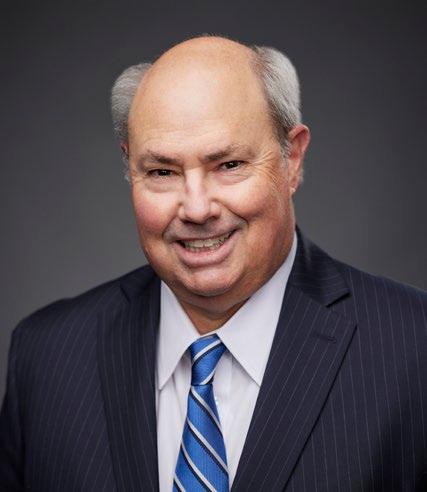
Gary E. Raskob, Ph.D.
Gary E. Raskob, Ph.D. is senior vice president and provost at OU Health Sciences, overseeing the educational and research programs across its seven colleges, the OU Health Stephenson Cancer Center and the OU Health Harold Hamm Diabetes Center. He serves on the boards of the University Hospitals Authority and Trust, OU Health, Greater Oklahoma City Chamber, National Blood Clot Alliance and United Way of Central Oklahoma. He has academic appointments in the colleges of Public Health and Medicine as a Regents’ Professor of Epidemiology and Medicine. His scholarly interests include the prevention and treatment of deep vein thrombosis and pulmonary embolism, as well as clinical trials, antithrombotic drug development, evidence-based medicine and public health with a focus on translating research evidence into practice. Raskob has participated extensively in clinical practice guideline development for many specialty organizations, such as the American Society of Hematology, American College of Clinical Pharmacy, Acute Tubular Injury, and American Society of Clinical Oncology. He has served in advisory roles for the National Heart, Lung, and Blood Institute and the Centers for Disease Control and Prevention, and as chair of the Association of Schools and Programs of Public Health, World Thrombosis Day Steering Committee and the Oklahoma County Board of Health. He is author or co-author of over 200 publications, including 21 articles in the New England Journal of Medicine. He received a doctor of philosophy degree in pharmaceutical sciences from OU and his master of science degree in clinical epidemiology and health research methodology from McMaster University in Hamilton, Canada.
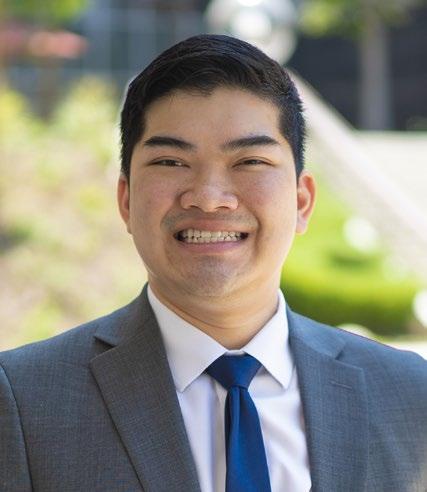
Dr. Kenny Nguyen
Dr. Kenny Nguyen is a regulatory affairs professional dedicated to advancing innovative and life-saving therapies. An Oklahoma City native, he earned his bBachelor of science and doctor of pharmacy degrees from OU. He began his career through a postdoctoral fellowship in regulatory affairs with AbbVie Pharmaceuticals and the University of Southern California. There, he played a key role in bringing new therapeutic and aesthetic applications of Botox to global markets and ensuring the availability of essential medications like Survanta, Norco and Armour Thyroid. His expertise spans regulatory strategy, labeling and chemistry, manufacturing and controls, and includes negotiating with the Food and Drug Administration, Federal Trade Commission, Pharmaceuticals and Medical Devices Agency of Japan, the Ministry of Health of the European Union and Therapeutic Goods of Australia. As a strategic global labeling manager, Nguyen led Allergan’s ophthalmology portfolio through global regulatory pathways and championed AbbVie’s first Prescription-to-Over-the-Counter switch. In 2023, he returned to regulatory strategy in oncology, supporting the advancement of orphan drugs for rare cancers such as multiple myeloma and follicular lymphoma. Now a senior manager in early-stage oncology, Nguyen aims to advance experimental therapies from discovery through first-in-human trials, working to bring patients life-saving treatments. He is also passionate about mentoring students to help shape the next generation of regulatory professionals.
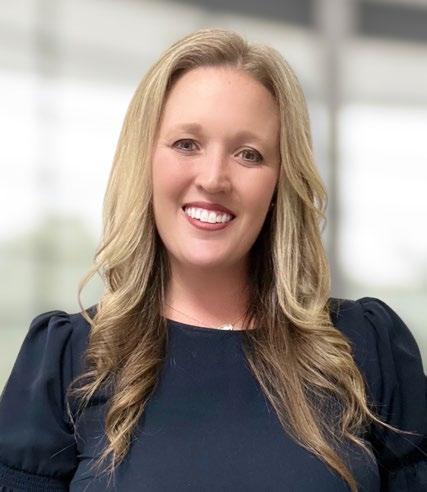
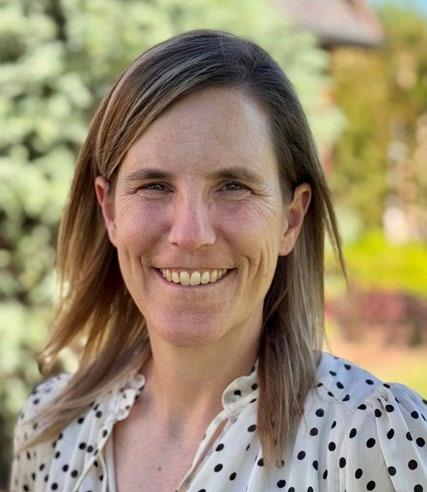
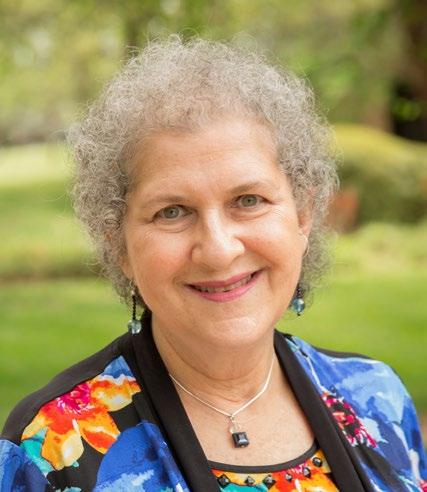
Dr. Aubrey Jones
Dr. Aubrey Jones graduated from the OU College of Pharmacy in 2016 and completed a Postgraduate Year 2 (PGY2) cardiology residency at Cone Health in Greensboro, North Carolina. She began her career as a clinical pharmacist at OU Health before transitioning to a role in pharmacy administration in 2020. She currently serves as the system clinical pharmacy manager for SSM Health, supporting critical care, cardiology and emergency medicine across Oklahoma, Missouri, Illinois and Wisconsin. Jones is chair of the Residency Project Advisory Board and a preceptor for OU College of Pharmacy students and SSM Health St. Anthony Hospital residents in Oklahoma City. Her professional interests include formulary management, anticoagulation and residency development. Outside of work, she enjoys scuba diving, reading and spending quality time with her family.
Dr. Jamie Miller
Dr. Jamie Miller is a professor at the OU College of Pharmacy and an adjunct professor at the OU College of Medicine. She completed a Post Graduate Year 1 (PGY1) pharmacy residency and a PGY2 pediatric pharmacy residency at OU Pharmacy. Miller has served as a clinical pharmacist in the neonatal intensive care unit at the Oklahoma Children’s Hospital at OU Health for the past 17 years. She is also the PGY1 pharmacy residency program director. Miller is board certified in pediatric pharmacy and is a Fellow of the Pediatric Pharmacy Association and the American Society of Health-System Pharmacists. Her research primarily focuses on pain management and sedation in neonates and children, pharmacokinetic alterations in critically ill pediatric patients, and the education and training of pharmacy students and residents.
Dr. Beth H. Resman-Targof is a clinical professor at OU College of Pharmacy. Since moving to Oklahoma in 1981, she has educated over 4,000 pharmacy students, 500 dental students and countless others in medicine, nursing and physician associate programs. Her role in course coordination and development has had a profound impact on the OU’s Doctor of Pharmacy and internal medicine programs. She earned notable preceptor awards throughout her practice at OU Medical Center. Resman-Targoff has served as faculty adviser for the Rho Chi Gamma Chapter since 1988 and is currently Region VI councilor for the Rho Chi Pharmacy Honor Society, who presented her with the 2018 National Faculty Advisor Award. She was also named Oklahoma State Hospital Pharmacy Pharmacist of the Year in 2011. Resman-Targoff received her bachelor of science and doctor of pharmacy degrees from the State University of New York at Buffalo and completed additional training at Buffalo Veterans Hospital. She is a Fellow of the American College of Clinical Pharmacy, a longstanding member of the Institutional Review Board, and chair of The Annals of Pharmacotherapy Editorial Board Panel on Rheumatology and Immunology. She is widely published in her field and has shared her expertise at numerous national pharmacy and rheumatology meetings, promoting lifelong learning and ensuring quality patient care.
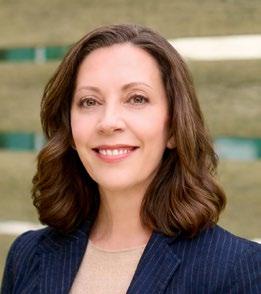
Laura Petty is the administrative director of retail pharmacy at OU Health. She graduated from the University of Oklahoma College of Pharmacy in 2000 and has been actively involved with the Alumni Affairs Board since 2005. With 25 years of experience in community retail pharmacy, she has developed a passion for business management and development. Petty has twins attending Oklahoma State University and enjoys spending time with her family.
Renee Flood is a 2014 graduate of the University of Oklahoma College of Pharmacy. During her time at OUCOP, she completed the Leadership Degree Option, served as president of APhA-ASP, and was on the winning team for the NCPA Business Plan Competition. Upon graduation, Flood worked as a pharmacy manager for seven years and has been a district leader with CVS Health since 2020. She currently oversees 15 CVS pharmacy locations across Oklahoma City. She also has a degree in nutritional sciences from Texas A&M University. She is married to her high school sweetheart, Greg, and they have three children.
Chelsea Price’s pharmacy career began as a delivery driver for a local independent community pharmacy while attending high school in 2006. This experience made her realize the importance of strong patient relationships and ignited her passion for pharmacy. She continued serving and caring for those customers throughout her academic career at Oklahoma State University and as she pursued her doctorate of pharmacy at the University of Oklahoma. Post-graduation, she transitioned into managed care at a local pharmacy benefits manager, MaxCare, and worked closely with their parent company, Pharmacy Providers of Oklahoma, on various projects. In November 2019, Price seized an opportunity to join CVS/Caremark as a clinical benefits pharmacist. Within two years, her performance led to a promotion to senior manager, where she now oversees a team of pharmacists. Chelsea resides in Edmond with her husband, Brad, and their son, Owen. She enjoys watching Owen learn every day, traveling and soaking up new cultures and their histories, getting lost in a good book, and relaxing on the couch with her dog, Ozzy, while indulging in a TV series or documentary.
Megan King was born and raised in Norman, Oklahoma (Boomer Sooner!) She joined the Walgreens team as a pharmacy technician in 2007 in her hometown. Upon entrance into the University of Oklahoma College of Pharmacy, she continued as a pharmacy intern from 2009-2013. During pharmacy school, she served in many student leadership organizations and spent time volunteering at various charity pharmacy clinics for underserved Oklahomans. Upon completion of her Pharm.D. degree in May 2013, She was a staff pharmacist for a short period of time before being promoted to pharmacy manager in Moore, Oklahoma. She spent several years at this location before taking on another pharmacy manager opportunity in Oklahoma City in March 2015. During her time serving as pharmacy manager, King was involved in the creation of a pharmacy manager mentor/mentee program and collaboration with local organizations to promote health, well-being, and immunizations, in the community, including LOVE OKC and presenting at the Oklahoma City Women’s Expo. In February 2020, King had the opportunity to transition to a registered store manager at Walgreens community-based specialty location in Oklahoma City. While serving in this role, she also served as a preceptor to the SWOSUWalgreens Co. PGY-1 Community-Based Pharmacy Residency program. She currently serves as the director of specialty pharmacy at OU Health. As a passionate Oklahoma pharmacist, she is committed to advancing the profession of pharmacy, providing service in underserved communities, and building meaningful relationships. King currently resides in Norman, Oklahoma with her husband, Kyle, and their two sons. During her free time, she enjoys spending time with her family at the lake, going to the gym, and cheering on the Oklahoma Sooners, Miami Dolphins, and OKC Thunder.
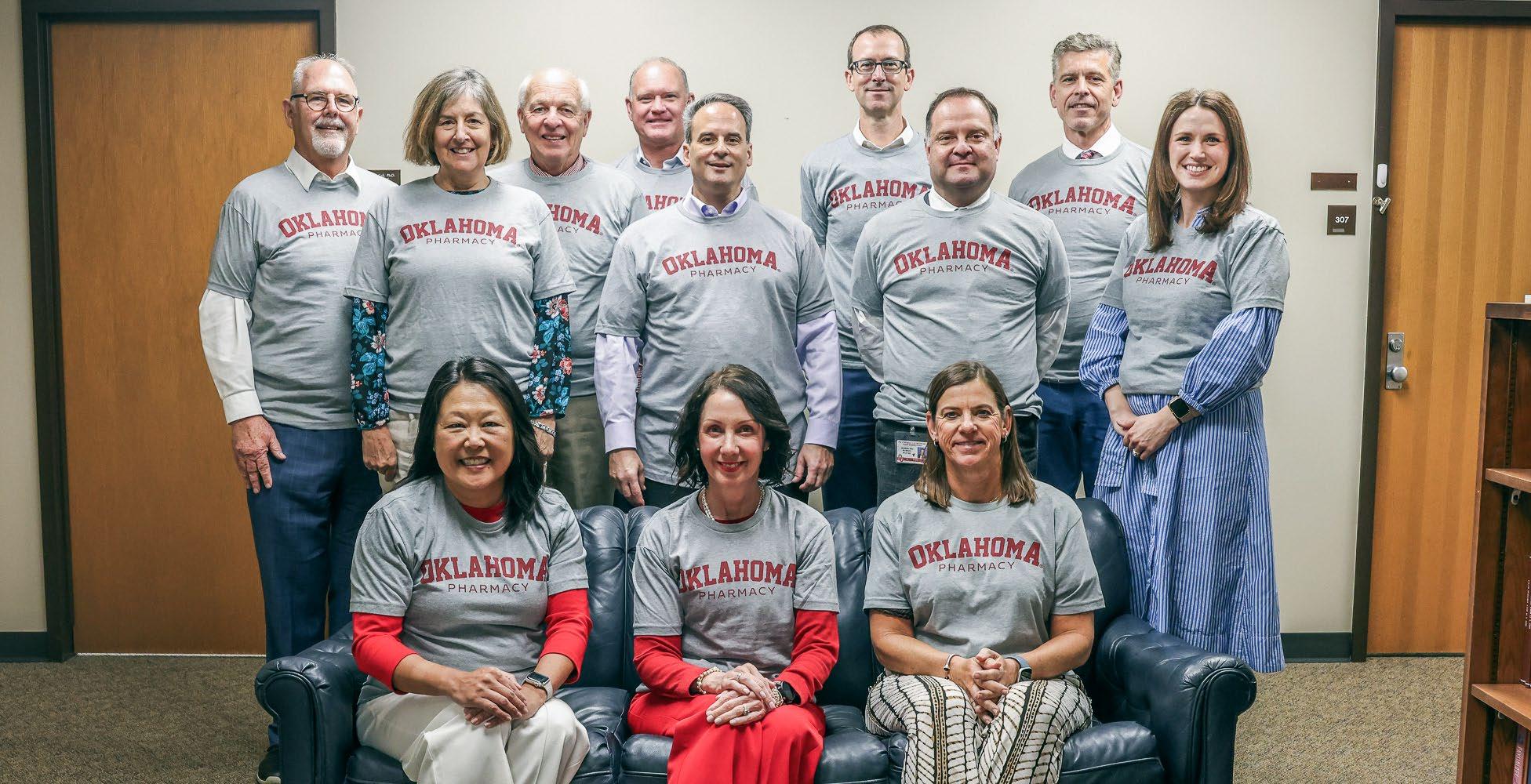
University of Oklahoma College of Pharmacy
February 2026
GT Dolan Pharm.D. MS. BCNP Director, PET Pharmacy Operations PharmaLogic Holdings Corp Salem, VA
Alumnus, 2007 MS, 2007 Pharm.D.
David Gilliland, Ph.D. Retired Geodaximaging Julian, NC Alumnus 1979 MS, Ph.D. 1983
B. Douglas Hoey, MBA CEO National Community Pharmacists Association Alexandria, VA Alumnus 1992 B.S.
Thomas C. Kupiec Ph.D. CEO/President ARL Pharma, Inc.
Oklahoma City, OK Alumnus 1997 Ph.D.
Scott Lason
Manager of Professional & College Relations CVS/pharmacy North Richland Hills, TX Alumnus 1990 B.S.
Josephine M. Li-McLeod Ph.D. – Chair Chief Strategy Officer, Stratevi Cambridge, MA Alumna 1994, B.S., 1998 Ph.D.
Julayna Meyer Retired Pharmacy Benefit Management Leader Norman, OK Alumna 1994 B.S.
Brad Myers, Pharm.D. Chief Administrative Officer OU Health Oklahoma City, OK
Nhat K.T. Nguyen
Dallas Area Healthcare Supervisor Walgreen Co. Irving, TX Alumna, 1998 B.S.
Brian S. Nightengale Ph.D. EVP & President Healthcare at Inmar Intelligence Palm Harbor, FL Alumnus 1990 B.S.
Bill Osborn, Pharm.D.
Vice President Osborn Drugs Miami, OK
Alumnus 1984 B.S., 2003 Pharm.D.
Rear Admiral (RADM)- Retired Pamela Schweitzer, Pharm.D.
Assistant Surgeon General and 10th Chief Pharmacist Officer of the United States Public Health Service (PHS) Queen Creek, AZ
Kasey K. Thompson, Pharm.D. Chief Operating Officer & Senior Vice President Office of Policy, Planning & Communications
American Society of Health-System Pharmacists
Bethesda, MD
Alumnus 1998 B.S., 1999 Pharm.D.
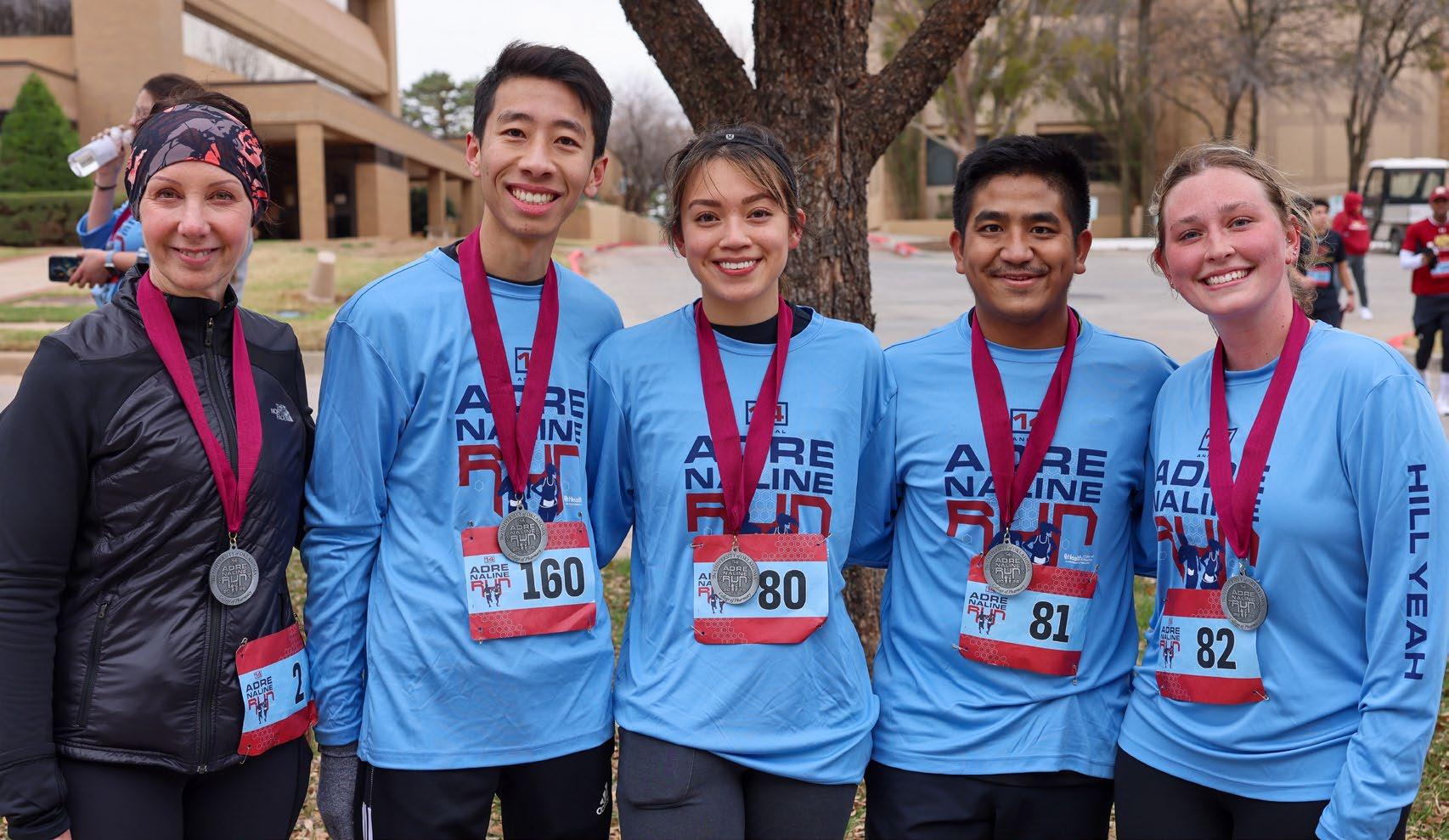
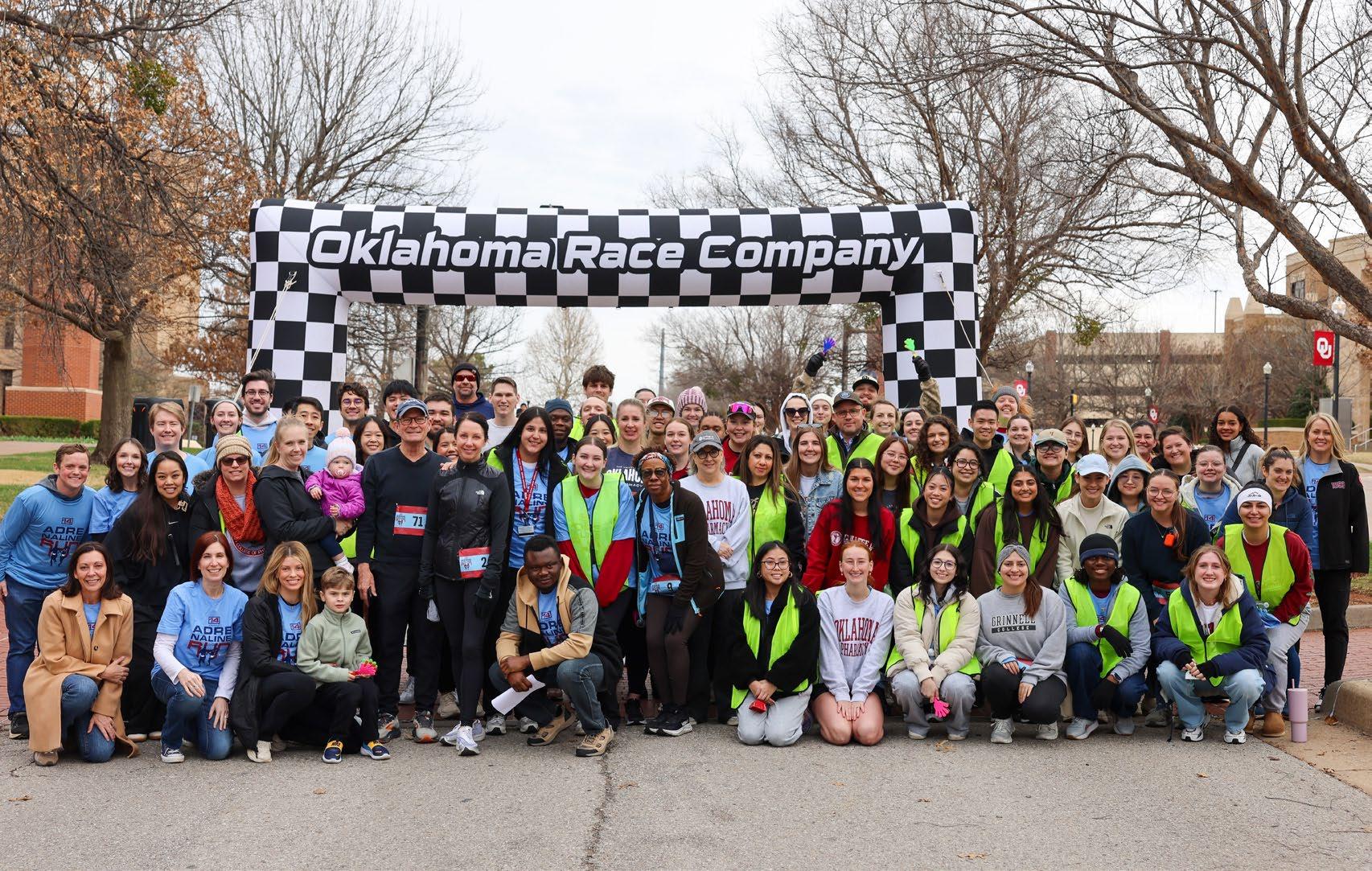
Over 300 participants and 80 volunteers came together for the Adrenaline Run, raising funds to support student scholarships, programs, and events for the College of Pharmacy.
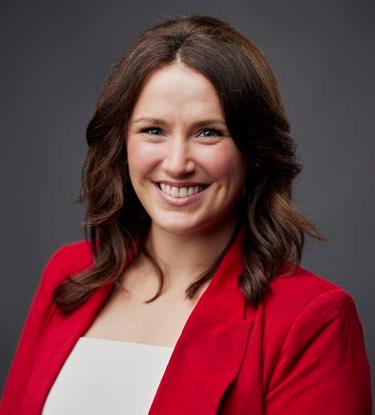
Alumni, Friends, and Supporters-
It is a true pleasure to introduce myself as the new director of development for the OU College of Pharmacy. I am honored to join this incredible community whose generosity continues to shape the future of our college.
I look forward to getting to know many of you, hearing your stories, and learning how your experiences as students, alumni, and friends have deepened your connection to the college. Whether you share your time, talent, or resources, each of you plays a vital role in helping our students and faculty thrive. Together, we can strengthen the College of Pharmacy and build upon the tradition of excellence that defines OU.
I am excited for the opportunity to connect with many of you in the months ahead and to partner with you in advancing the mission of the college. If you have any questions about what your support could look like, I would welcome the opportunity to discuss together how to make an impact. Please feel free to contact me at bmiller@oufoundation.org or (405) 914-4944.
Boomer!
Breann Miller, Director of Development, College of Pharmacy
Last March, a group from the University of Oklahoma traveled to the state Capitol to meet with Gov. Kevin Stitt. They had arrived to share critical awareness of the leading cause of injury-related deaths in the state: poisoning.
Members of OU’s College of Pharmacy and the Oklahoma Poison Center joined Gov. Stitt to celebrate his proclamation of March 16-22 as Oklahoma Poison Prevention Week. The center is managed by the college and offers students the opportunity to take part in its work.
One of those former students, Kristie Edelen, is the center’s managing director and took part in the Capitol visit. “It highlighted the critical work being done and brought state-wide attention to poison prevention,” Edelen said.
Founded in 1962, the Oklahoma Poison Center has established itself as a key resource for poison safety and awareness. Toxicology-trained pharmacists and nurses provide critical, scienced-based information on topics ranging from household cleaners to poisonous and venomous wildlife, to prescription medication.
The center’s toll-free 1-800-222-1222 helpline is also staffed 24 hours a day, seven days a week. Offering more than 150 languages with assistance for hard-of-hearing and deaf callers, the helpline has grown from answering around 500 calls in its first year to more than 34,000 in 2024-2025.
“The College of Pharmacy is incredibly proud of the Oklahoma Poison Center and the lifesaving work it provides every day. Their work and dedication helps them successfully manage patients at home and keeps patients out of the already over stressed emergency departments across the state,” said Dr. Melissa Medina, the college’s dean.
The helpline staff can answer a variety of calls related to poison and drug questions, exposures and emergencies. However, Edelen said that are some cases where the poison center
In 2025, the Oklahoma Poison Center handled 31,462 HUMAN EXPOSURE CASES, 36,167 total calls, and 70,502 combined calls and follow-ups, providing 24/7 toxicology support to Oklahomans across the entire state.
45% OF HUMAN EXPOSURE CALLS INVOLVED CHILDREN UNDER THE AGE OF 6, reinforcing the Poison Center’s critical role in pediatric safety and prevention.
Of calls that originated outside of a health care facility, 93% WERE SAFELY MANAGED AT HOME, avoiding unnecessary emergency department visits and saving significant health care dollars.
For patients already in — or referred to — a health care facility, the POISON CENTER FOLLOWED 72% OF CASES TO A KNOWN OUTCOME, providing ongoing guidance to clinicians and improving patient care.
recommends calling 9-1-1 instead: if an individual is unconscious, having difficulty breathing or experiencing a seizure.
“One of the misconceptions that people have about the poison center is, ‘If I call the poison center, they’re just going to send me to the emergency room,’” Edelen said. “It’s our goal to try to manage patients at home.”
The staff members don’t just answer calls, Edelen added; they also check back in with residents to monitor their status after the initial outreach. That works helps keep 93% of callers from visiting emergency departments and urgent care, reducing strain on the state’s health care system.
The Oklahoma Poison Center estimates saving residents more than $13.4 million by managing cases at home that didn’t require hospital visits. That guidance is especially valuable for residents who live in areas far from health care access.
Adding to that support, poison center staff visited 46 health care facilities across 27 counties in 2025. Edelen said she prioritized rural outreach this past year, alongside the center’s continued work reaching thousands of Oklahomans each year through free community-based presentations.
Medina emphasized the center’s travel throughout the state. “The dedication of this team ensures that families and communities across Oklahoma have access to expert guidance, rapid response and compassionate care when they need it most,” she said.
America's Poison Centers estimates that federal appropriated funds to Poison Centers SAVE $450 MILLION ANNUALLY in health care costs.
Poison Centers provide $3.1 billion in benefits and savings to communities, including:
› Fewer emergency room visits
› Reduced emergency transportation costs
› Shorter hospital stays
› Reduced risk of death
In addition to offering resources, the Oklahoma Poison Center hosts National Take Back Day events in Oklahoma County. On the last Saturday of April and October, the center helps remove hundreds of pounds of unwanted and expired medications, preventing drug misuse, accidental poisonings and environmental harm.
Those events also allow College of Pharmacy students to get involved with the poison center, which is the toxicology training site for many University of Oklahoma medical students. Additionally, pharmacy students have the opportunity of taking part in the center’s Poison Information Provider program.
“At the end of a pharmacy student’s first year, they have the opportunity to apply to work for the poison center through PIP,” Edelen said. “We hire anywhere from three to five pharmacy students per year in hopes that we retain them throughout pharmacy school.”
Students assist with the poison center helpline as part of the program, learning how to triage calls and gain medical experience.
“They learn a lot of clinical skills that other students in pharmacy school may not gain working other pharmacy jobs,” said Edelen, adding that students may end up wanting to work at the center for their professional careers – just like she and others have done.
The PIP program has also attracted the attention of other poison centers across the country, which have contacted the College of Pharmacy to learn more about it and replicate it.
Asked about her future goals for the Oklahoma Poison Center, Edelen said she aims to help introduce a medical toxicology service within the next five years, allowing group to serve residents in a new way.
But she also highlights increasing awareness of the poison center for pharmacists in need of assistance or looking to refer their patients to another resource. “If pharmacists ever find themselves in a situation where they have a particularly odd question that they’re having difficulties in answering, they can keep in mind that we’re a great resource.”
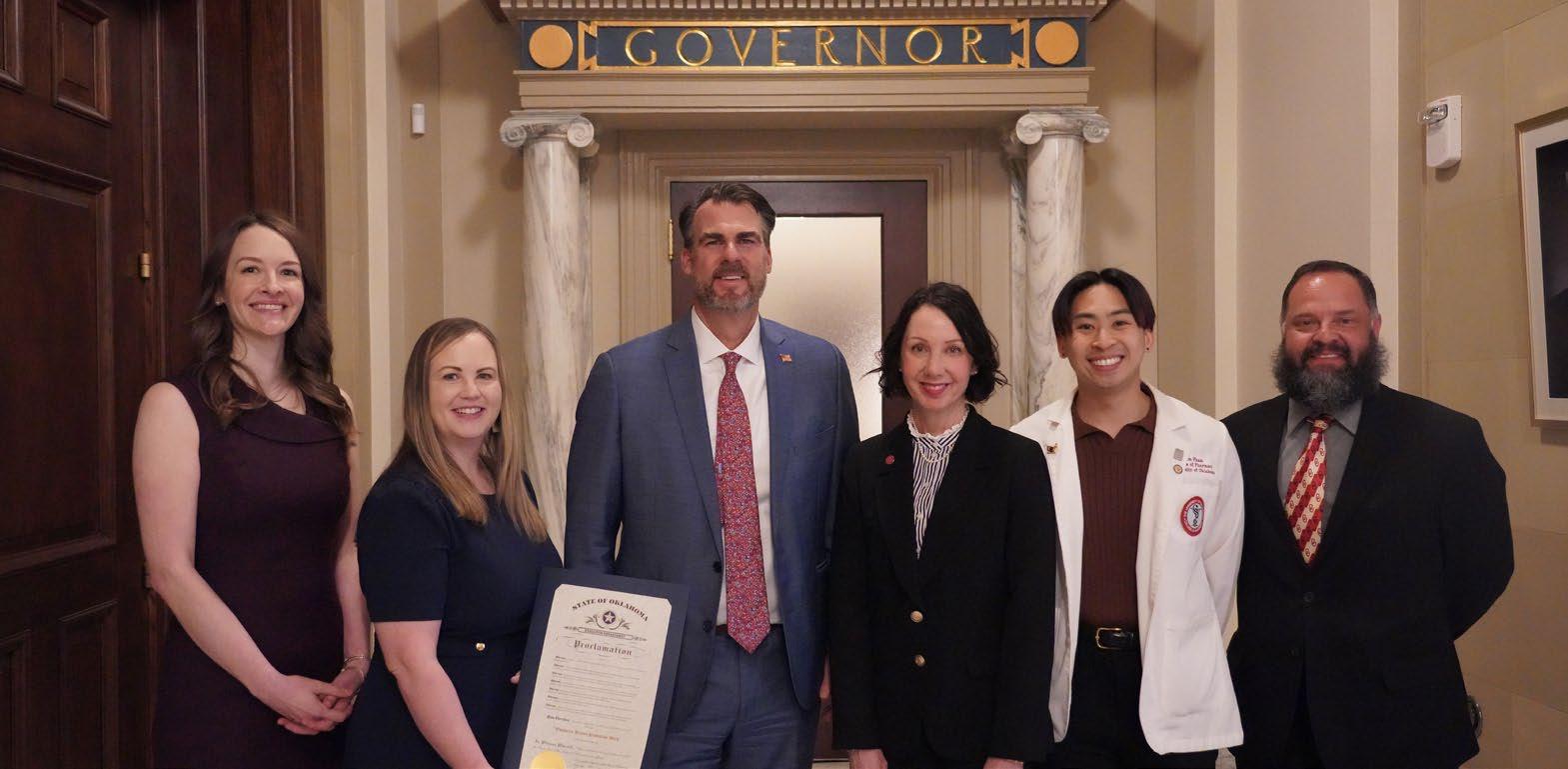
University of Oklahoma College of Pharmacy 1110 N. Stonewall Ave. Oklahoma City, OK 73117