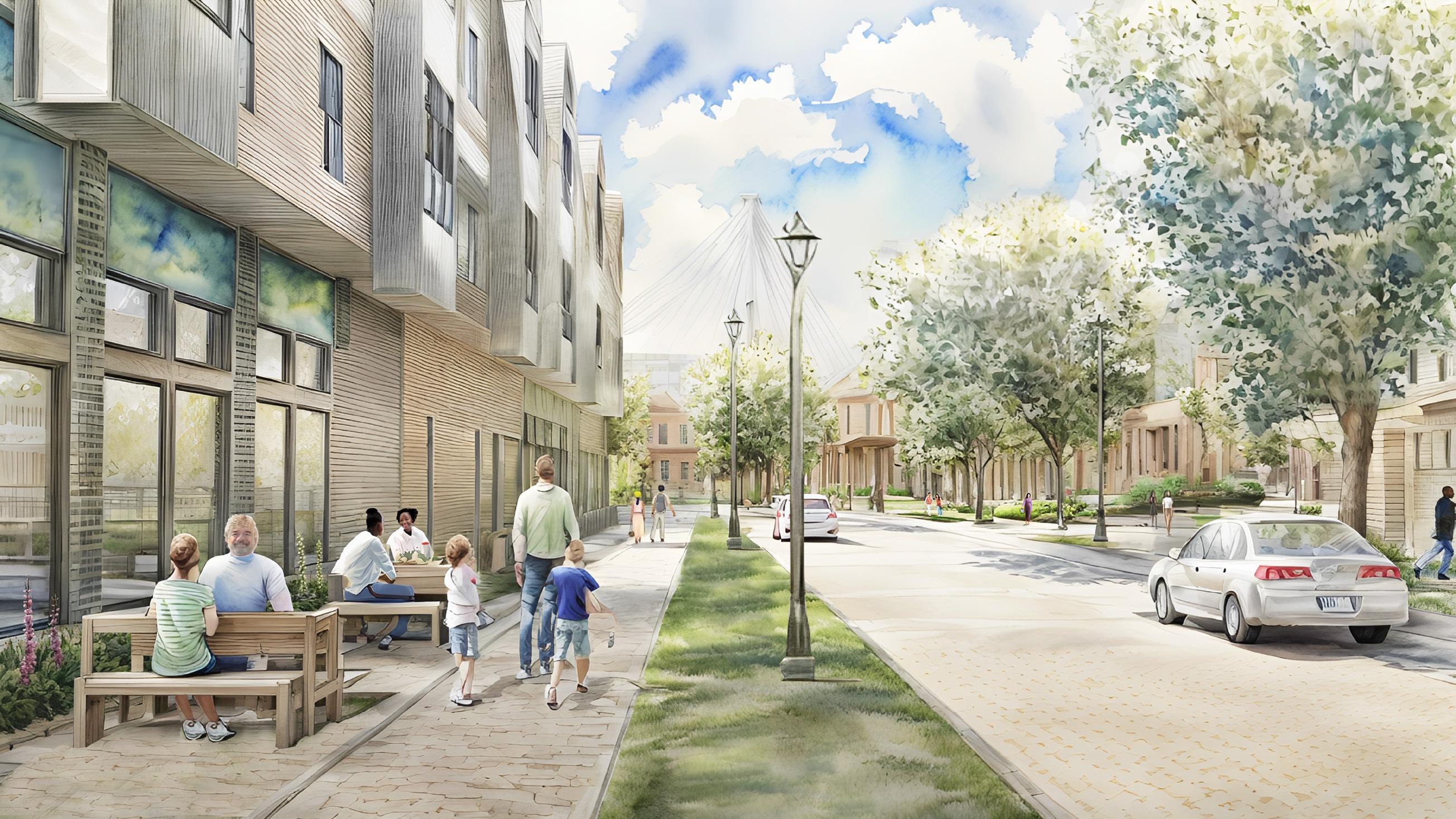
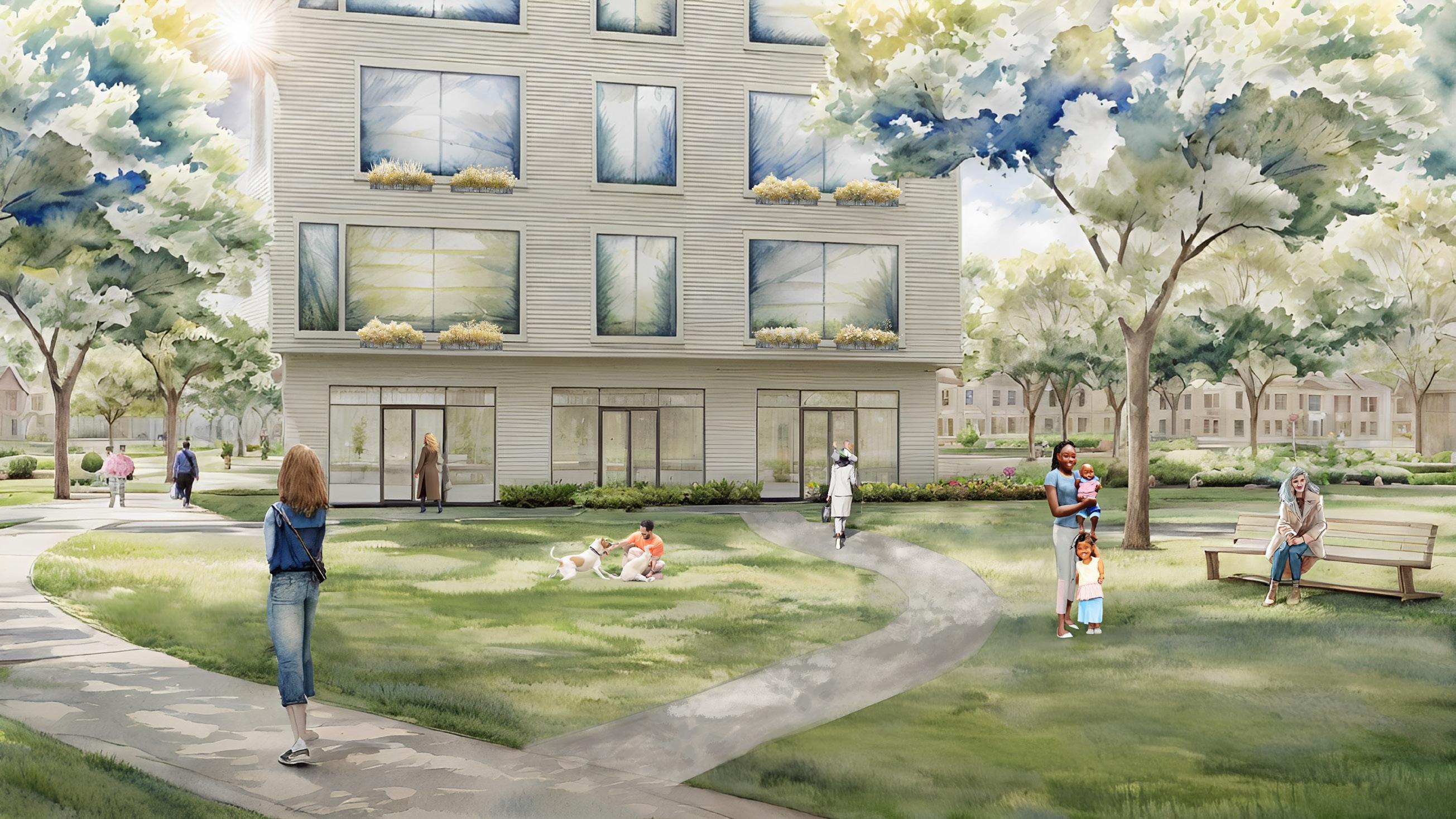
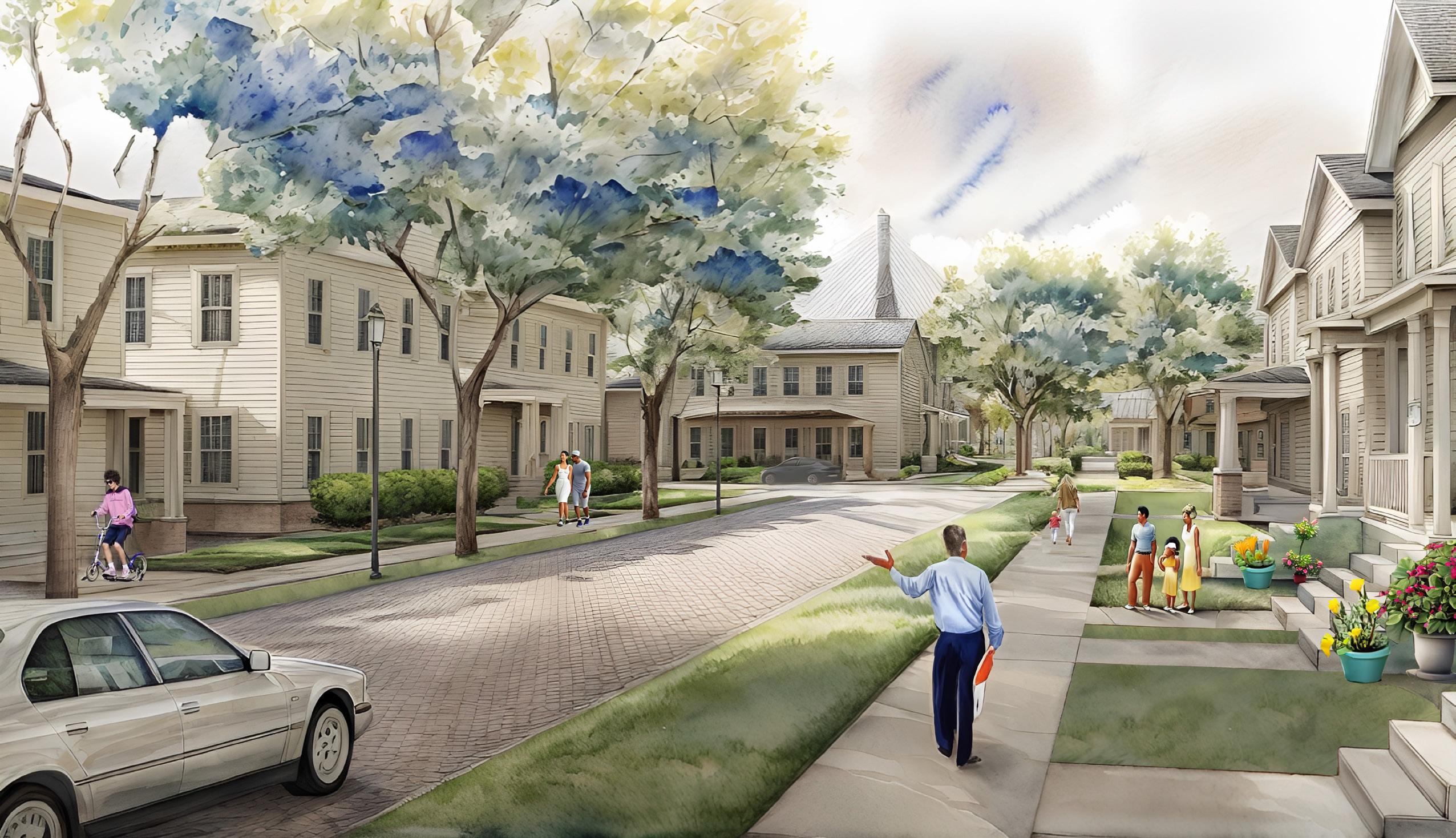
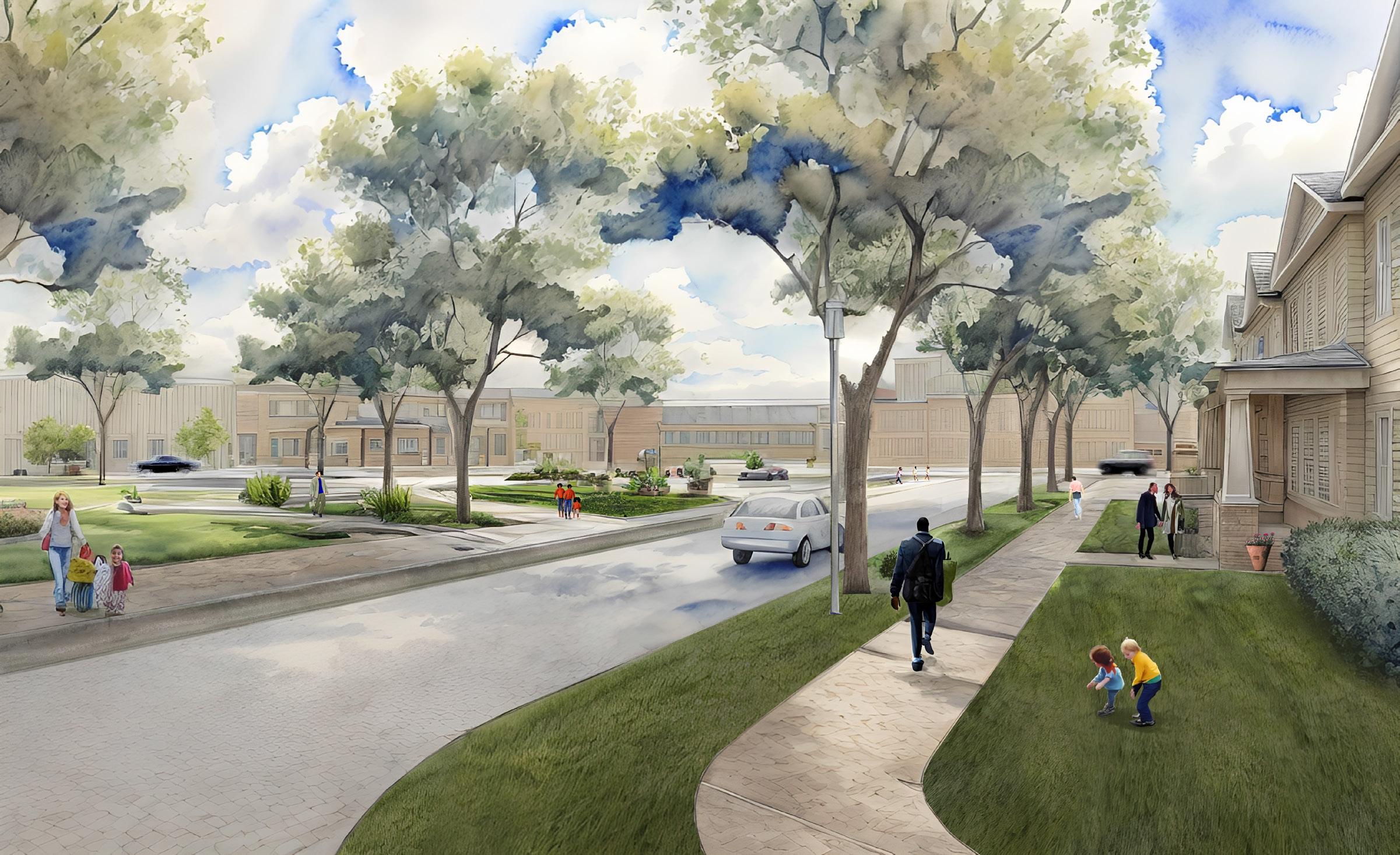
THE PLANNING TEAM WOULD LIKE TO ACKNOWLEDGE THE RESIDENTS, STAKEHOLDERS AND PARTNERS WHO PARTICIPATED IN THIS PLANNING PROCESS. IN PARTICULAR, WE WOULD LIKE TO THANK THE PROJECT COORDINATING COMMITTEE FOR THEIR VALUABLE KNOWLEDGE AND GUIDANCE DURING THE PROCESS AND THE COMMUNITY AMBASSADORS, WHOSE DEDICATION AND PERSISTENCE MADE THIS INITIATIVE A SUCCESS.
Chief Ken Anderson - Steubenville Police Department
John Barnes - Steubenville Fair Housing Practices Commission
Marc Barnes - Harmonium Project
Bobbyjon Bauman - Ohio Valley Youth Network
Terry Bickerstaff - Steubenville CDC
Chief Carlo Capaldi - Steubenville Fire Department
Michael Dolak, P.E. - Steubenville Engineering Department
Tim Edison - Resident
Lori Fetherolf - Steubenville Recreation Department
Andrew Henry - Jefferson County Health Department
William Holt - Jefferson County Prevention and Recover Board
Evan Scurti - Ohio Mid-Eastern Governments Association
John Stasiulewicz - Jefferson Metropolitan Housing Authority
Rev. Ashley Steele - Urban Mission Ministries
Eric Timmons - Jefferson County Commissioner
Joseph Wallace - Franciscan University
Melinda Young - Steubenville Board of Education
Michael Zinno - Jefferson County Board of Developmental Disabilities
VISION Our
“I’m excited about the community getting together knowing that their opinions matter”
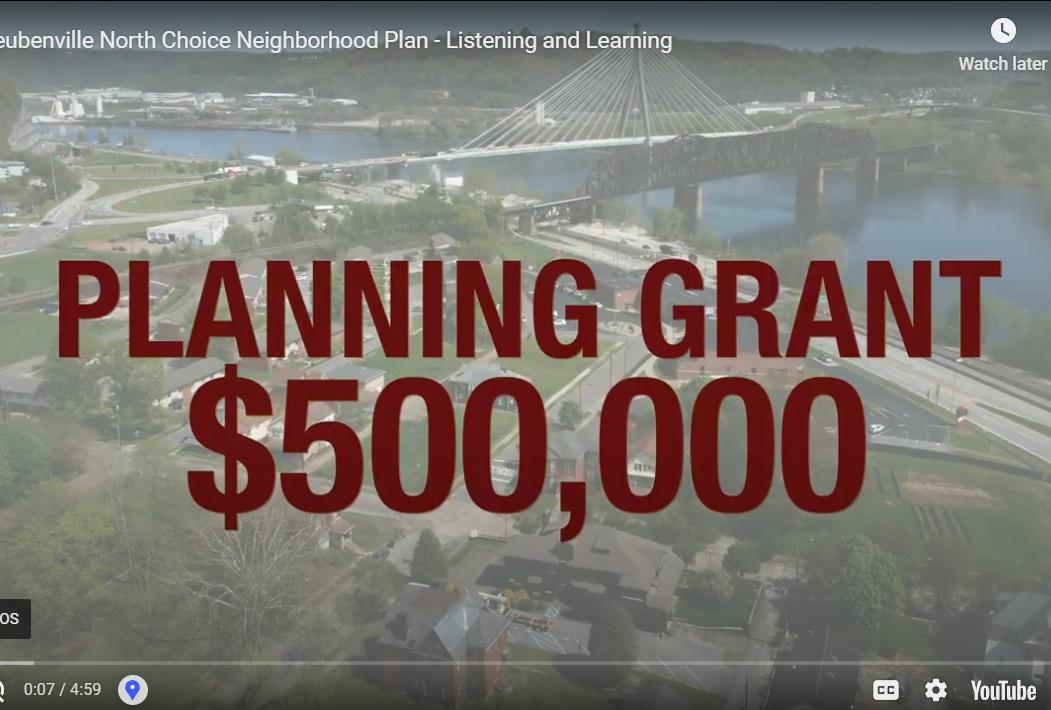
In December 2022, the City of Steubenville and the Jefferson Metropolitan Housing Authority (JMHA) were awarded a $500,000 HUD Choice Neighborhoods (CN) Planning Grant for the Steubenville North neighborhood (AKA the North End). Through the Grant, the City and JMHA have worked closely with local residents and a variety of community stakeholders – including nonprofits, faithbased organizations, anchor institutions, supportive services agencies, businesses, and others – to create a forward-looking Transformation Plan with a strong commitment to diversity and inclusion.
The Plan is centered on the redevelopment of JMHA’s John F. Kennedy Apartments and Elmer White Family Units, which includes 206 units of low-income housing in total. The CN Plan replaces or renovate 100% of those housing units within the neighborhood as part of new mixedincome developments.
BACKGROUND
This collaboration ensures a joint focus on the three core goals of the Choice Neighborhood Initiative: Housing – through the replacement of obsolete public housing with locally compatible, financially viable, energy efficient, mixed-income housing within a larger program of neighborhood reinvestment; People – creating and enhancing opportunities for JMHA residents and other low-moderate income families to improve their quality of life; and Neighborhood – transforming a distressed, high-poverty area to well-functioning mixed-use and mixed-income neighborhood.
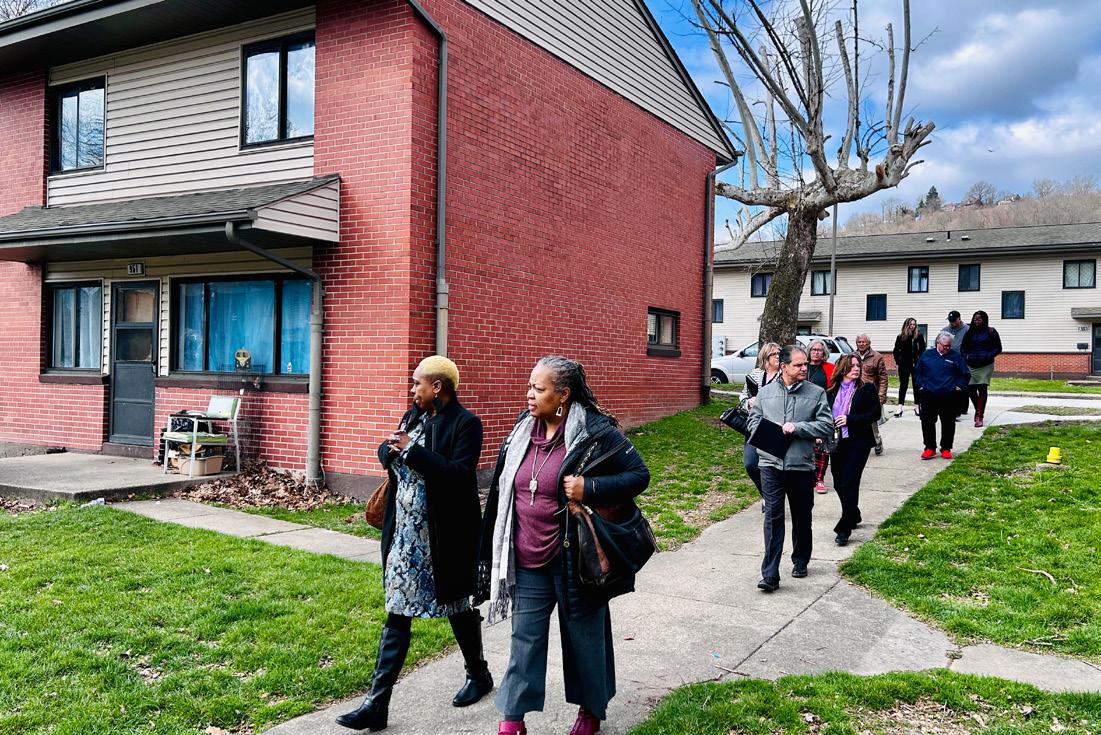
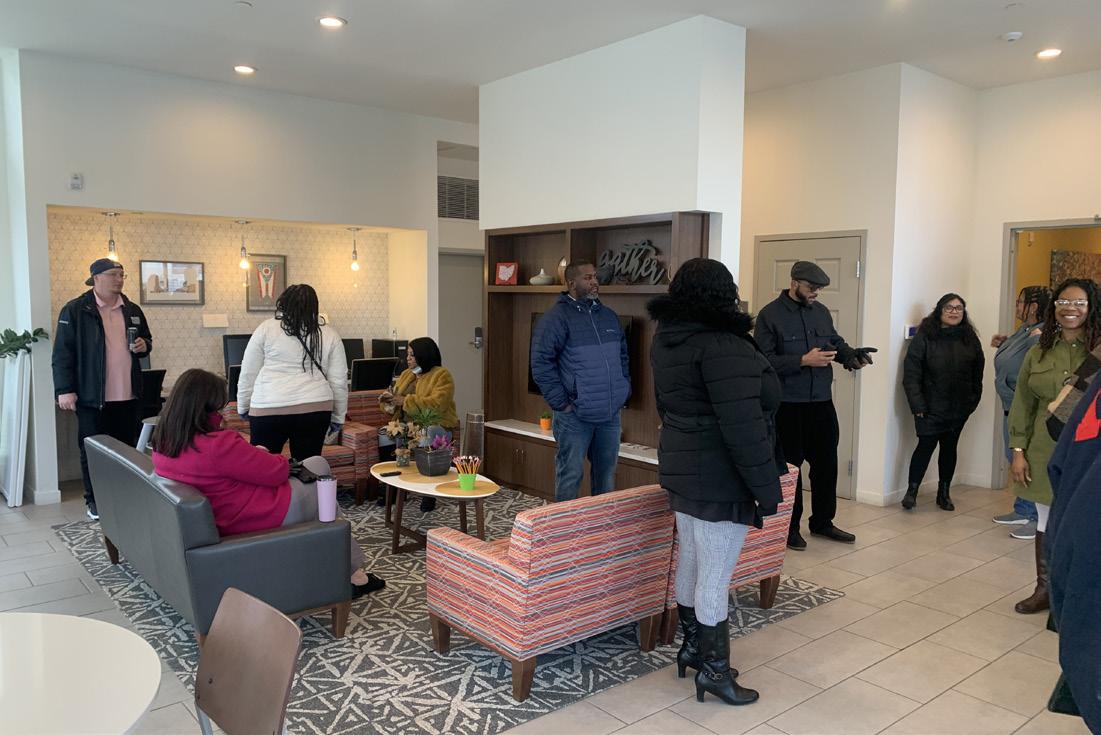
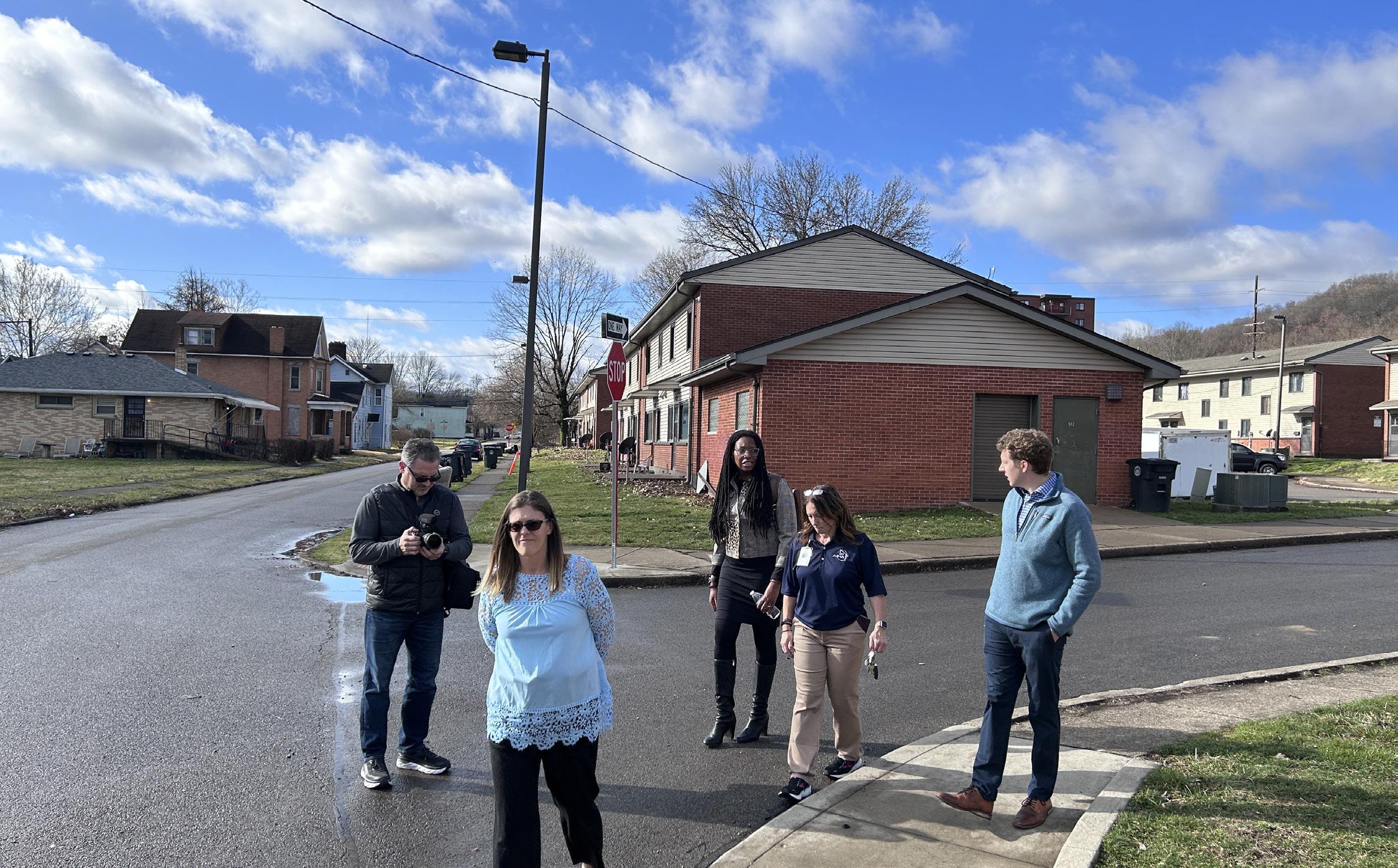
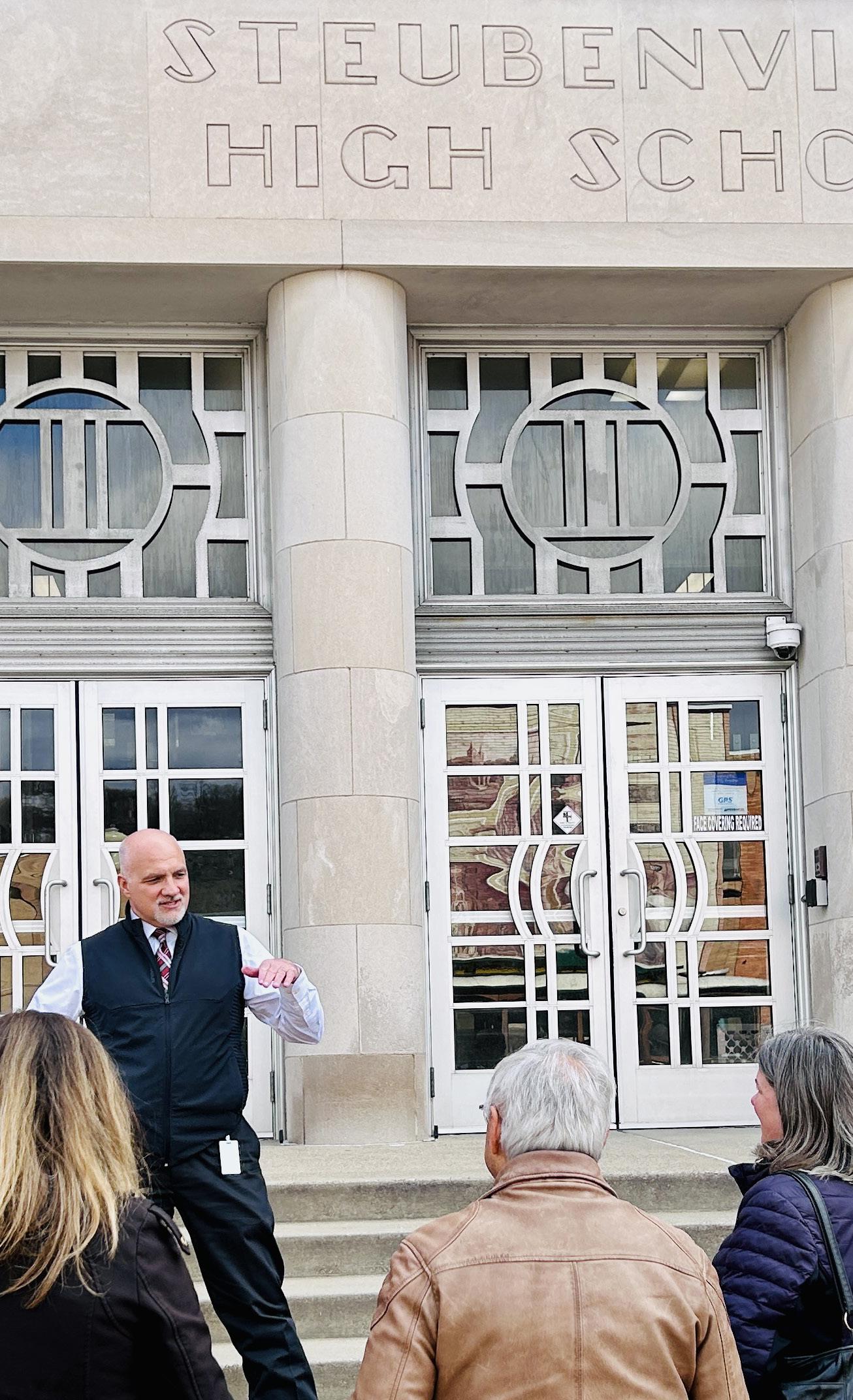
HUD SITE TOUR OF ELMER WHITE FAMILY UNITS
“Collaboration is the #1 key”
- Steubenville
North Resident
The Steubenville North CN Plan process builds upon local strengths by engaging target housing and neighborhood residents, local businesses, and organizational partners in a comprehensive and collaborative way.
The City, JMHA, and its strong group of partners are utilizing unique and effective outreach techniques and activities supplemented by online interactive tools and social media to keep residents engaged throughout the process.
PROCESS
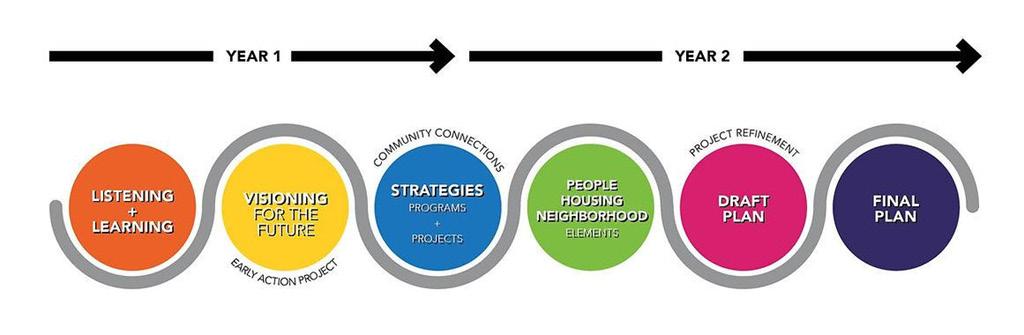
Multiple forms of communication have been utilized to reach JMHA residents. A project website has been established (www. steubenvillechoice.com) to document the planning process and provide easy access to information. Flyers and notices have been distributed prior to meetings through our Community Ambassadors. Residents have been engaged at key points in the planning process as outlined in the timeline on the following page. Initial public housing resident meetings early in the planning process have helped to strengthen trust and instill confidence, so that JMHA residents can successfully engage with the larger community. The Planning Team has also engaged local youth to document their preferences for projects and programs that will directly benefit themselves and their peers.
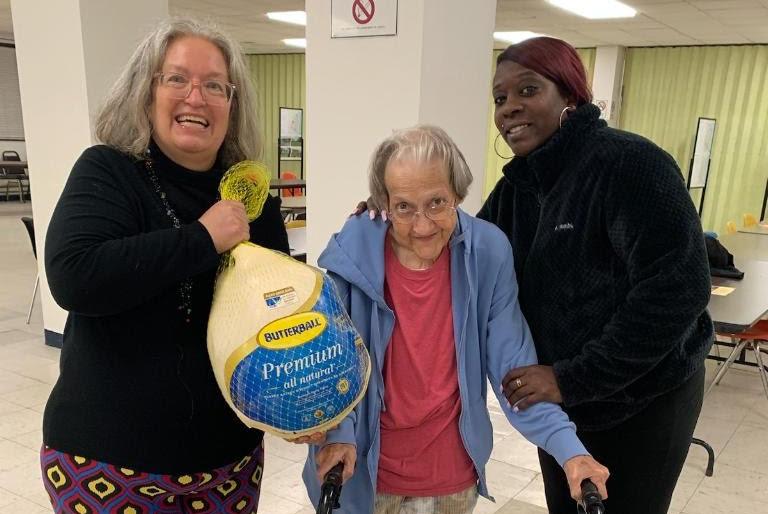
COMMUNITY AMBASSADORS DISTRIBUTE A TURKEY AT THANKSGIVING
“It’s a place where people will want to be”
- Steubenville North Resident
The vision for the Steubenville North neighborhood was developed through an extensive community engagement process, ensuring that the residents’ voices were at the forefront of the planning efforts.
This Plan creates a framework for transformation that will uplift and empower local residents by enhancing the existing assets, addressing the challenges, and connecting opportunities with the organizations and entities capable of creating change.
The neighborhood has numerous strong assets, which have created a strong foundation for this Plan. The neighborhood has three schools, East Garfield Elementary, Wells Academy and Steubenville High School, all of which are among the best in the state. There are 12 active religious organizations, the Sycamore Youth Center, and the Urban Mission which provide food, activities, and support for families in the community. The North End Historic District contains a beautiful collection of historic homes along 4th Street, with other heritage buildings throughout the neighborhood.
VISION
Our vision is deeply rooted in the cultural heritage that shapes our shared identity and guides our collective values. By honoring traditions, histories, and beliefs, we foster a sense of belonging and ensure continuity within our community while preparing for future challenges without losing our essence. At its core, our vision emphasizes collaboration as a unifying force to achieve common goals, amplify impact, and address systemic issues. By promoting inclusivity and valuing diverse perspectives, we empower individuals to overcome barriers, create meaningful change, and work together toward a shared future. Our vision is centered on rejuvenation, focusing on revitalizing resources, infrastructure, and community spirit through sustainable initiatives that respect the environment and address the community’s holistic needs.
The promise of opportunity is fundamental to our vision, integrating economic, educational, and social prospects to empower all community members. Through equitable development and entrepreneurship, we aspire to strengthen local economies, create jobs, and improve residents’ well-being. Our commitment to care ensures that support and empathy remain central, fostering a culture of mutual kindness and prioritizing the well-being of every individual. By engaging residents and forming strategic partnerships, we aim to drive sustainable progress, enhance living conditions, and create vibrant, inclusive environments that reflect the aspirations of our diverse community. Ultimately, our collective dedication to fostering positive change positions us to achieve lasting transformation and a brighter, more equitable future for all.
Plan Chapters
The Plan is organized into six chapters, all of which align with elements of the overall Vision. Each chapter includes background materials as well as key recommendations and catalyst projects for implementation.
A Community of Heritage
Our vision is grounded in the rich tapestry of our cultural heritage, which is essential in shaping our shared identity and guiding our collective values. We take pride in honoring the traditions, histories, and beliefs that unite us, fostering a strong sense of belonging and continuity within our community. By valuing our heritage, we create a solid foundation that illuminates our path forward, enabling us to navigate future challenges while preserving the essence of our identity.
A Community of Collaboration
At the core of our vision is collaboration, which unites us in achieving common goals and amplifying our collective impact. We cultivate an inclusive environment where diverse perspectives are valued and actively sought. This approach empowers us to tackle systemic issues, drive lasting change, and achieve meaningful outcomes for all community members. By working together, we harness the strength of unity, break down barriers, and overcome individual limitations to realize our shared aspirations.
A B C
A Community of Rejuvenation
Our vision centers on the necessity for rejuvenation, emphasizing the revitalization of resources, infrastructure, and community spirit. We recognize that sustainable progress requires a balanced approach that respects our ecosystem and meets the comprehensive needs of our community. By engaging residents, fostering partnerships, and implementing strategic revitalization initiatives, we aspire to create vibrant, inclusive environments with improved housing options, enhanced community services, and an elevated quality of life.
A Community of Opportunity
At the center of our vision lies the promise of opportunity, integrating economic, educational, and social prospects that empower our community members. We are dedicated to cultivating an environment that fosters entrepreneurship, supports equitable development, and opens pathways to success. By engaging in community economic development strategies, we strive to strengthen local economies, create jobs, and improve the wellbeing of our residents.
A Community of Care
At the heart of our vision is a commitment to care, which includes support, empathy, and well-being for everyone in our community. We understand that individual and collective well-being are interconnected and aim to foster a culture of kindness and mutual support. Through active engagement in community care, we enhance the benefits of self-care and nurture a vibrant, interconnected community that prioritizes and celebrates the well-being of all.
A Community of Action
Our vision is fueled by a collective commitment to foster progress and positive change within our community. We recognize that lasting transformation necessitates proactive initiatives, resident involvement, and bold collaboration. By forming partnerships, implementing revitalization projects, and actively engaging our residents, we aim to create sustainable futures, enhance living conditions, and cultivate a vibrant, inclusive environment that reflects the diverse needs and aspirations of our community.
a HERITAGE A Community of
“My community is a fighter”
- Steubenville North Resident
Our vision is grounded in the rich tapestry of our cultural heritage, which shapes our shared identity and guides our collective values. We honor the traditions, histories, and beliefs that bind us together, fostering a profound sense of belonging and continuity within our community. By recognizing and cherishing our heritage, we’ve created a foundation that illuminates our path forward, enabling us to thoughtfully navigate the challenges and transformations that lie ahead while preserving the essence of our identity.
The Steubenville North neighborhood was selected for this grant for a multitude of reasons, including the proximity of the two public housing facilities within the neighborhood, the demographics and exhibited need of the community, and the alignment with both the City’s and JMHA’s goals and priorities.
A focus on the housing infrastructure, which is severely distressed and has not seen any revitalization since its founding in the 1960s and 1980s, alone could lift the bar for Steubenville North. Despite the challenges faced by the community, there is momentum and drive to create change for the residents of the community.
CONTEXT
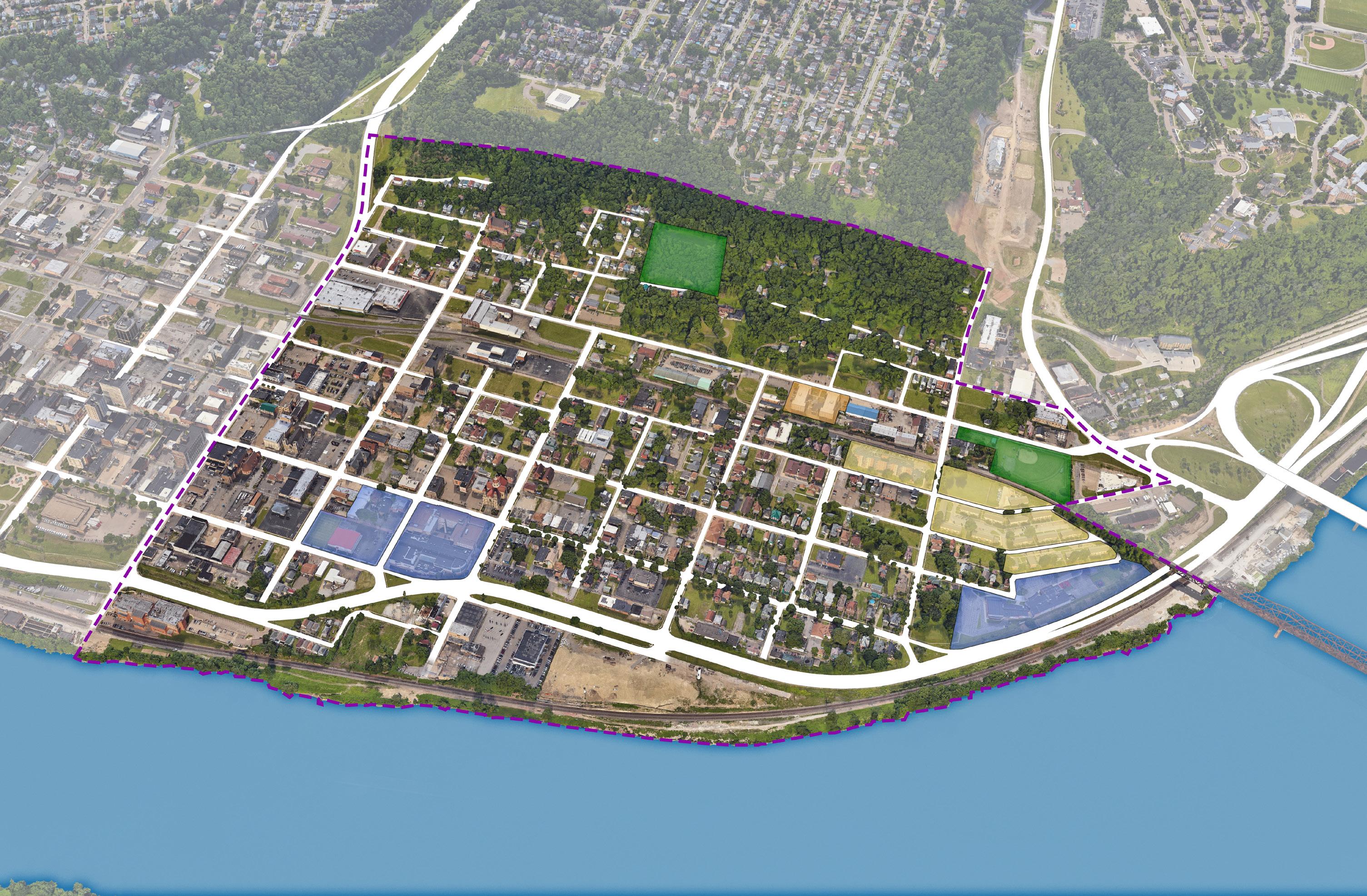
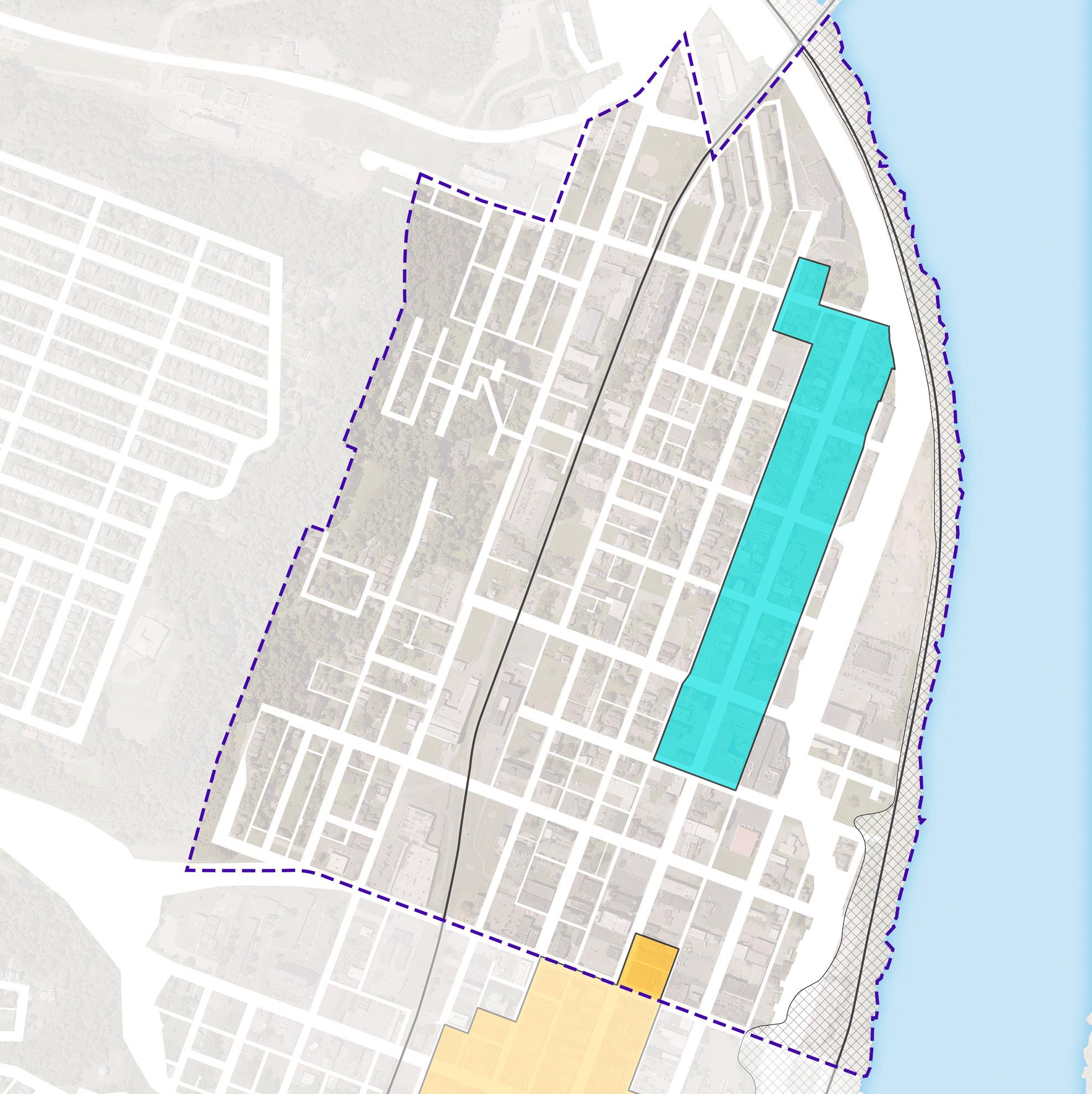
The .45 square mile Steubenville North neighborhood (AKA the North End) is adjacent to Downtown Steubenville, with Washington Street acting as the divider between the two areas. The eastern edge of the neighborhood follows the shores of the Ohio River, the western edge is a heavily wooded hillside, and the northern edge roughly follows University Avenue. Steubenville North has an estimated population of 1,367.
The once thriving city of Steubenville has now halved its population, due to the lack of job opportunities. The booming steel industry in the 1940s had Steubenville at its height population of 37,000, now it is 18,000.
One in four Steubenville residents is considered impoverished. Although all areas of the city have been affected by the economic downturn, lowincome families and individuals have suffered most from decades of disinvestment, especially in the Steubenville North neighborhood.
While the neighborhood faces significant challenges, abundant opportunities also exist. The community contains two elementary schools and a high school, youth centers, a historic district, and various religious organizations. The neighborhood’s riverfront is an underutilized asset that can be greatly improved for local recreation and the community’s close proximity to downtown provides opportunities for mixeduse development.
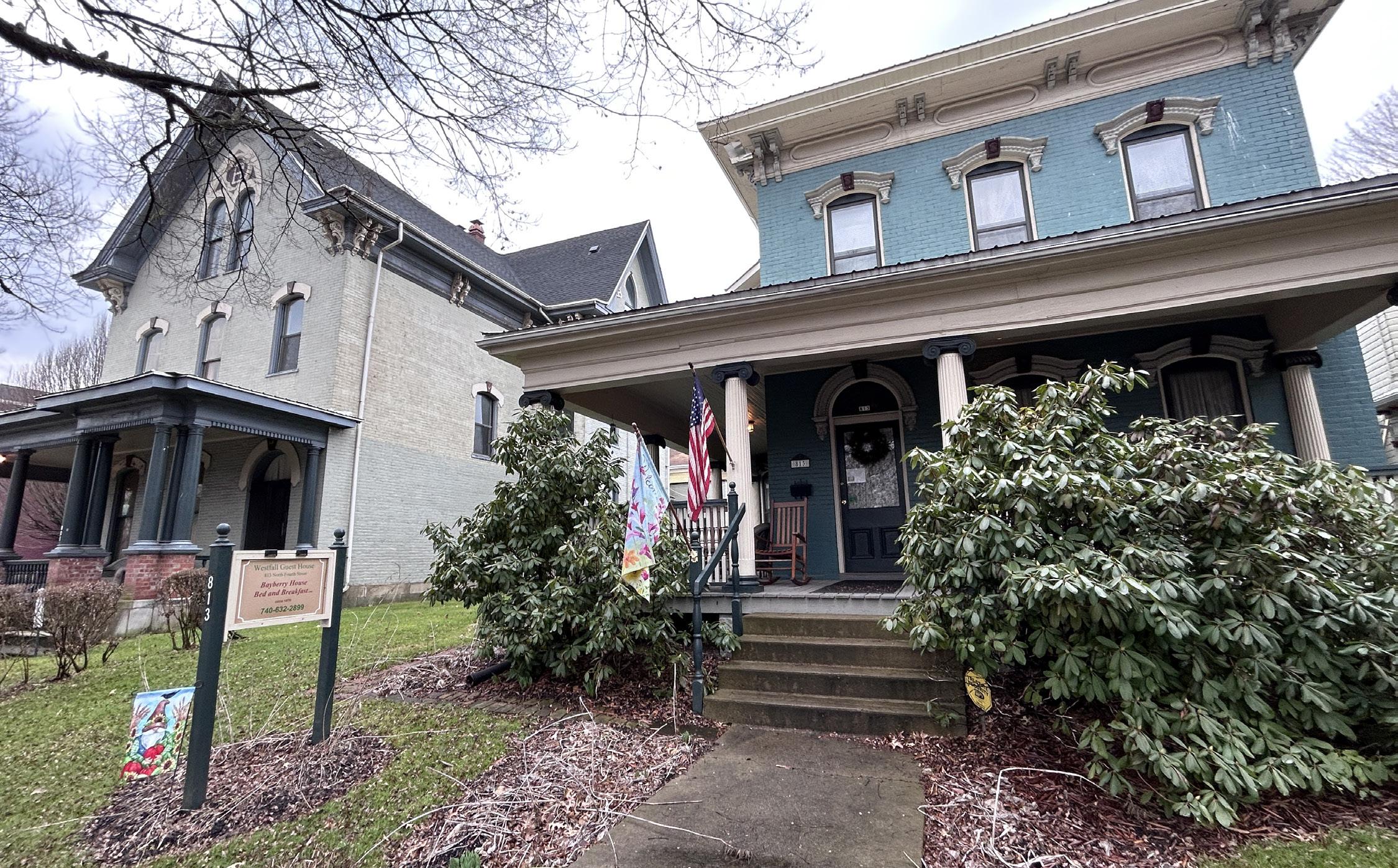
4TH STREET N HISTORIC DISTRICT
Native American History
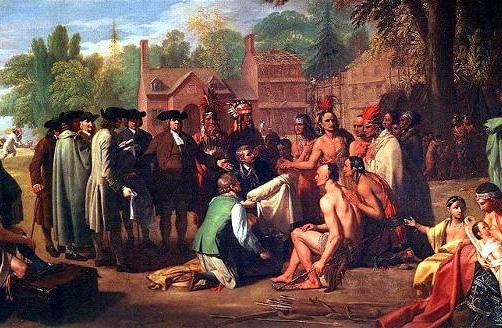
The Plan acknowledges the important Native American history of Steubenville. The Steubenville area was originally inhabited by the Mingo Indians, a branch of the Iroquois Confederacy, during the mid-18th century. They migrated from New York and settled in the region, with their name derived from the Delaware Indian term “Mingwe.” The Mingo tribe coexisted with the Delaware and Shawnee tribes in the area, living as fishers and huntergatherers along the Ohio River. Their way of life was deeply connected to the natural resources provided by the river and the surrounding lands.
Chief Logan, a prominent leader of the Mingo tribe, sought to prevent conflicts with white settlers, but his family’s tragic murder led him to retaliate against frontier communities in Virginia and Pennsylvania. This event exemplified the tensions arising from the encroachment on Native American territories. The Mingo, along with other tribes like the Delaware and Shawnee, faced challenges as European colonization intensified. They were often victims of land purchases made without their consent, contributing to the erosion of their homelands.
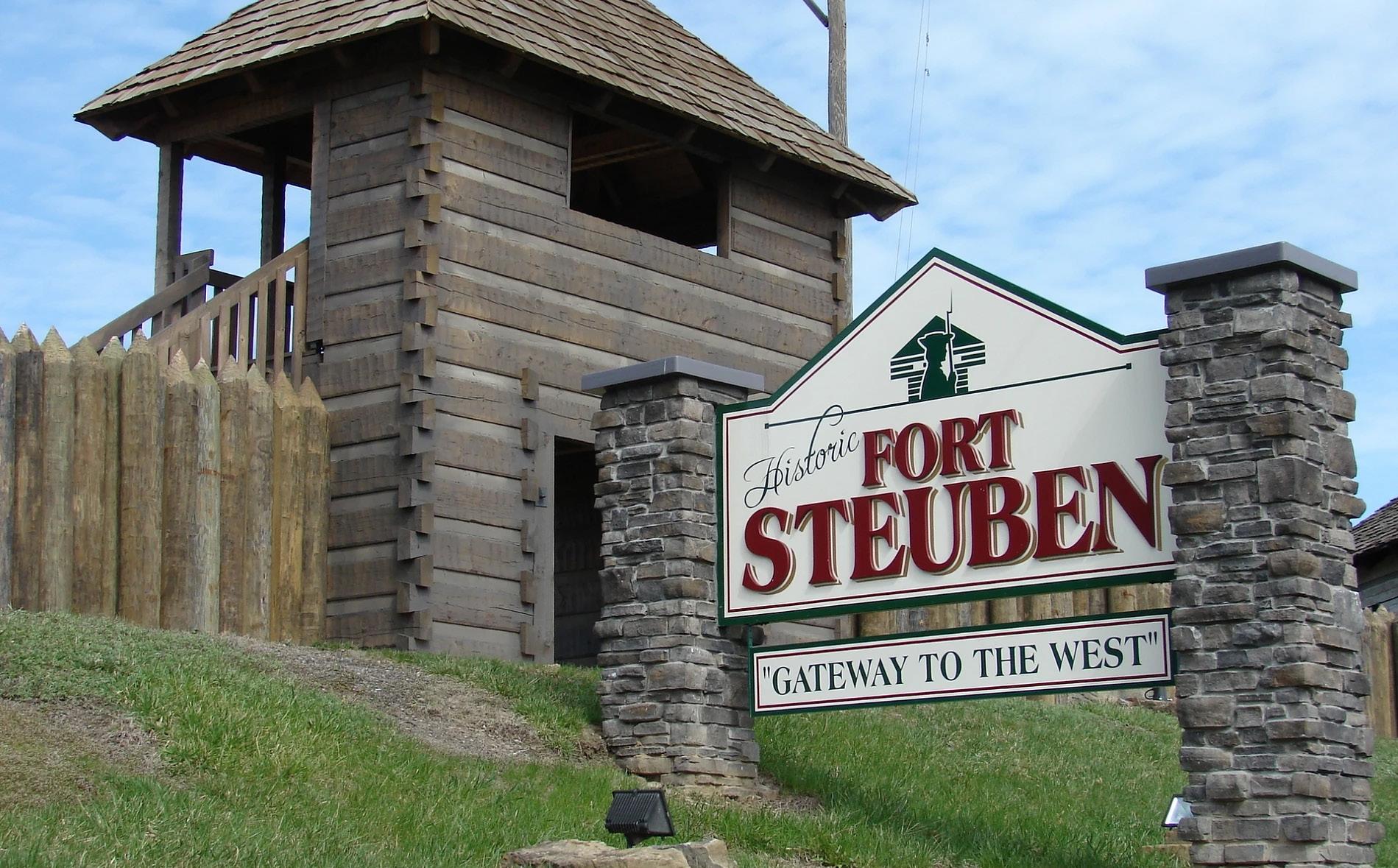
In 1785, while surveying the area for the United States, Thomas Hutchins and his team encountered the Mingo Indians residing on the lands both north and south of Steubenville, with the Steubenville area primarily being used as hunting grounds. This encounter led to the construction of Fort Steuben, strategically built along the Ohio River to protect against potential attacks.
Despite the challenges and displacement faced by the Native American communities, their cultural imprint remains embedded in the region’s history and identity.
SOURCE: AMERICAN INDIANS OF THE OHIO COUNTRY IN THE 18TH CENTURY
NORTH AMERICAN MOUNTAIN MAN FROM THE 1800S SOURCE: HERALD-STAR
SOURCE: NATIVE AMERICANS OF THE EASTERN OHIO COUNTRY
LOCAL HISTORY
Steubenville, Ohio, traces its origins back to Fort Steuben, a military fort erected in 1786 to protect government surveyors mapping the Northwest Territory. The fort was named after Prussian military officer Baron Friedrich Wilhelm von Steuben, who served as a drillmaster for the Continental Army during the American Revolutionary War. Although von Steuben himself never visited the area, the city that emerged from the fort’s ruins bore his name.
The town of Steubenville was permanently laid out in 1797 by Bezaleel Wells, with most of the early settlers being squatters from Pennsylvania and Virginia. Wells chose the location due to its relatively fertile soil, a rarity in the hilly Seven Ranges area. By the late 1840s, Steubenville had grown into a flourishing community of
around 7,000 people, including a sizable African American population. It boasted various industries such as the woolen mills, glass factories, a paper mill, and an iron foundry, powered by coal mined from the surrounding area. Steubenville North having all of these industries, played a significant role in this growth.
Steubenville’s strategic location on the Ohio River and its abundant natural resources, including coal and clay, facilitated its development as a major steelmaking center. Industries such as steel mills, coal mines, and glass factories attracted waves of immigrants, contributing to Steubenville’s cultural diversity. Beer brewing was also a significant industry in the city until the onset of Prohibition in 1919.
Today, the North End Neighborhood Historic District, along with the Steubenville Commercial Historic District, are listed on the National Register of Historic Places. These districts showcase the neighborhood’s architectural styles and cultural significance. Exterior alterations or changes in these historic districts must comply with the Secretary of the Interior’s Standards for Rehabilitation and the design guidelines adopted by the Steubenville Historic Landmarks Commission.
While Steubenville’s industrial glory has faded, the city has made efforts to preserve its unique history and cultural heritage. The North End neighborhood’s diversity is reflected in its rich cultural fabric, celebrated through various art forms, including public murals and music performances. Annual festivals and events include the Ohio Valley Frontier Days, Dean Martin Festival, Juneteenth Festival and Summer Concert Series.
HISTORIC RESOURCES
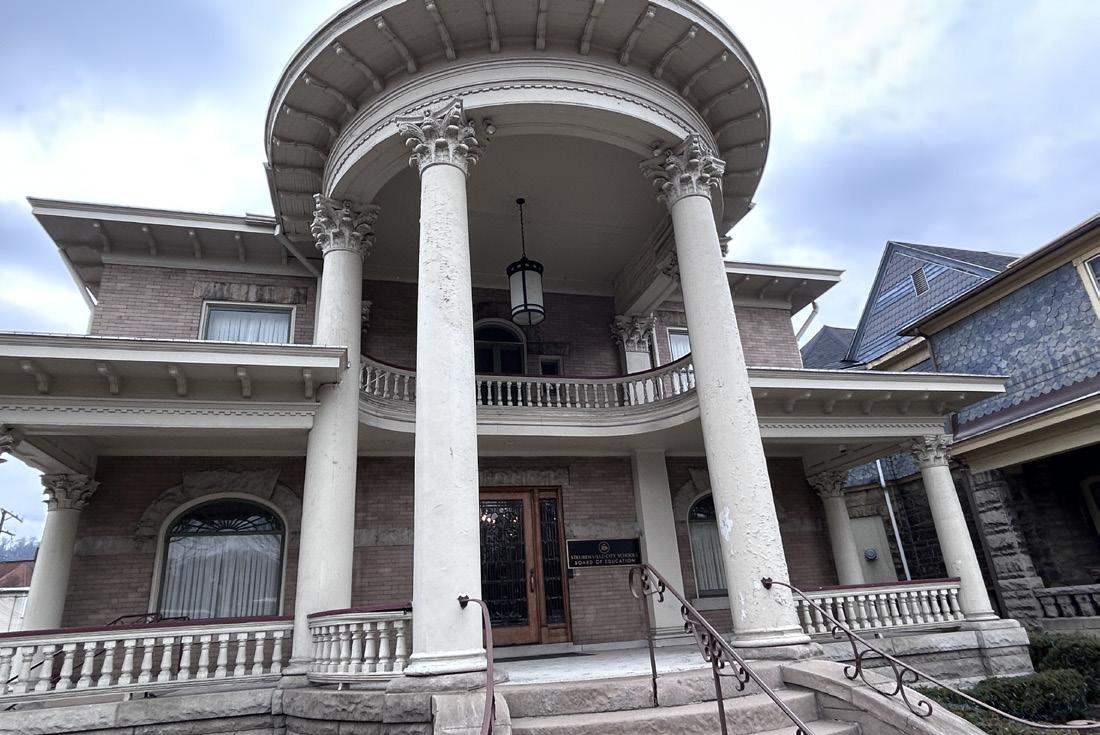
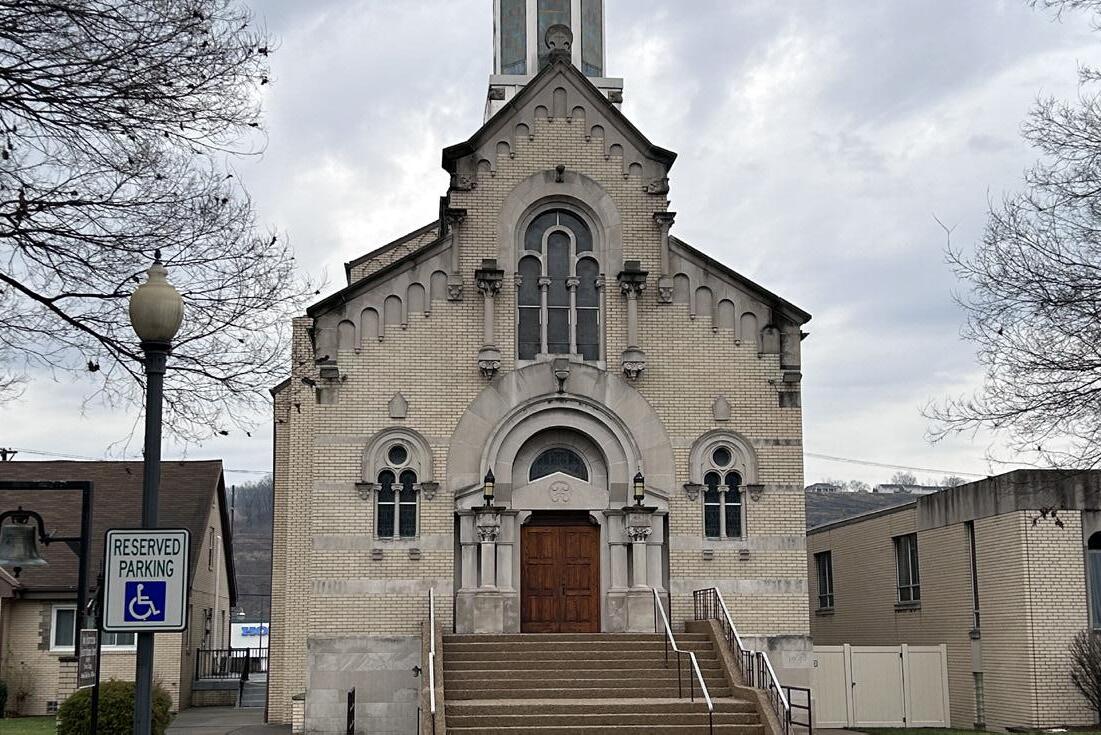
The Steubenville North neighborhood contains two historic districts that are both listed by the U.S. Department of the Interior on the National Register of Historic Places. Numerous examples of late 19th and early 20th century revival, Italianate, and Victorian styles are represented in the North End Historic District.
Acme Glass Office Building
Villa Maria (Edge Hill)
Temple Beth El/ Phillips Chapel
Greater Zion Temple
STEUBENVILLE CITY SCHOOLS - BOARD OF EDUCATION BUILDING
HOLY RESURRECTION SERBIAN EASTERN ORTHODOX CHURCH
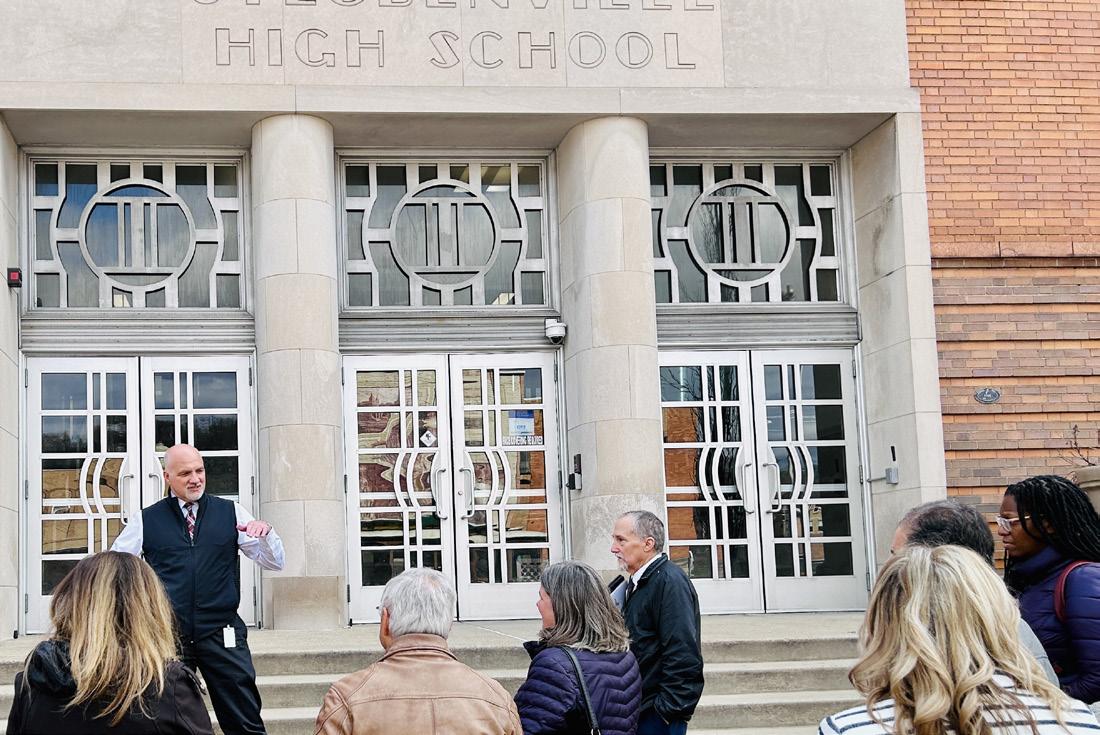
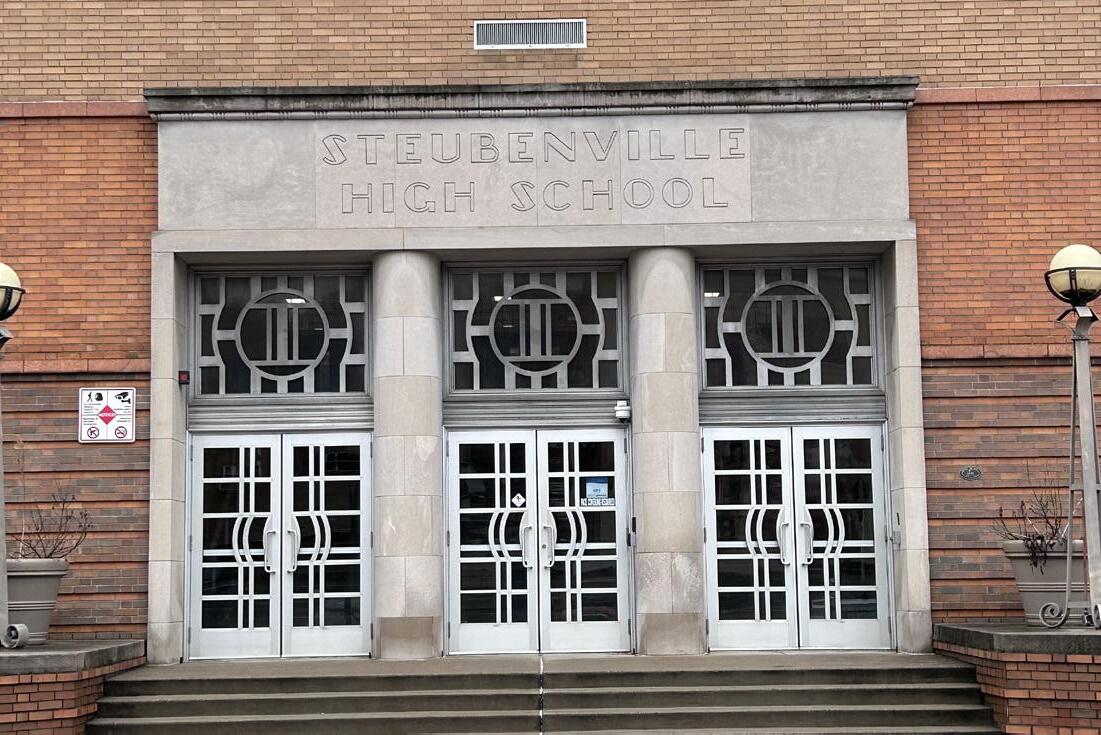
STEUBENVILLE HIGH SCHOOL ENTRY
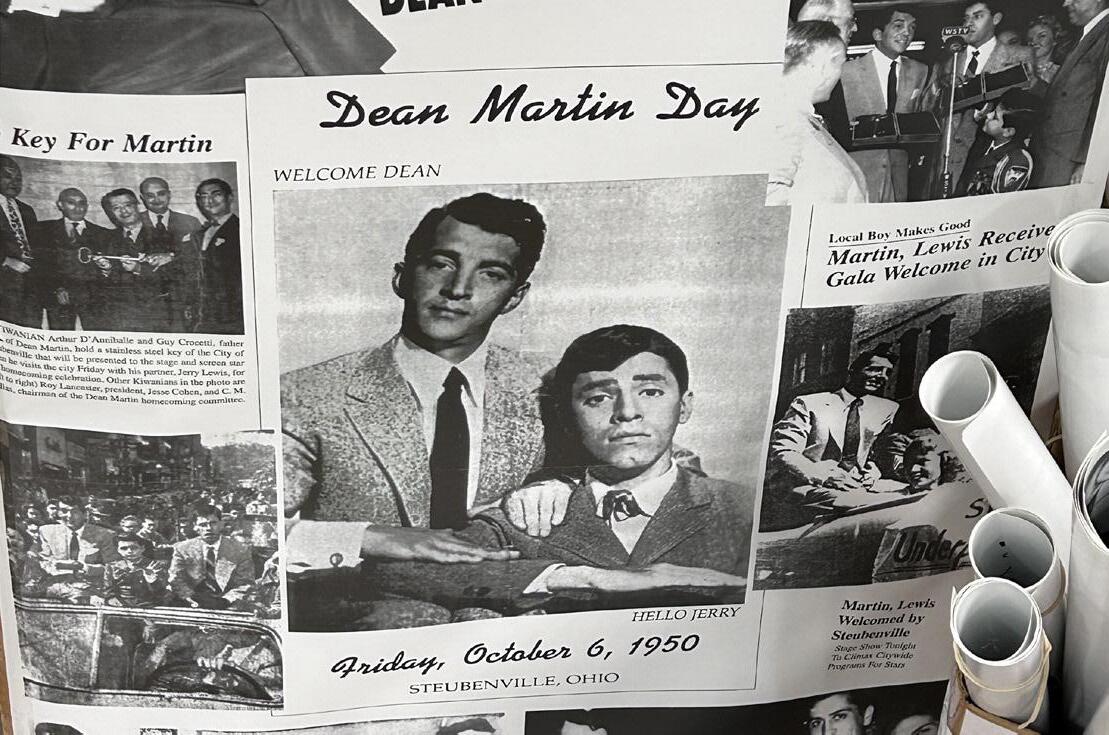
DEAN MARTIN HISTORICAL PHOTOS
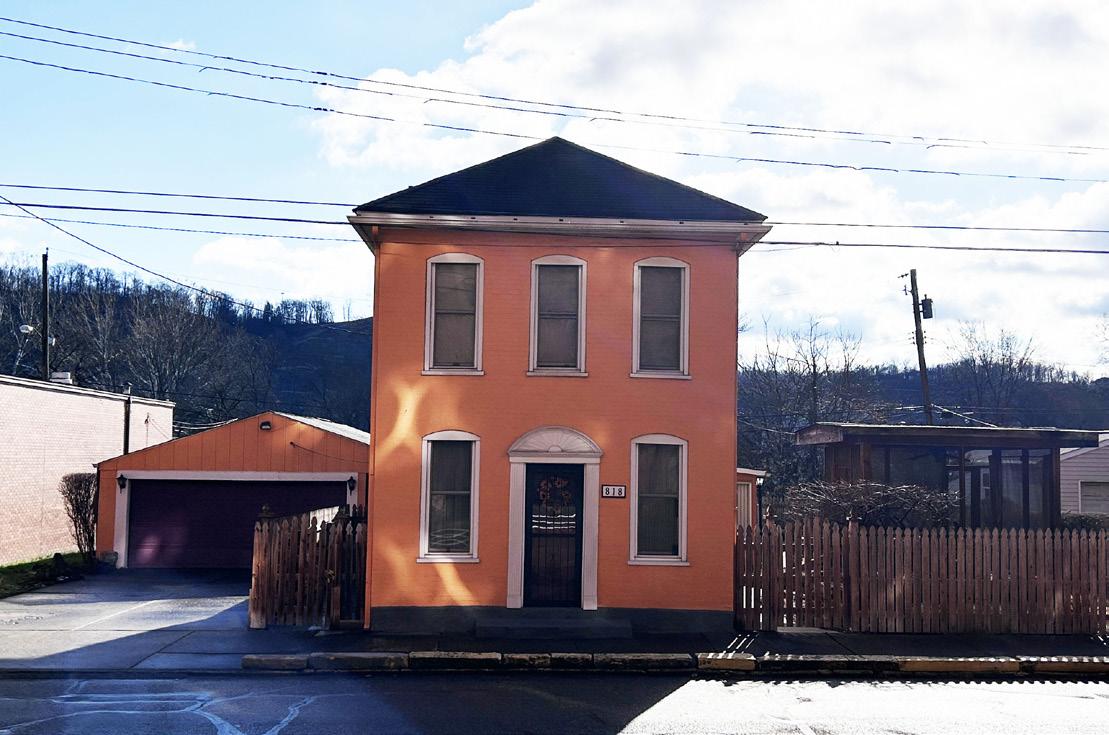
HOME ON N 6TH STREET
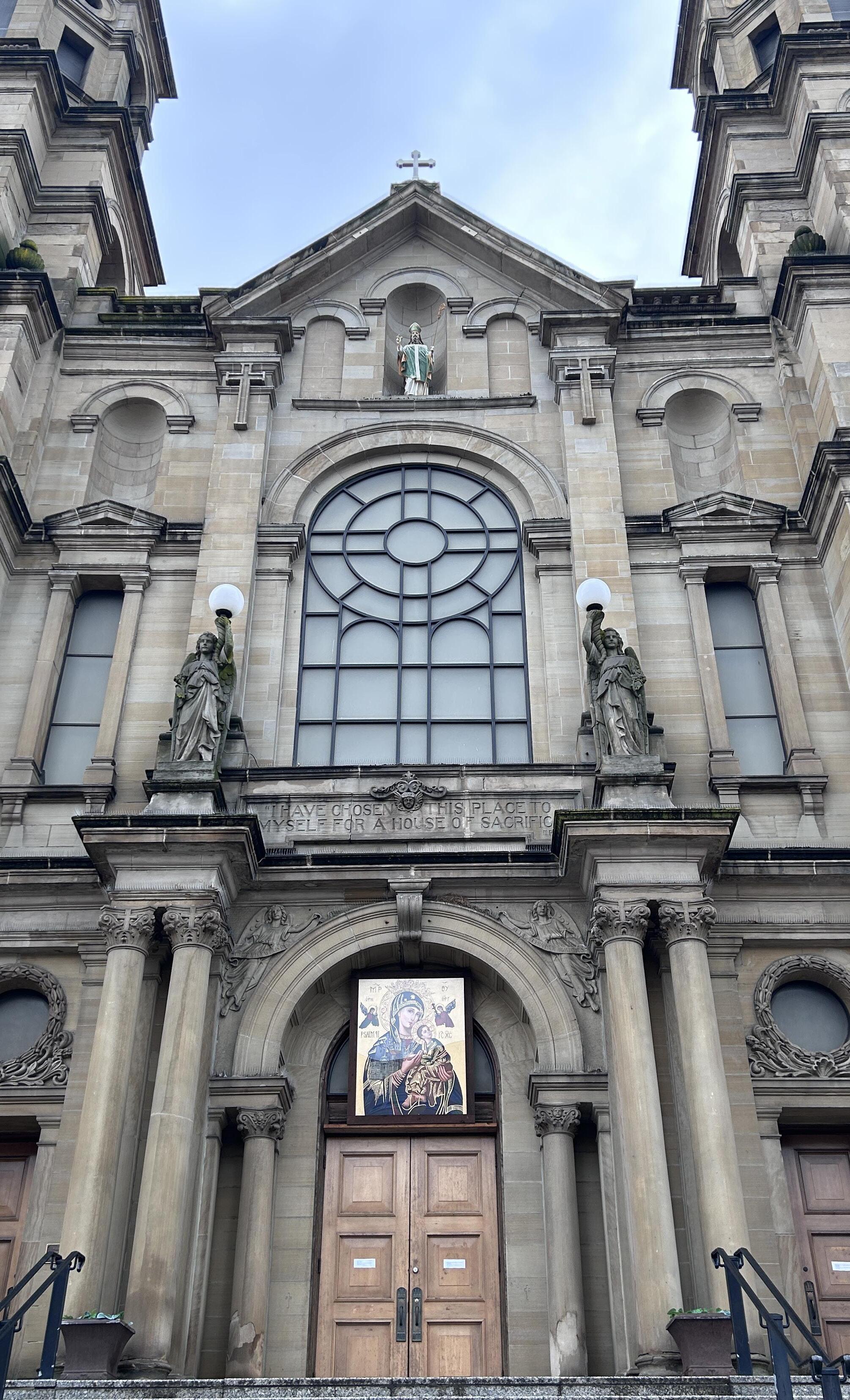
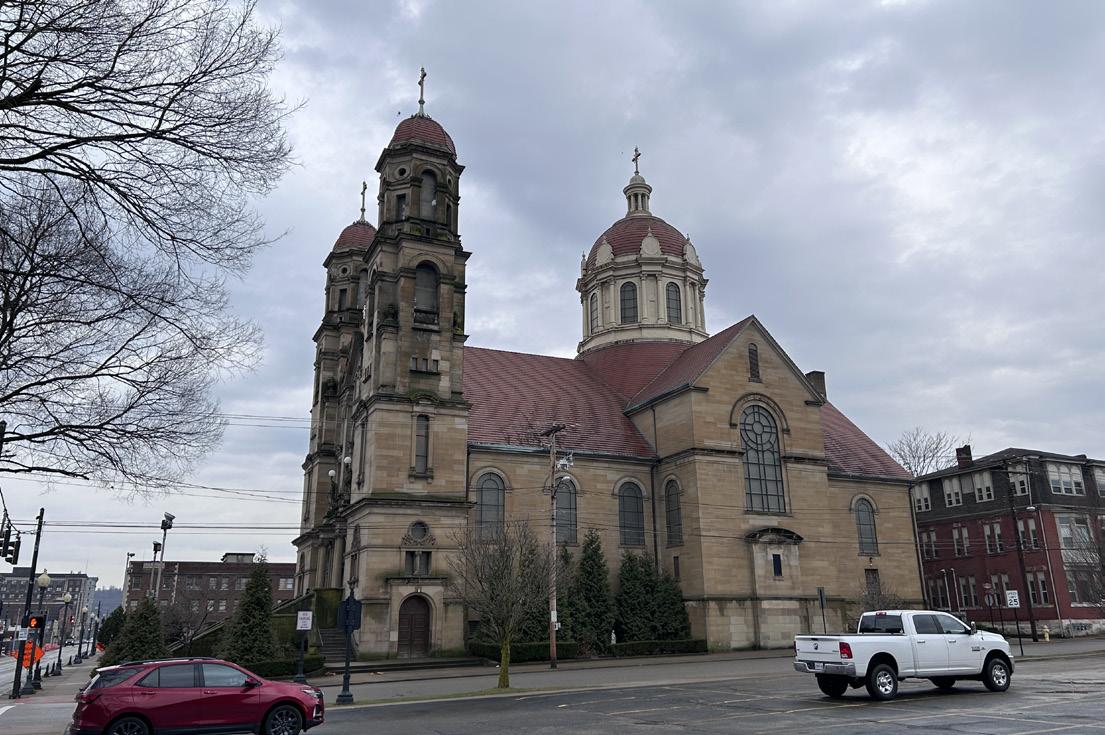
ST. PETER CATHOLIC CHURCH
African American History
The Plan recognizes the rich history and culture of African Americans in Steubenville, many of whom lived and worked in the Steubenville North neighborhood. Steubenville’s African American history is deeply rooted in its role as a stop on the Underground Railroad and its commitment to antislavery movements.
Today, the city continues to celebrate this legacy through annual festivals, public art, and initiatives that embrace diversity and promote cultural understanding, ensuring that the contributions and experiences of the African American community remain an integral part of Steubenville’s story.
Steubenville’s history is intertwined with notable African American figures, such as the Tuskegee Airmen of World War II, including two brothers from Steubenville who served in that prestigious group. Their legacy is honored through one of the city’s murals, showcasing the importance of recognizing and preserving African American contributions to the region’s past.
Steubenville celebrates its African American heritage and community through annual festivals and events like the African American Heritage Festival held in North End Park. This festival welcomes everyone to experience the music, foods, traditions, and arts of Steubenville’s African American community.
MOSES FLEETWOOD WALKER - FIRST AFRICAN AMERICAN PROFESSIONAL BASEBALL PLAYER
TUSKEGEE AIRMEN
SOURCE: STEUBENVILLE & JEFFERSON COUNTY VISITOR CENTER
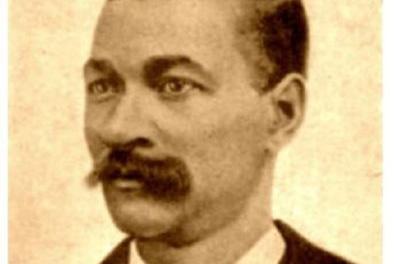
LAFAYETTE R. MERCER
SOURCE: BLACKTHEN.COM
This is just a sample of the many significant African American residents of Steubenville
H. James Baker
A pioneering figure in the labor movement, becoming the first black man to be involved in Local 1190 of the United Steelworkers of America and chairing the grievance committee. He also played a pivotal role in integrating local establishments like the Wheel Restaurant in 1956, along with Byrdie Owens and Patricia Fletcher. Additionally, Baker was a staunch supporter of the NAACP and advocated for civil rights on a national level.
The Spinner Family
Bravely challenged the segregated public swimming pool rule in Mingo Junction in 1965. Despite opposition, they successfully desegregated the town’s pool, marking a significant step towards equality.
William Hendricks
Is the former president and current board member of the Steubenville City Schools Board of Education. He serves as the former Chairman and current member of the Steubenville Planning and Zoning Commission, and member of the Steel Valley Transit Authority Board, playing a vital role in shaping the city’s development and urban planning initiatives.
Army Col. Corina Mayo Barrow
Served as a nurse at Army hospitals and was the chief nursing officer at the Eisenhower Army Medical Center. Her awards and decorations include the Legion of Merit, MeritoriousService Medal, Army Commendation Medal, Army Achievement Medal, National Defense Medal, Army Service Medal and the Order of Military Medical Merit.
Sylvia Crawley
Is a Steubenville High School graduate and Basketball Player, WNBA standout and Basketball Coach. Her exceptional talent and dedication helped the Tar Heels win the 1994 NCAA National Championship.
Lafayette R. Mercer
Made history as the first black member of the Steubenville Police Department, serving until his untimely death in 1911.
Dr. Clifford C. Morton
A Steubenville High School and Howard University graduate, became one of the city’s first black dentists in 1921.
Ross Mike
Made history as the first black detective for the Steubenville Police Department, serving in that role from 1955 to 1979 after joining the force as a patrolman in 1953.
Stephanie Robinson, Esq
Is a Lecturer on Law at Harvard Law School, a national media figure,author, former Chief Counsel to Senator Edward M. Kennedy, and the former President and CEO of The Jamestown Project, a national think tank focusing on democracy.
George “Puck” Burgwin
Was an exceptional high school football player from Steubenville, Ohio, who etched his name in the record books with his extraordinary athletic prowess. Burgwin’s legacy as one of the greatest high school football players in Ohio history is cemented in Steubenville’s rich sports heritage.
LOCAL PROFILE
CENSUS TRACT 2 (2020)
Population
Between 18-64 years old
Lacking a High School Diploma or Equivalent
With a Bachelor’s Degree or Higher
Neighborhood Median Income Housing Occupancy Rate
Median Value of Owner-Occupied Housing in Neighborhood
JFK APARTMENTS PROFILE
DEMOGRAPHICS: JOHN F. KENNEDY APARTMENTS
ECONOMY: JOHN F. KENNEDY APARTMENTS
ELMER WHITE FAMILY UNITS PROFILE
DEMOGRAPHICS: ELMER WHITE FAMILY UNITS
ECONOMY: ELMER WHITE FAMILY UNITS
$9,371
NATURAL FEATURES
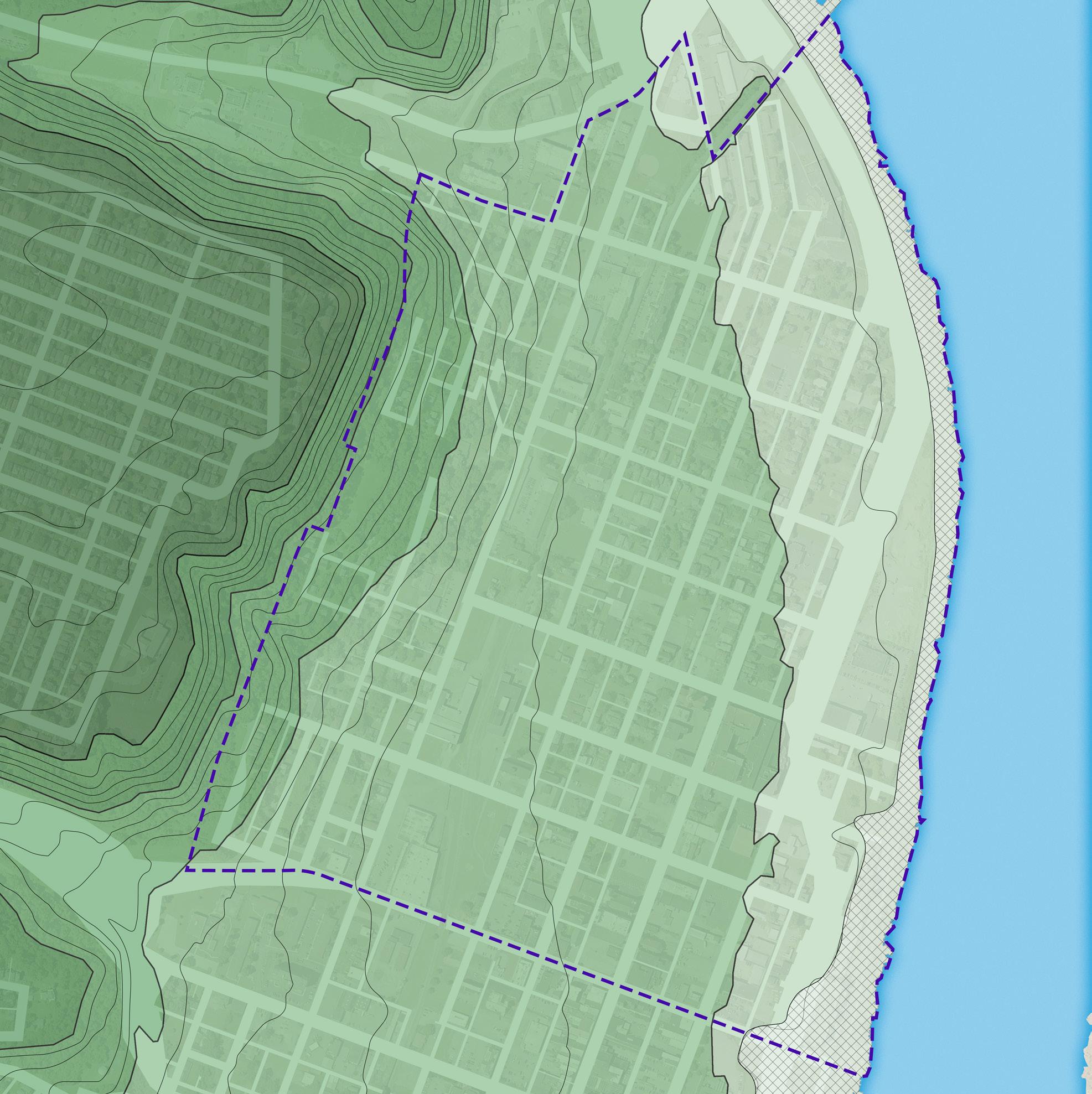
The Steubenville North neighborhood’s lowest point is along the Ohio River at 644 ft. above sea level and its highest point is along its western edge at approximately 900 ft. above sea level. The 100-year floodplain of the Ohio River generally lies between the Norfolk Southern railroad line and the Ohio River, although it does not include any areas west of OH-7. The steep hillside along the western edge of the neighborhood creates a natural border between it and the La Belle View neighborhood. The neighborhood’s steepest grades are west of 7th St. Each contour on the map to the right represents 20 ft.
LEGEND
Choice Neighborhood Boundary
1,100-1,000 Ft. Elevation
1,000-900 Ft. Elevation
900-800 Ft. Elevation
800-700 Ft. Elevation
700-600 Ft. Elevation
100-Year Floodplain
VACANCY
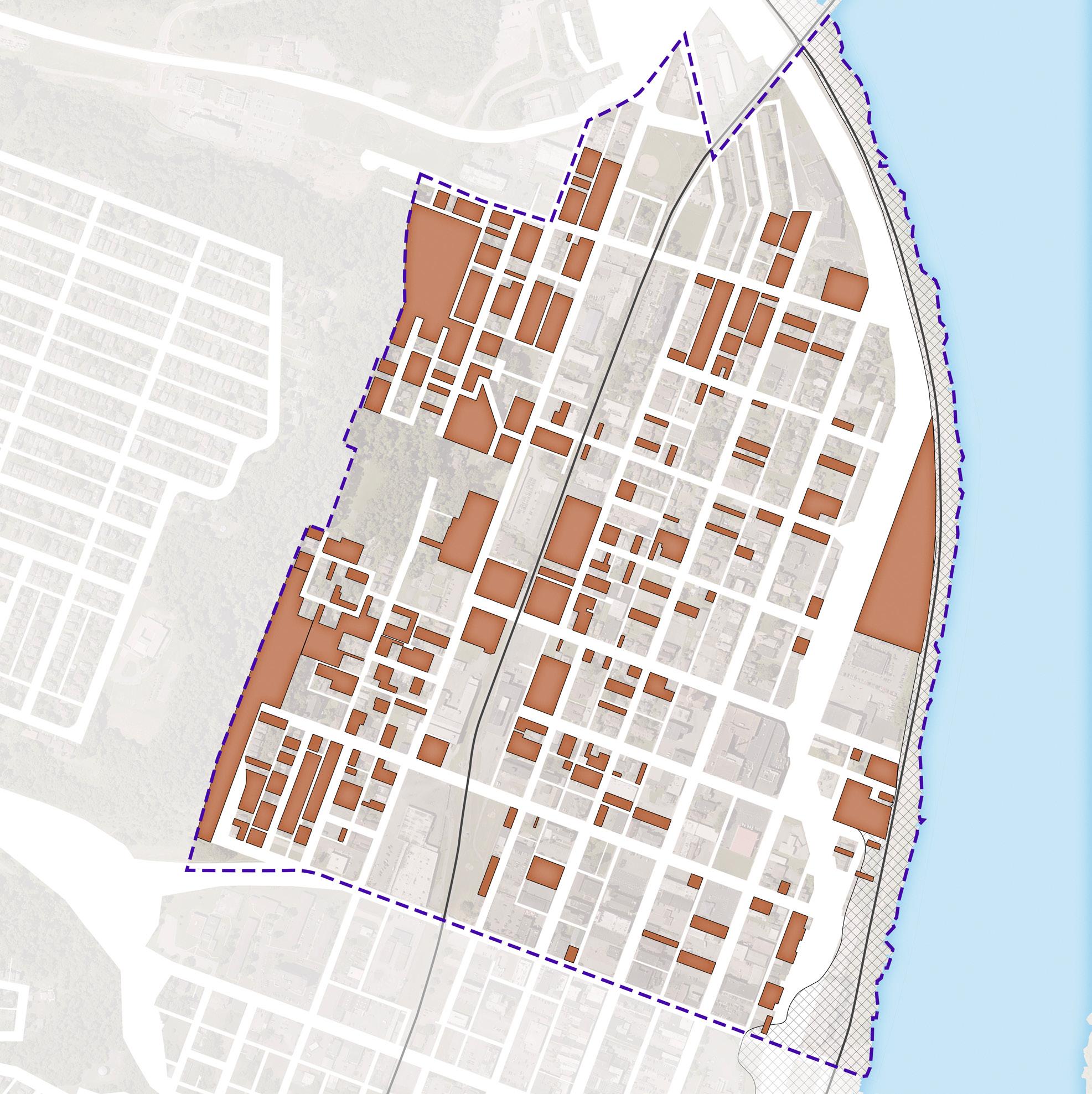
Steubenville’s population peaked in 1940 around 37,000 people, a time in which Steubenville North was more densely populated neighborhood. Since then, industrial uses along the Ohio River and the rail road lines have shut down or left, leaving behind significant vacancies in those areas. Additionally, the residential neighborhood uphill and west of 7th St. is now mostly vacant land. These vacant sites provide many opportunities for new, mixed-income housing and businesses for the neighborhood.
LEGEND
Choice Neighborhood Boundary Vacant Parcel STEUBENVILLE NORTH CHOICE NEIGHBORHOOD PLAN
NEIGHBORHOOD ASSETS
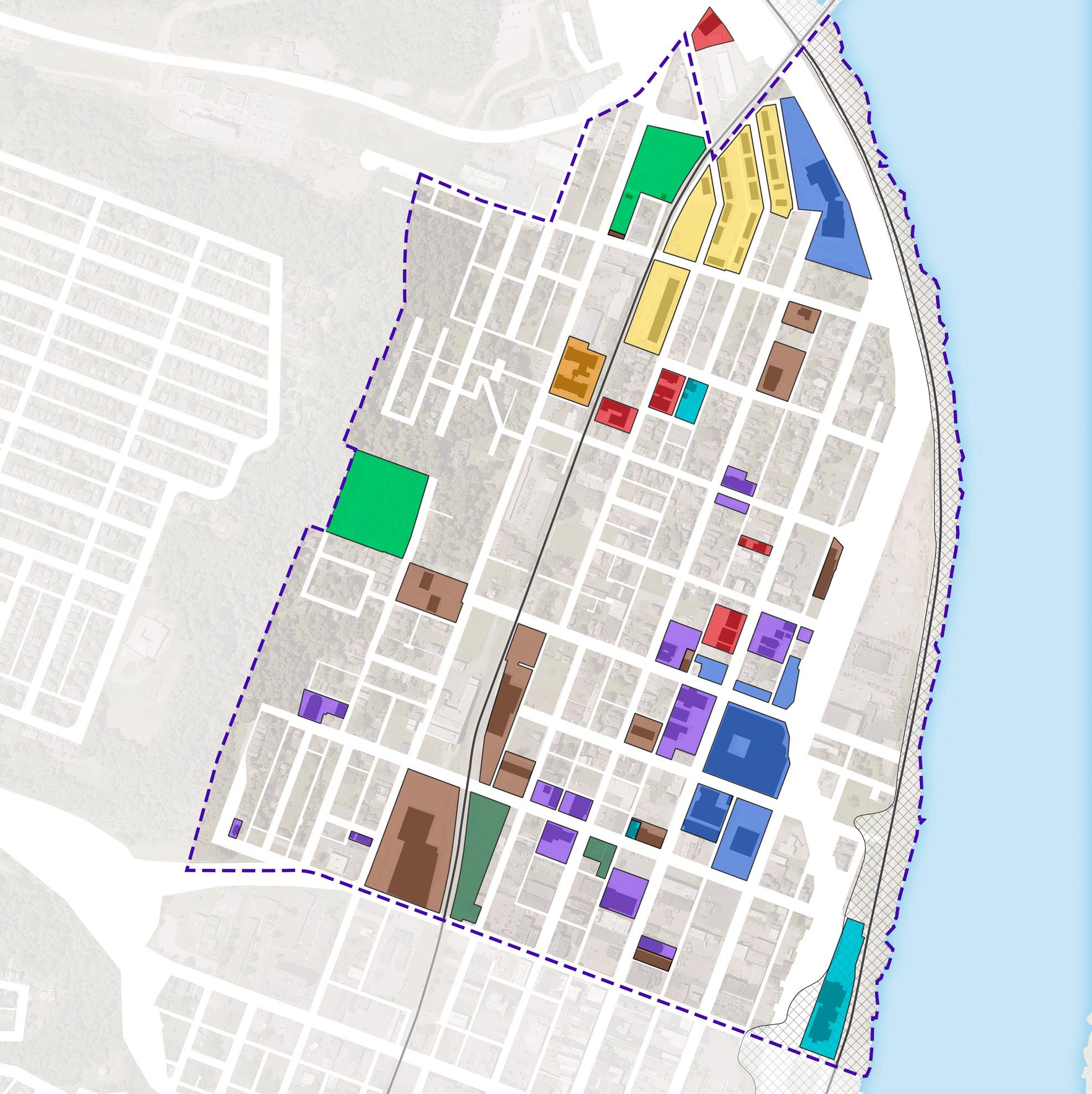
The neighborhood is anchored by strong schools, numerous religious entities, and other communityoriented service providers.
There are few open spaces in the neighborhood, with only two public parks, both of which have limited accessibility. The Ohio River is separated from the neighborhood by a railroad line, industrial uses, and the Jefferson County Justice Center and Jail.
Commercial development is focused along Washington St. and University Ave. Other community institutions and amenities are scattered throughout the neighborhood.
LEGEND
Boundary
Community Garden
JMHA Housing Properties Bridgeview Apartments
ZONING
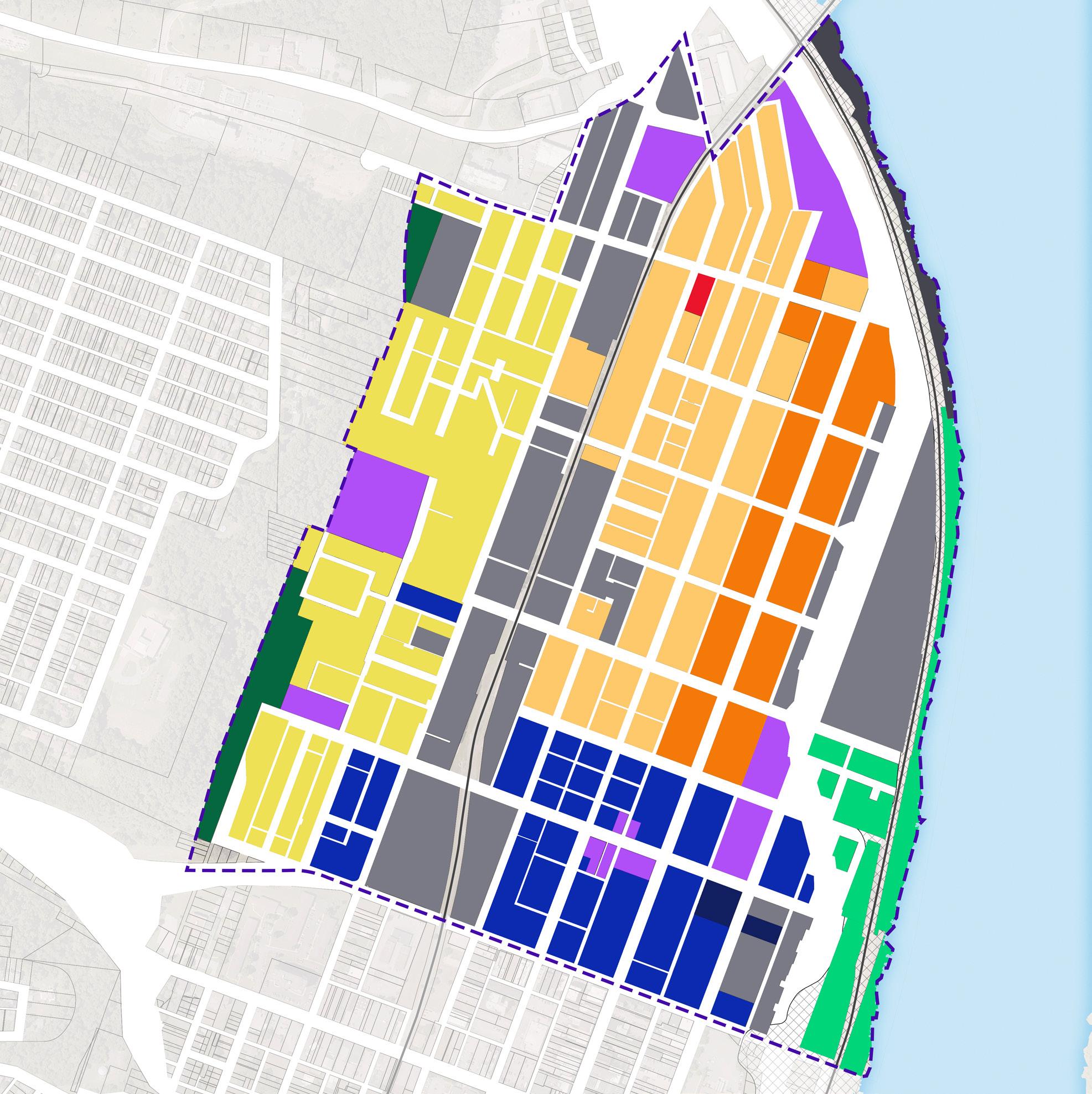
The Steubenville North neighborhood transitions from the edge of downtown to a traditional, mixed-use residential neighborhood. Residential density is higher along the eastern edge of the neighborhood and lower along the western hillside of the neighborhood, which is clearly reflected in the zoning district. Industrial zoning districts are limited to the areas along the Ohio River and adjacent to the Norfolk southern railroad line.
TRANSPORTATION NETWORK
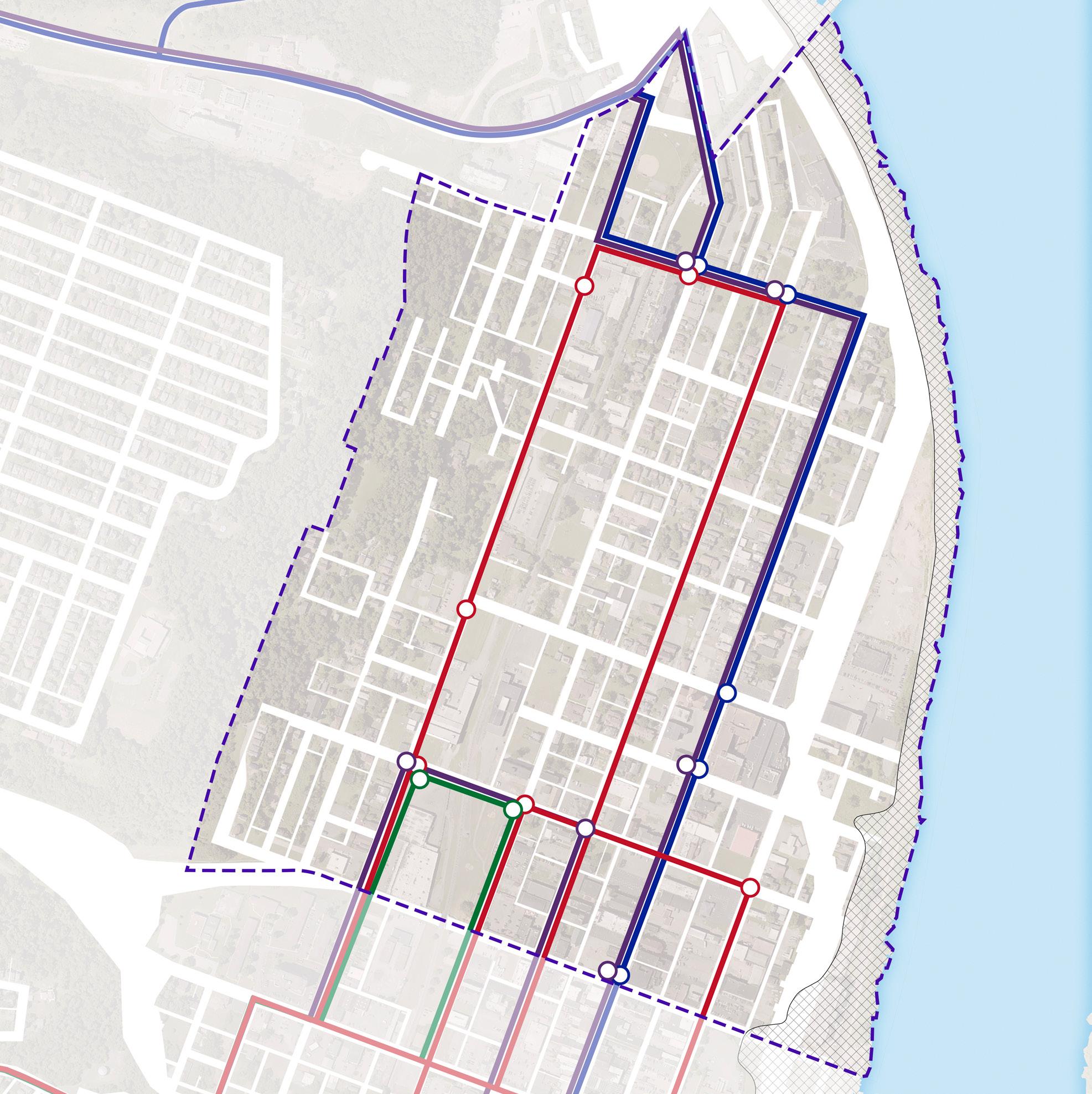
The Steel Valley Regional Transit Authority (SVRTA) operates limited transit service around Stuebenville and to nearby cities including Weirton, Mingo Junction, Wintersville, and Rayland. The SVRTA also offers Paratransit, which is a specialized, door-to-door transport service for people with disabilities who are not able to ride fixedroute public transportation.
LEGEND
Choice Neighborhood Boundary
Blue Line
Purple Line
Red Line
Green Line
Blue Line Stop
Purple Line Stop
Red Line Stop
Green Line Stop
BIKE NETWORK
Neighborhood
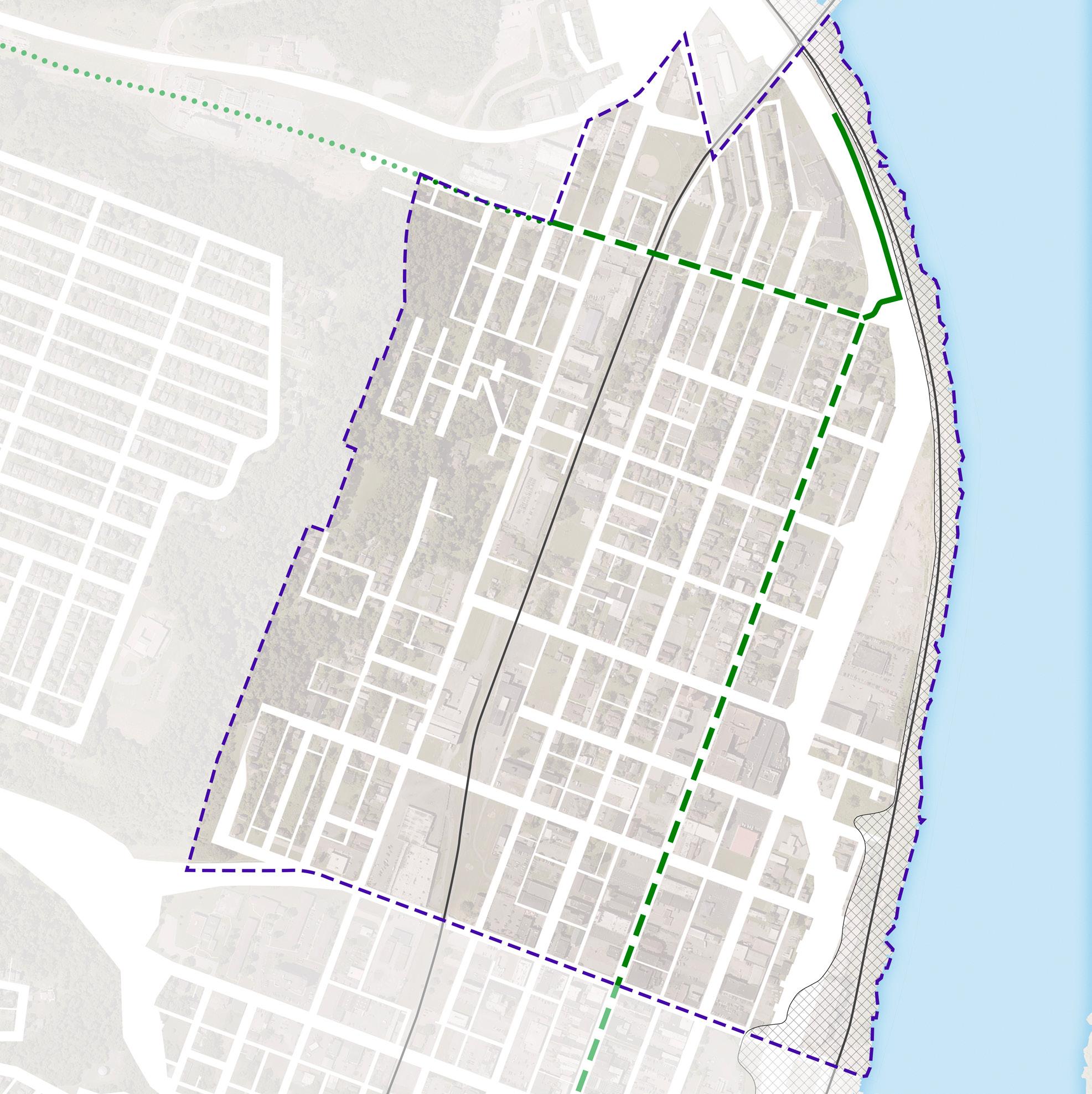
There is very little bike infrastructure in the Steubenville North neighborhood. In 2022, a 0.3-mile multi-use trail was constructed along the eastern side of OH-7 from Franklin Ave. to the road entry to the marina. Franklin St. and 7th St. have a designated bike path that is part of the Steubenville Heritage Plan. Steubenville is a critical link in the Great American Rail Trail, which is a partially constructed multi-use trail that spans from the Pacific Ocean to Washington D.C.
LEGEND
Choice Neighborhood Boundary
Existing Multi-use Trail
Steubenville Heritage Trail (Shared Bike Route)
Shared Bike Route (Proposed)
b COLLABORATION A Community of
“Meet the neighborhood where it’s at but don’t leave them where it is.”
- Steubenville North Resident
Collaboration lies at the heart of our vision, uniting us in our pursuit of common goals and amplifying our collective impact. We foster an environment of inclusivity, where diverse perspectives are not only welcomed but actively sought after and valued. This inclusive approach empowers us to address systemic issues, drive lasting change, and achieve outcomes that benefit all members of our community. Through collaborative efforts, we harness the power of unity, breaking down barriers and transcending individual limitations to realize our shared aspirations.
The Steubenville North CN Plan process builds upon local strengths by engaging target housing and neighborhood residents, local businesses, and organizational partners in a comprehensive and collaborative way.
ENGAGEMENT
The City, JMHA, and its robust network of partners are employing innovative and impactful outreach strategies, enhanced by online interactive tools and social media, to maintain resident engagement throughout the entire process. Early public housing resident meetings held at the beginning of the planning phase have fostered trust and confidence, empowering JMHA residents to participate more meaningfully within the broader community. To achieve effective engagement and communication, a variety of methods have been implemented for the residents of JMHA.
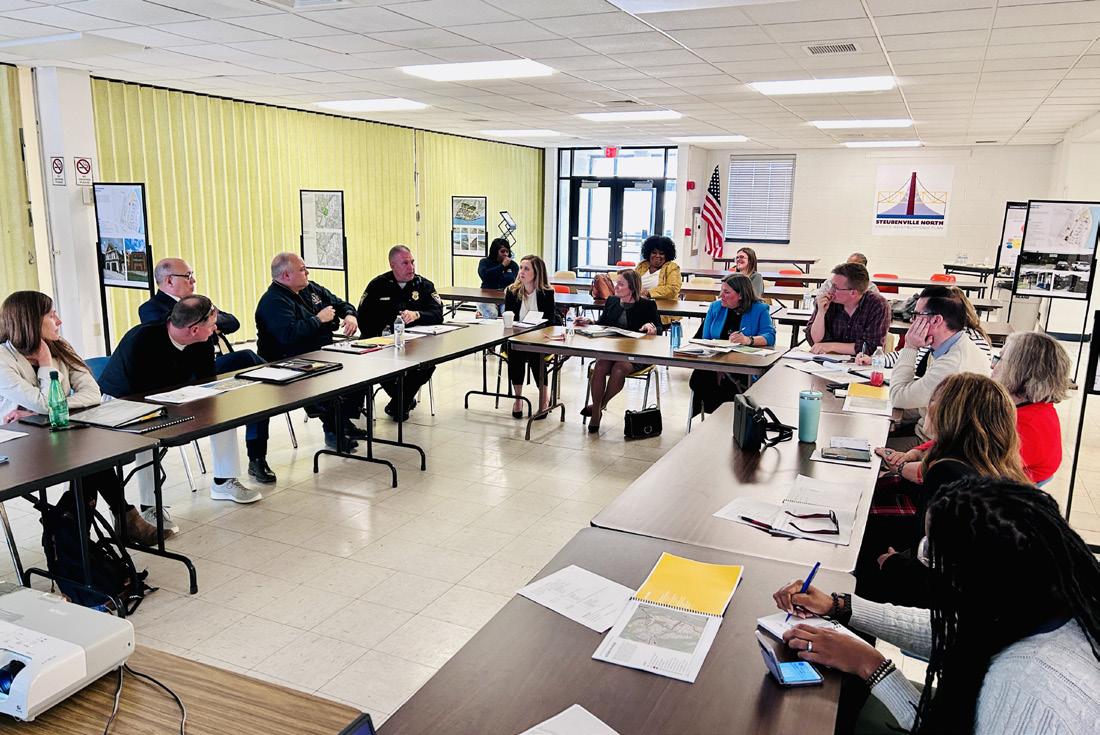
NEIGHBORHOOD TASK FORCE MEETING
PROJECT TEAM
The planning process is being led by the City of Steubenville in partnership with JMHA. The creation of the Plan is being overseen by the U.S. Department of Housing and Urban Development (HUD), and coordinated by COLLABO in partnership with Vireo. The Choice planning team has committed to working directly with residents, non-profit organizations, and local businesses to create a Plan that reflects the vision and aspirations of the entire community.
HUD
The U.S. Department of Housing and Urban Development’s mission is to create strong, sustainable, inclusive communities and quality affordable homes for all. HUD is working to strengthen the housing market to bolster the economy and protect consumers; meet the need for quality affordable rental homes; utilize housing as a platform for improving quality of life; and build inclusive and sustainable communities free from discrimination.
Jefferson Metropolitan Housing Authority
The mission of the Jefferson Metropolitan Housing Authority (JMHA) is to promote adequate and affordable housing, economic opportunity, and a suitable living environment free from discrimination. JMHA believes that affordable housing is housing that a household can pay for, while still having money left over for other necessities like food, transportation, and health care.
City
of Steubenville
The City of Steubenville is dedicated to providing a happier and healthier life for all of its residents. The City has extensive experience managing planning and development projects and federal grants across many government areas. As a Community Development Block Grant (CDBG) entitlement community, Steubenville has led the process of creating Consolidated Plan and Annual Action Plans. Through a collaborative process that engages local citizens in shaping housing and community development programming, the City created a strategic plan and developed resources to address identified needs.
COLLABO
COLLABO is a dynamic planning and urban design practice leading innovative and equitable neighborhood revitalization projects that generate positive results and improve the lives of local residents. They make a difference and create a lasting impact through authentic collaboration, early action and community empowerment.
Vireo aims to make a real impact, bringing life to open spaces and contributing to the livability and economic success of communities. The firm’s city planners, landscape architects, designers, and artists listen to the people who care about the places in their lives and create ways to make their cities more vibrant, welcoming, inclusive, and reflective of the people who live and work there.
Vireo
Community Ambassadors
The Steubenville North Neighborhood revitalization project strongly emphasizes resident empowerment. To ensure the team, collaborators, and actions represent the community, three Community Ambassadors have been identified and integrated into the Planning Team.
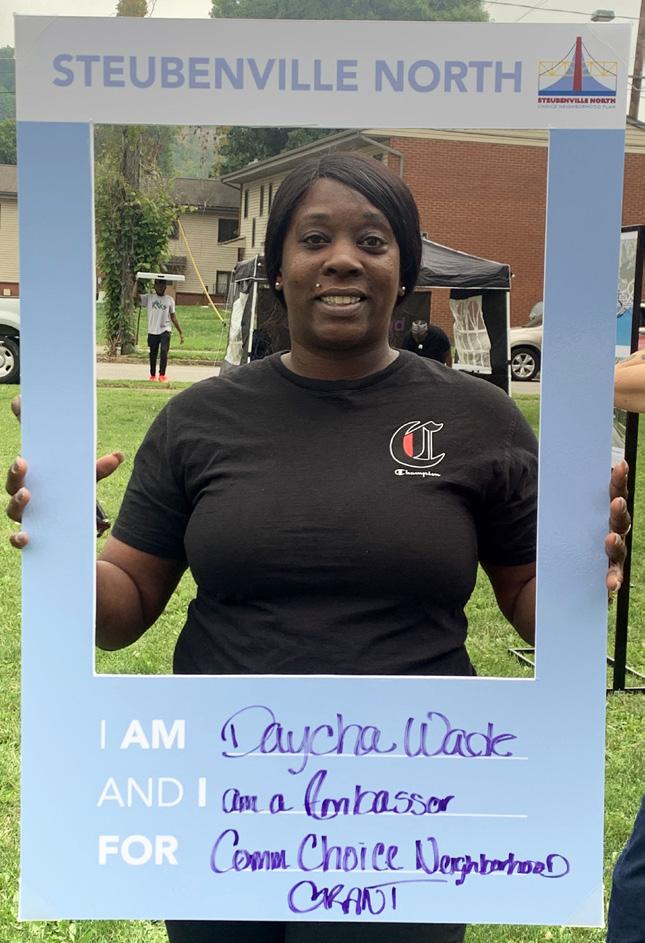
The three Ambassadors - Tina Thompson, Daycha Wade, and Knowledge Whatley - include residents from the John F. Kennedy Apartments, Elmer White Family Units, as well as the surrounding neighborhood. This diverse representation allows the Ambassadors to provide valuable insights and perspectives from the local community.
The Community Ambassadors have been equipped with leadership training and coaching from Paramount Pursuits, a consultant firm. Over a series of four 3-hour sessions from June to September, the Ambassadors learned techniques for authentic engagement, communicating with diverse populations, developing leadership skills, and problem-solving.
The involvement of the Community Ambassadors has been instrumental to the project’s success. They have led and carried out initiatives within the neighborhood, helping to ensure the revitalization efforts fully benefit the local community. The Ambassadors also played a crucial role in the high completion rate of the Needs Assessment Survey conducted at the John F. Kennedy Apartments and Elmer White Family Units, providing the Planning Team with valuable insights.
Through the empowerment and active participation of the Community Ambassadors, the Steubenville North Neighborhood revitalization project aims to truly represent the voices and needs of the local residents.
AMBASSADORS HOST BINGO NIGHT AT JFK APARTMENTS
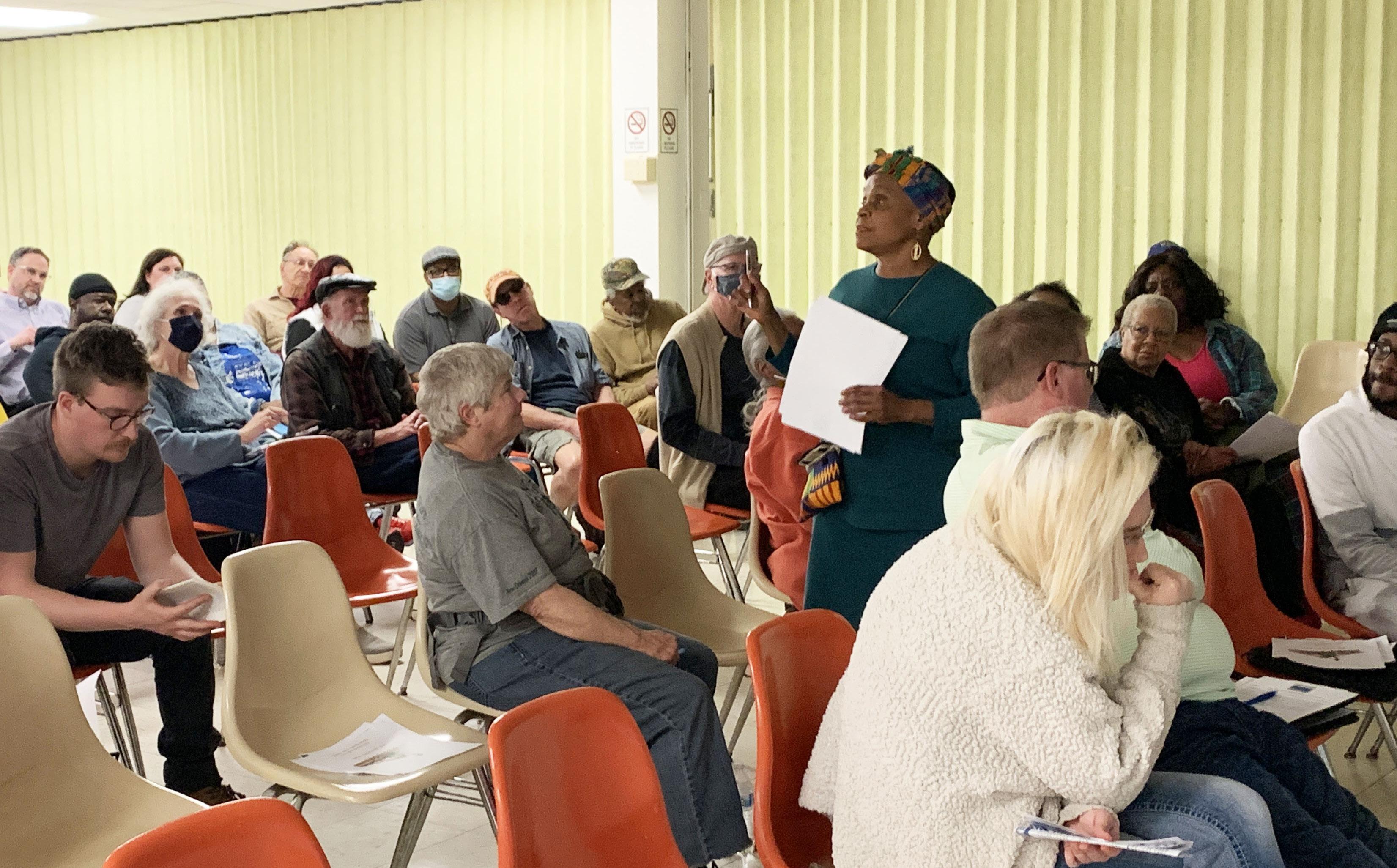
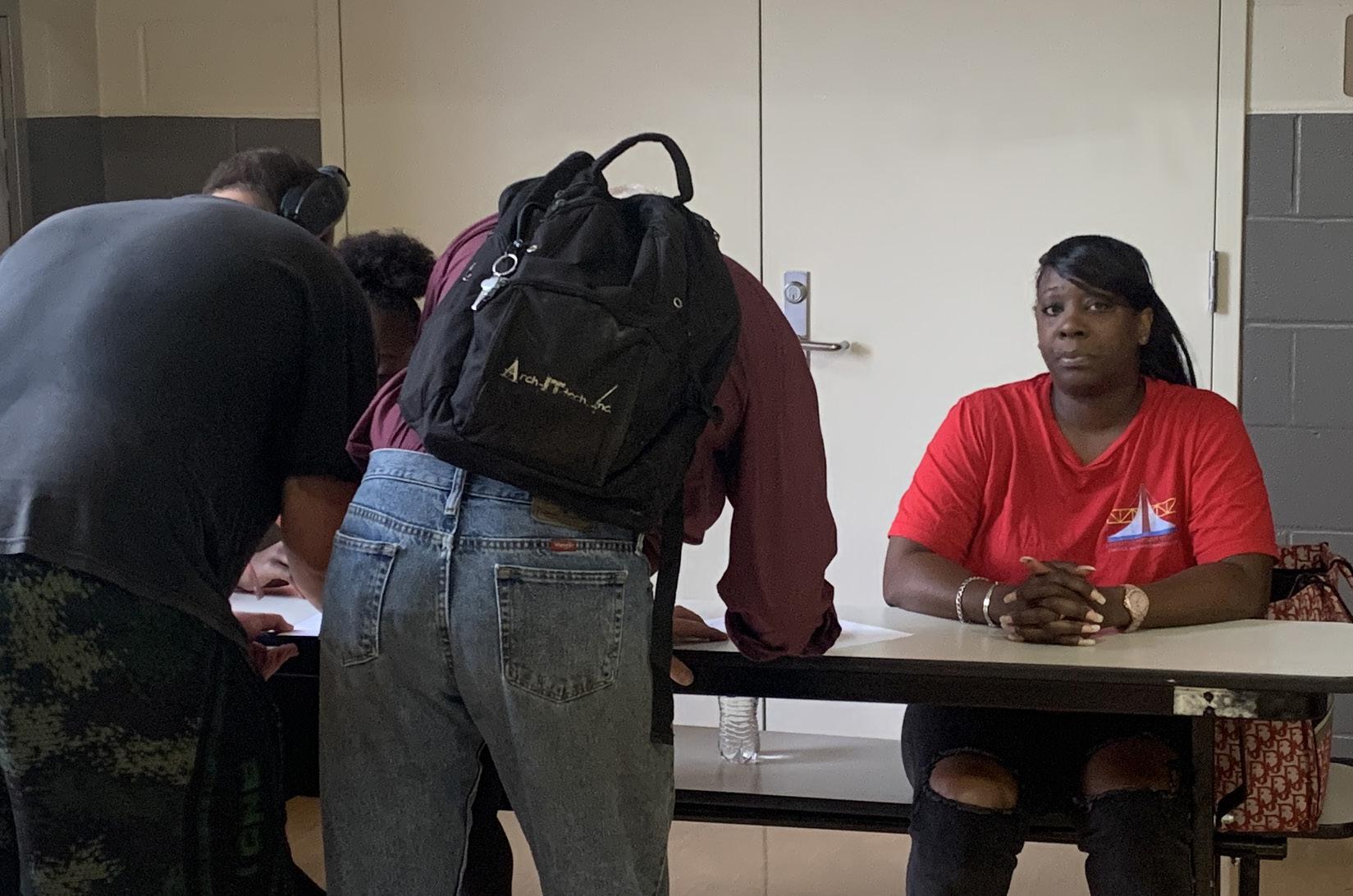
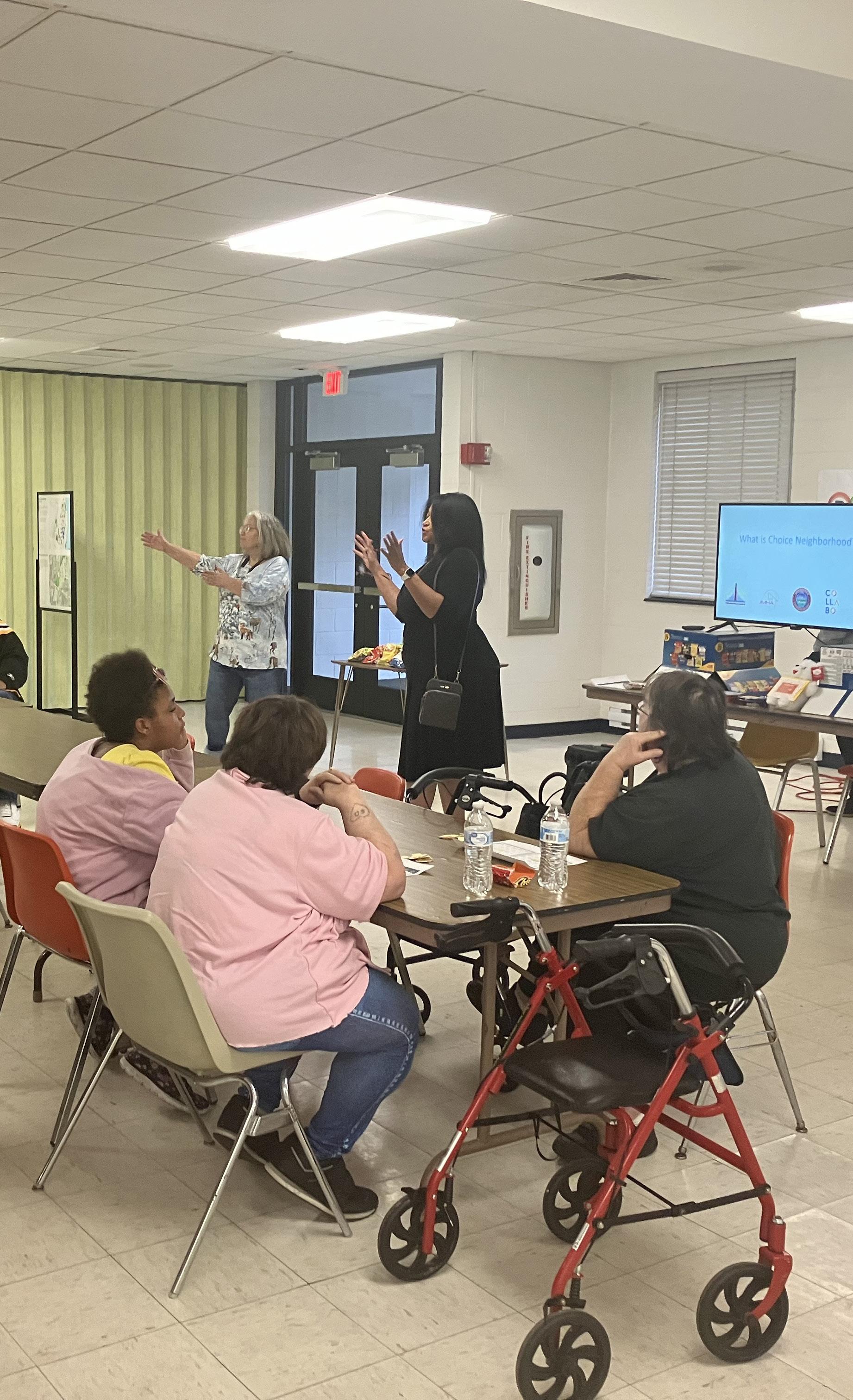
AMBASSADORS WERE CRITICAL TO THE SUCCESS OF COMMUNITY MEETINGS
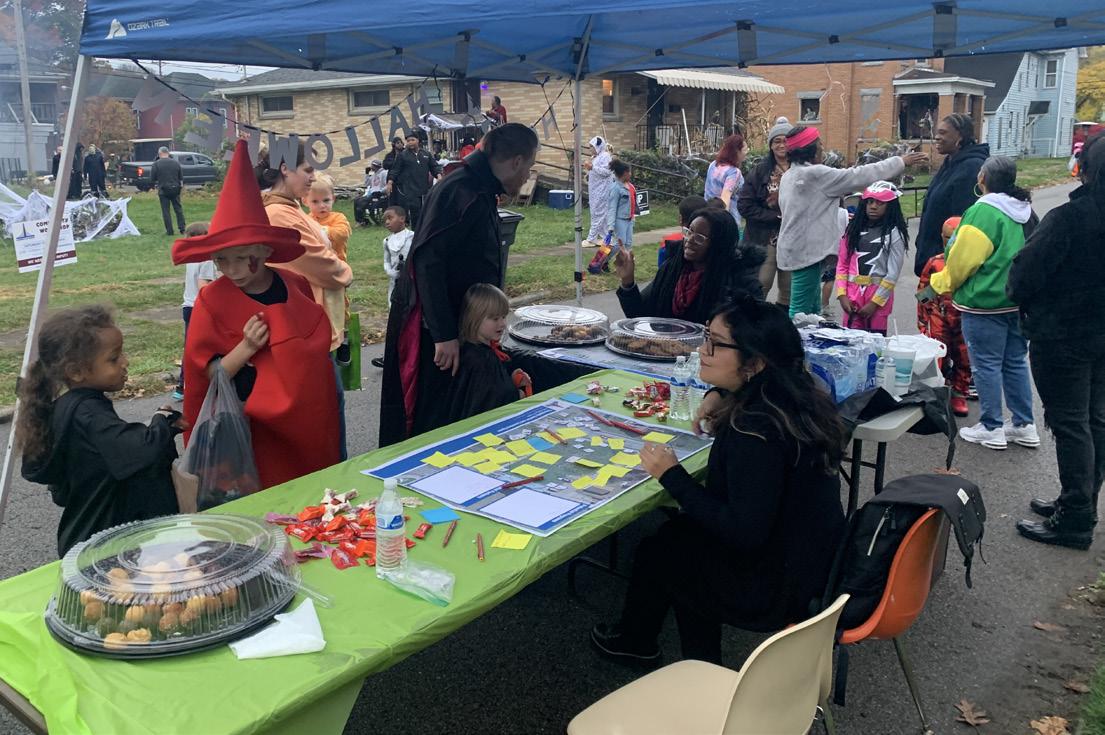
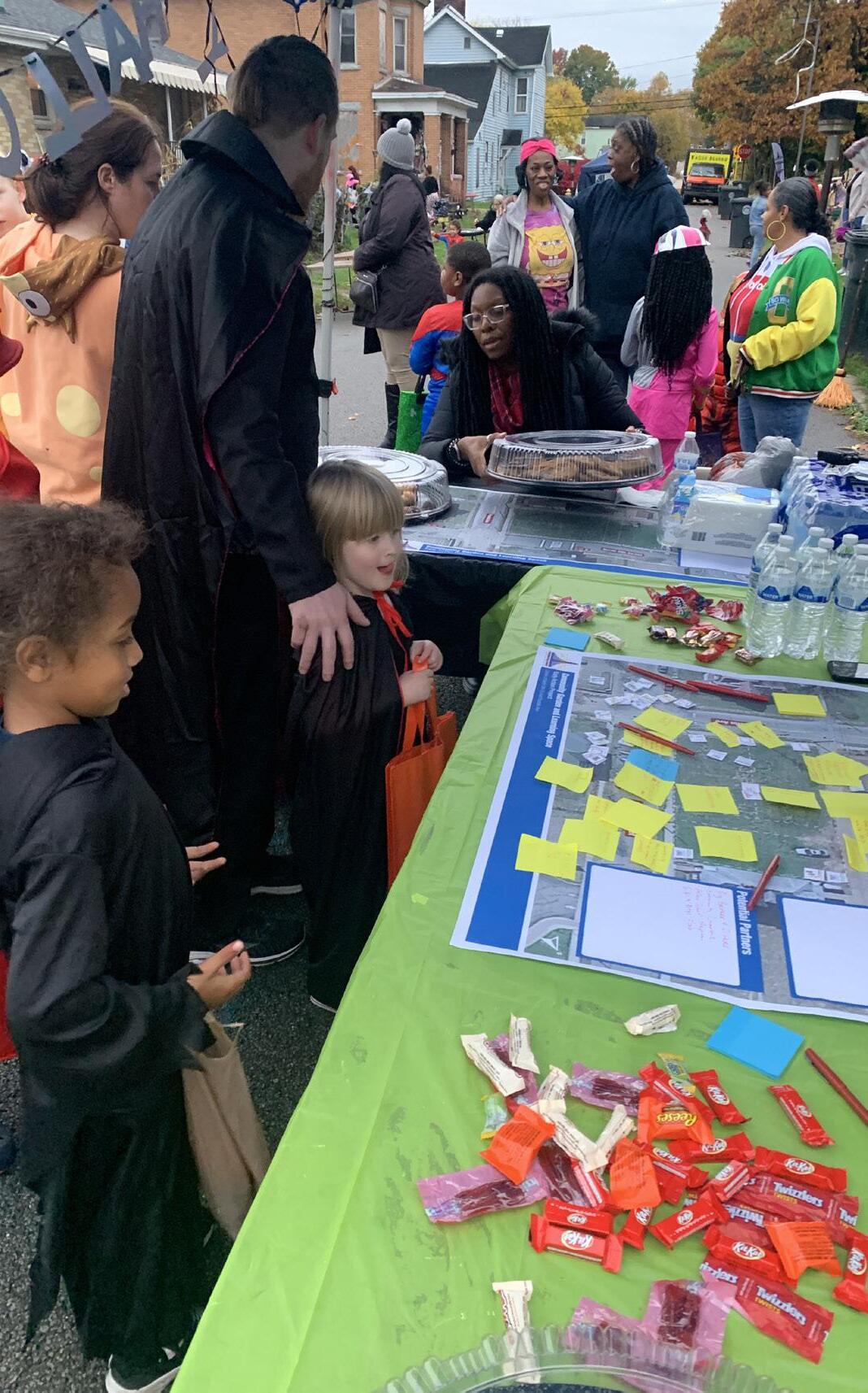
AMBASSADORS HELPED TO PLAN AND ORGANIZE A SUCCESSFUL HALLOWEEN EVENT AT THE ELMER WHITE FAMILY UNITS
BUILDING AWARENESS
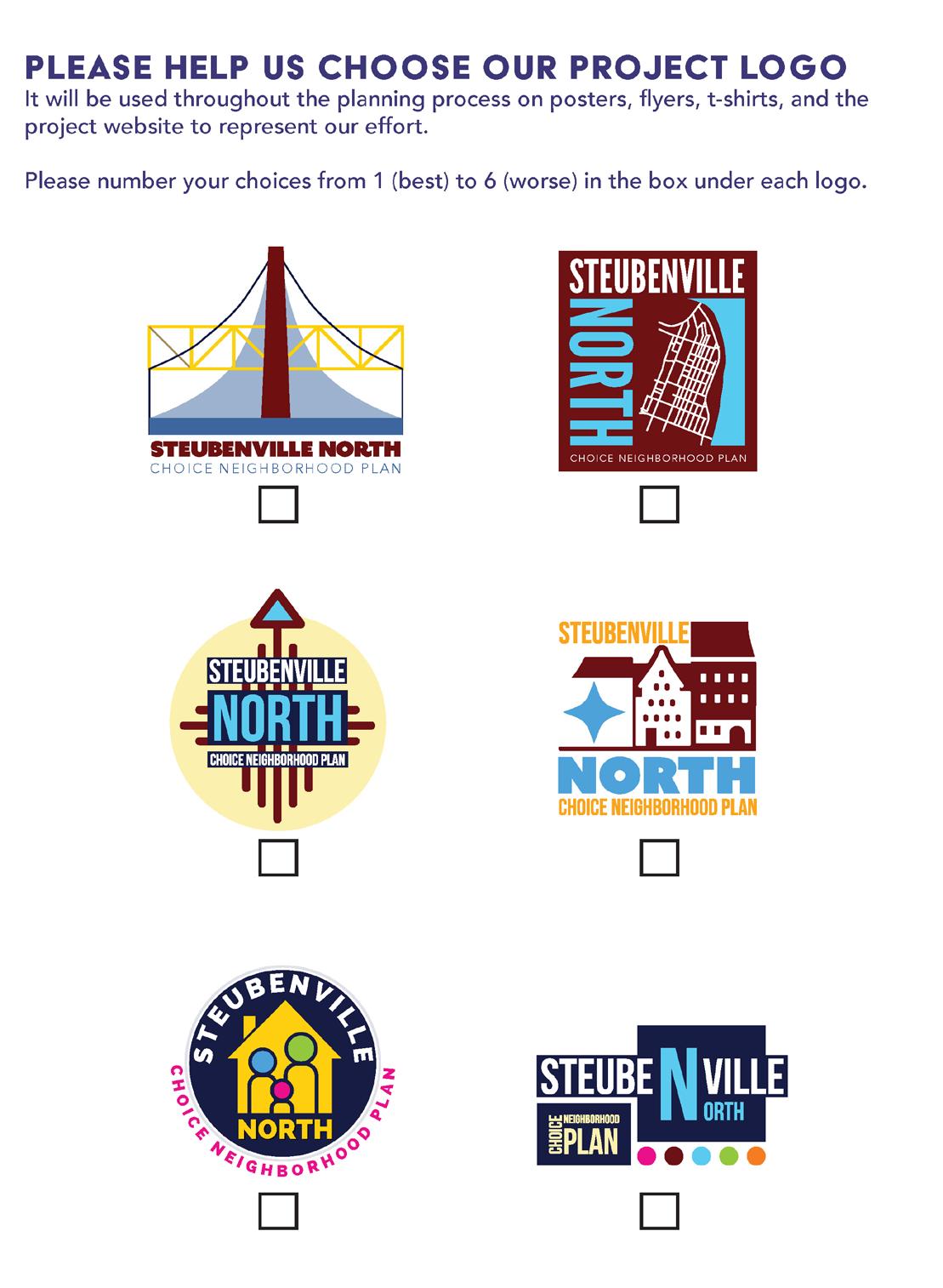
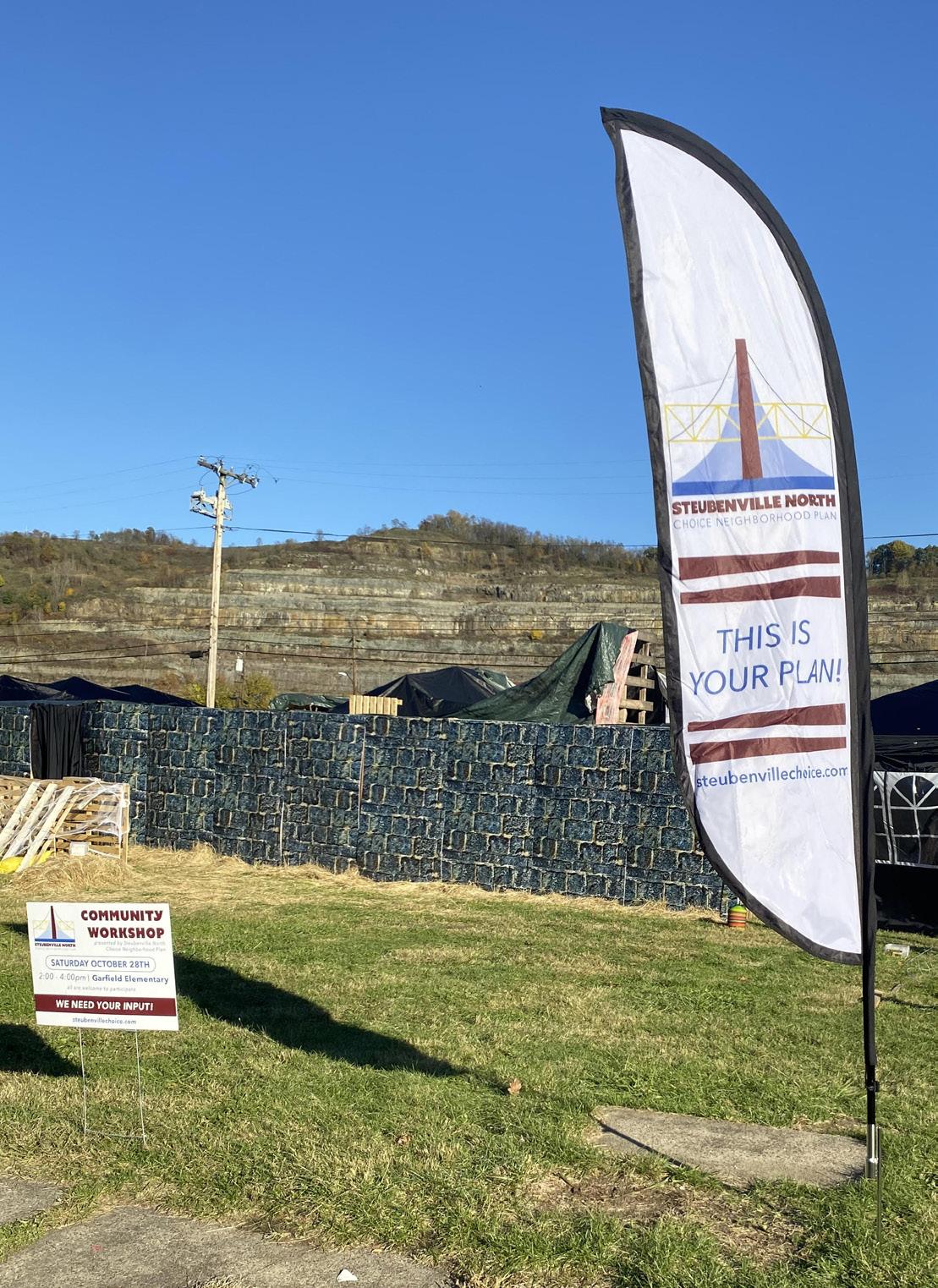
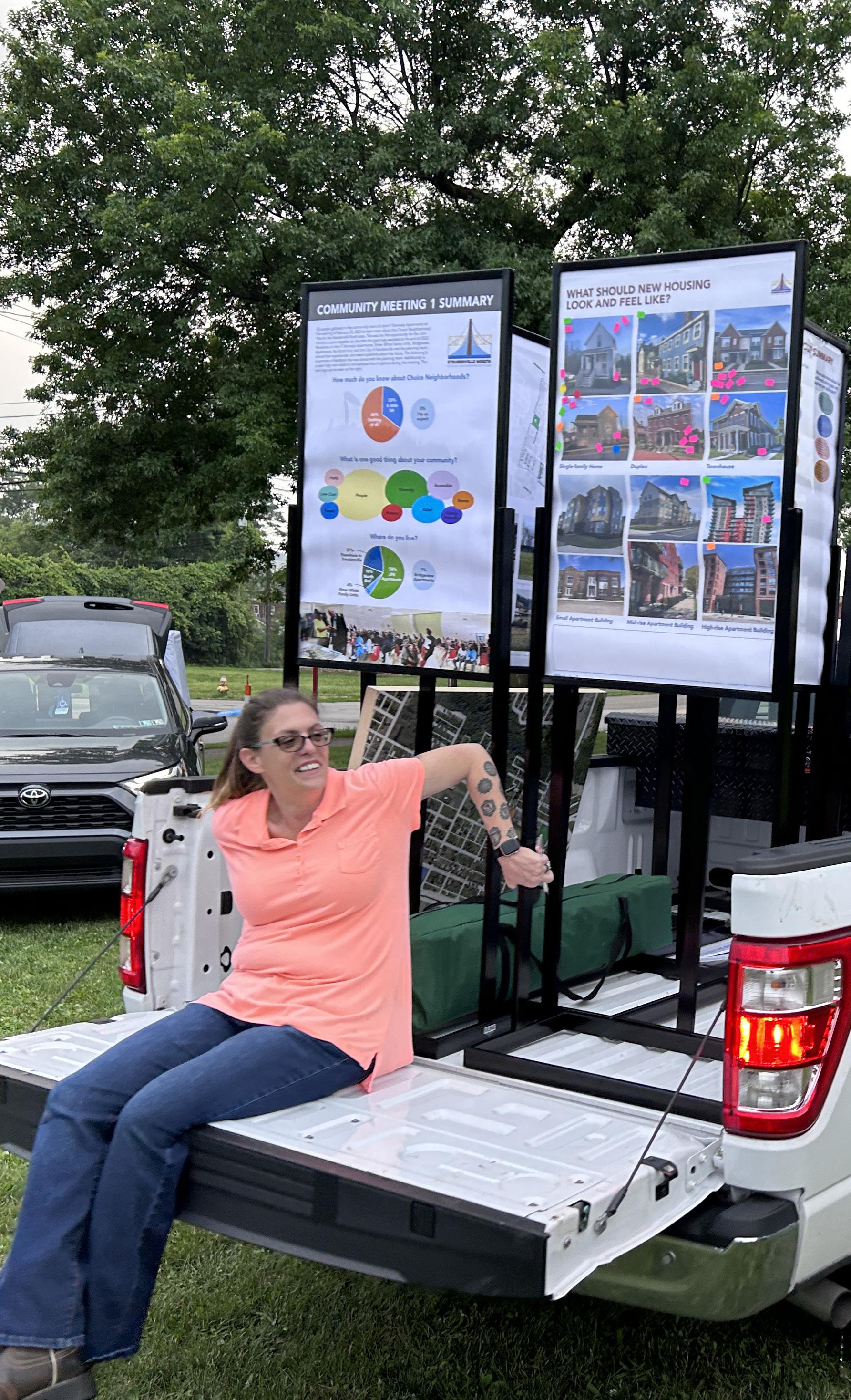
The Planning Team, including Community Ambassadors, helped to build awareness for the project through a logo and branding process, the establishment of a project website, social media posts, videos, newsletters, installation of yard signs and flags, and the creation of t-shirts and other collateral to pass out to potential stakeholders. COMMUNITY MEETING 1 PARTICIPANTS SELECTED THE PROJECT LOGO
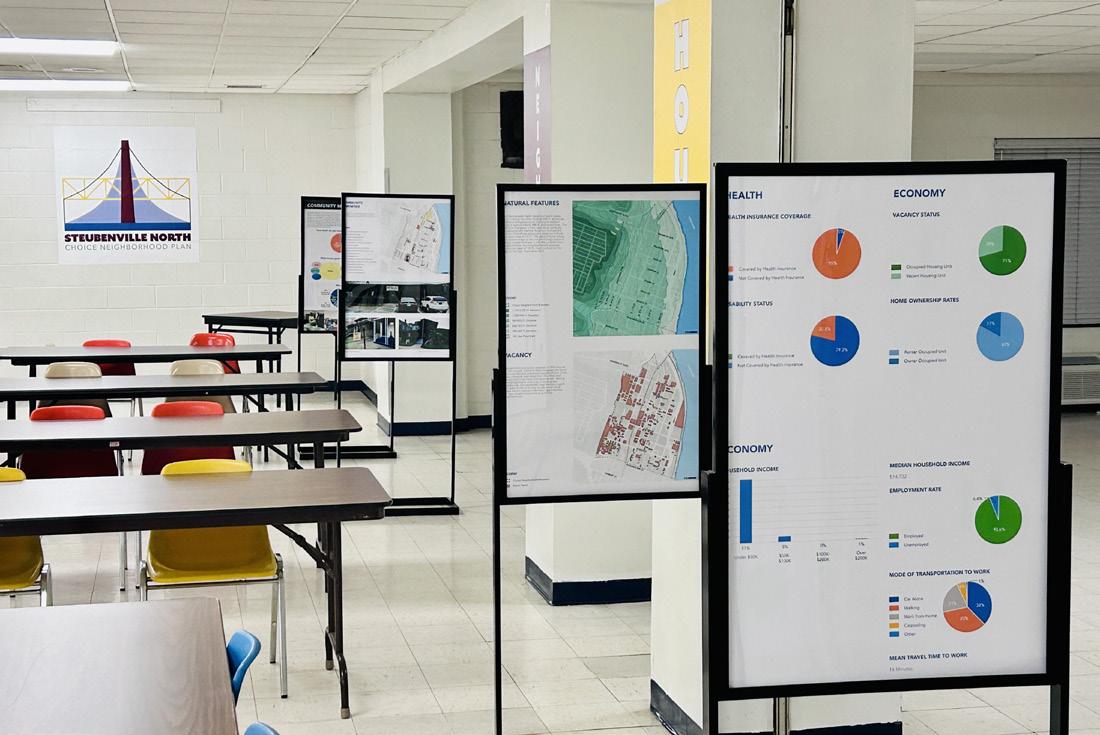
THE CHOICE NEIGHBORHOOD HQ AT THE JFK APARTMENTS SERVED AS THE “HOME BASE” FOR THE PLAN PROCESS
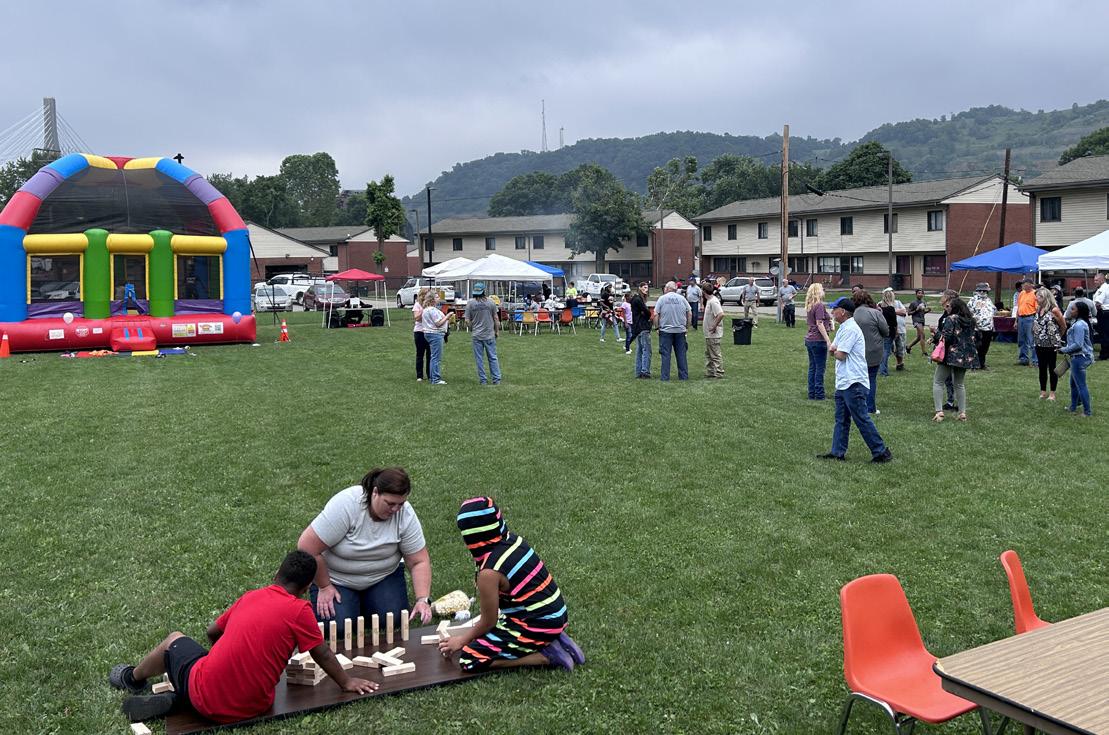
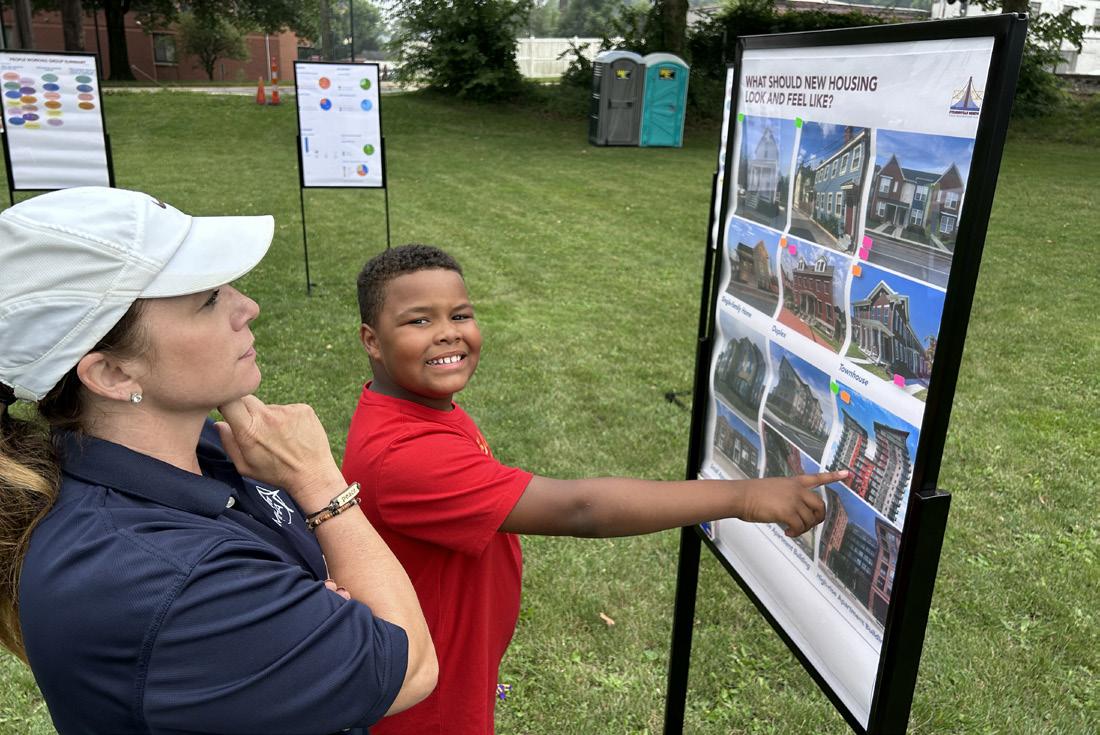
OUTDOOR EVENTS HELP TO BUILD EXCITEMENT FOR THE PLAN
Steubenville North Choice Neighborhood Plan - Final Plan
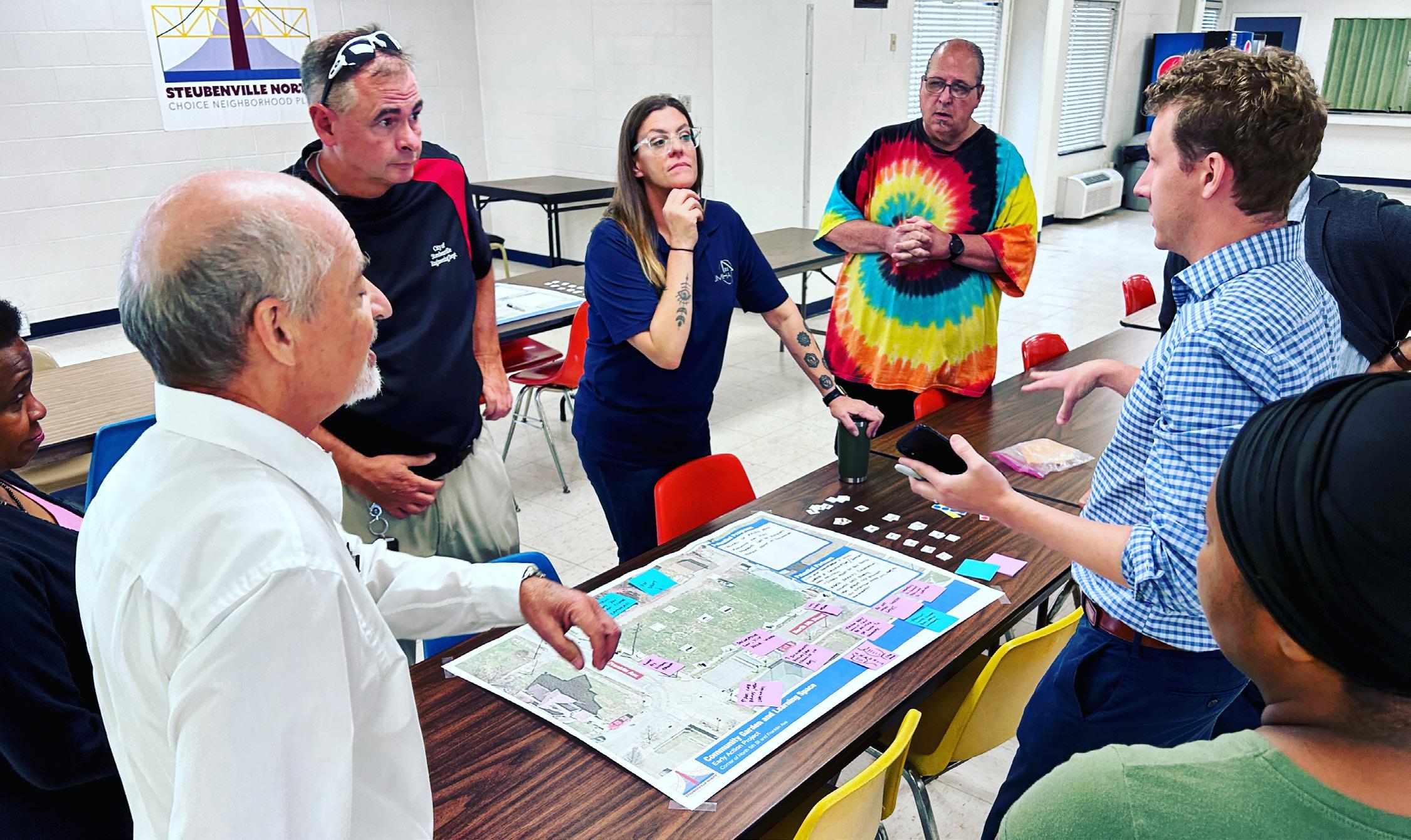
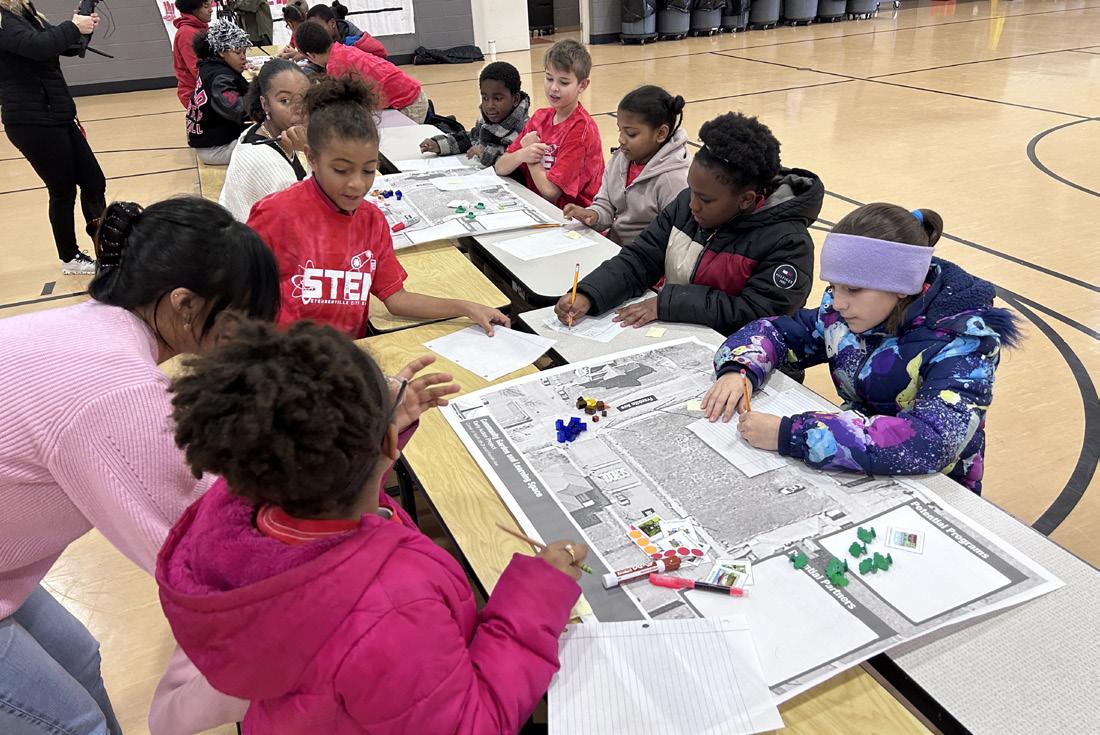
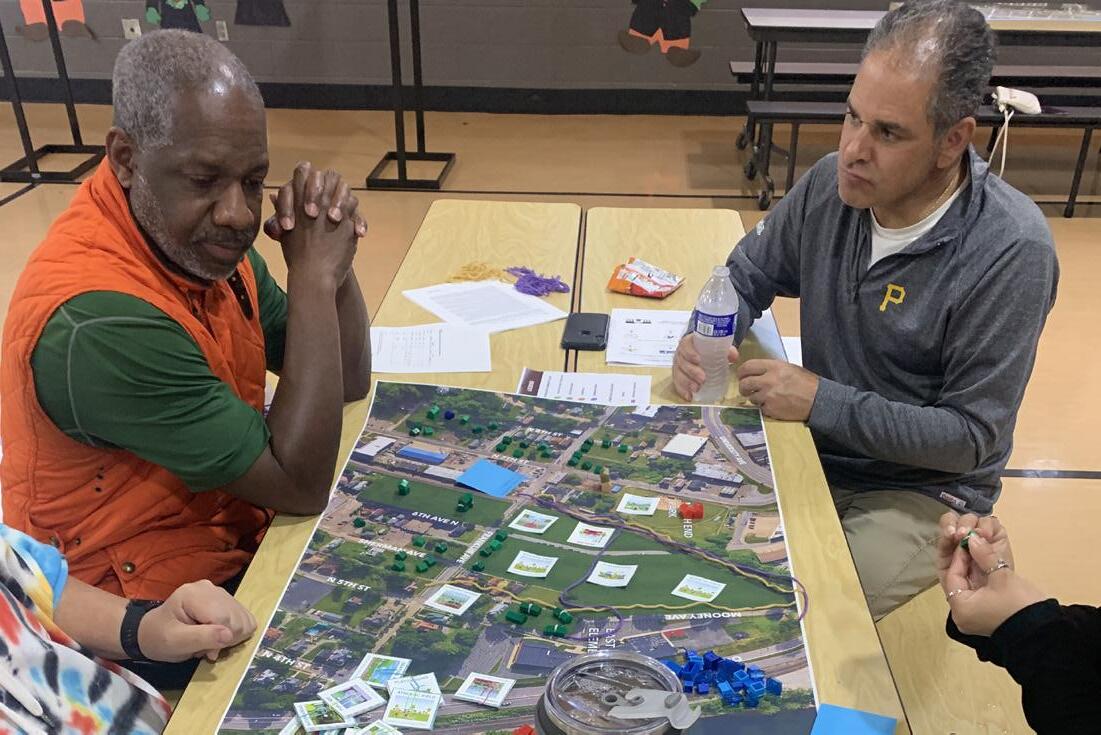
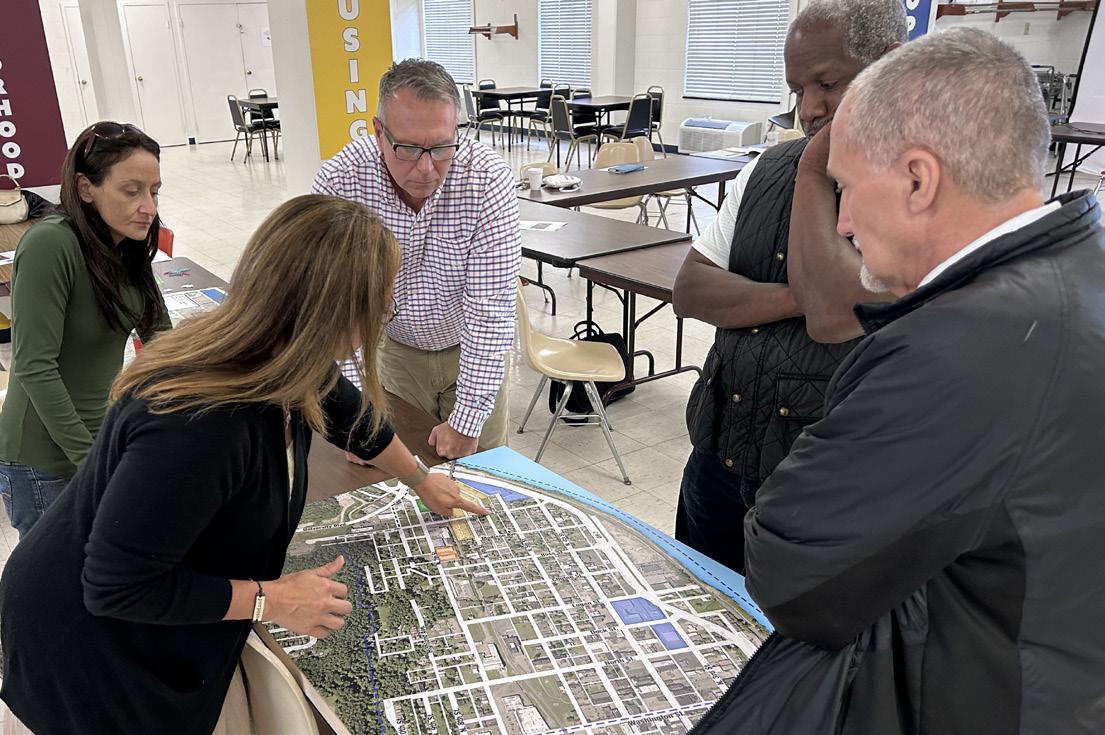
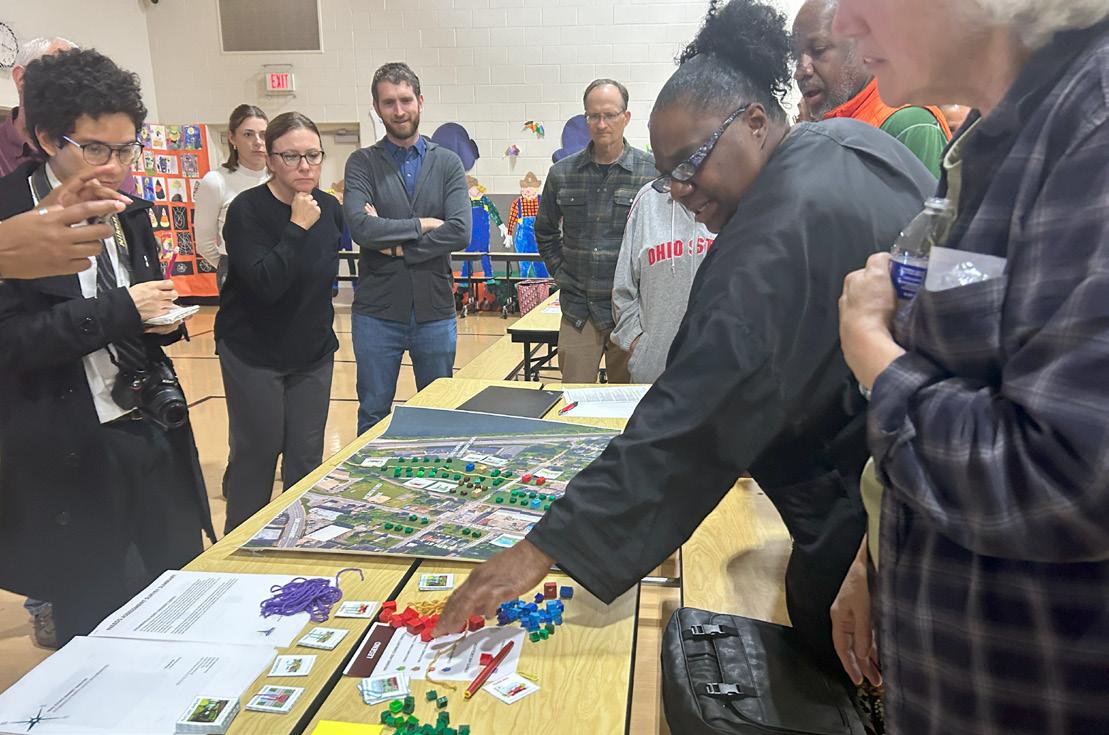
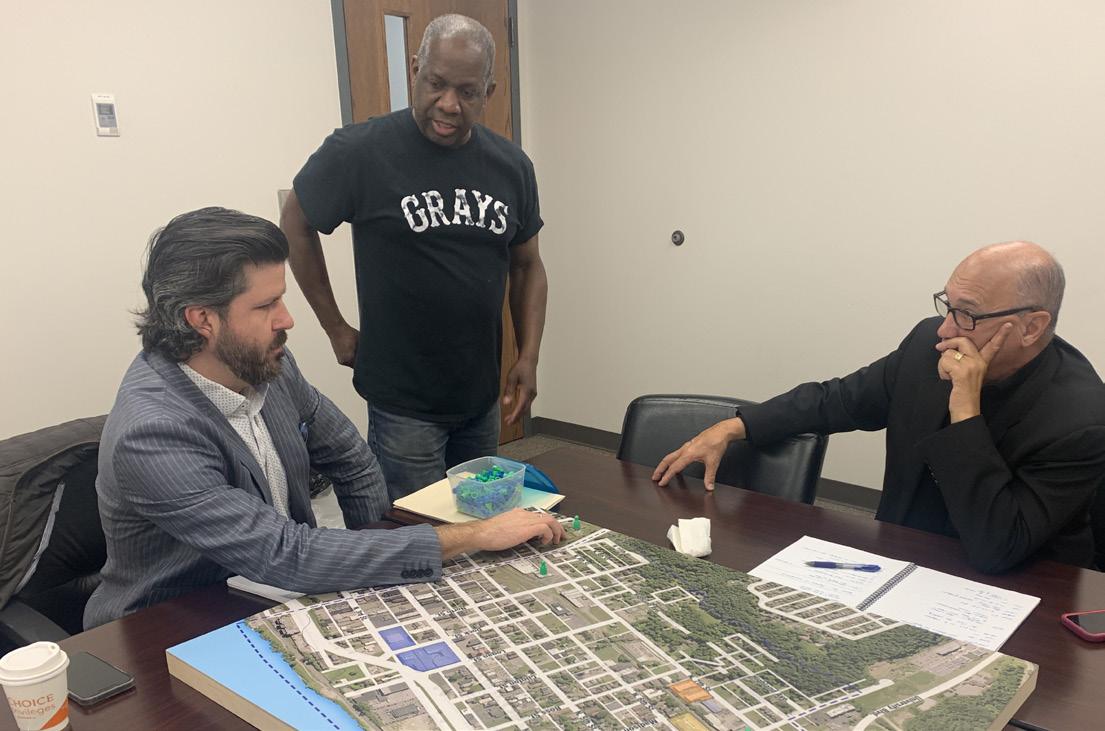
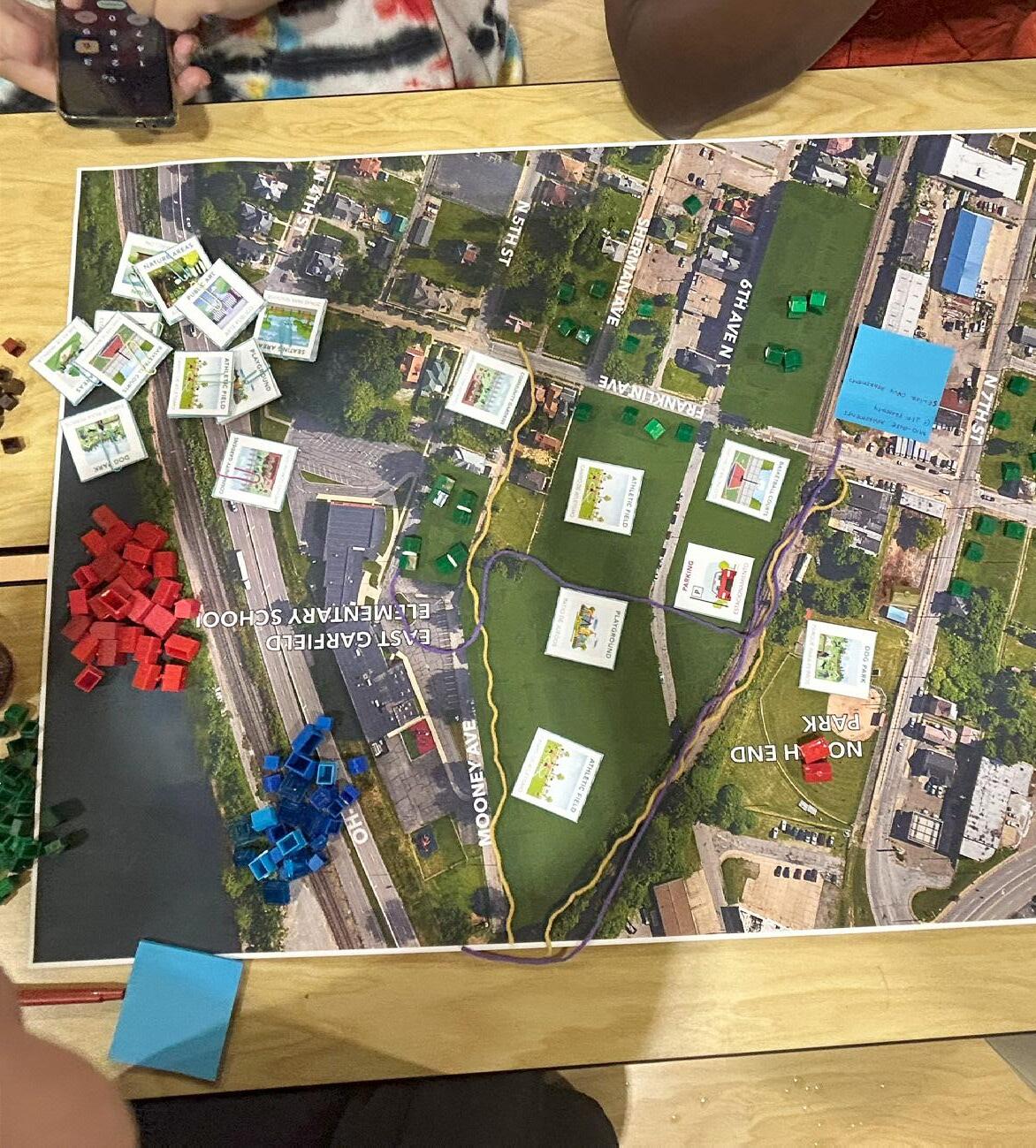
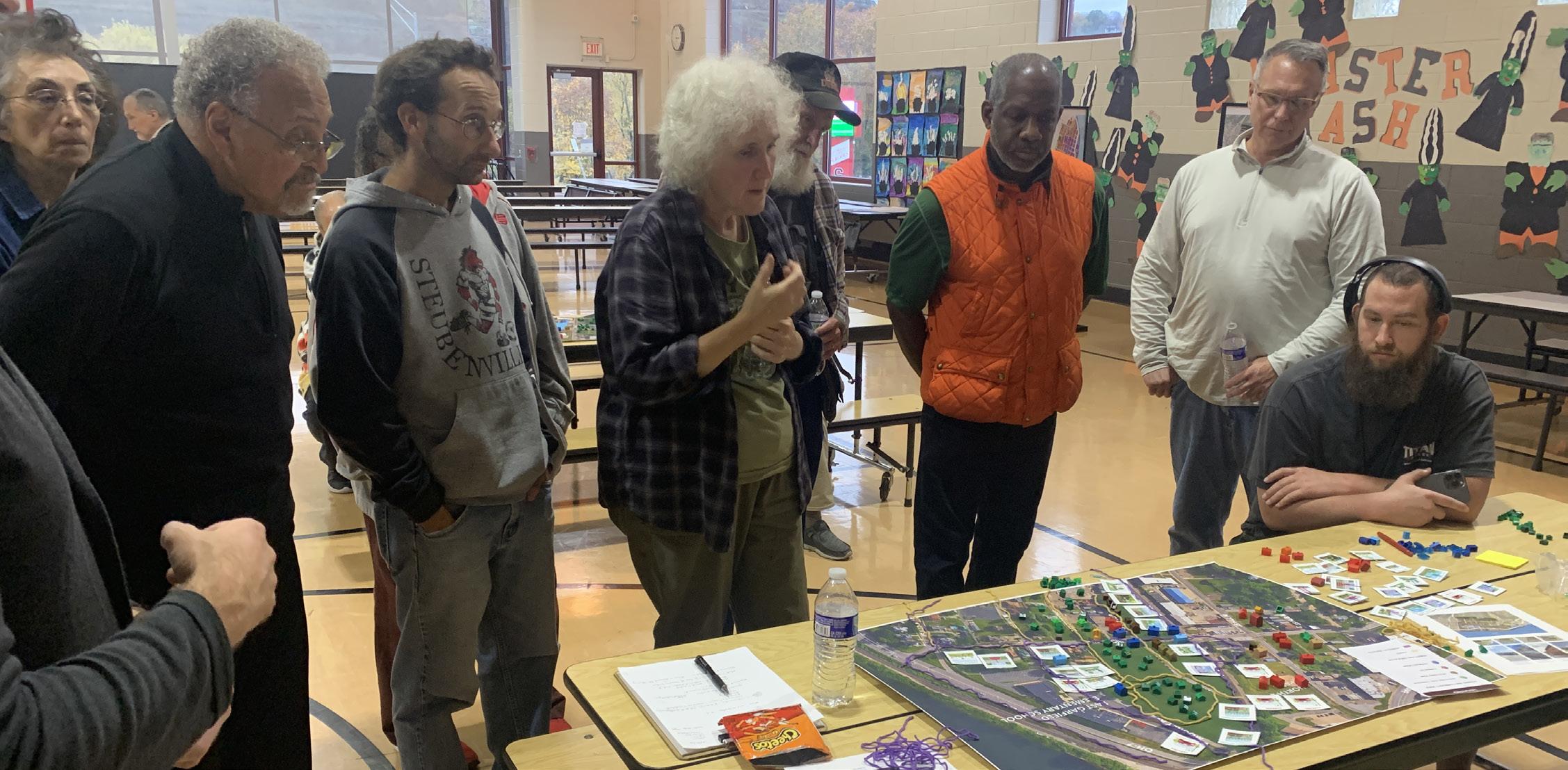
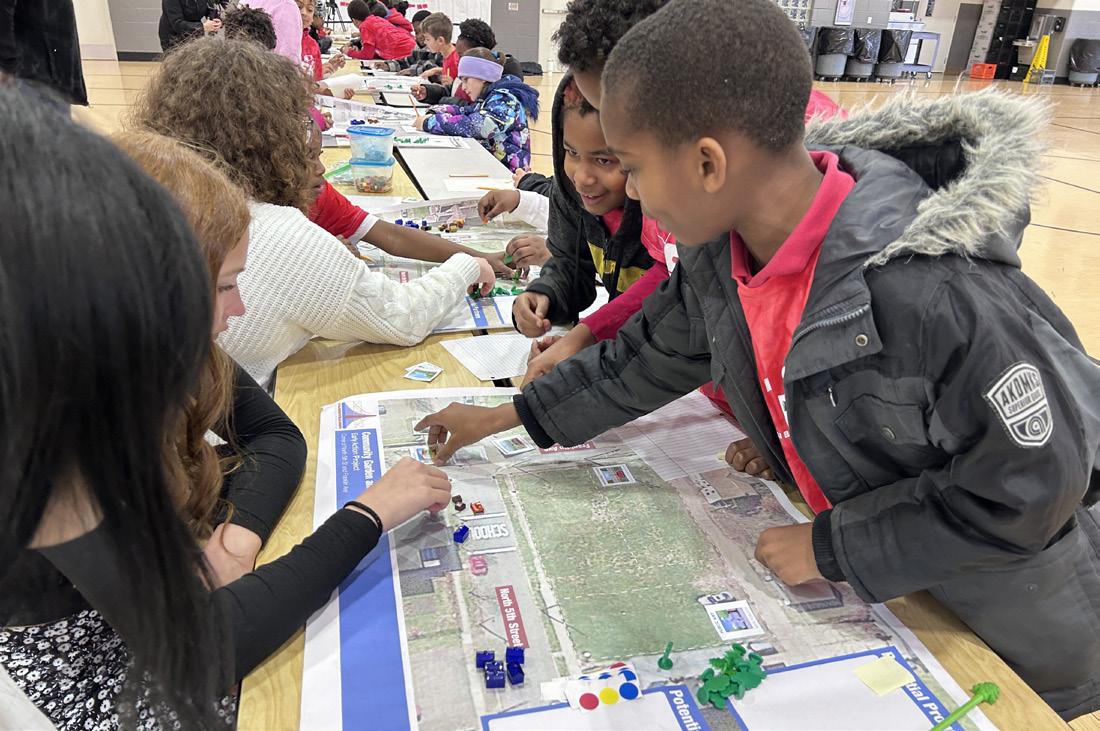
MODELS AND OTHER HANDS ON MATERIALS WERE UTILIZED TO GATHER FEEDBACK
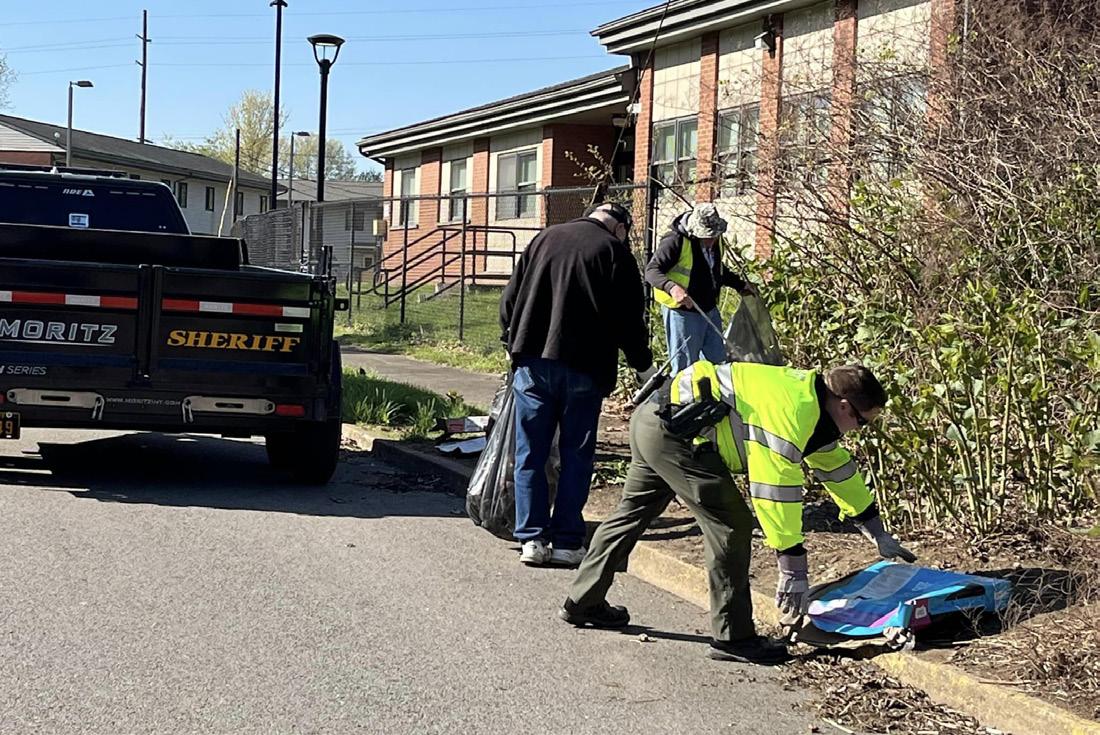
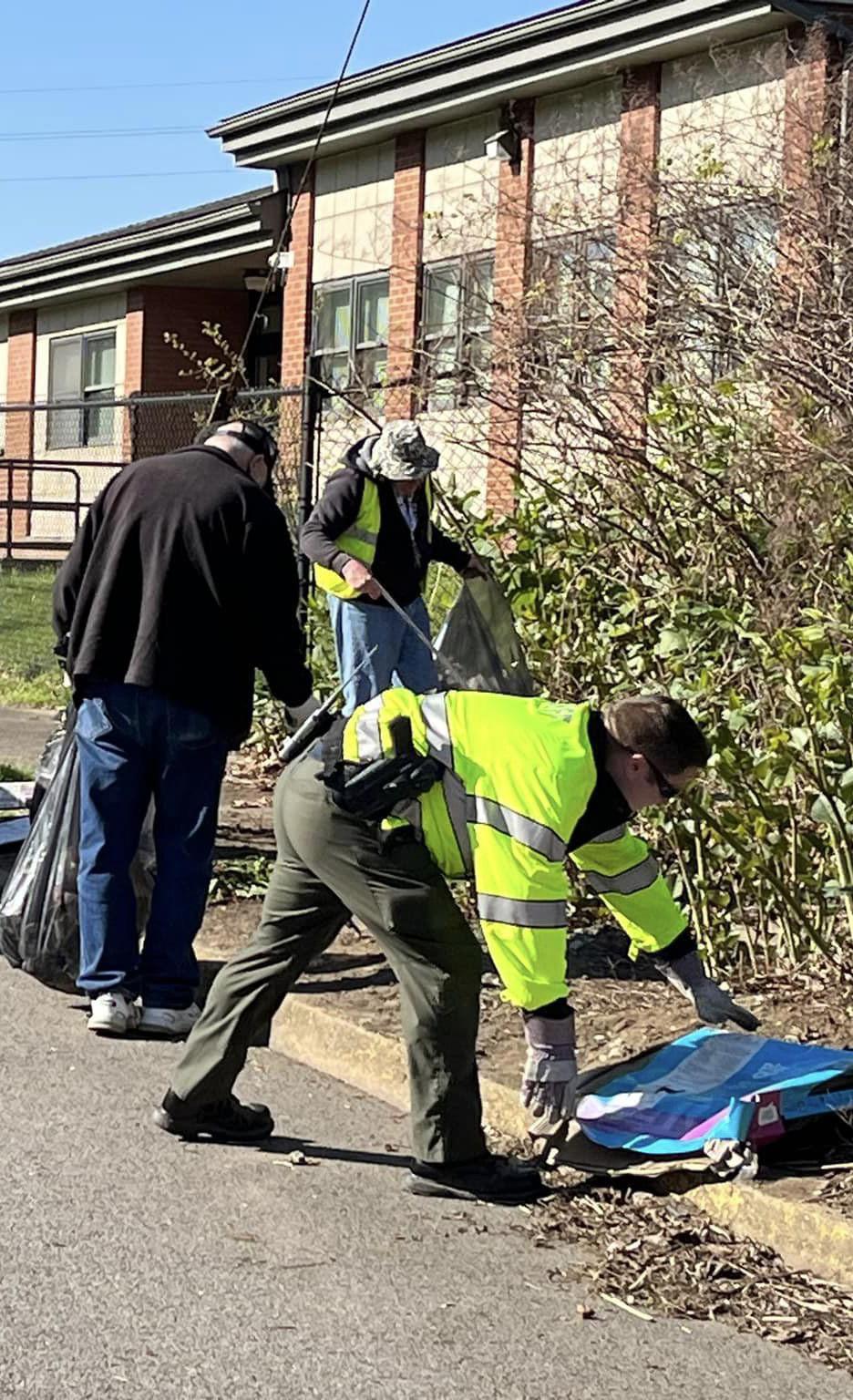
THE CN TEAM WAS PART OF A COMMUNITY CLEAN UP EFFORT
Community Meetings
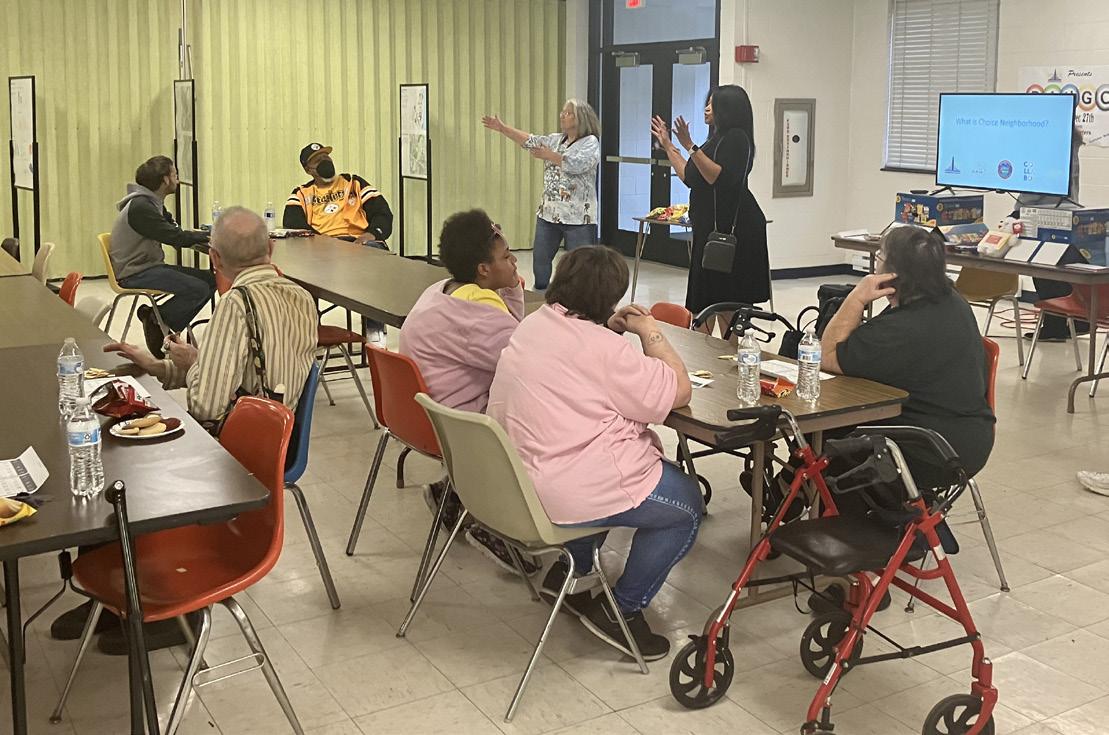
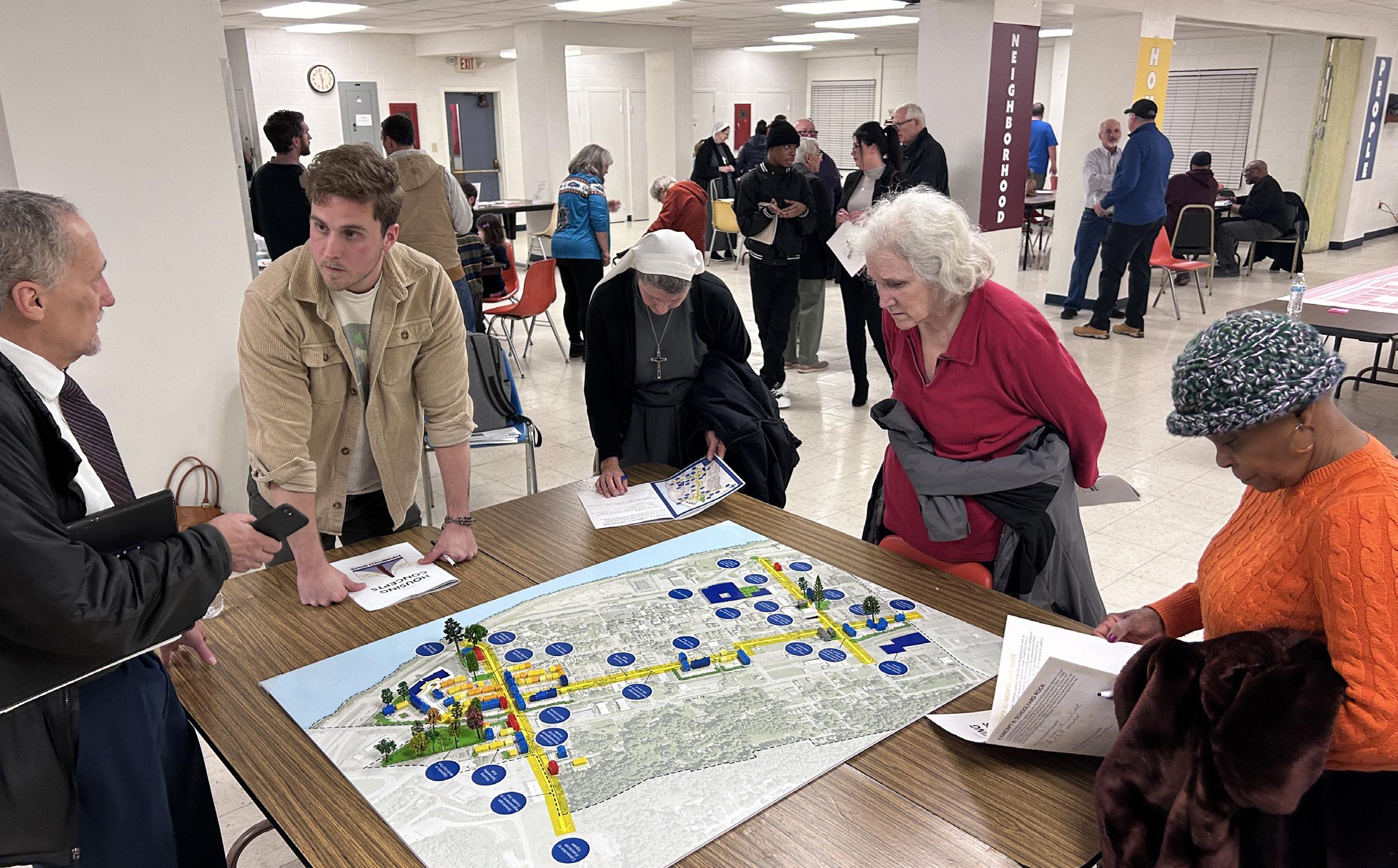
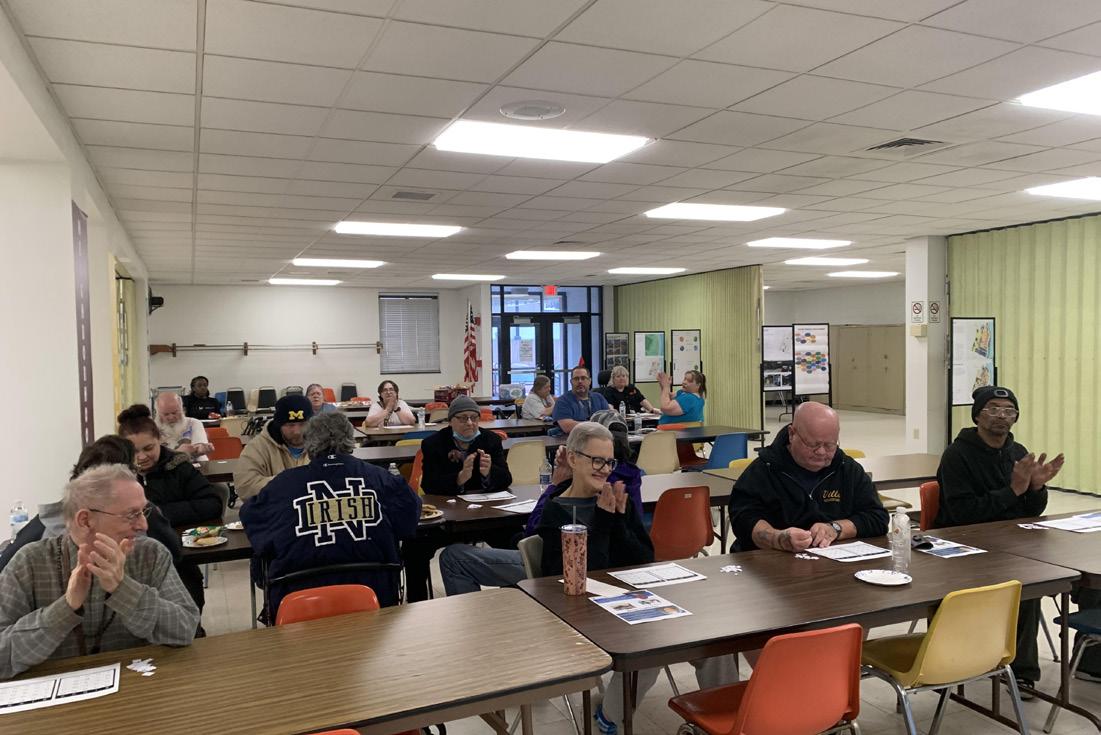
Five larger Community Meetings were held during the process to provide opportunities for residents and partners to learn more about Choice Neighborhoods, help to identify assets and challenges, create a neighborhood vision, and provide feedback on draft concepts and strategies.
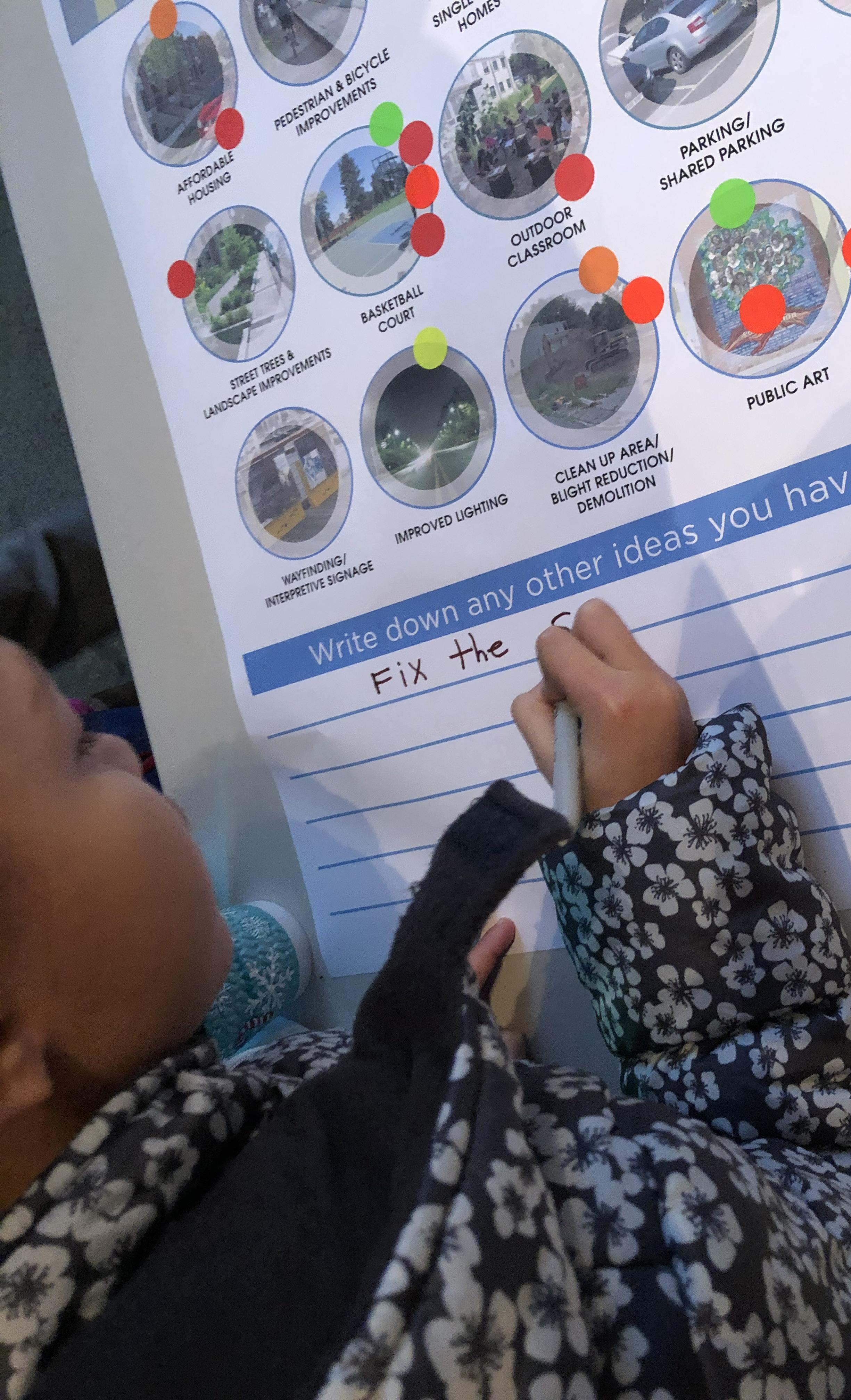
Community Meetings were designed with hands-on activities to ensure that everyone could participate, and that sharing their ideas and feedback would be both engaging and fun.
CREATING A COMMUNITY VISION
PROJECT VIDEOS
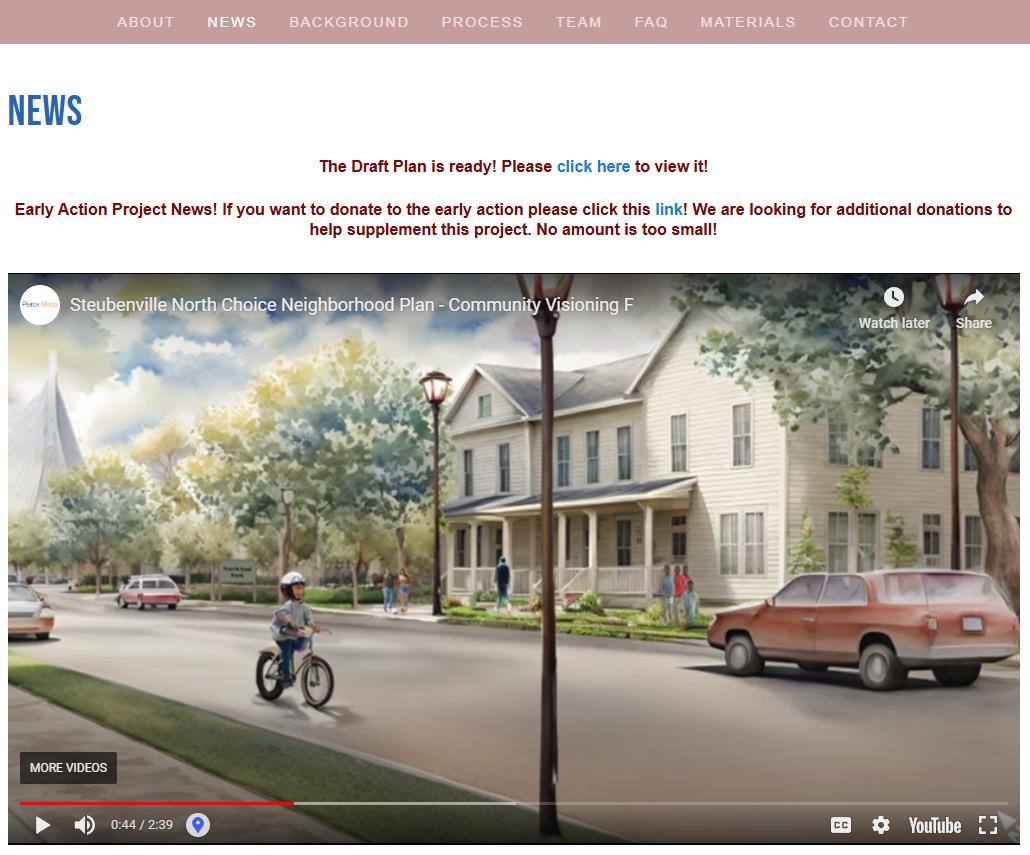
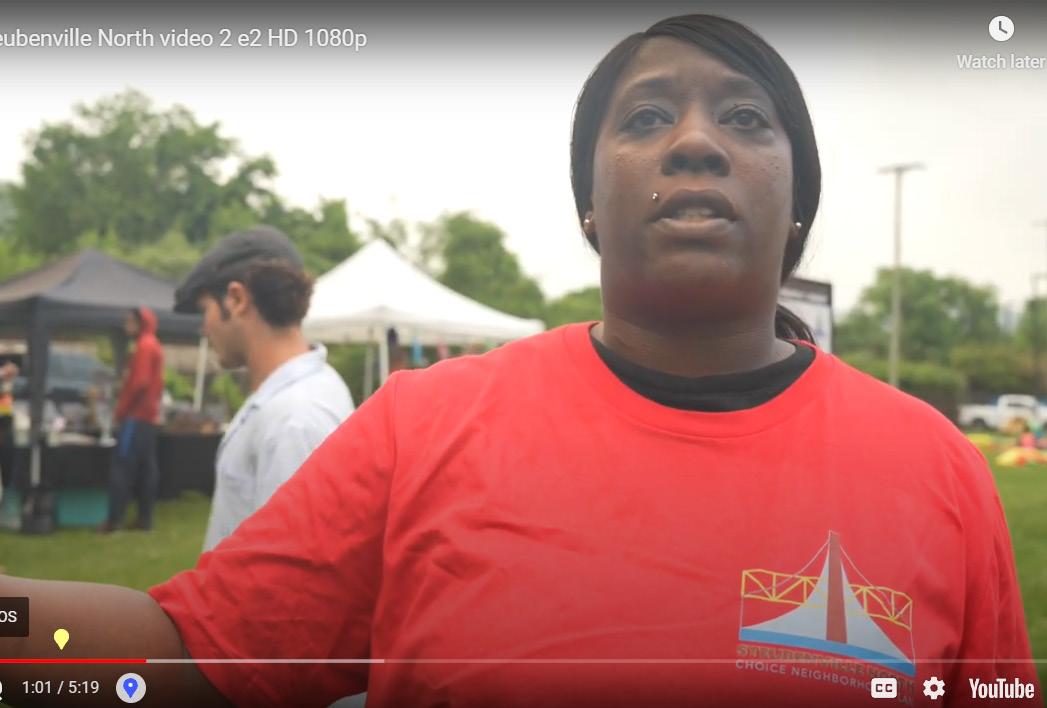
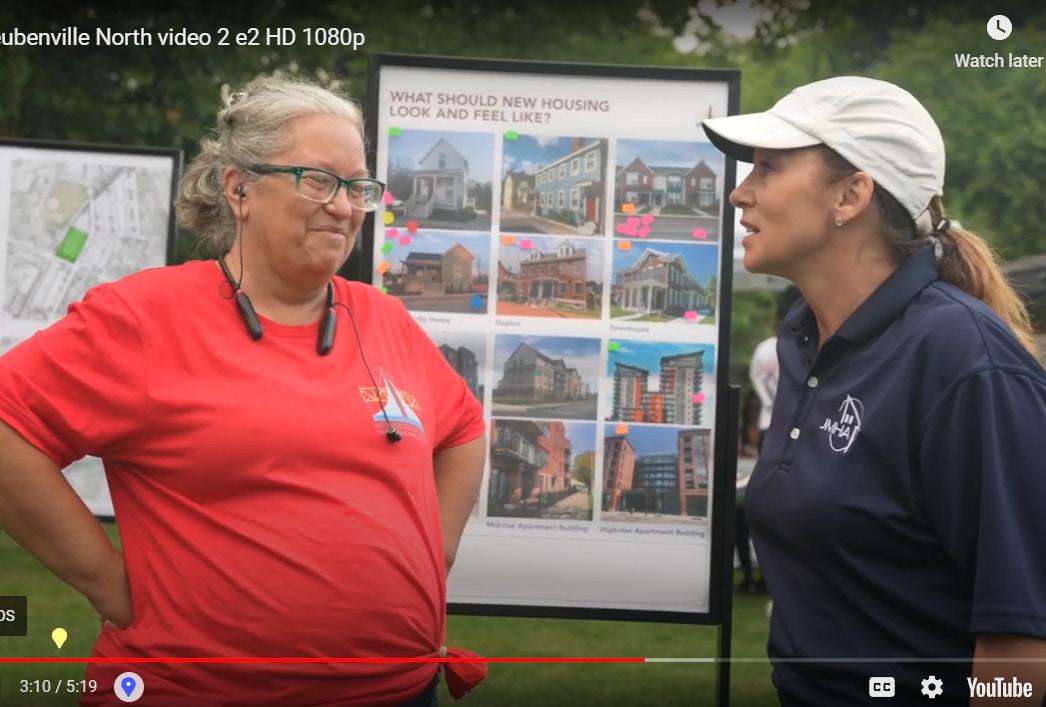
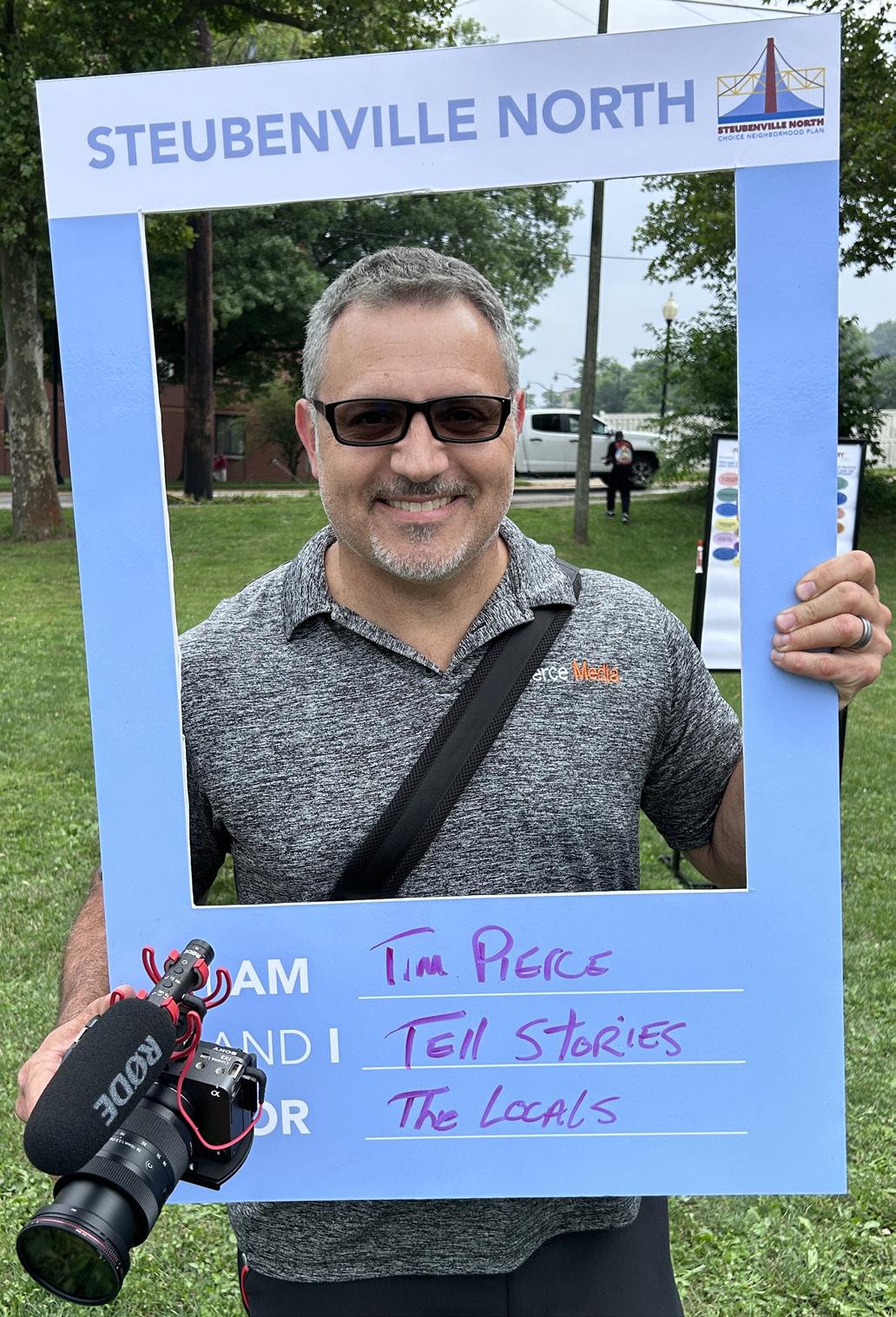
Videographer Pierce Media as well as the Audio/Video department of Steubenville High School helped to document Community and Youth Meetings as well as neighborhood tours and the Pittsburgh Field Trip. These videos have been highly effective tools to emphasize the resident-centered vision of the Plan and to share information about the project to a wider audience.
Coordinating Committee
The City and JMHA have organized a CN Coordinating Committee, with members representing the full cross section of both neighborhood and citywide partners. The Coordinating Committee is comprised of City representatives, JMHA leadership, target housing residents, representatives of neighborhood organizations, institutional partners, nearby churches, businesses/employers, key service providers, potential funders and other planning partners. It serves as a sounding board for the project Planning Team and will allow for frequent and focused discussions with a smaller group of stakeholders. The Coordinating Committee also provides insights into community engagement activities and will help to establish the criteria and guidelines for project evaluation. Frank discussions are encouraged in order to build consensus around the emerging CN Plan. The Coordinating Committee represents the following groups or institutions:
• Steubenville Fire Department
• Steubenville Engineering Department
• Steubenville Police Department
• Jefferson County Community Action Council
• Jefferson County Board of Developmental Disabilities
• Jefferson County Prevention & Recovery Board
• Steubenville Fair Housing Practices Commission
• Jefferson County Port Authority
• Franciscan University of Steubenville
• Urban Mission Ministries
• Steubenville Board of Education
• Steubenville Recreation Department
• Ohio Valley Health Center
• Jefferson Metropolitan Housing Authority Board
• Ohio Valley Youth Network
• Brooke-Hancock-Jefferson Metro Planning Commission
• Jefferson County Health Department
• The Harmonium Project
• Ohio Mid-Eastern Governments Association
• Steubenville Planning and Zoning Commission
DEFINING ASSETS AND OPPORTUNITIES
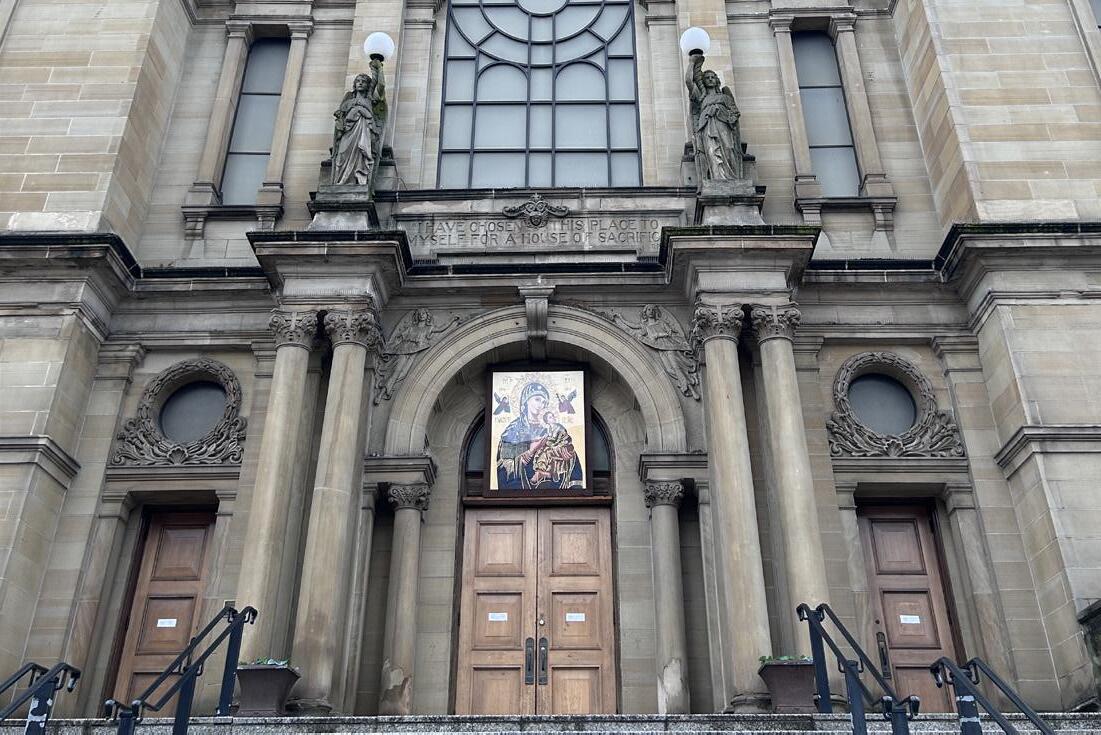
VISITING THE URBAN MISSION’S MINISTRY CORRIDOR
East Garfield Elementary Youth Workshop
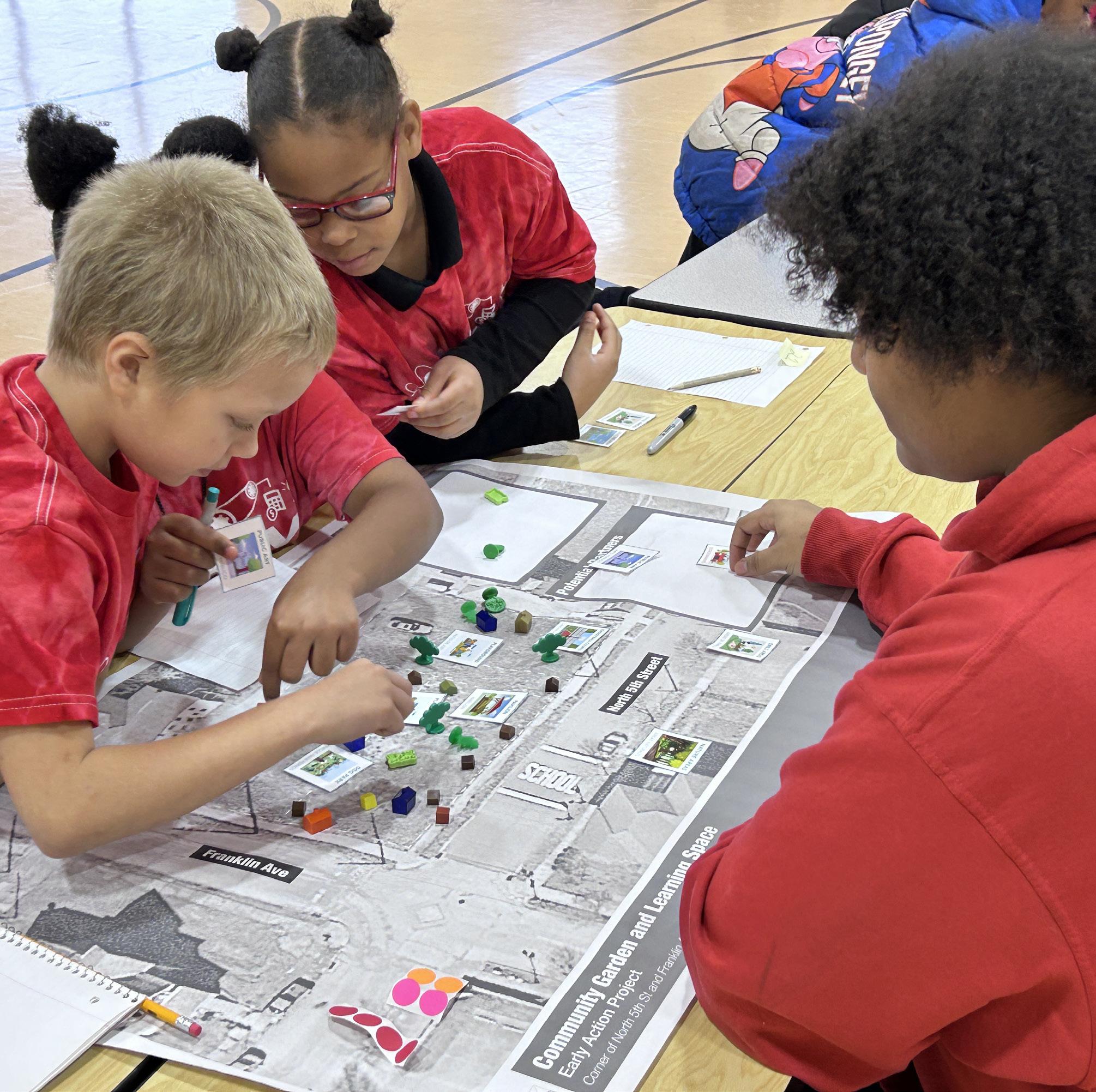
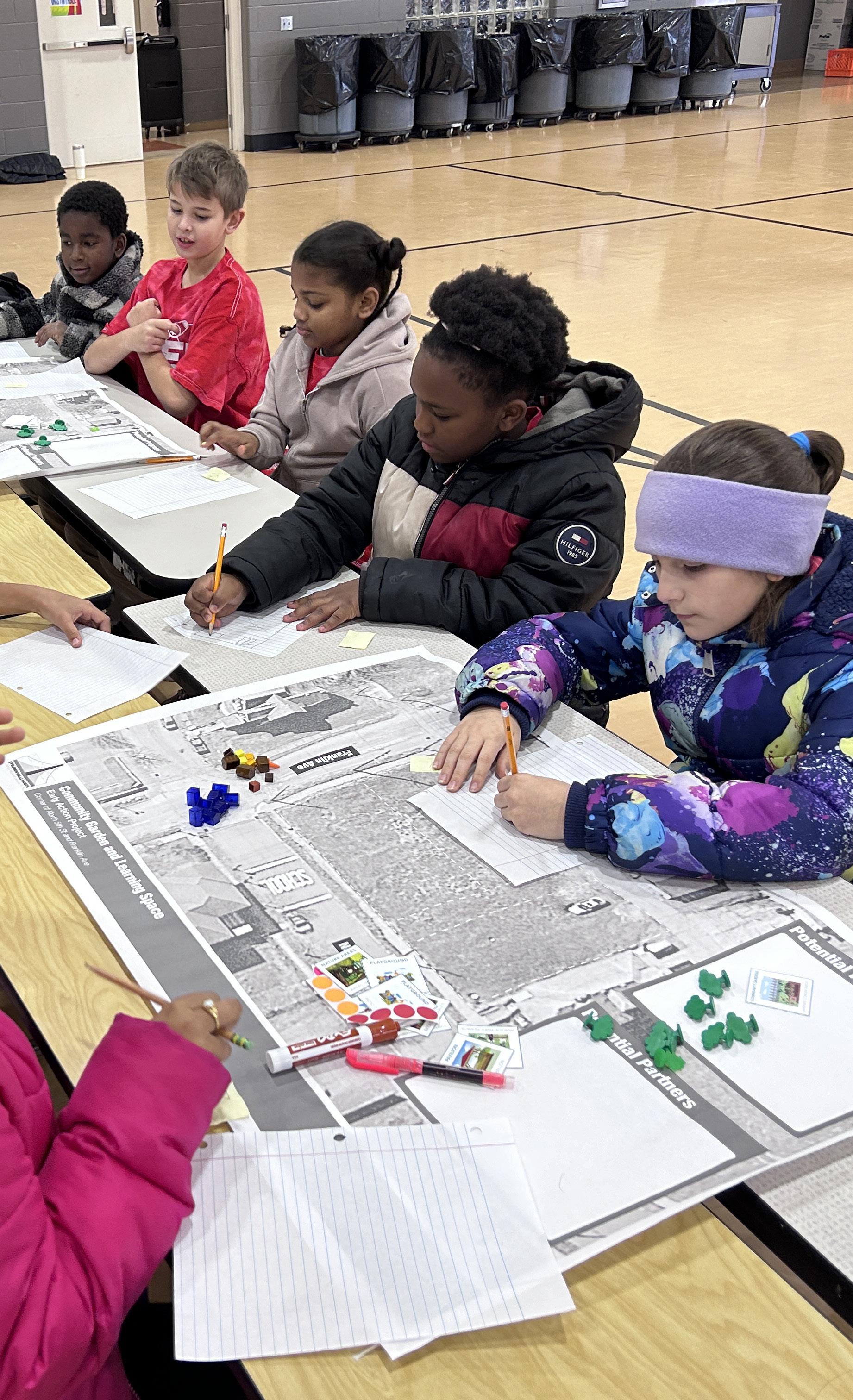
As part of developing the Community Learning Garden Early Action Activity, the Planning Team held a youth workshop with local students from East Garfield Elementary School.
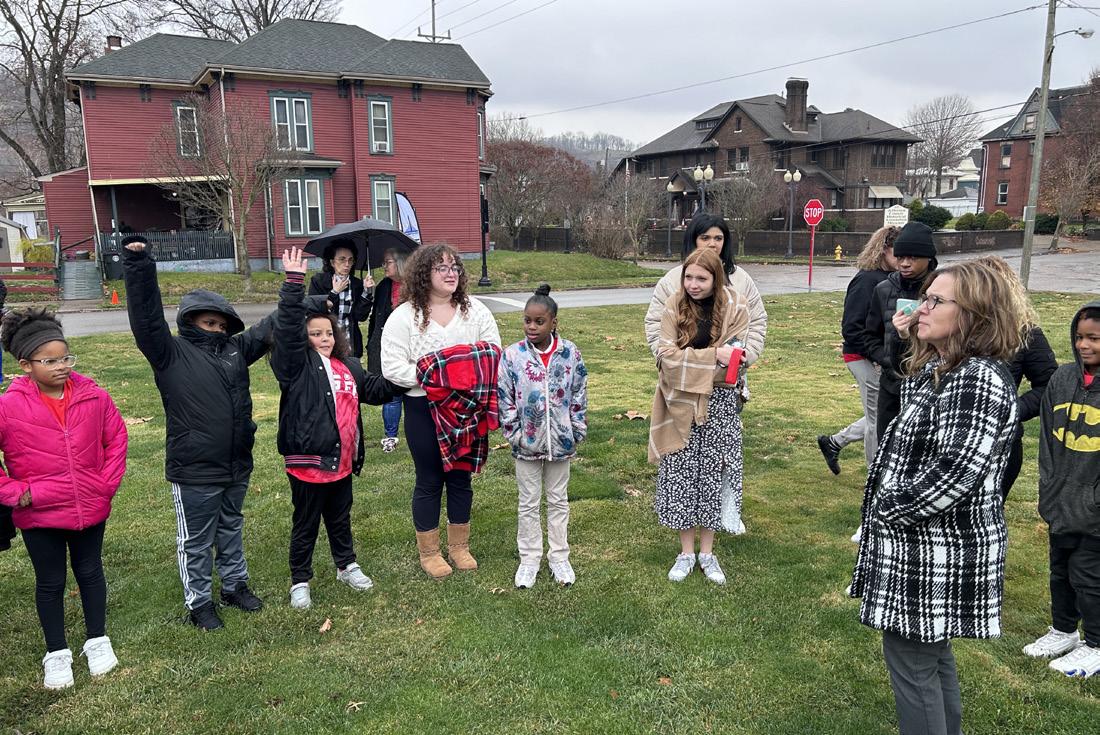
The Planning Team discussed the role of a city planner and provided a general overview of the CN Plan and the framework for the Early Action Activity (Community Learning Garden). Following this overview, The Planning Team led a site visit across the street to the vacant property upon which the Learning Garden would be built.
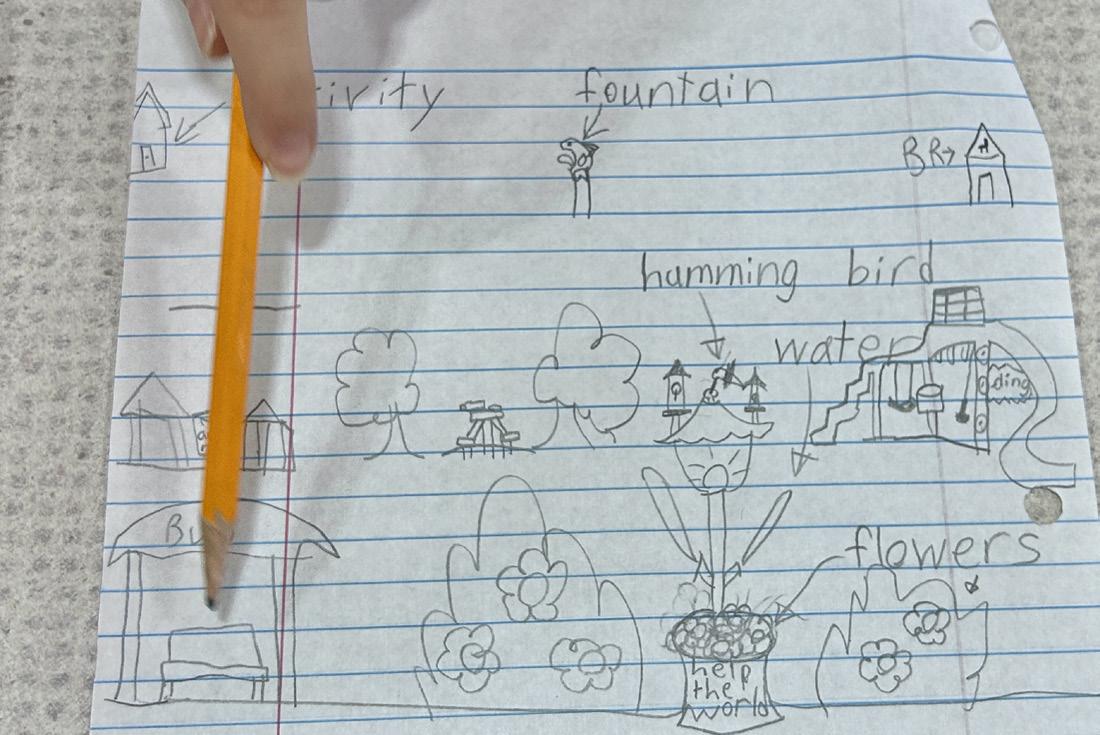
Students had a chance to explore the site and to discuss their ideas and preferences for the location. Following the site visit, students returned to the school and broke up into teams, led by local high school students, to workshop their ideas for the Community Learning Garden.
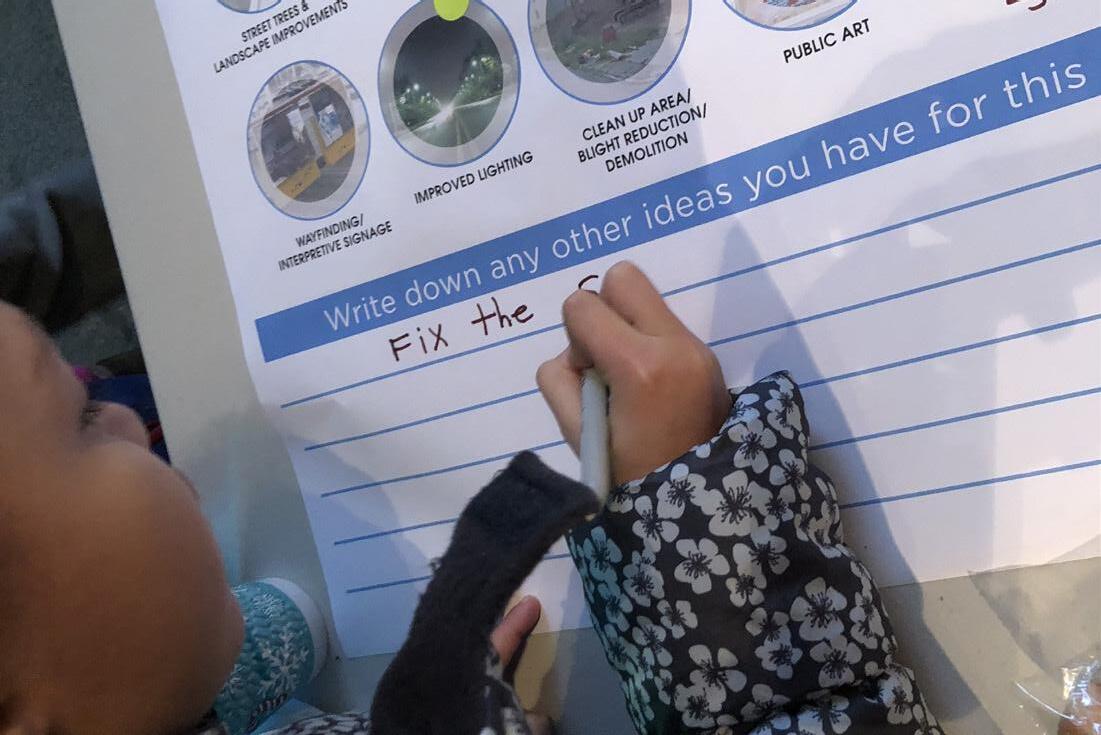
Feedback from this activity was used to help guide the design and plan for the Learning Garden project.
WORKING TOGETHER TO CREATE A PLAN FOR THE SITE
A STUDENT’S SKETCH OF KEY ELEMENTS FOR THE PROJECT
DISCUSSING FEEDBACK AT THE SITE VISIT
Pittsburgh Field Trips
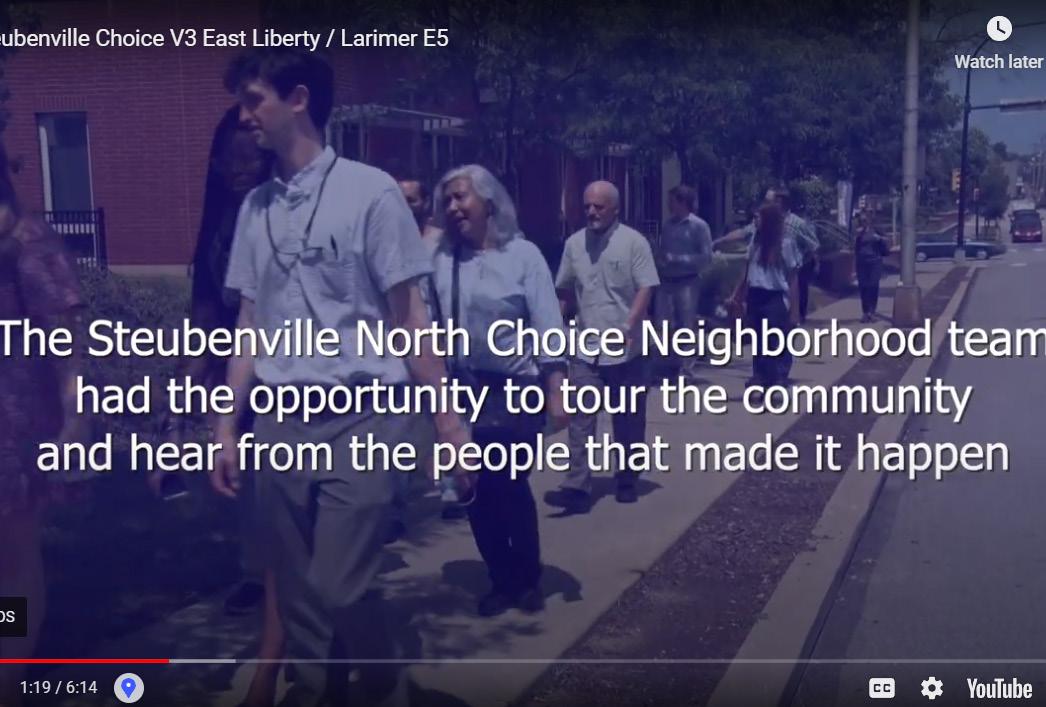
Members of the Planning Team, Coordinating Committee, Task Forces and local elected officials were fortunate to make two field trips to Pittsburgh to visit the Larimer Choice Neighborhood.
Tour attendees were able to walk the neighborhood, visit residential and community spaces, meet with local residents and officials, and discuss various elements related to planning and implementing a Choice Neighborhood vision.
Members of the Pittsburgh Housing Authority and the City of Pittsburgh also attended a meeting with residents in the neighborhood and a Steubenville City Council meeting to answer questions and discuss success strategies for achieving success.
As we continue to work closely with the Pittsburgh Housing Authority We thank the PHA and City of Pittsburgh for their assistance and partnership in our planning efforts.
RESIDENT-CENTERED COMMUNITY SPACES
HOMES IN PITTSBURGH’S LARIMER CHOICE NEIGHBORHOOD
Task Force Meetings
Throughout late 2023 and early 2024, the Planning Team held a series of Task Force Meetings around the core CN elements of People, Housing and Neighborhood. Task Forces were made up of Coordinating Committee members, as well as other local residents and partners who were interested in helping to develop the Plan.
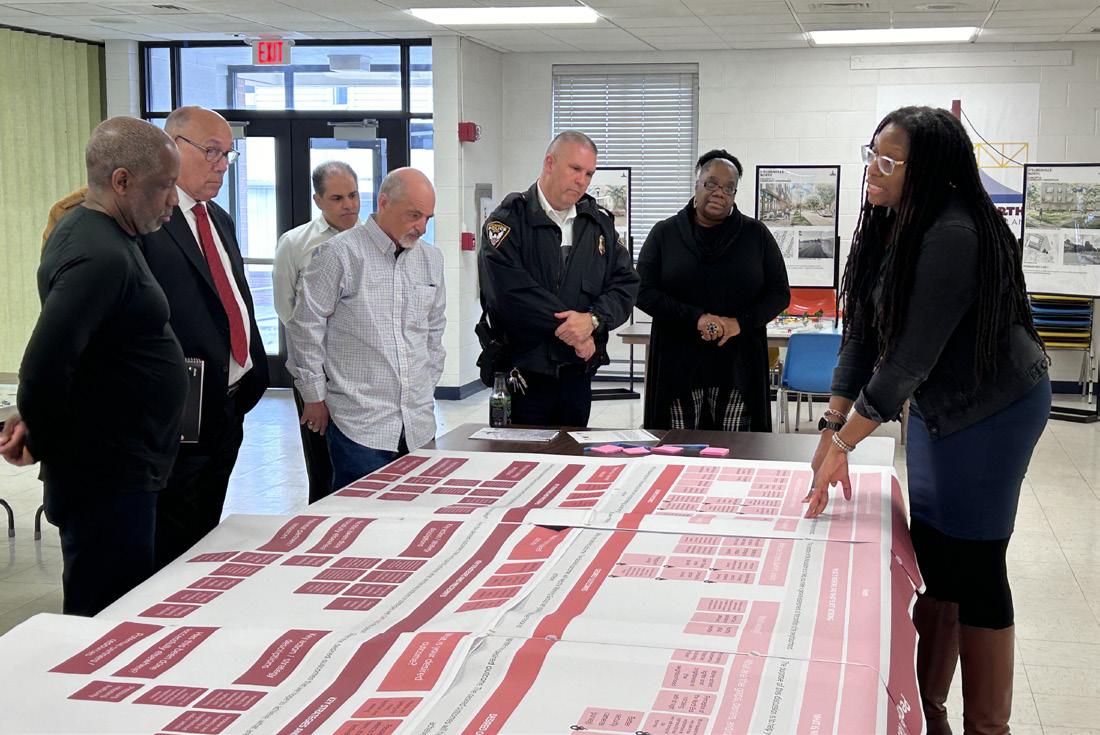
Meetings were intended to help define what was working in the community, and what was not, and to outline desired outcomes for change. Task Forces worked together to review survey information, brainstorm strategies, and help to identify resources, and partners for implementation.
DEVELOPING IDEAS FOR THE EARLY ACTION ACTIVITY
DISCUSSING NEIGHBORHOOD DESIRED OUTCOMES
Community Survey
In order to capture feedback from the wider neighborhood, the Planning Team created and administered a 10-question Community Survey during Spring and Summer 2024.
The survey, which was available both in paper and online, provided an opportunity to gather input to better understand what neighbors and stakeholders like to see happen in Steubenville North in the future.
66 surveys were collected and incorporated into the strategies included in the Plan.
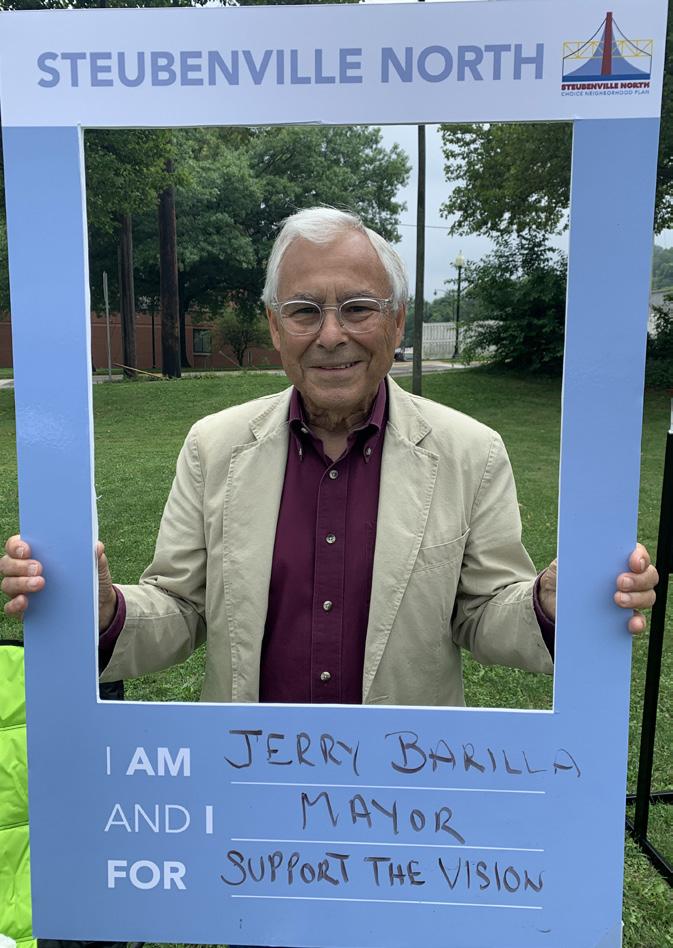
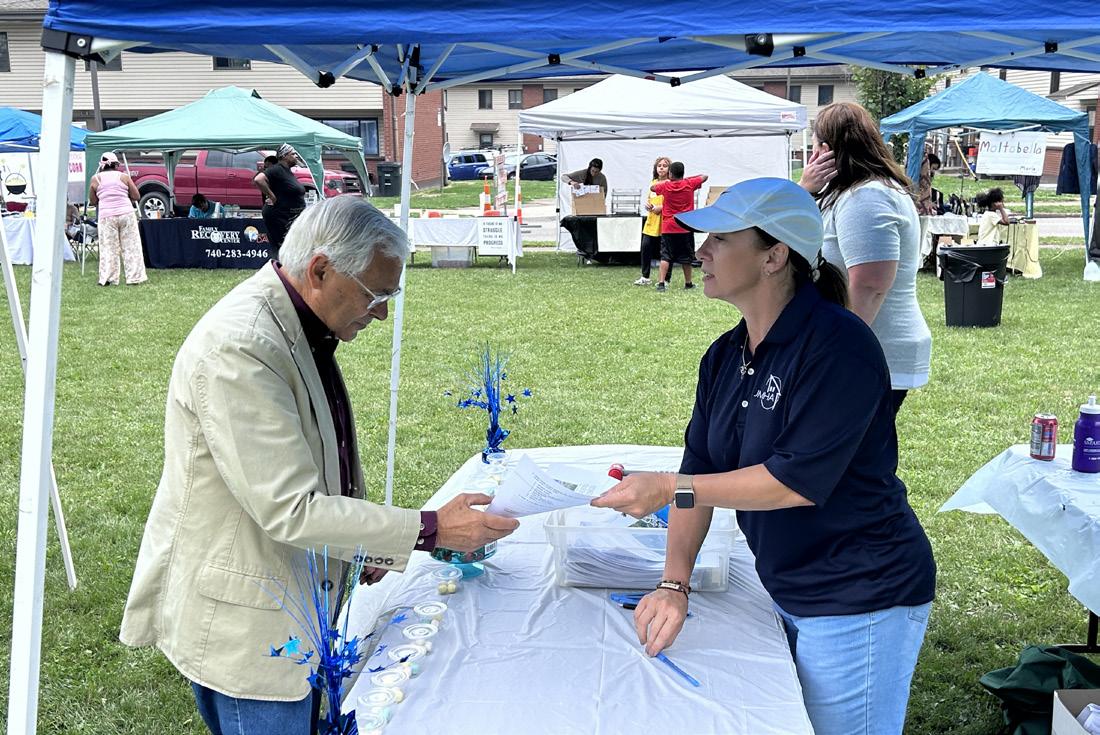
MAYOR JERRY BARILLA TAKES COMMUNITY SURVEY
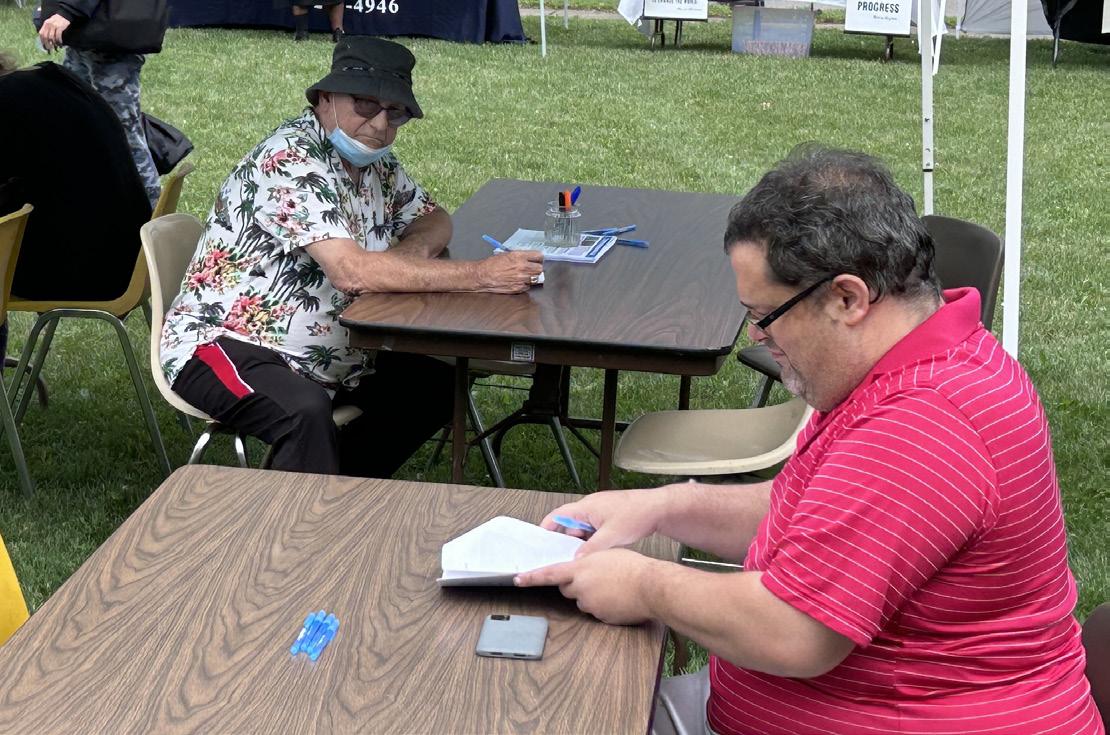
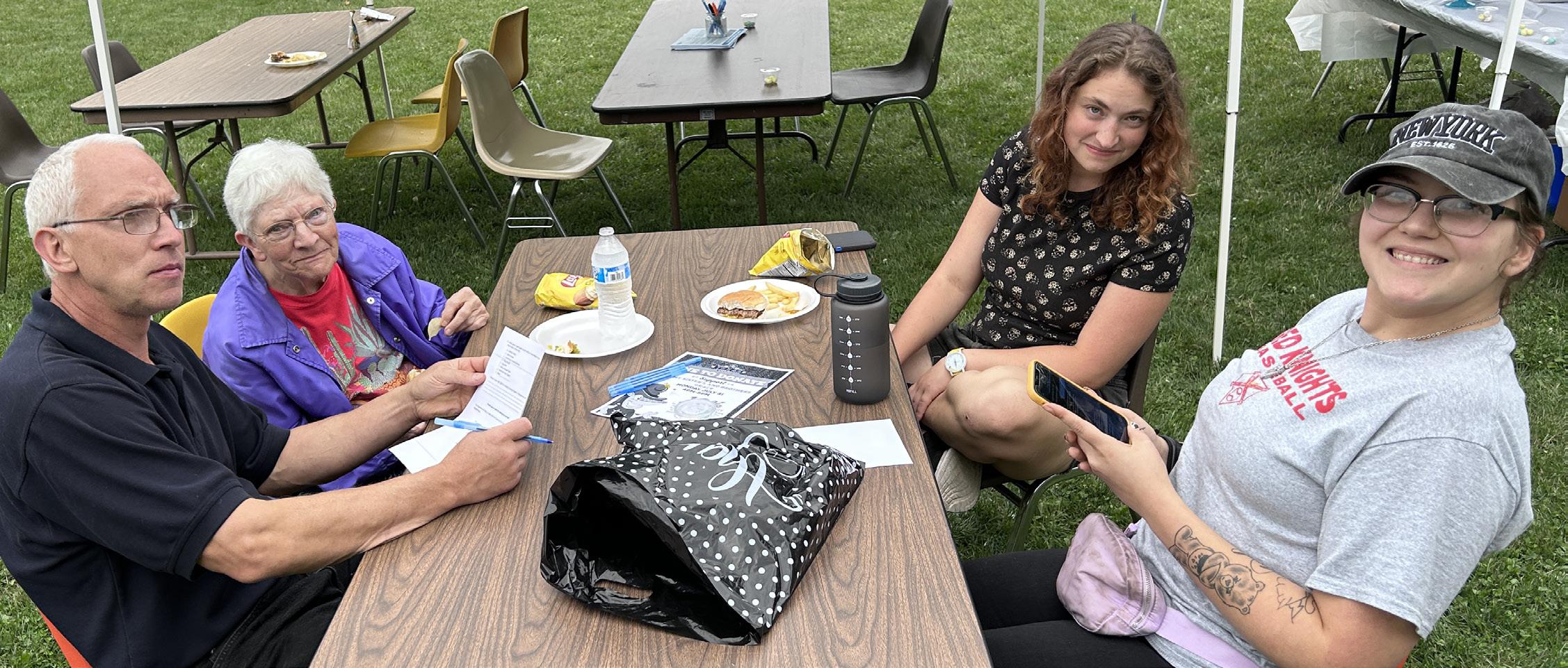
LOCAL RESIDENTS SHARE THEIR IDEAS
Resident Needs Assessment
During the Visioning Phase of the project, the Planning Team along with the Community Ambassadors developed the target housing Resident Needs Assessment Survey, which address CN program objectives, performance metrics, priority outcomes and base line data consistent with locally identified issues and needs.
The 61-question Needs Assessment Survey was launched at Community Meeting 2 and was completed in September of 2023. At the time, there were 197 occupied units of the 206 total units owned and managed by JMHA at the property in the Steubenville North Neighborhood.
RESIDENT PROFILE
81% of the JMHA households at John F. Kennedy Apartments and Elmer White Family Units completed some or all of the survey.
IDENTIFY AS AFRICAN AMERICAN
IDENTIFY AS WHITE ARE SINGLE
51% OF RESIDENTS ARE 55+ YEARS OLD FEMALE OF HOUSEHOLD MEMBERS ARE UNDER 18 YEARS OLD 61% MALE32%
IDENTIFY AS VETERANS ARE SINGLE PERSON HOUSEHOLDS
A Community of REJUVENATION
Our vision embraces the imperative of rejuvenation, recognizing the need to revitalize our resources, infrastructure, and community spirit. We acknowledge that sustainable progress demands a balanced approach that respects the ecosystem and addresses the holistic needs of our community. By actively engaging residents, fostering collaborative partnerships, and implementing thoughtful revitalization initiatives, we aim to create vibrant, inclusive environments that offer improved housing options, enhanced community services, and an overall elevated quality of life.
The Steubenville North Choice Neighborhood Plan focuses on replacement housing for Elmer White Family Units and the potential renovation of the John F. Kennedy Apartments combined with new mixed-income multifamily housing opportunities for current and future residents of the neighborhood. The overall goal is to locate new housing in areas of opportunity to help improve the lives of residents.
JMHA HOUSING
John F. Kennedy Apartments includes 150 units of low-income housing built in 1966. Elmer White Family Units include 56 units of low-income housing. Bridgeview Apartments, which includes 112 units built in 1972, has been purchased and is being renovated by a private owner and will not be considered part of the replacement housing program.
Between the two JMHA properties there are 206 units of low-income housing. The CN Plan will seek to replace or renovate 100% of those housing units within the neighborhood, or in other areas of opportunity as part of new mixedincome developments.
WALKING TOUR OF ELMER WHITE FAMILY UNITS
JFK APARTMENTS
ACCESS & CIRCULATION
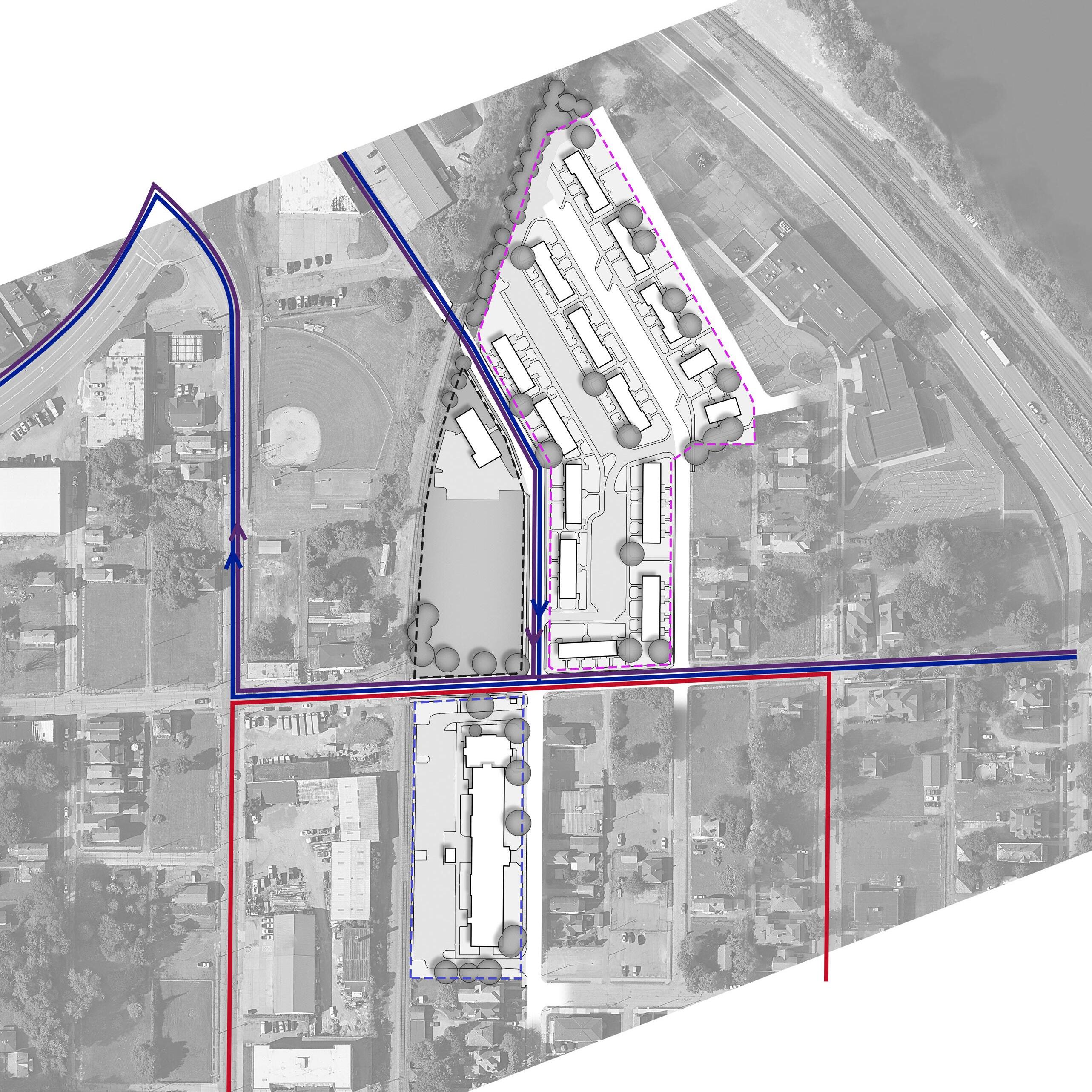
John F. Kennedy Apartments can be entered by any one of seven doors, two of which have direct access to the community room on the north end of the building. Parking for tenants of John F. Kennedy Apartments is on the west side of the building with a one-way vehicle entry off of 6th St. Each individual unit at the Elmer White Family Units property has its own entrance. Parking is located in the middle of the block.
LEGEND
JMHA Property
John F. Kennedy Apartments
Elmer White Family Units
John F. Kennedy Building Entry
STEUBENVILLE NORTH
Vehicle Access Direction
PUBLIC TRANSPORTATION
Both housing sites are located along 3 fixed bus lines operated by the Steel Valley Regional Transit Authority (SVRTA). There is a covered bus stop, that is well-lit and marked, at the southwest corner of Franklin Ave. and 6th St. From this stop patrons can access the blue, purple, and red lines which allows residents to reach Franciscan University, Trinity Medical Center, Fort Steubenville Mall, and downtown by bus.
LEGEND
JMHA Property
John F. Kennedy Apartments
Elmer White Family Units
Marked Bus Stop with Shelter
Unmarked Bus Stop
Line
Line
Line
NORTH
PARKING
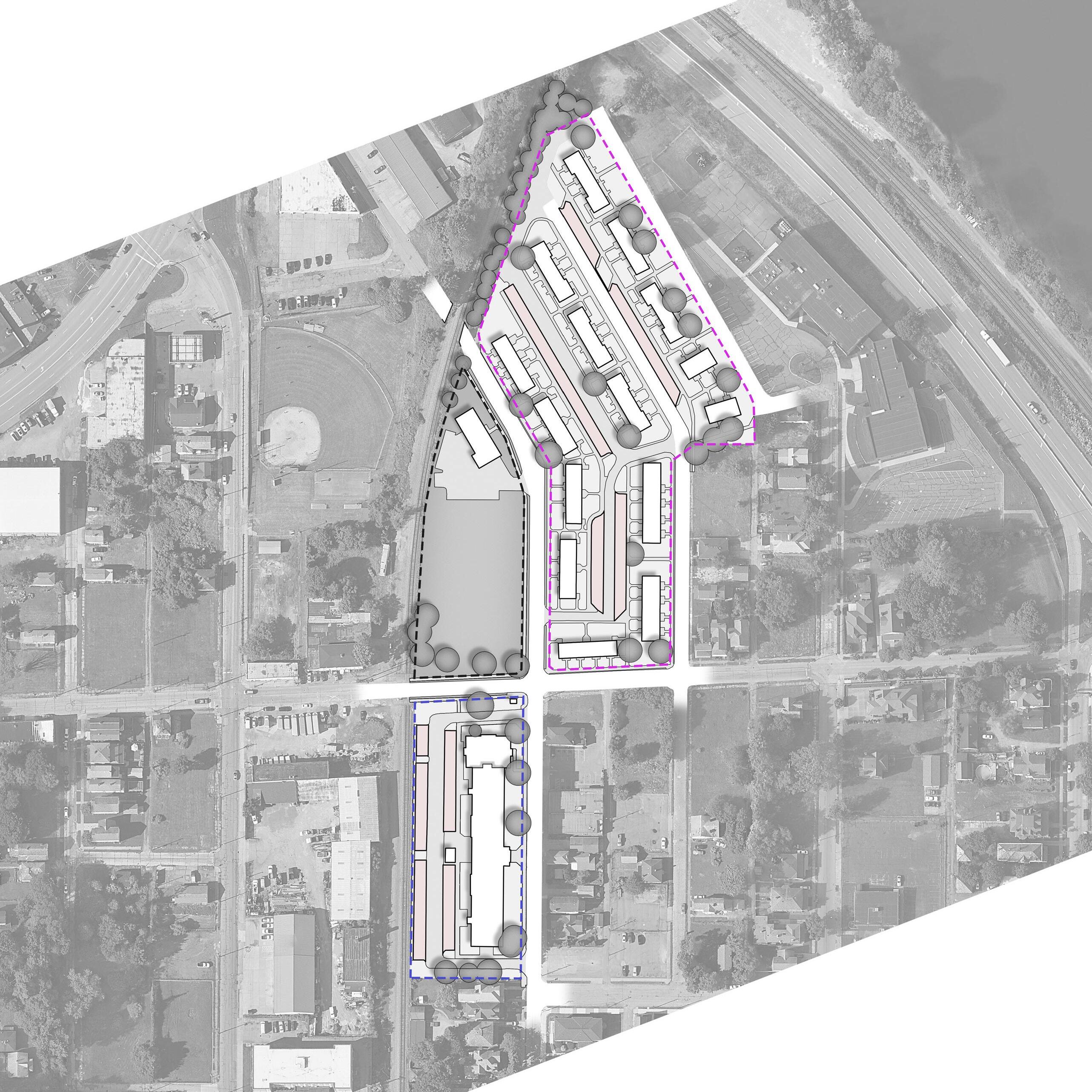
Off-street parking is located behind the units for Elmer White Family Unit residents and on the east side of the John F. Kennedy Apartment building. There is limited on-street parking in the immediate area around the two housing sites.
LEGEND
JMHA Property
John F. Kennedy Apartments
Elmer White Family Units
Parking Space
STEUBENVILLE NORTH
Housing
BUILDING TYPES
With the exception of the John F. Kennedy Apartments and the maintenance building, all of the buildings are 2-stories tall. The Elmer White Family Units buildings contain 4-bedroom and 3-bedroom units, while the John F. Kennedy Apartments is almost entirely efficiency and 1-bedroom units.
JMHA Property
John F. Kennedy Apartments
Elmer White Family Units
Needs Assessment Survey
HOUSING PREFERENCES
AREAS OF THE HOME RESIDENTS LIKE THE BEST:
1 2 3 4 1 2 3 1 2 3
LIVING ROOM
BEDROOM KITCHEN
GYM / FITNESS CENTER GAME ROOM MOVIE ROOM
OUTDOOR COMMUNITY AREAS THAT ARE NEEDED:
COMMUNITY GARDEN LIBRARY BBQ / PICNIC AREA SIDEWALKS AND CROSSWALKS
43% OF RESIDENTS ARE SATISFIED WITH THEIR LIVING ARRANGEMENTS
INDOOR COMMUNITY AREAS THAT ARE NEEDED: OF RESIDENTS HAVE LIVED AT JOHN F. KENNEDY APARTMENTS OR ELMER WHITE FAMILY UNITS FOR 1-5 YEARS
73%
HOUSING PREFERENCES
28% (45 households) OF RESIDENTS HAVE LIVED IN OTHER PUBLIC HOUSING SITES BEFORE JOHN F. KENNEDY APARTMENTS OR ELMER WHITE FAMILY UNITS
AFFORDABILITY IS THE MAIN REASON WHY RESIDENTS CHOOSE TO LIVE AT JOHN F. KENNEDY APARTMENTS OR ELMER WHITE FAMILY UNITS ARE INTERESTED IN LIVING IN A UNIT SPECIFICALLY DESIGNED FOR SENIOR OR DISABLED RESIDENTS
40% OF RESIDENTS ARE INTERESTED IN RETURNING TO A RENOVATED UNIT 70% OF RESIDENTS HAVE CONSIDERED MOVING TO ANOTHER PART OF THE CITY OF STEUBENVILLE 30% ARE INTERESTED IN BECOMING HOMEOWNERS
30%
DURING REDEVELOPMENT, ABOUT ONE-THIRD OF RESIDENTS WOULD LIKE TO BE RELOCATED TO A PRIVATELY-OWNED UNIT WITH A SECTION 8 VOUCHER
Needs Assessment Survey Results
NEIGHBORHOOD PROFILE
RESIDENTS RATED THE TOP STRENGTHS OF THEIR NEIGHBORHOOD AS FOLLOWS:
1
2
3
HOUSING AFFORDABILITY PUBLIC TRANSPORTATION LOCATION
THE MOST NEEDED THINGS IN THE NEIGHBORHOOD ARE:
1
2
3
GROCERY SIT-DOWN RESTAURANT
RESIDENTS GET FOOD FOR THEIR HOUSEHOLDS FROM GROCERY STORES AND DISCOUNT GROCERY STORES
4
PHARMACY BANK
OPEN SPACE
TOP THREE RECREATION AREAS VISITED BY RESIDENTS:
NORTH END PARK
BELLEVIEW MUNICIPAL PARK
BEATTY PARK
1 2 3 POOL OR SPLASH PARK ATHLETIC FIELDS
TYPES OF PARK SPACES NEEDED IN THE STEUBENVILLE NORTH AREA:
1 2
3 4
COMMUNITY GARDENS / FARMS NATURE AREAS
During the Listening and Learning stage of the process, approximately 66 residents completed a community survey to share their thoughts on the Steubenville North neighborhood:
WHAT IS A GREAT THING ABOUT THE NEIGHBORHOOD?
The People and Community
The neighborhood is known for its friendly and helpful people, with neighbors looking out for one another. The community has a strong sense of togetherness, with residents knowing each other well and participating in events and activities together. Residents appreciate the family-friendly atmosphere and the number of children in the neighborhood for their own kids to play with. The community has come together to address issues like loitering, and residents feel safe with the decreased crime levels.
Community Initiatives and Involvement
City officials are described as working hard to try and improve the neighborhood. Residents appreciate community events and initiatives, such as sporting events and activities for children. Residents express care for the environment and the overall appearance of the neighborhood.
Location and Amenities
The neighborhood is conveniently located close to the downtown business district, highways, and other important areas of the city. While the location is seen as a strength, residents note a lack of certain amenities like grocery stores, pharmacies, and recreational facilities for children. Some abandoned buildings and houses have been demolished, but residents believe the neighborhood has significant potential for further improvement.
Overall Sentiment
Despite some areas needing improvement, such as updates to homes and more amenities, residents generally express a positive sentiment towards their neighborhood and community. Residents feel a strong sense of pride and attachment to their neighborhood, with many having lived there for a long time and considering it their family home.
WHAT IS A SOMETHING YOU WOULD LIKE TO CHANGE?
Amenities and Facilities
Residents would like to see a grocery store with a produce section added to the neighborhood, as there is currently a lack of such amenities. The community expresses a need for more activities, recreation, and facilities for children and youth, such as a dedicated playground, community center, or Boys and Girls Club. Residents would like to see improvements to the existing ball field and park areas, including more events and programming.
Safety and Security
Residents express a desire for more police presence and awareness to help tackle issues like drug use and dealing, as well as other crime in the area. Improving infrastructure like sidewalks, which are currently in poor condition, could also enhance safety and walkability.
Vacant and Abandoned Properties
The presence of empty homes, storefronts, and vacant lots is an issue that residents would like to see addressed through cleanup and redevelopment efforts. Cleaning up and revitalizing these abandoned properties could help improve the overall appearance and appeal of the neighborhood.
Community Engagement and Development
Residents would like to see a clear, unified plan for the future development and improvement of the neighborhood. More community events, activities, and opportunities for involvement could help strengthen the sense of community and provide positive outlets, especially for youth. Addressing issues like negativity and a lack of community pride could also be beneficial.
JMHA - FROM TROUBLED TO SUSTAINABLE
As recently as 2016, JMHA was characterized as a “Troubled” Housing Authority by the US Department of Housing and Urban Development. Since that time, important changes have been made to ensure the longterm sustainability of the organization.
2016
The Authority did not always comply with (1) Federal and its own procurement requirements and (2) HUD’s requirements for the administration of its energy performance contract. Specifically, it failed to (1) maintain adequate documentation to support its procurements and (2) ensure that there were no real or apparent conflicts of interest in its contracting process. Additionally, it failed to achieve the expected savings on its energy improvements.
As a result, HUD and the Authority lacked assurance that more than $964,000 in public housing operating funds was used appropriately. Further, the Authority was at risk of defaulting on its nearly $6 million energy conservation loan, thus potentially encumbering public housing properties.
2018
In 2018, There was Board of Commissioner controversy to the extent that Congressman Bill Johnson visited Steubenville and asked Board Members to resign.
The Energy Performance Contract was investigated by HUD through contractor and a TASK 5 report was issued in late 2018.
JMHA did not have stable leadership or management with 5 different directors in five years. At the end of 2018, JMHA’s board hired a new director, Melody McClurg.
2023-2024
Since 2023 - 2024, JMHA has made significant strides towards success and sustainability:
• A Recovery and Sustainability agreement was signed between JMHA and HUD. All benchmarks have been met and the agreement has been completed.
• JMHA is now deemed a standard Housing Authority.
• $355,000 was forgiven by the OIG by JMHA doing investigation and correction of procurement. Additional money has been paid and One OIG repayment plan has been closed.
• Vacant units have decreased significantly.
• Policies and Procedures have been written and approved.
• JMHA has been awarded 3 grants through HUD.
• JMHA has become part of the community and works with all agencies.
• JMHA is an active Authority in the Ohio Housing Authorities Conference and in 2019, JMHA Executive Director joined the executive committee and serves as Treasurer.
• All programs at JMHA are functioning at a higher level.
HOUSING PRINCIPLES
Before any housing plans were conceptualized, a diverse group of stakeholders—including residents, neighbors, students, and community leaders—were engaged to envision the future of their community. This engagement took various forms, such as conducting a comprehensive Needs Assessment Survey, implementing a visual preference survey to explore favored housing types, and facilitating hands-on activities where residents physically constructed models of their dream neighborhoods. Additionally, targeted Housing Task Force sessions were convened, culminating in hundreds of candid one-on-one conversations with residents. The principles outlined below emerged from these discussions, reflecting the broad consensus of the community’s aspirations and needs.
Private Space
The new units should have yards, porches, stoops, or gardens that provide the opportunity to take ownership of their own private outdoor space.
Security
Residents generally feel safe during the day, but steps should be taken to make improve safety at night.
Contextual
Ensure community acceptance by paying homage to the area’s history, architecturally, and in less visible ways by embracing a transparent process.
Focus on Seniors
A building with ground floor amenities, with seniors in mind, should be included in the plan with easy access to public transportation and medical clinics.
Mixed-Use
Community members want a grocery, pharmacy, cafe, and other community-oriented spaces in their community within walking distance.
Proximity
Residents are within walking distance of schools and Downtown, but could be closer to parks and other commercial uses and amenities.
Connect to Open Space
Outside of North End Park, which is somewhat disconnected from the neighborhood, there is a severe lack of high quality open space.
Welcoming
Create connections to all of Steubenville, provide opportunities for renters and owners, and protect long-time residents while supporting new ones.
Focus on Families
Families need amenities and recreational opportunities for children, flexibility in housing typology, and proximity to schools.
Walkable
New sidewalks, lighting, and slower moving traffic all contribute to a community where everyone can feel better about walking.
Mixed-Income Development
Initiated in response to the negative consequences of concentrated low-income public housing throughout the 20th century, policymakers began experimenting with mixed-income housing models. Since then, mixed income housing has become an increasingly popular, and proven, approach to affordable housing development in the United States.
Mixed-income housing is a type of residential development that includes a diverse range of housing units for people with different income levels, including both affordable and market-rate housing. The goal of mixed-income housing is to create economically integrated communities, where people of different socioeconomic backgrounds can live together in the same building and access the same services and amenities.
One of the key benefits of mixed-income housing is that it can help to reduce economic segregation and promote social and economic diversity in communities. It has also been shown to have a positive impact on residents’ health, education, and employment outcomes, as well as on the overall quality of life in the surrounding area.
Today, mixed-income housing projects can be found in cities across the country, and they are often funded through public-private partnerships that leverage government subsidies and tax credits to encourage developers to include affordable units in market-rate developments. Mixed-income housing has been shown to have a positive impact on residents’ quality of life, economic mobility, and community cohesion.
HEALTH
Living in a mixed-income community can provide residents with access to a range of health-promoting resources, such as parks, community centers, and health clinics. This can lead to better physical and mental health outcomes, including reduced rates of chronic disease, obesity, and stress.
EMPLOYMENT
Living in a mixed-income community can increase access to job opportunities, as residents may be exposed to a wider range of industries and employers. Research has also shown that living in a mixed-income community can lead to higher rates of employment and higher wages for low-income residents. An increase in transportation options also provides great flexibility when searching for and maintaining a job.
EDUCATION
Children who live in mixed-income communities may have better educational outcomes, as they are exposed to a wider range of educational experiences and have access to better-funded schools. Research has shown that living in a mixed-income community can improve academic achievement and increase the likelihood of graduating high school and attending college.
QUALITY OF LIFE
Mixed-income communities can create a sense of social and economic diversity that can improve social cohesion and reduce stigma and stereotypes associated with poverty. They can also increase access to resources and amenities, such as grocery stores, public transportation, and community spaces, which can improve overall quality of life for residents. Increasing the interactions between individuals, families, and children, that would not otherwise meet teaches tolerance, reducing ignorance, and leads to neighborhoods where people look out for one another.
MARKET STUDY
Real Estate Strategies, Inc. was hired to complete a residential market analysis for the Steubenville North area. This summary documents market support for mixed-income residential development in the neighborhood.
RES estimates that potential Primary Market Area (PMA) rental demand over the seven-year Choice Neighborhood implementation time frame could be approximately 500 rental units.
Because of its location relative to employment as well as the lack of competitive rental development elsewhere in the PMA, it would be possible for a large-scale development effort in the CN to capture 80% to 90% of this estimated demand.
Some of the major recommendations from the report include:
• The focus on one-bedroom units is responsive to the data as well as the reports of property managers that large numbers of households on their waiting lists are looking for this type of unit. It is also in response to projections of an increase in the senior population aged 65 and older.
• An age-restricted senior LIHTC building is a recommended part of the development program. There are 61 individuals aged 62+ currently living in JFK Apartments and Elmer White.
• Part of the housing program should be built on the available lots owned by JMHA and the City of Steubenville that are within the CN. These would be ideal locations for outdoor space, including parks, playgrounds, active exercise equipment, and tennis/basketball courts. Design features in the community that would encourage active and passive recreation would also enhance safety in the community and attract visitors to the area.
• The overall CN housing strategy could include home repair training and funding for local homeowners, both to both preserve and increase the current level of homeownership in the CN. Specifically in the North 4th Street historic district, an exterior facade grant program could encourage homeowners to make longneeded repairs to the exterior of homes.
• Although immediately outside of the CN boundaries, the vitality of downtown Steubenville will impact the success of the housing strategy in the North End. Consideration should be given to locating a component of mixed-income rental units in upper stories of downtown buildings if the block groups meet Choice requirements.
• While it may be difficult to attract a full-service grocery store to the downtown area, every effort should be made to support fresh food retailers locating in areas convenient to the CN.
• Key features and amenities recommended for new residential units include kitchens with ranges, refrigerators, dishwashers, and garbage disposals. Although washer/dryer hookups are standard in this market; in-unit washers and dryers would be recommended at a minimum for any townhouse units or units with two or more bedrooms. Window blinds, security systems and off- street parking are also recommended.
• Market-rate homeownership units should be priced under $200,000. A percentage of units should be reserved for affordable homeownership targeting households with incomes below 80% AMI with forgivable second mortgages to write down the cost to the household and encourage long-term owneroccupancy.
DRAFT CONCEPTS
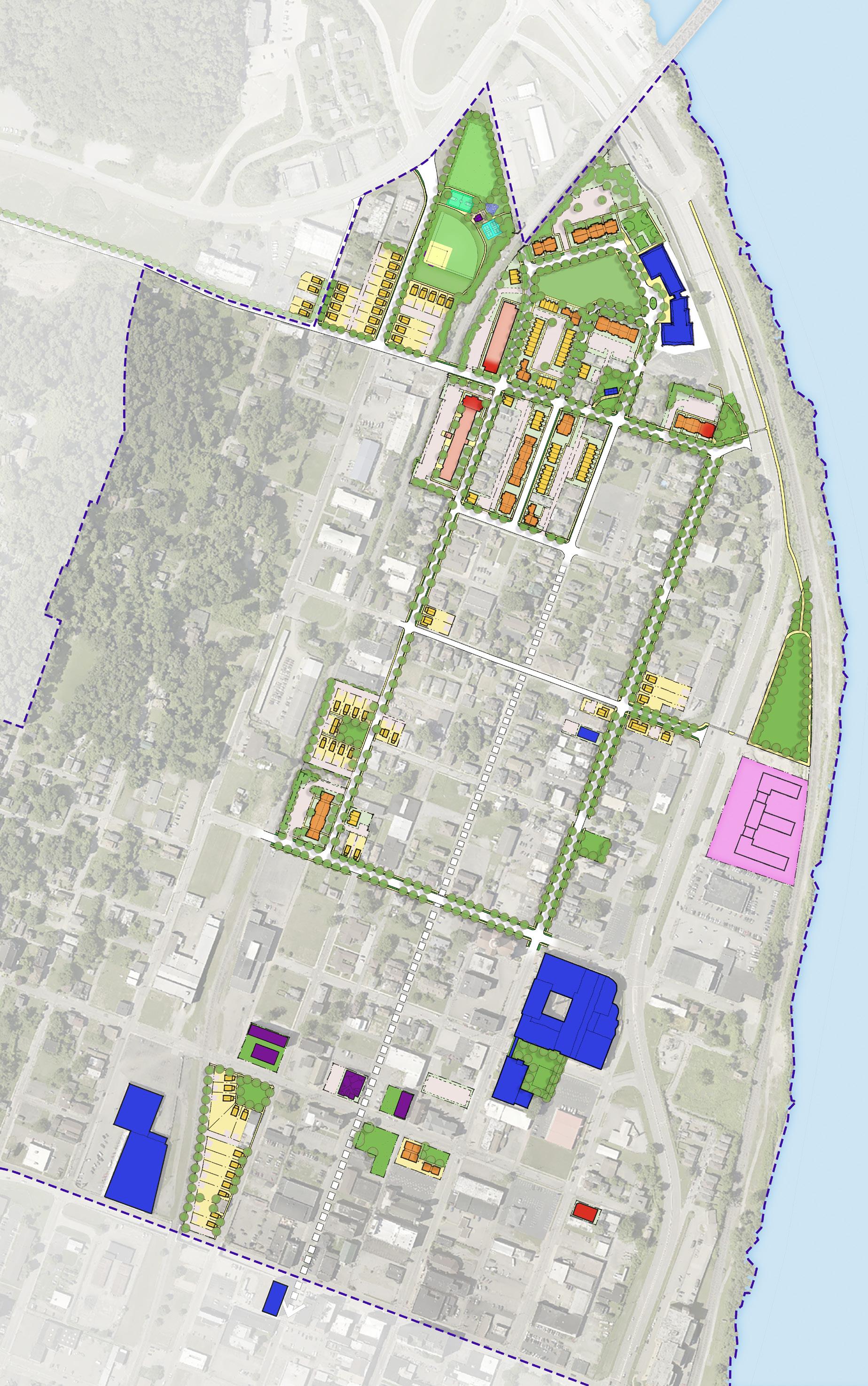
Based on community feedback through the Listening and Learning, Visioning and Strategies phases of the process, the Planning team created a series of three Draft Concepts. The Concepts represent theme-based scenarios for neighborhood and housing revitalization in the Steubenville North area.
Each Concept is organized around key features including open spaces, street improvements, and key redevelopment sites that look to build off of existing assets and fully integrate into the existing neighborhood. The Draft Concepts were presented for feedback to the Coordinating Committee and were shared with the broader neighborhood at Community Meetings 4 and 5.
Selected elements of the Draft Concepts have been included in the Preferred Plan, summarized on the following pages.
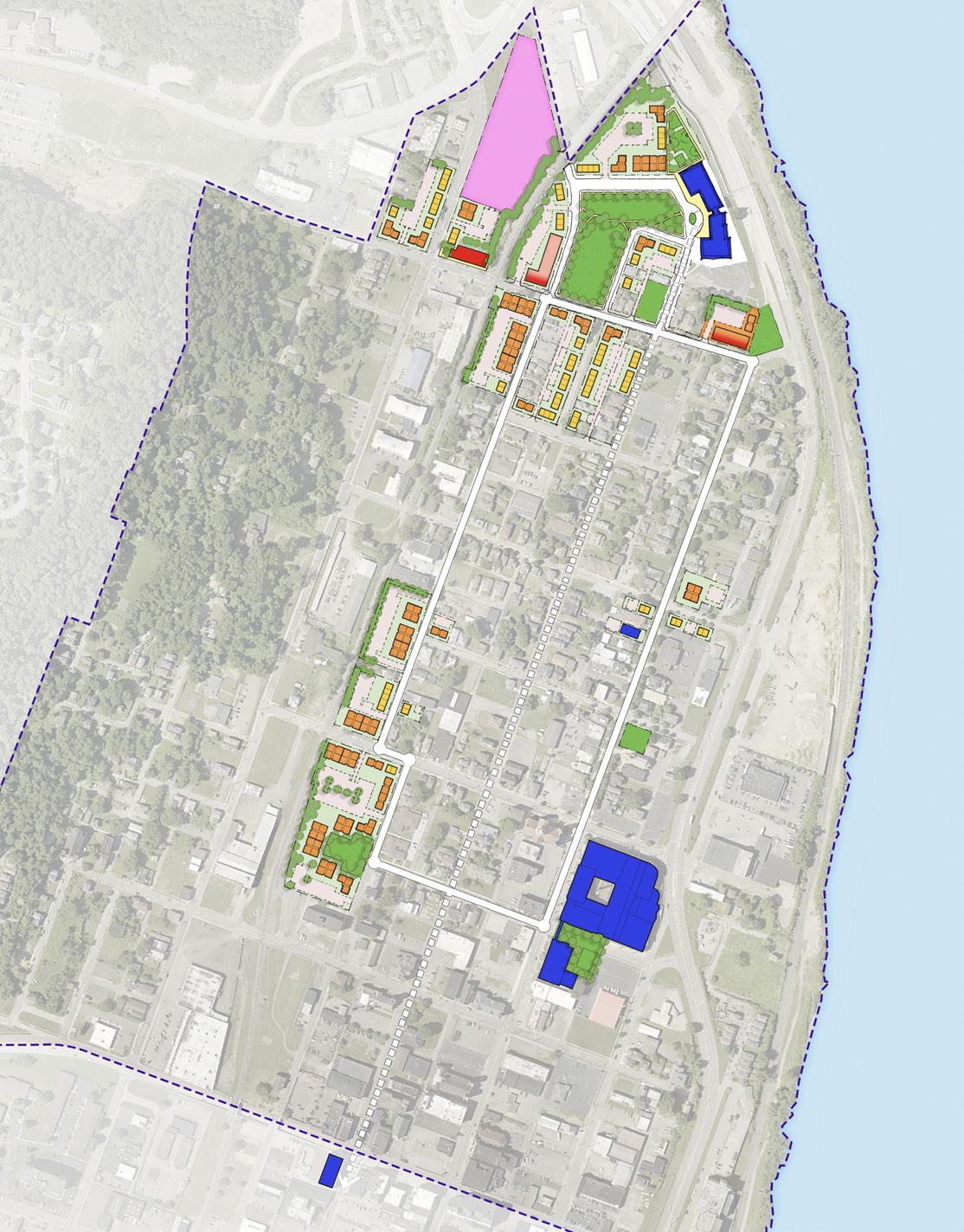
CONCEPT A: COMMUNITY CONNECTIONS
Concept A emphasizes the revitalization of the important community corridors of Franklin Avenue, North Street, and N 6th Street / 6th Avenue North. Key elements include the renovation and expansion of North End Park alongside residential and mixeduse development at Franklin Avenue and 7th Street, mixed-income development of the current JMHA properties, and implementation of the Urban Mission’s Ministry Corridor along North Street, including a traffic circle and gateway at OH-7.
Community Ranking #2 of 3
CONCEPT B: SCHOOLYARD ROCK
Concept B emphasizes the creation of a new North End Park directly adjacent to East Garfield Elementary School, including housing surrounding the green space, a hotel or grocery on the former North End Park Site along with housing at 7th Street and Franklin Avenue, and revitalization and streetscape improvements to 6th Street / 6th Avenue North, N 5th Street, N 4th Street. An improved Dock Street would connect Steubenville High School and the STEM Center to a redeveloped Herald Star site.
CONCEPT C: NORTHSIDE ALIVE
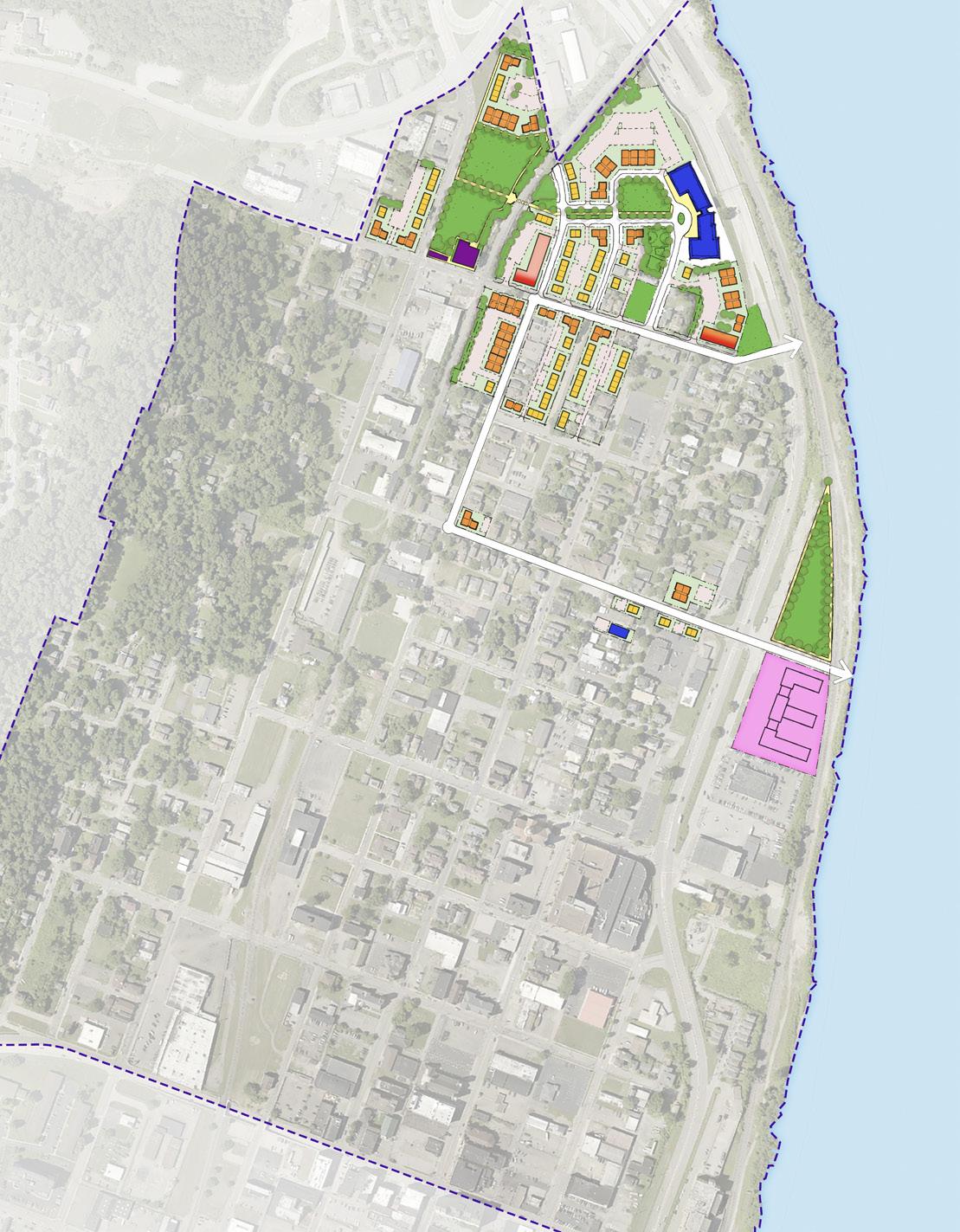
Concept C focuses on the northern portion of the Choice Neighborhood, with an emphasis on Franklin Avenue, 6th Avenue N, and Ross Street. North End Park is renovated and surrounded with new housing and community space, with a pedestrian walk under the existing railroad tracks to better connect to the redeveloped Elmer White Family Units site and East Garfield Elementary. A new Waterfront Park is established off of Ross Street, along with a waterfront hotel or grocery, to create a new regional amenity space.
Community Ranking Community Ranking #1 of 3 #3 of 3
PREFERRED PLAN
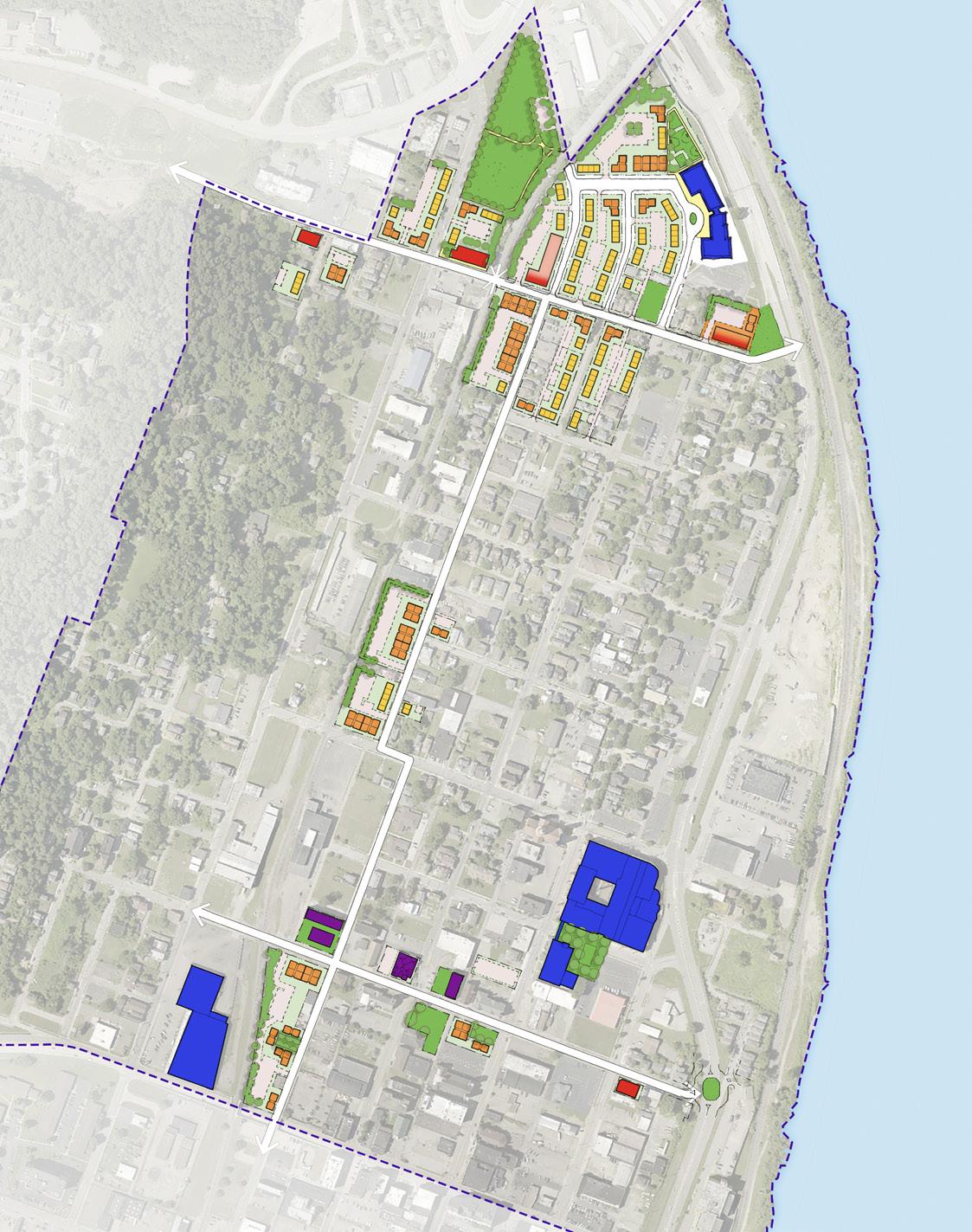
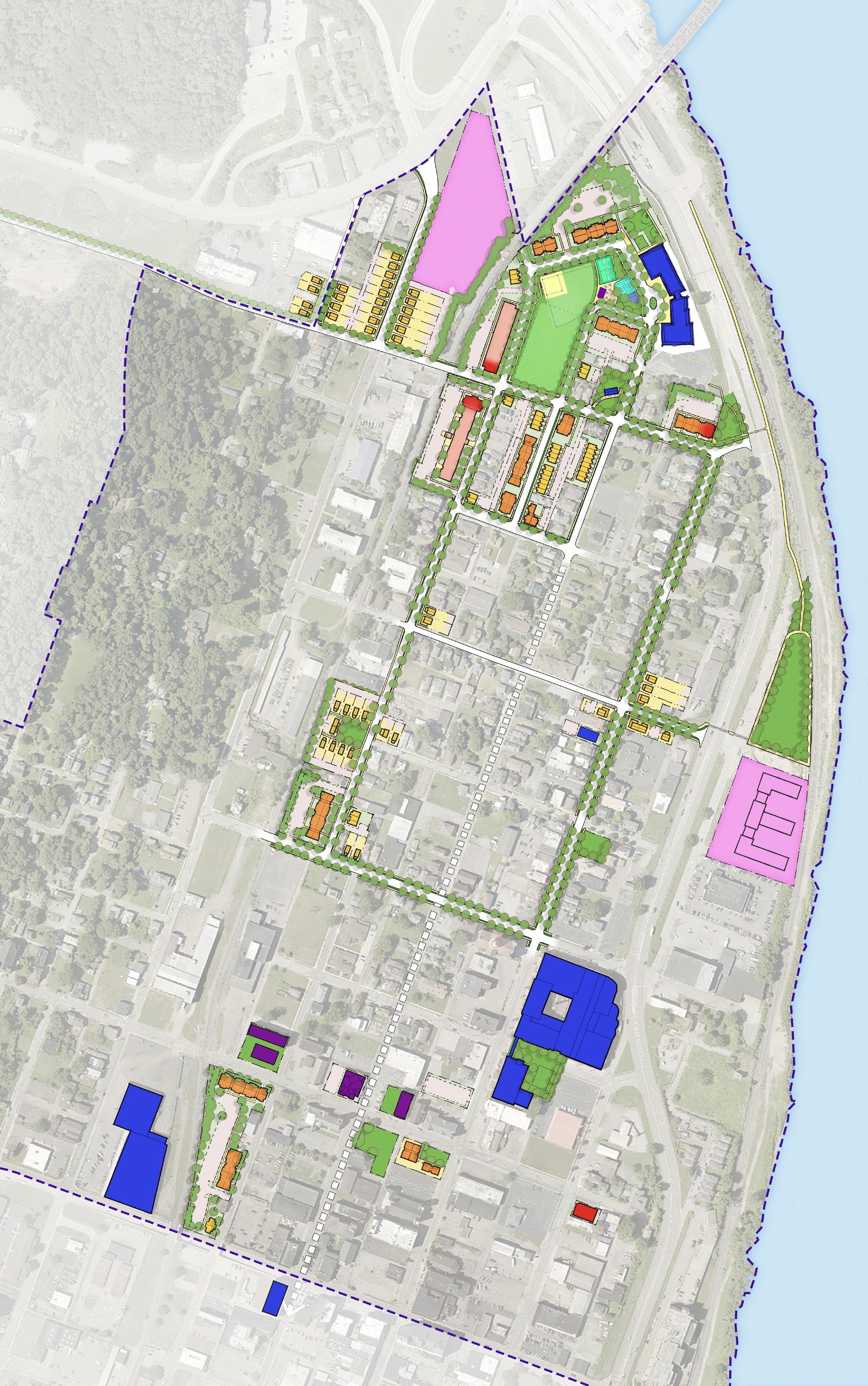
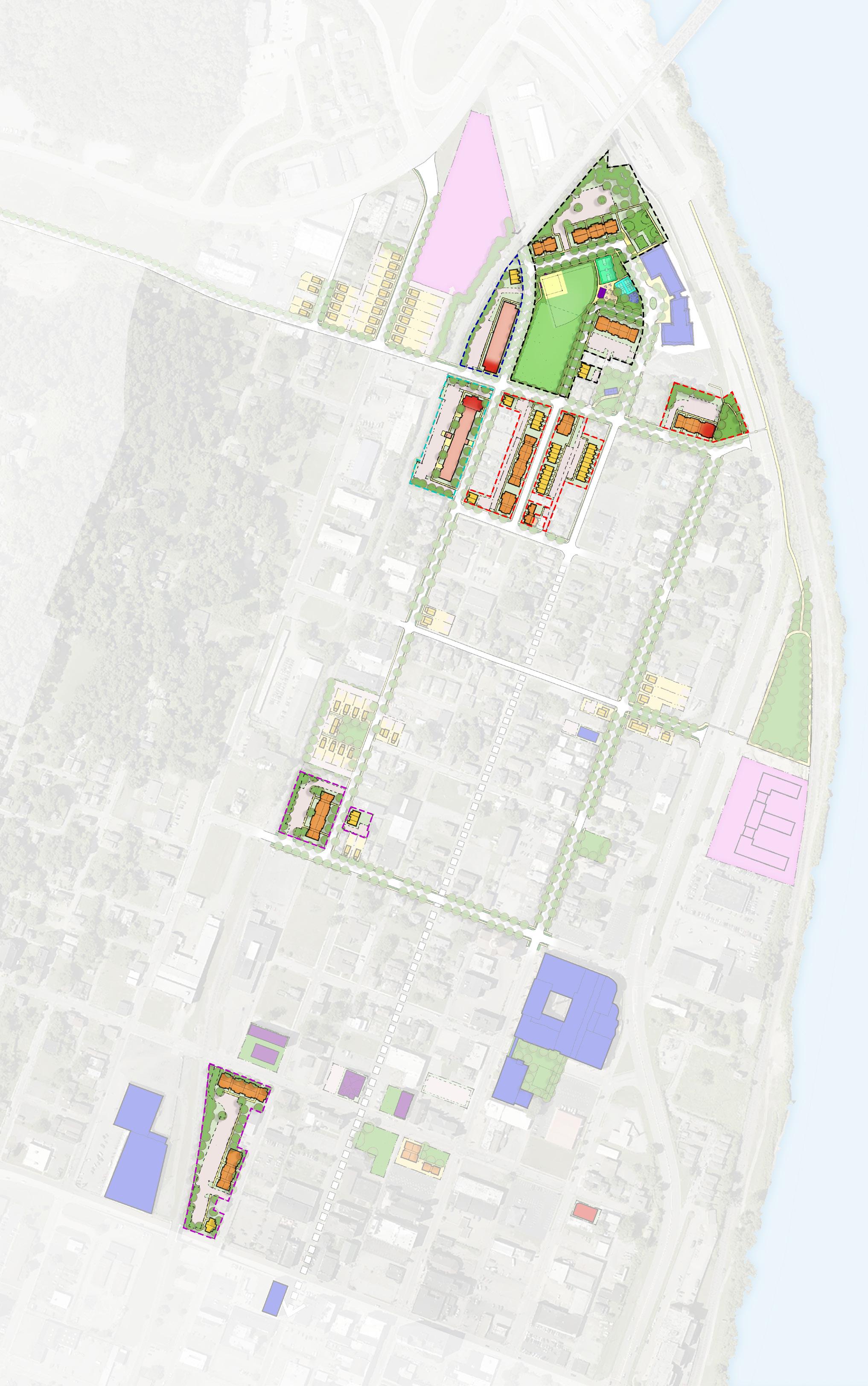
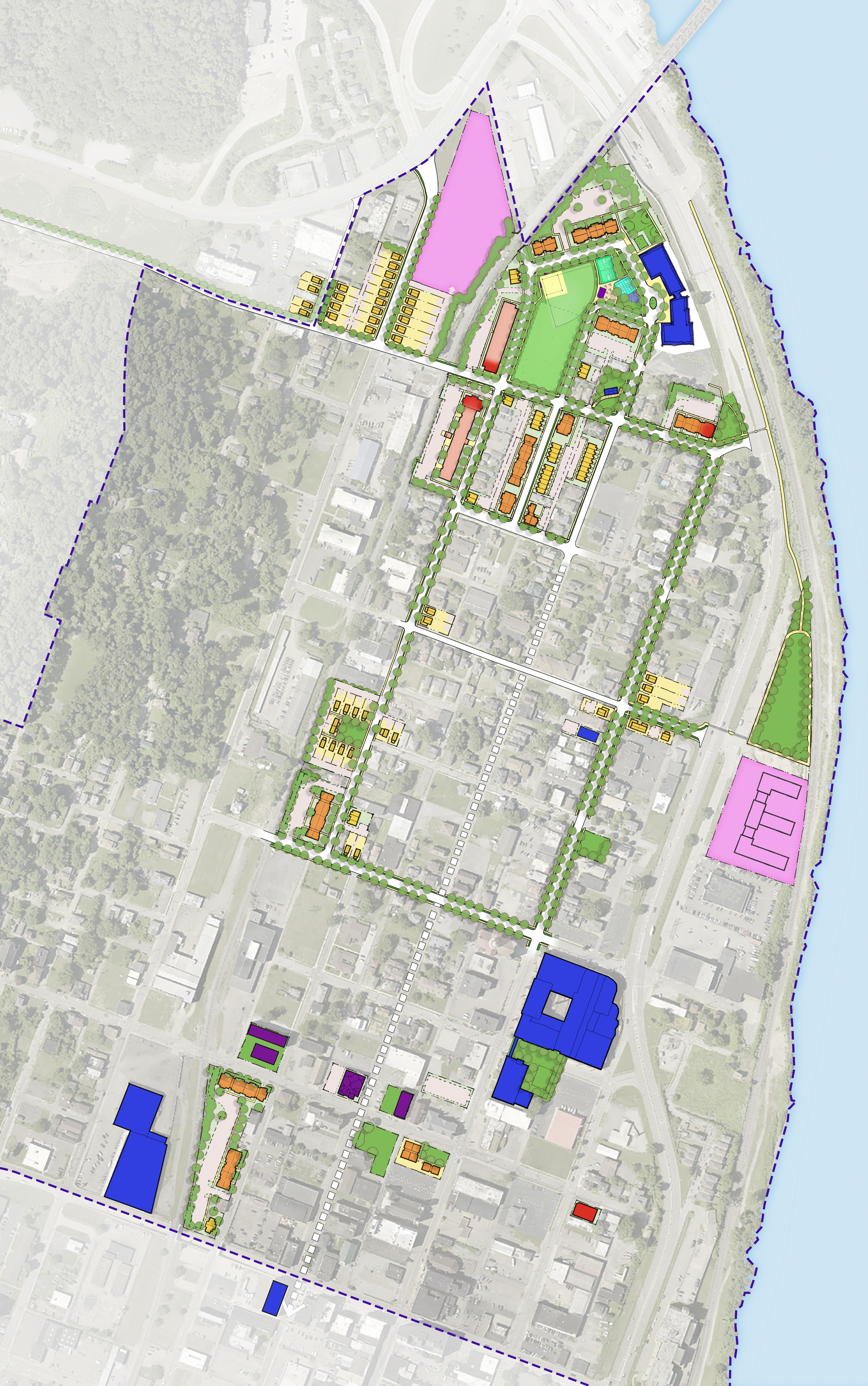
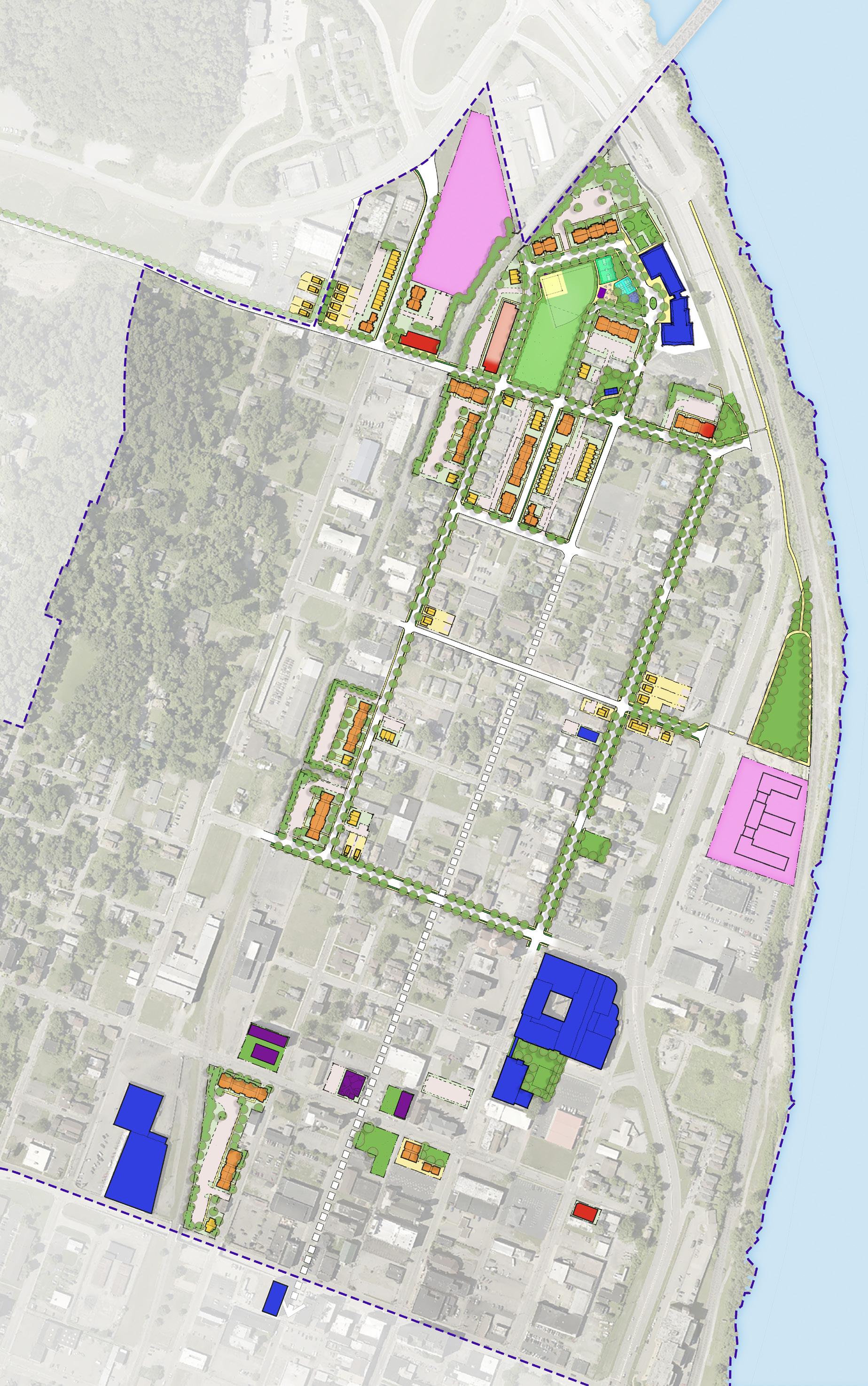
The Preferred Plan includes features and elements that have been identified as priorities by the community, Planning Team, and developer partner in helping to foster comprehensive rejuvenation of the Steubenville North community. The Preferred Plan envisions the redevelopment of the Elmer White Family Units site and surrounding areas as a place that is better reconnected to the broader neighborhood through a series of corridor streetscape improvements and other investments.
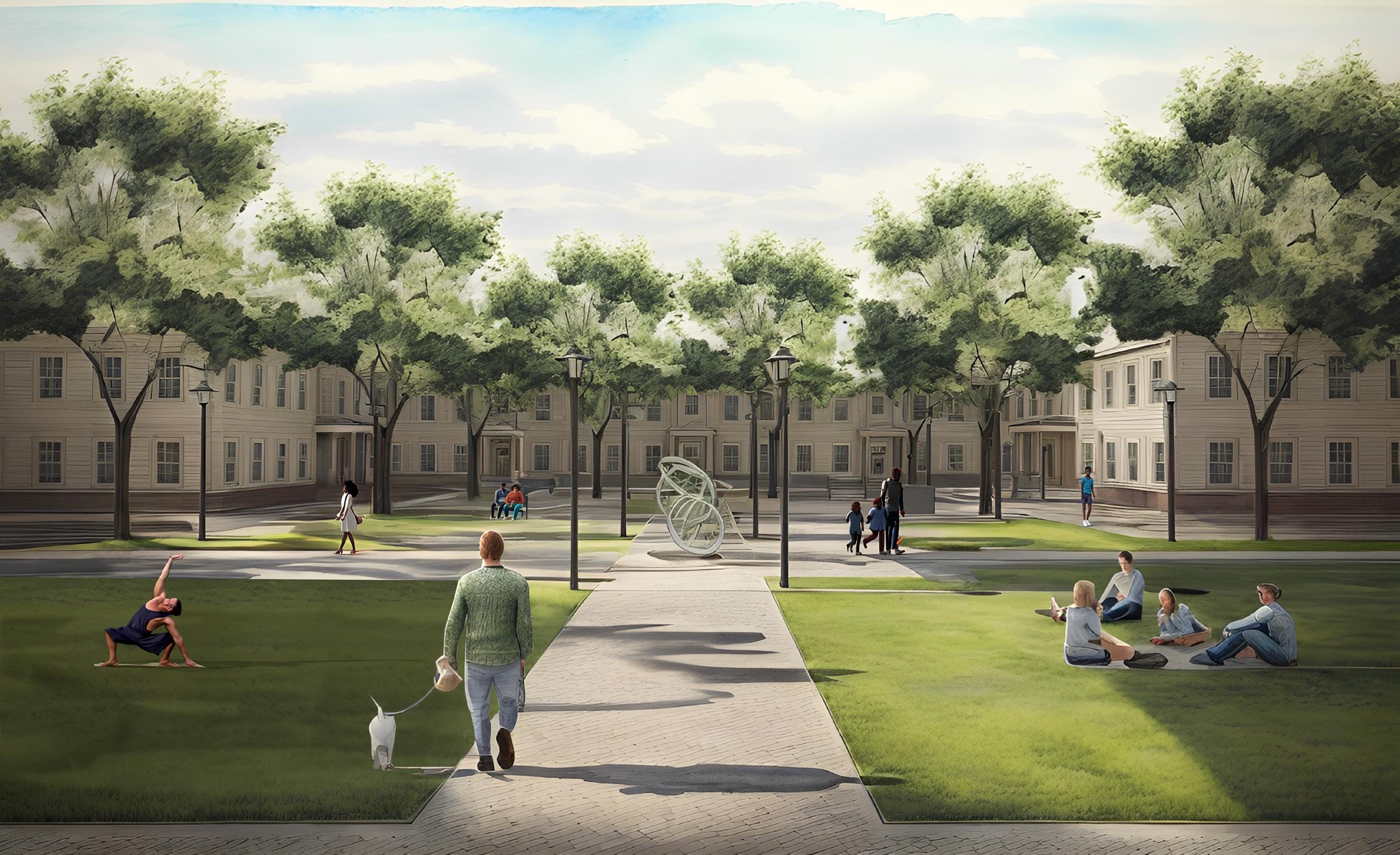
A variety of housing types are shown to provide housing choice for residents. Walk-up garden style apartments, duplexes, and townhouses are proposed in the Plan. Streets are narrow with onstreet parking to slow vehicles, lined with trees to provide shade, and have sidewalks on both sides to create a place for pedestrians. The
The Plan places parking lots behind the units and organizes the housing around newly programed park spaces. This reflects the Crime Prevention through Environmental Design Principles (CPTED) that promote safe neighborhoods. Creating a clear distinction between what is someone’s home and what is community space, increasing surveillance of parks and streets, and proposing architecture that responds to its environment will promote a safe place for all.
The Plan proposes a New North End Park and other smaller green spaces for recreation and gathering. These places are well-lit, easy to access, and highly visible.
Individual elements of the Preferred Plan are outlined on the following pages.
Plan Elements
The following elements, illustrated on the Preferred Plan, include recommendations for public and private improvements that are designed to have a lasting positive effect on neighborhood growth and development. We recognize that the Plan is subject to change and modification over time.
Connection to Franciscan Square
Franklin Street should be extended west to connect directly with Franciscan Square, a new commercial and hotel development that is receiving significant investment. If a vehicular connection is not possible, a pedestrian path should be established.
In order to create a safer and more attractive pedestrian environment, streetscape elements including trees, benches and improved sidewalks should be integrated on Franklin Avenue.
Single-Family Infill is proposed in several locations within the Steubenville North Area. Please see Catalyst Project on Page 90 for more information.
A commercial development potentially including a hotel and/or grocery store / market is proposed at the corner of N 7th Street and University Boulevard. Please see Catalyst Project on Page 84 for more information.
The creation of a new North End Park was highly desired by community members. The Plan includes this element, and also provides an alternative option maintaining and enhancing the current open space. Please see Catalyst Project on Page 88 for more information.
The Plan recommends complete redevelopment of the JMHA Elmer White Family Homes into new mixed-income housing. Housing types would include a mixeduse senior apartment building, smaller walk-up apartments, and townhouses along with new streets and green spaces.
Located at the corner of OH-7 Dean Martin Boulevard and Franklin Avenue, the existing small Gateway Park is recommend for expansion and upgrades. The Park could be made larger through the removal of dedicated turn lanes onto OH-7.
The vacant property just west of Gateway Park is recognized as an important location for new mixeduse development that can act as a gateway to the neighborhood. Redevelopment of the property, which is currently privately owned, could potentially include replacement JMHA units as part of a mixed-income development
The Community Learning Garden is currently under development at the corner of Franklin Avenue and N Commercial Street. This Early Action Project will become an important amenity for the neighborhood.
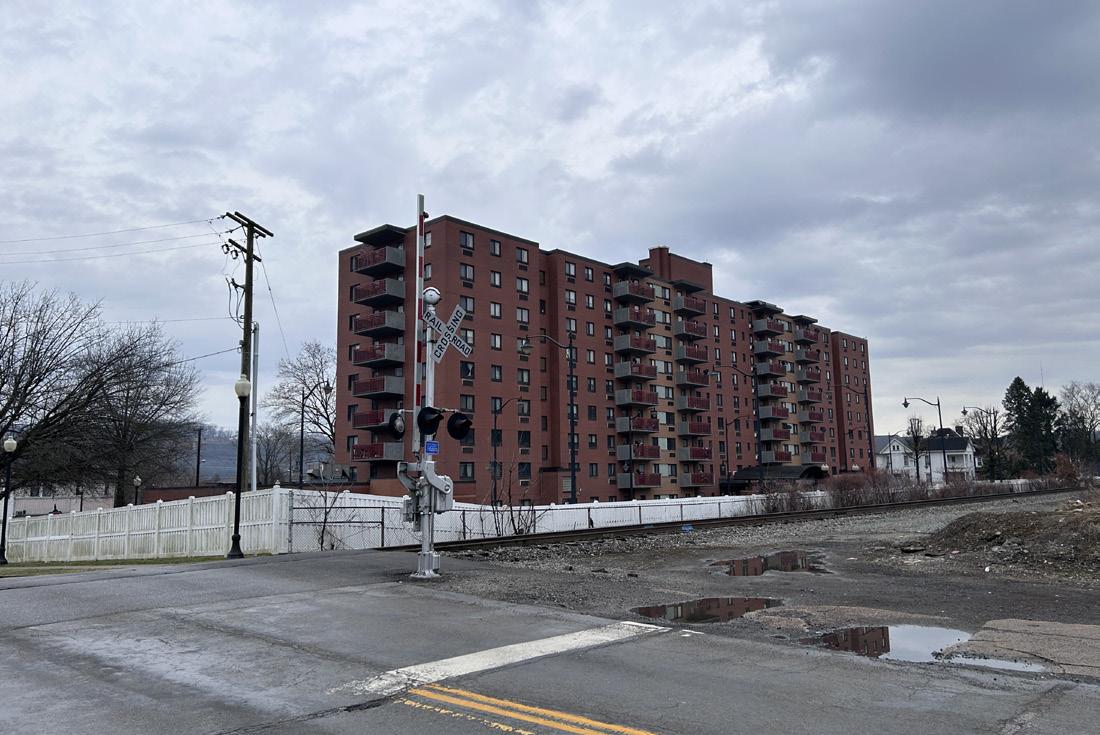
The railroad crossing on Franklin Avenue between N 7th Street and N 6th Street is unsafe for both pedestrians and vehicles. The City should work with the railroad operator to improve safety features.
or Grocery at Former North End Park Site
New North End Park
JMHA Elmer White Redevelopment
Park Expansion
Learning Garden (In Progress)
The current JFK building will be evaluated for its renovation potential. It is envisioned that the building would house families or singles in smaller units, with seniors moving to a new mixed-use building across Franklin Avenue.
Several Redevelopment Focus
Areas are identified on public and privately owned properties as part of the Preferred Plan. These include Sherman Avenue, Logan Street and 6th Avenue North, and North Street and N 6th Street. Each of these areas could include potential JMHA replacement units as part of mixedincome developments.
On property which is currently privately owned, a new waterfront park is envisioned along the Ohio River at the eastern end of Ross Street. Please see Catalyst Project on Page 92 for more information.
On property which is currently privately owned, waterfront commercial development, potentially including a hotel and restaurants, is envisioned adjacent to the waterfront park space.
In order to create a safer and more attractive pedestrian environment, streetscape elements including trees, benches and improved sidewalks should be integrated on 6th Avenue N.
Due to its character as a narrow and low-speed street, N Commercial Street is envisioned as a bicycle route, creating a more direct connection between the Franklin Avenue area and Downtown Steubenville.
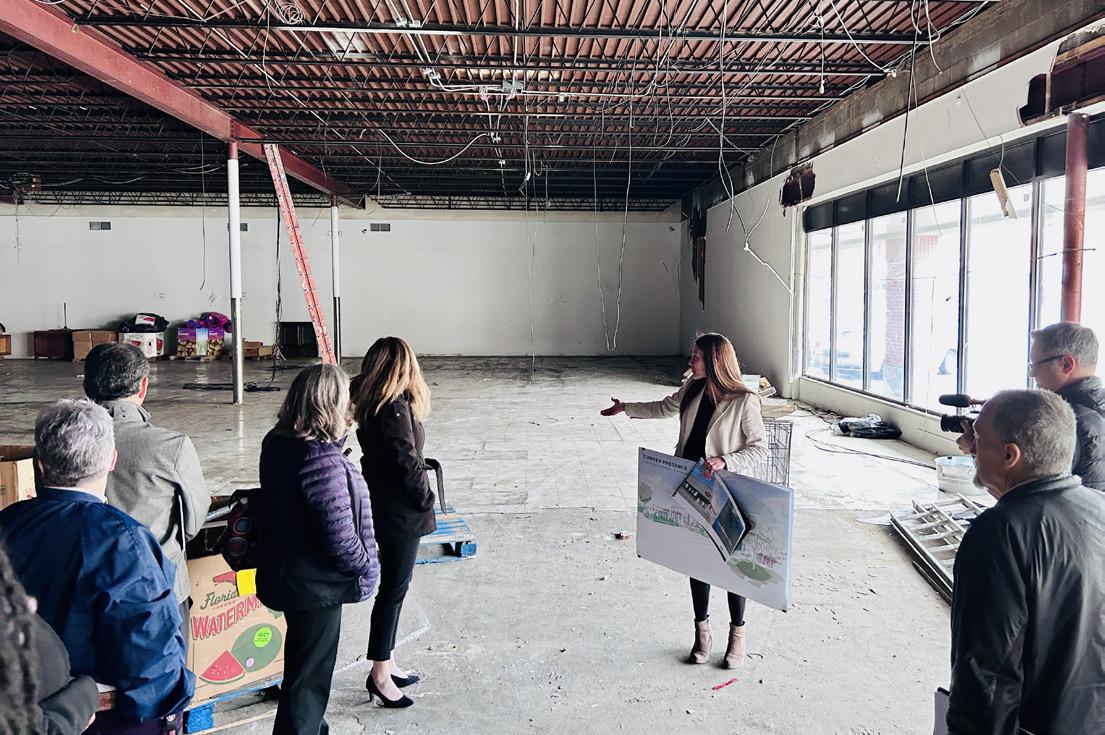
A vacant office space owned by JMHA is envisioned as a potential community space or Generations Community Center. Please see Catalyst Project on Page 130 for more information.
Greenspace on the corner of 4th Street and Clinton Street, owned by the Holy Resurrection Serbian Eastern Orthodox Church, is envisioned for improvements to make it more usable and inviting for congregation members and neighbors.
Smaller scale commercial development is encouraged on key corridors such as North Street, to provide much needed goods and services to local residents.
To ensure safer pedestrian movement and to better connect Steubenville North to Downtown, the City should make targeted crossing improvements along Washington Street.
The vacant building just outside the Planning area at Washington Street and Commercial Drive is envisioned as a future community center space.
Plan Elements
The following elements are integrated as part of the Urban Mission’s Ministry Corridor on North Street.
The Plan recommends continued support in revitalization efforts led by the Urban Mission to improve North Street as the Ministry Corridor. The Corridor is envisioned as a welcoming community and gathering space to be cherished and loved, nourish your body and soul, and focus on education, jobs and life skills training.
Urban Mission has built a reputation around providing high-quality food to the community. As a Mid-Ohio Food Bank distributor, Urban Mission can continue to improve and expand this reach by updating and expanding the Food Warehouse building and utilizing the open lot for food production.
The historic church holds many memories and meaning for the Urban Mission community. Rooted in faith and the belief in its restorative and transformation power, the future use of this facility should align with and elevate this mission.
The War Memorial is a historic gathering space within the community that has focused on elevating and supporting those who have served and given back to their community. To honor that history, the proposed future use of this building should focus on a similar mission.
In concert with new development, the Plan recommends the enhancement of the open space on North Street and N Commercial Street.
The Opportunity Center will be a welcoming community and gathering space to be cherished and loved, nourish your body and soul, and focus on education, jobs and life skills training. This project is currently being constructed in the former shopping center at N 7th Street and Washington Street.
The vacant property just west of Gateway Park is recognized as an important location for new mixeduse development that can act as a gateway to the neighborhood. Redevelopment of the property, which is currently privately owned, could potentially include replacement JMHA units as part of a mixed-income development
Plan
Visualizations for illustrative purposes only
INCLUDING MIXED USE SENIOR BUILDING AND TOWNHOUSES
JMHA ELMER WHITE REDEVELOPMENT
Plan Visualizations for illustrative
purposes only
REDEVELOPMENT FOCUS AREA ALONG SHERMAN AVENUE
JMHA ELMER WHITE
NORTH END PARK
Plan
Visualizations for illustrative purposes only
WATERFRONT PARK AND COMMERCIAL DEVELOPMENT
PHASING STRATEGY
The Jefferson Metropolitan Housing Authority, in partnership with Woda Cooper Companies, Inc. will lead the implementation of the Housing Strategy and redevelop and transform the Elmer White Family Units and JFK building into new mixed-income housing.
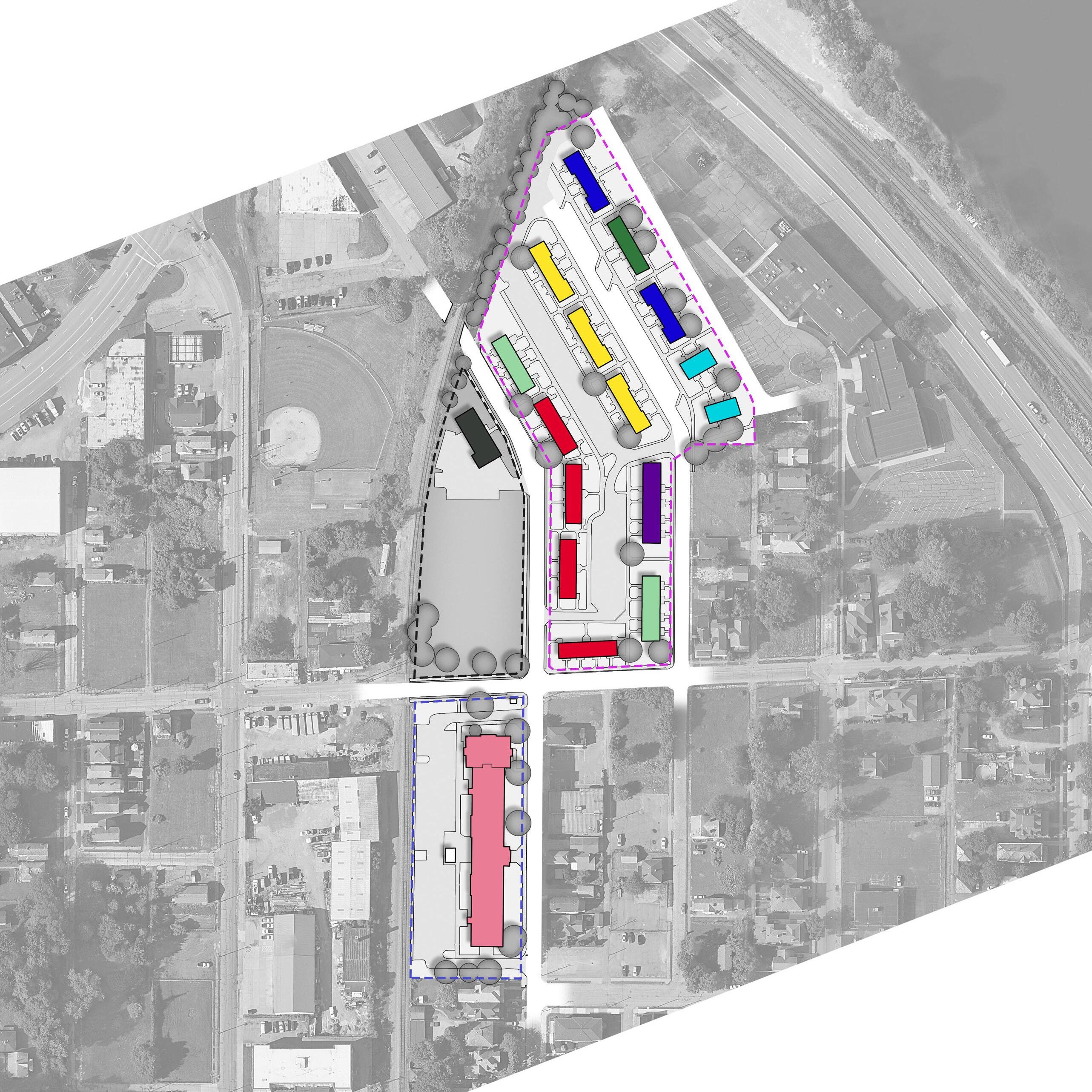
The Housing Plan replaces the 56 units at Elmer White, and 150 units in the JFK Building with approximately 447 units of mixed-income rental housing. This holistic housing reinvestment is planned to happen over a series of five phases, depending on funding, site control and other variables.
The Phasing Strategy is designed to make the overall Housing Strategy as efficient as possible. The Plan ensures that the project is able to capture a realistic number of new tenants through a sustainable market absorption rate.
In addition to the Phasing Strategy outlined, the Plan includes 64 homeownership units in various key locations within the neighborhood.
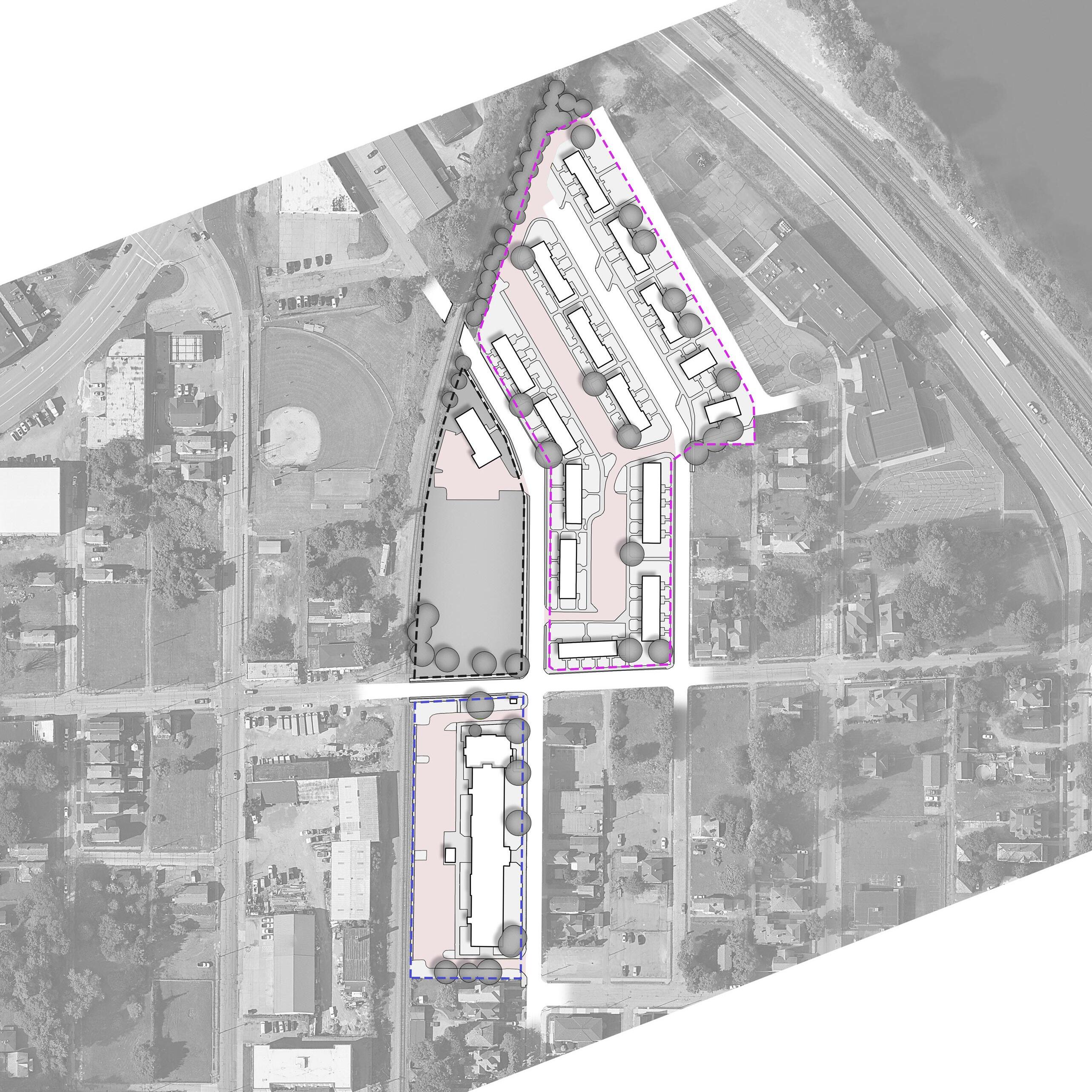
Development of open land on JMHA’s Elmer White property, including a mixed-use senior building and townhouses.
Total Units: 71
Development of off-site locations on Sherman Street and at the Gateway Park location.
Total Units: 106
Development of off-site locations on N 6th Street.
Total Units: 71
Total Units: 61 1 2 3 4 5
Rehabilitation of the JFK Building.
Total Units: 149
Development of remainder of Elmer White Family Units site, including a new North End Park.
BEDROOM MIX
The proposed bedroom mix for each of the proposed phases is outlined below, including which phases will include JMHA replacement units. The goal is to relocate all existing public housing units in the first three (3) phases.
In the first three phases we will be relocating all existing public housing units into. Which consist of:
John F Kennedy:
• 0 Bedroom: 12 (All residents in efficiency units will be moved into 1BRS)
• 1Bedroom: 109
• 2Bedroom: 36
Elmer White Family Units:
• 3Bedroom: 30
• 4Bedroom: 26
The Planning Team estimates the conversion of existing units in the JFK building based on square footages and the existing floor plans. The conversion could likely combine sets of two efficiencies units to convert to one- or twobedroom units. The unit count is based on being able to keep the rest of the existing units as they are, with minor modifications.
1
Senior Elevator Building
(71 units)
69,106 sq ft (Corridor building)
• 64 1BRs (All these will be JMHA replacement units)
• 4 2BRs (All these will be JMHA replacement units)
• 3 3BRs (All these will JMHA replacement units)
2
General Occupancy Walkup
Buildings
(106 units)
(Townhome square footages in parentheses)
A: 46,282 sq ft (7,259 sq of this will be townhouse)
B: 42,399 sq (19,568 sq ft will be town house)ft
C: 22,422 sq ft
Building A (51 units)
• 8 2BR Townhome Units (All these will be JMHA replacement units)
• 34 1BR Walkup Units (All these will be JMHA replacement units)
• 9 3BR Walkup Units (All these will be JMHA replacement units)
Building B (39 units)
• 18 2BR Townhome Units (All these will be JMHA replacement units)
• 6 2BR Walkup Units (All these will be JMHA replacement units)
• 15 3BR Walkup Units (All these will be JMHA
3
General Occupancy Walkup Buildings
(71 units)
(Townhome square footages in parentheses) –
Building A: 29,964 sq ft (3,595 sq of this will be townhouse)
Building B: 51,451(2,237 sq of this will be townhouse)
All buildings here are three-story walkup products or townhouses
Building A (25 units)
• 3 2BR Townhome Units
• 10 1BR Walkup Units
• 12 4BR Walkup Units (All these will be JMHA replacement units)
Building B (46 units)
• 2 3BR Townhome Units
• 20 1BR Walkup Units (19 units will be JMHA replacement units)
• 18 3BR Walkup Units (3 units will be JMHA replacement units)
• 6 4BR Walkup Units (2 units will be JMHA replacement units)
5
Two General Occupancy Walkup Buildings
(61 units)
General Occupancy A & B: 64,692 (3,181 sq ft of this will be townhouse) All buildings here are three-story walkup products or townhouses
Building A (25 units)
• 3 2BRs Townhome Units
• 4 1BR Walkup Units
• 12 2BRs Walkup Units
• 6 3BRs Walkup Units
Building B (36 units)
• 12 1BRs Walkup Units
• 6 2BRs Walkup Units
• 12 3BRs Walkup Units
• 6 4BRs Walkup Units
4
Rehabilitation of Existing JFK Building (149 units)
General Occupancy: 104,215 sq ft
(109) 1 BR (40) 2 BR
• 149 total units
• 9-story existing building
SUSTAINABILITY
The Plan embraces an innovative approach to mixed-income redevelopment, reimagining urban living through thoughtful design and inclusivity. Each development site has been meticulously configured to establish a walkable and handicap-accessible environment. This is achieved through seamless access to essential features such as sidewalks, amenities, public transportation, and a plethora of community resources. Recognizing the importance of inclusivity, the design of residential buildings specifically prioritizes accessibility, ensuring that ground-floor apartments are free from steps and barriers. This promotes visitability for all residents and guests, fostering a sense of community.
A comprehensive strategy regarding parking will be pursued to secure variances that reduce parking space requirements. This will not only facilitate greater green space allocations but will also play an integral role in mitigating urban heat island effects. By infilling with higher unit densities, the projects effectively leverage existing land, making better use of available urban space.
To ensure environmental responsibility, landscaping, runoff storage, and wastewater conveyance strategies will be carefully considered, promoting low-impact stormwater management practices. The preservation and maintenance of natural water features and drainage systems will be prioritized to enhance the ecological integrity of the settings.
In summary, the Plan’s multifaceted approach to mixed-income redevelopment encapsulates an unwavering commitment to sustainability, accessibility, and community well-being. Through its comprehensive design strategies, it seeks not only to enhance the quality of life for its residents but also to foster a more resilient and sustainable urban environment.
LEED ND ANALYSIS
CATEGORY 1:
SMART LOCATION & LINKAGE
Prerequisite 1 – Smart Location
The Steubenville North neighborhood has utilized the same street network over the past 150 years despite fluctuations in population and building stock. Redeveloping this neighborhood will help reduce the development of natural areas outside of Steubenville, curtail the number of automobile trips needed, and harness the numerous, existing neighborhood assets within walking distance for residents. Utilizing sites in an existing rich neighborhood fabric is a fundamental smart growth strategy.
The Preferred Housing Plan parcels, referred to in this section as the site, are currently served by existing water and wastewater infrastructure and are expected to satisfy the requirements of an infill site. Additionally, greater than 75% of the surrounding sites have been previously developed.
Prerequisite 2 – Imperiled Species and Ecological Communities
While a biological survey has not been completed to determine that no such imperiled species or ecological communities have been found or have a high likelihood of occurring, the nature of the site’s location and long history of development indicate that this requirement will very likely be met.
Prerequisite 3 – Wetland and Water Body Conservation
The intent of this prerequisite is to preserve water quality, natural hydrology, habitat, and biodiversity through conservation of wetlands and water bodies. The site currently includes no preproject wetlands, water bodies, land within 50 feet of wetlands, and land within 100 feet of water bodies. The Ohio River is located greater than 100 feet from the edge of any of the properties that are part of the site.
Prerequisite 4 – Agricultural Land Conservation
The intent of this prerequisite is to preserve irreplaceable agricultural resources by protecting prime and unique farmland from development. The site is not located within a state or locally designated agricultural preservation district. Additionally, the site satisfies the requirements of an infill site.
Prerequisite 5 – Floodplain Avoidance
The intent of this prerequisite is to protect life and property, promote open space and habitat conservation, and enhance water quality and natural hydrologic systems. A small portion of the site, less than 1 acre, lies within the FEMA 500year flood zone. This area is just north of Franklin Ave. and N. 4th St. and is intended to be open space with a small portion of a building within this zone. The building on this infill site will be designed in accordance with American Society of Civil Engineers Standard 24-05 (ASCE 24).
CATEGORY 2: NEIGHBORHOOD PATTERN & DESIGN
Prerequisite 1 – Walkable Streets
The intent of this prerequisite is to promote transportation efficiency and reduce vehicle distance traveled. This will improve public health by providing safe, appealing, and comfortable street environments that encourage daily physical activity and avoid pedestrian injuries. In order to satisfy this prerequisite, four separate criteria must be must.
Currently every building, above the 90% threshold required, will have a functional entry onto the circulation network or other public space, such as a park or plaza. Each functional entry will be connected to a sidewalk or equivalent provision for walking.
At least 15% of the block length of the existing and new circulation networks within and
bordering the project will have a minimum building-height-to-street-centerline ratio of 1:1.5. The neighborhood has very narrow streets, with most rights-of-way less than or equal to 50 feet in width. Every residential building will be at least 2 stories in height, and with shallow front setbacks this prerequisite can easily be achieved.
Every street bordering and within the site area is expected to have sidewalks of at least 4 feet in width along both sides. Continuous sidewalks or equivalent all-weather routes for walking must be provided along both sides of 90% of the circulation network block length within the project in order to meet this requirement.
Finally, no more than 20% of the block length of the circulation network within the project will be faced directly by garage and service bay openings. All parking lots are currently designed to be accessed from a system of alleys and located behind, and not in front of buildings.
Prerequisite 2 – Compact Development
The intent of this prerequisite is to conserve land, promote livability, walkability, and transportation efficiency, and reduce vehicle distance traveled. This type of development also leverages and supports transit investments while improving public health by encouraging daily physical activity. Since this project does not meet the 2-point threshold in SLL Credit Access to qualify as quality transit, it must only meet the minimum density requirement of 7 units/acre. The site is roughly 21.1 acres, and the housing plan currently includes 449 units, so the yield is roughly 23.1 units/acre, well above the requirement of 7 units/acre.
Prerequisite 3 – Connected and Open Community
The intent of this prerequisite is to promote projects that have high levels of internal connectivity and are well connected to the community. This type of built environment also encourages development within existing
communities that promotes transportation efficiency through multimodal transportation. In the same vein as other requisites, the intent is to improve public health by encouraging daily physical activity as well.
Since the site is over 5 acres, it must have an internal connectivity of at least 140 intersections per square mile. At a size of 21.1 acres and 9 intersections within the site, it currently is designed with roughly 273 intersections/square mile. This is well above the threshold required.
CATEGORY 3: GREEN INFRASTRUCTURE & BUILDINGS
Prerequisite 1 – Certified Green Building Certified Green Building is intended to encourage green building practices, and promote the design, construction and retrofit of buildings that meet LEED standards. It requires that at least one whole building within the project area be designed, constructed, or retrofitted to be certified through a LEED rating system. It is anticipated that the project will satisfy the requirements of this prerequisite.
Prerequisite 2 – Minimum Building Energy
Performance
The intent of this prerequisite is to encourage the design and construction of energy-efficient buildings that reduce air, water, and land pollution and environmental damage from energy production and consumption. It is anticipated that any new construction or major renovations would be undertaken with the goal of meeting or exceeding minimum energy efficiency requirements under the appropriate LEED program criteria.
Prerequisite
3
– Indoor Water Use Reduction
The intent of this prerequisite is to reduce indoor water consumption. 90% of new singlefamily residential buildings and new multiunitresidential buildings, under three stories, must
use a combination of fixtures and fittings that would earn 2 points under LEED for Homes v4 WE Credit Indoor Water Use. It is anticipated that the project will satisfy the requirements of this prerequisite.
Prerequisite 4 – Construction Activity Pollution Prevention
The intent of this prerequisite is to reduce pollution from construction activities by controlling soil erosion, waterway sedimentation, and airborne dust. The site will incorporate best management practices to control erosion and sedimentation in runoff from all parts of the site during construction.
CREDITS LIKELY TO BE OBTAINED
In addition to the noted prerequisites, a LEEDND certified project must also achieve a minimum of 40 points under the credit system outlined in LEED v4 for Neighborhood Development. The table below indicates the credits that the site is likely to achieve, totaling 48 points currently, with several additional points possible. This is 8 points above the 40 points required for certification and only 2 points below what is required for Silver certification. There are aspects of the final design of the buildings, stormwater systems, and lighting systems that could achieve the 2 points required to reach this threshold. This positions the project for the potential of LEED-ND Silver certification. There are component parts of the project that will need to respond to unforeseen circumstances and events during the development process, but it is expected that the project’s site plan has been designed to easily attain a certification under the requirements of LEED for Neighborhood Development.
FRESH FOOD GROCERS
Even though residents of Elmer White and JFK Apartments obtain food for their households from grocery and discount stores, only 26% report consuming fresh fruits or vegetables at least once daily. Importantly, they have identified a grocery store as the most necessary amenity for their neighborhood. Currently, the closest full-size grocery store, Kroger, is situated 2 miles away from these apartments, while smaller options like the North End Market and Cohen Market are within walking distance, albeit with limited hours and selection.
Despite the City’s attempts to partner with major grocery providers in the past, there has been no success in securing a grocery store for the North End. Given this context, pursuing a small or homegrown grocer may prove to be the most viable solution for the neighborhood. With these challenges in mind, identifying a small grocer, either currently in operation or interested in establishing a new store in the area who can address the need for accessible quality fresh produce and household goods will be important. The effort might involve training the potential grocer to effectively manage store operations.
In the meantime, Urban Mission is expected to continue providing essential food items through its Warehouse Pantry on Tuesdays, Wednesdays, and Thursdays, supplemented by efforts from other faith-based organizations. Following the purchase of Steubenville’s Seventh Street Plaza shopping center in 2021, Urban Mission plans to convert it into an Opportunity Center. Initial development includes a training kitchen, classroom space, prayer room, flexible area, and public restrooms. A partnership with Mid-Ohio Food Bank is being explored to increase their food offerings, with the potential of becoming a Mid-Ohio Market, which supplies free food in a grocery store setting. The incorporation of a local farmers component is also under consideration.
Jefferson
Jefferson
Aspire - City Grant Writers
North End Market
Cohen Market
Grocery
Furthermore, the Jefferson Metro Housing Authority could engage with Urban Mission and the community to explore the possibility of adding a community garden or urban farm, given that residents of Elmer White and JFK Apartments have indicated it as a priority outdoor communal space.
An alternative model to consider is the Market on Melrose, a 25,000-square-foot project spearheaded by Goodwill Industries of the Valleys in Virginia, aimed at combating food deserts with a full-service grocery store offering fresh meats, vegetables, and fruits, slated to open in late 2024. Another example is Indy Fresh Market, a smaller 14,000-square-foot grocery located in a Indianapolis food desert, which has attracted community support and workforce through collaborations with the United Northeast Community Development Corporation. Similar strategies could be explored for the North End.
Timeline 1-5 years
Potential Lead Partners City of Steubenville Urban Mission Ministries
Outlet Bargain Market training program for independent operators Goodwill
The proposed plan suggests focusing on the location at N 7th Street and University Boulevard, which includes the existing North End Park site, for the new grocery store. This site boasts high visibility, traffic counts, and offers a strategic market opportunity with potential consumers from Franciscan University’s student and faculty population, as well as guests from nearby hotels along University Boulevard.
Key Action Steps
N 7th St
New North End Park
BRIGHT STREETS
The Jefferson Metro Housing Authority will collaborate with the City to enhance the safety and aesthetic appeal of the North End by prioritizing several key upgrades focusing on streets and sidewalks. These improvements should include improving neighborhood camera systems, increasing the frequency of police patrols, installing more effective street lighting, maintaining regular street cleaning, and repairing cracked sidewalks. Collectively, these enhancements aim to create a brighter environment on the streets and adjacent properties, which can deter criminal activities such as vandalism or theft.
A community needs assessment reveals that a significant majority of residents at Elmer White and JFK Apartments feel noticeably safer during the day, with 42% expressing this sentiment, compared to only 19% who feel similarly safe at night. The survey conducted among these
Timeline 1-5 years
Potential Lead Partners Steubenville Public Works Department
Steubenville Police Department
Steubenville Engineering Department
Potential Supporting Partners Jefferson Metro Housing Authority Strong Towns Steubenville
American Electric Power Company
Potential Resources Brightening Ohio Communities Community Development Block Grants (CDBG)
Ohio Safety and Security Grant Program
K-12 School Safety Grant Program
Nonprofit Security Grant Program
Bureau of Justice Assistance
Security Cameras Initiative
residents identified better security cameras and more frequent, visible police patrols as the top two improvements necessary to enhance their community’s safety. The Steubenville Police Department has indicated that they feel that they feel that Steubenville North is adequately covered when it comes to traditional City neighborhood surveillance system cameras.
In a February 2024 article titled “Stephen L. Carter: Too many security cameras, not enough safety,” Stephen L. Carter, an opinion columnist for Bloomberg, noted that “actively monitored video systems do have a small crime-reducing effect; passively monitored video systems have none.” In response, the Jefferson Metro Housing Authority could increase the number of cameras across its properties and along streets, seeking the assistance of law enforcement officials to actively monitor these systems. Some housing authorities have found success by employing local police officers not just for monitoring security footage but also for regular street patrols. Identifying adequate funding for this camera monitoring and patrol initiative is crucial.
Residents can also take part in enhancing security by equipping their apartments with doorbell cameras. In 2023, the Akron Police Department initiated a free doorbell camera program for all city residents to combat package theft and reduce crime. The success of this program led to its expansion in 2024. Implementing a pilot doorbell camera program in Steubenville, specifically targeting high-crime areas in the North End study area, could be an effective strategy. Such a program should include a comprehensive before-and-after study, articulating residents’ rights regarding the sharing or withholding of their footage from law enforcement.
Moreover, well-lit streets contribute significantly to community safety, as consistent lighting has been shown to deter criminal activity. Improved visibility benefits drivers by reducing the
likelihood of pedestrian-vehicle collisions and fatalities. When combined with ongoing sidewalk repair and construction projects, enhanced lighting may increase the number of residents who walk on the sidewalks rather than in the streets. Following a program that encourages social interactions through well-lit environments can foster stronger community connections and support the community policing that residents believe is vital for boosting their sense of safety.
Together, these initiatives promise to create a safer, more vibrant North End community—one that discourages criminal activity and fosters a sense of security among its residents. Through proactive measures and community involvement, the area can significantly improve not only its safety but also its livability and economic potential.
Key Action Steps
• Work with City staff to conduct a Road Safety Audit that focuses on the arterial roadways within and/or surrounding the neighborhood.
• Using resources from BikeWise.org and/ or other providers, conduct walkability and bikeability audits of the neighborhood with residents, churches, and businesses.
• Leverage the results of the road, walkability, and bikeability audits to determine priority streets and areas for the neighborhood to improve. Potential improvements are likely to involve fixing issues with directness, continuity, street crossings, visual interest and amenities, and/or security.
• Submit the prioritized list of improvement areas to City officials, asking that funding be allocated to fix them.
• Research and apply for grant opportunities tied to improving active transportation.
• Identify crime hotspots in the neighborhood, submit the list to the City, and request additional lighting and foot patrols be provided for the neighborhood.
• Work with the Police Department to see if a doorbell camera program can be created, funded, and implemented for the North End.
Strategy
NEW NORTH END PARK
The vision for a new North End Park adjacent to East Garfield Elementary School represents a comprehensive effort to address the challenges faced by the current park, while also enhancing its cultural and community significance. Currently, the park serves as an important cultural hub for the local African American community, hosting events such as the Family Reunion Community Fun Day, a continuation of the African American Heritage Festival, which underlines its historic and cultural value. However, its isolated location within the larger context of Steubenville North poses significant accessibility challenges. Many residents must traverse active railroad tracks to reach the park, which contributes to lower attendance and, consequently, issues such as vandalism and neglect. Moreover, the park’s infrastructure has not been resilient against flooding, complicating its maintenance and usage. With a current size of approximately 3.1 acres, there are clear limitations in accommodating diverse recreational and community needs.
In response to these challenges, the plan to relocate and expand North End Park to a 3.3-acre plot east of the train tracks offers a promising solution to improve community access and connectivity. This strategic repositioning not only provides a safer and more accessible green space for local residents but also enhances the functional relationship between the park and East Garfield Elementary School. This move can effectively make the park a welcoming “front door” to the school, potentially serving both educational and recreational functions.
The new North End Park will be envisioned with modern, universal design principles that allow it to cater to a diverse range of users. Proposed features include multi-use turf fields suitable for sports like baseball and soccer, alongside courts for basketball and tennis or
Timeline 5-10 years
Potential Lead Partners
Potential Supporting Partners
Steubenville Recreation Department
Steubenville City Schools
Franciscan University
Jefferson Metro Housing Authority
Woda Cooper Companies
Miracle League
Department of Developmental Disabilities
Steubenville Catholic Schools
Potential Resources Choice Neighborhoods Implementation Grant
Ohio Land and Water Conservation Fund
LWCF Outdoor Recreation Legacy Partnership Program
Ohio NatureWorks Grant
pickleball. These enhancements are designed to foster an inclusive environment that encourages active participation from the local community. Additionally, the inclusion of a playground, seating areas, and possibly a splash pad will provide varied recreational opportunities catering to all age groups, thereby facilitating greater community engagement and interaction.
The establishment of North End Park is further supported by the CN Steering Committee’s interest in forging partnerships to aid in the park’s creation and sustainable utilization. This involves collaboration with local entities such as Steubenville City Schools, which could use the facilities for athletic events, increasing the park’s utility and integration with school programs. Additional partnerships could be explored with local little leagues, summer camps, and cultural festivals, ensuring the park remains a vibrant center for a wide array of community activities. This strategy aligns with the broader vision of making the park a cornerstone of community interaction, offering
a venue for celebrations, such as weddings and family reunions, thus reinforcing its cultural and social cohesion role.
Through these enhancements and partnerships, the new North End Park is not merely a space for leisure but becomes an integral component of community wellbeing. It symbolizes a commitment to preserving cultural heritage while addressing contemporary challenges of accessibility and usage. By prioritizing inclusive and dynamic design, the new park aims to invigorate community participation and foster a sense of communal pride, ensuring that it remains a cherished resource for future generations.
SINGLE-FAMILY INFILL
The Steubenville North Choice Neighborhood presents a unique opportunity to help create a healthier balance rental and homeownership in the community. Currently, the neighborhood faces a scarcity of homeownership possibilities due to the majority of its housing stock either being occupied by renters or lying vacant. This predicament creates an environment where potential homeowners are unable to find suitable properties, resulting in a stagnation of property ownership that deters community development and revitalization.
A recent market analysis of the Primary Market Area (PMA) reveals promising statistics which could pivot the neighborhood toward a more dynamic housing future. There are over 2,000 households in the PMA, with working-age renters earning incomes that exceed 80% of the Area Median Income (AMI). Additionally, more than 800 renter households have incomes between 60% and 80% of AMI. These figures underscore a significant demand that could drive the homeownership component within the Community of Revitalization theme. The prevalence of higher-income renters highlights a void of enticing, newer housing options in the area—a gap that, if filled, could transform rental occupancies into stable homeownership.
Currently, the overall homeownership rate in the PMA is notably high, nearly reaching 70%. However, within the Steubenville North Choice Neighborhood, it starkly contrasts at a low 13.1%. This discrepancy indicates an untapped potential for transforming renters into homeowners, which could significantly spur economic and community revitalization. New homeownership opportunities are not only attractive to local first-time buyers but also appeal to working-age households relocating to the area for burgeoning employment prospects. Moreover, renovating existing structures within
Timeline 5-10 years
Potential Lead Partners Jefferson Housing Development Corporation
the Choice Neighborhood offers an avenue to create affordable homeownership, particularly targeted at first-time buyers, thereby fostering stability and longevity within the community.
The pathway to bolstering homeownership in Steubenville North could effectively incorporate market-rate homeownership units priced below $200,000. Reserving a portion of these units for households earning below 80% AMI, supported by forgivable second mortgages, may alleviate financial burdens and incentivize owner-occupancy.
Within a 5-10 year period, the Plan has identified strategic locations for additional homeownership development within the Choice Neighborhood. As this initiative progresses, it has the potential to improve the neighborhood physically, economically, and socially, setting a precedent for sustainable growth and community cohesion.
Sherman Ave
6th Ave N
St
The City of Steubenville should institute a preapproved housing plan to help spur further infill housing development. Other cities, such as South Bend, Indiana and Fayetteville, Arkansas, have already had success with similar programs. A catalog of single-family, duplex, townhouse, and small walk-up building types would compliment the existing character of the neighborhood. These pre-approved plans would be high quality and after approval by the City, be free to developers and builders to implement. They would already meet zoning requirements and be specifically tailored to fit on typical lots in the neighborhood.
RIVERFRONT REVITALIZATION
The development of Steubenville, Ohio’s riverfront has been pivotal to its historical and economic growth. The rich history of the Ohio River and its surroundings has been intricately linked with the evolution of Steubenville. Early explorers and settlers used the river for transportation and resource gathering, laying the groundwork for future development.
Several notable historic sites were once present along the Steubenville riverfront, such as the “Town Rock” and “Castle Rock.” These natural formations were popular spots for early inhabitants and have been referenced in historical accounts. Additionally, Fort Steuben, built in the late 18th century, was established on the riverfront to protect surveyors and settlers from Native American attacks, thus marking the beginning of permanent occupation and town development.
The proximity to the Ohio River allowed Steubenville to harness its resources, leading to the city’s emergence as a prominent industrial center. The availability of coal and clay in the area spurred the steelmaking industry, which contributed substantially to economic growth. By the late 1800s, the riverfront area was bustling with activity as Steubenville became a significant hub for shipping Ohio’s goods.
In recent years, there have been efforts to revitalize Steubenville’s riverfront. Projects have focused on enhancing accessibility and promoting tourism, such as plans to develop biking and walking trails along the river, which aim to leverage the scenic and historical value of the riverfront. There are also ongoing discussions about larger-scale property development to attract investment and rejuvenate the area.
The Plan recommends a significant catalyst investment along the riverfront within the Steubenville North area, creating both a local amenity and regional destination for visitors.
A new Waterfront Parks is envisioned to perch over the Ohio River, providing much needed greenspace that can be programmed for a variety of uses and events. The Waterfront Park could be the first in a series of recreational investments designed to re-connect the City to the Ohio River.
Adjacent to the proposed Waterfront Park, the Plan recommends that vacant property be re-utilized for commercial development that can take advantage of both the views, and the proximity to a new park space. This could include a hotel, restaurants, or other active uses that include outdoor elements and features.
Focused Single-Family Infill
Sherman
Community Learning Garden (In Progress)
Redevelopment Focus Area
N Commercial St
The riverfront revitalization offers numerous benefits, both for the environment and the residents living nearby. It enhances the aesthetic appeal of the area, transforming neglected or underutilized spaces into attractive public amenities. This transformation not only increases property values but also attracts tourism, contributing to the local economy. Moreover, such projects often incorporate environmental restoration efforts, improving water quality and creating habitats for wildlife, while effectively managing flood risks through natural barriers. Additionally, riverfront redevelopment fosters a stronger sense of community by providing residents with accessible green spaces that promote outdoor activities, social interactions, and a more sustainable urban lifestyle.
Commercial St Bicycle Route
Greenspace Improvement
Mixed-Use Gateway Development
Waterfront Park
N 4th St
Focused Single-Family Infill
RossSt
Potential Community Center Space
OH-7 Dean Martin Blvd
Steubenville HS
Waterfront Commercial Development
OPPORTUNITY d A Community of
“All kids deserve a place to play; to grow”
-
Steubenville North Resident
The People Task Force helped to identify the challenges and opportunities in the education system in the Steubenville North area. Feedback highlighted the need for more community-based programs, improved parent involvement, and a focus on helping students move into honors/ scholars academics.
The Task Force also emphasizes the importance of providing diverse resources, such as computer labs, tutoring, meal provision, and recreational activities, in a centralized community center that serves families 24/7.
EDUCATION
LOCAL SCHOOLS
• The STEM Academy is a vital part of Steubenville City School’s investment in science, technology, engineering and mathematics.
• East Garfield Elementary School is very close to the community, with easy access for students.
• East Garfield Elementary School should focus on helping students move into honors/ scholars academics.
• East Garfield Elementary School lacks the range of activities that other elementary schools offer.
• Wells Academy is the 2nd highest rated Elementary across the entire state of Ohio.
COMMUNITY INITIATIVES AND RESOURCES
• Franciscan University provides tutoring, but more neighborhood-level connections are needed.
• The Sycamore Center provides positive programming, such as drama programs and workshops in auto mechanics, that engage students.
• There is a need for more activities and programs beyond end-of-the-year parties, field trips, and Grandparents Day.
• The community needs people who have programs to offer and workers/leaders trained to provide them to students and others.
BASELINE METRICS
“Community diversity is important”
- Steubenville North Resident
The Plan discusses the economic development challenges and opportunities in the Steubenville North community. It highlights the desire for additional education, a community center with childcare services, and improved transportation options.
The People Task Force explored strategies to coordinate with transportation providers, attract new employers, and establish a Steubenville North version of the Community Action Council to provide better-paying jobs and connect residents to resources.
ECONOMIC DEVELOPMENT
ECONOMIC OPPORTUNITIES
• People in Steubenville North have the skills to work at Amazon, which pays around $15 per hour, and this would not require going through the barriers associated with other types of jobs
• Residents have a desire to get additional education and a computer center that also provides childcare services and training for childcare, as well as adult day health services.
• Amazon has a ride-share arrangement to help bring people to work and take them home
BARRIERS AND CHALLENGES
• Retailers have looked for North End sites but were unable to find locations or provide family-level wages
• Issues of segregation, racism, and lack of diversity and equality need to be addressed in attracting new employers
• The North End lacks a Section 5310 transportation provider. This program is intended to enhance the mobility for seniors and persons with disabilities by providing funds for programs to serve the special needs of transit-dependent populations beyond traditional public transportation services and Americans with Disabilities Act (ADA) complementary paratransit services.
Barriers to finding and keeping a job: disability and transportation
Active partnerships with ridesharing providers and employers are developed
Top job skills: healthcare, customer service, computer skills, service/retail industry, building trades, and hospitality
Residents of all ages and abilities receive job training and are connected to jobs that match their skill sets
Needs Assessment Survey Results
IDENTIFY AS WHITE ARE SINGLE IDENTIFY AS VETERANS ARE SINGLE PERSON HOUSEHOLDS
51% OF RESIDENTS ARE 55+ YEARS OLD FEMALE OF HOUSEHOLD MEMBERS ARE UNDER 18 YEARS OLD
INTERNET & BANKING ACCESS DON’T HAVE INTERNET ACCESS AT HOME BY COMPUTER
GREATEST REPORTED BARRIER TO INTERNET ACCESS IS COST
HOUSEHOLD REPORTED NEEDS
HOUSEHOLD REPORTED NEEDS:
1
MENTAL HEALTH COUNSELING
3
BUDGETING / FINANCIAL LITERACY / CREDIT REPAIR
2
PHYSICAL FITNESS / EXERCISE
4
SENIOR OR DISABILITY SERVICES / CAREGIVER SUPPORT
RESIDENTS ARE INTERESTED IN RECEIVING ASSISTANCE WITH:
1 2 3 4
THE GREATEST REPORTED BARRIER TO ACCESS TO SUPPORTIVE SERVICES IS AVAILABILITY OF SERVICES FOLLOWED BY TRANSPORTATION
62%HAVE A HIGH SCHOOL DIPLOMA / GED
EMPLOYMENT
6%ARE ENROLLED IN COLLEGE / TECHNICAL / VOCATIONAL SCHOOL
RETIREMENT / SOCIAL SECURITY IS THE MAIN SOURCE OF INCOME FOR RESIDENTS FOLLOWED BY FULL TIME JOBS
A RESIDENT’S DISABILITY IS THE MAIN BARRIER TO FINDING AND KEEPING A JOB FOLLOWED BY TRANSPORTATION
TOP JOB SKILLS OF RESIDENTS:
HEALTH CARE CUSTOMER
COMPUTER SKILLS BUILDING TRADES SERVICE / RETAIL INDUSTRY HOSPITALITY 1 2 3 4 5 6
Strategy - Completed
EASTERN OHIO ASPIRE PROGRAM
The Eastern Ohio Aspire program is dedicated to providing high-quality basic educational services aimed at preparing students for successful futures, whether in employment, further training, or higher education. The mission emphasizes equipping students with essential skills to enable them to excel in various aspects of their lives, including obtaining a high school equivalency diploma and realizing their potential in English language acquisition. This program is particularly crucial for individuals who have faced challenges in their academic journey, aiming to create pathways towards self-sufficiency and professional success.
JMHA has entered into an agreement to host the Aspire program at the JFK building, utilizing the community room for programming, as well as office space for staff. This arrangement will bring much-needed services directly to residents of both the JFK building and Elmer White Family Homes.
The Aspire program especially targets students who have left high school before earning their diplomas, as well as high school graduates who may require additional skills or remedial academic support to enhance their employability or prepare them for college endeavors. This comprehensive approach reflects a commitment to serving a diverse range of learners, including those needing to acquire essential English language skills.
A central aspect of the program is to support its participants in multiple ways that include improving basic academic abilities and addressing various barriers that might hinder their educational pursuits. These barriers could range from personal challenges to socioeconomic difficulties that prevent individuals from pursuing formal education. By alleviating these obstacles, the Aspire program helps students regain their footing in the educational landscape.
An essential goal of Aspire is to prepare individuals for the High School Equivalency exam, a significant milestone for many as it opens doors to better employment opportunities and the possibility of higher education. Participants receive tailored support to navigate the exam process successfully, helping to raise their confidence and capabilities.
Moreover, the program encourages students to explore career options, create compelling resumes, and develop effective job-search strategies. Participants are guided in navigating the often daunting landscape of job applications and interviews, giving them the tools they need to secure meaningful employment.
Aspire also takes pride in assisting students who wish to enroll in colleges or in-demand Adult Certificate Programs. This includes comprehensive support in completing financial aid applications and preparing for placement tests such as the Compass, Accuplacer, and WorkKey Test. By ensuring that students are well-prepared for these assessments and the subsequent steps in their educational journey, the program significantly enhances their chances of success.
Timeline Completed
Potential Lead Partners Eastern Ohio Aspire
Jefferson County Educational Service Center
JMHA
Potential Supporting Partners Ohio Department of Education
Potential Resources Aspire grant through the Ohio Department of Education
In essence, the Aspire program stands as a beacon of hope and opportunity for individuals seeking to improve their educational and employment prospects. By focusing on fundamental skills development and comprehensive support, Aspire empowers its participants to overcome challenges and achieve their goals, ultimately fostering a more educated, skilled, and self-sufficient community.
Key Action Steps
• Broadly announce the availability of the Eastern Ohio Aspire Program to North End residents.
• Using a bilingual (English/Spanish) survey targeted to potential program participants, develop and communicate an understanding of their educational needs.
• Develop a detailed findings of residents’ barriers to education and identify priorities to address through the program.
• Provide a comprehensive range of educational opportunities (from remedial to college preparatory and beyond).
• Provide English as a Second language education classes for North End residents.
• Provide tailored support that enables program participants to take and pass the High School Equivalency Exam.
• Help program participants explore career options, develop resumes, search for employment, and interview for jobs effectively.
• Assist program participants with college and/ or adult education enrollment assistance, recognizing that financial aid and/or placement tests will be part of the effort.
TRANSPORTATION TO WORK
Residents of Elmer White and JFK Apartments are facing significant transportation barriers that hinder their ability to secure and maintain employment.
U.S. Census data for the North End reveal that approximately 38% of residents drive alone to work, while 35% walk, 21% work from home, 6% carpool, and only 1% utilize other means of transport. The statistics demonstrate a reliance on limited transportation options, compounded by socioeconomic challenges.
Census estimates indicate that the median household incomes for residents in this area fall below $15,000, with about 6.4% categorizing themselves as unemployed. A mere 15% of Elmer White residents derive any income from wages, while 44% have no income whatsoever. Income figures are even lower for residents at JFK Apartments, where the median household income is approximately $11,146, and around 14% earn wages. Thus, for residents to improve their household incomes and decrease unemployment rates, access to employment opportunities must be significantly enhanced.
Leveraging transit and ridesharing options is crucial in addressing these transportation challenges. Actively collaborating with employers and transportation providers to develop strategic partnerships that facilitate residents’ access to jobs, both in close proximity and within a 30-minute driving distance will be essential. Coordination of efforts should also be tailored to accommodate the varying shift patterns typical in sectors like healthcare, customer service, and light industrial jobs, which often involve second and third shifts.
Identifying the right partners is essential for the residents of Elmer White and JFK Apartments. Employers that offer jobs matching the skills of the residents are ideal. The skill sets they possess
Timeline 1-5 years
Potential Lead Partners Steel Valley Regional Transit Authority
Ohio Mid-Eastern Governments Association
Potential Supporting Partners
Potential Resources
Walmart Distribution Center (Richmond, Wintersville, and Steubenville, OH)
Amazon Fulfillment Center (Imperial, PA)
Rideshare via Uber / Lyft and local providers, e.g. Heavenly Rides Taxi Service
ODOT
Brooke Hancock Jefferson
Metropolitan Planning Commission
Metropolitan Planning Commission
5310 Transportation Provider
City Transportation Committee
include healthcare, customer service, computer knowledge, building trades, service retail/industry, and hospitality. Additional skills in construction, daycare, barbering, and cosmetology further expand the prospects for local employment. Building solid relationships with employers who not only offer suitable positions but also pay competitive wages is critical to securing the economic future of the residents.
For instance, Amazon provides employment opportunities as warehouse associates and delivery drivers at their fulfillment center in Imperial, Pennsylvania, offering wages between $18.75 per hour and $25 per hour. Although this location does not yet provide transportation services for workers, establishing a partnership between Amazon and the housing authority could result in the creation of these services. Furthermore, as of early June 2024, there were over 100 job listings available in Steubenville on indeed.com that aligned with the
skill sets of residents, including full-time positions offering hourly wages of $15 or more.
Transportation options must also be considered to support residents seeking employment. The Steel Valley Regional Transportation Authority (SVR-TA) plays a pivotal role in providing transit services throughout Steubenville, including routes along Franklin Avenue, N. 7th Street, N. 5th Street, and N. 4th Street, all of which are in close proximity to Elmer White and JFK Apartments. Additionally, SVR-TA services extend to neighboring areas such as Mingo Junction, Rayland, Robinson, and Wintersville. Notably, the 300-acre Findlay Industrial Park located in Imperial is only 1.5 miles from the Amazon Fulfillment Center and three miles from Pittsburgh International Airport. SVR-TA also offers door-to-door paratransit services for individuals with disabilities, with fares varying from no-cost to $5 based on the destination. For frequent commuters, the semi-annual pass priced at $20 may represent the most cost-effective solution.
In contrast to SVR-TA’s bus and paratransit services, ridesharing options like Uber and Lyft are very limited in Steubenville. Residents report that Lyft tends to be the best option but needs to be booked in advance. Heavenly Rides, a womanowned taxi service, operates in the city and provides rides Monday through Saturday until 10 p.m. A rideshare trip from the North End to the airport could cost around $40, excluding tips.
Given the potential expense of utilizing ridesharing services for daily commutes, financial subsidies are essential for residents who depend on these options. For instance, the Brooke Hancock Jefferson Metropolitan Planning Commission (BHJ-MPC) offers a vanpool program accommodating groups of 6 to 15 individuals through its CommuteInfo website, allowing employers to subsidize associated costs. Residents preferring to travel in smaller groups may select BHJ-MPC’s carpool option, which assists in matching riders, ultimately contributing to reduced commuting costs.
Key Action Steps
• Develop a detailed list of public transit, paratransit, and ridesharing options that serve the neighborhood and then broadcast it to residents.
• Identify employers located within a 30-minute drive from the neighborhood.
• Meet with identified employers, particularly those in healthcare, customer service, and/ or light industry with shift work, to determine: 1) options of providing transportation to neighborhood residents and 2) availability of jobs that are within the range of skills neighborhood residents possess, e.g. healthcare, customer service, computer knowledge, building trades, service retail/ industry, and/or hospitality. Other skills include construction, daycare, barbering, and cosmetology.
• Partner with employers who can provide transportation and/or jobs currently as well as those who will be able to do so in the future.
Strategy
SAVVY LEARNERS
Currently, just under two-thirds of residents in Elmer White and JFK Apartments possess a high school diploma or GED, reflecting a critical gap in educational attainment within the community. Further compounding this issue, only 6% of these residents are enrolled in college or technical/vocational programs. However, obtaining additional education is a pivotal step toward enabling residents to achieve higher incomes and realize their aspirations of homeownership in the future. A strategic approach to addressing these educational barriers involves implementing youth and adult education classes within the neighborhood.
In tandem with these efforts, Urban Mission Ministries’ Fresh Start Workforce Development Program presents itself as an invaluable partner. This program encompasses life skills training, empowerment classes, educational opportunities, and hands-on vocational training designed to prepare residents for the workforce effectively. For younger residents, the Sycamore Center could serve as a hub for after-school learning, offering a variety of skill development activities, including cooking, cosmetology, music, dance, and crafting. Located just seven blocks south of Elmer White and JFK Apartments, transportation arrangements may need to be considered for students attending programs at the Center. Exploring options such as biking and walking school buses could ensure that access to these opportunities is maximized.
Collaborative partnerships will also extend to Steubenville City Schools, particularly with McKinley STEM Academy. This alliance could expose secondary school students in the neighborhood to diverse technical career paths, broadening their academic and professional horizons. Given the Academy’s location, which is further south than the Sycamore Center, the necessity for busing or alternative transportation methods will likely need to be assessed.
Timeline 1-5 years
Potential Lead Partners Xfinity
Jefferson County Educational Service Center
Urban Mission Ministries
Steubenville City Schools
Jefferson Metro Housing Authority
Potential Supporting Partners Franciscan University
Steubenville Library
Paramount Pursuits
City of Steubenville
Emit Training Consultants
Potential Resources Partnership for Opportunity and Workforce and Economic Revitalization Initiative (Urban Ministries is a previous awardee)
Alternatively, initiatives to bring STEM learning closer to the neighborhood could be developed, leveraging the existing foundational STEM curriculum at East Garfield Elementary School. This elementary institution, located adjacent to Elmer White, has already been recognized with Project Lead The Way honors, highlighting the potential for expanding STEM education across all grade levels within the community.
Digital Literacy Focus
To facilitate this goal, the Jefferson County Educational Service Center (JCESC) offers an Adult Education/Continuing Education Units (CEU) program that emphasizes professional development. It is noteworthy that JCESC’s classes are conducted exclusively online, which presents both opportunities and challenges. According to recent surveys, 28% of residents expressed an interest in receiving digital literacy training. To fully capitalize on JCESC’s offerings, as well as other educational resources available in Steubenville, residents will require structured digital literacy training. Such training should encompass the essential components of internet usage,
including operating various devices to access online platforms, and skills to gather, evaluate, communicate, and apply the information sourced from the internet effectively.
Moreover, access to reliable internet service is crucial for the success of educational initiatives. Approximately 50% of residents currently lack home internet access via computers, which poses a significant barrier to participating in online educational programs. Xfinity, one of the top five internet providers in Steubenville, offers resources that can directly support residents’ educational pursuits. They operate a Learning Center that provides community members with foundational knowledge about the internet, covering topics such as WiFi connectivity, device usage, email communication, social media engagement, and basic computer navigation. Similar to JCESC, the training offered by Xfinity is also online and delivered through video content.
To address these needs comprehensively, a digital literacy initiative could be developed at the Jefferson Metro Housing Authority. This program might initially be hosted in the WiFiequipped Choice Neighborhood Headquarters, with plans to transition into a newly established community center that is conveniently accessible to residents. Programming could commence with Xfinity’s educational offerings before expanding to include opportunities for affordable internet signup, online GED programs, and professional development classes. Successful graduates from these programs could play a vital role in mentoring fellow residents, thereby fostering a supportive community environment for continued learning. Additional tutoring resources might be made available in collaboration with Franciscan University, enhancing the educational offerings further.
Key Action Steps
• Identify and work with providers who can offer residents adult education/continuing education opportunities that count for credit toward a certificate or degree.
• Because some adult education/continuing education classes are exclusively available online, establish a free digital literacy program for North End residents. The WiFi-equipped Choice Neighborhood Headquarters would serve as the program’s hub.
• Ensure the North End’s digital literacy program provides training on the key components of internet use and devices along with skills for gathering, evaluating, communicating, and applying what is learned from internet resources.
• Via the Choice Neighborhood Headquarters, provide residents with access to Xfinity’s online learning center where they can also learn the “ins and outs” of internet surfing.
• Continue to partner with Xfinity to offer free internet sign-up opportunities to residents.
• Partners with organizations who can provide residents with life stills training, empowerment classes, and other educational opportunities.
• Identify and/or create a mentorship program targeted to those pursuing adult education/ continuing education and life skills training.
• As residents graduate from educational and training programs, enroll them into the mentorship program whereby they not only receive mentoring from those in their field of interest and age range, but also serve as mentors to those beginning their adult education/continuing educational journeys.
• Ensure neighborhood residents have access to and are aware of transportation options that will take them to available education and training opportunities. If transportation options have to be created, explore developing biking, walking, transit, and/or ridesharing groups.
Strategy
SAFE ROUTES TO SCHOOL
East Garfield Elementary School stands as the nearest educational institution for families residing in the Elmer White and JFK Apartments. The proximity of these residential complexes, with specific demographic characteristics conducive to the presence of children, underpins a pressing concern for enhanced safety and improved walking conditions for students.
During school start and dismissal times, the roads surrounding East Garfield Elementary become congested with vehicular traffic, posing significant risks to pedestrians. The sidewalks, often cluttered with litter until maintenance is conducted, contribute additional hazards by presenting tripping risks for students. Beyond physical safety concerns, community members have voiced aspirations for children to experience walking conditions that are not only safe but also shaded and spacious, promoting an environment where walking is both a secure and pleasant activity. Such concerns highlight the urgent need for Jefferson Metro Housing Authority to collaborate with Steubenville Schools to develop and pursue a Safe Routes to School (SRTS) plan tailored to the specific needs of East Garfield Elementary students.
Ohio’s Safe Routes to School program offers a structured opportunity to enhance the safety and accessibility of school-aged children. This program is dedicated to encouraging walking and biking among students in grades K-8 by providing essential funding for both infrastructure and non-infrastructure projects. It ensures that these improvements are comprehensive, addressing physical enhancements as well as educational efforts to keep pedestrian and cyclist safety at the forefront well into the future. The program’s financial backing provides up to 100% reimbursement for qualifying communities, benefiting schools, municipalities, and public agencies in their pursuit of safer child travel
Timeline 1-5 years
Potential Lead Partners
Steubenville City Schools
Potential Supporting Partners
conditions.
Steubenville Police Department
Steubenville Engineering Department
Parents and guardians of students
Eligible projects within the SRTS program are categorized into two distinct types: infrastructure projects and non-infrastructure projects. Infrastructure initiatives focus on the tangible aspects of travel safety, such as planning, designing, and constructing safer walkways and biking pathways to schools. By contrast, non-infrastructure projects aim to foster an enduring culture of safety through educational programs and community initiatives that extend beyond the initial scope of the funding period.
The key to advancing this initiative lies in the strategic development of a School Travel Plan. The Ohio Department of Transportation provides support through direct consultant assistance or reimbursement for local consultancy. This planning stage is crucial in identifying specific needs and formulating strategies dedicated to improving student travel safety. Additionally, the SRTS program offers a planning tool that grants access to pedestrian and bicycle crash data collected over the past five years. This valuable data enables communities to pinpoint the areas most in need of safety interventions.
The SRTS plan for Steubenville North should be
Potential Resources Ohio’s Safe Routes to School Program City of Steubenville
a transformative framework designed not only to enhance the safety of walking and cycling to school but also to make these activities more engaging and enjoyable for students. A thorough plan would address topics of equity, engagement, engineering, encouragement, education, and evaluation. It would establish structured, adult-led “walking school buses” and “bicycling buses,” facilitating safe travel from home to school and back for children. Additionally, the plan should include regular monitoring and upkeep of selected routes to ensure safe passage.
Further, the plan must guide financial pursuits for investments in critical safety and aesthetic improvements, such as bicycle parking facilities, distinctively painted crosswalks and intersections, landscape plantings, and crucial informational and identification signs. Through these comprehensive efforts, the SRTS plan should not only address current safety concerns but also lay the foundation for creating a safe, accessible, and appealing environment for every student’s journey to East Garfield Elementary.
Strategy
JOBS FOR ALL AGES AND ABILITIES
The socioeconomic landscape of Steubenville, Ohio, presents an intricate tapestry of challenges and opportunities. A closer examination reveals a community in transition, grappling with the vestiges of its industrial past while stepping into a future guided by educational and economic realignment.
The Elmer White community has households averaging 3.16 people, whereas JFK is characterized by a prevalence of singleperson households. This demographic diversity underscores distinct economic needs within the community, accentuated by the disparity between the mandated minimum wage of $10.45 in Jefferson County and the calculated living wage necessary for sustainable living. For a single adult with zero to three children, a livable income ranges from $18.45 to $56.73, and for two working adults, it ranges from $12.86 to $27.95, reflecting the critical demand for goodpaying jobs within the community.
Steubenville’s economic narrative has been significantly shaped by its historical dependence on steel manufacturing, a dependence that crumbled when the industry faced precipitous decline in the 1980s. Companies like Weirton Steel curtailed their operations, instigating an exodus of residents and a consequential economic downturn. Subsequent recessions and the COVID-19 pandemic exacerbated these economic woes, pushing poverty levels higher. In response, there is a burgeoning consensus among local leaders on the need to attract employers who can provide steady, well-paying jobs, particularly in thriving sectors such as healthcare, information technology, and advanced manufacturing.
Recent analyses from the U.S. Bureau of Labor Statistics indicate that, as of April 2024, the predominant sectors providing employment
Timeline In Progress
Potential Lead Partners
Jefferson Metropolitan Housing Authority
Jefferson County Community Action Agency
EMIT Training Consultants
Potential Supporting Partners
Jefferson County Board of Commissioners
City leadership, e.g. the City Council, City Manager’s Office, Economic Development Department
Jefferson County Port Authority
St. Joseph the Worker
Jefferson County Recovery Board
Jefferson County Board of Developmental Disabilities
Trinity Health Systems
Steubenville City Schools
Potential Resources Comprehensive Case Management Employment Program
Jefferson County Chamber of Commerce
OhioMeansJobs
Ohio On-the-Job Training program
Family Self Sufficiency (FSS) Ascend Program
Goodwill Senior Community Service Employment Program
in Steubenville-Weirton include government, education and health services, and trade, transportation, and utilities (Ohio Economy at a Glance - Bureau of Labor Statistics, 2024). Furthermore, a study details the high demand for professionals in healthcare, IT and security, manufacturing, financial services, and education across Ohio. Residents have self-reported job skills in healthcare, customer service, computer knowledge, building trades, service retail, and hospitality, suggesting they can adapt to these sectors if given adequate training. By addressing
transportation, childcare, and disability support needs, residents could better access these employment opportunities. This highlights the necessity of partnerships with educational institutions, such as Steubenville Schools and nearby colleges, to provide the required training and apprenticeships.
Offering structured pathways for local youth is pivotal. Initiatives such as summer internships or sponsored fellowships could foster interest in high-demand fields and benefit from the existing infrastructure of Steubenville City Schools’ STEM Academy. This academy already collaborates with the Ohio Department of Education to provide students with 14 distinct career pathways, including health technology and business administration—paving the way for local students to acquire relevant skills for future employment.
To ensure the communication of these opportunities to Elmer White and JFK residents, it is crucial to employ robust promotional strategies. Regular job fairs and registration events, ideally held at a proposed all-ages community center, could serve as vital platforms for outreach. This community center could become a hub for fostering social interaction, civic engagement, and access to educational resources, thus building a resilient socioeconomic environment that spans generations.
Steubenville’s path forward hinges on a concerted effort to leverage historical insights and current economic data to foster an inclusive, forward-thinking economic environment. By aligning job opportunities with community skills and educational initiatives, and by harnessing local resources and infrastructure, Steubenville can chart a course toward sustained economic vitality and community wellbeing.
Key Action Steps
• Develop a promotional campaign that pairs the types of jobs available across Ohio with residents’ skills, noting that with training they could adapt and be able to compete for those jobs.
• Work with trusted partners to establish and advertise internships, fellowships, trainings, and apprenticeships for targeted industries to North End residents.
• On a regular basis, host and communicate career fairs and registration events at Choice Neighborhood Headquarters.
Strategy
MONEY MATTERS
Many residents of public housing face significant financial challenges, with only 36% having a checking or savings account at a bank or credit union. There is a strong desire among these residents for financial empowerment, as evidenced by the interest in money management assistance and homeownership, with 31% expressing interest in the latter.
JMHA is in a unique position to address these needs by collaborating with local empowerment organizations and financial institutions to offer comprehensive education on budgeting, financial literacy, and homeownership. These efforts should also prioritize increasing enrollment in the JMHA’s Family Self-Sufficiency (FSS) program, a pivotal initiative for facilitating economic independence and self-sufficiency among public housing and voucher residents.
The FSS program, initiated by the U.S. Department of Housing and Urban Development (HUD), is a crucial component in aiding public housing and voucher residents in achieving economic independence. Public housing agencies (PHAs) collaborate with local partners to create a comprehensive approach that equips participating families with the skills and experience necessary to secure employment that provides a living wage. The head of household enters a five-year contract with the PHA, during which an escrow account is established for the family. As the family’s income increases and they pay higher rent, the difference between the old and new rent is credited to the escrow account, which is paid out upon completion of the program. This initiative encourages sound financial practices and reinforces the importance of sustainable employment as a path towards economic self-sufficiency.
To bolster outreach to the Family Self-Sufficiency Program, the JMHA FSS coordinator employs various tactics to connect with residents, ensuring
Timeline 1-5 years
Potential Lead Partners Family-Self Sufficiency Program
Lending institutions, e.g. PNC Bank, First Choice America
Community Federal Credit Union (FCU), Valley One Community FCU, Westbanco
Steubenville City Schools
Potential Resources Ohio Department of Education and Workforce
Millionaire’s Club (for students, teachers, or credit union sponsors
Kiddynomics: An Economics Curriculum for Young Learners America Saves
a tailored approach that aligns with the individual’s needs and barriers. Currently, the FSS coordinator works individually with each head of household to set goals and provide supportive services, such as educational opportunities and employment resources. However, implementation of cohortbased enrollment dates could further enhance the program’s effectiveness. This approach allows for periodic enrollment windows, creating a sense of urgency and accountability among residents, as well as fostering a support network through resident cohorts moving through the program simultaneously.
Enhancing outreach methods is paramount to increasing participation in the FSS program. Current strategies include distributing flyers and utilizing word-of-mouth communication. To reach a broader audience, outreach could be integrated into existing resident meetings or events, where residents naturally gather. Amplifying digital outreach through platforms like Facebook targets tech-savvy residents and ensures information dissemination in a manner congruent with modern
communication trends. Sharing success stories via newsletters or flyers can inspire participation and foster a community spirit, as residents witness their peers’ achievements through the program.
The FSS program is an indispensable resource for empowering residents of public housing to achieve financial independence and economic self-sufficiency. By leveraging strategic partnerships and enhancing outreach efforts, the Jefferson Metro Housing Authority can substantially increase participation and efficacy in the program. Cohort-based enrollment, combined with targeted outreach strategies, will ensure that residents not only enroll but also successfully complete the program, equipped with the skills, financial acumen, and confidence to transform their economic futures.
The Ohio Department of Education and Workforce provides an extensive directory of financial literacy resources aimed at empowering individuals with essential financial knowledge. One notable resource is Kiddynomics: An Economics Curriculum for Young Learners, which focuses on instilling critical thinking skills in students. This program equips young people with an economics-based mindset, enabling them to make informed decisions that will benefit their educational, professional, and personal lives.
Another important initiative included in this directory is America Saves, which specifically targets low to moderate-income households. This program aims to support, motivate, and encourage families to save money, reduce debt, and ultimately build wealth through actionable strategies and community involvement. Furthermore, The Millionaire’s Club serves as a dynamic resource for individuals to enhance their financial literacy through both independent study and teacher-led classroom activities. Club members engage in developing their finance skills and participating in entrepreneurial projects, fostering a hands-on approach to financial education.
Despite approximately 70% of surveyed residents from Elmer White and JFK Apartments expressing interest in returning to renovated units in the redeveloped neighborhood, a significant portion remains uncertain about this decision. However, those who engage actively in budgeting and financial literacy training, combined with improved job opportunities, may find the prospect of homeownership more attainable. Indeed, qualified first-time homebuyers typically need to complete free homeownership classes as part of the purchasing process.
An exemplary organization that facilitates this educational requirement is the Ohio Housing Finance Agency (OHFA). They provide both financial loans and comprehensive classes geared toward prospective homeowners. Their innovative program, Power of Home, offers educational resources at no cost through the Keep by Framework® smartphone application. This program not only affords future homeowners access to vital educational tools but also equips them with strategies for managing and increasing equity in their homes. Through these initiatives, Ohio aims to enhance financial literacy, ultimately leading to greater opportunities for residents in pursuit of their financial goals.
Key Action Steps
• Coordinate with local empowerment organizations who can offer residents comprehensive education on financial literacy, budgeting, and homeownership.
• Prioritize increasing cohort enrollment in JMHA’s Family Self-Sufficiency program.
• Use a multi-channeled marketing approach to promote the benefits of the Family SelfSufficiency program.
• Use a variety of tools to collect and publish testimonials and success stories from those who complete the Family Self-Sufficiency program.
• Provide residents with information about and access to non-JMHA resources that will assist them with both financial literacy and homeownership.
A Community of
CARE e
The People Task Force discussed the efforts and strategies of the Health Department and Change, Inc. to improve health and safety in the Steubenville North neighborhood.
The Task Force highlighted the challenges faced in engaging residents, and suggests potential solutions such as establishing a medical facility or urgent care center within the neighborhood, providing education and preventative measures, and improving active transportation and community involvement.
HEALTH AND SAFETY
CURRENT EFFORTS
• The Health Department is participating in JMHA and Choice Neighborhoods events, providing services such as distributing Narcan and checking blood pressure, but resident turnout is not strong.
• Change, Inc. currently provides mobile health services, but the goal is to shift to a permanent medical facility or urgent care center located within the neighborhood.
• Consistency and building trust with a healthcare provider who is available more than once a month is a key need.
DESIRED HEALTHCARE FACILITIES AND SERVICES
• Residents would like to have an urgent care or pharmacy location where urgent care and other medical services are available in close proximity.
• A clinic would also be beneficial for children, as transportation to the current location (Trinity) is expensive.
• New mixed-use development could potentially serve as the location for a medical/clinic space, with support from the Jefferson County General Health District and Franciscan University.
• The desired healthcare facility should provide more than just a primary care physician, but also include case management services to help residents navigate the healthcare system.
High blood pressure and severe stress or anxiety identified as the most prevalent health issues
Needs Assessment Survey Results
CHILDCARE AND YOUTH
RESIDENTS WITH KIDS HAVE THE FOLLOWING CHILD CARE ARRANGEMENTS:
1
RESIDENTS WITH KIDS RANKED THE FOLLOWING YOUTH PROGRAMS IN ORDER OF NEED: ARTS / MUSIC SPORTS / RECREATIONAL PROGRAM AFTER SCHOOL PROGRAM PRESCHOOL HEADSTART PROGRAM EARLY HEAD START PROGRAM
1 2
2 3
3
49% OF RESIDENTS HAVE FAIR HEALTH
HEALTH
83%HAVE HEALTH INSURANCE
49% OF RESIDENTS HAVE A PHYSICAL OR MENTAL DISABILITY
TOP REPORTED MEDICAL CONDITIONS:
HIGH BLOOD PRESSURE OR HYPERTENSION
26% OF RESIDENTS EAT FRESH FRUITS OR VEGETABLES ONCE A DAY
EXTREME STRESS OR ANXIETY
THE TRINITY FAMILY CARE CENTER IS THE CLINIC OF CHOICE FOR RESIDENTS
HEALTH CONDITIONS AND PHYSICAL DISABILITY KEEP RESIDENTS FROM BEING MORE PHYSICALLY ACTIVE
Needs Assessment Survey Results
SAFETY & SECURITY
42%FEEL VERY SAFE IN THE NEIGHBORHOOD DURING THE DAY
19%FEEL VERY SAFE IN THE NEIGHBORHOOD AT NIGHT
67%VIEW THE POLICE AS SOMEONE THEY CAN CALL WHEN THEY NEED ASSISTANCE
TOP IMPROVEMENTS RESIDENTS FEEL WOULD MAKE THE COMMUNITY SAFER:
MORE FREQUENT / VISIBLE POLICE PATROL COMMUNITY POLICING BETTER SECURITY CAMERAS 1 2 1 2 3
CRIMES RESIDENTS HAVE EXPERIENCED IN THE NEIGHBORHOOD: BULLYING THEFT
TRANSPORTATION
18% OF RESIDENTS REPORTED NOT HAVING ACCESS TO TRANSPORTATION
RESIDENTS DRIVING THEIR OWN VEHICLE IS THE MOST USED FORM OF GETTING AROUND THE CITY FOLLOWED BY PUBLIC TRANSPORTATION
IMPROVED NEIGHBORHOOD HEALTHCARE SERVICES
The Steubenville North area currently faces significant healthcare access challenges, notably a lack of essential medical facilities such as a hospital, urgent care center, or pharmacy. Residents rely on a limited number of individual healthcare professionals who offer services primarily in dental care, women’s health, and supportive healthcare. Additionally, the Jefferson Metro Housing Authority collaborates with Change, Inc. to provide family health checkups for residents on a monthly basis, although participation in these health initiatives has been disappointingly low. The Trinity Family Care Center is the prominent clinic for residents of Elmer White and JFK Apartments, but its reach does not encompass the broader community’s needs.
In an effort to better serve the community, the Steubenville School District has implemented a $20 million STEM Academy that incorporates a medical clinic, dental and eye care providers, mental health counseling, and a pharmacy, all operated by Change, Inc. While these developments are positive, they still highlight the pressing need for greater healthcare accessibility in the area.
Increasing residents’ access to healthcare professionals is vital for improving the utilization of available services. Such access not only enhances participation rates but also builds trust and reinforces relationships among community members and healthcare providers. Stronger connections are particularly important for individuals requiring mental health support, as an estimated 49% of surveyed residents from Elmer White and JFK Apartments report having a physical or mental disability. The need for mental health counseling has emerged as a top priority among residents, indicating a clear demand for expanded services. Establishing a dedicated neighborhood medical clinic that also houses counseling facilities and a
Timeline In Progress
Potential Lead Partners Capital Health
Tri-State Medical Center
Jefferson County Health Department
Ohio Valley Health Center
Jefferson Metropolitan Housing Authority
Narcotics Anonymous
Steubenville City Schools
Potential Supporting Partners
Potential Resources
Coleman Health Services
A&B Sunset Pharmacy
Diamond Pharmacy
Value Leader Pharmacy
Change Incorporated
Trinity Health Systems
Integrated health service providers, e.g. Alliance Integrated Care, which offer both mental health and primary care services
Family Recovery Center, which provides addiction (drug and alcohol) and mental health services
Veteran’s Administration DAV Vans and other vehicles transport people to and from medical appointments throughout the tristate area of Ohio, Pennsylvania, and West Virginia (along with New York)
Coleman Health Services - Grant to implement mental health clinic
pharmacy would greatly benefit the population. Therefore, the Jefferson Metro Housing Authority, in partnership with local organizations, should focus on developing a community-centric facility that improves patient-provider relationships and enhances service delivery.
Integrating a medical clinic or urgent care facility into the redevelopment plans for the neighborhood is critical to addressing the healthcare void. Healthcare professionals operating within this
facility should prioritize outreach efforts to engage residents actively, establish a strong online presence, and participate in community initiatives. These efforts will not only bolster relationships but will also improve care quality by fostering a supportive network among healthrelated practices in the area. The potential for a mixed-use development that includes a medical facility alongside a grocery store or pharmacy could create a more holistic health environment.
A notable example to draw inspiration from is the Brockton Neighborhood Health Center in Massachusetts, which combines a multicultural grocery store with a medical clinic within an impressive 90,000-square-foot facility funded through New Market Tax Credits. This model demonstrates how community health can be effectively integrated within a mixed-use space.
17% of surveyed residents from Elmer White and JFK Apartments reported lacking health insurance, with high blood pressure and severe stress or anxiety identified as the most prevalent health issues. Furthermore, an alarming ratio of one in two residents indicated they have either a physical or mental disability. Thus, providing access to essential medications and medical supplies has become increasingly critical. Until a pharmacy can be established within the neighborhood—whether charitable or for-profit— the Jefferson Metro Housing Authority should work collaboratively with local pharmacies. This collaboration could involve mapping delivery zones, establishing consistent routes to the North End, and effectively communicating availability to residents.
Employing these logistics strategies can significantly increase pharmaceutical accessibility for residents, improve medication adherence, and ultimately foster better health outcomes. Enhanced healthcare access can catalyze a positive transformation for the Steubenville North area, providing a pathway towards improved health and well-being for all its residents.
Key Action Steps
• Identify a community-focused healthcare provider(s) who centers the patient-provider relationship within their practice.
• Ensure the identified provider(s) can maintain and manage an online presence in the North End.
• Partner with the identified provider(s) to host and participate at in-person community events to help build awareness of their services and locations among North End residents.
• Increase North End access to medications and medical supplies by working with healthcare providers to map delivery zones, establish consistent routes, and effectively communicate availability to residents.
• Identify near- and long-term locations where a dedicated neighborhood medical clinic can be developed. It must provide counseling and pharmacy services as well.
Strategy
ROBUST CHILD AND ADULT CARE
Residents of Elmer White and JFK Apartments have expressed that affordable childcare significantly hinders their ability to find and maintain employment. They also noted that caring for ill or disabled family members detracts from their capacity to engage in the job market effectively. Recognizing that many residents work shifts exceeding eight hours, collaborating with various organizations to facilitate access to quality childcare, senior and disability care, and caregiver support options that align with the residents’ schedules is key.
To alleviate residents’ concerns about leaving their children unsupervised during long work hours, the redevelopment plan for the North End should include a daycare facility. This initiative would reduce the likelihood of residents feeling compelled to leave their children home alone or opt out of the workforce altogether due to insufficient childcare services.
In the interim, JMHA should work alongside educational and family services partners to promote the existing childcare resources available to parents. For example, the Steubenville City Schools’ Latchkey Program operates from 7:15 to 8:30 a.m. and 3:00 to 5:30 p.m. Monday through Friday at East Garfield Elementary, conveniently located next to Elmer White Apartments. In addition, private childcare alternatives, such as Stepping Stones Academy and In His Hands Academy, should also be highlighted and supported.
Furthermore, the Ohio Department of Job and Family Services offers the Publicly Funded Child Care (PFCC) program for eligible parents who incur childcare costs while engaged in job training, education, or employment. It is important to ensure that preschools and schoolage programs catering to these families seek approval from the Ohio Department of Education before providing PFCC.
The Ohio Department of Children and Youth has recently launched the Child Care Choice Program Voucher, which serves qualifying families by providing access to funds for childcare costs and quality care. This voucher is specifically beneficial for families whose incomes fall between 146% and 200% of the federal poverty level, allowing them to cover a portion of costs associated with licensed care at various facilities and locations.
On a broader scale, adult care services can encompass a wide array of offerings, from senior living options to in-home care. Such services may include transportation, mobility assistance, household help, personal care, and companionship. Private providers, like A Place for Mom, offer online tools for individuals seeking to address spousal, parental, personal, or other adult care needs. However, access to these digital platforms requires a degree of digital literacy. Recent surveys indicate that only 46% of residents have access to a computer at home, while 67% can access the internet through smartphones, and 29% are
Timeline 1-5 years
Potential Lead Partners Steubenville City Schools
Ohio Department of Job and Family Services
Jefferson Metro Housing Authority
Potential Supporting Partners Ohio Department of Family and Youth
Bureau of Vocational Rehabilitation
Ohio Opportunities for Ohioans with Disabilities
Jefferson Community Action Council
Jefferson County Headstart Ohio Children’s Foundation
Potential Resources Latch Key Programs associated with Steubenville City Schools
Local Childcare Providers
interested in training to improve their digital skills.
As adult care service information is disseminated among Elmer White and JFK residents, digital equity factors—such as internet accessibility, availability of devices (e.g., desktops, tablets, smartphones), and literacy—should be integrated into educational materials and outreach activities. In the future, incorporating a senior care facility within the North End redevelopment could further support this community.
Statistical data shows that approximately 20.8% of residents in the North End study area live with a disability, according to the U.S. Census 5-Year Estimate. Many residents at Elmer White and JFK Apartments have cited their disabilities as major barriers to stable employment. The Bureau of Vocational Rehabilitation (BVR), through the Ohio Opportunities for Ohioans with Disabilities program, offers support for these individuals, providers, and employers, aiming to enhance employment opportunities and quality of life.
BVR’s services include helping people with disabilities to secure and retain jobs, preparing students for workforce readiness, aiding in credential completion, and offering career path planning for those who are deaf, deafblind, and hard of hearing. It is vital to promote BVR’s offerings and provide residents of Elmer White and JFK Apartments with information about enrollment opportunities, thereby connecting qualifying individuals to vocational rehabilitation counselors who can assist in developing individualized employment plans.
Lastly, caregiving for loved ones can impose significant physical and emotional burdens on caregivers, impacting their employment choices and opportunities. Connecting residents with respite services can alleviate these pressures.
Organizations like Wounded Warriors Family Support (WWFS) cater to veterans and their caregivers, providing services such as medical travel assistance, in-home care, and meals.
Registration for these services can be completed
via phone or online, and programs like Project Odyssey from the Wounded Warrior Project offer mental health workshops and support for those experiencing Post-Traumatic Stress Disorder. These services are particularly relevant to the 20% of Elmer White and JFK residents who identified as veterans in recent surveys.
By addressing these multifaceted challenges related to childcare, adult care, and employment support, JMHA and its partners can significantly enhance the livelihood and well-being of residents in Elmer White and JFK Apartments.
Key Action Steps
• Develop an understanding of which households need childcare, senior, and/or disability care services.
• Acquire an understanding of which households need caregiver support services.
• Partner with educational, family service, and employment organizations to promote existing resources directly to the households in need of them. Follow-up the effort with enrollment options and opportunities.
• Broadly communicate to residents the range of financial resources and programs available to help pay the costs of needed services.
• Use internet- and non-internet-based strategies to communicate available services to the community, recognizing that some residents will need digital literacy training and support before they can access them.
Strategy
NORTH END PASTORS ASSOCIATION
Faith-based organizations have long been pillars of support within communities, offering not only spiritual guidance but also tangible communityoriented services, such as food distribution and mentorship programs. Within the North End study area, several such organizations are already making significant contributions. This is evidenced by the active participation of local residents; for instance, nearly 60% of those surveyed at Elmer White and JFK Apartments have indicated their involvement with religious organizations, non-profits, or community centers.
Despite this commendable engagement, there is still a prevailing desire among community leaders and residents for these organizations to deepen their involvement in neighborhood activities, fostering a more interconnected and supportive community environment. To actualize this vision, the Jefferson Metro Housing Authority has a unique opportunity to spearhead the creation of a North End Pastors Association, which would serve as a catalyst for enhanced collaboration and participation in community-driven initiatives.
The initial step in forming an effective North End Pastors Association involves identifying the most active faith-based groups within the study area. This requires a thorough understanding of each organization’s missions, services, and community impact. By mapping out the influential groups, the Housing Authority can tailor its engagement strategies to align with each organization’s goals, thereby fostering a collaborative atmosphere that encourages participation and commitment.
These organizations can be engaged in oneon-one meetings, providing a platform to discuss the objectives and potential structures of the association . During these discussions, it is crucial to gauge each organization’s interest and willingness to support the initiative. This personalized approach not only builds trust but
Timeline 1-5 years
Potential Lead Partners Valley Pastors Network
Franciscan University
Urban Mission
Sycamore Center
Potential Supporting Partners
Jefferson Metropolitan Housing Authority
First Westminster Presbyterian Church who organizes the children’s / youth golf tournament.
Mount Carmel Community Baptist Church
Quinn Memorial African Methodist
Episcopal Church
Diocese of Steubenville
Mount Zion Impact Church
Calvary Church
Potential Resources Other church leaders
also ensures that the association is formed based on mutual understanding and common goals.
Once initial meetings have taken place, the focus shifts to convening a larger group meeting. This involves gathering the pastors and representatives who have shown interest during preliminary discussions. Such gatherings should be strategically planned to present a clear vision and the potential benefits of forming a unified association. These meetings provide an invaluable opportunity to brainstorm collective goals, share resources, and plan coordinated efforts to address community needs.
Furthermore, hosting regular events, such as coffees, lunches, or dinners, serves as an excellent way to sustain interest and foster camaraderie among association members. Informal settings often facilitate open dialogue and the exchange of innovative ideas, strengthening the relational ties between participating organizations.
Maintaining consistent contact is essential for the longevity and success of the North End Pastors Association. Regular communication through phone calls, text messages, emails, and personalized cards can help keep members informed and engaged. It’s important for communication to be strategic and ongoing, cultivating a sense of belonging and continuous involvement among participants.
To further enhance these relationships, employing “out of the blue” outreach tactics can be beneficial. This involves spontaneous, creative gestures, such as personal notes or unexpected visits, which help establish personal connections and demonstrate genuine appreciation and interest. These tactics can significantly deepen trust and collaboration among members, creating a cohesive network dedicated to the community’s wellbeing.
The establishment of a North End Pastors Association holds immense potential for strengthening community ties and enhancing the efficacy of faith-based organizations in the North End area. By strategically engaging active organizations, convening passionate leaders, and nurturing personal connections, the Jefferson Metro Housing Authority can create a robust platform for collaborative community development. Beyond merely meeting existing needs, this association has the capacity to galvanize faith-based organizations into proactive agents of positive change, fostering a thriving and resilient neighborhood.
Key Action Steps
• Develop and maintain a list of faith-based organizations.
• Identify the most active faith-based organizations within the North End, striving to understand the mission, services, and community impact of each one during the process.
• Develop a tailored engagement effort for each group, ensuring outreach aligns with its organizational goals.
• Use a combination of one-on-one and small group meetings to engage the organizations, providing a platform whereby objectives and other items related to forming a pastor’s association can be explored.
• Shift to larger convenings once one-onone and small group meetings have been held successfully. Each convening should present a clear vision and outline the benefits of becoming a unified association. Opportunities to brainstorm collective goals, share resources, and plan coordinated events will also be included.
• Incorporate social events, such as coffees, lunches, or dinners as an excellent way to sustain interest and foster camaraderie among association members.
• Use phone calls, text messages, emails, and personalized cards to maintain regular, yet strategic, contact with organizations in the association.
• Employ “out of the blue” outreach tactics, such as spontaneous and creative gestures, personal notes, and unexpected visits, to enhance relationships with targeted organizations.
GENERATIONS COMMUNITY CENTERS
Multigenerational community centers play a pivotal role in fostering connections among individuals of varying ages, ultimately enhancing a sense of belonging and community cohesion. In a society increasingly characterized by age segregation, with older adults often residing in senior-specific communities and younger individuals frequently socializing within homogeneous peer groups, these centers emerge as essential spaces for intergenerational interaction. Research indicates that such interactions can significantly mitigate the public health crisis of loneliness affecting both older and younger populations, thereby enhancing overall mental and emotional wellbeing. By providing opportunities for diverse age groups to engage, learn from one another, and share experiences, these community hubs bridge generational divides.
Multigenerational community centers address broader societal concerns, such as ageism and social isolation. By bringing together individuals from different age cohorts, these centers actively challenge stereotypes and preconceived notions regarding various generations, fostering a culture of mutual respect and understanding. Programs designed within these facilities are often geared towards promoting shared activities, which enhance social networks and support interdependence. For instance, initiatives that encourage older adults to mentor younger individuals or vice versa not only empower participants but also cultivate a culture of reciprocity and support within the community.
The physical and infrastructural design of community centers can further enhance the quality of interactions across generations. Thoughtfully designed spaces should accommodate both planned and spontaneous activities that facilitate engagement. By providing environments that cater to various types of gatherings—such as cooking classes,
Ja’Quan Lavendar Foundation
Choice Neighborhood Ambassadors
Sycamore Center
art workshops, or technology tutoring sessions— these centers create settings where relationships can thrive and cross-generational bonds can be established. This contributes to a more vibrant and interconnected community fabric.
The significance of multigenerational community centers is profound; they serve as catalysts for connection, learning, and support among individuals of differing ages. These centers not only address vital social issues but also promote age integration and foster environments that are conducive to meaningful interactions. By investing in such community hubs, society can advance toward a more inclusive and engaged future, where the wisdom of older generations beautifully complements the energy and innovation of youth, ultimately enriching community life.
The Martin Luther King Jr. Recreation Center located at 905 Market Street currently serves in this capacity. It is situated at the midway point between the North and South End Neighborhoods and as such, is intended to serve both areas.
For the Jefferson Metro Housing Authority, collaboration with a variety of partners is crucial in developing and supporting multigenerational community centers for the neighborhood. An
Timeline 1-5 years
Potential Lead Partners Martin Luther King Jr. Recreation Center
Potential Supporting Partners Public Library of Steubenville Franciscan University
estimated 75% of residents in the North End study area hold a high school diploma (or equivalent) or possess some college experience, with many expressing interest in pursuing additional educational opportunities.
Conversely, parents residing in Elmer White and JFK Apartments, who responded to the needs assessment survey, highlighted the necessity for programs in arts/music, after-school activities, and recreational sports for the youth. Others indicated a demand for peer-to-peer programs aimed at providing parenting assistance. The creation of attractive, neighborhood-focused spaces that offer educational and recreational programs appealing to all generations is essential for residents.
These spaces should offer internet access and feature amenities such as a computer room and classrooms for tutoring, with designated areas for mentoring or counseling. Additionally, providing meals and snacks for users would further enhance the center’s appeal. Operating hours should align with residents’ schedules to maximize accessibility.
Starting with a gradual approach, partnerships with the Public Library of Steubenville or Eastern Gateway Community College to establish a study/ tutoring center targeted at adults and children should be considered. Utilizing available space within their existing facilities or the Steubenville Choice Neighborhoods Headquarters at JFK Apartments could provide an ideal launching point.
Another proposed location is the building at N. 7th Street and Franklin Avenue, currently held by City Councilman and Steubenville Choice Neighborhoods Champion Royal Mayo.
The site plan for the redeveloped neighborhood should incorporate family-oriented multigenerational community center(s), distinctly designed to be accessible and conducive to both indoor and outdoor activities. Its calendar of programmed classes, events, activities, and
services should be routinely developed and communicated to residents, ensuring they remain informed and engaged in their community’s offerings.
Key Action Steps
• Identify a near- and long-term location for a generations community center that serves North End community members of all ages.
• Provide spaces within the generations community center for both educational and recreational programming (indoor and outdoor).
• Partner with organizations who can provide programs in art/music, after-school activities, and recreational sports for youth.
• Partner with organizations who can offer peer-to-peer programs aimed at providing parenting assistance.
• Ensure the near- and long-term generations community center not only operates at hours that align with residents’ schedules, but also offers internet access and amenities, including a computer room and classrooms for tutoring, designated areas for mentoring and counseling, and spaces for meals and snacks.
• Develop a digital and hardcopy calendar of programed community center classes, events, and services and then communicate them to residents.
HOME MANAGEMENT ASSISTANCE
The findings from the needs assessment conducted among residents of the Elmer White and JFK Apartments reveal a significant demographic trend: 51% of participants are aged 55 or older and express a desire for assistance with essential everyday activities, namely shopping, housekeeping, and home economics. To address these needs, it is imperative for the Jefferson Metro Housing Authority (JMHA) to establish partnerships with local service providers to create a robust framework that delivers the requisite resources and services to these residents. This is particularly pertinent as the specific services highlighted by the residents are among the most sought-after, underscoring the urgency of implementing supportive initiatives.
Local service providers, such as Steubenville Homecare, are already positioned to make a meaningful impact. They offer comprehensive support tailored to seniors, including assistance with cooking, grocery shopping, and food preparation. Furthermore, they aid clients in managing dietary restrictions and making healthier choices, thereby improving their overall quality of life. Additionally, the Steubenville Grocery Box, located at 173 N 4th Street enables local shopping in person and through an online platform that partners with regional farmers, providing seniors access to fresh produce. As of December 2023, the owners expressed a keen interest in securing a physical storefront in downtown Steubenville, which would facilitate greater access for shoppers and enhance community engagement.
To fully leverage these existing resources, the JMHA should collaborate with Steubenville Grocery Box to develop training sessions for residents, educating them on how to navigate the online marketplace effectively. This initiative would empower seniors by helping them fulfill their shopping needs not only for groceries but
Timeline 1-5 years
Potential Lead Partners Jefferson Metro Housing Authority
Ohio State Extension Program
Potential Supporting Partners Urban Mission
Martha Manor (shelter)
Steubenville Grocery Box
Steubenville Homecare
Steubenville Library
Recraft Steubenville
Primetown
First Westminster
Goodwill Industries
Potential Resources Jefferson County Ohio State University Extension Program
Jefferson County Housing Authority
Jefferson County Vocational School
Americorp
Ohio Medicaid Senior Companions Program
also for an array of other goods available online. Given that an estimated 83% of individuals in the North End study area lack access to a personal computer, it will be essential to provide devices during these training sessions. These classes could ideally be hosted at the Steubenville Choice Neighborhood Headquarters located within the JFK Apartments, which is equipped with Wi-Fi, enabling a conducive learning environment.
Furthermore, there exists a vital opportunity for the JMHA to facilitate access to cooking classes and food preparation training by coordinating efforts with the Urban Mission and the Martha Manor shelter. These organizations can spearhead multiweek educational programs aimed at teaching residents how to incorporate fresh foods into their diets, budget effectively, shop wisely, and interpret nutritional labels. Although class sizes are currently limited, the expected opening of the Urban
Mission’s Opportunity Center on North 7th Street will allow for expansion, which can accommodate a larger cohort of participants.
Transportation remains a critical consideration, particularly since only 38% of residents in the North End study area commute to work by driving alone; many rely on alternative modes of transportation. Therefore, JMHA must explore viable transportation options to enable residents to attend these valuable classes. By implementing coordinated efforts that involve local service providers, educational institutions, and community organizations, JMHA can significantly enhance the support network for seniors in the area, addressing their specific needs and encouraging healthier lifestyles. This concerted approach promises to foster an environment that not only meets the immediate assistance requirements of Elmer White and JFK Apartment residents but ultimately enhances their well-being and independence.
Key Action Steps
• Identify the service providers who can provide residents with everyday activities, specifically shopping, housekeeping, and home economics.
• To help residents access the offerings of online service providers, provide training on how to navigate online marketplaces.
• Work with local partners to provide multiweek cooking and food preparation classes that show residents how to incorporate fresh foods into their diets, budgets wisely, and interpret nutrition labels.
• Ensure neighborhood residents have access to and are aware of transportation options that will take them to available home management assistance opportunities. If transportation options must be created, explore developing biking, walking, transit, and/or ridesharing groups.
ACTION f A Community of
“There’s a lot of very involved, communityminded people who together make the area actually feel like a community.”
- Steubenville North Resident
Our vision is propelled by the imperative of action, driven by a collective commitment to progress and positive change within our community. We understand that lasting transformation requires proactive initiatives, resident involvement, and a willingness to take bold steps together. By fostering collaborative partnerships, implementing neighborhood revitalization projects, and actively engaging our residents, we strive to create sustainable futures, improved living conditions, and an overall vibrant, inclusive environment that reflects the diverse needs and aspirations of our community.
EARLY ACTION
COMMUNITY LEARNING GARDEN
Our Early Action Activity is the development of a Community Garden and Learning Space, in partnership with the in partnership with Steubenville City Schools. The Garden and Learning Space will be located at the corner of North 5th Street and Franklin Avenue, one block from East Garfield Elementary School. This property is currently owned by Steubenville City Schools, and is in close proximity to both JMHA’s Elmer White Family Units and JFK Apartments.
The Early Action Site held a groundbreaking ceremony on July 10th, 2024, which was featured in our local media. The outdoor, multi-purpose center will consist of new sidewalks and an open pavilion at the corner of Franklin Avenue and North Fifth Street, near East Garfield Elementary School. East Garfield will use the center for activities during school hours, and the public
can use the space during non-school hours. Steubenville City Schools and members of the public will maintain the center. After The State Historical Preservation granted approval in late Fall of 2024, construction will begin in April 2025, and completion of the learning center is set for June 2025.
How will this activity enhance and accelerate the transformation of the neighborhood?
This activity will re-purpose a vacant lot at a prominent neighborhood intersection into a multi-purpose garden and learning space. The project will help to strengthen the Franklin Avenue corridor, an area targeted for future mixed-income redevelopment and public improvements.
Steubenville City Schools was awarded a Farm to School Grant in 2018, and now operates a 12-month Agricultural Education program
for students in grades PreK through twelfth grade. There is demand from all sectors to expand Farm to School programming in urban Steubenville. Steubenville City Schools will continue to work with 4-H Ohio, and a growing cohort of Steubenville teachers, staff, parents and students specializing in agricultural programming to build on and expand the Farm to School, Farm to Table, Sustainable living offerings.
How will this activity encourage additional investment in the neighborhood?
Significant private reinvestment is occurring on 4th Street, one block from this location. By investing in a garden and learning space, the neighborhood will be beautified and an additional amenity will be created for use by both local students, families and seniors.
How will this activity build neighborhood confidence?
This project, in tandem with an art mural on Franklin Street, will help to build confidence that the neighborhood is improving by improving both a vacant lot and the public way at a highly prominent intersection.
How is this activity responsive to neighborhood needs?
This space will provide an outdoor community garden area for use in both growing food and educational opportunities, as well as a structure that could be utilized by partner organizations for various programs. In addition to educational programing through Steubenville City Schools, other partnerships could include:
• The non-profit Steubenville Workshop, a local maker’s space and carpentry studio, and Steubenville City Schools’ STEM carpentry class will host timber-framing classes, construction technology, and carpentry for the youth and adults. This will provide employment opportunities for
GARFIELD EAST GARFIELD ELEMENTARY STUDENTS VISIT THE SITE
PAVING AND LANDSCAPE IDEAS
WOODEN TRELLIS IDEA
Steubenville north-end residents and give them opportunities to take part in the growing and lucrative civil engineering market.
• The Harmonium Project, a music and arts event coordinator for downtown Steubenville, will commit to organizing and coordinating aspects of the space. The Harmonium Project will also take responsibility for all landscaping and gardening of the space in perpetuity.
• The Sycamore Center, a non-profit youth center located in the north end of Steubenville, will occasionally host after-school classes in this space.
• North End residents would be welcome to utilize the space on unavailable days for events such as, but not limited to, wedding receptions, civil meetings, birthday parties, lectures, etc. There is a real opportunity to build the garden and learning space by leveraging other non-profit funds, grants, gifts, and volunteer hours.
There is a real opportunity to build the garden and learning space by leveraging other non-profit funds, grants, gifts, and volunteer hours to realize this project.
How will this activity have a lasting impact on the neighborhood?
This activity will help forge partnerships and permanently affect the neighborhood. In the long term, the community garden and learning space. It will be a central focus for surrounding mixed-income redevelopment.
How will this activity benefit the residents of the original target housing and/or redeveloped target housing?
JMHA residents will benefit by having a new public space within walking distance. They will be encouraged to take advantage of programming, including after-school classes, gardening and woodworking workshops, and other events and activities hosted in space.
RAISED SEATING AREA CONCEPT
OUTDOOR CLASSROOM CONCEPT
EAST GARFIELD ELEMENTARY STUDENT WORKSHOP
IMPLEMENTATION STRUCTURE
OVERVIEW
The transformation of the Steubenville North neighborhood is actively progressing and poised for continuous evolution. Key partners are making substantial investments in the area, yet the realization of the specific priorities outlined in this transformative Plan is expected to unfold over the next 10 to 15 years, influenced by various factors such as financing and market conditions. For the successful implementation of the Plan, a broad network of collaborative partners is essential; many of which are already executing pivotal projects within the neighborhood.
A high-quality, mixed-income housing program, coupled with a comprehensive focus on selfsufficiency, will empower the Steubenville North community to transform into a thriving Choice Neighborhood—ultimately becoming one of Steubenville’s most complete communities, fundamentally supported by a sustainable implementation and governance framework.
The collaboration between the City of Steubenville and the Jefferson Metropolitan Housing Authority (JMHA) will continue to strengthen as they work with public and private agencies, philanthropic organizations, businesses, cultural entities, and a diverse range of community stakeholders. This joint effort aims to gather and leverage the resources necessary for the long-term financial sustainability of the Plan while fostering community support and active involvement in its execution. By strategically directing resources to specific areas and harnessing the compounding effects of coordinated actions, the Steubenville North Choice Neighborhood Plan is well-positioned to garner the local backing vital for establishing the area as one of the city’s most livable communities.
The City of Steubenville will commit Community
Development Block Grant (CDBG) funding along with other resources to facilitate the Plan’s implementation. Additionally, the City seeks to leverage funds through various programs, including home repairs, down payment assistance, and support for small businesses.
Utilizing the Plan as a foundational resource, the City and JMHA will strive to secure funding aimed at actualizing the People, Housing, and Neighborhood Elements. This encompasses pursuing grant opportunities that are relevant for funding diverse projects, alongside understanding their timelines, requirements, necessary partners, and matching commitments.
As they progress, the City and JMHA will persist in seeking financial resources for both earlystage and ongoing implementation of initiatives that support JMHA residents and other lowincome community members. Their goal is to initiate neighborhood improvements cited in the Plan while regularly evaluating performance metrics to ensure alignment with objectives.
Beyond seeking project-specific funding for the Steubenville North Choice Neighborhood Plan, JMHA is additionally engaged in several initiatives and efforts that promise to benefit residents and establish best practices. These efforts will be instrumental as JMHA advances the revitalization of its properties alongside other housing sites, including the launch of the Eastern Ohio Aspire Program at the JFK building.
With established partnerships across multiple City of Steubenville departments and strong market interests in housing and economic development, JMHA is confident in its ability to attract the necessary investments. This collective momentum will support both the housing vision articulated in the Plan and a myriad of related neighborhood improvement strategies and initiatives.
LEAD ENTITIES
The Implementation of this Transformation Plan cannot be accomplished alone by a single entity. The many private, non-profit, and philanthropic partners who helped shape the CN Plan also remain committed to playing significant roles in implementation. As strategies were drafted and developed, the City and JMHA worked diligently to align strategies with the appropriate partners within their broad network. The Implementation Matrix provides a detailed list of the partners who will work together to implement each strategy.
People Lead
JMHA will bring on an outside entity to serve as the People Lead. This partner will provide the bulk of cross-agency coordination and organization and will serve as the primary entity for managing day-to-day operations, focused on assisting target residents and families. The team will adopt a framework that prioritizes strategy development aimed at achieving stability and promoting thriving outcomes for families. This framework will be:
• results-oriented and based on data, establishing clear performance indicators and utilizing data to monitor progress and make necessary adjustments
• focused on building trust and addressing disparities while acknowledging the impact of race, class, and culture on the opportunities available to vulnerable families
• collaborative, recognizing that the ability to reach consensus and make collective decisions allows leaders to align their efforts and drive progress toward desired results
• capable of managing both adaptive and technical challenges that may hinder alignment among families, community partners, and stakeholders in neighborhood revitalization efforts
Housing Leads
JMHA will serve as the Housing Lead, working in partnership and collaboration with Woda Cooper Companies, Inc as development moves forward. Woda Cooper has experience in developing affordable housing for low- and moderateincome persons locally. The Housing Leads will work to secure the resources necessary to develop the replacement housing and will coordinate with private investors and developers working on rehab and smaller-scale infill efforts to dramatically improve the housing stock throughout Steubenville North community. Woda Cooper will report on the unit types, sizes, and price points of new homes developed for rent and for sale. Woda Cooper and JMHA will track households living in the new homes and will maintain information on HUD-assisted housing units and tenants living in these homes.
Neighborhood Lead
The City of Steubenville, lead applicant for this Choice Planning Grant, will serve as the Neighborhood Lead. The City will assume responsibility for public infrastructure improvements and will allocate CDBG and HOME funding for improvements that complement and reinforce Choice-funded implementation activities. The City will also continue to work closely with the Steubenville North community and other partners in implementation. They will continue to organize and undertake community-led projects while holding all project leads accountable to the plan’s vision and the community’s shared values and priorities. The City will maintain updated administrative data tables with the most current American Community Survey and Census data, plus supplemental data derived from future community surveys, data collection, and analysis undertaken by project partners.
EVALUATION
The existing Coordinating Committee, comprised of leadership from over 20 community organizations, will evolve into an Implementation Advisory Committee (IAC). The IAC will meet quarterly to provide strategic guidance, review progress on activities to ensure that they address community needs and catalyze investment in a way that produces measurable beneficial outcomes to residents and the overall neighborhood. Representatives from the Lead entities will remain in active communication with the IAC, attending meetings and providing updates on progress quarterly.
JMHA and their selected People Partner will establish a data tracking and sharing strategy to help all project partners and funders measure progress and implementation impact. As a first step to implementation, JMHA will work with the City and community members to confirm performance measures for each strategy, as well as a data sharing agreement to ensure that as the work is implemented, the community and partners will be able monitor progress toward each goal and track long-term change. Through data sharing, partners will also be able to identify early on when strategies may not be working and need to be revised. The Lead entities will produce an annual report for the community at-large each year while Choice implementation activities are underway.
HOUSING IMPLEMENTATION
DEVELOPMENT FINANCING
Making the vision of the Steubenville North Choice Neighborhood Plan a reality will require a number of private, state, local and federal funds. Central to this is the use of the Low Income Housing Tax Credit from the Ohio Housing Finance Agency (OHFA). Additionally, OHFA will be an integral partner in funding this Plan as it also offers the State Low Income Housing Tax Credits (OLIHTC), the Housing Development Assistance (HDAP) program, and more, all of which will need to be utilized for implementation. Implementation of the Plan will require a range of funding sources to create the conditions necessary to redevelop the replacement housing sites, attract private investment, and produce the types of housing at the density supported by the community with an appropriate mix of affordable units. Potential sources include:
• Tax Credit Equity – Low Income Housing Tax Credits (LIHTC) are expected to be a primary source of funding for all multifamily residential development phases. Both nine percent and four percent LIHTC credits will be needed to finance the planned replacement housing. Securing the nine percent credits will require active pursuit of these competitive resources with the Ohio Housing Finance Agency, while the four percent credits are more readily available. Planning for a mix will enable the development of replacement units to proceed more quickly, even concurrently.
• Choice Neighborhood Implementation Funds – The Choice Neighborhood Program can provide between $30-$50 million in implantation funds to reconstruct distressed public and assisted housing like the JFK Apartments and Elmer White Family Apartments, to invest in the neighborhoods surrounding them, and to support the health, education, and economic success of families that live in both.
• Housing Development Assistance (HDAP) Program – The Housing Development Assistance Program administered by Ohio Housing Finance Agency provides grants and loans for the development and preservation of affordable housing. The funding for the HDAP includes HOME investment partnerships program (HOME), Ohio Housing Trust Fund (OHTF), and National Housing Trust Funds (NHTF).
• Private Equity and Conventional Debt – As a mixed-income development approach, the replacement housing projections will be able to support private investment through conventional mortgages.
• Public Housing Funding – JMHA will work to secure Section 8 Project-Based Vouchers to support some of the family rental units at the replacement housing site.
• Deferred and Reinvested Developer Fee – As develop or co-developer, JMHA may receive some of the developer fee for planned residential and non-residential development projects and reinvest these fees to implement future phases of the Plan
• City of Steubenville Community Reinvestment Area - The City of Steubenville has a program that provides property owners with an incentive for rehabilitation of existing buildings or for construction of new facilities within a specified geographic target area. Property owners within the designated Community Reinvestment Area (CRA) will be granted real property tax abatements on any increase in property valuation which results from new construction or remodeling of existing structures. The Steubenville North Neighborhood Plan falls within the geographic target area of the Steubenville CRA.
RELOCATION STRATEGY
The Steubenville North Choice Neighborhood Plan will be carefully phased to best accommodate current residents. Experienced JMHA staff will closing coordinate relocation services to ensure a smooth transition process. JMHA will work with residents to develop a detailed relocation plan that fully complies to the Uniform Relocation Act while meeting the needs of all households. Relocation options will be maximized to the greatest extent possible, and replacement housing units will be created so that all families who desire to will have the opportunity to return. The goal is to relocate residents into Phase 1-3 prior to the demolition of the Elmer White Apartments and the rehabilitation of the existing JFK Apartments. JMHA is committed to fill and dutiful execution of the following agreements with the residents of the JFK and Elmer White Apartments as they relate to any potential demolition, renovation, construction or temporary displacement that may occur as part of these properties:
• JMHA will adhere to the Uniform Relocation Act (The Uniform Relocation Assistance and Real Property Acquisition Policies Act of 1970, or “URA”) which applies to the relocation of a tenant because of reconstruction.
• JMHA will employ the services of a qualified Resident Coach (Relocation Specialist) to individually assist each household in assessing their unique housing needs and finding an appropriate unit for temporary relocation.
• Each tenant to be relocated will be provided a copy of JMHA’s Relocation Plan and provided a minimum of 90 days written notice prior to relocation date.
• JMHA will develop an appropriate and adequate schedule of timelines for “moveout notices”, based on the phasing for the proposed property redevelopment.
• During any period of demolition, renovation or construction, no tenant shall be required
to relocate from a unit without JMHA complying with the components of this agreement, unless that tenant is being evicted for a violation of the lease agreement – including but not limited to non-payment of rent.
• JMHA shall not impose a charge upon a tenant of a unit that will be reconstructed or demolished for: 1) any incidental physical damage to a unit, but may charge for severe damages to a unit or any fixtures or appliances; 2) cleaning of the unit, but may charge for unreasonable amounts of garbage or filth left behind.
• Each tenant to be relocated will be provided with the services of a moving company to pack and move the tenant’s belongings, or a pre-determined stipend to arrange for such professional services.
• JMHA shall not seek an additional security deposit from a tenant for a temporary relocation unit, or for a reconstructed unit should they choose to move back to a replacement housing site postredevelopment.
• Financial assistance will be provided for utility hook-ups for units where residents are temporarily relocated. With specific regard to any potential temporary tenant displacement and relocation from JMHA properties, JMHA shall abide by the following agreements and make its best effort to use best practices in relocation to minimize disruption for tenants:
• Should JMHA receive a Choice Neighborhoods Implementation Grant, and thus Tenant Protection Vouchers, JMHA will offer any JMHA residents that will be temporarily displaced the choice of either a Housing Choice Voucher or another JMHA public housing unit.
• JMHA shall make every reasonable effort to help households who wish to stay in the West Ward neighborhood to find a comparable unit within the neighborhood. JMHA will assist the household in finding an available and appropriate unit in the neighborhood
where their Housing Choice Voucher can be used. JMHA will work to ensure that the household secures a unit at one of JMHA’s other public housing properties, based on a pre-determined admissions priority plan.
• Tenants will be offered a unit for purposes of temporary relocation that will not exceed the rent, utilities, or any other fees currently paid by the tenant (but for changes in tenant household income, fair market rent, salary, household or other qualifying factors), unless JMHA pays for such costs and fees or there is agreement regarding such between JMHA and tenant.
• Tenant’s rent will continue to be calculated at 30% of adjusted gross income, both during temporary relocation and potential reoccupancy at redeveloped sites.
• Affirmative steps will be taken to help locate housing that may accommodate groups of families or friends that desire to remain together for beneficial social supports.
• JMHA will work closely with the Steubenville City Schools to minimize disruption of student’s school schedules.
• JMHA and its Resident Coaches will develop an appropriate priority plan to offer temporarily relocated JMHA tenants the first right to return to newly redeveloped units at replacement housing sites.
SITE CONTROL AND LAND USE APPROVALS
The CN Team has been actively working to establish site control for sites indicated in the Housing Plan. The Housing Leads will continue to work with City staff to align the housing designs for the replacement homes with the zoning code and prior plans and studies. Consideration has been given to building scale, massing, and materials, which complement the adjacent fabric of the Steubenville North Neighborhood.
ESTIMATED DEVELOPMENT COSTS
The table below summarizes the initial estimate of development costs for the rental housing portion of the Plan.
Sources of funds would include:
• Investor Equity (Net of Bridge Loan Interest)
• Investor Equity (Bridge Loan Interest)
• Permanent First Mortgage
• Permanent Second Mortgage
• Permanent Third Mortgage
• First Soft Debt Mortgage - Choice Neighborhoods
• Second Soft Debt Mortgage
• 45L Energy Credit Equity
• Deferred Developer Fee
Additional detail for each phase is located in the Appendices of this Plan.