


Brooke
3rd
Byron Price, Chair
Christina Dancy, Vice Chair
Christopher Flood
Ariel Gardner
Craig Hughes
Patricia McQueen
Susan Murray
Linda Peoples-Jones
Mayela Zambrano
3rd Ward Ambassadors
Angela Mooney
Mona Rimson-Hope, PhD
Charlene Temple

Brooke
3rd
Byron Price, Chair
Christina Dancy, Vice Chair
Christopher Flood
Ariel Gardner
Craig Hughes
Patricia McQueen
Susan Murray
Linda Peoples-Jones
Mayela Zambrano
3rd Ward Ambassadors
Angela Mooney
Mona Rimson-Hope, PhD
Charlene Temple
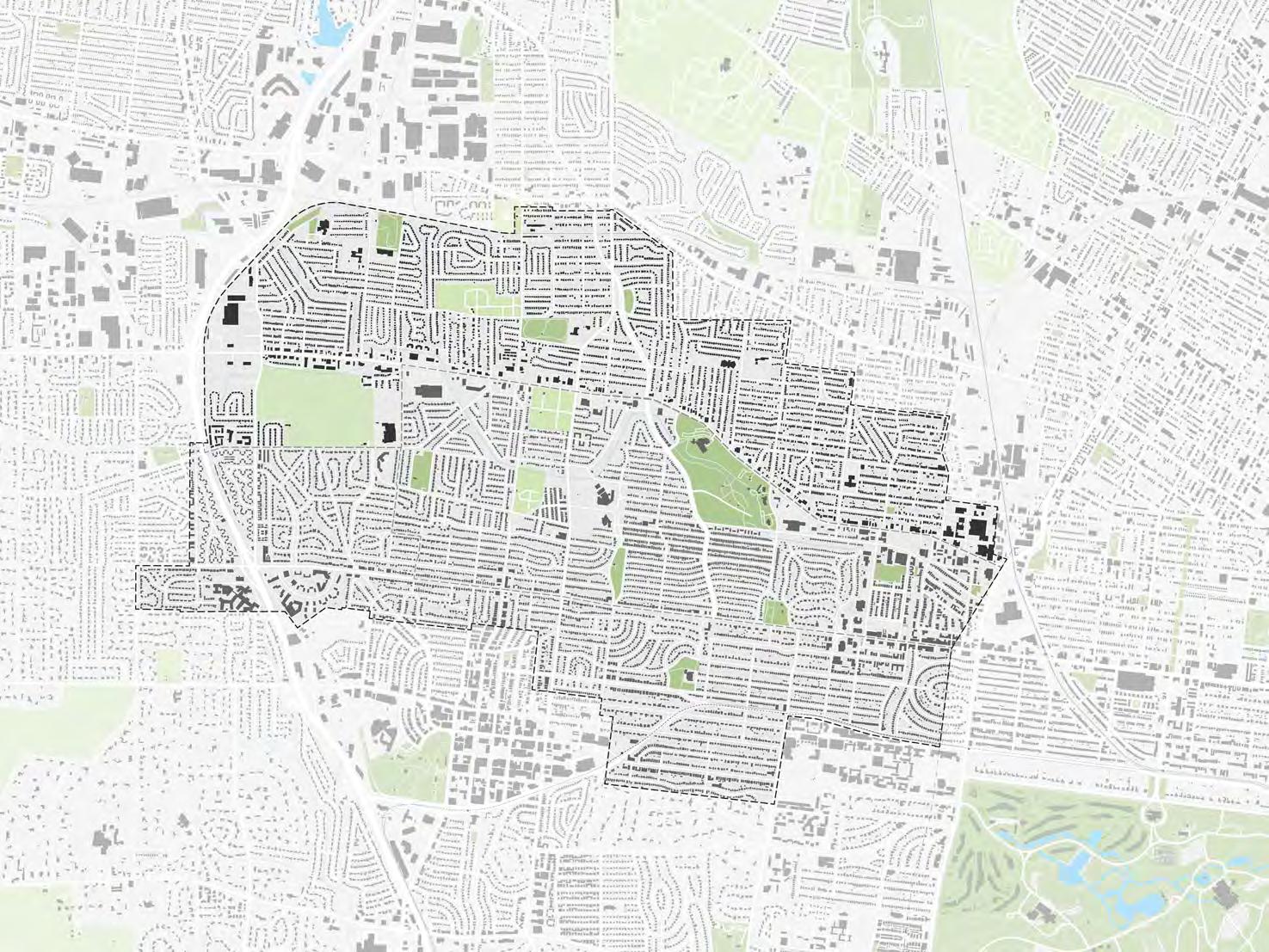
University City is a former “streetcar suburb” community of approximately 35,000 residents bordering the western City limits of St. Louis. The city is home to a significant stretch of the famed Delmar Loop commercial district and is adjacent to the main campus of Washington University, a nationally prestigious private collage. The three Wards of University City, largely following the contours of major arterial streets, are demographically distinct. Ward 1 residents have the highest household income, while Ward 2 is more economically and racially diverse than its neighboring Ward to the south. The 3rd Ward - the located primarily north of Olive Boulevard - has distinct demographics among the three Wards:
» The widest diversity of household income
» The lowest assessed property value
» The highest percentage of renters
» The only Ward that is majority minority demographically
Olive Boulevard, which forms the southern edge of most of the 3rd Ward is one of two primary commercial spines in University City. Residents talk openly of the “Olive Divide” between the more affluent and predominantly white Wards to the south and the working class, predominantly Black 3rd Ward to the north. There are significant portions of the 3rd Ward and Olive Boulevard in the z designated floodplain.
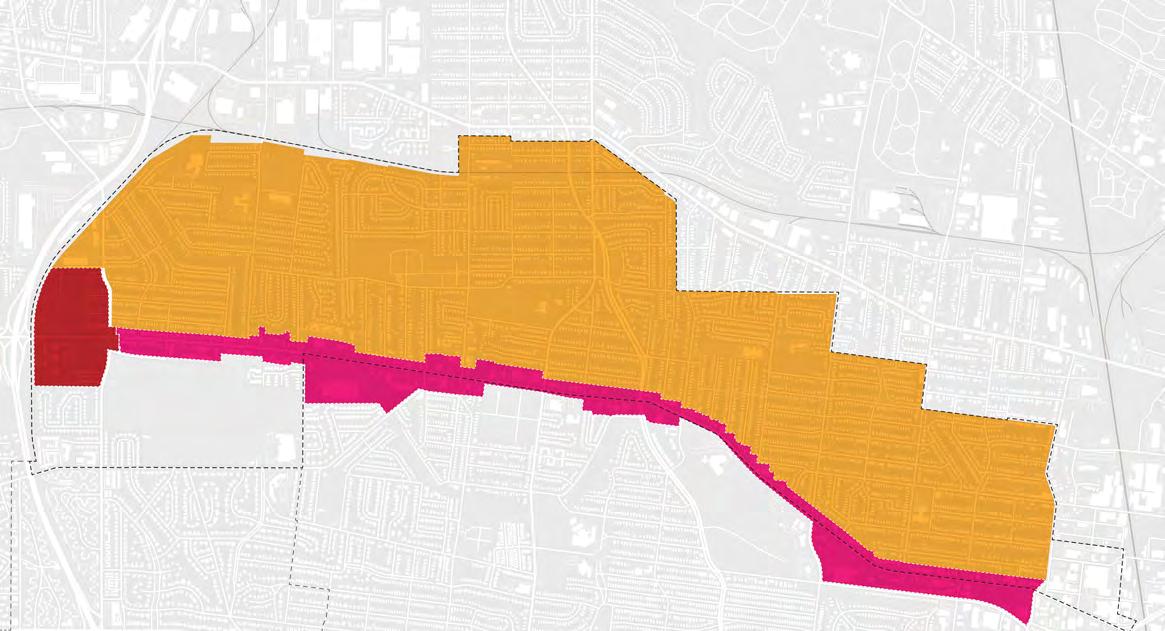
In 2022 “Market at Olive”, a commercial development at the intersection of Olive Boulevard and I-170 was built on the site of former homes, a school, two churches and a longstanding strip mall that was home to more than a dozen businesses. The process of acquiring and demolishing these properties created tension between the community and the developer. To help pay part of the project costs, including land acquisition, site work, and infrastructure improvements, “Market at Olive” used tax increment financing (TIF). The adopted TIF redevelopment plan includes three Redevelopment Project Areas (RPAs):
» Market at Olive (RPA1)
» Third Ward Residential Neighborhoods (RPA2)
» Olive Boulevard Commercial Corridor (RPA3)
The TIF districts have been set up so that “Market at Olive” will generate $15 million in funds that will be used to incentivize investment in the other two RPAs. Specifically, $10 million for 3rd Ward residential neighborhoods and $5 million for the Olive Boulevard Commercial Corridor.
The purpose of this plan is to provide strategies for investing the TIF funds in a way that increases housing values, promotes economic diversity, encourages homeownership, and revitalizes the 3rd Ward.
TIF is a tool for economic development provided under Missouri law that may be implemented by local municipalities to incentivize development.
In a TIF district, taxing districts (city, school board, library, etc.) continue to receive certain taxes at the level they were before the TIF was initiated. For the duration of the TIF (maximum 23 years), any increase in real property taxes within the defined TIF district redevelopment area is put in a fund and used to pay costs associated with the redevelopment project. This fund also receives 50% of new sales taxes generated within the redevelopment area. After 23 years, the taxing districts once again begin collecting 100% of the taxes from the redevelopment area.
Gathering & Analysis
» Project Kick-off & 3rd Ward Tour
» Data collection and review
» Project Brand/Engagement Plan
» Launch Ambassadors Program and Engagement
» Conduct planning analyses, review public input
» Summary of Understanding
» Synthesize engagement results and determine emerging themes
» Identify focus areas
» Develop scenarios to test for focus areas
» Public & stakeholder feedback
» Identify preferred alternatives
Housing & Revitalization Plan
» Develop draft focus area recommendations & graphics
» Develop implementation matrix
» Draft the Housing + Revitalization Plan
» Public & stakeholder feedback
» Finalize the 3rd Ward Housing + Revitalization Plan
We have structured the team and project organization to meet the specific needs of the planning process.
Brooke Smith, Deputy City Manager/Director of Economic Development for the City of University City, is serving as Project Manager overseeing the planning effort alongside the Third Ward Housing + Revitalization Task Force made up of local residents and stakeholders. YARD & Company is the lead consulting firm, supported by the planning team at Collabo. YARD & Company’s Kevin Wright is the Principalin-Charge for the consultant team. He is the primary point of contact in charge of coordinating the work flow and expectations of the team. Ed Sharrer is the Project Manager for the consultant team.
YARD & Company
Project Lead / Urban Design / Planning / Engagement
Kevin Wright, Principal-in-Charge
Ed Sharrer, Project Manager
Joe Nickol, AICP Principal, Design and Development
Daniella Beltran, AICP, Urban Designer
Andre Johnson, Urban Designer
Olga Handal, Urban Designer
Neighborhood and Housing / Planning / Engagement
Adam Rosa, AICP, Principal
Patrick Brunner, AICP, Senior Designer + Planner
Sydney Geckler, Urban Planner
Andrew Eble, Urban Planner
Stakeholders, Residents, and Public
The Third Ward Housing and Revitalization Task Force is a citizen-led group is advising the project team throughout the planning process.
The members’ primary responsibilities are to:
» Provide information/insights
» Connect the process to the community
» Inspire, enable and partner on engagement efforts
» Review and translate input gathered
» Byron Price, Chair
» Christina Dancy, Vice Chair
» Christopher Flood
» Ariel Gardner
» Craig Hughes
» Patricia McQueen
» Susan Murray
» Linda Peoples-Jones
» Mayela Zambrano
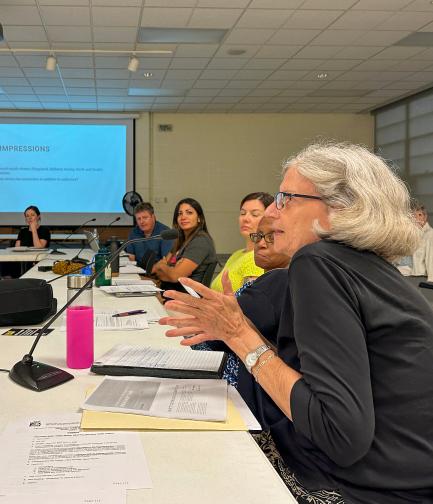
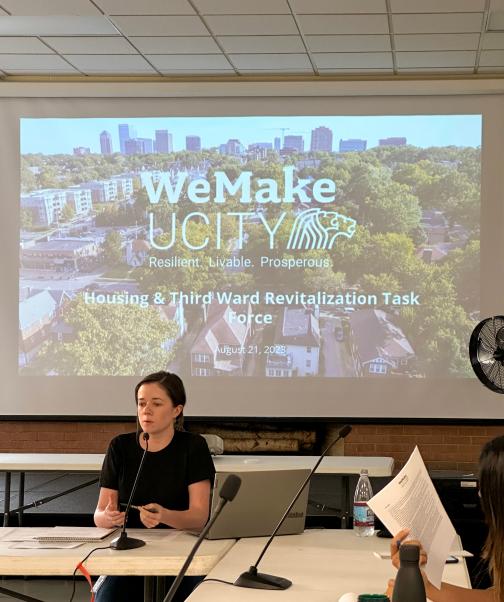
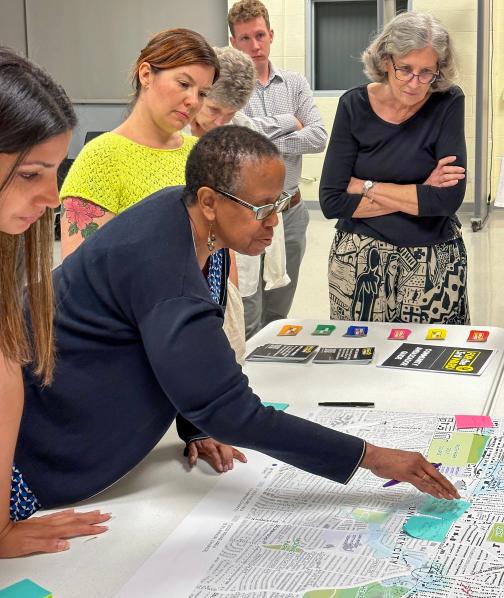
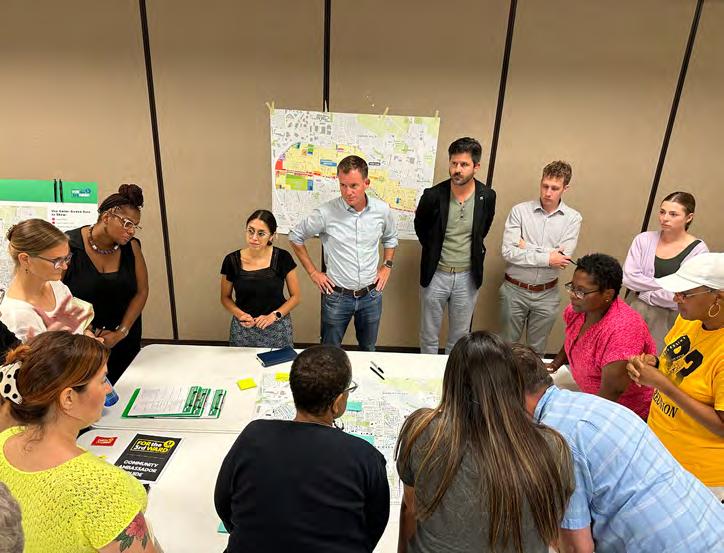
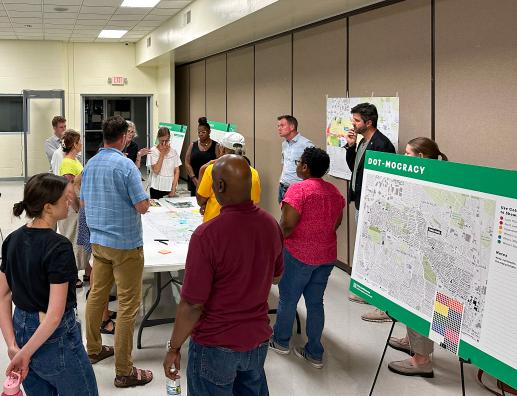
The project team has hired project Ambassadors from the 3rd Ward to inform the plan process, act as liaisons with the community and co-lead public engagement sessions and accompanying decision-making processes.
The Ambassadors selected provide a balance of perspective between a long-time resident and a new resident, and also live in different parts of the 3rd Ward. Our long-held belief is that community members should be paid for their community knowledge and work. The project has budgeted for Ambassadors to be paid $15 an hour for their time, with an expected time commitment of approximately 10 hours per week. The Ambassadors coordinate with Brooke Smith and Patrick Brunner from the project team on a weekly call.
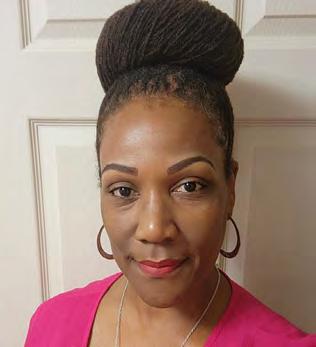
“I love the brick homes, being near the metro bus line and MetroLink station, and our parks.”
Angela has been a resident of University City since 1969 and matriculated through the University City school district. Angela recently retired after over 30 years of dedicated service from the State of Missouri, Family Support Division, as a Benefit Program Specialist. As an ambassador of the 3rd Ward, she looks forward to working with the community and all who are involved in the process of the planned revitalization for a positive outcome for University City and its residents.
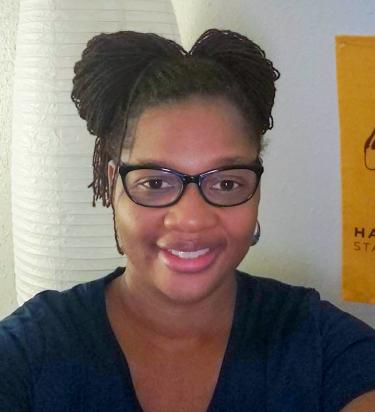
“Coming from Chicago I am not accustomed to having social resources such as live music and multiple beautiful parks nearby. The Third Ward residents feel like family. We look out for one another.”
Charlene is a new resident of the 3rd Ward. She has years of experience in public administration, government and education, including teaching at a 3rd Ward elementary school.
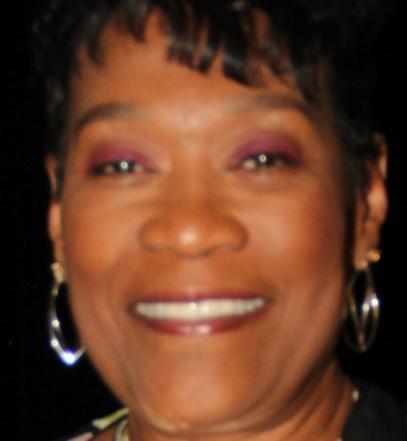
“The way the homes were built is unique and unlike anywhere else. The parks, trails and trees help bring a beauty that can be structured to make 3rd Ward a popular destination once again.”
Mona has been a resident of University City’s 3rd Ward since 1969. She is an Alumnus of the University City School District, her son is a U City schools graduate, and her grandsons currently attend U City schools! Mona worked in the social service field for over 30 years before retiring in 2018.
The 3rd Ward is largely a neighborhood made up of residential land uses. This is why much of the TIF allocation from the ‘Market at Olive’ development has been dedicated to residential neighborhoods. While many of the focused and comprehensive recommendations in this plan do indeed focus on housing revitalization initiatives, the approach to revitalizing a complex place like the 3rd Ward can not simply look at one aspect of community development. To create a more livable set of neighborhoods where people can thrive and a real estate market can grow, it is important to strategize comprehensively about how places change. While much of the ‘For the 3rd Ward’ initiatives connect back to improved housing, many also consider place management, storytelling, events and programming, retail development, safer streets, connected parks, and more. This bigpicture approach allowed for comprehensive thinking neighborhood-wide and within key focus areas. This also enabled the team to creatively employ a mix of in-person pop-up engagement tactics alongside a strong digital presence. It is the hope of project partners that this leads to the development of a true movement of change for the 3rd Ward, not just a plan that enables the technicians to make investment decisions for the residents.
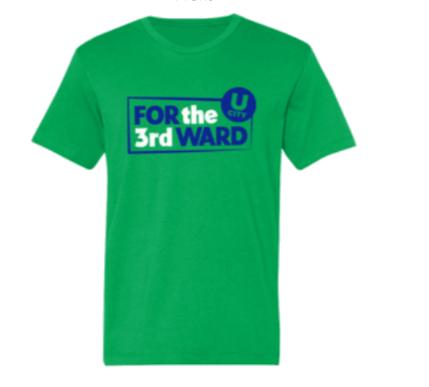
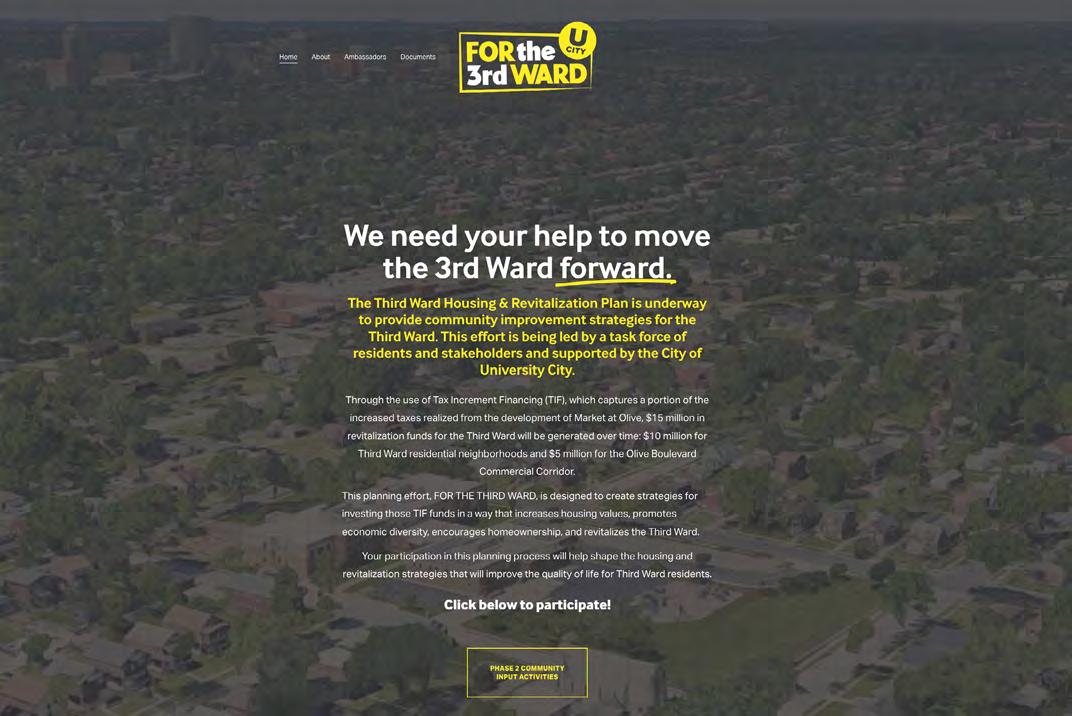
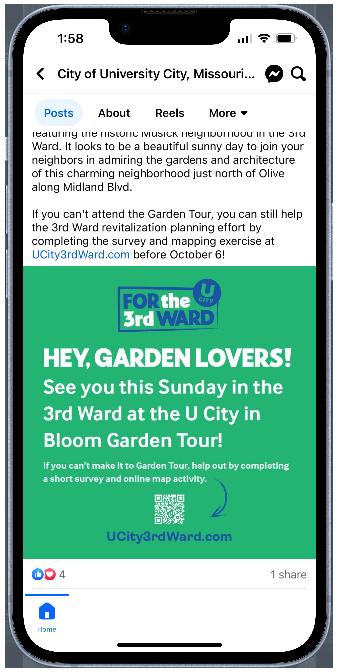
At the outset of the project, the consultant team worked directly with the Project Task Force to develop a project brand that would resonate with the community, draw attention to the project, and be adaptable across all mediums, both online and offline. ‘For the 3rd Ward’ was chosen as the name and a bright color scheme designed to stand out was selected. Once the identity was created; a website, social media pages, t-shirts and other merchandise, signage, postcards, fliers, and other materials were designed and produced.
Project Website: UCity3rdWard.com was launched on August 21 with an online survey and mapping activity.
Social Media: Weekly posts pushed out on the official University City social media channels began the week after Labor Day.
School flier: A one page flier asking for survey and mapping activity participation was distributed to parents of Barbara Jordan and Pershing Elementary students on September 20.
Digital Directories: The city’s digital message boards located at Pennsylvania & Olive, Canton & Midland, and Balson & Midland advertised the ucity3rdward.com website in late August through the end of September.
U City in Bloom Garden Tour Program Ad: The U City in Bloom organization generously donated a full page ad in the printed garden tour program.
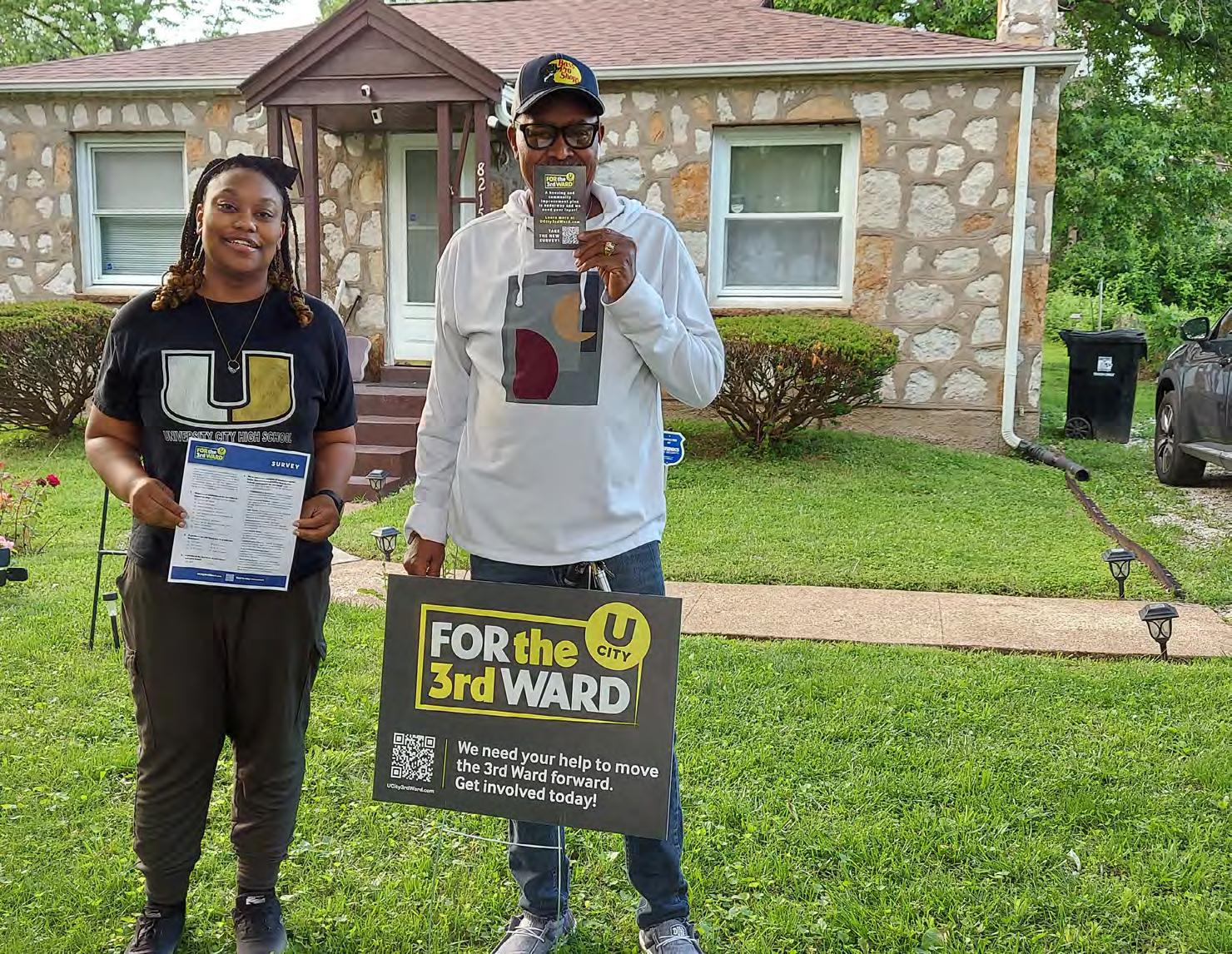
Materials + Merchandise: Ambassadors were supplied with postcards, stickers, yard signs, and t-shirts with the brand.
Once the project administration, branding and marketing was established the project team began the initial analysis and exploration of the 3rd Ward. Armed with past plans, analysis and intelligence gathered from the City and Task Force the team did a deep dive on available data coupled with the first trip to the Focus Area.
The analysis informed the agenda for the trip; which included self guided and resident guided tours, trend spotting, and in person and one-on-one focus group meetings. This trip was matched by the launch of a digital and analog engagement strategy and the on-boarding of the community ambassador team.
The following pages outline this initial exploration and analysis process, the results of the engagement and the emerging themes that were developed from the information gathered.
»







This first phase included the development and roll out of the following:
» Social Pinpoint map activity that allowed community members to geographically identify places they frequent, like, dislike, and more
» Online survey that gathered quality of life opinions and baseline demographic data from respondents
» Project website with a brief introduction to the planning process and links to the map activity and online survey noted above
» Weekly schedule of one or two social media posts on all City of University City social media accounts promoting the project website, survey, and mapping activity, as well as introducing the Ambassadors to the community
When contributors placed pins on the digital map, a text input field popped up allowing the contributors to add notes about that particular pin. The following is a summary of the average responses per each category of pin:
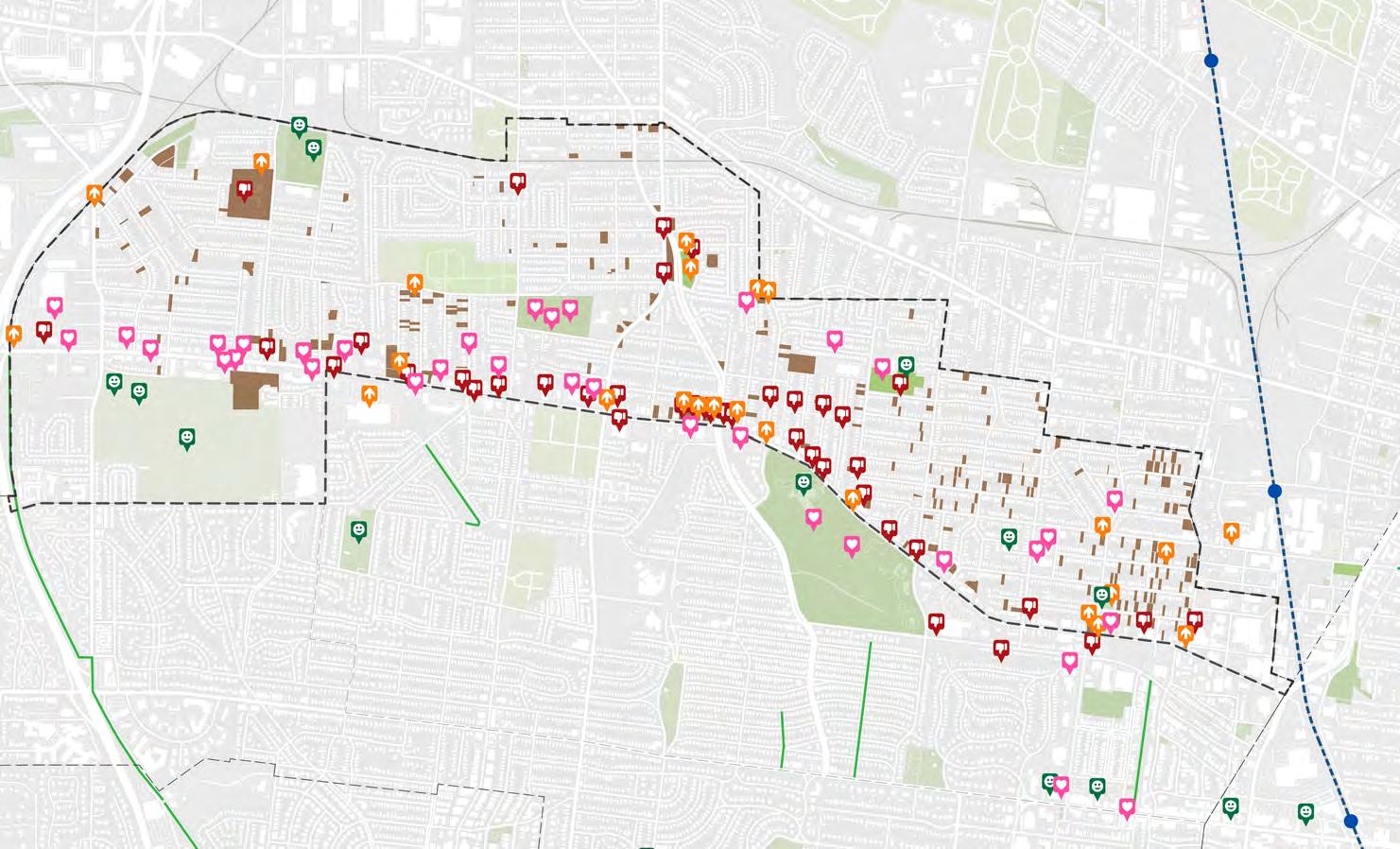
» Many likes and dislikes along Olive Blvd - some good businesses but conditions need improvement
» Oppor tunities primarily noted on City-owned and vacant properties - many in Eastern area
» Delmar Loop is a common destination outside of Ward 3
The team met with the following stakeholders to understand their needs and concerns, learn what was working well in the 3rd Ward, and where future opportunities may arise.
» SHED (Sustainable Housing and Equitable Development)
» U City in Bloom
» Refresh Community Church
» Lawtonblock Construction
» Laura McCarthy Real Estate
» Mayor Terry Crow
» City Manager Gregory Rose
» Director of Public Works Darin Girdler
» Director of Parks, Recreation and Forestry Darren Dunkle
» Planning Director John Wagner
» Senior Planner Mary Kennedy
» Communications Manager Mary Goodman
Interest in 3rd Ward housing is high...
» Recently, a number of single family houses have been purchased by developers & corporations from outside of U City
» The results of these purchases has been a few quality rehabs, many flips of varying quality, and lots of rentals (at escalating rental rates)
» Fear that properties are being bought up by corporate owners as investments at a pace that:
• Makes growing the percentage of owner-occupied housing more difficult
• Drives home prices and rent rates up so that affordability is negatively impacted
» Many 3rd Ward residents are living in the house they inherited from their parents or grandparents
» Younger generation doesn’t always have an understanding of what home ownership entails (they’ve simply lived there most of their lives and never had to bear the home ownership responsibilities)
» Younger generation doesn’t always have the resources to maintain the property, which is aging and may have had maintenance issues for a long time
» These factors make homeowners potentially vulnerable to code-enforcement issues, title issues, and predatory behavior from corporate buyers
Olive is currently a divider...
» Physical divide - hard to cross (heard more than once that kids dart across street to get to Heman Park)
» Psychological divide - 3rd Ward residents feel separate from the rest of the community (investment, care, political influence)
The private and non-profit sectors will be key partners...
» The City can’t act as nimbly or take on as much risk as private and non-profit partners
» Non-profit partners have the ability to leverage public dollars into matching opportunities through grants and philanthropic donations
Code Enforcement is a doubleedged sword...
» Residents want the protection that swift code enforcement provides, but also want a degree of understanding for the plight of well-meaning residents with limited resources
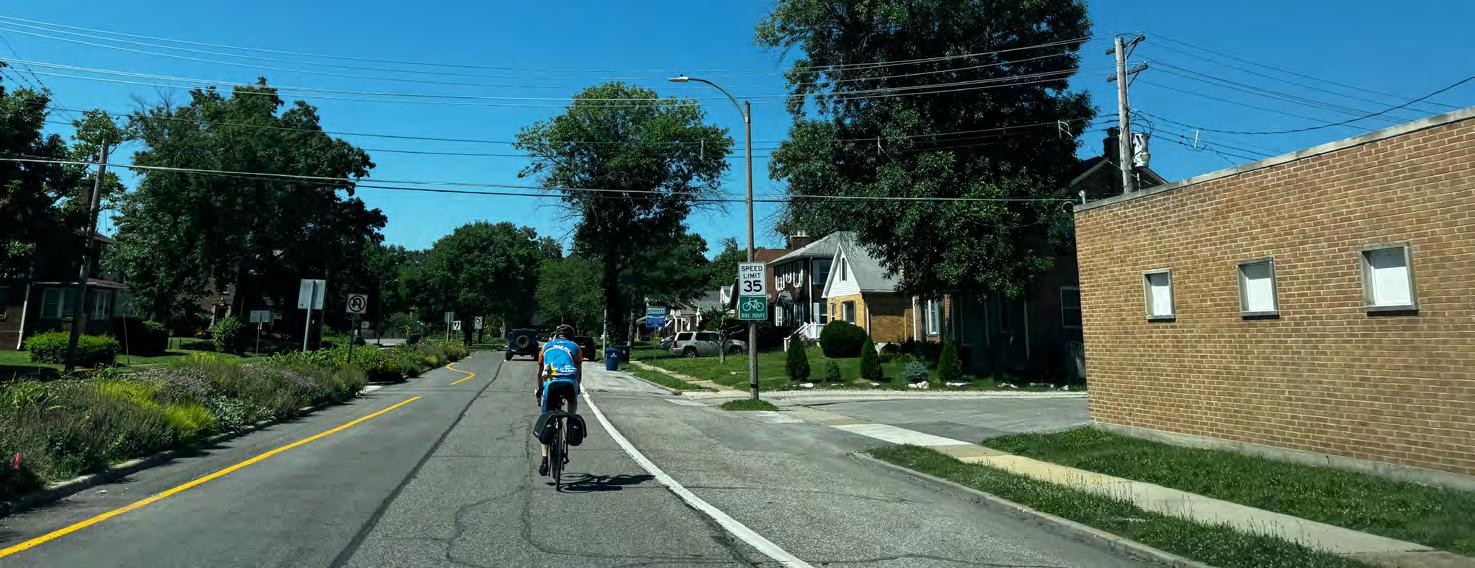
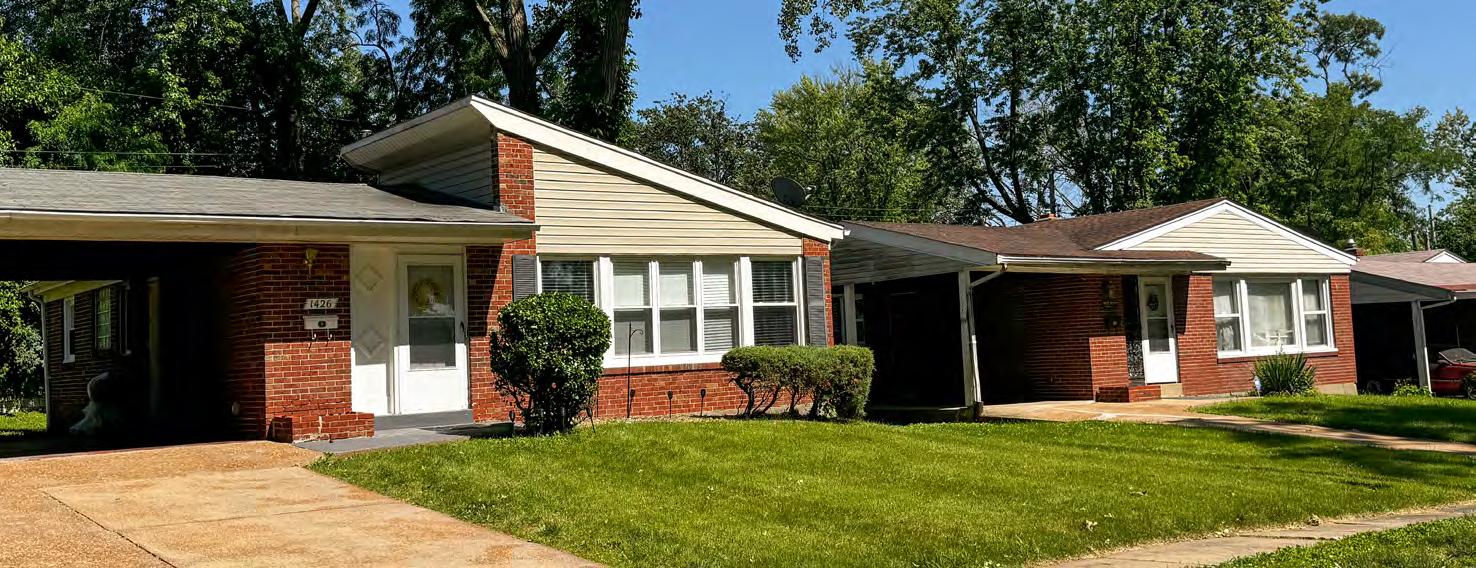
The consultant team extensively toured the 3rd Ward, both driving and walking, to get a feel for neighborhood conditions. These visual surveys allowed the team to gain perspective on housing types, property conditions, Olive Boulevard businesses, pedestrian and vehicle circulation, parks and trail availability, and connectivity within University City and the metro region.
Olive Boulevard has multiple personalities...
» Some par ts are narrower, some are wider, but crossing Olive appears to be difficult along the entire length
» Traffic congestion does not seem to be a problem
» Most of the development pattern along Olive is built for the car
» The “International District” has the potential to be walkable based on the layout of the buildings in relation to the street
» There are fading examples of past efforts to improve Olive in accordance with the design guidelinesdecorative lighting, low fencing, tree wells, banners
» Olive is the only public-facing part of University City that isn’t green, charming, well-kept, and inviting
» Great mix of housing types
» Lots of curb appeal sprinkled throughout
» Amazing tree canopy
» Good system of parks
» Good mix of “necessities” shopping nearby on Olive Blvd
» Greater connectivity within the 3rd Ward for walking and biking could be a catalyst for small-scale commercial pockets inside the neighborhoods, like the other two Wards.
» The five 3rd Ward parks (Majerus, Rabe, Millar, Fogerty, and Greensfelder) and the two elementary schools (Barbara Jordan and Pershing) could be connected
» There is a trail network just outside the city limits to the east and the west, which could be connected through the 3rd Ward
» Providing safe pedestrian/bike crossings at strategic points along Olive Boulevard would better connect the 3rd Ward to:
» Shopping destinations on the south side of Olive
» University City community assets like Heman Park, Ruth Park, U City High School, Brittany Woods Middle School, and Jackson Elementary
» The 2022 flood is still being felt today
» The impor tant intersection of Olive Boulevard and Midland Boulevard is vastly underutilized because of the floodplain
» Efforts are underway upstream and along River Des Peres to mitigate some of the impact of flooding
» Being sensitive to flooding will be critical to the successful investment in the 3rd Ward and along Olive Boulevard
Source: U.S. Census Bureau, 2017-2021 American Community Survey
Based on what was learned during the initial analysis, the trip to the Focus Area, and the community engagement, we developed four emerging themes alongside the Project Task Force. These themes were then used to dive deeper into revitalization strategy options in the subsequent phase.
Sharpen the Focus: Identify areas of focus that will create ripple effects throughout the 3rd Ward.
Connections are Key: Connect existing 3rd Ward assets and focus areas.
Transform Olive Boulevard: Make Olive Boulevard the best version of itself for the residents’ benefit.
Close the Operating Entity Gap: Ensure there are people empowered to consistently work on behalf of the 3rd Ward.
Tailored Owner Tools: Build out a comprehensive toolbox of programs and support for 3rd Ward homeowners.
To kick off Phase 2, the Task Force and planning team developed a strategy for gathering public input on a set of proposed concepts and solutions developed from the information gathered in the initial phase.
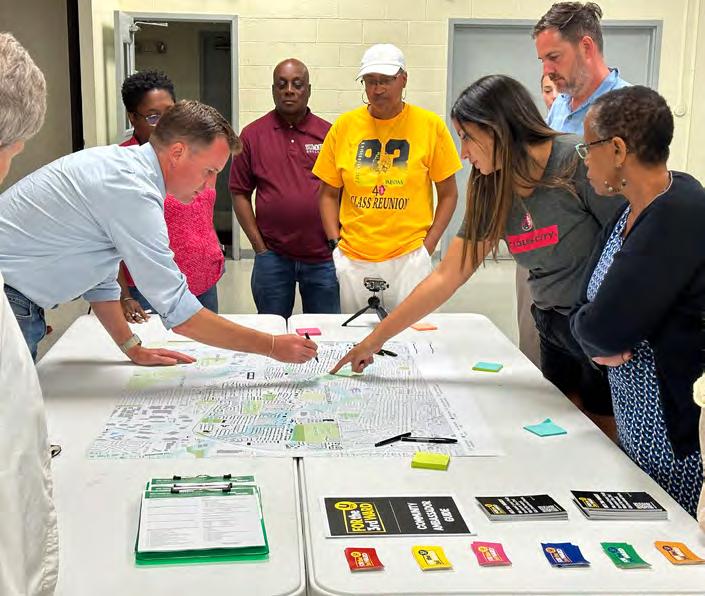
The launch of this engagement coincided with the planning team’s second trip to the 3rd Ward. During this trip, the Ambassadors and planning team held several more engagement pop-ups, conducted additional one-on-one meetings, and hosted an interactive Open House at the Heman Park Community Center.
Before, during, and after the trip, the Ambassador team was responsible for in-person engagement that gathered resident feedback on the proposed focus areas, potential connections, housing strategies, and community operating system solutions developed from the emerging themes.
What type or retail would you like to see in the 3rd Ward?
housing types would best address the 3rd Ward’s housing needs? Survey Responses by 3rd Ward Residency






What is your connection to the 3rd Ward of University City?




















2
Top ranked approaches to providing and maintaining housing Provide financial assistance and relief
1 Promote affordable or mixed-income housing construction
3 Promote a diversity of housing types and amenities
What would make crossing Olive Boulevard on foot more comfortable?
1 Crosswalk lighting
User-activated crossing signal
2
3 Pedestrian refuge medians
What types of businesses appeal to you when deciding where to eat or shop?
During the Phase 2 Engagement Trip and in subsequent follow-up calls, the planning team met individually with the stakeholders listed to the right. There was broad consensus on a number of topics:
Many stakeholders mentioned the need for housing programs to help 3rd Ward residents keep their properties maintained, specifically the senior population. There is also a need for additional housing types and support for pathways to growing home ownership.
Stakeholders reacted positively to the idea of neighborhood-serving retail shops located in select focus areas to provide amenities that are walkable for 3rd Ward residents.
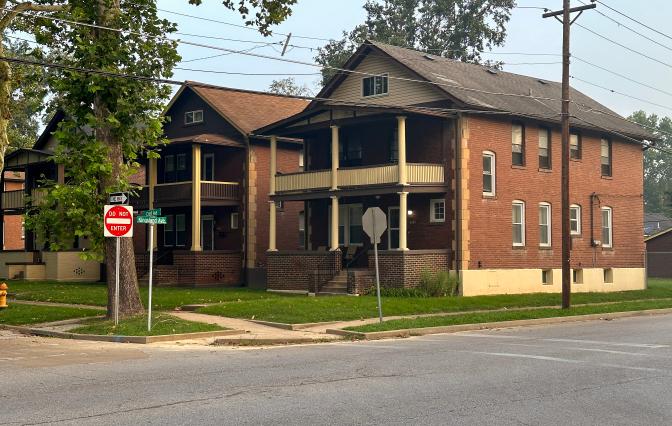
Whether along Olive Boulevard or on residential streets, multiple stakeholders were in favor of calming traffic to improve pedestrian safety and reduce vehicle accidents. Calmer traffic would benefit school children, residents, small neighborhood-serving businesses, and public safety responders.
Unanimously, stakeholders believe that now is the 3rd Ward’s time - for revitalization, for increased investment, and for the story of positive 3rd Ward happenings to be told.
» Dr. Sharonica Hardin-Bartley, U City Schools
» Chief Larry Hampton, U City Police
» Chief Bill Hinson, U City Fire
» James Bowens & Diarra Morris, Well U Cafe Owners
» Darin G irdler, Dir of Public Works/ Int Dir of Parks
» Mike Reid + SHED STL Board Members
» David Spewak, United Hebrew Board of Trustees
» Jack & Mike Ehlers, Williams James Capital
» John Wagner & Mary Kennedy, U City Planning
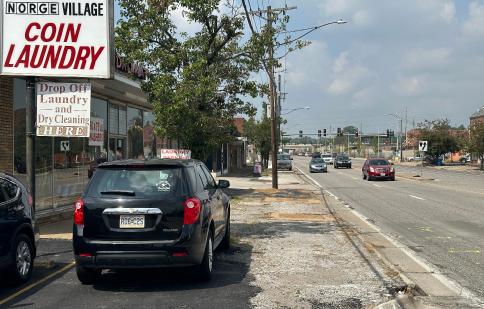
The planning team and Ambassadors conducted four engagement pop ups during the Phase 2 trip. Pop ups are designed to gather feedback by meeting people where they already are. Two grocery stores, a busy laundromat next to a popular Mexican restaurant, and the 3rd Ward’s most frequented public park were selected for their foot traffic potential. In all, the team visited with over 200 residents during the course of the pop ups.
Wednesday, March 20
» ALDI, 7701 Olive
Thursday, March 21
» Pete’s Market, 7434 Olive
Friday, March 22
» Loop Laundry/ Mi Ranchito, 887 Kingsland
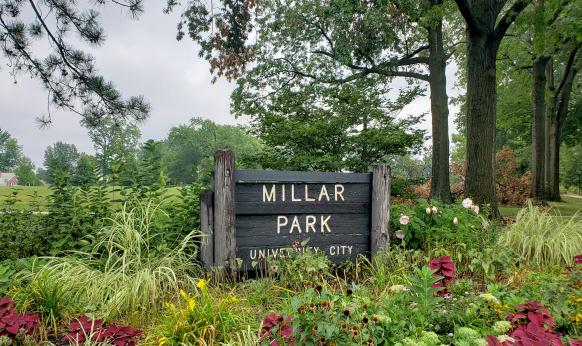
» Millar Park
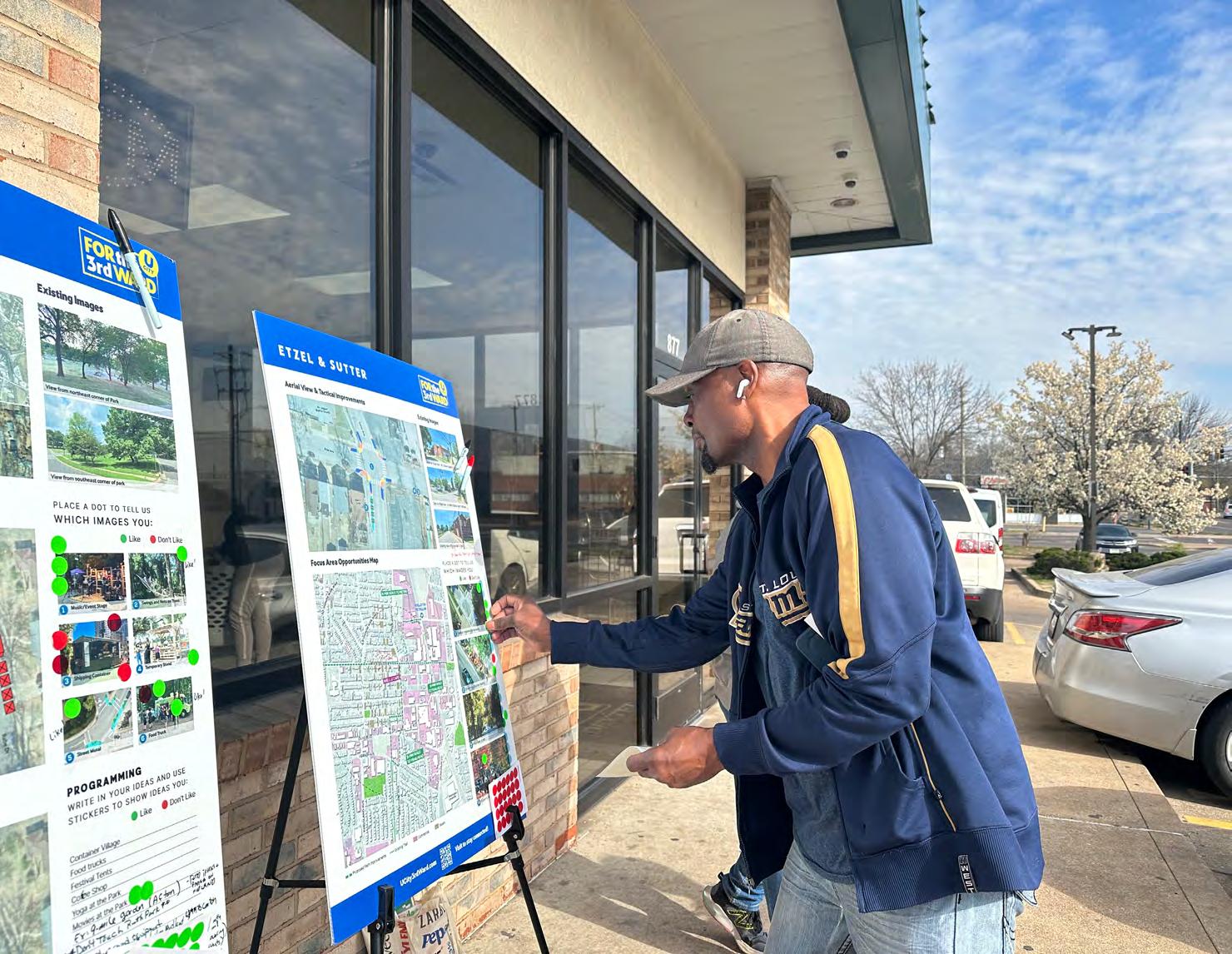
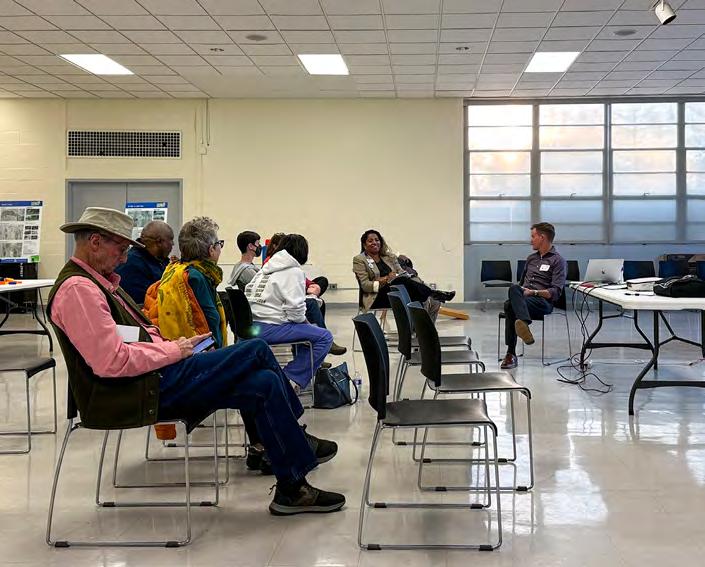
The planning team hosted an Open House at the Heman Park Community Center on Thursday, March 21, from 4:00-8:00pm to solicit resident feedback.
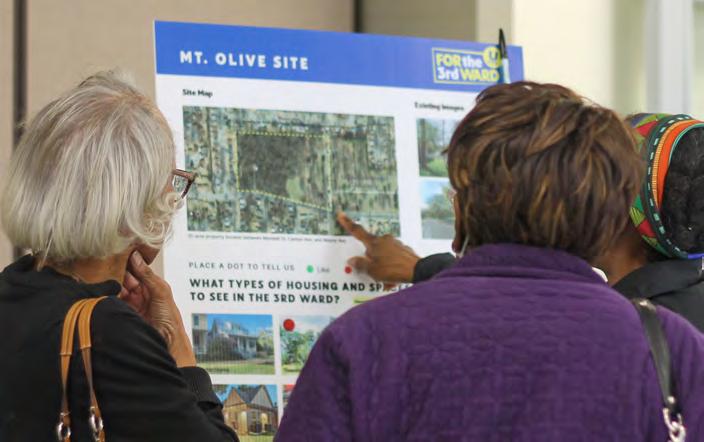
Approximately 50 attendees interacted with staff, listened to project updates, and provided input. Among the engagement activities was a housing toolkit budgeting exercise and display boards highlighting the proposed focus areas with image preference survey questions on topics such as housing, walkability, and safe connections through the 3rd Ward.
Nine housing program tools were displayed as possible tactics to be implemented in the 3rd Ward with funding provided by the Market at Olive TIF district. The list of potential programs was distilled from numerous conversations, in-person engagement activities, and guidance from both the project Task Force and the Community Ambassadors. The nine potential programs were:
» Healthy Homes Program
» Home Repair Grants
» Yard and Garden Contests
» Porch Lighting Program
» Path to Home Ownership Tools
» HISA Grants
» Home Improvement Classes
» Weatherization Assistance
» Tool Lending Library
At the Open House, each participant was given $100,000 in “neighborhood bucks” to spend on the tools that they felt were most important to the 3rd Ward.
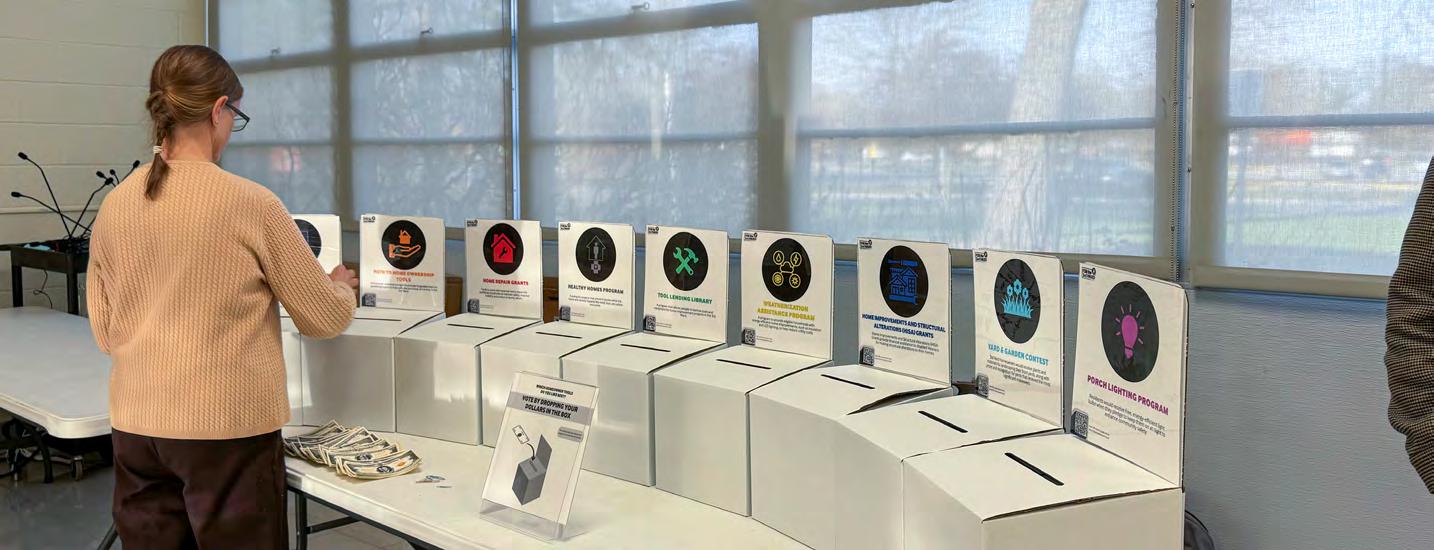
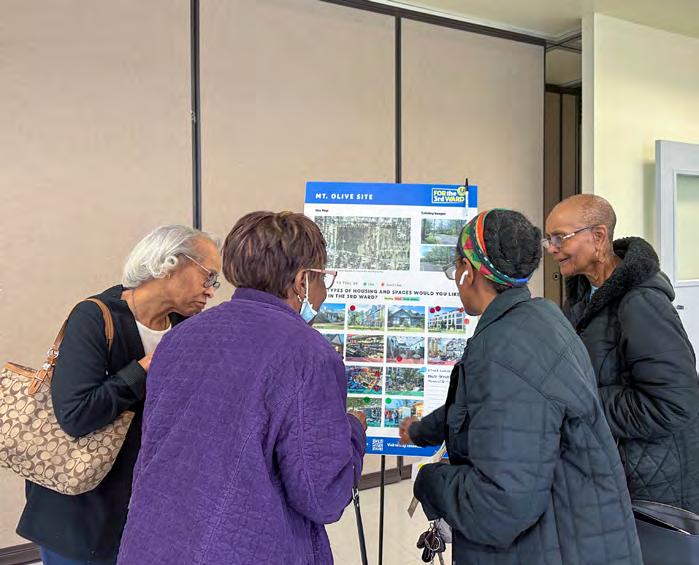
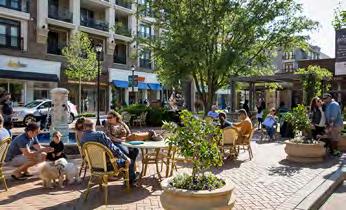
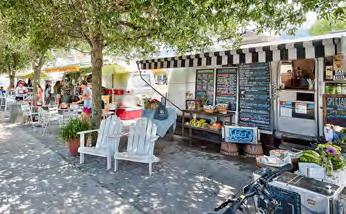
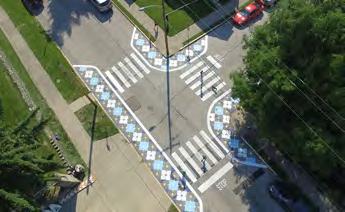
During the Open House and pop-ups, residents could provide feedback on ideas around housing, walkability, intersections, and Rabe Park improvements through image preference exercises. Taken as a whole, residents tend to prefer detached housing or smaller-scale attached housing, some outdoor gathering space (largely centered around dining), and small-scale retail. The small-scale retail types that are scored as most desirable on related surveys were food & beverage and specialty shops like a bookstore or bike shop.
The feedback collected from the engagement boards and surveys helped inform the plan recommendations related to housing, focus areas, connections, and walkability.
What types of housing and spaces do 3rd Ward residents want?

What types of intersection improvements do 3rd Ward residents want?
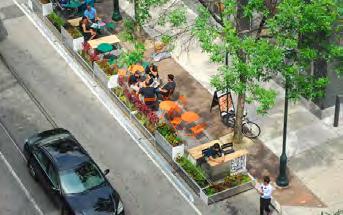
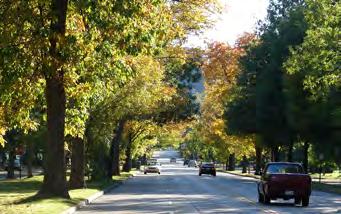
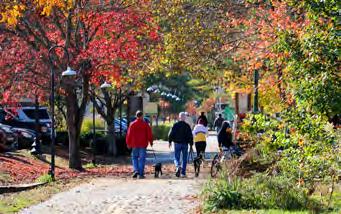
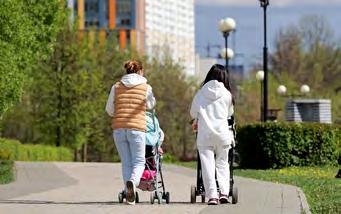
What types of walkability improvements do 3rd Ward residents want?
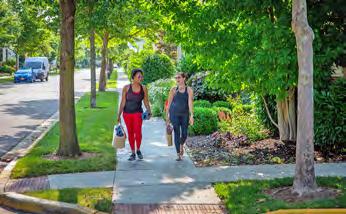
What types of Rabe Park improvements do 3rd Ward residents want?
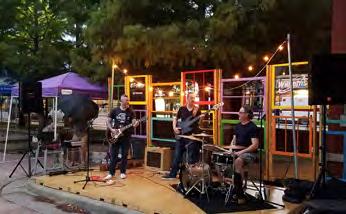
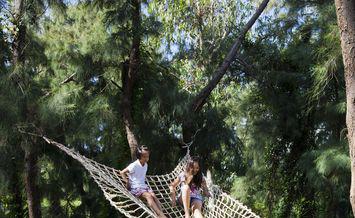
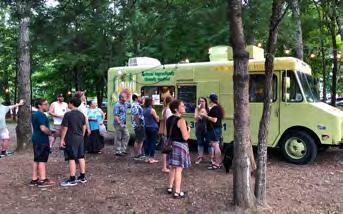
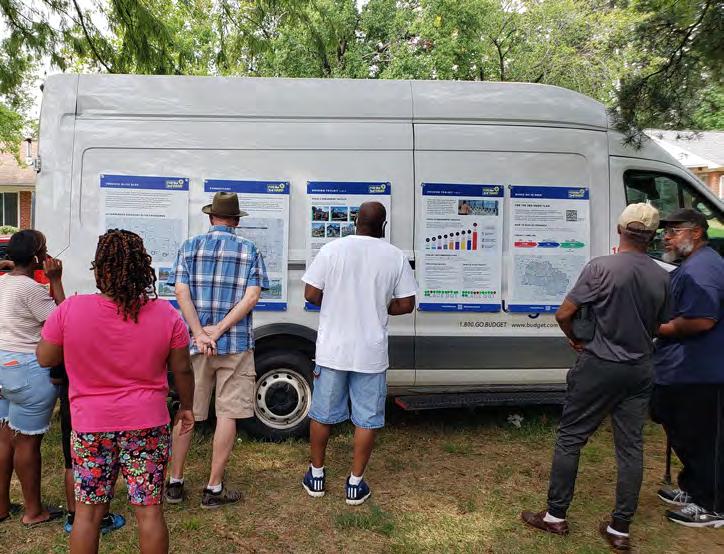
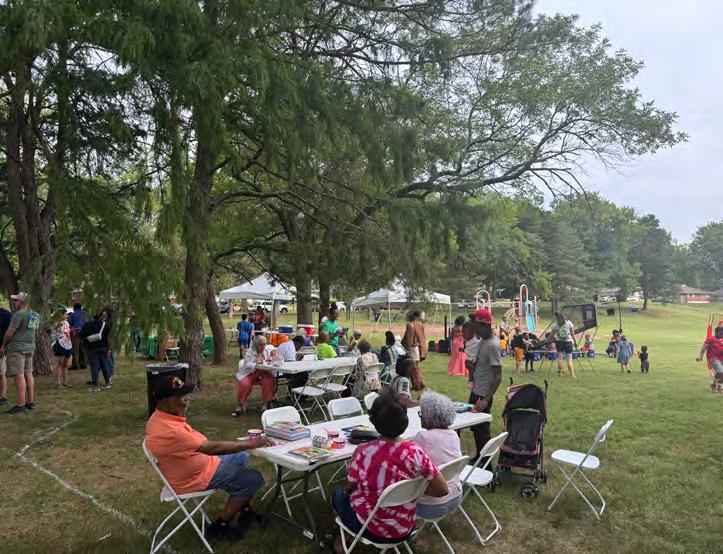
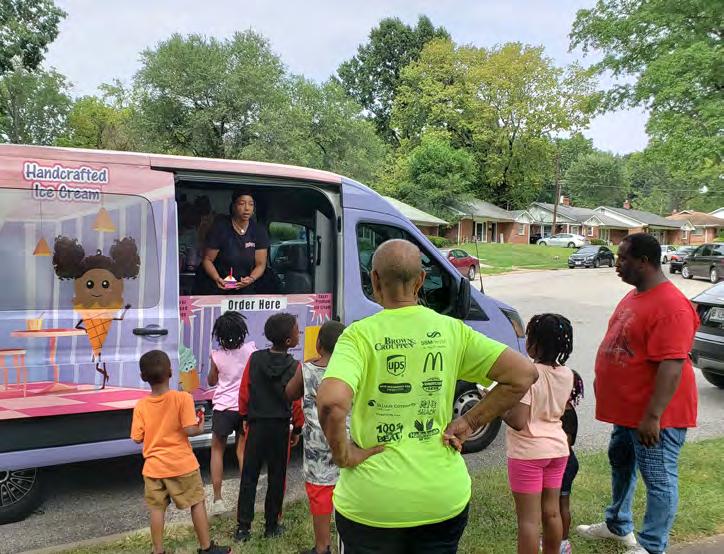
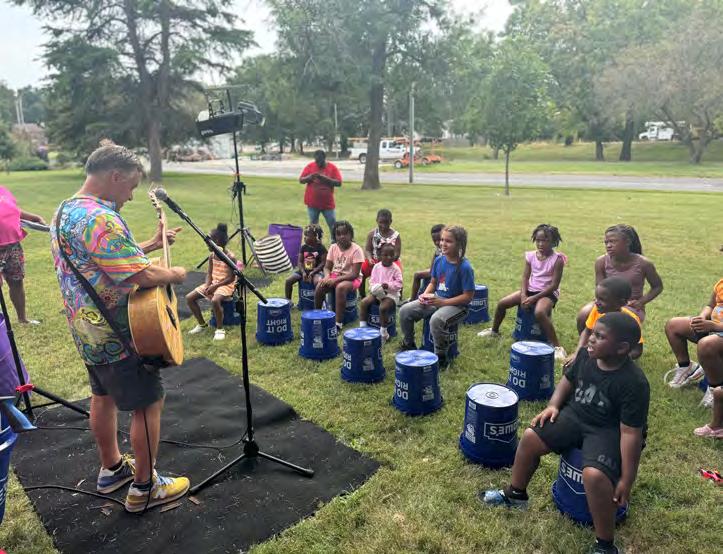
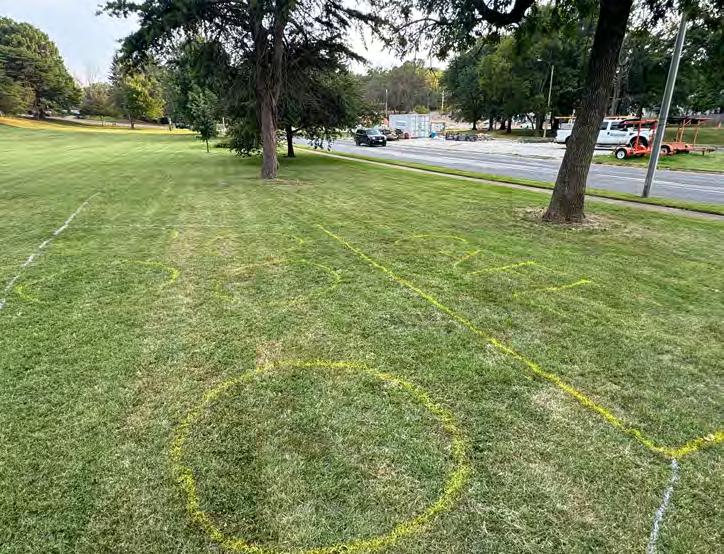
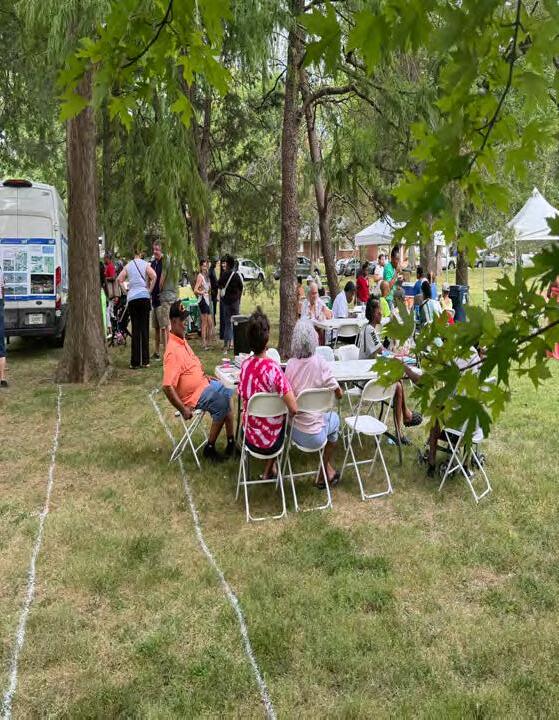
The planning team and Ambassadors hosted a Saturday afternoon event at Rabe Park to collect final feedback on the draft Plan. Over 150 residents attended the lively event in the park, with games, music, ice cream, and food drawing community members from all over the Third Ward. Residents provided their specific feedback on the elements of the housing toolkit, focus area recommendations, and other improvements. The specific recommendations for Rabe Park were spray painted on the ground throughout the park, and residents had the opportunity to walk around and experience the potential future for the space firsthand.
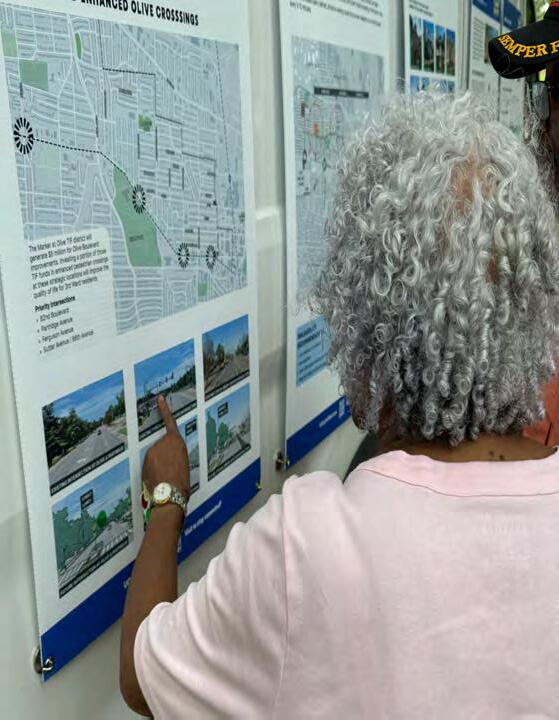
A series of engagement boards were displayed at the event, with an opportunity for participants to provide their feedback directly with the planning team. Green and red dot stickers were distributed to community members, who placed them on the images or ideas they liked or disliked. Multiple housing toolkit ideas had over 50 green dots placed on them, without a single red dot placed on the idea. The reception to the ideas shared at the event were overwhelmingly positive, which informed the final plan recommendations on the pages to follow.
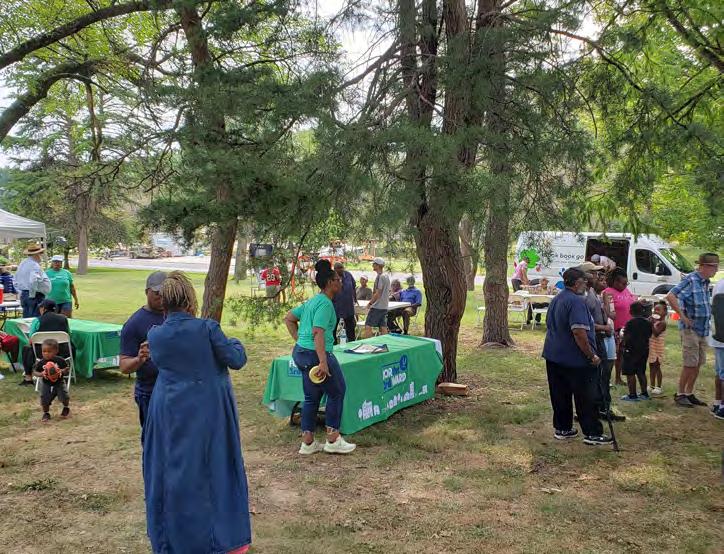
Saturday, August 24
» 3-7 pm
» Rabe Park
» Over 150 participants
» Make all housing toolkit programs available to everyone, regardless of income
» Big trucks are a problem on Sutter
» Mostly positive reception of Rabe Park improvements, but it shouldn’t be too active or too loud
» Helping pedestrians safely cross Olive on foot is needed
» Concerns about development of the Mt. Olive parcel by adjacent residents
» Allow grants to be used for homeowner flooding infrastructure repairs, even something as small as free sump pumps
» Focus on getting back to the basics
• Safety and lighting
• Infrastructure
• Trees
• Vacancy
After engaging the 3rd Ward community, gathering input from stakeholders, and observing existing conditions first-hand (as outlined on pages 11-18), the planning team, Community Ambassadors, and 3rd Ward Housing & Revitalization Task Force developed scenarios that capitalized on existing assets, as well as potential solutions to issues, in the 3rd Ward. These potential solutions were tested with 3rd Ward residents in a second round of engagement (as outlined on pages 19-27) to create a draft of the final plan. The draft plan and its recommendations were shared with 3rd Ward at an engagement event in Rabe Park (as outlined on pages 28-30) for final feedback and input. What follows are the final plan recommendations born out of all three phases of community engagement.
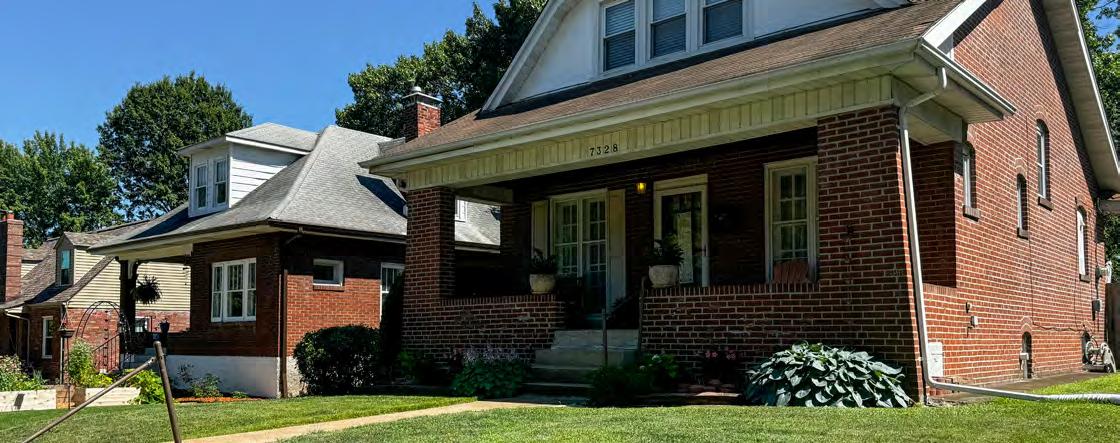
Though several aspects of this Plan focus on community-wide improvements, like trail connections and improved intersections, this toolkit is specifically geared towards individual property owners. Directly supporting the people who have made the 3rd Ward the place that it is today will bolster the local economy and help to prevent economic displacement. The emphasis of this section is placed on long-standing residents and both homeowners and renters that wish to become long-term members of the community. A healthy neighborhood supports a range of housing types from single-family homes to townhouses and multi-family buildings. By providing tools that can help to support local neighbors, the 3rd Ward can continue to grow.
The results shown below reflect the combined results of both in person engagement and online survey tabulations.

Tool Lending Library
Allows people to borrow hardware, tools, and equipment

Yard &
Garden Contest
Offers fun opportunities to landscape their yards with native plants.

Porch Lighting Program
Provides free, energy-efficient light bulbs when they pledge to keep them on at night.to qualifying households
Healthy Homes Program
Provides funding to prevent injuries and prevent hazards
Path to Home Ownership Tools
Provide forgivable loans to qualifying homebuyers.


Weatherization Assistance Program


Home Improvements and Structural Alterations grants are aimed towards assisting disabled Veterans. Home Improvement Classes
Educational classes for new and existing homeowners.
Provides eligible households with energyefficient home improvements

The purpose of a Home Repair Grant is to provide affordable residential rehabilitation assistance to low- and moderateincome homeowners to maintain and improve their homes.
The program should support long-time residents of the 3rd Ward, and not outside investors or real estate developers. The City should match any investment made by a homeowner up to $15,000. The 5-year loan could be forgiven by 1/5 every year as long as the assisted homeowner(s) resides in the home.
In order to be eligible for the funds, an owner must have lived at the property for at least 5 years. A homeowner would only be eligible once, regardless if they move between two properties in the Third Ward. Applicants must have clear title, be current on their real estate taxes and mortgage payments, and have homeowner’s insurance. Eligible improvements must be used one for or more of the following:
» Cleaning, painting, and staining exterior surfaces
» Repairing or replacing masonry, cornices, entrances, doors, windows, decorative details, and awnings
» Wall, ceiling, roofing, or flooring repairs
» Plumbing, electrical, and mechanical repairs
» Air conditioning and heating
» Flood repair and mitigation, sump pumps
No restrictions. The City should consider a sliding scale match system so 3rd Ward residents making less than 80% of the area median income (AMI) are required to provide a lower percentage of match to receive grant funds.
The recommendation is a total allocation of $3,300,000 over the life of the TIF which would support up to 220 grants at the $15,000 maximum amount.
Other organizations, non-profits, and governmental agencies may be willing to contribute to a match or help administer the program. The City should continue to foster and grow these relationships. The following is a list potential lead entities or major contributing partners:
» University City
» Safe Homes for the Elderly and Disabled (SHED)
» Habitat for Humanity – Saint Louis
» Urban League of Metro Saint Louis
This program, offered by the City of St. Louis, provides essential home repair assistance to low- and moderate-income households. In order to be eligible for the program, applicants must reside within the City of Saint Louis and must have owned and lived in their home for at least 2 years. Additionally they must have clear title, be current on their real estate taxes and mortgage payments, and have homeowner’s insurance. Federal dollars are used to fund the program, therefore eligibility is limited to low and moderate income households (less than 80% of Area Median Income).
Saint Louis County Home Improvement Program
This federally funded program provides technical advice and financial assistance to qualified homeowners for a variety of home repairs. The program is administered by St. Louis County’s Department of Human Services, Office of Community Development, but is only eligible in participating municipalities. An applicant may only receive funds once up to a maximum benefit limit of $7,500.
Homeowners are required to sign a 5-year forgivable loan agreement that provides for an annual reduction of twenty percent of the amount of the grant, as long as they continue to own and occupy their house.

The Veterans Affairs Home Improvements and Structural Alterations (HISA) grant provides financial assistance for medically necessary improvements or modifications to a disabled veteran’s home. This grant can be applied to rental and owneroccupied homes, as long as it is the veteran’s primary residence. Eligible disabilities can be service-related or non-service related. The maximum benefit is up to $6,800 over the lifetime of a veteran and does not need to be repaid.
The City should encourage veterans to apply for HISA funds, an underutilized resource, but the concept behind the program should be replicated to those individuals over the age of 60 in the 3rd Ward, who represent 15.9% of neighborhood residents and are projected to grow according to the U.S. Census Bureau.
Seniors, like disabled veterans, should be given the opportunity to stay in their homes as they age in place. The City should provide up to $6,800 to applicants, along with connections to local organizations and volunteers for the list of improvements below. Applicants must have clear title, be current on their real estate taxes and mortgage payments, and have homeowner’s insurance. The program should only be eligible for those seniors who have lived in their home for at least 2 years, with no income eligibility restrictions.
» Allowing entrance to or exit from the residence
» Use of essential lavatory and sanitary facilities (e.g. roll in showers)
» Allowing accessibility to kitchen or bathroom sinks or counters (e.g. lowering counters/sinks)
» Improving entrance paths or driveways in immediate area of the home to facilitate access to the home through construction of permanent ramping
» Improving plumbing or electrical systems made necessary due to installation of home medical equipment
The recommendation is a total allocation of $1,020,000 over the life of the TIF which would support up to 150 grants at the $6,800 maximum amount.
Other organizations, non-profits, and governmental agencies may be willing to contribute to a match or help administer the program. The City should continue to foster and grow these relationships. The following is a list potential lead entities or major contributing partners:
» University City
» Safe Homes for the Elderly and Disabled (SHED)
» Missouri Depar tment of Health and Human Services
St Louis Area Agency on Aging (SLAAA) Minor Home Repair and Chore Program
This program is for seniors over the age of 60 living in the City of St. Louis. Volunteers provide minor home repairs and household chores for senior citizens. Minor repairs include heating and cooling system work, basic plumbing and electrical work, minor home repairs to both the interior and exterior of the home, and basic home modifications to include ramps, handrails, and grab bars. The financial burden to each senior citizen varies, but in every instance the amount the applicant pays is either part of the repair or no cost at all.
Rebuilding Together Minnesota Home Repair Program
This program provides safe and healthy housing repairs for those over the age of 55, including interior improvements and repairs to siding, windows, and landscaping. It also repairs or replaces essential systems, such as HVAC, electrical, plumbing, and roofs through independent contractors. In order to receive the grant, the recipient must remain in their home for at least five years after the completion of the project. Applicants must also have a household income that is at or below 50% AMI.

Home ownership is the key to building wealth and the ripple effects of home ownership can be felt for generations. The process of buying a home is complex and requires significant up front expenses. A Path to Home Ownership Program would help simplify this process while providing needed resources to help ease the financial burden. Tools often include down payment and closing cost assistance, low interest loans, free credit checks, and educational tools.
The program should support first time home buyers to advance equity in the 3rd Ward. Potential owners could apply for up to $10,000 in assistance which could be used for all or part of a down payment, closing costs, appraisal fees, interest rate buydown, and property inspection.
Owners would need to stay in the home a minimum of 5 years in order to discourage potential property flips. If an applicant sells their homes within the first 5 years, 1/5 of the loan would need to be paid back for every year they do not meet the 5-year requirement. Additionally, free or low cost educational programs and classes about home ownership, such as basic maintenance and financial components of a mortgage, would be a requirement of the program. Applications from renters in the Third Ward, followed by University City residents, would be given priority over those individuals or families moving from outside University City.
No restrictions.
City of Springfield, MO Down Payment Assistance Program
The recommendation is a total allocation of $400,000 over the life of the TIF which would support up to 40 grants at the $10,000 maximum amount.
The City should take the lead on this program and partner with other agencies, non-profits, and educational entities to unify the financial and educational components Potential lead entities or major contributing partners:
» University City
» Safe Homes for the Elderly and Disabled (SHED)
» Washington University
» Missouri Housing Development Commission
» Beyond Housing
» Urban League of Metro Saint Louis (HUD-certified housing counseling)
» Local Banks/Lending Institutions
This program helps first-time homebuyers or certain displaced persons with down payment and closing costs. Funding is provided by HUD and is limited to households with income less than 80% of the Springfield area median income. The maximum loan amount is $9,000, which has no interest or payments as long as the owner remains in the home for a ten year period. The purchase price of the home may not exceed $150,000 and must be bought within a specific area of Springfield.
City of Kansas City, MO Employee Homeownership Assistance Program
This program, created in 2024, helps create stable housing and encourages workforce retention and attraction. The City set aside $750,000 to kick-start the program, providing financial support to City employees seeking homeownership opportunities within the City limits. The City employee must be a first-time homeowner working as a full-time employee and have a minimum of 5 years of service at the time of application. The program offers up to 20% down payment assistance, which may not exceed $30,000. Buyers must also complete financial management, homebuyers counseling, and an education program before applying for assistance.

The weatherization assistance program provides families with energy-efficient home improvements, such as insulation, lighting, and roofing to help reduce utility costs. These improvement provide a much needed financial boost to families in the long-term by reducing energy bills. They also help reduce energy consumption, making neighborhoods cleaner and safer, while improving individual and community health.
As an existing program through the Missouri Department of Natural Resources, the City has the opportunity to amplify the effects felt by this program. The City should provide a match to the applicant, up to $10,000.
The 5-year loan should be forgiven by 1/5 every year as long as the assisted homeowner(s) resides in the home. A homeowner would only be eligible once, regardless if they move between two properties in the Third Ward.
Applicants must have clear title, be current on their real estate taxes and mortgage payments, and have homeowner’s insurance. Eligible improvements could include:
» Increasing insulation in walls, attics, and floor foundations
» HVAC repair or replacement
» Reducing air infiltration at windows and doors
» Replacing roofs
» Flood mitigation, sump pumps, etc.
No restrictions. The City should consider a sliding scale match system so 3rd Ward residents making less than 80% of the area median income (AMI) are required to provide a lower percentage of match to receive grant funds.
The recommendation is a total allocation of $1,000,000 over the life of the TIF which would support up to 100 grants at the $10,000 maximum amount.
The City should take the lead on this program and partner with other agencies, non-profits, and educational entities in order to create a comprehensive plan that unifies the financial and educational components. The following is a list potential lead entities or major contributing partners:
» University City
» Safe Homes for the Elderly and Disabled (SHED)
» Missouri Depar tment of Natural Resources
» Urban League of Metropolitan Saint Louis, Inc.
Urban League Weatherization Assistance Program in St. Louis
This program helps low-income families make their homes more energy-efficient. Utilizing professionally-certified personnel who use advanced energy audits and sophisticated equipment, they identify cost-effective measures to improve homes and reduce home energy costs. The program is available to qualified homeowners and renters residing in St. Louis City. There is no cost to qualified homeowners or renters for weatherization services. In order to qualify, the family or individual must not make more than 30% of the area median income (AMI)..
CMCA’s longstanding (since 1975) Weatherization Assistance Program helps low-income residents in eight counties in central Missouri create healthier, more energy-efficient homes. The program offers grants for improvements like insulation and heating system upgrades, ultimately saving residents money on utility bills. Both renters and homeowners qualify, though renters need written permission from their landlord for multi-family units with four or fewer units. To be eligible, income must be below 200% of the federal poverty level.
A tenant opportunity to purchase ordinance is a legislative tool used by municipalities to help maintain naturally affordable housing in a community. Under this type of legislation, tenants in buildings up for sale must be offered the first opportunity to buy the building or unit. This policy supports renters looking to become owners and helps stabilize neighborhoods by reducing the potential oversaturation of outside predatory investors.
Under this type of ordinance, a multi-family or single-family property owner would notify their tenants and University City when they decide to sell a property. When the owner enters a contract to sell the property to a third party, the tenant or tenants would have the opportunity to agree to the sales price of the third-party contract. If the building has multiple tenants, they would have the opportunity to form a tenant association, which must be made up of tenants in at least 51 percent of the tenant-occupied units. The tenants association could also designate its rights to a non-profit organization, or partner with an affordable housing purchaser.
If the tenant or tenants offer to purchase after being notified of the sale, they would be given a reasonable period of time to perform due diligence, secure financing, and close on the purchase of the building. Otherwise, the owner can sell to a third party. The sale price is still set by the market, which provides a fair sales price for the owner and an equitable opportunity for tenants to stay in their neighborhood. The program would exclude sales to immediate family members at below-market prices.
As a local legislative action, there is no direct cost.
The following is a list potential lead entities or major contributing partners:
» City of University City
» Safe Homes for the Elderly and Disabled (SHED)
» Urban League of Metropolitan Saint Louis, Inc.
Tenant Opportunity to Purchase Act (TOPA) in Washington, D.C.
This ordinance has been in effect since 1980 and requires property owners selling or demolishing a building to first offer it to a registered tenant association at the appraised value or at a reasonable market value. Tenant groups are able to purchase the building and convert the units into cooperatives or condominiums. Single family dwellings with an accessory dwelling unit and a single rental unit in a condo, co-op, or homeowners’ association are exempt from TOPA. According to the Washington, D.C. Department of Housing and Community Development, more than 1,000 units have been preserved as affordable housing since 2002.
Community Opportunity to Purchase Act (COPA) in San Francisco, California
Passed in 2019 this law was crafted to help preserve affordable housing by preventing displacement. Under this ordinance, qualified nonprofits have 25 days to make a first offer or exercise the right of first refusal for any non-condo residential building with three or more units and any vacant land zoned for three or more units. While this law does not extend to the tenants themselves, the City does maintain a list of legitimate nonprofits with a mission of creating permanently affordable housing for low- and moderate-income residents.
While the Housing Toolkit is designed to cover the entire 3rd Ward, there are other revitalization strategies that should be focused on key areas to yield the greatest impact and create a ripple effect.
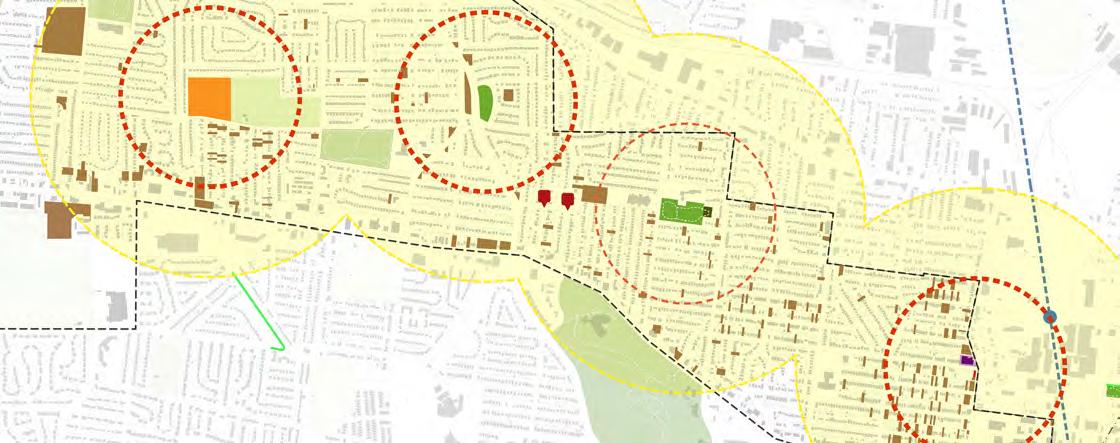
Three primary focus areas — Mt. Olive, Rabe Park, and the “ETSO” corridor of Sutter Ave from Etzel to Olive — have been identified for their opportunity to yield results. Geography, market demand engagement, and the presence of 3rd Ward assets and community green spaces played a role in determining the level of opportunity present.
A secondary focus area — Janet Majerus Park — will ultimately help connect the focus areas, since the 10-minute walking radius of the focus areas will overlap.
Strategies for the three primary focus areas are outlined on the following pages.
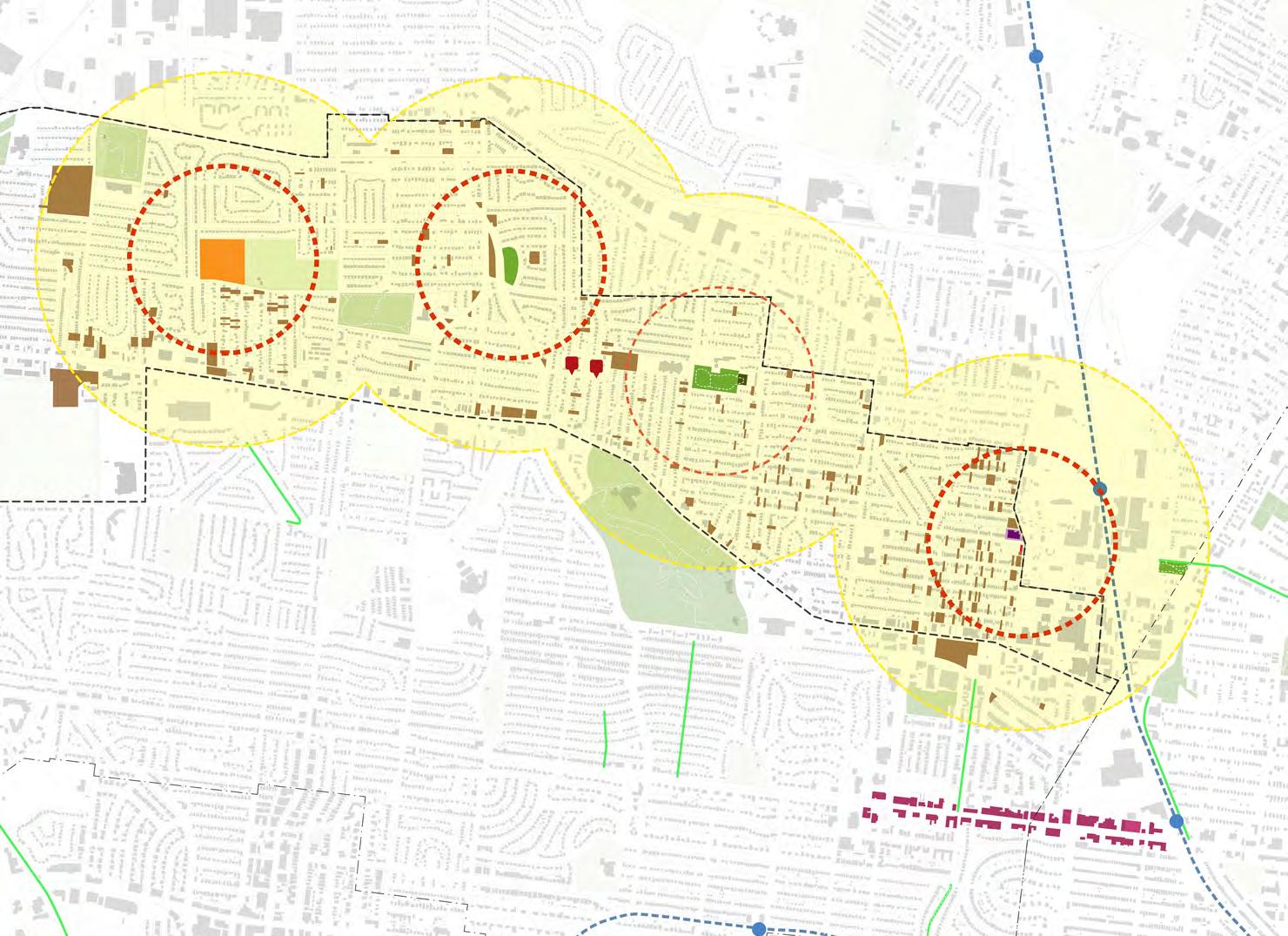
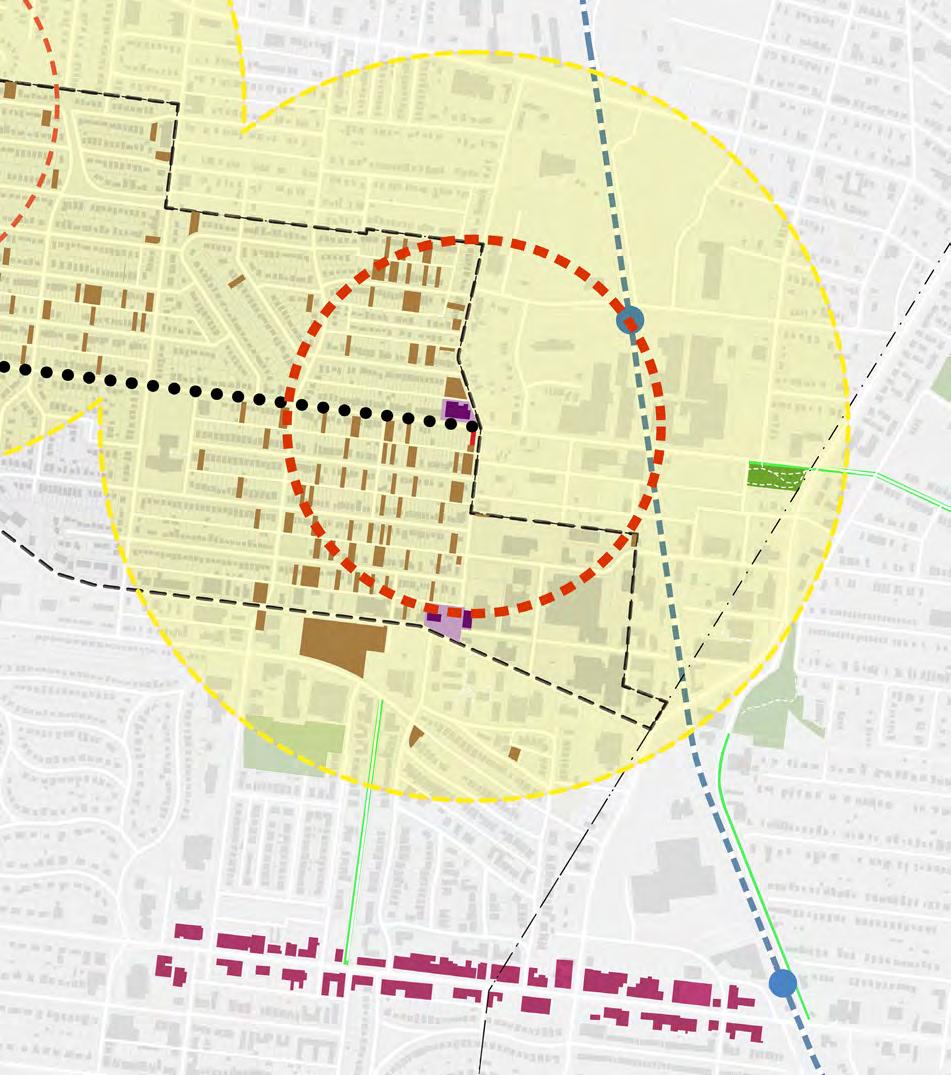
For the purpose of this plan, we will refer to a roughly 3-4 block radius from the intersection of Etzel Avenue and Sutter Avenue as “ETSO” — shorthand for the street names Etzel, Sutter, and Olive.
Sutter Avenue is the eastern city limit boundary for most of the 3rd Ward. Running north-south, Sutter runs from Page Boulevard to Olive Boulevard. Sutter becomes Westgate Ave south of Olive, connecting to the Delmar Loop entertainment area.
Etzel Avenue is an important east-west residential street in the eastern portion of the 3rd Ward. Near the west end of Etzel is Pershing Elementary School. Following Etzel a few blocks eastward into the neighboring community of Wellston will bring visitors to the St. Vincent Greenway trailhead at Trojan Park. The Greenway connects users to Forest Park and the regional trail network. Additionally, the Wellston Metrolink rail line station is in the next block north of Etzel.
At the intersection of Etzel & Sutter is Mt. Gideon Church and a two-story mixed use building currently under construction to become a minority-owned, neighborhoodserving food & beverage destination, Well U Cafe.
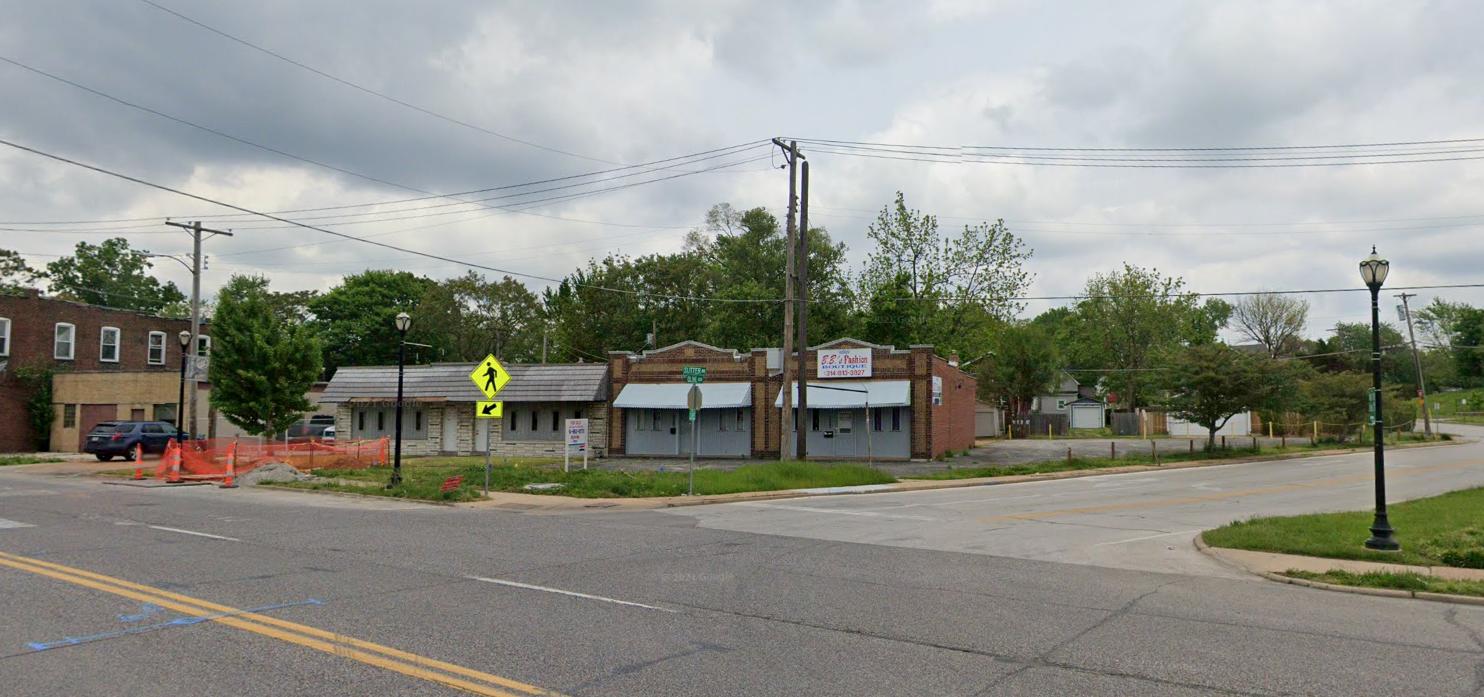
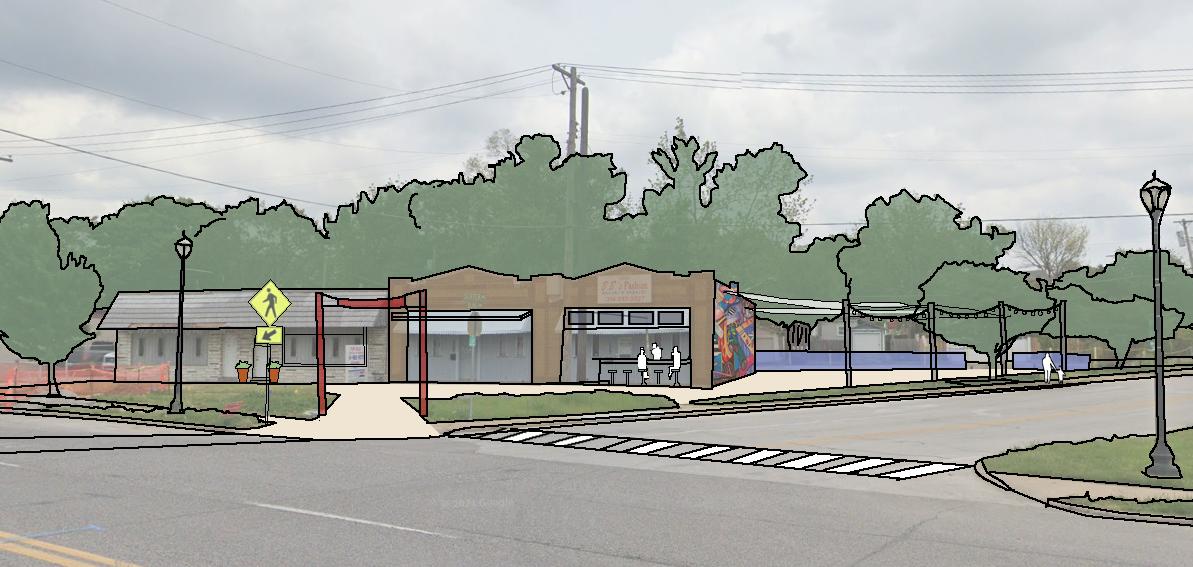
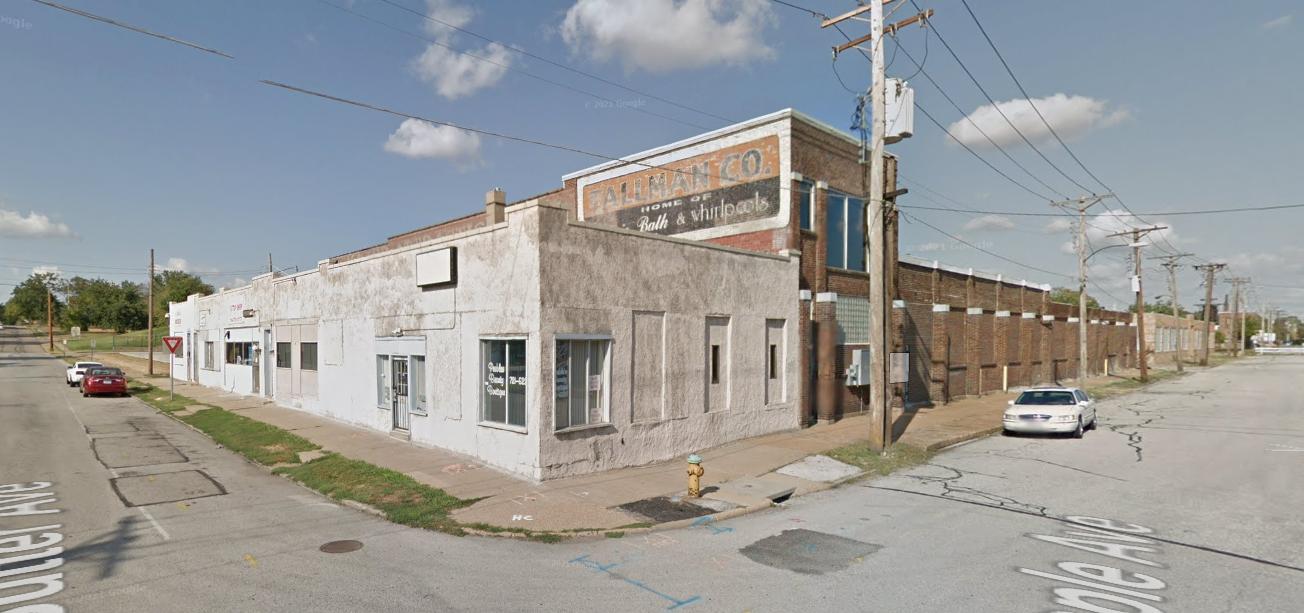
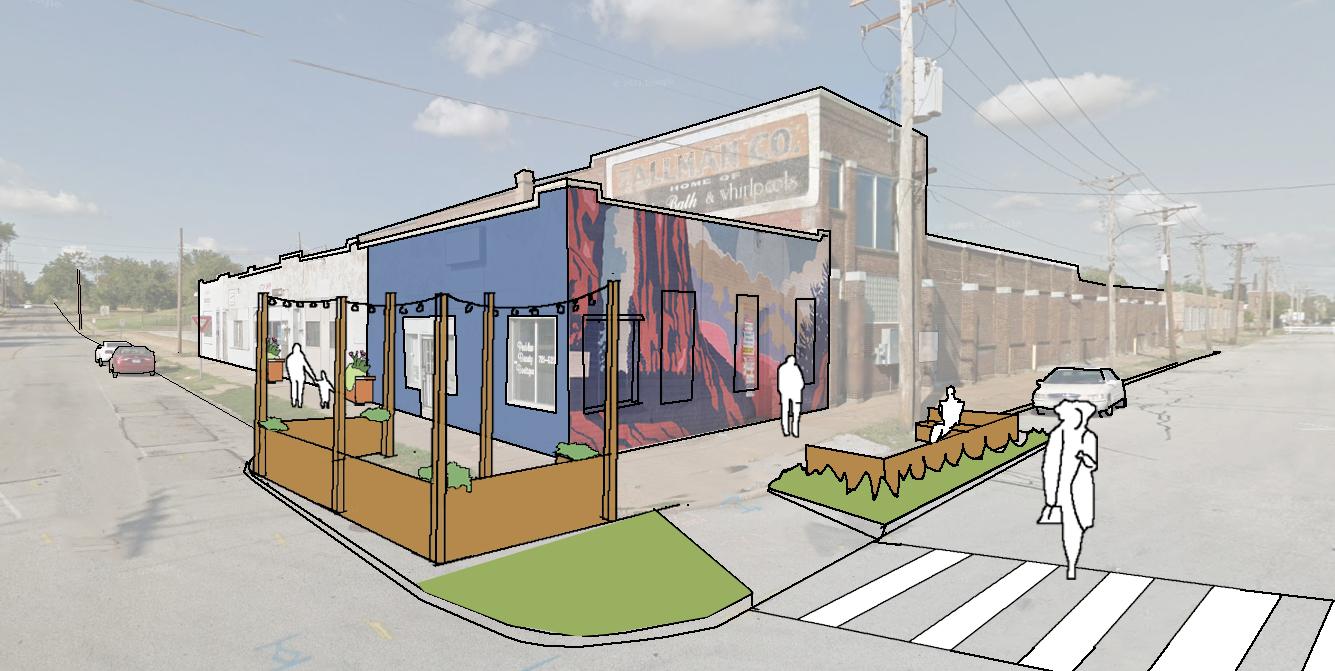
At Sutter & Olive, there is a collection of underutilized, smallscale commercial buildings that has the potential to become a node of retail and commercial activity.
All of these assets, coupled with a cluster of vacant residential lots, west of Sutter create an exciting opportunity for comprehensive reinvestment in a critical area of the 3rd Ward that is within walking distance of Delmar Loop.
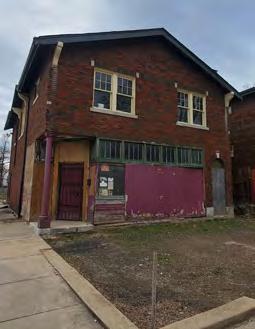
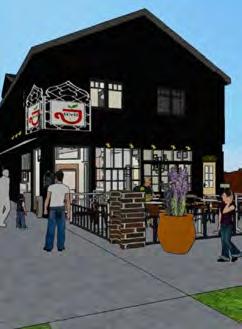
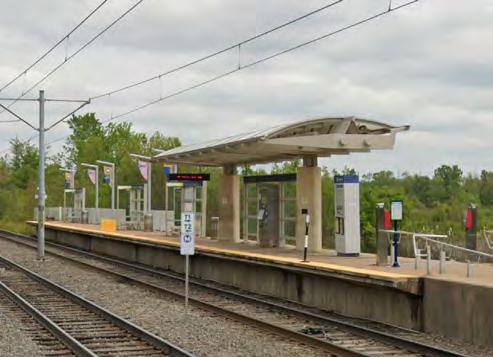
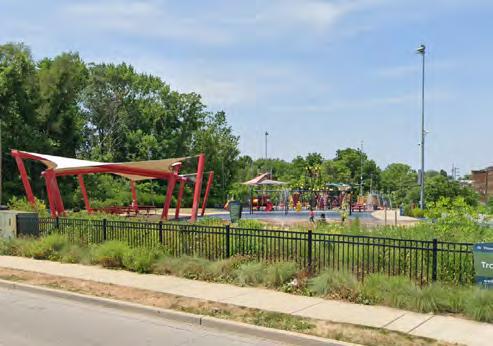
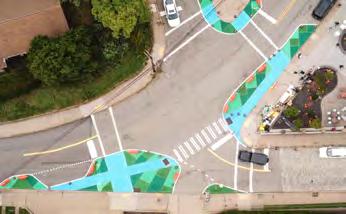
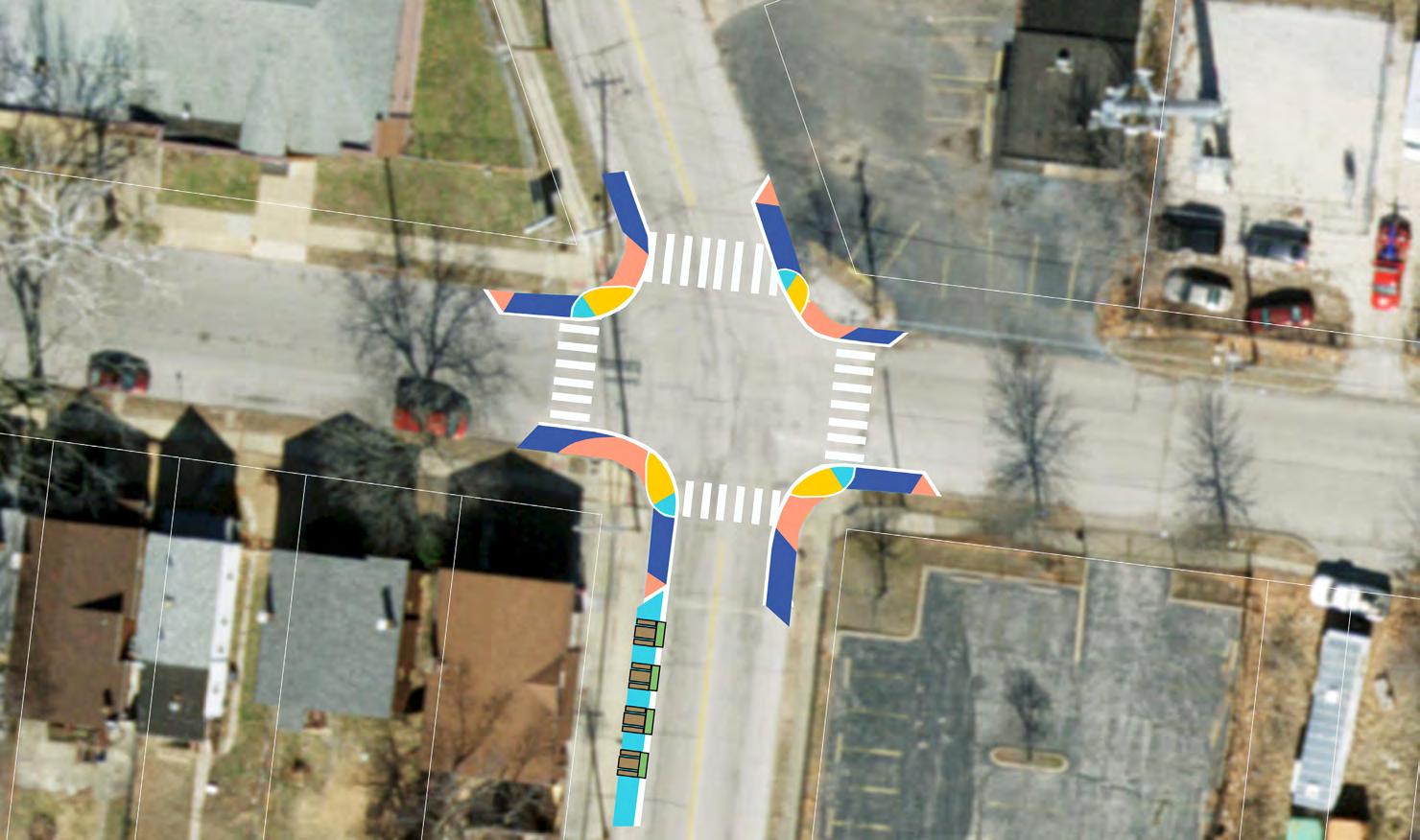
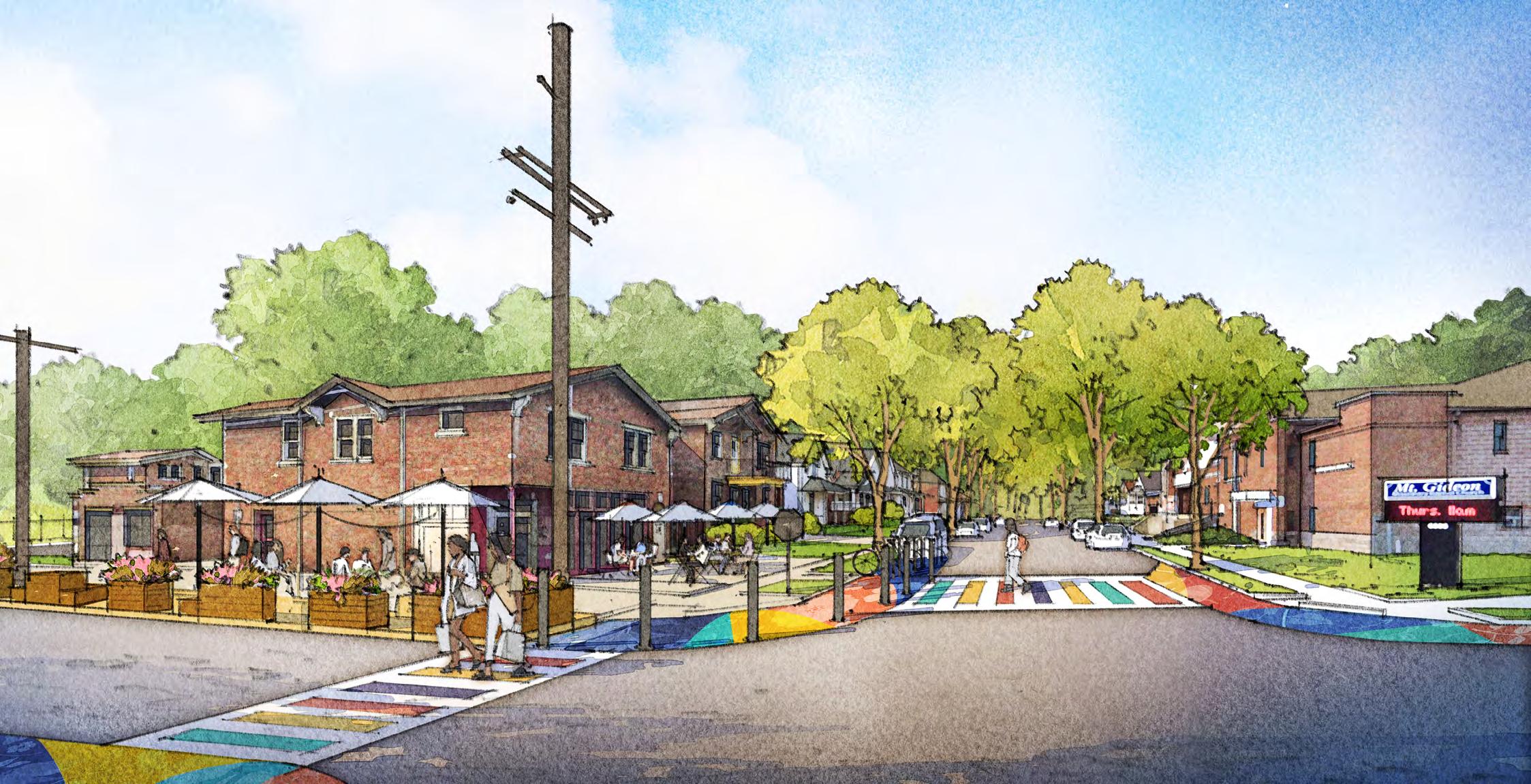
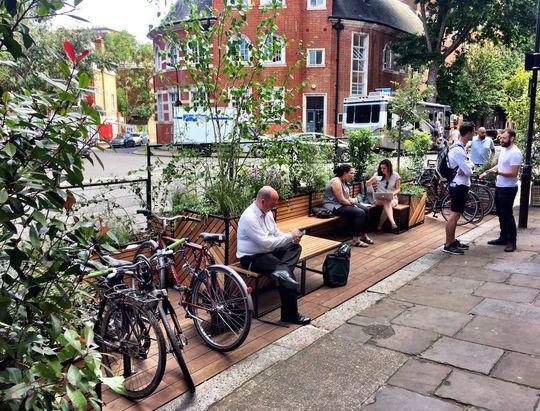
During stakeholder meetings, it came to light that speeding and failing to stop at the intersection are common. This is problematic for multiple reasons. Mt. Gideon Baptist Church owns parking lots on the east side of Sutter, which places their congregation members at risk when crossing the street. The future Well U Cafe will offer outdoor seating, which is negatively impacted by speeding cars. And with assets such as the Metrolink station and St. Vincent Trailhead a short walk away, the intersection should be as comfortable as possible for pedestrians and cyclists. Making tactical improvements to calm traffic and create a safer pedestrian environment would benefit all parties. These improvements can start as lighter, faster, cheaper ideas like painted curb extensions, well-defined crosswalk markings, and outdoor seating/planters. Over time, the City can invest in more permanent solutions.
These safety enhancements can also create a visual identity that announces Sutter & Etzel as the starting point of University City for pedestrians and cyclists using the St. Vincent Greenway or Metrolink. This simple gateway positions the Well U Cafe as a welcoming stop and sets the stage for future economic development in the ETSO district.
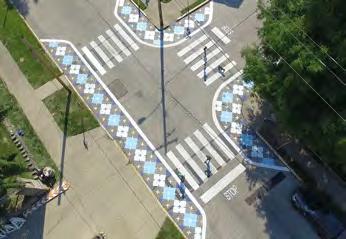
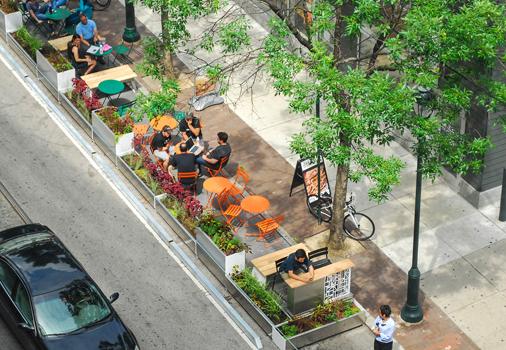
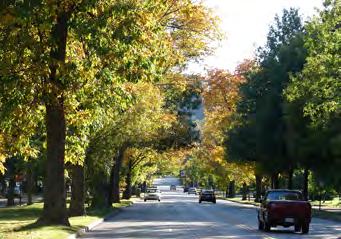
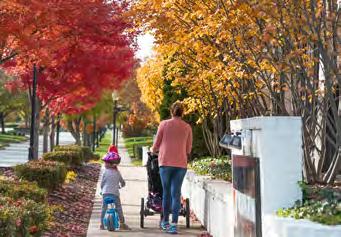
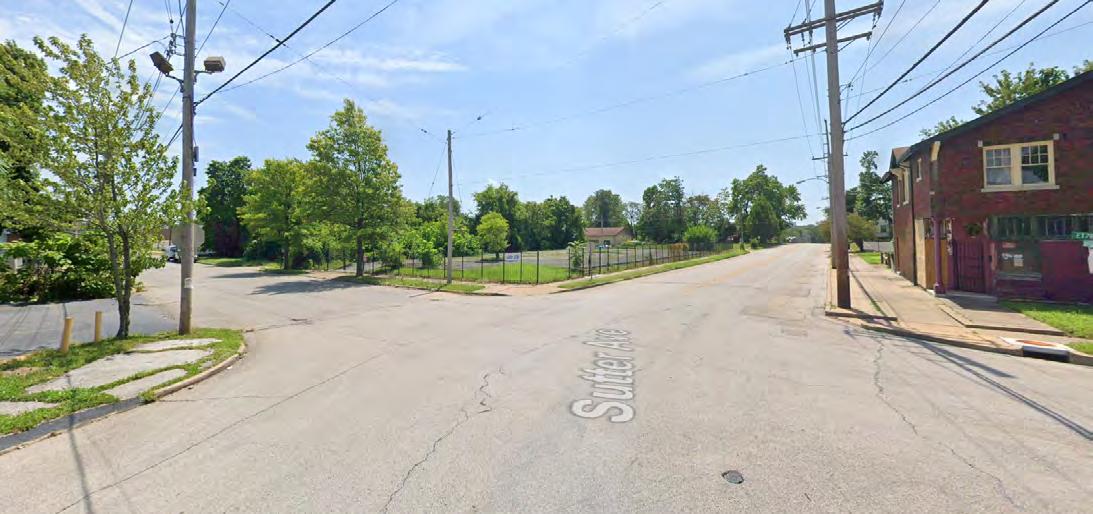
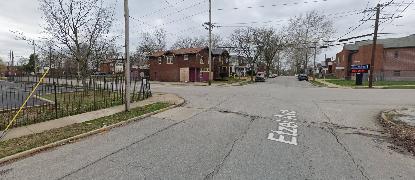
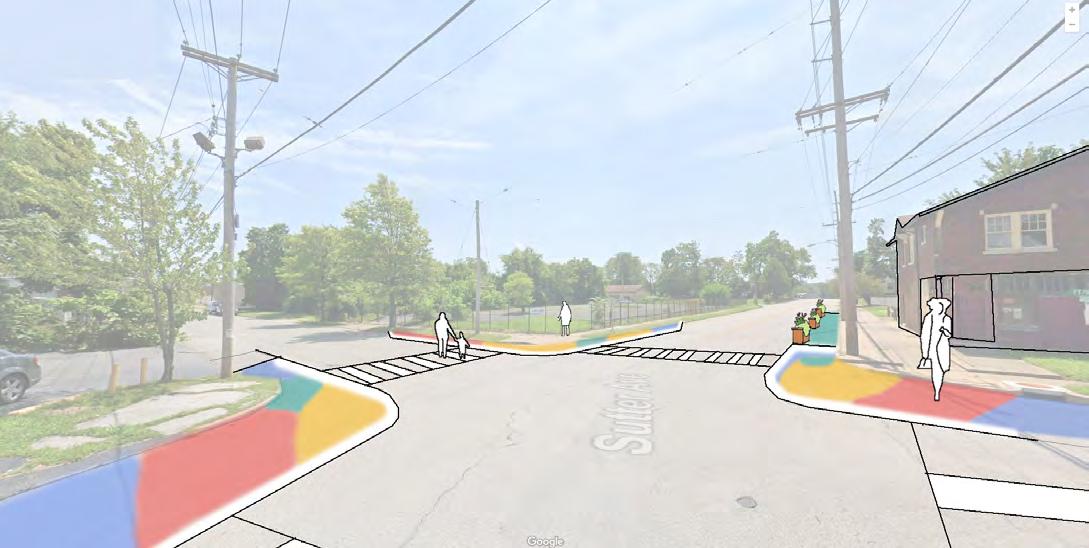
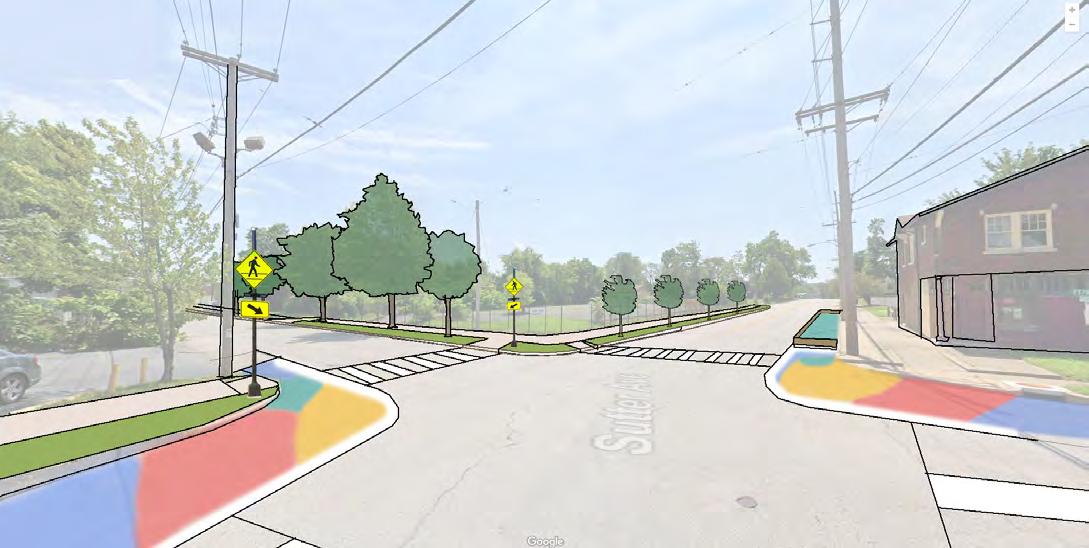
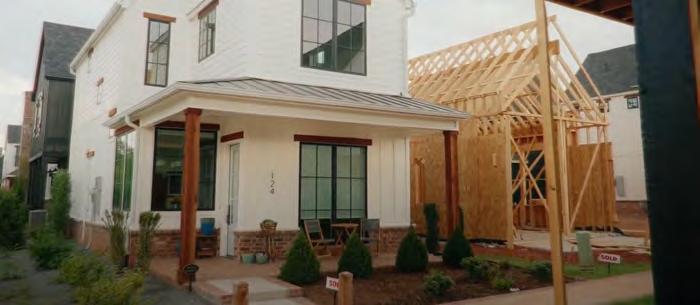
As the only focus area within a 10 minute walk to a Metrolink Station in the Third Ward and the St. Vincent Greenway, this area is appropriate for both smaller rental buildings and single-family homes. The area is mostly single-family residential, but the density can be increased to support transit in a way that does not compromise the character of the neighborhood. The housing types appropriate for this area include:
» Detached Single-Family Homes: As a mostly residential area, single-family homes are appropriate for this area.
» Stacked Flats For-Rent or For-Sale: With the exception of two exterior doors, these buildings appear as singlefamily homes from the street, providing density without changing the character of the neighborhood.
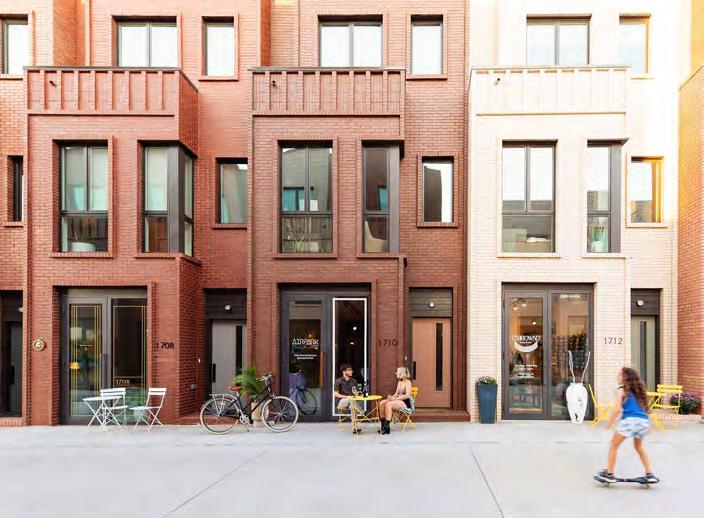
» Townhomes: These attached single-family homes can be for-sale or for-rent.
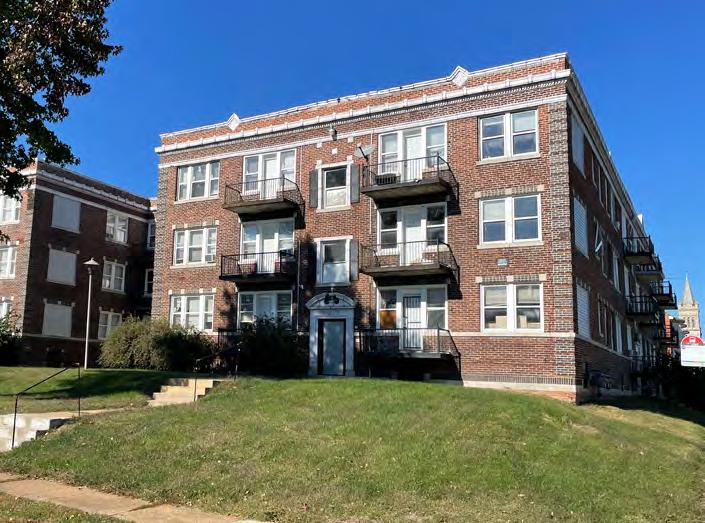
» Walk-up Garden Apartments: Typically 4-8 units to a building, this building type already exists in the neighborhood, and they can be designed to look like a large single-family home.
As a key gateway into the neighborhood on Olive, this area could become a small neighborhood center for commercial uses. The area is a mix of 2-story mixed-use buildings, 1-story commercial spaces, and previously light industrial buildings. The housing types appropriate for this area include:
» Townhomes: These attached single-family homes can be for-sale or for-rent.
» Walk-up Garden Apartments: Typically 4-8 units to a building, this building type already exists in the neighborhood.
» 2-4 Story Mixed-Use Buildings: As a small center for commercial activity, with existing mixed-use buildings, providing more of this building type is approbate for the area.
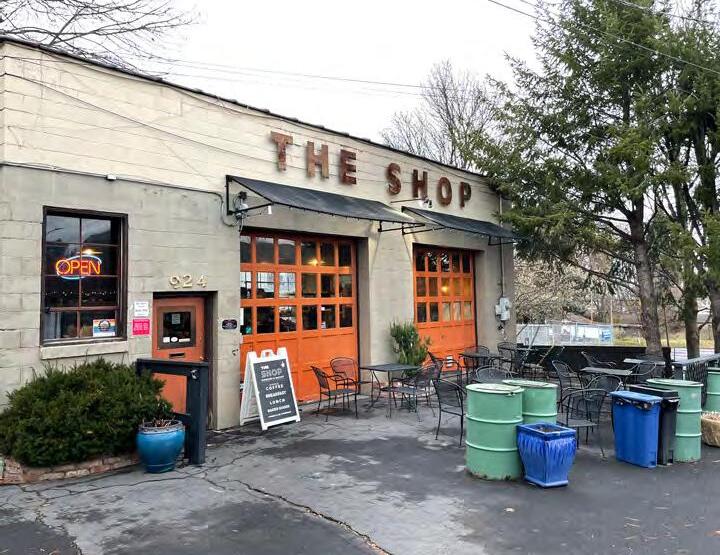
The pedestrian-focused intersection improvements recommended on the previous page fit within what the planning team calls the First 16 Feet.
The First 16 Feet is where the life of public spaces happen in commercial (and some residential) areas. It is the most important determinant of safe and active street life, but is easy to overlook.
The First 16 Feet is a three-dimensional volume of space that should be human-scaled for optimal use. This imaginary “tunnel” of space extends 16 feet up and out from the front facade of building along a street. Get the First 16 Feet right and you’re well on your way to creating a place.
On the next page are recommendations for First 16 Feet improvements at Sutter and Olive, but you will notice the same principles applied to the focus areas at Rabe Park and Mt. Olive as well. Just as much as strong, wellmaintained housing stock and well-appointed parks, the First 16 Feet will contribute to the sense of community and appearance of investment in the 3rd Ward.
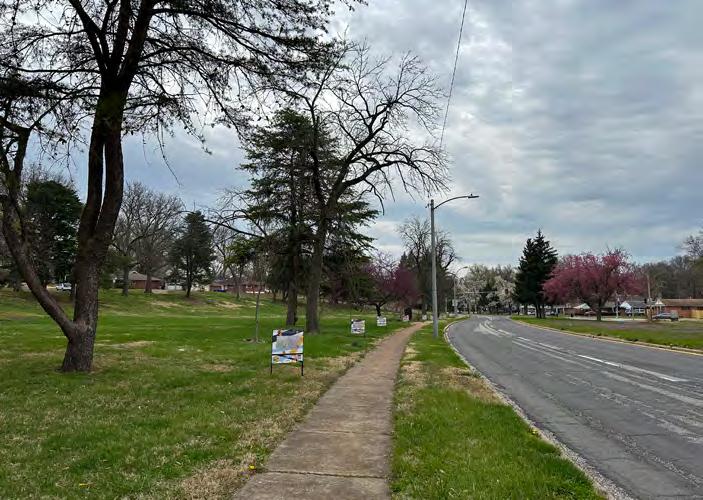
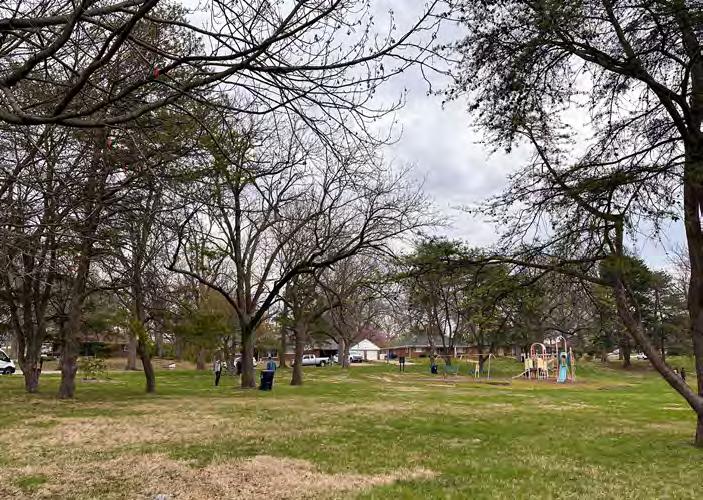
Rabe Park is currently a passive green space located immediately north of the historic Musick neighborhood of the 3rd Ward at the intersection of Midland Boulevard and Canton Avenue. The only existing park amenity is a set of well-worn playground equipment that is slated for replacement in the FY 2025 City budget.
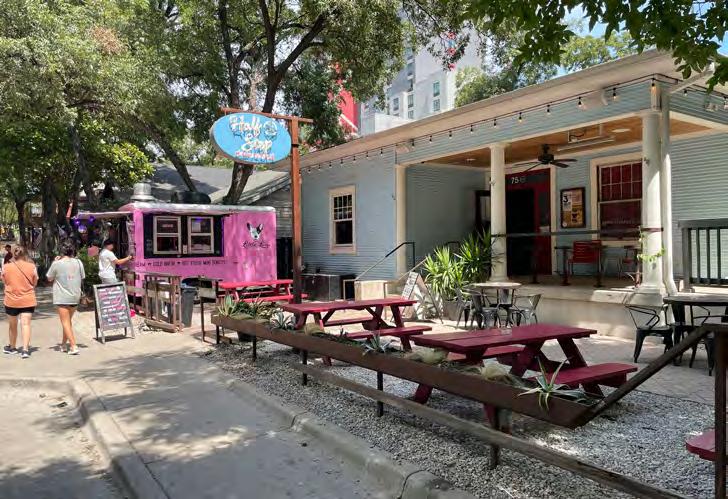
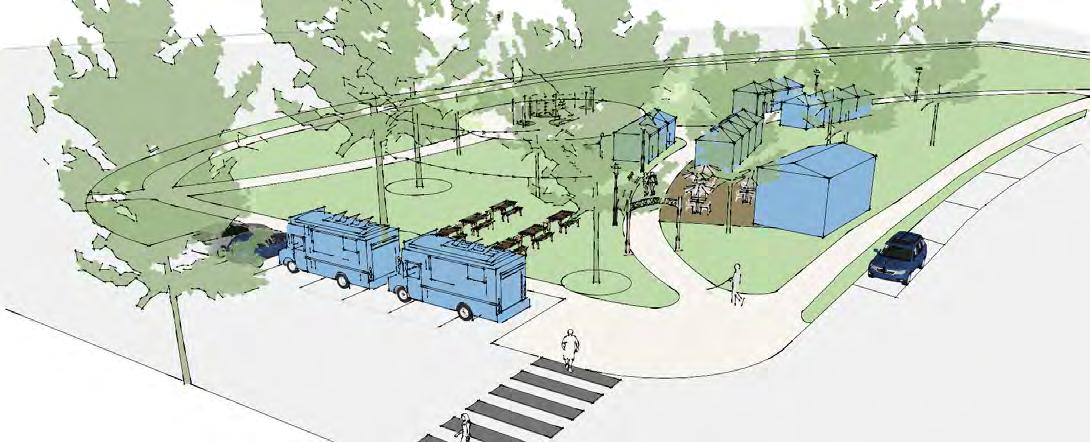
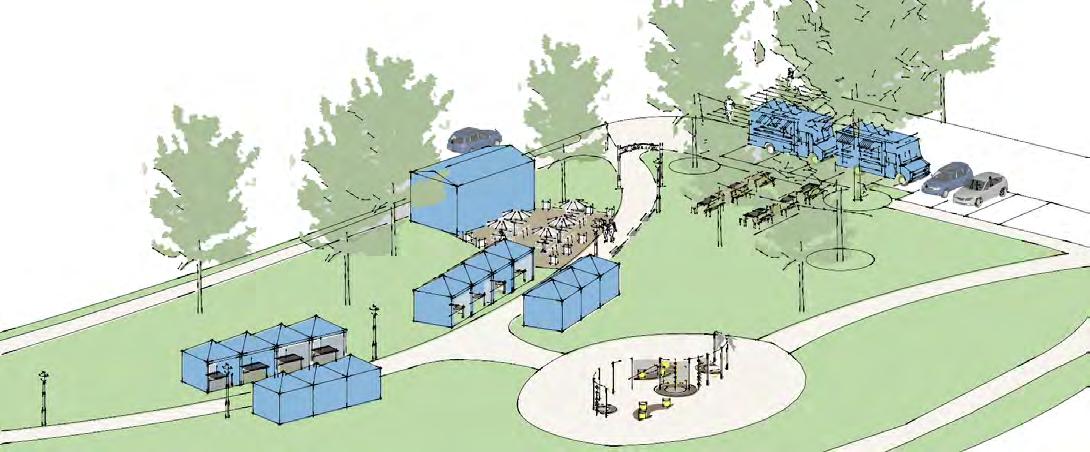
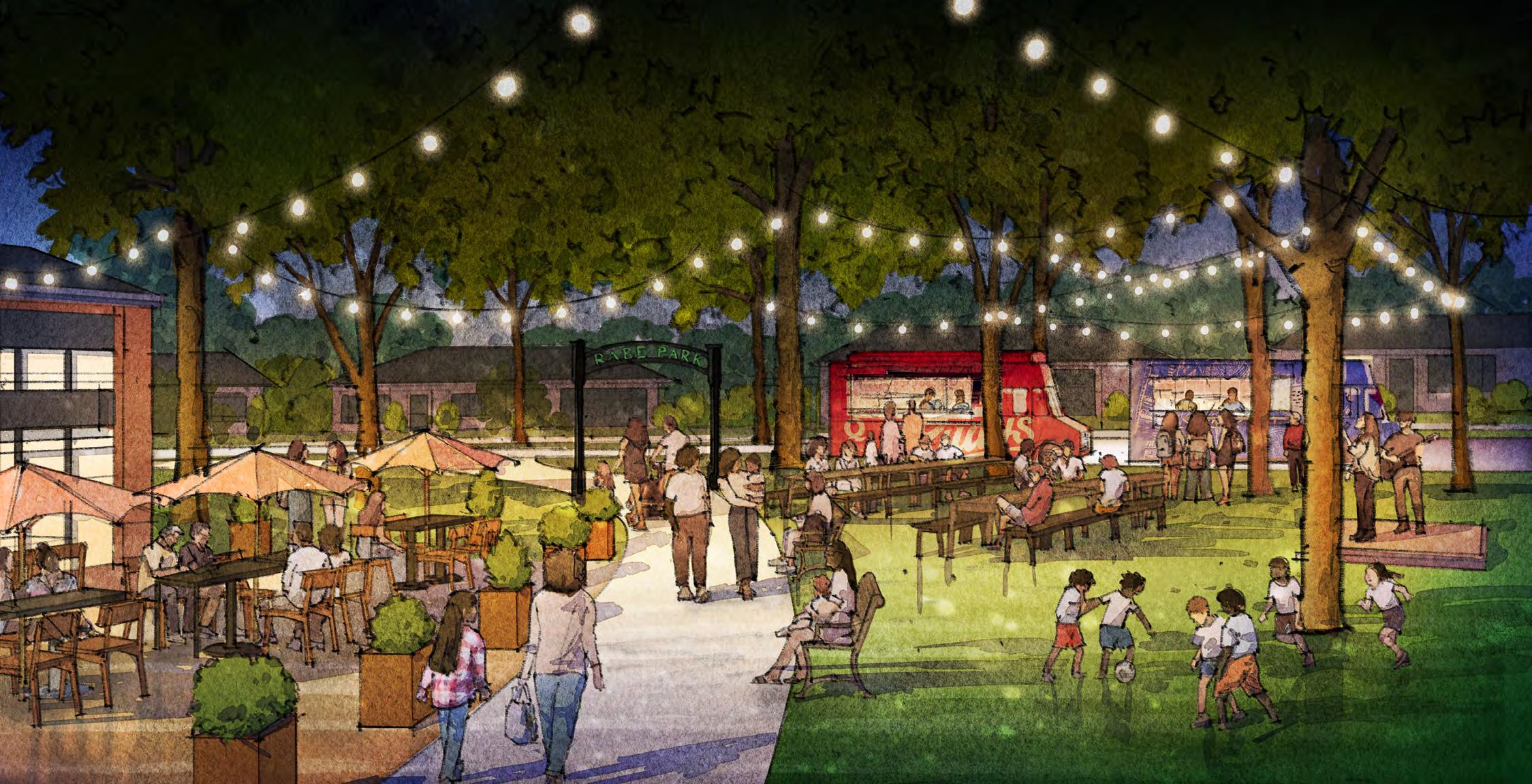
Because of its central location, high visibility, open layout and low usage, Rabe Park is envisioned as an ideal place for small-scale, neighborhood-serving retail such as a cafe or ice cream shop. By using existing and underutilized city-owned green space, it is possible to add walkable, compatible retail to the 3rd Ward without sacrificing residential property.
» Install new playground equipment and ADA accessible pathways
» Regularly program the park
» Star t incrementally with regular hours for food trucks to test demand
» Install permanent improvements that allow for new retail, food and beverage amenities
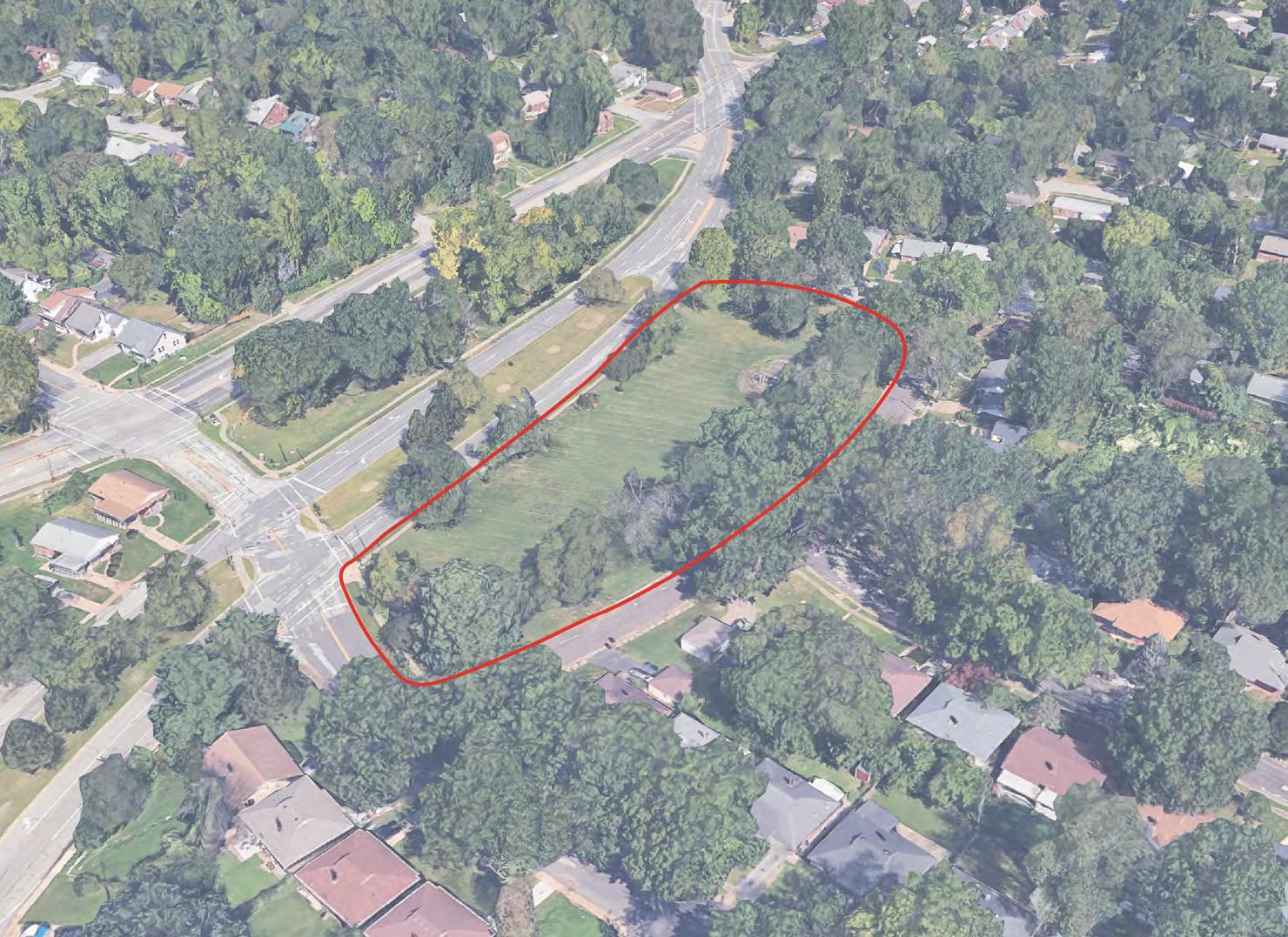
Improvements to the park should be neighborhood-friendly while providing 3rd Ward residents a convenient, attractive place to enjoy a snack, play on the playground, and occasionally attend a festival with pop-up retail.
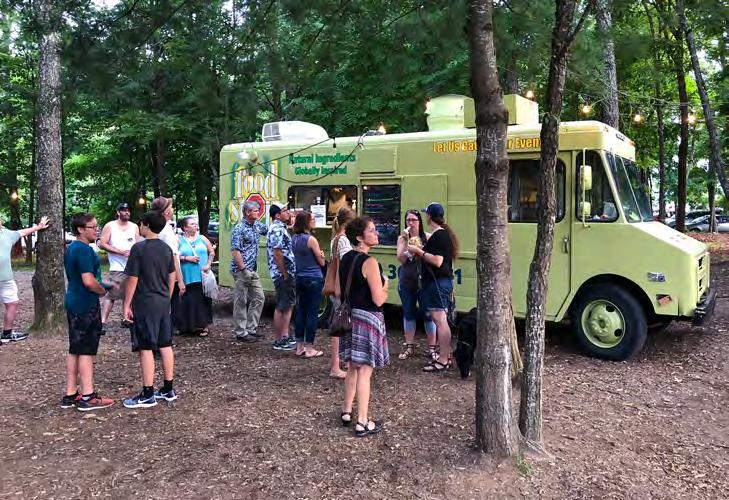
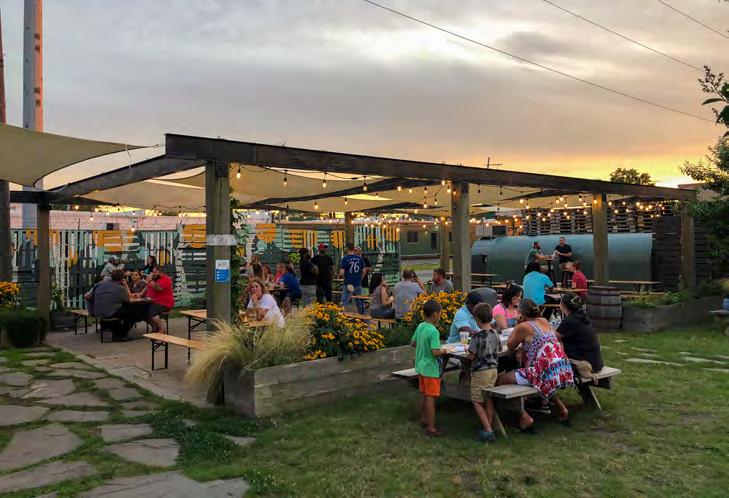
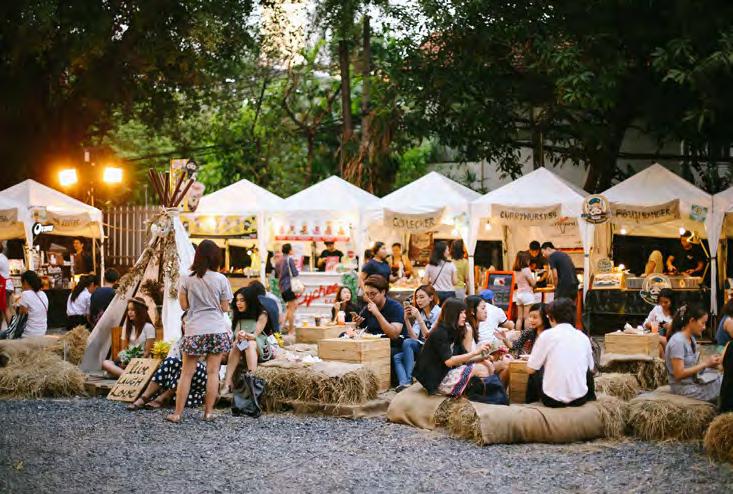
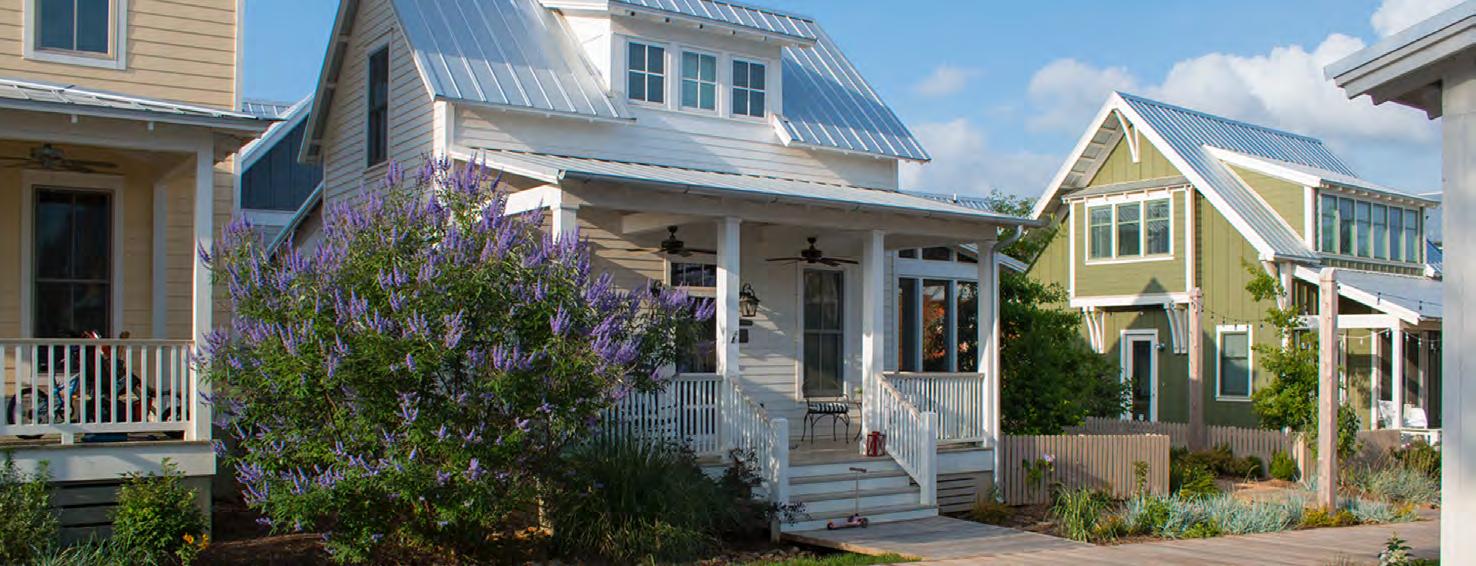
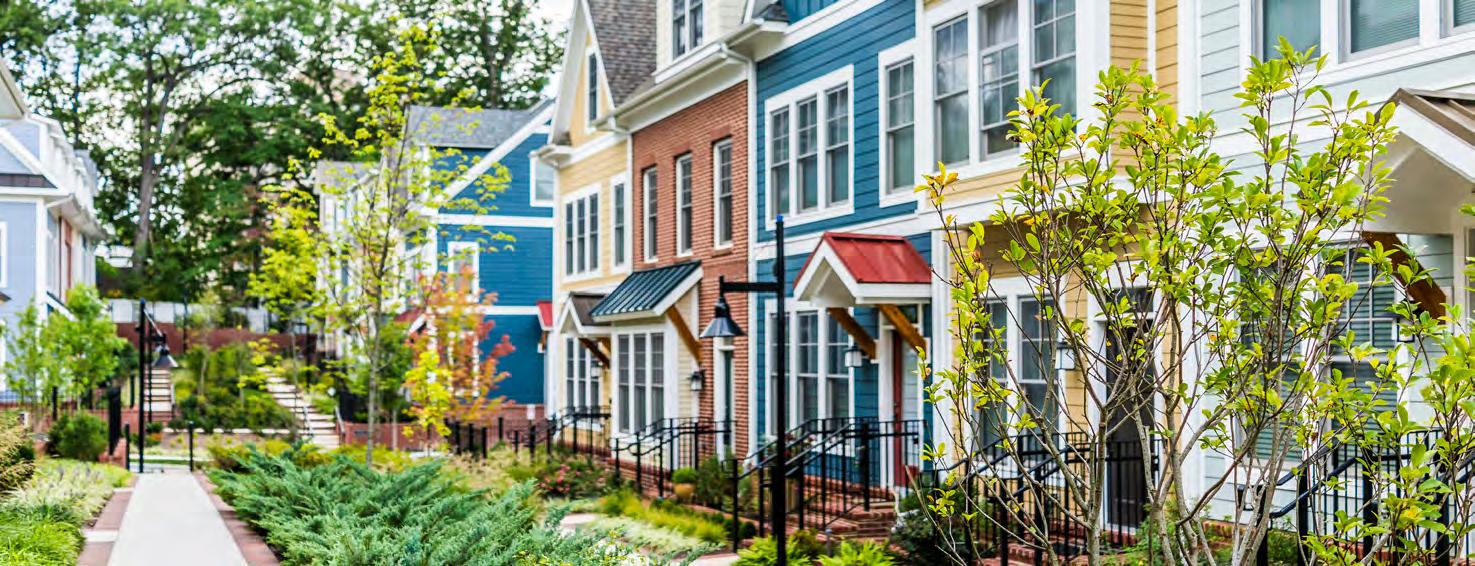
The residential character of the area should be preserved and enhanced. The housing types appropriate for this area include:
» Detached Single-Family Homes: As a mostly residential area, single-family homes are appropriate for this area.
» Stacked Flats For-Rent or For-Sale: With the exception of two exterior doors, these buildings appear as single-family homes from the street, providing rental opportunities without changing the character of the neighborhood.
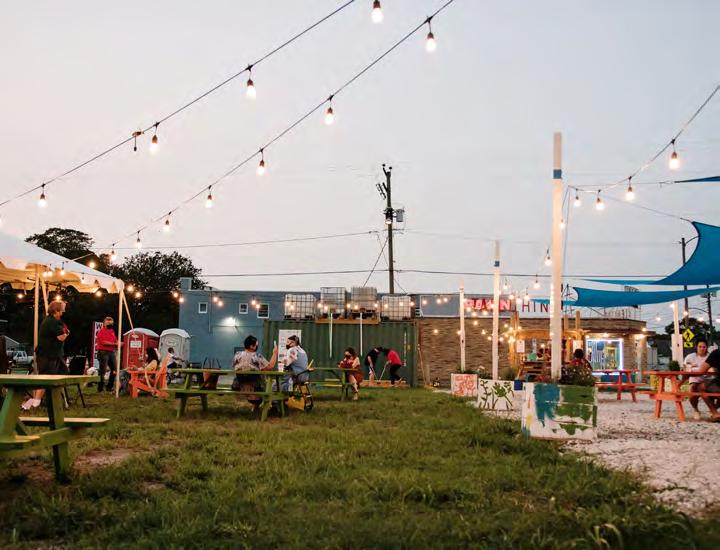
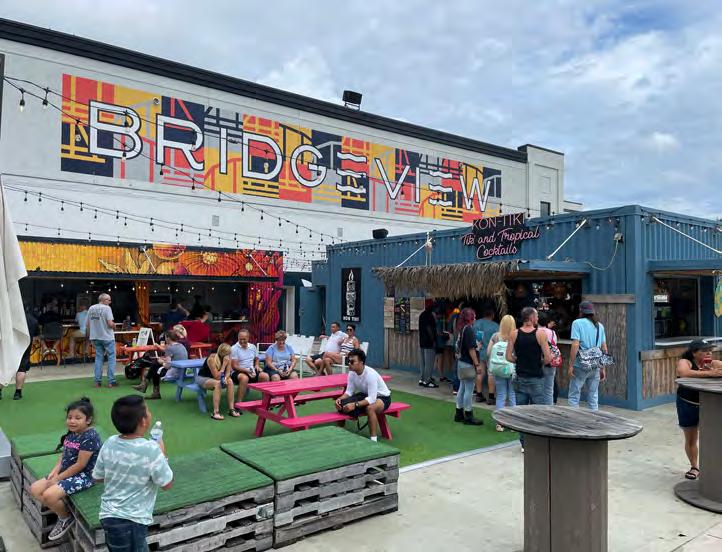
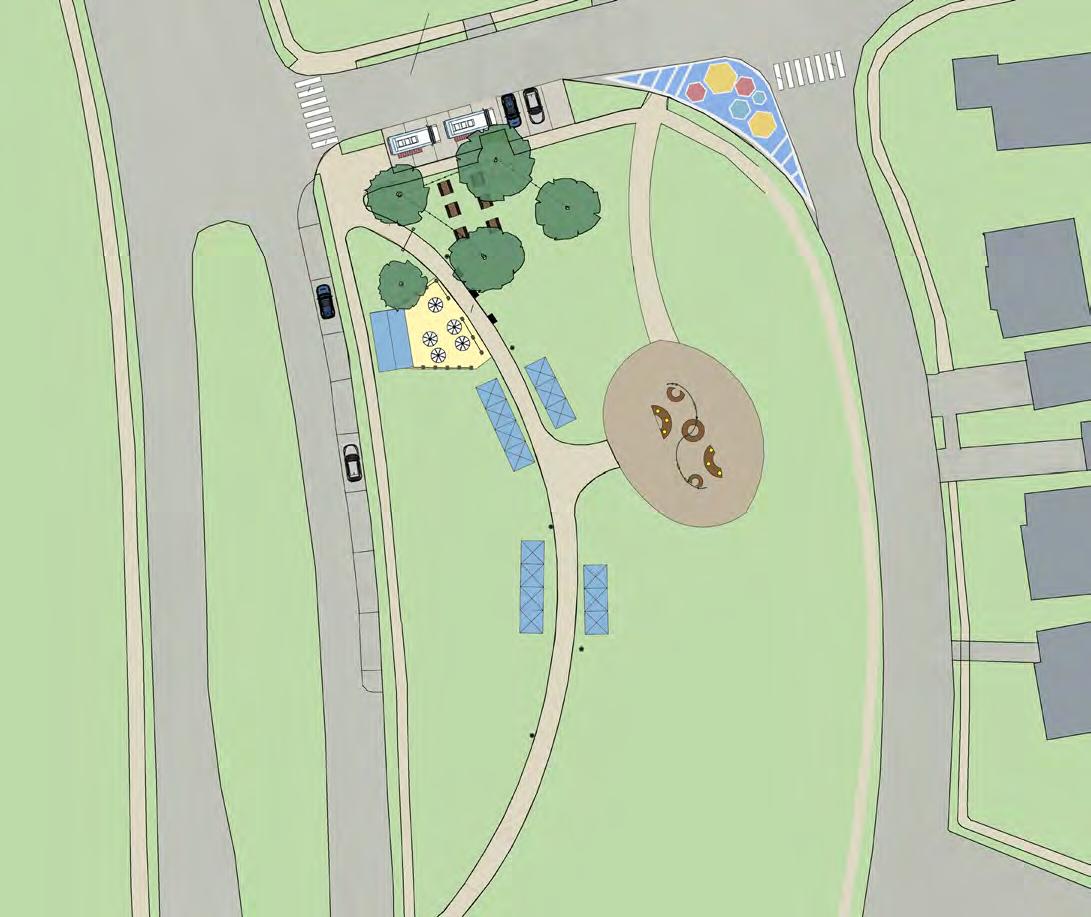
Start with a small, inobtrusive off-street parking area (1) that can accommodate a food truck on weekends, along with ADA-compliant pathways. Another option for parking is removing a lane of traffic on Midland Boulevard for curbside on-street parking (1). Add seating and string lights (2). After demand increases, build a small cafe building (approx. 400sf) and patio (3) overlooking the new playground (4). Program the park with occasional acoustic music, children’s storytime, or small weekend pop-up craft festivals (5). Finally, intersection improvements (6) help residents get to the park safely.
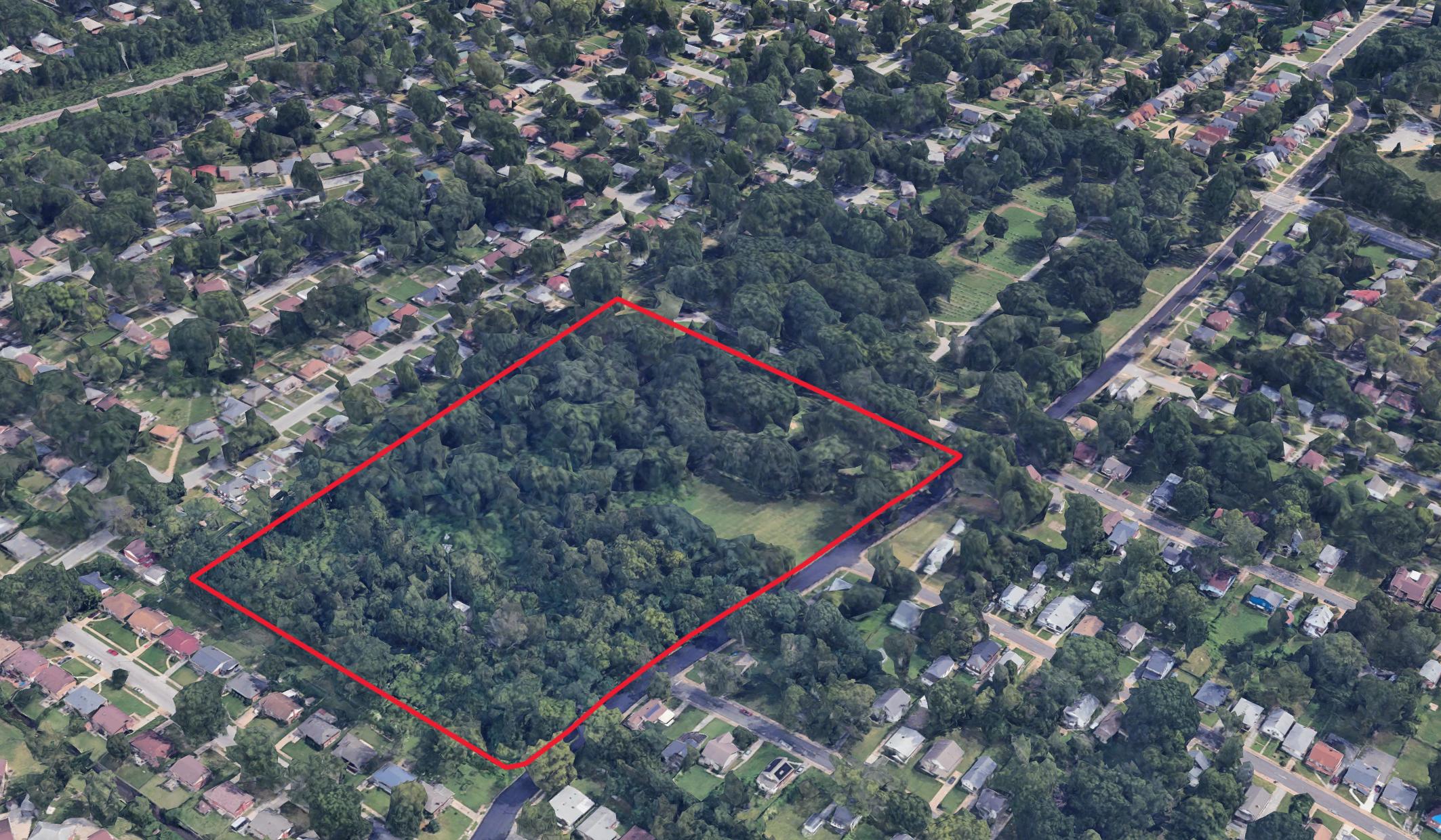
The 11-acres of wooded land adjacent to United Hebrew/ Mt. Olive Cemetery, currently owned by the United Hebrew Congregation, represents the largest potential housing development site in the 3rd Ward.
The site has received several housing development proposals. The location along Canton, a primary east-west corridor in the 3rd Ward, is particularly important. The City should work collaboratively with the property owners and potential developers to maintain a critical threshold of quality and appropriateness while streamlining the development approval process. Any public input about the site that can be gained as part of this plan should further help in that streamlining while not minimizing the positive impact of neighbor input.
Every effort should be made to create a meaningful and contributing neighborhood on this site within the 3rd Ward. It should feature a range of building and accommodation types and contain, at a minimum, the basic elements of traditional neighborhood and community living. Design quality and scale should be prioritized over unit density and the prominence of parking. Efforts should be made to relieve or mitigate the impact of the cell tower placement and the tendency to create singular, large stormwater detention or retention areas.
As 3rd Ward residents have provided feedback on the need for amenities within walking distance of their homes without having to go to the vehicle-intense Olive Boulevard. Development plans that include small-scale, neighborhood serving-retail in a walkable context along Canton should be considered favorable.
The following page outlines the creation of a development scorecard to ensure that a proposed design meets these thresholds and appropriately situates the development within the context of the site.
The area is mostly single-family residential, but there are other housing types that can can be introduced to match this character. The housing types appropriate for this area include:
» Detached Single-Family Homes: As a mostly residential area, single-family homes are appropriate for this area.
» Stacked flats for-rent or for-sale: With the exception of two exterior doors, these buildings appear as singlefamily homes from the street, providing density without changing the character of the neighborhood.
» Townhomes: These attached single-family homes can be for-sale or for-rent.
» Walk-up Garden Apartments: Typically 4-8 units to a building, this building type can be designed to look like a large single-family home.
The following criteria for a development scorecard will help guide the City’s design review for development proposals.
» Interconnected street grid with block sizes that do not exceed 3 acres unless otherwise prohibitive
» Streets that are either:
• Shared: designed as a shared surface where vehicles, bicycles, and pedestrians use the right-of-way interchangeably. Calming devices such as textured paving, landscaping, rain gardens, chicanes are typical on shared streets.
• Walkable: a typical neighborhood street where 10-foot travel lanes (or combined 18-foot clear), parallel on-street parking (as desired), 5-8 foot planting strips with minimum 4” caliber trees, and sidewalks that are minimum of 5’ wide are typical on walkable streets
» Enhanced intersections that align with the surrounding street and pathway network
» Off-street parking to the side or rear of buildings
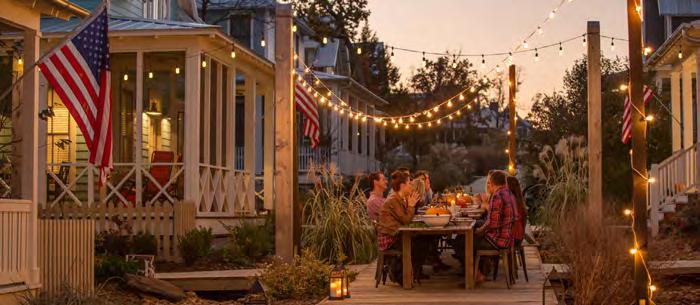
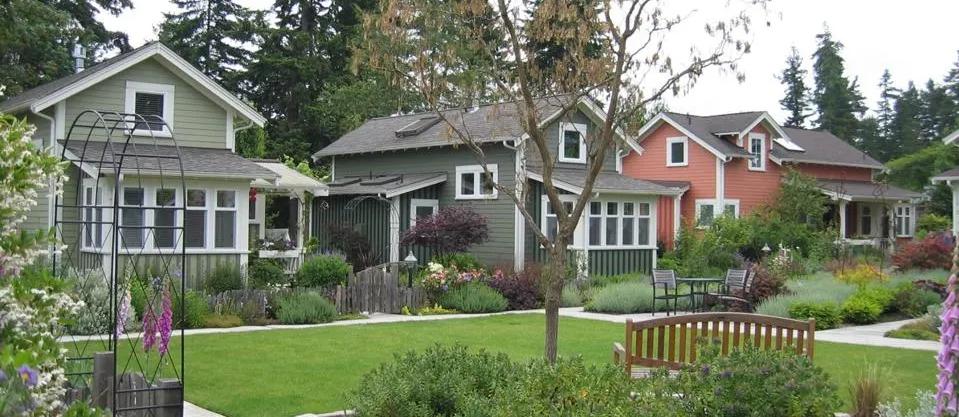
» Stoops, porches and front doors that are prominent on the street, especially along Canton
» Minimal setbacks (10-15 feet) and use of lawn in front of buildings
» Clear layers of residential unit private spaces from the street frontage, to the side yard, and the rear yard; residential first floors should be a minimum of 18 inches above street/sidewalk level
» Buildings that have simple and legible main volume massing with clear bases, middles, and tops as well as wings, porches, and other subordinate volumes
» Most active uses of the buildings facing the streets or public spaces at ground level
» Color, material, and landscape palettes that reflect surrounding neighborhoods
» Neighborhood amenities that are open to the public (public spaces, walkable streets, bus stops, retail, etc)
» Integrated and diffused storm water system design
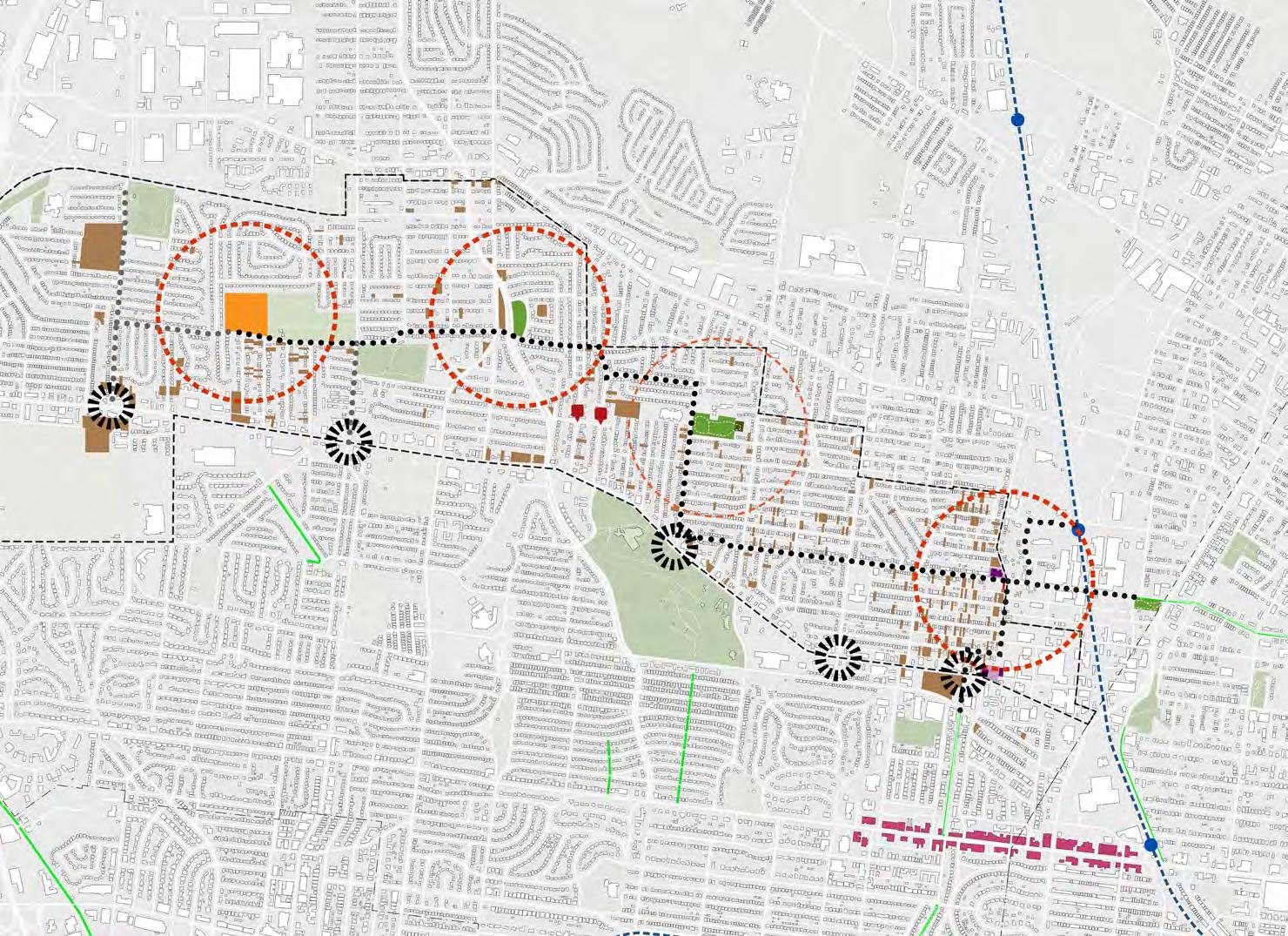
The existing parks, mature street trees and calm streets of the 3rd Ward create opportunities for enhanced connectivity and walkability with relatively small investments.
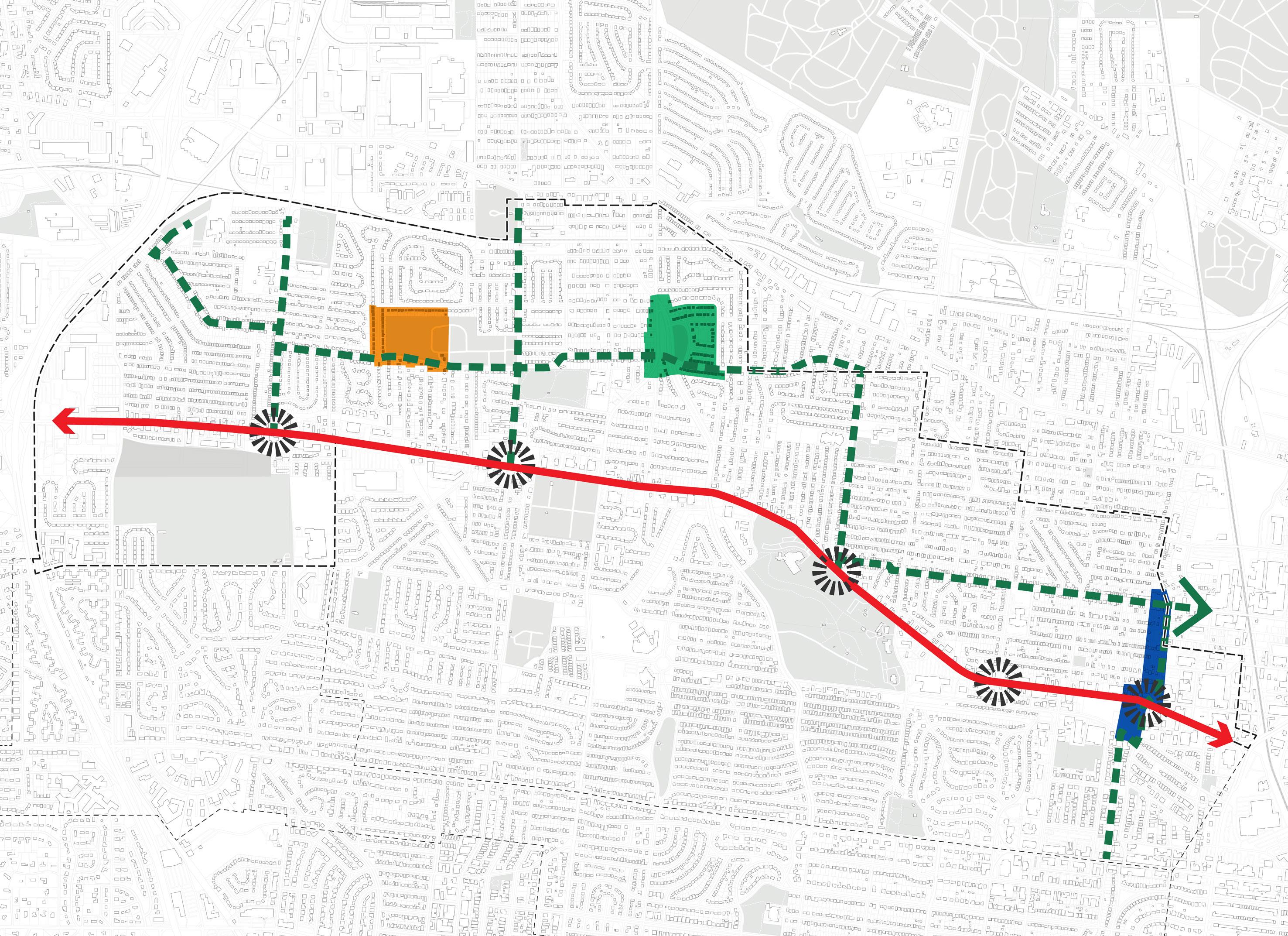
The opportunity exists to accentuate these strengths by connecting the identified focus areas, 3rd Ward parks, and Pershing and Barbara C. Jordan Elementary schools to one another with designated walking routes through the neighborhoods
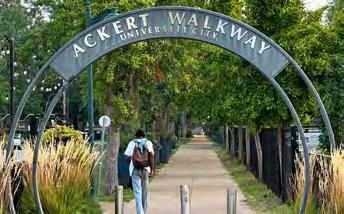
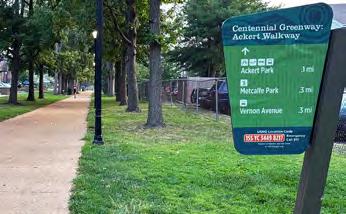
University City has experience in providing pleasant pedestrian pathways, such as Ackert Walkway and Varsity Walk. The 3rd Ward would benefit from a network of wide sidewalks that are well-lit with clear wayfinding.
This walking route would strategically meet Olive Boulevard at points envisioned for enhanced pedestrian crossings to link residents with Heman Park, Brittany Woods Middle School, Ackert Walkway leading to the Delmar Loop, as well as goods and services on the south side of Olive Boulevard.
The goal should be to create clearly defined, attractive walking routes that every 5-10 minutes connects to another 3rd Ward asset.
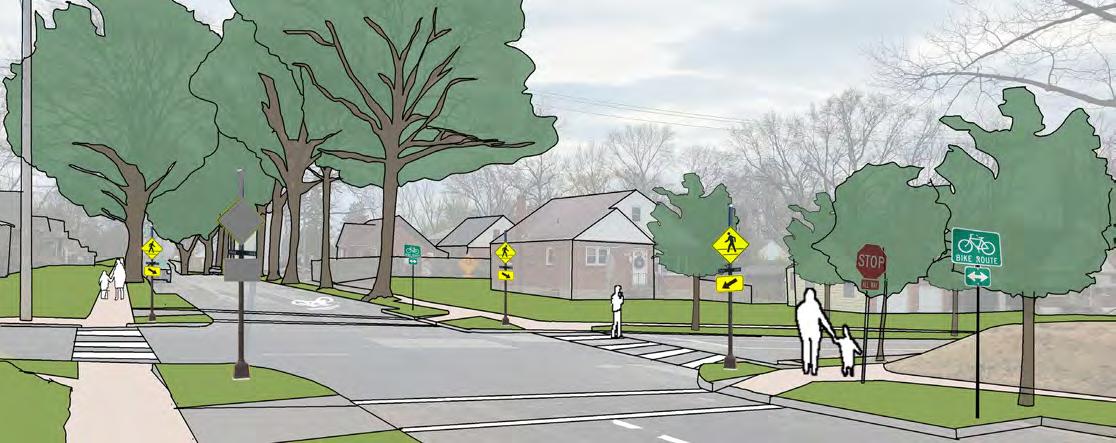
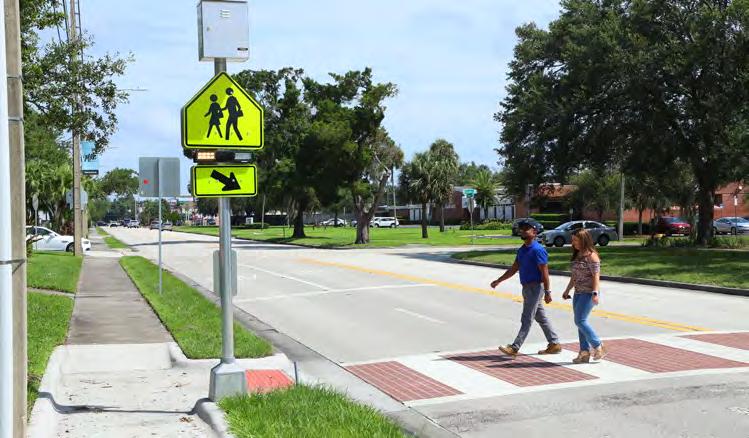
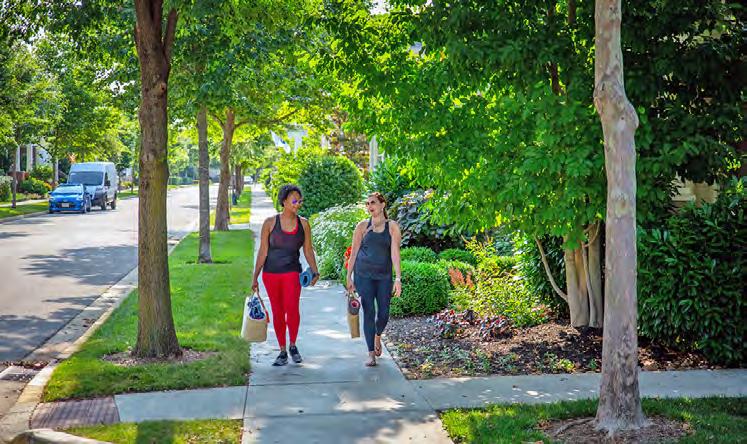
» Curb extensions on the focus route
» New street trees
» Green buffer between sidewalks and roads were missing
» Pedestrian crossing and bike route signage
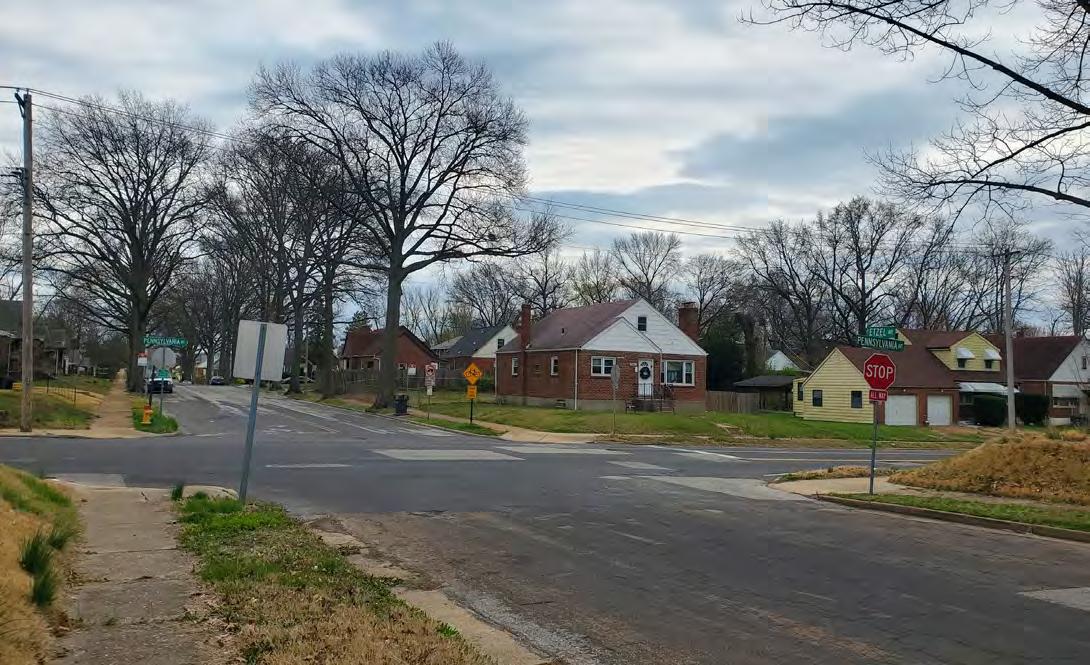
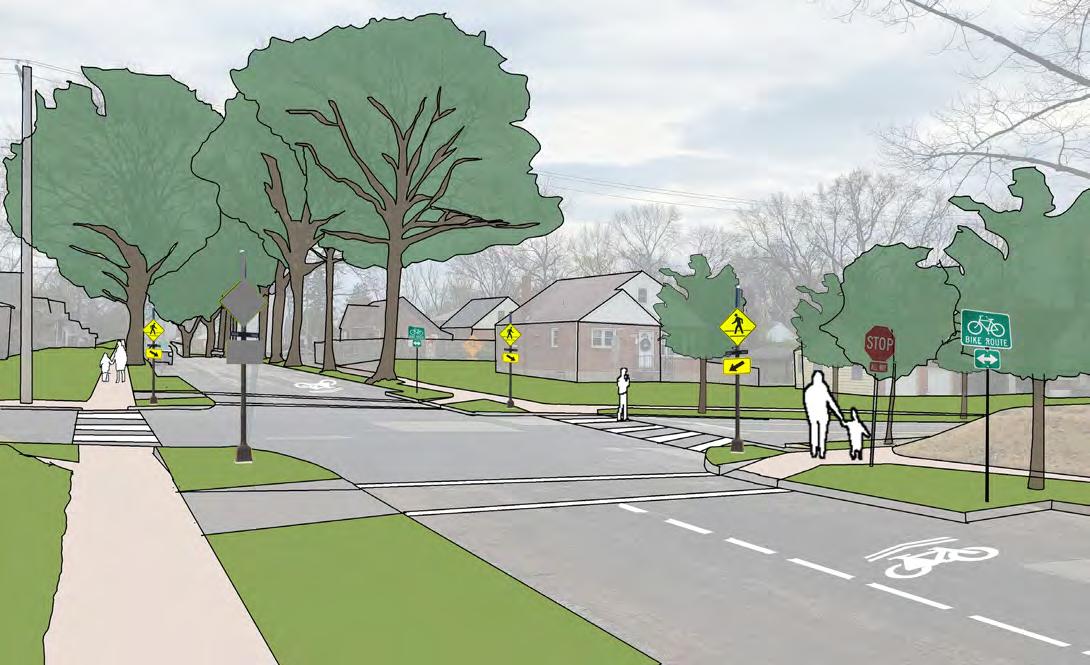
Throughout the planning process, residents and stakeholders alike described Olive Boulevard as a physical and emotional divider between the 3rd Ward and the rest of University City.
While not a corridor plan, the For the 3rd Ward plan strives to set in motion the transformation of Olive Boulevard into a connector, rather than a divider.
Olive Boulevard has different personalities in different stretches of the street. Some stretches of Olive are heavily auto-centric while some stretches appear to be candidates for a road diet to enhance walkability. It is perfectly acceptable to have different street sections along the 3.5 mile length of Olive, which should be reflected in future capital improvements.
As a state route, Olive Boulevard improvements will have to be coordinated with the Missouri Department of Transportation (MODOT). In multiple conversations during the planning process, MODOT has expressed willingness to make adjustments to the street to calm traffic — potentially including a temporary installation of traffic calming interventions at a selected location to test the concept.
Ultimately, the City should, in partnership with MODOT, embark on a full Corridor Plan for Olive Boulevard with robust community engagement. Greening and beautifying Olive, creating economic opportunity, and increasing pedestrian safety while crossing Olive on foot should be paramount considerations.
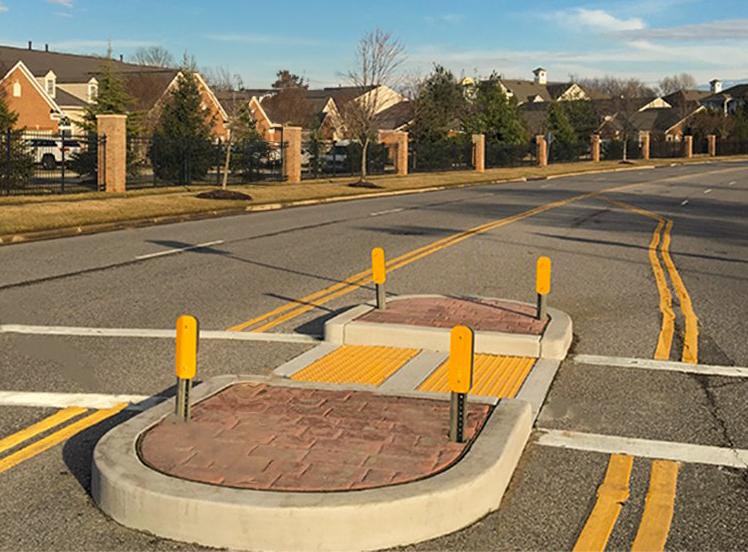
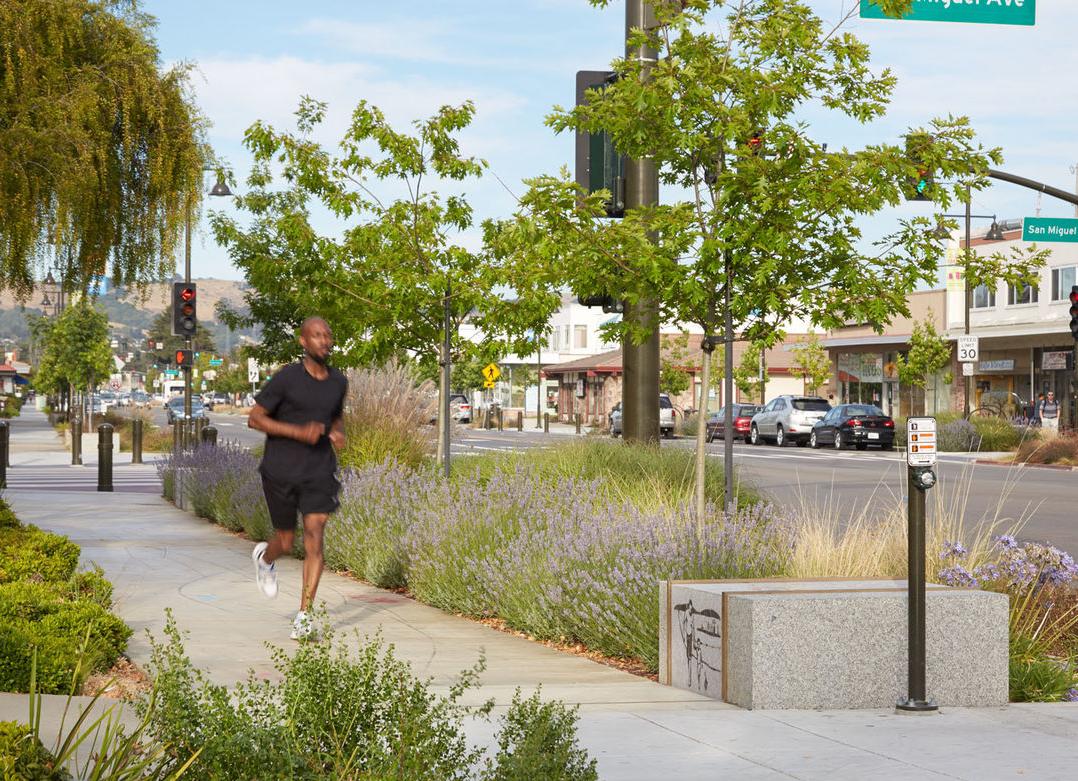
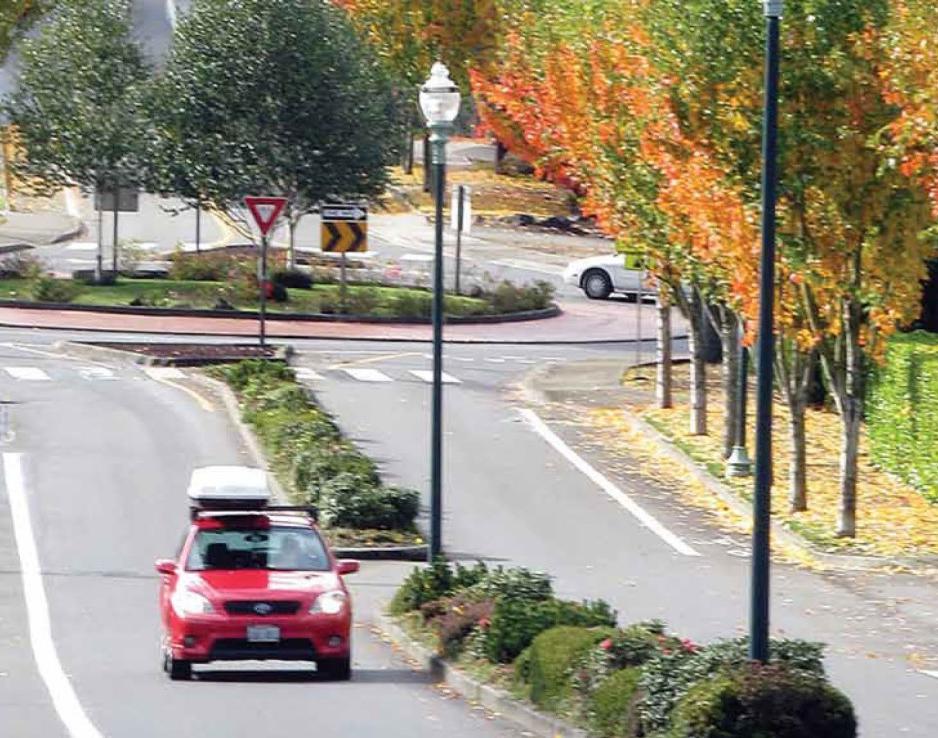
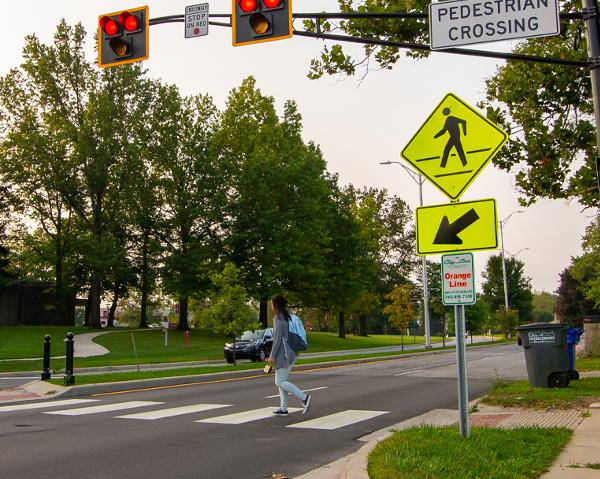
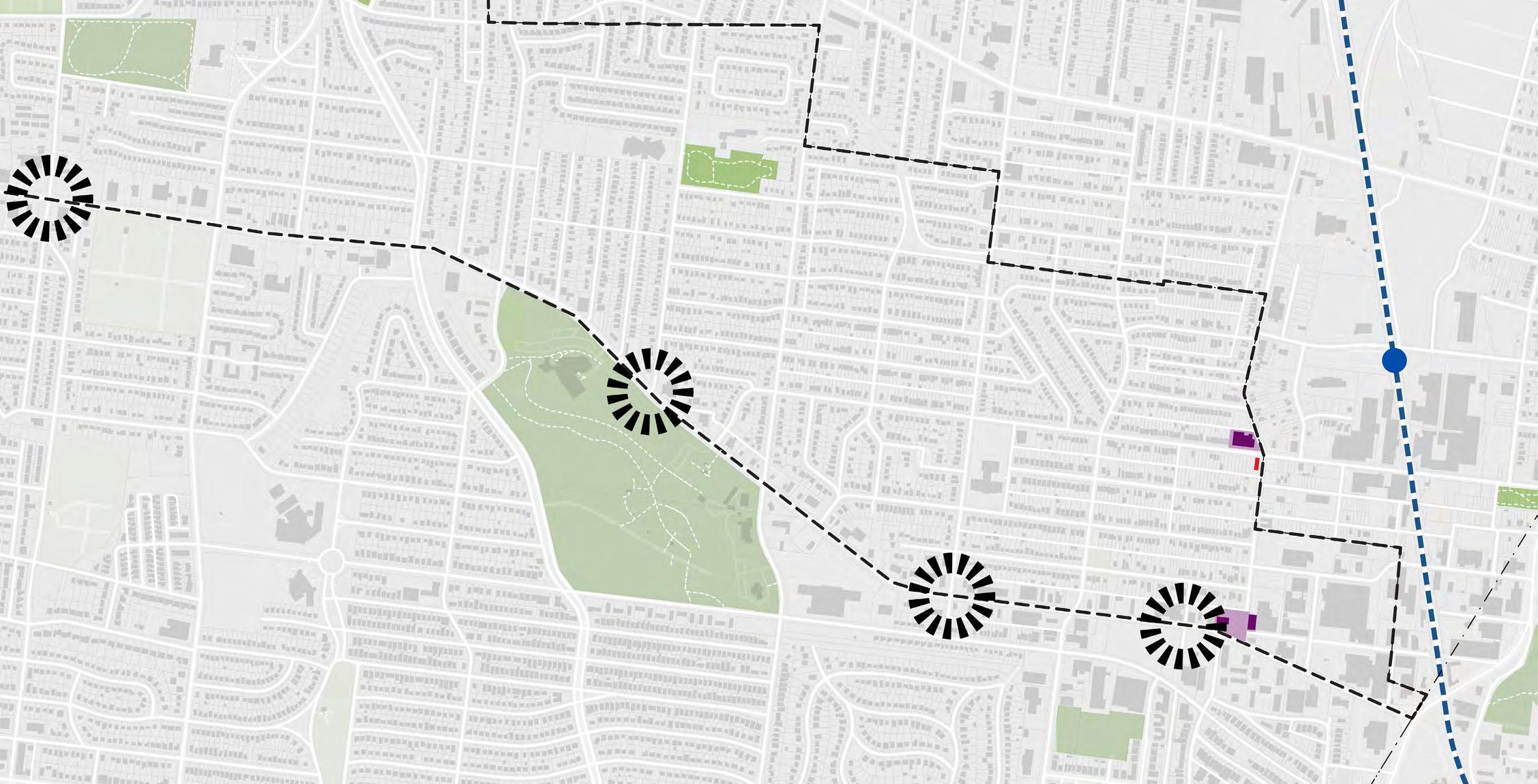
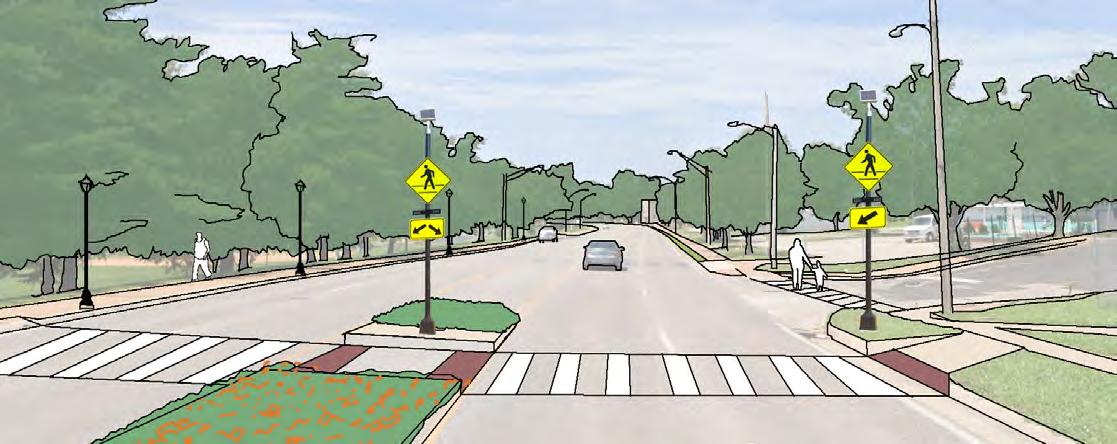
The Market at Olive TIF district will generate $5 million for Olive Boulevard improvements. Investing a portion of those TIF funds in enhanced pedestrian crossings at these strategic locations will improve the quality of life for 3rd Ward residents.
Priority Intersections
» 82nd Boulevard
» Par tridge Avenue
» Ferguson Avenue
» Sutter Avenue / 66th Avenue
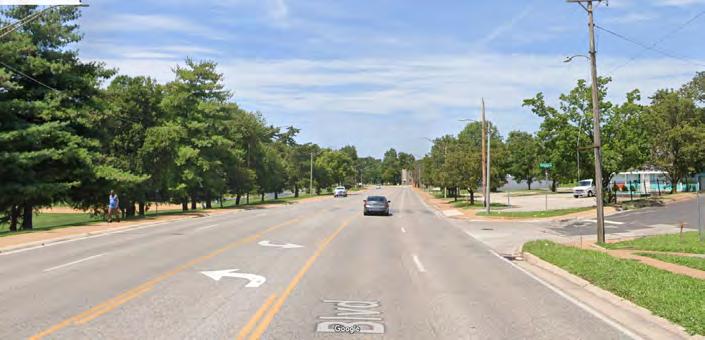
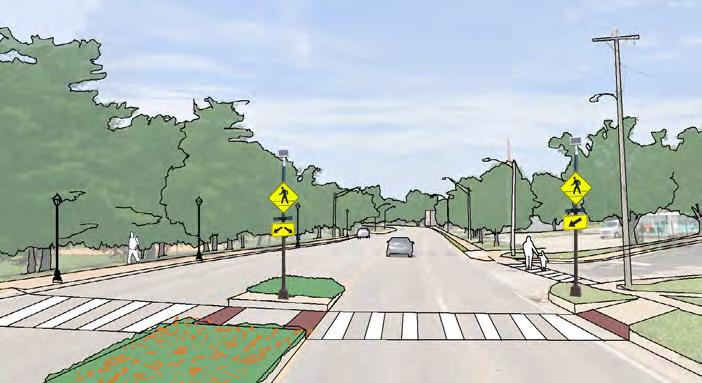
» New crossing with a hybrid pedestrian signal and refuge area in the median
» Synchronized signage and lighting
» Landscaped median
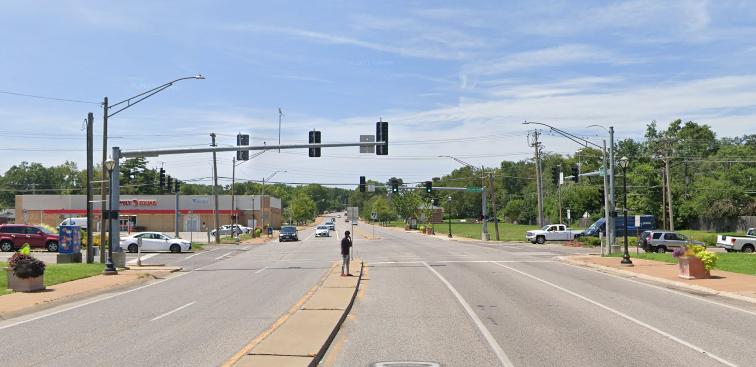
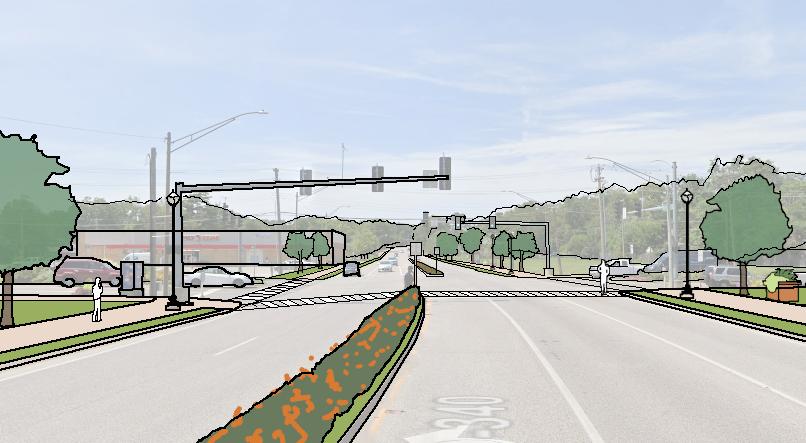
» Encourage/incentivize property owners to maintain green space with trees between sidewalk and parking lots
» Clear distinctions between public and private realms
» Synchronized signage and lighting, coordinated landscapes
» Landscaped medians
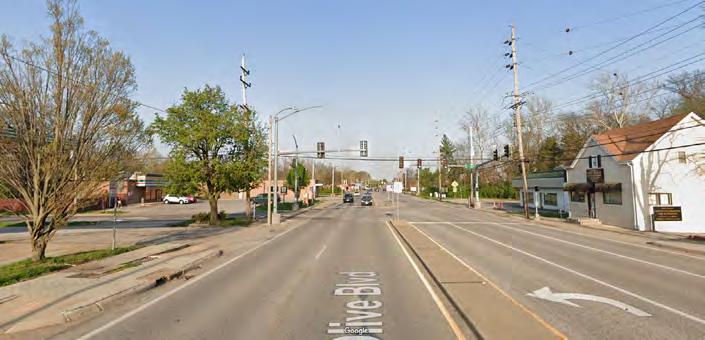
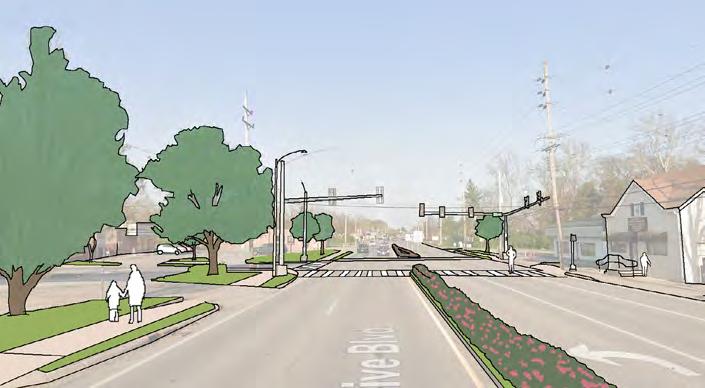
» Encourage/incentivize property owners to maintain green space with trees between sidewalk and parking lots
» Synchronized signage and lighting, coordinated landscapes
» Minimize curb cuts to avoid collision between vehicles and pedestrians
The implementation of the FOR the 3rd WARD plan holds the promise to create positive, lasting change and improve the quality of life for 3rd Ward residents for years to come.
On the following pages are a 36-month matrix of implementation steps organized by plan recommendations, supported by recommendations on how to allocate the Market at Olive TIF funds. These recommendations are grounded in the feedback received during three phases of community engagement and designed to provide maximum benefit for the heartbeat of the 3rd Ward - neighborhood residents.
How will the Housing Toolkit funds be allocated?
Home Repair Grants
220 grants at $15,000 maximum
Weatherization
100 grants at $10,000 maximum
74.4% of unrestricted Market at Olive RPA2 TIF funds allocated to the Housing Toolkit
$7,689,460$2,398,900
total unrestricted total restricted
Aging in Place
150 grants at $6,800 maximum
Path to Home Ownership
40 grants at $10,000 maximum
Ramp-up period for creating housing programs
Initial allocation from RPA2 Unrestricted funds to four housing programs
Begin advertising/accepting applications for housing programs
First housing program awards
Housing programs continue through lifespan of TIF
Allocate percentage of annual RPA2 unrestricted revenues to housing programs
Zoning code update to allow for expanded housing types in specific areas in the 3rd Ward
Incentivize redevelopment by fast-tracking permits and/or reducing permit fees for new housing
Enact a local Tenant Opportunity to Purchase Act ordinance
Develop criteria for emergency property acquisition and paths/partners for redeveloping properties
Create emergency fund for property acquisition
Develop pattern book of pre-approved plans for residential construction within specific focus areas
Hyper-local engagement of neighbors
Create a development scorecard
Issue bond for capital improvements against restricted RPA2 funds
Install new playground equipment (FY25 budgeted project)
Install ADA-accessible pathways and other improvements
Create Friends of Rabe Park group
Regular park programming- once-a-week food truck, kids storytime, etc.
Engage residents for feedback on first season of programming
Construction of cafe building
Cafe grand opening and operations (standard season: April-November)
Engage residents on the next park investments to fund from restricted RPA2 funds
Enforce limits on heavy truck traffic on Sutter
Accelerate construction of St. Vincent Greenway connection to Sutter
Paint curb extensions & crosswalks; install bollards at NW & SW corners
Plant trees to replace missing canopy over Etzel & Sutter
Tap into current zoning code update process to allow for First 16 Feet improvements
Create Exterior and Public Space Matching Fund from the RPA3 TIF funds
Develop prioritization list of sidewalk improvements in 3rd Ward
Routinely invest in 3rd Ward sidewalk improvements every budget cycle
Stripe high-visibility crosswalks at intersections along designated pedestrian route
Audit street lighting conditions and repair/replace/add fixtures along designated route
Plant trees to replace missing canopy along designated pedestrian route
Engage U City in Bloom for pocket garden/planter opportunities at key intersections
Install wayfinding signage along designated pedestrian route identifying 3rd Ward assets
Fund four (4) recommended pedestrian crossings from RPA3 funds
Engineering/design
Installation of pedestrian crossing signals,lighting, median(s), crosswalks
Allocate funds for a full Olive Boulevard Corridor Plan from RPA3 funds
Release RFP
Planning process to audit/update 2009 Olive Design Guidelines; assess current street sections, land use and zoning; and identify opportunity sites
Hire City staff person to administer housing toolkit programs and serve as a liaison between the City and 3rd Ward residents
Develop an Association of 3rd Ward residents- revived Block Units
Quarterly meetings with 3rd Ward residents in conjunction with Council members
After an initial allocation of $1,760,000 (over 52% of the existing balance) from RPA2 unrestricted funds, the recommendation is to allocate 90% of each year’s unrestricted RPA2 revenues to the four Housing Toolkit programs to be administered by City of University City This allocation schedule would direct 74.4% of unrestricted RPA2 funds to the Housing Toolkit programs directly benefiting residents.
An emergency acquisition fund would allow the City to purchase distressed, vacant properties with code enforcement issues or vacant parcels in focus areas with the goal of getting the properties back on the market as owner-occupied housing as soon as possible.
The zoning code update process currently underway is an opportunity to allow for expanded housing types in specific areas of the 3rd Ward to solve 3rd Ward housing needs, as well as allowing for streateries, sidewalk cafes, street closures, and other desired improvements in the ETSO commercial district.
Finally, the City should hire a staff person to administer the housing toolkit programs and serve as a liaison for 3rd Ward residents alongside the two 3rd Ward Councilmembers.
Funds [1]
[1] must be spent on Parks/Stormwater improvements
Due to the structure of the TIF district, a portion of the RPA2 revenues are restricted to only being spent on Parks or Stormwater Improvements. The recommendation is to invest slightly less than half of the total restricted funds in the proposed Rabe Park improvements outlined on pages 48-52.
After the currently budgeted (FY25) project to install new playground equipment is completed, the recommendation is to Issue a bond for up-front construction capital that would be repaid from restricted RPA2 funds as they are collected over the life of the TIF. This would allow residents to enjoy the amenities they supported during the plan’s engagement activities sooner than later.
Once the Rabe Park improvements have been made and supported by the community, the recommendation is to engage 3rd Ward residents on the next park investments to fund from the balance of the restricted RPA2 funds. Janet Majerus Park and Fogerty Park would be likely candidates for park improvements, and 3rd Ward residents will be able to provide valuable input on where those investments would be most supported by park users.
space parking lot off Lynn Ave
hookup for food truck(s)
paths
~400sf building with 1 ADA gender neutral restroom
Furniture, Fixtures, Equipment (FFE) Total $
While not a corridor plan, the For the 3rd Ward plan strives to set in motion the transformation of Olive Boulevard into a connector, rather than a divider.
The recommendation to achieve that goal is to allocate 21% of the RPA3 TIF funds for Olive Boulevard toward the engineering and installation of four enhanced pedestrian crossings at the locations suggested on page 58.
Because of the unique circumstance of having dedicated Olive Boulevard improvement funds, a further recommendation is to allocate 5% of RPA3 funds toward a full Olive Boulevard Corridor Plan. This planning effort would audit and update the 2009 Olive Design Guidelines, assess the current street sections in collaboration with MODOT, identify opportunities for road diets and/or median installations, assess land use and zoning designations along the corridor, and identify opportunity sites for development.
A final recommendation is to allocate 1% of the RPA3 funds to a Facade and Public Space Matching Fund, which would match improvements up to $5,000 made by commercial property owners toward streateries, shared public space, murals, and public art within the small commercial district at Olive & Sutter.