
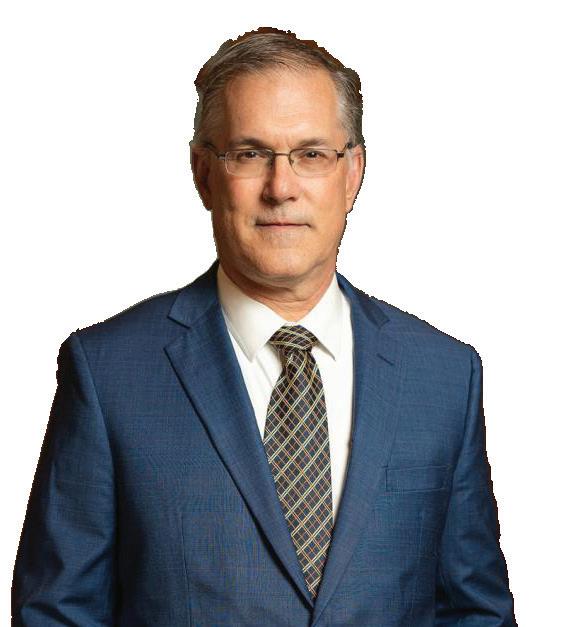
VINCE BOUDREAU, PRESIDENT, THE CITY COLLEGE OF NEW YORK (CCNY), CUNY
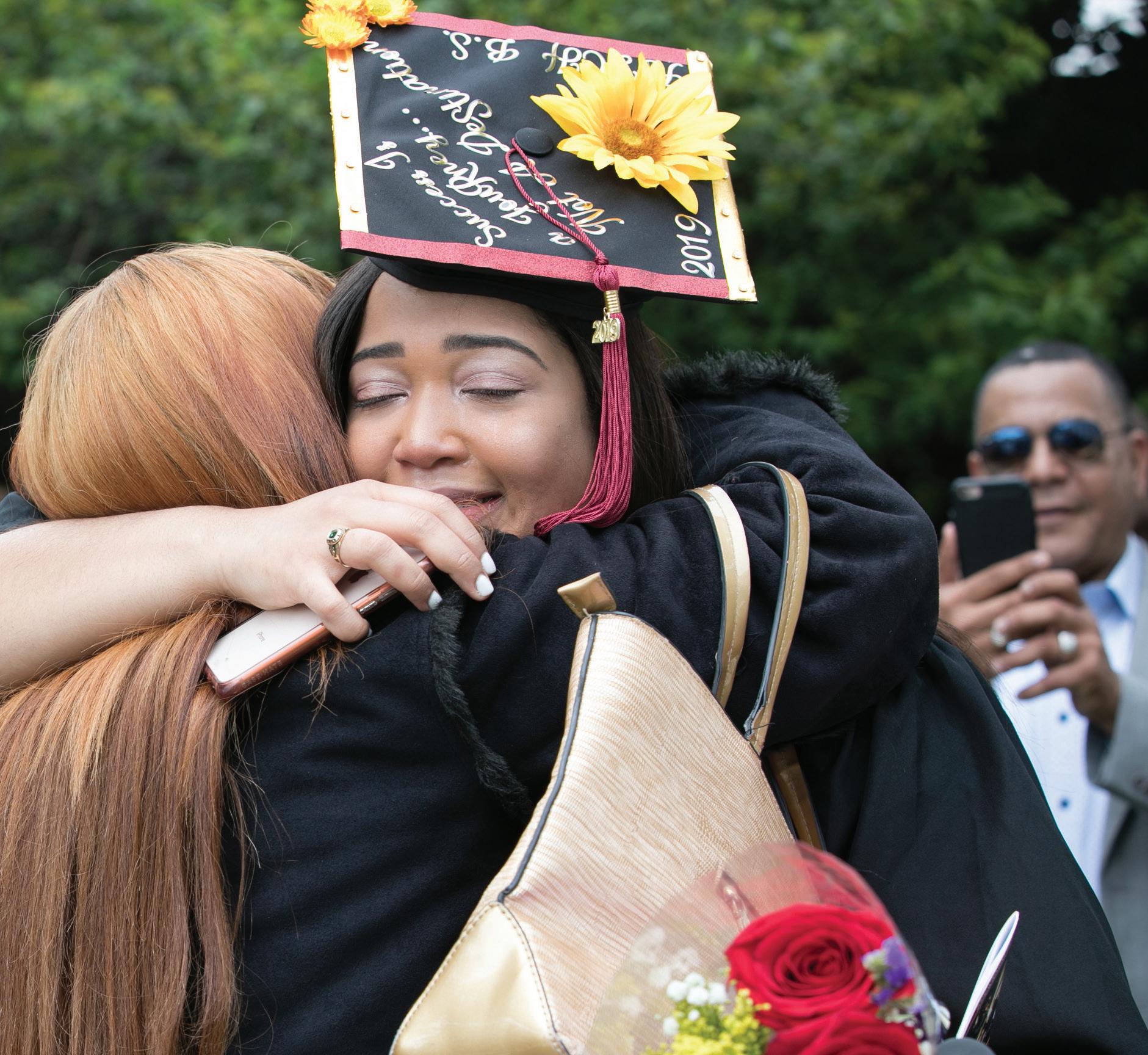
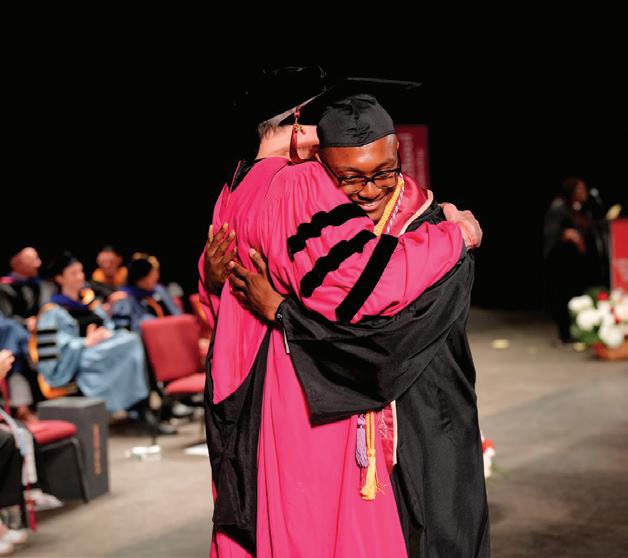
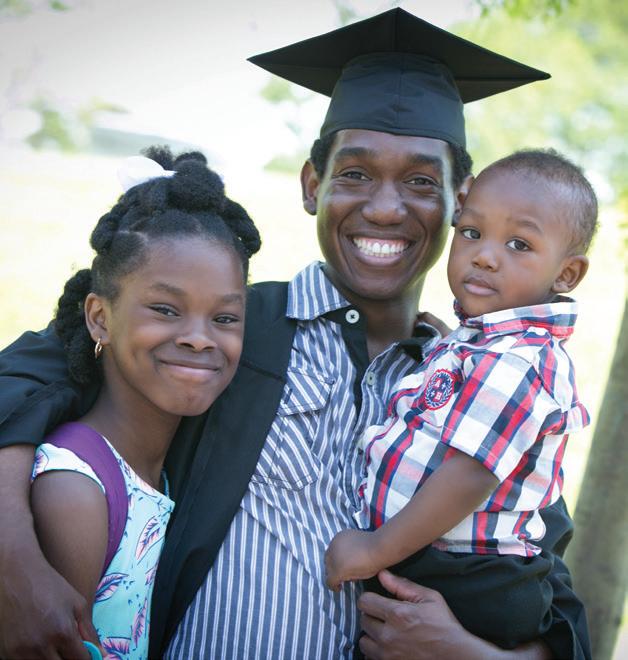
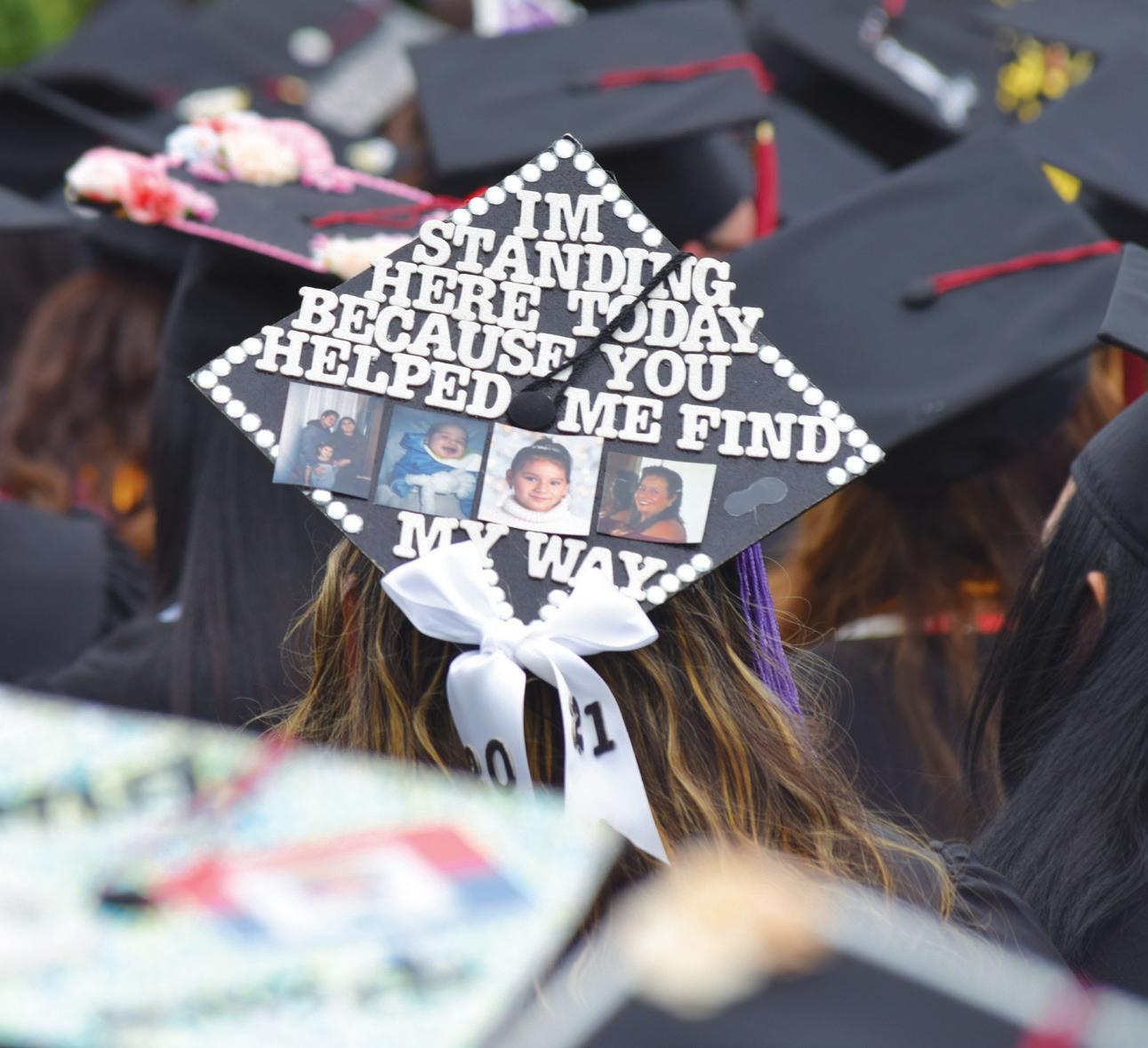
The status of CCNY’s achievements in producing social mobility among our graduates is pretty well established. Large scale empirical studies of college graduates across the US, made possible by increasingly powerful large data analytics, consistently rank us among the top 10 colleges in the nation, and sometimes in the upper echelon of even that group. The achievement matters deeply to our institution because it validates the vision animating our founding in 1847, at a time when higher education was explicitly reserved for the well-born and the connected. When workers, immigrants, and their families were explicitly deemed unsuitable for higher education, the Free Academy emerged to embody a counterargument. We would be a place (referenced at our founding as an “experiment”) where the children of the rich and the poor would study alongside one another.
The idea then primarily rested on a faith in the talent of the “whole people,” (another
phrase from our founding meant to denote the full social spectrum in American society). To fail in the broader educational mission was to waste the precious resources of human potential. We would be less successful, less innovative, less powerful without the energy of the whole people. It’s a sentiment that feels firmly rooted in an industrial revolution that was then stirring to life across the American northeast, pulling labor, energy, and resources from agrarian life and vesting it in new urban enterprises. The effort to develop every capable mind in service to a powerful and productive society made sense for New York’s leaders, and would provide innumerable benefits for generations of New Yorkers.
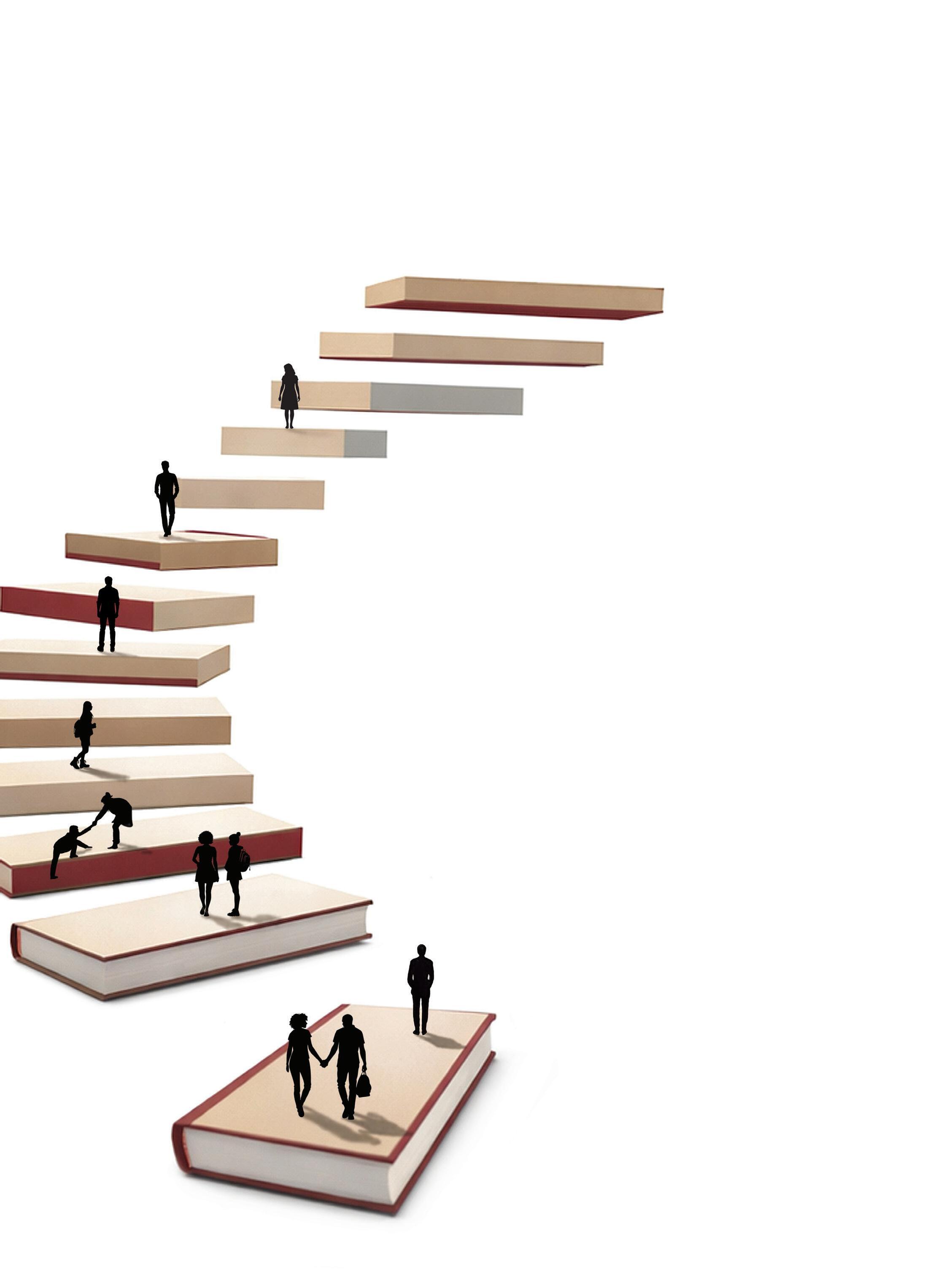
“If industrialization was driven by the widespread adoption of the steam and internal combustion engines, so too could education be the engine for social mobility.”
Things are markedly different today. Statistically, the frequency of social mobility across the population living in the United States has dropped precipitously. Our society does not offer the robust opportunities for social advancement that

it once did, and too many of our educational institutions concentrate on provisioning the well-born and deeply resourced. Indeed, in many cases, the economics of managing higher education increasingly direct universities towards those least in need.
At the same time, the value of the entire enterprise is increasingly called into question. Whereas, a few scant years ago, “college for all” was broadly echoed among those discussing America’s educational landscape, more recent developments (and a drumbeat of input from some extremely visible sectors of the business community) have raised fundamental questions about the value of the entire enterprise. At the same time, an alternate model has emerged, one focused on narrow skill development designed to outfit employees for specific jobs rather than broadly engaged civic life or an evolving professional trajectory based on broader knowledge. It’s a trend that risks the ossification of pre-educational social position, where less wealthy students move into those narrower educational opportunities, and the prospects of rising — via education — from the working class to something more elevated fall sharply.
A society with diminished social mobility opportunities risks cultivating a population that can find no place for itself in the social and political arrangement, for whom violence and chaos provide the outlet that opportunity once did. A society that does not provide space or opportunity for social mobility has
a hole carved out of its middle, flanked on one side by privileged elites that the system serves and the other by economically and socially marginalized people that the system represses. Social mobility offers the hope of transit between the two, and the more robust that hope, the greater the chances of democratic persistence.
Viewed in this light, the current achievements that CCNY and similar institutions make to social mobility — existing as they do in an environment often devoid of such mobility — does more than benefit individual students or their families. It establishes a place for CCNY and similar colleges as institutions on the front line in the defense of democracy. Moreover, as the challenges we face as a nation and a species mount, the necessity of harnessing the talents and developing the capacities of the whole people seems no less essential to our collective prosperity and security today than it did at CCNY’s nineteenthcentury founding. The clearest sign that we are meeting the challenge of today, that we are contributing to the formation of a class of thinkers and innovators, is the social mobility that will always be the key indicator of that success.
Research shows that young people who believe mobility is possible are significantly more motivated to work toward success. On the flip side, youth who feel success is beyond their control often see lower income and slower career growth over time
Source: Kay et al. “Youth’s causal beliefs about success: socioeconomic differences and prediction of early career development.”Journal of Youth and Adolescence 46.10 (2017): 2169-2180.

This message was part of Ideas for Moving Up, a year-long campaign at The City College of New York. Each week, the Social Mobility Lab shared messages like this translating research into posts on Linkedin, Instagram, and digital signage around campus. Use the QR code to see the full story on our Instagram.
Editor’s Note
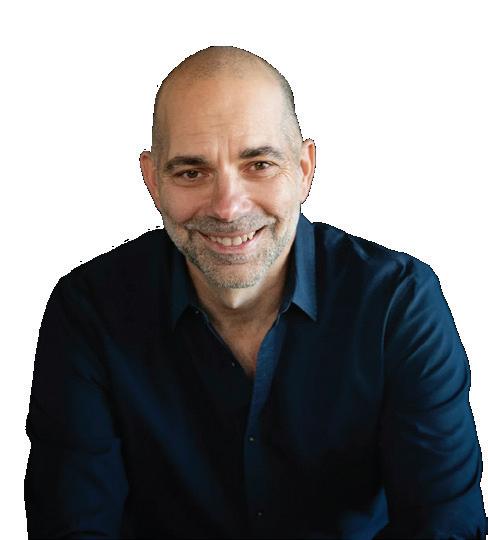
BOB MCKINNON DIRECTOR, SOCIAL MOBILITY LAB
Welcome to the Journal of Up, the first publication from the Social Mobility Lab at the City College of New York. The Journal of Up shares valuable learning and perspectives on social mobility and the journey of moving up in life — however one chooses to define that. While grounded in existing research, this is not a traditional peer-reviewed journal. Instead, the goal is to share research-based findings and reflections in more accessible forms with those who could most benefit from this information.
Within these pages, you’ll find practical ideas for moving up, summaries of the questions we are exploring, and reflections from students connecting research to their lived experiences. Photo essays, research artifacts, and self-explanatory visuals will also allow us to consider other facets of social mobility.
We believe the only reason to study social mobility is to create more of it. That means making sure we translate learning into its simplest and most useful form.
It is well known how much Abraham Lincoln loved to learn. He read constantly, talked to others to gain diverse perspectives on the issues of his time. While a gifted orator, he also challenged himself to simplify what he learned so he could share it with others. He once wrote:
“I could not sleep, though often tried to when I got on such a hunt after an idea, until I caught it; and when I thought I had got it, I was not satisfied until had repeated it over and over, — until I had put it in language plain enough, as I thought, for any boy I knew to comprehend.”
Let this be an aspiration for writing on social mobility and the good life: to not be satisfied until every person looking to move up can comprehend what we have learned and can easily apply it to their own lives and journey.
Since its creation, the Social Mobility Lab has supported research on diverse questions and topics connected to social mobility. Several research teams question traditional understandings of social mobility in purely economic terms.
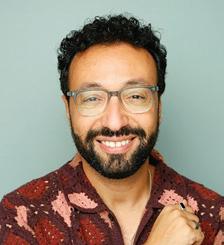
How do students at mobilityfocused universities define and pursue meaningful work?
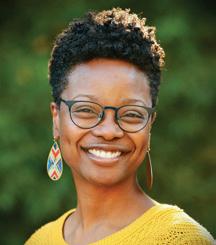
Students seek higher education not only to increase income but also to find purpose in their professional lives. Mohamed Hassan Awad, of California State University, Los Angeles, uses qualitative life-story methods, drawing on interviews, observations, and personal documents, to explore how students experience meaningful work as a pathway to social mobility through higher education.
How does a college education foster moderate economic mobility for students from lowincome families?
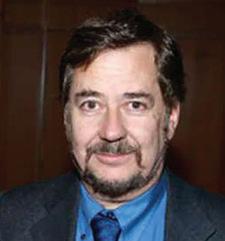
Much research has focused on dramatic mobility — children raised in poverty who become among the wealthiest in their generation. Paul Attewell
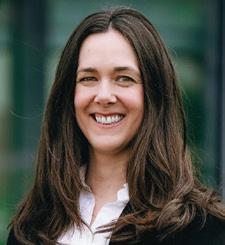
studies a more common form: “moderate mobility,” in which individuals from low-income backgrounds move into the middle or upper-middle class as adults. A distinguished professor of sociology at the CUNY Graduate Center, Attewell examines how different types of colleges support upward mobility by reanalyzing data from Raj Chetty and colleagues’ 2017 study ‘The fading of the American dream’ on declining economic opportunity.
What structural forces limit Black families’ ability to pass achievements to the next generation?
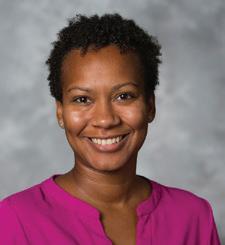
Janeria Easley of Emory University, Regina S. Baker of University of North Carolina at Chapel Hill, and Emily Dore of Harvard School of Public Health study intergenerational mobility to understand how advantages
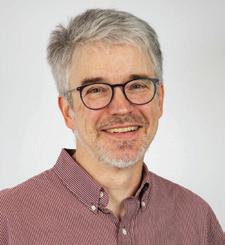
are transmitted across generations. Using data for a large cohort on occupation, income, education, wealth, and neighborhood status, they show how overlapping forms of disadvantage — not income alone — contribute to the persistent Black–White mobility gap.
Does finishing college improve mental health?
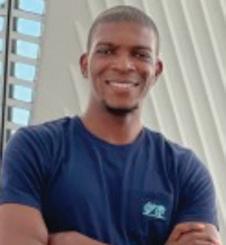
Kevin Foster of The City College of New York and Sidie Sisay at the CUNY Graduate Center use data from the United States Census Bureau’s Household Pulse Survey to examine the relationship between higher education and well-being. Their findings show a strong correlation between college completion and improved mental health, highlighting that the benefits of higher education extend beyond income and career outcomes.
by Hannah Rosenberg
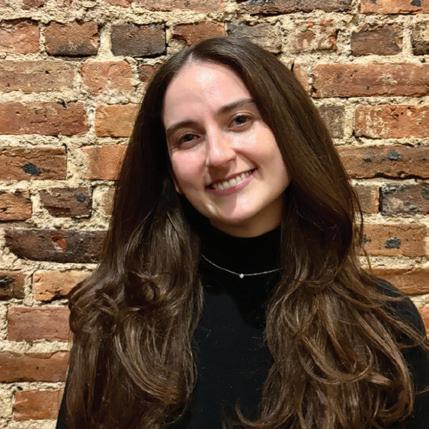
HANNAH ROSENBERG Research Assistant, Social Mobility Lab, and Doctoral Student in Critical Psychology
A name, a smile, an introduction, the raising of a hand — all seemingly small acts that can change how we see one another and help create places where everyone feels they belong. For faculty, staff, and students, this research offers findings that can help us do just that.
Every semester begins with introductions, and behind each introduction is a name. Names carry family, culture, and identity — yet too often, they’re mispronounced or overlooked. What feels like a small stumble can echo larger questions of who belongs, reminding us that in classrooms, even the smallest details shape connection.
Research shows that people with names that are easier to pronounce are more likely to be judged positively (Laham et al., 2012). They are seen as competent, likable, and trustworthy — not because of who they are, but because of how fluently their name is processed. When something feels smooth on the tongue, our brains register it as safe and familiar. When it feels more challenging, we may unconsciously attach that difficulty to the person. For a student,
a mispronunciation can feel like a moment that makes their identity less visible. For an instructor, it can feel like a slip in authority. Both may want to move on quickly, but in doing so, they leave unspoken distance in place.
Connection, of course, isn’t always easy. Faculty are stretched thin and managing their own anxieties about authority and credibility. Names are hard to learn — unlike other words, they lack semantic anchors in our memory (Sandstrom, 2023). And the power dynamics of the classroom can make every mistake feel magnified. Still, the research is clear: effort matters. Trying to learn a name may be just as beneficial as remembering it perfectly, because the attempt itself communicates respect and openness.
Still, small moments carry weight. Greeting students at the door, smiling, sharing a personal story, weaving humor into a lecture, pausing to ask about a name again — these gestures matter. They signal care. Students notice, and they respond by opening up, investing, and persisting. Even something as simple as a “good morning” has been shown to lift the experience of both student and instructor. Much of this happens beneath awareness. A stumble, a stereotype, an assumption — all can reinforce old habits without anyone intending harm. But just as unconscious signals can exclude, deliberate gestures can invite. Research shows that rapport between instructors and students has tangible benefits: stronger engagement,
deeper motivation, and higher performance. And building rapport doesn’t require perfection (Sandstrom, 2023).
Social class adds a critical layer to all of this. Students who experience upward mobility often feel caught between worlds, their identities stretched across places with conflicting values and expectations (Kim et al., 2023). They may feel pressure to prove they belong in institutions historically designed for others. Instead of fulfillment, mobility can bring stress, dislocation, and self-doubt. The costs are real: higher anxiety, greater vulnerability to depression, and a persistent sense of being out of place. Here again, the problem isn’t ability — it’s belonging.
Whether or not someone feels like they belong can shape how they engage in class. Some students self-silence, hesitating to speak because of fear of judgment (Patrick et al., 2019). This can limit learning opportunities, cause instructors to perceive them as disengaged, and further erode a student’s confidence. It is critical that we ensure students know that we believe their voices matter and that we want to hear from them.
Beliefs about what drives success matter, too. Research shows that young people’s views of what determines achievement — whether
they see success as shaped by their own choices and abilities or by luck and forces beyond their control — are linked to socioeconomic status and predict early career outcomes (Kay et al., 2017). Youth who attribute success mainly to chance tend to have lower income and slower career growth well into adulthood. Helping students see that their future can be shaped by their own decisions and talents gives them a stronger foundation to imagine and pursue opportunities. And that, too, begins with belonging.
Belonging doesn’t grow out of brilliance or perfection. It grows out of presence, humility, and the willingness to keep showing up. It grows from the privilege of gathering together in a classroom — a space many around the world would give anything to enter. And it grows from small, human gestures: the names we practice, the greetings we offer, the risks we take to be a little vulnerable.
So let’s not succumb to the pressure of flawless performance, but share the commitment to making space for one another — to listen, to invite, and to affirm that every voice counts. What matters most is not how perfectly we get it right, but how fully we show up — so that everyone can see themselves as part of the story we create together.
This article forms part of the Social Mobility Lab’s campaign Ideas for Moving Up, designed to share the findings of research on social mobility with students, staff, and faculty. Such research too often lives in academic journals and behind paywalls, never making it to those people who could most benefit from the information.
REFERENCES
1 Kay, Joseph S., Jacob Shane, and Jutta Heckhausen. “Youth’s causal beliefs about success: Socioeconomic differences and prediction of early career development.” Journal of Youth and Adolescence 46.10 (2017): 2169-2180.
2 Kim, Taewon, et al. “The myth of social mobility: Subjective social mobility and mental health.” The Counseling Psychologist 51.3 (2023): 395-421.
3 Laham, Simon M., Peter Koval, and Adam L. Alter. “The name-pronunciation effect: Why people like Mr.
Smith more than Mr. Colquhoun.” Journal of Experimental Social Psychology 48.3 (2012): 752-756.
4 Patrick, Brian C., et al. “Self-silencing in school: Failures in student autonomy and teacher-student relatedness.” Social Psychology of Education 22.4 (2019): 943-967.
5 Sandstrom, Gillian M. “Even minimal student-instructor interactions may increase enjoyment in the classroom: Preliminary evidence that greeting your students may have benefits even if you can’t remember their names.” PLoS One 18.8 (2023): e0288166.
by Adam Vogel
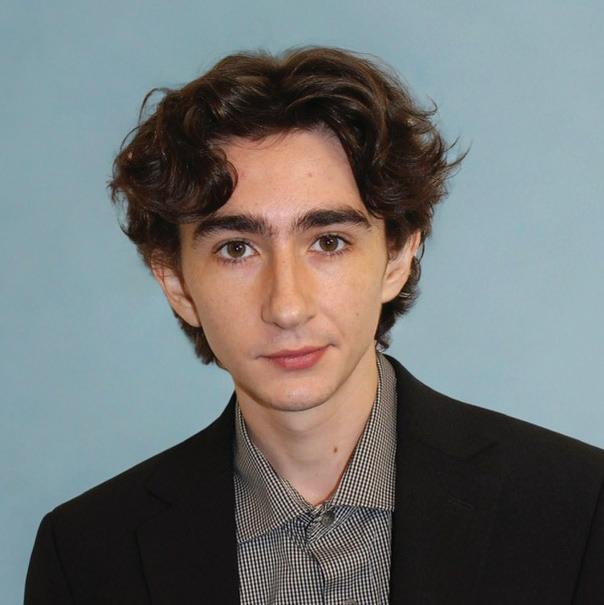
“Strong mentorship builds confidence, belonging, and a deeper sense of direction. I have also learned that seeking help is a form of strength that opens the door to growth and understanding.”
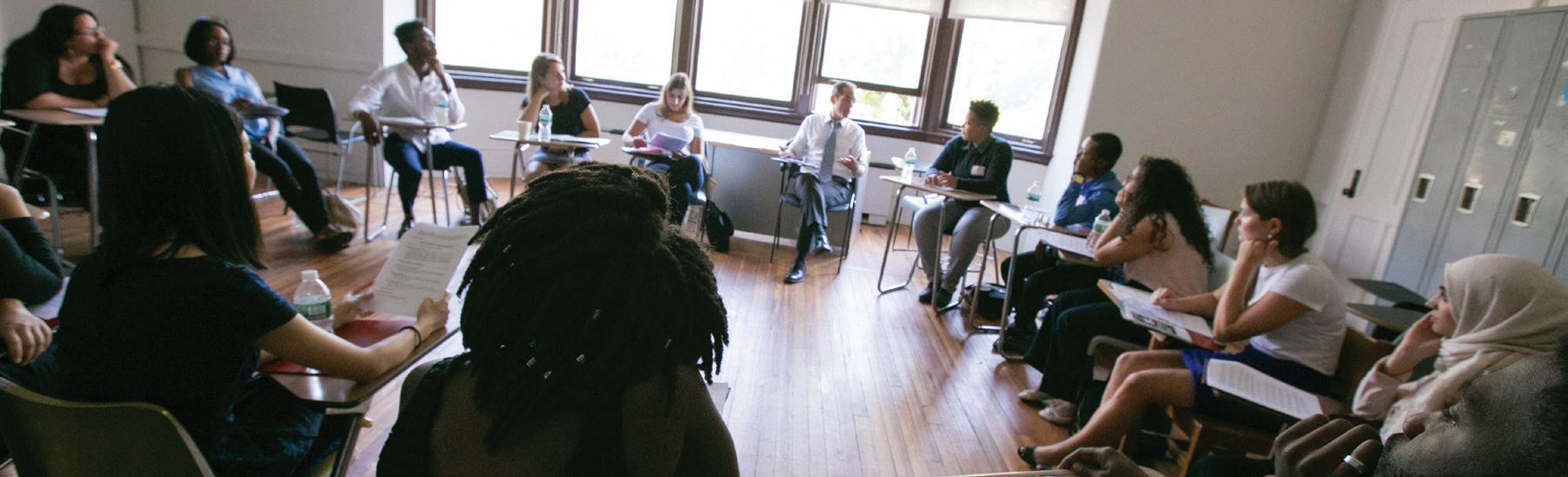
As someone who enjoys school, making friends, and hopes to teach someday, I find the topic of relatedness and its importance in academic success very interesting. The four methods of fostering student connections with each other and their teacher fascinated me. Maybe I will even get to try them in my own classroom someday. This research was based on the concept of self-determination theory and found that overall, implementing relatedness-focused teaching strategies in college classrooms is almost guaranteed to improve student engagement and, as a result, learning outcomes. When instructors take extra steps, like facilitating connections to relevant examples, creating an environment for selfexpression, providing meaningful feedback both ways, and fostering a student-centered classroom, students not only report feeling more connected to the instructor and each other, but their grades also improve.
The article highlights four main strategies. The first technique revitalizes courses and
discussions by linking material to real-life experiences and using interactive activities, stories, or visuals to make concepts more relatable. The second strategy emphasizes showing openness to prevent student selfsilencing, ensuring the class is a space where students can share personal experiences and perspectives related to the material. The third strategy emphasizes not only the importance of providing feedback but also receiving it. It’s crucial that students feel capable of sharing their thoughts and influencing their learning. Finally, the fourth strategy develops a “student-centered classroom” by encouraging collaboration, peer feedback, group projects, and more. Together, these strategies enhance student motivation, engagement, and academic performance by fostering genuine connections and a sense of belonging.
I have spent my entire life in classrooms and can personally confirm the effectiveness of these four strategies, as well as the challenges faced by instructors who don’t use them. For
example, in high school, I wasn’t the best student and often lacked motivation, rushing through my assignments. My average was around 84, which isn’t terrible but certainly not impressive. The main issue was my lack of interest; lectures on conceptual math and physics, and doing problems based on imaginary airplanes and trains, failed to capture my attention. I was unmotivated throughout high school. However, everything changed when I reached college. Having the freedom to select my focus and classes, along with the more open format many of my professors aim to create, especially in seminar classes, completely shifted my view of education. It’s no longer just about completing work quickly, but about engaging in meaningful conversations about the real world. This transformation has greatly motivated me. I’ve been on the Dean’s list for the past five consecutive semesters, which I believe is a direct result of this more effective learning environment.
Personally, I have already seen the impacts of these strategies, without even knowing I was
using them. My first job in high school was teaching piano lessons to my neighbor’s son, who was about 8 years old. We were both bored stiff by the “piano for kids” style book he was given, so I asked him what songs he wanted to play. He told me his favorite band was the Beatles, which was also mine. Soon, we were mostly playing songs by the Beatles, and I saw him improve so quickly. I could hear him practicing through the walls all the time. One day, he came home from school and told me he had played “With a Little Help From My Friends” on the piano for his grade at the school talent show, and I was so proud. The reason we connected and grew together was our shared interest in music; it wouldn’t have happened if we’d just been doing the boring and saccharine kiddie songs out of the book.
Adam Vogel is a MA/BA student at the City College of New York. He works for TheHarlemView.com as student managing editor and part-time for Stirista, a data and technology company. In addition to recording and releasing his own solo music, he has worked with a number of jazz/rock bands in the NYC area as a producer and songwriter.
This piece is the fruit of a collaboration between the Social Mobility Lab and the Journalism Program at The City College of New York. In fall 2025, students were invited, as part of their class assignments, to write a response to a scholarly article on social mobility that spoke to their personal experience.
REFERENCE 1 Escandell, Sthephany, and Tsz Lun Chu. “Implementing relatedness-supportive teaching strategies to promote learning in the college classroom.” Teaching of Psychology 50.4 (2023): 441-447.
Kevin Foster, Associate Dean, Colin Powell School, The City College of New York, CUNY
Higher education improves more than income—it is strongly linked to better mental health and overall well-being. Analysis of data from the U.S. Census Bureau’s Household Pulse Survey shows a consistent pattern: higher levels of education are associated with lower rates of depression, anxiety, and emotional distress throughout life, highlighting the broader social benefits of upward mobility.
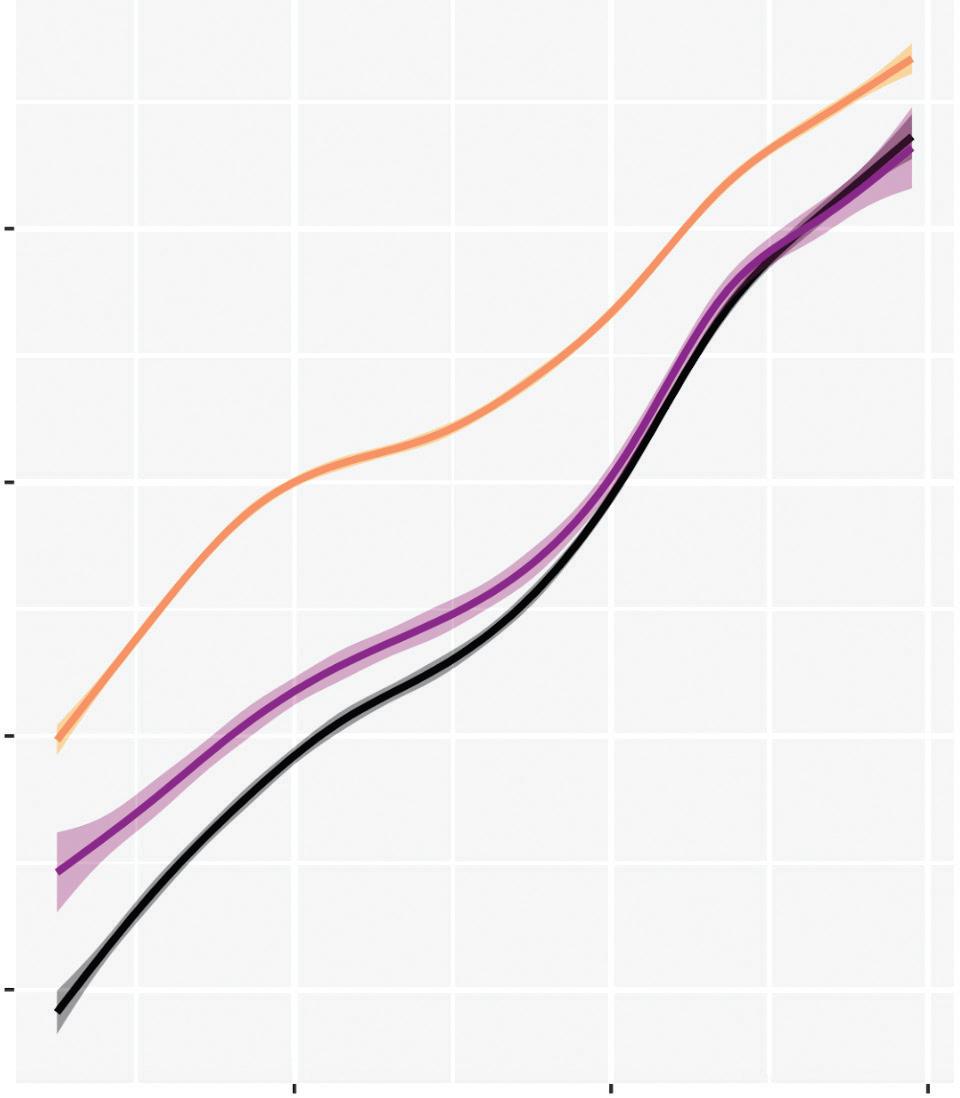
1 Source: Graph created with data from the US Census Household Pulse Survey, combining surveys over 5 years from 2020-2024 for a total of 812,157 observations. The measure “Good Mental Health” is formed from inverting the K4Sum measure: people with a higher score for good mental health reported fewer days of the past ten days when they are down/depressed, anxious, facing a loss of interest, or worried.
Your teachers and peers want to hear your thoughts. Self-silencing is often mistaken for disengagement. Research shows that students who hesitate to speak in class can struggle with confidence and face limited mentorship and career growth.
Source: Patrick, Brian C., et al. “Self-silencing in school: Failures in student autonomy and teacher-student relatedness.” Social Psychology of Education 22.4 (2019): 943-967.
This message was part of Ideas for
, a year-long campaign at
Each
by Mikhael Torres
}“A first-generation professional like me, for instance, will spend a lifetime shuttling between the requirements of two extremely different worlds.”
Imposter syndrome, or fraudulence, is a widespread phenomenon for many firstgeneration professionals and students. It is frequently accompanied by cultural alienation from their peer groups, who may have come from homes where professional careers or college degrees were expected. Even after working hard to find their place, they are never certain that they belong there or that they have earned it. This constant psychological insecurity, often summarized by the phrase, “making it can feel like faking it,” sheds light on the specific and often latent emotional cost of upward mobility.
It is not a mere theoretical notion for most, but a deeply experienced one. A firstgeneration professional like me, for instance, will spend a lifetime shuttling between the requirements of two extremely different worlds. In one, to be successful is to be professionally successful and speak the language of academe. In the other, success is a silent withdrawal from
the familiar community and fundamental values of the country of origin they grew up in. This cultural dissonance is accompanied by anxiety, because navigating the corporate or university workplace feels more like learning a second language than actually being there. This individual dissonance is a sign of an underlying identity conflict, causing ordinary interactions, from working together in a team meeting to mingling with fellow professionals during a conference, to feel like a scripted routine.
The challenges of upward progression are not simply adaptation; they are a measurable psychological weight, a finding supported by research. Kim et al.’s (2023) article directly counters the widespread myth that happiness is always achieved through success using the framework of subjective social mobility. Their article, “The myth of social mobility,” highlights the fact that success does not always lead to increased well-being. Specifically, the perception of climbing up gives rise to new
psychological issues, rather than resolving the existing ones. Kim determines that upward mobility creates dire psychological distress, such as heightened stress and issues of identity, with indications for a significant necessity of affordable mental health care targeting these very experiences.
Ultimately, upward mobility’s path is complex, contradicting the simplistic notion that diligence by itself will reap peace of mind. For success to be lasting with this population, institutions must actively affirm the message that first-generation members belong and
have worked their way here. They need to make that a reality by providing robust mental health services and explicitly recognizing the emotional cost of their success. By creating a space where their value is unconditionally validated, we can help these students and workers shift from constantly “faking it” to confidently asserting their place.
Mikhael Torres is an Advertising and Public Relations student at The City College of New York, with a minor in Journalism. Born and raised in Harlem, he comes from a Hispanic background rooted in both Ecuadorian and Dominican cultures.
This piece is the fruit of a collaboration between the Social Mobility Lab and the Journalism Program at The City College of New York. In fall 2025, students were invited, as part of their class assignments, to write a response to a scholarly article on social mobility that spoke to their personal experience.
REFERENCE 1 Kim, Taewon, et al. “The myth of social mobility: Subjective social mobility and mental health.” The Counseling Psychologist 51.3 (2023): 395-421.
Among the Social Mobility Lab’s grantees, several projects have examined the role of The City University of New York (CUNY), the largest urban public university system in the country, as an engine of social mobility.
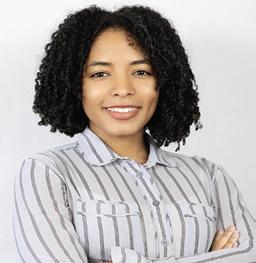
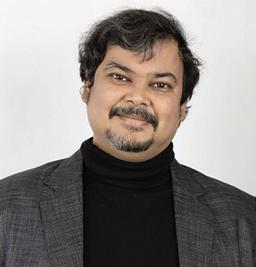
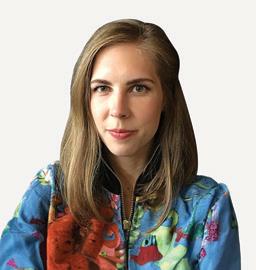
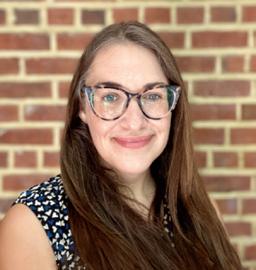
What makes the City University of New York a particularly successful system for fostering upward economic mobility?
With 25 campuses serving approximately 240,000 students in one of the country’s largest metropolitan areas, CUNY has been highly successful at promoting social mobility.
Emanuel Agu, a PhD candidate in economics at the CUNY Graduate Center, analyzes administrative microdata on CUNY graduates from 2004 to 2023. His research examines how the university’s success reflects both its collegeadded value and its ability to attract high-achieving students from low-income families in the New York metropolitan area, offering insights into how public higher education drives upward mobility.
What social and financial factors help students at CCNY move up in life?
For several years, The City College of New York (CCNY) has ranked among the top ten U.S. institutions for promoting social mobility. A research team led by Robert Melara, chair of the Department of Psychology; Adriana Espinosa, associate professor of psychology; Kai Gilchrist, lecturer in psychology; Prabal De, chair of the Department of Economics and Business, and clinical psychologist Megan Finsaas, investigates the social, economic, and psychological factors behind the institution’s exceptional record in fostering upward mobility.
Using a longitudinal study of current and former students’ educational and career paths, the team
examines the mechanisms driving upward mobility and the institutional practices contributing to City College’s success.
How does campus support for CUNY students with precarious immigration status help them succeed and believe in upward mobility?
Approximately 3% of all students enrolled in postsecondary education in New York State would be in a precarious situation, i.e. they face detention or removal and have a limited ability to receive financial aid or find work.
Jennifer Sloan, an adjunct lecturer in sociology at CCNY, uses qualitative methods to research how CUNY students with precarious immigration statuses perceive their opportunities and navigate pathways to upward mobility.
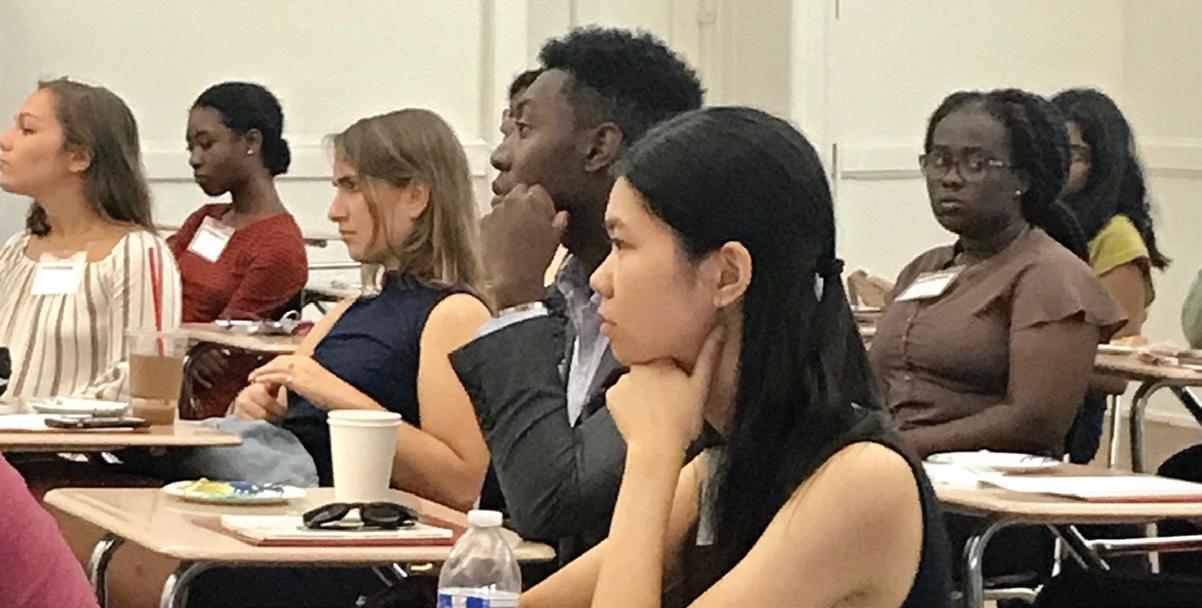
The best seat is the one next to the students who are paying attention, because people are likely to mirror the behavior around them.
Source: Forrin, N. D., Kudsi, N., Cyr, E. N., Sana, F., Davidesco, I., & Kim, J. A. (2026). Investigating attention contagion between students in a lecture hall. Scholarship of Teaching and Learning in Psychology, 12(1), 64–85
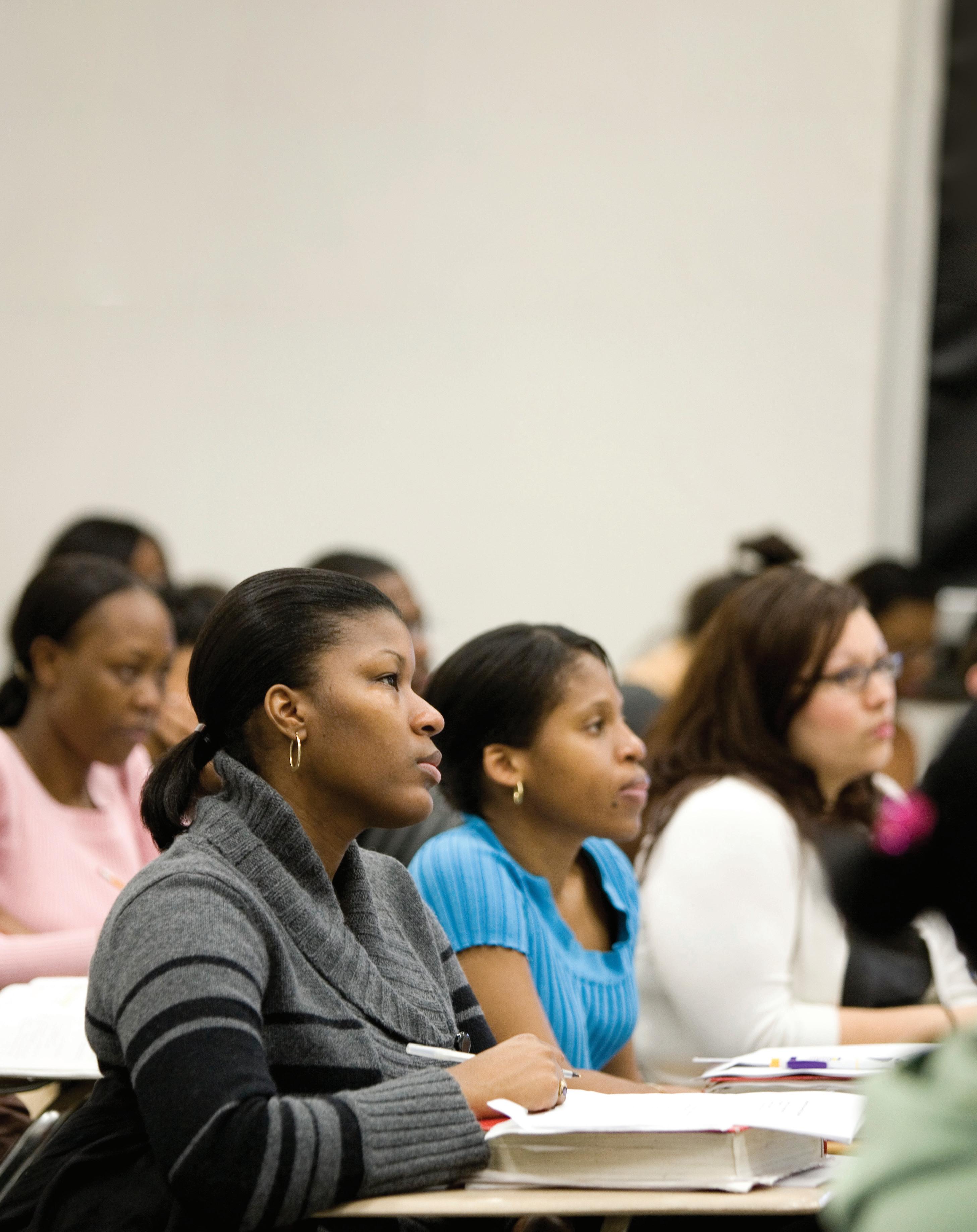
This message was part of Ideas for Moving Up, a year-long campaign at the City College of New York. Each week, the Social Mobility Lab shared messages like this translating research into posts on Linkedin, Instagram, and digital signage around campus. Use the QR code to see all such stories on our Instagram.
Raj Chetty, William A. Ackman Professor of Economics at Harvard University
Mobility is not only about moving all the way to the top. This graph shows that 79% of Hispanic girls and 73% of Black girls who grew up in poor families (in the lowest income quintile) will earn an income as adult that will take them to a higher income quintile.
1 Source: Emily Badger, Claire Cain Miller, Adam Pearce, and Kevin Quealy, “Income mobility charts for girls, asian-americans and other groups. Or make your own”, The New York Times, March 27, 2018, based on data from “Opportunity Insight” project, directed by Raj Chetty. To follow the lives of these 50,000 Americans and see where they end up as adults, use the QR code (Scan to view interactive charts for additional populations.)
At a Glance features clear, self-explanatory graphs and visuals that convey ideas more vividly and powerfully than words alone.
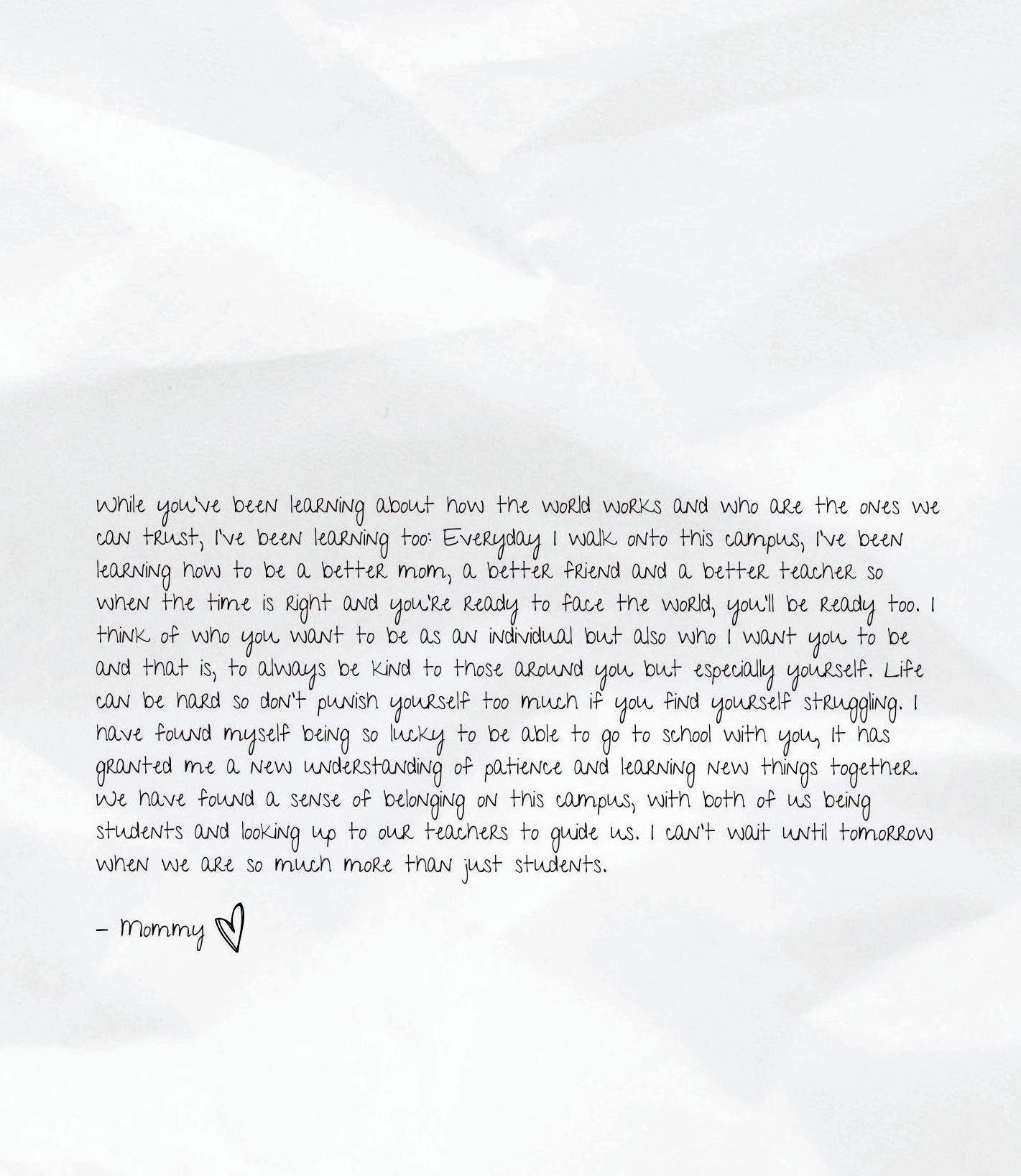
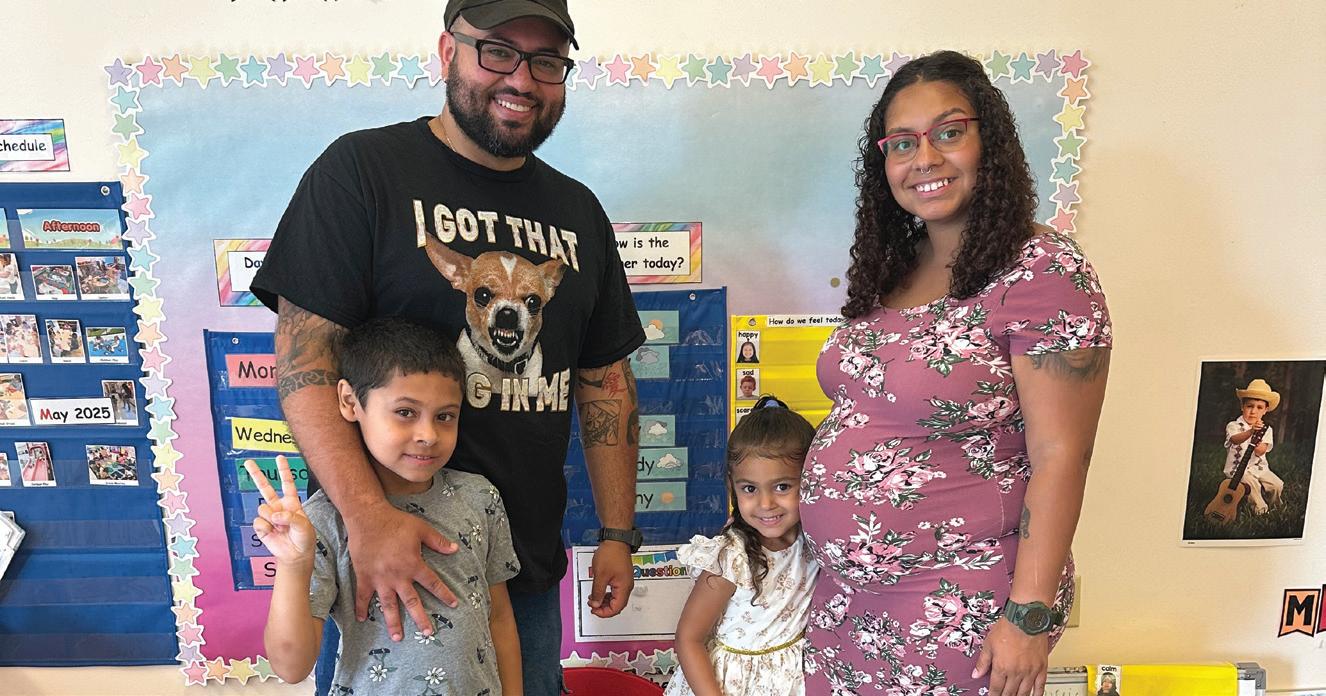
This artifact was created during Dhipinder Walia’s research on childcare resources on campus. A lecturer in the English Department at Lehman College, Walia met Madeline Miranda, who shared with her a letter to her children. Madeline is a 2026 graduate of Bronx Community College. A proud mom of three children aged 8, 4 and 6 months, she is getting her degree in education because it is her passion to help the youth the way she has been helped by her teachers throughout her life.
Hannah Rosenberg
The early excitement of the semester starts to settle, the days get shorter, and deadlines move closer. It’s a moment that tests our focus and energy but also reminds us of how much we rely on one another to keep going. How we show up in class shapes our own learning as well as the experiences of those around us. This post looks at four studies that explore how everyday habits — how we engage, how we rest and care for ourselves, and how we make sense of “what’s in the room” — influence classroom culture and our learning environments.
The influence we have on one another is not always obvious. In large classrooms, one study found that students were more likely to disengage when seated near peers who appeared inattentive (Forrin et al., 2024). By removing electronic devices, the researchers revealed how subtle, non-verbal cues (e.g., slouched posture, fidgeting, lack of note taking) can implicitly signal disinterest and inadvertently devalue the lecture or discussion. Inattentiveness is contagious: when those around us tune out, we may unconsciously do the same.
It’s a useful reminder that attention is a social form of energy, circulating both within and between us. Rather than assuming our focus (or lack of it) is an individual choice, we can recognize that attitudes don’t need to be spoken to be felt, their effects quietly emanate outward.
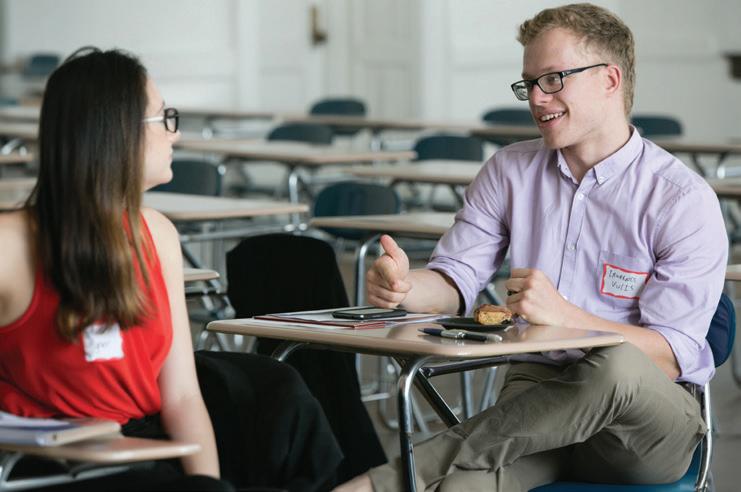
During the short time that we share a classroom, pushing ourselves to actively listen, take notes, and connect through shared and competing ideas helps create a collective atmosphere of learning. Our motivation sustains and strengthens the motivation of those around us.
Our ability to pay attention is closely tied to how much rest we get. When sleep is sacrificed (especially in the absence of other responsibilities such as caretaking, working, or studying), we engage in what psychologists call “bedtime procrastination” — delaying sleep to reclaim leisure time or decompress from the daily grind. A systematic review and metaanalysis (i.e., a synthesis of many studies on the topic; Hill et al., 2022) found that bedtime procrastination is linked to lower self-control, shorter and poorer-quality sleep, and greater fatigue during the day. In this way, bedtime procrastination and classroom inattentiveness are part of the same cycle: poor sleep depletes energy, making it harder to manage attention, regulate emotions, and retain information.
In these moments, hours slip by like minutes and before we know it, the night is gone. If you find yourself staying up late scrolling or streaming — understandably seeking some much needed “me time try being intentional. Setting a timer or creating boundaries can help restore balance, ensuring you can still replenish
the shared energy that makes learning possible for you and your peers.
For some students, particularly those navigating unfamiliar academic or social worlds, success can carry its own kind of exhaustion. Research on upward mobility shows that the effort required to negotiate between class or cultural expectations can increase psychological and physical strain. This phenomenon, called “skin-deep resilience,” describes how the appearance of composure and success on the surface can conceal elevated physiological stress beneath it (Chen et al., 2022). Over time, this hypervigilance leaves traces on the body, contributing to fatigue, inflammation, and feelings of isolation. Although high achievement is what we’re all encouraged to pursue, it can mask the longterm health consequences of chronic stress, discrimination, or pressure to prove oneself.
Just as rest and attention are interdependent, these findings remind us that well-being and learning are, too. As workloads intensify, acknowledging these hidden consequences allows us to prioritize our mental and physical health without lowering our standards or expectations. This mutual awareness can bring comfort and validation, encouraging us to
share openly and lean on those around us.
Building connection through camaraderie is essential, helping buffer against the stressors that become more pronounced as we get further into an academic semester. Taking a moment to ask the person beside you how they’re doing, or opening class with a quick check-in, can strengthen a sense of community. Noticing how others are showing up helps us better understand how we can show up for them.
This sense of collective responsibility extends beyond paying attention. As Rohrer (2018) argues, “it’s in the room” — our identities, histories, and lived experiences with power and privilege are always present in the classroom. This framework challenges the belief that anyone can be completely “neutral” and reminds us that who we are contributes to every interaction. When we view the classroom as both a reflection of society and a space where change is possible (Silva, 2023), we can bring marginalized experiences to the center (hooks, 1984).
Taken together, these studies remind us that the effort we invest in our own awareness and behavior reverberates back, shaping the collective learning environment that, in turn, shapes us.
This article forms part of the Social Mobility Lab’s campaign Ideas for Moving Up, designed to share the findings of research on social mobility with students, staff, and faculty. Such research too often lives in academic journals and behind paywalls, never making it to those people who could most benefit from the information.
Hannah Rosenberg is a research assistant for the Social Mobility Lab and a doctoral student in critical psychology.
REFERENCES
1 Chen, Edith, Gene H. Brody, and Gregory E. Miller. “What are the health consequences of upward mobility?.” Annual Review of Psychology 73.1 (2022): 599-628.
2 Forrin, Noah D., et al. “Investigating attention contagion between students in a lecture hall.” Scholarship of Teaching and Learning in Psychology (2024).
3 Hill, Vanessa M., et al. “Go to bed! A systematic review and meta-analysis of bedtime procrastination correlates and sleep outcomes.” Sleep Medicine Reviews 66 (2022): 101697.
4 hooks, bell. Feminist Theory. From Margin to Center. Boston: South End Press (1984).
5 Rohrer, Judy. “It’s in the room’: reinvigorating feminist pedagogy, contesting neoliberalism, and trumping post-truth populism.” Teaching in Higher Education 23.5 (2018): 576-592.
6 Silva, Janelle M. “Decolonial pedagogy and the undergraduate psychology classroom: Lessons from the intergroup relations course.” Scholarship of Teaching and Learning in Psychology 9.4 (2023): 392.
by Dayna Michels
Connie is a junior at City College, pursuing a degree in early childhood education. She is a first-generation student who immigrated from Chile with her parents when she was only four, at a time she was also undergoing treatment for childhood cancer. Growing up, for her, meant learning how to survive in more ways than one, as she was adjusting to a new country, a new language, and a new life, all while facing a serious illness at a young age.
Over the past few weeks, Connie allowed me to enter her world. I spent time with some of her family, followed her through the final stretch of her finals work, and saw the routines that shape her daily life. Her choice to work in childhood education comes from a genuine love for children, a value that is clearly tied to
the role family plays in her own life. Being with her family, you immediately feel the support and love they offer each other. Spending time with them also meant spending time on the phone, as they have constant FaceTime calls with family members in Chile, sharing daily updates and conversations, and even sharing meals over the phone.
Connie’s story is one full of love and support. She is constantly moving forward and creating more goals every step of the way. She says she is actively working toward a future that once felt out of reach, for her and her family, and she is incredibly clear about one thing: nothing would be possible without the support of her family and friends, who show up for her every step of the way.
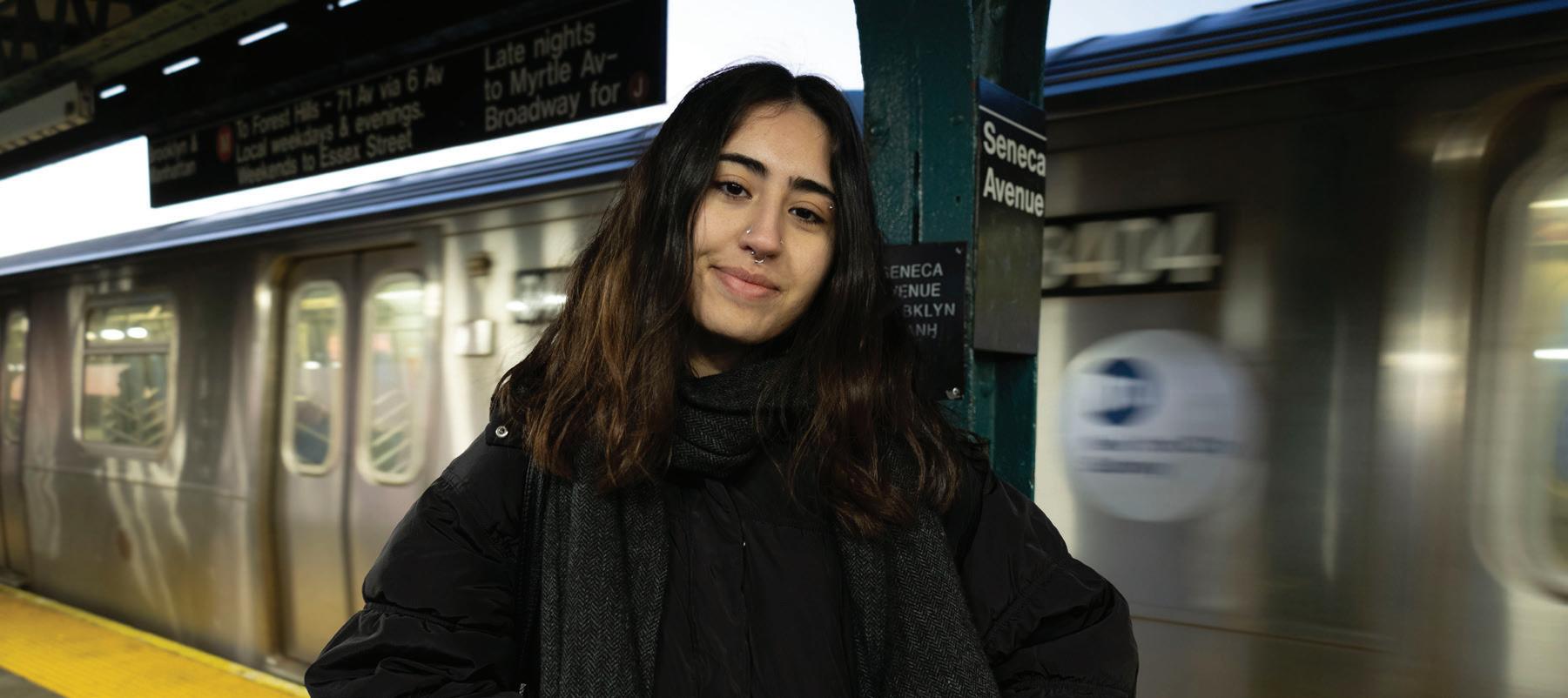
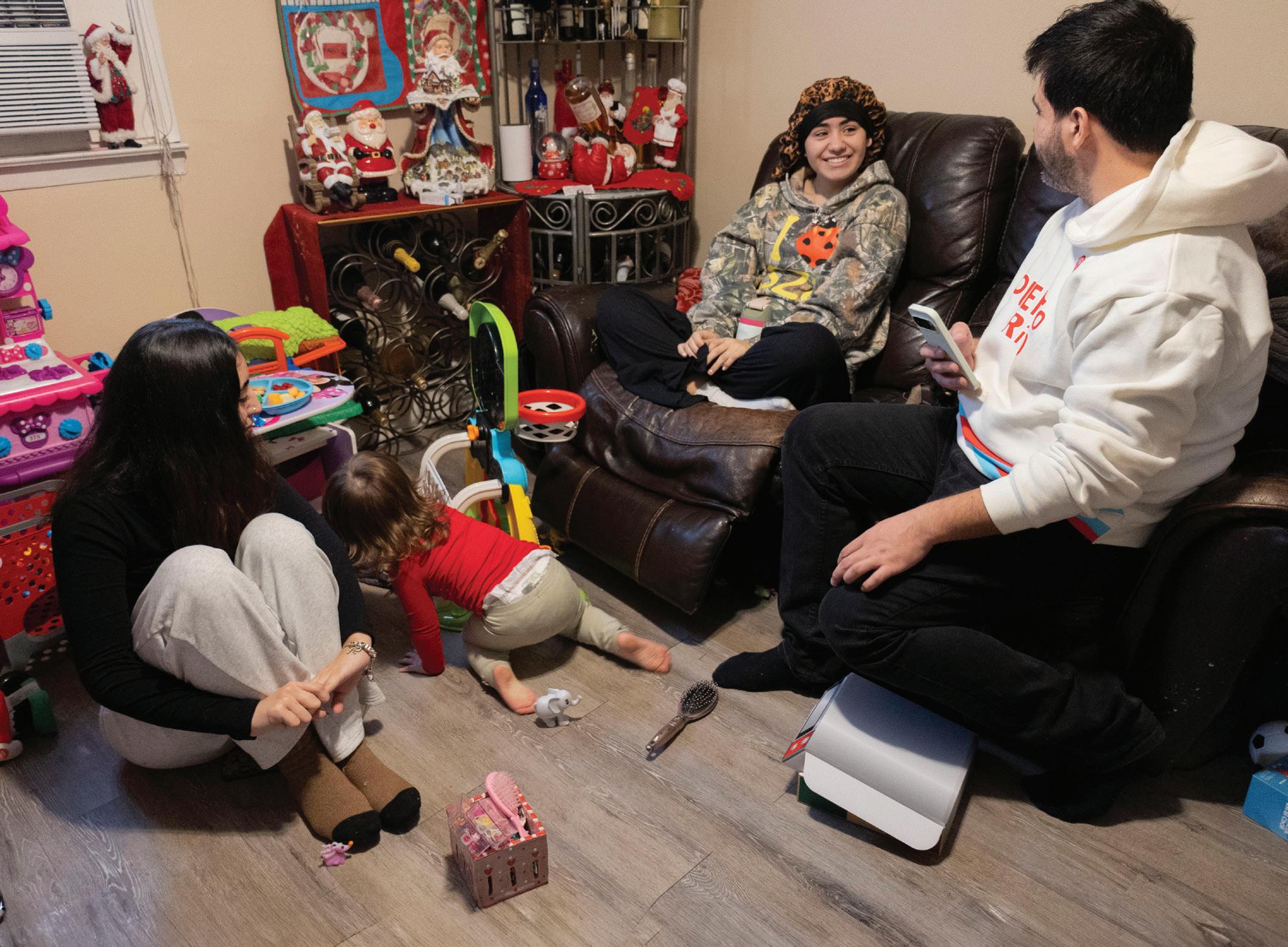
“I’ve worked hard to find the balance between my social, school, work, and family life. It took time, but wouldn’t have worked without the support system behind me. My family and friends have helped me accomplish everything I have.”
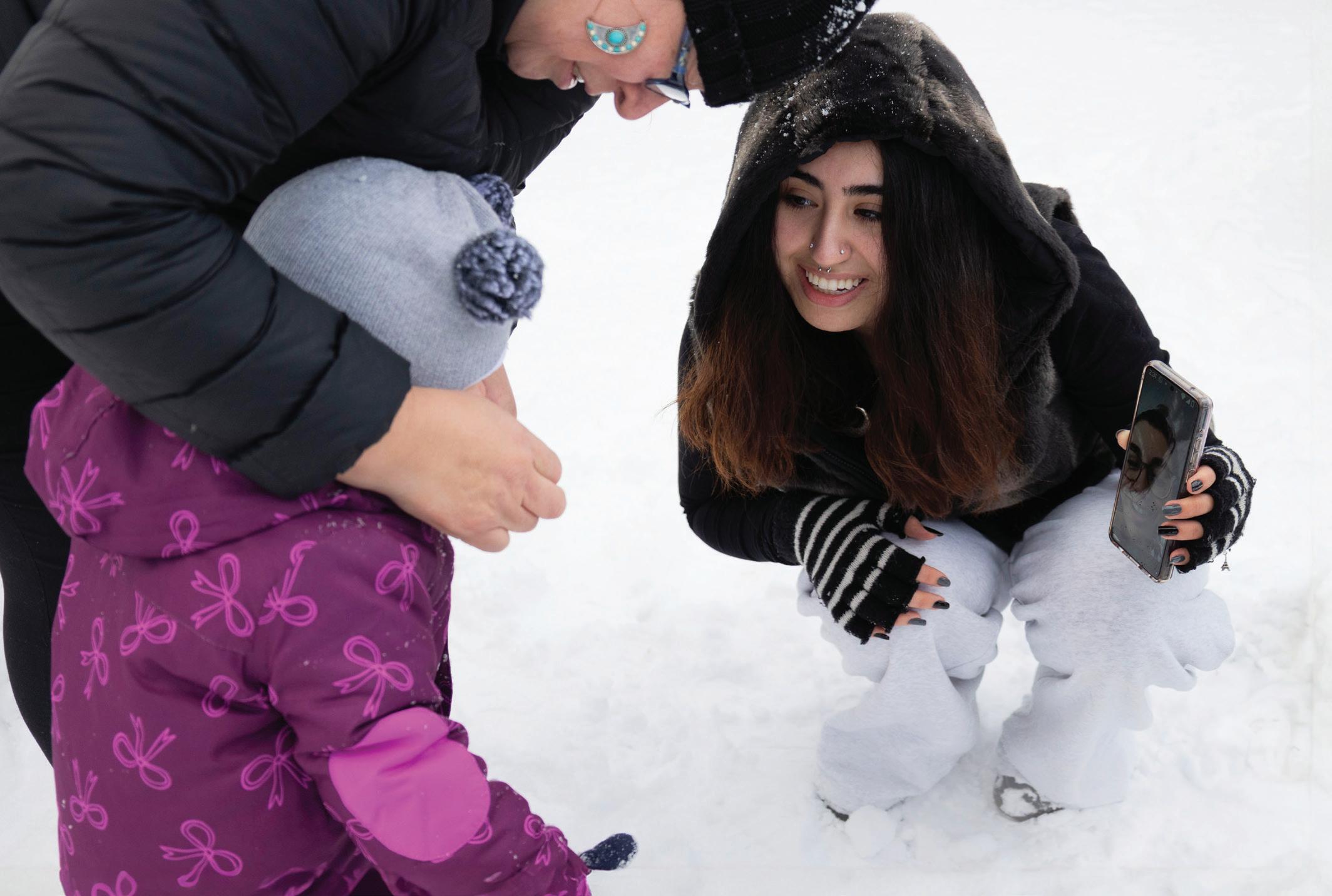
“Having parents who struggled with English turned me into a translator and sort of teacher from a young age. Now I’m at a point where it comes naturally to me.”
“Working with children comes easily to me. It was never something I questioned doing, I just knew it was what I needed to do. It’s really my dream job.”
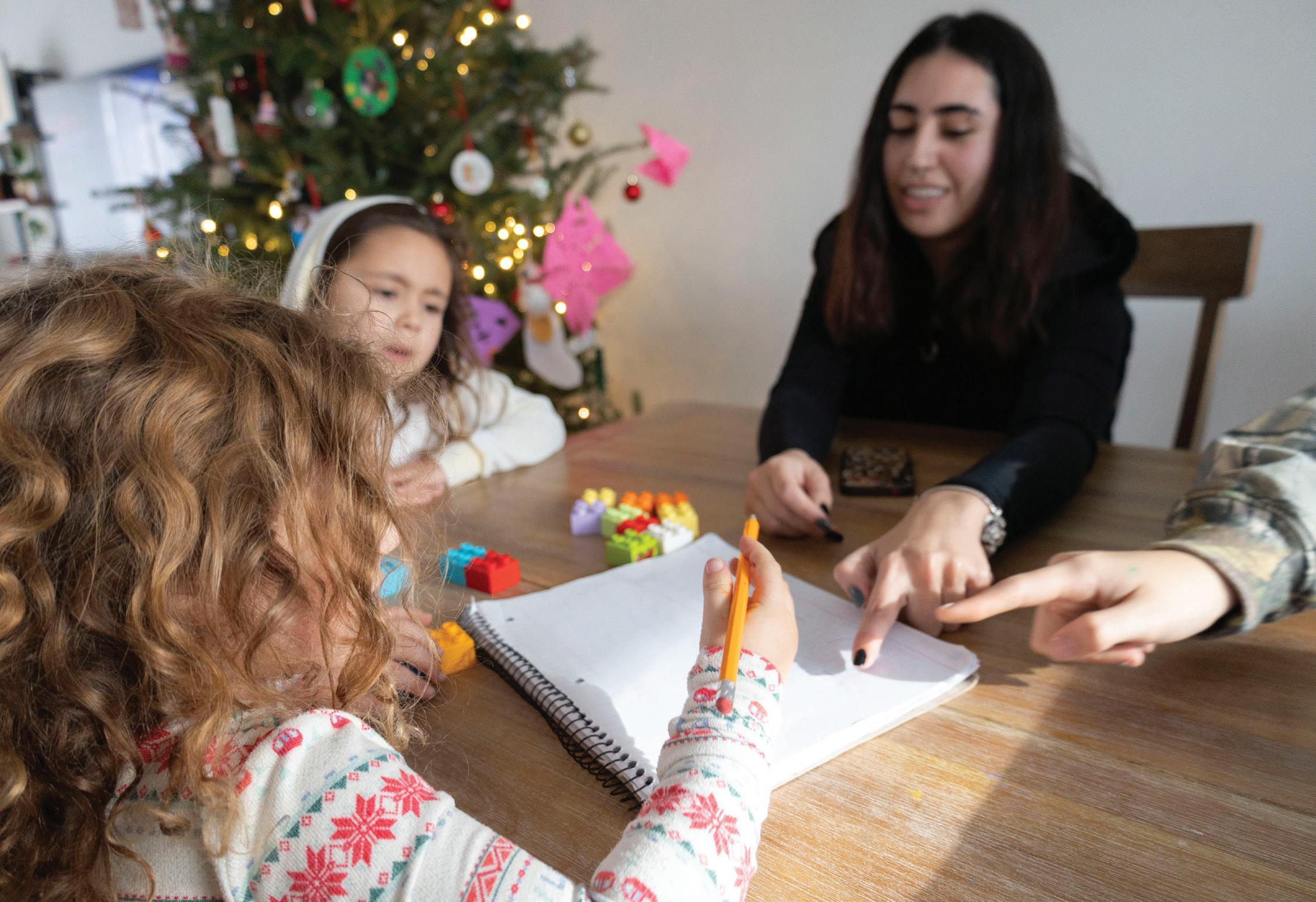
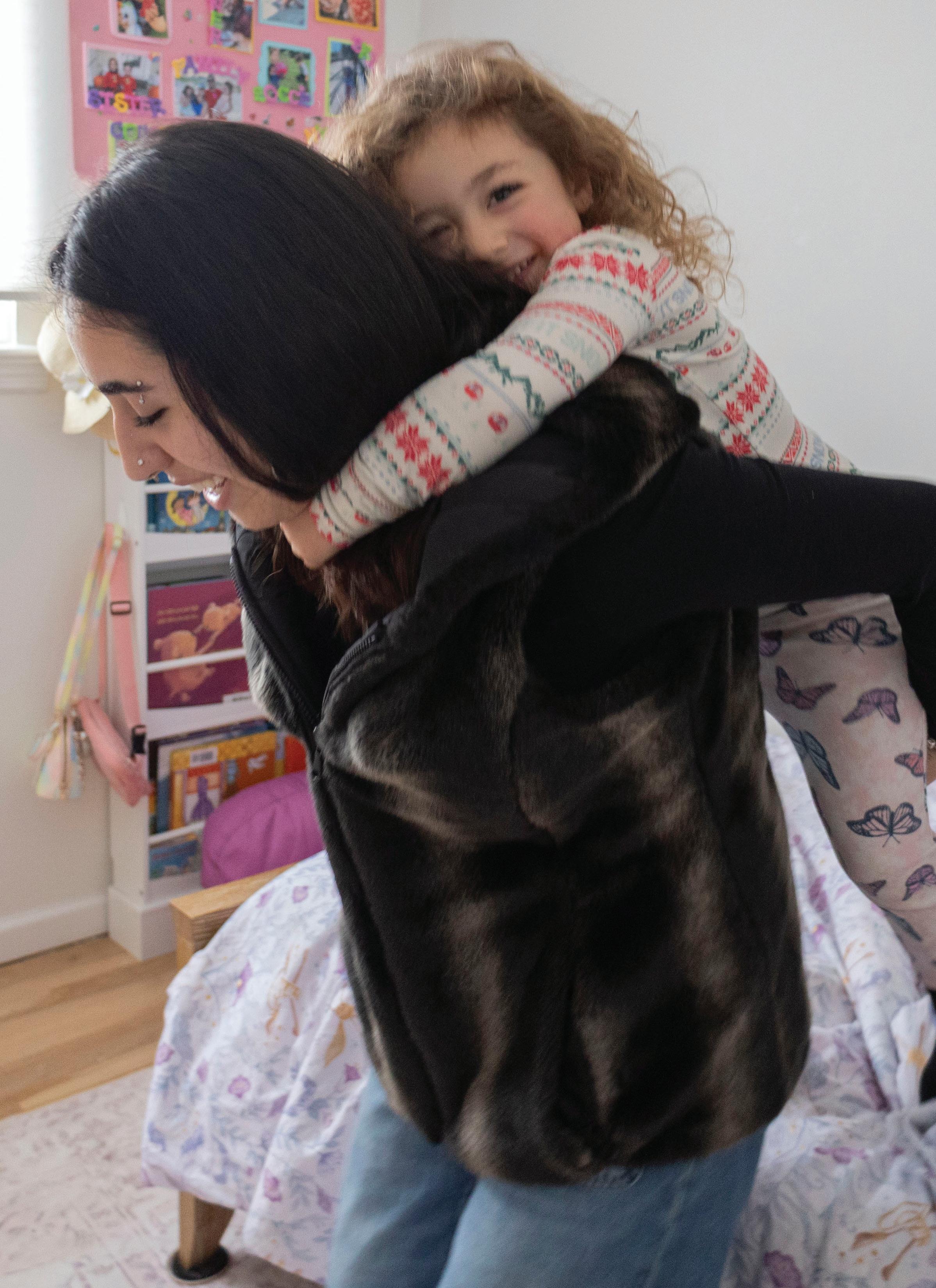
“It can be hard balancing helping my family with childcare, working, and attending school. I used to struggle with it, but now I realized that time with my family is what fuels me, and helps me get everything done that I need to during my work and school weeks.”
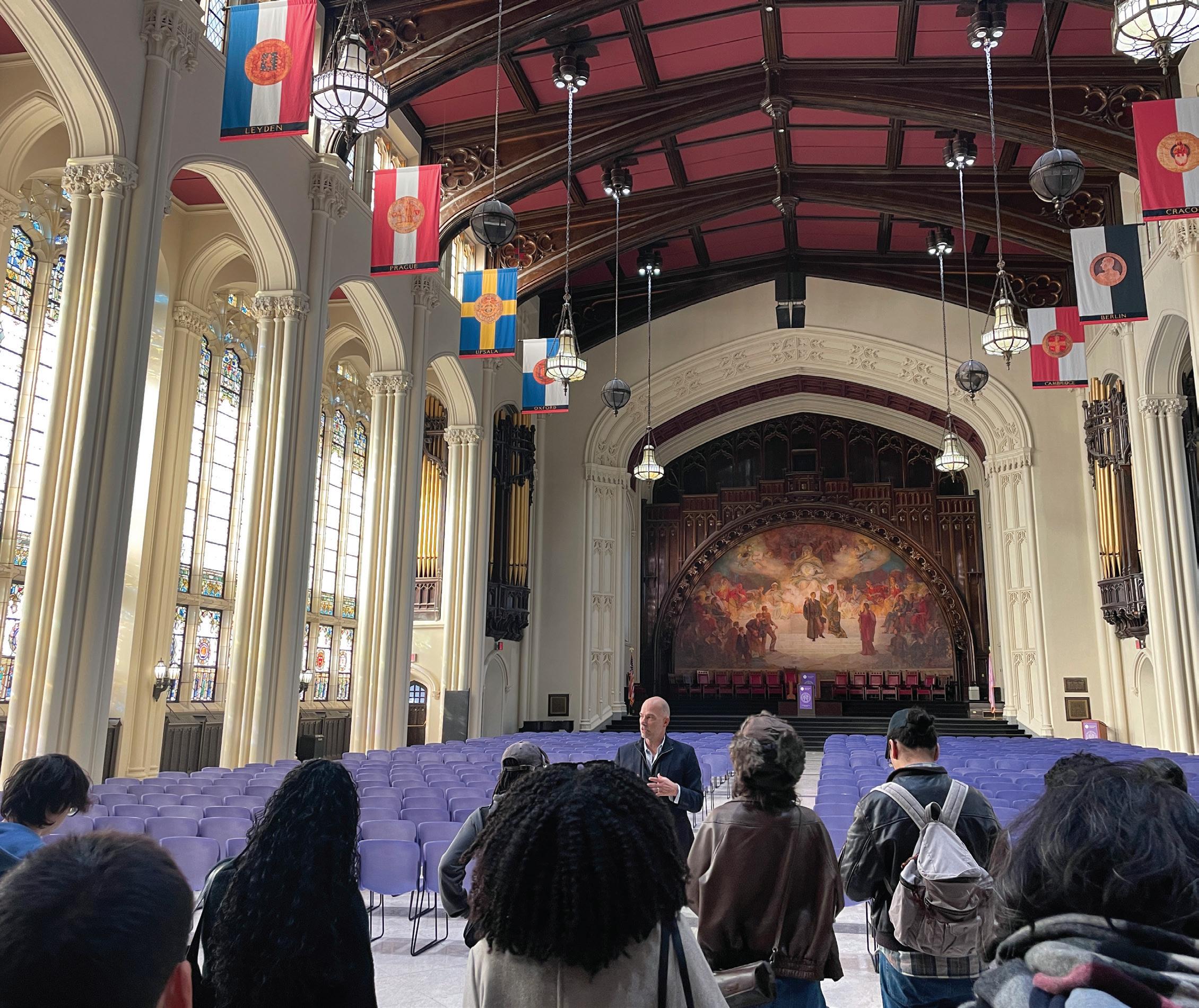
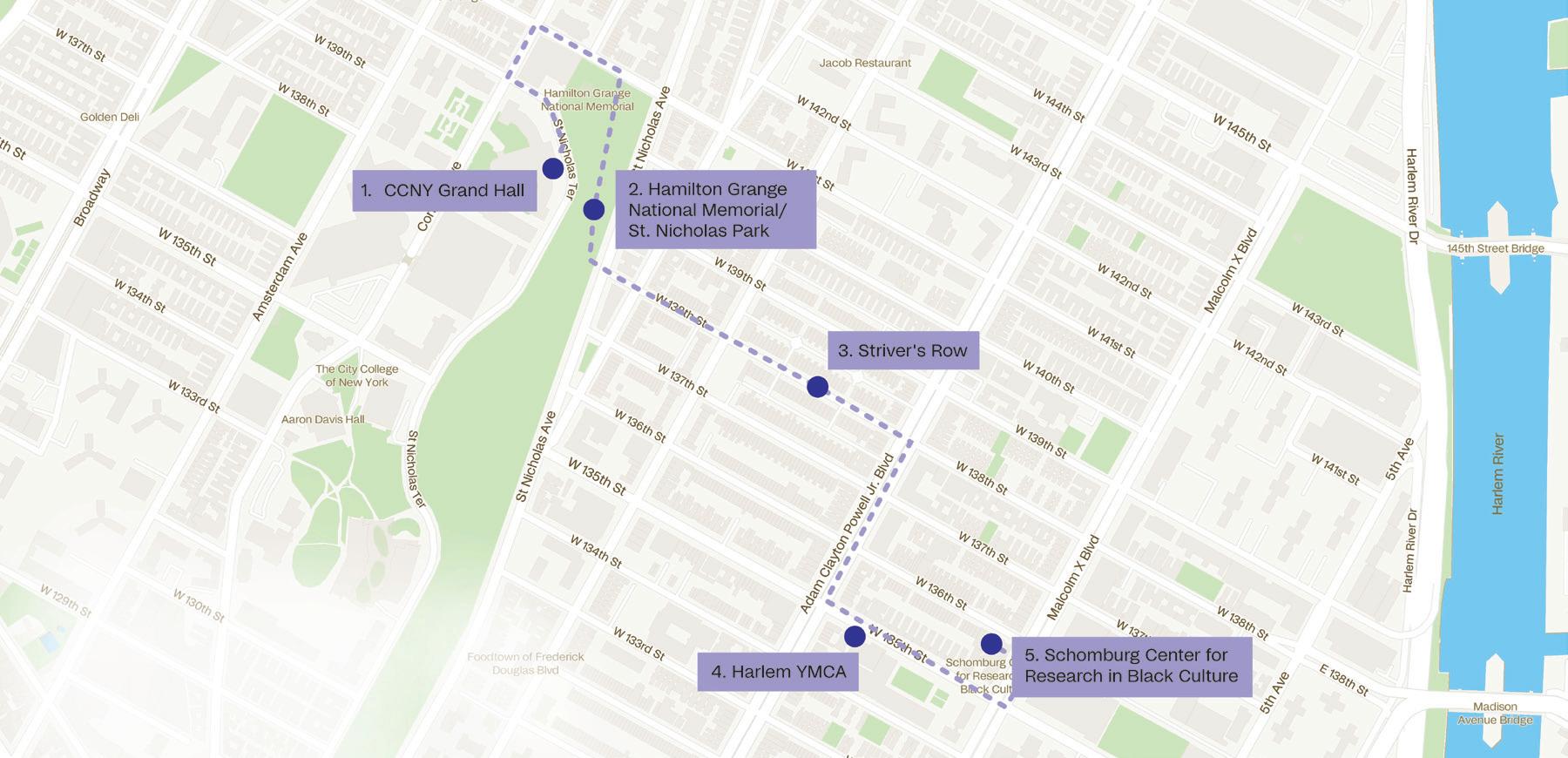
On October 21, 2025, the Social Mobility Lab and the global urban strategy and design consultancy firm Gehl invited students from the CCNY to participate in an awe and social mobility walk through campus and the surrounding streets of East Harlem. Conceived as part of Gehl’s Cities of Awe initiative and led by Bob McKinnon, the walkshop explored powerful sites of history, resilience, and inspiration on and adjacent to campus, such as Hamilton Grange and the Schomburg Center for Research in Black Culture. Inspired by research on social mobility and awe, the
experience encouraged students to engage with their surroundings through the lens of awe — to notice moments of wonder in the places and stories that surround their everyday routines. Before and after the walk, students completed a survey about their sense of awe, belonging, and social possibility. Along the way and at the end of the walkshop, students documented how each site made them feel — how architecture, history, and community narratives shaped their perceptions of themselves and the world around them.
“I
often feel alone, but being in Shephard Hall and hearing how the university in the beginning was supported from afar makes me believe more and have more courage.”
[About the visit to the YMCA Harlem]: “I was really inspired by how young men from poverty came to this place (...) and that they experienced this sense of belonging.”
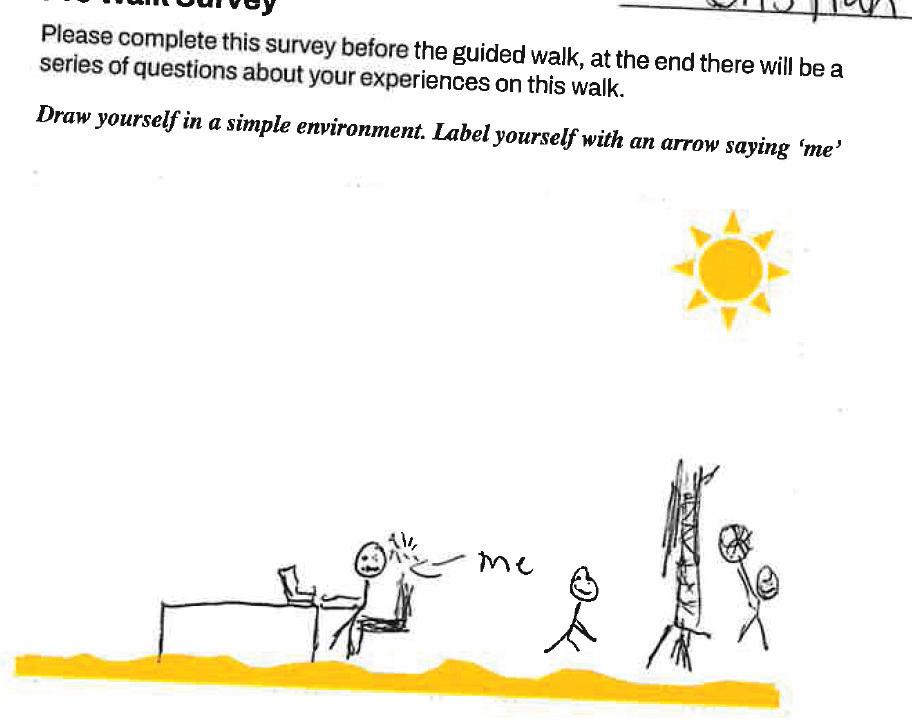
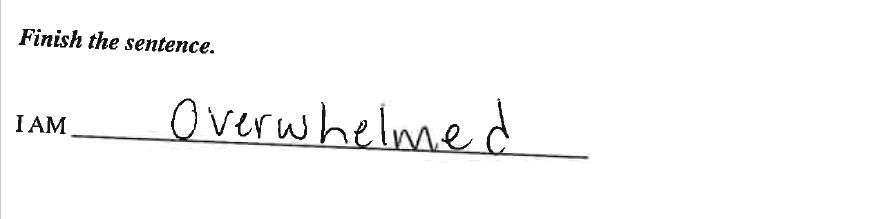
“This tour made me really proud of being a CCNY student and how generations are passing on to each other (...) that we are not alone (...) and what we will do also matters for those that will come after us.”
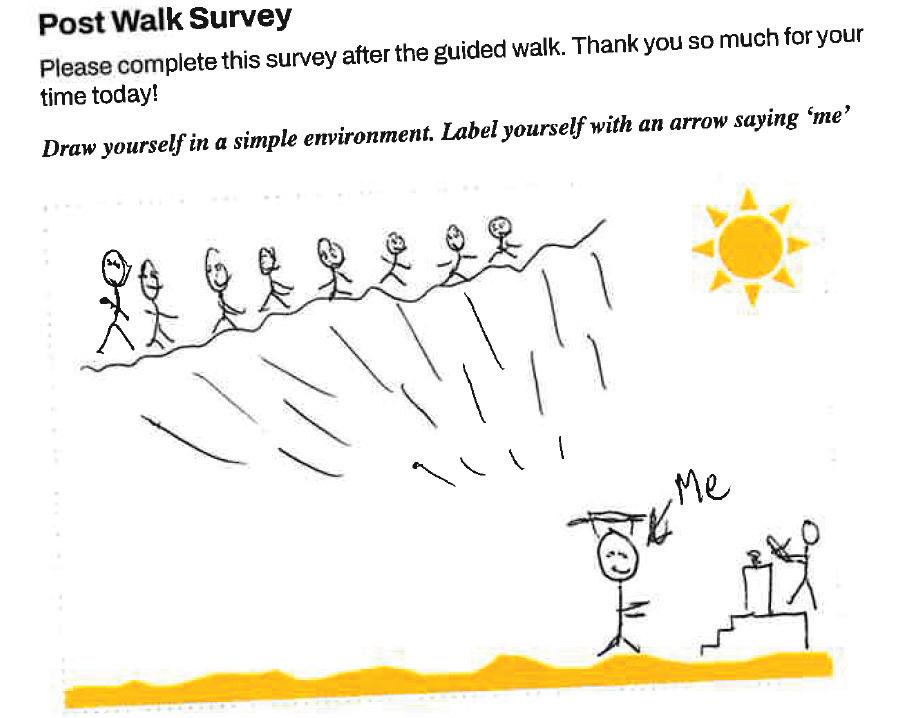

Pre-walk and post-walk survey by tour participant Cristian Ramirez
People with easier-to-pronounce names are perceived more positively, impacting their job prospects, academic success, and professional advancement. This bias, called the ‘Name Pronunciation Effect’, suggests that making an effort to learn and correctly pronounce names could help reduce unfair advantages.
Source: Laham, Simon M., Peter Koval, and Adam L. Alter. “The name-pronunciation effect: Why people like Mr. Smith more than Mr. Colquhoun.” Journal of Experimental Social Psychology 48.3 (2012): 752-756.
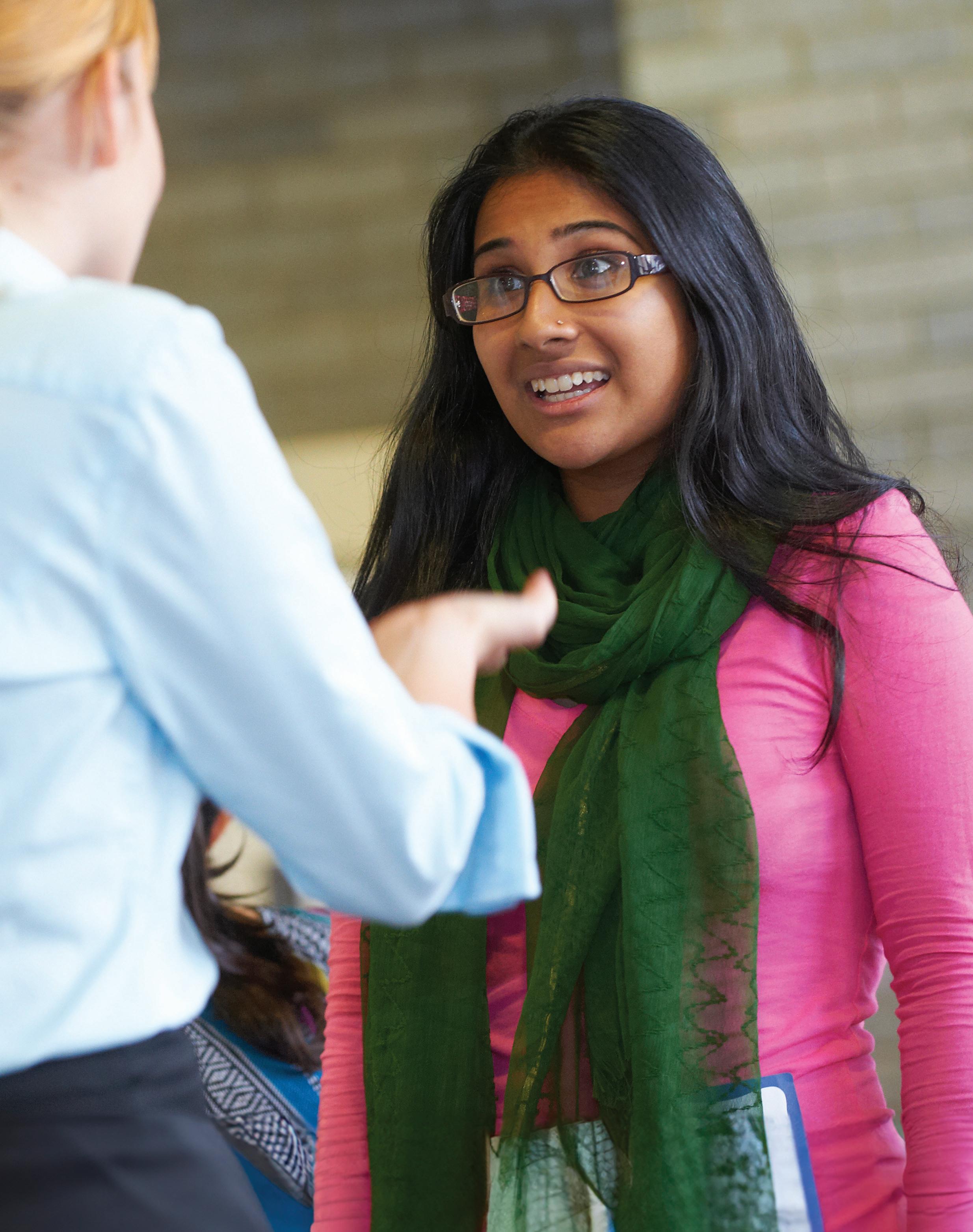
This message was part of Ideas for Moving Up, a year-long campaign at the City College of New York. Each week, the Social Mobility Lab shared messages like this translating research into posts on Linkedin, Instagram, and digital signage around campus. Use the QR code to see all such stories on our Instagram.
The journey up in life is not an individual endeavor. Social Mobility Lab grantees explore diverse support systems that students can benefit from, on and outside campus.
How do career services contribute to students' academic success, financial stability, and career adaptability?
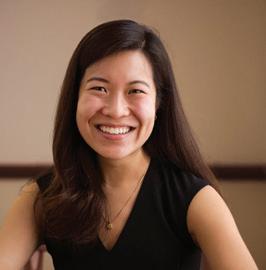
Using a mixed-methods approach — including surveys and focus groups — Teresa Booker, an associate professor of political science at the John Jay College of Criminal Justice, CUNY, examines the impact of four career services on students’ financial stability, job-search skills, and social mobility, with a focus on first-generation and underrepresented students.
How do activities outside the classroom shape students’ transition from college to careers?
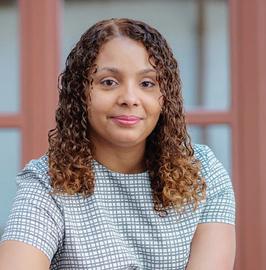
Joyce Kim, a joint PhD candidate in sociology and higher education at the
University of Pennsylvania, studies the role of experiences outside the formal classroom, like student clubs, parttime work, and fellowships, in college students’ future professional plans. She uses participant observation and in-depth interviews to examine how students navigate the college-to-career transition.
How do public HispanicServing Institutions (HSIs) support upward social mobility for Latinx students in gentrifying neighborhoods?
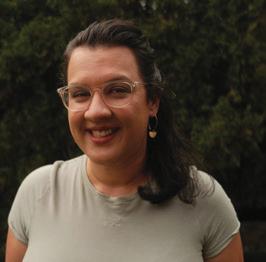
Urban gentrification displaces low-income populations and reshapes public institutions. Over 65% of Latinx undergraduates attend HSIs. Elizabeth I. Rivera, associate professor of quantitative research
methods at Montclair State University, uses data from the High School Longitudinal Study to investigate how these schools adapt to neighborhood change and provide Latinx student access to STEM programs.
How do childcare centers on campus provide care for both students-parents and their children?
Approximately 25 percent of undergraduate students in the United States are raising children. Dhipinder Walia, a lecturer in the english department at Lehman College, observes and interviews student-parents to study the importance of childcare for their academic success and emotional well-being.
Lawler
}“I mostly see the same people every time I’m in the library. After a while, I grew accustomed to being in the same space, and it became something to look forward to. It’s like, ‘okay I have to do this thing, but at least I’ll probably see this person’.”
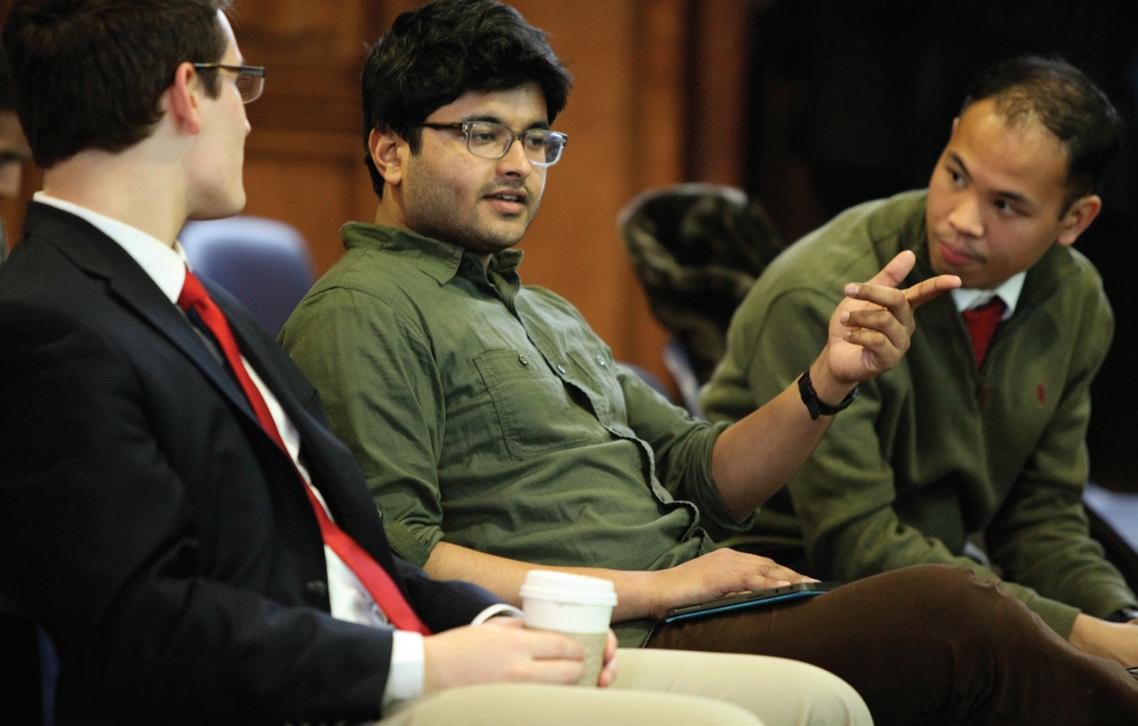
At a commuter school, creating and maintaining bonds is not easy. Most students head straight home after class, making campus a difficult place to form deep connections. Still, small interactions matter. Brief exchanges — grabbing a classmate’s phone number or saying good morning to a security guard — can make the day more bearable. Though these moments don’t immediately lead to strong relationships, they can help people feel less invisible in a space that might otherwise feel isolating.
Commuter schools can feel transient, while traditional residential colleges provide more opportunities for students to connect. Coming to campus often becomes just another task alongside work and other obligations. Despite being surrounded by peers, many students feel they are moving through college alone.
According to Lucas Ayala, a junior at CCNY, “A majority of the time, I go to campus, get my class participation, and go straight home or to work. I don’t usually go out of my way to have conversations with people I don’t know.”
Though many students share this reality, even brief moments of interaction are more meaningful than they realize.
A study from 2023 examined the link between minimal social interactions — brief exchanges with acquaintances or strangers — and overall life satisfaction. The study highlights that even fleeting connections can contribute to happiness. Researchers found that casual social contact predicted greater life satisfaction, suggesting that expanding one’s networks fosters a sense of belonging.
“It’s easy to get through the day without talking to people outside of my immediate circle,” said Emma Gukasyan, a student at Borough of Manhattan Community College. “On days when I feel more social and put myself out there, I feel better — like the day’s not passing me by.”
Beyond improving individual happiness, minimal social interactions can also strengthen campus atmosphere. A tighter-knit community
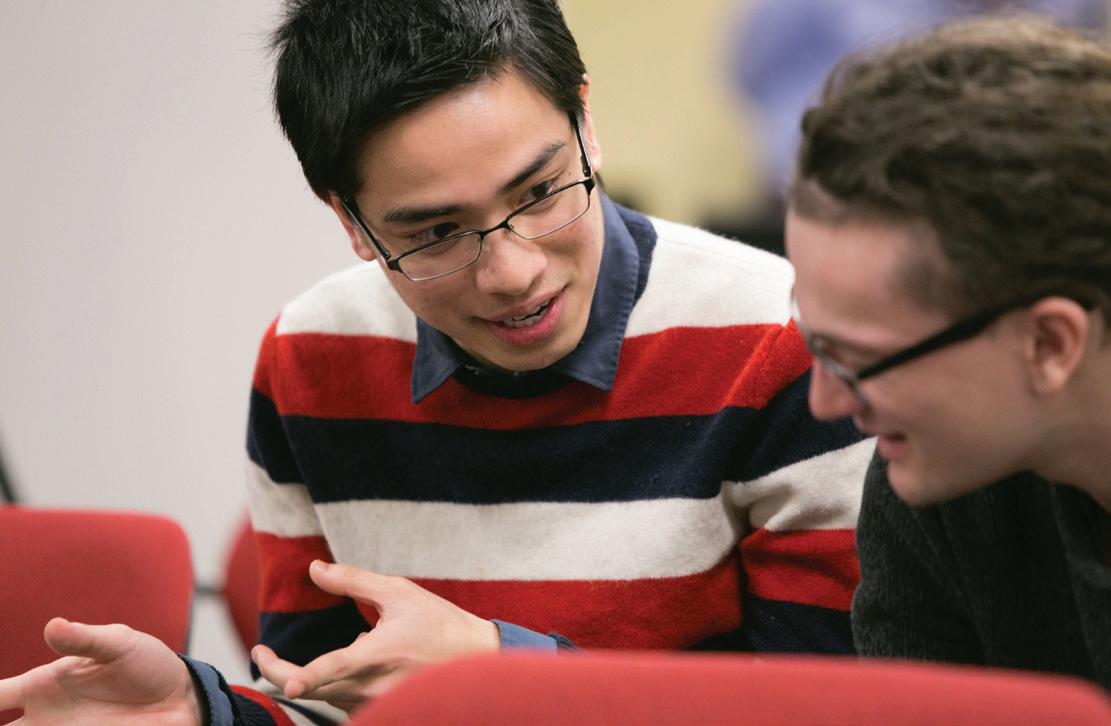
doesn’t require large campus events or major commitments to extracurricular activities. Instead, positive campus culture can grow from light conversations and simple greetings.
Even without conversation, something as simple as being acknowledged — through a smile, a head nod, or eye contact — can positively influence well-being.
“I mostly see the same people every time I’m in the library. After a while, I grew accustomed to being in the same space, and it became something to look forward to. It’s like, ‘Okay, I have to do this thing, but at least I’ll probably see this person,” said Gukasyan.
Researchers also compared minimal social interactions with close relationships, such as receiving kindness from friends or family. While close relationships had a stronger impact on well-being, minimal interactions still had notable effects because of their frequent nature.
Additionally the study found that individuals who receive less support from close relationships benefited even more from interactions with strangers and weak ties. Small everyday exchanges can partially compensate for limited social support elsewhere. For students, this may mean smiling at familiar faces, getting to know the person next to you, or chatting with a professor after class. Over time, these small actions can build familiarity and belonging while strengthening campus culture and overall life satisfaction.
On a campus where most students commute, even quick exchanges can make the difference between feeling anonymous and feeling part of something larger. The next time you hesitate to compliment a classmate’s outfit or feel embarrassed asking for directions, remember that even the smallest gestures can brighten someone’s day — and yours.
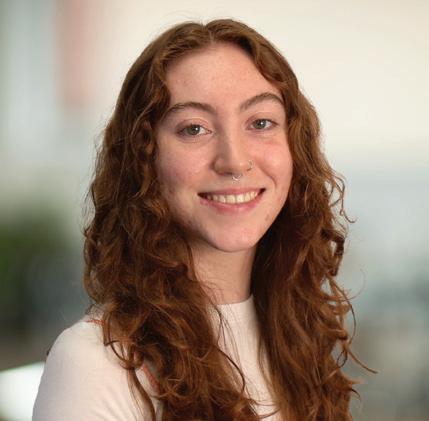
Lauren Lawler is a Macaulay Honors College student at The City College of New York, studying journalism. She is currently interning as a production assistant at CUNY TV.
This piece is the fruit of a collaboration between the Social Mobility Lab and the Journalism Program at The City College of New York. In fall 2025, students were invited, as part of their class assignments, to write a response to a scholarly article on social mobility that spoke to their personal experience.
REFERENCE 1 Ascigil, Esra, Gunaydin, Gul, Selcuk, Emre, Sandstrom, Gillian M., & Aydin, Erdal. “Minimal social interactions and life satisfaction: the role of greeting, thanking, and conversing.” Social Psychological and Personality Science, 16(2) (2025): 202-213.
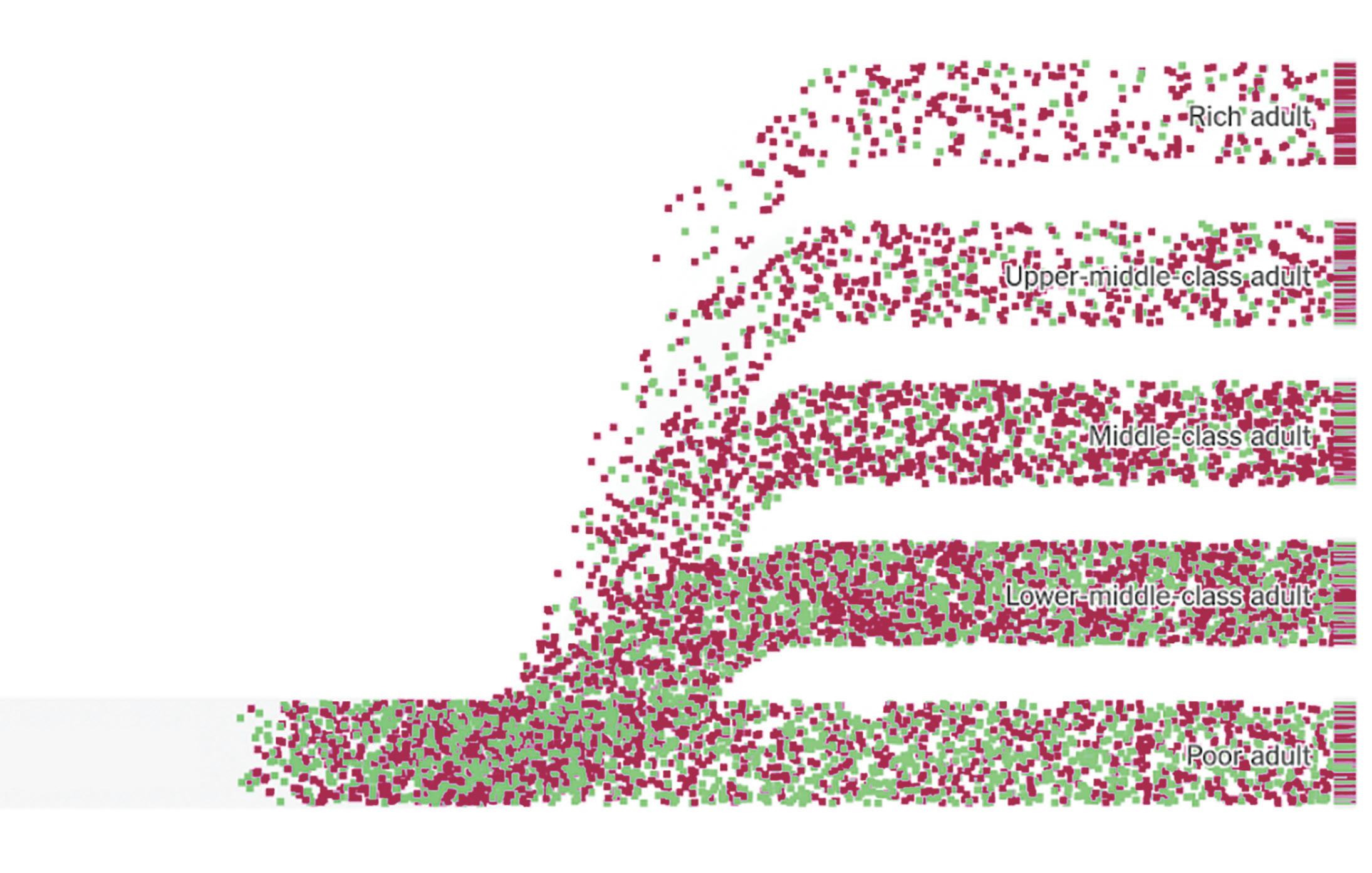
Second-generation sons of immigrants are more upwardly mobile than sons whose fathers were native-born. The graph shows that sons of immigrants (in black) are more numerous in the upper echelons than sons of native-born fathers (in orange).
Theses figures represent people born between 1978 and 1983 who grew up poor.
Children of Immigrant men
Rich
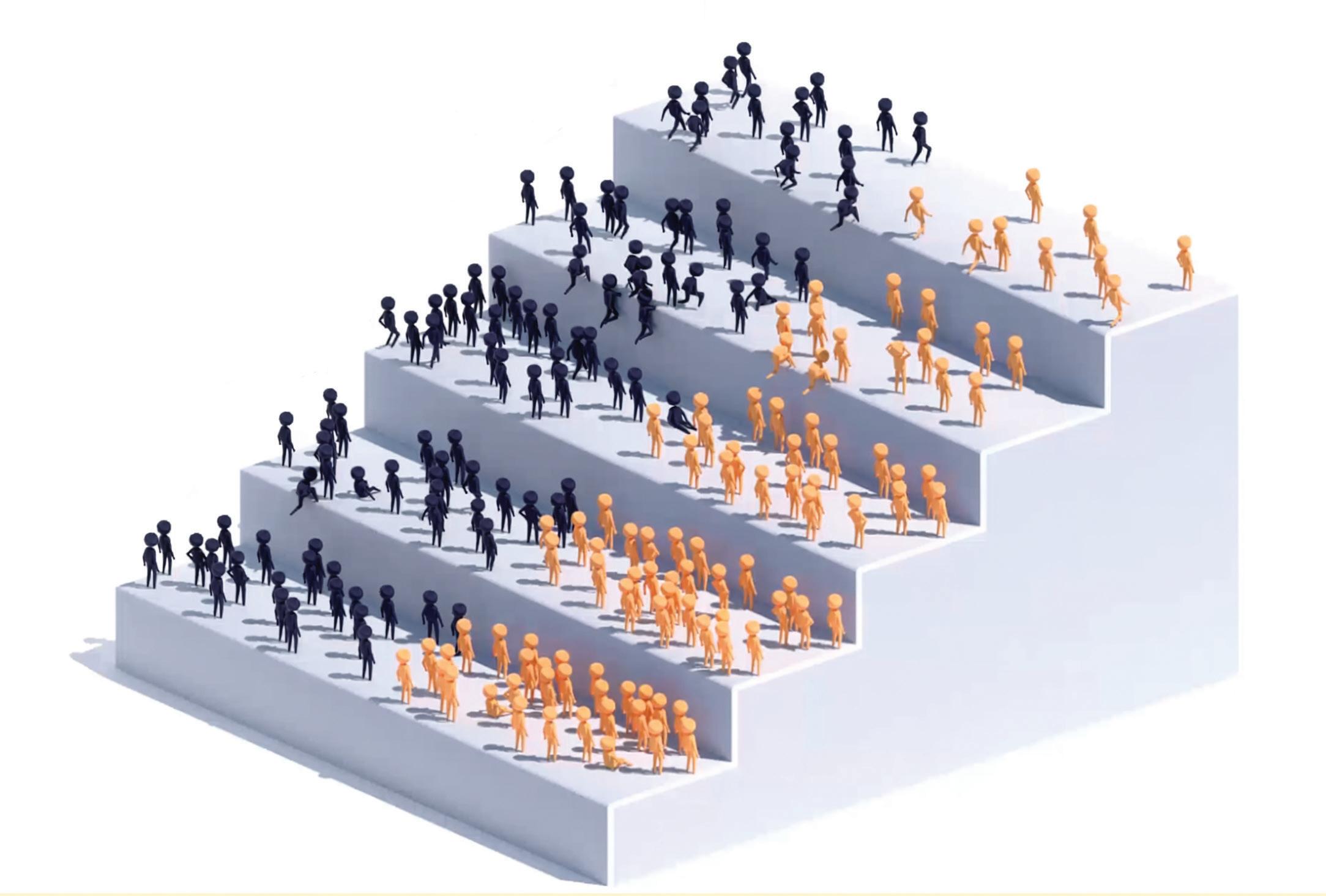
Upper-middle class
Middle class
Lower-middle class
Poor
1 Source: Graphics by Sara Chodosh, Zach Levitt, and Gus Wezerek, based on data developed by Ran Abramitzky of Stanford University and Leah Boustan of Princeton University, in Peter Coy, “Why so many children of immigrants rise to the top”, The New York Times, July 11, 2022. The economists analyzed the economic mobility of sons born between 1978 and 1983 who were in families with household incomes in the lowest 20 percent of household incomes. The graph shows the distribution of their household incomes thirty years later. This later household income was categorized by quintiles, labelled “poor”, “lower-middle class”, “middle class”, “upper middle class”, and “rich”.
At a Glance features clear, self-explanatory graphs and visuals that convey ideas more vividly and powerfully than words alone.
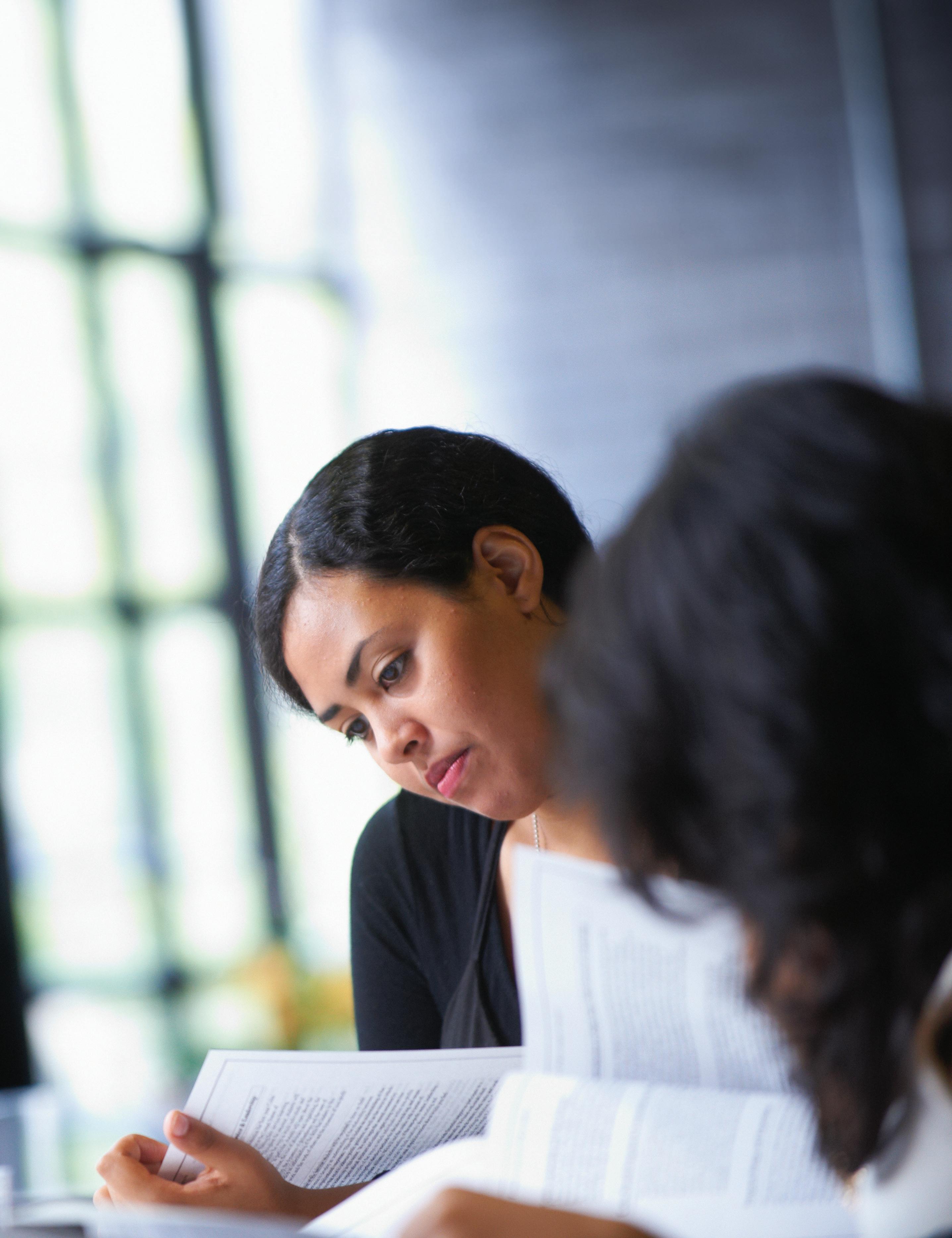
Want to ace the test? Go to bed. Research shows that delaying sleep makes it harder to focus in school and at work.
Source: Hill, Vanessa M., et al. “Go to bed! A systematic review and meta-analysis of bedtime procrastination correlates and sleep outcomes.” Sleep Medicine Reviews 66 (2022): 101697.
This message was part of Ideas for Moving Up, a year-long campaign at the City College of New York. Each week, the Social Mobility Lab shared messages like this translating research into posts on Linkedin, Instagram, and digital signage around campus. Use the QR code to see all such stories on our Instagram
by Hannah Rosenberg
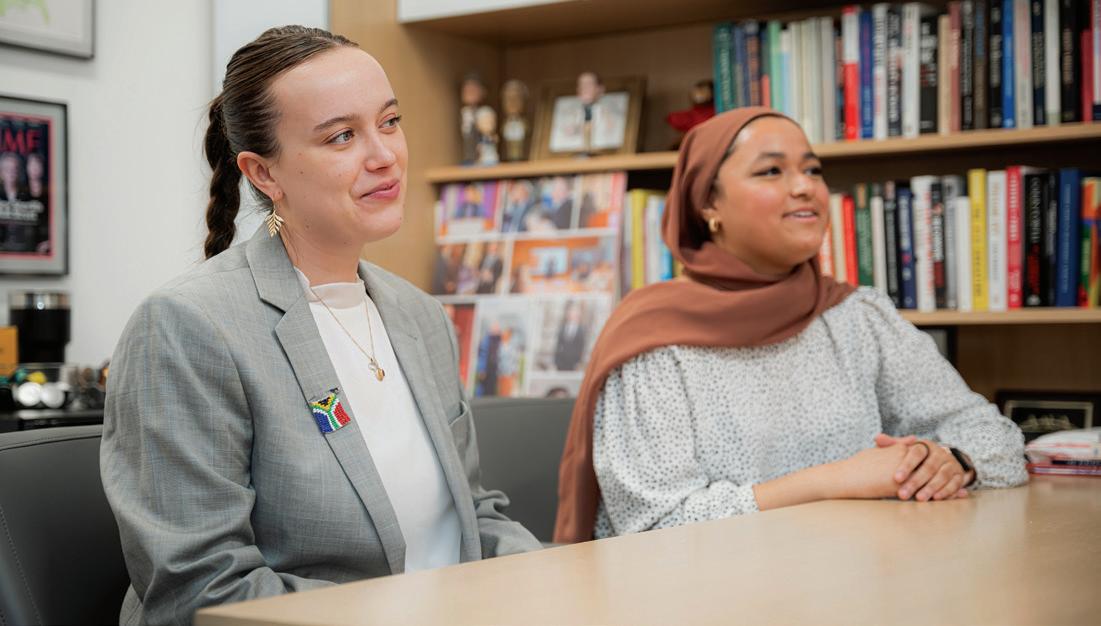
The beginning of the semester invites reflection. Thinking about what has gone well, what could have gone differently, and what we hope for in the future helps us make meaning of our experiences. These thoughts and feelings shape how we see ourselves and the world, but they are not created in isolation. Research shows that our environments — including the people around us, social norms, and shared cultural narratives — subtly influence our beliefs about what we imagine is possible.
For example, a recent study on “fieldspecific ability beliefs” found that when success is framed as requiring “brilliance,” people tend to picture someone with skills that feel rare and out of reach through ordinary growth and learning — the same qualities most often associated with white men (Muradoglu et al., 2023). In academic and professional settings, especially in science, technology, engineering, and mathematics (STEM), they subtly signal who is expected to succeed and who is likely
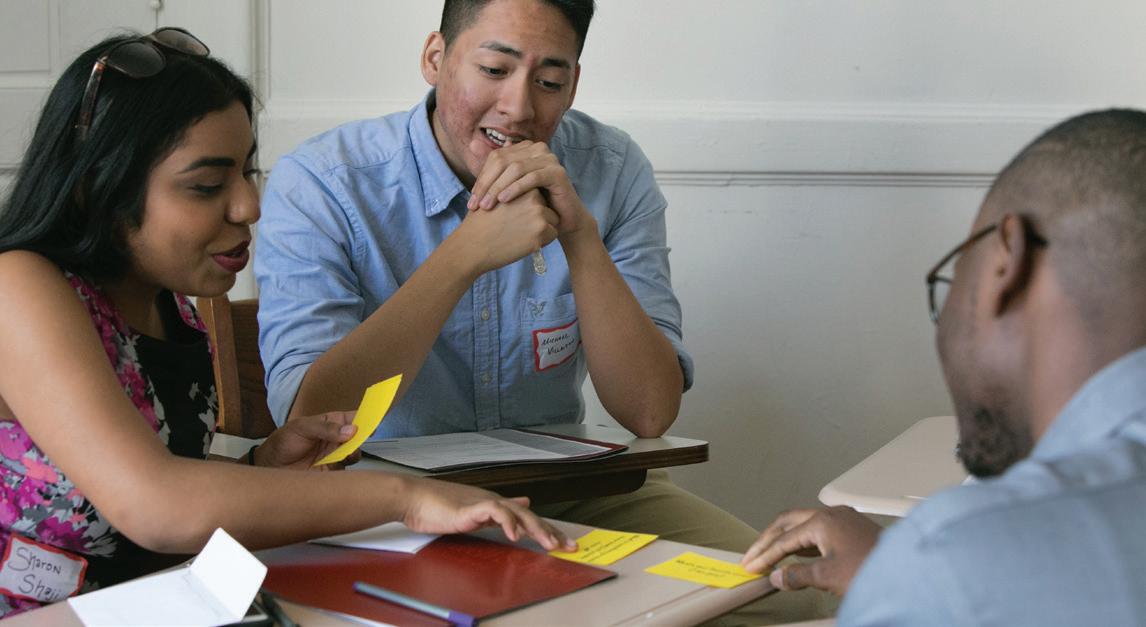
to struggle. Long before students choose majors or career paths, ideas about who is capable are already deeply ingrained, shaping confidence, persistence, and even whether a career feels possible at all. In this context, underrepresentation can start to look like confirmation of who “has what it takes,” rather than evidence of a structural problem.
Merely recognizing that our perceptions are socially constructed, not fixed, challenges mainstream narratives. Visibility, role models, and mentorship help people see new possibilities for themselves. Challenging the idea that “this is just how it is” makes these fields feel more accessible and improves diversity.
Beliefs about social mobility have both positive and negative consequences: Young people who believe mobility is possible may be more motivated to pursue their goals, yet strong beliefs in meritocracy can also reduce awareness of structural barriers and
decrease support for policies that promote equity (Destin, 2020). The most effective approach is to develop a balanced perspective — when we resist all-or-nothing thinking, we can acknowledge both opportunity and recognize systemic challenges. This flexibility situates motivation within a more accurate understanding of how mobility actually works and supports social change.
When it comes to imagining our future, recognizing how the present moment contributes to long-term goals pays off. Research shows that focusing on future rewards helps people make clearer decisions and avoid short-term temptations. Nagler (2023) explores the gap between our present behavior and the person we hope to become. This commonly experienced mismatch often results from cognitive overload: when our limited mental resources are stretched by the demands of everyday life, we’re more likely to rely on “hot” or automatic behaviors that conflict with our long-term goals. When attention is overwhelmed by the present moment, the future can understandably feel distant or uncertain.
Rather than viewing this as a personal failing, Nagler’s work helps us understand
it as part of how cognition works. One way to respond to this is through episodic future thinking — imagining specific future scenarios instead of holding only abstract goals — and identifying the small steps that connect the present to the future, such as drafting the first paragraph of a personal statement, emailing an advisor, attending a meeting, or researching one program. Finding role models who embody what we hope for ourselves can also make our goals feel more attainable — especially in STEM fields where representation is limited and belonging is uncertain — and practices such as writing vivid affirmations can keep these possibilities top of mind. Instead of relying on willpower alone, these approaches increase the likelihood that we will act in ways that serve our future self.
The beginning of the semester is both a time to look back and a chance to look forward. It’s an opportunity to consider what you might do if you knew you wouldn’t fail. Success isn’t about being extraordinary; it’s the ongoing work of recommitting to your future, responding to setbacks with compassion, and not letting structural limits define what you can imagine for yourself.
This article forms part of the Social Mobility Lab’s campaign Ideas for Moving Up, designed to share the findings of research on social mobility with students, staff, and faculty. Such research too often lives in academic journals and behind paywalls, never making it to those people who could most benefit from the information.
Hannah Rosenberg is a research assistant for the Social Mobility Lab and a doctoral student in critical psychology.
1 Destin, Mesmin. “The double-edged consequences of beliefs about opportunity and economic mobility.” The Future of Children 30, no. 1 (2020): 153–64.
2 Muradoglu, Melis, Arnold, Sophie H., Leslie, SarahJane, & Cimpian, Andrei. “What does it take to succeed
here?’: The belief that success requires brilliance is an obstacle to diversity.” Current Directions in Psychological Science, 32(5), (2023): 379-386.
3 Nagler, Matthew G. “Focusing as commitment.” Journal of Economic Behavior & Organization 216 (2023): 520-534.
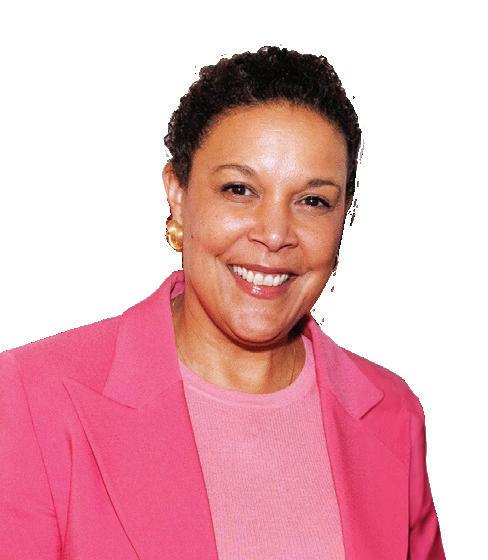
LINDA POWELL, CO-CHAIR, BOARD OF VISITORS
COLIN POWELL SCHOOL AT THE CITY COLLEGE OF NEW YORK
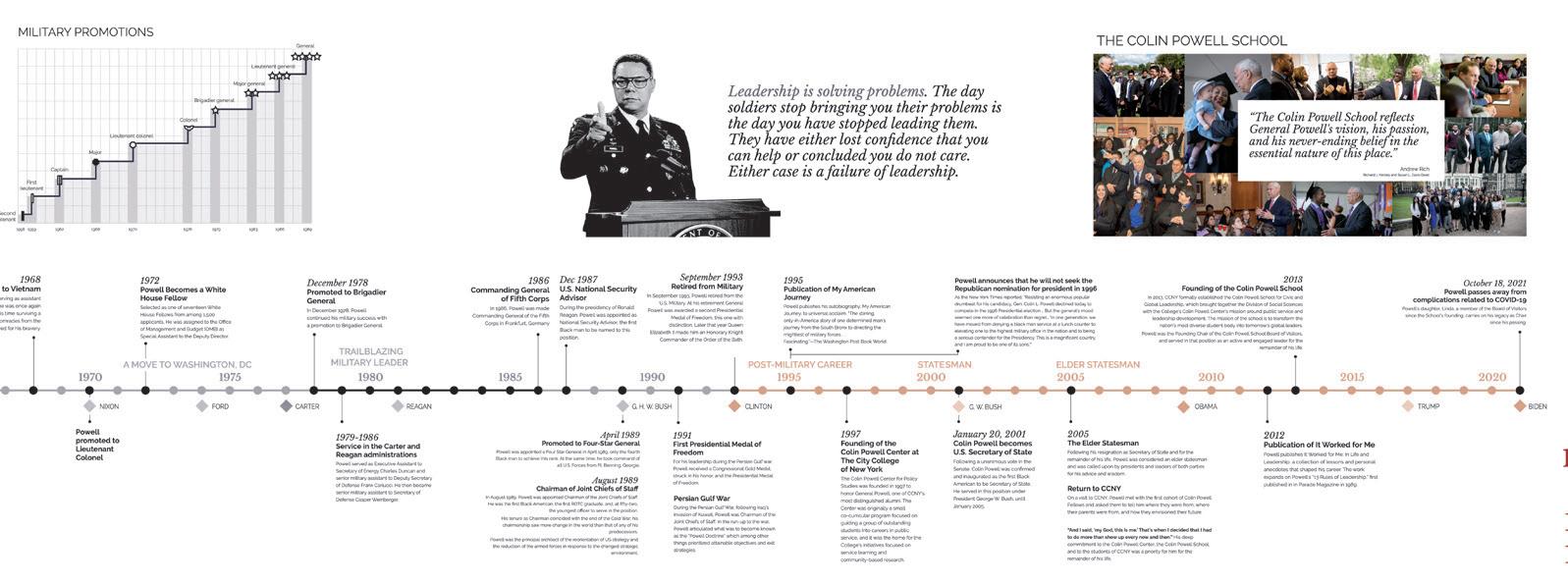
In the hallway just outside of the Dean’s office of the Colin Powell School, you will find a timeline of my father’s life which takes up the entire wall. Much of what you’ll find there are the honors and accomplishments you might find in any listing of his storied career, from becoming the first African-American Chair of
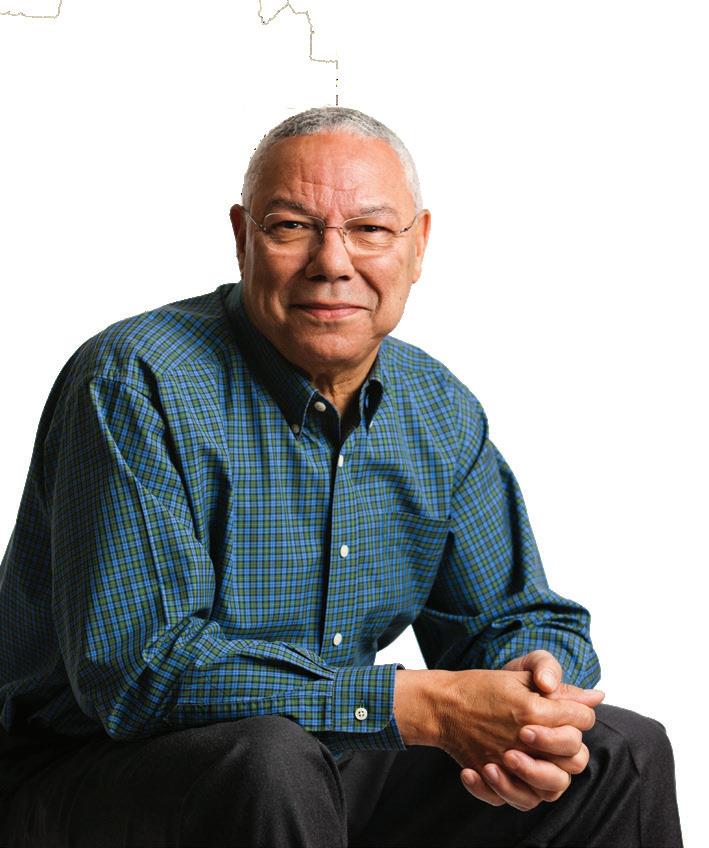
the Joint Chiefs of Staff and Secretary of State to receiving not one but two Presidential Medals of Freedom.
Upon closer examination you’ll see other facts about my father’s journey in which he took great pride, and which are considerably more relatable to the students who pass this wall every day.
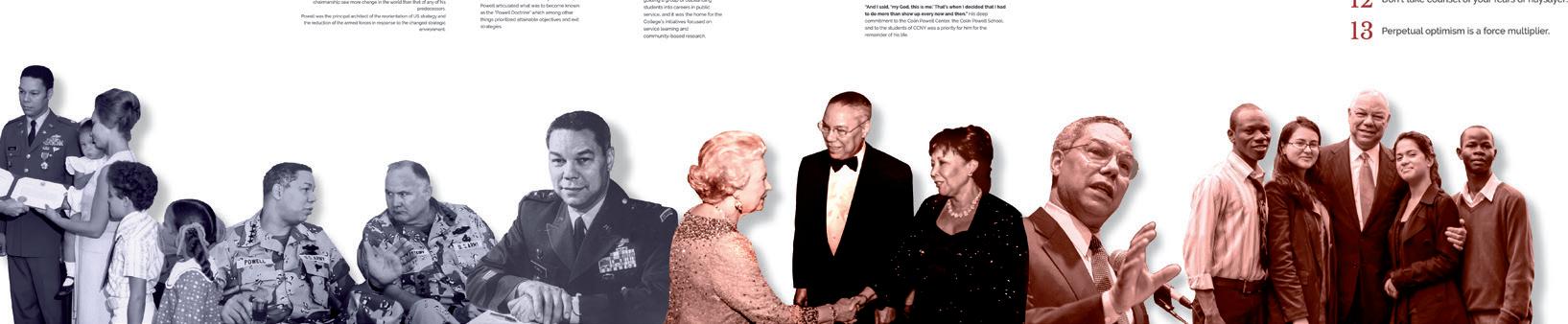
You will see that he was the son of two immigrants from Jamaica. You will glimpse a photograph of him standing with his four closest friends from the Bronx, learn about the job he worked while attending a public high school, and see him marry the love of his life — my mother, Alma. You will also learn about his fellowships and his mentors. Look closely, and you can’t help but see
Colin L . Powell 2021
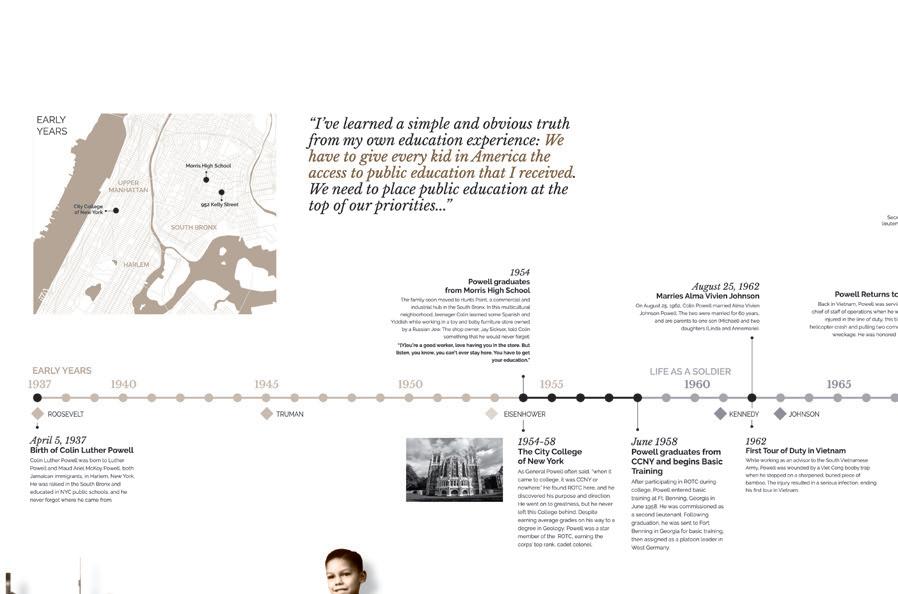
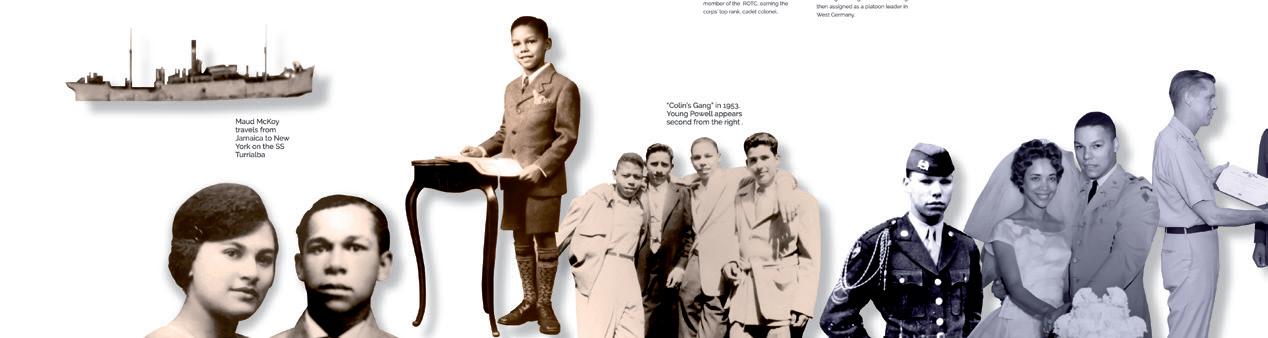
how chance played a role in his life: escaping Vietnam with an injury, while many of his friends and fellow soldiers were not so lucky.
And of course, you will see the pivotal role The City College of New York played in his life. Then, as now, CCNY is an engine of social mobility. It was here — not at West Point — that he found the Reserve Officers’ Training Corps (ROTC) and his passion and purpose. Without this education, it is hard to imagine what his life would have been.
Beyond seeing that he attended City College, you will also see a marker noting his return and the events that would lead to the creation of the school that bears his name. As the story goes, he was sitting in a conference room of young students, the first cohort of Colin Powell Fellows, who shared their stories with him — who they were, where they came from, where they wanted to go. Tears welled up in his eyes, as he saw his younger self in their stories. “This is me,” he said. It was then that he decided that he
would do more than show up every once in a while; and for the remainder of his life, this school and these students were among his top priorities. He devoted his considerable energy to seeing that they had access to the sorts of opportunities that would change the trajectories of their lives just as CCNY had done for him.
There are many ways to study social mobility but it is hard to think of any more powerful than learning from the journeys of others. Progress is rarely the result of individual achievement alone; it is shaped by access, mentorship, timing, and institutions willing to open their doors.
While most of us won’t have a timeline of our lives on display, we all have the opportunity to share our lived experiences with detail and nuance, making it a little easier for others to chart their path forward.



Saira Medunjanin
The following timeline represents CCNY student Saira Medunjan’s imagined future — a 30year arc spanning five distinct eras of life. Each era carries its own emotional register: recovery, wandering, ambition, softness, legacy. Together they form a portrait of hope, honesty, and quiet determination.
2025
Age 23 - 24
• Finally finish my degree at CCNY (it’s been real, but I’m tired)
2026 - 28
Age 25 - 27
• Go back to therapy — not just to vent, but to actually heal this time
• Stick with HVAC for now, but write like I mean it
• Continue my Substack, throw my words into the void, see who finds them
• Garden Little things: Write when I don’t feel like it. Join one writing thing a month, stay open.
The Wandering Era

• Travel — not to escape, but to feel alive again (Montenegro, somewhere tropical, maybe Paris, maybe, a jungle)
• Adopt or foster cats
• Start shaping my weird little hybrid career: hands-on work, heart-on-paper writing
• Begin my book. Not for anyone else. Just for me.
Little things: Save for travel. Pitch messy essays.
During the spring semester of 2025, students attending the Economics of Social Mobility class at The City College of New York were invited to imagine a timeline for their future self. They were asked: what personal and professional milestones did they envision for themselves — and who did they hope to become?
2029 - 34
Age 28 - 33
2035 - 40
Age 34 - 39

2041 - 55
Age 40 - 54
• Publish my first book — let the world meet the version of me I never really disclose
• Speak in public without throwing up (maybe just a little)
• Build a community of writers, and soft-hearted people online
• Fall in love again — this time with someone who makes me feel safe (ideally; if not, lavender marriage)
• If I’m in love, have a child or adopt one if I’m financially stable
Little things: Send the scary email. Show up to the reading. Keep going even when ignored.
• Buy or build a quiet home with big windows and good water pressure
• Mentor someone who reminds me of me (God help them)
• Learn skills: pottery, more gardening, maybe painting
• Create a family I actually like being around
Little things: Take one silly class a year. Cook for people I love. Stay kind. Teach what I’ve learned — no gatekeeping, no ego, just honesty.

Conclusion
• Write another book (or two), even if no one’s asking
• Split time between a peaceful place and wherever life pulls me
• Support the ones who held me down when I was barely standing
Little things: Keep a gratitude journal even when bitter. Mentor three people deeply. Rest like hell. Support my children/ charity events/donating/volunteer work.
I want to be someone who made others feel less alone. I want to stop “surviving” and start living. I don’t need to be perfect, I need to be honest. I don’t want to be famous, just live a full life.
Several grantees of the Social Mobility Lab explore the role of family support in social mobility as well as the impact of social mobility on family dynamics.
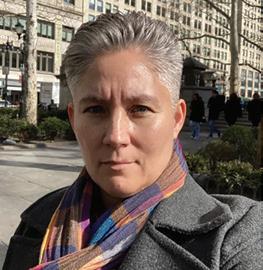
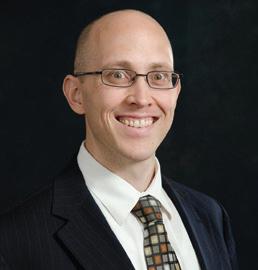
How does having different levels of education affect sibling relationships?
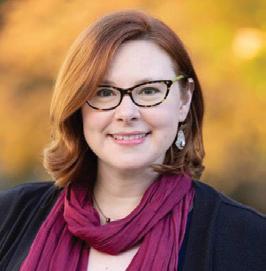
“Degree discordance” a significant difference in educational attainment between closely connected individuals, such as siblings may introduce and/or exacerbate conflict within families of first-generation college graduates. Social mobility may be a positive intervention economically and materially, as well as in terms of status, but it is also commonly associated with emotional distancing from families of origin. This experience of proximal social mobility is a common one: it concerns more than a third of the families that April Burns, an associate professor of psychology at Guttman Community College, CUNY, surveyed as she was recruiting the participants she
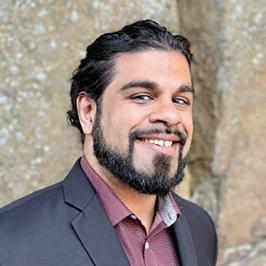
interviewed for her research. Burns interviewed nondegreed individuals to explore what happens when one sibling earns a college degree while another does not.
How do parents’ overeducation and job match influence their children’s college education?
Overeducation (having a job that requires less than the education attained by the worker) creates dissatisfaction, wage loss, and larger turnover all undesirable outcomes.
Andrew S. Hanks, associate professor of Consumer Sciences, and Julie Gressley, a PhD Candidate at The Ohio State University, use the longitudinal dataset Panel Survey of Income Dynamics to examine whether the fact that their parents’ job matches their educational level influences high school students’ decision towards
college education are they more likely to become themselves overeducated, or do they tend to eschew college education altogether? Do these decisions vary by rural/ urban backgrounds?
How does respect for their parents impact the decisions Muslim Americans make about their education?
Muslim Americans are the fastest growing religious group in the U.S., but they are ethnically and linguistically diverse. Waleed Sami, an assistant professor in the Mental Health Counseling program at CCNY, combines qualitative and quantitative methods to examine how filial piety (the Confucian virtue of respect for one’s parents, elders, and ancestors) and religious identity shape educational aspirations and career decisions for this growing student body.
Raj Chetty, William A. Ackman Professor of Economics at Harvard University
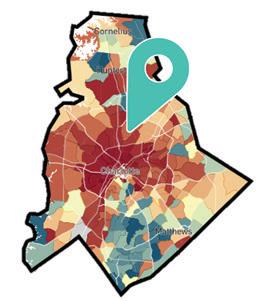
In a 2025 talk at Yale University, Raj Chetty at Opportunity Insights used these simple icons to clearly synthesize key takeaways from his seminal research on social mobility. His presentation outlined both characteristics of high-mobility neighborhoods and policy approaches to increasing upward mobility.
1 Source: Chetty, R., et al. “The opportunity atlas: mapping the childhood roots of social mobility.” American Economic Review 116.1 (2026): 1–51.
2 To explore further, visit the Opportunity Insights website: https://opportunityinsights.org/
Scan the QR code to the youtube video of the presentation
by Hannah Rosenberg Mobility in Focus
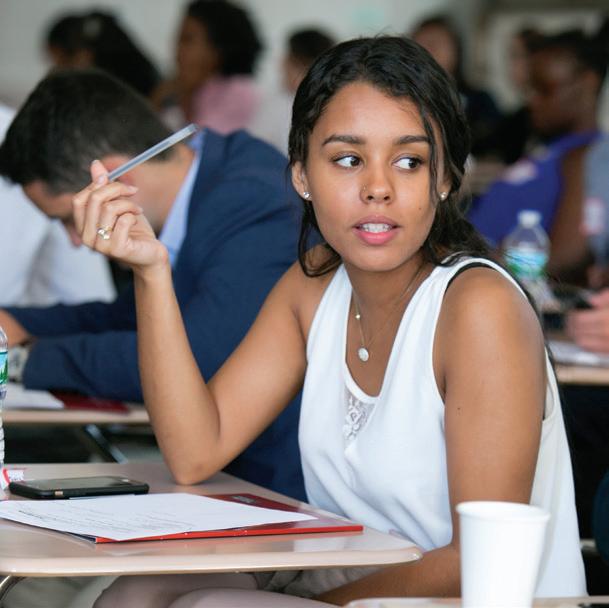
When we think about social mobility and higher education, we think of students navigating classes and coursework. However, research shows that beyond academics, involvement in campus life plays a meaningful role in mobility. Participation in student activities supports integration and persistence, cultivating the “sociocultural resources” employers value during the hiring process (Silver, 2020). Examining extracurricular involvement within the broader social context deepens our understanding of how mobility unfolds, especially across intersections of race, class, and gender.
Student clubs, research labs, professional development programs, and affinity groups offer opportunities for growth. However, access tends to be uneven and informed by students’ comfort with negotiating unfamiliar spaces, as well as the broader historical, social, and political climate in which campuses are situated. For example, the middle-class norms that structure higher educational environments can subtly pressure students to conform, which may feel particularly compromising for racial and ethnic minority students, working-class students, and women (Roksa & Silver, 2019; Silver, 2020). Faced with uncertainty about how they will be treated, students may avoid involvement altogether, providing insight into how systems of social inequality reproduce themselves.
In the context of higher education, selfpromotion, competitiveness, and independent achievement are often rewarded (Goudeau et al., 2024). Students who voice their opinions may be seen as especially capable;
however, these perceptions are also filtered through expectations around performances of race, gender, and class. In one study of extracurricular student life, a Black woman described how becoming more vocal led others to perceive her as “intimidating,” and other students from less-advantaged backgrounds recalled feeling “shut down” when they provided feedback (Silver, 2020). In this way, participation may be encouraged or constrained depending on one’s social identity.
Meanwhile, students who contribute more quietly may be less visible, even when deeply engaged. Some students lean on trusted peers to guide them and interpret unwritten expectations, while others may gravitate toward identitybased organizations that feel more welcoming. While these spaces are essential, research on economic connectedness also highlights the importance of cross-cultural networks in expanding opportunity (Chetty et al., 2022).
For first-generation and working-class students, extracurricular involvement may come with an additional layer of complexity. Strong connections to home communities typically remain central throughout college, and these students are more likely to rely on personal, rather than institutional, resources, which may limit the accumulation of social and cultural capital that higher education tends to reward (Roksa & Silver, 2019). This tension raises important questions about loyalty, belonging, privilege, and self-continuity (Silver, 2020). If pursuing certain opportunities conflicts with existing values, students
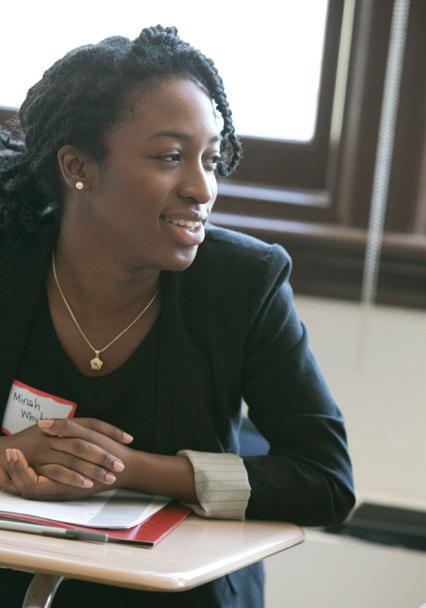
may struggle to do so, requiring additional emotional labor that remains largely unseen.
At public institutions like City College, where many students must balance academics with employment, family responsibilities, and long commutes, time itself is a scarce resource. Evening meetings, unpaid internships, and leadership commitments may be easier to sustain for students whose financial and caregiving responsibilities are lighter. For example, students who care for family members often report emotional stress and disruptions to their academic progress, while also feeling motivated by cultural traditions that provide meaning and purpose. Despite the challenges, caregiving can deepen family relationships and even inspire future career goals in related fields (Lun, 2022). When we consider extracurricular involvement as a core dimension of mobility, examining these spaces through an intersectional lens is critical. Who
is rewarded for speaking up? Whose schedules are accommodated? Whose participation styles are affirmed?
A closer look at extracurricular involvement reminds us that successful participation does not occur in a vacuum. When colleges recognize family and community ties as strengths and prioritize cooperation over competition, students may be more comfortable integrating themselves into campus life (Goudeau et al., 2024; Roksa & Silver, 2019; Silver, 2020). By acknowledging the sociocultural forces that shape academic contexts, higher education can help expand rather than narrow a student’s self-concept. Future research designed to develop interventions that support education and career success across diverse student communities has the potential to make higher education more culturally responsive and, in doing so, make the promise of mobility more inclusive and equitable.
This article forms part of the Social Mobility Lab’s campaign Ideas for Moving Up, designed to share the findings of research on social mobility with students, staff, and faculty. Such research too often lives in academic journals and behind paywalls, never making it to those people who could most benefit from the information.
Hannah Rosenberg is a research assistant for the Social Mobility Lab and a doctoral student in critical psychology.
REFERENCES
1 Chetty, Raj, et al. “Social capital I: measurement and associations with economic mobility.” Nature 608.7921 (2022): 108-121.
2 Goudeau, Sébastien, et al. “What causes social class disparities in education? The role of the mismatches between academic contexts and workingclass socialization contexts and how the effects of these mismatches are explained.” Psychological Review 132.2 (2025): 380.
3 Lun, Man Wai Alice. “College students’ experiences providing care for older family members.” Educational Gerontology 48.3 (2022): 132-143.
4 Roksa, Josipa and Blake R. Silver. “Do-it-yourself” university: institutional and family support in the transition out of college.” The Review of Higher Education 42:3 (2019): 1051-1071.
5 Silver, Blake R. “Inequality in the extracurriculum: How class, race, and gender shape college involvement 1.” Sociological Forum 35:4 (2020): 1290-1314.
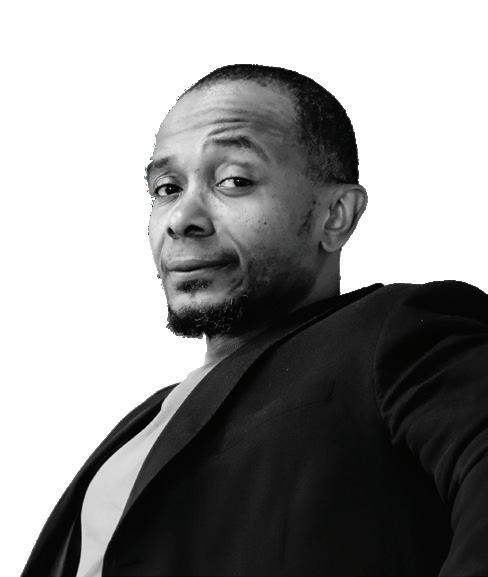
C. BRANDON OGBUNU, ASSOCIATE PROFESSOR, DEPARTMENT OF ECOLOGY AND EVOLUTIONARY BIOLOGY, YALE UNIVERSITY
“Why do you balance so many things?”
It is the question that I am asked most often during speaking engagements and panel discussions. People want to know why (and how) it is that a tenured academic scientist can balance what they perceive to be wildly different and contradictory interests and processes regarding the production and sharing of knowledge.
Some ask this after being exposed to my work as a computational biologist, appearing in academic journals of various kinds. Others (probably more) read my monthly column at Undark Magazine (“Selective Pressure”). They’ve read that I spend time at both Yale University and the Santa Fe Institute. They might have come across my writing on basketball, or hip-hop and artificial intelligence. And the valid question emerges:
“Why the hell does one person publish articles in the Bulletin of Mathematical Biology and write about the return of zines for WIRED, at what appears to be the same time?”
There is now a large conversation around the art of being agile. Many takes on intelligence offer that it is the ability to multi-task, hold multiple ideas in our heads at once, and fire off mental calculations of various kinds nearly-simultaneously. And less formally, the conversation around the benefits of being a generalist has percolated in various domains, which demonstrate a newfound appreciation for the ability to navigate different sorts of circumstances.
But missing in these discussions about the ability-to-do-many-things is the key ingredient:
“You must be curious about the world that you’re in, and you must be eager to share your findings.”
The curiosity that I speak of when I talk about what colors my portfolio is a consistent, sometimes agonizing desire to understand how things work. And many of the things that keep me up at night are related to topics that I have formal credentials or street cred: computation, disease, ecology, evolution, and complex systems.
But minds are large things, and mine is no more expansive than anyone else’s (I don’t
think). For whatever reason, I am driven by a healthy ignorance: I don’t know [X], but I must know. And in order to know, I must read several articles or a book about it. Often, that suffices. Curiosity is (temporarily) quelled, and I move on to whatever other task is relevant that day. But sometimes the learning and consumption grows. And often it culminates in the need to put something of my own on paper. Sometimes the idea sits in my notebooks or on my laptop forever. And that is okay.
It is this last step — the desire to see the product on the page — that is both the most important for producing work across paradigms, and the most challenging. For one, producing an essay or technical report on a topic is the culmination in a long process that begins with hard work and curiosity. The decision to put the product out on the street is fueled by a different ambition:
“the notion that ideas are great when they are made accessible, and that anyone who calls themselves a scholar should create products to be consumed by many.”
Sure, the academic journals are a critical (perhaps most important) home for the scholar’s work. When practiced correctly, peer-review and panels of experts evaluate the technical acuity of our work, which is an important part of the scientific instrument. But the idea that this is the sole ecosystem for the scholar never made sense to me.
In my career, I’ve actualized this confusion into my own scientific machine, one that tries to ask big questions, reads in high volume and with great depth, and packages the products of this effort into products that are the best form for whatever idea is being produced.
If it is a set of equations describing how a virus spreads in a population, then a journal with an editorial board skilled enough to evaluate it is best. But if the products of my scholarship are about a contemporary social phenomenon, then the snail’s pace of the academic journal isn’t quite right.
In the end, the question of how to “balance” is a valid one, with an answer that can be delivered directly: work hard, be rigorous in your scholarly ambitions, and be open about the manner that you share the products of the process. But this algorithm is bound by curiosity and care about the world that you’re in. It is the most essential ingredient to my own career as a scientific cowboy who draws outside the lines and bends the rules. It is difficult to teach, but also much more satisfying.
C. Brandon Ogbunu is an associate professor in the Department of Ecology and Evolutionary Biology at Yale University where he also leads The Ogbunu Lab. He is also a professor at the Santa Fe Institute. Beyond traditional academic journals, his writing has also appeared in ESPN, Wired, The Atlantic, and Undark. He shared his academic journey at an event for the Story Collider that was subsequently featured on NPR’s Radio Lab.
The Social Mobility Lab at the Colin Powell School at The City College of New York aims to discover new ways to accelerate and expand opportunity for our students, their families, and the communities they represent.
The approach of the Lab is simple but distinctive among organizations studying this issue: 1) to learn more about what is driving social mobility, 2) translate that knowledge into programs and practices to help students move up in life, and 3) at every stage, engage the people and communities who can most benefit from this work.
At the heart of our community are students striving to live the dream that mobility offers. Most of our students come from lower income backgrounds, almost two-thirds are the first in their families to go to college, and more than half are immigrants. They arrive at CCNY with determination and valuable perspectives on the challenges and needs of their communities. We have a unique opportunity to learn with and for our students.
Our Team
Bob McKinnon, Director, Social Mobility Lab
Abigail Feder-Kane, Director of Development, Colin Powell School
Pierre Losson, Associate Director, Social Mobility Lab
Liberty Gonzalez and Hannah Rosenberg, Research Assistants, Social Mobility Lab
Daniel Hila, Editorial and Events Manager, Colin Powell School
Namrata Kupte, Design Lead, Branding & Digital Strategy, Colin Powell School
Jose Alvarado, Strategic Communications Manager, Colin Powell School
Ariadne Rosales, Social Media and Special Projects Manager, Colin Powell School
We would like to thank all those who contributed to this journal, including Social Mobility Lab grantees, CCNY students, and those whose research inspired much of this content.
We thank Barbara Nevins Taylor, Gary Pierre-Pierre, and Shelby Boamah of the Journalism Program at CCNY, as well as Olivia Flynn, Louise Kielgast, Eamon O’Connor, and Precious Ndukuba at Gehl.
We are grateful to The Friedman Family Foundation, The Gambrell Foundation, and Kyndryl for their support of the work we do at the Social Mobility Lab.
Thank you for spending some of your valuable time with the Journal of Up. In these pages, you may have found:
• A university president making the case for the centrality of social mobility in a university’s mission
• Student journalists reflecting on how social mobility research resonates with their own lived experience
• Ideas for Moving Up — sharing how we can translate research into simple actions to help promote social mobility for ourselves and others
• Questions about social mobility that researchers from thirteen different colleges and universities are exploring that are proximate to the lives of young people
• Visualizations which at a glance speak volumes about important data related to social mobility
• One guest essay on the importance of sharing our journeys
• Another from a scholar sharing why he is so committed to translating his research to make it more accessible for others
• Artifacts - from work done inside and outside the classroom - that represent new ways to engage people in issues related to social mobility
Whether you read all of it or skimmed to find a few pieces that spoke directly to you, I hope you appreciate our attempt to re-think the traditional academic journal. One designed to be more accessible for students, scholars, and support services alike. One that asks more questions rather than attempting to provide definitive answers. One that centers the lived experience of people trying to move up in life — whatever that may mean to them.
We welcome all feedback and encourage you to reach out if you are interested in collaborating with us or learning more about our work.
With gratitude,
Bob McKinnon, Director, Social Mobility Lab
Colin Powell School, The City College of New York rmckinnon@ccny.cuny.edu