Crypto Transactions
Pending: What It Means &
How to Fix It
A comprehensive guide to understanding and resolving pending cryptocurrency transactions across Bitcoin, Ethereum, and other blockchain networks.


A comprehensive guide to understanding and resolving pending cryptocurrency transactions across Bitcoin, Ethereum, and other blockchain networks.
When you send Bitcoin, Ethereum, or any other crypto, it doesn't instantly arrive at its destination. A "pending" transaction means it's been successfully broadcast to the network but hasn't yet been confirmed and permanently added to the blockchain.
Think of it as a valid ticket for a popular event – you hold it in your hand, but you're still waiting for the doors to open and for your seat to be officially assigned. The transaction is valid, but not yet finalised.
Transaction Enters
Mempool
Every transaction you broadcast enters a temporary holding area called the mempool (memory pool), where it waits to be processed.
Transactions
Miners or validators actively pick transactions from the mempool to include in the next block they're creating. 03
Prioritisation
Key Factor: Transaction fees determine priority. Higher fees incentivise miners to process your transaction faster.
Once included in a block and added to the blockchain, your transaction receives its first confirmation and becomes irreversible.

Analogy: A busy airport security line during peak hours. If your fee is too low, you're stuck at the back of the queue, waiting for those who paid more to go first.


High demand for limited block space, particularly during popular coin launches, market volatility, or widespread adoption events.
Your transaction fee is too low to compete with others, causing miners to prioritise higher-paying transactions instead.


Your crypto wallet might be temporarily out of sync with the blockchain, displaying incorrect transaction status.
On Ethereum and EVM chains, an earlier transaction from your wallet is stuck, blocking subsequent ones with higher nonce values.
Once confirmed and embedded in the blockchain, a transaction becomes irreversible and cryptographically secured for all time.
Pending transactions remain theoretically vulnerable to doublespending attacks until they receive sufficient confirmations on the blockchain.
Always wait for at least one confirmation (preferably more for large amounts) before considering funds truly received and spending them.
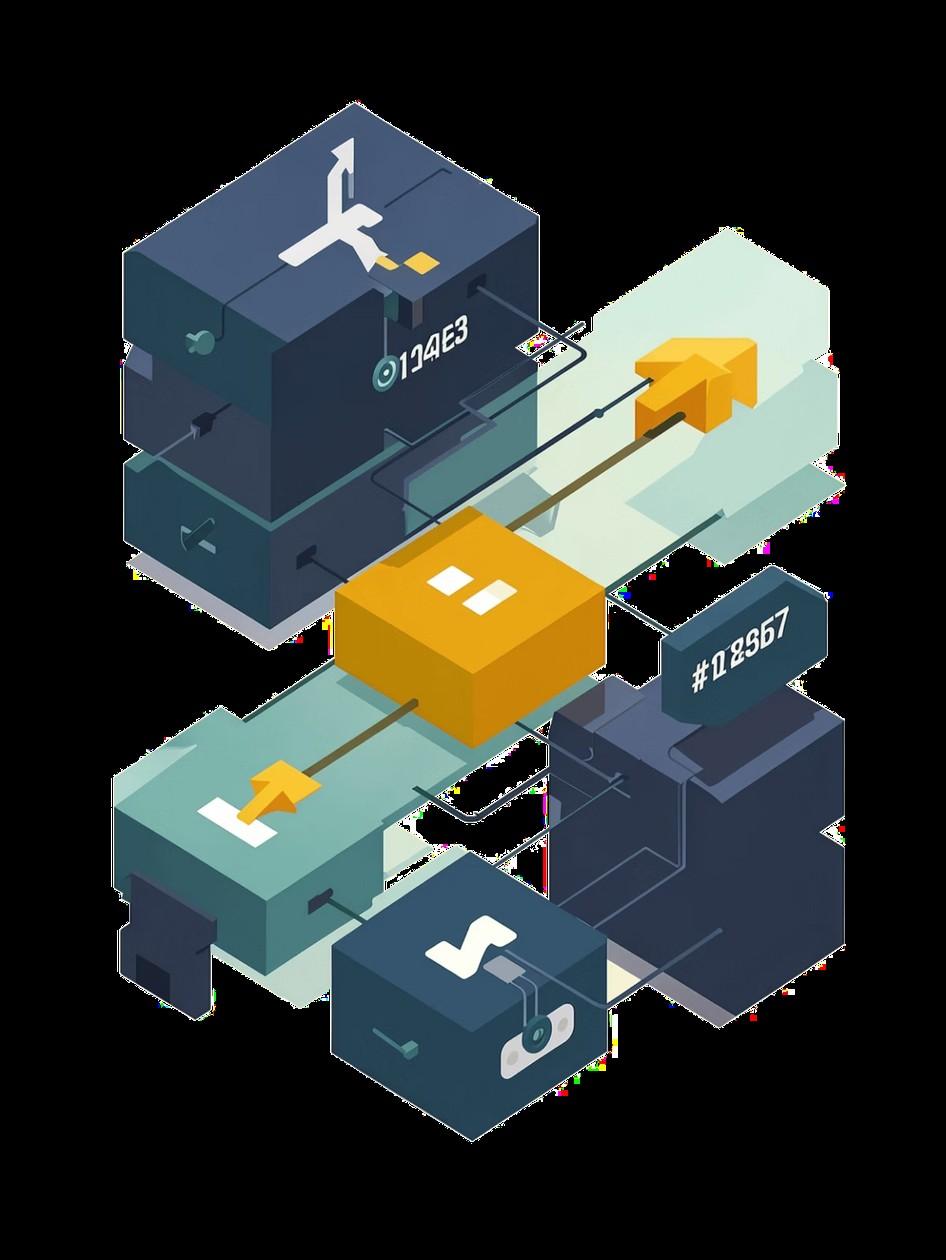
A visual representation of the blockchain ledger with a pending transaction highlighted, illustrating how it awaits inclusion in the next block.
Several blockchain-specific techniques can accelerate your stuck transaction:



(RBF)
Send a new transaction with identical details but a significantly higher fee. The network recognises it as a replacement for the pending transaction.
Send a new transaction spending from the pending output with a much higher fee. This incentivises miners to confirm the parent transaction first.
Send a new transaction to yourself using the same nonce but with a higher gas fee. The network will process the higherfee version instead.
These techniques effectively remove your pending transaction from the network:
Cancel
Send a zero-value transaction to yourself with the same nonce and higher gas fee. This replaces the original pending transaction.
If your wallet is out of sync, try resyncing it completely or refreshing your connection to the blockchain network.
Always check transaction status on a block explorer before taking action. Use Etherscan for Ethereum, mempool.space for
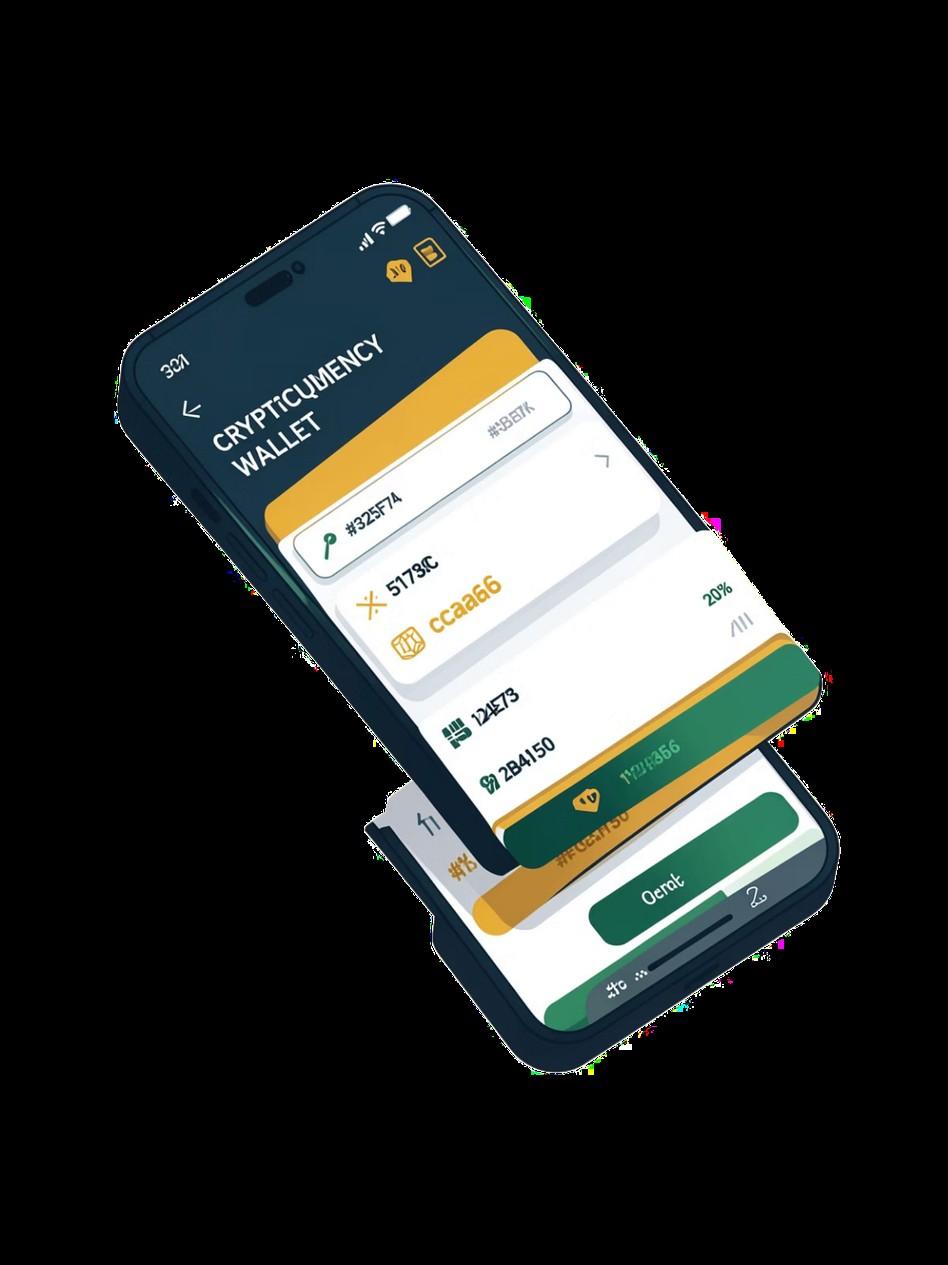

Your crypto wallet (e.g., Exodus, Edge, Coinbase Wallet, MetaMask) serves as your gateway to the blockchain network.

Most modern wallets offer options to adjust fees before sending or to speed up/cancel pending transactions after broadcasting.

Understand your wallet's specific capabilities for managing pending transactions and keep it updated with the latest features.
Pending transactions are common occurrences, especially during periods of high network activity and congestion.
Fees and network congestion are the primary causes of pending transactions across all blockchains.
Always verify your transaction status on a block explorer before attempting any fixes or replacements.
Speeding up or cancelling are often possible, but require understanding the specific blockchain's mechanisms.
Ensure your crypto wallet is up-to-date, properly synced, and connected to the network before sending.
"A pending transaction is simply the price of decentralisation. Understanding the mechanics empowers you to manage it effectively."