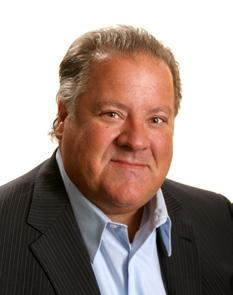
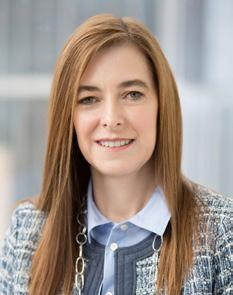
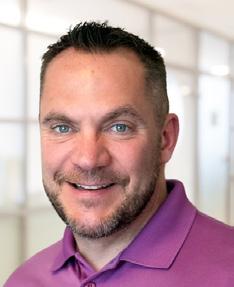
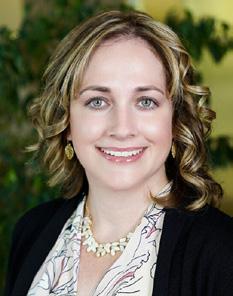
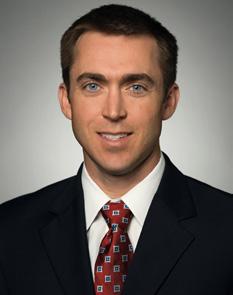
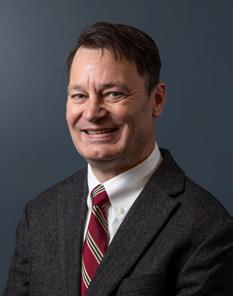
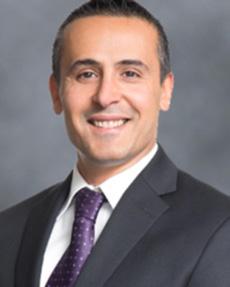
4 At the Board Table: Spotlight on the Incoming 2026-27 COCPA Leadership Slate
Meet the members who on May 1 will begin their terms on the 2026-27 COCPA Board of Directors and the Educational Foundation Board of Trustees.
10 The Future of CPA Licensure in Colorado Starts with SB26-076
COCPA Director of Government Relations and Advocacy Cole Buerger details the positive impact that Senate Bill 26-076, recently passed with significant support from the COCPA, will have on the accounting profession.
12 Life, In Tandem: Meet CPA Twins Garrett and Griffin Johnston
Twin CPAs Garrett and Griffin Johnston have charted remarkably similar journeys. They know that life is better when you have a built-in adventure partner who’s matched your stride since day one.
20 Past COCPA Chair Sharon Lassar Leaves a Legacy of Dedication to Students and the Accounting Profession
Following her passing on Jan. 23, 2026, colleagues from across the academic sector and the accounting profession remember 2020-21 COCPA Chair Sharon S. Lassar, Ph.D., CPA (Florida), for her unwavering commitment to students and the future of the profession that she loved.
24 From Findings to Fixes: Addressing Common SOC 2 Control Failures
With companies’ growing reliance on service organizations comes heightened responsibility for safeguarding company and client data. Esteban Rosas explores five control failures often found in service organizations’ System and Organization Controls (SOC) 2 report and how to fix them.
A publication of the Colorado Society of Certified Public Accountants Vol. 71, No. 4 Spring 2026
Officers
Alexandra "Alexie" Tune, Chair
Jim Gilbert, Treasurer
Tobias "Toby" Clary, Immediate Past Chair
Alicia Gelinas, Secretary
Directors
Paul Elggren, Tiffany Knight, Dana Lambert, Patrick Lytle, Kevin Gibson, Lisa Kutcher, Hannah Thaw
Editorial Board
Isaac Adamu, Ken Fichter, Laura Theiss, Michael West, Charlie Wright
Kelli Davis, Editor
Tori Fogliano, Blue Ocean Ideas, Design
NewsAccount (ISSN #10899952) is published quarterly by the Colorado Society of Certified Public Accountants, 720 S. Colorado Blvd., Suite 500N, Glendale, CO 80246. NewsAccount is published in Winter, Spring, Summer, and Fall and reports information, news, and trends in the accounting profession. The Colorado Society of CPAs assumes no liability for readers’ business decisions in reference to advertisements or other information included in this publication. Links to external websites are provided for convenience and are not under the control of the COCPA. The inclusion of such links does not constitute an endorsement of the content or the views expressed therein.
Membership dues include a $2.00 one-year subscription to NewsAccount 303-773-2877 • 800-523-9082 Fax: 303-773-6344
The Challenge and Opportunity of Change
BY ALEXANDRA TUNE, CPA, MACC, CHAIR
Iwould like to begin by acknowledging the recent passing of Dr. Sharon Lassar, CPA (Florida), John J. Gilbert Endowed Professor and longtime director of the University of Denver (DU) Daniels College of Business School of Accountancy.
Dr. Lassar, who served as 2020-21 COCPA Chair, had a lasting impact on me as a friend, colleague, and mentor. She was an advocate for change and believed that change was a necessary constant, as evidenced by the continuous evolution of curriculum and programs at the School of Accountancy under her leadership.
See page 20 for more on Dr. Lassar’s contributions to accounting education and the profession as a whole.
While change has always been part of the CPA profession, today it feels faster – more constant. From emerging technologies to evolving regulations, even the most seasoned professionals might feel a bit overwhelmed, but as CPAs, we’re uniquely positioned to lead in these moments.
LEADING THROUGH CHANGE
If there’s one constant right now, it’s disruption – particularly with the rapid advancement of artificial intelligence (AI). And what’s coming next will likely be even more transformative than what we’re already experiencing. The question isn’t whether change will happen; it’s how we choose to respond.
Leadership during times of change requires more than technical expertise. It requires clarity and communication, because by nature, people tend to resist change until they understand its value. Our role is to help bring that understanding to life by clearly articulating not only what is changing, but why it matters.
Equally important is reducing uncertainty. Change itself is manageable. Uncertainty is what creates hesitation, resistance, and even fear. When we can define a clear path forward and help people see both the vision and how to get there, we replace
fear with confidence and trust. That’s what leadership looks like in practice.
While this moment we’re in right now feels particularly intense, it’s not entirely new. CPAs have always needed to adapt to evolving standards, regulations, and expectations. What’s different now is the speed. Leading through change today means not just reacting but proactively setting direction and charting a new course.
CHANGE AS OPPORTUNITY
Disruption, while challenging, always brings opportunities. This is where as CPAs, we can truly step into our roles as trusted advisors. Our clients and the organizations we represent are looking for guidance. They need our help to understand what’s changing, what it means, and how to move forward. This is exactly what we’re trained to do. Rather than viewing change as something to manage, we can reframe it as something to leverage. New technologies can unlock efficiencies. New rules can strengthen transparency and trust. Rising expectations can elevate the value we bring to our clients and organizations.
That mindset is taking shape earlier in the profession. In accounting education, the focus is shifting. It’s no longer about mastering a fixed set of tools, because those tools are evolving too quickly. Instead, CPAs must learn how to think, adapt, and stay ahead of change itself.
All of us should apply this shift in how we think because continuous learning is no longer optional. Staying relevant means continually updating our skills and being willing to rethink how we work. The professionals who thrive will be those who anticipate change, not just respond to it.
NAVIGATING CHANGE
This need to adapt isn’t happening in isolation. Across the country, we’re seeing shifts in how the profession defines the pathways to CPA licensure, practice structures, and long-term sustainability.
We’re seeing those changes take shape here right here in Colorado. Earlier this spring, SB26-076, Colorado’s CPA Licensure Modernization bill, passed both chambers of the Colorado General Assembly and, as of press time, awaits Gov. Jared Polis’ signature. The bill expands pathways to CPA licensure, increasing flexibility for candidates while maintaining the standards that define the profession.
See page 10 for more from COCPA Director of Government Relations and Advocacy Cole Buerger on what the new legislation means for Colorado’s accounting profession.
At the same time, national discussions about proposed updates to alternative practice structures are prompting important dialogue about the future of firm ownership, investment, and independence.
These are meaningful changes to the accounting profession, and they reflect a broader effort to ensure that the profession remains strong, relevant, and forward looking. This underscores an important way to think about things: Change isn’t happening to us. It’s happening with us and because of us.
Through advocacy, engagement, and collaboration, the COCPA is helping CPAs shape what comes next. When we embrace change, we position both ourselves and the profession for long-term success.
One of the COCPA’s greatest strengths is the community it provides through working groups, committees, and events, where members can connect with peers who are navigating the same challenges.
Whether it’s the Accounting Educators Committee, the Technology Users Group, tax study groups, the annual Women’s Summit, or PEAK, to name a few, these forums provide opportunities to ask questions, share insights, and learn from one another. These connections reinforce that while change can feel individual, it’s something we move through together.
SHIFTING YOUR THINKING
As you think about your own role in this moment, here are a few insights to keep in mind and adjust your thinking about change:
It’s a process, not an event. Progress happens over time, often in small, incremental steps. Give yourself and your teams the space to learn along the way.
It won’t always feel smooth. Periods of uncertainty and even chaos are part of transformation. That doesn’t mean something is wrong. Rather, it often means something new is taking shape.
Growth requires letting go. Holding too tightly to what’s familiar can limit what’s possible. Sometimes, the hardest part of change is releasing what we know to make room for what’s next.
FIND THE SUPPORT YOU NEED
The pace of change today is unlike anything we’ve seen before, and it’s not slowing down. Technology and regulations will continue to advance rapidly. That means expectations are shifting, and the role of the CPA continues to expand.
Now, more than ever, our profession is called upon to adapt, lead, and guide others through uncertainty. And if history is any indication, we are more than capable of rising to that challenge.
Alexandra Tune, CPA, MAcc, leads Deloitte’s Denver Office Audit & Assurance Technology and Emerging Growth Practices, specializing in the technology, healthcare, and health technology industries. Reach her at atune@deloitte.com
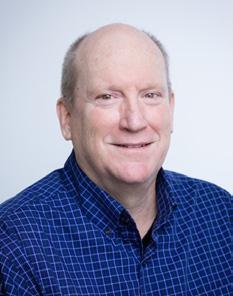
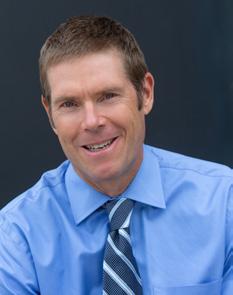
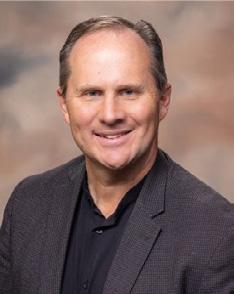
At the Board Table: Spotlight on the Incoming 2026-27 COCPA Leadership Slate
BY NATALIE ROONEY
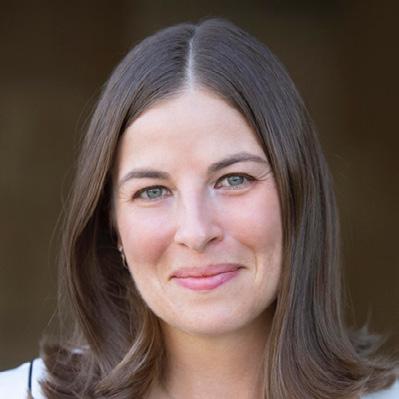
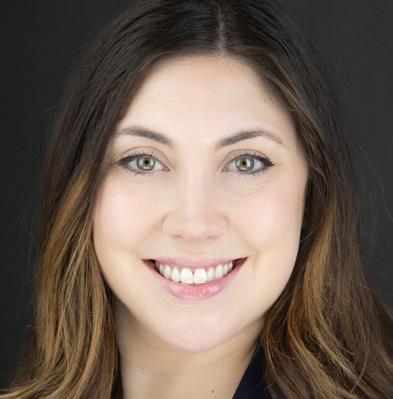
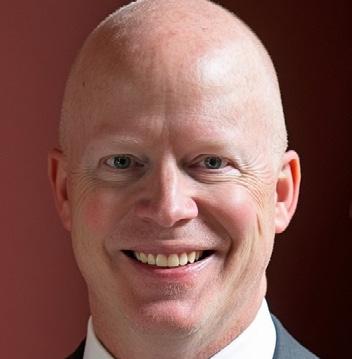
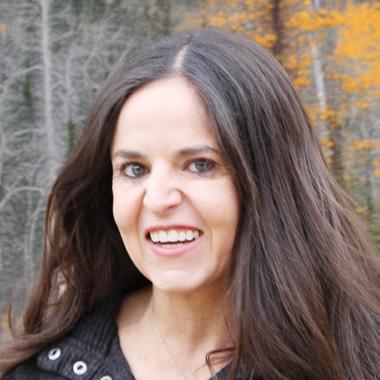
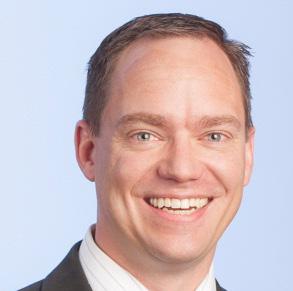
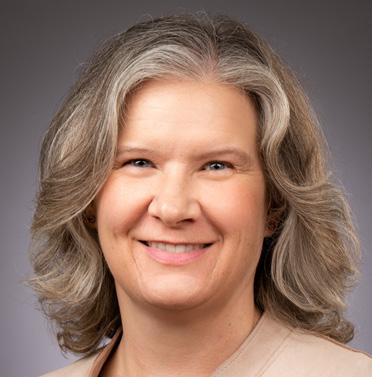
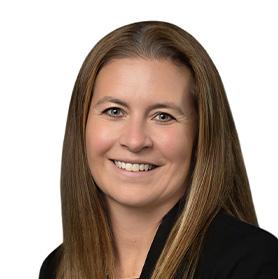
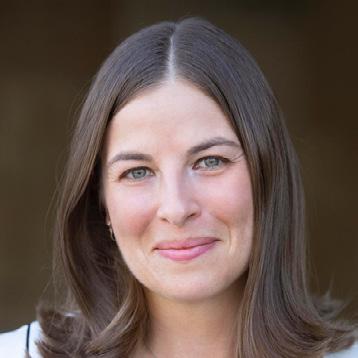
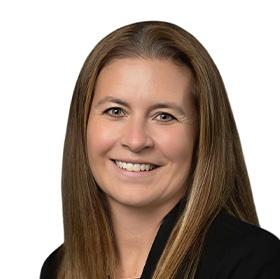
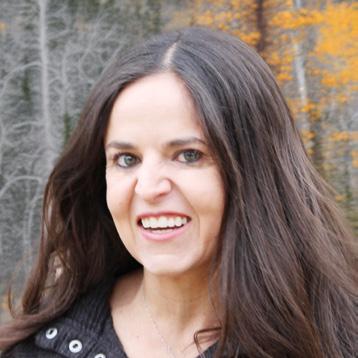
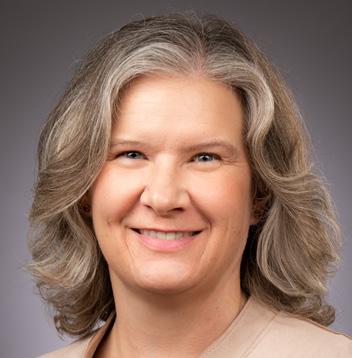
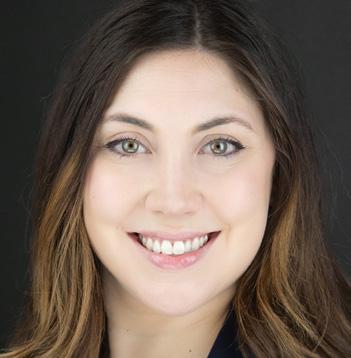
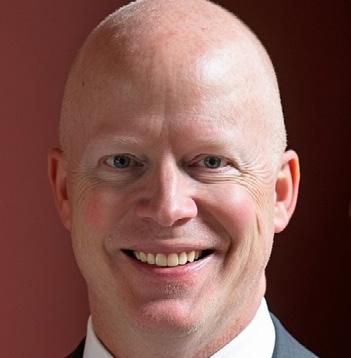
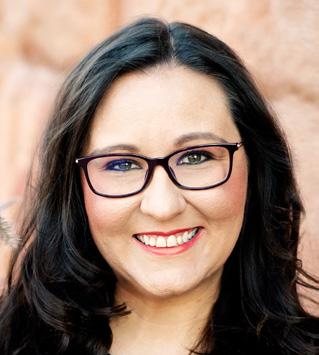
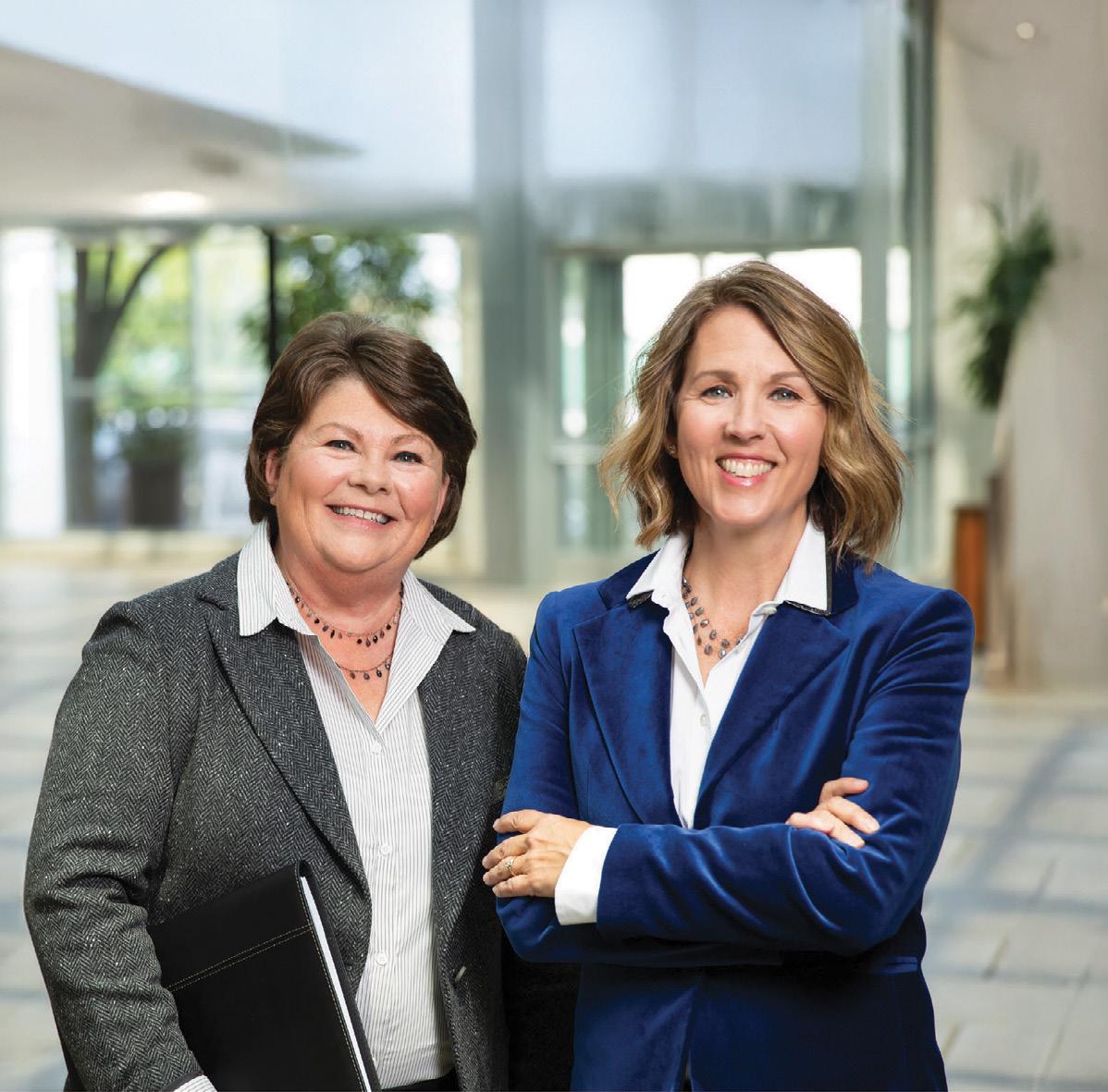
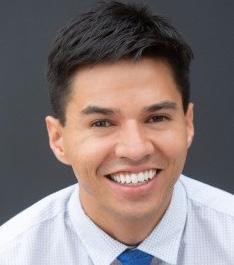
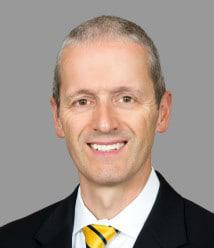
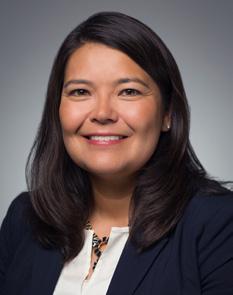
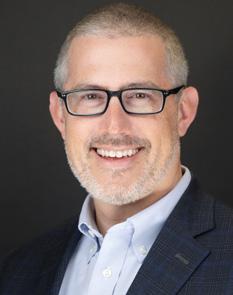
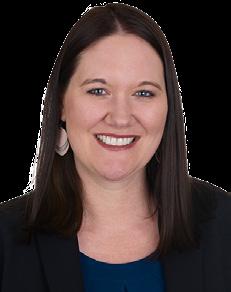
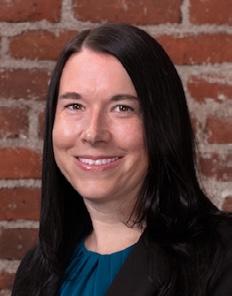
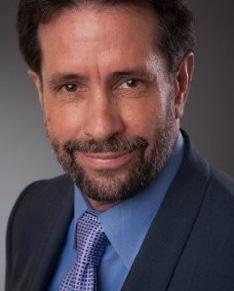
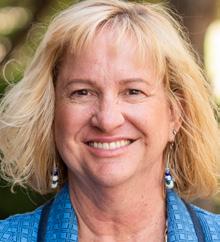
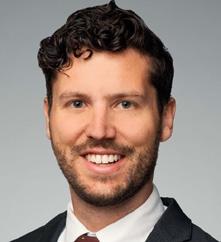
Congratulations to Jim Gilbert, CPA, CITP, CGMA, Jim Gilbert, CPA, LLP, Highlands Ranch, who, beginning May 1, will serve as COCPA 2026-27 Vice Chair/Chair-elect. Tiffany Davis, CPA, Discovery Accounting, LLC, Denver, will serve as treasurer. Incoming directors at large are Lindsay Holliday, CPA, Riveron Consulting; Doug Reeb, CPA, Plante Moran; and Kelly Watson, CPA, Watson Coon Ryan, LLC, all of Denver.
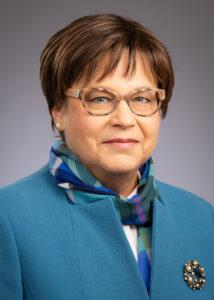
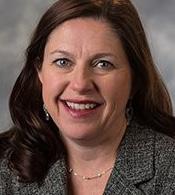
In accordance with bylaws governing vacancies, the Board of Directors has elected Alexandra "Alexie" Tune, CPA, MAcc, Deloitte LLP, Denver, to continue her service as Board Chair through Nov. 15, 2026, with Gilbert assuming the Chair role on Nov. 16, 2026. Continuing their service through April 30, 2027, are Secretary Alicia Gelinas, CPA, COCPA, Glendale; and Directors at Large Paul Elggren, CPA, Crowe, LLP, Denver; Tiffany Knight, CPA, Kundinger, Corder, & Montoya, P.C., Denver; and community member Dana Lambert, Ph.D., Colorado State University-Pueblo. Serving as a non-voting, ex-officio member representing the Emerging Professionals Initiative Committee (EPIC) is Stephanie Simon, CPA, RubinBrown, Denver.
The treasurer and directors at large will serve for two years.
Incoming Educational Foundation trustees, each serving a threeyear term, are Keely Gohl, CPA, CGMA, Favor Financial LLC and University of Denver, Castle Rock; Haleigh Gonzalez, CPA, Soukup, Bush and Associates, CPAs, P.C., Fort Collins; and Brian Schilb, CPA, KPMG, Denver.
Continuing their service on the Educational Foundation Board of Trustees are Todd Mihelich, CPA, McPherson, Goodrich, Paolucci & Mihelich, PC, Pueblo; Jeffrey Damm, CPA, SM Energy Company, Denver; Sarah Flischel, CPA, AAFCPAs, Denver; Blaise Wabo, CPA, A-LIGN, Denver; Paula Mann, CPA, Western College University, Gunnison; Justin Schmitz, CPA, EY, Denver; and Karla Willschau, CPA, retired, Alamosa.
We asked the incoming Board officers, directors, and Educational Foundation trustees to tell us about themselves and offer insights on top issues facing the Society and the accounting profession. Here’s a look at what they shared.
IINCOMING COCPA BOARD VICE-CHAIR/CHAIR-ELECT
Jim Gilbert, CPA, CITP, CGMA
Jim Gilbert, CPA, LLP, Highlands Ranch
f Jim Gilbert’s name sounds familiar, it’s because he is a long-time COCPA supporter, advocate, and volunteer. Today, as founder and owner of Jim Gilbert, CPA, LLP, he provides strategic accounting, advisory, and technology consulting services, but he began his career as a billing clerk. From there, he progressed through operational and financial roles to CFO and executive management positions in multiple organizations.
His professional experience spans architecture, engineering, construction, manufacturing, technology, automotive, medical, and real estate, and he has served companies ranging from startups to Fortune 500 enterprises.
Throughout his career, Jim has focused on connecting financial leadership with day-to-day operations, helping organizations turn strategy into measurable results. He has led entity formations, mergers and acquisitions, ownership transitions, expansions, and divestitures, bringing both big-picture thinking and practical execution to each engagement.
Jim is widely recognized for his work at the intersection of accounting and technology. He advises organizations on automation, data
Aanalytics, cybersecurity considerations, and modern business systems that strengthen reporting and decision making.
He holds the Certified Information Technology Professional (CITP) and Chartered Global Management Accountant (CGMA) credentials and regularly presents for the AICPA, the COCPA, and other professional groups on technology, strategy, and leadership.
Over the years, Jim has served on the COCPA Board of Directors, including a term as Board treasurer. He founded the COCPA Technology Users Group (TUG), creating a forum for CPAs to collaborate on emerging technologies and innovation. Nationally, he has served on the AICPA CITP Credential Committee, chaired the CITP Champions Group, and contributed to the AICPA ENGAGE Technology Planning Committee for four years.
As incoming COCPA vice-chair/chair-elect, Jim brings practical executive experience, a strong technology focus, and a commitment to advancing the profession while upholding the standards that define it.
Outside of work, he enjoys spending time with family, traveling, mentoring professionals, and staying active both in the gym and through rucking.
INCOMING COCPA BOARD TREASURER
Tiffany Davis, CPA
Founder and Chief Magic Maker, Discovery Accounting, LLC, Denver
s founder and self-described “Chief Magic Maker” of Discovery Accounting, LLC, Tiffany brings 25 years of experience across public accounting, industry, and entrepreneurship to her role. She partners with organizations on systems and process redesign initiatives that untangle complexity and remove friction from daily work. Her work centers on transformation rather than transactions, helping organizations move from stuck and overwhelmed to moving forward and feeling empowered.
For nearly 15 years, Tiffany balanced full-time roles while building her own client accounting services practice after hours. That demanding season, coupled with completing her education, sharpened her resilience and deepened her passion for consulting and problem solving.
She later transitioned her practice to a growing regional firm that was acquired by a Top 20 firm, where she served as a senior manager, leading advisory engagements and contributing to firm-wide strategy around the future of client accounting services.
After a “mini retirement,” Tiffany returned to entrepreneurship with a renewed focus on strategic projects and advisory support. Her approach emphasizes curiosity, thoughtful questioning, and a willingness to challenge the “we’ve always done it that way” mentality.
She is known for her steady, calming, and collaborative approach to complex problems, along with her ability to turn uncertainty into clear, workable next steps. She believes that leadership is a team sport and values listening effectively, asking good questions, and working toward balanced decisions.
A dedicated COCPA volunteer, Tiffany is a founding member and chair of the COCPA Independent Accountants Alliance. She previously chaired the Young Professionals Council and served as an ex-officio member of the COCPA Board. In 2025, she was recognized as a COCPA Women to Watch Emerging Leader.
A Colorado native and Regis University graduate, Tiffany enjoys spending time outdoors playing disc golf, paddleboarding, and camping with her husband, extended family, and friends.
COCPA LEADERSHIP
CONTINUED FROM PAGE 5
TINCOMING COCPA BOARD DIRECTOR
Lindsay Holliday, CPA
Senior Director, Riveron Consulting, Denver
hroughout her career, Lindsay has bridged technical accounting and business operations, helping organizations strengthen reporting processes and deliver clear, useful insights to leadership. She has more than 20 years of experience in financial reporting, compliance, and strategic analysis, spanning Big 4 public accounting and industry roles.
Lindsay’s background includes extensive experience in internal and SEC reporting, technical accounting research, and audit coordination. She has overseen month-end close processes, budget-to-actual analysis, and internal control evaluations, identifying and resolving control weaknesses while building stronger, more efficient reporting environments.
In addition, she has led and developed teams, fostering collaborative cultures that emphasize accountability, growth, and open communication.
Lindsay’s industry experience spans oil and gas, midstream, renewables, manufacturing, and telecommunications, giving her a broad perspective on the evolving challenges facing organizations of all sizes.
In her client work, she sees firsthand how rapid technological change, automation, and AI are reshaping the profession. She believes that today’s CPAs must pair technical expertise with adaptability, strong communication skills, and a commitment to mentoring the next generation. As routine tasks become increasingly automated, she sees greater opportunity for accountants to add value through analysis, collaboration, and strategic thinking.
An active member of both the AICPA and the COCPA, Lindsay also serves on the Center for Energy Accounting & Sustainability’s Oil & Gas Conference planning committee.
Outside of work, she enjoys traveling, reading, playing golf, and spending time with her family, including cheering on her youngest son as he studies finance and accounting in college.
PINCOMING COCPA BOARD DIRECTOR
Doug Reeb, CPA
Assurance Partner, Plante Moran
Energy Practice, Denver
roudly raised in Colorado, Doug has built his entire career right here in the Centennial State. A graduate of the University of Colorado Boulder, Doug earned his master’s in finance from the University of Denver while attending night school.
Doug started his public accounting career with Arthur Andersen in Denver, later joining EKS&H and continuing with Plante Moran following the firms’ merger in 2018. The oil and gas industry has been his professional homebase from the beginning, and he has worked with companies ranging from local operators to large, international organizations. That range has given him an understanding of the risks and realities that businesses of every size face.
Outside the office, Doug has served on numerous nonprofit and industry boards, including the Anchor Center for Blind Children,
the Tennyson Center for Children, the Colorado Oil and Gas Association, the Denver Petroleum Club, and the AICPA Oil and Gas Committee.
Doug believes that technology has made the profession stronger, but notes that it’s important not to let it insulate CPAs from daily interactions with colleagues and clients. He emphasizes that prioritizing and fostering “the human element of our careers will maintain the trust that each of us has in our roles as individual advisors, mentors, and in our profession as a whole.”
Doug is the proud father of two adult children. During his free time, he enjoys international travel, bird hunting, and skiing – when and if busy season permits!
elly has spent her entire 18-year career in public accounting, and she wouldn’t have it any other way. She started at Hein & Associates before moving to Yanari Watson McGaughey in 2010, a firm that eventually evolved into Watson Coon Ryan through a series of mergers and splits.
Along the way, she’s built deep experience in audit, including Sarbanes-Oxley compliance, public and private company engagements, and even spent a few years in tax.
Over the past eight years, Kelly’s work has centered on nonprofits, where she leads single audits, governmental special district audits, and employee benefit plan audits. She has served on multiple boards and planning committees.
As an AICPA Leadership Academy graduate, Kelly is known for challenging the accounting profession’s status quo — including helping her firm drop time tracking back in 2016 in favor of more forward-thinking approaches.
KRaised in a CPA household (her dad was a CPA), Kelly understands both the traditions and the growing pains of the profession. She believes the future lies with CPAs who can adapt, communicate well, and lean into the human side of advisory work, especially as AI handles more routine tasks. Her broad peer network and peer review experience give her insight into how firms of all sizes operate and evolve.
Kelly is a past COCPA scholarship recipient and was recognized with the COCPA Everyday Heroine and Women to Watch awards. She also serves on the Governmental Conference Planning Committee and supports the peer review process.
Outside of work, she’s a Girl Scout troop treasurer, nonprofit board member, sports mom to five kids, devoted Colorado sports fan, and enthusiastic family traveler.
INCOMING EDUCATIONAL FOUNDATION TRUSTEE
Keely Gohl, CPA, CGMA
Founder and Owner, Favor Financial LLC; Adjunct Faculty Member, University of Denver; Castle Rock
eely earned both her bachelor’s and master’s degrees in accountancy from the University of Denver and began her career with KPMG, where she spent 11 years in audit followed by three years in the firm’s National Industry Learning & Development office.
After leaving public accounting, Keely moved into financial leadership roles within the nonprofit sector. She served as Director of Budget and Planning for the University of Denver’s Arts, Humanities and Social Sciences divisions; controller for the Denver Dumb Friends League; and Director of Finance & Administration for a local church and its pre-K through 8th grade school.
Seeing firsthand that many organizations needed high-level financial expertise but not always on a full-time basis, she launched Favor Financial in 2019 to provide strategic consulting and financial guidance tailored to nonprofit and mission-driven organizations.
In addition to her consulting work, Keely is a dedicated educator and course developer. She designs and instructs executive education programs for the COCPA, CPA Crossings, and other organizations, with expertise in ethics, fraud, board governance, and communication.
This fall, Keely will begin earning her Master of Arts in Biblical and Theological Studies from Denver Seminary.
She has served for more than a decade on the University of Denver School of Accountancy Advisory Board and is an active member of several COCPA committees, including the Women’s Summit Planning Committee, Professional Development Committee, and Not-for-Profit Conference Planning Committee.
Outside of work, Keely volunteers in her community, mentors students and professionals, and enjoys reading classic English literature, traveling, and spending time with her family.
COCPA LEADERSHIP
COTINUED FROM PAGE 7
HINCOMING EDUCATIONAL FOUNDATION TRUSTEE
Haleigh Gonzalez, CPA
Partner, Soukup, Bush and
Associates,
CPAs, P.C., Fort Collins
aleigh joined the Soukup, Bush & Associates team in June 2013 and became a shareholder in 2023. She specializes in complex partnerships, commercial real estate investments, and high-net-worth clients, and she leads the firm’s cost segregation studies — a critical service for its many real estate investment clients. In addition to her technical work, she plays an active role in business development and is deeply engaged in Colorado’s business community.
Haleigh graduated summa cum laude from Western Colorado University with degrees in accounting and business administration and a minor in economics. Her professional journey is closely tied to the COCPA. She was a student member before landing her first position, relying on Society resources during college. Her initial interview with Soukup, Bush & Associates came through the COCPA’s Student Interview Day — an experience that directly shaped her career path.
AToday, Haleigh brings a perspective shaped by every stage of the pipeline: student, young professional, and firm leader. Working closely with local universities, mentoring interns, and developing early-career associates, she sees firsthand the questions, expectations, and challenges facing the next generation.
She understands how students view the profession, the skills they want to build, and the support they need to succeed. At the same time, she works alongside established CPAs navigating growth, succession, and evolving client demands, giving her a well-rounded view of the profession’s future.
Outside the office, you’ll find Haleigh on the move with her young daughter, Sierra, and their energetic corgi, Cardi. She enjoys snowboarding, fishing, reading, and exploring Colorado’s breweries and mountain towns.
INCOMING EDUCATIONAL FOUNDATION TRUSTEE
Brian Schilb, CPA
Partner, KPMG LLP, Denver
s a partner with KPMG, Brian leads audit engagements for Fortune 500 and publicly traded companies across the telecommunications, energy, and technology sectors. He also serves as Deputy Professional Practice Partner for KPMG’s Mountain Business Unit, providing technical accounting guidance, SEC expertise, and oversight of audit quality and risk management initiatives across the region.
Brian’s career has included time at KPMG’s national office in New York, where he advised engagement teams on complex technical accounting matters and reviewed audit work for compliance with PCAOB standards.
From 2012 to 2014, he served as a Fellow with the Financial Accounting Standards Board (FASB), working on the revenue recognition project that resulted in ASC 606. That experience gave him a front-row seat to the standard-setting process and the practical implementation challenges that companies face.
A graduate of Colorado State University, Brian is licensed in both Colorado and New York and is an active member of both the AICPA and the COCPA. He is also a U.S. Marine Corps veteran.
Brian has long been committed to building the CPA pipeline. He plays an active role in campus recruiting and regularly speaks to college and high school students about careers in accounting. He sponsors both the KPMG Denver office’s community impact efforts and veterans group, and he serves as treasurer of his daughter’s elementary school PTO. He and his wife are also active in their church community.
Brian lives in Greenwood Village with his wife and three children. Outside of work, he enjoys traveling, skiing, camping, reading, and cheering on his kids at their many activities.
Romero Brings Passion for the Profession to new AICPA Role
Congratulations to 2025-26 Vice Chair/ Chair-elect Alexandria (Alex) Romero, CPA CGMA, MPAcc, who on April 6 joined the AICPA as Director, CPA Pipeline. Based in Pueblo, Alex has been active in the COCPA for many years, bringing a deep commitment to the accounting profession.
In addition to her service on the COCPA Board of Directors, she has served as vice president of the COCPA Educational Foundation Board of Trustees and chaired the COCPA Young Professionals Council. Her work with the AICPA has included terms as chair of the Emerging Professionals Initiatives Committee, at-large Council member, member of the Government Performance Accountability Committee, and board trustee of the Benevolent Fund.
Recently, Alex testified at the Colorado State Legislature in support of Senate Bill 26-076. The bill advocates for creating flexible, experience-based routes to CPA licensure, addressing Colorado's growing accounting workforce shortage while preserving the rigorous standards that make CPAs trusted advisors.
Alex has been recognized with several awards, including the 2022 AICPA Outstanding Young CPA Award; inclusion on the 2021, 2022, and 2023 CPA Practice Advisor 40 Under 40 Accounting Professionals list; and the 2021 COCPA Women to Watch Emerging Leader Award.
As AICPA staff may not hold state society leadership positions, Alex has stepped down from her role on the COCPA Board.
The COCPA thanks her for her years-long commitment to the Society and the profession, and wishes her great success in her new professional role with the AICPA.
know how to run your business. Selling it takes a very different skill set. Our experienced brokers guide you through every step with strategy, discretion, and care.
At Accounting Biz Brokers, LLC, our team of Certified Business Intermediaries brings proven expertise and industry insight to every transaction. We are committed to personalized brokerage services backed by verified education, professional standards, and deep market knowledge.
TThe Future of CPA Licensure in Colorado Starts with SB26-076
BY COLE BUERGER
he accounting profession is at an inflection point, and the COCPA is committed to ensuring that its future is strong.
While shifts in the pipeline of future practitioners have created real pressures for firms and businesses across Colorado, the Society has responded with urgency. Demand for CPA services continues to grow, a clear signal that the profession remains indispensable to the businesses, governments, and individuals we serve.
That demand, paired with COCPA's proactive efforts on licensure modernization, member support, and pipeline development, reflects an organization that is leading through change.
THE PIPELINE STORY
The numbers tell a clear story. According to CPA Trendlines , accounting undergraduate enrollment fell 17% between 2017 and 2022, with annual degree completions dropping from more than 75,000 to just 62,000. The share of accounting graduates who go on to sit for the CPA exam has dropped from 70% in 2010 to below 50%.
The cause frequently cited by students who considered accounting but chose something else? The 150-hour requirement. For many students, especially non-traditional ones, those extra credit hours represent an extra cost of between $9,000 and $15,000 at Colorado's public universities, and more at private institutions. For candidates already managing student debt, that cost – and the delayed entry into the workforce – can be the deciding factor.
The 150-hour requirement was introduced in the 1980s with the goal of elevating the knowledge base of individuals entering the CPA profession with the increasing complexity of tax, accounting, and audit regulations. However, nationwide adoption took more than three decades, with Colorado among the final states implementing the requirement in 2015.
As a result, the 150-hour model has only been in place in Colorado for about 10 years. While the additional education was intended to strengthen professional preparation, the profession now operates in a very different educational and workforce environment than when the policy was first conceived.
The ripple effects are real. Fewer CPAs entering practice means heavier workloads, more burnout, and a profession that becomes less attractive to the next generation. Businesses have reported delays in key financial filings due to accountant shortages. Government agencies can struggle to maintain financial oversight.
With the U.S. Bureau of Labor Statistics projecting in its Occupational Outlook Handbook 5% job opening growth in the field through 2034 even as the labor pool shrinks, this problem will only deepen without action. COCPA members have identified the talent pipeline as their top concern, with the cost and time of obtaining 150 hours viewed as one of the barriers to entry.
NEW PATHS, SAME RIGOR: WHAT SB26-076 ACCOMPLISHES
Senate Bill 26-076 (SB26-076) represents Colorado’s commitment to keeping pace with a rapidly evolving profession. With the COCPA’s support, this bill creates three routes to CPA licensure.
Having passed in both chambers of the Colorado General Assembly, at press time SB26-076 awaited Gov. Jared Polis' signature. Should the governor sign it as expected, the legislation will address these pipeline issues by expanding the number of options available to aspiring CPAs, including one that lets candidates start earning sooner and makes the profession more competitive against other career options.
That matters for every CPA who hires staff, manages a team, or needs qualified professionals to serve clients well.
Within each pathway, candidates will be required to pass the Uniform CPA Exam and complete board-approved ethics training.
The bill doesn't change the exam, lower standards, or reduce the ethics requirement. What changes is how education and experience can be combined to achieve competency, as follows:
• Pathway 1: Bachelor's degree plus two years of experience – This allows candidates to substitute one additional year of verified accounting-related work experience for the equivalent of an additional year of college coursework.
• Pathway 2: Bachelor's degree plus 30 credit hours plus one year of experience – This pathway remains similar to the current route, but shifts the emphasis from total credit hours to degree completion. It also helps preserve an option for candidates already progressing under the 150-hour pathway, while also maintaining flexibility for career changers and individuals pursuing dual bachelor’s degrees.
• Pathway 3: Master's degree plus one year of experience – This pathway recognizes candidates who have pursued a master's degree in accounting or a related field.
SHIFTS IN PRACTICE PRIVILEGE
As states have evaluated new pathways to licensure, the ability to practice across state lines without obtaining additional licenses – commonly known as the mobility model – emerged as a critical consideration. Stakeholders emphasized that any changes should preserve seamless practice across jurisdictions.
Accordingly, the updated Uniform Accountancy Act (UAA), now being adopted by states as part of licensure modernization, shifts from a state-based determination to an individual-based mobility model. While
preserving the core tenets of practice privilege, this change introduces nuances that impact both employers and CPAs working across jurisdictions.
Previously, mobility relied on whether states recognized each other’s licenses as “substantially equivalent.” In many states, including Colorado, this determination was made by the National Association of State Boards of Accountancy (NASBA) through its National Qualification Appraisal Service.
Under the new model being adopted around the country, the focus shifts to the individual CPA. Rather than state-to-state equivalency, CPAs must determine whether they meet the practice privilege requirements in each state where they practice outside their principal place of business.
As NASBA's director of Compliance Services summarized it, "Mobility is moving from consideration of where a CPA is licensed to how a CPA was licensed – not 'state based' but 'individual based.'"
In SB26-076, Colorado sets minimum eligibility requirements for out-of-state CPAs wanting to practice in Colorado: a license in good standing from another U.S. jurisdiction, passage of the CPA exam, and a bachelor’s degree. The bill also includes a grandfathering provision allowing CPAs who held practice privileges in Colorado as of Dec. 31, 2024, to continue exercising those privileges without reassessing eligibility under the new model.
MEMBERS IN ACTION: ADVOCACY THAT MADE AN IMPACT
SB26-076 is Colorado's effort to keep pace with changes in our profession, and COCPA members were at the forefront of making it happen.
In January, members turned out for the COCPA’s annual PAC the House event, laying the groundwork for the bill’s momentum by engaging directly with the bill's sponsors –Sen. Lisa Frizell, Sen. William Lindstedt, Rep. Rebekah Stewart, and Rep. Chris Richardson – and other COCPA legislative champions, including Sens. Scott Bright and Marc Snyder. That member energy carried into March, when past COCPA Board of Directors Chair Toby Clary, COCPA President and CEO Alicia Gelinas, and COCPA members Alex Romero, Claire Pearson, and student member Nicole Garcia testified before the Senate Business, Labor, and Technology Committee.
Gelinas, Romero, and Garcia then testified before the House Business Affairs and Labor Committee – a powerful demonstration of the profession speaking with one voice. That advocacy paid off. The bill's passage through the legislature, with Gov. Polis' signature pending, represents more than three years of collaboration among the COCPA, other state societies, members, and stakeholders.
Once enacted, SB26-076 will modernize CPA licensure pathways while preserving the rigor and integrity of the credential. It also aligns Colorado with updates to the UAA already adopted by more than 25 states – making the CPA path more accessible without lowering the bar.
WHAT’S NEXT
We look forward to keeping members informed as the bill progresses. After being signed into law, as expected in the coming weeks, we will proceed to implementation, with the rulemaking process at the State Board of Accountancy representing the next hurdle and guidance for CPAs who serve as a verifier for candidates.
Looking ahead, maintaining the profession's high standards will require thoughtful modernization. Evolving learning models, career pathways, and economic realities for students all point to the need to continually evaluate how best to prepare the next generation of CPAs while preserving the rigor and trust that define the credential.
While other multipronged strategies remain necessary to address the gaps created by the pipeline shortage, passage of SB26-076 marks a meaningful step toward preserving the CPA credential as the gold standard and offering a viable path to earning it for talented people entering Colorado’s workforce.
Cole Buerger is the COCPA Director of Government Relations and Advocacy. Reach him at cole@cocpa.org
See page 14 for Cole's new column, "Policy Brief," in which he details the COCPA's stance on three other bills currently advancing through the Colorado legislature.
Life, In Tandem: Meet CPA Twins Garrett and Griffin Johnston
BY NATALIE ROONEY
Same major. Same firm. Same adventurous spirit. Twin CPAs Garrett and Griffin Johnston have charted remarkably similar journeys – and from conference rooms to high-country trails, they know that life is simply better when you have a built-in adventure partner who’s matched your stride since day one.
Few of us can say we’ve gone through life in lockstep with someone else. But when you’re a twin, that partnership starts early – and never really lets up.
Raised in south Denver, Garrett and Griffin Johnston both attended Colorado State University and majored in accounting. “All of our background information is copy and paste,” Griffin jokes.
Their joint attendance at CSU wasn’t orchestrated though. “We just have the same preferences and interests, and that led us to make similar decisions about college and our careers,” Garrett says.
Heading off to college, Griffin knew he wanted something under the business umbrella — finance or accounting. “Then we took the intro classes, and we were both pretty good at accounting,” he says. “It seemed like an opportunity and a path.”
Garrett saw similar opportunities. “Accounting is a good way to keep learning. You see how and why businesses are run,” he says.
“There’s a lot of variety and exposure to different industries. It feels like a smart path if you want to understand how things work.”
Summer internships with Deloitte led to job offers for both. Sevenplus years later, both are still with the firm – Garrett as an accounting and reporting advisory manager and Griffin as an audit manager – proof that their professional lives have stayed just as synchronized as their personal ones.
ADVENTURE PARTNERS FROM DAY ONE
Long before they were CPAs, the Johnstons were Colorado kids with a backyard that begged to be explored. Fishing, hunting, camping, golfing – if it involved fresh air and a little grit, they were in.
“At a pretty young age, we started doing a lot of things to take advantage of living in Colorado,” Garrett says.
They’ve managed to find an activity to love in every season.
Summer means long-weekend backpacking trips with fishing as the main objective. Their dad introduced them to the sport early, and it stuck.
Their college years in Fort Collins offered prime fishing access –helped, they admit, by strategically arranged class schedules. These days, Pueblo Reservoir is a favorite spot, and an annual South Dakota fishing trip is nonnegotiable.
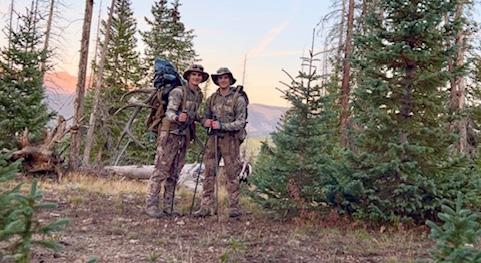
Fall brings hunting season, including September archery trips that send them deep into the backcountry for a full week at a time.
For the last six or seven years, they’ve logged 30 to 35 fishing days and 10 to 15 hunting days annually. Not bad for two busy CPAs.
They ski too, but busy season limits their days on the slopes.
“We like it enough to buy a four-pack lift ticket,” Garrett says. “But getting the most out of ski season when January through March are your busiest months creates a bit of overlap.”
EXPERTS IN TYPE 2 FUN
The Johnstons haven’t faced disaster in the backcountry, but they’ve definitely experienced “Type 2 fun”: the kind that feels somewhat miserable in the moment but legendary later.
Case in point: A September backpacking hunt when they successfully shot an elk, only to realize that their camp was a pretty long hike from the road.
“We underestimated the amount of time and effort it would take to pack up camp and get everything back to the car,” Garrett recalls.
The hunt ended at 9 am. The pack-out ended at 9 am – the next morning.
“Time can get away from you quickly,” Griffin says. “We ended up doing 25 miles in a 24-hour period. We had designs on making it to a 10 am class that day. Needless to say, we didn’t make it.”
They did, however, make it to their afternoon classes, and they arrived home with a freezer full of elk and a crash course in logistics planning.
“It was a good learning experience about what didn’t work and what could have gone better,” Griffin says. “We look back on it fondly now.”
And when elk steaks hit the table that winter, there were zero regrets.
COMPETITIVE – IN A GOOD WAY
The Johnstons may be identical twins who genuinely enjoy each other’s company, but don’t mistake that for complacency. A competitive streak has been there since high school.
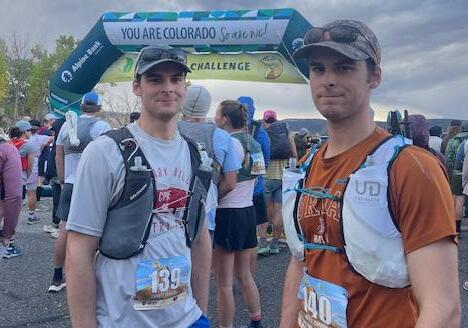
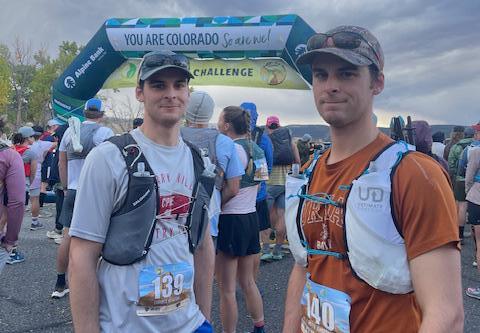
“As we age, that competitiveness just gets redirected,” Garrett says. Last October, they signed up for a trail marathon. They describe themselves as “non-serious runners,” which meant summer training was required.
“If we weren’t in the same place – maybe one of us was traveling for work – I definitely had concerns about getting my miles in,” Garrett laughs. “I didn’t want to be dragging.”
In the end, they ran the 26-mile course together.
“It was just a nice day out in the woods,” Garrett says.
“We push each other, but it’s not a ‘take no prisoners’ situation,” Griffin adds. “It’s less about beating each other and more about making each other better.”
SEE YOU AT THE (HOME) OFFICE
Do two CPAs who work at the same firm and live under the same roof talk about work? Sometimes.
“Even though we work in different areas, there’s a lot of crossover,” Griffin notes.
“We bounce ideas off each other and try to learn from each other’s experiences.”
Garrett agrees. “It’s not like school where you compare grades. But if Griffin is excelling somewhere, it makes me want to step up, too. There’s that sibling rivalry – but it’s supportive.”
They primarily work from the south Denver house they bought together during the pandemic housing boom. As second-years at the firm, pooling resources made practical sense. Now, the flexibility of a hybrid work schedule makes all of their outdoor endeavors easier as well.
Of course, all of their adventuring requires gear – lots of it. And it’s all stored here, there, and everywhere throughout the house.
Garrett describes a basement that’s filled with rows of shelving units holding tents, sleeping bags, backpacks, and hunting equipment. What doesn’t fit on the shelves is laid out on tables.
“The basement is pretty full,” Griffin admits.
As a result, some gear even sneaks its way upstairs into living spaces; there may or may not be sleeping bags laid out in their office space so they don’t lose loft.
A TRAIL-TESTED PARTNERSHIP
Yes, they’re identical twins, but the Johnstons don’t take lightly what it means to have someone so aligned in terms of career, interests, and outlook.
“It’s never hard to go do something with Griffin,” Garrett says. “We wouldn’t change it.”
In a profession built on partnerships, collaboration, and trust, the Johnstons may have started with an unfair advantage. After all, while most CPAs have to seek out the right partner, these two were born with theirs.
Has your CPA designation taken you down an unusual career path? Do you have a unique hobby, interest, or side gig that’s become a passion? CPAs do all kinds of interesting things both professionally and personally, and we’d love to shine the spotlight on members' unique endeavors. Please email Kelli Davis at kelli@cocpa.org to indicate your interest in being interviewed for an article or to let us know of a fellow COCPA member who has a story to tell.
Troubling Measures are Brewing Under the Gold Dome
BY COLE BUERGER
AColorado's tax package threatens to hit businesses and their advisors with significantly more compliance complexity and costs.
trio of bills advancing through the Colorado legislature – HB 26-1221, HB 26-1222, and HB 26-1223 –would impose roughly $580 million in new taxes on businesses while creating compliance nightmares that will ripple far beyond the statehouse.
As part of our advocacy work at the state capitol, the COCPA is working with other stakeholders to stop them, having already testified in opposition to two of them in committee.
A SOLUTION THAT CREATES ITS OWN PROBLEMS
The bills were introduced in reaction to the federal "One Big Beautiful Bill," which punched a roughly $1 billion hole in the state budget. The response from the General Assembly seems to be aimed at decoupling Colorado from the federal tax system and rolling back key business tax breaks to fund programs with some tax credits elsewhere.
While the intent is understandable, the mechanism is where things get messy.
THE COMPLIANCE AVALANCHE
COCPA President and CEO Alicia Gelinas, CPA, testified in opposition to both HB 26-1221 and HB 26-1222, warning lawmakers about the long-term administrative consequences of state-federal tax divergence. HB 26-1221 cuts the net operating loss (NOL) deduction from 80% to 70% and slashes the carry-forward period from 20 years to 10.
These may sound like minor tweaks, but as Gelinas explained in testimony, "unlike wages or tips that are resolved within a single tax year, business items like Net Operating Losses span many years."
When state and federal rules diverge on multi-year items, businesses must maintain entirely separate reconciliation schedules – year after year, compounding. At roughly $300 per hour, even one additional hour of annual tracking per NOL can exceed $6,000 over the life of that deduction.
HB 26-1222 compounds the damage by decoupling Colorado's tax code from four federal provisions: bonus depreciation, accelerated depreciation for manufacturing, R&D cost deductions, and the business interest deduction.
Depreciation on some assets must be tracked for up to 27 years. Gelinas warned that this bill creates "complexity debt – using future compliance costs to solve today's policy problem." And because depreciation is ultimately a timing difference that resolves over time, no real economic value is created in the process.
These burdens don't just fall on large corporations. As the COCPA noted, they affect everyday Coloradans – the new salon owner, the farmer deciding whether to invest in new equipment, the family with a rental property.
HB 26-1223 adds a third layer by eliminating a 15-year-old sales-and-use-tax exemption on downloadable software, costing purchasers an estimated $90.7 million annually.
A WORKFORCE ALREADY STRETCHED THIN
Here's what the fiscal note won't capture: Colorado's accounting profession already faces a serious workforce shortage. Tax professionals are turning away basic individual returns because business compliance work
has become too time consuming. If these bills pass, every additional hour spent reconciling state-federal divergences is an hour not spent helping families access the very tax credits these bills are designed to create. That's not an abstraction – it's an irony. The administrative burden created by these bills could undermine the very families they aim to help.
THE BOTTOM LINE
Supporters argue these bills are simply about redirecting money from large employers to working families. But as written, they also create the complexity debt to which Gelinas alludes by mortgaging future compliance costs onto businesses of every size. Colorado has worked for decades to keep its tax code aligned with federal law. Unwinding that alignment in multiple directions simultaneously sends a clear signal to companies considering where to invest and hire.
These problematic measures continue to raise serious questions from many stakeholders at the Capitol. The question is whether lawmakers will reckon with the full cost before the bills become law.
Cole Buerger is the COCPA Director of Government Relations and Advocacy. To learn more about the COCPA’s advocacy efforts and how you can get involved, reach him at cole@cocpa.org
Do You Know an Emerging Leader Worth Investing In?
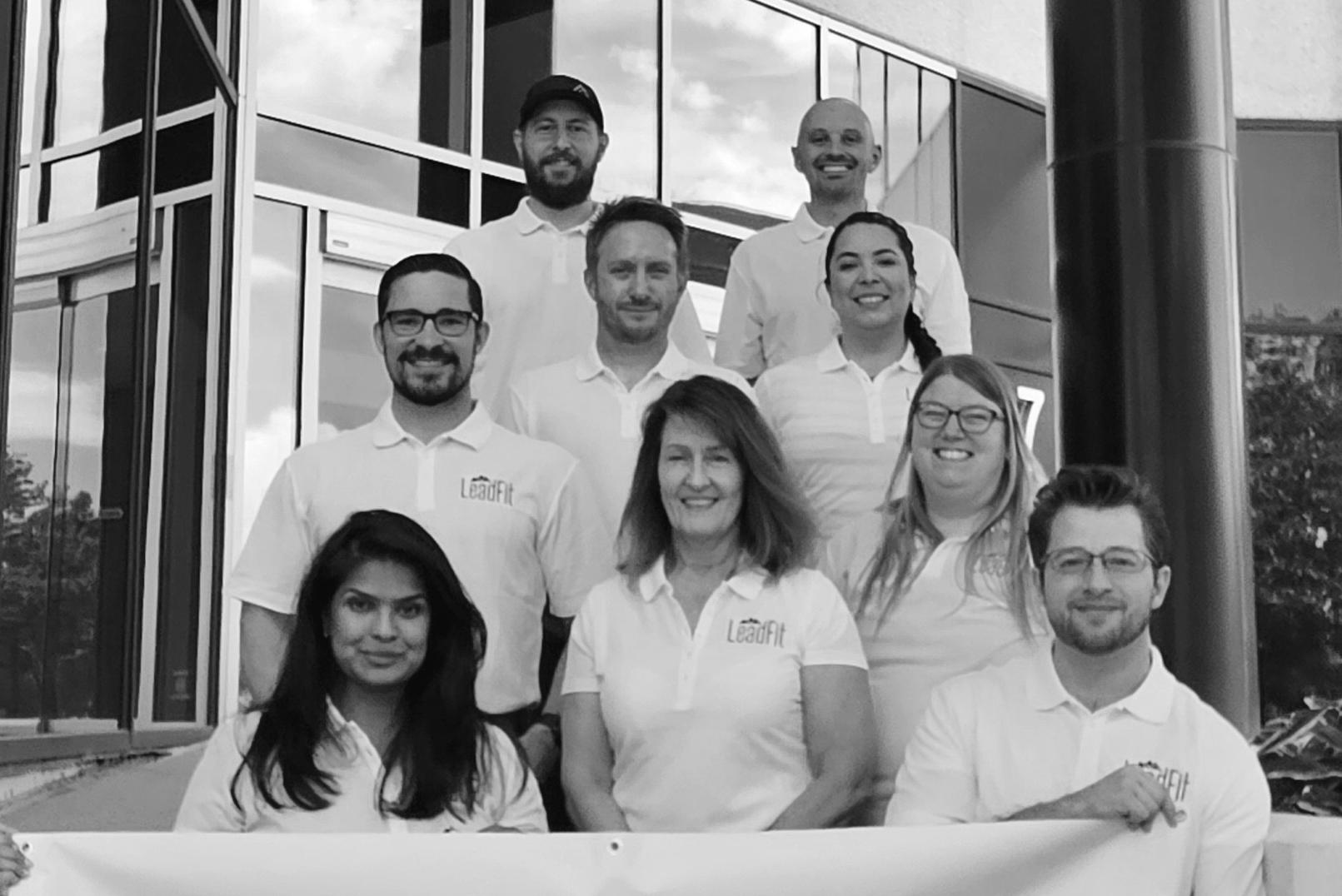
LeadFit develops the leaders your organization needs.
Why Sponsor A Future Leader
Develop leadership skills before promotion
Leadership isn’t built in a single training or promotion—it’s developed over time.
Invest in the people you want leading your organization tomorrow—while building leadership capability, strengthening commitment, and retaining your best talent.
LeadFit helps high-potential professionals develop the leadership skills your organization needs next—communication, confidence, and the ability to lead people, not just projects.
Support retention of high-potential talent
Build stronger, more prepared leaders
Reinforce learning back on the job
Know someone who’s ready for more?
Support their growth by sponsoring participation in LeadFit.
The Hidden ROI of Showing Up: Visibility and Connection Drive Growth Opportunities
BY NATALIE ROONEY
For many professionals, the invitation to a networking or association event can spark a familiar internal debate. Do I really need to go? Will I know anyone? Will it be worth rearranging my schedule? Will I fit in?
It’s easy to assume these gatherings will be nothing more than handshakes and awkward small talk, but three COCPA members — whose careers span four decades and multiple industries — say their involvement has been about something simpler and more meaningful: getting out, meeting good people with whom they have something in common, staying connected to the profession, and discovering opportunities they didn’t even know they needed.
The return on investment (ROI) of putting yourself out there isn’t one-size-fits-all, and it might look different at every career stage, but it starts the same way every time: by simply showing up.
WHEN YOU NEED A DOOR TO OPEN
Stevenson Farnsworth, CPA, CGMA, moved to Colorado for a job in 2010 as a newly minted CPA without a local network. “I had gone to school back East,” he says. “Then I got laid off. I didn’t know anyone here.”
As a result, his defining COCPA moment came early: He decided to attend the Society’s annual CPAs Make a Difference gala. He asked former COCPA executive assistant Terry Cervi to seat him with someone who might be hiring. “She did just that,” he says. “I walked into dinner unemployed and walked out with an interview.”
The interview led to a consulting gig that set him on his professional path.
Farnsworth’s experience at the gala shaped his philosophy: When an organization shows up for you, you show up for it. So, he got involved with the COCPA through another networking event and soon joined the Member Connections Committee (MCC) . Fifteen years later, he’s still deeply involved.
Farnsworth notes that his story is broader than just landing a job – especially since his career, which started down a traditional path as an auditor, has seen multiple forks in the road: finance roles, bankruptcy consulting, municipal bond arbitrage compliance, and now, selling real estate.
Through the COCPA, he has built a sounding board of peers across multiple industries that has helped him and allows him to help others. When a cannabis business owner approached him about bookkeeping work outside his risk tolerance, he didn’t have to guess. “I knew who to refer them to,” he says. “That’s the power of knowing your profession.”
For Farnsworth, the ROI was confidence, perspective, and a professional ecosystem when he most needed one.
WHEN YOU NEED A PEER GROUP
Rick Bedell, CPA, has been licensed as a CPA for 45 years. After starting his career at national firms, he went on to run his own small firm for 35 years, focusing primarily on tax. For much of his professional life, his COCPA involvement centered on CPE. Then, about a decade ago, he joined the Tax Study Group
The group — which meets virtually to accommodate members from across Colorado — became a support system that Bedell has come to rely upon.
“We just talk about issues or questions that come up,” Bedell says. “It could be anything from challenges with the IRS or the Department of Revenue or unusual client situations.”
At first, he admits, it felt intimidating to open up to other practitioners when he needed help.
“I didn’t want to share that I didn’t understand something,” he says. “You worry it will make you look weak, but it was the opposite.
There was no judgment. A lot of us had the same questions.”
Over time, the dynamic shifted. Initially hesitant, Bedell became one of the experienced voices offering valuable advice and answers.
“By now, I’ve seen a lot of things,” he says. “I can give input on how to resolve things that can be really frustrating. It feels good to be able to give back.”
Beyond his involvement with the Tax Study Group, Bedell makes time to attend COCPA social events that provide informal opportunities to meet new people and network.
“As CPAs, we take our work seriously, but we don’t have to take ourselves so seriously,” he says. “There are some pretty fun CPAs out there.”
For him, the ROI has been both professional and personal: relief in tough moments, confidence in sharing expertise, and the camaraderie that comes from being with peers who understand recruiting challenges, fee pressure, IRS letters, and even the CPA Exam.
“You’re not on an island,” he says. “It’s huge when you figure that out.”
WHEN YOU’RE NEW IN TOWN
Mikey Stoddard had begun his career with EY in Seattle when a couple of career moves and a desire to escape the Pacific Northwest weather brought him to Denver.
While he had grown up in Seattle and had a built-in network there, Denver was a different story. At first, he didn’t know many people. In fact, he didn’t know anyone.
As a member of the Washington Society of CPAs, he had primarily used his membership for CPE courses. Once in Colorado, he shifted his approach. He was ready to meet people and plug into the local market. He joined the COCPA with a different mindset: Show up and make new connections.
“Coming to Denver, I don’t know anybody here,” he said. “I figured, why not get involved? I thought I might be able to meet people and build relationships. You never know where it will go. I told myself, ‘Why not go and see what it’s about? You might have fun.’”
He chose a COCPA Summer of Fun Topgolf event and quickly connected with another CPA who has since become a close friend. At the same event, he met leaders across firms and industries.
Now, as a member of MCC, he’s helping shape the very events that served as his own launchpad into Colorado’s accounting community — all because he decided to walk into a room where he didn’t know anyone. The key to relaxing and actually enjoying those events, he says, is that COCPA gatherings are intentionally designed not to feel like high-pressure networking environments.
“There’s no agenda being pushed,” he says. “It’s not about sitting through a three-hour presentation. As a committee, we try to build in activities so it’s not just chit-chat. There is zero pressure.”
For introverts, extroverts, and everyone in between, the goal is simple: Show up, have a good time, and meet people.
“You’re not going to click with everyone,” he points out. “But you will find people you connect with.”
For Stoddard, the ROI has been meaningful relationships, leadership experience, and, perhaps most importantly, a genuine sense of belonging in a new city. “Sometimes the hardest part is deciding to walk through the door,” he says.
THE EASIEST OPENING LINE
If the idea of walking into a room of strangers feels overwhelming, consider this: CPAs or CPAs-to-be already have something significant in common.
“As CPAs, we have the easiest opening line,” Stoddard says. “‘Where did you start? What’s your background?’”
Within minutes, you’re swapping stories about busy season, industry pivots, exam war stories, or unexpected career turns. “You may not share the same specialty, but you share the same foundation,” Stoddard adds.
Farnsworth sees that shared identity as grounding. “You worked hard for this designation,” he says. “You entered this club. There’s a duty to uphold standards for yourself and for the profession. It’s easy to talk about that.”
For members in industry, especially those who may be the only CPA in their company, that connection can be invaluable.
“You find your peer group,” Farnsworth says. “These are people who understand what the profession is and how it’s evolving.”
Bedell agrees. Whether discussing IRS notices or client frustrations, there’s comfort in speaking with those who “get it.”
REDEFINING ROI
For some members, the ROI of involvement may be obvious: a job lead, a referral, or a client connection. For others, it’s more subtle:
• A sounding board when you’re unsure how to handle a situation
• Opportunities to practice articulating what you do and why it matters
• Exposure to career paths you hadn’t considered
• A chance to mentor or be mentored Farnsworth emphasizes that the stakes don’t always have to be that high. “It’s not speed dating,” he jokes. “You’re not looking for a life partner. Grab a drink. If it’s not your thing, you can leave.”
And yet, he’s seen the “secret sauce” of showing up play out repeatedly when one good experience builds confidence for the next. Soon, it becomes less about fear and more about possibility, and maybe even having some fun.
“Older folks want to help,” he says. “Younger folks want to connect. Putting yourself out there is easier than you think.”
WHAT’S YOUR ROI?
You may need a job. You may need peers. You may need friends. You may want to give back. Or you may simply want to remember why you worked so hard for those three letters after your name.
Whatever it is, the ROI won’t look the same for everyone. It didn’t for Farnsworth, Bedell, or Stoddard, but none of them found it by staying home.
The hidden ROI of showing up isn’t just networking; it can be as simple as swapping stories. So, the next time you’re invited to a networking or social event, consider this: The only way to discover your ROI is to show up and find what works for you.
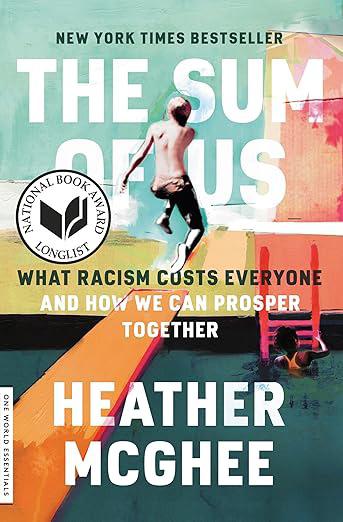
The Sum of Us Explores the Zero-Sum Paradigm and Its Impact on All of Us
BY KAITLIN HEINZ, CPA, MBA
IWhile the zero-sum paradigm asserts that gains for one group come at a cost to others, the abundance mindset maintains that there is enough to go around if we invest in each other.
n her book, The Sum of Us: What Racism Costs Everyone and How We Can Prosper
Together, author Heather McGhee shares a deeply researched yet highly accessible analysis of the countless ways in which policies rooted in zero-sum thinking harm not only people of color, who are almost always their intended targets, but our society as a whole.
Through examples ranging from drained swimming pools to housing, healthcare coverage, unionization, voting rights, clean air, and more, McGhee shows how a society organized around false tradeoffs among racial groups can only function for so long before the harm reaches everyone.
FROM SWIMMING POOLS TO MORTGAGES
Throughout the book, as the clearest example of zero-sum thinking, McGhee calls upon the phenomenon of drained swimming pools in the 1950s era of desegregation.
During this time, swimming pools were supposed to be a place where everyone was equal, regardless of race. Yet some white communities were so opposed to desegregation that rather than share public pools with their Black neighbors, they chose to close them altogether – sometimes even filling them with cement so that no one could use them.
This is a stark example of the zero-sum mindset: If “others” are included, some would rather have nothing at all.
The next example that McGhee explores is an often-overlooked contributor to the subprime mortgage crisis of the late 2000s.
Through firsthand accounts from Black and Latinx homeowners, McGhee illustrates how predatory lenders targeted people who already owned homes and, in many cases, qualified for prime mortgage rates.
These homeowners were coerced into subprime refinancing products through deceptive lending practices enabled by bank deregulation and weak consumer protections. Because bankers earned commissions on each refinance, they were incentivized to keep finding new people to target, often in neighborhoods that for generations had been “redlined” – the discriminatory banking practice in which predominantly Black neighborhoods were outlined in red on lending maps and deemed “high risk.”
This practice separated residents from fair access to credit and homeownership, has had lasting effects on wealth accumulation, and was one of several key drivers of today’s racial homeownership gap.
While this is just one piece of a much larger crisis, it clearly illustrates how people in power have extracted profit from communities of color while also bringing devastating consequences for the entire economy.
WIDESPREAD CONSEQUENCES
Another clear example of zero-sum thinking is seen in the fight for better working conditions.
McGhee examines unionization efforts among automotive factory workers in the South, and shows how white factory workers have in many cases voted against unionizing. Despite materially benefitting them, these workers chose to vote down
these workplace-improvement opportunities rather than stand in solidarity with colleagues of color to demand better working conditions for everyone.
This dynamic reflects what McGhee describes as “last place aversion,” in which workers seek to avoid occupying the lowest position in a hierarchical society, even at significant economic cost to themselves.
Further, this exposes how the myth of an “undeserving other” allows white workers to maintain a sense of superiority, despite earning the same poverty-level wages for the same labor.
SOLIDARITY BENEFITS EVERYONE
Throughout the book, McGhee consistently ties each chapter back to the concept of a “Solidarity Dividend” – the shared economic and social benefits that everyone gains when people unite across racial lines.
These dividends take the form of cleaner air, higher wages, better schools, and more resilient communities when we all work together toward the collective good rather than against one another.
“Our differences have the potential to make us stronger, smarter, more creative, and fairer,” McGhee writes. “Once we abandon the false idea of zero-sum competition, the benefits of diversity become evident, from the classroom to the courtroom to the boardroom.”
One such Solidarity Dividend that McGhee illustrates is the Fight for $15 movement that took place in the early 2010s and was led by Black and brown workers through
cross-racial organizing. Through walkouts and collective action, workers were able to shift the balance of power, resulting in $15 minimum wages in many states and cities, along with higher wages for millions of workers nationwide.
Another example of a Solidarity Dividend comes from Richmond, California, where residents from diverse racial and economic backgrounds came together to confront Chevron, whose refinery had polluted the community for decades.
By building a multiracial coalition, residents were able to reshape local government and demand stronger environmental protections. The result was cleaner air and better health outcomes, not just for those living closest to the refinery, but for the wider community as well.
This story shows how solidarity can shift power away from corporate interests and help communities reclaim what belongs to all of us.
CHALLENGING LONG-HELD BELIEFS
In The Sum of Us, McGhee offers a clear and compelling challenge to a dominant narrative that has shaped American life for generations: a racialized, “us versus them” belief that progress for some must come at the expense of others.
Through careful economic analysis and firsthand accounts, McGhee invites readers to interrogate the narratives that we have inherited and the mindsets that those narratives have embedded in our collective consciousness.
Throughout the book, she returns to the idea that when we choose solidarity and recognize our shared humanity, we unlock benefits that make life better for everyone: Together, we can “refill the pool.”
The Sum of Us reminds us of our power to shift the cultural conversation away from fear and scarcity toward belonging and shared opportunity. I highly recommend this book to anyone who believes in a brighter future for all of us.
Kaitlin Heinz, CPA, MBA, is the senior accounting manager at the Colorado Health Foundation, and serves on the COCPA Diversity, Equity, and Inclusion (DE&I) Committee. Click here to learn more about the DE&I Committee's activities.
Past COCPA Chair Sharon Lassar Leaves a Legacy of Dedication to Students and the Accounting Profession
BY KELLI DAVIS
Following her passing on Jan. 23, 2026, colleagues from across the academic sector and the accounting profession remember 2020-21 COCPA Chair Sharon S. Lassar, Ph.D., CPA (Florida), for her unwavering commitment to students and the future of the profession that she loved.
Lassar, John J. Gilbert Endowed Professor and longtime director of the University of Denver (DU) Daniels College of Business School of Accountancy, was born in Wheeling, West Virginia. She began her career at the University of Arizona before moving onto roles at Florida Atlantic University and Florida International University.
Once she arrived at DU’s Daniels College of Business in 2010, she hit the ground running, and is widely credited with transforming the School of Accountancy over the next 15 years into the nationally respected program that it is today.
Within her first week at DU, Lassar worked with the Colorado State Board of Accountancy to better align its credit-hour education requirement with the university’s quarter system. From there, she set out to strengthen the School of Accountancy’s academic core, seizing opportunities to modernize and innovate, integrate new technology, and ensure that the program offered relevant coursework.
“Sharon’s commitment to educating future members of the accounting profession was unparalleled,” says Mary E. Medley, retired COCPA CEO. “She pushed tirelessly for education excellence, knowing that well-educated students make ethical, competent, successful contributors in their chosen endeavors.”
In a January 2026 letter to colleagues following Lassar’s passing, DU Provost and Executive Vice Chancellor Elizabeth G. Loboa, Ph.D., wrote that Lassar “championed a modern curriculum and a faculty model that balanced research productivity and high-quality classroom teaching for the School of Accountancy.”
Loboa continued, “Sharon forged countless corporate partnerships and played a lead role in designing a STEM-designated Master of Science in Accounting, Technology, and Analytics, a degree that attracted an influx of international students and prepared Daniels alumni to lead in an increasingly globalized industry.”
A COMMITMENT TO STUDENT EXCELLENCE
Lassar was known as much for her focus on technical and academic matters as for her deep dedication to students, in whose success she was personally invested.
“Perhaps more than anything,” Loboa shared in her letter, “Sharon will be remembered as a great connector, whose passion and dedication brought people together.”
“Sharon was unwavering in her dedication to her students,” Medley supports. “She championed changes to the education requirements to become a CPA, and seized every opportunity to build and strengthen key relationships.”
DU alumna Emily Huff, CPA, now a senior associate with Asenti Diligence Partners LLC in Chicago, knows firsthand the life-changing impact that Lassar had on the university community.
“Whenever she could get School of Accountancy students together, she would! From welcome-back receptions to end-ofyear banquets, Dr. Lassar created support, recognition, and camaraderie that solidified bonds for a lifetime. Whatever she did, she always had her students’ best interests at heart,” Huff recalls.
Vital to the success of any academic program is an excellent faculty, and Lassar worked to create a top-notch department that supported her vision.
Tom Hall, CPA, CFA, who has served on the School of Accountancy faculty since 2015, currently as a Professor of the Practice, remembers the critical role that Lassar played in his early days with the university.
“Sharon was a tremendously good boss for the past 10+ years since I started teaching at DU,” he reflects. “She coached me through a difficult first year as I awkwardly tried to navigate the classroom and find my own style of teaching. She guided me through each promotion, ensuring that I was adequately prepared and doing what was required to be successful in the department and the college.”
BREAKING DOWN BARRIERS
DU alumna and 2025-26 COCPA Chair Alexie Tune, CPA, MAcc, chairs the DU School of Accountancy Advisory Board. “I’ve heard time and time again from students that Sharon was the reason they were able to complete their accounting degree,” she says. “And she didn’t just point students to resources,” Tune continues. "Instead ..."
On the national stage, Lassar served as president of the American Accounting Association’s 2017-18 Accounting Programs Leadership Section. She served on the Association to Advance Collegiate Schools of Business (AACSB) Accreditation Task Force, and chaired the Minority Issues effort of the Taxpayer Advocacy Panel, to which she was appointed by U.S. Treasury Secretary Paul H. O’Neill.
"... Sharon rolled up her sleeves and spent countless hours helping students navigate financial aid complexities and ensuring they had the funding needed to finish their degree at the University of Denver."
“Just as importantly, she stayed present for them, providing guidance as they progressed through the program and as they transitioned from campus to life after graduation.”
Lassar’s goal “was to ensure that every student who wanted to pursue an accounting degree had the opportunity to do so, and she fought to break down barriers,” says Huff, whom Lassar nominated for several scholarships during Huff’s time at DU, allowing her to graduate debt free.
LEADERSHIP AT THE STATE AND NATIONAL LEVELS
Before moving to Colorado in 2010, Lassar was actively engaged with the Florida Institute of CPAs (FICPA), including service as vice president and as point person for transforming FICPA’s financial literacy and women’s leadership development initiatives.
Once in Colorado, Lassar served on the COCPA Educational Foundation Board of Trustees, eventually as its 2017-18 president. She was honored with the Society’s Women to Watch Leader of Note Award in 2018, and served as the COCPA 2020-21 Board Chair. Medley says that Lassar’s gifts for innovation and connection were key to her success as Chair. “Sharon served as COCPA Board Chair in the ‘Covid Year,’” Medley recalls. “With everyone unable to gather in person, she became the expert at virtual meetings and events, reaching out to members across Colorado, keeping them informed and connected remotely.”
Her research has been published in the Journal of Accountancy, the Journal of Taxation, The CPA Journal, the Journal of Legal Tax Research, and the Tax Adviser
AN IMPACT BEYOND MEASURE
COCPA CEO Alicia Gelinas, CPA, reflects on her full-circle relationship with Lassar over the years. “As an alum of the DU accounting program, I helped interview her for her role as Accounting Department chair, and years later she helped interview me for the CEO role at the COCPA,” Gelinas shares.
“Sharon was relentless in the pursuit of what was right: fiercely opinionated, deeply informed, and sincerely connected to people. She worked with a powerful force that reshaped the profession she loved. She changed policies and systems so that her impact would endure, but it was always, ultimately, about people and improving lives, even in the smallest ways.”
Whether tirelessly championing the DU School of Accountancy, securing academic excellence, advocating for alternative pathways to CPA licensure, or driving programs to improve financial literacy and provide taxpayer assistance in underserved communities, Lassar’s contributions will be felt for generations.
“Sharon fostered a strong, supportive community where students and alumni felt known, valued, and connected – creating an affinity for the school that extends well beyond graduation,” notes Tune. “That sense of belonging reflects Sharon’s consistent presence, her encouragement, and the way she brought students, faculty, and alumni together.”
“The School of Accountancy is a tight-knit community whose members lean on and learn from each other – a culture that wouldn’t exist without Dr. Lassar,” Huff says.
“She truly created an amazing community in the halls of the Daniels College of Business, and her impact can never fully be measured.”
Hall asserts that the fruits of Lassar’s efforts extend well beyond the DU community.
“There are so many employers who come to our campus regularly to hire our students, usually as many as we can provide. We currently enjoy a near-100% placement rate, and we have for several years,” he says.
“All of this produces happy and successful alumni who want to give back via mentoring, serving on the Advisory Board, and through donations. And the virtuous cycle continues. I believe most of these wonderful outcomes are a direct result of the effort and wisdom of Dr. Sharon Lassar.”
FAMILY WAS FIRST
Above all, Lassar was a devoted wife and mother who took immense care in raising her beloved family. She is survived by her husband, Walfried; her children, Sarah, Walfried Jr., and Stephanie; her cherished grandchildren, Enzo, Ingrid, and Nico; and six siblings.
In Lassar’s honor, DU honorary life trustee and School of Accountancy Advisory Board member Margot Gilbert Frank has renamed the John J. Gilbert Endowed Scholarship the Sharon Lassar Endowed Scholarship Fund . The fund will support undergraduate accounting students with need- and merit-based financial aid. The COCPA Board of Directors has contributed $1,000 to the fund in honor of Lassar's enduring professional contributions as a past COCPA Chair.
CONTINUOUS LEARNING
Professional Internships: Not Just for Students Anymore
BY DR. SUZANNE OWENS-OTT, CPA
During a fall 2025 teaching sabbatical, Dr. Suzanne Owens-Ott, CPA, a Colorado Mesa University professor of accounting, completed a faculty internship with a Western Slope CPA firm. She shares her experiences below.
In the corner of a CPA firm’s training room filled with first-year staff auditors, I sat taking notes and paying close attention. More than a few of the 20-something auditors glanced my way with puzzled looks — probably wondering in which office I worked or whether I would be one of the trainers later in the week.
During introductions, they learned that instead, I was an audit professor who hadn’t performed an audit since the mid-1990s –before many of them were even born. Just like them, I was there to learn, and hopefully to take new ideas back to my audit students. Attending this staff auditor training was just one component of my faculty internship project.
It had been decades since I worked as an auditor at Deloitte in Kansas City, and – as I was starting to feel a bit stale and out of touch – I wanted to brush up on my audit skills. I worried that without a refresh, I might not be fully reflecting current audit practices in my teaching. I suspected that it was time to learn a few new tricks of the trade.
GETTING THINGS STARTED
In 2024, I reached out to a local CPA firm and asked if I could participate, in some way, in a real audit. Firm leaders were willing and able to obtain permission from a client in the banking industry for me to shadow the audit team. I spent a week in the field with the team, listening to their interactions, reviewing real workpapers, and absorbing as much knowledge as possible.
In fall 2025, while on sabbatical from teaching, I was able to spend additional time updating my skills. This time, I contacted a regional firm and established an agreement to participate in a more comprehensive internship project. That experience included attending staff audit training, providing observations and feedback, and participating in other training and development initiatives alongside the firm’s training and development staff.
RELATIONSHIPS PAVE THE WAY
Neither firm that I approached had a formal faculty internship program in place. However, both firms have long-standing student internship programs and regularly hire graduates from CMU’s accounting program.
Over my nearly 20 years at CMU, I have worked closely with both firms through CMU Meet the Firms events, hiring and networking activities, advisory boards, and continuing education opportunities.
I was able to assure the firms that, as a licensed Colorado CPA, I fully understood and would comply with all ethical standards, including confidentiality. I signed confidentiality agreements, and the trust built through years of positive professional relationships made my participation possible. It also helped that I was compensated by CMU and did not require any payment from the firms.
A WIN FOR ALL
I found the faculty internship experience to be overwhelmingly positive and truly a win-win-win — for my students, for the participating firms, and for me as a faculty member.
My students will benefit from learning from someone with updated, real-world knowledge that reflects the current audit environment rather than just textbook theory. In turn, I hope that the firms will benefit from access to graduates who are entering the profession with stronger skill sets, as well as from feedback and recommendations related to training programs.
I came away with several important observations. First, I was somewhat relieved to discover that an audit is still an audit — much like it was in the 1990s. The most significant change is the technology that’s available today.
I vividly remember, from my audit days, lugging around a massive “portable” computer about the size of a sewing machine, complete with a tiny orange screen and Lotus 1-2-3 as my primary tool. While today’s interconnectivity and automation clearly make audits more efficient, the fundamental objectives, evidence, and procedures remain largely the same.
Second, I gained new, relevant examples to share with my students when teaching various audit topics. Finally, I developed new auditrelated learning activities based on areas that new auditors consistently find challenging.
With my return to the classroom in spring 2026, I’ve introduced these activities in my Audit II course, which should improve students’ learning outcomes going forward.
The faculty internship experience was exactly what I needed to refresh my classroom approach in senior-level audit courses. Much like a student internship, my goal was to bridge the gap between the classroom and the profession — and for me, it absolutely did.
As it turns out, you can teach an old (audit) dog new tricks!
Dr. Suzanne Owens-Ott, CPA, is a professor of accounting at Colorado Mesa University, where she also serves as academic head of the Davis School of Business. Reach her at sowens@coloradomesa.edu
From Findings to Fixes: Addressing Common SOC 2 Control Failures
BY ESTEBAN ROSAS, CPA, CITP
Information technology and software continue to expand rapidly, with much of that growth driven by service organizations – companies that provide specialized services to businesses once performed internally.
For CPAs, this shift has increased reliance on outsourced service providers for data analytics, cloud hosting, and information security. It has also heightened responsibility for safeguarding company and client data.
If your organization relies on service organizations, obtaining and reviewing their System and Organization Controls (SOC) 2 report can provide insight into their control environment and any areas of concern. If you are a service organization, clients likely expect you to undergo a SOC 2 examination.
After completing numerous SOC 2 engagements across organizations of varying maturity levels, I consistently see the same types of control failures. The good news is that most are straightforward to correct with structure, ownership, and repeatable processes.
Below are five of the most common control failures that we encounter and practical steps to fix them.
OFFBOARDING BREAKDOWNS THAT CREATE SECURITY RISKS
During many SOC 2 examinations, we frequently identify at least one instance where a terminated employee has retained access to critical systems after his or her departure — sometimes for weeks or even months. Few control failures present such clear and preventable risk.
Lingering access increases the risk of unauthorized access to sensitive data, fraud, intellectual property theft, and retaliatory activity. These gaps typically stem from untimely human resources (HR) notifications, informal communication processes, a lack of formalized offboarding procedures, decentralized applications, or shared accounts.
Organizations can significantly reduce this risk by implementing formal offboarding workflows. Recommended practices include immediate HR-to-information-technology (IT) notifications through ticketing systems, defined timeframes for offboarding terminated users (for example, access removed within 24 hours), centralized identity management or single sign-on, automation of account disablement where possible, and retention of evidence supporting deprovisioning.
SECURITY AWARENESS TRAINING WITHOUT DOCUMENTATION
Many organizations conduct annual security awareness training and onboarding sessions for new hires. However, documentation often fails to demonstrate who completed the training, when it occurred, and what topics were covered.
Technology alone cannot prevent breaches. Human error — such as falling prey to phishing schemes or engaging in weak password practices — remains a primary threat vector. Even well-executed training programs can result in audit exceptions if completion is not documented.
Documentation gaps often result from decentralized tracking, reliance on manual sign-in sheets, failure to retain reports generated by learning management systems, or lack of assigned ownership over the training.
Organizations should implement centralized learning management systems, integrate training into onboarding workflows, assign clear ownership, monitor completion rates, and retain periodic reports as audit evidence. From an audit perspective, if training cannot be demonstrated, it cannot be relied upon.
VULNERABILITY MANAGEMENT THAT STOPS AT DETECTION
Most organizations readily produce quarterly vulnerability scan reports. The challenge arises when auditors request evidence of remediation. Findings may be untracked or lack defined timelines, ownership, or documentation of resolution.
Known vulnerabilities represent exploitable weaknesses. Identifying them is only the first step; timely resolution reduces exposure to them. A lack of defined timeframes for remediation, lack of ownership, resource constraints, overwhelming scan results, and a lack of formal vulnerability management policies can contribute to the failure to address known vulnerabilities.
Effective vulnerability management requires ongoing identification, prioritization, and resolution. Organizations should establish a formal vulnerability management policy with remediation timelines prioritized by severity, assign accountable owners, track findings through ticketing systems, document risk acceptance when remediation is not feasible, and retain evidence of closure.
VENDOR MANAGEMENT GAPS
Organizations rely heavily on vendors for cloud hosting, identity management, data analytics, and security services. Because these vendors often host sensitive data or perform critical functions, robust vendor oversight is essential.
Common deficiencies include failing to obtain and review vendor SOC 2 reports, neglecting vendor risk assessments, failing to monitor subservice organizations, and ignoring complementary user entity controls. These deficiencies can lead to blind spots in an organization’s control environment.
For example, many organizations rely on a cloud hosting provider’s physical security controls to satisfy the SOC 2 trust services criteria over physical security. However, if their vendor’s physical security controls are weak or ineffective, the organization may not be aware of this risk due to the lack of SOC 2 report reviews over their vendor.
To strengthen oversight, organizations should obtain and review SOC 2 reports for all critical vendors, assign vendor owners, conduct vendor risk assessments for each critical vendor, and document implementation of applicable complementary user entity controls from each critical vendor’s SOC 2 reports.
POLICIES THAT DON’T MATCH REALITY
An effective control environment requires policies and procedures that accurately reflect operational practices. Yet some organizations rely on generic templates, fail to communicate policies to staff, or maintain documentation that does not match actual execution.
Misalignment between documented procedures and real-world practices often leads to audit exceptions — particularly when controls operate differently than described. More importantly, deficiencies in communication of procedures can lead to ineffective controls that lack defined expectations or execution guidance.
Organizations should conduct annual walkthroughs with process owners, update policies to reflect actual practices, train employees on expectations, and obtain documented acknowledgments. Policies should support operations — not merely satisfy documentation requirements.
Organizations rarely fail SOC 2 audits because they lack sophisticated technology. More often, deficiencies arise from inconsistent execution, unclear ownership, or insufficient documentation.
By strengthening foundational processes — offboarding, training documentation, remediation tracking, vendor oversight, and policy alignment — organizations can significantly improve both audit outcomes and overall security posture.
Esteban Rosas, CPA, CITP, is a senior manager with K Financial Audit and Advisory in Louisville. Reach him at Esteban@kfinanacial.com
Looking for an opportunity to connect with your COCPA colleagues to discuss technology, its impact on the accounting profession, and future trends? Click here or contact Stacy Svendsen at stacy@cocpa.org to learn more about the COCPA Technology Users Group.
CAREER CHRONICLES
Don’t Quit Your Job Too Soon
BY A. TOM HALL, CPA, CFA
In the first installment of a progressive, three-part series focused specifically on career development, Career Chronicles columnist Tom Hall explores the value of staying the course in your first job … even if it isn’t your ideal job.
My first job out of university was with Deloitte’s Denver office as a staff auditor. I was eager to learn and excited to start my career!
But after a little over a year, I was convinced that I hated my job and wanted to find something else. Thus began the tedious process of searching for positions and interviewing with various companies.
After several months, I came very close to leaving Deloitte for another company. For some inexplicable reason, however, my gut screamed that I should stay. At the time, I could not explain the feeling, but thankfully, I listened to my gut and declined the other company’s offer.
SOAK UP OPPORTUNITIES FOR GROWTH
At first, I was angry that I had declined the new role. I had spent two months chasing that one position alone and would now have to start over with my search. But then something unexpected happened – something wonderful for which I will always be grateful. It was like I had an epiphany!
I realized several things:
1. The other job would not have offered me anywhere near the learning opportunities that were right in front of me at Deloitte. I worked with some of the smartest and
best people around, and I was arrogant to think otherwise. Believing that the grass would always be greener somewhere else had made me ignore the lush, green grass in my own yard.
2. I am simply a slow starter, which made me think I hated my job. After more than a year, the light bulb in my head just hadn’t turned on yet. I was going to work every day not knowing what I was doing, following the Same-as-Last-Year (SALY) approach to auditing, and that frustrated me to no end. But over those several months, the light bulb finally turned on, and I realized I had missed it in my haste to find something “better.”
3. My role at Deloitte had changed a bit while I was so focused on hating my job. I recognized that with my new modest supervisory responsibilities, I had more flexibility in my schedule that wouldn’t be there if I left, and other benefits would come if I’d just be patient.
Long story short, it occurred to me that I had lots left to learn, there were positive things all around me, and I was in the perfect place to start my career. I had just been too naive, short-sighted, and arrogant to notice.
I stayed at Deloitte for several more years (which included a 15-month stint in the
Deloitte Cayman Islands office that literally set up the rest of my career), and I left as an audit manager. To this day, I’m so glad I stayed!
BE PATIENT WITH YOUR DESIRE FOR COMFORT
Shockingly, I almost made the exact same mistake one year into my next job at Goldman Sachs on the East Coast. Thankfully, my much wiser wife convinced me to stick it out, to give it more time. Sure enough, another year in and things felt much better. We ended up staying for 10 years and created some of our fondest memories and best relationships.
As it turns out, I had been given some helpful advice when I was in college years earlier, which I almost failed to heed. One of my tax professors suggested that since we’d all likely put about five years into getting our degrees, we should stay in our first public accounting job for that amount of time.
The truth is, we all have lots to learn, and few of us are as smart as we think we are. Focusing too much on the negative aspects of my job made me ignore the good things and the positive changes that were happening all around me in my own career.
New jobs are always going to feel uncomfortable, and a year is not nearly long
enough for any of us to really determine whether we like what we’re doing. It can take two years or more to feel comfortable in any new position.
Don’t let your impatience for comfort convince you that any change will be good. Give yourself time to adapt and adjust, make the best of your situation, and things will likely get better.
YOUR FIRST JOB DOESN’T HAVE TO BE YOUR IDEAL JOB
Your first job might not be your ideal job, but the good news is that it doesn’t have to be. I heard someone say that your first job is like an airplane ride. The pilot has to keep the throttle at full until the plane gets enough speed and finally lifts off and reaches
cruising altitude. Only then can the pilot let up on the throttle slightly and cruise. Likewise, in your first job, you need to hustle and learn as much as possible, because that job sets up the rest of your career. Your first job is not a time to complain about the hours or the work.
WORK HARD, STAY ENTHUSIASTIC
Start with enthusiasm and learn everything you can. Where you went to college and how well you did there can absolutely help you get that first job, but thereafter, how well you do in that job becomes the single-most important thing that will propel you forward in your career.
Your No. 1 goal is to succeed in your first job, and if you accomplish that, future
Congratulations to the following COCPA members, who were recently named to Forbes’ 2026 America’s Best-In-State CPAs list : Angela Appleby, CPA, Plante Moran, Denver; Diego Baca, CPA, EY, Denver; Melissa Bigler, CPA, Anderson & Whitney, P.C., Greeley; Craig Chaney, CPA, Brock and Company, CPAs, P.C., Boulder; Toby Clary, CPA, Soukup, Bush & Associates, CPAs, P.C., Fort Collins; Robert Conner, CPA, Forvis Mazars, LLP, Denver; Paul Elggren, CPA, Crowe, Denver; Sarah Flischel, CPA, AAFCPAs, Denver; Jim Gilbert, CPA, Jim Gilbert, CPA, LLP, Highlands Ranch; Jamie Kilcoyne, CPA, K Financial Inc., Louisville; Tiffany Knight, CPA, Kundinger, Corder & Montoya, P.C., Denver; Mark Moore, CPA, Hanson and Company, CPAs, Denver; Tammy Rivera, CPA, Forvis Mazars, LLP, Denver; Ronald Seigneur, CPA, Seigneur Gustafson LLP, Lakewood; Alexandra Tune, CPA, Deloitte, Denver; Randy Watkins, CPA, ClingerHagerman, LLC, Greeley; Christopher West, CPA, DWC CPAs and Advisors, Grand Junction; Richard Whipple, CPA, WhippleWood CPAs, Littleton; and Omar Yassine, CPA, Forvis Mazars, LLP, Denver.
opportunities will multiply. On the other hand, if you fail in the short term, either through lack of effort or enthusiasm, it can take you a long time to get back on track.
Work hard now to get a great first opportunity, then make the most of it – and be patient. Your future self will thank you.
With substantial experience in both public accounting and industry, Tom Hall, CPA, CFA, is a Professor of the Practice with the University of Denver School of Accountancy, and a regular contributor to NewsAccount. Reach him at tom.hall@du.edu.
PROFESSIONAL COMMUNITY
Welcome, New COCPA Members
The COCPA welcomes the following new members, who joined between December 2025 and February 2026.
FELLOW MEMBERS
Emily Affeld
Anahi Aoutabachi
Nicholas Blasio
Margaret "Margaux" Boles
Brandy Boydstun
Garrett Carlson
Richard Chavez
Bradley Clark
James Colclaser (Retired)
Judy Creese (Retired)
Xiaohan Cui
Blair Davis
Kara Dotterer
Mark Eller
Andres Estrella
Charles Fields
Lynn "Annie" Fitzsimmons
Justin Frenzel
Daniel Gay
Joseph Gioffre
Jenny Guo
Sharon Heck
Katie Helock
Erin Herlihy
Amy Hoover
Geneve Huxley
James Jones
J. Joyner
Jake Kelley
Andrew Kline
Johnny Lujan
Tyson Lund
Samuel Maybury
Susan McCreary
Sydney Melder
Andrew Mudd
Tara Murphree
Ashley Nebelsick-Gullett
Melissa Nelson
Parker Nickelson
Jordan Novak
Ian Park
Lindsey Pollock
Cindi Post
ASSOCIATE MEMBERS
Sophia Avila
Rebecca Berry
Brian Black
Samuel Crane
Ashlyn Douglas
Shannon Emery
Lauren Green
Lyla Hathaway
Wai Kwan Li
John Littler
James Mayo
Lukas Nebelsick-Gullett
Tad Perez
Emily Pinder
Micaela "Micky" Rajecki
Nicholas Rambo
Beverly Roman
Jordan Seamons
Alexandria Simmsgeiger
Madison Smith
Taylor Smith
Angela "Amarie" Soderlind
Vik Vad
Know any of these members? Reach out and welcome them to our community!
Visit the COCPA Member Directory at cocpa.org/member-directory.
Brianne Powers
Miranda Presley
Rebecca Quinlan
Subramaniam Raman
Venkat
Veronika "Nika" Redding
Timothy Richardson
Rene Riffle
Clint Rivet
Jessica Roper
John Schultz
Taylor Sears
Robin Slothower
Kikiola "Kiki" Smith
Kurtis Smith
STUDENT MEMBERS
Kathia Acosta Turbi
Amy Andrade
Gabe Asleson
Ryan Bosco
Sarah Brink
Chynel Brown
Darby Castillo
Christopher Chavarria
Selena Cordova
Reagan Dame
Ralph Dixon
Elizabeth Esteban
Brixton Ewald
Marcus Steffen
Heather Stewart
Alison Sundrup
Russell Tidwell
Catherine Truban
Daniel Udvari
Sheila Van Luchene
Kevin Van Vleet
Stephanie VandenBerg
Barbara Walton (Retired)
Travis Whitt
Marjorie Wickham
Ryan Wimmer
Keven Winters
Jennifer Yates
Gabriella Hazlett
Bryan Jones
Alexandria Lackman
Kayleigh Markley
Sarah McManus
Bryan Mejia
Luz Maria Mendoza Rosales
Traci Music
Pololani Pacaro
Hevin Robertson
Hannah Stackpole
Spye Turnbeaugh
D&R ASSOCIATES OF COLORADO
CLASSIFIEDS
CPA Firms or Partners. We represent a number of quality CPA firms and sole practitioners who are looking to merge, acquire, or sell their practices to other CPA firms. Locations are in the Metro Denver, Boulder, Colorado Springs and Evergreen areas. This is an opportunity to ensure your future as well as help your clients by expanding your services to them. Why settle when you can select? Established in 1939. For further information, please contact Phil Rubeck at D&R Associates of Colorado: 720-446-7020, or email dandrassociatesofco@aol.com.
SELLING YOUR FIRM IN 2026? LET’S TALK!
Sell with Confidence. Exit with Ease. With over 34 years of combined experience, we know how to assist you in selling your firm with confidence. Our processes are proven, personalized and confidential helping you find the “win-win” deal you are seeking.
As Certified Business Intermediaries, we’re dedicated to providing a seamless experience, combining professional wisdom with a personal touch. Our brokers are the only Certified Business Intermediaries (CBI) specializing in the sale of CPA firms in the country. When you are ready to sell, we have the buyers, financing contacts and the experience to assist you with the successful sale of your firm! Contact us TODAY to take the first step!
Contact us TODAY to take the first step. Kathy Brents, CPA, CBI, at 866-260-2793 or Kathy@AccountingBizBrokers.com, or visit our website at www.AccountingBizBrokers.com
CURRENT LISTINGS:
Virtual EA Firm Gross $500k (NEW)
Fort Collins Virtual Gross $225k (Sold)
Colorado Based Virtual Payroll Service Gross $703k (Sold) Albuquerque, NM Virtual Gross $730k (Sold)
AROUND THE COCPA
Updates and Opportunities Related to COCPA Committees and Other Groups
DIVERSITY, EQUITY, AND INCLUSION COMMITTEE
Members of the Diversity, Equity, and Inclusion (DE&I) Committee are excited to be planning a session during the COCPA’s Spring Member Appreciation Day . Join your colleagues May 14-15 for 12+ credit hours of content on a variety of topics. Choose one session or all!
See page 18 for DE&I Committee member Kaitlin Heinz’s review of the book, The Sum of Us: What Racism Costs Everyone and How We Can Prosper Together. The book contends that while the zero-sum paradigm asserts that gains for one group come at a cost to others, the abundance mindset maintains that there is enough to go around if we invest in each other.
Visit the Diversity, Equity, and Inclusion Committee web page to learn about upcoming events.
INDEPENDENT ACCOUNTANTS ALLIANCE
The Independent Accountants Alliance (IAA) meets both remotely and in person to support the accounting journey of those professionals choosing an entrepreneurial accounting path. Co-chairs Tiffany Davis, Joe Hamilton, and Paul Heffner have planned a rich 2026 road map that will include presentations, member spotlights, open-forum discussions, and networking opportunities.
Visit the IAA web page for more information on joining this active and engaging group, along with a list of recommended resources, upcoming events, and a recap of past events.
Calling IAA Members in Southwest Colorado
Join us in person in Durango on May 14, 5-7 pm, to network, catch your breath following tax season, and share your ideas for future 2026 gatherings.
Drop by the rooftop patio of the Alpine Bank building, 1099 Main Ave., Durango, for light refreshments, good conversation, and a panel discussion. No RSVP required. For more information, email Rachel Lasiewicz at rachel.lasiewicz@gmail.com
MEMBER CONNECTIONS COMMITTEE
Back by popular demand in 2026 is the COCPA Summer of Fun , sponsored by the Member Connections Committee (MCC). Register today and make plans to join us for what has become a summertime staple: A lineup of opportunities to connect with others in the profession in a fun and unique environment. Bring your colleagues to any or all of the following events:
• Sip and Socialize: Wine Tasting at Bigsby’s Folly Craft Winery, May 13, 5-8 pm
• Baseball and Banter: Colorado Rockies vs. the Boston Red Sox at Coors Field, June 23, 5-9 pm
• Drive Your Connections: Golf and Great Conversations at Rino Country Club, July 23, 4:30-6:30 pm
• Fetch and Friends: A Dog-Friendly Social at Skiptown Bar and Park, Aug. 19, 4:30-7:30 pm
Visit the MCC web page to learn more and get involved.
TAX STUDY GROUP
Mark your calendar for June 23, 11:45 am to 2 pm, when members of the Tax Study Group will meet in person at the new COCPA office, 720 S. Colorado Blvd., Glendale. Lunch will be provided. Click here for more details
Click here for information on the Tax Study Groups’ regular, ongoing virtual meetings.
MOVERS & SHAKERS
NONPROFIT WORKING GROUP
The Nonprofit Working Group continues its partnership with the Colorado Nonprofit Association and its quarterly virtual program, “Office Hours: Ask a CPA.” All sessions run from noon to 1 pm, with the following topics slated:
• Thursday, April 30: 990 and Q&A
• Thursday, Aug. 27: Open Forum Q&A featuring a panel of CPAs and an attorney
• Thursday, Oct. 29: Budgeting and Q&A
Visit the Colorado Nonprofit Association website to register. To learn more about joining the Nonprofit Working Group or participating on an Ask a CPA panel, visit the group’s web page or contact Stacy Svendsen at stacy@cocpa.org
TECHNOLOGY USERS GROUP
Along with other special events, the Technology Users Group (TUG) holds monthly online meetings. Join this insiders group today and be part of the conversation on all things technology.
Congratulations to the newly appointed TUG co-chairs, who, along with Chair Jim Gilbert, will be seeking members' feedback and leading the group's meetings: Debbie Gilmore, Teresa Plaugher, and Blase Wabo
Join us May 4, 11:30 am to 1:30 pm, as we gather in person at the COCPA office, 720 S. Colorado Blvd., Glendale, to discuss tech stacks, including practical use cases to help you evaluate what tools best fit your firm’s needs. Click here to learn more and register. Lunch will be provided, courtesy of COCPA Silver Preferred Partner Xero .
Join your COCPA colleagues May 14-15 for Spring Member Appreciation Day , during which a TUG representative will present on a technology-focused topic.
See page 24 for the article, “Findings to Fixes: Addressing Common SOC 2 Control Failures,” by TUG member Esteban Rosas, CPA, CITP.
Learn more about this group and its activities by visiting the TUG web page .
WESTERN SLOPE EVENTS
Many thanks to Colorado Mesa University (CMU) professor of accounting Dr. Suzanne Owens-Ott. CPA, who presented “An Update on IESBA Firm Culture and Governance,” at a February Lunch and CPE session held at CMU in Grand Junction. The event brought COCPA members on the Western Slope together with CMU accounting students.
Be on the lookout for future Western Slope Lunch and CPE meetings and Mix and Mingle events, designed to enhance learning, share solutions, and connect with colleagues in the area.
Jackie Butcher, CPA, was promoted to managing director in Bennett Thrasher’s Commercial Tax practice. Paul Elggren, CPA, was named partner at Crowe in Denver.
The State and Local Tax (SALT) Team from Denver-based TaxOps has joined Aprio, the nation’s 24th-largest business advisory and accounting firm, with headquarters in Atlanta. COCPA member Judy Vorndran, CPA, leads the TaxOps group and joins Aprio as a partner, where she also serves as the firm’s State and Local Tax Market Leader.
Steve Wilkerson, CPA, CFSA, FSA Credential Holder, was promoted to director with Forvis Mazars, LLP, Denver.
Haynie has launched Haynie IT, providing fully managed IT and cybersecurity services to help businesses manage the growing role of technology in their operations.
Do you have good news to share about your organization, such as a staff promotion, award, or new hire? Send your Movers & Shakers announcements to Kelli Davis at kelli@cocpa.org. SHARE YOUR NEWS!
IN MEMORIAM
We extend our sympathies to the family and friends of the following COCPA Life Members:
Robert S. Brown Lakewood, member since 1957
Mary F. Kelley Denver, member since 1977
Earn CPE Credit for Reading NewsAccount
The COCPA is pleased to offer CPE credit for NewsAccount readership. To take advantage of this free member benefit, simply read the spring issue and register for the NewsAccount CPE self-study opportunity. Once logged in, you’ll be asked to complete the following online quiz, which reflects the content of the issue. Please note, question language and sequence may vary slightly.
Participants must earn a score of 70% or higher in order to receive CPE credit. NewsAccount exams are worth one credit hour each, for a maximum of four credit hours annually.
1. What do students identify as a primary factor that discourages them from pursuing a CPA license?
a. The cost and time associated with the 150-hour education requirement
b. Lack of interest in accounting careers
c. Difficulty of the Uniform CPA Exam
d. Limited job opportunities in the field
2. Which of the following is a potential consequence of the shrinking CPA talent pipeline if no action is taken to reverse this trend?
a. Increased automation, thereby eliminating many CPA jobs
b. Decreased demand for CPA services
c. Lower educational standards across the profession
d. Heavier workloads and delays in financial reporting
3. Which of the following does COCPA Chair Alexie Tune identify as creating the greatest resistance to change in organizations?
a. Lack of technical expertise
b. Uncertainty about the future
c. Increased regulatory oversight
d. Reduced profitability
4. According to incoming COCPA Board Director Lindsay Holliday, how is technological change affecting the accounting profession?
a. Eliminating the need for communication and leadership skills
b. Replacing all accounting roles with automated systems
c. Increasing opportunities for CPAs to add value through analysis, collaboration, and strategic thinking
d. Reducing the importance of financial reporting and compliance
5. Which professional experience gave incoming Educational Foundation Trustee Brian Schilb direct involvement in the development of the revenue recognition standard ASC 606?
a. Serving on the COCPA Board of Directors
b. Working as a Fellow with the Financial Accounting Standards Board (FASB)
c. Leading audit engagements for Fortune 500 companies
d. Teaching college-level accounting courses
6. What is a primary concern raised about HB 26-1221 regarding net operating losses (NOLs)?
a. It eliminates NOL deductions entirely
b. It increases the NOL deduction percentage to 90%
c. It reduces the NOL deduction and shortens the carry-forward period, increasing compliance complexity
d. It applies only to large corporations and not small businesses
7. Which of the following provisions is affected by HB 26-1222?
a. Elimination of individual income tax credits
b. Decoupling from federal provisions such as bonus depreciation and R&D cost deductions
c. Expansion of sales tax exemptions on digital goods
d. Reduction of payroll taxes for small businesses
8. During SOC 2 examinations, which control failure is most commonly identified related to terminated employees?
a. Failure to conduct exit interviews
b. Retention of system access after termination
c. Lack of final payroll reconciliation
d. Failure to retrieve company-issued equipment
9. According to author Esteban Rosas, what distinguishes effective security vulnerability management from simply performing vulnerability scans?
a. Purchasing advanced scanning software
b. Sharing scan results with executive leadership
c. Identifying vulnerabilities without prioritization
d. Tracking remediation with defined timelines, ownership, and evidence of resolution
10. According to Mikey Stoddard, what helps make professional networking events more comfortable for CPAs?
a. Formal agendas and structured presentations
b. Competitive networking activities
c. Shared professional backgrounds
d. Introductions organized by event hosts
11. Which academic program did former COCPA Chair Sharon Lassar help design to modernize accounting education at the University of Denver?
a. A Bachelor of Science in Financial Technology
b. A Master of Business Administration focused on auditing
c. A STEM-designated Master of Science in Accounting, Technology, and Analytics
d. A doctoral program in international taxation
12. According to the article by Kaitlin Heinz, what is the central difference between a zero-sum mindset and an abundance mindset?
a. The zero-sum mindset prioritizes economic growth, while the abundance mindset focuses on government regulation
b. The zero-sum mindset assumes gains for one group require losses for another, while the abundance mindset emphasizes shared benefits through mutual investment
c. The zero-sum mindset encourages cooperation, while the abundance mindset promotes competition
d. The zero-sum mindset focuses on short-term profits, while the abundance mindset focuses only on environmental issues
13. What historical example does The Sum of Us author Heather McGhee use to illustrate the consequences of zero-sum thinking during the era of desegregation?
a. The closure and destruction of public swimming pools rather than integrating them
b. The elimination of public transportation systems in urban areas
c. The privatization of public parks in major cities
d. The relocation of schools to suburban neighborhoods
14. Which factor most directly enabled Dr. Suzanne Owens-Ott to secure internship opportunities with firms that did not have formal faculty internship programs?
a. A state-mandated requirement for firms to host faculty
b. A financial stipend provided to the firm
c. Long-standing professional relationships and established trust with the firms
d. A contractual obligation through Colorado Mesa University
15. According to Career Chronicles columnist Tom Hall, what is a key reason that new professionals may feel dissatisfied during their first year in a job?
a. It often takes two years or more to become comfortable and fully adapt to a new role
b. Most entry-level roles lack opportunities for advancement
c. Early careerists are typically assigned only administrative tasks
d. Organizations rarely provide mentorship to new employees
Get paid faster and simplify billing with 8am CPACharge, trusted by 25k+ accounting professionals.
Purpose-built for accounting professionals
Faster reconciliation with next-business-day deposits