
MIRAGE
Literary and Arts Magazine
2026
Cochise College
Cochise County, Arizona
Faculty Advisors
Ash Dahlke
Stephen Crout
Mary King-Power
Ella Melito
Alex O’Meara
Donny Penner
Tate Rich
Jessamyn Snider
Virginia Thompson
Jay Trieber
JenMarie Zeleznak
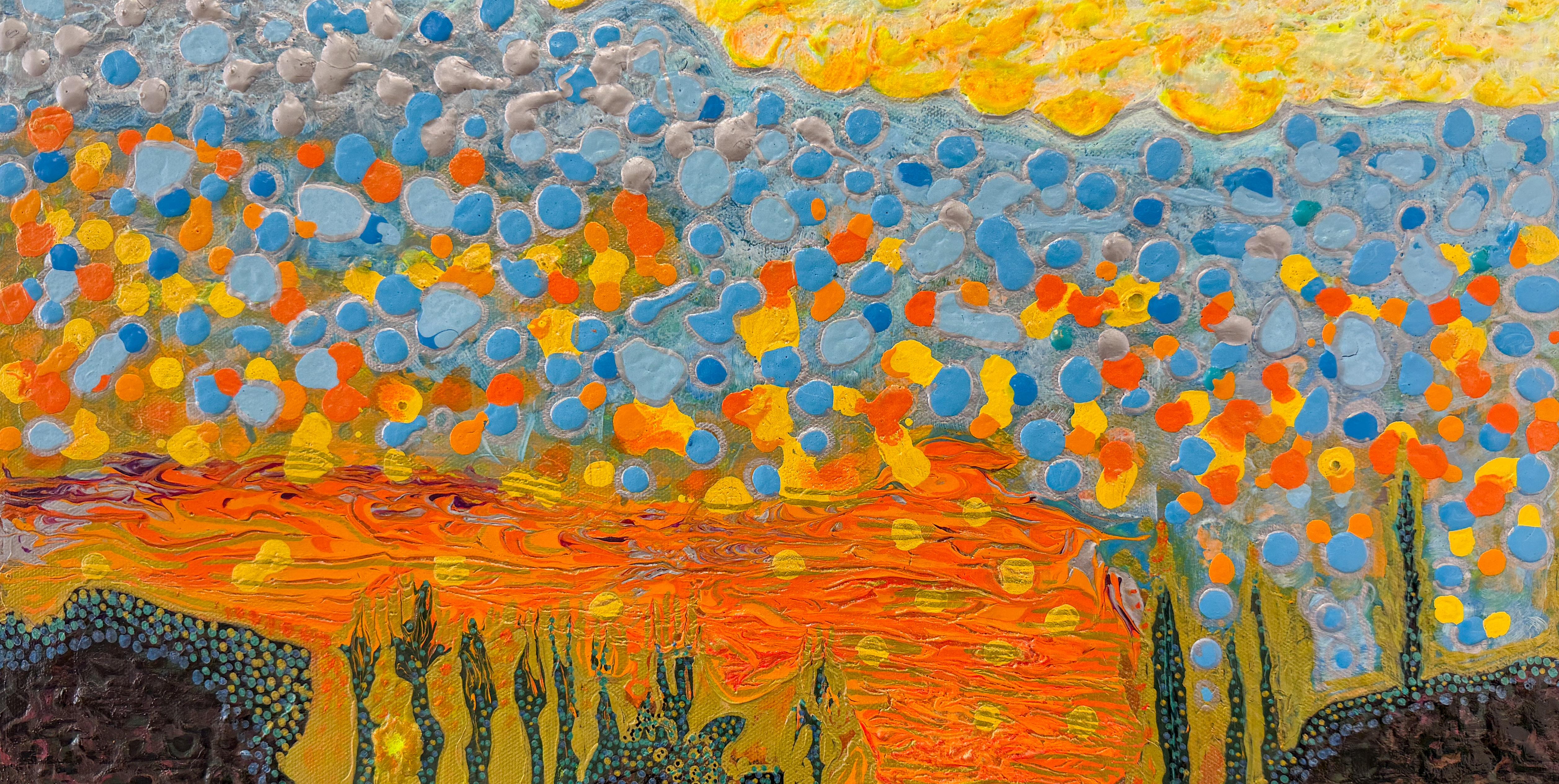
Front Cover Art: “Desert Glow” by Ho Milosevic
© Cochise College 2026
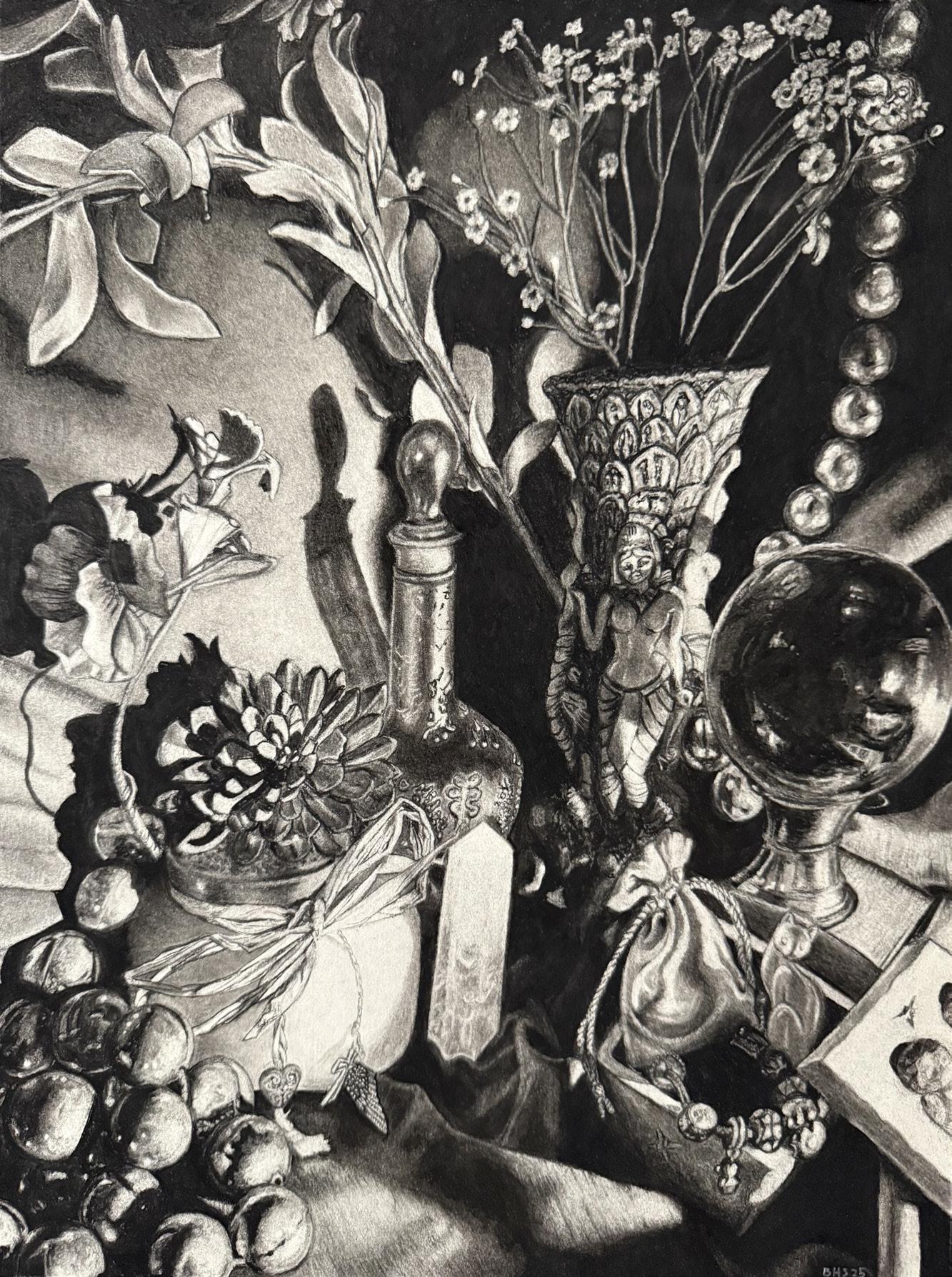
Vanitas con Libros | Richelle Sieland
The Triumph of Impulse* | Wanda J. Betty
Not the Path We’re On | Alexander Rivero
Hunter Canyon Hymn | Virginia Thompson
Reconnecting With Old Habits | Maksolina Leav
Broken | Rebecca Gualtiere
Blue Woman in a Red World | RJ Luce
Yo Me Transformo | Fernando Serrano
Helianthus | Sarah Valenzuela
June | Michelle Perreira
Chroma Key | Alejandra Gutierrez-Tapia
But for Fortune | Jan Searle
Pieces of Me | MJ Salminen
Cleansing Waves | Loren Gladwill
Flash of Time | Ezri Swank
El Perdon es Mi Condena* | Eduardo Soto
Billie Eilish Drawing | Valerie Hernandez
Entre la Batalla y la Guerra* | Alejandra Zepeda Mora
Nature Has No Borders | Estefania Ramirez Toscano
And the Tears Began | Brooke Spiczka
The Still Hour | Samantha Taylor
Cuando Partas | Alejandra Zepeda Mora
Held by Nature | Liam Dardar
Dogwood◊ | Robyn Shelbourne
Rust Becoming | Richard Ward
La Sol | Vernicci Garcia
Junio | Carlos Vasquez Prieto
Birthday Treat | Brooke Spiczka
Land of the Free, Home of the Slave* | Fernando Serrano
Creature Comfort | Jan Searle
The Hero’s Journey◊ | Alison E. Williams
Gathering of the Fish Council | Maksolina Leav
Morir para Renacer | Marissa Tomayo
Untitled | Michi Alonso Cabrera
I See You | Monique Vargas
I Hate Pink | Grace Zoeteman
It’s Easier Here | Calla Bhenke
Home Is Where the Cart Is◊ | Dave Warner
Window to the Sea | Brooke Spiczka
Hidden Alley Cat | Alejandra Gutierrez-Tapia
California Dreaming | Joan Davenport
Why Do the Whales Beach Themselves◊ | Dave Warner
Desert Glow | Ho Milosevic
Tributary of the San Pedro* | Alex Aguilera
Holding On | Alisson Martinez
Another Word for Fire Is Despair◊ | Alison E. Williams
Artificial Blindness | Jose Vasquez
Doug* | Andrew Rivero
Objects | Hope Marshell
La Prisión Del Cuerpo* | Samantha Taylor
Rainbow Smoke | Tiana Jagers
Hállame | Alejandra Zepeda Mora
The Borderlands: Present | Estefania Ramirez Toscano
Mommy Takes the Tie to the Washing Machine◊ | Gretchen Hill
Lunch Time | Leah Pereda
*Indicates a student contest winner
◊Indicates 2025 Creative Writing Contest Winner
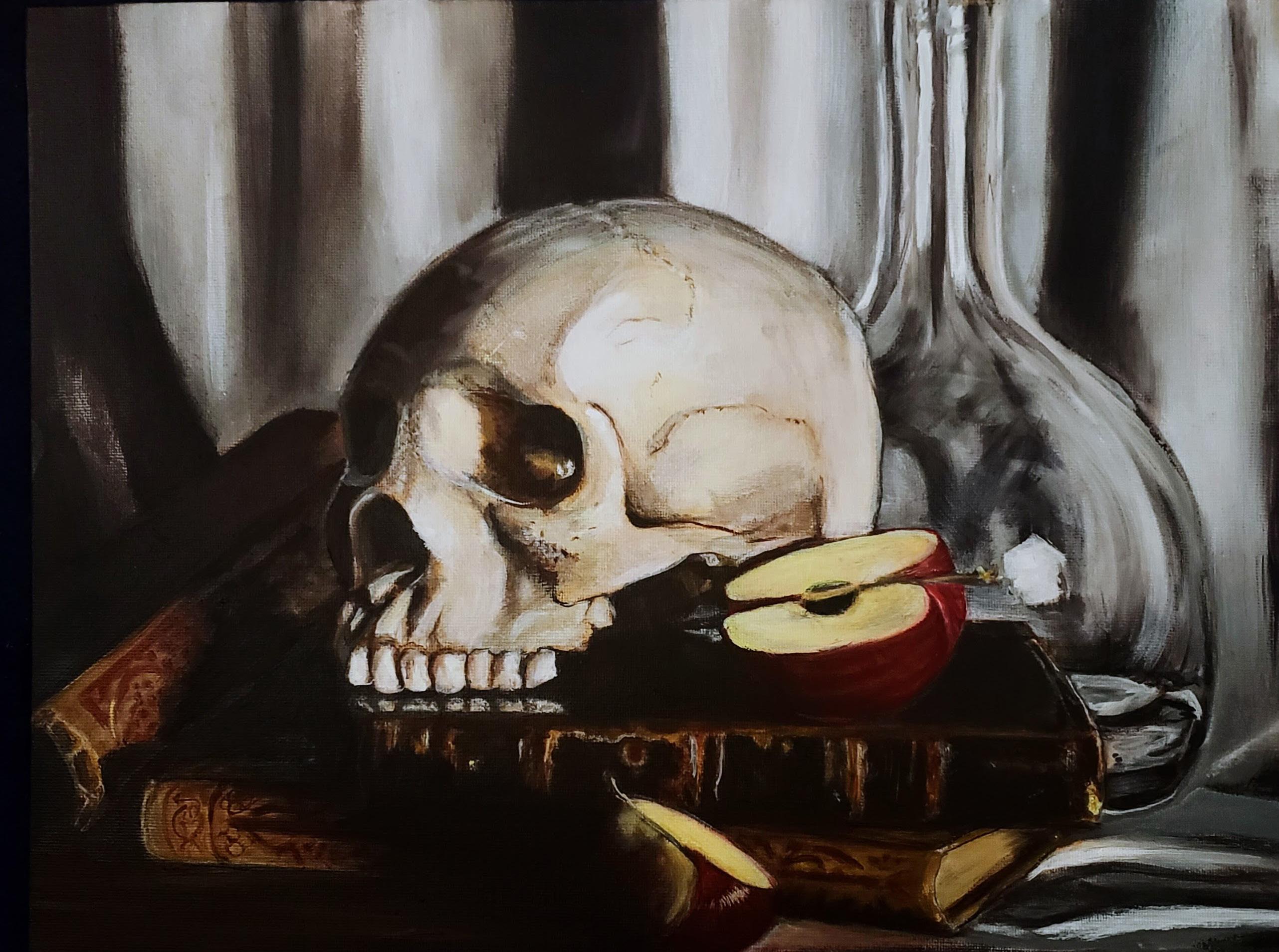
Richelle Sieland
Vanitas con Libros
The Triumph of Impulse
Wanda J. Betty
Third Place, Student Art Contest
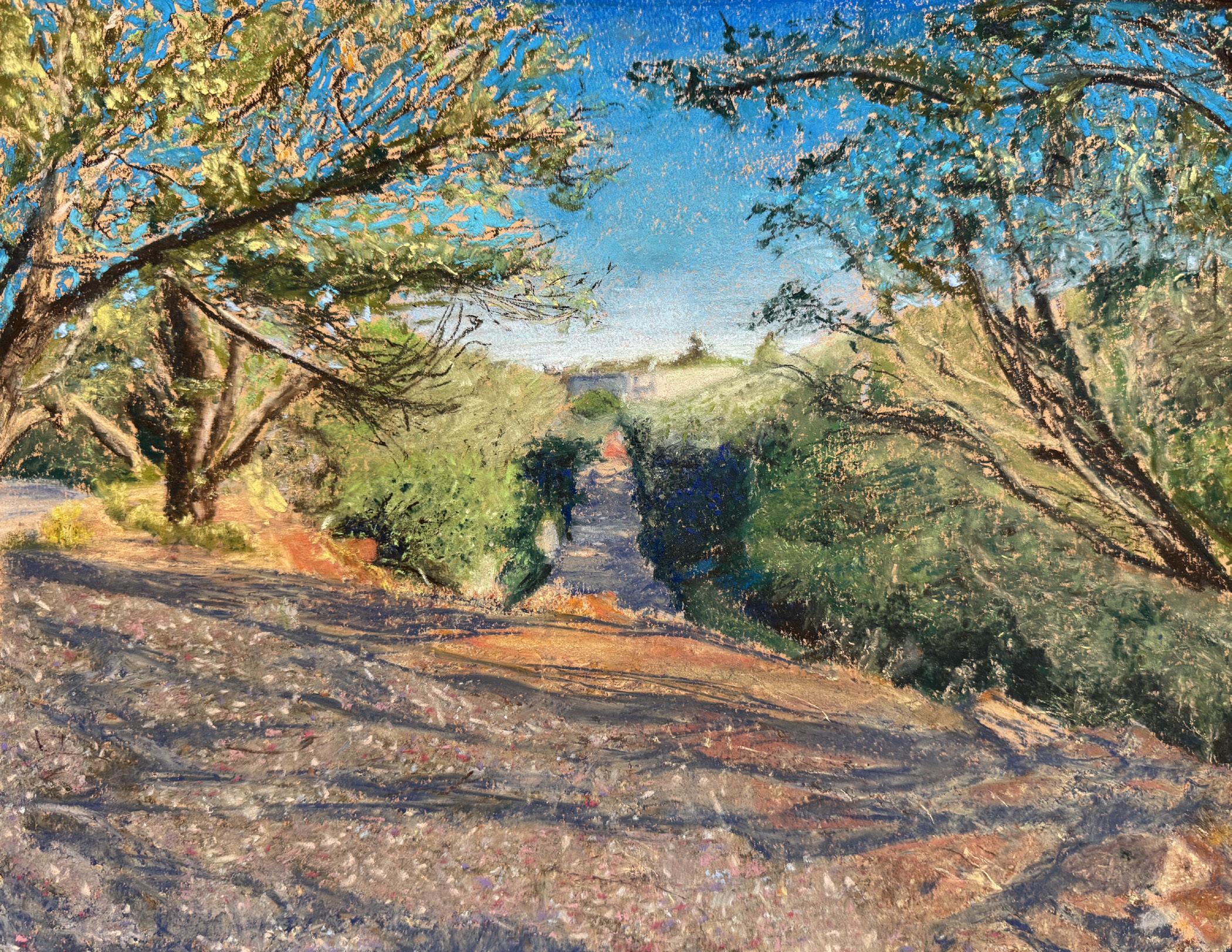
Not The Path We’re On
Alexander Rivero
Hunter Canyon Hymn
Virginia Thompson
Just to be in skin
At this moment:
The evening breeze, The slightly ovaled moon held up by calligraphic Limbs of the seven-trunk sycamore
A holy, steady choir of insect chrrrrs and Vlek vlek vlek vlek
This place is sacred In the way of all non-human spaces With footpaths plodding through them
This place is an extra chamber in my heart, Thrumming along with the tiny Legs and wings
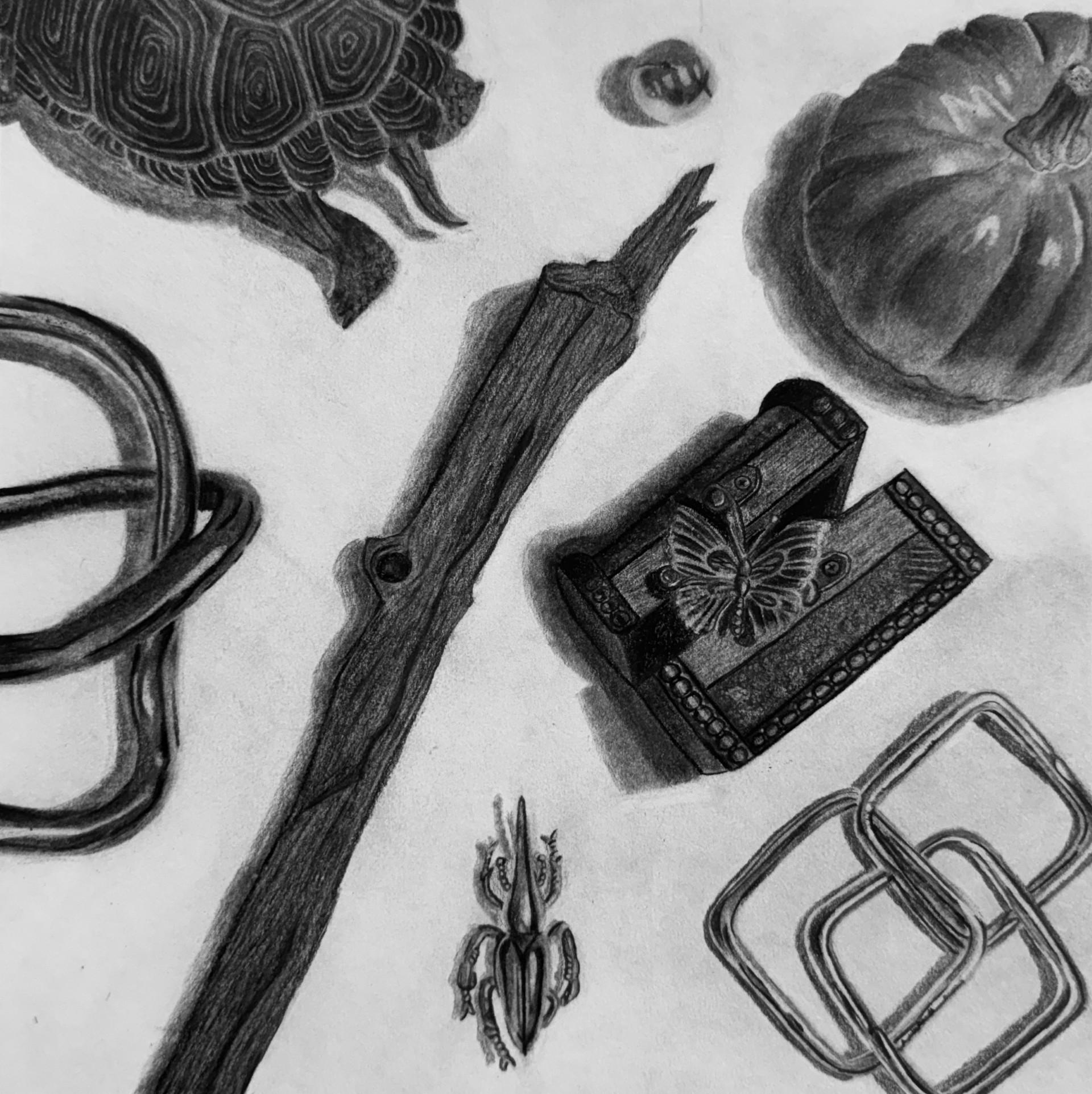
Reconnecting With Old Habits
Maksolina Leav
Broken Rebecca Gualtiere
I’m tired of broken things.
The dishwasher won’t close, That rack that rolls out, And lands on the floor.
The sliding glass door, That just won’t close, And lets the bugs in.
I’m tired of broken things.
The discolored tiles, That you can’t clean, And I can’t replace.
The mirror that’s scratched, That obscures my face, And distorts it.
I’m so tired of broken things.
Of all these small, but overwhelming, Many broken things.
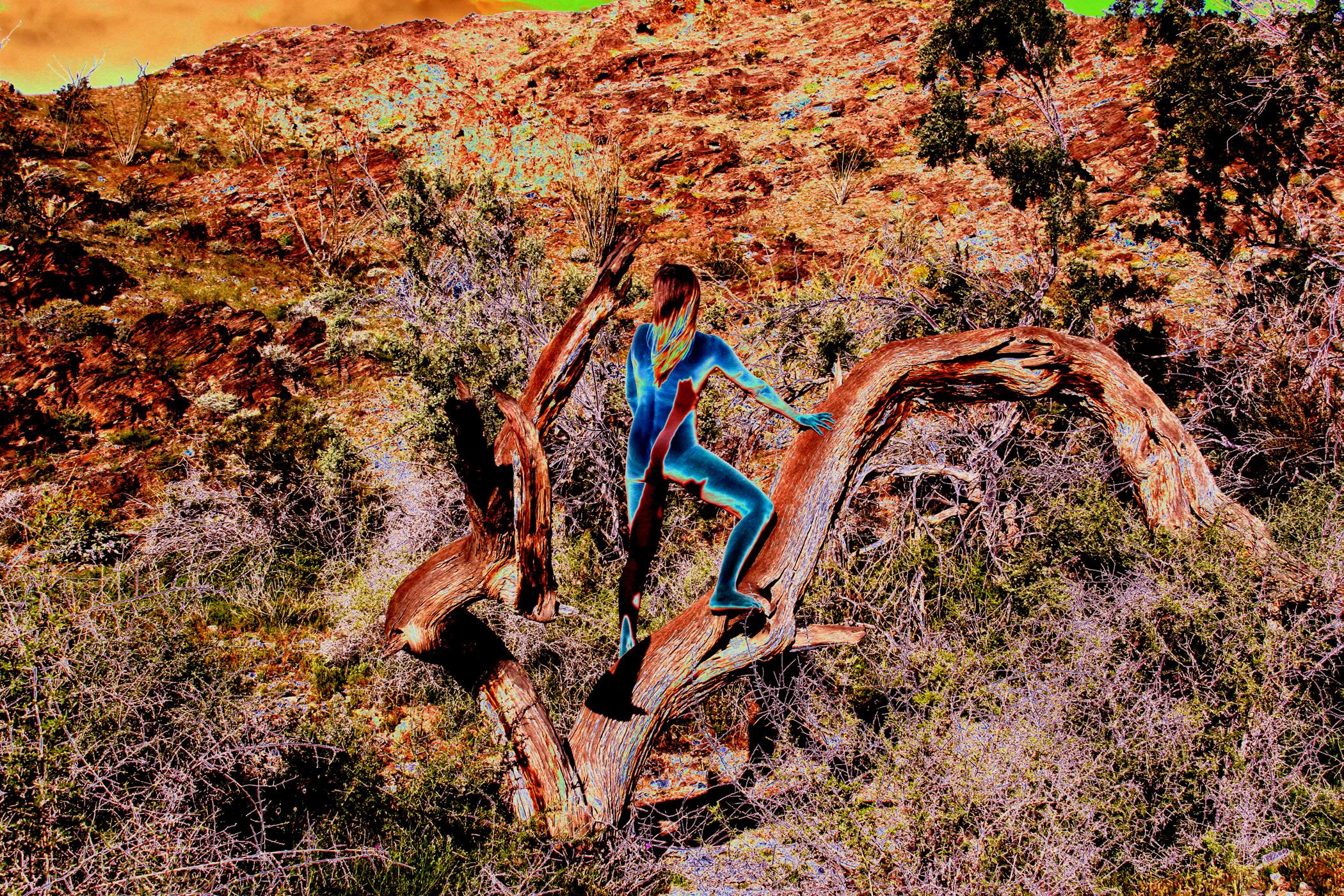
Blue Woman in a Red World
RJ Luce
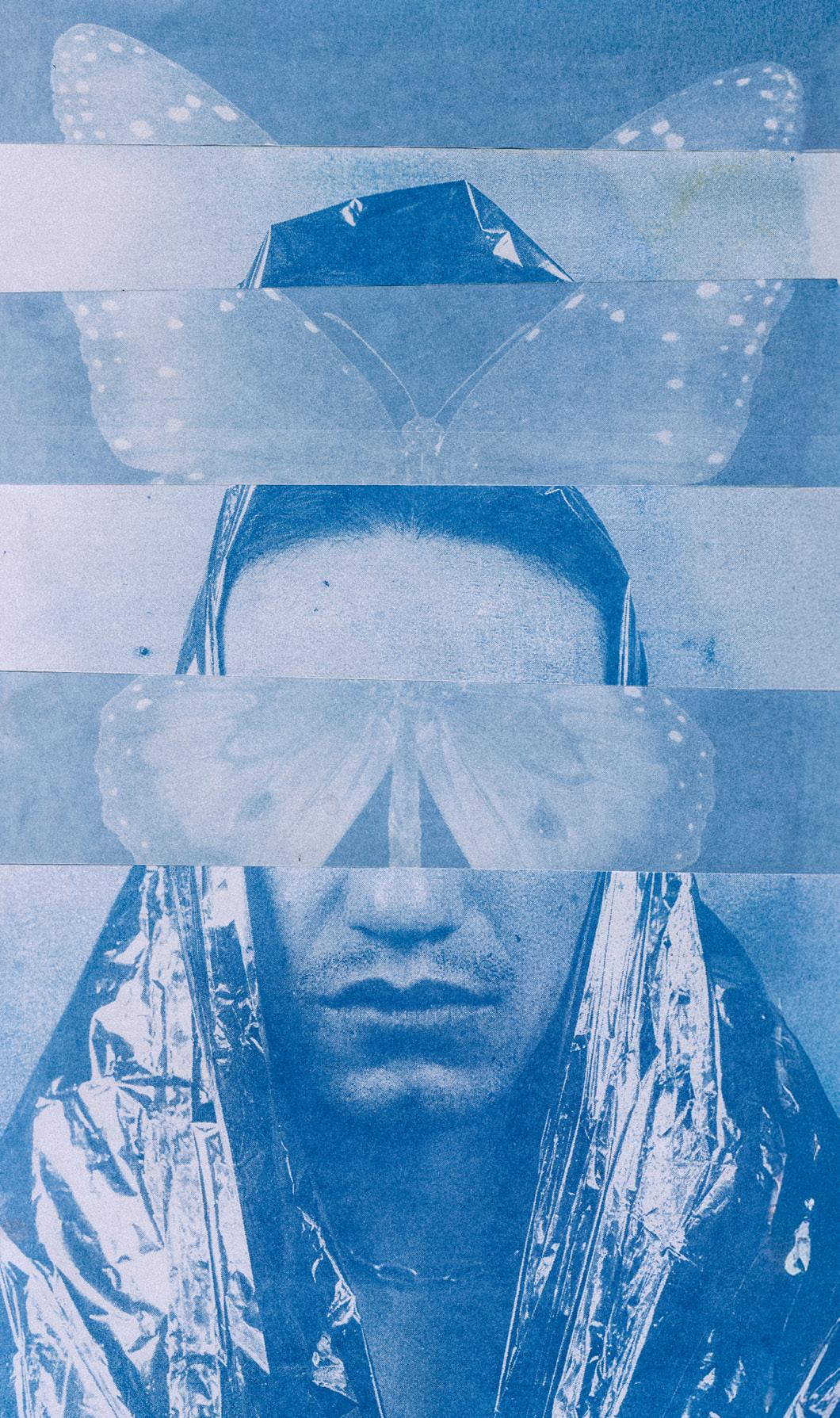
Yo
Me Transformo Fernando Serrano
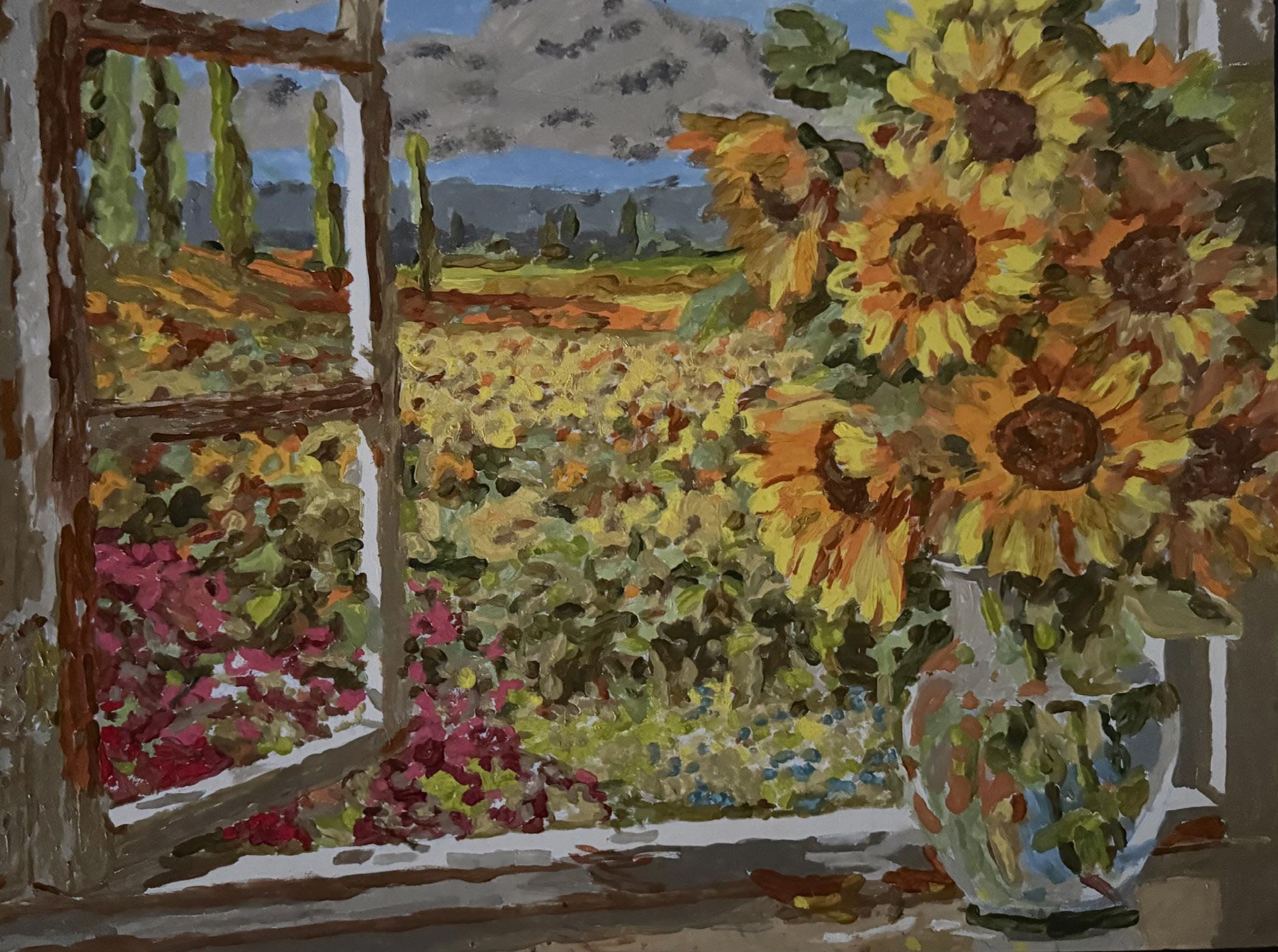
Helianthus
Sarah Valenzuela
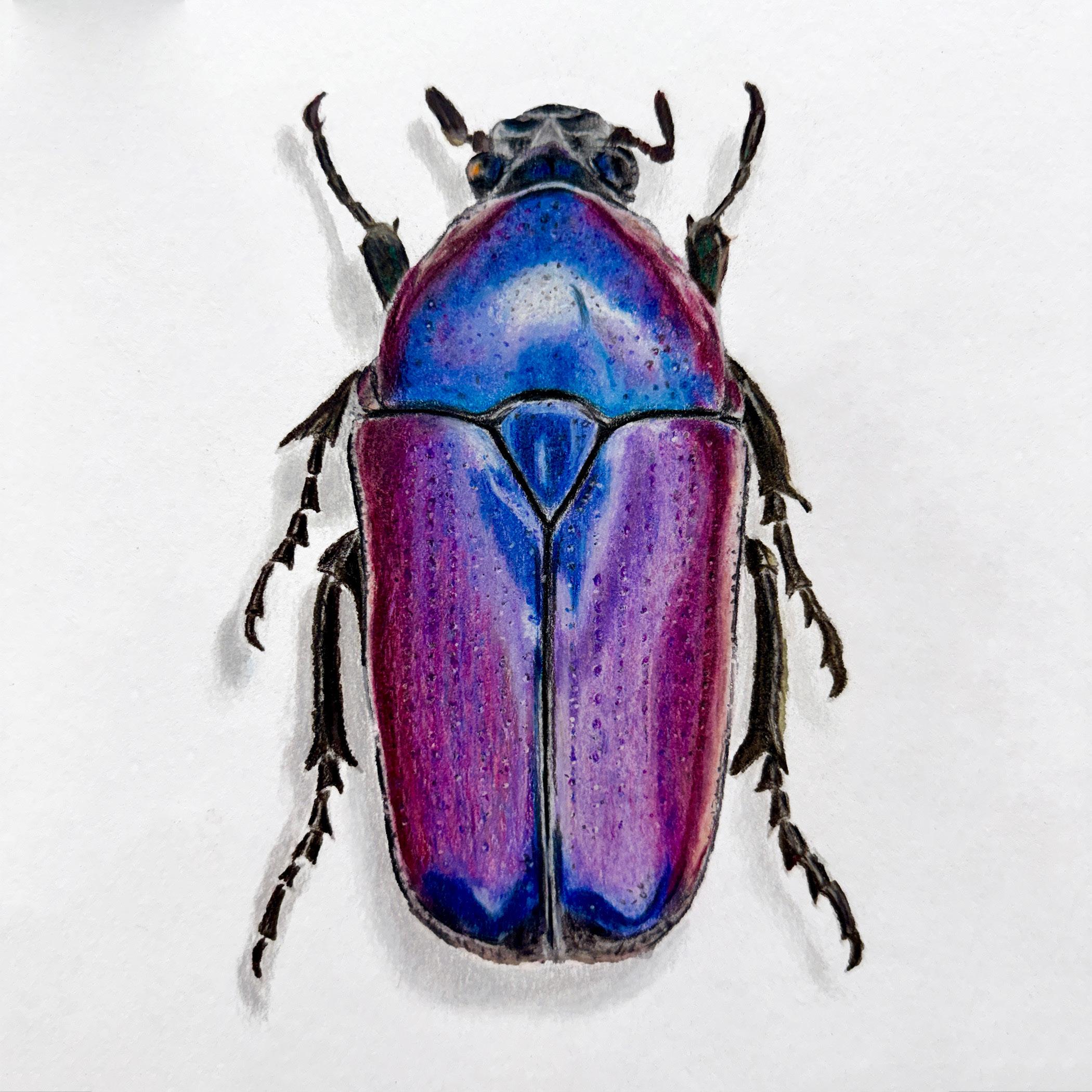
June
Michelle Perreira
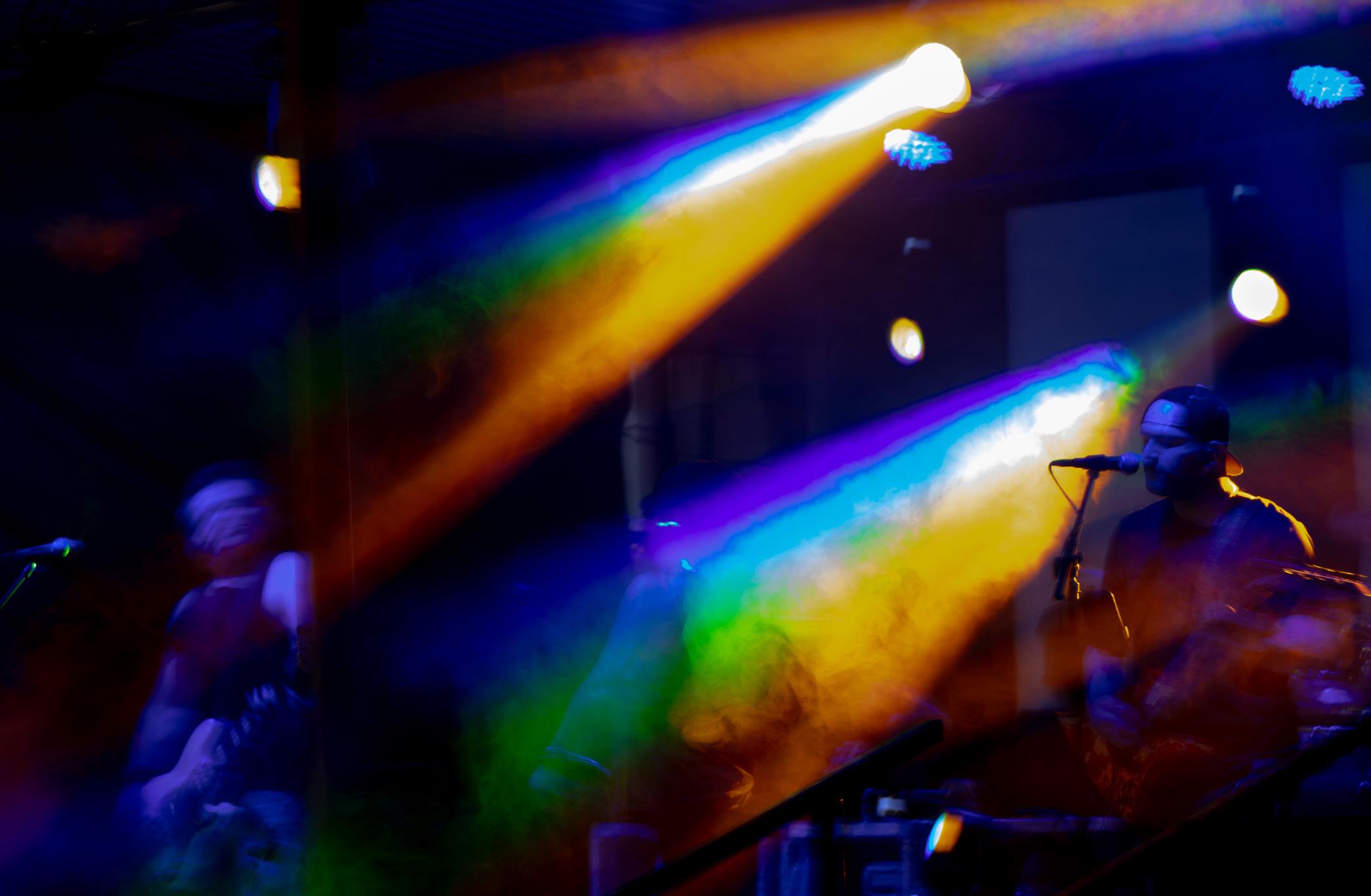
Chroma Key
Alejandra Gutierrez-Tapia
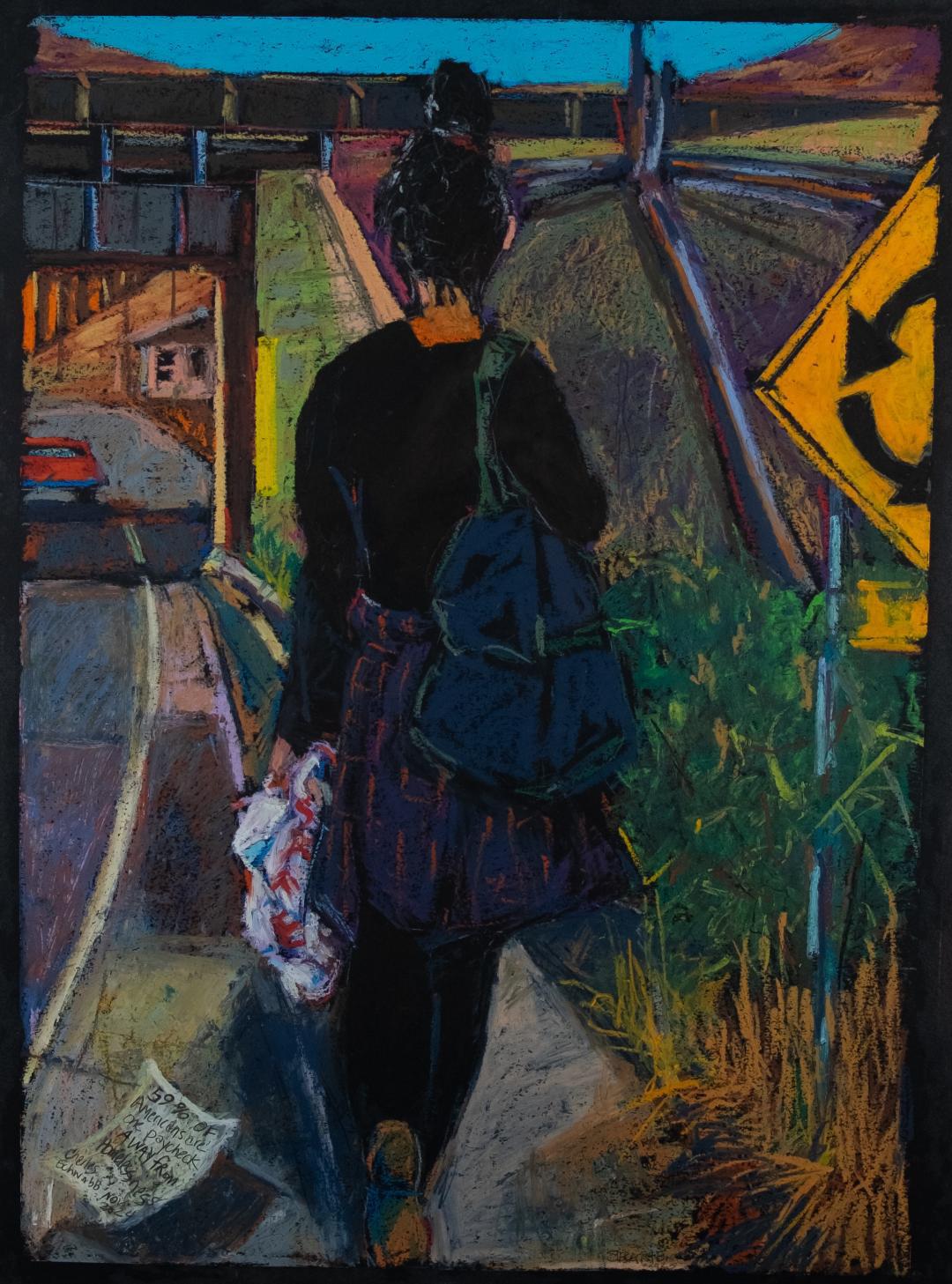
But for Fortune
Jan Searle
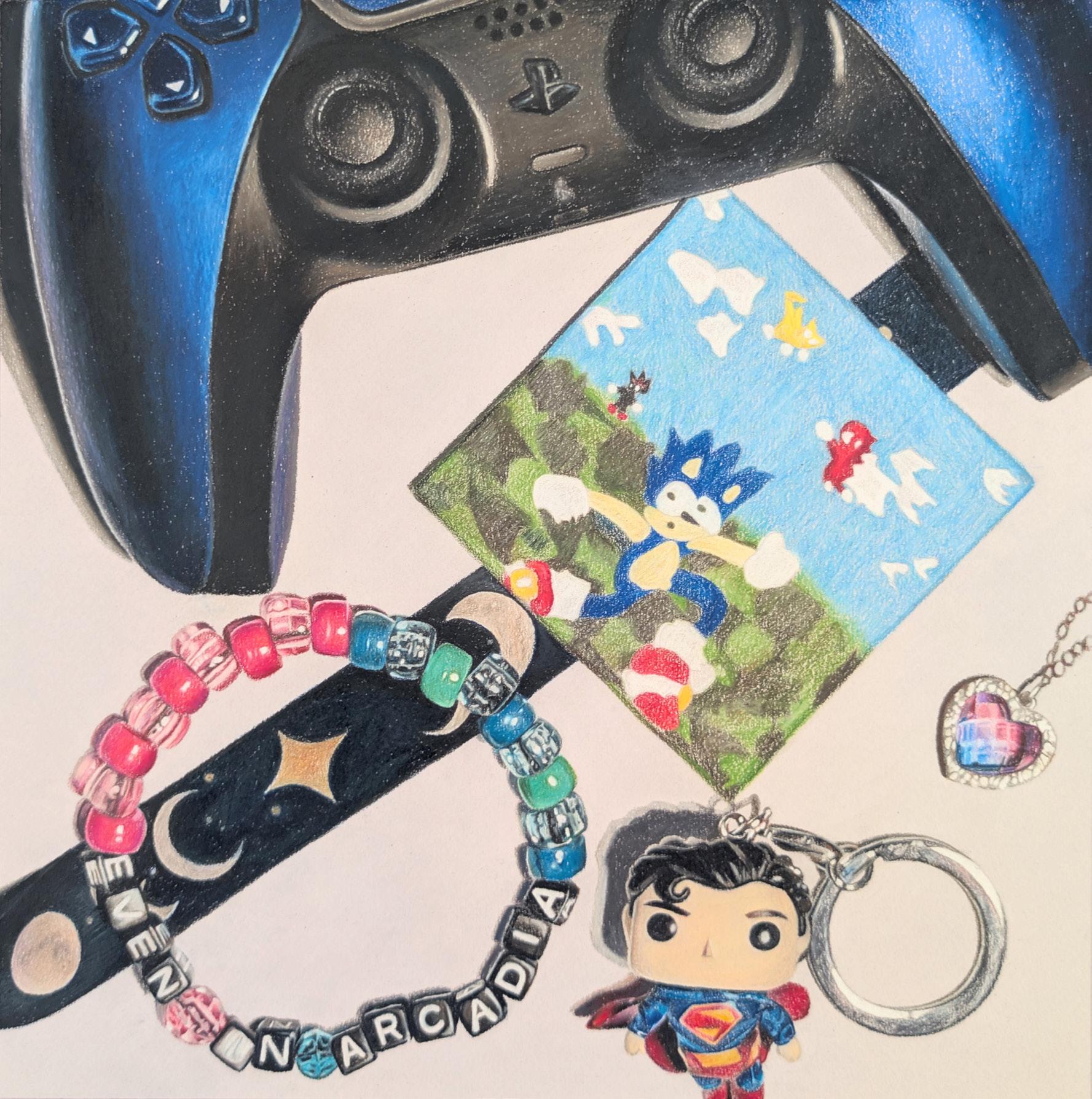
Pieces of Me
MJ Salminen
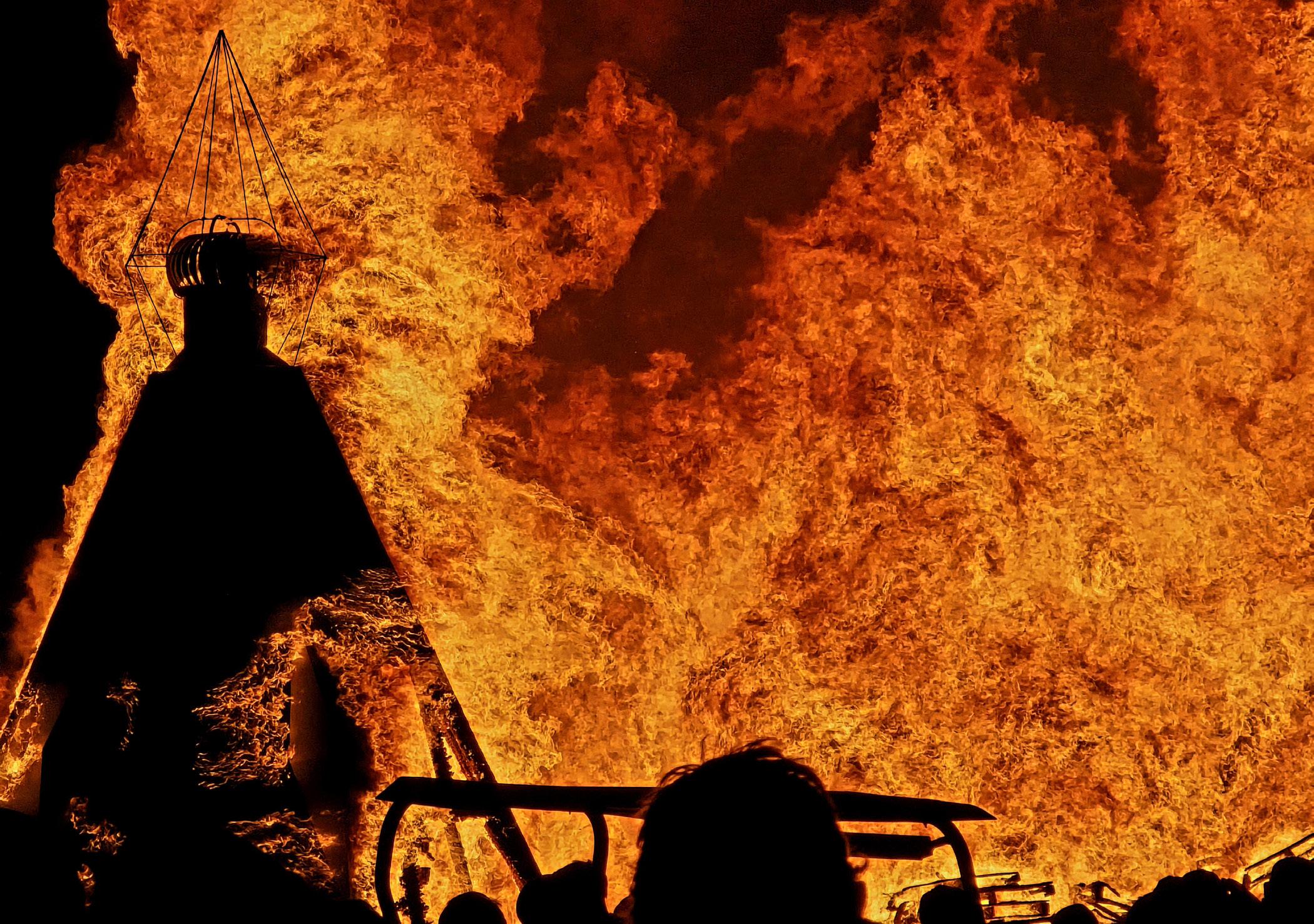
Cleansing Waves
Loren Gladwill
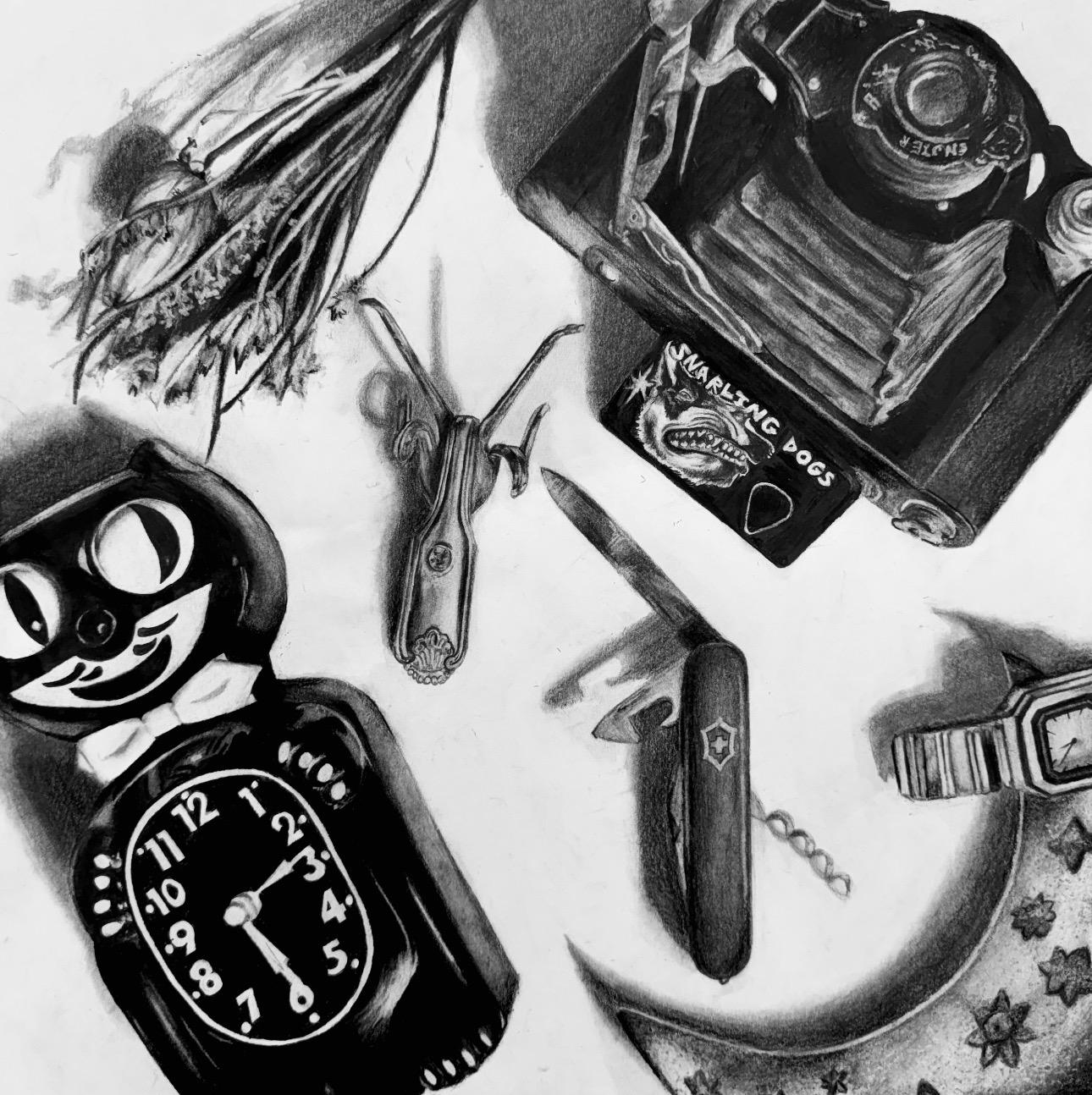
Flash of Time
Ezri Swank
El Perdon Es Mi Condena
Eduardo Soto
Second Place, Student Bilingual Poetry/Prose Contest
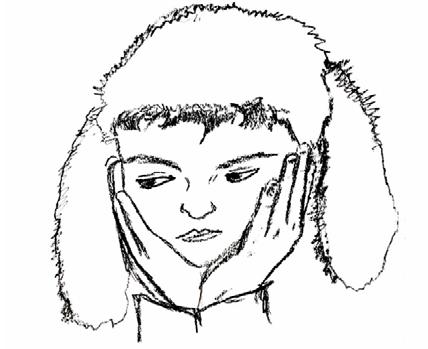
En mi mirada no está el odio, tampoco en mi actitud. Perdonar es una condena, nunca fue alguna virtud. Espero te des cuenta que me voy porque te quise, ignoraré tus plegarias como ignoras lo que hiciste.
Oportunidades hay millones en este mundo diminuto coincidiremos en un tren, hablaremos un minuto, tal vez entonces te des cuenta que también me has lastimado y que el perdon ya no es opción, pues las cosas han cambiado
No te culpo del pasado, si no de tu ciego presente, incapaz de ver las cosas en los zapatos de otra gente. Si fuera yo aún mas cruel, te daría confrontación, pero eso no es suficiente, quiero hacerte una canción.
Ser duro contigo mismo también es supervivencia, no se escalan las montañas para saber de convivencia. Te he estudiado en cada grado y siempre vuelvo a conocer la conclusión tan inconclusa, y es que sigues al placer.
El mundo gira igual en China, en Perú, y en Equador, no somos tan invencibles, date cuenta por favor. Los placeres son bellezas que tu mente determina, si conmigo son imposibles, te favorece mi salida.
Billie Eilish Drawing
Valerie Hernandez
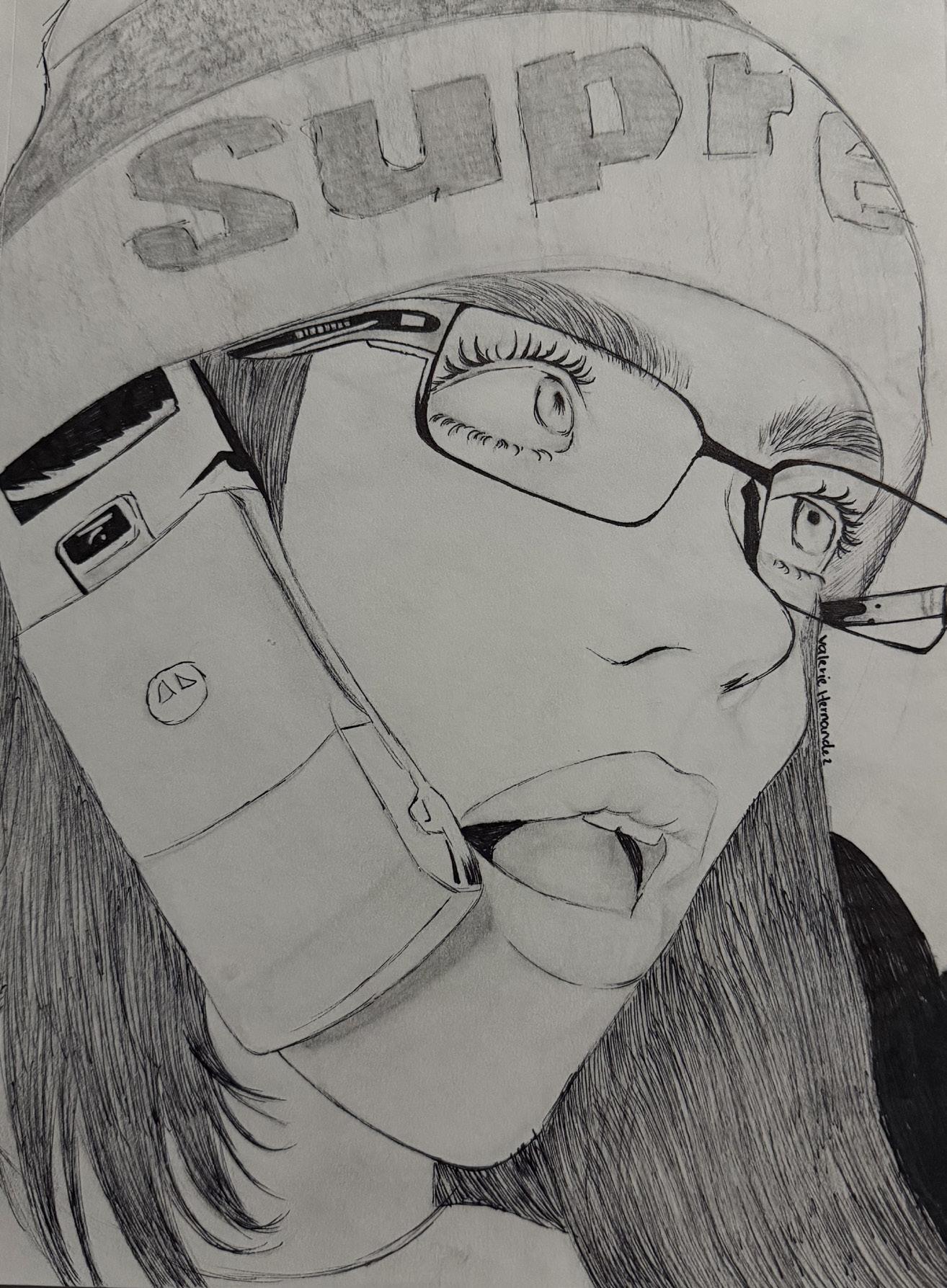
Entre la Batalla y la Guerra
Alejandra Zepeda Mora
First Place, Student Bilingual Poetry/Prose Contest
Era una mañana como ninguna otra, pero que evocaba la apatía de todas las anteriores en una. Me sentía como un objeto aislado en un lugar donde la historia se entrelazaba con la indiferencia y el olvido. A mi alrededor, una multitud caminaba a paso rápido, ignorando mi existencia. Mi cabeza estaba llena de pensamientos que parecían más reales que el ambiente que me rodeaba. En mi mente, las circunstancias que me llevarían a terminar en ese estado eran inciertas. Pero algo era seguro: estaba solo.
Entre la Batalla y la Guerra Yo era un comerciante, no menos mediocre que aquel que carece de empatía. Solía transitar las calles de mi nativa ciudad, Múnich, esperando que algún alma considerada, en virtud de alguna muestra de caridad, se compadeciera de mí. Mi presencia no era siempre bien recibida por los transeúntes que paseaban cerca, aunque me gustaba pensar que, por azares del destino, seguían mis pasos. Durante mis recorridos, fui víctima atenta de descripciones y apodos despectivos provenientes de extraños, quienes se referían a mí por adular, seguramente con vanidad, mi miseria. Solía pensar que los adjetivos que se me adjudicaban no me definían. E incluso, si es un tema que me compete, quizá no esté exento de ellos. Me era indiferente la consideración sentimental que se me dispensaba por mera
conmiseración. Sin embargo, habría valorado encontrar a alguien que, siendo un desafortunado como yo, compartiera mi visión y comprensión; alguien con quien charlar, por ejemplo, de ciertas trivialidades que últimamente resonaban con tal intensidad en mi cabeza que eran capaces de turbar un eco de intranquilidad sobre mi conciencia.
Lo que era, sin duda, un tema de debate entre todos debido a su naturaleza, era la amenaza de un nuevo conflicto. Yo, un joven al que apenas le había tocado vivir los estragos de la Gran Guerra, no sabía demasiado, además de lo relativamente obvio: Alemania había quedado, como se decía, humillada, devastada y repleta de indemnizaciones. A la nación la azotaba una fuerte crisis económica y, aunque prometía recuperarse, la pobreza aún era exhibida en cada esquina.
Una tarde, después de deambular por la catedral, al llegar a mi hogar me recibió una carta en el buzón. Tenía un sobre blanco y fino, con el sello de correos de Moscú. El contenido, escrito en tono desesperado aunque cálido, anunciaba la pronta muerte de mi hermana, Mileya, a causa de una tisis lenta. Según la carta, había pasado un año desde que su enfermedad empezó, hasta el punto de agravarse. Un año de agonía durante el cual, sin orgullo, yo vagaba sin conocimiento de la
situación.
La noche del mismo día me dirigí a Berlín, donde tomé el tren de las nueve. Al subir, una impresión me invadió: una de generalización, de aquellos prejuicios que odiaba asumir a simple vista pero que era imposible no notar. Gente de toda clase compartía como única semejanza la expresión de sus rostros: pálidos, afligidos. El mío, si acaso hubiera podido ver mi reflejo, sería un calco del resto. Al lado mío, una madre arrullaba exigente para hacer callar el llanto del bebé que cargaba en brazos; a su costado, una niña con con un bello vestido azul observaba el paisaje por la ventana. De vez en cuando dirigía su mirada hacia mí, otorgándome una sonrisa; quizá de compasión, quizá de mera gracia. Pese a las circunstancias, aquel escenario me forzaba a anhelar la fogosidad de mi lejana infancia. Entonces supuse que ahí, en ese tren, lo único que nos diferenciaba a todos del resto era nuestra comprensión sobre las cosas y nuestra forma de procesar la desdicha.
Tras horas de trayectos extenuantes y controles rigurosos debido a mi origen, llegué a Moscú. Mileya falleció casi tan pronto como estuve ahí. Fue como si hubiera estado prolongando su existencia, aguardando ansiosa por el instante de familiaridad que mi presencia pudiera concederle antes de desvanecer su último aliento. Mileya era, en realidad, mi única familia. Yo, producto de un desliz fútil de mi padre, vine al mundo cuando era una adolescente; ella, nacida en la Unión Soviética, y yo, en Alemania. En mi niñez, las mujeres mayores la describían como energética y muy carismática, casi lo suficiente
para contrarrestar lo «poco agraciada que era», lo que sea que eso significara.
Al cumplir mis dieciséis años de edad, nuestro padre falleció mientras residíamos en Alemania. Yo quedé bajo el cargo de Mileya solo por un tiempo, antes de que ella partiera hacia Moscú, dejándome casi a mi suerte en Múnich. A veces me enviaba cartas y, si el humor me lo permitía, enviaba una de vuelta, sin recibir respuesta hasta mucho después. Quizá fueron esas interacciones fortuitas las que transformaron nuestra cercanía en indiferencia. Por ello, la noticia de su enfermedad llegó a mí cuando ya era demasiado tarde.
Mi hermana trabajaba en una industria textil al norte, que le permitía vivir al día. Al morir sin dejar otros vínculos, su pequeña casa cerca del centro quedó a mi entera disposición. Para no despertar sospechas innecesarias, ocupé un escritorio vacío en la oficina de su fábrica, traduciendo manuales técnicos que nadie leía, justificando así mi ración de pan y mi derecho a dormir bajo un techo soviético. Por un lado, el sosiego de unos días considerablemente diferentes, en comparación con los que había estado viviendo hasta entonces, me procuraba una sensación de calma. Por el otro, me invadía la nostalgia de extrañar la sencillez de lo común: aquellas calles que deambulaba casi a diario y aquellos rostros de desconocidos a los que me había acostumbrado tanto que, sus vidas, aunque nunca las conocí, me parecían de un trasfondo casi evidente. De cualquier manera, algo más bien intangible me impedía regresar. En mi estancia, al mismo ritmo que transcurrían los
días, me percataba de la superficialidad de mi conocimiento sobre Mileya. Recorrer la ciudad me había traído una rutina que, paradójicamente, se había vuelto ajena y, en cada paso, se me escapaba el pensamiento de cómo habrían sido sus días lejos de mí. Me preguntaba si, en alguna especie de paradigma, mi recuerdo se habría pasado por algún pliegue de su mente, como el suyo a la mía, anhelando probablemente no la presencia del otro, sino aquel pasado remoto donde aún éramos capaces de reír juntos.
Siempre me fue imposible negarme a la melancolía, pero lo más agobiante era que esta particularmente me afligía después de que un acontecimiento imprevisto perturbara mi tranquilidad: me resultaba arduo anhelar sin un motivo evidente que explicara la razón de mi nostalgia. Al caminar por el corazón de la ciudad, la solemnidad de la Plaza Roja me maravillaba, pero, a la vez, me confería una sensación de aprensión. Las calles estaban normalmente llenas de transeúntes: mujeres con abrigos modestos, hombres apresurados que custodiaban bolsas con productos escasos logrados tras horas de fila y voces que raramente se elevaban más allá de un murmullo. Gracias al ruso heredado de mi padre, podía descifrar aquellas conversaciones que, aunque triviales en apariencia, llevaban consigo una cautela implícita, un miedo silencioso a hablar de política o rumores de guerra. De pronto, el país se convirtió en un reflejo de lo anunciado: la Unión Soviética había firmado un tratado de no agresión con Alemania que acordaba la paz. El territorio de Polonia había sido invadido y la guerra finalmente había comenzado.
Era junio. Un par de años habían pasado ya desde que llegué a Moscú y había perdido la cuenta de las veces que acudí a la tumba de Mileya. Con el paso de los años y la aceptación de su muerte, resultaba abrumador, a la par que irónico, que mis encuentros con ella fueran más frecuentes ahora que la muerte nos separaba. Los lirios que le llevaba cada cierto tiempo permanecían junto al pequeño lugar donde ella estaba ubicada, adornando ambivalentemente su lecho, tal como lo hacían las coronas de flores blancas que ella solía trenzar en su cabello durante su juventud.
Aunque los días conservaban su indolencia habitual, ahora se respiraba el aroma a muerte. Las calles, antes bulliciosas, parecían estar llenas de pura tensión. En cada esquina sentía que los ojos del Comisariado vigilaban no mis actos, sino mi origen. Las noches eran opresivas y casi castigadoras, incluso más que antes. Una madrugada, mientras me encontraba inerte admirando el viejo techo de madera que se hallaba sobre mí, casi sarcástico, comprendí que lo que propiciaba mi insomnio era un miedo que había nacido en mí de manera súbita. Temía la ausencia de una compañía cuya existencia era tan volátil como ilusoria, pero me aterraba aún más el olvido de una existencia tan trivial que, sumada a la guerra, sería inminentemente condenada a la insignificancia: la mía.
En ese instante, impulsado por una convicción que desconocía, tomé mi abrigo y abandoné la casa. Caminaba absorto, como si buscara en la nada respuestas a las cuestiones que me afligían. El sonido de mis pasos interrumpía el
silencio mientras avanzaba sin rumbo aparente. La ciudad dormía, ajena a mi angustia. Casi sin advertirlo, alcancé los Jardines de Alejandro, a la sombra de las murallas del Kremlin; allí, aunque la oscuridad parecía absorberlo todo, la luz de las farolas me iluminaba. Me senté, despojado de cualquier preocupación, y tras un largo suspiro fijé la mirada al cielo, tal como hasta hace un rato lo había hecho con el techo.
¿Qué es la soledad con compañía? Nada; puesto que su existencia amerita el incumplimiento de la otra. Miserable afán de comprender, que me obliga a cuestionar la farsa del aislamiento total, dado que cada día a mi alrededor se exponen los que lo imposibilitan. Me aterra la perversidad de la conciencia y la naturaleza del conocer, esa lucidez que impide el disfrute de los placeres transitorios y condena a cada mente atormentada al autocastigo.
Dichoso aquel que ignora lo evidente, que deleita su humor en lo rutinario y lo transforma en novedad. Aquel dogmático que se entrega servil a la mentira y defiende su sabiduría; quien no se percata de que la inconsciencia de la ineptitud se pretende en certidumbre como virtud única y más grande. Envidio al que recibe interacciones esporádicas sin profunda ilusión, al que vive en compañía y, aun así, se jacta de penas superficiales que complementan su falta de complejidad. Ambiciono su ignorancia, porque la duda alimenta la idea y la idea engrandece el deseo de validar la razón de la existencia misma. Al día siguiente, antes incluso de reconocer el lugar, me golpeó la claridad del mediodía. Seguía tendido en la misma banca de la noche
anterior. Ante mis ojos, más personas que de costumbre se movían hacia todas direcciones, pero con un desapego hacia mí aún más evidente que de costumbre. ¿Qué había cambiado? Al incorporarme y caminar en dirección contraria a aquellos extraños, ahora indiferentes entre todos ellos, me di cuenta de lo inevitable, de lo que ya había sospecha. ¿Qué podía hacer? ¿A dónde iría a parar alguien que nunca tuvo un lugar propio, alguien que vivió aislado desde la idealización de la soledad hasta el abandono absoluto?
Dios, ten piedad. Piedad del noble, del pobre y del rico en su nombre. Del malvado, del tirano y de la inocencia del necio. Ten piedad de todos, Dios, excepto de mí; del hombre que se condena a su propia extinción, a morir en el olvido y a sucumbir en la penuria de su propia irreflexión. ¡Ambigüedad insolente! Las acciones soeces son el refugio de las mentes vulgares; de aquellos que no manchan las manos propias de sangre, sino que utilizan al indefenso. Al final, el conflicto siempre está al mandato de los cobardes.
A ti, difunta hermana, que te has marchado sin dejar más rastro que mi propia pesadumbre: perdón. La realidad se impone ante mí, no en forma de consuelo, sino con la certeza de que ya nada será igual. Yo era el verdadero cobarde en esta batalla llamada existencia. Y ahora la amenaza ya no es solo interna: es la guerra, la que lucho dentro de mí y la que luchan todos a mi alrededor mientras la paz se desmorona. Yo ya no era un extraño en una ciudad ajena; era el ciudadano de una nación que acababa de declarar la muerte a su último refugio.
22 de junio de 1941
Aquella madrugada, la Alemania nazi lanzó un ataque sorpresivo contra la Unión Soviética, bajo el nombre de «Operación Barbarroja». Al romperse el pacto de no agresión, el destino de los ciudadanos extranjeros y de millones de civiles cambió para siempre bajo el fuego del Frente Oriental. Para finales de ese año, las tropas alemanas avanzaron hasta llegar a las afueras de Moscú. Fue el combate más sangriento registrado durante la Segunda Guerra Mundial.
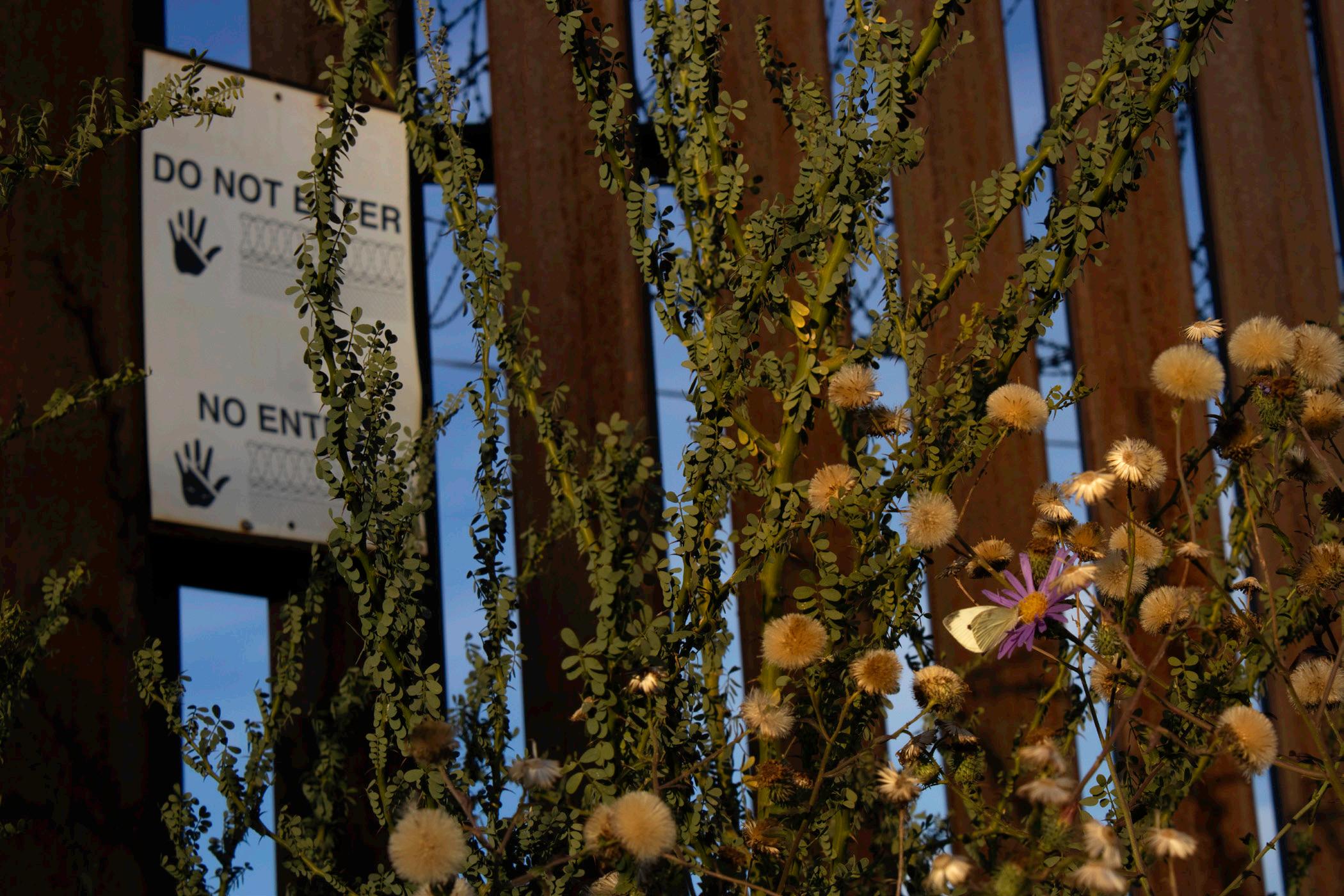
Nature Has No Borders
Estefania Ramirez Toscano
And the Tears Began
Brooke Spiczka
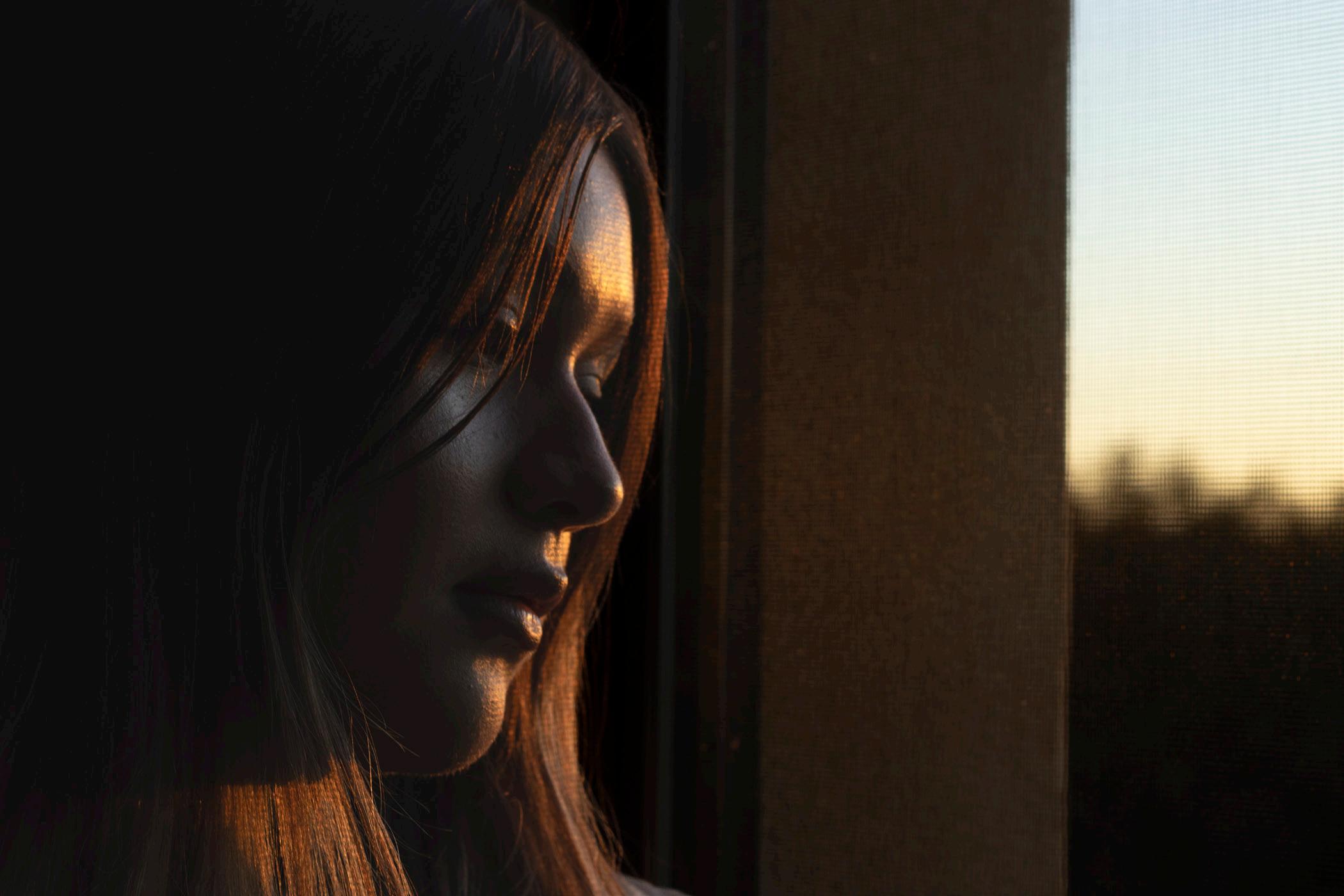
The Still Hour
Samantha Taylor
Cuando Partas
Alejandra Zepeda Mora
Cuando partas, serás solo el remanente que acompañe el solitario desvelo amargo de alguien que vive, aunque ausente, en una mentira que alguna vez fue milagro.
Serás de esa costa, tan extraña como lejana, la brisa de un amor que, al caer la noche, se desvanece. Partirás como recuerdo que interrumpe la risa, como se escapa la vida del que fallece.
Cuando partas, no maquillaré el dolor; pero tacharé cada pena que dibuje tu ausencia para hallar en otros motivos el ilusorio furor que con engaños perfumaba tu presencia.
Serás el último suspiro taciturno de mi alma. Y si alguna vez la nostalgia me lleva hacia el fin, solo bastará la mentira de mi calma, para, en el silencio, empezar otra vez sin ti.
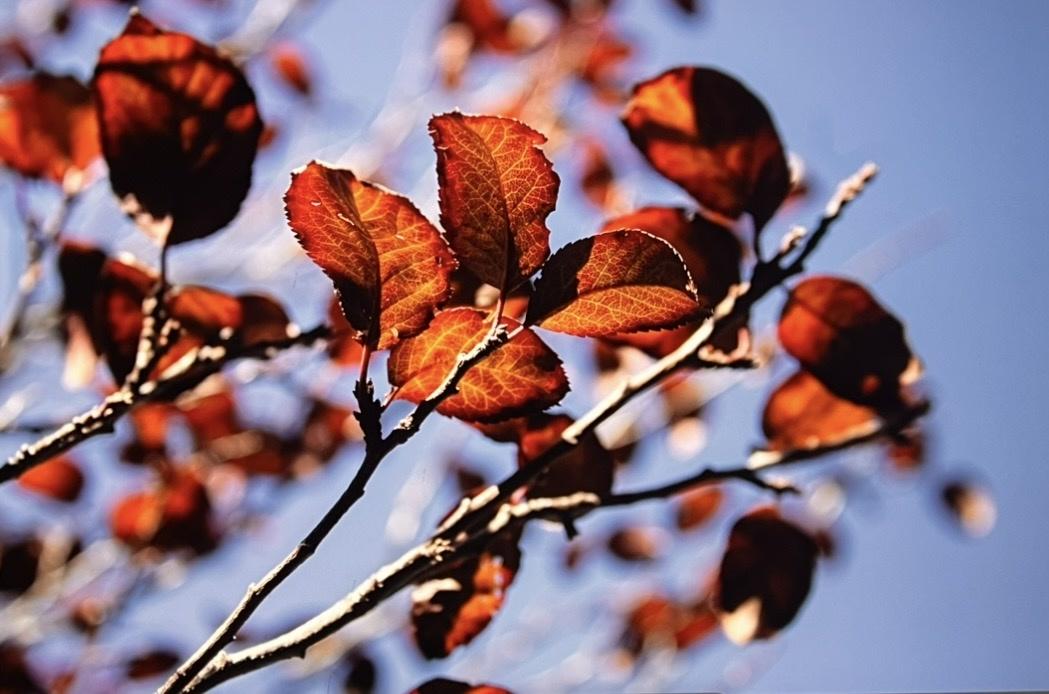
Liam Dardar
Held by Nature
Dogwood
Robyn Shelbourne
Mama was like a sugar maple, rooted and sure in a summer thunderstorm. When thunder shook, she didn’t waver, and no lightning bolt dared to pierce her bark. Just as Mama was the roots, she was also the soft, buttery maple leaf that flitted and swirled topsy-turvy in the crisp autumn wind. Mama knew something most people didn’t: the worth of roots and the weight of freedom. She never stayed one thing for too long.
In the spring of 1960, Mama’s soul left her body. I was ten, and no one told me anything honest. They didn’t back then. A sickness lived within her, so hungry it ate her breasts. James Couch, the doctor who brought me into the world, sat at Mama’s bedside for hours until she found her way out. Daddy spent the day in his study, where he drank more whiskey than the bottle held. My mind drifted between daydream and nightmare. In my bedroom, I counted wallflowers and chewed my fingers until they bled. Veins became an endless inkwell that I used to paint over pink wallpaper petals. I wanted to be with Mama, but Daddy said that a woman’s deathbed was no place for a little girl. Medicine qualified Dr. Couch to observe Mama’s final moments, and I was no doctor, but Mama deserved more than medicine. She needed love. She needed me.
Tick. Tick. Tick. I watched the second-hand crawl. I figured if Dr. Couch drank enough tea, he’d have to excuse himself. I carried him three glasses
before his bladder surrendered. When he left, I crept to Mama’s side.
Her breath rattled and rasped through silence. Her mouth hung open, lips agape and cracked, powder-white. I crawled into Mama’s bed. A cough rattled her chest, and her eyes slivered open.
“Norah Sue,” she rasped.
“Mama,” I cried.
“My baby.”
“Daddy and Dr. Couch wouldn’t let me be with you, but you shouldn’t be alone. I didn’t listen to ‘em, Mama. I couldn’t.”
Mama raised a weak arm to wipe away my hot scald of tears.
“I’m leaving you all my love. All of it.”
She gasped.
“Love can’t be reaped, only sown, and I’ve sewn you full since our eyes first met.”
I snuggled into her side. Sugared sweat from her nightgown rippled across my face. She smelled like the garden on a summer day. A rattle echoed in my ear. I winced. Mama wore pain like a peaceful river, one I could watch till the sun went down. Her heart pulsed a languid love, and I lost myself in the unfamiliar rhythm. I didn’t hear Dr. Couch return.
“Norah! You mustn’t be in here!”
“I won’t leave,” I yelled.
Dr. Couch tried to peel me away, but Mama held out her arm.
“No,” she said. I pressed closer.
“Norah Sue, Norah Sue, Pretty, pretty, pretty, pretty.”
Mama gasped years of memories through song. Her voice lifted us from the room. Death gave way to giggles and barefoot nights when Buddy Holly crackled from the record player. We hopped and bopped to Peggy Sue until our hornrimmed glasses slid off.
“Norah Sue, Norah Sue, Pretty, pretty, pretty, pretty Norah Sue!” She sang.
“It’s Peggy, Mama!”
“Says who?”
Mama spun me around and pulled me close.
“Buddy Holly.”
Mama traced her finger down the bridge of my nose, then cupped her hands around her mouth. “Hey Buddy! You listening?” She yelled to the ceiling, “It’s Norah Sue now!”
“Sue’s not even my middle name,” I said.
“What’s a middle name anyway? Some folks don’t even have one.”
We sang and danced until bullfrogs croaked the blues.
Mama’s eyes closed again, and the rattle returned. Dr. Couch pried me away. I clung to her gown, her arm, her bed. Screams tore from places in me I’d never known. She didn’t move, didn’t speak. Daddy ran to Mama’s bedside, not to comfort her but to remove me. He tossed me over his shoulder, and I grasped at the door frame, the wall, for one more minute with her.
“Mama, I love you! I love you, Mama!
Don’t die. Don’t leave me. Please don’t leave me!” I screamed.
My fingernails clawed paint from the door and skin from Daddy’s back. I kicked and punched unhinged. He dropped me on my bed like I was nothing and left. The door slammed and jolted a shiver through me. His shoes thudded down the hall, and his office door latched shut. I cried myself to sleep, in hopes Mama would meet me in my dreams.
I woke alone. Through the windows, dusk cast a yellow haze. I wiped the tear crust from my eyes and stood stone-still. The quiet vacancy between daylight and night lingered. I gnawed at my cuticles until I saw red. Down the hall, a doorknob twisted with a slow creak that held finality. I sank to the floor where tears met blood. My body crumpled. Mama was gone. An emotional thunderstorm rolled through me from brain to bone. I had to see her one last time. My frantic pace pounded the floor as tears struck the tops of my feet like lightning bolts. Eyes full of everything but vision, I didn’t see the white of Dr. Couch’s coat until my face collided with cloth. The crash knocked me backward. He and Daddy traded head nods, and that was that.
Neither of them seemed to care that it was my first heartbreak. They didn’t know that death was there for me, too, choking my throat tighter and tighter. Sterility and business were their only exchanges. Dr. Couch said he saw Mama through to the end. He said there was nothing more he could’ve done. Daddy told him to have Bill Crenshaw, the county coroner, take Mama’s body to Bright Funeral Home. Dr. Couch said he would
make the call. They shook hands over the top of my head, a death transaction. Dr. Couch said he had to get home. Bessie had a hot meal waiting for him. An empty kitchen with empty plates and empty glasses waited for us.
Daddy put his hands in his pockets and stared into the vacancy I’d found. I waited for him to scoop me into his arms and hold me until the tears stopped. I wanted him to tell me that everything would be okay.
“Daddy!” I cried. He said nothing.
“Daddy!”
I reached for his pants leg.
“Can’t you see me down here?”
Not even a glance.
“Daddy?” I whispered. He stepped over me as if I were transparent, nonexistent, and walked into an office that held no work. I was certain his heart pumped concrete. Mama wasn’t the only one who died that day. Death took pieces of us all.
A prism of light stretched across the hallway hardwood floor from Mama’s bedroom. The church ladies said God sent rainbows to promise he would never flood the earth again. Maybe God sent that rainbow so my tears wouldn’t flood our house. He should’ve known better. Rainbows weren’t a fair trade for a soul.
Inch by hesitant inch, a curious mind moved me over the promised floor until my bare legs grazed Mama’s bedside. I was alone in a dark room with a dead mom who no longer felt anything. I let my palm graze across her arm, but jerked it back to feel the warmth of my own skin. Her
hand felt like a fallen, frozen tree on a wintry forest floor.
Soft, white curtain fabric fluttered with careless flight in the April breeze. Dr. Couch had left the window open, either to let Mama’s soul out or fresh air in. I wasn’t sure which. That’s when I noticed the dogwood tree. Pink and white blooms filled the window like a painting, and I knew that was the last thing she saw before she slipped into nothingness.
It had only been a month since Mama and I sat on the front porch during blackberry winter. If the groundhog saw his shadow, warm days reminded us what sun felt like on bare skin. Every year, a seventy-degree Saturday came and stayed until Thursday night, but frost covered the daffodils by Friday morning.
Mama’s voice floated through my thoughts.
“Listen, Norah,” she said. “Hear those birds?”
“Yeah.”
“When they sing their first spring song, it’ll bring the rain that opens the dogwood blooms.”
I smiled as she parted hair from my eyes.
“Do you remember what the dogwood tree means?” she asked.
“New life?”
“That’s right. The flowers and leaves die every year, but when the dogwood blooms again, it reminds us that life comes after death.”
A tinge of pain pulled me back. Droplets of blood fell from my middle finger onto Mama’s bedsheets. I stuck the bloody finger in my mouth and rolled it on my tongue. It tasted how pennies smelled when taken from an old pickle jar to trade
for dollars. Pain stopped tears, and what replaced them took more than a decade to shake: Fury. God made me a motherless child, and for that, I hated him. God would regret the day he took her. That was my promise to him.
My bare feet stomped hard enough to shake roots loose. The stomps carried me through the house and outside, where I stood on the other side of her window. I could see her body and hoped, wherever her soul was, she could see me too. I yanked every dogwood bloom I could reach and ripped them to shreds. To destroy them wasn’t enough; I wanted them to disappear. One by one, I threw them on the ground and stomped until my heels left dents in the mud. I stomped so hard the mud left dents in my heels. Mama never came back.
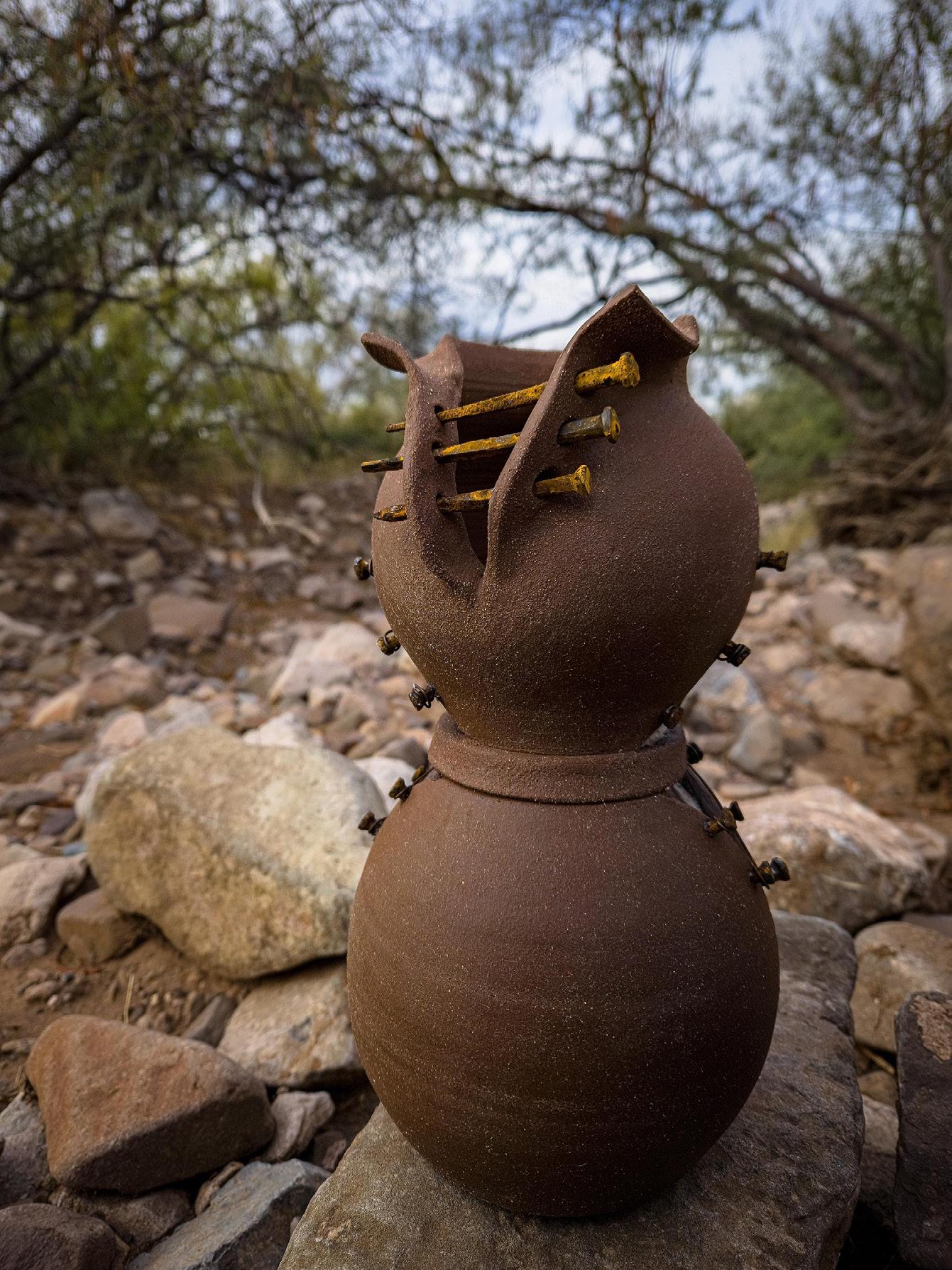
Rust Becoming
Richard Ward
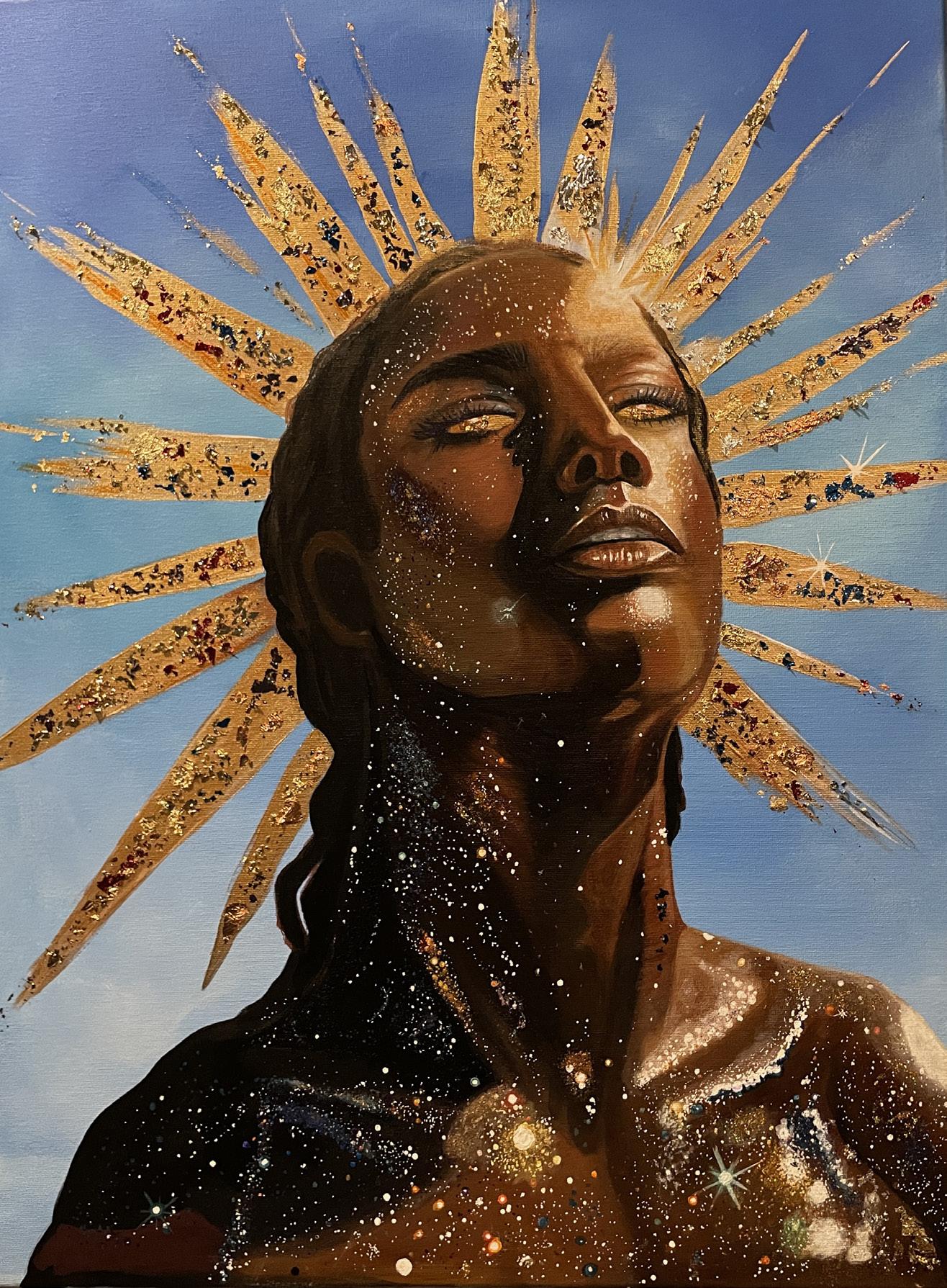
La Sol
Vernicci Garcia
Junio
Carlos Vasquez Prieto
Hoy no me moveré, Mas tarde no voy a comer, Pero mañana me levantaré,
Limpiaré mi cara, Lavaré mi ropa, Romperé mi máscara,
De todo lo que te dije, De lo que jamás te dije, De lo que les dije,
Te he soltado, Te lo he perdonado, ¡Oh! Me lo he perdonado.
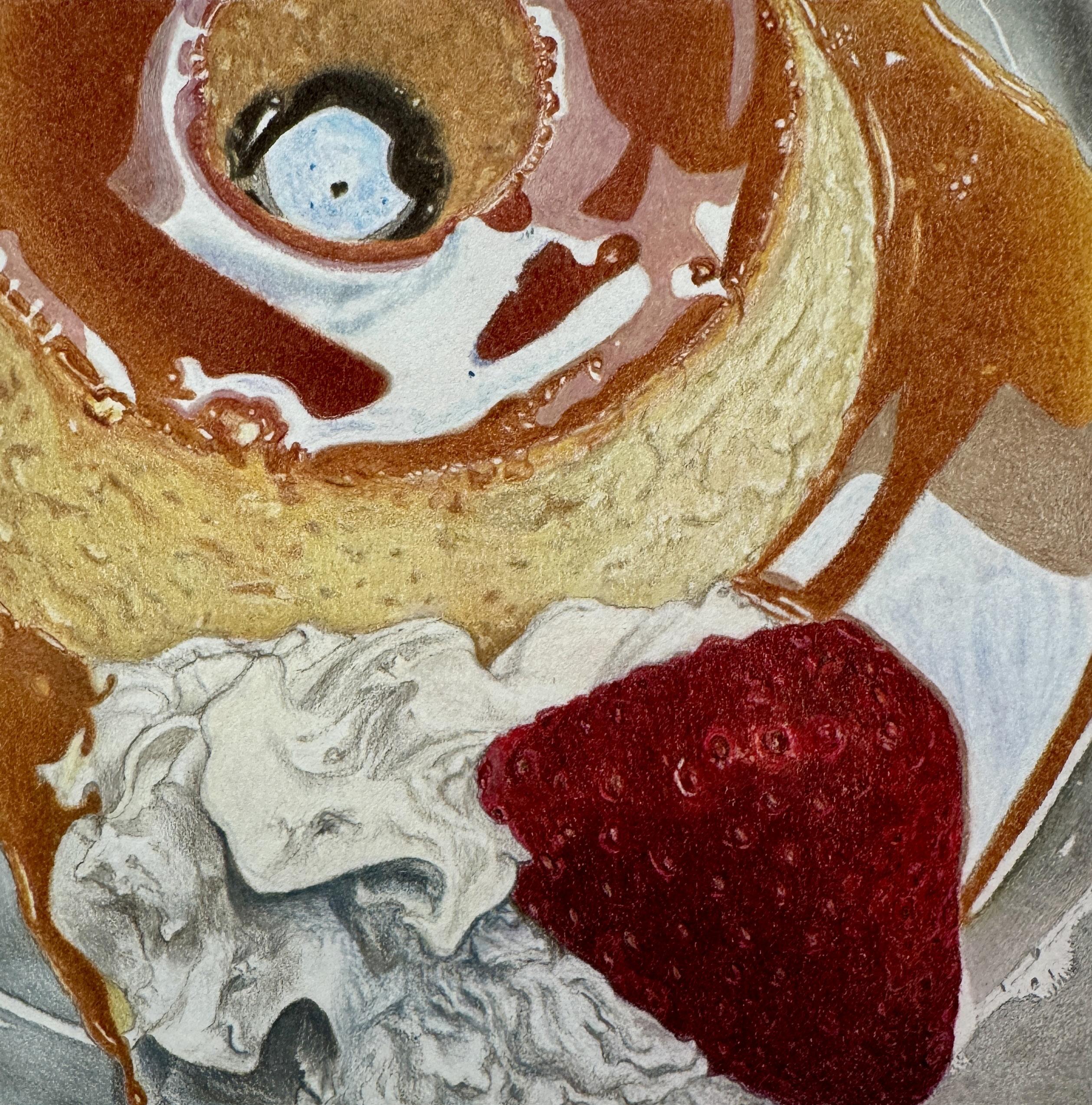
Birthday Treat
Brooke Spiczka
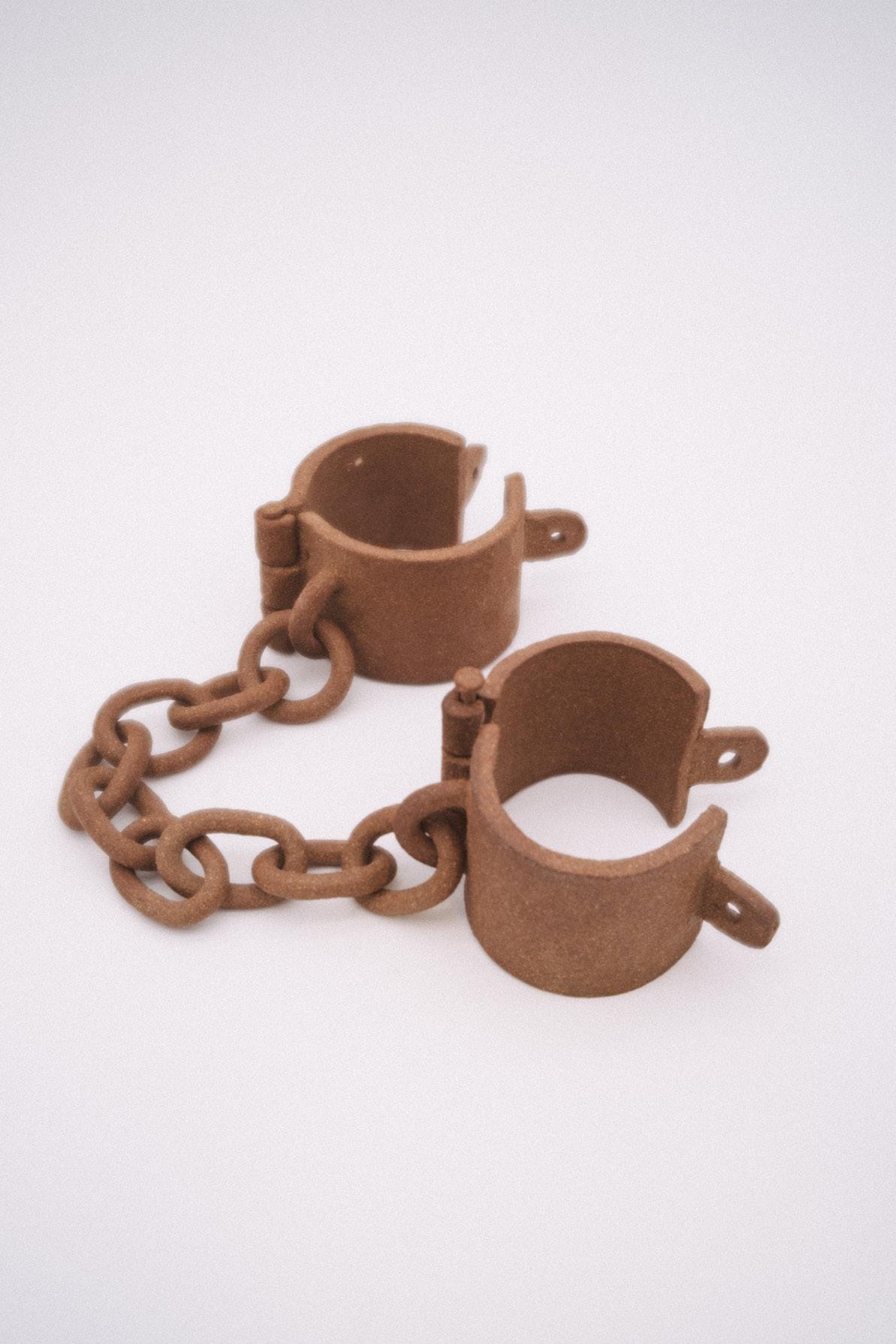
Land of the Free, Home of the Slave
Fernando Serrano
Second Place, Student Art Contest
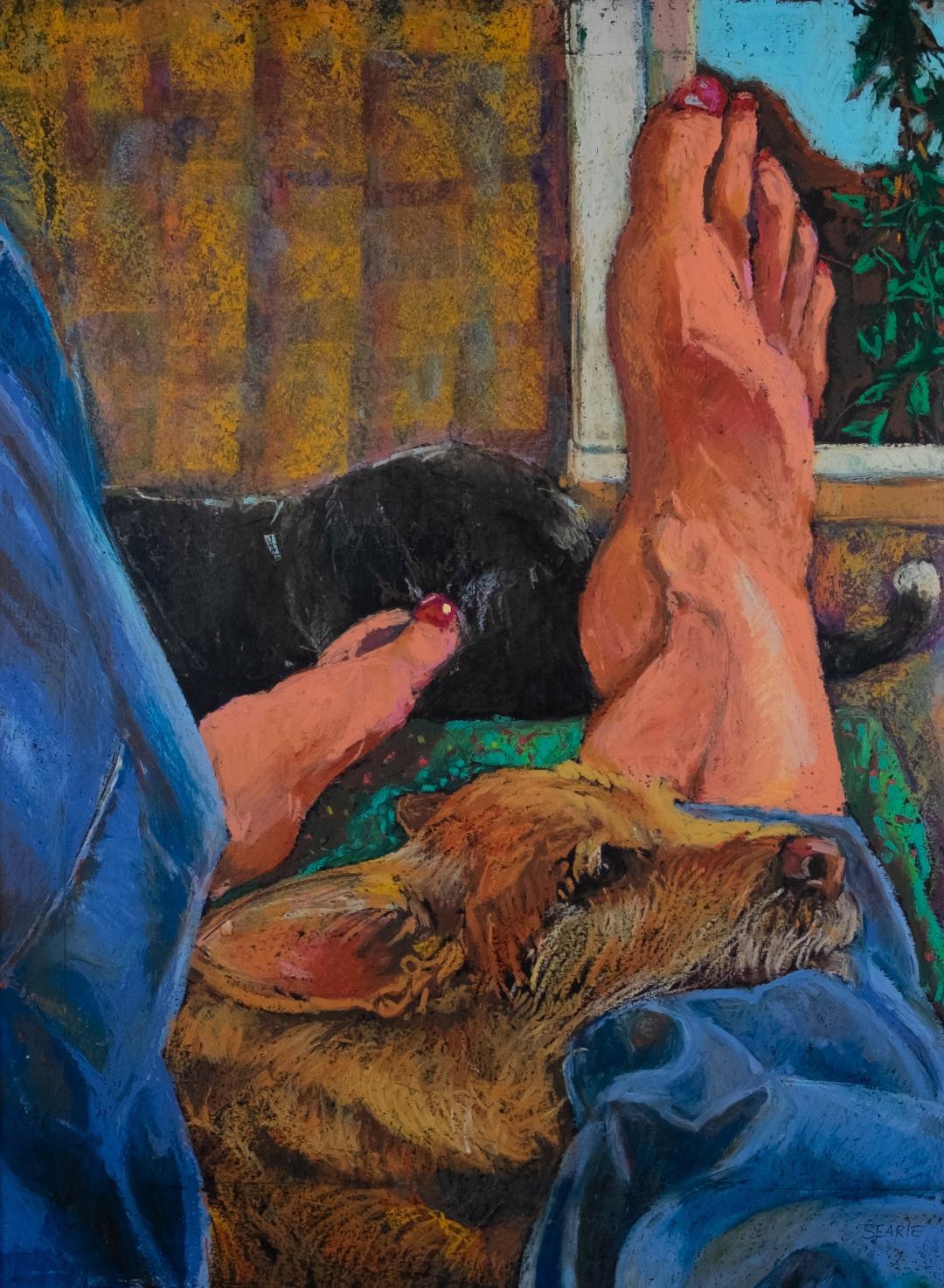
Creature Comfort
Jan Searle
The Hero’s Journey
Alison E. Williams
There is no prologue to the hero’s journey. No telling of the packing of provisions, the search for a warm enough coat and worn-in walking shoes.
There are no prolonged goodbyes or postponements of that one-way ticket, no forgetting to tell your boyfriend that the ticket is only one-way and that you aren’t coming back.
You are not a hero when you look around at the debris of that soon-to-be former life the empty holes on the bookshelf his in dusty piles, yours in piles of longing or already in boxes.
You are not a hero when you tell your boss at the end of the shift that you won’t be coming back to the grease-stained walls and dirty dishes left next to a too-small paycheck.
The hero’s journey is supposed to start in the middle, sometime after the plane has landed, or the ship has docked in an unimaginable land, monstered and torn, the ghost of a golden fleece whispered about in dark alleys long after all the bars have closed.
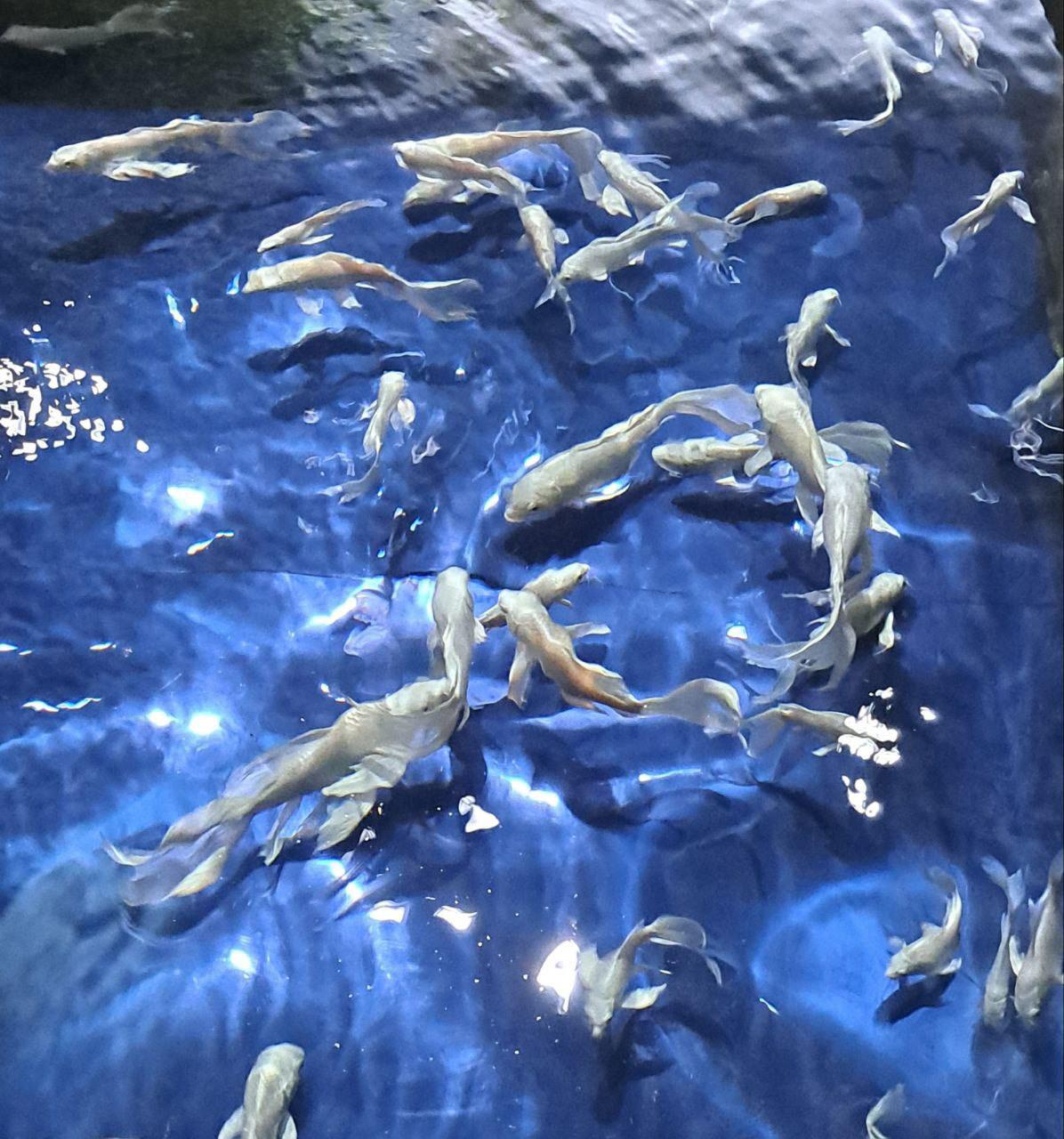
Gathering of the Fish Council
Maksolina Leav
Morir para Renacer
Marissa Tomayo
Aún recuerdo, como si fuera ayer, aquel día singular que se convirtió en mi peor pesadilla. Íbamos en el autobús rumbo a nuestra segunda fecha del torneo. Platicaba con mi papá por teléfono, como siempre solíamos hacerlo, y desde lejos llamé a mi mamá para pedirle su bendición y encomendarme a Dios para que todo saliera lo mejor posible.
Entré al camerino y procedí a cambiarme, como siempre lo hacía. Bailé y canté para soltar los nervios y, al final, oré antes de salir a calentar. Durante el calentamiento todo estaba normal: la barra nos alentaba y yo iba tomando confianza mientras volaba por cada pelota, con la mentalidad clara de que debíamos ganar para avanzar a la siguiente etapa. Todas estábamos listas para saltar a la cancha y afrontar este desafiante encuentro. Como era costumbre, estaba en el once inicial. Cada minuto previo resultaba emocionante y sagrado. Entré al campo y, con los pulsos a flor de piel, me encomendé a Dios para reafirmar mi propósito y valentía bajo los tres palos.
El pitazo inicial dio preámbulo a una batalla, a 90 minutos interminables y a un partido muy reñido, donde ambos equipos aspiraban a ganar. Todo marchaba bien; me sentía segura de mí misma y de mi equipo. Desde el arco ordenaba y alentaba, buscando que llegara nuestro primer
gol. Luego de 45 minutos intensos, desgastantes y de arduo esfuerzo colectivo, nos marchamos al camerino con un incierto cero a cero. A pesar de todo, me sentía enfocada; las sensaciones eran positivas y el objetivo se mantenía firme. Sin embargo, al salir del camerino, en esa silenciosa y reflexiva caminata de regreso al césped, jamás pensé que me depararía uno de los peores escenarios para un futbolista. A mitad de la segunda etapa del partido, llegó un balón aéreo, uno de tantos que ya había enfrentado antes. En mi mente estaba claro lo que tenía que hacer y cómo salir protegida. Sin embargo, en cuestión de segundos, ocurrió lo más inesperado y temido.
En mi trayectoria hacia el balón, choqué con una jugadora contraria. Al momento del descenso, ella me desequilibró en el aire. No caí de pie: caí de espalda, del lado izquierdo. Aquel recuerdo es muy lúcido: el descenso en picada, el impacto con el gramado, el dolor indescriptible y la desgarradora frustración. El doctor del equipo entró a verme y, a pesar de insistirle a mi mente para poder continuar, mi cuerpo no respondía. Luego de la revisión y, a pesar del diagnóstico, decidí pararme por coraje y adrenalina, pero al intentar hacer un movimiento básico de arquera, no lo logré. Algo estaba mal. No podía sostenerme de pie. Salí del partido, no caminando como todos esperaban, sino en camilla, llorando y gritando
que quería a mi papá conmigo.
Fuera de la cancha empezó una completa odisea. Me inyectaron para aliviar el dolor, pero no funcionó. La desconsolación y las lágrimas clamaban la presencia de mis padres mientras me dirigía al hospital. Luego de algunas radiografías, para mi tranquilidad, el estudio no mostró nada grave. Me quedé unos días en Manta, lejos de mi ciudad. Fueron días tormentosos: no podía dormir, pararme ni sentarme como cualquier persona. En medio de mi crisis, lejos de casa, fui cuidada por una gran familia, la de una compañera, que estuvo conmigo hasta que pude pararme y caminar nuevamente. El diagnóstico era un golpe fuerte: un nervio ciático inflamado; con el tiempo, todo debía mejorar. Las terapias eran dolorosas; me preguntaba cómo algo tan simple como caminar se convirtió en un reto.
Luego de tres semanas regresé a casa emocionada por ver a mi familia y retomar mis entrenamientos, sin imaginar que ese sería apenas el inicio de un camino doloroso. Pasaron los días; hacía mis actividades como siempre, pero algo no estaba bien. No podía dormir sin dolor en la columna ni sentarme en clases sin molestias. Seguí entrenando, pero ya no era igual. El dolor aumentó hasta volverse insoportable. Comenzaron las noches de llanto.
Un día, mi entrenador me recomendó un deportólogo. Decidí ir porque mi dolor no era normal. Recuerdo que fui sola y estaba nerviosa. El doctor fue amable; hablamos de lo sucedido y me hizo varias pruebas. Cuando terminó, le pregunté, temerosa, qué tenía. Me dijo que todo indicaba que eran hernias discales, pero
necesitaba confirmarlo con una resonancia. Al salir, llamé a mi mamá y le conté. Ese mismo día agendamos el estudio. Llegamos temprano a la cita. Después de hacerme la resonancia, recibimos los resultados. En el bus, abrí el documento del radiólogo y, al leerlo, supe que algo no estaba bien. Iba pensando y rogándole a Dios que no me prohibieran jugar. Tenía los ojos llenos de lágrimas; nunca antes había sufrido una lesión.
Al llegar al consultorio, el deportólogo confirmó el diagnóstico: hernias discales. Lo primero que pregunté fue si podía seguir jugando. Me dijo que sí, que no todo era malo; eran hernias pequeñas y, con terapia y fortalecimiento, podría continuar mi carrera.
Las semanas de terapia comenzaron. Mi cuerpo mejoraba, pero mi mente no. El dolor físico disminuyó, pero el dolor emocional creció. Llegaron pensamientos negativos, noches en vela y llantos que ya no tenían que ver con mi columna, sino con todo lo que sentía que estaba perdiendo.
Al terminar la terapia, empezó mi proceso de adaptación. No fue feliz. Mi cuerpo, detenido por semanas, reaccionó mal a un simple trote; mi rodilla comenzó a fallar. Otra lesión. Con el tiempo, mi rodilla y mi columna se recuperaron. Yo podía correr, volar y dormir sin dolor. Recuperé mi cuerpo, pero no mi mente. Volví a jugar en un equipo, pero no me sentía bien. No estaba segura de mí misma. El temor a caer nuevamente y no poder caminar resultaba inminente y destructor. Fue una etapa llena de incertidumbre, donde los llantos constantes trataban de apaciguar a un corazón
que no quería rendirse. No estaba rindiendo, no era mi mejor versión y había perdido el amor y la diversión en el fútbol.
Con el tiempo, logré sanar mentalmente y fortalecerme físicamente. Encontré un equilibrio. El miedo comenzó a desaparecer. Volví a sentir que el fútbol me daba una segunda oportunidad. También encontré un equipo que se convirtió en familia; me devolvieron la confianza, me hicieron sentir importante y capaz. Hice amistades que me motivaron a trabajar más y a creer nuevamente en mis sueños.
Cuando todo empezó a mejorar, decidí luchar por lo que siempre había querido, y ese camino me trajo a Cochise College. Un sueño que veía lejos, e incluso imposible, después de mi lesión. Pero una vez que me recuperé y me empoderé, tomé el riesgo y apliqué para una beca deportiva.
Hoy, cuando recuerdo todo lo que viví, siento tristeza por lo que perdí, pero también una enorme fuerza. Aprendí que ningún dolor es para siempre y que, cuando el camino es duro, la recompensa es grande. Cada entrenamiento y cada partido son un privilegio. Esta historia aún me conmueve, pero también me demuestra que soy una guerrera y que las segundas oportunidades son maravillosas: no empezamos desde cero, sino desde nuestras experiencias y nuestro renacimiento.
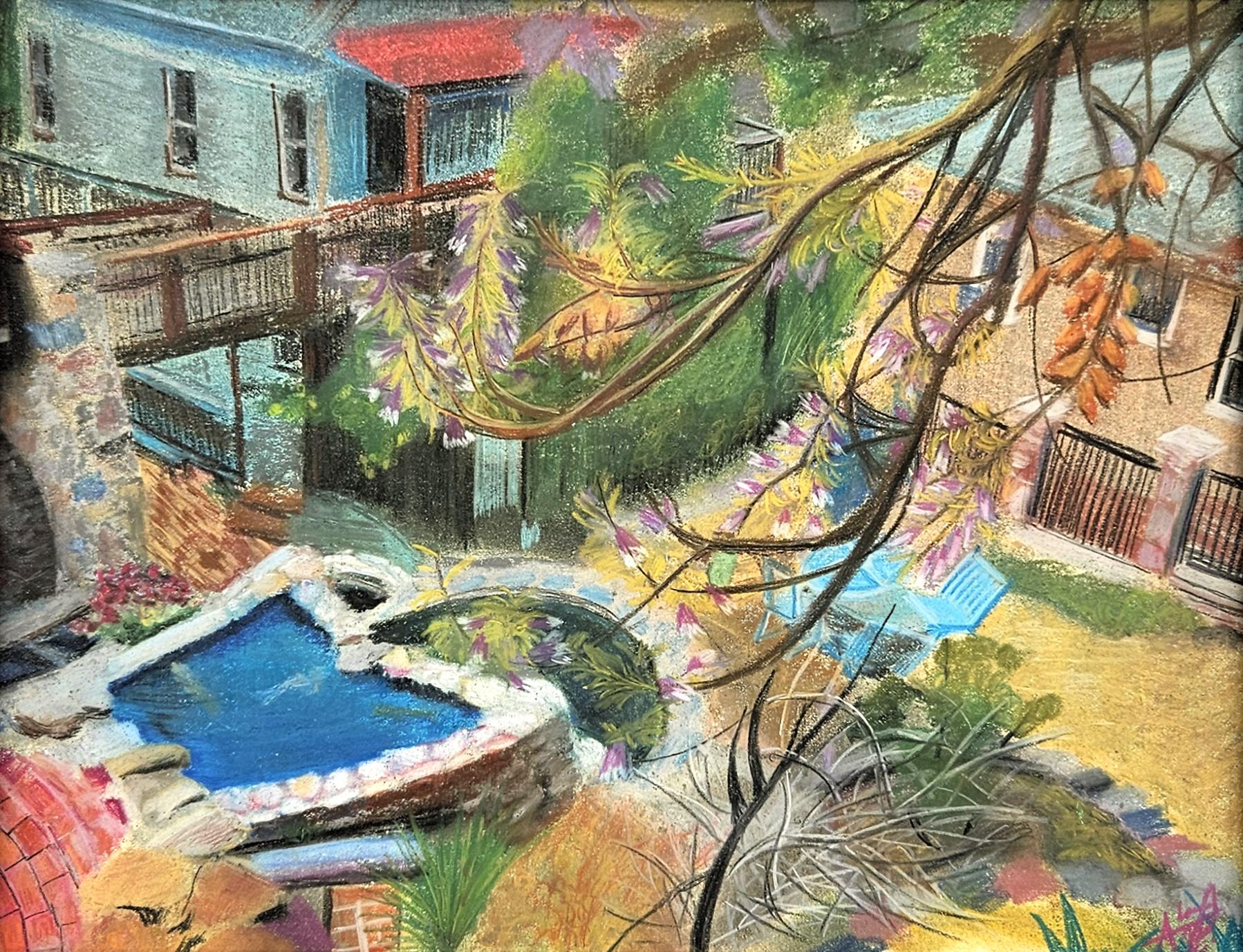
Michi Alonso Cabrera
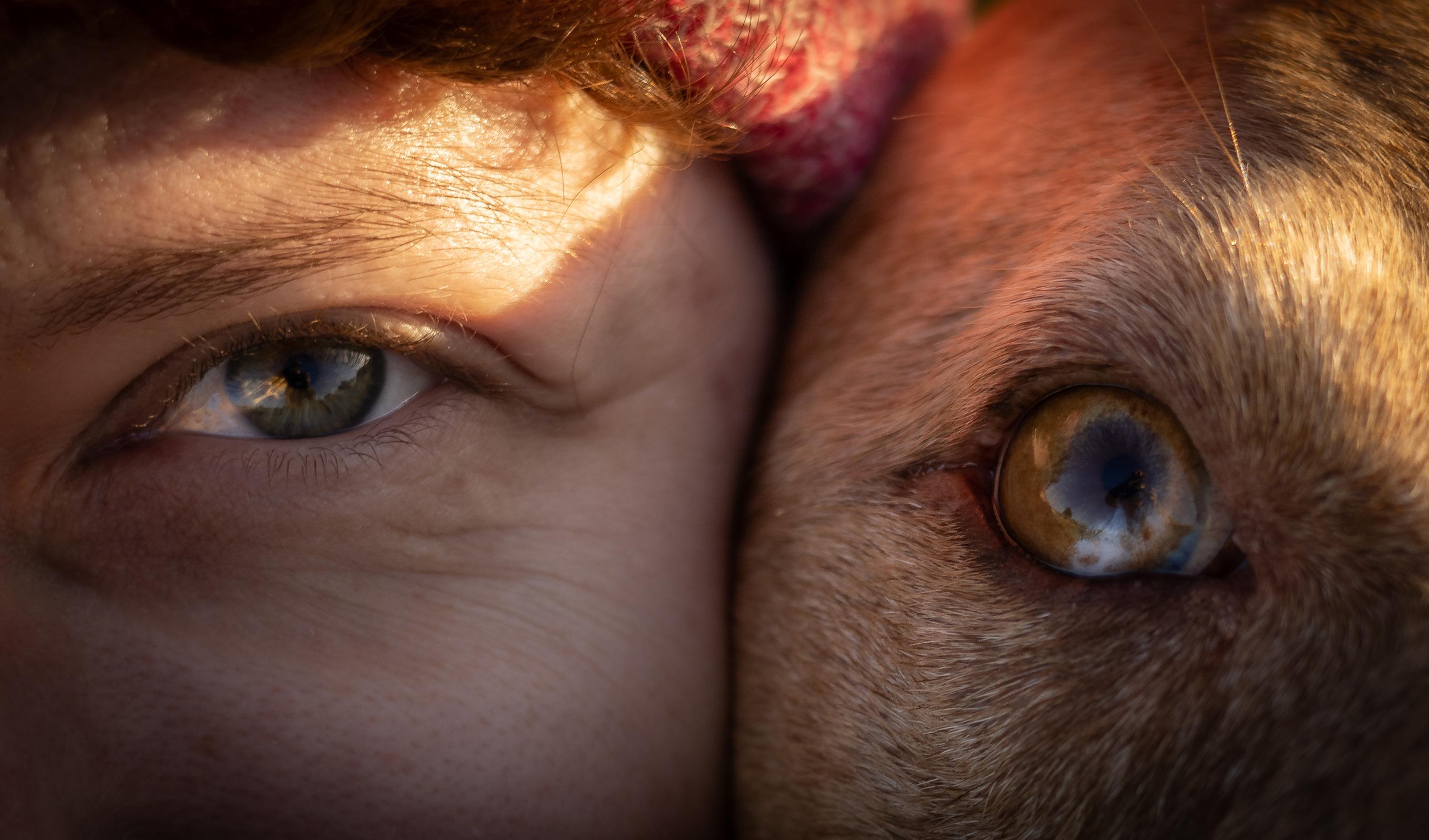
I See You
Monique Vargas
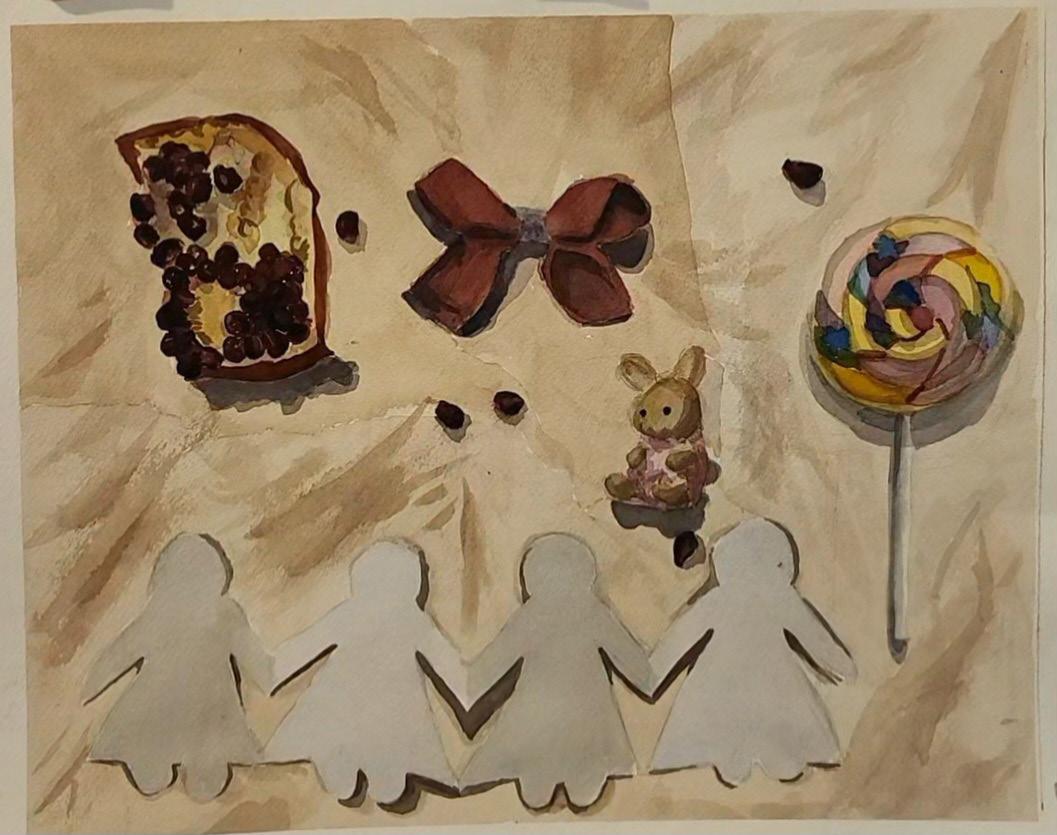
I Hate Pink
Grace Zoeteman
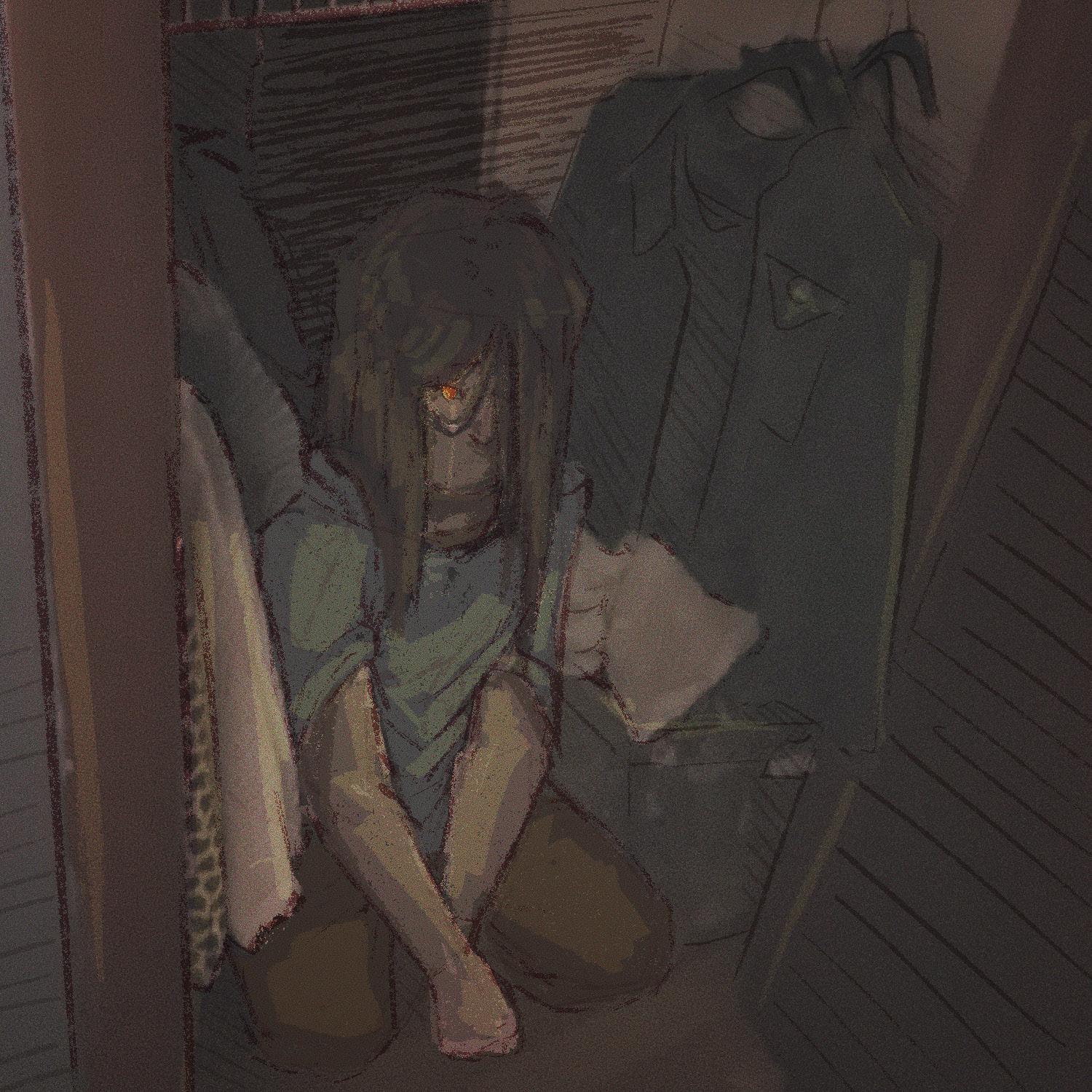
It’s Easier Here
Calla Bhenke
Home Is Where the Cart Is
Dave Warner
The frumpled, poorly drawn man, with colored outside the lines hair,
pudmuddling and baggy dance pantsing with not-knowing joy,
as well suited men briefly case him with dismissgust and heil taxis with supremely white hands.
Playing his broken piano smile for a God bless you sir doll-doll-dollar,
The city walks around him Like an open manhole.
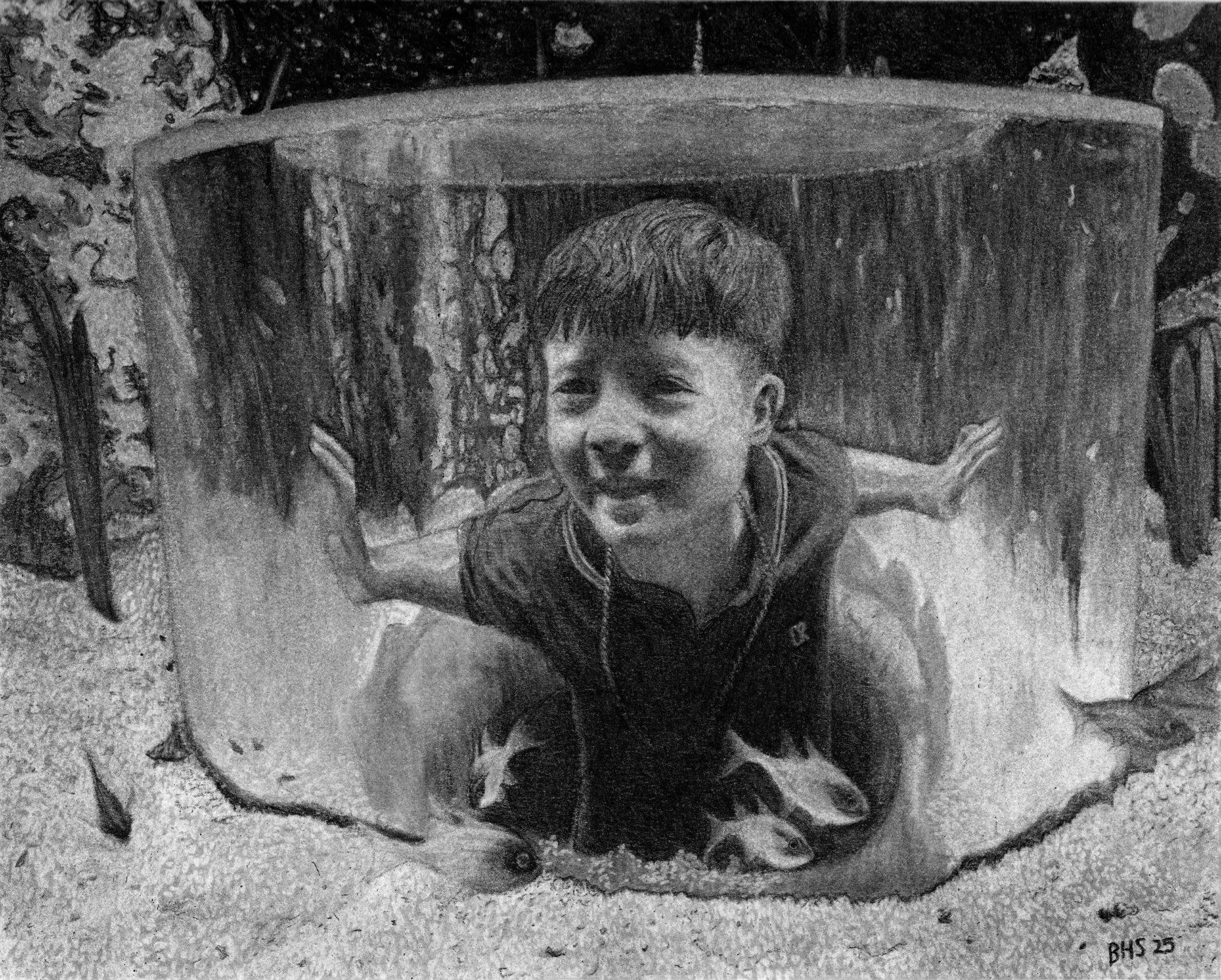
Window to the Sea
Brooke Spiczka
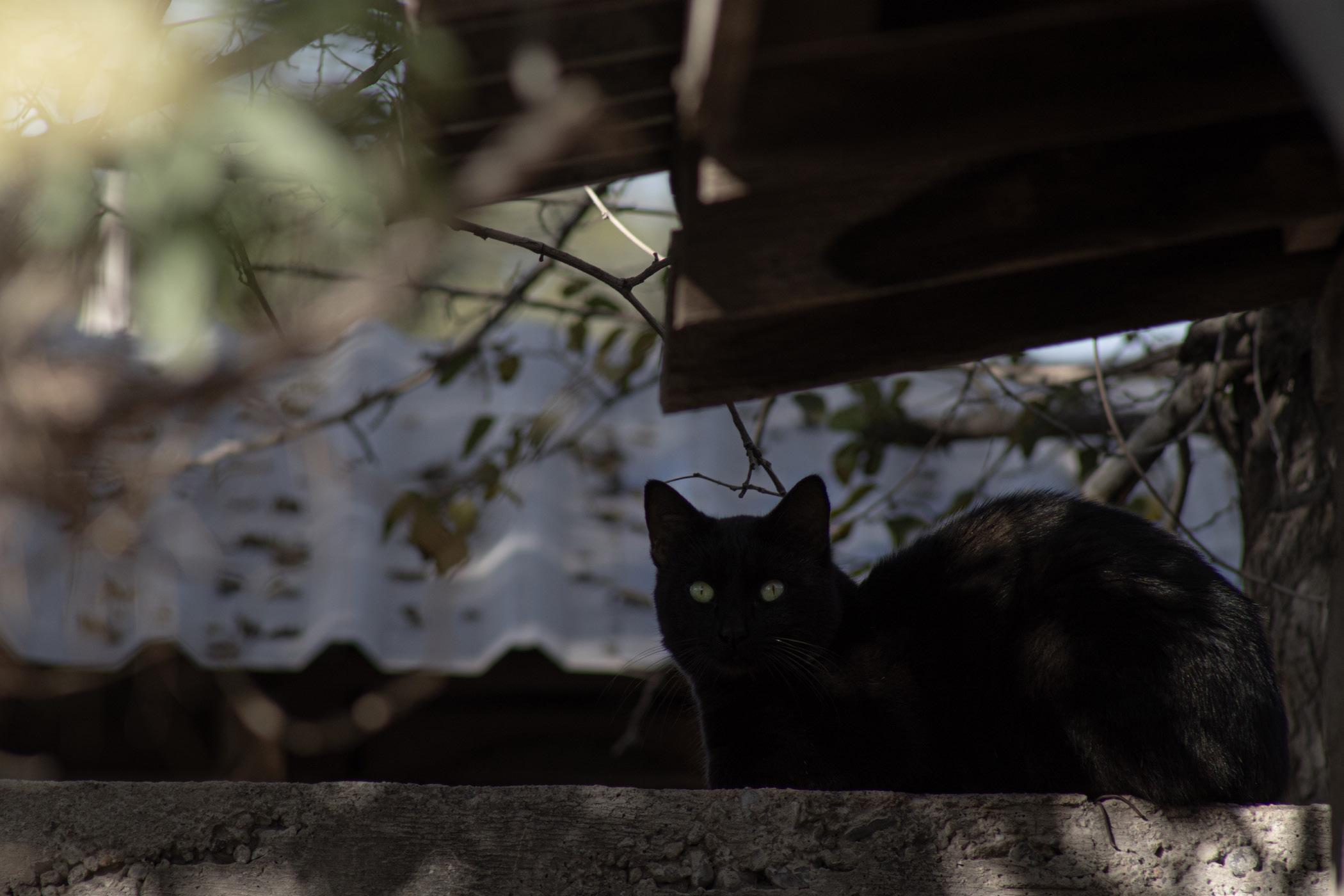
Hidden Alley Cat
Alejandra Gutierrez-Tapia
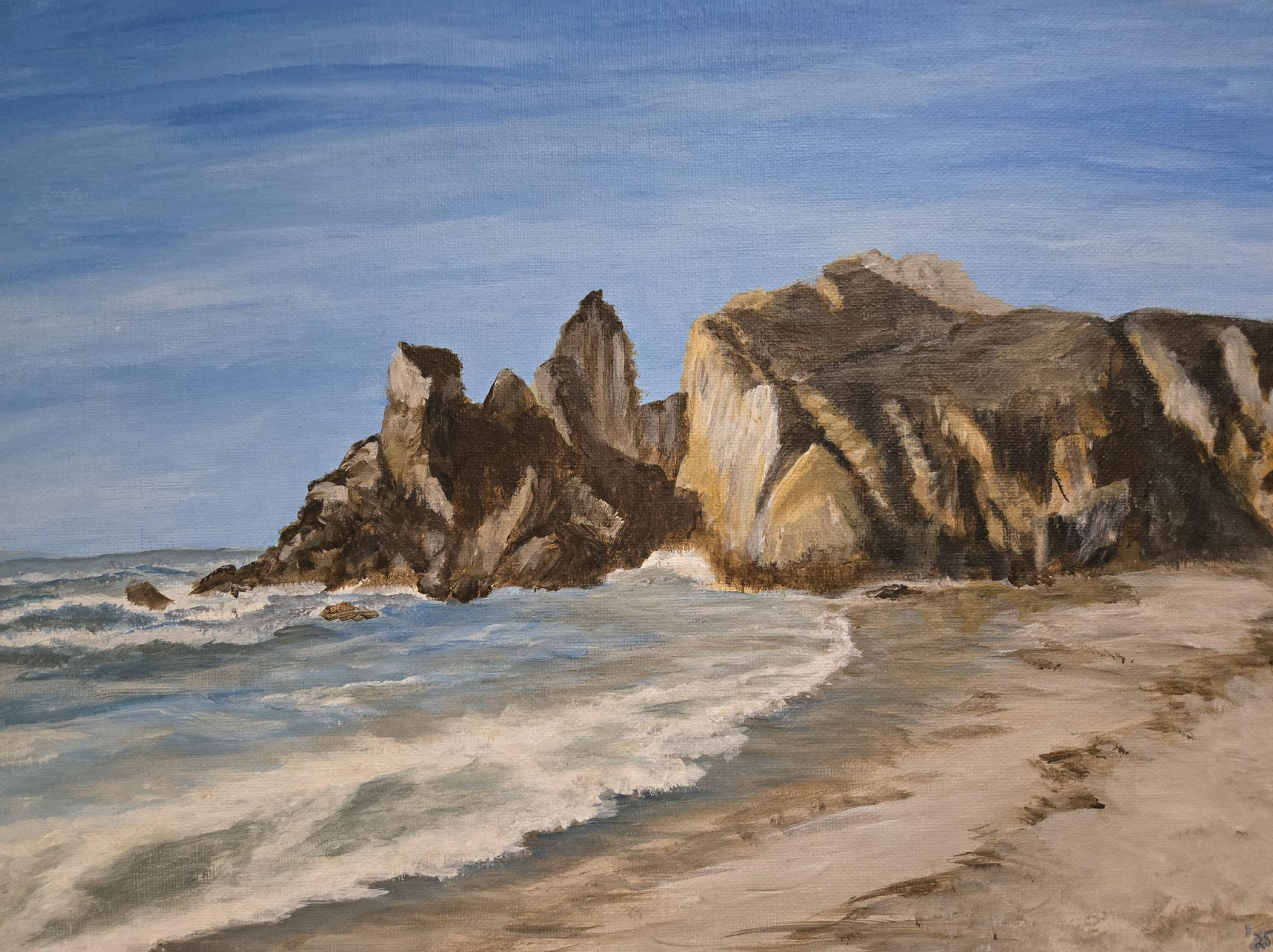
California Dreaming
Joan Davenport
Why Do the Whales Beach Themselves
Dave Warner
Is it a warning?
Is this, like self immolating monks, a protest?
Was it just a wrong turn, or do they seek an atmosphere where tears are distinguishable from salt water?
Are they confused by shark tooth necklaces, mermaid tattoos and symbols drawn in the sand?
Is this an attempt to evolve in spite of seeing our ignorance as we try to push them back, or maybe to witness cars birthing us on the shore, and they are the ones trying to rescue us where the edges of two worlds meet?
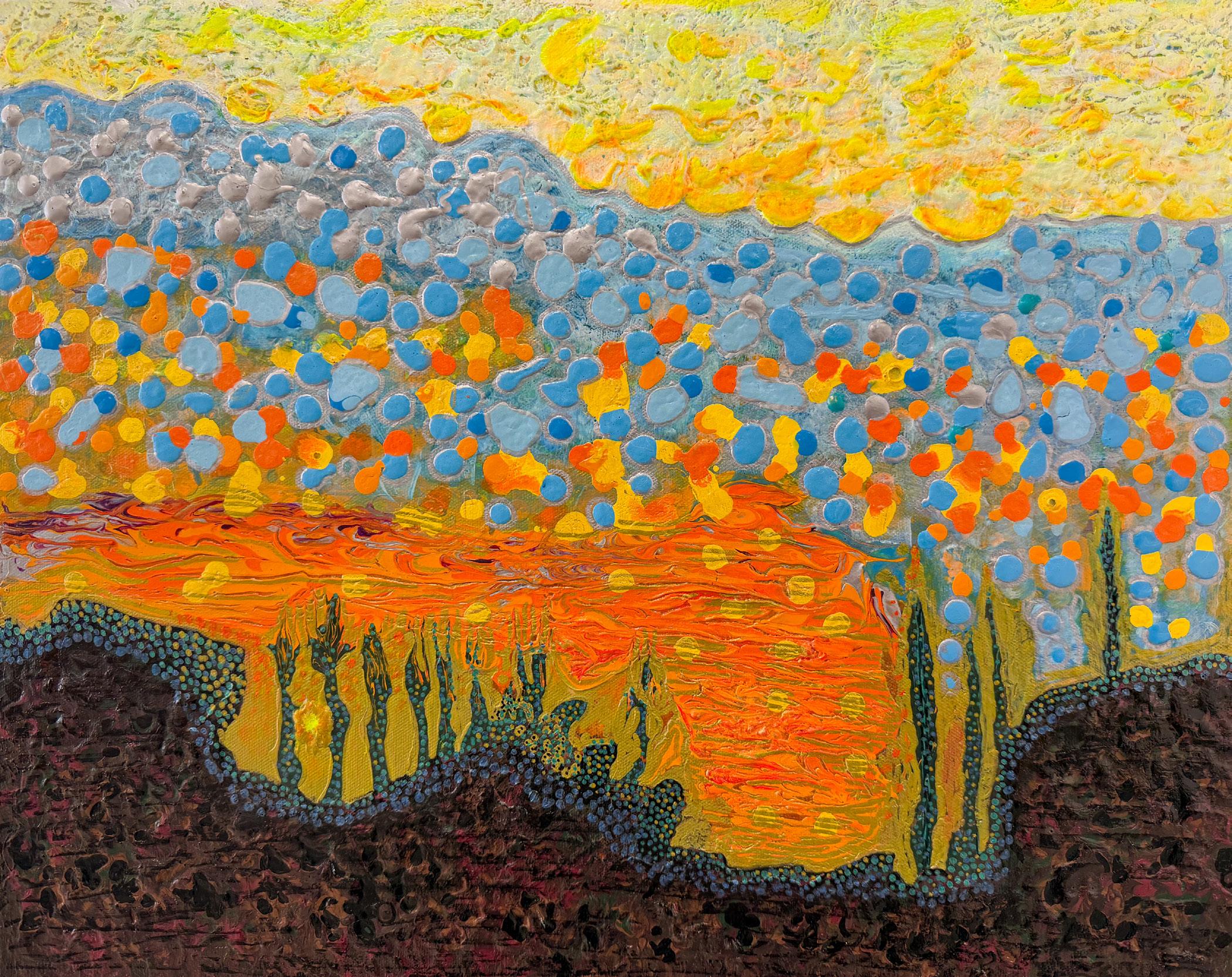
Ho Milosevic
Desert Glow
Tributary of the San Pedro
Alex Aguilera
First Place, Student Prose Contest
As the late winter breeze rustled through the cottonwood canopies, the young hunter squatted in the shrubbery above the riverbank, stalking his prey. The deer reached the edge of the water, scanning the wind for any sign of a threat. The hunter was silent and still as he could be, cautiously moving his throwing spear above his shoulder.
The doe looked around before reluctantly lowering her head for a drink, and the hunter spotted his chance. He stood up and hurled his spear several yards in the blink of an eye, and it struck true. The doe leaped up and let out a whine as the stone head of the spear penetrated one of her vital organs, falling onto the mud.
The teenager cried out in triumph and whistled loudly, alerting the other men nearby. Three other foragers joined him as he slid down the bank to retrieve his spear and inspect his kill.
“Not bad,” said the oldest among them. The successful youngster pulled his spear out of the doe’s body, and they all dragged her to higher, drier ground.
“This one is heavier than most,” said one of the hunters. The old one and another drew their butcher blades and got to work.
As they perforated the skin, the old one noticed how thick and vascular it was along the belly. He grew suspicious and hushed the others as
he cut around the abdominal viscera to the uterus. It was more swollen than he expected. Everyone was quiet.
He whispered, “This doe is pregnant.”
The young one leaned on his spear, appearing dizzy.
“That’s some bad luck,” said the one standing next to the oldest.
The other came to the young man’s side and patted his shoulder, saying, “Their rut just ended. This can be forgiven!”
The young hunter looked up at his friend and asked, “How so?”
The oldest looked at him, saying, “Only one can collect your penance.”
The youngster knowingly sat there, eating his emotions as the others continued to dress the soon-to-be mother deer in silence, burying the womb before taking the deboned meat and hide back to their camp.
The hunter entered the tent where his spouse waited for him. He held his head low as he sat next to her, leaning on her shoulder, and she asked, “What happened?”
“I disrespected the Great Mother,” he answered, as he began to weep for the first time since he made the mistake. She held him close, stroking his long hair as he sobbed uncontrollably for some time.
After embracing each other, the hunter composed himself enough to explain, “It was an accident… the doe bore a calf.”
He shook as he held her protruding belly. She tilted his head back and looked in his eyes before reassuring him, “We know it was an accident. The Great Mother knows, but you know that you must forgive yourself.”
“I know only one way,” he said as he brushed the tears from his cheeks and held onto her tightly. They fell asleep that way, surrounded by the gentle noise of the rest of the camp outside. The hunter wasted no time seeking his redemption, packing what he needed, enough to fit in an overthe-shoulder sack. He lingered outside the entrance of the camp, saying goodbye to his mother and wife.
He handed his spear to the older hunter who had been with him before. The middleaged man, who hunted with his father, handed him a charm shaped like a human, carved from mammoth ivory, and said, “I hope you find whom you seek. Offer him this.”
“Thank you,” said the young one.
“Don’t be afraid,” his mother told him.
“I won’t,” he said as he hugged his mother tight, before turning to his lover.
They briefly kissed and touched their foreheads together before the hunter turned west, took a deep breath, and began walking towards the summit that was his destination. The chilled wind made waves in the grass that covered the rolling hills as the hunter disappeared behind them, his journey underway.
The old hunter turned to the mother and
wife of the pilgrim and said, “He is stubborn and pious. If anyone I know will survive this quest, it will be him.”
The mother wiped away a tear and replied, “I hope so.”
As soon as the hunter reached the foot of the mountain, he felt colder and more isolated than he ever had in his life. He found his way up through one of the canyons, reaching the sky islands after about a day of travel from his band’s camp.
He passed one of the sacrificial sites of the canyon, where he saw a bundle of beaver pelts and a camel skull. The cold was piercing, and the wind was violent, but he dared not tamper with the offerings of less persistent pilgrims. Snow mostly covered the ground as he ascended.
As night approached, he found a crevice that might have been a suitable spot to start a fire. He collected as much dry wood and tinder as he could and created a pathetic flame, almost extinguished by the wind. He shivered in solitude, waiting for a sign.
He had heard of others who had attempted this pilgrimage before, and all said they laid no eyes on the man they sought. Some did not come back at all. Many regarded him as a legend. Barely able to fall asleep, he prayed not only that his quest was not in vain but that he would not die alone in the freezing darkness in which he was immersed.
He woke up to melting snow dripping onto his face. He felt relieved that he had survived the night, and his luck only got better as he sat up. Sitting on a mossy boulder some yards away, a very
old-looking and thin man gazed into the distance, eating dried hackberries.
“I’ve been waiting for someone like you,” he said.
The young man initially panicked, standing up and dropping to his knees before the old shaman. He pulled the charm out of his bag and presented it, and said, “I need your help to appease the Great Mother.”
The shaman turned to view the hunter and asked, “Where are your male kin?”
“My father was killed hunting the mammoth. I am told you are the only one who can heal me,” the pilgrim said, kneeling in submission as the shaman stood and faced him, a necklace of bear claws and black feathers rattling as he did.
“What have you done?” the old man asked.
“I killed a pregnant doe,” he said as the shaman came closer to him.
“And?” he prodded.
“My wife is with child,” the pilgrim said as he kept his head bowed.
The shaman tipped the hunter’s head up to see his eyes and grimaced, grabbing the charm and saying, “Your burden is a heavy one… I will help you.”
The hunter sighed in relief before the shaman turned away and said, “But first, you must prove yourself. For ten days, you will forage for both of us.”
The hunter stood and said, “Anything! Over ten days, I will trap and gather as much as we need.”
He would do whatever the shaman asked him to do if it meant exonerating himself and
safeguarding his family.
Although the sky islands were rich in tubers and squirrels compared to the surrounding foothills in the winter, the hunter struggled as the week progressed. He knew that this was what he came here to do, and that this journey would not be easy, but traversing the inclines of that place all day long was taxing, even for a young man approaching his prime. He scarcely imagined how this feeble old man had been able to survive here by himself for so long.
On the last day of his servitude, he was checking two of his traps on the southern slopes. The sun was setting, and the clouds were pink and orange as darkness came. The squirrels caught in his snares shook violently as he grabbed them and twisted their necks, falling limp in his hands. He stuffed them in his sack and made his way back to the cave where the shaman lived.
He turned as he heard the snapping of a twig. He didn’t think much of it and continued his hike. Not long after, he heard it again, this time closer. He held still and stared in the direction of the sound, seeing a branch of one of the tall shrubs bobbing up and down. There was no wind tonight, and he had not walked past that branch.
As he continued climbing, he did so faster than before. He looked behind himself one more time, seeing motion not far away from him. The stalker appeared pitch-black against the snow and moved with caution, a shadow on the prowl. With his gaze fixed on the movement, he momentarily caught a glimpse of two small, orange points, looking right at him.
He immediately felt adrenaline coursing
through his veins, and his heart pumping as he practically sprinted up the slope. Even if he had his spear, he was by himself. He stood no chance against another predator, and he knew it, so he grabbed a rock off the ground.
He stopped and put his back against a boulder to catch his breath. He saw no further sign of who was stalking him.
He stayed put for a while, ensuring he was alone. As it became dark enough to see the stars, he at last continued his ascent.
Reaching the shaman’s cave, the youngster sat by the fire and presented his small game. The elder saw the fear in his eyes and asked, “You saw him?”
“I saw a jaguar,” the hunter replied. He took the squirrels and put them on a spit over the fire, saying, “He was curious. If he wanted to harm you, he would have. That means you are honest.”
“I honestly hope I never see him again,” the hunter said.
“Be careful what you wish for. For generations, my people called these mountains home. I wanted to be alone here. Now it’s just him and me. He is the guardian,” he said.
“What happened to them?” asked the youngster.
He stared into the fire and answered, “I got what I wanted… I think you are finally ready.”
He walked to the edge of the firelight and rummaged around a pouch hanging off a mineral formation. He sat down next to the hunter, holding a dried, white flower shaped like a long horn with a yellow center, saying, “Open your hand.”
The hunter extended his cupped palms, and the shaman tore open the flower, several seeds dropping into his hands. He looked up at the shaman, who said, “Eat these. They will be your judge. If you are true and do not fight it, your quest will be successful.”
“What if I am unworthy?” asked the hunter. “You may die,” he answered.
The hunter stared at the seeds for a few seconds before swallowing them all at once. He watched the fire, waiting for something to happen. He smelled the squirrels roasting steadily, and he suddenly realized how hungry he was. The shaman took one off the spit and handed him some meat, which he gobbled down.
After he finished eating, it wasn’t long before he felt a growing sense of heaviness. Soon, it was like his skin weighed more than the earth beneath him. It became painful to move. He felt waves of nausea and dizziness and was no longer able to sit up.
He lay there on the hard ground, watching the shadows from the fire dancing all over the cave. It began to look as though the walls were moving on their own, and gradually, the cave was bleeding.
He heard the shaman say something, but he had no idea what it was. It was as if his skull trapped any sound that encountered it, blocking it from reaching his brain. He felt the urge to vomit and tried rolling onto his side, only able to do so with the help of the old man.
He felt simultaneously sedated and awake. An overwhelming feeling of fear and helplessness dawned on him, and he tried to crawl to some rocks he could lean against. He was unable to move
far enough and simply lay on his stomach.
All the while, he forgot why he came here or where he was. In catatonic silence, he suffered through the experience. He did not know when he would walk again, but he felt it would be a long time, if ever. He lost all memory of what he relied on, and the shaman was there, but faded, like everything else.
When he woke up in the cave early the next morning, he was by himself. There was not one sign of another person. The extinguished fire pit was all he found. The memories of coming to the and meeting the shaman eventually returned to him, but only further confused him.
He walked out to view the rising sun. The wind blew softly, and he felt peaceful in such a way he had not since he was a child, although his mind was not clear. He spent hours searching for the shaman but never found any evidence of him, except perhaps the absence of the sack he had brought with him.
Nothing made sense. He did not know what to think or what to say. However, he felt that he had done the right thing. With that, he started his descent and the long walk back to his home. He thought much of his family, and not much of himself.
The hunter returned to his band and was warmly welcomed. When he first saw his mother, she told him his father would be proud, and the older hunter congratulated him. When he asked how they knew about his meeting with the shaman, they were aghast. Nobody in his band had ever seen the shaman before and lived to tell, let alone spoken to him.
His mother led him to the tent where his spouse was. As he opened the flap, he was greeted by the love of his life and his newborn child. She handed him the baby, and he could not contain his excitement as he held his tiny, healthy son, taking him out of the tent and showing him to everyone in the camp.
The new father told many of his experiences, but few believed him, not even her. He looked west, back to the peaks where he learned forgiveness. He remembered what the shaman said and felt gratified. In that moment, he thought he would never be alone.
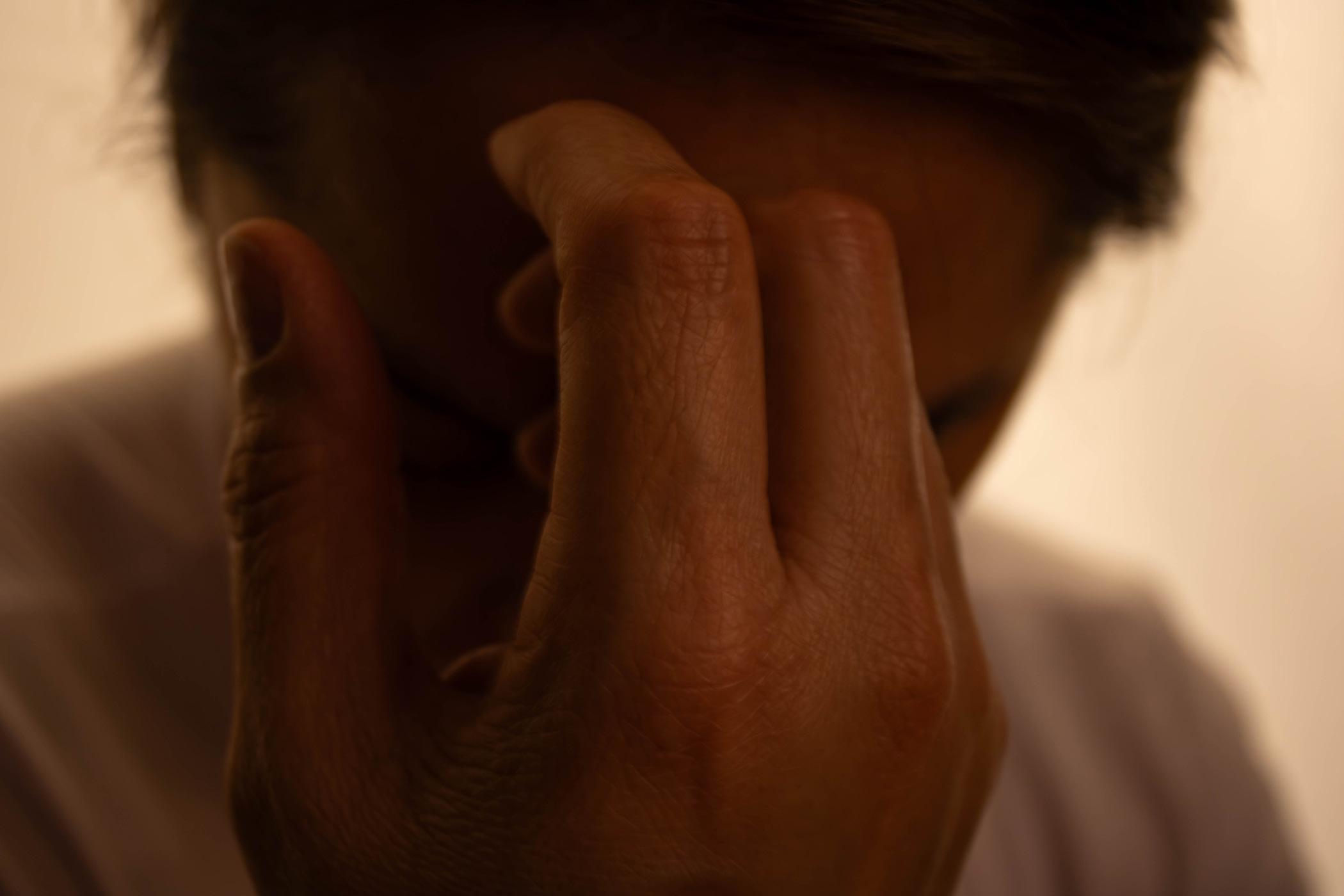
Holding On
Alisson Martinez
Another Word for Fire Is Despair
Alison E. Williams
Monday
Stepping out of the hammered, graffiti-covered door of his coveted, rent-controlled, five floor walkup, Wallace Beery considered not going to work today. He had made it down three sticky flights, and was paused in front of Joseph, who usually slept on the second floor landing, a kind of unwanted tenement watchdog. He was half-huddled, limp and faintly damp, passed out over several stairs between the second and third floors, as if he had been attempting to visit him and then gave up.
If he went to work today he would have to address the new nickname issues as well.
“Beernut” was undignified, especially for a fireman, but now they were making not so veiled jokes about the smell of alcohol. Everybody drank in New York, and for that matter, in the firehouse. Today he would just rather turn back and drink in his dark living room, window open to the street, just listen to the City and look at all the empty holes left with Janice’s leaving. She had carefully ignored his bottle collection, but he had broken nearly half of them the night after she left. He was still finding tiny shards embedding themselves in his heels, his palms, and once, his chin. At last he decided to step over Joseph without waking him, muttering, “Good Morning sweetheart,” As if it was Janice, and they were still in bed together. He emerged into the July rot
and stink of a City summer morning. Next door, CBGBs was still closed and it was still a knife in his heart. The closing of his very own local, seedy, dive bar inhabited by strangers who became best friends every night had been bad enough. Now, to have them sell the CBGBs name and logo as a brand to open as an airport chain bar was an absolute affront.
He almost started crying right there. He could smell the stale beer and cigarette and vomit smell still, emanating from behind the boarded up and chained doors.
The Firehouse was eleven blocks away. The bodega merely across the street. He would get a twelve, wake Joseph, and have him call in for him again, as his doctor, which Joseph had been once, long ago. Together they would find him a new name.
Tuesday: Ordinance
Wallace started the walk down Third, towards the Firehouse, stumbling slightly as he navigated the debris of the Bowery sidewalk. It was half-hearted. He hadn’t shaved, hadn’t changed his clothes, hadn’t grabbed his gear. All he had taken was a wad of cash from the kitchen drawer. He crossed against traffic, still commanding an easy authority that stopped all cabbies with his fireman’s glare. He double-checked the cash in his right pocket and his fingers brushed against a cold, hard object. He slowly clasped it, unwilling
to draw it out, knowing it was the bullet. His ordinance. He was almost struck by a rogue gypsy cab who trailed epithets, but he stayed focused on his hand in his pocket, both strange now.
The bullet should not have been there. It had been a gift from his now-lost Janice. A copper cased, glowing, pristine bullet. She had given it to him in the aftermath.
They had responded to an abandoned tenement that housed a nest of squatters. The fire was not out of control, dying down, in fact, but the room he was on was hot. The explosion was sudden, abrupt. The abandoned box of shells too hot, sparked somehow, fired into the space around him. One creased the side of his not so small belly, running a channel through his flesh. One of those lucky to be alive moments that now meant nothing without her there to wonder at it with him. She called it a love letter, that unexploded shell. He called it his ordinance.
Wednesday
Wallace couldn’t remember Wednesday.
Thursday
Stepping out of the hammered, graffiti-covered door of his coveted, rent-controlled, five floor walkup, Wallace Beery considered that he might actually be sick today. He did not feel well. He had just been switched to nights for the month and it was a terrible thing. He loved the camaraderie of nights, the cooking, the polishing of brass, the brotherhood. And he could no longer meet their eyes.
The sun was setting, glaring down Fourth St., rolling the orange flares from window to window, setting off an adrenaline shriek, as if the
City really was on fire. He knew, as he slowly walked down the stairs and around Joseph’s crumpled body, and onto the Bowery, that if he took a left on Houston, and another left into the unmarked door, he would enter his favorite bar.
Friday
She had left the typewriter. It was a dig, he knew, but its cold, black metal body and lovely curved lines held some measure of comfort. Like everything she had done previous to leaving, this act was fraught with both love and condemnation. He walked through the strata of debris, bottles, and ashtrays that had turned his living room into an extension of the closed dive bar downstairs. He skirted the as yet uncluttered desk holding only his typewriter, and steered towards the streetside windows, blinking against the suddenly brilliant blow of the setting sun. His eyes sought out the flag on top of his other home, the Fire House, suddenly seized with fear that he would lose that too. She had left one sheet of blank paper threaded onto the carriage of the machine. It glowed a pale yellow, looking tenuous. He sat, then got up again and poured a neat shot and perched precariously on half the seat. His fingers itched. A gulp, then a second slower sip, and the smoke and peat seeped down his tongue. He began to type. “Who will tell the children what happened? I will tell all the children everything.”
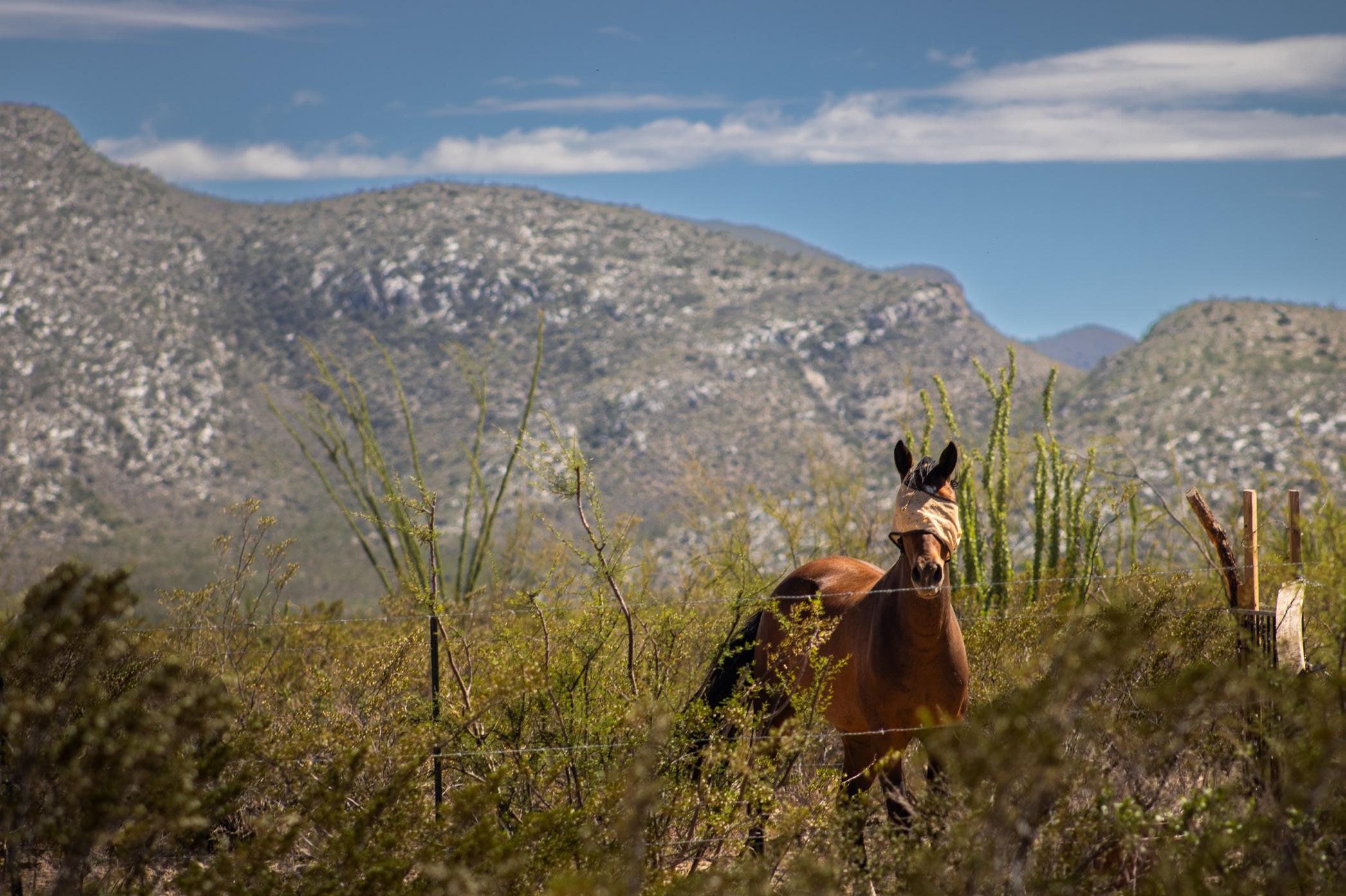
Artificial Blindness
Jose Vasquez
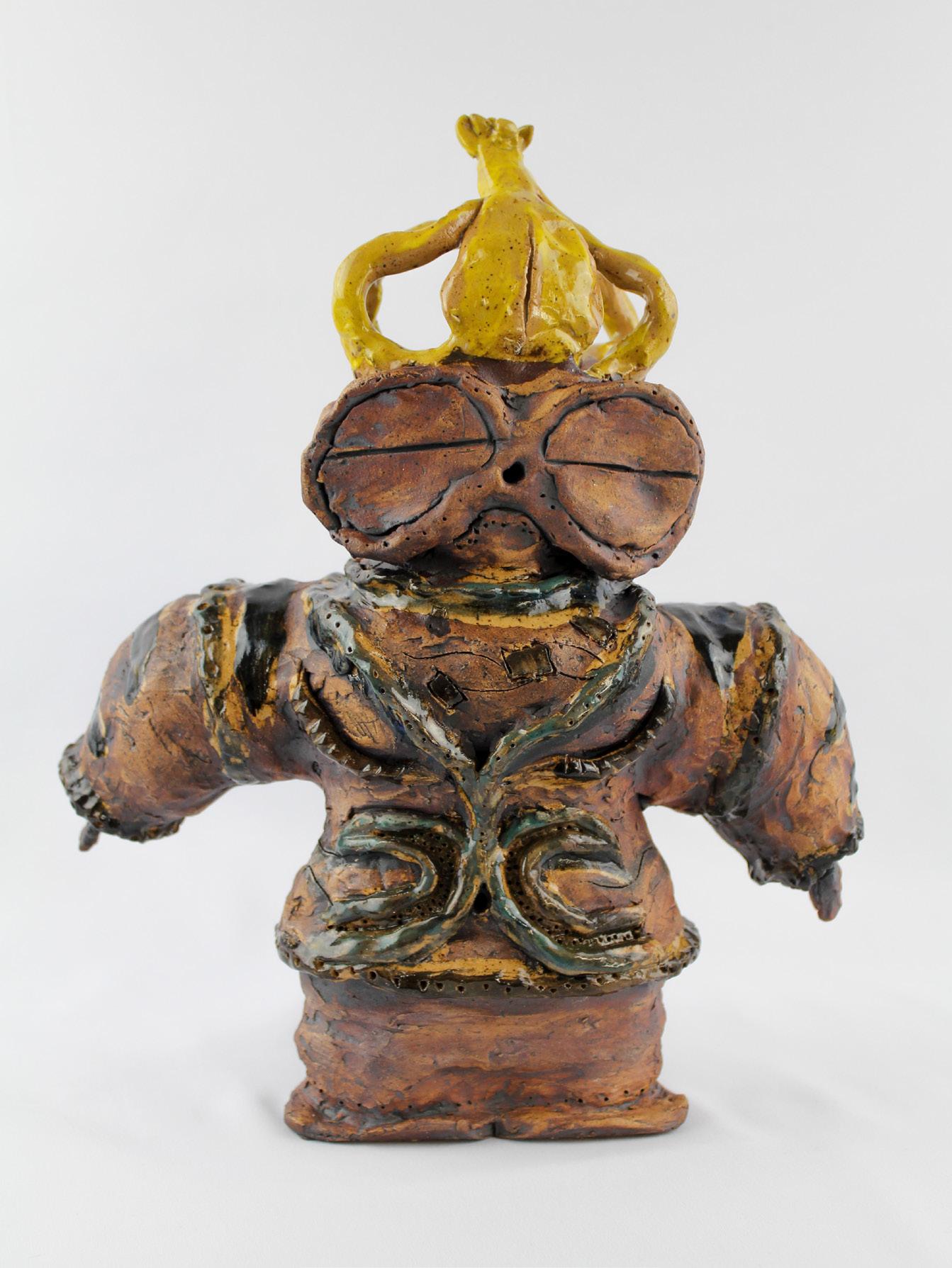
Doug
Andrew Rivero
First Place, Student Art Contest
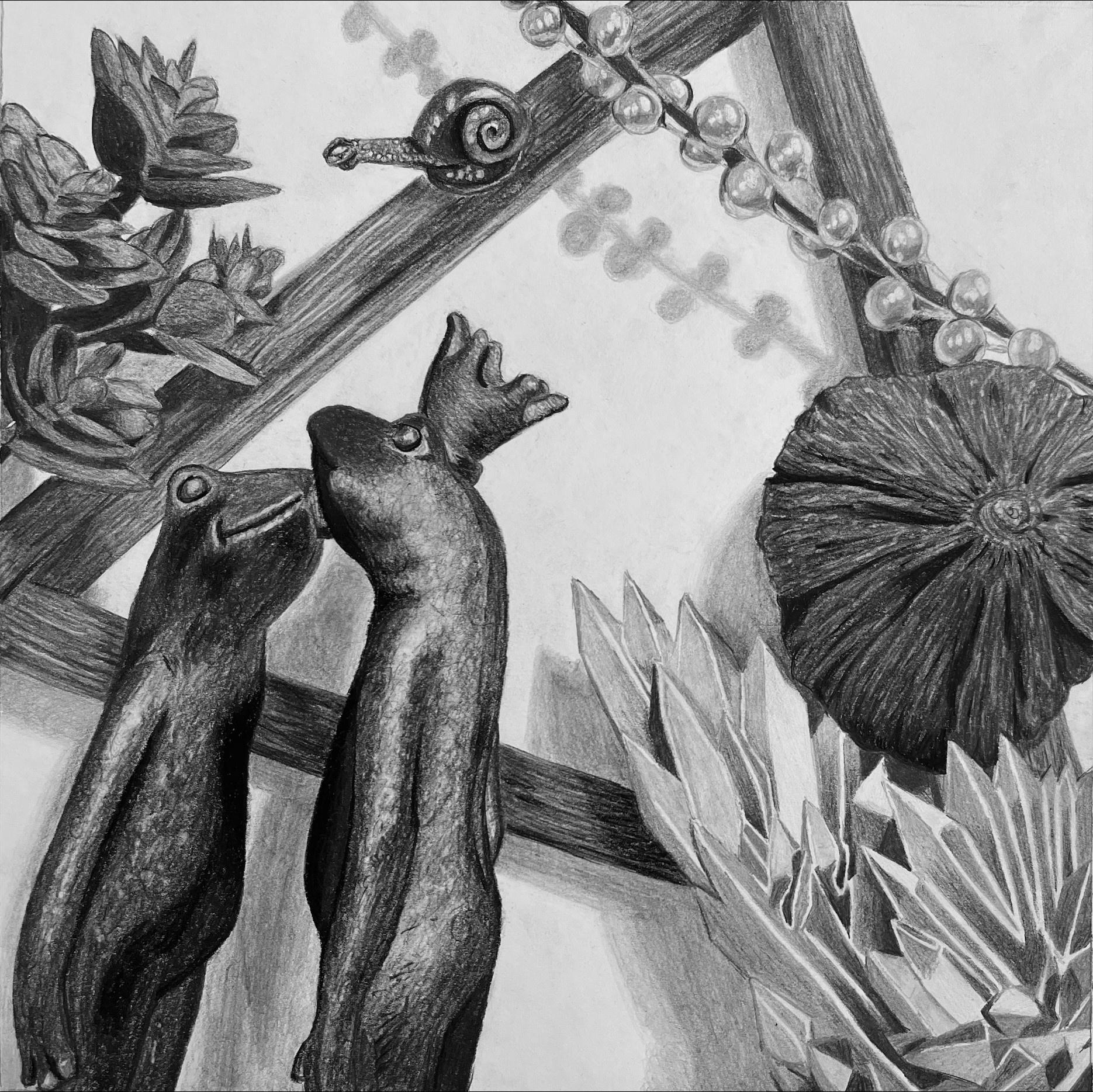
Objects
Hope Marshell
La Prisión Del Cuerpo
Samantha Taylor
Third Place, Student Bilingual Poetry/Prose Contest
Una estrella que quema en silencio, una luz que no perdona, tantas cosas que entierro conmigo Este castigo lo devoro y me reclama.
Cada sombra guarda mi voz, cada eco, una vida que me responde. No hay refugio en la claridad solo la memoria que se oculta.
Quise olvidar pero el fuego me encadena. Quise huir pero el cuerpo me retiene.
Cuerpos que oxidan el alma, almas que flotan entre cenizas.
Y al final, cuando todo arde y nada habla, solo queda el temblor de existir, de saber que aún respiro; en esta envoltura que me habita sin permiso.

Rainbow Smoke
Tiana Jagers
Hállame
Alejandra
Zepada Mora
Hállame allí, cuando, fugitiva, la nostalgia enrojezca imperiosa el cálido verde, y la memoria te susurre recuerdos de añoranza. En los meses de octubre, te hallaré en diciembre.
Te hallaré allí, en el frío inglés, donde la verdad y la casualidad de las luces de invierno traigan consigo el aroma de Navidad, el llanto, el lamento y el deseo de lo alterno.
Hállame allí, donde las lágrimas y el delirio Contrasten, tristes, el cálido querer del verano. Y si, como hoy, el frío se ha contigo marchado, te buscaré mañana hasta esclarecer el eco de tu olvido.
Hallarás, pues, una o varias lágrimas por cada día, alguna carta hecha en el lamento de tu ausencia, y algún verso cautivo rogando tu estadía. Nada enviado; todo en el vacío de la inexistencia.
Hallaremos, en algún modismo u oración, que lo que amamos y adoramos yace indiscutiblemente en el pasado. Hallaré que anteayer, se supone, Mi memoria, en teoría, ya te había olvidado.
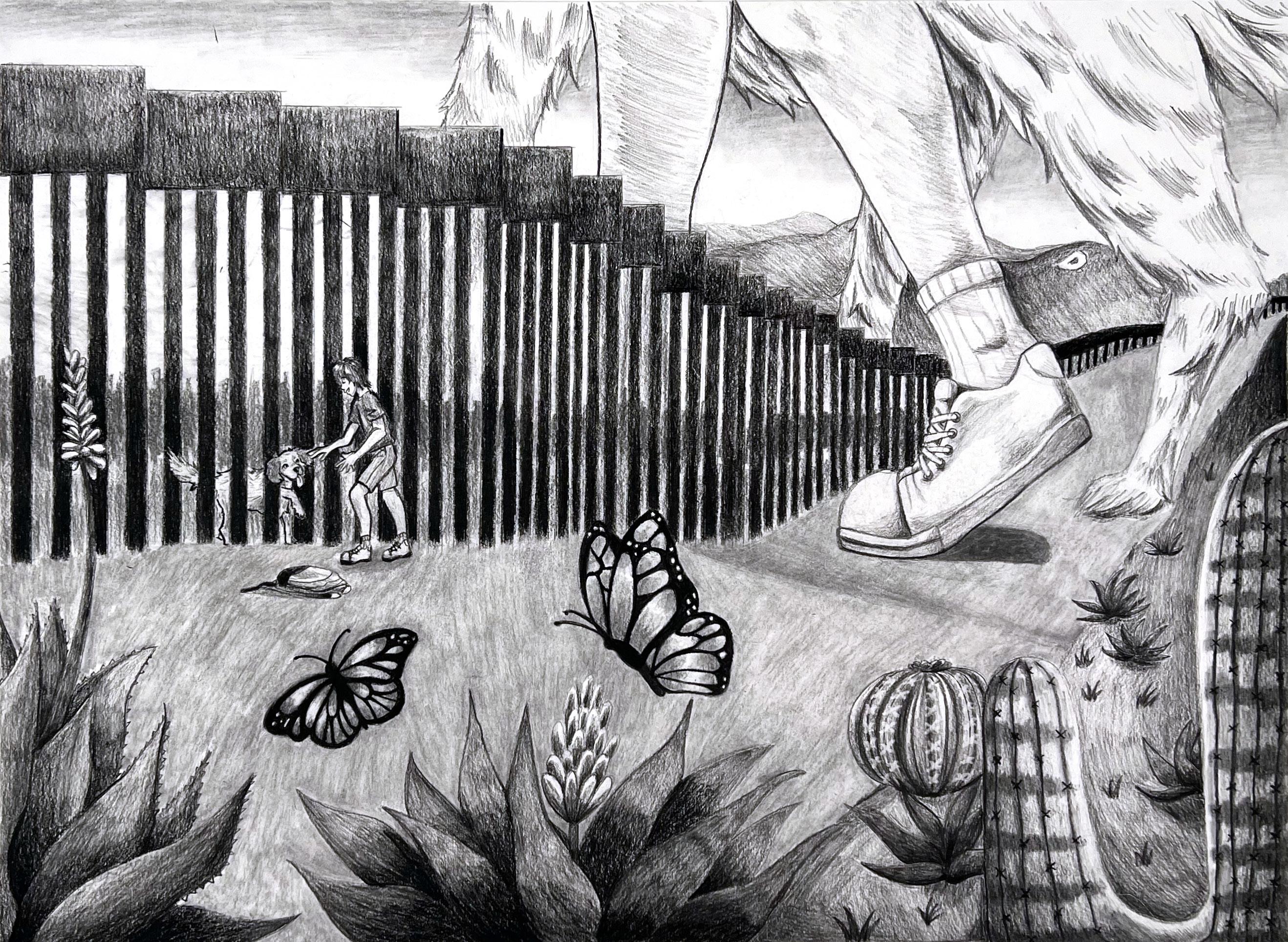
The Borderlands: Present
Estefania Ramirez Toscano
Mommy Takes the Tie to the Washing Machine
Gretchen Hill
When Rachel arrives at the nursery school to pick up her daughter Victoria, Mrs. DeSoto meets her at the door. “I have the cutest thing for you,” Mrs. DeSoto says. “Or rather, Victoria does.” Over Mrs. DeSoto’s shoulder, Rachel can see Victoria in the play area, a gigantic leather purse slung over her arm. “Pretend you’re my baby,” Victoria tells a little boy. He doesn’t look at her, engrossed as he is in rolling his truck up and down a stuffed bear. Victoria bends over and strokes his hair the way Rachel strokes Victoria’s. “Bye, honey,” Victoria says to him. “I’m going to the liquor store.”
This is my life, thinks Rachel, embarrassed. These days, she’s lucky if she can have one meaningful conversation a month, spending a morning at a Tupperware party down the street discussing the prospects of the ERA getting ratified. She hasn’t even been in her studio for months, can’t remember the last time she painted or drew anything. Part of her wonders if she still can. Mrs. DeSoto is still talking, and Rachel nods as if she’s heard. She is tired and foggy, heavily pregnant and impatient to give birth, ready to have two kids already. Although truth be told, she is also dreading it. As her due date approaches, she is suddenly remembering how much work a newborn is: the crying, the lack of sleep, the spit-up, the endlessness of diapering. Not only that, people
keep telling her how much more work it is with two children. Now they tell her, now that this baby is so irrevocably coming. These thoughts can keep Rachel awake. Everyone else is so excited about the baby. But Rachel worries. What will she do?
Mothering Victoria alone is exhausting.
Mrs. DeSoto is still talking, and suddenly Victoria is there, also talking as she approaches, leaving half of her thought behind her in the play area. “…the library, Mommy?” is all Rachel hears. The play purse is still over Victoria’s shoulder.
“Maybe,” Rachel tells her. “Let’s talk about it in the car.” She reaches for Victoria’s hand, but her daughter has run off again, pink Keds untied and on the wrong feet. Rachel wants to laugh, but worries that Mrs. DeSoto would disapprove of her laughing at her own daughter. Rachel knows she is too concerned about what the nursery school teachers think of her, but everyone else seems to find motherhood so easy. Rachel usually just wonders what she is doing wrong. She watches as Victoria runs to her cubby and grabs a paper booklet, then stops in the play area to give another small girl the purse. Victoria talks urgently to this girl for a few moments, and Rachel is sure her daughter is giving precise instructions about the handbag and its uses. Then she totters back to the doorway.
“…for lunch, Mommy?” she is saying.
“Maybe,” Rachel says. “Let’s talk about it in the car.”
Victoria thrusts her little book into her mother’s hand. “Here, Mommy, I made this!” Rachel tucks the booklet into her purse.
“She worked really hard on it,” Mrs. DeSoto says.
“I believe it,” Rachel says. They walk down the hallway toward the exit. “Mrs. DeSoto wouldn’t let me write it myself.” Victoria is talking as she does ballerina twirls. “But I writed my name.”
“You wrote your name?”
“I did! I writed it!” Victoria stops twirling and runs down the hallway. “I’ll open the door, Mommy! I’ll open it for you!”
Victoria talks all the way to the car, a running commentary on her classmates and the purse, the dried leaves in the parking lot and her own shoes, which she put on all by herself. Rachel half listens, focusing on her breath with the other half of her brain. Someone once told her it helped with anxiety, but she isn’t feeling it. “I didn’t want Mrs. DeSoto to tie them,” Victoria is saying. “I wanted you to tie them, can you tie them, Mommy?”
“Sure,” Rachel says. “Let’s get you in the car so I can reach them.”
The wind gusts for a moment, and a leaf scuttles across the asphalt in front of them. Victoria runs after it and jumps on it. “Look, Mommy!” she yells. She jumps on another leaf. “Mommy, look!”
“I see you, honey,” Rachel says. “You’re jumping on the leaves.” She isn’t sure if this is the
right response. Maybe she is supposed to jump on the leaves with her daughter? But Victoria is chasing another leaf. Maybe she just wants to feel seen. Doesn’t everyone?
Victoria climbs into the car, and Rachel fastens the safety strap, so her daughter can stand and look out the window but still be restrained in the back seat if there is an accident. Victoria sticks her foot out. “Shoes, Mommy!”
“Mommy, will you please tie my shoes?”
Rachel suggests, positioning her daughter’s foot against her thigh.
“Mommy, will you please tie my shoes?”
Rachel can feel Victoria’s hand patting her head. “I like your hair, Mommy.”
Rachel smiles down at Victoria’s foot.
“Thank you, honey.” She ties the left shoe, trades it for her daughter’s right foot. How many times has she tied Victoria’s shoes? She tries to calculate, but her brain is far too tired. Thousands, surely.
“Mommy, what’s the baby’s name?”
“We don’t know yet, honey. We have to wait until the baby comes out. It might be a brother, or it might be a sister. You never know until a baby is born.” The truth is, she and Todd are having trouble agreeing on names.
“Can we name it Racer?”
“Racer, huh?” Rachel asks. “Why do you want to name it Racer?”
“’Cause it races so fast in your tummy.”
Victoria isn’t wrong. The baby is restless, kicking fast and often. Racer seems as good a name as any. Rachel ponders synonyms – Speedy, Lightning, Mercury. Racer seems the best of the lot.
“Well, we have to talk to Daddy.” Let Todd
be the bad guy on this one. “I think Daddy wants to see if the baby is a boy or a girl first.” On three separate occasions, Rachel has had elderly women stop her in the grocery store to tell her that she is carrying high and thus having a daughter. Todd thinks it’s ridiculous, but something in Rachel thinks these women are right. The baby feels female to her. It may be ridiculous to a man, she thinks, but Todd hasn’t carried a baby.
They listen to the radio on the way home, “Let it Be,” recently released by the Beatles, a final gift to the world. They broke up right after this. Or right before. Todd would know. “Letter ‘B,’” Victoria says from the back seat. “That’s the one like this, right, Mommy?” And in the rear-view mirror, Rachel watches her daughter trace a giant capital B in the air.
They heat a can of SpaghettiOs for lunch, and Rachel lets Victoria stand on a chair at the stove to help stir. This is a fragile time of day, when Victoria is tired enough either to throw a huge tantrum or to fall asleep in the middle of the floor. Rachel has learned from experience the importance of keeping her daughter gently occupied long enough to eat before putting her down for a nap.
“Tommy doesn’t like SpaghettiOs,” Victoria tells her, stirring with the wooden spoon. Tommy is the boy who lives across the street. He and Victoria ride their tricycles together in his driveway. He once bit Victoria on the back of the hand and his mother implied that Victoria had somehow caused it. Now Rachel has trouble trusting him or his mother. “Why doesn’t he like SpaghettiOs, Mommy?”
“I don’t know,” Rachel says. “Everyone is different, Victoria. Everyone likes different things.”
“But we like SpaghettiOs,” Victoria says. “We like them,” Rachel agrees. It is a partial truth. Victoria loves them; Rachel tolerates them. She much prefers the homemade sauces her mother or grandmother made, but she does like the convenience of a can of food. Open, dump, and heat. The perfect recipe for the exhausted pregnant woman. She writes a commercial in her head, one starring herself and her energetic, talkative daughter. “Open, dump, and heat!” she says to the TV cameras. “Leaves plenty of time to sit with your feet up afterwards!”
“We love SpaghettiOs!” her TV daughter says. “We love them!”
Now her real daughter says, “I don’t want to cook anymore.” Her voice has a perilous whiny edge to it.
“O’s are done!” says Rachel. “Climb down.” “I want you to help me, Mommy!” Victoria holds her arms out.
Rachel turns off the burner and takes bowls out of the cupboard. “As soon as the baby comes, I’ll be able to help you down and pick you up as much as you want,” she says.
“But I want you to do it now, Mommy!”
Rachel’s feet hurt. Don’t say no, she thinks. Just move on. She pours Spaghetti-Os into two bowls and puts them at the table. “SpaghettiOs on the table!” she says brightly.
Victoria climbs off the chair, taking care to keep her face set in a frown so her mother won’t mistake compliance for pleasure. If she weren’t so tired, Rachel would laugh.
At naptime, Victoria is suddenly weepy. “Lie down with me, Mommy,” she says. She has recently started sleeping in a real bed, and sometimes she is still anxious about it. Rachel sits on the edge of the twin and smooths her daughter’s hair. Victoria pats the pillow beside her head. “Lie down with me, Mommy,” she says again.
“Rest your dogs.” This is something Victoria’s grandmother says, and Rachel suppresses a smile as she lies carefully on her side.
“How’s that?” she whispers, gently brushing Victoria’s auburn wisps from her face.
“Sing to me, Mommy,” Victoria says. She reaches up her pudgy arm, touching her mother’s hair lightly. “Sing ‘Hush Little Baby.’”
“Hush, little baby, don’t say a word,” Rachel sings softly. Behind Victoria, the wallpaper glows quietly, a buttery yellow with green stripes. “Mama’s gonna buy you a mockingbird.”
It takes only a verse and half before Victoria’s eyes close and she begins breathing softly and evenly. Rachel keeps singing, focusing on the green stripes against the yellow. She can almost imagine she is in a cage, with bright sunlight just out of reach on the other side of the green bars. Still singing, she pulls her eyes from the wallpaper to her daughter. Victoria’s mouth and chin are Todd’s, her eyes and brow her mother’s. Sometimes, when Rachel is annoyed with her husband, she watches Victoria sleep. Our child, she thinks, and feels her heart soften under Victoria’s spell. Our child, she thinks now. Motherhood was not something she ever wanted, but here it is. She feels herself expand and contract in its grip every day.
She wakes to Todd’s voice. “Rach?” he is calling from somewhere. She starts, waking Victoria, and struggles to roll onto her back. Todd calls again, “Rachel?”
“In here!” She can’t sit up.
“Which is where?” It doesn’t sound like his voice is moving.
“Victoria’s room!” Rachel squirms her way off the bed and reaches over to shake her daughter, who has fallen back asleep.
“Hey, Victoria,” she says. “Wake up, baby, Daddy’s home.”
She straightens up, pressing her palms into her back.
Todd comes up behind her then, peeks over her shoulder. “Hey, Munchkin!” he says. He puts his arm around Rachel’s shoulder, nuzzles his nose into her neck. “No dinner?” he asks.
She turns to look at him. “Sorry.” She is still wrapped in a fog of sleepiness. “I fell asleep.” They watch Victoria struggle to ratchet her eyes open.
“So...take out?” Todd says.
“Take out,” Rachel agrees.
“I’ll call,” he says magnanimously.
When Todd leaves to pick up dinner, Victoria sits at the play dashboard he made her, turning her steering wheel, honking the horn. “I’m going to buy dinner, Mommy!” she says. “I’ll see you soon!”
“See you soon, honey,” Rachel answers. She snaps on the television, which is brand new and in color. Todd only recently came home with it and Rachel is still startled every time she sees Barbara Walters in a bright red scarf in their living room.
But there is no sign of Barbara now, and Rachel stands turning the dial, longing for a newscast. Most nights, Victoria is in the tub during the news. Rachel’s daily contact with the real world usually consists of reading headlines in The New York Times while she makes Todd breakfast. Suddenly, she remembers the little book, the one that so delighted Mrs. DeSoto. She digs it out of her purse, seeing that Victoria has indeed written her own name on it, a staggering line of capital letters filling most of the first page. There are three people on the cover, all with huge round eyes, their legs and arms emerging from their heads. Mrs. DeSoto’s neat round writing is at the bottom of the cover. “My Family,” she has written.
The first page shows another stick figure, with a body this time, holding a rectangle. “Daddy goes to work in the city,” is the caption. Rachel assumes the rectangle is Todd’s attaché case, which Victoria loves to open and close. There are other rectangles behind Todd, buildings, maybe? Buses? The second page has two people on it. “Grandma knits me a hat,” Mrs. DeSoto has written. “PopPop has a boat.” The page after that has an oval with two big eyes. “The baby is coming!” is the excited caption under this illustration.
The last page is captioned, “Mommy takes the tie to the washing machine.” There is Rachel, with her glasses and an enormous, crazed smile. It is the smile of a woman imprisoned in a world of washing ties, maybe someone who hits the bottle every afternoon at lunch. It’s clear that Victoria first drew the mouth and then jaggedly outlined it in red, making Rachel also look like someone who applied her lipstick in the bathroom of a moving
bus. Victoria has drawn ears beside the chin, and she has even given Rachel earrings. Clearly, Rachel dresses up when she does the laundry. Is this really how Victoria sees her? Not “Mommy gets up in the night with me when I wet the bed.” Not “Mommy makes me SpaghettiOs,” or “Mommy takes me to the library,” or “Mommy beats Daddy at Scrabble.” Her role in the family, apparently, is to wash Todd’s ties. It is the most mundane of tasks, and one that does nothing for Victoria or for herself. Clearly, to her daughter, Rachel is most importantly her husband’s helpmate. How can she be a good mother to her daughter if the example she sets is so small, so subordinate? She can’t sort out her feelings – is she angry? Is she helpless? Or is the life of a mother simply one of unexpected lacks – a lack of appreciation, a lack of choices? This can’t be her legacy, can’t be a road map for Victoria’s life, doing laundry for a man who works in the city. It sounds like another century. In the other room, in this century, Victoria honks the horn on her dashboard. “Hurry up, buddy!” she yells, something Todd does.
Daddy gets a speeding ticket, Rachel thinks. Rachel dishes out the food onto plates before putting them on the table. Todd ordered spare ribs for Victoria, her favorite, which she insists on eating independently, off the bone. Within minutes, her face is smeared with barbecue sauce, from chin to eyes.
“Osmosis eating,” Rachel tells Todd. “She absorbs the nutrients through her cheeks.”
“Maybe if we wait a few hours she’ll soak up all the sauce,” he says. “We won’t have to clean her.”
“We who?” Rachel says. Mommy fills the tub with water. Daddy watches the news. She can’t seem to shake this bitter tone in her mind. It isn’t Todd’s fault. Or is it? Did he ever encourage her to keep her job? She can’t remember whose idea it was for her to stop teaching. But they had a kid. That’s what everyone did. Had kids, quit working. It is suddenly suffocating, this life route, and it is tightening itself around her. She pushes on the arm of the chair to stand, picks up the plates.
“Thanks, babe,” Todd says.
“Thanks, babe,” Victoria echoes.
Mommy clears the dishes, Rachel thinks grimly. Daddy undoes his belt buckle. Despite the occasional Tupperware-fueled conversation, feminism seems inaccessible to her. She envies those women on TV marching with their signs, Gloria Steinem undercover in Hugh Hefner’s Playboy Club. They look free and empowered, fierce as warriors, but they don’t seem remotely connected to her life of Spaghetti-O’s and nursery school.
Standing at the sink rinsing dishes, she feels Racer suddenly, kicking her in the ribs. It hurts, and she turns off the water, pressing her hand where she pictures the baby’s foot is. This must be a daughter, angry at confinement already. This daughter wants out. Mommy listens to the baby, she thinks. Mommy wants out. She looks at the window but sees only her own reflection, wan and confined at the sink. Mommy writes a resume. Mommy makes huge paintings. Mommy teaches art. There has to be something better for her and her girls. There has to be. Mommy makes Daddy wash his own damn tie, she thinks. And smiles.
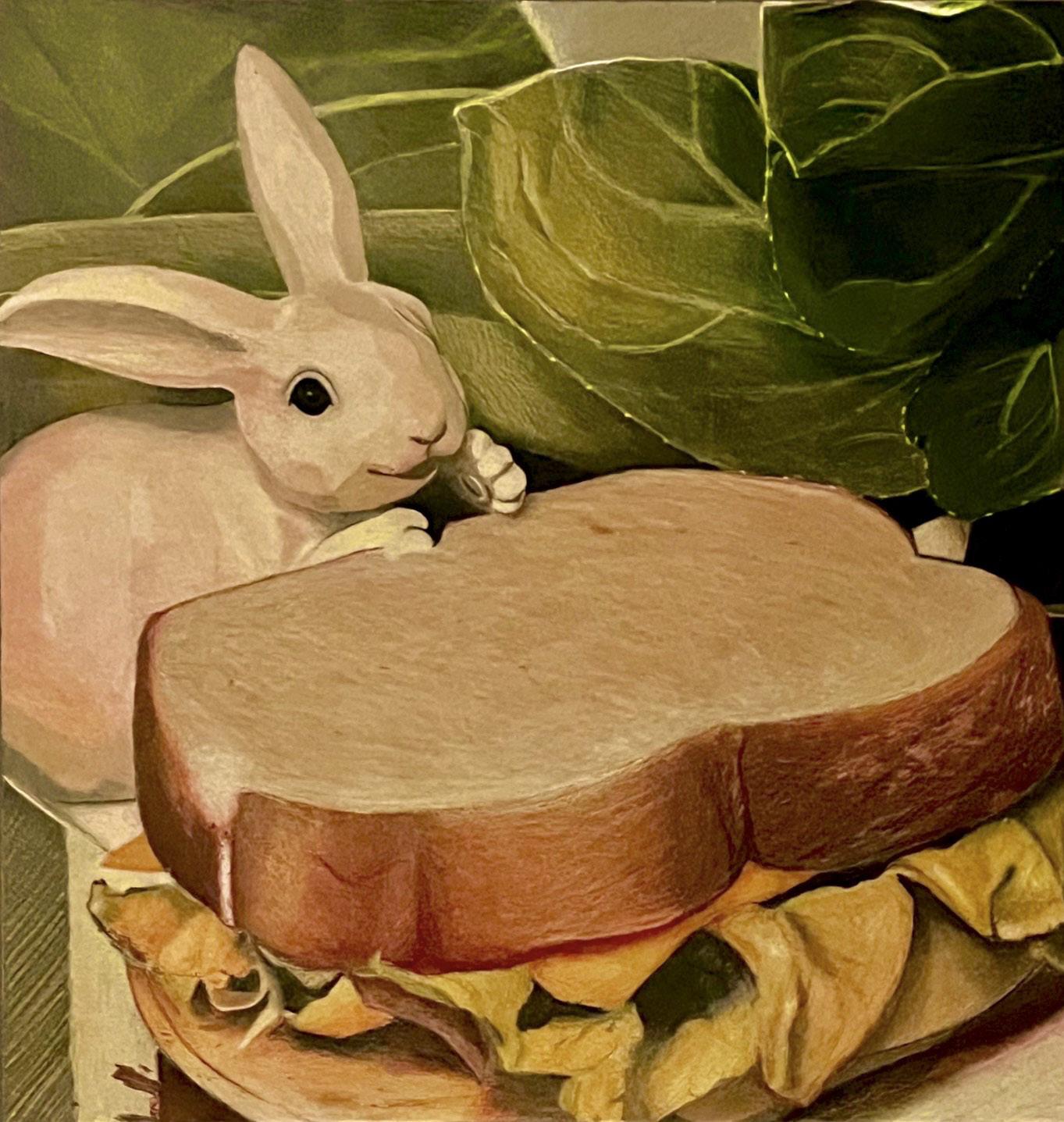
Lunch Time
Leah Pereda
Submission Guidelines
We accept submissions on an ongoing basis. For information on the new submission guidelines for your original writing or artwork, please visit www.cochise.edu/mirage.
We accept original poetry and prose (fiction and memoir) in English and Spanish, as well as photos of original art. Students at Cochise College and community members from Cochise County and Santa Cruz County can submit their work. We will also consider work submitted from Sonora, MX.
Distribution
When hard copies of Mirage become available, announcements are posted on the website and on our Facebook page. Copies are available in a digital format on our website.
Acknowledgements
The Mirage committee would like to thank everyone who submitted their work, faculty who encouraged students to participate, community members who helped spread awareness, and Cochise College administrators who supported the creation of this edition.
Disclaimer
Mirage and its staff are not responsible for the veracity, authenticity, or integrity of any work of literature or art, or for any claim made by a contributor appearing in the publication.
Copyright
All rights herein are retained by the individual author or artist. No part of this publication may be reproduced, stored in a retrieval system, or transmitted in any form of by any means without written permission of the author or artist. Copyright law dictates that if a portion of a work is used, it must include the full acknowledgement of the title, author, and magazine.
Printed in the United States of America by AZ Litho, 2026.
Mirage Mission Statement
The Mirage Literary & Arts Magazine has a three-part mission:
1. Mirage serves Cochise County by showcasing high-quality art and literature produced by community members and students.
2. Mirage serves Cochise College by establishing the College as the locus for a creative learning community.
3. Mirage serves Cochise College students by providing them an opportunity to earn college credit and to gain academic and professional experience through their participation in ENG 257, Literary Magazine Production and Design. This course is offered each spring.
Contact Us
Questions should be sent to mirage@cochise.edu
View our website at cochise.edu/mirage
Follow us on Facebook at facebook.com/CochiseMirage
© Cochise College 2026