God’s Corner
But the foolish children of men miserably delude themselves in their own schemes, and in confidence in their own strength and wisdom; they trust to nothing but a shadow. The greater part of those who heretofore have lived under the same means of grace, and are now dead, are undoubtedly gone to hell; and it was not because they were not as wise as those who are now alive: it was not because they did not lay out matters as well for themselves to secure their own escape.
If we could speak with them, and inquire of them, one by one, whether they expected, when alive, and when they used to hear about hell ever to be the subects of that misery: we doubtless, should hear one and another reply, “No, I never intended to come here: I had laid out matters otherwise in my mind; I thought I should contrive well for myself: I thought my scheme good. I intended to take effectual care; but it came upon me unexpected; I did not look for it at that time, and in that manner; it came as a thief: Death outwitted me: God’s wrath was too quick for me. Oh, my cursed foolishness! I was flattering myself, and pleasing myself with vain dreams of what I would do hereafter; and when I was saying, Peace and safety, then suddenly destruction came upon me.
10. God has laid himself under no obligation, by any promise to keep any natural man out of hell one moment. God certainly has made no promises either of eternal life, or of any deliverance or preservation from eternal death, but what are contained in the covenant of grace, the promises that are given in Christ, in whom all the promises are yea and amen. But surely they have no interest in the promises
Chops 8
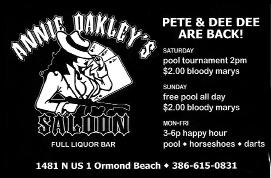
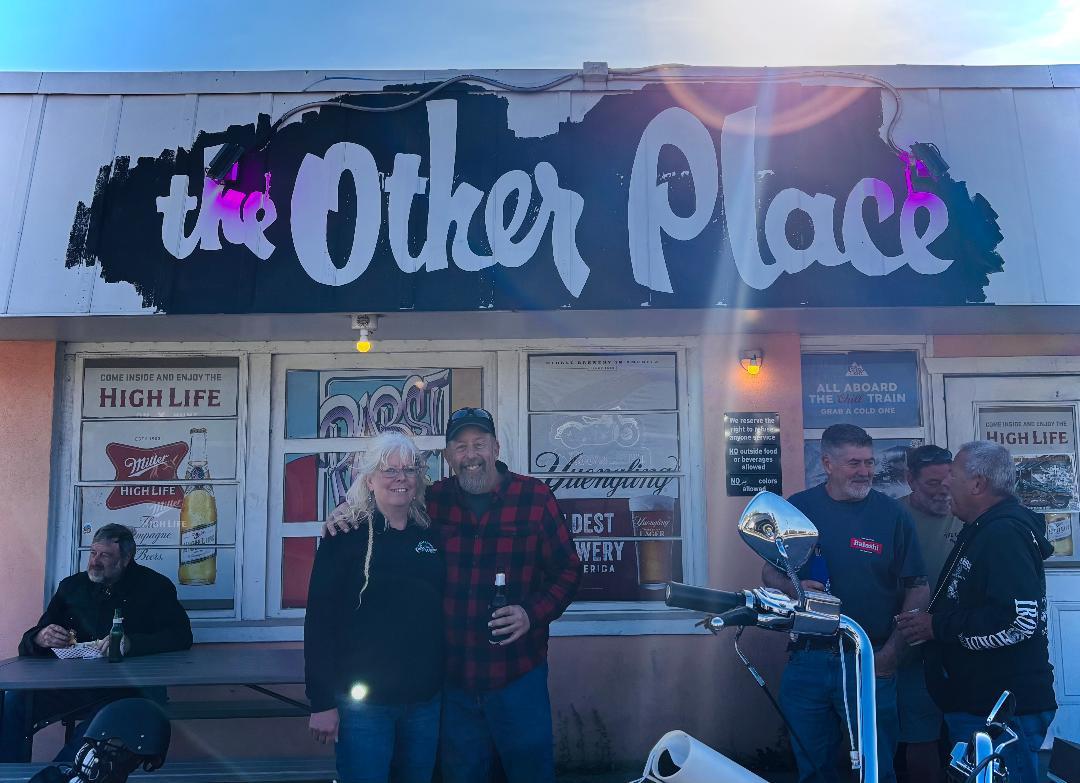
“WHERE THE LOCALS” “HANG OUT”
About 1 Mile South Of I-95, On Hwy 1
FULL LIQUOR BAR
ICE COLD BEER
BLOODY MARY SUNDAYS
POOL
LARGE OUTDOOR PATIO
“Owned By The Best”
of the covenant of grace who are not the children of the covenant, who do not believe in any of the promises, and have no interest in the Mediator of the covenant.
So that, whatever some have imagined and pretended about promises made to natural men’s earnest seeking and knocking, it is plain and manifest, that whatever pains a natural man takes in religion, whatever prayers he makes, till he believes in Christ, God is under no manner of obligation to keep him a moment from eternal destruction. So that, thus it is that natural men are held in the hand of God, over the pit of hell; they have deserved the fiery pit, and are already sentenced to it; and God is dreadfully provoked, his anger is as great towards them as to those that are actually suffering the executions of the fierceness of his wrath in hell, and they have done nothing in the least to appease or abate that anger, neither is God in the least bound by any promise to hold them up one moment; the devil is waiting for them, hell is gaping for them, the flames gather and flash about them, and would fain lay hold on them, and swallow them up; the fire pent up in their own hearts is struggling to break out: and they have no interest in any Mediator, there are no means within reach that can be any security to them.
In short, they have no refuge, nothing to take hold of, all that preserves them every moment is the mere arbitrary will, and uncovenanted, unobliged forbearance of an incensed God.
APPLICATION
The use of this awful subject may be for awakening unconverted persons in this congregation. This that you have heard is the case of every one of you that are out of
Chops 10
Christ.—That world of misery, that lake of burning brimstone, is extended abroad under you. There is the dreadful pit of the glowing flames of the wrath of God; there is hell’s wide gaping mouth open; and you have nothing to stand upon, nor any thing to take hold of, there is nothing between you and hell but the air; it is only the power and mere pleasure of God that holds you up.
You probably are not sensible of this; you find you are kept out of hell, but do not see the hand of God in it; but look at other things, as the good state of your bodily constitution, your care of your own life, and the means you use for your own preservation. But indeed these things are nothing; if God should withdraw his band, they would avail no more to keep you from falling, than the thin air to hold up a person that is suspended in it.
Your wickedness makes you as it were heavy as lead, and to tend downwards with great weight and pressure towards hell; and if God should let you go, you would immediately sink and swiftly descend and plunge into the bottomless gulf, and your healthy constitution, and your own care and prudence, and best contrivance, and all your righteousness, would have no more influence to uphold you and keep you out of hell, than a spider’s web would have to stop a falling rock. Were it not for the sovereign pleasure of God, the earth would not bear you one moment; for you are a burden to it; the creation groans with you; the creature is made subject to the bondage of your corruption, not willingly; the sun does not willingly shine upon you to give you light to serve sin and Satan; the earth does not willingly yield her increase to satisfy your lusts; nor is it willingly a stage for your wickedness to be acted upon; the air does

not willingly serve you for breath to maintain the flame of life in your vitals, while you spend your life in the service of God’s enemies. God’s creatures are good, and were made for men to serve God with, and do not willingly subserve to any other purpose, and groan when they are abused to purposes so directly contrary to their nature and end. And the world would spew you out, were it not for the sovereign hand of him who hath subjected it in hope. There are black clouds of God’s wrath now hanging directly over your heads, full of the dreadful storm, and big with thunder; and were it not for the restraining hand of God, it would immediately burst forth upon you. The sovereign pleasure of God, for the present, stays his rough wind; otherwise it would come with fury, and your destruction would come like a whirlwind, and you would be like the chaff of the summer threshing floor.
The wrath of God is like great waters that are dammed for the present; they increase more and more, and rise higher and higher, till an outlet is given; and the longer the stream is stopped, the more rapid and mighty is its course, when once it is let loose. It is true, that judgment against your evil works has not been executed hitherto; the floods of God’s vengeance have been withheld; but your guilt in the mean time is constantly increasing, and you are every day treasuring up more wrath; the waters are constantly rising, and waxing more and more mighty; and there is nothing but the mere pleasure of God, that holds the waters back, that are unwilling to be stopped, and press hard to go forward.
If God should only withdraw his hand from the flood-gate, it would immediately fly open, and the fiery floods of the fierceness and wrath of God, would rush forth with in-
Chops 12
conceivable fury, and would come upon you with omnipotent power; and if your strength were ten thousand times greater than it is, yea, ten thousand times greater than the strength of the stoutest, sturdiest devil in hell, it would be nothing to withstand or endure it.
The bow of God’s wrath is bent, and the arrow made ready on the string, and justice bends the arrow at your heart, and strains the bow, and it is nothing but the mere pleasure of God, and that of an angry God, without any promise or obligatioti at all, that keeps the arrow one moment from being made drunk with your blood. Thus all you that never passed under a great change of heart, by the mighty power of the Spirit of God upon your souls; all you that were never born again, and made new creatures, and raised from being dead in sin, to a state of new, and before altogether unexperienced light and life, are in the hands of an angry God.
However you may have reformed your life in many things, and may have had religious affections, and may keep up a form of religion in your families and closets, and in the house of God, it is nothing but his mere pleasure that keeps you from being this moment swallowed up in everlasting destruction. However unconvinced you may now be of the truth of what you hear, by and by you will be fully convinced of it. Those that are gone from being in the like circumstances with you, see that it was so with them; for destruction came suddenly upon most of them; when they expected nothing of it, and while they were saying, Peace and safety: now they see, that those things on which they depended for peace and safety, were nothing but thin air and empty shadows. J.Edwards’ “Sinners In The Hands Of


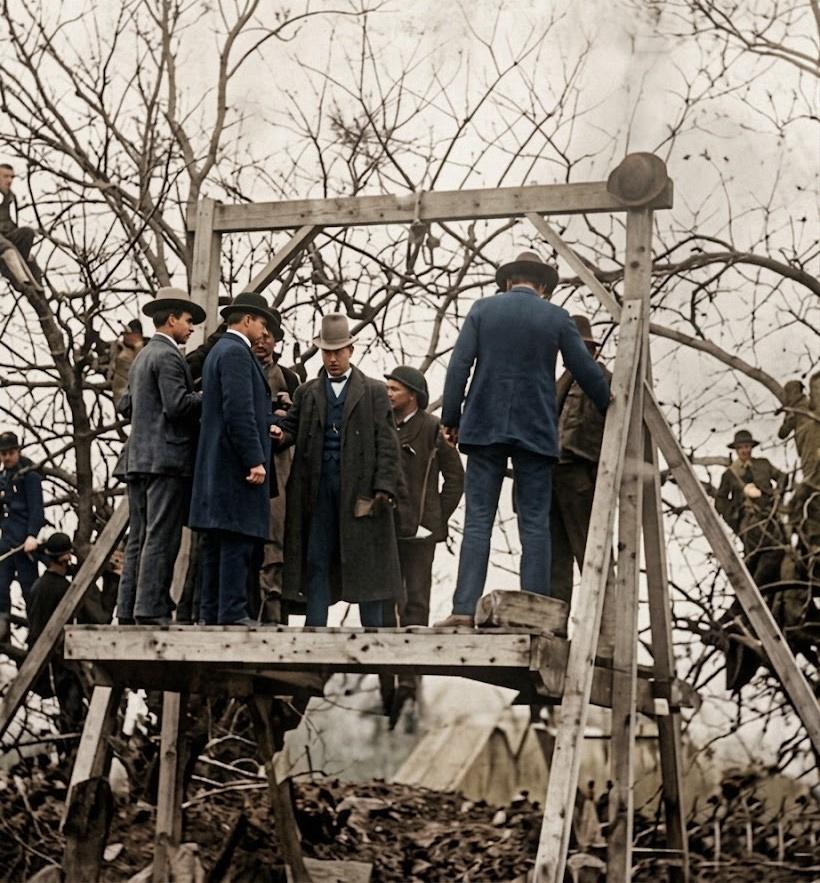
He was hanged for the murder of Wild Bill Hickok—a single act that turned his name into a permanent shadow in the history of the Old West. Jack McCall fired the shot from behind in a Deadwood saloon, ending the life of a man many believed was untouchable. It wasn’t a duel or a fair contest; it was just a sudden moment that echoed far beyond that room. At first, the rough edges of frontier justice seemed to let him slip away, but the case refused to stay buried, and the law eventually caught up with him.
This time, there were no second chances hidden in the chaos. Brought before a federal court, McCall faced a
system that demanded clarity where the frontier had once offered confusion. His excuses couldn’t outweigh the gravity of what had happened, and the memory of Hickok’s final moments hung over every word spoken. The West was wild, but even in its lawless corners, some lines carried consequences that couldn’t be avoided. As the trial moved forward, the outcome felt less like a question and more like an inevitability.
In 1877, the rope ended his story, sealing his fate in a way history would never forget. His name lived on, not for who he was, but for what he did—and for the legend he brought down with a single bullet. As both men remain tied together in the memory of that moment, one question still lingers: was Jack McCall ever more than the man who pulled the trigger, or was that one choice all he was ever meant to be remembered for?
Walden’s
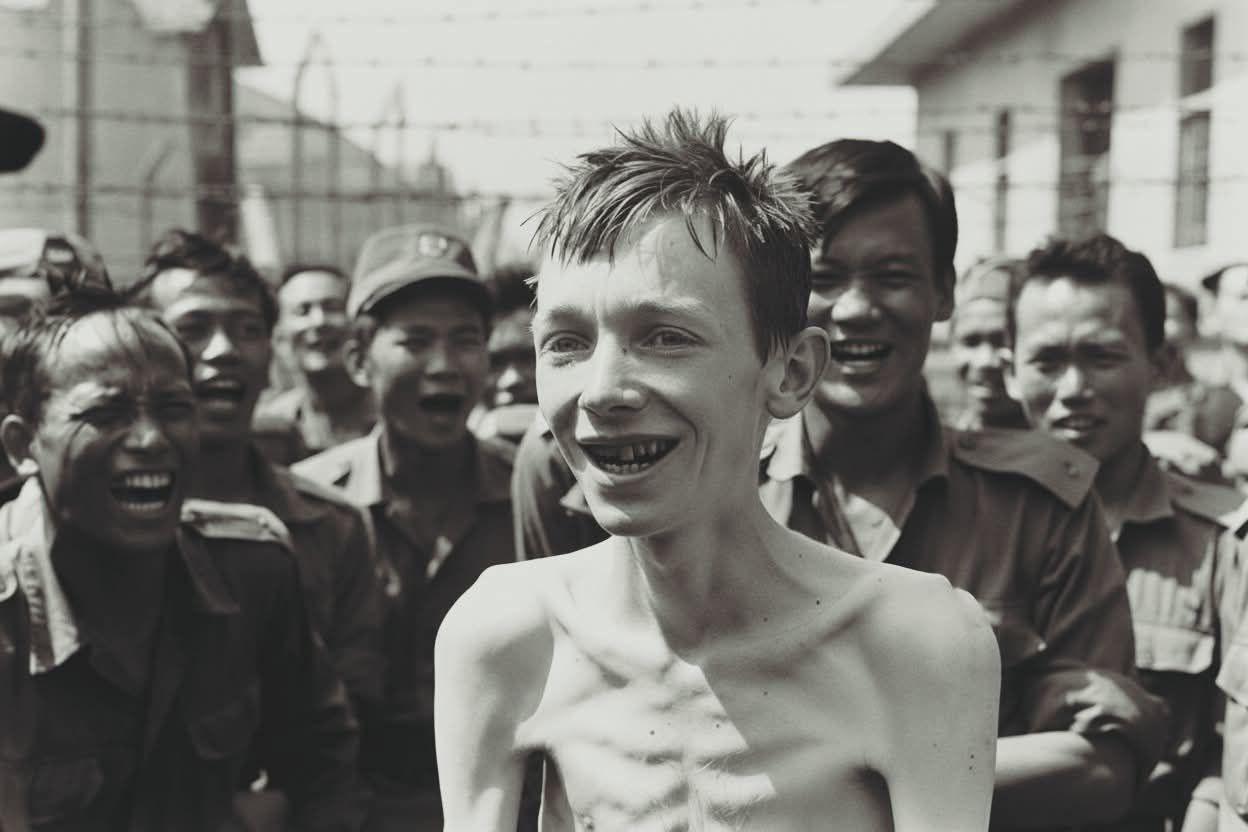
He would become the camp clown. Not just awkward — completely ridiculous. He laughed at his own mistakes, spoke in a thick exaggerated Southern drawl, pretended he couldn’t remember his own rank, and fumbled every simple task with a big, vacant grin. The guards quickly labeled him “the crazy American pilot who laughs at everything.” They mocked him mercilessly, slapped him around for sport, and stopped taking him seriously. Why waste time on a man who seemed half-broken and simple-minded?
They had no idea they were dealing with one of the sharpest minds in the camp.
While shuffling around looking lost and harmless, Bobby quietly sabotaged what he could — loosening fuel lines on enemy vehicles so they would fail far from base, contaminating water supplies in ways that looked like bad luck, and creating small delays in the camp’s supply chain that looked like incompetence rather than deliberate resistance. But his greatest act was silent and invisible.
The North Vietnamese were deliberately hiding the exis-
Chops 22
tence and conditions of many American POWs, leaving hundreds of families in heartbreaking uncertainty. Bobby began collecting every scrap of information he could: names, ranks, hometowns, capture dates, injuries, and secret messages for loved ones. He gathered details from whispered conversations, wall taps, and fleeting glimpses of new arrivals.
More than 140 names and personal stories.
In a prison where any written note could mean torture or death, how do you lock all that information in your head? Bobby turned it into music.
He used the simple, repeating tune of “Row, Row, Row Your Boat,” turning cold military facts into gentle verses he sang silently to himself day after day, night after night, until the information was locked deep in his memory. “Row, row, row your boat… Captain Thomas Reilly, shot down near Da Nang, May 1967, broken arm, tell Sarah and the boys Daddy loves them…”
Over and over. While guards pointed and laughed at the “crazy pilot humming nursery rhymes like a child.”
In 1972, as part of a propaganda effort to appear merciful, the North Vietnamese selected a small group of prisoners for early release. They chose Bobby because they believed the bumbling fool would make America look weak and ridiculous.
His senior officers in the camp made the hard call: “Go home. Take that song with you. Tell the world we’re still alive.”
Bobby didn’t want to leave his brothers behind, but he obeyed. The moment his plane landed on American soil, he delivered everything — every name, every detail, every hidden message of love and survival. 140+ prisoners were officially confirmed alive. Families who had waited years in agonizing silence finally received proof their husbands, sons, and fathers were still fighting to come home. The U.S. military gained powerful new evidence to pressure for better treatment and accountability.
The “crazy clown” pilot had just completed one of the most effective quiet intelligence missions of the Vietnam War. Bobby didn’t fire a gun after capture. He didn’t lead a daring breakout. He simply understood that sometimes the greatest strength is letting your enemy believe you have none.
The North Vietnamese thought they were releasing a broken fool who would embarrass the United States. Instead, they released the one man whose gentle children’s song carried the names and hopes of more than a hundred American prisoners back to their families.
Robert “Bobby” Kline returned home quietly. Years later, at a gathering of former POWs and their families, he softly sang part of his old “Row, Row, Row Your Boat” version. Grown men cried as they heard their own names woven into the innocent melody. One wife hugged him and whispered, “That silly song brought my husband home to me.” And somewhere, a simple round still echoes: a children’s song that became a lifeline for families who thought they had lost everything.
Chops 24
The Bar Owned & Ran By Bikers That Ride
“You Will Enjoy The Ride Out, So Come On”
High Performance Food Truck Every Saturday & Sunday Join Us For A Drink & Food
The Rockiness Bar In The County
Don’t Forget Bike Night Every Thursday 6PM “NOW” Full Liquor Available, Come Party
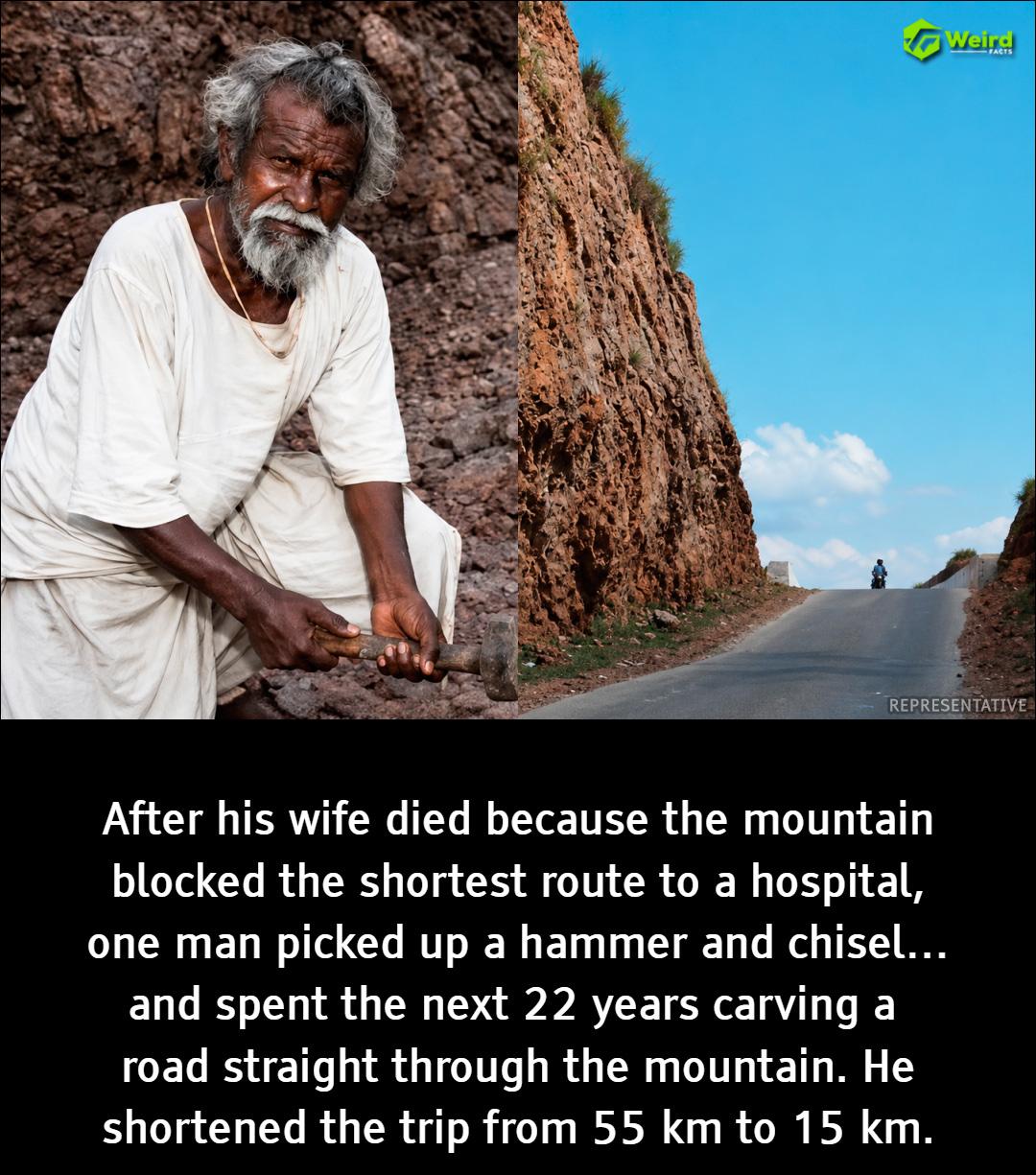
Dashrath Manjhi, a poor laborer from Gehlaur village in Bihar, India, became known as the “Mountain Man.” After losing his wife because the mountain made it too hard to reach a doctor in time, he decided no one else should suffer the same fate.
Over 22 years, from 1960 to 1982, he singlehandedly carved a 110-meter-long, 9.1-meter-wide, and up to 7.7-meter-deep path through the mountain using only a hammer and chisel. The road shortened the journey from 55 km to 15 km, making hospitals, schools, and markets far more accessible to his village and surrounding communities.
Though initially mocked, his extraordinary feat was later honored by the government and featured on an Indian postage stamp. Official roads over the path he carved, were built after his death in 2007.
What started as one man’s grief became a lifeline for his entire village. Today that road still stands as living proof that love and unbreakable determination can literally move mountains.
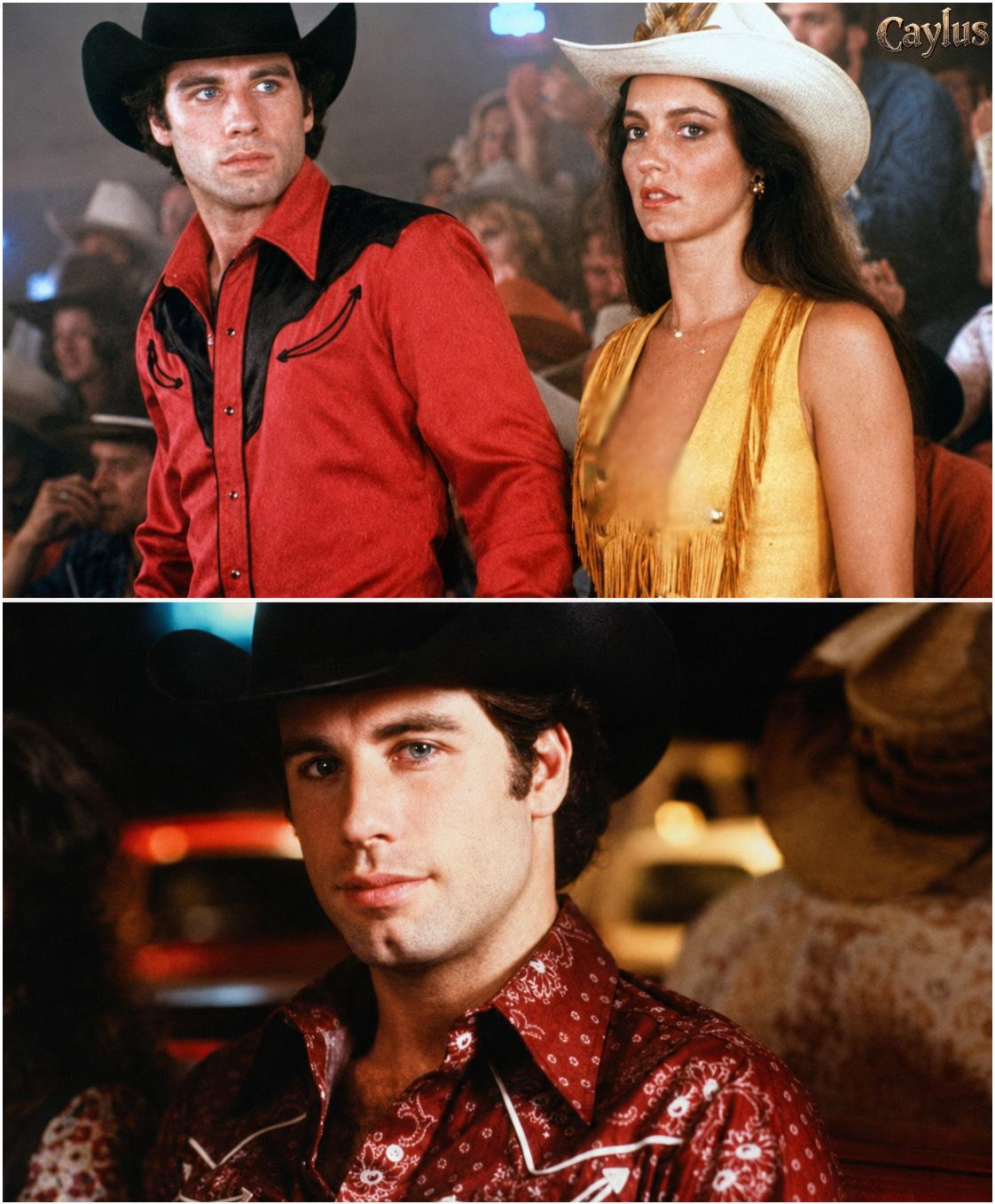
John Travolta was nearly passed over for “Urban Cowboy” (1980) because Paramount Pictures initially doubted he could convincingly embody the rugged grit of a Texas oilfield worker.
To the studio, he still looked too polished after Saturday Night Fever and Grease. They wanted someone rougher, someone who already looked like they belonged inside a Texas bar covered in sweat, dust, and cigarette smoke.
Producer Robert Evans reportedly wasn’t convinced either.
But Travolta refused to lose the role without fighting for it.
Instead of staying in Hollywood trying to argue his case, he flew himself to Texas and settled near Pasadena. Almost immediately, he started spending nights inside Gilley’s, the famous honky-tonk bar that inspired the movie.
He walked in alone wearing boots and a cowboy hat, trying not to stand out.
“I wanted to disappear in there,” he later admitted.
At first, locals watched him carefully. Some laughed quietly at the Hollywood actor trying to blend into their world. Others doubted he could survive more than a few seconds on the mechanical bull.
Travolta heard all of it.
And turned every bit of doubt into motivation.
Chops 36
He trained obsessively with real Gilley’s regulars, riding the mechanical bull before filming, after filming, sometimes until his hands burned and his thighs cramped from exhaustion. Bull-riding instructor Charles Daniels later said Travolta showed up earlier than everyone else and practiced until his body gave out.
The pain stopped mattering.
He only cared about becoming believable.
Then came the screen test that changed everything.
Travolta climbed onto the mechanical bull and rode with such fierce intensity that crew members reportedly burst into applause the second he jumped off. In that moment, nobody saw the polished dance star anymore.
They saw Bud Davis.
For Travolta, the hardest scenes weren’t even physical. The bull-riding competition between Bud and Wes became emotional territory for him because he realized Bud wasn’t really fighting for a prize.
He was fighting for pride.
For control.
For the feeling that he still mattered.
Then came the injury.
During one rehearsal, Travolta was thrown violently off the bull and crashed hard onto the ground. For a terrifying moment, he couldn’t feel his legs. Crew members panicked, expecting production to stop immediately.
But Travolta refused to leave.
He iced his back, rested briefly, and returned to filming only hours later. Later, he joked that Bud’s stiff movements in certain scenes weren’t acting at all.
Even his chemistry with Debra Winger carried real tension. They clashed constantly during rehearsals over how Bud and Sissy should behave, but those disagreements created something raw and believable once cameras rolled.
Years later, Travolta still described Urban Cowboy as one of the roles that transformed him most deeply.
Because he didn’t become Bud Davis through costumes or accents alone.
He became him by surviving inside a world determined not to accept him at first.
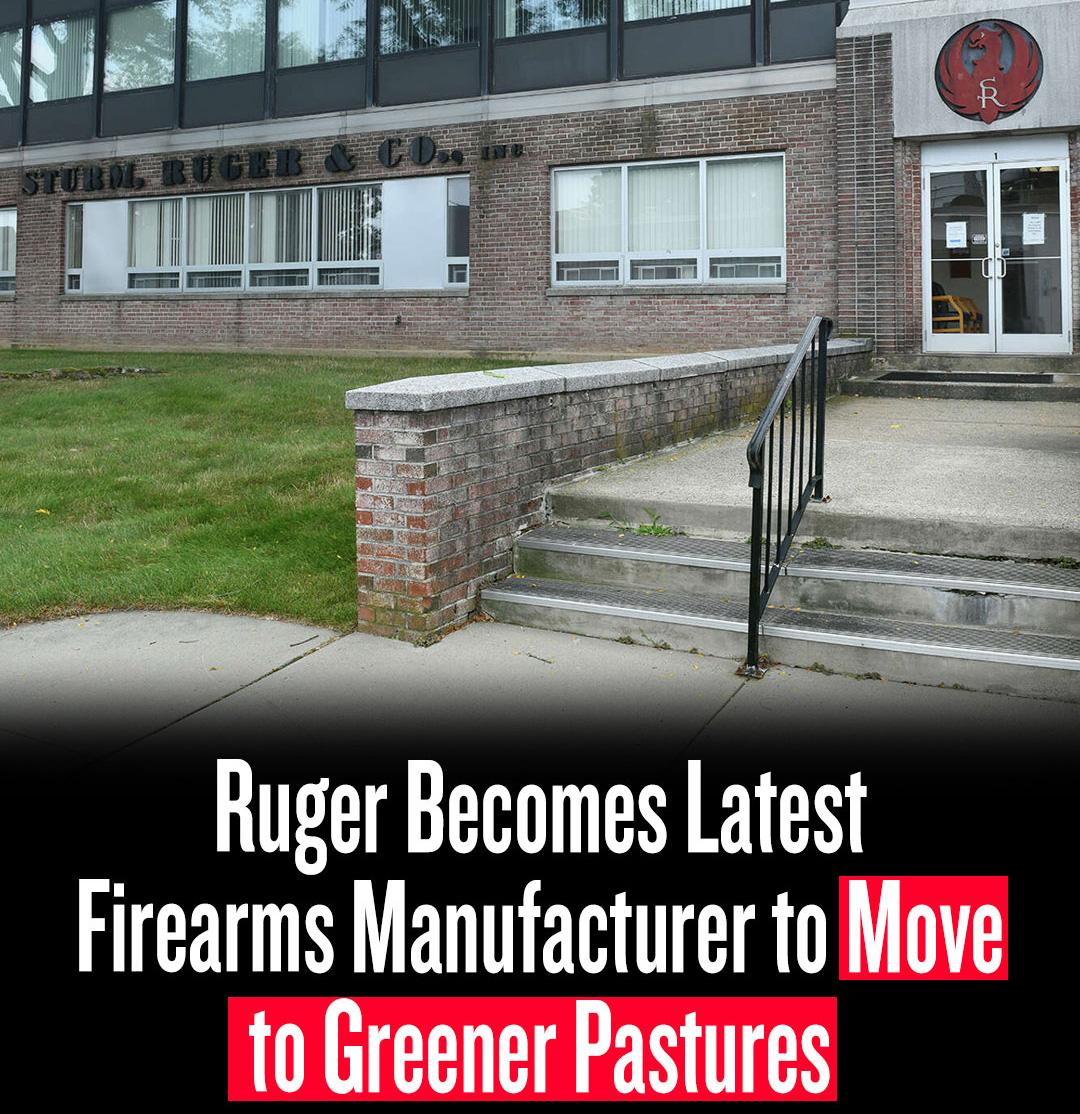
Actions spur consequences, and the all-out war on Second Amendment industries by a handful of states prompted yet another firearms business to pull up roots and head elsewhere.Ruger was founded in Connecticut all the way back in 1949. And while it maintains a small staff in its bare Southport office, the operation now calls Mayodan, North Carolina, home.
Unlike some of its predecessors, the company quietly moved South on January 1 with no official announcement and no fanfare.State leaders continue to push profitable businesses elsewhereOne of the nation’s most prominent gun manufacturers reached a business decision that multiple other companies have made or are considering.
States such as Connecticut do not try to hide their open disdain for the industry, as if a constitutionally protected individual right is something to be ashamed of. A company’s history is important, but if local and state leaders are hostile to your business, it may be time to relocate.
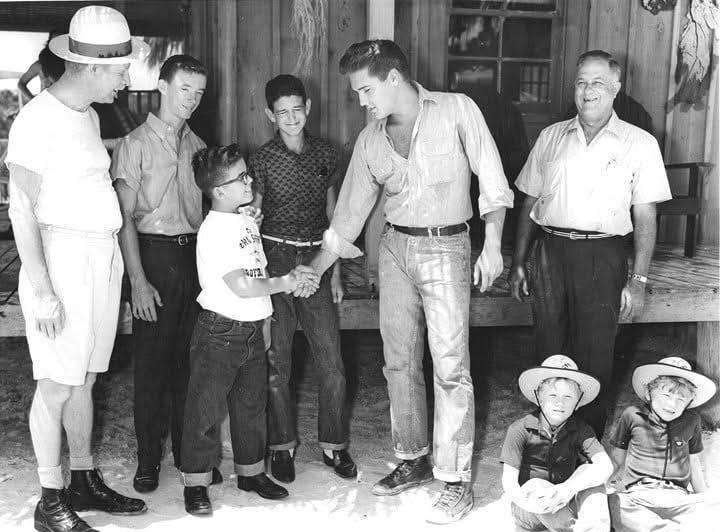
Most people know Elvis filmed in Florida. What most people DON’T know is that part of that movie ended up at the Florida Sheriffs Boys Ranch near Live Oak. In 1961, Elvis Presley filmed Follow That Dream across old Florida towns like Yankeetown, Inglis, Crystal River, and Inverness, where tiny fishing communities suddenly had movie crews, reporters, fans, and Hollywood right in the middle of them.
According to old Florida Sheriffs records, Levy County Sheriff Jim Turner helped persuade Elvis and Col. Tom Parker to donate a rustic movie-set building used in the film, along with other gifts, to the Florida Sheriffs Boys Ranch on the Suwannee River. That movie prop was moved to the ranch and became part of a real rural Florida community. That’s the kind of Florida history I love. Not celebrities, but the weird intersection of old highways, river towns, sheriffs, movie sets, backroads, and small communities all crossing paths in ways most people never hear about. And the craziest part is a lot of the landscapes from that film barely even look like Florida anymore.
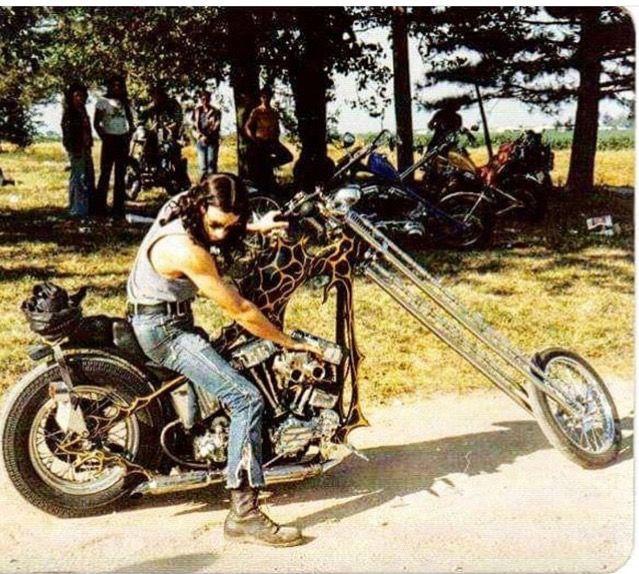
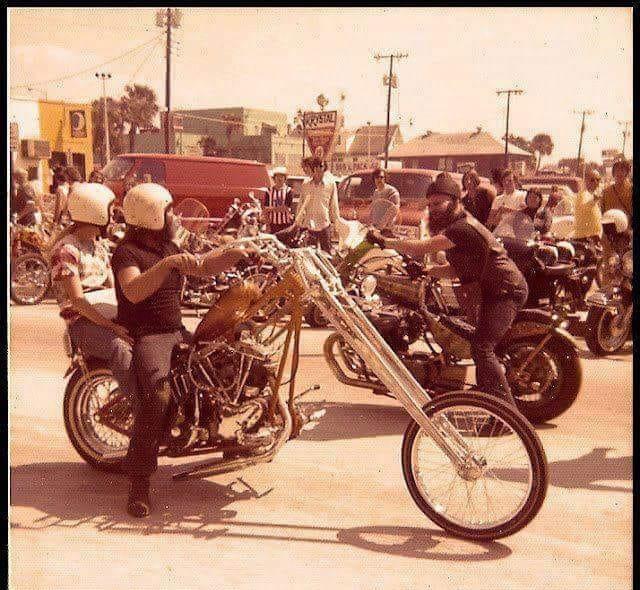
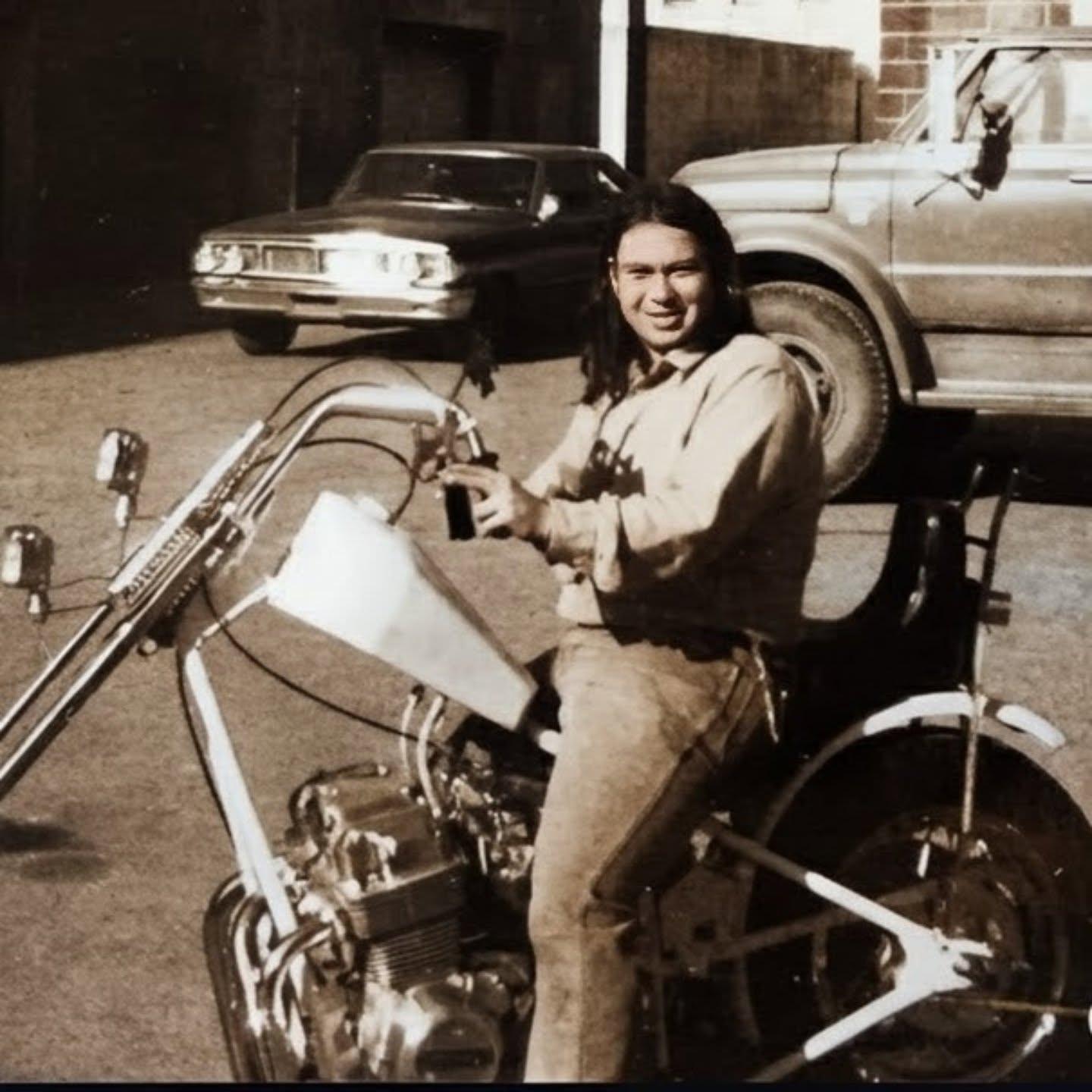
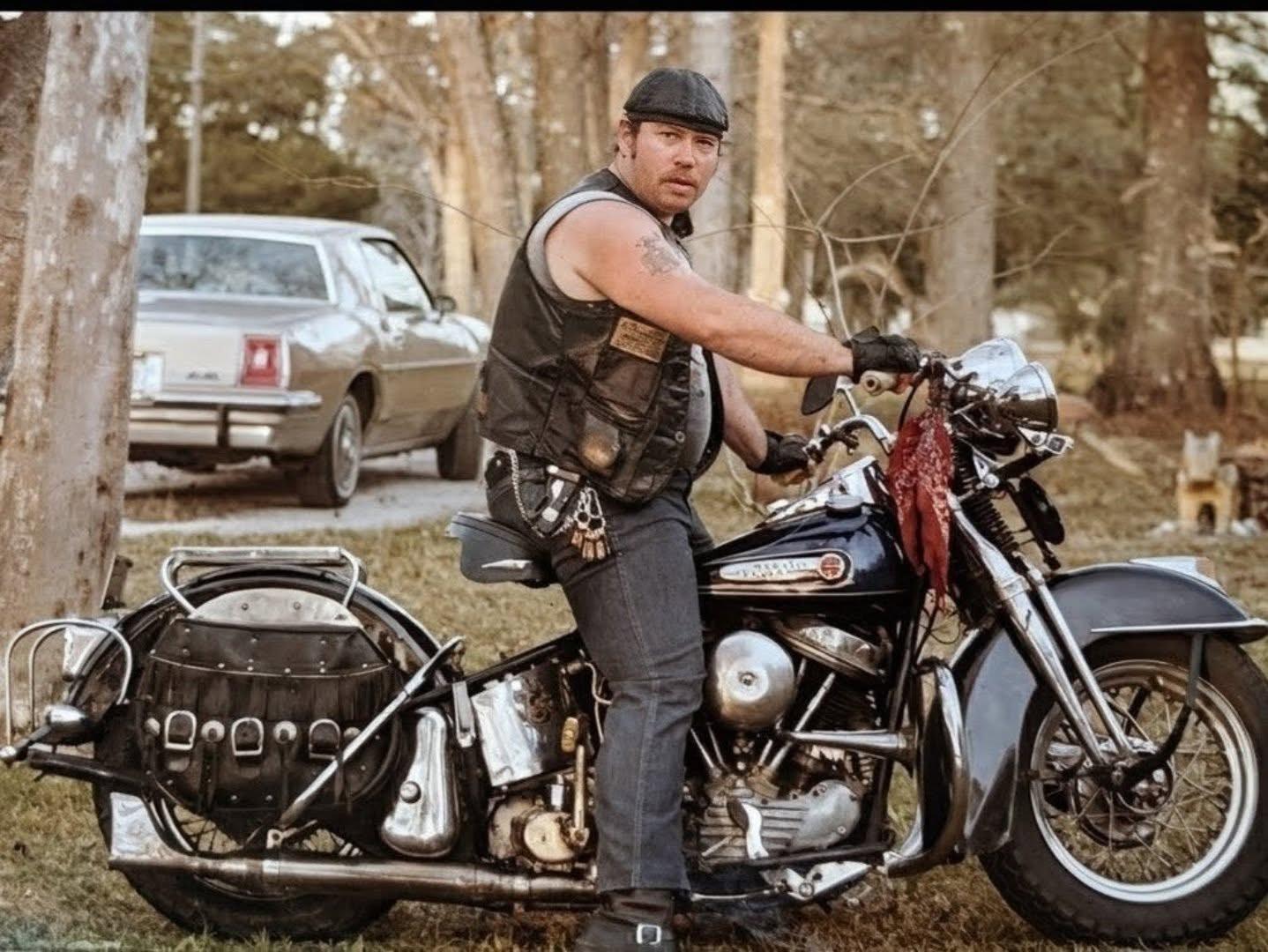
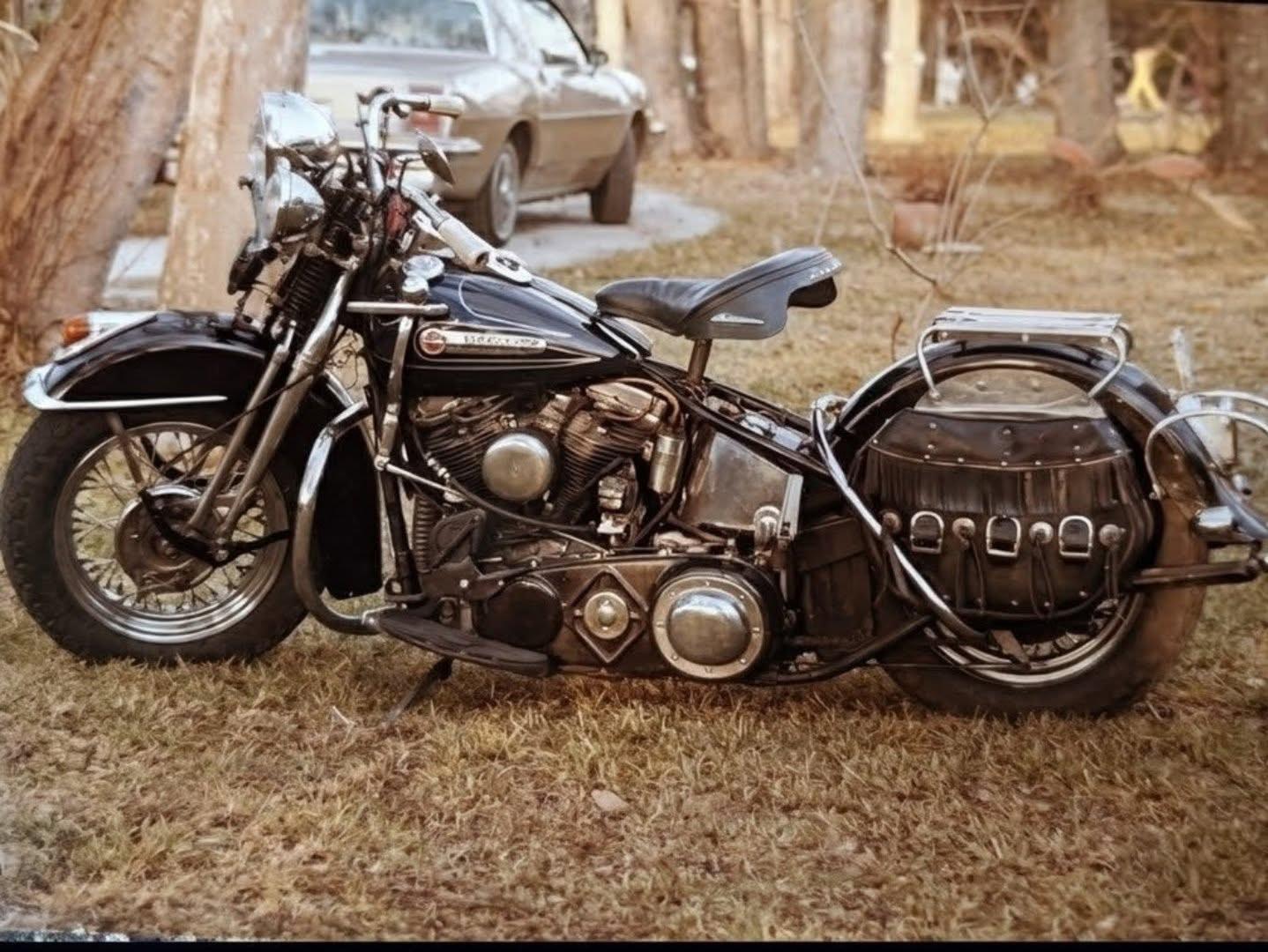
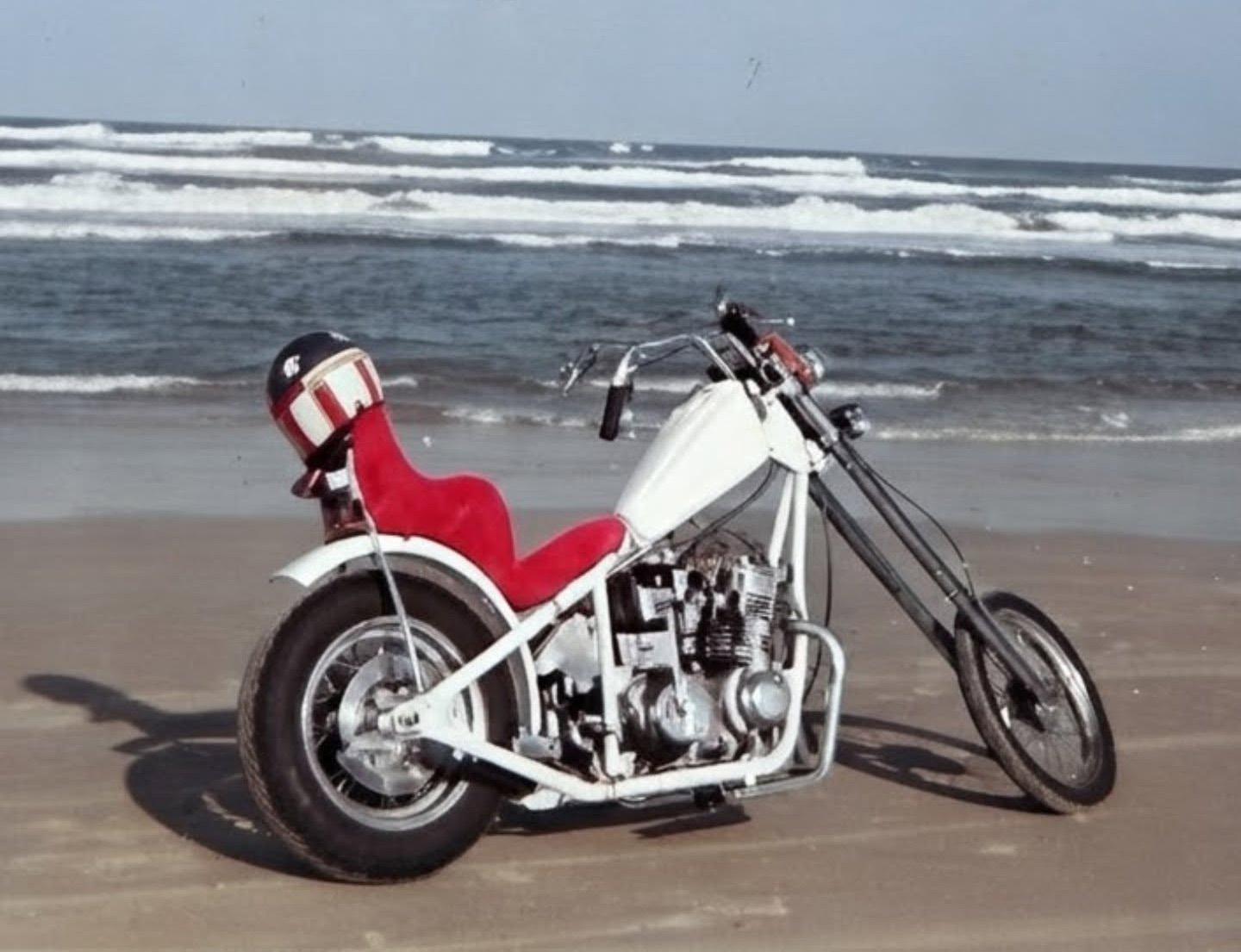
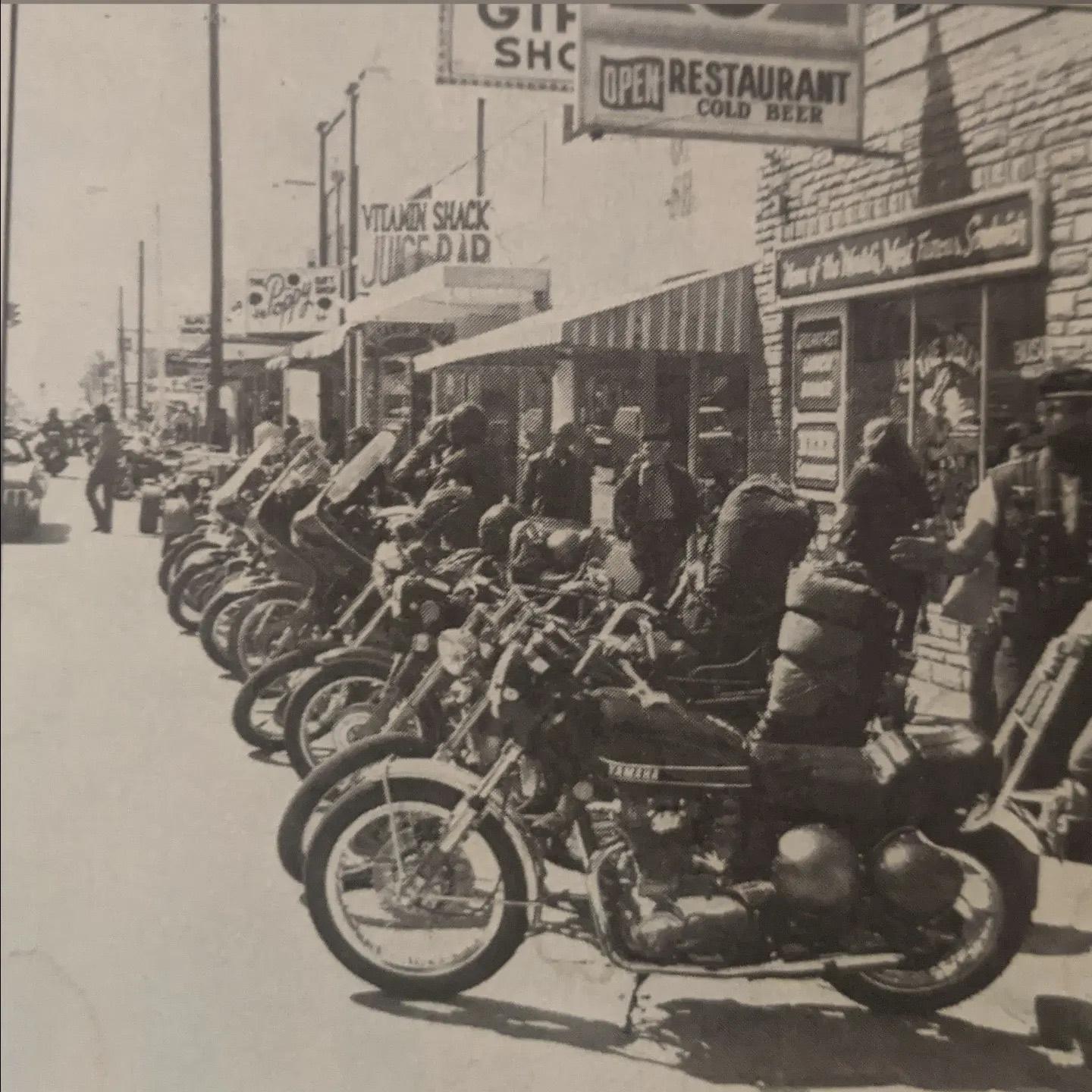
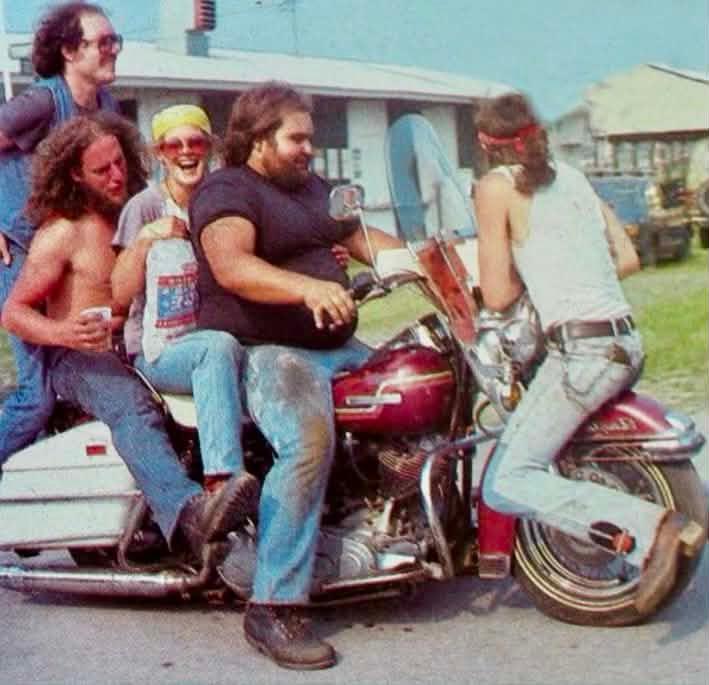
This is Wino Joe on his 750 Chopper, and on his 48 Panhead. Joe is gone now, but he left behind so many pics of Bike Week past, and my friend Shaun Ponte ended up with them.
He has, over the years posted many of them on social media, but they were fuzzy & out of focus. Thanks to A I, problem solved, so from time to time I’ll be posting some pics here, as they come in.
Thanks Shaun & Wino Joe for keeping the real, real!!!
Chops 42
Kushtail giveaway! Harley-Davidson titled 1995 Softail, 80-In HarleyDavidson crate engine, S&S carb, Dyna s. Ignition, nos. Mac performance exhaust, frame is powder coated and windowed, outstanding paint job by @afterhoursconcepts , 2011 Street glide fork tubes and lowers, turned and polished, Custom-Made front axle, with stainless steel spacers, nos. Donnie Smith custom rear axle ,TC brother spool wheel, @redtailleather Solo seat, Center polished rear wheel , chain drive conversion ,etc, etc etc, runs and rides perfect, I’m doing 150 spots at $100 each, with $600 going to the winner if shipping is needed, to get in on it send me $100 for each entry. No limit, to either my PayPal eastcoastshaun@gmail.com please send it friends and family, or my venmo which is under my name Shaun Ponte put either your Instagram handle or your phone number on the notes and I will get back to you with the number by the end of that day.
When all 150 spots are gone I will do the drawing live on Facebook and Instagram. I build these bikes to flex with the economy the way it is right now it’s hard to get even the money you put into it, and believe me I put my heart and soul into building these motorcycles, . Thank you for your support! Happy Saturday!
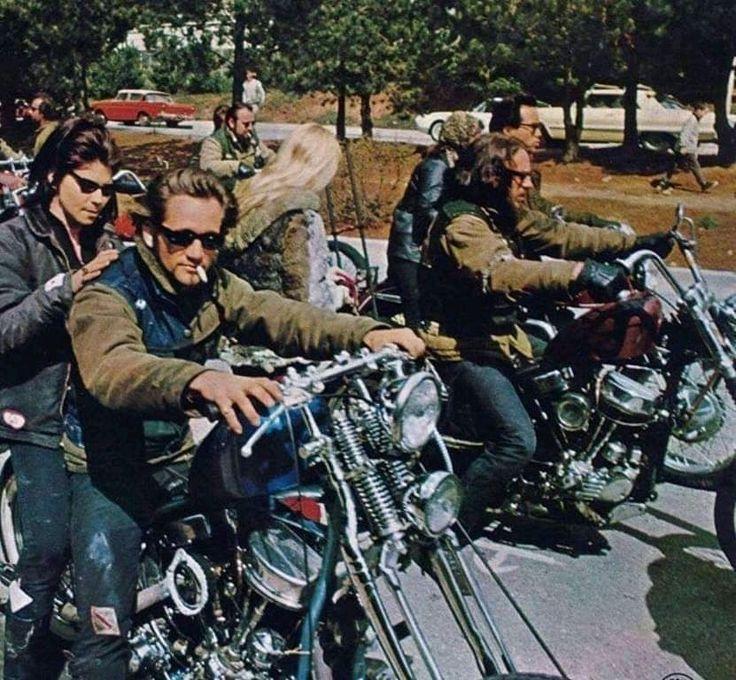
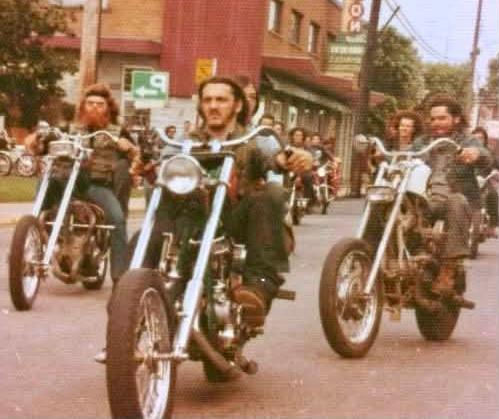
This candid photograph captures a 1970s outlaw motorcycle club run moving down a city street, showcasing classic counterculture biker lifestyle. Visual Elements and Custom Machinery The Choppers: The featured motorcycles are classic custom choppers built from Harley-Davidson V-twin engines.
They show off defining elements of the era, such as severely extended front-fork suspensions, high handlebars (ape hangers), small custom gas tanks, and stripped-down frame profiles. Attire: The riders wear denim and leather cut-off vests over casual shirts, sporting the classic long hair and full beards typical of 1970s biker club culture.Setting:
The bikes are riding past vintage storefront commercial buildings and street signs, emphasizing the stark contrast between standard urban civilian environments and outlaw chopper clubs of the period. If you are interested in exploring further, I can share more about: The evolution of chopper design and custom fabrication techniques from the 1960s to 1970s Famous custom builders of the era like Arlen Ness. How media such as the movie Easy Rider popularized chopper culture globally.
From Facebook & The Ultimate Wrestling Hub
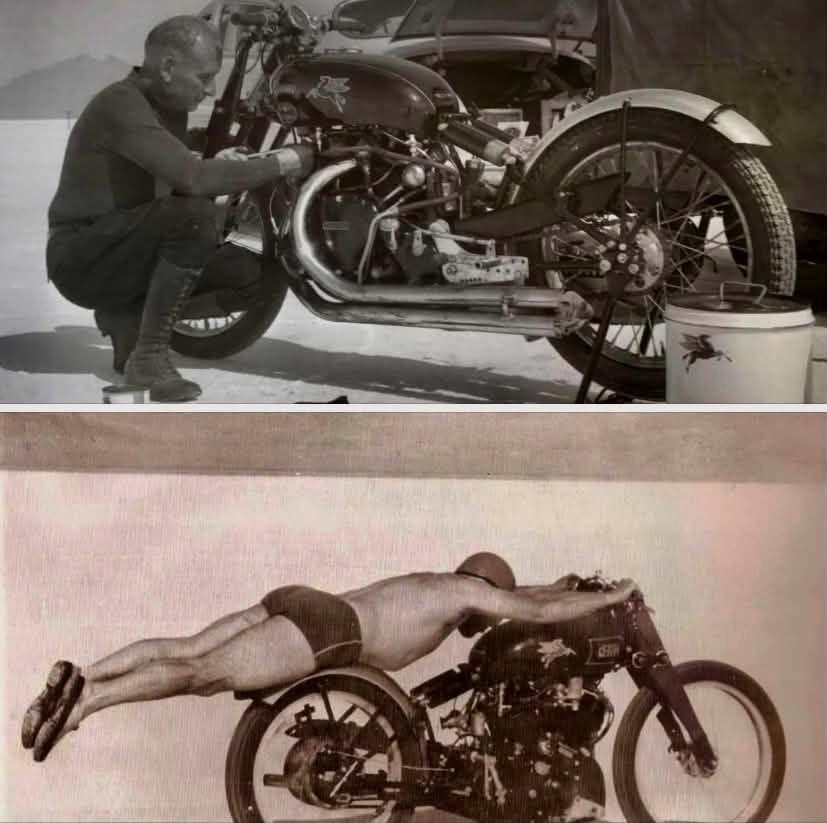
The image displays the famous American racer Roland “Rollie” Free breaking the absolute U.S. motorcycle land speed record on September 13, 1948, at the Bonneville Salt Flats in Utah. He achieved a certified top speed of 150.313 mph (241.905 km/h).
The Unique StrategyAerodynamics: Free lay completely flat and prone across the back fender to drastically reduce wind resistance.
The Swimsuit: During earlier test runs, his protective leather gear tore and began flapping, creating too much drag and capping his speed at 147 mph.
Minimalist Attire: To fully streamline his run, he discarded his leathers and stripped down to a bathing suit, a pair of regular sneakers, and a shower cap.
The Bike: The legendary machine featured in the photo is a factory-tuned Vincent Black Lightning prototype owned by sportsman John Edgar. It is often regarded as one of the most famous and culturally significant motorcycles in history.
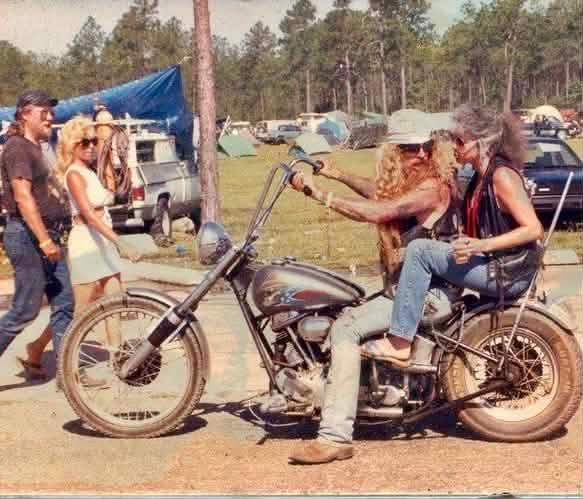
Chopper Styling & Mechanicals
Ape Hangers: High-rise handlebars place the rider’s hands well above shoulder height.
Front End: Features slightly extended front forks with a slim, minimalist front fender.
Engine Bay: Powered by a vintage Harley-Davidson Shovelhead or Panhead V-twin engine configuration.
Chassis Design: Uses a rigid “hardtail” frame without rear suspension shocks.
Rear Assembly: A tall chrome sissy bar stabilizes the high passenger pillion pad. Setting & Culture
Event Grounds: The dirt paths, dense pine trees, and scattered tents indicate a classic outdoor motorcycle campground or rally.
Rider Appearance: The operator features an iconic long blonde beard, bucket hat, and heavy tattoos.
Passenger Style: The passenger rides pillion wearing a leather vest, denim jeans, and classic sunglasses.
Background Vehicles: Period-correct pickup trucks and classic campers line the perimeter of the field.
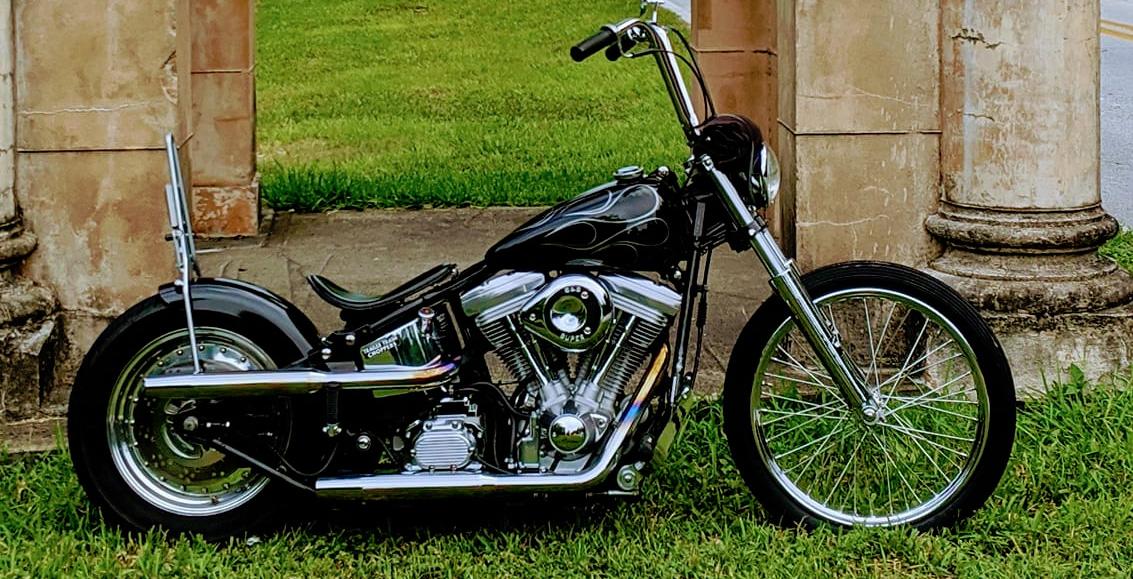
Trailer Trash Choppers
Transforming Stock Softtails Into Beautiful Ridable Choppers
“PLEASE CHECK US OUT ON INSTAGRAM” “One Man’s Trash Is Another Man’s Treasure” Call (904) 315-1434 Or (386) 481-8898
“I Love Daytona Beach. It’s The Mecca Of Harley Davidsons! The Home Of Beautiful Bikes And Fast Woman”! ~ Shaun Ponte
Saturday June 27th
Leaving From The Last Resort
At Noon, Next Stop
The Buddist Temple Then North To Hi Tops In Edgewater Final Stop
The Boat Bar
Mention Cochise Chops For 10% Off