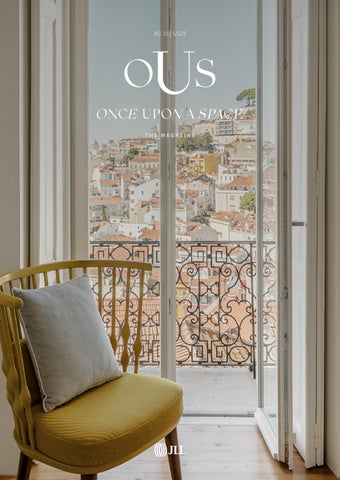
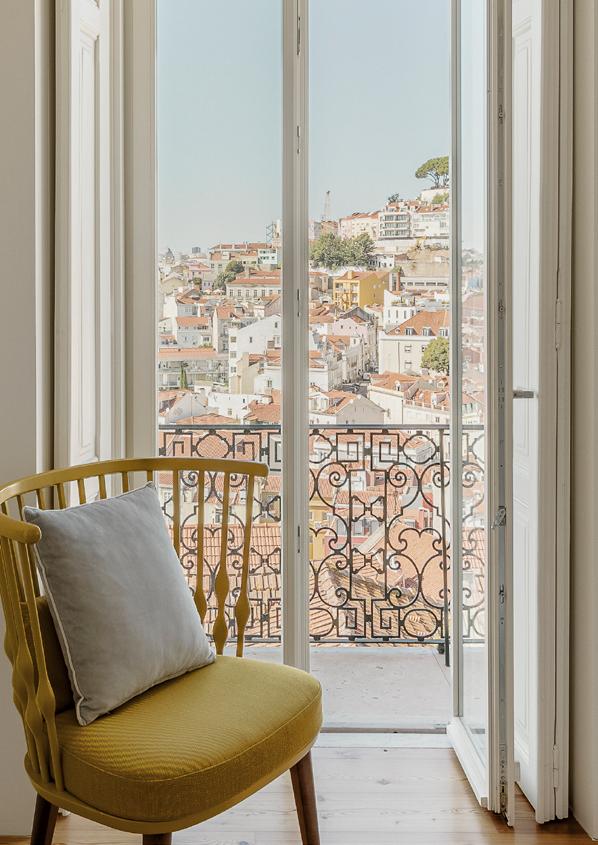
THE ARTISTRY OF SPACE REINVENTION


Welcome to Once Upon a Space, a newly launched magazine dedicated to celebrating aesthetics, architecture, design, and sustainability. As each page is turned, one embarks on a journey through an industry where sophistication, functionality, and environmental consciousness come together in perfect balance.
Inspired by the project with the same name, which opens the doors of JLL properties to artistic and cultural experiences, this magazine embodies a visionary approach to the residential market. Here one discovers that a home is more than just its physical structure, and exceptional properties deserve an equally extraordinary approach.
Spaces have the power to shape lives and cities. This is what drives our daily
dedication to elevating the real estate market, particularly in the premium sector, through unique and innovative perspectives.
This first edition explores the most inspiring aspects of the real estate market, gaining specialized insights. From design trends to new perspectives on architecture, including reflections on materials, this magazine is written for those who appreciate the aesthetic appeal and lifestyle enhancements that real estate can introduce into our lives.
More than a magazine, Once Upon a Space is a reflection of trendsetting ideas and influential perspectives in the industry. Immerse yourself in this world of sophistication and innovation.
Telmo Azevedo, Co-Head of Residential JLL Portugal
Maria Empis Co-Head of Residential JLL Portugal
ABOUT JLL
As a global enterprise, we’re dedicated to shaping the future through our commitment to excellence, ethical practices and sustainability. Our two centuries of experience enable us to guide clients in acquiring, developing, managing and investing in both residential and commercial properties. Within the residential realm, we provide innovative and personalized solutions that reflect the highest standards. We deeply value our 108,000 employees who with their dedication and knowledge, are at the heart of our mission to create projects that respect the environment and communities. We work as a team to build more sustainable and inclusive cities, creating a positive impact for future generations.
TRENDS
Architecture and design are constantly evolving, mirroring our needs and aspirations. Current trends offer innovative and sustainable solutions, shaping environments that blend practicality with inspiration. So, what fresh ideas are currently redefining our homes?
FLEX LIVING
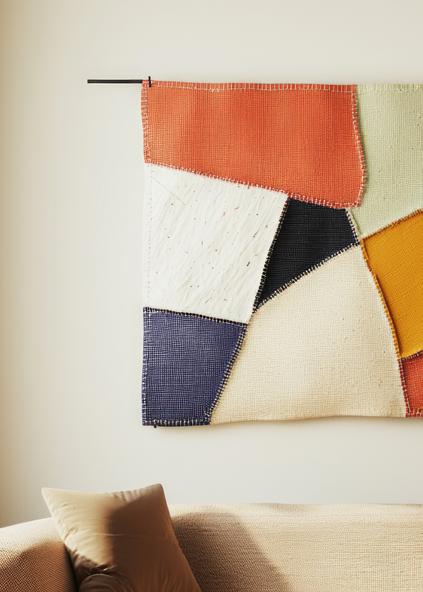
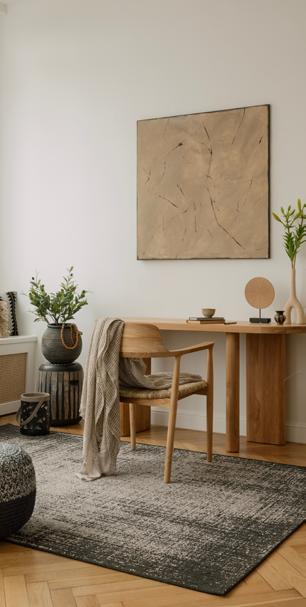
The Flex Living emerges as a response to our dynamic modern lifestyles, which demand adaptability and constant change. These versatile environments allow a living room to convert into an office, a bedroom into a yoga studio, or an apartment into a co-living space. Picture a home where every nook serves a purpose, and each element is thoughtfully designed to align with your evolving lifestyle – a living space that truly grows and changes alongside you.
It is estimated that 25% of land conversions are being adapted for Flex Living in the Spanish real estate market.
Source: “The Flex Living in Spain” 2024, JLL
ARCHITECTURE FOR A SUSTAINABLE FUTURE
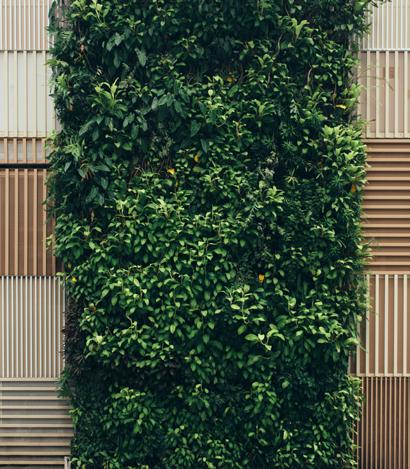
Sustainable architecture is a necessary response to nowadays environmental challenges. It integrates green technologies and ecological materials in the construction of buildings that not only respect but also protect the environment. From living walls (vertical gardens) and vegetation-covered rooftops to the integration of renewable energy sources and systems designed for efficient resource management, these approaches pave the way for a more environmentally conscious way of living.
+1.200 homes with sustainable certificates in Portugal.
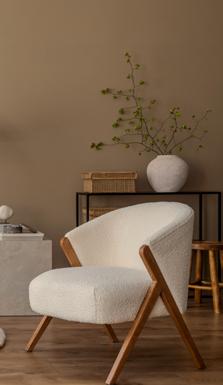
BOUCLÉ: COMFORT AND STYLE
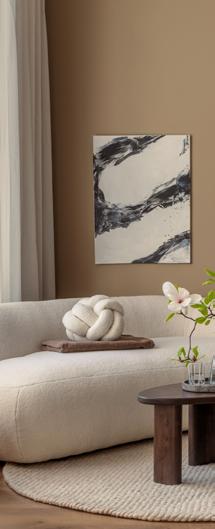
Originating in the 1940s, Bouclé fabric rose to iconic status through the innovative vision of the designer Coco Chanel, who incorporated it into her signature suits. This fabric embodies a perfect blend of comfort and refinement, bringing a rich and luxurious textured appeal to any environment. The softness of Bouclé fabrics, combined with their durability, have now found their way into contemporary furniture design, perfectly matching sofa upholstery, armchairs, and even decorative pieces.
Bouclé comes from the French language and means “curled” or “looped”.
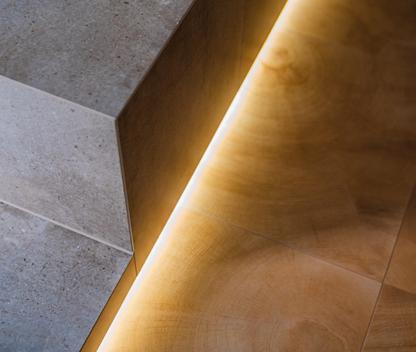
LIGHTING WITH ELEGANCE
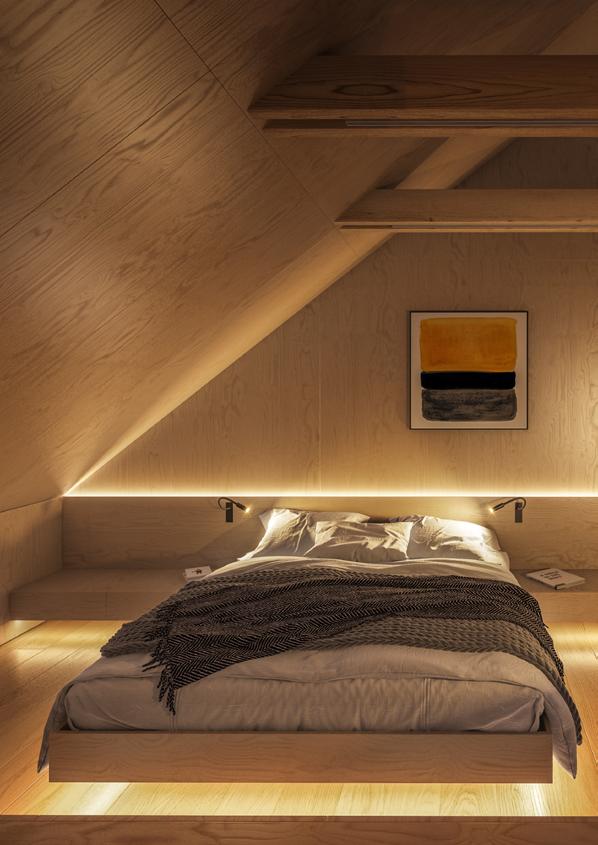
Indirect LED lighting is revolutionizing our perception of living spaces. More than just a light source, LED creates immersive environments and accentuates interior design in a subtle and sophisticated manner. Used in false ceilings, baseboards, or concealed behind mirrors, this lighting approach masterfully manipulates light and shadow, giving depth and texture to any room. Indirect LED lighting combines energy efficiency with a sleek and modern design aesthetic.
Embracing LED technology has the potential to prevent 1.400 million de tons of CO2 emissions.
Source: The Climate Group
PRÍNCIPE REAL A NARRATIVE OF RESILIENCE
Photographer: Francisco Rivotti
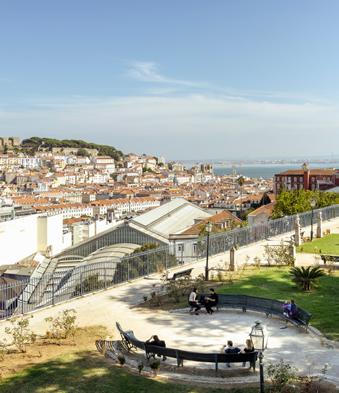
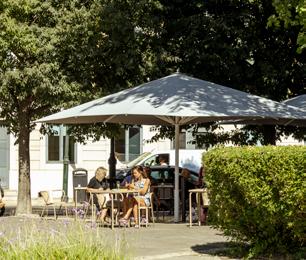
Nestled in Lisbon’s heart stands out a neighborhood that has, over the years, reinvented itself as one of the city’s most vibrant and sought-after areas. Príncipe Real, with its roots stretching back to 1830, has reinvented itself as one of the city’s hottest spots. It’s a place where old-world charm meets modern buzz, a trendsetting haven that blends its elegant history with a fresh, contemporary vibe.
If you stroll through Príncipe Real today, you’d never guess that in the 15th century, this was a quiet, rural area. As Lisbon grew, this spotthen known as Alto da Cotovia - was meant to be the city’s poshest district, but instead ended up as the Bairro Alto’s dumping ground. History, however, had different plans for these lands. After the 1755 earthquake, the area was reborn as the Príncipe Real neighborhood, named in honor of Pedro V, embracing the unique character it was always meant to have.
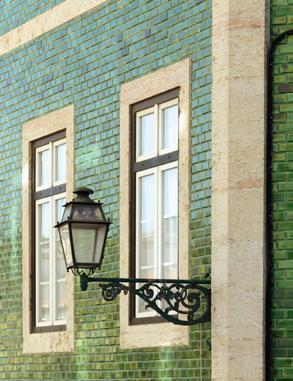
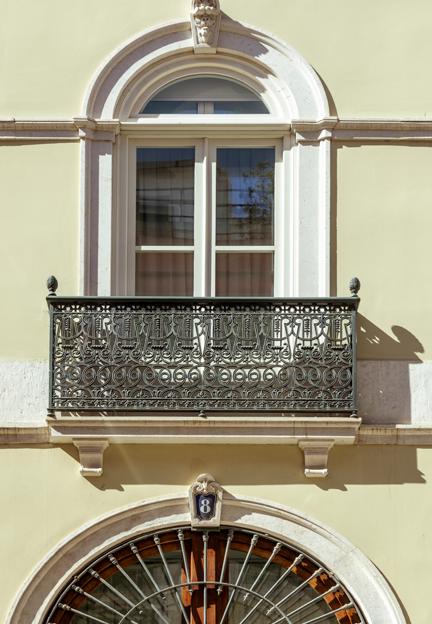
These days, Príncipe Real is a snapshot of Lisbon’s soul, distinguished by its palaces and buildings adorned with colorful tiles that charm those who wander its streets. People, shops, restaurants, and bars coexist perfectly with the pastel-hued facades that exude nostalgia and elegance, offering a glimpse into a Lisbon of yesteryear.
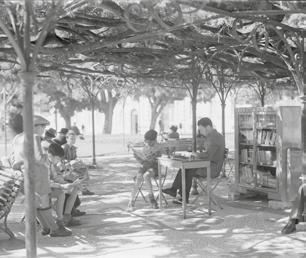
If you’re looking for the crown jewel of Príncipe Real, look no further than its namesake garden. A green space that has served as a meeting point and leisure area for Lisbon’s residents since the 20th century. One of this garden’s symbols is its iconic Buçaco cedar, a living testament to the past, standing tall for over 150 years. The Lisbon Botanical Garden and
the National Museum of Natural History and Science are two must-see landmarks in Príncipe Real, a testament to its roots in culture and science.
Strolling through the Botanical Garden, you might just forget you’re in Lisbon. With lush trees and magnificent flowers, it can be a real escape from the urban hustle, forming a natural sanctuary that stimulates every sense. The National Museum of Natural History, meanwhile, preserves and displays valuable collections, creating an immersive experience that sparks curiosity and admiration in visitors of all ages.
Príncipe Real has evolved beyond its cultural richness to become one of Lisbon’s most trendiest areas, seamlessly merging sophistication with urban flair. The neighborhood transforms as daylight fades, pulsing with a cosmopolitan energy that draws diverse urban crowds into its eclectic, contemporary setting.
With restaurants offering a global palette of flavors and shops that display their exclusive designs and cutting-edge fashion, Príncipe Real has become the the go-to destination for those seeking to experience the city’s finest offerings, in a space where style and modernity set the pace.
More than a neighborhood, Príncipe Real is the embodiment of human resilience. It serves as a living proof that any area can become a city’s icon when tradition and modernity are skillfully interwoven.
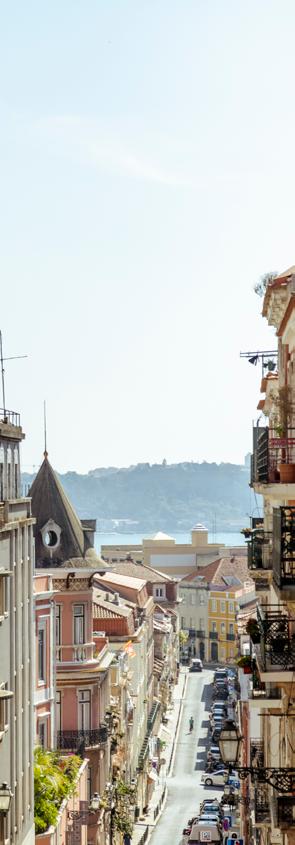
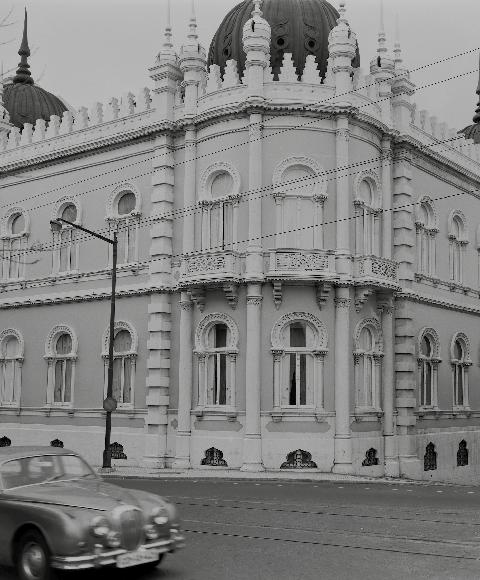
Col. Estúdio Mário Novais I FCGBiblioteca de Arte e Arquivos
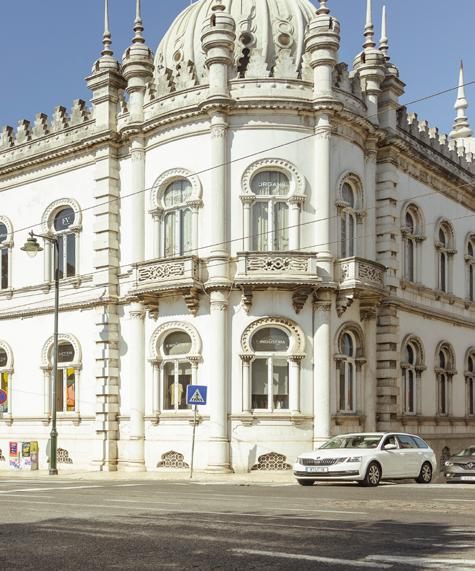
LOCATION
Lisbon’s heart, between Chiado and Rato
PRICE SQM
10 000€ (Q3 2024)
KNOWN FOR...
Sophisticated and one-of-a-kind retail, cultural venues, diverse gastronomy options, vibrant nightlife
THE NEIGHBORHOOD IS... Bohemian and sophisticated, exuding a welcoming a multicultural environment.
Novais I FCGBiblioteca de Arte e Arquivos
Col. Estúdio Mário
LISBON ART OFFICE
“THE BALANCE BETWEEN CREATIVITY AND CLIENT DEMANDS IS ONE OF OUR GREATEST STRENGHTS”
Photographer: Francisco Rivotti
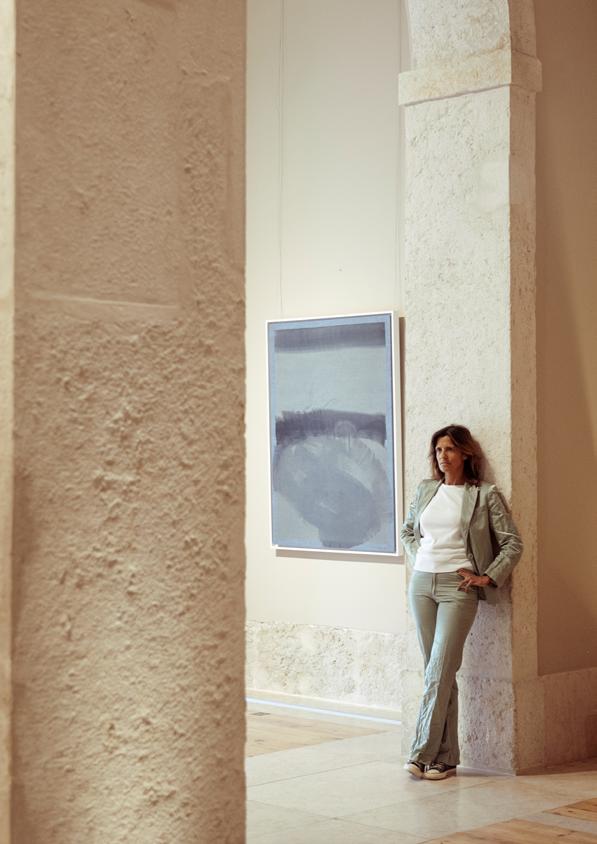
Lisbon Art Office (LAO) is a reference in curating exclusive artistic experiences, blending contemporary art with prestigious projects. Rita Rodrigues, CEO and founder, offers insight into her innovative approach to balancing art with business, while highlighting LAO’s unique partnership with JLL.
Once Upon a Space (OUS) - Lisbon Art Office has made a name for itself by curating unique artistic experiences. What sparked the idea for this company, and what were the main challenges while bringing it to life?
Rita Rodrigues (RR) - Lisbon Art Office (LAO) emerged from recognizing a gap in the market for a more nuanced, personalized, and intimate way of connecting people with art and contemporary artistic production. We want to diversify access to the art world through disruptive approaches, distinctive exhibitions, and cultivating a network with emerging and established artists, both national and international.
Our constant challenge settles in daring, and thereby gain trust, strengthening our reputation. Differentiating Lisbon Art Office always demands creativity and innovation in both our approach and our artistic and
cultural offerings, with exclusive curatorial proposals and personalized experiences. Nowadays, we are an artistic reference point in Lisbon.
OUS - Your artistic curation approach has been innovative. How do you balance artistic creativity with the commercial demands of clients?
RR - Striking a balance between creativity and our clients’ commercial needs is an ongoing priority and one of our key strengths. We achieve this through a deep understanding of our clients, starting with an open dialogue to grasp their preferences, expectations and needs. By aligning clients’ commercial goals with artistic values, Lisbon Art Office crafts solutions that simultaneously address the aesthetic vision and the commercial requirements involved.
Our approach encompasses developing exhibition concepts that reinforce a brand’s identity and market position, as well as crafting bespoke experiences tailored to each client’s unique context. We achieve this by carefully selecting artists whose work aligns with this intersection. This doesn’t mean compromising creativity for profit, but rather recognizing that art can have both cultural and commercial value, benefiting both parties.
OUS - How did the collaboration with JLL unfold for the Once Upon a Space project, and what were the main results of this partnership in terms of artistic integration and enhancement of spaces?
RR - This collaboration marked a significant turning point for both the real estate and art sectors, demonstrating how art can add value to luxury properties. Our shared vision focused on integrating art and culture into premium projects, providing residents one-of-a-kind experiences while boosting the perceived value of properties. This approach allowed us to fine-tune positioning. We curated art pieces that seamlessly blended with the project’s aesthetic and resonated with the buyers’ profile, creating an exclusive and sophisticated atmosphere. Through this, we cultivated desire.
Close collaboration with architects and owners ensures that artistic interventions integrate organically into the design of spaces, reinforcing the project’s identity. This distinctive integration transforms the property into something more dynamic and culturally enriching, bringing art and architecture closer together. The results? We’ve seen a marked increase in perceived value, making projects more appealing to a premium audience. Moreover, it’s strengthened the interplay between art and real estate, drawing investors and potential residents closer to these properties. The collaboration between Lisbon Art Office and JLL demonstrates how thoughtful artistic curation can benefit real estate assets.
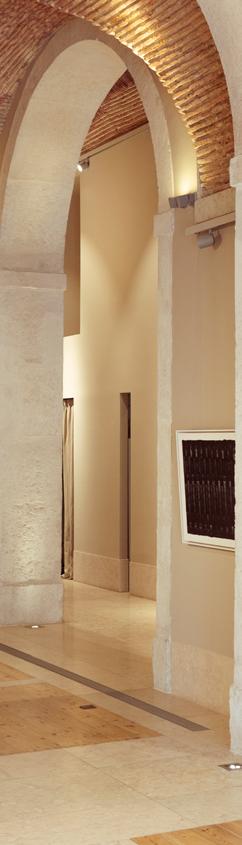
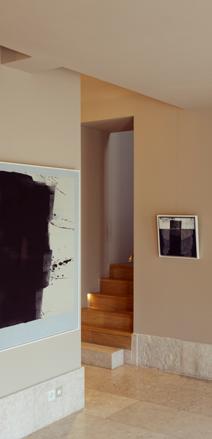
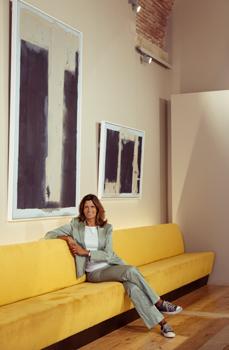
What turns a space into a narrative worth sharing...
“Is ability to convey meaning, stir emotions, and engage with those who pass through it, going beyond its practical or aesthetic function. Each space has a context that shapes it. And when we use art to give it evidence, we unveil the space’s true character. The deliberate choice of materials, textures, and shapes reflects and narrates the space’s story. A thoughtfully conceived project possesses the power to shape visitors’ experiences and perceptions, bringing life into the narrative.”
THE WHITE NARRATIVE
In the realm of design and architecture, few choices are as bold yet as understated as white. This ‘non-color’, which is all colors at once, is a well-kept secret of spatial masters.
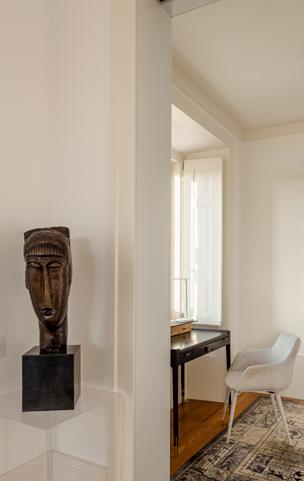
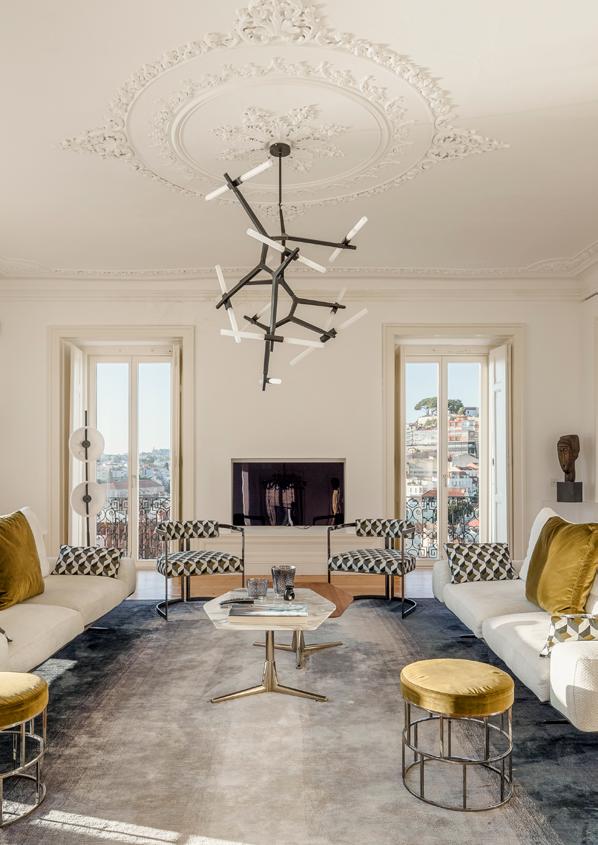
Imagine stepping into a Lisbon apartment where white walls stand like living canvases, capturing the golden light of the Tagus River and turning it into visual poetry. Or picture an Algarve villa, where pristine white contrasts with the deep blue sky, creating a Mediterranean harmony that resonates through the ages.
White is design’s chameleon. In a rustic Minho countryside home, it warmly embraces rustic charm, accentuating the textures of aged beams and stone walls. But in a sleek Porto loft, that same white transforms into the essence of urban sophistication, a perfect stage for bold design pieces and contemporary art.
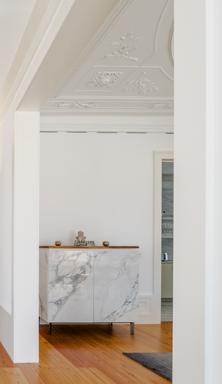
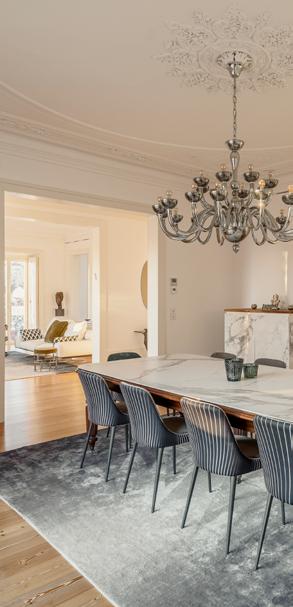
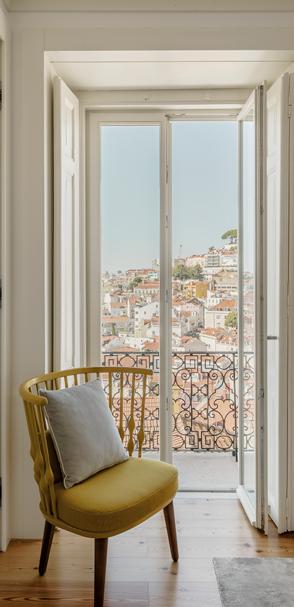
Working with white is an art unto itself. It’s not merely about covering surfaces; it’s about playing with subtle variations. From cloud white to bone white, each shade tells its own story. It’s in these details that the mastery of design truly lies.
White is the ideal partner for natural light. In an era when we place greater emphasis on wellbeing, well-designed white spaces transform into sanctuaries of tranquility, enhancing light and creating environments that breathe and flow.
For the bold, white serves as an invitation to creativity: a fully white kitchen where each colorful utensil becomes a work of art; a bedroom where immaculate white sheets create a serene oasis, punctuated only by a textured throw or a vividly colored pillow.
In today’s landscape of Portuguese architecture, white is being reimagined. From the iconic works of Siza Vieira to the latest projects from emerging studios, white continues to be a signature of elegance and modernity, paying tribute to our Mediterranean heritage while gazing into the future.
Embracing white is not a safe choice—it’s a statement of intent. It signifies an embrace of light, clarity, and endless possibilities. It’s about crafting spaces that serve both as blank canvases and as finished works of art.
In this edition, we challenge ourselves to reconsider white. Not as a void, but as a presence. Not as emptiness, but as potential. In the realm of design, white is not merely a color—it’s a philosophy, a way of living, and an invitation to dream big.
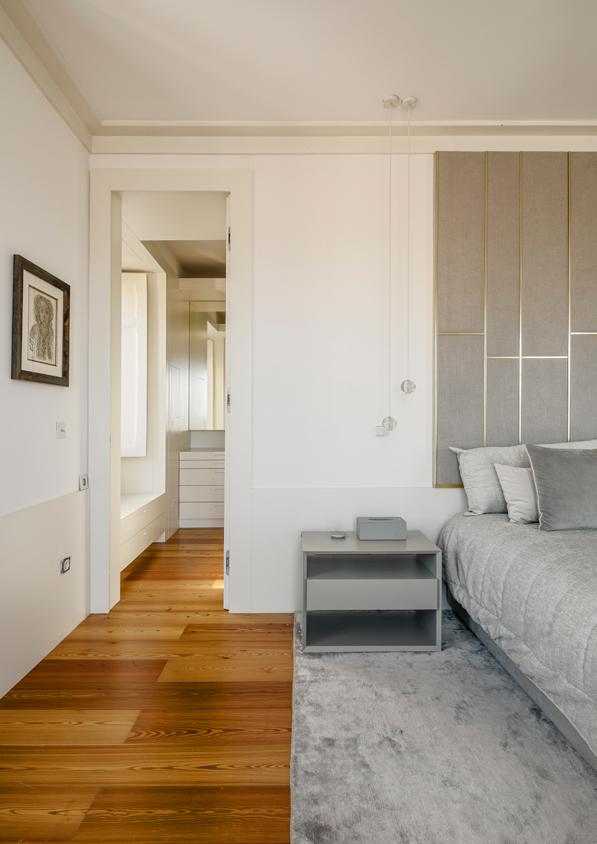
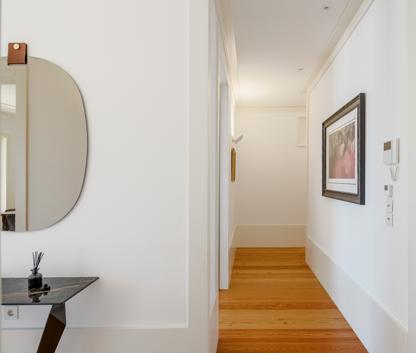
COSTA DO CASTELO, LISBON
Breathing new life into this 19th-century building, the renovation project boldly combines historical charm with contemporary design, using high-quality materials to create an elegant and tasteful living space. Original features like ornate ceilings, decorative cornices, and high ceilings have been carefully preserved, honoring the building’s rich heritage.
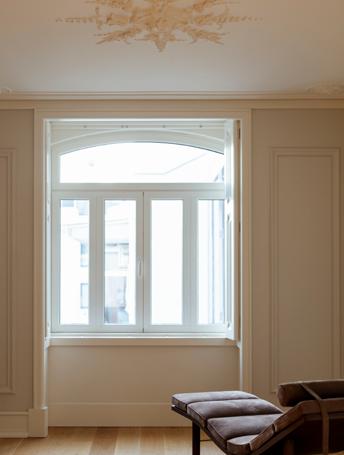
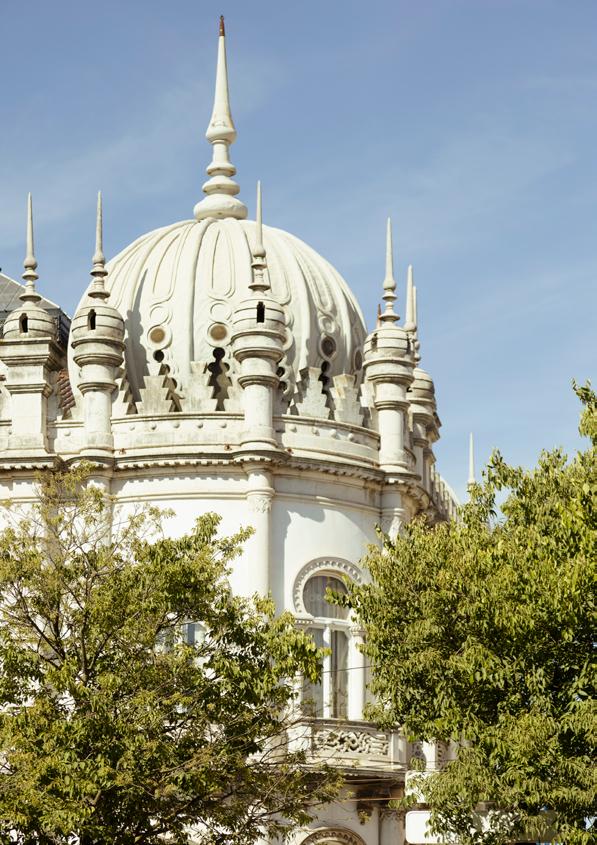
Exceptional Art Nouveau building underwent a remarkable rehabilitation which preserved its iconic façade. With 2 fronts and plenty of natural light, the condominium is a unique residential offer in the centre of Lisbon.
AVENIDAS NOVAS, LISBON
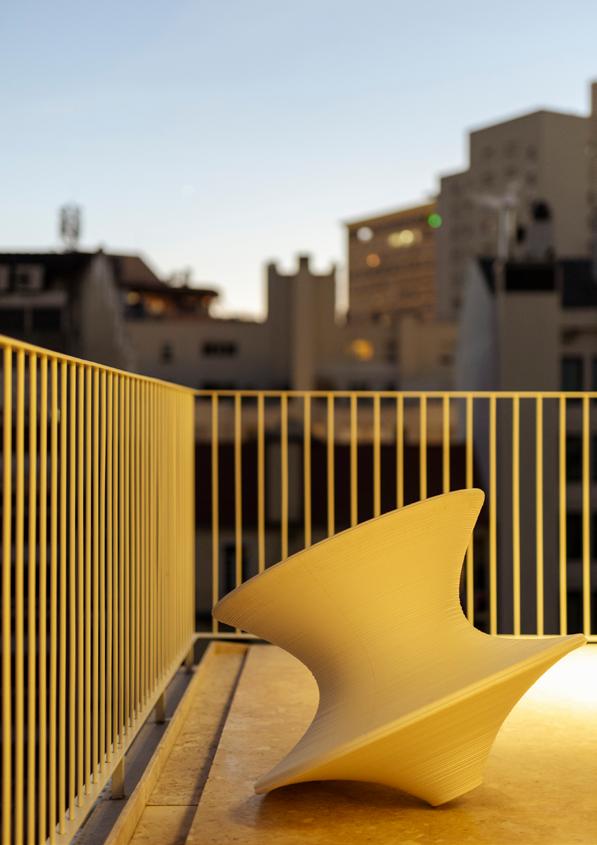
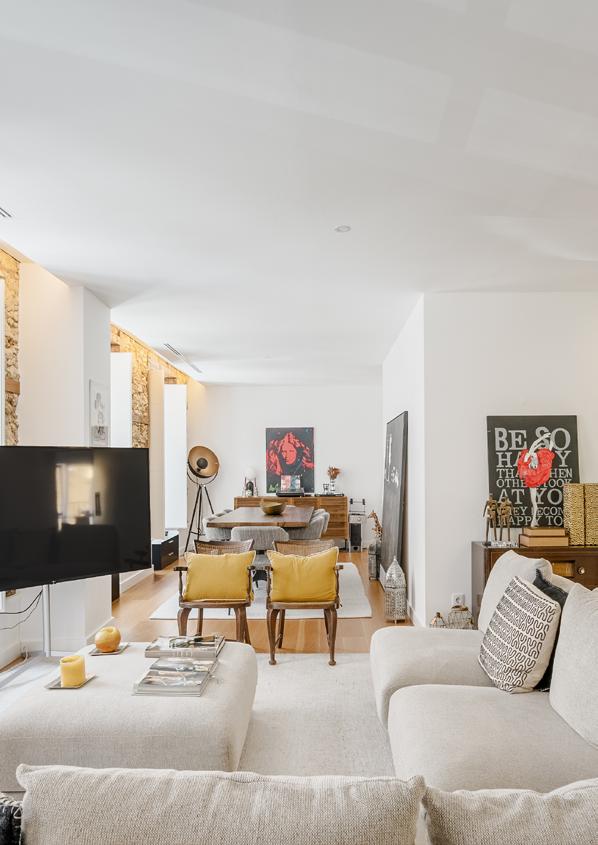
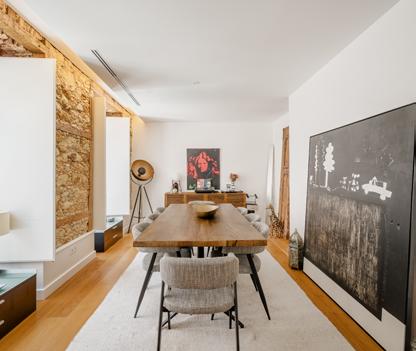
PRÍNCIPE REAL, LISBON
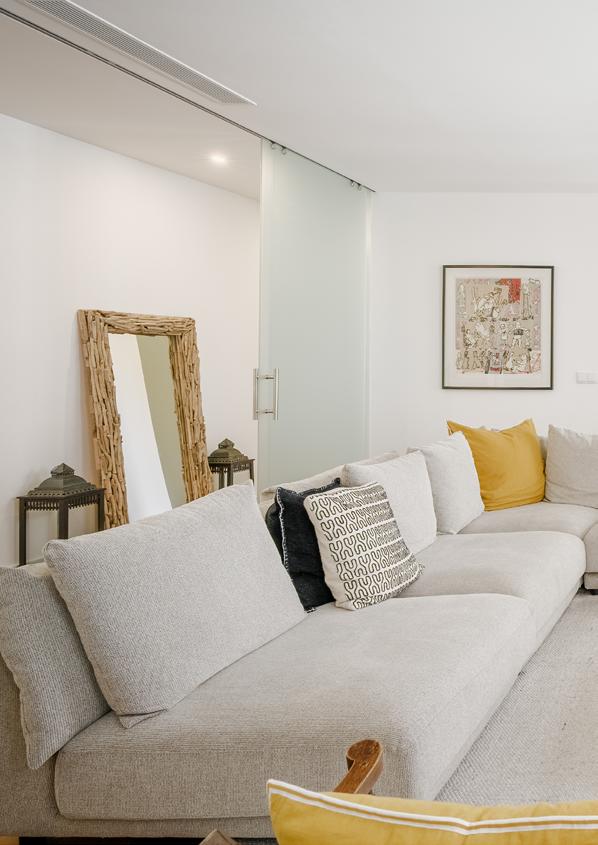
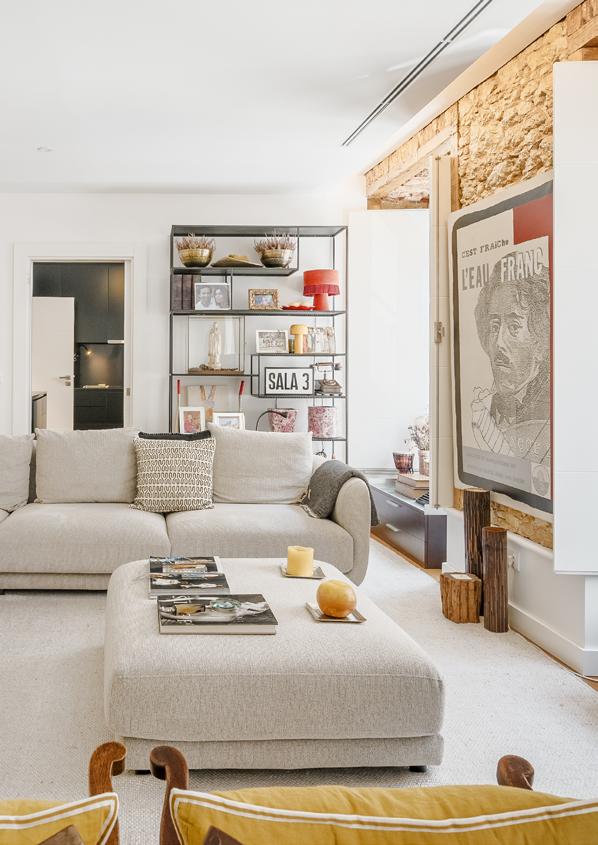
The interior is characterized by a predominantly white color scheme, creating a clean and expansive atmosphere. This choice of palette not only enhances the sense of space but also infuses the living area with a fresh, airy ambiance.
“MY MISSION IS TO ENCOURAGE ART AND ADD COLOR TO PEOPLE’S LIVES”
Photographer: Francisco Rivotti
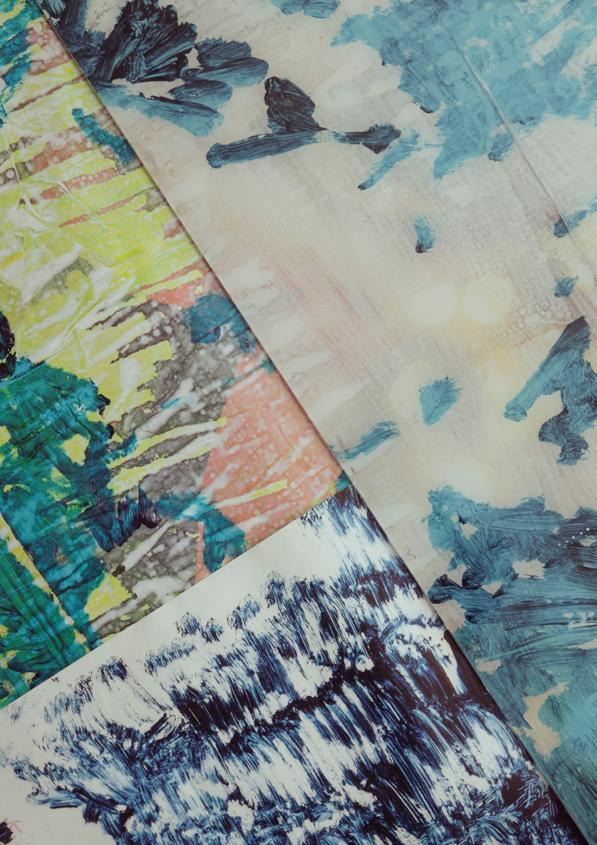
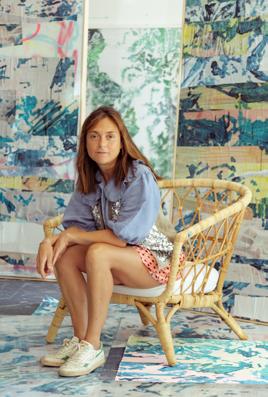
Maísa Champalimaud was born and raised in Lisbon. Inspired by Portuguese artists like Ana Vidigal and international muralists like Vhills, she fuels her creativity through books, travel, and music. Each experience and interaction is reflected in her diverse artistic expression. Beyond painting, she values time with family and friends and is committed to personal and professional growth, staying true to an authentic and versatile artistic approach.
Once Upon a Space (OUS) - How did art come into your life, and when did you realize it was your calling?
Maísa Champalimaud (MC) - I’ve loved communicating since I was a child and see myself as a storyteller. I was always drawn to art: initially wanting to become a pianist, but later discovered my path in painting—even though my family thought it was just a hobby. Meeting the portrait artist Luís Guimarães in Cascais and taking lessons with him marked a pivotal moment in my personal and professional life. From that point on, I knew exactly what I wanted to pursue.
With his guidance, I discovered my loose style and embraced mistakes organically. While I was a Fine Arts student, I was invited to participate in a project where I displayed three paintings, which sold right away. I never stopped after
that. I began receiving numerous commissions. As I grew and evolved, so did my art. Today, I am grateful for this ongoing journey of discovery.
OUS - Your art integrates both historical and contemporary concepts. How do these influences show up in your work?
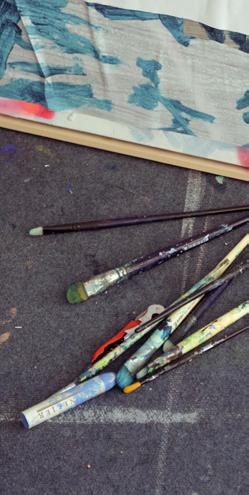
MC - I’m often impulsive, finding inspiration in everything: travels, exhibitions, music, books. Each experience ignites a desire to create a new series, guided solely by my heart. Through painting, I seek a path of self-discovery, influenced by the shapes, colors, and themes that shape my work. The loose stroke, acceptance of mistakes, the constant ability to tear down, mend, and never be satisfied drive my paintings as a whole. I don’t follow a specific path; I’m the sum of everything I see and everyone I interact with. I reinterpret what I see and feel, blending it all together.
My life and work are deeply intertwined. I intensely experience the balance of being both a mother and an artist, which translates into art that is honest and expansive. I love dancing, listening to music, and exploring different realities. All of this fuels my creativity. Painting is my form of expression, although I’ve explored photography and sculpture. I would describe my art as genuine, colorful, expansive; it embodies ego, color, blend, and raw emotion. It is what it is.
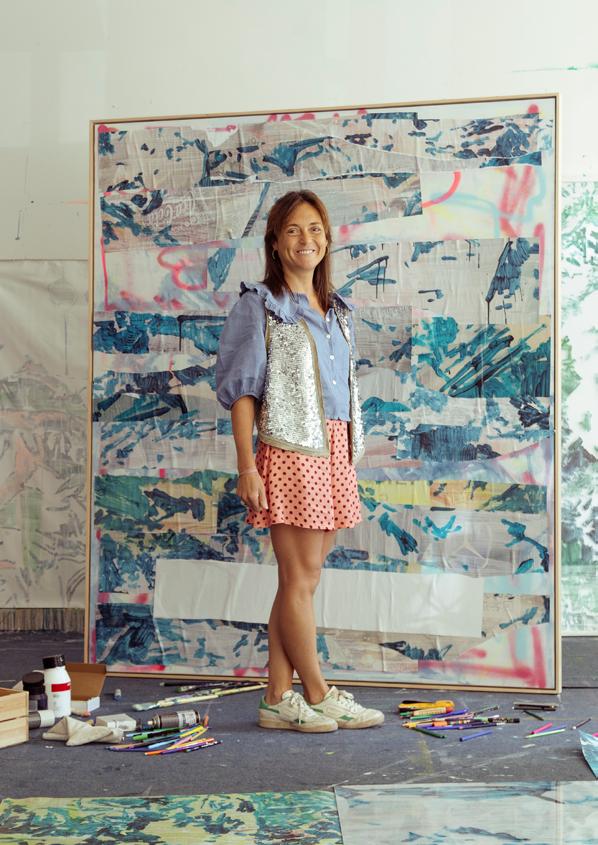
MAÍSA CHAMPALIMAUD
OUS - Beyond being a work of art, a painting is also a piece of decor. Does having a painting in a home change the living experience?
MC - Art has the power to transcend pain and, from it, genuinely create life. My work carries a lot of anguish, pain, and anxiety. Through my pieces, I aim to transform all that: by giving voice to my emotions, I find life and joy within them. I feel that my mission is to inspire art and bring color to people’s lives. I confess that I always paint for myself, but I love seeing the paintings bring life to people’s homes. I want people to feel something when they see my paintings, to let their imagination lead them and create a connection with my art.
A MATERIAL
THE FOUNDATION OF HUMANITY
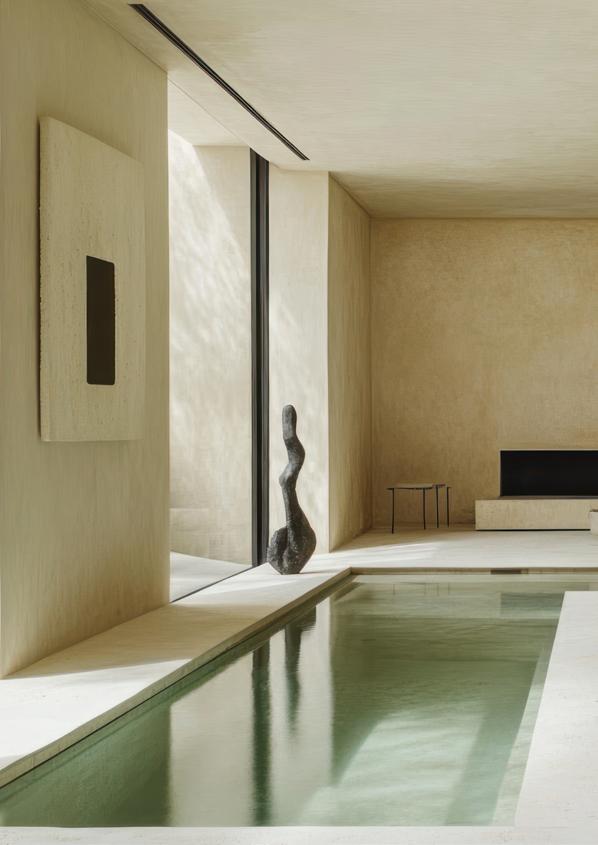
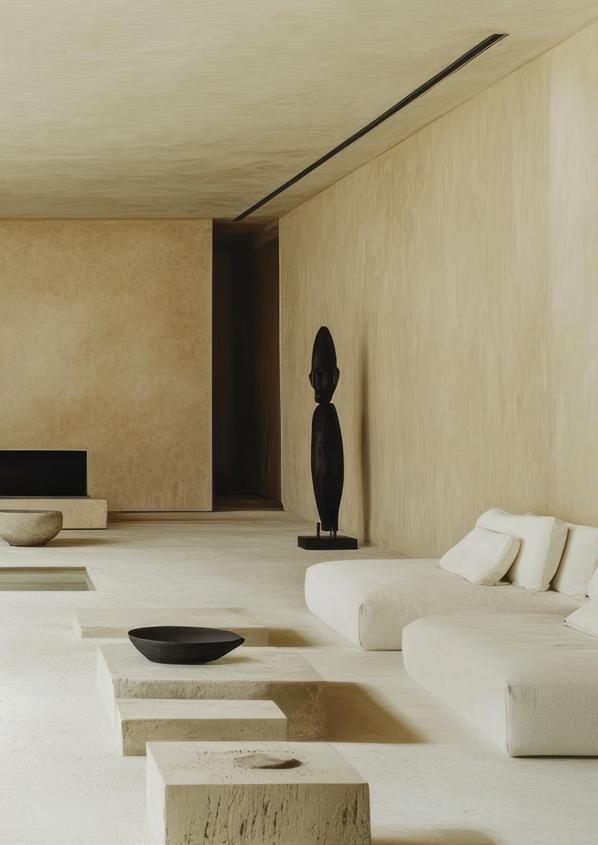
Cement has been a cornerstone of humanity’s greatest architectural achievements, also becoming a central element in contemporary design and art. From constructing modern, sustainable buildings to crafting sophisticated interiors and unique artworks, this versatile material continues to shape our world in countless ways.
In the modern era, cement has emerged as the foundation for our most ambitious architectural endeavors, dominating urban landscapes with its blend of durability and visual appeal. Far more than a structural element, this material has evolved into a central figure in contemporary architectural aesthetics, playing a prominent role in expression. Its adaptability shines in both cutting-edge modern designs, where it’s prized for creating sleek, minimalist forms, and in sustainable construction. In this context, cement proves instrumental in incorporating eco-friendly technologies and boosting energy efficiency, thus helping to minimize the environmental footprint of buildings.
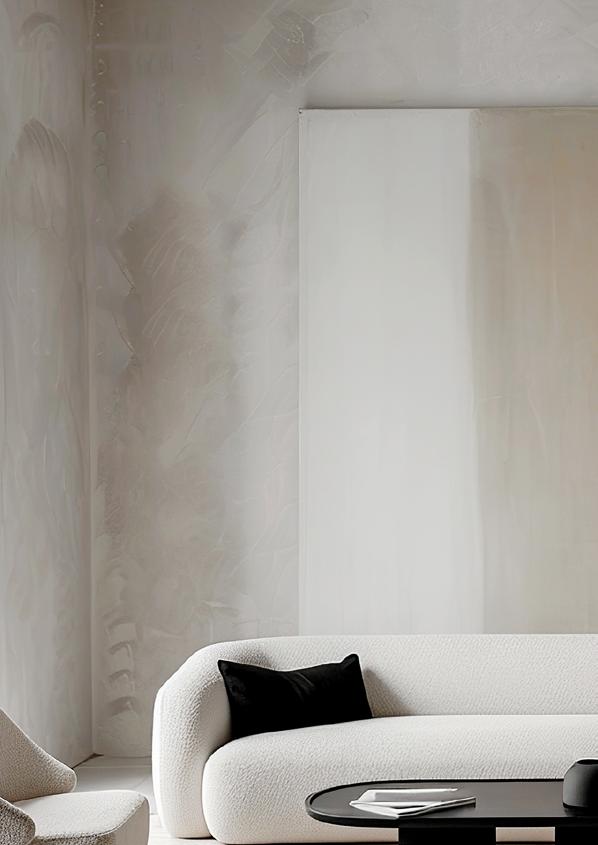
From a purely industrial element to a symbol of elegance in interior design, cement has taken on new identities. In modern spaces, it brings a sophisticated, minimalist aesthetic – think sleek countertops, smooth floors, and walls that showcase the raw beauty of the material. Its timeless durability
makes it equally fitting for both luxurious environments and industrial-style settings. Adapting to any space, this material conveys a sense of authenticity and solidity, while its cool-to-the-touch surface brings a unique sensory experience.
In the arts world, cement has emerged as an unexpected choice, standing out for its ability to reshape spaces into truly artistic environments. Artists and designers are pushing the boundaries of its properties, coming up with bold and innovative pieces. The gritty texture and earthy tones gives artwork an unparalleled authenticity. Whether through furniture or installations, cement is redefining the concept of avantgarde, blending functionality with artistic forms. Its flexibility opens up a world of possibilities, allowing creators to dream up pieces that defy tradition, where artistry and audacity go hand in hand.
THE ARCHITECTURE OF THE FUTURE
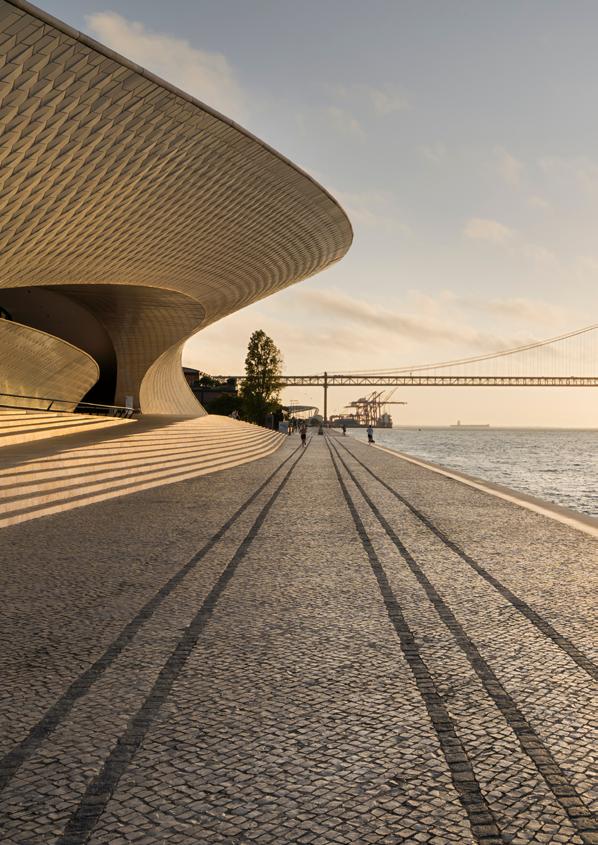
Artificial intelligence is reshaping the world as we know it, and the field of architecture is no exception. As this technology evolves, its impact on architecture is ushering in a new era of innovation, sustainability, and efficiency. But what exactly is changing in how we design, construct, and inhabit urban spaces?
Artificial intelligence (AI) is already revolutionizing architecture, allowing professionals to push the boundaries of creativity and efficiency with a tool of nearly limitless potential. Through complex data analysis and machine learning algorithms, AI can generate solutions that respond to functional needs quickly and accurately. When implemented successfully, AI has the potential to optimize repetitive tasks, allowing architects to dedicate more time and energy to the experiential and creative dimensions field.
Contemporary architecture faces a significant challenge: creating new spaces using lowemission techniques without compromising existing historical heritage or natural landscapes. Sustainable architecture has emerged as a response, aiming to mitigate the industry’s environmental impact. By analyzing vast amounts of real-time data, AI enables architects to optimize solutions for energy efficiency, waste reduction, and eco-friendly material use. For instance, AI programs can project a building’s energy performance over decades, recommending design modifications to minimize environmental impact from the project’s very beginning.
AI is not only transforming individual projects but also urban planning as a whole. In urban environments, where population density
continues to increase, AI technologies are paving the way for smarter, more efficient cities. Artificial intelligence tools can analyze mobility patterns, traffic flow, and demographic data, enabling urban planners to develop more precise and functional plans. The result is a new wave of cities that are not only more sustainable but also more resilient and adaptable to the ever-changing social and environmental landscape.
While the advantages of AI in architecture are undeniable, challenges also arise that should not be overlooked. As automation grows, questions arise – particularly regarding the architect’s role. AI’s capacity to optimize processes and boost efficiency is undeniable. However, we must strike a delicate balance, as excessive dependence on this technology risks diminishing the artistic sensitivity and personal touch that are essential for creating spaces. There are ethical and practical obstacles ahead, but the transformative potential of AI is undeniable. AI allows us to design more sustainable structures, make architecture more accessible to developing regions, create smarter cities, and develop personalized, diverse, and inclusive solutions that respond to the needs of an ever-evolving society.
As AI continues to evolve, humanity will embrace a new era of creativity, efficiency, and sustainability. The future of architecture, with AI by as its ally, promises to be both groundbreaking and inspiring.
CO-AUTHORING
Caetano de Bragança, Head of Consulting JLL Portugal
Currently, approximately 64% of architecture studios already integrate AIbased solutions into their workflows. In the United Kingdom, 41% of architects already use AI in their daily work. It is estimated that AI can reduce building design time by 50%, and routine tasks can be reduced by up to 80%.
Source: AIA – American Institute of architecture | RIBA – Royal Institute of British Architects

The information contained in this brochure is purely indicative and may be the object of change without prior notice for technical, commercial or legal reasons.
Cobertura - Sociedade de Mediação Imobiliária SA. AMI 479