Actions in Tanzania
FINDINGS FROM KISHAPU AND ILALA DISTRICTS

TANZANIA GENDER NETWORKING PROGRAMME (TNGP)
Role of Intensive Movement Building Cycle “IMBC” in Gendered Actions in Tanzania
Findings from Kishapu and Ilala Districts
This research was conducted by the Tanzania Gender Networking Programme (TGNP) with support from Coady Institute as part of the Engage! Women’s Empowerment and Active Citizenship Initiative.
2023 © Tanzania Gender Networking Programme (TGNP), Coady Institute
Creative Commons Attribution-NonCommercial-ShareAlike 2.5 Canada License http://creativecommons.org/licenses/by-nc-sa/2.5/ca/
All or parts of this publication may be copied and distributed for non-commercial purposes without requesting written permission, provided the author(s) and Coady Institute are explicitly acknowledged as the source of the material. Any work adapted from this material must also be made available to others under identical terms.
Research conducted and analyzed by the Tanzania Gender Networking Programme (TGNP)
This study is part of the Engage: Women’s Empowerment and Active Citizenship project and is funded by Global Affairs Canada.


For more information about the research and the report, please contact: Tanzania Gender Networking Programme (TGNP), P.O. Box 8921
Dar es Salaam www.tgnp.or.tz info@tgnp.or.tz
Abbreviations and Acronyms
CDOs Community Development Officers
CSOs Civil Society Organizations
DGFs District Gender Festivals
DPs Development Partners
FGDs Focused Group Discussions
FGM Female Genital Mutilation
GBV Gender-Based Violence
IMBC Intensive Movement Building Cycle
KCs Knowledge Centres
KIIs Key Informant Interviews
LGAs Local Government Authorities
PAR Participatory Action Research
PO-RALG President’s Office-Regional Administration and Local Government
PWDs People Living With Disabilities
TF Transformative Feminism
TGNP Tanzania Gender Networking Programme
VAWC Violence Against Women and Children
VEO Village Executive Officer
WEO Ward Executive Officer
List of Tables and Figures
Tables
Table 1: Number, Sex and Age of sampled Community Members in the study................8
Table 2: Number of Key Informants from the IMBC wards and Comparison wards 9
Table 3: Level of awareness of KC activities in the IMBC wards ...................................11
Figures
Figure 1: IMBC Cycle with its interlinked processes 6
Figure 2: Researcher engaging with Kiloleli KC members during the FGD in June 2023 9
Figure 3: IMBC Activities 10
Figure 4: Stakeholders perceptions of the match between community concerns and focus of KC activities in the IMBC Kiloleli, Kivule and Majohe wards 12
Figure 5: Women in Majohe learning the use of Venn Diagram to do gender-responsive budget analysis during PAR, March 2021 14
Figure 6: KC Members' enhanced capacities resulting from the IMBC processes 14
Figure 7: Community views on evident gender actions in the Comparison wards................16
Figure 8: Majohe KC facilitating the "Bunge la Jamii" in 2022..............................................16
Figure 9: Community views on service demanding in IMBC and comparison wards............17
Figure 10: Majohe Health Centre after its upgrade from Kichangani Dispensary.................17
Figure 11: Gendered actions evident in IMBC and Comparison wards................................18
Figure 12: The Acting Ilala City Director addressing Heads of Departments and representatives of Kivule and Majohe KCs at the District Feedback Session, March 2021..19
Figure 13 Woman from the Knowledge Centre registering attendance of women during the statutory village meeting in Kivule Ward..............................................................................20
Figure 14: Figure KCs engagement with LGAs in Kiloleli, Kivule and Majohe......................20
Executive Summary
Introduction and Background
The Tanzania Gender Networking Programme (TGNP) is a feminist, non-governmental organization established in 1993 that strives to achieve gender equality and social justice. In partnership with Coady Institute, TGNP implements the ENGAGE Project promoting women’s empowerment, active citizenship, and gender equality. The Intensive Movement Building Cycle (IMBC) frames TGNP’s community mobilization, participatory research, and civic engagement activities in 15 districts and 72 wards. The creation of knowledge centres (KCs) in the communities is a key step in this cycle
In June, 2023, TGNP undertook a study to gather evidence and lessons regarding IMBC’s role in gendered community actions. The study is expected to provide basis for further evidence-based engagement with policy actors and decision-makers at the national and sub-national levels towards greater gender equality and social justice. The study has five specific objectives:
1) Understand how IMBC is described by various stakeholders.
2) Describe how IMBC influences service demand practices in the community.
3) Track progress of how IMBC develops the ability of individuals to advocate.
4) Identify the gendered community actions resulting from IMBC.
5) Identify local government actions implemented because of IMBC.
Study Areas, Participants and Methods
The study was conducted in Kishapu district and Ilala district; covering three wards where IMBC has been implemented (Kiloleli, Kivule and Majohe) Talaga and Ukonga were chosen as comparison wards that are isolated from the effects of IMBC. The 268 respondents across different age groups were sampled from the KCs, ward and village levels of local government, and communities.
The qualitative, mixed methods approach involved a desk review of IMBC-related reports, survey, face-to-face interviews, and focus group discussions (FGDs)
Key findings
Stakeholders’ Perceptions and Understanding of IMBC
• 60% of 142 community members in Kiloleli, Kivule and Majohe wards knew of the existence and activities of the KCs. Community dialogues and activism by KC members were the most ‘visible’ IMBC processes at the grassroots level.
• KC priorities align with community concerns, including GBV, poor roads, mismanagement of development projects, costs of health services, inadequate access to water and irrigation, and inadequate school classrooms. Within these themes, KCs raise gender-specific issues. In schools, for example, 51% of community members noted KC efforts to improve health and sanitation facilities and sanitary supplies for girls.
• Women and men in the KCs had a much deeper understanding of IMBC describing it as an “approach” for transformative change from the grassroots level upwards. They saw the PAR process as particularly empowering to them individually and collectively as a KC.
• Some KC members noted IMBC’s “facilitative process”, appraising feedback sessions at the ward and district as important platforms for galvanizing support from local government and influencing change harmoniously.
• In the comparison wards of Talaga and Ukonga where IMBC and KCs are not present, community members saw no meaningful opportunities for women and marginalized groups to identify and agree on the common concerns and priorities – though these concerns were strikingly similar to those reported in the IMBC wards. Most community members said the
mechanism for building common understanding of issues (86%) and collective voice over community concerns and needs (62%) are both lacking
IMBC and Empowerment of individuals to advocate for gender concerns
• IMBC embraces the multiple dimensions of individual empowerment as well as promoting collective voice and action. Women and men have been empowered into becoming agents of change; they affirmed having enhanced understanding of the gender concepts and dynamics, acquired skills to use animation for assessing situations and experiences of women, and built capacities to analyze delivery of social services with gender lens.
• Through IMBC’s PAR and feedback processes, KC members have achieved high selfesteem and confidence, better knowledge of their rights and discovered a voice to speak for others improving public speaking skills through participation in the ward and district feedback sessions, and enhancing their ability to demand accountability from local leaders.
• In the comparison wards, only 9 (14.75%) of the respondents identified persons to be “activists”; indicating a low ability of individuals to advocate on issues pertaining to women. Communities are not adequately sensitized, inspired, energized, nor mobilized to take collective action for their wellbeing, compared to the activism observed in IMBC wards.
IMBC influence on the practice of service demand and gendered community actions
• Over 60% of comparison wards respondents have not witnessed efforts to address women’s concerns in the service sectors (health, education, water), productive sectors (agriculture, infrastructure), and cross-cutting issues (GBV and leadership). In agriculture, women face numerous challenges but only 8 (13%) reported any efforts to address their concerns.
• The KC facilitated dialogues among community members and invited local leaders offer important platform for educating masses, building shared agenda, and inspiring citizen-led demands for gender-responsive services. In contrast to comparison wards, IMBC facilitates ward-level advocacy for access, affordability, and gender-responsiveness of public services.
• In the IMBC wards, KCs have led demands for improvements in health services and facilities, clean water, and school upgrades including pit latrines, private changing rooms and provision of sanitary pads. Similar citizens’ demands in comparison wards, have not been effective as they are not collective and lack concerted efforts to mobilize citizens to be part of the solution.
Influence of IMBC on the implementation of local government actions
• In the IMBC wards, KCs have led to women and marginalized men actively working with local government structures, and supporting the local leaders to address pertinent gender and community concerns. KCs use harmonious and non-confrontational approach when engaging with local government, prioritize presenting gender-responsive solutions, and galvanize community support while remaining non-political.
• Without attitude of mistrust from the local government officials, women and men working under the KCs report enjoying support and mutual relations in their efforts to address gender concerns. The IMBC approach helps break down barriers to citizen engagement and supports collaboration with the local government officials.
Lessons, Conclusions and Recommendations
The lessons from IMBC’s contributions to women’s empowerment, movement-building and addressing social injustice are:
• Voluntary, non-partisan, and activist nature of the knowledge centres created by empowered women and marginalized groups appeal to different peoples and stakeholders, and thereby ensure sustained efforts to bring transformative change.
• IMBC is impactful by enhancing skills and inspired activism among individual members of the KC, as well as increasing understanding of the rights and readiness of other community members in demanding services.
• IMBC processes complements and adds value to the local structures and decision-making, whereby the Feedback Sessions have provided platform for sharing gender concerns and mutual development priorities as well as building collaborative relationship between the community members and the local government officials.
• IMBC is replicable and scalable, and support for uncovering context-specific factors for its positive results and outcomes can generate create valuable knowledge reservoir for CSOs and partners working in women rights, gender advocacy, and rural development.
• Increased demand for evidence of the social realities facing women and other disadvantaged groups offers opportunity and need to strengthen PAR and documentation for effective advocacy and lobbying of office bearers at the ward and district levels.
• Observance of the principles of respect, solidarity, accountability, and transparency within the KCs is key for strengthening and sustaining collective voices and actions. In Majohe, internal misunderstanding and lack of leadership has reduced the number of members from over 100 to 44, significantly slowing the movement.
• Mutual understanding of gender concerns and priorities of development within the communities built through the Feedback sessions, and collaboration with local government officials provides the strong basis for positive results of gendered actions. Similarly, good cooperation with the experts at the ward level, including teachers, veterinarians, and extension officers greatly enhanced the well-being of the Kiloleli Community.
• IMBC involves different actors at various stages making documentation of commitments and agreed plans crucial to ensure any changes at the Council of Ward level does not negatively affect the movement building. In Majohe, changes of three Ward officials within a short period of time, halted implementation of the agreed actions, and slowed IMBC influence.
Recommendations to TGNP and its partners have been identified for improving knowledge centres’ work in IMBC to be more intentional, effective and adaptable to other areas:
• Extend the scope and increase intensity of capacity building for women and marginalized groups at the KCs, to include paralegal training, gender analysis, gender-responsive budget monitoring, as well as gender-sensitive social media engagement towards sustaining broadbased and transformative change.
• Provide Guidelines on Establishment and Operations of the KCs, and ensure increased scrutiny of KC membership and leadership to avoid possible political backlash and achieve more inclusive movement.
• Support KCs to acquire office space and equipment to facilitate long-term planning
• Provide technical and financial resources to KCs to document and share success stories and evidence of gendered actions resulting the IMBC processes towards a more sustainable movement building at the community level
Part 1: Introduction
1.1.Background
The Tanzania Gender Networking Programme (TGNP), established in 1993, is a feminist, womenled, non-governmental organization driven towards realizing “a transformed Tanzanian society built on principles of feminism, gender equality, equity, women’s empowerment, and social justice.” For 30 years, TGNP built capacities, linkages and coalitions for collective voice and action. Strategically, TGNP invests on building a transformative feminist (TF) movement locally.
Grounding feminist activism has involved empowering individuals and communities through Participatory Action Research (PAR), and creating hubs of community activism known as Knowledge Centres (KCs) Women at the Knowledge Centres create platforms and spaces (Gender Festivals, Community Dialogues) for activists and stakeholders to influence gender-responsive policies across social-cultural, economic and political realms. These interlinked processes involve a host of actors at different levels who generate knowledge, validate actions, implement, and monitor progress known as the Intensive Movement Building Cycle (IMBC)
TGNP now partners with the Coady Institute under the ENGAGE project (2019-2025). The project promotes women’s empowerment, active citizenship, and gender equality which resonate with the IMB philosophy. IMBC has been ‘operationalized’ in 15 districts and 72 wards In June 2023, TGNP ventured to uncover lessons learned and evidence on the role of IMBC in influencing transformative gender and social dynamics in Tanzania. Transformative feminist knowledge is expected to contribute to evidence-based engagement with policy actors and decision-makers at the appropriate national and sub-national levels. This report shares findings, lessons, and recommendations from the research conducted in Shinyanga and Dar es Salaam regions.
The IMBC is a participatory process, facilitated by TGNP to work with communities as they embark on a process of group organizing and participatory research to understand issues and engagement with local districts. This consultation process results in the creation of a knowledge centre within the community that serves as the hub for the next steps as the community shifts from inquiry to action, both at the community level, and expanding more broadly through the media, and periodic gender festivals at the district and national levels. A priority through this movement cycle is multistakeholder engagement particularly at various government levels.
Perhaps the most visible footprint of the IMBC at the community level are the KCs as hubs of grassroots activism). Within the IMBC modal, KCs are created out of the community groupings (women groups, networks) and marginalized members of the community (youth, out of school girls, and the elderly) whose establishment is meant to facilitate sharing information and knowledge as well as mobilizing voices and actions towards addressing the pertinent issues that concern the community at large, without any bias.
Membership in KCs is voluntary. At inception, 20 women and 10 men participate in the PAR. TGNP facilitates their first encounter with the LGAs through the feedback sessions. With the leadership elected and action plans developed, the operations KCs recruit new members through such engagements such as the Community Dialogues (Bunge la Jamii) undertaken as part of the movement building in the respective areas. Members who had participated in the PAR are entrusted to enhance the understanding and capacities of the new members.
IMBC constitutes about twelve steps, the first step is mapping, that is, identifying areas and grassroots community animators or mobilizers who can participate in the movement building for negative social-cultural norms change. The second step is orientation on animation and participatory
methodology. This is a philosophy which involves the use of Participatory Action Research (PAR) to facilitate women and other community members to Assess, Analyze and devise Actions (Triple A’s) to address the key priority concerns of women, girls and children. After conducting participatory action research, feedback sessions are held with the ward level leadership (third step) and with the district level leadership (fourth step). The fifth step involves the establishment and support of community Knowledge Centers (KCs) which are used as hubs for information sharing, reflection, capacity strengthening, and collective organizing and action to advocate for social change. Knowledge Centers are important mechanisms for vertical and horizontal linkages and the women’s movement at the grassroots level. KCs are also mechanisms for coordinating implementation of key follow-up actions from PAR findings. They also sustain the process of unearthing community concerns and organize for collective voice and actions to advocate for social transformation.
Once the KC is created, community media training is conducted (sixth step) to orient journalists on the PAR findings and priorities. At the same time journalists from press clubs are trained and linked with the grassroots activists through their KCs to amplify their voices/ issues to broader publics (seventh step). During the link up of community members with media, issues are raised and journalists dig deep on the issues by conducting investigative journalism (eighth step). The ninth step involves implementation of action plans/ advocacy plans based on PAR findings developed by grassroots activists. The tenth step involves organization of District Gender Festivals which is a space for all knowledge centers, LGA leaders, media and other actors to learn, share experiences on the implementation of PAR action plans and take stock on how organizing for collective voice and action has facilitated identification of ungendered areas that affect women and girls.
The Gender Festival (GF) provide space for building consensus and facilitate unified voice and strategies for addressing concerns of women and other community members. The eleventh step involves linking grassroots women, girls and children’s struggles with national level policy engagement. Information and evidence generated from the PAR can be shared with the national stakeholders (such as parliamentarians, councilors, CSOs, Media, Higher leaning institutions, ministries and Ministerial Departments and Agencies) to facilitate evidence-based advocacy, dialogues and lobbying.
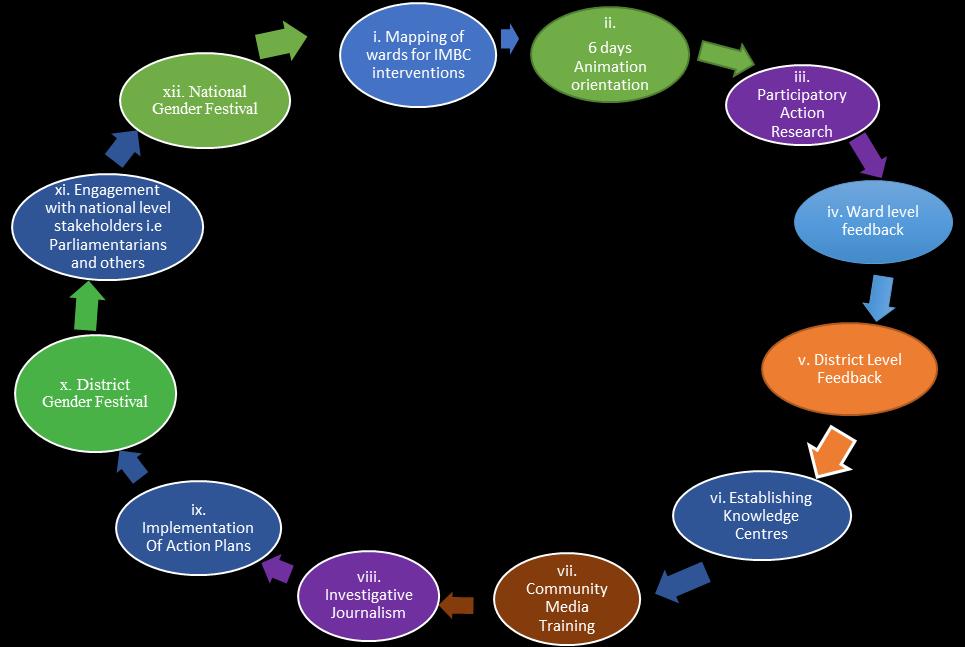
The twelfth and final step is the provision of opportunity to participate in the National Gender Festival which is a national forum which brings together various actors from grassroots, national, regional and international levels to learn, share experiences on issues affecting them and how various people have been able to eliminate them.
By the end of the Gender Festival, participants come up with a unified voice on forward looking strategies. Representatives from KC, village, ward and district levels will take part in sharing their experiences, case stories and lessons on outcomes of the community dialogues.
1.2. Objectives of the Study
The research sought to explore the role of IMBC processes in deepening a transformative feminist movement. By understanding how the processes work and how successes and challenges arise, TGNP can ensure IMBC becomes more intentional and effective. The study aimed to:
1) Understand how IMBC is described by various stakeholders.
2) Describe how IMBC influences service demand practices in the community.
3) Track progress of how IMBC develops the ability of individuals to advocate.
4) Identify the gendered community actions resulting from IMBC
5) Identify local government actions implemented resulting from IMBC.
1.3.
Locations and Scope of the Study
The study was conducted in Kiloleli ward in Kishapu District, Kivule and Majohe wards in Ilala District where IMBC has been operational for at least three years. The study also included Talaga and Ukonga as comparison wards as these are isolated from the effects of IMBC All five wards are characterized as being located in the “periphery” with low-income families, inadequate social services, and patriarchal attitudes being dominant. Given these conditions, these areas were ideal to explore and generate evidence on the role and extent of IMBC influence on gendered actions.
The study involved participants from the communities, local government authorities (LGAs), and KCs. It focused on the influence of participation in IMBC processes, particularly PAR and KCs, on peoples’ capacities to advocate for social change. The research also examined the workings of KCs, assessing the strategies employed and results in influencing and mobilizing collective voices and actions in service demand.
1.4. Organization of the Report
The report has four main parts:
• Part One: objectives, scope and location of the study;
• Part two: research methodology;
• Part Three: study findings; and
• Part Four: conclusions, lessons and recommendations.
Part 2: Research Methodology
Planning for the research on IMBC was a participatory process. The TGNP team developed a concept note, a proposal was shared with colleagues at the Coady Institute to establish a common understanding of the goal, objectives, parameters, and methods. A working session with the research team was organized which resulted into a refined scope of the study, sharpened research tools. and most importantly, the inclusion of Talaga (Kishapu District) and Ukonga (Ilala District) as comparison wards. The IMBC processes were implemented in Kiloleli, Kivule and Majohe wards. This section describes the research design, methods and participants involved in the study.
2.1. Qualitative Approach
The study employed a qualitative approach to explore the stakeholders’ perceptions and lived experiences resulting from IMBC processes The inclusion of comparison wards, isolated from the effects of IMBC, provided further context to understand the realities in the IMBC wards (where knowledge centres have operated for at least three years and established relationships with local government authorities) with regard to service demand practice, gendered actions and local government actions.
2.2. Participants of Study: selection and characteristics
In total, 266 respondents participated 173 women (65%) and 93 men (35%) drawn from the KCs, LGAs, as well as communities in the five wards. From each ward, community members were selected to represent sex and age ranges, with the goal of selecting 45 and 50 participants for each ward where IMBC was present and at least 60% of that for the comparison wards.
Table 1: Number, Sex and Age of sampled Community Members in the study
From the five wards, community members comprised 135 women (67%) and 61 men, (34%) 80 (39%) were aged between 18-35 years (youth), 104 (51%) were aged between 36 and 54 years, and 18 (9%) were aged 55 years or older
The members and leaders of the knowledge centres (KC) are well aware of IMBC, having participated in cycle processes, and are engaging in movement building activities. In total, 45 represented the knowledge centres (15 from each KC) as key informant participants from the three wards with IMBC, including 32 women (71%) and 13 men (29%). Knowledge centres are a womenled initiative and so the number of women demonstrate this.
Other key informants were LGA officials, purposively selected from the ward and village/Mtaa levels Foreseeing the challenge of availability of the officials and time constraints, at least two officials were targeted at each level. This resulted in the participation of 18 representatives comprising 6 women (33%) and 12 men (67%).
Table 2: Number of Key Informants from the IMBC Wards and Comparison wards
2.3. Methods and Tools for gathering information
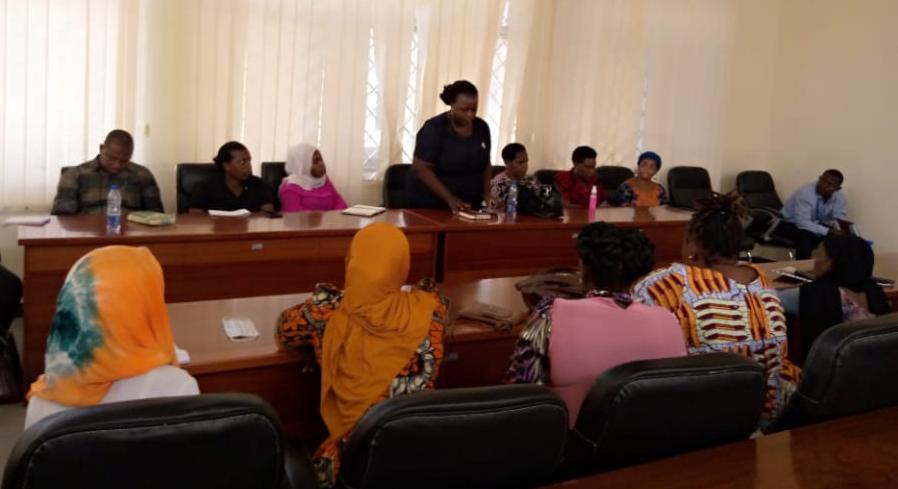
An initial desk review covered IMBC reports on PAR, feedback sessions, community dialogues and documented impact in Kishapu and other districts. The research team then carried out fieldwork a small survey of community members, focus group discussions with KC members, and key informant interviews with KC leaders and the LGA officials.

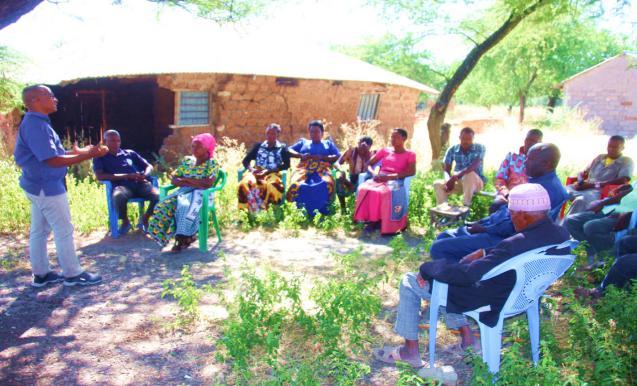
To facilitate efficient data collection and support analysis, the online survey questionnaires “Microsoft forms” were uploaded and the two links for the control sites and IMBC sites were shared with the research team. Interview guides were prepared in Swahili and plain language was used. These easyto-understand tools helped to solicit detailed account of IMBC impact and personal experiences from the knowledge centres with testimonies and verification from ward and village or Mtaa officials.
Figure 2: Researcher engaging with Kiloleli KC members during the FGD in June 2023
Part 3: Key Findings
TGNP uses its flagship IMBC approach to empower women and communities in 72 wards. This section reports on how IMBC works from the perspective of the Knowledge Centres, Local Government Officials, and the Community members in Kiloleli, Kivule and Majohe wards where IMBC is present. The findings are also drawn from the survey with community members as well as interviews conducted in the comparison wards of Talaga and Ukonga.
3.1. Stakeholders’ Perceptions and Understanding of IMBC
Perceptions on IMBC varied amongst different stakeholders: KC members regarded it broadly as an approach for social activism at the grassroots level whereas the community members’ perceptions were confined to the visible processes and impacts resulting from activities carried out by the KCs For the ward and village officials, IMBC meant the opportunity for partnership and collaboration as part of the participatory and inclusive processes anticipated within decentralized local governance.
Despite these variations in the understanding of IMBC either as process or approach for engagement, the common perception is that IMBC processes, such as PAR, feedback sessions, and gender festivals bring out the pertinent concerns and gender issues in each community and offers space and platform for collaboration and networking towards addressing those issues. Details of the research findings regarding the perception and understanding of the IMBC by the community members, KC members as well as the LGA officials are explained in the next sub-sections.
3.1.1 Community perceptions, understanding and appraisal of IMBC
Figure 3 summarizes community responses to three important IMBC steps that create platforms for them to voice gender-related challenges, collaborate on solutions, and drive positive change:

PAR
The model is very relevant for generating concrete evidence informed by the needs and priorities of the particular community and hence reduce inequalities Unlike empirical approach, the model facilitates the participation of community members and hence creates a sense of ownership for demanding accountability and this is a sustained approach
Feedback Session
The model facilitates the LGAs to make an informed decision during planning and budgetng based on the needs identified from the community.
The model compliments the participatory planning framework existing at the local government levels; and the fact that there is no fund allocated for this approach, it makes the model to be very effective and efficiency.


District and National Gender Festival
The model is a powerful tool for advocacy at District and National level as for example the issues of infrastructure which was demanded during the same festival.
Figure 3: IMBC Activities
Survey of 142 community members (94 women, 48 men) conducted in the IMBC wards of Kiloleli, Kivule and Majohe, 85 (60%) reported being aware of the existence of the KCs compared to 57 (40%) who were not aware. KCs have been integrated into the local processes of development and governance, and the community members expressed different levels of understanding of the KC activities being carried out within their respective communities as shown in Table 3.
Table 3: Level of awareness of KC activities in the IMBC wards
The degree of awareness about KC activities in the three wards was reported by nearly half of the surveyed community members to be moderate (47%), with 27% highly aware and 18% having very high awareness. The status and popularity of the KCs is mainly attributed to the visibility of its members as change agents. These members are dedicated to engaging with fellow communities and local leaders alike on several issues that matter to their communities.
The survey also generated evidence on the relevance of IMBC based on the activities of the KCs, whereby the community members themselves addressed the pertinent community concerns in the three wards. The main areas of concern as reported by the community members in the three IMBC wards were agriculture, health, gender-based violence (GBV), education, water, infrastructure, and leadership. KC activities have mostly targeted and prioritized addressing the same issues within those sectors/themes as shown in Figure 3.
It is so because before the formation of the KCs, PAR brings together community members from different sections and works towards building a common understanding of the gender concerns of respective communities. PAR participants are engaged in the use of different animation methods to explore, expose, and analyze the most pertinent gender concerns. As one KC member explained, “before PAR I did not think that drama can be a powerful tool in identifying gender issues”. The KCs’ work is based on the realities on the ground.
The survey showed that the community members from IMBC wards have witnessed KC efforts transcend the generic concerns within the different sectors as their members delve deeper into the gender-specific issues. In education, for example, 40% of the surveyed community members within the three IMBC wards identified inadequacy of classrooms as the main concern, but many of those who are aware of the KC activities reported that KCs are even more vocal and concerned about the distribution and availability of sanitary pads for school girls in primary secondary schools (50.58%), private washrooms for girls (49%), and pit toilets (47%). This is further evidence of how the IMBC has reshaped the perspectives of the KC members, and empowered them to apply a gender lens when observing and analyzing issues within their respective communities.
Perceived KC priority
Leadership (mismanagement of projects)
Infrastructure (poor roads)
Water (inadequate number of wells)
Education (inadequate classrooms)
GBV (negative norms)
Health (costs of services)
Agriculture (water for irrigation)
Community concerns


As seen from the comparisons of community concerns and KC priority activities from the perspective of the community members, IMBC truly is grounded on what matters most to the people across different sectors. Gender-based violence ranks much more highly as a KC priority due to their increased awareness of prevalent cases in their areas. This heightened awareness is largely attributed to Participatory Action Research (PAR), which empowers community members to recognize the connections between gender, socioeconomic factors, and their overall well-being.
PAR enables the participants to broaden their understanding of the intersection of gender and socialeconomic issues around them and how these affect their lives. They are guided into exploring different issues and concerns in the context of patriarchy, through power-walks and using storytelling, among other animation methods. They are invited to analyze what takes place in their lives, at home, school, in the market and in the community, from a gender perspective. When asked about the leadership concerns, the majority of the community members (48%) affirmed that KCs have been vocal about the restrictions and barriers faced by women participating in leadership and decisionmaking Most community members still accept underrepresentation of women in leadership as a normality, However, women and men working in the KCs have been empowered to understand women’s right to participate and its implications in ensuring decision-making reflects interests and concerns of women and other marginalized groups.
In the comparison wards of Talaga and Ukonga, the survey of 61 community members (41 women, 20 men) found reported concerns are strikingly similar across sectors: water for irrigation (41%), costs of services (54%), negative norms (41%), inadequate classrooms (56%), inadequate number of wells (74%), poor roads (67%), and mismanagement of development projects (52%). However, in absence of IMBC and operations of KCs in particular, the communities do not have the opportunity to identify and agree on the common concerns and priorities. Survey data shows 54 (86%) community members admitted that citizens lack the mechanism for building common understanding of issues and 38 (62%) said there is no collective voice over community concerns and needs.
Figure 4: Stakeholders perceptions of the match between community concerns and focus of KC activities in the IMBC Kiloleli, Kivule and Majohe wards
3.1.2. Understanding and Perceptions of IMBC by KCs and LGAs
This study targeted the KC leaders, founding members and most active new members to gain their perspectives of IMBC, what fascinates them about it and how they have been positively affected through their participation.
Overall, women and men in the KCs were found to have a much deeper understanding of the IMBC, and their perception understandably is multi-layered. According to the KC members who participated in the study, what makes IMBC interesting is not only that it helps focus change making processes.
At the individual level, PAR as part of the IMBC process, was described to be interesting in the way it empowers the participants; “It’s the model which enable you to be confident with what you are doing, PAR has empowered me to be a community researcher”, said one of the KC members from Majohe. PAR was perceived to be fascinating in the way it promotes learning among the target participants closest to change, as another member from the same KC attested, “I am a kindergarten teacher, and I have managed to use animation to teach the children about GBV at our school. They understand more easily than when I used the conventional methods stipulated in the curricular.”
In a completely different context, a religious institution, one of the KC leaders in Kivule appraised the PAR in providing the animation tools that have since become handy:
“I am a youth wing church leader. I mostly apply IMBC knowledge, skills and methodologies to lead and solve challenges I face while executing my duties. Involved with couples’ marriage reconciliation team, I always remember analyzing ‘patriarchy’ as a gender concept underlying most challenges in marriage institution, before contributing to a decision. I even share these knowledges with some of my colleagues within my church forums,”
IMBC was further described as a “facilitative process”, with the KC members appraising the feedback session as part of the IMBC offering important platforms for galvanizing support from local leaders and influencing change harmoniously. As explained by one of the KC members in Majohe ward, IMBC “easily facilitates the local leaders to identify the gender needs and priorities for addressing them into plans and budgets”, for example the allocation of budget to facilitate interest-free loans to women, youth and people with disabilities. Through the feedback session, IMBC facilitates collective responsibility for addressing the needs and priorities of community members, with another member sharing that “we worked together with the Community Development Officers on establishing gender clubs in schools”.
3.2. IMBC and empowerment of individuals to advocate for gender concerns
IMBC embraces the multiple dimensions of empowerment, with its different processes empowering women and men as individuals as well as bringing a collective voice and taking action. Women and men are supported to be agents of change by equipping them with using PAR and GenderResponsive Budget analysis These tools enhance understanding of the gender concepts, animation skills, and their capacities to undertake feminist and gender responsive financial analysis of community services. KC members have reported and demonstrated ability to advocate on gender issues both as individuals and as a collective, as a result of IMBC.
Through IMBC processes, KC members have come to hold positive beliefs in themselves to achieve high self-esteem and confidence, to know their rights, to speak up for others and take action. A female KC leader in Majohe asserted, “(public speaking skills) has increased because I can speak in any public gathering without fear. Not only to the open public but also, I am now very eloquent on speaking to the media.” A Kiloleli KC member said, “my ability has increased as compared to before I joined KC. You know, I am just a tailor and you can imagine that my speaking ability was low as I only dealt with my customers. But joining KC has capacitated me beyond that scope”.
Figure 5: Women in Majohe learning the use of Venn Diagram to do gender-responsive budget analysis during PAR, March 2021

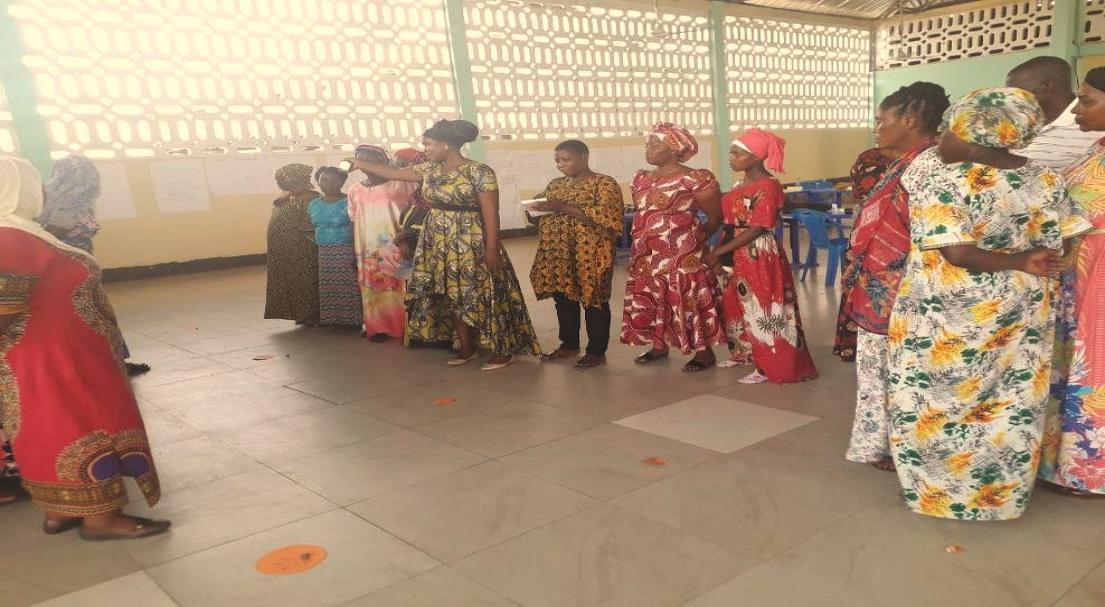
Building women’s confidence has been at the heart of IMBC empowering processes and this has been ascertained by the KC members from the three wards; a female member of Kivule KC said “I can say (that) my self-confidence has increased, as I can now even face (the local government) leaders”. Members of the KCs are prepared for dialogue with the LGAs at the local, ward, and council levels and during the feedback sessions. In these sessions, empowered women and men have demonstrated improved public speaking skills, and enhanced ability to demand accountability from the local leaders.
Figure 6: KC Members' enhanced capacities resulting from the IMBC processes
Organizing, campaigning and mobilizing
Sensitization in 5 Mitaa, gender issues integrated into Opportunities & Obstacles to Development Processes (Majohe KC)
Mobilized community to support digging 24 toilet holes in Miyuguyu (Kiloleli)
All 3 KCs organized 16 Days of Activism, IWD, and African Child Day, 2021, 2022, 2023
Organizing Bunge la Jamii: 200 attended (Majohe)
Gender Budget Analysis
Advocacy and Lobbying Skills
During 2022/23 budget cycle, gender analysis led to integrating Magore A primary school and Bobambili dispensary into Ward priorities (Kivule)
LGAs in Kiloleli, Kivule and Majohe are now prioritizing GRB in all of their agendas
Councillor agree and directed all new school bildings to have private rooms (Kivule)
Ability to Network and Movement Building
Movement for economic justice through 'Vavagaa Mtaani' in Majohe led to 3 forming community groups for economic support
Networked with RUFFO to distribute free sanitary pads to girls in secondary schools (Kivule)
Lobbied Councillor and MP (Jerry Silaa), resulted in upgrade of dispensary to a Health Centre (Majohe)
Network of parents, residents, local leaders reduced child marriage incidences from 8 (2019/20) to 0 (2022/23) in Kiloleli
Only 9 (14.75%) of the respondents in comparison wards identified presence of “activists” dealing with women’s rights and concerns, showing low ability of individuals to advocate on issues pertaining to women. This contrast sharply with the IMBC wards as explained above. In Talaga and Ukonga wards, women’s groups were recognized by 27 (44.26%) of surveyed community members to be promoting the rights and interests of women – but these efforts are confined to economic affairs and they are not working as a collective in advocating for women’s rights and priorities.
Generally, women’s concerns in the comparison wards were found to be addressed through the conventional channels with the local government leaders, politicians, and religious leaders as the influential actors, as reported by 26 (42.62%), 20 (32.78%), and 19 (31.14%) of respondents, respectively. Clearly, communities are not adequately sensitized, inspired, energized, nor mobilized to take collective action for the wellbeing of the community. This was found to be in sharp contrast to the situation where IMBC is present, as pointed out above.
3.3. IMBC influence on the practice of service demand and gendered community actions
In the comparison wards, community members were asked to assess whether there have been any evident efforts to address women’s concerns in the service sectors (health, education, water), productive sectors (agriculture, infrastructure), and cross-cutting issues (GBV and leadership). Overall, there is a low push from the community to address gender concerns in the comparison wards as compared to the IMBC wards. Findings show that positive responses have been less than 40% while negative responses range from 61% to 87% as shown in Figure 6. In agriculture, for example, where women are known to face numerous challenges, only 8 (13%) of the respondents reported witnessing any efforts meant to address their concerns.
Figure
Community views on evident gender actions in the Comparison wards


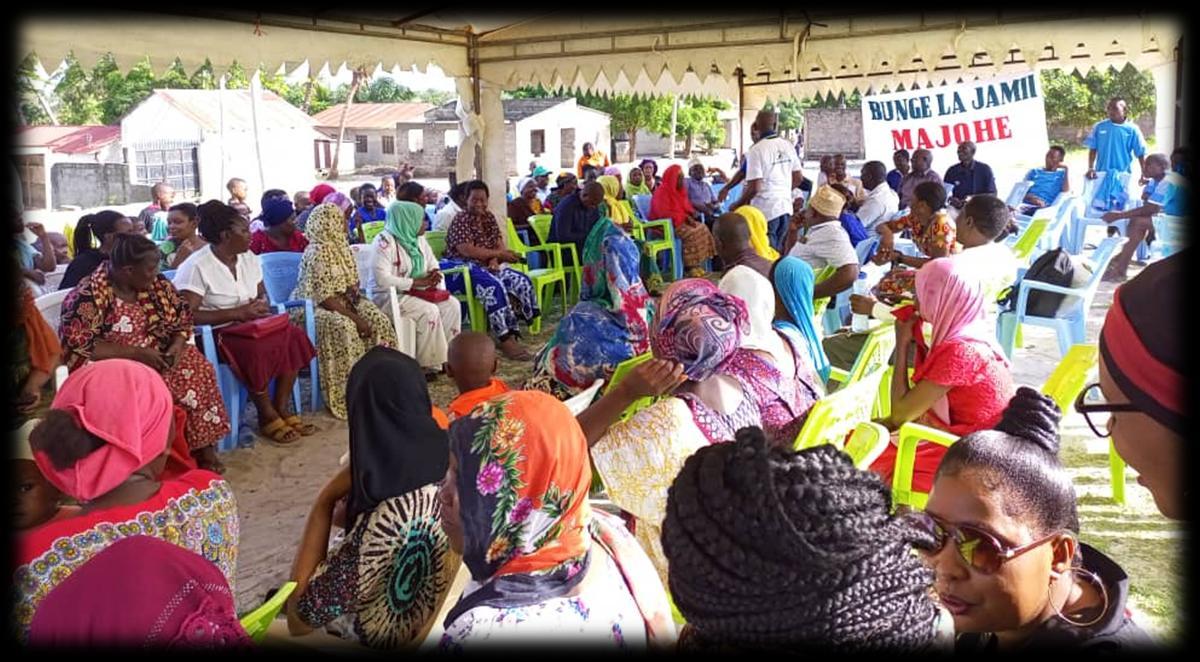
The situation described above is in sharp contrast to the findings from the IMBC wards, where the influence of IMBC through the KCs was evident in the community actions undertaken through collective efforts to address gender concerns and development challenges. The study has found evidence of a high degree of influence and efforts of mobilizing citizens from the KCs to take up actions towards increased access to quality social services and promoting gender equality. One of the strategies used is making home visits aimed at educating fathers/men on the importance of having a gender-responsive household budget and explaining how providing sanitary pads for their girls can bring about change. Other actions include community dialogues and Community Parliament. IMBC processes have proven to be important platforms for educating masses and building common understanding leading to citizen participation in demanding services.
7:
Figure 8: Majohe KC facilitating the "Bunge la Jamii" in 2022
Community members’ survey findings show a much greater push to demand access, affordability, and gender-responsiveness of public services in the IMBC wards. The most visible areas where KCs have inspired and taken lead in demanding quality services include clean water, health facilities and services, public schools with pit latrines, private changing rooms and provision of sanitary pads.
Figure 9: Community views on service demanding in IMBC and comparison wards
demanding availability of water near homes
demanding increase of pit latrines in schools demanding water in schools and health facilities
demanding private rooms and sanitary pads in schools
citizen demanding improved health services
Though citizens demanded better services and gendered actions in the comparison wards, little has been achieved because they are not collective and unsupported by concerted efforts to mobilize actual participation of the citizens to be part of the solution. IMBC has inspired women and men to become change agents and take the lead in changing attitudes of the people from being recipients of government services to contributors towards better and gender-responsive services.
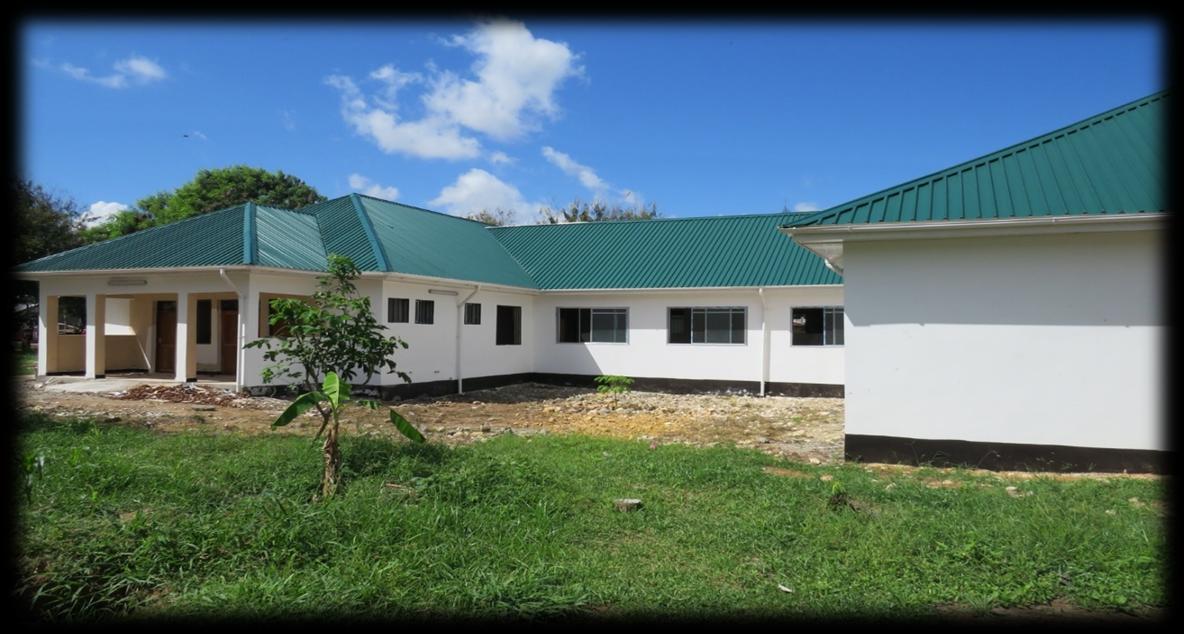
In Majohe, one KC leader informed, “One of the successes on demanding for service is the introduction of special budget for sanitary pads in our council and we are standing still to ensure that the initiative is sustained.” A female member from the same KC added during the focus group discussion that “Before IMBC we had no health centre but now through a collective organizing, the dispensary at Kichangani had been upgraded to a Health Centre and the construction is under way”.
Comparison Wards IMBC Wards
Figure 10: Majohe Health Centre after its upgrade from Kichangani Dispensary
A similar scenario was reported in Kiloleli Ward: …they (KC members) came to visit the toilet and checked its condition. They mobilized contributions from stakeholders, cement, and mobilized the community to deal with their own the situation. I have seen the women from the Knowledge centre providing the gender knowledge during the school parents meeting, village meetings, and other public forums. The community accepts them because when they say ‘we are doing this’, they are really doing it...in my school they have facilitated the construction of 23 toilets, 11 for girls, 11 for boys and one is a special changing room for girls, and they are the ones who brought up the presence of that room. We did not know if it was needed or if it was important... (Kiloleli Primary School Headteacher)
Comparison of gendered actions in the IMBC wards against comparison wards underscored the significant influence and impact that such processes as PAR and operations of KCs have had on their respective communities. IMBC has resulted in increased awareness of rights to participation in decision-making, as evident in management of water resources as well as local meetings. Men are more involved in addressing gender issues, including fighting against GBV and negative norms like FGM and childhood marriage, which means breaking down the influence of patriarchy. Insights as these are reflected in the survey findings from the IMBC and comparison wards in Figure 11.
women participate in management of water resources
community participation to build girls dormitories
male involvement in gender issues
community rejecting and fighting against GBV
increased challenge against negative norms
gender issues reflected in plans, budgets, local projects
women airing out priorities/concerns in public meetings
women participating in local public meetings
Comparison Wards IMBC Wards
3.4. Influence of IMBC on the implementation of local government actions
The National Decentralization Policy of 2021 recognizes the local governments for their critical role to uphold democratic governance and promote inclusive development From a feminist perspective, local governments are well positioned to serve as the platforms for women and marginalized groups to access the decision-making space and influence gender-responsive development plans and implementation through the feedback sessions organized at the ward and then Council level These sessions serve as building blocks for establishing accountability between KCs and local government officials, paving the way for the latter’s monitoring and influencing of local government actions.
Figure 11: Gendered actions evident in IMBC and Comparison wards
The study explored how the IMBC influenced local government actions in the three wards of Kiloleli, Kivule and Majohe. In all three areas, the KCs have been found to be at the forefront in engaging with the local government officials, monitoring implementation of projects, raising voices, and mobilizing communities to support activities that address pertinent gender and community concerns. Overall, the approach adopted has been harmonious and non-confrontational, as the KCs have mostly focused on presenting alternatives (from a gender perspective) rather than opposition, and galvanizing community support while staying away from the political debates.
IMBC was also understood to be emphatic on a harmonious approach for engaging with the local leaders, and a KC member in Majohe ward attested that “When we started TUFASHANWE in 2018 we were very aggressive in demanding for change but after PAR we can present our demands very tactfully (and harmoniously)”. This harmonious approach has helped to build collaborative relationships with the local government thereby paving way for more effective engagement and exerting influence as another KC member in Majohe said “They now see us as partner of development unlike before where we were seen as political foes 'I thinks we are receiving many cases from the local government because they recognize us now as partners”.
Figure 12: The Acting Ilala City Director addressing Heads of Departments and representatives of Kivule and Majohe KCs at the District Feedback Session, March 2021
What has paved the way for women and marginalized men at the KC to engage more freely with local structures is the policy of non-partisanship, which helped significantly to avoid any political mistrust, as they act as the concerned citizens rather than opposition. Without attitude of mistrust from the local government officials, especially the elected political leaders, women and men in Majohe KC have enjoyed support in their efforts to address the gender concerns:
We generate evidence which are collectively owned by the local government leaders and community members, for example we received support from the Ward Councilor in building of the infrastructure to enable the citizens including students crossing the small rivers. (Majohe KC member)
IMBC was identified as the approach capable of breaking down barriers when it comes to citizen engagement and increasing collaboration with the local government officials:
As the Community Development Officer, the IMBC processes had an immediate impact. My partnership with Kivule knowledge centre has made my work life easier, because of an increase in reported female genital mutilation attempted cases. About two to four cases are currently being reported in every three months, of which was not the case before. Interestingly, some of those who come to report are brothers of the targeted girls. (Kivule CDO).
One KC leader of Majohe, said “we are supporting the Mtaa meeting during the local development planning by identifying the gender needs and priorities”. At the ward level, another KC leader in Majohe explained “knowledge centres have been invited to participate in the Ward Development Committee, where planning and budgeting takes place”. The involvement of KC women and men in the local decision-making processes is a clear manifestation of IMBC as the alternative or complementary approach to the conventional approach of citizen involvement. As participants, the knowledge centre members provide inputs in the form of applying a gender lens and putting gender concerns at the heart of the decisions and plans.
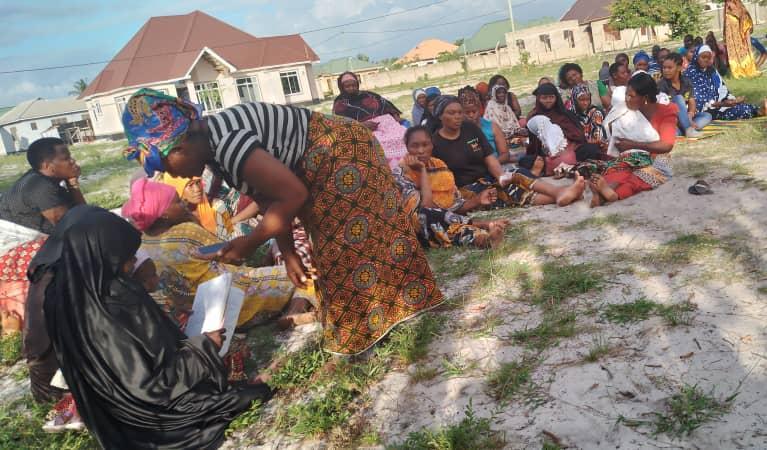
Figure 13: Woman from the Knowledge Centre registering attendance of women during the statutory village meeting in Kivule Ward
Figure 14: Figure KCs engagement with LGAs in Kiloleli, Kivule and Majohe
Strategies used for engaging LGAs
Evidence of decisions and actions taken by LGAs
Appointed members of WDC
Reporting GBV monthly
Appointed members of WRB
Feedback meeting after PAR
Engaging in events: 16 Days, IWD, Bunge la Jamii
Capacity building on GRB
Media engagements to intensify demands
Upgrade dispensary to Health Centre Majohe
Water supply in all dispensaries Kiloleli
Integrating gender clubs into Community Developme nt Dept's strategies Majohe
Police Post built Majohe
Girls' hostel at Viwege Majohe
Sungu -sungu trained on GBV issues Kiloleli
Part 4: Conclusions, Lessons and Recommendations
IMBC is meant to embrace learning and accommodate innovative and thoughtful ways of women’s empowerment, movement-building and addressing social injustice. This study has generated supporting evidence and this section summarizes the conclusions and suggests IMBC improvements.
4.1.
Conclusions
Voluntary, non-partisan, and activist nature of the Knowledge Centres has been found to appeal to diverse stakeholders. Observance of the principles of respect, solidarity, accountability, and transparency within the KC is key for strengthening of the collective voices and actions towards ensuring sustainability. In Majohe, for example, internal misunderstanding and lack of leadership has cut down the number of members from over 100 to 44, significantly slowing down the movement.
Strong evidence from the Kiloleli, Kivule and Majohe wards and comparison with the situation in Talaga and Ukonga wards, have generally affirmed that IMBC is impactful at the individual level because it enhanced skills and inspired activism; and the community level, IMBC has significantly contributed to women and other marginalized groups’ increased understanding of their rights, to demonstrate readiness to raise voices as well as taking actions collectively in demanding services from the office bearers.
Mutual understanding of the gender concerns and priorities of development within the communities built through the Feedback sessions, and the collaboration with the local government officials provide the strong basis for positive results of gendered community actions. Harmonious approach for engaging the ward and village officials has secured positive reactions, with the knowledge centres accommodated as active citizens; in some cases, have access to participate in the decision-making structures and/or influence gender-responsive budgets and plans. IMBC processes complements and adds value to the local structures and decision-making, which increases its sustainability to influence on transformative social and gender change.
IMBC is replicable and scalable, support for uncovering context-specific factors can generate create valuable knowledge reservoir for CSOs and Development partners working in women rights, gender advocacy, and rural development.
When unattached to income-generating activities sustainability of the KCs is significantly affected, underscoring that balancing activism and productive activities, as it is the case in Majohe, offer to increase participation as well as provide means for sustained livelihoods. Women’s economic empowerment is a viable strategy for making IMBC viable.
Increased demand for evidence from the social realities confronting women and other disadvantaged groups offers opportunity and need for strengthening participatory research and documentation for effective advocacy and lobbying of office bearers at the ward and council levels.
4.2 Lessons from the research on IMBC in selected areas
TGNP has implemented IMBC for more than 15 years, and the various processes including PAR and establishment of knowledge centres, for example, have generated influence on service demanding, building a culture of activism among communities and promoting agents of change, as well as reenergizing the collaborative practices involving the government officials at the ward and local government levels with the women and marginalized groups at the knowledge centre
There are many lessons from the research conducted in Kiloleli, Kivule and Majohe ward:
(1) Observance of the principles of respect, solidarity, accountability, and transparency within the knowledge centres is key for strengthening of the collective voices and actions towards ensuring sustainability. In Majohe, for example, internal misunderstanding and lack of leadership has cut down the number of members from over 100 to 44, and significantly slowed down the movement.
(2) Mutual understanding of gender concerns and priorities of development within the communities built through the Feedback sessions, and the collaboration with the local government officials provides the strong basis for positive results of gendered actions. Similarly, good cooperation with ward-level experts, including teachers, veterinarians, and extension officers, greatly enhanced the well-being of the Kiloleli Community.
(3) By its complex nature, IMBC involves different actors at various stages that makes documentation of the commitments and agreed plans crucial to ensure any changes at the Council of Ward level does not negatively affect the movement building. In Majohe for example, changes of three Ward officials within a short period of time, halted implementation of the agreed actions and thereby slowing down IMBC influence.
4.3. Recommendations for Improving IMBC
From the team reflection of the findings, IMBC to be more intentional, effective and replicable to other areas, the report recommends:
(1) IMBC has shown great success in changing the attitude of the community and the participation of citizens in the process of bringing about positive change among the community. There is a need to extend the scope and intensity of building capacity for knowledge centres to operate more effectively. Some of the important areas for capacity building include paralegal training, gender analysis, monitoring and evaluation, training of information and technology for social media engagement to reach youth.
(2) Political affiliation of KC members may refrain other community women and men to join the movement, and possibly create tensions with the local government officials in case of difference political ideologies. Thus, it is strongly recommended that TGNP prepare and circulate widely the Guidelines on Establishment and Operations of the Knowledge Centres, and to ensure increased scrutinization of KC membership and leadership.
(3) The existing modality of operating KCs needs to significantly change toward improving sustainability of building movements at the community level. Acquisition of dedicated administrative space is important to enabling strategic planning, and organizing, as well as documentation of the activities including success stories. Liaising with the land officers at the ward level with the support of the local government officials is recommended towards securing the office space or charitably acquire land to build offices for the KC
Currently, women mostly meet in one of the member’s houses, or use a classroom or space in a public office for their planning and regular meetings.
(4) Both technical and financial resources need to be mobilized and provided for improved documentation of success stories resulting from gendered actions following the different IMBC processes. It is highly recommended that this take place to ensure institutional memory of IMBC modality and case studies that can be shared for leaning and adoption of the IMBC in more areas.