
March 26 - 28 2026 | Dar es Salaam, Tanzania
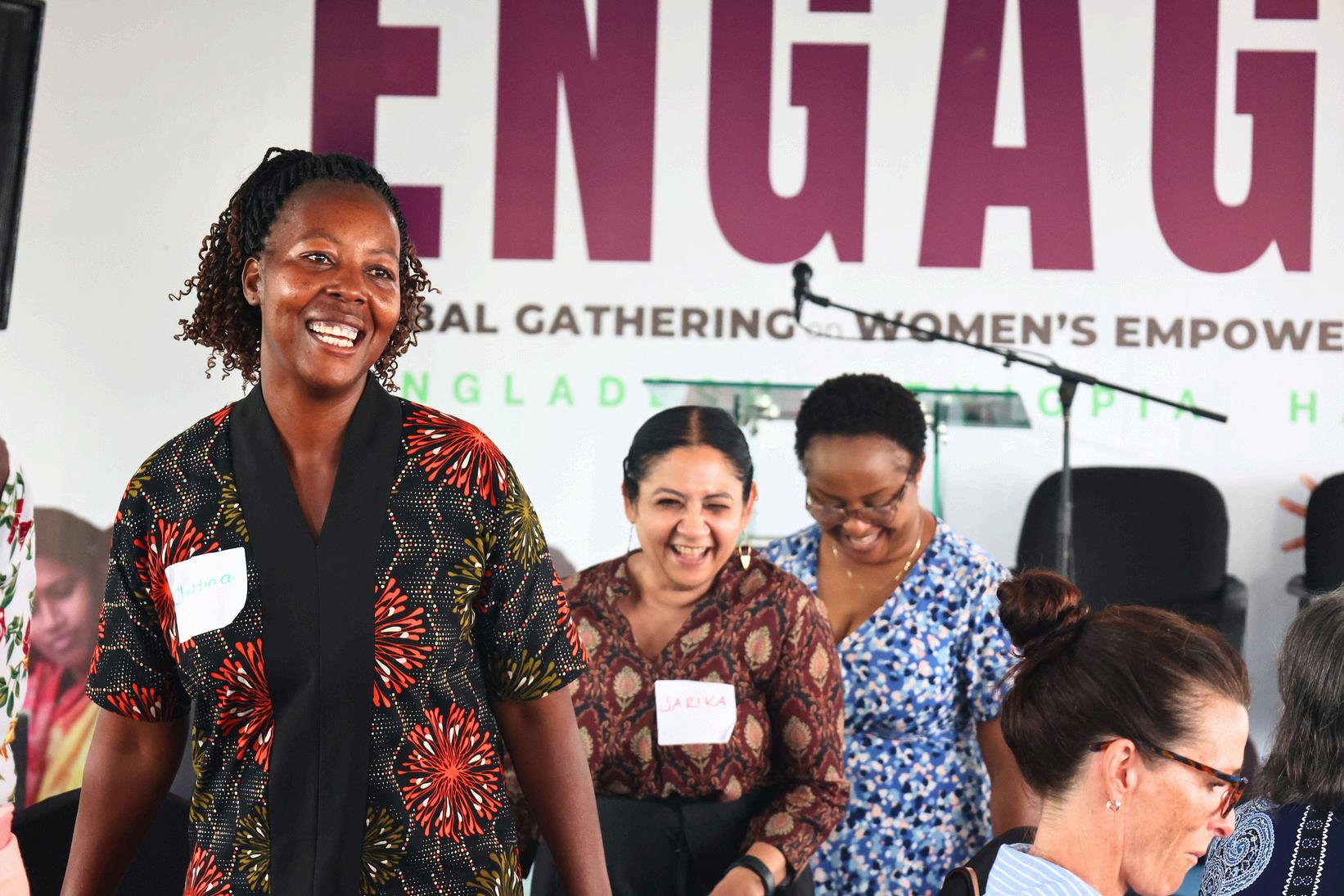
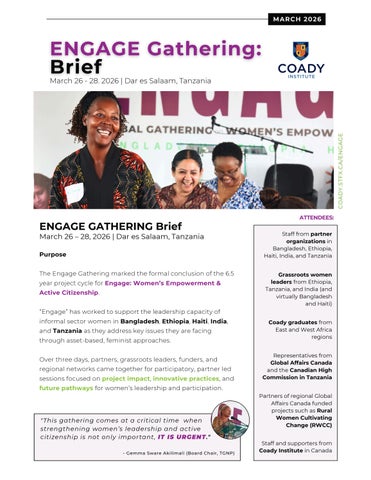
The Engage Gathering marked the formal conclusion of the 6 5 year project cycle for Engage: Women’s Empowerment & Active Citizenship
“Engage” has worked to support the leadership capacity of informal sector women in Bangladesh, Ethiopia, Haiti, India, and Tanzania as they address key issues they are facing through asset-based, feminist approaches
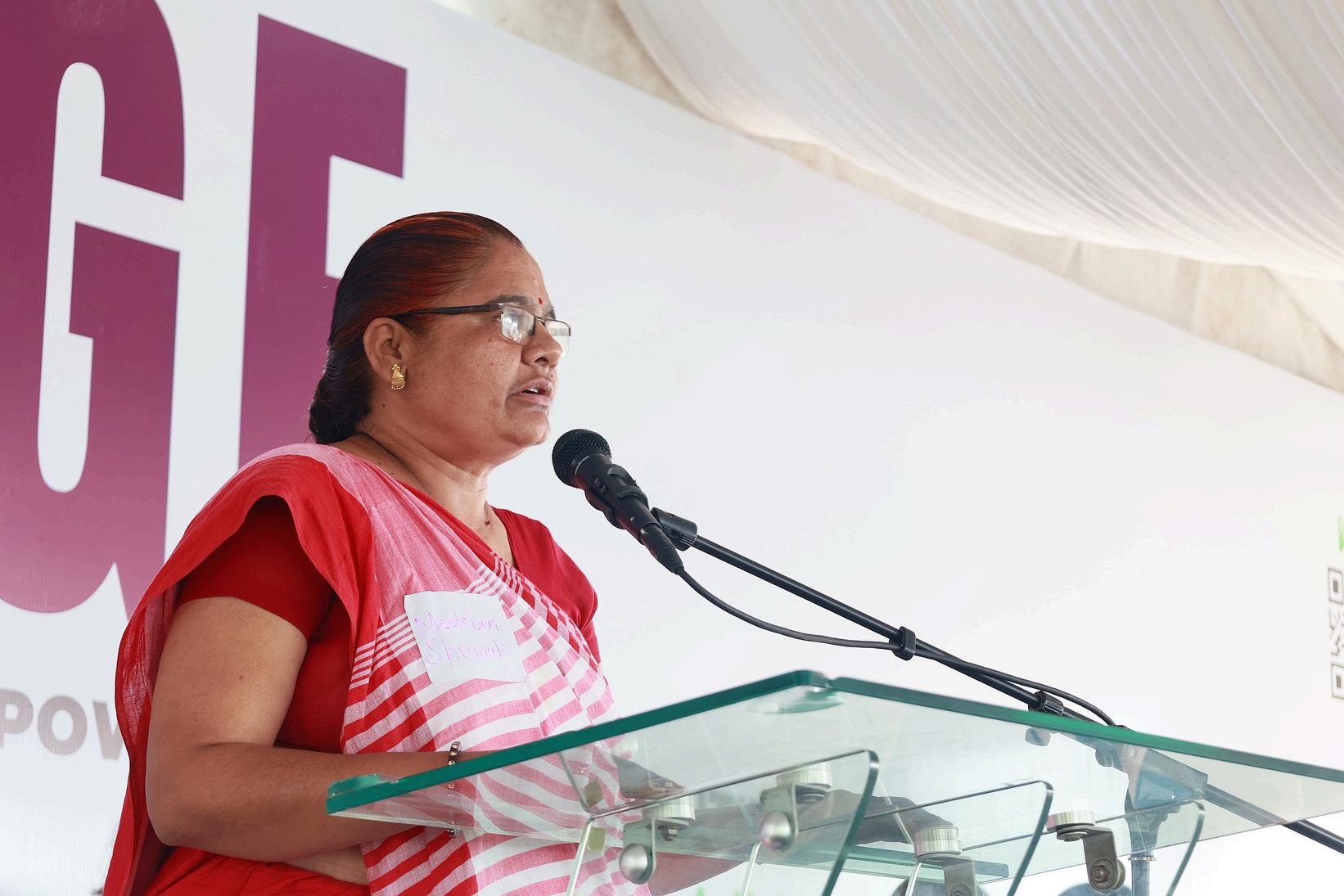
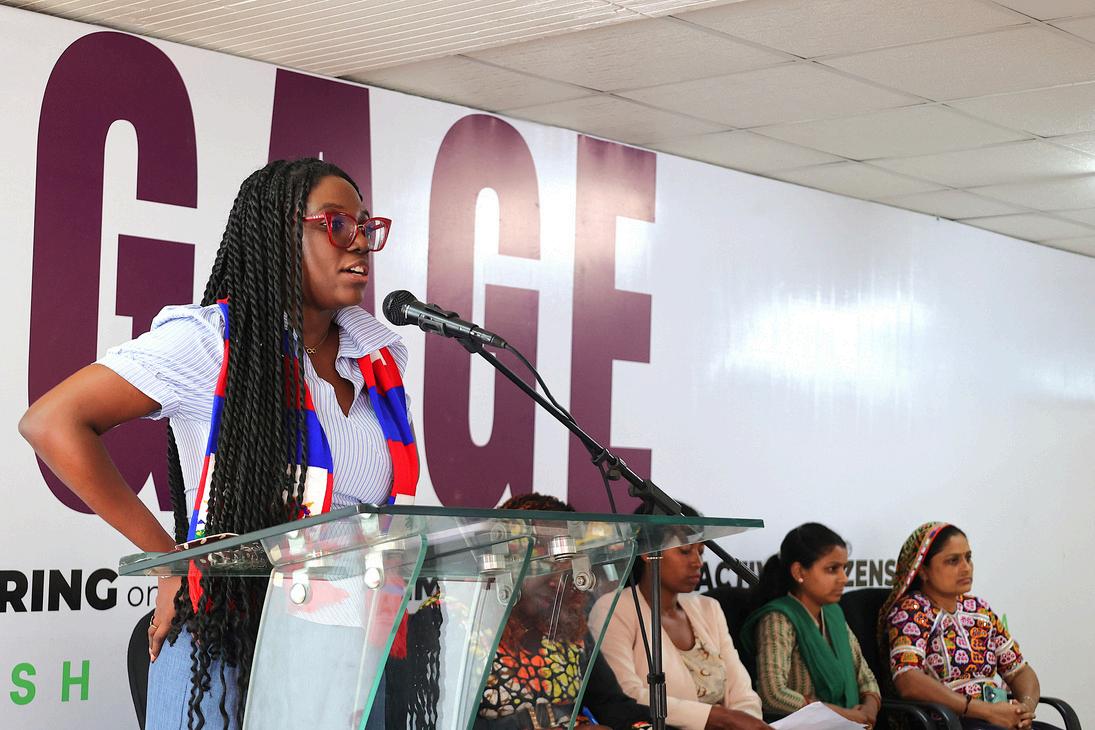
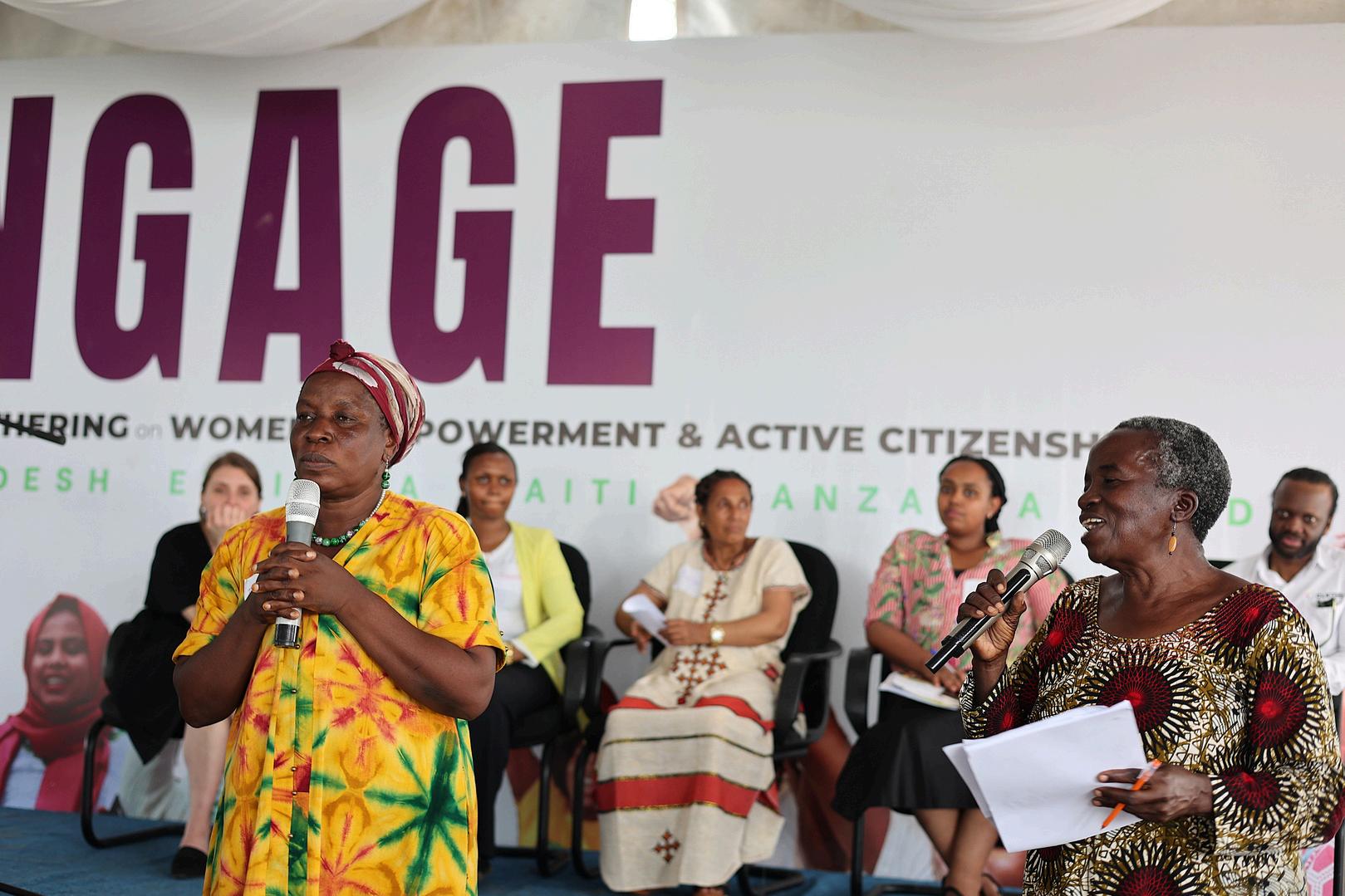
Over three days, partners, grassroots leaders, funders, and regional networks came together for participatory, partner led sessions focused on project impact, innovative practices, and future pathways for women ’ s leadership and participation
"This gathering comes at a critical time when strengthening women’s leadership and active citizenship is not only important, IT IS URGENT. "
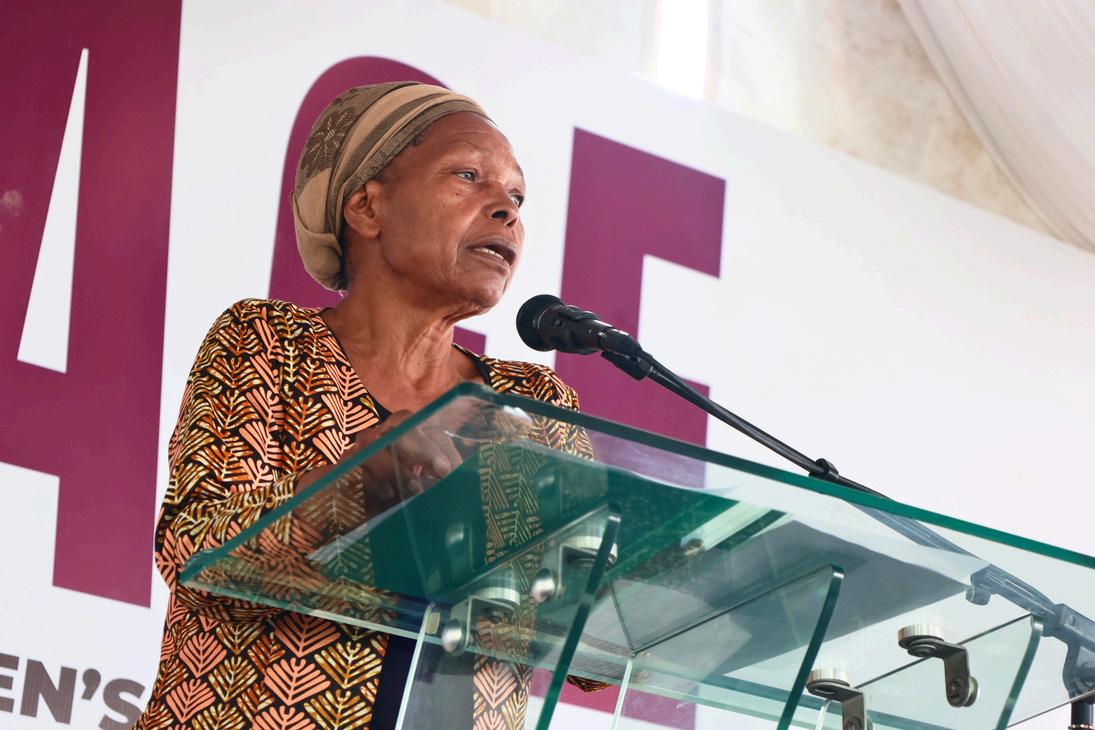
Gemma Sware Akilimali (Board Chair, TGNP)
-
ATTENDEES:
Grassroots women leaders from Ethiopia, Tanzania, and India (and virtually Bangladesh and Haiti)
Coady graduates from East and West Africa regions
Representatives from Global Affairs Canada and the Canadian High Commission in Tanzania
Partners of regional Global Affairs Canada funded projects such as Rural Women Cultivating Change (RWCC)
Staff and supporters from Coady Institute in Canada
Themes and Sessions
Sessions were facilitated by partners from Bangladesh, Ethiopia, Haiti, India, Tanzania and Canada
Livelihoods, Agency, and Resilience
Emerging Practices in:
ABCD Gender Transformative Approaches
South–South Learning
Climate Adaptation and Resilience
Youth Leadership
Surya (The Sun)| Women entrepreneurs support green energy transition in rural India
Early Results and Insights from the ENGAGE Final Evaluation
Solidarity and Network Building for System-Level
Change: Successes, Challenges, Lessons Learned, and Opportunities
Women’s Challenges and Trends in the World Today
“Until now, under this project, we have TRAINED MORE THAN 1000 PEOPLE, and out of that 1000, approximately 65% of members get a job and start the entrepreneurship in green technology ”
When extreme weather and energy scarcity began eroding rural livelihoods, SEWA’s Surya (English: sun) program trained grassroots women in solar installation, repair, and maintenance so communities could keep technologies working, earn incomes, and scale local energy solutions
SEWA first mapped women’s daily energy needs and time lost collecting fuel, then piloted distributed renewable solutions (biogas, household and trade solar). Previously, when equipment failed, long waits for outside technicians meant lost production. SEWA responded by training local women as technicians and entrepreneurs through Surya, creating local service capacity and new livelihoods. The program combines energy budgeting and hands‐on technical training SEWA has hosted several exchange visits so other country partners could see the model in action
- Sagar Junagade (SEWA, India)