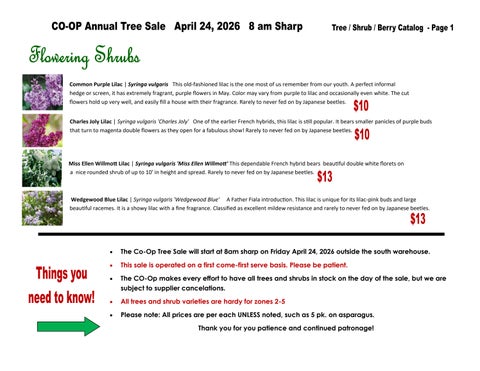
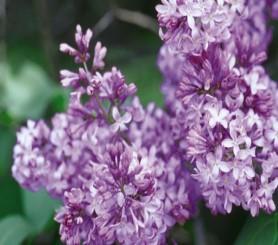
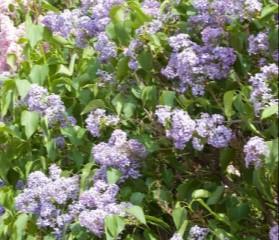
Common Purple Lilac | Syringa vulgaris This old-fashioned lilac is the one most of us remember from our youth. A perfect informal hedge or screen, it has extremely fragrant, purple flowers in May. Color may vary from purple to lilac and occasionally even white. The cut flowers hold up very well, and easily fill a house with their fragrance. Rarely to never fed on by Japanese beetles.
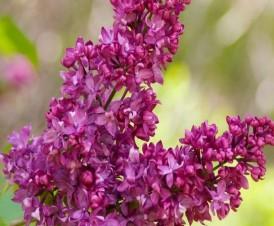
Charles Joly Lilac | Syringa vulgaris 'Charles Joly' One of the earlier French hybrids, this lilac is still popular. It bears smaller panicles of purple buds that turn to magenta double flowers as they open for a fabulous show! Rarely to never fed on by Japanese beetles.
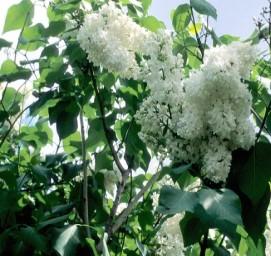
Miss Ellen Willmott Lilac | Syringa vulgaris 'Miss Ellen Willmott' This dependable French hybrid bears beautiful double white florets on a nice rounded shrub of up to 10' in height and spread. Rarely to never fed on by Japanese beetles.
Wedgewood Blue Lilac | Syringa vulgaris 'Wedgewood Blue' A Father Fiala introduction. This lilac is unique for its lilac-pink buds and large beautiful racemes. It is a showy lilac with a fine fragrance. Classified as excellent mildew resistance and rarely to never fed on by Japanese beetles.
The Co-Op Tree Sale will start at 8am sharp on Friday April 24, 2026 outside the south warehouse.
This sale is operated on a first come-first serve basis. Please be patient.
The CO-Op makes every effort to have all trees and shrubs in stock on the day of the sale, but we are subject to supplier cancelations.
All trees and shrub varieties are hardy for zones 2-5
Please note: All prices are per each UNLESS noted, such as 5 pk. on asparagus.
Thank you for you patience and continued patronage!
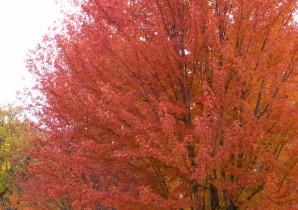
Autumn Blaze® Maple | Acer x freemanii 'Jeffersred' - This hybrid of silver and red maple has experienced phenomenal popularity due to its ascending branch habit, rapid growth rate, drought tolerance when established, ability to grow in most soils, beautiful fall color and form. It was selected as the 1997 Iowa Tree of the year. 2004 Urban Tree of the year, Society of Municipal Arborists. Own root. (C®)
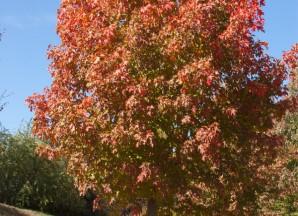
Sugar Maple | Acer saccharum Fall Fiesta - This wonderful shade tree is undoubtedly the largest and finest of our native maples. Slow to medium in growth rate and very hardy, it prefers rich, well-drained soil. Fall color is simply spectacular, ranging from rich, brilliant yellows to all shades of oranges and red.
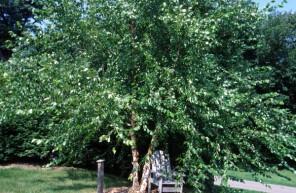
River Birch | Betula nigra This river bottom native also does well on upland soils. Resistant to bronze birch borer, it has nice yellow fall color, and attractive cinnamon-brown exfoliating bark for an interesting winter effect. Clumps have three or more stems.
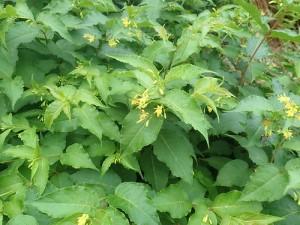
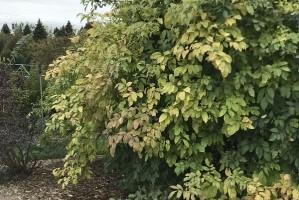
Dwarf Bush Honeysuckle Diervilla lonicera Dwarf bush honeysuckle is found in the understory of open woodlands, rocky areas, and thickets. It makes a great low-maintenance ground cover, or may be featured as a specimen plant. Its coarser texture makes a nice contrast when sited near plants with delicate foliage.
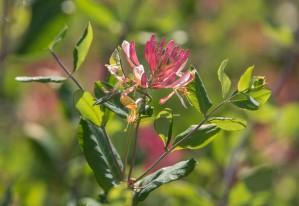
Goldflame Honeysuckle | Lonicera x heckrotti Woody vine valued for its rosy-red and yellow flowers from June until frost. Fragrant flowers continue as new growth develops. Attractive oval blue green foliage on purplish-red glabrous stems. Shade tolerant.
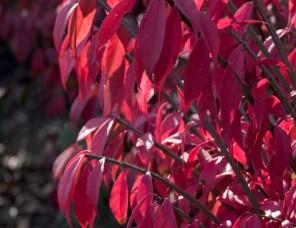
Dwarf Burning Bush | Euonymus alatus 'Compactus' Dwarf form of E. alatus. Bushy and compact, corky barked plant. Excellent for hedges. Brilliant fall color. We have found that this shrub does well in zone 4 in protected sites.
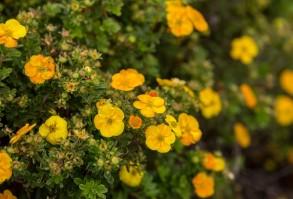
First Editions® Mandarin Tango® Potentilla | Potentilla fruticosa 'Jefman' PP29,830 Mandarin Tango® Potentilla is adorned with 1” single, round flowers that are a lovely shade of orange with just a hint of red in them. Beautifully compact, it forms a rounded shrub reaching only 2-3’ in height and spread, making it perfect for the foundation.
Adams Elder | Sambucus canadensis 'Adams' White flowers in late June. Fruits, blue to black, in large clusters. Excellent for pies, jam and elderberry wine. Hardy native plant. Use in background and wildlife plantings. A clone of S. canadensis selected for its large fruit by William W. Adams of Union Springs, New York. Fruit set is normally improved when more than one cultivar is used, such as 'York'.
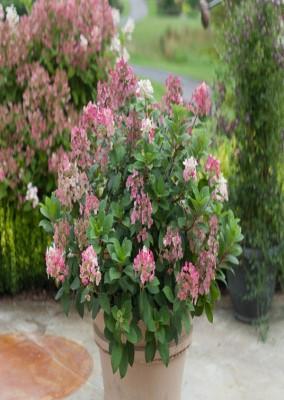
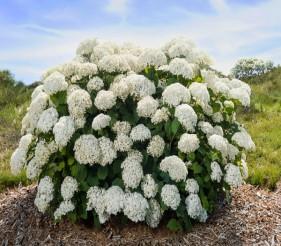
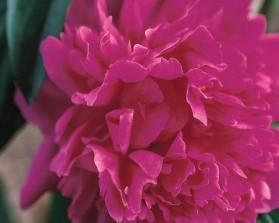
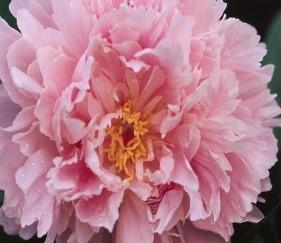
Little Quick Fire® Hydrangea | Hydrangea paniculata 'SMHPLQF' PP25,136 Like Quick Fire®, it is early blooming, flowering about a month before other hydrangeas. White flowers transform to pink-red as summer progresses. This dwarf plant fits easily into any landscape, including container gardens. Add it to your existing hydrangea garden to extend the hydrangea season.
First Editions® FlowerFull® Smooth Hydrangea FlowerFull® Smooth Hydrangea boasts superior genetics that produce significantly bolder blooms and sturdier upright stems. With two-to-three times more blooms per season than other Hydrangea arborescens, FlowerFull® is a major improvement to the industry standard. That proliferation of blooms is held high on strong stems that don’t flop in the wind and rain.
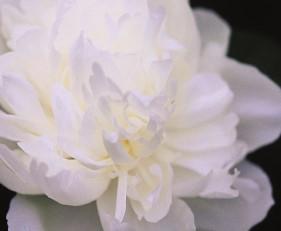
Duchesse de Nemours Peony | Large, creamy white, double flowers with soft yellow central petals deepening to pale green. Sweetly scented, great for cutting.
Kansas Peony | Paeonia 'Kansas' Double red flowers that are non-fading. A Gold Medal Winner from the American Peony Society.
Sarah Bernhardt Peony | Paeonia 'Sarah Bernhardt' A classic favorite, with beautiful double pink flowers that are slightly paler at the edge of the petal giving it a silvery tip look.
The Co-Op Tree Sale will start at 8am sharp on Friday April 24, 2026 outside the south warehouse.
This sale is operated on a first come-first serve basis. Please be patient.
The CO-Op makes every effort to have all trees and shrubs in stock on the day of the sale, but we are subject to supplier cancelations.
All trees and shrub varieties are hardy for zones 2-5
Please note: All prices are per each UNLESS noted, such as 5 pk. on asparagus.
Thank you for you patience and continued patronage!
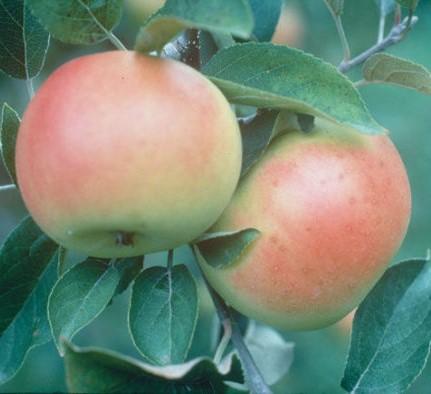
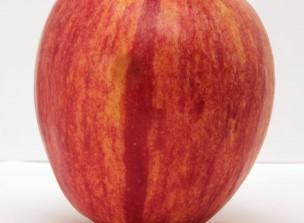
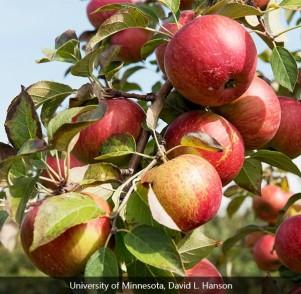
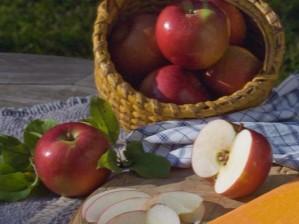
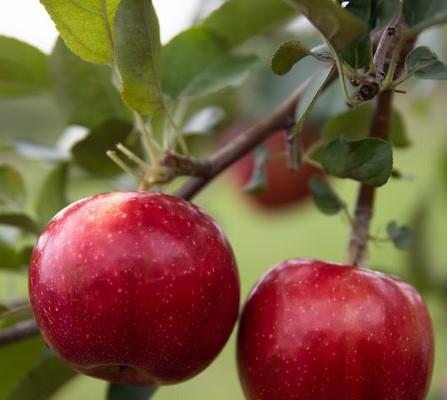
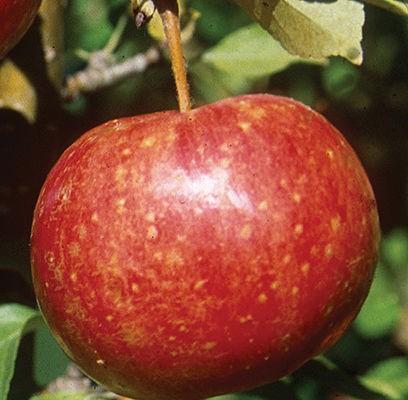
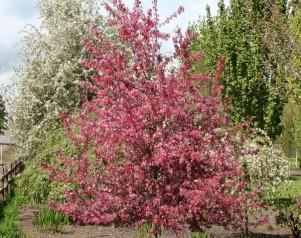
Malus Honeycrisp Flavor is sweet but well-balanced. Excellent storage life, up to 7 months. Has been rated equal to or higher in overall quality than 'Haralson', 'Honeygold' or 'Keepsake' in winter storage trials. Ripens in late September in Minnesota and stores like a late season variety. Has become an outstanding commercial and home orchard variety because of its explosive crispness, flavor and storage life.
KinderKrisp Apple | Malus 'KinderKrisp' Exceptional flavor and crisp texture, much like its parent Honeycrisp, this early ripening variety features much smaller fruit. Perfect size for snacking or kid's lunches, with a good balance of sweet flavors and a crisp, juicy bite. Outstanding variety for homeowners, flowering early in the season and ripening in late August, the fruit is best fresh from the tree, hanging on for an extended period.
Haralson Apple | Malus 'Haralson' ('Malinda' x 'Wealthy') University of Minnesota, 1923. Named after Charles Haralson, superintendent of the U of MN Fruit Breeding Farm. A natural semi-dwarf tree that produces medium-sized red fruit. Hard, crisp and tart. Good dual purpose apple. One of the most popular apples in Minnesota. Often bears fruit the first year. Prone to biennial bearing. Keeps well, will store until March. Fine hardy, winter variety. Unsuitable pollinator for Haralred®.
SnowSweet® Apple | Malus 'Wildung' PP19,446 ('Sharon' x 'Connell Red') Another example of the University of Minnesota's expertise in the development of cold hardy apple varieties. A cross between 'Sharon' and 'Connell Red', SnowSweet® has a deliciously sweet, slightly tart taste. Slow to oxidize when exposed to air. 'Honeycrisp' is a good pollinator. Above average resistance to scab and fire- blight.
Kudos® Apple | Malus 'MN 33' PP35,830 This apple features a unique blend of characteristics, including a juicy texture and sweet, balanced flavor with a hint of tropical overtones. Kudos® is a cross between Honeycrisp and Zestar!®, with a similar or slightly later harvest date than Honeycrisp. Like Honeycrisp, this selection is somewhat tolerant of scab. Kudos® has a spreading habit with medium to high vigor. Introduced by the University of Minnesota.
Whitney Crabapple | Malus 'Whitney' Illinois, 1869. Fruit is yellow with red stripes. Good for eating and pickling. Hardy, vigorous, heavy bearing tree. Short storage life.
Royal Raindrops® Crabapple | Malus transitoria Certainly one of the prettiest red-leafed crabapples we've seen. Has a better summer color and appearance than most red-leaf crabapples. Abundant magenta-pink blossoms stand out handsomely against reddish-purple, cut leaf foliage. Shows good resistance to fire blight. Developed by J. Frank Schmidt & Son Co.
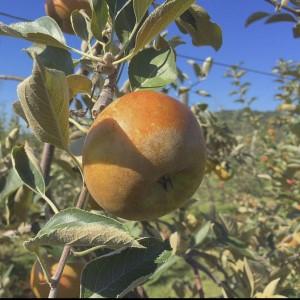
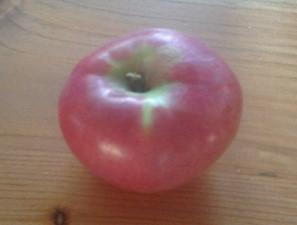
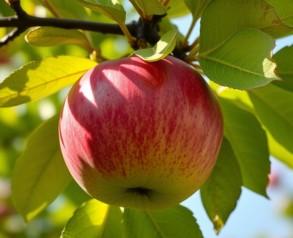
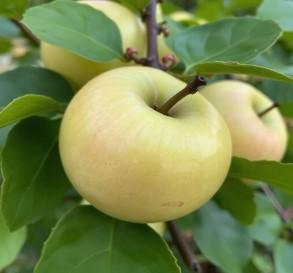
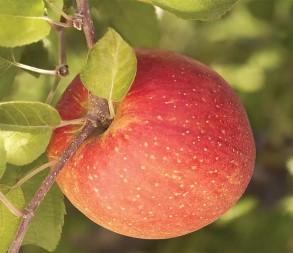
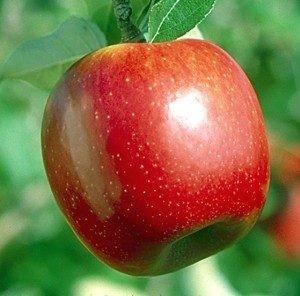
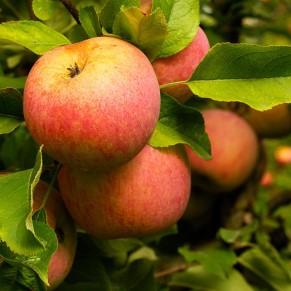
Holstein Apple (Malus Holstein) (Photo by CC BY-SA 2.0) An apple with a Cox-like flavour. Width 67–73 mm (2.6–2.9 in), height 67 mm (2.6 in).
Stalk 9–15 mm (0.35–0.59 in). Flesh crisp, juicy, sub acid. Pick late September. Pick mid–late October: Picking September 23–October 7. Use November–January
McIntosh Apple | Malus 'McIntosh' ('Fameuse' x 'Detroit Red') Ontario, Canada, 1870. A well-known older apple that has a sprightly flavor and a medium storage life. Nearly solid, bright red skin. Heavy bearer. Good for eating and baking. Fruit tends to drop when ripe.
Freedom Apple : Disease resistant. Thrives in various climates and soil types. Apples are large, round, bright red with a slightly acidic flavor.
Gala Apple : Crisp medium sized fruit that keeps well when refrigerated. Early harvest apple, good pollinator for Honeycrisp
Fuji Apple The Fuji apple is one of the sweetest apple varieties. Its flesh is crisp, firm, and juicy, while its skin is a beautiful Yellow Blush. Though the Fuji apple is a favorite for fresh eating, it also makes a delicious cider.
Haralred Apple The Haralred apple is a very hardy, tart, dark red apple, is earlier-ripening, making it excellent for northern climates, fresh eating, baking (holds shape well), and storage, thanks to its firm, juicy flesh. It is fire blight resistant and ripens in early to mid-fall
Nova Spy Apple A modern, disease-resistant variety developed in Nova Scotia (released 1986) as a superior, more precocious alternative to the classic Northern Spy. They are large, red-streaked, and firm with a crisp, tangy, and sweet flavor suitable for fresh eating, baking, and cider. These trees are ideal for backyard growers, offering high yields of long-storing fruit in early October.
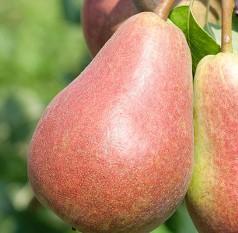
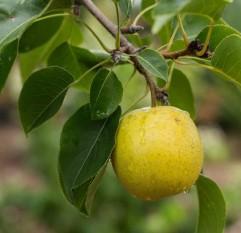
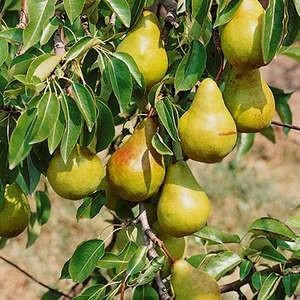
Parker Pear | Pyrus 'Parker' 1934 University of Minnesota introduction. Open-pollinated seedling of a Manchurian pear. Large, yellow-bronze fruit. Fine grained, tender and juicy. Upright and vigorous grower. Pollinator for 'Luscious'.
First Editions® Tawara Asian Pear | Pyrus 'Tawara Oriental' This Asian pear, grown mainly for its edible fruit, has an upright oval form with glossy green foliage which looks great all season long. White flowers in spring make way to the unusual dark tan to light brown fruit, tasting like a cross between apple and pear, with crisp texture. Asian pear cultivars are partially self-fruitful but better crops are set where two or more cultivars are planted together. European pears or Asian pears, such as 'Seckel', 'Bos'c or 'Bartlett', can be used for pollination. Excellent for fresh eating or canning. Discovered by Jeanne & Jim Matsuda of Park Creek Nursery.
Bartlett Pear | Pyrus 'Bartlett' Originated as a chance seedling in Berkshire, England. Large size, golden yellow, wonderful quality. Buttery, juicy, highly flavored fruit. Excellent for eating fresh or canning. Vigorous grower and bears young. 'Bosc' is a good pollinator for 'Bartlett'.
Patten Pear | Pyrus 'Patten' Fruit is of good size and quality. Very tender and juicy. A good pollinator for most other pear trees.
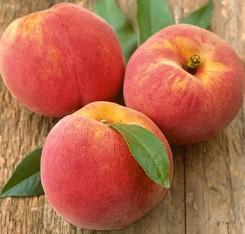
Reliance Peach | Prunus 'Reliance' The hardiest yellow-fleshed freestone peach available. Medium sized, roundish, yellow-fleshed peach that ripens with 'Redhaven'. Has a rather dull blush over green-yellow color. Flesh is bright yellow, rather soft and juicy. Flavor is fair. Good for fresh market in cold regions.
Contender Peach | Prunus x 'Contender' A freestone peach with bright yellow flesh. Matches 'Reliance' in cold-hardiness and tolerance of spring frosts. Sweet, extra-juicy fruit is an absolute delight for fresh eating, canning, baking, and freezing. Self-pollinating. 'Contender' ripens mid-to-late August.
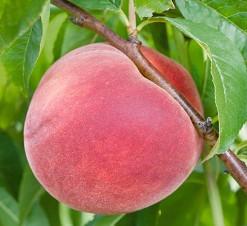
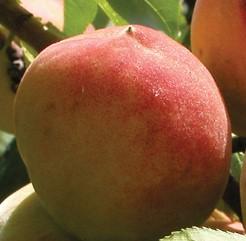
Bailey Hardy Peach | Prunus 'Bailey Hardy Peach' Selected by Gordie Bailey in 1958 from a University of Minnesota fruit breeding trial. This variety was picked for it superior fruiting and hardiness. Fruit is of good size and eating quality. The sweet, semi-freestone juicy flesh is excellent for fresh eating, sauces and baking. Ripens mid-August. This dwarf tree will bear fruit in 2-3 years. Self-fruitful, needs no pollinator.
Elberta Peach | Prunus 'Elberta' Large fruit, best known yellow canning peach. The skin is red blushed over a deep golden yellow color. High quality eating and canning peach. It's as sweet a peach as you could have on the table. In the spring, rose-red blossoms will fill the air with fragrance.

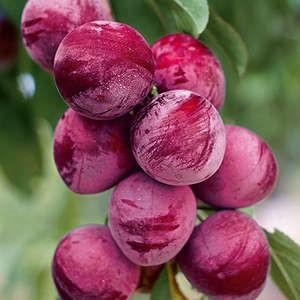
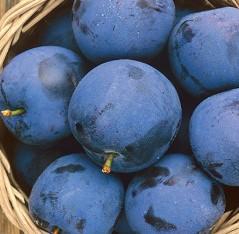
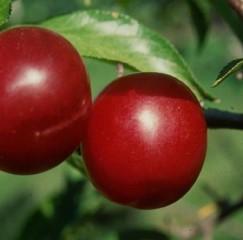
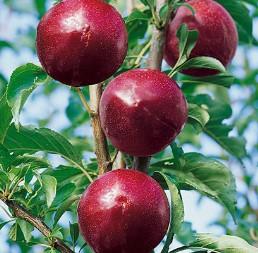
Santa Rosa Plum This Japanese plum tree fulfills two purposes in your yard producing beautiful, white spring blooms and delicious fruit. The plums are large in size with red to purple coloring, ripening midseason. Their fine-textured clingstone flesh is delicious when eaten fresh, canned, or used in cooking.
Pipestone Plum | Prunus 'Pipestone' European Plum. Red - 'Burbank' x (P. salicina x 'Wolf'). A very attractive red plum with a golden blush. Released by the University of Minnesota in 1942. Sweet, juicy, yellow flesh with excellent quality. Immense-sized red fruit. Good for fresh use, jam and jelly. Very hardy.
Mount Royal Plum | Prunus 'Mount Royal' Bllue - European Plum. Good eaten off tree. Excellent for dessert, jam and preserves. Tender, juicy flesh. Considered the best blue cultivar in Wisconsin and Minnesota.
Toka Plum | Prunus 'Toka' Red - South Dakota Experiment Station introduction, 1911. One of the best pollinators. A medium-sized, richly flavored variety with beautiful apricot color.
Superior Plum | Prunus 'Superior' Red - 'Burbank' x 'Kaga' (P. simonii) 1933. Released by the University of Minnesota. One of the best plums on the market. Large fruit with dark red skin. Good for fresh eating, jam and jelly. Flesh is yellow, sweet and juicy. Heavy bearing. Often sets fruit the first year. Use 'Toka' for pollination.
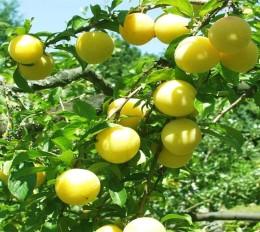
Shiro Plum : Shiro plums are a popular, early-season Japanese variety known for their heavy, consistent crops of round, bright yellow, juicy fruit with a mild, sweet flavor. They are versatile for fresh eating, canning, and baking. These hardy, small-statured, spreading trees are ideal for home gardens.
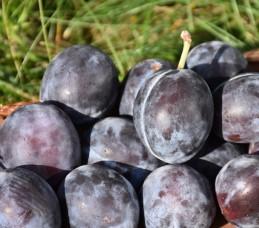
Italian Prune Italian prunes are small, oval, deep purple-blue plums with a distinctive powdery bloom, prized for their sweet flavor and versatile cooking uses. High in season from late summer through early fall, they have dense, greenish-yellow flesh that turns a vibrant red when heated, making them ideal for jams, sauces, and baking.
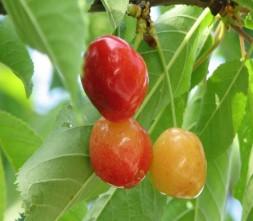
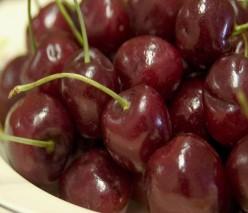
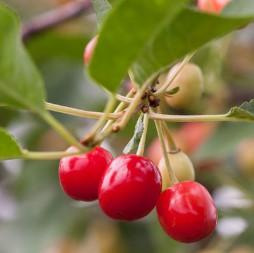
Rainier Sweet Cherry | Prunus avium 'Rainier' height Large, beautiful golden yellow fruit with a red blush, 'Rainier' is similar to 'Royal Ann' but larger and easier to grow in the Northwest. 'Rainier' bears abundant crops of sweet, richly flavored, firm and juicy cherries. Pollinate with Black Tartarian or Bing.
Bing Cherry | Prunus 'Bing' Black Cherry. Solid flesh with high quality flavor. A fine shipping market variety. Pollinate with 'Black Tartarian' or 'Stella'.
First Editions® Sweet Cherry Pie™ Cherry | Prunus 'Eubank' Sweet Cherry Pie™ Cherry is a compact tree that makes it perfect for the home garden or a small orchard. The fruit is a sour pie cherry with the sweetest taste. Although not quite for fresh eating like a ‘Bing,’ Sweet Cherry Pie™ cherries are fantastic for jams, jellies, and pies.
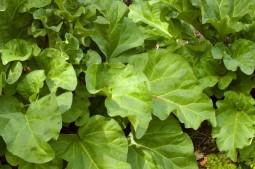
Chipmans Canada Red Seed Source Rhubarb | Rheum 'Chipmans Canada Red'
Bright red stems are delicious for sauces and pies. One of the sweetest of the red rhubarb. Perennial. (Zone 3-8).
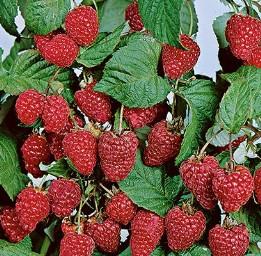
Rubus Boyne Raspberry 'Chief' x 'Indian Summer') Morden, Manitoba, Canada, 1960. Red, medium acid with aromatic flavor. Vigorous, erect and sturdy. Excellent for canning, freezing, and dessert. Very productive and extremely hardy.
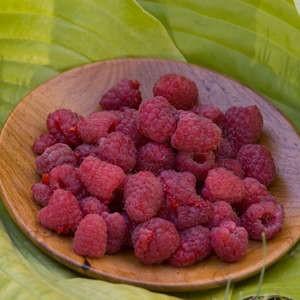
Heritage Raspberry (Rubus ‘Heritage’) ('Milton' x 'Cuthbert') 1969. Geneva, N.Y. (Everbearing) The medium-sized red fruit has very good flavor and quality. First crop mid-July, second crop September 1.
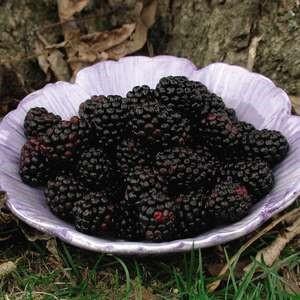
Thornless Blackberry (Rubus ’Chester’) - Chester is a thornless and semi-erect variety of blackberry that was developed by the USDA in 1985. Medium to large berries are deep black, round and very sweet. This is a high quality and high yielding variety and will not soften
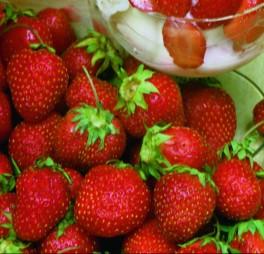
Ozark Beauty Strawberry - An extremely popular Everbearing variety, Ozark Beauty is a top choice for home gardeners all over the United States! Berries are smaller than some varieties, but easy to grow and excellent right off the vine
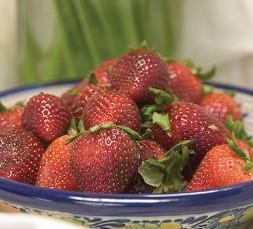
Ft. Laramie Strawberry | Fragaria x ananassa 'Ft. Laramie' Large scarletred berries with honey-sweet flavor. Firm texture is perfect eating fresh, freezing and preserves. Everbearing, producing berries from summer to
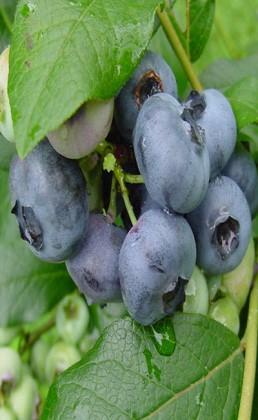
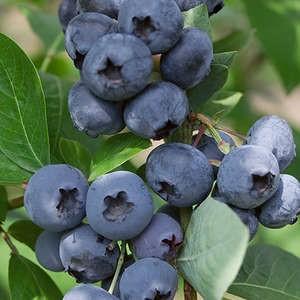
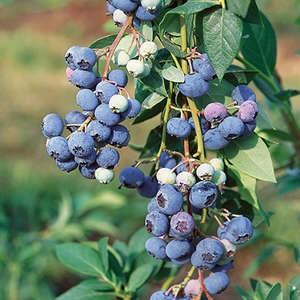
Patriot Blueberry - Besides its excellent cold tolerance, soil versatility and value as a decorative landscape shrub, the Patriot Blueberry Plant produces large berries. Patriot is one of the earliest flowering and earliest fruiting varieties, but is sure to be enjoyed all throughout
Jersey Blueberry (Vaccinium Jersey) This variety is a favorite for home gardeners wanting an easy to grow, heavy producing late season variety. The fruit is dark blue, small to medium in size, and very sweet in flavor. Excellent for baking. A reliable producer every year .Full sun ; zone 4-8
Northland Blueberry ( Vaccinium Northland) This cultivar was hybridized to adapt to northern Michigan. Fruit size is small, dark blue and has a wild berry flavor. Mature plants are 3-4 feet. 'Northland' has limber branches which do not break under heavy snow loads and adapts well to the sub zero climate. Great for ornamental use. Low stature and spreading growth habit make it an attractive landscape
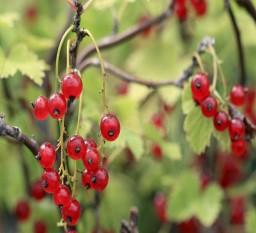
Red Lake Currant | Ribes 'Red Lake' Clusters of large bright red berries borne on 2-3 year old wood. Semi-erect and vigorous. Very productive. Fruits are good for jams and jellies. Introduced by the University of Minnesota in 1933.
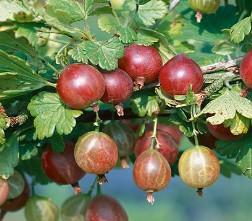
Pixwell Gooseberry | Ribes 'Pixwell' 1932. NDSU. Very productive. Pale green fruit becoming pink when ripe. Few thorns. Produces fruit on 2-3 year old wood.