
DR. PIERRE JOHNSON


Publisher
Cheryl Mainor Norman
Editor-In-Chief
Kai EL’ Zabar
Managing Editor
Laura Miller
Creative Direction
CNW Studio, LLC
Art Director
Paul Mainor
Copy Editor
Max Blaisdell
Staff Writers
Zada Johnson, PhD.
Candi McCrary
Mila Marshall. PhD.
C.L. Blackburn
Columnists
Ryan Willis
Dr. Sanja Rickette Stinson
Intern & Illustrator
Elijah Lee
Cover Photography
Strategic Heights Media
Chicago News Weekly
700 N Sacramento Blvd Suite 320 Chicago, IL 60612 (312) 877-5151
Volume No. 36
June - June 18, 2026
Chicago News Weekly is Published on Thursday a product of CNW Network
www.cnwmedia.com advertising@cnwmedia.com editorial@cnwmedia.com


Awakening Pursuing the life of Your Dreams
We are spiritual beings, created in the image of our Creator. Because of that, navigating the laws of this life requires absolute faith—especially since none of us escape its end. Many of us know the exact moment we woke up to the reality that our lives were no longer working. Sometimes it’s an in-
ternal shift over time; sometimes it’s the global shift affecting all of humanity. Other times, it’s subconscious self-sabotage or the life circumstances that we are dealt. Each reason provides one a lesson to push through. Before the shift, everything seems to be moving smoothly according to plan. Then, life happens.
I experienced two distinct moments that altered my trajectory in a flash. I had been so careful, making all the right moves. But suddenly, I had to sink or fly.
The Ups and Downs of the Climb
The first moment looked like a fabulous opportunity. A friend put together a major real estate package: a 36-unit and a 24-unit apartment buildings, with a $50,000 buy-in. We were a group of women at the top of our game, still climbing— including names you would recognize as heavy hitters today. We even hired a portfolio manager who graduated from Harvard Business School. We popped the champagne and celebrated our win.
Our manager provided consistent updates. Then one day, I noticed a shift. The report wasn’t about our business dealings anymore; it was a cruise ship promotion. Umph! That didn’t end well. By the time we grasped what was happening, our manager
had literally lost her mind. We lost the money, the property, and that was that. The second time was 2009. The country was in a massive financial crisis, and I was one of the unfortunate ones who lost a ton of mon-
no longer work. If we cling to them, we find ourselves out of sync with reality. And if we’re out of tune with the flow it can possibly make things worse. Resisting the inevitable is like swimming against the tide.

ey. This time, there was no quick recovery. I had moved from Chicago to Los Angeles to pursue my dream, and instead, I lost that round.
Resisting the Tide Change is accelerating so fast that predicting the future is nearly impossible. The old ways of planning
Look at the collective panic over AI. So many people are resistant. But let’s be honest: these are the same folks who resisted computers, cell phones, and online bill pay. Today, they are forced to comply. The youth are panicking because they think AI will replace them…only if they choose to let it.
The shift we are undergoing right now is simply the tide of change. We must remember who we are. We are not the product of a random Big Bang; we are multidimensional, spiritual beings created by God. When you realize this, the life you planned for, a limited version of yourself no longer fits. You must feed your soul, not just your body.
The Test of Faith
This realization dawns slowly for some, and with a sudden, forced jolt for others. Knowing who you are and how you engage with change is vital to your well-being. Trusting in God is foundational, but we still have to figure out how to integrate this larger sense of self into our daily lives.
Sometimes, drastic change feels entirely right. Overnight, you might sell your home, move to another country, or pivot to a new career. Other times, change proceeds slowly, starting with a dream or a deep question about your true purpose. For me, it came through the opportunities that presented themselves. I stayed the course. Moment to moment, life tests our faith. Trust this process as a natural sign of growth. The life of your dreams is possible—but it requires work, commitment, and resilience. Underneath it all is our faith.
Quitting is not acceptable.
Kai EL’ Zabar Editor-in-Chief
Photo: Dot Ward
A Street Named in Her Honor: Chicago Renames Corner for Yolanda Travis Mack
CNW Staff Report
On a bright Wednesday morning in Chicago’s South Side, a community gathered not just to witness a street re naming — but to celebrate a life that re shaped it.
The Black McDonald’s Operators Asso ciation (BMOA), city officials, family, and a room full of prominent Black business owners filled the McDonald’s at 5200 S. Lake Park Ave. before stepping outside to watch the corner of 52nd and Lake Park Ave. officially become Yolanda Tra vis Mack Way. The City of Chicago made it permanent.
The energy inside that McDonald’s before the unveiling said everything. BMOA owners, community leaders, and supporters crowded together, sharing




stories and honoring a woman many of them knew personally. When the moment came and the sign was revealed, her husband Darryl Mack, daughter Shannon Travis Hawk, and their family stood front and center — a quiet, powerful testament to everything she meant to the people closest to her.
4th Ward Alderman Lamont Robinson joined BMOA President Derrick Taylor, BMOA operator and owner of the 5200 S. Lake Park location Toni Williams, and the Travis family for the program, which ran from 10 to 10:30 a.m. — short in time, lasting in meaning.
Yolanda Travis Mack spent more than two decades serving in the National Guard before becoming a McDonald’s
owner/operator. She was a mentor, a builder of community, and someone who consistently put opportunity in front of others before herself. Her legacy lives not just in the businesses she helped build or the people she lifted — it now lives in the street sign at 52nd and Lake Park.
For those who were there, the morning felt like a true community celebration — neighbors, business owners, and family unified around a name that meant something real to all of them. And for those who will walk past that corner for years to come, her name will be a reminder of what showing up for your community looks like.
Yolanda Travis Mack Way. Chicago, IL.
Why Thousands of Chicago Home Listings Suddenly Disappeared From Zillow
The dispute between Zillow and MRED briefly removed thousands of Chicago-area listings from public view and exposed a larger fight over transparency, seller control and who gets access to housing information in the digital age.
Laura Miller Managing Editor
Thousands of Chicago-area home listings disappeared from Zillow on May 20 after a dispute between the nation’s largest home-search platform and the organization that supplies much of the region’s housing data spilled into public view. What looked like a technical problem was actually the latest development in a growing legal battle that could influence how homes are marketed across the country.
The dispute centers on Zillow and Midwest Real Estate Data, known as MRED, the multiple listing service that manages and distributes housing data for much of the Chicago region. At issue is a growing debate within the real estate industry over who controls access to housing information, how homes should be marketed and whether all buyers should have the same opportunity to see available properties. For consumers, the disagreement may seem surprising. Zillow has become the default starting point for many homebuyers, allowing users to browse listings, compare neighborhoods and track prices from their phones. Yet Zillow does not create most of the housing information displayed on its platform. Instead, that data originates with organizations known as multiple listing services, or MLSs, regional databases that collect listing information from participating real estate agents and brokerages. In the Chicago area, MRED is one of the largest of those organizations.
The conflict centers on private listings, sometimes called pocket listings. Unlike traditional listings that are immediately marketed to the public, private listings may first be shared among select agents, brokerages or groups of buyers before becoming widely available. Some sellers use the approach because they want privacy, are testing pricing or are not yet ready to fully launch a property on the market. Supporters argue

that private listings give homeowners greater control over how their homes are marketed. Critics argue they can reduce visibility and limit access for buyers who rely on public platforms to search for homes.
Ja’Mal Green, a Chicago community advocate and former mayoral candidate, said the issue extends beyond a dispute between Zillow and MRED.
”The biggest issue with homes being marketed privately before the public sees them is simple. Regular people get left behind,” Green said. ”Housing information is power. When access to that information becomes fragmented, communities that already face barriers are usually the first ones pushed further behind.”
Green said first-time buyers, working-class residents and Black families are likely to be most affected because many do not have access to private broker networks, exclusive client lists or agents moving deals quietly before the public sees them.
”For years we fought to make housing information more accessible because historically our communities were locked out of information, locked out of loans, and locked out of ownership,” Green said. ”Public listing platforms helped level that playing field a little.”
The disagreement moved from industry debate to legal battle when Zillow filed an antitrust lawsuit against MRED and national brokerage Compass. Zillow alleges that MRED and Compass attempted to pressure the company into displaying listings that Zillow believes conflict with its transparency policies. Zillow’s position is that if a home is being publicly marketed to some buyers, it should be broadly available to all buyers.
MRED and Compass dispute those claims. MRED has argued that Zillow should not be allowed to receive the benefits of MLS data while deciding which MLS-compliant listings it will or will not display. In other words, MRED’s position is that if a listing follows its rules, Zillow should not be able to reject it simply because it disagrees with the marketing strategy behind it.
The dispute escalated after MRED suspended Zillow’s access to its listing feed, causing thousands of Chicago-area properties to disappear from Zillow and Trulia. The move immediately drew attention from agents, sellers and buyers throughout the region. Two days later, a federal judge ordered MRED to restore Zillow’s access while the lawsuit proceeds through the courts.
The legal battle has become one of the most closely watched disputes in real estate because it reflects a larger shift in how Americans buy homes. For decades, local MLS organizations largely controlled how housing information moved through the marketplace. Today, many buyers begin their search on consumer-facing platforms such as Zillow, Redfin and Realtor.com. As those platforms have grown in influence, so has the debate over who ultimately controls access to listings and whether the industry should prioritize seller choice, platform rules or the broadest possible public access to housing information. Supporters of private listings counter that sellers should retain the freedom to market their homes in whatever manner best serves their interests, whether that means privacy, timing, price testing or a quieter sales process. That tension remains at the center of the dispute: whether the seller’s control over marketing should outweigh the broader public interest in open access to housing information.
Neither side appears willing to back down. Zillow has framed the case as a matter of transparency and consumer access. MRED and Compass have framed it as a matter of seller choice and adherence to established MLS rules. A spokesperson for Zillow called a recent court ruling restoring access to the MRED feed ”an important first step” for buyers, sellers and agents, while MRED has maintained that its policies are designed to protect both consumers and participating brokers.
For now, Chicago-area listings have returned to Zillow, and consumers can once again view much of the region’s housing inventory through the platform. The lawsuit, however, is far from over, and its outcome could influence how listings are marketed and distributed well beyond Chicago.
What began as thousands of missing listings has evolved into a larger question about the future of housing information itself. When it comes to homes for sale, should access be controlled primarily by those who list them, or should every buyer have the opportunity to see the same inventory at the same time? The courts will ultimately weigh in on the legal questions, but the answer could help shape how Americans buy and sell homes for years to come.
DR. PIERRE JOHNSON THE EXCEPTION…
Laura Miller Managing Editor
Dr. Pierre Johnson is known as ”The Fibroid Slayer,” but the deeper story is about a South Side surgeon whose life complicates what circumstance is supposed to predict.
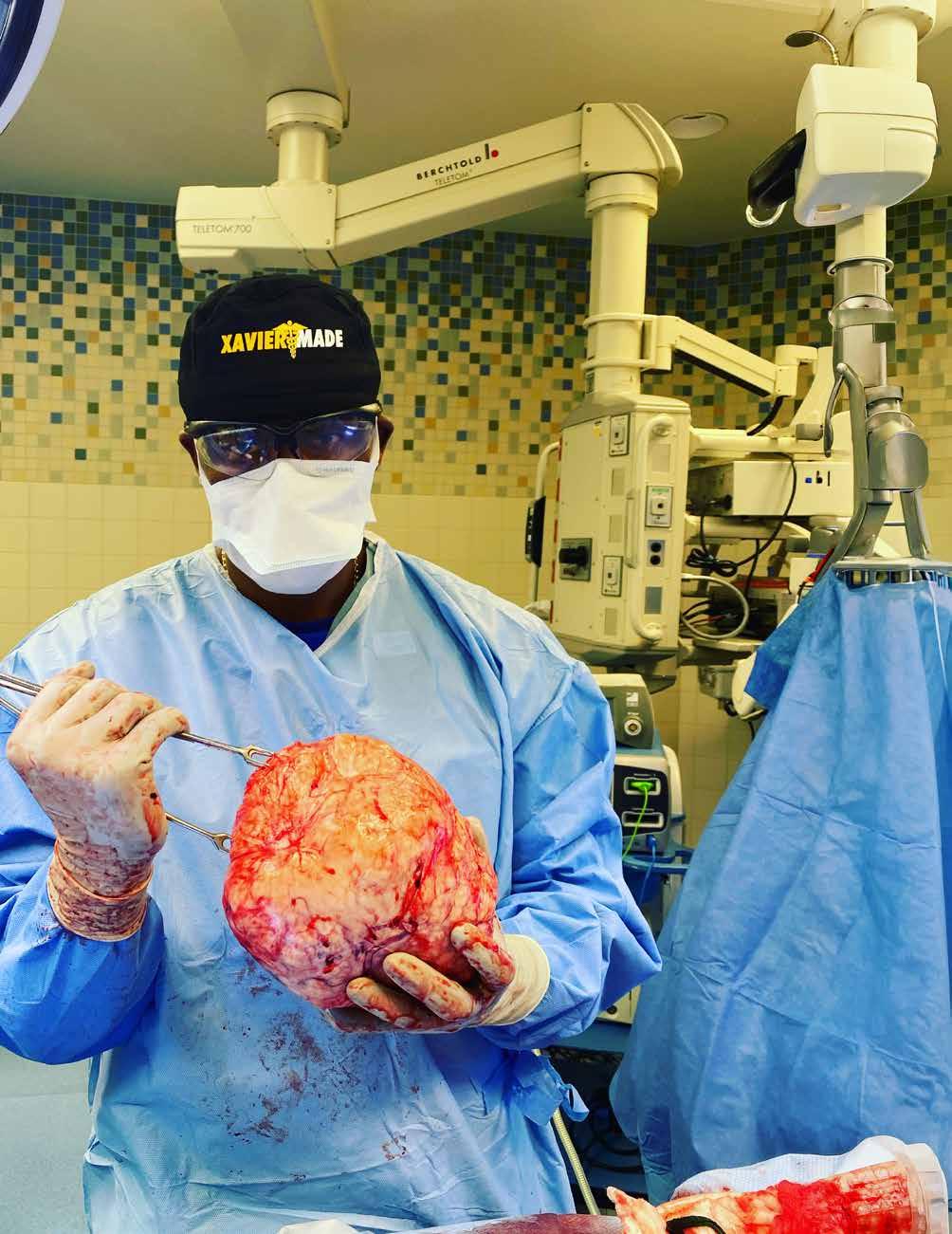
The cap says ”Xavier Made” in gold letters. The scrubs are blue. The gloves are bloody. And in his hands, Pierre Johnson holds something the size of a bowling ball, a 27-pound fibroid he just removed from a pregnant woman who had been told she might lose everything… her uterus and her baby. He is looking directly at the camera. He looks exactly like himself.
That is the whole story, really. But it deserves to be told properly.
In conversation, Johnson moves the way Omega men tend to move, with an ease that disarms
DR.JOHNSON, Continued on page 6 u
you before the substance lands. He is quick to laugh, quicker to make you feel like you are talking to someone who already knows you. Then women’s health comes up, and something shifts. The charm does not leave. It just makes room for something harder and more urgent.
The Boy Who Saw the Doctor
Long before he became the physician women now seek out for complicated gynecologic cases, Pierre Johnson was a kid from Chicago who wanted to play professional basketball and happened to watch the right show on the right night. On The Cosby Show, he saw Dr. Cliff Huxtable, a Black

The Odds and the Outcome
Known nationally as ”The Fibroid Slayer,” the Chicago-born surgeon has built a reputation for treating some of the country’s most complex fibroid cases. Patients travel across state lines and international borders seeking his expertise. Johnson’s work inside the operating room has given women hope in moments when they were told their options had narrowed. By most measures, Johnson is exactly what success looks like. And yet none of those accomplishments fully explain what makes him remarkable. The public story begins with the surgeon. The deeper story begins with the odds.
The case at Loretto Hospital was the intersection for those two stories melding them into one. A pregnant Black woman sought another opinion after being told she could lose both her baby and her reproductive organs. She chose a second opinion. She chose Pierre Johnson. The surgery that followed removed a 27-pound fibroid while preserving both the pregnancy and her uterus. It becomes a visual argument against inevitability.
He grew up in Chatham, the eldest of five children, in a family shaped by addiction and instability. His parents struggled with drugs. His educational experience moved between higher-access suburban schools and underperforming schools. Because of the logic of social prediction, his future should have been easier to chart. Yet Johnson kept imagining himself beyond the limits of what surrounded him.
”I’m just one of those driven people,” Johnson told CNW. ”When I’m speaking into the atmosphere, when I put my mind to it, it’s going to be done.”
man who was educated, respected, professional and, perhaps most importantly for Johnson’s imagination, an OB-GYN.
For many viewers, Cliff Huxtable was a character. For Johnson, he was a door.
”The only really positive Black male role model that I saw at that point was Bill Cosby,” Johnson said. ”He happened to be an OB-GYN.”
A child watched television and saw a version of manhood and medicine that made the future feel possible. He saw an image and absorbed its possibility before anyone had the chance to tell him how difficult the road would be. Johnson remembers being challenged by an aunt to think beyond basketball and offer a Plan B. He answered that he wanted to be a doctor.
”So literally as a 5-, 6-year-old kid, that was it,” Johnson said.
His goals did not shrink as he got older. They expanded.
”My goal was not to be a well-known, respected doctor in Chicago alone,” Johnson said. ”That’s not enough for me. It has never been enough for me. My goal was to be able to offer the skills and to be able to operate and to help women all over the world.”
Today, that vision no longer sounds theoretical. Women have reached out from Russia, Norway, Finland, the Caribbean and Africa. Patients travel from Los Angeles, New York, Miami and Atlanta to Chicago’s West Side for surgery.
”They’ve come out west for surgery from this Black kid from the South Side of Chicago,” he said.
The Road Was Not Built Smooth
In The Pulse of Perseverance, co-authored with two fellow Black physicians, Johnson writes about a young man who knew what he wanted early but kept encountering moments that forced him to adjust, regroup and begin again. The book traces how three Black men from different states reached medicine de-

spite the absence of easy pathways. The project that followed turned their testimony into scholarships, mentorship, and a mobile platform connecting aspiring professionals with people who had already walked into the rooms they were trying to reach.
”We’ve given almost $100,000 in proceeds from the sales of that book,” he said.
The work did not stop with the book because Johnson’s own life had taught him that inspiration without access has limits. That is the purpose behind P3.
”If they don’t see it, they can’t achieve it,” he said.
His mother’s transformation remains central to the way he thinks about possibility. Her addiction shaped his childhood, but her recovery helped sculpt his understanding of human resilience.
”My mom is the greatest source of inspiration in my life,” he said. ”Watching her transformation from struggle to triumph has been the biggest inspiration for me, a catalyst for my success.”
The Surgeon Who Did Not Assimilate
Part of what makes Johnson compelling is that he does not read as a man who assimilated into medicine by stripping himself of everything that made him recognizable. He is still visibly and unmistakably himself, the earring, the tattoos, the South Side cadence, the directness. He did not become a doctor by pretending not to be the kid from Chatham. He became a doctor with that kid still intact.
That kid includes the fraternity brother and, at home, the husband and father. Johnson’s Omega Psi Phi membership is not incidental to who he is in a room.
Dr. JOHNSON, Continued on page 10 u
Dr. Sanja Stinson Columnist
AI Cannot Replace What Makes Us Human
Dr. Sanja Rickette Stinson Columnist
In my last article, we explored two important qualities Artificial Intelligence cannot replace: emotional intelligence and human connection. As AI continues to reshape business, nonprofits, leadership, and everyday life, many people are still asking an important question:
”What role will humans continue to play in an AI-driven world?”
That question matters because technology is evolving rapidly, and with that growth comes both opportunity and uncertainty. While AI can improve efficiency, automate repetitive tasks, assist with communication, and help organizations move faster, there are still uniquely human qualities that no technology can fully duplicate.
And perhaps that is part of the conversation we need to discuss more often.
Many people are not necessarily afraid of AI itself. They are afraid of becoming irrelevant, disconnected, unprepared, or left behind in a world that seems to be changing overnight. That is why these conversations matter. The goal is not fear. The goal is understanding, preparation, and learning how to use technology responsibly without losing the human qualities that matter most.
The third thing AI cannot replace is discernment and ethical judgment.
AI can provide information in seconds, but it cannot carry moral responsibility, spiritual sensitivity, wisdom, or ethical accountability. It cannot fully understand the emotional impact of a decision on a family, a struggling nonprofit, a business owner under pressure, or a community trying to survive difficult times.


Technology can assist decision-making. But humans must still determine what is right, fair, compassionate, and responsible. That is why human oversight matters. In many ways, AI is not as unfamiliar as we think.
For years, we have watched versions of advanced technology in movies, television, and popular culture. Think about Batman and the Batcomputer. Batman used technology to gather information, analyze patterns, identify risks, and support decision-making. But even with all of that intelligence and capability, the Batcomputer never became Batman. Batman still had to use discernment, judgment, courage, compassion, and responsibility to decide what actions to take.
I content that Artificial Intelligence works much the same way. AI can process information quickly and generate insights, but it still requires human wisdom, ethical leadership, and intentional guidance. The difference today is that AI is no longer confined to movie screens or large technology companies. It is becoming more visible, more accessible, and more integrated into everyday life, business, nonprofits, education, and even ministry.
The fourth thing AI cannot replace is creativity during uncertainty. AI can generate ideas based on patterns and existing information, but human creativity is often born out of struggle, resilience, transition, reinvention, faith, and lived experience. Some of the greatest businesses, ministries, and movements were built during difficult seasons when people had to think beyond data and step forward with courage and vision.
Human creativity carries emotion, intuition, story, and purpose.
And finally, the fifth thing AI cannot replace is purpose, compassion, grace, and calling.
AI does not carry passion, it does not carry burdens, nor can it carry our mission, and give grace.
And it certainly cannot replace the wisdom, discernment, comfort, guidance, and conviction that comes through the Holy Spirit.
No matter how advanced technology becomes, even in my opinion as an AI Certified Strategist, I remain deeply aware that people still need compassion when they are hurting and grace when they make mistakes. People still need encouragement during their struggles and support when facing the uncertainties of life. People still need purpose to help them keep moving forward. And at the end of it all, people still need genuinehuman connection that reminds them they are not alone.
As someone transitioning into this next season as an AI Certified Strategist after decades of nonprofit leadership, I do not believe AI should replace humanity. I believe it should support humanity when used responsibly, ethically, and wisely.
AI may continue to evolve, but compassion still matters because people need empathy and understanding. Discernment still matters because wisdom cannot be automated. Purpose still matters because people are searching for meaning beyond productivity. Grace still matters because life requires patience, forgiveness, and humanity. Human connection still matters because people still want to feel seen, heard, val-
Mental Wellness Is Essential to Community Violence Intervention, Not a Luxury
Tony Woods Guest Commentator
Community Violence Intervention (CVI) – a public safety approach rooted in prevention, outreach, mentorship, and conflict mediation to interrupt cycles of violence before they escalate – is purposeful, empowering, and oftentimes, life-changing work.
In honor of Mental Health Awareness Month, we must also recognize an often-overlooked truth: the people doing this work need healing, too.
CVI is a field that requires healing and mental wellness. In fact, it demands it. To effectively step into this work, you’re faced with addressing deeply embedded wounds that could keep you from reaching your full potential. But, on the other side of that healing comes peace, strength, and empathy. It’s a transformation I know all too well.
Let me take you back: When I first
came into violence intervention work in 2009, I came in carrying trauma of my own. And with every shooting I re-
sponded to, every family I sat with, even more weight stacked on top of the pain I hadn’t resolved. After a while, I stopped knowing what to feel. Somewhere along the way, we started counting lives instead of feeling their loss.
But these aren’t numbers, they’re people.
The pain and trauma we face can stack so high that your mind and body shut down just to keep going. Not wanting to live that reality, I did the necessary work to make peace with my past, while using those lived experiences as fuel to help others. In this new chapter, as I lead my organization, I make it my mission to protect our workers and their well-being.
At Public Equity, we’ve launched a first-of-its-kind wellness initiative for frontline CVI workers. Staff members have their own wellness plan, not some cookie-cutter checklist, but something real, built around their needs, their struggles, and their peace. They don’t go at this alone. We built a multidisciplinary team of clinicians, wellness practitioners, and other supports who walk alongside them, making sure they’re cared for from every angle. Because here’s what I know: Titles don’t heal trauma. I learned that long before I ever became an Executive Director. And just because we hand someone a job title doesn’t mean they stop carrying their pain. Too often in this work, we act like putting ”outreach worker” or ”violence interrupter” on someone’s ID badge suddenly makes them whole. It doesn’t. They’re still walking into COMMENTARY, Continued on page 11 u

Neither is the family he built, particularly for a man who grew up without the stability of one. It is all part of the same through line: a man who collected belonging wherever he found it and carried all of it into medicine with him.
Johnson connected part of his surgical precision to an unexpected place: barbering. He started cutting hair when he was 14 and worked in a shop before entering medical school. Over time, the coordination and respect for small movements parlayed into his surgical life.
When other doctors hesitate over size, Johnson leans into his overwhelming desire to its complexity.
”We
Always Have Options”
Johnson’s medical focus is deeply tied to uterine fibroids, a condition that disproportionately affects Black women, who often encounter delayed diagnoses or treatment plans that make hysterectomy feel less like an option and more like a foregone conclusion. What he challenges is the absence of full, informed conversation.
His measure is not whether fibroids can ever return, since they can as long as a woman has a uterus. His measure

is whether his patients need another surgery after he performs the initial operation.
”To date, I have not had to re-operate on anyone that I’ve done one primary fibroid surgery,” he said, contrasting that with a national average of about 40 percent. ”I’m at a zero right now.”
When he talks about patients, the register changes completely. The warmth is still there, but it’s load bearing now, holding up something serious underneath.
”It’s about education and understanding what the options are and what makes sense,” he said.
He encourages patients to seek second, third, or even fourth opinions. He tells women to research their surgeons, ask questions and trust the discomfort that tells them something may not be right.
”When you are going into surgery, you are completely helpless,” Johnson said. ”You cannot advocate for yourself. You cannot speak for yourself. So, you choose the absolute person who you will literally put your life in their hands. That has no loyalty, that has no allegiance.”
Dr. JOHNSON, Continued on page 11 u

u DR. JOHNSON, Continued from page 10
When asked what he would say if everyone had his attention, Johnson did not offer a soft answer.
”I would say that number one; we always have options,” he said. ”Don’t let anybody tell you that you don’t have options.”
One of One
Johnson’s answer has been built. He built a surgical reputation around cases others considered too large or too complex. He built a public platform that translates medical knowledge into language people can understand. He helped build a book into a nonprofit mission and a mentorship app because one example changed his life, and he does not want the next child to have to wait for a sitcom to see a future. His story does not deny the force of one’s environment, class, access, or race. It proves those forces exist while insisting they are not the whole story.
”I am one of one,” he said.
The most interesting part of Johnson’s life may not be that he became one of one. It may be that he is working so hard to make sure he is not the only one.
For Johnson, the dream did not change. It just got bigger.
u EMPOWERMENT, Continued from page 8
ued, and understood.
And let us be clear, artificial intelligence may continue advancing, but it cannot replace the Holy Spirit. Perhaps that is the greatest reminder of all the future should not simply become more artificial. It should also remain deeply human.
As someone transitioning into this next season as an AI Certified Strategist after decades of nonprofit leadership — and through my ongoing work and writing around human-centered AI — I believe these conversations are some of the most important leadership discussions of our time.
In the coming weeks, we will continue exploring how individuals, nonprofits, entrepreneurs, faith leaders, and communities can navigate Artificial Intelligence with confidence, wisdom, and a human-centered approach embracing innovation while still protecting the compassion, purpose, discernment, and human connection that technology can never replace.
u COMMENTARY, Continued from page 9
this work with wounds, and if we don’t make space for healing, those wounds only get deeper. Most of us working in CVI are going into the same neighborhoods that broke us in the first place. We return every day to corners where we lost friends, blocks where we saw blood on the pavement, communities that carry the same scars we do. That proximity makes us credible, but it also means we’re constantly reliving the very trauma we’re trying to heal. Without intentional wellness, that cycle eats away at us.
For CVI, investing in mental health isn’t optional and it isn’t a luxury. It is necessary and essential to this work.
If we, as CVI practitioners, are serious about saving lives and transforming communities, then we must start with ourselves. We can’t keep asking frontline staff to pour from an empty cup. In order to improve the lives of others, we first must improve our own.
This is not about numbers. It’s not about retention. It’s about restorative justice. It’s about valuing the people doing the healing as much as we value the healing itself.
If we want frontline CVI workers to be impactful, sustainable, and whole, then wellness has to move from the margins to the center of our practice. Lived experience may get us into the game, but wellness is what will allow us to keep playing, and to win real change for our communities.
Tony Woods is Executive Director of Public Equity, a Chicago-based nonprofit focused on violence prevention and public safety. The organization works to create pathways for residents of vulnerable communities, allowing them to improve their quality of life and drive positive impact through trauma-informed care and access to resources. Learn more at EquityIsKey.org

Kai EL’ Zabar Editor in Chief
Movie Review: The Devil Wears Prada 2
Kai EL Zabar EIC
Like millions of others who have been patiently waiting for twenty years, I was thrilled when the sequel finally made its debut on April 17. Off I went to see Miranda Priestly and Andy Sachs light up the big screen once again. Sitting in the theater felt less like watching a movie and more like a gathering of old friends; I couldn’t wait to catch up. Directed by David Frankel and written by Aline Brosh McKenna, The Devil Wears Prada 2 is a comedy-drama that features Meryl Streep, Anne Hathaway, Emily Blunt, and Stanley Tucci reprising their iconic roles, joined by an impressive supporting cast including Justin Theroux, Lucy Liu, and Kenneth Branagh.
Two decades after leaving her position as a co-assistant at Runway magazine, Andrea ”Andy” Sachs has become a respected, hard-hitting reporter in New York City. The film hits the ground running at a journalism awards event. Andy is at the podium when she drops a bombshell: her entire newsroom has just been abruptly laid off via text message. Meanwhile, Miranda Priestly, Editor-in-Chief of Runway and Andy’s former mentor, is under fire for failing to vet a fluff article about a brand that uses sweatshop labor. Instantly, the audience is left wondering: How did something like this slip past Miranda? And so, the story begins, questioning whether she is still the stern master of control on top of everything in her universe.
This review is meant to pique your interest, so you’ll check it out and draw your own conclusions—I personally hate reviewers who spoil the entire plot. I will say, however, that this sequel is solid, charming, and effectively addresses the rapid, ever-evolving changes in both modern society and the journalism industry.

There were moments when I was moved to tears by how accurately the film reflects real-world media crises, such as mass layoffs, budget cuts, and the disruptive impact of AI. I love that the writers took the effort to capture the obstacles journalists face today, including direct attacks from billionaire moguls and political administrations who seek
to control free speech to fit their own ideologies. The film brilliantly exposes the harsh realities battering a media landscape that once seemed invincible.
That is the true heart of the movie. Runway is under attack, forcing us to revisit a familiar theme: Is Miranda aging out, or is she getting better as she adjusts to a changing world? The
enemy lies dormant until the perfect moment to strike, arriving in the form of a wealthy billionaire looking to buy out the magazine, while the heir to Runway wants nothing to do with the legacy—only the profit from its sale.
How do the honorable maintain their integrity when the vipers are closing in? Yet, amidst all the tension swarm-
ing around the best-dressed people in New York and Milan, the characters maintain their dignity. The notion that being well-dressed is synonymous with intention and impact goes a long way in this beautifully shot film. The scenes captured on location are breathtaking, reminding us that beauty itself is a form of power.
Twenty years later, Miranda Priestly remains true to form. She is older, looks flawless, and though some might call her softer, she hasn’t lost her steel backbone; she is simply more tempered in how she wields her might. We see an uncharacteristically tired side of Miranda as she struggles to navigate modern digital media. While some of her tyrannical office behaviors remain, modern HR complaints have dulled her sharpest edges, making her appear slightly less haughty. Enemies attack Miranda while she is down, using her own medium against her. Her right-hand man, Nigel, explains the bleak reality: nobody reads Runway’s print edition anymore, and the brand has been forced to embrace online clickbait and cheaply made, short-form content to appease advertisers. One key advertiser is Dior, which now employs Andy’s former co-worker, Emily. Emily has become a ”figurehead” in the high-fashion world, yet she remains the same hungry status-seeking character with whom we emphaize. Meanwhile, Andy has mellowed into a grounded professional.
Showing her enduring faith in Andy’s abilities—and knowing exactly what makes Emily tick—Miranda assigns Andy to redirect the controversy surrounding the Runway puff piece. After writing serious articles that gained minimal traction online, Andy rescues her standing by brokering a coveted interview with a major playPRADA , Continued on page 15 u
Byron Allen’s Late-Night Bet Begins After Colbert’s CBS Exit
With Comics Unleashed moving into the former Late Show slot, Allen is not just bringing comedy back to CBS late night. He is bringing a different business model.
Laura Miller Managing Editor
Byron Allen did not inherit Stephen Colbert’s late-night role. He inherited the time slot.
The comedian, producer and media entrepreneur moved Comics Unleashed with Byron Allen into CBS’ 11:35 p.m. hour Friday, May 22, one night after The Late Show with Stephen Colbert aired its final episode. The change ended Colbert’s 11-year run at CBS and closed the larger Late Show franchise that began with David Letterman in 1993. CBS has said the decision was financial, though the timing has continued to draw scrutiny because Colbert had recently criticized Paramount, CBS’ parent company, over its settlement with President Donald Trump. Allen’s arrival is not a traditional late-night handoff. Comics Unleashed is a panel-style comedy format built around stand-up comics, not political monologues, celebrity desk interviews or the large-scale production that defined Colbert’s era. Allen has also made clear that he is not trying to become the next Colbert.
”I’m not trying to replace him,” Allen told The Guardian. In a CBS interview, Allen called Colbert’s exit ”a very unfortunate event” and said he is a fan of the former Late Show host.
But Allen’s advantage was not only creative. It was financial. At a time when late night has become increasingly expensive and less dominant, Allen offered CBS a ready-made comedy format that does not require the network to carry the same production costs that came with The Late Show.
Under the arrangement, CBS is selling its 11:35 p.m. late-night hour to Allen for the 2026–27 season. Reuters described it as a time-buy agreement, with Comics Unleashed airing two consecutive half-hour episodes beginning May 22, followed by Allen’s comedy game show Funny You Should Ask at 12:37 a.m. The move is expected to shift CBS’ late-night segment from a financial loss to profitability.
That distinction puts Allen’s move inside the larger business story reshaping
television. Late night used to be one of the clearest symbols of network power, creating cultural moments, political punchlines and next-day headlines. But television does not operate in that world alone anymore. Clips travel faster than full episodes, podcasts compete for the same conversations, and social media can turn a monologue into a headline before the show is even over.
Ratings and viewer preference still matter. Of course they do. But money has become one of the most important measurements in every format of media. It is not enough for a show, a platform or a publication to have an audience. The question now is whether the business model can hold. What does it cost to make? What does it return? Who owns it? Who controls the distribution? In that climate, Allen’s CBS deal starts to make more sense.
Allen appears to understand that shift. On CBS Mornings, he framed the opportunity less like a coronation and more
like a business decision.
”Once they made the decision, I said, ’OK, this isn’t show business. This is business show,’” Allen said.
The CBS move also comes during an aggressive stretch for Allen. Earlier this month, BuzzFeed announced that Allen Family Digital, an affiliate of Allen’s family office, had entered an agreement to acquire a majority stake in the digital media company. Once the deal closes, Allen Family Digital is expected to own about 52% of BuzzFeed’s outstanding shares, with Allen becoming incoming chairman and CEO. BuzzFeed founder Jonah Peretti is expected to transition to president of BuzzFeed AI. That makes the late-night play feel less like a one-off programming deal and more like part of a broader media expansion. Allen is adding CBS latenight visibility on one side and a major digital publishing platform on the other. For someone who has long talked about ownership and scale, the timing
is hard to ignore.
It also says something about where Allen sees opportunity. BuzzFeed was once one of digital media’s brightest names, but it has struggled as the old social-media-driven advertising model collapsed. Late night was once one of network television’s prestige categories, but it has been squeezed by rising costs and changing viewing habits. Allen is stepping into both spaces while their traditional business models are under pressure.
The shift also marks a sharp tonal turn for CBS. Colbert’s Late Show became one of network television’s most recognizable homes for political satire, especially during the Trump years. Allen is taking the opposite approach. He has said Comics Unleashed will avoid politics and focus on comedy, which may offer CBS a safer late-night alternative at a moment when entertainment, politics and corporate pressure often collide. For Black media watchers, the moment carries another layer. Allen has long positioned himself as an owner, not simply a performer. His presence in the former Late Show slot is significant not because he is replacing Colbert’s voice, but because he is entering one of television’s most visible hours as a Black media owner with a program he controls. That ownership piece matters. In an industry where many performers are hired faces inside companies they do not own, Allen’s play is built around control of the product, the cost structure and the distribution opportunity. CBS gets programming. Allen gets the slot. Both sides are betting that late night does not have to look exactly like it did before.
Whether audiences will follow is the open question. Colbert’s viewers came to CBS for a specific mix of political commentary, celebrity conversation and late-night familiarity. Comics Unleashed offers something looser and more comic-driven. It is not trying to be a direct substitute, and that may be the point.
In that sense, Allen’s CBS debut is not just about what happens after Colbert. Paired with his pending BuzzFeed deal, it reads like part of a larger bet on where media is headed next: toward owners who can buy distressed attention, control costs and turn legacy platforms into something built for a different era.
Why “Just Knowing” Isn’t Enough for the Individual Factors to Heal
Candi McCrary Contributing Writer
From the outside, the equation seems simple: eat less, move more, lose weight. It feels confounding when someone expresses a deep desire to change but continues the exact behaviors causing them pain.
However, severe obesity rarely stems from a lack of information. Most chronically overweight individuals are acutely, painfully aware of what they are eating. The disconnect happens because knowledge cannot compete with a coping mechanism.
Food as a Chemical Shield: For many, food functions exactly like alcohol or drugs. High-calorie, highly processed foods trigger massive dopamine releases in the brain. If someone is dealing with unresolved trauma, severe anxiety, depression, or loneliness, eating becomes a powerful form of self-medication.
The ”Brain vs. Logic” Battle: When a person is in emotional distress, the logical part of the brain (the prefrontal

So, why does the healthcare system fail so critically here?
The Systemic Problem Why It Happens
cortex) gets hijacked by the survival/ reward center (the limbic system). In that moment, the urgent need to soothe emotional pain overrides the long-term desire to lose weight.
The Cycle of Shame: Eating causes weight gain weight gain causes deep shame and physical pain the pain triggers the need for comfort comfort is
HEALTHY LIVING, Continued on page 15 u
The Real Impact
The ”Fix the Symptom” Mentality Modern medicine is highly reactive. It is trained to treat symptoms (high blood pressure, high blood sugar, excess weight) rather than root causes (trauma, poverty, emotional coping mechanisms).
Insurance & Financial Models Insurance companies readily pay for a distinct surgical procedure (like gastric bypass) or a prescription drug because they are easily categorized and coded. They rarely cover months of intensive, preventative behavioral therapy.
Time Constraints
The average primary care physician gets about 15 minutes per patient. You cannot unpack a lifetime of emotional eating or childhood trauma in 15 minutes.
Patients get physical interventions for psychological wounds, leading to high relapse rates.
Quick fixes are incentivized; longterm behavioral modifications are underfunded.
Doctors default to referrals for specialists or writing prescriptions because they lack the time for holistic counseling.

Trump Administration Gives Illinois Nearly $300 Million To Replace Toxic Lead Pipes
The state has about 1.5 million lead pipes still in use, with more than 400,000 in Chicago.
Juanpablo Ramirez-Franco WBEZ
This coverage is made possible through a partnership between WBEZ and Grist, a nonprofit environmental media organization.
Illinois is receiving nearly $300 million in federal funding to track down and replace toxic lead pipes that deliver drinking water to homes across the state.
The major investment is part of a $2.9 billion national funding package from the Trump administration’s Environmental Protection Agency.
Illinois received about 10% of the federal dollars — the largest allocation among all 50 states.
Nationwide, the EPA estimates there are approximately 4 million lead service lines buried across the country that are still in use. Illinois leads the nation, with about 1.5 million lead pipes. More than 400,000 of the state’s lead service lines are in Chicago as a result of the city’s

building codes which required lead connections up until 1986.
There is no safe level of lead exposure according to the EPA. Lead is a potent neurotoxin that can cause irreversible cognitive, cardiovascular
er in the world of big finance. The surprises keep coming from there. Curious? Interested? You’ll have to buy a ticket to find out how the cards fall. It is a gripping, touch-and-go drama. You will gladly ride the wave as the unique, tense, and complex relationship between Miranda and Andy proves that opportunity can choose to ring twice.
During Milan Fashion Week, Nigel throws what may be his last big Runway gala, guest-starring Lady Gaga. Andy devises a brilliant plan to save the magazine, using her sharp negotiation skills to resolve their dilemma. Meanwhile, Miranda—possessing x-ray vision that pierces through the politics— recognizes who the real enemy is long before Andy does. Once the horses are out of the gate, Miranda gets in the
saddle and executes her master plan. Along the way, she realizes she has taken Nigel for granted over the years. To make amends, she invites him to deliver the gala’s keynote speech in her place, allowing her and Andy to finalize a deal with a new partner. The film concludes with Nigel revealing a massive secret to Andy, while Miranda grants her a meaningful surprise of her own.
*The Devil Wears Prada 2 has already grossed $155 million in the United States and Canada, and $290 million in other territories, for a spectacular worldwide total of $445 million. Debuting at $76.7 million during its opening weekend, it easily topped the box office, successfully outgrossing the original film’s legendary numbers.
and reproductive problems. Plumbing containing lead is dangerous because it can leach into drinking water and has no smell or taste.
“[We] will work hard to secure our fair share but there is no determination yet
found in food. It is a vicious, addictive loop that logic alone cannot break.
The Medical System’s ”Band-Aid” Approach
Your question about why doctors don’t mandate mental and emotional preparation before jumping to pills or surgery is incredibly sharp. You brought up The Biggest Loser (often remembered as The Greatest Loser), which is the perfect textbook example of this failure. Studies tracked those contestants years later; almost all of them regained the weight because their metabolisms were damaged by extreme methods, and they were thrown back into their real lives without the emotional tools to handle stress without food.
The Tragedy of Bypassing the Mind
When surgical weight loss or aggressive diet pills are introduced without psychological preparation, the results can be catastrophic. When a surgeon physically alters a patient’s stomach, they remove the ability to overeat, but they do not remove the desire to emo-
about how much Chicago will receive,” according to a statement from Megan Vidis, spokesperson for the Chicago Department of Water Management.
The Trump administration is branding the investment as part of its “Make America Healthy Again” initiative, but the funds were previously promised under the Biden-era Bipartisan Infrastructure Law. The investment was slashed earlier this year when Republican lawmakers repurposed $125 million from the funding package for wildfire prevention.
Due to the cut, Illinois will receive approximately $15 million less than it would have originally.
“If the federal government is serious about getting the lead out and modernizing the nation’s aging water infrastructure, then it must sustain Bipartisan Infrastructure Law investments and be committed to strengthening, not scaling back,” said Chakena Sims, a senior policy advocate with the Natural Resources Defense Council.
tional-eat. When that physical coping mechanism is suddenly stripped away, patients who haven’t received mental health support often experience what psychologists call addiction transfer. Deprived of food, many slide into severe alcoholism, substance abuse, or deep depression because the underlying pain has nowhere to go.
Mng Forward: A Truly Holistic Approach
People are entirely right to call the current state of affairs a systemic failure. True healing requires a complete flip of the current medical script.
Before a scalpel ever touches a patient, or a pill is prescribed, there should be a mandatory, comprehensive ”Mental Runway”—months of cognitive behavioral therapy (CBT), nutritional education that focuses on the physics of food rather than shame, and peer support groups. Conclusion: Until medicine treats the mind with the same urgency that it treats the scale, we will continue to see people trapped in a cycle of suffering, fighting a battle where their own biology and psychology are stacked against them.
u PRADA, Continued from page 12
u HEALTHY LIVING, Continued from page 14
C.L. Blackburn Staff Writer
Red Carpet Royalty
Venus Williams Refines Met Gala Glamour

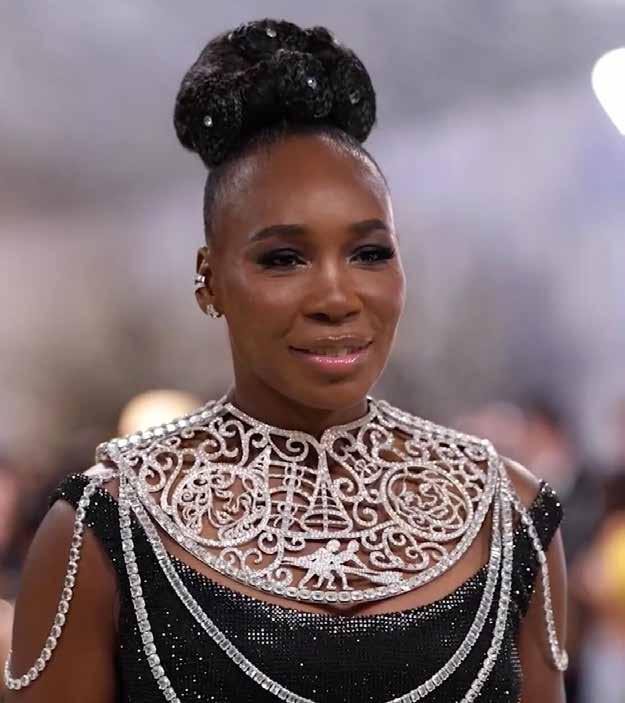
New York City was humming as the sun set, and the fortunate few prepared for the pinnacle of the fashion calendar: the Met Gala. This year, tennis royalty Venus Williams took the world behind the scenes, documenting her preparation for one of high fashion’s most coveted events.
Serving as a co-chair, Williams expressed immense gratitude for the elite team tasked with executing her ”best perfect” look for the big reveal. As the evening progressed, the backstage exhilaration mounted. Her heart raced as arrival times drew near—a high-stakes countdown, given the event’s zero-tolerance policy for lateness and the expectation for
co-chairs to set a flawless example.
With so much on the line, Williams candidly noted, ”The preparation required a lot of energy.” Amidst the chaos of celebrities, designers, photographers, and paparazzi, her goal was to approach the carpet with a calm mind, body, and persona.
Cracking the Theme with Purpose
Williams offered rare, genuine insight into a prep process where others often stumble, addressing how past fashion experiences and the high-octane atmosphere influence her choices.
”When I heard the theme, I thought, Wow, this is perfect. Not only is it costume art, it’s also about representing all bodies,” Wil-
liams shared, adding with a laugh, ”My body of work uses my body.”
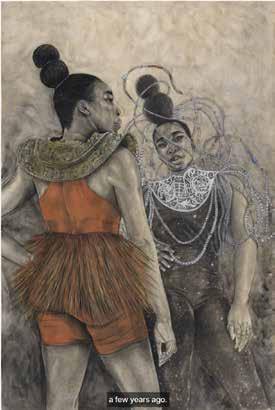
While she previously deferred to the vision of her designers, this year brought a new level of pressure to get everything right. ”It’s a costume, but] I didn’t want to be in costume,” she explained. Instead, she turned to personal history for inspiration, drawing from her portrait in the National Por-

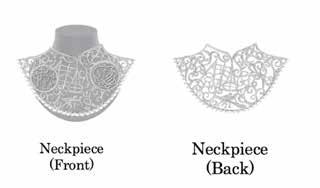
trait Gallery, a project she collaborated on with artist Robert Pruitt a few years ago. Borrowing elements from that experience—including a massive, exaggerated necklace—they translated those artistic cues into red-carpet royalty.





Fashion with a Fraction of a Percent
Beyond the fabric, Williams used her platform to spotlight a stark reality: only 6% of sports science research is dedicated to women. It is a shocking statistic, and Williams hopes the global stage of the Met Gala will amplify the cause. Her goal? To boost those numbers so that women are equally


represented in sports science.
The Anatomy of the Look
When it came to the execution of the ensemble, the direction revealed absolute clarity. ”I think we followed the direction of the dress… the dress is so beautiful,” Williams said.
To ensure nothing obstructed the neckline, her team opted for a



sculptural updo with added volume. ”I felt like it complemented the dress. We added a little braid detail and highlights of Swarovski crystals.”
The ultimate objective was to evoke timeless elegance. To achieve this, her makeup artist paired a classic smokey eye with a strategic touch of brilliance. To reflect the ”diamond that she is,”
sparkle was applied intentionally to the inner corners of the eyes, finished with a final touch of va-va-voom highlight.
Ultimately, Williams is the first to admit that the hours of rigorous preparation are worth it. The final look was an absolute triumph—perfectly tailored for fashion’s prime-time moment, and uniquely Venus.
Sheet Pan Honey Garlic Chicken
Mare Evans
Contributing Writer
This sheet pan meal is a perfect balance of savory and sweet, offering a complete dinner with minimal dishes. The honey garlic glaze caramelizes beautifully on the chicken while the asparagus stays crisp-tender. This Sheet Pan Honey Garlic Chicken is a flavorful all-in-one dinner all made simply on one pan. This is a Honey Glaze Garlic chicken meal presented as a perfect balance of savory and sweet, offering a complete dinner with minimal dishes. The honey garlic glaze caramelizes beautifully on the chicken while the asparagus stays crisp-tender.
Spicy, sweet, tangy honey garlic chicken roasted with baby potatoes and spring asparagus. Finish this one-pan dinner with crumbled feta cheese and a salty, olive dressing. You can’t beat a simple sheet pan dinner any night of the week, and this one is delicious!
Prep time: 15 minutes | Cook time: 30–35 minutes

Ingredients
The Base:
1.5 lbs boneless, skinless chicken thighs (cut into bite-sized pieces)
1 lb baby potatoes (halved or quartered if large)
1 bunch fresh asparagus (woody ends trimmed)
2 tbsp olive oil
Salt and black pepper to taste
The Honey Garlic Glaze:
1/3 cup honey
3 tbsp soy sauce
3 cloves garlic, minced
1 tsp fresh ginger, grated (optional)
1/2 tsp red pepper flakes (optional, for a hint of heat)
Instructions
Preheat and Prep: Preheat your oven to 400°F (200°C). Line a large- rimmed baking sheet with parchment paper or aluminum foil for the easiest cleanup. Season the Potatoes: Place the halved baby potatoes on the sheet pan. Drizzle with 1 tablespoon of olive oil, salt, and pepper. Toss to coat and spread them out in a single layer. Roast for 12–15 minutes (potatoes take longer than chicken and asparagus).
Whisk the Sauce: In a small bowl, whisk together the honey, soy sauce, minced garlic, ginger, and red pepper flakes. Add the Chicken: Remove the pan
from the oven. Move the potatoes to one side and add the chicken pieces to the center. Pour about half of the honey garlic sauce over the chicken and toss to coat.
Add the Asparagus: Place the asparagus on the remaining open space of the pan. Drizzle with the remaining tablespoon of olive oil and a pinch of salt.
Final Roast: Return the pan to the oven and bake for another 15–20 minutes, or until the chicken is cooked through (165°F internal temperature) and the potatoes are golden and fork-tender.
Glaze and Serve: Drizzle the remaining honey garlic sauce over the chicken and vegetables right before serving. Garnish with sesame seeds or sliced
green onions if desired.
Quick Tips for Success
Even Cooking: Cut the chicken and potatoes into similar sizes so they finish roasting at the same time.
Asparagus Timing: If your asparagus spears are very thin, wait to add them until the last 10 minutes of cooking to prevent them from becoming too soft.
Crispy Edges: For a deeper ”char” on the chicken, turn the broiler on for the last 2 minutes of cooking— just keep a close eye on it so the honey doesn’t burn!
Gilded Road’s Boomerang Pop Up Showcases
Innovative Spoken Word Performances Snap Back
Zada Johnson, PH. D. CNW Reporter
In a city with one of the richest spoken word legacies, Gilded Road Productions’ Boomerang: A Pop Up Performance arrived in early May as both celebration and challenge—a reminder of what Chicago’s performing arts scene has been, and what it still has the potential to become.
Held before a sold out audience of intergenerational artists, actors, poets, and cultural veterans, the evening fused spoken word, immersive stagecraft, and multimedia experimentation into a communal artistic experience. More than a traditional showcase, Boomerang positioned itself as an effort to revitalize Chicago’s performing arts ecosystem through collaboration, vulnerability, and innovation.
The atmosphere carried echoes of the legendary 1990s open mic nights at Spices (the club that inspired the movie Love Jones), where Chicago’s Black artistic community once gathered to exchange ideas and build creative movements in real time. That spirit of artistic fellowship was palpable from the moment guests entered the venue.
As I waited for the show to begin, I chatted with former Chicago Poet Laureate Avery R. Young who recently debuted his groundbreaking opera Saffronia at the Lyric Opera of Chicago. Nearby sat iconic casting director and actor Pemon Ramey with his wife, celebrating their wedding anniversary while taking in the work of a younger generation of artists pushing performance into new territories.
That blend of artistic lineage and emerging experi -

mentation became the emotional core of the evening.
The performance featured readings from local artists Charlique C. Rolle and Matty Robinson, whose contrasting styles created a compelling rhythm throughout the production.
Robinson delivered a deeply reflective set centered on identity, police harassment, and the long shadow of childhood trauma. His work balanced sharp social critique with moments of
quick-witted humor (including an astute impression of President Barack Obama).
Framed around guided meditation, Rollle’s performance explored themes of self-discovery, healing, and transformation. Through layered vocal delivery and immersive staging, Rolle invited the audience into an introspective space that felt both intimate and collective. Her work emphasized the idea that artistic expression can function not only as enter-
tainment, but also as restoration. Following their individual performances, Rolle and Robinson returned to the stage for a reflective conversation on their experiences as artists and their thoughts on the future of performance art in the city. The evening concluded with an invitation for artists in the audience to join the performance with their own open mic contributions.
Overall, the performances of Boomerang created a dy-
namic emotional spectrum that reflected the complexity of contemporary Black artistic life in Chicago—joyful yet burdened, experimental yet deeply rooted in tradition.
Beyond the performances themselves, Boomerang raised larger questions about artistic community and what it means to genuinely nurture creative ecosystems. In an era where many artists struggle with isolation, underfunding, and shrinking cultural infrastructure, the evening felt like a deliberate attempt to rebuild artistic connection.
”I feel like I was poured into as an artist by the way the community showed up,” Rolle reflected during our post-show interview. ”When we do that for each other as an artistic community, we are more able to seek freedom.”
That sentiment lingered long after the performances ended. The audience was not simply consuming art— they were participating in an act of cultural reaffirmation. Veterans and newcomers alike shared space not as competitors, but as collaborators in an ongoing conversation about Chicago’s creative future.
If Boomerang is any indication, Gilded Road Productions understands that revitalizing the arts is not simply about producing shows. It is about creating spaces where artists feel seen, challenged, supported, and connected to something larger than themselves.
The company already has a slate of productions planned for the remainder of the year, including another pop-up performance scheduled for November at Block 37. For more information, follow @ gildedroadproductions on Instagram.