Center for Engineering Resilience and Climate Adaptation

Center for Engineering Resilience and Climate Adaptation
The Center for Engineering Resilience and Climate Adaptation (CERCA) is housed in the Department of Civil and Environmental Engineering (CEE) at Carnegie Mellon University. It serves as CMU's premier hub for cross-disciplinary research and action-oriented strategies aimed at safeguarding our built environment. By fostering a
collaborative ecosystem, CERCA brings together faculty and researchers from across the university to develop innovative research proposals and advance the field of climate-adaptive engineering.
Core Purpose and Objectives:
• Academic Hub and Collaboration: CERCA acts as a central nexus where CMU researchers and faculty collaborate on high-impact research and submit joint proposals focused on engineering resilience and climate adaptation.
• Knowledge Sharing and Professional Development: The center is committed to the growth of its 30+ active graduate students, facilitating monthly networking meetings to build a robust professional community.
• Community and Industry Education: CERCA leads the charge in educating industry leaders, academics, and the public on the realities of a changing climate through targeted webinars and workshops
• Strategic Funding and Growth: A primary goal of CERCA is to secure increased funding specifically for PhD students and to provide seed funding to jump-start pioneering research projects.
• Curriculum Innovation: Working closely with the Department of Civil and Environmental Engineering (CEE), CERCA aims to integrate resilience and climate adaptation into the core curriculum through the development of project-based courses and the establishment of dedicated minors.
By bridging the gap between theoretical climate science and practical engineering applications, CERCA ensures that the infrastructure of the future is designed to be equitable, sustainable, and resilient for all.
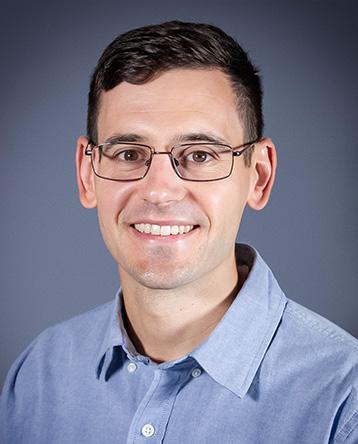
David Rounce Director Associate Professor
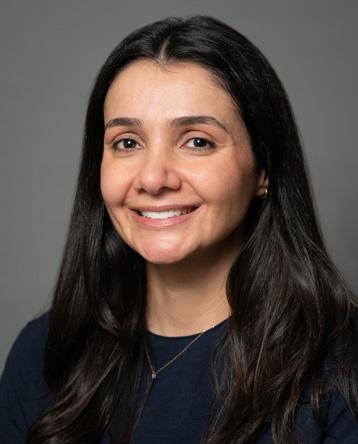
Sarah Fakhreddine Water Lead Assistant Professor
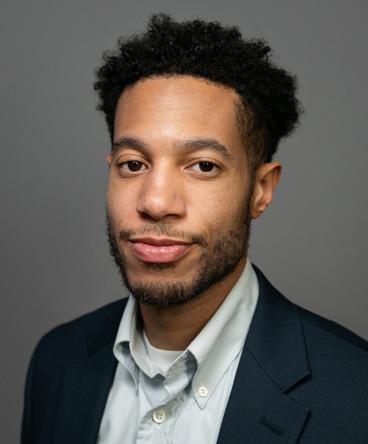
Corey Harper
Transportation Lead Assistant Professor
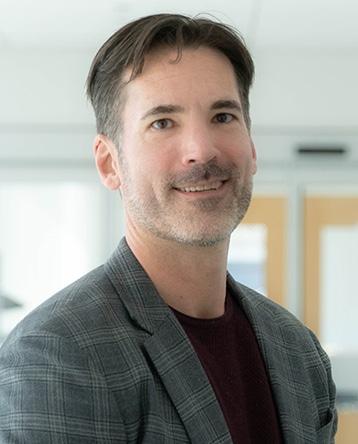
Ryan Gent Director of Partnerships
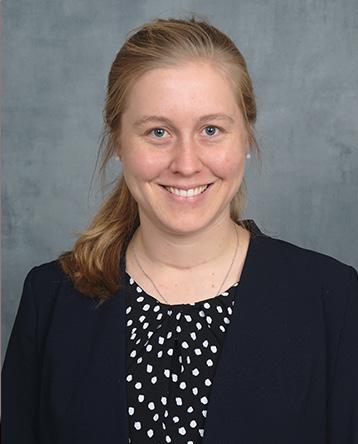
Katherine Flanigan
Infrastructure Lead Assistant Professor
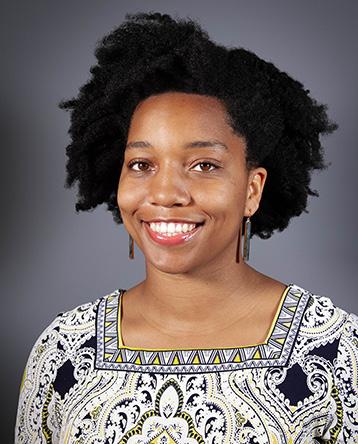
Destenie Nock
Energy Lead Associate Professor
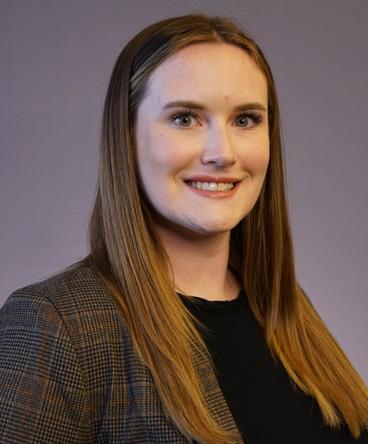
Geena Provenzano Project Coordinator
The Center for Engineering Resilience and Climate Adaptation (CERCA) unites faculty and student expertise across Carnegie Mellon University to translate climate science into actionable guidance for communities facing complex climate conditions. Our faculty and students are creating novel strategies, analysis tools, and technologies for making transportation, infrastructure, energy, and water systems equitable and resilient. We use data, AI, and systems analysis tools to create climate-resilient approaches that harmonize people, our infrastructure, and the environment.
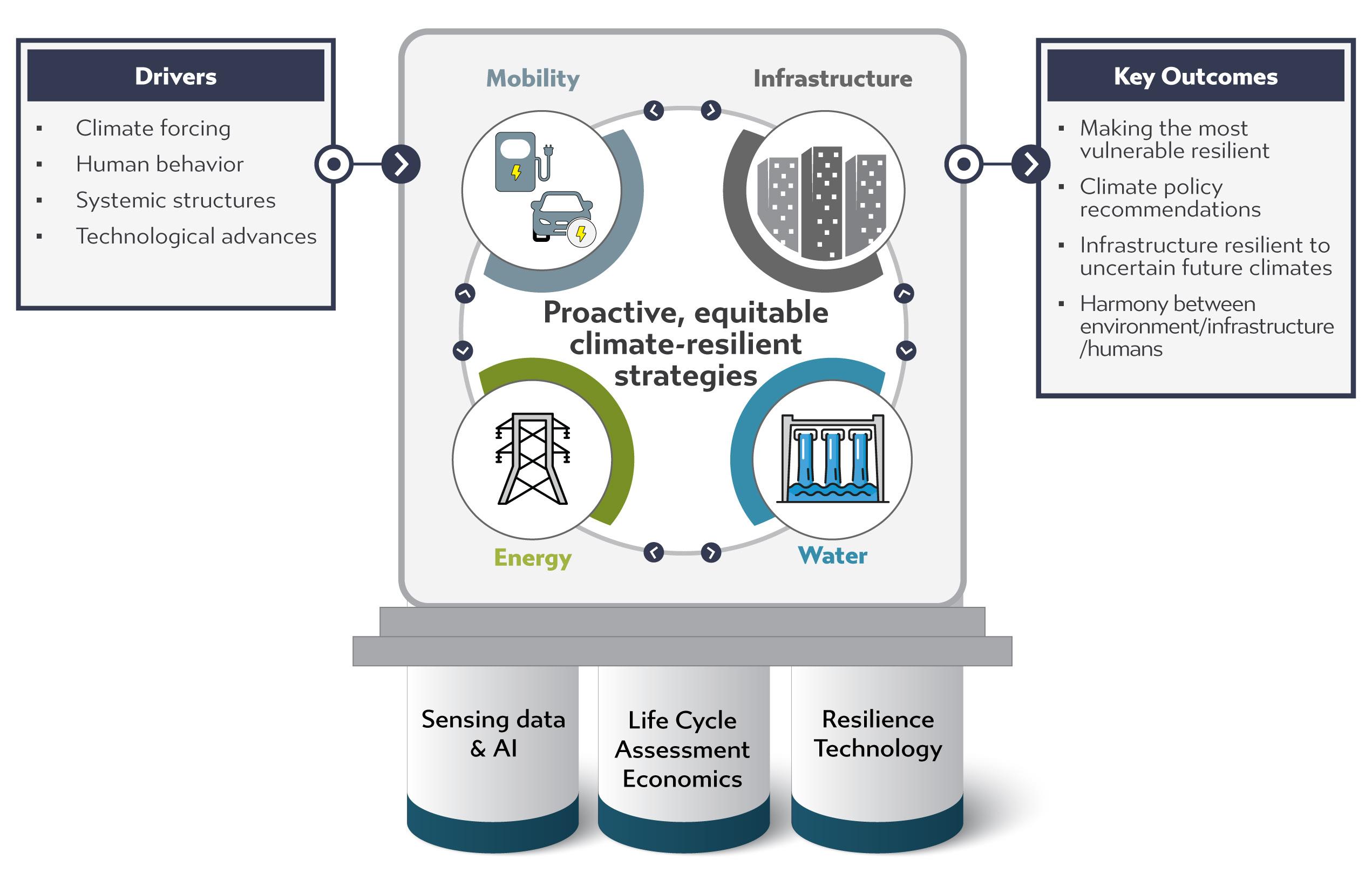
At CERCA, our mission is to translate climate science and systems analysis of the grid and built infrastructure systems into community guidance and policy actions that make the most vulnerable communities resilient. We envision a future where a community’s infrastructure exists in harmony with the people who live there and the surrounding, ever-changing natural environment. The infrastructure systems are equitable, sustainable, readily adaptive to climate stressors, and resilient to future climate conditions.
We envision a future where a community's infrastructure exists in harmony with the people who live there and the surrounding, ever-changing natural environment. The infrastructure systems are equitable, sustainable, readily adaptive to climate stressors, and resilient to future climate conditions.

The energy grid research at CERCA looks at creating adaptive strategies that strengthen the grid, ensuring reliable energy access to all communities in the face of ever-changing climate conditions.
Mobility research takes a systems-level perspective to make our transportation infrastructure endure and adapt to climate change through innovations like electrification, automation, and multi-modal alternatives
CERCA infrastructure research studies our roads, bridges, buildings and other physical infrastructure systems to make them more resilient in the face of extreme weather events
CERCA researches problems that affect our water supplies, making our water systems more resilient. This includes looking at sea level rise, drinking water quality, water storage, nutrient management, and agriculture
At Carnegie Mellon University’s Department of Civil and Environmental Engineering (CEE), the push for a sustainable future is gaining significant momentum through the Engineering Resilience for Climate Adaptation Fund. Established by a transformative gift from Carnegie Mellon alumni Yeming and Aaron Rankin, this initiative is fueling critical research into how our infrastructure and communities can withstand the escalating challenges of a changing climate.
Central to this mission is the support of elite doctoral researchers. To date, the partnership between CERCA and the Rankins has successfully funded four Ph.D. students. As we move into 2026, the program is expanding its impact by welcoming two additional students to the cohort. These scholars are at the forefront of developing novel methods and tools to improve the resilience of engineering infrastructure designs. Their work, overseen by faculty in the CEE department embodies the collegial CMU culture that the Rankins sought to champion.
The current Rankin Scholars within CEE include:
• Maral Doctorarastoo - advised by Professors Mario Berges and Katherine Flanigan
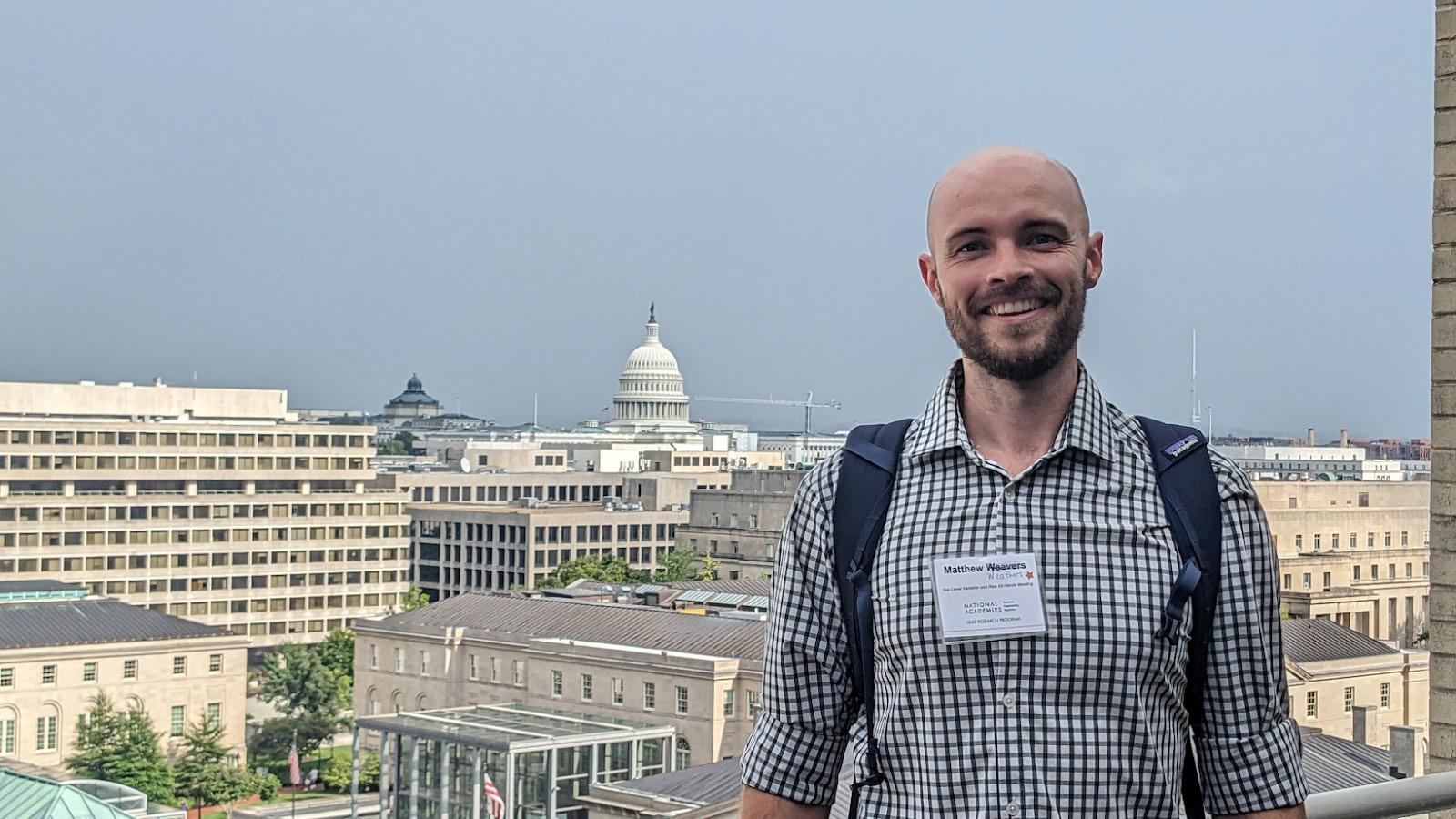
• Matthew Weathers - advised by Professor David Rounce
• Keerat Singh - advised by Professor Sarah Fakhreddine
• Tek Bhattari - advised by Professors David Rounce and Pingbo Tang

The Rankins’ nine-year-old daughter, who shares her parents’ philanthropic spirit, sells original and commissioned works of art, including the painting depicted above. She donates all proceeds to the Greater Chicago Food Depository, where every $1 buys three meals.
Yeming earned her undergraduate degree in computer science in 2005. Aaron earned his undergraduate degree in information systems from the Dietrich College of Humanities and Social Sciences and a master’s degree in information systems management from the Heinz College in 2004. The Rankins invest in climate tech, energy transition and sustainability through their family office, Rankin Ventures . The foundation arm of Rankin Ventures supports philanthropic causes related to sustainability and health, as well as community and economic development in the Greater Chicago area.
By investing in these Ph.D. projects, the Rankins are helping to establish a center of excellence that serves as a well-trusted source for climate adaptation strategies. Through the Rankin Scholars program, CEE is not just studying the climate crisis; it is engineering the equitable and effective solutions needed for societies to thrive.

Maral Doctorarastoo’s research has developed first-of-their-kind data-driven agent-based models that represent how human behaviors and social interactions influence infrastructure performance and collective community response. By linking these behavioral insights with energy and infrastructure data, the models can support more adaptive energy decision-making—helping anticipate demand shifts, manage resources, and sustain system functionality during disruptions such as those driven by climate change (e.g., rolling blackouts, hurricanes). This work also supported collaboration with re+connect, creating a platform for integrating community engagement and real-time behavioral data into model development to better align technological systems with how people actually respond to stress and disruption.
Over the past year, Matthew Weathers’ research has expanded from studying how melting glaciers contribute to sea-level rise, which led to a first-author paper in Earth’s Future and a coauthored paper in Nature Climate Change, to examining how sea-level rise and heavy rainfall drive flooding in Jackson County, Mississippi, and Corpus Christi, Texas. Matthew developed and validated compound flood models in both locations to identify which neighborhoods are most at-risk at present and to evaluate how those risks will evolve under different sea-level rise scenarios. He is currently assessing the effectiveness of community informed adaptation strategies to reduce flood impacts, with upcoming workshops focused on co-designing adaptation plans that inform infrastructure decisions and support resilient growth.




In 2025, CERCA faculty demonstrated exceptional scholarly productivity and public engagement. Our faculty published over 30 peer-reviewed papers advancing knowledge in engineering resilience and climate adaptation. These publications span critical areas such as infrastructure resilience, water systems, energy transitions, and mobility, solidifying CERCA’s role as a leader in climate adaptation research. Beyond academia, CERCA faculty were featured in more than 20 local and national news stories, sharing insights on resilience engineering and contributing to public discourse on climate challenges and solutions.
Destenie Nock provided featured commentary for TribLive in the article "Heat or Hope - What happens when energy aid freezes before winter."
Corey Harper spoke to Politico about how cuts in federal funding for electric vehicles will harm low-income and rural areas.
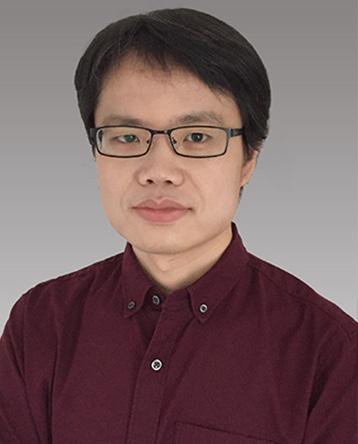
Sean Qian spoke to 90.5 WESA about the importance of community input in Pittsburgh's "Penn Avenue Rightsizing" redesigin project.



David Rounce's research on glaciers was cited in the UN Chronicle's article, "The Urgent Need to Preserve Glaciers in a Warming World" for World Day for Glaciers.
Costa Samaras was featured on the Podcast Why is this Happening to discuss the future outlook on energy usage with the rise of AI and development of data centers.

“There is a chicken and egg problem with EVs and charging infrastructure. Charging stations need EVs to be profitable, but consumers hesitate to purchase EVs due to a perceived lack of chargers. Many states have a long way to go before we achieve the consecutive coverage that would ease the minds of potential buyers.”
- Corey Harper, Government Technology, 2/6/25
CERCA continues to prioritize securing both external and internal funding to advance projects in engineering resilience and climate adaptation. In 2025, new CERCA-related grants totaled $3M, providing multi-year support for research initiatives that will shape the future of resilient infrastructure and systems.
Our research community is thriving, with 37 PhD students across the department working on CERCA-related topics. This activity represents approximately $1.5M in research expenditures for the 2025
calendar year. Among this year’s major awards, Professor Sarah Fakhreddine received $1.8M from the U.S. Environmental Protection Agency (EPA) for her project: “Protecting Water Quality during Enhanced Aquifer Recharge: A Geochemical Compatibility Assessment of Various Water Sources and Co-located Aquifers in the United States.” This research aims to increase adoption of Enhanced Aquifer Recharge (EAR) practices by quantifying the risk of contaminant mobilizationincluding metals, nutrients, salts, and pesticides - during recharge
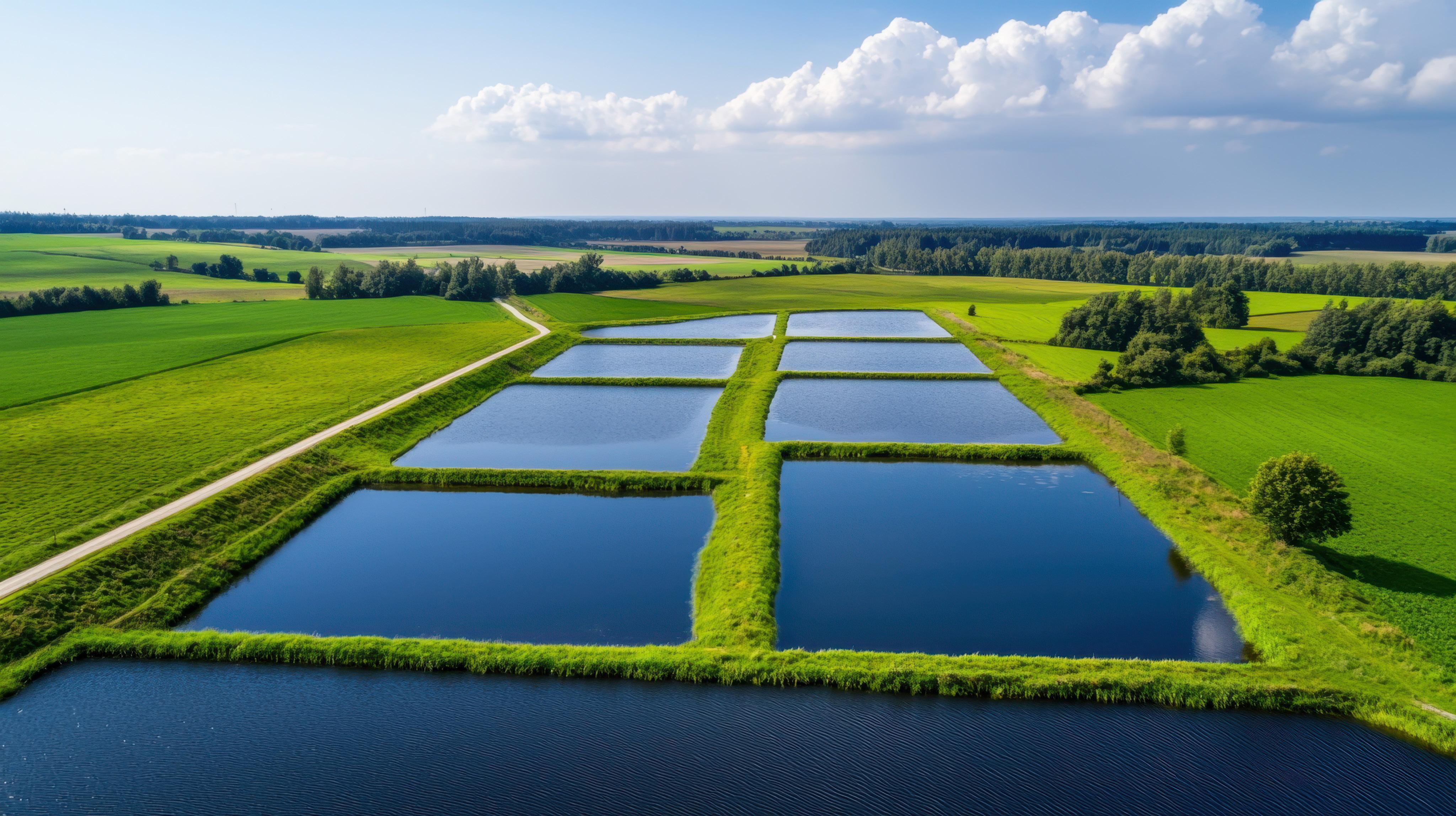
operations across key U.S. aquifers. The project will provide critical insights to safeguard water quality and support sustainable groundwater management under changing climate conditions. Dr. Fakhreddine is also the CMU lead and Co-PI on a $500k NSF Regional Resilience Innovation Incubator (R2I2) planning grant to increase Pittsburgh’s resilience to storms through development of green stormwater infrastructure.
With this planning grant, Dr. Fakhreddine has been able to coordinate twelve regional
non-profit organizations to identify barriers to co-develop solutions to green stormwater infrastructure that will have the greatest impact on Allegheny County's resilience and its stakeholders. This coordination effort ensures that the projects are both needed, adoptable by local communities, and transferable to regions facing similar challenges. Winning this planning grant also allows her to submit for a $10M Phase II R2I2 grant to implement the plan.
CERCA builds resilient energy, water, and infrastructure solutions to adapt to complex and uncertain climate conditions such as heat, sea level rise, precipitation, and drought. Through a data-driven approach, our goal is to develop policy, technology, and tools for equity that promote harmony between the built, natural, and social environments. Our faculty and students are currently working on projects funded by a variety of organizations, including NSF, the EPA, DOT, Richard King Mellon Foundation, and Rankin Family Ventures.
Corey Harper and Burcu Akinci are developing a framework to evaluate the impact of transit-oriented development projects on low-income residents. The goal is to ensure these projects benefit vulnerable communities and promote equitable outcomes. The research aims to provide a model for assessing and improving transit development nationwide.
This research refines projections of sea level rise in the Gulf of Mexico through improved glacial projections to enable adaptive planning in coastal communities. Through stakeholder engagement, David Rounce assesses community adaptive capacity, risk tolerances, and preferred adaptation strategies to help communities equitably and effectively prepare for and mitigate the impacts of sea level rise and coastal flooding.
Revitalizing Legacy Infrastructure Using Rapidly Deplorable Pop-Up Metro
Katherine Flanigan and Mario Berges are understanding how underused legacy rail lines can be affordably and quickly reactivated to meet climate and mobility goals. Using modular transit systems and CMU-developed real-time rail health monitoring, the team offers a scalable, lower-cost alternative to traditional transit development. Community-led planning ensures solutions are locally relevant, while addressing technical, financial, and regulatory challenges. By repurposing existing infrastructure, the project improves access, reduces car dependence, and reconnects underserved neighborhoods—creating a model for adaptive, resilient transit in U.S. cities.
Costa Samaras and Destenie Nock are exploring how how home energy efficiency retrofits impact equity, health, costs, and sustainability in historically underserved neighborhoods. The Trade-off Analysis of Residential Retrofits for Energy Equity equitably prioritizes energy retrofits and electrification, accelerating technical assistance to disadvantaged communities. The project aims to enhance the quality of life for residents in affordable housing and low-to-moderate-income communities.
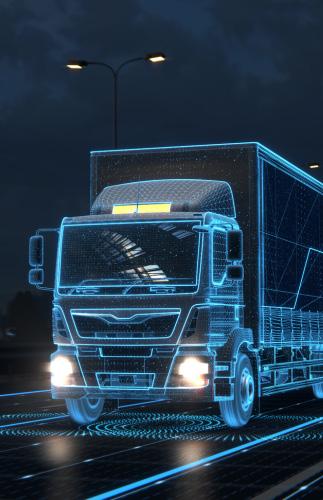
Heavy-duty vehicles are responsible for a disproportionate share of fatal accidents and carbon emissions in the transportation system. Pingbo Tang's research focuses on creating a digital twin framework that integrates real-time data and telematics to model the physical and operational dynamics of heavy-duty vehicles, continuously monitoring vehicle behavior, predicting potential safety risks, and suggesting interventions to prevent crashes. The system provides transparent, data-driven insights for fleet managers, helping optimize vehicle operations, enhance safety, and reduce emissions, while informing regulatory standards and policy decisions.
This study examines how PFAS chemicals move through soils irrigated with wastewater. Greg Lowry and Sarah Fakhreddine aim to identify factors in wastewater and soil that affect PFAS mobility, ensuring safer agricultural practices. Insights from this study will help in managing and reducing the environmental impact of PFAS on farmlands.
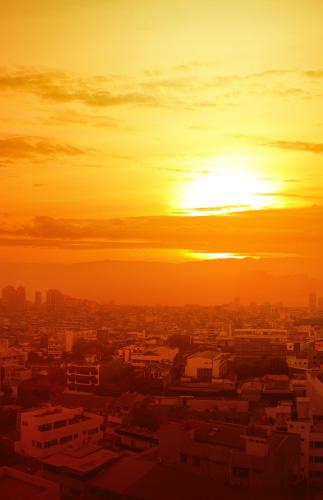
SHADE focuses on understanding and mitigating extreme heat waves in U.S. urban areas. Mario Berges and Matteo Pozzi are investigating complex interactions that exacerbate these events, aiming to develop models that improve the understanding of urban heat hazards. By combining deterministic and probabilistic modeling, the research seeks to provide more accurate predictions and risk assessments, aiding urban planners in developing effective heat mitigation strategies.
CERCA faculty received significant recognition for their contributions to engineering resilience and climate adaptation, both within Carnegie Mellon University and beyond. These awards underscore CERCA’s growing influence in resilience research, education, and innovation, and highlight the exceptional leadership of our faculty in shaping solutions for a changing climate.
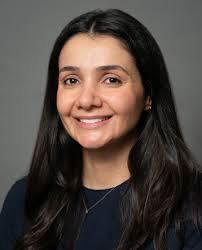
Sarah Fakhreddine was named a Rising Star in Engineering and Science by the American Academy of Environmental Engineers & Scientists (AAEES) for her pioneering work on climate-resilient environmental systems that protect water quality against climate-driven hydrological shifts.
David Rounce received the 2025 Cryosphere Early Career Award from the American Geophysical Union, recognizing his outstanding contributions to cryospheric sciences and technology.
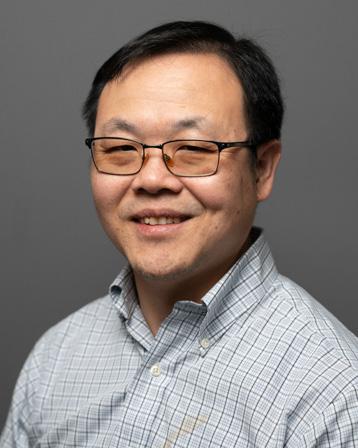
Pingbo Tang received the 2025 Fenves Award for Systems Research from CMU's College of Engineering, which recognizes faculty who have made a signficant contribution to systems research.
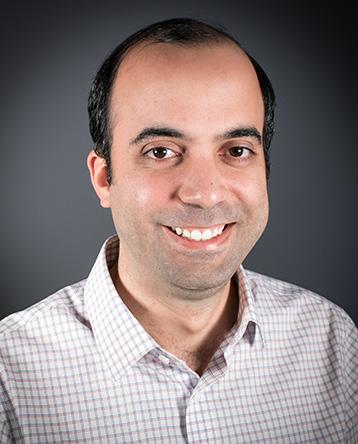
Mario Berges secured a seed grant from the Scott Institute to advance decarbonization of buildings through electrification of heating systems using reinforcement learning (RL).
Destenie Nock was honored with the Outstanding Young Alumni Award from UMass Amherst for her leadership in energy justice and sustainable energy transitions.
This year, CERCA launched our hybrid webinar series, “Co-Creating Tomorrow: Community-Driven Engineering for a Resilient Future.” This series explores the critical intersection of community wisdom and engineering expertise in the face of a changing climate. Hosted by both CERCA faculty and graduate students, we hope to foster a deeper understanding of how community engagement can enhance the effectiveness, equity, and sustainability of resilience adaptation initiatives.
We featured speakers from leading organizations, including the U.S. Army Corps of Engineers, The City of Pittsburgh, and the McCoy Group, and attracted a diverse audience of CMU affiliates, industry partners, and students and faculty from various universities.
These webinars have become an exceptional platform for showcasing CERCA research, engaging with national and international stakeholders, and introducing students to the professional landscape of resilience and climate adaptation. Beyond knowledge sharing, the series serves as a strategic tool for building industrial partnerships that will support future testbed development and collaborative research proposals.
Looking ahead, we will continue the webinar series, hosting at least one session per month to ensure ongoing dialogue and collaboration across academia, industry, and communities. The webinars are open to the public and shared on our website and LinkedIn!


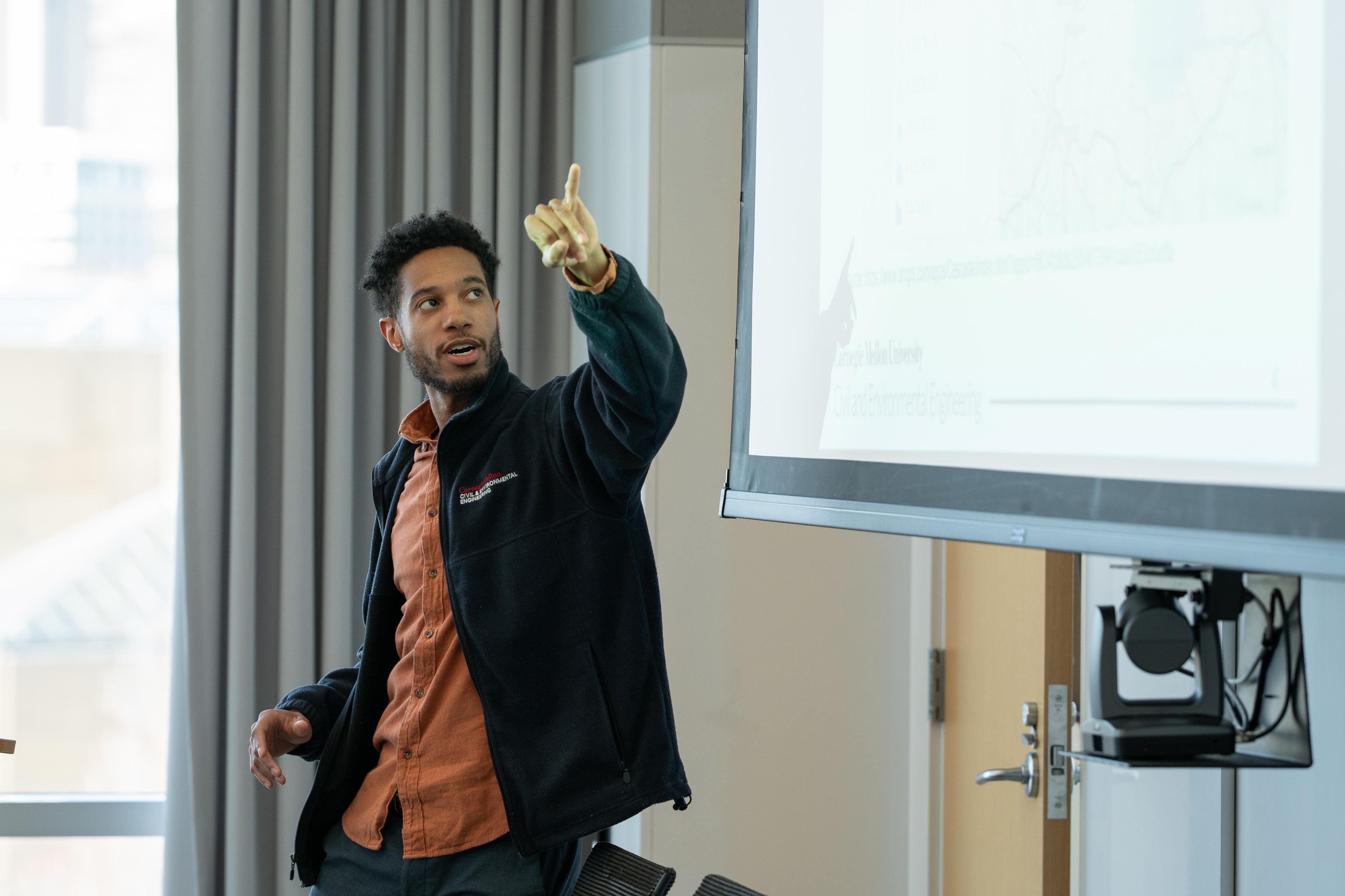
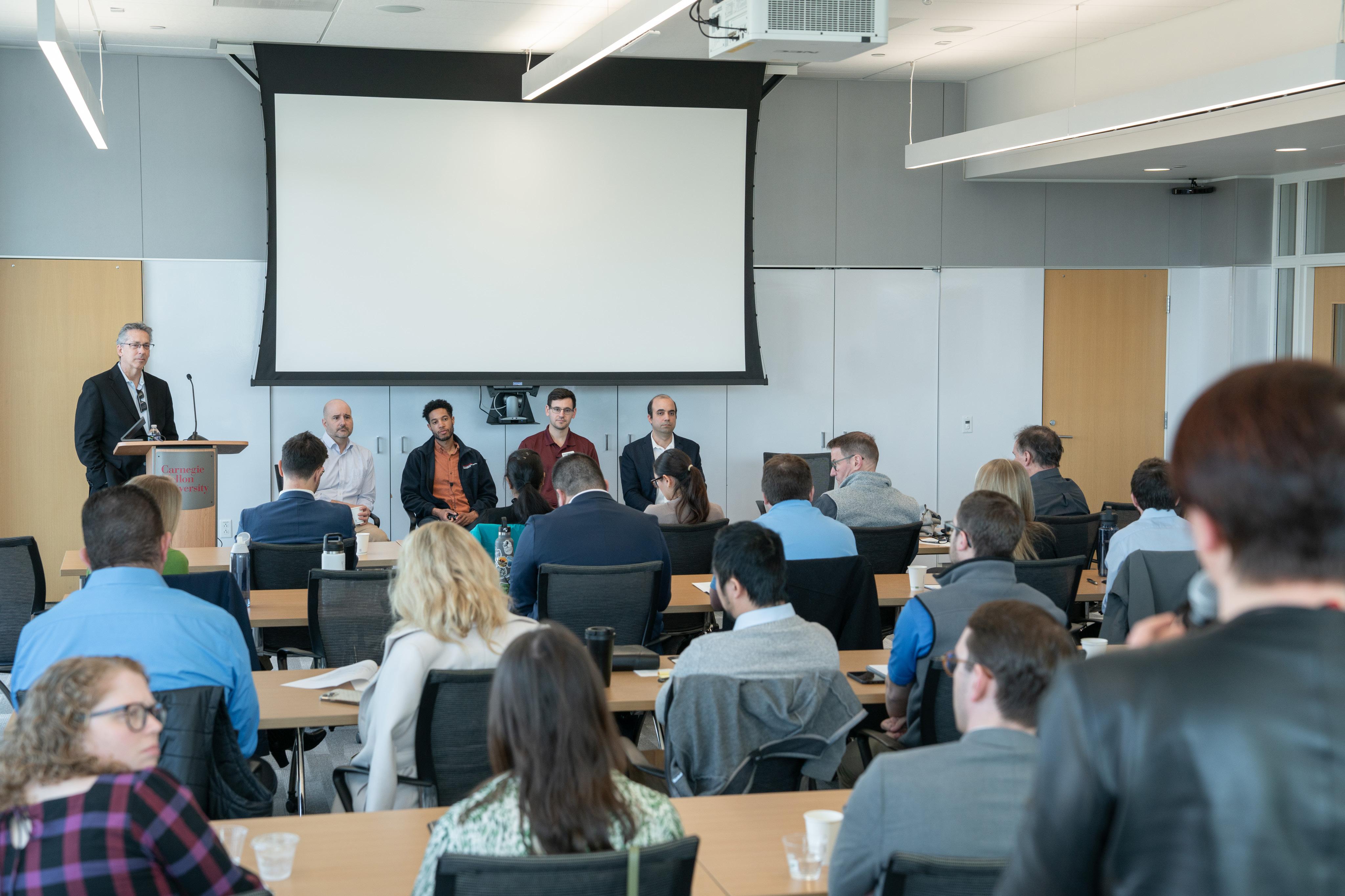
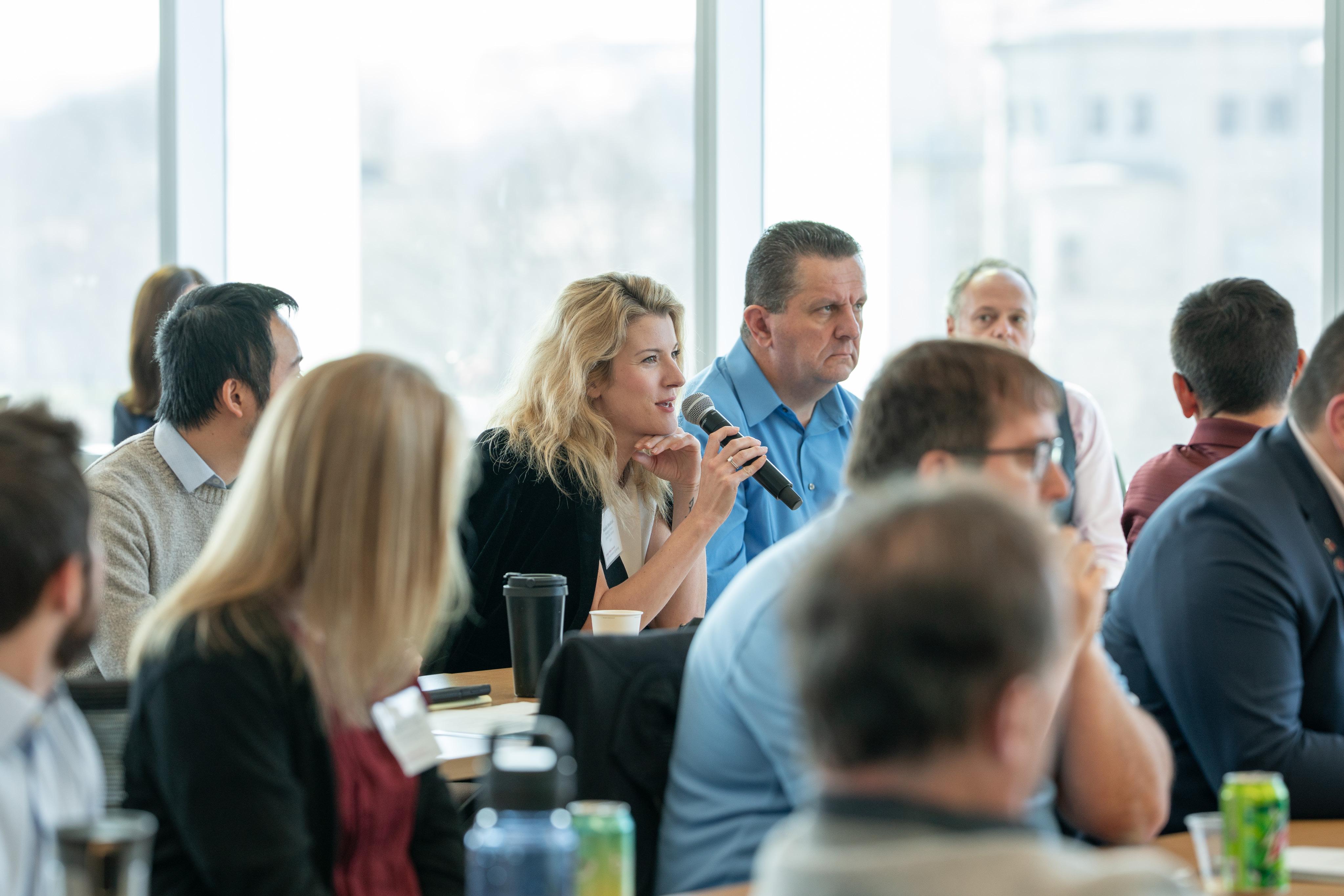
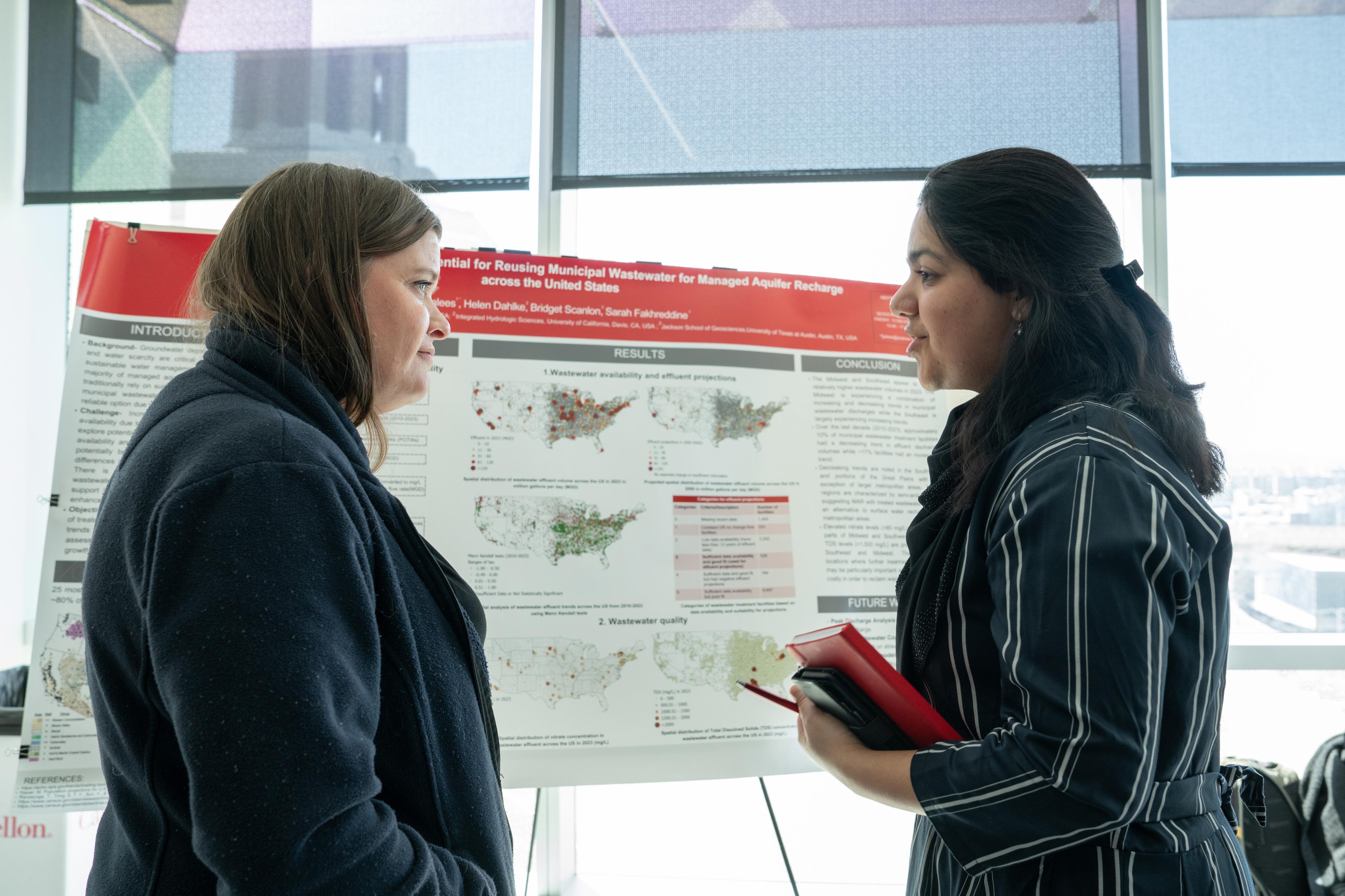
On March 13, 2025 CERCA joined CMU's Department of Civil and Environmental Engineering (CEE) for their annual Spring Industry Workshop, "Building Resilient Infrastructure: Civil & Environmental Engineering in a Changing World." Attended by over 60 industry professionals and faculty, this event focused on the practicalities of designing, funding, and incorporating resilience into modern infrastructure investments amid global climate uncertainty.
Costa Samaras opened the late morning session, "Resilient by Design: Insights from Resilience Engineering Research" by framing the critical need for proactive strategies that harmonize infrastructure with the people and environment it serves. This led into a dedicated CERCA panel moderated by Greg Lowry, where professors Katherine Flanigan, Corey Harper, and David Rounce discussed their latest findings. Their conversation highlighted CERCA's intersectional approach, examining how resilient energy grids, mobility solutions, and water systems must be integrated into the very fabric of modern infrastructure.
"Resilience in engineering isn't a 'nice to have,' it's the foundation," said Costa Samaras, Director of the Scott Insitutue for Energy Innovation and CEE Professor. "Collaborating with stakeholders and designing what they need is the driver for engineering innovation."
Throughout the day, the workshop moved from high-level policy discussions to the practical "ROI of Resilience" and the role of innovative start-ups in the field. During the lunch and student poster session, over 16 CERCA graduate student members presented their research. The day concluded with a roundtable discussion moderated by Lowry and Samaras, serving as a powerful reminder that the path toward a resilient future requires the constant collaboration of engineers, policymakers, and industry pioneers, fostered by centers like CERCA.
The CEE Industry Partnership program at Carnegie Mellon University is designed to connect leading industry players with the exceptional talent pool cultivated at CEE. By partnering with the department, companies gain exclusive access to a variety of recruitment events, career fairs, and networking sessions to recruit from our pool of top-tier graduates. Industry partners also have a voice in shaping the direction of our department, collaborating with us to address engineering challenges, explore emerging trends, and drive innovation in our field.

Carnegie Mellon University researchers are transforming passenger rail by revitalizing "legacy rail"—existing, underutilized, or abandoned tracks —to create affordable and sustainable transit solutions. Led by Professors Katherine Flanigan and Mario Bergés, the project demonstrates how communities can reconnect to essential services for a fraction of the cost of traditional rail expansion.
While traditional light rail extensions can cost nearly $2 billion per mile, the team’s model of revitalizing existing lines for passenger service can be achieved for under $1 million per mile.
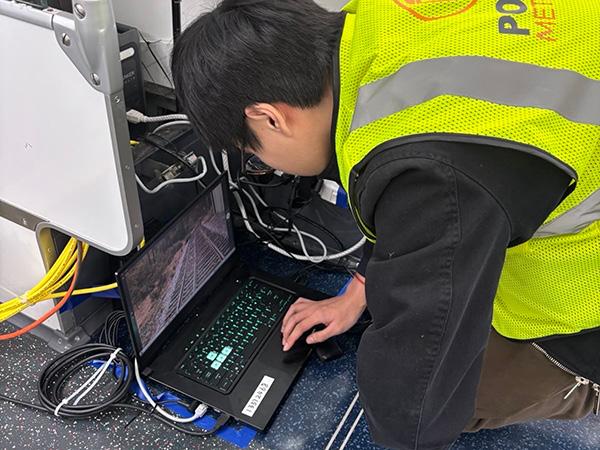
The project utilizes cutting-edge, on-board sensing technology that integrates acceleration- and vision-based AI to monitor rail integrity and detect damage in real time.
Supported by the National Science Foundation’s Civic Innovation Challenge (CIVIC), the pilot project in Philadelphia’s Delaware River Waterfront incorporated insights from over 4,000 residents to ensure the transit system meets actual rider needs.
National Scalability: With Phase 2 underway, the team is creating an open-access database of America’s legacy rail lines to help over 30 interested cities replicate this sustainable transit model.
By leveraging technical innovation and existing physical assets, this "Rail Renaissance" aligns with CERCA’s mission to provide

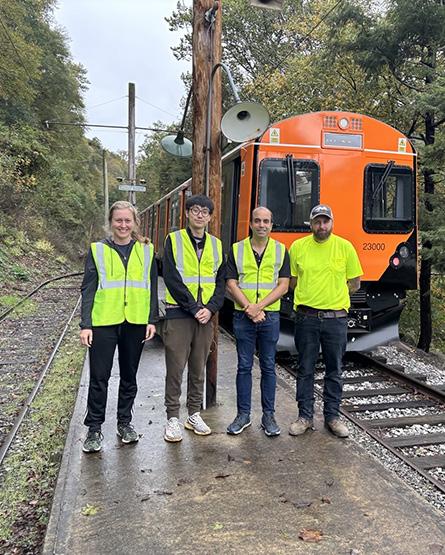
"This project will disrupt the standard model of rail transit development by demonstrating that revitalizing legacy rail in collaboration with community stakeholders creates effective and scalable transit solutions."
Katherine Flanigan, CEE Assistant Professor
A new international study co-authored by CERCA Director David Rounce sheds light on a critical and often overlooked dimension of climate change: the total extinction of individual glaciers. The research warns that the world is approaching a "peak glacier extinction" period, where thousands of smaller glaciers will disappear entirely,
The study quantifies how global policy affects survival: under current pledges (+2.7°C), only 20% of today's glaciers would remain by 2100. In a high-warming scenario (+4°C), that number drops to fewer than 10%.
While large glaciers contribute

Beyond the data, the study emphasizes that every disappearing glacier represents a lost history and community landmark, as evidenced by "glacier funerals" already being held in countries like Iceland and Switzerland.
By introducing the concept of peak glacier extinction, Rounce and his

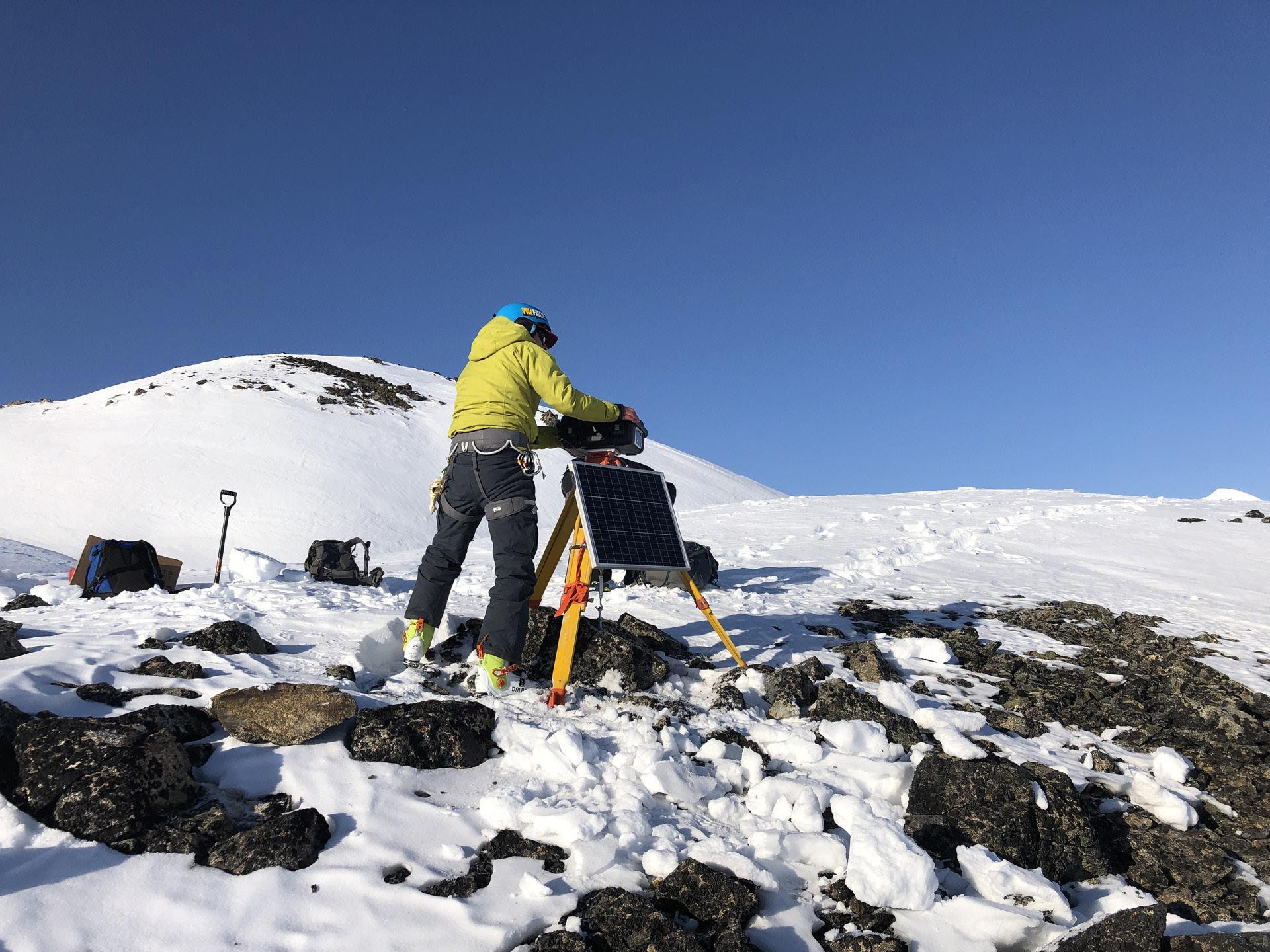
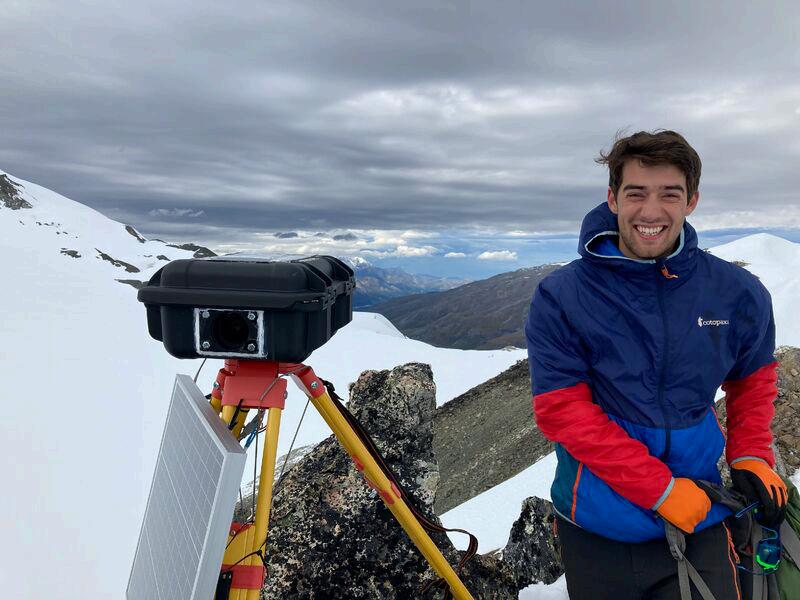
The Center for Engineering Resilience and Climate Adaptation (CERCA) is powered by a vibrant community of nearly 40 active student members who are at the forefront of resilience and adaptation innovation. Beyond their rigorous academic pursuits, these students actively lead and engage in knowledge-sharing and professional development by hosting and attending specialized webinars, industry workshops, and collaborative networking sessions. The following highlights showcase the cutting-edge research and prestigious recognitions earned by our students as they develop the data-driven solutions needed to create more robust and equitable infrastructure for a changing world
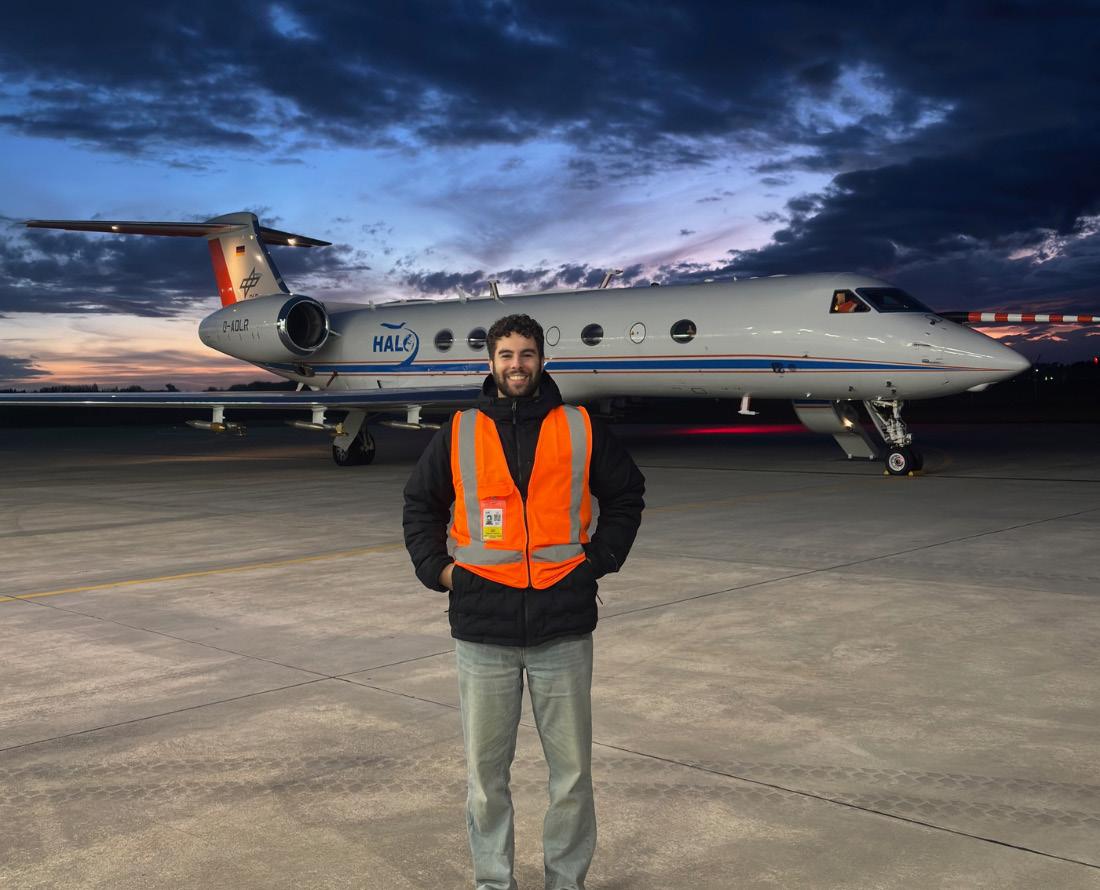
PhD student Noah Asch is advancing our understanding of climate change by modeling how aerosols interact with the atmosphere to form clouds. In fall 2025, Asch participated in the HALO-South field campaign in New Zealand, where he was instrumental in planning flight patterns and serving as a mission lead for research flights over the Southern Ocean. By improving the accuracy of global climate models, this research provides the essential data needed to develop more robust and proactive resilience strategies for our built environment.
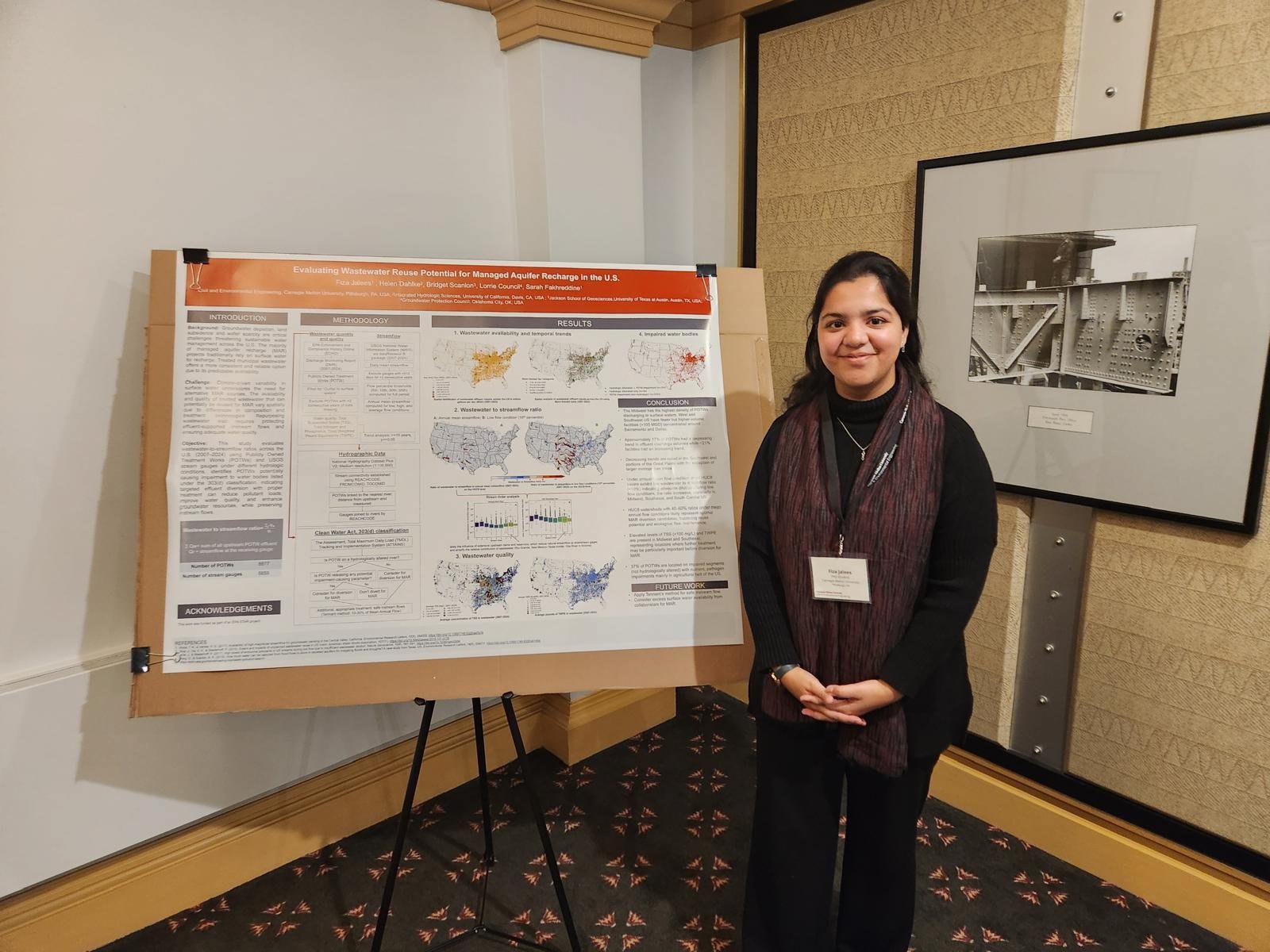
PhD student Fiza Jalees was recognized for her innovative contributions to water security at the ASCE Pittsburgh 12th Sustainability Conference in October 2025. Her research, titled “Evaluating Wastewater Reuse Potential for Managed Aquifer Recharge (MAR) in the U.S.,” won the Student Best Poster Award.
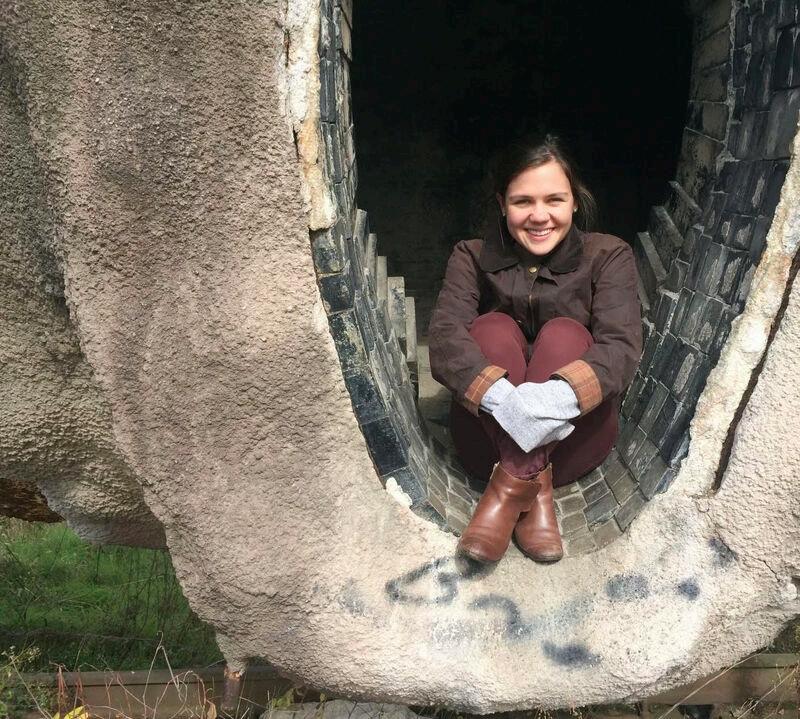
In 2025 CEE PhD student Elizabeth Krauss received the U.S. Department of Transportation Dwight D. Eisenhower Graduate Transportation Fellowship. This award helps advance her research quantifying th effects of transit-oriented development projects on the employment accessibility of low-incomer residents using public transit networks.
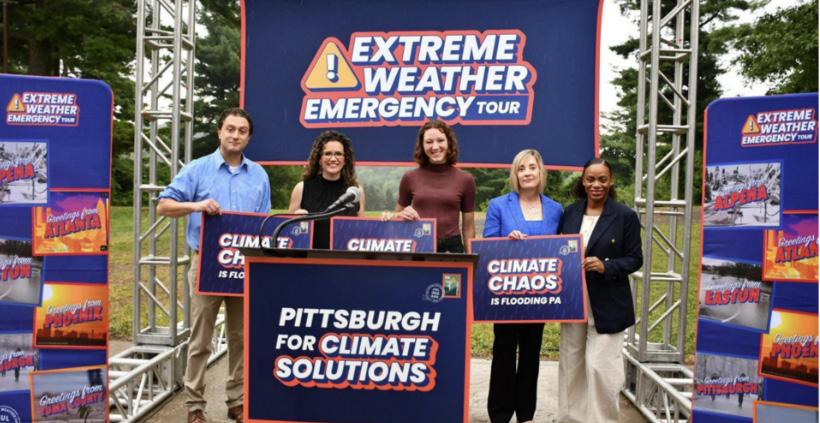
PhD student Emily Zuetell recently stepped onto the national stage as an environmental expert for the Extreme Weather Emergency Tour. Joining Congresswoman Summer Lee in Pittsburgh, Zuetell helped lead a solution-oriented dialogue focused on the increasing dangers of climate change, specifically the rise in flash flooding and storm-related power outages affecting Western Pennsylvania.
During the tour, Zuetell highlighted a critical engineering gap: much of our current infrastructure was designed decades ago for failures meant to happen "once in a generation," not multiple times a year. She advocated for stronger federal investment in grid resilience and emergency response, emphasizing that failing to account for these risks now will lock in inadequate infrastructure for decades to come. At CMU, Zuetell’s research translates these advocacy goals into technical reality, focusing on infrastructure planning for climate change and extreme precipitation.
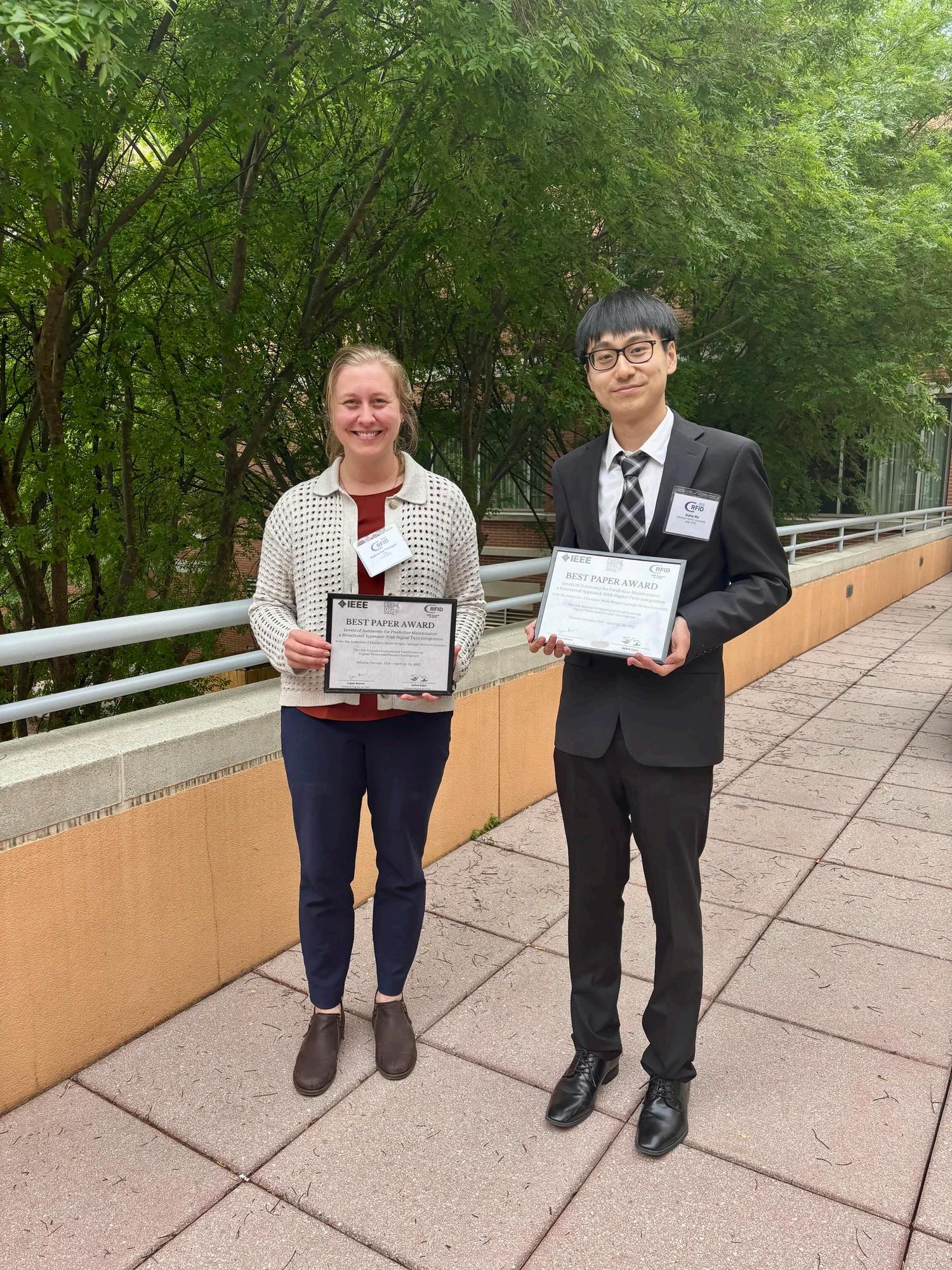
PhD student Sizhe Ma received a Best Paper Award at the 2025 IEEE International Conference on Digital Twins and Parallel Intelligence. Advised by Katherine Flanigan and Mario Bergés, Ma's paper "Levels of Autonomy for Predictive Maintenance: A Structured Approach with Digital Twin Integration" introduces a standardized framework for integrating digital twins into predictive maintenance to advance system autonomy.

PhD student Cheyu Lin received one of three 2025 K&L Gates Presidential Fellowships. This prestigious fellowship supports students whose research explores critical questions about human-technology interactions, the ethical challenges of computational science, and the societal impact of emerging technologies.

PhD student Seongeun Park received 2025 CUAHSI Hydroinformatics Innovation Fellowship for her project, “Rescuing Water Infrastructure Operational Knowledge via AI-Driven Data Integration,” which focuses on using AI and knowledge graph methods to preserve and structure operational knowledge in water infrastructure systems.
At the core and intersection of all civil and environmental engineering research at Carnegie Mellon is fostering resilience for our infrastructure, natural systems, and our communities. In the face of climate change engineers are using the tools at their disposal to build resilient systems that can withstand and adapt to an unpredictable future.
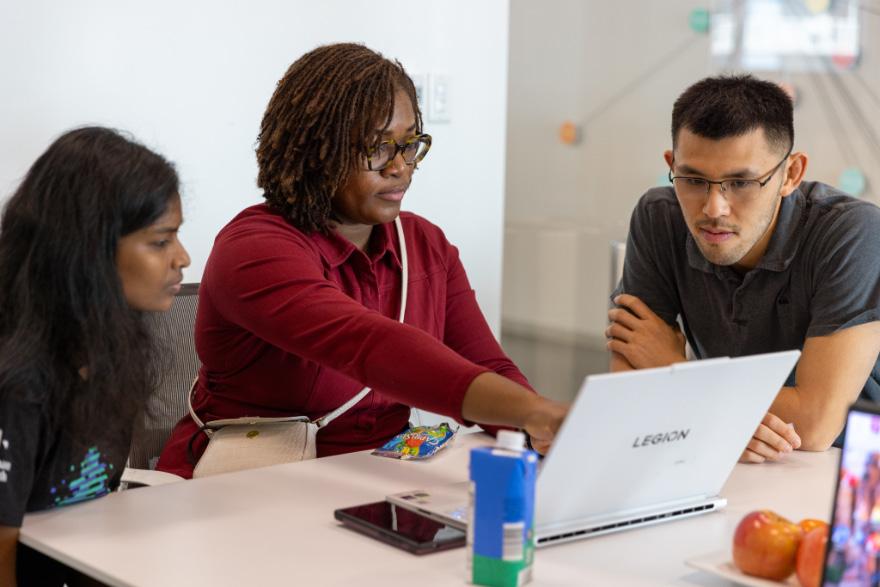
The use of artificial intelligence (AI) presents both opportunities and risks in this capacity, enabling researchers to unlock unprecedented data and insights, but not without consequence. A new course in the Department of Civil and Environmental Engineering highlights the positive and negative impacts AI presents for the energy system and broader climate mitigation efforts. Taught by Costa Samaras, students enrolled in “AI Engineering and Policy for Climate Mitigation and Resilience” learn how responsible use of AI can protect the public, advance innovation, maximize its benefits, and minimize its risks.
“It's essential for students to understand the impacts of designs,
algorithms, and decisions, on broader systems and on how engineers can guide emissions reductions and respond to the impacts of climate change,” said Samaras. “I hope this course provides an opportunity for students to build a systems perspective on the intersection of energy, climate mitigation, and resilience.”
Through analysis of emerging AI applications for climate mitigation and adaptation, students will be equipped with the skills to act as decision-makers in this space, constructing policy briefs with technical recommendations that harness AI’s potential while addressing challenges such as energy consumption, data privacy, and system reliability. The course is the quintessential embodiment of the department’s commitment to resilience, as seen in faculty projects across all research focus areas and in CERCA.
“Civil and Environmental Engineering at Carnegie Mellon has always been a leader in educating engineers to improve the resilience of our infrastructure systems such as energy, water, and transportation,” said Samaras. “Understanding how to guide outcomes that are good for the climate and good for society is another way our curriculum can help our graduates be leaders at the forefront of engineering.”
the grid
Research led by Carnegie Mellon University faculty, including CERCA leads Corey Harper and Destenie Nock, reveals that the transition to electric vehicles (EVs) acts as a powerful catalyst for a cleaner and more resilient power grid. The study, published in the Proceedings of the National Academy of Sciences (PNAS), demonstrates that widespread EV adoption does more than reduce tailpipe emissions; it actively triggers massive new investments in sustainable energy generation and storage.
Key Research Findings:
• Catalyzing Green Investment: Increased demand for electricity to charge EVs incentivizes the retirement of older power plants and the construction of new capacity, specifically in wind, solar, and advanced battery storage.
• Fivefold Emission Reductions: The team’s modeling shows that by 2032, as new infrastructure is built in response to EV loads, the emissions associated with charging an EV will drop fivefold, falling significantly below the levels produced by gasoline vehicles.
• Regional Adaptation Trends: The research identifies specific regional pathways for infrastructure growth through 2050, including solar expansion in the Southeast and Southwest and wind development in the Central U.S.
By quantifying the ripple effects between transportation and the power grid, this work provides a blueprint for integrated infrastructure planning. It exemplifies CERCA’s intersectional mission: demonstrating how a shift in Mobility can fundamentally transform and decarbonize our Energy systems, ensuring a more robust and sustainable future.
read the full paper here!

As climate change drives unprecedented changes in rainfall and frequent flooding, transportation infrastructure—including roads, bridges, and embankments—faces escalating risks from erosion and lateral river migration. To address these threats, Professor Costa Samaras and Dr. Marissa Weber (Ph.D. '24) explored the efficacy of nature-based solutions (NBS) as a resilient alternative to traditional "gray" infrastructure. In May, 2025 their results were published in NPG Urban Sustainability, a Nature partner journal.
Key Research Findings:
• Proven Resilience: This study reviewed 91 projects across 21 states, finding that hybrid approaches combining natural formations, such as riparian vegetation and engineered log jams, effectively mitigate flooding while stabilizing riverbanks.
• Holistic Benefits: Unlike human-made structures alone, these green elements enhance environmental, social, and economic well-being, serving as strategic investments for long-term resilience.
• Implementation Barriers: Despite their success, the team identified significant challenges, including inflexible funding models and complex permitting processes that currently hinder widespread adoption.
To move from theory to widespread practice, the researchers proposed an action-oriented agenda focusing on collaborative education, updated cost-benefit analyses that include environmental co-benefits, and the adoption of successful local governance models at the federal level. By centering community engagement, future NBS expansion can simultaneously advance social and environmental justice in disadvantaged regions.
This work, which also featured contributions from alumna Lillian Mei (CEE '24), exemplifies CERCA’s mission to harmonize the built environment with the natural world through interdisciplinary innovation.
read the full paper here!


The challenges of a changing climate require more than just engineering solutions—they require a movement. CERCA is building a collaborative ecosystem where researchers, industry leaders, and policymakers converge to solve the most pressing infrastructure challenges of our time. With over 40 active student members and faculty spanning across Carnegie Mellon University, our community is growing, and we want you to be a part of it!
Whether you are looking to pilot a new technology, share your expertise with the next generation of engineers, or invest in high-impact climate research, we want to hear from you!
• Knowledge Sharing: Speak at or attend our webinars and workshops.
• Research & Innovation: Collaborate on research proposals or provide real-world testbeds.
• Strategic Investment: Fund a project or support a PhD student’s pioneering research.
• Stay Informed: Receive our newsletter for research updates and networking invites.


THANK YOU TO OUR GENEROUS SUPPORTERS AARON AND