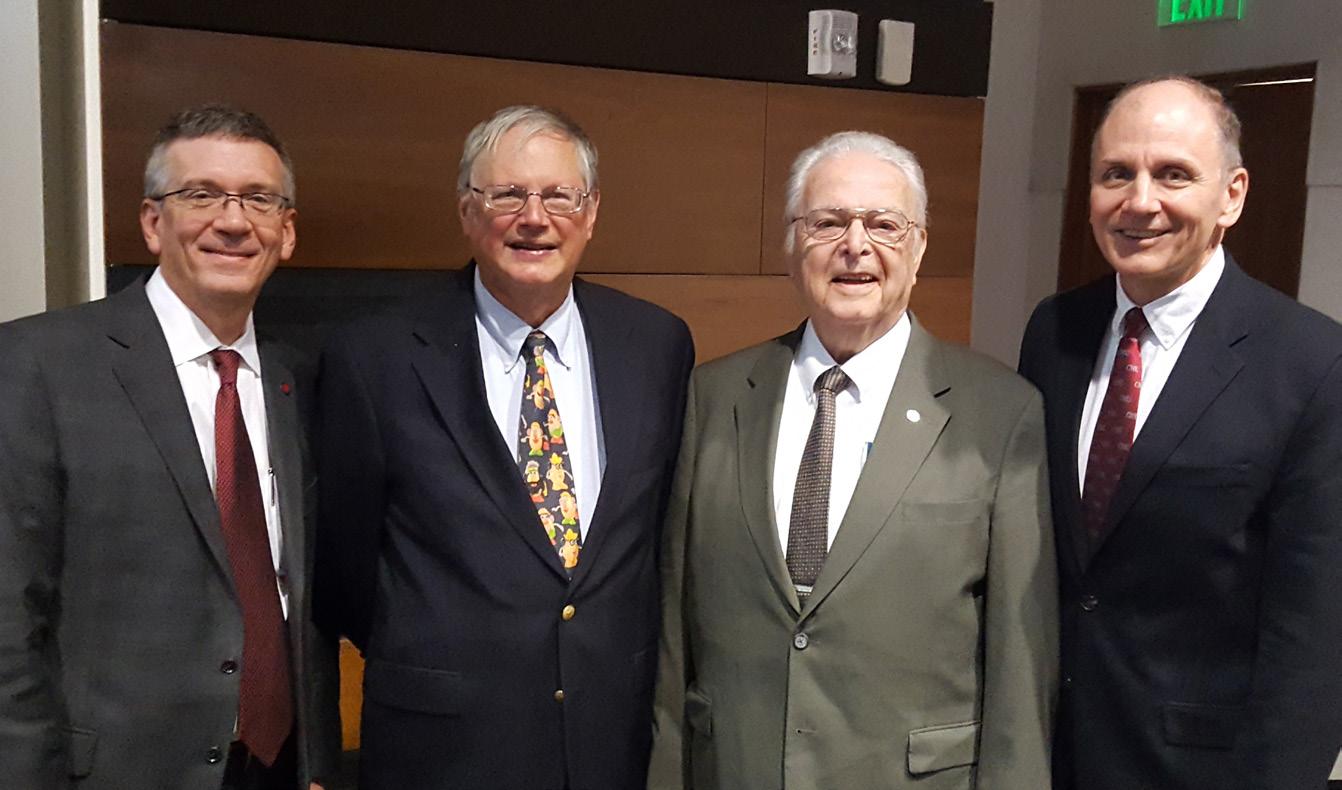
As our department enters an exciting new chapter, I am honored and determined to serve as interim Department Head of Civil and Environmental Engineering during this period of transition. With Burcu Akinci stepping into her role as Dean of CMU’s College of Engineering, we have a meaningful opportunity to reflect on the momentum we’ve built, and to carry it forward with purpose.
CEE has long been defined by our ability to adapt alongside the world’s most pressing challenges. From advancing sustainable infrastructure to rethinking environmental systems, our faculty, students, and staff continue to push boundaries in ways that are both technically innovative and deeply impactful. That spirit of progress will remain at the center of everything we do.
While leadership transitions naturally bring change, they also reinforce the strength of our community. I am continually inspired by the collaboration and creativity that define this department, whether in the classroom, in the lab, or through partnerships that extend our work into the world. Together, we will ensure continuity in our mission while remaining agile enough to embrace new opportunities ahead.
I am confident that CEE is wellpositioned for continued growth, and I am committed to supporting our faculty, students, and staff in maintaining the forward momentum that defines this department.
Thank you for being a part of this community and for all you do to help move it forward.
Sincerely,
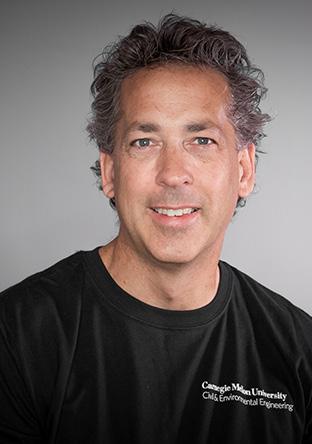
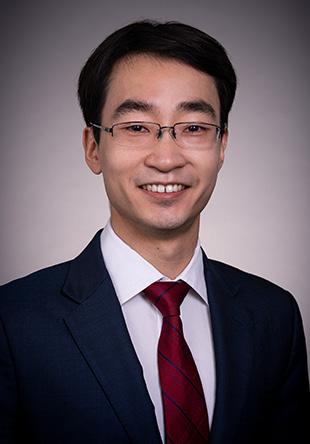
Greg Lowry Hamerschlag University Professor and Interim Department Head
Debra
PUBLISHER
Department
IMAGE / Assistant Professor Corey Harper
04 Resilient infrastructure can’t wait
06 Building better robots for sidewalk safety
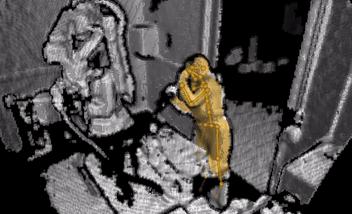
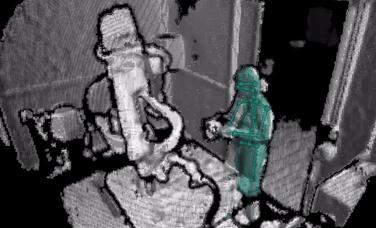
08 Understanding human behavior in manufacturing
10 How electric vehicles can power infrastructure change
Resilient infrastructure can’t wait
The proper design of stormwater infrastructure, like storm sewers or detention basins, can often be the determining factor standing between extreme rainfall and life-threatening floods. But in most areas across the United States, these systems have not been built to withstand the precipitation depth and intensity projected under climate change.
As a result, communities are increasingly vulnerable to future weather events, facing heightened risks to public health, infrastructure, and economic stability unless climate-resilient planning is prioritized. In a new study published in Environmental Research Letters, researchers recommend four strategies to effectively design and build stormwater infrastructure to prepare for these uncertain future conditions, especially in the absence of such guidance and data from the federal government.
The United States National Oceanographic and Atmospheric Administration (NOAA) provides trusted weather information for communities and conducts leading-edge research on climate change. In 2004, NOAA established the Atlas 14 information resource to provide communities with data on anticipated rainfall estimates, quantifying the amount and probability of rainfall expected during a certain period of time. An update to Atlas 14, known as Atlas 15, was announced in September 2024 and would be the first national precipitation frequency analysis to account for climate change in the U.S. The development of Atlas 15 was briefly paused, but is now reinstated and set for publication in 2026.
“Every day, communities rely on NOAA information to design infrastructure and keep residents safe. It is imperative that this information accounts for the impacts of climate change,” said Costa Samaras, professor of civil and environmental engineering and director of the Scott Institute for Energy Innovation.
Looking at the mid-Atlantic region—encompassing major cities like Baltimore, Philadelphia, and Washington, DC—researchers applied each of their four strategies and measured effectiveness by calculating a climate-readiness score for the
infrastructure in each county to handle future rainfall.
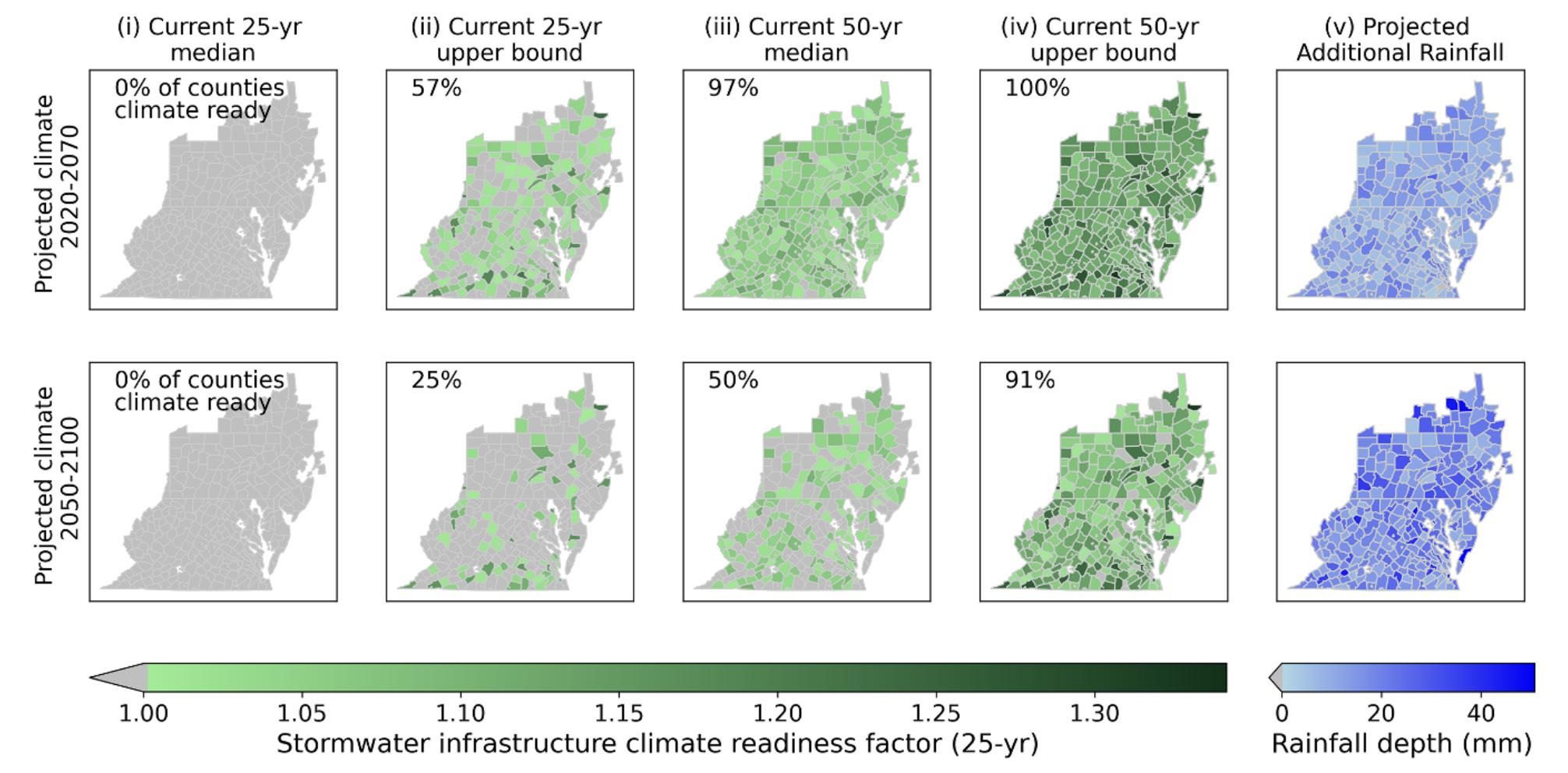
The first strategy considers designing to the median of current precipitation depth measurements – or, designing for typical rainfall. Despite being a strategy most, if not all, counties in the region currently employ, the study finds that none of the counties are climate-ready under these conditions, leaving them exceedingly vulnerable to future weather events.
Existing guidance recommends the second strategy, but it is rarely used in practice: designing for the 90th percentile of current precipitation depth, that is, planning for a larger, less frequent storm. Under this approach, 57% of counties would be climate-ready between 20202070, but more extreme climate projections between 2050-2100 decrease this amount to only 25%.
The next approach plans for a future where extreme weather is more intense or frequent. Using the median of a larger storm, for example, using a present-day 50year storm when designing for a future 25-year storm, which refers to a rainfall event that has a 2% chance, instead of a 4% chance of occurring each year, 97% of counties would be climateready between 2020–2070, and 50% between 2050–2100.
Finally, the most conservative approach would prepare infrastructure to withstand the worst-case scenario. By designing to the 90th percentile of a larger storm, all counties in the mid-Atlantic region would be protected from increased precipitation projections under climate change from 2020 through 2070. There are, however, disadvantages to over-designing infrastructure, including associated costs. Because of this, in practice, decision-makers will rarely design infrastructure for rare events.
“Our findings demonstrate the benefit of an iterative design approach for resilient infrastructure,” said Marissa Webber, lead author of the paper. “Local decision makers must consider the different design strategies, adhere to state and local regulations, and incorporate the priorities of local stakeholders.”
Webber completed this research as part of her Ph.D. at CMU’s Department of Civil and Environmental Engineering and is now a postdoctoral research associate
in the Department of Earth, Marine, and Environmental Sciences at the University of North Carolina at Chapel Hill.
In the interim before the release of Atlas 15, it is important for decision-makers to consider climate change projections when designing all varieties of infrastructure. By prioritizing climate-resilient design, engineers and planners can build systems that adapt to change and continue to protect communities well into the future.
“While we are currently waiting for Atlas 15, that doesn’t mean we have to hold off on designing climate-resilient infrastructure. We have the data and knowledge to design these systems already,” said David Rounce, associate professor of civil and environmental engineering. “Here, our goal is to provide straightforward guidance for engineers and planners to ensure the systems we build today will function properly for generations to come.”
For each county in Chesapeake Bay Watershed and Virginia, the stormwater infrastructure climate readiness factor was calculated for 2020–2070 (top panels) and 2050–2100 (bottom panels), using four different design strategies discussed in the study.
Building better robots for sidewalk safety
A Carnegie Mellon University research team recently received a $1.25 million grant from the National Science Foundation’s Smart and Connected Communities program to design robots that can operate in areas such as sidewalks, street crossings and parks without risking human safety.
As robots increasingly integrate into day-to-day human activities, questions abound about how the rules surrounding public spaces could change. And, perhaps more importantly, how new technologies will affect community safety overall.
Led by Nikolas Martelaro, an assistant professor at the HumanComputer Interaction Institute (HCII) in CMU’s School of Computer Science, the CMU research team brings together researchers from across the university, including Sarah Fox, also an HCII assistant professor; Ding Zhao, an associate professor in the Mechanical Engineering Department; and Corey Harper, an assistant professor in the Civil and Environmental Engineering Department. This multidisciplinary approach allows each team member to address the
research from a unique perspective.
The team will also collaborate with the Lawrenceville Corporation, a local community organization in Pittsburgh; the Urban Robotics Foundation; and Carnegie Mellon’s Metro21: Smart Cities Institute. The researchers plan to work with community members to brainstorm scenarios where robots could encounter people on public walkways, design navigation and communication systems, and test the resulting strategies in the group’s lab on CMU’s campus. The team wants to give community members an opportunity to describe sidewalk scenarios they might be concerned about and how they expect robots to act in those situations, including how they should move, what rules they should follow, and how they should talk to pedestrians.
“Community input isn’t just helpful, it’s essential. These robots will move through people’s neighborhoods and daily routines, so residents need a genuine voice in shaping how they behave,” Fox said. “It’s not enough for us to design machines that operate safely. They must also reflect the values and priorities of the communities they serve.
That’s why community voices aren’t an afterthought — they’re the foundation of how we define success in this work.”
Zhao said his Safe AI Lab focuses on how to safely deploy artificial intelligence to the real world, including on sidewalks.
“I’m interested in the sidewalk because the rules around sidewalk traffic are more complex than car lanes, yet more standardized than the private household environment,” Zhao said. “The team will leverage existing world model technologies that can generate realistic interactive scenarios that enrich safety-critical datasets with counterfactual cases.”
Although robots have great potential to enhance communities through food and medicine delivery, sanitation, safety patrol, and various other benefits, they still face significant challenges when navigating real-world sidewalks. The team will focus on teaching robots how to maneuver in different weather, traverse broken walkways, and safely avoid pedestrians who may be distracted by their phones, walking pets or pushing strollers.
“I think one of the things we want to
do is make sure that the community has an important role — we want them to know that they are a critical part of this research,” Harper said. “We don’t want to simply introduce a robot without getting their input first. We also hope that this research can be used by future communities, cities, and planning organizations, especially as we see robots deployed at a larger scale. The community feedback is a very important part in ensuring the robots we deliver are in line with what the community would like to see for the future.”
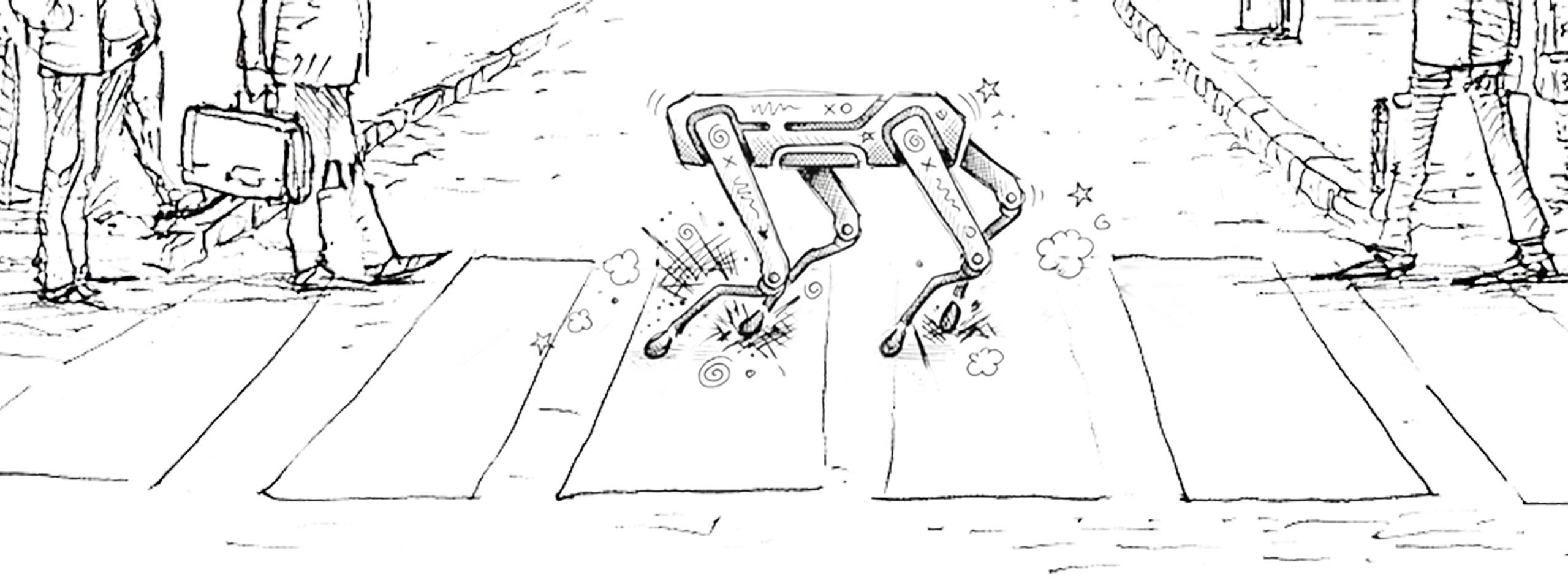
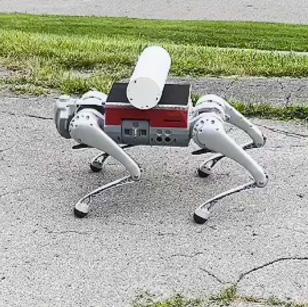
The team plans to train robot navigation and communication systems using 3D simulation environments, laboratory studies, and field tests. The project will examine the needs and requirements of both wheeled robots, such as the delivery robots found in some U.S. cities, and quadruped robots, like a robot dog, in navigating shared spaces.
The spark for the project happened when companies first deployed sidewalk delivery robots in Pittsburgh. The researchers learned that Pennsylvania legislation considers robots to have the same walking rights as pedestrians when traversing sidewalks. They also realized these same robots can weigh up to 500 pounds and operate at 12 miles per hour.
“When we learned this, we found that to be quite heavy and fast,” Martelaro said. “We also learned that robots have a lot of challenges navigating sidewalks.
“We want the communities to know that they are a critical part of this research.”
Corey Harper, Assistant Professor, Department of Civil and Environmental Engineering
Sometimes they get stuck, sometimes they have awkward interactions with people. And then more and more research came out showing that there were potential safety risks. This got us thinking about the future design of these robots, both in the way they navigate and how they communicate.”
The team’s goal is to design robots that can blend in and navigate safely alongside people. They don’t foresee a world in which robots will have dedicated sidewalk lanes or separate areas to traverse.
“We want to encourage people in the community to see our robot prototypes both in the simulation environment in our lab and in real-world environments so they can give direct feedback,” Martelaro said. “This process will help us make changes based on what’s going to work for the local community.”
Community members have already asked great questions during some informal conversations with the researchers about this topic, ranging from what these robots will do and the rules they’ll have to follow to if robots will listen to humans or bother them on the sidewalk. The researchers also heard concerns about sidewalk robots during similar past projects and at a community meeting with city officials about sidewalk robots.
“These questions have helped us think about how we can engage the community in this project and have conversations that
lead to stronger human-robot interactions,” Martelaro said.
In addition to the questions from the community, the team was also surprised by the individuals who have shown interest in the robotics project so far.
“I was excited to learn that many older adults are interested in this study,” Zhao said. “Especially because robots are used to deploy food and medicine that otherwise would be more challenging to access.”
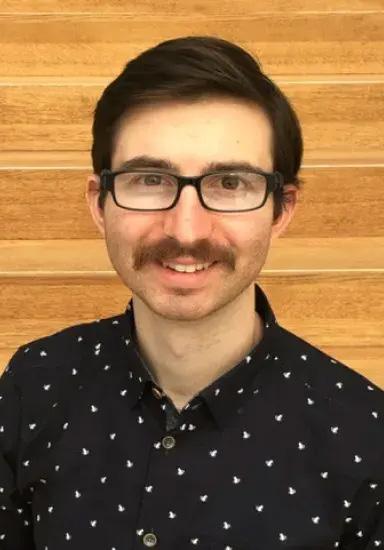
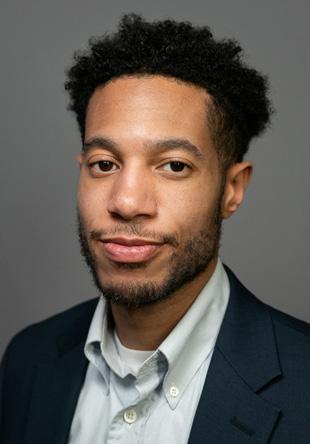
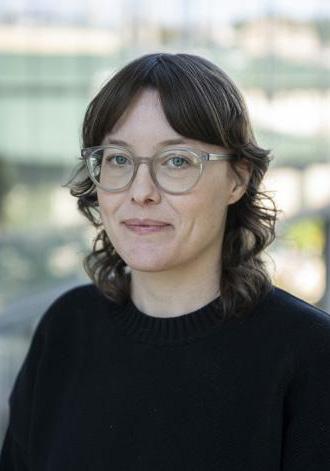
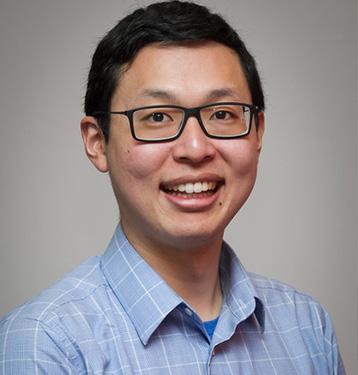
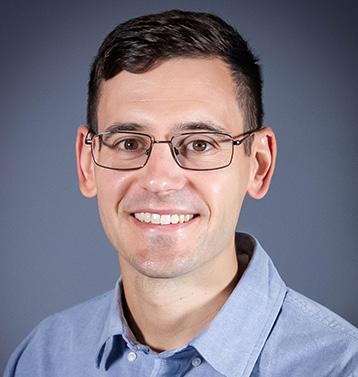
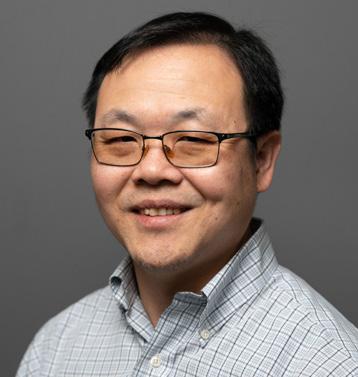
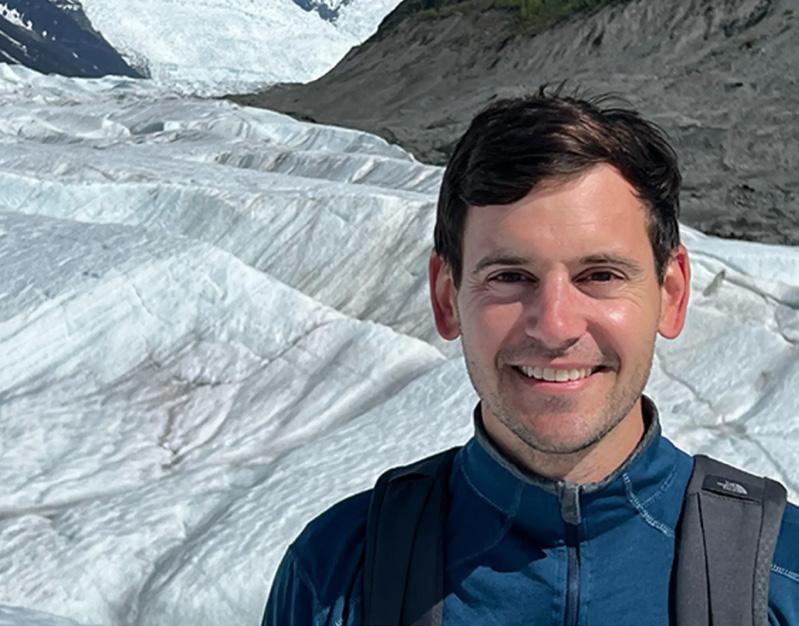
The CMU research team: Nikolas Martelaro (top left), Sarah Fox (top right), Corey Harper (bottom left), and Ding Zhao (bottom right).
Understanding human behavior in manufacturing
In the world of manufacturing, safety and efficiency are two fundamental objectives for researchers who are trying to improve a working environment or process. You may think that this means exploring ways to change how machines operate; however, there is an equally important need to look at the behavior of the humans who are operating these machines.
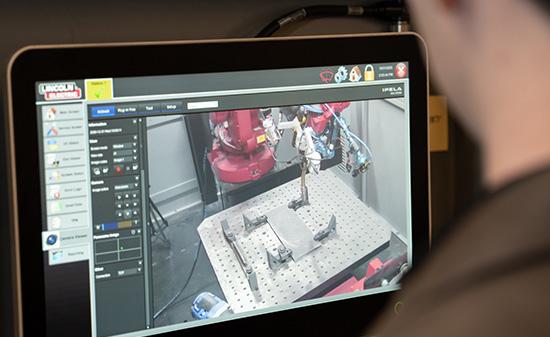
Researchers from Carnegie Mellon University are investigating the patterns of human behavior in advanced manufacturing environments in order to improve human-machine collaboration. The paper, “Characterizing Sequential Patterns of Human Behavior in Advanced Manufacturing,” was recently published in the Journal of Computing and Information Science in Engineering, exploring this interaction in the context of a Wire Arc Additive Manufacturing (WAAM) machine.
“Machines designed by engineers are usually easy to predict. Normally, they’ll do what you tell them to, in the order that you tell them to do it. Human beings are not that consistent,” explained Christopher McComb, associate professor of mechanical engineering. “But, we can still use computational techniques from engineering to try to predict these very messy, stochastic, complex human systems.”
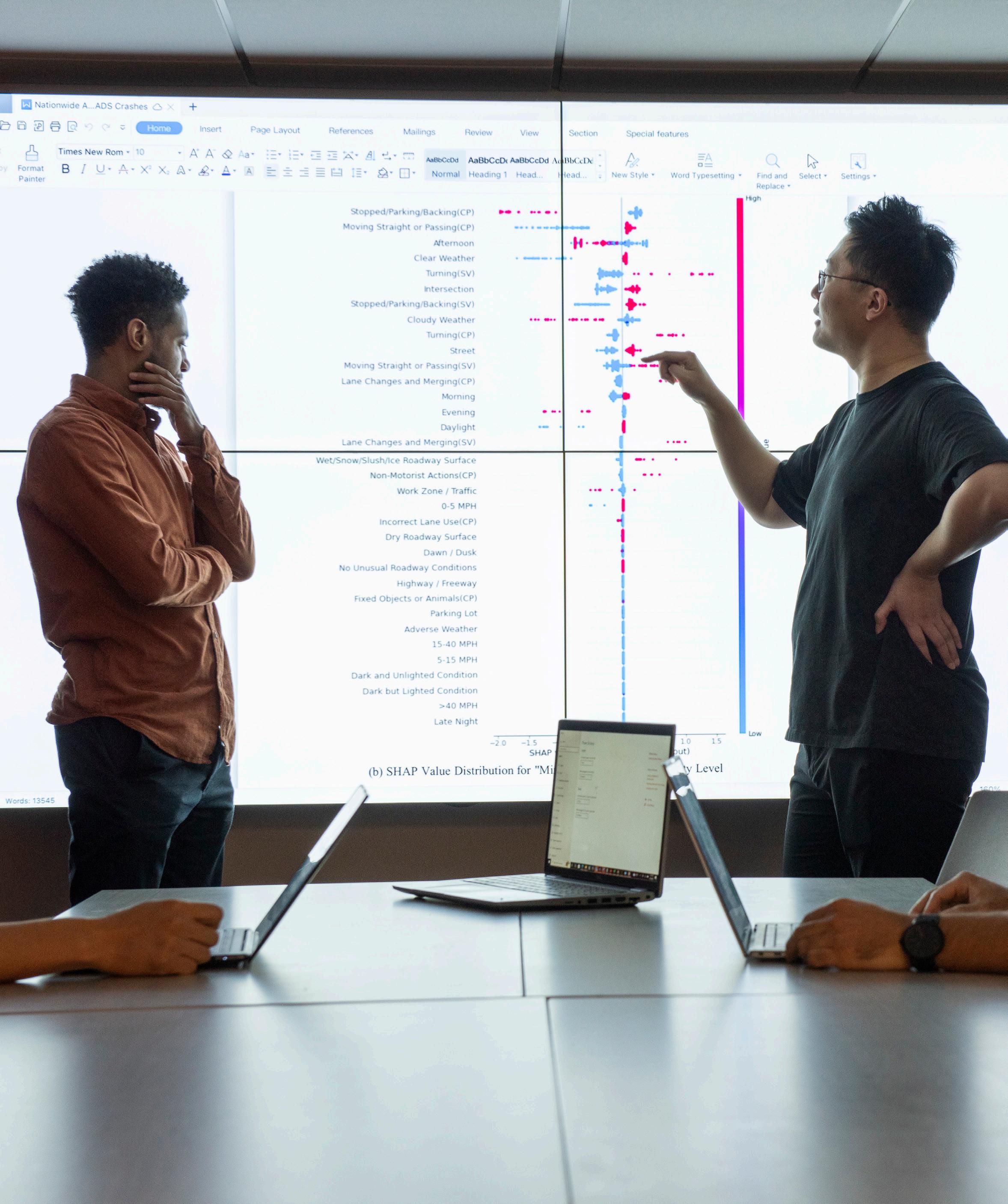
Although manufacturing work is made up of step-by-step processes, little was known about how human operators actually behave while doing these tasks, particularly in the WAAM environment studied in this work. Because humans naturally adapt to situations in unpredictable ways, it can be difficult to find and understand patterns of use that lead to success or failure. “We have rich machine logs that tell us what happened—when a defect occurred or when performance degraded—but not why it happened. As human involvement increases in design and operation, that missing piece is often the human,” said Katherine Flanigan, associate professor of civil and environmental engineering.
The paper applied two different sequential models to a large-scale dataset from Carnegie Mellon’s Manufacturing Futures Initiative in order to understand the human behavior patterns that appear in an advanced manufacturing work environment.
“By explicitly modeling how people interact with these machines, we can begin to understand how human integration supports—or sometimes undermines—design outcomes,” explained Flanigan. “That understanding doesn’t just improve efficiency and safety; it opens the door to new AI-driven training, decision-support, and educational tools that help operators work more effectively with complex manufacturing systems.”
The project included collaboration across the College of Engineering and across continents. The research team included McComb, Flanigan, and Melinda Mudzurandende, a recent graduate from Carnegie Mellon University Africa. Mudzurandende, first author on the paper, earned her bachelor’s degree in mechanical engineering from Academic City University in Ghana before coming to CMUAfrica to earn her master’s in engineering artificial intelligence (MS EAI). She is interested in pursuing research in artificial intelligence accountability and is currently applying to Ph.D. programs.
“Melinda has an amazing skillset as an MS EAI graduate. She’s picked up so many different areas of both conventional machine learning and modern large language model techniques,” said McComb.
The findings, although focused on WAAM, could be applied in the future across manufacturing environments to create data-driven Standard Operating Procedures to improve safety and efficiency. The research team plans to continue the work, focusing next on using more complex deep learning models.
How electric vehicles can power infrastructure change
“When we account for new infrastructure investment, the effect of EV charging on power system emissions is lower than we would otherwise expect. Basically, EVs can help make the power system more green.”
- Jeremy Michalek, Professor, Engineering and Public Policy, Mechanical Engineering
Most people know that electric vehicles (EVs) are at the forefront of sustainable technology in their own right. But did you know they can also have positive ripple effects on other aspects of vehicle infrastructure?
“Increased EV adoption can trigger investment in new power generators—especially wind, solar, and natural gas—as well as energy storage (batteries),” said Jeremy Michalek, a professor of engineering and public policy, professor of mechanical engineering, and director of the Vehicle Electrification Group at Carnegie Mellon University.
College of Engineering faculty members Michalek, Corey Harper, and Destenie Nock worked with Lily Hanig (EPP Ph.D. ’24) to model the effect of plug-in EV adoption on U.S. power system generator capacity investment, operations, and emissions through 2050 in a study recently published in PNAS.
“We wanted to investigate EV adoption
because as we add more demand for electricity, we may affect power plant retirement and construction,” said Nock, an assistant professor of engineering and public policy and civil and environmental engineering. In each scenario, the researchers found that increased EV adoption would trigger new investment in wind, solar, storage, and natural gas capacity.
“When we account for this new infrastructure investment, the effect of EV charging on power system emissions is lower than we would otherwise expect,” said Michalek. “Basically, EVs can help make the power system more green.”
In the study, the engineers focused on the question, “How do changes in EV adoption trajectories affect power grid capacity expansion, generation, and emissions?” They estimated power systems outcomes under five different potential EV adoption trajectory scenarios following policies like the Inflation Reduction Act (IRA) and the Environmental Protection Agency’s greenhouse gas emissions standards, as well as scenarios and targets set by the White House, the US Energy Information Administration, and the International Energy Agency.
For each scenario, they estimated the power system infrastructure investment, generation mix, and greenhouse emissions that would result over time, with no policy adherence serving as the pessimistic scenario and growth expected under the IRA serving as a reference scenario. The results varied by region and by scenario, with different parts of the country adopting more wind or solar and others investing in more natural gas.
“By 2040 and 2050, higher EV adoption could result in increased generation from solar in the Southeast and Southwest, wind in the Central, and natural gas in the mid-Atlantic regions of the United States,” said Harper, an assistant professor of civil and environmental engineering.
This induced power system infrastructure investment has implications for emissions, Michalek explained.
“In 2026, the power system emissions induced by charging more EVs is similar, on average, to those burning gasoline,” he said. “But by 2032 and beyond, as new plants are built in response to the new load, the power system emissions from charging EVs drop fivefold to levels well below that of gasoline.”
14 Heat pump technology may narrow the energy equity gap
16 Glaciers disappear by the thousands, history melts with them
18 What thermostat preferences reveal about U.S. energy usage
IMAGE /Associate Professor David Rounce’s research group camping while conducting fieldwork in Alaska. Read the latest updates on our glaciology research on Page 16
Heat pump technology may narrow the energy equity gap
Researchers from Carnegie Mellon and the University of Maryland found that an emerging technology known as heat pumps leads to reduced disparities in thermal comfort across different income groups.
As the energy transition continues to shift the focus from fossil fuels to climate-friendly alternatives, adopting clean energy technologies could revolutionize the way we heat and cool our homes. From skyrocketing energy bills to inadequate indoor temperatures, energy insecurity is a growing concern among millions of households, suggesting the need for a new approach to improve indoor comfort.
Heat pumps are an emerging technology that have the potential to alleviate energy insecurity and reduce household energy expenses. Instead of generating heat, heat pumps work by transferring thermal energy between the inside and outside of a home.
In a new study published in Nature Energy, researchers from Carnegie Mellon University and the University of Maryland examined the relationship between heat pump adoption and household energy insecurity using electricity records from 8,656 households in Phoenix, Arizona. By employing a thermal comfort index (the temperature at which
individuals turn on their heating or cooling system), the researchers found that households with heat pumps initiate cooling at nearly one degree Celsius lower than those without and consume less electricity per degree of temperature increase.
“Many low-income households currently don’t use enough energy to keep their homes safe during extreme weather. The U.S. Energy Information Administration estimates this is between 10–15 million homes, so it is important to understand how cooling and heating infrastructure will impact this divide,” said Destenie Nock, assistant professor of engineering and public policy and civil and environmental engineering at Carnegie Mellon, and lead co-author of the study.
Energy insecurity can disproportionately affect different groups of people and is exacerbated by several factors, including income inequality, racial disparities, differences in energy access between rural and urban areas, COVID-19 pandemic impacts, and ongoing climate change issues. The disparities between income or ethnic groups in terms of the outdoor temperature at which individuals turn on their air conditioning can be defined as the energy equity gap.
In this study, researchers found that heat pumps lead to reduced disparities in thermal comfort across different income groups, suggesting that this new technology could help narrow the energy equity gap.
Using the same technology as an air conditioner, heat pumps provide both heating and cooling to a home. In the summer, heat pumps work to pull hot
air out of your home and push it outside, generating a cooling effect. In the winter, the process reverses, and warm air is pulled from the outside and moved indoors. This transfer of energy promotes greater efficiency and comfortable indoor temperatures.
In addition to reducing energy costs and alleviating energy insecurity, heat pumps are crucial to global decarbonization, leading many governments to offer rebates and tax credits to encourage their installation.
“Recent policy shifts—particularly through incentives like the Inflation Reduction Act (IRA)—are changing the calculus for clean heating technologies,” Nock said. “By doubling or even tripling rebate support for low-to-moderate income families, these policies are finally making heat pump adoption not just a possibility but a financially viable path toward energy equity and climate resilience. However, if the current administration repeals the IRA, it will be uncertain how many people can make use of the financial incentives.”
As climate change continues to present challenges, the need to maintain safe indoor temperatures without breaking the bank is paramount. Heat pumps are an affordable alternative to traditional cooling and heating systems, thereby reducing the energy equity gap and energy insecurity.
“As climate change drives more extreme heat and cold, technologies like heat pumps can offer a pathway to safe, affordable, and sustainable indoor comfort for everyone,” Nock said. “Now it will be imperative to make sure households have access to this technology.”
WITH THEM GLACIERS BY THE THOUSANDS, HISTORY MELTS
Although glaciers have long been studied for their role in sea-level rise and water supply—including by CMU’s own Center for Engineering Resilience and Climate Adaptation—a new international study highlights a different dimension of their decline: the disappearance of individual glaciers themselves. Beyond ice mass and area loss, the extinction of glaciers threatens landscapes that hold deep cultural, spiritual, and touristic significance.
Using three global glacier models, researchers project a sharp rise in the number of glaciers vanishing worldwide, peaking between 2041 and 2055, with up to 4,000 glaciers disappearing annually. This peak glacier extinction marks a profound turning point for mountain regions across the globe.
“While we often think about the largest glaciers for their contributions to sea-level rise and water resources,” said David Rounce, Associate professor of civil and environmental engineering at Carnegie Mellon and co-author of the paper, “the reality is that, by number, most glaciers are quite small, and it’s these smaller glaciers that will be lost in great numbers over the next several decades.”
The study, published in Nature Climate Change, reveals sharp regional differences. Areas dominated by smaller, fast-responding glaciers,
“The stark reality is that our actions as a global society have a huge impact on the future of these glaciers.”
- David Rounce, Associate Professor, Department of Civil and Environmental Engineering and Engineering and Public Policy
such as the Alps and the Caucasus, could lose more than half of their glaciers within the next 10 to 20 years. In contrast, regions with large, slowreacting glaciers, like Alaska, Svalbard, and Arctic Canada, will reach their extinction peak later in the century.
The team also calculated how many glaciers will remain by 2100, finding substantial differences between warming scenarios. Should global temperatures rise by 1.5°C, relative to pre-industrial levels, a low emissions scenario that is increasingly unlikely, nearly half of the glaciers we see today could remain. Under current climate policy pledges of +2.7°C, only about 20% of today’s glaciers would survive. Additionally, under the highest warming scenario researchers projected, fewer than 10% of presentday glaciers are expected to remain if global temperatures rose by 4°C. In the European Alps, for example, only 110 glaciers may remain under +2.7°C, and as few as 20 under +4°C.
“The stark reality is that our actions as a global society have a huge impact on the future of these glaciers,” Rounce said. “By reducing our greenhouse gas emissions, we have the ability to preserve large numbers of our glaciers and the way we currently get to view our mountains. We have a chance to make a long-lasting impact; we just have to act.”
Glaciers have always been symbols, spiritual landmarks, tourism destinations, and water sources for millions of people around the globe. Communities have already begun to respond to their loss through public rituals known as glacier funerals in Iceland, Switzerland, and Nepal. Iceland has established a global glacier graveyard, while initiatives like the Global Glacier Casualty List aim to preserve the names and histories of vanishing glaciers.
“Glacier extinction is becoming a human story,” says Lander Van Tricht, lead author of the paper and a postdoctoral researcher at ETH Zurich. “Behind every disappearing glacier lies a place, a history, and a community that will feel its absence.”
The study coincides with the conclusion of the United Nations (UN) Year of Glacier Preservation and the launch of the UN Decade of Action for Cryospheric Sciences. By introducing the concept of peak glacier extinction, the researchers aim to provide information that can guide policymakers and communities in planning for the future.
Rounce conducting fieldwork in Alaska
What thermostat preferences reveal about U.S. energy usage
A new study published in Nature Energy provides a foundation for understanding how Americans experience temperatures in their home.
Maintaining safe indoor temperatures is essential for human health and well-being, yet millions of U.S. households struggle to keep their homes warm enough in winter or cool enough in summer. These challenges are often invisible from the outside, but they shape daily life: families ration heat to avoid high bills, renters navigate landlord-controlled thermostats, and many households face difficult trade-offs between comfort, safety, and affordability. As climate extremes intensify, understanding how people actually manage indoor temperatures becomes increasingly important.
A new study from the Georgia Institute of Technology and Carnegie Mellon University shows that the way households use their thermostats plays a larger role in shaping indoor temperatures than the type of thermostat they own.
Researchers find that those who set one fixed temperature or manually adjust their thermostats tend to keep their homes warmer in winter and cooler in summer, compared to households with automated smart thermostat technologies. These patterns, while often rooted in habit or necessity, can increase energy use and raise costs for families.
“In the past, many energy utilities have assumed that people set their thermostats where they want them to be. But this misses the lack of control that some households have when it comes to their thermostats,” said Destenie Nock, assistant professor of civil and environmental engineering and engineering and public policy. “It also misses the lack of access to thermostat technology in a lot of low-income homes.”
The study, published in Nature Energy, centers on data from the U.S. Energy Information Administration’s Residential Energy Consumption Survey, a resource covering more than 123 million households across the nation. By examining self-reported
thermostat settings across seasons and times of day, the researchers identified clear differences in how households manage indoor comfort.
Findings show that those relying on smart thermostat automation maintained more energyefficient settings, while households using fixed or manual approaches reported winter heating setpoints up to 2.3°F warmer and summer cooling setpoints up to 2.2°F cooler. The study also reveals racial disparities in thermostat settings that persist even after accounting for income, housing quality, and climate. On average, Black households reported keeping homes up to 2.2°F warmer in winter and 1.4°F cooler in summer than white households.
The research team suggests that expanding access to smart thermostats with support for using automation features could help households maintain safer indoor temperatures while reducing energy costs—but technology alone is not enough. Many families lack control over their thermostats, face barriers to adopting new devices, or live in buildings where insulation or HVAC systems limit the effectiveness of any thermostat.
“This highlights that access to technology is a driver of disparities in something as basic as being able to make your home a comfortable place to work or live,” said Nock.
By documenting how technology, human behavior, and household characteristics relate to indoor temperature settings, the researchers provide a clearer picture of individuals’ thermal comfort in their homes.
As further research will continue to examine the mechanisms behind these differences, Nock and her team provide a foundation for understanding how Americans experience temperatures in their homes, an overlooked but pivotal aspect of life intertwined with comfort, health, affordability, and energy use.
“Access to technology is a driver of disparities in something as basic as being able to make your home a comfortable place to work or live.”
- Destenie Nock, Assistant Professor, Civil and Environmental Engineering and Engineering and Public Policy
STUDENTS
Students design CMU’s clean energy future
Civil and environmental engineering juniors designed clean energy solutions for CMU’s campus with guidance from industry mentors and no shortage of hard questions.
Demand for energy is rising around the world, driven by everything from expanding computing infrastructure to the growing adoption of electric vehicles, and CMU’s campus is no exception. As the university’s research and technology footprint grows, so does the need for reliable, low-carbon energy; and, in a Department of Civil and Environmental Engineering classroom, undergraduate students were tasked to solve that problem.
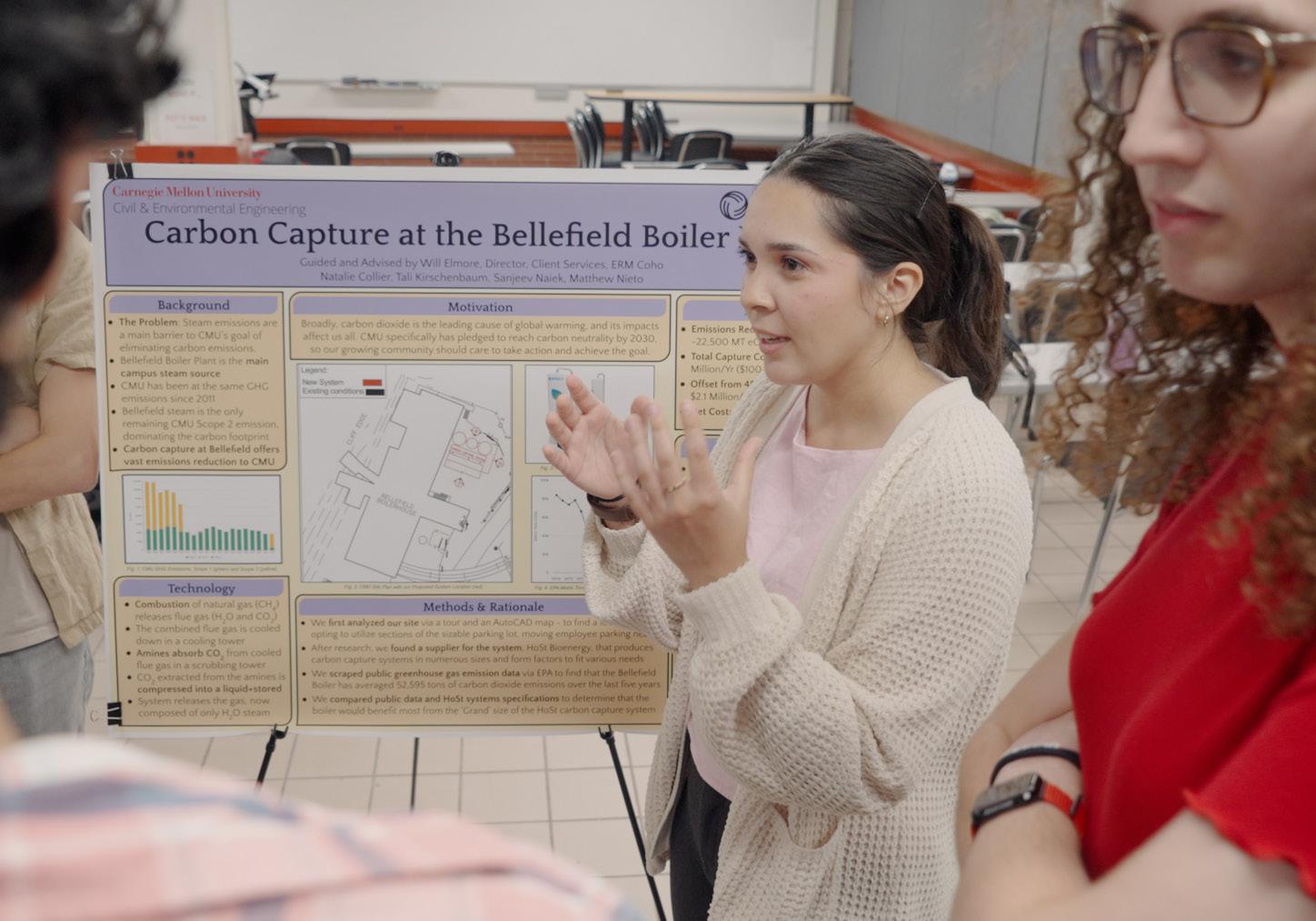
The department’s junior-year project course divided students into teams to investigate technology that could help reduce emissions while meeting the university’s increasing energy needs. With support from an energy industry professional mentor, each group focused on a different approach, such as solar paired with battery storage, geothermal heat pumps, nuclear, or carbon capture. Over six weeks, the student teams analyzed how these technologies could be implemented at CMU, developing proposals that examined their feasibility, cost, and potential environmental impact.
“This course is about taking real-world problems and applying engineering, design, and communication skills to build the energy systems of today and the future,” said Joe Moore, assistant teaching professor and course instructor.
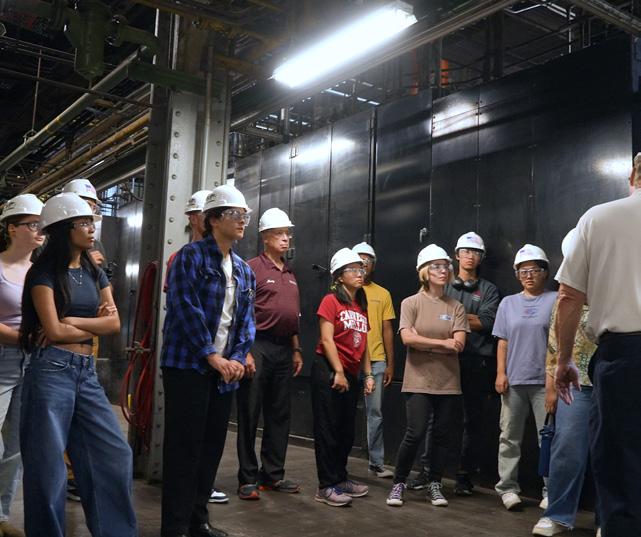
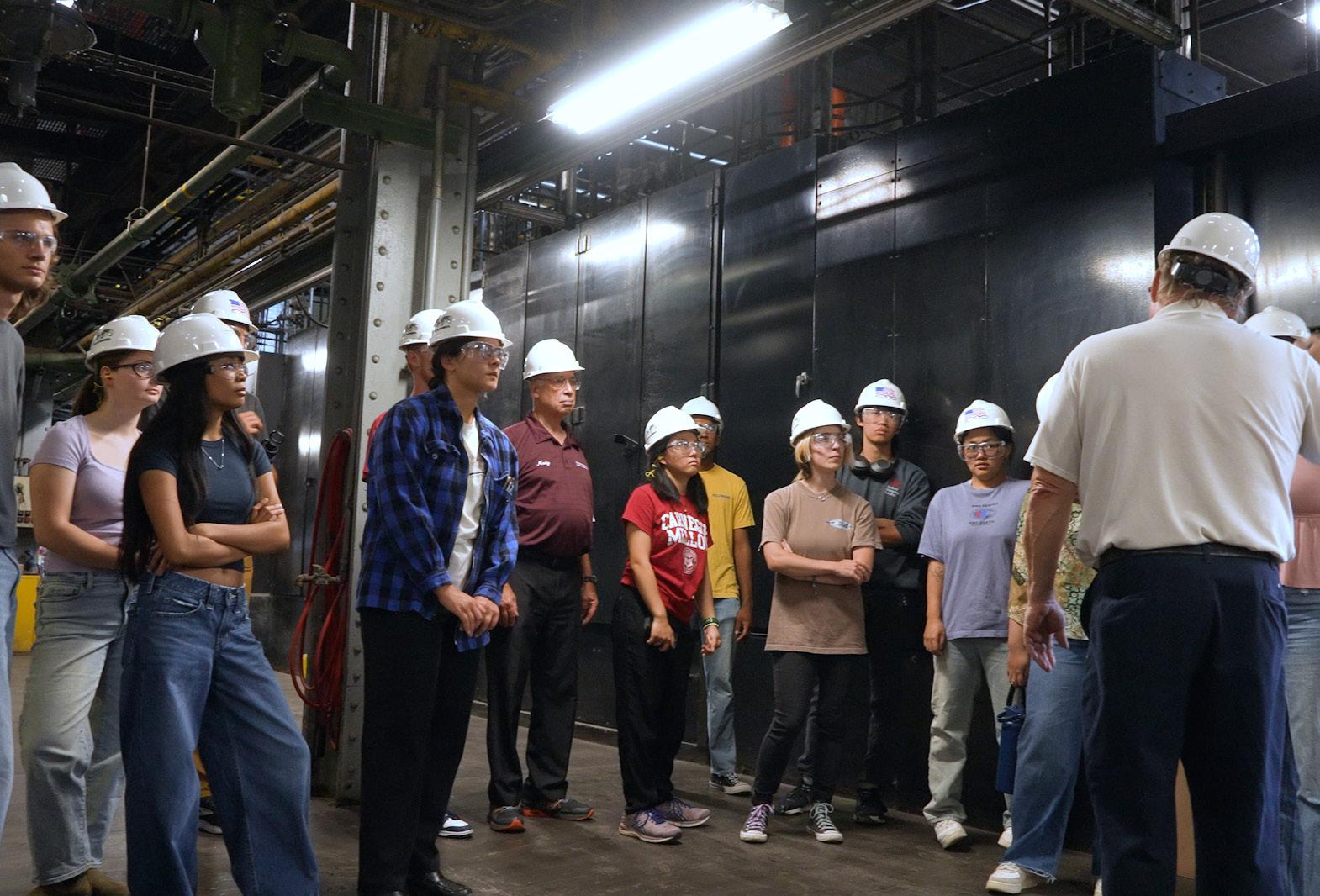
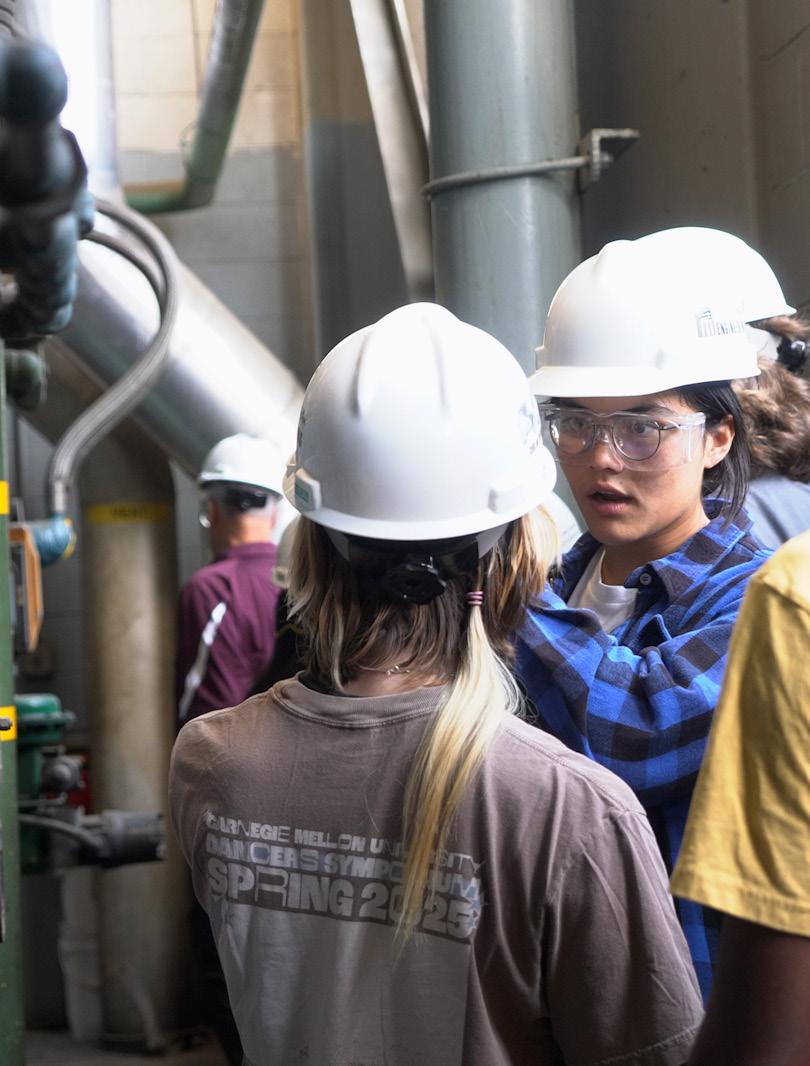
The semester began with research and analysis as students looked at how energy is currently used across campus and how it changes over time with seasonal fluctuations or peak usage periods. Using those data, they estimated how much energy their proposed system could generate and how much carbon emissions they could reduce. In field trips to local facilities, such as the Bellfield Boiler Plant, students saw up close the scale, complexity, and the logistical challenges behind integration of large-scale energy infrastructure.
From there, the teams began to translate their ideas into designs. Using computer-aided design software and guidance from their assigned industry mentors, students created drawings of their proposed systems, where they could realistically live on campus, and how they might connect to existing buildings and infrastructure.
By estimating size, construction requirements, costs, and other constraints, the juniors got a look inside the planning process that practicing engineers follow when evaluating new infrastructure projects.
Weekly meetings with their industry mentors helped the groups refine their proposals, incorporating feedback and insights from working engineers at leading firms like Coho Climate Advisors, GAI Consultants, SmithGroup, and Rizzo International. Will Elmore, an alum of the department and now Director of Client Services at Coho, mentored the team studying carbon capture technology. In his current role helping companies evaluate decarbonization strategies, Elmore often analyzes both the climate and financial impacts of adopting new technologies, a perspective he brought to the classroom. Eddie Guerra, senior vice president of the Civil Infrastructure Development at Rizzo, who guided the geothermal team, brought a similarly grounded perspective to his group’s work.
“I think an experience like this helps the students see the complexity of civil engineering energy projects, and how they’re systems of systems undertakings,” Guerra said. “It was a great experience for the students to see that in action.”
That big-picture thinking extended across every team. Elmore’s carbon capture group navigated the kinds of nuance that rarely appear in textbooks.
“They were asking practical questions like, what is the best location? What approvals would we need? What environmental regulations apply? Where would employees park?” he said. “The project was really at the cutting edge of climate solutions and very similar to the type of work we do at Coho.”
But, the course wasn’t just about crunching numbers. Elmore also encourages his team to think carefully about how they told the story of their solution, a skill just as critical in the professional world as the technical analysis itself. One carbon capture approach involved using captured emissions to extract fossil fuels, a tradeoff that put students face-to-face with the kind of ethical dilemmas
that don’t have a clear answer in the real world, either.
The course was intentionally open-ended, pushing teams to define their own scope, track down their own data, and make their own engineering decisions. The direct air capture group found reliable technical information hard to come by, leading them to reach out directly to companies working on that technology.
“My biggest takeaway from the course was creative problem-solving,” said Carmen Ting, a junior studying civil engineering. “I really enjoyed being able to do our own research and come up with something that was unique and truly our own.”
The independence was by design. Moore wanted his students to leave with more than technical knowledge; he wanted them to have a clearer sense of what a career in energy and climate might actually look like. The proposals students developed, complete with cost estimates, emissions calculations, and site layouts, represent
the kind of early-stage analysis that could genuinely inform CMU’s path toward its sustainability goals.
For the students, the most lasting lessons may have been the ones that don’t show up in a technical report: working alongside industry professionals, managing a team, and wrestling with imperfect solutions.
“I’m going to bring the communication skills I learned and the importance of working with a team with me,” said Natalie Collier, an environmental engineering junior. “You have to be able to communicate with other people to complete the bigger mission in the end.”
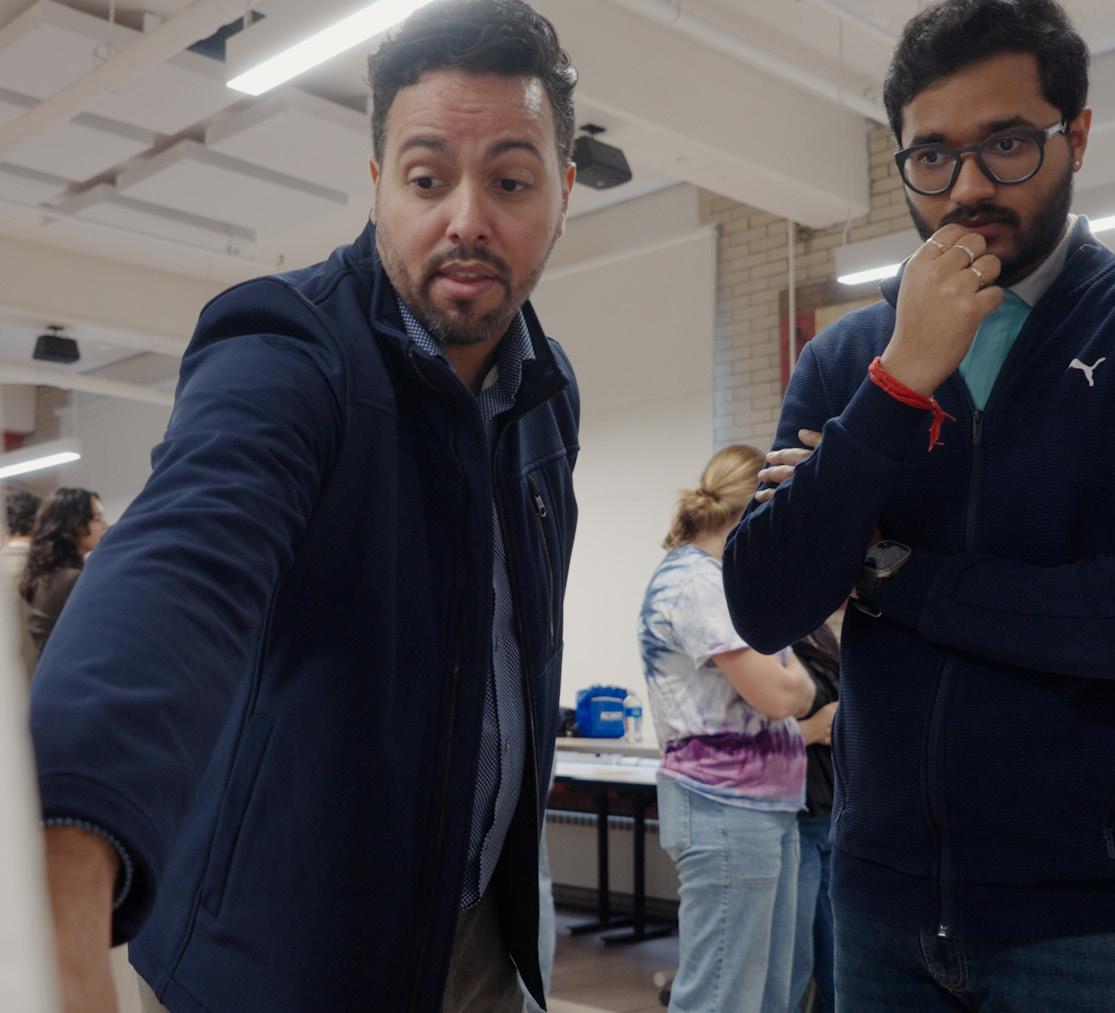
As the semester wrapped up and teams presented their final posters, the room was full of ideas that could shape the future of energy on campus. And for Elmore, the experience reinforced just how much this kind of course can offer.
“I wish I’d had an opportunity like this when I was a student,” he said.
Modeling interactionsaerosol-cloud Down Under
Fascinated by extreme weather events from a young age, Noah Asch knew he wanted to pursue a career that could have a downstream impact on climate change. From storm chasing with his dad to being captivated by the movie “Twister,” Asch’s early interests in climate and weather eventually led him to pursue a Ph.D. in civil and environmental engineering at Carnegie Mellon after graduating from the University of Washington with a degree in atmospheric science. Little did he know that his passion would not only prompt him to move across the country, but it would also lead him to conduct research on the other side of the world.
Asch’s research under the mentorship of Hamish Gordon, associate professor of chemical engineering, focuses on modeling how aerosols interact with the atmosphere and form clouds. Aerosol-cloud interactions can influence the formation, size, and longevity of clouds, resulting in downstream warming and cooling effects under various
scenarios. However, there is a significant amount of uncertainty in the weather and climate model the research group uses, especially when it comes to the Southern Ocean, a region Asch notes to be the most inaccessible of the world’s ocean basins.
“It is quite difficult to get to this region and take measurements, which are essential to validate the model’s output,” Asch said.
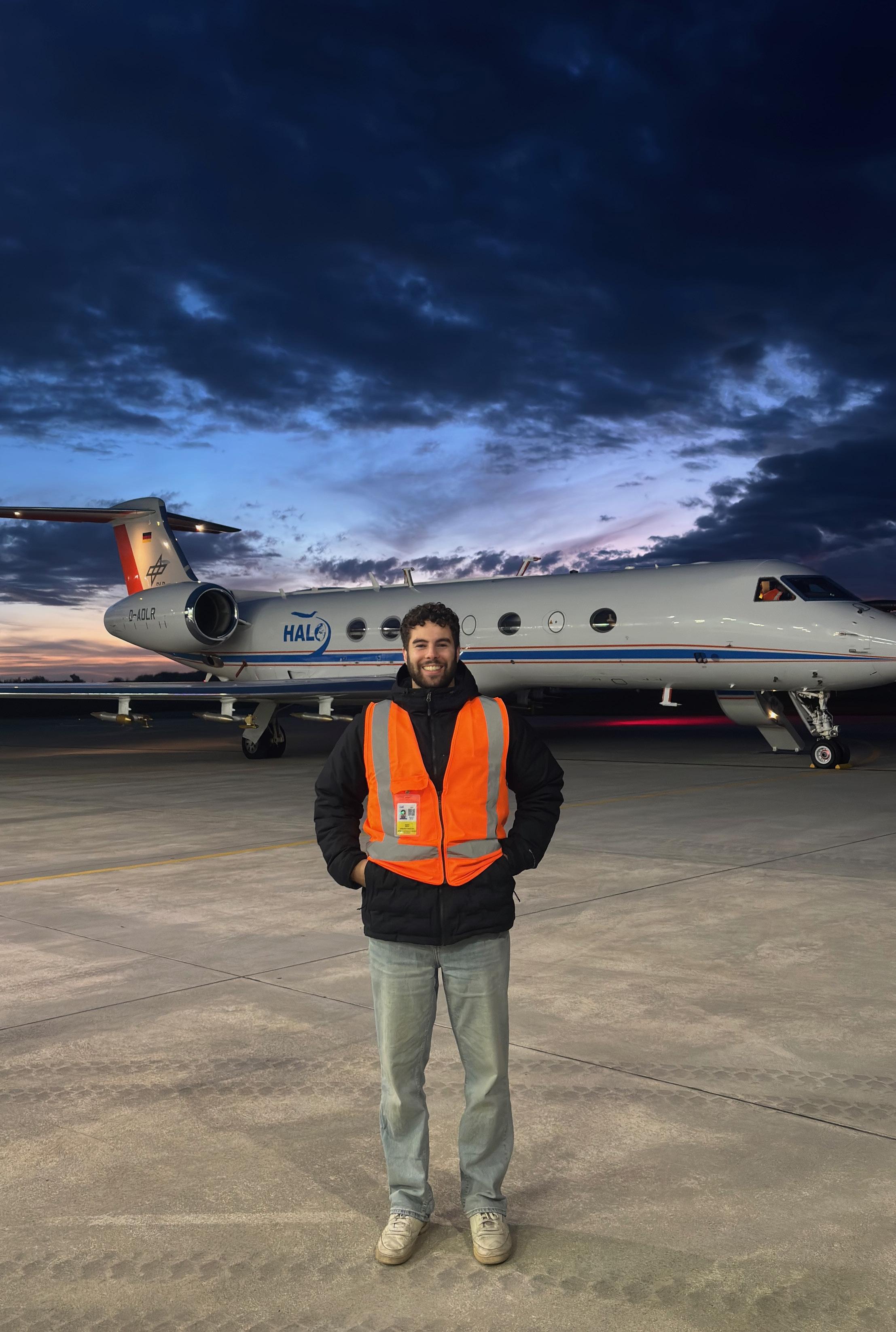
To help reduce this model uncertainty, Asch spent two weeks in New Zealand as a part of a German-led field campaign called HALO-South.
“This campaign consisted of several flights around the Southern Ocean to try to better understand the atmospheric processes that occur at high latitudes,” Asch said. “When you don’t have a lot of measurements, it is hard to ensure the accuracy of a model, so that’s why we are interested in the Southern Ocean. In particular, we want to better predict aerosolcloud interactions in this region.”
As part of the campaign team, Asch was instrumental in planning
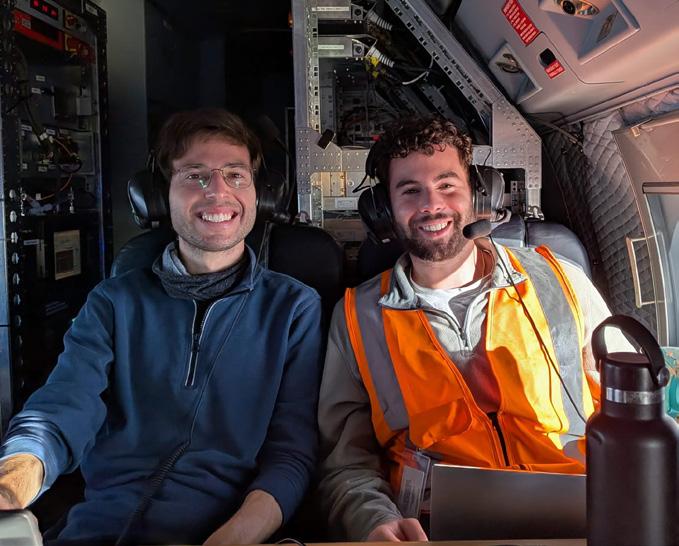
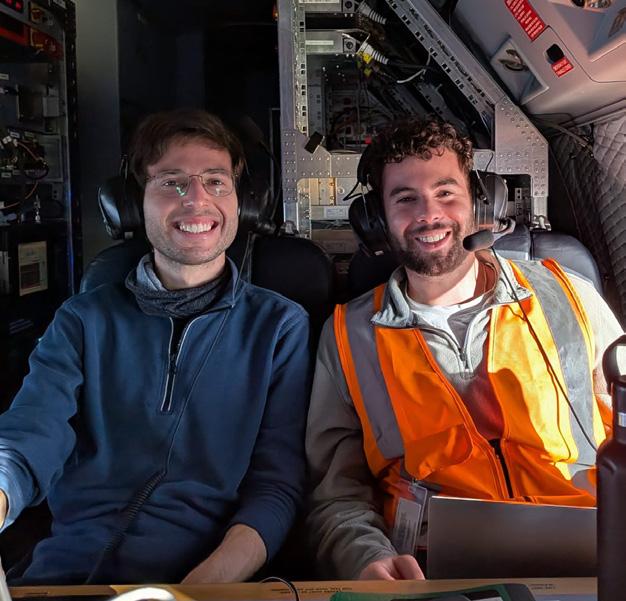
flight patterns for missions and even served as a mission PI on a research flight during the campaign.
“I would sit in the cockpit of the plane with the pilots and inform them on where to fly based on what I was seeing and the input we received from operators on the plane and the ground,” Asch explained. “It was around six and a half hours of flying total where I was instructing the pilots on where to go within the bounds of our flight plan.”
As a fourth-year Ph.D. student, Asch reflects on his time at CMU and is grateful for the supportive community he has found on campus and within his department. “If you’re considering graduate school, be really sure that you are passionate about what you are doing,” Asch said. “Carnegie Mellon has been a great place for graduate school. The professors are well-connected and brilliant at what they do. I think it’s the community that I have made here that will be extremely helpful for future collaborations in my field.”
After graduating from CMU, Asch has aspirations to pursue research at a federal or national laboratory.
Around the world with undergraduates
Hear from three undergraduate students about their summer study abroad experiences and how it enhanced their time at CMU.
Studying abroad gives students a chance to expand their education while experiencing new cultures, perspectives, and ways of solving problems. Three CEE students share their stories from Japan, Spain, and Greece, showing how international opportunities shaped their undergraduate experiences.
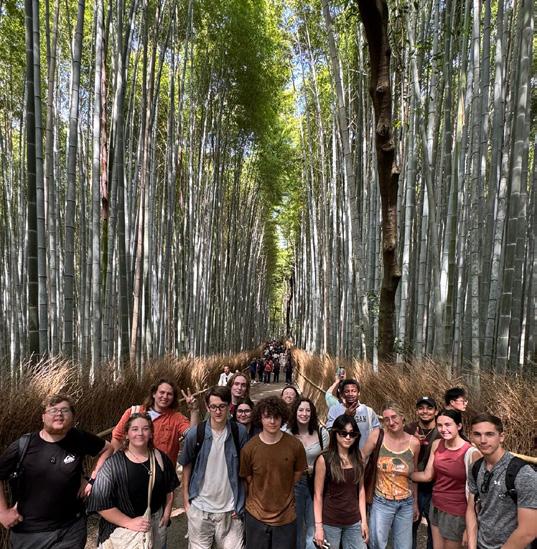
Rachel Cheng: Kyoto, Japan
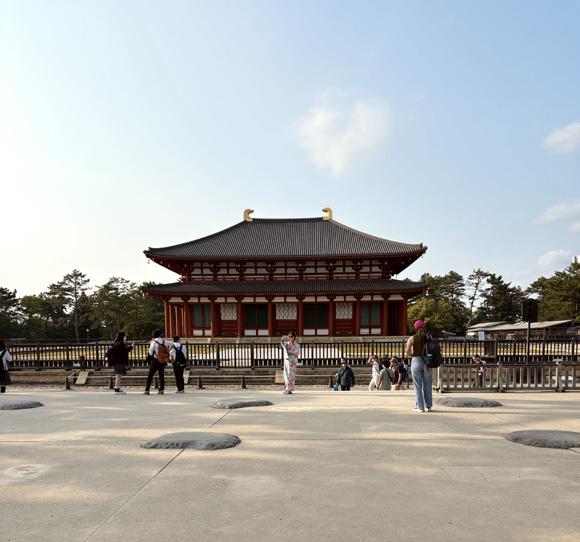
For Rachel Cheng (CivE, EPP ’28), studying abroad in Kyoto with the Council on International Educational Exchange’s (CIEE) Ancient and Modern Japan program was like stepping into a different era.
“The city had an anachronistic charm with structures of several centuries past,” said Cheng. “As part of an extracurricular with CIEE, I got to meditate in a 400-year-old temple led by a monk. I felt the weight of millennia of history in the form of art, architecture, and tradition as I sat on the floor of the temple.”
In addition to taking courses like Japanese Language or Culture and Cuisine, Cheng found that everyday challenges such as making new friends, navigating foreign languages, and mastering public transit reshaped how she approached problem-solving. She also gained new insight into how engineering connects with culture.
“One memorable moment was when a tour guide pointed out how an engineering detail in the corner of a stone wall protected the Osaka Castle against a devastating flood,” she recalled. “These are lessons I will continue to carry with me throughout my time at CMU.”
Cheng encourages other undergraduates to take the leap: “There’s something incredibly empowering about relying on yourself in a new country and learning as you go.”
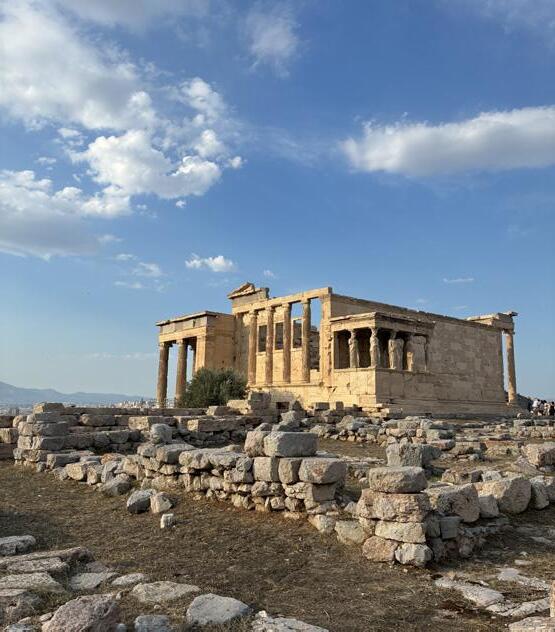
Ali Delorenzo: Athens and Kozani, Greece
Ali Delorenzo (EnvE ’26) spent a month in Greece with College Year in Athens in partnership with the University of Western Macedonia for their program Renew and Rise: Climate Change and the Just Energy Transition. The course combined meetings with local politicians, guest speakers, and field trips across northern Greece, beginning in Athens and continuing in Kozani, a city shifting from coal toward renewable energy.
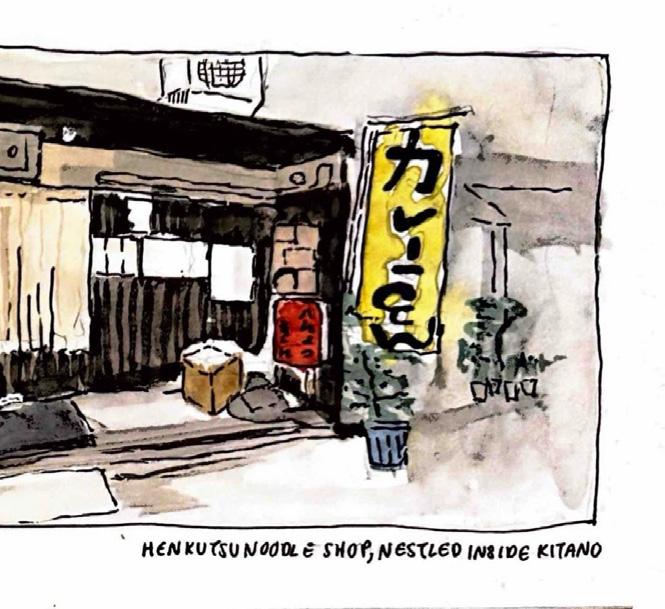
Artwork source: Rachel Cheng
Delorenzo felt that Greece was the ideal place to study the transition to renewable energy due to the government’s involvement in pushing renewables to drive the economy and job growth.
“Based on my learning abroad, I now have a better understanding of the complexity of an energy system and the current challenges that dominate the transition,” she said. “While the technology is nearly there, the real hurdle is financial investment and policy to rework current infrastructure into a more sustainable system.”
“All in all, I have really enjoyed my time traveling around northern Greece, from the culture and travel, to especially learning about the local energy transition from coal-dependent sources to renewables,” Delorenzo said. “It has been a truly immersive and formative experience and I cannot recommend the course enough!”
Adah Hu: Madrid and Alicante, Spain
Adah Hu (CivE, EPP ’28) joined the Carnegie Mellon University in Spain: Spanish Language and Culture Program, an eight-week language-intensive run through CMU’s Department of Languages, Cultures, and Applied Linguistics. The program splits time between Madrid and Alicante. “It was a great way to explore the regional differences,” Hu said. “I got to experience both the busy city and calmer coastal life while continuing the same courses.”
Her favorite part was living with a host family. “We didn’t speak the same language, which forced me to practice my Spanish, and talking about the differences in our lives over dinner was a really special experience that certainly enhanced my time abroad.”
The program also opened new doors. “I’m now considering the possibility of working abroad in the future and have also seen new perspectives on global issues which I hope to share as I continue studying civil engineering,” Hu said. “Studying with students from all over the world meant that I learned about so much more than just the culture of Spain.”
Artwork source: Rachel Cheng
An innovative summer at NETL
The National Energy Technology Laboratory (NETL) and Carnegie Mellon University have a decades-long history of research partnerships and a well-established pipeline between the two institutions. It’s no surprise that over the summer, several CMU students and postdocs once again honed their skills at the national lab whose mission is to drive innovation and deliver solutions for a secure energy future.
Nicole Elias
Nicole Elias is pursuing a BS in chemical engineering at CMU and learned about opportunities such as the Mickey Leland Energy Fellowship (MLEF) Program during a class tour of NETL’s Pittsburgh laboratory. From May to August 2025, Elias expanded her network and built upon her research and problem-solving skills as she focused on selective critical mineral recovery from coal ash leachates using ion exchange and nanofiltration methods. This hands-on experience, Elias notes, directly called on the skills she’d learned in the classroom.
“The most valuable part of my experience is the connections I made both with my mentors and peers,” said Elias, speaking to the strong CMU ties to the lab.
Jana Reiser
Jana Reiser, an undergraduate civil and environmental engineering student, also joined NETL for the summer through the MLEF Program after hearing about it from a Ph.D. alumna who works at the national lab. Reiser was mentored by Yousef Picard on characterizing nickel migration in the fuel electrode of reversible solid oxide cells (rSOCs), which can be used to turn electricity into hydrogen gas and vice versa, making them a backup renewable energy source.
Reiser drew parallels between research she’d done with confocal microscopy in Greg Lowry’s lab at CMU and her time at NETL, where she learned how to use a scanning electron microscope with energy dispersive X-ray spectroscopy to create an image of the fuel electrode component of the rSOC.
Nicole Elias
Jiaan Wang
Preom Sarkar
Preom Sarkar
After earning an MS in civil and environmental engineering at CMU, Preom Sarkar spent two years in NETL’s PostGraduate Research Program (PGRP) mentored by Djuna Gulliver (Geomicrobiology and Geochemistry Team). Sarkar returned to CMU to pursue her Ph.D. in civil and environmental engineering in 2021 and has continued to participate in the program with NETL.
Sarkar, who defended her Ph.D. thesis in August 2025, describes her time at NETL as helpful in enhancing her laboratory skills.
“I became adept at many microbiological techniques such as handling low biomass samples, field sampling, DNA extraction, development of laboratory protocols, and experimental design,” said Sarkar.
Jiaan Wang
Jiaan Wang is a twice-over CEE alumna, having earned her MS in 2017 and her Ph.D. in 2023. Wang complemented her education with multiple NETL collaborations beginning while she was a doctoral student, focusing on geologic carbon storage (GCS) and environmental monitoring.
As a postdoctoral researcher, Wang continued to learn and conduct research on GCS risk assessment, including simulating potential leakage through wellbores at GCS projects, evaluating basin-scale GCS risks, and collaborating on the development of decision-support tools for adaptive monitoring.
“This practical exposure complemented my formal academic training by applying theoretical knowledge from my civil and environmental engineering coursework to real-world energy and environmental challenges, strengthening both my technical expertise and my ability to communicate complex results to diverse audiences,” said Wang.
STUDENT AWARDS
Lin receives K&L
Gates Fellowship
Cheyu Lin is a Ph.D. candidate in the Department of Civil and Environmental Engineering at Carnegie Mellon University (CMU), advised by Katherine Flanigan, associate professor in the Department of Civil and Environmental Engineering.
Cheyu’s current research, “Privacy-preserving sensing and AI systems,” focuses on leveraging sensing technologies to extract, model, and analyze human psychological and cognitive states through human bodily movements in a privacy-preserving manner. This is an interdisciplinary work that involves knowledge from civil engineering, computer vision, social science, and psychology. His research aims to bring human needs and experience front and center across various fields, including healthcare, education, urban planning, among many others, while prioritizing the protection of sensitive user information.
Jana Reiser
Cheyu holds a bachelor’s degree in Civil Engineering from National Central University in Taiwan and a master’s degree in civil and environmental engineering from CMU. Prior to attending CMU, he worked as a research assistant at the Research Center for Hazard Mitigation and Prevention in Taiwan, where he conducted structural health monitoring on civil infrastructure.
Freymiller
named student of the year
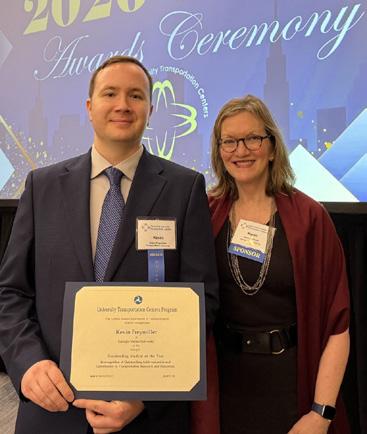
Kevin Freymiller, fifth-year Ph.D. candidate, received the University Transportation Center Student of the Year award. Freymiller accepted the honor at the Council of University Transportation Center Annual Awards Banquet.
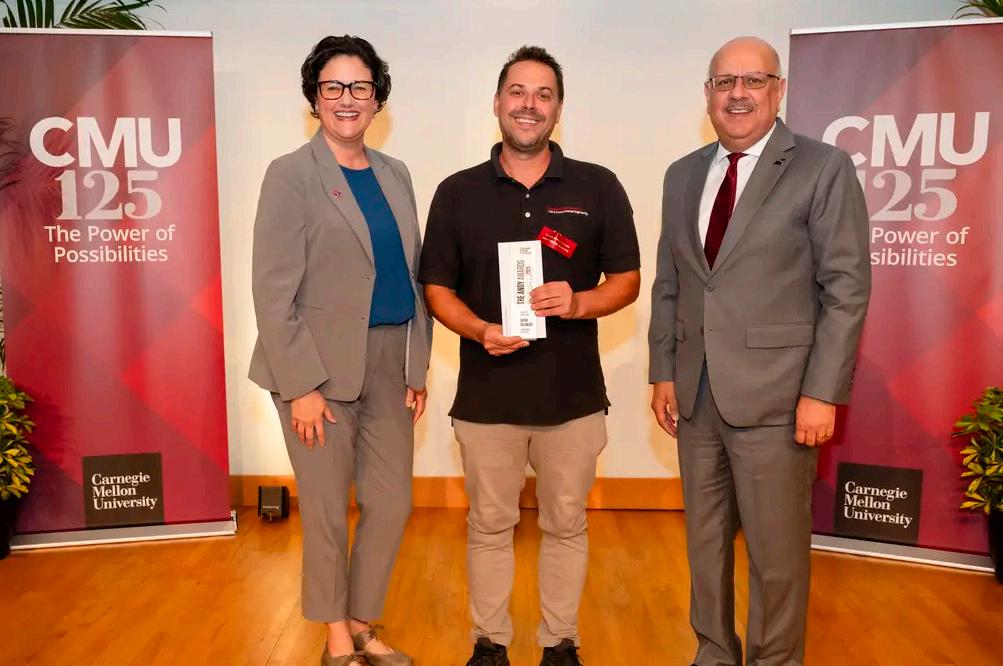
Belowich receives CMU Andy Award
During the fall 2024 semester, a class of engineering students was tasked with building habitats for mason bees. The project has become Brian Belowich’s signature contribution to the Department of Civil and Environmental Engineering (CEE) and reflects a role he has filled for years: cultivating spaces where students—and bees—can thrive.
Belowich, facilities co-director and senior project engineer, is a mainstay of the department—a mentor, teacher, engineer, and advocate who builds not just bee habitats, but confidence, curiosity, and community.
“Brian is one of the most visible and beloved members of our department,” said former Department Head Burcu Akinci. “His approachable demeanor, quick wit, and genuine care for students make him a constant source of support and encouragement.”
This is especially evident in the core sophomore course CEE Challenges: Design in a Changing World, in which Belowich has played a key role in developing open-ended, communityengaged projects. He co-created the bee house project, in which students design, construct, and install functional bee habitats with regional partners.
“Brian not only helped shape the intellectual framework and logistics for the project, but he also brought it to life through personal initiative, community outreach, and deeply engaged mentoring,” said Associate Professor Katherine Flanigan.
Belowich secured partners, including Phipps Conservatory and Botanical Gardens, North Park Pollinator Gardens, and Cleveland Metroparks, while also organizing hands-on woodworking and fabrication-skills training sessions.
When installation of the bee houses was delayed by freezing temperatures, Belowich drove student teams across Pennsylvania and Ohio months later to complete the installations.
“This was not required nor expected,” Flanigan said. “It is the natural continuation of Brian’s wholehearted investment in his students’ success and the integrity of their work.”
In the 2025-26 academic year, students are partnering with Carnegie Museums and Humane Action Pennsylvania to conduct ecological monitoring and research on the bee houses. “This next chapter is only possible because of the strong foundation Brian laid in his work with our students and community partners,” Flanigan said.
Beyond the bee house initiative, Belowich has transformed CEE’s physical environment, retrofitting spaces to be more welcoming, collaborative, and student-friendly. As a mentor to student employees, he also provides technical training and guidance in teamwork, communication, and leadership.
“Brian’s ability to connect with students on a personal level is one of his most valuable qualities,” said Andrea Francioni Rooney, director of undergraduate programs. “His approachability and genuine care make him a trusted role model.”
Alumni also remain deeply connected to him, often returning to share how his mentorship shaped their careers.
“In every aspect of his work, Brian goes above and beyond to support students’ academic, personal, and professional growth,” Rooney said. “He is a tireless advocate for their success and a cornerstone of the CEE community.”
Wang receives Benjamin Richard Teare Teaching Award
The Benjamin Richard Teare Teaching Award recognizes excellence in engineering education. Gerald Wang received the award for his engaging, student-centered teaching style and commitment to educational innovation.
Known for blending technical depth with creativity, Wang fosters interactive classrooms that make complex concepts stick. His impact in the classroom has also been recognized through CMU’s annual Celebration of Education Awards and the ASCE Pittsburgh Professor of the Year award, reflecting his ability to engage students and make complex concepts accessible.
Rounce receives George Tallman Ladd Research Award
The George Tallman Ladd Research Award honors outstanding research achievement and potential. David Rounce was recognized for his leading work on glaciers and climate change.
Using remote sensing and advanced modeling, Rounce has developed some of the most comprehensive projections of glacier mass loss to date. His research provides critical insights into sea level rise, water resources, and climate adaptation strategies worldwide.
Tang receives Steven J. Fenves Award for Systems Research
The Steven J. Fenves Award for Systems Research recognizes impactful contributions to systems engineering. Pingbo Tang earned the award for his work integrating human expertise with data and AI to improve complex infrastructure systems.
Through digital twins and human-inthe-loop modeling, Tang’s research helps optimize everything from manufacturing to infrastructure operations, making systems more efficient, adaptable, and resilient.
Rounce receives early career award
David Rounce was selected by the American Geophysical Union as a recipient of the 2025 Cryosphere Early Career Award, which recognizes early career contributions to cryospheric sciences and technology.
Home electrification to stabilize the grid
Electric heat pumps can lend a helping hand to stabilizing the power grid.
“It’s the combination of having a technology that consumes less energy, is more flexible, and much more controllable that allows for grid stability to be increased if used properly,” said Mario Bergés, a professor of civil and environmental engineering at Carnegie Mellon University.
As an electric heating source for homes, heat pumps also support reducing household carbon emissions, a priority area of Trane Technologies, a Grand Challenge Partner at CMU’s Scott Institute for Energy Innovation.
Bergés received support from the Scott Institute’s seed grant program to refine a model called Ibex-RL, an upgrade of a previous model that uses both machine learning and physicsbased concepts to control heating, ventilation, and air conditioning (HVAC) functions in buildings.
Specifically, Ibex-RL includes thermostat controls for room temperature and use of backup heating when electric heat pumps aren’t enough.
Bergés worked with a research team that included his Ph.D. student, Ozan Baris Mulayim, who was a key contributor to the studies.
As its name suggests, Ibex-RL uses reinforcement learning (RL), a method that improves a model’s decision making by interacting with an environment—an appropriate choice for tailoring a home heating system. In the case of such systems, one of the most important metrics to determine is the set point, or the base room temperature that the heating and cooling systems work to maintain.
Ibex-RL also carves a path toward a scalable solution that easily puts energy efficiency into homes—in 2022 it was estimated that 13% of U.S. greenhouse gas emissions were from direct residential and commercial sector emissions.
“Typically, the problem you’re trying to solve is that you want to keep the occupants comfortable and lower their energy costs,” said Bergés. “One can let an algorithm learn through interactions how to make this work, but using a model allows
the algorithm to learn much faster. In our previous work we used a very simple model to great success, but for more complex scenarios, such as using heat pumps, we need more complex models like what Ibex-RL is designed to leverage.”
Keeping a home comfortable not only saves money but lessens the strain on the power grid—a particular concern when usage spikes during heat waves and cold snaps as occupants crank the air conditioning or heating in response to extreme temperatures.
The seed phase of this research culminated with Ibex-RL being deployed in an all-electric testbed home that belongs to Purdue University. During the test run, the researchers paid attention to how well Ibex-RL’s controls maintained the set point and how often backup heat was used—something preferable to avoid due to the cost increase.
“Taking the algorithm from a perfect simulation into a real, occupied home forces you to confront the messiness of the real world,” said Mulayim, who studies civil and environmental engineering. “Seeing it learn intelligent strategies on its own— and ultimately deliver a practical 22% in energy savings over the existing controller—validates our physics-informed approach as a robust and effective solution for real-world building control.”
“Tracking occupant comfort and activity will be a likely second chapter of this work,” said Bergés of how this project will grow.
The researchers published a paper with the results from the test run. Bergés, Mulayim, and their collaborators presented additional findings at ACM BuildSys 2025 in Golden, Colorado, in November 2025.
“Taking the algorithm from a perfect simulation into a real, occupied home forces you to confront the messiness of the real world.”
-Ozan Baris Mulayim, PhD candidate, Department of Civil and Environmental Engineering
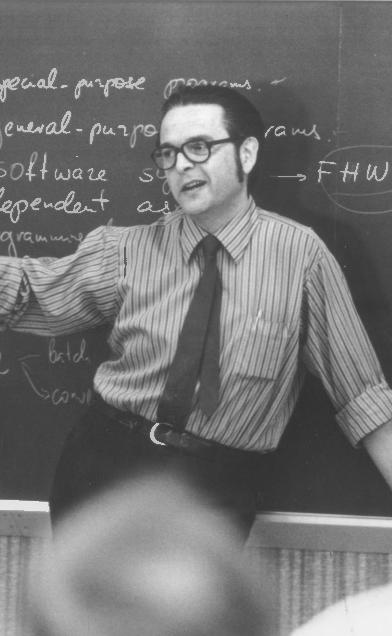
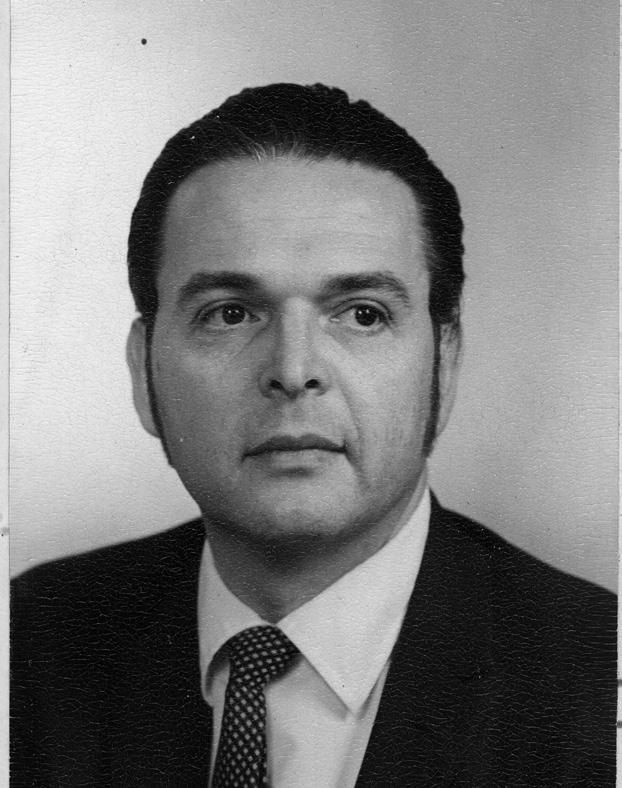
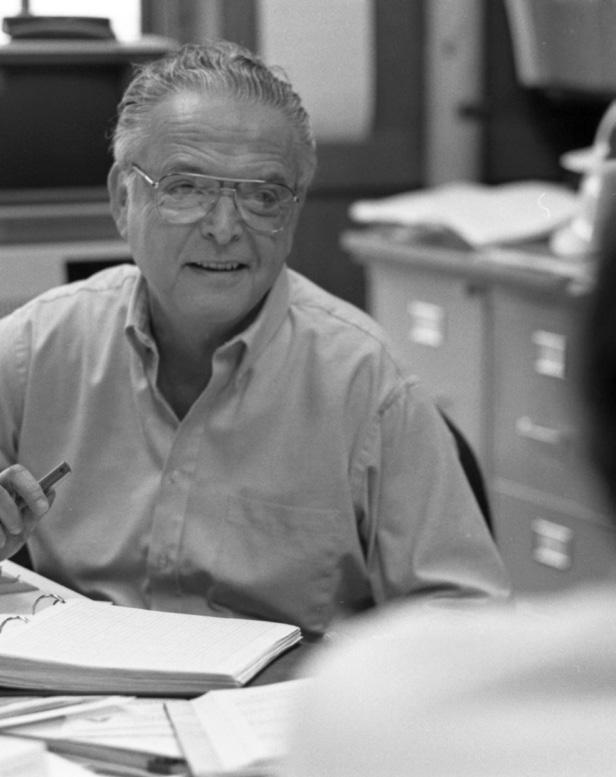
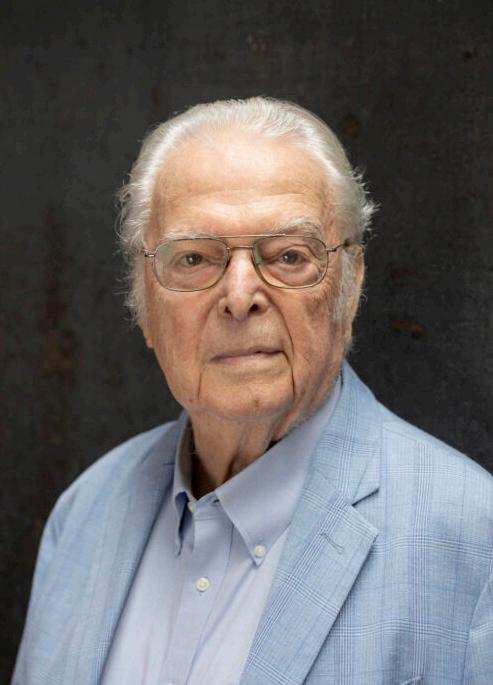
Remembering Steven J. Fenves (1931-2025)
Steven J. (Steve) Fenves, university professor emeritus and a distinguished member of the civil and environmental engineering faculty at Carnegie Mellon from 1972 to 1999, passed away peacefully with his family by his side in Chevy Chase, Maryland, on December 23, 2025.
Steve Fenves earned BS (1957), MS (1958), and Ph.D. (1961) degrees in Civil Engineering from the University of Illinois at UrbanaChampaign and subsequently joined the UIUC civil engineering faculty. In 1962–63, while working at M.I.T., he along with several colleagues developed a computer program named STRESS that began the transition of structural engineering into the computer age. Steve’s subsequent research at UIUC focused on the use of computers in engineering design and analysis, and he was a pioneer in forging collaborations with researchers across institutions, disciplines, and government agencies.
Former President Richard Cyert recruited Steve to CMU in 1971 as head of the Department of Civil Engineering and to lead the development and expansion of an educational and research program in the emerging field of computer-aided engineering (CAE). After three years leading the department, Steve focused on building the CAE program, supervising dozens of graduate students, and helping recruit faculty members to grow the field. His leadership helped bring the CAE program to national and international prominence, and in 1976, he was elected to the National Academy of Engineering.
Steve also played a central role in the creation of CMU’s Engineering Design Research Center (EDRC), one of the first NSF-funded Engineering Research Centers. Working with colleagues across engineering, computer science, and architecture, Steve helped advance a broader understanding of design through cognitive and computer science techniques. He often reflected that the EDRC could only have succeeded at CMU because of the university’s interdisciplinary culture.
CEE Professor Emeritus Chris Hendrickson,
whom Steve helped recruit to Carnegie Mellon in 1978, said: “Steve was a visionary leader in engineering analysis and design using the then-new technology of computers. He led the formation of a distinguished team of researchers not only in CEE but across the college and the university. Steve was a wonderful, professional colleague and friend.”
Provost, former Dean of Engineering, and CEE Professor Jim Garrett, who was Steve’s Ph.D. student from 1982–1986, said: “I could not have asked for a better Ph.D. advisor. He was infinitely patient, encouraged his students to be curious, was always supportive of exploring new ideas, and amazing in his ability to see and help remove the obstacle standing in the way of his advisee’s progress.”
Former CMU CEE faculty member Mary Lou Maher, advised by Steve beginning in 1979, reflected: “Steve was prescient and able to sense which questions were about to become the most important areas in the world. As an advisor and mentor, Steve was empathetic and encouraging, and treated his students like collaborators.”
Steve Fenves had an enormous impact on the CEE department, the College of Engineering, the university, the field of CAE, and on generations of students who carried forth and built upon his vision.
Beyond his professional accomplishments, Steve was deeply committed to Holocaust education and remembrance. After joining CMU, he helped establish Pittsburgh’s Holocaust Survivors Organization and served as its president, dedicating significant time to sharing his experiences and educating future generations.
The CEE family of faculty, staff, students, and alumni expresses condolences to Steve’s wife of 70 years, Norma, their four children and spouses, seven grandchildren and spouses, and six great-grandchildren. Steve Fenves will always be remembered for everything he did for Carnegie Mellon and for the students and colleagues whose lives he enriched.
Your support is essential to our department’s continued success and innovation. By giving a gift to CEE, you are directly contributing to the development of future engineers, groundbreaking research, and the enhancement of our educational programs. Make a general gift to the department or support a fund that means the most to you.