Our Mission, Together
IN THIS ISSUE
FEATURES
6
8
Tapping Into the Future
New AR technology helps showcase vibrant student life for both visitors and prospective students who can’t tour the campus.
Inauguration
Cal Lutheran’s ninth president is committed to helping students’ dreams take flight.
Moving Beyond the Walls
In the Inside-Out Prison Exchange Program, students from Cal Lutheran and incarcerated students attend classes and learn together. 10
16
18
20
24
Environment of Faith
Spanish-language certificate program at PLTS helps make faith a source of hope for those experiencing the toll of climate change.
KCLU Radio’s Golden Voice
Award-winning journalist Lance Orozco marks his 25th year as the station’s news director.
Sibling Revelry
Brothers Richard and Andrew Perez learn, bond and have fun with other students at iCLU Radio.
Remember When?
From indoor entertainment to the wonders of nature, alumni share photos of what they see daily while at their jobs.
28
Homecoming
Alumni reunite at Cal Lutheran’s beautiful campus to have fun, celebrate friendships and share community.
ON THIS PAGE: Students take in the beauty of campus while walking through Kingsmen Park on a sunny afternoon. ( Brittany App)
SOMETHING NEW: This issue of CLU Magazine debuts our augmented reality (AR) technology incorporated in the pages. For more information about our AR experiences, see page 7.
Liberal arts prepare students for life — now and in the future
A Wall Street Journal article recently reported that one-fifth of Americans has a job that did not exist in the year 2000.
In fact, some of us may not even know what some of these new job titles mean. Take, for example, knowledge architect — which has nothing to do with blueprints; conversation designer — which has nothing to do with talking; and orchestration engineer — which has nothing to do with musical instruments.
While we are equipping students for today’s professions, the faith-based liberal arts education we provide at California Lutheran University offers much more than workforce preparation: It prepares students for life in the world, both now and in the future.
“Dum inter homines sumus, colamus humanitatem.” — Seneca
“As long as we are among humans, let us cultivate humanity, our humanness.”
Despite our world’s political twists and economic turns, the liberal arts represent those parts of learning that are permanent. As the educator Mortimer Adler described, they are “the universal and abiding principles, the fundamental ideas and insights, the controlling canons of procedure or method, all of which are determined by the faculties of humans as inquirer or learner.”
One of our most respected professors, a chemist, Kristine Butcher, PhD, shared with me a fundamental belief with which I concur: Cal Lutheran’s brand of education fosters an intellectual curiosity driving students to ask questions about
the physical world. When guided by instruction to recognize patterns and form predictive models, they instinctively delve into how the natural world works and humanity’s role within it.
In Lutheran academic communities, we believe that God is the giver of reason, which enables us to ask questions such as: Who am I? Where have I come from and where am I going? Why is there evil and what should I be doing about it?
History says, Don’t hope On this side of the grave. But then, once in a lifetime The longed-for tidal wave Of justice can rise up, And hope and history rhyme.
— Seamus Heaney
I believe more than ever that the world needs a faith-based, human-centered approach to education. To have a future, humankind must focus on what humanizes us, permitting us to have an integrated, humane and hope-full worldview.
Getting a job to make a living is good. Forming character and developing a mind is better. In a world that seems topsy-turvy with upheaval, the future will belong to those who can anticipate what the professions will be. Our students get this in a well-rounded education that prioritizes critical thinking, ethical philosophizing, business strategizing, collegial problem-solving, team playing, chapel praying, people serving, praise singing, community building, neighbor regarding, mystery seeking and wonderment enjoying.

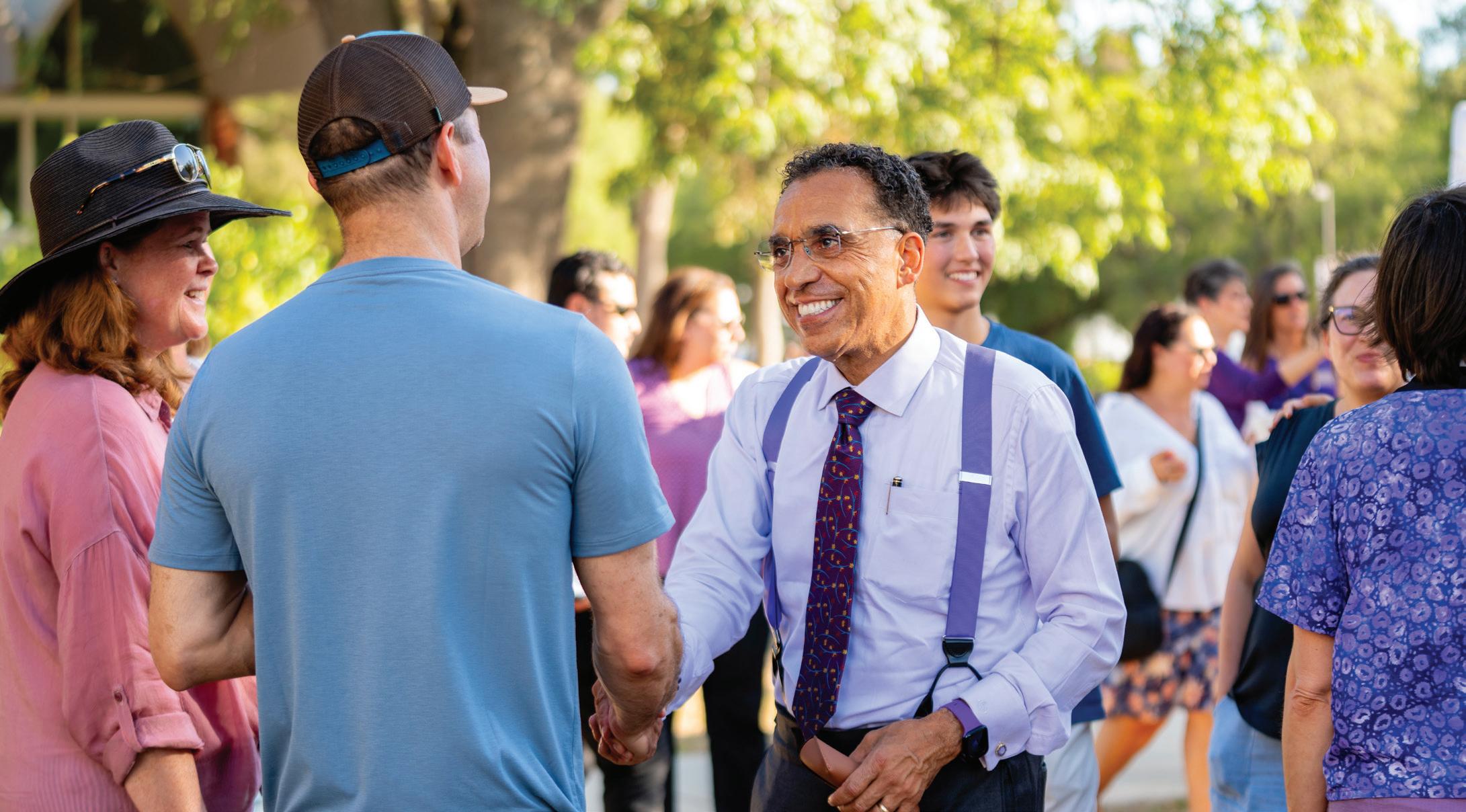
John A. Nunes President
EDITOR
Linda Martinez
ART DIRECTOR
Sherri Matsumoto
GRAPHIC DESIGN
Jee Jung ’16
CONTRIBUTORS
Carley Doyle
Kendall Fleming
Sarah Graue
Martha Groves
Steven Guetzoian
Giana Gutridge ’18, MBA ’21
Jamie Hay
Carlie James Jee Jung ’16
Kendal Lanz
George Ortega
Daniela Ruiz ’25
Rupert Thorpe
Mark Wyckoff
VOLUME 33, NUMBER 1
Copyright 2026
CLU Magazine is published twice a year for alumni, parents and friends. The views expressed in this magazine do not necessarily reflect those of Cal Lutheran nor the magazine staff.
CONTACT US CLU Magazine
California Lutheran University 60 W. Olsen Road #1800 Thousand Oaks, CA 91360-2787 805-493-3651
clumag@CalLutheran.edu CalLutheran.edu/magazine
CLU Magazine welcomes letters to the editor. Please include your name, phone number, city and state, and note Cal Lutheran graduation years. If requesting removal from our distribution list , please include your name and address as they appear on the mailing label.
CLU Magazine welcomes ideas for articles and nominations for Vocations articles.
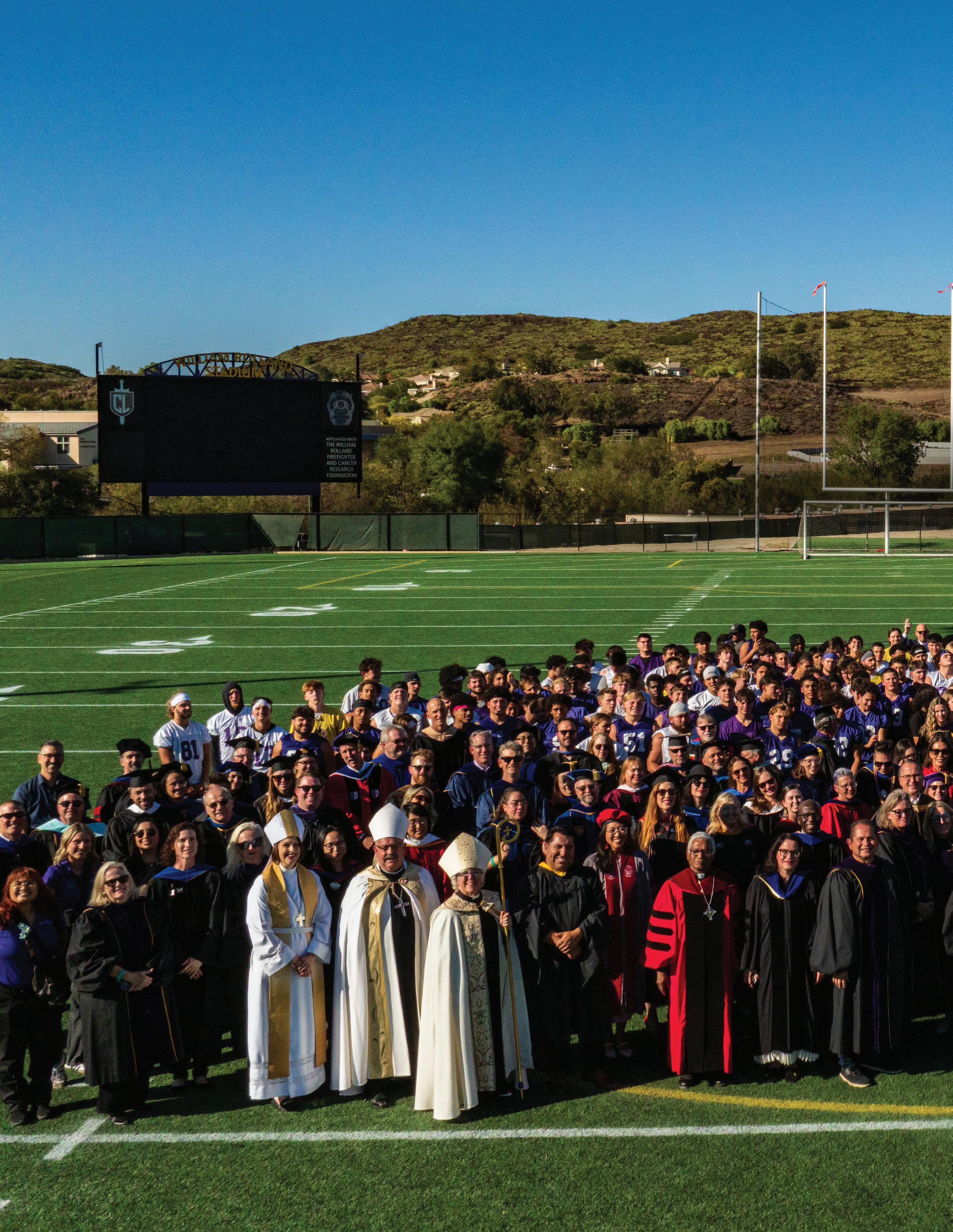
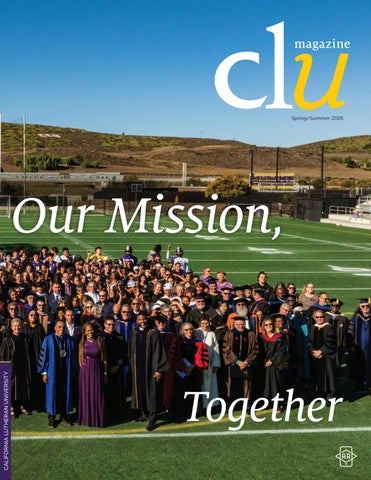
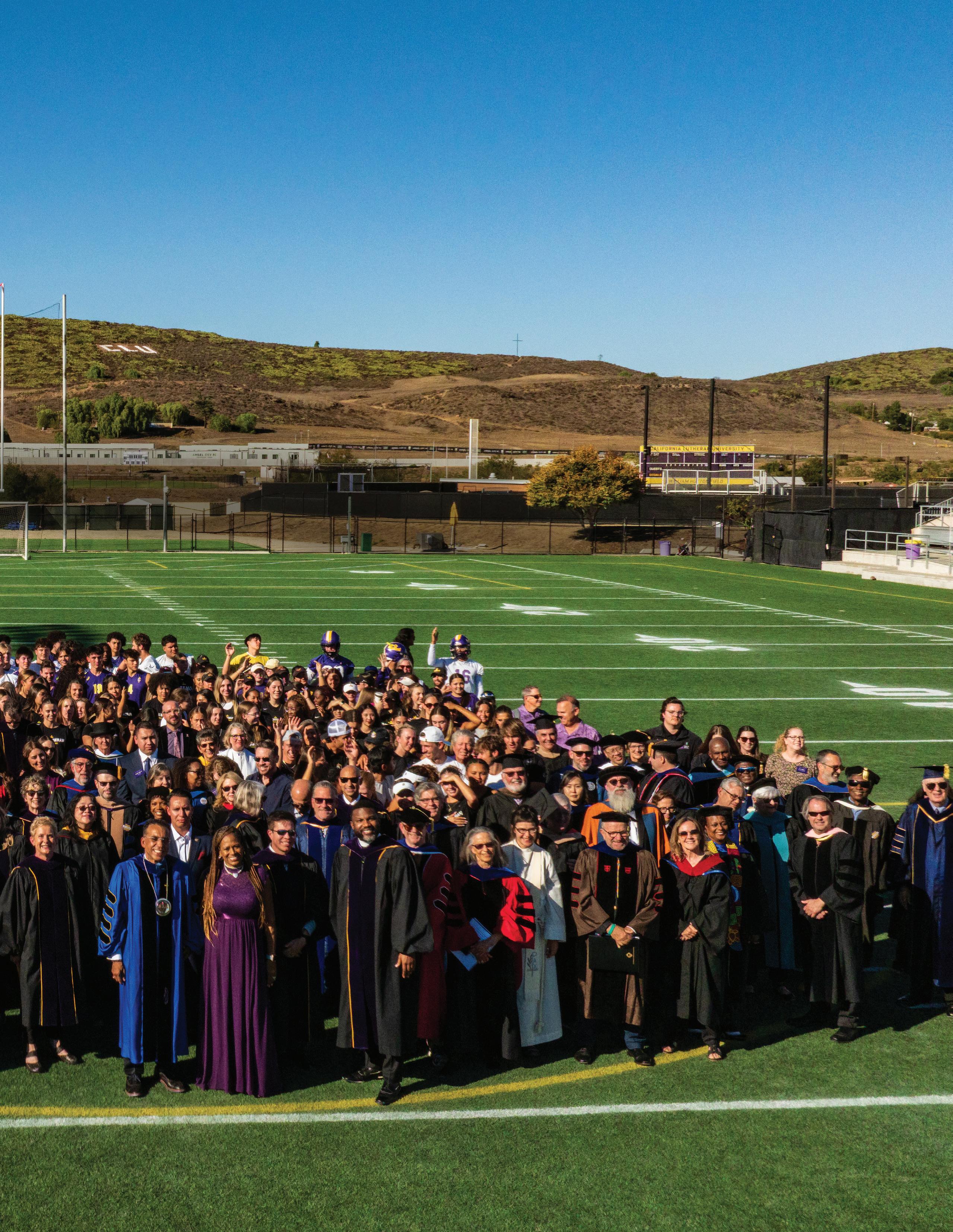
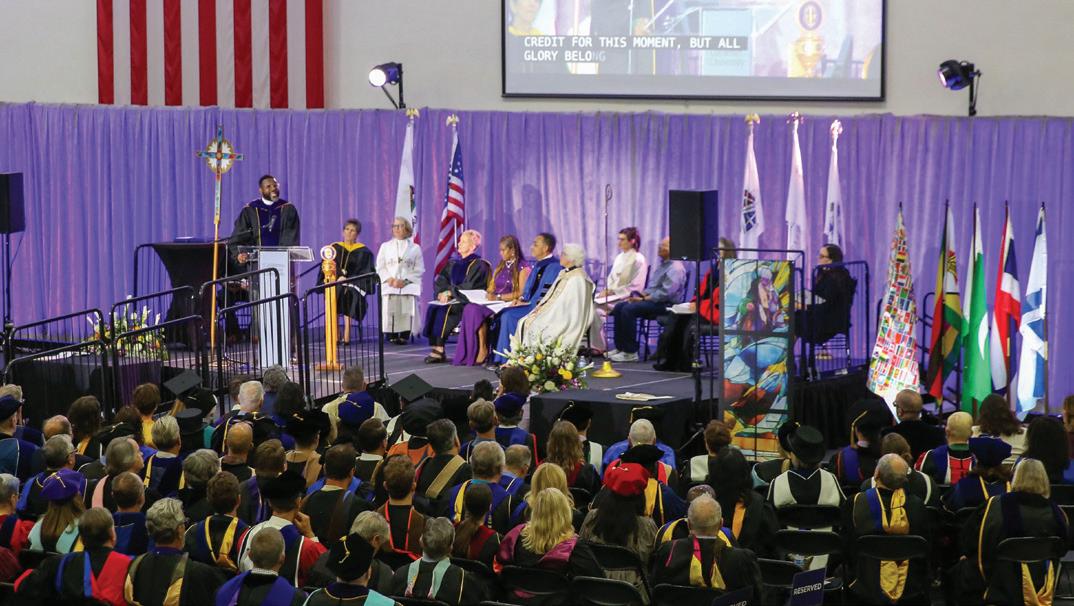
Note: Names and class years in bold denote Cal Lutheran alumni. ON THE COVER Members of the Cal Lutheran community and beyond gathered to celebrate the inauguration of President John A. Nunes on Oct. 17, 2025.
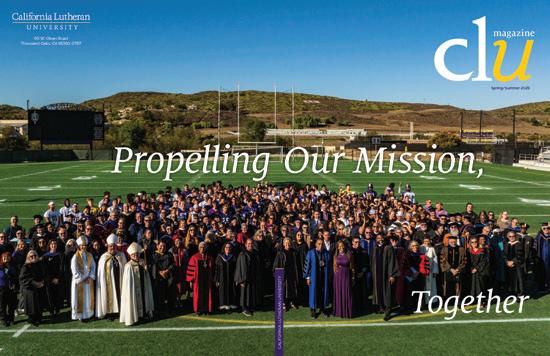
(Photo by Michael DeTerra)
New AR technology helps showcase student life like never before.
TAPPING INTO THE FUTURE
By Sarah Graue

Prospective students can now transport themselves to California Lutheran University from anywhere in the world — no plane ticket required.
After downloading the school’s new augmented reality (AR) app, people interested in joining the Cal Lutheran community can use their phones to trigger immersive experiences. They can sit in on a class, relax in Kingsmen Park and get caught up in the excitement of the university’s athletic achievements.
Cal Lutheran is among the first colleges in the nation to use augmented reality to recruit students. It’s the latest innovation from the Marketing and Communications Department, long known for pushing creative boundaries — from capturing drone-shot campus footage in the 2010s to developing award-winning admissions materials.
The use of AR helps overcome a major obstacle: attracting prospective students who can’t visit Cal Lutheran’s campus in Thousand Oaks, California.
Diana Hernandez ’16 understands the value of on-site visits. After a welcoming trip to Cal Lutheran when she was visiting colleges — and a handwritten note from her admissions counselor days later — she knew she had found her home. As a first-generation college student from Ojai, California, she appreciated feeling like more than just a number.
Now Director of Undergraduate Admission, Hernandez leads the office that once recruited her. She’s guided by a telling statistic: Students who tour campus are 33% more likely to enroll.
“Once they visit, get to feel the community and get to know our students and faculty, they’re in love,” Hernandez said.
MEMORABLE AND IMMERSIVE
The challenge of replicating that excitement for students who can’t visit in person fell to Associate Creative Director Sherri Matsumoto and her team. Intrigued by the power of augmented reality, Matsumoto contacted Cornerstone Photography, a local business incorporating AR into its K-12 yearbooks. She saw the potential for using the technology to attract out-of-state and international students.
The result: Cal Lutheran is transforming traditional printed marketing materials into unique, dynamic experiences. By hovering their device over designated images and graphics on a brochure or postcard, prospective students and their parents can unlock videos and webpage links that give them an interactive look at campus life.
“Our use of AR creates a memorable, immersive moment that captures the prospective students’ attention in a powerful way that is so impactful and unlike any other experience out there right now,” Matsumoto said of the app, which launched in January. “Students and their families can virtually sit in a college class and listen to students asking professors questions, step into Kingsmen Park and hear students greet each other in the background and see the California sun glistening above them.”

TRENDSETTING TECH
The app also is being used to enhance in-person campus tours. Matsumoto and her team pushed the AR envelope by installing environmental graphics throughout the campus. In the Gilbert Sports and Fitness Center lobby, people can scan images on the wall and watch them transform into celebratory videos capturing winning moments in Cal Lutheran sports history.
“When drone technology was emerging, we were riding the wave,” Senior Video Producer Michael DeTerra said. “With this project, we’re at the forefront. We have an opportunity to be a trendsetter for how universities use augmented reality.”
Designed in collaboration with mem-re, a leader in creating AR experiences, the app is seamless to use. It relies on near-field communication technology to unlock engaging, trackable videos that highlight the best of campus life.
“This innovation is a reflection of the entire school’s approach to being innovative and caring about connecting with students in ways they prefer,” said mem-re CEO Spencer Combs.
CAMPUS COMES TO LIFE
Led by student Campus Engagement interns, the new ARenhanced campus tours transform nine popular stops into opportunities for deeper storytelling. DeTerra has produced more than 20 videos that prospective students and their families can watch throughout their visit by tapping their tour badges to their phones.
On the first floor of Swenson Science Center, six scannable panels bring student research to life through lab footage and firsthand stories, offering tour groups a glimpse into spaces often closed during class time.
“The intern giving you the tour is not always a science major,” DeTerra said. “This gives us an opportunity to hear directly from a student pursuing a degree in that field.”
In the William Rolland Art Center, an art poster in the lobby animates when scanned, showcasing work by different students. Outside residence halls, door signs reveal videos of students welcoming visitors into their rooms.
Jennifer Quintero, a senior majoring in sociology and ethnic and race studies, is one of 23 Campus Engagement interns
who lead the tours. She said the AR experience reflects what makes Cal Lutheran different.
“Being able to see the moment we won a championship game — I think that's another way for students to really feel connected,” Quintero said. “It shows that we are progressive and advanced with our technology and are making big changes that some other schools aren’t yet.”
By tapping the back of their tour badges to their phones, visitors will see a welcome message from President John A. Nunes.
A self-guided tour option and Spanish-language version are in the works, which will make the experience accessible to even more families.
“We do all we can to try to make it extra special and more intentional,” Hernandez said. “I feel like this AR is just going to bring our community to prospective students even more.”
TRY IT YOURSELF
1. Download the Cal Lutheran AR app using the QR code.
2. Find the icon on select pages in this issue.
3. Scan the image with the app, and make sure the volume is turned up.
4. See campus moments unfold on your phone. There are two in this story.
TIPS
1. Make sure the entire image is within the scanner's field of view.
2. If the video doesn’t immediately play, move the magazine or your phone to avoid glare. It might help to tap the screen to focus or turn on the flashlight.
3. To find a tutorial for the app, go to the menu in the upper-left corner and scroll down to Tutorial.
4. When scanning horizontal images, you might need to rotate your phone to landscape orientation.
‘This
Mission is Worth Fighting For’
By Mark Wyckoff
Cal Lutheran’s ninth president is committed to helping students’ dreams take flight.
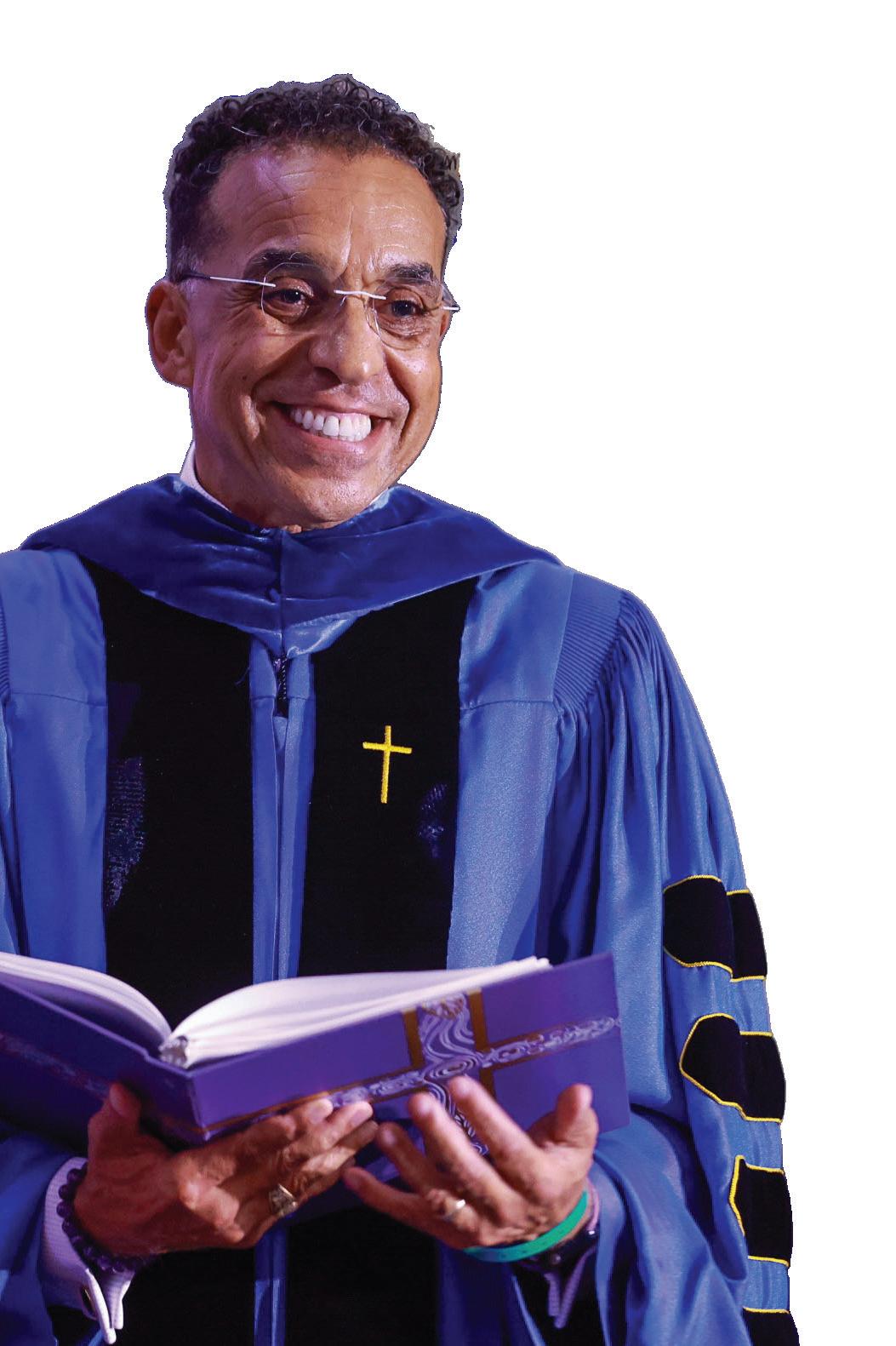
John A. Nunes’ words were short and succinct — just seven letters in all — but they were delivered with resolute conviction. As he addressed the packed audience inside the Gilbert Sports and Fitness Center last fall, Nunes made it clear he was embracing the responsibility of leading California Lutheran University into the future as the school’s
The Oct. 17 inauguration ceremony, part of a busy slate of Founders Day and Homecoming activities, was attended by a mix of students, faculty, staff, regents, donors and local dignitaries. They listened intently as Nunes stood at the podium and pledged to uphold the school’s commitment to “educational rigor” and “inclusive equity.”
“This work is worth the blood, the sweat, the tears and the prayers,” he said. “This mission is worth fighting for and donating to, so we might see gritty dreams take flight for insiders as well as for outsiders, for the first and the finest as well as for the last and the laughed at.”
Nunes, who has a PhD in postcolonial identity from Chicago’s Lutheran School of Theology, joined Cal Lutheran as interim president in the summer of 2024. Impressed by his mission-focused leadership, the Board of Regents made the appointment permanent on June 1, 2025.
“I used to be an IN-terim, but now I’m all in,” Nunes said. “That’s why you can call this an in-stallation, in-auguration (and an) in-vestiture. I am in-vested with gratitude.”
Nunes is an ordained Lutheran minister who served as president of Concordia College New York from 2016 to 2021. He was president and CEO of Lutheran World Relief and held an endowed professorship at Valparaiso University. Since 2020, he has worked to encourage robust debate among students as a member of the Academic Leaders Task Force on Campus Free Expression.


Senior Ashlyn Bryson-Beane, president of the Associated Students of California Lutheran University Government, spoke during the ceremony and implored Nunes to keep fighting for students.
“You make students feel valued and seen,” she said. “Let the mark of your leadership be helping the entire university community ensure that each student knows that their whole person and their voice are valuable.”
Sharon Docter, PhD, chair of the Faculty Assembly, urged Nunes to be a “leader who listens well to students, staff and faculty.”
“May you be our partner as you lead with the confidence that comes from trust in one another and in our shared mission,” Docter said.
The Rev. Lamont Wells, executive director of the Network of ELCA (Evangelical Lutheran Church in America) Colleges and Universities, called Nunes “a theologian, a teacher, a truth-teller” who is uniquely suited to expand Cal Lutheran’s role as a “sanctuary of scholarship” and “a laboratory of leadership.”
“This is a campus of belonging, and a community of becoming,” Wells said. “We proclaim that every student, regardless of background, is of sacred worth.”
Under Nunes’ leadership, Wells said Cal Lutheran “will not retreat into nostalgia but rise into newness.”
“We will reimagine theological education for the bivocational leaders who will shepherd both sanctuaries and societies. We will be bold about belonging, fierce about fairness, and grounded in grace,” he said.
“Times are tense,” Wells noted, and “higher education is under attack,” but he expressed confidence that Nunes can lead Cal Lutheran through it all.
“Under his guidance, this campus will be a lamp on a hill, radiating light in a time of division and despair,” Wells said.
Nunes’ wife, Monique Nunes, known as “Ms. Mo” across campus, introduced her husband.
“As a double immigrant — born in Montego Bay, Jamaica, raised in Canada, and now a United States citizen — John
embodies the promise of the American dream,” she said. “But more importantly, he redefines that dream. For him, success is not only about titles or position, it’s about service — about lifting others as he climbs and about creating opportunities for those whose voices have yet to be heard.”
The new president said he wants to ensure California Lutheran remains a university where “faith and reason dance together, where good questions ground critical reflection in the classroom as well as creative action in the laboratory of the world.”
He said he is honored to lead a campus marked by both academic and athletic excellence.
“I am grateful beyond words to join this miracle yet in the making,” Nunes said.
During the Inauguration: Investiture and Founders Day Service, Nunes presented glass artist Mark Eric Gulsrud ’72 with the Christus Award, given annually to individuals who have helped strengthen the bridge between the church and the university.
Gulsrud, who earned his bachelor’s degree in art at Cal Lutheran, designed the stained glass in Samuelson Chapel. Nunes called his work a magnificent melding where “glass and light become an invitation to reflection, wonder and even the possibility of glimpsing the very face of God.”
As a young boy in the 1950s, Gulsrud remembers climbing to the top of Mount Clef with his dad, Ernie, who would go on to serve as a founding member of the Cal Lutheran Board of Regents from 1959 to the mid-1980s.
“As we looked down upon orange and walnut groves, (my dad) shared his dream of what the university would become,” Gulsrud said.
The mission of the university is to educate leaders for a global society who are strong in character and judgment, confident in their identity and vocation, and committed to service and justice.
Though his work can be seen in sacred and public spaces throughout the United States, British Columbia and Western Europe, getting to create stained glass for his alma mater was a full-circle moment that he treasures.
“My studies at Cal Lutheran were foundational in my development as a person and as an artist,” Gulsrud said as he accepted the award. “The nurturing and supportive environment provided a strong foundation for my career in the liturgical arts.”


Layout by Jee Jung ’16
Moving Beyond the Walls
In the Inside-Out Prison Exchange Program, Cal Lutheran students and their incarcerated peers attend classes and learn together. Story by Martha Groves • Photos by George Ortega
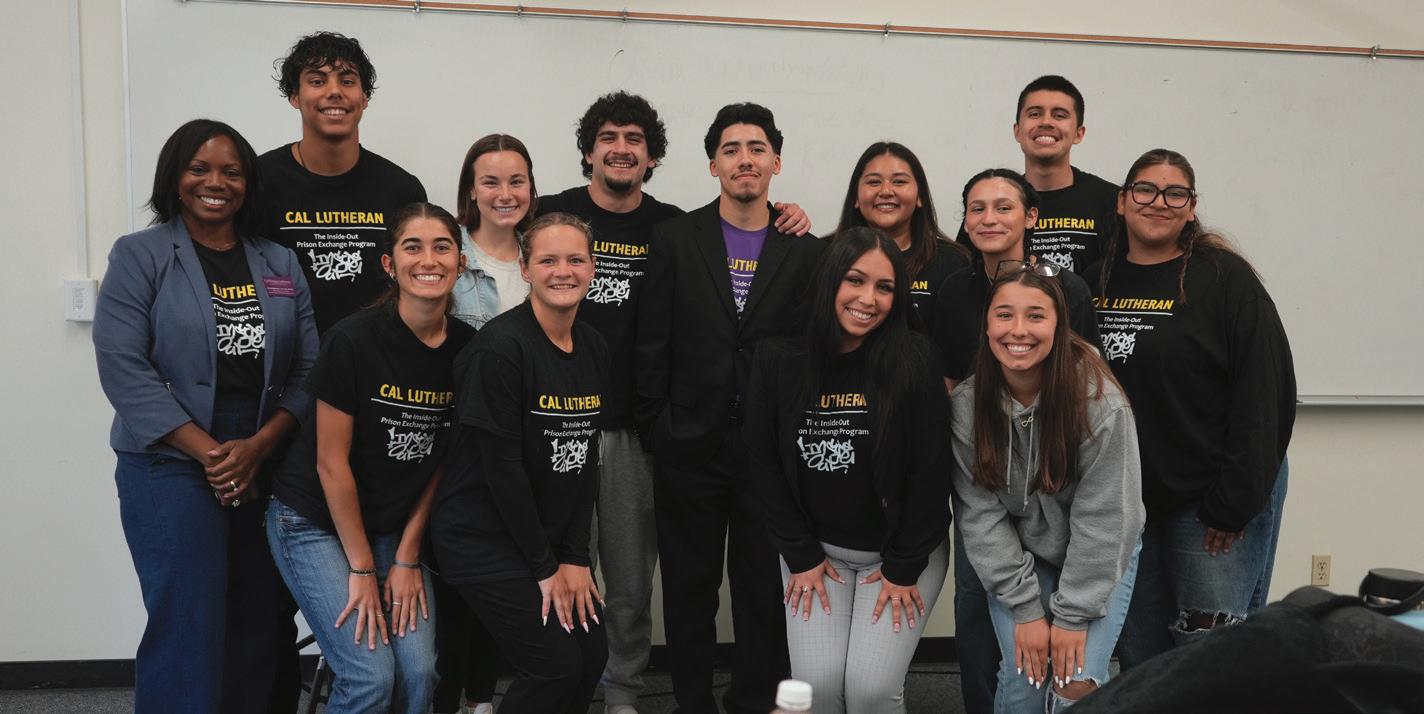
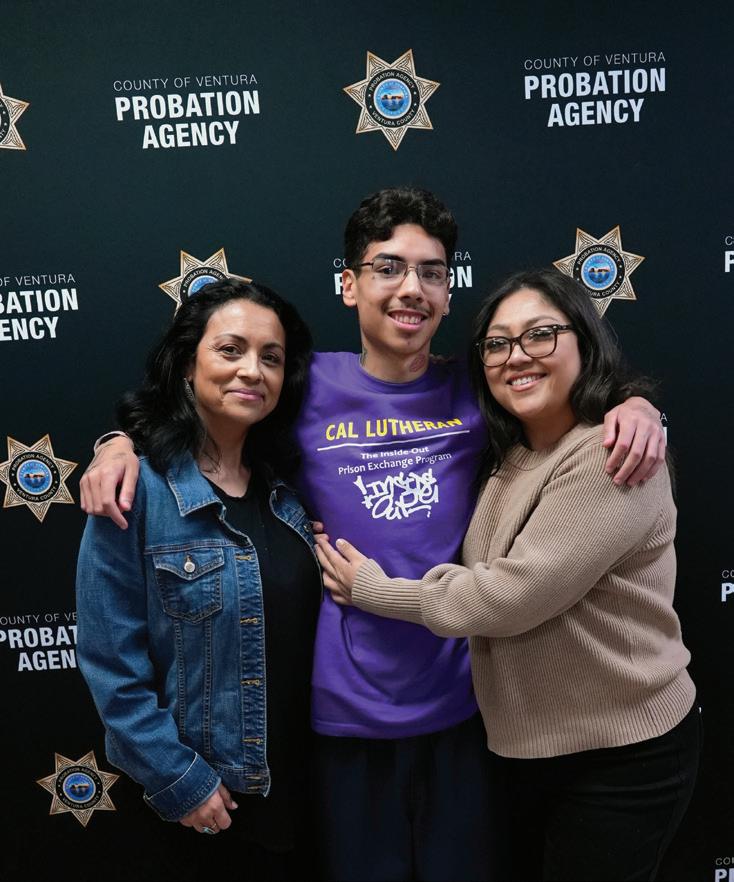
On a Thursday afternoon in May, 20 California Lutheran University students sat in a circle inside the Ventura County Juvenile Facilities compound in Oxnard. Nine of them wore purple T-shirts. These were the “insiders,” incarcerated young men ages 18 to 25 who had committed serious violent crimes.
The others wore black T-shirts. They were “outsiders,” full-time students attending Cal Lutheran in Thousand Oaks.
Whether purple or black, the T-shirts carried the same message on the back: “Moving beyond the walls that separate us.”
The students were participating in the Inside-Out Prison Exchange Program, an international initiative that has won praise for its trailblazing approach to education about and rehabilitation within the justice system.
“They are peers who are learning as college students together,” said

Schannae L. Lucas, PhD, a Cal Lutheran professor who chairs the Criminology and Criminal Justice Department and led the class during the 16-week spring semester.
In this session, near the end of the semester, the students conversed comfortably with one another about various aspects of the criminal justice system, including trauma, victimization and rehabilitation.
The easy collaboration marked a big improvement after the initial jitter-filled classes when trust was at a minimum and “insiders” made assumptions about “outsiders” — and vice versa.
The aim of the Inside-Out program is to foster dialogue about the criminal justice system, enabling people behind locked doors and those free to roam to collaborate on ways to improve it and to prepare incarcerated individuals for re-entry into society. Course topics included the role of prisons, the reasons people commit crimes and the long-term effects of crime on victims’ families.

Participants read three books: Just Mercy: A Story of Justice and Redemption by Bryan Stevenson; Crime and Punishment in America by Elliott Currie; and Race to Incarcerate: A Graphic Retelling by Sabrina Jones and Marc Mauer. They wrote papers that included passages and citations from the books that were particularly meaningful to them.
Throughout, a key focus was public interest lawyer Stevenson’s watchword: “Each of us is more than the worst thing we’ve ever done.”
Many of the “insiders,” who may enroll in the class if they have completed high school or received a GED, come from backgrounds “with traumas and triggers,” Lucas said. “If you’re told you’re bad, you internalize that label.”
Alex, 19, an insider who grew up in Oxnard, said he had been incarcerated for four years.
This is like the first real learning experience I’ve ever had,” he said of the class, with no hint of hyperbole.

Class sessions featured abundant emotion, often tears. Many of the “insiders” were, for the first time, grasping how to interact respectfully with others. The course challenged their assumptions that Cal Lutheran students are rich and entitled. Some of the “outsiders,” they learned, also had experienced trauma and hardship.
It took strength and courage to open up to us,” said Anthony, an “insider” who has been incarcerated for about six years. “They do care. The teacher cares.”
“This is the first time I’ve felt like a student,” he added. “I felt normal, like a human again. These [‘outsiders’] are college-level kids. I’m right there getting the same grades as them.” He said he hopes to take more college classes once he is released.
Many of the “outsiders” said they hope to become probation officers, publicinterest attorneys and advocates for youth to help promote restorative justice — a concept that considers the harm done by offenders and strives to bring together victims, offenders, law enforcement and the community to make amends.
Lori Pompa, an instructor at Temple University, is the founder and director of the Inside-Out program. In 1995, she led a group tour at a state correctional institute in Dallas, Pennsylvania. After the tour, the group sat down to speak with five men who had been incarcerated for many years. One man, Paul, suggested she consider spooling out such conversations with students over the course of a semester.
In 1997, she presented the idea to the Philadelphia jail system, and the Inside-Out program was born.
“We sat in a circle,” Pompa said. “The whole focus is on dialogue — and getting away from the usual didactic approach. Really grappling with ideas gets people thinking and learning."
The program from the get-go was fabulous, Pompa said, “but it was much more fabulous than I had even anticipated. In addition to talking about criminal justice issues, we were learning about ourselves and other people and assumptions and working through conflict.”
Lucas learned about the Inside-Out program at a conference years ago. She had led prison and jail tours for students in her corrections and family violence courses, and she quickly realized that the Inside-Out program could help students delve more deeply into the field of criminology.
In 2016, she took a weeklong training session at a maximum-security prison near Philadelphia. She brought the program to Cal Lutheran and taught the first course in spring 2018 at Ventura County’s Todd Road Jail in Santa Paula, where the “insider” participants were 21 to 65.
COVID-19 restrictions interfered for a time. Jails reopened to visitors just as the juvenile correctional system was about to undergo a dramatic change. In mid-2023, California’s three remaining youth prisons closed after decades of activism by reformers and a steep drop in youth arrests.
Youthful offenders were transferred to local detention centers, where probation officers and collaborating organizations such as the Boys & Girls Club emphasized the development
of skills and attitudes that would help the incarcerated young men succeed after release without relapsing into criminal activity.
“Generally, as human beings, we like to operate in binary fields,” Declan Tormey, division manager of the Ventura County juvenile facilities housing, said in an interview. “It’s easy to say a criminal is a bad person, and that’s that. But there’s much more nuance.”
The juvenile facility in Oxnard was initially meant to hold as many as 420 people, said Sam Cortez, the Ventura County Probation Agency’s public information officer. Now the population is about 60. Under California law, these offenders are released at age 25.
“That’s why we work on rehabilitating as much as we can from the time they are booked until they are released,” Cortez said.
Consider Matthew, 18, who has been incarcerated for 2 1/2 years. In addition to the Inside-Out program, he has taken other online community college classes. He is majoring in psychology and social and behavioral sciences and hopes to become an advocate for kids in the Ventura County neighborhood where he grew up.
“I’m still working on being able to move past the label of criminal … the label of someone who’s a bad person,” he said. “My main focus is on rehabilitation, being back in society and being able to be a support system for youth in the community.”
“Outsider” Kelly Alexander ’25 enrolled in the Inside-Out program in her final term at Cal Lutheran. She now attends the University of San Diego and hopes to become a lawyer.
We are all humans,” she said. “We all make mistakes. These mistakes don’t define you. The best answer will never be just to incarcerate people.”

Sadie Rico ’25, a sociology and criminology major who also took the course as a senior, had a particularly poignant perspective. She grew up in Fillmore, California, without her father, who was serving time in a California prison.
“I had to grow up and keep going on with my life,” she said in an interview. “I just wish he had been there.”
He has since been released, and they are working to build a relationship.
When Rico first signed up for the Inside-Out class, some friends on campus expressed skepticism about learning alongside incarcerated people. Her dad, on the other hand, was pleased.
“That’s what humanity needs to do,” he told her.
In the May closing ceremony for the Inside-Out class, she read aloud “Blueprint Daughter,” the poem she wrote about coming of age without his regular influence. These are excerpts:
You never wanted to grow, / Until I grew older, And as time separated us, / My shoulders got colder,
My father is resilient / I’m so very proud,
He had every reason to give up, / And kept his promises he vowed
I’m graduating from college, / And it’s been some years,
But we can never go back, / To fix those childhood tears
During the last few frenetic weeks, “insiders” and “outsiders” collaborated in small groups on an assignment to conceive of programs that could help the young incarcerated men re-enter society.
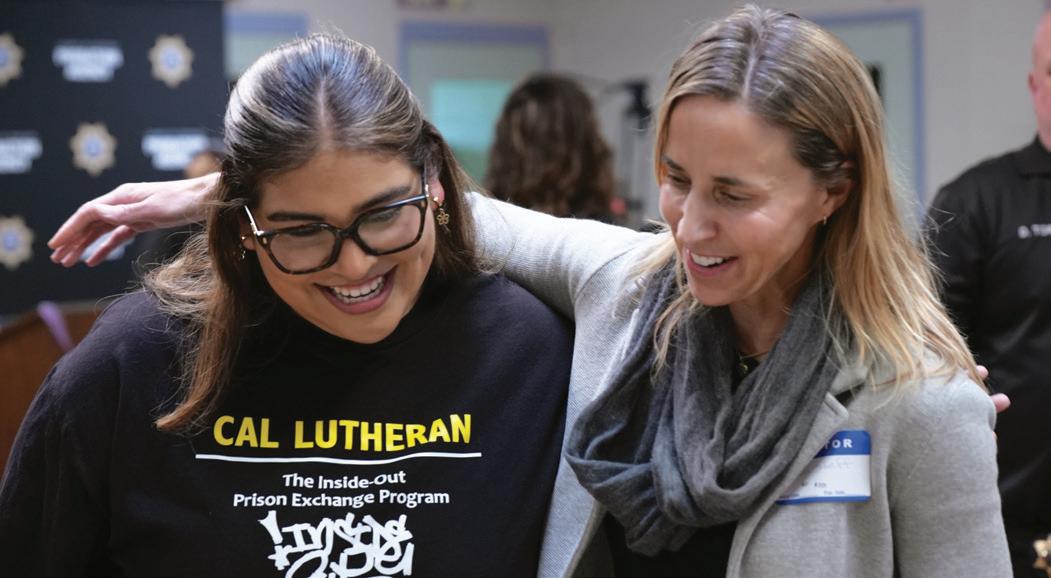
Desiree Hernandez ’25, who completed the course in her final semester before graduating with a degree in criminology and criminal justice, worked with her team on what they called the Five Pillar Project, which aims to reduce recidivism and ensure that formerly incarcerated young men have the support they need to succeed in the outside world. This could include help with obtaining a driver’s license, securing housing and applying for jobs.
Inspired by the Inside-Out program, she has applied to work with the Boys & Girls Club at the Oxnard juvenile facility and is considering becoming a probation officer or pursuing a master’s degree. She might even try to form a Five Pillar Project nonprofit.
“I learned so much from (the ‘insiders’),” Hernandez said. “They have so much potential.”
ONLINE EXCLUSIVE: To see the students share their thoughts on the Inside-Out program, watch the video at bit.ly/clu-inside-out.
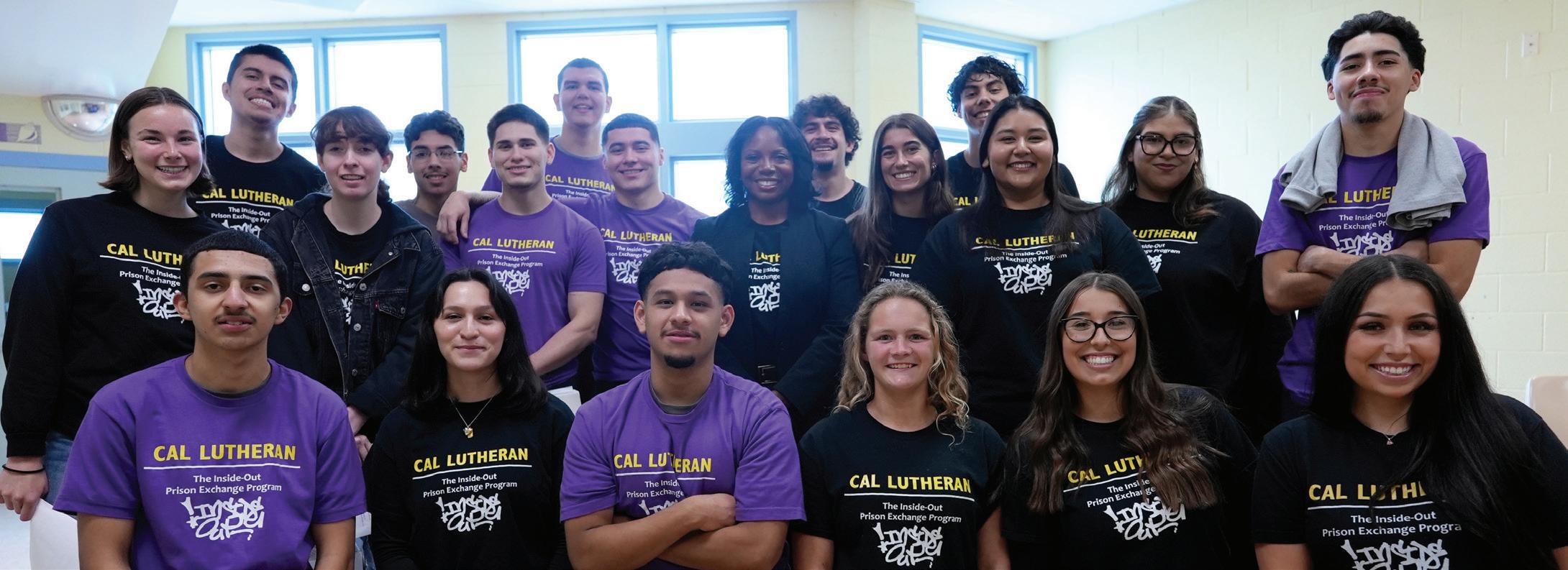
On their final day together, students in the Inside-Out program pose for a photo with professor Schannae L. Lucas inside the Ventura County Juvenile Justice facility after the closing ceremony in May.


Track & Field
Giving
Scholarships
Expanding
Samuelson Chapel
Restoring
Center for Economic Research and Forecasting delivers thoughtful analysis
The California Lutheran University Center for Economic Research and Forecasting (CERF) is highly regarded for its annual Ventura County Economic Forecast reports and events, where deep-dive data research and the humanistic side of economics combine to present a clear-eyed picture of the county and beyond.
One of the timely themes CERF addressed at its annual Forecast event on Feb. 24 is “Broken Inheritance,” which explored the economic and social costs of government debt, along with how the decisions made now will have unavoidable consequences for the next generations.
At the event, Matthew Fienup, PhD, CERF executive director, also released the 2026 Ventura County Economic Forecast publication, which provides an in-depth analysis of the county’s economic and demographic performance.
This is just the tip of the iceberg for CERF, which is led by Fienup and Dan Hamilton, PhD, an expert on economic measurement.
As a team, they’re fleet-footed, dynamic and responsive. Their thoughtful policy analysis provides a much larger impact on the community, region, state and nation than larger, institutional forecasting organizations.
It’s on the forefront of asset-minded framing with its annual U.S. Latino GDP Report and its groundbreaking 2025 Bank of America U.S. Latina GDP Report. These highlight how the Latine population is a tremendous asset that’s worthy of investment because there will be a return on that investment.
In 2025, CERF added quarterly reports with timely analysis on the latest data releases. And it launched a brand-new website CLUCERF.org to serve as an information hub. The public can access the site’s blog, which has thought-provoking, informative articles on current topics.
Launched in 2009, CERF has emerged as one of the nation’s most accurate economic voices, winning multiple Crystal Ball awards for the Fannie Mae Home Price Expectations Survey, earning nationwide recognition for forecast accuracy, and becoming a growing influence in state and local policy debates.
The center does this by being contrarian in the best way possible — conducting rigorous research and making “predictions of what we think is most likely to happen, not what we want to happen,” Fienup said. “We’re unconventional in our forecast and still really, really accurate.”
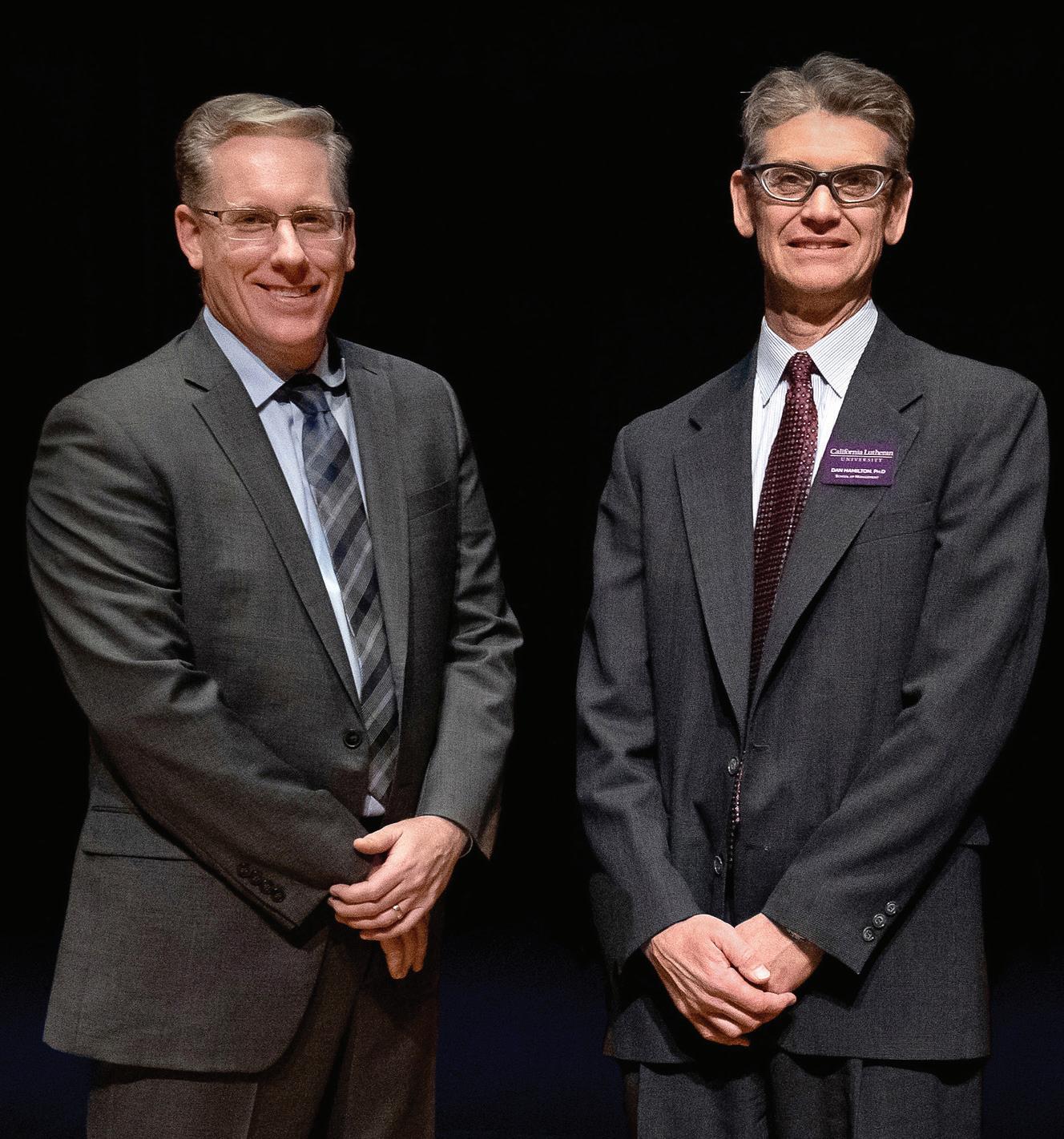
Matthew Fienup and Dan Hamilton
The process involves continuous questioning, applying economic theory and running multiple models and forecast combinations. “Doing multiple forecasts allows us to do scenario forecasting. It asks, ‘What happens if this policy changes or that?’ And then the economic theory piece often highlights variables that we put a lot of weight on that other people don’t.”
As one of the nation’s top experts on economic measurement, Hamilton plays a key role in helping CERF stand out among the crowded field of economic forecast organizations in the country. For example, when forecasting home prices, Fienup explained, you’re not actually forecasting home prices. You’re forecasting the government’s measurement of home prices. “Understanding how it’s measured is key to forecasting the value,” he said.
Another component of CERF’s research methodology is that “we spend as much time looking backward and studying our forecast errors as we do looking forward,” Fienup said. “In fact, we probably spend more time looking back analyzing our forecast errors than we do looking ahead and trying to understand why we got it wrong. And asking, ‘What needs to change?’”
CERF is a member of the prestigious Wall Street Journal Economic Forecasting Survey, the National Association for Business Economics Economic Outlook Survey and the Fannie Mae (formerly Case-Shiller) Home Price Expectations Survey.
When it comes to Ventura County, CERF’s research focus goes beyond black-and-white numbers. “That’s because it’s been about just relentlessly telling the story, the data reveal and then trying to humanize it,” Fienup said. “These are our neighbors; these are coworkers. It’s about making a difference in the lives of our fellow community members.”
CESI explores California’s housing crisis and its future
The Center for Economics and Social Issues (CESI) hosted its annual conference Feb. 19, analyzing why millions of California families struggle to afford safe and stable housing despite living in one of the world’s most prosperous places.
The conference, “California’s Housing Crisis: Roots of the Problem and What Lies Ahead,” examined how the state’s economy allocates housing resources and what policy solutions can help families thrive.
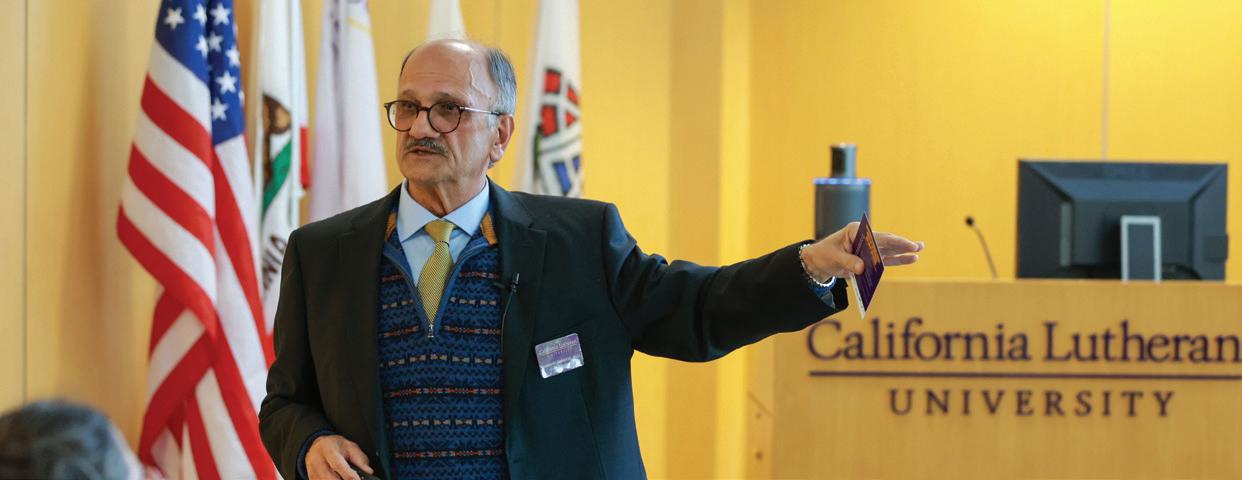
Community members, local leaders, nonprofits, businesses and policy experts gathered at Lundring Events Center to discuss solutions. Jamshid Damooei, CESI’s executive director and economics professor, presented CESI’s findings with Sabith Khan, Master of Public Policy and Administration program director, and Ruslan Korchagin, a Cal Lutheran doctoral student in Higher Education Leadership.
The annual meeting builds on CESI’s recent research, including its 2025 report, “Undocumented but Indispensable: Updated Findings on Their Economic Impact in Ventura and Santa Barbara Counties,” that found undocumented immigrants directly contribute approximately $5.8 billion to Ventura and Santa Barbara counties’ GDP.
The study also found that 73% of undocumented renters in Ventura County are financially burdened by housing costs, with 39% spending more than half their income on rent.
“The interest in the economic impact of undocumented immigrants is very high at present,” Damooei said.
CESI’s research on housing affordability and economic impact provides a well-rounded picture of the challenges facing California families and aims to inspire residents and lawmakers to act on meaningful solutions.
University receives nearly $3 million in grants in 2025
Cal Lutheran secured almost $3 million in grant funding in 2025, supporting students facing financial challenges and advancing faculty research.
“Cal Lutheran is more than a place of working and learning; it is life-giving,” President John A. Nunes said. “To that end, grant funding is an important way for us to strengthen our connection to our community and to provide life-giving academic tools for our students.”
The TRIO Student Support Services grant funded through the U.S. Department of Education has been renewed through 2030. The five-year grant of $1,540,875 will serve 206 undergraduate students annually.
Katherine Hoffmann, an associate professor in chemistry, and her colleagues secured $917,066 in combined funding from the John Stauffer Charitable Trust and the National Science Foundation’s Chemistry of Life Processes Program for research examining enzymes that contribute to bacterial virulence.
Other contributions included $200,000 from the G.A. Foster Legacy Foundation to help fund the Violet and Gold scholarship, which offers vital financial assistance to students, and to facilitate repairs to the roof of Samuelson Chapel. An additional $90,000 from the Ahmanson Foundation was awarded to the Financial Aid office in scholarships for students living in Los Angeles County.
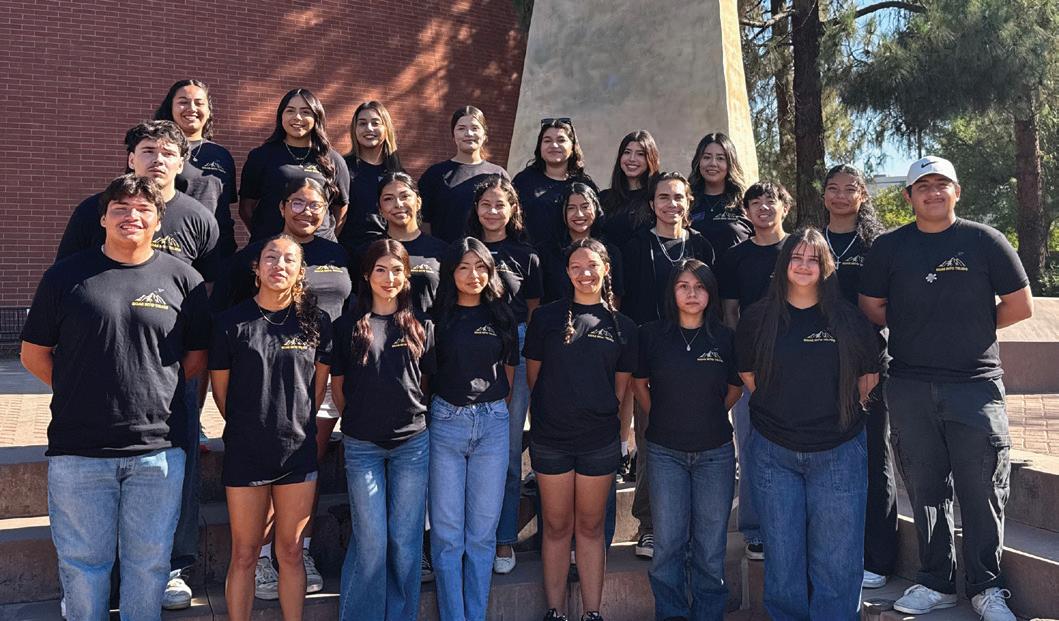
Incoming first-year and transfer students attend the 2025 SOAR (Summer Orientation to Academic Resources) Into Telios program at California Lutheran University. The free, one-week session introduces first-generation, income-qualifying students to campus life, academic resources and a supportive community to help them build a strong foundation for college success.
University Advancement also raised a record-breaking $601,180 during its annual Giving Tuesday campaign on Dec. 2. This year’s Cares Day 2026 is scheduled for April 8, and members of the Cal Lutheran community are invited to invest in the university’s mission.
Jamshid Damooei
Environment of Faith
Story by Sarah Graue
The Center for Climate Justice and Faith’s Spanish-language certificate program helps participants make faith a source of hope for those experiencing the toll of climate change.
For the Rev. José Martín Matos Hernández, growing up in the small coastal town of Cabo Rojo, Puerto Rico, meant seeing the effects of climate change everywhere: eroding coastlines and rivers, drying freshwater sources, and rising temperatures that affected his elderly neighbors.
Yet the people in this remote community — located two hours from San Juan, the island’s capital — maintained a deeply rooted connection to nature.
“In such a small town, so far from the metropolitan area with many limitations, nature became entertainment for anyone,” Matos Hernández said in Spanish [author’s translation]. “It’s a place for recreation, where families gather and where you go to work.”
Their bond with nature was tested in 2017, when Hurricanes Irma and María struck just weeks apart, devastating the region and triggering a widespread humanitarian crisis. Years later, the island’s water infrastructure remains at risk, with contamination threatening aquifers and the fishing industry.
In communities like the ones where Matos Hernández ministers, faith provides a source of hope for people experiencing the toll of climate change. Building on this reality, the Center for Climate Justice and Faith at Pacific Lutheran Theological Seminary launched its Spanish-language certificate program in 2023, delivered fully online.
Religious leaders from Latin America, North America and the Caribbean are among those participating in PLTS’s two-semester certificate program. The program builds on the center’s Englishlanguage initiative, which more than 144 leaders from 32 countries have completed since its inception in 2021.
“All participants, in a way, have been a witness to some kind of environmental degradation and political opposition to climate justice,” said the Rev. Neddy Astudillo, MDiv, program coordinator for the Spanish-language certificate. “Our participants are seeing the threat of climate change that it poses in their communities, and are trying to figure out, ‘What can I do?’”
Astudillo, who was born in Venezuela and has over 40 years of pastoral experience, says the continuing education program is designed for those on and off the ministry track. Some are pastors leading congregations or lay leaders in churches, while others are community organizers or activists seeking to learn ecology and live in harmony with God’s nature.

“We believe in a God that is a loving God, that cares for the world and invites all of us to have abundant life, including animals and all creatures,” Astudillo said. “We see the need to seek justice and to protect life.”
Guided by instructors, participants learn about the realities of the climate justice movement, recognizing that climate change is not experienced equally: The groups least responsible for greenhouse gas emissions are often those who have suffered socially, politically and economically.
At the start of the first semester, participants find their personal story within the larger global movement by writing an ecological autobiography, integrating their experiences and prior teachings from school and church into a narrative.
“We start our program with that because we want people to connect from the heart, from the start,” Astudillo said. “This is not an issue that we study about; this is an issue that is impacting our lives.”
The program then shifts into the structural causes of climate change, exploring the devastation, exploitation, colonization and historical explanations of the crisis. From there, instructors invite participants to open Scripture and study the Bible through the lens of an environmental concern.
Thanks to Zoom, participants meet biweekly to discuss these concepts.
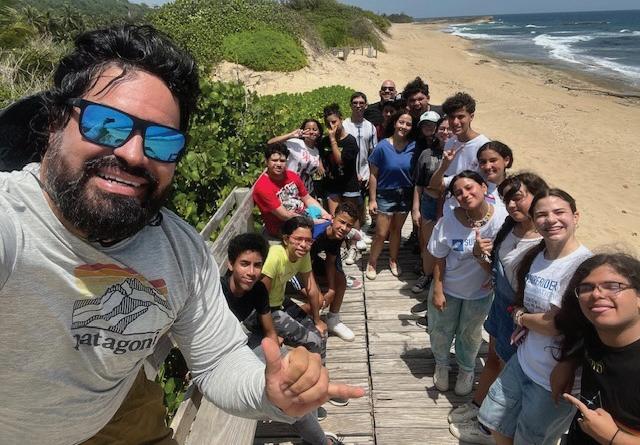
José Martín Matos Hernández inspires young activists to seek ecological and social justice during a group excursion to the San Juan Bay Estuary.

“Meeting students from other countries who are working toward the same goal helps them feel less alone,” said the Rev. Ángela Trejo Haager, an instructor in the Spanish-language program and coordinator from Seminario Luterano Augsburgo in Mexico.
To best understand these regions, the center partners with seminaries across Mexico, El Salvador, Argentina, Uruguay, Costa Rica and Puerto Rico, alongside the Evangelical Lutheran Church in America and the Lutheran World Federation, to advise curriculum and connect new participants.
“The churches and institutions that support us are very important, as they provide us with human resources and concrete experiences of how they have worked on the issue of climate justice,” Trejo Haager said.
Although the certificate is earned online, its impact is anything but virtual. In the program’s second semester, participants engage with their faith networks to complete a Sacred Action Project, a unique, hands-on campaign tailored to their environment’s needs.
From leading beach cleanings, painting murals and organizing eco-spiritual walks on university campuses, all projects are rooted in community engagement.
“We try to move people away from individual acts of climate justice, because in reality, for climate justice to happen, we need to move to collective action, collective power, and build community,” Astudillo said.
At the forefront of Matos Hernández’s project was the movement closest to his heart. He sought to mobilize his congregation, Christian Church (Disciples of Christ) in Sonadora, Guaynabo, to advocate for the protection of the San Juan Bay Estuary, an ecosystem of freshwater sources that extends nearly 16.5 miles along the coastline.
His project, “Walking in Hope,” launched a mentoring program for regional activists, raising awareness of water protection. With his congregation, he organized a weeklong youth gathering that immersed participants in disadvantaged communities to experience firsthand the challenges and realities they face.
“For me, as a Christian, water represents life, cleansing and purity,” Matos Hernández said. “This experience confirmed for me that, although the struggle for climate justice may vary by region, at its core, it is about caring for creation — protecting all that our Lord has made.”
By promoting monthly meetings, delivering informative lectures, and accompanying community members in prayer, follow-up, and care, Matos Hernández led a movement that was embraced by his neighbors.
“My commitment to supporting marginalized communities has illuminated realities along my journey that require attention and action,” Matos Hernández wrote in his final presentation for the program. “This journey has taught me that hope and solidarity intersect and can coexist even in the most challenging situations.”
The experience also gave him a support system that helped prevent the occupational burnout often experienced by activists. By seeing other Sacred Action Projects, based in other parts of the world, Matos
Hernández was left inspired, as everyone is “fighting the same battle to defend and protect nature.”
For readers interested in making a difference in their community, the Center for Climate Justice and Faith is committed to making its lessons accessible to all. The center hosts a series of past workshops on its YouTube channel, available for anyone interested in hearing from climate justice specialists.
“When the students send their photos, videos and narratives, it is incredible to see how much they can achieve,” Trejo Haager said. “These kinds of efforts generate much more hope and encouragement to keep going.”
Since completing the program in fall 2024, Matos Hernández said he remains committed to climate justice and brings lessons and insights to his ministry daily. With his congregation, he organizes pilgrimages and prayer gatherings for fellow activists in faith communities.
He has also mobilized his network, going so far as to present proposals and resolutions to government leaders, legislators and senators in Puerto Rico.
“A verse that has been a constant guide and source of inspiration in my writings and presentations is Amos 5:24: ‘But let justice roll down like waters, and righteousness like an ever-flowing stream.’”
Layout by Jee Jung ’16
KCLU Radio’s Golden Voice
Lance Orozco marks 25th year as station’s news director.
By Mark Wyckoff
The diagnosis was gut-wrenching: kidney cancer. But even at his most vulnerable, when Lance Orozco had every right to keep this life-changing moment to himself,
crash that killed 21 Ventura County residents in 2008.

“I always ask people to tell these stories about themselves,” Orozco said. “And I just thought, ’Well, maybe this would be an interesting story.’”
He recorded the sounds of his surgery on a digital recorder, then pressed record again two weeks later when his doctor informed him that the tumor removed from his kidney was cancerous. The gripping audio made his on-air report compelling and deeply personal.
The story had a happy ending: The disease hadn’t spread and there was no need for chemotherapy. Listeners who heard the story on air and online were riveted, and some reached out for advice.
“I probably talked to a half dozen people who were in the same boat,” Orozco said. “They were just like, you know, ‘Can I talk to you?’ They wanted to know what to expect and what it was like.”
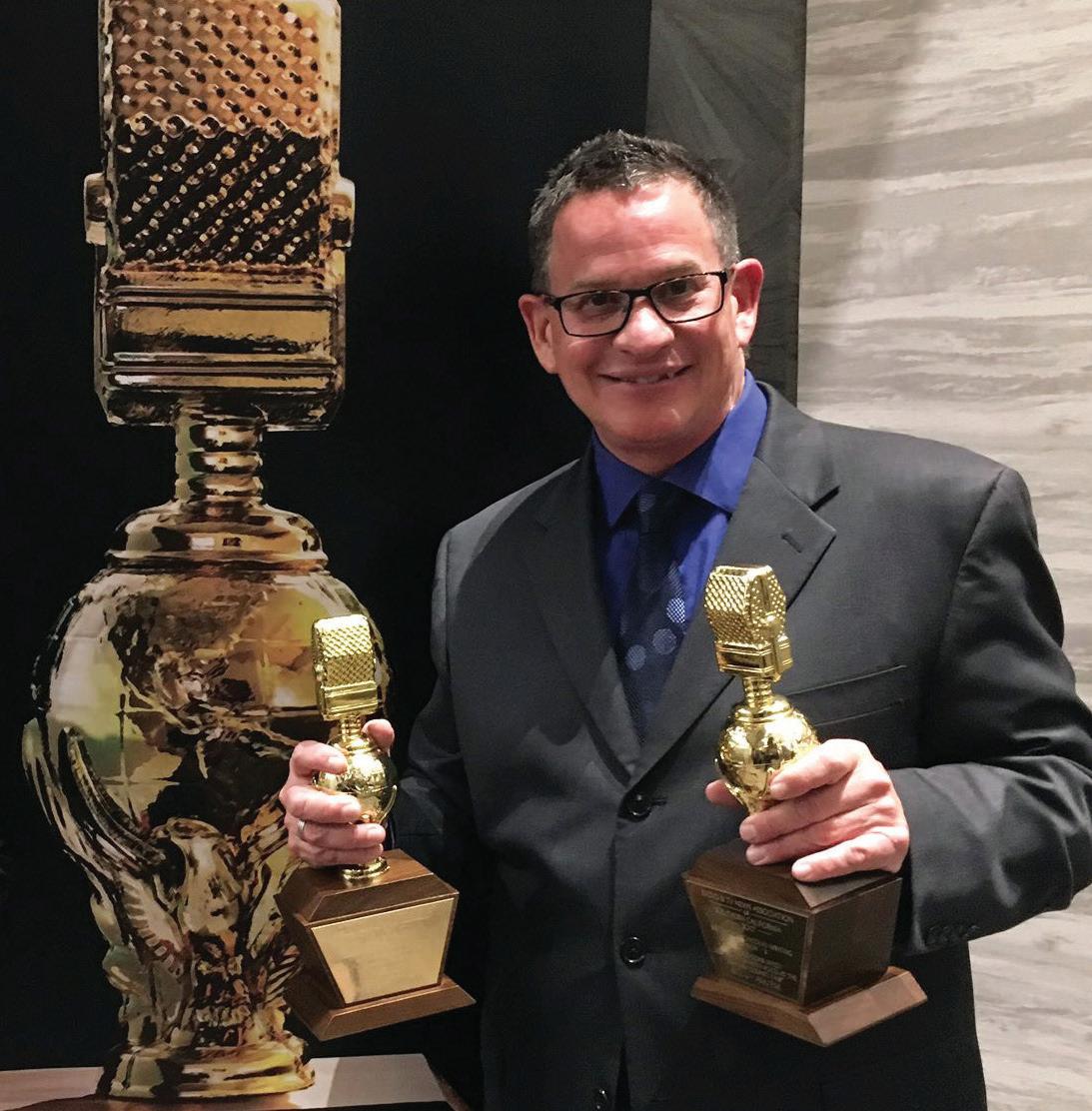
It’s this kind of informative storytelling that has made Orozco one of the most lauded journalists in Ventura County and transformed KCLU into the No. 1 news station in Ventura and Santa Barbara counties, according to the spring 2025 Nielsen Audio ratings. He’s taken home more than 110 Golden Mike Awards from the Radio and Television News Association of Southern California and two national Edward R. Murrow Awards.
Orozco spent nearly two decades as a reporter and weathercaster for ABC, CBS, NBC and Fox television and radio affiliates in Santa Barbara, Sacramento, Los Angeles and other
cities before KCLU Radio General Manager Mary Olson convinced him to become the nonprofit station’s news director in 2001.
“Lance is the best hire of my 40-year career,” Olson said.
“His whole focus and goal are, ‘How can I tell community stories? How can we serve the community?’ He is tireless in his efforts … not just getting the story but getting the story right.”
When California Lutheran’s Board of Regents established KCLU Radio in 1994, the station promised “news, culture, controversy, fun and contemporary jazz” as well as National Public Radio programs like Morning Edition, Fresh Air and All Things Considered. After Orozco joined seven years later, the station began focusing more on in-depth local coverage. It has since grown from one signal to six and can be heard all the way from Westlake Village in the south to San Luis Obispo in the north. More than 130,000 people listen every week.
In 2003, when the Simi/Moorpark fire broke out and started destroying homes, Orozco didn’t hesitate: He began doing live coverage on KCLU. The station soon developed a reputation as a trusted source for local breaking news, delivering in-depth coverage of the December 2017 Thomas fire and the aftermath of the Montecito mudslides. Orozco filed live reports from the chaotic scene of the 2018 mass shooting at Borderline Bar and Grill in Thousand Oaks, then quickly shifted gears when the deadly Hill and Woolsey fires broke out the following day.
“It was crazy because we basically had two national stories going on in our backyard at once,” he said. “I worked about 36 hours straight.”
The job can be physically and emotionally taxing, but the Glendale native said it’s a crucial public service. He’s 68 now and has no plans to retire.
“There’s always going to be a need for people to do what I do because people want to know what’s real, what’s verified, what’s been checked,” he said. “I think the people who listen to KCLU listen because they have confidence in what they’re getting from NPR and what they’re getting from us locally is accurate.”
This year marks a milestone for Orozco: his 25th as news director at KCLU. The big issues he’s monitoring include the economy, the cost of housing and how the crackdown on immigration is affecting the farming community. But mixed in with these weighty issues will be lighter stories — like the one he did on the giant fiberglass rabbits known as Conejo Cottontails that are on display throughout the county.
“It’s not an earthshaking story, but it’s a story that hopefully made a few people smile. One of the problems with media
is the stuff that makes big news is negative. And that’s not the world. Our lives are not all negative. There’s a lot of good things going on in this community, and I love to be able to share those things.”
HOW TO HELP
Until 2025, KCLU Radio relied on a mix of listener donations and federal funding to pay for its nonprofit operations. But after Congress voted to defund National Public Radio and the Public Broadcasting Service, the station now faces a $300,000 annual shortfall.
To make up the difference, KCLU General Manager Mary Olson is relying on listeners to “put their money where their ears are.”
“If you appreciate long-form journalism, if you appreciate that the community has an alternative source for news, then we ask people to please support this unique, special thing called public radio on KCLU,” she said.
Olson’s not worried so much about the short term as she is about what will happen down the road. That’s why’s she’s creating a Resiliency Fund program to encourage donors to make financial commitments to KCLU Radio for three to five years.
To make one-time donations or contribute to the Resiliency Fund, visit kclu.org/donate.
Layout by
Daniela Ruiz ’25
Sibling Revelry
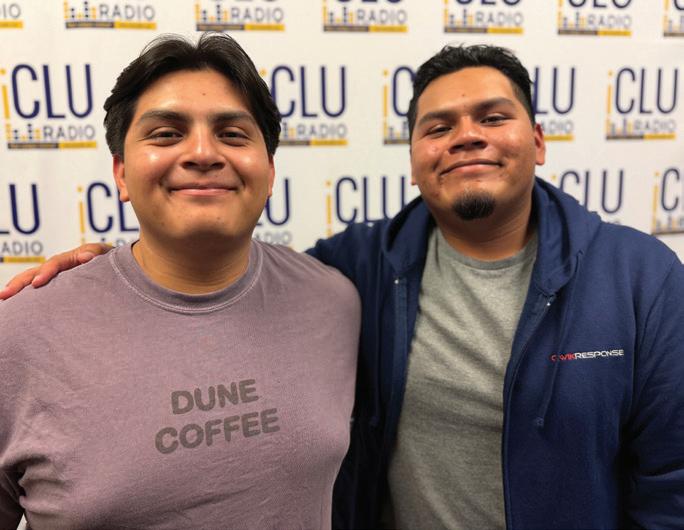
Brothers Richard and Andrew Perez learn, bond and have fun with other students at iCLU Radio.
By Mark Wyckoff
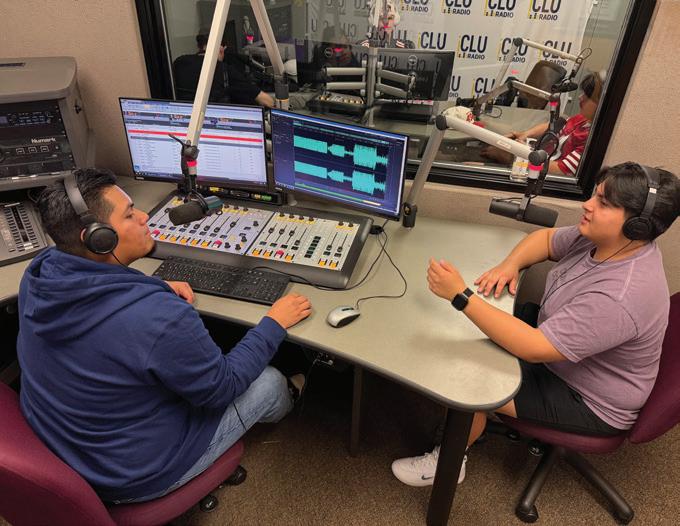
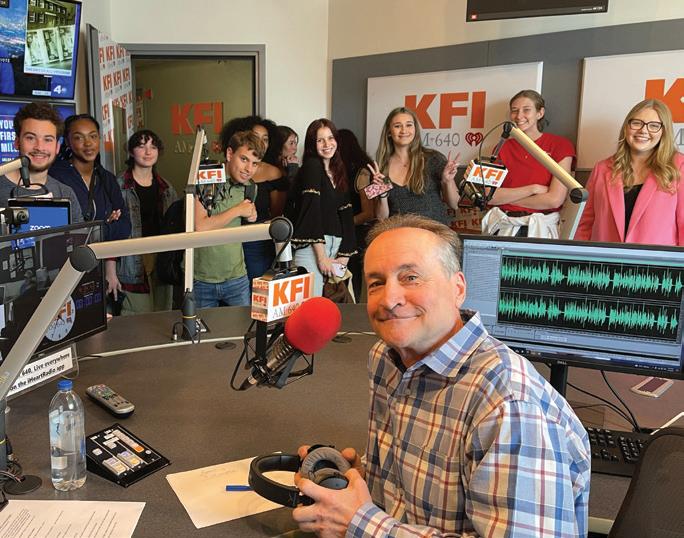
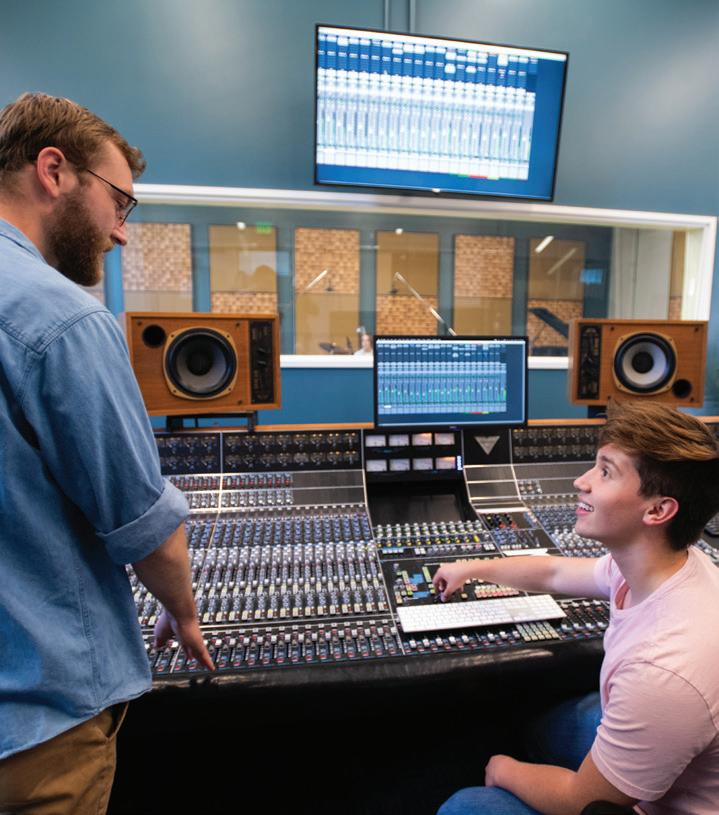
From 8 to 10 p.m. on Wednesdays, there’s no question where you’ll find Richard and Andrew Perez. The siblings, who grew up in Santa Barbara and are attending California Lutheran on scholarships, will be sitting behind microphones in the state-of-art KCLU Broadcast Center as they spin tunes and riff on everything from road trips and Grammy nominees to who has the best taste in music.
It’s all part of their weekly Boyth Night show on iCLU Radio, California Lutheran’s student-run, web-based radio station that can be heard live online at icluradio.org and via the RadioFX app.
Tune in to iCLU Radio from 8 a.m. to 11 p.m. Monday through Saturday and you’ll hear a mix of live shows that are as diverse as the California Lutheran student body. Dia Tardino, a senior majoring in Communication, talks about music and other topics on The DDDDia Show; junior (majoring in education) Markie Seabaugh offers listeners A Ticket to Yapperville; and junior Lex Lambros presents the Alt Rock Hour.
Students enrolled in one of the university’s radio classes can receive credit for hosting their own shows and podcasts. But you don’t have to be a radio student to take part; students who sign up for the iCLU Radio Club can host their own shows, too.
Hosts must follow Federal Communications Commission rules, and the songs they play can’t feature any inappropriate content, but beyond that “they pretty much have the freedom to do whatever type of shows they want,” said Giana Gutridge ’18, MBA ’21, a social media specialist at California Lutheran who co-manages iCLU Radio with fellow volunteer Kyle Tamkin ’18, MBA ’21, an adjunct professor in the Communication Department.
“ iCLU really serves as a channel for students to be creative, to express themselves and to have their voices heard across campus,” Gutridge said.
Layout by Daniela Ruiz
’25
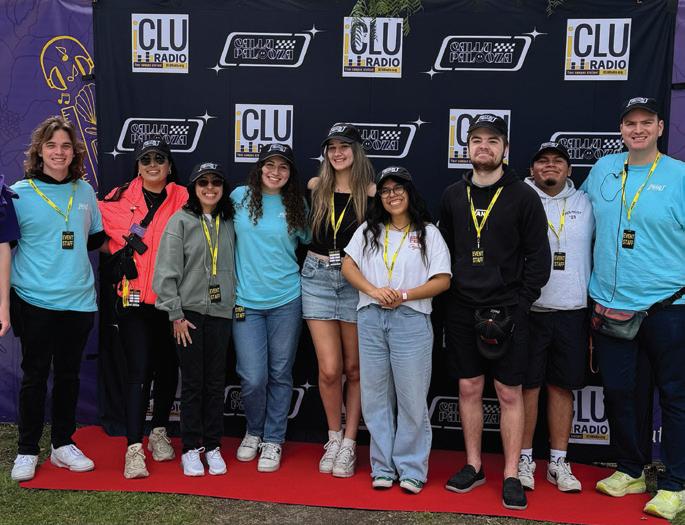
Students who want to work behind the scenes have plenty of opportunities, too. As part of the iCLU Radio Club, they can gain experience in audio editing and mixing, creating marketing campaigns for radio shows and shepherding talent in the green room during the club’s annual all-day CalLuPalooza concert.
Richard Perez, a senior majoring in film and television, joined the radio club his first year. By the time he was a sophomore, he was taking a radio class and hosting his own show, Decade Mixup Each week, he takes a deep dive into a different decade, from the 1950s to today.
He was having such a blast that his brother Andrew Perez, now a sophomore, signed up for Tamkin’s radio class and launched the show PB & Jamz, where he mixes sports talk and tunes. He spotlights different genres of music every week, from EDM and hip-hop to indie rock and pop.
Andrew is eyeing a career as a high school history teacher, and he’s beginning to realize that the skills he’s learning about formulating a focused, engaging radio show will serve him well when he begins crafting classroom lesson plans.
Hosting Boyth Night together every week has been a jolt of pure sibling revelry for not only Richard and Andrew but their pals, too.
“When we told one our friends that the show was going on break for Christmas,” Andrew said, “he texted us back and said, ‘No! What am I going to do with my Wednesday nights now?’”
Helping dreams take flight — today.
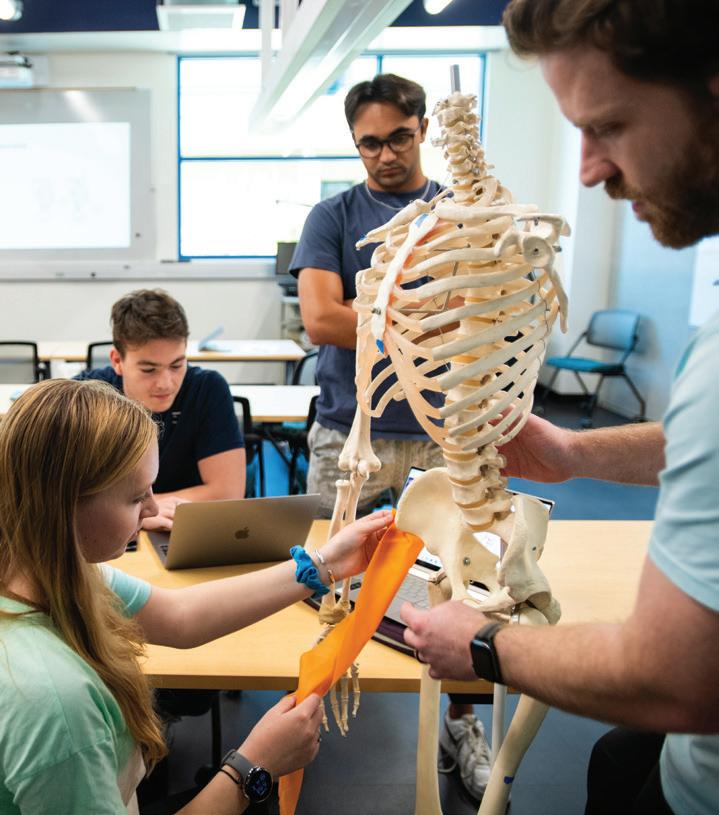
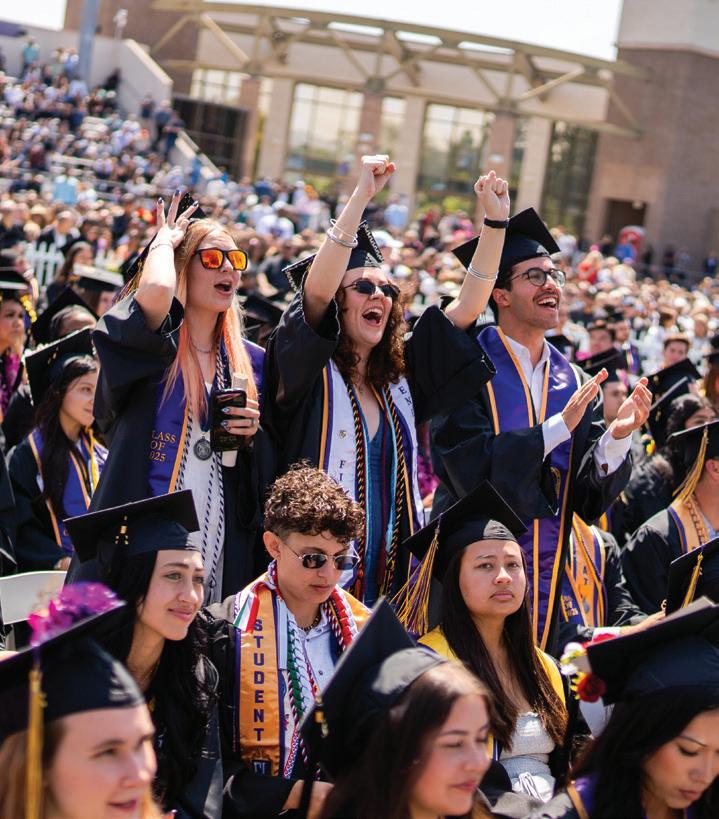
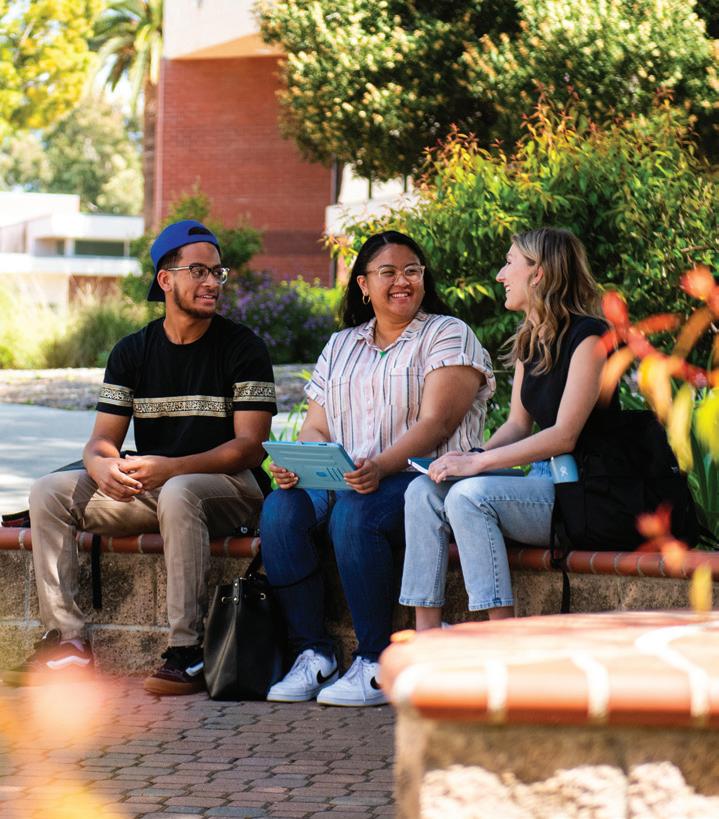
Every day at Cal Lutheran, students experience moments that shape their futures — discovering who they are and who they are called to become.
The Annual Fund makes these moments possible by providing immediate support where it’s needed most — across scholarships, academics, athletics and student life. When you give to the Annual Fund, you help students gain the confidence to pursue their dreams and make a meaningful difference in the world.
Give annually. Make an immediate impact.
Student-athlete Camden Hyde honored for service to others
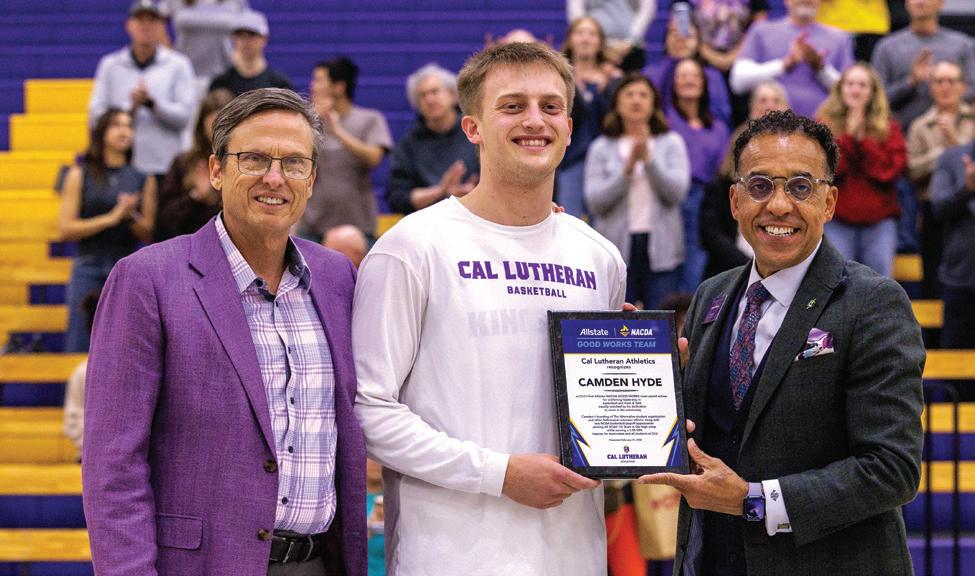
Camden Hyde, center, was named to Allstate's NACDA Good Works Team (Winter). President
John A. Nunes, right, and Director of Athletics
Howard Davis presented the award Feb. 21.
Cal Lutheran scholar-athlete Camden Hyde has been named to the Allstate NACDA Good Works Team (Winter). The junior men’s basketball player is being honored by the Allstate National Association of Collegiate Directors of Athletics (NACDA) for his leadership in community service, academics and athletics. Annually, 60 studentathletes throughout the country are recognized for the fall, winter and spring seasons.
“I am honored to be recognized for this team and passionate about the work I do on campus and in our community,” Hyde said. “My goal has always been to love others in such a way that brings about positive change. Truthfully, I fail at it every day, but following Jesus has shown me love and doing good in a broken world is something we should all strive for.”
Hyde’s impact on the campus and in the community reflects a rare blend of leadership, service and competitive excellence. A scholar-athlete with a 3.95 GPA, he is wellknown as a beacon of kindness. Hyde founded The Alternative, a student organization that offers a positive, community-focused “alternative” to the typical college social scene through Bible studies, worship nights and service projects. He also leads faithbased volunteer efforts, including feeding the homeless and mentoring local youth.
A dual-sport athlete, Hyde has contributed to two NCAA playoff appearances as captain of the Cal Lutheran basketball team. He also earned First Team All-SCIAC honors in the high jump as a member of the Kingsmen track and field team.
As the title sponsor of the Allstate NACDA Good Works Team (Winter), Allstate will offer Hyde a Name, Image and Likeness (NIL) deal. NIL deals enable college athletes to earn money through endorsements, social media and appearances. The compensation honors his achievements and amplifies his dedication to service.
Athletics Hall of Fame Inducts Class of 2025
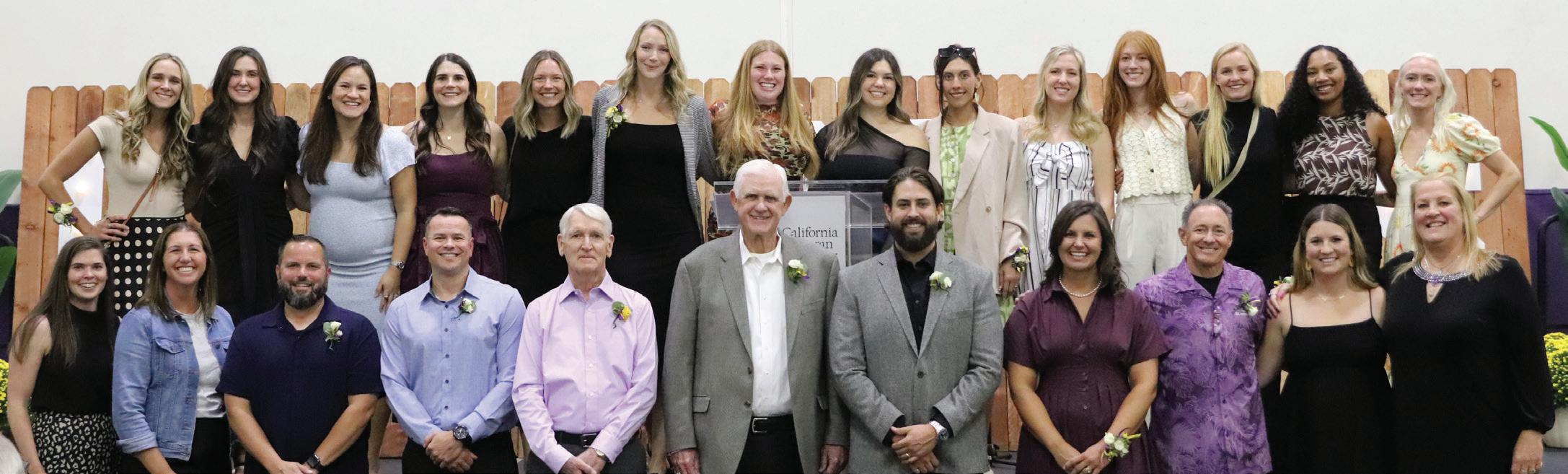
Cal Lutheran welcomed five new members and one historic team into its Athletics Hall of Fame during an Oct. 17 ceremony at Soiland Multipurpose Arena.
This year’s class featured Butch Eskridge ’77 (football and basketball), Nick Boggan ’13 (baseball), Joy (Cyprian ’10) Buechler (water polo), Michelle Lawrence ’17 (volleyball), Lynn Thompson ’66 (football and baseball) and the 2015 Regals Volleyball team, the first team in university history to win an NCAA championship.
“Our athletics program has built a foundation for resilient, purpose-driven and compassionate leaders, qualities that sustain communities long after the final whistle,” said Brandy Yee, master of ceremonies.
Eskridge, who helped lead Kingsmen Football to a 1975 NAIA Division II National Championship appearance, brought 13 family members from Texas for the ceremony. “I have the privilege of looking back 50 years and seeing how God’s plan has worked out,” he said to the crowd.
Faith Wayman Hired as Sports Information Director
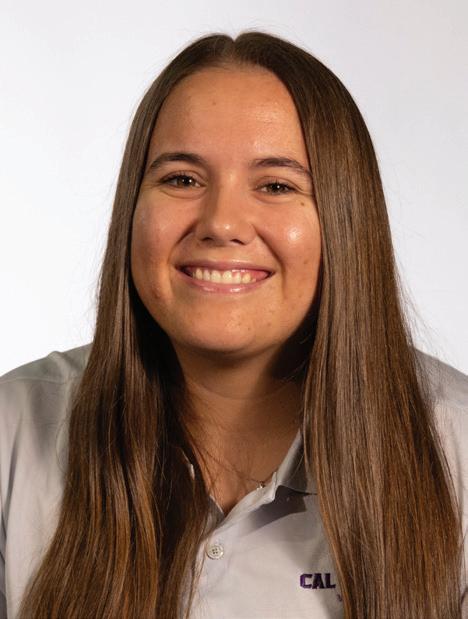
Faith Wayman, MS ’25, is California Lutheran University’s new sports information director.
“I am beyond excited to return to Cal Lutheran,” Wayman said. “This place is home, and I can’t wait to promote and serve our student-athletes alongside the staff and administration who mentored me so well.” Wayman returns to a place where she has had a significant impact. While pursuing her master’s degree in 2024-2025, Wayman served as the sports information and marketing graduate assistant (GA) in the inaugural Graduate Assistantship Program. Her first day was Jan. 20.
She previously served as a sports information director at Eastern Oregon University, where she was hired in 2025 after earning her master’s degree in sport management from Cal Lutheran.
Wayman, who grew up in Simi Valley, earned a bachelor’s degree in Kinesiology: Coaching and Athletic Administration from Bushnell University in 2024, graduating cum laude. She completed a sports information internship at Bushnell. A standout student-athlete during her time with the Beacons, she was a four-year member of the softball team, serving as the chaplain captain and Association of Student Athletes co-representative while managing the program’s social media accounts. She was the team’s most valuable player and an all-conference selection in 2023 and was a two-time College Sports Communicators Academic All-District honoree.
“Being a student-athlete shaped my perspective and continues to drive my work,” Wayman said. “My ‘why’ comes from understanding the time, effort and commitment these athletes put in every day, and that experience motivates me to serve them and ensure their stories are told in a way that reflects who they are, both in competition and beyond it.”
WINE & BEER WALK
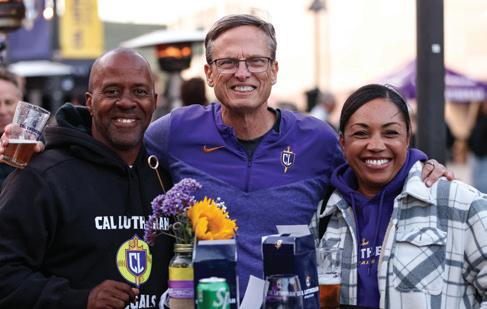

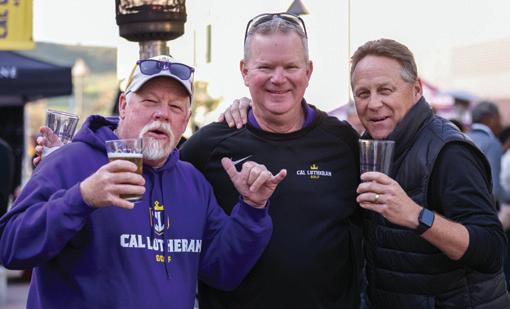
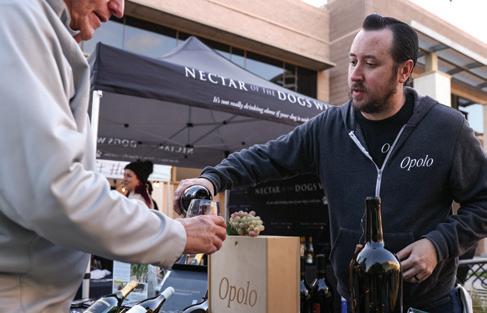
The View from My Office Alumni Share
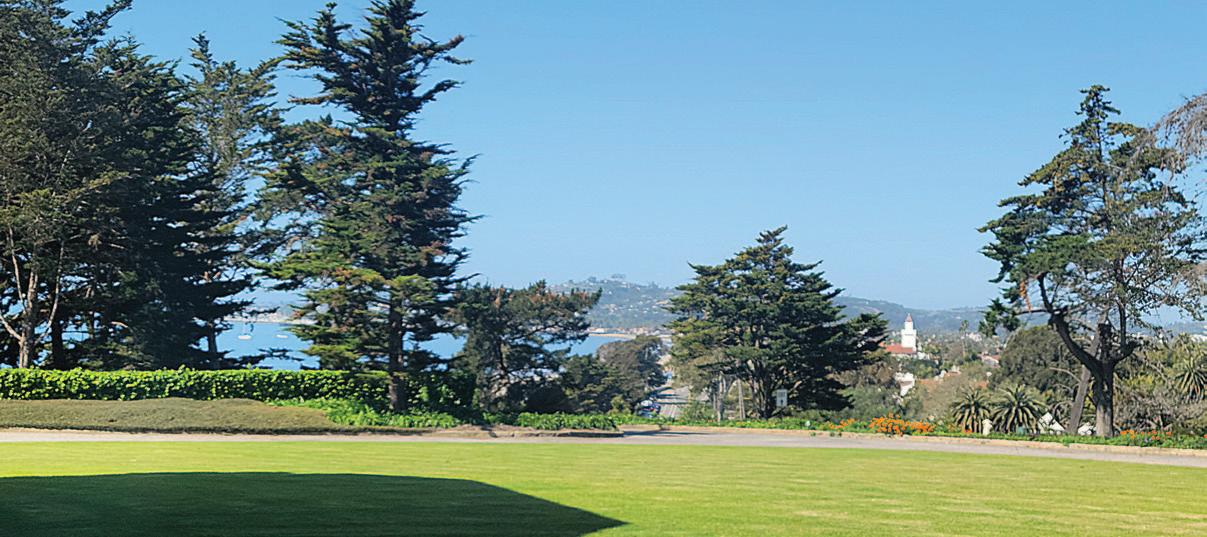
Jon Glasoe ’83
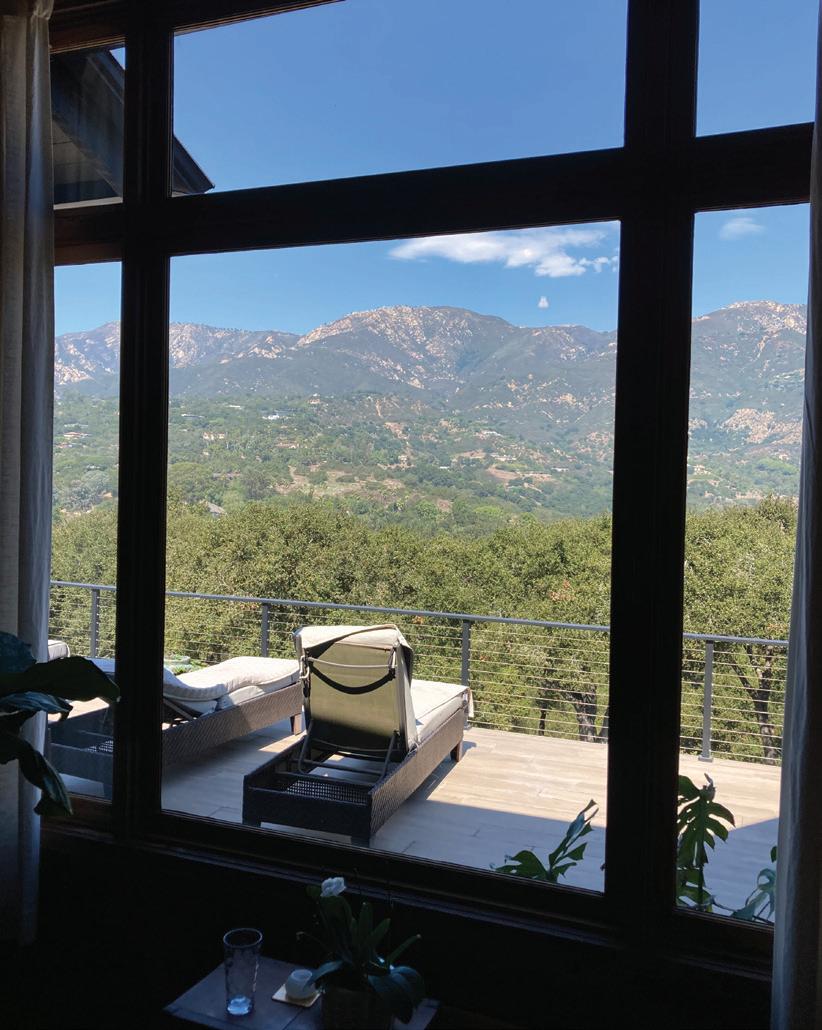
For those who know Santa Barbara, my view is looking down Cabrillo Boulevard from the Clark Estate. What l love about this view is my team and I are making Santa Barbara history opening the Bellosguardo estate to the community.

Jason Young ’05
I have been cleaning windows ever since my Cal Lutheran days 22 years ago. I love that I get to explore Ventura County and see some of the most amazing parts that most people don’t get to see.
Phil Randall ’69
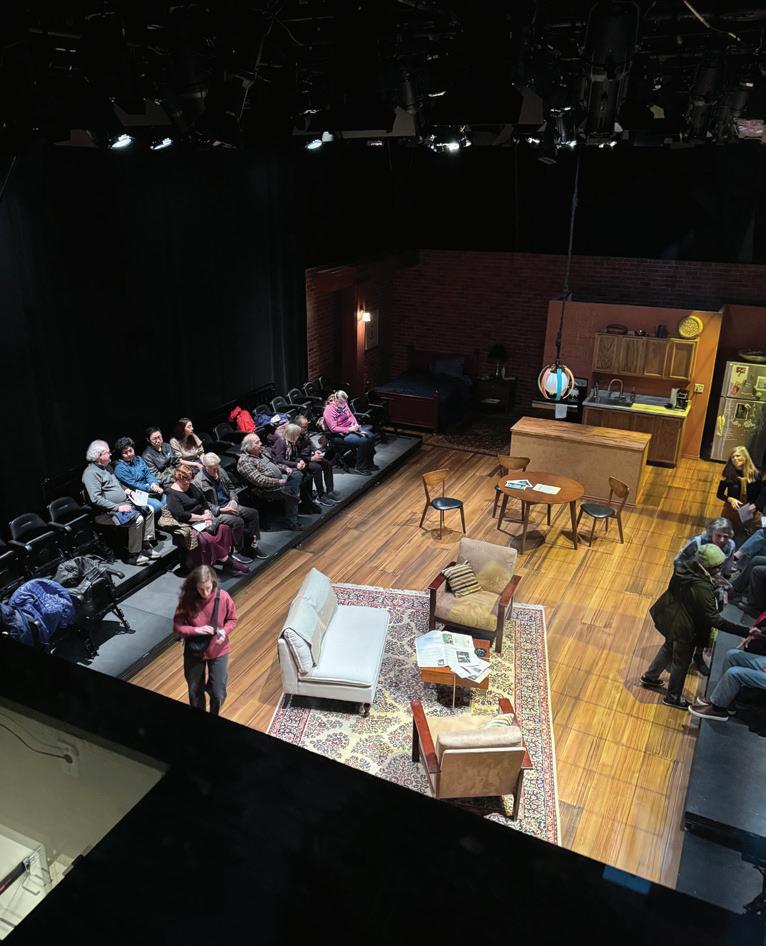
This is the view from my booth above the playing area of the latest production and the first of 2025; it tells me I’m still alive and working. Celebrating over 65 years in professional theatre.
Kristen (Luna ’11) Aponte


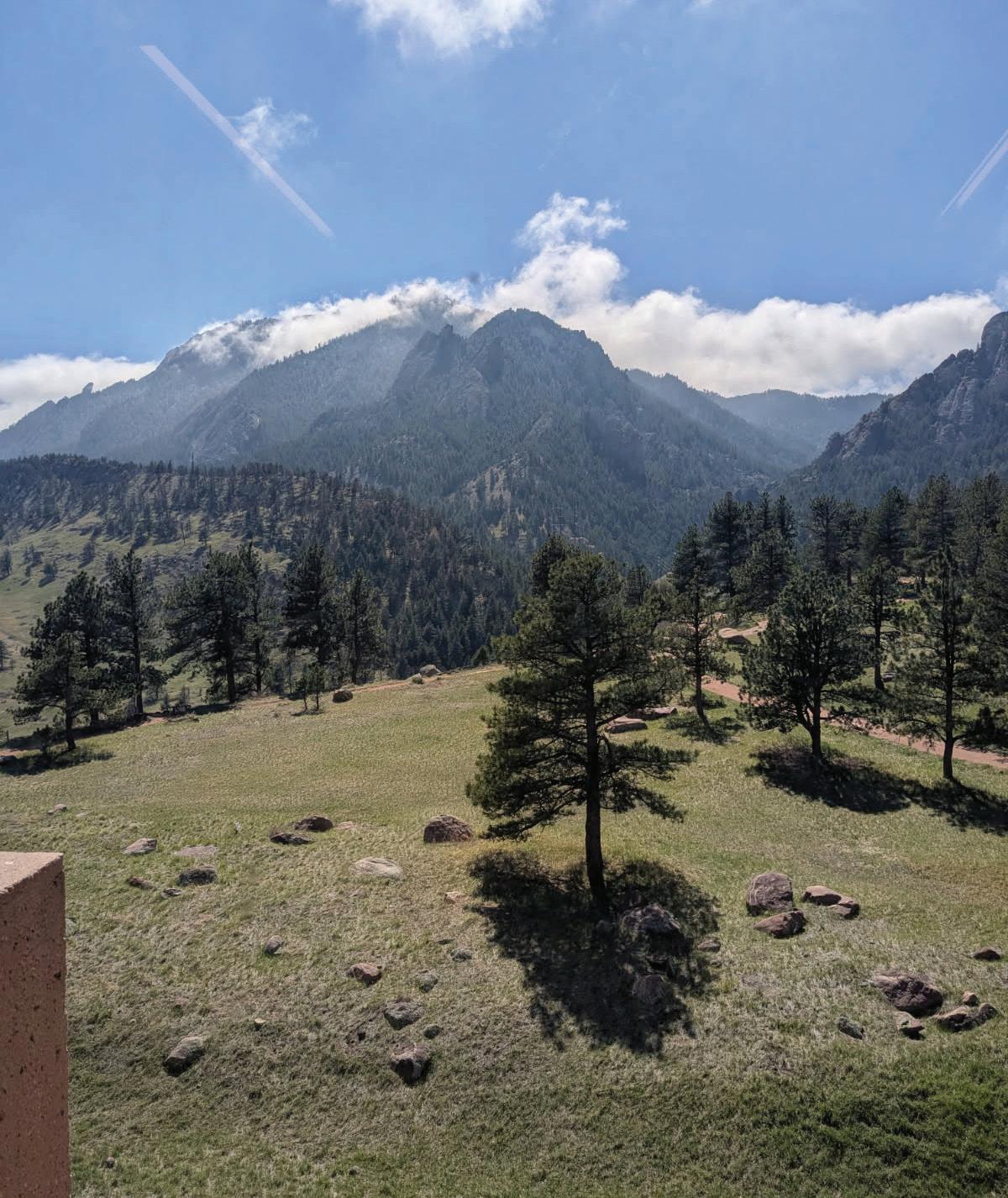
I work as a project manager at the National Science Foundation’s National Center for Atmospheric Research in Boulder, Colorado, and I love everything about this view, especially clear blue-sky days! It’s really fun to watch a storm roll in over the mountains, there are many birds in the sky, lots of deer exploring and eating, and school groups that are on field trips. My favorite is to see the many graduates of local high schools and universities who come to take portraits with this amazing background to celebrate their accomplishments. What advice did you get at Cal Lutheran that you would pass on to future students? Email your thoughts (250 words maximum) to clumagazine@CalLutheran.edu. Please include your name and graduate year. We love photos, too!
Barbara (Merritt ’73) Foster
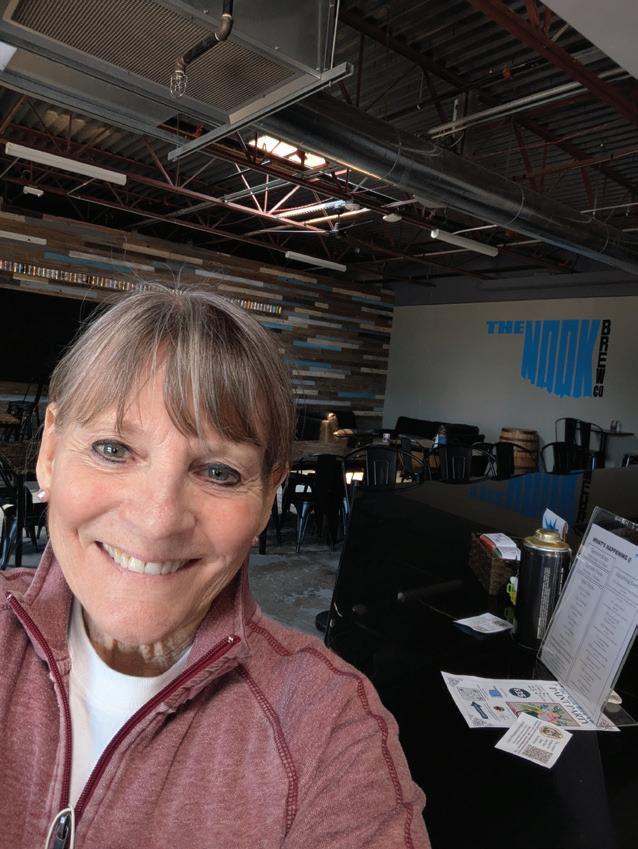
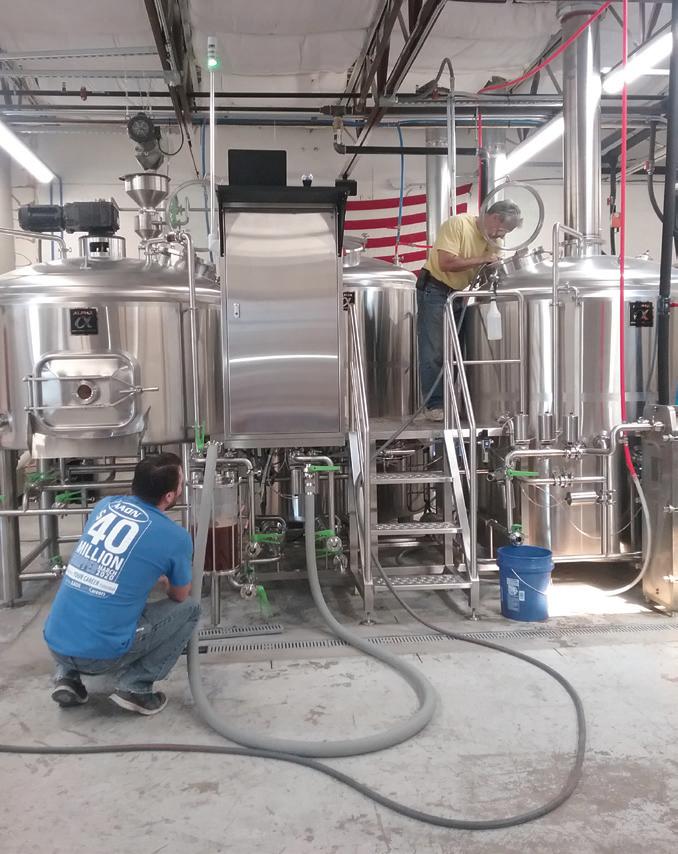
We opened a craft brewery — The Nook Brewing Company — in 2020. It’s located in Broken Arrow, Oklahoma, and my husband and son are the brewers. The first photo shows me in The Nook. In the second photo, my son Alex (left) and my husband, Larry, are working in

For the next issue ...
THANKS to our generous sponsors who helped make Inauguration and Homecoming Weekend a success!





Where Dreams Take Flight!
Kirsten ’64 & Karsten ’65 Lundring
Kate McLean ’77 & Steven Stone
Bill & Elise Kearney
A Gift of Love. A Legacy of Hope.
“Turning to CLU and PLTS as stewards for Mom and Dad’s gifts is one of the most fulfilling acts our family has experienced.” — Don Harrier
Shirley and Mel Harrier believed that faith is lived through love, generosity and service to others. Married in 1958, their Lutheran faith guided every chapter of their lives — caring deeply for family, welcoming others and reaching out to those in need.
Today, their love lives on through a meaningful legacy gift that opens doors for Cal Lutheran students. It is an enduring expression of their belief in young people and the promise of their dreams.
Honoring what mattered most to their parents, the Harriers’ four children chose to extend this spirit of generosity to California Lutheran University and Pacific Lutheran Theological Seminary (PLTS).
A simple planned gift can transform students’ lives — and shape the future for generations to come.
Learn how your legacy can help dreams take flight.
CluGift.org | 805-493-3161


Shirley and Mel Harrier
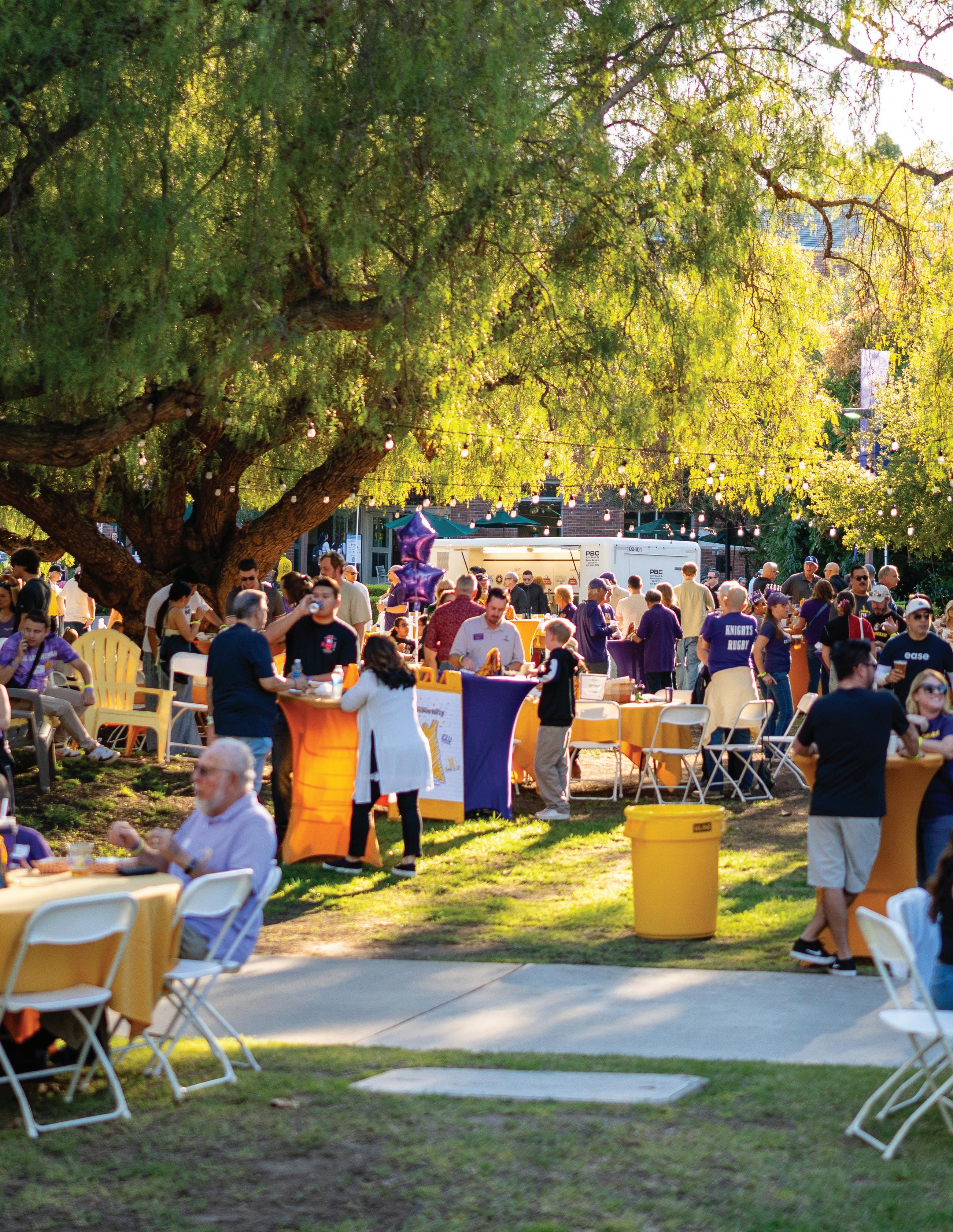
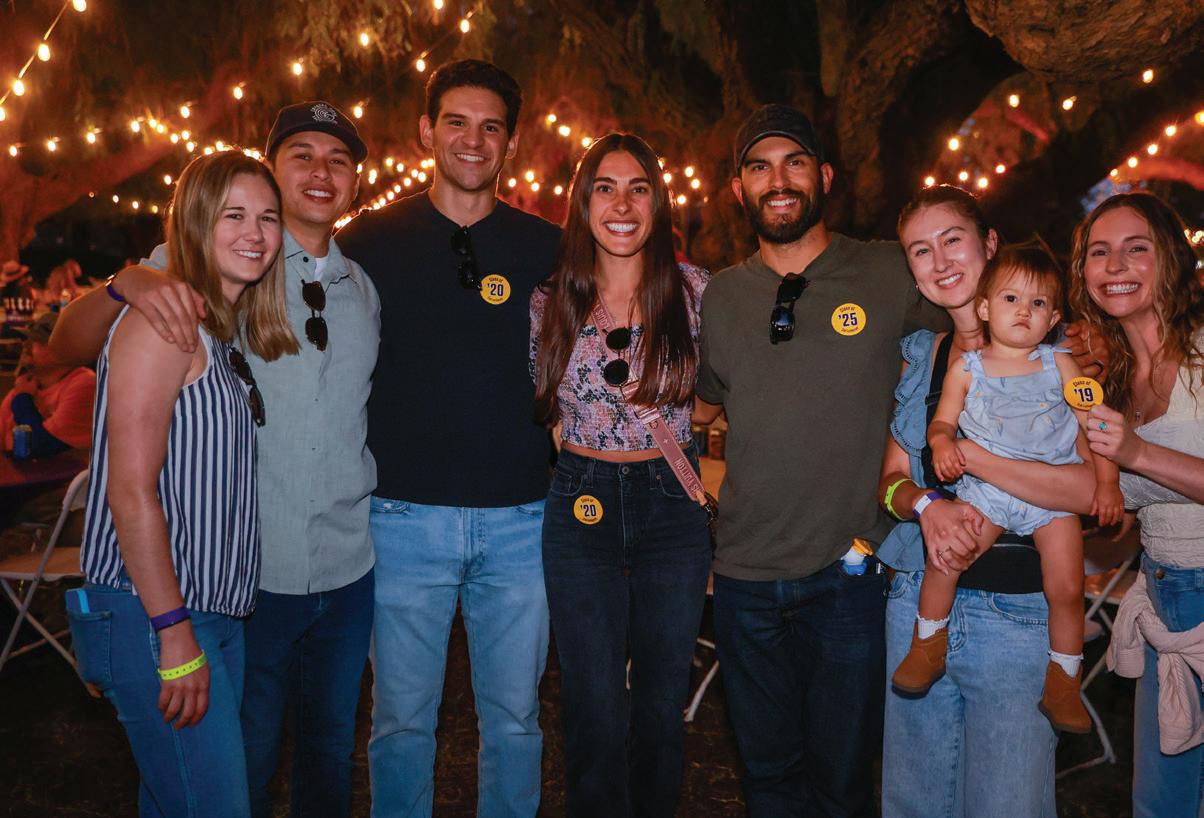
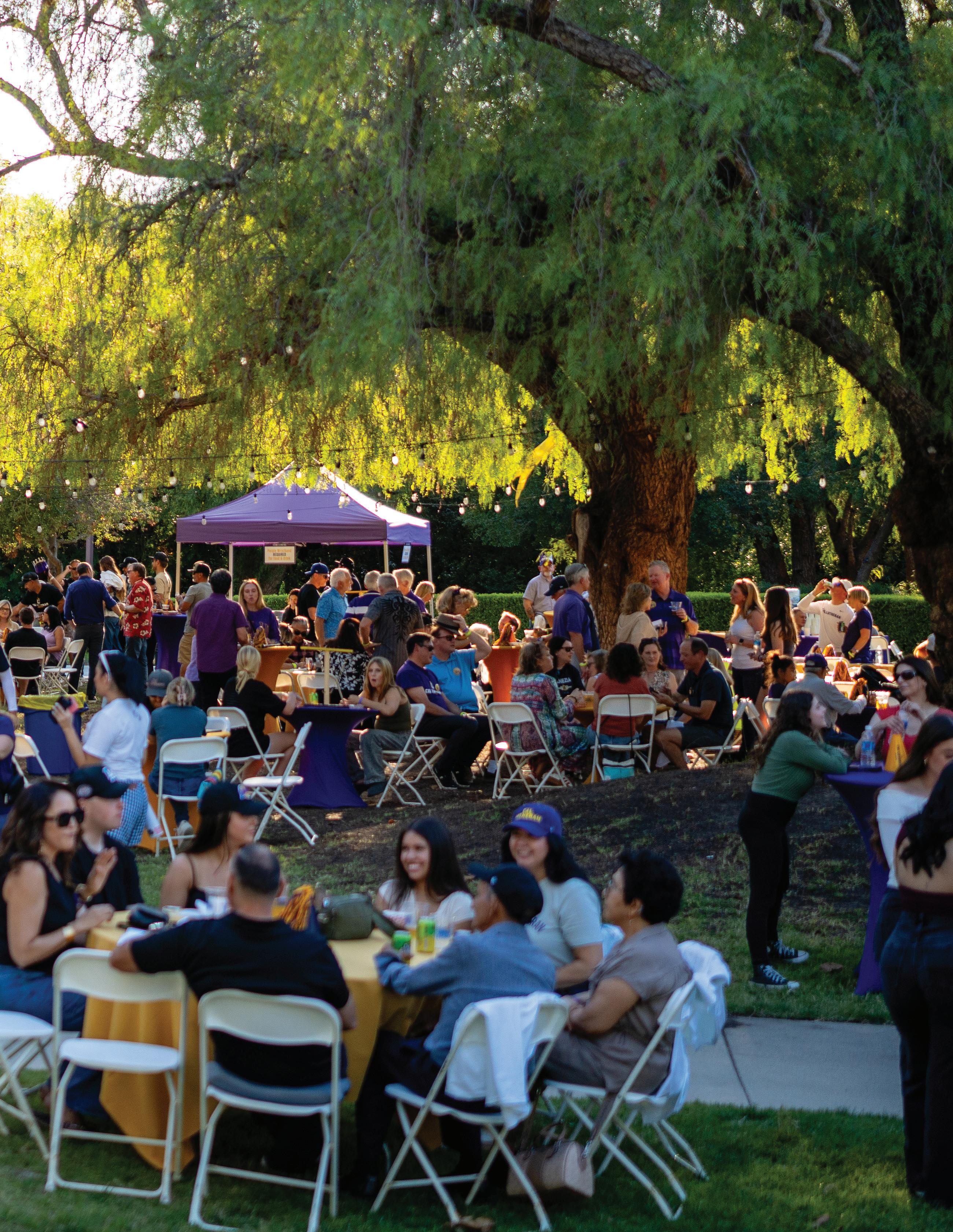
2025 Homecoming Highlights
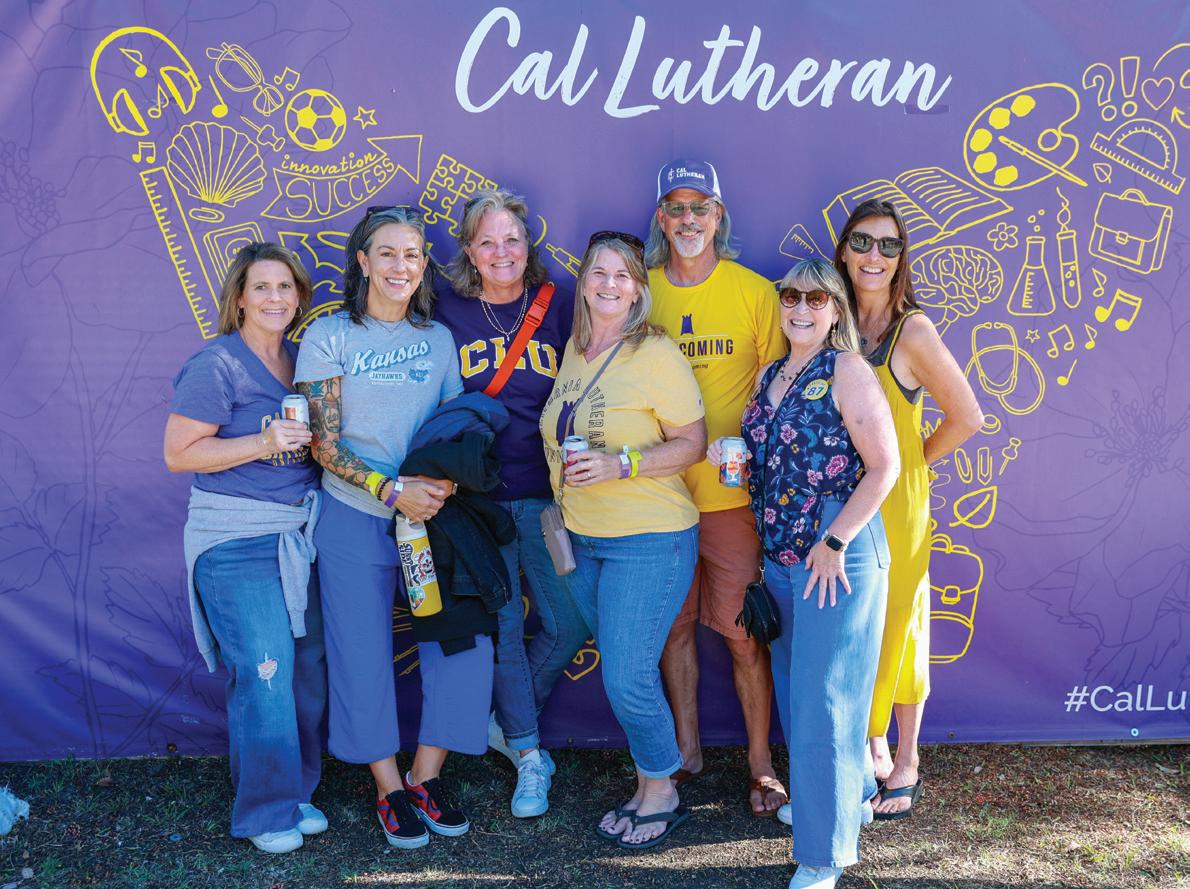
Reuniting with friends at the Festival
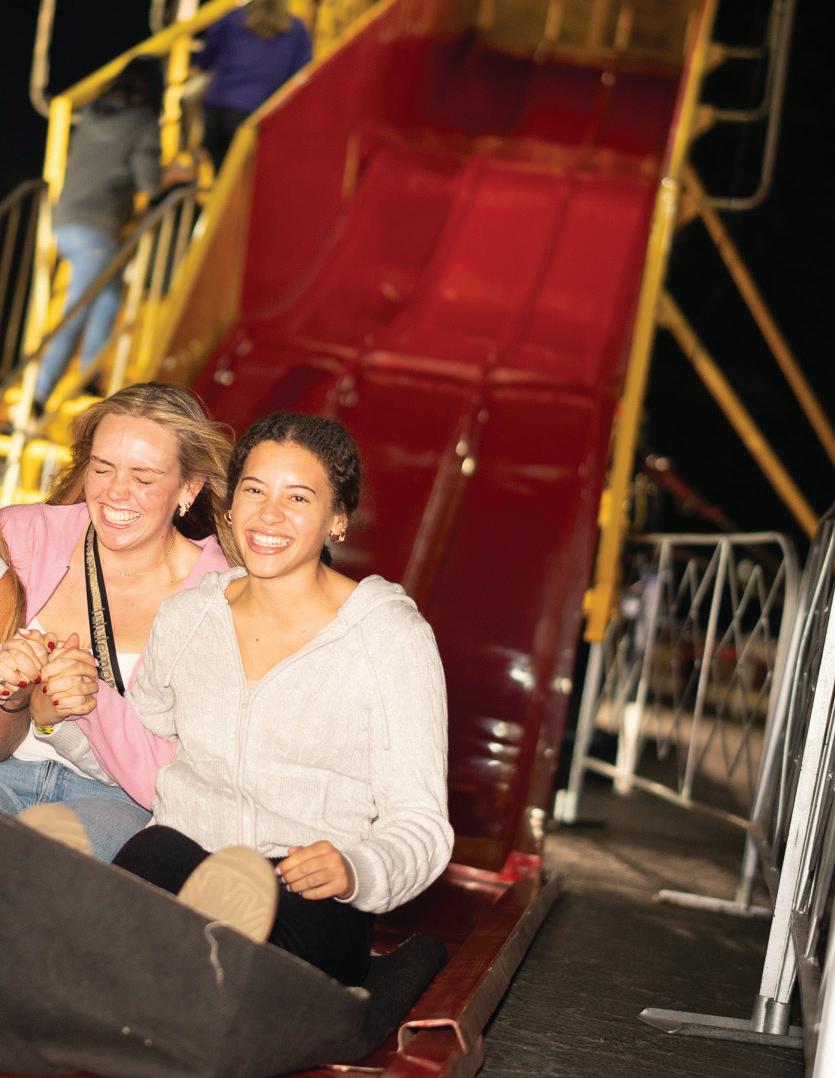
Kicking off the weekend at the ASCLUG Carnival
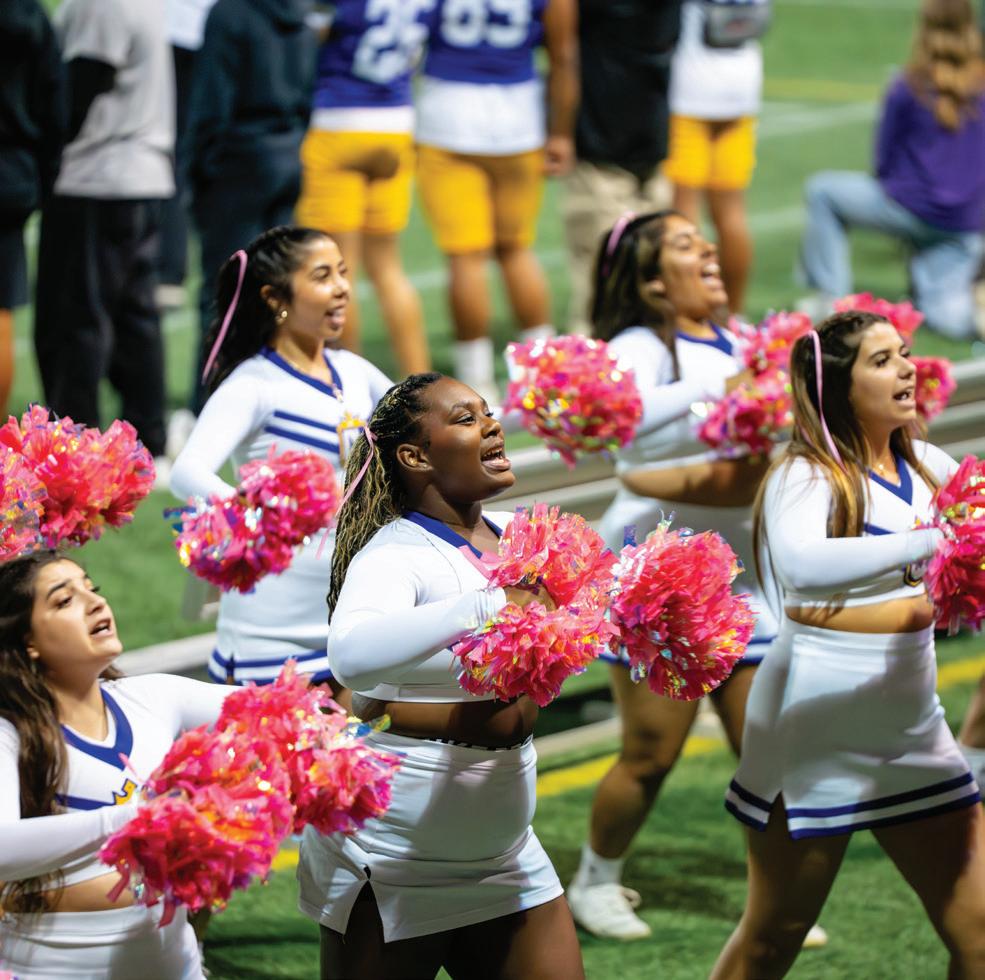


Cheering on your Kingsmen & Regals
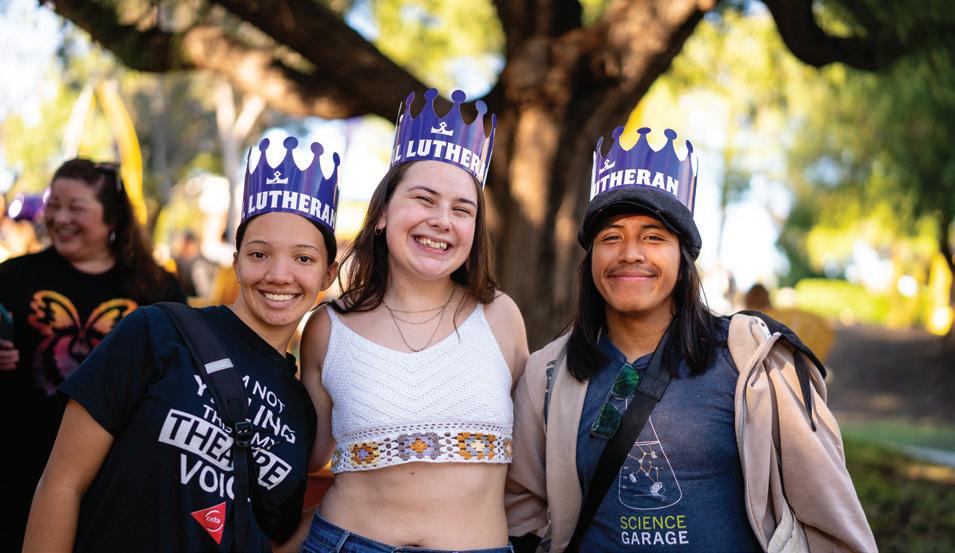
Cal Lutheran pride filled the campus as our community came together to celebrate, reconnect and create lasting memories. What was your favorite Homecoming moment? More memories are waiting to be made this year! Save the date: October 16-18, 2026
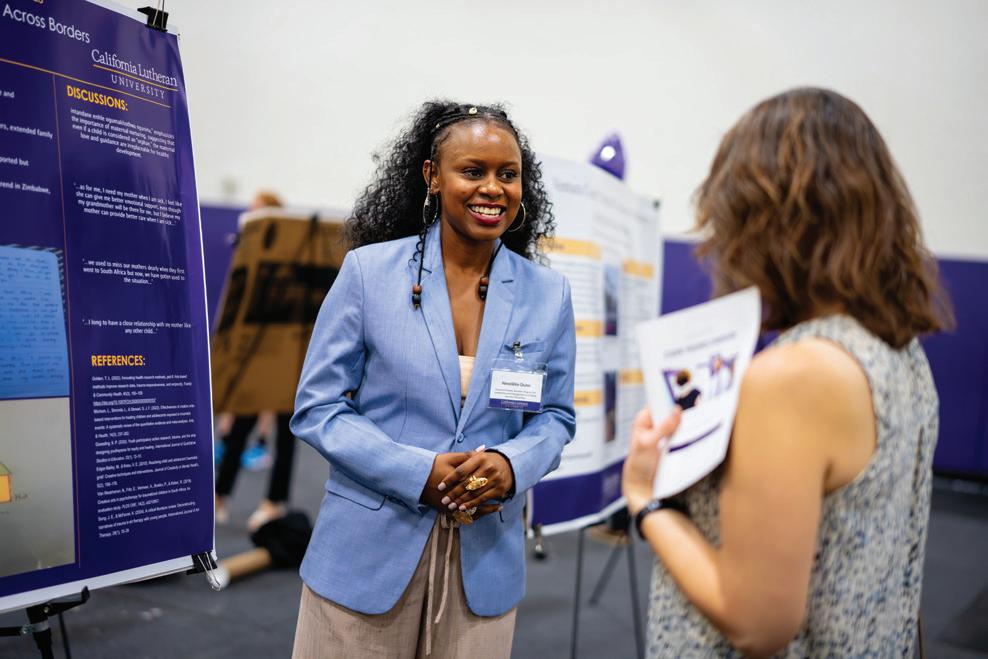
Learning about the latest and most exciting student research
Follow us for more Homecoming photos!
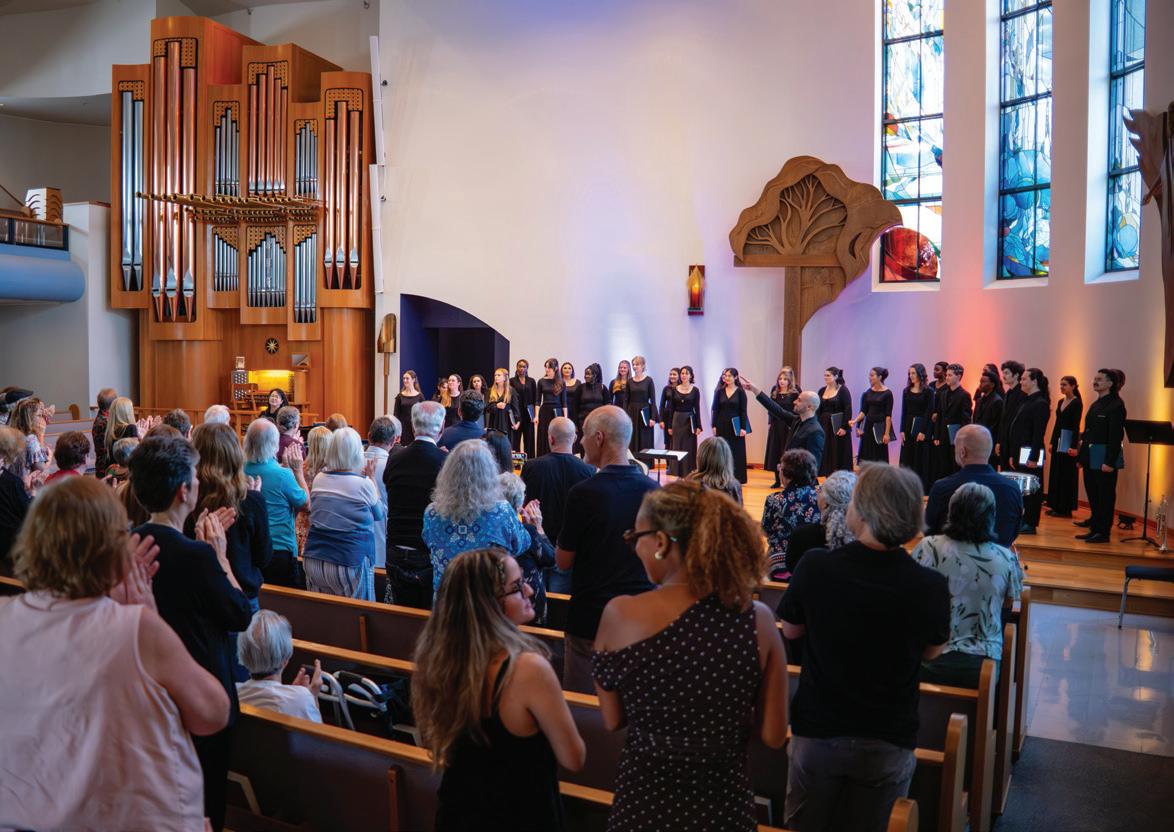
Enjoying the beautiful sounds of the Cal Lutheran Choir
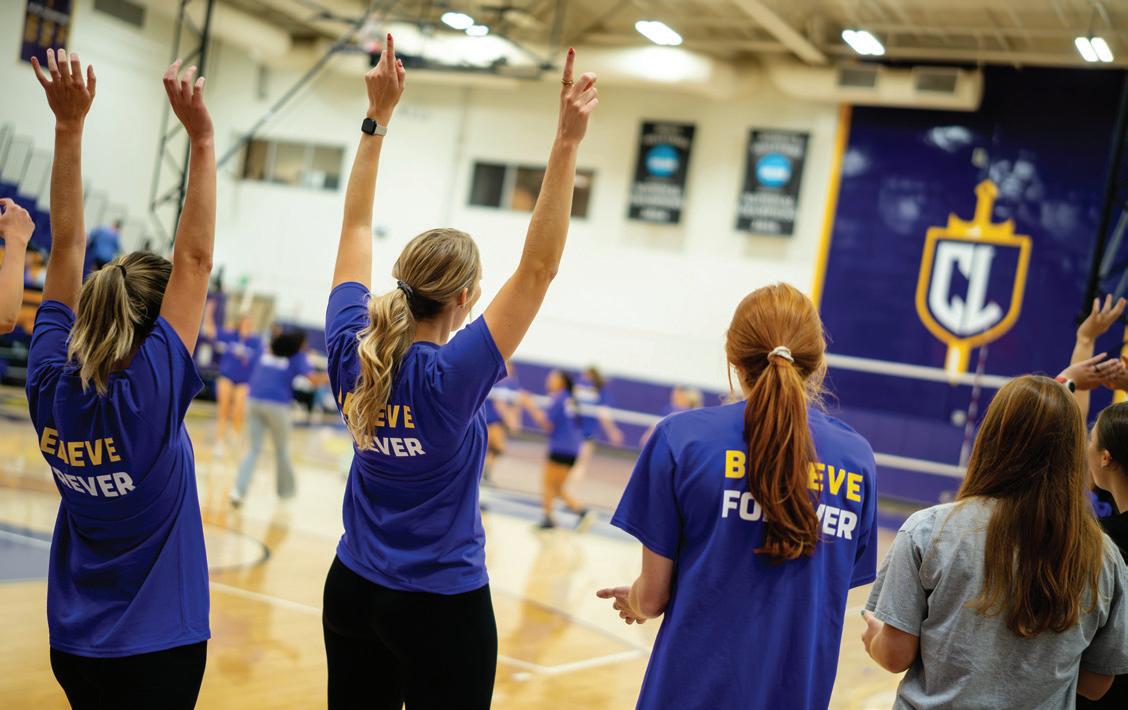

Alumn
’60s
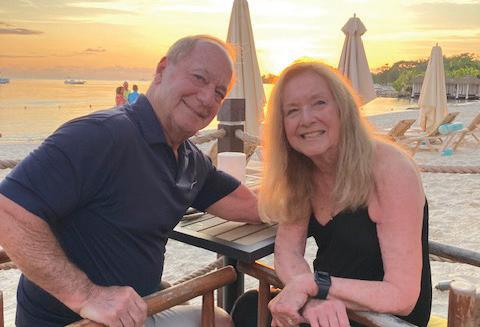
Rick Farris ’66, PhD, and Linda (Schoenbeck ’67) Farris, PhD, celebrated their 59th wedding anniversary in Jamaica.
’70s
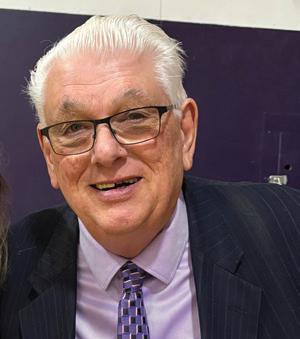
Ross Helmbold ’72 retired from his position as an attorney with the Lassen County District Attorney’s office
on May 3, 2025, after six years of service. Ross has had a long and impactful career practicing law for 48 years and served as a private criminal defense attorney in Ventura and Shasta counties for 42 years. He taught business law, commercial transactions and corporations for Cal Lutheran’s MBA program from 1977 to 1988. In retirement, Ross looks forward to traveling, visiting family and friends and spending his winters as a snowbird in Arizona, where he plans to enjoy San Diego Padres spring training games.
’80s
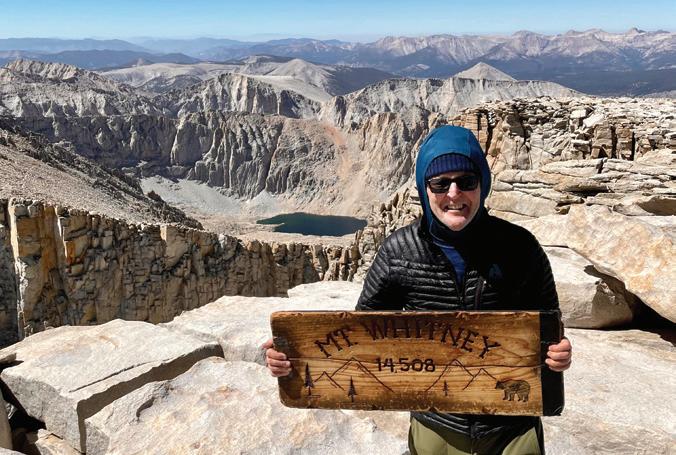
Reg Spittle, MPA ’84, retired after a 31-year career in education. Since retiring, he and his wife, Sue, have
Submissions from Jan. 11, 2025, to July 22, 2025
Share your news!
Submit your travel news, career updates, education accomplishments, awards, reunions and milestones to CalLutheran.edu/share.
walked more than 2,000 miles on eight distance trails, including seven paths in Europe. Reg recently published his third trekking adventure book, Hoofin’ It on the John Muir Trail, which takes readers on a 246-mile journey on one of the world’s greatest wilderness paths. As an educator, Reg won a Fulbright teaching exchange in Scotland, spent 20 years teaching all seven elementary school grades in California and instructed political science for 11 years at a California community college. The photo shows Reg atop Mount Whitney, the tallest peak in the continental United States, during his trek on the John Muir Trail.
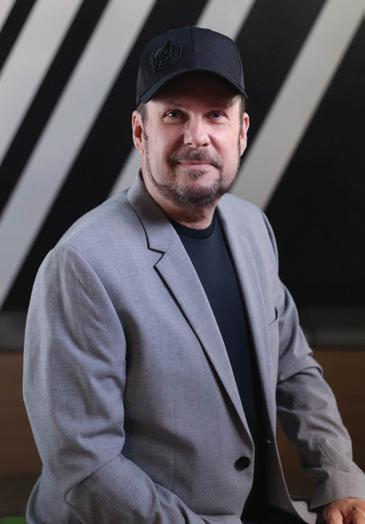
David White ’87 joined the full-time faculty of USC’s School of Cinematic Arts’ Interactive Media & Games Division as an associate professor of the Practice of Cinematic Arts. He previously served as an adjunct professor in the Games Division, teaching game development and production since 2018. David also
began serving as the director of the Advanced Games Project (AGP) at USC Games in the fall of 2025. AGP is a yearlong capstone course in which students from the School of Cinematic Arts and the Viterbi School of Engineering collaborate in teams to design and develop full-scale video games.
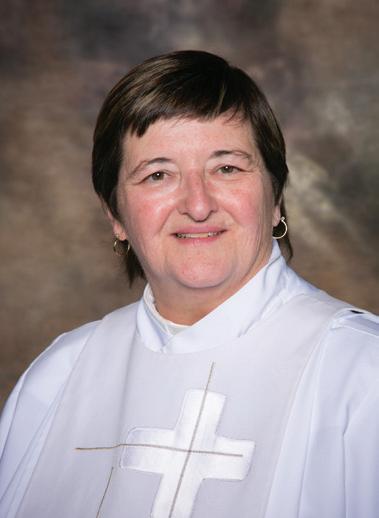
The Rev. Janis Otto, MDiv ’89, retired from her role as pastor at All Saints’ Lutheran Church in Olympia, Washington, on June 5, 2025, after 15 years of service. With 35 years of pastoral ministry under her belt, Janis has had a fulfilling career, including serving 12 congregations through Intentional Interim Ministry. Her final Call to All Saints’ Lutheran Church marked an exceptional season of creative ministry and outreach to the South King County community. In retirement, Janis looks forward to rest, travel, continued Bible teaching and leading retreats while always seeking new experiences. She credits her education at Pacific Lutheran Theological Seminary for providing the tools and skills that shaped her successful career.
’90s
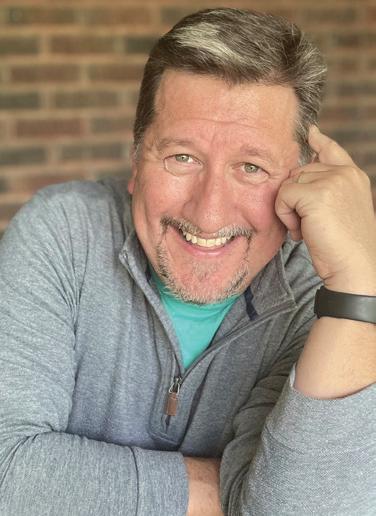
Kevin Kern ’90 was honored with the Eckler Endowed Chair of American Literature and Drama at the University of Mount Union in Ohio on Jan. 16, 2025. This prestigious award recognizes Kevin’s
outstanding contributions to the field of literature and drama.
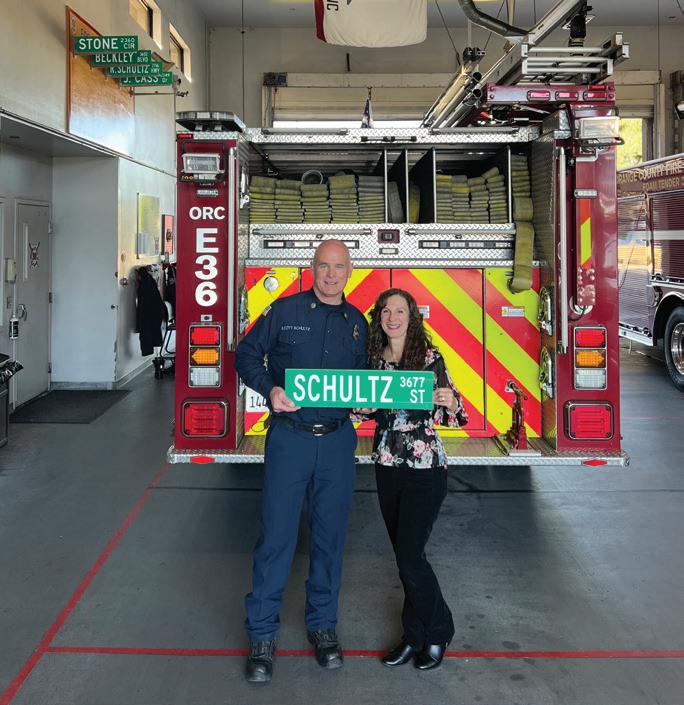
Capt. Scott Schultz ’90 recently hung up his retirement street sign after 29 years of service at Fire Station 36 in Irvine. He is pictured with his wife, Carrie, during his last shift. Scott is looking forward to retirement and reconnecting with old friends. He is also ready to travel, go wine tasting with his wife and stay active with skiing, mountain biking, fishing and pickleball. He will also be teaching part time at Saddleback College in the EMT and paramedic programs.

Jesse Ottele ’96 was honored by the Puget Sound Business Journal with the Commercial Real Estate Leadership Award for “Giving Back Champion” on Sept. 20, 2024. This accolade recognizes Jesse’s long-standing commitment to the community, particularly through his involvement in the Cystic Fibrosis Foundation’s Seattle Mariners Care annual golf tournament. Jesse has chaired the event for the last 10 years, and this year marks the 41st anniversary of the tournament, which has raised over $7 million for critical research. Jesse is pictured presenting a check
at T-Mobile Park in Seattle during the event, a moment that highlights his dedication to both the cause and the community.
’00s
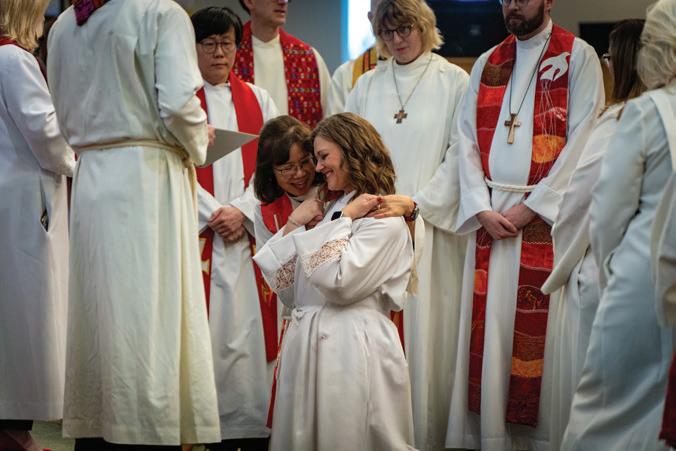
Bobbi Cyr ’03 was ordained as a deacon in the Evangelical Lutheran Church in America (ELCA) on March 8, 2025. The service was held at St. Matthew’s Lutheran Church in Renton, Washington, where she received blessings from her fellow rostered leaders during her ordination to the Ministry of Word and Service. Bobbi was surrounded by beloved mentors, colleagues and friends, and said she is grateful to be serving in a role rooted in accompaniment, justice and radical hospitality. She now serves as the Mission Developer at Luther’s Table, a community outreach ministry in Renton.
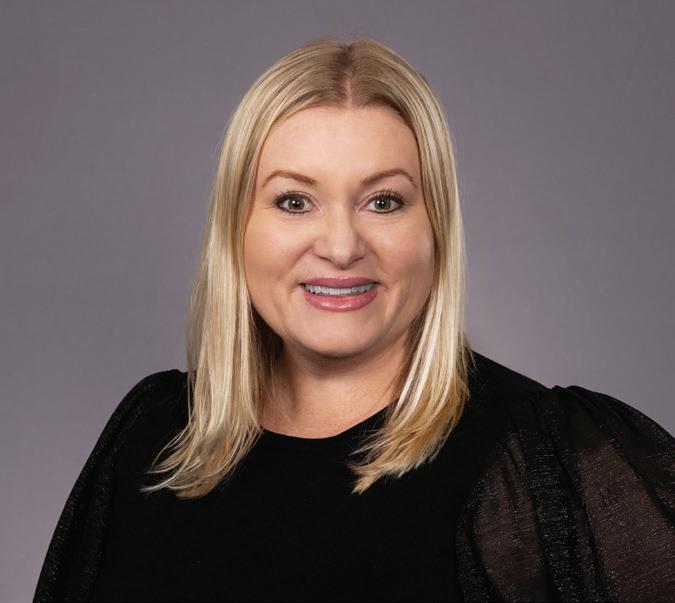
Lindsey (Rarick ’05) Carnett is the CEO and President of Marketing Maven, a research, digital and PR agency. In April 2025, Inc. added Marketing Maven to its yearly list of the fastest-growing private companies
in the Pacific. Between 2021 and 2023, these 142 businesses experienced a median growth rate of 124%. By 2023, they had also added 7,947 jobs and $5.6 billion to the region’s economy.

Haleh Massey ’06, PhD, released her debut middle-grade graphic novel titled Say Something, Poupeh Babaee! (Little Bee) on Aug. 26, 2025. The novel tells the story of an Iranian girl who develops selective mutism after being separated from her parents due to the 2017 Muslim travel ban. The story explores themes of immigration, family separation and mental health — issues that remain relevant in today’s political climate. Haleh hopes
her book will contribute to important conversations about resilience and the immigrant experience.
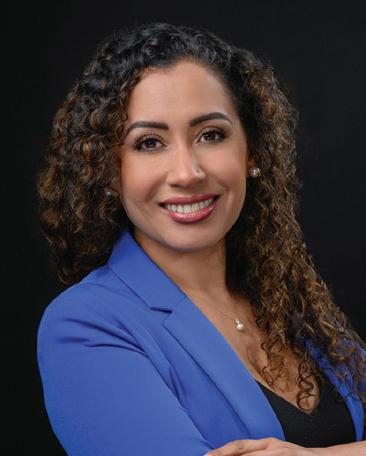
Amy Lopez ’07 continued her education at California State University, Northridge and earned her master’s degree in social work in 2018. She became a licensed clinical social worker in 2024 and launched her private practice as a psychotherapist in January 2025. She offers therapy services in both Spanish and English and conducts clinical immigration evaluations.
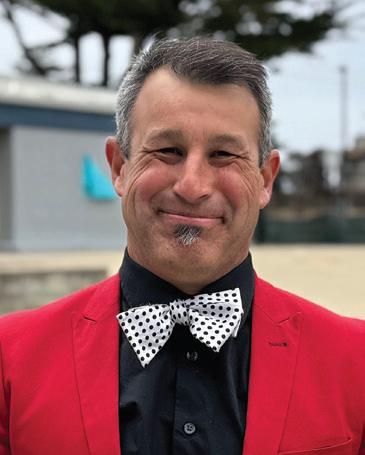
Andrew Aguiñiga ’09, MEd ’11, assumed the role of Principal at Seaside High School in Seaside, California, on July 1, 2025.
Andrew has been excited to return to Seaside, where he began his career, and is humbled to serve the community that holds a special place
in his heart. His recent position at Dr. Martin Luther King Jr. School of the Arts provided invaluable insights into the experiences of Seaside students, and he’s eager to continue supporting them in achieving their goals. Andrew credits his time at Cal Lutheran for laying the foundation for his career.
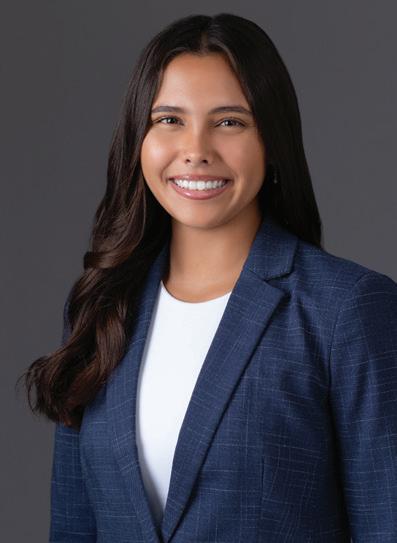
Sophia Saiki ’24 has been promoted to Financial Consultant at Island Wealth Management in Honolulu, Hawaii.

ALUMNI AWARDS
Each year, the Cal Lutheran Alumni Board of Directors recognizes achievements that have brought honor and distinction to the university. Explore how these outstanding alumni are leaving a lasting impact and living out Cal Lutheran’s values every day.
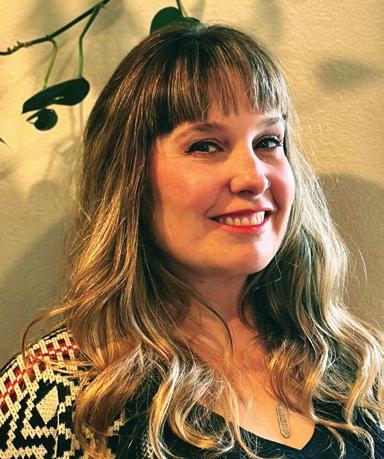

Sammi Stewart, MPPA ’15
Outstanding Young Alumni
“I believe I was put on this earth to advocate. My education gave me the tools to effect change and create a more inclusive experience for people with disabilities.”
The Outstanding Young Alumni Award is given to a graduate of the last decade for distinguished career achievements or humanitarian endeavors dedicated to social reform.
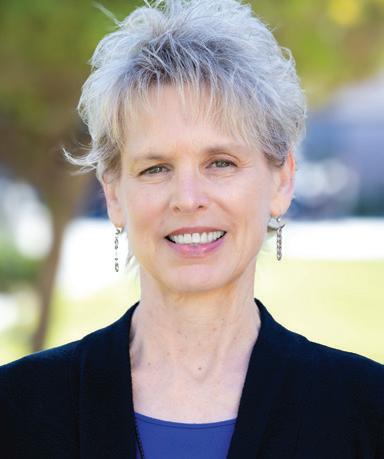
Susan (Ahmann ’84) Ruby
Service to Alma Mater
“Cal Lutheran feels like family to me. My undergraduate experience changed my life in every way imaginable. I am proud to help a new generation of students find their place.”
The Service to Alma Mater Award recognizes alumni who have demonstrated excellence in their field of service and have made outstanding contributions to the life and welfare of Cal Lutheran.
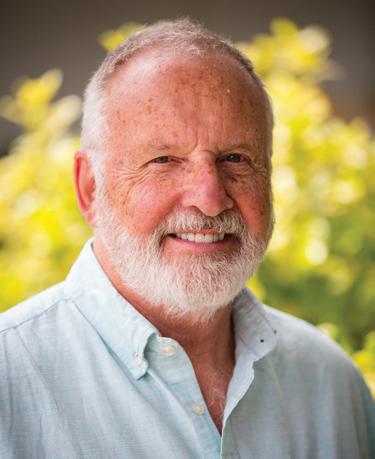
Angeline Hayling, MPPA ’08
Outstanding Alumni
“The MPPA program at Cal Lutheran taught me how to analyze complex systems, create sustainable solutions and lead with integrity, all of which have been invaluable in growing a mission-driven business.”
The Outstanding Alumni Award is given to a Cal Lutheran graduate with a distinguished record of career achievements or humanitarian endeavors dedicated to social reform.
Michael Arndt, Professor Emeritus of Theatre Arts
Honorary Alumni
“Working with thousands of Cal Lutheran students on their journey to pursue their dreams has brought tremendous meaning to my life.”
The Honorary Alumni Award is given to those who have rendered an outstanding level of service to Cal Lutheran and whose personal achievements have garnered recognition from outside individuals or organizations.
Get inspired by our awardees! Scan the QR code to read more.
THE FLAG FOLLOW

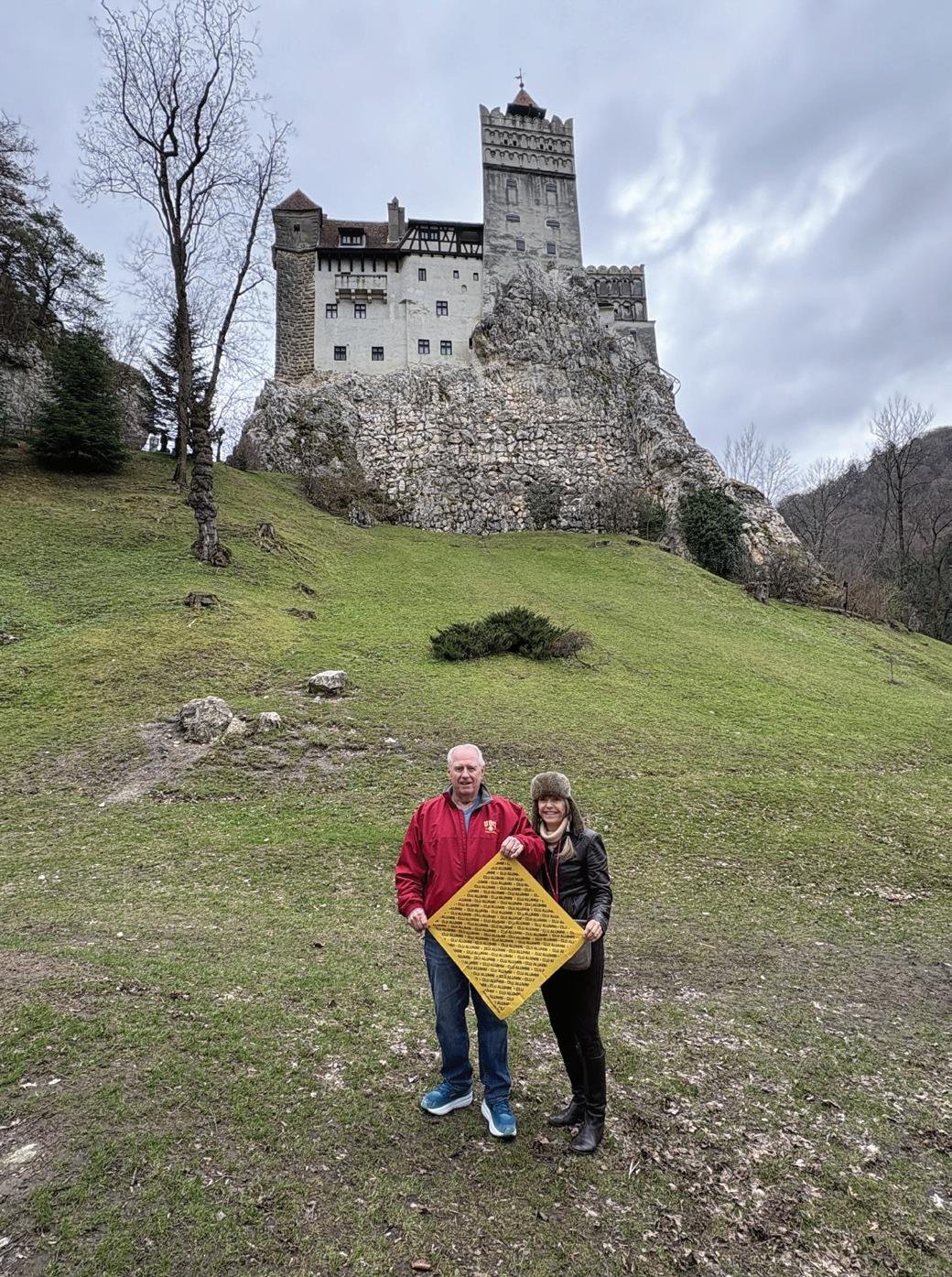
is sometimes referred to as Dracula’s Castle.
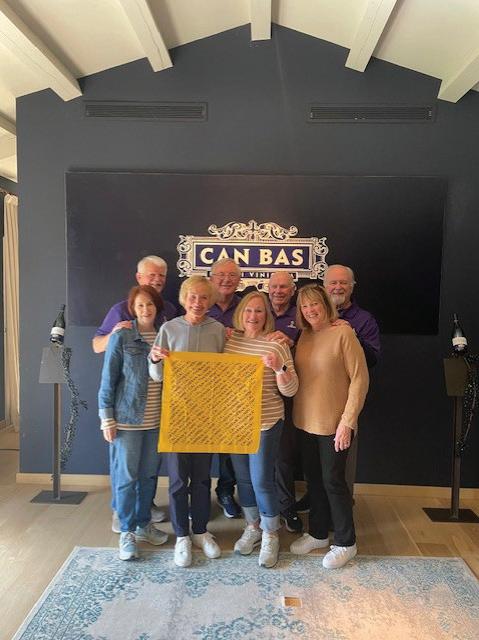
Matt Montgomery ’71, Susan Montgomery, Gary McGinnis ’72, Gail McGinnis, Richard McCormick ’72, Kathy McCormick, Richard Carter ’72 and Linda Carter stopped at a winery in Barcelona during their Mediterranean cruise from Venice to Barcelona through March and April 2025.
Bob Davis ’67 and Laura Davis visited Bran Castle in the Transylvania region of Romania in April 2025. The castle

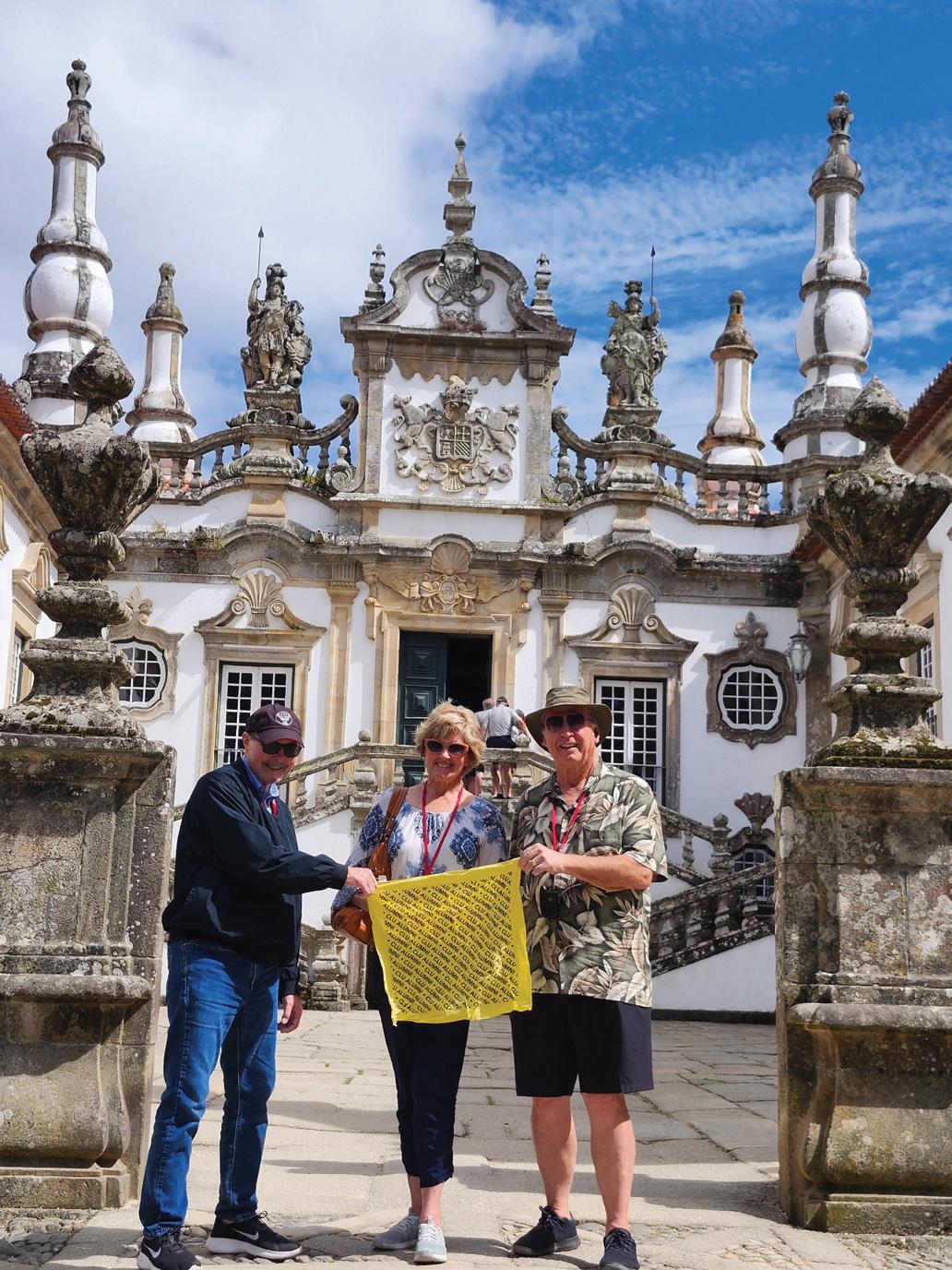
Dan Weber ’75, Sandi Walsh ’75 and James Walsh ’74 took a 10-day trip up the Porto River in Portugal. The group, along with Dan’s wife, Barbara, visited the Fundação da Casa de Mateus, a palace renowned for its association with the famous Mateus wine brand.
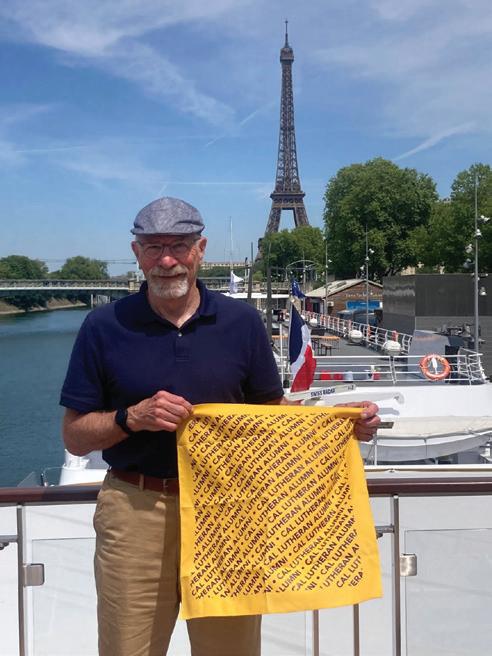
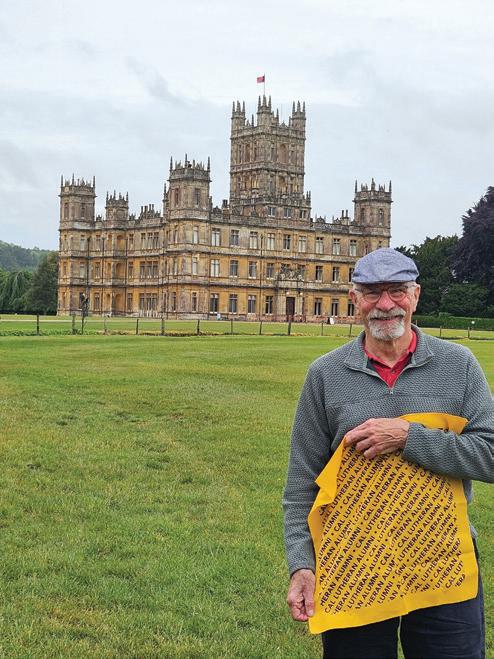
Jim Bower ’76 displayed his Cal Lutheran flag during a recent European trip aboard a Viking cruise riverboat, which traveled from Paris to Normandy. In the first photo, Jim holds the flag from the tower aboard the Viking ship, with the Eiffel Tower in the background. The second photo captures Jim with the flag outside England's Highclere Castle, where much of Downton Abbey was filmed.
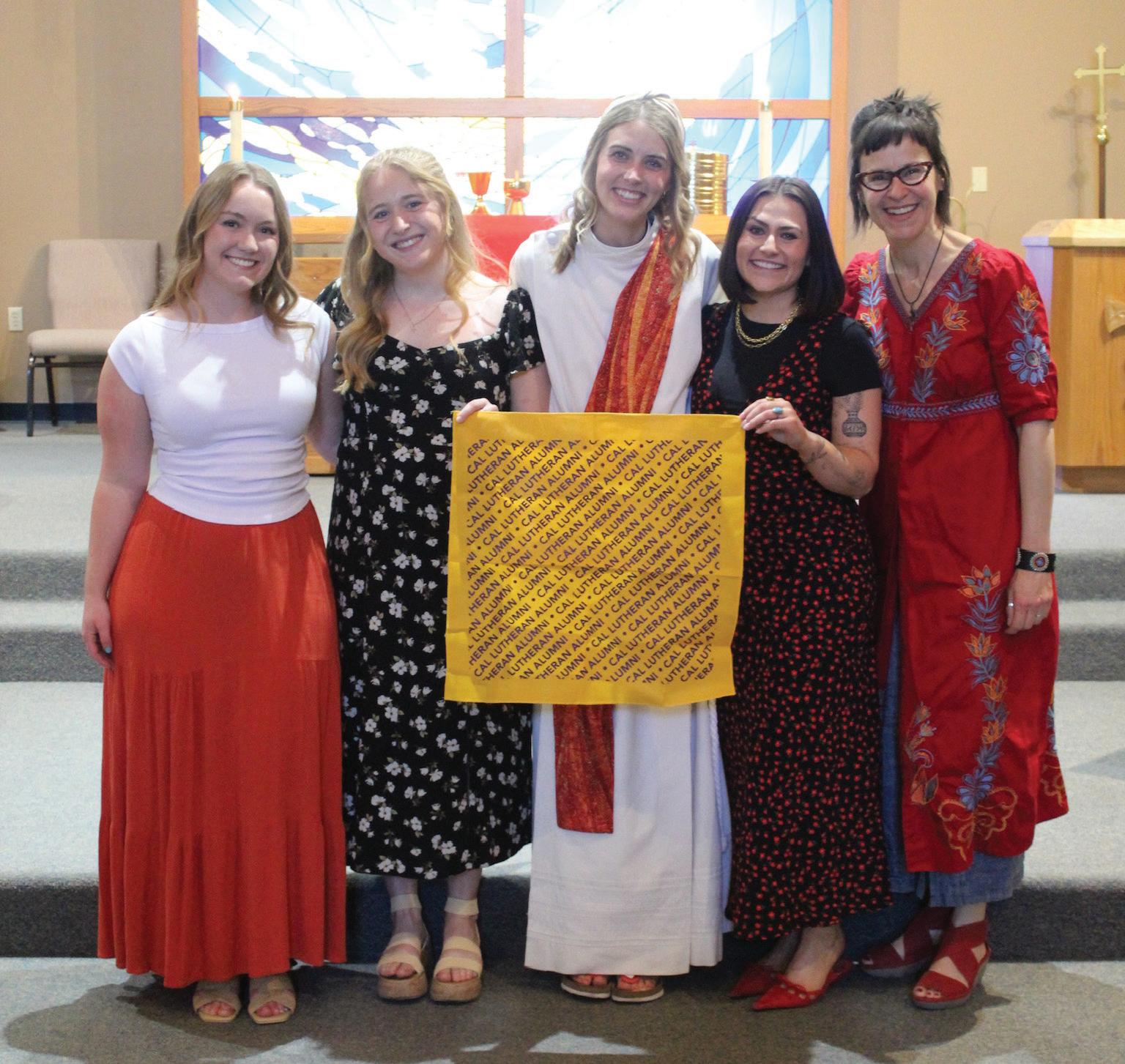
Emma Janzen ’22 celebrated her ordination to the Ministry of Word and Service in the ELCA with friends at Peace Lutheran Church in Peoria, Arizona. From left are Madi Morin ’23, Kyrie Fairbairn ’23, Janzen, Mara Powner ’23 and the Rev. Dr. Colleen Windham-Hughes. The four women were roommates at Cal Lutheran.
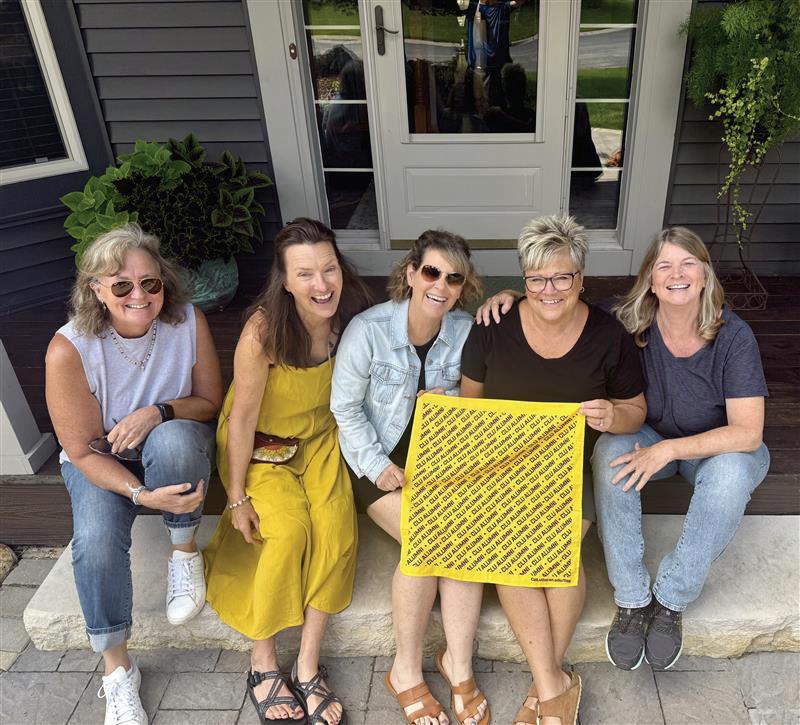
Kim Poast ’88, MS ’92, PhD, Leslie (Simmen ’87) Lapp, Julie (Heller ’89) Herder, Julie (Butler ’87) Drube and Sue Dwyer-Voss ’86 met up to reunite their friend group.
Deacon

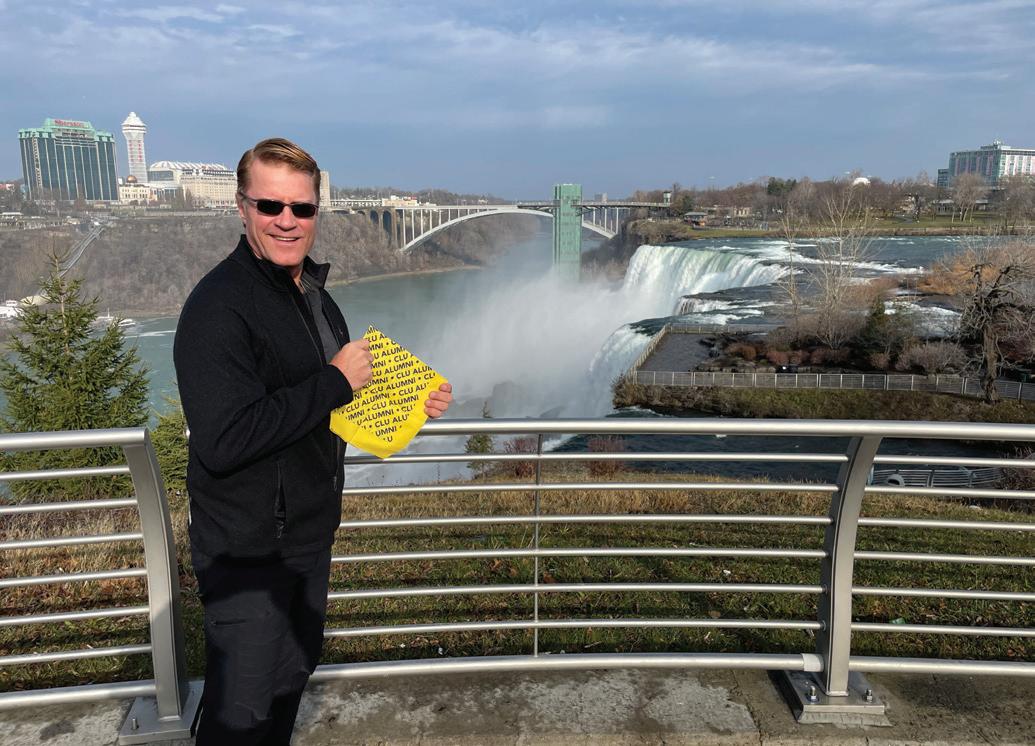
Andrew Gordon ’94 visited Niagara Falls in December 2024 while working in New York.
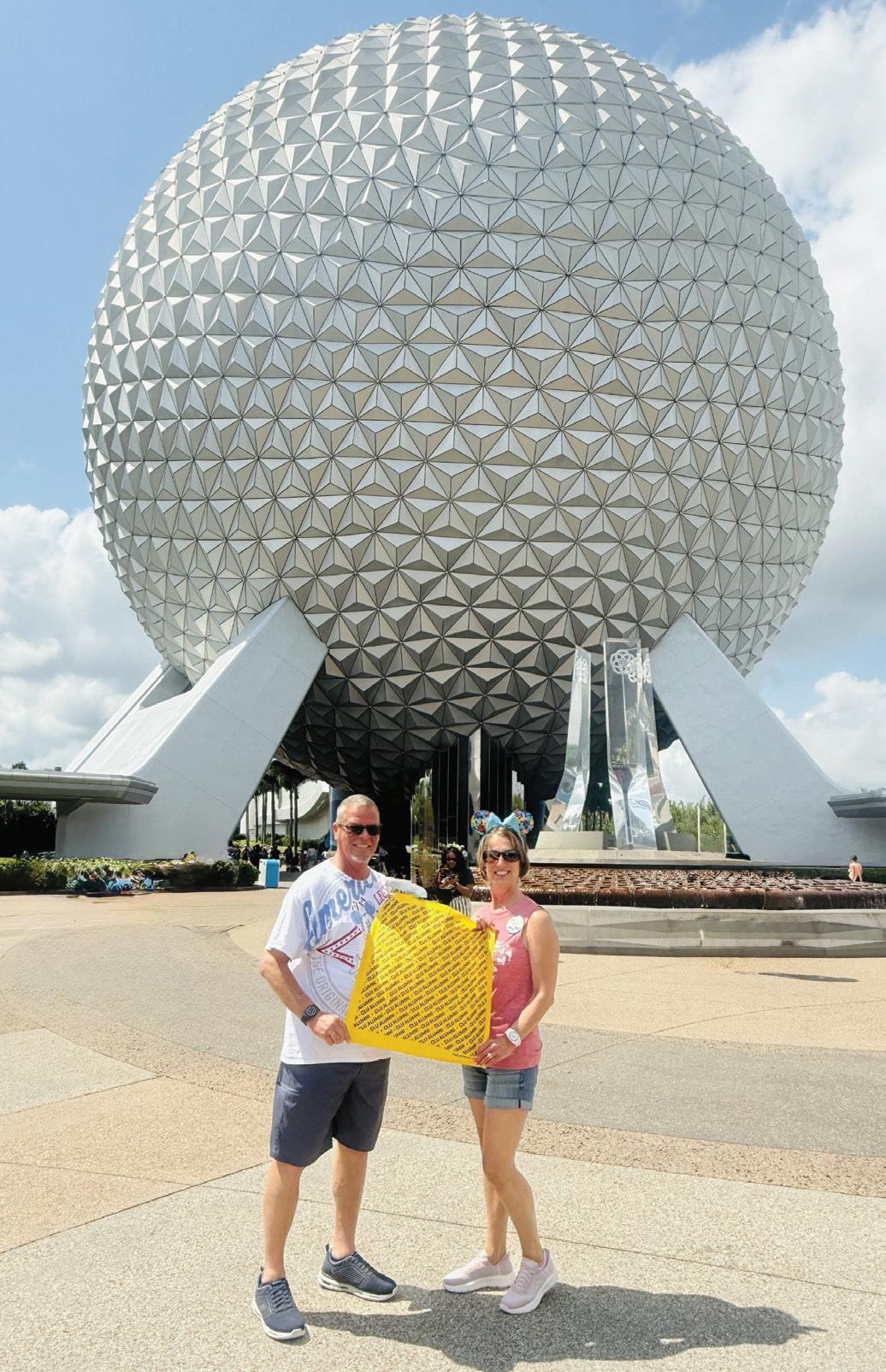
Amy (Beuthel ’97, TC ’98, MEd ’05) Wing and her husband, Robert Wing, celebrated her 50th birthday in May with a visit to Disney World.
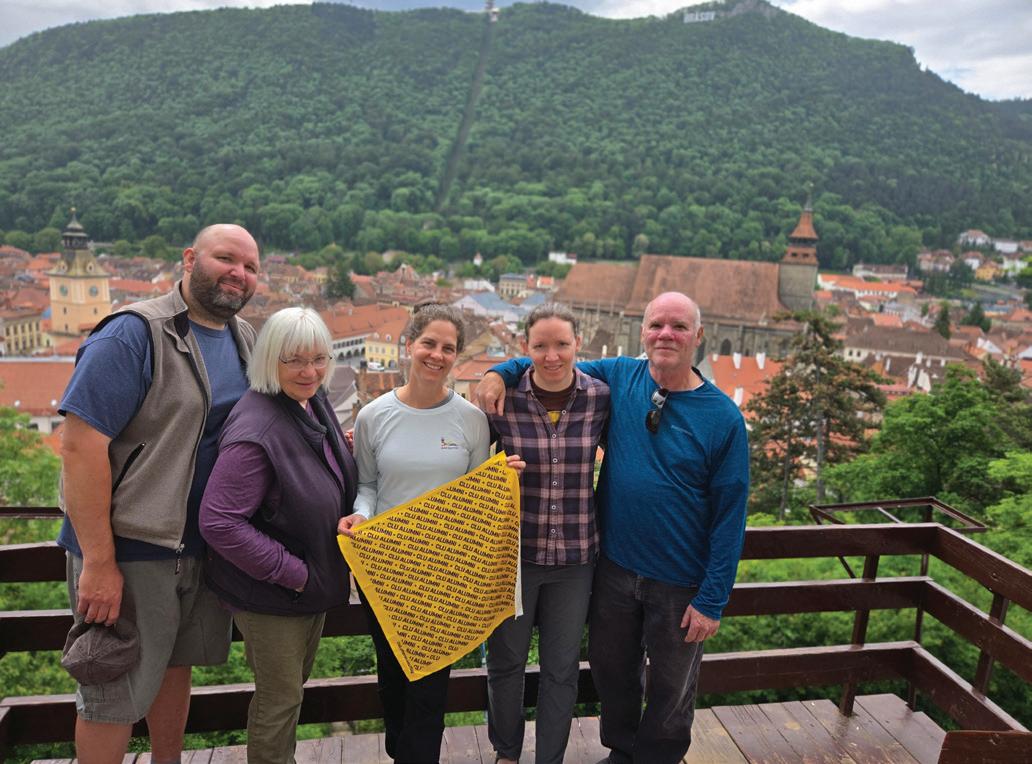
Michelle Kemmer ’11, her cousin Erich, her aunt Hilde, her cousin Lani and Lani’s husband Scott visited the city of Brașov in Romania.
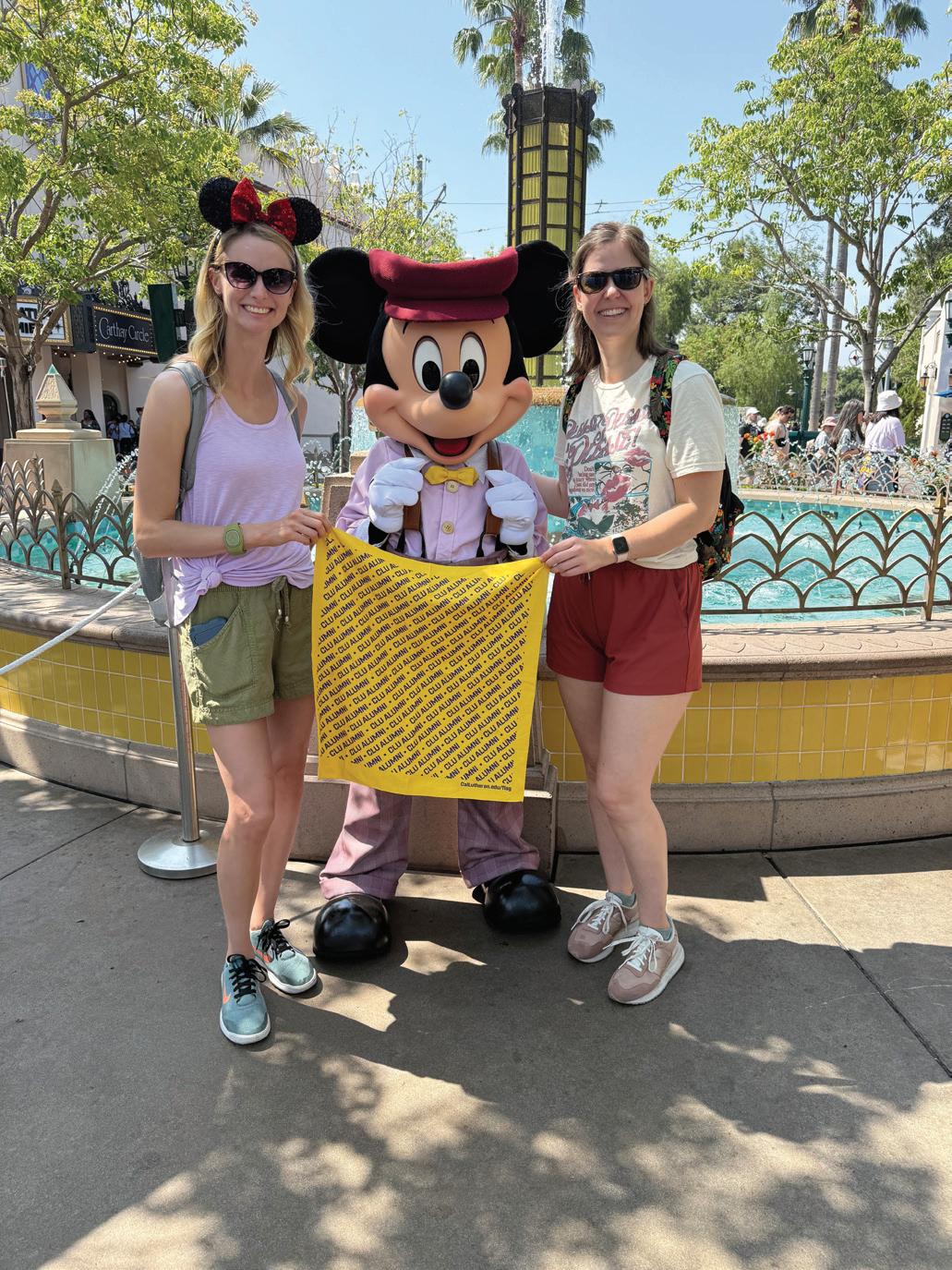
Erin (Hedrick ’13) Henderson and Katie Musselman ’13 met up in Anaheim for a Savannah Bananas baseball game and a visit to the happiest place on Earth, Disneyland.
ALUMNI MILESTONES
BIRTHS
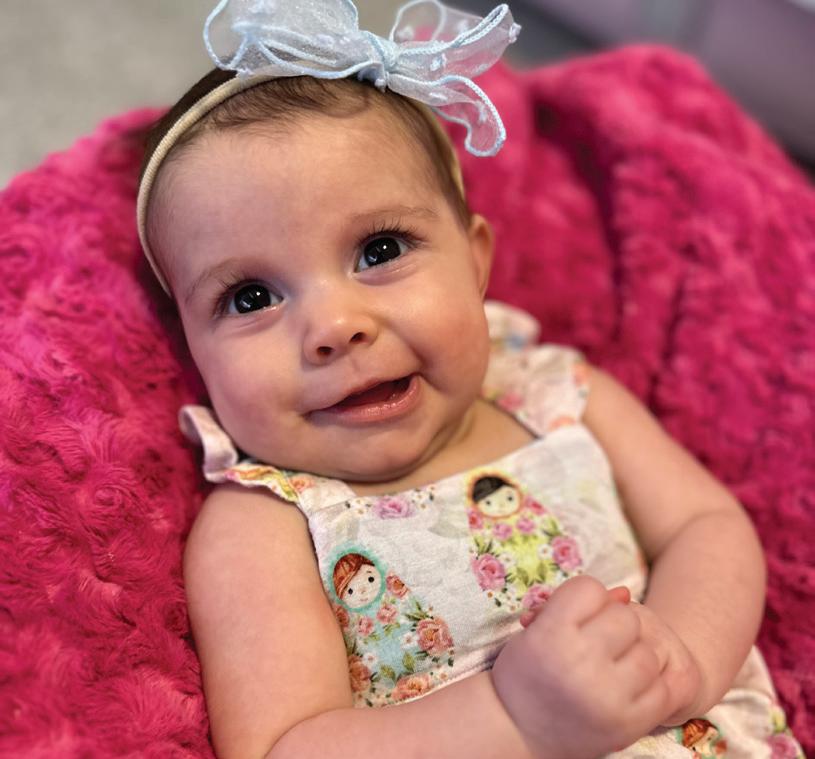
Nadia (Vazirzadeh ’13) Miller and Josh Miller ’13 welcomed baby girl Millie Miller on May 29, 2024. Millie is now a baby sister to their eldest daughter, Lyra, who is soon to be 3.
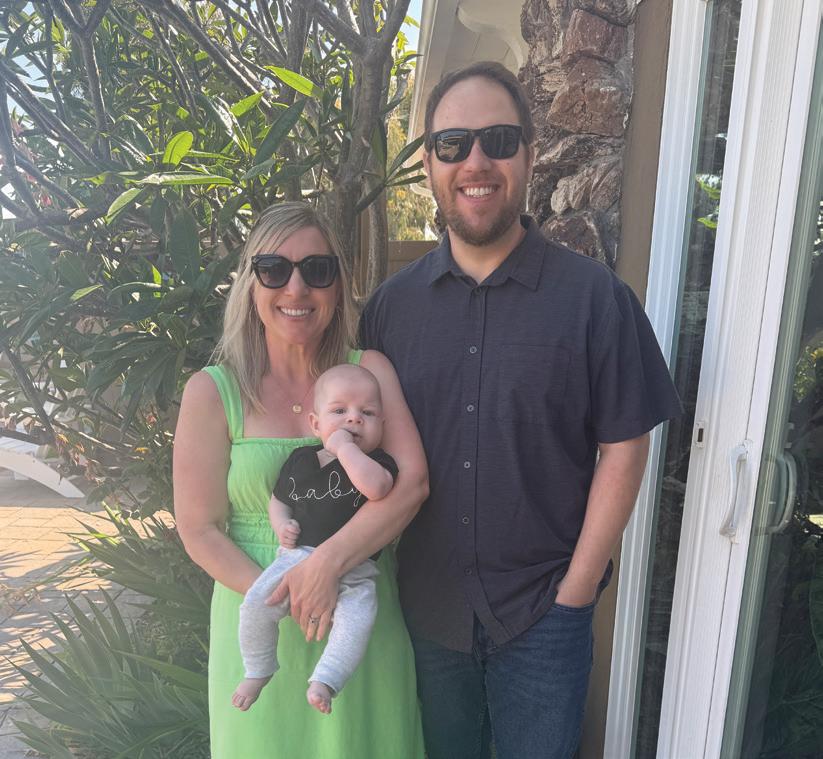
The Rev. Sam Nelson ’11 and his wife, Alissa, welcomed baby boy Zachary on Dec. 23, 2025. They are happy, healthy and loving their new status as a family of three. Sam is currently serving as the associate pastor of Bethlehem Lutheran Church in Encinitas, California.
DEATHS
Dr. Diane Bannerman-Juracek ’79, on May 7, 2025
Dr. Rex Baumgartner ’69, DDS, on Sept. 25, 2025
Timothy Douglas Barber ’94, on Dec. 18, 2024
Judith A. Blomquist ’64, on March 14, 2025
William S. Cappello ’73, on May 1, 2021
Danielle Deyarmond ’91, on Feb. 9, 2025
Matthew M. Fausset ’90, on Dec. 30, 2024
William Fleming IV ’76, on Feb. 7, 2025
Barbara Gulliford ’66, on Jan. 2, 2025
Robert Hilgerman ’95, on March 2, 2025
Shirley (Kezar ’82) Holgate, on March 22, 2025
Dante M. Honorico ’92, MBA ’00, on April 19, 2025
David Hopland ’64, on March 24, 2024
The Rev. Brad Keyser-Boswell ’85, MDiv ’91, on Jan. 16, 2025
George J. Kline ’73, on April 1, 2025
Karl Kozak, MBA ’83, on Jan. 20, 2025
Ila Jean Kragthorpe ’79, on March 18, 2025
Dorine (Ramirez ’06) Lara, on Jan. 22, 2025
Steven Loch, MA ’87, on Jan. 15, 2025
Julie S. Mack, MS ’01, on May 10, 2024
Chad J. Medlin, MS ’02, in January 2025
Ernie Melonas, MS ’74, on Jan. 21, 2025
Virginia (Ginger) Fabricius Mercaldo ’77, on Nov. 24, 2023
James Meza ’87, on Jan. 27, 2025
Laura N. Miller ’16, on Jan. 29, 2025
Erik S. Moe ’02, on Aug. 17, 2024
James Montgomery ’67, on Feb. 6, 2025
The Rev. Frank Nausin ’70, MDiv ’74, on April 15, 2025
Sherrill A. Necessary, MBA ’94, on Sept. 22, 2023
Gerald O. Palmquist ’66, on Nov. 21, 2024
Andre Petrossian, PsyD ’21, on July 31, 2024
Michelle R. Senesac, MEd ’04, on April 3, 2025
David Tollefson ’72
The Rev. T. B. Walsworth, TEEM ’05, on Sept. 3, 2024
Eric Werner, PhD ’90, on March 5, 2025
Carol Wise ’00, on Aug. 29, 2024
Barry Wohrle ’65, on June 28, 2025
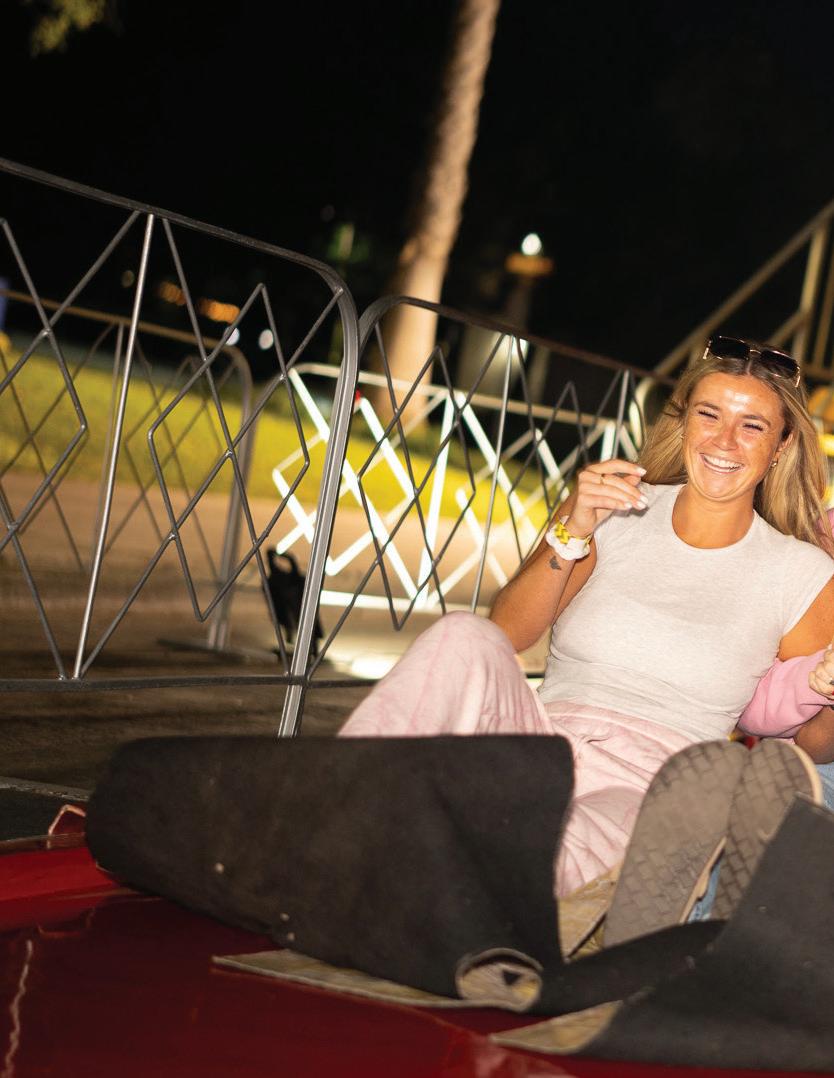
From left, Alexa Greenwood '25, women's basketball assistant coach Aliya DiMuro '24 and junior Kaiya Mack have fun at the 2025 Homecoming Festival.