
Winter 2026






















Editors Perspective
A Turning Point for Canberra’s Clubs
By Craig Shannon - CEO ClubsACT
The Independent Panel process into the future of ACT clubs has delivered something important for our industry: a serious, evidence-based platform for the next stage of reform.
It has not solved every issue. It has not removed every risk. But it has changed the debate.
For too long, discussion about clubs has been reduced to one narrow measure: how many gaming machines exist in the ACT. The Panel’s Final Report recognises what ClubsACT and our members have said from the start — clubs are not machine numbers on a spreadsheet. They are employers, community meeting places, sporting supporters, cultural homes, hospitality venues, landholders, social infrastructure providers and major contributors to Canberra’s suburban life.
That recognition matters.
The Panel process should be seen as a success for the industry because it has created a credible basis for government, clubs and the Assembly to move beyond slogans and into practical policy design. It gives the ACT a chance to build a bipartisan response that balances harm reduction with sustainability, jobs, community infrastructure and local investment.
The central message is clear: structural transition must come before material revenue reduction.
That is the foundation on which the next stage must be built.
The Report sets out a staged pathway over 20 years. The early years are meant to build confidence, capability, planning pathways and practical alternatives. Later stages then move toward deeper structural change. That sequence is not a minor detail — it is the whole point.
A long transition means nothing if government keeps adding immediate financial shocks before clubs have the ability to replace lost revenue. The bridge has to be built before clubs are forced to cross it.
That is why ClubsACT will be engaging strongly with the ACT Government, the Opposition, the Greens and Independents to ensure the Report is implemented as a complete transition architecture,
not cherry-picked. Government cannot take the parts that suit a reduction agenda while delaying the parts that make transition possible.
The staging process must now become real. That means club-by-club transition plans, finance and covenant protections, planning reform, rates and lease variation charge settings that do not punish clubs before revenue is realised, and practical support for clubs to diversify.
It also means recognising that no two clubs are the same. A large multi-venue club, a small suburban club, a culturally based club, a sporting club and an asset-poor single-site club do not face the same risks or have the same options. A one-size-fits-all reform model will fail.
The Panel’s recognition of different pathways is therefore important. But it must be used carefully. “Consolidation” cannot become code for closure. Smaller clubs must not be quietly managed out of existence because government failed to provide a realistic transition pathway. Collaboration, shared services, partnerships and support should come before any loss of local community infrastructure.
The Report also highlights a major issue that government must now embrace: harmonisation with NSW.
This is not a technical side matter. It is central to whether reform works.
The ACT does not operate in isolation. Canberra sits beside Queanbeyan and the broader NSW market. If the ACT imposes stand-alone systems, rules or limits that are not aligned with NSW, the risk is obvious: activity moves across the border or online. That weakens ACT clubs, reduces ACT revenue, undermines local jobs and may shift gambling activity away from visible, staffed and regulated environments.
Harm minimisation must be effective, not symbolic. That requires proper design, shared systems where appropriate, clear data rules, privacy protections, cost
offsets and practical implementation. A harmonised ACT–NSW approach must be treated as a core gateway before any major technology, accountbased, cashless, exclusion or loss-limit framework is imposed.
The Panel Report gives government a chance to get this right.
It gives all parties in the Assembly a chance to support a mature, balanced and evidence-based position. This should not be a partisan argument. The future of Canberra’s clubs is too important for that. The right response is a bipartisan settlement that supports harm reduction, protects community assets, preserves jobs and creates a realistic path for growth.
ClubsACT will now work with members to build the evidence, prepare the transition case and engage constructively with government and every Assembly representative. Our position will be practical and clear: we are ready to be part of reform, but reform must be sequenced, funded, realistic and grounded in the actual operating conditions of clubs.
Failure from government is not an option.
If government gets this wrong, the consequences will not be theoretical. They will be felt in closed venues, lost jobs, reduced community support, fewer sporting partnerships, weaker suburban centres and less capacity for clubs to invest in their future.
If government gets it right, the ACT can lead the country.
We can build a modern club industry that grows beyond gaming, strengthens its community role, supports safer gambling settings, invests in people and places, and remains a central part of Canberra’s identity.
The Independent Panel has given us the platform. The task now is to turn that platform into a genuine settlement for the future.
For ClubsACT and our members, the message is simple: the process has opened the door. Now government must walk through it with us.


The Panel Has Set the Table. Now Government Must Deliver.
Independent Inquiry gives Canberra’s clubs a platform for real reform
The release of the Independent Inquiry into the ACT Club Industry marks a significant moment for Canberra’s clubs.
It does not end the debate. It does not remove every risk. It does not give the industry everything it sought. But it does something important: it shifts the debate onto firmer ground.
For too long, public discussion about clubs has been reduced to a single question: how many gaming machines should remain in the ACT. The Panel’s Final Report recognises that this is far too narrow. Clubs are not machine numbers on a spreadsheet. They are employers, community meeting places, sporting supporters, cultural homes, hospitality venues, event spaces, landholders and major contributors to suburban Canberra.
That recognition matters. The independent Panel process should be regarded as a success for the industry because it has created a serious, evidencebased platform for the next stage of reform. It gives
ClubsACT, our members, the ACT Government and all members of the Legislative Assembly the opportunity to build a more balanced and bipartisan policy response.
The task now is to turn that platform into a practical settlement for the future of the ACT club industry.
The core message: transition before reduction
The central message of the Report is clear: transition must come before reduction.
The Panel has rightly recognised that clubs cannot be expected to lose material revenue first and somehow diversify later. That would be reform in the wrong order. If government wants clubs to reduce reliance on gaming revenue, it must first help create the planning, financial, regulatory and commercial conditions that allow replacement revenue to grow.
That is the bridge that now needs to be built.
The test for Government
No hard revenue impact should run ahead of readiness. Transition plans,
finance protections, planning pathways and
NSW harmonisation must be in place before material reductions occur.
A staged pathway, not arbitrary cuts
One of the most important recommendations is the staged 20-year transition pathway.
This is a significant shift from blunt machine-count politics. The Report recognises that reform must be sequenced over time, with the early years focused on building confidence, capability and practical alternatives before deeper structural change occurs.
A long transition period means very little if government continues to impose immediate financial shocks before clubs have real alternatives in place. The early stages must be used to build club-by-club transition plans, fix planning barriers, protect finance arrangements, develop new revenue streams, support harm-minimisation measures and align ACT settings with NSW.
The staging process must now become a discipline, not a slogan. Government cannot accept the language of transition while still pulling forward policies that remove revenue before transition capacity exists.
Club-by-club plans
The Report also recommends club-by-club transition plans. This is essential because no two clubs are the same.
A large multi-venue club, a small cultural club, a singlesite suburban club, a sporting club and an asset-poor club face very different pressures. They have different revenue exposure, debt positions, land constraints, workforce obligations, community roles and diversification opportunities.
That is why a one-size-fits-all model will fail. Club transition plans must be evidence-based and practical. They should not become a compliance exercise or a generic government template. They
must shape the timing of reform, the support each club receives and the readiness of each club to absorb change.
Smaller clubs must not be quietly treated as consolidation candidates. Clubs with land must not be assumed to have easy development options. Larger clubs must not be assumed to absorb earlier reductions simply because they are larger. Clubs must be assessed on evidence, not assumption.
Finance protections must be real
The Report recognises that gaming revenue and authorisations can underpin club financing, assets, employment and capital works. That is an important recommendation.
Removing revenue without understanding debt, bank covenants and lender expectations can create real financial distress. It can also make diversification harder, because clubs need borrowing capacity and financial confidence to invest in new business models.
Government must now turn this recommendation into practical protection. No club should be pushed into a policy-induced loan default or unfavourable refinancing position because revenue is removed before transition is financeable.
Planning reform is urgent
The Report supports planning and zoning reforms to help clubs diversify. This is one of the most practical parts of the Report.
Governments cannot tell clubs to diversify while leaving planning barriers, lease restrictions, approval delays and upfront charges in the way. The Report points toward a Territory Plan pathway that would make transition-enabling uses possible on clubowned land. It also recognises the need to better align charges, rates and other costs with actual revenue realisation.
That matters because clubs cannot pay major government charges from revenue they have not yet earned. If government is serious about transition, planning reform cannot be left until the later stages. It must be an early priority.
One government, one strategy
Another important recommendation is the creation of a single club transition coordination function and a joint Government-clubs governance group.
This is vital. Clubs currently deal with different parts of government on gaming, planning, taxation, leases, rates, community contributions, tourism, events and regulation. Too often, those areas do not line up.
Clubs cannot transition through one agency while being blocked by another. A coordination function will only work if it has real authority across government. It cannot be a help desk. It cannot simply convene meetings. It must be able to solve problems across Treasury, planning, gaming regulation, leasing, rates, tourism and community policy.
The same applies to the joint governance group. It must manage risk, sequencing and implementation, not just consultation.
Harm minimisation must be effective, not symbolic
The Report supports a 10-year gambling policy roadmap and a catalogue of evidence-based harmreduction measures. This is a constructive step. Harm reduction should begin immediately. But it must be practical, evidence-based and designed for real venues, real staff and real patrons. That includes better exclusion systems, staff intervention, referral pathways, data-informed monitoring, account-based technology where appropriate, privacy protections, cyber security, clear implementation dates and proper costings.
Measures that simply push gambling activity online or across the border will not reduce harm. They will shift it.
NSW harmonisation is not optional
The Report recognises the importance of crossborder risk and greater alignment with NSW. This must now become a central plank of government’s response.
The ACT does not operate in isolation. Canberra sits beside Queanbeyan and the broader NSW market. If the ACT imposes stand-alone gaming rules, technology systems, cashless requirements, exclusion arrangements or loss-limit settings that are not aligned with NSW, the risk is obvious.
Activity can move across the border. Revenue can move across the border. Jobs can move across the border. Harm can move into less visible environments, including online gambling.
A formal ACT-NSW harmonisation process should cover monitoring systems, account-based gaming, cashless arrangements, exclusion systems, thirdparty exclusions, anti-money laundering obligations, privacy, data governance, compliance and cost offsets.
No major ACT-only technology or loss-limit framework should proceed before this work is done. Harmonisation is not a technical side issue. It is a core test of whether reform will actually work.
Community infrastructure must be protected
The Report also recognises the need to monitor community contributions and the broader community role of clubs. That recognition is welcome and long overdue.
Clubs support sport, veterans, multicultural communities, charities, volunteers, community rooms, affordable hospitality, social connection and suburban activity. If reform weakens clubs, the impact will not sit neatly on a government spreadsheet. It will be felt by local teams, community groups, volunteers, staff and residents.
The Report also recognises the potential role of clubs in tourism, events and suburban activation. This is a positive opportunity. Clubs have venues, kitchens, function spaces, greenspace, staff, local networks and loyal communities. With the right settings, they can play a larger role in Canberra’s visitor economy and events calendar.
What Government must now deliver
The Report provides the architecture. Government must now turn it into implementation.
That means a formal Government-clubs transition compact. It means clear staging. It means readiness gateways. It means club-by-club plans. It means finance protections. It means planning reform. It means NSW harmonisation. It means support for harm minimisation. It means practical assistance for smaller and volunteer-led clubs. It means ensuring consolidation remains voluntary and communityprotective, not forced by stealth.
Most importantly, it means Government must not cherry-pick the Report. It cannot accept the 2045 machine target while ignoring the staging, planning reform, finance protections and harmonisation needed to make transition possible. It cannot adopt the language of partnership while continuing to impose policies that remove revenue before alternatives are built.
Failure from Government is not an option.
If Government gets this wrong, the consequences will be closed venues, lost jobs, reduced community support, weaker sporting partnerships, stranded assets and more activity shifting online or across the border.
If Government gets it right, the ACT can lead the country with a practical, evidence-based reform

model that reduces harm, protects community assets, supports jobs and gives clubs a genuine future beyond gaming.
The Panel has set the table. ClubsACT and its members are ready to engage. Now Government and the Assembly must deliver a sustainable future for Canberra’s clubs.
Source note: This article is based on ClubsACT’s member analysis of the Independent Inquiry into ACT Clubs Final Panel Report, dated 2 June 2026


COVERING




Owls Celebrate 25 Years of Community, Competition and Tradition
For 25 years, the Uni-Norths Owls Rugby Club has been a cornerstone of Canberra rugby — building a proud legacy defined by community spirit, fierce competition and lifelong friendships.
The milestone was celebrated in style earlier this month, as past and present players, supporters and club legends gathered for a special Old Boys Weekend at ANU North Oval. The occasion brought together generations of Owls to honour the club’s history while celebrating its continued success on and off the field.
The festivities capped off weeks of promotion and recognition from both the Owls and the RUC Turner, highlighting the club’s significant contribution to rugby in the ACT community. The atmosphere at ANU North Oval reflected everything the club has become known for over the past quarter-century: passion, camaraderie and a deep connection to local rugby.
Adding to the celebrations was another achievement for the club’s proud history, with the Owls retaining the Bob Hitchcock Territory Shield — a symbol of excellence and consistency within the local competition. The result added another memorable chapter to the club’s story and gave supporters even more reason to celebrate during the anniversary weekend.
Since its formation, Uni-Norths Owls has developed a reputation as one of Canberra’s most respected rugby clubs, fostering talent while maintaining a strong focus on inclusivity and community engagement. From grassroots participation to premier grade success, the club has played an important role in shaping the local rugby landscape.
The 25-year celebration also served as a reminder of the people behind the club’s success — the volunteers, coaches, players, sponsors and supporters who have contributed to the Owls culture over the years. For many returning Old Boys, the weekend was not just about rugby, but reconnecting with teammates and reliving memories created across countless seasons.
As the club looks toward the future, the values that have defined the Owls for the past 25 years remain firmly in place. With strong community support and a proud culture continuing to thrive, Uni-Norths Owls appears well positioned for many more successful seasons ahead.
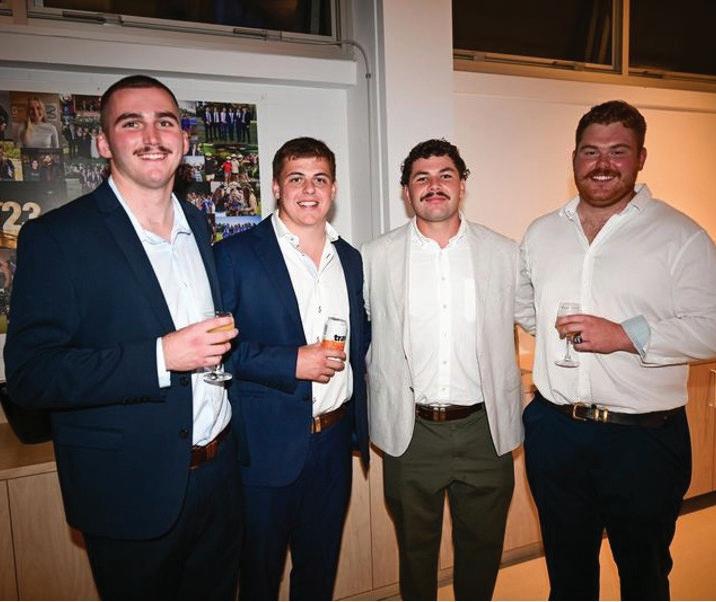
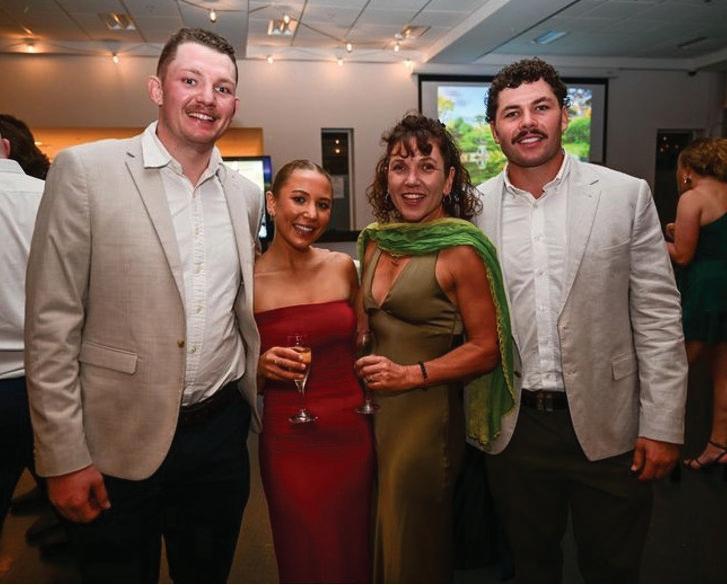
Photos from the anniversary celebrations captured the spirit of the occasion, showcasing the strong turnout and vibrant club culture that continues to make the Owls a special part of Canberra rugby. (Photos by Lachlan Lawson Photography)




















Collective Strength. Shared Success.
Independent venues have always played an important role in their local communities. Beyond providing great hospitality experiences, pubs and hotels create gathering places built on local knowledge and genuine connections with their communities. In a market where customer expectations continue to shift, that local connection remains a major competitive advantage.
Sports events, weekend occasions and local events, venues need ranging, pricing and promotions that work hard commercially while still reflecting the identity of their business. That’s where ILR supports on-premise members.
Proudly based in Canberra, ILR is deeply connected to the region’s hospitality and retail community. With more than 500 members across metro and regional Australia, ILR helps venues stay competitive without
losing what makes them local. Through collective buying power, members gain access to supplier partnerships, marketing and activation support, category insights and BDM support designed to make execution simpler and more effective at venue level.
To learn more about how ILR can support your venue, contact us at info@ilr.net.au

WorkSafe ACT
WorkSafe ACT can fine clubs up to $795,000 for a breach of psychosocial safety obligations, and that is just the starting point. Whilst officers can be held personally liable for fines, starting at $159,000, with even greater penalties for more serious breaches. Most club boards don’t know that, and most aren’t ready for an inspection.
The landscape has changed. WorkSafe ACT has expanded its inspection scope beyond physical hazards. Psychosocial hazards including but not limited to bullying, workload pressure, and poor management practices, are now firmly in scope. More importantly regulators have shifted into the enforcement phase. Organisations that can’t demonstrate documented risk management face penalties, public scrutiny and reputational damage that is very difficult to recover from.
Clubs are uniquely exposed. Casual rosters, late-night trading, high turnover, and customer-facing pressure create genuine psychosocial hazards. Managers deal with mental health conversations they are not trained to handle. A “keep your head down” culture means incidents go unreported. And many clubs have no documented psychosocial safety policies at all, discovering their obligations only when it’s too late.
Inspectors want documentation, not intentions. That means a hazard register, documented risk assessments, formalised grievance procedures, evidence of leadership training and an anonymous incident reporting channel. Good intentions don’t hold up in an inspection, documented evidence does.
The cost of inaction is real. Potential fines can amount to hundreds of thousands of dollars, and the median compensation payout for psychological injury sits at $67,400, with the number of workers compensation psychological injury claims on the rise. Add legal costs, staff turnover and reputational damage and the number climbs exponentially. Getting compliant and being proactively costs a fraction of one claim.
The good news is that knowing where you stand isn’t hard. Get in touch with our team at Foremind.com.au to understand your club’s psychosocial safety readiness. Foremind - Helping Clubs ACT members get compliant.
Discovering RMC Golf Club: A Hidden Gem in the ClubsACT Community
From Defence Roots to a Vibrant Community Hub
Nestled quietly within the heart of Canberra’s sporting scene lies the RMC Golf Club – a smaller, lesser-known member of ClubsACT, yet a true hidden gem that embodies the spirit of community, camaraderie, and sporting passion. While it might not boast the scale of some of its neighbours, RMC Golf Club more than makes up for it with heart, history, and an openness that welcomes all to its fairways.

Rich Origins: Forged by Defence Force Members
Established in 1962 by dedicated defence force members at the Royal Military College, Duntroon, RMC Golf Club’s origins are deeply entwined with Canberra’s military heritage. What began as a modest club for Army personnel has gracefully evolved over the decades, opening its gates to the broader community while honouring the traditions of its founders. The club’s story is a testament to the enduring values of service, mateship, and shared enjoyment of the game.
Evolving Into an Inclusive Community Club
Today, RMC Golf Club is so much more than its military beginnings. The club has grown into a truly inclusive space where people of all ages and abilities are welcomed with open arms. Whether you’re a seasoned golfer or just starting out, you’ll find a relaxed, approachable atmosphere that makes everyone feel right at home. There’s a genuine sense
of belonging, with members and guests alike sharing a laugh, a yarn, and a love for the game.
A Vibrant, Relaxed Social Atmosphere
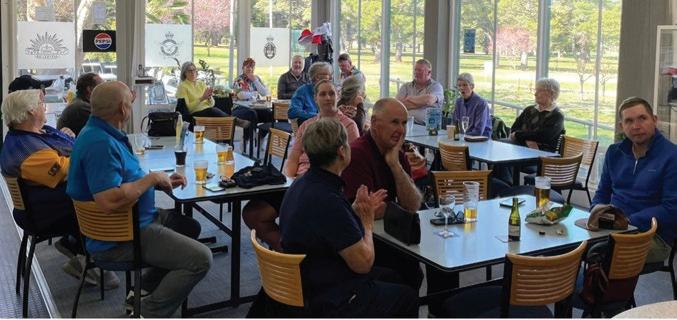
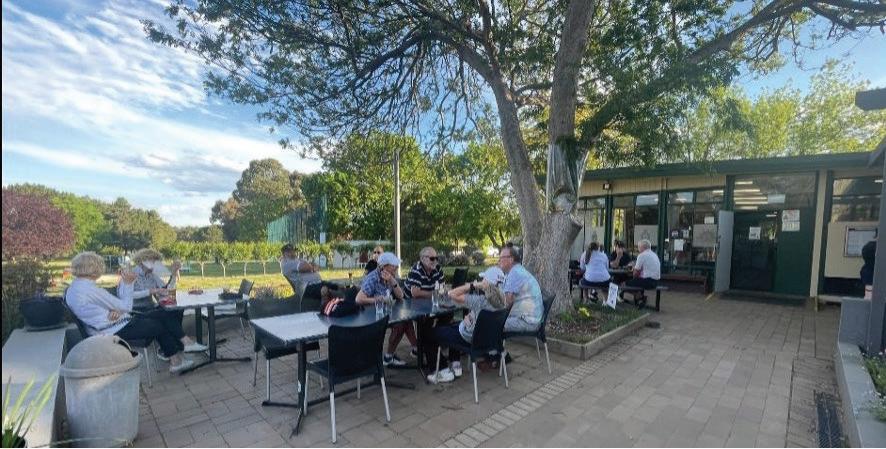
What sets RMC Golf Club apart is its vibrant social scene. The club buzzes with regular events, friendly competitions, and laid-back gatherings where community spirit shines. It’s the sort of place where new friendships are forged over a cuppa after a round, and where families and individuals alike find a welcoming retreat from the hustle and bustle. The emphasis here is on enjoyment – of golf, of company, and of life itself.
Deep Community Connections
RMC Golf Club takes pride in its strong ties with local groups, neighbouring clubs, and Canberra’s diplomatic community. The club frequently hosts events with embassies and collaborates with local organisations, fostering goodwill and cultural exchange. These partnerships have become a hallmark of the club’s commitment to building bridges and strengthening community bonds.
Supporting Under-served Groups
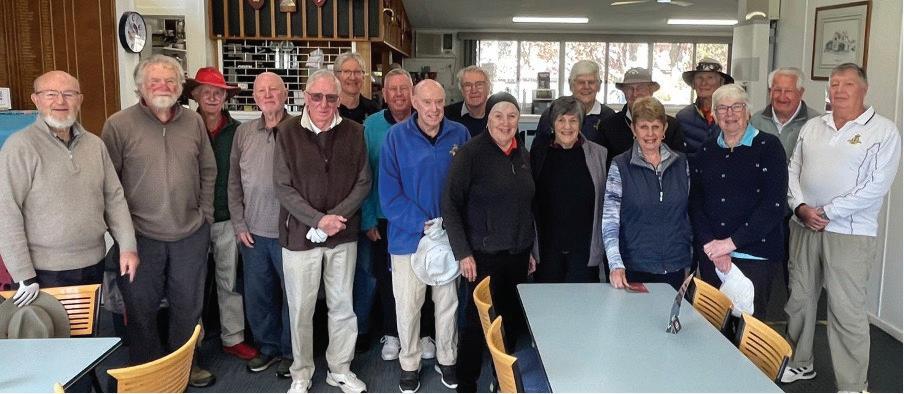
One of the club’s proudest traditions is its support for under-served groups within the community. The annual ‘Over 80s’ tournament celebrates the achievements and ongoing participation of senior golfers, providing a platform for healthy competition and social connection. In addition, the club is home to the ACT Special Olympics golf squad, offering people with intellectual disabilities the chance to enjoy the sport, develop their skills, and experience the joy of belonging.
Volunteer-Driven Improvements and Innovation
Ongoing improvements at RMC Golf Club are driven by a small but passionate team of greenkeepers and volunteers. Their hard work is evident in every neatly mown fairway and carefully tended green. The club’s innovative short course – a unique offering in the region – provides an accessible, enjoyable challenge for golfers of all abilities, and is perfect for those looking to fit in a quick round or hone their skills.
Affordable and Accessible Golf for All
RMC Golf Club remains proudly open to green fee players, with some of the most affordable rates in Canberra. This commitment to accessibility ensures that everyone has the chance to experience quality golf in a welcoming environment, regardless of background or experience level. It’s just another way the club lives up to its ethos of inclusivity and community spirit.
Experience RMC Golf Club for Yourself

If you’re seeking a club where history, community, and a love of the game come together, look no further than RMC Golf Club. Whether you’re keen to play a round, join in on a social event, or simply soak up the relaxed atmosphere, you’re warmly invited to discover what makes this club so special. Come for the golf, stay for the friendships – and experience a side of Canberra’s sporting life that you’ll never forget.
Seeing the Whole Person: What the Dementia Community Teaches Us
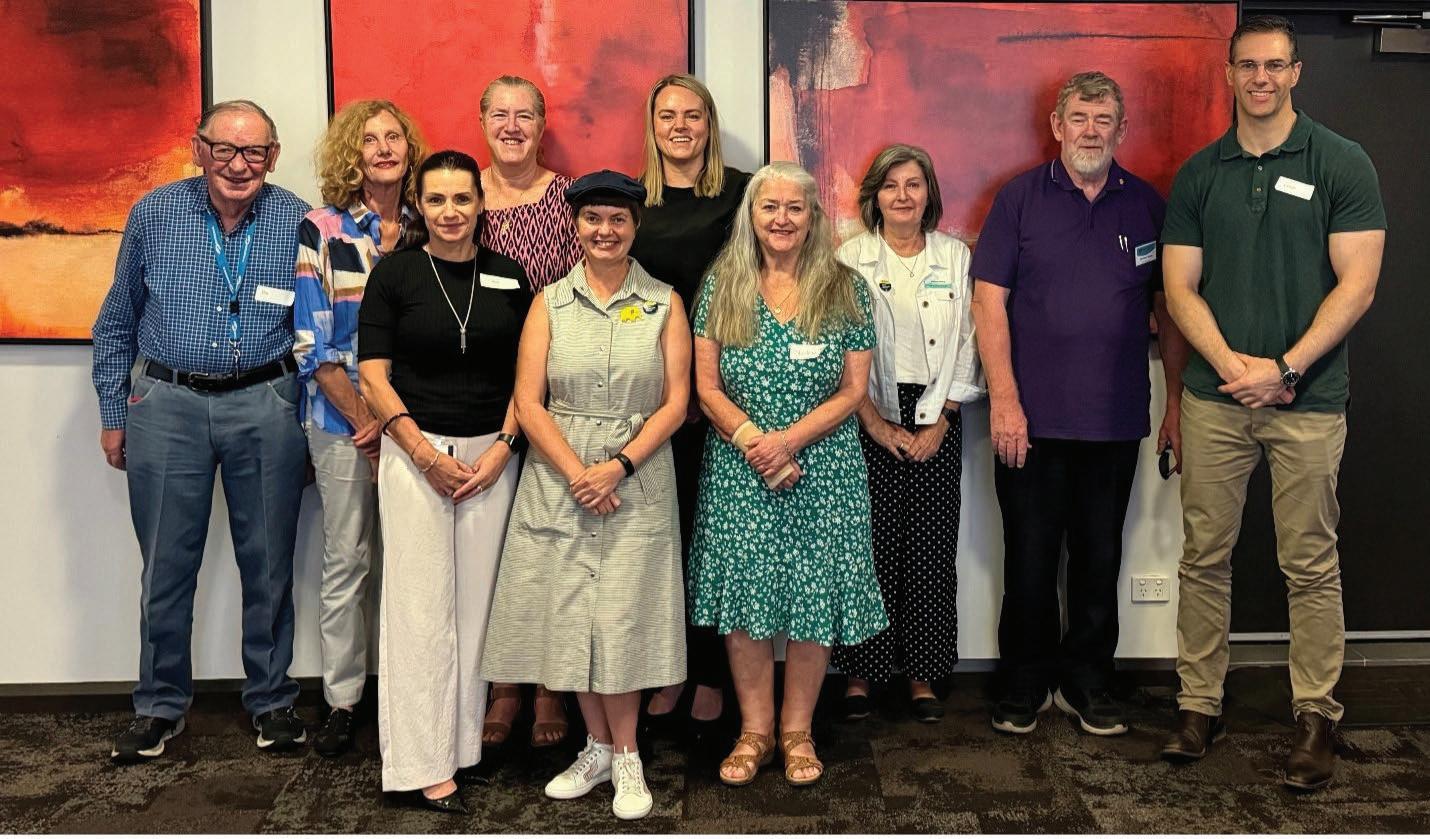
Across Canberra, Clubs play an important role in community life.
They are places where people gather with friends, share meals, celebrate milestones, attend community events, meet after sport, or simply enjoy the comfort of a familiar place. For many members and guests, clubs are part of their weekly routine. For some, they are also one of the few places where they feel connected, recognised and safe.
At The Dickson Tradies, this is something we have been reflecting on through our connection with the Canberra Dementia Alliance.
Our local clubs see this every day.
They see members who have been part of their club community for many years. They see partners, family members, friends and carers sharing meals, attending events, catching up over coffee, or simply spending time together in a place that feels familiar.
They also see, often quietly, how important these places can be for people living with dementia, or for those walking alongside someone who is. Sometimes that journey is visible. Often, it is not.
That matters for clubs.
Dementia is often spoken about through the lens of health, ageing and care services. But it is also lived in everyday places — in homes, clubs, cafés, workplaces and community spaces.
People living with dementia continue to take part in ordinary life. They continue to visit clubs, cafés, restaurants, community spaces and social groups. Their carers do too.
Sometimes those visits are simple and joyful. Sometimes they take planning, patience and support.
For clubs, this presents both a responsibility and an opportunity.
We may not always know when someone is living with dementia, or when a partner, adult child or friend is quietly carrying the role of carer. But we can influence the way people experience our venues. We can influence whether they feel rushed or welcomed. We can influence whether they feel confused or supported. We can influence whether they feel invisible, or seen.
We cannot control every part of ageing, illness or dementia. But we can influence the environment we create, the way our teams respond, and the sense of dignity, patience and belonging people experience when they walk through our doors.
Through our connection with the Canberra Dementia Alliance, we continue to learn from a community whose stories speak quietly, powerfully and deeply about what it means to remain connected to one another.
Dementia is often described in the language of health, care and systems. But beyond those terms is something much more human.
Dementia is about people. It is about lives still being lived, relationships still being held, and moments of recognition, joy, frustration, tenderness and love that continue even as other things change.
The dementia community includes people living with dementia, but also carers, partners, children, friends, neighbours, advocates and the many unseen hands that help carry daily life.
It is a community shaped by patience, adjustment, care and remarkable strength. It is also a community that asks the rest of us to slow down, pay attention and see more carefully.
Through our involvement with the Canberra Dementia Alliance, we have had the privilege of listening to stories from this community.
No two are the same.
Each person’s experience is different. Each family finds its own way through. And yet, across these different stories, certain truths seem to echo.
One of them is this: even when memory changes, personhood remains.
This is often felt most clearly in the ways people are remembered and held by those around them. In gatherings of family and friends. In songs that are still recognised. In familiar rituals. In the voice of someone who speaks not just about what was lost, but about what remained.
There is something deeply moving in those moments, because they remind us that a person is never only their diagnosis.
Sometimes what stays is found in music. Sometimes in humour. Sometimes in a familiar expression, a lifelong habit, a look, a gesture, or the way a room still warms to the mention of someone’s name.
And sometimes it remains in the quiet language of style — the grace of getting dressed, the instinct for colour, the dignity of presentation, the part of a person that still reaches for beauty and says, this is me.
Families often speak of this with both tenderness and heartbreak: that some things changed, and some things did not. That even through dementia, the essence of a person could still be felt, still be known, still be loved.
It reminds us that dementia does not erase a person.
It may alter how life is navigated, how memories are held, or how communication happens, but it does not cancel identity, dignity or humanity.
The person is still there, deserving not only care, but recognition.
For many people living with dementia, the world can become harder to move through. Places may feel unfamiliar. Conversations may move too fast. Everyday tasks may ask more than they once did.
Yet even within those changes, people continue to seek what all of us seek: belonging, understanding, routine, connection, and the comfort of being known.
And around them are others carrying their own quiet forms of care.
Carers and loved ones often work tirelessly to make sure the person in their care is comfortable, safe and happy. At times, that means doing much more than simply following a plan.
It can mean advocating, insisting, explaining, waiting, adapting and, when necessary, pushing back against systems that can treat people according to schedules rather than according to who they are.
Sometimes care means refusing to let a person become a timetable, a task, or a box to be ticked.
It means holding on to their routines, preferences, dignity and sense of self, even when doing so takes extra effort.
It means continuing to see the person as they deserve to be seen: whole, human and worthy of tenderness.
These are the stories that matter, because they reveal something essential about community.
They show us that care is not only clinical. It is relational.
It lives in how people are spoken to, how they are welcomed, how they are remembered, and whether they are given space to remain part of the world around them.
Our relationship with the Canberra Dementia Alliance has deepened our understanding of this.
It has reminded us that listening matters. That dignity matters. That inclusion is made real moment by moment, in whether people feel safe, recognised and respected.
This is not work for families and carers alone.
As a community, we all have a role to play in creating places, conversations and services where people living with dementia feel seen, included and respected.
The dementia community is not separate from the rest of community life. It sits within it.
These are our parents and grandparents, our partners, our siblings, our friends, our neighbours. Their stories are not on the edges of our shared life. They are part of its centre.
At The Tradies, we are grateful to keep learning from Canberra’s dementia community — from people


living with dementia, from carers, from families, and from the many support networks, seen and unseen, that continue to show what care, humanity and connection really look like.
What this means
To understand dementia well, we have to look beyond the diagnosis and keep seeing the whole person.
We also have to recognise the many people who walk beside them, often quietly, helping sustain comfort, dignity, safety and connection every day.
For clubs, this matters because we are part of people’s everyday lives. We offer familiar places, welcoming faces, patient service and moments of connection that help people living with dementia, and the people who care for them, continue to feel included and understood. These moments can mean more than we realise. They help protect dignity, support belonging and remind people that they remain known, valued and part of their community.














Your insurance options through super
When you have insurance1 through your super it could help to protect your income and be confident about the future knowing you may be covered if something happens. AustralianSuper provides most members with basic insurance cover with their super account.

Eligible members receive age-based Death cover, Total & Permanent Disablement (TPD) and Income Protection cover. These provide a basic level of protection if you die or become ill or injured. These types of cover are available without providing any health information, and are age based, so costs and amount of cover changes as you get older. Some cover limitations may apply.
Benefits of insurance through super
Getting insurance through your super can make a lot of sense. Your admin can also be simpler because the insurance premiums are paid from your super account automatically each month. This means you don’t have to remember to pay premiums or manage different policies.
Types of insurance available
Death cover - also known as life insurance, this could help ease financial stress by paying a lump sum to your beneficiaries if you pass away. This cover is available from ages 15 up to age 70 and you can apply for age-based, fixed or age-based plus extra (fixed) cover.
Total & Permanent Disablement (TPD) cover – TPD cover could pay you a lump sum if you become totally and permanently disabled and can’t work anymore2. It could help you pay for rehabilitation, any debts you have and the future cost of living.
Income Protection – this type of cover could help if you become ill or injured (at work or outside of work) and can’t work2. It provides monthly payments to help support you while you’re not earning your regular salary.
About work ratings
When you join AustralianSuper and you have insurance you’re given an individual work rating3. This classifies your occupation as blue collar, white collar or professional, and is one of the factors that determines how much your insurance premiums will be. You can check your work rating and see if you could be paying less for insurance using the AustralianSuper work rating tool.
For more information visit work ratings.
How to manage your cover
If you’re an AustralianSuper member you can easily check your current insurance and work rating, adjust your cover or apply for insurance. Simply login to your online account or use the mobile app.
Scan code to learn more.
1. AustralianSuper insurance is provided by TAL Life Limited (the Insurer) ABN 70 050 109 450, AFSL 237848.
2. Eligibility to claim for insurance benefits will be determined in line with the policy terms and conditions.
3. The default work rating is Blue Collar when you join the AustralianSuper plan, unless you apply to change it.
The Rooms That Built Canberra
50 YEARS OF CLUBSACT | 1976-2026
A 50th year magazine feature on ClubsACT, Canberra clubs, and the places that helped a planned city become a lived community.
By Craig Shannon, CEO, ClubsACT
A
room
most Canberrans know
I joined my first club at 18. It was not for the community programming. It was for the Friday night disco, and I was genuinely, memorably bad at dancing. Nobody cared much. The room was full, the music was loud, and everyone was just happy to be there, together.
In the years since, clubs have been the backdrop to more Canberra lives than most of us stop to count. Friday nights at the Workers Club. A hamburger at Dolly’s in the ANU car park after midnight, when that was one of the few meals available. Divinyls in a club room. Vince Jones and Ian Moss on the same circuit. Nutbush City Limits turning a dining room into a loose, laughing, almost-synchronised dance floor.
You see the same thing in a different form on a Saturday afternoon in a Canberra club. A junior sports team comes in still half in uniform. There are balloons for a 21st near the function room, a family gathering people for a wedding photo, and, in another room, a wake where the staff have quietly put out tea, sandwiches and enough chairs for people who arrive late.
Out near the bistro there is the smell of chips, gravy, coffee and the parmi someone has ordered because it is cheaper than cooking. At the bar, people who have never met are buying a drink beside each other. The pokies make their low electronic noise in the background. At the next table, someone is saving a seat for old friends. A staff member seems to know half the room by name, and a few of those faces behind the bar have been familiar for twenty years.
Then a try is scored, or missed, on the big screen and the room briefly becomes one crowd. Raiders, Brumbies, Socceroos, Matildas - it hardly matters who is playing. Strangers turn to each other, complain about the referee, laugh, go back to their drinks, and leave having shared a small moment with people they may never properly know.
This is one of the things clubs give Canberra that is easy to overlook. They make it normal to be around other people. You can walk in not knowing most of
the room and still feel safe, relaxed and welcome enough to stay. A book club can meet in one corner, Rotary or Toastmasters in another, a card game can settle into the afternoon, and someone who only came in for dinner can find themselves in a conversation.
That is why the 50-year history of ClubsACT is more than the history of an industry association. Clubs have given Canberrans affordable meals, usable community rooms, junior sport sponsorships, places for older people to socialise, venues for birthdays and funerals, and somewhere ordinary to go when home is too quiet. Canberra was planned before it was lived. Clubs helped make it lived.
Before there were enough public rooms
The instinct goes back well before ClubsACT itself. Picture wartime Canberra near Manuka Oval: a modest hut, volunteers behind the counter, soldiers and local residents finding a meal, a cup of tea and somewhere to sit. The early Canberra Services Club was part-funded through the sale of 2,000 cakes, including cakes from Lady Gowrie’s own kitchen. The Hut stayed in Canberra’s memory because it was useful at a time when useful mattered.
The same pattern ran through the city’s early clubs. The Burns Club, founded in 1924, gave Scottish culture a home in the young capital. Service, sporting, cultural and community clubs carried other parts of Canberra life: returned service, football, bowls, golf, music, meals, language and meetings. Later, venues such as Southern Cross, the Tradies, Vikings, Hellenic, Labor, Yowani, the Italo-Australian, Harmonie and others gave suburbs and communities places to gather.
They were local, member-based and not-for-profit institutions. A football club needed rooms. A bowls club needed a home. A migrant community needed somewhere to keep language, food and music alive. A growing suburb needed a place to meet before the commercial market found a reason to build one. In small ways, these were the places where community met, evolved, sustained itself and grew.
A small meeting with a larger purpose
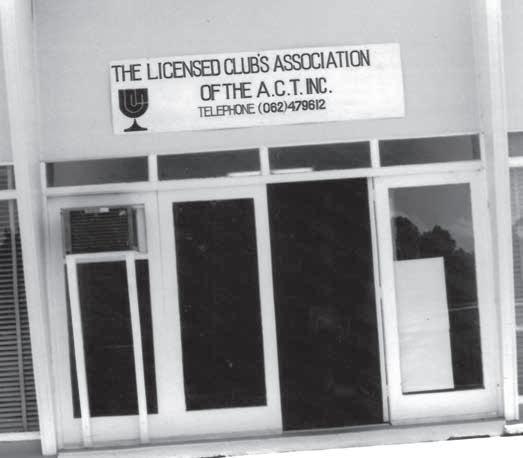
The modern ClubsACT story began on 12 July 1976, when a group of clubs met at the Canberra Workers Club and formed the Licensed Clubs Association of the ACT. Only eleven clubs were present. The minutes record disappointment about the turnout, but the meeting went ahead.
On paper, the work that followed can look dry: constitutions, office bearers, correspondence, accounts, meeting schedules and the ordinary administration of a new peak body. In practice, it was about having a collective voice at a time when clubs were becoming more important to local life and more exposed to regulation.
Back in the 1970s, clubs were still fighting to define their place. They had to show they were more than venues with poker machines. They were employers,
sporting backers, cultural anchors, dining rooms, halls, greens, ovals and meeting places. The Association gave clubs a way to explain that whole ecosystem before decisions were made about them.
The hard part of the story
There is no honest account of Canberra clubs that treats poker machines as a minor detail. Legalised poker machines had been in registered clubs in NSW since 1956, and their introduction in the ACT was heavily debated. The early Association records show arguments about tenders, maintenance, payout settings, licensed repairers, service delays, cheating, police engagement and lawful operation.
Poker machines became a major revenue source. That money helped subsidise staff, rooms, ovals, greens, buildings, sponsorships, low-cost meals, community grants and function spaces. It also brought real risks, close scrutiny and serious responsibility.
That tension has shaped the public debate ever since. Clubs have been community sponsors and employers while also operating a product that must be carefully regulated. Inside venues, harm minimisation is often practical and human: a staff member noticing a regular who does not seem right, a manager making a quiet check-in, a self-exclusion process being followed properly, and records kept for conversations that are rarely comfortable.
The policy challenge has never been abstract. The task is to reduce gambling harm while also understanding what has grown around gaming revenue and what communities may lose if that support is pulled away faster than replacement income can be built.
What people see, and what keeps it working
A member walking into a club sees the public version: the bistro queue, the birthday balloons, the TAB screen, the bar, the raffle table, the function room doors, a book club in a side room, cards on a table near the window, and the staff member who knows which regular takes their tea weak and which one will complain if the table is too close to the door.
Behind that is the less visible club. Rosters. Food safety checks. Refrigeration contracts. Insurance renewals. Audits. Training. Responsible service obligations. Compliance files. A building repair that cannot wait. A grant request from a local team. An email from a community group asking whether the room hire can be waived because the fundraiser is for a family doing it tough.
As the sector grew, that hidden machinery became harder to manage informally. By the early 1980s, the Association was dealing with training, awards, classifications, legal advice, repair certificates, levies and procurement delays. When Peter Mazengarb was confirmed as Executive Officer in 1982, it reflected a simple reality: volunteers still shaped the heart of clubs, but the work around them had become a fulltime job.
The city changes, and so do clubs
By the early 1990s, Canberra was no longer a national capital administered from elsewhere. Selfgovernment had arrived, which meant decisions about gambling, liquor, planning, tax and club policy were being made much closer to home.
Casino Canberra opened temporarily in 1992 and permanently in 1994. Its arrival sharpened a question that has never really gone away: if gambling revenue exists in the Territory, how much of the benefit should
flow through not-for-profit clubs and back into local communities rather than to a commercial operator?
Through the 1990s and 2000s, the rules became more formal and the pressure more constant. Public reporting records 34 ACT clubs coordinating gaming approvals in 1997. In 2000, the Association adopted the name ClubsACT. In 2006, smoking was banned in enclosed areas of pubs and clubs, changing dining rooms, outdoor areas, staff routines, cleaning, patron habits and capital works almost overnight.
Anyone who spent time in clubs through the 1980s or 1990s will recognise the other side of that story: the bands, raffles, card draws, family dinners, staff who seemed to have been behind the bar forever, and the way a club night could feel familiar even when the room was full of people you did not know.
For members, many of those changes were barely visible until they affected the meal price, the entertainment, the sponsorship budget, the opening hours or the look and feel of a room. That is often how reform appears at ground level: not as a policy paper, but as a roster, a renovation, a cost increase, or a decision about which community request can still be supported.
A public split, then a return
In 2016 and 2017, disagreement within the club sector became public. The immediate trigger was the casino poker machine debate and the politics around the 2016 ACT election. Underneath it were different views about how political club advocacy should be, how publicly the sector should campaign, and how it should talk about gambling harm while defending community value.
In 2017, Canberra Community Clubs was launched as a separate voice for part of the sector. For ordinary members, the governance detail mattered less than the effect: the sector no longer spoke with one voice at a time when government was making major decisions about gaming, contributions, machine numbers and the future shape of clubs.
The split ended in July 2024, when all Canberra Community Clubs members rejoined ClubsACT. That return to one banner came as the debate around gaming, diversification and community contribution was becoming more consequential.
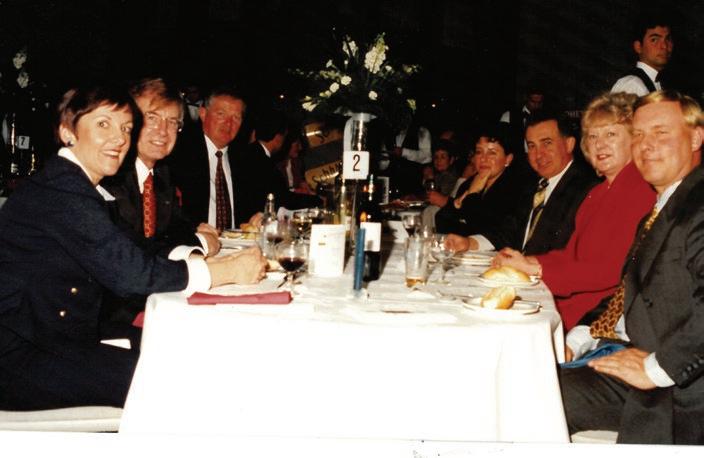
The value people feel
To understand the value of clubs, start with the ordinary habits rather than the ledger.
The Tradies after work. Vikings after training or game day. Hellenic for a big family function. Southern Cross for dinner. Burns for a cultural night. The Labor Club for a meeting. Yowani for golf. Harmonie German Club for music and community. The Italo-Australian Club for food, language and connection. The Irish Club for heritage and belonging. A local bowls club where the green means more to its regulars than any spreadsheet can easily show.
The value is often carried in small, familiar scenes. A junior netball team gets new bibs. A rugby league team finds a sponsor. A community association books a room it could not afford commercially. A pensioner gets an affordable meal at a familiar table. A local band gets a stage. A family holds a christening, engagement, wedding, birthday or wake somewhere that feels local rather than corporate.
Social cohesion can sound like a term from a grant application. In a club, it is old friends meeting without having to host each other at home. It is new people having a first friendly chat at the bar. It is a room of people who do not know each other becoming, for a few minutes, one anxious crowd around a shared television. It is the quiet confidence that you can sit among people you do not know and still feel safe.
ANZAC Day gives that role another shape. After dawn services and commemorations, clubs become places where families sit with veterans, medals catch the light at the bar, and two-up brings grandparents, parents and young people around the same circle. The game matters less than the mixing: old stories, friendly arguments, lessons in chance and custom,
and a sense that Canberra’s years and experiences are being carried across generations.
Refuge on difficult days
A more recent example of that wider role is the ACT Government’s heat and smoke refuge framework. The formal term is Heat and Smoke Refuge, though many people understandably think of the idea more generally as a heat and fire refuge. Under the ACT arrangements, suitable licensed clubs may apply to be recognised as refuges during extreme heat or smoke events and, when declared, can operate as places of respite during an emergency or hazard.
The arrangement is specific. A refuge is not an evacuation centre. It must provide appropriate space
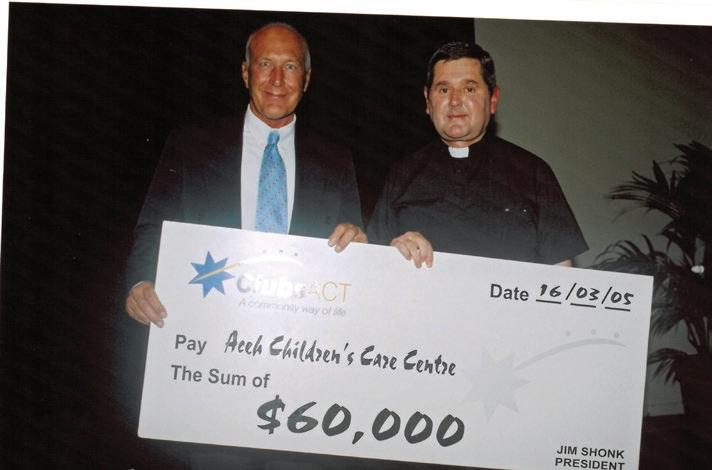
away from gaming machines and an open bar, with basics such as air conditioning, shelter from smoke, free non-alcoholic drinks and somewhere safe to sit.
That recognition says something about the practical assets clubs hold across Canberra: buildings spread through the Territory, staff on site, toilets, kitchens, air-cooling, ventilation and long opening hours. On the kind of summer day when the air is thick, the house is too hot and people are checking on elderly neighbours, those ordinary things become civic infrastructure.
The refuge role makes sense because clubs are already places people use when they need company, food, toilets, a chair and a comfortable room without much fuss. The formal emergency setting is different, but it rests on the same public habit: people know where the club is, and they know they can go there.
Empty rooms and hard years
The pandemic years gave Canberrans a blunt reminder of how much club life depends on
gathering. Venues were closed, chairs were stacked, kitchens went quiet, function bookings disappeared and regulars lost one of their routines. For places built around people coming together, the hardest instruction was the one everyone had to follow: stay apart.
Reopening did not simply reset the clock. The labour market changed. Costs rose. Trading patterns shifted. Compliance obligations had to be understood and implemented quickly. Members returned, but not always in the same way. The sector came out of COVID carrying more obligations on a more fragile base.
For ClubsACT, the early 2020s became a period of evidence-gathering and reset: less reliance on gaming over time, more diverse revenue, better planning pathways, stronger community proof and a government approach that understood clubs as more than machine numbers.
By then the sector remained significant: dozens of licensed clubs, aggregate memberships larger than Canberra’s population because many people belong to more than one club, and a workforce that reached across hospitality, administration, maintenance, compliance, events, kitchens, health and wellness, and community services. The community contribution story also needed clearer evidence, particularly as costs rose and older revenue models came under pressure.
When familiar rooms close
Nothing changes the tone of a debate like a closing date on the door.
Some losses have been complete closures. Some have been forced interruptions. Others have been mergers or consolidations where an old name, site or standalone identity became part of a larger group. Canberra Labor Club Group records the purchase of the City Labor Club, formerly the Canberra Workers Club, in 1995, as well as later purchases of other local venues. Canberra Southern Cross Club acquired Wests Rugby Club at Jamison. The ACT Rugby Union Club and Canberra North Bowling Club merged in 2014 to become The RUC at Turner. Eastlake’s Kaleen venue closed after COVID-era pressure and site constraints. Canberra Services Club lost its original Manuka home to fire in 2011 and was again forced shut after a 2025 fire at Barton.
In Tuggeranong, Chisholm Vikings had been part of the community for more than three decades. Its final trading day was 30 January 2026. For some people, that was a business decision in the news. For others, it was the place after sport, the familiar surrounds, the room where things had been celebrated, the staff member they knew, the habit that had been there so long it felt permanent.
The Hellenic Club’s City venue also closed in May 2026, as the organisation focused on its Woden precinct plans and long-term strategy. Each closure has its own facts and should not be forced into one neat cause. Taken together, though, they show how quickly local community infrastructure can change.
When a club closes, the visible losses are local jobs, affordable meals, weekend options, function space, discounted room hire for charities, and support for ovals, greens, courts, teams and community groups. The less visible loss is the informal social life that had gathered around the room: the nod at the bar, the weekly card game, the game-day crowd, the familiar staff member, the old friends who no longer have a default place to meet. A venue can close quickly. Replacing what it did can take years.
The inquiry and the next act
In 2025, the ACT Government established an independent inquiry into the future of the club industry. The decision placed the future of clubs inside a wider public policy frame, rather than treating them only as gaming venues.
The inquiry ran from August 2025 to May 2026 and examined how ACT clubs could diversify revenue and reduce reliance on gambling revenue. Its terms of reference put transition, revenue, regulation and community value into the same discussion.
By the time the inquiry reported, the question was no longer whether clubs would change. They already were changing. The practical issue was how transition could be managed without stripping away services that communities were still using.
That means asking plain questions. If machine revenue falls, what replaces it? If land is redeveloped, what community use remains? If clubs are expected to diversify, what planning, tax and lease settings make that possible? If gambling harm is reduced in one place but shifts online or across the border, has the policy worked? If a club gives up a revenue stream before the replacement is bankable, who pays for the staff, kitchens, greens, rooms and community
commitments in between?
Those are practical questions. They are also the questions that decide whether reform works in real venues, with real staff, members, volunteers and community groups, rather than only on paper.
The rooms that remain
The next 50 years of Canberra clubs will not look like the last 50. Expectations have changed. Technology has changed. Gambling policy has changed. Community needs have changed. The old model is already being remade.
What remains is the need for local places that do not feel like a premium experience. Places where a family can eat without making a big night of it, where a community group can meet, where older people can see familiar faces, where a local team can find support, where a wake can be handled gently, and where people can be among others without feeling anonymous.
Clubs are not the only places where this happens,
but in Canberra they are among the most regular. They do not ask people to book three weeks ahead or buy a polished experience. People can drift in for a meal, watch a screen, join a meeting, sit through a wake, take their kids to presentation night, or simply be in a room where life is happening around them. Some of it is noisy: a packed room watching the Raiders, Brumbies, Matilda’s or Socceroo’s, a raffle number called over dinner, a table laughing too loudly. Some of it is quiet: a knitting circle, a book club, a Rotary meeting, a card game, an older member whose day improves because someone at the counter knows their name.
That is how ordinary rooms bridge years and experiences. I think about that when I remember the old Workers Club and Dolly’s after midnight; other Canberrans will think of junior presentation nights, a Brumbies final on the big screen or a grandparent explaining two-up after an ANZAC service. The details change. The habit is the same: people show up, keep coming back and, often without making a fuss about it, become part of one another’s lives.















Don’t Lose the Room: Why Member Engagement Makes
or Breaks Club
Development
When a club board pursues a major property project for seniors living, a hotel or a medical precinct, the biggest risk isn’t planning, finance, or construction. It’s the members.
Registered clubs are sitting on landholdings that represent genuine long-term opportunities. But the path from board vision to completed development runs directly through the membership clubs to have legislative and constitutional requirements acting as the gate keeper. Get the member’s vote wrong, and the project doesn’t just stall. It has become a crisis.
The lesson has been playing out publicly and painfully.
When the vote goes the wrong way
The Gymea Bowling club in Sydney’s South became a cautionary tale in early 2026. The board put a motion to members to reclassify club land to non-core a necessary step toward a proposed development of a reported 120 apartments and 130 ILU’s.
The member voted no with a clear majority opposing the project and a reported rejection rate of nearly four to one.
“There was a clear groundswell within the community prior to the vote, which fueled a lot of negative sentiment around the project. Unfortunately, the club’s communications strategy was not robust enough to overcome this and cut through the noise”
- Anna Porter
Projects with genuine merit have been derailed because boards underestimated the depth of member concern.
What good engagement looks like
The clubs that get this right treat member engagement not as a campaign to be run before a vote, but as an ongoing investment in trust.
• Starting well before the announcement. Informal conversations with key member groups, stakeholder mapping, and genuine listening.
• Making the narrative values-led, not just financial. Members need to understand why the project serves the club’s mission.
• Running information sessions that actually inform them. A formal presentation followed by questions from the floor is a broadcast, not engagement. Structured breakout groups, where members can raise concerns in smaller settings, consistently produce better outcomes.
• Creating genuine feedback mechanisms for surveys, written submissions, Q&A processes, and responding to everyone. Members who feel dismissed become organised opponents.
• Identify and engage community stakeholders beyond membership.
• Having the board, the CEO and independent property-based consultants visibly lead the process is critical. Delegating to the incoming developer for a JV, signals that member input is a formality, not a genuine input.
The vote is not the hard part
For boards that have genuinely invested in the relationship with their members, the formal vote becomes an affirmation of a shared journey rather than a battleground.
“The financial modelling, planning and legal structures matter. But not as much if the members don’t share the vision for where it’s going”
- Anna Porter

Brutally
Elegant
From rugged beginnings
comes a refined wine


WYNNS - Brutally Elegant
If you know wine, you know Wynns, the jewel of the Coonawarra – a world-class region in South Australia. Since the first vineyards were planted in 1891, this heavyweight of the Australian winemaking world has gone about its craft quietly. Amassing runs on the board and fame far beyond Australia’s shores, it’s become famous for the flagship John Riddoch Cabernet Sauvignon and Michael Shiraz.
Over time, Wynns has become known for its luxury positioning, and as such Treasury Wine Estates (TWE) has evolved the brand to reflect this. From bottle design out, Wynns has been rebranded and repositioned as a true luxury wine brand. Across social, OOH, point of sale, tasing notes, website and much more, this repositioning has taken a full 360 approach across all touchpoints
It’s a wine that’s tempered by the arctic winds of the Southern Ocean, grown in rich Terra Rossa soil set upon a bedrock of ancient limestone, millions of years in the making. It’s not where you’d expect to find luxury but here, the imperfect and hard-wearing elements create perfection. And this isn’t entirely unique to the world of luxury – the same could be
said about diamonds and pearls.
Through this insight and brand truth, came the new brand platform, ‘BRUTALLY, ELEGANT’ created by TWE’s in-house agency, Splash. A platform designed to stir emotion, while repositioning Wynns in the elevated space in which it’s earned the right to play.
“Brutally Elegant is the story of juxtaposition, yin and yang, dark and light. An evocative and visceral theme, one that we look forward to informing brand experiences, tastings, brand ambassadors and more”, says Tom Opie, Creative Director at Splash (Treasury Wine Estate’s in-house creative agency).
Milestone achieved for Capital Field Archers with support from Vikings
In April, Capital Field Archers celebrated a major milestone for their club community, completing the restoration of their clubhouse roof with the assistance of a Vikings Bonus Grant and the dedication of club volunteers.
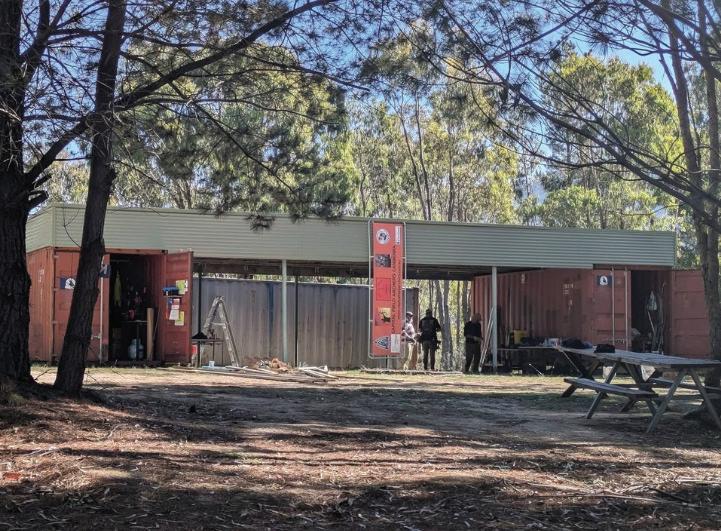
Restoring an important community space
For the past six years, the clubhouse had been operating with only a temporary tarp providing protection from the weather following the club’s relocation. Over time, exposure to harsh conditions caused the tarp to deteriorate, making restoration of the roof increasingly important for the club and its members.
The support received through the Vikings Bonus Grant allowed the club to move forward with the long-awaited project, continuing a longstanding partnership between Capital Field Archers and Vikings since 2011.
Capital Field Archers Secretary James Cunningham said restoring the roof had already made a significant difference for the club, with the upgraded facility providing much-needed weather protection during recent club activities. During the club’s last shoot, members were able to continue activities indoors when bad weather moved through the area.
“It meant a great deal to the club members to have the roof restored as it now provides full weather protection,” he said.
The importance of volunteers
The restoration project would not have been possible without the support and commitment of club volunteers, including new member and professional builder Dan, who offered to help lead the reconstruction works.
Dan coordinated the procurement of materials and supervised the rebuild, with club members coming together over a weekend to assist wherever needed. In total, 12 members volunteered their time to help rebuild the structure, with James describing the working bee as a rewarding experience that reflected the strong sense of community within the club.
“The energy was high and we all had a lot of fun and satisfaction working together as a team,” he said.
Looking ahead
The upgraded clubhouse will now support future club activities and major events, including the Southern NSW Branch Shoot later this year, which attracts competitors from across the ACT and Southern New South Wales.
Looking ahead, Capital Field Archers is already planning further improvements to the clubhouse, including connecting roof drainage to water tanks and developing a kitchen and serving area to enhance catering and event facilities.
Capital Field Archers continues to provide opportunities for the Canberra community to get involved in archery through regular shoots, competitions and club activities, with new members encouraged to connect through the club’s website or Facebook page.
Vikings is passionate about fostering and encouraging sport in the Tuggeranong Valley, and one way we put this into action is through the Vikings Bonus Grant program. The grant provides additional funding to Affiliated Clubs to assist with large infrastructure and development projects that strengthen community sport.

AML / CTF RISK PROFILE
AML / CTF RISK AND INSURANCE IMPLICATIONS

Hospitality venues, particularly those with gaming machines, cash handling or remittance-style activities operate in an environment of heightened anti-money laundering and counter-terrorism financing (AML / CTF) scrutiny.
Regulators, including AUSTRAC, increasingly treat AML / CTF compliance as a governance obligation:
Boards are expected to actively oversee AML / CTF frameworks, risk assessments and reporting; Senior management and compliance officers may be examined on the adequacy and effectiveness of controls;
Directors may face personal exposure where they are alleged to have failed to exercise due diligence, take reasonable preventative steps, or been knowingly concerned in contraventions.
POTENTIAL INSURANCE RESPONSE –GENERAL PRINCIPLES
Investigation and inquiry costs - Where provided, cover may respond to legal representation costs associated with compulsory AUSTRAC notices, examinations and civil penalty proceedings, subject to strict notification requirements.
Defence costs - Defence costs for directors and officers are generally payable for covered claims, with advancement often available prior to final resolution. Cover usually continues unless and until excluded conduct is established in accordance with policy terms.
Civil penalties - Treatment varies by policy. Some include a Statutory Liability section that may respond to pecuniary penalties imposed under Australian legislation, to the extent permitted by law. Criminal fines and penalties deemed uninsurable remain excluded.
Entity and individual exposure - Policies respond differently to claims against individuals (D&O), the entity (Company Liability) and statutory penalties. Understanding deductibles, limits and order of payments is critical in significant AML matters.

KEY INSURANCE CONSIDERATIONS
Gaming-related exclusions - Some policies include exclusions relating to gaming operations. Depending on drafting, these may apply broadly to claims arising from gaming activities and may extend beyond patron disputes to regulatory or compliance matters.
Financial crime and conduct exclusions - Policies commonly exclude fraud, dishonesty, criminal conduct and wilful breaches of duty and these exclusions vary materially.
Regulatory investigation triggers - AML enforcement typically begins with notices to produce, compulsory examinations and formal investigations. Not all policies respond at this stage. Key issues include whether a “Claim” requires formal proceedings, whether regulatory investigations are covered, and whether compulsory attendance before an Official Body triggers inquiry cost cover.
Insured Persons - AML matters commonly involve directors, CEOs, CFOs, compliance officers and senior venue managers. The definition of “Insured Person” should be reviewed to ensure all relevant management roles are captured.
HOW GSA ASSISTS HOSPITALITY CLIENTS
We will review your existing AML/CTF risk management framework, and provide an assessment of your Directors & Officers coverage highlight key inclusions and exclusions your Board will want clarity on.








THE STORY OF VIKINGS
An idea discussed over beers
Like many great organisations, the story of Vikings began with a simple idea. United by a passion for rugby and a vision for the growing Tuggeranong Valley, a group of locals imagined a place where sport, community and camaraderie could converge. What started as a conversation grew into something much bigger, leading to the creation of the Tuggeranong Valley Rugby Union and Sports Club in 1978.
A culture founded in community
3 years later, Erindale Vikings opened its doors, welcoming 204 members served by just five staff from a single licensed room. From these small beginnings, a purpose was established that would continue to define the culture of Vikings today: to provide excellent hospitality experiences and recreation facilities, foster and encourage participation in rugby union, promote social interaction, and strengthen the local community. While we have evolved over the years, these founding principles remain unchanged.
As Canberra’s south continued to grow, so too did Vikings. The club evolved into a thriving organisation that’s deeply embedded in the fabric of the Tuggeranong Valley community. Vikings expanded into multi-venue destinations, supports 40,000+ members and 51 affiliated sports clubs, and has reinvested $50 million+ into the community through charitable partnerships, sponsorships, grants and local initiatives. Generations of families celebrate milestones at Vikings venues, join affiliated sports clubs, and build a sense of belonging and community.
In recent years
The years since have demonstrated Vikings’ ongoing commitment to innovation and sustainability. Recognising the importance of developing future hospitality professionals, we introduced our Cadet Program, providing young people with the opportunity to gain certifications while building practical industry experience. Today, we employ a total of 377 staff members, making us one of the largest community organisations in Canberra.
We relaunched our Vikings Rewards program, creating greater value and stronger connections with our loyal members, and refreshed our brand identity, creating a modern expression of the brand while retaining our heritage and values.
Here’s to the next 50 years
As ClubsACT celebrates its 50th anniversary, Vikings reflects on our own journey with a sense of pride. From humble beginnings to becoming one of Canberra’s most recognised community organisations, our story is ultimately one of people: the members, staff, Tuggeranong community, members of the Board, and supporters who have shaped Vikings for more than 45 years. Their shared commitment to community, sport and connection guides Vikings today, and will ensure our story continues well into the future.
THE VIKINGS PHOTO JOURNEY
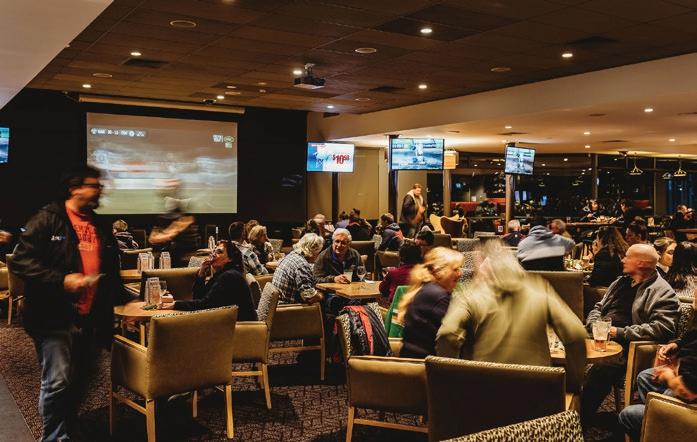
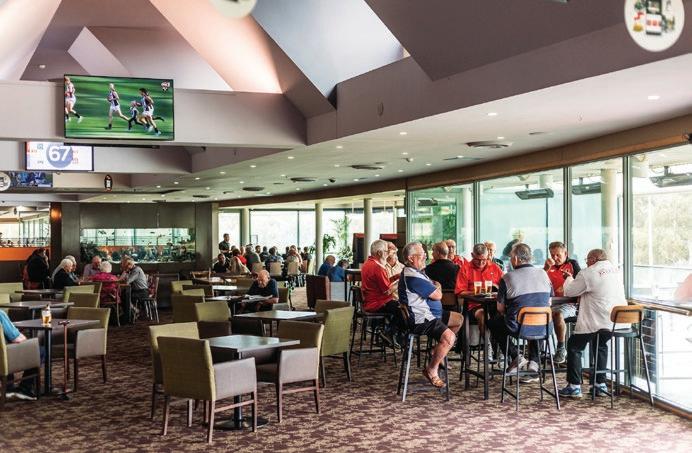
Lanyon Vikings Sports Bar, 2024
Town Centre Vikings Cafe, 2023
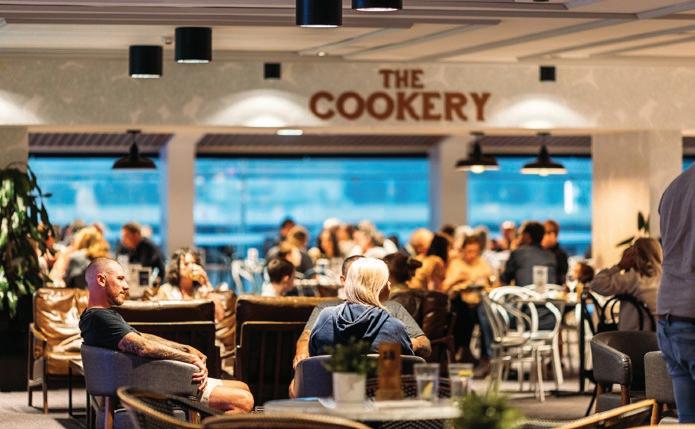
Erindale Vikings Bistro, The Cookery, 2023
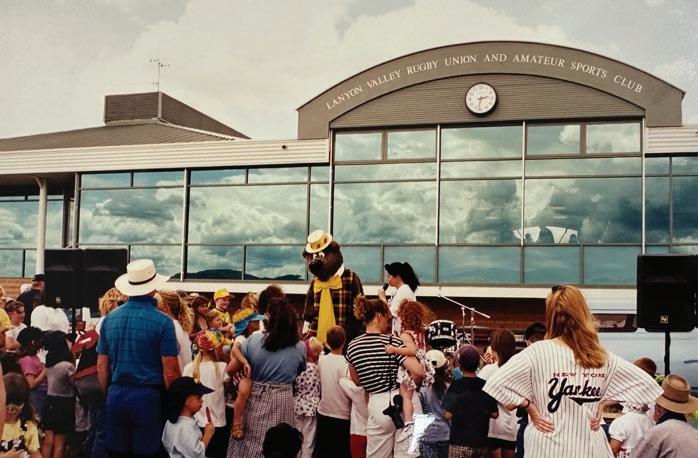
Humphrey B Bear visiting Lanyon Vikings, c. 1999
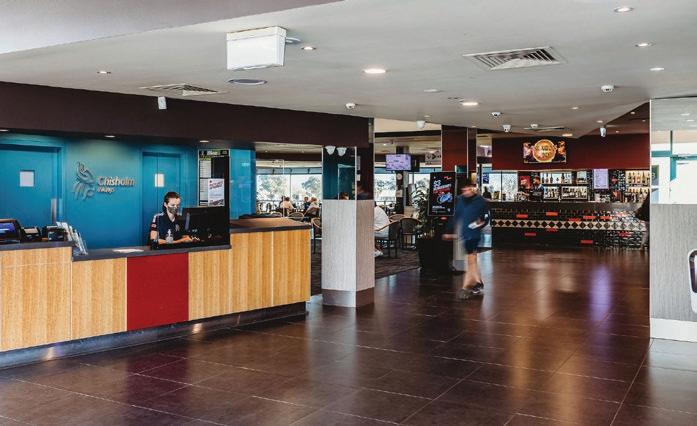
Chisholm Vikings reception area, 2022
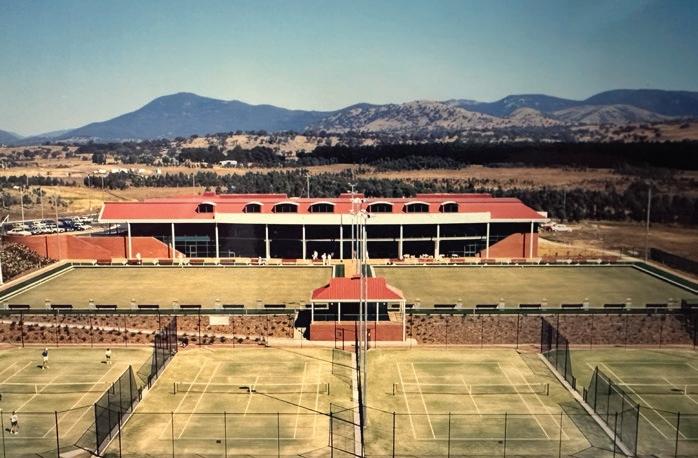
The Bowling Greens and Tennis Courts at Town Centre Vikings, c. 1997
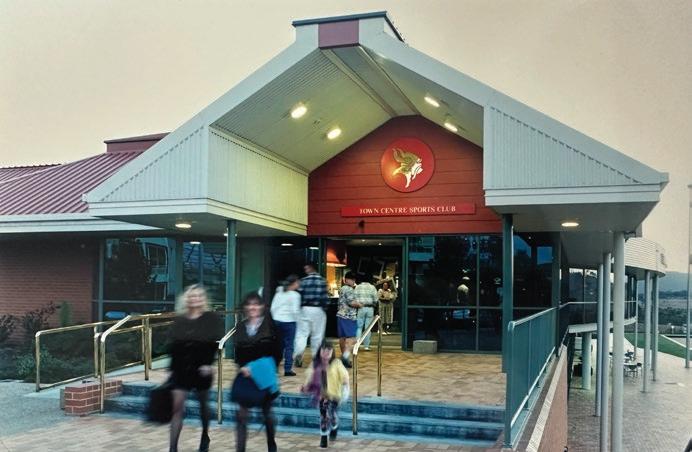
Entry to Town Centre Vikings, c. early 2000s
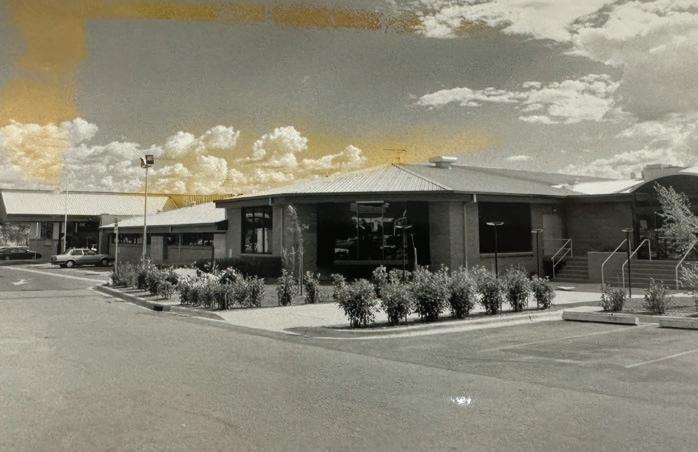
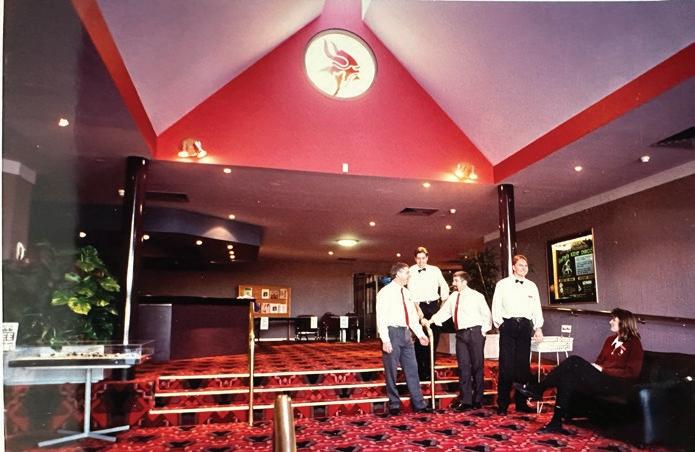
Erindale Vikings, c. 1996
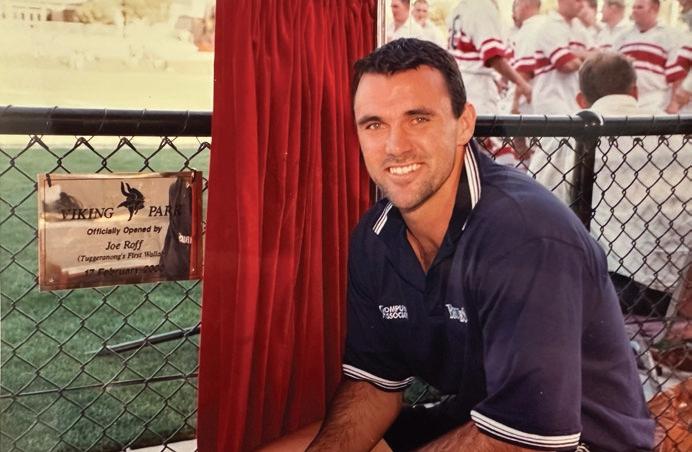
Official opening of Viking Park, 17 February 2000. Opened by Tuggeranong-born Wallaby, Joe Roff
Reception at Erindale Vikings, now the Boardroom, c. 1996
The below people have been prominent figures in the history of Vikings.
Eddie Weatherall Secretary & General Manager: 1979-97
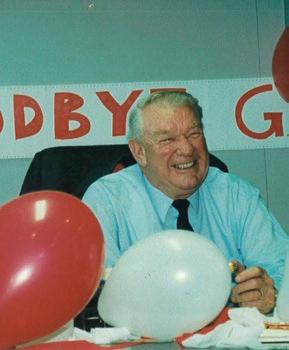
Board Director: 1999-03
Peter Muir
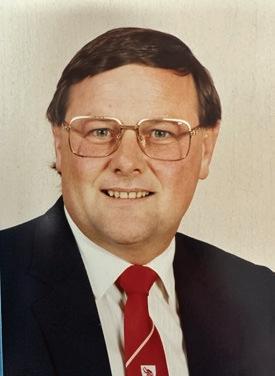

Board Director: 1979
Board Director: 1985-87
Vice President: 1988-89
Board Director: 1989
President: 1990-94
Board Director: 1995
Board Director: 1996-98
President: 1999
Board Director: 2000
Vice President: 2001-04
Board Director: 2008-12
President: 2005-07
Board Director: 1981
President: 1982-89
Director: 1989
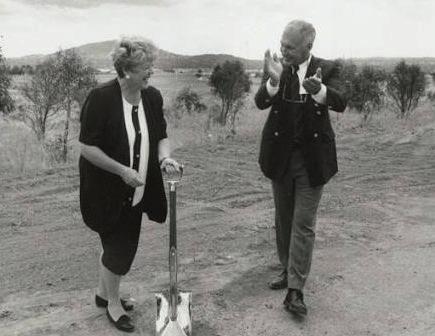
Turning of the sod for the construction of Town Centre Vikings, featuring Jim Shonk (then President) and Annette Ellis, Member of the ACT Legislative Assembly, February 1994
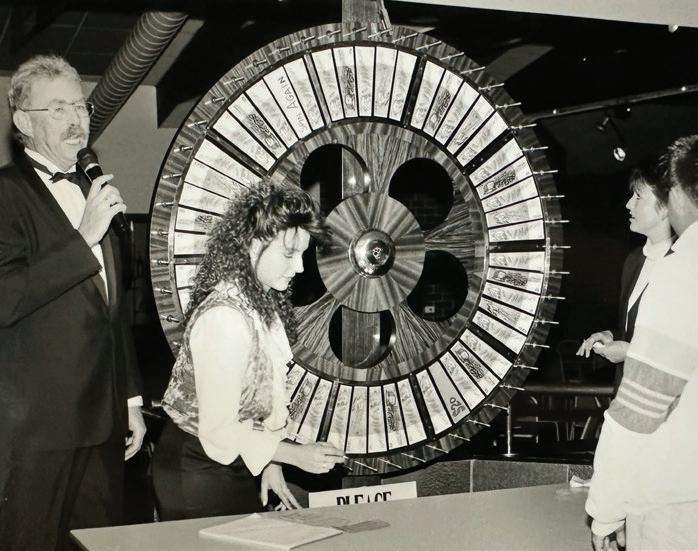
Spin the Wheel Raffles, Erindale Vikings, July 1992
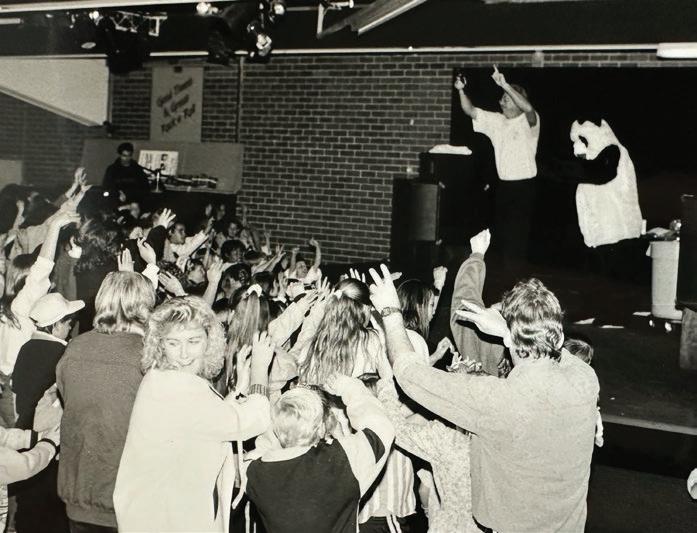
Lofty and Henry the Panda, Kids Club at Erindale Vikings, July 1992
Jim Shonk
Duncan McMillan Treasurer: 1980-89
Peter Webb Vice President: 1983-87

Board Director: 1989
Treasurer: 1989-1994
Board Director: 2011-18

Peter Webb’s legacy lives on in our Peter Webb Memorial Scholarship, which supports one of our affiliated club athletes performing at a representative level, providing them with financial support through their university education.
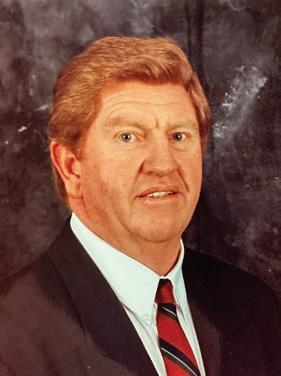
Board Director: 1988-90
Board Director: 1996-07
Vice President: 2008-13


Ian Thomson
Ray Sweeny
Building for the Future: Canberra Southern Cross Club’s Yarravale Project
At the Canberra Southern Cross Club, we are always looking at how we can continue to evolve while staying true to our community focus. As the club industry changes, diversification has become an increasingly important conversation, particularly around how clubs can diversify income streams and make better use of existing assets.
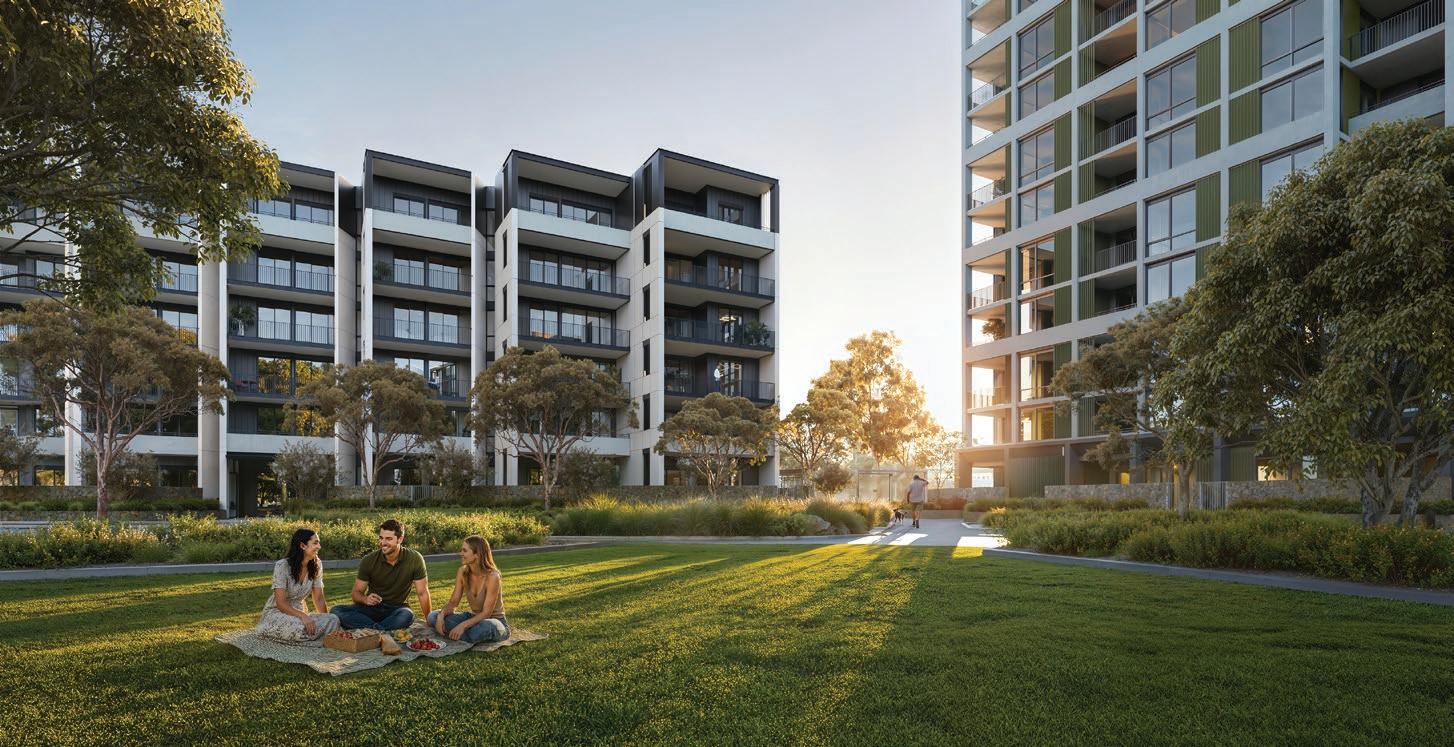
Our Yarravale project in Phillip is one example of this long-term thinking. Located on the former Pitch’n’Putt site beside Stellar Canberra, the development forms part of our broader Strategic Plan and “Build to Sell” and “Build to Rent” initiative. The overall Yarravale masterplan includes 7 residential buildings and more than 800 residential units,
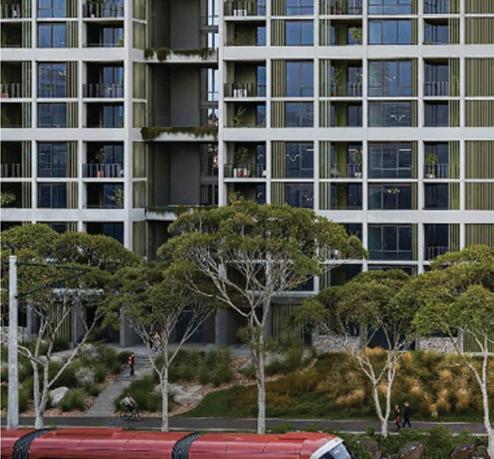

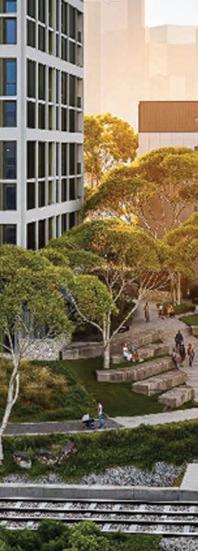
helping transform the site into a new residential community.
For our Club, the project represents an opportunity to strengthen long-term sustainability while contributing to the future growth of the Woden area.
A Different Approach to Club Sustainability
Like many clubs across Australia, we recognise the importance of diversifying beyond traditional revenue streams. Rather than focusing only on hospitality and gaming, we are exploring how club-owned land can support broader community and commercial outcomes. Yarravale has been planned with this in mind.
The build-to-rent stage of this development, which will deliver affordable rental accommodations, has begun, with the construction team on site. The buildto-sell part of this project, which will deliver over 700 apartments, will be developed over the next decade.
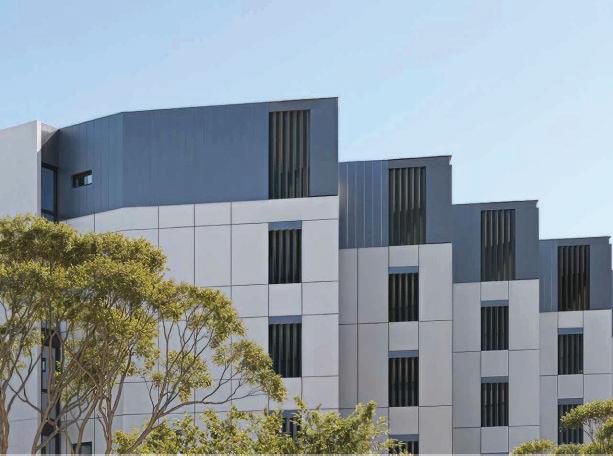
The project will ultimately bring around 1,500 residents into the area surrounding Stellar Canberra, helping solve the raising shortage in our community while supporting activity within the precinct.
For us, this is not simply a residential project. It is part of a larger strategy focused on long-term sustainability, urban renewal, and community connection.
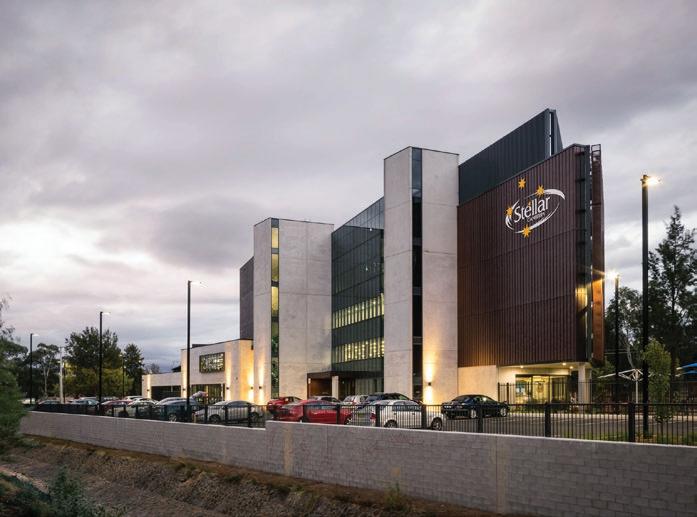
Supporting an Integrated Community Precinct
One of the unique aspects of the development is its location beside Stellar Canberra.
The site sits adjacent to our health and wellbeing facility, which includes fitness, aquatic, allied health, and childcare services. As more residents move into the precinct, there is an opportunity to create a more connected and active community centred around health and wellbeing.
The development has also been designed to encourage interaction and accessibility. The masterplan includes landscaped open spaces,
communal areas, pedestrian connections, and opportunities for future community-focused businesses such as cafés and small retail spaces.
The apartments themselves include a mix of one, two, and three-bedroom homes, creating options for a range of residents, including young professionals, downsizers, families, and people wanting to live close to services and transport.
Importantly, the design focus has been on creating a place that feels connected to the surrounding community rather than isolated from it.
Responding to Canberra’s Future Growth
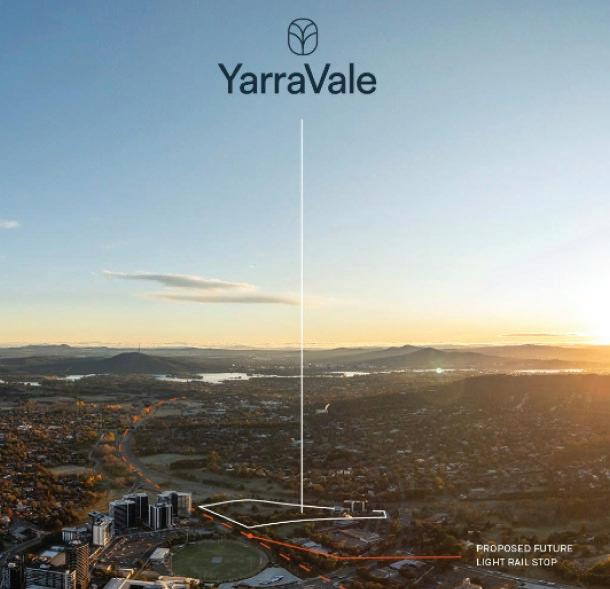
The location of the site makes it well-suited for higher-density residential living.
Positioned at the northern gateway to the Woden Town Centre, the precinct sits beside the future Light Rail Stage 2B corridor, with initial plans including a stop nearby. The project supports broader planning goals around transport connectivity, housing supply, and sustainable urban growth in Canberra.
Sustainability has also been an important consideration throughout the planning process. As part of our commitment to achieving a 5-Star Communities Green Star rating, the project includes rooftop solar, energy-efficient design, electricvehicle-ready parking, and opportunities for community gardening.
Landscaping also plays a key role in the development. The project plan includes the planting
of significantly more new trees across the precinct, along with additional green spaces and street planting along Yamba Drive.
Looking Beyond Traditional Club Operations
For the Canberra Southern Cross Club, Yarravale reflects a broader shift in how Clubs can think about their future role within the community.
Clubs have long been places where people gather, connect, and access services. Projects like this show that Clubs can continue to build on that role in different ways, including through housing, wellbeing, and community infrastructure.
Yarravale is about creating a long-term outcome that benefits both the Club and the wider community. It demonstrates how Clubs can use strategic planning and existing assets to support future sustainability while still remaining community-focused at their core.

Member Club Listing
ACT Rugby Union Club Turner
Ainslie Football and Social Club
Austrian Australian Club
Australian-Croatia Club
Belconnen Bowling Club
Belconnen Soccer Club
Burns Golf Club Belconnen
Canberra Burns Club
Canberra Deakin Football Club
Canberra Irish Club
Canberra Labor Club Belconnen
Canberra Labor Club Central Social
Canberra Labor Club Ginninderra
Canberra Labor Club Weston
Canberra Racing Club
Canberra Services Club
Eastlake Calwell
Eastlake Football Club Griffith
Eastlake Gungahlin
Federal Golf Club
Gungahlin Lakes Golf Club
Harmonie German Club
Hellenic Club in the City
Hellenic Club Woden
Mawson Club
Murrumbidgee Country Club
National Press Club of Australia
Raiders Belconnen
Raiders Gungahlin
Raiders Weston
Royal Military Golf Club
Southern Cross Club Jamison
Southern Cross Club Tuggeranong
Southern Cross Club Woden
Southern Cross Yacht Club
Spanish Australian Club of Canberra
The Tradies Club
Vikings Erindale
Vikings Lanyon
Vikings Town Centre
Yowani Country Club











The People Behind 50 Years of ClubsACTThe Roll of Honour
As part of its 50th anniversary celebrations, ClubsACT has established a permanent Honour Roll recognising the people whose service, leadership and commitment helped build the organisation and shape the ACT club industry.
The inaugural Honour Roll recognises 30 people who each provided at least five years of service on the ClubsACT Board. Collectively, they represent hundreds of years of voluntary leadership across different eras of the organisation and almost every part of Canberra’s community club sector.
While their clubs, backgrounds and periods of service differed, they shared a willingness to contribute beyond the interests of their own organisations and work for the industry as a whole.
“The strength of ClubsACT has always come from industry leaders who were prepared to look beyond their own club and contribute their knowledge, judgement and time for the benefit of the wider sector,”
ClubsACT Chief Executive Officer Craig Shannon said.
“The Honour Roll recognises people whose contribution extended far beyond attending Board meetings. Their leadership helped ClubsACT navigate major industry changes, maintain a strong collective voice and ensure community clubs remained an important part of Canberra.”
Recognising exceptional service
The purpose of the ClubsACT Honour Roll is to recognise exceptional voluntary service and leadership provided to the organisation.
Nominees are assessed on the length, significance and impact of their contribution, together with the leadership, integrity and professionalism demonstrated throughout their service. Consideration may also be given to committee participation, administrative support and other significant contributions to ClubsACT.
Future nominations will be considered by the ClubsACT Board, with successful inductees announced at subsequent Annual General Meetings.
The inaugural Honour Roll
A review of ClubsACT’s records identified 30 individuals who served on the Board for five years or more. Together, they form the complete inaugural ClubsACT Honour Roll.
Fourteen years
Maurice Reilly Ainslie Football and Social Club and National Press Club
Max Mercer Mawson Club
J. Evans, deceased Woden Tradesmen’s Union Club
Thirteen years
David Lalor Ainslie Football and Social Club
Tony Luchetti Canberra Labor Club
Eleven years
Iain Crawford
Canberra Highland Society and Burns Club
Ten years
Gerard Brennan Canberra Club
Adrian Caddy Canberra Southern Cross Club
Simon Patterson Ainslie Football and Social Club
Paul Berger Harmonie German Club
Nine years
O. E. Philpot Canberra Club
J. Kimball Belconnen Magpies Sports Club
R. C. Fisher Canberra Club
Diana Riddell, deceased Canberra Labor Club
R. L. Evans Canberra Services Club
Ian Cameron Hellenic Club
Kim Marshall Canberra Southern Cross Club
Eight years
R. L. Wignall, deceased Canberra Labor Club
R. S. McInnes Canberra North Bowling Club
Geoff Long Belconnen Soccer Club
Anthony Hill Tuggeranong Valley Rugby Union and Sports Club
Seven years
Terry Rule Belconnen Bowling Club
Vin Pye Canberra Workers Club
John Penca West Belconnen Leagues Club
Lorin Joyce Eastlake Football Club
David Paull Tuggeranong Valley Rugby Union and Sports Club
Six years
R. Salter, deceased Sports Kaleen
Jeremy Wilcox ACT Rugby Union Club
Anthony Ratcliffe Eastlake Football Club
Mark Copley Eastlake Football Club
These inductees served ClubsACT at different points in its development and under very different circumstances.
Some helped guide the organisation during periods of growth and expansion. Others served through significant regulatory reform, economic pressure, industry division, venue closures and the unprecedented challenges of the COVID-19 pandemic.
All contributed to the continuity, credibility and collective strength of ClubsACT.
Presentations at the 50th birthday celebration
Fifteen of the inaugural inductees were formally presented with their Honour Roll recognition as part of ClubsACT’s 50th birthday celebration:
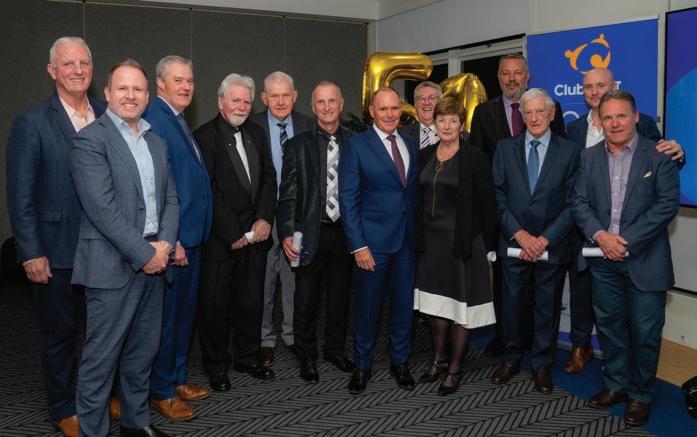
The presentations provided an opportunity to publicly acknowledge their contribution in front of industry colleagues, friends and representatives from across Canberra’s club community.
The 15 presentations at the anniversary event do not constitute a separate category of recognition. All 30 people identified through the historical review are inaugural inductees to the ClubsACT Honour Roll.
For several inductees who are no longer with us, the Honour Roll also provides a lasting acknowledgement of service that might otherwise have faded from the organisation’s collective memory.
Maurice Reilly, Max Mercer, David Lalor, Tony Luchetti, Iain Crawford, Adrian Caddy, Ian Cameron, Paul Berger, Anthony Hill, Kim Marshall, Lorin Joyce, Simon Patterson, David Paull, Anthony Ratcliffe and Mark Copley.
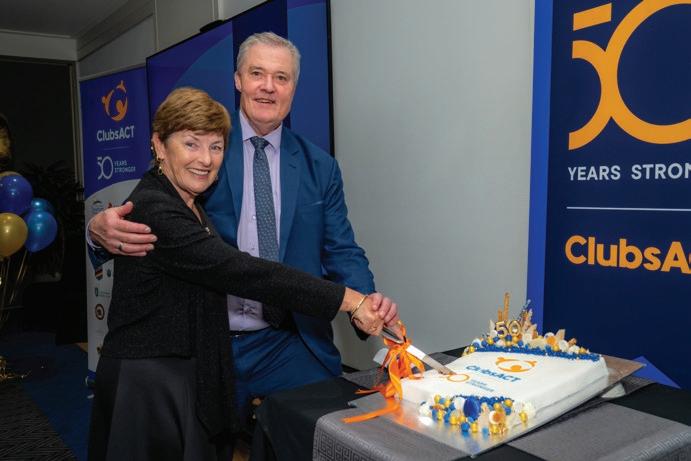
A permanent record of contribution
The Honour Roll is intended to do more than record length of service.
Board minutes and annual reports can document decisions, but they rarely capture the relationships, judgement, persistence and personal commitment required to lead an industry organisation.
The people recognised on the Honour Roll gave their time during periods when the interests of individual clubs did not always align and when achieving a united industry position required patience, compromise and mutual respect.
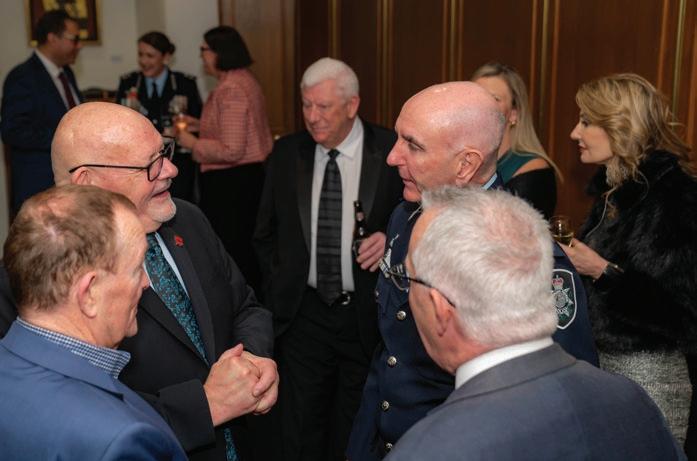
Their leadership helped ensure ClubsACT could continue to speak for clubs of different sizes, traditions and community purposes.
The Honour Roll will preserve that contribution and provide future generations of club leaders with a clearer understanding of the organisation they have inherited.
It will also remind us that the strength of ClubsACT has never rested solely in its structures, policies or public positions. It has rested in the people prepared to serve.
As ClubsACT enters its second half-century, the Honour Roll will ensure that the service and leadership on which the organisation was built remain part of its continuing story.
ClubsACT congratulates all 30 inaugural inductees and thanks them for their contribution to the organisation, the ACT club industry and the Canberra community.
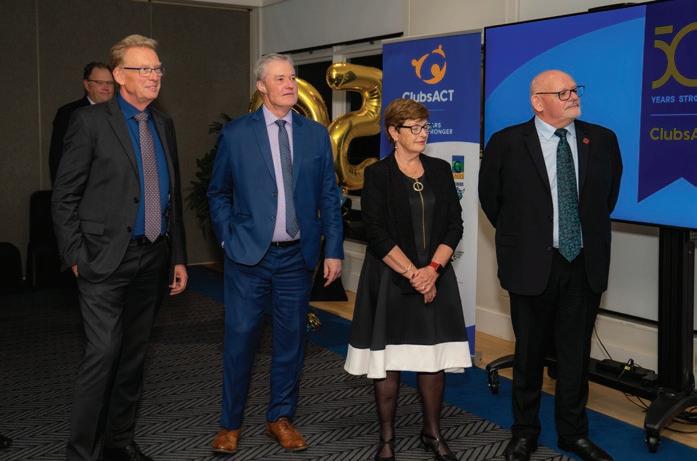
ClubsACT Honour Roll
• 30 inaugural inductees
• 50 years of industry representation
• Hundreds of years of combined voluntary service
• 15 presentations at the ClubsACT 50th birthday celebration
OUR CORPOR AT E PA RT N E R S
DIAMON D









NU M




























PL ATI
G O L D
SI LVE R
BRONZ E