footprints

ANGLICAN SCHOOLS COMMISSION MAGAZINE TERM TWO 2026
Those who know, do. Those that understand, teach.
Those who know, do. Those that understand, teach.
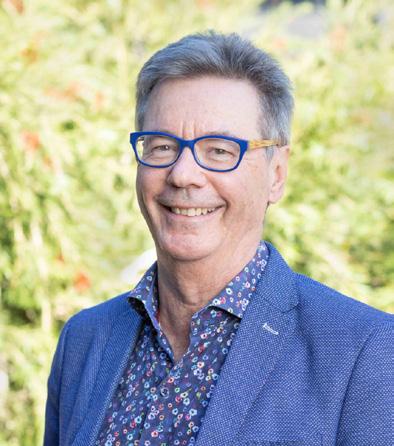
It’s staggering how quickly the year is moving!
Footprints proudly champions the achievements of Queensland’s Anglican schools and Early Learning Centres (ELC), and this edition we celebrate some remarkable educators who were recognised at the inaugural ASCENT Anglican School Awards.
Held at St Margaret’s Anglican Girls School, the award ceremony recognised the outstanding achievements of our schools, leaders, educators and staff across the K–12 sector.
Along with my fellow judges, I had the privilege of reviewing more than 140 high quality applications. As I was reading the nominations, I was reminded of a quote from Aristotle who understood the importance of teaching more than 2,300 years ago.
Those who know, do. Those that understand, teach.
I see this quote not as a dichotomy, but more as two sides of the same coin. Understanding, creating the doing, and the doing informing the understanding. And while Aristotle would be amazed at the diversity and delivery methods of modern day teaching, he would also see the value of excellent teaching and the impact of great programs.
I would also like to thank the events sponsors, Mapien Australia, Burling Brown Architects, and Clout PR & Content for their generous support of the ASCENT Anglican School Awards.
As preparations for the Brisbane 2032 Olympic Games ramp up, one school will be at the forefront, The Glennie School, which was recently unveiled as Queensland’s and regional Australia’s first Australian Olympic Pathway School.
This remarkable achievement will provide Glennie students with a once-in-a-lifetime opportunity of competing for Australia in Brisbane.
As you all know, the school and ELC sections are my favourite parts of this magazine. A special mention to the following:
• Cannon Hill Anglican College, and St Paul’s School organising fundraisers to fight breast cancer.
• The colour and celebration of United Nations Day at Canterbury College.
• Fraser Coast Anglican College’s green thumbs, who attracted the attention of Grow It Local founders Paul West, and Darryl Nichols, and author and television presenter Costa Georgiadis.
• St Luke’s Anglican School, who has formed a long-term international partnership with Taroniara Community School in the Solomon Islands.
• Toowoomba Anglican School’s Kindergarten for maintaining its exceeding rating from the Early Childhood Regulatory Authority.
Thank you,
Geoff
Geoff Newton Acting Executive Director, ASC
A
“As the end of Term 2 approaches, I encourage you all to feel energised and excited about the possibilities of 2026.”
Teacher recognition matters as it supports, validates, and encourages educators to continue doing what they do best, teaching and shaping young minds.
At the inaugural ASCENT Anglican School Awards, I had the honour of seeing first-hand the impact of teacher recognition, and the immediate benefit it provides.
Congratulations to all the winners, but especially St Margaret’s Anglican Girls School who received the Archbishop’s Award – Most Engaging Religious Education Initiative, for its On Being Human Program, and the Archbishop’s Award – High Impact Service-Learning Initiative for its Ponytail Project.
In April I joined 17 Year 11 students from Coomera Anglican College for their Desert Retreat in central Australia. Under vast skies, red earth, night walks amongst echidnas, and a deep, unsettling silence, we were invited to practice paying attention, which is anything but simple.
It had been almost two decades since I had last visited the heart of Australia, and I would like to thank the wonderful students for including me, in what I hope was a life changing experience.
I was delighted to learn of St Luke’s Anglican School’s decision to build a long-term international partnership with Taroniara Community School in the Solomon Islands, as my grandfather was based at Taroniara during the 1930s.
During a recent visit to Bundaberg, I was able to meet with Taroniara Community School Principal, Mr Michael Moli to discuss the partnership, which will include an annual teacher study tour and a biennial service learning tour to Taroniara for St Luke’s students.
As the end of Term 2 approaches, I encourage you all to feel energised and excited about the possibilities of 2026.
Be curious, embrace challenges, and most importantly, have fun.
And so, I pray:
Lord, fill each student with fresh enthusiasm and an excitement about learning and growing. Give them confidence and grace, and bless their teachers with wisdom, understanding and patience. Amen
+Jeremy
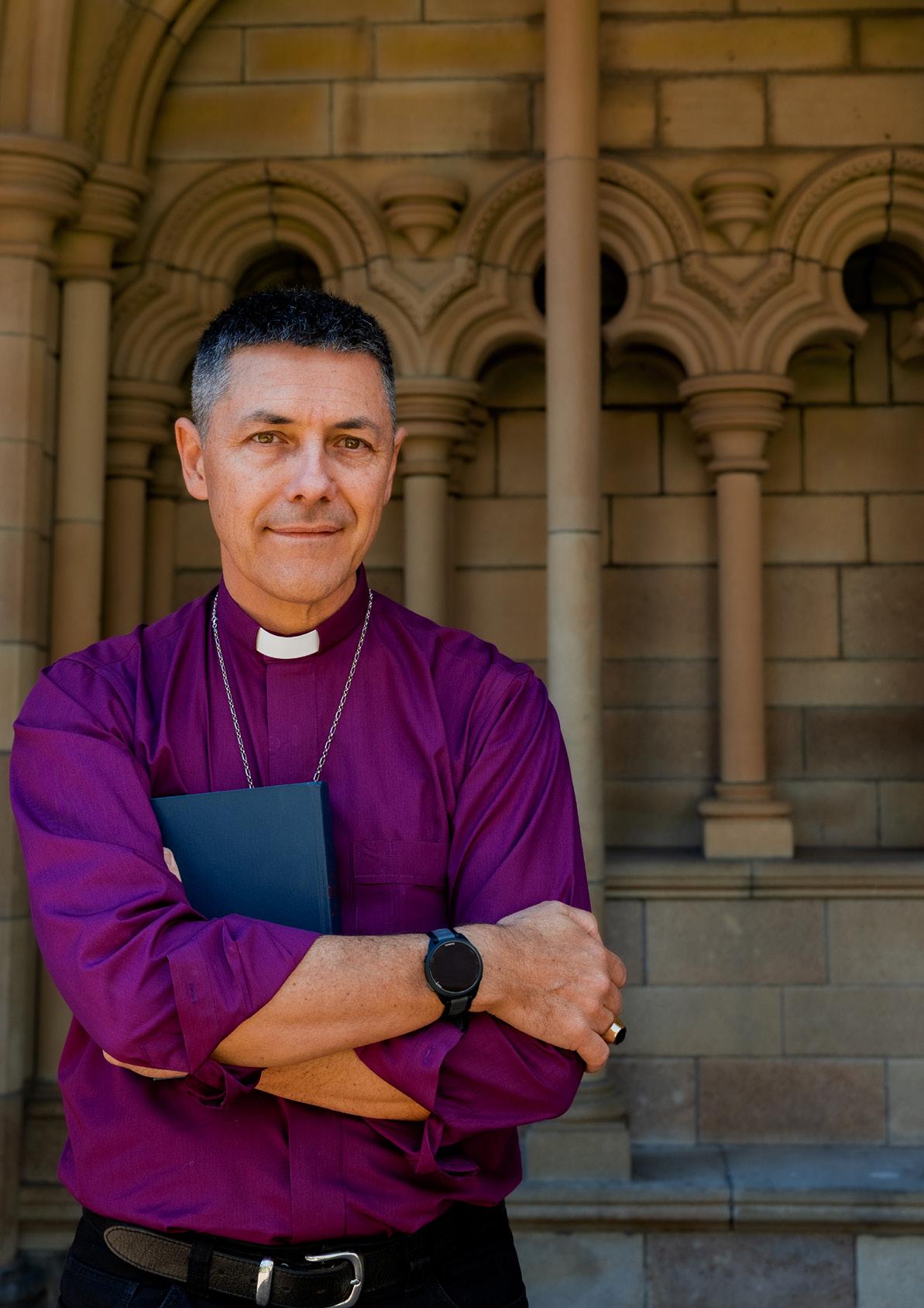
The Most Reverend Jeremy Greaves KCSJ Anglican Archbishop of Brisbane
The Anglican Church Southern Queensland is a significant and values-led organisation serving the community through a broad network of parishes, schools, education and care services, community services, ministry education, and social justice initiatives. Within this environment, the Anglican Schools Commission (ASC) plays a central role in providing strategic direction, policy oversight, and support to Anglican schools and Education and Care Services across the Diocese.
This is a substantial executive leadership opportunity at the centre of a complex and evolving education system. Reporting at senior level and contributing as a member of the Diocesan Leadership Team, the Executive Director will lead across a broad and diverse portfolio, bringing alignment, cohesion, and strategic clarity across multiple functions, leaders, and stakeholder groups.
Following the recent announcement of the retirement of the school’s Principal, Ros Curtis AM, after 16 years of dedicated service and visionary leadership, applications are now invited for the position of St Margaret’s next Principal.
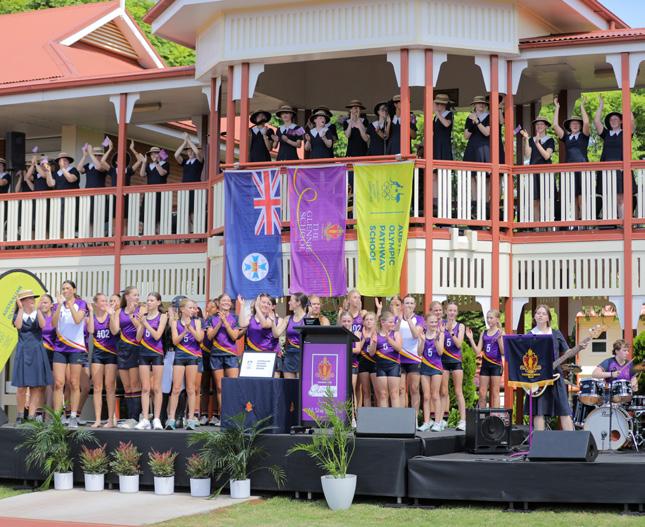
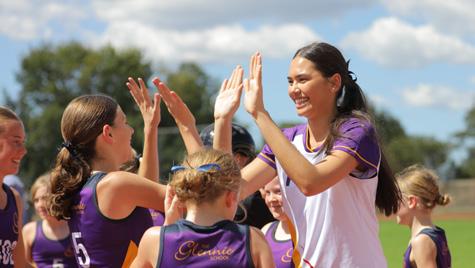
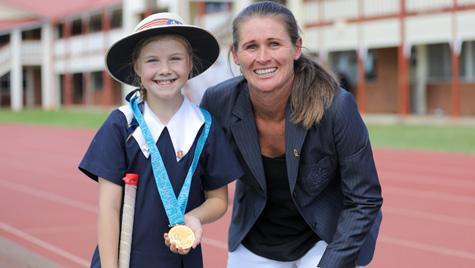
In mid-March The Glennie School (Toowoomba) was unveiled as Queensland’s first Australian Olympic Pathway School at a special ceremony in front of 800 people.
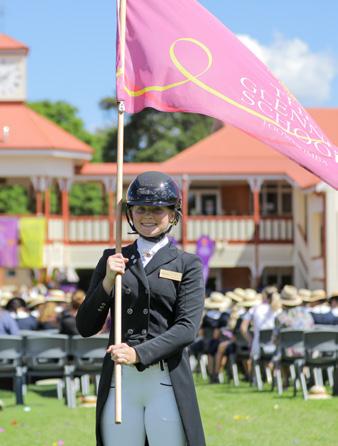
The Glennie School Principal, Mrs Emma Lowry, was joined by Member for Toowoomba North, Assistant Minister to the Premier for Cabinet and South West Queensland, Trevor Watts MP, Glennie Old Girl and Olympic gold medallist, Angie Lambert, and Australian Olympians Cate Campbell, Bronte Campbell, and Genevieve Gregson for the announcement, which included a special flag reveal ceremony.
To be recognised as an Australian Olympic Pathway School, The Glennie School had to meet strict criteria set by the Australian Olympic Committee and have a well-established elite athlete development sport program that includes Olympic sports.
The Glennie School’s Peak Performance Program is aligned to seven Olympic sports, Rugby 7s, Hockey, Triathlon, Equestrian, Cricket, Modern Pentathlon, and Handball.
Launched in 2025, the Peak Performance Program balances athletic performance with academic excellence, and provides student athletes with holistic support, including sports psychology, nutrition, and mentoring. Students also have direct access to strength and conditioning experts, and state-of-the-art facilities.
Principal, Mrs Emma Lowry said The Glennie School’s coaches, facilities and support, will provide a pathway for young sportswomen who dream of competing at the Brisbane 2032 Olympic Games.
“The Glennie School is Queensland’s first Australian Olympic Pathway School, and Australia’s first regional Australian Olympic Pathway School,” Mrs Lowry said.
“This is a once-in-a-lifetime opportunity for Glennie students to pursue their dreams of wearing the green and gold for Australia in Brisbane.
“The Glennie School has dozens of brilliant, talented young sportswomen, who are setting a wonderful example of what can be achieved, both in the classroom and on the sporting field.
“As an Australian Olympic Pathway School, the Australian Olympic Committee is helping our students be All She Can Be.
“Today’s announcement ensures that girls from regional Queensland have access to the pathways, opportunities, and support needed to pursue their sporting potential at the highest level. Along with this comes the development of young women who are strong in mind and body, young women who are balanced, respectful, and resilient.”
Australian Olympic Committee CEO, Mark Arbib said like all Australian Olympic Pathway Schools, The Glennie School has proven it can produce well-rounded student athletes.
“By catering for the student holistically, Glennie helps all students have a lifelong connection to sport,” Mr Arbib said.
“Seeing the Olympic rings every day can encourage students to pursue excellence in everything they do. The more active students we have in Australia, the better, particularly ahead of our home Games in 2032.”
The Glennie School counts many alumni as Olympians and Australian representatives, including three-time Olympian Angie Lambert (nee Skirving), who was part of the Hockeyroos gold medal winning team at the Sydney 2000 Olympic Games.
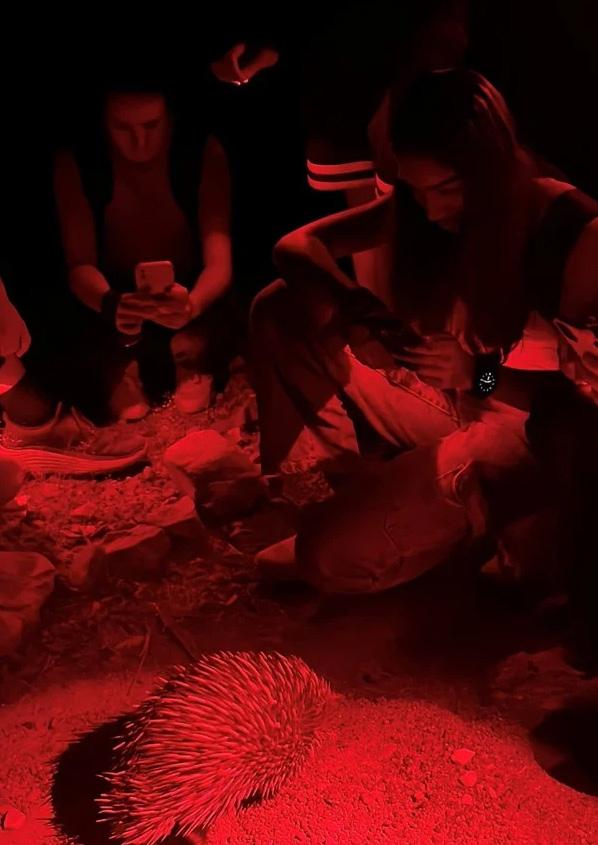
Vast skies, red earth, night walks amongst echidnas, and a deep, unsettling silence.
By Archbishop Jeremy
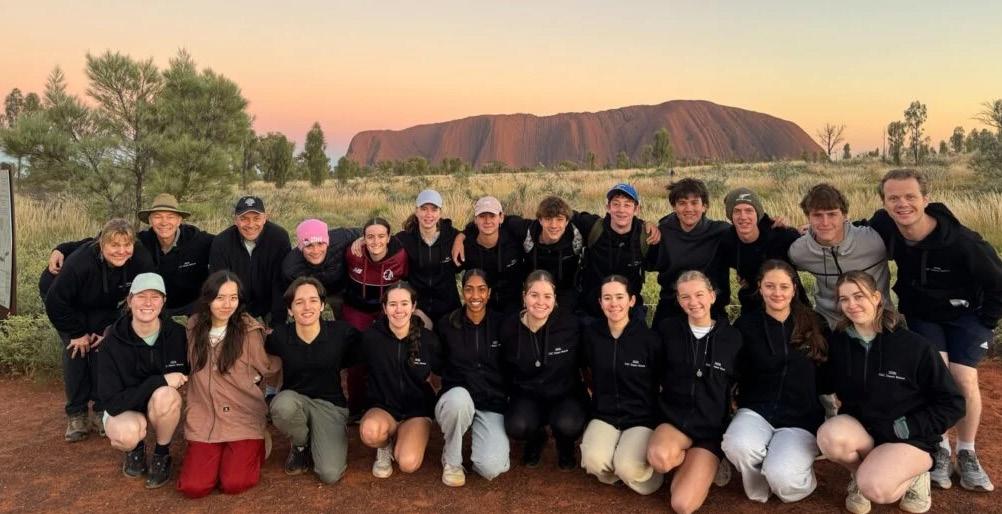
It had been nearly 20 years since I last visited central Australia, and as I arrived in Alice Springs with a group of Year 11 Coomera Anglican College students for their “Desert Retreat”, I found myself wondering…”Would the desert feel the same?” and “Would it still speak in the way I remembered?”
In some ways it did, of course — the vast skies, the red earth, the deep, unsettling silence. But in other ways it was entirely different because I am not the same person I was 20 years ago. And perhaps that is one of the great truths the desert reveals — it does not change nearly as much as we do.
The early Christian desert fathers and mothers understood something profound about places like this. They did not go into the desert to escape the world, but to encounter it more truthfully — to encounter themselves and God without distraction or illusion.
The desert strips things back. It has a way of exposing what is essential and letting the rest fall away. It can feel confronting at first, even uncomfortable, but it is also deeply clarifying.
Over the week we were together we sought to make that ancient wisdom a lived experience. Our time in Alice Springs and at Uluru was shaped by a simple invitation to the students and to the rest of us along for the journey — to practise paying attention.
It sounds straightforward, but it is anything but easy. We are so accustomed to noise, to movement, to constant stimulation that stillness can feel like a challenge. Yet it is precisely in that stillness that something begins to shift.
We paid attention to the land itself — its beauty, its resilience, its ancient story. We sat in silence at Angkerle Atwatye — meaning “Gap of Water” — which is sacred to the Arrernte people and also known as Standley Chasm. We sat at sunset on a hilltop and at sunrise near Uluru. We listened to artists reflect on how they see and paint the land. We walked at night amongst bilbies and echidnas.
There is something about that landscape that resists being rushed or reduced. It asks something of you. It invites you to slow down, to look more closely, to listen more deeply. In doing so, it gently reminds you that you are part of something much larger than yourself.
We paid attention to one another as well. Removed from the usual rhythms and distractions of school life, there was space for different kinds of conversations: more reflective, more honest. There was also space for silence, which can be its own kind of communion. It was a privilege to witness the openness and thoughtfulness of these young people as they engaged with the experience.
And we paid attention inwardly — to the movements of our own hearts and minds. What surfaces when the noise recedes? What do we notice about ourselves when we are not constantly occupied? These are not always easy questions, but they are important ones. The desert, in its quiet way, holds them before us without judgement.
Above all, we sought to pay attention to God not as something distant or abstract, but as a presence that is already there, waiting to be noticed. The desert fathers often spoke about this kind of attentiveness as the beginning of prayer: not so much speaking but listening. Not striving but becoming aware.
Standing before Uluru, that sense of attentiveness felt especially tangible. There is a reason people speak of “thin places” — locations where the boundary between heaven and earth seems somehow more permeable. Uluru, for me, is such a place. Its stillness carries a kind of weight, a dignity that commands both respect and humility. It is difficult to stand there and not feel that you are on holy ground.
As I reflect on the retreat now, I find myself deeply grateful, not only for the opportunity to return to central Australia after so long, but for the chance to share that experience with such a remarkable group of students. The desert does not offer quick answers or easy conclusions. Instead, it offers space to listen, to notice, to become more attentive to what is real and what matters.
And perhaps that is its greatest gift. In a world that so often pulls us in a thousand directions, the desert gently calls us back to simplicity, to presence, to God. It invites us, patiently, but persistently, to pay attention.
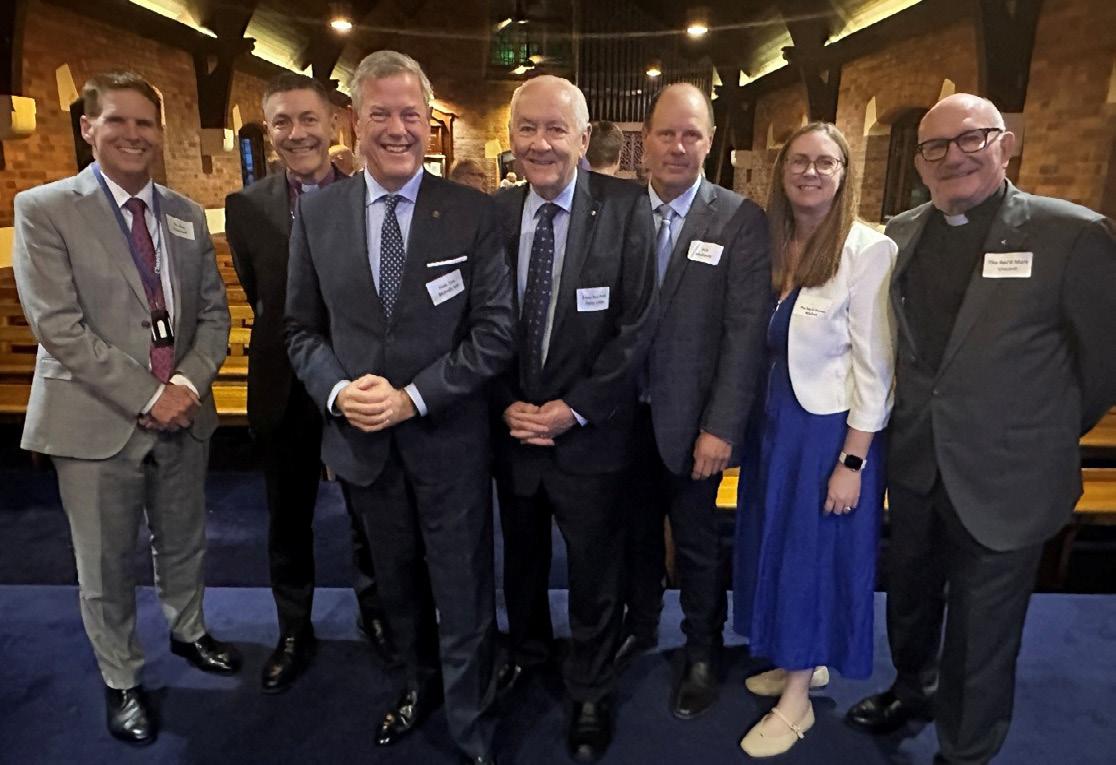
More than 70 guests, many of them Old Boys, gathered recently for the launch of the St Magnus Institute for Ethical Leadership, marking an important new chapter in Churchie’s long-standing commitment to character formation and ethical leadership.
Following preliminary remarks from The Reverend Mark Vincent, Director of the Institute, the Headmaster, Dr Alan Campbell, formally welcomed attendees and reflected on Churchie’s enduring mission to nurture young men of character who will lead and serve for the common good, a vision rooted in the school’s Anglican ethos.
The launch was opened in prayer by The Most Reverend Jeremy Greaves KCSJ, Archbishop of Brisbane, who invited those present to reflect on what is right, what is just and how leaders can act in ways that honour the dignity of every person. His prayer set the tone for an evening focused on moral integrity, thoughtful discernment and service-oriented leadership.
The keynote address, delivered by Emeritus Professor Peter Little AM, posed the timely question: Have we lost our moral compass? Drawing on research and experience, Professor Little argued that while Australia faces increasing social and economic pressures, evidence suggests our moral compass remains intact. That is, provided leaders commit to integrity, ethical governance and thoughtful decision-making.
A wide-ranging panel discussion followed, exploring what ethical leadership looks like in practice across business, politics, faith, and education. Facilitated by The Reverend Mark Vincent, the panel included Headmaster Dr Alan Campbell, The Most Reverend Jeremy Greaves KCSJ, The Hon. Tim Nicholls MP (1982) and Mr Rob McGavin (1986); thus, providing a broad spectrum of experience covering education, religion, politics and business. Collectively however, the panellists emphasised the importance of understanding complexity, resisting simplistic binary thinking amplified by social media and considering the impact of decisions on the most vulnerable.
The St Magnus Institute for Ethical Leadership is an initiative envisioned by The Reverend Mark Vincent. Its purpose is to serve as an enduring forum that complements the growth of student leadership at Churchie. Grounded in a Christian worldview, the Institute aims to foster informed discussion, respectful debate and critical thinking, equipping students and the wider community to navigate ethical challenges with wisdom and courage.
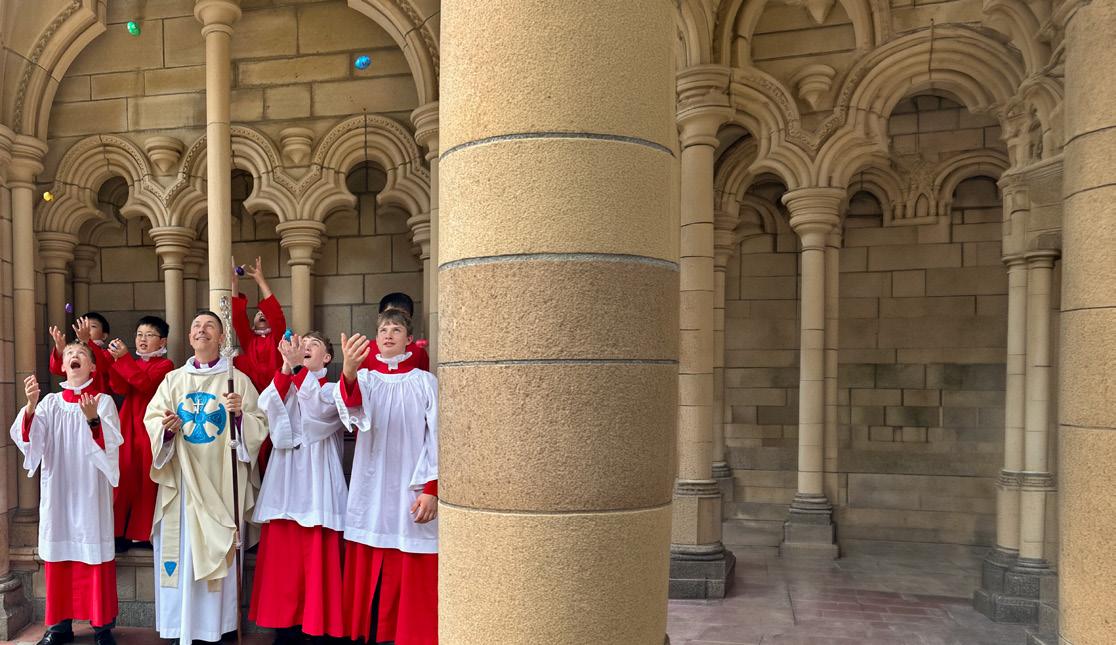
The angelic voices of seven Churchie boys featured in the Cathedral Choir across Easter church services in early April.
The boys even had time for an Easter egg, with Archbishop Jeremy.

The inaugural Archbishop’s Cup, a celebration of sport, connection, and community, burst into life in March when St Andrew’s Anglican College took on its great friends, Matthew Flinders Anglican College.
The opening round featured tennis, rugby and netball, with terrific competition, and sportsmanship from both schools.
Matthew Flinders claimed bragging rights, with the competition continuing in Term 3 when St Andrew’s hosts water polo, basketball, football and touch.
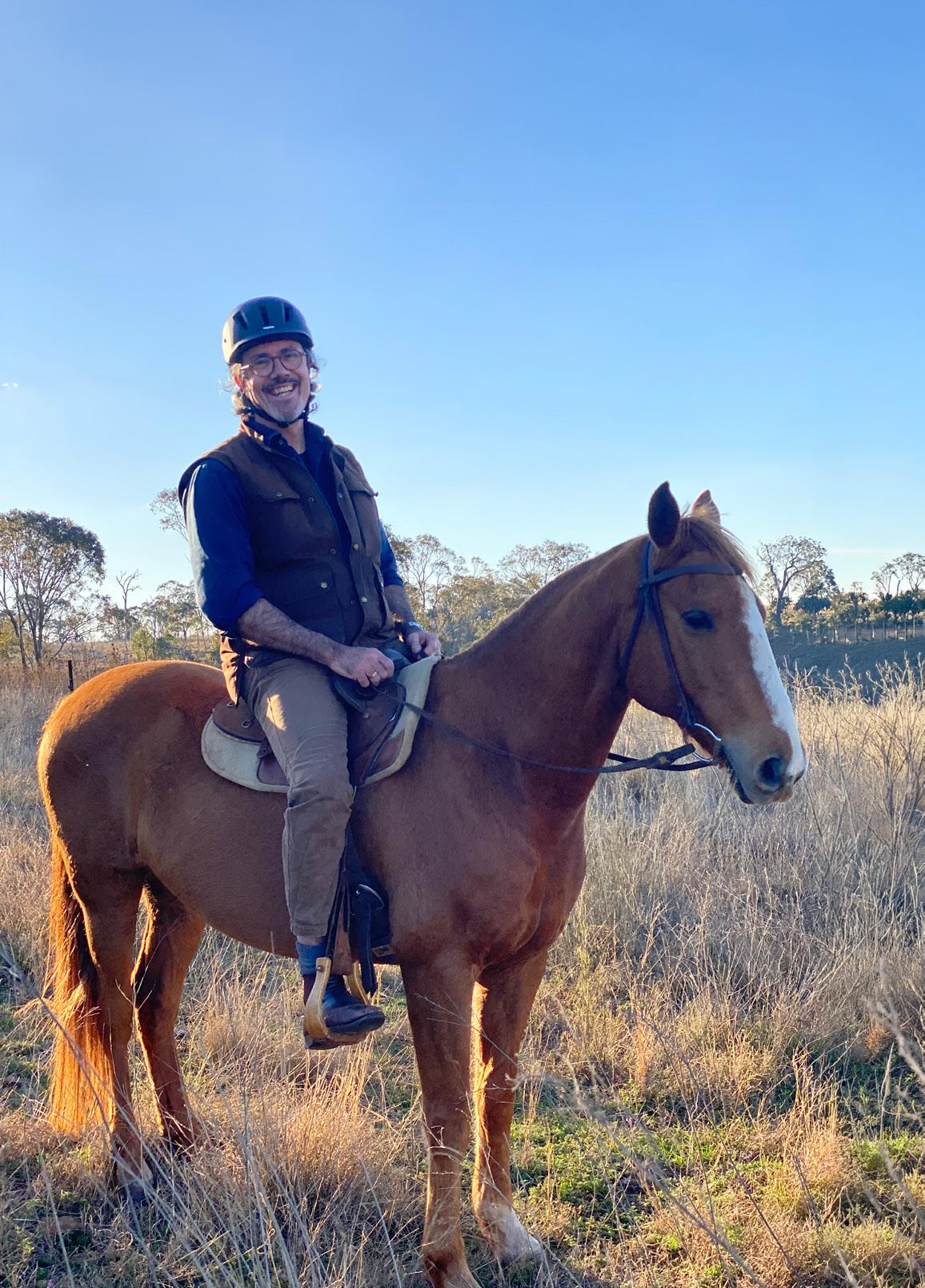
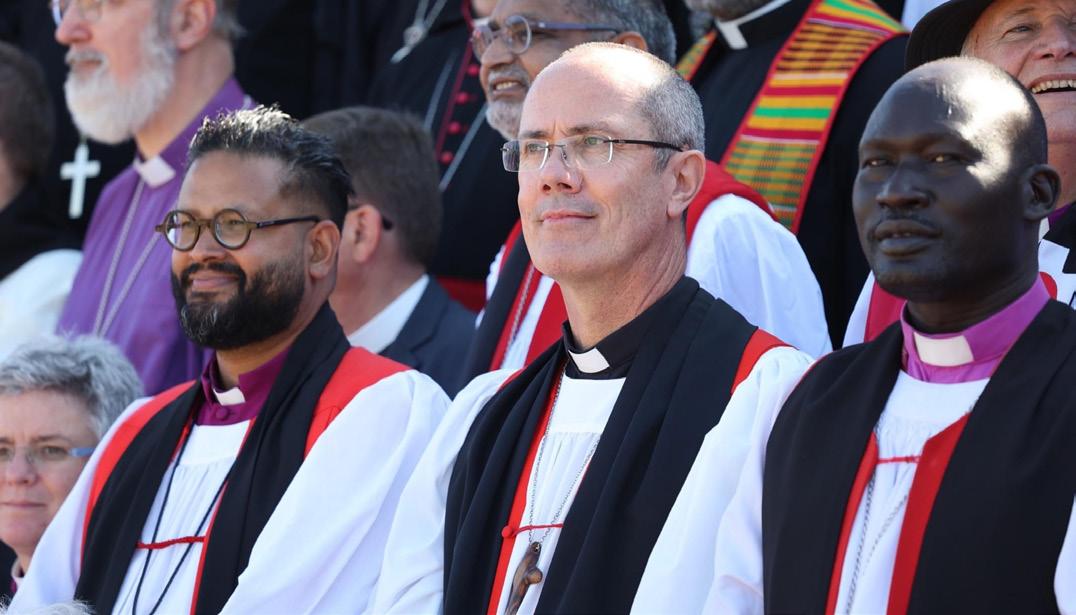
If you weren’t doing what you do now, what other career might you secretly have loved?
With hindsight I think I would have loved being an English teacher who introduced students to prose and poetry and invited interested students to develop their own creative ability in these genres.
Was there a book, song, or teacher from your younger years that shifted the way you see the world?
When I was in my early teens a friend gave me a copy of ‘A Far Off Place’ by Laurens Van der Post and in many ways this book awakened a profound and lifelong curiosity about languages, cultures, and countries other than my own.
What’s the most unexpected place you’ve ever felt close to God?
I feel close to God most of the time, so this is not easy to answer. Perhaps in the delivery rooms of hospitals as I’ve held my children after birth and they have been taking their first breaths… each a miracle amid blood, sweat, and surgical gloves!
How do you usually decompress after a long day?
A cup of tea on the back veranda steps looking out across the valley.
Do you have a small ritual that helps keep you grounded?
I like to walk around the neighbourhood before I go to bed and, while walking, I pray for the people I’ve spent time with that day.
You can invite two guests, living or dead, for a relaxed dinner at your place. Who’s at the table, and what’s on the menu?
Barack and Michelle Obama – the menu would depend on the season.
History suggests that as a species we have a remarkable capacity to adapt, innovate, survive, and do the right thing; that even when the darkness has seemed overwhelming in certain periods of human history, light has come eventually.
If you could hop on a plane tomorrow and travel anywhere, where would you go?
Florence (Italy).
If you could give one piece of advice to your younger self, what would it be?
Learn Spanish, my friend… and learn how to dance!
What’s something about you that would genuinely surprise people?
That I am frightened of heights!
The inaugural ASCENT Anglican School Awards Gala Dinner honoured the outstanding achievements of our schools, leaders, educators and staff across the K–12 sector.
At a Gala Dinner, the awards celebrated the transformative work being done within our Anglican community, specifically work that inspires students, strengthens school culture, and reflects our shared values of faith, learning, and service.
By recognising excellence in leadership, teaching, and innovation, we affirmed the profound impact Anglican educators have on the lives of young people and the broader community.
The ASCENT Anglican School Awards reflect the diversity and strength of our schools, and the commitment to nurturing students in a holistic environment grounded in Christian faith and good character.
Congratulations to the deserving winners.
Contribution to the School Community
(For Non-Teaching Staff, Directors of Governing Bodies, or Volunteers)
Trent Goodrick
Anglican Church Grammar School

Signature Program or Project
Agricultural Excellence
West Moreton Anglican College
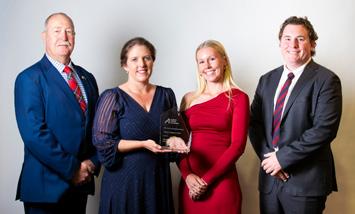
Best Reconciliation Initiative
Gidhal, Mulu Maguydan and Yumi KaiKai, Yumi Stories
St Margaret’s Anglican Girls School
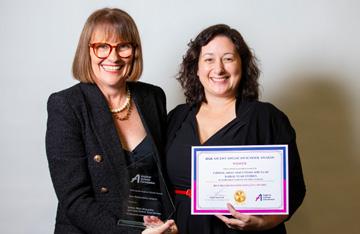
Early Career Teacher (First 5 Years)
Amanda Dawson
West Moreton Anglican College
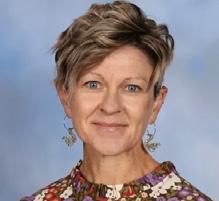
Contribution to Learning
Primary and Early Years Teachers
Catherine Grant
St Aidan’s Anglican Girls’ School
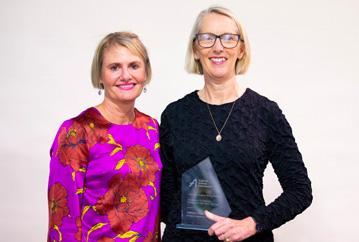
Archbishop’s Award
Most Engaging Religious Education Initiative
On Being Human Program
St Margaret’s Anglican Girls School
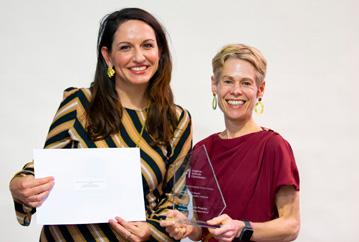
Contribution to Learning Awards
Middle and Senior School Teachers
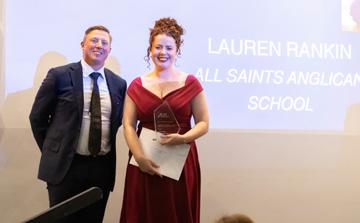
Lauren Rankin
All Saints Anglican School
Contribution to Learning
Senior Leaders
Kerrie Aquilina
The Southport School
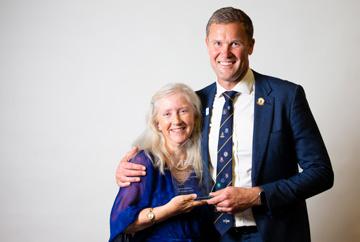
Archbishop’s Award
High Impact Service-Learning Initiative
Ponytail Project
St Margaret’s Anglican Girls School
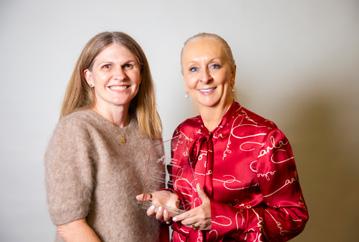
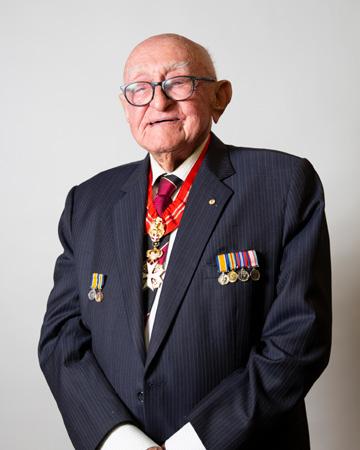
Hall of Fame
Ray Geise
St Margaret’s Anglican Girls School

In mid-April 2026 we had the first Risk and Compliance Forum of the year. We were fortunate to have a wide range of thought provoking and informative topics at this event.
Paul Paulson, Director of Indigenous Education presented around cultural safety in our schools for Aboriginal and Torres Strait Islander students. His presentation revolved around ensuring Aboriginal and Torres Strait Islander students feel they are attending schools that are a safe environment where there is no assault, challenge or denial of their identity, of who they are, and what they need. It is about shared respect, shared meaning, shared knowledge, and experience, of learning, living, and working together with dignity and truly listening.
Dr Sarah Winch, an ethical thinking expert, presented around ethical problems for organisations, including schools. This presentation highlighted the importance of rewarding values within organisations and not just the financial result.
Finally, the Health Safety and Environmental Manager of the Society of the Sacred Advent Schools, Melanie Pattison, presented around the Dreamworld River Rapid Ride accident, 10 years on, including learnings from this event. She stepped us through the Swiss Cheese model and how many control failings needed to occur at once for such a tragic event to happen.
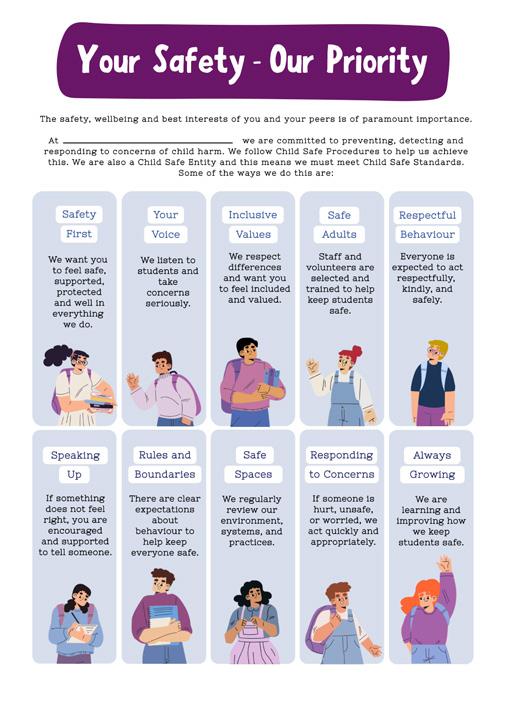
It has been a privilege to continue supporting Anglican schools and Early Learning Centres in implementing Version 1 of the Child Safe Anglican Education Policy and Procedures. Significant progress has been made, with key initiatives including the rollout of resources to strengthen communication with children and broader stakeholders about our child safe practices, the delivery of Child Safe Advocate Inductions, and the provision of bestpractice guidance to support responses to child safety matters. Targeted briefing sessions have also helped embed robust quality assurance processes across our system.
Behind the scenes, considerable work has been underway to prepare for the introduction of Queensland’s Reportable Conduct Scheme, commencing 1 July. This has involved developing updated delegations and Version 2 of the Child Safe Policy and Procedures, alongside the creation of training programs, practical resources, and partnerships with external specialists to support effective implementation.

Looking ahead, we are also developing our first Good Practice Report. This report will showcase and celebrate effective initiatives and innovative approaches emerging from Child Safe Action Plans across our education communities, providing valuable insight and inspiration for continued improvement.
Finally, I would like to extend my sincere thanks to all the staff and volunteers who have completed online training so far this year. With more than 7,000 participants, this represents a remarkable collective commitment to ensuring safe and supportive environments for children and young people.




















The ASC Aboriginal & Torres Strait Islander Student Symposium is an annual event where the Aboriginal and Torres Strait Islander students, elders, and key educational leaders gather to discuss the issues that confront urban, remote and rural education and the challenges of studying at an independent school.
This year’s symposium at St John’s Anglican College was significant, as most of the speakers were Aboriginal and Torres Strait islander students who shared stories of life, hope and success. The students provided possible strategies and insights for future Aboriginal and Torres Strait Islander students who want to enrol and attend our Anglican schools and become a valuable part of the Anglican community with an Anglican identity enmeshed with their own cultural identity. They promoted the Reconciliation message across their workshops, using art, language, song and stories.
The symposium saw an excellent rendition of the national anthem led by Matty Dalton and the First Nation’s students from The Southport School, who sang the anthem in their local Yugambeh language and in English. Keynote presentations by All Saints Anglican School’s Gracie Golder and St Margaret’s Anglican Girls School’s Alaila Tamwoy-Ball to start the day were well received and highly impactful.
The career expo also was very popular led by Qantas, the Australian Defence Force, Qld Ambulance Service, QLD Health, Qld Law Society, UQ, USQ, Griffith University and the Deadly Coders.
The day was perfectly capped off by an outstanding oration by Judge Nathan Jarro, Queensland’s first Indigenous judge appointed to the District Court. The day was well received by all, and the feedback was that the symposium gets bigger and better every year.
Another way to where we want to go.
Pilgrimage. It sounds so religious. So other-worldly. Irrelevant, even.
We’re people who love to go places, do things, upload the social media post and then look for the next experience – scrolling, researching, checking in with friends and colleagues for recommendations for our next adventure.
We rarely sit still or remain undistracted for long enough to pay attention to what is happening around us, in real time, and be moved by who or what we encounter. To notice, and allow God to open our eyes, ears and heart to the wonder of creation and the dignity of others, right before our eyes.
Before Easter I visited the Philippines as a pilgrim with the Anglican Board of Mission, visiting communities, including a school, with the mindset and attitude of ‘coming as guest’, to use the language of Br Damien Price’s approach to service learning.
In distilling the distinctives of what education in an Anglican school looks like, feels like, and sounds like, the notion of pilgrimage is helpful for framing our shared quest to nurture great humans. When we approach life as pilgrimage, these things organically emerge: witnessing to the love of God, fostering a sense of dignity and care for God’s children everywhere, inviting people to faith, forming people who choose to follow Jesus’ way of loving service, and caring for creation – the five action statements describing the mission of the Anglican church globally.
On returning from the Philippines, when people asked, ‘how was your trip?’, I found myself saying ‘it’s been one of the most deeply human encounters of my life’. I know it has changed me for good.
It’s also re-framed my approach to what mission might look like for us – people who form communities within Christian schools in the Anglican tradition. We will soon welcome 7 school chaplains from the Episcopal Church in the Philippines into our school communities for a return pilgrimage, and professional learning for all of us. I look forward to hearing stories of deeply transformative human encounter that emerge from this visit, and from other opportunities where students – and staff – in our schools are invited to come as guest to one another, regard the dignity of the other and encounter the presence of Christ. To be pilgrims.
Go well!
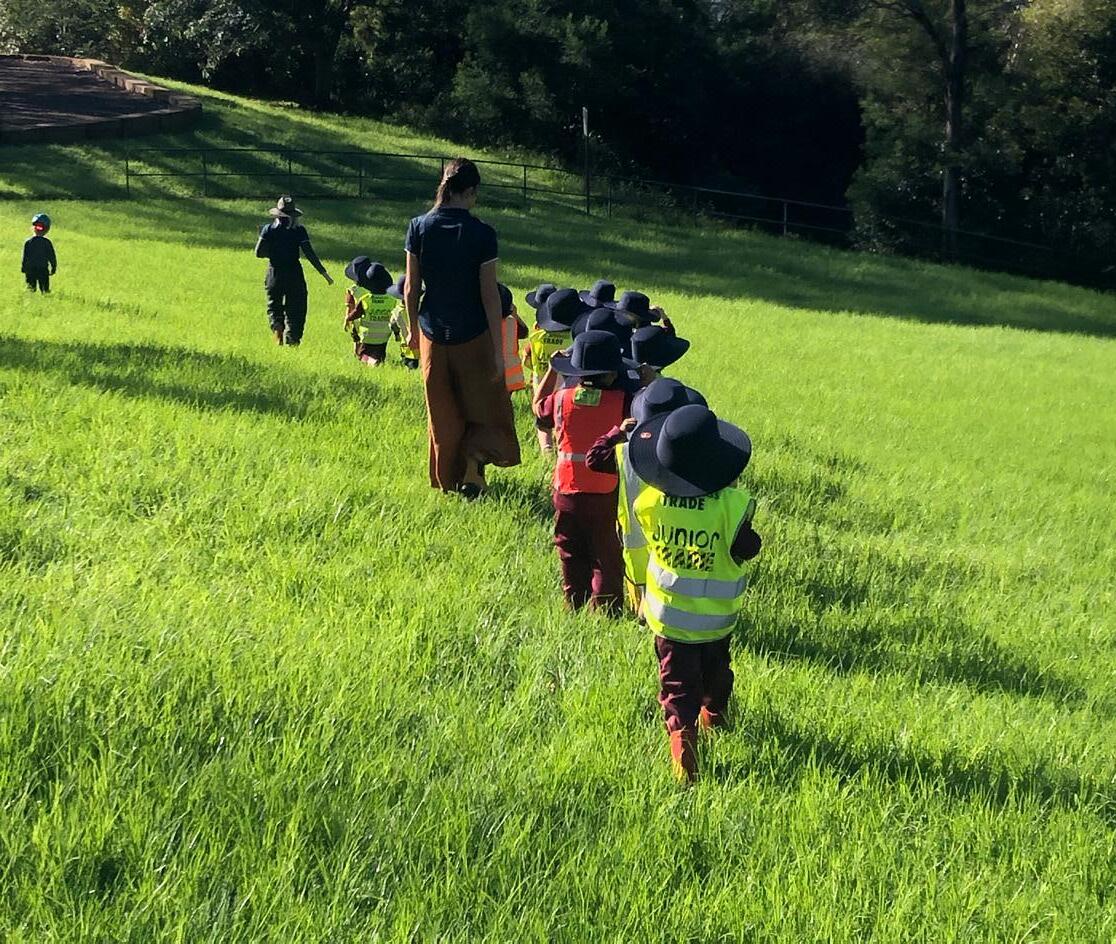
Congratulation to the team at Toowoomba Anglican School’s Kindergarten for receiving the rating of exceeding at its recent assessment and rating.
At Toowoomba Anglican School Kindergarten, the experienced and passionate team are committed to creating a safe, secure, and nurturing environment where every child is supported to flourish. It recognises and values the unique developmental journey of each child, embracing and celebrating their “here and now” moments while fostering confidence, curiosity, and a love of learning.
Through strong relationships, intentional teaching, and a caring community, children are empowered to grow socially, emotionally, and physically. The commitment to excellence and the holistic development of every child is reflected in all aspects of kindergarten life, making the service a meaningful and valued part of each child’s early learning journey.
The team believes the kindergarten received an exceeding rating because its practices are deeply embedded in everyday pedagogy, guided by ongoing critical reflection, and strengthened through authentic partnerships with children, families, and the wider community.
Educators demonstrate a strong understanding of each child’s individual strengths, interests, and needs, delivering responsive and intentional learning experiences that promote wellbeing, belonging, and active engagement. The exceeding rating is a direct reflection of the passion, dedication, and teamwork of the kindergarten staff, whose collective commitment, professionalism, and unwavering support for one another made this achievement possible.
“Alone we can do so little; together we can do so much.” — Helen Keller.
JOE WRIGHT FRASER COAST ANGLICAN COLLEGE
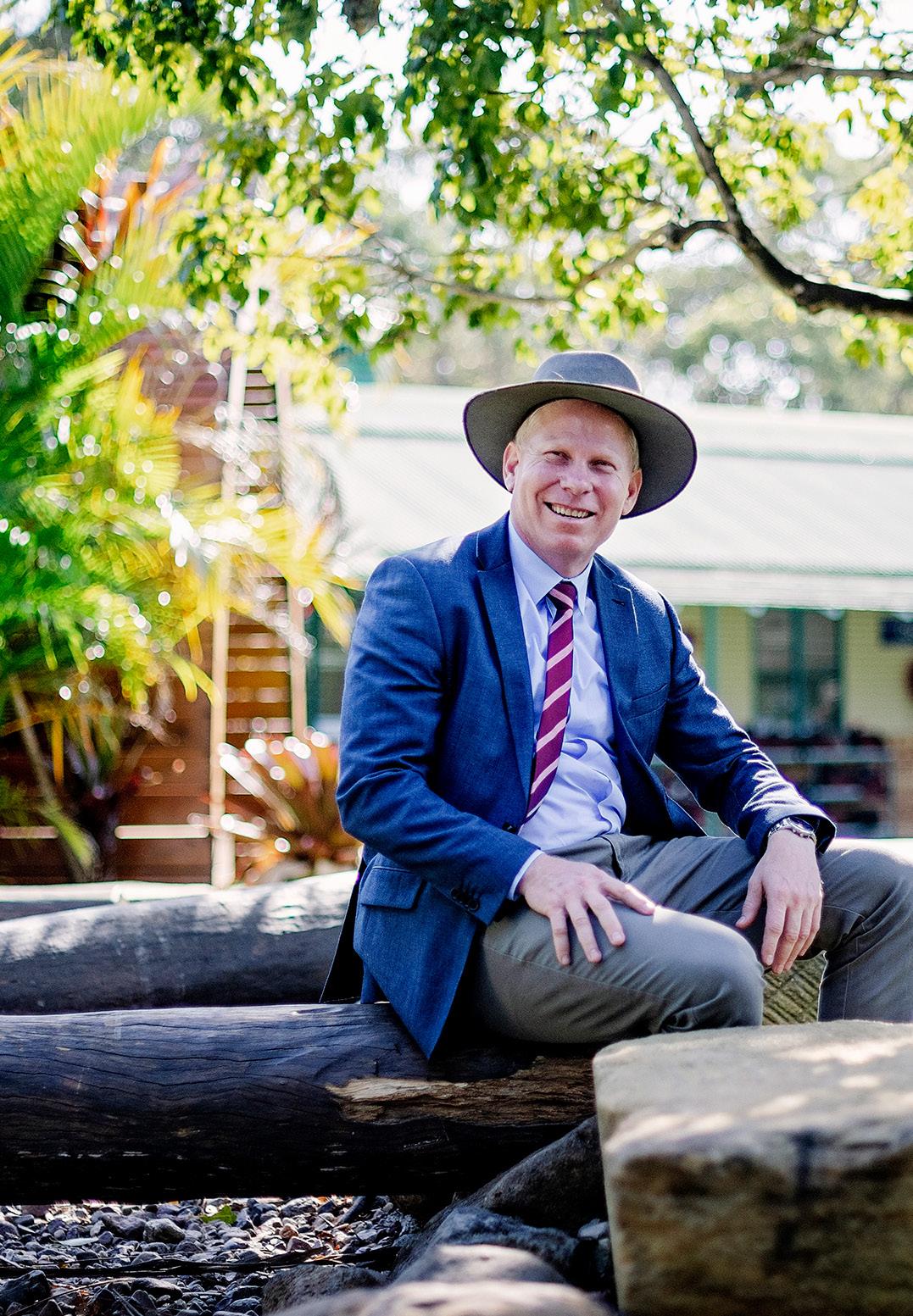
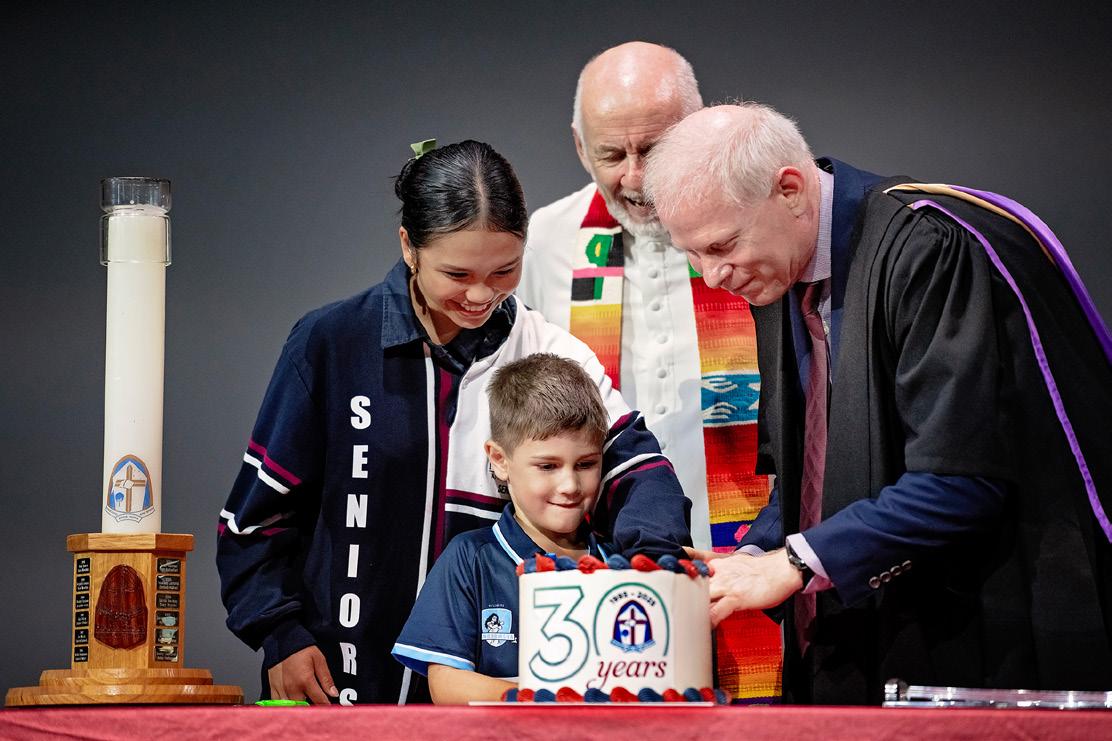
I came for a year and ended up being the Principal.
I knew from the first day I walked into Fraser Coast Anglican College that there was something special about this community and that an Anglican education, one that nourishes the body, mind and spirit, aligned perfectly with my educational philosophy.
Although Fraser Coast Anglican College was still in its early days when I arrived, I discovered a community that valued the holistic development of its students and had embedded this philosophy in everything they did. I knew these values; this mission was worth devoting a career to. My journey from teacher to Principal took seventeen years and I am grateful for the opportunities provided to me in a regional school and privileged to be able to lead this community into bringing its bold vision into reality.
Prior to FCAC’s establishment in 1995, the Fraser Coast region had limited schooling options. It wasn’t always easy to sell the concept of an Anglican education to the wider community. It was easy for some to label a school that valued excellence as ‘elitist’. After many years of engagement with the local community through sport, the arts and service, FCAC earned its place of pride within the Fraser Coast community. Today, it flourishes.
Leading a regional school has its fair share of challenges and joys, and I’ve been fortunate to be there for most of the journey. As a leader, in various roles, I’ve experienced the tough times and learnt the valuable lessons that follow. What always sustained us during those times was the caliber of the staff. I have found the staff in Anglican schools are deeply connected to their school communities, they are engaged in the wider mission. They go above and beyond, walking many extra miles for their students. Our teachers are more likely to see their role as a vocation, rather than ‘just a job’. You cannot easily measure the benefits of such a culture, but there is no doubt that the beneficiaries are our students, and they continue to benefit long after they graduate.
Anglican schools encourage their students to use the gift of their education to benefit their community, not just themselves. In an era where intelligence can be outsourced and, in a world experiencing great volatility, there has never been a stronger argument for an Anglican education, one that enriches the body, mind and spirit of its students and adds value to the community. Truly, an education worth having.
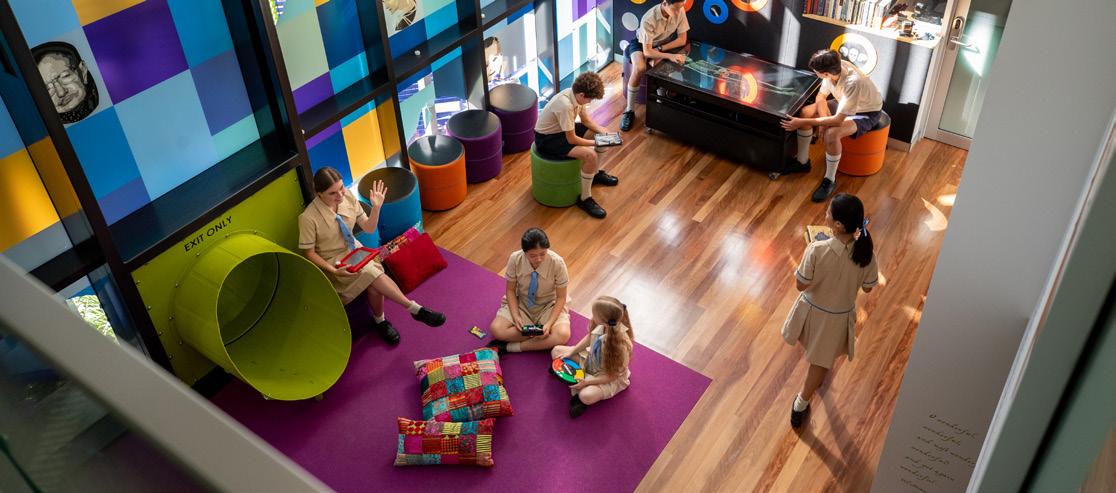
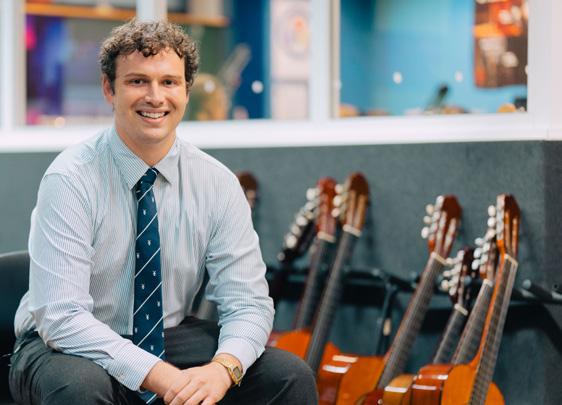
Teaching is serious work, but also full of surprises, laughs, and the occasional “how did that just happen?” moment. Footprints spoke with Trinity Anglican School’s Head of English, Claire Tracey, a teacher with 16 years of experience, and All Saints Anglican School’s Middle School music teacher, Dean Burton, who has just started his second year of teaching, to explore the shared joys and challenges of the classroom.
How long have you been teaching?
Ms Tracey: I started teaching in 2011, so I’m in my 16th year. Where does the time go?
Mr Burton: I am currently in my second year of teaching.
What drew you to teaching?
Ms Tracey: Both of my parents are teachers, and for the longest time I swore that the profession wasn’t for me. Eventually, I gave in to the fact that teaching seems to be in my DNA and the moment I took charge of a class for the first time I had to reluctantly admit that my parents had been right.
Mr Burton: My passion of music and service; particularly how they create a strong sense of community. During my time at school, music was an outlet, an opportunity for connection and expression. Teaching now allows me to give back, sharing that same gift by helping students connect with music via a universal language.
Any memorable moments from your first years?
Ms Tracey: So many memories from those chaotic days. One that stands out is a senior English Communication class convincing me that we couldn’t hear the bell from our classroom and thus earning themselves a fairly substantial early mark at the end of a pretty manic first week.
Mr Burton: The deafening power of 25 untuned guitars on one’s ears and how building strong positive relationships outside of the classroom enables students to be more confident taking risks with their music.
How would you describe your teaching style?
Ms Tracey: Relaxed and curiosity-driven. The goal is to create a space in which it is okay to make mistakes, to wrestle with ideas and to ask questions. In my subject areas, things are not always black and white and learning to accept that there is not always one ‘right’ answer is key.
Mr Burton: I would describe my teaching style as adaptable and responsive. I move between explicit instruction when developing technical skills and student-centred approaches that honour students’ perspectives and lived experiences. At its core, my practice focuses on building 21st-century skills and making learning relevant through popular music pedagogy.
How would you summarise your classroom personality?
Ms Tracey: If I have to choose two words: enthusiastic and kind. Even on those days when we’re all tired, I see it as my job to set the tone - and I’ve learned that calm, kindness and curiosity are, very helpfully, contagious.
Mr Burton: Kind and inviting, I believe every student deserves a place in the music classroom. I bring a naturally energetic and, at times, chaotic presence, with a voice that can rise above even the loudest ensemble. I encourage students to be bold, expressive, and confident in their music-making. Equally important, however, is my ability to step back from that intensity; creating moments of calm connection where I can engage students on a deeper, more personal level.

What has been a proud teaching moment for you?
Ms Tracey: It’s often the little things. The thank-you cards at the end of Year 12. The student who arrived as an avowed Englishhater and graduated having found a way into just one novel, one task - that’s always a win. Or watching someone have a genuine epiphany about why something actually matters beyond the classroom. And yes, the students who kick goals and walk away with 100% - they’re wonderful too, but they were probably going to be fine regardless, and you just get to be their cheerleader. It’s the unexpected wins for me.
Mr Burton: Leading my Year 9 students through their EDM composition process was a particularly rewarding experience. I introduced them to a complex program and guided them through the stages of the creative process. Over time, it was incredibly fulfilling to see their confidence grow as they developed their ideas into final pieces, which they were genuinely proud to call their own.
How do you make learning fun or memorable?
Ms Tracey: I like to make space for fun and creative expression. For example, when a unit of work allows, my senior students love a craft-ernoon spent demonstrating various aspects of their learning in visual form. This may sound unusual in an English and History space, but students love to see their learning expressed on our classroom walls.
Mr Burton: Using popular music, technology, and contemporary examples that highlight the real-world relevance of traditional music theory. They are further challenged by taking ownership of their creative processes and working towards clearly defined performance goals.
hobbies or surprising talents?
Ms Tracey: I’m not sure I have many outside the classroom, but I’ve developed some unexpected ‘talents’ along the waydeciphering appalling handwriting and editing unintelligible short stories to name two.
Mr Burton: I maintain a daily mindfulness and meditation practice and enjoy exploring how different musical traditions intersect with spirituality. In my spare time, I play a variety of instruments and am continually developing new skills, particularly through experimenting with emerging music technologies.

If you weren’t teaching, what would you be doing?
Ms Tracey: Could someone just pay me to read? That would be the dream. And like most English teachers, I’d be lying if I didn’t confess to the other one - the latent ambition to write the next Miles Franklin winner, but there is the small issue of time.
Mr Burton: Music sits at the core of my life; it is what recharges and inspires me. If I weren’t teaching, I would be deeply immersed in my own music-making and writing about the diverse musical traditions and practices found around the world. I am also drawn to the idea of working in rural settings with First Nations communities, particularly through music, to further develop my understanding and appreciation of culture, connection, and country.
What’s your favourite thing about your school?
Ms Tracey: TAS is a great place to work, and if I had to put my finger on why - it’s the vibe. (It’s the vibe of the thing, if you’ll excuse the ‘The Castle’ reference). There’s a real sense of community, and our students are kind and inclusive humans (for the most part - they are teenagers after all!).
Mr Burton: I value the strong sense of community and the way people come together, as well as the positive, meaningful interactions with students. I also appreciate how the cognitive and emotional benefits of the arts are recognised and actively promoted here.
Any reflections on how your views of teaching have evolved?
Ms Tracey: I’ve learned not to sweat the small stuff and that not everything needs a response - but some things really do. Early on, I probably got that balance wrong in both directions, and I’m sure I still get it wrong at times. I think I’ve also become more convinced that curiosity matters more than coverage. Getting through the content is one thing, but when a student leaves genuinely interested in something - that feels like the real win.
Mr Burton: My understanding of teaching has evolved to recognise the importance of adaptability in responding to the diverse needs, dynamics, and contexts of each class. I also place a strong emphasis on creating an inclusive classroom environment, where every student feels they belong and is supported to engage with music at their own level.
A former boarder and proud Ngemba man is spearheading The Southport School’s (TSS) First Nations support program. Matt Dalton, the Anglican school’s First Nations Support Officer relocated to TSS from South Grafton High School as a 15-year-old in 2017.
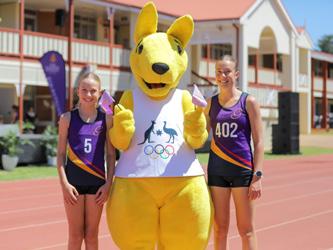
The Glennie School in Toowoomba is making history, launching a new Olympic training program. The Queensland first will help prepare student athletes over the next six years for the Brisbane Games.
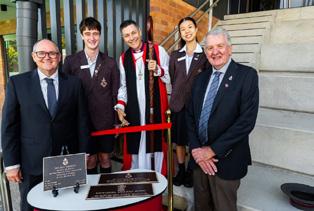
A high-performance facility featuring state of the art tennis courts has officially opened. The $5 million project is one of many across the region that will help find and bolster more home-grown talent from an early age.
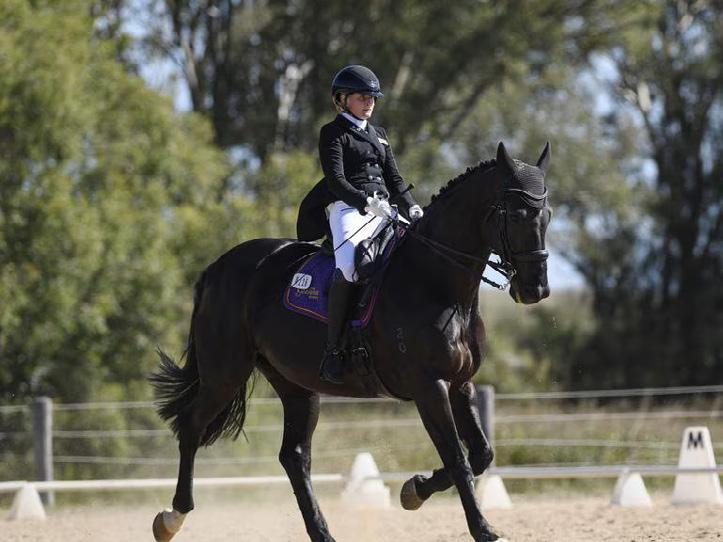
Record numbers of riders have taken up equestrian events at the future Olympic venue, with one school’s team nearly doubling as excitement builds for Toowoomba in 2032.
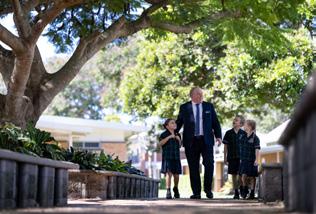
Queensland has dozens of ‘hidden gem’ schools in affordable rural and suburban locations, including St Luke’s Anglican School in Bundaberg.
The Glennie School students will travel to Japan to compete in the Sanix World Rugby Youth Tournament.
The school is the only Australian team competing in Women’s Sevens tournament, that brings together leading high school teams from Japan and around the world.
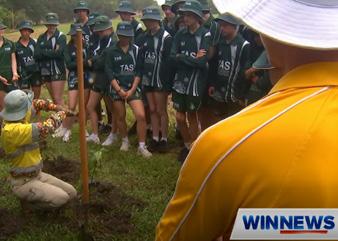
Almost forty Trinity Anglican School students put on their gardening gloves today for a fast-paced tree planting challenge. The activity aims to encourage sustainability, environmental resilience and community connection.
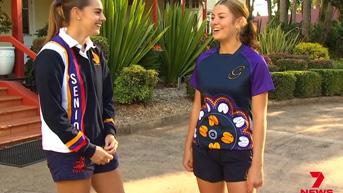
A Matthew Flinders Anglican College student is
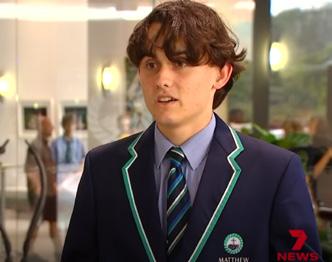
the youngest member of Queensland’s youth parliament. James Grisman has been selected to represent the Sunshine Coast and at just 16, there’s a chance he could even change state law
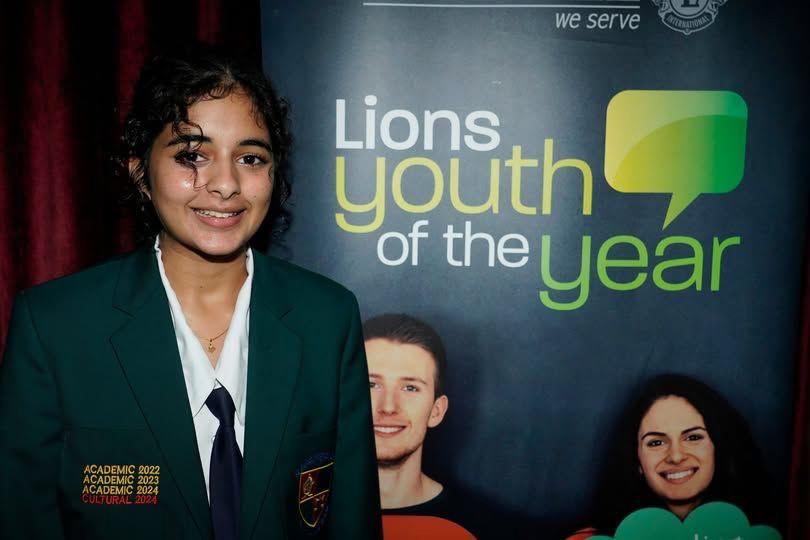

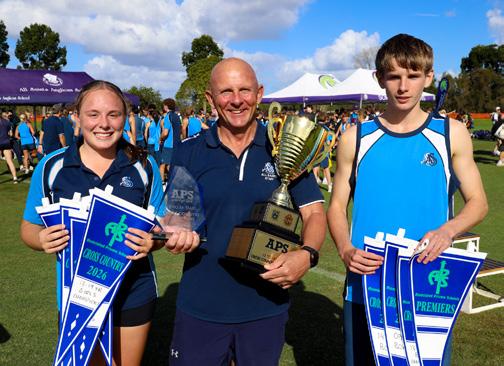
All Saints celebrated a remarkable milestone, with the Junior School Cross Country team claiming its 30th consecutive APS championship win. Adding to the celebration, the Senior School team also claimed the 13+ Years APS championship, making it a standout season for the school. The strength of the team was also reflected in the individual age group results, with All Saints securing eight top three results across 10 age groups and taking out six divisions. The result speaks to the strength of the school’s sporting culture, the commitment of students and the guidance of dedicated staff. It was also a fitting final major sporting event for long-serving Director of Sport Mr Fergus Leslie.

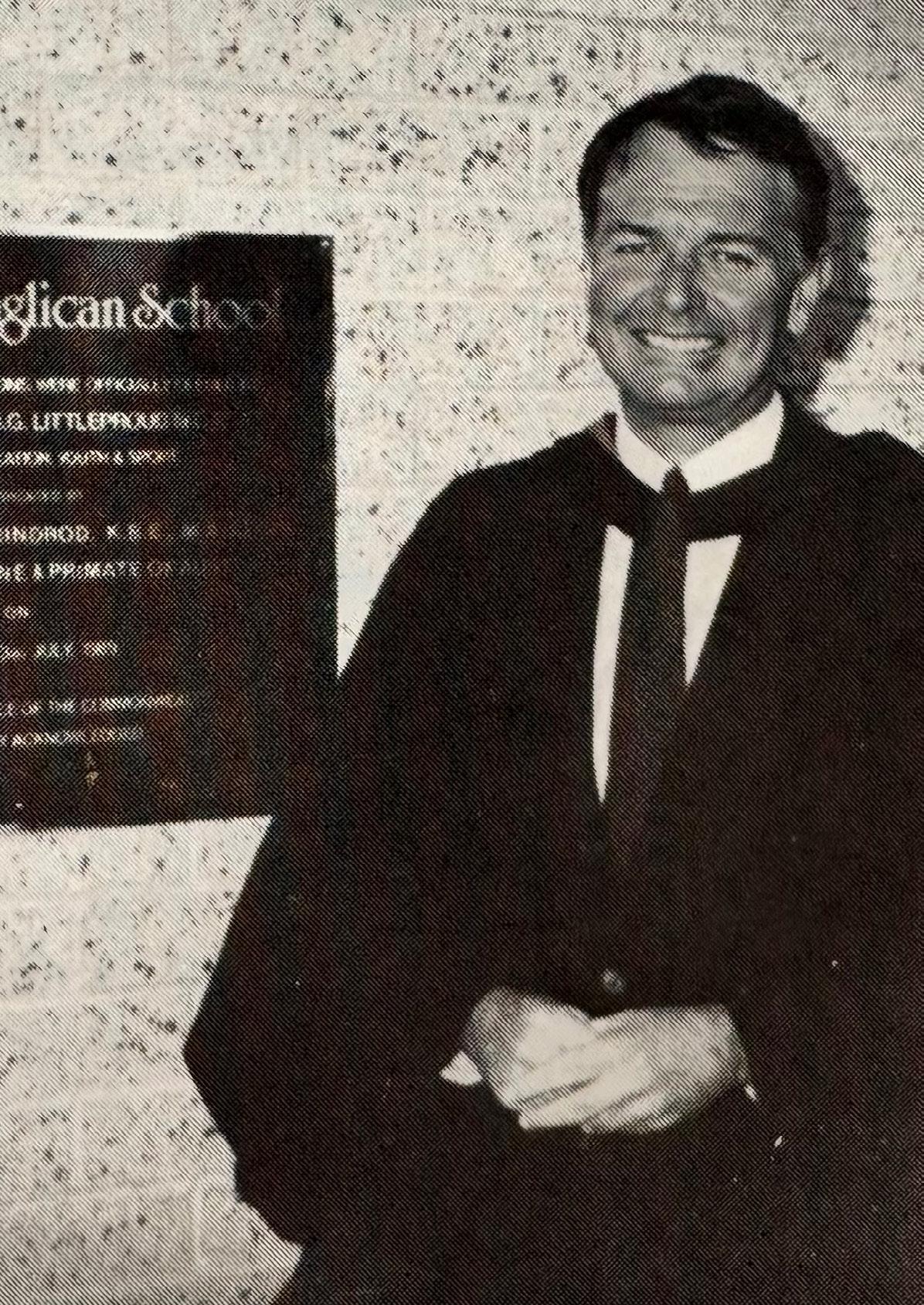
All Saints Anglican School recently honoured the life and legacy of its Founding Headmaster, Reverend Canon Len Nairn OAM, following his passing on 24 April 2026.
Appointed in 1986, Canon Nairn led the school through its formative years until 2001, shaping not only its physical foundations but also the values and ethos that continue to define All Saints today. His vision for a school grounded in faith, learning, service, and community laid the foundation for generations of students, staff and families.
Following his tenure at All Saints, Canon Nairn continued to make a significant contribution to Anglican education, assisting a number of schools including Emmanuel Anglican College in Ballina, The Cathedral School of St Anne & St James, Fraser Coast Anglican College and St Luke’s Anglican School in Bundaberg.
A memorial service for Canon Nairn was held in the All Saints Chapel, led by The Most Reverend Dr Phillip Aspinall, alongside School Chaplain Reverend Canon Ann McGuinness and Reverend Don Parker from St Peter’s Anglican Church, Southport. Staff and students played a special part in the service through the choir, orchestra and hospitality, helping create a deeply meaningful occasion for all who gathered.
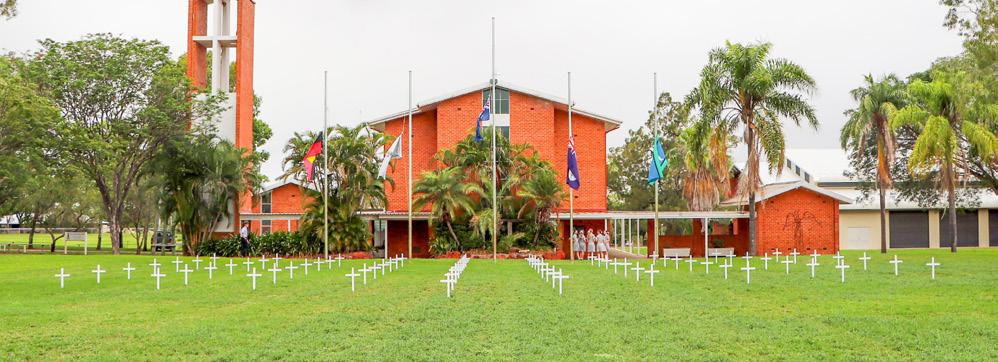
All Souls St Gabriels School proudly commemorated ANZAC Day through a series of meaningful events honouring the service and sacrifice of Australian and New Zealand servicemen and women.
Students and staff gathered for a special ANZAC Requiem Mass before participating in the Dawn Service and March alongside the wider community. The day concluded with commemorative sporting fixtures against Blackheath & Thornburgh College. Our
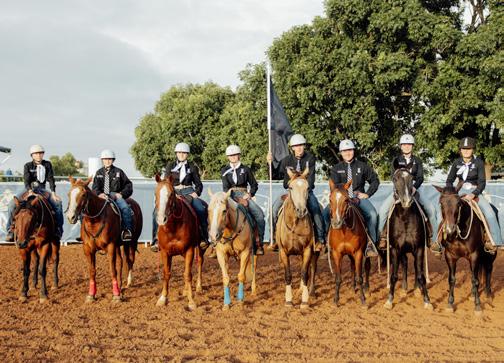
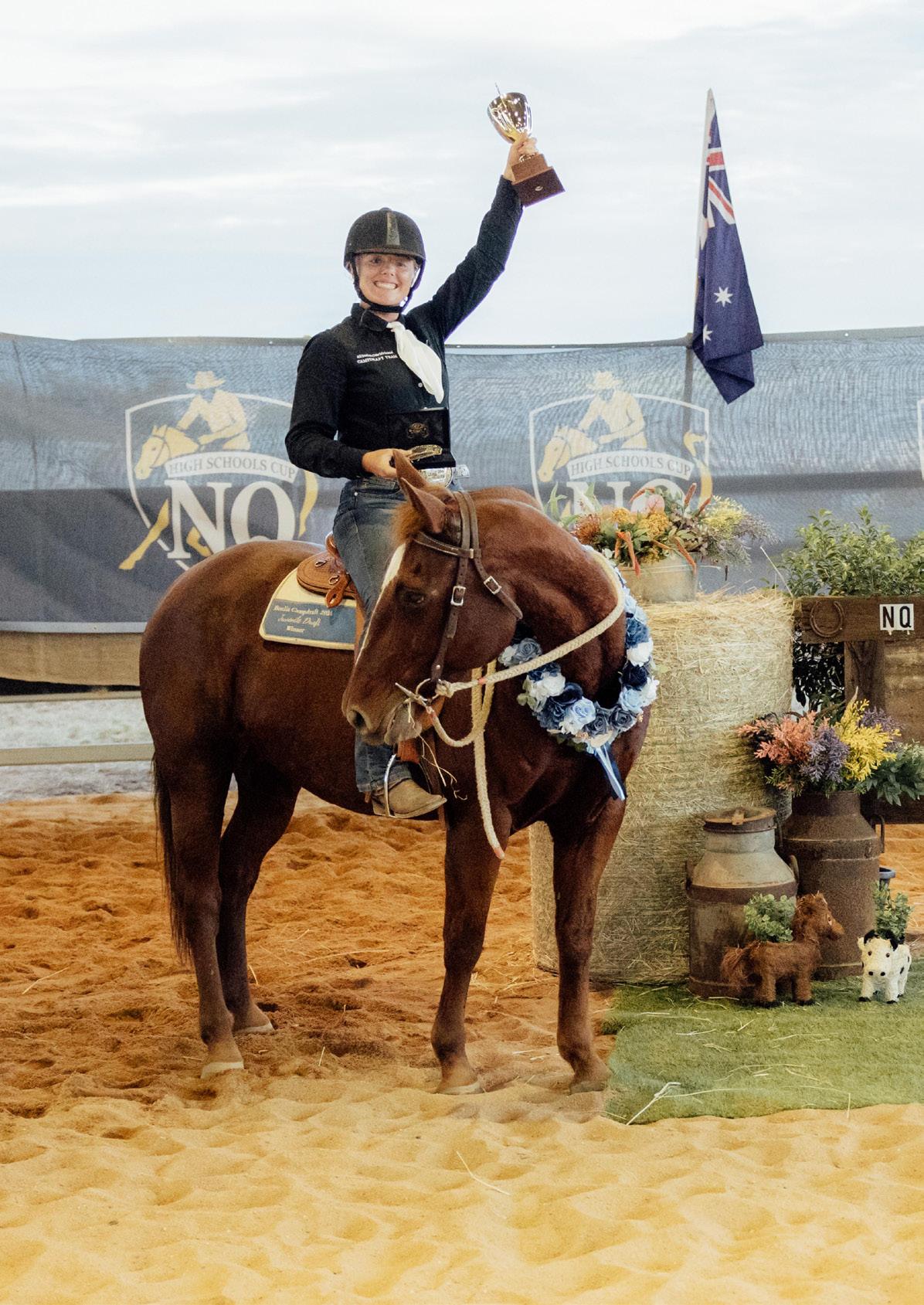
ASSG students represented the school with pride at this year’s NQ High School Cup, alongside 108 students from 19 teams. Throughout the weekend, ASSG riders demonstrated exceptional dedication, sportsmanship, teamwork, and camaraderie both in and out of the arena, consistently supporting and encouraging one another. ASSG was incredibly proud to have several students serve as junior members of the organising committee,

First Netball and Rugby League teams proudly wore special ANZAC uniforms featuring the names of the 72 ASSG past students who gave their lives in service.
Throughout the day, students displayed great respect, pride and sportsmanship, reflecting the strong spirit of remembrance within the ASSG community.
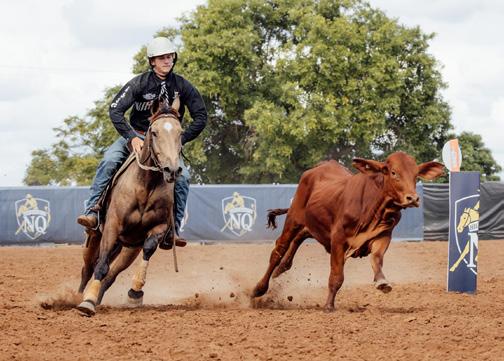
contributing countless hours behind the scenes to help deliver such a successful event for all competitors. Alongside the outstanding representation of the school, ASSG achieved some excellent results across the competition, including an Overall Individual Champion title and a second place finish in the team standings.
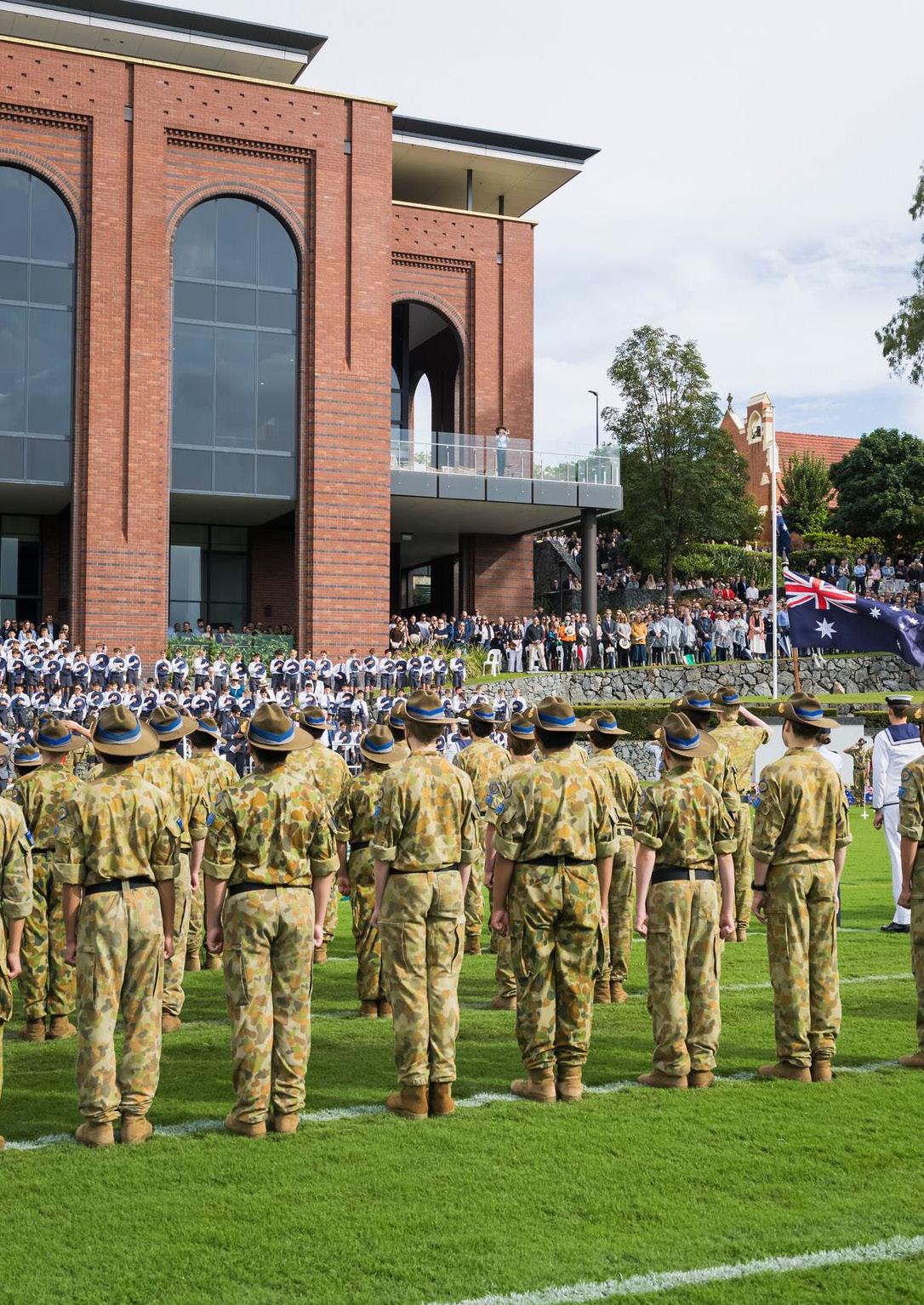


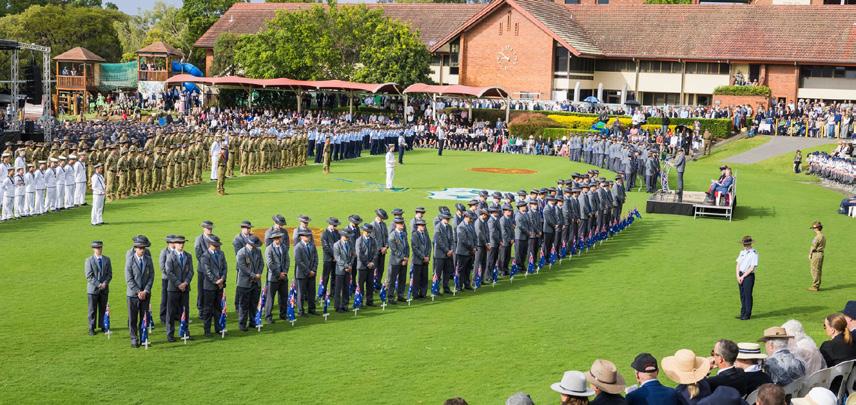
On Saturday 25 April, the Churchie community gathered to mark Anzac Day, particularly honouring the 119 Old Boys and staff who have made the ultimate sacrifice since the First World War.
Under threatening skies, the Tri-Service Cadets conducted the ceremony with composure and dignity. Wing Commander (retired) Cameron Cornell CSM, an Old Boy, returned as Reviewing

Officer, and reflected on the enduring values of character, courage, integrity and service shaped at Churchie.
Student musical performances and readings added depth to the annual occasion, supporting a ceremony that continues to hold deep significance for the school community and its commitment to remembrance and respect.
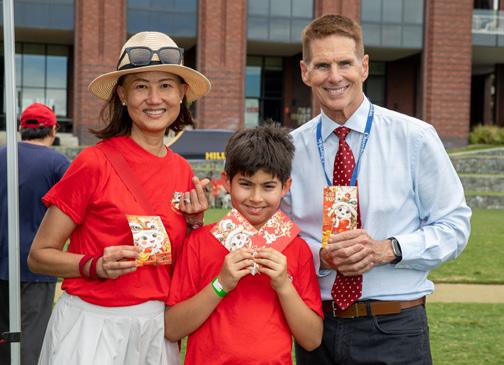
Churchie families gathered on Sunday 22 February for a vibrant Lunar New Year celebration, bringing the community together for an afternoon of culture, activity and connection.
The program featured lion and dragon dancing, yangko dance, Chinese music, a Chinese qigong martial arts performance and a Shaolin kung fu showcase. Families also enjoyed a variety of cultural food offerings, while children took part in lantern making and calligraphy.
A highlight of the afternoon was Headmaster Dr Alan Campbell presenting red packets to students, symbolising good fortune, health and blessings for the year ahead. The event was warmly received and reflected the strong sense of community at Churchie.
SCHOOL SPOTLIGHT

In a genuine expression of service learning, CHAC students recently continued their long-term partnership with Zonta East Brisbane to assist Mater Hospital breast cancer patients.
The college’s Social Justice Committee worked alongside Zonta volunteers and college staff to assemble breast cushions and prepare drainage bags, providing comfort and relief for patients recovering from surgery.
Students spoke warmly of the privilege of giving back and gained a deeper understanding of how practical acts of service, shared with community partners like Zonta, can make a lasting difference.
The experience reflected the college’s Anglican ethos, where faith is expressed through compassion and generosity of spirit.
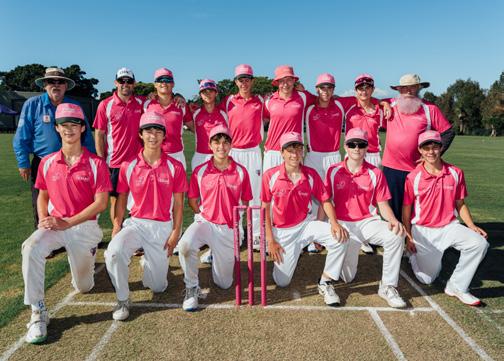
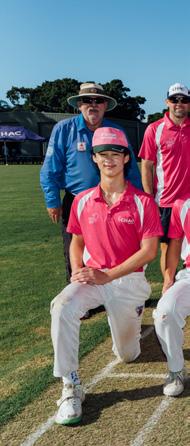
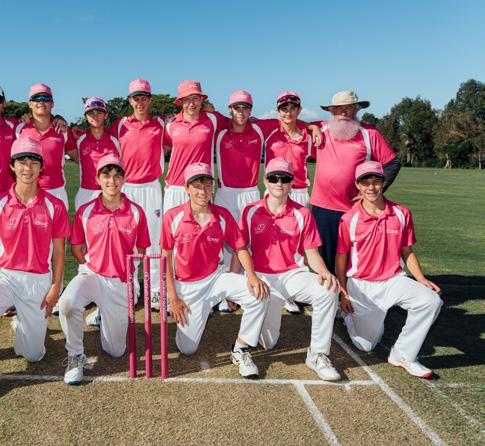
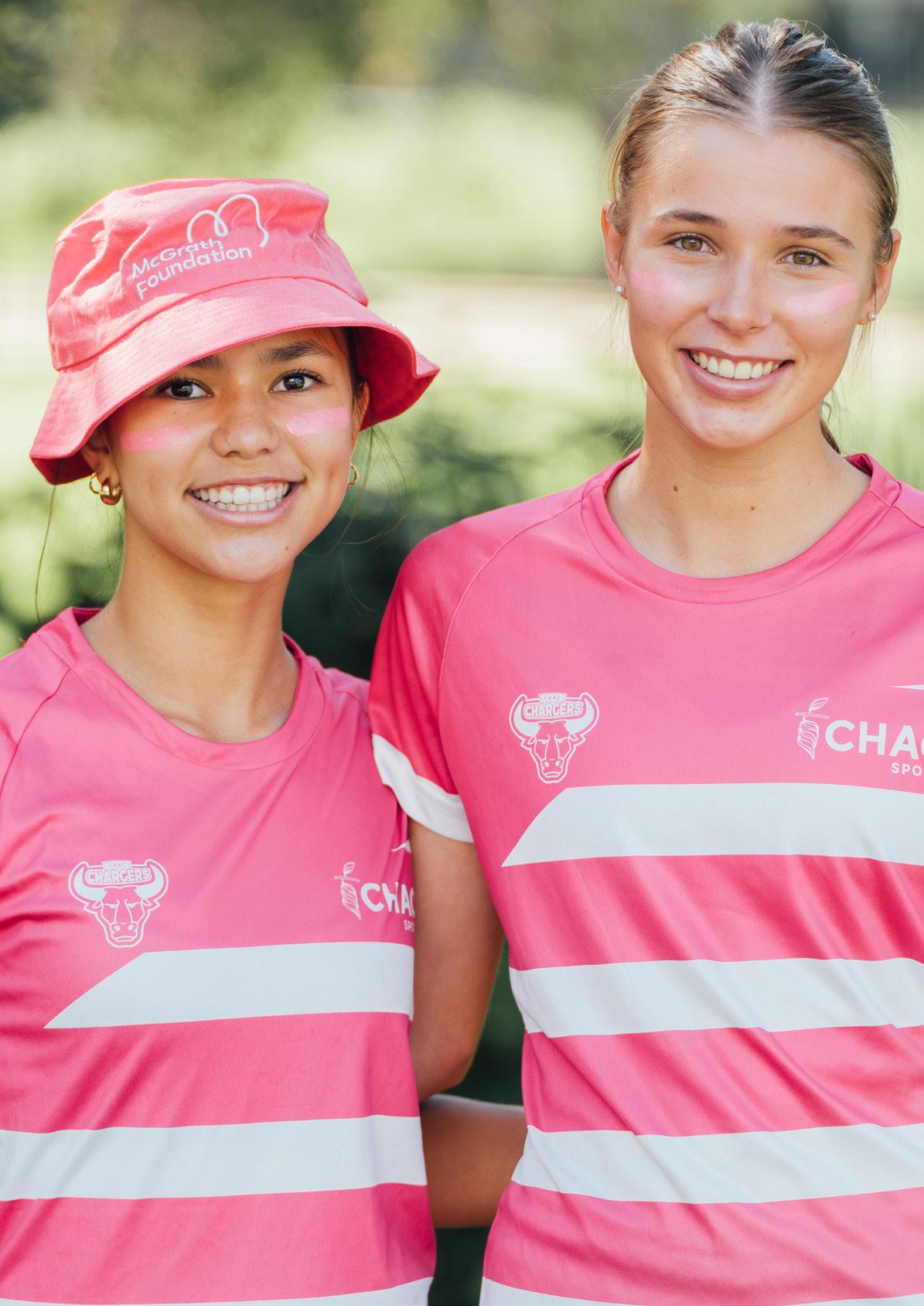
The power of sport to unite was on full display at CHAC in March, with the annual Pink Stumps fundraiser once again proving a great success.
Across the college, sports teams led the charge, wearing commemorative pink jerseys and providing brightly decorated cupcakes during a dedicated TAS Sport round that raised awareness and funds for the McGrath Foundation.
A popular lunchtime barbecue and merchandise sales helped raise over $5,000, while professional sports teams such as Brisbane Broncos and Brisbane Heat donated signed memorabilia for a successful online auction.
The strong support for the initiative from students, staff and families reflects the college’s commitment to compassion and community.

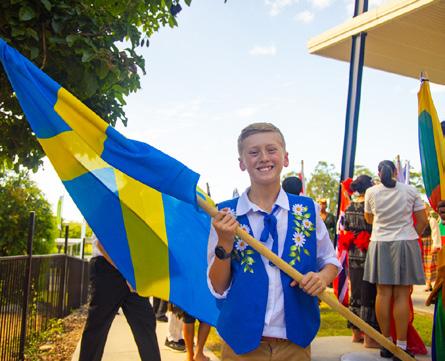
United Nations Day 2026 once again brought the Canterbury College community together for its largest and most significant annual event.
Students, families, alumni, and guests celebrated the many cultures that shape the college through international cuisine, cultural performances, and the much-anticipated Parade of Nations. Students proudly represented their heritage in
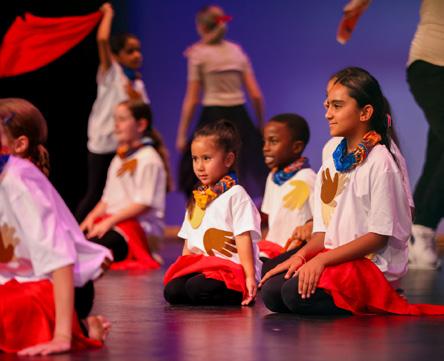
traditional attire, while a Welcome to Country and Smoking Ceremony led by Mununjali and Logan Elders grounded the event in respect and connection to Country.
More than a celebration, United Nations Day is a powerful reflection of the college’s inclusive spirit and commitment to developing globally minded young people.
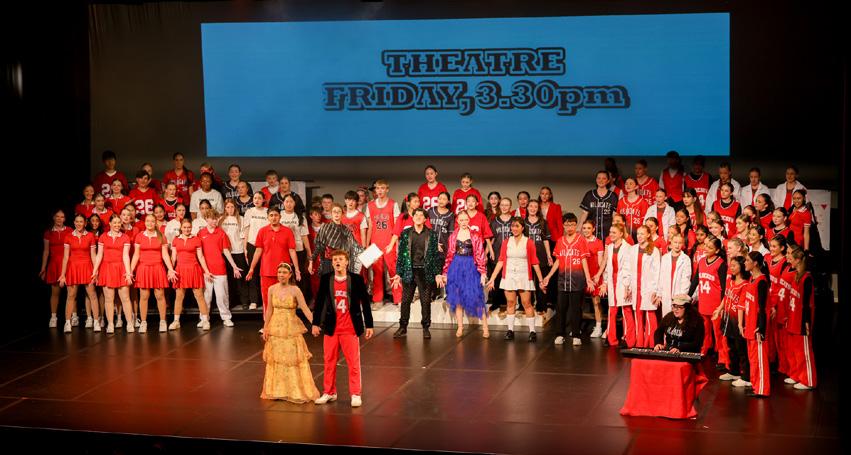
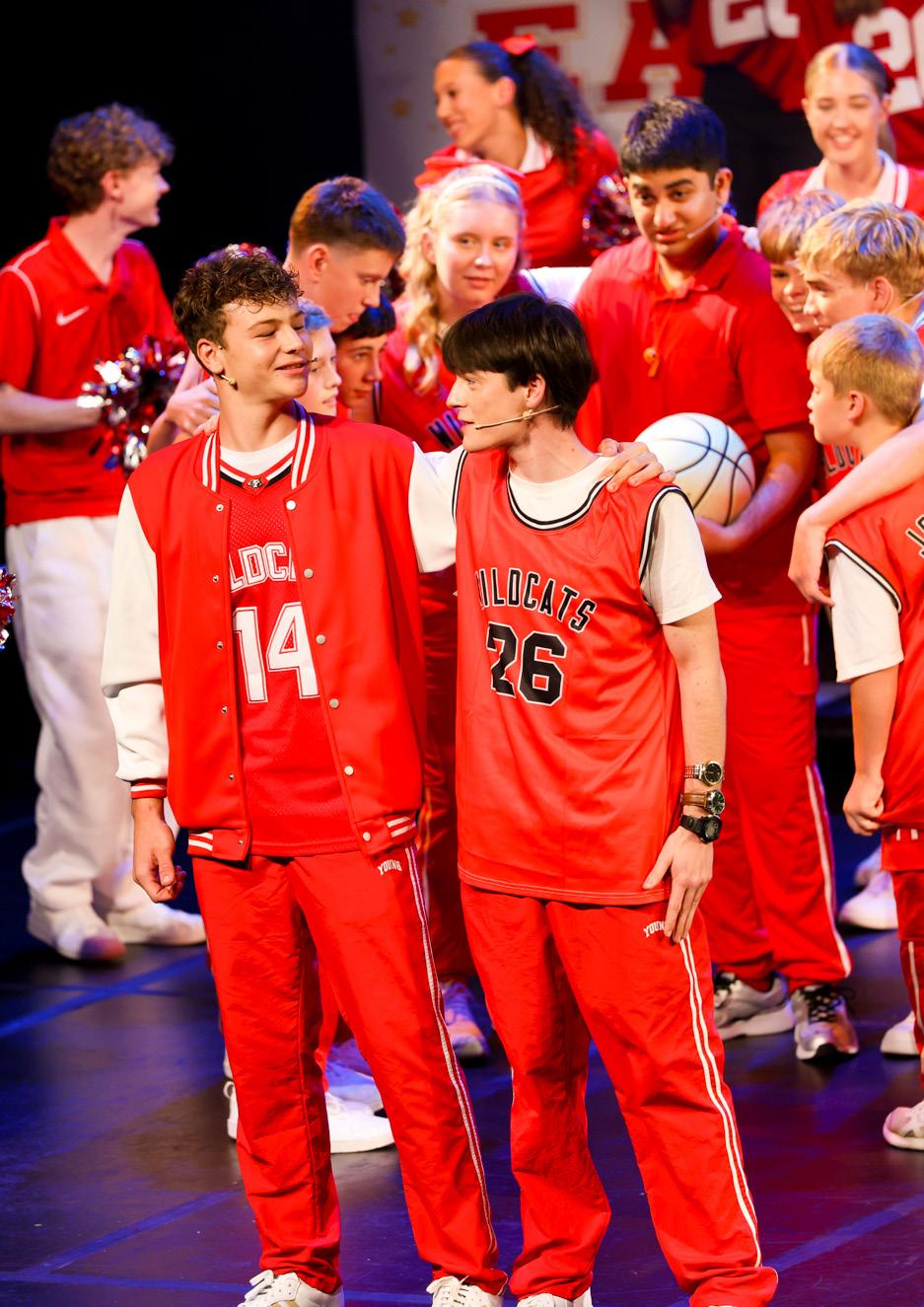
Students from Canterbury College lit up the stage during the recent production of High School Musical JR., showcasing the exceptional talent, creativity, and dedication within the college’s Performing Arts program.
Featuring energetic choreography, live music, and standout performances across multiple year levels, the production brought the much-loved Disney story to life with confidence and
professionalism. From performers and musicians to backstage crew and staff, the musical reflected months of collaboration, rehearsal, and commitment.
The production highlighted the strength of the college’s thriving Performing Arts culture, where students are encouraged to build confidence, pursue excellence, and develop a lifelong love of performance.

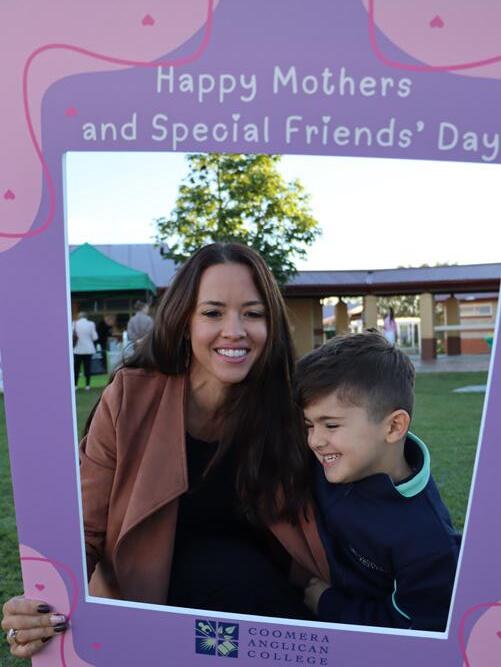

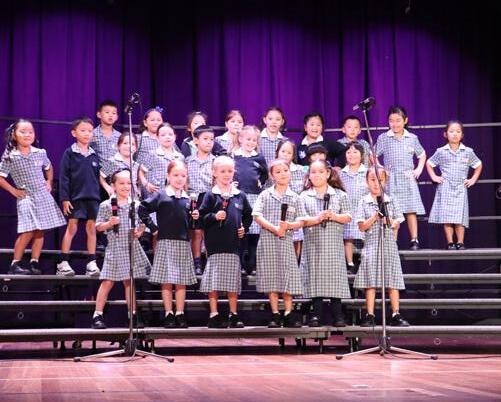
This year, the Coomera Anglican College community proudly reimagined its annual Mother’s and Special Friend’s Day celebration, transforming the traditional morning tea into a relaxed and welcoming breakfast event. The change provided an opportunity to honour the many mothers, grandmothers, special friends and carers within the community, including those who balance the important role of supporting their families while also managing busy professional lives. Throughout the morning, guests enjoyed delicious food, heartfelt conversations and the joy of coming together in gratitude and celebration. Students treasured the opportunity to share this special occasion with the people who so generously encourage, support and inspire them each day. It was a wonderful reflection of the connection, care and community spirit that defines the college.
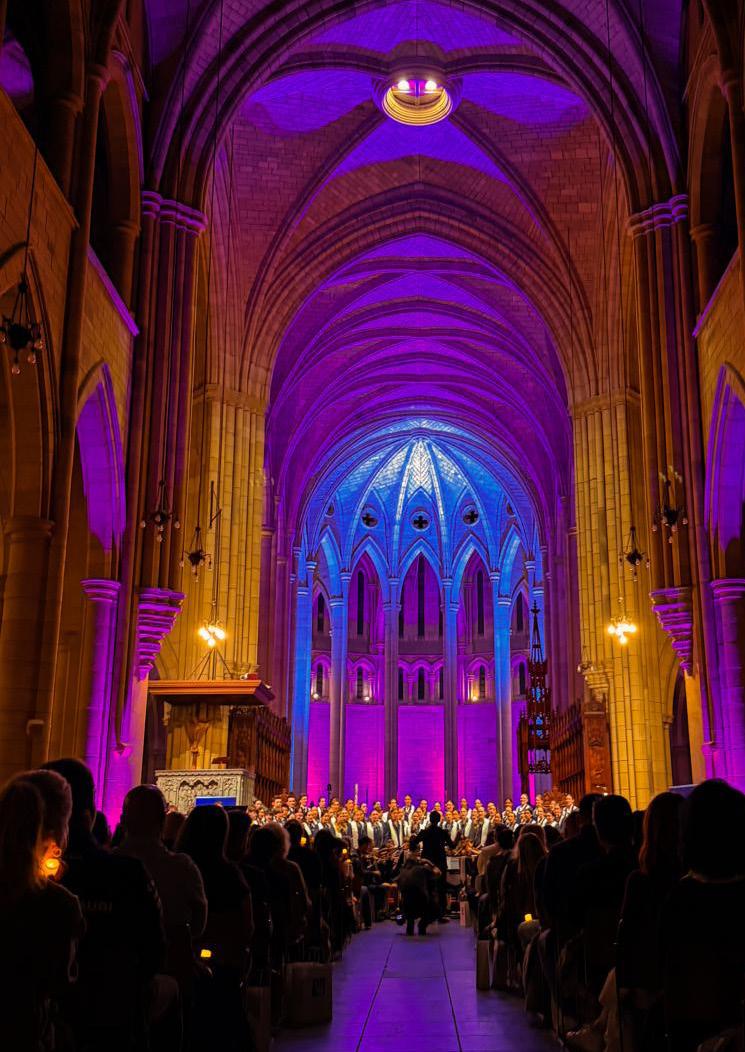
Resonate was an unforgettable evening celebrating the creativity, passion and musical talent within the Coomera Anglican College community. Held for only the second time, the student concert transformed St John’s Cathedral, in the heart of Brisbane City, into a breathtaking showcase of multiple musical experiences. As a Coomera Anglican College Foundation event, Resonate played an important role in raising funds to support families within our community experiencing hardship. Students from across the campuses performed with confidence and heart, creating a night filled with energy, celebration and connection, while audiences came together to support both the arts and the spirit of giving.

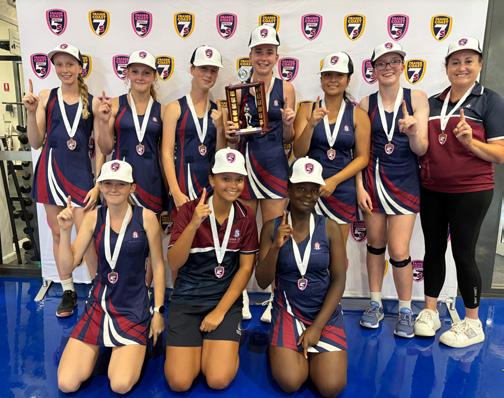
For 22 years FCAC has hosted the Fraser Coast Rugby 7’s Tournament which attracts secondary boys and girls school teams from different sectors across Queensland. The inclusion of Netball Fast 5’s nine years ago has widened the tournament’s appeal with 41 teams and approximately 450 players across the sports in 2026. The event is supported and recognised by Queensland Rugby Union and will be added to its official calendar of events from next year. The games are played in good spirits, and the carnival is a fantastic opportunity for students to make connections across their sport. With the tournament held in March each year, it’s a great opportunity for our fellow Anglican school teams who are looking for a pre-season event to prepare for the upcoming year. Congratulations to the FCAC U15’s Fast 5’s team on its win this year. Go Flames!
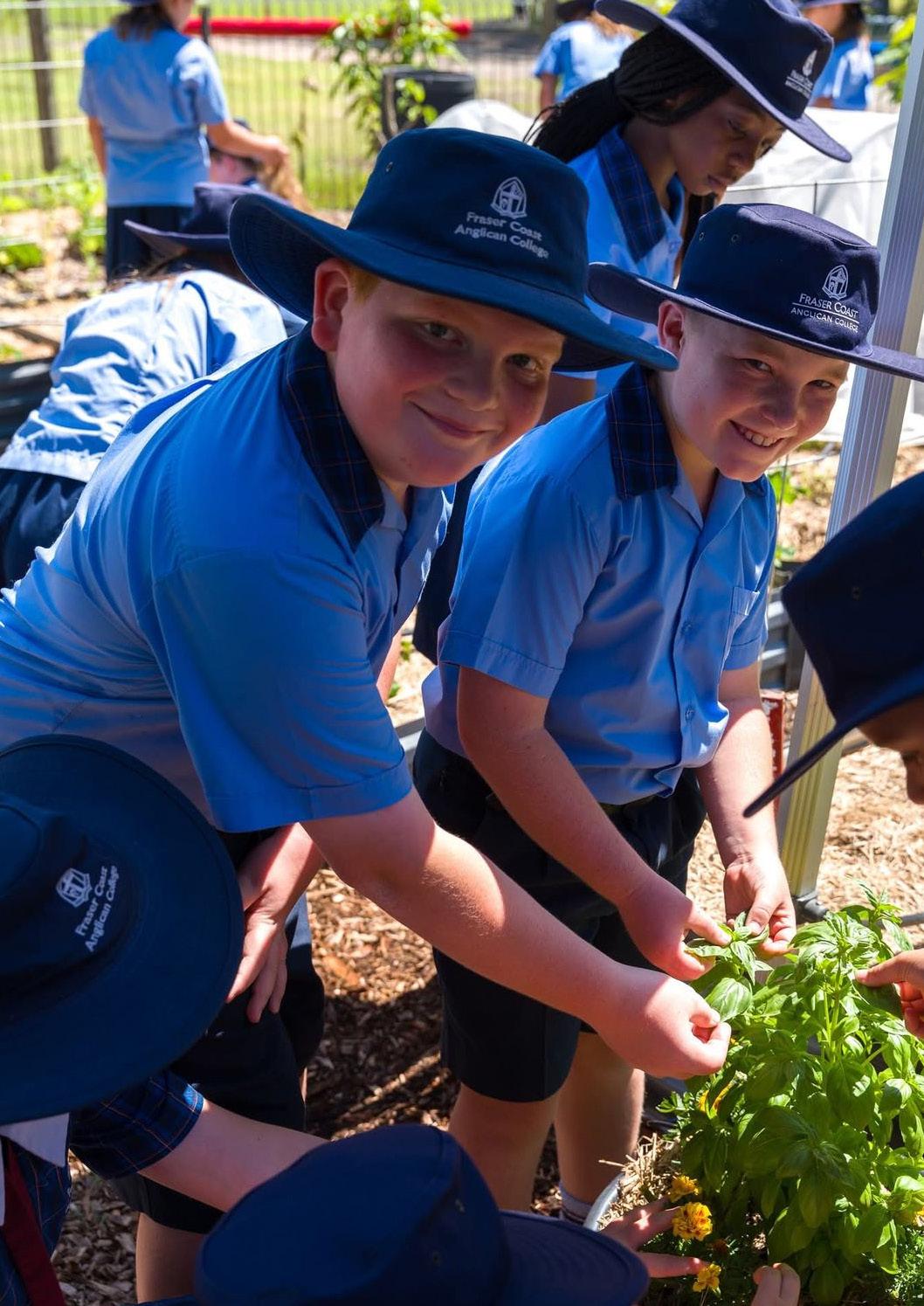
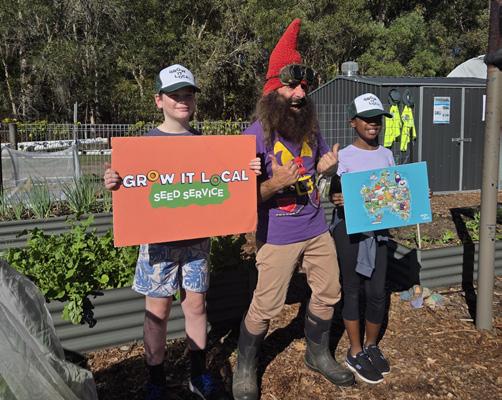
FCAC recently welcomed Grow It Local founders Paul West, and Darryl Nichols, whose community led movement inspires Australians to grow their own food. FCAC was also fortunate to host author and television presenter Costa Georgiadis. On both occasions, Year 5 students proudly showcased their thriving community garden, affectionately known as The Patch, along with the many creative ways they’re embracing sustainability. Visitors were treated to a range of delicious, home grown produce, all cultivated on campus.
Students now run a weekly veggie stand before school, with all proceeds reinvested into the garden’s growth. The harvest also supports the college’s canteen and hospitality classes.



Year 10 ASPIRE Science students demonstrated impressive initiative by transforming a shared school space into a vibrant pop up op shop. Collecting and curating pre loved clothing, bags and jewellery from the community, they created an opportunity to promote sustainable practices and reduce textile waste. The event encouraged students to engage thoughtfully with fashion,
embracing reuse while discovering unique pieces. Beyond its environmental focus, the initiative fostered a strong sense of community contribution and student leadership, showcasing how young people can drive meaningful change through creativity, collaboration and a commitment to responsible action.
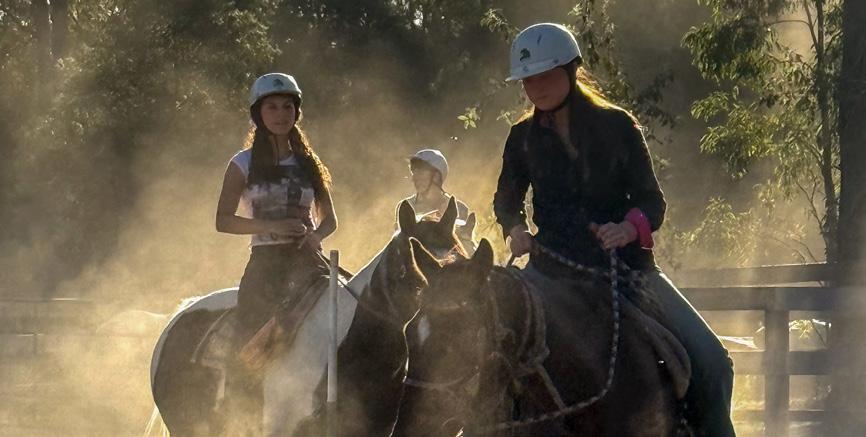
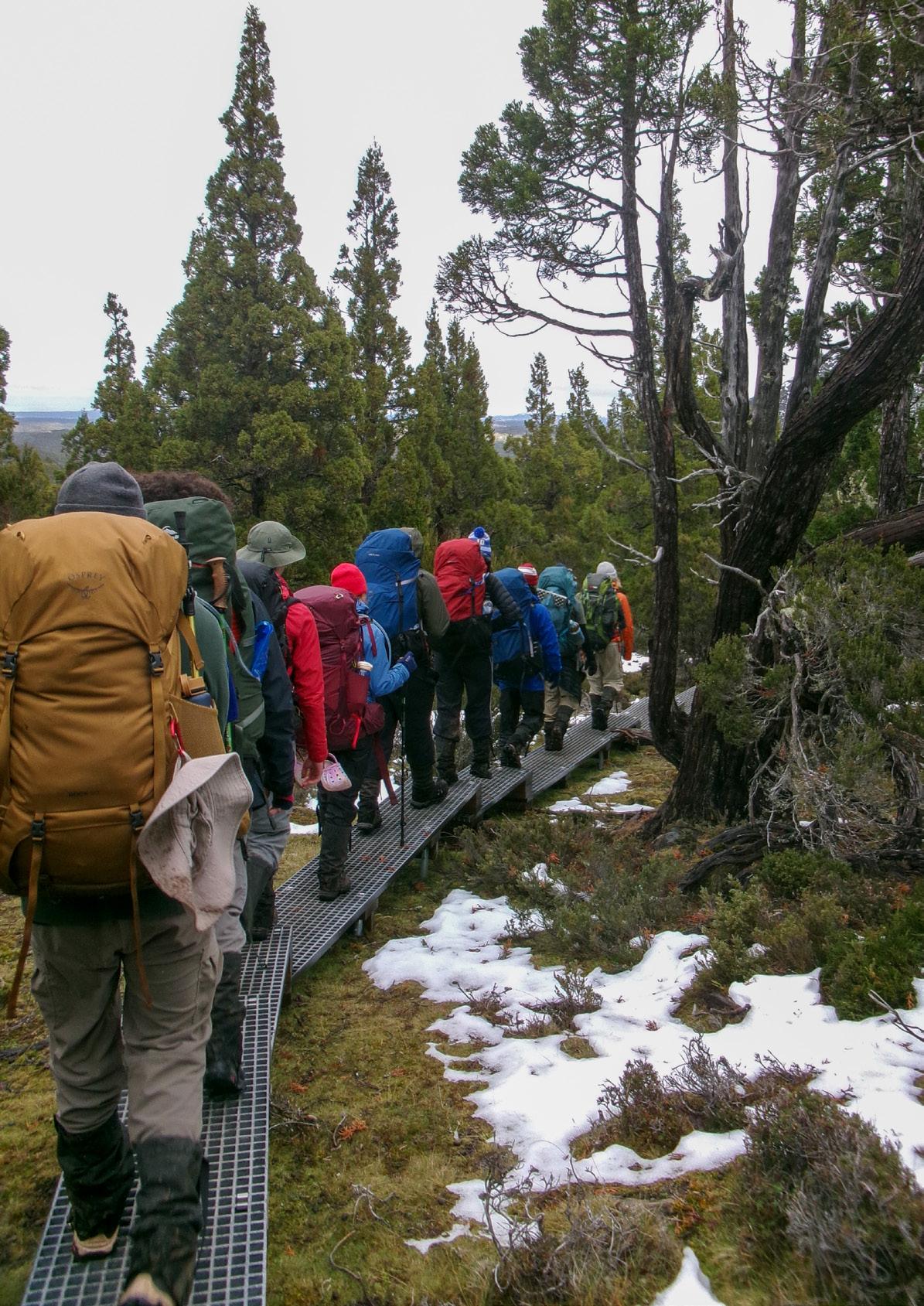
In a fitting finale to their Outdoor Education journey, all Year 12 students recently completed a series of remarkable camp experiences across Australia. Offering a diverse range of adventures, from horse riding and sailing to scuba diving, sea kayaking and surfing, each pathway challenged students both physically and mentally. Others ventured further afield, tackling
white water canoeing or the iconic Walls of Jerusalem Track in Tasmania. These experiences fostered resilience, independence and teamwork, while deepening students’ connection to the natural world. The camps marked a significant milestone, celebrating years of growth and leaving students with lasting memories as they prepare for life beyond school.
SCHOOL SPOTLIGHT
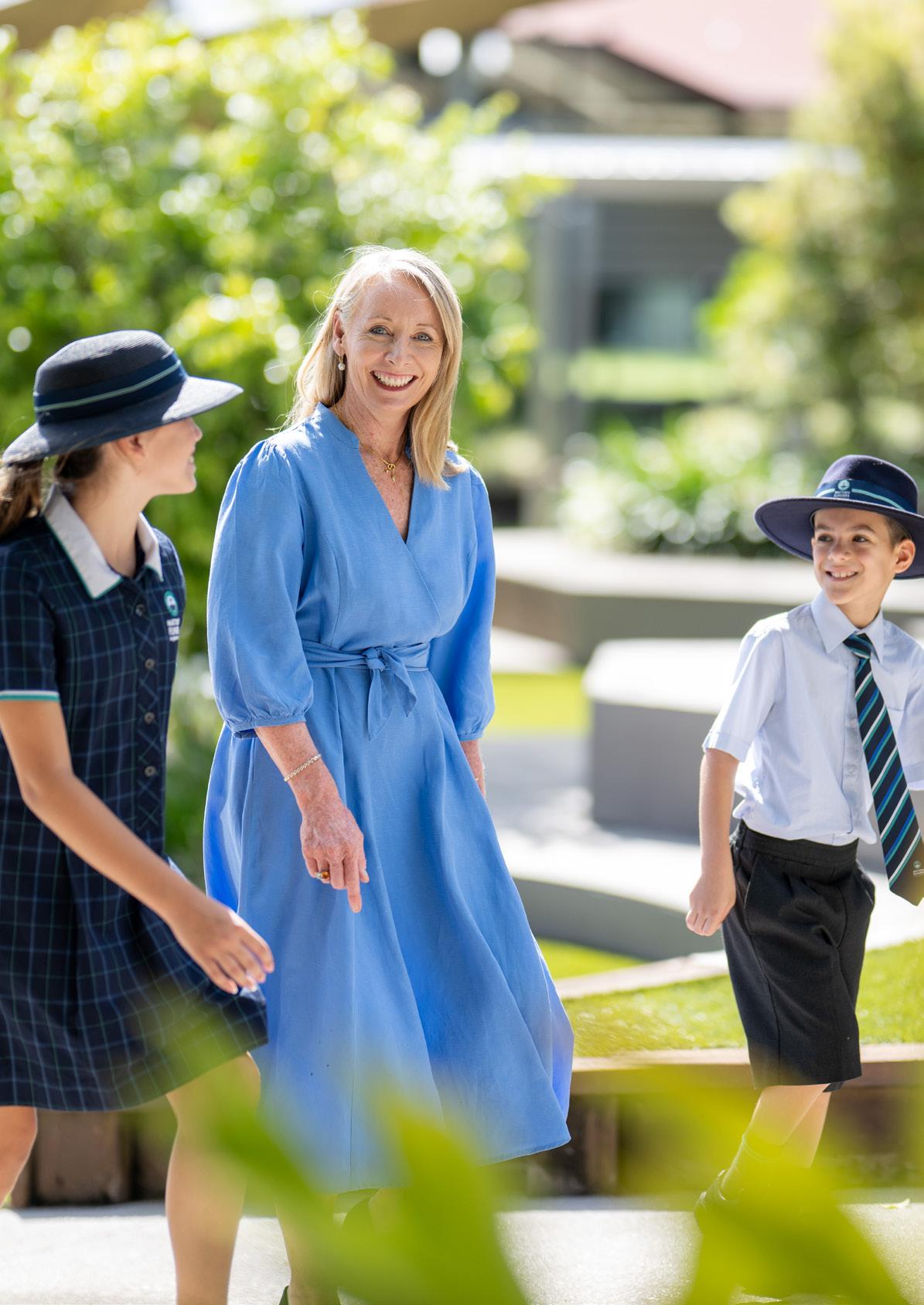
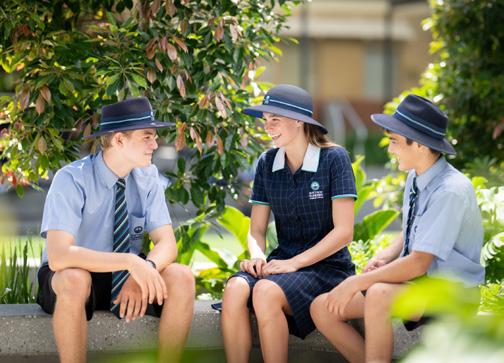
Matthew Flinders Anglican College has achieved triple recognition as an Excellence Awardee in the 2026 Australian Education Awards for its commitment to academic rigour, staff development, innovation and holistic student care. Flinders was shortlisted in three prestigious categories of:
• Secondary School of the Year - Non Government.
• Primary School of the Year - Non Government.
• Best Professional Learning Program.
Located on the Sunshine Coast, Queensland, the college is one of only eight schools selected nationwide in each of the three categories, placing Flinders alongside the premier capital city schools in the country. The awardees shortlisted will be judged by an independent panel, with the final winners announced on Friday, 7 August.
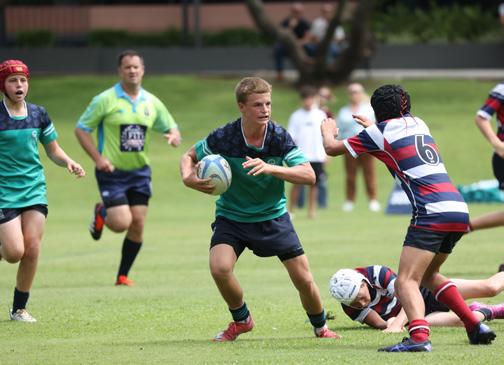
A new sporting tradition was launched on the Sunshine Coast when Matthew Flinders Anglican College and St Andrew’s Anglican College united for the inaugural Archbishop’s Cup on Saturday, 14 March.
The new inter-college exchange will run each semester, alternating hosts to build a vibrant, community-wide tradition. For the debut, the schools went head-to-head across the Flinders campus in Buderim in Senior mixed tennis, Under-15 rugby and Senior netball.
“We are thrilled to bring our communities together through sport. The Archbishop’s Cup is all about celebrating teamwork, friendly rivalry and a shared passion for healthy competition,” said Flinders Head of Sport, Adam Ridgewell.

In March, staff, students, families and friends of St Aidan’s Anglican Girls’ School joined together for the Melanoma March, raising more than $10,500 for the Melanoma Institute of Australia. As the highest fundraising team in Brisbane, the school is incredibly proud of the way its families and students stepped up to support this vital initiative.
The St Aidan’s community actively supports the Melanoma March in loving memory of Alumna Emma Betts (2008) and is grateful for the more than 120 members who walked on the night or donated to the cause. Funds raised go towards life-saving research, support for patients and their families, and grow awareness about melanoma in the wider community.
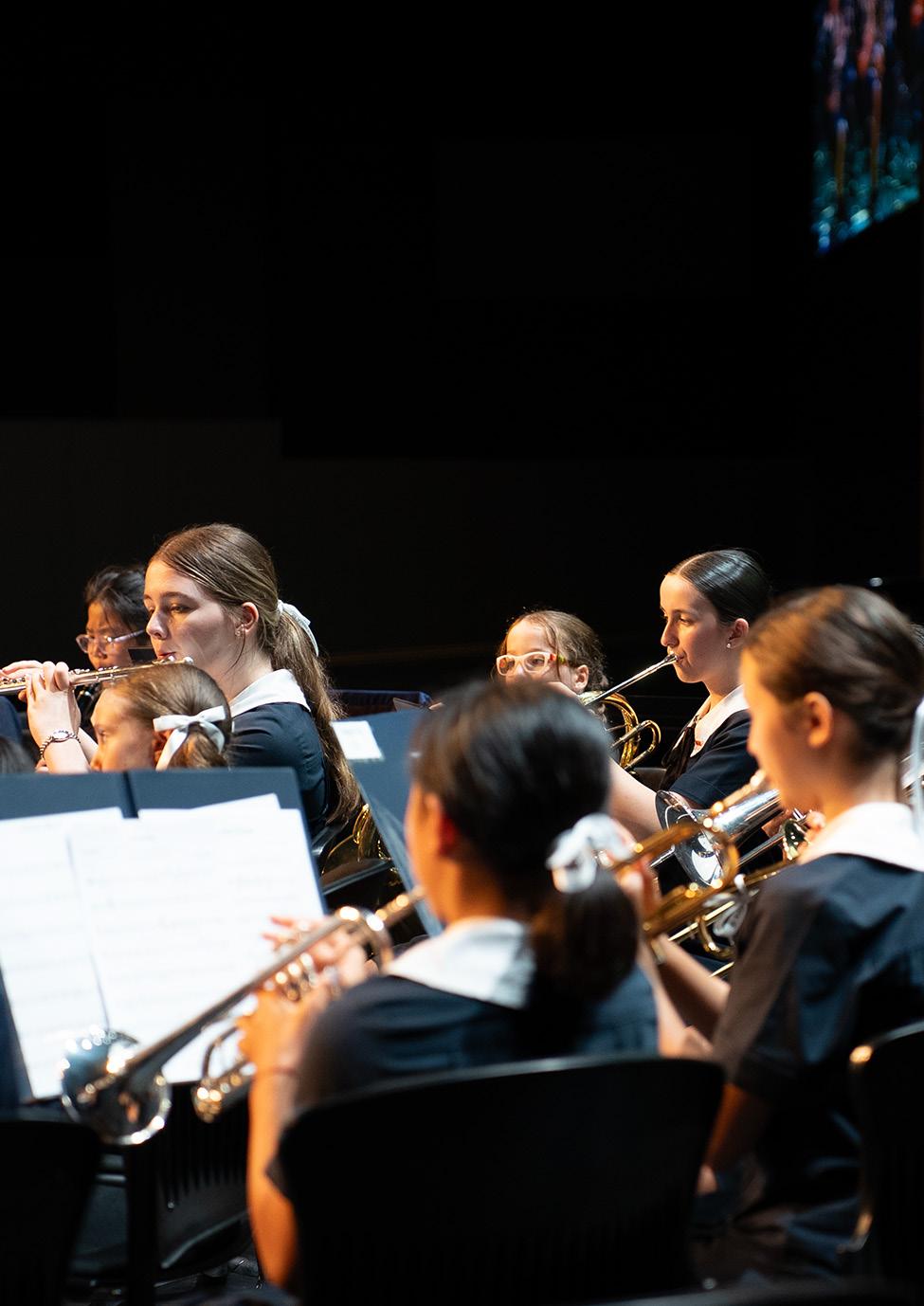
The Annual Autumn Concert at St Aidan’s Anglican Girls’ School was a resounding celebration of music and collaboration. This year, the event brought 380 young musicians from the school together to showcase the rich musical talent within the school community. The evening opened with the energy of “Highlights in Junk,” an inventive percussion piece where students transform everyday objects into a rhythmic spectacle.
The concert blends traditional and contemporary styles through a variety of ensembles, with vibrant strings, dynamic concert bands, massed choirs and sultry jazz ensembles. This is a highly anticipated and joyful event where creativity knows no bounds and where the dedication of students and music staff is on full display.
SCHOOL SPOTLIGHT ST ANDREW’S ANGLICAN COLLEGE

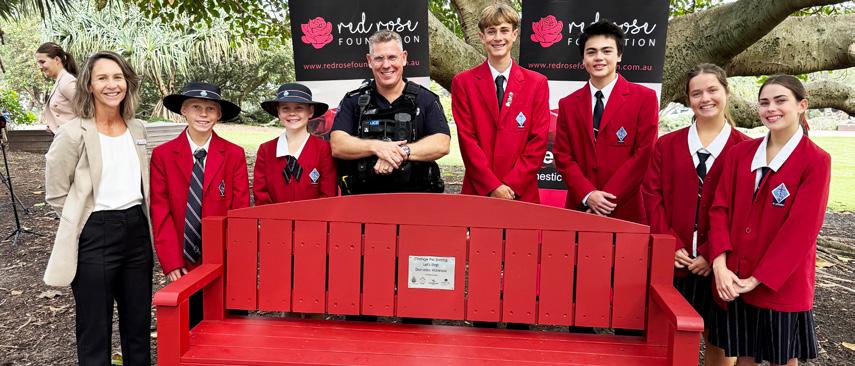
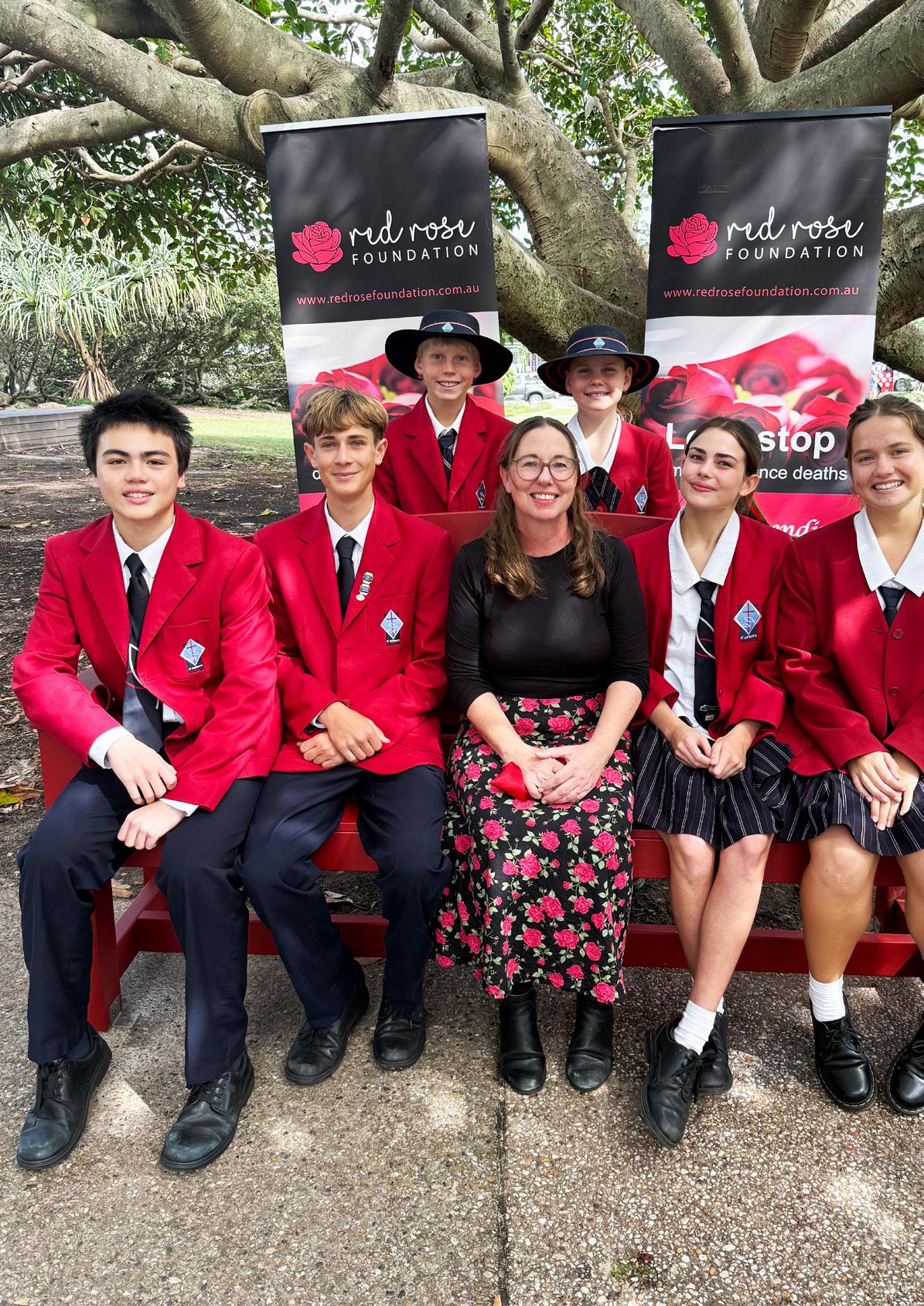
St Andrew’s students and staff were proud to attend the unveiling of The Red Bench in Coolum this term, standing alongside our community to say: Domestic and Family Violence is not acceptable. Not excused. Not normal.
Showing up with maturity, compassion and courage, students left empowered with a clear message to continue to share in our community: young people have a vital role to play in changing the story.
That means speaking up when others are degraded. Refusing to accept disrespectful language or behaviour. Recognising that small acts of courage build safer communities.
Service leaders will now be collecting unused mobile phones to provide safe communication for people experiencing DFV as part of the DV Safe Phone / ‘Pass the Phone’ initiative.
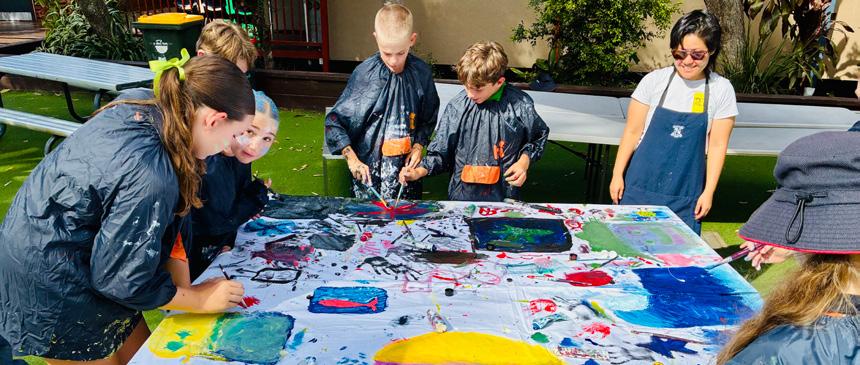
Year 6 students have been discovering what it really means to give, learning why generosity matters and how even young people can make a real difference, thanks to the help of Kids in Philanthropy.
112 students painted three stunning large-scale ocean murals.
The murals will be cut up and transformed into pencil cases and library bags for children supported by Stationery Aid QLD.
Students also created beautiful ocean and beach drawings, plus heartfelt Cards of Hope, all destined for kids who will know someone was thinking of them.
SCHOOL SPOTLIGHT
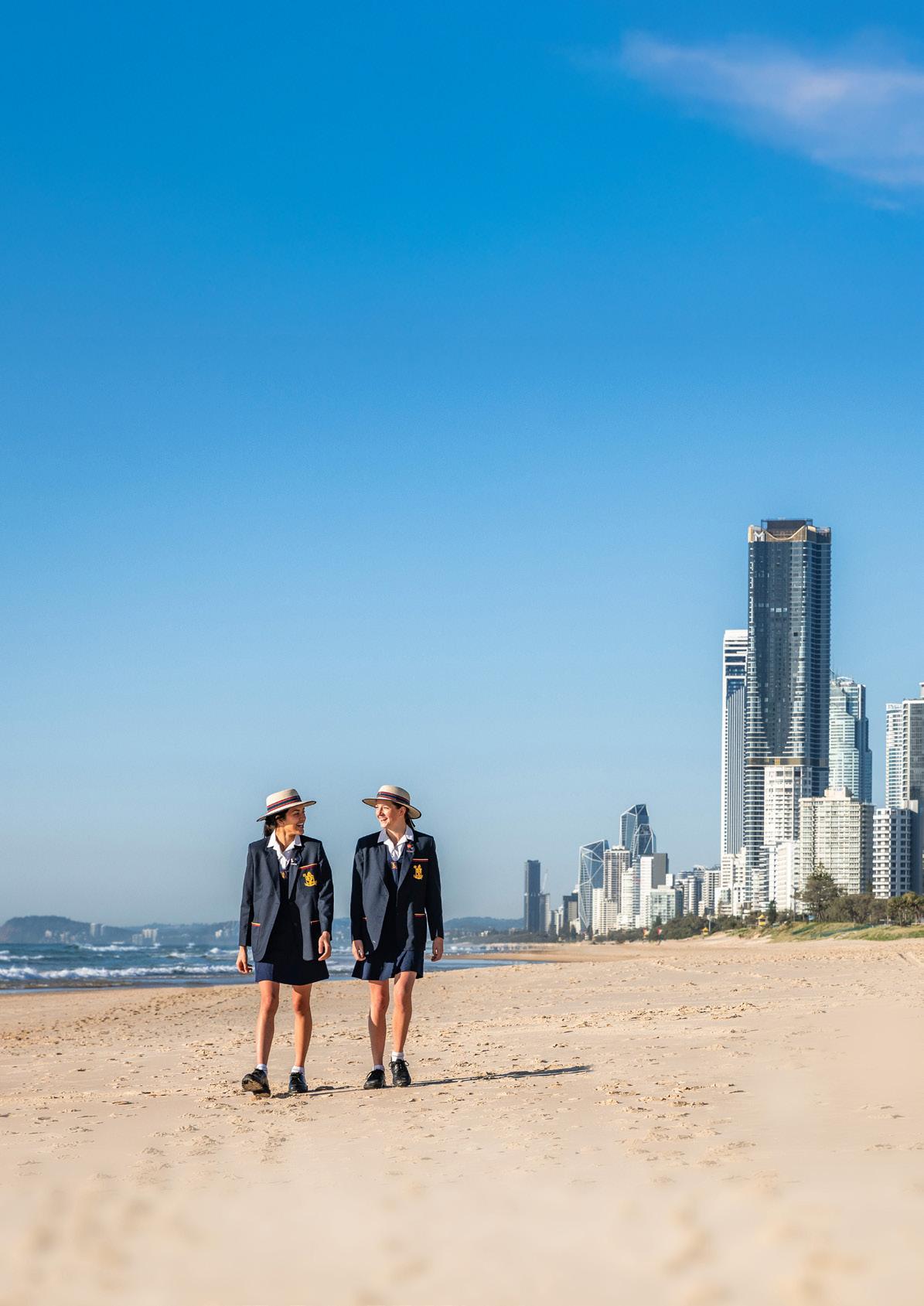
Three St Hilda’s students, Chloe Shas (Year 8), Sophie Unsworth (Year 10) and Emily Wilson (Year 11), have been selected for the prestigious Australian Honours Ensemble Program at Griffith University following a highly competitive national audition process.
Chosen from 724 auditions across Australia, the students will participate in an intensive program led by internationally recognised conductors from Queensland Conservatorium Griffith University.
Their selection reflects the courage, commitment and pursuit of excellence encouraged through the St Hilda’s Way. St Hilda’s was also proud to see seven additional students placed on the reserve list, highlighting the depth of musical talent within the school community.
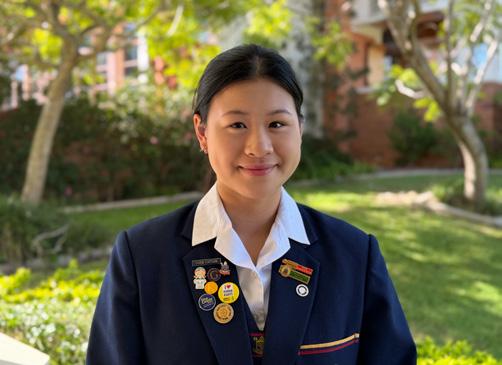
St Hilda’s student Constance Lui has been accepted into the prestigious myQCE Student Reference Group, a Queensland Curriculum and Assessment Authority (QCAA) initiative giving students the opportunity to share their perspectives on the QCE system and senior schooling.
The program brings together representatives from schools across Queensland to help inform the future of senior education.
Constance’s selection reflects her leadership, thoughtful perspective and willingness to contribute to meaningful conversations beyond the classroom. Her appointment also highlights St Hilda’s commitment to empowering young women to lead with confidence and engage positively with the wider community.
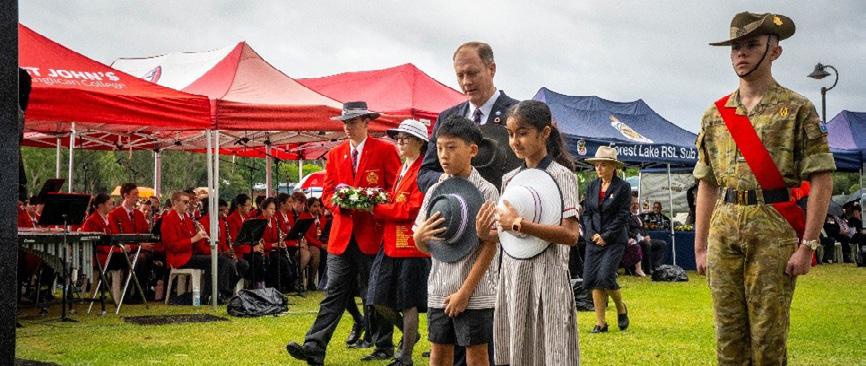
Students and staff at St John’s Anglican School came together to commemorate ANZAC Day through a series of respectful and reflective services. Through prayers, readings, music and moments of silence, the community honoured the courage, sacrifice and service of the Australian and New Zealand men and women who have served our nations. SJAC was also proud
to support and lead the local ANZAC service at The Lakes, Forest Lake, joining with the wider community to remember those who gave so much in the pursuit of peace and freedom. These commemorations provided an important opportunity for students to reflect on the enduring spirit of the ANZACs.
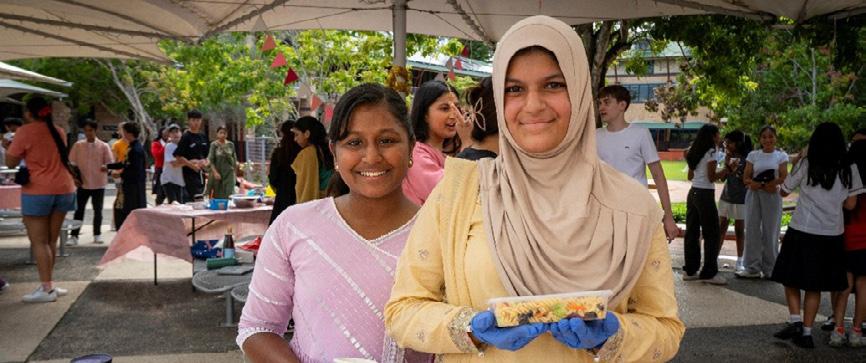
A celebration of culture at SJAC’s International Food Festival
SJAC’s International Food Festival brought the college community together for a vibrant celebration of culture, connection and cuisine. Students, staff and families enjoyed a delicious variety of dishes representing countries and cultures from around the world, highlighting the rich diversity within the college community. The festival was filled with colour, music and shared
experiences as students explored new flavours and learned more about different cultural traditions. Events like these provide a wonderful opportunity to celebrate inclusivity and foster understanding, while recognising the many backgrounds and stories that make the college community so unique and welcoming.
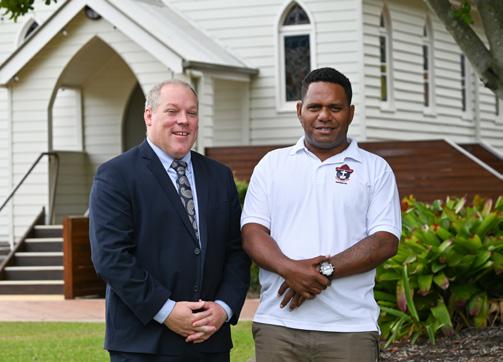
St Luke’s Anglican School is building a long-term international partnership with Taroniara Community School in the Solomon Islands, a school administered by the Anglican Church of Melanesia. As part of this relationship, St Luke’s was honoured to recently welcome Taroniara Community School Principal Mr Michael Moli to campus for two weeks of study and immersion. During his visit, Mr Moli spent time observing and participating in primary classes and experiencing all facets of life at St Luke’s, making a lasting impression on students and staff alike.
The partnership will establish an annual teacher study tour and a biennial service learning tour to Taroniara for St Luke’s students, meaningful opportunities to build cross-cultural connections across the Pacific.
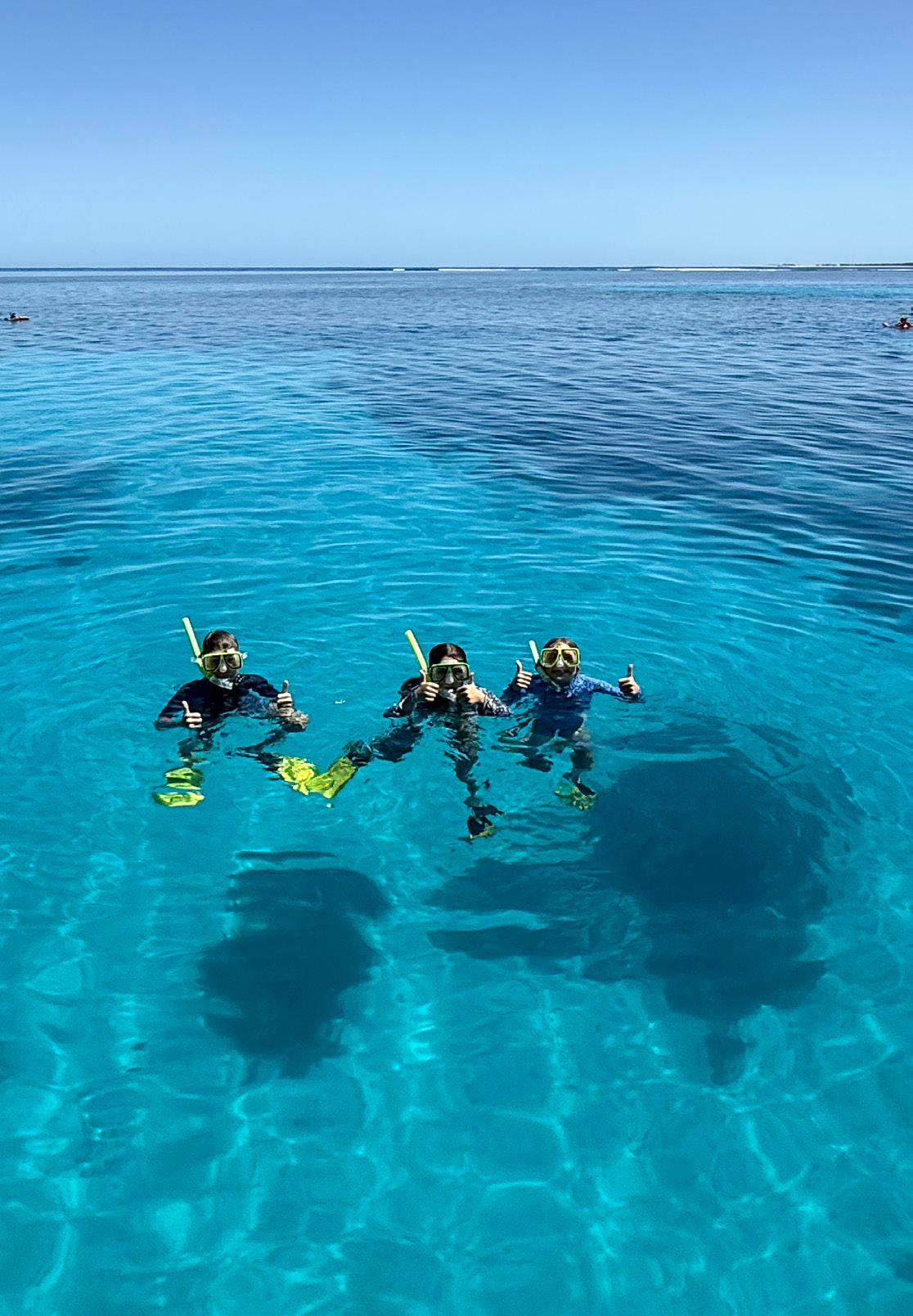
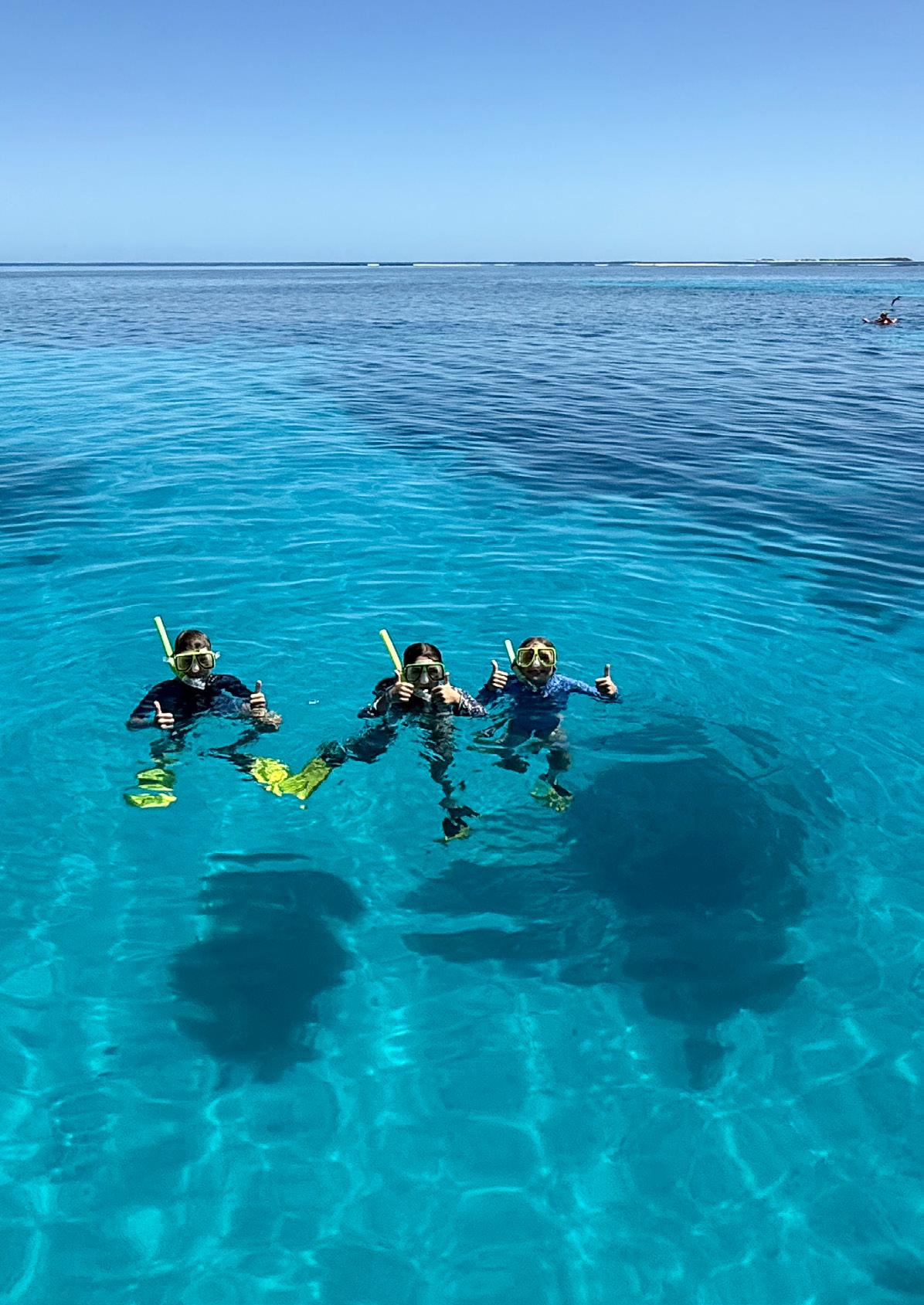
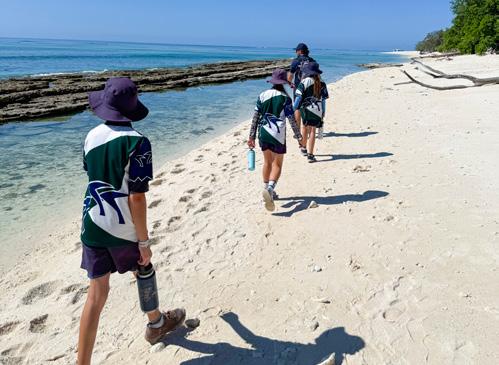
Three Year 6 students from St Luke’s recently visited the Great Barrier Reef World Heritage Area as part of the school’s Reef Guardian program. Eco Champions Matilda, Cora and Luca spent the day aboard the Lady Musgrave Experience, taking part in activities including a glass-bottom boat tour, exploring Lady Musgrave Island, and stepping into the role of marine biologist for hands-on conservation learning.
The excursion offered a powerful reminder of what education can look like beyond the classroom. The students returned not just with memories, but with a deeper commitment to caring for the reef and our natural world.
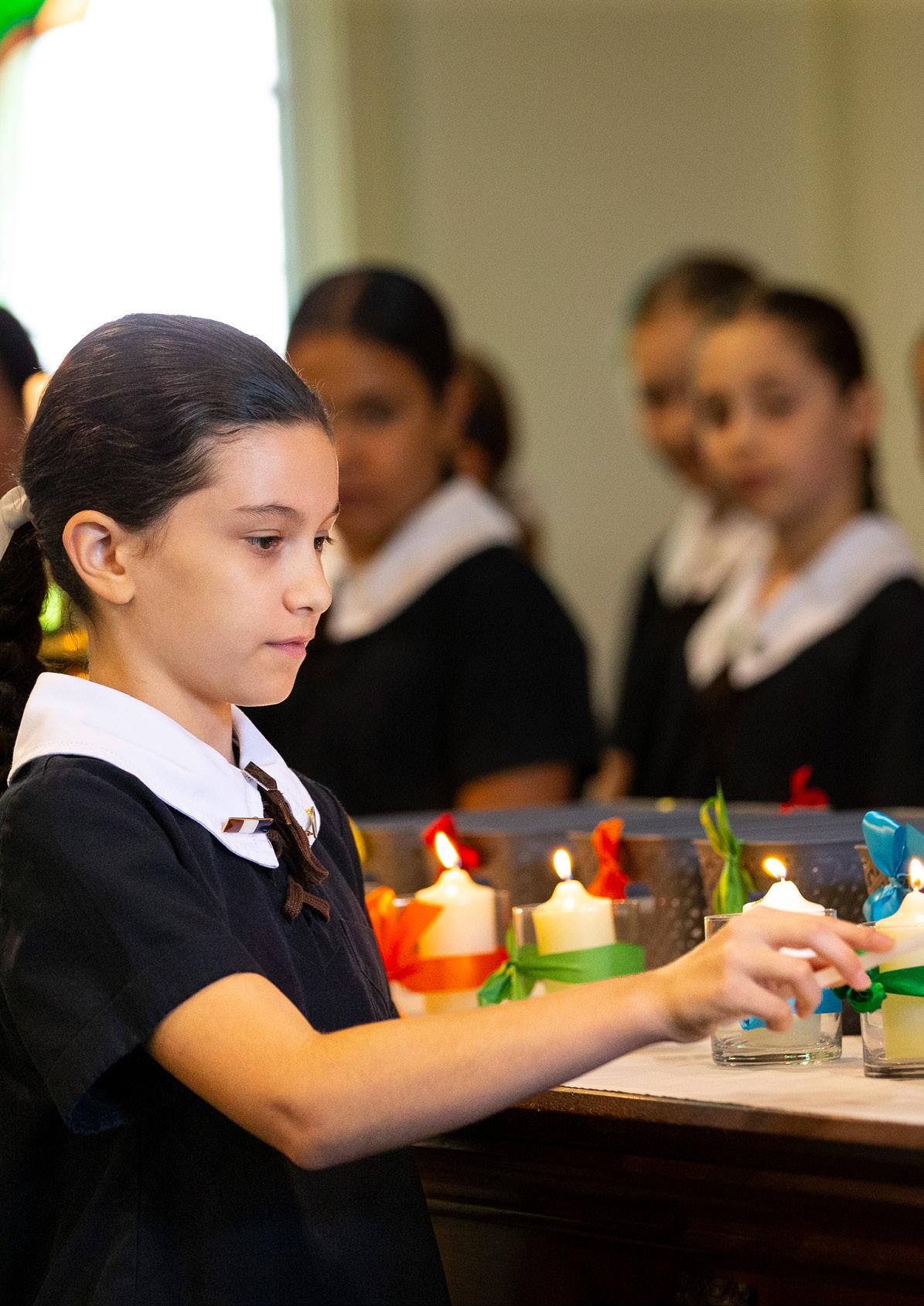
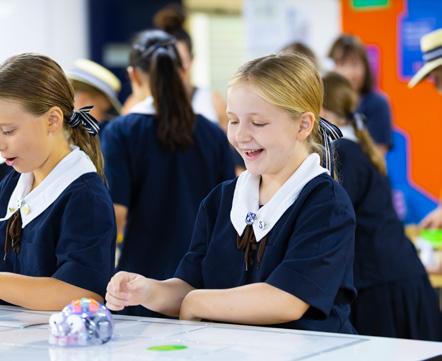
St Margaret’s Anglican Girls School has received two Excellence Awards in the 2026 Australian Education Awards – Primary School of the Year (Non-Government) and Best Professional Learning program.
The primary school was recognised for achieving outstanding outcomes across teaching, learning, wellbeing and community, while the school’s TeachMeets program was recognised for
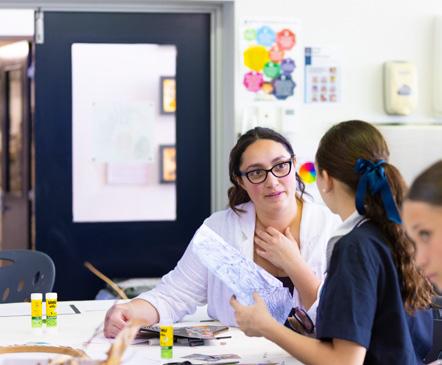
St Margaret’s Visual Art and First Nations students recently worked alongside Meanjin/Brisbane-based artist Tamika Grant-Iramu. Through her creative practice, Tamika explores her identity, seeking ways to connect with the different threads of her Papua New Guinean, European and Torres Strait Islander heritage.
delivering high-impact, teacher-led professional learning that has strengthened collaboration, accelerated the sharing of effective pedagogy, and aligned directly with school priorities.
These prestigious awards celebrate the outstanding achievements of the country’s top performing schools and their staff.

Tamika guided students through the art of printmaking, and the works they produced are a beautiful reflection of their own identities, stories and heritage. Each piece will feature in St Margaret’s fourth First Nations publication – Our Hopes and Dreams – set to be launched during NAIDOC Week.

Pink Week at St Paul’s School highlighted the community’s openness, solidarity and shared purpose. Guided by the theme “it takes a community to fight breast cancer”, student committees organised a vibrant schedule of fundraising activities including pink themed spelling bees, bake sales, netball matches and campus decorations. All funds supported Breast Cancer Research. The week concluded with Pink Day during the home sports round where alumnus Troy Coker presented Rugby caps. Bringing together families, alumni and students from Pre Prep to Year 12, Pink Week reflected St Paul’s belief that we are strongest when we unite for a meaningful cause.
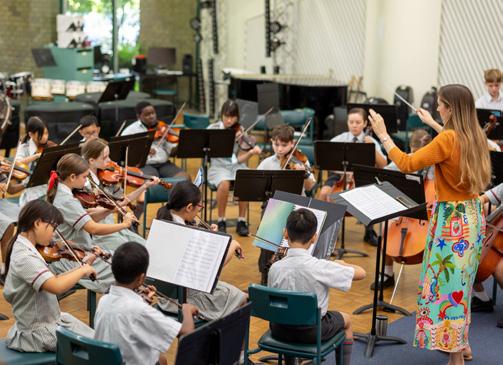
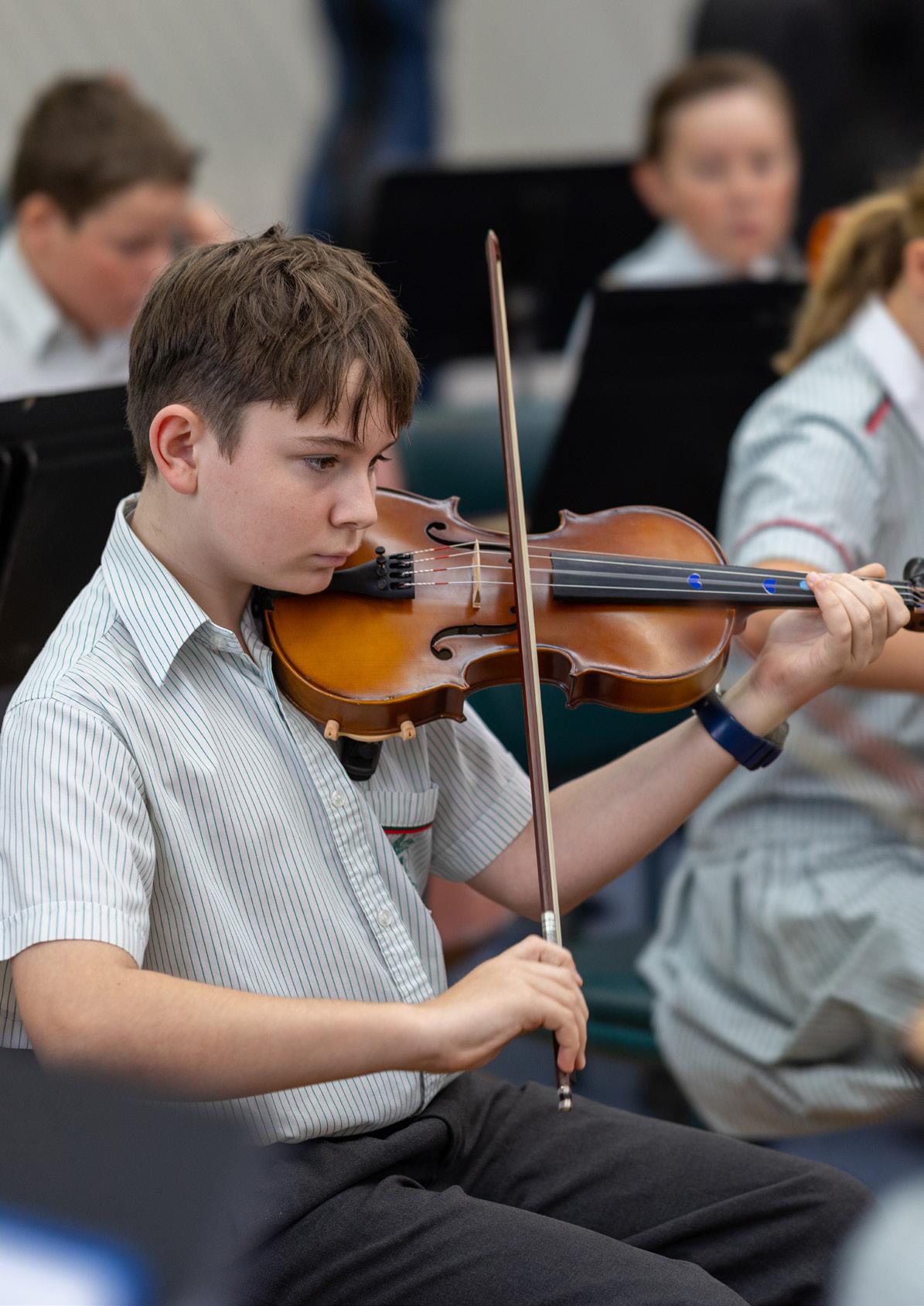
Recently students from Lento, Allegretto and Vivo Strings came together for a wonderful day of music making at St Paul’s inaugural Day of Excellence. Throughout the day, string ensembles worked closely with guest tutors refining technique, deepening musical understanding and building confidence in their QYMA repertoire. Focused rehearsals and enthusiastic collaboration created a supportive atmosphere where students encouraged one another and enjoyed making music together. The day concluded with informal performances that showcased each group’s progress. The Day of Excellence strengthened friendships, inspired growth and celebrated the vibrant ensemble community within the school’s Strings Program.

SCHOOL SPOTLIGHT THE CATHEDRAL SCHOOL OF ST ANNE & ST JAMES


Cathedral students brought the house down in May, delivering a spectacular performance of Once Upon a One More Time at the Townsville Civic Theatre.
Set to the iconic hits of Britney Spears, the production reimagined classic fairy tale princesses questioning their “happily ever after”, with humour, heart and genuine stage presence.
Directed by Bonnie Nicholas, the three-performance season sold more than 1,500 tickets and earned outstanding praise for its performances and choreography. Cathedral was also among the first schools in Australia to stage the production.
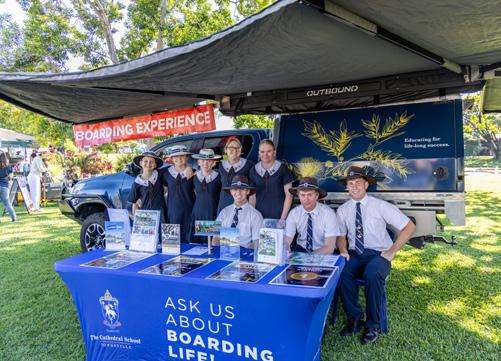
The Cathedral School celebrated National Boarding Week with a full week of activities highlighting the strength of the school’s boarding community.
The week began with Boarding Experience, where future students were invited to stay overnight and experience life in boarding at Cathedral. Students also enjoyed games, a boarding fundraiser and barbecue, excursions to a North Queensland Cowboys match, and a camping trip to Crystal Creek Ranch outside Townsville.
Strong enrolment growth across both local and international boarding students reflects the welcoming culture built by staff, students and families within the boarding community.

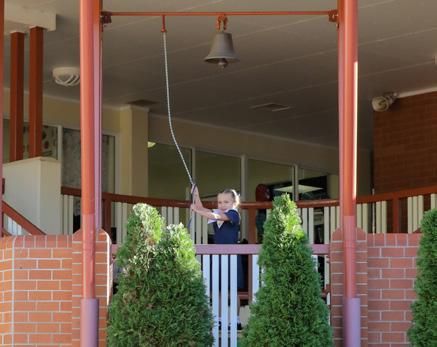
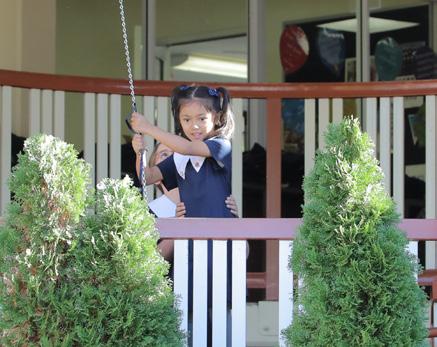
The Glennie School welcomed its newest students with a Prep Bell Ringing ceremony, a simple but meaningful tradition officially marking the beginning of the students’ journey as a Glennie girl.
The sound of the bell connects the youngest students to more than a century of Glennie history, and to the generations of girls who have come before them.
Head of Junior Years, Ms Harlie Thompson, encouraged students to begin their Glennie experience with curiosity and courage, and to “Be the Light” by showing kindness, bravery and care for others as they grow.
The Bell Ringing ceremony is also held in Year 6, when students mark the end of their Junior Years at Glennie.
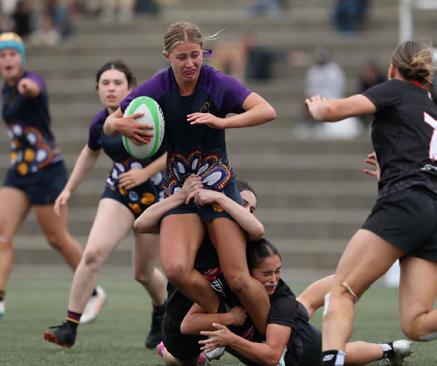
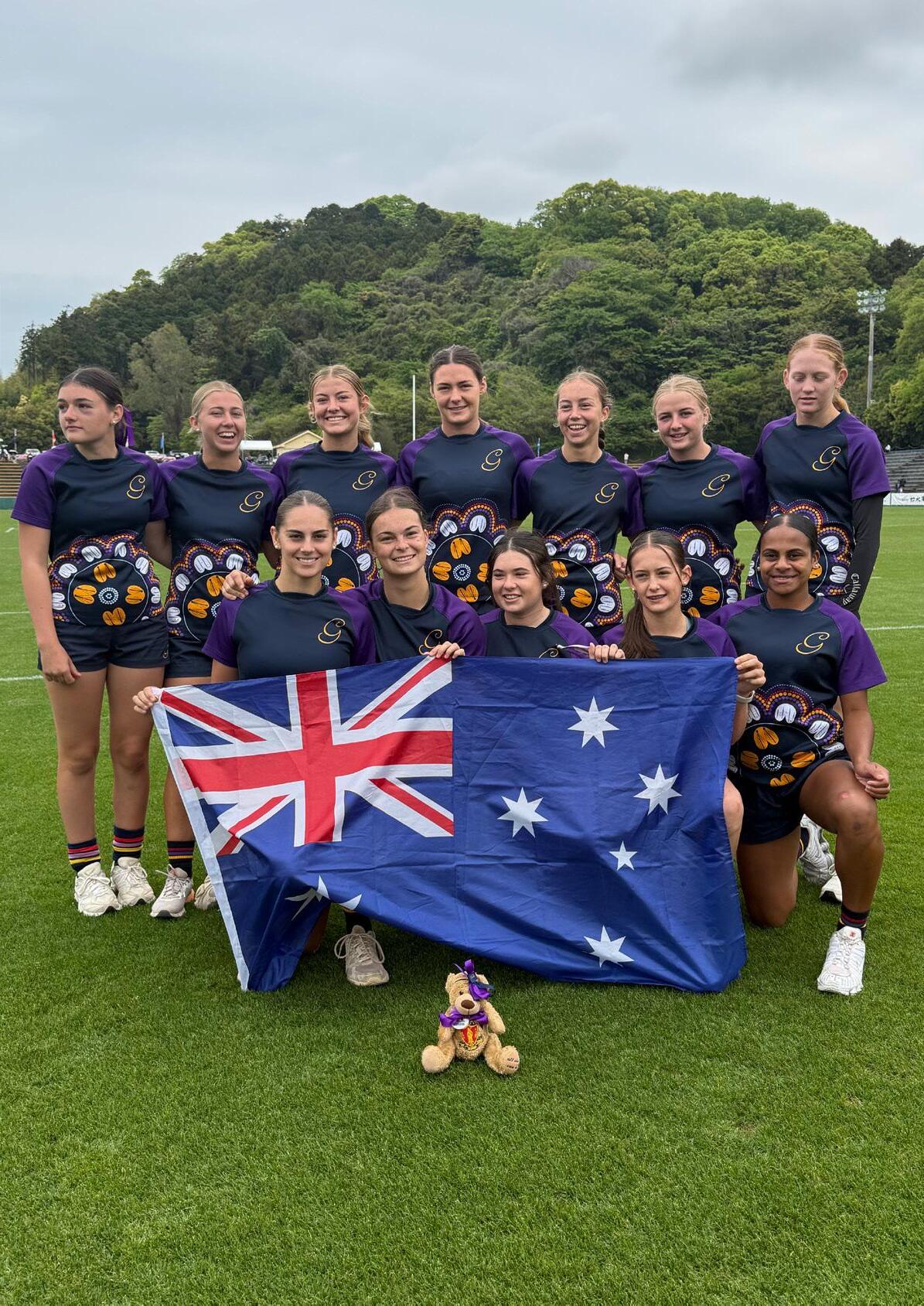
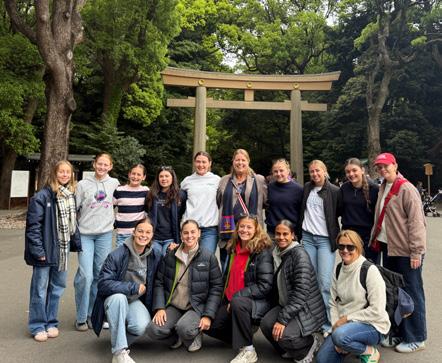
The Glennie School Rugby Sevens team has returned from Japan after competing at the Sanix World Rugby Youth Tournament.
As the only Australian team in the Women’s Sevens competition, the girls finished 6th overall and 2nd among international schools, delivering a series of strong performances across the tournament.
Off the field, the experience included cultural exchange activities, shared meals, and new connections with teams from around the world.
The team also wore jerseys featuring an Indigenous design, which they represented throughout the tournament.

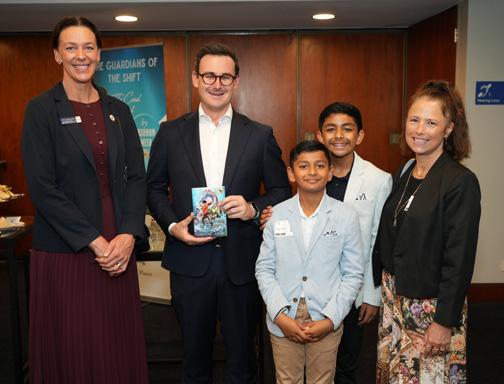
In March, TSS prep student Arshaan Ameer launched his debut book, Guardian of the Shift, an imaginative work that encourages young readers to think deeply about their role in protecting a rapidly changing world.
The book explores the idea that humanity is living through a period of profound transformation, environmentally, socially, and technologically. Through storytelling, Arshaan introduces the concept that each individual can become a “guardian” of this shift by acting responsibly toward the planet and its ecosystems.
The launch event brought together by Arshaan’s school teachers, community leaders, policymakers, and advocates who share a common interest in supporting youth engagement and environmental responsibility.
The event was supported by Michael Crandon MP Queensland, whose encouragement of young leadership helped make the occasion possible. Queensland ministers Hon. John-Paul Langbroek Minister for Education and Arts, Hon. Sam O’Connor Minister for Youth, and Minister for housing and Public Works, and Hon. Andrew Powell Minister for Environment and Tourism and Minister for Science and Innovation were also present.

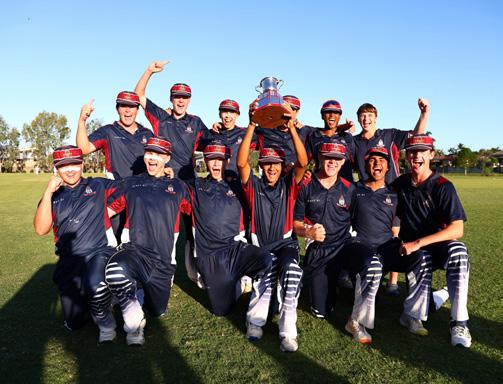
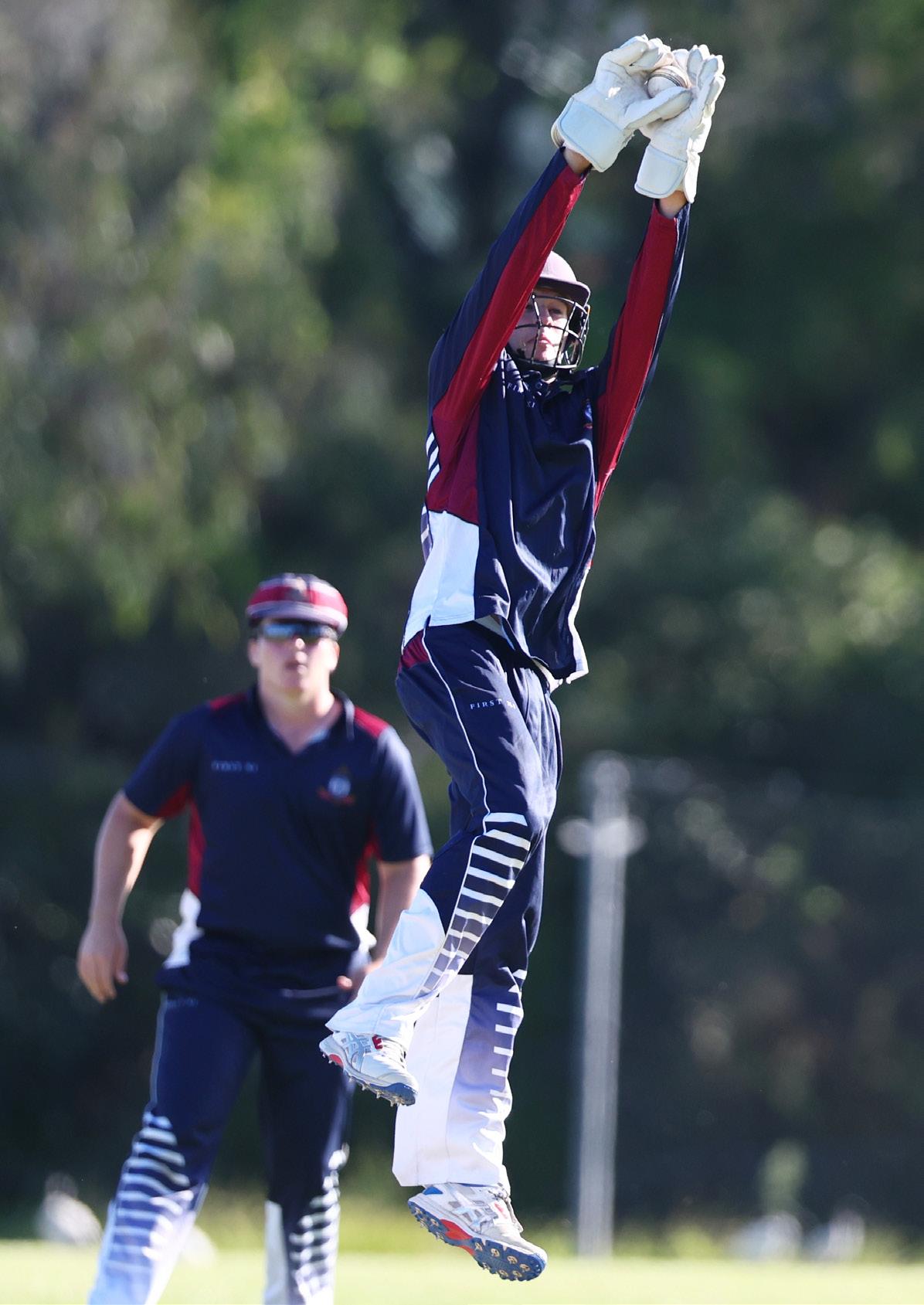
For the 12th time in 15 years, TSS Cricket has etched its name into the history books, continuing one of the most dominant eras schoolboy cricket has ever seen. The latest premiership triumph capped off another remarkable season built on discipline, depth, and unwavering belief.
Facing fierce competition throughout the campaign, TSS once again rose to the occasion when it mattered most. The squad combined explosive batting performances with relentless bowling pressure, while sharp fielding and calm leadership proved decisive in key moments across the season.
Coaches praised the group’s resilience and commitment, highlighting the culture that has become synonymous with the program over the past 15 years. Senior players led from the front, while younger members embraced the opportunity to contribute on the big stage.
The victory reinforces TSS Cricket’s standing as a powerhouse of school cricket, with the program continuing to produce talented players and unforgettable results year after year.


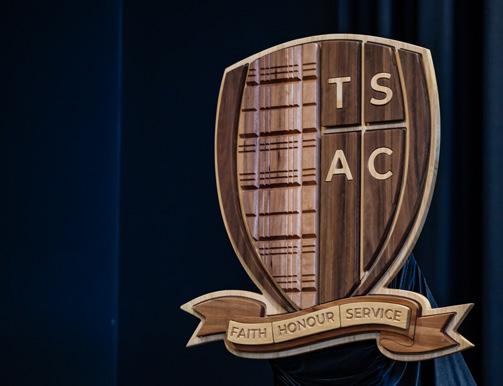
Unveiled as part of this year’s Foundation Day celebrations, TSAC’s new handcrafted crest puzzle is a hands-on tribute to the college’s story.
Created by Brisbane craftsman Damion Fauser, the intricate design took more than 150 hours to complete, using locally sourced timbers including spotted gum, Queensland maple and silver quandong.
But beyond its craftsmanship, the puzzle is a creative project that brings together design, engineering and problem-solving in a tangible way.
The piece required precise mathematical and scientific thinking, including calculating strength ratios (pieces attach by magnet) to ensuring the crest remains balanced, stable and safe during use.
Principal Mr Steven Morris said the puzzle captures the essence of a TSAC education.
“This piece is a wonderful reflection of who we are as a college: creative, thoughtful and grounded in real-world learning,” Mr Morris said.
Set to become a feature at key college events, the puzzle invites students, families and visitors to quite literally piece together the TSAC story, one element at a time.

As the curtain fell on TSAC’s production of Beauty and the Beast, the rapturous applause reflected not just the outstanding performance, but the commitment shown by students.
Performers and crews shouldered weeks of rehearsals and hours of choreography to perfect the full-scale production, which is held biennially.
That dedication was evident on the stage of the Ipswich Civic Centre on 8 and 9 May, with students delivering stand-out performances across the board.
Leads Charlotte Morris (Belle) and Cameron Myers (The Beast) carried demanding roles with focus and persistence, while the ensemble maintained great energy and presence throughout.
The final bows for Charlotte, Cameron and many others were bittersweet as they are in their final years of school.
Backstage, the same level of effort was evident. Quick changes, technical cues and coordination required precision and calm under pressure, with students taking genuine ownership of their roles.
The result was not about spectacle for its own sake, but about what can be achieved through hard work and follow-through.
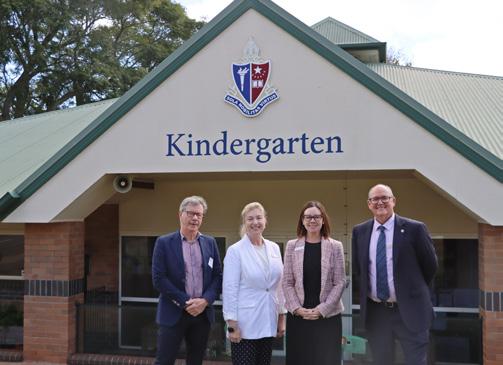
Toowoomba Anglican School’s Kindergarten has further solidified its reputation as one of the best Kindergarten programs in Queensland with its recent appraisal from the Early Childhood Regulatory Authority.
During a recent National Quality Standard (NQS) assessment, TAS Kindergarten received an overall rating of exceeding and was rated exceeding across all seven quality areas.
This achievement means that TAS Kindergarten has maintained an Exceeding NQS since its inception.
TAS Principal Nick Johnstone said the result was a fitting assessment of TAS’ Kindergarten program.
“Our Kindergarten has long held a reputation of being among the very best in the region and in Queensland,” Mr Johnstone said.
“To see our program maintain this standard since inception is a credit to our Head of Primary Pam Stains, our Director of Kindergarten Jenna Goleby and our entire Kindy team.”
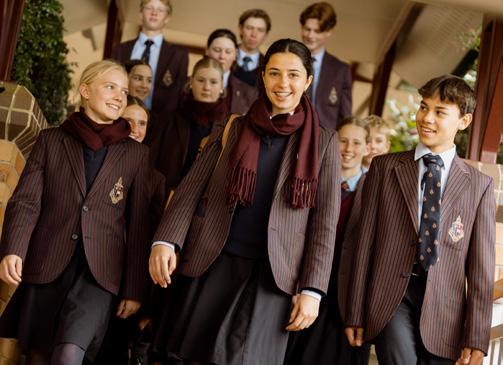
Toowoomba Anglican School is proud to announce its acceptance into the globally respected Round Square network.
Round Square is a community of more than 300 schools across six continents, united by a shared commitment to character education, global citizenship, and experiential learning. Round Square is built on six IDEALS: Internationalism, Democracy, Environmentalism, Adventure, Leadership, and Service.
These principles align deeply with our TAS Graduate Attributes and our belief that education must shape both character and capability.
Students at TAS will now have access to a rich and progressive suite of opportunities
Through engagement with Round Square, TAS students will develop:
• Confidence and independence.
• Global understanding and appreciation of diversity.
• Leadership and communication skills.
• A deep commitment to service and contribution.
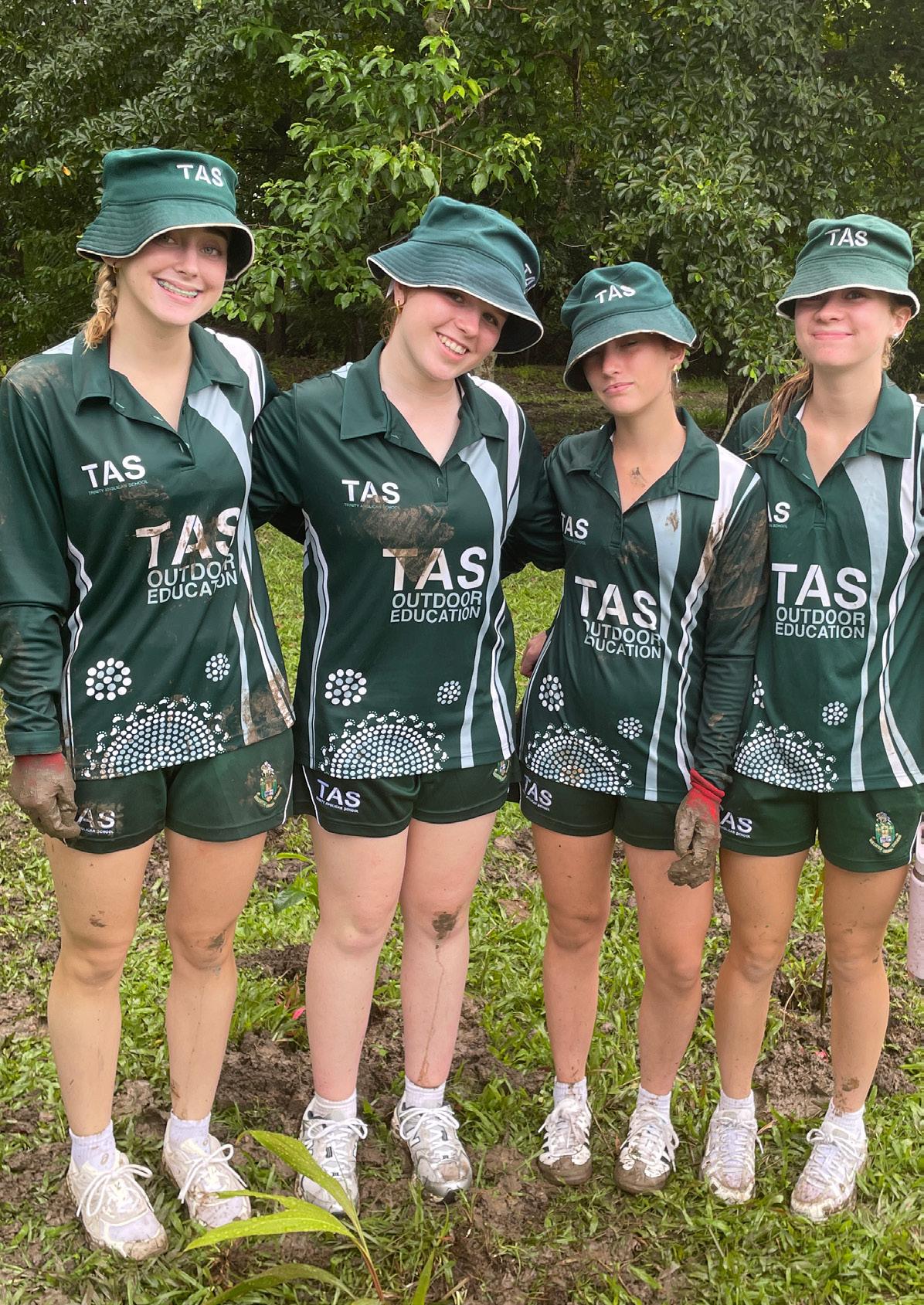
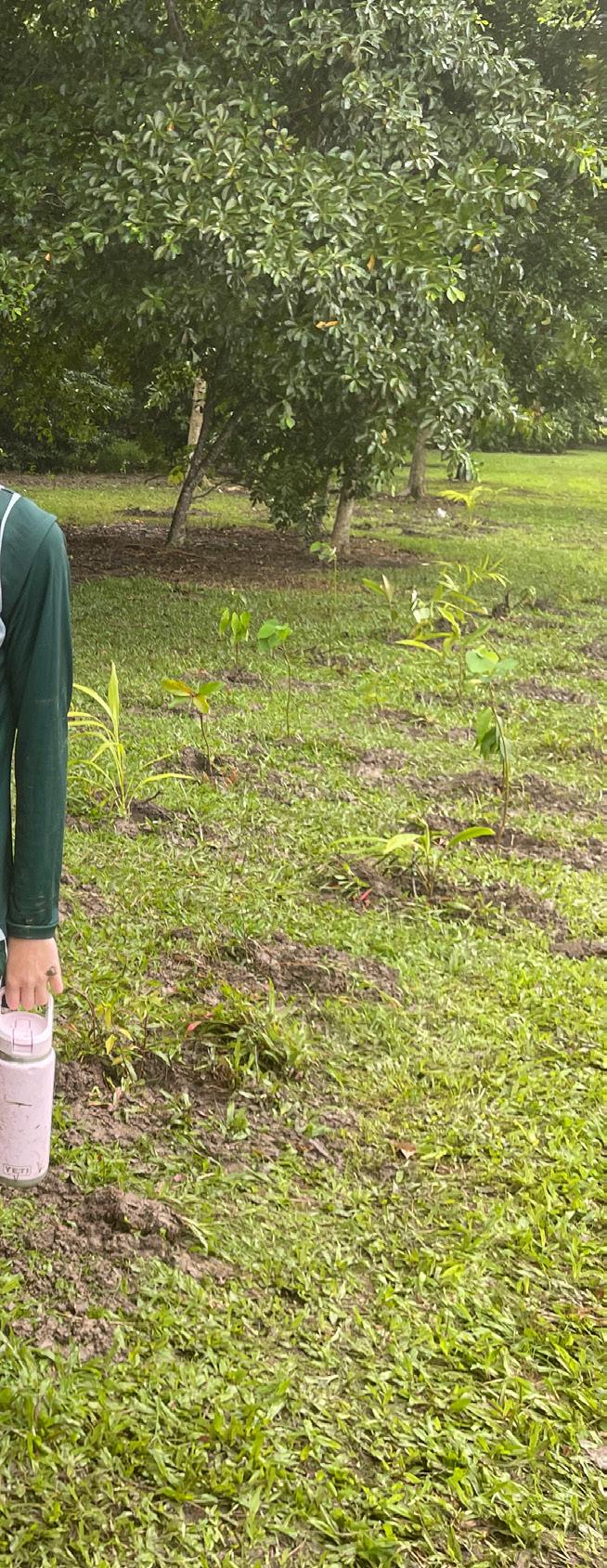
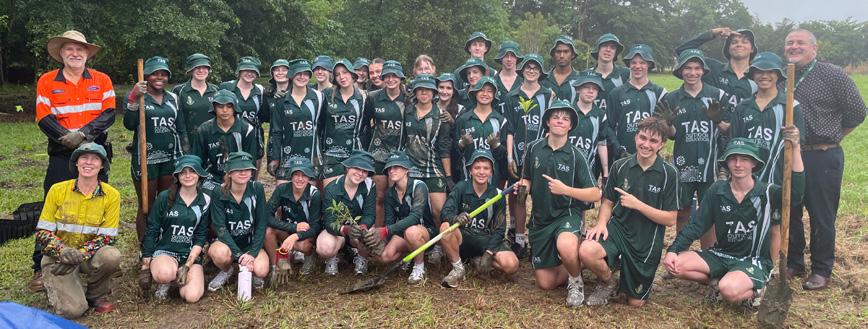
A team of 39 TAS Year 10 Outdoor Recreation students successfully joined forces with community partners to complete an ambitious environmental challenge, planting 400 trees in just one hour at Sawpit Gully on the school’s White Rock campus.
Working alongside representatives from Powerlink Queensland and Cairns Conservation Services, the students maintained a fast-paced effort throughout the afternoon, averaging nearly seven trees planted every minute or approximately 10 trees per student.

A TAS Year 5 student is helping spark a global conversation about kindness, understanding and connection through a simple but powerful initiative as part of UNESCO’s World Day of Living Together in Peace (Thursday, 14 May).
Inspired by a belief that peace begins with everyday actions, Olivia Brands launched the Global Kids for Peace Project, inviting students, schools, families and community members to complete the sentence “Peace is…” and upload their message to a growing online Peace Wall.
The initiative aims to unite communities around the world through shared values of compassion and respect, with a global goal of reaching 50,000 schools and individuals.
The coordinated planting initiative highlighted the students’ teamwork, determination and commitment to environmental stewardship, while also showcasing the strength of collaboration between schools, industry and conservation organisations.
The newly planted trees were expected to contribute to the restoration of natural habitat within the school grounds, supporting local wildlife, improving soil health and strengthening long-term environmental resilience in the area.
Olivia said she hoped the project would encourage people to reflect on the importance of kindness.
“I think the world could do with a bit more peace and kindness,” she said.
“Peace can be as simple as being kind, being a good friend, and understanding each other.”
Supported by TAS and aligned with the school’s Round Square values, the project reflects the school’s focus on leadership, service and student voice.

SCHOOL SPOTLIGHT
WEST MORETON ANGLICAN COLLEGE

Congratulations to West Moreton Anglican College student Ava Hogan on her outstanding performance at the 2026 Swimming Australia Australian Age Championships, held on the Gold Coast in April.
Competing against the nation’s best age group swimmers, Ava delivered an extraordinary campaign in the Girls 15 years division, achieving:
• 1st – 200m Freestyle
• 1st – 400m Freestyle
• 1st – 800m Freestyle
• 1st – 1500m Freestyle
• 2nd – 200m Individual Medley
• 8th – 100m Freestyle
• 17th – 50m Freestyle
As a result of Ava’s remarkable achievements, she has been selected as the youngest member of the Junior Australian Dolphins team for the upcoming Junior Pan Pacific Games in Vancouver in August.
Ava has qualified to compete in the 800m and 1500m Freestyle events, with likely selection also in the 200m and 400m Freestyle events, where she will race against leading swimmers from the USA, Canada and Japan.
Ava’s selection is a significant achievement and reflects her dedication, consistency and exceptional talent at the highest level.
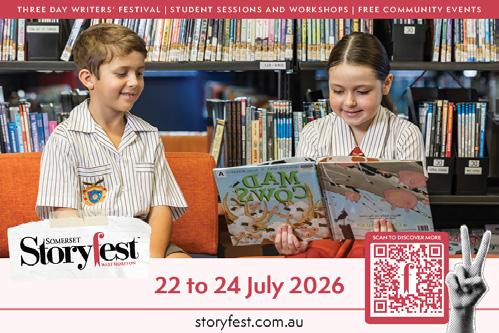
West Moreton Anglican College is proud to host Storyfest West Moreton from 22–24 July 2026, welcoming acclaimed Australian authors, illustrators, educators and schools from across the region for a celebration of storytelling, literacy and creativity.
Delivered in partnership with Storyfest and the Ipswich District Teacher Librarian Network, the festival continues the legacy of the much-loved StoryArts Festival Ipswich and aims to inspire a lifelong love of reading and learning among young people.
Across the three-day festival, students will have the opportunity to attend author sessions, workshops and interactive experiences designed to spark imagination and encourage creativity both in and beyond the classroom.
Schools are now invited to explore the festival programme and secure bookings for student sessions.
View the programme: Storyfest West Moreton Programme
Find out more: Storyfest West Moreton
SCHOOL SPOTLIGHT WHITSUNDAY ANGLICAN SCHOOL
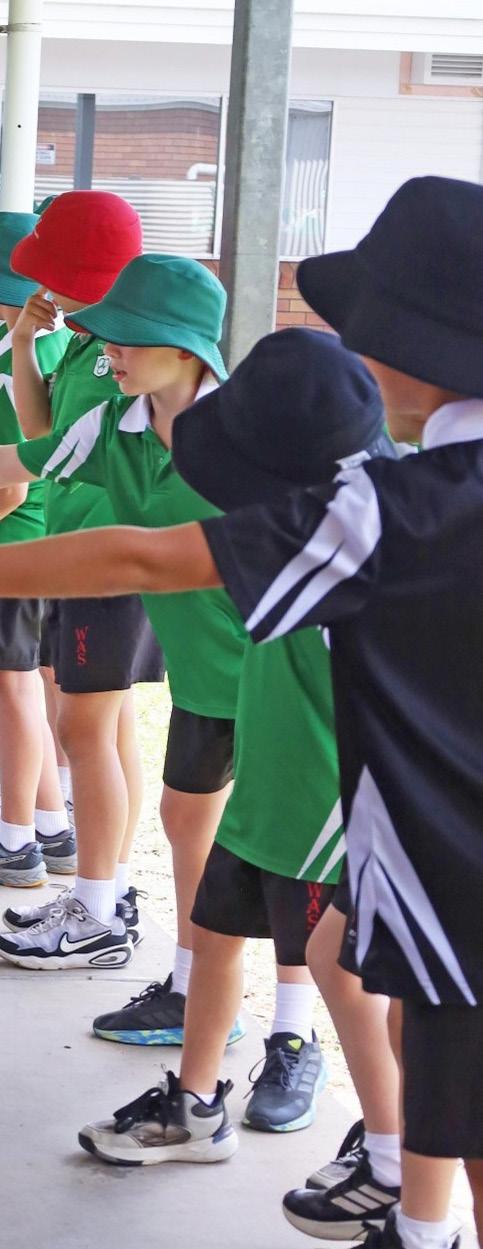

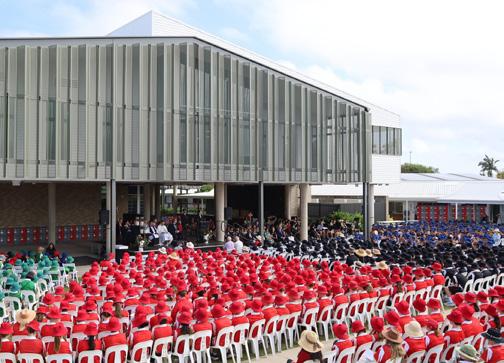
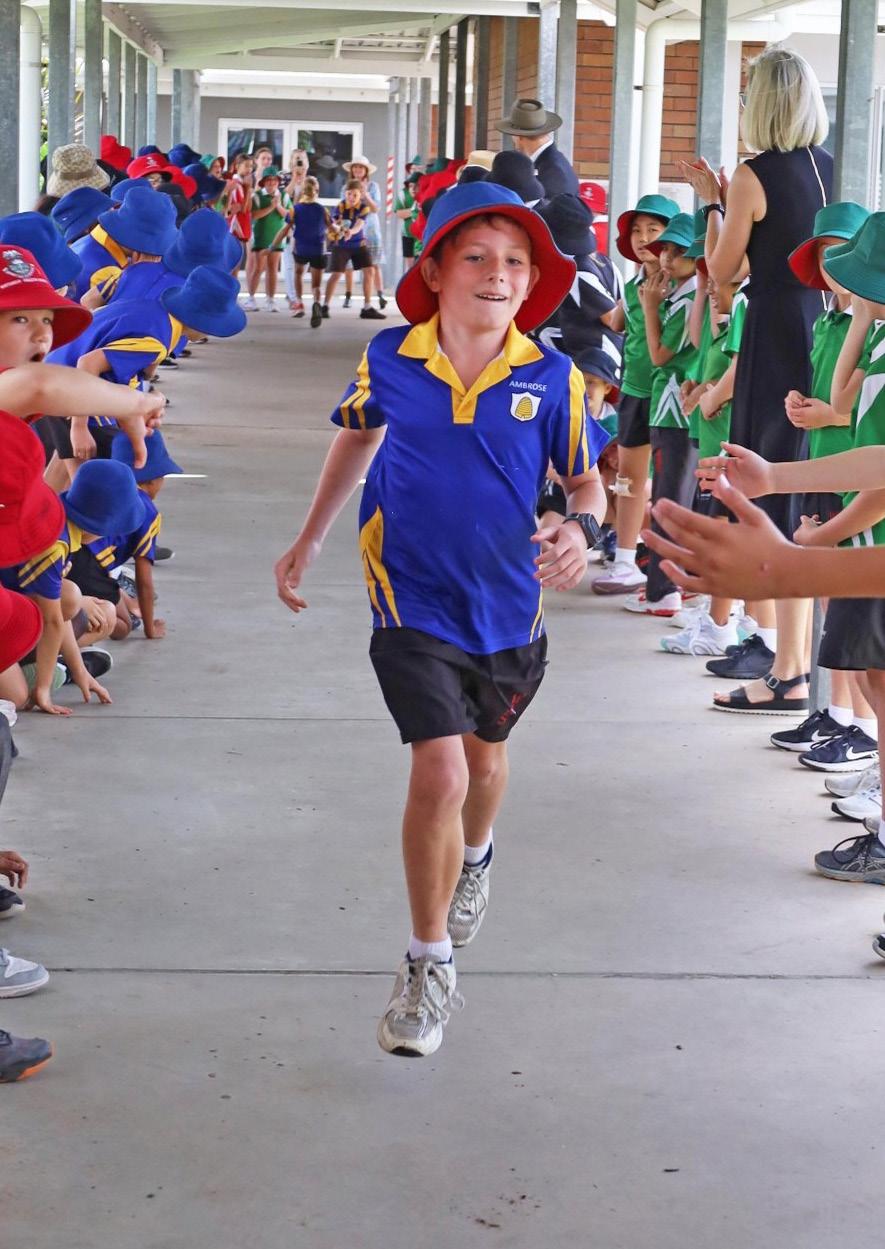
Whitsunday Anglican School recently celebrated its 38th annual “Celebrate Whitsunday” birthday event, bringing together students, staff, families, and invited guests to mark the founding of the school and recognise long-serving staff members.
The celebration was attended by The Right Reverend Dr Keith Joseph, Bishop of North Queensland, along with members of the wider school community.
The crowd was a sea of colour, with students proudly dressed in their House colours throughout the day’s celebrations. Following the service, the school continued its historic Run for Cover tradition, a whole school running relay inspired by the famous Great Court Run at Cambridge University.
The event was a joyful celebration of community, tradition and school spirit.
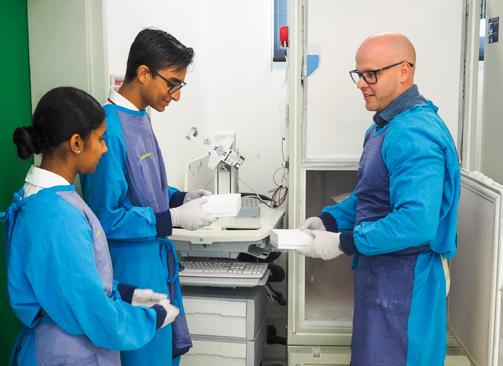
Whitsunday Anglican School continues to expand its Medical Pathways Programme, providing students with authentic experiences, exposure and support for careers in medicine. As part of the programme, students recently completed an ethics course exploring professionalism, confidentiality, autonomy, and ethical decision-making in healthcare settings.
The school has also partnered with Mackay Hospital and Health Service to provide research placements through the Mackay Institute of Research and Innovation during term breaks. Two students recently completed placements during the April holidays, gaining insight into clinical research, data analysis, innovation, and research communication while working alongside health professionals and researchers.
The initiative strengthens pathways between secondary education and the health sector.