
Respect - Cooperation - Honesty -





Cooperation means working with others to reach a goal.
It involves sharing tasks, listening to each other, and being helpful.
When people cooperate, they solve problems faster and make things better.
Working as a team makes tasks easier and more enjoyable.

Helping each other makes jobs easier.


Cleaning up a park with classmates.
Helping cook dinner with your family.
Sharing art supplies while making a group mural.
Building a sandcastle together at the beach.
Passing the ball during a team game.
Solving a science project with a partner.
Helping a friend carry heavy books.
Cooperation means being part of a team and doing your share.
Taking turns reading in class.
“Talent wins games, but teamwork and intelligence win championships.”
Michael Jordan, basketball legend
“You can't do it alone. Be open to collaboration.”
Pharrell Williams, music artist and producer
“To me, teamwork is the beauty of our sport, where you have five acting as one.”
Mike Krzyzewski, Hall of Fame basketball coach We can cheer each other on.


Each person has something valuable to offer.
A group can succeed when everyone does their part.
Even small actions matter when you are helping the team.
Cooperating means listening, sharing, and staying positive.

Working together helps us finish faster.


Offer to help without being asked.
Take turns and let others speak.
Work with a good attitude, even when the task is hard.
Thank others for helping, and be a helper too.
Cooperation starts when you choose to work well with others.
It is brave to admit when you make a mistake.

José Andrés – Chef and Humanitarian: José Andrés is a famous chef who started World Central Kitchen, a group that brings meals to people after disasters. He works with teams of cooks, volunteers, and helpers to feed thousands during emergencies. His work shows that cooperation can bring comfort, hope, and real help when it is needed most.
Lin-Manuel Miranda – Actor, writer, and composer: Created Hamilton and Encanto, but he did not do it alone. He worked with actors, singers, dancers, and artists to bring stories to life. His success shows how creativity grows when people cooperate and share ideas.


The U.S. Women’s National Soccer Team: This team has won the World Cup multiple times. They show the power of cooperation on the field by passing, supporting each other, and working toward a shared goal. Off the field, they stand together to support fairness and equality.

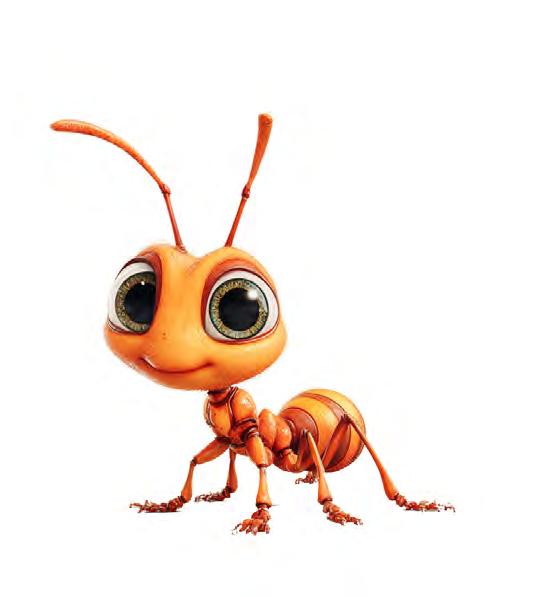
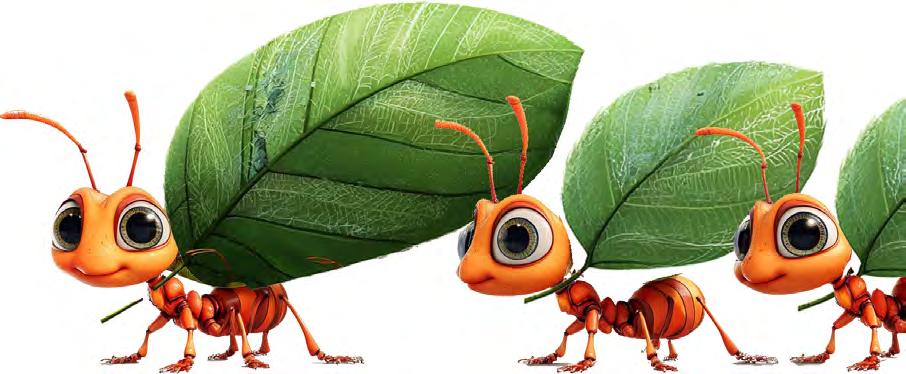
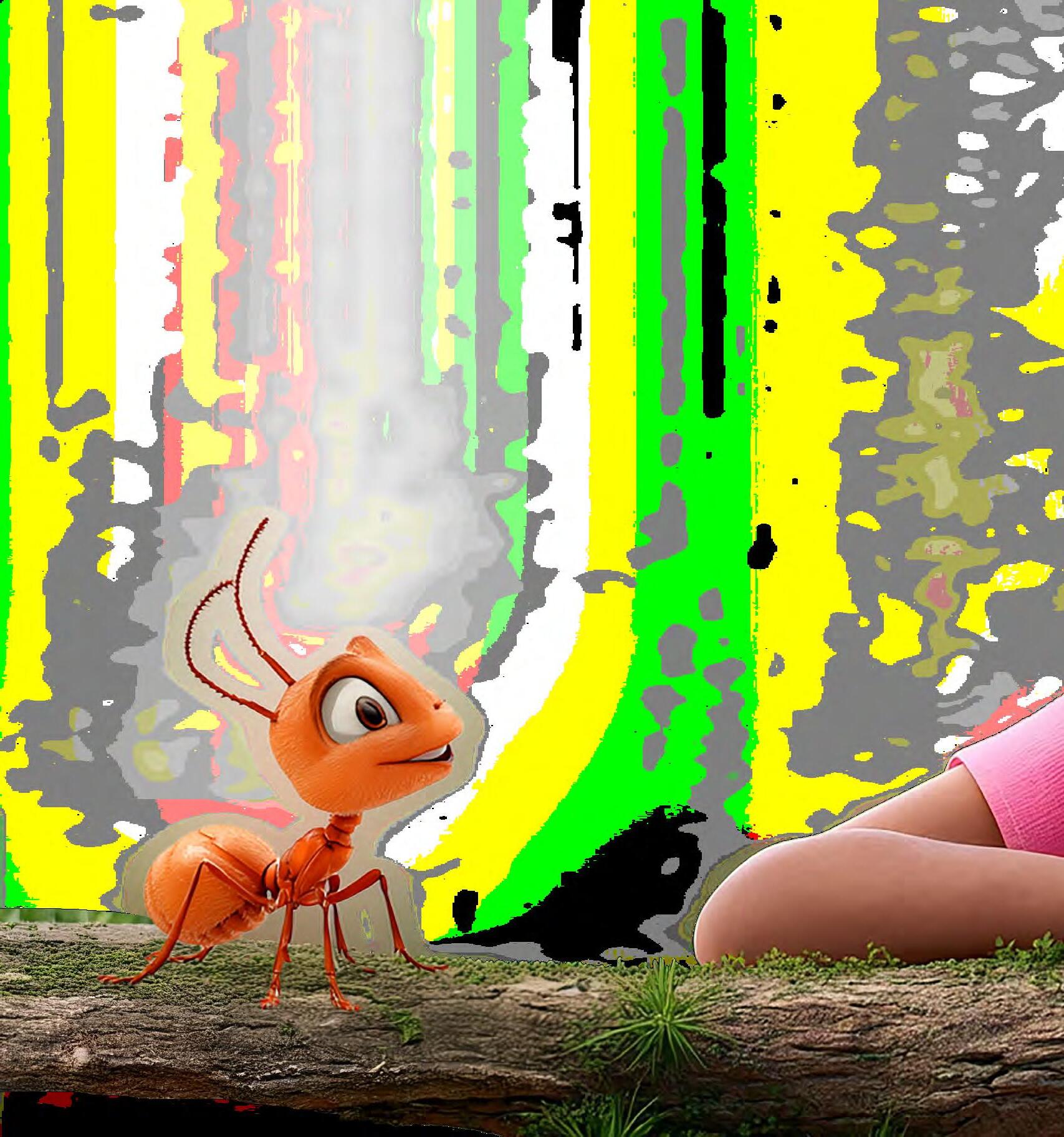
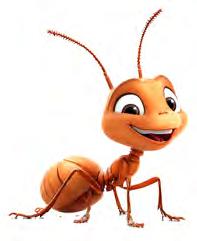
Ants are tiny but strong when they work together.
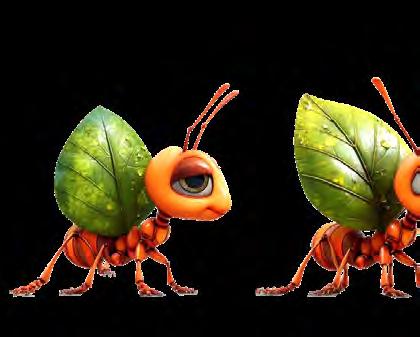
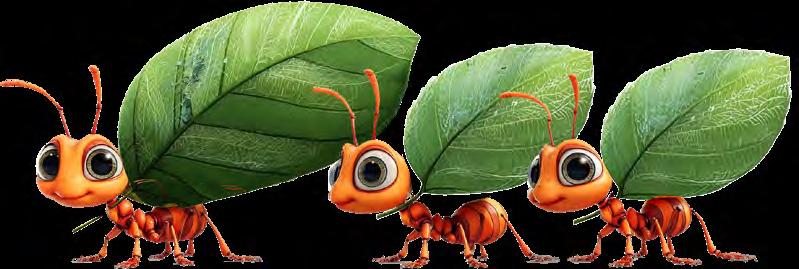
In an ant colony, every ant has a job. Some carry food, some build the nest, and others protect it.
They do not argue or compete; they cooperate to survive.
Ants are a great example of teamwork in nature.

Even small truths make a big difference.

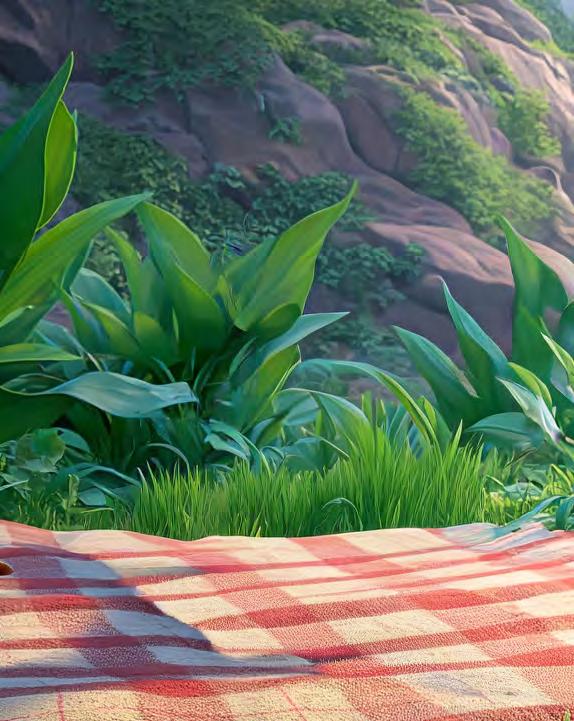
The Caribbean Sea sparkled in shades of blue and green. On the island of Grenada, a girl named Patty lived with her family. Every weekend, they explored nature together, hiking through jungle trails, discovering waterfalls, and enjoying the peaceful beauty of their island home.
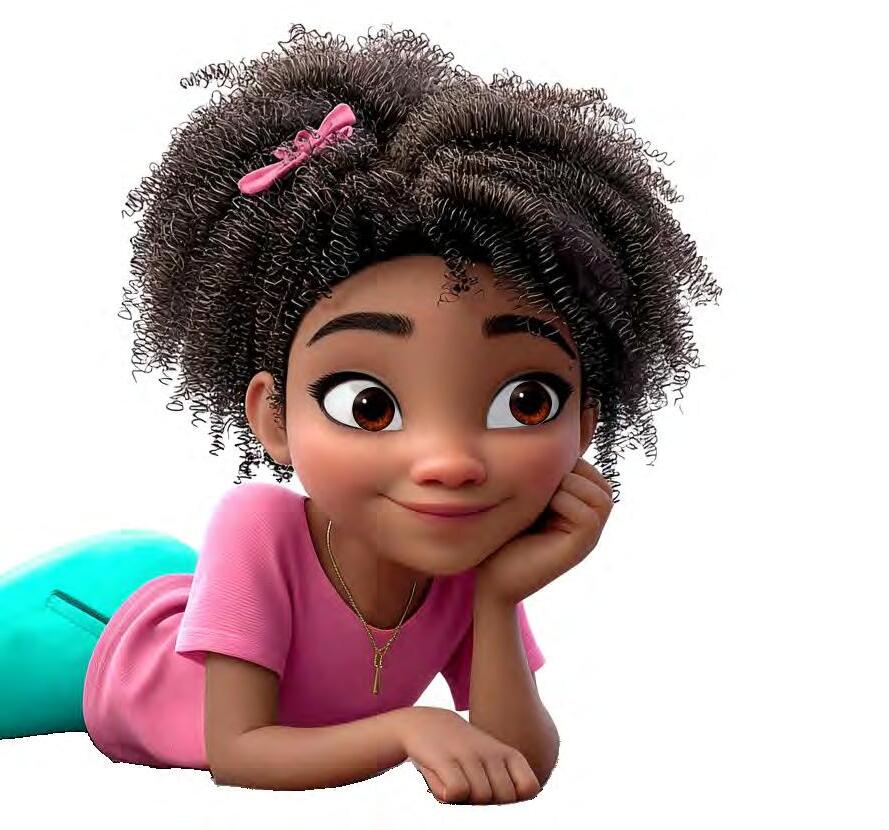
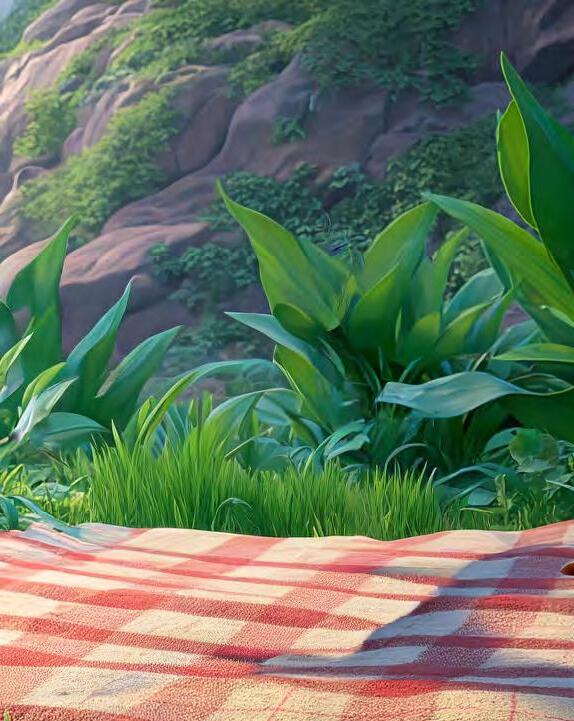
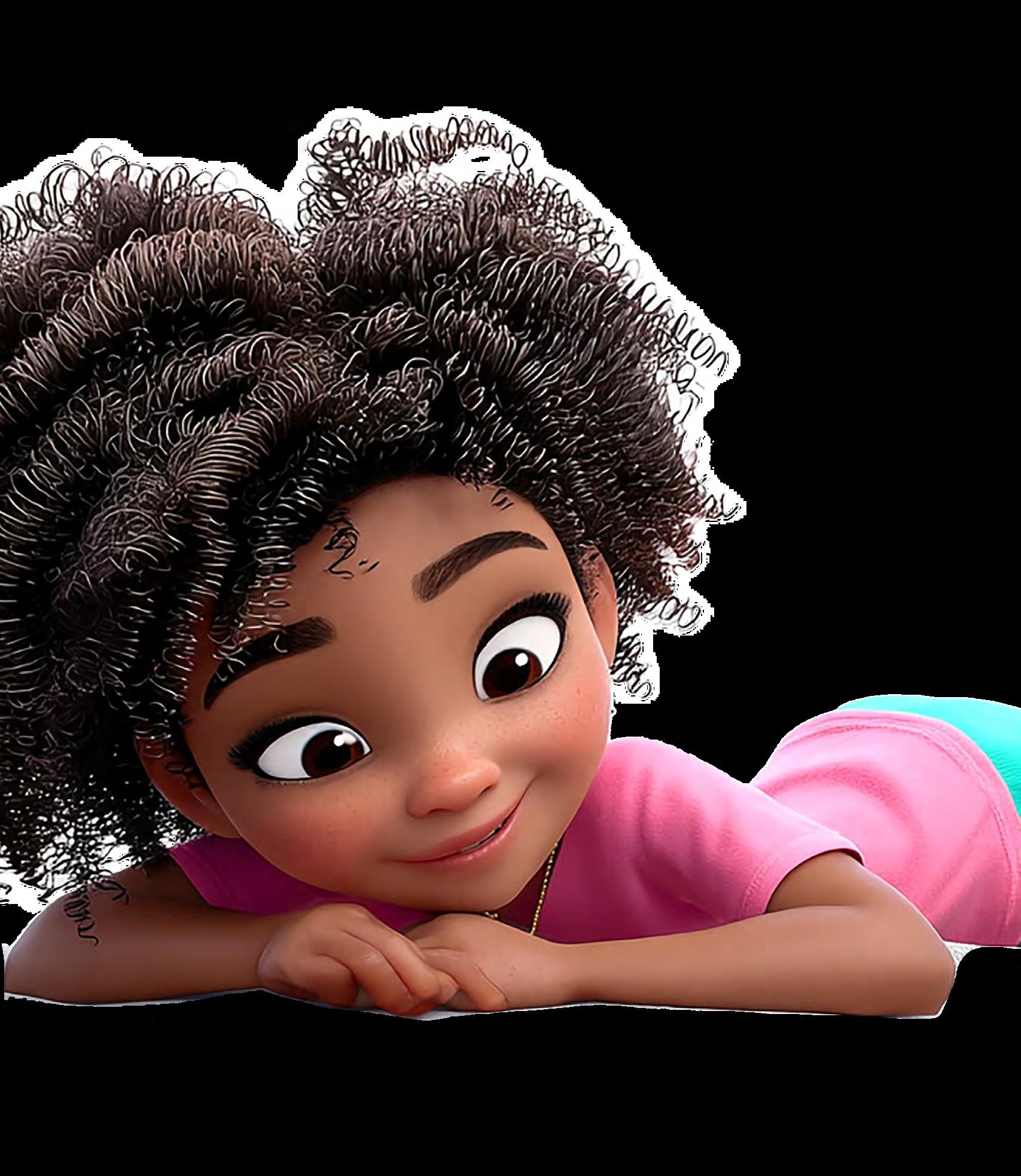
One sunny Saturday, the family packed a picnic and headed to one of their favorite spots in the hills. After lunch, Patty lay back on a blanket, watching the tree branches sway gently above her.
Something on the ground caught her eye.
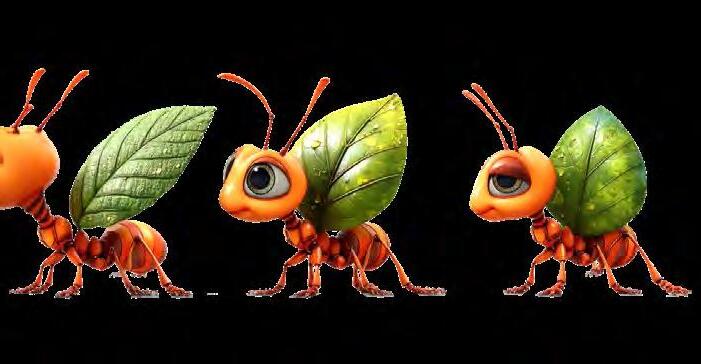
A long line of green leaves appeared to be crawling across the dirt. Curious, Patty sat up and looked more closely. To her amazement, she saw tiny ants carrying pieces of leaves much bigger than their own bodies. Dozens of ants moved in straight rows, each one holding its own load.
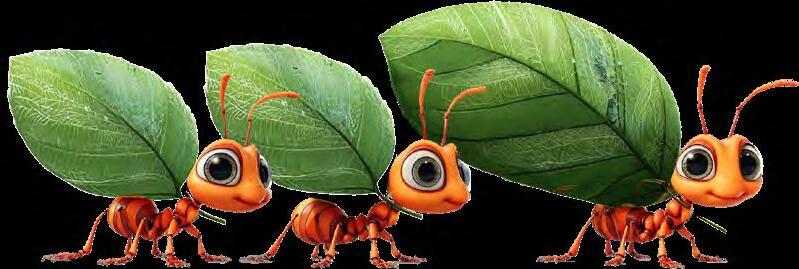
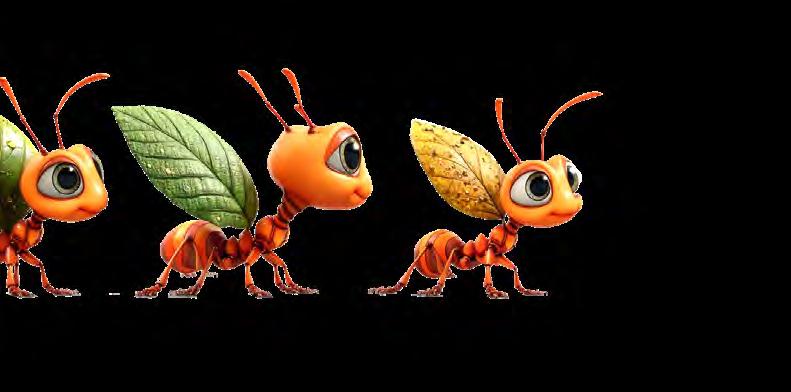
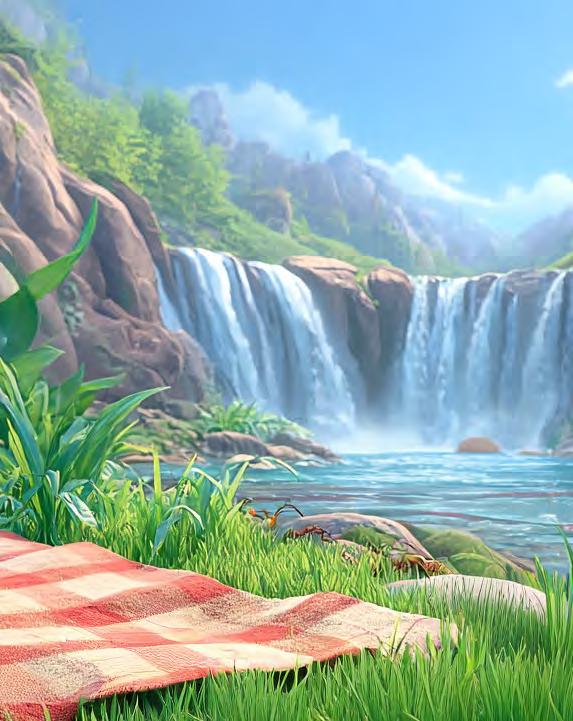
Patty leaned in for a better look. “How can such tiny creatures carry so much?” she wondered. “And how do they all know exactly what to do?”
She watched them for several minutes, fascinated by how organized and determined they were. Not a single ant got distracted. They all seemed to have a purpose, and they worked together perfectly. Patty did not know it yet, but those ants would soon inspire her in a very big way.


That evening, back at home, Patty turned on the TV. The screen flashed with an urgent message:
STORM ALERT!
A powerful tropical storm had changed direction and was now heading straight for Grenada.
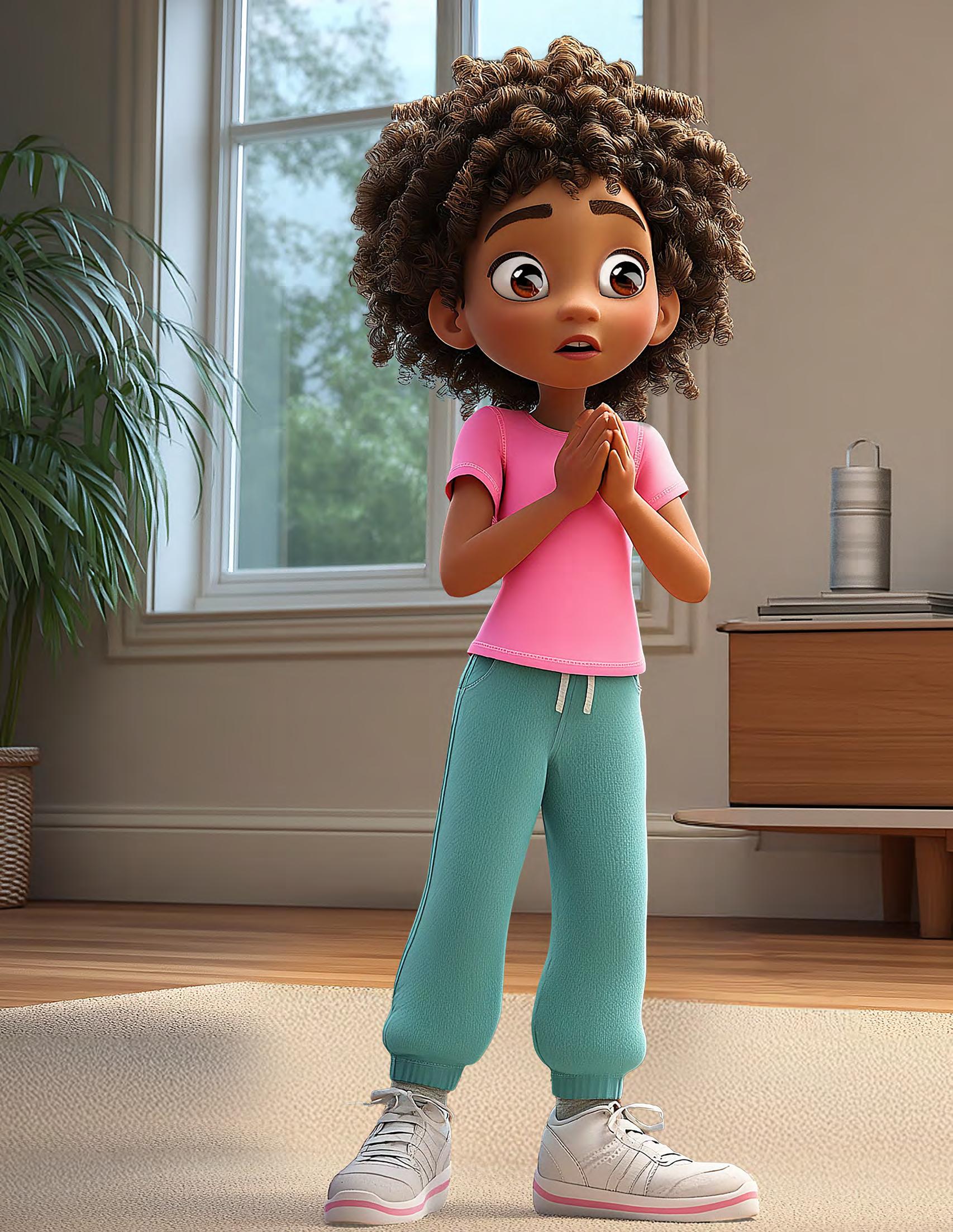
Patty’s heart began to pound. She had lived through storms before, but this one sounded dangerous. 19
Over the next few days, her family sprang into action.
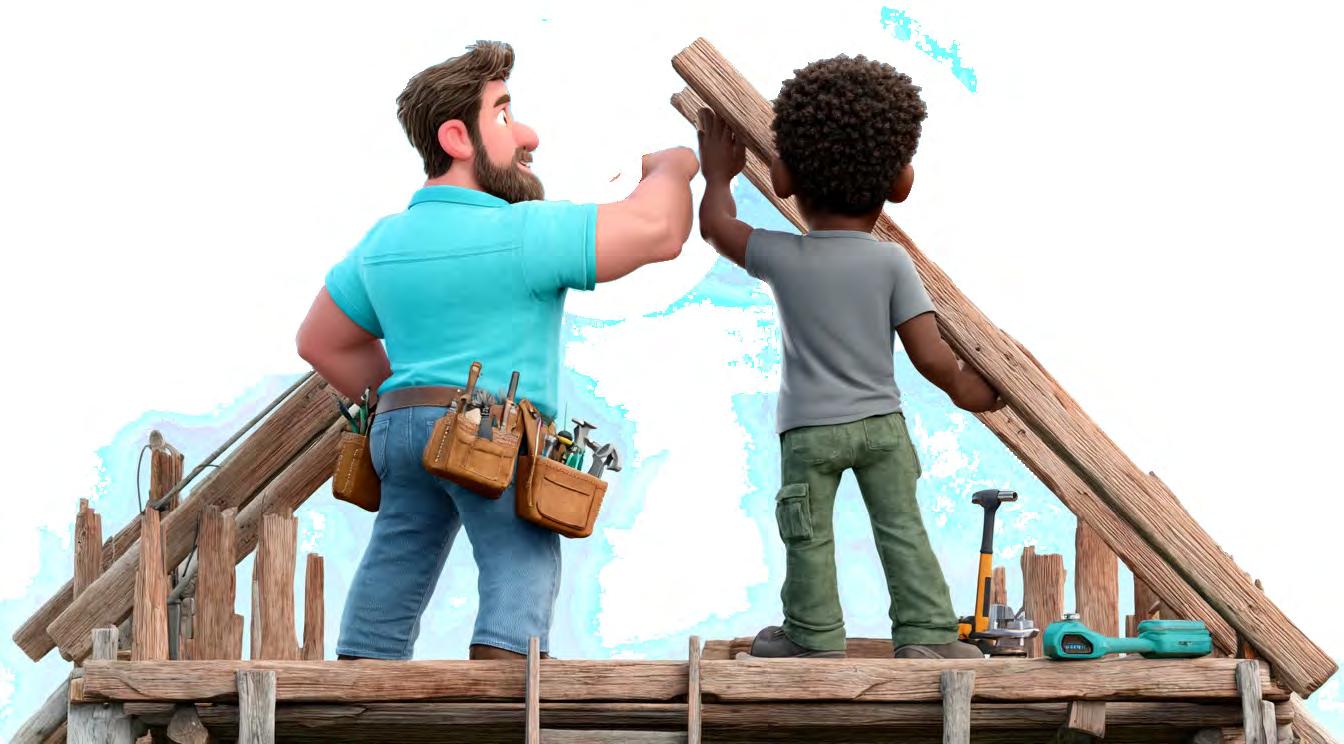
Patty and her mom stocked up on food, water, batteries, and supplies. Her dad and older brother boarded up windows and stacked sandbags to keep floodwater out.
Patty helped organize flashlights and first-aid items and kept her little brother entertained.
Each person had an important job to do. And because they worked as a team, the house was ready just in time.
That night, as the wind howled outside and rain pelted the roof like a thousand pebbles, Patty felt nervous. The palm trees swayed violently, and thunder shook the windows.
Her dad brought the whole family into one room.
“We’ll sleep here together tonight,” he said. “That way, we can keep each other safe.”
Patty felt better knowing her family was close by. Even though the storm raged outside, she was not alone.
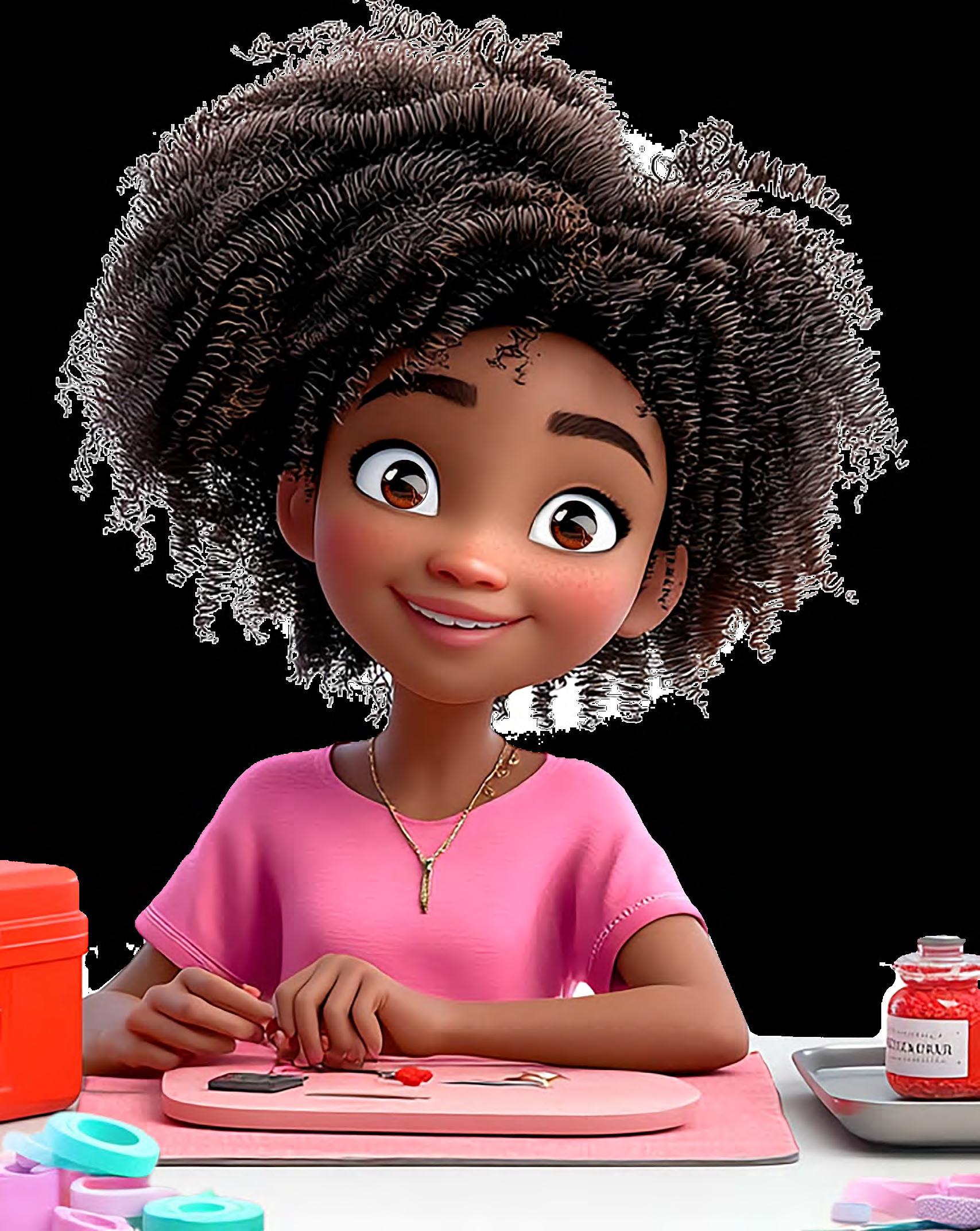
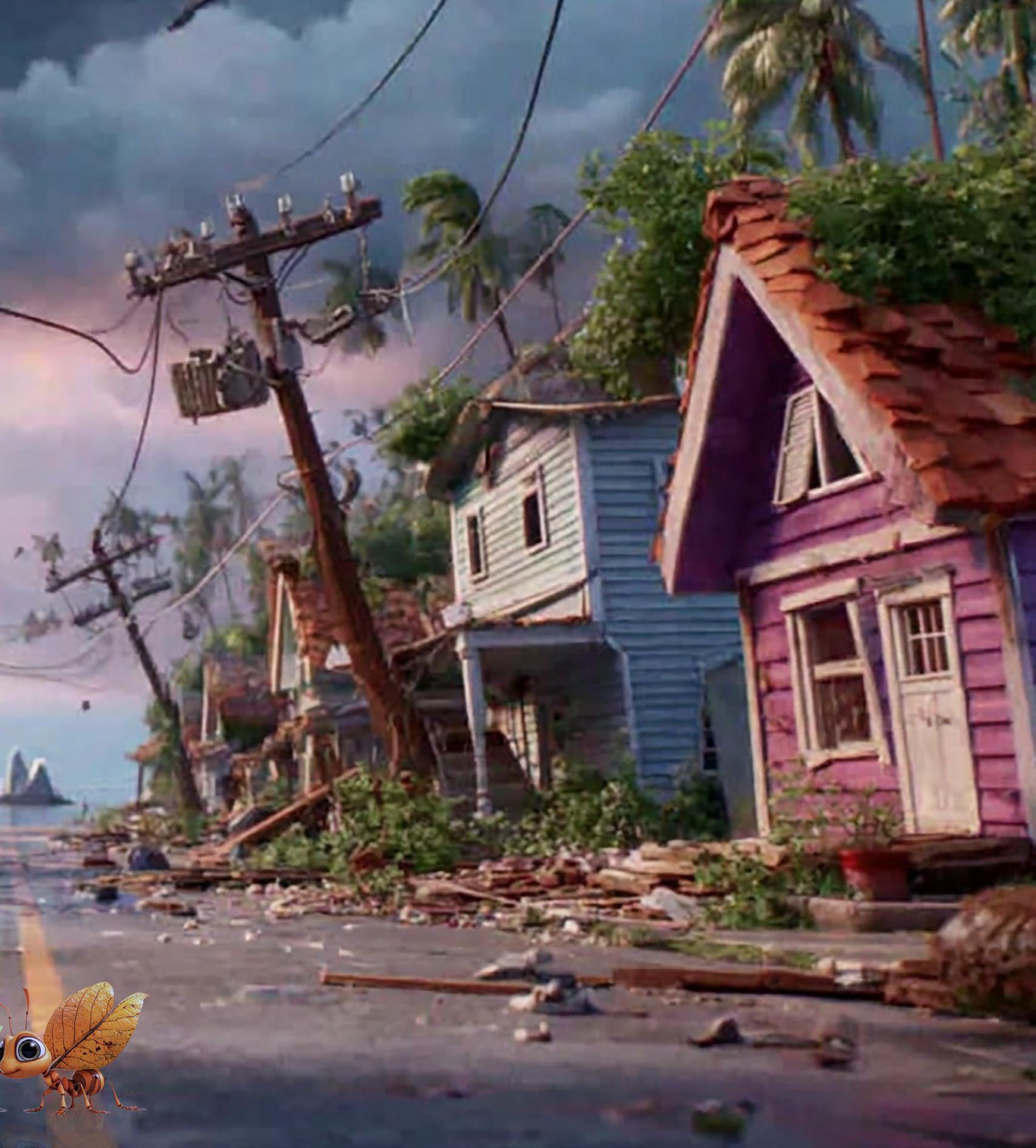
The next morning, the sky was bright and clear. The storm had passed, and birds were singing again. But outside, Patty saw how badly the neighborhood had been hit. Fallen trees blocked the roads. Branches and trash were scattered everywhere. Some fences were broken, and water still covered parts of the street. Power lines drooped low, and nothing looked the way it had before.
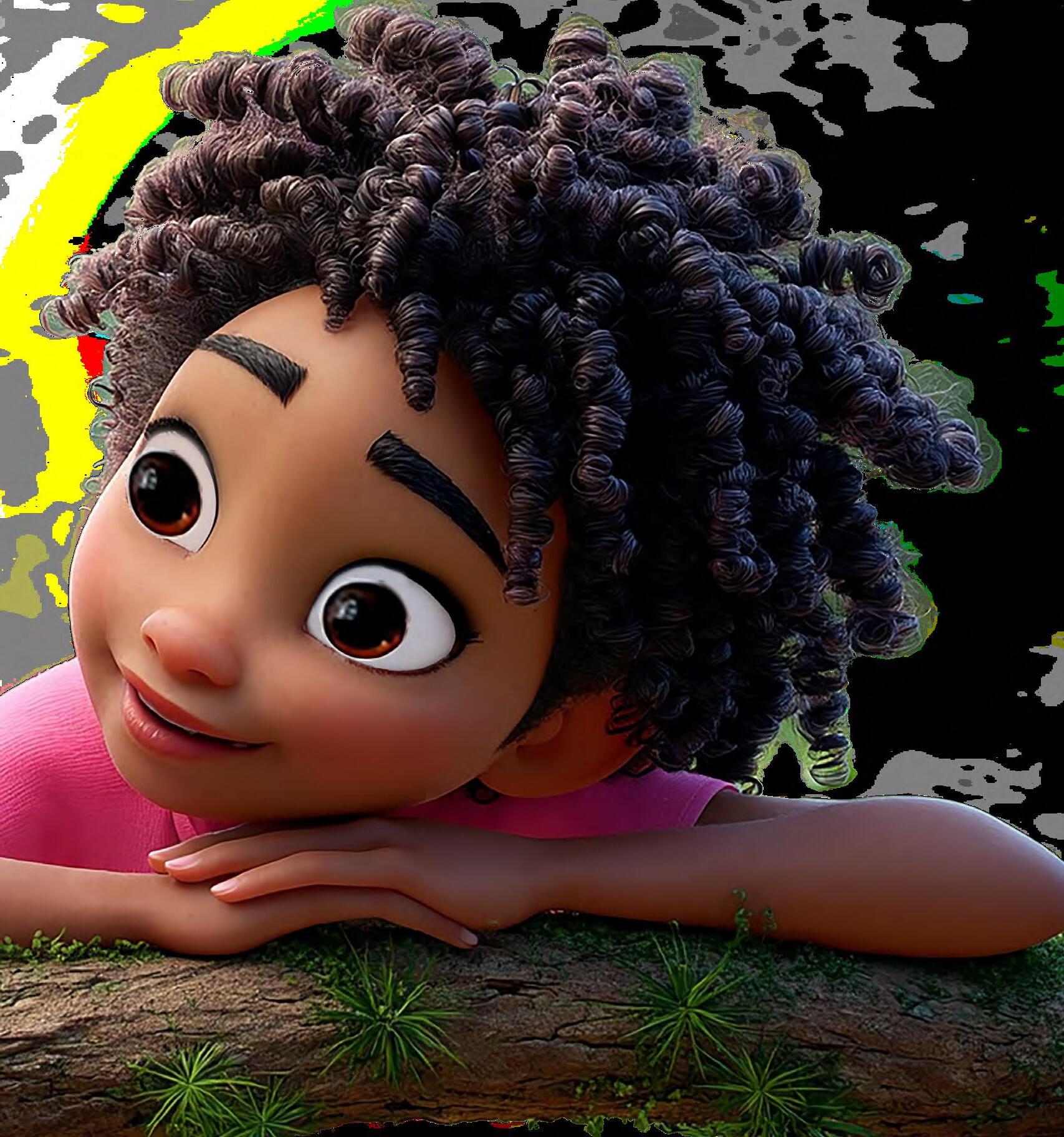
Patty stepped outside and sat on the trunk of a fallen tree, feeling overwhelmed. She did not know where to begin. The damage was so big, and she felt so small.
Then, something tiny moved across the bark beside her.
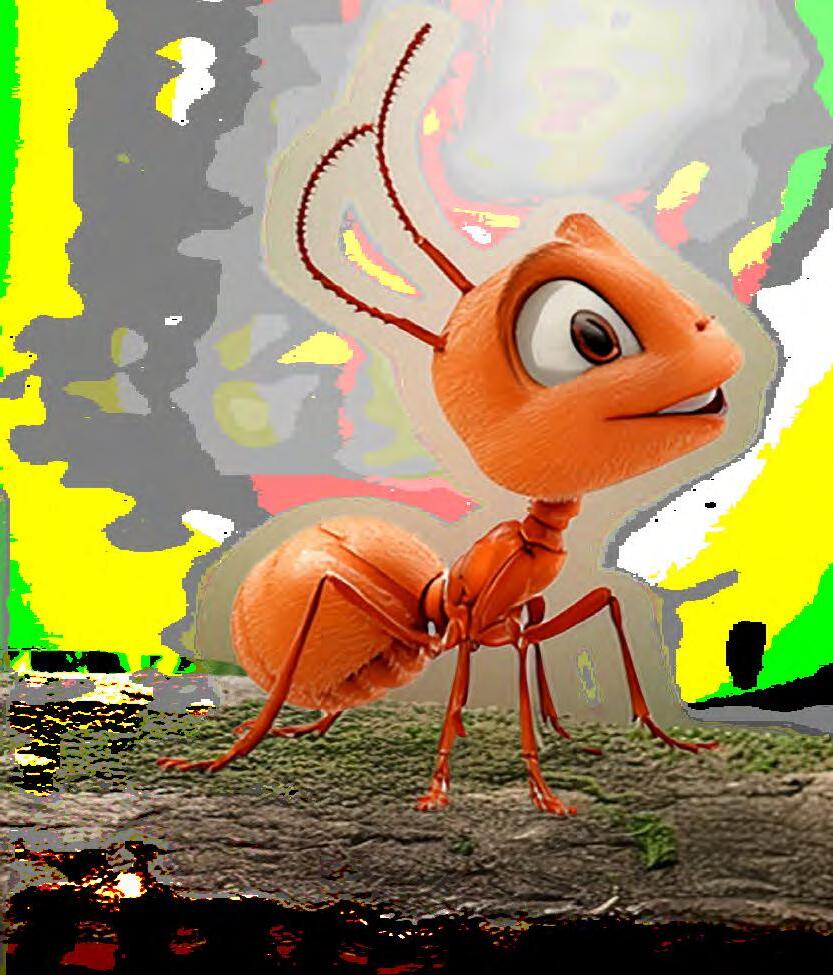
It was an ant, one of the same kind she had seen before. It was carrying a piece of leaf in its jaws, moving steadily across the log.
Patty leaned in to watch.
Despite the mess, the ant was focused. It did not stop. It did not turn around. It just kept going, doing its part, one small step at a time.
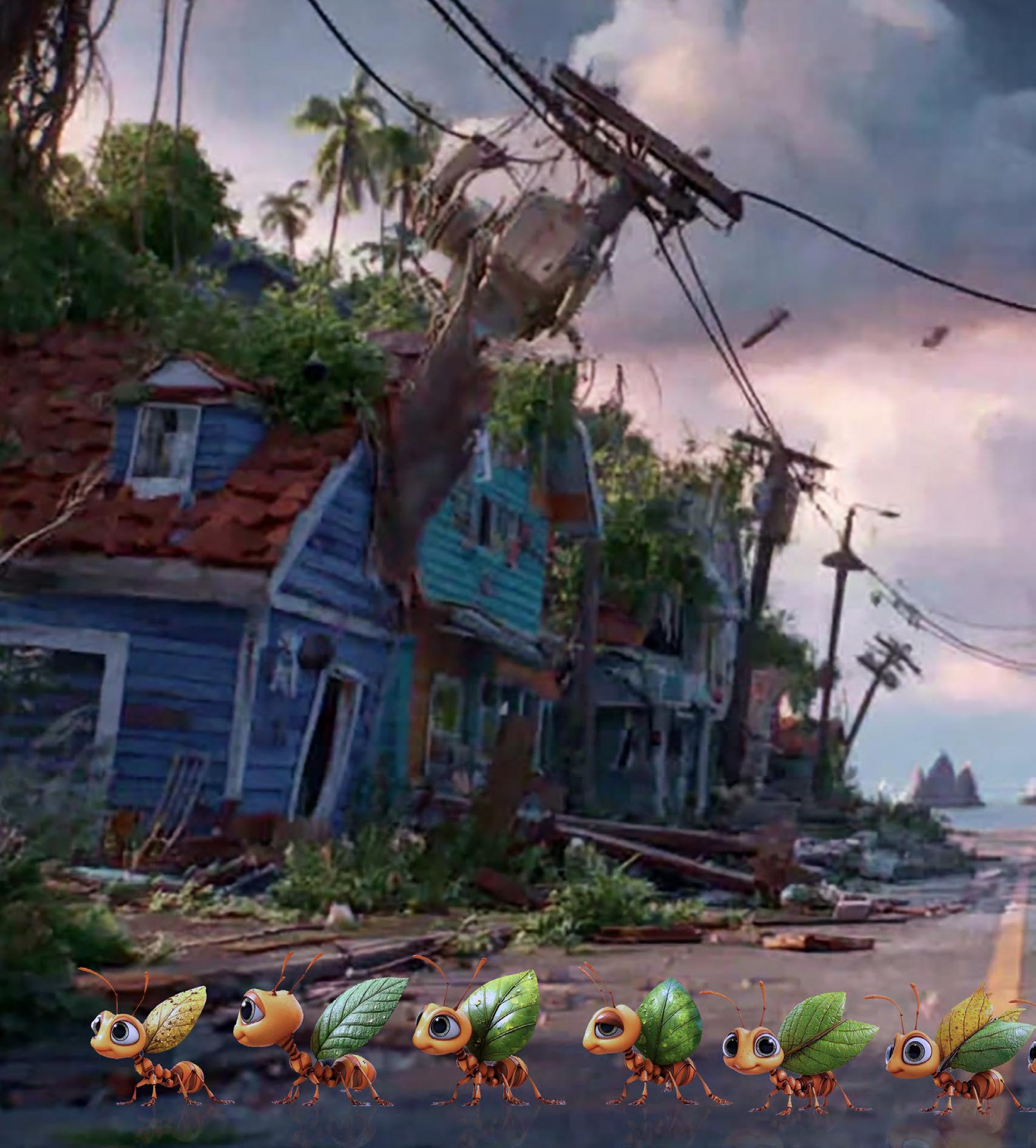
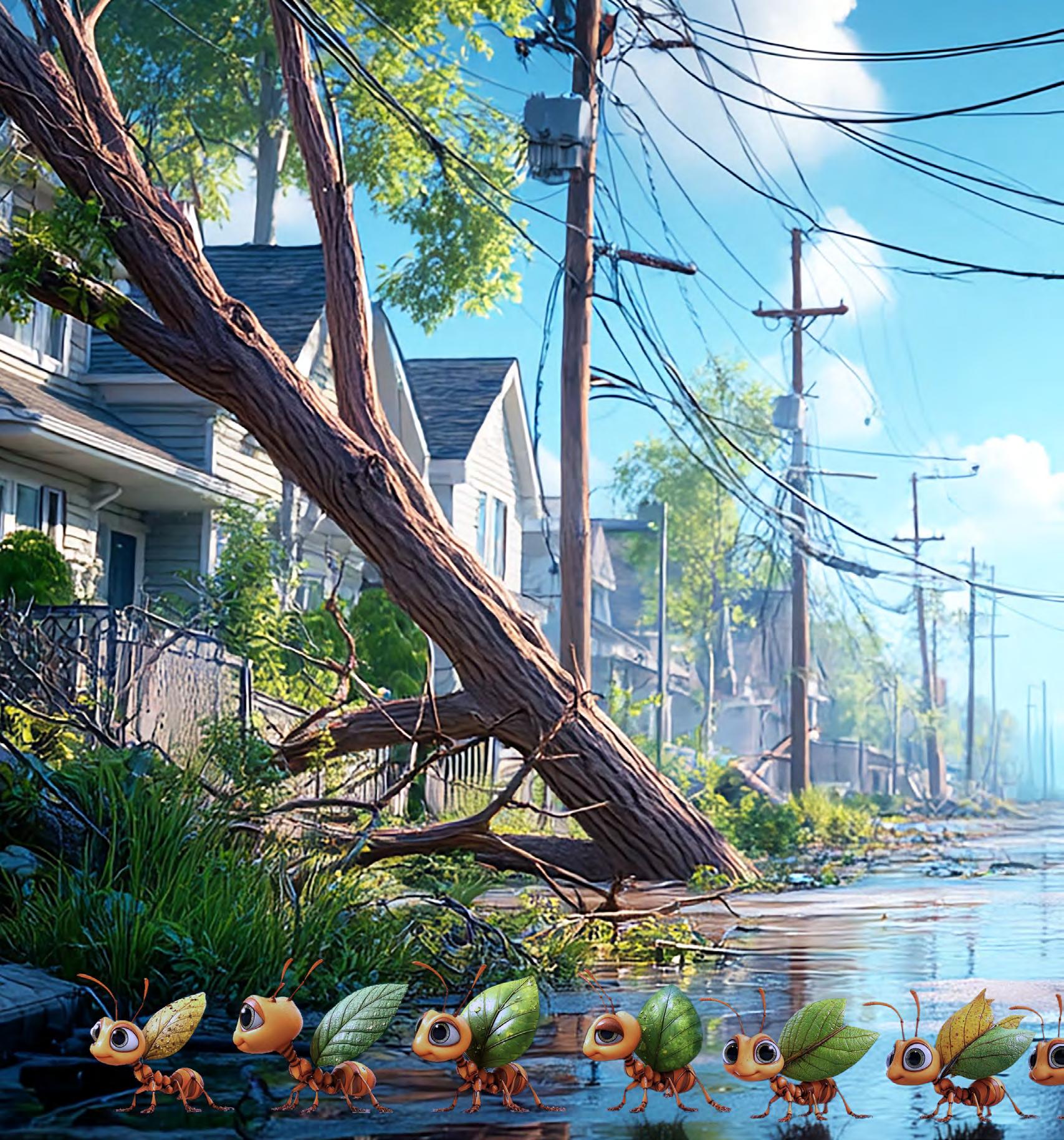
Patty remembered how many ants she’d seen working together that day before in the park. They did not do it alone. Each one had a job, and every job mattered. It was cooperation that helped them succeed.
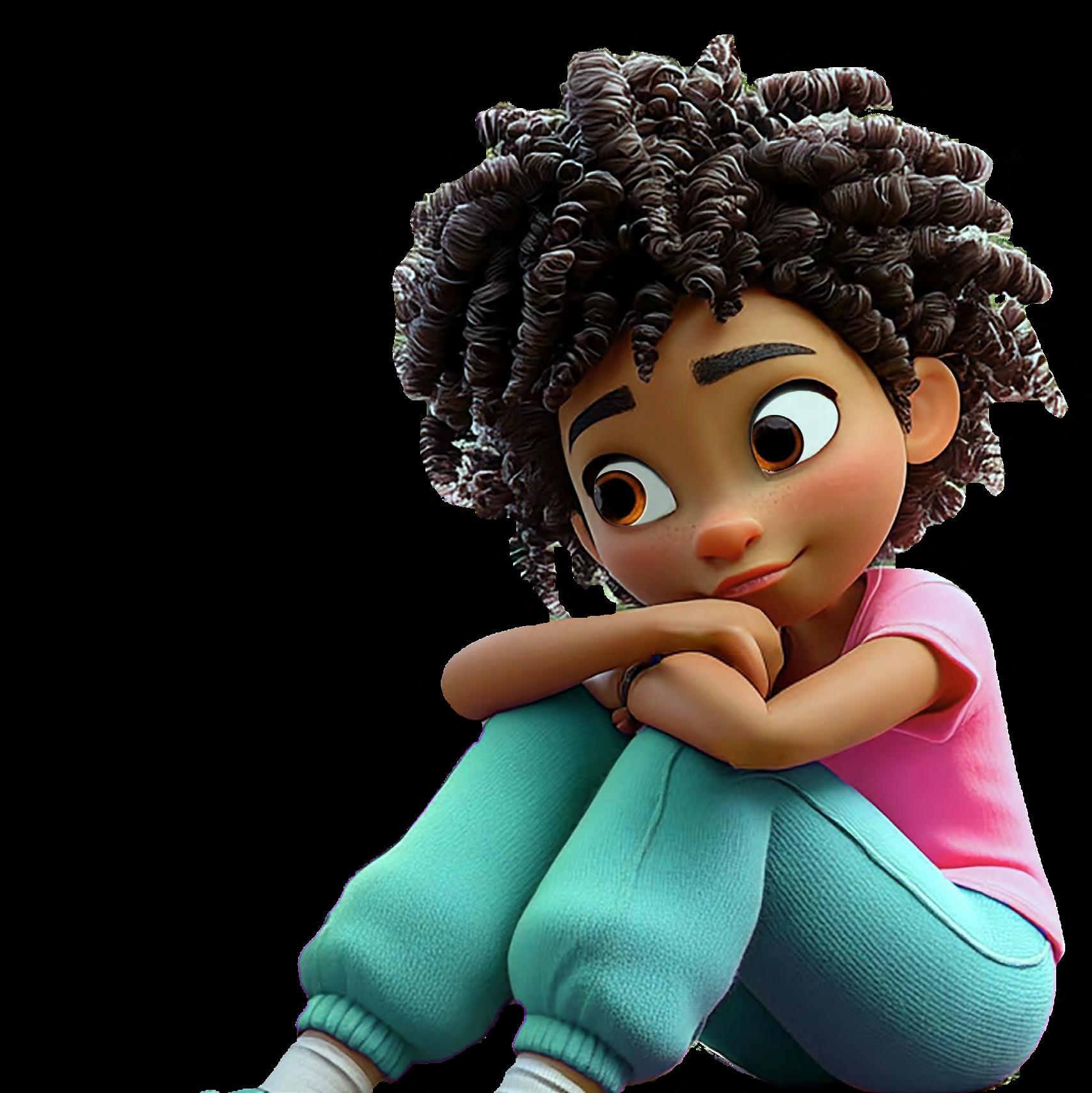

She ran home and told her parents her idea. “We should get everyone in the neighborhood to help clean up,” she said. “If we all work together, we can fix everything faster.”
Her parents agreed, and that afternoon, they began knocking on doors and talking to neighbors.
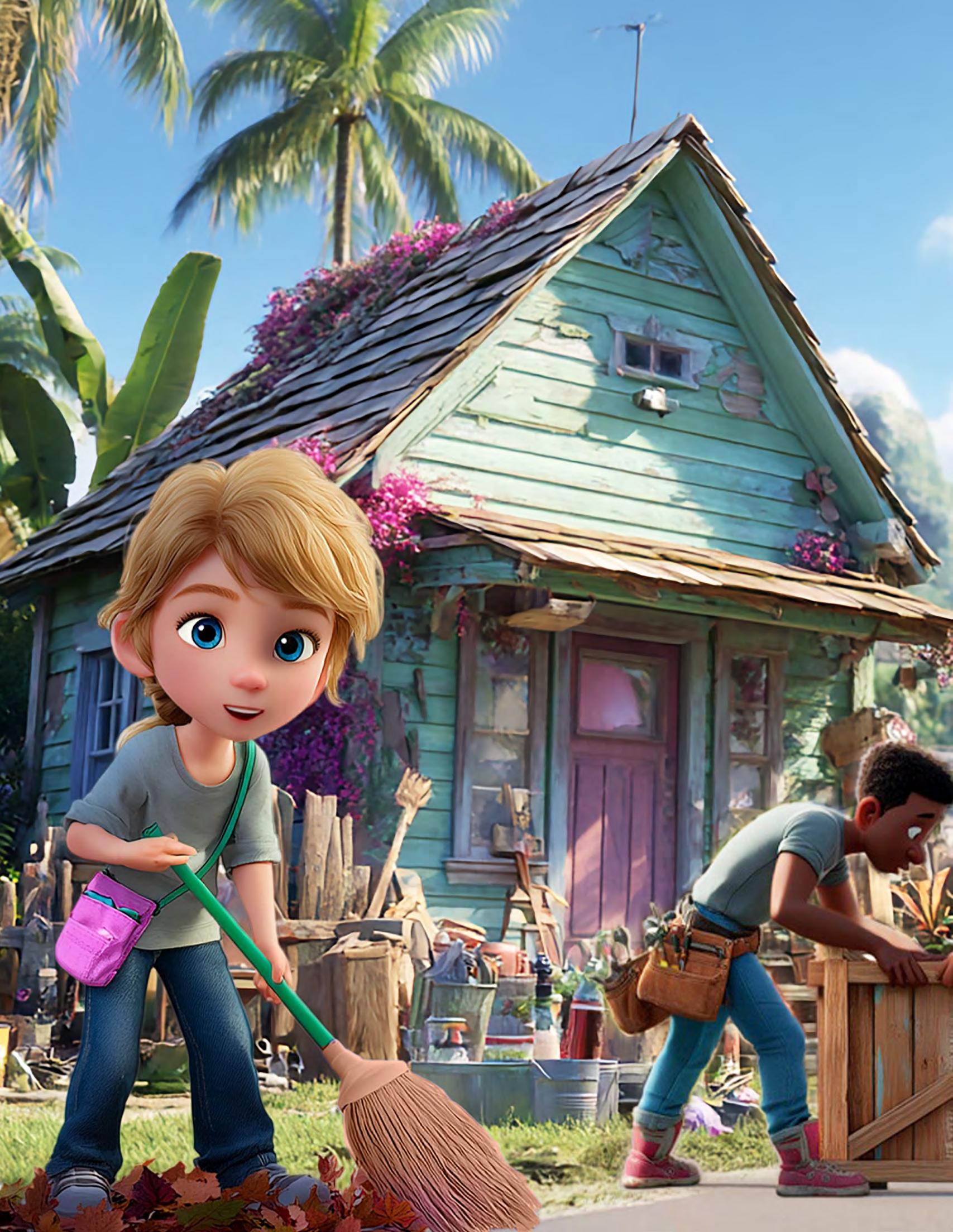
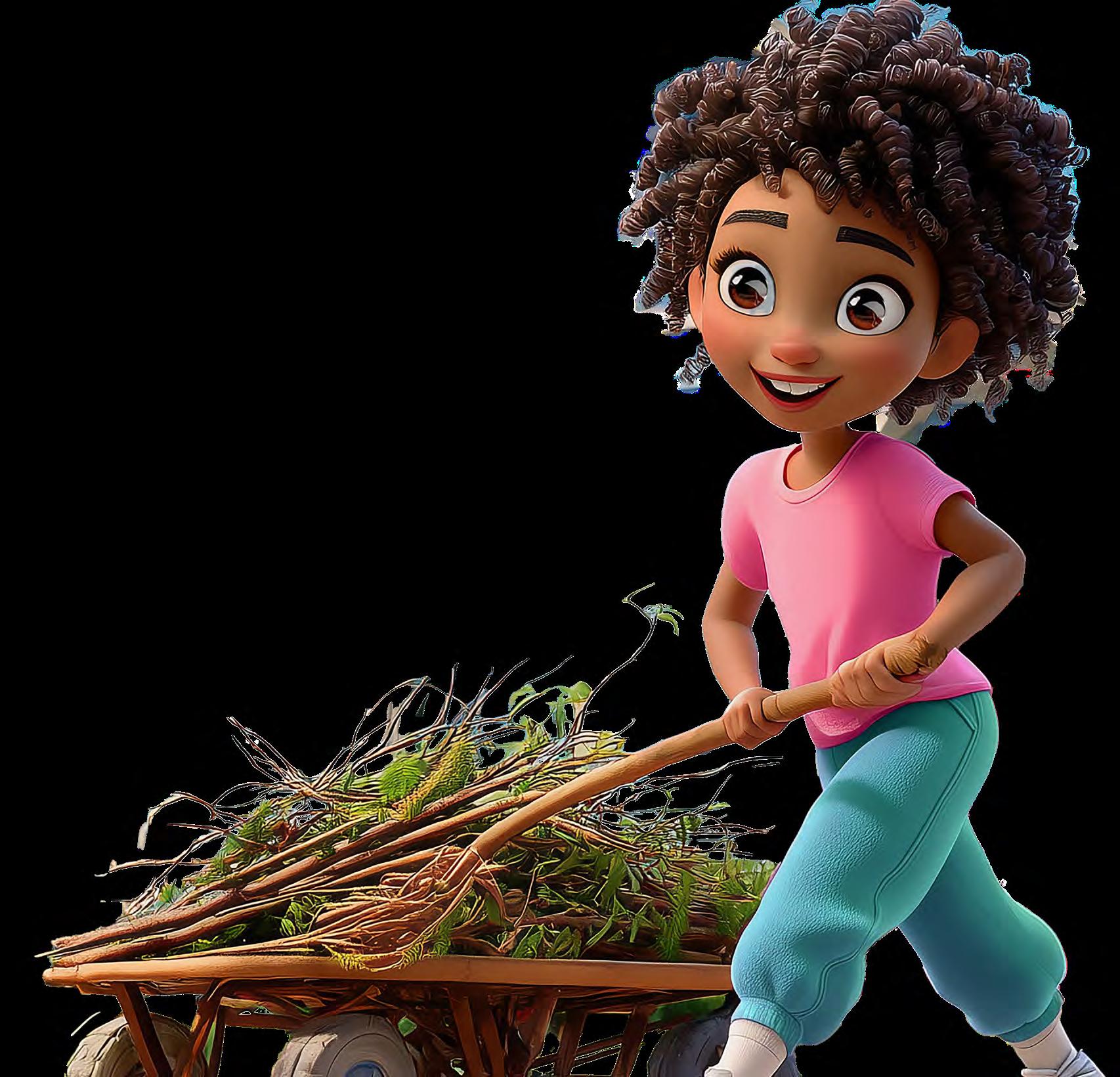
The next morning, the whole community came out to help. Adults trimmed trees and fixed fences. Kids picked up debris and swept sidewalks. Some people brought tools, others brought food and cold water for the volunteers. Everyone found a way to contribute.
The work was not easy, but it felt good to be doing

Patty walked back to the fallen tree where she’d first seen the ant. She smiled as she spotted another ant moving along the bark.
She did not need the ant to speak. She had already learned a big lesson.
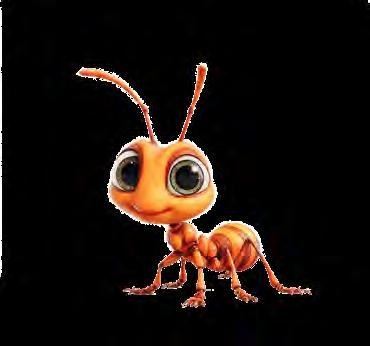
She watched it carry a leaf across the wood, slow and steady, and whispered, “Alegra.”
It felt right to give the ant a name, Alegra, like alegría, the Spanish word for joy. Somehow, this little creature had helped her feel hopeful, even in the middle of all the mess.
From that day on, whenever Patty faced a big challenge, she thought of Alegra the ant, small but strong, focused, and never working alone.
She knew that cooperation, even among the tiniest of creatures, could create something truly powerful.

Solidarity Empathy
Find one way to work better with someone on a shared task.
Draw a picture of what cooperation looks like in your classroom.
Help a classmate who is having trouble finishing a group project.
Cooperation
Listen to a teammate’s idea and thank them for it.
Notice when someone is left out and invite them in.
Cooperation is a skill you can grow by practicing it every day.
Communication
Think about why cooperation is important to you.
Practice cooperating with others in group activities.
Talk with a family member about what cooperation means.
Reflect on how you feel when you work together with others.
Keep going by:
Working on a group project where each person contributes their strengths.
Creating a team mural that represents cooperation in your community.
Asking someone you admire how they practice cooperation in their life.
Writing a short story or comic about a team of characters who solve a problem by cooperating.
Starting a "cooperation jar" where you write down moments you cooperated with others each day.
“Cooperation is the key to solving many challenges, because when we work together, we make each other stronger.”
—Anonymous

Think about a time when someone worked with you kindly and fairly.
How did that make you feel?
What is one way you can cooperate better this week?
Write about a time you helped someone or shared a task with others.
Then share your story with a friend or your class.
Cooperation makes hard work easier, and more meaningful, for everyone.
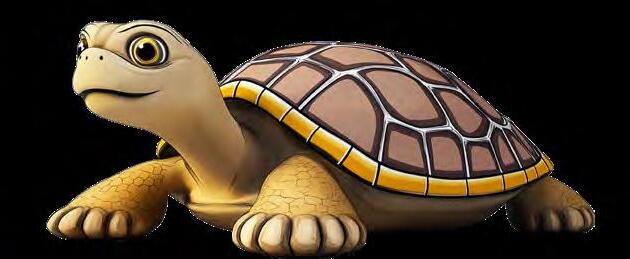
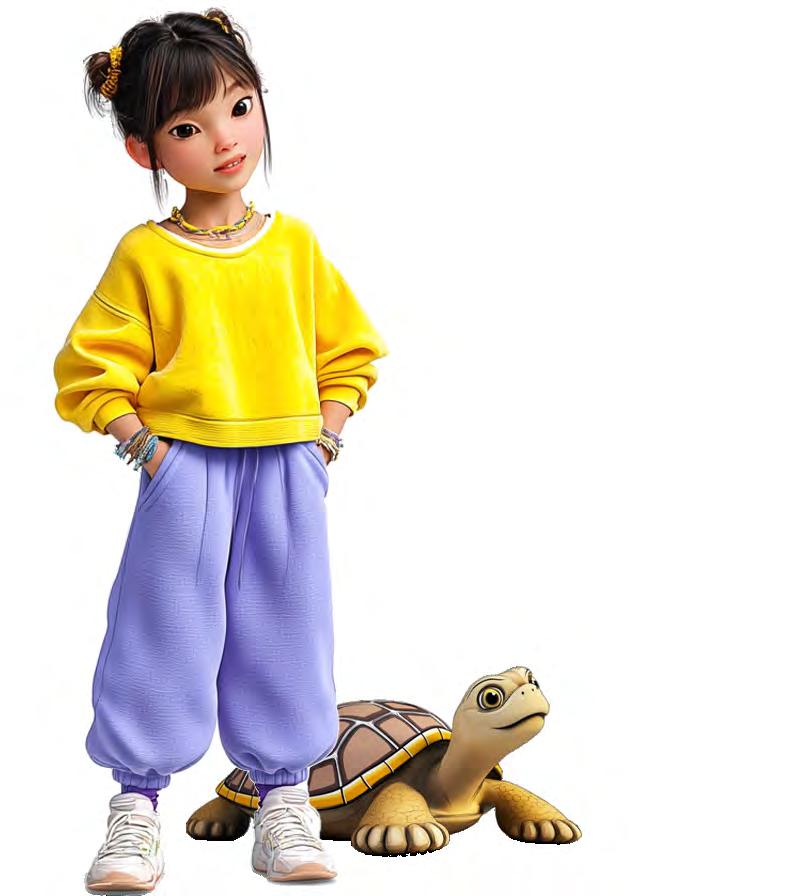
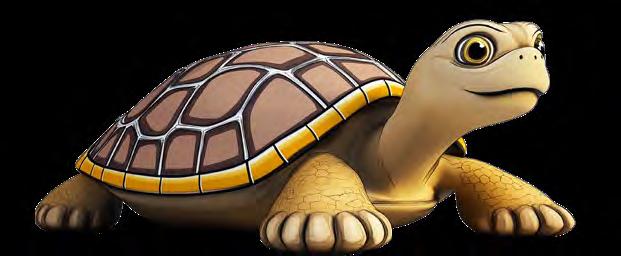
The Power of Valuing People and the Planet Cayee and Tetsu the Turtle
Respect means treating others with kindness, courtesy, and dignity.
It is recognizing that all people are valuable, including ourselves.
Respecting means listening when someone speaks, using kind words, and accepting that each person is different.
It also means respecting our parents, teachers, and the people who care for us and teach us.
Respect includes following the rules at school and in the community. Rules exist to protect us and help us live together in peace.
Respect also means following authority and rules.
We also show respect when we treat older people with patience and consideration.
Respecting the planet means taking care of it, not littering, and protecting nature so that everyone can enjoy it.
Holding the door open for others.
Helping cook dinner with your family.
Listening when someone else is speaking.
Letting others share their ideas.
Saying “thank you” and “please.”
Not laughing at someone’s accent or clothes.
Standing up for classmates being excluded.
Cleaning up after yourself.
Treating animals gently.
“We do not need to share the same opinions as others, but we need to be respectful.”
Taylor
Swift
“Everyone you meet deserves your respect. Even if they have not earned it yet.”
Author Unknown
“How we walk through the world is how we teach others to treat it.”
Author Unknown
Respect builds safer, kinder communities.
Respect is shown in how we act every day: how we speak, how we listen, and how we treat people and the environment.
When you respect yourself, you feel safe and confident.
When you respect others, you build trust and kindness.
Respecting authority helps maintain order.
When you respect the planet, you protect our future.
When you disagree with someone, you can still treat them with respect.
Without respect, there is no peaceful coexistence.
Listen without interrupting.
Take care of your things, and shared spaces.
Use polite words.
Follow rules at school and home.
Support classmates who are not being treated with respect.
Ask before borrowing something.
Accept that everyone is different.
Be patient when someone needs extra help.

Taking care of your body, your feelings, and your work shows self-respect.

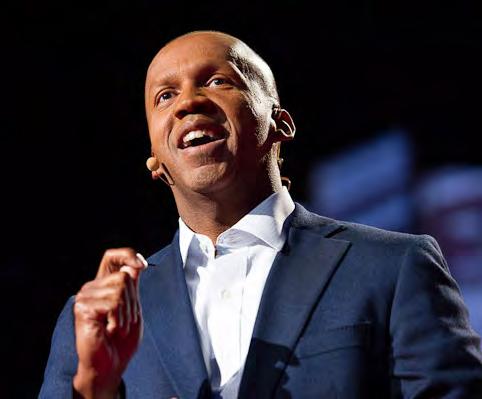
Bryan Stevenson (Lawyer and Advocate): He defends those who are unfairly treated and reminds us that “each person is more than the worst thing they’ve ever done.”
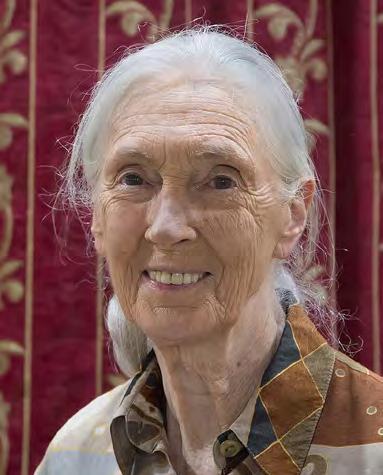
Jane Goodall (Scientist and Environmentalist): She has shown deep respect for animals and nature, changing how we think about both.

Autumn Peltier (Water Protector): A young Indigenous activist who reminds us to respect Earth and protect clean water for all people.
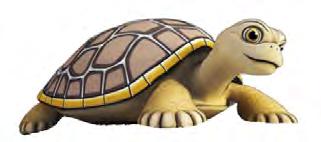
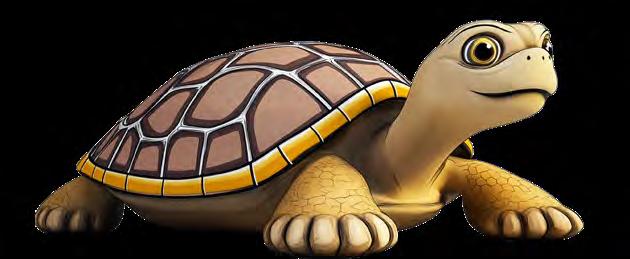
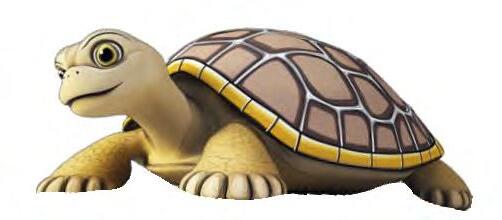
The Turtle Turtles move forward with calmness and quiet strength.
They are slow but steady, showing that you don’t have to be fast to be strong.
They live in harmony with their environment. They are careful and respectful of nature. Their gentle way of moving reminds us to listen before speaking and think before acting.
Turtles also carry their home on their backs, showing how self-respect and calmness can help us feel safe anywhere.
They teach us that respect is not always something big or loud: sometimes it is found in quiet steps, thoughtful decisions, and gentle actions.

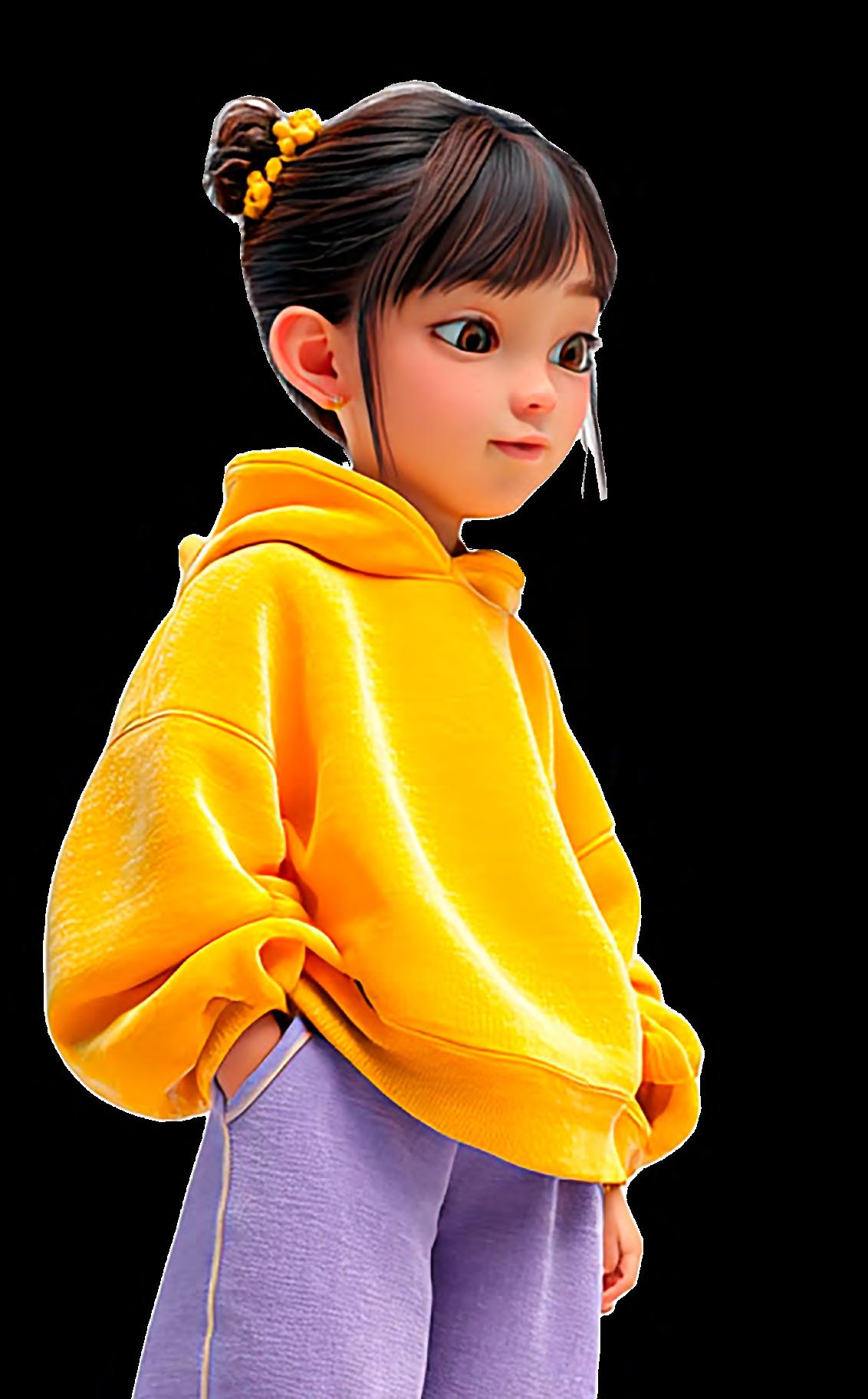

Cayee lived in a quiet town in Japan, near Mount Fuji. One morning, she went out for a walk through the temple gardens. She loved the flowers, the trees, and the birds. For her, respecting nature was a way of life.
As she approached the intersection next to the temple, something unusual caught her attention. A small turtle was slowly crossing the busy street. Her heart began to race. She looked both ways and patiently waited for the light to turn red, respecting the traffic signal. As soon as the cars stopped, she gently picked up the turtle and carried it safely to the other side.

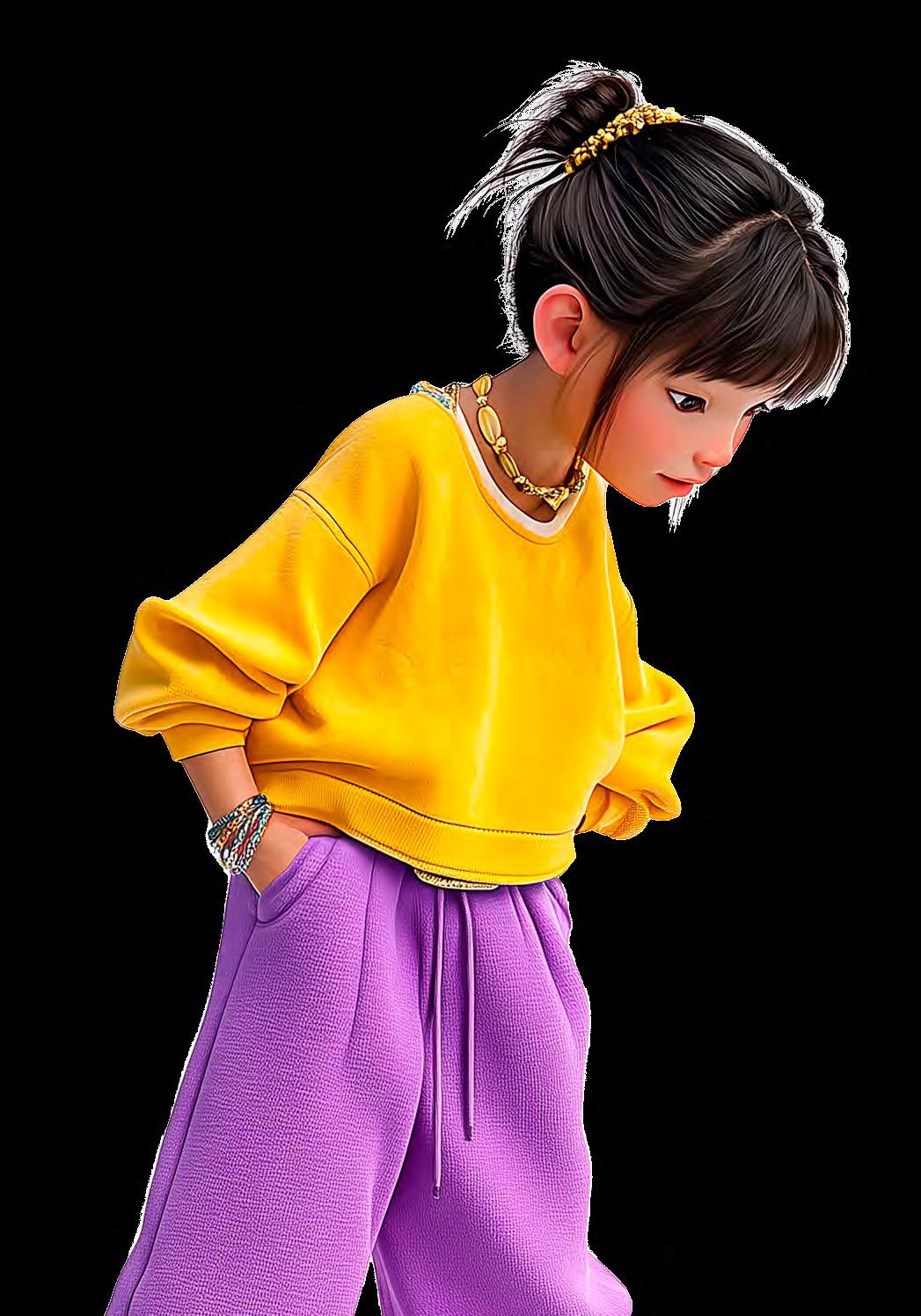
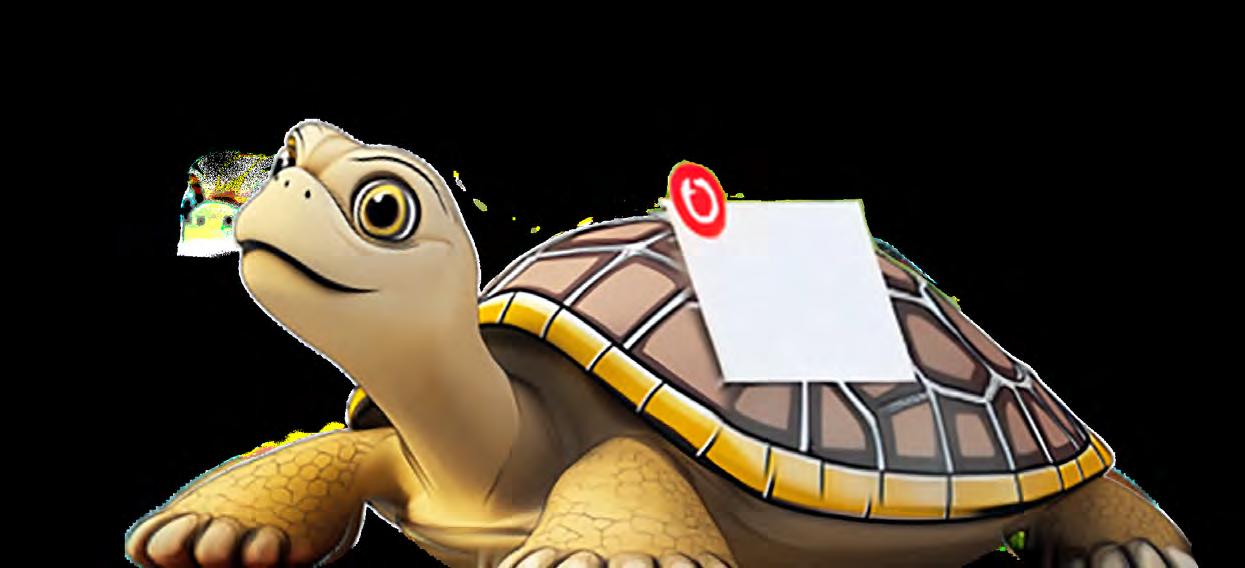
Then she noticed a small sticker on the turtle’s shell. It read: “Respect Day! —Lake Garden— Today!”
Cayee tilted her head and smiled. “Well, little turtle,” she said softly, “it looks like you’re going to the same place as me.”
She gently picked up the turtle again, holding it securely, and continued on her way to the park. As she walked, she wondered what a Respect Day might be.
Respect Day! —Lake Garden— Today!”

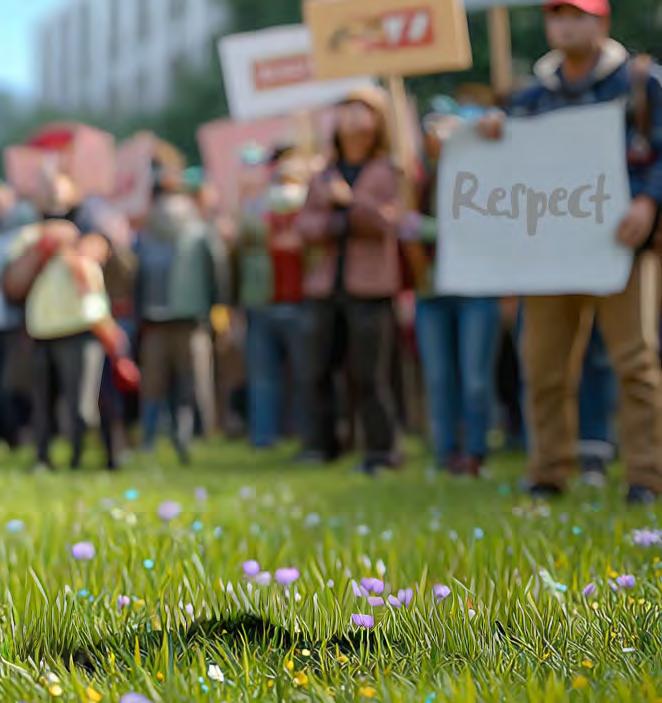
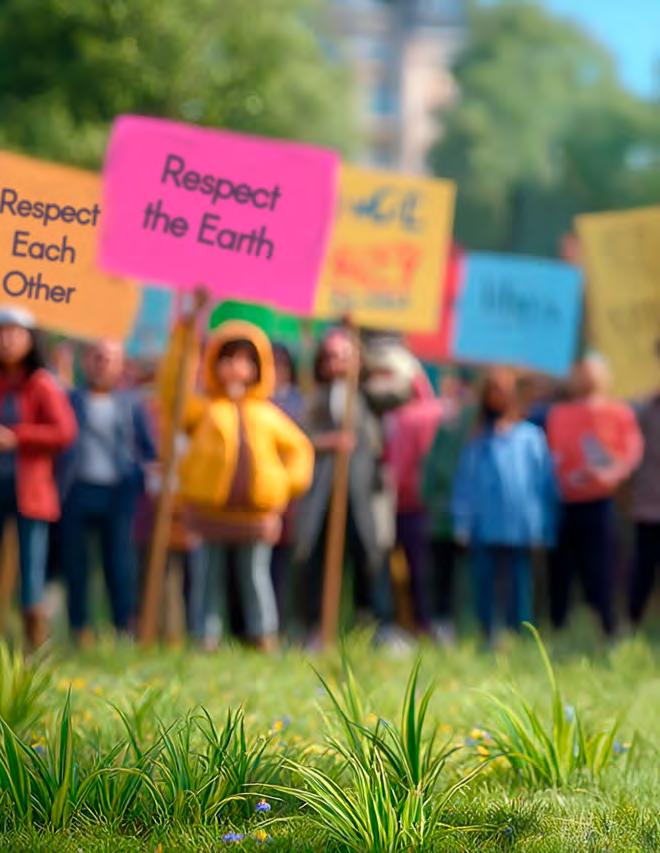
When she arrived at the park, Cayee saw many people, music, games, and colorful banners. Some said: “Respect yourself.”
“Respect means listening without interrupting.”
“Rules exist to protect us all.”
“Care for and respect nature.”
There were interactive booths:
• One was about respect at home: helping out, following instructions, speaking calmly.
Another taught respect at school: listening to the teacher, taking care of materials, helping classmates.
And another focused on respecting the environment: not polluting, saving water, and recycling.
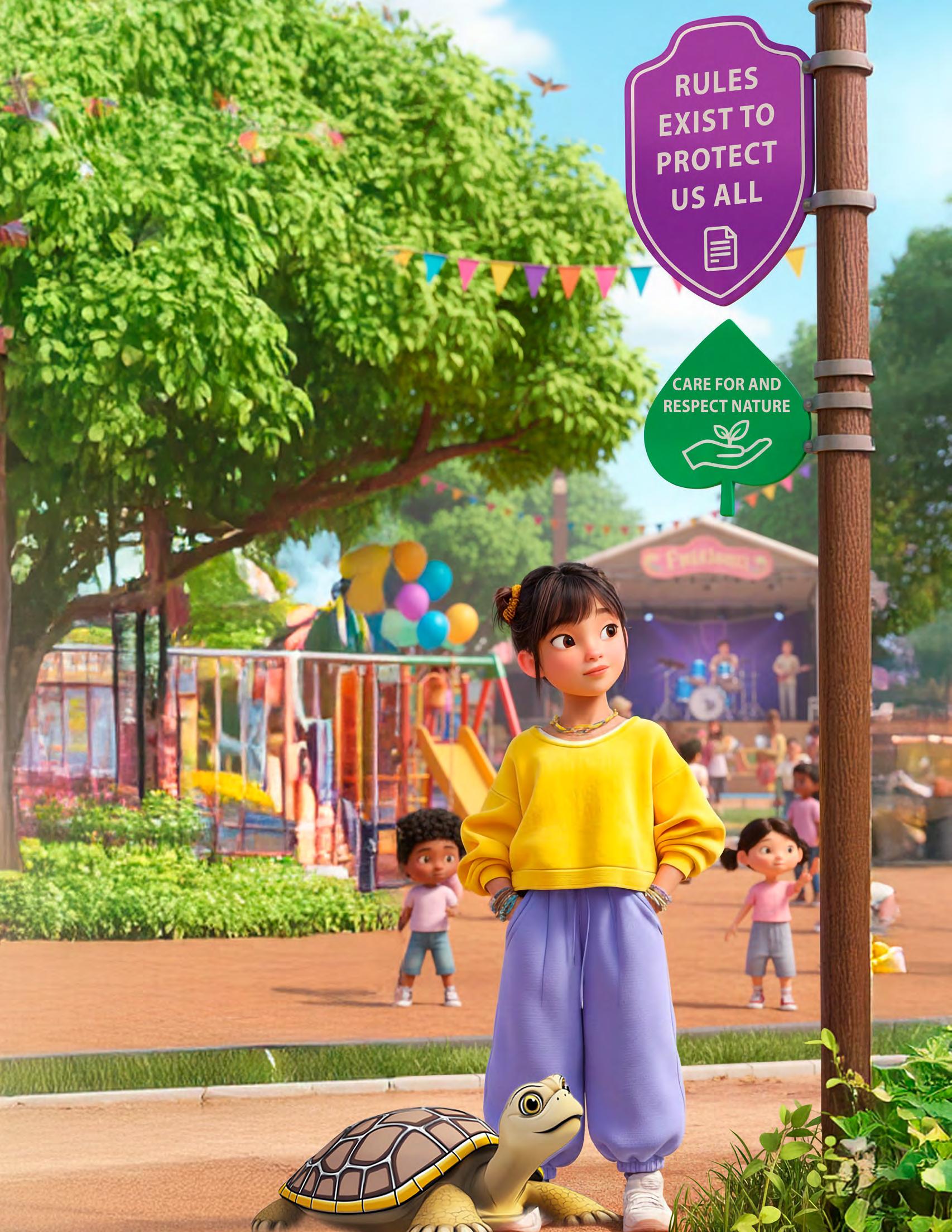
A volunteer saw the turtle and smiled. “Ah, our special visitor! Tetsu the turtle! She reminds us to slow down and care for all living beings.”
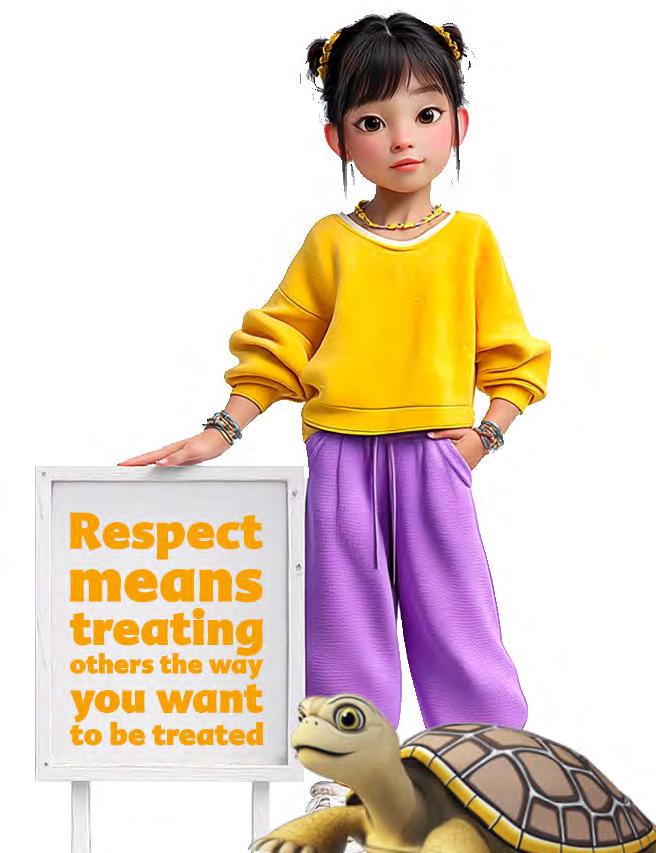
Tetsu slowly walked toward a sign that read: “Treat others the way you want to be treated.”
Cayee paused and thought.
She had always believed that respect meant saying “thank you,” following rules, and being polite. But in that moment, she understood something deeper.
Respect is not just courtesy. It is recognizing that every person is different and that some think differently.
That others come from different cultures, traditions, and experiences.
And even so, everyone deserves to be treated with dignity.
Cayee realized that respect means listening when you disagree, speaking with consideration, and acting with fairness.
She looked around and understood that respect is not a small gesture.
It is the way we choose to live together.
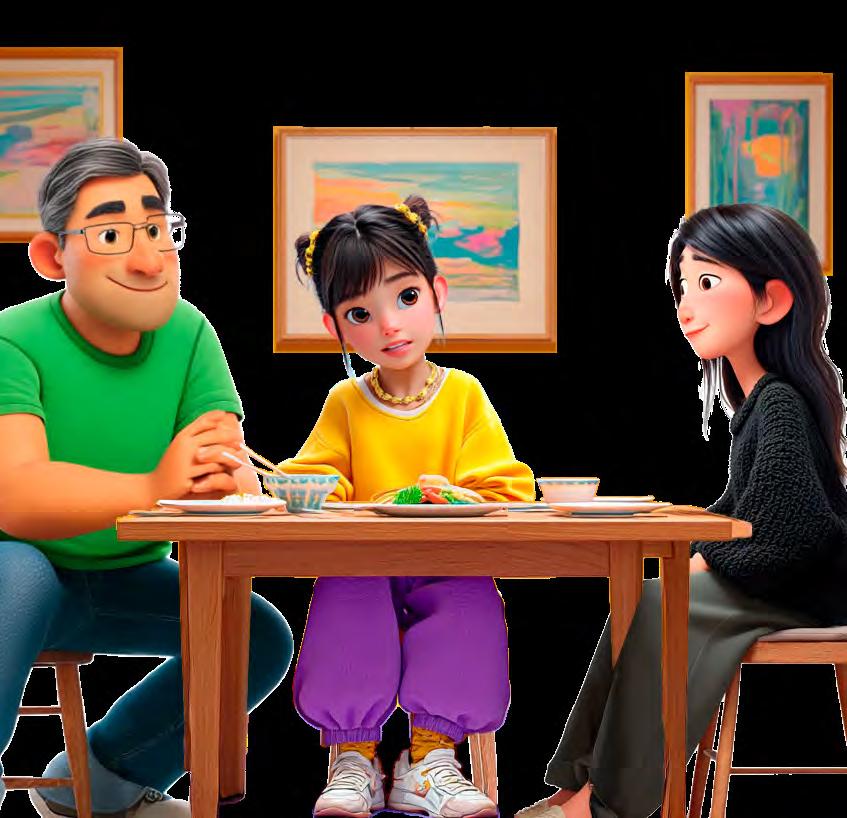
That evening, during dinner, Cayee spoke with excitement. She told her parents about Tetsu the turtle, the park, the sign, and everything she had learned that day.
“Today I understood what respect really means,” she said confidently. “It’s not just saying ‘thank you’ or being polite. It’s treating all people with dignity, taking care of what we share, and acting with consideration at all times.”
Her father nodded.
“That’s right,” he replied. “Respect is also shown when you follow the rules at home, at school, and in the community. Rules exist so that we can all live together with order and fairness.”
Cayee listened attentively.
Her mother added calmly:
“And it also means respecting yourself. That includes taking care of your body, your space, and the way you present yourself to the world. It means speaking with confidence, expressing your ideas clearly, and staying calm when others think differently.”
Cayee smiled. Now she knew that respect is not just an action. It is one of the most important qualities a person can have.

Her father added:
“And when we take care of the Earth, we are showing respect to all living beings, just like you did today with the turtle.”
Cayee nodded. She understood that respect is not something you practice for just one day. It is something you live, every day.

The next day, Cayee saw a new boy sitting alone. He spoke a different language and looked unsure.
Cayee remembered Respect Day and approached him.
“Hi, I’m Cayee. Would you like to sit with me?”
“Thank you. My name is Amin. I’m from Morocco.”
During lunch, they talked about what he liked in his country.
Cayee listened with attention and respect, with enthusiasm and curiosity, asking questions to better understand his culture and their differences.
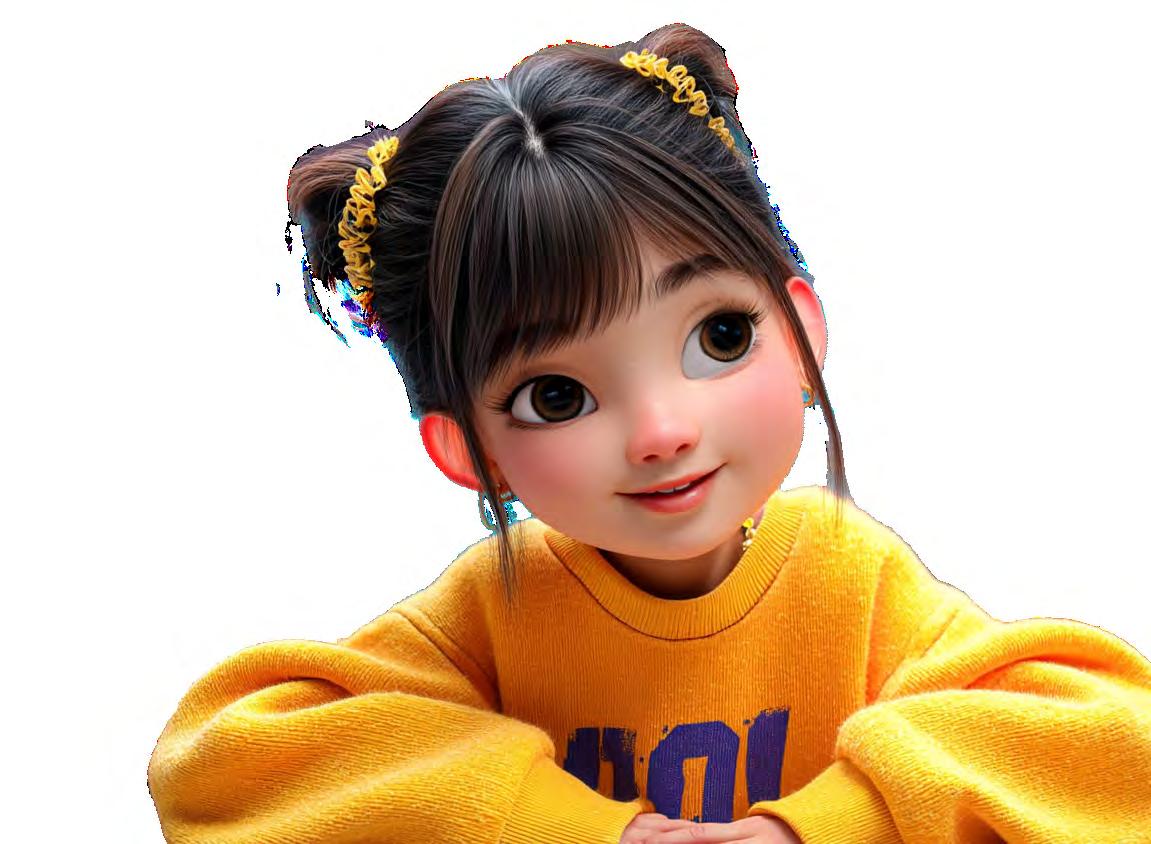
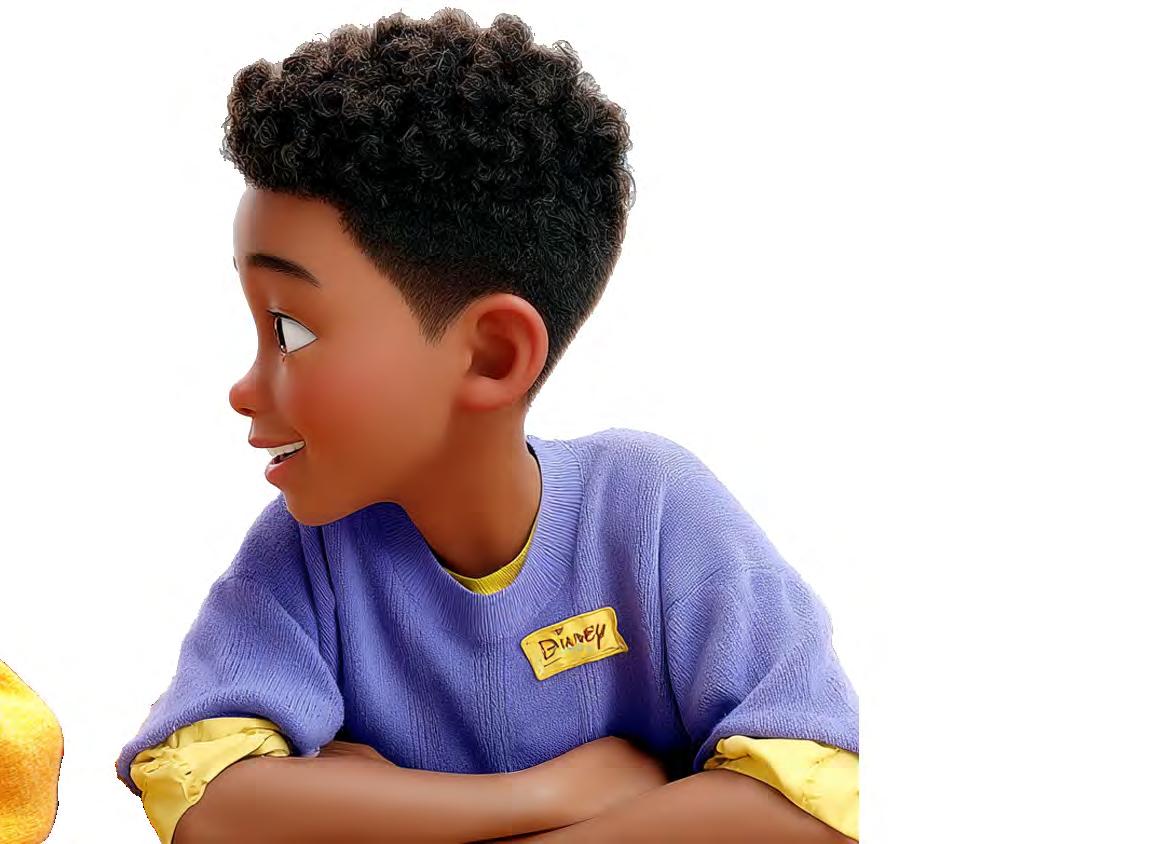
That day, a friendship was born based on something stronger than words: understanding and mutual respect.
That same week, Cayee had an idea. She said to her teacher:
“We want to create a club to teach respect, at school, toward the planet, and among us.”
The teacher smiled and congratulated Cayee for understanding that respect is not just said, it is lived.
That day, Cayee and Amin founded the 4R Club: Respect, Recycle, Reduce, and Reuse.
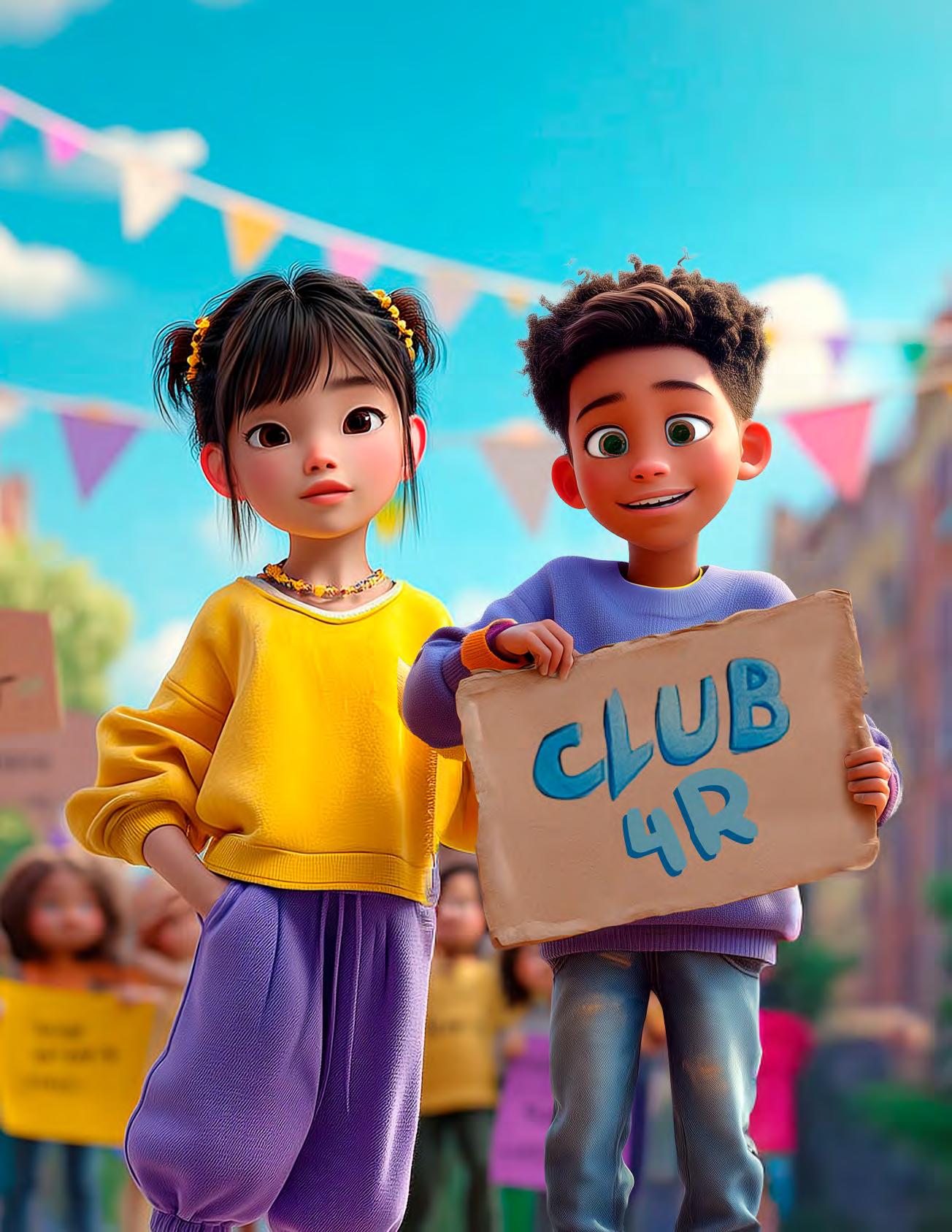
That week, Cayee and Amin began organizing the 4R Club. They didn’t want respect to be just an idea. They wanted to turn it into concrete actions within the school.
First, they talked with their classmates about what each “R” meant.
Respect meant treating people well and also taking care of the spaces they shared.
Reduce meant using only what was necessary: less paper, less waste, less trash.
Reuse meant giving materials a second life before throwing them away.
Recycle meant properly sorting waste so it could be transformed into something new.
Then they made a plan. They divided tasks.
They designed posters.
They proposed placing recycling bins in visible areas. They organized shifts to make sure everyone participated.
Little by little, other students joined.
The 4R Club was not just about trash or posters. It was a way of living respect every day.
And so, inspired by Tetsu, Cayee understood that respect is the force that unites, builds, and transforms communities.
Sometimes respect is simple, like saying “please.”
But other times, it’s more complicated.
It’s hard to stay calm when someone is rude.
It’s hard to listen when you disagree.
It’s hard to follow a rule when no one is watching.
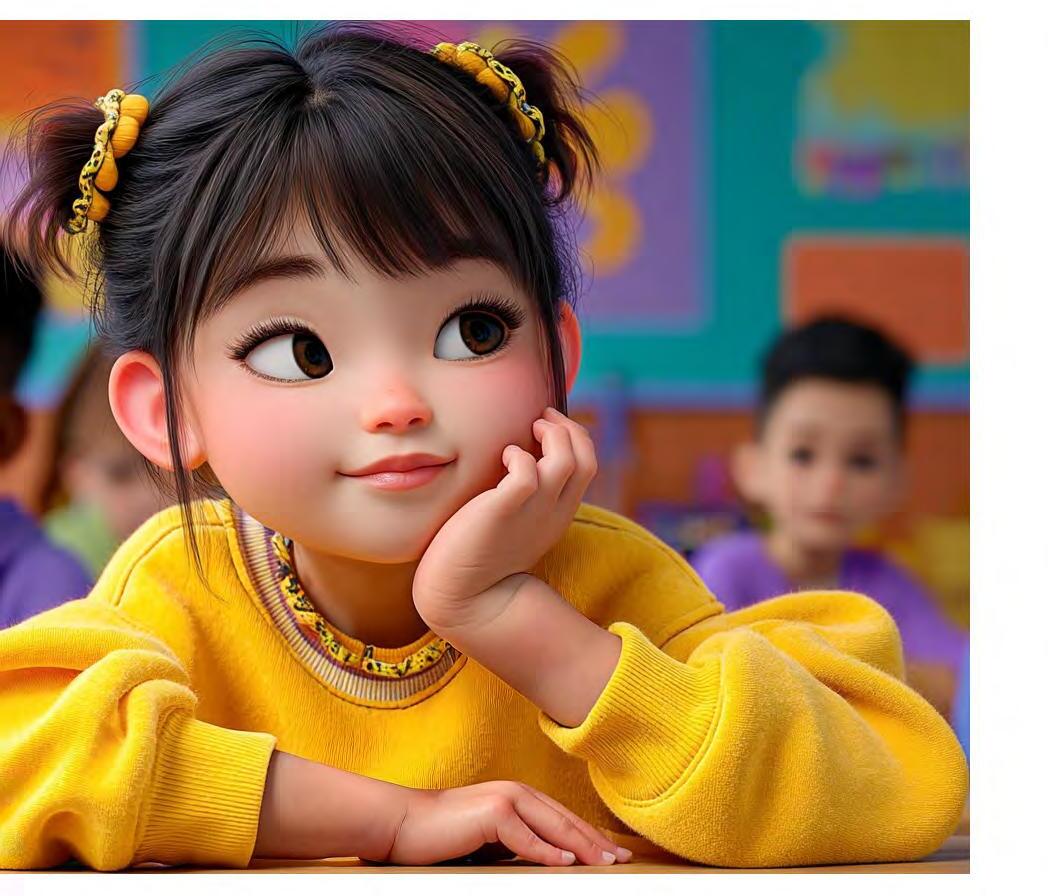
But those are exactly the moments when respect matters most.
• Being kind, even when you feel upset.
• Choosing to include someone who feels left out.
• Listening without interrupting helps you understand others better.
…you are making respect a part of who you are.
Every challenge is an opportunity to practice respect.
Here are some ways to keep strengthening your respect:
Call people by their name and look them in the eyes when you speak to them.
Listen carefully, even when they think differently from you.
Follow the rules, because they help everyone live together better. Take care of the spaces you share and leave each place better than you found it.
Reduce what you waste, reuse what still works, and recycle mindfully.
Give sincere thanks and recognize others’ efforts.
Choose to act with respect, even when no one is watching.
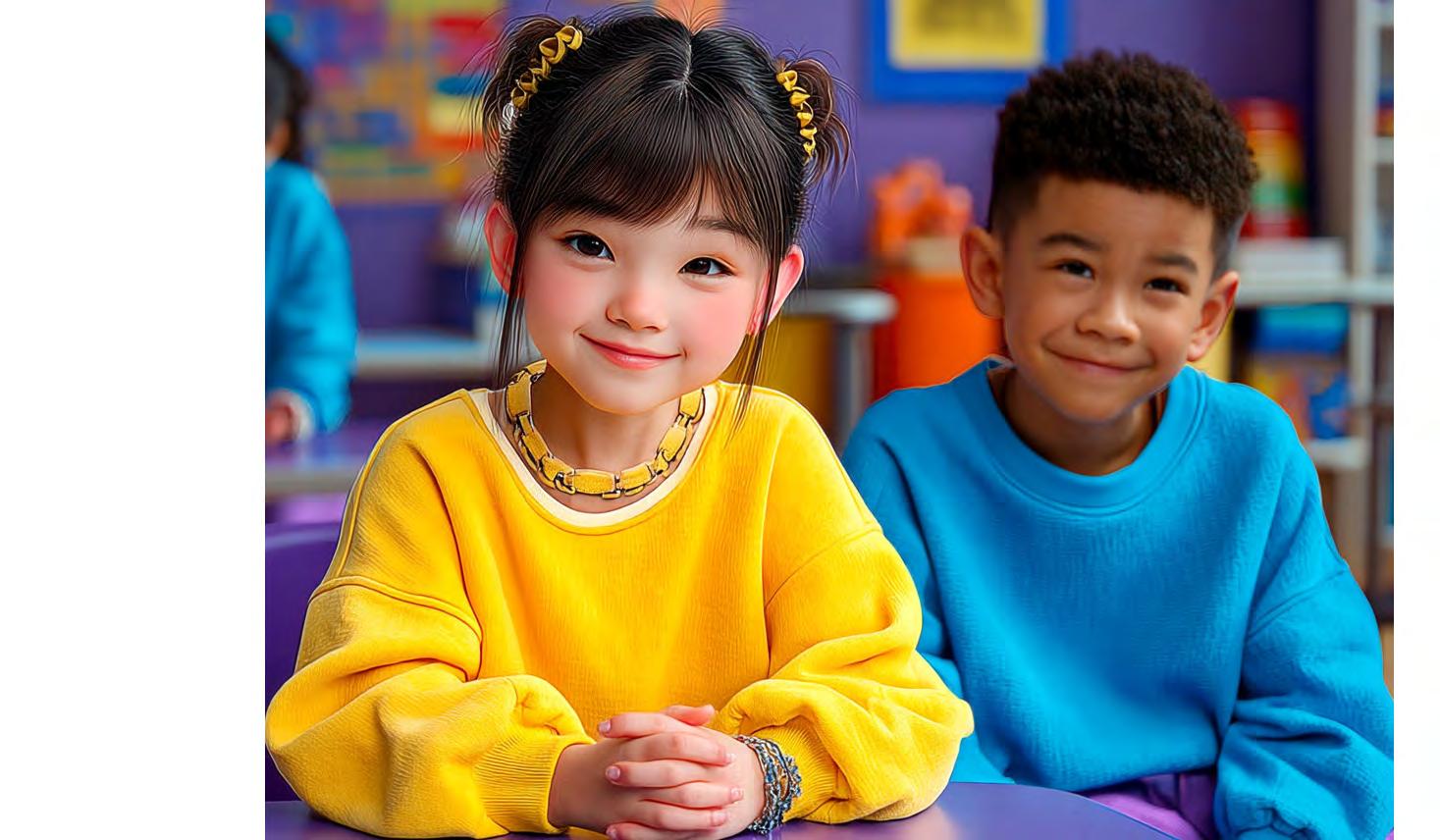
Write about a time when someone showed you respect.
Design a classroom poster about respecting others and the earth.
Interview a family member about what respect means to them.
Start a project to clean up your school or community.
Keep a “Respect Journal” where you record examples each week.
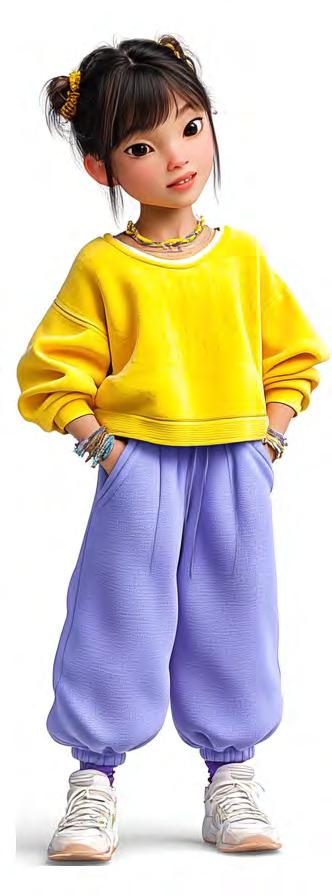
The beauty of the world lies in our differences; respect is what turns it into harmony.
Honesty means telling the truth and doing the right thing, even when it is not easy. A person who is honest does not lie, cheat, or hide the truth. Honest people keep their promises and can be trusted by others.

Telling the truth shows respect for others and for yourself.
Admitting you forgot your homework.
Being honest about your feelings when something bothers you.
Owning up to a mistake at school.
Saying you do not understand and asking for help.
Returning something you found that is not yours.
Admitting if you broke something, even if it was an accident.
Giving back extra change if a cashier gives you too much.
Telling your parents the truth about how your day went.
Telling a friend the truth kindly.
Truth builds trust.
When you tell the truth, your heart feels light.
Honest words help friendships grow.
Being truthful makes you strong.
Honesty helps your heart feel proud.
Honesty is not just saying what others want to hear. It means telling the truth in a kind and respectful way. When you are honest, people know they can count on you. Even when it is hard, being honest helps you become a better friend, classmate, and person.
Being honest helps people trust you and feel safe around you.
Tell the truth, even when you're scared.
Admit mistakes and say sorry.
Keep promises you make.
Say what really happened.
Ask for help when needed.
Do not take what is not yours.
It is brave to admit when you make a mistake.
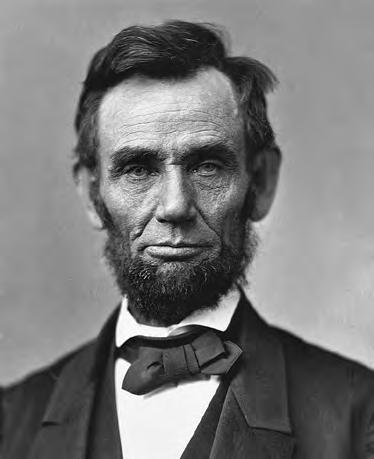
Abraham Lincoln: Called "Honest Abe" because he always told the truth.
Anne Frank: Wrote about her life in hiding with honesty and courage.
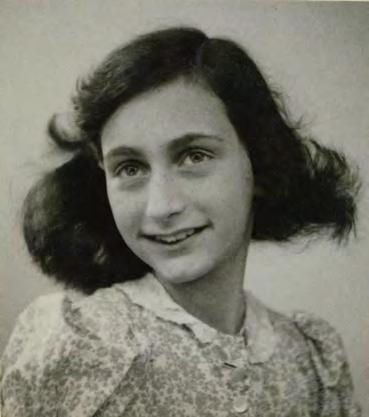

Keanu Reeves: Is respected for being honest, humble, and kind in real life.
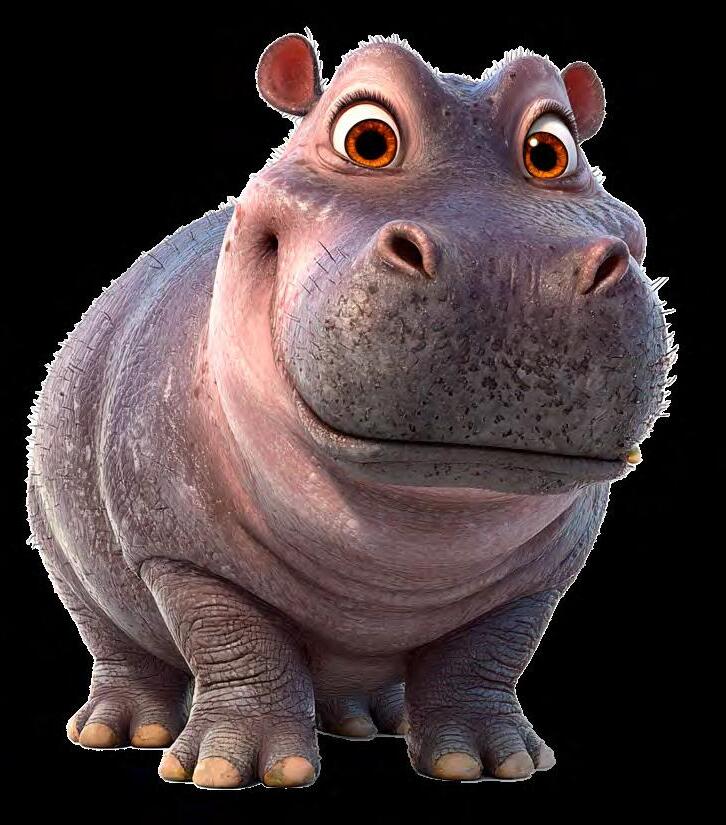
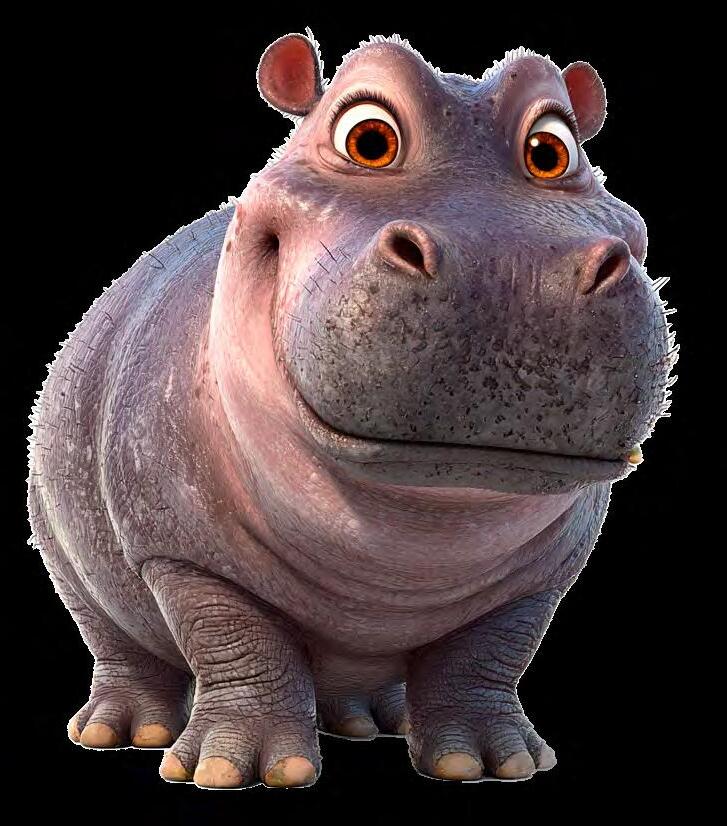
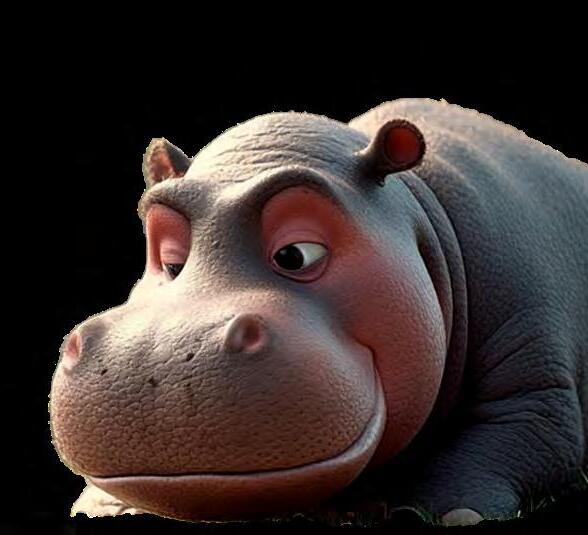
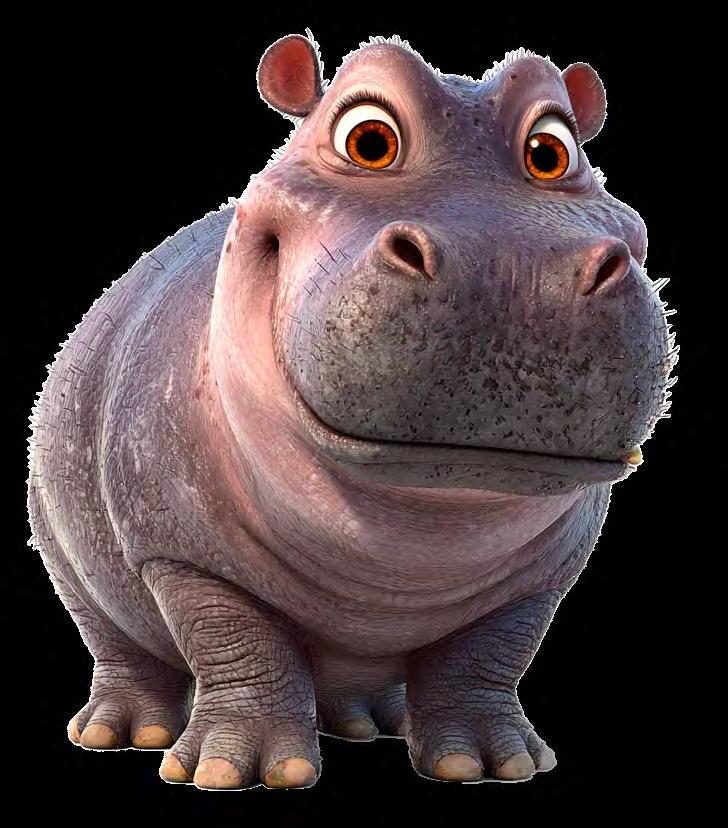
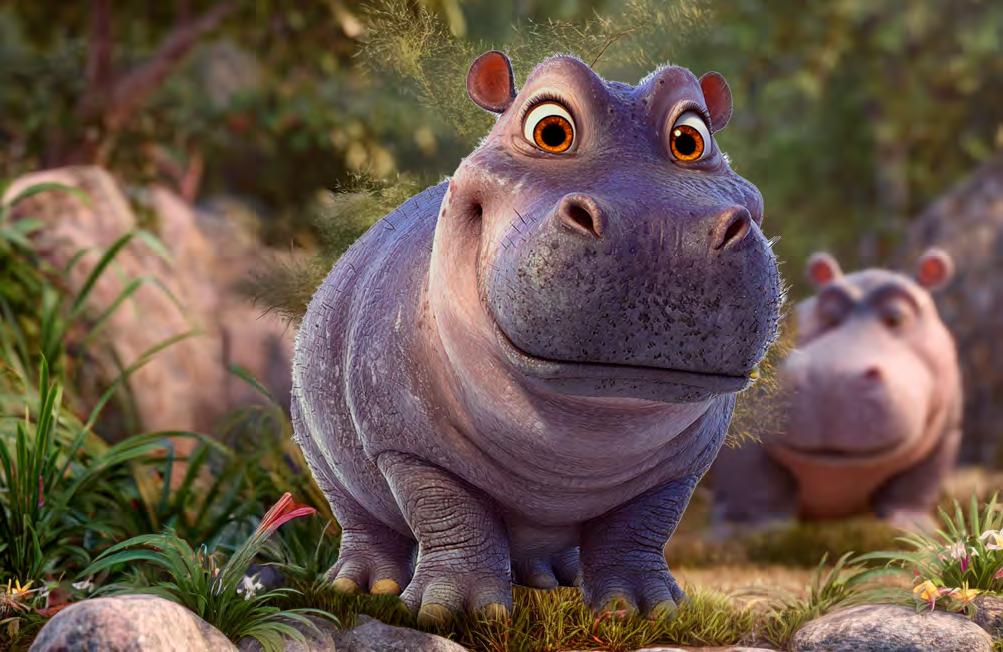
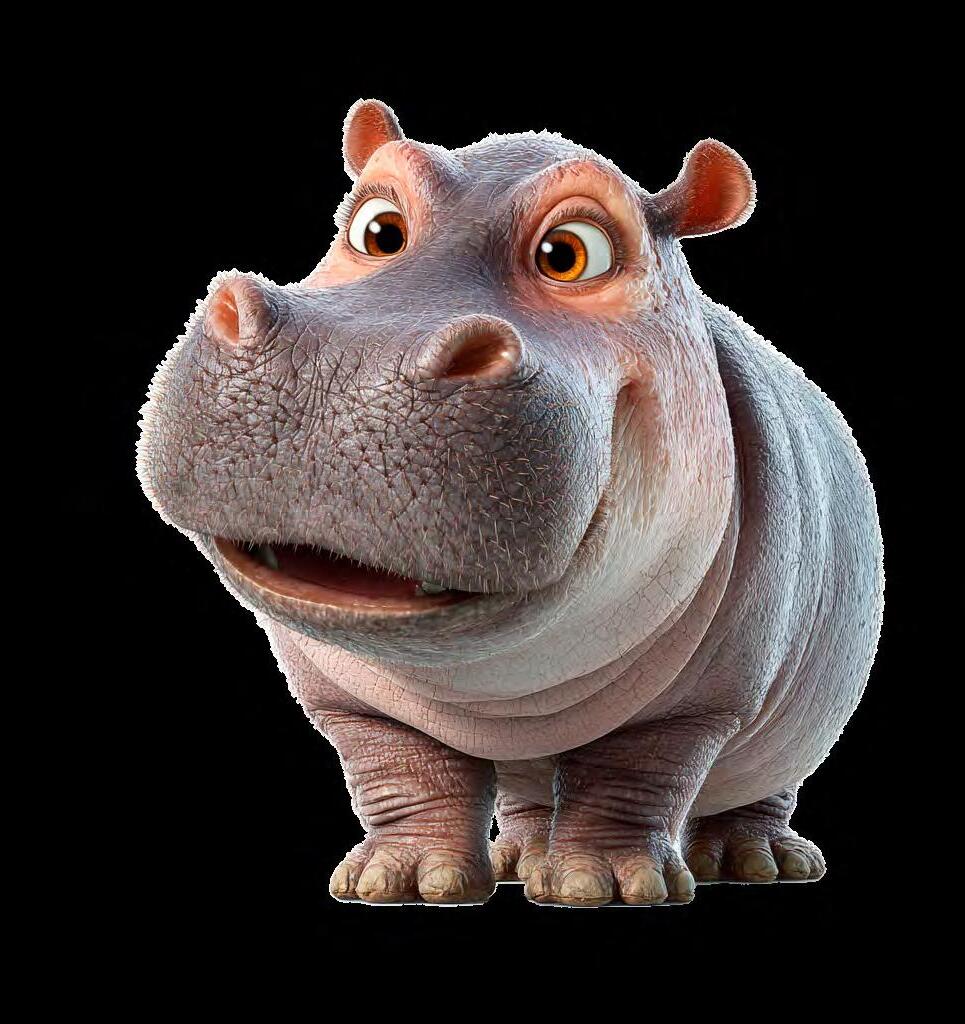
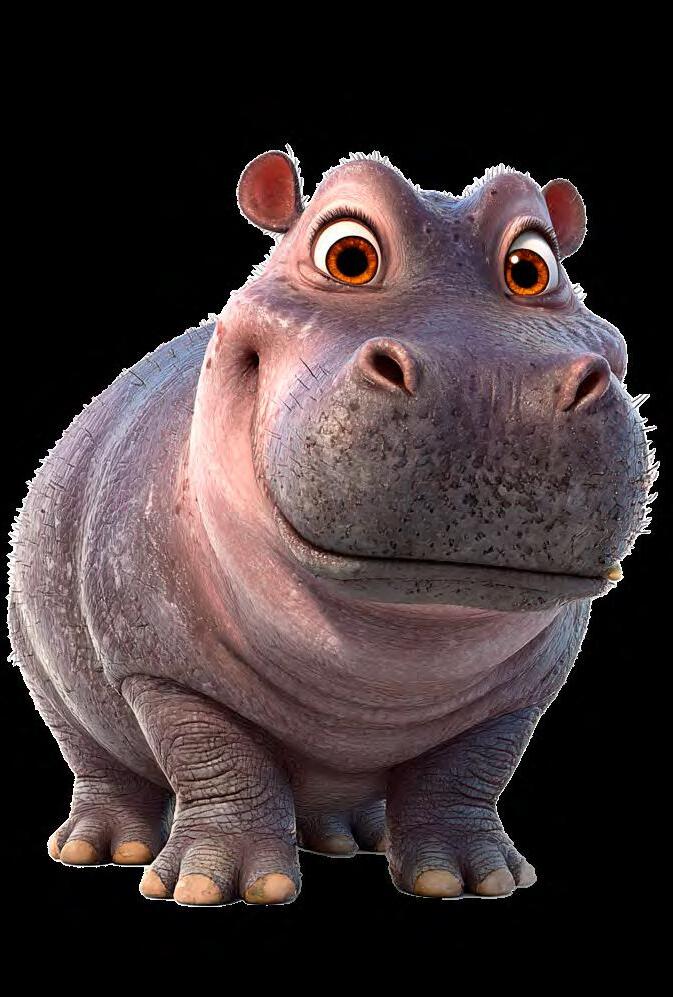
Hippos are strong and clear
Hippos are strong animals that live in groups called pods. In their groups, they communicate clearly using sounds and body language. When a hippo feels upset or needs space, it shows this in a direct way. Hippos do not pretend or hide their feelings, they let others know where they stand.
This honest way of living keeps their group safe and peaceful. Like hippos, honest people are clear about how they feel, and they speak the truth in kind and respectful ways. Being open, like the hippo, helps build trust and strong friendships.
Even small truths make a big difference.
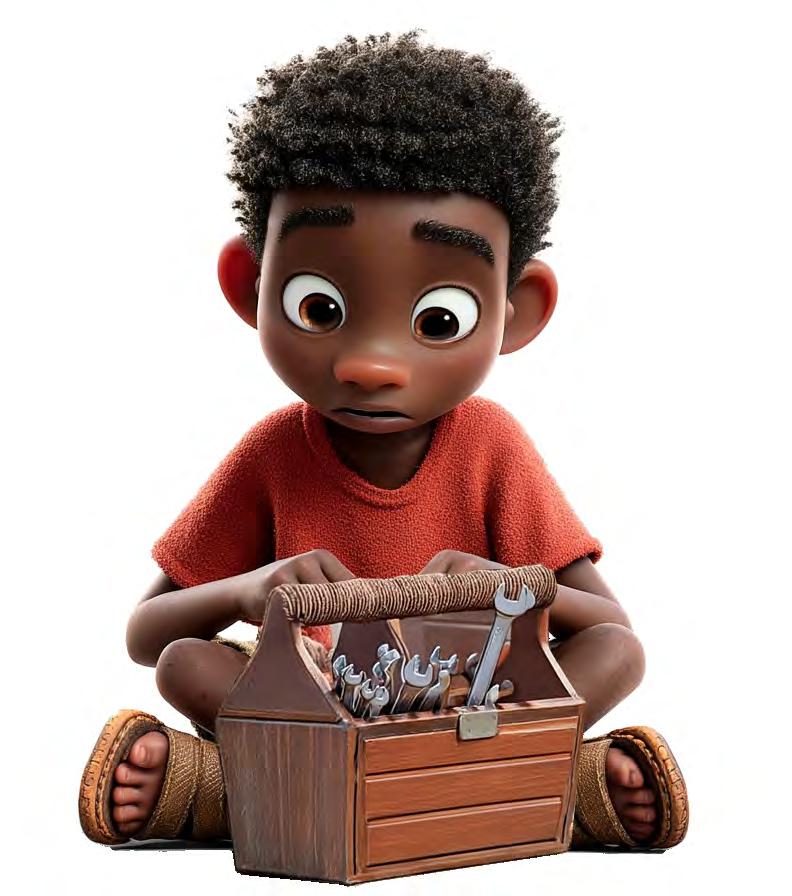
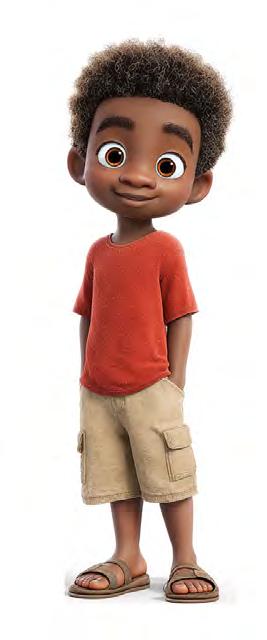
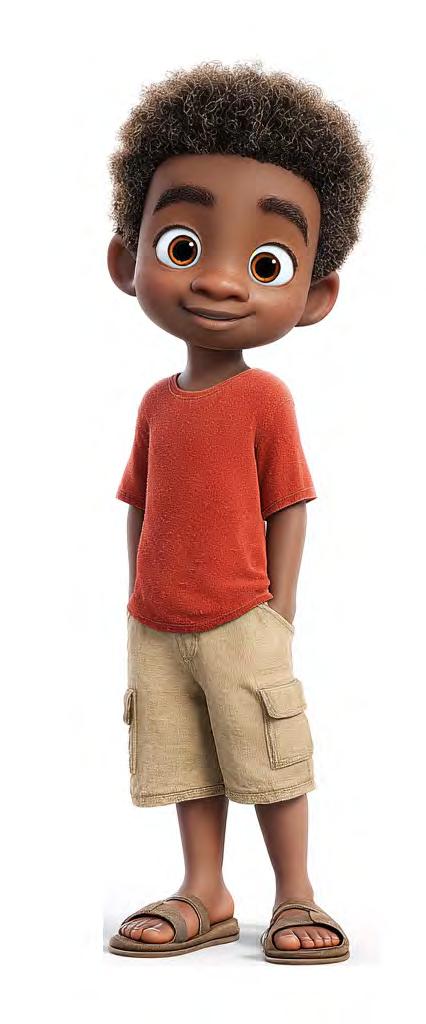
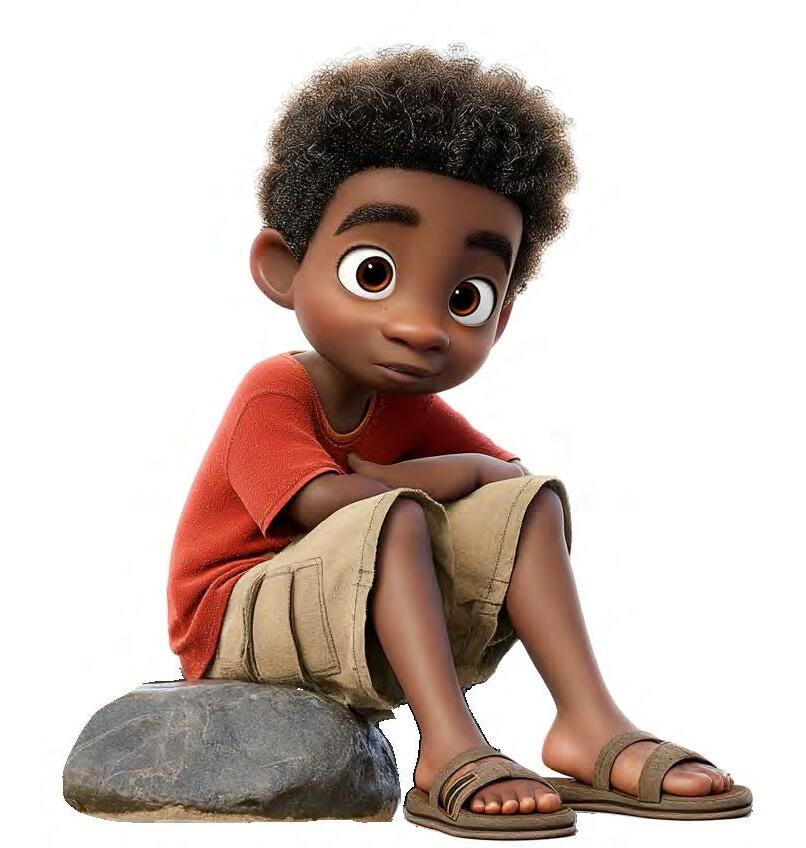
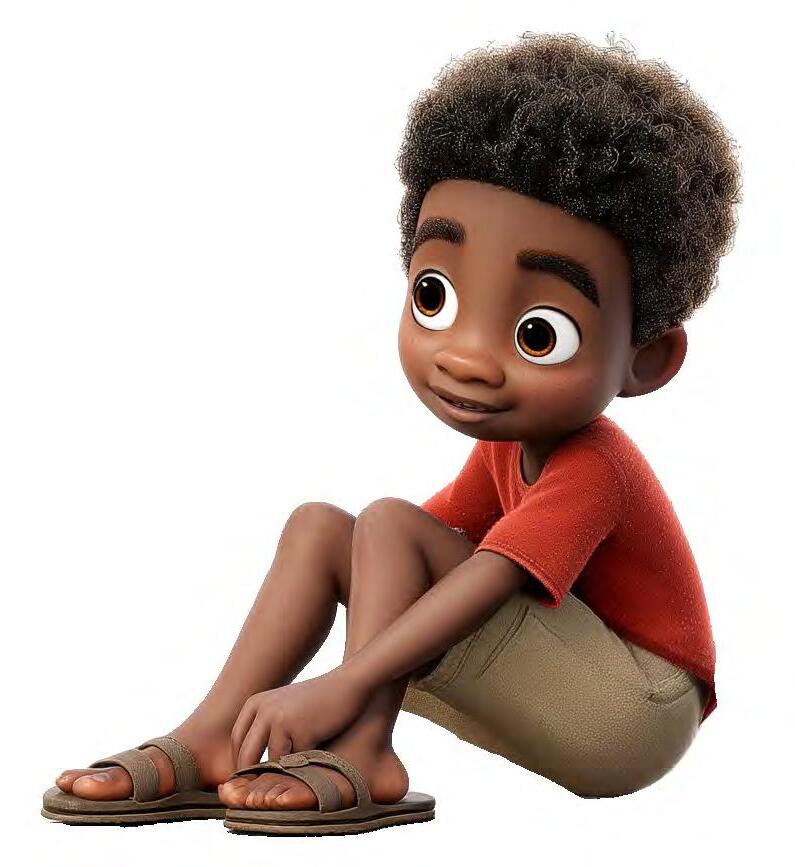
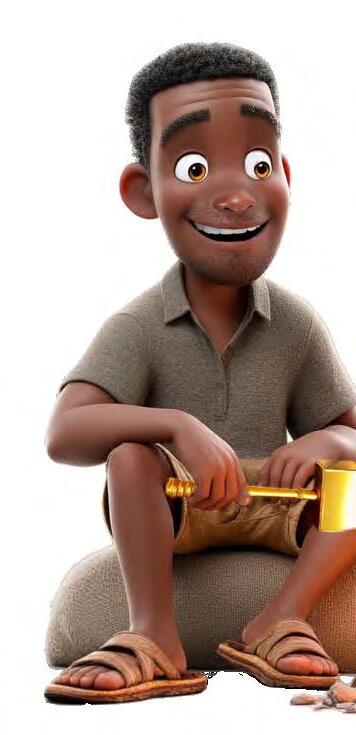
Kikkae was a thoughtful boy who lived in a small village in Zambia, Africa. His village was full of tall trees, winding rivers, and helpful neighbors. One sunny day, a local carpenter named Tano asked Kikkae to help carry tools for a project.
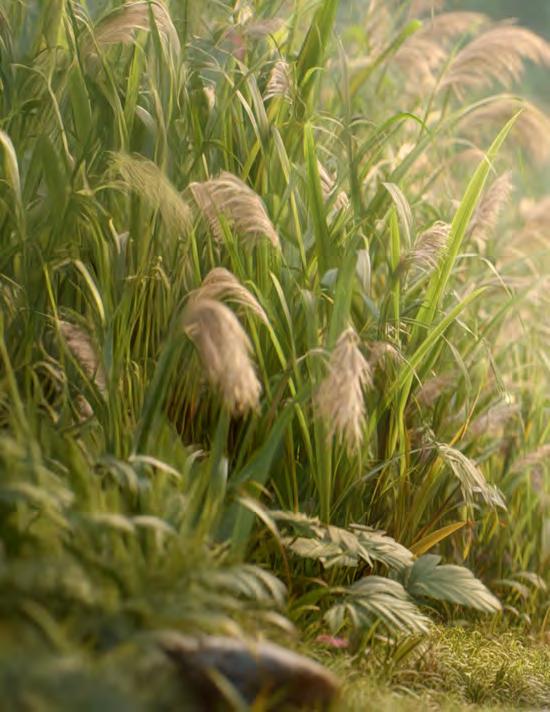
Tano was building shelves for the school library. He handed Kikkae a bag of tools and asked him to bring them to the schoolyard. Kikkae took the bag and walked carefully through the tall grass. He liked helping and felt proud to be part of something important.
But when he arrived and opened the bag, his heart sank. One of the tools, a strong, heavy hammer, was missing.
“Oh no,” Kikkae whispered.
He searched the grass, under bushes, and along the path he had walked. He even went back to the workshop. But the hammer was gone.
Kikkae felt nervous. What if Tano gets upset? What if he never lets me help again?
He thought about staying quiet. But deep down, he knew that would not be right.
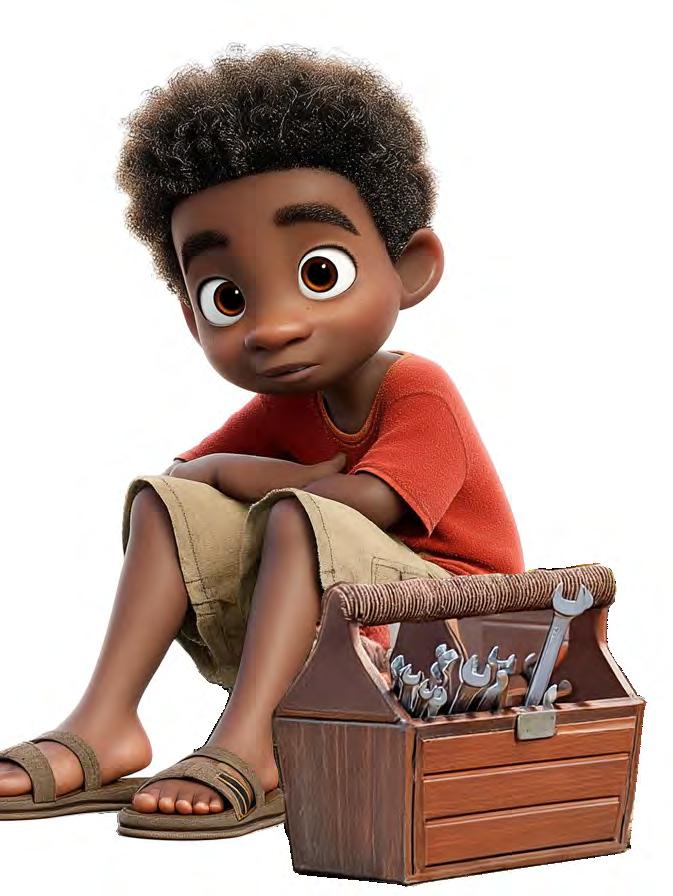
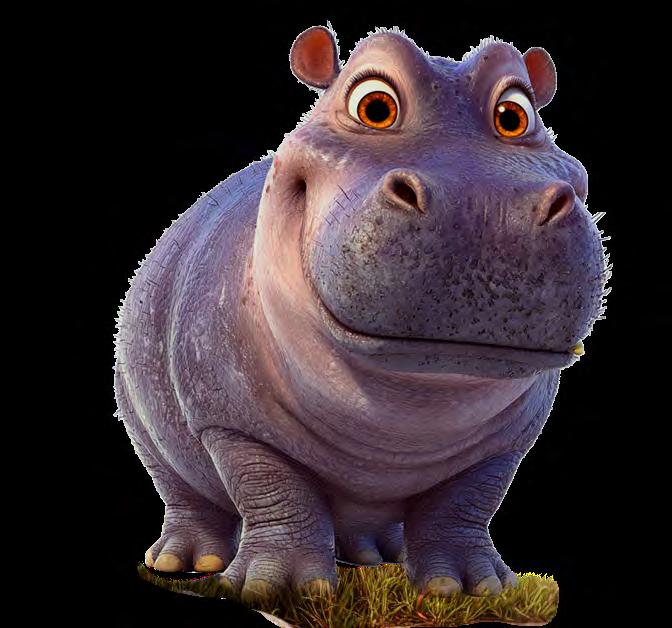
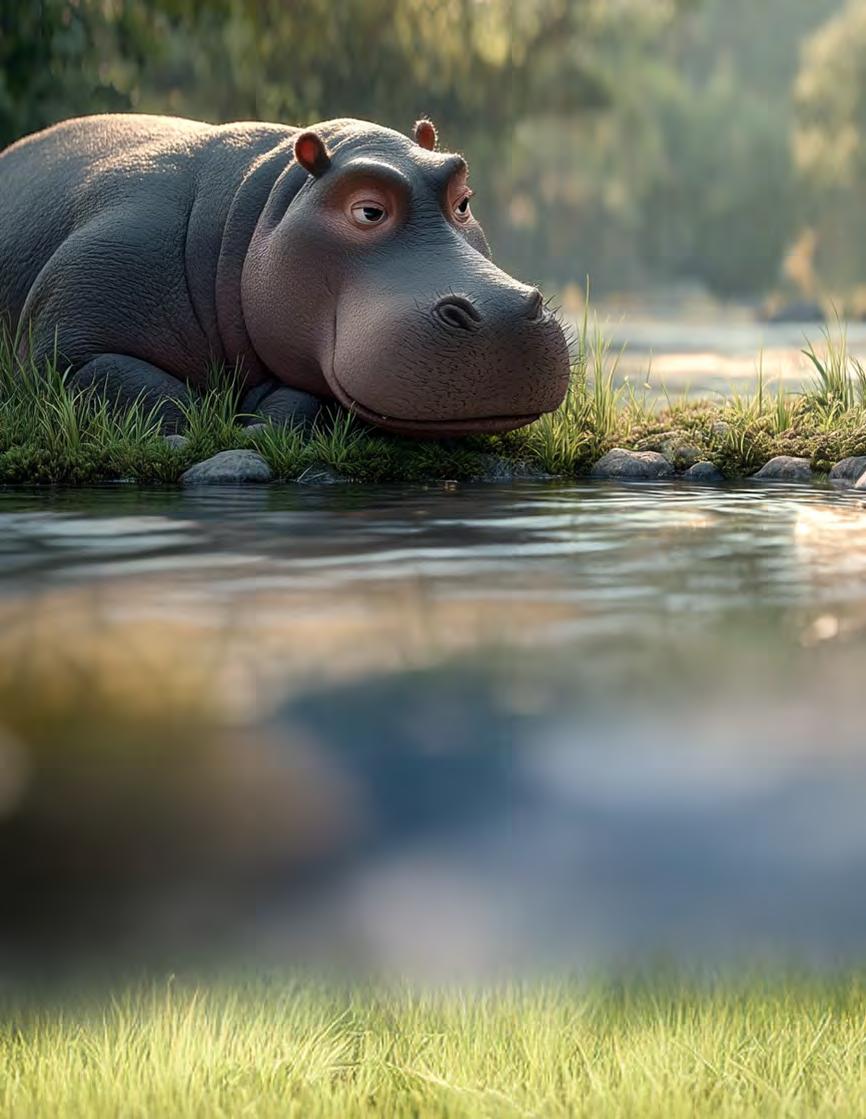
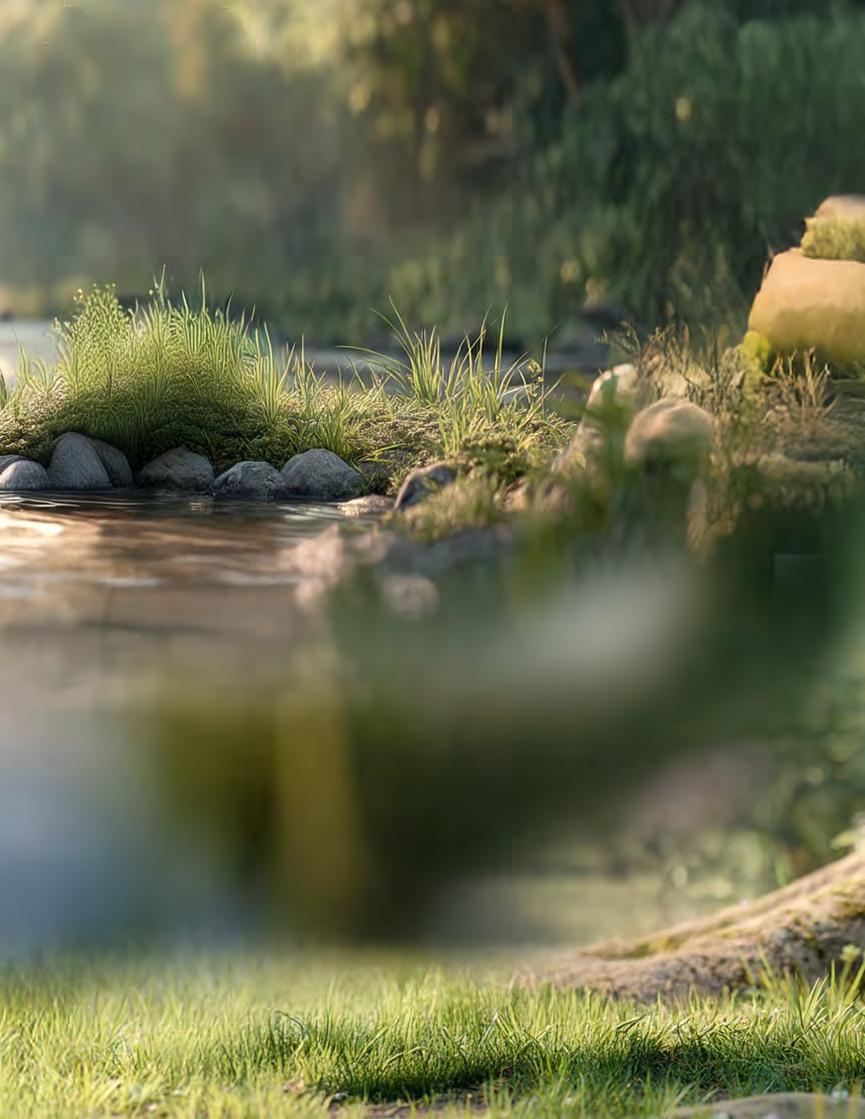
Kikkae sat by the river to calm down. As he watched the water, he noticed a large hippopotamus nearby. The animal stood still and peaceful.
Kikkae thought of a classroom poster that said, “Hippos are strong, calm, and honest, and they live truthfully in their groups.”

Kikkae returned to the workshop and found Tano. His heart was pounding.
“I need to tell you something,” Kikkae said. “I lost one of your tools. I tried to find it, but I could not. I am very sorry.”
Tano looked surprised, but then he smiled.
“Thank you for telling me the truth,” he said. “That means a lot. Tools can be replaced, but honesty is hard to find. Let’s look for it together.”
Kikkae felt relieved.
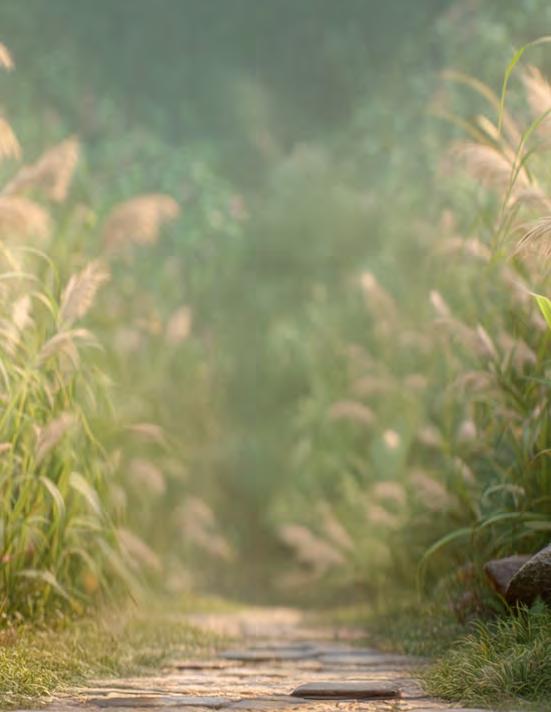
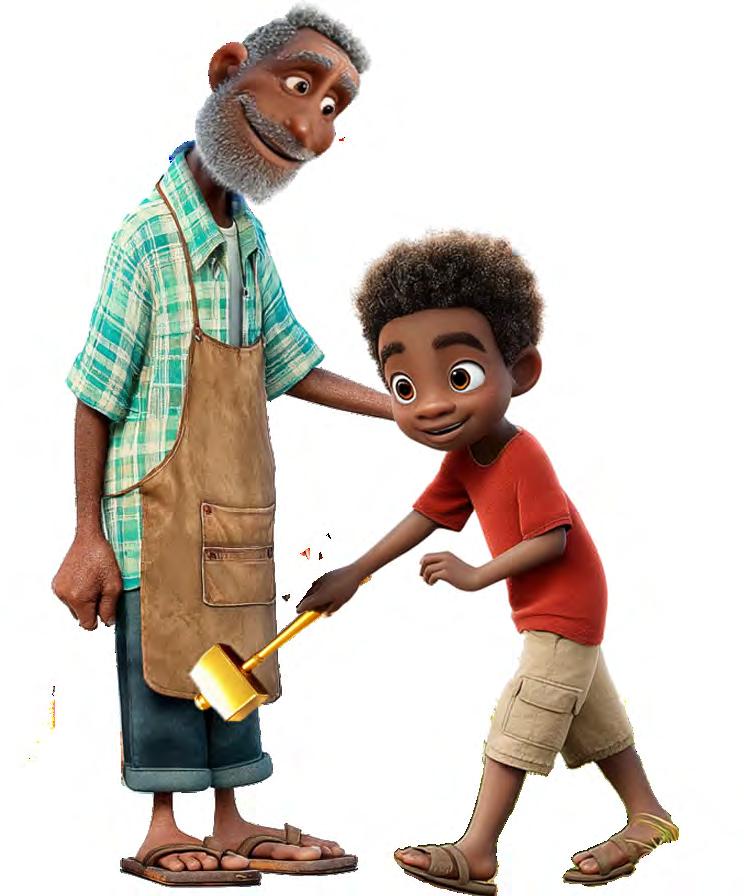
They walked along the path, searching in the grass and under the bushes. Then Kikkae spotted something shiny.
“Look!” he said.
He picked it up. It was a golden hammer, bright and glowing in the sun.
Tano laughed. “That is not my hammer, but it is very special!”
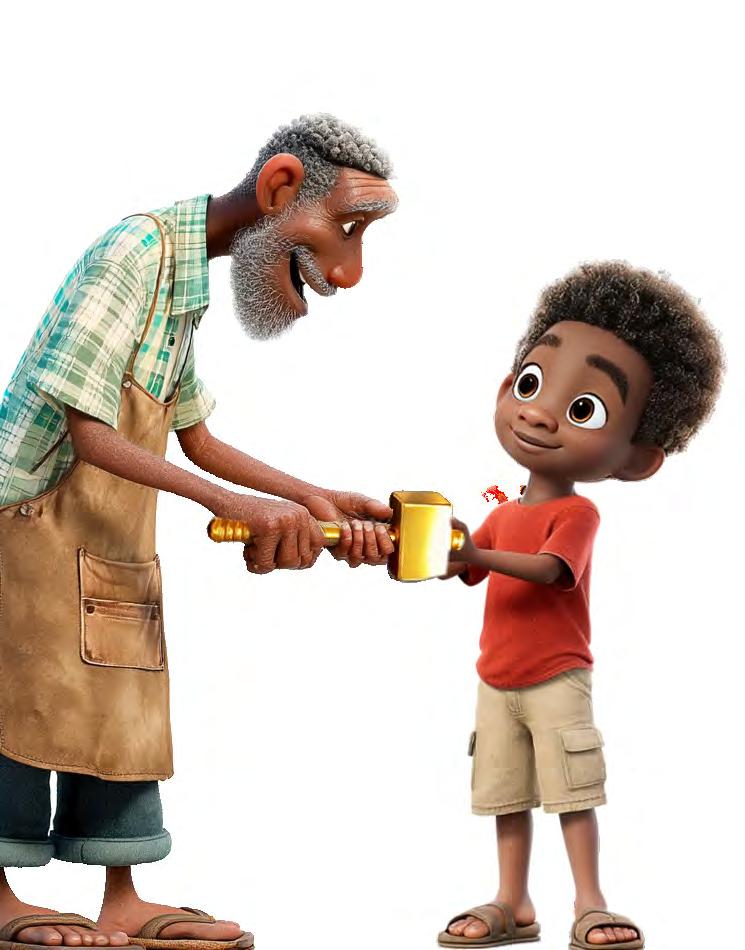
Just ahead, Kikkae found the real missing hammer near a tree root. He handed it to Tano.
“You were brave,” Tano said. “You told the truth when it was hard. I am proud of you.”
Then Tano gave Kikkae the golden hammer.
“You earned this,” he said. “Honesty is rare and powerful, just like this hammer.”
Kikkae looked at it with wide eyes.
“My family does not have much,” he said. “Maybe this can help us. My parents work very hard.”
“Then I am glad it is going to someone who truly deserves it,” Tano said.
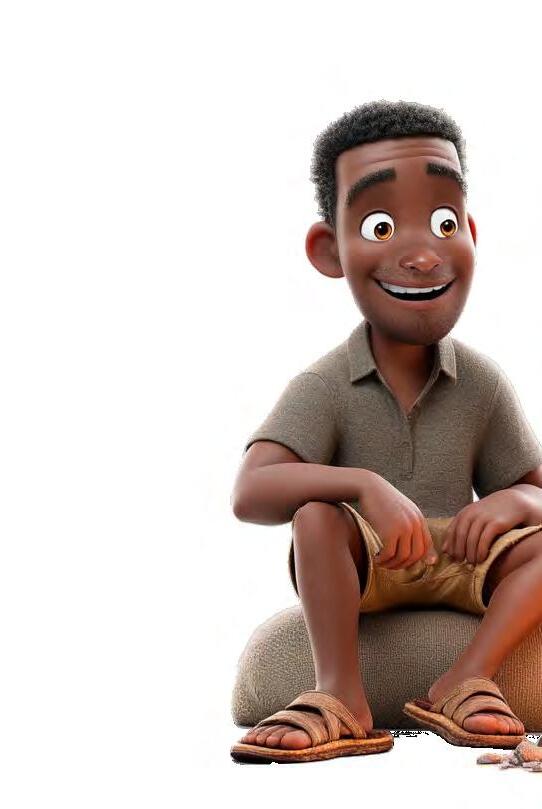
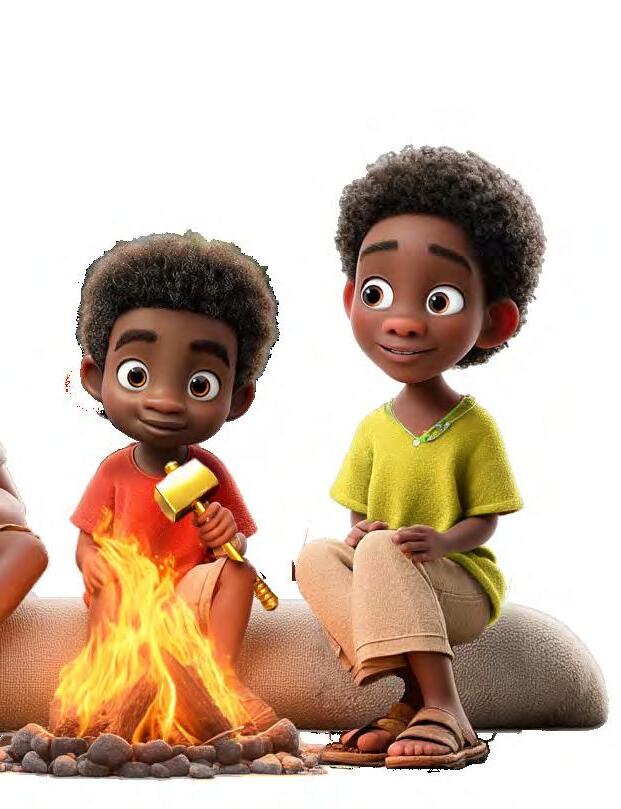
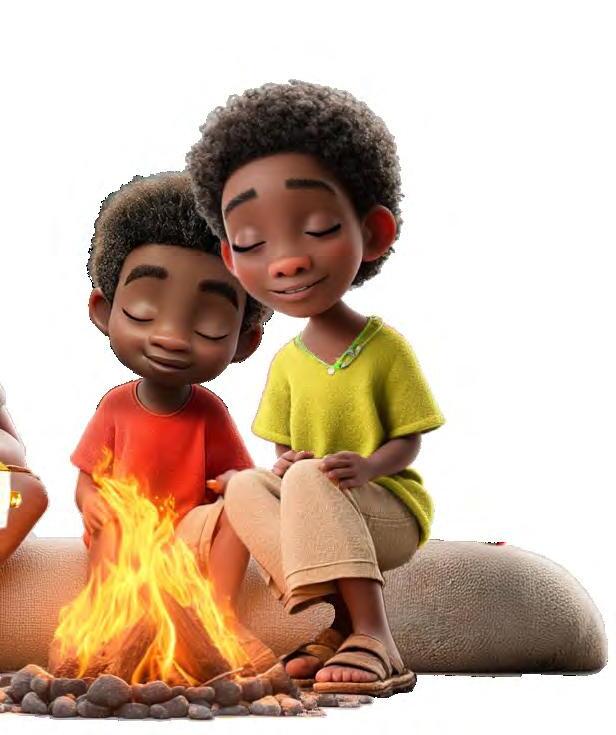
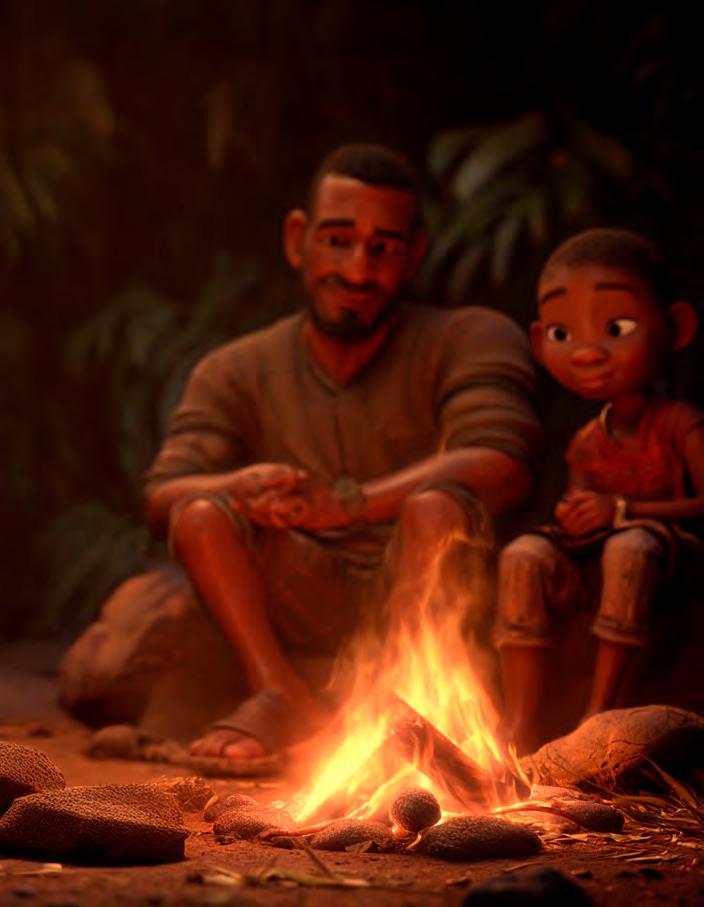
That night, Kikkae sat by the fire with his family. He held the golden hammer in his lap.
“I want to tell you what happened today,” he said.
He told them everything, how he lost the hammer, how scared he felt, and how he chose to be honest.
Then he stood up and placed the golden hammer in his parents’ hands.
“This is for you,” he said. “Maybe it can help with your work or help us get what we need.”
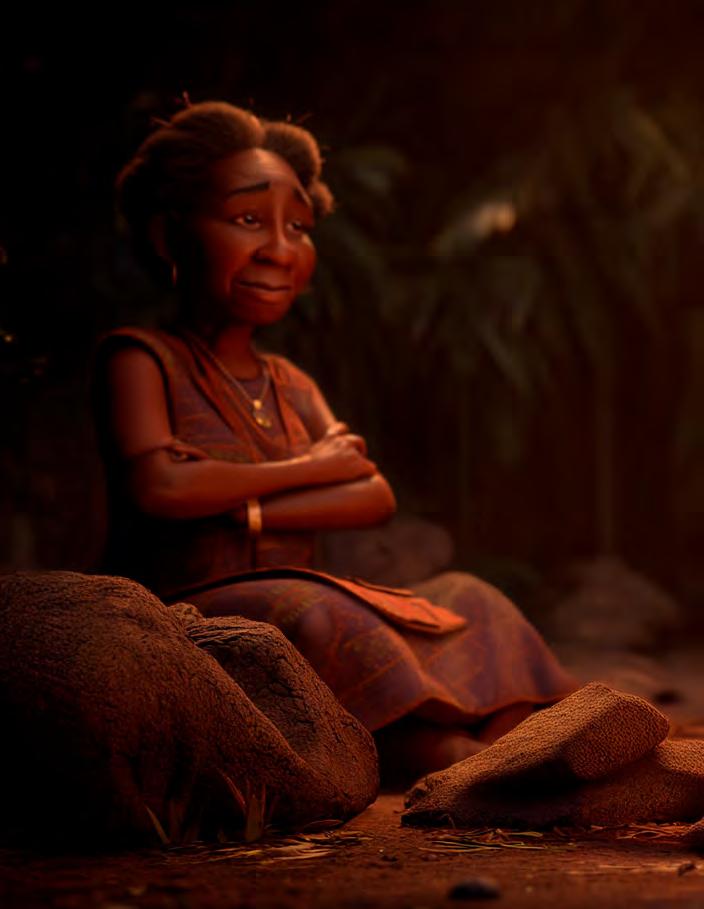
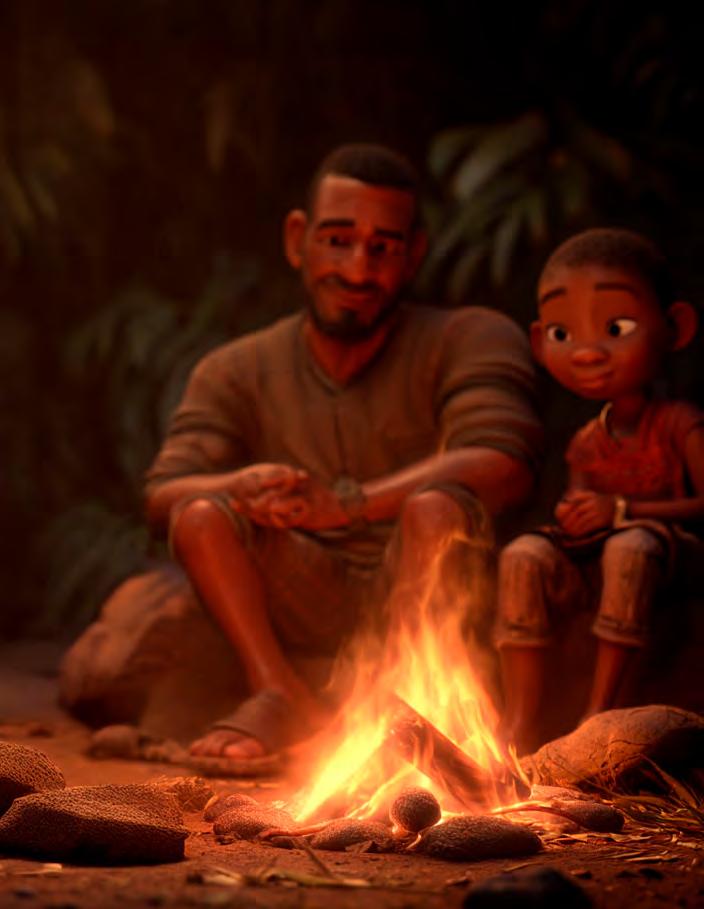
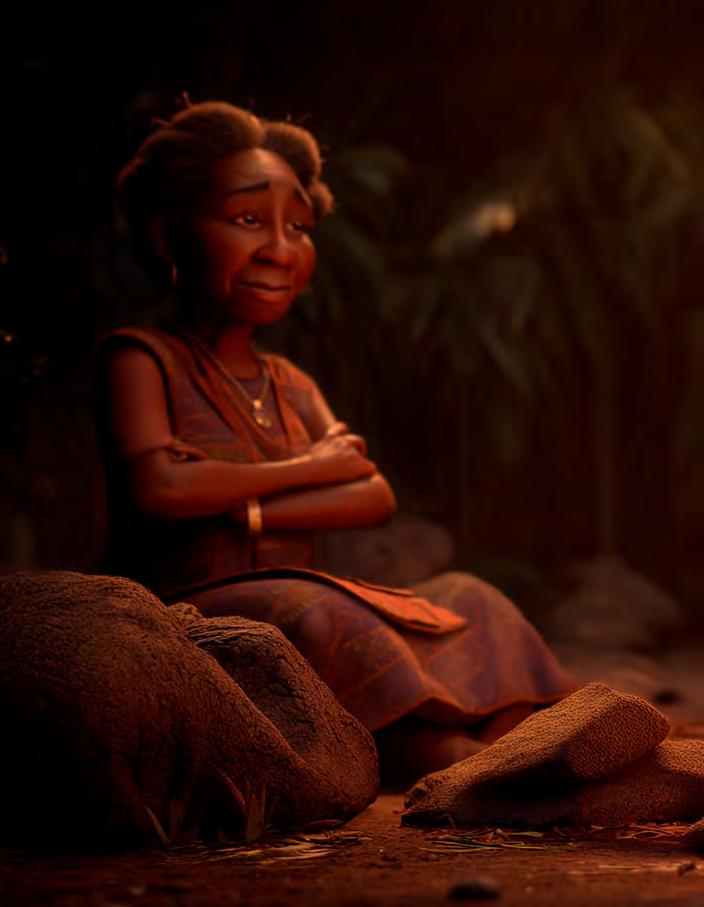
His mother hugged him. “You have a strong heart,” she said.
His father nodded. “Strong hearts tell the truth and help others.”
Kikkae looked at the stars. He thought of the hippo at the river.
Telling the truth had been scary. But it had led to something even better, kindness, trust, and a gift of hope.
That night, Kikkae felt proud.
He felt brave. He felt honest.
The truth helps everyone feel safe.
Speak Honestly but Kindly. Keep a Promise.
Think about why honesty is important to you.
Be a role model by staying honest in small moments.
Talk with a family member about what honesty means.
Notice how you feel when you tell the truth.
Keep going by:
Writing a short story or comic about an honest character.
Making a class book about what honesty looks like in real life.
Asking someone you admire how they stay honest.
Creating a motto or quote to remind yourself to be truthful.
Starting an "honesty jar" where you write down honest moments each day.
Drawing a map of what an honesty journey looks like to you.
Making a short speech or skit to teach others about honesty.
“I’m intimidated by the fear of being average, but I’m also motivated by the idea that being honest and real is what makes someone special.”
—Taylor Swift
Write about a time you told the truth, even when it was hard.
Create a poster that shows why being honest matters.
Challenge yourself to be truthful in all aspects of life, including school, home, and friendships.
Show others that honesty builds trust and respect.
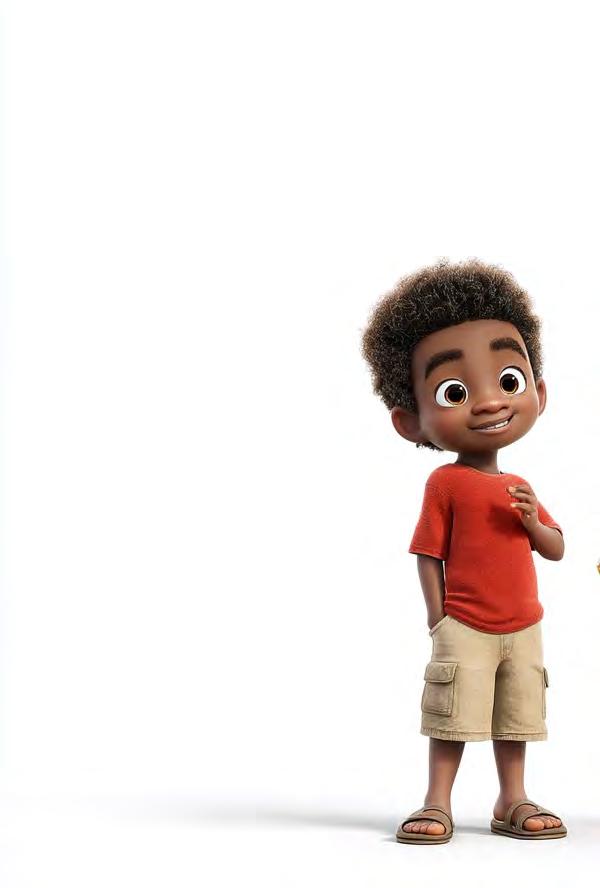
A truthful heart is light to carry.
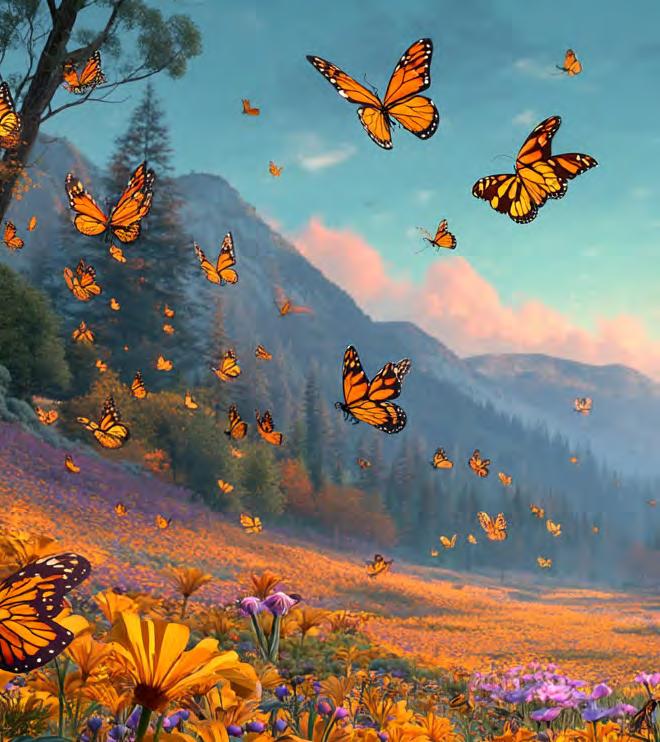
Acceptance means choosing to welcome change, differences, and new experiences with an open heart. It means loving yourself and others, even when things look or feel unfamiliar. Acceptance helps us grow, connect, and feel more at peace in a changing world.
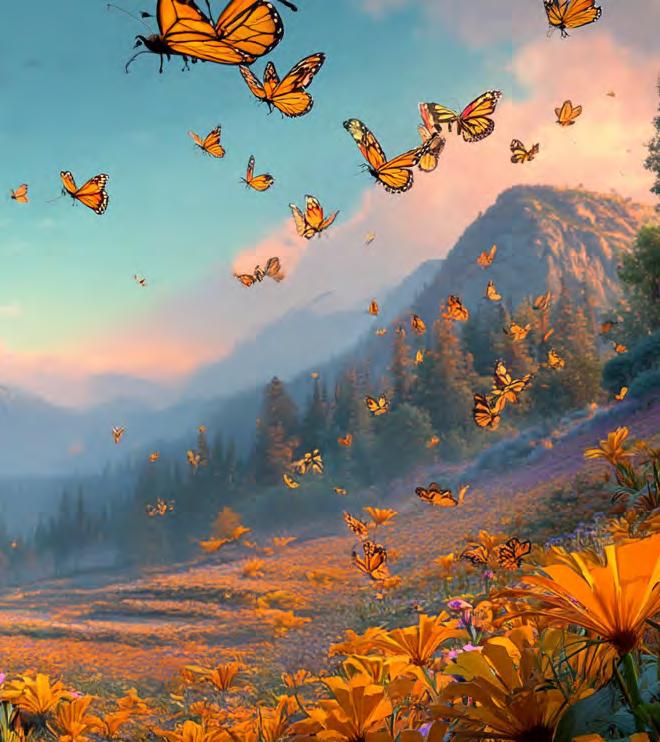
Everyone is unique in their own way.
Trying out for a new sport even if you are nervous.
Getting braces and learning to smile with confidence.
Learning to accept mistakes as chances to grow.
Listening to others’ ideas, even if they are not your own.
Welcoming a new student to your class.
Standing up for someone who looks or thinks differently.
Celebrating that everyone has different talents.
Adapting to a new school or moving to a new town.
Be kind to a classmate who has just arrived at school.
Change helps us become who we are meant to be.
Being accepting is like opening a door to new friendships.
Every new day is a chance to grow through change.
Kindness begins with accepting ourselves and others.
True acceptance makes our world a brighter place.
Acceptance means valuing people, including ourselves, just as we are. Every person has a unique mix of strengths, experiences, and ideas worth respecting. When we accept others, we show them they belong and matter. When we accept ourselves, we build the confidence to keep growing.
Change helps us grow.

Be open to meeting new people.
Listen without judgment.
Celebrate differences in culture, appearance, or ability.
Be open to trying new ways of doing things.
Support others who feel left out.
Be open to other people’s opinions and points of view.
Remind yourself that being different is a strength.
An accepting person is kind, understanding, and welcoming.

Mother Teresa: Helped people who were poor or sick, no matter where they came from.

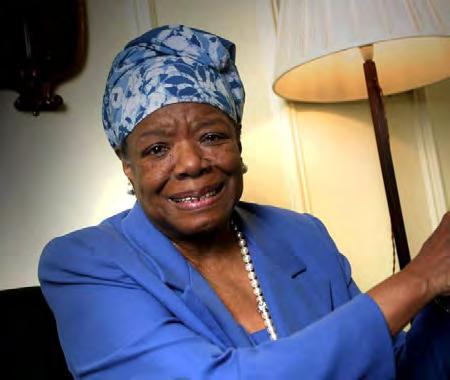
Maya Angelou: Spoke up for equality and inspired others through her writing.

Malala Yousafzai: Advocated for girls’ right to education and acceptance around the world.

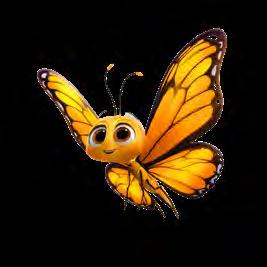
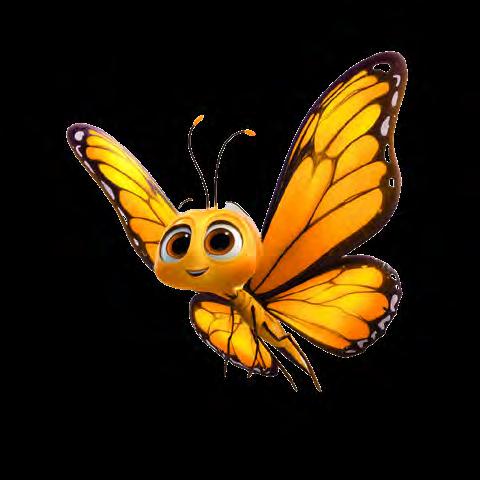
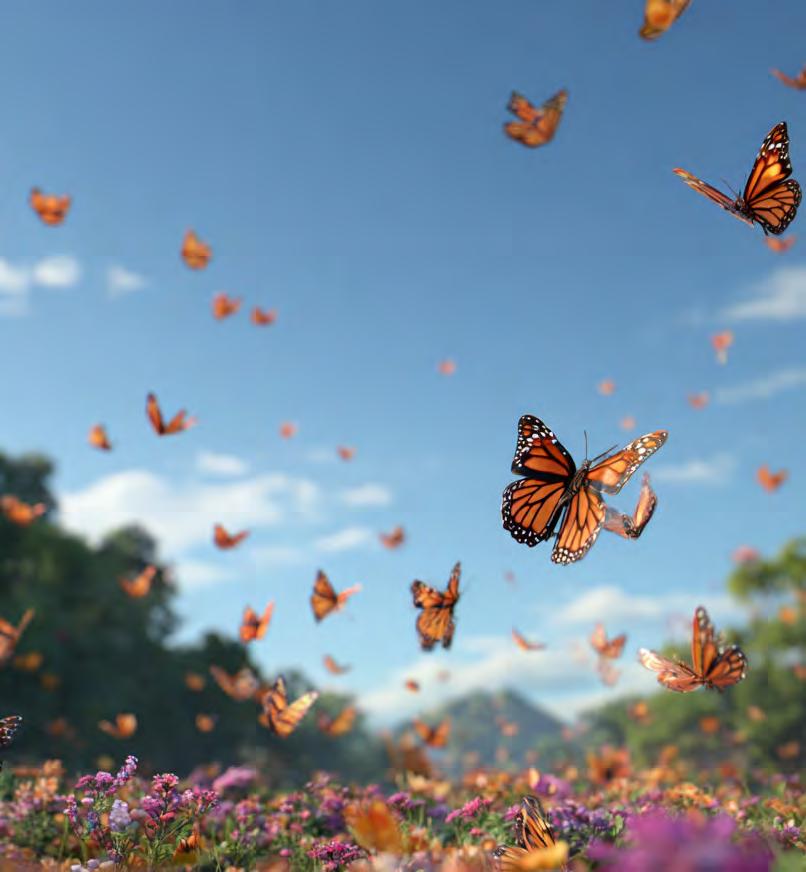
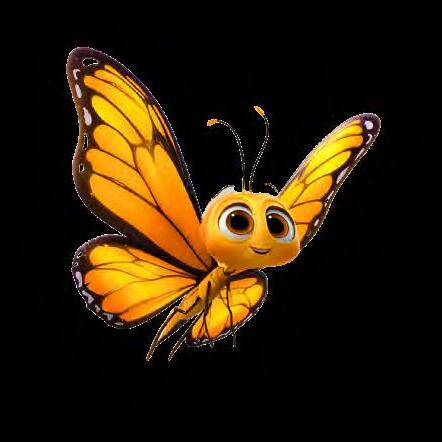
Butterflies begin as small caterpillars. They grow, change inside a chrysalis, and emerge with bright wings. This journey reminds us that every stage of life is important and that change can lead to something beautiful. Like the butterfly, we grow stronger and brighter through change.
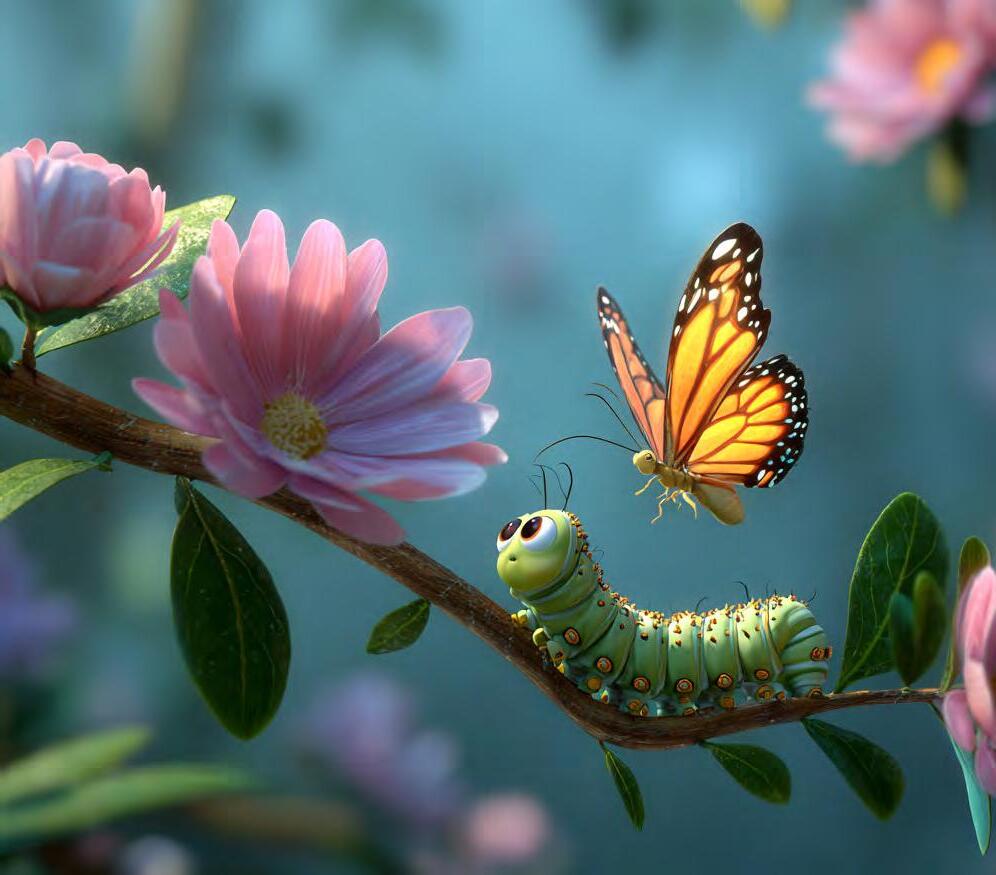

It is okay to be different.

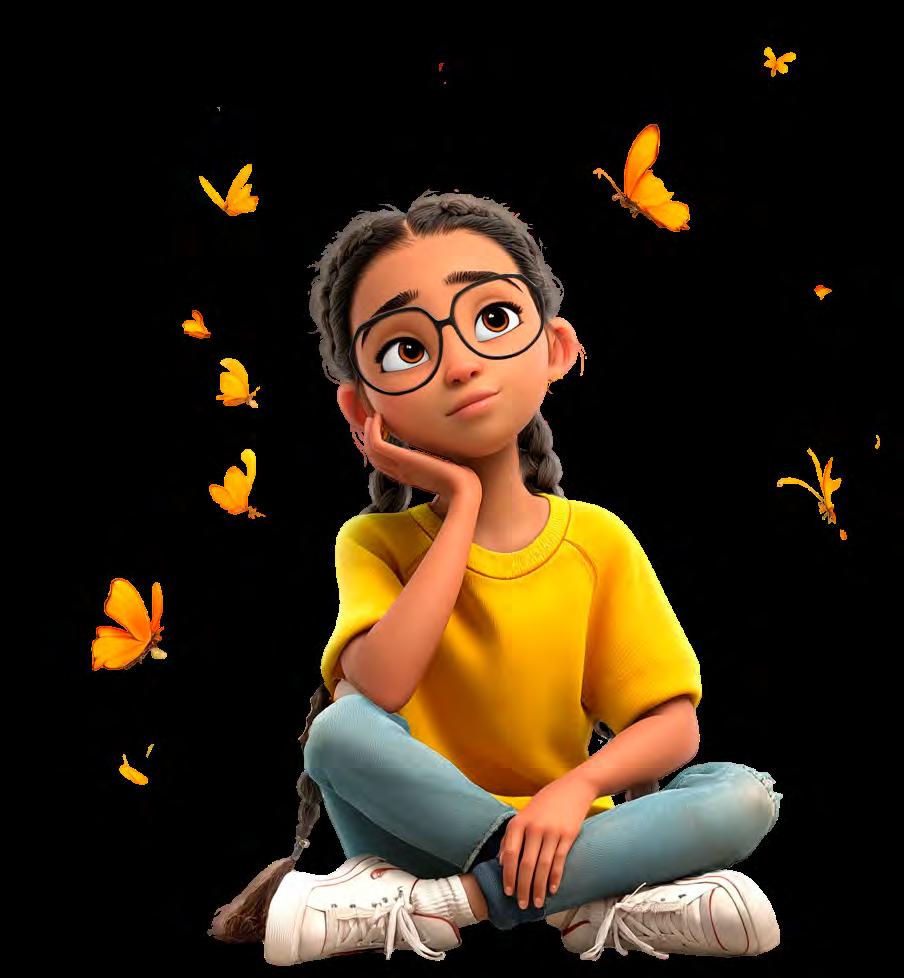
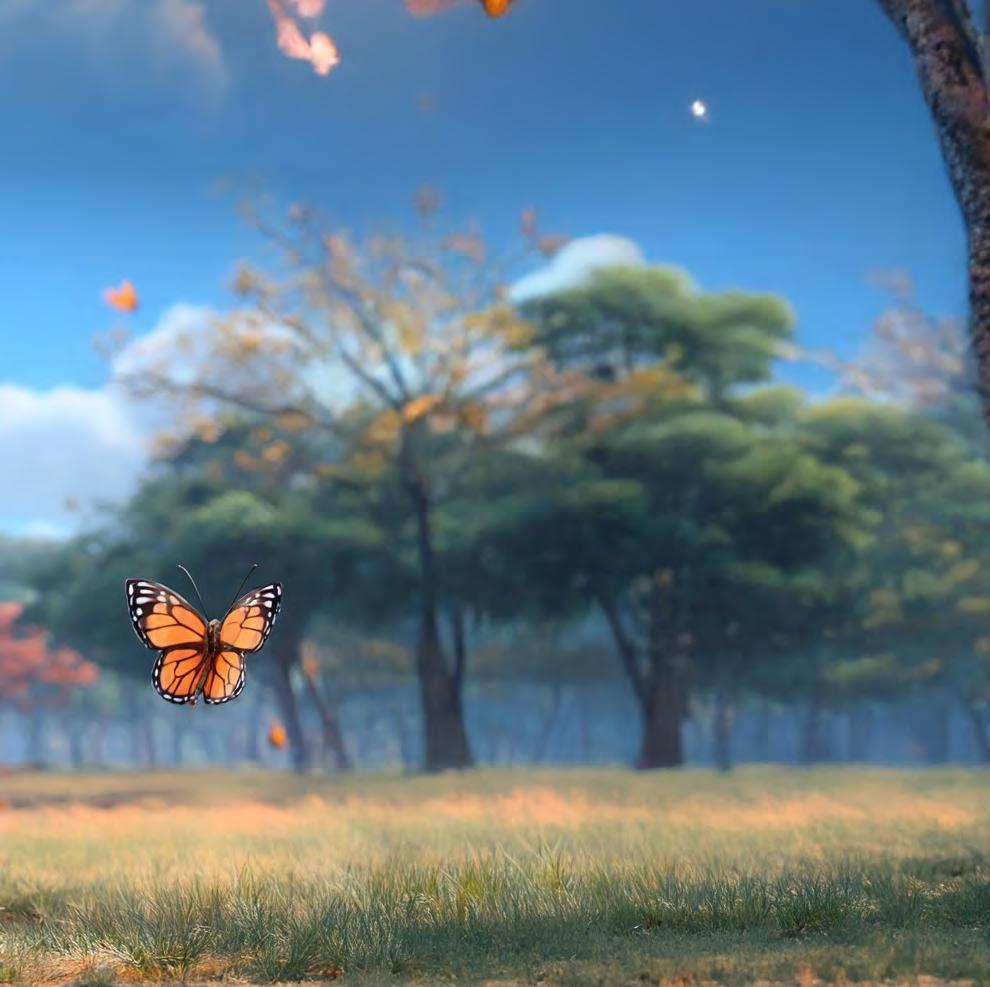
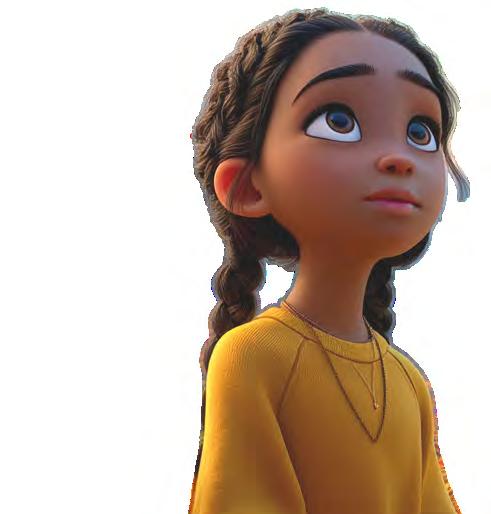
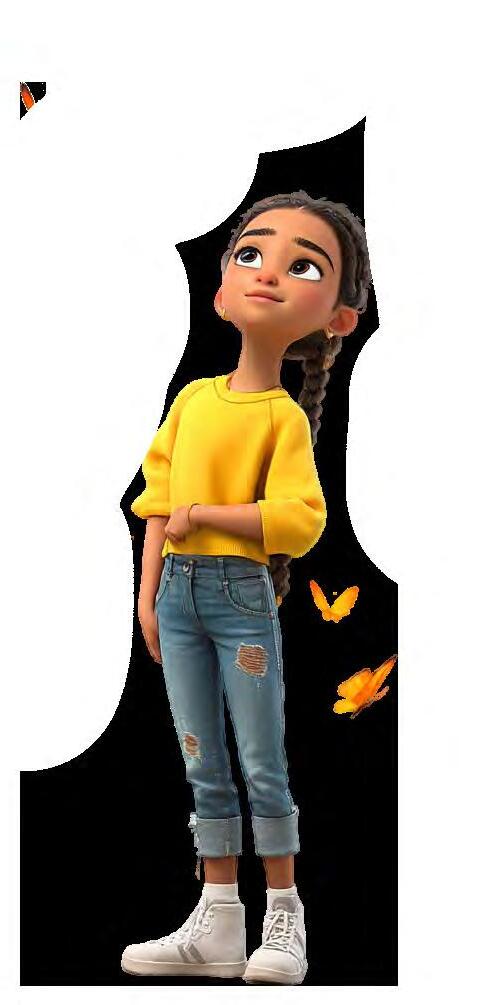
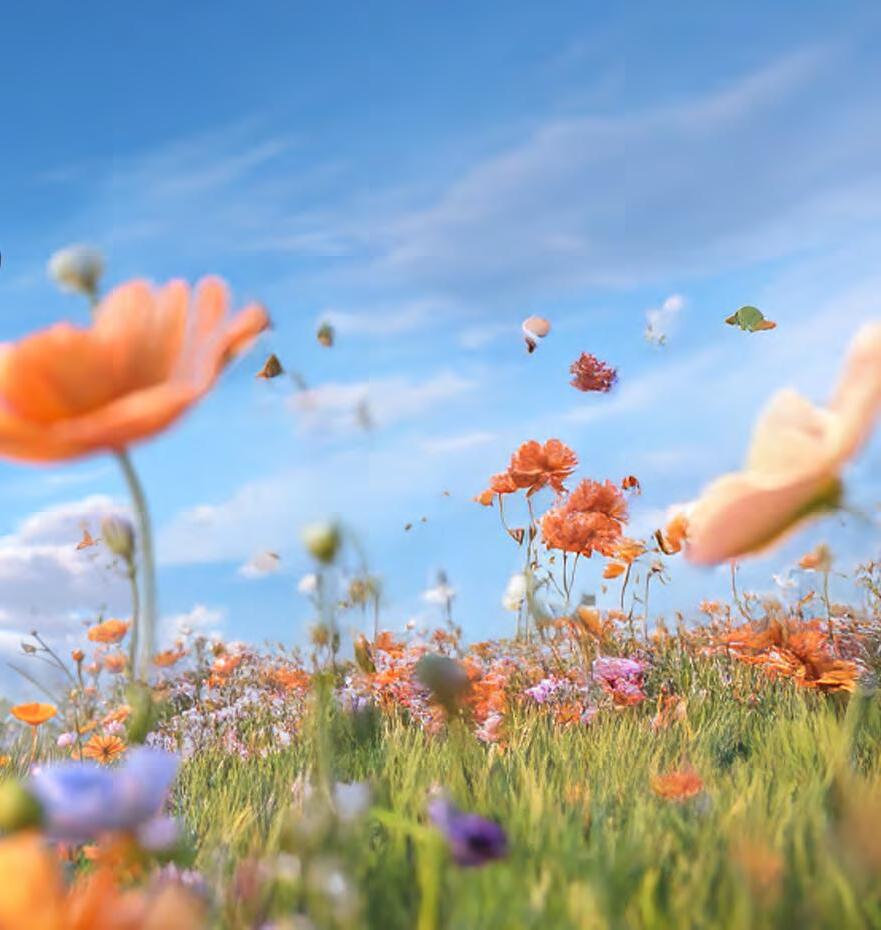
Every year in southern Mexico, thousands of butterflies fly from far away to a beautiful valley. That is where Cristy lived with her family. The butterflies came to enjoy the nectar from the colorful flowers that filled the valley. These butterflies were monarchs, famous for their incredible migration. They traveled over 2,000 miles from places like Canada and the United States to spend the winter in the warm forests of Mexico. Somehow, even though they had never been there before, each new generation found its way to the same mountaintops, landing in great clusters on tree trunks and branches. Cristy and her neighbors would watch the skies as the butterflies arrived, painting the air with orange and black.
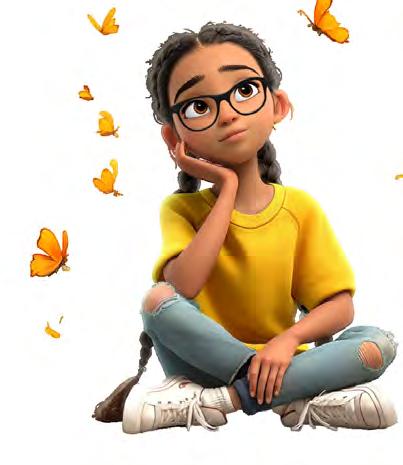
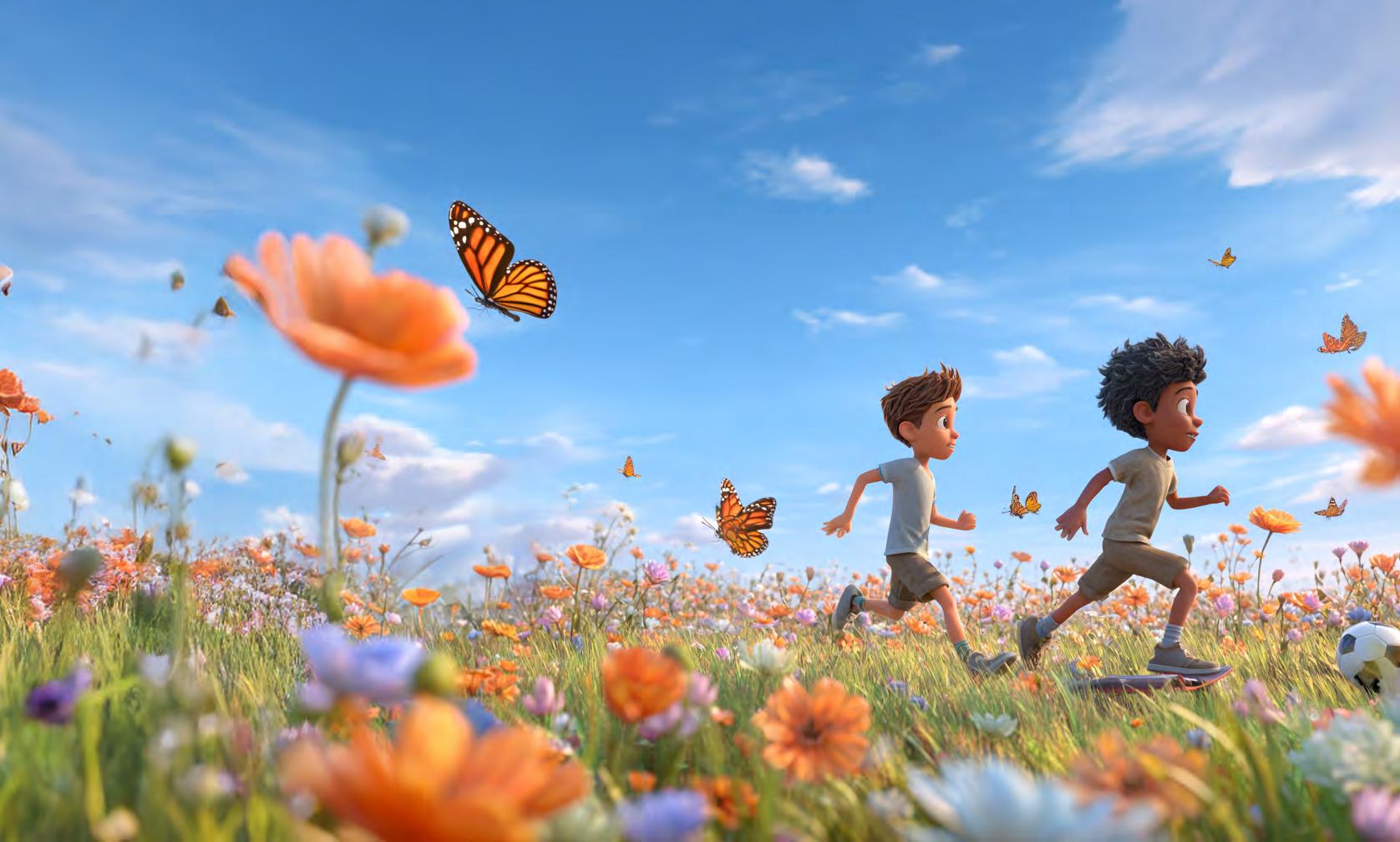
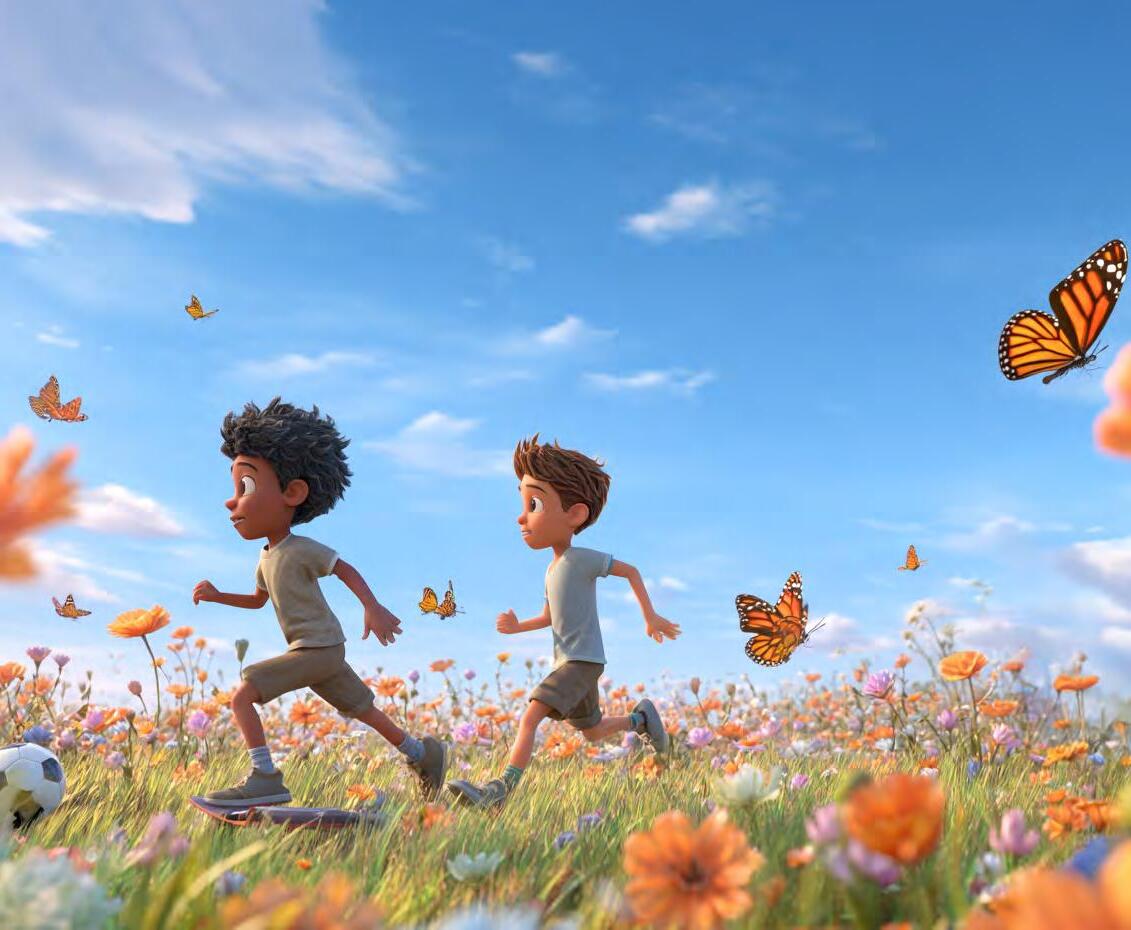
Cristy loved being outdoors. She played soccer, skateboarded, and sometimes tried to catch butterflies with her friends using special nets. They would race along the flowerbeds, laughing and having fun. Cristy thought the butterflies were beautiful and magical.
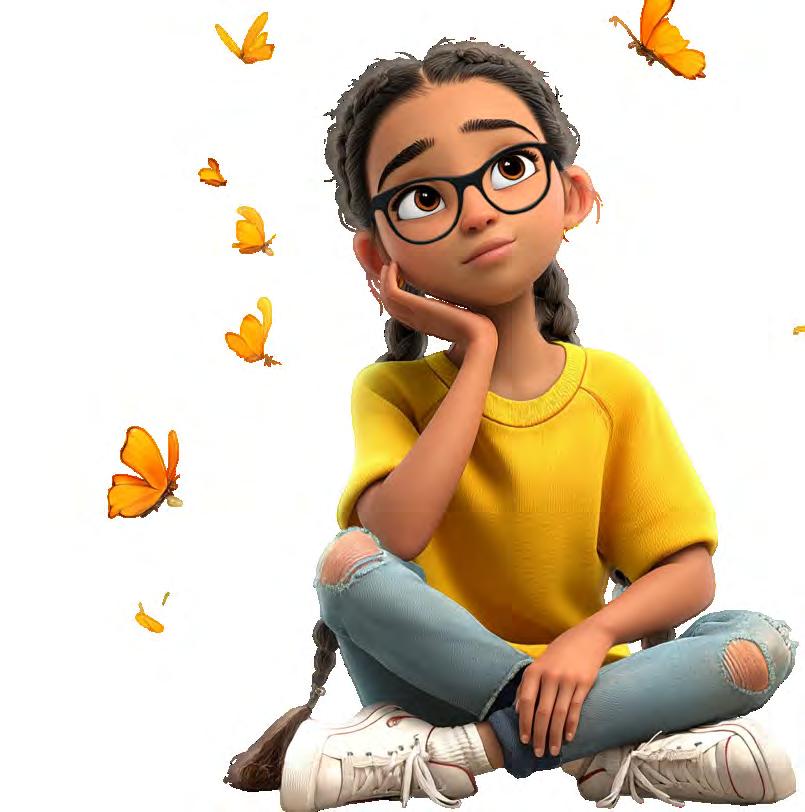
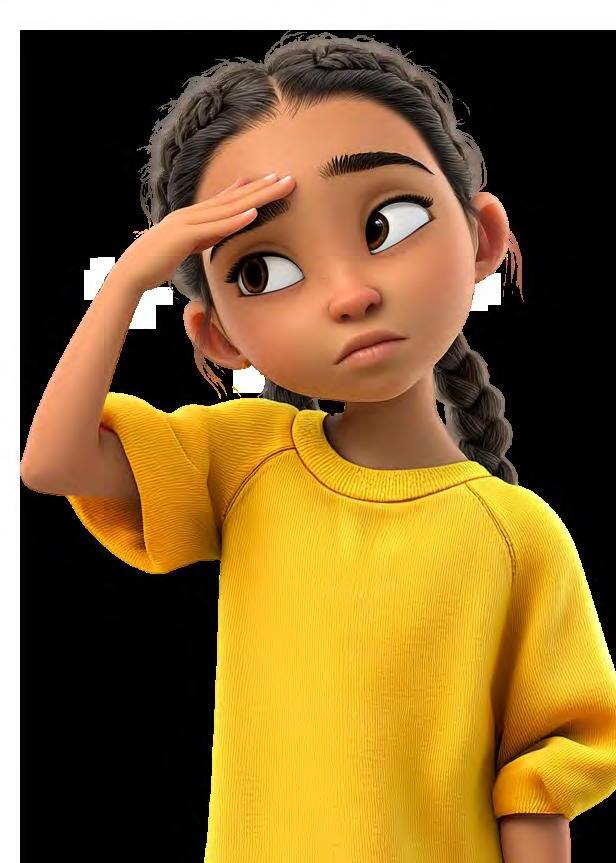
One day, while she was playing outside, Cristy realized something strange. She was always the last one to spot the butterflies. That had never happened before. She blinked and squinted, but things far away looked blurry.
“How could this be?” she thought. “I used to see them first!” She decided to talk to her parents. Maybe she needed glasses, but she really did not want them.




The next day, Cristy’s mom took her to the eye doctor. After testing her eyes, the doctor said she had a common problem. Glasses would help her see clearly again.
Cristy was not happy. “Do I have to wear them all the time?” she asked. She looked at her mom, hoping she could change things.
The doctor smiled and explained, “It will take a little while to get used to them, but you will be glad to see better.”
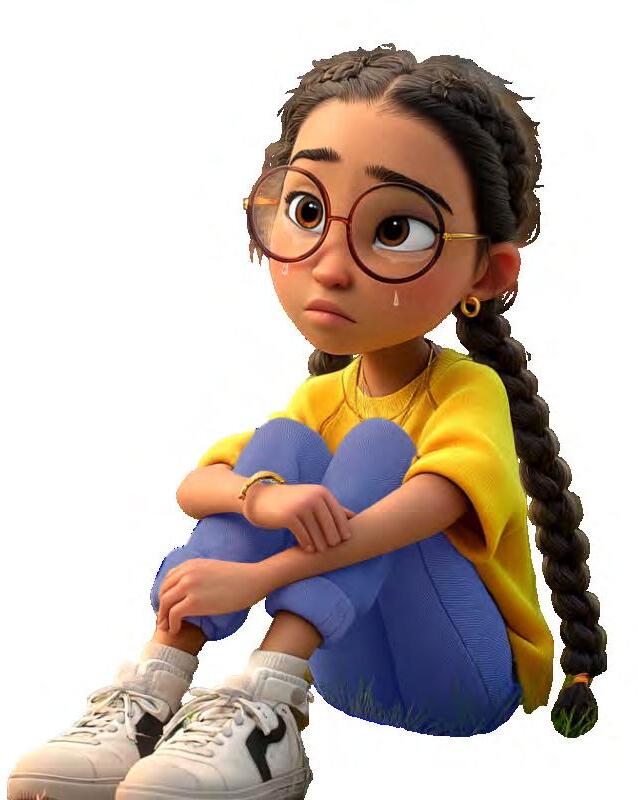
Cristy and her mom picked out a pair of pretty frames. But when she tried them on, Cristy felt awkward. She did not like how it felt. The lenses felt thick, and she did not feel like herself anymore.
“I will never get used to this,” she said. “How am I supposed to skateboard or play soccer like this? I feel weird.”
The doctor told her that one day she could wear contact lenses, but for now, she would need glasses. Cristy sighed and nodded, but she still felt upset.

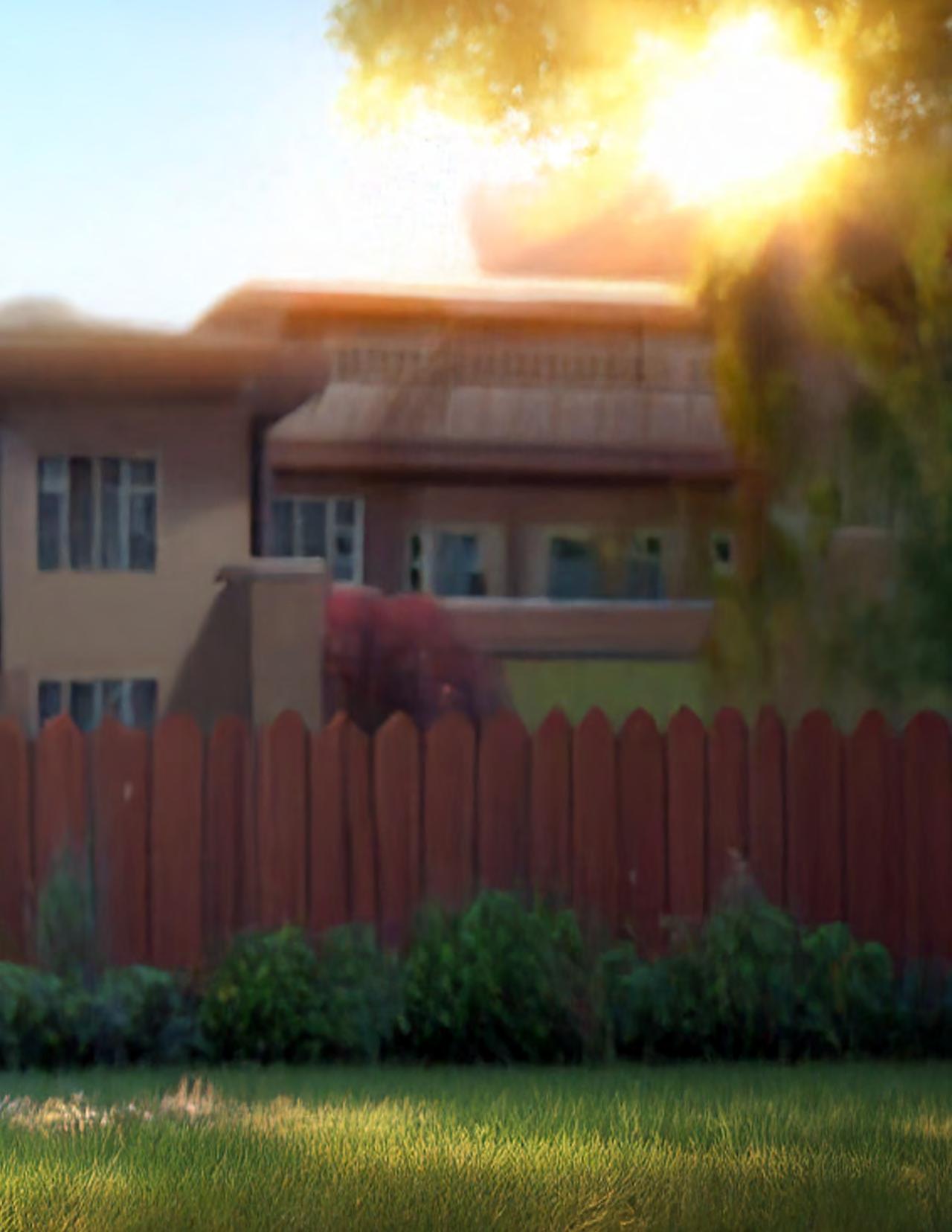
When they got home, Cristy sat in the backyard by herself. She felt tears coming. This change was harder than she thought.
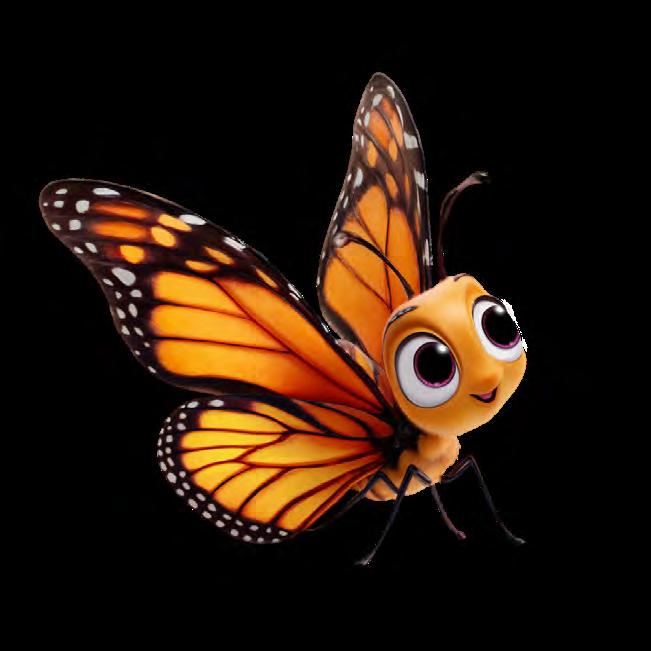
Then something caught her eye: a soft fluttering on her arm. A butterfly had landed there. Its wings were black and orange, and it was absolutely stunning. It gently moved its wings as if it was saying something.
Cristy looked at it closely. “You are beautiful,” she whispered. The butterfly stayed still for a moment, as if it was there just for her.
She smiled a little. “If I had to name you... I think I would call you Boosa," she said, thinking out loud. "I do not even know why, that name just feels right for you.”


Boosa flapped its wings gently again, as if it agreed.
As Cristy watched it rest on her arm, she started to remember what she had learned about butterflies in school. She remembered how butterflies start as caterpillars. Then, they go through a big change inside a chrysalis. When they come out, they look completely different, but that change is natural.
She imagined how strange it must feel to wake up with wings after being a crawling caterpillar.
At first, it must be confusing, maybe even scary. But with time, butterflies learn to fly, and flying must feel amazing.

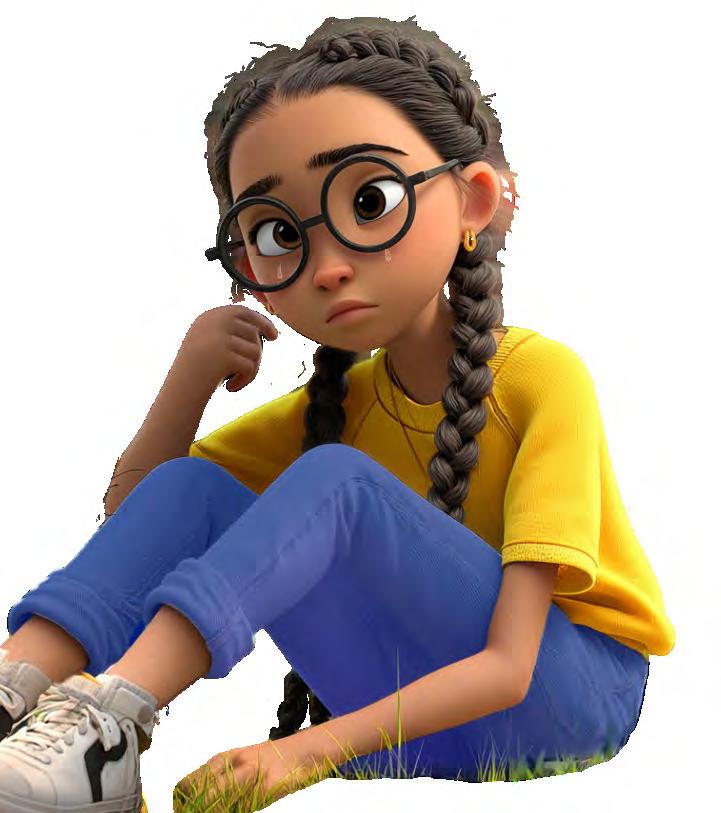
As Cristy kept looking at Boosa, something inside her clicked.
“Maybe this is kind of like me and my glasses,” she thought. “The butterfly did not choose to change, but it did. And look at it now... it’s beautiful and free.”
She wiped her tears. “Okay,” she whispered. “I will try to accept this change.”
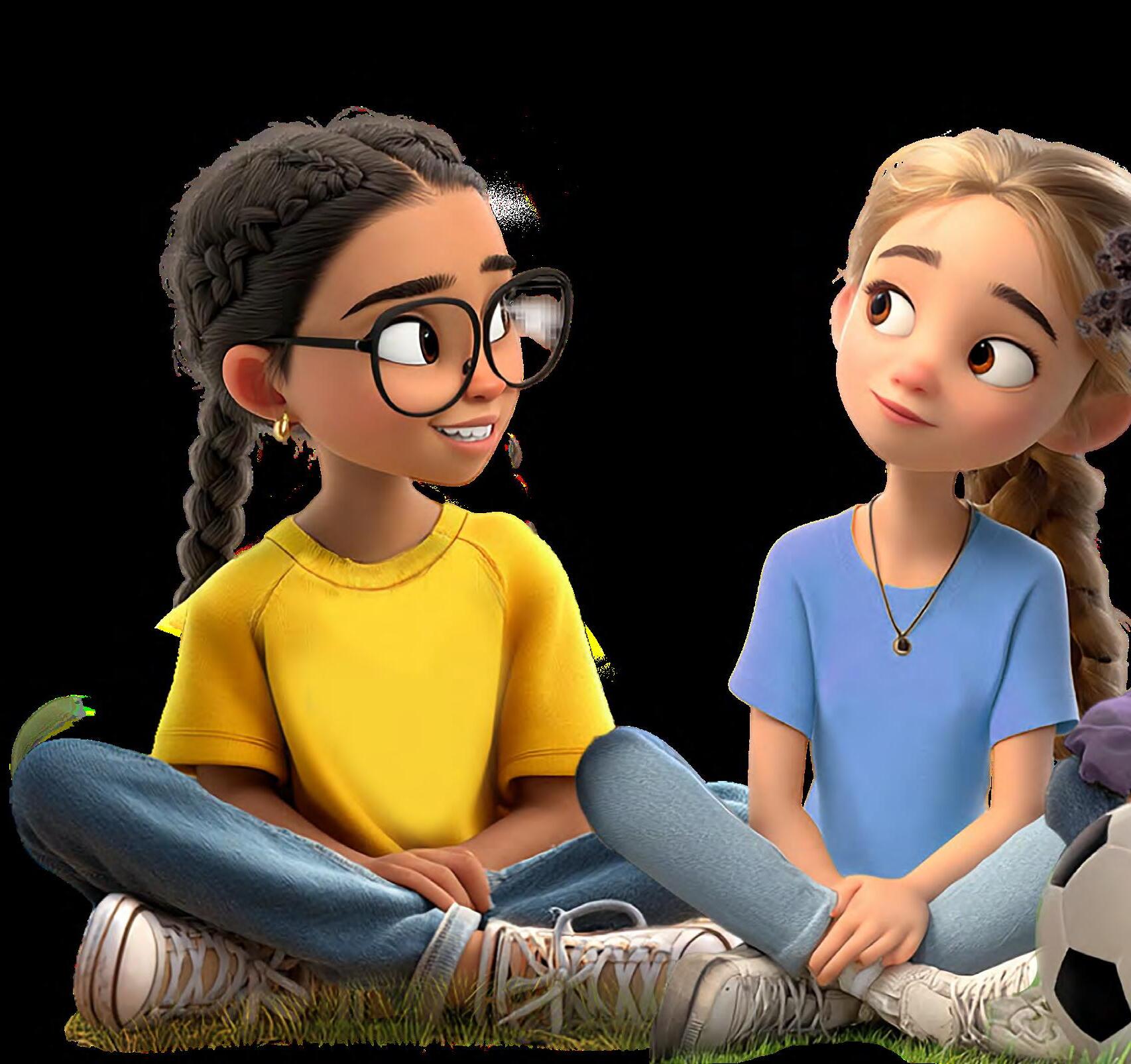
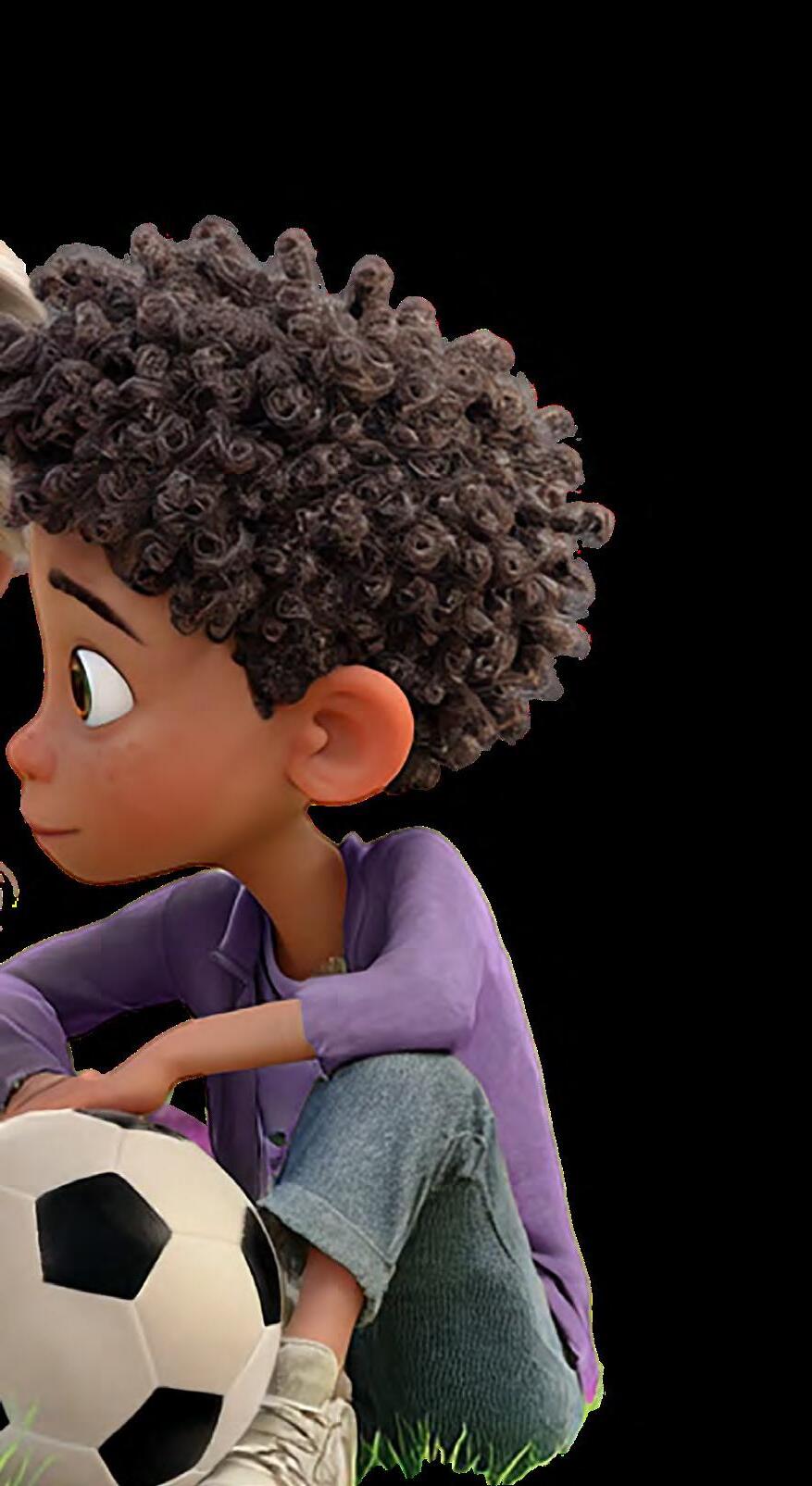
Just then, some of her friends showed up in the backyard. “Hey Cristy! Want to play soccer with us?”
One of the girls smiled and said, “Cool glasses! I love those frames.”
Cristy blinked in surprise. “Really? Thanks,” she said, smiling.
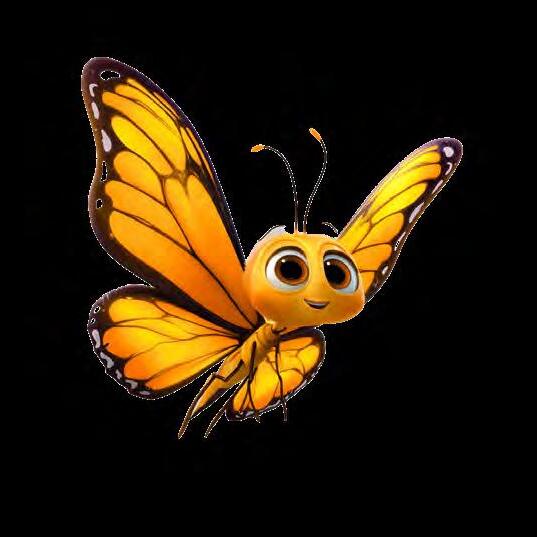
She looked back at the butterfly, but it had already flown away, dancing through the air.
Her mom came outside and asked, “Who were you talking to, sweetie?”
Cristy smiled. “I was just thinking... about how butterflies change. I think I can get used to my glasses after all.”
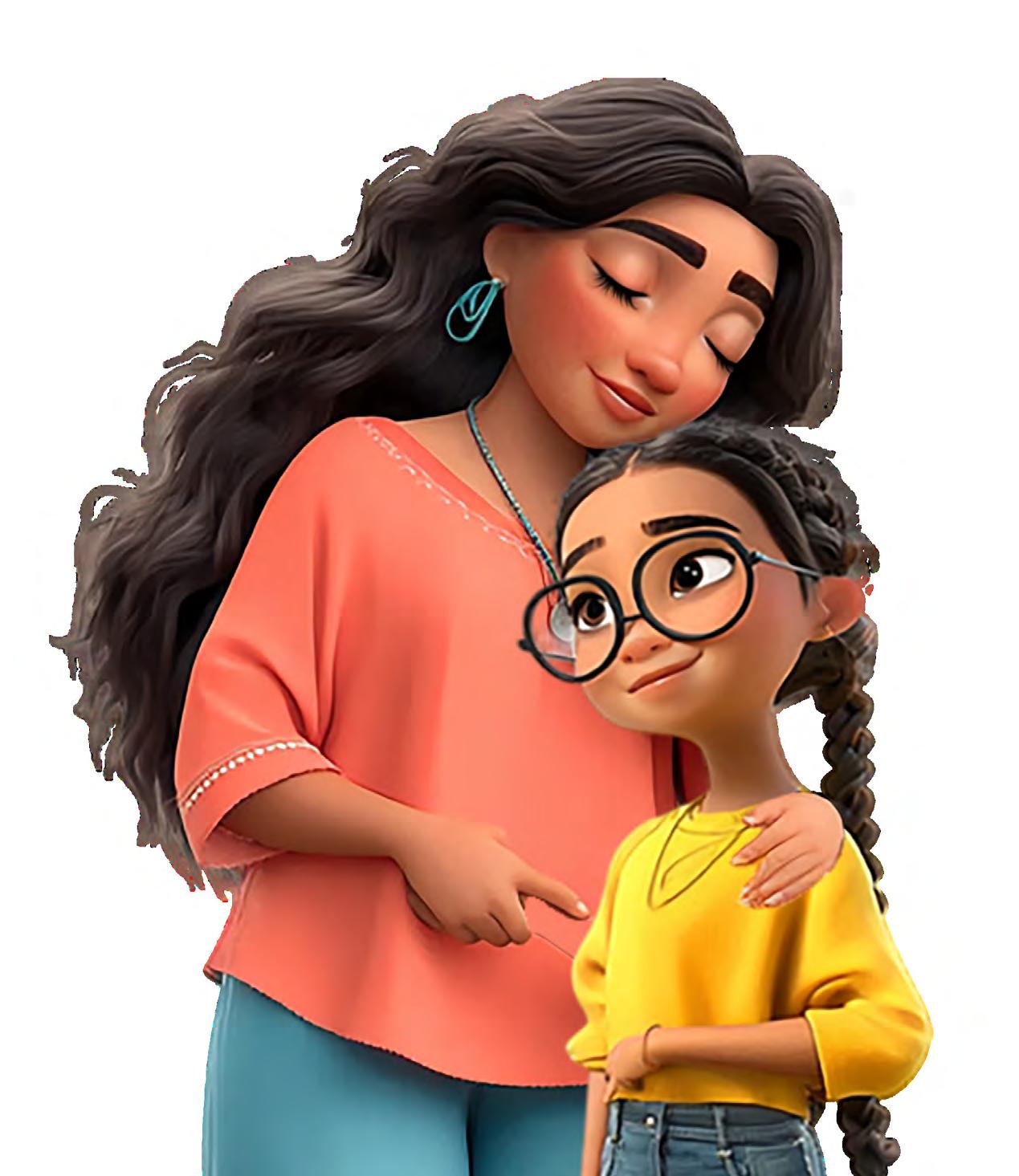
Her mom nodded. “That is wonderful, Cristy. Change is part of life. Even adults have to learn to accept things. Look at me, I am getting more wrinkles every year!”
Cristy giggled. “I love your little wrinkles, Mama.”
“And I love your new glasses,” her mom replied, giving her a hug.
Welcome others, even if they seem different from you.
Respect people’s opinions, even if they are not the same as yours.
Notice what makes you unique, and be proud of it.
Be kind to yourself, even when you make mistakes.
Accepting yourself is just as important as accepting others.
Growing up brings changes, accept them with joy.
Welcome others with kindness, even if they seem different from you.
Stay open to new ideas and experiences.
Accept yourself, even when things feel challenging.
Keep going by:
Listening without judging when someone shares their thoughts.
Including others who feel left out or alone.
Learning about cultures, traditions, and people different from you.
Taking time to understand your own feelings and changes.
Encouraging classmates to be proud of who they are.
Let your inner voice be kind and accepting of who you are.
Being patient with yourself as you learn and grow through change.
Everyone is different, and that is what makes the world interesting.
Acceptance is about being kind to yourself and others. Change can feel hard, but it helps us grow. When we accept who we are and welcome others, we make the world a better place.
Write about a time you accepted a change in your life or welcomed someone new.
Create a poster that celebrates differences and shows how acceptance builds friendships.
Challenge yourself to practice acceptance at school, at home, and in your community.
Accepting change helps us grow stronger, braver, and more understanding.