
ACKNOWLEDGEMENT LETTER
Dear Wayland Residents,
Many people invested considerable time to make this strategic planning process successful. We want to thank all community members who participated in this effort. Much of the work was carried out with in-person meetings including the following people.
Aida Gennis, Trustee Chair
Win Treese, Trustee
Christopher Lindquist, Library Director
Amy Conway, Office Manager
Pam McCuen, Head of Youth Services
Christopher Lindquist, Library Director
Andy Moore,
Assistant Director
Betsy Athan
Cathy Balshone
Stephanie Bennett
Kim Bonner
Julian Butcher
Amy Conway
Florisvaldo Goncalves
Sarah Hogan
Elise Katz
Tyler Kenney
Erica Leblang
Janet Linder
Andrew Loof
Abby McBride
Pam McCuen
Courtney Michael Mikaela
Michalopoulos
Felicia Montville
Stacey SawyerMackey
Salome SweeneyStorace
Brittany Tuttle
Wendy Whoriskey
Marjanneke Wright
Heather Young
Alyssa Ao
Anna Blazier
Mary Ann Borkowski
Cindy Bryant
Courtney Conery
Kay Gardner-Westcott
Ann Gordon
Sarah Hubbell
Doug Levine
Chitra Mills
Carole Morgan
Pallavi Nagesha
Frances Pollitt
Isabella Ren
Kate Sambuco
Jessica Schendel
Thom White
We also want to thank Vicki LaFarge for facilitating a focus group of older adults at the Council on Aging and Michelle Eberle, Massachusetts Library System (MLS) Consultant, for facilitating a group of tweens at the Wayland Middle School. We also want to thank Wayland School Librarians Jennifer McGillis and Sara Ravid for soliciting feedback from the Wayland High School and Middle School students. There was also a group of parents who participated in two youth focus groups facilitated by Chris Lindquist and Pam McCuen. Key community leaders also graciously accepted to speak to Deb Hoadley, the consultant hired to lead the strategic planning process. They were: Michael McCall, Wayland Town Manager; Bill Whitney, Select Board Chair; Tom Fay, Select Board member; and La Toya Rivers, METCO Director.
We are thankful for the over 800 people who participated in the strategic planning process. The feedback gathered will lead the vision and goals for the Wayland Free Public Library over the next five years.
Sincerely,
Aida A. Gennis, Chair, Board of Library Trustees
Leah Hart, Vice
Chair
Emily Weintraub, Secretary
Elaine Donnelly
Candace Hetzner
Win Treese
INTRODUCTION
INTRODUCTION TO WAYLAND
Wayland, Massachusetts, is a suburb located 20 miles west of Boston, renowned for its rich history, scenic landscapes, and strong sense of community. Known for its commitment to conservation and education, Wayland maintains numerous protected open spaces and prides itself on an excellent school system that consistently ranks among the state's best. This blend of historical richness, natural beauty, and educational emphasis makes Wayland a desirable place for residents who value a quiet, well-rounded community close to the cultural and economic opportunities of Greater Boston.
DEMOGRAPHICS
These demographics are based on the 2020 U.S. Census and the World Population Review.
● The current population is 13,762. Between 2013 and 2023, the population of Wayland increased by 333 people (2.48%). The population was at a high in 2020 at 13,943, and declined post-pandemic.
● The median age is 43.9 years of age.
● 24.9% of households have one or more persons under the age of 18 in the home and 18.9% percent have someone over the age of 65.
● 16.4% of residents are foreign born and 18.4% speak a language other than English in the home 2.6% speak Spanish, 5.9% speak an Indo-European language, and 8.6% speak an Asian-Pacific language.
WAYLAND FREE PUBLIC LIBRARY
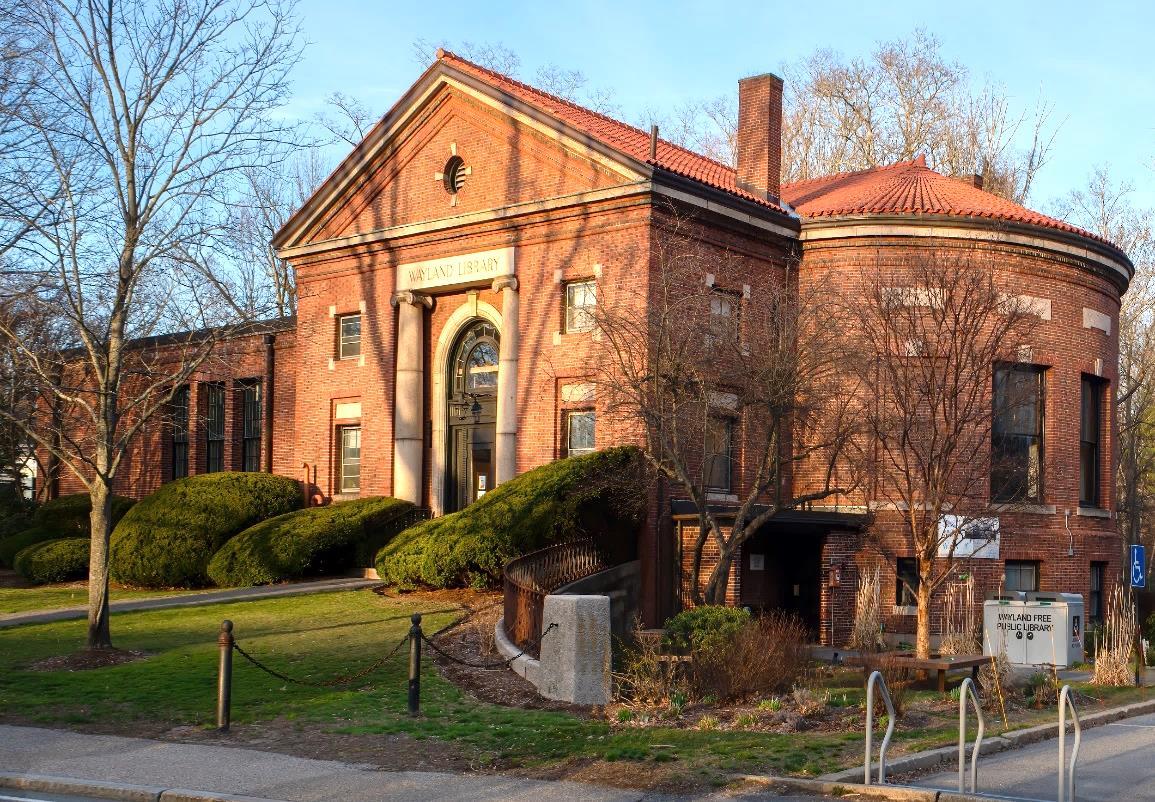
Founded in 1848, the Wayland Free Public Library is one of the oldest public libraries in Massachusetts and serves as a cornerstone of the Wayland community. The Library is located in the historic center of Wayland at 5 Concord Road. The Library provides access to a wide range of resources, including over 78,000 physical volumes and a robust selection of over 145,000 digital materials such as eBooks, audiobooks, and streaming services. In addition to traditional library services, the Wayland Free Public Library is part of the Minuteman Library Network, allowing patrons access to resources from 41 participating libraries.
The Wayland Free Public Library is located in the historic center of Wayland. The original building was constructed in 1900. In 1985, Town Meeting voted to fund construction to expand the building, nearly doubling it in size. In 1988 when the expanded building opened, it was quickly apparent that it was still undersized.
Beginning in 2001, the Board of Library Trustees undertook several community-wide efforts to survey Wayland residents and explore possibilities for a larger facility. At different times, they investigated options to expand at the current location, as well as to build a new Library elsewhere in the town.1
In a 2018 ballot question, voters approved a proposed new building, to be funded in part with a $10 million grant from the Massachusetts Public Library Construction Program (MPLCP), under the auspices of the Massachusetts Board of Library Commissioners (MBLC). The next step was for Town Meeting to fund the construction, but the vote fell slightly short, by 67 votes, of the two-thirds majority required for it to pass. At this time, there are no plans to build a new Library.
At Annual Town Meeting 2022, the town voted to fund long-deferred repairs and maintenance issues, including safety repairs to the elevator and Children’s Room, improved access to the building, ADA-compliant restrooms and improved HVAC. As of November 2024, some of the maintenance and repair work is underway and plans are being put in place to make additional repairs in 2025.
Over time, Wayland’s population has increased and the Library’s role in the community has grown to encompass far more than merely lending books. Library Trustees and staff have worked to maximize the use of the available space to serve patrons.
Over the past ten years, the Wayland Free Public Library has focused on expanding its programming to meet various interests of its patrons. It has also increased its digital services to meet the demands for remote access and online resources, especially highlighted during the COVID-19 pandemic. This shift includes enhancements to the digital catalog, streaming services, and virtual programming. The ongoing community engagement and evolving services underscore the Library’s critical role in maintaining Wayland’s vibrant intellectual and cultural life.
Libraries today are more than just books. In 2018, the MBLC noted that libraries do more than offer books and that over 50% of what libraries do now is offer programs. They are a place for learning, exploring and discovering new ideas and knowledge. They are a place for creating, sharing expertise and a place for people who have similar interests to come together. The Wayland Free Public Library is all of these things and more. It is a place for all ages to gather, read, study, work and experience new ideas. To serve the whole community, library buildings must accommodate the following needs: a quiet place to study; a place to work; a place where
SUMMARY OF CORE SERVICES
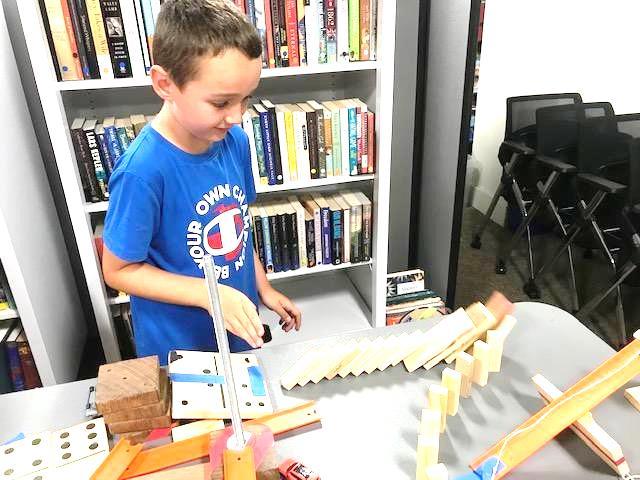
teens feel safe; a place where students gather, work on school projects and engage in enriching programs; a place for families to enjoy activities together at no charge; and a place for young children to attend storytimes, STEM and art programs and play. This is what libraries are today.
The Wayland Free Public Library must adapt and transform its space to meet these needs of the community. This strategic plan identifies what the community envisions the Library can be in the future.
The Wayland Free Public Library is open 67 public service hours per week for free access to:
● Physical books, magazines, DVDs, CDs, and other materials
● Downloadable eBooks, audiobooks, streaming videos
● Online databases and resources (available 24/7)
● Spaces for individual and group study and work
● Educational programs and enrichment activities for children, teens, and adults
● Wi-Fi and Internet-enabled computers and print/copy services
● Mobile Wi-Fi hot spots and laptops for check out
● Library of Things (non-traditional items)
● Volunteer opportunities
● Materials from neighboring member libraries (Minuteman Library Network)
PURPOSE OF THE PLAN
The challenge moving forward for the Wayland Free Public Library is to maintain high-quality services while evolving to meet the changing demographics of the community. The purpose of this strategic plan is to identify the current and growing interests of the diverse community the Library serves and to outline a well-conceived plan for the delivery of services and programs. In order to support the development of this plan, the Library engaged Deb Hoadley from Hoadley Consulting. Ms. Hoadley specializes in strategic planning and has extensive experience working with public libraries in Massachusetts and other New England states. In partnership with the community, the Library developed and adopted the following 5-year comprehensive plan (FY2026-FY2030). This plan incorporates input from key internal and external stakeholders.
PROCESS OVERVIEW
STRATEGIC PLANNING PROCESS
Beginning February 2024, the Wayland Free Public Library convened an internal strategic planning task force to review the 2017-2022 strategic plan and begin planning for the next five years. Between March 2024 and October 2024, the Library engaged in a series of strategic planning processes and events with consultant Deb Hoadley to develop the FY2026 – FY2030 Strategic Plan outlined in this report. This process involved accessing current and future opportunities for the Library and investigate ways to operate in a sustainable and efficient manner. The following process was used to support meaningful partnership and collaboration with community leaders, Library staff, patrons,
the community at large, and other external stakeholders. The strategic planning process consisted of the following elements:
● Strategy sessions with the Library Director, key Library staff, and members of the Board of Library Trustees
● Community engagement events – including 2 Community Focus Groups, 1 Community Forum, a Staff Strategic Planning Session, a Middle School Focus Group, 2 Youth Services Focus Groups, an Older Adult Focus Group, and a Trustee Focus Group
● Phone interviews with community leaders
● Community-wide survey
● Presentation of the Strategic Plan to the Board of Library Trustees
● Submission of the approved Plan to the MBLC
STRATEGIC FOCUS GROUPS
Eight (8) focus groups were held on April 4, April 10, April 23, April 24, May 2, May 9, May 15, and June 4, 2024. There were two community focus group meetings that met to discuss the Library (first meeting) and the community (second meeting). A focus group of parents met twice to discuss youth services programs (first meeting) and youth services space and materials (second meeting). There were focus groups involving the Library staff; the Board of Library Trustees; an older adult focus group facilitated by community member Vicki LaFarge; and a middle school focus group facilitated by Michelle Eberle, consultant from the Massachusetts Library System. A Community Forum was held on April 25 with an open invitation to all community members to participate.
A series of phone interviews were conducted by Ms. Hoadley. They included Select Board Chair Bill Whitney, Select Board member Tom Fay, Town Manager Michael McCall, and METCO Director La Toya Rivers
A retreat session was held with the Strategic Planning Task Force on June 24 to review the basic elements of the Strategic Plan. A follow up meeting was scheduled for October 1 to review the final plan to present to the Board of Library Trustees.
COMMON COMMUNITY THEMES FROM FOCUS GROUPS
Focus groups discussed challenges, issues, gaps in services, and aspirations for the Wayland community as a whole. These were the four (4) core themes that emerged.
1. Developing Multigenerational and Inclusive Community Spaces: A demand for spaces that cater to all age groups, from young children to the elderly, is evident. Such spaces should facilitate various activities and interactions, promoting community cohesion. Building a community center, as mentioned, is a strategic step towards this.
2. Enhancing Local Infrastructure for Connectivity: Improvements in transportation, such as safer sidewalks and bike lanes, are crucial. These enhance the accessibility of community spaces and services without relying solely on driving, which is particularly important for younger and older residents who may not drive.
3. Strengthening Local Communication and Information Sharing: The community expresses a lack of local news sources and desires a better awareness of local events. Creating a comprehensive community calendar and promoting it widely could bridge this information gap. Additionally, integrating technology to facilitate these communications would be beneficial, considering the community's growing reliance on digital platforms.
4. Fostering Engagement and Volunteerism: Addressing the decline in civic engagement and volunteering is essential. Initiatives could include programs that incentivize participation or making volunteer opportunities more accessible and aligned with community members' schedules and interests.
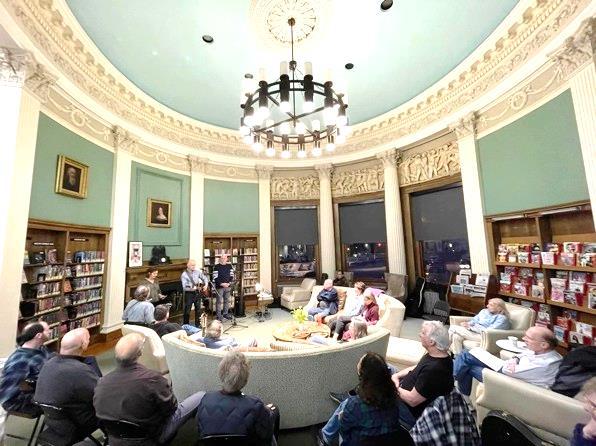
The idea of the library as a “hub” came up as A recurring theme. It is very important to consider how the Library is reflecting the community in terms of its diversity and changing demographics. This is a very important part of how the Library could and should respond to serve everyone. The word “hub” is preferable to the word “center” as the Library provides access to and is a place where information, knowledge and ideas are shared, and not as a place that focuses on recreation and leisure pursuits, like a community center. Public libraries are valuable spaces as community hubs Libraries provide respectful, supportive and safe places where people can come together to participate in events and programs, express themselves creatively or simply just sit and 'be' with other people.
PUBLIC ENGAGEMENT SURVEY
Between May 13 to June 21, the Wayland Free Public Library conducted a survey to solicit information from the community. The survey collected input on topics such as satisfaction with current services and programs by the Library, accessibility of the current library space and building, and future priorities. To ensure extensive community engagement, the survey was distributed through both online and paper formats. A total 648 responses were submitted online, while an additional 6 responses were collected via paper surveys. The results provided significant insights into the demographic profiles of library users, confirming strong support for current offerings and clarifying their expectations for the future. To increase awareness and encourage participation, the Library promoted the survey through multiple ways, including on the Town's and the Library's websites and social media sites, as well as through the Library's eNewsletters.
Note: For a summary of the survey results (Exhibit B), as well as the results of the S.O.A.R. exercise Deb Hoadley conducted during the focus group sessions (Exhibit A), please visit our website at this link: https://waylandlibrary.org/wp-content/uploads/2024/12/exhibits-ab.pdf.
CHALLENGES
The challenge moving forward is to continue to maintain high-quality resources and services, while evolving and remaining relevant in order to serve the changing interests of the community. There are a few short- and long-term challenges that were identified through the strategic planning process. The limited physical space at the Library is an undercurrent to the challenges.
● Short-Term:
o Enhance Accessibility and Facility Design:
▪ Improve physical accessibility in and around the Library, such as modifying entrances, paths, and internal layouts to accommodate mobility aids like wheelchairs and strollers.
▪ Redesign internal spaces to create a more welcoming and functional environment for patrons of all ages, incorporating elements of modern and universal design that enhance the aesthetic appeal of the historic building.
o Strengthen Community Engagement and Communication:
▪ Partner with local businesses and organizations to launch a community “newspaper” to better inform residents about local businesses, library services, events, and community news.
▪ Implement an improved digital communication strategy, such as an interactive Library website and active social media presence to keep the community informed and engaged.
● Long-Term:
o Expand Cultural, Educational, and Technological Programs:
▪ Collaborate with schools and other organizations to support STEM, arts, and literacy.
▪ Design and implement after-school and weekend programs tailored to the needs of families and the community.
o Foster Inclusiveness and Diversity for All:
▪ Develop and implement workshops and events focused on cultural understanding and addressing racial and other biases, creating a community where everyone is respected and belongs.
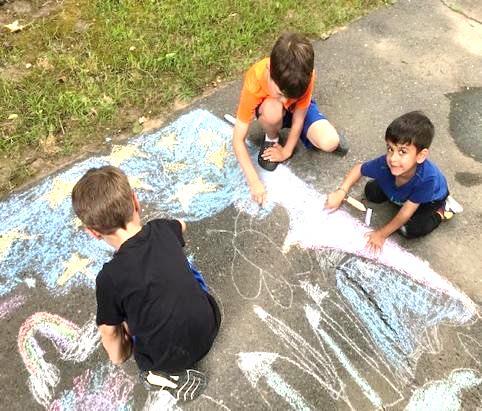
▪ Organize community forums and discussion groups that facilitate (sometimes challenging) conversations on social and civic issues in a safe, respectful environment.
NEXT STEPS AND RECOMMENDATIONS
Through the process described in this report, the Wayland Free Public Library has developed and adopted a 5-Year Strategic Plan that includes 4 strategic priorities and 19 supporting goals. To successfully achieve the priorities and goals over the course of the plan, the next step is for the Library to identify annual action items. These action items should outline specific steps and activities to support the successful implementation of the plan. Looking at the plan a year at a time will help the Library identify areas of concentration, monitor progress, make adjustments from the year, and manage resources effectively.
Recommendations:
1. Formation of a Staff Committee – This should include members of staff who have the necessary knowledge and experience to think strategically about library goals and objectives.
2. Draft annual Action Plan – The Staff Committee will assess each strategic priority and goals to develop yearly action items that will support the successful outcomes of the 5-Year Strategic Plan. This will require members of the Staff Committee to take into consideration items such as available resources and support, budget, current demands and challenges, appropriate timeline, and past programs or work endeavors.
3. Present Annual Action Plan to the Board of Library Trustees – The Library Director will present the annual Action Plan to the Board of Library Trustees for review and feedback. Elements of this plan may include action items, resources, timeline, budget, and performance measures.
4. Library Director to provide periodic status updates to the Library Staff – The Library Director will be responsible for working with the Staff Committee and members of the Library Staff to review next steps and outcomes associated with the overall strategic plan and develop action items each year for the annual Action Plan. The MBLC has provided a template for libraries to use for guiding this process.
5. Repeat the process on an annual basis – A review of the previous year’s Action Plan will be completed to determine what has been done and additional work that needs to be completed.
IMPLEMENTATION
The implementation of the plan will be determined by the Library Director and key Library Staff in consultation with the Board of Library Trustees. Each year, on December 1st, an Action Plan must be submitted to the MBLC. This allows the Library to apply for program related grants funded by the MBLC and the Institute of Museum and Library Services (IMLS).
Notes
1 Past reports leading up to 2018 ATM Article 17 vote to fund a new Library building: 2001-02 Library Planning Committee report, extensive surveys and focus groups, to assess the community’s vision for the future of the Library. Results prompted the next Study.
2003-05 Feasibility Study, by Lerner I Ladds + Bartel for 5 Concord Road; including 2003 Library Building Program; Dec. 2014, Library Building Program, by Tom Jewell, to determine spaces and uses needed for current and future growth;
2015 UMass Donahue Institute Household Survey, a needs assessment for Programming and Planning; 2015-16 Library Planning Committee report and recommendation;
Nov. 2015 Special Town Meeting voted funds for a Planning and Design Study: 2016- 2017 Planning & Design Study by Tappe Architects of Boston. January 2017 Library building grant application submitted to the Massachusetts Board of Library Commissioners;
July 2017 MBLC awarded a provisional construction grant to the Town of Wayland for $10,137,980; Trustees pledged $750,000 from the Millennium Fund to the project.
FY2026-FY2030
MISSION (Our purpose and why we exist):
The Wayland Free Public Library is dedicated to meeting the diverse needs of the community, blending traditional and innovative library resources, services, and programming.
VISION (Aspirations we have for our Library):
The Wayland Free Public Library envisions being a welcoming, accessible, and functional space, serving as a trusted community hub where all ages are supported and encouraged to explore, learn, and connect.
VALUES (What we believe in):
EQUITY, DIVERSITY, INTELLECTUAL FREEDOM ACCESS INCLUSIVENESS AND BELONGING
CIVIC ENGAGEMENT SUSTAINABILITY
Enhance Accessibility, Facility Design, and Sustainable Practices
STRATEGIC PRIORITIES and GOALS
1. Improve physical accessibility in and around the Library, such as modifying entrances, paths, and internal layouts to accommodate wheelchairs and strollers, as well as those with other mobility challenges.
2. Redesign internal spaces to create a more welcoming and functional environment for patrons of all ages, incorporating elements of modern and universal design that enhance the aesthetic appeal of the historic building.
3. Upgrade technological infrastructure, both physically and virtually, to support a higher level of service, ensuring both hardware and software meet the evolving expectations of the community.
4. Develop and implement a comprehensive sustainability program that incorporates eco-friendly practices in daily operations.
5. Develop and sustain a supportive work environment that prioritizes the well-being, professional growth, and long-term retention of Library staff.
Foster Inclusivity and Diversity for All
Expand Cultural, Educational, and Technology Programs
1. Develop and implement workshops and events focused on cultural understanding and addressing racial and other biases, creating a community where everyone is respected and belongs.
2. Organize community forums and discussion groups that facilitate (sometimes challenging) conversations on social and civic issues, encouraging engagement in a safe, respectful environment.
3. Create special collections and displays that reflect the diversity of the community, including materials in multiple languages and formats to engage with various needs.
4. Increase staff professional development opportunities with a focus on equity, diversity, and inclusion (EDI) training, and a sense of belonging for all.
1. Collaborate with schools and other organizations to support STEM, arts, and literacy.
2. Promote local talent by showcasing authors, artists, and musicians, and continue to offer virtual programs to reach a wider audience.
3. Design and implement after-school and weekend programs tailored to the needs of families.
4. Offer programs and workshops related to emerging and innovative technology.
5. Increase staff capacity by enhancing job descriptions and/or work allocation to effectively manage and deliver diverse programming.
Strengthen Community Engagement, Communication, and Outreach
STRATEGIC PRIORITIES and GOALS
1. Partner with local businesses and organizations to launch a community “newspaper” to better inform residents about businesses, organizations, library services, events, and community news.
2. Host or participate in community-building events bringing people from different backgrounds together, such as multicultural festivals, local history days, volunteer opportunities and author talks focusing on diverse themes.
3. Create partnerships with town departments to develop a series of workshops and seminars about community services.
4. Implement an improved digital communication strategy, such as an interactive Library website and active social media presence, to keep the community informed and engaged.
5. Expand staff outreach promoting the Library and learning about the needs of the community.