Tailoring product choices to match crop challenges.
T3 CEREAL FOCUS | JUNE 2026
Recent rainfall and warmer temperatures have increased late-season disease pressure in many cereal crops. Brown rust, Fusarium and late Septoria infections remain the three key concerns at T3 heading into flowering and grain fill.
Identifying which disease risks are most relevant to your crop is essential for cost-effective disease management and extending green leaf retention, vital for maximising yield potential.
T3 can be managed cost-effectively in many situations via careful product choice.
T3 INSIGHTS
Key considerations for T3 timing.
Foliar disease pressure can build quickly at this time of year and is closely influenced by weather patterns, making timely T3 decisions an important opportunity to reinforce earlier disease control and maintain crop performance.
Under conducive conditions, disease inoculum within crops can move up to the upper leaves and ears before grain fill, so a well-planned T3 spray can play a valuable role in supporting earlier fungicide programmes and helping to preserve green leaf retention.
T3 disease control applications are typically built around triazole actives, with the option of adding a strobilurin where extra green leaf retention is a priority.
Tebuconazole, prothioconazole and metconazole remain key product choices, and cost-effective options for protecting against ear diseases, especially when used in co-formulation, and will often provide a strong foundation for disease control in low to moderate risk seasons.
In moderate or higher risk seasons, these same actives can also be effective partners alongside an SDHI or other newer chemistry, helping to broaden late-season foliar disease control against rusts and septoria.
T3 MAIN PRIORITIES
• Protect grain quality from Fusarium
• Keep on top of Rust infections
• Top-up foliar disease control
• Extend green leaf retention
• Final opportunity to protect crop yield before harvest
info@claytonpp.com claytonpp.com
T3 DISEASE FOCUS
DISEASE FOCUS
YELLOW & BROWN RUST
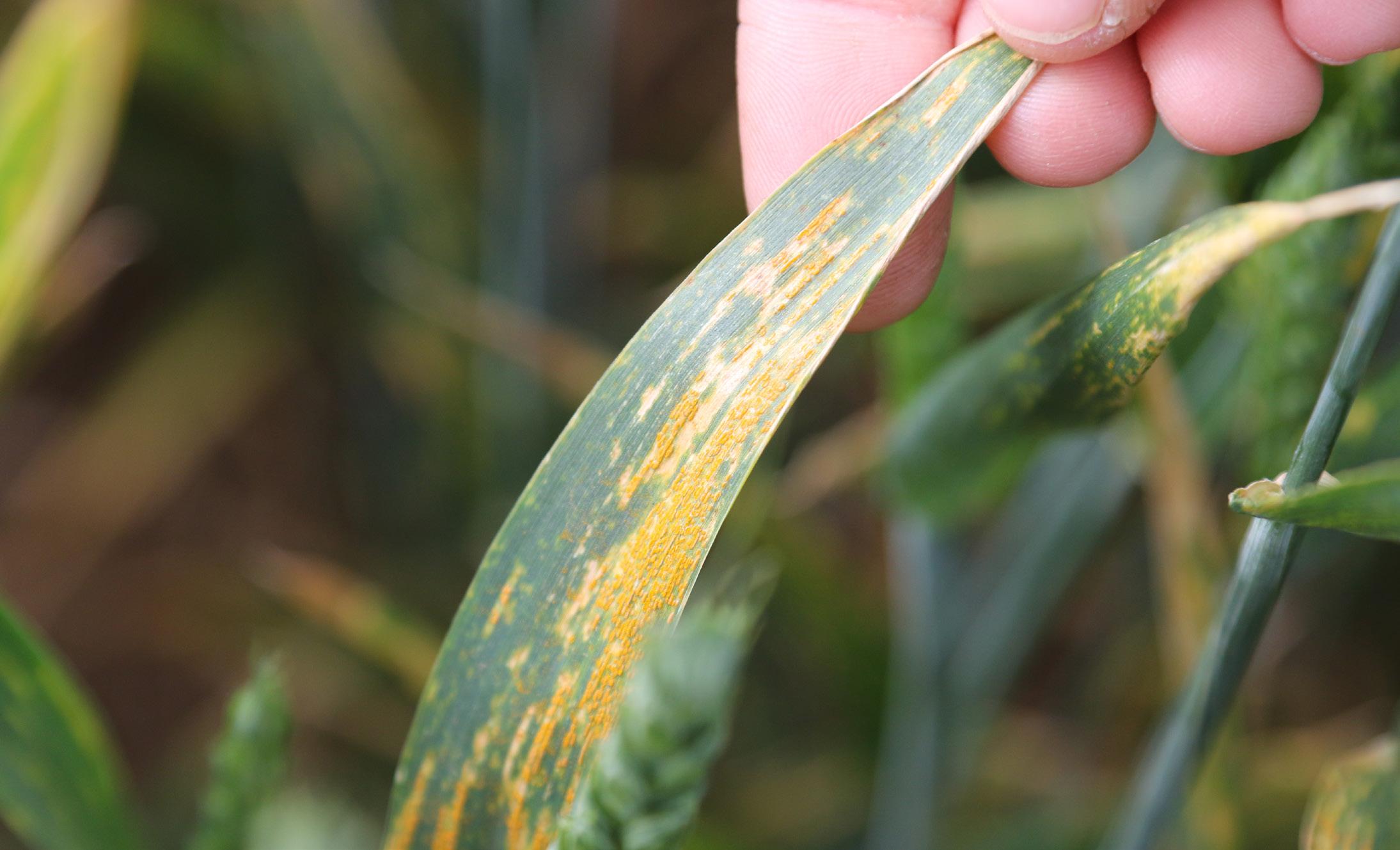
Brown rust is typically associated with warm conditions at this time of year.
Current weather conditions are now conducive for disease development and spread.
Good management of brown rust can be achieved cost-effectively with the use of tebuconazole.
Apply 250 g/ha tebuconazole (e.g. 1.0 L Clayton Tebucon™ 250EW) and check if you are growing varieties on the RL with low disease ratings.
With Yellow rust pressure building now in a number of areas plus the widely reported breakdown of the Yr15 resistance gene, T3 is the final opportunity to top up yield protection.
DISEASE FOCUS
FUSARIUM
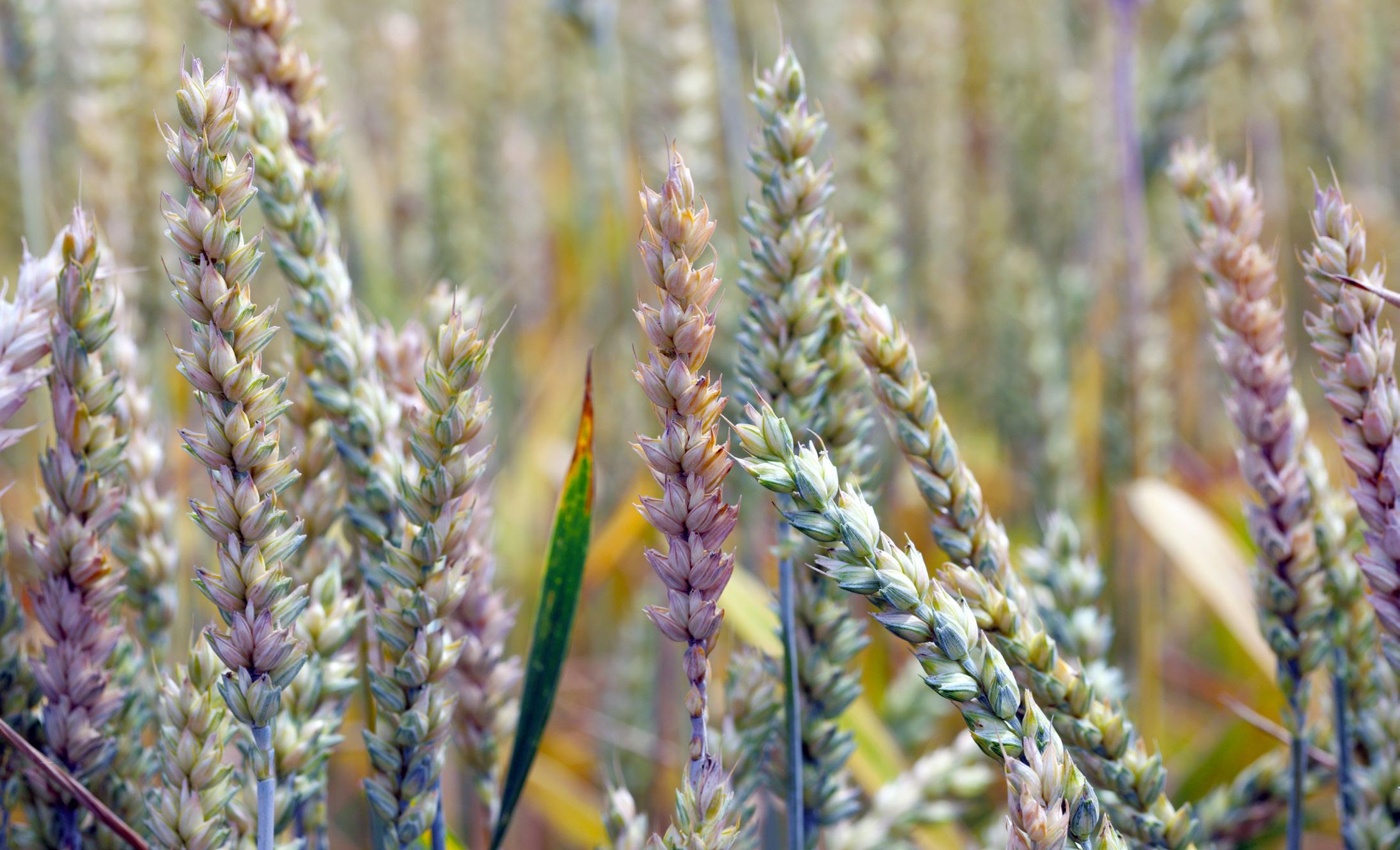
Careful choice of products at T3 will help growers protect grain quality from fusarium.
The disease is closely associated with key risk factors, with rainfall at flowering significantly increasing infection risk and previous cropping also influencing pressure.
Fusarium head blight (FHB) can reduce yield and grain quality, while associated mycotoxins may affect marketability.
Product choice and timing are key to effective management of FHB.
Fungicides should be applied at midflowering, GS 61-65.
Clayton Navaro™ offers a strong T3 option at 1.0 L/ha, combining effective Fusarium control with added activity on microdochium to help protect grain quality and marketability.
Image courtesy of AHDB
T3 DISEASE FOCUS
DISEASE FOCUS
SEPTORIA
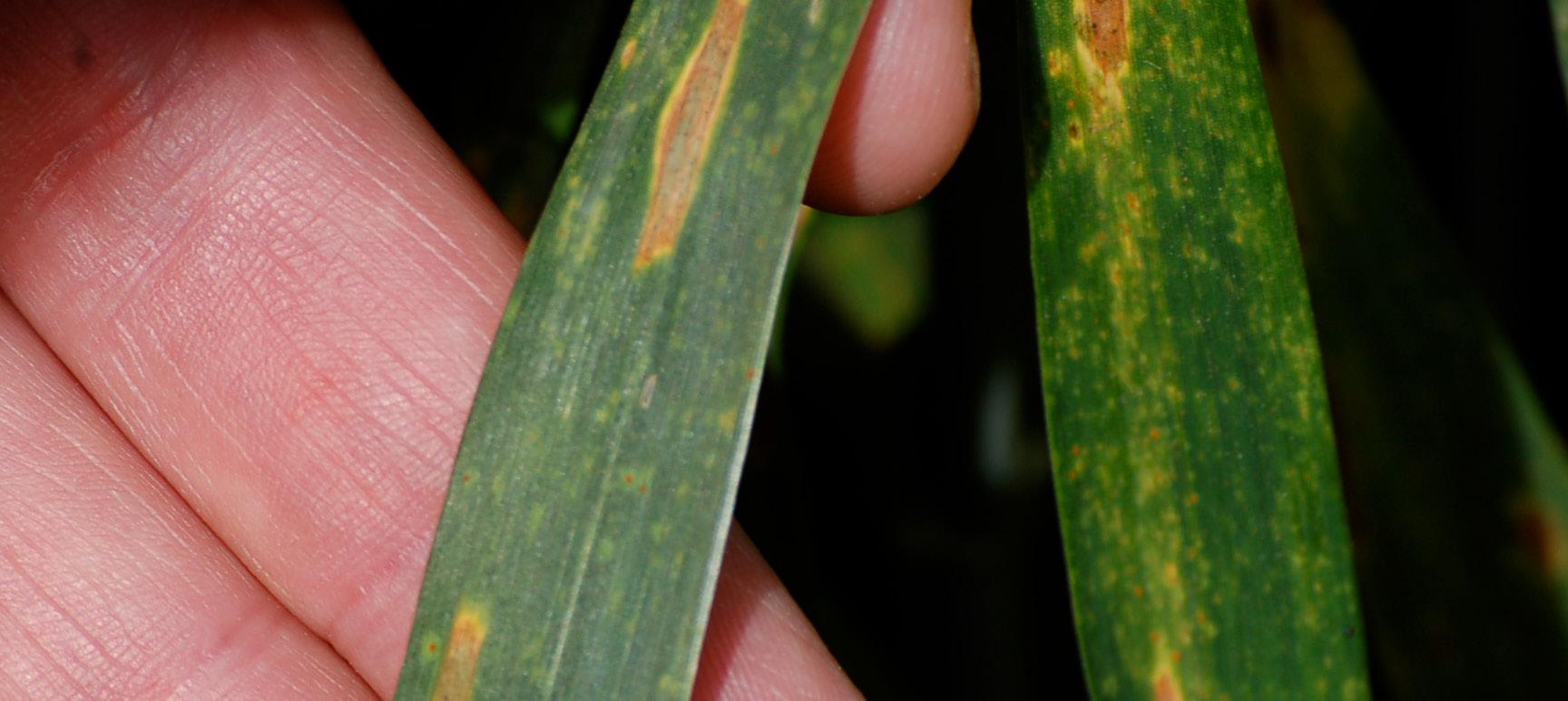
T3 timing provides a final opportunity to top up protection against septoria tritici.
Prothioconazole remains a useful and cost-effective option at this timing, while the addition of a multisite such as Clayton Canyon™ can strengthen control and support anti-resistance management.
TOP TIPS
Although many T3 sprays are applied at mid-flowering (GS63–65), an earlier application at GS59 may also be considered where the interval since T2 has been extended and rain is forecast.
In these situations, adding a multisite partner such as folpet (Clayton Canyon SC) can help support Septoria management and resistance management alongside a triazole.
Where maintaining green leaf area is a priority, azoxystrobin (Clayton Augusta) can also be included as a useful option.
For further information, please refer to the product label at claytonpp.com and for information on compatibility tank mixes, please contact us at info@claytonpp.com
Jessie Boden Business Development Manager
Will
Ridgwell Commercial Manager
Jessie@claytonpp.com
Will@claytonpp.com
Image courtesy of AHDB
KEY T3 PRODUCT OPTIONS
CLAYTON TEBUCON 250EW
250 g/L tebuconazole
CLAYTON TEBBIT
250 g/L tebuconazole
CLAYTON CANYON
500 g/L folpet
CLAYTON NAVARO
125 g/L prothioconazole + 125 g/L tebuconazole
CLAYTON PONTOON
125 g/L prothioconazole + 125 g/L tebuconazole
CLAYTON LIBRA
62.5 g/L fluxapyroxad + 45 g/L metconazole
CLAYTON QUINTUS
62.5 g/L fluxapyroxad + 45 g/L metconazole
Consider Clayton Augusta (250g azoxystrobin) for added disease control and green leaf retention at T3.