

Health
A Cleveland Jewish News Advertising Special Section
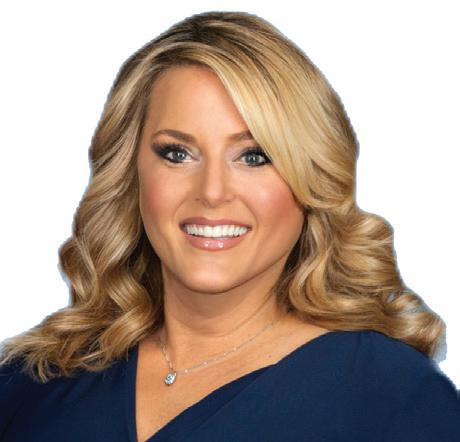
Dear Monica,
Understand wording on health care bills
MONICA ROBINS monicarobins@wkyc.com | @monicarobins
Cleveland Clinic is charging a $150 short visit charge each time you go. Medicare and secondary insurance pay only $46, now leaving $520 for us to pay, which is a lot. My wife is on her third visit, with two more scheduled next week. The charges add up fast, and I’m sure we’re not alone wondering what this fee is for.
Dan,
I wrote about this three years ago, but it’s certainly time for an update and I’m sorry you’re going through this, but there are some things you and others should know.
Facility fees have been around for a few years, but they are easier to spot now because hospitals must itemize bills and post pricing information more clearly. ey still make many of us see red.
e fee is typically charged at hospital-owned facilities. It helps hospitals cover resources such as hospital-employed sta , space, equipment and overhead. It is separate from your doctor’s professional fee.
Here’s where it gets confusing: not all patients are charged this fee, and there is no single standard amount. It often depends on what was done during the visit, where the care was provided and how your insurance plan processes the claim.
You are more likely to see this charge after using an outpatient clinic, urgent care setting or other hospital-owned facility, but it can also appear during an in-hospital stay in di erent forms. e exact wording on the bill may vary, and it may be listed as a facility fee, treatment room charge, short visit charge or another similar label. In other words, what some patients call a “room fee” is often really an outpatient facility fee, not a hospital room charge for an overnight stay. You can try to challenge the charge by rst calling your insurance provider. However, it may be part of your insurance contract that you are responsible for the facility fee. If not, ask the insurer to review it or protest on your behalf. In many cases, insurance does cover facility fees, but patients are still often responsible for signi cant portion because of deductibles, co-insurance or out-of-pocket limits. ese issues are usually settled on a case-by-case basis. You might also reach out to the doctor or health care provider you visited for a better explanation and ask whether the charge can be waived or corrected. In some cases,
DISCLAIMER

Market-place or an individual health insurance plan you buy directly from an insurance company, these rules will:
• Ban surprise bills for emergency services, even if you get them out of network and without prior approval.
-Dan
they may be able to resubmit the claim to your insurance company. Again, this is usually handled case by case.
Some things changed in the last decade. e Bipartisan Budget Act of 2015 limits certain o -campus hospital outpatient department charges for Medicare patients, especially for clinics that were acquired after the law took e ect. However, this rule is narrow. It does not broadly eliminate facility fees, and it does not apply the same way to all privately insured patients. Many existing hospital-owned clinics are still allowed to charge these fees.
Bottom line: read the ne print in your insurance policy. Before your appointment, look over the health system’s price list so you have an idea of what you may be paying for. Under federal price transparency rules, hospitals are required to provide clearer pricing information, and patients can also ask for an estimate before a procedure. If you are uninsured or paying out of pocket, you can request a good faith estimate in advance.
Also know your rights.
In January 2022, Ohio passed the Surprise Medical Bill law. It protects patients from receiving and paying surprise medical bills above the patient’s in-network rate from health care providers for emergency care or, in certain circumstances, unanticipated out-of-network care such as care at an in-network health care facility from an out-ofnetwork provider, including lab and pathology services.
Cost-sharing amounts, which include coinsurance, copayments and deductibles, are limited to the patient’s lower in-network amounts.
e Ohio Department of Insurance is responsible for administering and enforcing many of the law’s provisions and addressing complaints from consumers who receive surprise medical bills. It is also where you can le a complaint.
is is like the federal No Surprises Act. According to the Centers for Medicare & Medicaid Services, if you get health coverage through your employer, the Health Insurance
The Cleveland Jewish News does not make endorsements of political candidates and/or political or other ballot issues on any level. Letters, commentaries, opinions, advertisements and online posts appearing in the Cleveland Jewish News, on cjn.org or our social media pages reflect the views and thoughts of the writer and do not necessarily reflect the opinions of the Cleveland Jewish Publication Company, its board, officers or staff or any other organization unless explicitly stated.

To submit your question and read more from Monica Robins, visit cjn.org/AskMonicaRobins
• Ban out-of-network cost-sharing, like coinsurance or co-payments, for emergency services and some nonemergency services. You cannot be charged more than in-network cost-sharing for these services, and any cost-sharing you pay counts to-ward your deductible and maximum out-of-pocket limits for the policy year.
• Ban out-of-network charges and balance bills for supplemental care, like anesthesiology or radiology, by out-of-network providers who work at certain in-network facilities, such as a hospital or ambulatory surgical center.
• Require health care providers and facilities to give you an easy-to-understand notice explaining that out-of-network care could be more expensive and outline your options to avoid balance bills. You are not required to sign this notice or choose out-of-network care.
ere are exceptions. ese protections do not apply to vision-only or dental-only plans unless your health insurance also covers those services.
ese rules do not apply to ground ambulance services.
And if you have coverage through Medicare, Medicaid, Indian Health Service, Veterans A airs Health Care or TRICARE, these rules do not apply.
Arm yourself with information before your next visit. Ask your doctor or health care provider for an estimate and look at the facility’s price list so you can get a better idea of what you may owe.
Many factors can a ect your nal out-of-pocket cost, including your insurance coverage, deductible, coinsurance, copayments and the details of your treatment, such as the length of time in surgery or recovery, supplies and medicines, tests or any unexpected complications.
One important note: if you see a charge labeled “short visit charge,” “treatment room charge” or something similar after a clinic appointment, that is usually an outpatient facility fee rather than a charge for a hospital room. It can still be frustratingly high, but the label can help you identify what kind of billing you are dealing with.
Know your rights, ask for an itemized explanation and challenge anything that does not make sense.
Watch Monica Robins nightly on 3News
Monica Robins is the Senior Health Correspondent at 3News. The information provided in this column is for educational and informational purposes only. Always seek the advice of your physician or other qualified health care provider with any questions you may have regarding a medical condition or treatment and before undertaking a new health care regimen. Never disregard professional medical advice or delay in seeking it because of something you have read in this column or on our website.
Jewish values drive Stow woman’s work at Lifebanc
CASEY COUCH ccouch@cjn.org
Amother of three lost her children in a house re. Standing over her 14-month-old with desperate eyes, as the ventilator whirred, she prayed for a miracle.
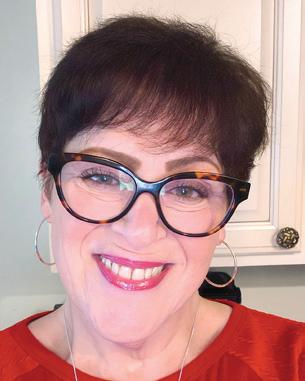
“As she was looking at her daughter, it occurred to her that somewhere else, there was a mother, standing over a bed, over her child, praying for a miracle,” Elissa Berman told the Cleveland Jewish News. “It occurred to this donor that the miracle she was praying for was answered. e answer was yes – it just wasn’t yes for her. It was yes for another mother, and at that moment, she decided she needed to say yes to donation.”
Lifebanc, an organ donation center in Warrensville Heights, has been saving lives through organ, eye and tissue donation for over 40 years, and for Berman, a Stow resident who has been a part of the organization for 17 years, her work as director of bereavement is personal.
Born and raised in Los Angeles, Berman earned a bachelor’s degree in Jewish philosophy and a master’s degree in Jewish education from the University of Judaism, now American Jewish University in L.A.
With a background in Jewish education working as principal at Solomon Schechter Day School in Richmond, Va., in the 1990s, and then at the Jewish Education Center of Cleveland in Cleveland Heights in 1997 until beginning her role at Lifebanc,
Exceptional Memory Support
A Heartfelt Philosophy of Care
Berman said Jewish values have both informed her work, as well as guided her to pursue a career rooted in service.
“It was Sept. 11, 2001, when I saw the towers go down that I realized I needed to pursue what I had really been called to do, which was to work with those who were grieving,” Berman said. “I lost my mom when I was 16 years old – she was 41 – and I felt very strongly that I needed to make meaning from that experience, but was not really sure how.
“When I saw the towers go down, I thought about all those people who believed that they had time. ey believed that they were going to go to work and return home, and so I really kind of questioned what I was waiting for.”
After pursuing and earning a master’s in clinical counseling from John Carroll University in University Heights, Berman joined Lifebanc in 2009, where she has been ever since. Today, she serves as the manager of bereavement services where she manages a team of four.
“My role is really centered around creating and implementing the services that allow my team and I to companion families during one of the hardest moments of their lives and help them navigate grief, while also helping them honor the legacy of their loved one through donation,” Berman said.
In 2025, 544 lives were saved in Northeast Ohio through organ donation, as well as 607 eye and cornea donations that restored sight and 900 tissue grafts that helped restore mobility, according to Lifebanc’s website.
For Berman, the day-to-day work includes meeting with donor families, facilitating support groups, community education and helping families share their stories, as well as strategic planning. But sometimes, she said, the most meaningful
Rose Senior Living Beachwood is the only senior living community in the area to feature the renowned Heartfelt Connections—A Memory Care Program®, a nationally recognized model for Alzheimer’s and dementia care. This innovative program uses insights from residents’ personal lives to create individualized care plans that promote physical and emotional well-being and a deep sense of purpose and satisfaction.
Ask about our beautiful studio and one-bedroom memory care residences.

work comes in the quiet moments.
“ e most important thing that we do with our families is actually sit in silence and be present to hold and create what I call a ‘sacred space’ for them to share their lived experience, their pain and their grief,” Berman said. “ ere aren’t a lot of people who can sit in the presence of someone else’s pain and hold it with them, so when I do training, I always remind people that in the silence, there’s tremendous power. For me, I always say a prayer before I walk into a space because I don’t know what’s going to be brought to me.”
To Berman, the true heroes are not just the donors, but the donor’s families, who she said make some of the most “extraordinary acts of compassion” – a palpable act of tikkun olam, she said.
“One of the things that people may not realize about this work is that donor families are incredibly generous in the middle of truly unimaginable grief and trauma,” she said. “ ey either make the decision or honor the decision of their loved ones to become donors, and it’s a decision that saves the lives of people they most likely will never meet.”
Calling organ donation “one of the most profound forms of giving,” Berman said that it is the best example of the shared humanity that humans have. She added, “Donation is a phenomenal example of how giving is not always money.”
According to Berman, the Jewish faith recognizes and supports organ, eye and tissue donation.
To learn more about Lifebanc’s services or becoming a donor, visit lifebanc.org.


learn more, scan the QR code, visit beachwood.roseseniorliving.com, or call 216-616-7823.

Berman



TPediatrician recommends ‘layers’ of protection to keep children safe in the sun, around water
DR. YONIT ESTRIN columnists@cjn.org
he sun is finally out, and in Ohio, that means children can spend hours playing and exploring outdoors. Every summer, pediatricians face many of the same questions about sun protection and water safety from parents. Here’s an overview of our best advice:
SUNSCREEN, HATS, SHADE ALL HELP IN PROTECTING KIDS’ SKIN FROM SUNBURNS
Avoiding burns is the best way to prevent skin cancer and keep skin looking healthy and wrinkle free as we age. For babies under 6 months, we recommend avoiding direct sunlight to prevent both burns and heat stroke. Use wide brimmed hats and light clothing that covers the arms and legs, and try your best to stay in shaded areas. If avoiding the sun is not possible, I do recommend doing a small patch test on the foot with sunscreen and apply only to sun exposed areas. e sun’s rays are strongest between 10 a.m. and 4 p.m. so avoid direct sunlight during these times.
For babies and children over 6 months, apply sunscreen regularly to sun-exposed areas 30 minutes before going outdoors and reapply every two hours. No sunscreen is 100% sweat or waterproof and should be
reapplied after exiting the water.
Use a sunscreen that is labeled “broad spectrum” to block both UVA and UVB rays with an SPF of at least 30 and higher. Mineral sunscreens with ingredients such as zinc oxide or titanium dioxide are e ective and are unlikely to cause irritation or rashes on sensitive baby skin. Avoid chemical-based products like oxybenzone. Lotions are generally better than spray sunscreens. If using a spray, apply on the hands rst and then spread to avoid the chance of children breathing in mist. Spray-on sunscreens can contain propellant chemicals that are not recommended for babies. Remember that any type of sunscreen is better than none!
SWIM LESSONS, FENCES,
SUPERVISION ALL IMPORTANT IN PROTECTING KIDS FROM DROWNING
Swimming is an excellent form of exercise and a wonderful summer activity,
but care must be taken around water at all times. Drowning is a leading cause of death in children under 14 with home swimming pools being the most common location for drowning in children under 5. Drowning can occur in as little as an inch or two of water. Drowning is silent and it can be quick. When children are in the water, they must be supervised at all times.
Pediatricians emphasize “layers” of safety. Pools should be surrounded by fencing that is at least 4 feet high and climb proof. All children need close, attentive supervision with touch supervision required for infants and toddlers. Swim lessons are yet another layer of protection against drowning and can be started even in infants. In atable swimming aids are not a substitute for approved life jackets or appropriate supervision. e question of ‘dry drowning’ often comes up. Drowning is a respiratory impairment due to being submerged in water and occurs due to lack of oxygen. If someone was in water and had no breathing di culty, they did not drown. We no longer use terms like near drowning or dry
The science of stepping away: Why vacations make you better at your job
DR. SETH LEVINE
“I really need a vacation…”
“Can’t wait for the weekend…”
“I’ve got this Friday o …”
For all of us that work, I am sure the above lines would get us a lot of points for the most common o ce setting sayings should we be playing “Family Feud” right now. e question is, why do our brains seek time o even if we enjoy our work? e answer lies in the fact of how our mind works, and the transmitters within our brain that are released. As the adage goes, life requires a balance to be fully healthy and the same applies for time away from work. Of course, dopamine and serotonin (some of the feel good, positive reinforcement brain transmitters) are released when we accomplish a task at work, but it is also
important to change up the routine. Introducing a new setting to the mind, like traveling to Europe to walk the streets of Italy – peering across the promenade seeing new faces laughing and enjoying their rigatoni while sipping wine – or vacationing to the beach, stimulates our mind and senses in a di erent way. is can be cognitively bene cial. More serotonin and dopamine are released with these new experiences. In a way, our mind is like a computer, so this new surrounding is akin to the reset button. Additionally, cortisol stress hormones build up naturally with overworking. So, a vacation or even just a day o from work and using your time as you please – say, planting a new
rose bush in the garden – can be equally as e ective at reducing cortisol and stress levels as traveling a day across the world in a plane.
Monotony in general can cause our mind to get into a rut, leading to decreased cognitive performance, decreased focus, and less ability to be present in the moment. e time on a vacation or just away from your usual routine can be healthy in that new neural connections are formed in the brain, thus increasing your problem solving and creative abilities. is leads to increased mental clarity and fortitude when you do return to work and your routine.
So, don’t feel bad using those PTO days. Make them count. You’ve earned them, and your mind will grow and be clearer in the process.
drowning. Dry drowning is an outdated non-medical term used to describe a rare immediate breathing emergency where water inhalation causes vocal cords to spasm and close the airway preventing air from reaching the lungs.
If someone develops a new or worsening cough, chest pain, rapid breathing, extreme fatigue or change in behavior after an incident in the water they should be seen by a medical professional.
Dr. Yonit Estrin writes about pediatric medicine for the Cleveland Jewish News. She is a pediatrician at Akron Children’s Urgent Care Center in Beachwood.
DISCLAIMER
The Cleveland Jewish News does not make endorsements of political candidates and/or political or other ballot issues on any level. Letters, commentaries, opinions, advertisements and online posts appearing in the Cleveland Jewish News, on cjn.org or our social media pages reflect the views and thoughts of the writer and do not necessarily reflect the opinions of the Cleveland Jewish Publication Company, its board, officers or staff or any other organization unless explicitly stated.
Dr. Seth Levine writes about internal medicine for the Cleveland Jewish News. He is an internal medicine physician at the UH Internal Medicine Center in Independence.
DISCLAIMER
The Cleveland Jewish News does not make endorsements of political candidates and/or political or other ballot issues on any level. Letters, commentaries, opinions, advertisements and online posts appearing in the Cleveland Jewish News, on cjn.org or our social media pages reflect the views and thoughts of the writer and do not necessarily reflect the opinions of the Cleveland Jewish Publication Company, its board, officers or staff or any other organization unless explicitly stated.





The kindest minute of the day
DR. ROXANNE SUKOL
columnists@cjn.org
Ihave had a daily meditation practice for just over ten years now. I started with “one-minute meditation,” which I learned from a friend, and have taught to many people over the years. I like to think of it as a good place to start. One minute is not very much time, and, generally speaking, I have found that just about everyone is willing to dedicate a single minute to meditating. It’s really just a minute: you breathe in for five seconds, and then breathe out for five seconds. That’s your warm-up; now do it five more times. That’s one minute. You’re done.
When I rst started meditating, I did not really have a reason, or a purpose. I did it just to see what would happen. I did know that I liked listening to regular meditators talk about their experience. So, I thought I’d try it for myself. I didn’t know what to expect, maybe nothing at all. But one change stands out to me: After about six months, long before I could say I felt anything at all, before I had noticed any di erence whatsoever, friends and colleagues began to inquire whether I had started meditating. is was shocking to me. To this day, I do not know what they saw. Another time I can
talk more about those early years, but today I would like to talk speci cally about the words of a Zen Buddhist monk named ich Nhat Han (pronounced “teak not honn”) who passed away in 2022.
ich Nhat Hahn had a large and devoted following. He said that we must recognize our fears, and embrace them. Welcome them in, perhaps like a new friend, and get to know them. Learn about them, be curious, ask questions.
You may have heard the expression “ at
SUKOL | CONTINUED ON PAGE 40

TOO BUSY TO WORK OUT? WE BUILT THIS FOR YOU.
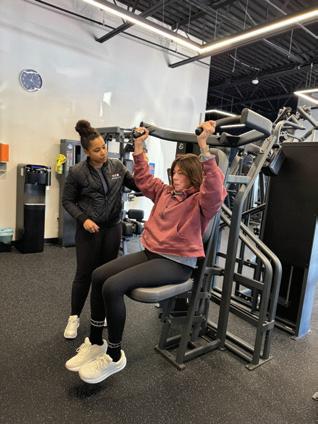
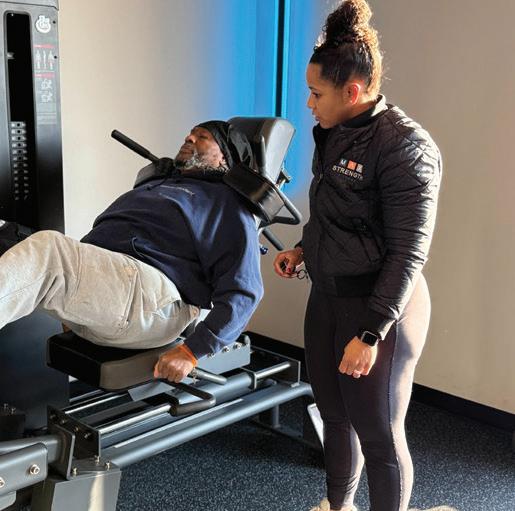
MAXSTRENGTH FITNESS: THE ANTI-GYM —NO MIRRORS, NO MUSIC, NO SWEAT.
1-on-1 guided strength training 20 minutes, twice a week
Expert trainers monitor every rep
Distraction-free, clinically controlled environment

The training is focused on my specific needs, the sessions are efficient, and the results are real. Kim Vaughn, Client










Get stronger, move better, and feel younger with efficient, effective, workouts trusted by hundreds of busy professionals.
SCAN THE QR CODE NOW
MaxStrength Fitness Solon, 33705 Station St, Solon, OH 44139 https://maxstrengthfitness.com/solon 440-692-2345



















BIG DREAMS NEED CONFIDENT SMILES


Here are 4 reasons why somany parents choose
Preventive, pediatricorthodonticswith focusintreatingairway problems.
Trusted by dentists, specialists, & their families since 1998.
BOOK YOUR FREEEVALUATION
Mayfield Heights-Twinsburg NEW LOCATION:Lakewood brace4success.com- (440)442-3525 -
Artistic approach to smile design that’s morethan just straightteeth.
Expertin accelerated treatment (see results inonly 6-8 months).
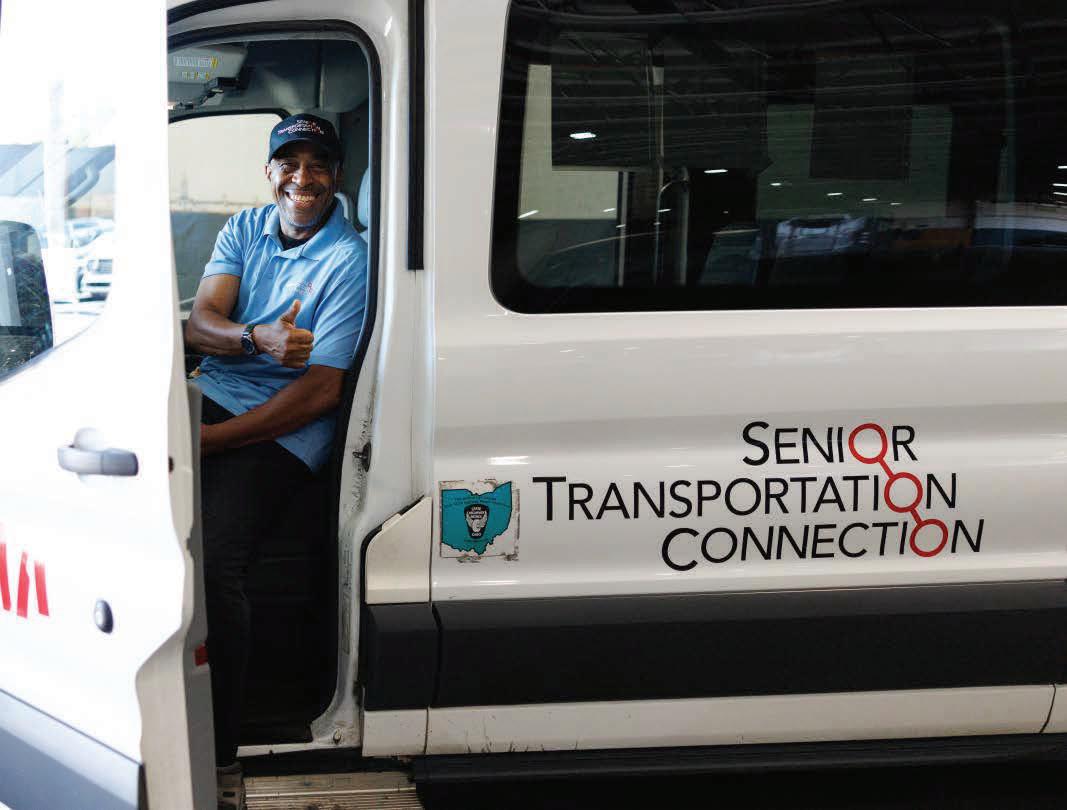
Looking for transportation on Friday evenings?
Shabbat Services? Dinner with friends?
STC is exploring a service that can help. Call Katie at 216-658-5984.
We want to hear from you.

MEDICARE MAVEN!







RGrowing together: The benefits of gardening as a family
DR. LAURA SHEFNER lshefner@metrohealth.org
ecently, my kids and I started a new project at home. Over Memorial Day weekend, we ran to the local garden store and came back with vegetable plants, strawberry plants and a mountain of soil. We spent the afternoon building a raised garden bed and planting all the produce the kids insisted we grow. Now, every day when we get home, the first thing my son wants to do is check the strawberry plants to see if anything is ready to pick – and I know he’ll be just as excited once the vegetables start to bloom.
Gardening is a great way for families to bond. It can also be helpful for the environment and, depending on the size of the garden, help you save money on produce. Many years ago, during World War I, there was a national movement for “victory gardens” – gardens to grow at home, to help counteract the decrease in food production from farm laborers leaving to go to war. While we don’t face the same challenges today, personal gardens can still help save money by producing a ordable fruits and vegetables. ey also bene t the environment by adding more greenery, which helps reduce carbon dioxide in the air.
Growing a garden as a family can also help improve your kids’ mental and physical health. Gardening is a great way for the family to spend time outside away from screens. Exposure to green space can help ease stress and anxiety and improve everyone’s moods. For young children, playing in the dirt is a fun, messy activity they naturally enjoy – and it brings the family together. Gardening also gets everyone moving. Even little kids can help with simple tasks like weeding and watering, making it a great way to build healthy habits while spending time outdoors.
Many kids go through a picky-eating phase. Gardening can help reintroduce foods they’ve previously refused. When children plant and care for their own fruits and vegetables, they get excited to see the results – and proud when it’s time to harvest. at sense of ownership often makes them more
willing to try what they’ve grown. A child who normally refuses peas, for example, may be eager to taste the ones they picked themselves.
Gardening with kids, especially little ones, can be challenging. I’ve lost count of how many times our newly planted owers have been trampled by well-meaning helpers. But the excitement my kids felt while scooping and patting down the soil made the occasional ower casualty worth it. e same goes for vegetables: rows may end up crooked, and some produce will inevitably be picked before it’s ripe. Still, the cost of a few lost plants is a small price to pay for the joy, learning and togetherness that come from gardening as a family.
Dr. Laura Shefner writes about pediatric care for the Cleveland Jewish News. She is a pediatrician at The MetroHealth System and practices in Beachwood and Parma.
DISCLAIMER
The Cleveland Jewish News does not make endorsements of political candidates and/or political or other ballot issues on any level. Letters, commentaries, opinions, advertisements and online posts appearing in the Cleveland Jewish News, on cjn.org or our social media pages reflect the views and thoughts of the writer and do not necessarily reflect the opinions of the Cleveland Jewish Publication Company, its board, officers or staff or any other organization unless explicitly stated.
SUKOL | CONTINUED FROM PAGE 39
which you resist persists.” e more you push something away, the more it frightens you, the more powerful it becomes. e more you investigate it, try to understand it, express curiosity about it, make it a part of you, the less painful or scary it becomes. When we are upset or frightened, ich Nhat Hanh counseled, we should embrace our fears tenderly, as if they were a small child, and look into them as deeply as we can.
He talked about using the energy of mindfulness to recognize our fears, su ering, anger, and despair. He wanted people to recognize and embrace their fears. He wrote about anxiety like the crying of a baby and guided his listeners to comfort their anxiety just as they would comfort an unhappy baby. In this way, he said, we may nd a way to relieve our fears.
What I like most about his timeless guidance is its way
of practicing kindness and self care. ere are many ways to be kind to ourselves, to engage in activities that take us to our happy place, to spend time with people who make our hearts full and to practice stillness, quiet and love. is is one of them.
Dr. Roxanne Sukol writes about adult health, preventative medicine and wellness for the Cleveland Jewish News. She is a retired internal medicine physician from Cleveland Clinic.
DISCLAIMER
The Cleveland Jewish News does not make endorsements of political candidates and/or political or other ballot issues on any level. Letters, commentaries, opinions, advertisements and online posts appearing in the Cleveland Jewish News, on cjn.org or our social media pages reflect the views and thoughts of the writer and do not necessarily reflect the opinions of the Cleveland Jewish Publication Company, its board, officers or staff or any other organization unless explicitly stated.



Alzheimer’s Awareness and Disability Services
Individuals can create fundraisers to benefit organization
NOELL WOLFGRAM EVANS
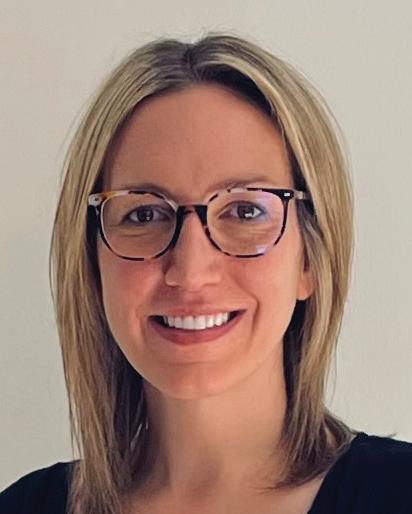
What can I do? It’s a familiar question to anyone who hears that a loved one, friend, co-worker or neighbor is diagnosed with a disease. When we get that news, it comes with an innate human desire to want to help, even if just in some small way. A recent program from the Alzheimer’s Association gives am answer to that question – do what you love.
Do What You Love To End ALZ is an entry way for people to build support and generate awareness for Alzheimer’s research and assistance.
When it comes to the broad umbrella of engagement with community-focused organizations, the barrier to entry is often a personal one. A person simply doesn’t know where to begin or doesn’t always feel comfortable going to an event and jumping into a role that they might not have done before. is program removes that perceived barrier to involvement by incorporating what you love to do. at could be baking, running, riding a bike, doing a craft or playing games. e idea is for you to take your passion and, through a few simple steps online, turn it into a fundraiser.
Seana Dailey, senior director, development of the Alzheimer’s Association, Cleveland area chapter, told the Cleveland Jewish News that involvement, regardless
of what the nal amount raised becomes, is what’s important.
“Every bit that people contribute helps us to move our mission forward,” she said.
While this o ers an opportunity for you to showcase your talents in pursuit of helping the community, doing it in conjunction with the larger Alzheimer’s organization can help you nd success faster.
Ashley Hendricks, the Do What You Love to End ALZ manager for the Cleveland area chapter of the Alzheimer’s Association, told the CJN, “You can certainly start an event on your own, but we always recommend talking to the local organization so we can coordinate any fundraising tips and starting a fundraising page towards your event or activity.”
Dailey said that they “love to learn what you are passionate about and to see how we can support you with materials or even with a speaker at your event if that makes sense.”
For years, the community participated in “ e Longest Day” in support of the work the association does, but last year they rebranded that e ort as Do What You Love to End ALZ.
“It (the community support) had become so much bigger than that event,” Dailey explained. “And we also wanted to showcase that every day is a perfect day for someone to care for a loved one with this disease.”
Hendricks said that the goal for this program is “to encourage those who want to start a DIY fundraising event for your community to raise awareness about Alzheimer’s and dementia.“
e Do What You Love To End ALZ
program isn’t only about putting your hobby and passions to work. ere are also opportunities to add more meaning to “ordinary” events. As graduation season moves into wedding season, there are options under the program to ask guests to forgo traditional gifts and pledge support to the Alzheimer’s Association.
Noell Wolfgram Evans is a freelance journalist.
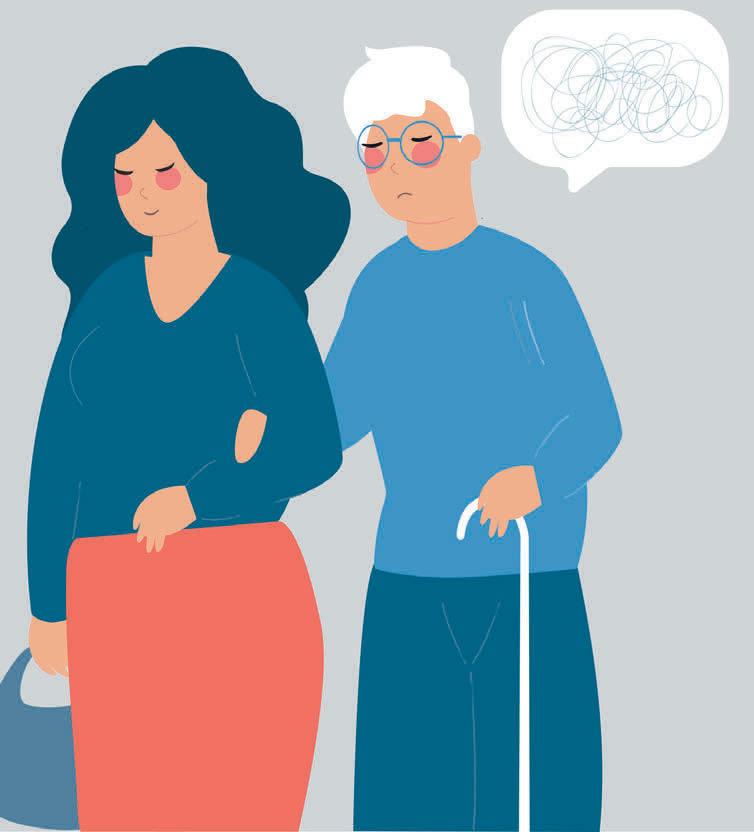
JFSA provides a variety of supports to individuals with Alzheimer’s and other dementias and their caregivers:
•Screening, coordinating care, education and support
•On-line workshops for caregivers and family members
•Support group and lectures

Dailey
NCJW/Cleveland program addresses Alzheimer’s disease
KATERYNA KOPYLCHAK vsintern@cjn.org
National Council of Jewish Women/ Cleveland explored advances in memory care, Alzheimer’s research and emerging treatments during its virtual “Your Memory Matters” program on April 21.
e event, part of the NCJW/CLE Women’s Health Series in partnership with LiveSpecial.com, o ered attendees an update on current research, FDA-approved treatments and opportunities to participate in clinical trials. e program aimed to provide a clearer understanding of memory disorders and ongoing developments in the eld.
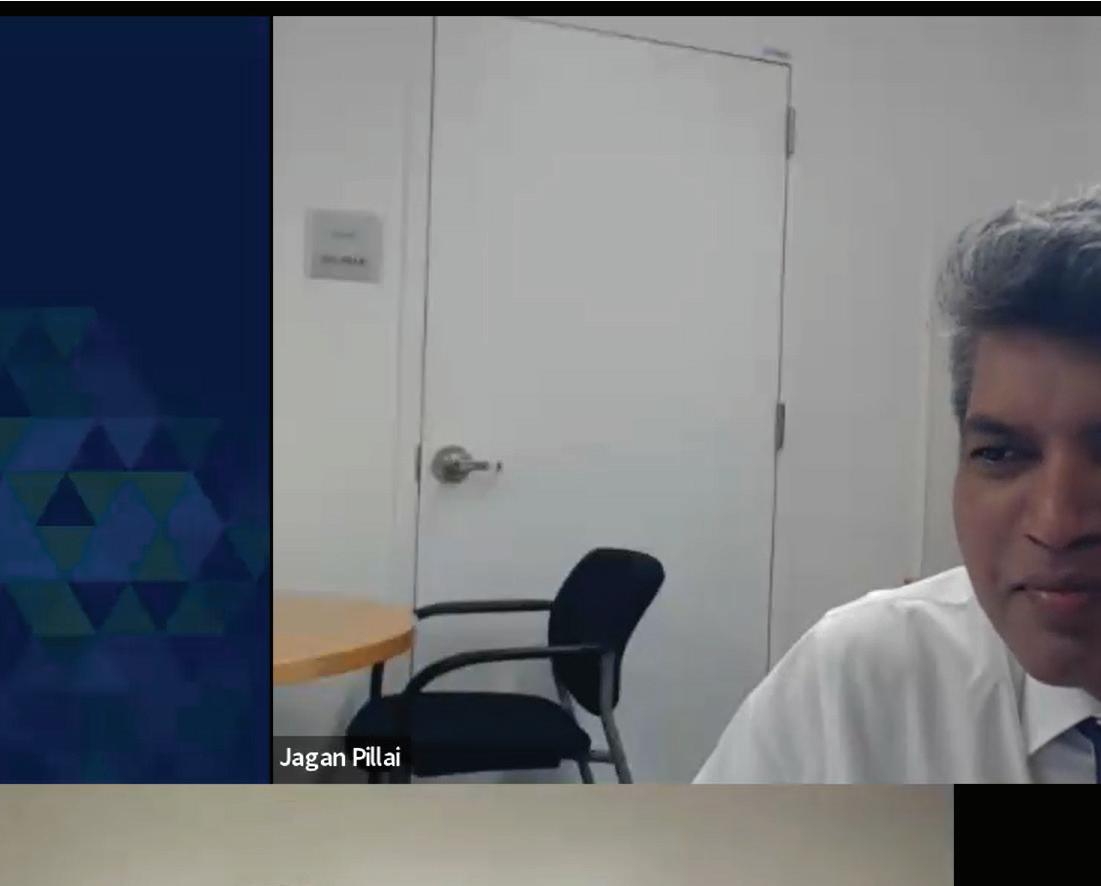
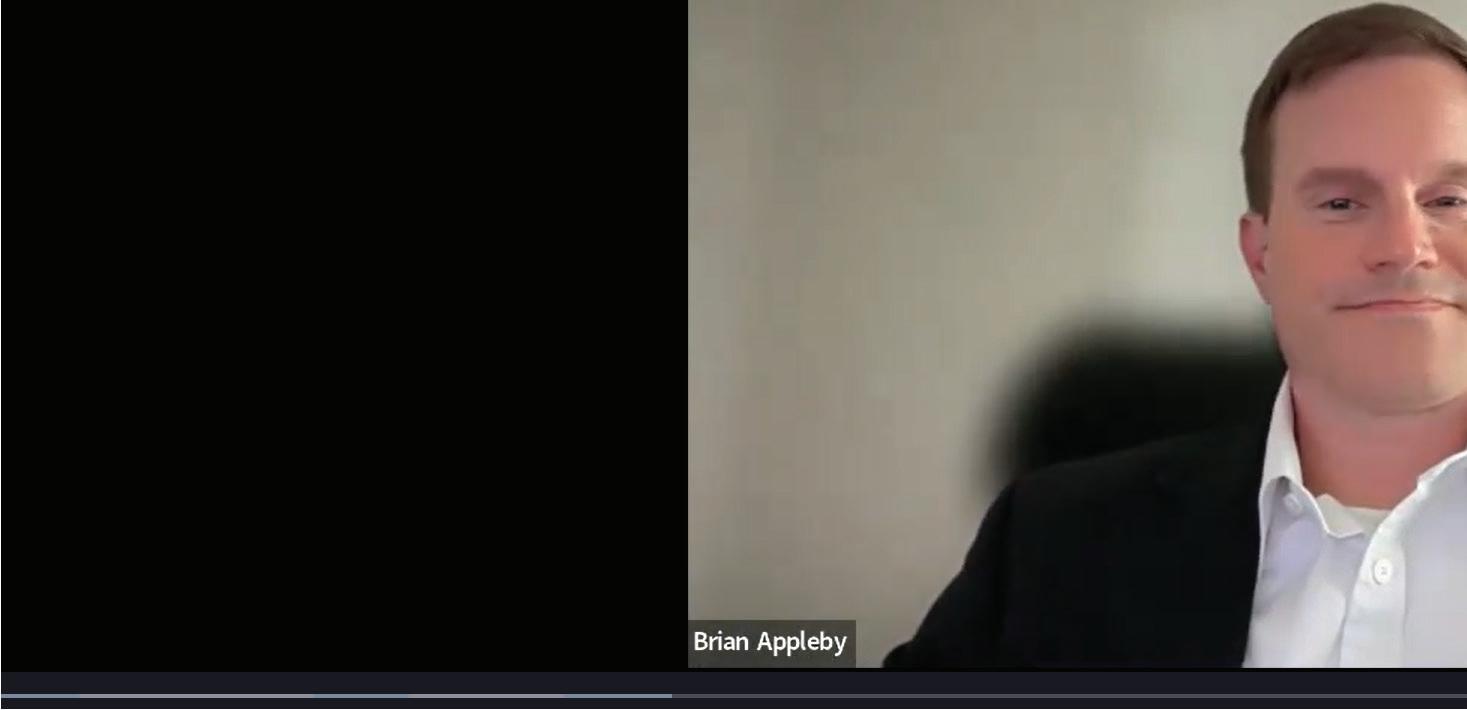
Speakers included Dr. Jagan Pillai, director of the Cleveland Alzheimer’s Disease Research Center and Center for Brain Health at Cleveland Clinic, and Dr. Brian Appleby, a neuropsychiatrist at University Hospitals Cleveland Medical Center and professor of neurology at Case Western Reserve University in Cleveland. roughout the discussion, the speakers addressed common concerns surrounding memory changes and emphasized the importance of understanding the di erence between normal aging and symptoms that may signal something more serious.
Pillai explained that while long-term memories often remain strong with age, changes in short-term and immediate memory can have di erent causes. Lifestyle factors such as sleep, mood and medications can a ect memory, while conditions like Alzheimer’s disease may have a larger impact.
“With normal aging, sometimes people do have some immediate memory problems because of lifestyle changes,” Pillai said. “If these are getting a ected a lot more than expected and it’s starting to impact your daily life, then that means it’s something that’s more than normal aging.”
Appleby also stressed the importance of early diagnosis, noting that memory loss can result from a variety of causes, including depression, vitamin de ciencies and thyroid

conditions. Some conditions can be treated if identi ed early.
“ ere’s a lot of di erent causes of memory loss,” Appleby said. “Some of them are more severe than others and some are more treatable than others.”
e discussion also highlighted new FDA-approved Alzheimer’s treatments.
Pillai said recent medications represent a major shift after years with few treatment developments available for patients.
Appleby said that while the medications are not cures, they represent an important advancement because they target the disease itself and may slow progression in patients diagnosed in earlier stages.
“It actually is the rst treatment that we
“There’s a lot of di erent causes of memory loss. Some of them are more severe than others and some are more treatable than others.”
Dr. Brian Appleby
have that a ects the disease process itself,” Appleby said. “So whereas it may sound a little bit clinically underwhelming to people, it’s actually a very big breakthrough scienti cally. And I think it’s really the rst step that we need to take to make larger strides.”
Researchers also discussed the work of the Cleveland Alzheimer’s Disease Research Center, one of 35 research centers across the country studying Alzheimer’s disease and cognitive disorders. Pillai said the center brings together major institutions across Northeast Ohio to expand research e orts and understanding of the disease.
“We are one of 35 centers across the nation and this ADRC, the Alzheimer’s Disease Research Center, is unique in that it’s a citywide e ort,” Pillai said.
e event also highlighted the U.S. POINTER Study, which examines how lifestyle habits such as exercise, diet, social engagement and mental activity may in uence brain health. Speakers said research increasingly supports the role of healthy habits in reducing risk and promoting brain health.
“One of the things I found interesting in
the POINTER Study is that we all have good intentions, but oftentimes we don’t follow through,” Pillai said. “What the POINTER Study showed is that if you have a structured regimen to make sure you’re following through on these instructions, you’re more likely to bene t.”
e speakers encouraged attendees not to ignore concerns about memory changes and emphasized that seeking evaluation early can make a di erence.
“I’d rather see people that are worried well than not have people come to see us with a concern,” Appleby said.
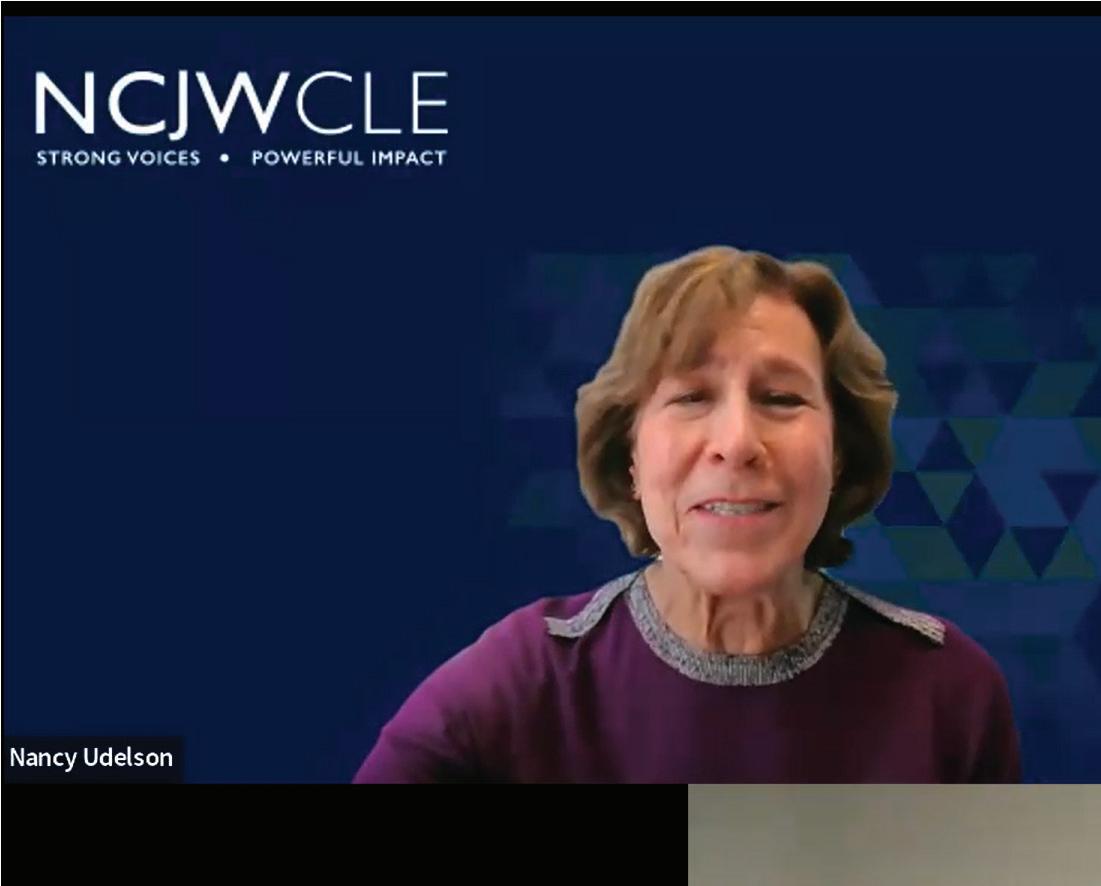
e discussion was moderated by Nancy Udelseon, who retired as president and CEO of the Cleveland area chapter of the Alzheimer’s Association in 2020.
Kateryna Kopylckak is the Violet Spevack Editorial Intern at the Cleveland Jewish News.
Publisher’s Note: Nancy Udelson is a member of the Cleveland Jewish Publication Company Board of Directors.
Nancy Udelson moderates a panel discussion with Dr. Jagan Pillai and Dr. Brian Appleby on Apil 21 as part of the NCJW/CLE Women’s Health Series.
| Screenshot
Minnie and Ramona - October 28, 2015

I am
My caregiver is so compassionate. She was so much help. She went above and beyond. Right at Home is a wonderful company and their employees are professionnal, hardworking and always looking to help where we need them. We would use them again and would recommend them to anyone.
Dr. A- October 31, 2015
I am a current client

Minnie and Ramona - October 28, 2015
Minnie and Ramona - October 28, 2015
I am a past client
I am a past client
What our clients are saying: C.P.
“Your company saved me so much worry!


We had a good fit with the caregiver. She was a perfect fit for us. Shelly understands what we need and picked up on where everything is in the kitchen quickly. Communication between us is excellent. She is a real winner. I feel she is someone to look forward seeing again.
My caregiver is so compassionate. She was so much help. She went above and beyond. Right at Home is a wonderful company and their employees are professionnal, hardworking and always looking to help where we need them. We would use them again and would recommend them to anyone.
Steve V. - September 30, 2015
My caregiver is so compassionate. She was so much help. She went above and beyond. Right at Home is a wonderful company and their employees are professionnal, hardworking and always looking to help where we need them. We would use them again and would recommend them to anyone.
Shayla worked so quickly and diligently to find what we needed at virtually no notice. I don’t know what I would do without you. You give mom so much happiness!
Power of attorney
100 accolades to you and your team
You made me completely comfortable, and my mother has a reliable team that she looks forward to every day!
Dr. A- October 31, 2015
Dr. A- October 31, 2015
I am a current client
I am a current client
Thank you, I truly believe you are meant for this calling, if you need to take some worry out of caring for a family member, trust Shalom and his wonderful team.
We had a good fit with the caregiver. She was a perfect fit for us. Shelly understands what we need and picked up on where everything is in the kitchen quickly. Communication between us is excellent. She is a real winner. I feel she is someone to look forward seeing again.
They were very caring and helpful. Prompt to reply and thorough in their approach. The caregivers were exceptional. Can't recommend highly enough.
Right at Home is made of caregivers who are meant for this!
We had a good fit with the caregiver. She was a perfect fit for us. Shelly understands what we need and picked up on where everything is in the kitchen quickly. Communication between us is excellent. She is a real winner. I feel she is someone to look forward seeing again.
Don’t ever stop. You’ve built a wonderful company, and I gladly praise your dedication. I recommend Right at Home and that will never change.
Steve V. - September 30, 2015
Steve V. - September 30, 2015
Thank you, Shalom. (And a special nod to Shayla, who got us the help we desperately needed with virtually no notice).”
Power of attorney
Power of attorney
They were very caring and helpful. Prompt to reply and thorough in their approach. The caregivers were
The Cleveland Senior Network is raising money for the Alzheimer’s Association. To support their mission, scan the QR code to donate.
They were very caring and helpful. Prompt to reply and thorough in their approach. The caregivers were exceptional. Can't recommend highly enough.


‘Don’t Forget To Laugh’ fundraiser raises money for Alzheimer’s Association
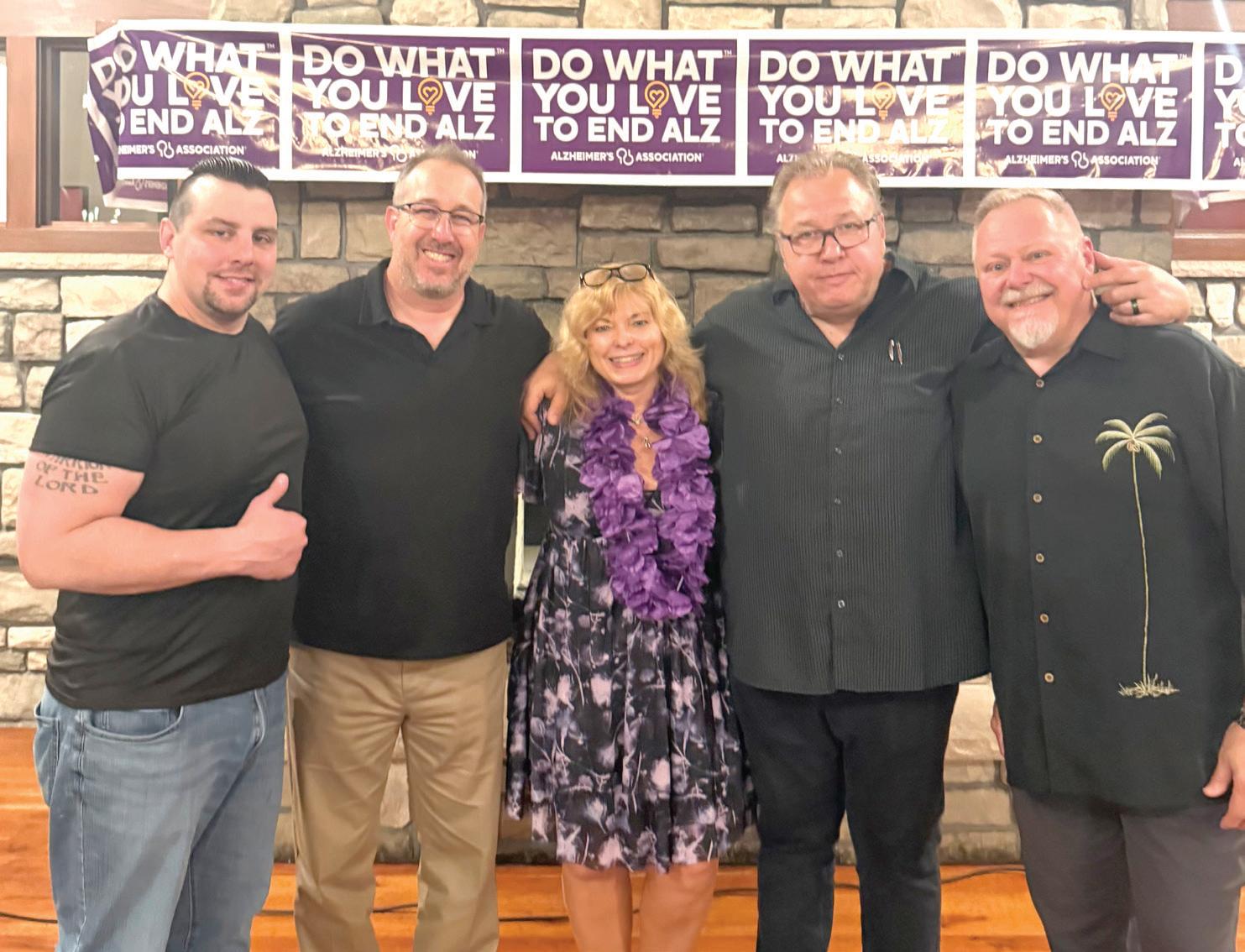
The Alzheimer’s Association hosted the “Don’t Forget to Laugh” Comedy Night on June 4 at StoneWater Golf Club in Highland Heights. The night included live comedy, a full-plated dinner, raffle baskets and a 50/50 raffle with funds raised going toward
the organization’s mission to elimante Alzheimer’s disease and other dementias. Cleveland Senior Network and the Alzheimer’s Association hosted the event.
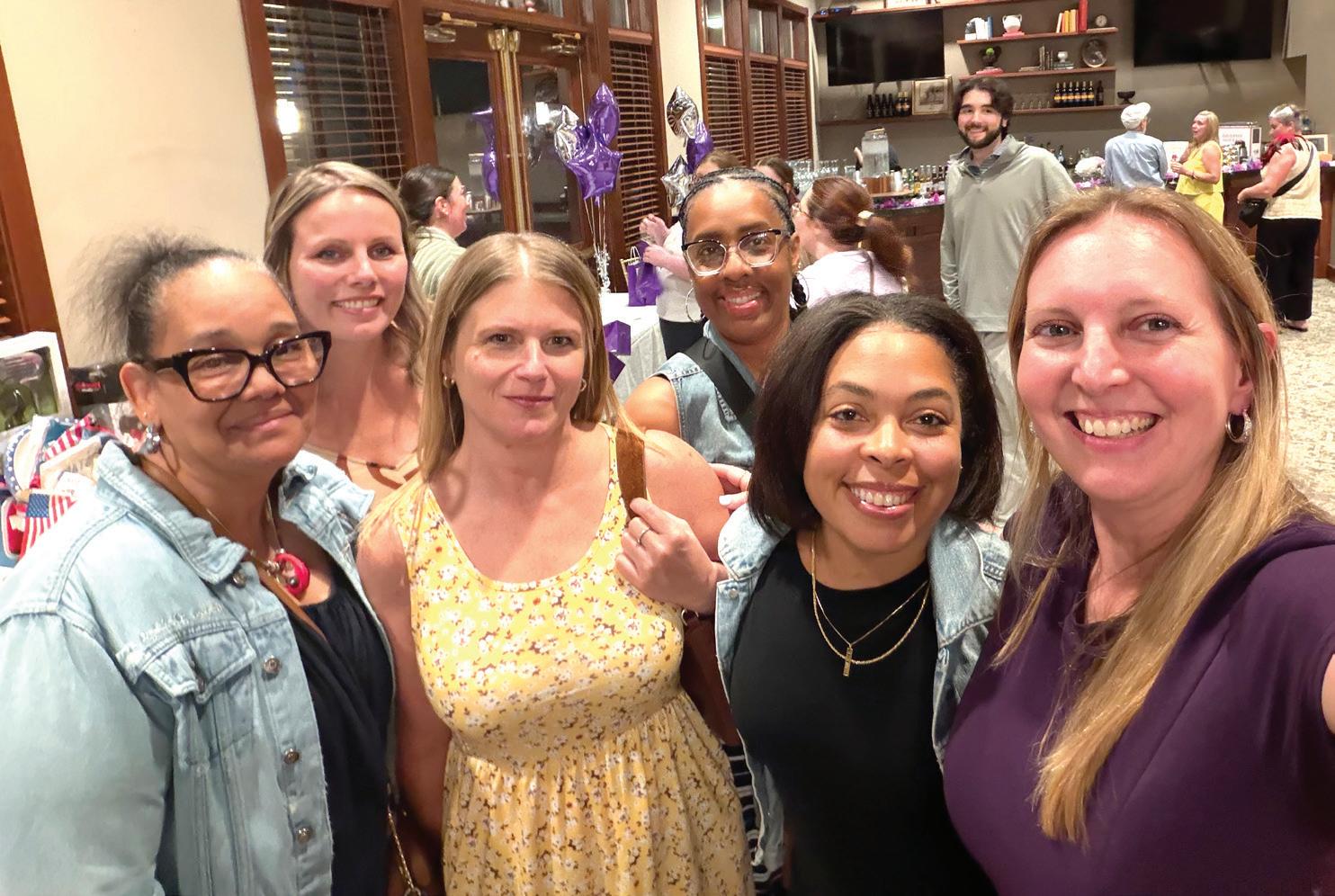
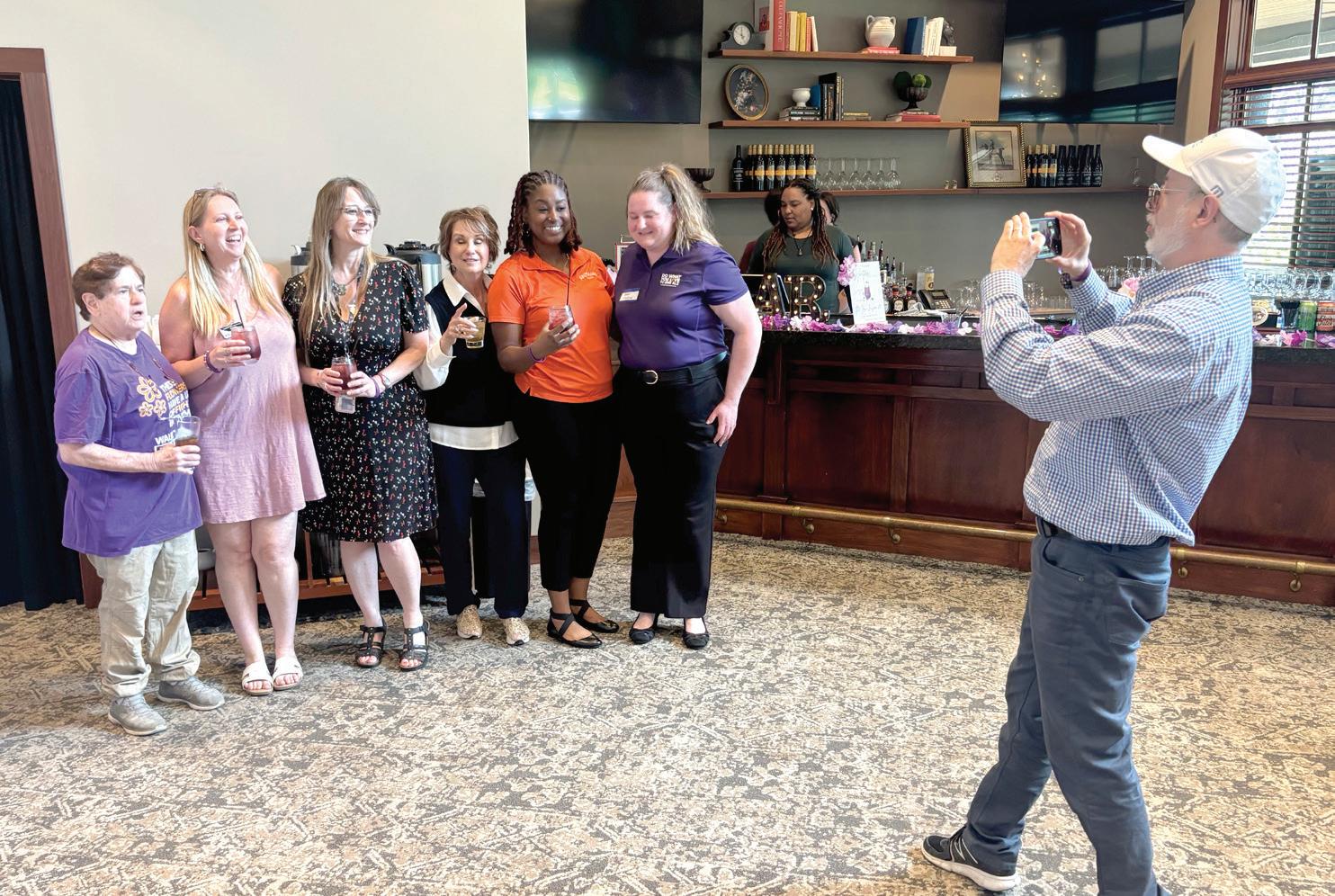
Rabbi Shalom Plotkin, owner of Right at Home in Beachwood, takes photos of attendees at the “Don’t Forget to Laugh” Comedy Night fundraiser for the Alzheimer’s Association.
Attendees at the “Don’t Forget to Laugh” Comedy Night fundraiser enjoyed food, raffle prizes and live comedy.
The lineup of comedians that performed at “Don’t Forget to Laugh” Comedy Night at StoneWater Golf Club in Highland Heights. | Submitted photos
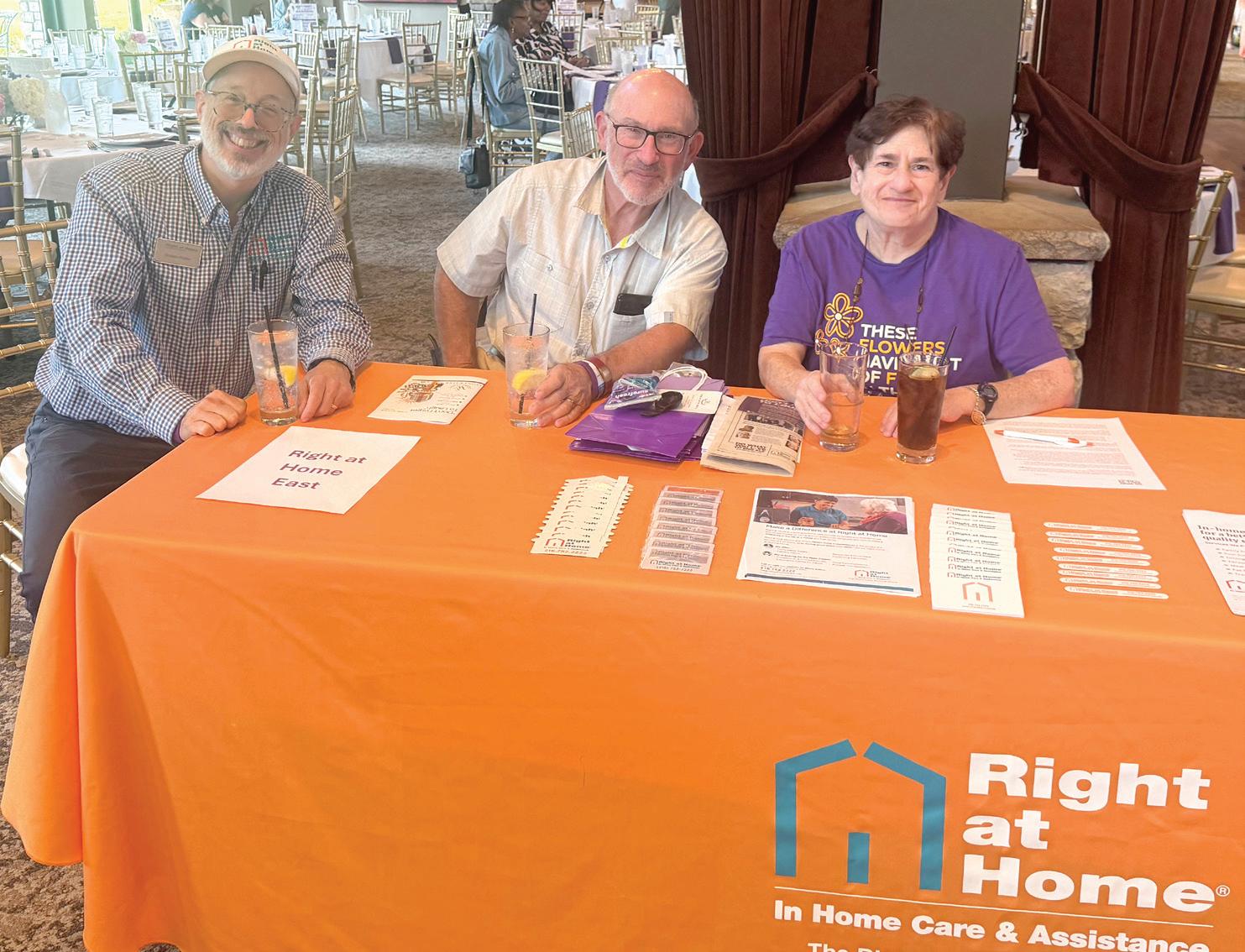
Right at Home provides information to attendees during the “Don’t Forget to Laugh” Comedy Night fundraiser.
2nd annual Dementia-Friendly Film Fest scheduled for June
KATERYNA KOPYLCHAK vsintern@cjn.org
The second annual Dementia-Friendly Film Fest is returning this summer, offering a welcoming moviegoing experience designed for individuals living with dementia, Alzheimer’s disease and other cognitive impairments, as well as their caregivers and families.
The film series, organized by the Heights Libraries in partnership with Benjamin Rose and the Alzheimer’s Association Cleveland area chapter, features classic musicals shown in an environment tailored to the needs of attendees.
Last year’s inaugural festival focused on musicals, a format organizers chose because of the strong connection between music and memory.
“Research has proven that people with dementia and Alzheimer’s never lose the ability to recognize music,” John Piche, librarian at the Heights Libraries, told the Cleveland Jewish News. “Music is a really powerful tool to engage people with these diagnoses.”
Piche said musicals can be especially effective because attendees may not always be able to follow a complex plot, but can still connect with familiar songs and performances.
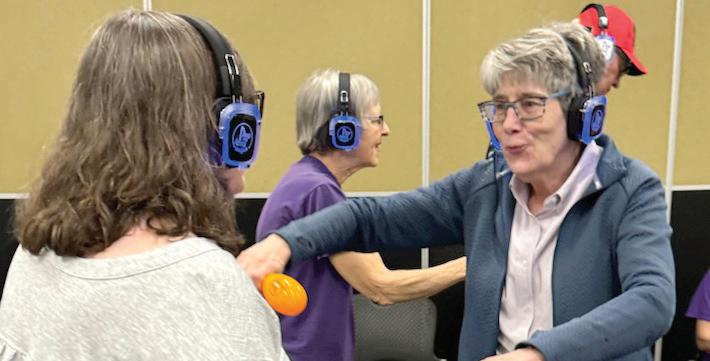
The festival is part of a broader dementia-friendly movement that has been adopted by theaters and organizations across the country. Unlike a traditional movie screening, attendees are encouraged to move around, talk and interact during the film.
“The lights are on low, you’re encouraged to move around the theater and talk,” Piche said. “If people want to sing or get up and move with the music, that’s encouraged.”
Doors remain open throughout the screenings, allowing guests to step in and out as needed. Staff members are also available to assist attendees who may become disoriented or need additional support. Screenings will take place at Cedar Lee Theatre at 2163 Lee Road in Cleveland Heights. The library also provides complimentary concessions, including popcorn and a small drink for attendees. This year’s festival features classic films familiar to many older adults, including “High Society” on June 16, “Beach Blanket Bingo” on June 23 and “The Harvey Girls” on June 30. All screenings begin at 1 p.m. Tuesdays throughout June.
“We chose films that were musicals from the 1940s and 1950s mainly because they’re more familiar for that age group at this point,” Piche said.
The first screening of the season, “Blue Hawaii,” featuring Elvis Presley, was held on June 2, and drew about 40 attendees. Organizers hope to see similar participation throughout the
remainder of the series.
“We had about 40 people,” Piche said. “We’re hoping about that same amount for the next one.”
While the screenings are designed with people living with dementia and their caregivers in mind, Piche emphasized that everyone is welcome to attend.
“You don’t have to have the diagnosis or be a caregiver,” he said. “You’re welcome to come to the film.”
The festival is part of the library’s broader effort to support older adults and their families through community programming. In addition to the film series, the library recently partnered with Cleveland Clinic to host monthly memory cafes, where individuals living with memory loss and their caregivers can connect with
others facing similar experiences.
The library also offers senior-focused programming throughout the year, including discussions on brain health, aging in place and other issues affecting older adults.
“We’re really trying to engage this population and give people community and space to realize they’re not alone in this diagnosis and in the aging process,” Piche said.
Heights Libraries is a licensing partner of the Samuel H. Miller Keeping Our Words Alive Digital Archive of the Cleveland Jewish News. Learn more at cjn.org/archive.
Kateryna Kopylckak is the Violet Spevack Editorial Intern at the Cleveland Jewish News.


DEDICATED TO QUALITY OF LIFE SERVICES
Brigitte At Your Service is a health care company located in Cleveland, Ohio that provides premium concierge health care services to seniors and individuals of all ages with long or short term health care issues. Brigitte Schi er, with over 20 years of experience in the field, has put together a highly qualified, experienced and dedicated sta devoted to providing top care to those who wish to age in place or supplemental care to those in a senior or other healthcare facility. Brigitte is a professional who can assess and understand the needs of each client and develop a comprehensive plan that meets the needs of both the client and family. Coverage: 4 hour minimum up to 24hours/7days a week.
Piche
Former Heights Libraries Director Nancy Levin gathers with seniors at a memory cafe. | Submitted photos