











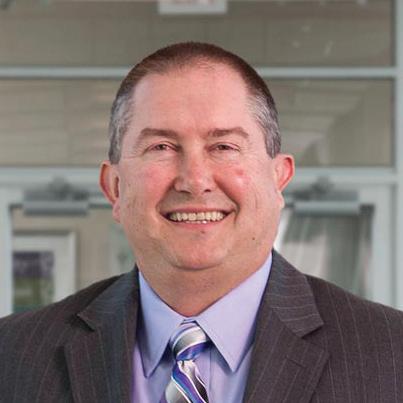
A.KEVIN CORVO
Planned giving, donations made to charity, or nonpro t organizations have multiple bene ts according to those knowledgeable in the practice.
It can provide a tax bene t to the donor, provides the charitable or nonpro t organization to carry out mission and help those who rely on the services it provides, and creates a legacy for the donor and the donor’s family.
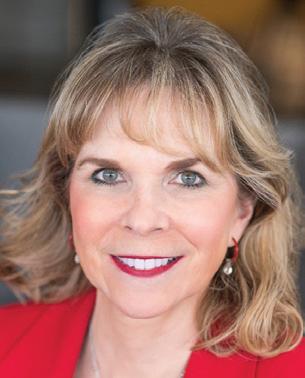
“Planned giving is one of the most meaningful ways to ensure that your values live on and creates a legacy that re ects what matters to you most,” Ginger Mlakar, senior vice president, philanthropic strategy and general counsel at the Cleveland Foundation, said.
Cleveland Foundation supports the needs, priorities and opportunities identi ed by communities and residents in Cuyahoga, Lake and Geauga counties, with grant-making for long-term impact and grant-making for immediate impact, according to the organization’s website.
As the world’s rst community foundation, the Cleveland Foundation o ers more than a century of experience in stewarding community resources, according to Mlakar.
“From bequests and charitable gift annuities to trusts, retirement assets and life insurance, there are exible options that can be tailored to your needs while minimizing taxes,” Mlakar said. “Most importantly, your gift can be part of a permanent commitment to strengthening Greater Cleveland. Long after your lifetime, the causes you care about will continue to receive impactful support. Planned giving transforms generosity into lasting change, allowing your story to shape the future of this community for generations.”
One example of planned giving to the Cleveland Foundation is a $10 million endowment, from the family of Samuel T. Wellman to permanently endow the Site
Once a donor has identi ed where to direct gifts, the donor should enlist professional guidance, according to DeAnna Alger, tax manager at Zinner & Co. in Beachwood.
“Before starting the planned giving process with a professional, an individual must identify what values and philanthropic goals matter the most,” Alger said. “ ey will need to determine where they would like their money to go, how much they would like to donate, and by what means they plan to make the donations.”
She said a consultant or professional adviser should help formalize the plan.
“Planned giving can be as simple as making an outright cash donation or donations of appreciated stock,” Alger said. “ ere are also more sophisticated tools available such as donor advised funds, charitable trusts, or speci c bequests through an estate.”
e desired giving strategy will determine which type of professional may be needed to help place a plan in motion, according to Alger.
“Estate attorneys are the main adviser for planned gifts that will not occur until after death,” she said. “Financial advisers can recommend donation amounts and help ensure

that other parts of a nancial plan are not compromised in the giving process, such as future retirement plans.”
Planned giving o cers are often available through nonpro t organizations to help donors understand available giving options and a certi ed public accountant can help evaluate income tax situations and devise a plan that will maximize tax-planning strategies, according to Alger.
“ e tax bene t to planned giving is often one of the driving factors for donors,” she said. “ e individual will receive a tax bene t when ling their tax return and the charitable organization will receive funds, in exchange, to use toward their exempt charitable purpose.”
Karen Kannenberg, principal giving director for the Cleveland Metroparks, said planned giving can be mutually bene cial to the donors and the recipients, and that the practice is not the domain of only the wealthy.
People along the entire nancial spectrum can realize the bene t of planned giving, according to Kannenberg.
“Everyone has something that is special to them (and) planned giving is a way to make sure those things can remain,” she said.
Planned giving can be quite speci c, too, in terms of how a donor directs the use.
e Cleveland Metroparks oversees 18 reservations that when combined exceeds 25,000 acres. It has received donations through planned gifts for speci c projects such as a upgrading a picnic area and growing educational programs at Rocky River Reservation, according to Kannenberg.
“Planned giving often gives a peace of mind and comfort to people once the decisions are made,” she said.
A Kevin Corvo is a freelance journalist.
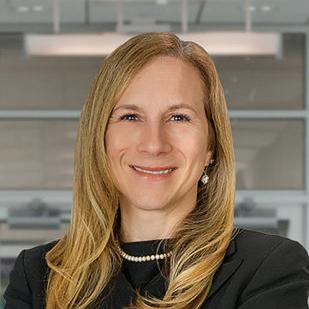
LONDON DEMARCO Spectorintern@cjn.org
The Northern Ohio Charitable Gift Planners, a professional association for charitable gift planning and philanthropic advising, is the only local group in Northeast Ohio dedicated speci cally to advancing philanthropic planning through education, networking and professional development, according to its president,


Help
Christine Millen.
Its mission is to improve the quality and quantity of philanthropic planning in northeast Ohio, and “to connect and educate professionals who are committed to advancing charitable giving in our community,” Millen told the Cleveland Jewish News.
“ at includes nonpro t leaders, attorneys, nancial advisors, and others who play a role in helping donors give thoughtfully and e ectively,” she added.
NOCGP works toward that mission in three main ways: education, connection and impact. It helps professionals learn about new trends in charitable giving, brings advisors
and nonpro t leaders together to share ideas and build relationships, and supports nonpro t organizations by helping them become more e ective in serving the community.
“At its best, philanthropic planning, and particularly planned giving, sits at the intersection of purpose and strategy,” Millen said. “In many ways, planned giving is about extending a donor’s values well beyond a lifetime. Planned giving can be a way to create lasting impact across generations, and for nonpro t organizations, these gifts can often become a critical source for long-term stability.”
But their work is not without challenges, Millen said.

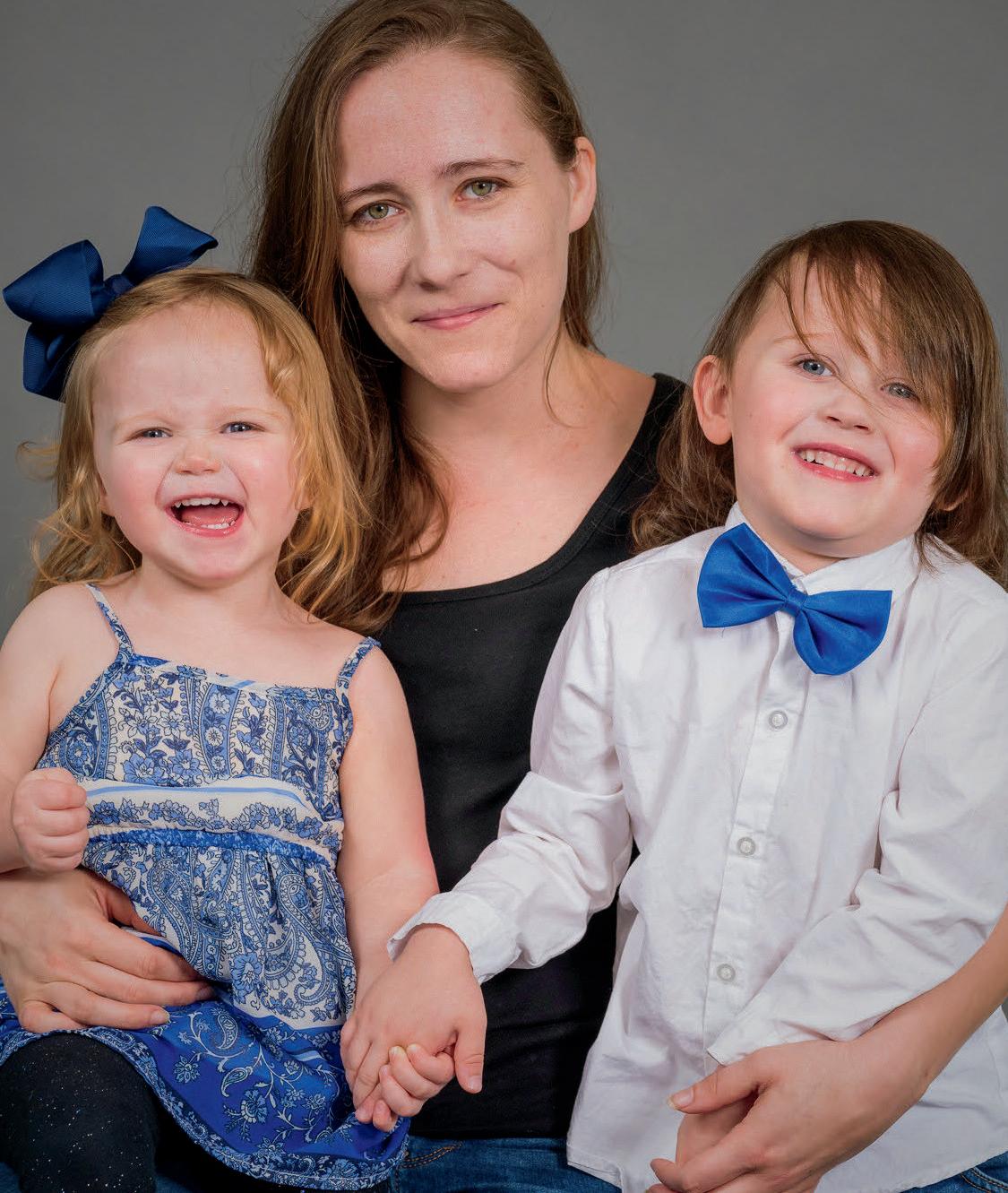
more kids go from a 10% chance of survival to 100% toddler.


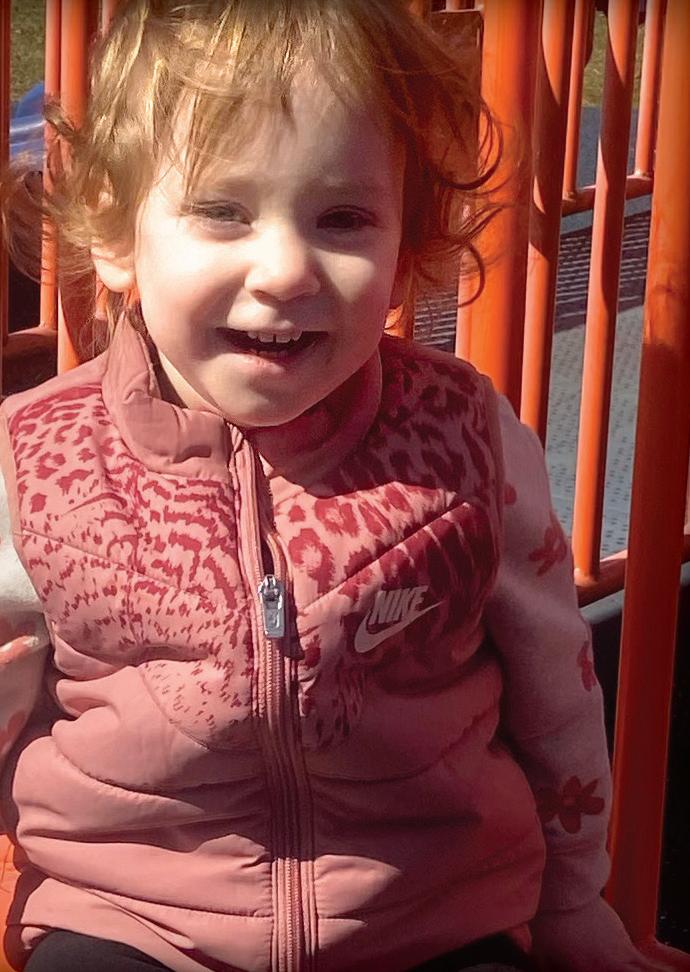
Arianna underwent 11 blood transfusions to beat the odds and overcome fetal anemia. No surprise the big slide was a piece of cake. Your donation helps us give more kids like Arianna the childhood they deserve.

Arianna, at age 2 fetal anemia
Give the gift of more childhood. Scan this code or visit akronchildrens.org/MoreChildhood.
“Some donors avoid planned giving because they are concerned about complexity, or they simply do not know how to get started,” she said. “At the same time, many nonpro ts can lack the internal resources to fully support planned giving conversations. Together, that creates a gap we are working to close through education and collaboration.”
To close those gaps, NOCGP uses education and collaboration to simplify complex topics and create a space where professionals can learn from one another, Millen said. ere are many bene ts to becoming a member of the NOCGP, Millen said.
“Membership o ers both professional development and meaningful connection, as members gain access to highquality education that is directly applicable to their work and members become part of a peer network across legal, nancial, and nonpro t sectors,” she said.
e NOCGP will host its annual meeting from 4 to 6:30 p.m. June 25 at e Clifton Club at 17884 Lake Road in Lakewood. ere will be drinks and networking opportunities before the meeting, and a program called “Stronger as a Herd: A Family’s Journey in Generational Philanthropy” following the meeting. Millen said the meeting will “set the tone for the year ahead and reinforces the importance of the work being done in this space.
“ is year, our annual meeting is centered on a powerful, real-world example of what thoughtful, values-driven philanthropy can look like across generations,” she said. “Attendees will hear how one family translated challenge into purpose, how they involved multiple generations in giving, and how that sense of togetherness shaped a meaningful and sustained impact.”
To learn more about the NOCGP and their upcoming events, visit shorturl.at/h5clT. To learn more on how to become a member, visit shorturl.at/5REoQ, or contact at christine.millen@bernstein.com.
London DeMarco is the Karen and Richard Spector intern at the Cleveland Jewish News.

Never miss an issue – renew your subscription today at cjn.org/subscribe
Now part of the Arax Advisory Partners family of wealth management firms
•Edward J. Bell, JD, CFP®
•Jennifer Condon (Wei), JD, CFP®
•Carina Diamond, CFP®, AIF
•Brent Horvath, CFP®
•Kris Jarosz
•Michael Manly, JD, LLM
Arax Advisory Partners, LLC is a Registered Investment Advisor
The above ranking was created by USA Today newspaper and Statista, a provider of market and consumer data. The ranking was published in April 2026. The firm did not pay to be included in the ranking; however, the firm has paid USA Today to obtain the rights to use the above logo, along with other materials referring to the ranking. For information regarding methodology for determining the ranking, please visit rankings.statista.com

A.KEVIN CORVO
Considering one’s own death is a concept anyone would prefer to postpone or to never think about at all, but estate planning is something each person needs to have in place.
“ e purpose of estate planning is to make sure that your wishes are speci ed and
ideally executed rather than having the state dictate who gets your stu or makes decisions for you,” Rachel Kabb-E ron, a certi ed elder law attorney at the Kabb Law Firm in Beachwood, said.
Estate planning incorporates a number of vehicles to ensure that one’s wishes are carried out in the event of incapacitation or death, including a will, living trusts, power of attorney and a health care proxy. Estate planning is important to prevent such decisions, in the absence of directives, being made by a courtappointed executor or in a state’s probate court.




It can also prevent family con ict and provide a tax bene t, according to Kabb-E ron.
“ e general estate plan includes a power of attorney for health care (and) for nances,” she said.
Other ancillary documents include the living will, which speci es your end-of-life decision making, according to KabbE ron.
A will governs what goes through a probate estate (and) states your executor, who will be the one making the decisions, and it speci es who gets what when you pass away, she said.
“Estate planning also frequently includes trusts, which can be used for asset protection, but mainly it’s for making sure that you can specify who gets what upon your death, and it can be managed beyond death for speci ed or unspeci ed periods of time,” Kabb-E ron said.
Absent documents like these, a probate court in the county in which the person resided, names executors and authorizes power-of-attorney, according to Kabb-E ron.
“Sometimes, it’s the person that you want but many times it is someone that the court appoints for you,” she said.
In some cases, a family member, likely at great expense, can contest the decisions of the probate court.
“ e best practices would be to make sure that you have documents and that they are updated at least every ve years or as things change in your health or nancial status,” said Kabb-E ron, adding it should all be done with the guidance of an attorney.
“Always make sure that you have a full discussion about how things should be in the event of illness or family in ghting,” she said.
Health care is also a consideration in estate planning.
“ e considerations with regard to health care include making sure that you are thinking about whether you need to do some asset protection planning so that you are not paying all of your assets out to long-term care costs,” Kabb-E ron said.
Assets are a consideration, too, in estate planning, and an attorney can provide guidance.
“Wealth has a major impact on estate planning in terms of needing to pay more attention to those estates that have more than the federal estate tax exemption limit, but no matter what the estate amount, it is critical to have documentation in place so that when you need a healthcare power-of-attorney, or a nancial power-of-attorney, to act on your behalf, you will have that document and the relationship with the attorney that drafted it,” Kabb-E ron said. “If you have a smaller estate, and you have litigation around it, then you will have even more problems and higher risk factors for losing everything.”
Estate planning should consider the number of bene ciaries and the quality of their relationships to each other.
“ e number of bene ciaries is important, but it is more about how well they get along that is the critical issue,” KabbE ron said. “When you have children that are not speaking to each other, or not speaking to the client, be careful about making sure that people’s wishes are respected.”
While each estate planning experience can vary, it all begins with a rst step.
“As far as how families start the process it really comes down to a single phone call,” she said. “We have an online form in our o ce that people ll in so that we can have more information before the appointment Often the hardest part about making an estate plan is making the appointment. A good attorney should be able to walk a client through all the issues.”
A. Kevin Corvo is a freelance journalist.
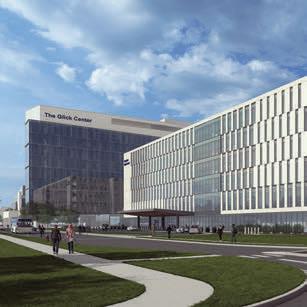
Outpatient Health Center
Our new 300,000 square foot facility—opening in summer 2026—will enhance access to healthcare with a 24/7 drive thru pharmacy and specialty services like cancer care, OB GYN, cardiology and more all in one spot.


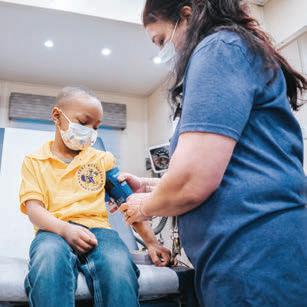
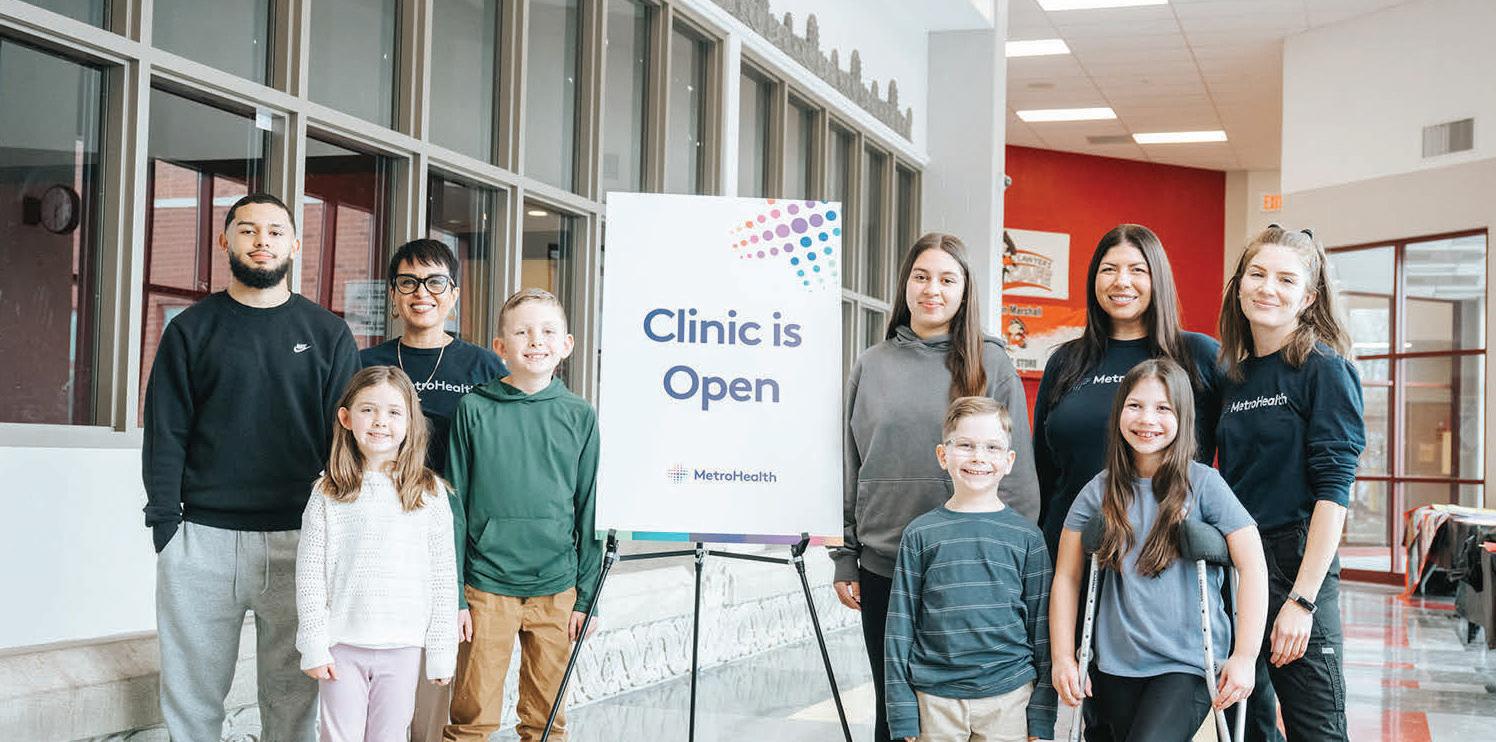
School Health Program
We’re bringing healthcare right to students, improving access to care, offering essential screenings and alleviating parents’ work and transportation concerns.
Write your will for free using FreeWill, MetroHealth’s trusted estate planning partner. Scan the QR code to get started today.









Your generosity to The MetroHealth Foundation strengthens programs that help every person in our community achieve health. Through legacy giving, you can ensure that this work continues long into the future — reflecting your values, your story and your commitment to caring for others.
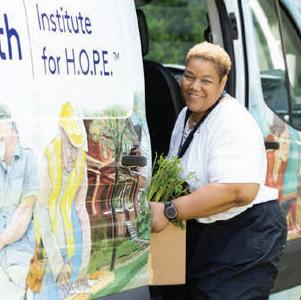
Food as Medicine Program
Our Food as Medicine Program connects patients with fresh, healthy foods and nutrition resources, addressing the root causes of chronic illness and improving overall well‑being.
Already included MetroHealth in your plans? Let us know so we can thank you and welcome you to the Generations Society.
Contact Caleb Sturrup, Philanthropy Officer, at 440-592-1434 or csturrup@metrohealth.org.
JIMMY OSWALD joswald@cjn.org
Chad Warren, vice president of advancement and executive director of the Cleveland State University Foundation, said philanthropy isn’t about the size of the gift, but rather about the size of the di erence.
“Every gift matters,” Warren said. “ e dollars do allow us to transform

and operationalize, but your gift is your vote of con dence in us and our mission and your belief that we are worthy to be the bene ciary of your precious dollars.”
Whether it is helping fuel research that leads to breakthroughs in areas such as healthcare or furthering the music and arts scene, using your funds to contribute to a public university or college is a way to positively have an impact on society, Warren said.
“Philanthropy is a Greek word for the love of mankind,” he said. “And an investment of philanthropic dollars is certainly one way to showcase your love for mankind via higher education. It allows new ideas to take root.


Philanthropy gives innovation its rst chance. Many of society’s biggest advances started because someone believed in an idea before anyone knew the outcome. And from a public education perspective, philanthropy is no longer nice to have. It has become a necessity.”
According to the Center for American Progress, because of the One Big Beautiful Bill Act, signed into law by President Donald Trump in July 2025, which cuts $186 billion in federal spending on nutrition assistance and more than $1 trillion in health care spending over the next decade, state budgetary challenges will likely threaten public higher education funding. In 2025, higher education was the thirdlargest area of expenditures for state general funds – and therefore the third-largest source of state discretionary spending – at about 9%.
When it comes to the areas that a donor wants their dollars to impact, Warren said there are a lot of options. It can be as all-encompassing as the medical school at a university or hyper speci c as the those majoring in journalism. It can go towards operating costs, athletics or help students pay for their education.
“It’s up to what the donor chooses and wishes,” he said. “In recent years, there has been a shift where donors and philanthropists are telling higher educational institutions to use the dollars at their discretion. ey’re saying, ‘I trust you to use that in an area that’s going to make the most impact.’ In a gift (to us) from the Mandel Foundation, $25 million of their $125 million is earmarked as unrestricted, so the president can use it at their discretion.”
Warren said if they have a particular interest, the donor can mark it as such. But if the university as a whole is what they are passionate about, an unrestricted donation makes the most sense.
Leaving money behind to a university after you die via an estate gift is another great way to contribute, but Warren encouraged those who do so to let the university know so it can recognize the act.
“If we can celebrate their spirit of philanthropy while they’re living and get them to see the students that they are impacting, get them to see the building that they helped build, those are my best days,” Warren said.
e best way to get started is to reach out through a university’s foundation or advancement o ce. If a person knows that they wish to contribute to a speci c cause, such as athletics or the college of business, there’s usually a contact within those areas to help.
“If you need to, go to the head of the foundation and they’ll match you with the right person,” Warren said. “You also need to decide what type of gift you want to make, whether it’s an annual gift, a major gift, a plan gift. It could be charitable annuities or stock transfers. Higher ed is a bu et where the donor can pick and choose how they want to make an impact.”
While every area of a university can use donations, Warren said that scholarships are king.
“ ey’re a necessity to provide students access to a highquality education and experiences, such as studying abroad or internships, not every one pays the student for three months experience in the summer,” he said. “And a need on most campuses is bricks and mortar, a need to transform the landscape of the university, with new buildings, and enhancements to existing facilities.”





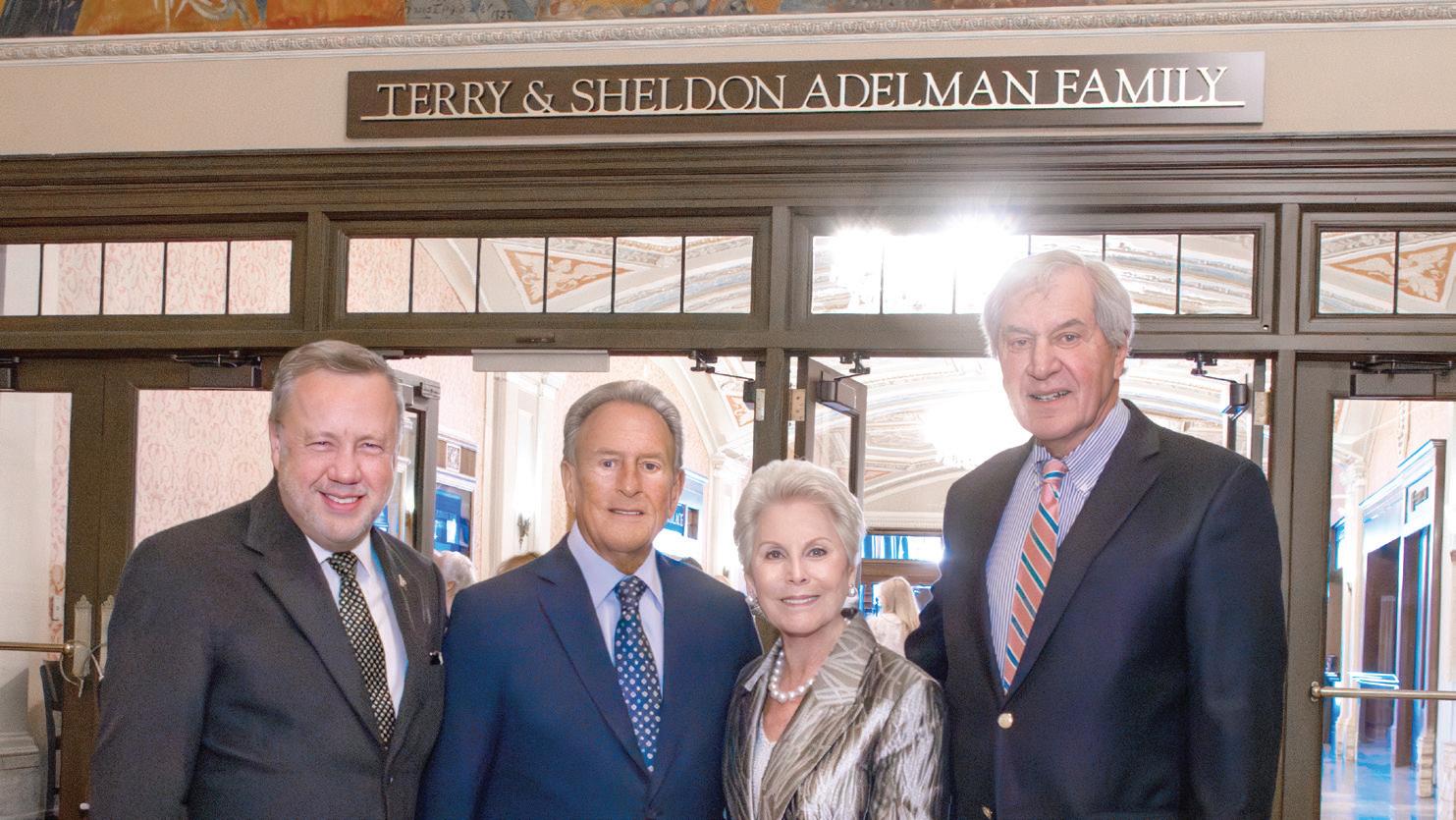
Terry Adelman received Playhouse Square’s Falco Award during the organization’s President’s Dinner on June 4.
Adelman, a Playhouse Square trustee and longtime supporter, demonstrated exceptional leadership and philanthropic commitment in advancing the organization’s mission, according to a news release.
She and her husband, Shelly Adelman, present the annual Dance Showcase, which for over a decade has provided a free and accessible performing arts experience for audiences throughout the region that celebrates the breadth and diversity of Northeast Ohio’s dance community.
The Falco Award is named for former Playhouse Square president and CEO Art
Falco. It honors an individual, foundation or organization in Northeast Ohio whose leadership, perseverance and dedication has helped make Playhouse Square successful. Past Falco Award honorees include Tom Adler, Glenn Brown, Pat and John Chapman, Chris Connor, the Richard J. Fasenmyer Foundation, David Frazier, Joseph Garry, Jr., Elaine Hadden, KeyBank, Julien McCall, William Miller, Jon Outcalt, Raymond Shepardson, K.K. Sullivan, Senator George Voinovich, and the nine founding members of Playhouse Square Partners: Jeffrey Cristal, Lawrence Hatch, John Marcus, Jim and Kathy Pender, James A. Ratner, Peter Rubin, Sara Stashower, Kurt Weaver, Neil Weinberger, Mark Weisman and Theodora Wolf.
From hip-hop and tap to classical Indian dance and traditional Tahitian dance, Playhouse Square in downtown Cleveland will celebrate the art form at its annual, free Dance Showcase presented by Terry and Sheldon Adelman.
Ten Northeast Ohio dance companies that represent a range of styles were selected to perform at the KeyBank State Theatre at 1519 Euclid Ave. at 7 p.m. Sept. 5. The evening will also feature a performance from special guest artist SW!NG OUT, a cast of world-champion swing dancers performing Lindy Hop choreography and improvisation.
“For more than 20 years, Playhouse Square has been proud to feature the work of our local dance companies through our Dance
Showcase,” Daniel Hahn, Playhouse Square’s vice president of education, said in a news release. “Whether you are a dance aficionado or wanting to learn about a new dance style, this highly anticipated special event will leave you with a greater appreciation for the time and effort that these dancers dedicate to their art.”
The local companies performing at Dance Showcase include Christina Lindhout & Artists, Cleveland Ballet, Cleveland Dance Project Company, Dancing Wheels Company, ELEVĀTED, Ohio Contemporary Ballet, Pacific Paradise Entertainment, Shri Kalaa Mandir, SOĀR and Tap Artistry Project. The event is free, but tickets are required. To reserve a ticket, visit playhousesquare.org or call 216-241-6000.
MAXSTRENGTH FITNESS: THE ANTI-GYM —NO MIRRORS, NO MUSIC, NO SWEAT.
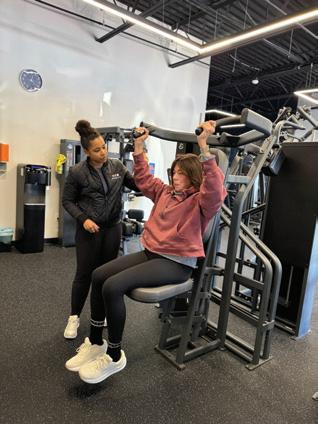
1-on-1 guided strength training
20 minutes, twice a week
Expert trainers monitor every rep

TOO BUSY TO WORK OUT? WE BUILT THIS FOR YOU.









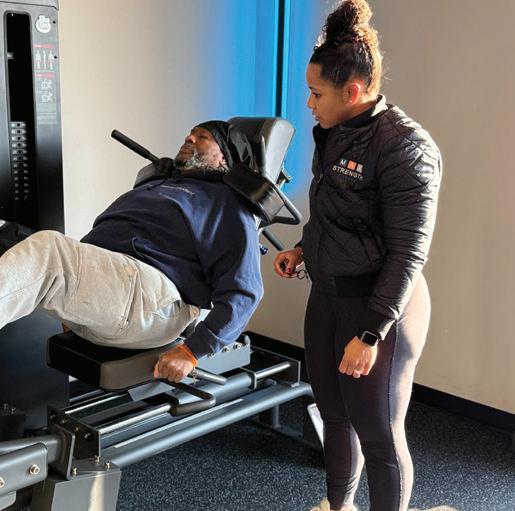









Get stronger, move better, and feel younger with efficient, effective, workouts trusted by hundreds of busy professionals.
The training is focused on my specific needs, the sessions are efficient, and the results are real.
Distraction-free, clinically controlled environment SCAN THE QR CODE NOW
Kim Vaughn, Client
MaxStrength Fitness Solon, 33705 Station St, Solon, OH 44139 https://maxstrengthfitness.com/solon 440-692-2345








For over 85 years, our clients have trusted us to advise them on gifting strategies that provide significant tax benefits, while also satisfying their charitable intentions and estate planning needs.

Reach out to a member of our Individual and Family Advisory Services Team today to learn more about tax efficient gift giving strategies.
216.831.0733
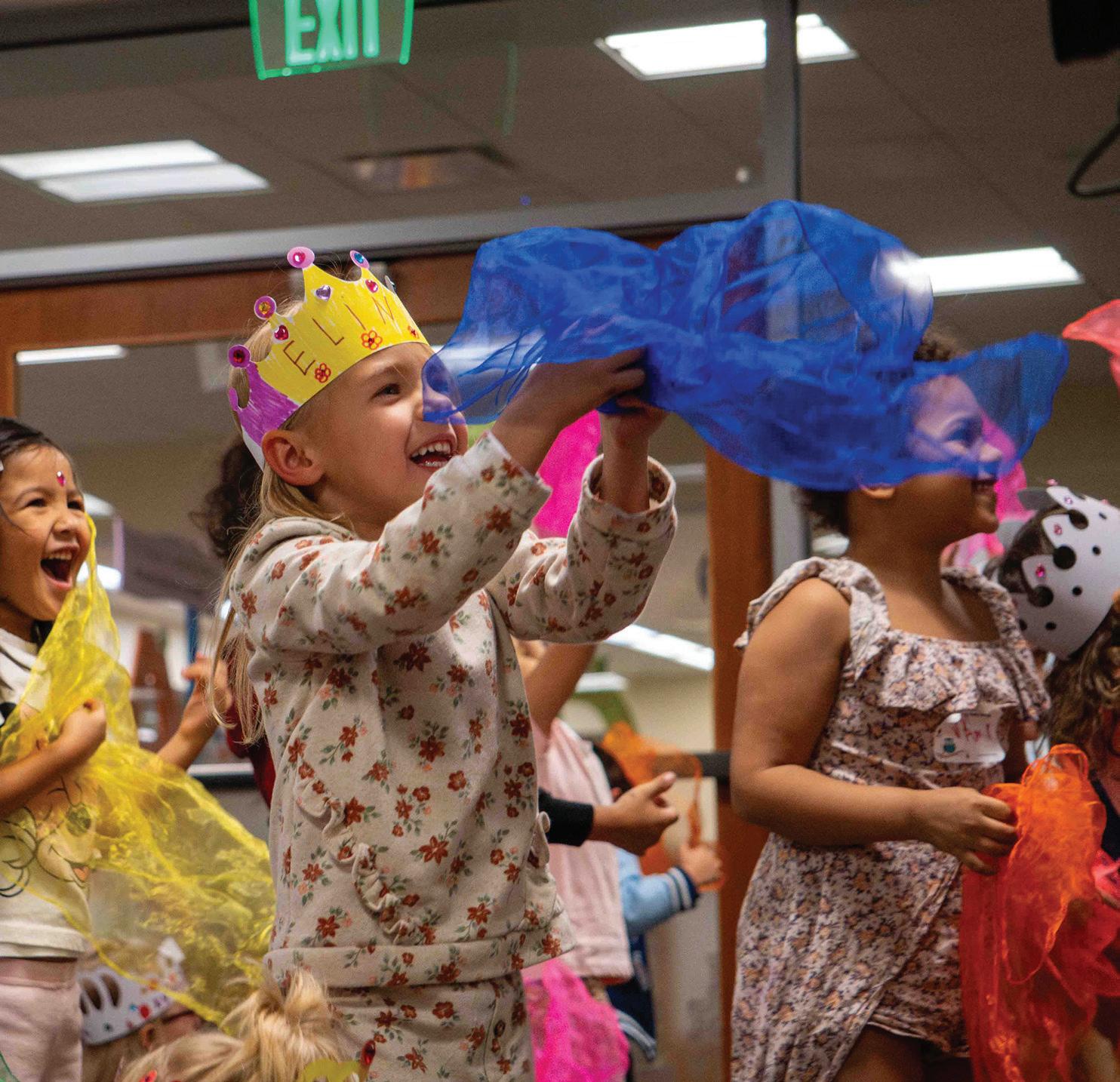
By including the Cuyahoga County Public Library Foundation in your giving plans, you support the innovative programs and services that make Cuyahoga County Public Library the nation’s leading public library system, and ensure that we are able to continue the important work of providing opportunities for all to read, learn, create and connect.
By including theCuyahoga County Library Foundation plans,you supportthe programs and services that makeCuyahoga Public Librarythe nation’s leading system,and ensurethatweareabletocontinuethe importantworkof forallto learn,createand connect. Visit 1922society.org to learn moreand createyour legacygiving plan.
1922society.org to learn more and create your legacy giving plan.


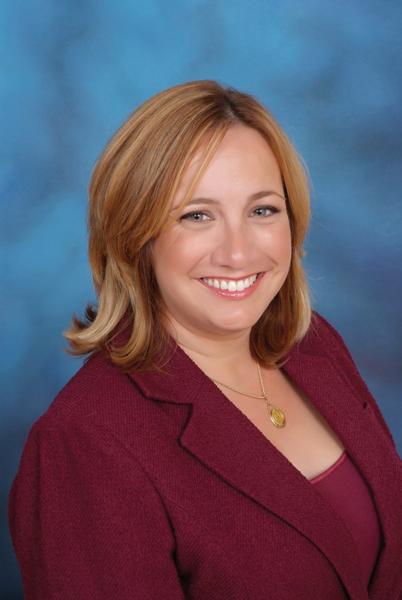
JENNIFER B. SCHWARZ Special to the CJN
Common misconceptions about legacy giving can sometimes stand in the way of donors having the experience of creating meaningful plans which put their values into action. Legacy gifts do not have to be fixed and final, or complex and procedural.












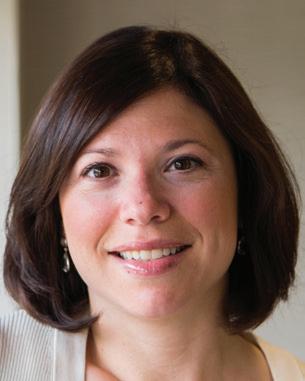
Often, the most important part of the legacy conversation is talking about the why. I have found that those kinds of conversations make planning a legacy gift a ful lling experience that is an a rmation of values – donors have the opportunity to re ect on what means the most to them now and in the future.
Don’t let common misconceptions get in your way of creating a gift that will support the causes and organizations you care most about.
Understandably, those who are in the midst of family planning, picking out schools or getting careers o the ground may think that legacy planning is something that can wait until down the road.
In reality, there is no magic age, and it’s never too early to start thinking about how you want your giving to live on long after you are gone. e plans you make now can change as your life changes. e important thing is to get them started so you have more time to think them through and share them with those you love.
In fact, many people in this time frame are creating their rst version of estate plans because of their expanding families – so it can be the perfect time to include the causes that are meaningful to you as well. Studies show that once you have made a legacy commitment to an organization, you become even more invested in its positive future – knowing you will be a part of their work for years to come.
e beauty of legacy giving is that it is exible, and even a small gift has the power to make a meaningful di erence over a long period of time.
If you were to donate cash or appreciated assets to create a modest endowment fund at a charity of your choice today, it will provide steady, reliable and growing support over time. Combined with many other
donors who do the same, your thoughtful act of generosity adds a substantial source of nancial security for the causes you care about.
You also could plan a future gift, such as a percentage of your estate or retirement plan, which will not in uence your current nances in any way.
When many people think of planned giving, they think it inherently involves a very complicated process with lots of paperwork.
In reality, planning your philanthropic future can be as simple as you need it to be. For example, you can name a charity (or several) in your will or estate plan. Or you can include a charity as a bene ciary on your retirement account or life insurance policy.
ere are numerous helpful and trustworthy tools that can guide you on getting started, and nonpro ts often have knowledgeable sta who can explain the di erent options clearly and straightforwardly. A professional nancial advisor is always recommended to nd the exact course of action to t your speci c nancial situation and charitable goals.
With its exibility and many paths of entry, legacy giving can create a sense of certainty and permanence in an uncertain world – for you and the charities that mean the most to you – and all it takes is a conversation to get started.
Jennifer B. Schwarz is managing director, philanthropic planning at the Jewish Federation of Cleveland in Beachwood.
The Cleveland Jewish News does not make endorsements of political candidates and/or political or other ballot issues on any level. Letters, commentaries, opinions, advertisements and online posts appearing in the Cleveland Jewish News, on cjn.org or our social media pages reflect the views and thoughts of the writer and do not necessarily reflect the opinions of the Cleveland Jewish Publication Company, its board, officers or staff or any other organization unless explicitly stated.




Tri-ChaspartneredwithFreeWill,afreeonlinetoolthatguidesyouthroughcreating a

as little as 20 minutes to complete. Feel prepared and secure as you complete this important step in building your legacy. Yourlegacy gifttocreatescholarshipsforTri-C
Tri-ChaspartneredwithFreeWill,afreeonlinetoolthatguidesyouthroughcreating a legallyvalidwill.It’seasytouseandtakes
as little as 20 minutes to complete. Feel prepared and secure as you complete this important step in building your legacy. Your legacy gift to create scholarships
Contact Melanie Majikas at 216-987-4868 with questions.
Contact Melanie Majikas at 216-987-4868 with questions.
Tri-ChaspartneredwithFreeWill,afreeonlinetoolthatguidesyouthroughcreatingalegallyvalidwill.It’seasytouseandtakes ContactMelanieMajikasat216-987-4868with questions.


ANDREW ZASHIN aaz@zashinlaw.com
ivorce changes many things. It changes where children spend holidays, how families gather and often how financial resources are allocated. What many people do not immediately recognize is that divorce can also have a significant impact on a person’s long-term plans and the legacy they hope to leave behind.
When a marriage ends, most attention is understandably directed toward immediate concerns. Questions involving parenting time, nancial support, property division and future stability often take center stage. Once those matters are resolved, however, many individuals nd themselves entering a new chapter of life that calls for a fresh look at their estate plan.
Many people create wills, trusts, bene ciary designations and powers of attorney during marriage. ose documents often re ect family structures and priorities that existed at a particular moment in time. Following a divorce, those same documents may no longer align with an individual’s wishes or family circumstances. Reviewing and updating them can help ensure that future decisions are guided by
current intentions rather than outdated assumptions.
For parents, estate planning often involves important questions about children and future generations. Some may wish to establish trusts to protect inherited assets until children reach a certain age. Others may want to provide guidance regarding education, homeownership or other longterm opportunities. oughtful planning can help ensure that assets are managed and distributed in ways that re ect a family’s goals.
Divorce can also create family dynamics that require additional consideration. Remarriage, stepchildren and blended families often introduce questions that did not exist during a rst marriage. An individual may wish to provide for a new
spouse while also preserving assets for children from a prior relationship. In some cases, family members may have di erent expectations regarding inheritance or nancial support. Estate planning can help clarify those intentions and reduce the likelihood of future disputes. By addressing these issues proactively, families can avoid uncertainty and better ensure that a person’s wishes are carried out as intended.
At the same time, many people use major life transitions as an opportunity to think about the broader impact they hope to have. Planned giving can become an important part of that conversation. Whether through a charitable bequest, a bene ciary designation or another planned gift arrangement, individuals can support causes that have played a meaningful role in their lives.
Religious institutions, educational organizations, community foundations and charitable organizations often bene t from these gifts. Planned giving allows individuals to extend their support beyond their immediate family while helping strengthen the communities they value. For many, such gifts also serve as a way to pass along deeply held beliefs about service, generosity, faith and civic engagement.
Charitable giving can also provide an opportunity for families to discuss the values

they hope to preserve for future generations. While nancial assets can provide security, planned gifts often communicate something equally important. ey re ect the principles and commitments that shaped a person’s life. In that way, planned giving can become a meaningful part of a family’s story and a lasting expression of what mattered most.
Every family story includes moments of change. Divorce is one of them. By revisiting estate plans and charitable goals after a major life transition, individuals can help ensure that their wishes remain aligned with their family circumstances, their values and the legacy they hope to leave behind.
Andrew Zashin writes about law for the Cleveland Jewish News. He is the founding partner of Zashin Law in Mayfield Heights.
The Cleveland Jewish News does not make endorsements of political candidates and/or political or other ballot issues on any level. Letters, commentaries, opinions, advertisements and online posts appearing in the Cleveland Jewish News, on cjn.org or our social media pages reflect the views and thoughts of the writer and do not necessarily reflect the opinions of the Cleveland Jewish Publication Company, its board, officers or staff or any other organization unless explicitly stated.









The Mt. Sinai Health Foundation approved over $1.2 million in grants, providing funds in all four areas of its grantmaking focus, at its June quarterly board meeting.
In Mt. Sinai’s “Health of the Jewish Community” grantmaking focus, it granted $40,000 to the Jewish Fertility Foundation to provide fertility support and medical guidance to families in Cleveland.
In its “Equitable Health Outcomes” area, Mt. Sinai granted the following:
• $400,000 over two years to First Year Cleveland to support the organization’s plan to improve infant vitality
• $150,000 to Neighborhood Family Practice to support ongoing access to Medicaid and Snap in partnership with Cuyahoga County Jobs and Family Services
• $120,000 over two years to Preterm Cleveland to conduct a community reproductive health needs assessment and establish a new medical director role
• $100,000 over two years to Better Health Partnership to evaluate the Pathways maternal/child HUB model and help greater the impact and sustainability of community health workers
• $75,000 to Rising Well Cleveland to make a new behavioral health clinical director position; $90,000 to Signature Health, Inc. to kickstart its Psych at Home program; and $100,000 to United Way of Greater Cleveland to strengthen its operating infrastructure.
• $50,140 to InMotion to pilot its Parkinson’s patients falls prevention program
• $34,000 to Good Bank NEO to build capacity for expansion
In “Health Policy,” Mt. Sinai granted the following:
• $120,000 over two years went to the Ohio School-Based Health alliance to support its school-based health centers through technical assistance for development.
According to its website, the mission of the Mt. Sinai Health Foundation is to improve the health of Greater Cleveland by investing resources, convening, and collaborating— with a focus on:
• Equitable Health Outcomes
• Health of the Jewish Community
• Academic Medicine and Bioscience
• Health Policy
Jewish families and education advocates held a press conference at Miami’s Lubavitch Educational Center on June 11 to champion Florida’s Family Empowerment Scholarship Program, after Florida’s largest teachers’ union filed a lawsuit challenging the program.
The suit, filed against the state’s Department of Education by the Florida Education Association, alleged that nearly $5 billion in taxpayer dollars – approximately a quarter of the state’s education funding –goes to private and charter schools, and that those schools are not held to the same standards as public schools.
Teach Florida, a division of Teach Coalition, said the lawsuit “threatens vital scholarship programs relied upon by an estimated 900,000 students across the state.”
Melissa Glaser, executive director of Teach Florida, which organized the press conference, stated that “this is about protecting families, protecting opportunity and protecting a parent’s fundamental right to choose the best educational path for their child.”
Yonah Schwartz, 11, said at the press conference that if the lawsuit succeeds, then he won’t be able to afford to transfer to a school that better suits his learning needs.
“Not every kid learns the same way,” said the preteen. “For me, changing schools means getting the chance to learn in a place that’s a better fit for me.”
Jim Rigg, superintendent of schools for the Archdiocese of Miami, said the program “is not about institutions. It is about children and families. We should be asking how to expand opportunities for these students, not how to take them away.”
Anastasios Kamoutsas, Florida’s commissioner of education, has defended the state’s program in response to the lawsuit, saying “every Florida family has access to universal school choice, empowering them to select the learning environment that best fits their child’s individual needs.”
He added that “we stand unapologetically convicted on the principle of always putting students first.”
Do you spend time regularly helping a loved one pay bills, manage medications, shop, and prepare meals? Are you also driving them to and from doctor appointments? People who provide this kind of assistance to family members don’t often think of themselves as caregivers, but when it comes to Life Care Planning - taking care of the caregiver is an important part of everything we do.
When a client’s family and support system are involved in planning, this helps alleviate the stress and anxiety that often accompanies health care and financial decision making. As one client recalls:
“I was totally unprepared to deal with my parents’ declining health and was worried about how we would pay for all their needs and the increased challenges I could only imagine were coming. Brad and Heather explained there are services to help and programs available to help pay for the immense cost of care. I can’t and don’t want to imagine going through this experience without Brad and Heather.”
Without adequate support, caregivers have an increased risk of emotional burnout and chronic illness. By providing emotional and spiritual care when a loved one is faced with permanent disability, terminal illness or end of life issues, we can help take the burden off the caregiver - who can then focus their energy enjoying quality time with their loved one.

•Qualified
JIMMY OSWALD joswald@cjn.org
The Jewish Federation of Cleveland’s 2025-26 Maurice Saltzman Youth Panel, consisting of 43 Jewish high school juniors and seniors from public and private high schools across the Cleveland community, recommended $45,000 in total grants to 15 organizations for crucial programs in the Jewish and general community, according to a news release.
Leila Cohen and Ellie White presented the panel’s recommendations to the Federation’s board of trustees on May 20, and the recommendations were unanimously approved by the board.
The grants to be awarded include:
• $4,000 to Bellefaire Jewish Children’s Bureau’s Community Services Client Assistance Fund
• $4,000 to the Jewish Agency for Israel for its group intervention program
• $4,000 to the Jewish Federation of Cleveland to support kosher home delivered meals for lowincome older adults
• $4,000 to the Joint Distribution Committee for its Lehava Jr. Program in St. Petersburg, Russia
• $3,334 to jHub to support LGBTQ Jews
• $3,334 to the Maltz Museum to support the Boris Lurie: Nothing To Do But Try exhibit
• $3,000 to Jewish Family Services Association for its Don’t Let The Bed Bugs Bite funding
• $3,000 to the Mandel Jewish Community Center of Cleveland for its inclusion program for children with special needs at the Mandel JCC Day Camps programs
• $2,834 to Hillel at Kent State University for its Interfaith U.S. Holocaust Memorial Museum educational trip
• $2,581 to the Cleveland Chesed Center for its Passover Maot Chatim project
• $2,000 to the Family Promise of Greater Cleveland for postpartum supplies for unhoused moms from Greater Cleveland
• $1,834 to the Mandel JCC for camp scholarships for Camp Wise and Mandel JCC Day Camps
• $1,833 to Hillel at Kent State University for IsraelFest
• $1,583 to the Achievement Centers for Children’s therapeutic riding program
• $1,583 to the Boys and Girls Club of Northeast Ohio for its character and leadership development programs
• $1,583 to the Literacy Cooperative of Greater Cleveland for Dolly Parton’s Imagination Library.
• $500 to the Cleveland Hillel Foundation for its Dungeons and Dreidels event series
Prior to the board of trustees meeting, panelists and their families were celebrated
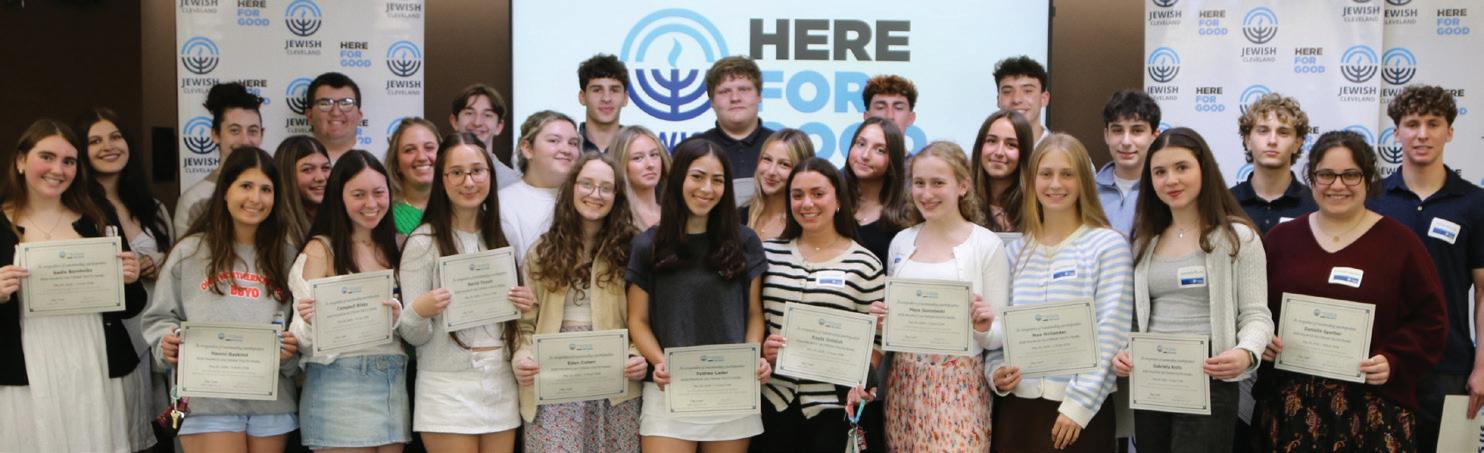
with a reception.
Federation President Erika B. Rudin-Luria congratulated the group on its successful collaboration and philanthropic spirit, and panelists commented on how much they learned about community needs, evaluation of grant proposals, and the struggle to prioritize needs when resources are limited.
Panelists were selected through a competitive application process, and they met several times throughout the school year. They created a request for proposals, reviewed grant applications and learned about consensus decision making
The Saltzman Youth Panel was established
in 1998 through a generous gift from Shirley Saltzman and her family in memory of the late Maurice Saltzman, according to the release. The program helps educate the next generation of Jewish community leadership. Each year, a new panel grants up to $45,000 to local organizations – 85% of which are awarded to programs serving the Jewish community and 15% awarded to nonprofit programs serving the general community.
To apply for the Saltzman Youth Panel, visit jewishcleveland.org/involved/teens.




















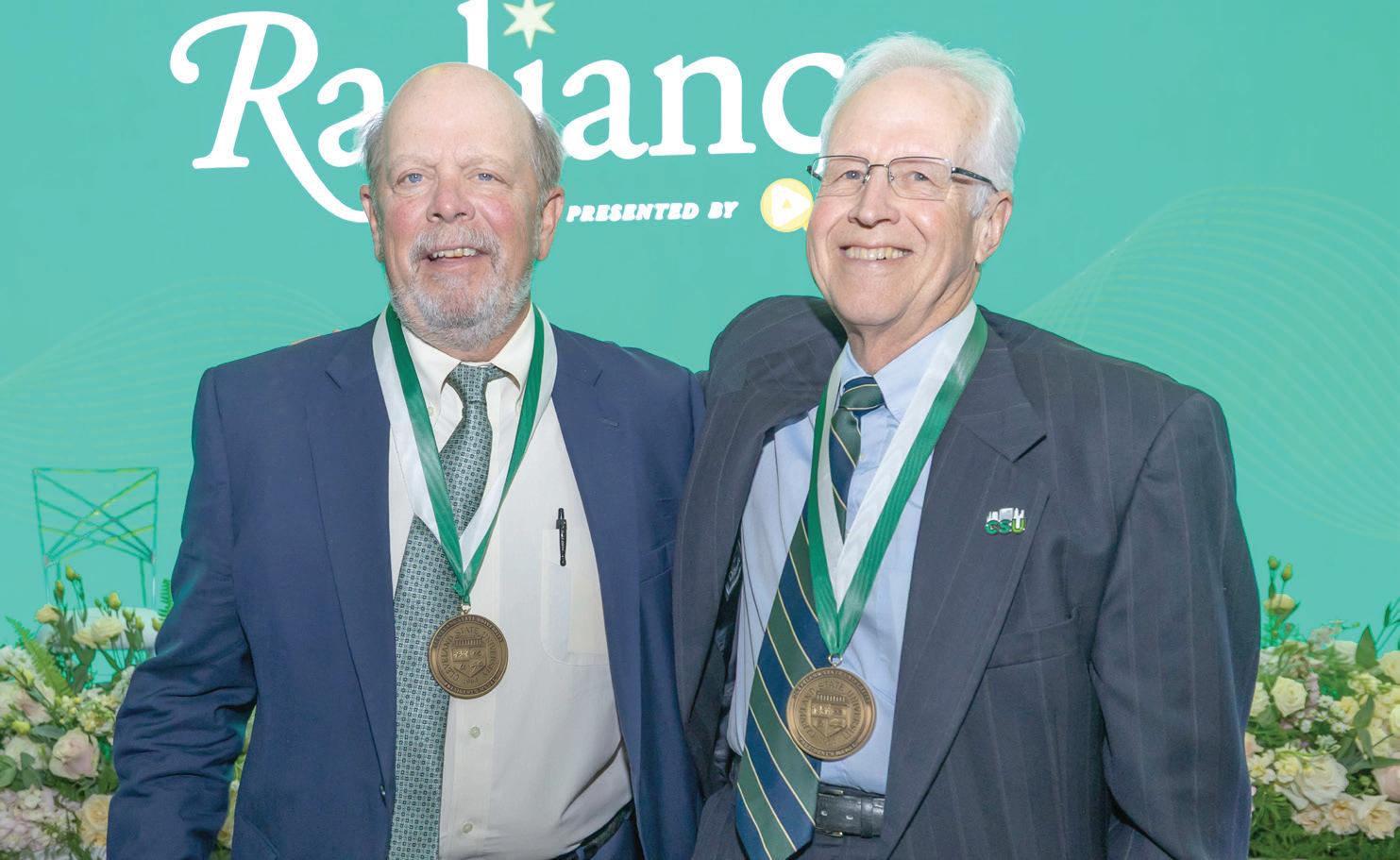
Cleveland State University Foundation held Radiance, its annual signature event, May 7 in the student center ballroom.
Hundreds gathered to celebrate CSU, its students and donors.
Tom Hopkins and Steve Percy were honored with the President’s Medal.
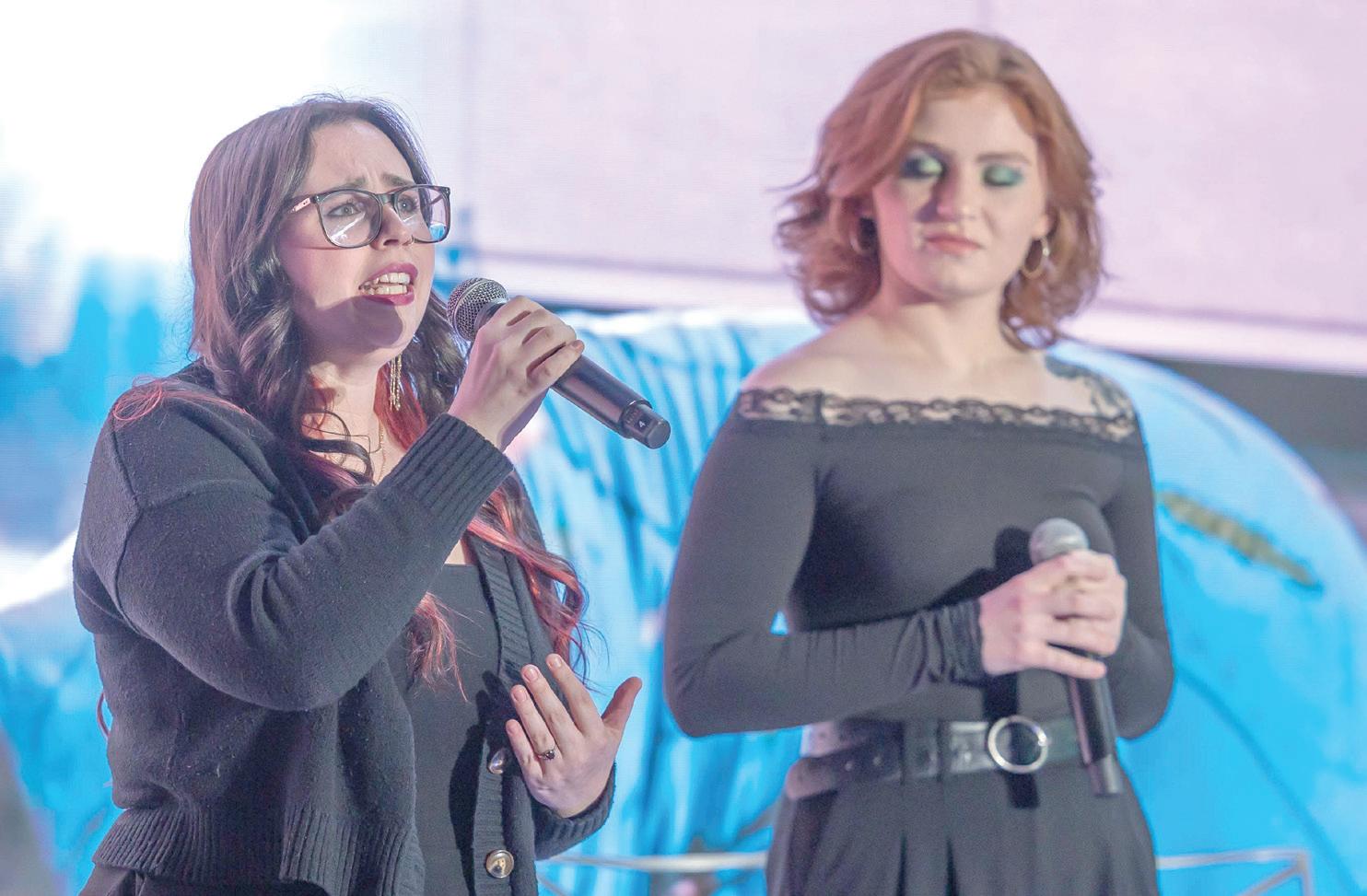
Students from the school of music and the music therapy program in the College of Health performed, and attendees heard from ve students who shared accounts of their ambitions, their hopes and why donors matter.
Radiance was launched in 2011 to support juniors and seniors who had excelled academically, but were facing nancial challenges that threatened their continued enrollment, according to its website.
Dr. Chad Warren is executive director of the CSU Foundation and Michael B. Klein, partner in the audit and accounting services department at Ciuni & Panichi, Inc., is chair of the board of directors.
Judith E. Matsko was recently named executive director of A Special Wish Foundation Northeast Ohio.
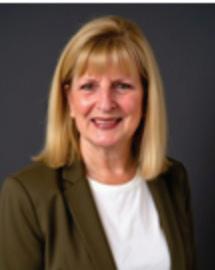
A nonpro t leader, educator and community volunteer, Matsko has decades of leadership and fundraising experience, and a commitment to serving children and families throughout Northeast Ohio, according to a news release.
Founded in 1982, A Special Wish Foundation was the rst wish-granting organization in Ohio and the third in the nation, according to the release. e organization is dedicated to enhancing the quality of life for children with lifethreatening illnesses by granting their special wishes.
Matsko joins the organization after serving as director of development at Esperanza Inc., where she led fundraising and donor engagement e orts supporting educational opportunities for Northeast Ohio students. Prior to entering the nonpro t sector, she worked as a health and physical education teacher, faculty leader and coach with Strongsville City Schools.
In 2025, VGS provided services for more than 1,400 individuals wiith disabilities through engaging prrogramming, community innvolvement, and employment
“Helping children and families create joyful memories during some of life’s most di cult moments is both an honor and a responsibility,” Matsko said in the release. “A Special Wish Foundation has a remarkable legacy of bringing hope, comfort and happiness to children facing life-threatening illnesses. I am deeply grateful for the opportunity to lead this organization and work alongside our dedicated board members, volunteers, donors and community partners to continue granting wishes throughout Northeast Ohio.”
Our Mission
Matsko will oversee strategic, planning, fundraising, community engagement and program operations to ensure children and families across Northeast Ohio continue to receive the life-changing experiences A Special Wish provides, according to the release.
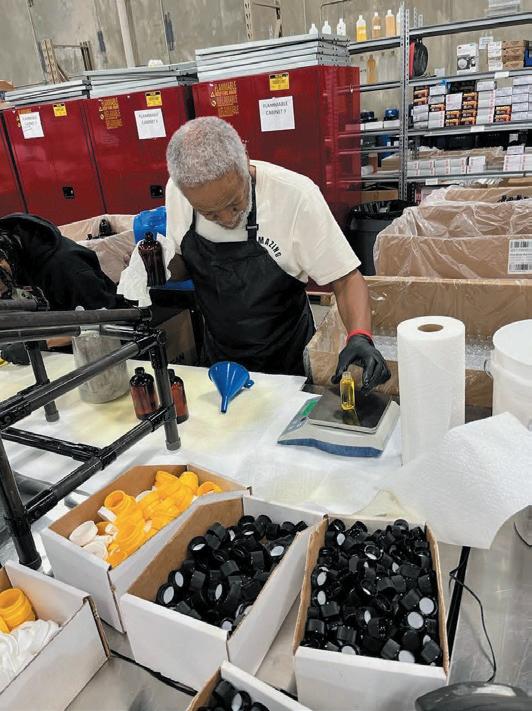
Crreating pathwaays for individuals with disabilities to engage in the commmunity, achieve independence, and attain emplloymeent.
experience also includes serving as president of the Junior League of Cleveland, board chair of Girl Scouts of North East Ohio and president of the Northeast Ohio chapter of the Leukemia & Lymphoma Society.
She received the Medical Mutual Outstanding Senior Volunteer Award, Miami University’s Profound Impact Award, the Mentor High School Distinguished Alumni Award and the Girl Scouts Women of Distinction Award.
“On behalf of the Board of Governors, I am pleased to welcome Judith Matsko as executive director of A Special Wish Foundation’s Northeast Ohio Chapter,” Robert R. Lech, president of the board of governors, said in the release.
“Judith brings a strong record of leadership, community
Since 1890, VGS has been serving individuals with disabilities with an unwavering commitment to improving lives and building a stronger community. We are among Clevelandʼs oldest and most trusted nonprofit organizations - and our work is ongoing.
“A Special Wish Foundation Northeast Ohio has touched countless lives by turning children’s wishes into unforgettable experiences,” Matsko said. “I look forward to building upon that legacy and ensuring that every eligible child and family who needs us can experience the hope, joy and support that make our mission so special.”
Matsko has held leadership roles with nonpro t and civic organizations, and currently serves on the executive council of AARP Ohio and has previously held leadership positions with Miami University in Oxford, e Cleveland Orchestra, Friends of e Cleveland Orchestra, Cornerstone of Hope and the YWCA of Greater Cleveland. Her past leadership
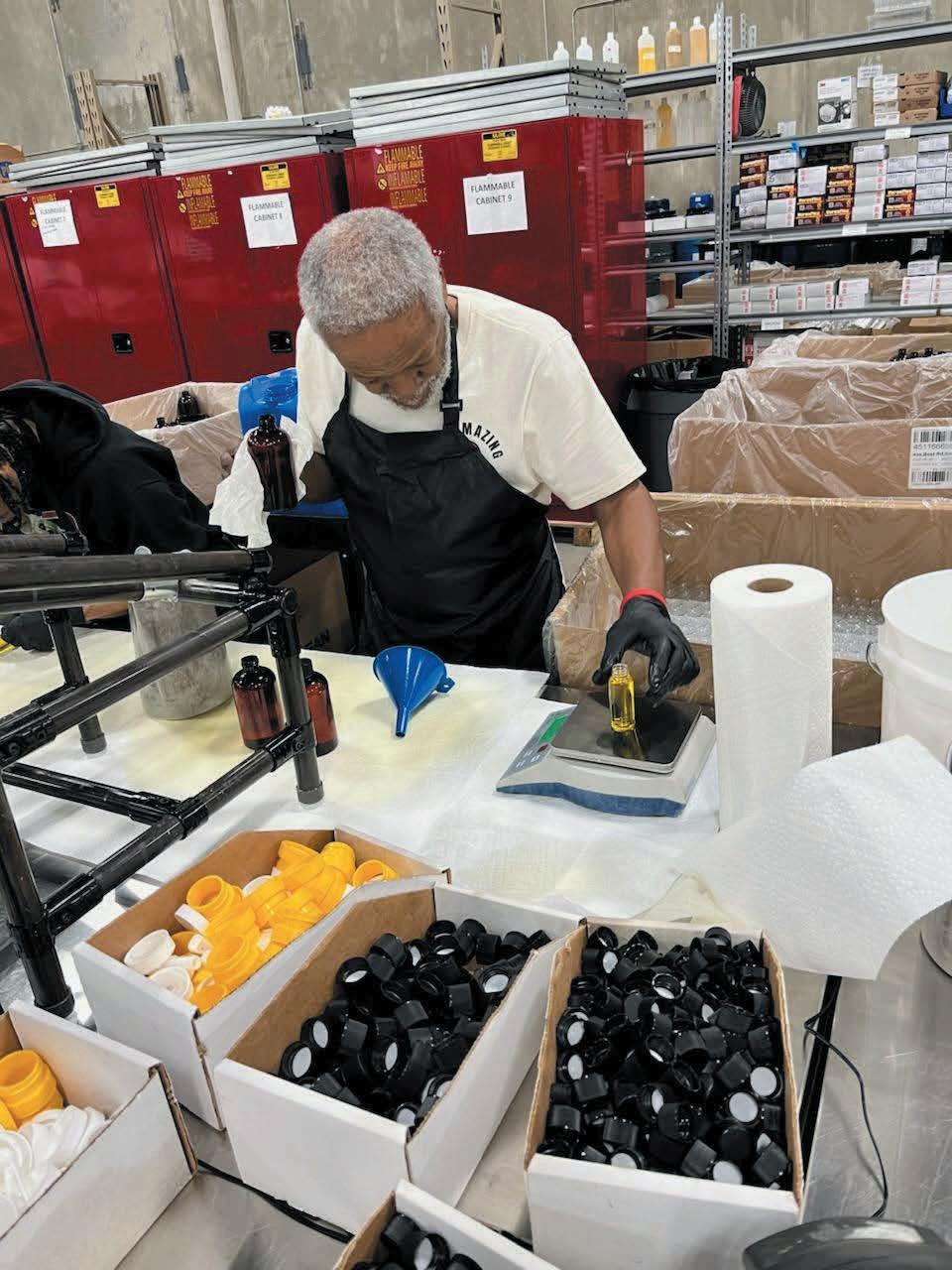
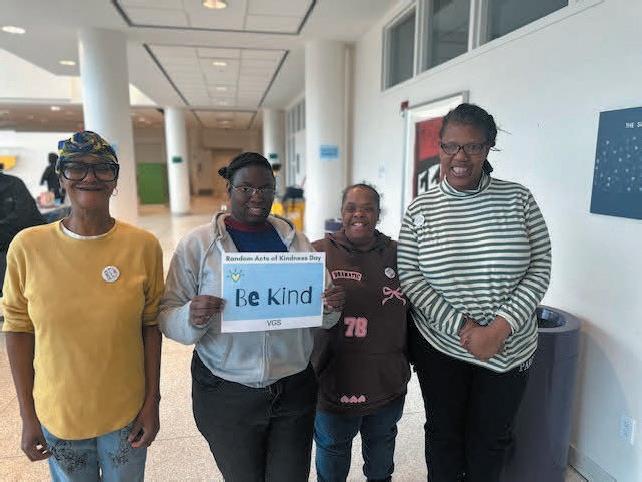
In 2025, VGS provided services for more than 1,400 individuals with disabilities through engaging programming, community involvement, and employment.
engagement and dedication to serving others, making her exceptionally well-suited to advance our mission of granting wishes for children facing life-threatening illnesses.”
“We are con dent that Judith’s vision, experience and passion will strengthen our impact throughout Northeast Ohio and help us reach even more children and families in need of hope, joy and lasting memories,” Lech added. “ e board looks forward to working closely with Judith as she leads the chapter into its next phase of growth and service.”
“We are excited about the future of the Northeast Ohio Chapter under Judith’s leadership and are grateful to have her join A Special Wish,” Lech said.
136 Years of Changing the Lives of Individuals with Disabilities.
136 Years of Changing the Lives with Disabilities.
136 Years of Changing the Lives with Disabilities.
136 Years of Changing the Lives of Individuals with Disabilities.
In 2025, VGS provided services for more than 1,400 individuals with disabilities through engaging programming, community involvement, and employment.
In 2025, VGS provided services for more than 1,400 individuals with disabilities through engaging programming, community involvement, and employment
In 2025, VGS provided services for more than 1,400 individuals with disabilities through engaging programming, community involvement, and employment.
Since 1890, VGS has been serving individuals with disabilities with an unwavering commitment to improving lives and building a stronger community.
In 2025, VGS provided services for more than 1,400 individuals with disabilities through engaging programming, community involvement, and employment.
Creating pathways for individuals with disabilities to engage in the community, achieve independence, and attain employment. Our Mission
Our Mission
Mission Creating pathwaays for individuals with disabilities to engage in the commmunity, achieve indeependence, and attain
Creating pathwaays for individuals with disabilities to engage in the commmunity, achieve indeependence, and attain l t
Creating pathways for individuals with disabilities to engage in the community, achieve independence, and attain Our Mission
Creating pathways for individuals with disabilities to engage in the community, achieve independence, and attain Our Mission
Since 1890, VGS has been serving individuals with disabilities with an unwavering commitment to improving lives and building a stronger community.
We are among Clevelandʼs oldest and most trusted nonprofit organizationsand our work is ongoing.
Since 1890, VGS has been serving individuals with disabilities with an unwavering commitment to improving lives and building a stronger community.
Since 1890, VGS has been serving individuals with disabilities with an unwavering commitment to improving lives and building a stronger community.
Since 1890, VGS has been serving individuals with disabilities with an unwavering commitment to improving lives and building a stronger community.
We are among Clevelandʼs oldest and most trusted nonprofit organizations - and our work is ongoing.
We are among Clevelandʼs oldest and most trusted nonprofit organizations - and our work is ongoing.
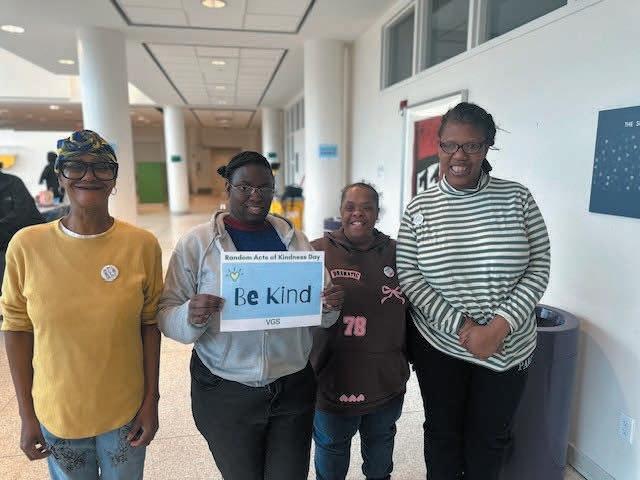
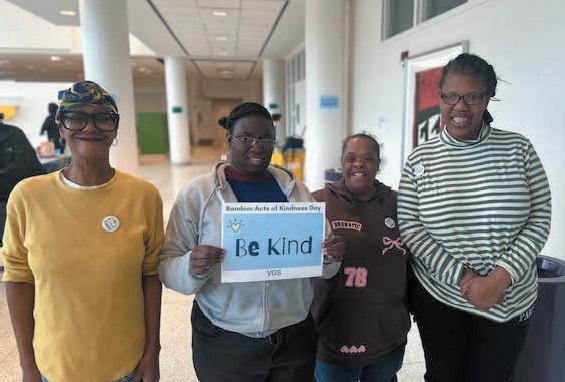
A commitment today. A legacy for tomorrow. Your planned gift helps ensure that individuals with disabilities will continue to have meaningful opportunities to engage in the community, achieve greater independence, and attain employment. For information on making your tax-deductible gift to VGS, contact Ellen Cherry, VGS Director of Development at 216-391-2075 or ellencherry@vgsjob.org.
A commitment today. A legacy for tomorrow.
We are among Clevelandʼs oldest and most trusted nonprofit organizations - and our work is ongoing.
We are among Clevelandʼs oldest and most trusted nonprofit organizations - and our work is ongoing.
For information on making your tax-deductible gift to VGS, contact Ellen Cherry, VGS Director of Development at216-391-2075 or ellencherry@vgsjob.org.
A commitment today.
A commitment today.
Your planned gift helps ensure that individuals with disabilities will continue to have meaningful opportunities to engage in the community, achieve greater independence, and attain employment.
Your planned gift helps ensure that individuals continue to have meaningful opportunities to achieve greater independence, and attain employment.
Your planned gift helps ensure that individuals continue to have meaningful opportunities achieve greater independence, and attain
A commitment today. A legacy for tomorrow. with disabilities will continue to have meaningful opportunities to engage in the community, achieve ellencherry@vgsjob.org.
For information on making your tax-deductible gift to VGS, contact Ellen Cherry, VGS Director of Development at216-391-2075 or ellencherry@vgsjob.org.
For information on making your tax-deductible gift to VGS, contact Ellen Cherry, VGS Director of Development at216-391-2075 or ellencherry@vgsjob.org.

GLENN GAMBOA | AP BUSINESS WRITER
Philanthropist Melinda French Gates will expand her giving to improve women’s health globally, pledging another $215 million to support contraceptive access and maternal care, as well as initiatives aimed at middleaged women, including further study of menopause.
The new funding announced June 4 pushes French Gates’ donations for women’s health over $600 million in the past two years.
French Gates told The Associated Press in an interview that women’s health is the cornerstone of the work she does through Pivotal, the group of organizations she founded to handle her philanthropy and investments.
“It’s just blaringly obvious that women’s health is fundamental – she has to be well to do well in life,” French Gates said.
Since 2024, when she stepped away from The Gates Foundation, which she founded with her now ex-husband Bill Gates and built into one of the world’s largest private funders of health care, French Gates has honed her approach to supporting women.
This latest round of funding reflects an increasingly strategic approach to areas she feels are underfunded. It includes a $40 million donation to Co-Impact for an initiative that embeds mental health support into maternal and primary care, especially in Africa. And French Gates hopes her $10 million donation to the Menopause Society to
improve menopause care in the United States, by educating health care practitioners and expanding outreach in areas where care is limited, will encourage other funders to begin working on the issue.
According to the World Economic Forum, even though women make up half the population, the health issues that specifically affect them only get 2% of private healthcare funds. The lack of funding has resulted in a lack of products and services dedicated to treating them.
“The role of philanthropy, in my opinion, is to look at some of these societal problems that have been left behind, and shine light on them, show ways of making progress so you can then crowd in other donors and ultimately crowd in government funding,” she said. “Part of what I’m doing here, I hope, is sending a signal to say, ‘This is really important. Let’s do something about it.’ And my hope is that I’ll be able to get others who will join me.”
Dr. Stephanie Faubion, medical director of The Menopause Society and director of The Mayo Clinic’s Center for Women’s Health, said the United States currently has about 6,000 counties where patients have critically low access to menopause-competent clinicians. She said the donation will allow The Menopause Society to offer its educational resources to more areas of the country that need them.
“Menopause remains one of the most overlooked and underserved areas in medicine, and The Menopause Society believes women deserve better,” Faubion said. “We’re ready
to make those changes with the support of donors like Pivotal.”
Research into menopause treatments was already underfunded, even before recent medical research cuts made by President Donald Trump’s administration went into effect.
“I think philanthropy is going to fill a greater role than it ever has in the past because we are just not going to have the same type of government funding that we’ve had before,” she said. “Funding is hard to come by these days – much, much harder than it was before. And the need hasn’t gone away. We still have to do the research somehow.”
Faubion said the substantial size of French Gates’ gift is important, but the attention it brings may be even more crucial.
“It shows that somebody like Melinda Gates and Pivotal feel that this is an important issue,” Faubion said. “It will illuminate the gaps that are still there… and it makes people not only aware, but maybe motivated to take some action.”
For French Gates, bringing more attention to these women’s issues is nearly as important as increasing the funding for them.
“I want women’s health issues to not be invisible,” she said. “I don’t want the default to be that women are expected to deal with pain and suffering. I want them to be seen for what they’re going through, their real life experiences, and have those issues addressed so they can live their very best lives.”
How can I illustrate our financial position to spouse who shows little interest?
AMY C. ARNOTT | MORNINGSTAR
Reader question: My spouse has little interest in our financial position. As we age, this concerns me. I try to share some basic information (income, spending, account balances, debt, and so on) each month but rarely get a response. I think graphs or charts might be of more interest to her than a bunch of numbers. What recommendations would you have for illustrating our financial position so that I am not the only person aware of how we are situated? Thanks!
Answer: Your situation is pretty common. Most couples I know develop a division of labor over time, where one person is in charge of financial matters and the other person is less involved. That’s definitely the case for my husband and me. He’s in charge of paying all the monthly bills and preparing our tax returns, but the financial planning and investment decisions are up to me. This type of arrangement might work well for a long time, but can become less sustainable with age, particularly if the “finance person” in the relationship dies or develops a major health issue.
Illustrating your financial situation with charts and graphs is a great idea that might help your spouse become a little more involved. Morningstar’s Portfolio X-Ray tool includes a variety of images that help illustrate your financial situation. Websites for most major brokerage
firms also include some visual tools. Schwab, for example, offers a Portfolio Checkup and a bar graph illustrating your account’s monthly income from dividends and interest income. Vanguard has a Portfolio Watch tool and a variety of performance illustrations, tools and calculators.
A mind map, which we used with clients when I worked for a financial advisory firm, can be another way to picture your entire financial situation on one page. There are various software templates for drawing a mind map, or you can simply sketch it out with a large sheet of paper and a pencil. Start with your names at the center of the page. Then draw spokes connecting to various categories, such as names of other family members; investment accounts; real estate and other assets; insurance policies; estate plans; key goals and values; and contact information for accountants, estate planners and other professionals. It can be helpful to go through the mind map together and make any updates needed at least once a year.
A few other ideas – though not related to charts and graphs – might also be useful.
I like the idea of putting together a net worth statement that itemizes cash, taxable accounts, real estate, retirement accounts and debt for each member of the couple as well as items owned jointly. It’s a good idea to update this document at least once a year and discuss it as a couple. If you set up the document as a spreadsheet, you can include
columns with additional information such as account numbers, what each account is used for, which accounts are subject to required minimum distributions or tax issues like potential capital gains.
Many couples also put together a binder (sometimes humorously called a “Doomsday Book”) that contains information about where to find important paperwork, insurance policies, how bills are paid, what each account is for, steps the surviving spouse will need to take, final wishes and any other critical information.
Finally, you could consider working with a good financial adviser, who can help involve your spouse in financial matters while you’re still living and step in to fully manage investments and personal finance decisions if you pass away before your spouse. Make sure the adviser holds the Certified Financial Planner designation and charges fees that are reasonable. Although a 1% fee is still the industry standard for accounts of $1 million or less, it’s possible to find advisers who charge significantly less, including a few who price their services based on hours worked instead of a percentage of assets under management.
This article was provided to The Associated Press by Morningstar.
JAMES POLLARD | ASSOCIATED PRESS
NEW YORK – e 9/11 Memorial and Museum has launched a $75 million fundraising campaign as the nonpro t tries to educate the millions of U.S. youth who don’t remember the terror attacks on their upcoming 25th anniversary.
Boosting e Never Forget Fund’s latest appeal, announced June 17, is Mike Bloomberg. e former New York City mayor, who has rallied hundreds of millions of dollars toward the 9/11 Memorial and Museum as its chair, pledged to match the next $25 million in donations through his Bloomberg Philanthropies. Organizers already secured the rst $25 million through unspeci ed initial gifts.
O cials count about 97 million memorial visitors and nearly 28 million museum attendees since they opened in 2014 at the site where hijacked jetliners destroyed the World Trade Center’s twin towers in lower Manhattan. But recent years have seen a budget crisis following pandemic closures and interest from the Trump administration in taking control of the site.
Beth Hillman, the organization’s president and CEO, says they need a permanent funding source to reach the roughly 100 million Americans born after the attacks. e goal is to frame the aftermath as one that inspired sel ess acts of service and provide basic facts through new on-site exhibits and classroom materials.
“ e ongoing importance of remembering 9/11 is to remind people that they can come together even in the face of incredible loss,” Hillman told the Associated Press. e legacy of the Sept. 11, 2001, attacks that killed nearly 3,000 people remains hotly contested. Younger generations have only ever known the existence of airport screenings, immigration enforcement o cers and other security measures pursued afterwards by the U.S. government. Many engage with the events through popular memes of the photograph showing then-President George W. Bush learning about the developments. Conspiracy theories abound about what government o cials knew in their leadup.
Also debated is the notion of unity advanced by the memorial and museum. e Sept. 11 attacks fueled 20 years of war abroad that grew increasingly unpopular as the death toll rose. Young American Muslims growing up under their shadow have faced hostility, mistrust and suspicion.
As the 25th anniversary approaches this September, Hillman sees a “compelling story of service, of hope, of resilience, of coming together” for the people who didn’t live through that period. ose stories will be told in an exhibit
called “In eir Honor.” Celebrity chef Bobby Flay, she noted, was among the many chefs who prepared meals for rst responders in the months following the attacks. eater workers brought their lights to power the blacked-out area around ground zero. Victims’ family members started social services organizations such as 9/11 Day to inspire volunteering in memory of their lost relatives. Hillman also wants to inform more people of the rst responders who developed chronic illnesses and still face hurdles to care.
e funds raised by the 9/11 Memorial and Museum will ensure free museum access continues for students, rst responders and veterans, according to Hillman, who said “we don’t want the price to be a barrier to them.” Standard adult admission currently costs $36. e nonpro t’s website notes that it “relies primarily on ticket sales to help fund its operational costs.”
e organization plans to reach more educators with the funds. As teachers enter the workforce without lived experiences of Sept. 11, Hillman said they want to help prepare lesson plans. e nonpro t runs summer teachers’ institutes, o ers professional development programs and remakes a 30-minute lm each year with rsthand stories. Hillman acknowledged a greater “degree of distraction and confusion” today than in the past when it comes to e orts to memorialize recent historical events. She sees a need to give “simple representations of what happened.”
e March/April issue of the National Council for the Social Studies’ magazine, which was guest edited by 9/11 Memorial and Museum sta , features a timeline of the morning of Sept. 11, 2001.
“9/11 is heavy and compelling and full of inspiring stories,” Hillman said. “But also, just a trusted set of what happened on that day, of materials that can convey the basics of it — that’s the beginning of people learning and starting to understand, too.”
Alex Edgar, a Gen Z civic leader who is working with a group called Made By Us to amplify youth voices ahead of the United States’ 250th birthday, sees value in emphasizing the power of service. His peers, he said, have “never really seen a country that has worked” or one that “really lived up to the promise of America.” He nds that narratives about overcoming division to accomplish shared goals serve as an antidote to the political polarization frequently experienced by young people.
But he emphasized that those narratives must permeate classroom walls and museum doors.
“ ey invite young people to consider what’s preventing us from using any of the issues of our time as a rallying cry for folks to come together across backgrounds to build the type of country, the communities, that we want to live in,” he said.